An error has occured:
PHPTAL_VariableNotFoundException Object
(
[srcFile] => /home/agsafe5/repositories/elcosh/live/templates/elcosh/record.html/collections
[srcLine] =>
[message:protected] => Attempt to read property 'getID' from NULL value
[string:Exception:private] =>
[code:protected] => 0
[file:protected] => /home/agsafe5/repositories/elcosh/live/templates/elcosh/record.html/collections
[line:protected] =>
[trace:Exception:private] => Array
(
[0] => Array
(
[file] => /home/agsafe5/repositories/elcosh/live/sblib/core/SB_PHPTAL/PHPTAL/PHPTAL/Context.php
[line] => 353
[function] => pathError
[class] => PHPTAL_Context
[type] => ::
[args] => Array
(
[0] =>
[1] => getID
[2] => getID
)
)
[1] => Array
(
[file] => /tmp/tpl_61515a6c_record_macros__gMFg5NvPLybiFfYjAv9Aag.php
[line] => 105
[function] => path
[class] => PHPTAL_Context
[type] => ::
[args] => Array
(
[0] =>
[1] => getID
)
)
[2] => Array
(
[file] => /home/agsafe5/repositories/elcosh/live/sblib/core/SB_PHPTAL/PHPTAL/PHPTAL.php
[line] => 772
[function] => tpl_61515a6c_record_macros__gMFg5NvPLybiFfYjAv9Aag_collections
[args] => Array
(
[0] => PHPTAL Object
(
[_prefilters:protected] => Array
(
)
[_prefilter:PHPTAL:private] => REMOVED: DO NOT USE
[_postfilter:protected] =>
[_repositories:protected] => Array
(
[0] => /home/agsafe5/repositories/elcosh/live/templates/elcosh
)
[_path:protected] => record_macros.html
[_resolvers:protected] => Array
(
)
[_source:protected] => PHPTAL_FileSource Object
(
[_path:PHPTAL_FileSource:private] => /home/agsafe5/repositories/elcosh/live/templates/elcosh/record_macros.html
)
[_codeFile:protected] => /tmp/tpl_61515a6c_record_macros__gMFg5NvPLybiFfYjAv9Aag.php
[_functionName:protected] => tpl_61515a6c_record_macros__gMFg5NvPLybiFfYjAv9Aag
[_prepared:protected] => 1
[_triggers:protected] => Array
(
)
[_translator:protected] =>
[_globalContext:protected] => stdClass Object
(
)
[_context:protected] => PHPTAL_Context Object
(
[_line] =>
[_file] => /home/agsafe5/repositories/elcosh/live/templates/elcosh/record.html
[repeat] => stdClass Object
(
)
[_xmlDeclaration] =>
[_docType] =>
[_nothrow:PHPTAL_Context:private] =>
[_slots:PHPTAL_Context:private] => Array
(
)
[_slotsStack:PHPTAL_Context:private] => Array
(
[0] => Array
(
)
[1] => Array
(
)
)
[_parentContext:PHPTAL_Context:private] => PHPTAL_Context Object
(
[_line] =>
[_file] => /home/agsafe5/repositories/elcosh/live/templates/elcosh/record.html
[repeat] => stdClass Object
(
)
[_xmlDeclaration] =>
[_docType] =>
[_nothrow:PHPTAL_Context:private] =>
[_slots:PHPTAL_Context:private] => Array
(
)
[_slotsStack:PHPTAL_Context:private] => Array
(
[0] => Array
(
)
[1] => Array
(
)
)
[_parentContext:PHPTAL_Context:private] =>
[_globalContext:PHPTAL_Context:private] => stdClass Object
(
)
[_echoDeclarations:PHPTAL_Context:private] =>
[referer] => https://www.elcosh.org/en/document/384/d000379/excavation-and-trenching-safety-program-project-managers-manual.html
[curr_module] => Record
[styles] => Array
(
)
[javascript] => Array
(
[0] => jquery.min.js
)
[metas] => Array
(
[language] => en
[robots] => index, follow
)
[user] =>
[curr_url] => https://www.elcosh.org/index.php?module=Record&id=42&type=document&show_text=1
[base_url] => https://www.elcosh.org/index.php?module=Record
[title] => eLCOSH : Excavation and Trenching Safety Program - Project Manager's Manual
[language] => en
[search_query] =>
[module] => Record
[new_records] => Array
(
[0] => Search_Result Object
(
[title] => Toolbox Talk: Fixed Ladder
[image] => /record/images/notavailable-p.png
[blurb] => The CPWR Toolbox Talk on Fixed Ladders addresses the potential risks associated with using fixed ladders. The resource includes a brief case example,...
[category] => Array
(
[0] => 15
[1] => 47
[2] => 49
[3] => 51
[4] => 53
[5] => 55
[6] => 60
[7] => 64
[8] => 73
[9] => 76
[10] => 78
[11] => 80
[12] => 86
[13] => 87
[14] => 90
[15] => 92
[16] => 93
[17] => 94
[18] => 100
)
[labels] => Array
(
[0] => Falls
[1] => Work Environment
[2] => Hazards
[3] => Bricklayer
[4] => Trades
[5] => Carpenter
[7] => Cement Mason
[9] => Concrete Polisher
[11] => Electrical Worker
[13] => HVAC
[15] => Laborer
[17] => PCC/Restoration
[19] => Plumber/Pipefitter
[21] => Roofer/Waterproofer
[23] => Sheetmetal Worker
[25] => Welder
[27] => Commercial & Institutional
[28] => Jobsites
[29] => Industrial
[31] => LEED/Green Construction
[33] => Renovations
[35] => Residential
[37] => Toolbox Talks
[38] => Documents
[39] => Media & Documents
)
[type] => Toolbox Talks
[sub_category] =>
[url] => /document/4430/d001660/Toolbox%2BTalk%253A%2BFixed%2BLadder.html
[item:protected] => DocumentRecord Object
(
[records:protected] => Array
(
)
[recordId:protected] =>
[searchWordClass:protected] =>
[searchWordPeerClass:protected] =>
[bok_record:protected] =>
[authors:protected] =>
[organizations:protected] =>
[collections:protected] =>
[categories:protected] => Array
(
[15] => Category Object
(
[languages:protected] =>
[bok_resources:protected] =>
[bok_topics:protected] =>
[bok_keywords:protected] =>
[id:protected] => 15
[type:protected] => category
[parent:protected] => 7
[label:protected] => Falls
[alreadyInSave:protected] =>
[alreadyInValidation:protected] =>
[validationFailures:protected] => Array
(
)
[_new:BaseObject:private] =>
[_deleted:BaseObject:private] =>
[modifiedColumns:protected] => Array
(
)
)
[47] => Category Object
(
[languages:protected] =>
[bok_resources:protected] =>
[bok_topics:protected] =>
[bok_keywords:protected] =>
[id:protected] => 47
[type:protected] => category
[parent:protected] => 2
[label:protected] => Bricklayer
[alreadyInSave:protected] =>
[alreadyInValidation:protected] =>
[validationFailures:protected] => Array
(
)
[_new:BaseObject:private] =>
[_deleted:BaseObject:private] =>
[modifiedColumns:protected] => Array
(
)
)
[49] => Category Object
(
[languages:protected] =>
[bok_resources:protected] =>
[bok_topics:protected] =>
[bok_keywords:protected] =>
[id:protected] => 49
[type:protected] => category
[parent:protected] => 2
[label:protected] => Carpenter
[alreadyInSave:protected] =>
[alreadyInValidation:protected] =>
[validationFailures:protected] => Array
(
)
[_new:BaseObject:private] =>
[_deleted:BaseObject:private] =>
[modifiedColumns:protected] => Array
(
)
)
[51] => Category Object
(
[languages:protected] =>
[bok_resources:protected] =>
[bok_topics:protected] =>
[bok_keywords:protected] =>
[id:protected] => 51
[type:protected] => category
[parent:protected] => 2
[label:protected] => Cement Mason
[alreadyInSave:protected] =>
[alreadyInValidation:protected] =>
[validationFailures:protected] => Array
(
)
[_new:BaseObject:private] =>
[_deleted:BaseObject:private] =>
[modifiedColumns:protected] => Array
(
)
)
[53] => Category Object
(
[languages:protected] =>
[bok_resources:protected] =>
[bok_topics:protected] =>
[bok_keywords:protected] =>
[id:protected] => 53
[type:protected] => category
[parent:protected] => 2
[label:protected] => Concrete Polisher
[alreadyInSave:protected] =>
[alreadyInValidation:protected] =>
[validationFailures:protected] => Array
(
)
[_new:BaseObject:private] =>
[_deleted:BaseObject:private] =>
[modifiedColumns:protected] => Array
(
)
)
[55] => Category Object
(
[languages:protected] =>
[bok_resources:protected] =>
[bok_topics:protected] =>
[bok_keywords:protected] =>
[id:protected] => 55
[type:protected] => category
[parent:protected] => 2
[label:protected] => Electrical Worker
[alreadyInSave:protected] =>
[alreadyInValidation:protected] =>
[validationFailures:protected] => Array
(
)
[_new:BaseObject:private] =>
[_deleted:BaseObject:private] =>
[modifiedColumns:protected] => Array
(
)
)
[60] => Category Object
(
[languages:protected] =>
[bok_resources:protected] =>
[bok_topics:protected] =>
[bok_keywords:protected] =>
[id:protected] => 60
[type:protected] => category
[parent:protected] => 2
[label:protected] => HVAC
[alreadyInSave:protected] =>
[alreadyInValidation:protected] =>
[validationFailures:protected] => Array
(
)
[_new:BaseObject:private] =>
[_deleted:BaseObject:private] =>
[modifiedColumns:protected] => Array
(
)
)
[64] => Category Object
(
[languages:protected] =>
[bok_resources:protected] =>
[bok_topics:protected] =>
[bok_keywords:protected] =>
[id:protected] => 64
[type:protected] => category
[parent:protected] => 2
[label:protected] => Laborer
[alreadyInSave:protected] =>
[alreadyInValidation:protected] =>
[validationFailures:protected] => Array
(
)
[_new:BaseObject:private] =>
[_deleted:BaseObject:private] =>
[modifiedColumns:protected] => Array
(
)
)
[73] => Category Object
(
[languages:protected] =>
[bok_resources:protected] =>
[bok_topics:protected] =>
[bok_keywords:protected] =>
[id:protected] => 73
[type:protected] => category
[parent:protected] => 2
[label:protected] => PCC/Restoration
[alreadyInSave:protected] =>
[alreadyInValidation:protected] =>
[validationFailures:protected] => Array
(
)
[_new:BaseObject:private] =>
[_deleted:BaseObject:private] =>
[modifiedColumns:protected] => Array
(
)
)
[76] => Category Object
(
[languages:protected] =>
[bok_resources:protected] =>
[bok_topics:protected] =>
[bok_keywords:protected] =>
[id:protected] => 76
[type:protected] => category
[parent:protected] => 2
[label:protected] => Plumber/Pipefitter
[alreadyInSave:protected] =>
[alreadyInValidation:protected] =>
[validationFailures:protected] => Array
(
)
[_new:BaseObject:private] =>
[_deleted:BaseObject:private] =>
[modifiedColumns:protected] => Array
(
)
)
[78] => Category Object
(
[languages:protected] =>
[bok_resources:protected] =>
[bok_topics:protected] =>
[bok_keywords:protected] =>
[id:protected] => 78
[type:protected] => category
[parent:protected] => 2
[label:protected] => Roofer/Waterproofer
[alreadyInSave:protected] =>
[alreadyInValidation:protected] =>
[validationFailures:protected] => Array
(
)
[_new:BaseObject:private] =>
[_deleted:BaseObject:private] =>
[modifiedColumns:protected] => Array
(
)
)
[80] => Category Object
(
[languages:protected] =>
[bok_resources:protected] =>
[bok_topics:protected] =>
[bok_keywords:protected] =>
[id:protected] => 80
[type:protected] => category
[parent:protected] => 2
[label:protected] => Sheetmetal Worker
[alreadyInSave:protected] =>
[alreadyInValidation:protected] =>
[validationFailures:protected] => Array
(
)
[_new:BaseObject:private] =>
[_deleted:BaseObject:private] =>
[modifiedColumns:protected] => Array
(
)
)
[86] => Category Object
(
[languages:protected] =>
[bok_resources:protected] =>
[bok_topics:protected] =>
[bok_keywords:protected] =>
[id:protected] => 86
[type:protected] => category
[parent:protected] => 2
[label:protected] => Welder
[alreadyInSave:protected] =>
[alreadyInValidation:protected] =>
[validationFailures:protected] => Array
(
)
[_new:BaseObject:private] =>
[_deleted:BaseObject:private] =>
[modifiedColumns:protected] => Array
(
)
)
[87] => Category Object
(
[languages:protected] =>
[bok_resources:protected] =>
[bok_topics:protected] =>
[bok_keywords:protected] =>
[id:protected] => 87
[type:protected] => category
[parent:protected] => 3
[label:protected] => Commercial & Institutional
[alreadyInSave:protected] =>
[alreadyInValidation:protected] =>
[validationFailures:protected] => Array
(
)
[_new:BaseObject:private] =>
[_deleted:BaseObject:private] =>
[modifiedColumns:protected] => Array
(
)
)
[90] => Category Object
(
[languages:protected] =>
[bok_resources:protected] =>
[bok_topics:protected] =>
[bok_keywords:protected] =>
[id:protected] => 90
[type:protected] => category
[parent:protected] => 3
[label:protected] => Industrial
[alreadyInSave:protected] =>
[alreadyInValidation:protected] =>
[validationFailures:protected] => Array
(
)
[_new:BaseObject:private] =>
[_deleted:BaseObject:private] =>
[modifiedColumns:protected] => Array
(
)
)
[92] => Category Object
(
[languages:protected] =>
[bok_resources:protected] =>
[bok_topics:protected] =>
[bok_keywords:protected] =>
[id:protected] => 92
[type:protected] => category
[parent:protected] => 3
[label:protected] => LEED/Green Construction
[alreadyInSave:protected] =>
[alreadyInValidation:protected] =>
[validationFailures:protected] => Array
(
)
[_new:BaseObject:private] =>
[_deleted:BaseObject:private] =>
[modifiedColumns:protected] => Array
(
)
)
[93] => Category Object
(
[languages:protected] =>
[bok_resources:protected] =>
[bok_topics:protected] =>
[bok_keywords:protected] =>
[id:protected] => 93
[type:protected] => category
[parent:protected] => 3
[label:protected] => Renovations
[alreadyInSave:protected] =>
[alreadyInValidation:protected] =>
[validationFailures:protected] => Array
(
)
[_new:BaseObject:private] =>
[_deleted:BaseObject:private] =>
[modifiedColumns:protected] => Array
(
)
)
[94] => Category Object
(
[languages:protected] =>
[bok_resources:protected] =>
[bok_topics:protected] =>
[bok_keywords:protected] =>
[id:protected] => 94
[type:protected] => category
[parent:protected] => 3
[label:protected] => Residential
[alreadyInSave:protected] =>
[alreadyInValidation:protected] =>
[validationFailures:protected] => Array
(
)
[_new:BaseObject:private] =>
[_deleted:BaseObject:private] =>
[modifiedColumns:protected] => Array
(
)
)
[100] => Category Object
(
[languages:protected] =>
[bok_resources:protected] =>
[bok_topics:protected] =>
[bok_keywords:protected] =>
[id:protected] => 100
[type:protected] => category
[parent:protected] => 6
[label:protected] => Toolbox Talks
[alreadyInSave:protected] =>
[alreadyInValidation:protected] =>
[validationFailures:protected] => Array
(
)
[_new:BaseObject:private] =>
[_deleted:BaseObject:private] =>
[modifiedColumns:protected] => Array
(
)
)
)
[categories_initialized:protected] => 1
[mapped_items:protected] =>
[content:protected] =>
[files:protected] =>
[language:protected] => Language Object
(
[id:protected] => 1
[code:protected] => en
[name:protected] => English
[alreadyInSave:protected] =>
[alreadyInValidation:protected] =>
[validationFailures:protected] => Array
(
)
[_new:BaseObject:private] =>
[_deleted:BaseObject:private] =>
[modifiedColumns:protected] => Array
(
)
)
[old_record:protected] =>
[id:protected] => 4430
[old_id:protected] =>
[elcosh_id:protected] => d001660
[type:protected] => document
[display_type:protected] => HTML only (and links)
[user_id:protected] => 0
[language_id:protected] => 1
[tagging_id:protected] => Mike Aguilar
[priority_id:protected] => 1
[title:protected] => Toolbox Talk: Fixed Ladder
[total_pages:protected] => 0
[billed_pages:protected] => 0
[publication_number:protected] =>
[part_of:protected] =>
[keywords:protected] => Fixed Ladders, Fall Prevention, Falls
[comments:protected] =>
[summary:protected] => The CPWR Toolbox Talk on Fixed Ladders addresses the potential risks associated with using fixed ladders. The resource includes a brief case example, steps to prevent a related injury and questions for discussion. It includes an image that illustrates the hazard, which can be posted in a central location as a reminder of steps to work safely.
Available in English
and Spanish.
[transition_comments:protected] =>
[external_link:protected] =>
[consol_link:protected] =>
[more_like_this:protected] => d001257,d001254,d001255,d001256,d001258,d001262,d001279
[permission_given_by:protected] =>
[published:protected] => T
[billable:protected] => F
[img_name:protected] =>
[img_ext:protected] =>
[img_width:protected] =>
[img_height:protected] =>
[img_credit:protected] =>
[img_practice:protected] =>
[vid_source_id:protected] =>
[vid_running_time:protected] =>
[vid_intended_audience:protected] =>
[vid_acquisition_info:protected] =>
[vid_cost:protected] =>
[vid_producer:protected] =>
[vid_filename:protected] =>
[vid_filename_downloadable:protected] =>
[date_summary:protected] =>
[date_permission_requested:protected] =>
[date_permission_received:protected] =>
[date_review_needed:protected] =>
[date_received:protected] => 06/10/22
[date_completed:protected] => 06/10/22
[date_billed:protected] =>
[date_modified:protected] => 05/22/23
[collBokExports:protected] =>
[lastBokExportCriteria:BaseElcoshItem:private] =>
[alreadyInSave:protected] =>
[alreadyInValidation:protected] =>
[validationFailures:protected] => Array
(
)
[_new:BaseObject:private] =>
[_deleted:BaseObject:private] =>
[modifiedColumns:protected] => Array
(
)
)
)
[1] => Search_Result Object
(
[title] => Toolbox Talk: Challenges Preventing Falling Objects
[image] => /record/images/notavailable-p.png
[blurb] => The CPWR Toolbox Talk on Challenges Preventing Falling Objects addresses the hazards of being struck by falling objects on the job site. The resource...
[category] => Array
(
[0] => 12
[1] => 47
[2] => 49
[3] => 51
[4] => 55
[5] => 64
[6] => 68
[7] => 71
[8] => 75
[9] => 78
[10] => 79
[11] => 82
[12] => 62
[13] => 86
[14] => 87
[15] => 88
[16] => 89
[17] => 91
[18] => 90
[19] => 92
[20] => 93
[21] => 94
[22] => 95
[23] => 100
)
[labels] => Array
(
[0] => Crushed/Struck By
[1] => Work Environment
[2] => Hazards
[3] => Bricklayer
[4] => Trades
[5] => Carpenter
[7] => Cement Mason
[9] => Electrical Worker
[11] => Laborer
[13] => Maintenance Worker
[15] => Painter
[17] => Plasterer
[19] => Roofer/Waterproofer
[21] => Scaffold Erector
[23] => Stonemason
[25] => Structural Ironworker
[27] => Welder
[29] => Commercial & Institutional
[30] => Jobsites
[31] => Demolition
[33] => Disasters
[35] => Heavy & Highway
[37] => Industrial
[39] => LEED/Green Construction
[41] => Renovations
[43] => Residential
[45] => Underground
[47] => Toolbox Talks
[48] => Documents
[49] => Media & Documents
)
[type] => Toolbox Talks
[sub_category] =>
[url] => /document/4431/d001661/Toolbox%2BTalk%253A%2BChallenges%2BPreventing%2BFalling%2BObjects.html
[item:protected] => DocumentRecord Object
(
[records:protected] => Array
(
)
[recordId:protected] =>
[searchWordClass:protected] =>
[searchWordPeerClass:protected] =>
[bok_record:protected] =>
[authors:protected] =>
[organizations:protected] =>
[collections:protected] =>
[categories:protected] => Array
(
[12] => Category Object
(
[languages:protected] =>
[bok_resources:protected] =>
[bok_topics:protected] =>
[bok_keywords:protected] =>
[id:protected] => 12
[type:protected] => category
[parent:protected] => 7
[label:protected] => Crushed/Struck By
[alreadyInSave:protected] =>
[alreadyInValidation:protected] =>
[validationFailures:protected] => Array
(
)
[_new:BaseObject:private] =>
[_deleted:BaseObject:private] =>
[modifiedColumns:protected] => Array
(
)
)
[47] => Category Object
(
[languages:protected] =>
[bok_resources:protected] =>
[bok_topics:protected] =>
[bok_keywords:protected] =>
[id:protected] => 47
[type:protected] => category
[parent:protected] => 2
[label:protected] => Bricklayer
[alreadyInSave:protected] =>
[alreadyInValidation:protected] =>
[validationFailures:protected] => Array
(
)
[_new:BaseObject:private] =>
[_deleted:BaseObject:private] =>
[modifiedColumns:protected] => Array
(
)
)
[49] => Category Object
(
[languages:protected] =>
[bok_resources:protected] =>
[bok_topics:protected] =>
[bok_keywords:protected] =>
[id:protected] => 49
[type:protected] => category
[parent:protected] => 2
[label:protected] => Carpenter
[alreadyInSave:protected] =>
[alreadyInValidation:protected] =>
[validationFailures:protected] => Array
(
)
[_new:BaseObject:private] =>
[_deleted:BaseObject:private] =>
[modifiedColumns:protected] => Array
(
)
)
[51] => Category Object
(
[languages:protected] =>
[bok_resources:protected] =>
[bok_topics:protected] =>
[bok_keywords:protected] =>
[id:protected] => 51
[type:protected] => category
[parent:protected] => 2
[label:protected] => Cement Mason
[alreadyInSave:protected] =>
[alreadyInValidation:protected] =>
[validationFailures:protected] => Array
(
)
[_new:BaseObject:private] =>
[_deleted:BaseObject:private] =>
[modifiedColumns:protected] => Array
(
)
)
[55] => Category Object
(
[languages:protected] =>
[bok_resources:protected] =>
[bok_topics:protected] =>
[bok_keywords:protected] =>
[id:protected] => 55
[type:protected] => category
[parent:protected] => 2
[label:protected] => Electrical Worker
[alreadyInSave:protected] =>
[alreadyInValidation:protected] =>
[validationFailures:protected] => Array
(
)
[_new:BaseObject:private] =>
[_deleted:BaseObject:private] =>
[modifiedColumns:protected] => Array
(
)
)
[64] => Category Object
(
[languages:protected] =>
[bok_resources:protected] =>
[bok_topics:protected] =>
[bok_keywords:protected] =>
[id:protected] => 64
[type:protected] => category
[parent:protected] => 2
[label:protected] => Laborer
[alreadyInSave:protected] =>
[alreadyInValidation:protected] =>
[validationFailures:protected] => Array
(
)
[_new:BaseObject:private] =>
[_deleted:BaseObject:private] =>
[modifiedColumns:protected] => Array
(
)
)
[68] => Category Object
(
[languages:protected] =>
[bok_resources:protected] =>
[bok_topics:protected] =>
[bok_keywords:protected] =>
[id:protected] => 68
[type:protected] => category
[parent:protected] => 2
[label:protected] => Maintenance Worker
[alreadyInSave:protected] =>
[alreadyInValidation:protected] =>
[validationFailures:protected] => Array
(
)
[_new:BaseObject:private] =>
[_deleted:BaseObject:private] =>
[modifiedColumns:protected] => Array
(
)
)
[71] => Category Object
(
[languages:protected] =>
[bok_resources:protected] =>
[bok_topics:protected] =>
[bok_keywords:protected] =>
[id:protected] => 71
[type:protected] => category
[parent:protected] => 2
[label:protected] => Painter
[alreadyInSave:protected] =>
[alreadyInValidation:protected] =>
[validationFailures:protected] => Array
(
)
[_new:BaseObject:private] =>
[_deleted:BaseObject:private] =>
[modifiedColumns:protected] => Array
(
)
)
[75] => Category Object
(
[languages:protected] =>
[bok_resources:protected] =>
[bok_topics:protected] =>
[bok_keywords:protected] =>
[id:protected] => 75
[type:protected] => category
[parent:protected] => 2
[label:protected] => Plasterer
[alreadyInSave:protected] =>
[alreadyInValidation:protected] =>
[validationFailures:protected] => Array
(
)
[_new:BaseObject:private] =>
[_deleted:BaseObject:private] =>
[modifiedColumns:protected] => Array
(
)
)
[78] => Category Object
(
[languages:protected] =>
[bok_resources:protected] =>
[bok_topics:protected] =>
[bok_keywords:protected] =>
[id:protected] => 78
[type:protected] => category
[parent:protected] => 2
[label:protected] => Roofer/Waterproofer
[alreadyInSave:protected] =>
[alreadyInValidation:protected] =>
[validationFailures:protected] => Array
(
)
[_new:BaseObject:private] =>
[_deleted:BaseObject:private] =>
[modifiedColumns:protected] => Array
(
)
)
[79] => Category Object
(
[languages:protected] =>
[bok_resources:protected] =>
[bok_topics:protected] =>
[bok_keywords:protected] =>
[id:protected] => 79
[type:protected] => category
[parent:protected] => 2
[label:protected] => Scaffold Erector
[alreadyInSave:protected] =>
[alreadyInValidation:protected] =>
[validationFailures:protected] => Array
(
)
[_new:BaseObject:private] =>
[_deleted:BaseObject:private] =>
[modifiedColumns:protected] => Array
(
)
)
[82] => Category Object
(
[languages:protected] =>
[bok_resources:protected] =>
[bok_topics:protected] =>
[bok_keywords:protected] =>
[id:protected] => 82
[type:protected] => category
[parent:protected] => 2
[label:protected] => Stonemason
[alreadyInSave:protected] =>
[alreadyInValidation:protected] =>
[validationFailures:protected] => Array
(
)
[_new:BaseObject:private] =>
[_deleted:BaseObject:private] =>
[modifiedColumns:protected] => Array
(
)
)
[62] => Category Object
(
[languages:protected] =>
[bok_resources:protected] =>
[bok_topics:protected] =>
[bok_keywords:protected] =>
[id:protected] => 62
[type:protected] => category
[parent:protected] => 2
[label:protected] => Structural Ironworker
[alreadyInSave:protected] =>
[alreadyInValidation:protected] =>
[validationFailures:protected] => Array
(
)
[_new:BaseObject:private] =>
[_deleted:BaseObject:private] =>
[modifiedColumns:protected] => Array
(
)
)
[86] => Category Object
(
[languages:protected] =>
[bok_resources:protected] =>
[bok_topics:protected] =>
[bok_keywords:protected] =>
[id:protected] => 86
[type:protected] => category
[parent:protected] => 2
[label:protected] => Welder
[alreadyInSave:protected] =>
[alreadyInValidation:protected] =>
[validationFailures:protected] => Array
(
)
[_new:BaseObject:private] =>
[_deleted:BaseObject:private] =>
[modifiedColumns:protected] => Array
(
)
)
[87] => Category Object
(
[languages:protected] =>
[bok_resources:protected] =>
[bok_topics:protected] =>
[bok_keywords:protected] =>
[id:protected] => 87
[type:protected] => category
[parent:protected] => 3
[label:protected] => Commercial & Institutional
[alreadyInSave:protected] =>
[alreadyInValidation:protected] =>
[validationFailures:protected] => Array
(
)
[_new:BaseObject:private] =>
[_deleted:BaseObject:private] =>
[modifiedColumns:protected] => Array
(
)
)
[88] => Category Object
(
[languages:protected] =>
[bok_resources:protected] =>
[bok_topics:protected] =>
[bok_keywords:protected] =>
[id:protected] => 88
[type:protected] => category
[parent:protected] => 3
[label:protected] => Demolition
[alreadyInSave:protected] =>
[alreadyInValidation:protected] =>
[validationFailures:protected] => Array
(
)
[_new:BaseObject:private] =>
[_deleted:BaseObject:private] =>
[modifiedColumns:protected] => Array
(
)
)
[89] => Category Object
(
[languages:protected] =>
[bok_resources:protected] =>
[bok_topics:protected] =>
[bok_keywords:protected] =>
[id:protected] => 89
[type:protected] => category
[parent:protected] => 3
[label:protected] => Disasters
[alreadyInSave:protected] =>
[alreadyInValidation:protected] =>
[validationFailures:protected] => Array
(
)
[_new:BaseObject:private] =>
[_deleted:BaseObject:private] =>
[modifiedColumns:protected] => Array
(
)
)
[91] => Category Object
(
[languages:protected] =>
[bok_resources:protected] =>
[bok_topics:protected] =>
[bok_keywords:protected] =>
[id:protected] => 91
[type:protected] => category
[parent:protected] => 3
[label:protected] => Heavy & Highway
[alreadyInSave:protected] =>
[alreadyInValidation:protected] =>
[validationFailures:protected] => Array
(
)
[_new:BaseObject:private] =>
[_deleted:BaseObject:private] =>
[modifiedColumns:protected] => Array
(
)
)
[90] => Category Object
(
[languages:protected] =>
[bok_resources:protected] =>
[bok_topics:protected] =>
[bok_keywords:protected] =>
[id:protected] => 90
[type:protected] => category
[parent:protected] => 3
[label:protected] => Industrial
[alreadyInSave:protected] =>
[alreadyInValidation:protected] =>
[validationFailures:protected] => Array
(
)
[_new:BaseObject:private] =>
[_deleted:BaseObject:private] =>
[modifiedColumns:protected] => Array
(
)
)
[92] => Category Object
(
[languages:protected] =>
[bok_resources:protected] =>
[bok_topics:protected] =>
[bok_keywords:protected] =>
[id:protected] => 92
[type:protected] => category
[parent:protected] => 3
[label:protected] => LEED/Green Construction
[alreadyInSave:protected] =>
[alreadyInValidation:protected] =>
[validationFailures:protected] => Array
(
)
[_new:BaseObject:private] =>
[_deleted:BaseObject:private] =>
[modifiedColumns:protected] => Array
(
)
)
[93] => Category Object
(
[languages:protected] =>
[bok_resources:protected] =>
[bok_topics:protected] =>
[bok_keywords:protected] =>
[id:protected] => 93
[type:protected] => category
[parent:protected] => 3
[label:protected] => Renovations
[alreadyInSave:protected] =>
[alreadyInValidation:protected] =>
[validationFailures:protected] => Array
(
)
[_new:BaseObject:private] =>
[_deleted:BaseObject:private] =>
[modifiedColumns:protected] => Array
(
)
)
[94] => Category Object
(
[languages:protected] =>
[bok_resources:protected] =>
[bok_topics:protected] =>
[bok_keywords:protected] =>
[id:protected] => 94
[type:protected] => category
[parent:protected] => 3
[label:protected] => Residential
[alreadyInSave:protected] =>
[alreadyInValidation:protected] =>
[validationFailures:protected] => Array
(
)
[_new:BaseObject:private] =>
[_deleted:BaseObject:private] =>
[modifiedColumns:protected] => Array
(
)
)
[95] => Category Object
(
[languages:protected] =>
[bok_resources:protected] =>
[bok_topics:protected] =>
[bok_keywords:protected] =>
[id:protected] => 95
[type:protected] => category
[parent:protected] => 3
[label:protected] => Underground
[alreadyInSave:protected] =>
[alreadyInValidation:protected] =>
[validationFailures:protected] => Array
(
)
[_new:BaseObject:private] =>
[_deleted:BaseObject:private] =>
[modifiedColumns:protected] => Array
(
)
)
[100] => Category Object
(
[languages:protected] =>
[bok_resources:protected] =>
[bok_topics:protected] =>
[bok_keywords:protected] =>
[id:protected] => 100
[type:protected] => category
[parent:protected] => 6
[label:protected] => Toolbox Talks
[alreadyInSave:protected] =>
[alreadyInValidation:protected] =>
[validationFailures:protected] => Array
(
)
[_new:BaseObject:private] =>
[_deleted:BaseObject:private] =>
[modifiedColumns:protected] => Array
(
)
)
)
[categories_initialized:protected] => 1
[mapped_items:protected] =>
[content:protected] =>
[files:protected] =>
[language:protected] => Language Object
(
[id:protected] => 1
[code:protected] => en
[name:protected] => English
[alreadyInSave:protected] =>
[alreadyInValidation:protected] =>
[validationFailures:protected] => Array
(
)
[_new:BaseObject:private] =>
[_deleted:BaseObject:private] =>
[modifiedColumns:protected] => Array
(
)
)
[old_record:protected] =>
[id:protected] => 4431
[old_id:protected] =>
[elcosh_id:protected] => d001661
[type:protected] => document
[display_type:protected] => HTML only (and links)
[user_id:protected] => 0
[language_id:protected] => 1
[tagging_id:protected] => Mike Aguilar
[priority_id:protected] => 1
[title:protected] => Toolbox Talk: Challenges Preventing Falling Objects
[total_pages:protected] => 0
[billed_pages:protected] => 0
[publication_number:protected] =>
[part_of:protected] =>
[keywords:protected] => dropped objects, falling objects, struck by incidents, struck by fatalities
[comments:protected] =>
[summary:protected] => The CPWR Toolbox Talk on Challenges Preventing Falling Objects addresses the hazards of being struck by falling objects on the job site. The resource includes a brief example, steps to prevent a related injury, and questions for discussion. It includes a graphic that illustrates a group workers observing a scaffold free of debris during high winds, which can be posted in a central location as a reminder of steps to work safely.
Available in English and Spanish.
[transition_comments:protected] =>
[external_link:protected] =>
[consol_link:protected] =>
[more_like_this:protected] => d001234,d001238,d001244,d001251,d001253,d001260,d001268,d001278
[permission_given_by:protected] =>
[published:protected] => T
[billable:protected] => F
[img_name:protected] =>
[img_ext:protected] =>
[img_width:protected] =>
[img_height:protected] =>
[img_credit:protected] =>
[img_practice:protected] =>
[vid_source_id:protected] =>
[vid_running_time:protected] =>
[vid_intended_audience:protected] =>
[vid_acquisition_info:protected] =>
[vid_cost:protected] =>
[vid_producer:protected] =>
[vid_filename:protected] =>
[vid_filename_downloadable:protected] =>
[date_summary:protected] =>
[date_permission_requested:protected] =>
[date_permission_received:protected] =>
[date_review_needed:protected] =>
[date_received:protected] => 06/10/22
[date_completed:protected] => 06/10/22
[date_billed:protected] =>
[date_modified:protected] => 05/22/23
[collBokExports:protected] =>
[lastBokExportCriteria:BaseElcoshItem:private] =>
[alreadyInSave:protected] =>
[alreadyInValidation:protected] =>
[validationFailures:protected] => Array
(
)
[_new:BaseObject:private] =>
[_deleted:BaseObject:private] =>
[modifiedColumns:protected] => Array
(
)
)
)
[2] => Search_Result Object
(
[title] => Toolbox Talk: Tower Crane Safety
[image] => /record/images/notavailable-p.png
[blurb] => The CPWR Toolbox Talk on Tower Crane Safety addresses the potential hazards of Tower Cranes and the importance of following procedure before and durin...
[category] => Array
(
[0] => 11
[1] => 12
[2] => 18
[3] => 70
[4] => 87
[5] => 88
[6] => 91
[7] => 90
[8] => 92
[9] => 100
)
[labels] => Array
(
[0] => Cranes & Hoists
[1] => Work Environment
[2] => Hazards
[3] => Crushed/Struck By
[6] => Motor Vehicles/Heavy Equipment
[9] => Operating Engineer
[10] => Trades
[11] => Commercial & Institutional
[12] => Jobsites
[13] => Demolition
[15] => Heavy & Highway
[17] => Industrial
[19] => LEED/Green Construction
[21] => Toolbox Talks
[22] => Documents
[23] => Media & Documents
)
[type] => Toolbox Talks
[sub_category] =>
[url] => /document/4427/d001657/Toolbox%2BTalk%253A%2BTower%2BCrane%2BSafety.html
[item:protected] => DocumentRecord Object
(
[records:protected] => Array
(
)
[recordId:protected] =>
[searchWordClass:protected] =>
[searchWordPeerClass:protected] =>
[bok_record:protected] =>
[authors:protected] =>
[organizations:protected] =>
[collections:protected] =>
[categories:protected] => Array
(
[11] => Category Object
(
[languages:protected] =>
[bok_resources:protected] =>
[bok_topics:protected] =>
[bok_keywords:protected] =>
[id:protected] => 11
[type:protected] => category
[parent:protected] => 7
[label:protected] => Cranes & Hoists
[alreadyInSave:protected] =>
[alreadyInValidation:protected] =>
[validationFailures:protected] => Array
(
)
[_new:BaseObject:private] =>
[_deleted:BaseObject:private] =>
[modifiedColumns:protected] => Array
(
)
)
[12] => Category Object
(
[languages:protected] =>
[bok_resources:protected] =>
[bok_topics:protected] =>
[bok_keywords:protected] =>
[id:protected] => 12
[type:protected] => category
[parent:protected] => 7
[label:protected] => Crushed/Struck By
[alreadyInSave:protected] =>
[alreadyInValidation:protected] =>
[validationFailures:protected] => Array
(
)
[_new:BaseObject:private] =>
[_deleted:BaseObject:private] =>
[modifiedColumns:protected] => Array
(
)
)
[18] => Category Object
(
[languages:protected] =>
[bok_resources:protected] =>
[bok_topics:protected] =>
[bok_keywords:protected] =>
[id:protected] => 18
[type:protected] => category
[parent:protected] => 7
[label:protected] => Motor Vehicles/Heavy Equipment
[alreadyInSave:protected] =>
[alreadyInValidation:protected] =>
[validationFailures:protected] => Array
(
)
[_new:BaseObject:private] =>
[_deleted:BaseObject:private] =>
[modifiedColumns:protected] => Array
(
)
)
[70] => Category Object
(
[languages:protected] =>
[bok_resources:protected] =>
[bok_topics:protected] =>
[bok_keywords:protected] =>
[id:protected] => 70
[type:protected] => category
[parent:protected] => 2
[label:protected] => Operating Engineer
[alreadyInSave:protected] =>
[alreadyInValidation:protected] =>
[validationFailures:protected] => Array
(
)
[_new:BaseObject:private] =>
[_deleted:BaseObject:private] =>
[modifiedColumns:protected] => Array
(
)
)
[87] => Category Object
(
[languages:protected] =>
[bok_resources:protected] =>
[bok_topics:protected] =>
[bok_keywords:protected] =>
[id:protected] => 87
[type:protected] => category
[parent:protected] => 3
[label:protected] => Commercial & Institutional
[alreadyInSave:protected] =>
[alreadyInValidation:protected] =>
[validationFailures:protected] => Array
(
)
[_new:BaseObject:private] =>
[_deleted:BaseObject:private] =>
[modifiedColumns:protected] => Array
(
)
)
[88] => Category Object
(
[languages:protected] =>
[bok_resources:protected] =>
[bok_topics:protected] =>
[bok_keywords:protected] =>
[id:protected] => 88
[type:protected] => category
[parent:protected] => 3
[label:protected] => Demolition
[alreadyInSave:protected] =>
[alreadyInValidation:protected] =>
[validationFailures:protected] => Array
(
)
[_new:BaseObject:private] =>
[_deleted:BaseObject:private] =>
[modifiedColumns:protected] => Array
(
)
)
[91] => Category Object
(
[languages:protected] =>
[bok_resources:protected] =>
[bok_topics:protected] =>
[bok_keywords:protected] =>
[id:protected] => 91
[type:protected] => category
[parent:protected] => 3
[label:protected] => Heavy & Highway
[alreadyInSave:protected] =>
[alreadyInValidation:protected] =>
[validationFailures:protected] => Array
(
)
[_new:BaseObject:private] =>
[_deleted:BaseObject:private] =>
[modifiedColumns:protected] => Array
(
)
)
[90] => Category Object
(
[languages:protected] =>
[bok_resources:protected] =>
[bok_topics:protected] =>
[bok_keywords:protected] =>
[id:protected] => 90
[type:protected] => category
[parent:protected] => 3
[label:protected] => Industrial
[alreadyInSave:protected] =>
[alreadyInValidation:protected] =>
[validationFailures:protected] => Array
(
)
[_new:BaseObject:private] =>
[_deleted:BaseObject:private] =>
[modifiedColumns:protected] => Array
(
)
)
[92] => Category Object
(
[languages:protected] =>
[bok_resources:protected] =>
[bok_topics:protected] =>
[bok_keywords:protected] =>
[id:protected] => 92
[type:protected] => category
[parent:protected] => 3
[label:protected] => LEED/Green Construction
[alreadyInSave:protected] =>
[alreadyInValidation:protected] =>
[validationFailures:protected] => Array
(
)
[_new:BaseObject:private] =>
[_deleted:BaseObject:private] =>
[modifiedColumns:protected] => Array
(
)
)
[100] => Category Object
(
[languages:protected] =>
[bok_resources:protected] =>
[bok_topics:protected] =>
[bok_keywords:protected] =>
[id:protected] => 100
[type:protected] => category
[parent:protected] => 6
[label:protected] => Toolbox Talks
[alreadyInSave:protected] =>
[alreadyInValidation:protected] =>
[validationFailures:protected] => Array
(
)
[_new:BaseObject:private] =>
[_deleted:BaseObject:private] =>
[modifiedColumns:protected] => Array
(
)
)
)
[categories_initialized:protected] => 1
[mapped_items:protected] =>
[content:protected] =>
[files:protected] =>
[language:protected] => Language Object
(
[id:protected] => 1
[code:protected] => en
[name:protected] => English
[alreadyInSave:protected] =>
[alreadyInValidation:protected] =>
[validationFailures:protected] => Array
(
)
[_new:BaseObject:private] =>
[_deleted:BaseObject:private] =>
[modifiedColumns:protected] => Array
(
)
)
[old_record:protected] =>
[id:protected] => 4427
[old_id:protected] =>
[elcosh_id:protected] => d001657
[type:protected] => document
[display_type:protected] => HTML only (and links)
[user_id:protected] => 0
[language_id:protected] => 1
[tagging_id:protected] => Mike Aguilar
[priority_id:protected] => 1
[title:protected] => Toolbox Talk: Tower Crane Safety
[total_pages:protected] => 0
[billed_pages:protected] => 0
[publication_number:protected] =>
[part_of:protected] =>
[keywords:protected] => Tower Crane, Crane, Stability, Tipping, Lift Zone Safety, Lift, Zone, Safety, Struck by
[comments:protected] =>
[summary:protected] => The CPWR Toolbox Talk on Tower Crane Safety addresses the potential hazards of Tower Cranes and the importance of following procedure before and during Tower Crane operation. The resource includes a brief example, steps to prevent a related injury, and questions for discussion. It includes a graphic that illustrates a worker inspecting a Tower Crane before operation, which can be posted in a central location as a reminder of steps to work safely.
Available in English and Spanish.
[transition_comments:protected] =>
[external_link:protected] =>
[consol_link:protected] =>
[more_like_this:protected] => d001234,d001238,d001250,d001251,d001253,d001258,d001262,d001273
[permission_given_by:protected] =>
[published:protected] => T
[billable:protected] => F
[img_name:protected] =>
[img_ext:protected] => jpg
[img_width:protected] =>
[img_height:protected] =>
[img_credit:protected] =>
[img_practice:protected] =>
[vid_source_id:protected] =>
[vid_running_time:protected] =>
[vid_intended_audience:protected] =>
[vid_acquisition_info:protected] =>
[vid_cost:protected] =>
[vid_producer:protected] =>
[vid_filename:protected] =>
[vid_filename_downloadable:protected] =>
[date_summary:protected] =>
[date_permission_requested:protected] =>
[date_permission_received:protected] =>
[date_review_needed:protected] =>
[date_received:protected] => 12/23/21
[date_completed:protected] => 12/23/21
[date_billed:protected] =>
[date_modified:protected] => 05/19/23
[collBokExports:protected] =>
[lastBokExportCriteria:BaseElcoshItem:private] =>
[alreadyInSave:protected] =>
[alreadyInValidation:protected] =>
[validationFailures:protected] => Array
(
)
[_new:BaseObject:private] =>
[_deleted:BaseObject:private] =>
[modifiedColumns:protected] => Array
(
)
)
)
[3] => Search_Result Object
(
[title] => Toolbox Talk: Work Zone Safety: Working Around Vehicles
[image] => /record/images/notavailable-p.png
[blurb] => The CPWR Toolbox Talk on Working Around Vehicles in the Work Zone addresses methods to avoid being struck-by a vehicle on a construction site. The res...
[category] => Array
(
[0] => 12
[1] => 18
[2] => 52
[3] => 57
[4] => 70
[5] => 85
[6] => 87
[7] => 88
[8] => 89
[9] => 91
[10] => 90
[11] => 92
[12] => 93
[13] => 94
[14] => 95
[15] => 100
)
[labels] => Array
(
[0] => Crushed/Struck By
[1] => Work Environment
[2] => Hazards
[3] => Motor Vehicles/Heavy Equipment
[6] => Commercial Diver
[7] => Trades
[8] => Flagger
[10] => Operating Engineer
[12] => Truck Driver
[14] => Commercial & Institutional
[15] => Jobsites
[16] => Demolition
[18] => Disasters
[20] => Heavy & Highway
[22] => Industrial
[24] => LEED/Green Construction
[26] => Renovations
[28] => Residential
[30] => Underground
[32] => Toolbox Talks
[33] => Documents
[34] => Media & Documents
)
[type] => Toolbox Talks
[sub_category] =>
[url] => /document/4428/d001658/Toolbox%2BTalk%253A%2BWork%2BZone%2BSafety%253A%2BWorking%2BAround%2BVehicles.html
[item:protected] => DocumentRecord Object
(
[records:protected] => Array
(
)
[recordId:protected] =>
[searchWordClass:protected] =>
[searchWordPeerClass:protected] =>
[bok_record:protected] =>
[authors:protected] =>
[organizations:protected] =>
[collections:protected] =>
[categories:protected] => Array
(
[12] => Category Object
(
[languages:protected] =>
[bok_resources:protected] =>
[bok_topics:protected] =>
[bok_keywords:protected] =>
[id:protected] => 12
[type:protected] => category
[parent:protected] => 7
[label:protected] => Crushed/Struck By
[alreadyInSave:protected] =>
[alreadyInValidation:protected] =>
[validationFailures:protected] => Array
(
)
[_new:BaseObject:private] =>
[_deleted:BaseObject:private] =>
[modifiedColumns:protected] => Array
(
)
)
[18] => Category Object
(
[languages:protected] =>
[bok_resources:protected] =>
[bok_topics:protected] =>
[bok_keywords:protected] =>
[id:protected] => 18
[type:protected] => category
[parent:protected] => 7
[label:protected] => Motor Vehicles/Heavy Equipment
[alreadyInSave:protected] =>
[alreadyInValidation:protected] =>
[validationFailures:protected] => Array
(
)
[_new:BaseObject:private] =>
[_deleted:BaseObject:private] =>
[modifiedColumns:protected] => Array
(
)
)
[52] => Category Object
(
[languages:protected] =>
[bok_resources:protected] =>
[bok_topics:protected] =>
[bok_keywords:protected] =>
[id:protected] => 52
[type:protected] => category
[parent:protected] => 2
[label:protected] => Commercial Diver
[alreadyInSave:protected] =>
[alreadyInValidation:protected] =>
[validationFailures:protected] => Array
(
)
[_new:BaseObject:private] =>
[_deleted:BaseObject:private] =>
[modifiedColumns:protected] => Array
(
)
)
[57] => Category Object
(
[languages:protected] =>
[bok_resources:protected] =>
[bok_topics:protected] =>
[bok_keywords:protected] =>
[id:protected] => 57
[type:protected] => category
[parent:protected] => 2
[label:protected] => Flagger
[alreadyInSave:protected] =>
[alreadyInValidation:protected] =>
[validationFailures:protected] => Array
(
)
[_new:BaseObject:private] =>
[_deleted:BaseObject:private] =>
[modifiedColumns:protected] => Array
(
)
)
[70] => Category Object
(
[languages:protected] =>
[bok_resources:protected] =>
[bok_topics:protected] =>
[bok_keywords:protected] =>
[id:protected] => 70
[type:protected] => category
[parent:protected] => 2
[label:protected] => Operating Engineer
[alreadyInSave:protected] =>
[alreadyInValidation:protected] =>
[validationFailures:protected] => Array
(
)
[_new:BaseObject:private] =>
[_deleted:BaseObject:private] =>
[modifiedColumns:protected] => Array
(
)
)
[85] => Category Object
(
[languages:protected] =>
[bok_resources:protected] =>
[bok_topics:protected] =>
[bok_keywords:protected] =>
[id:protected] => 85
[type:protected] => category
[parent:protected] => 2
[label:protected] => Truck Driver
[alreadyInSave:protected] =>
[alreadyInValidation:protected] =>
[validationFailures:protected] => Array
(
)
[_new:BaseObject:private] =>
[_deleted:BaseObject:private] =>
[modifiedColumns:protected] => Array
(
)
)
[87] => Category Object
(
[languages:protected] =>
[bok_resources:protected] =>
[bok_topics:protected] =>
[bok_keywords:protected] =>
[id:protected] => 87
[type:protected] => category
[parent:protected] => 3
[label:protected] => Commercial & Institutional
[alreadyInSave:protected] =>
[alreadyInValidation:protected] =>
[validationFailures:protected] => Array
(
)
[_new:BaseObject:private] =>
[_deleted:BaseObject:private] =>
[modifiedColumns:protected] => Array
(
)
)
[88] => Category Object
(
[languages:protected] =>
[bok_resources:protected] =>
[bok_topics:protected] =>
[bok_keywords:protected] =>
[id:protected] => 88
[type:protected] => category
[parent:protected] => 3
[label:protected] => Demolition
[alreadyInSave:protected] =>
[alreadyInValidation:protected] =>
[validationFailures:protected] => Array
(
)
[_new:BaseObject:private] =>
[_deleted:BaseObject:private] =>
[modifiedColumns:protected] => Array
(
)
)
[89] => Category Object
(
[languages:protected] =>
[bok_resources:protected] =>
[bok_topics:protected] =>
[bok_keywords:protected] =>
[id:protected] => 89
[type:protected] => category
[parent:protected] => 3
[label:protected] => Disasters
[alreadyInSave:protected] =>
[alreadyInValidation:protected] =>
[validationFailures:protected] => Array
(
)
[_new:BaseObject:private] =>
[_deleted:BaseObject:private] =>
[modifiedColumns:protected] => Array
(
)
)
[91] => Category Object
(
[languages:protected] =>
[bok_resources:protected] =>
[bok_topics:protected] =>
[bok_keywords:protected] =>
[id:protected] => 91
[type:protected] => category
[parent:protected] => 3
[label:protected] => Heavy & Highway
[alreadyInSave:protected] =>
[alreadyInValidation:protected] =>
[validationFailures:protected] => Array
(
)
[_new:BaseObject:private] =>
[_deleted:BaseObject:private] =>
[modifiedColumns:protected] => Array
(
)
)
[90] => Category Object
(
[languages:protected] =>
[bok_resources:protected] =>
[bok_topics:protected] =>
[bok_keywords:protected] =>
[id:protected] => 90
[type:protected] => category
[parent:protected] => 3
[label:protected] => Industrial
[alreadyInSave:protected] =>
[alreadyInValidation:protected] =>
[validationFailures:protected] => Array
(
)
[_new:BaseObject:private] =>
[_deleted:BaseObject:private] =>
[modifiedColumns:protected] => Array
(
)
)
[92] => Category Object
(
[languages:protected] =>
[bok_resources:protected] =>
[bok_topics:protected] =>
[bok_keywords:protected] =>
[id:protected] => 92
[type:protected] => category
[parent:protected] => 3
[label:protected] => LEED/Green Construction
[alreadyInSave:protected] =>
[alreadyInValidation:protected] =>
[validationFailures:protected] => Array
(
)
[_new:BaseObject:private] =>
[_deleted:BaseObject:private] =>
[modifiedColumns:protected] => Array
(
)
)
[93] => Category Object
(
[languages:protected] =>
[bok_resources:protected] =>
[bok_topics:protected] =>
[bok_keywords:protected] =>
[id:protected] => 93
[type:protected] => category
[parent:protected] => 3
[label:protected] => Renovations
[alreadyInSave:protected] =>
[alreadyInValidation:protected] =>
[validationFailures:protected] => Array
(
)
[_new:BaseObject:private] =>
[_deleted:BaseObject:private] =>
[modifiedColumns:protected] => Array
(
)
)
[94] => Category Object
(
[languages:protected] =>
[bok_resources:protected] =>
[bok_topics:protected] =>
[bok_keywords:protected] =>
[id:protected] => 94
[type:protected] => category
[parent:protected] => 3
[label:protected] => Residential
[alreadyInSave:protected] =>
[alreadyInValidation:protected] =>
[validationFailures:protected] => Array
(
)
[_new:BaseObject:private] =>
[_deleted:BaseObject:private] =>
[modifiedColumns:protected] => Array
(
)
)
[95] => Category Object
(
[languages:protected] =>
[bok_resources:protected] =>
[bok_topics:protected] =>
[bok_keywords:protected] =>
[id:protected] => 95
[type:protected] => category
[parent:protected] => 3
[label:protected] => Underground
[alreadyInSave:protected] =>
[alreadyInValidation:protected] =>
[validationFailures:protected] => Array
(
)
[_new:BaseObject:private] =>
[_deleted:BaseObject:private] =>
[modifiedColumns:protected] => Array
(
)
)
[100] => Category Object
(
[languages:protected] =>
[bok_resources:protected] =>
[bok_topics:protected] =>
[bok_keywords:protected] =>
[id:protected] => 100
[type:protected] => category
[parent:protected] => 6
[label:protected] => Toolbox Talks
[alreadyInSave:protected] =>
[alreadyInValidation:protected] =>
[validationFailures:protected] => Array
(
)
[_new:BaseObject:private] =>
[_deleted:BaseObject:private] =>
[modifiedColumns:protected] => Array
(
)
)
)
[categories_initialized:protected] => 1
[mapped_items:protected] =>
[content:protected] =>
[files:protected] =>
[language:protected] => Language Object
(
[id:protected] => 1
[code:protected] => en
[name:protected] => English
[alreadyInSave:protected] =>
[alreadyInValidation:protected] =>
[validationFailures:protected] => Array
(
)
[_new:BaseObject:private] =>
[_deleted:BaseObject:private] =>
[modifiedColumns:protected] => Array
(
)
)
[old_record:protected] =>
[id:protected] => 4428
[old_id:protected] =>
[elcosh_id:protected] => d001658
[type:protected] => document
[display_type:protected] => HTML only (and links)
[user_id:protected] => 0
[language_id:protected] => 1
[tagging_id:protected] => Daniela Caceres
[priority_id:protected] => 1
[title:protected] => Toolbox Talk: Work Zone Safety: Working Around Vehicles
[total_pages:protected] => 0
[billed_pages:protected] => 0
[publication_number:protected] =>
[part_of:protected] =>
[keywords:protected] => Struck, Struck by, Vehicle, Work Zone Safety, Truck, Operator, Driver, Mobile Equipment
[comments:protected] =>
[summary:protected] => The CPWR Toolbox Talk on Working Around Vehicles in the Work Zone addresses methods to avoid being struck-by a vehicle on a construction site. The resource includes a case example, steps to prevent a related injury, and questions for discussion. It includes a graphic that illustrates the hazard, which can be posted in a central location as a reminder of steps to work safely. Available in English and Spanish.
[transition_comments:protected] =>
[external_link:protected] =>
[consol_link:protected] =>
[more_like_this:protected] => d001640
[permission_given_by:protected] =>
[published:protected] => T
[billable:protected] => F
[img_name:protected] =>
[img_ext:protected] =>
[img_width:protected] =>
[img_height:protected] =>
[img_credit:protected] =>
[img_practice:protected] =>
[vid_source_id:protected] =>
[vid_running_time:protected] =>
[vid_intended_audience:protected] =>
[vid_acquisition_info:protected] =>
[vid_cost:protected] =>
[vid_producer:protected] =>
[vid_filename:protected] =>
[vid_filename_downloadable:protected] =>
[date_summary:protected] =>
[date_permission_requested:protected] =>
[date_permission_received:protected] =>
[date_review_needed:protected] =>
[date_received:protected] => 12/23/21
[date_completed:protected] => 12/23/21
[date_billed:protected] =>
[date_modified:protected] => 05/19/23
[collBokExports:protected] =>
[lastBokExportCriteria:BaseElcoshItem:private] =>
[alreadyInSave:protected] =>
[alreadyInValidation:protected] =>
[validationFailures:protected] => Array
(
)
[_new:BaseObject:private] =>
[_deleted:BaseObject:private] =>
[modifiedColumns:protected] => Array
(
)
)
)
[4] => Search_Result Object
(
[title] => Construction Dive -- DeWalt's Jobsite Pro headphones recalled for fire hazards
[image] => /record/images/notavailable-p.png
[blurb] => A recall notice by the United States Consumer Product Safety Commission affects over 300,000 DeWalt Jobsite Pro Headphones. The recall is a result of...
[category] => Array
(
[0] => 16
[1] => 44
[2] => 45
[3] => 46
[4] => 47
[5] => 48
[6] => 49
[7] => 50
[8] => 51
[9] => 52
[10] => 53
[11] => 54
[12] => 55
[13] => 56
[14] => 57
[15] => 58
[16] => 59
[17] => 60
[18] => 61
[19] => 64
[20] => 65
[21] => 66
[22] => 67
[23] => 68
[24] => 69
[25] => 70
[26] => 71
[27] => 72
[28] => 73
[29] => 74
[30] => 75
[31] => 76
[32] => 77
[33] => 63
[34] => 78
[35] => 79
[36] => 80
[37] => 81
[38] => 82
[39] => 62
[40] => 83
[41] => 84
[42] => 85
[43] => 86
[44] => 87
[45] => 88
[46] => 89
[47] => 91
[48] => 90
[49] => 92
[50] => 93
[51] => 94
[52] => 95
)
[labels] => Array
(
[0] => Fire & Explosions
[1] => Work Environment
[2] => Hazards
[3] => Acoustical Ceiling Carpenter
[4] => Trades
[5] => Asbestos/Insulator
[7] => Boilermaker
[9] => Bricklayer
[11] => Cabinetmaker
[13] => Carpenter
[15] => Carpet Layer
[17] => Cement Mason
[19] => Commercial Diver
[21] => Concrete Polisher
[23] => Drywall Applicator Specialist
[25] => Electrical Worker
[27] => Elevator Constructor
[29] => Flagger
[31] => Glazier
[33] => Hazardous Waste Cleanup
[35] => HVAC
[37] => Interior Systems Carpenter
[39] => Laborer
[41] => Landscaper
[43] => Lather
[45] => Lead Abatement Worker
[47] => Maintenance Worker
[49] => Millwright
[51] => Operating Engineer
[53] => Painter
[55] => Paper Hanger
[57] => PCC/Restoration
[59] => Pile Driver
[61] => Plasterer
[63] => Plumber/Pipefitter
[65] => Refractory Worker
[67] => Reinforcing Ironworker
[69] => Roofer/Waterproofer
[71] => Scaffold Erector
[73] => Sheetmetal Worker
[75] => Sprinkler Fitter
[77] => Stonemason
[79] => Structural Ironworker
[81] => Terrazzo Worker
[83] => Tile Setter
[85] => Truck Driver
[87] => Welder
[89] => Commercial & Institutional
[90] => Jobsites
[91] => Demolition
[93] => Disasters
[95] => Heavy & Highway
[97] => Industrial
[99] => LEED/Green Construction
[101] => Renovations
[103] => Residential
[105] => Underground
)
[type] =>
[sub_category] =>
[url] => /document/4426/d001656/Construction%2BDive%2B--%2BDeWalt%2527s%2BJobsite%2BPro%2Bheadphones%2Brecalled%2Bfor%2Bfire%2Bhazards.html
[item:protected] => DocumentRecord Object
(
[records:protected] => Array
(
)
[recordId:protected] =>
[searchWordClass:protected] =>
[searchWordPeerClass:protected] =>
[bok_record:protected] =>
[authors:protected] =>
[organizations:protected] =>
[collections:protected] =>
[categories:protected] => Array
(
[16] => Category Object
(
[languages:protected] =>
[bok_resources:protected] =>
[bok_topics:protected] =>
[bok_keywords:protected] =>
[id:protected] => 16
[type:protected] => category
[parent:protected] => 7
[label:protected] => Fire & Explosions
[alreadyInSave:protected] =>
[alreadyInValidation:protected] =>
[validationFailures:protected] => Array
(
)
[_new:BaseObject:private] =>
[_deleted:BaseObject:private] =>
[modifiedColumns:protected] => Array
(
)
)
[44] => Category Object
(
[languages:protected] =>
[bok_resources:protected] =>
[bok_topics:protected] =>
[bok_keywords:protected] =>
[id:protected] => 44
[type:protected] => category
[parent:protected] => 2
[label:protected] => Acoustical Ceiling Carpenter
[alreadyInSave:protected] =>
[alreadyInValidation:protected] =>
[validationFailures:protected] => Array
(
)
[_new:BaseObject:private] =>
[_deleted:BaseObject:private] =>
[modifiedColumns:protected] => Array
(
)
)
[45] => Category Object
(
[languages:protected] =>
[bok_resources:protected] =>
[bok_topics:protected] =>
[bok_keywords:protected] =>
[id:protected] => 45
[type:protected] => category
[parent:protected] => 2
[label:protected] => Asbestos/Insulator
[alreadyInSave:protected] =>
[alreadyInValidation:protected] =>
[validationFailures:protected] => Array
(
)
[_new:BaseObject:private] =>
[_deleted:BaseObject:private] =>
[modifiedColumns:protected] => Array
(
)
)
[46] => Category Object
(
[languages:protected] =>
[bok_resources:protected] =>
[bok_topics:protected] =>
[bok_keywords:protected] =>
[id:protected] => 46
[type:protected] => category
[parent:protected] => 2
[label:protected] => Boilermaker
[alreadyInSave:protected] =>
[alreadyInValidation:protected] =>
[validationFailures:protected] => Array
(
)
[_new:BaseObject:private] =>
[_deleted:BaseObject:private] =>
[modifiedColumns:protected] => Array
(
)
)
[47] => Category Object
(
[languages:protected] =>
[bok_resources:protected] =>
[bok_topics:protected] =>
[bok_keywords:protected] =>
[id:protected] => 47
[type:protected] => category
[parent:protected] => 2
[label:protected] => Bricklayer
[alreadyInSave:protected] =>
[alreadyInValidation:protected] =>
[validationFailures:protected] => Array
(
)
[_new:BaseObject:private] =>
[_deleted:BaseObject:private] =>
[modifiedColumns:protected] => Array
(
)
)
[48] => Category Object
(
[languages:protected] =>
[bok_resources:protected] =>
[bok_topics:protected] =>
[bok_keywords:protected] =>
[id:protected] => 48
[type:protected] => category
[parent:protected] => 2
[label:protected] => Cabinetmaker
[alreadyInSave:protected] =>
[alreadyInValidation:protected] =>
[validationFailures:protected] => Array
(
)
[_new:BaseObject:private] =>
[_deleted:BaseObject:private] =>
[modifiedColumns:protected] => Array
(
)
)
[49] => Category Object
(
[languages:protected] =>
[bok_resources:protected] =>
[bok_topics:protected] =>
[bok_keywords:protected] =>
[id:protected] => 49
[type:protected] => category
[parent:protected] => 2
[label:protected] => Carpenter
[alreadyInSave:protected] =>
[alreadyInValidation:protected] =>
[validationFailures:protected] => Array
(
)
[_new:BaseObject:private] =>
[_deleted:BaseObject:private] =>
[modifiedColumns:protected] => Array
(
)
)
[50] => Category Object
(
[languages:protected] =>
[bok_resources:protected] =>
[bok_topics:protected] =>
[bok_keywords:protected] =>
[id:protected] => 50
[type:protected] => category
[parent:protected] => 2
[label:protected] => Carpet Layer
[alreadyInSave:protected] =>
[alreadyInValidation:protected] =>
[validationFailures:protected] => Array
(
)
[_new:BaseObject:private] =>
[_deleted:BaseObject:private] =>
[modifiedColumns:protected] => Array
(
)
)
[51] => Category Object
(
[languages:protected] =>
[bok_resources:protected] =>
[bok_topics:protected] =>
[bok_keywords:protected] =>
[id:protected] => 51
[type:protected] => category
[parent:protected] => 2
[label:protected] => Cement Mason
[alreadyInSave:protected] =>
[alreadyInValidation:protected] =>
[validationFailures:protected] => Array
(
)
[_new:BaseObject:private] =>
[_deleted:BaseObject:private] =>
[modifiedColumns:protected] => Array
(
)
)
[52] => Category Object
(
[languages:protected] =>
[bok_resources:protected] =>
[bok_topics:protected] =>
[bok_keywords:protected] =>
[id:protected] => 52
[type:protected] => category
[parent:protected] => 2
[label:protected] => Commercial Diver
[alreadyInSave:protected] =>
[alreadyInValidation:protected] =>
[validationFailures:protected] => Array
(
)
[_new:BaseObject:private] =>
[_deleted:BaseObject:private] =>
[modifiedColumns:protected] => Array
(
)
)
[53] => Category Object
(
[languages:protected] =>
[bok_resources:protected] =>
[bok_topics:protected] =>
[bok_keywords:protected] =>
[id:protected] => 53
[type:protected] => category
[parent:protected] => 2
[label:protected] => Concrete Polisher
[alreadyInSave:protected] =>
[alreadyInValidation:protected] =>
[validationFailures:protected] => Array
(
)
[_new:BaseObject:private] =>
[_deleted:BaseObject:private] =>
[modifiedColumns:protected] => Array
(
)
)
[54] => Category Object
(
[languages:protected] =>
[bok_resources:protected] =>
[bok_topics:protected] =>
[bok_keywords:protected] =>
[id:protected] => 54
[type:protected] => category
[parent:protected] => 2
[label:protected] => Drywall Applicator Specialist
[alreadyInSave:protected] =>
[alreadyInValidation:protected] =>
[validationFailures:protected] => Array
(
)
[_new:BaseObject:private] =>
[_deleted:BaseObject:private] =>
[modifiedColumns:protected] => Array
(
)
)
[55] => Category Object
(
[languages:protected] =>
[bok_resources:protected] =>
[bok_topics:protected] =>
[bok_keywords:protected] =>
[id:protected] => 55
[type:protected] => category
[parent:protected] => 2
[label:protected] => Electrical Worker
[alreadyInSave:protected] =>
[alreadyInValidation:protected] =>
[validationFailures:protected] => Array
(
)
[_new:BaseObject:private] =>
[_deleted:BaseObject:private] =>
[modifiedColumns:protected] => Array
(
)
)
[56] => Category Object
(
[languages:protected] =>
[bok_resources:protected] =>
[bok_topics:protected] =>
[bok_keywords:protected] =>
[id:protected] => 56
[type:protected] => category
[parent:protected] => 2
[label:protected] => Elevator Constructor
[alreadyInSave:protected] =>
[alreadyInValidation:protected] =>
[validationFailures:protected] => Array
(
)
[_new:BaseObject:private] =>
[_deleted:BaseObject:private] =>
[modifiedColumns:protected] => Array
(
)
)
[57] => Category Object
(
[languages:protected] =>
[bok_resources:protected] =>
[bok_topics:protected] =>
[bok_keywords:protected] =>
[id:protected] => 57
[type:protected] => category
[parent:protected] => 2
[label:protected] => Flagger
[alreadyInSave:protected] =>
[alreadyInValidation:protected] =>
[validationFailures:protected] => Array
(
)
[_new:BaseObject:private] =>
[_deleted:BaseObject:private] =>
[modifiedColumns:protected] => Array
(
)
)
[58] => Category Object
(
[languages:protected] =>
[bok_resources:protected] =>
[bok_topics:protected] =>
[bok_keywords:protected] =>
[id:protected] => 58
[type:protected] => category
[parent:protected] => 2
[label:protected] => Glazier
[alreadyInSave:protected] =>
[alreadyInValidation:protected] =>
[validationFailures:protected] => Array
(
)
[_new:BaseObject:private] =>
[_deleted:BaseObject:private] =>
[modifiedColumns:protected] => Array
(
)
)
[59] => Category Object
(
[languages:protected] =>
[bok_resources:protected] =>
[bok_topics:protected] =>
[bok_keywords:protected] =>
[id:protected] => 59
[type:protected] => category
[parent:protected] => 2
[label:protected] => Hazardous Waste Cleanup
[alreadyInSave:protected] =>
[alreadyInValidation:protected] =>
[validationFailures:protected] => Array
(
)
[_new:BaseObject:private] =>
[_deleted:BaseObject:private] =>
[modifiedColumns:protected] => Array
(
)
)
[60] => Category Object
(
[languages:protected] =>
[bok_resources:protected] =>
[bok_topics:protected] =>
[bok_keywords:protected] =>
[id:protected] => 60
[type:protected] => category
[parent:protected] => 2
[label:protected] => HVAC
[alreadyInSave:protected] =>
[alreadyInValidation:protected] =>
[validationFailures:protected] => Array
(
)
[_new:BaseObject:private] =>
[_deleted:BaseObject:private] =>
[modifiedColumns:protected] => Array
(
)
)
[61] => Category Object
(
[languages:protected] =>
[bok_resources:protected] =>
[bok_topics:protected] =>
[bok_keywords:protected] =>
[id:protected] => 61
[type:protected] => category
[parent:protected] => 2
[label:protected] => Interior Systems Carpenter
[alreadyInSave:protected] =>
[alreadyInValidation:protected] =>
[validationFailures:protected] => Array
(
)
[_new:BaseObject:private] =>
[_deleted:BaseObject:private] =>
[modifiedColumns:protected] => Array
(
)
)
[64] => Category Object
(
[languages:protected] =>
[bok_resources:protected] =>
[bok_topics:protected] =>
[bok_keywords:protected] =>
[id:protected] => 64
[type:protected] => category
[parent:protected] => 2
[label:protected] => Laborer
[alreadyInSave:protected] =>
[alreadyInValidation:protected] =>
[validationFailures:protected] => Array
(
)
[_new:BaseObject:private] =>
[_deleted:BaseObject:private] =>
[modifiedColumns:protected] => Array
(
)
)
[65] => Category Object
(
[languages:protected] =>
[bok_resources:protected] =>
[bok_topics:protected] =>
[bok_keywords:protected] =>
[id:protected] => 65
[type:protected] => category
[parent:protected] => 2
[label:protected] => Landscaper
[alreadyInSave:protected] =>
[alreadyInValidation:protected] =>
[validationFailures:protected] => Array
(
)
[_new:BaseObject:private] =>
[_deleted:BaseObject:private] =>
[modifiedColumns:protected] => Array
(
)
)
[66] => Category Object
(
[languages:protected] =>
[bok_resources:protected] =>
[bok_topics:protected] =>
[bok_keywords:protected] =>
[id:protected] => 66
[type:protected] => category
[parent:protected] => 2
[label:protected] => Lather
[alreadyInSave:protected] =>
[alreadyInValidation:protected] =>
[validationFailures:protected] => Array
(
)
[_new:BaseObject:private] =>
[_deleted:BaseObject:private] =>
[modifiedColumns:protected] => Array
(
)
)
[67] => Category Object
(
[languages:protected] =>
[bok_resources:protected] =>
[bok_topics:protected] =>
[bok_keywords:protected] =>
[id:protected] => 67
[type:protected] => category
[parent:protected] => 2
[label:protected] => Lead Abatement Worker
[alreadyInSave:protected] =>
[alreadyInValidation:protected] =>
[validationFailures:protected] => Array
(
)
[_new:BaseObject:private] =>
[_deleted:BaseObject:private] =>
[modifiedColumns:protected] => Array
(
)
)
[68] => Category Object
(
[languages:protected] =>
[bok_resources:protected] =>
[bok_topics:protected] =>
[bok_keywords:protected] =>
[id:protected] => 68
[type:protected] => category
[parent:protected] => 2
[label:protected] => Maintenance Worker
[alreadyInSave:protected] =>
[alreadyInValidation:protected] =>
[validationFailures:protected] => Array
(
)
[_new:BaseObject:private] =>
[_deleted:BaseObject:private] =>
[modifiedColumns:protected] => Array
(
)
)
[69] => Category Object
(
[languages:protected] =>
[bok_resources:protected] =>
[bok_topics:protected] =>
[bok_keywords:protected] =>
[id:protected] => 69
[type:protected] => category
[parent:protected] => 2
[label:protected] => Millwright
[alreadyInSave:protected] =>
[alreadyInValidation:protected] =>
[validationFailures:protected] => Array
(
)
[_new:BaseObject:private] =>
[_deleted:BaseObject:private] =>
[modifiedColumns:protected] => Array
(
)
)
[70] => Category Object
(
[languages:protected] =>
[bok_resources:protected] =>
[bok_topics:protected] =>
[bok_keywords:protected] =>
[id:protected] => 70
[type:protected] => category
[parent:protected] => 2
[label:protected] => Operating Engineer
[alreadyInSave:protected] =>
[alreadyInValidation:protected] =>
[validationFailures:protected] => Array
(
)
[_new:BaseObject:private] =>
[_deleted:BaseObject:private] =>
[modifiedColumns:protected] => Array
(
)
)
[71] => Category Object
(
[languages:protected] =>
[bok_resources:protected] =>
[bok_topics:protected] =>
[bok_keywords:protected] =>
[id:protected] => 71
[type:protected] => category
[parent:protected] => 2
[label:protected] => Painter
[alreadyInSave:protected] =>
[alreadyInValidation:protected] =>
[validationFailures:protected] => Array
(
)
[_new:BaseObject:private] =>
[_deleted:BaseObject:private] =>
[modifiedColumns:protected] => Array
(
)
)
[72] => Category Object
(
[languages:protected] =>
[bok_resources:protected] =>
[bok_topics:protected] =>
[bok_keywords:protected] =>
[id:protected] => 72
[type:protected] => category
[parent:protected] => 2
[label:protected] => Paper Hanger
[alreadyInSave:protected] =>
[alreadyInValidation:protected] =>
[validationFailures:protected] => Array
(
)
[_new:BaseObject:private] =>
[_deleted:BaseObject:private] =>
[modifiedColumns:protected] => Array
(
)
)
[73] => Category Object
(
[languages:protected] =>
[bok_resources:protected] =>
[bok_topics:protected] =>
[bok_keywords:protected] =>
[id:protected] => 73
[type:protected] => category
[parent:protected] => 2
[label:protected] => PCC/Restoration
[alreadyInSave:protected] =>
[alreadyInValidation:protected] =>
[validationFailures:protected] => Array
(
)
[_new:BaseObject:private] =>
[_deleted:BaseObject:private] =>
[modifiedColumns:protected] => Array
(
)
)
[74] => Category Object
(
[languages:protected] =>
[bok_resources:protected] =>
[bok_topics:protected] =>
[bok_keywords:protected] =>
[id:protected] => 74
[type:protected] => category
[parent:protected] => 2
[label:protected] => Pile Driver
[alreadyInSave:protected] =>
[alreadyInValidation:protected] =>
[validationFailures:protected] => Array
(
)
[_new:BaseObject:private] =>
[_deleted:BaseObject:private] =>
[modifiedColumns:protected] => Array
(
)
)
[75] => Category Object
(
[languages:protected] =>
[bok_resources:protected] =>
[bok_topics:protected] =>
[bok_keywords:protected] =>
[id:protected] => 75
[type:protected] => category
[parent:protected] => 2
[label:protected] => Plasterer
[alreadyInSave:protected] =>
[alreadyInValidation:protected] =>
[validationFailures:protected] => Array
(
)
[_new:BaseObject:private] =>
[_deleted:BaseObject:private] =>
[modifiedColumns:protected] => Array
(
)
)
[76] => Category Object
(
[languages:protected] =>
[bok_resources:protected] =>
[bok_topics:protected] =>
[bok_keywords:protected] =>
[id:protected] => 76
[type:protected] => category
[parent:protected] => 2
[label:protected] => Plumber/Pipefitter
[alreadyInSave:protected] =>
[alreadyInValidation:protected] =>
[validationFailures:protected] => Array
(
)
[_new:BaseObject:private] =>
[_deleted:BaseObject:private] =>
[modifiedColumns:protected] => Array
(
)
)
[77] => Category Object
(
[languages:protected] =>
[bok_resources:protected] =>
[bok_topics:protected] =>
[bok_keywords:protected] =>
[id:protected] => 77
[type:protected] => category
[parent:protected] => 2
[label:protected] => Refractory Worker
[alreadyInSave:protected] =>
[alreadyInValidation:protected] =>
[validationFailures:protected] => Array
(
)
[_new:BaseObject:private] =>
[_deleted:BaseObject:private] =>
[modifiedColumns:protected] => Array
(
)
)
[63] => Category Object
(
[languages:protected] =>
[bok_resources:protected] =>
[bok_topics:protected] =>
[bok_keywords:protected] =>
[id:protected] => 63
[type:protected] => category
[parent:protected] => 2
[label:protected] => Reinforcing Ironworker
[alreadyInSave:protected] =>
[alreadyInValidation:protected] =>
[validationFailures:protected] => Array
(
)
[_new:BaseObject:private] =>
[_deleted:BaseObject:private] =>
[modifiedColumns:protected] => Array
(
)
)
[78] => Category Object
(
[languages:protected] =>
[bok_resources:protected] =>
[bok_topics:protected] =>
[bok_keywords:protected] =>
[id:protected] => 78
[type:protected] => category
[parent:protected] => 2
[label:protected] => Roofer/Waterproofer
[alreadyInSave:protected] =>
[alreadyInValidation:protected] =>
[validationFailures:protected] => Array
(
)
[_new:BaseObject:private] =>
[_deleted:BaseObject:private] =>
[modifiedColumns:protected] => Array
(
)
)
[79] => Category Object
(
[languages:protected] =>
[bok_resources:protected] =>
[bok_topics:protected] =>
[bok_keywords:protected] =>
[id:protected] => 79
[type:protected] => category
[parent:protected] => 2
[label:protected] => Scaffold Erector
[alreadyInSave:protected] =>
[alreadyInValidation:protected] =>
[validationFailures:protected] => Array
(
)
[_new:BaseObject:private] =>
[_deleted:BaseObject:private] =>
[modifiedColumns:protected] => Array
(
)
)
[80] => Category Object
(
[languages:protected] =>
[bok_resources:protected] =>
[bok_topics:protected] =>
[bok_keywords:protected] =>
[id:protected] => 80
[type:protected] => category
[parent:protected] => 2
[label:protected] => Sheetmetal Worker
[alreadyInSave:protected] =>
[alreadyInValidation:protected] =>
[validationFailures:protected] => Array
(
)
[_new:BaseObject:private] =>
[_deleted:BaseObject:private] =>
[modifiedColumns:protected] => Array
(
)
)
[81] => Category Object
(
[languages:protected] =>
[bok_resources:protected] =>
[bok_topics:protected] =>
[bok_keywords:protected] =>
[id:protected] => 81
[type:protected] => category
[parent:protected] => 2
[label:protected] => Sprinkler Fitter
[alreadyInSave:protected] =>
[alreadyInValidation:protected] =>
[validationFailures:protected] => Array
(
)
[_new:BaseObject:private] =>
[_deleted:BaseObject:private] =>
[modifiedColumns:protected] => Array
(
)
)
[82] => Category Object
(
[languages:protected] =>
[bok_resources:protected] =>
[bok_topics:protected] =>
[bok_keywords:protected] =>
[id:protected] => 82
[type:protected] => category
[parent:protected] => 2
[label:protected] => Stonemason
[alreadyInSave:protected] =>
[alreadyInValidation:protected] =>
[validationFailures:protected] => Array
(
)
[_new:BaseObject:private] =>
[_deleted:BaseObject:private] =>
[modifiedColumns:protected] => Array
(
)
)
[62] => Category Object
(
[languages:protected] =>
[bok_resources:protected] =>
[bok_topics:protected] =>
[bok_keywords:protected] =>
[id:protected] => 62
[type:protected] => category
[parent:protected] => 2
[label:protected] => Structural Ironworker
[alreadyInSave:protected] =>
[alreadyInValidation:protected] =>
[validationFailures:protected] => Array
(
)
[_new:BaseObject:private] =>
[_deleted:BaseObject:private] =>
[modifiedColumns:protected] => Array
(
)
)
[83] => Category Object
(
[languages:protected] =>
[bok_resources:protected] =>
[bok_topics:protected] =>
[bok_keywords:protected] =>
[id:protected] => 83
[type:protected] => category
[parent:protected] => 2
[label:protected] => Terrazzo Worker
[alreadyInSave:protected] =>
[alreadyInValidation:protected] =>
[validationFailures:protected] => Array
(
)
[_new:BaseObject:private] =>
[_deleted:BaseObject:private] =>
[modifiedColumns:protected] => Array
(
)
)
[84] => Category Object
(
[languages:protected] =>
[bok_resources:protected] =>
[bok_topics:protected] =>
[bok_keywords:protected] =>
[id:protected] => 84
[type:protected] => category
[parent:protected] => 2
[label:protected] => Tile Setter
[alreadyInSave:protected] =>
[alreadyInValidation:protected] =>
[validationFailures:protected] => Array
(
)
[_new:BaseObject:private] =>
[_deleted:BaseObject:private] =>
[modifiedColumns:protected] => Array
(
)
)
[85] => Category Object
(
[languages:protected] =>
[bok_resources:protected] =>
[bok_topics:protected] =>
[bok_keywords:protected] =>
[id:protected] => 85
[type:protected] => category
[parent:protected] => 2
[label:protected] => Truck Driver
[alreadyInSave:protected] =>
[alreadyInValidation:protected] =>
[validationFailures:protected] => Array
(
)
[_new:BaseObject:private] =>
[_deleted:BaseObject:private] =>
[modifiedColumns:protected] => Array
(
)
)
[86] => Category Object
(
[languages:protected] =>
[bok_resources:protected] =>
[bok_topics:protected] =>
[bok_keywords:protected] =>
[id:protected] => 86
[type:protected] => category
[parent:protected] => 2
[label:protected] => Welder
[alreadyInSave:protected] =>
[alreadyInValidation:protected] =>
[validationFailures:protected] => Array
(
)
[_new:BaseObject:private] =>
[_deleted:BaseObject:private] =>
[modifiedColumns:protected] => Array
(
)
)
[87] => Category Object
(
[languages:protected] =>
[bok_resources:protected] =>
[bok_topics:protected] =>
[bok_keywords:protected] =>
[id:protected] => 87
[type:protected] => category
[parent:protected] => 3
[label:protected] => Commercial & Institutional
[alreadyInSave:protected] =>
[alreadyInValidation:protected] =>
[validationFailures:protected] => Array
(
)
[_new:BaseObject:private] =>
[_deleted:BaseObject:private] =>
[modifiedColumns:protected] => Array
(
)
)
[88] => Category Object
(
[languages:protected] =>
[bok_resources:protected] =>
[bok_topics:protected] =>
[bok_keywords:protected] =>
[id:protected] => 88
[type:protected] => category
[parent:protected] => 3
[label:protected] => Demolition
[alreadyInSave:protected] =>
[alreadyInValidation:protected] =>
[validationFailures:protected] => Array
(
)
[_new:BaseObject:private] =>
[_deleted:BaseObject:private] =>
[modifiedColumns:protected] => Array
(
)
)
[89] => Category Object
(
[languages:protected] =>
[bok_resources:protected] =>
[bok_topics:protected] =>
[bok_keywords:protected] =>
[id:protected] => 89
[type:protected] => category
[parent:protected] => 3
[label:protected] => Disasters
[alreadyInSave:protected] =>
[alreadyInValidation:protected] =>
[validationFailures:protected] => Array
(
)
[_new:BaseObject:private] =>
[_deleted:BaseObject:private] =>
[modifiedColumns:protected] => Array
(
)
)
[91] => Category Object
(
[languages:protected] =>
[bok_resources:protected] =>
[bok_topics:protected] =>
[bok_keywords:protected] =>
[id:protected] => 91
[type:protected] => category
[parent:protected] => 3
[label:protected] => Heavy & Highway
[alreadyInSave:protected] =>
[alreadyInValidation:protected] =>
[validationFailures:protected] => Array
(
)
[_new:BaseObject:private] =>
[_deleted:BaseObject:private] =>
[modifiedColumns:protected] => Array
(
)
)
[90] => Category Object
(
[languages:protected] =>
[bok_resources:protected] =>
[bok_topics:protected] =>
[bok_keywords:protected] =>
[id:protected] => 90
[type:protected] => category
[parent:protected] => 3
[label:protected] => Industrial
[alreadyInSave:protected] =>
[alreadyInValidation:protected] =>
[validationFailures:protected] => Array
(
)
[_new:BaseObject:private] =>
[_deleted:BaseObject:private] =>
[modifiedColumns:protected] => Array
(
)
)
[92] => Category Object
(
[languages:protected] =>
[bok_resources:protected] =>
[bok_topics:protected] =>
[bok_keywords:protected] =>
[id:protected] => 92
[type:protected] => category
[parent:protected] => 3
[label:protected] => LEED/Green Construction
[alreadyInSave:protected] =>
[alreadyInValidation:protected] =>
[validationFailures:protected] => Array
(
)
[_new:BaseObject:private] =>
[_deleted:BaseObject:private] =>
[modifiedColumns:protected] => Array
(
)
)
[93] => Category Object
(
[languages:protected] =>
[bok_resources:protected] =>
[bok_topics:protected] =>
[bok_keywords:protected] =>
[id:protected] => 93
[type:protected] => category
[parent:protected] => 3
[label:protected] => Renovations
[alreadyInSave:protected] =>
[alreadyInValidation:protected] =>
[validationFailures:protected] => Array
(
)
[_new:BaseObject:private] =>
[_deleted:BaseObject:private] =>
[modifiedColumns:protected] => Array
(
)
)
[94] => Category Object
(
[languages:protected] =>
[bok_resources:protected] =>
[bok_topics:protected] =>
[bok_keywords:protected] =>
[id:protected] => 94
[type:protected] => category
[parent:protected] => 3
[label:protected] => Residential
[alreadyInSave:protected] =>
[alreadyInValidation:protected] =>
[validationFailures:protected] => Array
(
)
[_new:BaseObject:private] =>
[_deleted:BaseObject:private] =>
[modifiedColumns:protected] => Array
(
)
)
[95] => Category Object
(
[languages:protected] =>
[bok_resources:protected] =>
[bok_topics:protected] =>
[bok_keywords:protected] =>
[id:protected] => 95
[type:protected] => category
[parent:protected] => 3
[label:protected] => Underground
[alreadyInSave:protected] =>
[alreadyInValidation:protected] =>
[validationFailures:protected] => Array
(
)
[_new:BaseObject:private] =>
[_deleted:BaseObject:private] =>
[modifiedColumns:protected] => Array
(
)
)
)
[categories_initialized:protected] => 1
[mapped_items:protected] =>
[content:protected] =>
[files:protected] =>
[language:protected] => Language Object
(
[id:protected] => 1
[code:protected] => en
[name:protected] => English
[alreadyInSave:protected] =>
[alreadyInValidation:protected] =>
[validationFailures:protected] => Array
(
)
[_new:BaseObject:private] =>
[_deleted:BaseObject:private] =>
[modifiedColumns:protected] => Array
(
)
)
[old_record:protected] =>
[id:protected] => 4426
[old_id:protected] =>
[elcosh_id:protected] => d001656
[type:protected] => document
[display_type:protected] => HTML only (and links)
[user_id:protected] => 0
[language_id:protected] => 1
[tagging_id:protected] => Mike Aguilar
[priority_id:protected] => 1
[title:protected] => Construction Dive -- DeWalt's Jobsite Pro headphones recalled for fire hazards
[total_pages:protected] => 1
[billed_pages:protected] => 1
[publication_number:protected] =>
[part_of:protected] =>
[keywords:protected] => DeWalt, Fire Hazards, recall, headphones
[comments:protected] =>
[summary:protected] => A recall notice by the United States Consumer Product Safety Commission affects over 300,000 DeWalt Jobsite Pro Headphones. The recall is a result of a malfunction that can cause earbuds to overheat while charging or during use, leading to fire and burn hazards.
[transition_comments:protected] =>
[external_link:protected] => https://www.constructiondive.com/news/dewalts-jobsite-pro-headphones-recalled-for-fire-hazards/611248/?utm_source=Sailthru&utm_medium=email&utm_campaign=Issue:%202021-12-10%20Construction%20Dive%20Newsletter%20%5Bissue:38532%5D&utm_term=Construction%20Dive
[consol_link:protected] =>
[more_like_this:protected] =>
[permission_given_by:protected] =>
[published:protected] => T
[billable:protected] => F
[img_name:protected] =>
[img_ext:protected] =>
[img_width:protected] =>
[img_height:protected] =>
[img_credit:protected] =>
[img_practice:protected] =>
[vid_source_id:protected] =>
[vid_running_time:protected] =>
[vid_intended_audience:protected] =>
[vid_acquisition_info:protected] =>
[vid_cost:protected] =>
[vid_producer:protected] =>
[vid_filename:protected] =>
[vid_filename_downloadable:protected] =>
[date_summary:protected] =>
[date_permission_requested:protected] =>
[date_permission_received:protected] =>
[date_review_needed:protected] =>
[date_received:protected] => 12/13/21
[date_completed:protected] => 12/13/21
[date_billed:protected] =>
[date_modified:protected] => 12/13/21
[collBokExports:protected] =>
[lastBokExportCriteria:BaseElcoshItem:private] =>
[alreadyInSave:protected] =>
[alreadyInValidation:protected] =>
[validationFailures:protected] => Array
(
)
[_new:BaseObject:private] =>
[_deleted:BaseObject:private] =>
[modifiedColumns:protected] => Array
(
)
)
)
)
[new_images] => Array
(
[0] => Search_Result Object
(
[title] => Morning Toolbox Talk
[image] => /record/images/4003-p.jpg
[blurb] => This photo is from an early morning toolbox talk on a construction job in Mclean, Virginia. It is being delivered in English and Spanish....
[category] => Array
(
[0] => 20
[1] => 51
[2] => 57
[3] => 64
[4] => 70
[5] => 63
[6] => 78
[7] => 82
[8] => 62
[9] => 87
[10] => 88
[11] => 89
[12] => 91
[13] => 90
[14] => 93
[15] => 94
[16] => 97
)
[labels] => Array
(
[0] => Safety Culture
[1] => Work Environment
[2] => Hazards
[3] => Cement Mason
[4] => Trades
[5] => Flagger
[7] => Laborer
[9] => Operating Engineer
[11] => Reinforcing Ironworker
[13] => Roofer/Waterproofer
[15] => Stonemason
[17] => Structural Ironworker
[19] => Commercial & Institutional
[20] => Jobsites
[21] => Demolition
[23] => Disasters
[25] => Heavy & Highway
[27] => Industrial
[29] => Renovations
[31] => Residential
[33] => Images
[34] => Media
[35] => Media & Documents
)
[type] => Images
[sub_category] =>
[url] => /image/4003/i002691/Morning%2BToolbox%2BTalk.html
[item:protected] => ImageRecord Object
(
[records:protected] => Array
(
)
[recordId:protected] =>
[searchWordClass:protected] =>
[searchWordPeerClass:protected] =>
[bok_record:protected] =>
[authors:protected] =>
[organizations:protected] =>
[collections:protected] =>
[categories:protected] => Array
(
[20] => Category Object
(
[languages:protected] =>
[bok_resources:protected] =>
[bok_topics:protected] =>
[bok_keywords:protected] =>
[id:protected] => 20
[type:protected] => category
[parent:protected] => 7
[label:protected] => Safety Culture
[alreadyInSave:protected] =>
[alreadyInValidation:protected] =>
[validationFailures:protected] => Array
(
)
[_new:BaseObject:private] =>
[_deleted:BaseObject:private] =>
[modifiedColumns:protected] => Array
(
)
)
[51] => Category Object
(
[languages:protected] =>
[bok_resources:protected] =>
[bok_topics:protected] =>
[bok_keywords:protected] =>
[id:protected] => 51
[type:protected] => category
[parent:protected] => 2
[label:protected] => Cement Mason
[alreadyInSave:protected] =>
[alreadyInValidation:protected] =>
[validationFailures:protected] => Array
(
)
[_new:BaseObject:private] =>
[_deleted:BaseObject:private] =>
[modifiedColumns:protected] => Array
(
)
)
[57] => Category Object
(
[languages:protected] =>
[bok_resources:protected] =>
[bok_topics:protected] =>
[bok_keywords:protected] =>
[id:protected] => 57
[type:protected] => category
[parent:protected] => 2
[label:protected] => Flagger
[alreadyInSave:protected] =>
[alreadyInValidation:protected] =>
[validationFailures:protected] => Array
(
)
[_new:BaseObject:private] =>
[_deleted:BaseObject:private] =>
[modifiedColumns:protected] => Array
(
)
)
[64] => Category Object
(
[languages:protected] =>
[bok_resources:protected] =>
[bok_topics:protected] =>
[bok_keywords:protected] =>
[id:protected] => 64
[type:protected] => category
[parent:protected] => 2
[label:protected] => Laborer
[alreadyInSave:protected] =>
[alreadyInValidation:protected] =>
[validationFailures:protected] => Array
(
)
[_new:BaseObject:private] =>
[_deleted:BaseObject:private] =>
[modifiedColumns:protected] => Array
(
)
)
[70] => Category Object
(
[languages:protected] =>
[bok_resources:protected] =>
[bok_topics:protected] =>
[bok_keywords:protected] =>
[id:protected] => 70
[type:protected] => category
[parent:protected] => 2
[label:protected] => Operating Engineer
[alreadyInSave:protected] =>
[alreadyInValidation:protected] =>
[validationFailures:protected] => Array
(
)
[_new:BaseObject:private] =>
[_deleted:BaseObject:private] =>
[modifiedColumns:protected] => Array
(
)
)
[63] => Category Object
(
[languages:protected] =>
[bok_resources:protected] =>
[bok_topics:protected] =>
[bok_keywords:protected] =>
[id:protected] => 63
[type:protected] => category
[parent:protected] => 2
[label:protected] => Reinforcing Ironworker
[alreadyInSave:protected] =>
[alreadyInValidation:protected] =>
[validationFailures:protected] => Array
(
)
[_new:BaseObject:private] =>
[_deleted:BaseObject:private] =>
[modifiedColumns:protected] => Array
(
)
)
[78] => Category Object
(
[languages:protected] =>
[bok_resources:protected] =>
[bok_topics:protected] =>
[bok_keywords:protected] =>
[id:protected] => 78
[type:protected] => category
[parent:protected] => 2
[label:protected] => Roofer/Waterproofer
[alreadyInSave:protected] =>
[alreadyInValidation:protected] =>
[validationFailures:protected] => Array
(
)
[_new:BaseObject:private] =>
[_deleted:BaseObject:private] =>
[modifiedColumns:protected] => Array
(
)
)
[82] => Category Object
(
[languages:protected] =>
[bok_resources:protected] =>
[bok_topics:protected] =>
[bok_keywords:protected] =>
[id:protected] => 82
[type:protected] => category
[parent:protected] => 2
[label:protected] => Stonemason
[alreadyInSave:protected] =>
[alreadyInValidation:protected] =>
[validationFailures:protected] => Array
(
)
[_new:BaseObject:private] =>
[_deleted:BaseObject:private] =>
[modifiedColumns:protected] => Array
(
)
)
[62] => Category Object
(
[languages:protected] =>
[bok_resources:protected] =>
[bok_topics:protected] =>
[bok_keywords:protected] =>
[id:protected] => 62
[type:protected] => category
[parent:protected] => 2
[label:protected] => Structural Ironworker
[alreadyInSave:protected] =>
[alreadyInValidation:protected] =>
[validationFailures:protected] => Array
(
)
[_new:BaseObject:private] =>
[_deleted:BaseObject:private] =>
[modifiedColumns:protected] => Array
(
)
)
[87] => Category Object
(
[languages:protected] =>
[bok_resources:protected] =>
[bok_topics:protected] =>
[bok_keywords:protected] =>
[id:protected] => 87
[type:protected] => category
[parent:protected] => 3
[label:protected] => Commercial & Institutional
[alreadyInSave:protected] =>
[alreadyInValidation:protected] =>
[validationFailures:protected] => Array
(
)
[_new:BaseObject:private] =>
[_deleted:BaseObject:private] =>
[modifiedColumns:protected] => Array
(
)
)
[88] => Category Object
(
[languages:protected] =>
[bok_resources:protected] =>
[bok_topics:protected] =>
[bok_keywords:protected] =>
[id:protected] => 88
[type:protected] => category
[parent:protected] => 3
[label:protected] => Demolition
[alreadyInSave:protected] =>
[alreadyInValidation:protected] =>
[validationFailures:protected] => Array
(
)
[_new:BaseObject:private] =>
[_deleted:BaseObject:private] =>
[modifiedColumns:protected] => Array
(
)
)
[89] => Category Object
(
[languages:protected] =>
[bok_resources:protected] =>
[bok_topics:protected] =>
[bok_keywords:protected] =>
[id:protected] => 89
[type:protected] => category
[parent:protected] => 3
[label:protected] => Disasters
[alreadyInSave:protected] =>
[alreadyInValidation:protected] =>
[validationFailures:protected] => Array
(
)
[_new:BaseObject:private] =>
[_deleted:BaseObject:private] =>
[modifiedColumns:protected] => Array
(
)
)
[91] => Category Object
(
[languages:protected] =>
[bok_resources:protected] =>
[bok_topics:protected] =>
[bok_keywords:protected] =>
[id:protected] => 91
[type:protected] => category
[parent:protected] => 3
[label:protected] => Heavy & Highway
[alreadyInSave:protected] =>
[alreadyInValidation:protected] =>
[validationFailures:protected] => Array
(
)
[_new:BaseObject:private] =>
[_deleted:BaseObject:private] =>
[modifiedColumns:protected] => Array
(
)
)
[90] => Category Object
(
[languages:protected] =>
[bok_resources:protected] =>
[bok_topics:protected] =>
[bok_keywords:protected] =>
[id:protected] => 90
[type:protected] => category
[parent:protected] => 3
[label:protected] => Industrial
[alreadyInSave:protected] =>
[alreadyInValidation:protected] =>
[validationFailures:protected] => Array
(
)
[_new:BaseObject:private] =>
[_deleted:BaseObject:private] =>
[modifiedColumns:protected] => Array
(
)
)
[93] => Category Object
(
[languages:protected] =>
[bok_resources:protected] =>
[bok_topics:protected] =>
[bok_keywords:protected] =>
[id:protected] => 93
[type:protected] => category
[parent:protected] => 3
[label:protected] => Renovations
[alreadyInSave:protected] =>
[alreadyInValidation:protected] =>
[validationFailures:protected] => Array
(
)
[_new:BaseObject:private] =>
[_deleted:BaseObject:private] =>
[modifiedColumns:protected] => Array
(
)
)
[94] => Category Object
(
[languages:protected] =>
[bok_resources:protected] =>
[bok_topics:protected] =>
[bok_keywords:protected] =>
[id:protected] => 94
[type:protected] => category
[parent:protected] => 3
[label:protected] => Residential
[alreadyInSave:protected] =>
[alreadyInValidation:protected] =>
[validationFailures:protected] => Array
(
)
[_new:BaseObject:private] =>
[_deleted:BaseObject:private] =>
[modifiedColumns:protected] => Array
(
)
)
[97] => Category Object
(
[languages:protected] =>
[bok_resources:protected] =>
[bok_topics:protected] =>
[bok_keywords:protected] =>
[id:protected] => 97
[type:protected] => category
[parent:protected] => 5
[label:protected] => Images
[alreadyInSave:protected] =>
[alreadyInValidation:protected] =>
[validationFailures:protected] => Array
(
)
[_new:BaseObject:private] =>
[_deleted:BaseObject:private] =>
[modifiedColumns:protected] => Array
(
)
)
)
[categories_initialized:protected] => 1
[mapped_items:protected] =>
[content:protected] =>
[files:protected] =>
[language:protected] => Language Object
(
[id:protected] => 1
[code:protected] => en
[name:protected] => English
[alreadyInSave:protected] =>
[alreadyInValidation:protected] =>
[validationFailures:protected] => Array
(
)
[_new:BaseObject:private] =>
[_deleted:BaseObject:private] =>
[modifiedColumns:protected] => Array
(
)
)
[old_record:protected] =>
[id:protected] => 4003
[old_id:protected] =>
[elcosh_id:protected] => i002691
[type:protected] => image
[display_type:protected] => Image
[user_id:protected] => 0
[language_id:protected] => 1
[tagging_id:protected] => Bruce Lippy
[priority_id:protected] => 1
[title:protected] => Morning Toolbox Talk
[total_pages:protected] => 0
[billed_pages:protected] => 0
[publication_number:protected] =>
[part_of:protected] =>
[keywords:protected] => toolbox talk, tailgate talk, Spanish, bilingual
[comments:protected] =>
[summary:protected] => This photo is from an early morning toolbox talk on a construction job in Mclean, Virginia. It is being delivered in English and Spanish.
[transition_comments:protected] =>
[external_link:protected] =>
[consol_link:protected] => http://www.cpwrconstructionsolutions.org/electrical/solution/662/worker-training.html
[more_like_this:protected] => d001285,d001304,c000079
[permission_given_by:protected] =>
[published:protected] => T
[billable:protected] => F
[img_name:protected] =>
[img_ext:protected] => jpg
[img_width:protected] =>
[img_height:protected] =>
[img_credit:protected] => Morgan Zavertnik and Hoar Construction
[img_practice:protected] => good
[vid_source_id:protected] =>
[vid_running_time:protected] =>
[vid_intended_audience:protected] =>
[vid_acquisition_info:protected] =>
[vid_cost:protected] =>
[vid_producer:protected] =>
[vid_filename:protected] =>
[vid_filename_downloadable:protected] =>
[date_summary:protected] => November 2015
[date_permission_requested:protected] =>
[date_permission_received:protected] =>
[date_review_needed:protected] =>
[date_received:protected] => 03/02/16
[date_completed:protected] => 03/02/16
[date_billed:protected] =>
[date_modified:protected] => 03/02/16
[collBokExports:protected] =>
[lastBokExportCriteria:BaseElcoshItem:private] =>
[alreadyInSave:protected] =>
[alreadyInValidation:protected] =>
[validationFailures:protected] => Array
(
)
[_new:BaseObject:private] =>
[_deleted:BaseObject:private] =>
[modifiedColumns:protected] => Array
(
)
)
)
[1] => Search_Result Object
(
[title] => Toolbox talk - crew view
[image] => /record/images/4005-p.jpg
[blurb] => Photo of crew listening to a toolbox safety talk before starting work....
[category] => Array
(
[0] => 97
[1] => 20
[2] => 47
[3] => 49
[4] => 51
[5] => 55
[6] => 61
[7] => 64
[8] => 71
[9] => 75
[10] => 63
[11] => 79
[12] => 62
[13] => 87
[14] => 88
[15] => 91
[16] => 90
[17] => 93
[18] => 94
[19] => 95
)
[labels] => Array
(
[0] => Images
[1] => Media
[2] => Media & Documents
[3] => Safety Culture
[4] => Work Environment
[5] => Hazards
[6] => Bricklayer
[7] => Trades
[8] => Carpenter
[10] => Cement Mason
[12] => Electrical Worker
[14] => Interior Systems Carpenter
[16] => Laborer
[18] => Painter
[20] => Plasterer
[22] => Reinforcing Ironworker
[24] => Scaffold Erector
[26] => Structural Ironworker
[28] => Commercial & Institutional
[29] => Jobsites
[30] => Demolition
[32] => Heavy & Highway
[34] => Industrial
[36] => Renovations
[38] => Residential
[40] => Underground
)
[type] => Images
[sub_category] =>
[url] => /image/4005/i002692/Toolbox%2Btalk%2B-%2Bcrew%2Bview.html
[item:protected] => ImageRecord Object
(
[records:protected] => Array
(
)
[recordId:protected] =>
[searchWordClass:protected] =>
[searchWordPeerClass:protected] =>
[bok_record:protected] =>
[authors:protected] =>
[organizations:protected] =>
[collections:protected] =>
[categories:protected] => Array
(
[97] => Category Object
(
[languages:protected] =>
[bok_resources:protected] =>
[bok_topics:protected] =>
[bok_keywords:protected] =>
[id:protected] => 97
[type:protected] => category
[parent:protected] => 5
[label:protected] => Images
[alreadyInSave:protected] =>
[alreadyInValidation:protected] =>
[validationFailures:protected] => Array
(
)
[_new:BaseObject:private] =>
[_deleted:BaseObject:private] =>
[modifiedColumns:protected] => Array
(
)
)
[20] => Category Object
(
[languages:protected] =>
[bok_resources:protected] =>
[bok_topics:protected] =>
[bok_keywords:protected] =>
[id:protected] => 20
[type:protected] => category
[parent:protected] => 7
[label:protected] => Safety Culture
[alreadyInSave:protected] =>
[alreadyInValidation:protected] =>
[validationFailures:protected] => Array
(
)
[_new:BaseObject:private] =>
[_deleted:BaseObject:private] =>
[modifiedColumns:protected] => Array
(
)
)
[47] => Category Object
(
[languages:protected] =>
[bok_resources:protected] =>
[bok_topics:protected] =>
[bok_keywords:protected] =>
[id:protected] => 47
[type:protected] => category
[parent:protected] => 2
[label:protected] => Bricklayer
[alreadyInSave:protected] =>
[alreadyInValidation:protected] =>
[validationFailures:protected] => Array
(
)
[_new:BaseObject:private] =>
[_deleted:BaseObject:private] =>
[modifiedColumns:protected] => Array
(
)
)
[49] => Category Object
(
[languages:protected] =>
[bok_resources:protected] =>
[bok_topics:protected] =>
[bok_keywords:protected] =>
[id:protected] => 49
[type:protected] => category
[parent:protected] => 2
[label:protected] => Carpenter
[alreadyInSave:protected] =>
[alreadyInValidation:protected] =>
[validationFailures:protected] => Array
(
)
[_new:BaseObject:private] =>
[_deleted:BaseObject:private] =>
[modifiedColumns:protected] => Array
(
)
)
[51] => Category Object
(
[languages:protected] =>
[bok_resources:protected] =>
[bok_topics:protected] =>
[bok_keywords:protected] =>
[id:protected] => 51
[type:protected] => category
[parent:protected] => 2
[label:protected] => Cement Mason
[alreadyInSave:protected] =>
[alreadyInValidation:protected] =>
[validationFailures:protected] => Array
(
)
[_new:BaseObject:private] =>
[_deleted:BaseObject:private] =>
[modifiedColumns:protected] => Array
(
)
)
[55] => Category Object
(
[languages:protected] =>
[bok_resources:protected] =>
[bok_topics:protected] =>
[bok_keywords:protected] =>
[id:protected] => 55
[type:protected] => category
[parent:protected] => 2
[label:protected] => Electrical Worker
[alreadyInSave:protected] =>
[alreadyInValidation:protected] =>
[validationFailures:protected] => Array
(
)
[_new:BaseObject:private] =>
[_deleted:BaseObject:private] =>
[modifiedColumns:protected] => Array
(
)
)
[61] => Category Object
(
[languages:protected] =>
[bok_resources:protected] =>
[bok_topics:protected] =>
[bok_keywords:protected] =>
[id:protected] => 61
[type:protected] => category
[parent:protected] => 2
[label:protected] => Interior Systems Carpenter
[alreadyInSave:protected] =>
[alreadyInValidation:protected] =>
[validationFailures:protected] => Array
(
)
[_new:BaseObject:private] =>
[_deleted:BaseObject:private] =>
[modifiedColumns:protected] => Array
(
)
)
[64] => Category Object
(
[languages:protected] =>
[bok_resources:protected] =>
[bok_topics:protected] =>
[bok_keywords:protected] =>
[id:protected] => 64
[type:protected] => category
[parent:protected] => 2
[label:protected] => Laborer
[alreadyInSave:protected] =>
[alreadyInValidation:protected] =>
[validationFailures:protected] => Array
(
)
[_new:BaseObject:private] =>
[_deleted:BaseObject:private] =>
[modifiedColumns:protected] => Array
(
)
)
[71] => Category Object
(
[languages:protected] =>
[bok_resources:protected] =>
[bok_topics:protected] =>
[bok_keywords:protected] =>
[id:protected] => 71
[type:protected] => category
[parent:protected] => 2
[label:protected] => Painter
[alreadyInSave:protected] =>
[alreadyInValidation:protected] =>
[validationFailures:protected] => Array
(
)
[_new:BaseObject:private] =>
[_deleted:BaseObject:private] =>
[modifiedColumns:protected] => Array
(
)
)
[75] => Category Object
(
[languages:protected] =>
[bok_resources:protected] =>
[bok_topics:protected] =>
[bok_keywords:protected] =>
[id:protected] => 75
[type:protected] => category
[parent:protected] => 2
[label:protected] => Plasterer
[alreadyInSave:protected] =>
[alreadyInValidation:protected] =>
[validationFailures:protected] => Array
(
)
[_new:BaseObject:private] =>
[_deleted:BaseObject:private] =>
[modifiedColumns:protected] => Array
(
)
)
[63] => Category Object
(
[languages:protected] =>
[bok_resources:protected] =>
[bok_topics:protected] =>
[bok_keywords:protected] =>
[id:protected] => 63
[type:protected] => category
[parent:protected] => 2
[label:protected] => Reinforcing Ironworker
[alreadyInSave:protected] =>
[alreadyInValidation:protected] =>
[validationFailures:protected] => Array
(
)
[_new:BaseObject:private] =>
[_deleted:BaseObject:private] =>
[modifiedColumns:protected] => Array
(
)
)
[79] => Category Object
(
[languages:protected] =>
[bok_resources:protected] =>
[bok_topics:protected] =>
[bok_keywords:protected] =>
[id:protected] => 79
[type:protected] => category
[parent:protected] => 2
[label:protected] => Scaffold Erector
[alreadyInSave:protected] =>
[alreadyInValidation:protected] =>
[validationFailures:protected] => Array
(
)
[_new:BaseObject:private] =>
[_deleted:BaseObject:private] =>
[modifiedColumns:protected] => Array
(
)
)
[62] => Category Object
(
[languages:protected] =>
[bok_resources:protected] =>
[bok_topics:protected] =>
[bok_keywords:protected] =>
[id:protected] => 62
[type:protected] => category
[parent:protected] => 2
[label:protected] => Structural Ironworker
[alreadyInSave:protected] =>
[alreadyInValidation:protected] =>
[validationFailures:protected] => Array
(
)
[_new:BaseObject:private] =>
[_deleted:BaseObject:private] =>
[modifiedColumns:protected] => Array
(
)
)
[87] => Category Object
(
[languages:protected] =>
[bok_resources:protected] =>
[bok_topics:protected] =>
[bok_keywords:protected] =>
[id:protected] => 87
[type:protected] => category
[parent:protected] => 3
[label:protected] => Commercial & Institutional
[alreadyInSave:protected] =>
[alreadyInValidation:protected] =>
[validationFailures:protected] => Array
(
)
[_new:BaseObject:private] =>
[_deleted:BaseObject:private] =>
[modifiedColumns:protected] => Array
(
)
)
[88] => Category Object
(
[languages:protected] =>
[bok_resources:protected] =>
[bok_topics:protected] =>
[bok_keywords:protected] =>
[id:protected] => 88
[type:protected] => category
[parent:protected] => 3
[label:protected] => Demolition
[alreadyInSave:protected] =>
[alreadyInValidation:protected] =>
[validationFailures:protected] => Array
(
)
[_new:BaseObject:private] =>
[_deleted:BaseObject:private] =>
[modifiedColumns:protected] => Array
(
)
)
[91] => Category Object
(
[languages:protected] =>
[bok_resources:protected] =>
[bok_topics:protected] =>
[bok_keywords:protected] =>
[id:protected] => 91
[type:protected] => category
[parent:protected] => 3
[label:protected] => Heavy & Highway
[alreadyInSave:protected] =>
[alreadyInValidation:protected] =>
[validationFailures:protected] => Array
(
)
[_new:BaseObject:private] =>
[_deleted:BaseObject:private] =>
[modifiedColumns:protected] => Array
(
)
)
[90] => Category Object
(
[languages:protected] =>
[bok_resources:protected] =>
[bok_topics:protected] =>
[bok_keywords:protected] =>
[id:protected] => 90
[type:protected] => category
[parent:protected] => 3
[label:protected] => Industrial
[alreadyInSave:protected] =>
[alreadyInValidation:protected] =>
[validationFailures:protected] => Array
(
)
[_new:BaseObject:private] =>
[_deleted:BaseObject:private] =>
[modifiedColumns:protected] => Array
(
)
)
[93] => Category Object
(
[languages:protected] =>
[bok_resources:protected] =>
[bok_topics:protected] =>
[bok_keywords:protected] =>
[id:protected] => 93
[type:protected] => category
[parent:protected] => 3
[label:protected] => Renovations
[alreadyInSave:protected] =>
[alreadyInValidation:protected] =>
[validationFailures:protected] => Array
(
)
[_new:BaseObject:private] =>
[_deleted:BaseObject:private] =>
[modifiedColumns:protected] => Array
(
)
)
[94] => Category Object
(
[languages:protected] =>
[bok_resources:protected] =>
[bok_topics:protected] =>
[bok_keywords:protected] =>
[id:protected] => 94
[type:protected] => category
[parent:protected] => 3
[label:protected] => Residential
[alreadyInSave:protected] =>
[alreadyInValidation:protected] =>
[validationFailures:protected] => Array
(
)
[_new:BaseObject:private] =>
[_deleted:BaseObject:private] =>
[modifiedColumns:protected] => Array
(
)
)
[95] => Category Object
(
[languages:protected] =>
[bok_resources:protected] =>
[bok_topics:protected] =>
[bok_keywords:protected] =>
[id:protected] => 95
[type:protected] => category
[parent:protected] => 3
[label:protected] => Underground
[alreadyInSave:protected] =>
[alreadyInValidation:protected] =>
[validationFailures:protected] => Array
(
)
[_new:BaseObject:private] =>
[_deleted:BaseObject:private] =>
[modifiedColumns:protected] => Array
(
)
)
)
[categories_initialized:protected] => 1
[mapped_items:protected] =>
[content:protected] =>
[files:protected] =>
[language:protected] => Language Object
(
[id:protected] => 1
[code:protected] => en
[name:protected] => English
[alreadyInSave:protected] =>
[alreadyInValidation:protected] =>
[validationFailures:protected] => Array
(
)
[_new:BaseObject:private] =>
[_deleted:BaseObject:private] =>
[modifiedColumns:protected] => Array
(
)
)
[old_record:protected] =>
[id:protected] => 4005
[old_id:protected] =>
[elcosh_id:protected] => i002692
[type:protected] => image
[display_type:protected] => Image
[user_id:protected] => 0
[language_id:protected] => 1
[tagging_id:protected] => Bruce Lippy
[priority_id:protected] => 1
[title:protected] => Toolbox talk - crew view
[total_pages:protected] => 0
[billed_pages:protected] => 0
[publication_number:protected] =>
[part_of:protected] =>
[keywords:protected] => toolbox talk, tailgate talk, safety talk, Spanish
[comments:protected] =>
[summary:protected] => Photo of crew listening to a toolbox safety talk before starting work.
[transition_comments:protected] =>
[external_link:protected] =>
[consol_link:protected] => http://www.cpwrconstructionsolutions.org/electrical/solution/662/worker-training.html
[more_like_this:protected] => i002691,d001269, c000079, d001285
[permission_given_by:protected] =>
[published:protected] => T
[billable:protected] => F
[img_name:protected] =>
[img_ext:protected] => jpg
[img_width:protected] =>
[img_height:protected] =>
[img_credit:protected] => Morgan Zavertnik and Hoar Construction
[img_practice:protected] => good
[vid_source_id:protected] =>
[vid_running_time:protected] =>
[vid_intended_audience:protected] =>
[vid_acquisition_info:protected] =>
[vid_cost:protected] =>
[vid_producer:protected] =>
[vid_filename:protected] =>
[vid_filename_downloadable:protected] =>
[date_summary:protected] => November 2015
[date_permission_requested:protected] =>
[date_permission_received:protected] =>
[date_review_needed:protected] =>
[date_received:protected] => 03/02/16
[date_completed:protected] => 03/02/16
[date_billed:protected] =>
[date_modified:protected] => 03/02/16
[collBokExports:protected] =>
[lastBokExportCriteria:BaseElcoshItem:private] =>
[alreadyInSave:protected] =>
[alreadyInValidation:protected] =>
[validationFailures:protected] => Array
(
)
[_new:BaseObject:private] =>
[_deleted:BaseObject:private] =>
[modifiedColumns:protected] => Array
(
)
)
)
[2] => Search_Result Object
(
[title] => Toolbox talk - long shot
[image] => /record/images/4006-p.jpg
[blurb] => This crew gathered every morning before starting work to discuss a new safety topic....
[category] => Array
(
[0] => 20
[1] => 47
[2] => 49
[3] => 51
[4] => 55
[5] => 64
[6] => 68
[7] => 75
[8] => 76
[9] => 63
[10] => 78
[11] => 79
[12] => 82
[13] => 62
[14] => 87
[15] => 88
[16] => 91
[17] => 90
[18] => 93
[19] => 94
[20] => 95
[21] => 97
)
[labels] => Array
(
[0] => Safety Culture
[1] => Work Environment
[2] => Hazards
[3] => Bricklayer
[4] => Trades
[5] => Carpenter
[7] => Cement Mason
[9] => Electrical Worker
[11] => Laborer
[13] => Maintenance Worker
[15] => Plasterer
[17] => Plumber/Pipefitter
[19] => Reinforcing Ironworker
[21] => Roofer/Waterproofer
[23] => Scaffold Erector
[25] => Stonemason
[27] => Structural Ironworker
[29] => Commercial & Institutional
[30] => Jobsites
[31] => Demolition
[33] => Heavy & Highway
[35] => Industrial
[37] => Renovations
[39] => Residential
[41] => Underground
[43] => Images
[44] => Media
[45] => Media & Documents
)
[type] => Images
[sub_category] =>
[url] => /image/4006/i002693/Toolbox%2Btalk%2B-%2Blong%2Bshot.html
[item:protected] => ImageRecord Object
(
[records:protected] => Array
(
)
[recordId:protected] =>
[searchWordClass:protected] =>
[searchWordPeerClass:protected] =>
[bok_record:protected] =>
[authors:protected] =>
[organizations:protected] =>
[collections:protected] =>
[categories:protected] => Array
(
[20] => Category Object
(
[languages:protected] =>
[bok_resources:protected] =>
[bok_topics:protected] =>
[bok_keywords:protected] =>
[id:protected] => 20
[type:protected] => category
[parent:protected] => 7
[label:protected] => Safety Culture
[alreadyInSave:protected] =>
[alreadyInValidation:protected] =>
[validationFailures:protected] => Array
(
)
[_new:BaseObject:private] =>
[_deleted:BaseObject:private] =>
[modifiedColumns:protected] => Array
(
)
)
[47] => Category Object
(
[languages:protected] =>
[bok_resources:protected] =>
[bok_topics:protected] =>
[bok_keywords:protected] =>
[id:protected] => 47
[type:protected] => category
[parent:protected] => 2
[label:protected] => Bricklayer
[alreadyInSave:protected] =>
[alreadyInValidation:protected] =>
[validationFailures:protected] => Array
(
)
[_new:BaseObject:private] =>
[_deleted:BaseObject:private] =>
[modifiedColumns:protected] => Array
(
)
)
[49] => Category Object
(
[languages:protected] =>
[bok_resources:protected] =>
[bok_topics:protected] =>
[bok_keywords:protected] =>
[id:protected] => 49
[type:protected] => category
[parent:protected] => 2
[label:protected] => Carpenter
[alreadyInSave:protected] =>
[alreadyInValidation:protected] =>
[validationFailures:protected] => Array
(
)
[_new:BaseObject:private] =>
[_deleted:BaseObject:private] =>
[modifiedColumns:protected] => Array
(
)
)
[51] => Category Object
(
[languages:protected] =>
[bok_resources:protected] =>
[bok_topics:protected] =>
[bok_keywords:protected] =>
[id:protected] => 51
[type:protected] => category
[parent:protected] => 2
[label:protected] => Cement Mason
[alreadyInSave:protected] =>
[alreadyInValidation:protected] =>
[validationFailures:protected] => Array
(
)
[_new:BaseObject:private] =>
[_deleted:BaseObject:private] =>
[modifiedColumns:protected] => Array
(
)
)
[55] => Category Object
(
[languages:protected] =>
[bok_resources:protected] =>
[bok_topics:protected] =>
[bok_keywords:protected] =>
[id:protected] => 55
[type:protected] => category
[parent:protected] => 2
[label:protected] => Electrical Worker
[alreadyInSave:protected] =>
[alreadyInValidation:protected] =>
[validationFailures:protected] => Array
(
)
[_new:BaseObject:private] =>
[_deleted:BaseObject:private] =>
[modifiedColumns:protected] => Array
(
)
)
[64] => Category Object
(
[languages:protected] =>
[bok_resources:protected] =>
[bok_topics:protected] =>
[bok_keywords:protected] =>
[id:protected] => 64
[type:protected] => category
[parent:protected] => 2
[label:protected] => Laborer
[alreadyInSave:protected] =>
[alreadyInValidation:protected] =>
[validationFailures:protected] => Array
(
)
[_new:BaseObject:private] =>
[_deleted:BaseObject:private] =>
[modifiedColumns:protected] => Array
(
)
)
[68] => Category Object
(
[languages:protected] =>
[bok_resources:protected] =>
[bok_topics:protected] =>
[bok_keywords:protected] =>
[id:protected] => 68
[type:protected] => category
[parent:protected] => 2
[label:protected] => Maintenance Worker
[alreadyInSave:protected] =>
[alreadyInValidation:protected] =>
[validationFailures:protected] => Array
(
)
[_new:BaseObject:private] =>
[_deleted:BaseObject:private] =>
[modifiedColumns:protected] => Array
(
)
)
[75] => Category Object
(
[languages:protected] =>
[bok_resources:protected] =>
[bok_topics:protected] =>
[bok_keywords:protected] =>
[id:protected] => 75
[type:protected] => category
[parent:protected] => 2
[label:protected] => Plasterer
[alreadyInSave:protected] =>
[alreadyInValidation:protected] =>
[validationFailures:protected] => Array
(
)
[_new:BaseObject:private] =>
[_deleted:BaseObject:private] =>
[modifiedColumns:protected] => Array
(
)
)
[76] => Category Object
(
[languages:protected] =>
[bok_resources:protected] =>
[bok_topics:protected] =>
[bok_keywords:protected] =>
[id:protected] => 76
[type:protected] => category
[parent:protected] => 2
[label:protected] => Plumber/Pipefitter
[alreadyInSave:protected] =>
[alreadyInValidation:protected] =>
[validationFailures:protected] => Array
(
)
[_new:BaseObject:private] =>
[_deleted:BaseObject:private] =>
[modifiedColumns:protected] => Array
(
)
)
[63] => Category Object
(
[languages:protected] =>
[bok_resources:protected] =>
[bok_topics:protected] =>
[bok_keywords:protected] =>
[id:protected] => 63
[type:protected] => category
[parent:protected] => 2
[label:protected] => Reinforcing Ironworker
[alreadyInSave:protected] =>
[alreadyInValidation:protected] =>
[validationFailures:protected] => Array
(
)
[_new:BaseObject:private] =>
[_deleted:BaseObject:private] =>
[modifiedColumns:protected] => Array
(
)
)
[78] => Category Object
(
[languages:protected] =>
[bok_resources:protected] =>
[bok_topics:protected] =>
[bok_keywords:protected] =>
[id:protected] => 78
[type:protected] => category
[parent:protected] => 2
[label:protected] => Roofer/Waterproofer
[alreadyInSave:protected] =>
[alreadyInValidation:protected] =>
[validationFailures:protected] => Array
(
)
[_new:BaseObject:private] =>
[_deleted:BaseObject:private] =>
[modifiedColumns:protected] => Array
(
)
)
[79] => Category Object
(
[languages:protected] =>
[bok_resources:protected] =>
[bok_topics:protected] =>
[bok_keywords:protected] =>
[id:protected] => 79
[type:protected] => category
[parent:protected] => 2
[label:protected] => Scaffold Erector
[alreadyInSave:protected] =>
[alreadyInValidation:protected] =>
[validationFailures:protected] => Array
(
)
[_new:BaseObject:private] =>
[_deleted:BaseObject:private] =>
[modifiedColumns:protected] => Array
(
)
)
[82] => Category Object
(
[languages:protected] =>
[bok_resources:protected] =>
[bok_topics:protected] =>
[bok_keywords:protected] =>
[id:protected] => 82
[type:protected] => category
[parent:protected] => 2
[label:protected] => Stonemason
[alreadyInSave:protected] =>
[alreadyInValidation:protected] =>
[validationFailures:protected] => Array
(
)
[_new:BaseObject:private] =>
[_deleted:BaseObject:private] =>
[modifiedColumns:protected] => Array
(
)
)
[62] => Category Object
(
[languages:protected] =>
[bok_resources:protected] =>
[bok_topics:protected] =>
[bok_keywords:protected] =>
[id:protected] => 62
[type:protected] => category
[parent:protected] => 2
[label:protected] => Structural Ironworker
[alreadyInSave:protected] =>
[alreadyInValidation:protected] =>
[validationFailures:protected] => Array
(
)
[_new:BaseObject:private] =>
[_deleted:BaseObject:private] =>
[modifiedColumns:protected] => Array
(
)
)
[87] => Category Object
(
[languages:protected] =>
[bok_resources:protected] =>
[bok_topics:protected] =>
[bok_keywords:protected] =>
[id:protected] => 87
[type:protected] => category
[parent:protected] => 3
[label:protected] => Commercial & Institutional
[alreadyInSave:protected] =>
[alreadyInValidation:protected] =>
[validationFailures:protected] => Array
(
)
[_new:BaseObject:private] =>
[_deleted:BaseObject:private] =>
[modifiedColumns:protected] => Array
(
)
)
[88] => Category Object
(
[languages:protected] =>
[bok_resources:protected] =>
[bok_topics:protected] =>
[bok_keywords:protected] =>
[id:protected] => 88
[type:protected] => category
[parent:protected] => 3
[label:protected] => Demolition
[alreadyInSave:protected] =>
[alreadyInValidation:protected] =>
[validationFailures:protected] => Array
(
)
[_new:BaseObject:private] =>
[_deleted:BaseObject:private] =>
[modifiedColumns:protected] => Array
(
)
)
[91] => Category Object
(
[languages:protected] =>
[bok_resources:protected] =>
[bok_topics:protected] =>
[bok_keywords:protected] =>
[id:protected] => 91
[type:protected] => category
[parent:protected] => 3
[label:protected] => Heavy & Highway
[alreadyInSave:protected] =>
[alreadyInValidation:protected] =>
[validationFailures:protected] => Array
(
)
[_new:BaseObject:private] =>
[_deleted:BaseObject:private] =>
[modifiedColumns:protected] => Array
(
)
)
[90] => Category Object
(
[languages:protected] =>
[bok_resources:protected] =>
[bok_topics:protected] =>
[bok_keywords:protected] =>
[id:protected] => 90
[type:protected] => category
[parent:protected] => 3
[label:protected] => Industrial
[alreadyInSave:protected] =>
[alreadyInValidation:protected] =>
[validationFailures:protected] => Array
(
)
[_new:BaseObject:private] =>
[_deleted:BaseObject:private] =>
[modifiedColumns:protected] => Array
(
)
)
[93] => Category Object
(
[languages:protected] =>
[bok_resources:protected] =>
[bok_topics:protected] =>
[bok_keywords:protected] =>
[id:protected] => 93
[type:protected] => category
[parent:protected] => 3
[label:protected] => Renovations
[alreadyInSave:protected] =>
[alreadyInValidation:protected] =>
[validationFailures:protected] => Array
(
)
[_new:BaseObject:private] =>
[_deleted:BaseObject:private] =>
[modifiedColumns:protected] => Array
(
)
)
[94] => Category Object
(
[languages:protected] =>
[bok_resources:protected] =>
[bok_topics:protected] =>
[bok_keywords:protected] =>
[id:protected] => 94
[type:protected] => category
[parent:protected] => 3
[label:protected] => Residential
[alreadyInSave:protected] =>
[alreadyInValidation:protected] =>
[validationFailures:protected] => Array
(
)
[_new:BaseObject:private] =>
[_deleted:BaseObject:private] =>
[modifiedColumns:protected] => Array
(
)
)
[95] => Category Object
(
[languages:protected] =>
[bok_resources:protected] =>
[bok_topics:protected] =>
[bok_keywords:protected] =>
[id:protected] => 95
[type:protected] => category
[parent:protected] => 3
[label:protected] => Underground
[alreadyInSave:protected] =>
[alreadyInValidation:protected] =>
[validationFailures:protected] => Array
(
)
[_new:BaseObject:private] =>
[_deleted:BaseObject:private] =>
[modifiedColumns:protected] => Array
(
)
)
[97] => Category Object
(
[languages:protected] =>
[bok_resources:protected] =>
[bok_topics:protected] =>
[bok_keywords:protected] =>
[id:protected] => 97
[type:protected] => category
[parent:protected] => 5
[label:protected] => Images
[alreadyInSave:protected] =>
[alreadyInValidation:protected] =>
[validationFailures:protected] => Array
(
)
[_new:BaseObject:private] =>
[_deleted:BaseObject:private] =>
[modifiedColumns:protected] => Array
(
)
)
)
[categories_initialized:protected] => 1
[mapped_items:protected] =>
[content:protected] =>
[files:protected] =>
[language:protected] => Language Object
(
[id:protected] => 1
[code:protected] => en
[name:protected] => English
[alreadyInSave:protected] =>
[alreadyInValidation:protected] =>
[validationFailures:protected] => Array
(
)
[_new:BaseObject:private] =>
[_deleted:BaseObject:private] =>
[modifiedColumns:protected] => Array
(
)
)
[old_record:protected] =>
[id:protected] => 4006
[old_id:protected] =>
[elcosh_id:protected] => i002693
[type:protected] => image
[display_type:protected] => Image
[user_id:protected] => 0
[language_id:protected] => 1
[tagging_id:protected] => Bruce Lippy
[priority_id:protected] => 1
[title:protected] => Toolbox talk - long shot
[total_pages:protected] => 0
[billed_pages:protected] => 0
[publication_number:protected] =>
[part_of:protected] =>
[keywords:protected] => toolbox talk, tailgate talk, safety minute
[comments:protected] =>
[summary:protected] => This crew gathered every morning before starting work to discuss a new safety topic.
[transition_comments:protected] =>
[external_link:protected] =>
[consol_link:protected] => http://www.cpwrconstructionsolutions.org/electrical/solution/662/worker-training.html
[more_like_this:protected] => i002691,i002692,d001269,d000527
[permission_given_by:protected] =>
[published:protected] => T
[billable:protected] => F
[img_name:protected] =>
[img_ext:protected] => jpg
[img_width:protected] =>
[img_height:protected] =>
[img_credit:protected] => Morgan Zavertnik and Hoar Construction
[img_practice:protected] => good
[vid_source_id:protected] =>
[vid_running_time:protected] =>
[vid_intended_audience:protected] =>
[vid_acquisition_info:protected] =>
[vid_cost:protected] =>
[vid_producer:protected] =>
[vid_filename:protected] =>
[vid_filename_downloadable:protected] =>
[date_summary:protected] => November 2015
[date_permission_requested:protected] =>
[date_permission_received:protected] =>
[date_review_needed:protected] =>
[date_received:protected] => 03/02/16
[date_completed:protected] => 03/02/16
[date_billed:protected] =>
[date_modified:protected] => 03/02/16
[collBokExports:protected] =>
[lastBokExportCriteria:BaseElcoshItem:private] =>
[alreadyInSave:protected] =>
[alreadyInValidation:protected] =>
[validationFailures:protected] => Array
(
)
[_new:BaseObject:private] =>
[_deleted:BaseObject:private] =>
[modifiedColumns:protected] => Array
(
)
)
)
[3] => Search_Result Object
(
[title] => Safety officer discussing ongoing project with marketing coordinator
[image] => /record/images/4014-p.jpg
[blurb] => The safety officer (left) points out the good safety practices on this project that reflect well on the firm and may influence future clients....
[category] => Array
(
[0] => 97
[1] => 20
[2] => 46
[3] => 47
[4] => 49
[5] => 50
[6] => 51
[7] => 54
[8] => 55
[9] => 58
[10] => 60
[11] => 61
[12] => 64
[13] => 71
[14] => 75
[15] => 76
[16] => 63
[17] => 79
[18] => 80
[19] => 82
[20] => 62
[21] => 83
[22] => 87
[23] => 91
[24] => 90
[25] => 93
[26] => 94
)
[labels] => Array
(
[0] => Images
[1] => Media
[2] => Media & Documents
[3] => Safety Culture
[4] => Work Environment
[5] => Hazards
[6] => Boilermaker
[7] => Trades
[8] => Bricklayer
[10] => Carpenter
[12] => Carpet Layer
[14] => Cement Mason
[16] => Drywall Applicator Specialist
[18] => Electrical Worker
[20] => Glazier
[22] => HVAC
[24] => Interior Systems Carpenter
[26] => Laborer
[28] => Painter
[30] => Plasterer
[32] => Plumber/Pipefitter
[34] => Reinforcing Ironworker
[36] => Scaffold Erector
[38] => Sheetmetal Worker
[40] => Stonemason
[42] => Structural Ironworker
[44] => Terrazzo Worker
[46] => Commercial & Institutional
[47] => Jobsites
[48] => Heavy & Highway
[50] => Industrial
[52] => Renovations
[54] => Residential
)
[type] => Images
[sub_category] =>
[url] => /image/4014/i002700/Safety%2Bofficer%2Bdiscussing%2Bongoing%2Bproject%2Bwith%2Bmarketing%2Bcoordinator.html
[item:protected] => ImageRecord Object
(
[records:protected] => Array
(
)
[recordId:protected] =>
[searchWordClass:protected] =>
[searchWordPeerClass:protected] =>
[bok_record:protected] =>
[authors:protected] =>
[organizations:protected] =>
[collections:protected] =>
[categories:protected] => Array
(
[97] => Category Object
(
[languages:protected] =>
[bok_resources:protected] =>
[bok_topics:protected] =>
[bok_keywords:protected] =>
[id:protected] => 97
[type:protected] => category
[parent:protected] => 5
[label:protected] => Images
[alreadyInSave:protected] =>
[alreadyInValidation:protected] =>
[validationFailures:protected] => Array
(
)
[_new:BaseObject:private] =>
[_deleted:BaseObject:private] =>
[modifiedColumns:protected] => Array
(
)
)
[20] => Category Object
(
[languages:protected] =>
[bok_resources:protected] =>
[bok_topics:protected] =>
[bok_keywords:protected] =>
[id:protected] => 20
[type:protected] => category
[parent:protected] => 7
[label:protected] => Safety Culture
[alreadyInSave:protected] =>
[alreadyInValidation:protected] =>
[validationFailures:protected] => Array
(
)
[_new:BaseObject:private] =>
[_deleted:BaseObject:private] =>
[modifiedColumns:protected] => Array
(
)
)
[46] => Category Object
(
[languages:protected] =>
[bok_resources:protected] =>
[bok_topics:protected] =>
[bok_keywords:protected] =>
[id:protected] => 46
[type:protected] => category
[parent:protected] => 2
[label:protected] => Boilermaker
[alreadyInSave:protected] =>
[alreadyInValidation:protected] =>
[validationFailures:protected] => Array
(
)
[_new:BaseObject:private] =>
[_deleted:BaseObject:private] =>
[modifiedColumns:protected] => Array
(
)
)
[47] => Category Object
(
[languages:protected] =>
[bok_resources:protected] =>
[bok_topics:protected] =>
[bok_keywords:protected] =>
[id:protected] => 47
[type:protected] => category
[parent:protected] => 2
[label:protected] => Bricklayer
[alreadyInSave:protected] =>
[alreadyInValidation:protected] =>
[validationFailures:protected] => Array
(
)
[_new:BaseObject:private] =>
[_deleted:BaseObject:private] =>
[modifiedColumns:protected] => Array
(
)
)
[49] => Category Object
(
[languages:protected] =>
[bok_resources:protected] =>
[bok_topics:protected] =>
[bok_keywords:protected] =>
[id:protected] => 49
[type:protected] => category
[parent:protected] => 2
[label:protected] => Carpenter
[alreadyInSave:protected] =>
[alreadyInValidation:protected] =>
[validationFailures:protected] => Array
(
)
[_new:BaseObject:private] =>
[_deleted:BaseObject:private] =>
[modifiedColumns:protected] => Array
(
)
)
[50] => Category Object
(
[languages:protected] =>
[bok_resources:protected] =>
[bok_topics:protected] =>
[bok_keywords:protected] =>
[id:protected] => 50
[type:protected] => category
[parent:protected] => 2
[label:protected] => Carpet Layer
[alreadyInSave:protected] =>
[alreadyInValidation:protected] =>
[validationFailures:protected] => Array
(
)
[_new:BaseObject:private] =>
[_deleted:BaseObject:private] =>
[modifiedColumns:protected] => Array
(
)
)
[51] => Category Object
(
[languages:protected] =>
[bok_resources:protected] =>
[bok_topics:protected] =>
[bok_keywords:protected] =>
[id:protected] => 51
[type:protected] => category
[parent:protected] => 2
[label:protected] => Cement Mason
[alreadyInSave:protected] =>
[alreadyInValidation:protected] =>
[validationFailures:protected] => Array
(
)
[_new:BaseObject:private] =>
[_deleted:BaseObject:private] =>
[modifiedColumns:protected] => Array
(
)
)
[54] => Category Object
(
[languages:protected] =>
[bok_resources:protected] =>
[bok_topics:protected] =>
[bok_keywords:protected] =>
[id:protected] => 54
[type:protected] => category
[parent:protected] => 2
[label:protected] => Drywall Applicator Specialist
[alreadyInSave:protected] =>
[alreadyInValidation:protected] =>
[validationFailures:protected] => Array
(
)
[_new:BaseObject:private] =>
[_deleted:BaseObject:private] =>
[modifiedColumns:protected] => Array
(
)
)
[55] => Category Object
(
[languages:protected] =>
[bok_resources:protected] =>
[bok_topics:protected] =>
[bok_keywords:protected] =>
[id:protected] => 55
[type:protected] => category
[parent:protected] => 2
[label:protected] => Electrical Worker
[alreadyInSave:protected] =>
[alreadyInValidation:protected] =>
[validationFailures:protected] => Array
(
)
[_new:BaseObject:private] =>
[_deleted:BaseObject:private] =>
[modifiedColumns:protected] => Array
(
)
)
[58] => Category Object
(
[languages:protected] =>
[bok_resources:protected] =>
[bok_topics:protected] =>
[bok_keywords:protected] =>
[id:protected] => 58
[type:protected] => category
[parent:protected] => 2
[label:protected] => Glazier
[alreadyInSave:protected] =>
[alreadyInValidation:protected] =>
[validationFailures:protected] => Array
(
)
[_new:BaseObject:private] =>
[_deleted:BaseObject:private] =>
[modifiedColumns:protected] => Array
(
)
)
[60] => Category Object
(
[languages:protected] =>
[bok_resources:protected] =>
[bok_topics:protected] =>
[bok_keywords:protected] =>
[id:protected] => 60
[type:protected] => category
[parent:protected] => 2
[label:protected] => HVAC
[alreadyInSave:protected] =>
[alreadyInValidation:protected] =>
[validationFailures:protected] => Array
(
)
[_new:BaseObject:private] =>
[_deleted:BaseObject:private] =>
[modifiedColumns:protected] => Array
(
)
)
[61] => Category Object
(
[languages:protected] =>
[bok_resources:protected] =>
[bok_topics:protected] =>
[bok_keywords:protected] =>
[id:protected] => 61
[type:protected] => category
[parent:protected] => 2
[label:protected] => Interior Systems Carpenter
[alreadyInSave:protected] =>
[alreadyInValidation:protected] =>
[validationFailures:protected] => Array
(
)
[_new:BaseObject:private] =>
[_deleted:BaseObject:private] =>
[modifiedColumns:protected] => Array
(
)
)
[64] => Category Object
(
[languages:protected] =>
[bok_resources:protected] =>
[bok_topics:protected] =>
[bok_keywords:protected] =>
[id:protected] => 64
[type:protected] => category
[parent:protected] => 2
[label:protected] => Laborer
[alreadyInSave:protected] =>
[alreadyInValidation:protected] =>
[validationFailures:protected] => Array
(
)
[_new:BaseObject:private] =>
[_deleted:BaseObject:private] =>
[modifiedColumns:protected] => Array
(
)
)
[71] => Category Object
(
[languages:protected] =>
[bok_resources:protected] =>
[bok_topics:protected] =>
[bok_keywords:protected] =>
[id:protected] => 71
[type:protected] => category
[parent:protected] => 2
[label:protected] => Painter
[alreadyInSave:protected] =>
[alreadyInValidation:protected] =>
[validationFailures:protected] => Array
(
)
[_new:BaseObject:private] =>
[_deleted:BaseObject:private] =>
[modifiedColumns:protected] => Array
(
)
)
[75] => Category Object
(
[languages:protected] =>
[bok_resources:protected] =>
[bok_topics:protected] =>
[bok_keywords:protected] =>
[id:protected] => 75
[type:protected] => category
[parent:protected] => 2
[label:protected] => Plasterer
[alreadyInSave:protected] =>
[alreadyInValidation:protected] =>
[validationFailures:protected] => Array
(
)
[_new:BaseObject:private] =>
[_deleted:BaseObject:private] =>
[modifiedColumns:protected] => Array
(
)
)
[76] => Category Object
(
[languages:protected] =>
[bok_resources:protected] =>
[bok_topics:protected] =>
[bok_keywords:protected] =>
[id:protected] => 76
[type:protected] => category
[parent:protected] => 2
[label:protected] => Plumber/Pipefitter
[alreadyInSave:protected] =>
[alreadyInValidation:protected] =>
[validationFailures:protected] => Array
(
)
[_new:BaseObject:private] =>
[_deleted:BaseObject:private] =>
[modifiedColumns:protected] => Array
(
)
)
[63] => Category Object
(
[languages:protected] =>
[bok_resources:protected] =>
[bok_topics:protected] =>
[bok_keywords:protected] =>
[id:protected] => 63
[type:protected] => category
[parent:protected] => 2
[label:protected] => Reinforcing Ironworker
[alreadyInSave:protected] =>
[alreadyInValidation:protected] =>
[validationFailures:protected] => Array
(
)
[_new:BaseObject:private] =>
[_deleted:BaseObject:private] =>
[modifiedColumns:protected] => Array
(
)
)
[79] => Category Object
(
[languages:protected] =>
[bok_resources:protected] =>
[bok_topics:protected] =>
[bok_keywords:protected] =>
[id:protected] => 79
[type:protected] => category
[parent:protected] => 2
[label:protected] => Scaffold Erector
[alreadyInSave:protected] =>
[alreadyInValidation:protected] =>
[validationFailures:protected] => Array
(
)
[_new:BaseObject:private] =>
[_deleted:BaseObject:private] =>
[modifiedColumns:protected] => Array
(
)
)
[80] => Category Object
(
[languages:protected] =>
[bok_resources:protected] =>
[bok_topics:protected] =>
[bok_keywords:protected] =>
[id:protected] => 80
[type:protected] => category
[parent:protected] => 2
[label:protected] => Sheetmetal Worker
[alreadyInSave:protected] =>
[alreadyInValidation:protected] =>
[validationFailures:protected] => Array
(
)
[_new:BaseObject:private] =>
[_deleted:BaseObject:private] =>
[modifiedColumns:protected] => Array
(
)
)
[82] => Category Object
(
[languages:protected] =>
[bok_resources:protected] =>
[bok_topics:protected] =>
[bok_keywords:protected] =>
[id:protected] => 82
[type:protected] => category
[parent:protected] => 2
[label:protected] => Stonemason
[alreadyInSave:protected] =>
[alreadyInValidation:protected] =>
[validationFailures:protected] => Array
(
)
[_new:BaseObject:private] =>
[_deleted:BaseObject:private] =>
[modifiedColumns:protected] => Array
(
)
)
[62] => Category Object
(
[languages:protected] =>
[bok_resources:protected] =>
[bok_topics:protected] =>
[bok_keywords:protected] =>
[id:protected] => 62
[type:protected] => category
[parent:protected] => 2
[label:protected] => Structural Ironworker
[alreadyInSave:protected] =>
[alreadyInValidation:protected] =>
[validationFailures:protected] => Array
(
)
[_new:BaseObject:private] =>
[_deleted:BaseObject:private] =>
[modifiedColumns:protected] => Array
(
)
)
[83] => Category Object
(
[languages:protected] =>
[bok_resources:protected] =>
[bok_topics:protected] =>
[bok_keywords:protected] =>
[id:protected] => 83
[type:protected] => category
[parent:protected] => 2
[label:protected] => Terrazzo Worker
[alreadyInSave:protected] =>
[alreadyInValidation:protected] =>
[validationFailures:protected] => Array
(
)
[_new:BaseObject:private] =>
[_deleted:BaseObject:private] =>
[modifiedColumns:protected] => Array
(
)
)
[87] => Category Object
(
[languages:protected] =>
[bok_resources:protected] =>
[bok_topics:protected] =>
[bok_keywords:protected] =>
[id:protected] => 87
[type:protected] => category
[parent:protected] => 3
[label:protected] => Commercial & Institutional
[alreadyInSave:protected] =>
[alreadyInValidation:protected] =>
[validationFailures:protected] => Array
(
)
[_new:BaseObject:private] =>
[_deleted:BaseObject:private] =>
[modifiedColumns:protected] => Array
(
)
)
[91] => Category Object
(
[languages:protected] =>
[bok_resources:protected] =>
[bok_topics:protected] =>
[bok_keywords:protected] =>
[id:protected] => 91
[type:protected] => category
[parent:protected] => 3
[label:protected] => Heavy & Highway
[alreadyInSave:protected] =>
[alreadyInValidation:protected] =>
[validationFailures:protected] => Array
(
)
[_new:BaseObject:private] =>
[_deleted:BaseObject:private] =>
[modifiedColumns:protected] => Array
(
)
)
[90] => Category Object
(
[languages:protected] =>
[bok_resources:protected] =>
[bok_topics:protected] =>
[bok_keywords:protected] =>
[id:protected] => 90
[type:protected] => category
[parent:protected] => 3
[label:protected] => Industrial
[alreadyInSave:protected] =>
[alreadyInValidation:protected] =>
[validationFailures:protected] => Array
(
)
[_new:BaseObject:private] =>
[_deleted:BaseObject:private] =>
[modifiedColumns:protected] => Array
(
)
)
[93] => Category Object
(
[languages:protected] =>
[bok_resources:protected] =>
[bok_topics:protected] =>
[bok_keywords:protected] =>
[id:protected] => 93
[type:protected] => category
[parent:protected] => 3
[label:protected] => Renovations
[alreadyInSave:protected] =>
[alreadyInValidation:protected] =>
[validationFailures:protected] => Array
(
)
[_new:BaseObject:private] =>
[_deleted:BaseObject:private] =>
[modifiedColumns:protected] => Array
(
)
)
[94] => Category Object
(
[languages:protected] =>
[bok_resources:protected] =>
[bok_topics:protected] =>
[bok_keywords:protected] =>
[id:protected] => 94
[type:protected] => category
[parent:protected] => 3
[label:protected] => Residential
[alreadyInSave:protected] =>
[alreadyInValidation:protected] =>
[validationFailures:protected] => Array
(
)
[_new:BaseObject:private] =>
[_deleted:BaseObject:private] =>
[modifiedColumns:protected] => Array
(
)
)
)
[categories_initialized:protected] => 1
[mapped_items:protected] =>
[content:protected] =>
[files:protected] =>
[language:protected] => Language Object
(
[id:protected] => 1
[code:protected] => en
[name:protected] => English
[alreadyInSave:protected] =>
[alreadyInValidation:protected] =>
[validationFailures:protected] => Array
(
)
[_new:BaseObject:private] =>
[_deleted:BaseObject:private] =>
[modifiedColumns:protected] => Array
(
)
)
[old_record:protected] =>
[id:protected] => 4014
[old_id:protected] =>
[elcosh_id:protected] => i002700
[type:protected] => image
[display_type:protected] => Image
[user_id:protected] => 0
[language_id:protected] => 1
[tagging_id:protected] => Bruce Lippy
[priority_id:protected] => 1
[title:protected] => Safety officer discussing ongoing project with marketing coordinator
[total_pages:protected] => 0
[billed_pages:protected] => 0
[publication_number:protected] =>
[part_of:protected] =>
[keywords:protected] => Latino, safety officer, safety culture
[comments:protected] =>
[summary:protected] => The safety officer (left) points out the good safety practices on this project that reflect well on the firm and may influence future clients.
[transition_comments:protected] =>
[external_link:protected] =>
[consol_link:protected] => http://www.cpwrconstructionsolutions.org/index.php
[more_like_this:protected] => d000989,d001351,d001362,d000652, d001101, d000931, d001395
[permission_given_by:protected] =>
[published:protected] => T
[billable:protected] => F
[img_name:protected] =>
[img_ext:protected] => jpg
[img_width:protected] =>
[img_height:protected] =>
[img_credit:protected] => Hoar Construction, Photo by Neil Lippy
[img_practice:protected] => good
[vid_source_id:protected] =>
[vid_running_time:protected] =>
[vid_intended_audience:protected] =>
[vid_acquisition_info:protected] =>
[vid_cost:protected] =>
[vid_producer:protected] =>
[vid_filename:protected] =>
[vid_filename_downloadable:protected] =>
[date_summary:protected] => November 2015
[date_permission_requested:protected] =>
[date_permission_received:protected] =>
[date_review_needed:protected] =>
[date_received:protected] => 03/02/16
[date_completed:protected] => 03/02/16
[date_billed:protected] =>
[date_modified:protected] => 01/30/23
[collBokExports:protected] =>
[lastBokExportCriteria:BaseElcoshItem:private] =>
[alreadyInSave:protected] =>
[alreadyInValidation:protected] =>
[validationFailures:protected] => Array
(
)
[_new:BaseObject:private] =>
[_deleted:BaseObject:private] =>
[modifiedColumns:protected] => Array
(
)
)
)
[4] => Search_Result Object
(
[title] => Scaffolding at top of large column
[image] => /record/images/3994-p.jpg
[blurb] => This shot shows innovative guarding around the top of a large concrete column in the base of a high rise structure going up....
[category] => Array
(
[0] => 15
[1] => 21
[2] => 47
[3] => 51
[4] => 63
[5] => 78
[6] => 79
[7] => 80
[8] => 62
[9] => 87
[10] => 97
[11] => 56
[12] => 64
[13] => 74
)
[labels] => Array
(
[0] => Falls
[1] => Work Environment
[2] => Hazards
[3] => Scaffolds
[6] => Bricklayer
[7] => Trades
[8] => Cement Mason
[10] => Reinforcing Ironworker
[12] => Roofer/Waterproofer
[14] => Scaffold Erector
[16] => Sheetmetal Worker
[18] => Structural Ironworker
[20] => Commercial & Institutional
[21] => Jobsites
[22] => Images
[23] => Media
[24] => Media & Documents
[25] => Elevator Constructor
[27] => Laborer
[29] => Pile Driver
)
[type] => Images
[sub_category] =>
[url] => /image/3994/i002689/Scaffolding%2Bat%2Btop%2Bof%2Blarge%2Bcolumn.html
[item:protected] => ImageRecord Object
(
[records:protected] => Array
(
)
[recordId:protected] =>
[searchWordClass:protected] =>
[searchWordPeerClass:protected] =>
[bok_record:protected] =>
[authors:protected] =>
[organizations:protected] =>
[collections:protected] =>
[categories:protected] => Array
(
[15] => Category Object
(
[languages:protected] =>
[bok_resources:protected] =>
[bok_topics:protected] =>
[bok_keywords:protected] =>
[id:protected] => 15
[type:protected] => category
[parent:protected] => 7
[label:protected] => Falls
[alreadyInSave:protected] =>
[alreadyInValidation:protected] =>
[validationFailures:protected] => Array
(
)
[_new:BaseObject:private] =>
[_deleted:BaseObject:private] =>
[modifiedColumns:protected] => Array
(
)
)
[21] => Category Object
(
[languages:protected] =>
[bok_resources:protected] =>
[bok_topics:protected] =>
[bok_keywords:protected] =>
[id:protected] => 21
[type:protected] => category
[parent:protected] => 7
[label:protected] => Scaffolds
[alreadyInSave:protected] =>
[alreadyInValidation:protected] =>
[validationFailures:protected] => Array
(
)
[_new:BaseObject:private] =>
[_deleted:BaseObject:private] =>
[modifiedColumns:protected] => Array
(
)
)
[47] => Category Object
(
[languages:protected] =>
[bok_resources:protected] =>
[bok_topics:protected] =>
[bok_keywords:protected] =>
[id:protected] => 47
[type:protected] => category
[parent:protected] => 2
[label:protected] => Bricklayer
[alreadyInSave:protected] =>
[alreadyInValidation:protected] =>
[validationFailures:protected] => Array
(
)
[_new:BaseObject:private] =>
[_deleted:BaseObject:private] =>
[modifiedColumns:protected] => Array
(
)
)
[51] => Category Object
(
[languages:protected] =>
[bok_resources:protected] =>
[bok_topics:protected] =>
[bok_keywords:protected] =>
[id:protected] => 51
[type:protected] => category
[parent:protected] => 2
[label:protected] => Cement Mason
[alreadyInSave:protected] =>
[alreadyInValidation:protected] =>
[validationFailures:protected] => Array
(
)
[_new:BaseObject:private] =>
[_deleted:BaseObject:private] =>
[modifiedColumns:protected] => Array
(
)
)
[63] => Category Object
(
[languages:protected] =>
[bok_resources:protected] =>
[bok_topics:protected] =>
[bok_keywords:protected] =>
[id:protected] => 63
[type:protected] => category
[parent:protected] => 2
[label:protected] => Reinforcing Ironworker
[alreadyInSave:protected] =>
[alreadyInValidation:protected] =>
[validationFailures:protected] => Array
(
)
[_new:BaseObject:private] =>
[_deleted:BaseObject:private] =>
[modifiedColumns:protected] => Array
(
)
)
[78] => Category Object
(
[languages:protected] =>
[bok_resources:protected] =>
[bok_topics:protected] =>
[bok_keywords:protected] =>
[id:protected] => 78
[type:protected] => category
[parent:protected] => 2
[label:protected] => Roofer/Waterproofer
[alreadyInSave:protected] =>
[alreadyInValidation:protected] =>
[validationFailures:protected] => Array
(
)
[_new:BaseObject:private] =>
[_deleted:BaseObject:private] =>
[modifiedColumns:protected] => Array
(
)
)
[79] => Category Object
(
[languages:protected] =>
[bok_resources:protected] =>
[bok_topics:protected] =>
[bok_keywords:protected] =>
[id:protected] => 79
[type:protected] => category
[parent:protected] => 2
[label:protected] => Scaffold Erector
[alreadyInSave:protected] =>
[alreadyInValidation:protected] =>
[validationFailures:protected] => Array
(
)
[_new:BaseObject:private] =>
[_deleted:BaseObject:private] =>
[modifiedColumns:protected] => Array
(
)
)
[80] => Category Object
(
[languages:protected] =>
[bok_resources:protected] =>
[bok_topics:protected] =>
[bok_keywords:protected] =>
[id:protected] => 80
[type:protected] => category
[parent:protected] => 2
[label:protected] => Sheetmetal Worker
[alreadyInSave:protected] =>
[alreadyInValidation:protected] =>
[validationFailures:protected] => Array
(
)
[_new:BaseObject:private] =>
[_deleted:BaseObject:private] =>
[modifiedColumns:protected] => Array
(
)
)
[62] => Category Object
(
[languages:protected] =>
[bok_resources:protected] =>
[bok_topics:protected] =>
[bok_keywords:protected] =>
[id:protected] => 62
[type:protected] => category
[parent:protected] => 2
[label:protected] => Structural Ironworker
[alreadyInSave:protected] =>
[alreadyInValidation:protected] =>
[validationFailures:protected] => Array
(
)
[_new:BaseObject:private] =>
[_deleted:BaseObject:private] =>
[modifiedColumns:protected] => Array
(
)
)
[87] => Category Object
(
[languages:protected] =>
[bok_resources:protected] =>
[bok_topics:protected] =>
[bok_keywords:protected] =>
[id:protected] => 87
[type:protected] => category
[parent:protected] => 3
[label:protected] => Commercial & Institutional
[alreadyInSave:protected] =>
[alreadyInValidation:protected] =>
[validationFailures:protected] => Array
(
)
[_new:BaseObject:private] =>
[_deleted:BaseObject:private] =>
[modifiedColumns:protected] => Array
(
)
)
[97] => Category Object
(
[languages:protected] =>
[bok_resources:protected] =>
[bok_topics:protected] =>
[bok_keywords:protected] =>
[id:protected] => 97
[type:protected] => category
[parent:protected] => 5
[label:protected] => Images
[alreadyInSave:protected] =>
[alreadyInValidation:protected] =>
[validationFailures:protected] => Array
(
)
[_new:BaseObject:private] =>
[_deleted:BaseObject:private] =>
[modifiedColumns:protected] => Array
(
)
)
[56] => Category Object
(
[languages:protected] =>
[bok_resources:protected] =>
[bok_topics:protected] =>
[bok_keywords:protected] =>
[id:protected] => 56
[type:protected] => category
[parent:protected] => 2
[label:protected] => Elevator Constructor
[alreadyInSave:protected] =>
[alreadyInValidation:protected] =>
[validationFailures:protected] => Array
(
)
[_new:BaseObject:private] =>
[_deleted:BaseObject:private] =>
[modifiedColumns:protected] => Array
(
)
)
[64] => Category Object
(
[languages:protected] =>
[bok_resources:protected] =>
[bok_topics:protected] =>
[bok_keywords:protected] =>
[id:protected] => 64
[type:protected] => category
[parent:protected] => 2
[label:protected] => Laborer
[alreadyInSave:protected] =>
[alreadyInValidation:protected] =>
[validationFailures:protected] => Array
(
)
[_new:BaseObject:private] =>
[_deleted:BaseObject:private] =>
[modifiedColumns:protected] => Array
(
)
)
[74] => Category Object
(
[languages:protected] =>
[bok_resources:protected] =>
[bok_topics:protected] =>
[bok_keywords:protected] =>
[id:protected] => 74
[type:protected] => category
[parent:protected] => 2
[label:protected] => Pile Driver
[alreadyInSave:protected] =>
[alreadyInValidation:protected] =>
[validationFailures:protected] => Array
(
)
[_new:BaseObject:private] =>
[_deleted:BaseObject:private] =>
[modifiedColumns:protected] => Array
(
)
)
)
[categories_initialized:protected] => 1
[mapped_items:protected] =>
[content:protected] =>
[files:protected] =>
[language:protected] => Language Object
(
[id:protected] => 1
[code:protected] => en
[name:protected] => English
[alreadyInSave:protected] =>
[alreadyInValidation:protected] =>
[validationFailures:protected] => Array
(
)
[_new:BaseObject:private] =>
[_deleted:BaseObject:private] =>
[modifiedColumns:protected] => Array
(
)
)
[old_record:protected] =>
[id:protected] => 3994
[old_id:protected] =>
[elcosh_id:protected] => i002689
[type:protected] => image
[display_type:protected] => Image
[user_id:protected] => 0
[language_id:protected] => 1
[tagging_id:protected] => Bruce Lippy
[priority_id:protected] => 1
[title:protected] => Scaffolding at top of large column
[total_pages:protected] => 0
[billed_pages:protected] => 0
[publication_number:protected] =>
[part_of:protected] =>
[keywords:protected] => Guardrail, railing, fall prevention, falls
[comments:protected] =>
[summary:protected] => This shot shows innovative guarding around the top of a large concrete column in the base of a high rise structure going up.
[transition_comments:protected] =>
[external_link:protected] =>
[consol_link:protected] => http://www.cpwrconstructionsolutions.org/masonry/solution/8/adjustable-tower-scaffold.html
[more_like_this:protected] => c1002680,i002662,d000608,d001255
[permission_given_by:protected] =>
[published:protected] => T
[billable:protected] => F
[img_name:protected] =>
[img_ext:protected] => jpg
[img_width:protected] =>
[img_height:protected] =>
[img_credit:protected] => Photo by Pam Susi
[img_practice:protected] => good
[vid_source_id:protected] =>
[vid_running_time:protected] =>
[vid_intended_audience:protected] =>
[vid_acquisition_info:protected] =>
[vid_cost:protected] =>
[vid_producer:protected] =>
[vid_filename:protected] =>
[vid_filename_downloadable:protected] =>
[date_summary:protected] => January 2016
[date_permission_requested:protected] =>
[date_permission_received:protected] =>
[date_review_needed:protected] =>
[date_received:protected] => 02/01/16
[date_completed:protected] => 02/01/16
[date_billed:protected] =>
[date_modified:protected] => 02/01/16
[collBokExports:protected] =>
[lastBokExportCriteria:BaseElcoshItem:private] =>
[alreadyInSave:protected] =>
[alreadyInValidation:protected] =>
[validationFailures:protected] => Array
(
)
[_new:BaseObject:private] =>
[_deleted:BaseObject:private] =>
[modifiedColumns:protected] => Array
(
)
)
)
[5] => Search_Result Object
(
[title] => Construction bracing
[image] => /record/images/3995-p.jpg
[blurb] => This shows structural support that prevents collapses during construction....
[category] => Array
(
[0] => 12
[1] => 15
[2] => 21
[3] => 49
[4] => 51
[5] => 55
[6] => 56
[7] => 60
[8] => 64
[9] => 68
[10] => 74
[11] => 63
[12] => 78
[13] => 79
[14] => 80
[15] => 62
[16] => 87
[17] => 90
[18] => 97
)
[labels] => Array
(
[0] => Crushed/Struck By
[1] => Work Environment
[2] => Hazards
[3] => Falls
[6] => Scaffolds
[9] => Carpenter
[10] => Trades
[11] => Cement Mason
[13] => Electrical Worker
[15] => Elevator Constructor
[17] => HVAC
[19] => Laborer
[21] => Maintenance Worker
[23] => Pile Driver
[25] => Reinforcing Ironworker
[27] => Roofer/Waterproofer
[29] => Scaffold Erector
[31] => Sheetmetal Worker
[33] => Structural Ironworker
[35] => Commercial & Institutional
[36] => Jobsites
[37] => Industrial
[39] => Images
[40] => Media
[41] => Media & Documents
)
[type] => Images
[sub_category] =>
[url] => /image/3995/i002690/Construction%2Bbracing.html
[item:protected] => ImageRecord Object
(
[records:protected] => Array
(
)
[recordId:protected] =>
[searchWordClass:protected] =>
[searchWordPeerClass:protected] =>
[bok_record:protected] =>
[authors:protected] =>
[organizations:protected] =>
[collections:protected] =>
[categories:protected] => Array
(
[12] => Category Object
(
[languages:protected] =>
[bok_resources:protected] =>
[bok_topics:protected] =>
[bok_keywords:protected] =>
[id:protected] => 12
[type:protected] => category
[parent:protected] => 7
[label:protected] => Crushed/Struck By
[alreadyInSave:protected] =>
[alreadyInValidation:protected] =>
[validationFailures:protected] => Array
(
)
[_new:BaseObject:private] =>
[_deleted:BaseObject:private] =>
[modifiedColumns:protected] => Array
(
)
)
[15] => Category Object
(
[languages:protected] =>
[bok_resources:protected] =>
[bok_topics:protected] =>
[bok_keywords:protected] =>
[id:protected] => 15
[type:protected] => category
[parent:protected] => 7
[label:protected] => Falls
[alreadyInSave:protected] =>
[alreadyInValidation:protected] =>
[validationFailures:protected] => Array
(
)
[_new:BaseObject:private] =>
[_deleted:BaseObject:private] =>
[modifiedColumns:protected] => Array
(
)
)
[21] => Category Object
(
[languages:protected] =>
[bok_resources:protected] =>
[bok_topics:protected] =>
[bok_keywords:protected] =>
[id:protected] => 21
[type:protected] => category
[parent:protected] => 7
[label:protected] => Scaffolds
[alreadyInSave:protected] =>
[alreadyInValidation:protected] =>
[validationFailures:protected] => Array
(
)
[_new:BaseObject:private] =>
[_deleted:BaseObject:private] =>
[modifiedColumns:protected] => Array
(
)
)
[49] => Category Object
(
[languages:protected] =>
[bok_resources:protected] =>
[bok_topics:protected] =>
[bok_keywords:protected] =>
[id:protected] => 49
[type:protected] => category
[parent:protected] => 2
[label:protected] => Carpenter
[alreadyInSave:protected] =>
[alreadyInValidation:protected] =>
[validationFailures:protected] => Array
(
)
[_new:BaseObject:private] =>
[_deleted:BaseObject:private] =>
[modifiedColumns:protected] => Array
(
)
)
[51] => Category Object
(
[languages:protected] =>
[bok_resources:protected] =>
[bok_topics:protected] =>
[bok_keywords:protected] =>
[id:protected] => 51
[type:protected] => category
[parent:protected] => 2
[label:protected] => Cement Mason
[alreadyInSave:protected] =>
[alreadyInValidation:protected] =>
[validationFailures:protected] => Array
(
)
[_new:BaseObject:private] =>
[_deleted:BaseObject:private] =>
[modifiedColumns:protected] => Array
(
)
)
[55] => Category Object
(
[languages:protected] =>
[bok_resources:protected] =>
[bok_topics:protected] =>
[bok_keywords:protected] =>
[id:protected] => 55
[type:protected] => category
[parent:protected] => 2
[label:protected] => Electrical Worker
[alreadyInSave:protected] =>
[alreadyInValidation:protected] =>
[validationFailures:protected] => Array
(
)
[_new:BaseObject:private] =>
[_deleted:BaseObject:private] =>
[modifiedColumns:protected] => Array
(
)
)
[56] => Category Object
(
[languages:protected] =>
[bok_resources:protected] =>
[bok_topics:protected] =>
[bok_keywords:protected] =>
[id:protected] => 56
[type:protected] => category
[parent:protected] => 2
[label:protected] => Elevator Constructor
[alreadyInSave:protected] =>
[alreadyInValidation:protected] =>
[validationFailures:protected] => Array
(
)
[_new:BaseObject:private] =>
[_deleted:BaseObject:private] =>
[modifiedColumns:protected] => Array
(
)
)
[60] => Category Object
(
[languages:protected] =>
[bok_resources:protected] =>
[bok_topics:protected] =>
[bok_keywords:protected] =>
[id:protected] => 60
[type:protected] => category
[parent:protected] => 2
[label:protected] => HVAC
[alreadyInSave:protected] =>
[alreadyInValidation:protected] =>
[validationFailures:protected] => Array
(
)
[_new:BaseObject:private] =>
[_deleted:BaseObject:private] =>
[modifiedColumns:protected] => Array
(
)
)
[64] => Category Object
(
[languages:protected] =>
[bok_resources:protected] =>
[bok_topics:protected] =>
[bok_keywords:protected] =>
[id:protected] => 64
[type:protected] => category
[parent:protected] => 2
[label:protected] => Laborer
[alreadyInSave:protected] =>
[alreadyInValidation:protected] =>
[validationFailures:protected] => Array
(
)
[_new:BaseObject:private] =>
[_deleted:BaseObject:private] =>
[modifiedColumns:protected] => Array
(
)
)
[68] => Category Object
(
[languages:protected] =>
[bok_resources:protected] =>
[bok_topics:protected] =>
[bok_keywords:protected] =>
[id:protected] => 68
[type:protected] => category
[parent:protected] => 2
[label:protected] => Maintenance Worker
[alreadyInSave:protected] =>
[alreadyInValidation:protected] =>
[validationFailures:protected] => Array
(
)
[_new:BaseObject:private] =>
[_deleted:BaseObject:private] =>
[modifiedColumns:protected] => Array
(
)
)
[74] => Category Object
(
[languages:protected] =>
[bok_resources:protected] =>
[bok_topics:protected] =>
[bok_keywords:protected] =>
[id:protected] => 74
[type:protected] => category
[parent:protected] => 2
[label:protected] => Pile Driver
[alreadyInSave:protected] =>
[alreadyInValidation:protected] =>
[validationFailures:protected] => Array
(
)
[_new:BaseObject:private] =>
[_deleted:BaseObject:private] =>
[modifiedColumns:protected] => Array
(
)
)
[63] => Category Object
(
[languages:protected] =>
[bok_resources:protected] =>
[bok_topics:protected] =>
[bok_keywords:protected] =>
[id:protected] => 63
[type:protected] => category
[parent:protected] => 2
[label:protected] => Reinforcing Ironworker
[alreadyInSave:protected] =>
[alreadyInValidation:protected] =>
[validationFailures:protected] => Array
(
)
[_new:BaseObject:private] =>
[_deleted:BaseObject:private] =>
[modifiedColumns:protected] => Array
(
)
)
[78] => Category Object
(
[languages:protected] =>
[bok_resources:protected] =>
[bok_topics:protected] =>
[bok_keywords:protected] =>
[id:protected] => 78
[type:protected] => category
[parent:protected] => 2
[label:protected] => Roofer/Waterproofer
[alreadyInSave:protected] =>
[alreadyInValidation:protected] =>
[validationFailures:protected] => Array
(
)
[_new:BaseObject:private] =>
[_deleted:BaseObject:private] =>
[modifiedColumns:protected] => Array
(
)
)
[79] => Category Object
(
[languages:protected] =>
[bok_resources:protected] =>
[bok_topics:protected] =>
[bok_keywords:protected] =>
[id:protected] => 79
[type:protected] => category
[parent:protected] => 2
[label:protected] => Scaffold Erector
[alreadyInSave:protected] =>
[alreadyInValidation:protected] =>
[validationFailures:protected] => Array
(
)
[_new:BaseObject:private] =>
[_deleted:BaseObject:private] =>
[modifiedColumns:protected] => Array
(
)
)
[80] => Category Object
(
[languages:protected] =>
[bok_resources:protected] =>
[bok_topics:protected] =>
[bok_keywords:protected] =>
[id:protected] => 80
[type:protected] => category
[parent:protected] => 2
[label:protected] => Sheetmetal Worker
[alreadyInSave:protected] =>
[alreadyInValidation:protected] =>
[validationFailures:protected] => Array
(
)
[_new:BaseObject:private] =>
[_deleted:BaseObject:private] =>
[modifiedColumns:protected] => Array
(
)
)
[62] => Category Object
(
[languages:protected] =>
[bok_resources:protected] =>
[bok_topics:protected] =>
[bok_keywords:protected] =>
[id:protected] => 62
[type:protected] => category
[parent:protected] => 2
[label:protected] => Structural Ironworker
[alreadyInSave:protected] =>
[alreadyInValidation:protected] =>
[validationFailures:protected] => Array
(
)
[_new:BaseObject:private] =>
[_deleted:BaseObject:private] =>
[modifiedColumns:protected] => Array
(
)
)
[87] => Category Object
(
[languages:protected] =>
[bok_resources:protected] =>
[bok_topics:protected] =>
[bok_keywords:protected] =>
[id:protected] => 87
[type:protected] => category
[parent:protected] => 3
[label:protected] => Commercial & Institutional
[alreadyInSave:protected] =>
[alreadyInValidation:protected] =>
[validationFailures:protected] => Array
(
)
[_new:BaseObject:private] =>
[_deleted:BaseObject:private] =>
[modifiedColumns:protected] => Array
(
)
)
[90] => Category Object
(
[languages:protected] =>
[bok_resources:protected] =>
[bok_topics:protected] =>
[bok_keywords:protected] =>
[id:protected] => 90
[type:protected] => category
[parent:protected] => 3
[label:protected] => Industrial
[alreadyInSave:protected] =>
[alreadyInValidation:protected] =>
[validationFailures:protected] => Array
(
)
[_new:BaseObject:private] =>
[_deleted:BaseObject:private] =>
[modifiedColumns:protected] => Array
(
)
)
[97] => Category Object
(
[languages:protected] =>
[bok_resources:protected] =>
[bok_topics:protected] =>
[bok_keywords:protected] =>
[id:protected] => 97
[type:protected] => category
[parent:protected] => 5
[label:protected] => Images
[alreadyInSave:protected] =>
[alreadyInValidation:protected] =>
[validationFailures:protected] => Array
(
)
[_new:BaseObject:private] =>
[_deleted:BaseObject:private] =>
[modifiedColumns:protected] => Array
(
)
)
)
[categories_initialized:protected] => 1
[mapped_items:protected] =>
[content:protected] =>
[files:protected] =>
[language:protected] => Language Object
(
[id:protected] => 1
[code:protected] => en
[name:protected] => English
[alreadyInSave:protected] =>
[alreadyInValidation:protected] =>
[validationFailures:protected] => Array
(
)
[_new:BaseObject:private] =>
[_deleted:BaseObject:private] =>
[modifiedColumns:protected] => Array
(
)
)
[old_record:protected] =>
[id:protected] => 3995
[old_id:protected] =>
[elcosh_id:protected] => i002690
[type:protected] => image
[display_type:protected] => Image
[user_id:protected] => 0
[language_id:protected] => 1
[tagging_id:protected] => Bruce Lippy
[priority_id:protected] => 1
[title:protected] => Construction bracing
[total_pages:protected] => 0
[billed_pages:protected] => 0
[publication_number:protected] =>
[part_of:protected] =>
[keywords:protected] => Bracing, support, scaffold
[comments:protected] =>
[summary:protected] => This shows structural support that prevents collapses during construction.
[transition_comments:protected] =>
[external_link:protected] =>
[consol_link:protected] => http://www.cpwrconstructionsolutions.org/masonry/solution/8/adjustable-tower-scaffold.html
[more_like_this:protected] => i002660
[permission_given_by:protected] =>
[published:protected] => T
[billable:protected] => F
[img_name:protected] =>
[img_ext:protected] => jpg
[img_width:protected] =>
[img_height:protected] =>
[img_credit:protected] => Photo by Pam Susi
[img_practice:protected] => good
[vid_source_id:protected] =>
[vid_running_time:protected] =>
[vid_intended_audience:protected] =>
[vid_acquisition_info:protected] =>
[vid_cost:protected] =>
[vid_producer:protected] =>
[vid_filename:protected] =>
[vid_filename_downloadable:protected] =>
[date_summary:protected] => January 2016
[date_permission_requested:protected] =>
[date_permission_received:protected] =>
[date_review_needed:protected] =>
[date_received:protected] => 02/01/16
[date_completed:protected] => 02/01/16
[date_billed:protected] =>
[date_modified:protected] => 02/01/16
[collBokExports:protected] =>
[lastBokExportCriteria:BaseElcoshItem:private] =>
[alreadyInSave:protected] =>
[alreadyInValidation:protected] =>
[validationFailures:protected] => Array
(
)
[_new:BaseObject:private] =>
[_deleted:BaseObject:private] =>
[modifiedColumns:protected] => Array
(
)
)
)
)
[preview_mode] =>
[description] => An in-depth manual on how to set up an excavation and trenching safety program – focused on the project manager. Part of a collection. Click on the 'collection' button to access the other items.
[keywords] => Occupation, construction, safety, health, hazards, work, worker, workplace, excavation, trenching, manager, OSHA, slooping, protective, system, inspection, atmosphere
[related_items] => Array
(
[Handouts] => Array
(
[0] => DocumentRecord Object
(
[records:protected] => Array
(
)
[recordId:protected] =>
[searchWordClass:protected] =>
[searchWordPeerClass:protected] =>
[bok_record:protected] =>
[authors:protected] =>
[organizations:protected] =>
[collections:protected] =>
[categories:protected] =>
[categories_initialized:protected] =>
[mapped_items:protected] =>
[content:protected] =>
[files:protected] =>
[language:protected] => Language Object
(
[id:protected] => 1
[code:protected] => en
[name:protected] => English
[alreadyInSave:protected] =>
[alreadyInValidation:protected] =>
[validationFailures:protected] => Array
(
)
[_new:BaseObject:private] =>
[_deleted:BaseObject:private] =>
[modifiedColumns:protected] => Array
(
)
)
[old_record:protected] =>
[id:protected] => 1432
[old_id:protected] => 509
[elcosh_id:protected] => d000496
[type:protected] => document
[display_type:protected] => HTML w/ PDF
[user_id:protected] => 0
[language_id:protected] => 1
[tagging_id:protected] => Sharon Garber/COD
[priority_id:protected] => 1
[title:protected] => Excavation Checklist and Trenching Log
[total_pages:protected] => 4
[billed_pages:protected] => 4
[publication_number:protected] =>
[part_of:protected] =>
[keywords:protected] => Occupation, construction, safety, health, hazards, work, worker, workplace, utility, excavation, checklist, planning, confined space, trench
[comments:protected] =>
[summary:protected] => A checklist to fill out prior to excavation to assure that all safety precautions have been followed and a sample daily log for trenching.
[transition_comments:protected] =>
[external_link:protected] =>
[consol_link:protected] =>
[more_like_this:protected] => d000379,d000380
[permission_given_by:protected] =>
[published:protected] => T
[billable:protected] => F
[img_name:protected] =>
[img_ext:protected] =>
[img_width:protected] =>
[img_height:protected] =>
[img_credit:protected] =>
[img_practice:protected] =>
[vid_source_id:protected] =>
[vid_running_time:protected] =>
[vid_intended_audience:protected] =>
[vid_acquisition_info:protected] =>
[vid_cost:protected] =>
[vid_producer:protected] =>
[vid_filename:protected] =>
[vid_filename_downloadable:protected] =>
[date_summary:protected] =>
[date_permission_requested:protected] => 10/01/01
[date_permission_received:protected] => 10/02/01
[date_review_needed:protected] =>
[date_received:protected] => 11/01/01
[date_completed:protected] => 11/15/01
[date_billed:protected] =>
[date_modified:protected] => 10/15/12
[collBokExports:protected] =>
[lastBokExportCriteria:BaseElcoshItem:private] =>
[alreadyInSave:protected] =>
[alreadyInValidation:protected] =>
[validationFailures:protected] => Array
(
)
[_new:BaseObject:private] =>
[_deleted:BaseObject:private] =>
[modifiedColumns:protected] => Array
(
)
)
[1] => DocumentRecord Object
(
[records:protected] => Array
(
)
[recordId:protected] =>
[searchWordClass:protected] =>
[searchWordPeerClass:protected] =>
[bok_record:protected] =>
[authors:protected] =>
[organizations:protected] =>
[collections:protected] =>
[categories:protected] =>
[categories_initialized:protected] =>
[mapped_items:protected] =>
[content:protected] =>
[files:protected] =>
[language:protected] => Language Object
(
[id:protected] => 1
[code:protected] => en
[name:protected] => English
[alreadyInSave:protected] =>
[alreadyInValidation:protected] =>
[validationFailures:protected] => Array
(
)
[_new:BaseObject:private] =>
[_deleted:BaseObject:private] =>
[modifiedColumns:protected] => Array
(
)
)
[old_record:protected] =>
[id:protected] => 962
[old_id:protected] => 3
[elcosh_id:protected] => d000002
[type:protected] => document
[display_type:protected] => HTML only (and links)
[user_id:protected] =>
[language_id:protected] => 1
[tagging_id:protected] => Clayton Sinyai
[priority_id:protected] => 1
[title:protected] => Safety in the Trenches
[total_pages:protected] => 2
[billed_pages:protected] => 2
[publication_number:protected] =>
[part_of:protected] =>
[keywords:protected] => Occupation, construction, safety, health, hazards, work, worker, workplace, trench, OSHA, excavation, competent
[comments:protected] =>
[summary:protected] => Excavation and trenching are among the most hazardous construction operations, but using these trenching tips can prevent accidents and save lives.
[transition_comments:protected] =>
[external_link:protected] =>
[consol_link:protected] =>
[more_like_this:protected] => d000274,d000246,d000778
[permission_given_by:protected] =>
[published:protected] => T
[billable:protected] => F
[img_name:protected] =>
[img_ext:protected] =>
[img_width:protected] =>
[img_height:protected] =>
[img_credit:protected] =>
[img_practice:protected] =>
[vid_source_id:protected] =>
[vid_running_time:protected] =>
[vid_intended_audience:protected] =>
[vid_acquisition_info:protected] =>
[vid_cost:protected] =>
[vid_producer:protected] =>
[vid_filename:protected] =>
[vid_filename_downloadable:protected] =>
[date_summary:protected] => 2002
[date_permission_requested:protected] =>
[date_permission_received:protected] =>
[date_review_needed:protected] =>
[date_received:protected] => 03/03/03
[date_completed:protected] => 03/14/03
[date_billed:protected] => 04/01/03
[date_modified:protected] => 06/06/12
[collBokExports:protected] =>
[lastBokExportCriteria:BaseElcoshItem:private] =>
[alreadyInSave:protected] =>
[alreadyInValidation:protected] =>
[validationFailures:protected] => Array
(
)
[_new:BaseObject:private] =>
[_deleted:BaseObject:private] =>
[modifiedColumns:protected] => Array
(
)
)
)
[Toolbox Talks] => Array
(
[0] => DocumentRecord Object
(
[records:protected] => Array
(
)
[recordId:protected] =>
[searchWordClass:protected] =>
[searchWordPeerClass:protected] =>
[bok_record:protected] =>
[authors:protected] =>
[organizations:protected] =>
[collections:protected] =>
[categories:protected] =>
[categories_initialized:protected] =>
[mapped_items:protected] =>
[content:protected] =>
[files:protected] =>
[language:protected] => Language Object
(
[id:protected] => 1
[code:protected] => en
[name:protected] => English
[alreadyInSave:protected] =>
[alreadyInValidation:protected] =>
[validationFailures:protected] => Array
(
)
[_new:BaseObject:private] =>
[_deleted:BaseObject:private] =>
[modifiedColumns:protected] => Array
(
)
)
[old_record:protected] =>
[id:protected] => 1342
[old_id:protected] => 287
[elcosh_id:protected] => d000274
[type:protected] => document
[display_type:protected] => HTML w/ PDF
[user_id:protected] => 0
[language_id:protected] => 1
[tagging_id:protected] => Sharon Garber
[priority_id:protected] => 1
[title:protected] => Trenches & Excavations Training Guide
[total_pages:protected] => 5
[billed_pages:protected] => 5
[publication_number:protected] =>
[part_of:protected] =>
[keywords:protected] => hazard, oxygen, loss, , crushed, trenches, excavation, injury, illness, prevention, laborer, training, tailgate, toolbox, talk, bones, broken, electrocution, regulation, standard, OSHA
[comments:protected] => Note for all tailgate talks, checklists (to C-A in electronic form too):
These tailgate/toolbox talks were developed for use under California OSHA regulations. The American Conference of Government Industrial Hygienists (ACGIH) has adapted these talks to apply to federal OSHA regulations. To contact ACGIH, visit its web site (www.acgih.org).
[summary:protected] => A guided discussion through hazards of trenches and excavations, a set of questions to use for discussion and a sign-off form. Part of a collection. Click on the 'collection' button to access the other items.
[transition_comments:protected] =>
[external_link:protected] =>
[consol_link:protected] =>
[more_like_this:protected] => d000220,d000278
[permission_given_by:protected] =>
[published:protected] => T
[billable:protected] => F
[img_name:protected] =>
[img_ext:protected] =>
[img_width:protected] =>
[img_height:protected] =>
[img_credit:protected] =>
[img_practice:protected] =>
[vid_source_id:protected] =>
[vid_running_time:protected] =>
[vid_intended_audience:protected] =>
[vid_acquisition_info:protected] =>
[vid_cost:protected] =>
[vid_producer:protected] =>
[vid_filename:protected] =>
[vid_filename_downloadable:protected] =>
[date_summary:protected] => 2001
[date_permission_requested:protected] => 12/07/99
[date_permission_received:protected] => 05/30/00
[date_review_needed:protected] =>
[date_received:protected] => 06/16/00
[date_completed:protected] => 06/30/00
[date_billed:protected] =>
[date_modified:protected] => 10/15/12
[collBokExports:protected] =>
[lastBokExportCriteria:BaseElcoshItem:private] =>
[alreadyInSave:protected] =>
[alreadyInValidation:protected] =>
[validationFailures:protected] => Array
(
)
[_new:BaseObject:private] =>
[_deleted:BaseObject:private] =>
[modifiedColumns:protected] => Array
(
)
)
)
)
[collections] => Array
(
[41] =>
)
[record] => DocumentRecord Object
(
[records:protected] => Array
(
)
[recordId:protected] =>
[searchWordClass:protected] =>
[searchWordPeerClass:protected] =>
[bok_record:protected] =>
[authors:protected] => Array
(
)
[organizations:protected] => Array
(
[167] => Organization Object
(
[id:protected] => 167
[elcosh_id:protected] => o000190
[user_id:protected] => 14
[province_id:protected] => 0
[country_id:protected] => 0
[title:protected] => Florida Department of Labor and Employment Security
[address:protected] =>
[postal_code:protected] =>
[city:protected] =>
[department:protected] => Division of Safety
[phone:protected] =>
[fax:protected] =>
[email:protected] =>
[website:protected] =>
[filename:protected] =>
[about:protected] =>
[comments:protected] =>
[logo_available:protected] => T
[no_details:protected] => F
[date_received:protected] => 2009-07-27
[date_completed:protected] => 2009-07-27
[date_billed:protected] =>
[alreadyInSave:protected] =>
[alreadyInValidation:protected] =>
[validationFailures:protected] => Array
(
)
[_new:BaseObject:private] =>
[_deleted:BaseObject:private] =>
[modifiedColumns:protected] => Array
(
)
)
)
[collections:protected] => Array
(
[41] =>
)
[categories:protected] =>
[categories_initialized:protected] =>
[mapped_items:protected] => Array
(
[1432] => DocumentRecord Object
(
[records:protected] => Array
(
)
[recordId:protected] =>
[searchWordClass:protected] =>
[searchWordPeerClass:protected] =>
[bok_record:protected] =>
[authors:protected] =>
[organizations:protected] =>
[collections:protected] =>
[categories:protected] =>
[categories_initialized:protected] =>
[mapped_items:protected] =>
[content:protected] =>
[files:protected] =>
[language:protected] =>
[old_record:protected] =>
[id:protected] => 1432
[old_id:protected] => 509
[elcosh_id:protected] => d000496
[type:protected] => document
[display_type:protected] => HTML w/ PDF
[user_id:protected] => 0
[language_id:protected] => 1
[tagging_id:protected] => Sharon Garber/COD
[priority_id:protected] => 1
[title:protected] => Excavation Checklist and Trenching Log
[total_pages:protected] => 4
[billed_pages:protected] => 4
[publication_number:protected] =>
[part_of:protected] =>
[keywords:protected] => Occupation, construction, safety, health, hazards, work, worker, workplace, utility, excavation, checklist, planning, confined space, trench
[comments:protected] =>
[summary:protected] => A checklist to fill out prior to excavation to assure that all safety precautions have been followed and a sample daily log for trenching.
[transition_comments:protected] =>
[external_link:protected] =>
[consol_link:protected] =>
[more_like_this:protected] => d000379,d000380
[permission_given_by:protected] =>
[published:protected] => T
[billable:protected] => F
[img_name:protected] =>
[img_ext:protected] =>
[img_width:protected] =>
[img_height:protected] =>
[img_credit:protected] =>
[img_practice:protected] =>
[vid_source_id:protected] =>
[vid_running_time:protected] =>
[vid_intended_audience:protected] =>
[vid_acquisition_info:protected] =>
[vid_cost:protected] =>
[vid_producer:protected] =>
[vid_filename:protected] =>
[vid_filename_downloadable:protected] =>
[date_summary:protected] =>
[date_permission_requested:protected] => 10/01/01
[date_permission_received:protected] => 10/02/01
[date_review_needed:protected] =>
[date_received:protected] => 11/01/01
[date_completed:protected] => 11/15/01
[date_billed:protected] =>
[date_modified:protected] => 10/15/12
[collBokExports:protected] =>
[lastBokExportCriteria:BaseElcoshItem:private] =>
[alreadyInSave:protected] =>
[alreadyInValidation:protected] =>
[validationFailures:protected] => Array
(
)
[_new:BaseObject:private] =>
[_deleted:BaseObject:private] =>
[modifiedColumns:protected] => Array
(
)
)
[962] => DocumentRecord Object
(
[records:protected] => Array
(
)
[recordId:protected] =>
[searchWordClass:protected] =>
[searchWordPeerClass:protected] =>
[bok_record:protected] =>
[authors:protected] =>
[organizations:protected] =>
[collections:protected] =>
[categories:protected] =>
[categories_initialized:protected] =>
[mapped_items:protected] =>
[content:protected] =>
[files:protected] =>
[language:protected] =>
[old_record:protected] =>
[id:protected] => 962
[old_id:protected] => 3
[elcosh_id:protected] => d000002
[type:protected] => document
[display_type:protected] => HTML only (and links)
[user_id:protected] =>
[language_id:protected] => 1
[tagging_id:protected] => Clayton Sinyai
[priority_id:protected] => 1
[title:protected] => Safety in the Trenches
[total_pages:protected] => 2
[billed_pages:protected] => 2
[publication_number:protected] =>
[part_of:protected] =>
[keywords:protected] => Occupation, construction, safety, health, hazards, work, worker, workplace, trench, OSHA, excavation, competent
[comments:protected] =>
[summary:protected] => Excavation and trenching are among the most hazardous construction operations, but using these trenching tips can prevent accidents and save lives.
[transition_comments:protected] =>
[external_link:protected] =>
[consol_link:protected] =>
[more_like_this:protected] => d000274,d000246,d000778
[permission_given_by:protected] =>
[published:protected] => T
[billable:protected] => F
[img_name:protected] =>
[img_ext:protected] =>
[img_width:protected] =>
[img_height:protected] =>
[img_credit:protected] =>
[img_practice:protected] =>
[vid_source_id:protected] =>
[vid_running_time:protected] =>
[vid_intended_audience:protected] =>
[vid_acquisition_info:protected] =>
[vid_cost:protected] =>
[vid_producer:protected] =>
[vid_filename:protected] =>
[vid_filename_downloadable:protected] =>
[date_summary:protected] => 2002
[date_permission_requested:protected] =>
[date_permission_received:protected] =>
[date_review_needed:protected] =>
[date_received:protected] => 03/03/03
[date_completed:protected] => 03/14/03
[date_billed:protected] => 04/01/03
[date_modified:protected] => 06/06/12
[collBokExports:protected] =>
[lastBokExportCriteria:BaseElcoshItem:private] =>
[alreadyInSave:protected] =>
[alreadyInValidation:protected] =>
[validationFailures:protected] => Array
(
)
[_new:BaseObject:private] =>
[_deleted:BaseObject:private] =>
[modifiedColumns:protected] => Array
(
)
)
[1342] => DocumentRecord Object
(
[records:protected] => Array
(
)
[recordId:protected] =>
[searchWordClass:protected] =>
[searchWordPeerClass:protected] =>
[bok_record:protected] =>
[authors:protected] =>
[organizations:protected] =>
[collections:protected] =>
[categories:protected] =>
[categories_initialized:protected] =>
[mapped_items:protected] =>
[content:protected] =>
[files:protected] =>
[language:protected] =>
[old_record:protected] =>
[id:protected] => 1342
[old_id:protected] => 287
[elcosh_id:protected] => d000274
[type:protected] => document
[display_type:protected] => HTML w/ PDF
[user_id:protected] => 0
[language_id:protected] => 1
[tagging_id:protected] => Sharon Garber
[priority_id:protected] => 1
[title:protected] => Trenches & Excavations Training Guide
[total_pages:protected] => 5
[billed_pages:protected] => 5
[publication_number:protected] =>
[part_of:protected] =>
[keywords:protected] => hazard, oxygen, loss, , crushed, trenches, excavation, injury, illness, prevention, laborer, training, tailgate, toolbox, talk, bones, broken, electrocution, regulation, standard, OSHA
[comments:protected] => Note for all tailgate talks, checklists (to C-A in electronic form too):
These tailgate/toolbox talks were developed for use under California OSHA regulations. The American Conference of Government Industrial Hygienists (ACGIH) has adapted these talks to apply to federal OSHA regulations. To contact ACGIH, visit its web site (www.acgih.org).
[summary:protected] => A guided discussion through hazards of trenches and excavations, a set of questions to use for discussion and a sign-off form. Part of a collection. Click on the 'collection' button to access the other items.
[transition_comments:protected] =>
[external_link:protected] =>
[consol_link:protected] =>
[more_like_this:protected] => d000220,d000278
[permission_given_by:protected] =>
[published:protected] => T
[billable:protected] => F
[img_name:protected] =>
[img_ext:protected] =>
[img_width:protected] =>
[img_height:protected] =>
[img_credit:protected] =>
[img_practice:protected] =>
[vid_source_id:protected] =>
[vid_running_time:protected] =>
[vid_intended_audience:protected] =>
[vid_acquisition_info:protected] =>
[vid_cost:protected] =>
[vid_producer:protected] =>
[vid_filename:protected] =>
[vid_filename_downloadable:protected] =>
[date_summary:protected] => 2001
[date_permission_requested:protected] => 12/07/99
[date_permission_received:protected] => 05/30/00
[date_review_needed:protected] =>
[date_received:protected] => 06/16/00
[date_completed:protected] => 06/30/00
[date_billed:protected] =>
[date_modified:protected] => 10/15/12
[collBokExports:protected] =>
[lastBokExportCriteria:BaseElcoshItem:private] =>
[alreadyInSave:protected] =>
[alreadyInValidation:protected] =>
[validationFailures:protected] => Array
(
)
[_new:BaseObject:private] =>
[_deleted:BaseObject:private] =>
[modifiedColumns:protected] => Array
(
)
)
[1343] => DocumentRecord Object
(
[records:protected] => Array
(
)
[recordId:protected] =>
[searchWordClass:protected] =>
[searchWordPeerClass:protected] =>
[bok_record:protected] =>
[authors:protected] =>
[organizations:protected] =>
[collections:protected] =>
[categories:protected] =>
[categories_initialized:protected] =>
[mapped_items:protected] =>
[content:protected] =>
[files:protected] =>
[language:protected] =>
[old_record:protected] =>
[id:protected] => 1343
[old_id:protected] => 288
[elcosh_id:protected] => d000274
[type:protected] => document
[display_type:protected] => HTML w/ PDF
[user_id:protected] => 0
[language_id:protected] => 2
[tagging_id:protected] => Sharon Garber
[priority_id:protected] => 1
[title:protected] => Zanjas Excavaciones Guia de capacitation
[total_pages:protected] => 5
[billed_pages:protected] => 5
[publication_number:protected] =>
[part_of:protected] =>
[keywords:protected] => ocupación, ocupacion, construcción, construccion, seguridad, salud, peligros, trabajo, trabajador, lugar de trabajo
[comments:protected] => Please link to English version.
[summary:protected] => Una discusión guiada a través de los peligros de las zanjas y excavaciones, una serie de preguntas a utilizar para la discusión y una forma de cierre de sesión. Parte de una colección. Haga clic en el botón 'colección' para acceder a los otros artículos. [A guided discussion through hazards of trenches and excavations, a set of questions to use for discussion and a sign-off form. Part of a collection. Click on the 'collection' button to access the other items.]
[transition_comments:protected] => Summary must be translated
[external_link:protected] =>
[consol_link:protected] =>
[more_like_this:protected] => d000220,d000278
[permission_given_by:protected] =>
[published:protected] => T
[billable:protected] => F
[img_name:protected] =>
[img_ext:protected] =>
[img_width:protected] =>
[img_height:protected] =>
[img_credit:protected] =>
[img_practice:protected] =>
[vid_source_id:protected] =>
[vid_running_time:protected] =>
[vid_intended_audience:protected] =>
[vid_acquisition_info:protected] =>
[vid_cost:protected] =>
[vid_producer:protected] =>
[vid_filename:protected] =>
[vid_filename_downloadable:protected] =>
[date_summary:protected] => 2001
[date_permission_requested:protected] => 12/07/99
[date_permission_received:protected] => 05/30/00
[date_review_needed:protected] =>
[date_received:protected] => 07/02/02
[date_completed:protected] => 07/31/02
[date_billed:protected] =>
[date_modified:protected] => 10/15/12
[collBokExports:protected] =>
[lastBokExportCriteria:BaseElcoshItem:private] =>
[alreadyInSave:protected] =>
[alreadyInValidation:protected] =>
[validationFailures:protected] => Array
(
)
[_new:BaseObject:private] =>
[_deleted:BaseObject:private] =>
[modifiedColumns:protected] => Array
(
)
)
)
[content:protected] =>
[files:protected] => Array
(
[1742] => File Object
(
[id:protected] => 1742
[filename:protected] => 1.0.jpg
[downloadable:protected] => F
[timestamp:protected] => 2009-07-03 12:55:29
[alreadyInSave:protected] =>
[alreadyInValidation:protected] =>
[validationFailures:protected] => Array
(
)
[_new:BaseObject:private] =>
[_deleted:BaseObject:private] =>
[modifiedColumns:protected] => Array
(
)
)
[1743] => File Object
(
[id:protected] => 1743
[filename:protected] => 3.0.jpg
[downloadable:protected] => F
[timestamp:protected] => 2009-07-03 12:55:29
[alreadyInSave:protected] =>
[alreadyInValidation:protected] =>
[validationFailures:protected] => Array
(
)
[_new:BaseObject:private] =>
[_deleted:BaseObject:private] =>
[modifiedColumns:protected] => Array
(
)
)
[1744] => File Object
(
[id:protected] => 1744
[filename:protected] => d000379.pdf
[downloadable:protected] => T
[timestamp:protected] => 2009-07-03 12:55:29
[alreadyInSave:protected] =>
[alreadyInValidation:protected] =>
[validationFailures:protected] => Array
(
)
[_new:BaseObject:private] =>
[_deleted:BaseObject:private] =>
[modifiedColumns:protected] => Array
(
)
)
)
[language:protected] => Language Object
(
[id:protected] => 1
[code:protected] => en
[name:protected] => English
[alreadyInSave:protected] =>
[alreadyInValidation:protected] =>
[validationFailures:protected] => Array
(
)
[_new:BaseObject:private] =>
[_deleted:BaseObject:private] =>
[modifiedColumns:protected] => Array
(
)
)
[old_record:protected] =>
[id:protected] => 42
[old_id:protected] => 384
[elcosh_id:protected] => d000379
[type:protected] => document
[display_type:protected] => HTML w/ PDF
[user_id:protected] => 0
[language_id:protected] => 1
[tagging_id:protected] => Sharon Garber
[priority_id:protected] => 1
[title:protected] => Excavation and Trenching Safety Program - Project Manager's Manual
[total_pages:protected] => 22
[billed_pages:protected] => 22
[publication_number:protected] =>
[part_of:protected] =>
[keywords:protected] => Occupation, construction, safety, health, hazards, work, worker, workplace, excavation, trenching, manager, OSHA, slooping, protective, system, inspection, atmosphere
[comments:protected] => This text must appear at the top of the document. :
These materials were produced by the Division of Safety, Florida Department
of Labor and Employment Services, as part of a special OSHA program to
reduce work-related deaths in construction in California, Florida, and
Texas. Because Florida’s funding for the program - CARE, or
Construction Accident Reduction Emphasis - ended in June 2000, the materials
will not be updated. The materials should be reviewed yearly for any needed
changes.
- AND -
Safety and health programs for construction are mentioned in the OSHA
standard; see 29 CFR 1926, Subpart C. This sample program was developed for
general industry, but can easily be adapted for use by a construction c
[summary:protected] => An in-depth manual on how to set up an excavation and trenching safety program – focused on the project manager. Part of a collection. Click on the 'collection' button to access the other items.
[transition_comments:protected] =>
[external_link:protected] =>
[consol_link:protected] =>
[more_like_this:protected] => d000496,d000002,d000274
[permission_given_by:protected] =>
[published:protected] => T
[billable:protected] => F
[img_name:protected] =>
[img_ext:protected] =>
[img_width:protected] =>
[img_height:protected] =>
[img_credit:protected] =>
[img_practice:protected] =>
[vid_source_id:protected] =>
[vid_running_time:protected] =>
[vid_intended_audience:protected] =>
[vid_acquisition_info:protected] =>
[vid_cost:protected] =>
[vid_producer:protected] =>
[vid_filename:protected] =>
[vid_filename_downloadable:protected] =>
[date_summary:protected] => June 3, 1996
[date_permission_requested:protected] => 05/15/00
[date_permission_received:protected] => 08/14/00
[date_review_needed:protected] =>
[date_received:protected] => 09/13/00
[date_completed:protected] => 09/15/00
[date_billed:protected] =>
[date_modified:protected] => 10/15/12
[collBokExports:protected] =>
[lastBokExportCriteria:BaseElcoshItem:private] =>
[alreadyInSave:protected] =>
[alreadyInValidation:protected] =>
[validationFailures:protected] => Array
(
)
[_new:BaseObject:private] =>
[_deleted:BaseObject:private] =>
[modifiedColumns:protected] => Array
(
)
)
[show_text] => 1
[document_content] => ElcoshItemDocumentContent Object
(
[id:protected] => 17
[item_id:protected] => 42
[type:protected] => main
[title:protected] => d000379
[content:protected] =>
| These materials were produced by the Division of Safety, Florida Department of Labor and Employment Security, as part of a special OSHA program to reduce work-related deaths in construction in California, Florida, and Texas. Because Florida's funding for the program - CARE, or Construction Accident Reduction Emphasis - ended in June 2000, the materials will not be updated. The materials should be reviewed yearly for any needed changes. |
PREFACE
Environmental Health and Safety Services (EHSS) developed this excavation
and trenching safety program to protect employees from safety hazards
that may be encountered during work in trenches and excavations. This
program is intended to assure that:
- Department that perform work in excavations are aware of their responsibilities
and have appointed one or more individuals within the department (the
Project Manager) to assure compliance with the requirements of this
program;
- The responsibilities of the departmental Project Manager and workers
are clearly detailed; and,
- All persons involved in excavation and trenching work have received
appropriate training in the safe work practices that must be followed
during this work.
- The procedures described in this program are followed;
- Employees entering excavations or trenches are properly trained and
equipped to perform their duties safely; and,
- All required inspections, tests, and recordkeeping functions have
been performed.
| SECTION | PAGE TITLE |
| 1.0 | INTRODUCTION |
| 1.1 | Who Should Participate |
| 1.2 | Safety Coordinator |
| 2.0 | DEFINITIONS |
| 3.0 | PROGRAM ELEMENTS |
| 3.1 | Training and Duties of Program Participants |
| 3.2 | Training and Duties of Workers |
| 3.3 | Training and Duties of the Project Manager |
| 3.4 | Contractor Awareness, Duties and Responsibilities |
| 4.0 | SPECIFIC EXCAVATION REQUIREMENTS |
| 4.1 | Utilities and Pre-Work Site Inspection |
| 4.2 | Protection of The Public |
| 4.3 | Protection of Workers in Excavations |
| 4.4 | Inspection by the Project Manager |
| 5.0 | REQUIREMENTS FOR PROTECTIVE SYSTEMS |
| 5.1 | Protection of Employees in Excavations |
| 5.2 | Design of Sloping and Benching Systems |
| 5.3 | Design of Support Systems, Shield Systems, and Other Protective |
| 5.4 | Materials and Equipment |
| 5.5 | Installation and Removal of Support |
| 5.6 | Sloping and Benching Systems |
| 5.7 | Shield Systems |
1.0 INTRODUCTION TO THE EXCAVATION AND TRENCHING SAFETY PROGRAM
-
The purpose of the
Excavation and Trenching Safety Program is to put in place work practices
and procedures that will protect employees from hazards that may be found
in or around excavations or trenches. This objective is met by:
- Training Project Managers so they understand their duties and responsibilities.
- Requiring that each Project Manager assure that all persons working in excavations have been provided adequate training as required by this program.
- This program
has been designed to comply with Occupational Safety and Health Administration
(OSHA) standard 29 CFR 1926 Subpart P.
-
Requiring each
department that performs work in excavations to name one or more persons
to serve as the departmental Project Manager.
- All departments that work in or around excavations must comply with the requirements of this program.
- Other key participants include:
- Workers who work in or around excavations;
- Contractor’s personnel, since the work that a Contractor performs can directly affect the safety of persons working in or around excavations.
- The Excavation
and Trenching Safety Program is administered by the Occupational Safety
Programs division of Environmental Health and Safety Services (EHSS).
EHSS will:
- Monitor
the overall effectiveness of the program;
- Assist with atmospheric testing and equipment selection as needed;
- Provide training for designated Project Managers;
- Assist the departmental Project Manager with training of other departmental employees;
- Provide technical assistance to the departments as needed; and,
- Review and update the program on an annual basis as necessary.
- Monitor
the overall effectiveness of the program;
Accepted engineering practices means the standards of practice required by a registered professional engineer.
Aluminum Hydraulic Shoring means a manufactured shoring system consisting of aluminum hydraulic cylinders (crossbraces) used with vertical rails (uprights) or horizontal rails (wales). Such system is designed to support the sidewalls of an excavation and prevent cave-ins. See Figure 2.0.
Bell-bottom pier hole means a type of shaft or footing excavation, the bottom of which is made larger than the cross section above to form a belled shape.
 |
Figure 1.0 - Benching System |
Benching (Benching system) is a method of protecting employees from cave-ins by excavating the sides of an excavation to form one or more horizontal steps, usually with vertical or near-vertical surfaces between levels.
Cave-in means the movement of soil or rock into an excavation, or the loss of soil from under a trench shield or support system, in amounts large enough to trap, bury, or injure and immobilize a person.
Competent person means one who has been trained to identify hazards in the workplace, or working conditions that are unsafe for employees, and who has the authority to have these hazards corrected. The departmental Project Manager serves as the departmental competent person for the purposes of this program. The Project Manager will conduct all required tests and inspections as detailed in this program, and ensure that employees working in excavations have been trained and are following the requirements of this program.
Cross braces mean the horizontal members of a shoring system installed from side to side of the excavation. The cross braces bear against either uprights or Wales See Figure 2.0.
Department means a department at the university that conducts work in excavations.
Excavation means any man-made cut, cavity, trench, or depression in an earth surface formed by earth removal.
Faces or sides mean the vertical or inclined earth surfaces formed as a result of excavation work.
Failure means the movement or damage of a structural member or connection that makes it unable to support loads.
Hazardous atmosphere means an atmosphere that is explosive, flammable, poisonous, corrosive, oxidizing, irritating, oxygen deficient, toxic, or otherwise harmful, that may cause death, illness, or injury.
Kickout means the accidental movement or failure of a cross brace.
Project Manager is the individual within the department that will oversee excavation work and that is responsible for assuring compliance with this program.
Protective system means a method of protecting employees from cave-ins, from material that could fall or roll from an excavation face into an excavation, or from the collapse of adjacent structures. Protective systems include support systems, sloping and benching systems, shield systems, and other systems that provide the necessary protection.
Ramp means an inclined walking or working surface that is used to gain access to one point from another. A ramp may be constructed from earth or from structural materials such as steel or wood.
Registered Professional Engineer means a person who is registered as a professional engineer in Virginia.
Safety Coordinator means the individual at Environmental Health and Safety Services (EHSS) responsible for developing and implementing this program, conducting unannounced work site inspections, and ensuring that the departments comply with the program requirements.
Sheeting means the members of a shoring system that retain the earth in position and in turn are supported by other members of the shoring system. See figure 2.0.
Shield (Shield system) means a structure used in an excavation to withstand cave-ins and which will protect employees working within the shield system. Shields can be permanent structures or portable units moved along as work progresses. Shields used in trenches are usually referred to as "trench boxes" or "trench shields."
Shoring (Shoring system) means a structure that is built or put in place to support the sides of an excavation to prevent cave-ins.
Sides. See "Faces."
Sloping (Sloping system) means sloping the sides of the excavation away from the excavation to protect employees from cave-ins. The required slope will vary with soil type, weather, and surface or near surface loads that may affect the soil in the area of the trench (such as adjacent buildings, vehicles near the edge of the trench and so forth).
Stable rock means natural solid mineral material that can be excavated with vertical sides that will remain intact while exposed.
Structural ramp means a ramp built of steel or wood, usually used for vehicle access. Ramps made of soil or rock are not considered structural ramps.
Support system means a structure such as underpinning, bracing, or shoring, which provides support to an adjacent structure, underground installation, or the sides of an excavation.
Tabulated data means tables and charts approved by a registered professional engineer and used to design and construct a protective system.
Trench (Trench excavation) means a narrow excavation (in relation to its length) made below the surface of the ground.
Trench box or shield. See "Shield".
Uprights mean the vertical members of a trench shoring system placed in contact with the earth and usually positioned so that individual members do not contact each other. Uprights placed so that individual members are closely spaced, in contact with or interconnected to each other, are often called "sheeting."
Wales are horizontal members of a shoring system placed in the direction of the excavation face whose sides bear against the vertical members of the shoring system or earth (the uprights or sheeting).
3.0 PROGRAM ELEMENTS
3.1 Training and Duties of Program Participants
- All personnel involved in trenching or excavation work shall be trained in the requirements of this program. Departmental personnel shall be trained by the departmental Project Manager with assistance from the Safety Coordinator at EHSS.
- Training shall be performed before the employee is assigned duties in excavations.
- Retraining will be performed whenever work site inspections conducted by the Project Manager or EHSS indicate that an employee does not have the necessary knowledge or skills to safely work in or around excavations.
- Training records will be maintained by the Project Manager and will be copied to the Safety Coordinator at EHSS. These records shall include the date(s) of the training program, the instructor(s) of the training program, a copy of the written material presented, and the names of the employee(s) to whom the training was given.
All personnel that perform work in excavations shall comply with the requirements of this program. These personnel shall receive appropriate training that shall include, at a minimum:
- The work practices
that must be followed during excavating or working in excavations;
- The use of personal protective equipment that will typically be required during work in excavations, including but not limited to safety shoes, hard-hats, and fall protective devices;
- Procedures to be followed if a hazardous atmosphere exists or could reasonably be expected to develop during work in an excavation; and,
- Emergency and non-entry rescue methods, and procedure for calling rescue services.
The Project Manager shall receive the training detailed above and shall, in addition, receive training on the requirements detailed in Section 4.0 and 5.0, and Appendices A through D of this program. The Project Manager shall:
-
A.Coordinate and
actively participate in the training of departmental employees. A copy
of the training records shall be maintained by the Project Manager, and
shall be copied to EHSS;
B.Ensure on a daily basis, or more often as detailed in this program, that work site conditions are safe for employees to work in excavations;
C.Determine the means of protection (sloping back the sides of the excavation, use of trench shields, or shoring) that will be used for each excavation project; and,
D.Ensure, if required, that the design of a protective system has been completed and approved by a Registered Professional Engineer before work is begun in the excavation.
-
A.A Contractor
that is performing excavation work on university property shall coordinate
trenching and excavation work with the Project Manager to assure
the coordination of the work and shutdown of utilities if necessary.
B.Additional information is included in Virginia Tech’s Safety Guide for Contractors and Subcontractors
4.1 Utilities and Pre-work Site Inspection. Prior to excavation the site shall be thoroughly inspected by the Project Manager to determine if special safety measures must be taken.
Surface encumbrances. All equipment, materials, supplies, permanent installations (for example, buildings or roadways), trees, brush, boulders and other objects at the surface that could present a hazard to employees working in the excavation shall be removed or supported as necessary to protect employees.
Underground installations.
-
The location of sewers,
telephone, fuel, electric, water lines, or any other underground installations
that may be encountered during excavation work shall be determined and
marked prior to opening an excavation. Arrangements shall be made as necessary
by the Project Manager with the appropriate utility agency for the protection,
removal, shutdown, or relocation
of underground installations.
If it is not possible to establish the exact location of these installations, the work may proceed with caution if detection equipment or other safe and acceptable means are used to locate the utility.
Excavation shall be done in a manner that does not endanger the underground installations or the employees engaged in the work. Utilities left in place shall be protected by barricades, shoring, suspension or other means as necessary to protect employees.
Guardrails, fences, or barricades shall be provided on excavations adjacent to walkways, driveways and other pedestrian or vehicle thoroughfares. Warning lights or other illumination shall be maintained as necessary for the safety of the public and employees from sunset to sunrise.
Wells, holes, pits, shafts and all similar hazardous excavations shall be effectively barricaded or covered and posted as necessary to prevent unauthorized access. All temporary excavations of this type shall be backfilled as soon as possible.
Walkways or bridges protected by standard guardrails shall be provided where employees and the general public are permitted to cross over excavations. Where workers in the excavation may pass under these walkways or bridges, a standard guardrail and toeboard shall be used. Information on the requirements for guardrails and toeboards may be obtained by contacting EHSS.
4.3 Protection of Workers in Excavations
Access and means of egress. Stairs, ladders or ramps shall be provided where employees are required to enter trench excavations over 4 feet deep. The maximum distance of lateral travel (e.g., along the length of the trench) required to reach the means of egress shall not exceed 25 feet.
Structural ramps.
-
Structural ramps
used solely by employees as a means of access or egress from excavations
shall be designed by a competent person. Structural ramps used for access
or egress of equipment shall be designed by a person qualified in structural
design, and shall be constructed in accordance with the design.
Ramps and runways constructed of two or more structural members shall have the structural members connected together to prevent movement or displacement.
Structural members used for ramps and runways shall be of uniform thickness.
Cleats or other appropriate means used to connect runway structural members shall be attached to the bottom of the runway or shall be attached in a manner to prevent tripping.
Structural ramps used in place of steps shall be provided with cleats or other surface treatments on the top surface to prevent slipping.
-
When portable ladders
are used, the ladder side rails shall extend a minimum of 3 feet above
the upper surface of the excavation (see Figure 3.0).
Ladders shall have nonconductive side rails if work will be performed near exposed energized equipment or systems.
Two or more ladders, or a double-cleated ladder, will be provided where 25 or more employees will be conducting work in an excavation where ladders serve as the primary means of egress, or where ladders serve two-way traffic.
Ladders will be inspected prior to use for signs of damage or defects. Damaged ladders will be removed from service and marked with "Do Not Use" until repaired.
 |
Figure 3.0 - Ladder Safety |
Ladders shall be used only on stable and level surfaces unless secured. Ladders placed in any location where they can be displaced by workplace activities or traffic shall be secured, or barricades shall be used to keep these activities away from the ladder.
Non-self-supporting ladders shall be positioned so that the foot of the ladder is one-quarter of the working length away from the support (see Figure 3.0).
Employees shall not be allowed to carry any object or load while on the ladder that could cause them to lose their balance and fall.
Employee exposure to falling loads. No employee shall be permitted underneath loads handled by lifting or digging equipment. Employees shall be required to stand away from any vehicle being loaded or unloaded to avoid being struck by any spillage or falling materials. Operators may remain in the cabs of vehicles being loaded or unloaded when the vehicles provide adequate protection for the operator during loading and unloading operations.
Warning system for mobile equipment. A warning system shall be used when mobile equipment is operated adjacent to the edge of an excavation if the operator does not have a clear and direct view of the edge of the excavation.The warning system shall consist of barricades, hand or mechanical signals, or stop logs. If possible, the grade should be away from the excavation.
Hazardous atmospheres. The Project Manager will test the atmosphere in excavations over 4 feet deep if a hazardous atmosphere exists or could reasonably be expected to exist. A hazardous atmosphere could be expected, for example, in excavations in landfill areas, in excavations in areas where hazardous substances are stored nearby, or in excavations near or containing gas pipelines.
-
Adequate precautions
shall be taken to prevent employee exposure to atmospheres containing
less than 19.5 percent oxygen and other hazardous atmospheres. These precautions
include providing proper respiratory protection or forced ventilation
of the workspace. Technical assistance on these precautions may be obtained
by contacting EHSS.
Forced ventilation or other effective means shall be used to prevent employee exposure to an atmosphere containing a flammable gas in excess of 10 percent of the lower flammability limit of the gas.
2When controls are used that are intended to reduce the level of atmospheric contaminants to acceptable levels, continuous air monitoring will be performed by the Project Manager. The device used for atmospheric monitoring shall be equipped with an audible and visual alarm.
3Atmospheric testing will be performed using a properly calibrated direct reading gas monitor. Direct reading gas detector tubes or other acceptable means may also be used to test potentially toxic atmospheres.
4Each atmospheric testing instrument shall be calibrated on a schedule and in the manner recommended by the manufacturer except:
-
0Any atmospheric
testing instrument that has not been used within thirty (30) days shall
be recalibrated by the Department prior to use.
1Each atmospheric testing instrument shall be calibrated at least every six (6) months by the Department.
2Copies of calibration records will be forwarded to EHSS.
Each atmospheric testing instrument will be field checked immediately prior to use to ensure that it is operating properly.
-
All employees working
in trenches or excavations shall wear approved hard-hats and steel toed
shoes or boots.
Employees exposed to flying fragments, dust, or other materials produced by drilling, sawing, sanding, grinding and similar operations shall wear approved safety glasses with side shields.
Employees exposed to hazards produced by, or performing, welding, cutting, or brazing operations shall wear, as determined by the Project Manager, approved spectacles or a welding faceshield or helmet.
Employees entering bell-bottom pier holes or other similar deep and confined footing excavations shall wear a harness with a lifeline securely attached to it. The lifeline shall be separate from any line used to handle materials and shall be individually attended at all times while the employee wearing the lifeline is in the excavation.
Employees shall wear, as determined by the Project Manager, approved gloves or other suitable hand protection.
Employees using, or working in the immediate vicinity of, hammer drills, masonry saws, jackhammers or similar high noise producing equipment shall wear suitable hearing protection.
Each employee at the edge of an excavation 6 feet or more deep shall be protected from falling. Fall protection shall be provided by guardrail systems, fences, barricades, covers, or a tie-back system meeting the requirements of the Virginia Tech Fall Protection Program.
Emergency rescue equipment, such as breathing apparatus, a safety harness and line, and a basket stretcher shall be readily available where hazardous atmospheric conditions exist or may develop during work in an excavation. This equipment shall be attended when in use. Only personnel that have received approved training and have appropriate equipment shall attempt retrieval that would require entry into a hazardous atmosphere. If entry into a known hazardous atmosphere must be performed, then EHSS shall be given advance notice so that the hazards can be evaluated and rescue personnel placed on standby if necessary.
Protection from hazards associated with water accumulation.
-
Employees shall not
work in excavations that contain or are accumulating water unless precautions
have been taken to protect employees against the hazards posed by water
accumulation. The precautions taken could include, for example, special
support or shield systems to protect from cave-ins, water removal to control
the level of accumulating water, or use of safety harnesses and lifelines.
If water is controlled or prevented from accumulating by the use of water removal equipment, the water removal equipment andoperation shall be monitored by a person trained in the use of the equipment.
If excavation work interrupts the natural drainage of surface water (such as streams), diversion ditches, dikes, or other suitable means shall be used to prevent surface water from entering the excavation. Precautions shall also be taken to provide adequate drainage of the area adjacent to the excavation. Excavations subject to runoff from heavy rains shall be reinspected by the Project Manager to determine if precautions detailed in section 4.3(G)(1) and/or 4.3(G)(2) should be taken.
The Project Manager shall inform workers of the precautions or procedures that are to be followed if water accumulates or is accumulating in an excavation.
-
Support systems (such
as shoring, bracing, or underpinning) shall be used to assure the stability
of structures and the protection of employees where excavation operations
could affect the stability of adjoining buildings, walls, or other structures.
Excavation below the level of the base or footing of any foundation or retaining wall that could be reasonably expected to pose a hazard to employees shall not be permitted except when: A support system, such as underpinning, is provided to ensure the safety of employees and the stability of the structure; or
The excavation is in stable rock; or
A registered professional engineer has approved the determination that the structure is sufficiently removed from the excavation so as to be unaffected by the excavation activity; or
A registered professional engineer has approved the determination that such excavation work will not pose a hazard to employees.
Sidewalks, pavements and appurtenant structure shall not be undermined unless a support system or other method of protection is provided to protect employees from the possible
collapse of such structures.
Where review or approval of a support system by a registered professional engineer is required, the Department shall secure this review and approval in writing before the work is
begun. A copy of this approval shall be provided to EHSS.
-
Adequate protection
shall be provided to protect employees from loose rock or soil that could
pose a hazard by falling or rolling from an excavation face. Such protection
shall consist of:
-
Scaling to remove
loose material;
Installation of protective barricades, such as wire mesh or timber, at appropriate intervals on the face of the slope to stop and contain falling material; or
Benching sufficient to contain falling material.
Excavation personnel shall not be permitted to work above one another where the danger of falling rock or earth exists.
Employees shall be protected from excavated materials, equipment or other materials that could pose a hazard by falling or rolling into excavations.
-
Protection shall
be provided by keeping such materials or equipment at least 2 feet
from the edge of excavations, by the use of restraining devices that
are sufficient to prevent materials or equipment from falling or rolling
into excavations, or by a combination of both if necessary.
Materials and equipment may, as determined by the Project Manager, need to be stored further than 2 feet from the edge of the excavation if a hazardous loading condition is created on the face of the excavation.
Materials piled, grouped or stacked near the edge of an excavation must be stable and self-supporting.
-
The departmental
Project Manager shall conduct daily inspections of excavations, adjacent
areas, and protective systems for evidence of a situation that could result
in possible cave-ins, failure of protective systems, hazardous atmospheres,
or other hazardous conditions. An inspection shall be conducted by the
Project Manager prior to the start of work and as needed
throughout the shift. Inspections shall also be made after every rainstorm
or other hazard increasing
occurrence. These inspections are only required when the trench will be or is occupied by employees.
Where the competent person finds evidence of a situation that could result in a possible cave-in, failure of protective systems, hazardous atmosphere, or other hazardous conditions, exposed employees shall be removed from the hazardous area until precautions have
been taken to assure their safety.
The Project Manager shall maintain a written log of all inspections conducted. This log shall include the date, work site location, results of the inspection, and a summary of any action taken to correct existing hazards.
5.1 Protection of employees in excavations.
-
Employees in an excavation
shall be protected from cave-ins by using either an adequate sloping and
benching system (Section 5.2) or an adequate support or protective system
(Section 5.3). The only exceptions are:
-
Excavations made
entirely in stable rock; or
Excavations less than 5 feet in depth where examination of the ground by the Project Manager provides no indication of a potential cave-in.
Protective systems shall be capable of resisting all loads that could
reasonably be expected to be applied to the system.
-
Option 1 - Allowable
configurations and slopes.
-
Excavations shall
be sloped at an angle not steeper than one and one-half horizontal to
one vertical (34 degrees measured from the horizontal), unless the Project
Manager uses one of
the other options listed below.
The slopes used shall be excavated in accordance with the slopes shown for Type C soil in Appendix B.
Option 2 - Determination of slopes and configurations using
-
Appendix A and
B. Maximum allowable slopes, and allowable configurations for sloping
and benching systems, shall meet the requirements set forth in appendix
A and B.
Option 3 - Designs using other tabulated data.
The design of sloping or benching systems may be selected from, and shall be constructed in accordance with, other tabulated data, such as tables and charts. The tabulated data used
must be in written form and include all of the following: Identification of the factors that affect the selection of a sloping or benching system;
-
Identification
of the limits of use of the data, including the maximum height and the
angle of the slopes determined to be safe;
Other information needed by the user to make correct selection of a protective system.
One copy of the tabulated data that identifies the registered professional engineer who approved the data shall be maintained at the jobsite during construction of the protective
system. After that time the data may be stored off the jobsite, but a copy of the data shall be made available to EHSS upon request.
Option (4) - Design by a registered professional engineer: Sloping and benching systems not utilizing Option (1), Option (2) or Option (3) under Section 5.2 shall be approved by a registered professional engineer.
-
Designs shall be
in written form and shall include at least the following:
The maximum height and angle of the slopes that were determined to be safe for the particular project;
The identity of the registered professional engineer approving the design.
available to EHSS upon request.
-
Option (1) - Designs
using Appendix A, C and D. Design of timber shoring in trenches shall
be made in accordance with the requirements of appendix A and C of this
program. Design of aluminum hydraulic shoring shall be in accordance with
Section 5.2(B), but if manufacturer’s tabulated data can not be used,
then designs shall be in accordance with appendix D.
Option (2) - Designs using manufacturer’s tabulated data.
-
Support systems,
shield systems, or other protective systems drawn from manufacturer’s
tabulated data shall be constructed and used in accordance with all
specifications, recommendations, and limitations issued or made by the
manufacturer.
Deviation from the specifications, recommendations, and limitations issued or made by the manufacturer shall only be allowed after the manufacturer issues specific written approval.
Manufacturer’s specifications, recommendations, and limitations, and manufacturer’s approval to deviate from the specifications, recommendations, and limitations shall be kept in written form at the jobsite during construction of the protective system. After that time this data may be stored off the jobsite, but a copy shall be made available to EHSS upon request.
Option (3) - Designs using other tabulated data.
Designs of support systems, shield systems, or other protective systems shall be selected from and be constructed in accordance with tabulated data, such as tables and charts.
The tabulated data shall be in written form and include all of the following:
-
Identification
of the factors that affect the selection of a protective system drawn
from such data;
Identification of the limits of use of the data;
Information needed by the user to make a correct selection of a protective system from the data.
At least one copy of the tabulated data, which identifies the registered professional engineer who approved the data, shall be maintained at the jobsite during construction of the protective system. After that time the data may be stored off the jobsite, but a copy of the data shall be made available to EHSS upon request.
Option (4) - Design by a registered professional engineer.
Support systems, shield systems, and other protective systems not using the options detailed in sections 5.3(A), (B) or (C) shall be approved by a registered professional engineer.
Designs shall be in written form and shall include the following:
-
A plan indicating
the sizes, types, and configurations of the materials to be used in
the protective system; and
The identify of the registered professional engineer approving the design.
At least one copy of the design shall be maintained at the jobsite during construction of the protective system. After that time, the design may be stored off the jobsite, but a copy of the design shall be made available to EHSS upon request.
-
Materials and equipment
used for protective systems shall be free from damage or defects that
might affect their proper function.
Manufactured materials and equipment used for protective systems shall be used and maintained in accordance with the recommendations of the manufacturer, and in a manner that will prevent employee exposure to hazards.
When material or equipment used for protective systems are damaged, the Project Manager shall ensure that these systems are examined by a competent person to evaluate its suitability for continued use. If the competent person can not assure the material or equipment is able to support the intended loads or is otherwise suitable for safe use, then such material or equipment shall be removed from service. These materials or equipment shall be evaluated and approved by a registered professional engineer before being returned to service.
General.
-
Members of support
systems shall be securely connected together to prevent sliding, falling,
kickouts, or other potential hazards.
Support systems shall be installed and removed in a manner that protects employees from cave-ins, structural collapses, or from being struck by members of the support system.
Individual members of support systems shall not be subjected to loads exceeding those which those members were designed to support.
Before temporary removal of individual support members begins, additional precautions shall be taken as directed by the Project Manager to ensure the safety of employees. These precautions could include, for example, the installation other structural members to carry the loads imposed on the support system.
Removal of support systems shall begin at, and progress from, the bottom of the excavation. Members shall be released slowly. If there is any indication of possible failure of the remaining members of the structure or possible cave-in of the sides of the excavation the work shall be halted until it can be examined by the Project Manager.
Backfilling shall progress together with the removal of support systems from excavations.
-
Excavation of material
to a level no greater than 2 feet below the bottom of the members of a
support system is allowed, but only if the system is designed to resist
the forces calculated for the full depth of the trench. There shall be
no indications while the trench is open of a possible loss of soil from
behind or below the bottom of the support system.
Installation of a support system shall be closely coordinated with the excavation of trenches.
5.7 Shield systems
General.
-
Shield systems shall
not be subjected to loads that are greater than those they were designed
to withstand.
Shields shall be installed in a manner that will restrict lateral or other hazardous movement of the shield that could occur during cave-in or unexpected soil movement.
Employees shall be protected from the hazard of cave-ins when entering or exiting the areas protected by shields.
Employees shall not be allowed in shields when shields are being installed, removed, or moved vertically.
[content_transformed:protected] =>
| These materials were produced by the Division of Safety, Florida Department of Labor and Employment Security, as part of a special OSHA program to reduce work-related deaths in construction in California, Florida, and Texas. Because Florida's funding for the program - CARE, or Construction Accident Reduction Emphasis - ended in June 2000, the materials will not be updated. The materials should be reviewed yearly for any needed changes. |
PREFACE
Environmental Health and Safety Services (EHSS) developed this excavation
and trenching safety program to protect employees from safety hazards
that may be encountered during work in trenches and excavations. This
program is intended to assure that:
- Department that perform work in excavations are aware of their responsibilities
and have appointed one or more individuals within the department (the
Project Manager) to assure compliance with the requirements of this
program;
- The responsibilities of the departmental Project Manager and workers
are clearly detailed; and,
- All persons involved in excavation and trenching work have received
appropriate training in the safe work practices that must be followed
during this work.
- The procedures described in this program are followed;
- Employees entering excavations or trenches are properly trained and
equipped to perform their duties safely; and,
- All required inspections, tests, and recordkeeping functions have
been performed.
| SECTION | PAGE TITLE |
| 1.0 | INTRODUCTION |
| 1.1 | Who Should Participate |
| 1.2 | Safety Coordinator |
| 2.0 | DEFINITIONS |
| 3.0 | PROGRAM ELEMENTS |
| 3.1 | Training and Duties of Program Participants |
| 3.2 | Training and Duties of Workers |
| 3.3 | Training and Duties of the Project Manager |
| 3.4 | Contractor Awareness, Duties and Responsibilities |
| 4.0 | SPECIFIC EXCAVATION REQUIREMENTS |
| 4.1 | Utilities and Pre-Work Site Inspection |
| 4.2 | Protection of The Public |
| 4.3 | Protection of Workers in Excavations |
| 4.4 | Inspection by the Project Manager |
| 5.0 | REQUIREMENTS FOR PROTECTIVE SYSTEMS |
| 5.1 | Protection of Employees in Excavations |
| 5.2 | Design of Sloping and Benching Systems |
| 5.3 | Design of Support Systems, Shield Systems, and Other Protective |
| 5.4 | Materials and Equipment |
| 5.5 | Installation and Removal of Support |
| 5.6 | Sloping and Benching Systems |
| 5.7 | Shield Systems |
1.0 INTRODUCTION TO THE EXCAVATION AND TRENCHING SAFETY PROGRAM
-
The purpose of the
Excavation and Trenching Safety Program is to put in place work practices
and procedures that will protect employees from hazards that may be found
in or around excavations or trenches. This objective is met by:
- Training Project Managers so they understand their duties and responsibilities.
- Requiring that each Project Manager assure that all persons working in excavations have been provided adequate training as required by this program.
- This program
has been designed to comply with Occupational Safety and Health Administration
(OSHA) standard 29 CFR 1926 Subpart P.
-
Requiring each
department that performs work in excavations to name one or more persons
to serve as the departmental Project Manager.
- All departments that work in or around excavations must comply with the requirements of this program.
- Other key participants include:
- Workers who work in or around excavations;
- Contractor’s personnel, since the work that a Contractor performs can directly affect the safety of persons working in or around excavations.
- The Excavation
and Trenching Safety Program is administered by the Occupational Safety
Programs division of Environmental Health and Safety Services (EHSS).
EHSS will:
- Monitor
the overall effectiveness of the program;
- Assist with atmospheric testing and equipment selection as needed;
- Provide training for designated Project Managers;
- Assist the departmental Project Manager with training of other departmental employees;
- Provide technical assistance to the departments as needed; and,
- Review and update the program on an annual basis as necessary.
- Monitor
the overall effectiveness of the program;
Accepted engineering practices means the standards of practice required by a registered professional engineer.
Aluminum Hydraulic Shoring means a manufactured shoring system consisting of aluminum hydraulic cylinders (crossbraces) used with vertical rails (uprights) or horizontal rails (wales). Such system is designed to support the sidewalls of an excavation and prevent cave-ins. See Figure 2.0.
Bell-bottom pier hole means a type of shaft or footing excavation, the bottom of which is made larger than the cross section above to form a belled shape.
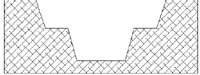 |
Figure 1.0 - Benching System |
Benching (Benching system) is a method of protecting employees from cave-ins by excavating the sides of an excavation to form one or more horizontal steps, usually with vertical or near-vertical surfaces between levels.
Cave-in means the movement of soil or rock into an excavation, or the loss of soil from under a trench shield or support system, in amounts large enough to trap, bury, or injure and immobilize a person.
Competent person means one who has been trained to identify hazards in the workplace, or working conditions that are unsafe for employees, and who has the authority to have these hazards corrected. The departmental Project Manager serves as the departmental competent person for the purposes of this program. The Project Manager will conduct all required tests and inspections as detailed in this program, and ensure that employees working in excavations have been trained and are following the requirements of this program.
Cross braces mean the horizontal members of a shoring system installed from side to side of the excavation. The cross braces bear against either uprights or Wales See Figure 2.0.
Department means a department at the university that conducts work in excavations.
Excavation means any man-made cut, cavity, trench, or depression in an earth surface formed by earth removal.
Faces or sides mean the vertical or inclined earth surfaces formed as a result of excavation work.
Failure means the movement or damage of a structural member or connection that makes it unable to support loads.
Hazardous atmosphere means an atmosphere that is explosive, flammable, poisonous, corrosive, oxidizing, irritating, oxygen deficient, toxic, or otherwise harmful, that may cause death, illness, or injury.
Kickout means the accidental movement or failure of a cross brace.
Project Manager is the individual within the department that will oversee excavation work and that is responsible for assuring compliance with this program.
Protective system means a method of protecting employees from cave-ins, from material that could fall or roll from an excavation face into an excavation, or from the collapse of adjacent structures. Protective systems include support systems, sloping and benching systems, shield systems, and other systems that provide the necessary protection.
Ramp means an inclined walking or working surface that is used to gain access to one point from another. A ramp may be constructed from earth or from structural materials such as steel or wood.
Registered Professional Engineer means a person who is registered as a professional engineer in Virginia.
Safety Coordinator means the individual at Environmental Health and Safety Services (EHSS) responsible for developing and implementing this program, conducting unannounced work site inspections, and ensuring that the departments comply with the program requirements.
Sheeting means the members of a shoring system that retain the earth in position and in turn are supported by other members of the shoring system. See figure 2.0.
Shield (Shield system) means a structure used in an excavation to withstand cave-ins and which will protect employees working within the shield system. Shields can be permanent structures or portable units moved along as work progresses. Shields used in trenches are usually referred to as "trench boxes" or "trench shields."
Shoring (Shoring system) means a structure that is built or put in place to support the sides of an excavation to prevent cave-ins.
Sides. See "Faces."
Sloping (Sloping system) means sloping the sides of the excavation away from the excavation to protect employees from cave-ins. The required slope will vary with soil type, weather, and surface or near surface loads that may affect the soil in the area of the trench (such as adjacent buildings, vehicles near the edge of the trench and so forth).
Stable rock means natural solid mineral material that can be excavated with vertical sides that will remain intact while exposed.
Structural ramp means a ramp built of steel or wood, usually used for vehicle access. Ramps made of soil or rock are not considered structural ramps.
Support system means a structure such as underpinning, bracing, or shoring, which provides support to an adjacent structure, underground installation, or the sides of an excavation.
Tabulated data means tables and charts approved by a registered professional engineer and used to design and construct a protective system.
Trench (Trench excavation) means a narrow excavation (in relation to its length) made below the surface of the ground.
Trench box or shield. See "Shield".
Uprights mean the vertical members of a trench shoring system placed in contact with the earth and usually positioned so that individual members do not contact each other. Uprights placed so that individual members are closely spaced, in contact with or interconnected to each other, are often called "sheeting."
Wales are horizontal members of a shoring system placed in the direction of the excavation face whose sides bear against the vertical members of the shoring system or earth (the uprights or sheeting).
3.0 PROGRAM ELEMENTS
3.1 Training and Duties of Program Participants
- All personnel involved in trenching or excavation work shall be trained in the requirements of this program. Departmental personnel shall be trained by the departmental Project Manager with assistance from the Safety Coordinator at EHSS.
- Training shall be performed before the employee is assigned duties in excavations.
- Retraining will be performed whenever work site inspections conducted by the Project Manager or EHSS indicate that an employee does not have the necessary knowledge or skills to safely work in or around excavations.
- Training records will be maintained by the Project Manager and will be copied to the Safety Coordinator at EHSS. These records shall include the date(s) of the training program, the instructor(s) of the training program, a copy of the written material presented, and the names of the employee(s) to whom the training was given.
All personnel that perform work in excavations shall comply with the requirements of this program. These personnel shall receive appropriate training that shall include, at a minimum:
- The work practices
that must be followed during excavating or working in excavations;
- The use of personal protective equipment that will typically be required during work in excavations, including but not limited to safety shoes, hard-hats, and fall protective devices;
- Procedures to be followed if a hazardous atmosphere exists or could reasonably be expected to develop during work in an excavation; and,
- Emergency and non-entry rescue methods, and procedure for calling rescue services.
The Project Manager shall receive the training detailed above and shall, in addition, receive training on the requirements detailed in Section 4.0 and 5.0, and Appendices A through D of this program. The Project Manager shall:
-
A.Coordinate and
actively participate in the training of departmental employees. A copy
of the training records shall be maintained by the Project Manager, and
shall be copied to EHSS;
B.Ensure on a daily basis, or more often as detailed in this program, that work site conditions are safe for employees to work in excavations;
C.Determine the means of protection (sloping back the sides of the excavation, use of trench shields, or shoring) that will be used for each excavation project; and,
D.Ensure, if required, that the design of a protective system has been completed and approved by a Registered Professional Engineer before work is begun in the excavation.
-
A.A Contractor
that is performing excavation work on university property shall coordinate
trenching and excavation work with the Project Manager to assure
the coordination of the work and shutdown of utilities if necessary.
B.Additional information is included in Virginia Tech’s Safety Guide for Contractors and Subcontractors
4.1 Utilities and Pre-work Site Inspection. Prior to excavation the site shall be thoroughly inspected by the Project Manager to determine if special safety measures must be taken.
Surface encumbrances. All equipment, materials, supplies, permanent installations (for example, buildings or roadways), trees, brush, boulders and other objects at the surface that could present a hazard to employees working in the excavation shall be removed or supported as necessary to protect employees.
Underground installations.
-
The location of sewers,
telephone, fuel, electric, water lines, or any other underground installations
that may be encountered during excavation work shall be determined and
marked prior to opening an excavation. Arrangements shall be made as necessary
by the Project Manager with the appropriate utility agency for the protection,
removal, shutdown, or relocation
of underground installations.
If it is not possible to establish the exact location of these installations, the work may proceed with caution if detection equipment or other safe and acceptable means are used to locate the utility.
Excavation shall be done in a manner that does not endanger the underground installations or the employees engaged in the work. Utilities left in place shall be protected by barricades, shoring, suspension or other means as necessary to protect employees.
Guardrails, fences, or barricades shall be provided on excavations adjacent to walkways, driveways and other pedestrian or vehicle thoroughfares. Warning lights or other illumination shall be maintained as necessary for the safety of the public and employees from sunset to sunrise.
Wells, holes, pits, shafts and all similar hazardous excavations shall be effectively barricaded or covered and posted as necessary to prevent unauthorized access. All temporary excavations of this type shall be backfilled as soon as possible.
Walkways or bridges protected by standard guardrails shall be provided where employees and the general public are permitted to cross over excavations. Where workers in the excavation may pass under these walkways or bridges, a standard guardrail and toeboard shall be used. Information on the requirements for guardrails and toeboards may be obtained by contacting EHSS.
4.3 Protection of Workers in Excavations
Access and means of egress. Stairs, ladders or ramps shall be provided where employees are required to enter trench excavations over 4 feet deep. The maximum distance of lateral travel (e.g., along the length of the trench) required to reach the means of egress shall not exceed 25 feet.
Structural ramps.
-
Structural ramps
used solely by employees as a means of access or egress from excavations
shall be designed by a competent person. Structural ramps used for access
or egress of equipment shall be designed by a person qualified in structural
design, and shall be constructed in accordance with the design.
Ramps and runways constructed of two or more structural members shall have the structural members connected together to prevent movement or displacement.
Structural members used for ramps and runways shall be of uniform thickness.
Cleats or other appropriate means used to connect runway structural members shall be attached to the bottom of the runway or shall be attached in a manner to prevent tripping.
Structural ramps used in place of steps shall be provided with cleats or other surface treatments on the top surface to prevent slipping.
-
When portable ladders
are used, the ladder side rails shall extend a minimum of 3 feet above
the upper surface of the excavation (see Figure 3.0).
Ladders shall have nonconductive side rails if work will be performed near exposed energized equipment or systems.
Two or more ladders, or a double-cleated ladder, will be provided where 25 or more employees will be conducting work in an excavation where ladders serve as the primary means of egress, or where ladders serve two-way traffic.
Ladders will be inspected prior to use for signs of damage or defects. Damaged ladders will be removed from service and marked with "Do Not Use" until repaired.
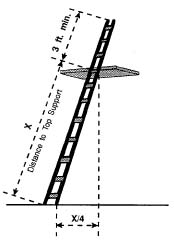 |
Figure 3.0 - Ladder Safety |
Ladders shall be used only on stable and level surfaces unless secured. Ladders placed in any location where they can be displaced by workplace activities or traffic shall be secured, or barricades shall be used to keep these activities away from the ladder.
Non-self-supporting ladders shall be positioned so that the foot of the ladder is one-quarter of the working length away from the support (see Figure 3.0).
Employees shall not be allowed to carry any object or load while on the ladder that could cause them to lose their balance and fall.
Employee exposure to falling loads. No employee shall be permitted underneath loads handled by lifting or digging equipment. Employees shall be required to stand away from any vehicle being loaded or unloaded to avoid being struck by any spillage or falling materials. Operators may remain in the cabs of vehicles being loaded or unloaded when the vehicles provide adequate protection for the operator during loading and unloading operations.
Warning system for mobile equipment. A warning system shall be used when mobile equipment is operated adjacent to the edge of an excavation if the operator does not have a clear and direct view of the edge of the excavation.The warning system shall consist of barricades, hand or mechanical signals, or stop logs. If possible, the grade should be away from the excavation.
Hazardous atmospheres. The Project Manager will test the atmosphere in excavations over 4 feet deep if a hazardous atmosphere exists or could reasonably be expected to exist. A hazardous atmosphere could be expected, for example, in excavations in landfill areas, in excavations in areas where hazardous substances are stored nearby, or in excavations near or containing gas pipelines.
-
Adequate precautions
shall be taken to prevent employee exposure to atmospheres containing
less than 19.5 percent oxygen and other hazardous atmospheres. These precautions
include providing proper respiratory protection or forced ventilation
of the workspace. Technical assistance on these precautions may be obtained
by contacting EHSS.
Forced ventilation or other effective means shall be used to prevent employee exposure to an atmosphere containing a flammable gas in excess of 10 percent of the lower flammability limit of the gas.
2When controls are used that are intended to reduce the level of atmospheric contaminants to acceptable levels, continuous air monitoring will be performed by the Project Manager. The device used for atmospheric monitoring shall be equipped with an audible and visual alarm.
3Atmospheric testing will be performed using a properly calibrated direct reading gas monitor. Direct reading gas detector tubes or other acceptable means may also be used to test potentially toxic atmospheres.
4Each atmospheric testing instrument shall be calibrated on a schedule and in the manner recommended by the manufacturer except:
-
0Any atmospheric
testing instrument that has not been used within thirty (30) days shall
be recalibrated by the Department prior to use.
1Each atmospheric testing instrument shall be calibrated at least every six (6) months by the Department.
2Copies of calibration records will be forwarded to EHSS.
Each atmospheric testing instrument will be field checked immediately prior to use to ensure that it is operating properly.
-
All employees working
in trenches or excavations shall wear approved hard-hats and steel toed
shoes or boots.
Employees exposed to flying fragments, dust, or other materials produced by drilling, sawing, sanding, grinding and similar operations shall wear approved safety glasses with side shields.
Employees exposed to hazards produced by, or performing, welding, cutting, or brazing operations shall wear, as determined by the Project Manager, approved spectacles or a welding faceshield or helmet.
Employees entering bell-bottom pier holes or other similar deep and confined footing excavations shall wear a harness with a lifeline securely attached to it. The lifeline shall be separate from any line used to handle materials and shall be individually attended at all times while the employee wearing the lifeline is in the excavation.
Employees shall wear, as determined by the Project Manager, approved gloves or other suitable hand protection.
Employees using, or working in the immediate vicinity of, hammer drills, masonry saws, jackhammers or similar high noise producing equipment shall wear suitable hearing protection.
Each employee at the edge of an excavation 6 feet or more deep shall be protected from falling. Fall protection shall be provided by guardrail systems, fences, barricades, covers, or a tie-back system meeting the requirements of the Virginia Tech Fall Protection Program.
Emergency rescue equipment, such as breathing apparatus, a safety harness and line, and a basket stretcher shall be readily available where hazardous atmospheric conditions exist or may develop during work in an excavation. This equipment shall be attended when in use. Only personnel that have received approved training and have appropriate equipment shall attempt retrieval that would require entry into a hazardous atmosphere. If entry into a known hazardous atmosphere must be performed, then EHSS shall be given advance notice so that the hazards can be evaluated and rescue personnel placed on standby if necessary.
Protection from hazards associated with water accumulation.
-
Employees shall not
work in excavations that contain or are accumulating water unless precautions
have been taken to protect employees against the hazards posed by water
accumulation. The precautions taken could include, for example, special
support or shield systems to protect from cave-ins, water removal to control
the level of accumulating water, or use of safety harnesses and lifelines.
If water is controlled or prevented from accumulating by the use of water removal equipment, the water removal equipment andoperation shall be monitored by a person trained in the use of the equipment.
If excavation work interrupts the natural drainage of surface water (such as streams), diversion ditches, dikes, or other suitable means shall be used to prevent surface water from entering the excavation. Precautions shall also be taken to provide adequate drainage of the area adjacent to the excavation. Excavations subject to runoff from heavy rains shall be reinspected by the Project Manager to determine if precautions detailed in section 4.3(G)(1) and/or 4.3(G)(2) should be taken.
The Project Manager shall inform workers of the precautions or procedures that are to be followed if water accumulates or is accumulating in an excavation.
-
Support systems (such
as shoring, bracing, or underpinning) shall be used to assure the stability
of structures and the protection of employees where excavation operations
could affect the stability of adjoining buildings, walls, or other structures.
Excavation below the level of the base or footing of any foundation or retaining wall that could be reasonably expected to pose a hazard to employees shall not be permitted except when: A support system, such as underpinning, is provided to ensure the safety of employees and the stability of the structure; or
The excavation is in stable rock; or
A registered professional engineer has approved the determination that the structure is sufficiently removed from the excavation so as to be unaffected by the excavation activity; or
A registered professional engineer has approved the determination that such excavation work will not pose a hazard to employees.
Sidewalks, pavements and appurtenant structure shall not be undermined unless a support system or other method of protection is provided to protect employees from the possible
collapse of such structures.
Where review or approval of a support system by a registered professional engineer is required, the Department shall secure this review and approval in writing before the work is
begun. A copy of this approval shall be provided to EHSS.
-
Adequate protection
shall be provided to protect employees from loose rock or soil that could
pose a hazard by falling or rolling from an excavation face. Such protection
shall consist of:
-
Scaling to remove
loose material;
Installation of protective barricades, such as wire mesh or timber, at appropriate intervals on the face of the slope to stop and contain falling material; or
Benching sufficient to contain falling material.
Excavation personnel shall not be permitted to work above one another where the danger of falling rock or earth exists.
Employees shall be protected from excavated materials, equipment or other materials that could pose a hazard by falling or rolling into excavations.
-
Protection shall
be provided by keeping such materials or equipment at least 2 feet
from the edge of excavations, by the use of restraining devices that
are sufficient to prevent materials or equipment from falling or rolling
into excavations, or by a combination of both if necessary.
Materials and equipment may, as determined by the Project Manager, need to be stored further than 2 feet from the edge of the excavation if a hazardous loading condition is created on the face of the excavation.
Materials piled, grouped or stacked near the edge of an excavation must be stable and self-supporting.
-
The departmental
Project Manager shall conduct daily inspections of excavations, adjacent
areas, and protective systems for evidence of a situation that could result
in possible cave-ins, failure of protective systems, hazardous atmospheres,
or other hazardous conditions. An inspection shall be conducted by the
Project Manager prior to the start of work and as needed
throughout the shift. Inspections shall also be made after every rainstorm
or other hazard increasing
occurrence. These inspections are only required when the trench will be or is occupied by employees.
Where the competent person finds evidence of a situation that could result in a possible cave-in, failure of protective systems, hazardous atmosphere, or other hazardous conditions, exposed employees shall be removed from the hazardous area until precautions have
been taken to assure their safety.
The Project Manager shall maintain a written log of all inspections conducted. This log shall include the date, work site location, results of the inspection, and a summary of any action taken to correct existing hazards.
5.1 Protection of employees in excavations.
-
Employees in an excavation
shall be protected from cave-ins by using either an adequate sloping and
benching system (Section 5.2) or an adequate support or protective system
(Section 5.3). The only exceptions are:
-
Excavations made
entirely in stable rock; or
Excavations less than 5 feet in depth where examination of the ground by the Project Manager provides no indication of a potential cave-in.
Protective systems shall be capable of resisting all loads that could
reasonably be expected to be applied to the system.
-
Option 1 - Allowable
configurations and slopes.
-
Excavations shall
be sloped at an angle not steeper than one and one-half horizontal to
one vertical (34 degrees measured from the horizontal), unless the Project
Manager uses one of
the other options listed below.
The slopes used shall be excavated in accordance with the slopes shown for Type C soil in Appendix B.
Option 2 - Determination of slopes and configurations using
-
Appendix A and
B. Maximum allowable slopes, and allowable configurations for sloping
and benching systems, shall meet the requirements set forth in appendix
A and B.
Option 3 - Designs using other tabulated data.
The design of sloping or benching systems may be selected from, and shall be constructed in accordance with, other tabulated data, such as tables and charts. The tabulated data used
must be in written form and include all of the following: Identification of the factors that affect the selection of a sloping or benching system;
-
Identification
of the limits of use of the data, including the maximum height and the
angle of the slopes determined to be safe;
Other information needed by the user to make correct selection of a protective system.
One copy of the tabulated data that identifies the registered professional engineer who approved the data shall be maintained at the jobsite during construction of the protective
system. After that time the data may be stored off the jobsite, but a copy of the data shall be made available to EHSS upon request.
Option (4) - Design by a registered professional engineer: Sloping and benching systems not utilizing Option (1), Option (2) or Option (3) under Section 5.2 shall be approved by a registered professional engineer.
-
Designs shall be
in written form and shall include at least the following:
The maximum height and angle of the slopes that were determined to be safe for the particular project;
The identity of the registered professional engineer approving the design.
available to EHSS upon request.
-
Option (1) - Designs
using Appendix A, C and D. Design of timber shoring in trenches shall
be made in accordance with the requirements of appendix A and C of this
program. Design of aluminum hydraulic shoring shall be in accordance with
Section 5.2(B), but if manufacturer’s tabulated data can not be used,
then designs shall be in accordance with appendix D.
Option (2) - Designs using manufacturer’s tabulated data.
-
Support systems,
shield systems, or other protective systems drawn from manufacturer’s
tabulated data shall be constructed and used in accordance with all
specifications, recommendations, and limitations issued or made by the
manufacturer.
Deviation from the specifications, recommendations, and limitations issued or made by the manufacturer shall only be allowed after the manufacturer issues specific written approval.
Manufacturer’s specifications, recommendations, and limitations, and manufacturer’s approval to deviate from the specifications, recommendations, and limitations shall be kept in written form at the jobsite during construction of the protective system. After that time this data may be stored off the jobsite, but a copy shall be made available to EHSS upon request.
Option (3) - Designs using other tabulated data.
Designs of support systems, shield systems, or other protective systems shall be selected from and be constructed in accordance with tabulated data, such as tables and charts.
The tabulated data shall be in written form and include all of the following:
-
Identification
of the factors that affect the selection of a protective system drawn
from such data;
Identification of the limits of use of the data;
Information needed by the user to make a correct selection of a protective system from the data.
At least one copy of the tabulated data, which identifies the registered professional engineer who approved the data, shall be maintained at the jobsite during construction of the protective system. After that time the data may be stored off the jobsite, but a copy of the data shall be made available to EHSS upon request.
Option (4) - Design by a registered professional engineer.
Support systems, shield systems, and other protective systems not using the options detailed in sections 5.3(A), (B) or (C) shall be approved by a registered professional engineer.
Designs shall be in written form and shall include the following:
-
A plan indicating
the sizes, types, and configurations of the materials to be used in
the protective system; and
The identify of the registered professional engineer approving the design.
At least one copy of the design shall be maintained at the jobsite during construction of the protective system. After that time, the design may be stored off the jobsite, but a copy of the design shall be made available to EHSS upon request.
-
Materials and equipment
used for protective systems shall be free from damage or defects that
might affect their proper function.
Manufactured materials and equipment used for protective systems shall be used and maintained in accordance with the recommendations of the manufacturer, and in a manner that will prevent employee exposure to hazards.
When material or equipment used for protective systems are damaged, the Project Manager shall ensure that these systems are examined by a competent person to evaluate its suitability for continued use. If the competent person can not assure the material or equipment is able to support the intended loads or is otherwise suitable for safe use, then such material or equipment shall be removed from service. These materials or equipment shall be evaluated and approved by a registered professional engineer before being returned to service.
General.
-
Members of support
systems shall be securely connected together to prevent sliding, falling,
kickouts, or other potential hazards.
Support systems shall be installed and removed in a manner that protects employees from cave-ins, structural collapses, or from being struck by members of the support system.
Individual members of support systems shall not be subjected to loads exceeding those which those members were designed to support.
Before temporary removal of individual support members begins, additional precautions shall be taken as directed by the Project Manager to ensure the safety of employees. These precautions could include, for example, the installation other structural members to carry the loads imposed on the support system.
Removal of support systems shall begin at, and progress from, the bottom of the excavation. Members shall be released slowly. If there is any indication of possible failure of the remaining members of the structure or possible cave-in of the sides of the excavation the work shall be halted until it can be examined by the Project Manager.
Backfilling shall progress together with the removal of support systems from excavations.
-
Excavation of material
to a level no greater than 2 feet below the bottom of the members of a
support system is allowed, but only if the system is designed to resist
the forces calculated for the full depth of the trench. There shall be
no indications while the trench is open of a possible loss of soil from
behind or below the bottom of the support system.
Installation of a support system shall be closely coordinated with the excavation of trenches.
5.7 Shield systems
General.
-
Shield systems shall
not be subjected to loads that are greater than those they were designed
to withstand.
Shields shall be installed in a manner that will restrict lateral or other hazardous movement of the shield that could occur during cave-in or unexpected soil movement.
Employees shall be protected from the hazard of cave-ins when entering or exiting the areas protected by shields.
Employees shall not be allowed in shields when shields are being installed, removed, or moved vertically.
[disclaimer:protected] => [disclaimer_transformed:protected] => [alreadyInSave:protected] => [alreadyInValidation:protected] => [validationFailures:protected] => Array ( ) [_new:BaseObject:private] => [_deleted:BaseObject:private] => [modifiedColumns:protected] => Array ( ) ) [template] => record ) [_globalContext:PHPTAL_Context:private] => stdClass Object ( ) [_echoDeclarations:PHPTAL_Context:private] => [referer] => https://www.elcosh.org/en/document/384/d000379/excavation-and-trenching-safety-program-project-managers-manual.html [curr_module] => Record [styles] => Array ( ) [javascript] => Array ( [0] => jquery.min.js ) [metas] => Array ( [language] => en [robots] => index, follow ) [user] => [curr_url] => https://www.elcosh.org/index.php?module=Record&id=42&type=document&show_text=1 [base_url] => https://www.elcosh.org/index.php?module=Record [title] => eLCOSH : Excavation and Trenching Safety Program - Project Manager's Manual [language] => en [search_query] => [module] => Record [new_records] => Array ( [0] => Search_Result Object ( [title] => Toolbox Talk: Fixed Ladder [image] => /record/images/notavailable-p.png [blurb] => The CPWR Toolbox Talk on Fixed Ladders addresses the potential risks associated with using fixed ladders. The resource includes a brief case example,... [category] => Array ( [0] => 15 [1] => 47 [2] => 49 [3] => 51 [4] => 53 [5] => 55 [6] => 60 [7] => 64 [8] => 73 [9] => 76 [10] => 78 [11] => 80 [12] => 86 [13] => 87 [14] => 90 [15] => 92 [16] => 93 [17] => 94 [18] => 100 ) [labels] => Array ( [0] => Falls [1] => Work Environment [2] => Hazards [3] => Bricklayer [4] => Trades [5] => Carpenter [7] => Cement Mason [9] => Concrete Polisher [11] => Electrical Worker [13] => HVAC [15] => Laborer [17] => PCC/Restoration [19] => Plumber/Pipefitter [21] => Roofer/Waterproofer [23] => Sheetmetal Worker [25] => Welder [27] => Commercial & Institutional [28] => Jobsites [29] => Industrial [31] => LEED/Green Construction [33] => Renovations [35] => Residential [37] => Toolbox Talks [38] => Documents [39] => Media & Documents ) [type] => Toolbox Talks [sub_category] => [url] => /document/4430/d001660/Toolbox%2BTalk%253A%2BFixed%2BLadder.html [item:protected] => DocumentRecord Object ( [records:protected] => Array ( ) [recordId:protected] => [searchWordClass:protected] => [searchWordPeerClass:protected] => [bok_record:protected] => [authors:protected] => [organizations:protected] => [collections:protected] => [categories:protected] => Array ( [15] => Category Object ( [languages:protected] => [bok_resources:protected] => [bok_topics:protected] => [bok_keywords:protected] => [id:protected] => 15 [type:protected] => category [parent:protected] => 7 [label:protected] => Falls [alreadyInSave:protected] => [alreadyInValidation:protected] => [validationFailures:protected] => Array ( ) [_new:BaseObject:private] => [_deleted:BaseObject:private] => [modifiedColumns:protected] => Array ( ) ) [47] => Category Object ( [languages:protected] => [bok_resources:protected] => [bok_topics:protected] => [bok_keywords:protected] => [id:protected] => 47 [type:protected] => category [parent:protected] => 2 [label:protected] => Bricklayer [alreadyInSave:protected] => [alreadyInValidation:protected] => [validationFailures:protected] => Array ( ) [_new:BaseObject:private] => [_deleted:BaseObject:private] => [modifiedColumns:protected] => Array ( ) ) [49] => Category Object ( [languages:protected] => [bok_resources:protected] => [bok_topics:protected] => [bok_keywords:protected] => [id:protected] => 49 [type:protected] => category [parent:protected] => 2 [label:protected] => Carpenter [alreadyInSave:protected] => [alreadyInValidation:protected] => [validationFailures:protected] => Array ( ) [_new:BaseObject:private] => [_deleted:BaseObject:private] => [modifiedColumns:protected] => Array ( ) ) [51] => Category Object ( [languages:protected] => [bok_resources:protected] => [bok_topics:protected] => [bok_keywords:protected] => [id:protected] => 51 [type:protected] => category [parent:protected] => 2 [label:protected] => Cement Mason [alreadyInSave:protected] => [alreadyInValidation:protected] => [validationFailures:protected] => Array ( ) [_new:BaseObject:private] => [_deleted:BaseObject:private] => [modifiedColumns:protected] => Array ( ) ) [53] => Category Object ( [languages:protected] => [bok_resources:protected] => [bok_topics:protected] => [bok_keywords:protected] => [id:protected] => 53 [type:protected] => category [parent:protected] => 2 [label:protected] => Concrete Polisher [alreadyInSave:protected] => [alreadyInValidation:protected] => [validationFailures:protected] => Array ( ) [_new:BaseObject:private] => [_deleted:BaseObject:private] => [modifiedColumns:protected] => Array ( ) ) [55] => Category Object ( [languages:protected] => [bok_resources:protected] => [bok_topics:protected] => [bok_keywords:protected] => [id:protected] => 55 [type:protected] => category [parent:protected] => 2 [label:protected] => Electrical Worker [alreadyInSave:protected] => [alreadyInValidation:protected] => [validationFailures:protected] => Array ( ) [_new:BaseObject:private] => [_deleted:BaseObject:private] => [modifiedColumns:protected] => Array ( ) ) [60] => Category Object ( [languages:protected] => [bok_resources:protected] => [bok_topics:protected] => [bok_keywords:protected] => [id:protected] => 60 [type:protected] => category [parent:protected] => 2 [label:protected] => HVAC [alreadyInSave:protected] => [alreadyInValidation:protected] => [validationFailures:protected] => Array ( ) [_new:BaseObject:private] => [_deleted:BaseObject:private] => [modifiedColumns:protected] => Array ( ) ) [64] => Category Object ( [languages:protected] => [bok_resources:protected] => [bok_topics:protected] => [bok_keywords:protected] => [id:protected] => 64 [type:protected] => category [parent:protected] => 2 [label:protected] => Laborer [alreadyInSave:protected] => [alreadyInValidation:protected] => [validationFailures:protected] => Array ( ) [_new:BaseObject:private] => [_deleted:BaseObject:private] => [modifiedColumns:protected] => Array ( ) ) [73] => Category Object ( [languages:protected] => [bok_resources:protected] => [bok_topics:protected] => [bok_keywords:protected] => [id:protected] => 73 [type:protected] => category [parent:protected] => 2 [label:protected] => PCC/Restoration [alreadyInSave:protected] => [alreadyInValidation:protected] => [validationFailures:protected] => Array ( ) [_new:BaseObject:private] => [_deleted:BaseObject:private] => [modifiedColumns:protected] => Array ( ) ) [76] => Category Object ( [languages:protected] => [bok_resources:protected] => [bok_topics:protected] => [bok_keywords:protected] => [id:protected] => 76 [type:protected] => category [parent:protected] => 2 [label:protected] => Plumber/Pipefitter [alreadyInSave:protected] => [alreadyInValidation:protected] => [validationFailures:protected] => Array ( ) [_new:BaseObject:private] => [_deleted:BaseObject:private] => [modifiedColumns:protected] => Array ( ) ) [78] => Category Object ( [languages:protected] => [bok_resources:protected] => [bok_topics:protected] => [bok_keywords:protected] => [id:protected] => 78 [type:protected] => category [parent:protected] => 2 [label:protected] => Roofer/Waterproofer [alreadyInSave:protected] => [alreadyInValidation:protected] => [validationFailures:protected] => Array ( ) [_new:BaseObject:private] => [_deleted:BaseObject:private] => [modifiedColumns:protected] => Array ( ) ) [80] => Category Object ( [languages:protected] => [bok_resources:protected] => [bok_topics:protected] => [bok_keywords:protected] => [id:protected] => 80 [type:protected] => category [parent:protected] => 2 [label:protected] => Sheetmetal Worker [alreadyInSave:protected] => [alreadyInValidation:protected] => [validationFailures:protected] => Array ( ) [_new:BaseObject:private] => [_deleted:BaseObject:private] => [modifiedColumns:protected] => Array ( ) ) [86] => Category Object ( [languages:protected] => [bok_resources:protected] => [bok_topics:protected] => [bok_keywords:protected] => [id:protected] => 86 [type:protected] => category [parent:protected] => 2 [label:protected] => Welder [alreadyInSave:protected] => [alreadyInValidation:protected] => [validationFailures:protected] => Array ( ) [_new:BaseObject:private] => [_deleted:BaseObject:private] => [modifiedColumns:protected] => Array ( ) ) [87] => Category Object ( [languages:protected] => [bok_resources:protected] => [bok_topics:protected] => [bok_keywords:protected] => [id:protected] => 87 [type:protected] => category [parent:protected] => 3 [label:protected] => Commercial & Institutional [alreadyInSave:protected] => [alreadyInValidation:protected] => [validationFailures:protected] => Array ( ) [_new:BaseObject:private] => [_deleted:BaseObject:private] => [modifiedColumns:protected] => Array ( ) ) [90] => Category Object ( [languages:protected] => [bok_resources:protected] => [bok_topics:protected] => [bok_keywords:protected] => [id:protected] => 90 [type:protected] => category [parent:protected] => 3 [label:protected] => Industrial [alreadyInSave:protected] => [alreadyInValidation:protected] => [validationFailures:protected] => Array ( ) [_new:BaseObject:private] => [_deleted:BaseObject:private] => [modifiedColumns:protected] => Array ( ) ) [92] => Category Object ( [languages:protected] => [bok_resources:protected] => [bok_topics:protected] => [bok_keywords:protected] => [id:protected] => 92 [type:protected] => category [parent:protected] => 3 [label:protected] => LEED/Green Construction [alreadyInSave:protected] => [alreadyInValidation:protected] => [validationFailures:protected] => Array ( ) [_new:BaseObject:private] => [_deleted:BaseObject:private] => [modifiedColumns:protected] => Array ( ) ) [93] => Category Object ( [languages:protected] => [bok_resources:protected] => [bok_topics:protected] => [bok_keywords:protected] => [id:protected] => 93 [type:protected] => category [parent:protected] => 3 [label:protected] => Renovations [alreadyInSave:protected] => [alreadyInValidation:protected] => [validationFailures:protected] => Array ( ) [_new:BaseObject:private] => [_deleted:BaseObject:private] => [modifiedColumns:protected] => Array ( ) ) [94] => Category Object ( [languages:protected] => [bok_resources:protected] => [bok_topics:protected] => [bok_keywords:protected] => [id:protected] => 94 [type:protected] => category [parent:protected] => 3 [label:protected] => Residential [alreadyInSave:protected] => [alreadyInValidation:protected] => [validationFailures:protected] => Array ( ) [_new:BaseObject:private] => [_deleted:BaseObject:private] => [modifiedColumns:protected] => Array ( ) ) [100] => Category Object ( [languages:protected] => [bok_resources:protected] => [bok_topics:protected] => [bok_keywords:protected] => [id:protected] => 100 [type:protected] => category [parent:protected] => 6 [label:protected] => Toolbox Talks [alreadyInSave:protected] => [alreadyInValidation:protected] => [validationFailures:protected] => Array ( ) [_new:BaseObject:private] => [_deleted:BaseObject:private] => [modifiedColumns:protected] => Array ( ) ) ) [categories_initialized:protected] => 1 [mapped_items:protected] => [content:protected] => [files:protected] => [language:protected] => Language Object ( [id:protected] => 1 [code:protected] => en [name:protected] => English [alreadyInSave:protected] => [alreadyInValidation:protected] => [validationFailures:protected] => Array ( ) [_new:BaseObject:private] => [_deleted:BaseObject:private] => [modifiedColumns:protected] => Array ( ) ) [old_record:protected] => [id:protected] => 4430 [old_id:protected] => [elcosh_id:protected] => d001660 [type:protected] => document [display_type:protected] => HTML only (and links) [user_id:protected] => 0 [language_id:protected] => 1 [tagging_id:protected] => Mike Aguilar [priority_id:protected] => 1 [title:protected] => Toolbox Talk: Fixed Ladder [total_pages:protected] => 0 [billed_pages:protected] => 0 [publication_number:protected] => [part_of:protected] => [keywords:protected] => Fixed Ladders, Fall Prevention, Falls [comments:protected] => [summary:protected] => The CPWR Toolbox Talk on Fixed Ladders addresses the potential risks associated with using fixed ladders. The resource includes a brief case example, steps to prevent a related injury and questions for discussion. It includes an image that illustrates the hazard, which can be posted in a central location as a reminder of steps to work safely. Available in English and Spanish. [transition_comments:protected] => [external_link:protected] => [consol_link:protected] => [more_like_this:protected] => d001257,d001254,d001255,d001256,d001258,d001262,d001279 [permission_given_by:protected] => [published:protected] => T [billable:protected] => F [img_name:protected] => [img_ext:protected] => [img_width:protected] => [img_height:protected] => [img_credit:protected] => [img_practice:protected] => [vid_source_id:protected] => [vid_running_time:protected] => [vid_intended_audience:protected] => [vid_acquisition_info:protected] => [vid_cost:protected] => [vid_producer:protected] => [vid_filename:protected] => [vid_filename_downloadable:protected] => [date_summary:protected] => [date_permission_requested:protected] => [date_permission_received:protected] => [date_review_needed:protected] => [date_received:protected] => 06/10/22 [date_completed:protected] => 06/10/22 [date_billed:protected] => [date_modified:protected] => 05/22/23 [collBokExports:protected] => [lastBokExportCriteria:BaseElcoshItem:private] => [alreadyInSave:protected] => [alreadyInValidation:protected] => [validationFailures:protected] => Array ( ) [_new:BaseObject:private] => [_deleted:BaseObject:private] => [modifiedColumns:protected] => Array ( ) ) ) [1] => Search_Result Object ( [title] => Toolbox Talk: Challenges Preventing Falling Objects [image] => /record/images/notavailable-p.png [blurb] => The CPWR Toolbox Talk on Challenges Preventing Falling Objects addresses the hazards of being struck by falling objects on the job site. The resource... [category] => Array ( [0] => 12 [1] => 47 [2] => 49 [3] => 51 [4] => 55 [5] => 64 [6] => 68 [7] => 71 [8] => 75 [9] => 78 [10] => 79 [11] => 82 [12] => 62 [13] => 86 [14] => 87 [15] => 88 [16] => 89 [17] => 91 [18] => 90 [19] => 92 [20] => 93 [21] => 94 [22] => 95 [23] => 100 ) [labels] => Array ( [0] => Crushed/Struck By [1] => Work Environment [2] => Hazards [3] => Bricklayer [4] => Trades [5] => Carpenter [7] => Cement Mason [9] => Electrical Worker [11] => Laborer [13] => Maintenance Worker [15] => Painter [17] => Plasterer [19] => Roofer/Waterproofer [21] => Scaffold Erector [23] => Stonemason [25] => Structural Ironworker [27] => Welder [29] => Commercial & Institutional [30] => Jobsites [31] => Demolition [33] => Disasters [35] => Heavy & Highway [37] => Industrial [39] => LEED/Green Construction [41] => Renovations [43] => Residential [45] => Underground [47] => Toolbox Talks [48] => Documents [49] => Media & Documents ) [type] => Toolbox Talks [sub_category] => [url] => /document/4431/d001661/Toolbox%2BTalk%253A%2BChallenges%2BPreventing%2BFalling%2BObjects.html [item:protected] => DocumentRecord Object ( [records:protected] => Array ( ) [recordId:protected] => [searchWordClass:protected] => [searchWordPeerClass:protected] => [bok_record:protected] => [authors:protected] => [organizations:protected] => [collections:protected] => [categories:protected] => Array ( [12] => Category Object ( [languages:protected] => [bok_resources:protected] => [bok_topics:protected] => [bok_keywords:protected] => [id:protected] => 12 [type:protected] => category [parent:protected] => 7 [label:protected] => Crushed/Struck By [alreadyInSave:protected] => [alreadyInValidation:protected] => [validationFailures:protected] => Array ( ) [_new:BaseObject:private] => [_deleted:BaseObject:private] => [modifiedColumns:protected] => Array ( ) ) [47] => Category Object ( [languages:protected] => [bok_resources:protected] => [bok_topics:protected] => [bok_keywords:protected] => [id:protected] => 47 [type:protected] => category [parent:protected] => 2 [label:protected] => Bricklayer [alreadyInSave:protected] => [alreadyInValidation:protected] => [validationFailures:protected] => Array ( ) [_new:BaseObject:private] => [_deleted:BaseObject:private] => [modifiedColumns:protected] => Array ( ) ) [49] => Category Object ( [languages:protected] => [bok_resources:protected] => [bok_topics:protected] => [bok_keywords:protected] => [id:protected] => 49 [type:protected] => category [parent:protected] => 2 [label:protected] => Carpenter [alreadyInSave:protected] => [alreadyInValidation:protected] => [validationFailures:protected] => Array ( ) [_new:BaseObject:private] => [_deleted:BaseObject:private] => [modifiedColumns:protected] => Array ( ) ) [51] => Category Object ( [languages:protected] => [bok_resources:protected] => [bok_topics:protected] => [bok_keywords:protected] => [id:protected] => 51 [type:protected] => category [parent:protected] => 2 [label:protected] => Cement Mason [alreadyInSave:protected] => [alreadyInValidation:protected] => [validationFailures:protected] => Array ( ) [_new:BaseObject:private] => [_deleted:BaseObject:private] => [modifiedColumns:protected] => Array ( ) ) [55] => Category Object ( [languages:protected] => [bok_resources:protected] => [bok_topics:protected] => [bok_keywords:protected] => [id:protected] => 55 [type:protected] => category [parent:protected] => 2 [label:protected] => Electrical Worker [alreadyInSave:protected] => [alreadyInValidation:protected] => [validationFailures:protected] => Array ( ) [_new:BaseObject:private] => [_deleted:BaseObject:private] => [modifiedColumns:protected] => Array ( ) ) [64] => Category Object ( [languages:protected] => [bok_resources:protected] => [bok_topics:protected] => [bok_keywords:protected] => [id:protected] => 64 [type:protected] => category [parent:protected] => 2 [label:protected] => Laborer [alreadyInSave:protected] => [alreadyInValidation:protected] => [validationFailures:protected] => Array ( ) [_new:BaseObject:private] => [_deleted:BaseObject:private] => [modifiedColumns:protected] => Array ( ) ) [68] => Category Object ( [languages:protected] => [bok_resources:protected] => [bok_topics:protected] => [bok_keywords:protected] => [id:protected] => 68 [type:protected] => category [parent:protected] => 2 [label:protected] => Maintenance Worker [alreadyInSave:protected] => [alreadyInValidation:protected] => [validationFailures:protected] => Array ( ) [_new:BaseObject:private] => [_deleted:BaseObject:private] => [modifiedColumns:protected] => Array ( ) ) [71] => Category Object ( [languages:protected] => [bok_resources:protected] => [bok_topics:protected] => [bok_keywords:protected] => [id:protected] => 71 [type:protected] => category [parent:protected] => 2 [label:protected] => Painter [alreadyInSave:protected] => [alreadyInValidation:protected] => [validationFailures:protected] => Array ( ) [_new:BaseObject:private] => [_deleted:BaseObject:private] => [modifiedColumns:protected] => Array ( ) ) [75] => Category Object ( [languages:protected] => [bok_resources:protected] => [bok_topics:protected] => [bok_keywords:protected] => [id:protected] => 75 [type:protected] => category [parent:protected] => 2 [label:protected] => Plasterer [alreadyInSave:protected] => [alreadyInValidation:protected] => [validationFailures:protected] => Array ( ) [_new:BaseObject:private] => [_deleted:BaseObject:private] => [modifiedColumns:protected] => Array ( ) ) [78] => Category Object ( [languages:protected] => [bok_resources:protected] => [bok_topics:protected] => [bok_keywords:protected] => [id:protected] => 78 [type:protected] => category [parent:protected] => 2 [label:protected] => Roofer/Waterproofer [alreadyInSave:protected] => [alreadyInValidation:protected] => [validationFailures:protected] => Array ( ) [_new:BaseObject:private] => [_deleted:BaseObject:private] => [modifiedColumns:protected] => Array ( ) ) [79] => Category Object ( [languages:protected] => [bok_resources:protected] => [bok_topics:protected] => [bok_keywords:protected] => [id:protected] => 79 [type:protected] => category [parent:protected] => 2 [label:protected] => Scaffold Erector [alreadyInSave:protected] => [alreadyInValidation:protected] => [validationFailures:protected] => Array ( ) [_new:BaseObject:private] => [_deleted:BaseObject:private] => [modifiedColumns:protected] => Array ( ) ) [82] => Category Object ( [languages:protected] => [bok_resources:protected] => [bok_topics:protected] => [bok_keywords:protected] => [id:protected] => 82 [type:protected] => category [parent:protected] => 2 [label:protected] => Stonemason [alreadyInSave:protected] => [alreadyInValidation:protected] => [validationFailures:protected] => Array ( ) [_new:BaseObject:private] => [_deleted:BaseObject:private] => [modifiedColumns:protected] => Array ( ) ) [62] => Category Object ( [languages:protected] => [bok_resources:protected] => [bok_topics:protected] => [bok_keywords:protected] => [id:protected] => 62 [type:protected] => category [parent:protected] => 2 [label:protected] => Structural Ironworker [alreadyInSave:protected] => [alreadyInValidation:protected] => [validationFailures:protected] => Array ( ) [_new:BaseObject:private] => [_deleted:BaseObject:private] => [modifiedColumns:protected] => Array ( ) ) [86] => Category Object ( [languages:protected] => [bok_resources:protected] => [bok_topics:protected] => [bok_keywords:protected] => [id:protected] => 86 [type:protected] => category [parent:protected] => 2 [label:protected] => Welder [alreadyInSave:protected] => [alreadyInValidation:protected] => [validationFailures:protected] => Array ( ) [_new:BaseObject:private] => [_deleted:BaseObject:private] => [modifiedColumns:protected] => Array ( ) ) [87] => Category Object ( [languages:protected] => [bok_resources:protected] => [bok_topics:protected] => [bok_keywords:protected] => [id:protected] => 87 [type:protected] => category [parent:protected] => 3 [label:protected] => Commercial & Institutional [alreadyInSave:protected] => [alreadyInValidation:protected] => [validationFailures:protected] => Array ( ) [_new:BaseObject:private] => [_deleted:BaseObject:private] => [modifiedColumns:protected] => Array ( ) ) [88] => Category Object ( [languages:protected] => [bok_resources:protected] => [bok_topics:protected] => [bok_keywords:protected] => [id:protected] => 88 [type:protected] => category [parent:protected] => 3 [label:protected] => Demolition [alreadyInSave:protected] => [alreadyInValidation:protected] => [validationFailures:protected] => Array ( ) [_new:BaseObject:private] => [_deleted:BaseObject:private] => [modifiedColumns:protected] => Array ( ) ) [89] => Category Object ( [languages:protected] => [bok_resources:protected] => [bok_topics:protected] => [bok_keywords:protected] => [id:protected] => 89 [type:protected] => category [parent:protected] => 3 [label:protected] => Disasters [alreadyInSave:protected] => [alreadyInValidation:protected] => [validationFailures:protected] => Array ( ) [_new:BaseObject:private] => [_deleted:BaseObject:private] => [modifiedColumns:protected] => Array ( ) ) [91] => Category Object ( [languages:protected] => [bok_resources:protected] => [bok_topics:protected] => [bok_keywords:protected] => [id:protected] => 91 [type:protected] => category [parent:protected] => 3 [label:protected] => Heavy & Highway [alreadyInSave:protected] => [alreadyInValidation:protected] => [validationFailures:protected] => Array ( ) [_new:BaseObject:private] => [_deleted:BaseObject:private] => [modifiedColumns:protected] => Array ( ) ) [90] => Category Object ( [languages:protected] => [bok_resources:protected] => [bok_topics:protected] => [bok_keywords:protected] => [id:protected] => 90 [type:protected] => category [parent:protected] => 3 [label:protected] => Industrial [alreadyInSave:protected] => [alreadyInValidation:protected] => [validationFailures:protected] => Array ( ) [_new:BaseObject:private] => [_deleted:BaseObject:private] => [modifiedColumns:protected] => Array ( ) ) [92] => Category Object ( [languages:protected] => [bok_resources:protected] => [bok_topics:protected] => [bok_keywords:protected] => [id:protected] => 92 [type:protected] => category [parent:protected] => 3 [label:protected] => LEED/Green Construction [alreadyInSave:protected] => [alreadyInValidation:protected] => [validationFailures:protected] => Array ( ) [_new:BaseObject:private] => [_deleted:BaseObject:private] => [modifiedColumns:protected] => Array ( ) ) [93] => Category Object ( [languages:protected] => [bok_resources:protected] => [bok_topics:protected] => [bok_keywords:protected] => [id:protected] => 93 [type:protected] => category [parent:protected] => 3 [label:protected] => Renovations [alreadyInSave:protected] => [alreadyInValidation:protected] => [validationFailures:protected] => Array ( ) [_new:BaseObject:private] => [_deleted:BaseObject:private] => [modifiedColumns:protected] => Array ( ) ) [94] => Category Object ( [languages:protected] => [bok_resources:protected] => [bok_topics:protected] => [bok_keywords:protected] => [id:protected] => 94 [type:protected] => category [parent:protected] => 3 [label:protected] => Residential [alreadyInSave:protected] => [alreadyInValidation:protected] => [validationFailures:protected] => Array ( ) [_new:BaseObject:private] => [_deleted:BaseObject:private] => [modifiedColumns:protected] => Array ( ) ) [95] => Category Object ( [languages:protected] => [bok_resources:protected] => [bok_topics:protected] => [bok_keywords:protected] => [id:protected] => 95 [type:protected] => category [parent:protected] => 3 [label:protected] => Underground [alreadyInSave:protected] => [alreadyInValidation:protected] => [validationFailures:protected] => Array ( ) [_new:BaseObject:private] => [_deleted:BaseObject:private] => [modifiedColumns:protected] => Array ( ) ) [100] => Category Object ( [languages:protected] => [bok_resources:protected] => [bok_topics:protected] => [bok_keywords:protected] => [id:protected] => 100 [type:protected] => category [parent:protected] => 6 [label:protected] => Toolbox Talks [alreadyInSave:protected] => [alreadyInValidation:protected] => [validationFailures:protected] => Array ( ) [_new:BaseObject:private] => [_deleted:BaseObject:private] => [modifiedColumns:protected] => Array ( ) ) ) [categories_initialized:protected] => 1 [mapped_items:protected] => [content:protected] => [files:protected] => [language:protected] => Language Object ( [id:protected] => 1 [code:protected] => en [name:protected] => English [alreadyInSave:protected] => [alreadyInValidation:protected] => [validationFailures:protected] => Array ( ) [_new:BaseObject:private] => [_deleted:BaseObject:private] => [modifiedColumns:protected] => Array ( ) ) [old_record:protected] => [id:protected] => 4431 [old_id:protected] => [elcosh_id:protected] => d001661 [type:protected] => document [display_type:protected] => HTML only (and links) [user_id:protected] => 0 [language_id:protected] => 1 [tagging_id:protected] => Mike Aguilar [priority_id:protected] => 1 [title:protected] => Toolbox Talk: Challenges Preventing Falling Objects [total_pages:protected] => 0 [billed_pages:protected] => 0 [publication_number:protected] => [part_of:protected] => [keywords:protected] => dropped objects, falling objects, struck by incidents, struck by fatalities [comments:protected] => [summary:protected] => The CPWR Toolbox Talk on Challenges Preventing Falling Objects addresses the hazards of being struck by falling objects on the job site. The resource includes a brief example, steps to prevent a related injury, and questions for discussion. It includes a graphic that illustrates a group workers observing a scaffold free of debris during high winds, which can be posted in a central location as a reminder of steps to work safely. Available in English and Spanish. [transition_comments:protected] => [external_link:protected] => [consol_link:protected] => [more_like_this:protected] => d001234,d001238,d001244,d001251,d001253,d001260,d001268,d001278 [permission_given_by:protected] => [published:protected] => T [billable:protected] => F [img_name:protected] => [img_ext:protected] => [img_width:protected] => [img_height:protected] => [img_credit:protected] => [img_practice:protected] => [vid_source_id:protected] => [vid_running_time:protected] => [vid_intended_audience:protected] => [vid_acquisition_info:protected] => [vid_cost:protected] => [vid_producer:protected] => [vid_filename:protected] => [vid_filename_downloadable:protected] => [date_summary:protected] => [date_permission_requested:protected] => [date_permission_received:protected] => [date_review_needed:protected] => [date_received:protected] => 06/10/22 [date_completed:protected] => 06/10/22 [date_billed:protected] => [date_modified:protected] => 05/22/23 [collBokExports:protected] => [lastBokExportCriteria:BaseElcoshItem:private] => [alreadyInSave:protected] => [alreadyInValidation:protected] => [validationFailures:protected] => Array ( ) [_new:BaseObject:private] => [_deleted:BaseObject:private] => [modifiedColumns:protected] => Array ( ) ) ) [2] => Search_Result Object ( [title] => Toolbox Talk: Tower Crane Safety [image] => /record/images/notavailable-p.png [blurb] => The CPWR Toolbox Talk on Tower Crane Safety addresses the potential hazards of Tower Cranes and the importance of following procedure before and durin... [category] => Array ( [0] => 11 [1] => 12 [2] => 18 [3] => 70 [4] => 87 [5] => 88 [6] => 91 [7] => 90 [8] => 92 [9] => 100 ) [labels] => Array ( [0] => Cranes & Hoists [1] => Work Environment [2] => Hazards [3] => Crushed/Struck By [6] => Motor Vehicles/Heavy Equipment [9] => Operating Engineer [10] => Trades [11] => Commercial & Institutional [12] => Jobsites [13] => Demolition [15] => Heavy & Highway [17] => Industrial [19] => LEED/Green Construction [21] => Toolbox Talks [22] => Documents [23] => Media & Documents ) [type] => Toolbox Talks [sub_category] => [url] => /document/4427/d001657/Toolbox%2BTalk%253A%2BTower%2BCrane%2BSafety.html [item:protected] => DocumentRecord Object ( [records:protected] => Array ( ) [recordId:protected] => [searchWordClass:protected] => [searchWordPeerClass:protected] => [bok_record:protected] => [authors:protected] => [organizations:protected] => [collections:protected] => [categories:protected] => Array ( [11] => Category Object ( [languages:protected] => [bok_resources:protected] => [bok_topics:protected] => [bok_keywords:protected] => [id:protected] => 11 [type:protected] => category [parent:protected] => 7 [label:protected] => Cranes & Hoists [alreadyInSave:protected] => [alreadyInValidation:protected] => [validationFailures:protected] => Array ( ) [_new:BaseObject:private] => [_deleted:BaseObject:private] => [modifiedColumns:protected] => Array ( ) ) [12] => Category Object ( [languages:protected] => [bok_resources:protected] => [bok_topics:protected] => [bok_keywords:protected] => [id:protected] => 12 [type:protected] => category [parent:protected] => 7 [label:protected] => Crushed/Struck By [alreadyInSave:protected] => [alreadyInValidation:protected] => [validationFailures:protected] => Array ( ) [_new:BaseObject:private] => [_deleted:BaseObject:private] => [modifiedColumns:protected] => Array ( ) ) [18] => Category Object ( [languages:protected] => [bok_resources:protected] => [bok_topics:protected] => [bok_keywords:protected] => [id:protected] => 18 [type:protected] => category [parent:protected] => 7 [label:protected] => Motor Vehicles/Heavy Equipment [alreadyInSave:protected] => [alreadyInValidation:protected] => [validationFailures:protected] => Array ( ) [_new:BaseObject:private] => [_deleted:BaseObject:private] => [modifiedColumns:protected] => Array ( ) ) [70] => Category Object ( [languages:protected] => [bok_resources:protected] => [bok_topics:protected] => [bok_keywords:protected] => [id:protected] => 70 [type:protected] => category [parent:protected] => 2 [label:protected] => Operating Engineer [alreadyInSave:protected] => [alreadyInValidation:protected] => [validationFailures:protected] => Array ( ) [_new:BaseObject:private] => [_deleted:BaseObject:private] => [modifiedColumns:protected] => Array ( ) ) [87] => Category Object ( [languages:protected] => [bok_resources:protected] => [bok_topics:protected] => [bok_keywords:protected] => [id:protected] => 87 [type:protected] => category [parent:protected] => 3 [label:protected] => Commercial & Institutional [alreadyInSave:protected] => [alreadyInValidation:protected] => [validationFailures:protected] => Array ( ) [_new:BaseObject:private] => [_deleted:BaseObject:private] => [modifiedColumns:protected] => Array ( ) ) [88] => Category Object ( [languages:protected] => [bok_resources:protected] => [bok_topics:protected] => [bok_keywords:protected] => [id:protected] => 88 [type:protected] => category [parent:protected] => 3 [label:protected] => Demolition [alreadyInSave:protected] => [alreadyInValidation:protected] => [validationFailures:protected] => Array ( ) [_new:BaseObject:private] => [_deleted:BaseObject:private] => [modifiedColumns:protected] => Array ( ) ) [91] => Category Object ( [languages:protected] => [bok_resources:protected] => [bok_topics:protected] => [bok_keywords:protected] => [id:protected] => 91 [type:protected] => category [parent:protected] => 3 [label:protected] => Heavy & Highway [alreadyInSave:protected] => [alreadyInValidation:protected] => [validationFailures:protected] => Array ( ) [_new:BaseObject:private] => [_deleted:BaseObject:private] => [modifiedColumns:protected] => Array ( ) ) [90] => Category Object ( [languages:protected] => [bok_resources:protected] => [bok_topics:protected] => [bok_keywords:protected] => [id:protected] => 90 [type:protected] => category [parent:protected] => 3 [label:protected] => Industrial [alreadyInSave:protected] => [alreadyInValidation:protected] => [validationFailures:protected] => Array ( ) [_new:BaseObject:private] => [_deleted:BaseObject:private] => [modifiedColumns:protected] => Array ( ) ) [92] => Category Object ( [languages:protected] => [bok_resources:protected] => [bok_topics:protected] => [bok_keywords:protected] => [id:protected] => 92 [type:protected] => category [parent:protected] => 3 [label:protected] => LEED/Green Construction [alreadyInSave:protected] => [alreadyInValidation:protected] => [validationFailures:protected] => Array ( ) [_new:BaseObject:private] => [_deleted:BaseObject:private] => [modifiedColumns:protected] => Array ( ) ) [100] => Category Object ( [languages:protected] => [bok_resources:protected] => [bok_topics:protected] => [bok_keywords:protected] => [id:protected] => 100 [type:protected] => category [parent:protected] => 6 [label:protected] => Toolbox Talks [alreadyInSave:protected] => [alreadyInValidation:protected] => [validationFailures:protected] => Array ( ) [_new:BaseObject:private] => [_deleted:BaseObject:private] => [modifiedColumns:protected] => Array ( ) ) ) [categories_initialized:protected] => 1 [mapped_items:protected] => [content:protected] => [files:protected] => [language:protected] => Language Object ( [id:protected] => 1 [code:protected] => en [name:protected] => English [alreadyInSave:protected] => [alreadyInValidation:protected] => [validationFailures:protected] => Array ( ) [_new:BaseObject:private] => [_deleted:BaseObject:private] => [modifiedColumns:protected] => Array ( ) ) [old_record:protected] => [id:protected] => 4427 [old_id:protected] => [elcosh_id:protected] => d001657 [type:protected] => document [display_type:protected] => HTML only (and links) [user_id:protected] => 0 [language_id:protected] => 1 [tagging_id:protected] => Mike Aguilar [priority_id:protected] => 1 [title:protected] => Toolbox Talk: Tower Crane Safety [total_pages:protected] => 0 [billed_pages:protected] => 0 [publication_number:protected] => [part_of:protected] => [keywords:protected] => Tower Crane, Crane, Stability, Tipping, Lift Zone Safety, Lift, Zone, Safety, Struck by [comments:protected] => [summary:protected] => The CPWR Toolbox Talk on Tower Crane Safety addresses the potential hazards of Tower Cranes and the importance of following procedure before and during Tower Crane operation. The resource includes a brief example, steps to prevent a related injury, and questions for discussion. It includes a graphic that illustrates a worker inspecting a Tower Crane before operation, which can be posted in a central location as a reminder of steps to work safely. Available in English and Spanish. [transition_comments:protected] => [external_link:protected] => [consol_link:protected] => [more_like_this:protected] => d001234,d001238,d001250,d001251,d001253,d001258,d001262,d001273 [permission_given_by:protected] => [published:protected] => T [billable:protected] => F [img_name:protected] => [img_ext:protected] => jpg [img_width:protected] => [img_height:protected] => [img_credit:protected] => [img_practice:protected] => [vid_source_id:protected] => [vid_running_time:protected] => [vid_intended_audience:protected] => [vid_acquisition_info:protected] => [vid_cost:protected] => [vid_producer:protected] => [vid_filename:protected] => [vid_filename_downloadable:protected] => [date_summary:protected] => [date_permission_requested:protected] => [date_permission_received:protected] => [date_review_needed:protected] => [date_received:protected] => 12/23/21 [date_completed:protected] => 12/23/21 [date_billed:protected] => [date_modified:protected] => 05/19/23 [collBokExports:protected] => [lastBokExportCriteria:BaseElcoshItem:private] => [alreadyInSave:protected] => [alreadyInValidation:protected] => [validationFailures:protected] => Array ( ) [_new:BaseObject:private] => [_deleted:BaseObject:private] => [modifiedColumns:protected] => Array ( ) ) ) [3] => Search_Result Object ( [title] => Toolbox Talk: Work Zone Safety: Working Around Vehicles [image] => /record/images/notavailable-p.png [blurb] => The CPWR Toolbox Talk on Working Around Vehicles in the Work Zone addresses methods to avoid being struck-by a vehicle on a construction site. The res... [category] => Array ( [0] => 12 [1] => 18 [2] => 52 [3] => 57 [4] => 70 [5] => 85 [6] => 87 [7] => 88 [8] => 89 [9] => 91 [10] => 90 [11] => 92 [12] => 93 [13] => 94 [14] => 95 [15] => 100 ) [labels] => Array ( [0] => Crushed/Struck By [1] => Work Environment [2] => Hazards [3] => Motor Vehicles/Heavy Equipment [6] => Commercial Diver [7] => Trades [8] => Flagger [10] => Operating Engineer [12] => Truck Driver [14] => Commercial & Institutional [15] => Jobsites [16] => Demolition [18] => Disasters [20] => Heavy & Highway [22] => Industrial [24] => LEED/Green Construction [26] => Renovations [28] => Residential [30] => Underground [32] => Toolbox Talks [33] => Documents [34] => Media & Documents ) [type] => Toolbox Talks [sub_category] => [url] => /document/4428/d001658/Toolbox%2BTalk%253A%2BWork%2BZone%2BSafety%253A%2BWorking%2BAround%2BVehicles.html [item:protected] => DocumentRecord Object ( [records:protected] => Array ( ) [recordId:protected] => [searchWordClass:protected] => [searchWordPeerClass:protected] => [bok_record:protected] => [authors:protected] => [organizations:protected] => [collections:protected] => [categories:protected] => Array ( [12] => Category Object ( [languages:protected] => [bok_resources:protected] => [bok_topics:protected] => [bok_keywords:protected] => [id:protected] => 12 [type:protected] => category [parent:protected] => 7 [label:protected] => Crushed/Struck By [alreadyInSave:protected] => [alreadyInValidation:protected] => [validationFailures:protected] => Array ( ) [_new:BaseObject:private] => [_deleted:BaseObject:private] => [modifiedColumns:protected] => Array ( ) ) [18] => Category Object ( [languages:protected] => [bok_resources:protected] => [bok_topics:protected] => [bok_keywords:protected] => [id:protected] => 18 [type:protected] => category [parent:protected] => 7 [label:protected] => Motor Vehicles/Heavy Equipment [alreadyInSave:protected] => [alreadyInValidation:protected] => [validationFailures:protected] => Array ( ) [_new:BaseObject:private] => [_deleted:BaseObject:private] => [modifiedColumns:protected] => Array ( ) ) [52] => Category Object ( [languages:protected] => [bok_resources:protected] => [bok_topics:protected] => [bok_keywords:protected] => [id:protected] => 52 [type:protected] => category [parent:protected] => 2 [label:protected] => Commercial Diver [alreadyInSave:protected] => [alreadyInValidation:protected] => [validationFailures:protected] => Array ( ) [_new:BaseObject:private] => [_deleted:BaseObject:private] => [modifiedColumns:protected] => Array ( ) ) [57] => Category Object ( [languages:protected] => [bok_resources:protected] => [bok_topics:protected] => [bok_keywords:protected] => [id:protected] => 57 [type:protected] => category [parent:protected] => 2 [label:protected] => Flagger [alreadyInSave:protected] => [alreadyInValidation:protected] => [validationFailures:protected] => Array ( ) [_new:BaseObject:private] => [_deleted:BaseObject:private] => [modifiedColumns:protected] => Array ( ) ) [70] => Category Object ( [languages:protected] => [bok_resources:protected] => [bok_topics:protected] => [bok_keywords:protected] => [id:protected] => 70 [type:protected] => category [parent:protected] => 2 [label:protected] => Operating Engineer [alreadyInSave:protected] => [alreadyInValidation:protected] => [validationFailures:protected] => Array ( ) [_new:BaseObject:private] => [_deleted:BaseObject:private] => [modifiedColumns:protected] => Array ( ) ) [85] => Category Object ( [languages:protected] => [bok_resources:protected] => [bok_topics:protected] => [bok_keywords:protected] => [id:protected] => 85 [type:protected] => category [parent:protected] => 2 [label:protected] => Truck Driver [alreadyInSave:protected] => [alreadyInValidation:protected] => [validationFailures:protected] => Array ( ) [_new:BaseObject:private] => [_deleted:BaseObject:private] => [modifiedColumns:protected] => Array ( ) ) [87] => Category Object ( [languages:protected] => [bok_resources:protected] => [bok_topics:protected] => [bok_keywords:protected] => [id:protected] => 87 [type:protected] => category [parent:protected] => 3 [label:protected] => Commercial & Institutional [alreadyInSave:protected] => [alreadyInValidation:protected] => [validationFailures:protected] => Array ( ) [_new:BaseObject:private] => [_deleted:BaseObject:private] => [modifiedColumns:protected] => Array ( ) ) [88] => Category Object ( [languages:protected] => [bok_resources:protected] => [bok_topics:protected] => [bok_keywords:protected] => [id:protected] => 88 [type:protected] => category [parent:protected] => 3 [label:protected] => Demolition [alreadyInSave:protected] => [alreadyInValidation:protected] => [validationFailures:protected] => Array ( ) [_new:BaseObject:private] => [_deleted:BaseObject:private] => [modifiedColumns:protected] => Array ( ) ) [89] => Category Object ( [languages:protected] => [bok_resources:protected] => [bok_topics:protected] => [bok_keywords:protected] => [id:protected] => 89 [type:protected] => category [parent:protected] => 3 [label:protected] => Disasters [alreadyInSave:protected] => [alreadyInValidation:protected] => [validationFailures:protected] => Array ( ) [_new:BaseObject:private] => [_deleted:BaseObject:private] => [modifiedColumns:protected] => Array ( ) ) [91] => Category Object ( [languages:protected] => [bok_resources:protected] => [bok_topics:protected] => [bok_keywords:protected] => [id:protected] => 91 [type:protected] => category [parent:protected] => 3 [label:protected] => Heavy & Highway [alreadyInSave:protected] => [alreadyInValidation:protected] => [validationFailures:protected] => Array ( ) [_new:BaseObject:private] => [_deleted:BaseObject:private] => [modifiedColumns:protected] => Array ( ) ) [90] => Category Object ( [languages:protected] => [bok_resources:protected] => [bok_topics:protected] => [bok_keywords:protected] => [id:protected] => 90 [type:protected] => category [parent:protected] => 3 [label:protected] => Industrial [alreadyInSave:protected] => [alreadyInValidation:protected] => [validationFailures:protected] => Array ( ) [_new:BaseObject:private] => [_deleted:BaseObject:private] => [modifiedColumns:protected] => Array ( ) ) [92] => Category Object ( [languages:protected] => [bok_resources:protected] => [bok_topics:protected] => [bok_keywords:protected] => [id:protected] => 92 [type:protected] => category [parent:protected] => 3 [label:protected] => LEED/Green Construction [alreadyInSave:protected] => [alreadyInValidation:protected] => [validationFailures:protected] => Array ( ) [_new:BaseObject:private] => [_deleted:BaseObject:private] => [modifiedColumns:protected] => Array ( ) ) [93] => Category Object ( [languages:protected] => [bok_resources:protected] => [bok_topics:protected] => [bok_keywords:protected] => [id:protected] => 93 [type:protected] => category [parent:protected] => 3 [label:protected] => Renovations [alreadyInSave:protected] => [alreadyInValidation:protected] => [validationFailures:protected] => Array ( ) [_new:BaseObject:private] => [_deleted:BaseObject:private] => [modifiedColumns:protected] => Array ( ) ) [94] => Category Object ( [languages:protected] => [bok_resources:protected] => [bok_topics:protected] => [bok_keywords:protected] => [id:protected] => 94 [type:protected] => category [parent:protected] => 3 [label:protected] => Residential [alreadyInSave:protected] => [alreadyInValidation:protected] => [validationFailures:protected] => Array ( ) [_new:BaseObject:private] => [_deleted:BaseObject:private] => [modifiedColumns:protected] => Array ( ) ) [95] => Category Object ( [languages:protected] => [bok_resources:protected] => [bok_topics:protected] => [bok_keywords:protected] => [id:protected] => 95 [type:protected] => category [parent:protected] => 3 [label:protected] => Underground [alreadyInSave:protected] => [alreadyInValidation:protected] => [validationFailures:protected] => Array ( ) [_new:BaseObject:private] => [_deleted:BaseObject:private] => [modifiedColumns:protected] => Array ( ) ) [100] => Category Object ( [languages:protected] => [bok_resources:protected] => [bok_topics:protected] => [bok_keywords:protected] => [id:protected] => 100 [type:protected] => category [parent:protected] => 6 [label:protected] => Toolbox Talks [alreadyInSave:protected] => [alreadyInValidation:protected] => [validationFailures:protected] => Array ( ) [_new:BaseObject:private] => [_deleted:BaseObject:private] => [modifiedColumns:protected] => Array ( ) ) ) [categories_initialized:protected] => 1 [mapped_items:protected] => [content:protected] => [files:protected] => [language:protected] => Language Object ( [id:protected] => 1 [code:protected] => en [name:protected] => English [alreadyInSave:protected] => [alreadyInValidation:protected] => [validationFailures:protected] => Array ( ) [_new:BaseObject:private] => [_deleted:BaseObject:private] => [modifiedColumns:protected] => Array ( ) ) [old_record:protected] => [id:protected] => 4428 [old_id:protected] => [elcosh_id:protected] => d001658 [type:protected] => document [display_type:protected] => HTML only (and links) [user_id:protected] => 0 [language_id:protected] => 1 [tagging_id:protected] => Daniela Caceres [priority_id:protected] => 1 [title:protected] => Toolbox Talk: Work Zone Safety: Working Around Vehicles [total_pages:protected] => 0 [billed_pages:protected] => 0 [publication_number:protected] => [part_of:protected] => [keywords:protected] => Struck, Struck by, Vehicle, Work Zone Safety, Truck, Operator, Driver, Mobile Equipment [comments:protected] => [summary:protected] => The CPWR Toolbox Talk on Working Around Vehicles in the Work Zone addresses methods to avoid being struck-by a vehicle on a construction site. The resource includes a case example, steps to prevent a related injury, and questions for discussion. It includes a graphic that illustrates the hazard, which can be posted in a central location as a reminder of steps to work safely. Available in English and Spanish. [transition_comments:protected] => [external_link:protected] => [consol_link:protected] => [more_like_this:protected] => d001640 [permission_given_by:protected] => [published:protected] => T [billable:protected] => F [img_name:protected] => [img_ext:protected] => [img_width:protected] => [img_height:protected] => [img_credit:protected] => [img_practice:protected] => [vid_source_id:protected] => [vid_running_time:protected] => [vid_intended_audience:protected] => [vid_acquisition_info:protected] => [vid_cost:protected] => [vid_producer:protected] => [vid_filename:protected] => [vid_filename_downloadable:protected] => [date_summary:protected] => [date_permission_requested:protected] => [date_permission_received:protected] => [date_review_needed:protected] => [date_received:protected] => 12/23/21 [date_completed:protected] => 12/23/21 [date_billed:protected] => [date_modified:protected] => 05/19/23 [collBokExports:protected] => [lastBokExportCriteria:BaseElcoshItem:private] => [alreadyInSave:protected] => [alreadyInValidation:protected] => [validationFailures:protected] => Array ( ) [_new:BaseObject:private] => [_deleted:BaseObject:private] => [modifiedColumns:protected] => Array ( ) ) ) [4] => Search_Result Object ( [title] => Construction Dive -- DeWalt's Jobsite Pro headphones recalled for fire hazards [image] => /record/images/notavailable-p.png [blurb] => A recall notice by the United States Consumer Product Safety Commission affects over 300,000 DeWalt Jobsite Pro Headphones. The recall is a result of... [category] => Array ( [0] => 16 [1] => 44 [2] => 45 [3] => 46 [4] => 47 [5] => 48 [6] => 49 [7] => 50 [8] => 51 [9] => 52 [10] => 53 [11] => 54 [12] => 55 [13] => 56 [14] => 57 [15] => 58 [16] => 59 [17] => 60 [18] => 61 [19] => 64 [20] => 65 [21] => 66 [22] => 67 [23] => 68 [24] => 69 [25] => 70 [26] => 71 [27] => 72 [28] => 73 [29] => 74 [30] => 75 [31] => 76 [32] => 77 [33] => 63 [34] => 78 [35] => 79 [36] => 80 [37] => 81 [38] => 82 [39] => 62 [40] => 83 [41] => 84 [42] => 85 [43] => 86 [44] => 87 [45] => 88 [46] => 89 [47] => 91 [48] => 90 [49] => 92 [50] => 93 [51] => 94 [52] => 95 ) [labels] => Array ( [0] => Fire & Explosions [1] => Work Environment [2] => Hazards [3] => Acoustical Ceiling Carpenter [4] => Trades [5] => Asbestos/Insulator [7] => Boilermaker [9] => Bricklayer [11] => Cabinetmaker [13] => Carpenter [15] => Carpet Layer [17] => Cement Mason [19] => Commercial Diver [21] => Concrete Polisher [23] => Drywall Applicator Specialist [25] => Electrical Worker [27] => Elevator Constructor [29] => Flagger [31] => Glazier [33] => Hazardous Waste Cleanup [35] => HVAC [37] => Interior Systems Carpenter [39] => Laborer [41] => Landscaper [43] => Lather [45] => Lead Abatement Worker [47] => Maintenance Worker [49] => Millwright [51] => Operating Engineer [53] => Painter [55] => Paper Hanger [57] => PCC/Restoration [59] => Pile Driver [61] => Plasterer [63] => Plumber/Pipefitter [65] => Refractory Worker [67] => Reinforcing Ironworker [69] => Roofer/Waterproofer [71] => Scaffold Erector [73] => Sheetmetal Worker [75] => Sprinkler Fitter [77] => Stonemason [79] => Structural Ironworker [81] => Terrazzo Worker [83] => Tile Setter [85] => Truck Driver [87] => Welder [89] => Commercial & Institutional [90] => Jobsites [91] => Demolition [93] => Disasters [95] => Heavy & Highway [97] => Industrial [99] => LEED/Green Construction [101] => Renovations [103] => Residential [105] => Underground ) [type] => [sub_category] => [url] => /document/4426/d001656/Construction%2BDive%2B--%2BDeWalt%2527s%2BJobsite%2BPro%2Bheadphones%2Brecalled%2Bfor%2Bfire%2Bhazards.html [item:protected] => DocumentRecord Object ( [records:protected] => Array ( ) [recordId:protected] => [searchWordClass:protected] => [searchWordPeerClass:protected] => [bok_record:protected] => [authors:protected] => [organizations:protected] => [collections:protected] => [categories:protected] => Array ( [16] => Category Object ( [languages:protected] => [bok_resources:protected] => [bok_topics:protected] => [bok_keywords:protected] => [id:protected] => 16 [type:protected] => category [parent:protected] => 7 [label:protected] => Fire & Explosions [alreadyInSave:protected] => [alreadyInValidation:protected] => [validationFailures:protected] => Array ( ) [_new:BaseObject:private] => [_deleted:BaseObject:private] => [modifiedColumns:protected] => Array ( ) ) [44] => Category Object ( [languages:protected] => [bok_resources:protected] => [bok_topics:protected] => [bok_keywords:protected] => [id:protected] => 44 [type:protected] => category [parent:protected] => 2 [label:protected] => Acoustical Ceiling Carpenter [alreadyInSave:protected] => [alreadyInValidation:protected] => [validationFailures:protected] => Array ( ) [_new:BaseObject:private] => [_deleted:BaseObject:private] => [modifiedColumns:protected] => Array ( ) ) [45] => Category Object ( [languages:protected] => [bok_resources:protected] => [bok_topics:protected] => [bok_keywords:protected] => [id:protected] => 45 [type:protected] => category [parent:protected] => 2 [label:protected] => Asbestos/Insulator [alreadyInSave:protected] => [alreadyInValidation:protected] => [validationFailures:protected] => Array ( ) [_new:BaseObject:private] => [_deleted:BaseObject:private] => [modifiedColumns:protected] => Array ( ) ) [46] => Category Object ( [languages:protected] => [bok_resources:protected] => [bok_topics:protected] => [bok_keywords:protected] => [id:protected] => 46 [type:protected] => category [parent:protected] => 2 [label:protected] => Boilermaker [alreadyInSave:protected] => [alreadyInValidation:protected] => [validationFailures:protected] => Array ( ) [_new:BaseObject:private] => [_deleted:BaseObject:private] => [modifiedColumns:protected] => Array ( ) ) [47] => Category Object ( [languages:protected] => [bok_resources:protected] => [bok_topics:protected] => [bok_keywords:protected] => [id:protected] => 47 [type:protected] => category [parent:protected] => 2 [label:protected] => Bricklayer [alreadyInSave:protected] => [alreadyInValidation:protected] => [validationFailures:protected] => Array ( ) [_new:BaseObject:private] => [_deleted:BaseObject:private] => [modifiedColumns:protected] => Array ( ) ) [48] => Category Object ( [languages:protected] => [bok_resources:protected] => [bok_topics:protected] => [bok_keywords:protected] => [id:protected] => 48 [type:protected] => category [parent:protected] => 2 [label:protected] => Cabinetmaker [alreadyInSave:protected] => [alreadyInValidation:protected] => [validationFailures:protected] => Array ( ) [_new:BaseObject:private] => [_deleted:BaseObject:private] => [modifiedColumns:protected] => Array ( ) ) [49] => Category Object ( [languages:protected] => [bok_resources:protected] => [bok_topics:protected] => [bok_keywords:protected] => [id:protected] => 49 [type:protected] => category [parent:protected] => 2 [label:protected] => Carpenter [alreadyInSave:protected] => [alreadyInValidation:protected] => [validationFailures:protected] => Array ( ) [_new:BaseObject:private] => [_deleted:BaseObject:private] => [modifiedColumns:protected] => Array ( ) ) [50] => Category Object ( [languages:protected] => [bok_resources:protected] => [bok_topics:protected] => [bok_keywords:protected] => [id:protected] => 50 [type:protected] => category [parent:protected] => 2 [label:protected] => Carpet Layer [alreadyInSave:protected] => [alreadyInValidation:protected] => [validationFailures:protected] => Array ( ) [_new:BaseObject:private] => [_deleted:BaseObject:private] => [modifiedColumns:protected] => Array ( ) ) [51] => Category Object ( [languages:protected] => [bok_resources:protected] => [bok_topics:protected] => [bok_keywords:protected] => [id:protected] => 51 [type:protected] => category [parent:protected] => 2 [label:protected] => Cement Mason [alreadyInSave:protected] => [alreadyInValidation:protected] => [validationFailures:protected] => Array ( ) [_new:BaseObject:private] => [_deleted:BaseObject:private] => [modifiedColumns:protected] => Array ( ) ) [52] => Category Object ( [languages:protected] => [bok_resources:protected] => [bok_topics:protected] => [bok_keywords:protected] => [id:protected] => 52 [type:protected] => category [parent:protected] => 2 [label:protected] => Commercial Diver [alreadyInSave:protected] => [alreadyInValidation:protected] => [validationFailures:protected] => Array ( ) [_new:BaseObject:private] => [_deleted:BaseObject:private] => [modifiedColumns:protected] => Array ( ) ) [53] => Category Object ( [languages:protected] => [bok_resources:protected] => [bok_topics:protected] => [bok_keywords:protected] => [id:protected] => 53 [type:protected] => category [parent:protected] => 2 [label:protected] => Concrete Polisher [alreadyInSave:protected] => [alreadyInValidation:protected] => [validationFailures:protected] => Array ( ) [_new:BaseObject:private] => [_deleted:BaseObject:private] => [modifiedColumns:protected] => Array ( ) ) [54] => Category Object ( [languages:protected] => [bok_resources:protected] => [bok_topics:protected] => [bok_keywords:protected] => [id:protected] => 54 [type:protected] => category [parent:protected] => 2 [label:protected] => Drywall Applicator Specialist [alreadyInSave:protected] => [alreadyInValidation:protected] => [validationFailures:protected] => Array ( ) [_new:BaseObject:private] => [_deleted:BaseObject:private] => [modifiedColumns:protected] => Array ( ) ) [55] => Category Object ( [languages:protected] => [bok_resources:protected] => [bok_topics:protected] => [bok_keywords:protected] => [id:protected] => 55 [type:protected] => category [parent:protected] => 2 [label:protected] => Electrical Worker [alreadyInSave:protected] => [alreadyInValidation:protected] => [validationFailures:protected] => Array ( ) [_new:BaseObject:private] => [_deleted:BaseObject:private] => [modifiedColumns:protected] => Array ( ) ) [56] => Category Object ( [languages:protected] => [bok_resources:protected] => [bok_topics:protected] => [bok_keywords:protected] => [id:protected] => 56 [type:protected] => category [parent:protected] => 2 [label:protected] => Elevator Constructor [alreadyInSave:protected] => [alreadyInValidation:protected] => [validationFailures:protected] => Array ( ) [_new:BaseObject:private] => [_deleted:BaseObject:private] => [modifiedColumns:protected] => Array ( ) ) [57] => Category Object ( [languages:protected] => [bok_resources:protected] => [bok_topics:protected] => [bok_keywords:protected] => [id:protected] => 57 [type:protected] => category [parent:protected] => 2 [label:protected] => Flagger [alreadyInSave:protected] => [alreadyInValidation:protected] => [validationFailures:protected] => Array ( ) [_new:BaseObject:private] => [_deleted:BaseObject:private] => [modifiedColumns:protected] => Array ( ) ) [58] => Category Object ( [languages:protected] => [bok_resources:protected] => [bok_topics:protected] => [bok_keywords:protected] => [id:protected] => 58 [type:protected] => category [parent:protected] => 2 [label:protected] => Glazier [alreadyInSave:protected] => [alreadyInValidation:protected] => [validationFailures:protected] => Array ( ) [_new:BaseObject:private] => [_deleted:BaseObject:private] => [modifiedColumns:protected] => Array ( ) ) [59] => Category Object ( [languages:protected] => [bok_resources:protected] => [bok_topics:protected] => [bok_keywords:protected] => [id:protected] => 59 [type:protected] => category [parent:protected] => 2 [label:protected] => Hazardous Waste Cleanup [alreadyInSave:protected] => [alreadyInValidation:protected] => [validationFailures:protected] => Array ( ) [_new:BaseObject:private] => [_deleted:BaseObject:private] => [modifiedColumns:protected] => Array ( ) ) [60] => Category Object ( [languages:protected] => [bok_resources:protected] => [bok_topics:protected] => [bok_keywords:protected] => [id:protected] => 60 [type:protected] => category [parent:protected] => 2 [label:protected] => HVAC [alreadyInSave:protected] => [alreadyInValidation:protected] => [validationFailures:protected] => Array ( ) [_new:BaseObject:private] => [_deleted:BaseObject:private] => [modifiedColumns:protected] => Array ( ) ) [61] => Category Object ( [languages:protected] => [bok_resources:protected] => [bok_topics:protected] => [bok_keywords:protected] => [id:protected] => 61 [type:protected] => category [parent:protected] => 2 [label:protected] => Interior Systems Carpenter [alreadyInSave:protected] => [alreadyInValidation:protected] => [validationFailures:protected] => Array ( ) [_new:BaseObject:private] => [_deleted:BaseObject:private] => [modifiedColumns:protected] => Array ( ) ) [64] => Category Object ( [languages:protected] => [bok_resources:protected] => [bok_topics:protected] => [bok_keywords:protected] => [id:protected] => 64 [type:protected] => category [parent:protected] => 2 [label:protected] => Laborer [alreadyInSave:protected] => [alreadyInValidation:protected] => [validationFailures:protected] => Array ( ) [_new:BaseObject:private] => [_deleted:BaseObject:private] => [modifiedColumns:protected] => Array ( ) ) [65] => Category Object ( [languages:protected] => [bok_resources:protected] => [bok_topics:protected] => [bok_keywords:protected] => [id:protected] => 65 [type:protected] => category [parent:protected] => 2 [label:protected] => Landscaper [alreadyInSave:protected] => [alreadyInValidation:protected] => [validationFailures:protected] => Array ( ) [_new:BaseObject:private] => [_deleted:BaseObject:private] => [modifiedColumns:protected] => Array ( ) ) [66] => Category Object ( [languages:protected] => [bok_resources:protected] => [bok_topics:protected] => [bok_keywords:protected] => [id:protected] => 66 [type:protected] => category [parent:protected] => 2 [label:protected] => Lather [alreadyInSave:protected] => [alreadyInValidation:protected] => [validationFailures:protected] => Array ( ) [_new:BaseObject:private] => [_deleted:BaseObject:private] => [modifiedColumns:protected] => Array ( ) ) [67] => Category Object ( [languages:protected] => [bok_resources:protected] => [bok_topics:protected] => [bok_keywords:protected] => [id:protected] => 67 [type:protected] => category [parent:protected] => 2 [label:protected] => Lead Abatement Worker [alreadyInSave:protected] => [alreadyInValidation:protected] => [validationFailures:protected] => Array ( ) [_new:BaseObject:private] => [_deleted:BaseObject:private] => [modifiedColumns:protected] => Array ( ) ) [68] => Category Object ( [languages:protected] => [bok_resources:protected] => [bok_topics:protected] => [bok_keywords:protected] => [id:protected] => 68 [type:protected] => category [parent:protected] => 2 [label:protected] => Maintenance Worker [alreadyInSave:protected] => [alreadyInValidation:protected] => [validationFailures:protected] => Array ( ) [_new:BaseObject:private] => [_deleted:BaseObject:private] => [modifiedColumns:protected] => Array ( ) ) [69] => Category Object ( [languages:protected] => [bok_resources:protected] => [bok_topics:protected] => [bok_keywords:protected] => [id:protected] => 69 [type:protected] => category [parent:protected] => 2 [label:protected] => Millwright [alreadyInSave:protected] => [alreadyInValidation:protected] => [validationFailures:protected] => Array ( ) [_new:BaseObject:private] => [_deleted:BaseObject:private] => [modifiedColumns:protected] => Array ( ) ) [70] => Category Object ( [languages:protected] => [bok_resources:protected] => [bok_topics:protected] => [bok_keywords:protected] => [id:protected] => 70 [type:protected] => category [parent:protected] => 2 [label:protected] => Operating Engineer [alreadyInSave:protected] => [alreadyInValidation:protected] => [validationFailures:protected] => Array ( ) [_new:BaseObject:private] => [_deleted:BaseObject:private] => [modifiedColumns:protected] => Array ( ) ) [71] => Category Object ( [languages:protected] => [bok_resources:protected] => [bok_topics:protected] => [bok_keywords:protected] => [id:protected] => 71 [type:protected] => category [parent:protected] => 2 [label:protected] => Painter [alreadyInSave:protected] => [alreadyInValidation:protected] => [validationFailures:protected] => Array ( ) [_new:BaseObject:private] => [_deleted:BaseObject:private] => [modifiedColumns:protected] => Array ( ) ) [72] => Category Object ( [languages:protected] => [bok_resources:protected] => [bok_topics:protected] => [bok_keywords:protected] => [id:protected] => 72 [type:protected] => category [parent:protected] => 2 [label:protected] => Paper Hanger [alreadyInSave:protected] => [alreadyInValidation:protected] => [validationFailures:protected] => Array ( ) [_new:BaseObject:private] => [_deleted:BaseObject:private] => [modifiedColumns:protected] => Array ( ) ) [73] => Category Object ( [languages:protected] => [bok_resources:protected] => [bok_topics:protected] => [bok_keywords:protected] => [id:protected] => 73 [type:protected] => category [parent:protected] => 2 [label:protected] => PCC/Restoration [alreadyInSave:protected] => [alreadyInValidation:protected] => [validationFailures:protected] => Array ( ) [_new:BaseObject:private] => [_deleted:BaseObject:private] => [modifiedColumns:protected] => Array ( ) ) [74] => Category Object ( [languages:protected] => [bok_resources:protected] => [bok_topics:protected] => [bok_keywords:protected] => [id:protected] => 74 [type:protected] => category [parent:protected] => 2 [label:protected] => Pile Driver [alreadyInSave:protected] => [alreadyInValidation:protected] => [validationFailures:protected] => Array ( ) [_new:BaseObject:private] => [_deleted:BaseObject:private] => [modifiedColumns:protected] => Array ( ) ) [75] => Category Object ( [languages:protected] => [bok_resources:protected] => [bok_topics:protected] => [bok_keywords:protected] => [id:protected] => 75 [type:protected] => category [parent:protected] => 2 [label:protected] => Plasterer [alreadyInSave:protected] => [alreadyInValidation:protected] => [validationFailures:protected] => Array ( ) [_new:BaseObject:private] => [_deleted:BaseObject:private] => [modifiedColumns:protected] => Array ( ) ) [76] => Category Object ( [languages:protected] => [bok_resources:protected] => [bok_topics:protected] => [bok_keywords:protected] => [id:protected] => 76 [type:protected] => category [parent:protected] => 2 [label:protected] => Plumber/Pipefitter [alreadyInSave:protected] => [alreadyInValidation:protected] => [validationFailures:protected] => Array ( ) [_new:BaseObject:private] => [_deleted:BaseObject:private] => [modifiedColumns:protected] => Array ( ) ) [77] => Category Object ( [languages:protected] => [bok_resources:protected] => [bok_topics:protected] => [bok_keywords:protected] => [id:protected] => 77 [type:protected] => category [parent:protected] => 2 [label:protected] => Refractory Worker [alreadyInSave:protected] => [alreadyInValidation:protected] => [validationFailures:protected] => Array ( ) [_new:BaseObject:private] => [_deleted:BaseObject:private] => [modifiedColumns:protected] => Array ( ) ) [63] => Category Object ( [languages:protected] => [bok_resources:protected] => [bok_topics:protected] => [bok_keywords:protected] => [id:protected] => 63 [type:protected] => category [parent:protected] => 2 [label:protected] => Reinforcing Ironworker [alreadyInSave:protected] => [alreadyInValidation:protected] => [validationFailures:protected] => Array ( ) [_new:BaseObject:private] => [_deleted:BaseObject:private] => [modifiedColumns:protected] => Array ( ) ) [78] => Category Object ( [languages:protected] => [bok_resources:protected] => [bok_topics:protected] => [bok_keywords:protected] => [id:protected] => 78 [type:protected] => category [parent:protected] => 2 [label:protected] => Roofer/Waterproofer [alreadyInSave:protected] => [alreadyInValidation:protected] => [validationFailures:protected] => Array ( ) [_new:BaseObject:private] => [_deleted:BaseObject:private] => [modifiedColumns:protected] => Array ( ) ) [79] => Category Object ( [languages:protected] => [bok_resources:protected] => [bok_topics:protected] => [bok_keywords:protected] => [id:protected] => 79 [type:protected] => category [parent:protected] => 2 [label:protected] => Scaffold Erector [alreadyInSave:protected] => [alreadyInValidation:protected] => [validationFailures:protected] => Array ( ) [_new:BaseObject:private] => [_deleted:BaseObject:private] => [modifiedColumns:protected] => Array ( ) ) [80] => Category Object ( [languages:protected] => [bok_resources:protected] => [bok_topics:protected] => [bok_keywords:protected] => [id:protected] => 80 [type:protected] => category [parent:protected] => 2 [label:protected] => Sheetmetal Worker [alreadyInSave:protected] => [alreadyInValidation:protected] => [validationFailures:protected] => Array ( ) [_new:BaseObject:private] => [_deleted:BaseObject:private] => [modifiedColumns:protected] => Array ( ) ) [81] => Category Object ( [languages:protected] => [bok_resources:protected] => [bok_topics:protected] => [bok_keywords:protected] => [id:protected] => 81 [type:protected] => category [parent:protected] => 2 [label:protected] => Sprinkler Fitter [alreadyInSave:protected] => [alreadyInValidation:protected] => [validationFailures:protected] => Array ( ) [_new:BaseObject:private] => [_deleted:BaseObject:private] => [modifiedColumns:protected] => Array ( ) ) [82] => Category Object ( [languages:protected] => [bok_resources:protected] => [bok_topics:protected] => [bok_keywords:protected] => [id:protected] => 82 [type:protected] => category [parent:protected] => 2 [label:protected] => Stonemason [alreadyInSave:protected] => [alreadyInValidation:protected] => [validationFailures:protected] => Array ( ) [_new:BaseObject:private] => [_deleted:BaseObject:private] => [modifiedColumns:protected] => Array ( ) ) [62] => Category Object ( [languages:protected] => [bok_resources:protected] => [bok_topics:protected] => [bok_keywords:protected] => [id:protected] => 62 [type:protected] => category [parent:protected] => 2 [label:protected] => Structural Ironworker [alreadyInSave:protected] => [alreadyInValidation:protected] => [validationFailures:protected] => Array ( ) [_new:BaseObject:private] => [_deleted:BaseObject:private] => [modifiedColumns:protected] => Array ( ) ) [83] => Category Object ( [languages:protected] => [bok_resources:protected] => [bok_topics:protected] => [bok_keywords:protected] => [id:protected] => 83 [type:protected] => category [parent:protected] => 2 [label:protected] => Terrazzo Worker [alreadyInSave:protected] => [alreadyInValidation:protected] => [validationFailures:protected] => Array ( ) [_new:BaseObject:private] => [_deleted:BaseObject:private] => [modifiedColumns:protected] => Array ( ) ) [84] => Category Object ( [languages:protected] => [bok_resources:protected] => [bok_topics:protected] => [bok_keywords:protected] => [id:protected] => 84 [type:protected] => category [parent:protected] => 2 [label:protected] => Tile Setter [alreadyInSave:protected] => [alreadyInValidation:protected] => [validationFailures:protected] => Array ( ) [_new:BaseObject:private] => [_deleted:BaseObject:private] => [modifiedColumns:protected] => Array ( ) ) [85] => Category Object ( [languages:protected] => [bok_resources:protected] => [bok_topics:protected] => [bok_keywords:protected] => [id:protected] => 85 [type:protected] => category [parent:protected] => 2 [label:protected] => Truck Driver [alreadyInSave:protected] => [alreadyInValidation:protected] => [validationFailures:protected] => Array ( ) [_new:BaseObject:private] => [_deleted:BaseObject:private] => [modifiedColumns:protected] => Array ( ) ) [86] => Category Object ( [languages:protected] => [bok_resources:protected] => [bok_topics:protected] => [bok_keywords:protected] => [id:protected] => 86 [type:protected] => category [parent:protected] => 2 [label:protected] => Welder [alreadyInSave:protected] => [alreadyInValidation:protected] => [validationFailures:protected] => Array ( ) [_new:BaseObject:private] => [_deleted:BaseObject:private] => [modifiedColumns:protected] => Array ( ) ) [87] => Category Object ( [languages:protected] => [bok_resources:protected] => [bok_topics:protected] => [bok_keywords:protected] => [id:protected] => 87 [type:protected] => category [parent:protected] => 3 [label:protected] => Commercial & Institutional [alreadyInSave:protected] => [alreadyInValidation:protected] => [validationFailures:protected] => Array ( ) [_new:BaseObject:private] => [_deleted:BaseObject:private] => [modifiedColumns:protected] => Array ( ) ) [88] => Category Object ( [languages:protected] => [bok_resources:protected] => [bok_topics:protected] => [bok_keywords:protected] => [id:protected] => 88 [type:protected] => category [parent:protected] => 3 [label:protected] => Demolition [alreadyInSave:protected] => [alreadyInValidation:protected] => [validationFailures:protected] => Array ( ) [_new:BaseObject:private] => [_deleted:BaseObject:private] => [modifiedColumns:protected] => Array ( ) ) [89] => Category Object ( [languages:protected] => [bok_resources:protected] => [bok_topics:protected] => [bok_keywords:protected] => [id:protected] => 89 [type:protected] => category [parent:protected] => 3 [label:protected] => Disasters [alreadyInSave:protected] => [alreadyInValidation:protected] => [validationFailures:protected] => Array ( ) [_new:BaseObject:private] => [_deleted:BaseObject:private] => [modifiedColumns:protected] => Array ( ) ) [91] => Category Object ( [languages:protected] => [bok_resources:protected] => [bok_topics:protected] => [bok_keywords:protected] => [id:protected] => 91 [type:protected] => category [parent:protected] => 3 [label:protected] => Heavy & Highway [alreadyInSave:protected] => [alreadyInValidation:protected] => [validationFailures:protected] => Array ( ) [_new:BaseObject:private] => [_deleted:BaseObject:private] => [modifiedColumns:protected] => Array ( ) ) [90] => Category Object ( [languages:protected] => [bok_resources:protected] => [bok_topics:protected] => [bok_keywords:protected] => [id:protected] => 90 [type:protected] => category [parent:protected] => 3 [label:protected] => Industrial [alreadyInSave:protected] => [alreadyInValidation:protected] => [validationFailures:protected] => Array ( ) [_new:BaseObject:private] => [_deleted:BaseObject:private] => [modifiedColumns:protected] => Array ( ) ) [92] => Category Object ( [languages:protected] => [bok_resources:protected] => [bok_topics:protected] => [bok_keywords:protected] => [id:protected] => 92 [type:protected] => category [parent:protected] => 3 [label:protected] => LEED/Green Construction [alreadyInSave:protected] => [alreadyInValidation:protected] => [validationFailures:protected] => Array ( ) [_new:BaseObject:private] => [_deleted:BaseObject:private] => [modifiedColumns:protected] => Array ( ) ) [93] => Category Object ( [languages:protected] => [bok_resources:protected] => [bok_topics:protected] => [bok_keywords:protected] => [id:protected] => 93 [type:protected] => category [parent:protected] => 3 [label:protected] => Renovations [alreadyInSave:protected] => [alreadyInValidation:protected] => [validationFailures:protected] => Array ( ) [_new:BaseObject:private] => [_deleted:BaseObject:private] => [modifiedColumns:protected] => Array ( ) ) [94] => Category Object ( [languages:protected] => [bok_resources:protected] => [bok_topics:protected] => [bok_keywords:protected] => [id:protected] => 94 [type:protected] => category [parent:protected] => 3 [label:protected] => Residential [alreadyInSave:protected] => [alreadyInValidation:protected] => [validationFailures:protected] => Array ( ) [_new:BaseObject:private] => [_deleted:BaseObject:private] => [modifiedColumns:protected] => Array ( ) ) [95] => Category Object ( [languages:protected] => [bok_resources:protected] => [bok_topics:protected] => [bok_keywords:protected] => [id:protected] => 95 [type:protected] => category [parent:protected] => 3 [label:protected] => Underground [alreadyInSave:protected] => [alreadyInValidation:protected] => [validationFailures:protected] => Array ( ) [_new:BaseObject:private] => [_deleted:BaseObject:private] => [modifiedColumns:protected] => Array ( ) ) ) [categories_initialized:protected] => 1 [mapped_items:protected] => [content:protected] => [files:protected] => [language:protected] => Language Object ( [id:protected] => 1 [code:protected] => en [name:protected] => English [alreadyInSave:protected] => [alreadyInValidation:protected] => [validationFailures:protected] => Array ( ) [_new:BaseObject:private] => [_deleted:BaseObject:private] => [modifiedColumns:protected] => Array ( ) ) [old_record:protected] => [id:protected] => 4426 [old_id:protected] => [elcosh_id:protected] => d001656 [type:protected] => document [display_type:protected] => HTML only (and links) [user_id:protected] => 0 [language_id:protected] => 1 [tagging_id:protected] => Mike Aguilar [priority_id:protected] => 1 [title:protected] => Construction Dive -- DeWalt's Jobsite Pro headphones recalled for fire hazards [total_pages:protected] => 1 [billed_pages:protected] => 1 [publication_number:protected] => [part_of:protected] => [keywords:protected] => DeWalt, Fire Hazards, recall, headphones [comments:protected] => [summary:protected] => A recall notice by the United States Consumer Product Safety Commission affects over 300,000 DeWalt Jobsite Pro Headphones. The recall is a result of a malfunction that can cause earbuds to overheat while charging or during use, leading to fire and burn hazards. [transition_comments:protected] => [external_link:protected] => https://www.constructiondive.com/news/dewalts-jobsite-pro-headphones-recalled-for-fire-hazards/611248/?utm_source=Sailthru&utm_medium=email&utm_campaign=Issue:%202021-12-10%20Construction%20Dive%20Newsletter%20%5Bissue:38532%5D&utm_term=Construction%20Dive [consol_link:protected] => [more_like_this:protected] => [permission_given_by:protected] => [published:protected] => T [billable:protected] => F [img_name:protected] => [img_ext:protected] => [img_width:protected] => [img_height:protected] => [img_credit:protected] => [img_practice:protected] => [vid_source_id:protected] => [vid_running_time:protected] => [vid_intended_audience:protected] => [vid_acquisition_info:protected] => [vid_cost:protected] => [vid_producer:protected] => [vid_filename:protected] => [vid_filename_downloadable:protected] => [date_summary:protected] => [date_permission_requested:protected] => [date_permission_received:protected] => [date_review_needed:protected] => [date_received:protected] => 12/13/21 [date_completed:protected] => 12/13/21 [date_billed:protected] => [date_modified:protected] => 12/13/21 [collBokExports:protected] => [lastBokExportCriteria:BaseElcoshItem:private] => [alreadyInSave:protected] => [alreadyInValidation:protected] => [validationFailures:protected] => Array ( ) [_new:BaseObject:private] => [_deleted:BaseObject:private] => [modifiedColumns:protected] => Array ( ) ) ) ) [new_images] => Array ( [0] => Search_Result Object ( [title] => Morning Toolbox Talk [image] => /record/images/4003-p.jpg [blurb] => This photo is from an early morning toolbox talk on a construction job in Mclean, Virginia. It is being delivered in English and Spanish.... [category] => Array ( [0] => 20 [1] => 51 [2] => 57 [3] => 64 [4] => 70 [5] => 63 [6] => 78 [7] => 82 [8] => 62 [9] => 87 [10] => 88 [11] => 89 [12] => 91 [13] => 90 [14] => 93 [15] => 94 [16] => 97 ) [labels] => Array ( [0] => Safety Culture [1] => Work Environment [2] => Hazards [3] => Cement Mason [4] => Trades [5] => Flagger [7] => Laborer [9] => Operating Engineer [11] => Reinforcing Ironworker [13] => Roofer/Waterproofer [15] => Stonemason [17] => Structural Ironworker [19] => Commercial & Institutional [20] => Jobsites [21] => Demolition [23] => Disasters [25] => Heavy & Highway [27] => Industrial [29] => Renovations [31] => Residential [33] => Images [34] => Media [35] => Media & Documents ) [type] => Images [sub_category] => [url] => /image/4003/i002691/Morning%2BToolbox%2BTalk.html [item:protected] => ImageRecord Object ( [records:protected] => Array ( ) [recordId:protected] => [searchWordClass:protected] => [searchWordPeerClass:protected] => [bok_record:protected] => [authors:protected] => [organizations:protected] => [collections:protected] => [categories:protected] => Array ( [20] => Category Object ( [languages:protected] => [bok_resources:protected] => [bok_topics:protected] => [bok_keywords:protected] => [id:protected] => 20 [type:protected] => category [parent:protected] => 7 [label:protected] => Safety Culture [alreadyInSave:protected] => [alreadyInValidation:protected] => [validationFailures:protected] => Array ( ) [_new:BaseObject:private] => [_deleted:BaseObject:private] => [modifiedColumns:protected] => Array ( ) ) [51] => Category Object ( [languages:protected] => [bok_resources:protected] => [bok_topics:protected] => [bok_keywords:protected] => [id:protected] => 51 [type:protected] => category [parent:protected] => 2 [label:protected] => Cement Mason [alreadyInSave:protected] => [alreadyInValidation:protected] => [validationFailures:protected] => Array ( ) [_new:BaseObject:private] => [_deleted:BaseObject:private] => [modifiedColumns:protected] => Array ( ) ) [57] => Category Object ( [languages:protected] => [bok_resources:protected] => [bok_topics:protected] => [bok_keywords:protected] => [id:protected] => 57 [type:protected] => category [parent:protected] => 2 [label:protected] => Flagger [alreadyInSave:protected] => [alreadyInValidation:protected] => [validationFailures:protected] => Array ( ) [_new:BaseObject:private] => [_deleted:BaseObject:private] => [modifiedColumns:protected] => Array ( ) ) [64] => Category Object ( [languages:protected] => [bok_resources:protected] => [bok_topics:protected] => [bok_keywords:protected] => [id:protected] => 64 [type:protected] => category [parent:protected] => 2 [label:protected] => Laborer [alreadyInSave:protected] => [alreadyInValidation:protected] => [validationFailures:protected] => Array ( ) [_new:BaseObject:private] => [_deleted:BaseObject:private] => [modifiedColumns:protected] => Array ( ) ) [70] => Category Object ( [languages:protected] => [bok_resources:protected] => [bok_topics:protected] => [bok_keywords:protected] => [id:protected] => 70 [type:protected] => category [parent:protected] => 2 [label:protected] => Operating Engineer [alreadyInSave:protected] => [alreadyInValidation:protected] => [validationFailures:protected] => Array ( ) [_new:BaseObject:private] => [_deleted:BaseObject:private] => [modifiedColumns:protected] => Array ( ) ) [63] => Category Object ( [languages:protected] => [bok_resources:protected] => [bok_topics:protected] => [bok_keywords:protected] => [id:protected] => 63 [type:protected] => category [parent:protected] => 2 [label:protected] => Reinforcing Ironworker [alreadyInSave:protected] => [alreadyInValidation:protected] => [validationFailures:protected] => Array ( ) [_new:BaseObject:private] => [_deleted:BaseObject:private] => [modifiedColumns:protected] => Array ( ) ) [78] => Category Object ( [languages:protected] => [bok_resources:protected] => [bok_topics:protected] => [bok_keywords:protected] => [id:protected] => 78 [type:protected] => category [parent:protected] => 2 [label:protected] => Roofer/Waterproofer [alreadyInSave:protected] => [alreadyInValidation:protected] => [validationFailures:protected] => Array ( ) [_new:BaseObject:private] => [_deleted:BaseObject:private] => [modifiedColumns:protected] => Array ( ) ) [82] => Category Object ( [languages:protected] => [bok_resources:protected] => [bok_topics:protected] => [bok_keywords:protected] => [id:protected] => 82 [type:protected] => category [parent:protected] => 2 [label:protected] => Stonemason [alreadyInSave:protected] => [alreadyInValidation:protected] => [validationFailures:protected] => Array ( ) [_new:BaseObject:private] => [_deleted:BaseObject:private] => [modifiedColumns:protected] => Array ( ) ) [62] => Category Object ( [languages:protected] => [bok_resources:protected] => [bok_topics:protected] => [bok_keywords:protected] => [id:protected] => 62 [type:protected] => category [parent:protected] => 2 [label:protected] => Structural Ironworker [alreadyInSave:protected] => [alreadyInValidation:protected] => [validationFailures:protected] => Array ( ) [_new:BaseObject:private] => [_deleted:BaseObject:private] => [modifiedColumns:protected] => Array ( ) ) [87] => Category Object ( [languages:protected] => [bok_resources:protected] => [bok_topics:protected] => [bok_keywords:protected] => [id:protected] => 87 [type:protected] => category [parent:protected] => 3 [label:protected] => Commercial & Institutional [alreadyInSave:protected] => [alreadyInValidation:protected] => [validationFailures:protected] => Array ( ) [_new:BaseObject:private] => [_deleted:BaseObject:private] => [modifiedColumns:protected] => Array ( ) ) [88] => Category Object ( [languages:protected] => [bok_resources:protected] => [bok_topics:protected] => [bok_keywords:protected] => [id:protected] => 88 [type:protected] => category [parent:protected] => 3 [label:protected] => Demolition [alreadyInSave:protected] => [alreadyInValidation:protected] => [validationFailures:protected] => Array ( ) [_new:BaseObject:private] => [_deleted:BaseObject:private] => [modifiedColumns:protected] => Array ( ) ) [89] => Category Object ( [languages:protected] => [bok_resources:protected] => [bok_topics:protected] => [bok_keywords:protected] => [id:protected] => 89 [type:protected] => category [parent:protected] => 3 [label:protected] => Disasters [alreadyInSave:protected] => [alreadyInValidation:protected] => [validationFailures:protected] => Array ( ) [_new:BaseObject:private] => [_deleted:BaseObject:private] => [modifiedColumns:protected] => Array ( ) ) [91] => Category Object ( [languages:protected] => [bok_resources:protected] => [bok_topics:protected] => [bok_keywords:protected] => [id:protected] => 91 [type:protected] => category [parent:protected] => 3 [label:protected] => Heavy & Highway [alreadyInSave:protected] => [alreadyInValidation:protected] => [validationFailures:protected] => Array ( ) [_new:BaseObject:private] => [_deleted:BaseObject:private] => [modifiedColumns:protected] => Array ( ) ) [90] => Category Object ( [languages:protected] => [bok_resources:protected] => [bok_topics:protected] => [bok_keywords:protected] => [id:protected] => 90 [type:protected] => category [parent:protected] => 3 [label:protected] => Industrial [alreadyInSave:protected] => [alreadyInValidation:protected] => [validationFailures:protected] => Array ( ) [_new:BaseObject:private] => [_deleted:BaseObject:private] => [modifiedColumns:protected] => Array ( ) ) [93] => Category Object ( [languages:protected] => [bok_resources:protected] => [bok_topics:protected] => [bok_keywords:protected] => [id:protected] => 93 [type:protected] => category [parent:protected] => 3 [label:protected] => Renovations [alreadyInSave:protected] => [alreadyInValidation:protected] => [validationFailures:protected] => Array ( ) [_new:BaseObject:private] => [_deleted:BaseObject:private] => [modifiedColumns:protected] => Array ( ) ) [94] => Category Object ( [languages:protected] => [bok_resources:protected] => [bok_topics:protected] => [bok_keywords:protected] => [id:protected] => 94 [type:protected] => category [parent:protected] => 3 [label:protected] => Residential [alreadyInSave:protected] => [alreadyInValidation:protected] => [validationFailures:protected] => Array ( ) [_new:BaseObject:private] => [_deleted:BaseObject:private] => [modifiedColumns:protected] => Array ( ) ) [97] => Category Object ( [languages:protected] => [bok_resources:protected] => [bok_topics:protected] => [bok_keywords:protected] => [id:protected] => 97 [type:protected] => category [parent:protected] => 5 [label:protected] => Images [alreadyInSave:protected] => [alreadyInValidation:protected] => [validationFailures:protected] => Array ( ) [_new:BaseObject:private] => [_deleted:BaseObject:private] => [modifiedColumns:protected] => Array ( ) ) ) [categories_initialized:protected] => 1 [mapped_items:protected] => [content:protected] => [files:protected] => [language:protected] => Language Object ( [id:protected] => 1 [code:protected] => en [name:protected] => English [alreadyInSave:protected] => [alreadyInValidation:protected] => [validationFailures:protected] => Array ( ) [_new:BaseObject:private] => [_deleted:BaseObject:private] => [modifiedColumns:protected] => Array ( ) ) [old_record:protected] => [id:protected] => 4003 [old_id:protected] => [elcosh_id:protected] => i002691 [type:protected] => image [display_type:protected] => Image [user_id:protected] => 0 [language_id:protected] => 1 [tagging_id:protected] => Bruce Lippy [priority_id:protected] => 1 [title:protected] => Morning Toolbox Talk [total_pages:protected] => 0 [billed_pages:protected] => 0 [publication_number:protected] => [part_of:protected] => [keywords:protected] => toolbox talk, tailgate talk, Spanish, bilingual [comments:protected] => [summary:protected] => This photo is from an early morning toolbox talk on a construction job in Mclean, Virginia. It is being delivered in English and Spanish. [transition_comments:protected] => [external_link:protected] => [consol_link:protected] => http://www.cpwrconstructionsolutions.org/electrical/solution/662/worker-training.html [more_like_this:protected] => d001285,d001304,c000079 [permission_given_by:protected] => [published:protected] => T [billable:protected] => F [img_name:protected] => [img_ext:protected] => jpg [img_width:protected] => [img_height:protected] => [img_credit:protected] => Morgan Zavertnik and Hoar Construction [img_practice:protected] => good [vid_source_id:protected] => [vid_running_time:protected] => [vid_intended_audience:protected] => [vid_acquisition_info:protected] => [vid_cost:protected] => [vid_producer:protected] => [vid_filename:protected] => [vid_filename_downloadable:protected] => [date_summary:protected] => November 2015 [date_permission_requested:protected] => [date_permission_received:protected] => [date_review_needed:protected] => [date_received:protected] => 03/02/16 [date_completed:protected] => 03/02/16 [date_billed:protected] => [date_modified:protected] => 03/02/16 [collBokExports:protected] => [lastBokExportCriteria:BaseElcoshItem:private] => [alreadyInSave:protected] => [alreadyInValidation:protected] => [validationFailures:protected] => Array ( ) [_new:BaseObject:private] => [_deleted:BaseObject:private] => [modifiedColumns:protected] => Array ( ) ) ) [1] => Search_Result Object ( [title] => Toolbox talk - crew view [image] => /record/images/4005-p.jpg [blurb] => Photo of crew listening to a toolbox safety talk before starting work.... [category] => Array ( [0] => 97 [1] => 20 [2] => 47 [3] => 49 [4] => 51 [5] => 55 [6] => 61 [7] => 64 [8] => 71 [9] => 75 [10] => 63 [11] => 79 [12] => 62 [13] => 87 [14] => 88 [15] => 91 [16] => 90 [17] => 93 [18] => 94 [19] => 95 ) [labels] => Array ( [0] => Images [1] => Media [2] => Media & Documents [3] => Safety Culture [4] => Work Environment [5] => Hazards [6] => Bricklayer [7] => Trades [8] => Carpenter [10] => Cement Mason [12] => Electrical Worker [14] => Interior Systems Carpenter [16] => Laborer [18] => Painter [20] => Plasterer [22] => Reinforcing Ironworker [24] => Scaffold Erector [26] => Structural Ironworker [28] => Commercial & Institutional [29] => Jobsites [30] => Demolition [32] => Heavy & Highway [34] => Industrial [36] => Renovations [38] => Residential [40] => Underground ) [type] => Images [sub_category] => [url] => /image/4005/i002692/Toolbox%2Btalk%2B-%2Bcrew%2Bview.html [item:protected] => ImageRecord Object ( [records:protected] => Array ( ) [recordId:protected] => [searchWordClass:protected] => [searchWordPeerClass:protected] => [bok_record:protected] => [authors:protected] => [organizations:protected] => [collections:protected] => [categories:protected] => Array ( [97] => Category Object ( [languages:protected] => [bok_resources:protected] => [bok_topics:protected] => [bok_keywords:protected] => [id:protected] => 97 [type:protected] => category [parent:protected] => 5 [label:protected] => Images [alreadyInSave:protected] => [alreadyInValidation:protected] => [validationFailures:protected] => Array ( ) [_new:BaseObject:private] => [_deleted:BaseObject:private] => [modifiedColumns:protected] => Array ( ) ) [20] => Category Object ( [languages:protected] => [bok_resources:protected] => [bok_topics:protected] => [bok_keywords:protected] => [id:protected] => 20 [type:protected] => category [parent:protected] => 7 [label:protected] => Safety Culture [alreadyInSave:protected] => [alreadyInValidation:protected] => [validationFailures:protected] => Array ( ) [_new:BaseObject:private] => [_deleted:BaseObject:private] => [modifiedColumns:protected] => Array ( ) ) [47] => Category Object ( [languages:protected] => [bok_resources:protected] => [bok_topics:protected] => [bok_keywords:protected] => [id:protected] => 47 [type:protected] => category [parent:protected] => 2 [label:protected] => Bricklayer [alreadyInSave:protected] => [alreadyInValidation:protected] => [validationFailures:protected] => Array ( ) [_new:BaseObject:private] => [_deleted:BaseObject:private] => [modifiedColumns:protected] => Array ( ) ) [49] => Category Object ( [languages:protected] => [bok_resources:protected] => [bok_topics:protected] => [bok_keywords:protected] => [id:protected] => 49 [type:protected] => category [parent:protected] => 2 [label:protected] => Carpenter [alreadyInSave:protected] => [alreadyInValidation:protected] => [validationFailures:protected] => Array ( ) [_new:BaseObject:private] => [_deleted:BaseObject:private] => [modifiedColumns:protected] => Array ( ) ) [51] => Category Object ( [languages:protected] => [bok_resources:protected] => [bok_topics:protected] => [bok_keywords:protected] => [id:protected] => 51 [type:protected] => category [parent:protected] => 2 [label:protected] => Cement Mason [alreadyInSave:protected] => [alreadyInValidation:protected] => [validationFailures:protected] => Array ( ) [_new:BaseObject:private] => [_deleted:BaseObject:private] => [modifiedColumns:protected] => Array ( ) ) [55] => Category Object ( [languages:protected] => [bok_resources:protected] => [bok_topics:protected] => [bok_keywords:protected] => [id:protected] => 55 [type:protected] => category [parent:protected] => 2 [label:protected] => Electrical Worker [alreadyInSave:protected] => [alreadyInValidation:protected] => [validationFailures:protected] => Array ( ) [_new:BaseObject:private] => [_deleted:BaseObject:private] => [modifiedColumns:protected] => Array ( ) ) [61] => Category Object ( [languages:protected] => [bok_resources:protected] => [bok_topics:protected] => [bok_keywords:protected] => [id:protected] => 61 [type:protected] => category [parent:protected] => 2 [label:protected] => Interior Systems Carpenter [alreadyInSave:protected] => [alreadyInValidation:protected] => [validationFailures:protected] => Array ( ) [_new:BaseObject:private] => [_deleted:BaseObject:private] => [modifiedColumns:protected] => Array ( ) ) [64] => Category Object ( [languages:protected] => [bok_resources:protected] => [bok_topics:protected] => [bok_keywords:protected] => [id:protected] => 64 [type:protected] => category [parent:protected] => 2 [label:protected] => Laborer [alreadyInSave:protected] => [alreadyInValidation:protected] => [validationFailures:protected] => Array ( ) [_new:BaseObject:private] => [_deleted:BaseObject:private] => [modifiedColumns:protected] => Array ( ) ) [71] => Category Object ( [languages:protected] => [bok_resources:protected] => [bok_topics:protected] => [bok_keywords:protected] => [id:protected] => 71 [type:protected] => category [parent:protected] => 2 [label:protected] => Painter [alreadyInSave:protected] => [alreadyInValidation:protected] => [validationFailures:protected] => Array ( ) [_new:BaseObject:private] => [_deleted:BaseObject:private] => [modifiedColumns:protected] => Array ( ) ) [75] => Category Object ( [languages:protected] => [bok_resources:protected] => [bok_topics:protected] => [bok_keywords:protected] => [id:protected] => 75 [type:protected] => category [parent:protected] => 2 [label:protected] => Plasterer [alreadyInSave:protected] => [alreadyInValidation:protected] => [validationFailures:protected] => Array ( ) [_new:BaseObject:private] => [_deleted:BaseObject:private] => [modifiedColumns:protected] => Array ( ) ) [63] => Category Object ( [languages:protected] => [bok_resources:protected] => [bok_topics:protected] => [bok_keywords:protected] => [id:protected] => 63 [type:protected] => category [parent:protected] => 2 [label:protected] => Reinforcing Ironworker [alreadyInSave:protected] => [alreadyInValidation:protected] => [validationFailures:protected] => Array ( ) [_new:BaseObject:private] => [_deleted:BaseObject:private] => [modifiedColumns:protected] => Array ( ) ) [79] => Category Object ( [languages:protected] => [bok_resources:protected] => [bok_topics:protected] => [bok_keywords:protected] => [id:protected] => 79 [type:protected] => category [parent:protected] => 2 [label:protected] => Scaffold Erector [alreadyInSave:protected] => [alreadyInValidation:protected] => [validationFailures:protected] => Array ( ) [_new:BaseObject:private] => [_deleted:BaseObject:private] => [modifiedColumns:protected] => Array ( ) ) [62] => Category Object ( [languages:protected] => [bok_resources:protected] => [bok_topics:protected] => [bok_keywords:protected] => [id:protected] => 62 [type:protected] => category [parent:protected] => 2 [label:protected] => Structural Ironworker [alreadyInSave:protected] => [alreadyInValidation:protected] => [validationFailures:protected] => Array ( ) [_new:BaseObject:private] => [_deleted:BaseObject:private] => [modifiedColumns:protected] => Array ( ) ) [87] => Category Object ( [languages:protected] => [bok_resources:protected] => [bok_topics:protected] => [bok_keywords:protected] => [id:protected] => 87 [type:protected] => category [parent:protected] => 3 [label:protected] => Commercial & Institutional [alreadyInSave:protected] => [alreadyInValidation:protected] => [validationFailures:protected] => Array ( ) [_new:BaseObject:private] => [_deleted:BaseObject:private] => [modifiedColumns:protected] => Array ( ) ) [88] => Category Object ( [languages:protected] => [bok_resources:protected] => [bok_topics:protected] => [bok_keywords:protected] => [id:protected] => 88 [type:protected] => category [parent:protected] => 3 [label:protected] => Demolition [alreadyInSave:protected] => [alreadyInValidation:protected] => [validationFailures:protected] => Array ( ) [_new:BaseObject:private] => [_deleted:BaseObject:private] => [modifiedColumns:protected] => Array ( ) ) [91] => Category Object ( [languages:protected] => [bok_resources:protected] => [bok_topics:protected] => [bok_keywords:protected] => [id:protected] => 91 [type:protected] => category [parent:protected] => 3 [label:protected] => Heavy & Highway [alreadyInSave:protected] => [alreadyInValidation:protected] => [validationFailures:protected] => Array ( ) [_new:BaseObject:private] => [_deleted:BaseObject:private] => [modifiedColumns:protected] => Array ( ) ) [90] => Category Object ( [languages:protected] => [bok_resources:protected] => [bok_topics:protected] => [bok_keywords:protected] => [id:protected] => 90 [type:protected] => category [parent:protected] => 3 [label:protected] => Industrial [alreadyInSave:protected] => [alreadyInValidation:protected] => [validationFailures:protected] => Array ( ) [_new:BaseObject:private] => [_deleted:BaseObject:private] => [modifiedColumns:protected] => Array ( ) ) [93] => Category Object ( [languages:protected] => [bok_resources:protected] => [bok_topics:protected] => [bok_keywords:protected] => [id:protected] => 93 [type:protected] => category [parent:protected] => 3 [label:protected] => Renovations [alreadyInSave:protected] => [alreadyInValidation:protected] => [validationFailures:protected] => Array ( ) [_new:BaseObject:private] => [_deleted:BaseObject:private] => [modifiedColumns:protected] => Array ( ) ) [94] => Category Object ( [languages:protected] => [bok_resources:protected] => [bok_topics:protected] => [bok_keywords:protected] => [id:protected] => 94 [type:protected] => category [parent:protected] => 3 [label:protected] => Residential [alreadyInSave:protected] => [alreadyInValidation:protected] => [validationFailures:protected] => Array ( ) [_new:BaseObject:private] => [_deleted:BaseObject:private] => [modifiedColumns:protected] => Array ( ) ) [95] => Category Object ( [languages:protected] => [bok_resources:protected] => [bok_topics:protected] => [bok_keywords:protected] => [id:protected] => 95 [type:protected] => category [parent:protected] => 3 [label:protected] => Underground [alreadyInSave:protected] => [alreadyInValidation:protected] => [validationFailures:protected] => Array ( ) [_new:BaseObject:private] => [_deleted:BaseObject:private] => [modifiedColumns:protected] => Array ( ) ) ) [categories_initialized:protected] => 1 [mapped_items:protected] => [content:protected] => [files:protected] => [language:protected] => Language Object ( [id:protected] => 1 [code:protected] => en [name:protected] => English [alreadyInSave:protected] => [alreadyInValidation:protected] => [validationFailures:protected] => Array ( ) [_new:BaseObject:private] => [_deleted:BaseObject:private] => [modifiedColumns:protected] => Array ( ) ) [old_record:protected] => [id:protected] => 4005 [old_id:protected] => [elcosh_id:protected] => i002692 [type:protected] => image [display_type:protected] => Image [user_id:protected] => 0 [language_id:protected] => 1 [tagging_id:protected] => Bruce Lippy [priority_id:protected] => 1 [title:protected] => Toolbox talk - crew view [total_pages:protected] => 0 [billed_pages:protected] => 0 [publication_number:protected] => [part_of:protected] => [keywords:protected] => toolbox talk, tailgate talk, safety talk, Spanish [comments:protected] => [summary:protected] => Photo of crew listening to a toolbox safety talk before starting work. [transition_comments:protected] => [external_link:protected] => [consol_link:protected] => http://www.cpwrconstructionsolutions.org/electrical/solution/662/worker-training.html [more_like_this:protected] => i002691,d001269, c000079, d001285 [permission_given_by:protected] => [published:protected] => T [billable:protected] => F [img_name:protected] => [img_ext:protected] => jpg [img_width:protected] => [img_height:protected] => [img_credit:protected] => Morgan Zavertnik and Hoar Construction [img_practice:protected] => good [vid_source_id:protected] => [vid_running_time:protected] => [vid_intended_audience:protected] => [vid_acquisition_info:protected] => [vid_cost:protected] => [vid_producer:protected] => [vid_filename:protected] => [vid_filename_downloadable:protected] => [date_summary:protected] => November 2015 [date_permission_requested:protected] => [date_permission_received:protected] => [date_review_needed:protected] => [date_received:protected] => 03/02/16 [date_completed:protected] => 03/02/16 [date_billed:protected] => [date_modified:protected] => 03/02/16 [collBokExports:protected] => [lastBokExportCriteria:BaseElcoshItem:private] => [alreadyInSave:protected] => [alreadyInValidation:protected] => [validationFailures:protected] => Array ( ) [_new:BaseObject:private] => [_deleted:BaseObject:private] => [modifiedColumns:protected] => Array ( ) ) ) [2] => Search_Result Object ( [title] => Toolbox talk - long shot [image] => /record/images/4006-p.jpg [blurb] => This crew gathered every morning before starting work to discuss a new safety topic.... [category] => Array ( [0] => 20 [1] => 47 [2] => 49 [3] => 51 [4] => 55 [5] => 64 [6] => 68 [7] => 75 [8] => 76 [9] => 63 [10] => 78 [11] => 79 [12] => 82 [13] => 62 [14] => 87 [15] => 88 [16] => 91 [17] => 90 [18] => 93 [19] => 94 [20] => 95 [21] => 97 ) [labels] => Array ( [0] => Safety Culture [1] => Work Environment [2] => Hazards [3] => Bricklayer [4] => Trades [5] => Carpenter [7] => Cement Mason [9] => Electrical Worker [11] => Laborer [13] => Maintenance Worker [15] => Plasterer [17] => Plumber/Pipefitter [19] => Reinforcing Ironworker [21] => Roofer/Waterproofer [23] => Scaffold Erector [25] => Stonemason [27] => Structural Ironworker [29] => Commercial & Institutional [30] => Jobsites [31] => Demolition [33] => Heavy & Highway [35] => Industrial [37] => Renovations [39] => Residential [41] => Underground [43] => Images [44] => Media [45] => Media & Documents ) [type] => Images [sub_category] => [url] => /image/4006/i002693/Toolbox%2Btalk%2B-%2Blong%2Bshot.html [item:protected] => ImageRecord Object ( [records:protected] => Array ( ) [recordId:protected] => [searchWordClass:protected] => [searchWordPeerClass:protected] => [bok_record:protected] => [authors:protected] => [organizations:protected] => [collections:protected] => [categories:protected] => Array ( [20] => Category Object ( [languages:protected] => [bok_resources:protected] => [bok_topics:protected] => [bok_keywords:protected] => [id:protected] => 20 [type:protected] => category [parent:protected] => 7 [label:protected] => Safety Culture [alreadyInSave:protected] => [alreadyInValidation:protected] => [validationFailures:protected] => Array ( ) [_new:BaseObject:private] => [_deleted:BaseObject:private] => [modifiedColumns:protected] => Array ( ) ) [47] => Category Object ( [languages:protected] => [bok_resources:protected] => [bok_topics:protected] => [bok_keywords:protected] => [id:protected] => 47 [type:protected] => category [parent:protected] => 2 [label:protected] => Bricklayer [alreadyInSave:protected] => [alreadyInValidation:protected] => [validationFailures:protected] => Array ( ) [_new:BaseObject:private] => [_deleted:BaseObject:private] => [modifiedColumns:protected] => Array ( ) ) [49] => Category Object ( [languages:protected] => [bok_resources:protected] => [bok_topics:protected] => [bok_keywords:protected] => [id:protected] => 49 [type:protected] => category [parent:protected] => 2 [label:protected] => Carpenter [alreadyInSave:protected] => [alreadyInValidation:protected] => [validationFailures:protected] => Array ( ) [_new:BaseObject:private] => [_deleted:BaseObject:private] => [modifiedColumns:protected] => Array ( ) ) [51] => Category Object ( [languages:protected] => [bok_resources:protected] => [bok_topics:protected] => [bok_keywords:protected] => [id:protected] => 51 [type:protected] => category [parent:protected] => 2 [label:protected] => Cement Mason [alreadyInSave:protected] => [alreadyInValidation:protected] => [validationFailures:protected] => Array ( ) [_new:BaseObject:private] => [_deleted:BaseObject:private] => [modifiedColumns:protected] => Array ( ) ) [55] => Category Object ( [languages:protected] => [bok_resources:protected] => [bok_topics:protected] => [bok_keywords:protected] => [id:protected] => 55 [type:protected] => category [parent:protected] => 2 [label:protected] => Electrical Worker [alreadyInSave:protected] => [alreadyInValidation:protected] => [validationFailures:protected] => Array ( ) [_new:BaseObject:private] => [_deleted:BaseObject:private] => [modifiedColumns:protected] => Array ( ) ) [64] => Category Object ( [languages:protected] => [bok_resources:protected] => [bok_topics:protected] => [bok_keywords:protected] => [id:protected] => 64 [type:protected] => category [parent:protected] => 2 [label:protected] => Laborer [alreadyInSave:protected] => [alreadyInValidation:protected] => [validationFailures:protected] => Array ( ) [_new:BaseObject:private] => [_deleted:BaseObject:private] => [modifiedColumns:protected] => Array ( ) ) [68] => Category Object ( [languages:protected] => [bok_resources:protected] => [bok_topics:protected] => [bok_keywords:protected] => [id:protected] => 68 [type:protected] => category [parent:protected] => 2 [label:protected] => Maintenance Worker [alreadyInSave:protected] => [alreadyInValidation:protected] => [validationFailures:protected] => Array ( ) [_new:BaseObject:private] => [_deleted:BaseObject:private] => [modifiedColumns:protected] => Array ( ) ) [75] => Category Object ( [languages:protected] => [bok_resources:protected] => [bok_topics:protected] => [bok_keywords:protected] => [id:protected] => 75 [type:protected] => category [parent:protected] => 2 [label:protected] => Plasterer [alreadyInSave:protected] => [alreadyInValidation:protected] => [validationFailures:protected] => Array ( ) [_new:BaseObject:private] => [_deleted:BaseObject:private] => [modifiedColumns:protected] => Array ( ) ) [76] => Category Object ( [languages:protected] => [bok_resources:protected] => [bok_topics:protected] => [bok_keywords:protected] => [id:protected] => 76 [type:protected] => category [parent:protected] => 2 [label:protected] => Plumber/Pipefitter [alreadyInSave:protected] => [alreadyInValidation:protected] => [validationFailures:protected] => Array ( ) [_new:BaseObject:private] => [_deleted:BaseObject:private] => [modifiedColumns:protected] => Array ( ) ) [63] => Category Object ( [languages:protected] => [bok_resources:protected] => [bok_topics:protected] => [bok_keywords:protected] => [id:protected] => 63 [type:protected] => category [parent:protected] => 2 [label:protected] => Reinforcing Ironworker [alreadyInSave:protected] => [alreadyInValidation:protected] => [validationFailures:protected] => Array ( ) [_new:BaseObject:private] => [_deleted:BaseObject:private] => [modifiedColumns:protected] => Array ( ) ) [78] => Category Object ( [languages:protected] => [bok_resources:protected] => [bok_topics:protected] => [bok_keywords:protected] => [id:protected] => 78 [type:protected] => category [parent:protected] => 2 [label:protected] => Roofer/Waterproofer [alreadyInSave:protected] => [alreadyInValidation:protected] => [validationFailures:protected] => Array ( ) [_new:BaseObject:private] => [_deleted:BaseObject:private] => [modifiedColumns:protected] => Array ( ) ) [79] => Category Object ( [languages:protected] => [bok_resources:protected] => [bok_topics:protected] => [bok_keywords:protected] => [id:protected] => 79 [type:protected] => category [parent:protected] => 2 [label:protected] => Scaffold Erector [alreadyInSave:protected] => [alreadyInValidation:protected] => [validationFailures:protected] => Array ( ) [_new:BaseObject:private] => [_deleted:BaseObject:private] => [modifiedColumns:protected] => Array ( ) ) [82] => Category Object ( [languages:protected] => [bok_resources:protected] => [bok_topics:protected] => [bok_keywords:protected] => [id:protected] => 82 [type:protected] => category [parent:protected] => 2 [label:protected] => Stonemason [alreadyInSave:protected] => [alreadyInValidation:protected] => [validationFailures:protected] => Array ( ) [_new:BaseObject:private] => [_deleted:BaseObject:private] => [modifiedColumns:protected] => Array ( ) ) [62] => Category Object ( [languages:protected] => [bok_resources:protected] => [bok_topics:protected] => [bok_keywords:protected] => [id:protected] => 62 [type:protected] => category [parent:protected] => 2 [label:protected] => Structural Ironworker [alreadyInSave:protected] => [alreadyInValidation:protected] => [validationFailures:protected] => Array ( ) [_new:BaseObject:private] => [_deleted:BaseObject:private] => [modifiedColumns:protected] => Array ( ) ) [87] => Category Object ( [languages:protected] => [bok_resources:protected] => [bok_topics:protected] => [bok_keywords:protected] => [id:protected] => 87 [type:protected] => category [parent:protected] => 3 [label:protected] => Commercial & Institutional [alreadyInSave:protected] => [alreadyInValidation:protected] => [validationFailures:protected] => Array ( ) [_new:BaseObject:private] => [_deleted:BaseObject:private] => [modifiedColumns:protected] => Array ( ) ) [88] => Category Object ( [languages:protected] => [bok_resources:protected] => [bok_topics:protected] => [bok_keywords:protected] => [id:protected] => 88 [type:protected] => category [parent:protected] => 3 [label:protected] => Demolition [alreadyInSave:protected] => [alreadyInValidation:protected] => [validationFailures:protected] => Array ( ) [_new:BaseObject:private] => [_deleted:BaseObject:private] => [modifiedColumns:protected] => Array ( ) ) [91] => Category Object ( [languages:protected] => [bok_resources:protected] => [bok_topics:protected] => [bok_keywords:protected] => [id:protected] => 91 [type:protected] => category [parent:protected] => 3 [label:protected] => Heavy & Highway [alreadyInSave:protected] => [alreadyInValidation:protected] => [validationFailures:protected] => Array ( ) [_new:BaseObject:private] => [_deleted:BaseObject:private] => [modifiedColumns:protected] => Array ( ) ) [90] => Category Object ( [languages:protected] => [bok_resources:protected] => [bok_topics:protected] => [bok_keywords:protected] => [id:protected] => 90 [type:protected] => category [parent:protected] => 3 [label:protected] => Industrial [alreadyInSave:protected] => [alreadyInValidation:protected] => [validationFailures:protected] => Array ( ) [_new:BaseObject:private] => [_deleted:BaseObject:private] => [modifiedColumns:protected] => Array ( ) ) [93] => Category Object ( [languages:protected] => [bok_resources:protected] => [bok_topics:protected] => [bok_keywords:protected] => [id:protected] => 93 [type:protected] => category [parent:protected] => 3 [label:protected] => Renovations [alreadyInSave:protected] => [alreadyInValidation:protected] => [validationFailures:protected] => Array ( ) [_new:BaseObject:private] => [_deleted:BaseObject:private] => [modifiedColumns:protected] => Array ( ) ) [94] => Category Object ( [languages:protected] => [bok_resources:protected] => [bok_topics:protected] => [bok_keywords:protected] => [id:protected] => 94 [type:protected] => category [parent:protected] => 3 [label:protected] => Residential [alreadyInSave:protected] => [alreadyInValidation:protected] => [validationFailures:protected] => Array ( ) [_new:BaseObject:private] => [_deleted:BaseObject:private] => [modifiedColumns:protected] => Array ( ) ) [95] => Category Object ( [languages:protected] => [bok_resources:protected] => [bok_topics:protected] => [bok_keywords:protected] => [id:protected] => 95 [type:protected] => category [parent:protected] => 3 [label:protected] => Underground [alreadyInSave:protected] => [alreadyInValidation:protected] => [validationFailures:protected] => Array ( ) [_new:BaseObject:private] => [_deleted:BaseObject:private] => [modifiedColumns:protected] => Array ( ) ) [97] => Category Object ( [languages:protected] => [bok_resources:protected] => [bok_topics:protected] => [bok_keywords:protected] => [id:protected] => 97 [type:protected] => category [parent:protected] => 5 [label:protected] => Images [alreadyInSave:protected] => [alreadyInValidation:protected] => [validationFailures:protected] => Array ( ) [_new:BaseObject:private] => [_deleted:BaseObject:private] => [modifiedColumns:protected] => Array ( ) ) ) [categories_initialized:protected] => 1 [mapped_items:protected] => [content:protected] => [files:protected] => [language:protected] => Language Object ( [id:protected] => 1 [code:protected] => en [name:protected] => English [alreadyInSave:protected] => [alreadyInValidation:protected] => [validationFailures:protected] => Array ( ) [_new:BaseObject:private] => [_deleted:BaseObject:private] => [modifiedColumns:protected] => Array ( ) ) [old_record:protected] => [id:protected] => 4006 [old_id:protected] => [elcosh_id:protected] => i002693 [type:protected] => image [display_type:protected] => Image [user_id:protected] => 0 [language_id:protected] => 1 [tagging_id:protected] => Bruce Lippy [priority_id:protected] => 1 [title:protected] => Toolbox talk - long shot [total_pages:protected] => 0 [billed_pages:protected] => 0 [publication_number:protected] => [part_of:protected] => [keywords:protected] => toolbox talk, tailgate talk, safety minute [comments:protected] => [summary:protected] => This crew gathered every morning before starting work to discuss a new safety topic. [transition_comments:protected] => [external_link:protected] => [consol_link:protected] => http://www.cpwrconstructionsolutions.org/electrical/solution/662/worker-training.html [more_like_this:protected] => i002691,i002692,d001269,d000527 [permission_given_by:protected] => [published:protected] => T [billable:protected] => F [img_name:protected] => [img_ext:protected] => jpg [img_width:protected] => [img_height:protected] => [img_credit:protected] => Morgan Zavertnik and Hoar Construction [img_practice:protected] => good [vid_source_id:protected] => [vid_running_time:protected] => [vid_intended_audience:protected] => [vid_acquisition_info:protected] => [vid_cost:protected] => [vid_producer:protected] => [vid_filename:protected] => [vid_filename_downloadable:protected] => [date_summary:protected] => November 2015 [date_permission_requested:protected] => [date_permission_received:protected] => [date_review_needed:protected] => [date_received:protected] => 03/02/16 [date_completed:protected] => 03/02/16 [date_billed:protected] => [date_modified:protected] => 03/02/16 [collBokExports:protected] => [lastBokExportCriteria:BaseElcoshItem:private] => [alreadyInSave:protected] => [alreadyInValidation:protected] => [validationFailures:protected] => Array ( ) [_new:BaseObject:private] => [_deleted:BaseObject:private] => [modifiedColumns:protected] => Array ( ) ) ) [3] => Search_Result Object ( [title] => Safety officer discussing ongoing project with marketing coordinator [image] => /record/images/4014-p.jpg [blurb] => The safety officer (left) points out the good safety practices on this project that reflect well on the firm and may influence future clients.... [category] => Array ( [0] => 97 [1] => 20 [2] => 46 [3] => 47 [4] => 49 [5] => 50 [6] => 51 [7] => 54 [8] => 55 [9] => 58 [10] => 60 [11] => 61 [12] => 64 [13] => 71 [14] => 75 [15] => 76 [16] => 63 [17] => 79 [18] => 80 [19] => 82 [20] => 62 [21] => 83 [22] => 87 [23] => 91 [24] => 90 [25] => 93 [26] => 94 ) [labels] => Array ( [0] => Images [1] => Media [2] => Media & Documents [3] => Safety Culture [4] => Work Environment [5] => Hazards [6] => Boilermaker [7] => Trades [8] => Bricklayer [10] => Carpenter [12] => Carpet Layer [14] => Cement Mason [16] => Drywall Applicator Specialist [18] => Electrical Worker [20] => Glazier [22] => HVAC [24] => Interior Systems Carpenter [26] => Laborer [28] => Painter [30] => Plasterer [32] => Plumber/Pipefitter [34] => Reinforcing Ironworker [36] => Scaffold Erector [38] => Sheetmetal Worker [40] => Stonemason [42] => Structural Ironworker [44] => Terrazzo Worker [46] => Commercial & Institutional [47] => Jobsites [48] => Heavy & Highway [50] => Industrial [52] => Renovations [54] => Residential ) [type] => Images [sub_category] => [url] => /image/4014/i002700/Safety%2Bofficer%2Bdiscussing%2Bongoing%2Bproject%2Bwith%2Bmarketing%2Bcoordinator.html [item:protected] => ImageRecord Object ( [records:protected] => Array ( ) [recordId:protected] => [searchWordClass:protected] => [searchWordPeerClass:protected] => [bok_record:protected] => [authors:protected] => [organizations:protected] => [collections:protected] => [categories:protected] => Array ( [97] => Category Object ( [languages:protected] => [bok_resources:protected] => [bok_topics:protected] => [bok_keywords:protected] => [id:protected] => 97 [type:protected] => category [parent:protected] => 5 [label:protected] => Images [alreadyInSave:protected] => [alreadyInValidation:protected] => [validationFailures:protected] => Array ( ) [_new:BaseObject:private] => [_deleted:BaseObject:private] => [modifiedColumns:protected] => Array ( ) ) [20] => Category Object ( [languages:protected] => [bok_resources:protected] => [bok_topics:protected] => [bok_keywords:protected] => [id:protected] => 20 [type:protected] => category [parent:protected] => 7 [label:protected] => Safety Culture [alreadyInSave:protected] => [alreadyInValidation:protected] => [validationFailures:protected] => Array ( ) [_new:BaseObject:private] => [_deleted:BaseObject:private] => [modifiedColumns:protected] => Array ( ) ) [46] => Category Object ( [languages:protected] => [bok_resources:protected] => [bok_topics:protected] => [bok_keywords:protected] => [id:protected] => 46 [type:protected] => category [parent:protected] => 2 [label:protected] => Boilermaker [alreadyInSave:protected] => [alreadyInValidation:protected] => [validationFailures:protected] => Array ( ) [_new:BaseObject:private] => [_deleted:BaseObject:private] => [modifiedColumns:protected] => Array ( ) ) [47] => Category Object ( [languages:protected] => [bok_resources:protected] => [bok_topics:protected] => [bok_keywords:protected] => [id:protected] => 47 [type:protected] => category [parent:protected] => 2 [label:protected] => Bricklayer [alreadyInSave:protected] => [alreadyInValidation:protected] => [validationFailures:protected] => Array ( ) [_new:BaseObject:private] => [_deleted:BaseObject:private] => [modifiedColumns:protected] => Array ( ) ) [49] => Category Object ( [languages:protected] => [bok_resources:protected] => [bok_topics:protected] => [bok_keywords:protected] => [id:protected] => 49 [type:protected] => category [parent:protected] => 2 [label:protected] => Carpenter [alreadyInSave:protected] => [alreadyInValidation:protected] => [validationFailures:protected] => Array ( ) [_new:BaseObject:private] => [_deleted:BaseObject:private] => [modifiedColumns:protected] => Array ( ) ) [50] => Category Object ( [languages:protected] => [bok_resources:protected] => [bok_topics:protected] => [bok_keywords:protected] => [id:protected] => 50 [type:protected] => category [parent:protected] => 2 [label:protected] => Carpet Layer [alreadyInSave:protected] => [alreadyInValidation:protected] => [validationFailures:protected] => Array ( ) [_new:BaseObject:private] => [_deleted:BaseObject:private] => [modifiedColumns:protected] => Array ( ) ) [51] => Category Object ( [languages:protected] => [bok_resources:protected] => [bok_topics:protected] => [bok_keywords:protected] => [id:protected] => 51 [type:protected] => category [parent:protected] => 2 [label:protected] => Cement Mason [alreadyInSave:protected] => [alreadyInValidation:protected] => [validationFailures:protected] => Array ( ) [_new:BaseObject:private] => [_deleted:BaseObject:private] => [modifiedColumns:protected] => Array ( ) ) [54] => Category Object ( [languages:protected] => [bok_resources:protected] => [bok_topics:protected] => [bok_keywords:protected] => [id:protected] => 54 [type:protected] => category [parent:protected] => 2 [label:protected] => Drywall Applicator Specialist [alreadyInSave:protected] => [alreadyInValidation:protected] => [validationFailures:protected] => Array ( ) [_new:BaseObject:private] => [_deleted:BaseObject:private] => [modifiedColumns:protected] => Array ( ) ) [55] => Category Object ( [languages:protected] => [bok_resources:protected] => [bok_topics:protected] => [bok_keywords:protected] => [id:protected] => 55 [type:protected] => category [parent:protected] => 2 [label:protected] => Electrical Worker [alreadyInSave:protected] => [alreadyInValidation:protected] => [validationFailures:protected] => Array ( ) [_new:BaseObject:private] => [_deleted:BaseObject:private] => [modifiedColumns:protected] => Array ( ) ) [58] => Category Object ( [languages:protected] => [bok_resources:protected] => [bok_topics:protected] => [bok_keywords:protected] => [id:protected] => 58 [type:protected] => category [parent:protected] => 2 [label:protected] => Glazier [alreadyInSave:protected] => [alreadyInValidation:protected] => [validationFailures:protected] => Array ( ) [_new:BaseObject:private] => [_deleted:BaseObject:private] => [modifiedColumns:protected] => Array ( ) ) [60] => Category Object ( [languages:protected] => [bok_resources:protected] => [bok_topics:protected] => [bok_keywords:protected] => [id:protected] => 60 [type:protected] => category [parent:protected] => 2 [label:protected] => HVAC [alreadyInSave:protected] => [alreadyInValidation:protected] => [validationFailures:protected] => Array ( ) [_new:BaseObject:private] => [_deleted:BaseObject:private] => [modifiedColumns:protected] => Array ( ) ) [61] => Category Object ( [languages:protected] => [bok_resources:protected] => [bok_topics:protected] => [bok_keywords:protected] => [id:protected] => 61 [type:protected] => category [parent:protected] => 2 [label:protected] => Interior Systems Carpenter [alreadyInSave:protected] => [alreadyInValidation:protected] => [validationFailures:protected] => Array ( ) [_new:BaseObject:private] => [_deleted:BaseObject:private] => [modifiedColumns:protected] => Array ( ) ) [64] => Category Object ( [languages:protected] => [bok_resources:protected] => [bok_topics:protected] => [bok_keywords:protected] => [id:protected] => 64 [type:protected] => category [parent:protected] => 2 [label:protected] => Laborer [alreadyInSave:protected] => [alreadyInValidation:protected] => [validationFailures:protected] => Array ( ) [_new:BaseObject:private] => [_deleted:BaseObject:private] => [modifiedColumns:protected] => Array ( ) ) [71] => Category Object ( [languages:protected] => [bok_resources:protected] => [bok_topics:protected] => [bok_keywords:protected] => [id:protected] => 71 [type:protected] => category [parent:protected] => 2 [label:protected] => Painter [alreadyInSave:protected] => [alreadyInValidation:protected] => [validationFailures:protected] => Array ( ) [_new:BaseObject:private] => [_deleted:BaseObject:private] => [modifiedColumns:protected] => Array ( ) ) [75] => Category Object ( [languages:protected] => [bok_resources:protected] => [bok_topics:protected] => [bok_keywords:protected] => [id:protected] => 75 [type:protected] => category [parent:protected] => 2 [label:protected] => Plasterer [alreadyInSave:protected] => [alreadyInValidation:protected] => [validationFailures:protected] => Array ( ) [_new:BaseObject:private] => [_deleted:BaseObject:private] => [modifiedColumns:protected] => Array ( ) ) [76] => Category Object ( [languages:protected] => [bok_resources:protected] => [bok_topics:protected] => [bok_keywords:protected] => [id:protected] => 76 [type:protected] => category [parent:protected] => 2 [label:protected] => Plumber/Pipefitter [alreadyInSave:protected] => [alreadyInValidation:protected] => [validationFailures:protected] => Array ( ) [_new:BaseObject:private] => [_deleted:BaseObject:private] => [modifiedColumns:protected] => Array ( ) ) [63] => Category Object ( [languages:protected] => [bok_resources:protected] => [bok_topics:protected] => [bok_keywords:protected] => [id:protected] => 63 [type:protected] => category [parent:protected] => 2 [label:protected] => Reinforcing Ironworker [alreadyInSave:protected] => [alreadyInValidation:protected] => [validationFailures:protected] => Array ( ) [_new:BaseObject:private] => [_deleted:BaseObject:private] => [modifiedColumns:protected] => Array ( ) ) [79] => Category Object ( [languages:protected] => [bok_resources:protected] => [bok_topics:protected] => [bok_keywords:protected] => [id:protected] => 79 [type:protected] => category [parent:protected] => 2 [label:protected] => Scaffold Erector [alreadyInSave:protected] => [alreadyInValidation:protected] => [validationFailures:protected] => Array ( ) [_new:BaseObject:private] => [_deleted:BaseObject:private] => [modifiedColumns:protected] => Array ( ) ) [80] => Category Object ( [languages:protected] => [bok_resources:protected] => [bok_topics:protected] => [bok_keywords:protected] => [id:protected] => 80 [type:protected] => category [parent:protected] => 2 [label:protected] => Sheetmetal Worker [alreadyInSave:protected] => [alreadyInValidation:protected] => [validationFailures:protected] => Array ( ) [_new:BaseObject:private] => [_deleted:BaseObject:private] => [modifiedColumns:protected] => Array ( ) ) [82] => Category Object ( [languages:protected] => [bok_resources:protected] => [bok_topics:protected] => [bok_keywords:protected] => [id:protected] => 82 [type:protected] => category [parent:protected] => 2 [label:protected] => Stonemason [alreadyInSave:protected] => [alreadyInValidation:protected] => [validationFailures:protected] => Array ( ) [_new:BaseObject:private] => [_deleted:BaseObject:private] => [modifiedColumns:protected] => Array ( ) ) [62] => Category Object ( [languages:protected] => [bok_resources:protected] => [bok_topics:protected] => [bok_keywords:protected] => [id:protected] => 62 [type:protected] => category [parent:protected] => 2 [label:protected] => Structural Ironworker [alreadyInSave:protected] => [alreadyInValidation:protected] => [validationFailures:protected] => Array ( ) [_new:BaseObject:private] => [_deleted:BaseObject:private] => [modifiedColumns:protected] => Array ( ) ) [83] => Category Object ( [languages:protected] => [bok_resources:protected] => [bok_topics:protected] => [bok_keywords:protected] => [id:protected] => 83 [type:protected] => category [parent:protected] => 2 [label:protected] => Terrazzo Worker [alreadyInSave:protected] => [alreadyInValidation:protected] => [validationFailures:protected] => Array ( ) [_new:BaseObject:private] => [_deleted:BaseObject:private] => [modifiedColumns:protected] => Array ( ) ) [87] => Category Object ( [languages:protected] => [bok_resources:protected] => [bok_topics:protected] => [bok_keywords:protected] => [id:protected] => 87 [type:protected] => category [parent:protected] => 3 [label:protected] => Commercial & Institutional [alreadyInSave:protected] => [alreadyInValidation:protected] => [validationFailures:protected] => Array ( ) [_new:BaseObject:private] => [_deleted:BaseObject:private] => [modifiedColumns:protected] => Array ( ) ) [91] => Category Object ( [languages:protected] => [bok_resources:protected] => [bok_topics:protected] => [bok_keywords:protected] => [id:protected] => 91 [type:protected] => category [parent:protected] => 3 [label:protected] => Heavy & Highway [alreadyInSave:protected] => [alreadyInValidation:protected] => [validationFailures:protected] => Array ( ) [_new:BaseObject:private] => [_deleted:BaseObject:private] => [modifiedColumns:protected] => Array ( ) ) [90] => Category Object ( [languages:protected] => [bok_resources:protected] => [bok_topics:protected] => [bok_keywords:protected] => [id:protected] => 90 [type:protected] => category [parent:protected] => 3 [label:protected] => Industrial [alreadyInSave:protected] => [alreadyInValidation:protected] => [validationFailures:protected] => Array ( ) [_new:BaseObject:private] => [_deleted:BaseObject:private] => [modifiedColumns:protected] => Array ( ) ) [93] => Category Object ( [languages:protected] => [bok_resources:protected] => [bok_topics:protected] => [bok_keywords:protected] => [id:protected] => 93 [type:protected] => category [parent:protected] => 3 [label:protected] => Renovations [alreadyInSave:protected] => [alreadyInValidation:protected] => [validationFailures:protected] => Array ( ) [_new:BaseObject:private] => [_deleted:BaseObject:private] => [modifiedColumns:protected] => Array ( ) ) [94] => Category Object ( [languages:protected] => [bok_resources:protected] => [bok_topics:protected] => [bok_keywords:protected] => [id:protected] => 94 [type:protected] => category [parent:protected] => 3 [label:protected] => Residential [alreadyInSave:protected] => [alreadyInValidation:protected] => [validationFailures:protected] => Array ( ) [_new:BaseObject:private] => [_deleted:BaseObject:private] => [modifiedColumns:protected] => Array ( ) ) ) [categories_initialized:protected] => 1 [mapped_items:protected] => [content:protected] => [files:protected] => [language:protected] => Language Object ( [id:protected] => 1 [code:protected] => en [name:protected] => English [alreadyInSave:protected] => [alreadyInValidation:protected] => [validationFailures:protected] => Array ( ) [_new:BaseObject:private] => [_deleted:BaseObject:private] => [modifiedColumns:protected] => Array ( ) ) [old_record:protected] => [id:protected] => 4014 [old_id:protected] => [elcosh_id:protected] => i002700 [type:protected] => image [display_type:protected] => Image [user_id:protected] => 0 [language_id:protected] => 1 [tagging_id:protected] => Bruce Lippy [priority_id:protected] => 1 [title:protected] => Safety officer discussing ongoing project with marketing coordinator [total_pages:protected] => 0 [billed_pages:protected] => 0 [publication_number:protected] => [part_of:protected] => [keywords:protected] => Latino, safety officer, safety culture [comments:protected] => [summary:protected] => The safety officer (left) points out the good safety practices on this project that reflect well on the firm and may influence future clients. [transition_comments:protected] => [external_link:protected] => [consol_link:protected] => http://www.cpwrconstructionsolutions.org/index.php [more_like_this:protected] => d000989,d001351,d001362,d000652, d001101, d000931, d001395 [permission_given_by:protected] => [published:protected] => T [billable:protected] => F [img_name:protected] => [img_ext:protected] => jpg [img_width:protected] => [img_height:protected] => [img_credit:protected] => Hoar Construction, Photo by Neil Lippy [img_practice:protected] => good [vid_source_id:protected] => [vid_running_time:protected] => [vid_intended_audience:protected] => [vid_acquisition_info:protected] => [vid_cost:protected] => [vid_producer:protected] => [vid_filename:protected] => [vid_filename_downloadable:protected] => [date_summary:protected] => November 2015 [date_permission_requested:protected] => [date_permission_received:protected] => [date_review_needed:protected] => [date_received:protected] => 03/02/16 [date_completed:protected] => 03/02/16 [date_billed:protected] => [date_modified:protected] => 01/30/23 [collBokExports:protected] => [lastBokExportCriteria:BaseElcoshItem:private] => [alreadyInSave:protected] => [alreadyInValidation:protected] => [validationFailures:protected] => Array ( ) [_new:BaseObject:private] => [_deleted:BaseObject:private] => [modifiedColumns:protected] => Array ( ) ) ) [4] => Search_Result Object ( [title] => Scaffolding at top of large column [image] => /record/images/3994-p.jpg [blurb] => This shot shows innovative guarding around the top of a large concrete column in the base of a high rise structure going up.... [category] => Array ( [0] => 15 [1] => 21 [2] => 47 [3] => 51 [4] => 63 [5] => 78 [6] => 79 [7] => 80 [8] => 62 [9] => 87 [10] => 97 [11] => 56 [12] => 64 [13] => 74 ) [labels] => Array ( [0] => Falls [1] => Work Environment [2] => Hazards [3] => Scaffolds [6] => Bricklayer [7] => Trades [8] => Cement Mason [10] => Reinforcing Ironworker [12] => Roofer/Waterproofer [14] => Scaffold Erector [16] => Sheetmetal Worker [18] => Structural Ironworker [20] => Commercial & Institutional [21] => Jobsites [22] => Images [23] => Media [24] => Media & Documents [25] => Elevator Constructor [27] => Laborer [29] => Pile Driver ) [type] => Images [sub_category] => [url] => /image/3994/i002689/Scaffolding%2Bat%2Btop%2Bof%2Blarge%2Bcolumn.html [item:protected] => ImageRecord Object ( [records:protected] => Array ( ) [recordId:protected] => [searchWordClass:protected] => [searchWordPeerClass:protected] => [bok_record:protected] => [authors:protected] => [organizations:protected] => [collections:protected] => [categories:protected] => Array ( [15] => Category Object ( [languages:protected] => [bok_resources:protected] => [bok_topics:protected] => [bok_keywords:protected] => [id:protected] => 15 [type:protected] => category [parent:protected] => 7 [label:protected] => Falls [alreadyInSave:protected] => [alreadyInValidation:protected] => [validationFailures:protected] => Array ( ) [_new:BaseObject:private] => [_deleted:BaseObject:private] => [modifiedColumns:protected] => Array ( ) ) [21] => Category Object ( [languages:protected] => [bok_resources:protected] => [bok_topics:protected] => [bok_keywords:protected] => [id:protected] => 21 [type:protected] => category [parent:protected] => 7 [label:protected] => Scaffolds [alreadyInSave:protected] => [alreadyInValidation:protected] => [validationFailures:protected] => Array ( ) [_new:BaseObject:private] => [_deleted:BaseObject:private] => [modifiedColumns:protected] => Array ( ) ) [47] => Category Object ( [languages:protected] => [bok_resources:protected] => [bok_topics:protected] => [bok_keywords:protected] => [id:protected] => 47 [type:protected] => category [parent:protected] => 2 [label:protected] => Bricklayer [alreadyInSave:protected] => [alreadyInValidation:protected] => [validationFailures:protected] => Array ( ) [_new:BaseObject:private] => [_deleted:BaseObject:private] => [modifiedColumns:protected] => Array ( ) ) [51] => Category Object ( [languages:protected] => [bok_resources:protected] => [bok_topics:protected] => [bok_keywords:protected] => [id:protected] => 51 [type:protected] => category [parent:protected] => 2 [label:protected] => Cement Mason [alreadyInSave:protected] => [alreadyInValidation:protected] => [validationFailures:protected] => Array ( ) [_new:BaseObject:private] => [_deleted:BaseObject:private] => [modifiedColumns:protected] => Array ( ) ) [63] => Category Object ( [languages:protected] => [bok_resources:protected] => [bok_topics:protected] => [bok_keywords:protected] => [id:protected] => 63 [type:protected] => category [parent:protected] => 2 [label:protected] => Reinforcing Ironworker [alreadyInSave:protected] => [alreadyInValidation:protected] => [validationFailures:protected] => Array ( ) [_new:BaseObject:private] => [_deleted:BaseObject:private] => [modifiedColumns:protected] => Array ( ) ) [78] => Category Object ( [languages:protected] => [bok_resources:protected] => [bok_topics:protected] => [bok_keywords:protected] => [id:protected] => 78 [type:protected] => category [parent:protected] => 2 [label:protected] => Roofer/Waterproofer [alreadyInSave:protected] => [alreadyInValidation:protected] => [validationFailures:protected] => Array ( ) [_new:BaseObject:private] => [_deleted:BaseObject:private] => [modifiedColumns:protected] => Array ( ) ) [79] => Category Object ( [languages:protected] => [bok_resources:protected] => [bok_topics:protected] => [bok_keywords:protected] => [id:protected] => 79 [type:protected] => category [parent:protected] => 2 [label:protected] => Scaffold Erector [alreadyInSave:protected] => [alreadyInValidation:protected] => [validationFailures:protected] => Array ( ) [_new:BaseObject:private] => [_deleted:BaseObject:private] => [modifiedColumns:protected] => Array ( ) ) [80] => Category Object ( [languages:protected] => [bok_resources:protected] => [bok_topics:protected] => [bok_keywords:protected] => [id:protected] => 80 [type:protected] => category [parent:protected] => 2 [label:protected] => Sheetmetal Worker [alreadyInSave:protected] => [alreadyInValidation:protected] => [validationFailures:protected] => Array ( ) [_new:BaseObject:private] => [_deleted:BaseObject:private] => [modifiedColumns:protected] => Array ( ) ) [62] => Category Object ( [languages:protected] => [bok_resources:protected] => [bok_topics:protected] => [bok_keywords:protected] => [id:protected] => 62 [type:protected] => category [parent:protected] => 2 [label:protected] => Structural Ironworker [alreadyInSave:protected] => [alreadyInValidation:protected] => [validationFailures:protected] => Array ( ) [_new:BaseObject:private] => [_deleted:BaseObject:private] => [modifiedColumns:protected] => Array ( ) ) [87] => Category Object ( [languages:protected] => [bok_resources:protected] => [bok_topics:protected] => [bok_keywords:protected] => [id:protected] => 87 [type:protected] => category [parent:protected] => 3 [label:protected] => Commercial & Institutional [alreadyInSave:protected] => [alreadyInValidation:protected] => [validationFailures:protected] => Array ( ) [_new:BaseObject:private] => [_deleted:BaseObject:private] => [modifiedColumns:protected] => Array ( ) ) [97] => Category Object ( [languages:protected] => [bok_resources:protected] => [bok_topics:protected] => [bok_keywords:protected] => [id:protected] => 97 [type:protected] => category [parent:protected] => 5 [label:protected] => Images [alreadyInSave:protected] => [alreadyInValidation:protected] => [validationFailures:protected] => Array ( ) [_new:BaseObject:private] => [_deleted:BaseObject:private] => [modifiedColumns:protected] => Array ( ) ) [56] => Category Object ( [languages:protected] => [bok_resources:protected] => [bok_topics:protected] => [bok_keywords:protected] => [id:protected] => 56 [type:protected] => category [parent:protected] => 2 [label:protected] => Elevator Constructor [alreadyInSave:protected] => [alreadyInValidation:protected] => [validationFailures:protected] => Array ( ) [_new:BaseObject:private] => [_deleted:BaseObject:private] => [modifiedColumns:protected] => Array ( ) ) [64] => Category Object ( [languages:protected] => [bok_resources:protected] => [bok_topics:protected] => [bok_keywords:protected] => [id:protected] => 64 [type:protected] => category [parent:protected] => 2 [label:protected] => Laborer [alreadyInSave:protected] => [alreadyInValidation:protected] => [validationFailures:protected] => Array ( ) [_new:BaseObject:private] => [_deleted:BaseObject:private] => [modifiedColumns:protected] => Array ( ) ) [74] => Category Object ( [languages:protected] => [bok_resources:protected] => [bok_topics:protected] => [bok_keywords:protected] => [id:protected] => 74 [type:protected] => category [parent:protected] => 2 [label:protected] => Pile Driver [alreadyInSave:protected] => [alreadyInValidation:protected] => [validationFailures:protected] => Array ( ) [_new:BaseObject:private] => [_deleted:BaseObject:private] => [modifiedColumns:protected] => Array ( ) ) ) [categories_initialized:protected] => 1 [mapped_items:protected] => [content:protected] => [files:protected] => [language:protected] => Language Object ( [id:protected] => 1 [code:protected] => en [name:protected] => English [alreadyInSave:protected] => [alreadyInValidation:protected] => [validationFailures:protected] => Array ( ) [_new:BaseObject:private] => [_deleted:BaseObject:private] => [modifiedColumns:protected] => Array ( ) ) [old_record:protected] => [id:protected] => 3994 [old_id:protected] => [elcosh_id:protected] => i002689 [type:protected] => image [display_type:protected] => Image [user_id:protected] => 0 [language_id:protected] => 1 [tagging_id:protected] => Bruce Lippy [priority_id:protected] => 1 [title:protected] => Scaffolding at top of large column [total_pages:protected] => 0 [billed_pages:protected] => 0 [publication_number:protected] => [part_of:protected] => [keywords:protected] => Guardrail, railing, fall prevention, falls [comments:protected] => [summary:protected] => This shot shows innovative guarding around the top of a large concrete column in the base of a high rise structure going up. [transition_comments:protected] => [external_link:protected] => [consol_link:protected] => http://www.cpwrconstructionsolutions.org/masonry/solution/8/adjustable-tower-scaffold.html [more_like_this:protected] => c1002680,i002662,d000608,d001255 [permission_given_by:protected] => [published:protected] => T [billable:protected] => F [img_name:protected] => [img_ext:protected] => jpg [img_width:protected] => [img_height:protected] => [img_credit:protected] => Photo by Pam Susi [img_practice:protected] => good [vid_source_id:protected] => [vid_running_time:protected] => [vid_intended_audience:protected] => [vid_acquisition_info:protected] => [vid_cost:protected] => [vid_producer:protected] => [vid_filename:protected] => [vid_filename_downloadable:protected] => [date_summary:protected] => January 2016 [date_permission_requested:protected] => [date_permission_received:protected] => [date_review_needed:protected] => [date_received:protected] => 02/01/16 [date_completed:protected] => 02/01/16 [date_billed:protected] => [date_modified:protected] => 02/01/16 [collBokExports:protected] => [lastBokExportCriteria:BaseElcoshItem:private] => [alreadyInSave:protected] => [alreadyInValidation:protected] => [validationFailures:protected] => Array ( ) [_new:BaseObject:private] => [_deleted:BaseObject:private] => [modifiedColumns:protected] => Array ( ) ) ) [5] => Search_Result Object ( [title] => Construction bracing [image] => /record/images/3995-p.jpg [blurb] => This shows structural support that prevents collapses during construction.... [category] => Array ( [0] => 12 [1] => 15 [2] => 21 [3] => 49 [4] => 51 [5] => 55 [6] => 56 [7] => 60 [8] => 64 [9] => 68 [10] => 74 [11] => 63 [12] => 78 [13] => 79 [14] => 80 [15] => 62 [16] => 87 [17] => 90 [18] => 97 ) [labels] => Array ( [0] => Crushed/Struck By [1] => Work Environment [2] => Hazards [3] => Falls [6] => Scaffolds [9] => Carpenter [10] => Trades [11] => Cement Mason [13] => Electrical Worker [15] => Elevator Constructor [17] => HVAC [19] => Laborer [21] => Maintenance Worker [23] => Pile Driver [25] => Reinforcing Ironworker [27] => Roofer/Waterproofer [29] => Scaffold Erector [31] => Sheetmetal Worker [33] => Structural Ironworker [35] => Commercial & Institutional [36] => Jobsites [37] => Industrial [39] => Images [40] => Media [41] => Media & Documents ) [type] => Images [sub_category] => [url] => /image/3995/i002690/Construction%2Bbracing.html [item:protected] => ImageRecord Object ( [records:protected] => Array ( ) [recordId:protected] => [searchWordClass:protected] => [searchWordPeerClass:protected] => [bok_record:protected] => [authors:protected] => [organizations:protected] => [collections:protected] => [categories:protected] => Array ( [12] => Category Object ( [languages:protected] => [bok_resources:protected] => [bok_topics:protected] => [bok_keywords:protected] => [id:protected] => 12 [type:protected] => category [parent:protected] => 7 [label:protected] => Crushed/Struck By [alreadyInSave:protected] => [alreadyInValidation:protected] => [validationFailures:protected] => Array ( ) [_new:BaseObject:private] => [_deleted:BaseObject:private] => [modifiedColumns:protected] => Array ( ) ) [15] => Category Object ( [languages:protected] => [bok_resources:protected] => [bok_topics:protected] => [bok_keywords:protected] => [id:protected] => 15 [type:protected] => category [parent:protected] => 7 [label:protected] => Falls [alreadyInSave:protected] => [alreadyInValidation:protected] => [validationFailures:protected] => Array ( ) [_new:BaseObject:private] => [_deleted:BaseObject:private] => [modifiedColumns:protected] => Array ( ) ) [21] => Category Object ( [languages:protected] => [bok_resources:protected] => [bok_topics:protected] => [bok_keywords:protected] => [id:protected] => 21 [type:protected] => category [parent:protected] => 7 [label:protected] => Scaffolds [alreadyInSave:protected] => [alreadyInValidation:protected] => [validationFailures:protected] => Array ( ) [_new:BaseObject:private] => [_deleted:BaseObject:private] => [modifiedColumns:protected] => Array ( ) ) [49] => Category Object ( [languages:protected] => [bok_resources:protected] => [bok_topics:protected] => [bok_keywords:protected] => [id:protected] => 49 [type:protected] => category [parent:protected] => 2 [label:protected] => Carpenter [alreadyInSave:protected] => [alreadyInValidation:protected] => [validationFailures:protected] => Array ( ) [_new:BaseObject:private] => [_deleted:BaseObject:private] => [modifiedColumns:protected] => Array ( ) ) [51] => Category Object ( [languages:protected] => [bok_resources:protected] => [bok_topics:protected] => [bok_keywords:protected] => [id:protected] => 51 [type:protected] => category [parent:protected] => 2 [label:protected] => Cement Mason [alreadyInSave:protected] => [alreadyInValidation:protected] => [validationFailures:protected] => Array ( ) [_new:BaseObject:private] => [_deleted:BaseObject:private] => [modifiedColumns:protected] => Array ( ) ) [55] => Category Object ( [languages:protected] => [bok_resources:protected] => [bok_topics:protected] => [bok_keywords:protected] => [id:protected] => 55 [type:protected] => category [parent:protected] => 2 [label:protected] => Electrical Worker [alreadyInSave:protected] => [alreadyInValidation:protected] => [validationFailures:protected] => Array ( ) [_new:BaseObject:private] => [_deleted:BaseObject:private] => [modifiedColumns:protected] => Array ( ) ) [56] => Category Object ( [languages:protected] => [bok_resources:protected] => [bok_topics:protected] => [bok_keywords:protected] => [id:protected] => 56 [type:protected] => category [parent:protected] => 2 [label:protected] => Elevator Constructor [alreadyInSave:protected] => [alreadyInValidation:protected] => [validationFailures:protected] => Array ( ) [_new:BaseObject:private] => [_deleted:BaseObject:private] => [modifiedColumns:protected] => Array ( ) ) [60] => Category Object ( [languages:protected] => [bok_resources:protected] => [bok_topics:protected] => [bok_keywords:protected] => [id:protected] => 60 [type:protected] => category [parent:protected] => 2 [label:protected] => HVAC [alreadyInSave:protected] => [alreadyInValidation:protected] => [validationFailures:protected] => Array ( ) [_new:BaseObject:private] => [_deleted:BaseObject:private] => [modifiedColumns:protected] => Array ( ) ) [64] => Category Object ( [languages:protected] => [bok_resources:protected] => [bok_topics:protected] => [bok_keywords:protected] => [id:protected] => 64 [type:protected] => category [parent:protected] => 2 [label:protected] => Laborer [alreadyInSave:protected] => [alreadyInValidation:protected] => [validationFailures:protected] => Array ( ) [_new:BaseObject:private] => [_deleted:BaseObject:private] => [modifiedColumns:protected] => Array ( ) ) [68] => Category Object ( [languages:protected] => [bok_resources:protected] => [bok_topics:protected] => [bok_keywords:protected] => [id:protected] => 68 [type:protected] => category [parent:protected] => 2 [label:protected] => Maintenance Worker [alreadyInSave:protected] => [alreadyInValidation:protected] => [validationFailures:protected] => Array ( ) [_new:BaseObject:private] => [_deleted:BaseObject:private] => [modifiedColumns:protected] => Array ( ) ) [74] => Category Object ( [languages:protected] => [bok_resources:protected] => [bok_topics:protected] => [bok_keywords:protected] => [id:protected] => 74 [type:protected] => category [parent:protected] => 2 [label:protected] => Pile Driver [alreadyInSave:protected] => [alreadyInValidation:protected] => [validationFailures:protected] => Array ( ) [_new:BaseObject:private] => [_deleted:BaseObject:private] => [modifiedColumns:protected] => Array ( ) ) [63] => Category Object ( [languages:protected] => [bok_resources:protected] => [bok_topics:protected] => [bok_keywords:protected] => [id:protected] => 63 [type:protected] => category [parent:protected] => 2 [label:protected] => Reinforcing Ironworker [alreadyInSave:protected] => [alreadyInValidation:protected] => [validationFailures:protected] => Array ( ) [_new:BaseObject:private] => [_deleted:BaseObject:private] => [modifiedColumns:protected] => Array ( ) ) [78] => Category Object ( [languages:protected] => [bok_resources:protected] => [bok_topics:protected] => [bok_keywords:protected] => [id:protected] => 78 [type:protected] => category [parent:protected] => 2 [label:protected] => Roofer/Waterproofer [alreadyInSave:protected] => [alreadyInValidation:protected] => [validationFailures:protected] => Array ( ) [_new:BaseObject:private] => [_deleted:BaseObject:private] => [modifiedColumns:protected] => Array ( ) ) [79] => Category Object ( [languages:protected] => [bok_resources:protected] => [bok_topics:protected] => [bok_keywords:protected] => [id:protected] => 79 [type:protected] => category [parent:protected] => 2 [label:protected] => Scaffold Erector [alreadyInSave:protected] => [alreadyInValidation:protected] => [validationFailures:protected] => Array ( ) [_new:BaseObject:private] => [_deleted:BaseObject:private] => [modifiedColumns:protected] => Array ( ) ) [80] => Category Object ( [languages:protected] => [bok_resources:protected] => [bok_topics:protected] => [bok_keywords:protected] => [id:protected] => 80 [type:protected] => category [parent:protected] => 2 [label:protected] => Sheetmetal Worker [alreadyInSave:protected] => [alreadyInValidation:protected] => [validationFailures:protected] => Array ( ) [_new:BaseObject:private] => [_deleted:BaseObject:private] => [modifiedColumns:protected] => Array ( ) ) [62] => Category Object ( [languages:protected] => [bok_resources:protected] => [bok_topics:protected] => [bok_keywords:protected] => [id:protected] => 62 [type:protected] => category [parent:protected] => 2 [label:protected] => Structural Ironworker [alreadyInSave:protected] => [alreadyInValidation:protected] => [validationFailures:protected] => Array ( ) [_new:BaseObject:private] => [_deleted:BaseObject:private] => [modifiedColumns:protected] => Array ( ) ) [87] => Category Object ( [languages:protected] => [bok_resources:protected] => [bok_topics:protected] => [bok_keywords:protected] => [id:protected] => 87 [type:protected] => category [parent:protected] => 3 [label:protected] => Commercial & Institutional [alreadyInSave:protected] => [alreadyInValidation:protected] => [validationFailures:protected] => Array ( ) [_new:BaseObject:private] => [_deleted:BaseObject:private] => [modifiedColumns:protected] => Array ( ) ) [90] => Category Object ( [languages:protected] => [bok_resources:protected] => [bok_topics:protected] => [bok_keywords:protected] => [id:protected] => 90 [type:protected] => category [parent:protected] => 3 [label:protected] => Industrial [alreadyInSave:protected] => [alreadyInValidation:protected] => [validationFailures:protected] => Array ( ) [_new:BaseObject:private] => [_deleted:BaseObject:private] => [modifiedColumns:protected] => Array ( ) ) [97] => Category Object ( [languages:protected] => [bok_resources:protected] => [bok_topics:protected] => [bok_keywords:protected] => [id:protected] => 97 [type:protected] => category [parent:protected] => 5 [label:protected] => Images [alreadyInSave:protected] => [alreadyInValidation:protected] => [validationFailures:protected] => Array ( ) [_new:BaseObject:private] => [_deleted:BaseObject:private] => [modifiedColumns:protected] => Array ( ) ) ) [categories_initialized:protected] => 1 [mapped_items:protected] => [content:protected] => [files:protected] => [language:protected] => Language Object ( [id:protected] => 1 [code:protected] => en [name:protected] => English [alreadyInSave:protected] => [alreadyInValidation:protected] => [validationFailures:protected] => Array ( ) [_new:BaseObject:private] => [_deleted:BaseObject:private] => [modifiedColumns:protected] => Array ( ) ) [old_record:protected] => [id:protected] => 3995 [old_id:protected] => [elcosh_id:protected] => i002690 [type:protected] => image [display_type:protected] => Image [user_id:protected] => 0 [language_id:protected] => 1 [tagging_id:protected] => Bruce Lippy [priority_id:protected] => 1 [title:protected] => Construction bracing [total_pages:protected] => 0 [billed_pages:protected] => 0 [publication_number:protected] => [part_of:protected] => [keywords:protected] => Bracing, support, scaffold [comments:protected] => [summary:protected] => This shows structural support that prevents collapses during construction. [transition_comments:protected] => [external_link:protected] => [consol_link:protected] => http://www.cpwrconstructionsolutions.org/masonry/solution/8/adjustable-tower-scaffold.html [more_like_this:protected] => i002660 [permission_given_by:protected] => [published:protected] => T [billable:protected] => F [img_name:protected] => [img_ext:protected] => jpg [img_width:protected] => [img_height:protected] => [img_credit:protected] => Photo by Pam Susi [img_practice:protected] => good [vid_source_id:protected] => [vid_running_time:protected] => [vid_intended_audience:protected] => [vid_acquisition_info:protected] => [vid_cost:protected] => [vid_producer:protected] => [vid_filename:protected] => [vid_filename_downloadable:protected] => [date_summary:protected] => January 2016 [date_permission_requested:protected] => [date_permission_received:protected] => [date_review_needed:protected] => [date_received:protected] => 02/01/16 [date_completed:protected] => 02/01/16 [date_billed:protected] => [date_modified:protected] => 02/01/16 [collBokExports:protected] => [lastBokExportCriteria:BaseElcoshItem:private] => [alreadyInSave:protected] => [alreadyInValidation:protected] => [validationFailures:protected] => Array ( ) [_new:BaseObject:private] => [_deleted:BaseObject:private] => [modifiedColumns:protected] => Array ( ) ) ) ) [preview_mode] => [description] => An in-depth manual on how to set up an excavation and trenching safety program – focused on the project manager. Part of a collection. Click on the 'collection' button to access the other items. [keywords] => Occupation, construction, safety, health, hazards, work, worker, workplace, excavation, trenching, manager, OSHA, slooping, protective, system, inspection, atmosphere [related_items] => Array ( [Handouts] => Array ( [0] => DocumentRecord Object ( [records:protected] => Array ( ) [recordId:protected] => [searchWordClass:protected] => [searchWordPeerClass:protected] => [bok_record:protected] => [authors:protected] => [organizations:protected] => [collections:protected] => [categories:protected] => [categories_initialized:protected] => [mapped_items:protected] => [content:protected] => [files:protected] => [language:protected] => Language Object ( [id:protected] => 1 [code:protected] => en [name:protected] => English [alreadyInSave:protected] => [alreadyInValidation:protected] => [validationFailures:protected] => Array ( ) [_new:BaseObject:private] => [_deleted:BaseObject:private] => [modifiedColumns:protected] => Array ( ) ) [old_record:protected] => [id:protected] => 1432 [old_id:protected] => 509 [elcosh_id:protected] => d000496 [type:protected] => document [display_type:protected] => HTML w/ PDF [user_id:protected] => 0 [language_id:protected] => 1 [tagging_id:protected] => Sharon Garber/COD [priority_id:protected] => 1 [title:protected] => Excavation Checklist and Trenching Log [total_pages:protected] => 4 [billed_pages:protected] => 4 [publication_number:protected] => [part_of:protected] => [keywords:protected] => Occupation, construction, safety, health, hazards, work, worker, workplace, utility, excavation, checklist, planning, confined space, trench [comments:protected] => [summary:protected] => A checklist to fill out prior to excavation to assure that all safety precautions have been followed and a sample daily log for trenching. [transition_comments:protected] => [external_link:protected] => [consol_link:protected] => [more_like_this:protected] => d000379,d000380 [permission_given_by:protected] => [published:protected] => T [billable:protected] => F [img_name:protected] => [img_ext:protected] => [img_width:protected] => [img_height:protected] => [img_credit:protected] => [img_practice:protected] => [vid_source_id:protected] => [vid_running_time:protected] => [vid_intended_audience:protected] => [vid_acquisition_info:protected] => [vid_cost:protected] => [vid_producer:protected] => [vid_filename:protected] => [vid_filename_downloadable:protected] => [date_summary:protected] => [date_permission_requested:protected] => 10/01/01 [date_permission_received:protected] => 10/02/01 [date_review_needed:protected] => [date_received:protected] => 11/01/01 [date_completed:protected] => 11/15/01 [date_billed:protected] => [date_modified:protected] => 10/15/12 [collBokExports:protected] => [lastBokExportCriteria:BaseElcoshItem:private] => [alreadyInSave:protected] => [alreadyInValidation:protected] => [validationFailures:protected] => Array ( ) [_new:BaseObject:private] => [_deleted:BaseObject:private] => [modifiedColumns:protected] => Array ( ) ) [1] => DocumentRecord Object ( [records:protected] => Array ( ) [recordId:protected] => [searchWordClass:protected] => [searchWordPeerClass:protected] => [bok_record:protected] => [authors:protected] => [organizations:protected] => [collections:protected] => [categories:protected] => [categories_initialized:protected] => [mapped_items:protected] => [content:protected] => [files:protected] => [language:protected] => Language Object ( [id:protected] => 1 [code:protected] => en [name:protected] => English [alreadyInSave:protected] => [alreadyInValidation:protected] => [validationFailures:protected] => Array ( ) [_new:BaseObject:private] => [_deleted:BaseObject:private] => [modifiedColumns:protected] => Array ( ) ) [old_record:protected] => [id:protected] => 962 [old_id:protected] => 3 [elcosh_id:protected] => d000002 [type:protected] => document [display_type:protected] => HTML only (and links) [user_id:protected] => [language_id:protected] => 1 [tagging_id:protected] => Clayton Sinyai [priority_id:protected] => 1 [title:protected] => Safety in the Trenches [total_pages:protected] => 2 [billed_pages:protected] => 2 [publication_number:protected] => [part_of:protected] => [keywords:protected] => Occupation, construction, safety, health, hazards, work, worker, workplace, trench, OSHA, excavation, competent [comments:protected] => [summary:protected] => Excavation and trenching are among the most hazardous construction operations, but using these trenching tips can prevent accidents and save lives. [transition_comments:protected] => [external_link:protected] => [consol_link:protected] => [more_like_this:protected] => d000274,d000246,d000778 [permission_given_by:protected] => [published:protected] => T [billable:protected] => F [img_name:protected] => [img_ext:protected] => [img_width:protected] => [img_height:protected] => [img_credit:protected] => [img_practice:protected] => [vid_source_id:protected] => [vid_running_time:protected] => [vid_intended_audience:protected] => [vid_acquisition_info:protected] => [vid_cost:protected] => [vid_producer:protected] => [vid_filename:protected] => [vid_filename_downloadable:protected] => [date_summary:protected] => 2002 [date_permission_requested:protected] => [date_permission_received:protected] => [date_review_needed:protected] => [date_received:protected] => 03/03/03 [date_completed:protected] => 03/14/03 [date_billed:protected] => 04/01/03 [date_modified:protected] => 06/06/12 [collBokExports:protected] => [lastBokExportCriteria:BaseElcoshItem:private] => [alreadyInSave:protected] => [alreadyInValidation:protected] => [validationFailures:protected] => Array ( ) [_new:BaseObject:private] => [_deleted:BaseObject:private] => [modifiedColumns:protected] => Array ( ) ) ) [Toolbox Talks] => Array ( [0] => DocumentRecord Object ( [records:protected] => Array ( ) [recordId:protected] => [searchWordClass:protected] => [searchWordPeerClass:protected] => [bok_record:protected] => [authors:protected] => [organizations:protected] => [collections:protected] => [categories:protected] => [categories_initialized:protected] => [mapped_items:protected] => [content:protected] => [files:protected] => [language:protected] => Language Object ( [id:protected] => 1 [code:protected] => en [name:protected] => English [alreadyInSave:protected] => [alreadyInValidation:protected] => [validationFailures:protected] => Array ( ) [_new:BaseObject:private] => [_deleted:BaseObject:private] => [modifiedColumns:protected] => Array ( ) ) [old_record:protected] => [id:protected] => 1342 [old_id:protected] => 287 [elcosh_id:protected] => d000274 [type:protected] => document [display_type:protected] => HTML w/ PDF [user_id:protected] => 0 [language_id:protected] => 1 [tagging_id:protected] => Sharon Garber [priority_id:protected] => 1 [title:protected] => Trenches & Excavations Training Guide [total_pages:protected] => 5 [billed_pages:protected] => 5 [publication_number:protected] => [part_of:protected] => [keywords:protected] => hazard, oxygen, loss, , crushed, trenches, excavation, injury, illness, prevention, laborer, training, tailgate, toolbox, talk, bones, broken, electrocution, regulation, standard, OSHA [comments:protected] => Note for all tailgate talks, checklists (to C-A in electronic form too): These tailgate/toolbox talks were developed for use under California OSHA regulations. The American Conference of Government Industrial Hygienists (ACGIH) has adapted these talks to apply to federal OSHA regulations. To contact ACGIH, visit its web site (www.acgih.org). [summary:protected] => A guided discussion through hazards of trenches and excavations, a set of questions to use for discussion and a sign-off form. Part of a collection. Click on the 'collection' button to access the other items. [transition_comments:protected] => [external_link:protected] => [consol_link:protected] => [more_like_this:protected] => d000220,d000278 [permission_given_by:protected] => [published:protected] => T [billable:protected] => F [img_name:protected] => [img_ext:protected] => [img_width:protected] => [img_height:protected] => [img_credit:protected] => [img_practice:protected] => [vid_source_id:protected] => [vid_running_time:protected] => [vid_intended_audience:protected] => [vid_acquisition_info:protected] => [vid_cost:protected] => [vid_producer:protected] => [vid_filename:protected] => [vid_filename_downloadable:protected] => [date_summary:protected] => 2001 [date_permission_requested:protected] => 12/07/99 [date_permission_received:protected] => 05/30/00 [date_review_needed:protected] => [date_received:protected] => 06/16/00 [date_completed:protected] => 06/30/00 [date_billed:protected] => [date_modified:protected] => 10/15/12 [collBokExports:protected] => [lastBokExportCriteria:BaseElcoshItem:private] => [alreadyInSave:protected] => [alreadyInValidation:protected] => [validationFailures:protected] => Array ( ) [_new:BaseObject:private] => [_deleted:BaseObject:private] => [modifiedColumns:protected] => Array ( ) ) ) ) [collections] => Array ( [41] => ) [record] => DocumentRecord Object ( [records:protected] => Array ( ) [recordId:protected] => [searchWordClass:protected] => [searchWordPeerClass:protected] => [bok_record:protected] => [authors:protected] => Array ( ) [organizations:protected] => Array ( [167] => Organization Object ( [id:protected] => 167 [elcosh_id:protected] => o000190 [user_id:protected] => 14 [province_id:protected] => 0 [country_id:protected] => 0 [title:protected] => Florida Department of Labor and Employment Security [address:protected] => [postal_code:protected] => [city:protected] => [department:protected] => Division of Safety [phone:protected] => [fax:protected] => [email:protected] => [website:protected] => [filename:protected] => [about:protected] => [comments:protected] => [logo_available:protected] => T [no_details:protected] => F [date_received:protected] => 2009-07-27 [date_completed:protected] => 2009-07-27 [date_billed:protected] => [alreadyInSave:protected] => [alreadyInValidation:protected] => [validationFailures:protected] => Array ( ) [_new:BaseObject:private] => [_deleted:BaseObject:private] => [modifiedColumns:protected] => Array ( ) ) ) [collections:protected] => Array ( [41] => ) [categories:protected] => [categories_initialized:protected] => [mapped_items:protected] => Array ( [1432] => DocumentRecord Object ( [records:protected] => Array ( ) [recordId:protected] => [searchWordClass:protected] => [searchWordPeerClass:protected] => [bok_record:protected] => [authors:protected] => [organizations:protected] => [collections:protected] => [categories:protected] => [categories_initialized:protected] => [mapped_items:protected] => [content:protected] => [files:protected] => [language:protected] => [old_record:protected] => [id:protected] => 1432 [old_id:protected] => 509 [elcosh_id:protected] => d000496 [type:protected] => document [display_type:protected] => HTML w/ PDF [user_id:protected] => 0 [language_id:protected] => 1 [tagging_id:protected] => Sharon Garber/COD [priority_id:protected] => 1 [title:protected] => Excavation Checklist and Trenching Log [total_pages:protected] => 4 [billed_pages:protected] => 4 [publication_number:protected] => [part_of:protected] => [keywords:protected] => Occupation, construction, safety, health, hazards, work, worker, workplace, utility, excavation, checklist, planning, confined space, trench [comments:protected] => [summary:protected] => A checklist to fill out prior to excavation to assure that all safety precautions have been followed and a sample daily log for trenching. [transition_comments:protected] => [external_link:protected] => [consol_link:protected] => [more_like_this:protected] => d000379,d000380 [permission_given_by:protected] => [published:protected] => T [billable:protected] => F [img_name:protected] => [img_ext:protected] => [img_width:protected] => [img_height:protected] => [img_credit:protected] => [img_practice:protected] => [vid_source_id:protected] => [vid_running_time:protected] => [vid_intended_audience:protected] => [vid_acquisition_info:protected] => [vid_cost:protected] => [vid_producer:protected] => [vid_filename:protected] => [vid_filename_downloadable:protected] => [date_summary:protected] => [date_permission_requested:protected] => 10/01/01 [date_permission_received:protected] => 10/02/01 [date_review_needed:protected] => [date_received:protected] => 11/01/01 [date_completed:protected] => 11/15/01 [date_billed:protected] => [date_modified:protected] => 10/15/12 [collBokExports:protected] => [lastBokExportCriteria:BaseElcoshItem:private] => [alreadyInSave:protected] => [alreadyInValidation:protected] => [validationFailures:protected] => Array ( ) [_new:BaseObject:private] => [_deleted:BaseObject:private] => [modifiedColumns:protected] => Array ( ) ) [962] => DocumentRecord Object ( [records:protected] => Array ( ) [recordId:protected] => [searchWordClass:protected] => [searchWordPeerClass:protected] => [bok_record:protected] => [authors:protected] => [organizations:protected] => [collections:protected] => [categories:protected] => [categories_initialized:protected] => [mapped_items:protected] => [content:protected] => [files:protected] => [language:protected] => [old_record:protected] => [id:protected] => 962 [old_id:protected] => 3 [elcosh_id:protected] => d000002 [type:protected] => document [display_type:protected] => HTML only (and links) [user_id:protected] => [language_id:protected] => 1 [tagging_id:protected] => Clayton Sinyai [priority_id:protected] => 1 [title:protected] => Safety in the Trenches [total_pages:protected] => 2 [billed_pages:protected] => 2 [publication_number:protected] => [part_of:protected] => [keywords:protected] => Occupation, construction, safety, health, hazards, work, worker, workplace, trench, OSHA, excavation, competent [comments:protected] => [summary:protected] => Excavation and trenching are among the most hazardous construction operations, but using these trenching tips can prevent accidents and save lives. [transition_comments:protected] => [external_link:protected] => [consol_link:protected] => [more_like_this:protected] => d000274,d000246,d000778 [permission_given_by:protected] => [published:protected] => T [billable:protected] => F [img_name:protected] => [img_ext:protected] => [img_width:protected] => [img_height:protected] => [img_credit:protected] => [img_practice:protected] => [vid_source_id:protected] => [vid_running_time:protected] => [vid_intended_audience:protected] => [vid_acquisition_info:protected] => [vid_cost:protected] => [vid_producer:protected] => [vid_filename:protected] => [vid_filename_downloadable:protected] => [date_summary:protected] => 2002 [date_permission_requested:protected] => [date_permission_received:protected] => [date_review_needed:protected] => [date_received:protected] => 03/03/03 [date_completed:protected] => 03/14/03 [date_billed:protected] => 04/01/03 [date_modified:protected] => 06/06/12 [collBokExports:protected] => [lastBokExportCriteria:BaseElcoshItem:private] => [alreadyInSave:protected] => [alreadyInValidation:protected] => [validationFailures:protected] => Array ( ) [_new:BaseObject:private] => [_deleted:BaseObject:private] => [modifiedColumns:protected] => Array ( ) ) [1342] => DocumentRecord Object ( [records:protected] => Array ( ) [recordId:protected] => [searchWordClass:protected] => [searchWordPeerClass:protected] => [bok_record:protected] => [authors:protected] => [organizations:protected] => [collections:protected] => [categories:protected] => [categories_initialized:protected] => [mapped_items:protected] => [content:protected] => [files:protected] => [language:protected] => [old_record:protected] => [id:protected] => 1342 [old_id:protected] => 287 [elcosh_id:protected] => d000274 [type:protected] => document [display_type:protected] => HTML w/ PDF [user_id:protected] => 0 [language_id:protected] => 1 [tagging_id:protected] => Sharon Garber [priority_id:protected] => 1 [title:protected] => Trenches & Excavations Training Guide [total_pages:protected] => 5 [billed_pages:protected] => 5 [publication_number:protected] => [part_of:protected] => [keywords:protected] => hazard, oxygen, loss, , crushed, trenches, excavation, injury, illness, prevention, laborer, training, tailgate, toolbox, talk, bones, broken, electrocution, regulation, standard, OSHA [comments:protected] => Note for all tailgate talks, checklists (to C-A in electronic form too): These tailgate/toolbox talks were developed for use under California OSHA regulations. The American Conference of Government Industrial Hygienists (ACGIH) has adapted these talks to apply to federal OSHA regulations. To contact ACGIH, visit its web site (www.acgih.org). [summary:protected] => A guided discussion through hazards of trenches and excavations, a set of questions to use for discussion and a sign-off form. Part of a collection. Click on the 'collection' button to access the other items. [transition_comments:protected] => [external_link:protected] => [consol_link:protected] => [more_like_this:protected] => d000220,d000278 [permission_given_by:protected] => [published:protected] => T [billable:protected] => F [img_name:protected] => [img_ext:protected] => [img_width:protected] => [img_height:protected] => [img_credit:protected] => [img_practice:protected] => [vid_source_id:protected] => [vid_running_time:protected] => [vid_intended_audience:protected] => [vid_acquisition_info:protected] => [vid_cost:protected] => [vid_producer:protected] => [vid_filename:protected] => [vid_filename_downloadable:protected] => [date_summary:protected] => 2001 [date_permission_requested:protected] => 12/07/99 [date_permission_received:protected] => 05/30/00 [date_review_needed:protected] => [date_received:protected] => 06/16/00 [date_completed:protected] => 06/30/00 [date_billed:protected] => [date_modified:protected] => 10/15/12 [collBokExports:protected] => [lastBokExportCriteria:BaseElcoshItem:private] => [alreadyInSave:protected] => [alreadyInValidation:protected] => [validationFailures:protected] => Array ( ) [_new:BaseObject:private] => [_deleted:BaseObject:private] => [modifiedColumns:protected] => Array ( ) ) [1343] => DocumentRecord Object ( [records:protected] => Array ( ) [recordId:protected] => [searchWordClass:protected] => [searchWordPeerClass:protected] => [bok_record:protected] => [authors:protected] => [organizations:protected] => [collections:protected] => [categories:protected] => [categories_initialized:protected] => [mapped_items:protected] => [content:protected] => [files:protected] => [language:protected] => [old_record:protected] => [id:protected] => 1343 [old_id:protected] => 288 [elcosh_id:protected] => d000274 [type:protected] => document [display_type:protected] => HTML w/ PDF [user_id:protected] => 0 [language_id:protected] => 2 [tagging_id:protected] => Sharon Garber [priority_id:protected] => 1 [title:protected] => Zanjas Excavaciones Guia de capacitation [total_pages:protected] => 5 [billed_pages:protected] => 5 [publication_number:protected] => [part_of:protected] => [keywords:protected] => ocupación, ocupacion, construcción, construccion, seguridad, salud, peligros, trabajo, trabajador, lugar de trabajo [comments:protected] => Please link to English version. [summary:protected] => Una discusión guiada a través de los peligros de las zanjas y excavaciones, una serie de preguntas a utilizar para la discusión y una forma de cierre de sesión. Parte de una colección. Haga clic en el botón 'colección' para acceder a los otros artículos. [A guided discussion through hazards of trenches and excavations, a set of questions to use for discussion and a sign-off form. Part of a collection. Click on the 'collection' button to access the other items.] [transition_comments:protected] => Summary must be translated [external_link:protected] => [consol_link:protected] => [more_like_this:protected] => d000220,d000278 [permission_given_by:protected] => [published:protected] => T [billable:protected] => F [img_name:protected] => [img_ext:protected] => [img_width:protected] => [img_height:protected] => [img_credit:protected] => [img_practice:protected] => [vid_source_id:protected] => [vid_running_time:protected] => [vid_intended_audience:protected] => [vid_acquisition_info:protected] => [vid_cost:protected] => [vid_producer:protected] => [vid_filename:protected] => [vid_filename_downloadable:protected] => [date_summary:protected] => 2001 [date_permission_requested:protected] => 12/07/99 [date_permission_received:protected] => 05/30/00 [date_review_needed:protected] => [date_received:protected] => 07/02/02 [date_completed:protected] => 07/31/02 [date_billed:protected] => [date_modified:protected] => 10/15/12 [collBokExports:protected] => [lastBokExportCriteria:BaseElcoshItem:private] => [alreadyInSave:protected] => [alreadyInValidation:protected] => [validationFailures:protected] => Array ( ) [_new:BaseObject:private] => [_deleted:BaseObject:private] => [modifiedColumns:protected] => Array ( ) ) ) [content:protected] => [files:protected] => Array ( [1742] => File Object ( [id:protected] => 1742 [filename:protected] => 1.0.jpg [downloadable:protected] => F [timestamp:protected] => 2009-07-03 12:55:29 [alreadyInSave:protected] => [alreadyInValidation:protected] => [validationFailures:protected] => Array ( ) [_new:BaseObject:private] => [_deleted:BaseObject:private] => [modifiedColumns:protected] => Array ( ) ) [1743] => File Object ( [id:protected] => 1743 [filename:protected] => 3.0.jpg [downloadable:protected] => F [timestamp:protected] => 2009-07-03 12:55:29 [alreadyInSave:protected] => [alreadyInValidation:protected] => [validationFailures:protected] => Array ( ) [_new:BaseObject:private] => [_deleted:BaseObject:private] => [modifiedColumns:protected] => Array ( ) ) [1744] => File Object ( [id:protected] => 1744 [filename:protected] => d000379.pdf [downloadable:protected] => T [timestamp:protected] => 2009-07-03 12:55:29 [alreadyInSave:protected] => [alreadyInValidation:protected] => [validationFailures:protected] => Array ( ) [_new:BaseObject:private] => [_deleted:BaseObject:private] => [modifiedColumns:protected] => Array ( ) ) ) [language:protected] => Language Object ( [id:protected] => 1 [code:protected] => en [name:protected] => English [alreadyInSave:protected] => [alreadyInValidation:protected] => [validationFailures:protected] => Array ( ) [_new:BaseObject:private] => [_deleted:BaseObject:private] => [modifiedColumns:protected] => Array ( ) ) [old_record:protected] => [id:protected] => 42 [old_id:protected] => 384 [elcosh_id:protected] => d000379 [type:protected] => document [display_type:protected] => HTML w/ PDF [user_id:protected] => 0 [language_id:protected] => 1 [tagging_id:protected] => Sharon Garber [priority_id:protected] => 1 [title:protected] => Excavation and Trenching Safety Program - Project Manager's Manual [total_pages:protected] => 22 [billed_pages:protected] => 22 [publication_number:protected] => [part_of:protected] => [keywords:protected] => Occupation, construction, safety, health, hazards, work, worker, workplace, excavation, trenching, manager, OSHA, slooping, protective, system, inspection, atmosphere [comments:protected] => This text must appear at the top of the document. : These materials were produced by the Division of Safety, Florida Department of Labor and Employment Services, as part of a special OSHA program to reduce work-related deaths in construction in California, Florida, and Texas. Because Florida’s funding for the program - CARE, or Construction Accident Reduction Emphasis - ended in June 2000, the materials will not be updated. The materials should be reviewed yearly for any needed changes. - AND - Safety and health programs for construction are mentioned in the OSHA standard; see 29 CFR 1926, Subpart C. This sample program was developed for general industry, but can easily be adapted for use by a construction c [summary:protected] => An in-depth manual on how to set up an excavation and trenching safety program – focused on the project manager. Part of a collection. Click on the 'collection' button to access the other items. [transition_comments:protected] => [external_link:protected] => [consol_link:protected] => [more_like_this:protected] => d000496,d000002,d000274 [permission_given_by:protected] => [published:protected] => T [billable:protected] => F [img_name:protected] => [img_ext:protected] => [img_width:protected] => [img_height:protected] => [img_credit:protected] => [img_practice:protected] => [vid_source_id:protected] => [vid_running_time:protected] => [vid_intended_audience:protected] => [vid_acquisition_info:protected] => [vid_cost:protected] => [vid_producer:protected] => [vid_filename:protected] => [vid_filename_downloadable:protected] => [date_summary:protected] => June 3, 1996 [date_permission_requested:protected] => 05/15/00 [date_permission_received:protected] => 08/14/00 [date_review_needed:protected] => [date_received:protected] => 09/13/00 [date_completed:protected] => 09/15/00 [date_billed:protected] => [date_modified:protected] => 10/15/12 [collBokExports:protected] => [lastBokExportCriteria:BaseElcoshItem:private] => [alreadyInSave:protected] => [alreadyInValidation:protected] => [validationFailures:protected] => Array ( ) [_new:BaseObject:private] => [_deleted:BaseObject:private] => [modifiedColumns:protected] => Array ( ) ) [show_text] => 1 [document_content] => ElcoshItemDocumentContent Object ( [id:protected] => 17 [item_id:protected] => 42 [type:protected] => main [title:protected] => d000379 [content:protected] =>
| These materials were produced by the Division of Safety, Florida Department of Labor and Employment Security, as part of a special OSHA program to reduce work-related deaths in construction in California, Florida, and Texas. Because Florida's funding for the program - CARE, or Construction Accident Reduction Emphasis - ended in June 2000, the materials will not be updated. The materials should be reviewed yearly for any needed changes. |
PREFACE
Environmental Health and Safety Services (EHSS) developed this excavation
and trenching safety program to protect employees from safety hazards
that may be encountered during work in trenches and excavations. This
program is intended to assure that:
- Department that perform work in excavations are aware of their responsibilities
and have appointed one or more individuals within the department (the
Project Manager) to assure compliance with the requirements of this
program;
- The responsibilities of the departmental Project Manager and workers
are clearly detailed; and,
- All persons involved in excavation and trenching work have received
appropriate training in the safe work practices that must be followed
during this work.
- The procedures described in this program are followed;
- Employees entering excavations or trenches are properly trained and
equipped to perform their duties safely; and,
- All required inspections, tests, and recordkeeping functions have
been performed.
| SECTION | PAGE TITLE |
| 1.0 | INTRODUCTION |
| 1.1 | Who Should Participate |
| 1.2 | Safety Coordinator |
| 2.0 | DEFINITIONS |
| 3.0 | PROGRAM ELEMENTS |
| 3.1 | Training and Duties of Program Participants |
| 3.2 | Training and Duties of Workers |
| 3.3 | Training and Duties of the Project Manager |
| 3.4 | Contractor Awareness, Duties and Responsibilities |
| 4.0 | SPECIFIC EXCAVATION REQUIREMENTS |
| 4.1 | Utilities and Pre-Work Site Inspection |
| 4.2 | Protection of The Public |
| 4.3 | Protection of Workers in Excavations |
| 4.4 | Inspection by the Project Manager |
| 5.0 | REQUIREMENTS FOR PROTECTIVE SYSTEMS |
| 5.1 | Protection of Employees in Excavations |
| 5.2 | Design of Sloping and Benching Systems |
| 5.3 | Design of Support Systems, Shield Systems, and Other Protective |
| 5.4 | Materials and Equipment |
| 5.5 | Installation and Removal of Support |
| 5.6 | Sloping and Benching Systems |
| 5.7 | Shield Systems |
1.0 INTRODUCTION TO THE EXCAVATION AND TRENCHING SAFETY PROGRAM
-
The purpose of the
Excavation and Trenching Safety Program is to put in place work practices
and procedures that will protect employees from hazards that may be found
in or around excavations or trenches. This objective is met by:
- Training Project Managers so they understand their duties and responsibilities.
- Requiring that each Project Manager assure that all persons working in excavations have been provided adequate training as required by this program.
- This program
has been designed to comply with Occupational Safety and Health Administration
(OSHA) standard 29 CFR 1926 Subpart P.
-
Requiring each
department that performs work in excavations to name one or more persons
to serve as the departmental Project Manager.
- All departments that work in or around excavations must comply with the requirements of this program.
- Other key participants include:
- Workers who work in or around excavations;
- Contractor’s personnel, since the work that a Contractor performs can directly affect the safety of persons working in or around excavations.
- The Excavation
and Trenching Safety Program is administered by the Occupational Safety
Programs division of Environmental Health and Safety Services (EHSS).
EHSS will:
- Monitor
the overall effectiveness of the program;
- Assist with atmospheric testing and equipment selection as needed;
- Provide training for designated Project Managers;
- Assist the departmental Project Manager with training of other departmental employees;
- Provide technical assistance to the departments as needed; and,
- Review and update the program on an annual basis as necessary.
- Monitor
the overall effectiveness of the program;
Accepted engineering practices means the standards of practice required by a registered professional engineer.
Aluminum Hydraulic Shoring means a manufactured shoring system consisting of aluminum hydraulic cylinders (crossbraces) used with vertical rails (uprights) or horizontal rails (wales). Such system is designed to support the sidewalls of an excavation and prevent cave-ins. See Figure 2.0.
Bell-bottom pier hole means a type of shaft or footing excavation, the bottom of which is made larger than the cross section above to form a belled shape.
|
Figure 1.0 - Benching System |
Benching (Benching system) is a method of protecting employees from cave-ins by excavating the sides of an excavation to form one or more horizontal steps, usually with vertical or near-vertical surfaces between levels.
Cave-in means the movement of soil or rock into an excavation, or the loss of soil from under a trench shield or support system, in amounts large enough to trap, bury, or injure and immobilize a person.
Competent person means one who has been trained to identify hazards in the workplace, or working conditions that are unsafe for employees, and who has the authority to have these hazards corrected. The departmental Project Manager serves as the departmental competent person for the purposes of this program. The Project Manager will conduct all required tests and inspections as detailed in this program, and ensure that employees working in excavations have been trained and are following the requirements of this program.
Cross braces mean the horizontal members of a shoring system installed from side to side of the excavation. The cross braces bear against either uprights or Wales See Figure 2.0.
Department means a department at the university that conducts work in excavations.
Excavation means any man-made cut, cavity, trench, or depression in an earth surface formed by earth removal.
Faces or sides mean the vertical or inclined earth surfaces formed as a result of excavation work.
Failure means the movement or damage of a structural member or connection that makes it unable to support loads.
Hazardous atmosphere means an atmosphere that is explosive, flammable, poisonous, corrosive, oxidizing, irritating, oxygen deficient, toxic, or otherwise harmful, that may cause death, illness, or injury.
Kickout means the accidental movement or failure of a cross brace.
Project Manager is the individual within the department that will oversee excavation work and that is responsible for assuring compliance with this program.
Protective system means a method of protecting employees from cave-ins, from material that could fall or roll from an excavation face into an excavation, or from the collapse of adjacent structures. Protective systems include support systems, sloping and benching systems, shield systems, and other systems that provide the necessary protection.
Ramp means an inclined walking or working surface that is used to gain access to one point from another. A ramp may be constructed from earth or from structural materials such as steel or wood.
Registered Professional Engineer means a person who is registered as a professional engineer in Virginia.
Safety Coordinator means the individual at Environmental Health and Safety Services (EHSS) responsible for developing and implementing this program, conducting unannounced work site inspections, and ensuring that the departments comply with the program requirements.
Sheeting means the members of a shoring system that retain the earth in position and in turn are supported by other members of the shoring system. See figure 2.0.
Shield (Shield system) means a structure used in an excavation to withstand cave-ins and which will protect employees working within the shield system. Shields can be permanent structures or portable units moved along as work progresses. Shields used in trenches are usually referred to as "trench boxes" or "trench shields."
Shoring (Shoring system) means a structure that is built or put in place to support the sides of an excavation to prevent cave-ins.
Sides. See "Faces."
Sloping (Sloping system) means sloping the sides of the excavation away from the excavation to protect employees from cave-ins. The required slope will vary with soil type, weather, and surface or near surface loads that may affect the soil in the area of the trench (such as adjacent buildings, vehicles near the edge of the trench and so forth).
Stable rock means natural solid mineral material that can be excavated with vertical sides that will remain intact while exposed.
Structural ramp means a ramp built of steel or wood, usually used for vehicle access. Ramps made of soil or rock are not considered structural ramps.
Support system means a structure such as underpinning, bracing, or shoring, which provides support to an adjacent structure, underground installation, or the sides of an excavation.
Tabulated data means tables and charts approved by a registered professional engineer and used to design and construct a protective system.
Trench (Trench excavation) means a narrow excavation (in relation to its length) made below the surface of the ground.
Trench box or shield. See "Shield".
Uprights mean the vertical members of a trench shoring system placed in contact with the earth and usually positioned so that individual members do not contact each other. Uprights placed so that individual members are closely spaced, in contact with or interconnected to each other, are often called "sheeting."
Wales are horizontal members of a shoring system placed in the direction of the excavation face whose sides bear against the vertical members of the shoring system or earth (the uprights or sheeting).
3.0 PROGRAM ELEMENTS
3.1 Training and Duties of Program Participants
- All personnel involved in trenching or excavation work shall be trained in the requirements of this program. Departmental personnel shall be trained by the departmental Project Manager with assistance from the Safety Coordinator at EHSS.
- Training shall be performed before the employee is assigned duties in excavations.
- Retraining will be performed whenever work site inspections conducted by the Project Manager or EHSS indicate that an employee does not have the necessary knowledge or skills to safely work in or around excavations.
- Training records will be maintained by the Project Manager and will be copied to the Safety Coordinator at EHSS. These records shall include the date(s) of the training program, the instructor(s) of the training program, a copy of the written material presented, and the names of the employee(s) to whom the training was given.
All personnel that perform work in excavations shall comply with the requirements of this program. These personnel shall receive appropriate training that shall include, at a minimum:
- The work practices
that must be followed during excavating or working in excavations;
- The use of personal protective equipment that will typically be required during work in excavations, including but not limited to safety shoes, hard-hats, and fall protective devices;
- Procedures to be followed if a hazardous atmosphere exists or could reasonably be expected to develop during work in an excavation; and,
- Emergency and non-entry rescue methods, and procedure for calling rescue services.
The Project Manager shall receive the training detailed above and shall, in addition, receive training on the requirements detailed in Section 4.0 and 5.0, and Appendices A through D of this program. The Project Manager shall:
-
A.Coordinate and
actively participate in the training of departmental employees. A copy
of the training records shall be maintained by the Project Manager, and
shall be copied to EHSS;
B.Ensure on a daily basis, or more often as detailed in this program, that work site conditions are safe for employees to work in excavations;
C.Determine the means of protection (sloping back the sides of the excavation, use of trench shields, or shoring) that will be used for each excavation project; and,
D.Ensure, if required, that the design of a protective system has been completed and approved by a Registered Professional Engineer before work is begun in the excavation.
-
A.A Contractor
that is performing excavation work on university property shall coordinate
trenching and excavation work with the Project Manager to assure
the coordination of the work and shutdown of utilities if necessary.
B.Additional information is included in Virginia Tech’s Safety Guide for Contractors and Subcontractors
4.1 Utilities and Pre-work Site Inspection. Prior to excavation the site shall be thoroughly inspected by the Project Manager to determine if special safety measures must be taken.
Surface encumbrances. All equipment, materials, supplies, permanent installations (for example, buildings or roadways), trees, brush, boulders and other objects at the surface that could present a hazard to employees working in the excavation shall be removed or supported as necessary to protect employees.
Underground installations.
-
The location of sewers,
telephone, fuel, electric, water lines, or any other underground installations
that may be encountered during excavation work shall be determined and
marked prior to opening an excavation. Arrangements shall be made as necessary
by the Project Manager with the appropriate utility agency for the protection,
removal, shutdown, or relocation
of underground installations.
If it is not possible to establish the exact location of these installations, the work may proceed with caution if detection equipment or other safe and acceptable means are used to locate the utility.
Excavation shall be done in a manner that does not endanger the underground installations or the employees engaged in the work. Utilities left in place shall be protected by barricades, shoring, suspension or other means as necessary to protect employees.
Guardrails, fences, or barricades shall be provided on excavations adjacent to walkways, driveways and other pedestrian or vehicle thoroughfares. Warning lights or other illumination shall be maintained as necessary for the safety of the public and employees from sunset to sunrise.
Wells, holes, pits, shafts and all similar hazardous excavations shall be effectively barricaded or covered and posted as necessary to prevent unauthorized access. All temporary excavations of this type shall be backfilled as soon as possible.
Walkways or bridges protected by standard guardrails shall be provided where employees and the general public are permitted to cross over excavations. Where workers in the excavation may pass under these walkways or bridges, a standard guardrail and toeboard shall be used. Information on the requirements for guardrails and toeboards may be obtained by contacting EHSS.
4.3 Protection of Workers in Excavations
Access and means of egress. Stairs, ladders or ramps shall be provided where employees are required to enter trench excavations over 4 feet deep. The maximum distance of lateral travel (e.g., along the length of the trench) required to reach the means of egress shall not exceed 25 feet.
Structural ramps.
-
Structural ramps
used solely by employees as a means of access or egress from excavations
shall be designed by a competent person. Structural ramps used for access
or egress of equipment shall be designed by a person qualified in structural
design, and shall be constructed in accordance with the design.
Ramps and runways constructed of two or more structural members shall have the structural members connected together to prevent movement or displacement.
Structural members used for ramps and runways shall be of uniform thickness.
Cleats or other appropriate means used to connect runway structural members shall be attached to the bottom of the runway or shall be attached in a manner to prevent tripping.
Structural ramps used in place of steps shall be provided with cleats or other surface treatments on the top surface to prevent slipping.
-
When portable ladders
are used, the ladder side rails shall extend a minimum of 3 feet above
the upper surface of the excavation (see Figure 3.0).
Ladders shall have nonconductive side rails if work will be performed near exposed energized equipment or systems.
Two or more ladders, or a double-cleated ladder, will be provided where 25 or more employees will be conducting work in an excavation where ladders serve as the primary means of egress, or where ladders serve two-way traffic.
Ladders will be inspected prior to use for signs of damage or defects. Damaged ladders will be removed from service and marked with "Do Not Use" until repaired.
|
Figure 3.0 - Ladder Safety |
Ladders shall be used only on stable and level surfaces unless secured. Ladders placed in any location where they can be displaced by workplace activities or traffic shall be secured, or barricades shall be used to keep these activities away from the ladder.
Non-self-supporting ladders shall be positioned so that the foot of the ladder is one-quarter of the working length away from the support (see Figure 3.0).
Employees shall not be allowed to carry any object or load while on the ladder that could cause them to lose their balance and fall.
Employee exposure to falling loads. No employee shall be permitted underneath loads handled by lifting or digging equipment. Employees shall be required to stand away from any vehicle being loaded or unloaded to avoid being struck by any spillage or falling materials. Operators may remain in the cabs of vehicles being loaded or unloaded when the vehicles provide adequate protection for the operator during loading and unloading operations.
Warning system for mobile equipment. A warning system shall be used when mobile equipment is operated adjacent to the edge of an excavation if the operator does not have a clear and direct view of the edge of the excavation.The warning system shall consist of barricades, hand or mechanical signals, or stop logs. If possible, the grade should be away from the excavation.
Hazardous atmospheres. The Project Manager will test the atmosphere in excavations over 4 feet deep if a hazardous atmosphere exists or could reasonably be expected to exist. A hazardous atmosphere could be expected, for example, in excavations in landfill areas, in excavations in areas where hazardous substances are stored nearby, or in excavations near or containing gas pipelines.
-
Adequate precautions
shall be taken to prevent employee exposure to atmospheres containing
less than 19.5 percent oxygen and other hazardous atmospheres. These precautions
include providing proper respiratory protection or forced ventilation
of the workspace. Technical assistance on these precautions may be obtained
by contacting EHSS.
Forced ventilation or other effective means shall be used to prevent employee exposure to an atmosphere containing a flammable gas in excess of 10 percent of the lower flammability limit of the gas.
2When controls are used that are intended to reduce the level of atmospheric contaminants to acceptable levels, continuous air monitoring will be performed by the Project Manager. The device used for atmospheric monitoring shall be equipped with an audible and visual alarm.
3Atmospheric testing will be performed using a properly calibrated direct reading gas monitor. Direct reading gas detector tubes or other acceptable means may also be used to test potentially toxic atmospheres.
4Each atmospheric testing instrument shall be calibrated on a schedule and in the manner recommended by the manufacturer except:
-
0Any atmospheric
testing instrument that has not been used within thirty (30) days shall
be recalibrated by the Department prior to use.
1Each atmospheric testing instrument shall be calibrated at least every six (6) months by the Department.
2Copies of calibration records will be forwarded to EHSS.
Each atmospheric testing instrument will be field checked immediately prior to use to ensure that it is operating properly.
-
All employees working
in trenches or excavations shall wear approved hard-hats and steel toed
shoes or boots.
Employees exposed to flying fragments, dust, or other materials produced by drilling, sawing, sanding, grinding and similar operations shall wear approved safety glasses with side shields.
Employees exposed to hazards produced by, or performing, welding, cutting, or brazing operations shall wear, as determined by the Project Manager, approved spectacles or a welding faceshield or helmet.
Employees entering bell-bottom pier holes or other similar deep and confined footing excavations shall wear a harness with a lifeline securely attached to it. The lifeline shall be separate from any line used to handle materials and shall be individually attended at all times while the employee wearing the lifeline is in the excavation.
Employees shall wear, as determined by the Project Manager, approved gloves or other suitable hand protection.
Employees using, or working in the immediate vicinity of, hammer drills, masonry saws, jackhammers or similar high noise producing equipment shall wear suitable hearing protection.
Each employee at the edge of an excavation 6 feet or more deep shall be protected from falling. Fall protection shall be provided by guardrail systems, fences, barricades, covers, or a tie-back system meeting the requirements of the Virginia Tech Fall Protection Program.
Emergency rescue equipment, such as breathing apparatus, a safety harness and line, and a basket stretcher shall be readily available where hazardous atmospheric conditions exist or may develop during work in an excavation. This equipment shall be attended when in use. Only personnel that have received approved training and have appropriate equipment shall attempt retrieval that would require entry into a hazardous atmosphere. If entry into a known hazardous atmosphere must be performed, then EHSS shall be given advance notice so that the hazards can be evaluated and rescue personnel placed on standby if necessary.
Protection from hazards associated with water accumulation.
-
Employees shall not
work in excavations that contain or are accumulating water unless precautions
have been taken to protect employees against the hazards posed by water
accumulation. The precautions taken could include, for example, special
support or shield systems to protect from cave-ins, water removal to control
the level of accumulating water, or use of safety harnesses and lifelines.
If water is controlled or prevented from accumulating by the use of water removal equipment, the water removal equipment andoperation shall be monitored by a person trained in the use of the equipment.
If excavation work interrupts the natural drainage of surface water (such as streams), diversion ditches, dikes, or other suitable means shall be used to prevent surface water from entering the excavation. Precautions shall also be taken to provide adequate drainage of the area adjacent to the excavation. Excavations subject to runoff from heavy rains shall be reinspected by the Project Manager to determine if precautions detailed in section 4.3(G)(1) and/or 4.3(G)(2) should be taken.
The Project Manager shall inform workers of the precautions or procedures that are to be followed if water accumulates or is accumulating in an excavation.
-
Support systems (such
as shoring, bracing, or underpinning) shall be used to assure the stability
of structures and the protection of employees where excavation operations
could affect the stability of adjoining buildings, walls, or other structures.
Excavation below the level of the base or footing of any foundation or retaining wall that could be reasonably expected to pose a hazard to employees shall not be permitted except when: A support system, such as underpinning, is provided to ensure the safety of employees and the stability of the structure; or
The excavation is in stable rock; or
A registered professional engineer has approved the determination that the structure is sufficiently removed from the excavation so as to be unaffected by the excavation activity; or
A registered professional engineer has approved the determination that such excavation work will not pose a hazard to employees.
Sidewalks, pavements and appurtenant structure shall not be undermined unless a support system or other method of protection is provided to protect employees from the possible
collapse of such structures.
Where review or approval of a support system by a registered professional engineer is required, the Department shall secure this review and approval in writing before the work is
begun. A copy of this approval shall be provided to EHSS.
-
Adequate protection
shall be provided to protect employees from loose rock or soil that could
pose a hazard by falling or rolling from an excavation face. Such protection
shall consist of:
-
Scaling to remove
loose material;
Installation of protective barricades, such as wire mesh or timber, at appropriate intervals on the face of the slope to stop and contain falling material; or
Benching sufficient to contain falling material.
Excavation personnel shall not be permitted to work above one another where the danger of falling rock or earth exists.
Employees shall be protected from excavated materials, equipment or other materials that could pose a hazard by falling or rolling into excavations.
-
Protection shall
be provided by keeping such materials or equipment at least 2 feet
from the edge of excavations, by the use of restraining devices that
are sufficient to prevent materials or equipment from falling or rolling
into excavations, or by a combination of both if necessary.
Materials and equipment may, as determined by the Project Manager, need to be stored further than 2 feet from the edge of the excavation if a hazardous loading condition is created on the face of the excavation.
Materials piled, grouped or stacked near the edge of an excavation must be stable and self-supporting.
-
The departmental
Project Manager shall conduct daily inspections of excavations, adjacent
areas, and protective systems for evidence of a situation that could result
in possible cave-ins, failure of protective systems, hazardous atmospheres,
or other hazardous conditions. An inspection shall be conducted by the
Project Manager prior to the start of work and as needed
throughout the shift. Inspections shall also be made after every rainstorm
or other hazard increasing
occurrence. These inspections are only required when the trench will be or is occupied by employees.
Where the competent person finds evidence of a situation that could result in a possible cave-in, failure of protective systems, hazardous atmosphere, or other hazardous conditions, exposed employees shall be removed from the hazardous area until precautions have
been taken to assure their safety.
The Project Manager shall maintain a written log of all inspections conducted. This log shall include the date, work site location, results of the inspection, and a summary of any action taken to correct existing hazards.
5.1 Protection of employees in excavations.
-
Employees in an excavation
shall be protected from cave-ins by using either an adequate sloping and
benching system (Section 5.2) or an adequate support or protective system
(Section 5.3). The only exceptions are:
-
Excavations made
entirely in stable rock; or
Excavations less than 5 feet in depth where examination of the ground by the Project Manager provides no indication of a potential cave-in.
Protective systems shall be capable of resisting all loads that could
reasonably be expected to be applied to the system.
-
Option 1 - Allowable
configurations and slopes.
-
Excavations shall
be sloped at an angle not steeper than one and one-half horizontal to
one vertical (34 degrees measured from the horizontal), unless the Project
Manager uses one of
the other options listed below.
The slopes used shall be excavated in accordance with the slopes shown for Type C soil in Appendix B.
Option 2 - Determination of slopes and configurations using
-
Appendix A and
B. Maximum allowable slopes, and allowable configurations for sloping
and benching systems, shall meet the requirements set forth in appendix
A and B.
Option 3 - Designs using other tabulated data.
The design of sloping or benching systems may be selected from, and shall be constructed in accordance with, other tabulated data, such as tables and charts. The tabulated data used
must be in written form and include all of the following: Identification of the factors that affect the selection of a sloping or benching system;
-
Identification
of the limits of use of the data, including the maximum height and the
angle of the slopes determined to be safe;
Other information needed by the user to make correct selection of a protective system.
One copy of the tabulated data that identifies the registered professional engineer who approved the data shall be maintained at the jobsite during construction of the protective
system. After that time the data may be stored off the jobsite, but a copy of the data shall be made available to EHSS upon request.
Option (4) - Design by a registered professional engineer: Sloping and benching systems not utilizing Option (1), Option (2) or Option (3) under Section 5.2 shall be approved by a registered professional engineer.
-
Designs shall be
in written form and shall include at least the following:
The maximum height and angle of the slopes that were determined to be safe for the particular project;
The identity of the registered professional engineer approving the design.
available to EHSS upon request.
-
Option (1) - Designs
using Appendix A, C and D. Design of timber shoring in trenches shall
be made in accordance with the requirements of appendix A and C of this
program. Design of aluminum hydraulic shoring shall be in accordance with
Section 5.2(B), but if manufacturer’s tabulated data can not be used,
then designs shall be in accordance with appendix D.
Option (2) - Designs using manufacturer’s tabulated data.
-
Support systems,
shield systems, or other protective systems drawn from manufacturer’s
tabulated data shall be constructed and used in accordance with all
specifications, recommendations, and limitations issued or made by the
manufacturer.
Deviation from the specifications, recommendations, and limitations issued or made by the manufacturer shall only be allowed after the manufacturer issues specific written approval.
Manufacturer’s specifications, recommendations, and limitations, and manufacturer’s approval to deviate from the specifications, recommendations, and limitations shall be kept in written form at the jobsite during construction of the protective system. After that time this data may be stored off the jobsite, but a copy shall be made available to EHSS upon request.
Option (3) - Designs using other tabulated data.
Designs of support systems, shield systems, or other protective systems shall be selected from and be constructed in accordance with tabulated data, such as tables and charts.
The tabulated data shall be in written form and include all of the following:
-
Identification
of the factors that affect the selection of a protective system drawn
from such data;
Identification of the limits of use of the data;
Information needed by the user to make a correct selection of a protective system from the data.
At least one copy of the tabulated data, which identifies the registered professional engineer who approved the data, shall be maintained at the jobsite during construction of the protective system. After that time the data may be stored off the jobsite, but a copy of the data shall be made available to EHSS upon request.
Option (4) - Design by a registered professional engineer.
Support systems, shield systems, and other protective systems not using the options detailed in sections 5.3(A), (B) or (C) shall be approved by a registered professional engineer.
Designs shall be in written form and shall include the following:
-
A plan indicating
the sizes, types, and configurations of the materials to be used in
the protective system; and
The identify of the registered professional engineer approving the design.
At least one copy of the design shall be maintained at the jobsite during construction of the protective system. After that time, the design may be stored off the jobsite, but a copy of the design shall be made available to EHSS upon request.
-
Materials and equipment
used for protective systems shall be free from damage or defects that
might affect their proper function.
Manufactured materials and equipment used for protective systems shall be used and maintained in accordance with the recommendations of the manufacturer, and in a manner that will prevent employee exposure to hazards.
When material or equipment used for protective systems are damaged, the Project Manager shall ensure that these systems are examined by a competent person to evaluate its suitability for continued use. If the competent person can not assure the material or equipment is able to support the intended loads or is otherwise suitable for safe use, then such material or equipment shall be removed from service. These materials or equipment shall be evaluated and approved by a registered professional engineer before being returned to service.
General.
-
Members of support
systems shall be securely connected together to prevent sliding, falling,
kickouts, or other potential hazards.
Support systems shall be installed and removed in a manner that protects employees from cave-ins, structural collapses, or from being struck by members of the support system.
Individual members of support systems shall not be subjected to loads exceeding those which those members were designed to support.
Before temporary removal of individual support members begins, additional precautions shall be taken as directed by the Project Manager to ensure the safety of employees. These precautions could include, for example, the installation other structural members to carry the loads imposed on the support system.
Removal of support systems shall begin at, and progress from, the bottom of the excavation. Members shall be released slowly. If there is any indication of possible failure of the remaining members of the structure or possible cave-in of the sides of the excavation the work shall be halted until it can be examined by the Project Manager.
Backfilling shall progress together with the removal of support systems from excavations.
-
Excavation of material
to a level no greater than 2 feet below the bottom of the members of a
support system is allowed, but only if the system is designed to resist
the forces calculated for the full depth of the trench. There shall be
no indications while the trench is open of a possible loss of soil from
behind or below the bottom of the support system.
Installation of a support system shall be closely coordinated with the excavation of trenches.
5.7 Shield systems
General.
-
Shield systems shall
not be subjected to loads that are greater than those they were designed
to withstand.
Shields shall be installed in a manner that will restrict lateral or other hazardous movement of the shield that could occur during cave-in or unexpected soil movement.
Employees shall be protected from the hazard of cave-ins when entering or exiting the areas protected by shields.
Employees shall not be allowed in shields when shields are being installed, removed, or moved vertically.
[content_transformed:protected] =>
| These materials were produced by the Division of Safety, Florida Department of Labor and Employment Security, as part of a special OSHA program to reduce work-related deaths in construction in California, Florida, and Texas. Because Florida's funding for the program - CARE, or Construction Accident Reduction Emphasis - ended in June 2000, the materials will not be updated. The materials should be reviewed yearly for any needed changes. |
PREFACE
Environmental Health and Safety Services (EHSS) developed this excavation
and trenching safety program to protect employees from safety hazards
that may be encountered during work in trenches and excavations. This
program is intended to assure that:
- Department that perform work in excavations are aware of their responsibilities
and have appointed one or more individuals within the department (the
Project Manager) to assure compliance with the requirements of this
program;
- The responsibilities of the departmental Project Manager and workers
are clearly detailed; and,
- All persons involved in excavation and trenching work have received
appropriate training in the safe work practices that must be followed
during this work.
- The procedures described in this program are followed;
- Employees entering excavations or trenches are properly trained and
equipped to perform their duties safely; and,
- All required inspections, tests, and recordkeeping functions have
been performed.
| SECTION | PAGE TITLE |
| 1.0 | INTRODUCTION |
| 1.1 | Who Should Participate |
| 1.2 | Safety Coordinator |
| 2.0 | DEFINITIONS |
| 3.0 | PROGRAM ELEMENTS |
| 3.1 | Training and Duties of Program Participants |
| 3.2 | Training and Duties of Workers |
| 3.3 | Training and Duties of the Project Manager |
| 3.4 | Contractor Awareness, Duties and Responsibilities |
| 4.0 | SPECIFIC EXCAVATION REQUIREMENTS |
| 4.1 | Utilities and Pre-Work Site Inspection |
| 4.2 | Protection of The Public |
| 4.3 | Protection of Workers in Excavations |
| 4.4 | Inspection by the Project Manager |
| 5.0 | REQUIREMENTS FOR PROTECTIVE SYSTEMS |
| 5.1 | Protection of Employees in Excavations |
| 5.2 | Design of Sloping and Benching Systems |
| 5.3 | Design of Support Systems, Shield Systems, and Other Protective |
| 5.4 | Materials and Equipment |
| 5.5 | Installation and Removal of Support |
| 5.6 | Sloping and Benching Systems |
| 5.7 | Shield Systems |
1.0 INTRODUCTION TO THE EXCAVATION AND TRENCHING SAFETY PROGRAM
-
The purpose of the
Excavation and Trenching Safety Program is to put in place work practices
and procedures that will protect employees from hazards that may be found
in or around excavations or trenches. This objective is met by:
- Training Project Managers so they understand their duties and responsibilities.
- Requiring that each Project Manager assure that all persons working in excavations have been provided adequate training as required by this program.
- This program
has been designed to comply with Occupational Safety and Health Administration
(OSHA) standard 29 CFR 1926 Subpart P.
-
Requiring each
department that performs work in excavations to name one or more persons
to serve as the departmental Project Manager.
- All departments that work in or around excavations must comply with the requirements of this program.
- Other key participants include:
- Workers who work in or around excavations;
- Contractor’s personnel, since the work that a Contractor performs can directly affect the safety of persons working in or around excavations.
- The Excavation
and Trenching Safety Program is administered by the Occupational Safety
Programs division of Environmental Health and Safety Services (EHSS).
EHSS will:
- Monitor
the overall effectiveness of the program;
- Assist with atmospheric testing and equipment selection as needed;
- Provide training for designated Project Managers;
- Assist the departmental Project Manager with training of other departmental employees;
- Provide technical assistance to the departments as needed; and,
- Review and update the program on an annual basis as necessary.
- Monitor
the overall effectiveness of the program;
Accepted engineering practices means the standards of practice required by a registered professional engineer.
Aluminum Hydraulic Shoring means a manufactured shoring system consisting of aluminum hydraulic cylinders (crossbraces) used with vertical rails (uprights) or horizontal rails (wales). Such system is designed to support the sidewalls of an excavation and prevent cave-ins. See Figure 2.0.
Bell-bottom pier hole means a type of shaft or footing excavation, the bottom of which is made larger than the cross section above to form a belled shape.
|
Figure 1.0 - Benching System |
Benching (Benching system) is a method of protecting employees from cave-ins by excavating the sides of an excavation to form one or more horizontal steps, usually with vertical or near-vertical surfaces between levels.
Cave-in means the movement of soil or rock into an excavation, or the loss of soil from under a trench shield or support system, in amounts large enough to trap, bury, or injure and immobilize a person.
Competent person means one who has been trained to identify hazards in the workplace, or working conditions that are unsafe for employees, and who has the authority to have these hazards corrected. The departmental Project Manager serves as the departmental competent person for the purposes of this program. The Project Manager will conduct all required tests and inspections as detailed in this program, and ensure that employees working in excavations have been trained and are following the requirements of this program.
Cross braces mean the horizontal members of a shoring system installed from side to side of the excavation. The cross braces bear against either uprights or Wales See Figure 2.0.
Department means a department at the university that conducts work in excavations.
Excavation means any man-made cut, cavity, trench, or depression in an earth surface formed by earth removal.
Faces or sides mean the vertical or inclined earth surfaces formed as a result of excavation work.
Failure means the movement or damage of a structural member or connection that makes it unable to support loads.
Hazardous atmosphere means an atmosphere that is explosive, flammable, poisonous, corrosive, oxidizing, irritating, oxygen deficient, toxic, or otherwise harmful, that may cause death, illness, or injury.
Kickout means the accidental movement or failure of a cross brace.
Project Manager is the individual within the department that will oversee excavation work and that is responsible for assuring compliance with this program.
Protective system means a method of protecting employees from cave-ins, from material that could fall or roll from an excavation face into an excavation, or from the collapse of adjacent structures. Protective systems include support systems, sloping and benching systems, shield systems, and other systems that provide the necessary protection.
Ramp means an inclined walking or working surface that is used to gain access to one point from another. A ramp may be constructed from earth or from structural materials such as steel or wood.
Registered Professional Engineer means a person who is registered as a professional engineer in Virginia.
Safety Coordinator means the individual at Environmental Health and Safety Services (EHSS) responsible for developing and implementing this program, conducting unannounced work site inspections, and ensuring that the departments comply with the program requirements.
Sheeting means the members of a shoring system that retain the earth in position and in turn are supported by other members of the shoring system. See figure 2.0.
Shield (Shield system) means a structure used in an excavation to withstand cave-ins and which will protect employees working within the shield system. Shields can be permanent structures or portable units moved along as work progresses. Shields used in trenches are usually referred to as "trench boxes" or "trench shields."
Shoring (Shoring system) means a structure that is built or put in place to support the sides of an excavation to prevent cave-ins.
Sides. See "Faces."
Sloping (Sloping system) means sloping the sides of the excavation away from the excavation to protect employees from cave-ins. The required slope will vary with soil type, weather, and surface or near surface loads that may affect the soil in the area of the trench (such as adjacent buildings, vehicles near the edge of the trench and so forth).
Stable rock means natural solid mineral material that can be excavated with vertical sides that will remain intact while exposed.
Structural ramp means a ramp built of steel or wood, usually used for vehicle access. Ramps made of soil or rock are not considered structural ramps.
Support system means a structure such as underpinning, bracing, or shoring, which provides support to an adjacent structure, underground installation, or the sides of an excavation.
Tabulated data means tables and charts approved by a registered professional engineer and used to design and construct a protective system.
Trench (Trench excavation) means a narrow excavation (in relation to its length) made below the surface of the ground.
Trench box or shield. See "Shield".
Uprights mean the vertical members of a trench shoring system placed in contact with the earth and usually positioned so that individual members do not contact each other. Uprights placed so that individual members are closely spaced, in contact with or interconnected to each other, are often called "sheeting."
Wales are horizontal members of a shoring system placed in the direction of the excavation face whose sides bear against the vertical members of the shoring system or earth (the uprights or sheeting).
3.0 PROGRAM ELEMENTS
3.1 Training and Duties of Program Participants
- All personnel involved in trenching or excavation work shall be trained in the requirements of this program. Departmental personnel shall be trained by the departmental Project Manager with assistance from the Safety Coordinator at EHSS.
- Training shall be performed before the employee is assigned duties in excavations.
- Retraining will be performed whenever work site inspections conducted by the Project Manager or EHSS indicate that an employee does not have the necessary knowledge or skills to safely work in or around excavations.
- Training records will be maintained by the Project Manager and will be copied to the Safety Coordinator at EHSS. These records shall include the date(s) of the training program, the instructor(s) of the training program, a copy of the written material presented, and the names of the employee(s) to whom the training was given.
All personnel that perform work in excavations shall comply with the requirements of this program. These personnel shall receive appropriate training that shall include, at a minimum:
- The work practices
that must be followed during excavating or working in excavations;
- The use of personal protective equipment that will typically be required during work in excavations, including but not limited to safety shoes, hard-hats, and fall protective devices;
- Procedures to be followed if a hazardous atmosphere exists or could reasonably be expected to develop during work in an excavation; and,
- Emergency and non-entry rescue methods, and procedure for calling rescue services.
The Project Manager shall receive the training detailed above and shall, in addition, receive training on the requirements detailed in Section 4.0 and 5.0, and Appendices A through D of this program. The Project Manager shall:
-
A.Coordinate and
actively participate in the training of departmental employees. A copy
of the training records shall be maintained by the Project Manager, and
shall be copied to EHSS;
B.Ensure on a daily basis, or more often as detailed in this program, that work site conditions are safe for employees to work in excavations;
C.Determine the means of protection (sloping back the sides of the excavation, use of trench shields, or shoring) that will be used for each excavation project; and,
D.Ensure, if required, that the design of a protective system has been completed and approved by a Registered Professional Engineer before work is begun in the excavation.
-
A.A Contractor
that is performing excavation work on university property shall coordinate
trenching and excavation work with the Project Manager to assure
the coordination of the work and shutdown of utilities if necessary.
B.Additional information is included in Virginia Tech’s Safety Guide for Contractors and Subcontractors
4.1 Utilities and Pre-work Site Inspection. Prior to excavation the site shall be thoroughly inspected by the Project Manager to determine if special safety measures must be taken.
Surface encumbrances. All equipment, materials, supplies, permanent installations (for example, buildings or roadways), trees, brush, boulders and other objects at the surface that could present a hazard to employees working in the excavation shall be removed or supported as necessary to protect employees.
Underground installations.
-
The location of sewers,
telephone, fuel, electric, water lines, or any other underground installations
that may be encountered during excavation work shall be determined and
marked prior to opening an excavation. Arrangements shall be made as necessary
by the Project Manager with the appropriate utility agency for the protection,
removal, shutdown, or relocation
of underground installations.
If it is not possible to establish the exact location of these installations, the work may proceed with caution if detection equipment or other safe and acceptable means are used to locate the utility.
Excavation shall be done in a manner that does not endanger the underground installations or the employees engaged in the work. Utilities left in place shall be protected by barricades, shoring, suspension or other means as necessary to protect employees.
Guardrails, fences, or barricades shall be provided on excavations adjacent to walkways, driveways and other pedestrian or vehicle thoroughfares. Warning lights or other illumination shall be maintained as necessary for the safety of the public and employees from sunset to sunrise.
Wells, holes, pits, shafts and all similar hazardous excavations shall be effectively barricaded or covered and posted as necessary to prevent unauthorized access. All temporary excavations of this type shall be backfilled as soon as possible.
Walkways or bridges protected by standard guardrails shall be provided where employees and the general public are permitted to cross over excavations. Where workers in the excavation may pass under these walkways or bridges, a standard guardrail and toeboard shall be used. Information on the requirements for guardrails and toeboards may be obtained by contacting EHSS.
4.3 Protection of Workers in Excavations
Access and means of egress. Stairs, ladders or ramps shall be provided where employees are required to enter trench excavations over 4 feet deep. The maximum distance of lateral travel (e.g., along the length of the trench) required to reach the means of egress shall not exceed 25 feet.
Structural ramps.
-
Structural ramps
used solely by employees as a means of access or egress from excavations
shall be designed by a competent person. Structural ramps used for access
or egress of equipment shall be designed by a person qualified in structural
design, and shall be constructed in accordance with the design.
Ramps and runways constructed of two or more structural members shall have the structural members connected together to prevent movement or displacement.
Structural members used for ramps and runways shall be of uniform thickness.
Cleats or other appropriate means used to connect runway structural members shall be attached to the bottom of the runway or shall be attached in a manner to prevent tripping.
Structural ramps used in place of steps shall be provided with cleats or other surface treatments on the top surface to prevent slipping.
-
When portable ladders
are used, the ladder side rails shall extend a minimum of 3 feet above
the upper surface of the excavation (see Figure 3.0).
Ladders shall have nonconductive side rails if work will be performed near exposed energized equipment or systems.
Two or more ladders, or a double-cleated ladder, will be provided where 25 or more employees will be conducting work in an excavation where ladders serve as the primary means of egress, or where ladders serve two-way traffic.
Ladders will be inspected prior to use for signs of damage or defects. Damaged ladders will be removed from service and marked with "Do Not Use" until repaired.
|
Figure 3.0 - Ladder Safety |
Ladders shall be used only on stable and level surfaces unless secured. Ladders placed in any location where they can be displaced by workplace activities or traffic shall be secured, or barricades shall be used to keep these activities away from the ladder.
Non-self-supporting ladders shall be positioned so that the foot of the ladder is one-quarter of the working length away from the support (see Figure 3.0).
Employees shall not be allowed to carry any object or load while on the ladder that could cause them to lose their balance and fall.
Employee exposure to falling loads. No employee shall be permitted underneath loads handled by lifting or digging equipment. Employees shall be required to stand away from any vehicle being loaded or unloaded to avoid being struck by any spillage or falling materials. Operators may remain in the cabs of vehicles being loaded or unloaded when the vehicles provide adequate protection for the operator during loading and unloading operations.
Warning system for mobile equipment. A warning system shall be used when mobile equipment is operated adjacent to the edge of an excavation if the operator does not have a clear and direct view of the edge of the excavation.The warning system shall consist of barricades, hand or mechanical signals, or stop logs. If possible, the grade should be away from the excavation.
Hazardous atmospheres. The Project Manager will test the atmosphere in excavations over 4 feet deep if a hazardous atmosphere exists or could reasonably be expected to exist. A hazardous atmosphere could be expected, for example, in excavations in landfill areas, in excavations in areas where hazardous substances are stored nearby, or in excavations near or containing gas pipelines.
-
Adequate precautions
shall be taken to prevent employee exposure to atmospheres containing
less than 19.5 percent oxygen and other hazardous atmospheres. These precautions
include providing proper respiratory protection or forced ventilation
of the workspace. Technical assistance on these precautions may be obtained
by contacting EHSS.
Forced ventilation or other effective means shall be used to prevent employee exposure to an atmosphere containing a flammable gas in excess of 10 percent of the lower flammability limit of the gas.
2When controls are used that are intended to reduce the level of atmospheric contaminants to acceptable levels, continuous air monitoring will be performed by the Project Manager. The device used for atmospheric monitoring shall be equipped with an audible and visual alarm.
3Atmospheric testing will be performed using a properly calibrated direct reading gas monitor. Direct reading gas detector tubes or other acceptable means may also be used to test potentially toxic atmospheres.
4Each atmospheric testing instrument shall be calibrated on a schedule and in the manner recommended by the manufacturer except:
-
0Any atmospheric
testing instrument that has not been used within thirty (30) days shall
be recalibrated by the Department prior to use.
1Each atmospheric testing instrument shall be calibrated at least every six (6) months by the Department.
2Copies of calibration records will be forwarded to EHSS.
Each atmospheric testing instrument will be field checked immediately prior to use to ensure that it is operating properly.
-
All employees working
in trenches or excavations shall wear approved hard-hats and steel toed
shoes or boots.
Employees exposed to flying fragments, dust, or other materials produced by drilling, sawing, sanding, grinding and similar operations shall wear approved safety glasses with side shields.
Employees exposed to hazards produced by, or performing, welding, cutting, or brazing operations shall wear, as determined by the Project Manager, approved spectacles or a welding faceshield or helmet.
Employees entering bell-bottom pier holes or other similar deep and confined footing excavations shall wear a harness with a lifeline securely attached to it. The lifeline shall be separate from any line used to handle materials and shall be individually attended at all times while the employee wearing the lifeline is in the excavation.
Employees shall wear, as determined by the Project Manager, approved gloves or other suitable hand protection.
Employees using, or working in the immediate vicinity of, hammer drills, masonry saws, jackhammers or similar high noise producing equipment shall wear suitable hearing protection.
Each employee at the edge of an excavation 6 feet or more deep shall be protected from falling. Fall protection shall be provided by guardrail systems, fences, barricades, covers, or a tie-back system meeting the requirements of the Virginia Tech Fall Protection Program.
Emergency rescue equipment, such as breathing apparatus, a safety harness and line, and a basket stretcher shall be readily available where hazardous atmospheric conditions exist or may develop during work in an excavation. This equipment shall be attended when in use. Only personnel that have received approved training and have appropriate equipment shall attempt retrieval that would require entry into a hazardous atmosphere. If entry into a known hazardous atmosphere must be performed, then EHSS shall be given advance notice so that the hazards can be evaluated and rescue personnel placed on standby if necessary.
Protection from hazards associated with water accumulation.
-
Employees shall not
work in excavations that contain or are accumulating water unless precautions
have been taken to protect employees against the hazards posed by water
accumulation. The precautions taken could include, for example, special
support or shield systems to protect from cave-ins, water removal to control
the level of accumulating water, or use of safety harnesses and lifelines.
If water is controlled or prevented from accumulating by the use of water removal equipment, the water removal equipment andoperation shall be monitored by a person trained in the use of the equipment.
If excavation work interrupts the natural drainage of surface water (such as streams), diversion ditches, dikes, or other suitable means shall be used to prevent surface water from entering the excavation. Precautions shall also be taken to provide adequate drainage of the area adjacent to the excavation. Excavations subject to runoff from heavy rains shall be reinspected by the Project Manager to determine if precautions detailed in section 4.3(G)(1) and/or 4.3(G)(2) should be taken.
The Project Manager shall inform workers of the precautions or procedures that are to be followed if water accumulates or is accumulating in an excavation.
-
Support systems (such
as shoring, bracing, or underpinning) shall be used to assure the stability
of structures and the protection of employees where excavation operations
could affect the stability of adjoining buildings, walls, or other structures.
Excavation below the level of the base or footing of any foundation or retaining wall that could be reasonably expected to pose a hazard to employees shall not be permitted except when: A support system, such as underpinning, is provided to ensure the safety of employees and the stability of the structure; or
The excavation is in stable rock; or
A registered professional engineer has approved the determination that the structure is sufficiently removed from the excavation so as to be unaffected by the excavation activity; or
A registered professional engineer has approved the determination that such excavation work will not pose a hazard to employees.
Sidewalks, pavements and appurtenant structure shall not be undermined unless a support system or other method of protection is provided to protect employees from the possible
collapse of such structures.
Where review or approval of a support system by a registered professional engineer is required, the Department shall secure this review and approval in writing before the work is
begun. A copy of this approval shall be provided to EHSS.
-
Adequate protection
shall be provided to protect employees from loose rock or soil that could
pose a hazard by falling or rolling from an excavation face. Such protection
shall consist of:
-
Scaling to remove
loose material;
Installation of protective barricades, such as wire mesh or timber, at appropriate intervals on the face of the slope to stop and contain falling material; or
Benching sufficient to contain falling material.
Excavation personnel shall not be permitted to work above one another where the danger of falling rock or earth exists.
Employees shall be protected from excavated materials, equipment or other materials that could pose a hazard by falling or rolling into excavations.
-
Protection shall
be provided by keeping such materials or equipment at least 2 feet
from the edge of excavations, by the use of restraining devices that
are sufficient to prevent materials or equipment from falling or rolling
into excavations, or by a combination of both if necessary.
Materials and equipment may, as determined by the Project Manager, need to be stored further than 2 feet from the edge of the excavation if a hazardous loading condition is created on the face of the excavation.
Materials piled, grouped or stacked near the edge of an excavation must be stable and self-supporting.
-
The departmental
Project Manager shall conduct daily inspections of excavations, adjacent
areas, and protective systems for evidence of a situation that could result
in possible cave-ins, failure of protective systems, hazardous atmospheres,
or other hazardous conditions. An inspection shall be conducted by the
Project Manager prior to the start of work and as needed
throughout the shift. Inspections shall also be made after every rainstorm
or other hazard increasing
occurrence. These inspections are only required when the trench will be or is occupied by employees.
Where the competent person finds evidence of a situation that could result in a possible cave-in, failure of protective systems, hazardous atmosphere, or other hazardous conditions, exposed employees shall be removed from the hazardous area until precautions have
been taken to assure their safety.
The Project Manager shall maintain a written log of all inspections conducted. This log shall include the date, work site location, results of the inspection, and a summary of any action taken to correct existing hazards.
5.1 Protection of employees in excavations.
-
Employees in an excavation
shall be protected from cave-ins by using either an adequate sloping and
benching system (Section 5.2) or an adequate support or protective system
(Section 5.3). The only exceptions are:
-
Excavations made
entirely in stable rock; or
Excavations less than 5 feet in depth where examination of the ground by the Project Manager provides no indication of a potential cave-in.
Protective systems shall be capable of resisting all loads that could
reasonably be expected to be applied to the system.
-
Option 1 - Allowable
configurations and slopes.
-
Excavations shall
be sloped at an angle not steeper than one and one-half horizontal to
one vertical (34 degrees measured from the horizontal), unless the Project
Manager uses one of
the other options listed below.
The slopes used shall be excavated in accordance with the slopes shown for Type C soil in Appendix B.
Option 2 - Determination of slopes and configurations using
-
Appendix A and
B. Maximum allowable slopes, and allowable configurations for sloping
and benching systems, shall meet the requirements set forth in appendix
A and B.
Option 3 - Designs using other tabulated data.
The design of sloping or benching systems may be selected from, and shall be constructed in accordance with, other tabulated data, such as tables and charts. The tabulated data used
must be in written form and include all of the following: Identification of the factors that affect the selection of a sloping or benching system;
-
Identification
of the limits of use of the data, including the maximum height and the
angle of the slopes determined to be safe;
Other information needed by the user to make correct selection of a protective system.
One copy of the tabulated data that identifies the registered professional engineer who approved the data shall be maintained at the jobsite during construction of the protective
system. After that time the data may be stored off the jobsite, but a copy of the data shall be made available to EHSS upon request.
Option (4) - Design by a registered professional engineer: Sloping and benching systems not utilizing Option (1), Option (2) or Option (3) under Section 5.2 shall be approved by a registered professional engineer.
-
Designs shall be
in written form and shall include at least the following:
The maximum height and angle of the slopes that were determined to be safe for the particular project;
The identity of the registered professional engineer approving the design.
available to EHSS upon request.
-
Option (1) - Designs
using Appendix A, C and D. Design of timber shoring in trenches shall
be made in accordance with the requirements of appendix A and C of this
program. Design of aluminum hydraulic shoring shall be in accordance with
Section 5.2(B), but if manufacturer’s tabulated data can not be used,
then designs shall be in accordance with appendix D.
Option (2) - Designs using manufacturer’s tabulated data.
-
Support systems,
shield systems, or other protective systems drawn from manufacturer’s
tabulated data shall be constructed and used in accordance with all
specifications, recommendations, and limitations issued or made by the
manufacturer.
Deviation from the specifications, recommendations, and limitations issued or made by the manufacturer shall only be allowed after the manufacturer issues specific written approval.
Manufacturer’s specifications, recommendations, and limitations, and manufacturer’s approval to deviate from the specifications, recommendations, and limitations shall be kept in written form at the jobsite during construction of the protective system. After that time this data may be stored off the jobsite, but a copy shall be made available to EHSS upon request.
Option (3) - Designs using other tabulated data.
Designs of support systems, shield systems, or other protective systems shall be selected from and be constructed in accordance with tabulated data, such as tables and charts.
The tabulated data shall be in written form and include all of the following:
-
Identification
of the factors that affect the selection of a protective system drawn
from such data;
Identification of the limits of use of the data;
Information needed by the user to make a correct selection of a protective system from the data.
At least one copy of the tabulated data, which identifies the registered professional engineer who approved the data, shall be maintained at the jobsite during construction of the protective system. After that time the data may be stored off the jobsite, but a copy of the data shall be made available to EHSS upon request.
Option (4) - Design by a registered professional engineer.
Support systems, shield systems, and other protective systems not using the options detailed in sections 5.3(A), (B) or (C) shall be approved by a registered professional engineer.
Designs shall be in written form and shall include the following:
-
A plan indicating
the sizes, types, and configurations of the materials to be used in
the protective system; and
The identify of the registered professional engineer approving the design.
At least one copy of the design shall be maintained at the jobsite during construction of the protective system. After that time, the design may be stored off the jobsite, but a copy of the design shall be made available to EHSS upon request.
-
Materials and equipment
used for protective systems shall be free from damage or defects that
might affect their proper function.
Manufactured materials and equipment used for protective systems shall be used and maintained in accordance with the recommendations of the manufacturer, and in a manner that will prevent employee exposure to hazards.
When material or equipment used for protective systems are damaged, the Project Manager shall ensure that these systems are examined by a competent person to evaluate its suitability for continued use. If the competent person can not assure the material or equipment is able to support the intended loads or is otherwise suitable for safe use, then such material or equipment shall be removed from service. These materials or equipment shall be evaluated and approved by a registered professional engineer before being returned to service.
General.
-
Members of support
systems shall be securely connected together to prevent sliding, falling,
kickouts, or other potential hazards.
Support systems shall be installed and removed in a manner that protects employees from cave-ins, structural collapses, or from being struck by members of the support system.
Individual members of support systems shall not be subjected to loads exceeding those which those members were designed to support.
Before temporary removal of individual support members begins, additional precautions shall be taken as directed by the Project Manager to ensure the safety of employees. These precautions could include, for example, the installation other structural members to carry the loads imposed on the support system.
Removal of support systems shall begin at, and progress from, the bottom of the excavation. Members shall be released slowly. If there is any indication of possible failure of the remaining members of the structure or possible cave-in of the sides of the excavation the work shall be halted until it can be examined by the Project Manager.
Backfilling shall progress together with the removal of support systems from excavations.
-
Excavation of material
to a level no greater than 2 feet below the bottom of the members of a
support system is allowed, but only if the system is designed to resist
the forces calculated for the full depth of the trench. There shall be
no indications while the trench is open of a possible loss of soil from
behind or below the bottom of the support system.
Installation of a support system shall be closely coordinated with the excavation of trenches.
5.7 Shield systems
General.
-
Shield systems shall
not be subjected to loads that are greater than those they were designed
to withstand.
Shields shall be installed in a manner that will restrict lateral or other hazardous movement of the shield that could occur during cave-in or unexpected soil movement.
Employees shall be protected from the hazard of cave-ins when entering or exiting the areas protected by shields.
Employees shall not be allowed in shields when shields are being installed, removed, or moved vertically.
[disclaimer:protected] => [disclaimer_transformed:protected] => [alreadyInSave:protected] => [alreadyInValidation:protected] => [validationFailures:protected] => Array ( ) [_new:BaseObject:private] => [_deleted:BaseObject:private] => [modifiedColumns:protected] => Array ( ) ) [template] => record ) [_file] => /home/agsafe5/repositories/elcosh/live/templates/elcosh/record_macros.html [_errors:protected] => Array ( ) [_encoding:protected] => UTF-8 [_outputMode:protected] => 11 [_forceReparse:protected] => [_phpCodeDestination:protected] => /tmp/ [_phpCodeExtension:protected] => php [_cacheLifetime:protected] => 30 [_cachePurgeFrequency:protected] => 30 [externalMacroTemplatesCache:PHPTAL:private] => Array ( ) ) [1] => PHPTAL Object ( [_prefilters:protected] => Array ( ) [_prefilter:PHPTAL:private] => REMOVED: DO NOT USE [_postfilter:protected] => [_repositories:protected] => Array ( ) [_path:protected] => /home/agsafe5/repositories/elcosh/live/templates/elcosh/record.html [_resolvers:protected] => Array ( ) [_source:protected] => PHPTAL_FileSource Object ( [_path:PHPTAL_FileSource:private] => /home/agsafe5/repositories/elcosh/live/templates/elcosh/record.html ) [_codeFile:protected] => /tmp/tpl_61515a6c_record__uvBJJSo8xT_sgOY5gjP7ug.php [_functionName:protected] => tpl_61515a6c_record__uvBJJSo8xT_sgOY5gjP7ug [_prepared:protected] => 1 [_triggers:protected] => Array ( ) [_translator:protected] => [_globalContext:protected] => stdClass Object ( ) [_context:protected] => PHPTAL_Context Object ( [_line] => [_file] => /home/agsafe5/repositories/elcosh/live/templates/elcosh/record_macros.html [repeat] => stdClass Object ( [collection] => PHPTAL_RepeatController Object ( [key] => 41 [current:PHPTAL_RepeatController:private] => [valid:PHPTAL_RepeatController:private] => [validOnNext:PHPTAL_RepeatController:private] => [uses_groups:PHPTAL_RepeatController:private] => [iterator:protected] => ArrayIterator Object ( [storage:ArrayIterator:private] => Array ( [41] => ) ) [index] => 0 [end] => 1 [length:PHPTAL_RepeatController:private] => ) ) [_xmlDeclaration] => [_docType] => [_nothrow:PHPTAL_Context:private] => [_slots:PHPTAL_Context:private] => Array ( ) [_slotsStack:PHPTAL_Context:private] => Array ( [0] => Array ( ) [1] => Array ( ) ) [_parentContext:PHPTAL_Context:private] => PHPTAL_Context Object ( [_line] => [_file] => /home/agsafe5/repositories/elcosh/live/templates/elcosh/record_macros.html [repeat] => stdClass Object ( [collection] => PHPTAL_RepeatController Object ( [key] => 41 [current:PHPTAL_RepeatController:private] => [valid:PHPTAL_RepeatController:private] => [validOnNext:PHPTAL_RepeatController:private] => [uses_groups:PHPTAL_RepeatController:private] => [iterator:protected] => ArrayIterator Object ( [storage:ArrayIterator:private] => Array ( [41] => ) ) [index] => 0 [end] => 1 [length:PHPTAL_RepeatController:private] => ) ) [_xmlDeclaration] => [_docType] => [_nothrow:PHPTAL_Context:private] => [_slots:PHPTAL_Context:private] => Array ( ) [_slotsStack:PHPTAL_Context:private] => Array ( [0] => Array ( ) [1] => Array ( ) ) [_parentContext:PHPTAL_Context:private] => PHPTAL_Context Object ( [_line] => [_file] => /home/agsafe5/repositories/elcosh/live/templates/elcosh/record.html [repeat] => stdClass Object ( ) [_xmlDeclaration] => [_docType] => [_nothrow:PHPTAL_Context:private] => [_slots:PHPTAL_Context:private] => Array ( ) [_slotsStack:PHPTAL_Context:private] => Array ( [0] => Array ( ) [1] => Array ( ) ) [_parentContext:PHPTAL_Context:private] => [_globalContext:PHPTAL_Context:private] => stdClass Object ( ) [_echoDeclarations:PHPTAL_Context:private] => [referer] => https://www.elcosh.org/en/document/384/d000379/excavation-and-trenching-safety-program-project-managers-manual.html [curr_module] => Record [styles] => Array ( ) [javascript] => Array ( [0] => jquery.min.js ) [metas] => Array ( [language] => en [robots] => index, follow ) [user] => [curr_url] => https://www.elcosh.org/index.php?module=Record&id=42&type=document&show_text=1 [base_url] => https://www.elcosh.org/index.php?module=Record [title] => eLCOSH : Excavation and Trenching Safety Program - Project Manager's Manual [language] => en [search_query] => [module] => Record [new_records] => Array ( [0] => Search_Result Object ( [title] => Toolbox Talk: Fixed Ladder [image] => /record/images/notavailable-p.png [blurb] => The CPWR Toolbox Talk on Fixed Ladders addresses the potential risks associated with using fixed ladders. The resource includes a brief case example,... [category] => Array ( [0] => 15 [1] => 47 [2] => 49 [3] => 51 [4] => 53 [5] => 55 [6] => 60 [7] => 64 [8] => 73 [9] => 76 [10] => 78 [11] => 80 [12] => 86 [13] => 87 [14] => 90 [15] => 92 [16] => 93 [17] => 94 [18] => 100 ) [labels] => Array ( [0] => Falls [1] => Work Environment [2] => Hazards [3] => Bricklayer [4] => Trades [5] => Carpenter [7] => Cement Mason [9] => Concrete Polisher [11] => Electrical Worker [13] => HVAC [15] => Laborer [17] => PCC/Restoration [19] => Plumber/Pipefitter [21] => Roofer/Waterproofer [23] => Sheetmetal Worker [25] => Welder [27] => Commercial & Institutional [28] => Jobsites [29] => Industrial [31] => LEED/Green Construction [33] => Renovations [35] => Residential [37] => Toolbox Talks [38] => Documents [39] => Media & Documents ) [type] => Toolbox Talks [sub_category] => [url] => /document/4430/d001660/Toolbox%2BTalk%253A%2BFixed%2BLadder.html [item:protected] => DocumentRecord Object ( [records:protected] => Array ( ) [recordId:protected] => [searchWordClass:protected] => [searchWordPeerClass:protected] => [bok_record:protected] => [authors:protected] => [organizations:protected] => [collections:protected] => [categories:protected] => Array ( [15] => Category Object ( [languages:protected] => [bok_resources:protected] => [bok_topics:protected] => [bok_keywords:protected] => [id:protected] => 15 [type:protected] => category [parent:protected] => 7 [label:protected] => Falls [alreadyInSave:protected] => [alreadyInValidation:protected] => [validationFailures:protected] => Array ( ) [_new:BaseObject:private] => [_deleted:BaseObject:private] => [modifiedColumns:protected] => Array ( ) ) [47] => Category Object ( [languages:protected] => [bok_resources:protected] => [bok_topics:protected] => [bok_keywords:protected] => [id:protected] => 47 [type:protected] => category [parent:protected] => 2 [label:protected] => Bricklayer [alreadyInSave:protected] => [alreadyInValidation:protected] => [validationFailures:protected] => Array ( ) [_new:BaseObject:private] => [_deleted:BaseObject:private] => [modifiedColumns:protected] => Array ( ) ) [49] => Category Object ( [languages:protected] => [bok_resources:protected] => [bok_topics:protected] => [bok_keywords:protected] => [id:protected] => 49 [type:protected] => category [parent:protected] => 2 [label:protected] => Carpenter [alreadyInSave:protected] => [alreadyInValidation:protected] => [validationFailures:protected] => Array ( ) [_new:BaseObject:private] => [_deleted:BaseObject:private] => [modifiedColumns:protected] => Array ( ) ) [51] => Category Object ( [languages:protected] => [bok_resources:protected] => [bok_topics:protected] => [bok_keywords:protected] => [id:protected] => 51 [type:protected] => category [parent:protected] => 2 [label:protected] => Cement Mason [alreadyInSave:protected] => [alreadyInValidation:protected] => [validationFailures:protected] => Array ( ) [_new:BaseObject:private] => [_deleted:BaseObject:private] => [modifiedColumns:protected] => Array ( ) ) [53] => Category Object ( [languages:protected] => [bok_resources:protected] => [bok_topics:protected] => [bok_keywords:protected] => [id:protected] => 53 [type:protected] => category [parent:protected] => 2 [label:protected] => Concrete Polisher [alreadyInSave:protected] => [alreadyInValidation:protected] => [validationFailures:protected] => Array ( ) [_new:BaseObject:private] => [_deleted:BaseObject:private] => [modifiedColumns:protected] => Array ( ) ) [55] => Category Object ( [languages:protected] => [bok_resources:protected] => [bok_topics:protected] => [bok_keywords:protected] => [id:protected] => 55 [type:protected] => category [parent:protected] => 2 [label:protected] => Electrical Worker [alreadyInSave:protected] => [alreadyInValidation:protected] => [validationFailures:protected] => Array ( ) [_new:BaseObject:private] => [_deleted:BaseObject:private] => [modifiedColumns:protected] => Array ( ) ) [60] => Category Object ( [languages:protected] => [bok_resources:protected] => [bok_topics:protected] => [bok_keywords:protected] => [id:protected] => 60 [type:protected] => category [parent:protected] => 2 [label:protected] => HVAC [alreadyInSave:protected] => [alreadyInValidation:protected] => [validationFailures:protected] => Array ( ) [_new:BaseObject:private] => [_deleted:BaseObject:private] => [modifiedColumns:protected] => Array ( ) ) [64] => Category Object ( [languages:protected] => [bok_resources:protected] => [bok_topics:protected] => [bok_keywords:protected] => [id:protected] => 64 [type:protected] => category [parent:protected] => 2 [label:protected] => Laborer [alreadyInSave:protected] => [alreadyInValidation:protected] => [validationFailures:protected] => Array ( ) [_new:BaseObject:private] => [_deleted:BaseObject:private] => [modifiedColumns:protected] => Array ( ) ) [73] => Category Object ( [languages:protected] => [bok_resources:protected] => [bok_topics:protected] => [bok_keywords:protected] => [id:protected] => 73 [type:protected] => category [parent:protected] => 2 [label:protected] => PCC/Restoration [alreadyInSave:protected] => [alreadyInValidation:protected] => [validationFailures:protected] => Array ( ) [_new:BaseObject:private] => [_deleted:BaseObject:private] => [modifiedColumns:protected] => Array ( ) ) [76] => Category Object ( [languages:protected] => [bok_resources:protected] => [bok_topics:protected] => [bok_keywords:protected] => [id:protected] => 76 [type:protected] => category [parent:protected] => 2 [label:protected] => Plumber/Pipefitter [alreadyInSave:protected] => [alreadyInValidation:protected] => [validationFailures:protected] => Array ( ) [_new:BaseObject:private] => [_deleted:BaseObject:private] => [modifiedColumns:protected] => Array ( ) ) [78] => Category Object ( [languages:protected] => [bok_resources:protected] => [bok_topics:protected] => [bok_keywords:protected] => [id:protected] => 78 [type:protected] => category [parent:protected] => 2 [label:protected] => Roofer/Waterproofer [alreadyInSave:protected] => [alreadyInValidation:protected] => [validationFailures:protected] => Array ( ) [_new:BaseObject:private] => [_deleted:BaseObject:private] => [modifiedColumns:protected] => Array ( ) ) [80] => Category Object ( [languages:protected] => [bok_resources:protected] => [bok_topics:protected] => [bok_keywords:protected] => [id:protected] => 80 [type:protected] => category [parent:protected] => 2 [label:protected] => Sheetmetal Worker [alreadyInSave:protected] => [alreadyInValidation:protected] => [validationFailures:protected] => Array ( ) [_new:BaseObject:private] => [_deleted:BaseObject:private] => [modifiedColumns:protected] => Array ( ) ) [86] => Category Object ( [languages:protected] => [bok_resources:protected] => [bok_topics:protected] => [bok_keywords:protected] => [id:protected] => 86 [type:protected] => category [parent:protected] => 2 [label:protected] => Welder [alreadyInSave:protected] => [alreadyInValidation:protected] => [validationFailures:protected] => Array ( ) [_new:BaseObject:private] => [_deleted:BaseObject:private] => [modifiedColumns:protected] => Array ( ) ) [87] => Category Object ( [languages:protected] => [bok_resources:protected] => [bok_topics:protected] => [bok_keywords:protected] => [id:protected] => 87 [type:protected] => category [parent:protected] => 3 [label:protected] => Commercial & Institutional [alreadyInSave:protected] => [alreadyInValidation:protected] => [validationFailures:protected] => Array ( ) [_new:BaseObject:private] => [_deleted:BaseObject:private] => [modifiedColumns:protected] => Array ( ) ) [90] => Category Object ( [languages:protected] => [bok_resources:protected] => [bok_topics:protected] => [bok_keywords:protected] => [id:protected] => 90 [type:protected] => category [parent:protected] => 3 [label:protected] => Industrial [alreadyInSave:protected] => [alreadyInValidation:protected] => [validationFailures:protected] => Array ( ) [_new:BaseObject:private] => [_deleted:BaseObject:private] => [modifiedColumns:protected] => Array ( ) ) [92] => Category Object ( [languages:protected] => [bok_resources:protected] => [bok_topics:protected] => [bok_keywords:protected] => [id:protected] => 92 [type:protected] => category [parent:protected] => 3 [label:protected] => LEED/Green Construction [alreadyInSave:protected] => [alreadyInValidation:protected] => [validationFailures:protected] => Array ( ) [_new:BaseObject:private] => [_deleted:BaseObject:private] => [modifiedColumns:protected] => Array ( ) ) [93] => Category Object ( [languages:protected] => [bok_resources:protected] => [bok_topics:protected] => [bok_keywords:protected] => [id:protected] => 93 [type:protected] => category [parent:protected] => 3 [label:protected] => Renovations [alreadyInSave:protected] => [alreadyInValidation:protected] => [validationFailures:protected] => Array ( ) [_new:BaseObject:private] => [_deleted:BaseObject:private] => [modifiedColumns:protected] => Array ( ) ) [94] => Category Object ( [languages:protected] => [bok_resources:protected] => [bok_topics:protected] => [bok_keywords:protected] => [id:protected] => 94 [type:protected] => category [parent:protected] => 3 [label:protected] => Residential [alreadyInSave:protected] => [alreadyInValidation:protected] => [validationFailures:protected] => Array ( ) [_new:BaseObject:private] => [_deleted:BaseObject:private] => [modifiedColumns:protected] => Array ( ) ) [100] => Category Object ( [languages:protected] => [bok_resources:protected] => [bok_topics:protected] => [bok_keywords:protected] => [id:protected] => 100 [type:protected] => category [parent:protected] => 6 [label:protected] => Toolbox Talks [alreadyInSave:protected] => [alreadyInValidation:protected] => [validationFailures:protected] => Array ( ) [_new:BaseObject:private] => [_deleted:BaseObject:private] => [modifiedColumns:protected] => Array ( ) ) ) [categories_initialized:protected] => 1 [mapped_items:protected] => [content:protected] => [files:protected] => [language:protected] => Language Object ( [id:protected] => 1 [code:protected] => en [name:protected] => English [alreadyInSave:protected] => [alreadyInValidation:protected] => [validationFailures:protected] => Array ( ) [_new:BaseObject:private] => [_deleted:BaseObject:private] => [modifiedColumns:protected] => Array ( ) ) [old_record:protected] => [id:protected] => 4430 [old_id:protected] => [elcosh_id:protected] => d001660 [type:protected] => document [display_type:protected] => HTML only (and links) [user_id:protected] => 0 [language_id:protected] => 1 [tagging_id:protected] => Mike Aguilar [priority_id:protected] => 1 [title:protected] => Toolbox Talk: Fixed Ladder [total_pages:protected] => 0 [billed_pages:protected] => 0 [publication_number:protected] => [part_of:protected] => [keywords:protected] => Fixed Ladders, Fall Prevention, Falls [comments:protected] => [summary:protected] => The CPWR Toolbox Talk on Fixed Ladders addresses the potential risks associated with using fixed ladders. The resource includes a brief case example, steps to prevent a related injury and questions for discussion. It includes an image that illustrates the hazard, which can be posted in a central location as a reminder of steps to work safely. Available in English and Spanish. [transition_comments:protected] => [external_link:protected] => [consol_link:protected] => [more_like_this:protected] => d001257,d001254,d001255,d001256,d001258,d001262,d001279 [permission_given_by:protected] => [published:protected] => T [billable:protected] => F [img_name:protected] => [img_ext:protected] => [img_width:protected] => [img_height:protected] => [img_credit:protected] => [img_practice:protected] => [vid_source_id:protected] => [vid_running_time:protected] => [vid_intended_audience:protected] => [vid_acquisition_info:protected] => [vid_cost:protected] => [vid_producer:protected] => [vid_filename:protected] => [vid_filename_downloadable:protected] => [date_summary:protected] => [date_permission_requested:protected] => [date_permission_received:protected] => [date_review_needed:protected] => [date_received:protected] => 06/10/22 [date_completed:protected] => 06/10/22 [date_billed:protected] => [date_modified:protected] => 05/22/23 [collBokExports:protected] => [lastBokExportCriteria:BaseElcoshItem:private] => [alreadyInSave:protected] => [alreadyInValidation:protected] => [validationFailures:protected] => Array ( ) [_new:BaseObject:private] => [_deleted:BaseObject:private] => [modifiedColumns:protected] => Array ( ) ) ) [1] => Search_Result Object ( [title] => Toolbox Talk: Challenges Preventing Falling Objects [image] => /record/images/notavailable-p.png [blurb] => The CPWR Toolbox Talk on Challenges Preventing Falling Objects addresses the hazards of being struck by falling objects on the job site. The resource... [category] => Array ( [0] => 12 [1] => 47 [2] => 49 [3] => 51 [4] => 55 [5] => 64 [6] => 68 [7] => 71 [8] => 75 [9] => 78 [10] => 79 [11] => 82 [12] => 62 [13] => 86 [14] => 87 [15] => 88 [16] => 89 [17] => 91 [18] => 90 [19] => 92 [20] => 93 [21] => 94 [22] => 95 [23] => 100 ) [labels] => Array ( [0] => Crushed/Struck By [1] => Work Environment [2] => Hazards [3] => Bricklayer [4] => Trades [5] => Carpenter [7] => Cement Mason [9] => Electrical Worker [11] => Laborer [13] => Maintenance Worker [15] => Painter [17] => Plasterer [19] => Roofer/Waterproofer [21] => Scaffold Erector [23] => Stonemason [25] => Structural Ironworker [27] => Welder [29] => Commercial & Institutional [30] => Jobsites [31] => Demolition [33] => Disasters [35] => Heavy & Highway [37] => Industrial [39] => LEED/Green Construction [41] => Renovations [43] => Residential [45] => Underground [47] => Toolbox Talks [48] => Documents [49] => Media & Documents ) [type] => Toolbox Talks [sub_category] => [url] => /document/4431/d001661/Toolbox%2BTalk%253A%2BChallenges%2BPreventing%2BFalling%2BObjects.html [item:protected] => DocumentRecord Object ( [records:protected] => Array ( ) [recordId:protected] => [searchWordClass:protected] => [searchWordPeerClass:protected] => [bok_record:protected] => [authors:protected] => [organizations:protected] => [collections:protected] => [categories:protected] => Array ( [12] => Category Object ( [languages:protected] => [bok_resources:protected] => [bok_topics:protected] => [bok_keywords:protected] => [id:protected] => 12 [type:protected] => category [parent:protected] => 7 [label:protected] => Crushed/Struck By [alreadyInSave:protected] => [alreadyInValidation:protected] => [validationFailures:protected] => Array ( ) [_new:BaseObject:private] => [_deleted:BaseObject:private] => [modifiedColumns:protected] => Array ( ) ) [47] => Category Object ( [languages:protected] => [bok_resources:protected] => [bok_topics:protected] => [bok_keywords:protected] => [id:protected] => 47 [type:protected] => category [parent:protected] => 2 [label:protected] => Bricklayer [alreadyInSave:protected] => [alreadyInValidation:protected] => [validationFailures:protected] => Array ( ) [_new:BaseObject:private] => [_deleted:BaseObject:private] => [modifiedColumns:protected] => Array ( ) ) [49] => Category Object ( [languages:protected] => [bok_resources:protected] => [bok_topics:protected] => [bok_keywords:protected] => [id:protected] => 49 [type:protected] => category [parent:protected] => 2 [label:protected] => Carpenter [alreadyInSave:protected] => [alreadyInValidation:protected] => [validationFailures:protected] => Array ( ) [_new:BaseObject:private] => [_deleted:BaseObject:private] => [modifiedColumns:protected] => Array ( ) ) [51] => Category Object ( [languages:protected] => [bok_resources:protected] => [bok_topics:protected] => [bok_keywords:protected] => [id:protected] => 51 [type:protected] => category [parent:protected] => 2 [label:protected] => Cement Mason [alreadyInSave:protected] => [alreadyInValidation:protected] => [validationFailures:protected] => Array ( ) [_new:BaseObject:private] => [_deleted:BaseObject:private] => [modifiedColumns:protected] => Array ( ) ) [55] => Category Object ( [languages:protected] => [bok_resources:protected] => [bok_topics:protected] => [bok_keywords:protected] => [id:protected] => 55 [type:protected] => category [parent:protected] => 2 [label:protected] => Electrical Worker [alreadyInSave:protected] => [alreadyInValidation:protected] => [validationFailures:protected] => Array ( ) [_new:BaseObject:private] => [_deleted:BaseObject:private] => [modifiedColumns:protected] => Array ( ) ) [64] => Category Object ( [languages:protected] => [bok_resources:protected] => [bok_topics:protected] => [bok_keywords:protected] => [id:protected] => 64 [type:protected] => category [parent:protected] => 2 [label:protected] => Laborer [alreadyInSave:protected] => [alreadyInValidation:protected] => [validationFailures:protected] => Array ( ) [_new:BaseObject:private] => [_deleted:BaseObject:private] => [modifiedColumns:protected] => Array ( ) ) [68] => Category Object ( [languages:protected] => [bok_resources:protected] => [bok_topics:protected] => [bok_keywords:protected] => [id:protected] => 68 [type:protected] => category [parent:protected] => 2 [label:protected] => Maintenance Worker [alreadyInSave:protected] => [alreadyInValidation:protected] => [validationFailures:protected] => Array ( ) [_new:BaseObject:private] => [_deleted:BaseObject:private] => [modifiedColumns:protected] => Array ( ) ) [71] => Category Object ( [languages:protected] => [bok_resources:protected] => [bok_topics:protected] => [bok_keywords:protected] => [id:protected] => 71 [type:protected] => category [parent:protected] => 2 [label:protected] => Painter [alreadyInSave:protected] => [alreadyInValidation:protected] => [validationFailures:protected] => Array ( ) [_new:BaseObject:private] => [_deleted:BaseObject:private] => [modifiedColumns:protected] => Array ( ) ) [75] => Category Object ( [languages:protected] => [bok_resources:protected] => [bok_topics:protected] => [bok_keywords:protected] => [id:protected] => 75 [type:protected] => category [parent:protected] => 2 [label:protected] => Plasterer [alreadyInSave:protected] => [alreadyInValidation:protected] => [validationFailures:protected] => Array ( ) [_new:BaseObject:private] => [_deleted:BaseObject:private] => [modifiedColumns:protected] => Array ( ) ) [78] => Category Object ( [languages:protected] => [bok_resources:protected] => [bok_topics:protected] => [bok_keywords:protected] => [id:protected] => 78 [type:protected] => category [parent:protected] => 2 [label:protected] => Roofer/Waterproofer [alreadyInSave:protected] => [alreadyInValidation:protected] => [validationFailures:protected] => Array ( ) [_new:BaseObject:private] => [_deleted:BaseObject:private] => [modifiedColumns:protected] => Array ( ) ) [79] => Category Object ( [languages:protected] => [bok_resources:protected] => [bok_topics:protected] => [bok_keywords:protected] => [id:protected] => 79 [type:protected] => category [parent:protected] => 2 [label:protected] => Scaffold Erector [alreadyInSave:protected] => [alreadyInValidation:protected] => [validationFailures:protected] => Array ( ) [_new:BaseObject:private] => [_deleted:BaseObject:private] => [modifiedColumns:protected] => Array ( ) ) [82] => Category Object ( [languages:protected] => [bok_resources:protected] => [bok_topics:protected] => [bok_keywords:protected] => [id:protected] => 82 [type:protected] => category [parent:protected] => 2 [label:protected] => Stonemason [alreadyInSave:protected] => [alreadyInValidation:protected] => [validationFailures:protected] => Array ( ) [_new:BaseObject:private] => [_deleted:BaseObject:private] => [modifiedColumns:protected] => Array ( ) ) [62] => Category Object ( [languages:protected] => [bok_resources:protected] => [bok_topics:protected] => [bok_keywords:protected] => [id:protected] => 62 [type:protected] => category [parent:protected] => 2 [label:protected] => Structural Ironworker [alreadyInSave:protected] => [alreadyInValidation:protected] => [validationFailures:protected] => Array ( ) [_new:BaseObject:private] => [_deleted:BaseObject:private] => [modifiedColumns:protected] => Array ( ) ) [86] => Category Object ( [languages:protected] => [bok_resources:protected] => [bok_topics:protected] => [bok_keywords:protected] => [id:protected] => 86 [type:protected] => category [parent:protected] => 2 [label:protected] => Welder [alreadyInSave:protected] => [alreadyInValidation:protected] => [validationFailures:protected] => Array ( ) [_new:BaseObject:private] => [_deleted:BaseObject:private] => [modifiedColumns:protected] => Array ( ) ) [87] => Category Object ( [languages:protected] => [bok_resources:protected] => [bok_topics:protected] => [bok_keywords:protected] => [id:protected] => 87 [type:protected] => category [parent:protected] => 3 [label:protected] => Commercial & Institutional [alreadyInSave:protected] => [alreadyInValidation:protected] => [validationFailures:protected] => Array ( ) [_new:BaseObject:private] => [_deleted:BaseObject:private] => [modifiedColumns:protected] => Array ( ) ) [88] => Category Object ( [languages:protected] => [bok_resources:protected] => [bok_topics:protected] => [bok_keywords:protected] => [id:protected] => 88 [type:protected] => category [parent:protected] => 3 [label:protected] => Demolition [alreadyInSave:protected] => [alreadyInValidation:protected] => [validationFailures:protected] => Array ( ) [_new:BaseObject:private] => [_deleted:BaseObject:private] => [modifiedColumns:protected] => Array ( ) ) [89] => Category Object ( [languages:protected] => [bok_resources:protected] => [bok_topics:protected] => [bok_keywords:protected] => [id:protected] => 89 [type:protected] => category [parent:protected] => 3 [label:protected] => Disasters [alreadyInSave:protected] => [alreadyInValidation:protected] => [validationFailures:protected] => Array ( ) [_new:BaseObject:private] => [_deleted:BaseObject:private] => [modifiedColumns:protected] => Array ( ) ) [91] => Category Object ( [languages:protected] => [bok_resources:protected] => [bok_topics:protected] => [bok_keywords:protected] => [id:protected] => 91 [type:protected] => category [parent:protected] => 3 [label:protected] => Heavy & Highway [alreadyInSave:protected] => [alreadyInValidation:protected] => [validationFailures:protected] => Array ( ) [_new:BaseObject:private] => [_deleted:BaseObject:private] => [modifiedColumns:protected] => Array ( ) ) [90] => Category Object ( [languages:protected] => [bok_resources:protected] => [bok_topics:protected] => [bok_keywords:protected] => [id:protected] => 90 [type:protected] => category [parent:protected] => 3 [label:protected] => Industrial [alreadyInSave:protected] => [alreadyInValidation:protected] => [validationFailures:protected] => Array ( ) [_new:BaseObject:private] => [_deleted:BaseObject:private] => [modifiedColumns:protected] => Array ( ) ) [92] => Category Object ( [languages:protected] => [bok_resources:protected] => [bok_topics:protected] => [bok_keywords:protected] => [id:protected] => 92 [type:protected] => category [parent:protected] => 3 [label:protected] => LEED/Green Construction [alreadyInSave:protected] => [alreadyInValidation:protected] => [validationFailures:protected] => Array ( ) [_new:BaseObject:private] => [_deleted:BaseObject:private] => [modifiedColumns:protected] => Array ( ) ) [93] => Category Object ( [languages:protected] => [bok_resources:protected] => [bok_topics:protected] => [bok_keywords:protected] => [id:protected] => 93 [type:protected] => category [parent:protected] => 3 [label:protected] => Renovations [alreadyInSave:protected] => [alreadyInValidation:protected] => [validationFailures:protected] => Array ( ) [_new:BaseObject:private] => [_deleted:BaseObject:private] => [modifiedColumns:protected] => Array ( ) ) [94] => Category Object ( [languages:protected] => [bok_resources:protected] => [bok_topics:protected] => [bok_keywords:protected] => [id:protected] => 94 [type:protected] => category [parent:protected] => 3 [label:protected] => Residential [alreadyInSave:protected] => [alreadyInValidation:protected] => [validationFailures:protected] => Array ( ) [_new:BaseObject:private] => [_deleted:BaseObject:private] => [modifiedColumns:protected] => Array ( ) ) [95] => Category Object ( [languages:protected] => [bok_resources:protected] => [bok_topics:protected] => [bok_keywords:protected] => [id:protected] => 95 [type:protected] => category [parent:protected] => 3 [label:protected] => Underground [alreadyInSave:protected] => [alreadyInValidation:protected] => [validationFailures:protected] => Array ( ) [_new:BaseObject:private] => [_deleted:BaseObject:private] => [modifiedColumns:protected] => Array ( ) ) [100] => Category Object ( [languages:protected] => [bok_resources:protected] => [bok_topics:protected] => [bok_keywords:protected] => [id:protected] => 100 [type:protected] => category [parent:protected] => 6 [label:protected] => Toolbox Talks [alreadyInSave:protected] => [alreadyInValidation:protected] => [validationFailures:protected] => Array ( ) [_new:BaseObject:private] => [_deleted:BaseObject:private] => [modifiedColumns:protected] => Array ( ) ) ) [categories_initialized:protected] => 1 [mapped_items:protected] => [content:protected] => [files:protected] => [language:protected] => Language Object ( [id:protected] => 1 [code:protected] => en [name:protected] => English [alreadyInSave:protected] => [alreadyInValidation:protected] => [validationFailures:protected] => Array ( ) [_new:BaseObject:private] => [_deleted:BaseObject:private] => [modifiedColumns:protected] => Array ( ) ) [old_record:protected] => [id:protected] => 4431 [old_id:protected] => [elcosh_id:protected] => d001661 [type:protected] => document [display_type:protected] => HTML only (and links) [user_id:protected] => 0 [language_id:protected] => 1 [tagging_id:protected] => Mike Aguilar [priority_id:protected] => 1 [title:protected] => Toolbox Talk: Challenges Preventing Falling Objects [total_pages:protected] => 0 [billed_pages:protected] => 0 [publication_number:protected] => [part_of:protected] => [keywords:protected] => dropped objects, falling objects, struck by incidents, struck by fatalities [comments:protected] => [summary:protected] => The CPWR Toolbox Talk on Challenges Preventing Falling Objects addresses the hazards of being struck by falling objects on the job site. The resource includes a brief example, steps to prevent a related injury, and questions for discussion. It includes a graphic that illustrates a group workers observing a scaffold free of debris during high winds, which can be posted in a central location as a reminder of steps to work safely. Available in English and Spanish. [transition_comments:protected] => [external_link:protected] => [consol_link:protected] => [more_like_this:protected] => d001234,d001238,d001244,d001251,d001253,d001260,d001268,d001278 [permission_given_by:protected] => [published:protected] => T [billable:protected] => F [img_name:protected] => [img_ext:protected] => [img_width:protected] => [img_height:protected] => [img_credit:protected] => [img_practice:protected] => [vid_source_id:protected] => [vid_running_time:protected] => [vid_intended_audience:protected] => [vid_acquisition_info:protected] => [vid_cost:protected] => [vid_producer:protected] => [vid_filename:protected] => [vid_filename_downloadable:protected] => [date_summary:protected] => [date_permission_requested:protected] => [date_permission_received:protected] => [date_review_needed:protected] => [date_received:protected] => 06/10/22 [date_completed:protected] => 06/10/22 [date_billed:protected] => [date_modified:protected] => 05/22/23 [collBokExports:protected] => [lastBokExportCriteria:BaseElcoshItem:private] => [alreadyInSave:protected] => [alreadyInValidation:protected] => [validationFailures:protected] => Array ( ) [_new:BaseObject:private] => [_deleted:BaseObject:private] => [modifiedColumns:protected] => Array ( ) ) ) [2] => Search_Result Object ( [title] => Toolbox Talk: Tower Crane Safety [image] => /record/images/notavailable-p.png [blurb] => The CPWR Toolbox Talk on Tower Crane Safety addresses the potential hazards of Tower Cranes and the importance of following procedure before and durin... [category] => Array ( [0] => 11 [1] => 12 [2] => 18 [3] => 70 [4] => 87 [5] => 88 [6] => 91 [7] => 90 [8] => 92 [9] => 100 ) [labels] => Array ( [0] => Cranes & Hoists [1] => Work Environment [2] => Hazards [3] => Crushed/Struck By [6] => Motor Vehicles/Heavy Equipment [9] => Operating Engineer [10] => Trades [11] => Commercial & Institutional [12] => Jobsites [13] => Demolition [15] => Heavy & Highway [17] => Industrial [19] => LEED/Green Construction [21] => Toolbox Talks [22] => Documents [23] => Media & Documents ) [type] => Toolbox Talks [sub_category] => [url] => /document/4427/d001657/Toolbox%2BTalk%253A%2BTower%2BCrane%2BSafety.html [item:protected] => DocumentRecord Object ( [records:protected] => Array ( ) [recordId:protected] => [searchWordClass:protected] => [searchWordPeerClass:protected] => [bok_record:protected] => [authors:protected] => [organizations:protected] => [collections:protected] => [categories:protected] => Array ( [11] => Category Object ( [languages:protected] => [bok_resources:protected] => [bok_topics:protected] => [bok_keywords:protected] => [id:protected] => 11 [type:protected] => category [parent:protected] => 7 [label:protected] => Cranes & Hoists [alreadyInSave:protected] => [alreadyInValidation:protected] => [validationFailures:protected] => Array ( ) [_new:BaseObject:private] => [_deleted:BaseObject:private] => [modifiedColumns:protected] => Array ( ) ) [12] => Category Object ( [languages:protected] => [bok_resources:protected] => [bok_topics:protected] => [bok_keywords:protected] => [id:protected] => 12 [type:protected] => category [parent:protected] => 7 [label:protected] => Crushed/Struck By [alreadyInSave:protected] => [alreadyInValidation:protected] => [validationFailures:protected] => Array ( ) [_new:BaseObject:private] => [_deleted:BaseObject:private] => [modifiedColumns:protected] => Array ( ) ) [18] => Category Object ( [languages:protected] => [bok_resources:protected] => [bok_topics:protected] => [bok_keywords:protected] => [id:protected] => 18 [type:protected] => category [parent:protected] => 7 [label:protected] => Motor Vehicles/Heavy Equipment [alreadyInSave:protected] => [alreadyInValidation:protected] => [validationFailures:protected] => Array ( ) [_new:BaseObject:private] => [_deleted:BaseObject:private] => [modifiedColumns:protected] => Array ( ) ) [70] => Category Object ( [languages:protected] => [bok_resources:protected] => [bok_topics:protected] => [bok_keywords:protected] => [id:protected] => 70 [type:protected] => category [parent:protected] => 2 [label:protected] => Operating Engineer [alreadyInSave:protected] => [alreadyInValidation:protected] => [validationFailures:protected] => Array ( ) [_new:BaseObject:private] => [_deleted:BaseObject:private] => [modifiedColumns:protected] => Array ( ) ) [87] => Category Object ( [languages:protected] => [bok_resources:protected] => [bok_topics:protected] => [bok_keywords:protected] => [id:protected] => 87 [type:protected] => category [parent:protected] => 3 [label:protected] => Commercial & Institutional [alreadyInSave:protected] => [alreadyInValidation:protected] => [validationFailures:protected] => Array ( ) [_new:BaseObject:private] => [_deleted:BaseObject:private] => [modifiedColumns:protected] => Array ( ) ) [88] => Category Object ( [languages:protected] => [bok_resources:protected] => [bok_topics:protected] => [bok_keywords:protected] => [id:protected] => 88 [type:protected] => category [parent:protected] => 3 [label:protected] => Demolition [alreadyInSave:protected] => [alreadyInValidation:protected] => [validationFailures:protected] => Array ( ) [_new:BaseObject:private] => [_deleted:BaseObject:private] => [modifiedColumns:protected] => Array ( ) ) [91] => Category Object ( [languages:protected] => [bok_resources:protected] => [bok_topics:protected] => [bok_keywords:protected] => [id:protected] => 91 [type:protected] => category [parent:protected] => 3 [label:protected] => Heavy & Highway [alreadyInSave:protected] => [alreadyInValidation:protected] => [validationFailures:protected] => Array ( ) [_new:BaseObject:private] => [_deleted:BaseObject:private] => [modifiedColumns:protected] => Array ( ) ) [90] => Category Object ( [languages:protected] => [bok_resources:protected] => [bok_topics:protected] => [bok_keywords:protected] => [id:protected] => 90 [type:protected] => category [parent:protected] => 3 [label:protected] => Industrial [alreadyInSave:protected] => [alreadyInValidation:protected] => [validationFailures:protected] => Array ( ) [_new:BaseObject:private] => [_deleted:BaseObject:private] => [modifiedColumns:protected] => Array ( ) ) [92] => Category Object ( [languages:protected] => [bok_resources:protected] => [bok_topics:protected] => [bok_keywords:protected] => [id:protected] => 92 [type:protected] => category [parent:protected] => 3 [label:protected] => LEED/Green Construction [alreadyInSave:protected] => [alreadyInValidation:protected] => [validationFailures:protected] => Array ( ) [_new:BaseObject:private] => [_deleted:BaseObject:private] => [modifiedColumns:protected] => Array ( ) ) [100] => Category Object ( [languages:protected] => [bok_resources:protected] => [bok_topics:protected] => [bok_keywords:protected] => [id:protected] => 100 [type:protected] => category [parent:protected] => 6 [label:protected] => Toolbox Talks [alreadyInSave:protected] => [alreadyInValidation:protected] => [validationFailures:protected] => Array ( ) [_new:BaseObject:private] => [_deleted:BaseObject:private] => [modifiedColumns:protected] => Array ( ) ) ) [categories_initialized:protected] => 1 [mapped_items:protected] => [content:protected] => [files:protected] => [language:protected] => Language Object ( [id:protected] => 1 [code:protected] => en [name:protected] => English [alreadyInSave:protected] => [alreadyInValidation:protected] => [validationFailures:protected] => Array ( ) [_new:BaseObject:private] => [_deleted:BaseObject:private] => [modifiedColumns:protected] => Array ( ) ) [old_record:protected] => [id:protected] => 4427 [old_id:protected] => [elcosh_id:protected] => d001657 [type:protected] => document [display_type:protected] => HTML only (and links) [user_id:protected] => 0 [language_id:protected] => 1 [tagging_id:protected] => Mike Aguilar [priority_id:protected] => 1 [title:protected] => Toolbox Talk: Tower Crane Safety [total_pages:protected] => 0 [billed_pages:protected] => 0 [publication_number:protected] => [part_of:protected] => [keywords:protected] => Tower Crane, Crane, Stability, Tipping, Lift Zone Safety, Lift, Zone, Safety, Struck by [comments:protected] => [summary:protected] => The CPWR Toolbox Talk on Tower Crane Safety addresses the potential hazards of Tower Cranes and the importance of following procedure before and during Tower Crane operation. The resource includes a brief example, steps to prevent a related injury, and questions for discussion. It includes a graphic that illustrates a worker inspecting a Tower Crane before operation, which can be posted in a central location as a reminder of steps to work safely. Available in English and Spanish. [transition_comments:protected] => [external_link:protected] => [consol_link:protected] => [more_like_this:protected] => d001234,d001238,d001250,d001251,d001253,d001258,d001262,d001273 [permission_given_by:protected] => [published:protected] => T [billable:protected] => F [img_name:protected] => [img_ext:protected] => jpg [img_width:protected] => [img_height:protected] => [img_credit:protected] => [img_practice:protected] => [vid_source_id:protected] => [vid_running_time:protected] => [vid_intended_audience:protected] => [vid_acquisition_info:protected] => [vid_cost:protected] => [vid_producer:protected] => [vid_filename:protected] => [vid_filename_downloadable:protected] => [date_summary:protected] => [date_permission_requested:protected] => [date_permission_received:protected] => [date_review_needed:protected] => [date_received:protected] => 12/23/21 [date_completed:protected] => 12/23/21 [date_billed:protected] => [date_modified:protected] => 05/19/23 [collBokExports:protected] => [lastBokExportCriteria:BaseElcoshItem:private] => [alreadyInSave:protected] => [alreadyInValidation:protected] => [validationFailures:protected] => Array ( ) [_new:BaseObject:private] => [_deleted:BaseObject:private] => [modifiedColumns:protected] => Array ( ) ) ) [3] => Search_Result Object ( [title] => Toolbox Talk: Work Zone Safety: Working Around Vehicles [image] => /record/images/notavailable-p.png [blurb] => The CPWR Toolbox Talk on Working Around Vehicles in the Work Zone addresses methods to avoid being struck-by a vehicle on a construction site. The res... [category] => Array ( [0] => 12 [1] => 18 [2] => 52 [3] => 57 [4] => 70 [5] => 85 [6] => 87 [7] => 88 [8] => 89 [9] => 91 [10] => 90 [11] => 92 [12] => 93 [13] => 94 [14] => 95 [15] => 100 ) [labels] => Array ( [0] => Crushed/Struck By [1] => Work Environment [2] => Hazards [3] => Motor Vehicles/Heavy Equipment [6] => Commercial Diver [7] => Trades [8] => Flagger [10] => Operating Engineer [12] => Truck Driver [14] => Commercial & Institutional [15] => Jobsites [16] => Demolition [18] => Disasters [20] => Heavy & Highway [22] => Industrial [24] => LEED/Green Construction [26] => Renovations [28] => Residential [30] => Underground [32] => Toolbox Talks [33] => Documents [34] => Media & Documents ) [type] => Toolbox Talks [sub_category] => [url] => /document/4428/d001658/Toolbox%2BTalk%253A%2BWork%2BZone%2BSafety%253A%2BWorking%2BAround%2BVehicles.html [item:protected] => DocumentRecord Object ( [records:protected] => Array ( ) [recordId:protected] => [searchWordClass:protected] => [searchWordPeerClass:protected] => [bok_record:protected] => [authors:protected] => [organizations:protected] => [collections:protected] => [categories:protected] => Array ( [12] => Category Object ( [languages:protected] => [bok_resources:protected] => [bok_topics:protected] => [bok_keywords:protected] => [id:protected] => 12 [type:protected] => category [parent:protected] => 7 [label:protected] => Crushed/Struck By [alreadyInSave:protected] => [alreadyInValidation:protected] => [validationFailures:protected] => Array ( ) [_new:BaseObject:private] => [_deleted:BaseObject:private] => [modifiedColumns:protected] => Array ( ) ) [18] => Category Object ( [languages:protected] => [bok_resources:protected] => [bok_topics:protected] => [bok_keywords:protected] => [id:protected] => 18 [type:protected] => category [parent:protected] => 7 [label:protected] => Motor Vehicles/Heavy Equipment [alreadyInSave:protected] => [alreadyInValidation:protected] => [validationFailures:protected] => Array ( ) [_new:BaseObject:private] => [_deleted:BaseObject:private] => [modifiedColumns:protected] => Array ( ) ) [52] => Category Object ( [languages:protected] => [bok_resources:protected] => [bok_topics:protected] => [bok_keywords:protected] => [id:protected] => 52 [type:protected] => category [parent:protected] => 2 [label:protected] => Commercial Diver [alreadyInSave:protected] => [alreadyInValidation:protected] => [validationFailures:protected] => Array ( ) [_new:BaseObject:private] => [_deleted:BaseObject:private] => [modifiedColumns:protected] => Array ( ) ) [57] => Category Object ( [languages:protected] => [bok_resources:protected] => [bok_topics:protected] => [bok_keywords:protected] => [id:protected] => 57 [type:protected] => category [parent:protected] => 2 [label:protected] => Flagger [alreadyInSave:protected] => [alreadyInValidation:protected] => [validationFailures:protected] => Array ( ) [_new:BaseObject:private] => [_deleted:BaseObject:private] => [modifiedColumns:protected] => Array ( ) ) [70] => Category Object ( [languages:protected] => [bok_resources:protected] => [bok_topics:protected] => [bok_keywords:protected] => [id:protected] => 70 [type:protected] => category [parent:protected] => 2 [label:protected] => Operating Engineer [alreadyInSave:protected] => [alreadyInValidation:protected] => [validationFailures:protected] => Array ( ) [_new:BaseObject:private] => [_deleted:BaseObject:private] => [modifiedColumns:protected] => Array ( ) ) [85] => Category Object ( [languages:protected] => [bok_resources:protected] => [bok_topics:protected] => [bok_keywords:protected] => [id:protected] => 85 [type:protected] => category [parent:protected] => 2 [label:protected] => Truck Driver [alreadyInSave:protected] => [alreadyInValidation:protected] => [validationFailures:protected] => Array ( ) [_new:BaseObject:private] => [_deleted:BaseObject:private] => [modifiedColumns:protected] => Array ( ) ) [87] => Category Object ( [languages:protected] => [bok_resources:protected] => [bok_topics:protected] => [bok_keywords:protected] => [id:protected] => 87 [type:protected] => category [parent:protected] => 3 [label:protected] => Commercial & Institutional [alreadyInSave:protected] => [alreadyInValidation:protected] => [validationFailures:protected] => Array ( ) [_new:BaseObject:private] => [_deleted:BaseObject:private] => [modifiedColumns:protected] => Array ( ) ) [88] => Category Object ( [languages:protected] => [bok_resources:protected] => [bok_topics:protected] => [bok_keywords:protected] => [id:protected] => 88 [type:protected] => category [parent:protected] => 3 [label:protected] => Demolition [alreadyInSave:protected] => [alreadyInValidation:protected] => [validationFailures:protected] => Array ( ) [_new:BaseObject:private] => [_deleted:BaseObject:private] => [modifiedColumns:protected] => Array ( ) ) [89] => Category Object ( [languages:protected] => [bok_resources:protected] => [bok_topics:protected] => [bok_keywords:protected] => [id:protected] => 89 [type:protected] => category [parent:protected] => 3 [label:protected] => Disasters [alreadyInSave:protected] => [alreadyInValidation:protected] => [validationFailures:protected] => Array ( ) [_new:BaseObject:private] => [_deleted:BaseObject:private] => [modifiedColumns:protected] => Array ( ) ) [91] => Category Object ( [languages:protected] => [bok_resources:protected] => [bok_topics:protected] => [bok_keywords:protected] => [id:protected] => 91 [type:protected] => category [parent:protected] => 3 [label:protected] => Heavy & Highway [alreadyInSave:protected] => [alreadyInValidation:protected] => [validationFailures:protected] => Array ( ) [_new:BaseObject:private] => [_deleted:BaseObject:private] => [modifiedColumns:protected] => Array ( ) ) [90] => Category Object ( [languages:protected] => [bok_resources:protected] => [bok_topics:protected] => [bok_keywords:protected] => [id:protected] => 90 [type:protected] => category [parent:protected] => 3 [label:protected] => Industrial [alreadyInSave:protected] => [alreadyInValidation:protected] => [validationFailures:protected] => Array ( ) [_new:BaseObject:private] => [_deleted:BaseObject:private] => [modifiedColumns:protected] => Array ( ) ) [92] => Category Object ( [languages:protected] => [bok_resources:protected] => [bok_topics:protected] => [bok_keywords:protected] => [id:protected] => 92 [type:protected] => category [parent:protected] => 3 [label:protected] => LEED/Green Construction [alreadyInSave:protected] => [alreadyInValidation:protected] => [validationFailures:protected] => Array ( ) [_new:BaseObject:private] => [_deleted:BaseObject:private] => [modifiedColumns:protected] => Array ( ) ) [93] => Category Object ( [languages:protected] => [bok_resources:protected] => [bok_topics:protected] => [bok_keywords:protected] => [id:protected] => 93 [type:protected] => category [parent:protected] => 3 [label:protected] => Renovations [alreadyInSave:protected] => [alreadyInValidation:protected] => [validationFailures:protected] => Array ( ) [_new:BaseObject:private] => [_deleted:BaseObject:private] => [modifiedColumns:protected] => Array ( ) ) [94] => Category Object ( [languages:protected] => [bok_resources:protected] => [bok_topics:protected] => [bok_keywords:protected] => [id:protected] => 94 [type:protected] => category [parent:protected] => 3 [label:protected] => Residential [alreadyInSave:protected] => [alreadyInValidation:protected] => [validationFailures:protected] => Array ( ) [_new:BaseObject:private] => [_deleted:BaseObject:private] => [modifiedColumns:protected] => Array ( ) ) [95] => Category Object ( [languages:protected] => [bok_resources:protected] => [bok_topics:protected] => [bok_keywords:protected] => [id:protected] => 95 [type:protected] => category [parent:protected] => 3 [label:protected] => Underground [alreadyInSave:protected] => [alreadyInValidation:protected] => [validationFailures:protected] => Array ( ) [_new:BaseObject:private] => [_deleted:BaseObject:private] => [modifiedColumns:protected] => Array ( ) ) [100] => Category Object ( [languages:protected] => [bok_resources:protected] => [bok_topics:protected] => [bok_keywords:protected] => [id:protected] => 100 [type:protected] => category [parent:protected] => 6 [label:protected] => Toolbox Talks [alreadyInSave:protected] => [alreadyInValidation:protected] => [validationFailures:protected] => Array ( ) [_new:BaseObject:private] => [_deleted:BaseObject:private] => [modifiedColumns:protected] => Array ( ) ) ) [categories_initialized:protected] => 1 [mapped_items:protected] => [content:protected] => [files:protected] => [language:protected] => Language Object ( [id:protected] => 1 [code:protected] => en [name:protected] => English [alreadyInSave:protected] => [alreadyInValidation:protected] => [validationFailures:protected] => Array ( ) [_new:BaseObject:private] => [_deleted:BaseObject:private] => [modifiedColumns:protected] => Array ( ) ) [old_record:protected] => [id:protected] => 4428 [old_id:protected] => [elcosh_id:protected] => d001658 [type:protected] => document [display_type:protected] => HTML only (and links) [user_id:protected] => 0 [language_id:protected] => 1 [tagging_id:protected] => Daniela Caceres [priority_id:protected] => 1 [title:protected] => Toolbox Talk: Work Zone Safety: Working Around Vehicles [total_pages:protected] => 0 [billed_pages:protected] => 0 [publication_number:protected] => [part_of:protected] => [keywords:protected] => Struck, Struck by, Vehicle, Work Zone Safety, Truck, Operator, Driver, Mobile Equipment [comments:protected] => [summary:protected] => The CPWR Toolbox Talk on Working Around Vehicles in the Work Zone addresses methods to avoid being struck-by a vehicle on a construction site. The resource includes a case example, steps to prevent a related injury, and questions for discussion. It includes a graphic that illustrates the hazard, which can be posted in a central location as a reminder of steps to work safely. Available in English and Spanish. [transition_comments:protected] => [external_link:protected] => [consol_link:protected] => [more_like_this:protected] => d001640 [permission_given_by:protected] => [published:protected] => T [billable:protected] => F [img_name:protected] => [img_ext:protected] => [img_width:protected] => [img_height:protected] => [img_credit:protected] => [img_practice:protected] => [vid_source_id:protected] => [vid_running_time:protected] => [vid_intended_audience:protected] => [vid_acquisition_info:protected] => [vid_cost:protected] => [vid_producer:protected] => [vid_filename:protected] => [vid_filename_downloadable:protected] => [date_summary:protected] => [date_permission_requested:protected] => [date_permission_received:protected] => [date_review_needed:protected] => [date_received:protected] => 12/23/21 [date_completed:protected] => 12/23/21 [date_billed:protected] => [date_modified:protected] => 05/19/23 [collBokExports:protected] => [lastBokExportCriteria:BaseElcoshItem:private] => [alreadyInSave:protected] => [alreadyInValidation:protected] => [validationFailures:protected] => Array ( ) [_new:BaseObject:private] => [_deleted:BaseObject:private] => [modifiedColumns:protected] => Array ( ) ) ) [4] => Search_Result Object ( [title] => Construction Dive -- DeWalt's Jobsite Pro headphones recalled for fire hazards [image] => /record/images/notavailable-p.png [blurb] => A recall notice by the United States Consumer Product Safety Commission affects over 300,000 DeWalt Jobsite Pro Headphones. The recall is a result of... [category] => Array ( [0] => 16 [1] => 44 [2] => 45 [3] => 46 [4] => 47 [5] => 48 [6] => 49 [7] => 50 [8] => 51 [9] => 52 [10] => 53 [11] => 54 [12] => 55 [13] => 56 [14] => 57 [15] => 58 [16] => 59 [17] => 60 [18] => 61 [19] => 64 [20] => 65 [21] => 66 [22] => 67 [23] => 68 [24] => 69 [25] => 70 [26] => 71 [27] => 72 [28] => 73 [29] => 74 [30] => 75 [31] => 76 [32] => 77 [33] => 63 [34] => 78 [35] => 79 [36] => 80 [37] => 81 [38] => 82 [39] => 62 [40] => 83 [41] => 84 [42] => 85 [43] => 86 [44] => 87 [45] => 88 [46] => 89 [47] => 91 [48] => 90 [49] => 92 [50] => 93 [51] => 94 [52] => 95 ) [labels] => Array ( [0] => Fire & Explosions [1] => Work Environment [2] => Hazards [3] => Acoustical Ceiling Carpenter [4] => Trades [5] => Asbestos/Insulator [7] => Boilermaker [9] => Bricklayer [11] => Cabinetmaker [13] => Carpenter [15] => Carpet Layer [17] => Cement Mason [19] => Commercial Diver [21] => Concrete Polisher [23] => Drywall Applicator Specialist [25] => Electrical Worker [27] => Elevator Constructor [29] => Flagger [31] => Glazier [33] => Hazardous Waste Cleanup [35] => HVAC [37] => Interior Systems Carpenter [39] => Laborer [41] => Landscaper [43] => Lather [45] => Lead Abatement Worker [47] => Maintenance Worker [49] => Millwright [51] => Operating Engineer [53] => Painter [55] => Paper Hanger [57] => PCC/Restoration [59] => Pile Driver [61] => Plasterer [63] => Plumber/Pipefitter [65] => Refractory Worker [67] => Reinforcing Ironworker [69] => Roofer/Waterproofer [71] => Scaffold Erector [73] => Sheetmetal Worker [75] => Sprinkler Fitter [77] => Stonemason [79] => Structural Ironworker [81] => Terrazzo Worker [83] => Tile Setter [85] => Truck Driver [87] => Welder [89] => Commercial & Institutional [90] => Jobsites [91] => Demolition [93] => Disasters [95] => Heavy & Highway [97] => Industrial [99] => LEED/Green Construction [101] => Renovations [103] => Residential [105] => Underground ) [type] => [sub_category] => [url] => /document/4426/d001656/Construction%2BDive%2B--%2BDeWalt%2527s%2BJobsite%2BPro%2Bheadphones%2Brecalled%2Bfor%2Bfire%2Bhazards.html [item:protected] => DocumentRecord Object ( [records:protected] => Array ( ) [recordId:protected] => [searchWordClass:protected] => [searchWordPeerClass:protected] => [bok_record:protected] => [authors:protected] => [organizations:protected] => [collections:protected] => [categories:protected] => Array ( [16] => Category Object ( [languages:protected] => [bok_resources:protected] => [bok_topics:protected] => [bok_keywords:protected] => [id:protected] => 16 [type:protected] => category [parent:protected] => 7 [label:protected] => Fire & Explosions [alreadyInSave:protected] => [alreadyInValidation:protected] => [validationFailures:protected] => Array ( ) [_new:BaseObject:private] => [_deleted:BaseObject:private] => [modifiedColumns:protected] => Array ( ) ) [44] => Category Object ( [languages:protected] => [bok_resources:protected] => [bok_topics:protected] => [bok_keywords:protected] => [id:protected] => 44 [type:protected] => category [parent:protected] => 2 [label:protected] => Acoustical Ceiling Carpenter [alreadyInSave:protected] => [alreadyInValidation:protected] => [validationFailures:protected] => Array ( ) [_new:BaseObject:private] => [_deleted:BaseObject:private] => [modifiedColumns:protected] => Array ( ) ) [45] => Category Object ( [languages:protected] => [bok_resources:protected] => [bok_topics:protected] => [bok_keywords:protected] => [id:protected] => 45 [type:protected] => category [parent:protected] => 2 [label:protected] => Asbestos/Insulator [alreadyInSave:protected] => [alreadyInValidation:protected] => [validationFailures:protected] => Array ( ) [_new:BaseObject:private] => [_deleted:BaseObject:private] => [modifiedColumns:protected] => Array ( ) ) [46] => Category Object ( [languages:protected] => [bok_resources:protected] => [bok_topics:protected] => [bok_keywords:protected] => [id:protected] => 46 [type:protected] => category [parent:protected] => 2 [label:protected] => Boilermaker [alreadyInSave:protected] => [alreadyInValidation:protected] => [validationFailures:protected] => Array ( ) [_new:BaseObject:private] => [_deleted:BaseObject:private] => [modifiedColumns:protected] => Array ( ) ) [47] => Category Object ( [languages:protected] => [bok_resources:protected] => [bok_topics:protected] => [bok_keywords:protected] => [id:protected] => 47 [type:protected] => category [parent:protected] => 2 [label:protected] => Bricklayer [alreadyInSave:protected] => [alreadyInValidation:protected] => [validationFailures:protected] => Array ( ) [_new:BaseObject:private] => [_deleted:BaseObject:private] => [modifiedColumns:protected] => Array ( ) ) [48] => Category Object ( [languages:protected] => [bok_resources:protected] => [bok_topics:protected] => [bok_keywords:protected] => [id:protected] => 48 [type:protected] => category [parent:protected] => 2 [label:protected] => Cabinetmaker [alreadyInSave:protected] => [alreadyInValidation:protected] => [validationFailures:protected] => Array ( ) [_new:BaseObject:private] => [_deleted:BaseObject:private] => [modifiedColumns:protected] => Array ( ) ) [49] => Category Object ( [languages:protected] => [bok_resources:protected] => [bok_topics:protected] => [bok_keywords:protected] => [id:protected] => 49 [type:protected] => category [parent:protected] => 2 [label:protected] => Carpenter [alreadyInSave:protected] => [alreadyInValidation:protected] => [validationFailures:protected] => Array ( ) [_new:BaseObject:private] => [_deleted:BaseObject:private] => [modifiedColumns:protected] => Array ( ) ) [50] => Category Object ( [languages:protected] => [bok_resources:protected] => [bok_topics:protected] => [bok_keywords:protected] => [id:protected] => 50 [type:protected] => category [parent:protected] => 2 [label:protected] => Carpet Layer [alreadyInSave:protected] => [alreadyInValidation:protected] => [validationFailures:protected] => Array ( ) [_new:BaseObject:private] => [_deleted:BaseObject:private] => [modifiedColumns:protected] => Array ( ) ) [51] => Category Object ( [languages:protected] => [bok_resources:protected] => [bok_topics:protected] => [bok_keywords:protected] => [id:protected] => 51 [type:protected] => category [parent:protected] => 2 [label:protected] => Cement Mason [alreadyInSave:protected] => [alreadyInValidation:protected] => [validationFailures:protected] => Array ( ) [_new:BaseObject:private] => [_deleted:BaseObject:private] => [modifiedColumns:protected] => Array ( ) ) [52] => Category Object ( [languages:protected] => [bok_resources:protected] => [bok_topics:protected] => [bok_keywords:protected] => [id:protected] => 52 [type:protected] => category [parent:protected] => 2 [label:protected] => Commercial Diver [alreadyInSave:protected] => [alreadyInValidation:protected] => [validationFailures:protected] => Array ( ) [_new:BaseObject:private] => [_deleted:BaseObject:private] => [modifiedColumns:protected] => Array ( ) ) [53] => Category Object ( [languages:protected] => [bok_resources:protected] => [bok_topics:protected] => [bok_keywords:protected] => [id:protected] => 53 [type:protected] => category [parent:protected] => 2 [label:protected] => Concrete Polisher [alreadyInSave:protected] => [alreadyInValidation:protected] => [validationFailures:protected] => Array ( ) [_new:BaseObject:private] => [_deleted:BaseObject:private] => [modifiedColumns:protected] => Array ( ) ) [54] => Category Object ( [languages:protected] => [bok_resources:protected] => [bok_topics:protected] => [bok_keywords:protected] => [id:protected] => 54 [type:protected] => category [parent:protected] => 2 [label:protected] => Drywall Applicator Specialist [alreadyInSave:protected] => [alreadyInValidation:protected] => [validationFailures:protected] => Array ( ) [_new:BaseObject:private] => [_deleted:BaseObject:private] => [modifiedColumns:protected] => Array ( ) ) [55] => Category Object ( [languages:protected] => [bok_resources:protected] => [bok_topics:protected] => [bok_keywords:protected] => [id:protected] => 55 [type:protected] => category [parent:protected] => 2 [label:protected] => Electrical Worker [alreadyInSave:protected] => [alreadyInValidation:protected] => [validationFailures:protected] => Array ( ) [_new:BaseObject:private] => [_deleted:BaseObject:private] => [modifiedColumns:protected] => Array ( ) ) [56] => Category Object ( [languages:protected] => [bok_resources:protected] => [bok_topics:protected] => [bok_keywords:protected] => [id:protected] => 56 [type:protected] => category [parent:protected] => 2 [label:protected] => Elevator Constructor [alreadyInSave:protected] => [alreadyInValidation:protected] => [validationFailures:protected] => Array ( ) [_new:BaseObject:private] => [_deleted:BaseObject:private] => [modifiedColumns:protected] => Array ( ) ) [57] => Category Object ( [languages:protected] => [bok_resources:protected] => [bok_topics:protected] => [bok_keywords:protected] => [id:protected] => 57 [type:protected] => category [parent:protected] => 2 [label:protected] => Flagger [alreadyInSave:protected] => [alreadyInValidation:protected] => [validationFailures:protected] => Array ( ) [_new:BaseObject:private] => [_deleted:BaseObject:private] => [modifiedColumns:protected] => Array ( ) ) [58] => Category Object ( [languages:protected] => [bok_resources:protected] => [bok_topics:protected] => [bok_keywords:protected] => [id:protected] => 58 [type:protected] => category [parent:protected] => 2 [label:protected] => Glazier [alreadyInSave:protected] => [alreadyInValidation:protected] => [validationFailures:protected] => Array ( ) [_new:BaseObject:private] => [_deleted:BaseObject:private] => [modifiedColumns:protected] => Array ( ) ) [59] => Category Object ( [languages:protected] => [bok_resources:protected] => [bok_topics:protected] => [bok_keywords:protected] => [id:protected] => 59 [type:protected] => category [parent:protected] => 2 [label:protected] => Hazardous Waste Cleanup [alreadyInSave:protected] => [alreadyInValidation:protected] => [validationFailures:protected] => Array ( ) [_new:BaseObject:private] => [_deleted:BaseObject:private] => [modifiedColumns:protected] => Array ( ) ) [60] => Category Object ( [languages:protected] => [bok_resources:protected] => [bok_topics:protected] => [bok_keywords:protected] => [id:protected] => 60 [type:protected] => category [parent:protected] => 2 [label:protected] => HVAC [alreadyInSave:protected] => [alreadyInValidation:protected] => [validationFailures:protected] => Array ( ) [_new:BaseObject:private] => [_deleted:BaseObject:private] => [modifiedColumns:protected] => Array ( ) ) [61] => Category Object ( [languages:protected] => [bok_resources:protected] => [bok_topics:protected] => [bok_keywords:protected] => [id:protected] => 61 [type:protected] => category [parent:protected] => 2 [label:protected] => Interior Systems Carpenter [alreadyInSave:protected] => [alreadyInValidation:protected] => [validationFailures:protected] => Array ( ) [_new:BaseObject:private] => [_deleted:BaseObject:private] => [modifiedColumns:protected] => Array ( ) ) [64] => Category Object ( [languages:protected] => [bok_resources:protected] => [bok_topics:protected] => [bok_keywords:protected] => [id:protected] => 64 [type:protected] => category [parent:protected] => 2 [label:protected] => Laborer [alreadyInSave:protected] => [alreadyInValidation:protected] => [validationFailures:protected] => Array ( ) [_new:BaseObject:private] => [_deleted:BaseObject:private] => [modifiedColumns:protected] => Array ( ) ) [65] => Category Object ( [languages:protected] => [bok_resources:protected] => [bok_topics:protected] => [bok_keywords:protected] => [id:protected] => 65 [type:protected] => category [parent:protected] => 2 [label:protected] => Landscaper [alreadyInSave:protected] => [alreadyInValidation:protected] => [validationFailures:protected] => Array ( ) [_new:BaseObject:private] => [_deleted:BaseObject:private] => [modifiedColumns:protected] => Array ( ) ) [66] => Category Object ( [languages:protected] => [bok_resources:protected] => [bok_topics:protected] => [bok_keywords:protected] => [id:protected] => 66 [type:protected] => category [parent:protected] => 2 [label:protected] => Lather [alreadyInSave:protected] => [alreadyInValidation:protected] => [validationFailures:protected] => Array ( ) [_new:BaseObject:private] => [_deleted:BaseObject:private] => [modifiedColumns:protected] => Array ( ) ) [67] => Category Object ( [languages:protected] => [bok_resources:protected] => [bok_topics:protected] => [bok_keywords:protected] => [id:protected] => 67 [type:protected] => category [parent:protected] => 2 [label:protected] => Lead Abatement Worker [alreadyInSave:protected] => [alreadyInValidation:protected] => [validationFailures:protected] => Array ( ) [_new:BaseObject:private] => [_deleted:BaseObject:private] => [modifiedColumns:protected] => Array ( ) ) [68] => Category Object ( [languages:protected] => [bok_resources:protected] => [bok_topics:protected] => [bok_keywords:protected] => [id:protected] => 68 [type:protected] => category [parent:protected] => 2 [label:protected] => Maintenance Worker [alreadyInSave:protected] => [alreadyInValidation:protected] => [validationFailures:protected] => Array ( ) [_new:BaseObject:private] => [_deleted:BaseObject:private] => [modifiedColumns:protected] => Array ( ) ) [69] => Category Object ( [languages:protected] => [bok_resources:protected] => [bok_topics:protected] => [bok_keywords:protected] => [id:protected] => 69 [type:protected] => category [parent:protected] => 2 [label:protected] => Millwright [alreadyInSave:protected] => [alreadyInValidation:protected] => [validationFailures:protected] => Array ( ) [_new:BaseObject:private] => [_deleted:BaseObject:private] => [modifiedColumns:protected] => Array ( ) ) [70] => Category Object ( [languages:protected] => [bok_resources:protected] => [bok_topics:protected] => [bok_keywords:protected] => [id:protected] => 70 [type:protected] => category [parent:protected] => 2 [label:protected] => Operating Engineer [alreadyInSave:protected] => [alreadyInValidation:protected] => [validationFailures:protected] => Array ( ) [_new:BaseObject:private] => [_deleted:BaseObject:private] => [modifiedColumns:protected] => Array ( ) ) [71] => Category Object ( [languages:protected] => [bok_resources:protected] => [bok_topics:protected] => [bok_keywords:protected] => [id:protected] => 71 [type:protected] => category [parent:protected] => 2 [label:protected] => Painter [alreadyInSave:protected] => [alreadyInValidation:protected] => [validationFailures:protected] => Array ( ) [_new:BaseObject:private] => [_deleted:BaseObject:private] => [modifiedColumns:protected] => Array ( ) ) [72] => Category Object ( [languages:protected] => [bok_resources:protected] => [bok_topics:protected] => [bok_keywords:protected] => [id:protected] => 72 [type:protected] => category [parent:protected] => 2 [label:protected] => Paper Hanger [alreadyInSave:protected] => [alreadyInValidation:protected] => [validationFailures:protected] => Array ( ) [_new:BaseObject:private] => [_deleted:BaseObject:private] => [modifiedColumns:protected] => Array ( ) ) [73] => Category Object ( [languages:protected] => [bok_resources:protected] => [bok_topics:protected] => [bok_keywords:protected] => [id:protected] => 73 [type:protected] => category [parent:protected] => 2 [label:protected] => PCC/Restoration [alreadyInSave:protected] => [alreadyInValidation:protected] => [validationFailures:protected] => Array ( ) [_new:BaseObject:private] => [_deleted:BaseObject:private] => [modifiedColumns:protected] => Array ( ) ) [74] => Category Object ( [languages:protected] => [bok_resources:protected] => [bok_topics:protected] => [bok_keywords:protected] => [id:protected] => 74 [type:protected] => category [parent:protected] => 2 [label:protected] => Pile Driver [alreadyInSave:protected] => [alreadyInValidation:protected] => [validationFailures:protected] => Array ( ) [_new:BaseObject:private] => [_deleted:BaseObject:private] => [modifiedColumns:protected] => Array ( ) ) [75] => Category Object ( [languages:protected] => [bok_resources:protected] => [bok_topics:protected] => [bok_keywords:protected] => [id:protected] => 75 [type:protected] => category [parent:protected] => 2 [label:protected] => Plasterer [alreadyInSave:protected] => [alreadyInValidation:protected] => [validationFailures:protected] => Array ( ) [_new:BaseObject:private] => [_deleted:BaseObject:private] => [modifiedColumns:protected] => Array ( ) ) [76] => Category Object ( [languages:protected] => [bok_resources:protected] => [bok_topics:protected] => [bok_keywords:protected] => [id:protected] => 76 [type:protected] => category [parent:protected] => 2 [label:protected] => Plumber/Pipefitter [alreadyInSave:protected] => [alreadyInValidation:protected] => [validationFailures:protected] => Array ( ) [_new:BaseObject:private] => [_deleted:BaseObject:private] => [modifiedColumns:protected] => Array ( ) ) [77] => Category Object ( [languages:protected] => [bok_resources:protected] => [bok_topics:protected] => [bok_keywords:protected] => [id:protected] => 77 [type:protected] => category [parent:protected] => 2 [label:protected] => Refractory Worker [alreadyInSave:protected] => [alreadyInValidation:protected] => [validationFailures:protected] => Array ( ) [_new:BaseObject:private] => [_deleted:BaseObject:private] => [modifiedColumns:protected] => Array ( ) ) [63] => Category Object ( [languages:protected] => [bok_resources:protected] => [bok_topics:protected] => [bok_keywords:protected] => [id:protected] => 63 [type:protected] => category [parent:protected] => 2 [label:protected] => Reinforcing Ironworker [alreadyInSave:protected] => [alreadyInValidation:protected] => [validationFailures:protected] => Array ( ) [_new:BaseObject:private] => [_deleted:BaseObject:private] => [modifiedColumns:protected] => Array ( ) ) [78] => Category Object ( [languages:protected] => [bok_resources:protected] => [bok_topics:protected] => [bok_keywords:protected] => [id:protected] => 78 [type:protected] => category [parent:protected] => 2 [label:protected] => Roofer/Waterproofer [alreadyInSave:protected] => [alreadyInValidation:protected] => [validationFailures:protected] => Array ( ) [_new:BaseObject:private] => [_deleted:BaseObject:private] => [modifiedColumns:protected] => Array ( ) ) [79] => Category Object ( [languages:protected] => [bok_resources:protected] => [bok_topics:protected] => [bok_keywords:protected] => [id:protected] => 79 [type:protected] => category [parent:protected] => 2 [label:protected] => Scaffold Erector [alreadyInSave:protected] => [alreadyInValidation:protected] => [validationFailures:protected] => Array ( ) [_new:BaseObject:private] => [_deleted:BaseObject:private] => [modifiedColumns:protected] => Array ( ) ) [80] => Category Object ( [languages:protected] => [bok_resources:protected] => [bok_topics:protected] => [bok_keywords:protected] => [id:protected] => 80 [type:protected] => category [parent:protected] => 2 [label:protected] => Sheetmetal Worker [alreadyInSave:protected] => [alreadyInValidation:protected] => [validationFailures:protected] => Array ( ) [_new:BaseObject:private] => [_deleted:BaseObject:private] => [modifiedColumns:protected] => Array ( ) ) [81] => Category Object ( [languages:protected] => [bok_resources:protected] => [bok_topics:protected] => [bok_keywords:protected] => [id:protected] => 81 [type:protected] => category [parent:protected] => 2 [label:protected] => Sprinkler Fitter [alreadyInSave:protected] => [alreadyInValidation:protected] => [validationFailures:protected] => Array ( ) [_new:BaseObject:private] => [_deleted:BaseObject:private] => [modifiedColumns:protected] => Array ( ) ) [82] => Category Object ( [languages:protected] => [bok_resources:protected] => [bok_topics:protected] => [bok_keywords:protected] => [id:protected] => 82 [type:protected] => category [parent:protected] => 2 [label:protected] => Stonemason [alreadyInSave:protected] => [alreadyInValidation:protected] => [validationFailures:protected] => Array ( ) [_new:BaseObject:private] => [_deleted:BaseObject:private] => [modifiedColumns:protected] => Array ( ) ) [62] => Category Object ( [languages:protected] => [bok_resources:protected] => [bok_topics:protected] => [bok_keywords:protected] => [id:protected] => 62 [type:protected] => category [parent:protected] => 2 [label:protected] => Structural Ironworker [alreadyInSave:protected] => [alreadyInValidation:protected] => [validationFailures:protected] => Array ( ) [_new:BaseObject:private] => [_deleted:BaseObject:private] => [modifiedColumns:protected] => Array ( ) ) [83] => Category Object ( [languages:protected] => [bok_resources:protected] => [bok_topics:protected] => [bok_keywords:protected] => [id:protected] => 83 [type:protected] => category [parent:protected] => 2 [label:protected] => Terrazzo Worker [alreadyInSave:protected] => [alreadyInValidation:protected] => [validationFailures:protected] => Array ( ) [_new:BaseObject:private] => [_deleted:BaseObject:private] => [modifiedColumns:protected] => Array ( ) ) [84] => Category Object ( [languages:protected] => [bok_resources:protected] => [bok_topics:protected] => [bok_keywords:protected] => [id:protected] => 84 [type:protected] => category [parent:protected] => 2 [label:protected] => Tile Setter [alreadyInSave:protected] => [alreadyInValidation:protected] => [validationFailures:protected] => Array ( ) [_new:BaseObject:private] => [_deleted:BaseObject:private] => [modifiedColumns:protected] => Array ( ) ) [85] => Category Object ( [languages:protected] => [bok_resources:protected] => [bok_topics:protected] => [bok_keywords:protected] => [id:protected] => 85 [type:protected] => category [parent:protected] => 2 [label:protected] => Truck Driver [alreadyInSave:protected] => [alreadyInValidation:protected] => [validationFailures:protected] => Array ( ) [_new:BaseObject:private] => [_deleted:BaseObject:private] => [modifiedColumns:protected] => Array ( ) ) [86] => Category Object ( [languages:protected] => [bok_resources:protected] => [bok_topics:protected] => [bok_keywords:protected] => [id:protected] => 86 [type:protected] => category [parent:protected] => 2 [label:protected] => Welder [alreadyInSave:protected] => [alreadyInValidation:protected] => [validationFailures:protected] => Array ( ) [_new:BaseObject:private] => [_deleted:BaseObject:private] => [modifiedColumns:protected] => Array ( ) ) [87] => Category Object ( [languages:protected] => [bok_resources:protected] => [bok_topics:protected] => [bok_keywords:protected] => [id:protected] => 87 [type:protected] => category [parent:protected] => 3 [label:protected] => Commercial & Institutional [alreadyInSave:protected] => [alreadyInValidation:protected] => [validationFailures:protected] => Array ( ) [_new:BaseObject:private] => [_deleted:BaseObject:private] => [modifiedColumns:protected] => Array ( ) ) [88] => Category Object ( [languages:protected] => [bok_resources:protected] => [bok_topics:protected] => [bok_keywords:protected] => [id:protected] => 88 [type:protected] => category [parent:protected] => 3 [label:protected] => Demolition [alreadyInSave:protected] => [alreadyInValidation:protected] => [validationFailures:protected] => Array ( ) [_new:BaseObject:private] => [_deleted:BaseObject:private] => [modifiedColumns:protected] => Array ( ) ) [89] => Category Object ( [languages:protected] => [bok_resources:protected] => [bok_topics:protected] => [bok_keywords:protected] => [id:protected] => 89 [type:protected] => category [parent:protected] => 3 [label:protected] => Disasters [alreadyInSave:protected] => [alreadyInValidation:protected] => [validationFailures:protected] => Array ( ) [_new:BaseObject:private] => [_deleted:BaseObject:private] => [modifiedColumns:protected] => Array ( ) ) [91] => Category Object ( [languages:protected] => [bok_resources:protected] => [bok_topics:protected] => [bok_keywords:protected] => [id:protected] => 91 [type:protected] => category [parent:protected] => 3 [label:protected] => Heavy & Highway [alreadyInSave:protected] => [alreadyInValidation:protected] => [validationFailures:protected] => Array ( ) [_new:BaseObject:private] => [_deleted:BaseObject:private] => [modifiedColumns:protected] => Array ( ) ) [90] => Category Object ( [languages:protected] => [bok_resources:protected] => [bok_topics:protected] => [bok_keywords:protected] => [id:protected] => 90 [type:protected] => category [parent:protected] => 3 [label:protected] => Industrial [alreadyInSave:protected] => [alreadyInValidation:protected] => [validationFailures:protected] => Array ( ) [_new:BaseObject:private] => [_deleted:BaseObject:private] => [modifiedColumns:protected] => Array ( ) ) [92] => Category Object ( [languages:protected] => [bok_resources:protected] => [bok_topics:protected] => [bok_keywords:protected] => [id:protected] => 92 [type:protected] => category [parent:protected] => 3 [label:protected] => LEED/Green Construction [alreadyInSave:protected] => [alreadyInValidation:protected] => [validationFailures:protected] => Array ( ) [_new:BaseObject:private] => [_deleted:BaseObject:private] => [modifiedColumns:protected] => Array ( ) ) [93] => Category Object ( [languages:protected] => [bok_resources:protected] => [bok_topics:protected] => [bok_keywords:protected] => [id:protected] => 93 [type:protected] => category [parent:protected] => 3 [label:protected] => Renovations [alreadyInSave:protected] => [alreadyInValidation:protected] => [validationFailures:protected] => Array ( ) [_new:BaseObject:private] => [_deleted:BaseObject:private] => [modifiedColumns:protected] => Array ( ) ) [94] => Category Object ( [languages:protected] => [bok_resources:protected] => [bok_topics:protected] => [bok_keywords:protected] => [id:protected] => 94 [type:protected] => category [parent:protected] => 3 [label:protected] => Residential [alreadyInSave:protected] => [alreadyInValidation:protected] => [validationFailures:protected] => Array ( ) [_new:BaseObject:private] => [_deleted:BaseObject:private] => [modifiedColumns:protected] => Array ( ) ) [95] => Category Object ( [languages:protected] => [bok_resources:protected] => [bok_topics:protected] => [bok_keywords:protected] => [id:protected] => 95 [type:protected] => category [parent:protected] => 3 [label:protected] => Underground [alreadyInSave:protected] => [alreadyInValidation:protected] => [validationFailures:protected] => Array ( ) [_new:BaseObject:private] => [_deleted:BaseObject:private] => [modifiedColumns:protected] => Array ( ) ) ) [categories_initialized:protected] => 1 [mapped_items:protected] => [content:protected] => [files:protected] => [language:protected] => Language Object ( [id:protected] => 1 [code:protected] => en [name:protected] => English [alreadyInSave:protected] => [alreadyInValidation:protected] => [validationFailures:protected] => Array ( ) [_new:BaseObject:private] => [_deleted:BaseObject:private] => [modifiedColumns:protected] => Array ( ) ) [old_record:protected] => [id:protected] => 4426 [old_id:protected] => [elcosh_id:protected] => d001656 [type:protected] => document [display_type:protected] => HTML only (and links) [user_id:protected] => 0 [language_id:protected] => 1 [tagging_id:protected] => Mike Aguilar [priority_id:protected] => 1 [title:protected] => Construction Dive -- DeWalt's Jobsite Pro headphones recalled for fire hazards [total_pages:protected] => 1 [billed_pages:protected] => 1 [publication_number:protected] => [part_of:protected] => [keywords:protected] => DeWalt, Fire Hazards, recall, headphones [comments:protected] => [summary:protected] => A recall notice by the United States Consumer Product Safety Commission affects over 300,000 DeWalt Jobsite Pro Headphones. The recall is a result of a malfunction that can cause earbuds to overheat while charging or during use, leading to fire and burn hazards. [transition_comments:protected] => [external_link:protected] => https://www.constructiondive.com/news/dewalts-jobsite-pro-headphones-recalled-for-fire-hazards/611248/?utm_source=Sailthru&utm_medium=email&utm_campaign=Issue:%202021-12-10%20Construction%20Dive%20Newsletter%20%5Bissue:38532%5D&utm_term=Construction%20Dive [consol_link:protected] => [more_like_this:protected] => [permission_given_by:protected] => [published:protected] => T [billable:protected] => F [img_name:protected] => [img_ext:protected] => [img_width:protected] => [img_height:protected] => [img_credit:protected] => [img_practice:protected] => [vid_source_id:protected] => [vid_running_time:protected] => [vid_intended_audience:protected] => [vid_acquisition_info:protected] => [vid_cost:protected] => [vid_producer:protected] => [vid_filename:protected] => [vid_filename_downloadable:protected] => [date_summary:protected] => [date_permission_requested:protected] => [date_permission_received:protected] => [date_review_needed:protected] => [date_received:protected] => 12/13/21 [date_completed:protected] => 12/13/21 [date_billed:protected] => [date_modified:protected] => 12/13/21 [collBokExports:protected] => [lastBokExportCriteria:BaseElcoshItem:private] => [alreadyInSave:protected] => [alreadyInValidation:protected] => [validationFailures:protected] => Array ( ) [_new:BaseObject:private] => [_deleted:BaseObject:private] => [modifiedColumns:protected] => Array ( ) ) ) ) [new_images] => Array ( [0] => Search_Result Object ( [title] => Morning Toolbox Talk [image] => /record/images/4003-p.jpg [blurb] => This photo is from an early morning toolbox talk on a construction job in Mclean, Virginia. It is being delivered in English and Spanish.... [category] => Array ( [0] => 20 [1] => 51 [2] => 57 [3] => 64 [4] => 70 [5] => 63 [6] => 78 [7] => 82 [8] => 62 [9] => 87 [10] => 88 [11] => 89 [12] => 91 [13] => 90 [14] => 93 [15] => 94 [16] => 97 ) [labels] => Array ( [0] => Safety Culture [1] => Work Environment [2] => Hazards [3] => Cement Mason [4] => Trades [5] => Flagger [7] => Laborer [9] => Operating Engineer [11] => Reinforcing Ironworker [13] => Roofer/Waterproofer [15] => Stonemason [17] => Structural Ironworker [19] => Commercial & Institutional [20] => Jobsites [21] => Demolition [23] => Disasters [25] => Heavy & Highway [27] => Industrial [29] => Renovations [31] => Residential [33] => Images [34] => Media [35] => Media & Documents ) [type] => Images [sub_category] => [url] => /image/4003/i002691/Morning%2BToolbox%2BTalk.html [item:protected] => ImageRecord Object ( [records:protected] => Array ( ) [recordId:protected] => [searchWordClass:protected] => [searchWordPeerClass:protected] => [bok_record:protected] => [authors:protected] => [organizations:protected] => [collections:protected] => [categories:protected] => Array ( [20] => Category Object ( [languages:protected] => [bok_resources:protected] => [bok_topics:protected] => [bok_keywords:protected] => [id:protected] => 20 [type:protected] => category [parent:protected] => 7 [label:protected] => Safety Culture [alreadyInSave:protected] => [alreadyInValidation:protected] => [validationFailures:protected] => Array ( ) [_new:BaseObject:private] => [_deleted:BaseObject:private] => [modifiedColumns:protected] => Array ( ) ) [51] => Category Object ( [languages:protected] => [bok_resources:protected] => [bok_topics:protected] => [bok_keywords:protected] => [id:protected] => 51 [type:protected] => category [parent:protected] => 2 [label:protected] => Cement Mason [alreadyInSave:protected] => [alreadyInValidation:protected] => [validationFailures:protected] => Array ( ) [_new:BaseObject:private] => [_deleted:BaseObject:private] => [modifiedColumns:protected] => Array ( ) ) [57] => Category Object ( [languages:protected] => [bok_resources:protected] => [bok_topics:protected] => [bok_keywords:protected] => [id:protected] => 57 [type:protected] => category [parent:protected] => 2 [label:protected] => Flagger [alreadyInSave:protected] => [alreadyInValidation:protected] => [validationFailures:protected] => Array ( ) [_new:BaseObject:private] => [_deleted:BaseObject:private] => [modifiedColumns:protected] => Array ( ) ) [64] => Category Object ( [languages:protected] => [bok_resources:protected] => [bok_topics:protected] => [bok_keywords:protected] => [id:protected] => 64 [type:protected] => category [parent:protected] => 2 [label:protected] => Laborer [alreadyInSave:protected] => [alreadyInValidation:protected] => [validationFailures:protected] => Array ( ) [_new:BaseObject:private] => [_deleted:BaseObject:private] => [modifiedColumns:protected] => Array ( ) ) [70] => Category Object ( [languages:protected] => [bok_resources:protected] => [bok_topics:protected] => [bok_keywords:protected] => [id:protected] => 70 [type:protected] => category [parent:protected] => 2 [label:protected] => Operating Engineer [alreadyInSave:protected] => [alreadyInValidation:protected] => [validationFailures:protected] => Array ( ) [_new:BaseObject:private] => [_deleted:BaseObject:private] => [modifiedColumns:protected] => Array ( ) ) [63] => Category Object ( [languages:protected] => [bok_resources:protected] => [bok_topics:protected] => [bok_keywords:protected] => [id:protected] => 63 [type:protected] => category [parent:protected] => 2 [label:protected] => Reinforcing Ironworker [alreadyInSave:protected] => [alreadyInValidation:protected] => [validationFailures:protected] => Array ( ) [_new:BaseObject:private] => [_deleted:BaseObject:private] => [modifiedColumns:protected] => Array ( ) ) [78] => Category Object ( [languages:protected] => [bok_resources:protected] => [bok_topics:protected] => [bok_keywords:protected] => [id:protected] => 78 [type:protected] => category [parent:protected] => 2 [label:protected] => Roofer/Waterproofer [alreadyInSave:protected] => [alreadyInValidation:protected] => [validationFailures:protected] => Array ( ) [_new:BaseObject:private] => [_deleted:BaseObject:private] => [modifiedColumns:protected] => Array ( ) ) [82] => Category Object ( [languages:protected] => [bok_resources:protected] => [bok_topics:protected] => [bok_keywords:protected] => [id:protected] => 82 [type:protected] => category [parent:protected] => 2 [label:protected] => Stonemason [alreadyInSave:protected] => [alreadyInValidation:protected] => [validationFailures:protected] => Array ( ) [_new:BaseObject:private] => [_deleted:BaseObject:private] => [modifiedColumns:protected] => Array ( ) ) [62] => Category Object ( [languages:protected] => [bok_resources:protected] => [bok_topics:protected] => [bok_keywords:protected] => [id:protected] => 62 [type:protected] => category [parent:protected] => 2 [label:protected] => Structural Ironworker [alreadyInSave:protected] => [alreadyInValidation:protected] => [validationFailures:protected] => Array ( ) [_new:BaseObject:private] => [_deleted:BaseObject:private] => [modifiedColumns:protected] => Array ( ) ) [87] => Category Object ( [languages:protected] => [bok_resources:protected] => [bok_topics:protected] => [bok_keywords:protected] => [id:protected] => 87 [type:protected] => category [parent:protected] => 3 [label:protected] => Commercial & Institutional [alreadyInSave:protected] => [alreadyInValidation:protected] => [validationFailures:protected] => Array ( ) [_new:BaseObject:private] => [_deleted:BaseObject:private] => [modifiedColumns:protected] => Array ( ) ) [88] => Category Object ( [languages:protected] => [bok_resources:protected] => [bok_topics:protected] => [bok_keywords:protected] => [id:protected] => 88 [type:protected] => category [parent:protected] => 3 [label:protected] => Demolition [alreadyInSave:protected] => [alreadyInValidation:protected] => [validationFailures:protected] => Array ( ) [_new:BaseObject:private] => [_deleted:BaseObject:private] => [modifiedColumns:protected] => Array ( ) ) [89] => Category Object ( [languages:protected] => [bok_resources:protected] => [bok_topics:protected] => [bok_keywords:protected] => [id:protected] => 89 [type:protected] => category [parent:protected] => 3 [label:protected] => Disasters [alreadyInSave:protected] => [alreadyInValidation:protected] => [validationFailures:protected] => Array ( ) [_new:BaseObject:private] => [_deleted:BaseObject:private] => [modifiedColumns:protected] => Array ( ) ) [91] => Category Object ( [languages:protected] => [bok_resources:protected] => [bok_topics:protected] => [bok_keywords:protected] => [id:protected] => 91 [type:protected] => category [parent:protected] => 3 [label:protected] => Heavy & Highway [alreadyInSave:protected] => [alreadyInValidation:protected] => [validationFailures:protected] => Array ( ) [_new:BaseObject:private] => [_deleted:BaseObject:private] => [modifiedColumns:protected] => Array ( ) ) [90] => Category Object ( [languages:protected] => [bok_resources:protected] => [bok_topics:protected] => [bok_keywords:protected] => [id:protected] => 90 [type:protected] => category [parent:protected] => 3 [label:protected] => Industrial [alreadyInSave:protected] => [alreadyInValidation:protected] => [validationFailures:protected] => Array ( ) [_new:BaseObject:private] => [_deleted:BaseObject:private] => [modifiedColumns:protected] => Array ( ) ) [93] => Category Object ( [languages:protected] => [bok_resources:protected] => [bok_topics:protected] => [bok_keywords:protected] => [id:protected] => 93 [type:protected] => category [parent:protected] => 3 [label:protected] => Renovations [alreadyInSave:protected] => [alreadyInValidation:protected] => [validationFailures:protected] => Array ( ) [_new:BaseObject:private] => [_deleted:BaseObject:private] => [modifiedColumns:protected] => Array ( ) ) [94] => Category Object ( [languages:protected] => [bok_resources:protected] => [bok_topics:protected] => [bok_keywords:protected] => [id:protected] => 94 [type:protected] => category [parent:protected] => 3 [label:protected] => Residential [alreadyInSave:protected] => [alreadyInValidation:protected] => [validationFailures:protected] => Array ( ) [_new:BaseObject:private] => [_deleted:BaseObject:private] => [modifiedColumns:protected] => Array ( ) ) [97] => Category Object ( [languages:protected] => [bok_resources:protected] => [bok_topics:protected] => [bok_keywords:protected] => [id:protected] => 97 [type:protected] => category [parent:protected] => 5 [label:protected] => Images [alreadyInSave:protected] => [alreadyInValidation:protected] => [validationFailures:protected] => Array ( ) [_new:BaseObject:private] => [_deleted:BaseObject:private] => [modifiedColumns:protected] => Array ( ) ) ) [categories_initialized:protected] => 1 [mapped_items:protected] => [content:protected] => [files:protected] => [language:protected] => Language Object ( [id:protected] => 1 [code:protected] => en [name:protected] => English [alreadyInSave:protected] => [alreadyInValidation:protected] => [validationFailures:protected] => Array ( ) [_new:BaseObject:private] => [_deleted:BaseObject:private] => [modifiedColumns:protected] => Array ( ) ) [old_record:protected] => [id:protected] => 4003 [old_id:protected] => [elcosh_id:protected] => i002691 [type:protected] => image [display_type:protected] => Image [user_id:protected] => 0 [language_id:protected] => 1 [tagging_id:protected] => Bruce Lippy [priority_id:protected] => 1 [title:protected] => Morning Toolbox Talk [total_pages:protected] => 0 [billed_pages:protected] => 0 [publication_number:protected] => [part_of:protected] => [keywords:protected] => toolbox talk, tailgate talk, Spanish, bilingual [comments:protected] => [summary:protected] => This photo is from an early morning toolbox talk on a construction job in Mclean, Virginia. It is being delivered in English and Spanish. [transition_comments:protected] => [external_link:protected] => [consol_link:protected] => http://www.cpwrconstructionsolutions.org/electrical/solution/662/worker-training.html [more_like_this:protected] => d001285,d001304,c000079 [permission_given_by:protected] => [published:protected] => T [billable:protected] => F [img_name:protected] => [img_ext:protected] => jpg [img_width:protected] => [img_height:protected] => [img_credit:protected] => Morgan Zavertnik and Hoar Construction [img_practice:protected] => good [vid_source_id:protected] => [vid_running_time:protected] => [vid_intended_audience:protected] => [vid_acquisition_info:protected] => [vid_cost:protected] => [vid_producer:protected] => [vid_filename:protected] => [vid_filename_downloadable:protected] => [date_summary:protected] => November 2015 [date_permission_requested:protected] => [date_permission_received:protected] => [date_review_needed:protected] => [date_received:protected] => 03/02/16 [date_completed:protected] => 03/02/16 [date_billed:protected] => [date_modified:protected] => 03/02/16 [collBokExports:protected] => [lastBokExportCriteria:BaseElcoshItem:private] => [alreadyInSave:protected] => [alreadyInValidation:protected] => [validationFailures:protected] => Array ( ) [_new:BaseObject:private] => [_deleted:BaseObject:private] => [modifiedColumns:protected] => Array ( ) ) ) [1] => Search_Result Object ( [title] => Toolbox talk - crew view [image] => /record/images/4005-p.jpg [blurb] => Photo of crew listening to a toolbox safety talk before starting work.... [category] => Array ( [0] => 97 [1] => 20 [2] => 47 [3] => 49 [4] => 51 [5] => 55 [6] => 61 [7] => 64 [8] => 71 [9] => 75 [10] => 63 [11] => 79 [12] => 62 [13] => 87 [14] => 88 [15] => 91 [16] => 90 [17] => 93 [18] => 94 [19] => 95 ) [labels] => Array ( [0] => Images [1] => Media [2] => Media & Documents [3] => Safety Culture [4] => Work Environment [5] => Hazards [6] => Bricklayer [7] => Trades [8] => Carpenter [10] => Cement Mason [12] => Electrical Worker [14] => Interior Systems Carpenter [16] => Laborer [18] => Painter [20] => Plasterer [22] => Reinforcing Ironworker [24] => Scaffold Erector [26] => Structural Ironworker [28] => Commercial & Institutional [29] => Jobsites [30] => Demolition [32] => Heavy & Highway [34] => Industrial [36] => Renovations [38] => Residential [40] => Underground ) [type] => Images [sub_category] => [url] => /image/4005/i002692/Toolbox%2Btalk%2B-%2Bcrew%2Bview.html [item:protected] => ImageRecord Object ( [records:protected] => Array ( ) [recordId:protected] => [searchWordClass:protected] => [searchWordPeerClass:protected] => [bok_record:protected] => [authors:protected] => [organizations:protected] => [collections:protected] => [categories:protected] => Array ( [97] => Category Object ( [languages:protected] => [bok_resources:protected] => [bok_topics:protected] => [bok_keywords:protected] => [id:protected] => 97 [type:protected] => category [parent:protected] => 5 [label:protected] => Images [alreadyInSave:protected] => [alreadyInValidation:protected] => [validationFailures:protected] => Array ( ) [_new:BaseObject:private] => [_deleted:BaseObject:private] => [modifiedColumns:protected] => Array ( ) ) [20] => Category Object ( [languages:protected] => [bok_resources:protected] => [bok_topics:protected] => [bok_keywords:protected] => [id:protected] => 20 [type:protected] => category [parent:protected] => 7 [label:protected] => Safety Culture [alreadyInSave:protected] => [alreadyInValidation:protected] => [validationFailures:protected] => Array ( ) [_new:BaseObject:private] => [_deleted:BaseObject:private] => [modifiedColumns:protected] => Array ( ) ) [47] => Category Object ( [languages:protected] => [bok_resources:protected] => [bok_topics:protected] => [bok_keywords:protected] => [id:protected] => 47 [type:protected] => category [parent:protected] => 2 [label:protected] => Bricklayer [alreadyInSave:protected] => [alreadyInValidation:protected] => [validationFailures:protected] => Array ( ) [_new:BaseObject:private] => [_deleted:BaseObject:private] => [modifiedColumns:protected] => Array ( ) ) [49] => Category Object ( [languages:protected] => [bok_resources:protected] => [bok_topics:protected] => [bok_keywords:protected] => [id:protected] => 49 [type:protected] => category [parent:protected] => 2 [label:protected] => Carpenter [alreadyInSave:protected] => [alreadyInValidation:protected] => [validationFailures:protected] => Array ( ) [_new:BaseObject:private] => [_deleted:BaseObject:private] => [modifiedColumns:protected] => Array ( ) ) [51] => Category Object ( [languages:protected] => [bok_resources:protected] => [bok_topics:protected] => [bok_keywords:protected] => [id:protected] => 51 [type:protected] => category [parent:protected] => 2 [label:protected] => Cement Mason [alreadyInSave:protected] => [alreadyInValidation:protected] => [validationFailures:protected] => Array ( ) [_new:BaseObject:private] => [_deleted:BaseObject:private] => [modifiedColumns:protected] => Array ( ) ) [55] => Category Object ( [languages:protected] => [bok_resources:protected] => [bok_topics:protected] => [bok_keywords:protected] => [id:protected] => 55 [type:protected] => category [parent:protected] => 2 [label:protected] => Electrical Worker [alreadyInSave:protected] => [alreadyInValidation:protected] => [validationFailures:protected] => Array ( ) [_new:BaseObject:private] => [_deleted:BaseObject:private] => [modifiedColumns:protected] => Array ( ) ) [61] => Category Object ( [languages:protected] => [bok_resources:protected] => [bok_topics:protected] => [bok_keywords:protected] => [id:protected] => 61 [type:protected] => category [parent:protected] => 2 [label:protected] => Interior Systems Carpenter [alreadyInSave:protected] => [alreadyInValidation:protected] => [validationFailures:protected] => Array ( ) [_new:BaseObject:private] => [_deleted:BaseObject:private] => [modifiedColumns:protected] => Array ( ) ) [64] => Category Object ( [languages:protected] => [bok_resources:protected] => [bok_topics:protected] => [bok_keywords:protected] => [id:protected] => 64 [type:protected] => category [parent:protected] => 2 [label:protected] => Laborer [alreadyInSave:protected] => [alreadyInValidation:protected] => [validationFailures:protected] => Array ( ) [_new:BaseObject:private] => [_deleted:BaseObject:private] => [modifiedColumns:protected] => Array ( ) ) [71] => Category Object ( [languages:protected] => [bok_resources:protected] => [bok_topics:protected] => [bok_keywords:protected] => [id:protected] => 71 [type:protected] => category [parent:protected] => 2 [label:protected] => Painter [alreadyInSave:protected] => [alreadyInValidation:protected] => [validationFailures:protected] => Array ( ) [_new:BaseObject:private] => [_deleted:BaseObject:private] => [modifiedColumns:protected] => Array ( ) ) [75] => Category Object ( [languages:protected] => [bok_resources:protected] => [bok_topics:protected] => [bok_keywords:protected] => [id:protected] => 75 [type:protected] => category [parent:protected] => 2 [label:protected] => Plasterer [alreadyInSave:protected] => [alreadyInValidation:protected] => [validationFailures:protected] => Array ( ) [_new:BaseObject:private] => [_deleted:BaseObject:private] => [modifiedColumns:protected] => Array ( ) ) [63] => Category Object ( [languages:protected] => [bok_resources:protected] => [bok_topics:protected] => [bok_keywords:protected] => [id:protected] => 63 [type:protected] => category [parent:protected] => 2 [label:protected] => Reinforcing Ironworker [alreadyInSave:protected] => [alreadyInValidation:protected] => [validationFailures:protected] => Array ( ) [_new:BaseObject:private] => [_deleted:BaseObject:private] => [modifiedColumns:protected] => Array ( ) ) [79] => Category Object ( [languages:protected] => [bok_resources:protected] => [bok_topics:protected] => [bok_keywords:protected] => [id:protected] => 79 [type:protected] => category [parent:protected] => 2 [label:protected] => Scaffold Erector [alreadyInSave:protected] => [alreadyInValidation:protected] => [validationFailures:protected] => Array ( ) [_new:BaseObject:private] => [_deleted:BaseObject:private] => [modifiedColumns:protected] => Array ( ) ) [62] => Category Object ( [languages:protected] => [bok_resources:protected] => [bok_topics:protected] => [bok_keywords:protected] => [id:protected] => 62 [type:protected] => category [parent:protected] => 2 [label:protected] => Structural Ironworker [alreadyInSave:protected] => [alreadyInValidation:protected] => [validationFailures:protected] => Array ( ) [_new:BaseObject:private] => [_deleted:BaseObject:private] => [modifiedColumns:protected] => Array ( ) ) [87] => Category Object ( [languages:protected] => [bok_resources:protected] => [bok_topics:protected] => [bok_keywords:protected] => [id:protected] => 87 [type:protected] => category [parent:protected] => 3 [label:protected] => Commercial & Institutional [alreadyInSave:protected] => [alreadyInValidation:protected] => [validationFailures:protected] => Array ( ) [_new:BaseObject:private] => [_deleted:BaseObject:private] => [modifiedColumns:protected] => Array ( ) ) [88] => Category Object ( [languages:protected] => [bok_resources:protected] => [bok_topics:protected] => [bok_keywords:protected] => [id:protected] => 88 [type:protected] => category [parent:protected] => 3 [label:protected] => Demolition [alreadyInSave:protected] => [alreadyInValidation:protected] => [validationFailures:protected] => Array ( ) [_new:BaseObject:private] => [_deleted:BaseObject:private] => [modifiedColumns:protected] => Array ( ) ) [91] => Category Object ( [languages:protected] => [bok_resources:protected] => [bok_topics:protected] => [bok_keywords:protected] => [id:protected] => 91 [type:protected] => category [parent:protected] => 3 [label:protected] => Heavy & Highway [alreadyInSave:protected] => [alreadyInValidation:protected] => [validationFailures:protected] => Array ( ) [_new:BaseObject:private] => [_deleted:BaseObject:private] => [modifiedColumns:protected] => Array ( ) ) [90] => Category Object ( [languages:protected] => [bok_resources:protected] => [bok_topics:protected] => [bok_keywords:protected] => [id:protected] => 90 [type:protected] => category [parent:protected] => 3 [label:protected] => Industrial [alreadyInSave:protected] => [alreadyInValidation:protected] => [validationFailures:protected] => Array ( ) [_new:BaseObject:private] => [_deleted:BaseObject:private] => [modifiedColumns:protected] => Array ( ) ) [93] => Category Object ( [languages:protected] => [bok_resources:protected] => [bok_topics:protected] => [bok_keywords:protected] => [id:protected] => 93 [type:protected] => category [parent:protected] => 3 [label:protected] => Renovations [alreadyInSave:protected] => [alreadyInValidation:protected] => [validationFailures:protected] => Array ( ) [_new:BaseObject:private] => [_deleted:BaseObject:private] => [modifiedColumns:protected] => Array ( ) ) [94] => Category Object ( [languages:protected] => [bok_resources:protected] => [bok_topics:protected] => [bok_keywords:protected] => [id:protected] => 94 [type:protected] => category [parent:protected] => 3 [label:protected] => Residential [alreadyInSave:protected] => [alreadyInValidation:protected] => [validationFailures:protected] => Array ( ) [_new:BaseObject:private] => [_deleted:BaseObject:private] => [modifiedColumns:protected] => Array ( ) ) [95] => Category Object ( [languages:protected] => [bok_resources:protected] => [bok_topics:protected] => [bok_keywords:protected] => [id:protected] => 95 [type:protected] => category [parent:protected] => 3 [label:protected] => Underground [alreadyInSave:protected] => [alreadyInValidation:protected] => [validationFailures:protected] => Array ( ) [_new:BaseObject:private] => [_deleted:BaseObject:private] => [modifiedColumns:protected] => Array ( ) ) ) [categories_initialized:protected] => 1 [mapped_items:protected] => [content:protected] => [files:protected] => [language:protected] => Language Object ( [id:protected] => 1 [code:protected] => en [name:protected] => English [alreadyInSave:protected] => [alreadyInValidation:protected] => [validationFailures:protected] => Array ( ) [_new:BaseObject:private] => [_deleted:BaseObject:private] => [modifiedColumns:protected] => Array ( ) ) [old_record:protected] => [id:protected] => 4005 [old_id:protected] => [elcosh_id:protected] => i002692 [type:protected] => image [display_type:protected] => Image [user_id:protected] => 0 [language_id:protected] => 1 [tagging_id:protected] => Bruce Lippy [priority_id:protected] => 1 [title:protected] => Toolbox talk - crew view [total_pages:protected] => 0 [billed_pages:protected] => 0 [publication_number:protected] => [part_of:protected] => [keywords:protected] => toolbox talk, tailgate talk, safety talk, Spanish [comments:protected] => [summary:protected] => Photo of crew listening to a toolbox safety talk before starting work. [transition_comments:protected] => [external_link:protected] => [consol_link:protected] => http://www.cpwrconstructionsolutions.org/electrical/solution/662/worker-training.html [more_like_this:protected] => i002691,d001269, c000079, d001285 [permission_given_by:protected] => [published:protected] => T [billable:protected] => F [img_name:protected] => [img_ext:protected] => jpg [img_width:protected] => [img_height:protected] => [img_credit:protected] => Morgan Zavertnik and Hoar Construction [img_practice:protected] => good [vid_source_id:protected] => [vid_running_time:protected] => [vid_intended_audience:protected] => [vid_acquisition_info:protected] => [vid_cost:protected] => [vid_producer:protected] => [vid_filename:protected] => [vid_filename_downloadable:protected] => [date_summary:protected] => November 2015 [date_permission_requested:protected] => [date_permission_received:protected] => [date_review_needed:protected] => [date_received:protected] => 03/02/16 [date_completed:protected] => 03/02/16 [date_billed:protected] => [date_modified:protected] => 03/02/16 [collBokExports:protected] => [lastBokExportCriteria:BaseElcoshItem:private] => [alreadyInSave:protected] => [alreadyInValidation:protected] => [validationFailures:protected] => Array ( ) [_new:BaseObject:private] => [_deleted:BaseObject:private] => [modifiedColumns:protected] => Array ( ) ) ) [2] => Search_Result Object ( [title] => Toolbox talk - long shot [image] => /record/images/4006-p.jpg [blurb] => This crew gathered every morning before starting work to discuss a new safety topic.... [category] => Array ( [0] => 20 [1] => 47 [2] => 49 [3] => 51 [4] => 55 [5] => 64 [6] => 68 [7] => 75 [8] => 76 [9] => 63 [10] => 78 [11] => 79 [12] => 82 [13] => 62 [14] => 87 [15] => 88 [16] => 91 [17] => 90 [18] => 93 [19] => 94 [20] => 95 [21] => 97 ) [labels] => Array ( [0] => Safety Culture [1] => Work Environment [2] => Hazards [3] => Bricklayer [4] => Trades [5] => Carpenter [7] => Cement Mason [9] => Electrical Worker [11] => Laborer [13] => Maintenance Worker [15] => Plasterer [17] => Plumber/Pipefitter [19] => Reinforcing Ironworker [21] => Roofer/Waterproofer [23] => Scaffold Erector [25] => Stonemason [27] => Structural Ironworker [29] => Commercial & Institutional [30] => Jobsites [31] => Demolition [33] => Heavy & Highway [35] => Industrial [37] => Renovations [39] => Residential [41] => Underground [43] => Images [44] => Media [45] => Media & Documents ) [type] => Images [sub_category] => [url] => /image/4006/i002693/Toolbox%2Btalk%2B-%2Blong%2Bshot.html [item:protected] => ImageRecord Object ( [records:protected] => Array ( ) [recordId:protected] => [searchWordClass:protected] => [searchWordPeerClass:protected] => [bok_record:protected] => [authors:protected] => [organizations:protected] => [collections:protected] => [categories:protected] => Array ( [20] => Category Object ( [languages:protected] => [bok_resources:protected] => [bok_topics:protected] => [bok_keywords:protected] => [id:protected] => 20 [type:protected] => category [parent:protected] => 7 [label:protected] => Safety Culture [alreadyInSave:protected] => [alreadyInValidation:protected] => [validationFailures:protected] => Array ( ) [_new:BaseObject:private] => [_deleted:BaseObject:private] => [modifiedColumns:protected] => Array ( ) ) [47] => Category Object ( [languages:protected] => [bok_resources:protected] => [bok_topics:protected] => [bok_keywords:protected] => [id:protected] => 47 [type:protected] => category [parent:protected] => 2 [label:protected] => Bricklayer [alreadyInSave:protected] => [alreadyInValidation:protected] => [validationFailures:protected] => Array ( ) [_new:BaseObject:private] => [_deleted:BaseObject:private] => [modifiedColumns:protected] => Array ( ) ) [49] => Category Object ( [languages:protected] => [bok_resources:protected] => [bok_topics:protected] => [bok_keywords:protected] => [id:protected] => 49 [type:protected] => category [parent:protected] => 2 [label:protected] => Carpenter [alreadyInSave:protected] => [alreadyInValidation:protected] => [validationFailures:protected] => Array ( ) [_new:BaseObject:private] => [_deleted:BaseObject:private] => [modifiedColumns:protected] => Array ( ) ) [51] => Category Object ( [languages:protected] => [bok_resources:protected] => [bok_topics:protected] => [bok_keywords:protected] => [id:protected] => 51 [type:protected] => category [parent:protected] => 2 [label:protected] => Cement Mason [alreadyInSave:protected] => [alreadyInValidation:protected] => [validationFailures:protected] => Array ( ) [_new:BaseObject:private] => [_deleted:BaseObject:private] => [modifiedColumns:protected] => Array ( ) ) [55] => Category Object ( [languages:protected] => [bok_resources:protected] => [bok_topics:protected] => [bok_keywords:protected] => [id:protected] => 55 [type:protected] => category [parent:protected] => 2 [label:protected] => Electrical Worker [alreadyInSave:protected] => [alreadyInValidation:protected] => [validationFailures:protected] => Array ( ) [_new:BaseObject:private] => [_deleted:BaseObject:private] => [modifiedColumns:protected] => Array ( ) ) [64] => Category Object ( [languages:protected] => [bok_resources:protected] => [bok_topics:protected] => [bok_keywords:protected] => [id:protected] => 64 [type:protected] => category [parent:protected] => 2 [label:protected] => Laborer [alreadyInSave:protected] => [alreadyInValidation:protected] => [validationFailures:protected] => Array ( ) [_new:BaseObject:private] => [_deleted:BaseObject:private] => [modifiedColumns:protected] => Array ( ) ) [68] => Category Object ( [languages:protected] => [bok_resources:protected] => [bok_topics:protected] => [bok_keywords:protected] => [id:protected] => 68 [type:protected] => category [parent:protected] => 2 [label:protected] => Maintenance Worker [alreadyInSave:protected] => [alreadyInValidation:protected] => [validationFailures:protected] => Array ( ) [_new:BaseObject:private] => [_deleted:BaseObject:private] => [modifiedColumns:protected] => Array ( ) ) [75] => Category Object ( [languages:protected] => [bok_resources:protected] => [bok_topics:protected] => [bok_keywords:protected] => [id:protected] => 75 [type:protected] => category [parent:protected] => 2 [label:protected] => Plasterer [alreadyInSave:protected] => [alreadyInValidation:protected] => [validationFailures:protected] => Array ( ) [_new:BaseObject:private] => [_deleted:BaseObject:private] => [modifiedColumns:protected] => Array ( ) ) [76] => Category Object ( [languages:protected] => [bok_resources:protected] => [bok_topics:protected] => [bok_keywords:protected] => [id:protected] => 76 [type:protected] => category [parent:protected] => 2 [label:protected] => Plumber/Pipefitter [alreadyInSave:protected] => [alreadyInValidation:protected] => [validationFailures:protected] => Array ( ) [_new:BaseObject:private] => [_deleted:BaseObject:private] => [modifiedColumns:protected] => Array ( ) ) [63] => Category Object ( [languages:protected] => [bok_resources:protected] => [bok_topics:protected] => [bok_keywords:protected] => [id:protected] => 63 [type:protected] => category [parent:protected] => 2 [label:protected] => Reinforcing Ironworker [alreadyInSave:protected] => [alreadyInValidation:protected] => [validationFailures:protected] => Array ( ) [_new:BaseObject:private] => [_deleted:BaseObject:private] => [modifiedColumns:protected] => Array ( ) ) [78] => Category Object ( [languages:protected] => [bok_resources:protected] => [bok_topics:protected] => [bok_keywords:protected] => [id:protected] => 78 [type:protected] => category [parent:protected] => 2 [label:protected] => Roofer/Waterproofer [alreadyInSave:protected] => [alreadyInValidation:protected] => [validationFailures:protected] => Array ( ) [_new:BaseObject:private] => [_deleted:BaseObject:private] => [modifiedColumns:protected] => Array ( ) ) [79] => Category Object ( [languages:protected] => [bok_resources:protected] => [bok_topics:protected] => [bok_keywords:protected] => [id:protected] => 79 [type:protected] => category [parent:protected] => 2 [label:protected] => Scaffold Erector [alreadyInSave:protected] => [alreadyInValidation:protected] => [validationFailures:protected] => Array ( ) [_new:BaseObject:private] => [_deleted:BaseObject:private] => [modifiedColumns:protected] => Array ( ) ) [82] => Category Object ( [languages:protected] => [bok_resources:protected] => [bok_topics:protected] => [bok_keywords:protected] => [id:protected] => 82 [type:protected] => category [parent:protected] => 2 [label:protected] => Stonemason [alreadyInSave:protected] => [alreadyInValidation:protected] => [validationFailures:protected] => Array ( ) [_new:BaseObject:private] => [_deleted:BaseObject:private] => [modifiedColumns:protected] => Array ( ) ) [62] => Category Object ( [languages:protected] => [bok_resources:protected] => [bok_topics:protected] => [bok_keywords:protected] => [id:protected] => 62 [type:protected] => category [parent:protected] => 2 [label:protected] => Structural Ironworker [alreadyInSave:protected] => [alreadyInValidation:protected] => [validationFailures:protected] => Array ( ) [_new:BaseObject:private] => [_deleted:BaseObject:private] => [modifiedColumns:protected] => Array ( ) ) [87] => Category Object ( [languages:protected] => [bok_resources:protected] => [bok_topics:protected] => [bok_keywords:protected] => [id:protected] => 87 [type:protected] => category [parent:protected] => 3 [label:protected] => Commercial & Institutional [alreadyInSave:protected] => [alreadyInValidation:protected] => [validationFailures:protected] => Array ( ) [_new:BaseObject:private] => [_deleted:BaseObject:private] => [modifiedColumns:protected] => Array ( ) ) [88] => Category Object ( [languages:protected] => [bok_resources:protected] => [bok_topics:protected] => [bok_keywords:protected] => [id:protected] => 88 [type:protected] => category [parent:protected] => 3 [label:protected] => Demolition [alreadyInSave:protected] => [alreadyInValidation:protected] => [validationFailures:protected] => Array ( ) [_new:BaseObject:private] => [_deleted:BaseObject:private] => [modifiedColumns:protected] => Array ( ) ) [91] => Category Object ( [languages:protected] => [bok_resources:protected] => [bok_topics:protected] => [bok_keywords:protected] => [id:protected] => 91 [type:protected] => category [parent:protected] => 3 [label:protected] => Heavy & Highway [alreadyInSave:protected] => [alreadyInValidation:protected] => [validationFailures:protected] => Array ( ) [_new:BaseObject:private] => [_deleted:BaseObject:private] => [modifiedColumns:protected] => Array ( ) ) [90] => Category Object ( [languages:protected] => [bok_resources:protected] => [bok_topics:protected] => [bok_keywords:protected] => [id:protected] => 90 [type:protected] => category [parent:protected] => 3 [label:protected] => Industrial [alreadyInSave:protected] => [alreadyInValidation:protected] => [validationFailures:protected] => Array ( ) [_new:BaseObject:private] => [_deleted:BaseObject:private] => [modifiedColumns:protected] => Array ( ) ) [93] => Category Object ( [languages:protected] => [bok_resources:protected] => [bok_topics:protected] => [bok_keywords:protected] => [id:protected] => 93 [type:protected] => category [parent:protected] => 3 [label:protected] => Renovations [alreadyInSave:protected] => [alreadyInValidation:protected] => [validationFailures:protected] => Array ( ) [_new:BaseObject:private] => [_deleted:BaseObject:private] => [modifiedColumns:protected] => Array ( ) ) [94] => Category Object ( [languages:protected] => [bok_resources:protected] => [bok_topics:protected] => [bok_keywords:protected] => [id:protected] => 94 [type:protected] => category [parent:protected] => 3 [label:protected] => Residential [alreadyInSave:protected] => [alreadyInValidation:protected] => [validationFailures:protected] => Array ( ) [_new:BaseObject:private] => [_deleted:BaseObject:private] => [modifiedColumns:protected] => Array ( ) ) [95] => Category Object ( [languages:protected] => [bok_resources:protected] => [bok_topics:protected] => [bok_keywords:protected] => [id:protected] => 95 [type:protected] => category [parent:protected] => 3 [label:protected] => Underground [alreadyInSave:protected] => [alreadyInValidation:protected] => [validationFailures:protected] => Array ( ) [_new:BaseObject:private] => [_deleted:BaseObject:private] => [modifiedColumns:protected] => Array ( ) ) [97] => Category Object ( [languages:protected] => [bok_resources:protected] => [bok_topics:protected] => [bok_keywords:protected] => [id:protected] => 97 [type:protected] => category [parent:protected] => 5 [label:protected] => Images [alreadyInSave:protected] => [alreadyInValidation:protected] => [validationFailures:protected] => Array ( ) [_new:BaseObject:private] => [_deleted:BaseObject:private] => [modifiedColumns:protected] => Array ( ) ) ) [categories_initialized:protected] => 1 [mapped_items:protected] => [content:protected] => [files:protected] => [language:protected] => Language Object ( [id:protected] => 1 [code:protected] => en [name:protected] => English [alreadyInSave:protected] => [alreadyInValidation:protected] => [validationFailures:protected] => Array ( ) [_new:BaseObject:private] => [_deleted:BaseObject:private] => [modifiedColumns:protected] => Array ( ) ) [old_record:protected] => [id:protected] => 4006 [old_id:protected] => [elcosh_id:protected] => i002693 [type:protected] => image [display_type:protected] => Image [user_id:protected] => 0 [language_id:protected] => 1 [tagging_id:protected] => Bruce Lippy [priority_id:protected] => 1 [title:protected] => Toolbox talk - long shot [total_pages:protected] => 0 [billed_pages:protected] => 0 [publication_number:protected] => [part_of:protected] => [keywords:protected] => toolbox talk, tailgate talk, safety minute [comments:protected] => [summary:protected] => This crew gathered every morning before starting work to discuss a new safety topic. [transition_comments:protected] => [external_link:protected] => [consol_link:protected] => http://www.cpwrconstructionsolutions.org/electrical/solution/662/worker-training.html [more_like_this:protected] => i002691,i002692,d001269,d000527 [permission_given_by:protected] => [published:protected] => T [billable:protected] => F [img_name:protected] => [img_ext:protected] => jpg [img_width:protected] => [img_height:protected] => [img_credit:protected] => Morgan Zavertnik and Hoar Construction [img_practice:protected] => good [vid_source_id:protected] => [vid_running_time:protected] => [vid_intended_audience:protected] => [vid_acquisition_info:protected] => [vid_cost:protected] => [vid_producer:protected] => [vid_filename:protected] => [vid_filename_downloadable:protected] => [date_summary:protected] => November 2015 [date_permission_requested:protected] => [date_permission_received:protected] => [date_review_needed:protected] => [date_received:protected] => 03/02/16 [date_completed:protected] => 03/02/16 [date_billed:protected] => [date_modified:protected] => 03/02/16 [collBokExports:protected] => [lastBokExportCriteria:BaseElcoshItem:private] => [alreadyInSave:protected] => [alreadyInValidation:protected] => [validationFailures:protected] => Array ( ) [_new:BaseObject:private] => [_deleted:BaseObject:private] => [modifiedColumns:protected] => Array ( ) ) ) [3] => Search_Result Object ( [title] => Safety officer discussing ongoing project with marketing coordinator [image] => /record/images/4014-p.jpg [blurb] => The safety officer (left) points out the good safety practices on this project that reflect well on the firm and may influence future clients.... [category] => Array ( [0] => 97 [1] => 20 [2] => 46 [3] => 47 [4] => 49 [5] => 50 [6] => 51 [7] => 54 [8] => 55 [9] => 58 [10] => 60 [11] => 61 [12] => 64 [13] => 71 [14] => 75 [15] => 76 [16] => 63 [17] => 79 [18] => 80 [19] => 82 [20] => 62 [21] => 83 [22] => 87 [23] => 91 [24] => 90 [25] => 93 [26] => 94 ) [labels] => Array ( [0] => Images [1] => Media [2] => Media & Documents [3] => Safety Culture [4] => Work Environment [5] => Hazards [6] => Boilermaker [7] => Trades [8] => Bricklayer [10] => Carpenter [12] => Carpet Layer [14] => Cement Mason [16] => Drywall Applicator Specialist [18] => Electrical Worker [20] => Glazier [22] => HVAC [24] => Interior Systems Carpenter [26] => Laborer [28] => Painter [30] => Plasterer [32] => Plumber/Pipefitter [34] => Reinforcing Ironworker [36] => Scaffold Erector [38] => Sheetmetal Worker [40] => Stonemason [42] => Structural Ironworker [44] => Terrazzo Worker [46] => Commercial & Institutional [47] => Jobsites [48] => Heavy & Highway [50] => Industrial [52] => Renovations [54] => Residential ) [type] => Images [sub_category] => [url] => /image/4014/i002700/Safety%2Bofficer%2Bdiscussing%2Bongoing%2Bproject%2Bwith%2Bmarketing%2Bcoordinator.html [item:protected] => ImageRecord Object ( [records:protected] => Array ( ) [recordId:protected] => [searchWordClass:protected] => [searchWordPeerClass:protected] => [bok_record:protected] => [authors:protected] => [organizations:protected] => [collections:protected] => [categories:protected] => Array ( [97] => Category Object ( [languages:protected] => [bok_resources:protected] => [bok_topics:protected] => [bok_keywords:protected] => [id:protected] => 97 [type:protected] => category [parent:protected] => 5 [label:protected] => Images [alreadyInSave:protected] => [alreadyInValidation:protected] => [validationFailures:protected] => Array ( ) [_new:BaseObject:private] => [_deleted:BaseObject:private] => [modifiedColumns:protected] => Array ( ) ) [20] => Category Object ( [languages:protected] => [bok_resources:protected] => [bok_topics:protected] => [bok_keywords:protected] => [id:protected] => 20 [type:protected] => category [parent:protected] => 7 [label:protected] => Safety Culture [alreadyInSave:protected] => [alreadyInValidation:protected] => [validationFailures:protected] => Array ( ) [_new:BaseObject:private] => [_deleted:BaseObject:private] => [modifiedColumns:protected] => Array ( ) ) [46] => Category Object ( [languages:protected] => [bok_resources:protected] => [bok_topics:protected] => [bok_keywords:protected] => [id:protected] => 46 [type:protected] => category [parent:protected] => 2 [label:protected] => Boilermaker [alreadyInSave:protected] => [alreadyInValidation:protected] => [validationFailures:protected] => Array ( ) [_new:BaseObject:private] => [_deleted:BaseObject:private] => [modifiedColumns:protected] => Array ( ) ) [47] => Category Object ( [languages:protected] => [bok_resources:protected] => [bok_topics:protected] => [bok_keywords:protected] => [id:protected] => 47 [type:protected] => category [parent:protected] => 2 [label:protected] => Bricklayer [alreadyInSave:protected] => [alreadyInValidation:protected] => [validationFailures:protected] => Array ( ) [_new:BaseObject:private] => [_deleted:BaseObject:private] => [modifiedColumns:protected] => Array ( ) ) [49] => Category Object ( [languages:protected] => [bok_resources:protected] => [bok_topics:protected] => [bok_keywords:protected] => [id:protected] => 49 [type:protected] => category [parent:protected] => 2 [label:protected] => Carpenter [alreadyInSave:protected] => [alreadyInValidation:protected] => [validationFailures:protected] => Array ( ) [_new:BaseObject:private] => [_deleted:BaseObject:private] => [modifiedColumns:protected] => Array ( ) ) [50] => Category Object ( [languages:protected] => [bok_resources:protected] => [bok_topics:protected] => [bok_keywords:protected] => [id:protected] => 50 [type:protected] => category [parent:protected] => 2 [label:protected] => Carpet Layer [alreadyInSave:protected] => [alreadyInValidation:protected] => [validationFailures:protected] => Array ( ) [_new:BaseObject:private] => [_deleted:BaseObject:private] => [modifiedColumns:protected] => Array ( ) ) [51] => Category Object ( [languages:protected] => [bok_resources:protected] => [bok_topics:protected] => [bok_keywords:protected] => [id:protected] => 51 [type:protected] => category [parent:protected] => 2 [label:protected] => Cement Mason [alreadyInSave:protected] => [alreadyInValidation:protected] => [validationFailures:protected] => Array ( ) [_new:BaseObject:private] => [_deleted:BaseObject:private] => [modifiedColumns:protected] => Array ( ) ) [54] => Category Object ( [languages:protected] => [bok_resources:protected] => [bok_topics:protected] => [bok_keywords:protected] => [id:protected] => 54 [type:protected] => category [parent:protected] => 2 [label:protected] => Drywall Applicator Specialist [alreadyInSave:protected] => [alreadyInValidation:protected] => [validationFailures:protected] => Array ( ) [_new:BaseObject:private] => [_deleted:BaseObject:private] => [modifiedColumns:protected] => Array ( ) ) [55] => Category Object ( [languages:protected] => [bok_resources:protected] => [bok_topics:protected] => [bok_keywords:protected] => [id:protected] => 55 [type:protected] => category [parent:protected] => 2 [label:protected] => Electrical Worker [alreadyInSave:protected] => [alreadyInValidation:protected] => [validationFailures:protected] => Array ( ) [_new:BaseObject:private] => [_deleted:BaseObject:private] => [modifiedColumns:protected] => Array ( ) ) [58] => Category Object ( [languages:protected] => [bok_resources:protected] => [bok_topics:protected] => [bok_keywords:protected] => [id:protected] => 58 [type:protected] => category [parent:protected] => 2 [label:protected] => Glazier [alreadyInSave:protected] => [alreadyInValidation:protected] => [validationFailures:protected] => Array ( ) [_new:BaseObject:private] => [_deleted:BaseObject:private] => [modifiedColumns:protected] => Array ( ) ) [60] => Category Object ( [languages:protected] => [bok_resources:protected] => [bok_topics:protected] => [bok_keywords:protected] => [id:protected] => 60 [type:protected] => category [parent:protected] => 2 [label:protected] => HVAC [alreadyInSave:protected] => [alreadyInValidation:protected] => [validationFailures:protected] => Array ( ) [_new:BaseObject:private] => [_deleted:BaseObject:private] => [modifiedColumns:protected] => Array ( ) ) [61] => Category Object ( [languages:protected] => [bok_resources:protected] => [bok_topics:protected] => [bok_keywords:protected] => [id:protected] => 61 [type:protected] => category [parent:protected] => 2 [label:protected] => Interior Systems Carpenter [alreadyInSave:protected] => [alreadyInValidation:protected] => [validationFailures:protected] => Array ( ) [_new:BaseObject:private] => [_deleted:BaseObject:private] => [modifiedColumns:protected] => Array ( ) ) [64] => Category Object ( [languages:protected] => [bok_resources:protected] => [bok_topics:protected] => [bok_keywords:protected] => [id:protected] => 64 [type:protected] => category [parent:protected] => 2 [label:protected] => Laborer [alreadyInSave:protected] => [alreadyInValidation:protected] => [validationFailures:protected] => Array ( ) [_new:BaseObject:private] => [_deleted:BaseObject:private] => [modifiedColumns:protected] => Array ( ) ) [71] => Category Object ( [languages:protected] => [bok_resources:protected] => [bok_topics:protected] => [bok_keywords:protected] => [id:protected] => 71 [type:protected] => category [parent:protected] => 2 [label:protected] => Painter [alreadyInSave:protected] => [alreadyInValidation:protected] => [validationFailures:protected] => Array ( ) [_new:BaseObject:private] => [_deleted:BaseObject:private] => [modifiedColumns:protected] => Array ( ) ) [75] => Category Object ( [languages:protected] => [bok_resources:protected] => [bok_topics:protected] => [bok_keywords:protected] => [id:protected] => 75 [type:protected] => category [parent:protected] => 2 [label:protected] => Plasterer [alreadyInSave:protected] => [alreadyInValidation:protected] => [validationFailures:protected] => Array ( ) [_new:BaseObject:private] => [_deleted:BaseObject:private] => [modifiedColumns:protected] => Array ( ) ) [76] => Category Object ( [languages:protected] => [bok_resources:protected] => [bok_topics:protected] => [bok_keywords:protected] => [id:protected] => 76 [type:protected] => category [parent:protected] => 2 [label:protected] => Plumber/Pipefitter [alreadyInSave:protected] => [alreadyInValidation:protected] => [validationFailures:protected] => Array ( ) [_new:BaseObject:private] => [_deleted:BaseObject:private] => [modifiedColumns:protected] => Array ( ) ) [63] => Category Object ( [languages:protected] => [bok_resources:protected] => [bok_topics:protected] => [bok_keywords:protected] => [id:protected] => 63 [type:protected] => category [parent:protected] => 2 [label:protected] => Reinforcing Ironworker [alreadyInSave:protected] => [alreadyInValidation:protected] => [validationFailures:protected] => Array ( ) [_new:BaseObject:private] => [_deleted:BaseObject:private] => [modifiedColumns:protected] => Array ( ) ) [79] => Category Object ( [languages:protected] => [bok_resources:protected] => [bok_topics:protected] => [bok_keywords:protected] => [id:protected] => 79 [type:protected] => category [parent:protected] => 2 [label:protected] => Scaffold Erector [alreadyInSave:protected] => [alreadyInValidation:protected] => [validationFailures:protected] => Array ( ) [_new:BaseObject:private] => [_deleted:BaseObject:private] => [modifiedColumns:protected] => Array ( ) ) [80] => Category Object ( [languages:protected] => [bok_resources:protected] => [bok_topics:protected] => [bok_keywords:protected] => [id:protected] => 80 [type:protected] => category [parent:protected] => 2 [label:protected] => Sheetmetal Worker [alreadyInSave:protected] => [alreadyInValidation:protected] => [validationFailures:protected] => Array ( ) [_new:BaseObject:private] => [_deleted:BaseObject:private] => [modifiedColumns:protected] => Array ( ) ) [82] => Category Object ( [languages:protected] => [bok_resources:protected] => [bok_topics:protected] => [bok_keywords:protected] => [id:protected] => 82 [type:protected] => category [parent:protected] => 2 [label:protected] => Stonemason [alreadyInSave:protected] => [alreadyInValidation:protected] => [validationFailures:protected] => Array ( ) [_new:BaseObject:private] => [_deleted:BaseObject:private] => [modifiedColumns:protected] => Array ( ) ) [62] => Category Object ( [languages:protected] => [bok_resources:protected] => [bok_topics:protected] => [bok_keywords:protected] => [id:protected] => 62 [type:protected] => category [parent:protected] => 2 [label:protected] => Structural Ironworker [alreadyInSave:protected] => [alreadyInValidation:protected] => [validationFailures:protected] => Array ( ) [_new:BaseObject:private] => [_deleted:BaseObject:private] => [modifiedColumns:protected] => Array ( ) ) [83] => Category Object ( [languages:protected] => [bok_resources:protected] => [bok_topics:protected] => [bok_keywords:protected] => [id:protected] => 83 [type:protected] => category [parent:protected] => 2 [label:protected] => Terrazzo Worker [alreadyInSave:protected] => [alreadyInValidation:protected] => [validationFailures:protected] => Array ( ) [_new:BaseObject:private] => [_deleted:BaseObject:private] => [modifiedColumns:protected] => Array ( ) ) [87] => Category Object ( [languages:protected] => [bok_resources:protected] => [bok_topics:protected] => [bok_keywords:protected] => [id:protected] => 87 [type:protected] => category [parent:protected] => 3 [label:protected] => Commercial & Institutional [alreadyInSave:protected] => [alreadyInValidation:protected] => [validationFailures:protected] => Array ( ) [_new:BaseObject:private] => [_deleted:BaseObject:private] => [modifiedColumns:protected] => Array ( ) ) [91] => Category Object ( [languages:protected] => [bok_resources:protected] => [bok_topics:protected] => [bok_keywords:protected] => [id:protected] => 91 [type:protected] => category [parent:protected] => 3 [label:protected] => Heavy & Highway [alreadyInSave:protected] => [alreadyInValidation:protected] => [validationFailures:protected] => Array ( ) [_new:BaseObject:private] => [_deleted:BaseObject:private] => [modifiedColumns:protected] => Array ( ) ) [90] => Category Object ( [languages:protected] => [bok_resources:protected] => [bok_topics:protected] => [bok_keywords:protected] => [id:protected] => 90 [type:protected] => category [parent:protected] => 3 [label:protected] => Industrial [alreadyInSave:protected] => [alreadyInValidation:protected] => [validationFailures:protected] => Array ( ) [_new:BaseObject:private] => [_deleted:BaseObject:private] => [modifiedColumns:protected] => Array ( ) ) [93] => Category Object ( [languages:protected] => [bok_resources:protected] => [bok_topics:protected] => [bok_keywords:protected] => [id:protected] => 93 [type:protected] => category [parent:protected] => 3 [label:protected] => Renovations [alreadyInSave:protected] => [alreadyInValidation:protected] => [validationFailures:protected] => Array ( ) [_new:BaseObject:private] => [_deleted:BaseObject:private] => [modifiedColumns:protected] => Array ( ) ) [94] => Category Object ( [languages:protected] => [bok_resources:protected] => [bok_topics:protected] => [bok_keywords:protected] => [id:protected] => 94 [type:protected] => category [parent:protected] => 3 [label:protected] => Residential [alreadyInSave:protected] => [alreadyInValidation:protected] => [validationFailures:protected] => Array ( ) [_new:BaseObject:private] => [_deleted:BaseObject:private] => [modifiedColumns:protected] => Array ( ) ) ) [categories_initialized:protected] => 1 [mapped_items:protected] => [content:protected] => [files:protected] => [language:protected] => Language Object ( [id:protected] => 1 [code:protected] => en [name:protected] => English [alreadyInSave:protected] => [alreadyInValidation:protected] => [validationFailures:protected] => Array ( ) [_new:BaseObject:private] => [_deleted:BaseObject:private] => [modifiedColumns:protected] => Array ( ) ) [old_record:protected] => [id:protected] => 4014 [old_id:protected] => [elcosh_id:protected] => i002700 [type:protected] => image [display_type:protected] => Image [user_id:protected] => 0 [language_id:protected] => 1 [tagging_id:protected] => Bruce Lippy [priority_id:protected] => 1 [title:protected] => Safety officer discussing ongoing project with marketing coordinator [total_pages:protected] => 0 [billed_pages:protected] => 0 [publication_number:protected] => [part_of:protected] => [keywords:protected] => Latino, safety officer, safety culture [comments:protected] => [summary:protected] => The safety officer (left) points out the good safety practices on this project that reflect well on the firm and may influence future clients. [transition_comments:protected] => [external_link:protected] => [consol_link:protected] => http://www.cpwrconstructionsolutions.org/index.php [more_like_this:protected] => d000989,d001351,d001362,d000652, d001101, d000931, d001395 [permission_given_by:protected] => [published:protected] => T [billable:protected] => F [img_name:protected] => [img_ext:protected] => jpg [img_width:protected] => [img_height:protected] => [img_credit:protected] => Hoar Construction, Photo by Neil Lippy [img_practice:protected] => good [vid_source_id:protected] => [vid_running_time:protected] => [vid_intended_audience:protected] => [vid_acquisition_info:protected] => [vid_cost:protected] => [vid_producer:protected] => [vid_filename:protected] => [vid_filename_downloadable:protected] => [date_summary:protected] => November 2015 [date_permission_requested:protected] => [date_permission_received:protected] => [date_review_needed:protected] => [date_received:protected] => 03/02/16 [date_completed:protected] => 03/02/16 [date_billed:protected] => [date_modified:protected] => 01/30/23 [collBokExports:protected] => [lastBokExportCriteria:BaseElcoshItem:private] => [alreadyInSave:protected] => [alreadyInValidation:protected] => [validationFailures:protected] => Array ( ) [_new:BaseObject:private] => [_deleted:BaseObject:private] => [modifiedColumns:protected] => Array ( ) ) ) [4] => Search_Result Object ( [title] => Scaffolding at top of large column [image] => /record/images/3994-p.jpg [blurb] => This shot shows innovative guarding around the top of a large concrete column in the base of a high rise structure going up.... [category] => Array ( [0] => 15 [1] => 21 [2] => 47 [3] => 51 [4] => 63 [5] => 78 [6] => 79 [7] => 80 [8] => 62 [9] => 87 [10] => 97 [11] => 56 [12] => 64 [13] => 74 ) [labels] => Array ( [0] => Falls [1] => Work Environment [2] => Hazards [3] => Scaffolds [6] => Bricklayer [7] => Trades [8] => Cement Mason [10] => Reinforcing Ironworker [12] => Roofer/Waterproofer [14] => Scaffold Erector [16] => Sheetmetal Worker [18] => Structural Ironworker [20] => Commercial & Institutional [21] => Jobsites [22] => Images [23] => Media [24] => Media & Documents [25] => Elevator Constructor [27] => Laborer [29] => Pile Driver ) [type] => Images [sub_category] => [url] => /image/3994/i002689/Scaffolding%2Bat%2Btop%2Bof%2Blarge%2Bcolumn.html [item:protected] => ImageRecord Object ( [records:protected] => Array ( ) [recordId:protected] => [searchWordClass:protected] => [searchWordPeerClass:protected] => [bok_record:protected] => [authors:protected] => [organizations:protected] => [collections:protected] => [categories:protected] => Array ( [15] => Category Object ( [languages:protected] => [bok_resources:protected] => [bok_topics:protected] => [bok_keywords:protected] => [id:protected] => 15 [type:protected] => category [parent:protected] => 7 [label:protected] => Falls [alreadyInSave:protected] => [alreadyInValidation:protected] => [validationFailures:protected] => Array ( ) [_new:BaseObject:private] => [_deleted:BaseObject:private] => [modifiedColumns:protected] => Array ( ) ) [21] => Category Object ( [languages:protected] => [bok_resources:protected] => [bok_topics:protected] => [bok_keywords:protected] => [id:protected] => 21 [type:protected] => category [parent:protected] => 7 [label:protected] => Scaffolds [alreadyInSave:protected] => [alreadyInValidation:protected] => [validationFailures:protected] => Array ( ) [_new:BaseObject:private] => [_deleted:BaseObject:private] => [modifiedColumns:protected] => Array ( ) ) [47] => Category Object ( [languages:protected] => [bok_resources:protected] => [bok_topics:protected] => [bok_keywords:protected] => [id:protected] => 47 [type:protected] => category [parent:protected] => 2 [label:protected] => Bricklayer [alreadyInSave:protected] => [alreadyInValidation:protected] => [validationFailures:protected] => Array ( ) [_new:BaseObject:private] => [_deleted:BaseObject:private] => [modifiedColumns:protected] => Array ( ) ) [51] => Category Object ( [languages:protected] => [bok_resources:protected] => [bok_topics:protected] => [bok_keywords:protected] => [id:protected] => 51 [type:protected] => category [parent:protected] => 2 [label:protected] => Cement Mason [alreadyInSave:protected] => [alreadyInValidation:protected] => [validationFailures:protected] => Array ( ) [_new:BaseObject:private] => [_deleted:BaseObject:private] => [modifiedColumns:protected] => Array ( ) ) [63] => Category Object ( [languages:protected] => [bok_resources:protected] => [bok_topics:protected] => [bok_keywords:protected] => [id:protected] => 63 [type:protected] => category [parent:protected] => 2 [label:protected] => Reinforcing Ironworker [alreadyInSave:protected] => [alreadyInValidation:protected] => [validationFailures:protected] => Array ( ) [_new:BaseObject:private] => [_deleted:BaseObject:private] => [modifiedColumns:protected] => Array ( ) ) [78] => Category Object ( [languages:protected] => [bok_resources:protected] => [bok_topics:protected] => [bok_keywords:protected] => [id:protected] => 78 [type:protected] => category [parent:protected] => 2 [label:protected] => Roofer/Waterproofer [alreadyInSave:protected] => [alreadyInValidation:protected] => [validationFailures:protected] => Array ( ) [_new:BaseObject:private] => [_deleted:BaseObject:private] => [modifiedColumns:protected] => Array ( ) ) [79] => Category Object ( [languages:protected] => [bok_resources:protected] => [bok_topics:protected] => [bok_keywords:protected] => [id:protected] => 79 [type:protected] => category [parent:protected] => 2 [label:protected] => Scaffold Erector [alreadyInSave:protected] => [alreadyInValidation:protected] => [validationFailures:protected] => Array ( ) [_new:BaseObject:private] => [_deleted:BaseObject:private] => [modifiedColumns:protected] => Array ( ) ) [80] => Category Object ( [languages:protected] => [bok_resources:protected] => [bok_topics:protected] => [bok_keywords:protected] => [id:protected] => 80 [type:protected] => category [parent:protected] => 2 [label:protected] => Sheetmetal Worker [alreadyInSave:protected] => [alreadyInValidation:protected] => [validationFailures:protected] => Array ( ) [_new:BaseObject:private] => [_deleted:BaseObject:private] => [modifiedColumns:protected] => Array ( ) ) [62] => Category Object ( [languages:protected] => [bok_resources:protected] => [bok_topics:protected] => [bok_keywords:protected] => [id:protected] => 62 [type:protected] => category [parent:protected] => 2 [label:protected] => Structural Ironworker [alreadyInSave:protected] => [alreadyInValidation:protected] => [validationFailures:protected] => Array ( ) [_new:BaseObject:private] => [_deleted:BaseObject:private] => [modifiedColumns:protected] => Array ( ) ) [87] => Category Object ( [languages:protected] => [bok_resources:protected] => [bok_topics:protected] => [bok_keywords:protected] => [id:protected] => 87 [type:protected] => category [parent:protected] => 3 [label:protected] => Commercial & Institutional [alreadyInSave:protected] => [alreadyInValidation:protected] => [validationFailures:protected] => Array ( ) [_new:BaseObject:private] => [_deleted:BaseObject:private] => [modifiedColumns:protected] => Array ( ) ) [97] => Category Object ( [languages:protected] => [bok_resources:protected] => [bok_topics:protected] => [bok_keywords:protected] => [id:protected] => 97 [type:protected] => category [parent:protected] => 5 [label:protected] => Images [alreadyInSave:protected] => [alreadyInValidation:protected] => [validationFailures:protected] => Array ( ) [_new:BaseObject:private] => [_deleted:BaseObject:private] => [modifiedColumns:protected] => Array ( ) ) [56] => Category Object ( [languages:protected] => [bok_resources:protected] => [bok_topics:protected] => [bok_keywords:protected] => [id:protected] => 56 [type:protected] => category [parent:protected] => 2 [label:protected] => Elevator Constructor [alreadyInSave:protected] => [alreadyInValidation:protected] => [validationFailures:protected] => Array ( ) [_new:BaseObject:private] => [_deleted:BaseObject:private] => [modifiedColumns:protected] => Array ( ) ) [64] => Category Object ( [languages:protected] => [bok_resources:protected] => [bok_topics:protected] => [bok_keywords:protected] => [id:protected] => 64 [type:protected] => category [parent:protected] => 2 [label:protected] => Laborer [alreadyInSave:protected] => [alreadyInValidation:protected] => [validationFailures:protected] => Array ( ) [_new:BaseObject:private] => [_deleted:BaseObject:private] => [modifiedColumns:protected] => Array ( ) ) [74] => Category Object ( [languages:protected] => [bok_resources:protected] => [bok_topics:protected] => [bok_keywords:protected] => [id:protected] => 74 [type:protected] => category [parent:protected] => 2 [label:protected] => Pile Driver [alreadyInSave:protected] => [alreadyInValidation:protected] => [validationFailures:protected] => Array ( ) [_new:BaseObject:private] => [_deleted:BaseObject:private] => [modifiedColumns:protected] => Array ( ) ) ) [categories_initialized:protected] => 1 [mapped_items:protected] => [content:protected] => [files:protected] => [language:protected] => Language Object ( [id:protected] => 1 [code:protected] => en [name:protected] => English [alreadyInSave:protected] => [alreadyInValidation:protected] => [validationFailures:protected] => Array ( ) [_new:BaseObject:private] => [_deleted:BaseObject:private] => [modifiedColumns:protected] => Array ( ) ) [old_record:protected] => [id:protected] => 3994 [old_id:protected] => [elcosh_id:protected] => i002689 [type:protected] => image [display_type:protected] => Image [user_id:protected] => 0 [language_id:protected] => 1 [tagging_id:protected] => Bruce Lippy [priority_id:protected] => 1 [title:protected] => Scaffolding at top of large column [total_pages:protected] => 0 [billed_pages:protected] => 0 [publication_number:protected] => [part_of:protected] => [keywords:protected] => Guardrail, railing, fall prevention, falls [comments:protected] => [summary:protected] => This shot shows innovative guarding around the top of a large concrete column in the base of a high rise structure going up. [transition_comments:protected] => [external_link:protected] => [consol_link:protected] => http://www.cpwrconstructionsolutions.org/masonry/solution/8/adjustable-tower-scaffold.html [more_like_this:protected] => c1002680,i002662,d000608,d001255 [permission_given_by:protected] => [published:protected] => T [billable:protected] => F [img_name:protected] => [img_ext:protected] => jpg [img_width:protected] => [img_height:protected] => [img_credit:protected] => Photo by Pam Susi [img_practice:protected] => good [vid_source_id:protected] => [vid_running_time:protected] => [vid_intended_audience:protected] => [vid_acquisition_info:protected] => [vid_cost:protected] => [vid_producer:protected] => [vid_filename:protected] => [vid_filename_downloadable:protected] => [date_summary:protected] => January 2016 [date_permission_requested:protected] => [date_permission_received:protected] => [date_review_needed:protected] => [date_received:protected] => 02/01/16 [date_completed:protected] => 02/01/16 [date_billed:protected] => [date_modified:protected] => 02/01/16 [collBokExports:protected] => [lastBokExportCriteria:BaseElcoshItem:private] => [alreadyInSave:protected] => [alreadyInValidation:protected] => [validationFailures:protected] => Array ( ) [_new:BaseObject:private] => [_deleted:BaseObject:private] => [modifiedColumns:protected] => Array ( ) ) ) [5] => Search_Result Object ( [title] => Construction bracing [image] => /record/images/3995-p.jpg [blurb] => This shows structural support that prevents collapses during construction.... [category] => Array ( [0] => 12 [1] => 15 [2] => 21 [3] => 49 [4] => 51 [5] => 55 [6] => 56 [7] => 60 [8] => 64 [9] => 68 [10] => 74 [11] => 63 [12] => 78 [13] => 79 [14] => 80 [15] => 62 [16] => 87 [17] => 90 [18] => 97 ) [labels] => Array ( [0] => Crushed/Struck By [1] => Work Environment [2] => Hazards [3] => Falls [6] => Scaffolds [9] => Carpenter [10] => Trades [11] => Cement Mason [13] => Electrical Worker [15] => Elevator Constructor [17] => HVAC [19] => Laborer [21] => Maintenance Worker [23] => Pile Driver [25] => Reinforcing Ironworker [27] => Roofer/Waterproofer [29] => Scaffold Erector [31] => Sheetmetal Worker [33] => Structural Ironworker [35] => Commercial & Institutional [36] => Jobsites [37] => Industrial [39] => Images [40] => Media [41] => Media & Documents ) [type] => Images [sub_category] => [url] => /image/3995/i002690/Construction%2Bbracing.html [item:protected] => ImageRecord Object ( [records:protected] => Array ( ) [recordId:protected] => [searchWordClass:protected] => [searchWordPeerClass:protected] => [bok_record:protected] => [authors:protected] => [organizations:protected] => [collections:protected] => [categories:protected] => Array ( [12] => Category Object ( [languages:protected] => [bok_resources:protected] => [bok_topics:protected] => [bok_keywords:protected] => [id:protected] => 12 [type:protected] => category [parent:protected] => 7 [label:protected] => Crushed/Struck By [alreadyInSave:protected] => [alreadyInValidation:protected] => [validationFailures:protected] => Array ( ) [_new:BaseObject:private] => [_deleted:BaseObject:private] => [modifiedColumns:protected] => Array ( ) ) [15] => Category Object ( [languages:protected] => [bok_resources:protected] => [bok_topics:protected] => [bok_keywords:protected] => [id:protected] => 15 [type:protected] => category [parent:protected] => 7 [label:protected] => Falls [alreadyInSave:protected] => [alreadyInValidation:protected] => [validationFailures:protected] => Array ( ) [_new:BaseObject:private] => [_deleted:BaseObject:private] => [modifiedColumns:protected] => Array ( ) ) [21] => Category Object ( [languages:protected] => [bok_resources:protected] => [bok_topics:protected] => [bok_keywords:protected] => [id:protected] => 21 [type:protected] => category [parent:protected] => 7 [label:protected] => Scaffolds [alreadyInSave:protected] => [alreadyInValidation:protected] => [validationFailures:protected] => Array ( ) [_new:BaseObject:private] => [_deleted:BaseObject:private] => [modifiedColumns:protected] => Array ( ) ) [49] => Category Object ( [languages:protected] => [bok_resources:protected] => [bok_topics:protected] => [bok_keywords:protected] => [id:protected] => 49 [type:protected] => category [parent:protected] => 2 [label:protected] => Carpenter [alreadyInSave:protected] => [alreadyInValidation:protected] => [validationFailures:protected] => Array ( ) [_new:BaseObject:private] => [_deleted:BaseObject:private] => [modifiedColumns:protected] => Array ( ) ) [51] => Category Object ( [languages:protected] => [bok_resources:protected] => [bok_topics:protected] => [bok_keywords:protected] => [id:protected] => 51 [type:protected] => category [parent:protected] => 2 [label:protected] => Cement Mason [alreadyInSave:protected] => [alreadyInValidation:protected] => [validationFailures:protected] => Array ( ) [_new:BaseObject:private] => [_deleted:BaseObject:private] => [modifiedColumns:protected] => Array ( ) ) [55] => Category Object ( [languages:protected] => [bok_resources:protected] => [bok_topics:protected] => [bok_keywords:protected] => [id:protected] => 55 [type:protected] => category [parent:protected] => 2 [label:protected] => Electrical Worker [alreadyInSave:protected] => [alreadyInValidation:protected] => [validationFailures:protected] => Array ( ) [_new:BaseObject:private] => [_deleted:BaseObject:private] => [modifiedColumns:protected] => Array ( ) ) [56] => Category Object ( [languages:protected] => [bok_resources:protected] => [bok_topics:protected] => [bok_keywords:protected] => [id:protected] => 56 [type:protected] => category [parent:protected] => 2 [label:protected] => Elevator Constructor [alreadyInSave:protected] => [alreadyInValidation:protected] => [validationFailures:protected] => Array ( ) [_new:BaseObject:private] => [_deleted:BaseObject:private] => [modifiedColumns:protected] => Array ( ) ) [60] => Category Object ( [languages:protected] => [bok_resources:protected] => [bok_topics:protected] => [bok_keywords:protected] => [id:protected] => 60 [type:protected] => category [parent:protected] => 2 [label:protected] => HVAC [alreadyInSave:protected] => [alreadyInValidation:protected] => [validationFailures:protected] => Array ( ) [_new:BaseObject:private] => [_deleted:BaseObject:private] => [modifiedColumns:protected] => Array ( ) ) [64] => Category Object ( [languages:protected] => [bok_resources:protected] => [bok_topics:protected] => [bok_keywords:protected] => [id:protected] => 64 [type:protected] => category [parent:protected] => 2 [label:protected] => Laborer [alreadyInSave:protected] => [alreadyInValidation:protected] => [validationFailures:protected] => Array ( ) [_new:BaseObject:private] => [_deleted:BaseObject:private] => [modifiedColumns:protected] => Array ( ) ) [68] => Category Object ( [languages:protected] => [bok_resources:protected] => [bok_topics:protected] => [bok_keywords:protected] => [id:protected] => 68 [type:protected] => category [parent:protected] => 2 [label:protected] => Maintenance Worker [alreadyInSave:protected] => [alreadyInValidation:protected] => [validationFailures:protected] => Array ( ) [_new:BaseObject:private] => [_deleted:BaseObject:private] => [modifiedColumns:protected] => Array ( ) ) [74] => Category Object ( [languages:protected] => [bok_resources:protected] => [bok_topics:protected] => [bok_keywords:protected] => [id:protected] => 74 [type:protected] => category [parent:protected] => 2 [label:protected] => Pile Driver [alreadyInSave:protected] => [alreadyInValidation:protected] => [validationFailures:protected] => Array ( ) [_new:BaseObject:private] => [_deleted:BaseObject:private] => [modifiedColumns:protected] => Array ( ) ) [63] => Category Object ( [languages:protected] => [bok_resources:protected] => [bok_topics:protected] => [bok_keywords:protected] => [id:protected] => 63 [type:protected] => category [parent:protected] => 2 [label:protected] => Reinforcing Ironworker [alreadyInSave:protected] => [alreadyInValidation:protected] => [validationFailures:protected] => Array ( ) [_new:BaseObject:private] => [_deleted:BaseObject:private] => [modifiedColumns:protected] => Array ( ) ) [78] => Category Object ( [languages:protected] => [bok_resources:protected] => [bok_topics:protected] => [bok_keywords:protected] => [id:protected] => 78 [type:protected] => category [parent:protected] => 2 [label:protected] => Roofer/Waterproofer [alreadyInSave:protected] => [alreadyInValidation:protected] => [validationFailures:protected] => Array ( ) [_new:BaseObject:private] => [_deleted:BaseObject:private] => [modifiedColumns:protected] => Array ( ) ) [79] => Category Object ( [languages:protected] => [bok_resources:protected] => [bok_topics:protected] => [bok_keywords:protected] => [id:protected] => 79 [type:protected] => category [parent:protected] => 2 [label:protected] => Scaffold Erector [alreadyInSave:protected] => [alreadyInValidation:protected] => [validationFailures:protected] => Array ( ) [_new:BaseObject:private] => [_deleted:BaseObject:private] => [modifiedColumns:protected] => Array ( ) ) [80] => Category Object ( [languages:protected] => [bok_resources:protected] => [bok_topics:protected] => [bok_keywords:protected] => [id:protected] => 80 [type:protected] => category [parent:protected] => 2 [label:protected] => Sheetmetal Worker [alreadyInSave:protected] => [alreadyInValidation:protected] => [validationFailures:protected] => Array ( ) [_new:BaseObject:private] => [_deleted:BaseObject:private] => [modifiedColumns:protected] => Array ( ) ) [62] => Category Object ( [languages:protected] => [bok_resources:protected] => [bok_topics:protected] => [bok_keywords:protected] => [id:protected] => 62 [type:protected] => category [parent:protected] => 2 [label:protected] => Structural Ironworker [alreadyInSave:protected] => [alreadyInValidation:protected] => [validationFailures:protected] => Array ( ) [_new:BaseObject:private] => [_deleted:BaseObject:private] => [modifiedColumns:protected] => Array ( ) ) [87] => Category Object ( [languages:protected] => [bok_resources:protected] => [bok_topics:protected] => [bok_keywords:protected] => [id:protected] => 87 [type:protected] => category [parent:protected] => 3 [label:protected] => Commercial & Institutional [alreadyInSave:protected] => [alreadyInValidation:protected] => [validationFailures:protected] => Array ( ) [_new:BaseObject:private] => [_deleted:BaseObject:private] => [modifiedColumns:protected] => Array ( ) ) [90] => Category Object ( [languages:protected] => [bok_resources:protected] => [bok_topics:protected] => [bok_keywords:protected] => [id:protected] => 90 [type:protected] => category [parent:protected] => 3 [label:protected] => Industrial [alreadyInSave:protected] => [alreadyInValidation:protected] => [validationFailures:protected] => Array ( ) [_new:BaseObject:private] => [_deleted:BaseObject:private] => [modifiedColumns:protected] => Array ( ) ) [97] => Category Object ( [languages:protected] => [bok_resources:protected] => [bok_topics:protected] => [bok_keywords:protected] => [id:protected] => 97 [type:protected] => category [parent:protected] => 5 [label:protected] => Images [alreadyInSave:protected] => [alreadyInValidation:protected] => [validationFailures:protected] => Array ( ) [_new:BaseObject:private] => [_deleted:BaseObject:private] => [modifiedColumns:protected] => Array ( ) ) ) [categories_initialized:protected] => 1 [mapped_items:protected] => [content:protected] => [files:protected] => [language:protected] => Language Object ( [id:protected] => 1 [code:protected] => en [name:protected] => English [alreadyInSave:protected] => [alreadyInValidation:protected] => [validationFailures:protected] => Array ( ) [_new:BaseObject:private] => [_deleted:BaseObject:private] => [modifiedColumns:protected] => Array ( ) ) [old_record:protected] => [id:protected] => 3995 [old_id:protected] => [elcosh_id:protected] => i002690 [type:protected] => image [display_type:protected] => Image [user_id:protected] => 0 [language_id:protected] => 1 [tagging_id:protected] => Bruce Lippy [priority_id:protected] => 1 [title:protected] => Construction bracing [total_pages:protected] => 0 [billed_pages:protected] => 0 [publication_number:protected] => [part_of:protected] => [keywords:protected] => Bracing, support, scaffold [comments:protected] => [summary:protected] => This shows structural support that prevents collapses during construction. [transition_comments:protected] => [external_link:protected] => [consol_link:protected] => http://www.cpwrconstructionsolutions.org/masonry/solution/8/adjustable-tower-scaffold.html [more_like_this:protected] => i002660 [permission_given_by:protected] => [published:protected] => T [billable:protected] => F [img_name:protected] => [img_ext:protected] => jpg [img_width:protected] => [img_height:protected] => [img_credit:protected] => Photo by Pam Susi [img_practice:protected] => good [vid_source_id:protected] => [vid_running_time:protected] => [vid_intended_audience:protected] => [vid_acquisition_info:protected] => [vid_cost:protected] => [vid_producer:protected] => [vid_filename:protected] => [vid_filename_downloadable:protected] => [date_summary:protected] => January 2016 [date_permission_requested:protected] => [date_permission_received:protected] => [date_review_needed:protected] => [date_received:protected] => 02/01/16 [date_completed:protected] => 02/01/16 [date_billed:protected] => [date_modified:protected] => 02/01/16 [collBokExports:protected] => [lastBokExportCriteria:BaseElcoshItem:private] => [alreadyInSave:protected] => [alreadyInValidation:protected] => [validationFailures:protected] => Array ( ) [_new:BaseObject:private] => [_deleted:BaseObject:private] => [modifiedColumns:protected] => Array ( ) ) ) ) [preview_mode] => [description] => An in-depth manual on how to set up an excavation and trenching safety program – focused on the project manager. Part of a collection. Click on the 'collection' button to access the other items. [keywords] => Occupation, construction, safety, health, hazards, work, worker, workplace, excavation, trenching, manager, OSHA, slooping, protective, system, inspection, atmosphere [related_items] => Array ( [Handouts] => Array ( [0] => DocumentRecord Object ( [records:protected] => Array ( ) [recordId:protected] => [searchWordClass:protected] => [searchWordPeerClass:protected] => [bok_record:protected] => [authors:protected] => [organizations:protected] => [collections:protected] => [categories:protected] => [categories_initialized:protected] => [mapped_items:protected] => [content:protected] => [files:protected] => [language:protected] => Language Object ( [id:protected] => 1 [code:protected] => en [name:protected] => English [alreadyInSave:protected] => [alreadyInValidation:protected] => [validationFailures:protected] => Array ( ) [_new:BaseObject:private] => [_deleted:BaseObject:private] => [modifiedColumns:protected] => Array ( ) ) [old_record:protected] => [id:protected] => 1432 [old_id:protected] => 509 [elcosh_id:protected] => d000496 [type:protected] => document [display_type:protected] => HTML w/ PDF [user_id:protected] => 0 [language_id:protected] => 1 [tagging_id:protected] => Sharon Garber/COD [priority_id:protected] => 1 [title:protected] => Excavation Checklist and Trenching Log [total_pages:protected] => 4 [billed_pages:protected] => 4 [publication_number:protected] => [part_of:protected] => [keywords:protected] => Occupation, construction, safety, health, hazards, work, worker, workplace, utility, excavation, checklist, planning, confined space, trench [comments:protected] => [summary:protected] => A checklist to fill out prior to excavation to assure that all safety precautions have been followed and a sample daily log for trenching. [transition_comments:protected] => [external_link:protected] => [consol_link:protected] => [more_like_this:protected] => d000379,d000380 [permission_given_by:protected] => [published:protected] => T [billable:protected] => F [img_name:protected] => [img_ext:protected] => [img_width:protected] => [img_height:protected] => [img_credit:protected] => [img_practice:protected] => [vid_source_id:protected] => [vid_running_time:protected] => [vid_intended_audience:protected] => [vid_acquisition_info:protected] => [vid_cost:protected] => [vid_producer:protected] => [vid_filename:protected] => [vid_filename_downloadable:protected] => [date_summary:protected] => [date_permission_requested:protected] => 10/01/01 [date_permission_received:protected] => 10/02/01 [date_review_needed:protected] => [date_received:protected] => 11/01/01 [date_completed:protected] => 11/15/01 [date_billed:protected] => [date_modified:protected] => 10/15/12 [collBokExports:protected] => [lastBokExportCriteria:BaseElcoshItem:private] => [alreadyInSave:protected] => [alreadyInValidation:protected] => [validationFailures:protected] => Array ( ) [_new:BaseObject:private] => [_deleted:BaseObject:private] => [modifiedColumns:protected] => Array ( ) ) [1] => DocumentRecord Object ( [records:protected] => Array ( ) [recordId:protected] => [searchWordClass:protected] => [searchWordPeerClass:protected] => [bok_record:protected] => [authors:protected] => [organizations:protected] => [collections:protected] => [categories:protected] => [categories_initialized:protected] => [mapped_items:protected] => [content:protected] => [files:protected] => [language:protected] => Language Object ( [id:protected] => 1 [code:protected] => en [name:protected] => English [alreadyInSave:protected] => [alreadyInValidation:protected] => [validationFailures:protected] => Array ( ) [_new:BaseObject:private] => [_deleted:BaseObject:private] => [modifiedColumns:protected] => Array ( ) ) [old_record:protected] => [id:protected] => 962 [old_id:protected] => 3 [elcosh_id:protected] => d000002 [type:protected] => document [display_type:protected] => HTML only (and links) [user_id:protected] => [language_id:protected] => 1 [tagging_id:protected] => Clayton Sinyai [priority_id:protected] => 1 [title:protected] => Safety in the Trenches [total_pages:protected] => 2 [billed_pages:protected] => 2 [publication_number:protected] => [part_of:protected] => [keywords:protected] => Occupation, construction, safety, health, hazards, work, worker, workplace, trench, OSHA, excavation, competent [comments:protected] => [summary:protected] => Excavation and trenching are among the most hazardous construction operations, but using these trenching tips can prevent accidents and save lives. [transition_comments:protected] => [external_link:protected] => [consol_link:protected] => [more_like_this:protected] => d000274,d000246,d000778 [permission_given_by:protected] => [published:protected] => T [billable:protected] => F [img_name:protected] => [img_ext:protected] => [img_width:protected] => [img_height:protected] => [img_credit:protected] => [img_practice:protected] => [vid_source_id:protected] => [vid_running_time:protected] => [vid_intended_audience:protected] => [vid_acquisition_info:protected] => [vid_cost:protected] => [vid_producer:protected] => [vid_filename:protected] => [vid_filename_downloadable:protected] => [date_summary:protected] => 2002 [date_permission_requested:protected] => [date_permission_received:protected] => [date_review_needed:protected] => [date_received:protected] => 03/03/03 [date_completed:protected] => 03/14/03 [date_billed:protected] => 04/01/03 [date_modified:protected] => 06/06/12 [collBokExports:protected] => [lastBokExportCriteria:BaseElcoshItem:private] => [alreadyInSave:protected] => [alreadyInValidation:protected] => [validationFailures:protected] => Array ( ) [_new:BaseObject:private] => [_deleted:BaseObject:private] => [modifiedColumns:protected] => Array ( ) ) ) [Toolbox Talks] => Array ( [0] => DocumentRecord Object ( [records:protected] => Array ( ) [recordId:protected] => [searchWordClass:protected] => [searchWordPeerClass:protected] => [bok_record:protected] => [authors:protected] => [organizations:protected] => [collections:protected] => [categories:protected] => [categories_initialized:protected] => [mapped_items:protected] => [content:protected] => [files:protected] => [language:protected] => Language Object ( [id:protected] => 1 [code:protected] => en [name:protected] => English [alreadyInSave:protected] => [alreadyInValidation:protected] => [validationFailures:protected] => Array ( ) [_new:BaseObject:private] => [_deleted:BaseObject:private] => [modifiedColumns:protected] => Array ( ) ) [old_record:protected] => [id:protected] => 1342 [old_id:protected] => 287 [elcosh_id:protected] => d000274 [type:protected] => document [display_type:protected] => HTML w/ PDF [user_id:protected] => 0 [language_id:protected] => 1 [tagging_id:protected] => Sharon Garber [priority_id:protected] => 1 [title:protected] => Trenches & Excavations Training Guide [total_pages:protected] => 5 [billed_pages:protected] => 5 [publication_number:protected] => [part_of:protected] => [keywords:protected] => hazard, oxygen, loss, , crushed, trenches, excavation, injury, illness, prevention, laborer, training, tailgate, toolbox, talk, bones, broken, electrocution, regulation, standard, OSHA [comments:protected] => Note for all tailgate talks, checklists (to C-A in electronic form too): These tailgate/toolbox talks were developed for use under California OSHA regulations. The American Conference of Government Industrial Hygienists (ACGIH) has adapted these talks to apply to federal OSHA regulations. To contact ACGIH, visit its web site (www.acgih.org). [summary:protected] => A guided discussion through hazards of trenches and excavations, a set of questions to use for discussion and a sign-off form. Part of a collection. Click on the 'collection' button to access the other items. [transition_comments:protected] => [external_link:protected] => [consol_link:protected] => [more_like_this:protected] => d000220,d000278 [permission_given_by:protected] => [published:protected] => T [billable:protected] => F [img_name:protected] => [img_ext:protected] => [img_width:protected] => [img_height:protected] => [img_credit:protected] => [img_practice:protected] => [vid_source_id:protected] => [vid_running_time:protected] => [vid_intended_audience:protected] => [vid_acquisition_info:protected] => [vid_cost:protected] => [vid_producer:protected] => [vid_filename:protected] => [vid_filename_downloadable:protected] => [date_summary:protected] => 2001 [date_permission_requested:protected] => 12/07/99 [date_permission_received:protected] => 05/30/00 [date_review_needed:protected] => [date_received:protected] => 06/16/00 [date_completed:protected] => 06/30/00 [date_billed:protected] => [date_modified:protected] => 10/15/12 [collBokExports:protected] => [lastBokExportCriteria:BaseElcoshItem:private] => [alreadyInSave:protected] => [alreadyInValidation:protected] => [validationFailures:protected] => Array ( ) [_new:BaseObject:private] => [_deleted:BaseObject:private] => [modifiedColumns:protected] => Array ( ) ) ) ) [collections] => Array ( [41] => ) [record] => DocumentRecord Object ( [records:protected] => Array ( ) [recordId:protected] => [searchWordClass:protected] => [searchWordPeerClass:protected] => [bok_record:protected] => [authors:protected] => Array ( ) [organizations:protected] => Array ( [167] => Organization Object ( [id:protected] => 167 [elcosh_id:protected] => o000190 [user_id:protected] => 14 [province_id:protected] => 0 [country_id:protected] => 0 [title:protected] => Florida Department of Labor and Employment Security [address:protected] => [postal_code:protected] => [city:protected] => [department:protected] => Division of Safety [phone:protected] => [fax:protected] => [email:protected] => [website:protected] => [filename:protected] => [about:protected] => [comments:protected] => [logo_available:protected] => T [no_details:protected] => F [date_received:protected] => 2009-07-27 [date_completed:protected] => 2009-07-27 [date_billed:protected] => [alreadyInSave:protected] => [alreadyInValidation:protected] => [validationFailures:protected] => Array ( ) [_new:BaseObject:private] => [_deleted:BaseObject:private] => [modifiedColumns:protected] => Array ( ) ) ) [collections:protected] => Array ( [41] => ) [categories:protected] => [categories_initialized:protected] => [mapped_items:protected] => Array ( [1432] => DocumentRecord Object ( [records:protected] => Array ( ) [recordId:protected] => [searchWordClass:protected] => [searchWordPeerClass:protected] => [bok_record:protected] => [authors:protected] => [organizations:protected] => [collections:protected] => [categories:protected] => [categories_initialized:protected] => [mapped_items:protected] => [content:protected] => [files:protected] => [language:protected] => [old_record:protected] => [id:protected] => 1432 [old_id:protected] => 509 [elcosh_id:protected] => d000496 [type:protected] => document [display_type:protected] => HTML w/ PDF [user_id:protected] => 0 [language_id:protected] => 1 [tagging_id:protected] => Sharon Garber/COD [priority_id:protected] => 1 [title:protected] => Excavation Checklist and Trenching Log [total_pages:protected] => 4 [billed_pages:protected] => 4 [publication_number:protected] => [part_of:protected] => [keywords:protected] => Occupation, construction, safety, health, hazards, work, worker, workplace, utility, excavation, checklist, planning, confined space, trench [comments:protected] => [summary:protected] => A checklist to fill out prior to excavation to assure that all safety precautions have been followed and a sample daily log for trenching. [transition_comments:protected] => [external_link:protected] => [consol_link:protected] => [more_like_this:protected] => d000379,d000380 [permission_given_by:protected] => [published:protected] => T [billable:protected] => F [img_name:protected] => [img_ext:protected] => [img_width:protected] => [img_height:protected] => [img_credit:protected] => [img_practice:protected] => [vid_source_id:protected] => [vid_running_time:protected] => [vid_intended_audience:protected] => [vid_acquisition_info:protected] => [vid_cost:protected] => [vid_producer:protected] => [vid_filename:protected] => [vid_filename_downloadable:protected] => [date_summary:protected] => [date_permission_requested:protected] => 10/01/01 [date_permission_received:protected] => 10/02/01 [date_review_needed:protected] => [date_received:protected] => 11/01/01 [date_completed:protected] => 11/15/01 [date_billed:protected] => [date_modified:protected] => 10/15/12 [collBokExports:protected] => [lastBokExportCriteria:BaseElcoshItem:private] => [alreadyInSave:protected] => [alreadyInValidation:protected] => [validationFailures:protected] => Array ( ) [_new:BaseObject:private] => [_deleted:BaseObject:private] => [modifiedColumns:protected] => Array ( ) ) [962] => DocumentRecord Object ( [records:protected] => Array ( ) [recordId:protected] => [searchWordClass:protected] => [searchWordPeerClass:protected] => [bok_record:protected] => [authors:protected] => [organizations:protected] => [collections:protected] => [categories:protected] => [categories_initialized:protected] => [mapped_items:protected] => [content:protected] => [files:protected] => [language:protected] => [old_record:protected] => [id:protected] => 962 [old_id:protected] => 3 [elcosh_id:protected] => d000002 [type:protected] => document [display_type:protected] => HTML only (and links) [user_id:protected] => [language_id:protected] => 1 [tagging_id:protected] => Clayton Sinyai [priority_id:protected] => 1 [title:protected] => Safety in the Trenches [total_pages:protected] => 2 [billed_pages:protected] => 2 [publication_number:protected] => [part_of:protected] => [keywords:protected] => Occupation, construction, safety, health, hazards, work, worker, workplace, trench, OSHA, excavation, competent [comments:protected] => [summary:protected] => Excavation and trenching are among the most hazardous construction operations, but using these trenching tips can prevent accidents and save lives. [transition_comments:protected] => [external_link:protected] => [consol_link:protected] => [more_like_this:protected] => d000274,d000246,d000778 [permission_given_by:protected] => [published:protected] => T [billable:protected] => F [img_name:protected] => [img_ext:protected] => [img_width:protected] => [img_height:protected] => [img_credit:protected] => [img_practice:protected] => [vid_source_id:protected] => [vid_running_time:protected] => [vid_intended_audience:protected] => [vid_acquisition_info:protected] => [vid_cost:protected] => [vid_producer:protected] => [vid_filename:protected] => [vid_filename_downloadable:protected] => [date_summary:protected] => 2002 [date_permission_requested:protected] => [date_permission_received:protected] => [date_review_needed:protected] => [date_received:protected] => 03/03/03 [date_completed:protected] => 03/14/03 [date_billed:protected] => 04/01/03 [date_modified:protected] => 06/06/12 [collBokExports:protected] => [lastBokExportCriteria:BaseElcoshItem:private] => [alreadyInSave:protected] => [alreadyInValidation:protected] => [validationFailures:protected] => Array ( ) [_new:BaseObject:private] => [_deleted:BaseObject:private] => [modifiedColumns:protected] => Array ( ) ) [1342] => DocumentRecord Object ( [records:protected] => Array ( ) [recordId:protected] => [searchWordClass:protected] => [searchWordPeerClass:protected] => [bok_record:protected] => [authors:protected] => [organizations:protected] => [collections:protected] => [categories:protected] => [categories_initialized:protected] => [mapped_items:protected] => [content:protected] => [files:protected] => [language:protected] => [old_record:protected] => [id:protected] => 1342 [old_id:protected] => 287 [elcosh_id:protected] => d000274 [type:protected] => document [display_type:protected] => HTML w/ PDF [user_id:protected] => 0 [language_id:protected] => 1 [tagging_id:protected] => Sharon Garber [priority_id:protected] => 1 [title:protected] => Trenches & Excavations Training Guide [total_pages:protected] => 5 [billed_pages:protected] => 5 [publication_number:protected] => [part_of:protected] => [keywords:protected] => hazard, oxygen, loss, , crushed, trenches, excavation, injury, illness, prevention, laborer, training, tailgate, toolbox, talk, bones, broken, electrocution, regulation, standard, OSHA [comments:protected] => Note for all tailgate talks, checklists (to C-A in electronic form too): These tailgate/toolbox talks were developed for use under California OSHA regulations. The American Conference of Government Industrial Hygienists (ACGIH) has adapted these talks to apply to federal OSHA regulations. To contact ACGIH, visit its web site (www.acgih.org). [summary:protected] => A guided discussion through hazards of trenches and excavations, a set of questions to use for discussion and a sign-off form. Part of a collection. Click on the 'collection' button to access the other items. [transition_comments:protected] => [external_link:protected] => [consol_link:protected] => [more_like_this:protected] => d000220,d000278 [permission_given_by:protected] => [published:protected] => T [billable:protected] => F [img_name:protected] => [img_ext:protected] => [img_width:protected] => [img_height:protected] => [img_credit:protected] => [img_practice:protected] => [vid_source_id:protected] => [vid_running_time:protected] => [vid_intended_audience:protected] => [vid_acquisition_info:protected] => [vid_cost:protected] => [vid_producer:protected] => [vid_filename:protected] => [vid_filename_downloadable:protected] => [date_summary:protected] => 2001 [date_permission_requested:protected] => 12/07/99 [date_permission_received:protected] => 05/30/00 [date_review_needed:protected] => [date_received:protected] => 06/16/00 [date_completed:protected] => 06/30/00 [date_billed:protected] => [date_modified:protected] => 10/15/12 [collBokExports:protected] => [lastBokExportCriteria:BaseElcoshItem:private] => [alreadyInSave:protected] => [alreadyInValidation:protected] => [validationFailures:protected] => Array ( ) [_new:BaseObject:private] => [_deleted:BaseObject:private] => [modifiedColumns:protected] => Array ( ) ) [1343] => DocumentRecord Object ( [records:protected] => Array ( ) [recordId:protected] => [searchWordClass:protected] => [searchWordPeerClass:protected] => [bok_record:protected] => [authors:protected] => [organizations:protected] => [collections:protected] => [categories:protected] => [categories_initialized:protected] => [mapped_items:protected] => [content:protected] => [files:protected] => [language:protected] => [old_record:protected] => [id:protected] => 1343 [old_id:protected] => 288 [elcosh_id:protected] => d000274 [type:protected] => document [display_type:protected] => HTML w/ PDF [user_id:protected] => 0 [language_id:protected] => 2 [tagging_id:protected] => Sharon Garber [priority_id:protected] => 1 [title:protected] => Zanjas Excavaciones Guia de capacitation [total_pages:protected] => 5 [billed_pages:protected] => 5 [publication_number:protected] => [part_of:protected] => [keywords:protected] => ocupación, ocupacion, construcción, construccion, seguridad, salud, peligros, trabajo, trabajador, lugar de trabajo [comments:protected] => Please link to English version. [summary:protected] => Una discusión guiada a través de los peligros de las zanjas y excavaciones, una serie de preguntas a utilizar para la discusión y una forma de cierre de sesión. Parte de una colección. Haga clic en el botón 'colección' para acceder a los otros artículos. [A guided discussion through hazards of trenches and excavations, a set of questions to use for discussion and a sign-off form. Part of a collection. Click on the 'collection' button to access the other items.] [transition_comments:protected] => Summary must be translated [external_link:protected] => [consol_link:protected] => [more_like_this:protected] => d000220,d000278 [permission_given_by:protected] => [published:protected] => T [billable:protected] => F [img_name:protected] => [img_ext:protected] => [img_width:protected] => [img_height:protected] => [img_credit:protected] => [img_practice:protected] => [vid_source_id:protected] => [vid_running_time:protected] => [vid_intended_audience:protected] => [vid_acquisition_info:protected] => [vid_cost:protected] => [vid_producer:protected] => [vid_filename:protected] => [vid_filename_downloadable:protected] => [date_summary:protected] => 2001 [date_permission_requested:protected] => 12/07/99 [date_permission_received:protected] => 05/30/00 [date_review_needed:protected] => [date_received:protected] => 07/02/02 [date_completed:protected] => 07/31/02 [date_billed:protected] => [date_modified:protected] => 10/15/12 [collBokExports:protected] => [lastBokExportCriteria:BaseElcoshItem:private] => [alreadyInSave:protected] => [alreadyInValidation:protected] => [validationFailures:protected] => Array ( ) [_new:BaseObject:private] => [_deleted:BaseObject:private] => [modifiedColumns:protected] => Array ( ) ) ) [content:protected] => [files:protected] => Array ( [1742] => File Object ( [id:protected] => 1742 [filename:protected] => 1.0.jpg [downloadable:protected] => F [timestamp:protected] => 2009-07-03 12:55:29 [alreadyInSave:protected] => [alreadyInValidation:protected] => [validationFailures:protected] => Array ( ) [_new:BaseObject:private] => [_deleted:BaseObject:private] => [modifiedColumns:protected] => Array ( ) ) [1743] => File Object ( [id:protected] => 1743 [filename:protected] => 3.0.jpg [downloadable:protected] => F [timestamp:protected] => 2009-07-03 12:55:29 [alreadyInSave:protected] => [alreadyInValidation:protected] => [validationFailures:protected] => Array ( ) [_new:BaseObject:private] => [_deleted:BaseObject:private] => [modifiedColumns:protected] => Array ( ) ) [1744] => File Object ( [id:protected] => 1744 [filename:protected] => d000379.pdf [downloadable:protected] => T [timestamp:protected] => 2009-07-03 12:55:29 [alreadyInSave:protected] => [alreadyInValidation:protected] => [validationFailures:protected] => Array ( ) [_new:BaseObject:private] => [_deleted:BaseObject:private] => [modifiedColumns:protected] => Array ( ) ) ) [language:protected] => Language Object ( [id:protected] => 1 [code:protected] => en [name:protected] => English [alreadyInSave:protected] => [alreadyInValidation:protected] => [validationFailures:protected] => Array ( ) [_new:BaseObject:private] => [_deleted:BaseObject:private] => [modifiedColumns:protected] => Array ( ) ) [old_record:protected] => [id:protected] => 42 [old_id:protected] => 384 [elcosh_id:protected] => d000379 [type:protected] => document [display_type:protected] => HTML w/ PDF [user_id:protected] => 0 [language_id:protected] => 1 [tagging_id:protected] => Sharon Garber [priority_id:protected] => 1 [title:protected] => Excavation and Trenching Safety Program - Project Manager's Manual [total_pages:protected] => 22 [billed_pages:protected] => 22 [publication_number:protected] => [part_of:protected] => [keywords:protected] => Occupation, construction, safety, health, hazards, work, worker, workplace, excavation, trenching, manager, OSHA, slooping, protective, system, inspection, atmosphere [comments:protected] => This text must appear at the top of the document. : These materials were produced by the Division of Safety, Florida Department of Labor and Employment Services, as part of a special OSHA program to reduce work-related deaths in construction in California, Florida, and Texas. Because Florida’s funding for the program - CARE, or Construction Accident Reduction Emphasis - ended in June 2000, the materials will not be updated. The materials should be reviewed yearly for any needed changes. - AND - Safety and health programs for construction are mentioned in the OSHA standard; see 29 CFR 1926, Subpart C. This sample program was developed for general industry, but can easily be adapted for use by a construction c [summary:protected] => An in-depth manual on how to set up an excavation and trenching safety program – focused on the project manager. Part of a collection. Click on the 'collection' button to access the other items. [transition_comments:protected] => [external_link:protected] => [consol_link:protected] => [more_like_this:protected] => d000496,d000002,d000274 [permission_given_by:protected] => [published:protected] => T [billable:protected] => F [img_name:protected] => [img_ext:protected] => [img_width:protected] => [img_height:protected] => [img_credit:protected] => [img_practice:protected] => [vid_source_id:protected] => [vid_running_time:protected] => [vid_intended_audience:protected] => [vid_acquisition_info:protected] => [vid_cost:protected] => [vid_producer:protected] => [vid_filename:protected] => [vid_filename_downloadable:protected] => [date_summary:protected] => June 3, 1996 [date_permission_requested:protected] => 05/15/00 [date_permission_received:protected] => 08/14/00 [date_review_needed:protected] => [date_received:protected] => 09/13/00 [date_completed:protected] => 09/15/00 [date_billed:protected] => [date_modified:protected] => 10/15/12 [collBokExports:protected] => [lastBokExportCriteria:BaseElcoshItem:private] => [alreadyInSave:protected] => [alreadyInValidation:protected] => [validationFailures:protected] => Array ( ) [_new:BaseObject:private] => [_deleted:BaseObject:private] => [modifiedColumns:protected] => Array ( ) ) [show_text] => 1 [document_content] => ElcoshItemDocumentContent Object ( [id:protected] => 17 [item_id:protected] => 42 [type:protected] => main [title:protected] => d000379 [content:protected] =>
| These materials were produced by the Division of Safety, Florida Department of Labor and Employment Security, as part of a special OSHA program to reduce work-related deaths in construction in California, Florida, and Texas. Because Florida's funding for the program - CARE, or Construction Accident Reduction Emphasis - ended in June 2000, the materials will not be updated. The materials should be reviewed yearly for any needed changes. |
PREFACE
Environmental Health and Safety Services (EHSS) developed this excavation
and trenching safety program to protect employees from safety hazards
that may be encountered during work in trenches and excavations. This
program is intended to assure that:
- Department that perform work in excavations are aware of their responsibilities
and have appointed one or more individuals within the department (the
Project Manager) to assure compliance with the requirements of this
program;
- The responsibilities of the departmental Project Manager and workers
are clearly detailed; and,
- All persons involved in excavation and trenching work have received
appropriate training in the safe work practices that must be followed
during this work.
- The procedures described in this program are followed;
- Employees entering excavations or trenches are properly trained and
equipped to perform their duties safely; and,
- All required inspections, tests, and recordkeeping functions have
been performed.
| SECTION | PAGE TITLE |
| 1.0 | INTRODUCTION |
| 1.1 | Who Should Participate |
| 1.2 | Safety Coordinator |
| 2.0 | DEFINITIONS |
| 3.0 | PROGRAM ELEMENTS |
| 3.1 | Training and Duties of Program Participants |
| 3.2 | Training and Duties of Workers |
| 3.3 | Training and Duties of the Project Manager |
| 3.4 | Contractor Awareness, Duties and Responsibilities |
| 4.0 | SPECIFIC EXCAVATION REQUIREMENTS |
| 4.1 | Utilities and Pre-Work Site Inspection |
| 4.2 | Protection of The Public |
| 4.3 | Protection of Workers in Excavations |
| 4.4 | Inspection by the Project Manager |
| 5.0 | REQUIREMENTS FOR PROTECTIVE SYSTEMS |
| 5.1 | Protection of Employees in Excavations |
| 5.2 | Design of Sloping and Benching Systems |
| 5.3 | Design of Support Systems, Shield Systems, and Other Protective |
| 5.4 | Materials and Equipment |
| 5.5 | Installation and Removal of Support |
| 5.6 | Sloping and Benching Systems |
| 5.7 | Shield Systems |
1.0 INTRODUCTION TO THE EXCAVATION AND TRENCHING SAFETY PROGRAM
-
The purpose of the
Excavation and Trenching Safety Program is to put in place work practices
and procedures that will protect employees from hazards that may be found
in or around excavations or trenches. This objective is met by:
- Training Project Managers so they understand their duties and responsibilities.
- Requiring that each Project Manager assure that all persons working in excavations have been provided adequate training as required by this program.
- This program
has been designed to comply with Occupational Safety and Health Administration
(OSHA) standard 29 CFR 1926 Subpart P.
-
Requiring each
department that performs work in excavations to name one or more persons
to serve as the departmental Project Manager.
- All departments that work in or around excavations must comply with the requirements of this program.
- Other key participants include:
- Workers who work in or around excavations;
- Contractor’s personnel, since the work that a Contractor performs can directly affect the safety of persons working in or around excavations.
- The Excavation
and Trenching Safety Program is administered by the Occupational Safety
Programs division of Environmental Health and Safety Services (EHSS).
EHSS will:
- Monitor
the overall effectiveness of the program;
- Assist with atmospheric testing and equipment selection as needed;
- Provide training for designated Project Managers;
- Assist the departmental Project Manager with training of other departmental employees;
- Provide technical assistance to the departments as needed; and,
- Review and update the program on an annual basis as necessary.
- Monitor
the overall effectiveness of the program;
Accepted engineering practices means the standards of practice required by a registered professional engineer.
Aluminum Hydraulic Shoring means a manufactured shoring system consisting of aluminum hydraulic cylinders (crossbraces) used with vertical rails (uprights) or horizontal rails (wales). Such system is designed to support the sidewalls of an excavation and prevent cave-ins. See Figure 2.0.
Bell-bottom pier hole means a type of shaft or footing excavation, the bottom of which is made larger than the cross section above to form a belled shape.
|
Figure 1.0 - Benching System |
Benching (Benching system) is a method of protecting employees from cave-ins by excavating the sides of an excavation to form one or more horizontal steps, usually with vertical or near-vertical surfaces between levels.
Cave-in means the movement of soil or rock into an excavation, or the loss of soil from under a trench shield or support system, in amounts large enough to trap, bury, or injure and immobilize a person.
Competent person means one who has been trained to identify hazards in the workplace, or working conditions that are unsafe for employees, and who has the authority to have these hazards corrected. The departmental Project Manager serves as the departmental competent person for the purposes of this program. The Project Manager will conduct all required tests and inspections as detailed in this program, and ensure that employees working in excavations have been trained and are following the requirements of this program.
Cross braces mean the horizontal members of a shoring system installed from side to side of the excavation. The cross braces bear against either uprights or Wales See Figure 2.0.
Department means a department at the university that conducts work in excavations.
Excavation means any man-made cut, cavity, trench, or depression in an earth surface formed by earth removal.
Faces or sides mean the vertical or inclined earth surfaces formed as a result of excavation work.
Failure means the movement or damage of a structural member or connection that makes it unable to support loads.
Hazardous atmosphere means an atmosphere that is explosive, flammable, poisonous, corrosive, oxidizing, irritating, oxygen deficient, toxic, or otherwise harmful, that may cause death, illness, or injury.
Kickout means the accidental movement or failure of a cross brace.
Project Manager is the individual within the department that will oversee excavation work and that is responsible for assuring compliance with this program.
Protective system means a method of protecting employees from cave-ins, from material that could fall or roll from an excavation face into an excavation, or from the collapse of adjacent structures. Protective systems include support systems, sloping and benching systems, shield systems, and other systems that provide the necessary protection.
Ramp means an inclined walking or working surface that is used to gain access to one point from another. A ramp may be constructed from earth or from structural materials such as steel or wood.
Registered Professional Engineer means a person who is registered as a professional engineer in Virginia.
Safety Coordinator means the individual at Environmental Health and Safety Services (EHSS) responsible for developing and implementing this program, conducting unannounced work site inspections, and ensuring that the departments comply with the program requirements.
Sheeting means the members of a shoring system that retain the earth in position and in turn are supported by other members of the shoring system. See figure 2.0.
Shield (Shield system) means a structure used in an excavation to withstand cave-ins and which will protect employees working within the shield system. Shields can be permanent structures or portable units moved along as work progresses. Shields used in trenches are usually referred to as "trench boxes" or "trench shields."
Shoring (Shoring system) means a structure that is built or put in place to support the sides of an excavation to prevent cave-ins.
Sides. See "Faces."
Sloping (Sloping system) means sloping the sides of the excavation away from the excavation to protect employees from cave-ins. The required slope will vary with soil type, weather, and surface or near surface loads that may affect the soil in the area of the trench (such as adjacent buildings, vehicles near the edge of the trench and so forth).
Stable rock means natural solid mineral material that can be excavated with vertical sides that will remain intact while exposed.
Structural ramp means a ramp built of steel or wood, usually used for vehicle access. Ramps made of soil or rock are not considered structural ramps.
Support system means a structure such as underpinning, bracing, or shoring, which provides support to an adjacent structure, underground installation, or the sides of an excavation.
Tabulated data means tables and charts approved by a registered professional engineer and used to design and construct a protective system.
Trench (Trench excavation) means a narrow excavation (in relation to its length) made below the surface of the ground.
Trench box or shield. See "Shield".
Uprights mean the vertical members of a trench shoring system placed in contact with the earth and usually positioned so that individual members do not contact each other. Uprights placed so that individual members are closely spaced, in contact with or interconnected to each other, are often called "sheeting."
Wales are horizontal members of a shoring system placed in the direction of the excavation face whose sides bear against the vertical members of the shoring system or earth (the uprights or sheeting).
3.0 PROGRAM ELEMENTS
3.1 Training and Duties of Program Participants
- All personnel involved in trenching or excavation work shall be trained in the requirements of this program. Departmental personnel shall be trained by the departmental Project Manager with assistance from the Safety Coordinator at EHSS.
- Training shall be performed before the employee is assigned duties in excavations.
- Retraining will be performed whenever work site inspections conducted by the Project Manager or EHSS indicate that an employee does not have the necessary knowledge or skills to safely work in or around excavations.
- Training records will be maintained by the Project Manager and will be copied to the Safety Coordinator at EHSS. These records shall include the date(s) of the training program, the instructor(s) of the training program, a copy of the written material presented, and the names of the employee(s) to whom the training was given.
All personnel that perform work in excavations shall comply with the requirements of this program. These personnel shall receive appropriate training that shall include, at a minimum:
- The work practices
that must be followed during excavating or working in excavations;
- The use of personal protective equipment that will typically be required during work in excavations, including but not limited to safety shoes, hard-hats, and fall protective devices;
- Procedures to be followed if a hazardous atmosphere exists or could reasonably be expected to develop during work in an excavation; and,
- Emergency and non-entry rescue methods, and procedure for calling rescue services.
The Project Manager shall receive the training detailed above and shall, in addition, receive training on the requirements detailed in Section 4.0 and 5.0, and Appendices A through D of this program. The Project Manager shall:
-
A.Coordinate and
actively participate in the training of departmental employees. A copy
of the training records shall be maintained by the Project Manager, and
shall be copied to EHSS;
B.Ensure on a daily basis, or more often as detailed in this program, that work site conditions are safe for employees to work in excavations;
C.Determine the means of protection (sloping back the sides of the excavation, use of trench shields, or shoring) that will be used for each excavation project; and,
D.Ensure, if required, that the design of a protective system has been completed and approved by a Registered Professional Engineer before work is begun in the excavation.
-
A.A Contractor
that is performing excavation work on university property shall coordinate
trenching and excavation work with the Project Manager to assure
the coordination of the work and shutdown of utilities if necessary.
B.Additional information is included in Virginia Tech’s Safety Guide for Contractors and Subcontractors
4.1 Utilities and Pre-work Site Inspection. Prior to excavation the site shall be thoroughly inspected by the Project Manager to determine if special safety measures must be taken.
Surface encumbrances. All equipment, materials, supplies, permanent installations (for example, buildings or roadways), trees, brush, boulders and other objects at the surface that could present a hazard to employees working in the excavation shall be removed or supported as necessary to protect employees.
Underground installations.
-
The location of sewers,
telephone, fuel, electric, water lines, or any other underground installations
that may be encountered during excavation work shall be determined and
marked prior to opening an excavation. Arrangements shall be made as necessary
by the Project Manager with the appropriate utility agency for the protection,
removal, shutdown, or relocation
of underground installations.
If it is not possible to establish the exact location of these installations, the work may proceed with caution if detection equipment or other safe and acceptable means are used to locate the utility.
Excavation shall be done in a manner that does not endanger the underground installations or the employees engaged in the work. Utilities left in place shall be protected by barricades, shoring, suspension or other means as necessary to protect employees.
Guardrails, fences, or barricades shall be provided on excavations adjacent to walkways, driveways and other pedestrian or vehicle thoroughfares. Warning lights or other illumination shall be maintained as necessary for the safety of the public and employees from sunset to sunrise.
Wells, holes, pits, shafts and all similar hazardous excavations shall be effectively barricaded or covered and posted as necessary to prevent unauthorized access. All temporary excavations of this type shall be backfilled as soon as possible.
Walkways or bridges protected by standard guardrails shall be provided where employees and the general public are permitted to cross over excavations. Where workers in the excavation may pass under these walkways or bridges, a standard guardrail and toeboard shall be used. Information on the requirements for guardrails and toeboards may be obtained by contacting EHSS.
4.3 Protection of Workers in Excavations
Access and means of egress. Stairs, ladders or ramps shall be provided where employees are required to enter trench excavations over 4 feet deep. The maximum distance of lateral travel (e.g., along the length of the trench) required to reach the means of egress shall not exceed 25 feet.
Structural ramps.
-
Structural ramps
used solely by employees as a means of access or egress from excavations
shall be designed by a competent person. Structural ramps used for access
or egress of equipment shall be designed by a person qualified in structural
design, and shall be constructed in accordance with the design.
Ramps and runways constructed of two or more structural members shall have the structural members connected together to prevent movement or displacement.
Structural members used for ramps and runways shall be of uniform thickness.
Cleats or other appropriate means used to connect runway structural members shall be attached to the bottom of the runway or shall be attached in a manner to prevent tripping.
Structural ramps used in place of steps shall be provided with cleats or other surface treatments on the top surface to prevent slipping.
-
When portable ladders
are used, the ladder side rails shall extend a minimum of 3 feet above
the upper surface of the excavation (see Figure 3.0).
Ladders shall have nonconductive side rails if work will be performed near exposed energized equipment or systems.
Two or more ladders, or a double-cleated ladder, will be provided where 25 or more employees will be conducting work in an excavation where ladders serve as the primary means of egress, or where ladders serve two-way traffic.
Ladders will be inspected prior to use for signs of damage or defects. Damaged ladders will be removed from service and marked with "Do Not Use" until repaired.
|
Figure 3.0 - Ladder Safety |
Ladders shall be used only on stable and level surfaces unless secured. Ladders placed in any location where they can be displaced by workplace activities or traffic shall be secured, or barricades shall be used to keep these activities away from the ladder.
Non-self-supporting ladders shall be positioned so that the foot of the ladder is one-quarter of the working length away from the support (see Figure 3.0).
Employees shall not be allowed to carry any object or load while on the ladder that could cause them to lose their balance and fall.
Employee exposure to falling loads. No employee shall be permitted underneath loads handled by lifting or digging equipment. Employees shall be required to stand away from any vehicle being loaded or unloaded to avoid being struck by any spillage or falling materials. Operators may remain in the cabs of vehicles being loaded or unloaded when the vehicles provide adequate protection for the operator during loading and unloading operations.
Warning system for mobile equipment. A warning system shall be used when mobile equipment is operated adjacent to the edge of an excavation if the operator does not have a clear and direct view of the edge of the excavation.The warning system shall consist of barricades, hand or mechanical signals, or stop logs. If possible, the grade should be away from the excavation.
Hazardous atmospheres. The Project Manager will test the atmosphere in excavations over 4 feet deep if a hazardous atmosphere exists or could reasonably be expected to exist. A hazardous atmosphere could be expected, for example, in excavations in landfill areas, in excavations in areas where hazardous substances are stored nearby, or in excavations near or containing gas pipelines.
-
Adequate precautions
shall be taken to prevent employee exposure to atmospheres containing
less than 19.5 percent oxygen and other hazardous atmospheres. These precautions
include providing proper respiratory protection or forced ventilation
of the workspace. Technical assistance on these precautions may be obtained
by contacting EHSS.
Forced ventilation or other effective means shall be used to prevent employee exposure to an atmosphere containing a flammable gas in excess of 10 percent of the lower flammability limit of the gas.
2When controls are used that are intended to reduce the level of atmospheric contaminants to acceptable levels, continuous air monitoring will be performed by the Project Manager. The device used for atmospheric monitoring shall be equipped with an audible and visual alarm.
3Atmospheric testing will be performed using a properly calibrated direct reading gas monitor. Direct reading gas detector tubes or other acceptable means may also be used to test potentially toxic atmospheres.
4Each atmospheric testing instrument shall be calibrated on a schedule and in the manner recommended by the manufacturer except:
-
0Any atmospheric
testing instrument that has not been used within thirty (30) days shall
be recalibrated by the Department prior to use.
1Each atmospheric testing instrument shall be calibrated at least every six (6) months by the Department.
2Copies of calibration records will be forwarded to EHSS.
Each atmospheric testing instrument will be field checked immediately prior to use to ensure that it is operating properly.
-
All employees working
in trenches or excavations shall wear approved hard-hats and steel toed
shoes or boots.
Employees exposed to flying fragments, dust, or other materials produced by drilling, sawing, sanding, grinding and similar operations shall wear approved safety glasses with side shields.
Employees exposed to hazards produced by, or performing, welding, cutting, or brazing operations shall wear, as determined by the Project Manager, approved spectacles or a welding faceshield or helmet.
Employees entering bell-bottom pier holes or other similar deep and confined footing excavations shall wear a harness with a lifeline securely attached to it. The lifeline shall be separate from any line used to handle materials and shall be individually attended at all times while the employee wearing the lifeline is in the excavation.
Employees shall wear, as determined by the Project Manager, approved gloves or other suitable hand protection.
Employees using, or working in the immediate vicinity of, hammer drills, masonry saws, jackhammers or similar high noise producing equipment shall wear suitable hearing protection.
Each employee at the edge of an excavation 6 feet or more deep shall be protected from falling. Fall protection shall be provided by guardrail systems, fences, barricades, covers, or a tie-back system meeting the requirements of the Virginia Tech Fall Protection Program.
Emergency rescue equipment, such as breathing apparatus, a safety harness and line, and a basket stretcher shall be readily available where hazardous atmospheric conditions exist or may develop during work in an excavation. This equipment shall be attended when in use. Only personnel that have received approved training and have appropriate equipment shall attempt retrieval that would require entry into a hazardous atmosphere. If entry into a known hazardous atmosphere must be performed, then EHSS shall be given advance notice so that the hazards can be evaluated and rescue personnel placed on standby if necessary.
Protection from hazards associated with water accumulation.
-
Employees shall not
work in excavations that contain or are accumulating water unless precautions
have been taken to protect employees against the hazards posed by water
accumulation. The precautions taken could include, for example, special
support or shield systems to protect from cave-ins, water removal to control
the level of accumulating water, or use of safety harnesses and lifelines.
If water is controlled or prevented from accumulating by the use of water removal equipment, the water removal equipment andoperation shall be monitored by a person trained in the use of the equipment.
If excavation work interrupts the natural drainage of surface water (such as streams), diversion ditches, dikes, or other suitable means shall be used to prevent surface water from entering the excavation. Precautions shall also be taken to provide adequate drainage of the area adjacent to the excavation. Excavations subject to runoff from heavy rains shall be reinspected by the Project Manager to determine if precautions detailed in section 4.3(G)(1) and/or 4.3(G)(2) should be taken.
The Project Manager shall inform workers of the precautions or procedures that are to be followed if water accumulates or is accumulating in an excavation.
-
Support systems (such
as shoring, bracing, or underpinning) shall be used to assure the stability
of structures and the protection of employees where excavation operations
could affect the stability of adjoining buildings, walls, or other structures.
Excavation below the level of the base or footing of any foundation or retaining wall that could be reasonably expected to pose a hazard to employees shall not be permitted except when: A support system, such as underpinning, is provided to ensure the safety of employees and the stability of the structure; or
The excavation is in stable rock; or
A registered professional engineer has approved the determination that the structure is sufficiently removed from the excavation so as to be unaffected by the excavation activity; or
A registered professional engineer has approved the determination that such excavation work will not pose a hazard to employees.
Sidewalks, pavements and appurtenant structure shall not be undermined unless a support system or other method of protection is provided to protect employees from the possible
collapse of such structures.
Where review or approval of a support system by a registered professional engineer is required, the Department shall secure this review and approval in writing before the work is
begun. A copy of this approval shall be provided to EHSS.
-
Adequate protection
shall be provided to protect employees from loose rock or soil that could
pose a hazard by falling or rolling from an excavation face. Such protection
shall consist of:
-
Scaling to remove
loose material;
Installation of protective barricades, such as wire mesh or timber, at appropriate intervals on the face of the slope to stop and contain falling material; or
Benching sufficient to contain falling material.
Excavation personnel shall not be permitted to work above one another where the danger of falling rock or earth exists.
Employees shall be protected from excavated materials, equipment or other materials that could pose a hazard by falling or rolling into excavations.
-
Protection shall
be provided by keeping such materials or equipment at least 2 feet
from the edge of excavations, by the use of restraining devices that
are sufficient to prevent materials or equipment from falling or rolling
into excavations, or by a combination of both if necessary.
Materials and equipment may, as determined by the Project Manager, need to be stored further than 2 feet from the edge of the excavation if a hazardous loading condition is created on the face of the excavation.
Materials piled, grouped or stacked near the edge of an excavation must be stable and self-supporting.
-
The departmental
Project Manager shall conduct daily inspections of excavations, adjacent
areas, and protective systems for evidence of a situation that could result
in possible cave-ins, failure of protective systems, hazardous atmospheres,
or other hazardous conditions. An inspection shall be conducted by the
Project Manager prior to the start of work and as needed
throughout the shift. Inspections shall also be made after every rainstorm
or other hazard increasing
occurrence. These inspections are only required when the trench will be or is occupied by employees.
Where the competent person finds evidence of a situation that could result in a possible cave-in, failure of protective systems, hazardous atmosphere, or other hazardous conditions, exposed employees shall be removed from the hazardous area until precautions have
been taken to assure their safety.
The Project Manager shall maintain a written log of all inspections conducted. This log shall include the date, work site location, results of the inspection, and a summary of any action taken to correct existing hazards.
5.1 Protection of employees in excavations.
-
Employees in an excavation
shall be protected from cave-ins by using either an adequate sloping and
benching system (Section 5.2) or an adequate support or protective system
(Section 5.3). The only exceptions are:
-
Excavations made
entirely in stable rock; or
Excavations less than 5 feet in depth where examination of the ground by the Project Manager provides no indication of a potential cave-in.
Protective systems shall be capable of resisting all loads that could
reasonably be expected to be applied to the system.
-
Option 1 - Allowable
configurations and slopes.
-
Excavations shall
be sloped at an angle not steeper than one and one-half horizontal to
one vertical (34 degrees measured from the horizontal), unless the Project
Manager uses one of
the other options listed below.
The slopes used shall be excavated in accordance with the slopes shown for Type C soil in Appendix B.
Option 2 - Determination of slopes and configurations using
-
Appendix A and
B. Maximum allowable slopes, and allowable configurations for sloping
and benching systems, shall meet the requirements set forth in appendix
A and B.
Option 3 - Designs using other tabulated data.
The design of sloping or benching systems may be selected from, and shall be constructed in accordance with, other tabulated data, such as tables and charts. The tabulated data used
must be in written form and include all of the following: Identification of the factors that affect the selection of a sloping or benching system;
-
Identification
of the limits of use of the data, including the maximum height and the
angle of the slopes determined to be safe;
Other information needed by the user to make correct selection of a protective system.
One copy of the tabulated data that identifies the registered professional engineer who approved the data shall be maintained at the jobsite during construction of the protective
system. After that time the data may be stored off the jobsite, but a copy of the data shall be made available to EHSS upon request.
Option (4) - Design by a registered professional engineer: Sloping and benching systems not utilizing Option (1), Option (2) or Option (3) under Section 5.2 shall be approved by a registered professional engineer.
-
Designs shall be
in written form and shall include at least the following:
The maximum height and angle of the slopes that were determined to be safe for the particular project;
The identity of the registered professional engineer approving the design.
available to EHSS upon request.
-
Option (1) - Designs
using Appendix A, C and D. Design of timber shoring in trenches shall
be made in accordance with the requirements of appendix A and C of this
program. Design of aluminum hydraulic shoring shall be in accordance with
Section 5.2(B), but if manufacturer’s tabulated data can not be used,
then designs shall be in accordance with appendix D.
Option (2) - Designs using manufacturer’s tabulated data.
-
Support systems,
shield systems, or other protective systems drawn from manufacturer’s
tabulated data shall be constructed and used in accordance with all
specifications, recommendations, and limitations issued or made by the
manufacturer.
Deviation from the specifications, recommendations, and limitations issued or made by the manufacturer shall only be allowed after the manufacturer issues specific written approval.
Manufacturer’s specifications, recommendations, and limitations, and manufacturer’s approval to deviate from the specifications, recommendations, and limitations shall be kept in written form at the jobsite during construction of the protective system. After that time this data may be stored off the jobsite, but a copy shall be made available to EHSS upon request.
Option (3) - Designs using other tabulated data.
Designs of support systems, shield systems, or other protective systems shall be selected from and be constructed in accordance with tabulated data, such as tables and charts.
The tabulated data shall be in written form and include all of the following:
-
Identification
of the factors that affect the selection of a protective system drawn
from such data;
Identification of the limits of use of the data;
Information needed by the user to make a correct selection of a protective system from the data.
At least one copy of the tabulated data, which identifies the registered professional engineer who approved the data, shall be maintained at the jobsite during construction of the protective system. After that time the data may be stored off the jobsite, but a copy of the data shall be made available to EHSS upon request.
Option (4) - Design by a registered professional engineer.
Support systems, shield systems, and other protective systems not using the options detailed in sections 5.3(A), (B) or (C) shall be approved by a registered professional engineer.
Designs shall be in written form and shall include the following:
-
A plan indicating
the sizes, types, and configurations of the materials to be used in
the protective system; and
The identify of the registered professional engineer approving the design.
At least one copy of the design shall be maintained at the jobsite during construction of the protective system. After that time, the design may be stored off the jobsite, but a copy of the design shall be made available to EHSS upon request.
-
Materials and equipment
used for protective systems shall be free from damage or defects that
might affect their proper function.
Manufactured materials and equipment used for protective systems shall be used and maintained in accordance with the recommendations of the manufacturer, and in a manner that will prevent employee exposure to hazards.
When material or equipment used for protective systems are damaged, the Project Manager shall ensure that these systems are examined by a competent person to evaluate its suitability for continued use. If the competent person can not assure the material or equipment is able to support the intended loads or is otherwise suitable for safe use, then such material or equipment shall be removed from service. These materials or equipment shall be evaluated and approved by a registered professional engineer before being returned to service.
General.
-
Members of support
systems shall be securely connected together to prevent sliding, falling,
kickouts, or other potential hazards.
Support systems shall be installed and removed in a manner that protects employees from cave-ins, structural collapses, or from being struck by members of the support system.
Individual members of support systems shall not be subjected to loads exceeding those which those members were designed to support.
Before temporary removal of individual support members begins, additional precautions shall be taken as directed by the Project Manager to ensure the safety of employees. These precautions could include, for example, the installation other structural members to carry the loads imposed on the support system.
Removal of support systems shall begin at, and progress from, the bottom of the excavation. Members shall be released slowly. If there is any indication of possible failure of the remaining members of the structure or possible cave-in of the sides of the excavation the work shall be halted until it can be examined by the Project Manager.
Backfilling shall progress together with the removal of support systems from excavations.
-
Excavation of material
to a level no greater than 2 feet below the bottom of the members of a
support system is allowed, but only if the system is designed to resist
the forces calculated for the full depth of the trench. There shall be
no indications while the trench is open of a possible loss of soil from
behind or below the bottom of the support system.
Installation of a support system shall be closely coordinated with the excavation of trenches.
5.7 Shield systems
General.
-
Shield systems shall
not be subjected to loads that are greater than those they were designed
to withstand.
Shields shall be installed in a manner that will restrict lateral or other hazardous movement of the shield that could occur during cave-in or unexpected soil movement.
Employees shall be protected from the hazard of cave-ins when entering or exiting the areas protected by shields.
Employees shall not be allowed in shields when shields are being installed, removed, or moved vertically.
[content_transformed:protected] =>
| These materials were produced by the Division of Safety, Florida Department of Labor and Employment Security, as part of a special OSHA program to reduce work-related deaths in construction in California, Florida, and Texas. Because Florida's funding for the program - CARE, or Construction Accident Reduction Emphasis - ended in June 2000, the materials will not be updated. The materials should be reviewed yearly for any needed changes. |
PREFACE
Environmental Health and Safety Services (EHSS) developed this excavation
and trenching safety program to protect employees from safety hazards
that may be encountered during work in trenches and excavations. This
program is intended to assure that:
- Department that perform work in excavations are aware of their responsibilities
and have appointed one or more individuals within the department (the
Project Manager) to assure compliance with the requirements of this
program;
- The responsibilities of the departmental Project Manager and workers
are clearly detailed; and,
- All persons involved in excavation and trenching work have received
appropriate training in the safe work practices that must be followed
during this work.
- The procedures described in this program are followed;
- Employees entering excavations or trenches are properly trained and
equipped to perform their duties safely; and,
- All required inspections, tests, and recordkeeping functions have
been performed.
| SECTION | PAGE TITLE |
| 1.0 | INTRODUCTION |
| 1.1 | Who Should Participate |
| 1.2 | Safety Coordinator |
| 2.0 | DEFINITIONS |
| 3.0 | PROGRAM ELEMENTS |
| 3.1 | Training and Duties of Program Participants |
| 3.2 | Training and Duties of Workers |
| 3.3 | Training and Duties of the Project Manager |
| 3.4 | Contractor Awareness, Duties and Responsibilities |
| 4.0 | SPECIFIC EXCAVATION REQUIREMENTS |
| 4.1 | Utilities and Pre-Work Site Inspection |
| 4.2 | Protection of The Public |
| 4.3 | Protection of Workers in Excavations |
| 4.4 | Inspection by the Project Manager |
| 5.0 | REQUIREMENTS FOR PROTECTIVE SYSTEMS |
| 5.1 | Protection of Employees in Excavations |
| 5.2 | Design of Sloping and Benching Systems |
| 5.3 | Design of Support Systems, Shield Systems, and Other Protective |
| 5.4 | Materials and Equipment |
| 5.5 | Installation and Removal of Support |
| 5.6 | Sloping and Benching Systems |
| 5.7 | Shield Systems |
1.0 INTRODUCTION TO THE EXCAVATION AND TRENCHING SAFETY PROGRAM
-
The purpose of the
Excavation and Trenching Safety Program is to put in place work practices
and procedures that will protect employees from hazards that may be found
in or around excavations or trenches. This objective is met by:
- Training Project Managers so they understand their duties and responsibilities.
- Requiring that each Project Manager assure that all persons working in excavations have been provided adequate training as required by this program.
- This program
has been designed to comply with Occupational Safety and Health Administration
(OSHA) standard 29 CFR 1926 Subpart P.
-
Requiring each
department that performs work in excavations to name one or more persons
to serve as the departmental Project Manager.
- All departments that work in or around excavations must comply with the requirements of this program.
- Other key participants include:
- Workers who work in or around excavations;
- Contractor’s personnel, since the work that a Contractor performs can directly affect the safety of persons working in or around excavations.
- The Excavation
and Trenching Safety Program is administered by the Occupational Safety
Programs division of Environmental Health and Safety Services (EHSS).
EHSS will:
- Monitor
the overall effectiveness of the program;
- Assist with atmospheric testing and equipment selection as needed;
- Provide training for designated Project Managers;
- Assist the departmental Project Manager with training of other departmental employees;
- Provide technical assistance to the departments as needed; and,
- Review and update the program on an annual basis as necessary.
- Monitor
the overall effectiveness of the program;
Accepted engineering practices means the standards of practice required by a registered professional engineer.
Aluminum Hydraulic Shoring means a manufactured shoring system consisting of aluminum hydraulic cylinders (crossbraces) used with vertical rails (uprights) or horizontal rails (wales). Such system is designed to support the sidewalls of an excavation and prevent cave-ins. See Figure 2.0.
Bell-bottom pier hole means a type of shaft or footing excavation, the bottom of which is made larger than the cross section above to form a belled shape.
|
Figure 1.0 - Benching System |
Benching (Benching system) is a method of protecting employees from cave-ins by excavating the sides of an excavation to form one or more horizontal steps, usually with vertical or near-vertical surfaces between levels.
Cave-in means the movement of soil or rock into an excavation, or the loss of soil from under a trench shield or support system, in amounts large enough to trap, bury, or injure and immobilize a person.
Competent person means one who has been trained to identify hazards in the workplace, or working conditions that are unsafe for employees, and who has the authority to have these hazards corrected. The departmental Project Manager serves as the departmental competent person for the purposes of this program. The Project Manager will conduct all required tests and inspections as detailed in this program, and ensure that employees working in excavations have been trained and are following the requirements of this program.
Cross braces mean the horizontal members of a shoring system installed from side to side of the excavation. The cross braces bear against either uprights or Wales See Figure 2.0.
Department means a department at the university that conducts work in excavations.
Excavation means any man-made cut, cavity, trench, or depression in an earth surface formed by earth removal.
Faces or sides mean the vertical or inclined earth surfaces formed as a result of excavation work.
Failure means the movement or damage of a structural member or connection that makes it unable to support loads.
Hazardous atmosphere means an atmosphere that is explosive, flammable, poisonous, corrosive, oxidizing, irritating, oxygen deficient, toxic, or otherwise harmful, that may cause death, illness, or injury.
Kickout means the accidental movement or failure of a cross brace.
Project Manager is the individual within the department that will oversee excavation work and that is responsible for assuring compliance with this program.
Protective system means a method of protecting employees from cave-ins, from material that could fall or roll from an excavation face into an excavation, or from the collapse of adjacent structures. Protective systems include support systems, sloping and benching systems, shield systems, and other systems that provide the necessary protection.
Ramp means an inclined walking or working surface that is used to gain access to one point from another. A ramp may be constructed from earth or from structural materials such as steel or wood.
Registered Professional Engineer means a person who is registered as a professional engineer in Virginia.
Safety Coordinator means the individual at Environmental Health and Safety Services (EHSS) responsible for developing and implementing this program, conducting unannounced work site inspections, and ensuring that the departments comply with the program requirements.
Sheeting means the members of a shoring system that retain the earth in position and in turn are supported by other members of the shoring system. See figure 2.0.
Shield (Shield system) means a structure used in an excavation to withstand cave-ins and which will protect employees working within the shield system. Shields can be permanent structures or portable units moved along as work progresses. Shields used in trenches are usually referred to as "trench boxes" or "trench shields."
Shoring (Shoring system) means a structure that is built or put in place to support the sides of an excavation to prevent cave-ins.
Sides. See "Faces."
Sloping (Sloping system) means sloping the sides of the excavation away from the excavation to protect employees from cave-ins. The required slope will vary with soil type, weather, and surface or near surface loads that may affect the soil in the area of the trench (such as adjacent buildings, vehicles near the edge of the trench and so forth).
Stable rock means natural solid mineral material that can be excavated with vertical sides that will remain intact while exposed.
Structural ramp means a ramp built of steel or wood, usually used for vehicle access. Ramps made of soil or rock are not considered structural ramps.
Support system means a structure such as underpinning, bracing, or shoring, which provides support to an adjacent structure, underground installation, or the sides of an excavation.
Tabulated data means tables and charts approved by a registered professional engineer and used to design and construct a protective system.
Trench (Trench excavation) means a narrow excavation (in relation to its length) made below the surface of the ground.
Trench box or shield. See "Shield".
Uprights mean the vertical members of a trench shoring system placed in contact with the earth and usually positioned so that individual members do not contact each other. Uprights placed so that individual members are closely spaced, in contact with or interconnected to each other, are often called "sheeting."
Wales are horizontal members of a shoring system placed in the direction of the excavation face whose sides bear against the vertical members of the shoring system or earth (the uprights or sheeting).
3.0 PROGRAM ELEMENTS
3.1 Training and Duties of Program Participants
- All personnel involved in trenching or excavation work shall be trained in the requirements of this program. Departmental personnel shall be trained by the departmental Project Manager with assistance from the Safety Coordinator at EHSS.
- Training shall be performed before the employee is assigned duties in excavations.
- Retraining will be performed whenever work site inspections conducted by the Project Manager or EHSS indicate that an employee does not have the necessary knowledge or skills to safely work in or around excavations.
- Training records will be maintained by the Project Manager and will be copied to the Safety Coordinator at EHSS. These records shall include the date(s) of the training program, the instructor(s) of the training program, a copy of the written material presented, and the names of the employee(s) to whom the training was given.
All personnel that perform work in excavations shall comply with the requirements of this program. These personnel shall receive appropriate training that shall include, at a minimum:
- The work practices
that must be followed during excavating or working in excavations;
- The use of personal protective equipment that will typically be required during work in excavations, including but not limited to safety shoes, hard-hats, and fall protective devices;
- Procedures to be followed if a hazardous atmosphere exists or could reasonably be expected to develop during work in an excavation; and,
- Emergency and non-entry rescue methods, and procedure for calling rescue services.
The Project Manager shall receive the training detailed above and shall, in addition, receive training on the requirements detailed in Section 4.0 and 5.0, and Appendices A through D of this program. The Project Manager shall:
-
A.Coordinate and
actively participate in the training of departmental employees. A copy
of the training records shall be maintained by the Project Manager, and
shall be copied to EHSS;
B.Ensure on a daily basis, or more often as detailed in this program, that work site conditions are safe for employees to work in excavations;
C.Determine the means of protection (sloping back the sides of the excavation, use of trench shields, or shoring) that will be used for each excavation project; and,
D.Ensure, if required, that the design of a protective system has been completed and approved by a Registered Professional Engineer before work is begun in the excavation.
-
A.A Contractor
that is performing excavation work on university property shall coordinate
trenching and excavation work with the Project Manager to assure
the coordination of the work and shutdown of utilities if necessary.
B.Additional information is included in Virginia Tech’s Safety Guide for Contractors and Subcontractors
4.1 Utilities and Pre-work Site Inspection. Prior to excavation the site shall be thoroughly inspected by the Project Manager to determine if special safety measures must be taken.
Surface encumbrances. All equipment, materials, supplies, permanent installations (for example, buildings or roadways), trees, brush, boulders and other objects at the surface that could present a hazard to employees working in the excavation shall be removed or supported as necessary to protect employees.
Underground installations.
-
The location of sewers,
telephone, fuel, electric, water lines, or any other underground installations
that may be encountered during excavation work shall be determined and
marked prior to opening an excavation. Arrangements shall be made as necessary
by the Project Manager with the appropriate utility agency for the protection,
removal, shutdown, or relocation
of underground installations.
If it is not possible to establish the exact location of these installations, the work may proceed with caution if detection equipment or other safe and acceptable means are used to locate the utility.
Excavation shall be done in a manner that does not endanger the underground installations or the employees engaged in the work. Utilities left in place shall be protected by barricades, shoring, suspension or other means as necessary to protect employees.
Guardrails, fences, or barricades shall be provided on excavations adjacent to walkways, driveways and other pedestrian or vehicle thoroughfares. Warning lights or other illumination shall be maintained as necessary for the safety of the public and employees from sunset to sunrise.
Wells, holes, pits, shafts and all similar hazardous excavations shall be effectively barricaded or covered and posted as necessary to prevent unauthorized access. All temporary excavations of this type shall be backfilled as soon as possible.
Walkways or bridges protected by standard guardrails shall be provided where employees and the general public are permitted to cross over excavations. Where workers in the excavation may pass under these walkways or bridges, a standard guardrail and toeboard shall be used. Information on the requirements for guardrails and toeboards may be obtained by contacting EHSS.
4.3 Protection of Workers in Excavations
Access and means of egress. Stairs, ladders or ramps shall be provided where employees are required to enter trench excavations over 4 feet deep. The maximum distance of lateral travel (e.g., along the length of the trench) required to reach the means of egress shall not exceed 25 feet.
Structural ramps.
-
Structural ramps
used solely by employees as a means of access or egress from excavations
shall be designed by a competent person. Structural ramps used for access
or egress of equipment shall be designed by a person qualified in structural
design, and shall be constructed in accordance with the design.
Ramps and runways constructed of two or more structural members shall have the structural members connected together to prevent movement or displacement.
Structural members used for ramps and runways shall be of uniform thickness.
Cleats or other appropriate means used to connect runway structural members shall be attached to the bottom of the runway or shall be attached in a manner to prevent tripping.
Structural ramps used in place of steps shall be provided with cleats or other surface treatments on the top surface to prevent slipping.
-
When portable ladders
are used, the ladder side rails shall extend a minimum of 3 feet above
the upper surface of the excavation (see Figure 3.0).
Ladders shall have nonconductive side rails if work will be performed near exposed energized equipment or systems.
Two or more ladders, or a double-cleated ladder, will be provided where 25 or more employees will be conducting work in an excavation where ladders serve as the primary means of egress, or where ladders serve two-way traffic.
Ladders will be inspected prior to use for signs of damage or defects. Damaged ladders will be removed from service and marked with "Do Not Use" until repaired.
|
Figure 3.0 - Ladder Safety |
Ladders shall be used only on stable and level surfaces unless secured. Ladders placed in any location where they can be displaced by workplace activities or traffic shall be secured, or barricades shall be used to keep these activities away from the ladder.
Non-self-supporting ladders shall be positioned so that the foot of the ladder is one-quarter of the working length away from the support (see Figure 3.0).
Employees shall not be allowed to carry any object or load while on the ladder that could cause them to lose their balance and fall.
Employee exposure to falling loads. No employee shall be permitted underneath loads handled by lifting or digging equipment. Employees shall be required to stand away from any vehicle being loaded or unloaded to avoid being struck by any spillage or falling materials. Operators may remain in the cabs of vehicles being loaded or unloaded when the vehicles provide adequate protection for the operator during loading and unloading operations.
Warning system for mobile equipment. A warning system shall be used when mobile equipment is operated adjacent to the edge of an excavation if the operator does not have a clear and direct view of the edge of the excavation.The warning system shall consist of barricades, hand or mechanical signals, or stop logs. If possible, the grade should be away from the excavation.
Hazardous atmospheres. The Project Manager will test the atmosphere in excavations over 4 feet deep if a hazardous atmosphere exists or could reasonably be expected to exist. A hazardous atmosphere could be expected, for example, in excavations in landfill areas, in excavations in areas where hazardous substances are stored nearby, or in excavations near or containing gas pipelines.
-
Adequate precautions
shall be taken to prevent employee exposure to atmospheres containing
less than 19.5 percent oxygen and other hazardous atmospheres. These precautions
include providing proper respiratory protection or forced ventilation
of the workspace. Technical assistance on these precautions may be obtained
by contacting EHSS.
Forced ventilation or other effective means shall be used to prevent employee exposure to an atmosphere containing a flammable gas in excess of 10 percent of the lower flammability limit of the gas.
2When controls are used that are intended to reduce the level of atmospheric contaminants to acceptable levels, continuous air monitoring will be performed by the Project Manager. The device used for atmospheric monitoring shall be equipped with an audible and visual alarm.
3Atmospheric testing will be performed using a properly calibrated direct reading gas monitor. Direct reading gas detector tubes or other acceptable means may also be used to test potentially toxic atmospheres.
4Each atmospheric testing instrument shall be calibrated on a schedule and in the manner recommended by the manufacturer except:
-
0Any atmospheric
testing instrument that has not been used within thirty (30) days shall
be recalibrated by the Department prior to use.
1Each atmospheric testing instrument shall be calibrated at least every six (6) months by the Department.
2Copies of calibration records will be forwarded to EHSS.
Each atmospheric testing instrument will be field checked immediately prior to use to ensure that it is operating properly.
-
All employees working
in trenches or excavations shall wear approved hard-hats and steel toed
shoes or boots.
Employees exposed to flying fragments, dust, or other materials produced by drilling, sawing, sanding, grinding and similar operations shall wear approved safety glasses with side shields.
Employees exposed to hazards produced by, or performing, welding, cutting, or brazing operations shall wear, as determined by the Project Manager, approved spectacles or a welding faceshield or helmet.
Employees entering bell-bottom pier holes or other similar deep and confined footing excavations shall wear a harness with a lifeline securely attached to it. The lifeline shall be separate from any line used to handle materials and shall be individually attended at all times while the employee wearing the lifeline is in the excavation.
Employees shall wear, as determined by the Project Manager, approved gloves or other suitable hand protection.
Employees using, or working in the immediate vicinity of, hammer drills, masonry saws, jackhammers or similar high noise producing equipment shall wear suitable hearing protection.
Each employee at the edge of an excavation 6 feet or more deep shall be protected from falling. Fall protection shall be provided by guardrail systems, fences, barricades, covers, or a tie-back system meeting the requirements of the Virginia Tech Fall Protection Program.
Emergency rescue equipment, such as breathing apparatus, a safety harness and line, and a basket stretcher shall be readily available where hazardous atmospheric conditions exist or may develop during work in an excavation. This equipment shall be attended when in use. Only personnel that have received approved training and have appropriate equipment shall attempt retrieval that would require entry into a hazardous atmosphere. If entry into a known hazardous atmosphere must be performed, then EHSS shall be given advance notice so that the hazards can be evaluated and rescue personnel placed on standby if necessary.
Protection from hazards associated with water accumulation.
-
Employees shall not
work in excavations that contain or are accumulating water unless precautions
have been taken to protect employees against the hazards posed by water
accumulation. The precautions taken could include, for example, special
support or shield systems to protect from cave-ins, water removal to control
the level of accumulating water, or use of safety harnesses and lifelines.
If water is controlled or prevented from accumulating by the use of water removal equipment, the water removal equipment andoperation shall be monitored by a person trained in the use of the equipment.
If excavation work interrupts the natural drainage of surface water (such as streams), diversion ditches, dikes, or other suitable means shall be used to prevent surface water from entering the excavation. Precautions shall also be taken to provide adequate drainage of the area adjacent to the excavation. Excavations subject to runoff from heavy rains shall be reinspected by the Project Manager to determine if precautions detailed in section 4.3(G)(1) and/or 4.3(G)(2) should be taken.
The Project Manager shall inform workers of the precautions or procedures that are to be followed if water accumulates or is accumulating in an excavation.
-
Support systems (such
as shoring, bracing, or underpinning) shall be used to assure the stability
of structures and the protection of employees where excavation operations
could affect the stability of adjoining buildings, walls, or other structures.
Excavation below the level of the base or footing of any foundation or retaining wall that could be reasonably expected to pose a hazard to employees shall not be permitted except when: A support system, such as underpinning, is provided to ensure the safety of employees and the stability of the structure; or
The excavation is in stable rock; or
A registered professional engineer has approved the determination that the structure is sufficiently removed from the excavation so as to be unaffected by the excavation activity; or
A registered professional engineer has approved the determination that such excavation work will not pose a hazard to employees.
Sidewalks, pavements and appurtenant structure shall not be undermined unless a support system or other method of protection is provided to protect employees from the possible
collapse of such structures.
Where review or approval of a support system by a registered professional engineer is required, the Department shall secure this review and approval in writing before the work is
begun. A copy of this approval shall be provided to EHSS.
-
Adequate protection
shall be provided to protect employees from loose rock or soil that could
pose a hazard by falling or rolling from an excavation face. Such protection
shall consist of:
-
Scaling to remove
loose material;
Installation of protective barricades, such as wire mesh or timber, at appropriate intervals on the face of the slope to stop and contain falling material; or
Benching sufficient to contain falling material.
Excavation personnel shall not be permitted to work above one another where the danger of falling rock or earth exists.
Employees shall be protected from excavated materials, equipment or other materials that could pose a hazard by falling or rolling into excavations.
-
Protection shall
be provided by keeping such materials or equipment at least 2 feet
from the edge of excavations, by the use of restraining devices that
are sufficient to prevent materials or equipment from falling or rolling
into excavations, or by a combination of both if necessary.
Materials and equipment may, as determined by the Project Manager, need to be stored further than 2 feet from the edge of the excavation if a hazardous loading condition is created on the face of the excavation.
Materials piled, grouped or stacked near the edge of an excavation must be stable and self-supporting.
-
The departmental
Project Manager shall conduct daily inspections of excavations, adjacent
areas, and protective systems for evidence of a situation that could result
in possible cave-ins, failure of protective systems, hazardous atmospheres,
or other hazardous conditions. An inspection shall be conducted by the
Project Manager prior to the start of work and as needed
throughout the shift. Inspections shall also be made after every rainstorm
or other hazard increasing
occurrence. These inspections are only required when the trench will be or is occupied by employees.
Where the competent person finds evidence of a situation that could result in a possible cave-in, failure of protective systems, hazardous atmosphere, or other hazardous conditions, exposed employees shall be removed from the hazardous area until precautions have
been taken to assure their safety.
The Project Manager shall maintain a written log of all inspections conducted. This log shall include the date, work site location, results of the inspection, and a summary of any action taken to correct existing hazards.
5.1 Protection of employees in excavations.
-
Employees in an excavation
shall be protected from cave-ins by using either an adequate sloping and
benching system (Section 5.2) or an adequate support or protective system
(Section 5.3). The only exceptions are:
-
Excavations made
entirely in stable rock; or
Excavations less than 5 feet in depth where examination of the ground by the Project Manager provides no indication of a potential cave-in.
Protective systems shall be capable of resisting all loads that could
reasonably be expected to be applied to the system.
-
Option 1 - Allowable
configurations and slopes.
-
Excavations shall
be sloped at an angle not steeper than one and one-half horizontal to
one vertical (34 degrees measured from the horizontal), unless the Project
Manager uses one of
the other options listed below.
The slopes used shall be excavated in accordance with the slopes shown for Type C soil in Appendix B.
Option 2 - Determination of slopes and configurations using
-
Appendix A and
B. Maximum allowable slopes, and allowable configurations for sloping
and benching systems, shall meet the requirements set forth in appendix
A and B.
Option 3 - Designs using other tabulated data.
The design of sloping or benching systems may be selected from, and shall be constructed in accordance with, other tabulated data, such as tables and charts. The tabulated data used
must be in written form and include all of the following: Identification of the factors that affect the selection of a sloping or benching system;
-
Identification
of the limits of use of the data, including the maximum height and the
angle of the slopes determined to be safe;
Other information needed by the user to make correct selection of a protective system.
One copy of the tabulated data that identifies the registered professional engineer who approved the data shall be maintained at the jobsite during construction of the protective
system. After that time the data may be stored off the jobsite, but a copy of the data shall be made available to EHSS upon request.
Option (4) - Design by a registered professional engineer: Sloping and benching systems not utilizing Option (1), Option (2) or Option (3) under Section 5.2 shall be approved by a registered professional engineer.
-
Designs shall be
in written form and shall include at least the following:
The maximum height and angle of the slopes that were determined to be safe for the particular project;
The identity of the registered professional engineer approving the design.
available to EHSS upon request.
-
Option (1) - Designs
using Appendix A, C and D. Design of timber shoring in trenches shall
be made in accordance with the requirements of appendix A and C of this
program. Design of aluminum hydraulic shoring shall be in accordance with
Section 5.2(B), but if manufacturer’s tabulated data can not be used,
then designs shall be in accordance with appendix D.
Option (2) - Designs using manufacturer’s tabulated data.
-
Support systems,
shield systems, or other protective systems drawn from manufacturer’s
tabulated data shall be constructed and used in accordance with all
specifications, recommendations, and limitations issued or made by the
manufacturer.
Deviation from the specifications, recommendations, and limitations issued or made by the manufacturer shall only be allowed after the manufacturer issues specific written approval.
Manufacturer’s specifications, recommendations, and limitations, and manufacturer’s approval to deviate from the specifications, recommendations, and limitations shall be kept in written form at the jobsite during construction of the protective system. After that time this data may be stored off the jobsite, but a copy shall be made available to EHSS upon request.
Option (3) - Designs using other tabulated data.
Designs of support systems, shield systems, or other protective systems shall be selected from and be constructed in accordance with tabulated data, such as tables and charts.
The tabulated data shall be in written form and include all of the following:
-
Identification
of the factors that affect the selection of a protective system drawn
from such data;
Identification of the limits of use of the data;
Information needed by the user to make a correct selection of a protective system from the data.
At least one copy of the tabulated data, which identifies the registered professional engineer who approved the data, shall be maintained at the jobsite during construction of the protective system. After that time the data may be stored off the jobsite, but a copy of the data shall be made available to EHSS upon request.
Option (4) - Design by a registered professional engineer.
Support systems, shield systems, and other protective systems not using the options detailed in sections 5.3(A), (B) or (C) shall be approved by a registered professional engineer.
Designs shall be in written form and shall include the following:
-
A plan indicating
the sizes, types, and configurations of the materials to be used in
the protective system; and
The identify of the registered professional engineer approving the design.
At least one copy of the design shall be maintained at the jobsite during construction of the protective system. After that time, the design may be stored off the jobsite, but a copy of the design shall be made available to EHSS upon request.
-
Materials and equipment
used for protective systems shall be free from damage or defects that
might affect their proper function.
Manufactured materials and equipment used for protective systems shall be used and maintained in accordance with the recommendations of the manufacturer, and in a manner that will prevent employee exposure to hazards.
When material or equipment used for protective systems are damaged, the Project Manager shall ensure that these systems are examined by a competent person to evaluate its suitability for continued use. If the competent person can not assure the material or equipment is able to support the intended loads or is otherwise suitable for safe use, then such material or equipment shall be removed from service. These materials or equipment shall be evaluated and approved by a registered professional engineer before being returned to service.
General.
-
Members of support
systems shall be securely connected together to prevent sliding, falling,
kickouts, or other potential hazards.
Support systems shall be installed and removed in a manner that protects employees from cave-ins, structural collapses, or from being struck by members of the support system.
Individual members of support systems shall not be subjected to loads exceeding those which those members were designed to support.
Before temporary removal of individual support members begins, additional precautions shall be taken as directed by the Project Manager to ensure the safety of employees. These precautions could include, for example, the installation other structural members to carry the loads imposed on the support system.
Removal of support systems shall begin at, and progress from, the bottom of the excavation. Members shall be released slowly. If there is any indication of possible failure of the remaining members of the structure or possible cave-in of the sides of the excavation the work shall be halted until it can be examined by the Project Manager.
Backfilling shall progress together with the removal of support systems from excavations.
-
Excavation of material
to a level no greater than 2 feet below the bottom of the members of a
support system is allowed, but only if the system is designed to resist
the forces calculated for the full depth of the trench. There shall be
no indications while the trench is open of a possible loss of soil from
behind or below the bottom of the support system.
Installation of a support system shall be closely coordinated with the excavation of trenches.
5.7 Shield systems
General.
-
Shield systems shall
not be subjected to loads that are greater than those they were designed
to withstand.
Shields shall be installed in a manner that will restrict lateral or other hazardous movement of the shield that could occur during cave-in or unexpected soil movement.
Employees shall be protected from the hazard of cave-ins when entering or exiting the areas protected by shields.
Employees shall not be allowed in shields when shields are being installed, removed, or moved vertically.
[disclaimer:protected] => [disclaimer_transformed:protected] => [alreadyInSave:protected] => [alreadyInValidation:protected] => [validationFailures:protected] => Array ( ) [_new:BaseObject:private] => [_deleted:BaseObject:private] => [modifiedColumns:protected] => Array ( ) ) [template] => record ) [_globalContext:PHPTAL_Context:private] => stdClass Object ( ) [_echoDeclarations:PHPTAL_Context:private] => [referer] => https://www.elcosh.org/en/document/384/d000379/excavation-and-trenching-safety-program-project-managers-manual.html [curr_module] => Record [styles] => Array ( ) [javascript] => Array ( [0] => jquery.min.js ) [metas] => Array ( [language] => en [robots] => index, follow ) [user] => [curr_url] => https://www.elcosh.org/index.php?module=Record&id=42&type=document&show_text=1 [base_url] => https://www.elcosh.org/index.php?module=Record [title] => eLCOSH : Excavation and Trenching Safety Program - Project Manager's Manual [language] => en [search_query] => [module] => Record [new_records] => Array ( [0] => Search_Result Object ( [title] => Toolbox Talk: Fixed Ladder [image] => /record/images/notavailable-p.png [blurb] => The CPWR Toolbox Talk on Fixed Ladders addresses the potential risks associated with using fixed ladders. The resource includes a brief case example,... [category] => Array ( [0] => 15 [1] => 47 [2] => 49 [3] => 51 [4] => 53 [5] => 55 [6] => 60 [7] => 64 [8] => 73 [9] => 76 [10] => 78 [11] => 80 [12] => 86 [13] => 87 [14] => 90 [15] => 92 [16] => 93 [17] => 94 [18] => 100 ) [labels] => Array ( [0] => Falls [1] => Work Environment [2] => Hazards [3] => Bricklayer [4] => Trades [5] => Carpenter [7] => Cement Mason [9] => Concrete Polisher [11] => Electrical Worker [13] => HVAC [15] => Laborer [17] => PCC/Restoration [19] => Plumber/Pipefitter [21] => Roofer/Waterproofer [23] => Sheetmetal Worker [25] => Welder [27] => Commercial & Institutional [28] => Jobsites [29] => Industrial [31] => LEED/Green Construction [33] => Renovations [35] => Residential [37] => Toolbox Talks [38] => Documents [39] => Media & Documents ) [type] => Toolbox Talks [sub_category] => [url] => /document/4430/d001660/Toolbox%2BTalk%253A%2BFixed%2BLadder.html [item:protected] => DocumentRecord Object ( [records:protected] => Array ( ) [recordId:protected] => [searchWordClass:protected] => [searchWordPeerClass:protected] => [bok_record:protected] => [authors:protected] => [organizations:protected] => [collections:protected] => [categories:protected] => Array ( [15] => Category Object ( [languages:protected] => [bok_resources:protected] => [bok_topics:protected] => [bok_keywords:protected] => [id:protected] => 15 [type:protected] => category [parent:protected] => 7 [label:protected] => Falls [alreadyInSave:protected] => [alreadyInValidation:protected] => [validationFailures:protected] => Array ( ) [_new:BaseObject:private] => [_deleted:BaseObject:private] => [modifiedColumns:protected] => Array ( ) ) [47] => Category Object ( [languages:protected] => [bok_resources:protected] => [bok_topics:protected] => [bok_keywords:protected] => [id:protected] => 47 [type:protected] => category [parent:protected] => 2 [label:protected] => Bricklayer [alreadyInSave:protected] => [alreadyInValidation:protected] => [validationFailures:protected] => Array ( ) [_new:BaseObject:private] => [_deleted:BaseObject:private] => [modifiedColumns:protected] => Array ( ) ) [49] => Category Object ( [languages:protected] => [bok_resources:protected] => [bok_topics:protected] => [bok_keywords:protected] => [id:protected] => 49 [type:protected] => category [parent:protected] => 2 [label:protected] => Carpenter [alreadyInSave:protected] => [alreadyInValidation:protected] => [validationFailures:protected] => Array ( ) [_new:BaseObject:private] => [_deleted:BaseObject:private] => [modifiedColumns:protected] => Array ( ) ) [51] => Category Object ( [languages:protected] => [bok_resources:protected] => [bok_topics:protected] => [bok_keywords:protected] => [id:protected] => 51 [type:protected] => category [parent:protected] => 2 [label:protected] => Cement Mason [alreadyInSave:protected] => [alreadyInValidation:protected] => [validationFailures:protected] => Array ( ) [_new:BaseObject:private] => [_deleted:BaseObject:private] => [modifiedColumns:protected] => Array ( ) ) [53] => Category Object ( [languages:protected] => [bok_resources:protected] => [bok_topics:protected] => [bok_keywords:protected] => [id:protected] => 53 [type:protected] => category [parent:protected] => 2 [label:protected] => Concrete Polisher [alreadyInSave:protected] => [alreadyInValidation:protected] => [validationFailures:protected] => Array ( ) [_new:BaseObject:private] => [_deleted:BaseObject:private] => [modifiedColumns:protected] => Array ( ) ) [55] => Category Object ( [languages:protected] => [bok_resources:protected] => [bok_topics:protected] => [bok_keywords:protected] => [id:protected] => 55 [type:protected] => category [parent:protected] => 2 [label:protected] => Electrical Worker [alreadyInSave:protected] => [alreadyInValidation:protected] => [validationFailures:protected] => Array ( ) [_new:BaseObject:private] => [_deleted:BaseObject:private] => [modifiedColumns:protected] => Array ( ) ) [60] => Category Object ( [languages:protected] => [bok_resources:protected] => [bok_topics:protected] => [bok_keywords:protected] => [id:protected] => 60 [type:protected] => category [parent:protected] => 2 [label:protected] => HVAC [alreadyInSave:protected] => [alreadyInValidation:protected] => [validationFailures:protected] => Array ( ) [_new:BaseObject:private] => [_deleted:BaseObject:private] => [modifiedColumns:protected] => Array ( ) ) [64] => Category Object ( [languages:protected] => [bok_resources:protected] => [bok_topics:protected] => [bok_keywords:protected] => [id:protected] => 64 [type:protected] => category [parent:protected] => 2 [label:protected] => Laborer [alreadyInSave:protected] => [alreadyInValidation:protected] => [validationFailures:protected] => Array ( ) [_new:BaseObject:private] => [_deleted:BaseObject:private] => [modifiedColumns:protected] => Array ( ) ) [73] => Category Object ( [languages:protected] => [bok_resources:protected] => [bok_topics:protected] => [bok_keywords:protected] => [id:protected] => 73 [type:protected] => category [parent:protected] => 2 [label:protected] => PCC/Restoration [alreadyInSave:protected] => [alreadyInValidation:protected] => [validationFailures:protected] => Array ( ) [_new:BaseObject:private] => [_deleted:BaseObject:private] => [modifiedColumns:protected] => Array ( ) ) [76] => Category Object ( [languages:protected] => [bok_resources:protected] => [bok_topics:protected] => [bok_keywords:protected] => [id:protected] => 76 [type:protected] => category [parent:protected] => 2 [label:protected] => Plumber/Pipefitter [alreadyInSave:protected] => [alreadyInValidation:protected] => [validationFailures:protected] => Array ( ) [_new:BaseObject:private] => [_deleted:BaseObject:private] => [modifiedColumns:protected] => Array ( ) ) [78] => Category Object ( [languages:protected] => [bok_resources:protected] => [bok_topics:protected] => [bok_keywords:protected] => [id:protected] => 78 [type:protected] => category [parent:protected] => 2 [label:protected] => Roofer/Waterproofer [alreadyInSave:protected] => [alreadyInValidation:protected] => [validationFailures:protected] => Array ( ) [_new:BaseObject:private] => [_deleted:BaseObject:private] => [modifiedColumns:protected] => Array ( ) ) [80] => Category Object ( [languages:protected] => [bok_resources:protected] => [bok_topics:protected] => [bok_keywords:protected] => [id:protected] => 80 [type:protected] => category [parent:protected] => 2 [label:protected] => Sheetmetal Worker [alreadyInSave:protected] => [alreadyInValidation:protected] => [validationFailures:protected] => Array ( ) [_new:BaseObject:private] => [_deleted:BaseObject:private] => [modifiedColumns:protected] => Array ( ) ) [86] => Category Object ( [languages:protected] => [bok_resources:protected] => [bok_topics:protected] => [bok_keywords:protected] => [id:protected] => 86 [type:protected] => category [parent:protected] => 2 [label:protected] => Welder [alreadyInSave:protected] => [alreadyInValidation:protected] => [validationFailures:protected] => Array ( ) [_new:BaseObject:private] => [_deleted:BaseObject:private] => [modifiedColumns:protected] => Array ( ) ) [87] => Category Object ( [languages:protected] => [bok_resources:protected] => [bok_topics:protected] => [bok_keywords:protected] => [id:protected] => 87 [type:protected] => category [parent:protected] => 3 [label:protected] => Commercial & Institutional [alreadyInSave:protected] => [alreadyInValidation:protected] => [validationFailures:protected] => Array ( ) [_new:BaseObject:private] => [_deleted:BaseObject:private] => [modifiedColumns:protected] => Array ( ) ) [90] => Category Object ( [languages:protected] => [bok_resources:protected] => [bok_topics:protected] => [bok_keywords:protected] => [id:protected] => 90 [type:protected] => category [parent:protected] => 3 [label:protected] => Industrial [alreadyInSave:protected] => [alreadyInValidation:protected] => [validationFailures:protected] => Array ( ) [_new:BaseObject:private] => [_deleted:BaseObject:private] => [modifiedColumns:protected] => Array ( ) ) [92] => Category Object ( [languages:protected] => [bok_resources:protected] => [bok_topics:protected] => [bok_keywords:protected] => [id:protected] => 92 [type:protected] => category [parent:protected] => 3 [label:protected] => LEED/Green Construction [alreadyInSave:protected] => [alreadyInValidation:protected] => [validationFailures:protected] => Array ( ) [_new:BaseObject:private] => [_deleted:BaseObject:private] => [modifiedColumns:protected] => Array ( ) ) [93] => Category Object ( [languages:protected] => [bok_resources:protected] => [bok_topics:protected] => [bok_keywords:protected] => [id:protected] => 93 [type:protected] => category [parent:protected] => 3 [label:protected] => Renovations [alreadyInSave:protected] => [alreadyInValidation:protected] => [validationFailures:protected] => Array ( ) [_new:BaseObject:private] => [_deleted:BaseObject:private] => [modifiedColumns:protected] => Array ( ) ) [94] => Category Object ( [languages:protected] => [bok_resources:protected] => [bok_topics:protected] => [bok_keywords:protected] => [id:protected] => 94 [type:protected] => category [parent:protected] => 3 [label:protected] => Residential [alreadyInSave:protected] => [alreadyInValidation:protected] => [validationFailures:protected] => Array ( ) [_new:BaseObject:private] => [_deleted:BaseObject:private] => [modifiedColumns:protected] => Array ( ) ) [100] => Category Object ( [languages:protected] => [bok_resources:protected] => [bok_topics:protected] => [bok_keywords:protected] => [id:protected] => 100 [type:protected] => category [parent:protected] => 6 [label:protected] => Toolbox Talks [alreadyInSave:protected] => [alreadyInValidation:protected] => [validationFailures:protected] => Array ( ) [_new:BaseObject:private] => [_deleted:BaseObject:private] => [modifiedColumns:protected] => Array ( ) ) ) [categories_initialized:protected] => 1 [mapped_items:protected] => [content:protected] => [files:protected] => [language:protected] => Language Object ( [id:protected] => 1 [code:protected] => en [name:protected] => English [alreadyInSave:protected] => [alreadyInValidation:protected] => [validationFailures:protected] => Array ( ) [_new:BaseObject:private] => [_deleted:BaseObject:private] => [modifiedColumns:protected] => Array ( ) ) [old_record:protected] => [id:protected] => 4430 [old_id:protected] => [elcosh_id:protected] => d001660 [type:protected] => document [display_type:protected] => HTML only (and links) [user_id:protected] => 0 [language_id:protected] => 1 [tagging_id:protected] => Mike Aguilar [priority_id:protected] => 1 [title:protected] => Toolbox Talk: Fixed Ladder [total_pages:protected] => 0 [billed_pages:protected] => 0 [publication_number:protected] => [part_of:protected] => [keywords:protected] => Fixed Ladders, Fall Prevention, Falls [comments:protected] => [summary:protected] => The CPWR Toolbox Talk on Fixed Ladders addresses the potential risks associated with using fixed ladders. The resource includes a brief case example, steps to prevent a related injury and questions for discussion. It includes an image that illustrates the hazard, which can be posted in a central location as a reminder of steps to work safely. Available in English and Spanish. [transition_comments:protected] => [external_link:protected] => [consol_link:protected] => [more_like_this:protected] => d001257,d001254,d001255,d001256,d001258,d001262,d001279 [permission_given_by:protected] => [published:protected] => T [billable:protected] => F [img_name:protected] => [img_ext:protected] => [img_width:protected] => [img_height:protected] => [img_credit:protected] => [img_practice:protected] => [vid_source_id:protected] => [vid_running_time:protected] => [vid_intended_audience:protected] => [vid_acquisition_info:protected] => [vid_cost:protected] => [vid_producer:protected] => [vid_filename:protected] => [vid_filename_downloadable:protected] => [date_summary:protected] => [date_permission_requested:protected] => [date_permission_received:protected] => [date_review_needed:protected] => [date_received:protected] => 06/10/22 [date_completed:protected] => 06/10/22 [date_billed:protected] => [date_modified:protected] => 05/22/23 [collBokExports:protected] => [lastBokExportCriteria:BaseElcoshItem:private] => [alreadyInSave:protected] => [alreadyInValidation:protected] => [validationFailures:protected] => Array ( ) [_new:BaseObject:private] => [_deleted:BaseObject:private] => [modifiedColumns:protected] => Array ( ) ) ) [1] => Search_Result Object ( [title] => Toolbox Talk: Challenges Preventing Falling Objects [image] => /record/images/notavailable-p.png [blurb] => The CPWR Toolbox Talk on Challenges Preventing Falling Objects addresses the hazards of being struck by falling objects on the job site. The resource... [category] => Array ( [0] => 12 [1] => 47 [2] => 49 [3] => 51 [4] => 55 [5] => 64 [6] => 68 [7] => 71 [8] => 75 [9] => 78 [10] => 79 [11] => 82 [12] => 62 [13] => 86 [14] => 87 [15] => 88 [16] => 89 [17] => 91 [18] => 90 [19] => 92 [20] => 93 [21] => 94 [22] => 95 [23] => 100 ) [labels] => Array ( [0] => Crushed/Struck By [1] => Work Environment [2] => Hazards [3] => Bricklayer [4] => Trades [5] => Carpenter [7] => Cement Mason [9] => Electrical Worker [11] => Laborer [13] => Maintenance Worker [15] => Painter [17] => Plasterer [19] => Roofer/Waterproofer [21] => Scaffold Erector [23] => Stonemason [25] => Structural Ironworker [27] => Welder [29] => Commercial & Institutional [30] => Jobsites [31] => Demolition [33] => Disasters [35] => Heavy & Highway [37] => Industrial [39] => LEED/Green Construction [41] => Renovations [43] => Residential [45] => Underground [47] => Toolbox Talks [48] => Documents [49] => Media & Documents ) [type] => Toolbox Talks [sub_category] => [url] => /document/4431/d001661/Toolbox%2BTalk%253A%2BChallenges%2BPreventing%2BFalling%2BObjects.html [item:protected] => DocumentRecord Object ( [records:protected] => Array ( ) [recordId:protected] => [searchWordClass:protected] => [searchWordPeerClass:protected] => [bok_record:protected] => [authors:protected] => [organizations:protected] => [collections:protected] => [categories:protected] => Array ( [12] => Category Object ( [languages:protected] => [bok_resources:protected] => [bok_topics:protected] => [bok_keywords:protected] => [id:protected] => 12 [type:protected] => category [parent:protected] => 7 [label:protected] => Crushed/Struck By [alreadyInSave:protected] => [alreadyInValidation:protected] => [validationFailures:protected] => Array ( ) [_new:BaseObject:private] => [_deleted:BaseObject:private] => [modifiedColumns:protected] => Array ( ) ) [47] => Category Object ( [languages:protected] => [bok_resources:protected] => [bok_topics:protected] => [bok_keywords:protected] => [id:protected] => 47 [type:protected] => category [parent:protected] => 2 [label:protected] => Bricklayer [alreadyInSave:protected] => [alreadyInValidation:protected] => [validationFailures:protected] => Array ( ) [_new:BaseObject:private] => [_deleted:BaseObject:private] => [modifiedColumns:protected] => Array ( ) ) [49] => Category Object ( [languages:protected] => [bok_resources:protected] => [bok_topics:protected] => [bok_keywords:protected] => [id:protected] => 49 [type:protected] => category [parent:protected] => 2 [label:protected] => Carpenter [alreadyInSave:protected] => [alreadyInValidation:protected] => [validationFailures:protected] => Array ( ) [_new:BaseObject:private] => [_deleted:BaseObject:private] => [modifiedColumns:protected] => Array ( ) ) [51] => Category Object ( [languages:protected] => [bok_resources:protected] => [bok_topics:protected] => [bok_keywords:protected] => [id:protected] => 51 [type:protected] => category [parent:protected] => 2 [label:protected] => Cement Mason [alreadyInSave:protected] => [alreadyInValidation:protected] => [validationFailures:protected] => Array ( ) [_new:BaseObject:private] => [_deleted:BaseObject:private] => [modifiedColumns:protected] => Array ( ) ) [55] => Category Object ( [languages:protected] => [bok_resources:protected] => [bok_topics:protected] => [bok_keywords:protected] => [id:protected] => 55 [type:protected] => category [parent:protected] => 2 [label:protected] => Electrical Worker [alreadyInSave:protected] => [alreadyInValidation:protected] => [validationFailures:protected] => Array ( ) [_new:BaseObject:private] => [_deleted:BaseObject:private] => [modifiedColumns:protected] => Array ( ) ) [64] => Category Object ( [languages:protected] => [bok_resources:protected] => [bok_topics:protected] => [bok_keywords:protected] => [id:protected] => 64 [type:protected] => category [parent:protected] => 2 [label:protected] => Laborer [alreadyInSave:protected] => [alreadyInValidation:protected] => [validationFailures:protected] => Array ( ) [_new:BaseObject:private] => [_deleted:BaseObject:private] => [modifiedColumns:protected] => Array ( ) ) [68] => Category Object ( [languages:protected] => [bok_resources:protected] => [bok_topics:protected] => [bok_keywords:protected] => [id:protected] => 68 [type:protected] => category [parent:protected] => 2 [label:protected] => Maintenance Worker [alreadyInSave:protected] => [alreadyInValidation:protected] => [validationFailures:protected] => Array ( ) [_new:BaseObject:private] => [_deleted:BaseObject:private] => [modifiedColumns:protected] => Array ( ) ) [71] => Category Object ( [languages:protected] => [bok_resources:protected] => [bok_topics:protected] => [bok_keywords:protected] => [id:protected] => 71 [type:protected] => category [parent:protected] => 2 [label:protected] => Painter [alreadyInSave:protected] => [alreadyInValidation:protected] => [validationFailures:protected] => Array ( ) [_new:BaseObject:private] => [_deleted:BaseObject:private] => [modifiedColumns:protected] => Array ( ) ) [75] => Category Object ( [languages:protected] => [bok_resources:protected] => [bok_topics:protected] => [bok_keywords:protected] => [id:protected] => 75 [type:protected] => category [parent:protected] => 2 [label:protected] => Plasterer [alreadyInSave:protected] => [alreadyInValidation:protected] => [validationFailures:protected] => Array ( ) [_new:BaseObject:private] => [_deleted:BaseObject:private] => [modifiedColumns:protected] => Array ( ) ) [78] => Category Object ( [languages:protected] => [bok_resources:protected] => [bok_topics:protected] => [bok_keywords:protected] => [id:protected] => 78 [type:protected] => category [parent:protected] => 2 [label:protected] => Roofer/Waterproofer [alreadyInSave:protected] => [alreadyInValidation:protected] => [validationFailures:protected] => Array ( ) [_new:BaseObject:private] => [_deleted:BaseObject:private] => [modifiedColumns:protected] => Array ( ) ) [79] => Category Object ( [languages:protected] => [bok_resources:protected] => [bok_topics:protected] => [bok_keywords:protected] => [id:protected] => 79 [type:protected] => category [parent:protected] => 2 [label:protected] => Scaffold Erector [alreadyInSave:protected] => [alreadyInValidation:protected] => [validationFailures:protected] => Array ( ) [_new:BaseObject:private] => [_deleted:BaseObject:private] => [modifiedColumns:protected] => Array ( ) ) [82] => Category Object ( [languages:protected] => [bok_resources:protected] => [bok_topics:protected] => [bok_keywords:protected] => [id:protected] => 82 [type:protected] => category [parent:protected] => 2 [label:protected] => Stonemason [alreadyInSave:protected] => [alreadyInValidation:protected] => [validationFailures:protected] => Array ( ) [_new:BaseObject:private] => [_deleted:BaseObject:private] => [modifiedColumns:protected] => Array ( ) ) [62] => Category Object ( [languages:protected] => [bok_resources:protected] => [bok_topics:protected] => [bok_keywords:protected] => [id:protected] => 62 [type:protected] => category [parent:protected] => 2 [label:protected] => Structural Ironworker [alreadyInSave:protected] => [alreadyInValidation:protected] => [validationFailures:protected] => Array ( ) [_new:BaseObject:private] => [_deleted:BaseObject:private] => [modifiedColumns:protected] => Array ( ) ) [86] => Category Object ( [languages:protected] => [bok_resources:protected] => [bok_topics:protected] => [bok_keywords:protected] => [id:protected] => 86 [type:protected] => category [parent:protected] => 2 [label:protected] => Welder [alreadyInSave:protected] => [alreadyInValidation:protected] => [validationFailures:protected] => Array ( ) [_new:BaseObject:private] => [_deleted:BaseObject:private] => [modifiedColumns:protected] => Array ( ) ) [87] => Category Object ( [languages:protected] => [bok_resources:protected] => [bok_topics:protected] => [bok_keywords:protected] => [id:protected] => 87 [type:protected] => category [parent:protected] => 3 [label:protected] => Commercial & Institutional [alreadyInSave:protected] => [alreadyInValidation:protected] => [validationFailures:protected] => Array ( ) [_new:BaseObject:private] => [_deleted:BaseObject:private] => [modifiedColumns:protected] => Array ( ) ) [88] => Category Object ( [languages:protected] => [bok_resources:protected] => [bok_topics:protected] => [bok_keywords:protected] => [id:protected] => 88 [type:protected] => category [parent:protected] => 3 [label:protected] => Demolition [alreadyInSave:protected] => [alreadyInValidation:protected] => [validationFailures:protected] => Array ( ) [_new:BaseObject:private] => [_deleted:BaseObject:private] => [modifiedColumns:protected] => Array ( ) ) [89] => Category Object ( [languages:protected] => [bok_resources:protected] => [bok_topics:protected] => [bok_keywords:protected] => [id:protected] => 89 [type:protected] => category [parent:protected] => 3 [label:protected] => Disasters [alreadyInSave:protected] => [alreadyInValidation:protected] => [validationFailures:protected] => Array ( ) [_new:BaseObject:private] => [_deleted:BaseObject:private] => [modifiedColumns:protected] => Array ( ) ) [91] => Category Object ( [languages:protected] => [bok_resources:protected] => [bok_topics:protected] => [bok_keywords:protected] => [id:protected] => 91 [type:protected] => category [parent:protected] => 3 [label:protected] => Heavy & Highway [alreadyInSave:protected] => [alreadyInValidation:protected] => [validationFailures:protected] => Array ( ) [_new:BaseObject:private] => [_deleted:BaseObject:private] => [modifiedColumns:protected] => Array ( ) ) [90] => Category Object ( [languages:protected] => [bok_resources:protected] => [bok_topics:protected] => [bok_keywords:protected] => [id:protected] => 90 [type:protected] => category [parent:protected] => 3 [label:protected] => Industrial [alreadyInSave:protected] => [alreadyInValidation:protected] => [validationFailures:protected] => Array ( ) [_new:BaseObject:private] => [_deleted:BaseObject:private] => [modifiedColumns:protected] => Array ( ) ) [92] => Category Object ( [languages:protected] => [bok_resources:protected] => [bok_topics:protected] => [bok_keywords:protected] => [id:protected] => 92 [type:protected] => category [parent:protected] => 3 [label:protected] => LEED/Green Construction [alreadyInSave:protected] => [alreadyInValidation:protected] => [validationFailures:protected] => Array ( ) [_new:BaseObject:private] => [_deleted:BaseObject:private] => [modifiedColumns:protected] => Array ( ) ) [93] => Category Object ( [languages:protected] => [bok_resources:protected] => [bok_topics:protected] => [bok_keywords:protected] => [id:protected] => 93 [type:protected] => category [parent:protected] => 3 [label:protected] => Renovations [alreadyInSave:protected] => [alreadyInValidation:protected] => [validationFailures:protected] => Array ( ) [_new:BaseObject:private] => [_deleted:BaseObject:private] => [modifiedColumns:protected] => Array ( ) ) [94] => Category Object ( [languages:protected] => [bok_resources:protected] => [bok_topics:protected] => [bok_keywords:protected] => [id:protected] => 94 [type:protected] => category [parent:protected] => 3 [label:protected] => Residential [alreadyInSave:protected] => [alreadyInValidation:protected] => [validationFailures:protected] => Array ( ) [_new:BaseObject:private] => [_deleted:BaseObject:private] => [modifiedColumns:protected] => Array ( ) ) [95] => Category Object ( [languages:protected] => [bok_resources:protected] => [bok_topics:protected] => [bok_keywords:protected] => [id:protected] => 95 [type:protected] => category [parent:protected] => 3 [label:protected] => Underground [alreadyInSave:protected] => [alreadyInValidation:protected] => [validationFailures:protected] => Array ( ) [_new:BaseObject:private] => [_deleted:BaseObject:private] => [modifiedColumns:protected] => Array ( ) ) [100] => Category Object ( [languages:protected] => [bok_resources:protected] => [bok_topics:protected] => [bok_keywords:protected] => [id:protected] => 100 [type:protected] => category [parent:protected] => 6 [label:protected] => Toolbox Talks [alreadyInSave:protected] => [alreadyInValidation:protected] => [validationFailures:protected] => Array ( ) [_new:BaseObject:private] => [_deleted:BaseObject:private] => [modifiedColumns:protected] => Array ( ) ) ) [categories_initialized:protected] => 1 [mapped_items:protected] => [content:protected] => [files:protected] => [language:protected] => Language Object ( [id:protected] => 1 [code:protected] => en [name:protected] => English [alreadyInSave:protected] => [alreadyInValidation:protected] => [validationFailures:protected] => Array ( ) [_new:BaseObject:private] => [_deleted:BaseObject:private] => [modifiedColumns:protected] => Array ( ) ) [old_record:protected] => [id:protected] => 4431 [old_id:protected] => [elcosh_id:protected] => d001661 [type:protected] => document [display_type:protected] => HTML only (and links) [user_id:protected] => 0 [language_id:protected] => 1 [tagging_id:protected] => Mike Aguilar [priority_id:protected] => 1 [title:protected] => Toolbox Talk: Challenges Preventing Falling Objects [total_pages:protected] => 0 [billed_pages:protected] => 0 [publication_number:protected] => [part_of:protected] => [keywords:protected] => dropped objects, falling objects, struck by incidents, struck by fatalities [comments:protected] => [summary:protected] => The CPWR Toolbox Talk on Challenges Preventing Falling Objects addresses the hazards of being struck by falling objects on the job site. The resource includes a brief example, steps to prevent a related injury, and questions for discussion. It includes a graphic that illustrates a group workers observing a scaffold free of debris during high winds, which can be posted in a central location as a reminder of steps to work safely. Available in English and Spanish. [transition_comments:protected] => [external_link:protected] => [consol_link:protected] => [more_like_this:protected] => d001234,d001238,d001244,d001251,d001253,d001260,d001268,d001278 [permission_given_by:protected] => [published:protected] => T [billable:protected] => F [img_name:protected] => [img_ext:protected] => [img_width:protected] => [img_height:protected] => [img_credit:protected] => [img_practice:protected] => [vid_source_id:protected] => [vid_running_time:protected] => [vid_intended_audience:protected] => [vid_acquisition_info:protected] => [vid_cost:protected] => [vid_producer:protected] => [vid_filename:protected] => [vid_filename_downloadable:protected] => [date_summary:protected] => [date_permission_requested:protected] => [date_permission_received:protected] => [date_review_needed:protected] => [date_received:protected] => 06/10/22 [date_completed:protected] => 06/10/22 [date_billed:protected] => [date_modified:protected] => 05/22/23 [collBokExports:protected] => [lastBokExportCriteria:BaseElcoshItem:private] => [alreadyInSave:protected] => [alreadyInValidation:protected] => [validationFailures:protected] => Array ( ) [_new:BaseObject:private] => [_deleted:BaseObject:private] => [modifiedColumns:protected] => Array ( ) ) ) [2] => Search_Result Object ( [title] => Toolbox Talk: Tower Crane Safety [image] => /record/images/notavailable-p.png [blurb] => The CPWR Toolbox Talk on Tower Crane Safety addresses the potential hazards of Tower Cranes and the importance of following procedure before and durin... [category] => Array ( [0] => 11 [1] => 12 [2] => 18 [3] => 70 [4] => 87 [5] => 88 [6] => 91 [7] => 90 [8] => 92 [9] => 100 ) [labels] => Array ( [0] => Cranes & Hoists [1] => Work Environment [2] => Hazards [3] => Crushed/Struck By [6] => Motor Vehicles/Heavy Equipment [9] => Operating Engineer [10] => Trades [11] => Commercial & Institutional [12] => Jobsites [13] => Demolition [15] => Heavy & Highway [17] => Industrial [19] => LEED/Green Construction [21] => Toolbox Talks [22] => Documents [23] => Media & Documents ) [type] => Toolbox Talks [sub_category] => [url] => /document/4427/d001657/Toolbox%2BTalk%253A%2BTower%2BCrane%2BSafety.html [item:protected] => DocumentRecord Object ( [records:protected] => Array ( ) [recordId:protected] => [searchWordClass:protected] => [searchWordPeerClass:protected] => [bok_record:protected] => [authors:protected] => [organizations:protected] => [collections:protected] => [categories:protected] => Array ( [11] => Category Object ( [languages:protected] => [bok_resources:protected] => [bok_topics:protected] => [bok_keywords:protected] => [id:protected] => 11 [type:protected] => category [parent:protected] => 7 [label:protected] => Cranes & Hoists [alreadyInSave:protected] => [alreadyInValidation:protected] => [validationFailures:protected] => Array ( ) [_new:BaseObject:private] => [_deleted:BaseObject:private] => [modifiedColumns:protected] => Array ( ) ) [12] => Category Object ( [languages:protected] => [bok_resources:protected] => [bok_topics:protected] => [bok_keywords:protected] => [id:protected] => 12 [type:protected] => category [parent:protected] => 7 [label:protected] => Crushed/Struck By [alreadyInSave:protected] => [alreadyInValidation:protected] => [validationFailures:protected] => Array ( ) [_new:BaseObject:private] => [_deleted:BaseObject:private] => [modifiedColumns:protected] => Array ( ) ) [18] => Category Object ( [languages:protected] => [bok_resources:protected] => [bok_topics:protected] => [bok_keywords:protected] => [id:protected] => 18 [type:protected] => category [parent:protected] => 7 [label:protected] => Motor Vehicles/Heavy Equipment [alreadyInSave:protected] => [alreadyInValidation:protected] => [validationFailures:protected] => Array ( ) [_new:BaseObject:private] => [_deleted:BaseObject:private] => [modifiedColumns:protected] => Array ( ) ) [70] => Category Object ( [languages:protected] => [bok_resources:protected] => [bok_topics:protected] => [bok_keywords:protected] => [id:protected] => 70 [type:protected] => category [parent:protected] => 2 [label:protected] => Operating Engineer [alreadyInSave:protected] => [alreadyInValidation:protected] => [validationFailures:protected] => Array ( ) [_new:BaseObject:private] => [_deleted:BaseObject:private] => [modifiedColumns:protected] => Array ( ) ) [87] => Category Object ( [languages:protected] => [bok_resources:protected] => [bok_topics:protected] => [bok_keywords:protected] => [id:protected] => 87 [type:protected] => category [parent:protected] => 3 [label:protected] => Commercial & Institutional [alreadyInSave:protected] => [alreadyInValidation:protected] => [validationFailures:protected] => Array ( ) [_new:BaseObject:private] => [_deleted:BaseObject:private] => [modifiedColumns:protected] => Array ( ) ) [88] => Category Object ( [languages:protected] => [bok_resources:protected] => [bok_topics:protected] => [bok_keywords:protected] => [id:protected] => 88 [type:protected] => category [parent:protected] => 3 [label:protected] => Demolition [alreadyInSave:protected] => [alreadyInValidation:protected] => [validationFailures:protected] => Array ( ) [_new:BaseObject:private] => [_deleted:BaseObject:private] => [modifiedColumns:protected] => Array ( ) ) [91] => Category Object ( [languages:protected] => [bok_resources:protected] => [bok_topics:protected] => [bok_keywords:protected] => [id:protected] => 91 [type:protected] => category [parent:protected] => 3 [label:protected] => Heavy & Highway [alreadyInSave:protected] => [alreadyInValidation:protected] => [validationFailures:protected] => Array ( ) [_new:BaseObject:private] => [_deleted:BaseObject:private] => [modifiedColumns:protected] => Array ( ) ) [90] => Category Object ( [languages:protected] => [bok_resources:protected] => [bok_topics:protected] => [bok_keywords:protected] => [id:protected] => 90 [type:protected] => category [parent:protected] => 3 [label:protected] => Industrial [alreadyInSave:protected] => [alreadyInValidation:protected] => [validationFailures:protected] => Array ( ) [_new:BaseObject:private] => [_deleted:BaseObject:private] => [modifiedColumns:protected] => Array ( ) ) [92] => Category Object ( [languages:protected] => [bok_resources:protected] => [bok_topics:protected] => [bok_keywords:protected] => [id:protected] => 92 [type:protected] => category [parent:protected] => 3 [label:protected] => LEED/Green Construction [alreadyInSave:protected] => [alreadyInValidation:protected] => [validationFailures:protected] => Array ( ) [_new:BaseObject:private] => [_deleted:BaseObject:private] => [modifiedColumns:protected] => Array ( ) ) [100] => Category Object ( [languages:protected] => [bok_resources:protected] => [bok_topics:protected] => [bok_keywords:protected] => [id:protected] => 100 [type:protected] => category [parent:protected] => 6 [label:protected] => Toolbox Talks [alreadyInSave:protected] => [alreadyInValidation:protected] => [validationFailures:protected] => Array ( ) [_new:BaseObject:private] => [_deleted:BaseObject:private] => [modifiedColumns:protected] => Array ( ) ) ) [categories_initialized:protected] => 1 [mapped_items:protected] => [content:protected] => [files:protected] => [language:protected] => Language Object ( [id:protected] => 1 [code:protected] => en [name:protected] => English [alreadyInSave:protected] => [alreadyInValidation:protected] => [validationFailures:protected] => Array ( ) [_new:BaseObject:private] => [_deleted:BaseObject:private] => [modifiedColumns:protected] => Array ( ) ) [old_record:protected] => [id:protected] => 4427 [old_id:protected] => [elcosh_id:protected] => d001657 [type:protected] => document [display_type:protected] => HTML only (and links) [user_id:protected] => 0 [language_id:protected] => 1 [tagging_id:protected] => Mike Aguilar [priority_id:protected] => 1 [title:protected] => Toolbox Talk: Tower Crane Safety [total_pages:protected] => 0 [billed_pages:protected] => 0 [publication_number:protected] => [part_of:protected] => [keywords:protected] => Tower Crane, Crane, Stability, Tipping, Lift Zone Safety, Lift, Zone, Safety, Struck by [comments:protected] => [summary:protected] => The CPWR Toolbox Talk on Tower Crane Safety addresses the potential hazards of Tower Cranes and the importance of following procedure before and during Tower Crane operation. The resource includes a brief example, steps to prevent a related injury, and questions for discussion. It includes a graphic that illustrates a worker inspecting a Tower Crane before operation, which can be posted in a central location as a reminder of steps to work safely. Available in English and Spanish. [transition_comments:protected] => [external_link:protected] => [consol_link:protected] => [more_like_this:protected] => d001234,d001238,d001250,d001251,d001253,d001258,d001262,d001273 [permission_given_by:protected] => [published:protected] => T [billable:protected] => F [img_name:protected] => [img_ext:protected] => jpg [img_width:protected] => [img_height:protected] => [img_credit:protected] => [img_practice:protected] => [vid_source_id:protected] => [vid_running_time:protected] => [vid_intended_audience:protected] => [vid_acquisition_info:protected] => [vid_cost:protected] => [vid_producer:protected] => [vid_filename:protected] => [vid_filename_downloadable:protected] => [date_summary:protected] => [date_permission_requested:protected] => [date_permission_received:protected] => [date_review_needed:protected] => [date_received:protected] => 12/23/21 [date_completed:protected] => 12/23/21 [date_billed:protected] => [date_modified:protected] => 05/19/23 [collBokExports:protected] => [lastBokExportCriteria:BaseElcoshItem:private] => [alreadyInSave:protected] => [alreadyInValidation:protected] => [validationFailures:protected] => Array ( ) [_new:BaseObject:private] => [_deleted:BaseObject:private] => [modifiedColumns:protected] => Array ( ) ) ) [3] => Search_Result Object ( [title] => Toolbox Talk: Work Zone Safety: Working Around Vehicles [image] => /record/images/notavailable-p.png [blurb] => The CPWR Toolbox Talk on Working Around Vehicles in the Work Zone addresses methods to avoid being struck-by a vehicle on a construction site. The res... [category] => Array ( [0] => 12 [1] => 18 [2] => 52 [3] => 57 [4] => 70 [5] => 85 [6] => 87 [7] => 88 [8] => 89 [9] => 91 [10] => 90 [11] => 92 [12] => 93 [13] => 94 [14] => 95 [15] => 100 ) [labels] => Array ( [0] => Crushed/Struck By [1] => Work Environment [2] => Hazards [3] => Motor Vehicles/Heavy Equipment [6] => Commercial Diver [7] => Trades [8] => Flagger [10] => Operating Engineer [12] => Truck Driver [14] => Commercial & Institutional [15] => Jobsites [16] => Demolition [18] => Disasters [20] => Heavy & Highway [22] => Industrial [24] => LEED/Green Construction [26] => Renovations [28] => Residential [30] => Underground [32] => Toolbox Talks [33] => Documents [34] => Media & Documents ) [type] => Toolbox Talks [sub_category] => [url] => /document/4428/d001658/Toolbox%2BTalk%253A%2BWork%2BZone%2BSafety%253A%2BWorking%2BAround%2BVehicles.html [item:protected] => DocumentRecord Object ( [records:protected] => Array ( ) [recordId:protected] => [searchWordClass:protected] => [searchWordPeerClass:protected] => [bok_record:protected] => [authors:protected] => [organizations:protected] => [collections:protected] => [categories:protected] => Array ( [12] => Category Object ( [languages:protected] => [bok_resources:protected] => [bok_topics:protected] => [bok_keywords:protected] => [id:protected] => 12 [type:protected] => category [parent:protected] => 7 [label:protected] => Crushed/Struck By [alreadyInSave:protected] => [alreadyInValidation:protected] => [validationFailures:protected] => Array ( ) [_new:BaseObject:private] => [_deleted:BaseObject:private] => [modifiedColumns:protected] => Array ( ) ) [18] => Category Object ( [languages:protected] => [bok_resources:protected] => [bok_topics:protected] => [bok_keywords:protected] => [id:protected] => 18 [type:protected] => category [parent:protected] => 7 [label:protected] => Motor Vehicles/Heavy Equipment [alreadyInSave:protected] => [alreadyInValidation:protected] => [validationFailures:protected] => Array ( ) [_new:BaseObject:private] => [_deleted:BaseObject:private] => [modifiedColumns:protected] => Array ( ) ) [52] => Category Object ( [languages:protected] => [bok_resources:protected] => [bok_topics:protected] => [bok_keywords:protected] => [id:protected] => 52 [type:protected] => category [parent:protected] => 2 [label:protected] => Commercial Diver [alreadyInSave:protected] => [alreadyInValidation:protected] => [validationFailures:protected] => Array ( ) [_new:BaseObject:private] => [_deleted:BaseObject:private] => [modifiedColumns:protected] => Array ( ) ) [57] => Category Object ( [languages:protected] => [bok_resources:protected] => [bok_topics:protected] => [bok_keywords:protected] => [id:protected] => 57 [type:protected] => category [parent:protected] => 2 [label:protected] => Flagger [alreadyInSave:protected] => [alreadyInValidation:protected] => [validationFailures:protected] => Array ( ) [_new:BaseObject:private] => [_deleted:BaseObject:private] => [modifiedColumns:protected] => Array ( ) ) [70] => Category Object ( [languages:protected] => [bok_resources:protected] => [bok_topics:protected] => [bok_keywords:protected] => [id:protected] => 70 [type:protected] => category [parent:protected] => 2 [label:protected] => Operating Engineer [alreadyInSave:protected] => [alreadyInValidation:protected] => [validationFailures:protected] => Array ( ) [_new:BaseObject:private] => [_deleted:BaseObject:private] => [modifiedColumns:protected] => Array ( ) ) [85] => Category Object ( [languages:protected] => [bok_resources:protected] => [bok_topics:protected] => [bok_keywords:protected] => [id:protected] => 85 [type:protected] => category [parent:protected] => 2 [label:protected] => Truck Driver [alreadyInSave:protected] => [alreadyInValidation:protected] => [validationFailures:protected] => Array ( ) [_new:BaseObject:private] => [_deleted:BaseObject:private] => [modifiedColumns:protected] => Array ( ) ) [87] => Category Object ( [languages:protected] => [bok_resources:protected] => [bok_topics:protected] => [bok_keywords:protected] => [id:protected] => 87 [type:protected] => category [parent:protected] => 3 [label:protected] => Commercial & Institutional [alreadyInSave:protected] => [alreadyInValidation:protected] => [validationFailures:protected] => Array ( ) [_new:BaseObject:private] => [_deleted:BaseObject:private] => [modifiedColumns:protected] => Array ( ) ) [88] => Category Object ( [languages:protected] => [bok_resources:protected] => [bok_topics:protected] => [bok_keywords:protected] => [id:protected] => 88 [type:protected] => category [parent:protected] => 3 [label:protected] => Demolition [alreadyInSave:protected] => [alreadyInValidation:protected] => [validationFailures:protected] => Array ( ) [_new:BaseObject:private] => [_deleted:BaseObject:private] => [modifiedColumns:protected] => Array ( ) ) [89] => Category Object ( [languages:protected] => [bok_resources:protected] => [bok_topics:protected] => [bok_keywords:protected] => [id:protected] => 89 [type:protected] => category [parent:protected] => 3 [label:protected] => Disasters [alreadyInSave:protected] => [alreadyInValidation:protected] => [validationFailures:protected] => Array ( ) [_new:BaseObject:private] => [_deleted:BaseObject:private] => [modifiedColumns:protected] => Array ( ) ) [91] => Category Object ( [languages:protected] => [bok_resources:protected] => [bok_topics:protected] => [bok_keywords:protected] => [id:protected] => 91 [type:protected] => category [parent:protected] => 3 [label:protected] => Heavy & Highway [alreadyInSave:protected] => [alreadyInValidation:protected] => [validationFailures:protected] => Array ( ) [_new:BaseObject:private] => [_deleted:BaseObject:private] => [modifiedColumns:protected] => Array ( ) ) [90] => Category Object ( [languages:protected] => [bok_resources:protected] => [bok_topics:protected] => [bok_keywords:protected] => [id:protected] => 90 [type:protected] => category [parent:protected] => 3 [label:protected] => Industrial [alreadyInSave:protected] => [alreadyInValidation:protected] => [validationFailures:protected] => Array ( ) [_new:BaseObject:private] => [_deleted:BaseObject:private] => [modifiedColumns:protected] => Array ( ) ) [92] => Category Object ( [languages:protected] => [bok_resources:protected] => [bok_topics:protected] => [bok_keywords:protected] => [id:protected] => 92 [type:protected] => category [parent:protected] => 3 [label:protected] => LEED/Green Construction [alreadyInSave:protected] => [alreadyInValidation:protected] => [validationFailures:protected] => Array ( ) [_new:BaseObject:private] => [_deleted:BaseObject:private] => [modifiedColumns:protected] => Array ( ) ) [93] => Category Object ( [languages:protected] => [bok_resources:protected] => [bok_topics:protected] => [bok_keywords:protected] => [id:protected] => 93 [type:protected] => category [parent:protected] => 3 [label:protected] => Renovations [alreadyInSave:protected] => [alreadyInValidation:protected] => [validationFailures:protected] => Array ( ) [_new:BaseObject:private] => [_deleted:BaseObject:private] => [modifiedColumns:protected] => Array ( ) ) [94] => Category Object ( [languages:protected] => [bok_resources:protected] => [bok_topics:protected] => [bok_keywords:protected] => [id:protected] => 94 [type:protected] => category [parent:protected] => 3 [label:protected] => Residential [alreadyInSave:protected] => [alreadyInValidation:protected] => [validationFailures:protected] => Array ( ) [_new:BaseObject:private] => [_deleted:BaseObject:private] => [modifiedColumns:protected] => Array ( ) ) [95] => Category Object ( [languages:protected] => [bok_resources:protected] => [bok_topics:protected] => [bok_keywords:protected] => [id:protected] => 95 [type:protected] => category [parent:protected] => 3 [label:protected] => Underground [alreadyInSave:protected] => [alreadyInValidation:protected] => [validationFailures:protected] => Array ( ) [_new:BaseObject:private] => [_deleted:BaseObject:private] => [modifiedColumns:protected] => Array ( ) ) [100] => Category Object ( [languages:protected] => [bok_resources:protected] => [bok_topics:protected] => [bok_keywords:protected] => [id:protected] => 100 [type:protected] => category [parent:protected] => 6 [label:protected] => Toolbox Talks [alreadyInSave:protected] => [alreadyInValidation:protected] => [validationFailures:protected] => Array ( ) [_new:BaseObject:private] => [_deleted:BaseObject:private] => [modifiedColumns:protected] => Array ( ) ) ) [categories_initialized:protected] => 1 [mapped_items:protected] => [content:protected] => [files:protected] => [language:protected] => Language Object ( [id:protected] => 1 [code:protected] => en [name:protected] => English [alreadyInSave:protected] => [alreadyInValidation:protected] => [validationFailures:protected] => Array ( ) [_new:BaseObject:private] => [_deleted:BaseObject:private] => [modifiedColumns:protected] => Array ( ) ) [old_record:protected] => [id:protected] => 4428 [old_id:protected] => [elcosh_id:protected] => d001658 [type:protected] => document [display_type:protected] => HTML only (and links) [user_id:protected] => 0 [language_id:protected] => 1 [tagging_id:protected] => Daniela Caceres [priority_id:protected] => 1 [title:protected] => Toolbox Talk: Work Zone Safety: Working Around Vehicles [total_pages:protected] => 0 [billed_pages:protected] => 0 [publication_number:protected] => [part_of:protected] => [keywords:protected] => Struck, Struck by, Vehicle, Work Zone Safety, Truck, Operator, Driver, Mobile Equipment [comments:protected] => [summary:protected] => The CPWR Toolbox Talk on Working Around Vehicles in the Work Zone addresses methods to avoid being struck-by a vehicle on a construction site. The resource includes a case example, steps to prevent a related injury, and questions for discussion. It includes a graphic that illustrates the hazard, which can be posted in a central location as a reminder of steps to work safely. Available in English and Spanish. [transition_comments:protected] => [external_link:protected] => [consol_link:protected] => [more_like_this:protected] => d001640 [permission_given_by:protected] => [published:protected] => T [billable:protected] => F [img_name:protected] => [img_ext:protected] => [img_width:protected] => [img_height:protected] => [img_credit:protected] => [img_practice:protected] => [vid_source_id:protected] => [vid_running_time:protected] => [vid_intended_audience:protected] => [vid_acquisition_info:protected] => [vid_cost:protected] => [vid_producer:protected] => [vid_filename:protected] => [vid_filename_downloadable:protected] => [date_summary:protected] => [date_permission_requested:protected] => [date_permission_received:protected] => [date_review_needed:protected] => [date_received:protected] => 12/23/21 [date_completed:protected] => 12/23/21 [date_billed:protected] => [date_modified:protected] => 05/19/23 [collBokExports:protected] => [lastBokExportCriteria:BaseElcoshItem:private] => [alreadyInSave:protected] => [alreadyInValidation:protected] => [validationFailures:protected] => Array ( ) [_new:BaseObject:private] => [_deleted:BaseObject:private] => [modifiedColumns:protected] => Array ( ) ) ) [4] => Search_Result Object ( [title] => Construction Dive -- DeWalt's Jobsite Pro headphones recalled for fire hazards [image] => /record/images/notavailable-p.png [blurb] => A recall notice by the United States Consumer Product Safety Commission affects over 300,000 DeWalt Jobsite Pro Headphones. The recall is a result of... [category] => Array ( [0] => 16 [1] => 44 [2] => 45 [3] => 46 [4] => 47 [5] => 48 [6] => 49 [7] => 50 [8] => 51 [9] => 52 [10] => 53 [11] => 54 [12] => 55 [13] => 56 [14] => 57 [15] => 58 [16] => 59 [17] => 60 [18] => 61 [19] => 64 [20] => 65 [21] => 66 [22] => 67 [23] => 68 [24] => 69 [25] => 70 [26] => 71 [27] => 72 [28] => 73 [29] => 74 [30] => 75 [31] => 76 [32] => 77 [33] => 63 [34] => 78 [35] => 79 [36] => 80 [37] => 81 [38] => 82 [39] => 62 [40] => 83 [41] => 84 [42] => 85 [43] => 86 [44] => 87 [45] => 88 [46] => 89 [47] => 91 [48] => 90 [49] => 92 [50] => 93 [51] => 94 [52] => 95 ) [labels] => Array ( [0] => Fire & Explosions [1] => Work Environment [2] => Hazards [3] => Acoustical Ceiling Carpenter [4] => Trades [5] => Asbestos/Insulator [7] => Boilermaker [9] => Bricklayer [11] => Cabinetmaker [13] => Carpenter [15] => Carpet Layer [17] => Cement Mason [19] => Commercial Diver [21] => Concrete Polisher [23] => Drywall Applicator Specialist [25] => Electrical Worker [27] => Elevator Constructor [29] => Flagger [31] => Glazier [33] => Hazardous Waste Cleanup [35] => HVAC [37] => Interior Systems Carpenter [39] => Laborer [41] => Landscaper [43] => Lather [45] => Lead Abatement Worker [47] => Maintenance Worker [49] => Millwright [51] => Operating Engineer [53] => Painter [55] => Paper Hanger [57] => PCC/Restoration [59] => Pile Driver [61] => Plasterer [63] => Plumber/Pipefitter [65] => Refractory Worker [67] => Reinforcing Ironworker [69] => Roofer/Waterproofer [71] => Scaffold Erector [73] => Sheetmetal Worker [75] => Sprinkler Fitter [77] => Stonemason [79] => Structural Ironworker [81] => Terrazzo Worker [83] => Tile Setter [85] => Truck Driver [87] => Welder [89] => Commercial & Institutional [90] => Jobsites [91] => Demolition [93] => Disasters [95] => Heavy & Highway [97] => Industrial [99] => LEED/Green Construction [101] => Renovations [103] => Residential [105] => Underground ) [type] => [sub_category] => [url] => /document/4426/d001656/Construction%2BDive%2B--%2BDeWalt%2527s%2BJobsite%2BPro%2Bheadphones%2Brecalled%2Bfor%2Bfire%2Bhazards.html [item:protected] => DocumentRecord Object ( [records:protected] => Array ( ) [recordId:protected] => [searchWordClass:protected] => [searchWordPeerClass:protected] => [bok_record:protected] => [authors:protected] => [organizations:protected] => [collections:protected] => [categories:protected] => Array ( [16] => Category Object ( [languages:protected] => [bok_resources:protected] => [bok_topics:protected] => [bok_keywords:protected] => [id:protected] => 16 [type:protected] => category [parent:protected] => 7 [label:protected] => Fire & Explosions [alreadyInSave:protected] => [alreadyInValidation:protected] => [validationFailures:protected] => Array ( ) [_new:BaseObject:private] => [_deleted:BaseObject:private] => [modifiedColumns:protected] => Array ( ) ) [44] => Category Object ( [languages:protected] => [bok_resources:protected] => [bok_topics:protected] => [bok_keywords:protected] => [id:protected] => 44 [type:protected] => category [parent:protected] => 2 [label:protected] => Acoustical Ceiling Carpenter [alreadyInSave:protected] => [alreadyInValidation:protected] => [validationFailures:protected] => Array ( ) [_new:BaseObject:private] => [_deleted:BaseObject:private] => [modifiedColumns:protected] => Array ( ) ) [45] => Category Object ( [languages:protected] => [bok_resources:protected] => [bok_topics:protected] => [bok_keywords:protected] => [id:protected] => 45 [type:protected] => category [parent:protected] => 2 [label:protected] => Asbestos/Insulator [alreadyInSave:protected] => [alreadyInValidation:protected] => [validationFailures:protected] => Array ( ) [_new:BaseObject:private] => [_deleted:BaseObject:private] => [modifiedColumns:protected] => Array ( ) ) [46] => Category Object ( [languages:protected] => [bok_resources:protected] => [bok_topics:protected] => [bok_keywords:protected] => [id:protected] => 46 [type:protected] => category [parent:protected] => 2 [label:protected] => Boilermaker [alreadyInSave:protected] => [alreadyInValidation:protected] => [validationFailures:protected] => Array ( ) [_new:BaseObject:private] => [_deleted:BaseObject:private] => [modifiedColumns:protected] => Array ( ) ) [47] => Category Object ( [languages:protected] => [bok_resources:protected] => [bok_topics:protected] => [bok_keywords:protected] => [id:protected] => 47 [type:protected] => category [parent:protected] => 2 [label:protected] => Bricklayer [alreadyInSave:protected] => [alreadyInValidation:protected] => [validationFailures:protected] => Array ( ) [_new:BaseObject:private] => [_deleted:BaseObject:private] => [modifiedColumns:protected] => Array ( ) ) [48] => Category Object ( [languages:protected] => [bok_resources:protected] => [bok_topics:protected] => [bok_keywords:protected] => [id:protected] => 48 [type:protected] => category [parent:protected] => 2 [label:protected] => Cabinetmaker [alreadyInSave:protected] => [alreadyInValidation:protected] => [validationFailures:protected] => Array ( ) [_new:BaseObject:private] => [_deleted:BaseObject:private] => [modifiedColumns:protected] => Array ( ) ) [49] => Category Object ( [languages:protected] => [bok_resources:protected] => [bok_topics:protected] => [bok_keywords:protected] => [id:protected] => 49 [type:protected] => category [parent:protected] => 2 [label:protected] => Carpenter [alreadyInSave:protected] => [alreadyInValidation:protected] => [validationFailures:protected] => Array ( ) [_new:BaseObject:private] => [_deleted:BaseObject:private] => [modifiedColumns:protected] => Array ( ) ) [50] => Category Object ( [languages:protected] => [bok_resources:protected] => [bok_topics:protected] => [bok_keywords:protected] => [id:protected] => 50 [type:protected] => category [parent:protected] => 2 [label:protected] => Carpet Layer [alreadyInSave:protected] => [alreadyInValidation:protected] => [validationFailures:protected] => Array ( ) [_new:BaseObject:private] => [_deleted:BaseObject:private] => [modifiedColumns:protected] => Array ( ) ) [51] => Category Object ( [languages:protected] => [bok_resources:protected] => [bok_topics:protected] => [bok_keywords:protected] => [id:protected] => 51 [type:protected] => category [parent:protected] => 2 [label:protected] => Cement Mason [alreadyInSave:protected] => [alreadyInValidation:protected] => [validationFailures:protected] => Array ( ) [_new:BaseObject:private] => [_deleted:BaseObject:private] => [modifiedColumns:protected] => Array ( ) ) [52] => Category Object ( [languages:protected] => [bok_resources:protected] => [bok_topics:protected] => [bok_keywords:protected] => [id:protected] => 52 [type:protected] => category [parent:protected] => 2 [label:protected] => Commercial Diver [alreadyInSave:protected] => [alreadyInValidation:protected] => [validationFailures:protected] => Array ( ) [_new:BaseObject:private] => [_deleted:BaseObject:private] => [modifiedColumns:protected] => Array ( ) ) [53] => Category Object ( [languages:protected] => [bok_resources:protected] => [bok_topics:protected] => [bok_keywords:protected] => [id:protected] => 53 [type:protected] => category [parent:protected] => 2 [label:protected] => Concrete Polisher [alreadyInSave:protected] => [alreadyInValidation:protected] => [validationFailures:protected] => Array ( ) [_new:BaseObject:private] => [_deleted:BaseObject:private] => [modifiedColumns:protected] => Array ( ) ) [54] => Category Object ( [languages:protected] => [bok_resources:protected] => [bok_topics:protected] => [bok_keywords:protected] => [id:protected] => 54 [type:protected] => category [parent:protected] => 2 [label:protected] => Drywall Applicator Specialist [alreadyInSave:protected] => [alreadyInValidation:protected] => [validationFailures:protected] => Array ( ) [_new:BaseObject:private] => [_deleted:BaseObject:private] => [modifiedColumns:protected] => Array ( ) ) [55] => Category Object ( [languages:protected] => [bok_resources:protected] => [bok_topics:protected] => [bok_keywords:protected] => [id:protected] => 55 [type:protected] => category [parent:protected] => 2 [label:protected] => Electrical Worker [alreadyInSave:protected] => [alreadyInValidation:protected] => [validationFailures:protected] => Array ( ) [_new:BaseObject:private] => [_deleted:BaseObject:private] => [modifiedColumns:protected] => Array ( ) ) [56] => Category Object ( [languages:protected] => [bok_resources:protected] => [bok_topics:protected] => [bok_keywords:protected] => [id:protected] => 56 [type:protected] => category [parent:protected] => 2 [label:protected] => Elevator Constructor [alreadyInSave:protected] => [alreadyInValidation:protected] => [validationFailures:protected] => Array ( ) [_new:BaseObject:private] => [_deleted:BaseObject:private] => [modifiedColumns:protected] => Array ( ) ) [57] => Category Object ( [languages:protected] => [bok_resources:protected] => [bok_topics:protected] => [bok_keywords:protected] => [id:protected] => 57 [type:protected] => category [parent:protected] => 2 [label:protected] => Flagger [alreadyInSave:protected] => [alreadyInValidation:protected] => [validationFailures:protected] => Array ( ) [_new:BaseObject:private] => [_deleted:BaseObject:private] => [modifiedColumns:protected] => Array ( ) ) [58] => Category Object ( [languages:protected] => [bok_resources:protected] => [bok_topics:protected] => [bok_keywords:protected] => [id:protected] => 58 [type:protected] => category [parent:protected] => 2 [label:protected] => Glazier [alreadyInSave:protected] => [alreadyInValidation:protected] => [validationFailures:protected] => Array ( ) [_new:BaseObject:private] => [_deleted:BaseObject:private] => [modifiedColumns:protected] => Array ( ) ) [59] => Category Object ( [languages:protected] => [bok_resources:protected] => [bok_topics:protected] => [bok_keywords:protected] => [id:protected] => 59 [type:protected] => category [parent:protected] => 2 [label:protected] => Hazardous Waste Cleanup [alreadyInSave:protected] => [alreadyInValidation:protected] => [validationFailures:protected] => Array ( ) [_new:BaseObject:private] => [_deleted:BaseObject:private] => [modifiedColumns:protected] => Array ( ) ) [60] => Category Object ( [languages:protected] => [bok_resources:protected] => [bok_topics:protected] => [bok_keywords:protected] => [id:protected] => 60 [type:protected] => category [parent:protected] => 2 [label:protected] => HVAC [alreadyInSave:protected] => [alreadyInValidation:protected] => [validationFailures:protected] => Array ( ) [_new:BaseObject:private] => [_deleted:BaseObject:private] => [modifiedColumns:protected] => Array ( ) ) [61] => Category Object ( [languages:protected] => [bok_resources:protected] => [bok_topics:protected] => [bok_keywords:protected] => [id:protected] => 61 [type:protected] => category [parent:protected] => 2 [label:protected] => Interior Systems Carpenter [alreadyInSave:protected] => [alreadyInValidation:protected] => [validationFailures:protected] => Array ( ) [_new:BaseObject:private] => [_deleted:BaseObject:private] => [modifiedColumns:protected] => Array ( ) ) [64] => Category Object ( [languages:protected] => [bok_resources:protected] => [bok_topics:protected] => [bok_keywords:protected] => [id:protected] => 64 [type:protected] => category [parent:protected] => 2 [label:protected] => Laborer [alreadyInSave:protected] => [alreadyInValidation:protected] => [validationFailures:protected] => Array ( ) [_new:BaseObject:private] => [_deleted:BaseObject:private] => [modifiedColumns:protected] => Array ( ) ) [65] => Category Object ( [languages:protected] => [bok_resources:protected] => [bok_topics:protected] => [bok_keywords:protected] => [id:protected] => 65 [type:protected] => category [parent:protected] => 2 [label:protected] => Landscaper [alreadyInSave:protected] => [alreadyInValidation:protected] => [validationFailures:protected] => Array ( ) [_new:BaseObject:private] => [_deleted:BaseObject:private] => [modifiedColumns:protected] => Array ( ) ) [66] => Category Object ( [languages:protected] => [bok_resources:protected] => [bok_topics:protected] => [bok_keywords:protected] => [id:protected] => 66 [type:protected] => category [parent:protected] => 2 [label:protected] => Lather [alreadyInSave:protected] => [alreadyInValidation:protected] => [validationFailures:protected] => Array ( ) [_new:BaseObject:private] => [_deleted:BaseObject:private] => [modifiedColumns:protected] => Array ( ) ) [67] => Category Object ( [languages:protected] => [bok_resources:protected] => [bok_topics:protected] => [bok_keywords:protected] => [id:protected] => 67 [type:protected] => category [parent:protected] => 2 [label:protected] => Lead Abatement Worker [alreadyInSave:protected] => [alreadyInValidation:protected] => [validationFailures:protected] => Array ( ) [_new:BaseObject:private] => [_deleted:BaseObject:private] => [modifiedColumns:protected] => Array ( ) ) [68] => Category Object ( [languages:protected] => [bok_resources:protected] => [bok_topics:protected] => [bok_keywords:protected] => [id:protected] => 68 [type:protected] => category [parent:protected] => 2 [label:protected] => Maintenance Worker [alreadyInSave:protected] => [alreadyInValidation:protected] => [validationFailures:protected] => Array ( ) [_new:BaseObject:private] => [_deleted:BaseObject:private] => [modifiedColumns:protected] => Array ( ) ) [69] => Category Object ( [languages:protected] => [bok_resources:protected] => [bok_topics:protected] => [bok_keywords:protected] => [id:protected] => 69 [type:protected] => category [parent:protected] => 2 [label:protected] => Millwright [alreadyInSave:protected] => [alreadyInValidation:protected] => [validationFailures:protected] => Array ( ) [_new:BaseObject:private] => [_deleted:BaseObject:private] => [modifiedColumns:protected] => Array ( ) ) [70] => Category Object ( [languages:protected] => [bok_resources:protected] => [bok_topics:protected] => [bok_keywords:protected] => [id:protected] => 70 [type:protected] => category [parent:protected] => 2 [label:protected] => Operating Engineer [alreadyInSave:protected] => [alreadyInValidation:protected] => [validationFailures:protected] => Array ( ) [_new:BaseObject:private] => [_deleted:BaseObject:private] => [modifiedColumns:protected] => Array ( ) ) [71] => Category Object ( [languages:protected] => [bok_resources:protected] => [bok_topics:protected] => [bok_keywords:protected] => [id:protected] => 71 [type:protected] => category [parent:protected] => 2 [label:protected] => Painter [alreadyInSave:protected] => [alreadyInValidation:protected] => [validationFailures:protected] => Array ( ) [_new:BaseObject:private] => [_deleted:BaseObject:private] => [modifiedColumns:protected] => Array ( ) ) [72] => Category Object ( [languages:protected] => [bok_resources:protected] => [bok_topics:protected] => [bok_keywords:protected] => [id:protected] => 72 [type:protected] => category [parent:protected] => 2 [label:protected] => Paper Hanger [alreadyInSave:protected] => [alreadyInValidation:protected] => [validationFailures:protected] => Array ( ) [_new:BaseObject:private] => [_deleted:BaseObject:private] => [modifiedColumns:protected] => Array ( ) ) [73] => Category Object ( [languages:protected] => [bok_resources:protected] => [bok_topics:protected] => [bok_keywords:protected] => [id:protected] => 73 [type:protected] => category [parent:protected] => 2 [label:protected] => PCC/Restoration [alreadyInSave:protected] => [alreadyInValidation:protected] => [validationFailures:protected] => Array ( ) [_new:BaseObject:private] => [_deleted:BaseObject:private] => [modifiedColumns:protected] => Array ( ) ) [74] => Category Object ( [languages:protected] => [bok_resources:protected] => [bok_topics:protected] => [bok_keywords:protected] => [id:protected] => 74 [type:protected] => category [parent:protected] => 2 [label:protected] => Pile Driver [alreadyInSave:protected] => [alreadyInValidation:protected] => [validationFailures:protected] => Array ( ) [_new:BaseObject:private] => [_deleted:BaseObject:private] => [modifiedColumns:protected] => Array ( ) ) [75] => Category Object ( [languages:protected] => [bok_resources:protected] => [bok_topics:protected] => [bok_keywords:protected] => [id:protected] => 75 [type:protected] => category [parent:protected] => 2 [label:protected] => Plasterer [alreadyInSave:protected] => [alreadyInValidation:protected] => [validationFailures:protected] => Array ( ) [_new:BaseObject:private] => [_deleted:BaseObject:private] => [modifiedColumns:protected] => Array ( ) ) [76] => Category Object ( [languages:protected] => [bok_resources:protected] => [bok_topics:protected] => [bok_keywords:protected] => [id:protected] => 76 [type:protected] => category [parent:protected] => 2 [label:protected] => Plumber/Pipefitter [alreadyInSave:protected] => [alreadyInValidation:protected] => [validationFailures:protected] => Array ( ) [_new:BaseObject:private] => [_deleted:BaseObject:private] => [modifiedColumns:protected] => Array ( ) ) [77] => Category Object ( [languages:protected] => [bok_resources:protected] => [bok_topics:protected] => [bok_keywords:protected] => [id:protected] => 77 [type:protected] => category [parent:protected] => 2 [label:protected] => Refractory Worker [alreadyInSave:protected] => [alreadyInValidation:protected] => [validationFailures:protected] => Array ( ) [_new:BaseObject:private] => [_deleted:BaseObject:private] => [modifiedColumns:protected] => Array ( ) ) [63] => Category Object ( [languages:protected] => [bok_resources:protected] => [bok_topics:protected] => [bok_keywords:protected] => [id:protected] => 63 [type:protected] => category [parent:protected] => 2 [label:protected] => Reinforcing Ironworker [alreadyInSave:protected] => [alreadyInValidation:protected] => [validationFailures:protected] => Array ( ) [_new:BaseObject:private] => [_deleted:BaseObject:private] => [modifiedColumns:protected] => Array ( ) ) [78] => Category Object ( [languages:protected] => [bok_resources:protected] => [bok_topics:protected] => [bok_keywords:protected] => [id:protected] => 78 [type:protected] => category [parent:protected] => 2 [label:protected] => Roofer/Waterproofer [alreadyInSave:protected] => [alreadyInValidation:protected] => [validationFailures:protected] => Array ( ) [_new:BaseObject:private] => [_deleted:BaseObject:private] => [modifiedColumns:protected] => Array ( ) ) [79] => Category Object ( [languages:protected] => [bok_resources:protected] => [bok_topics:protected] => [bok_keywords:protected] => [id:protected] => 79 [type:protected] => category [parent:protected] => 2 [label:protected] => Scaffold Erector [alreadyInSave:protected] => [alreadyInValidation:protected] => [validationFailures:protected] => Array ( ) [_new:BaseObject:private] => [_deleted:BaseObject:private] => [modifiedColumns:protected] => Array ( ) ) [80] => Category Object ( [languages:protected] => [bok_resources:protected] => [bok_topics:protected] => [bok_keywords:protected] => [id:protected] => 80 [type:protected] => category [parent:protected] => 2 [label:protected] => Sheetmetal Worker [alreadyInSave:protected] => [alreadyInValidation:protected] => [validationFailures:protected] => Array ( ) [_new:BaseObject:private] => [_deleted:BaseObject:private] => [modifiedColumns:protected] => Array ( ) ) [81] => Category Object ( [languages:protected] => [bok_resources:protected] => [bok_topics:protected] => [bok_keywords:protected] => [id:protected] => 81 [type:protected] => category [parent:protected] => 2 [label:protected] => Sprinkler Fitter [alreadyInSave:protected] => [alreadyInValidation:protected] => [validationFailures:protected] => Array ( ) [_new:BaseObject:private] => [_deleted:BaseObject:private] => [modifiedColumns:protected] => Array ( ) ) [82] => Category Object ( [languages:protected] => [bok_resources:protected] => [bok_topics:protected] => [bok_keywords:protected] => [id:protected] => 82 [type:protected] => category [parent:protected] => 2 [label:protected] => Stonemason [alreadyInSave:protected] => [alreadyInValidation:protected] => [validationFailures:protected] => Array ( ) [_new:BaseObject:private] => [_deleted:BaseObject:private] => [modifiedColumns:protected] => Array ( ) ) [62] => Category Object ( [languages:protected] => [bok_resources:protected] => [bok_topics:protected] => [bok_keywords:protected] => [id:protected] => 62 [type:protected] => category [parent:protected] => 2 [label:protected] => Structural Ironworker [alreadyInSave:protected] => [alreadyInValidation:protected] => [validationFailures:protected] => Array ( ) [_new:BaseObject:private] => [_deleted:BaseObject:private] => [modifiedColumns:protected] => Array ( ) ) [83] => Category Object ( [languages:protected] => [bok_resources:protected] => [bok_topics:protected] => [bok_keywords:protected] => [id:protected] => 83 [type:protected] => category [parent:protected] => 2 [label:protected] => Terrazzo Worker [alreadyInSave:protected] => [alreadyInValidation:protected] => [validationFailures:protected] => Array ( ) [_new:BaseObject:private] => [_deleted:BaseObject:private] => [modifiedColumns:protected] => Array ( ) ) [84] => Category Object ( [languages:protected] => [bok_resources:protected] => [bok_topics:protected] => [bok_keywords:protected] => [id:protected] => 84 [type:protected] => category [parent:protected] => 2 [label:protected] => Tile Setter [alreadyInSave:protected] => [alreadyInValidation:protected] => [validationFailures:protected] => Array ( ) [_new:BaseObject:private] => [_deleted:BaseObject:private] => [modifiedColumns:protected] => Array ( ) ) [85] => Category Object ( [languages:protected] => [bok_resources:protected] => [bok_topics:protected] => [bok_keywords:protected] => [id:protected] => 85 [type:protected] => category [parent:protected] => 2 [label:protected] => Truck Driver [alreadyInSave:protected] => [alreadyInValidation:protected] => [validationFailures:protected] => Array ( ) [_new:BaseObject:private] => [_deleted:BaseObject:private] => [modifiedColumns:protected] => Array ( ) ) [86] => Category Object ( [languages:protected] => [bok_resources:protected] => [bok_topics:protected] => [bok_keywords:protected] => [id:protected] => 86 [type:protected] => category [parent:protected] => 2 [label:protected] => Welder [alreadyInSave:protected] => [alreadyInValidation:protected] => [validationFailures:protected] => Array ( ) [_new:BaseObject:private] => [_deleted:BaseObject:private] => [modifiedColumns:protected] => Array ( ) ) [87] => Category Object ( [languages:protected] => [bok_resources:protected] => [bok_topics:protected] => [bok_keywords:protected] => [id:protected] => 87 [type:protected] => category [parent:protected] => 3 [label:protected] => Commercial & Institutional [alreadyInSave:protected] => [alreadyInValidation:protected] => [validationFailures:protected] => Array ( ) [_new:BaseObject:private] => [_deleted:BaseObject:private] => [modifiedColumns:protected] => Array ( ) ) [88] => Category Object ( [languages:protected] => [bok_resources:protected] => [bok_topics:protected] => [bok_keywords:protected] => [id:protected] => 88 [type:protected] => category [parent:protected] => 3 [label:protected] => Demolition [alreadyInSave:protected] => [alreadyInValidation:protected] => [validationFailures:protected] => Array ( ) [_new:BaseObject:private] => [_deleted:BaseObject:private] => [modifiedColumns:protected] => Array ( ) ) [89] => Category Object ( [languages:protected] => [bok_resources:protected] => [bok_topics:protected] => [bok_keywords:protected] => [id:protected] => 89 [type:protected] => category [parent:protected] => 3 [label:protected] => Disasters [alreadyInSave:protected] => [alreadyInValidation:protected] => [validationFailures:protected] => Array ( ) [_new:BaseObject:private] => [_deleted:BaseObject:private] => [modifiedColumns:protected] => Array ( ) ) [91] => Category Object ( [languages:protected] => [bok_resources:protected] => [bok_topics:protected] => [bok_keywords:protected] => [id:protected] => 91 [type:protected] => category [parent:protected] => 3 [label:protected] => Heavy & Highway [alreadyInSave:protected] => [alreadyInValidation:protected] => [validationFailures:protected] => Array ( ) [_new:BaseObject:private] => [_deleted:BaseObject:private] => [modifiedColumns:protected] => Array ( ) ) [90] => Category Object ( [languages:protected] => [bok_resources:protected] => [bok_topics:protected] => [bok_keywords:protected] => [id:protected] => 90 [type:protected] => category [parent:protected] => 3 [label:protected] => Industrial [alreadyInSave:protected] => [alreadyInValidation:protected] => [validationFailures:protected] => Array ( ) [_new:BaseObject:private] => [_deleted:BaseObject:private] => [modifiedColumns:protected] => Array ( ) ) [92] => Category Object ( [languages:protected] => [bok_resources:protected] => [bok_topics:protected] => [bok_keywords:protected] => [id:protected] => 92 [type:protected] => category [parent:protected] => 3 [label:protected] => LEED/Green Construction [alreadyInSave:protected] => [alreadyInValidation:protected] => [validationFailures:protected] => Array ( ) [_new:BaseObject:private] => [_deleted:BaseObject:private] => [modifiedColumns:protected] => Array ( ) ) [93] => Category Object ( [languages:protected] => [bok_resources:protected] => [bok_topics:protected] => [bok_keywords:protected] => [id:protected] => 93 [type:protected] => category [parent:protected] => 3 [label:protected] => Renovations [alreadyInSave:protected] => [alreadyInValidation:protected] => [validationFailures:protected] => Array ( ) [_new:BaseObject:private] => [_deleted:BaseObject:private] => [modifiedColumns:protected] => Array ( ) ) [94] => Category Object ( [languages:protected] => [bok_resources:protected] => [bok_topics:protected] => [bok_keywords:protected] => [id:protected] => 94 [type:protected] => category [parent:protected] => 3 [label:protected] => Residential [alreadyInSave:protected] => [alreadyInValidation:protected] => [validationFailures:protected] => Array ( ) [_new:BaseObject:private] => [_deleted:BaseObject:private] => [modifiedColumns:protected] => Array ( ) ) [95] => Category Object ( [languages:protected] => [bok_resources:protected] => [bok_topics:protected] => [bok_keywords:protected] => [id:protected] => 95 [type:protected] => category [parent:protected] => 3 [label:protected] => Underground [alreadyInSave:protected] => [alreadyInValidation:protected] => [validationFailures:protected] => Array ( ) [_new:BaseObject:private] => [_deleted:BaseObject:private] => [modifiedColumns:protected] => Array ( ) ) ) [categories_initialized:protected] => 1 [mapped_items:protected] => [content:protected] => [files:protected] => [language:protected] => Language Object ( [id:protected] => 1 [code:protected] => en [name:protected] => English [alreadyInSave:protected] => [alreadyInValidation:protected] => [validationFailures:protected] => Array ( ) [_new:BaseObject:private] => [_deleted:BaseObject:private] => [modifiedColumns:protected] => Array ( ) ) [old_record:protected] => [id:protected] => 4426 [old_id:protected] => [elcosh_id:protected] => d001656 [type:protected] => document [display_type:protected] => HTML only (and links) [user_id:protected] => 0 [language_id:protected] => 1 [tagging_id:protected] => Mike Aguilar [priority_id:protected] => 1 [title:protected] => Construction Dive -- DeWalt's Jobsite Pro headphones recalled for fire hazards [total_pages:protected] => 1 [billed_pages:protected] => 1 [publication_number:protected] => [part_of:protected] => [keywords:protected] => DeWalt, Fire Hazards, recall, headphones [comments:protected] => [summary:protected] => A recall notice by the United States Consumer Product Safety Commission affects over 300,000 DeWalt Jobsite Pro Headphones. The recall is a result of a malfunction that can cause earbuds to overheat while charging or during use, leading to fire and burn hazards. [transition_comments:protected] => [external_link:protected] => https://www.constructiondive.com/news/dewalts-jobsite-pro-headphones-recalled-for-fire-hazards/611248/?utm_source=Sailthru&utm_medium=email&utm_campaign=Issue:%202021-12-10%20Construction%20Dive%20Newsletter%20%5Bissue:38532%5D&utm_term=Construction%20Dive [consol_link:protected] => [more_like_this:protected] => [permission_given_by:protected] => [published:protected] => T [billable:protected] => F [img_name:protected] => [img_ext:protected] => [img_width:protected] => [img_height:protected] => [img_credit:protected] => [img_practice:protected] => [vid_source_id:protected] => [vid_running_time:protected] => [vid_intended_audience:protected] => [vid_acquisition_info:protected] => [vid_cost:protected] => [vid_producer:protected] => [vid_filename:protected] => [vid_filename_downloadable:protected] => [date_summary:protected] => [date_permission_requested:protected] => [date_permission_received:protected] => [date_review_needed:protected] => [date_received:protected] => 12/13/21 [date_completed:protected] => 12/13/21 [date_billed:protected] => [date_modified:protected] => 12/13/21 [collBokExports:protected] => [lastBokExportCriteria:BaseElcoshItem:private] => [alreadyInSave:protected] => [alreadyInValidation:protected] => [validationFailures:protected] => Array ( ) [_new:BaseObject:private] => [_deleted:BaseObject:private] => [modifiedColumns:protected] => Array ( ) ) ) ) [new_images] => Array ( [0] => Search_Result Object ( [title] => Morning Toolbox Talk [image] => /record/images/4003-p.jpg [blurb] => This photo is from an early morning toolbox talk on a construction job in Mclean, Virginia. It is being delivered in English and Spanish.... [category] => Array ( [0] => 20 [1] => 51 [2] => 57 [3] => 64 [4] => 70 [5] => 63 [6] => 78 [7] => 82 [8] => 62 [9] => 87 [10] => 88 [11] => 89 [12] => 91 [13] => 90 [14] => 93 [15] => 94 [16] => 97 ) [labels] => Array ( [0] => Safety Culture [1] => Work Environment [2] => Hazards [3] => Cement Mason [4] => Trades [5] => Flagger [7] => Laborer [9] => Operating Engineer [11] => Reinforcing Ironworker [13] => Roofer/Waterproofer [15] => Stonemason [17] => Structural Ironworker [19] => Commercial & Institutional [20] => Jobsites [21] => Demolition [23] => Disasters [25] => Heavy & Highway [27] => Industrial [29] => Renovations [31] => Residential [33] => Images [34] => Media [35] => Media & Documents ) [type] => Images [sub_category] => [url] => /image/4003/i002691/Morning%2BToolbox%2BTalk.html [item:protected] => ImageRecord Object ( [records:protected] => Array ( ) [recordId:protected] => [searchWordClass:protected] => [searchWordPeerClass:protected] => [bok_record:protected] => [authors:protected] => [organizations:protected] => [collections:protected] => [categories:protected] => Array ( [20] => Category Object ( [languages:protected] => [bok_resources:protected] => [bok_topics:protected] => [bok_keywords:protected] => [id:protected] => 20 [type:protected] => category [parent:protected] => 7 [label:protected] => Safety Culture [alreadyInSave:protected] => [alreadyInValidation:protected] => [validationFailures:protected] => Array ( ) [_new:BaseObject:private] => [_deleted:BaseObject:private] => [modifiedColumns:protected] => Array ( ) ) [51] => Category Object ( [languages:protected] => [bok_resources:protected] => [bok_topics:protected] => [bok_keywords:protected] => [id:protected] => 51 [type:protected] => category [parent:protected] => 2 [label:protected] => Cement Mason [alreadyInSave:protected] => [alreadyInValidation:protected] => [validationFailures:protected] => Array ( ) [_new:BaseObject:private] => [_deleted:BaseObject:private] => [modifiedColumns:protected] => Array ( ) ) [57] => Category Object ( [languages:protected] => [bok_resources:protected] => [bok_topics:protected] => [bok_keywords:protected] => [id:protected] => 57 [type:protected] => category [parent:protected] => 2 [label:protected] => Flagger [alreadyInSave:protected] => [alreadyInValidation:protected] => [validationFailures:protected] => Array ( ) [_new:BaseObject:private] => [_deleted:BaseObject:private] => [modifiedColumns:protected] => Array ( ) ) [64] => Category Object ( [languages:protected] => [bok_resources:protected] => [bok_topics:protected] => [bok_keywords:protected] => [id:protected] => 64 [type:protected] => category [parent:protected] => 2 [label:protected] => Laborer [alreadyInSave:protected] => [alreadyInValidation:protected] => [validationFailures:protected] => Array ( ) [_new:BaseObject:private] => [_deleted:BaseObject:private] => [modifiedColumns:protected] => Array ( ) ) [70] => Category Object ( [languages:protected] => [bok_resources:protected] => [bok_topics:protected] => [bok_keywords:protected] => [id:protected] => 70 [type:protected] => category [parent:protected] => 2 [label:protected] => Operating Engineer [alreadyInSave:protected] => [alreadyInValidation:protected] => [validationFailures:protected] => Array ( ) [_new:BaseObject:private] => [_deleted:BaseObject:private] => [modifiedColumns:protected] => Array ( ) ) [63] => Category Object ( [languages:protected] => [bok_resources:protected] => [bok_topics:protected] => [bok_keywords:protected] => [id:protected] => 63 [type:protected] => category [parent:protected] => 2 [label:protected] => Reinforcing Ironworker [alreadyInSave:protected] => [alreadyInValidation:protected] => [validationFailures:protected] => Array ( ) [_new:BaseObject:private] => [_deleted:BaseObject:private] => [modifiedColumns:protected] => Array ( ) ) [78] => Category Object ( [languages:protected] => [bok_resources:protected] => [bok_topics:protected] => [bok_keywords:protected] => [id:protected] => 78 [type:protected] => category [parent:protected] => 2 [label:protected] => Roofer/Waterproofer [alreadyInSave:protected] => [alreadyInValidation:protected] => [validationFailures:protected] => Array ( ) [_new:BaseObject:private] => [_deleted:BaseObject:private] => [modifiedColumns:protected] => Array ( ) ) [82] => Category Object ( [languages:protected] => [bok_resources:protected] => [bok_topics:protected] => [bok_keywords:protected] => [id:protected] => 82 [type:protected] => category [parent:protected] => 2 [label:protected] => Stonemason [alreadyInSave:protected] => [alreadyInValidation:protected] => [validationFailures:protected] => Array ( ) [_new:BaseObject:private] => [_deleted:BaseObject:private] => [modifiedColumns:protected] => Array ( ) ) [62] => Category Object ( [languages:protected] => [bok_resources:protected] => [bok_topics:protected] => [bok_keywords:protected] => [id:protected] => 62 [type:protected] => category [parent:protected] => 2 [label:protected] => Structural Ironworker [alreadyInSave:protected] => [alreadyInValidation:protected] => [validationFailures:protected] => Array ( ) [_new:BaseObject:private] => [_deleted:BaseObject:private] => [modifiedColumns:protected] => Array ( ) ) [87] => Category Object ( [languages:protected] => [bok_resources:protected] => [bok_topics:protected] => [bok_keywords:protected] => [id:protected] => 87 [type:protected] => category [parent:protected] => 3 [label:protected] => Commercial & Institutional [alreadyInSave:protected] => [alreadyInValidation:protected] => [validationFailures:protected] => Array ( ) [_new:BaseObject:private] => [_deleted:BaseObject:private] => [modifiedColumns:protected] => Array ( ) ) [88] => Category Object ( [languages:protected] => [bok_resources:protected] => [bok_topics:protected] => [bok_keywords:protected] => [id:protected] => 88 [type:protected] => category [parent:protected] => 3 [label:protected] => Demolition [alreadyInSave:protected] => [alreadyInValidation:protected] => [validationFailures:protected] => Array ( ) [_new:BaseObject:private] => [_deleted:BaseObject:private] => [modifiedColumns:protected] => Array ( ) ) [89] => Category Object ( [languages:protected] => [bok_resources:protected] => [bok_topics:protected] => [bok_keywords:protected] => [id:protected] => 89 [type:protected] => category [parent:protected] => 3 [label:protected] => Disasters [alreadyInSave:protected] => [alreadyInValidation:protected] => [validationFailures:protected] => Array ( ) [_new:BaseObject:private] => [_deleted:BaseObject:private] => [modifiedColumns:protected] => Array ( ) ) [91] => Category Object ( [languages:protected] => [bok_resources:protected] => [bok_topics:protected] => [bok_keywords:protected] => [id:protected] => 91 [type:protected] => category [parent:protected] => 3 [label:protected] => Heavy & Highway [alreadyInSave:protected] => [alreadyInValidation:protected] => [validationFailures:protected] => Array ( ) [_new:BaseObject:private] => [_deleted:BaseObject:private] => [modifiedColumns:protected] => Array ( ) ) [90] => Category Object ( [languages:protected] => [bok_resources:protected] => [bok_topics:protected] => [bok_keywords:protected] => [id:protected] => 90 [type:protected] => category [parent:protected] => 3 [label:protected] => Industrial [alreadyInSave:protected] => [alreadyInValidation:protected] => [validationFailures:protected] => Array ( ) [_new:BaseObject:private] => [_deleted:BaseObject:private] => [modifiedColumns:protected] => Array ( ) ) [93] => Category Object ( [languages:protected] => [bok_resources:protected] => [bok_topics:protected] => [bok_keywords:protected] => [id:protected] => 93 [type:protected] => category [parent:protected] => 3 [label:protected] => Renovations [alreadyInSave:protected] => [alreadyInValidation:protected] => [validationFailures:protected] => Array ( ) [_new:BaseObject:private] => [_deleted:BaseObject:private] => [modifiedColumns:protected] => Array ( ) ) [94] => Category Object ( [languages:protected] => [bok_resources:protected] => [bok_topics:protected] => [bok_keywords:protected] => [id:protected] => 94 [type:protected] => category [parent:protected] => 3 [label:protected] => Residential [alreadyInSave:protected] => [alreadyInValidation:protected] => [validationFailures:protected] => Array ( ) [_new:BaseObject:private] => [_deleted:BaseObject:private] => [modifiedColumns:protected] => Array ( ) ) [97] => Category Object ( [languages:protected] => [bok_resources:protected] => [bok_topics:protected] => [bok_keywords:protected] => [id:protected] => 97 [type:protected] => category [parent:protected] => 5 [label:protected] => Images [alreadyInSave:protected] => [alreadyInValidation:protected] => [validationFailures:protected] => Array ( ) [_new:BaseObject:private] => [_deleted:BaseObject:private] => [modifiedColumns:protected] => Array ( ) ) ) [categories_initialized:protected] => 1 [mapped_items:protected] => [content:protected] => [files:protected] => [language:protected] => Language Object ( [id:protected] => 1 [code:protected] => en [name:protected] => English [alreadyInSave:protected] => [alreadyInValidation:protected] => [validationFailures:protected] => Array ( ) [_new:BaseObject:private] => [_deleted:BaseObject:private] => [modifiedColumns:protected] => Array ( ) ) [old_record:protected] => [id:protected] => 4003 [old_id:protected] => [elcosh_id:protected] => i002691 [type:protected] => image [display_type:protected] => Image [user_id:protected] => 0 [language_id:protected] => 1 [tagging_id:protected] => Bruce Lippy [priority_id:protected] => 1 [title:protected] => Morning Toolbox Talk [total_pages:protected] => 0 [billed_pages:protected] => 0 [publication_number:protected] => [part_of:protected] => [keywords:protected] => toolbox talk, tailgate talk, Spanish, bilingual [comments:protected] => [summary:protected] => This photo is from an early morning toolbox talk on a construction job in Mclean, Virginia. It is being delivered in English and Spanish. [transition_comments:protected] => [external_link:protected] => [consol_link:protected] => http://www.cpwrconstructionsolutions.org/electrical/solution/662/worker-training.html [more_like_this:protected] => d001285,d001304,c000079 [permission_given_by:protected] => [published:protected] => T [billable:protected] => F [img_name:protected] => [img_ext:protected] => jpg [img_width:protected] => [img_height:protected] => [img_credit:protected] => Morgan Zavertnik and Hoar Construction [img_practice:protected] => good [vid_source_id:protected] => [vid_running_time:protected] => [vid_intended_audience:protected] => [vid_acquisition_info:protected] => [vid_cost:protected] => [vid_producer:protected] => [vid_filename:protected] => [vid_filename_downloadable:protected] => [date_summary:protected] => November 2015 [date_permission_requested:protected] => [date_permission_received:protected] => [date_review_needed:protected] => [date_received:protected] => 03/02/16 [date_completed:protected] => 03/02/16 [date_billed:protected] => [date_modified:protected] => 03/02/16 [collBokExports:protected] => [lastBokExportCriteria:BaseElcoshItem:private] => [alreadyInSave:protected] => [alreadyInValidation:protected] => [validationFailures:protected] => Array ( ) [_new:BaseObject:private] => [_deleted:BaseObject:private] => [modifiedColumns:protected] => Array ( ) ) ) [1] => Search_Result Object ( [title] => Toolbox talk - crew view [image] => /record/images/4005-p.jpg [blurb] => Photo of crew listening to a toolbox safety talk before starting work.... [category] => Array ( [0] => 97 [1] => 20 [2] => 47 [3] => 49 [4] => 51 [5] => 55 [6] => 61 [7] => 64 [8] => 71 [9] => 75 [10] => 63 [11] => 79 [12] => 62 [13] => 87 [14] => 88 [15] => 91 [16] => 90 [17] => 93 [18] => 94 [19] => 95 ) [labels] => Array ( [0] => Images [1] => Media [2] => Media & Documents [3] => Safety Culture [4] => Work Environment [5] => Hazards [6] => Bricklayer [7] => Trades [8] => Carpenter [10] => Cement Mason [12] => Electrical Worker [14] => Interior Systems Carpenter [16] => Laborer [18] => Painter [20] => Plasterer [22] => Reinforcing Ironworker [24] => Scaffold Erector [26] => Structural Ironworker [28] => Commercial & Institutional [29] => Jobsites [30] => Demolition [32] => Heavy & Highway [34] => Industrial [36] => Renovations [38] => Residential [40] => Underground ) [type] => Images [sub_category] => [url] => /image/4005/i002692/Toolbox%2Btalk%2B-%2Bcrew%2Bview.html [item:protected] => ImageRecord Object ( [records:protected] => Array ( ) [recordId:protected] => [searchWordClass:protected] => [searchWordPeerClass:protected] => [bok_record:protected] => [authors:protected] => [organizations:protected] => [collections:protected] => [categories:protected] => Array ( [97] => Category Object ( [languages:protected] => [bok_resources:protected] => [bok_topics:protected] => [bok_keywords:protected] => [id:protected] => 97 [type:protected] => category [parent:protected] => 5 [label:protected] => Images [alreadyInSave:protected] => [alreadyInValidation:protected] => [validationFailures:protected] => Array ( ) [_new:BaseObject:private] => [_deleted:BaseObject:private] => [modifiedColumns:protected] => Array ( ) ) [20] => Category Object ( [languages:protected] => [bok_resources:protected] => [bok_topics:protected] => [bok_keywords:protected] => [id:protected] => 20 [type:protected] => category [parent:protected] => 7 [label:protected] => Safety Culture [alreadyInSave:protected] => [alreadyInValidation:protected] => [validationFailures:protected] => Array ( ) [_new:BaseObject:private] => [_deleted:BaseObject:private] => [modifiedColumns:protected] => Array ( ) ) [47] => Category Object ( [languages:protected] => [bok_resources:protected] => [bok_topics:protected] => [bok_keywords:protected] => [id:protected] => 47 [type:protected] => category [parent:protected] => 2 [label:protected] => Bricklayer [alreadyInSave:protected] => [alreadyInValidation:protected] => [validationFailures:protected] => Array ( ) [_new:BaseObject:private] => [_deleted:BaseObject:private] => [modifiedColumns:protected] => Array ( ) ) [49] => Category Object ( [languages:protected] => [bok_resources:protected] => [bok_topics:protected] => [bok_keywords:protected] => [id:protected] => 49 [type:protected] => category [parent:protected] => 2 [label:protected] => Carpenter [alreadyInSave:protected] => [alreadyInValidation:protected] => [validationFailures:protected] => Array ( ) [_new:BaseObject:private] => [_deleted:BaseObject:private] => [modifiedColumns:protected] => Array ( ) ) [51] => Category Object ( [languages:protected] => [bok_resources:protected] => [bok_topics:protected] => [bok_keywords:protected] => [id:protected] => 51 [type:protected] => category [parent:protected] => 2 [label:protected] => Cement Mason [alreadyInSave:protected] => [alreadyInValidation:protected] => [validationFailures:protected] => Array ( ) [_new:BaseObject:private] => [_deleted:BaseObject:private] => [modifiedColumns:protected] => Array ( ) ) [55] => Category Object ( [languages:protected] => [bok_resources:protected] => [bok_topics:protected] => [bok_keywords:protected] => [id:protected] => 55 [type:protected] => category [parent:protected] => 2 [label:protected] => Electrical Worker [alreadyInSave:protected] => [alreadyInValidation:protected] => [validationFailures:protected] => Array ( ) [_new:BaseObject:private] => [_deleted:BaseObject:private] => [modifiedColumns:protected] => Array ( ) ) [61] => Category Object ( [languages:protected] => [bok_resources:protected] => [bok_topics:protected] => [bok_keywords:protected] => [id:protected] => 61 [type:protected] => category [parent:protected] => 2 [label:protected] => Interior Systems Carpenter [alreadyInSave:protected] => [alreadyInValidation:protected] => [validationFailures:protected] => Array ( ) [_new:BaseObject:private] => [_deleted:BaseObject:private] => [modifiedColumns:protected] => Array ( ) ) [64] => Category Object ( [languages:protected] => [bok_resources:protected] => [bok_topics:protected] => [bok_keywords:protected] => [id:protected] => 64 [type:protected] => category [parent:protected] => 2 [label:protected] => Laborer [alreadyInSave:protected] => [alreadyInValidation:protected] => [validationFailures:protected] => Array ( ) [_new:BaseObject:private] => [_deleted:BaseObject:private] => [modifiedColumns:protected] => Array ( ) ) [71] => Category Object ( [languages:protected] => [bok_resources:protected] => [bok_topics:protected] => [bok_keywords:protected] => [id:protected] => 71 [type:protected] => category [parent:protected] => 2 [label:protected] => Painter [alreadyInSave:protected] => [alreadyInValidation:protected] => [validationFailures:protected] => Array ( ) [_new:BaseObject:private] => [_deleted:BaseObject:private] => [modifiedColumns:protected] => Array ( ) ) [75] => Category Object ( [languages:protected] => [bok_resources:protected] => [bok_topics:protected] => [bok_keywords:protected] => [id:protected] => 75 [type:protected] => category [parent:protected] => 2 [label:protected] => Plasterer [alreadyInSave:protected] => [alreadyInValidation:protected] => [validationFailures:protected] => Array ( ) [_new:BaseObject:private] => [_deleted:BaseObject:private] => [modifiedColumns:protected] => Array ( ) ) [63] => Category Object ( [languages:protected] => [bok_resources:protected] => [bok_topics:protected] => [bok_keywords:protected] => [id:protected] => 63 [type:protected] => category [parent:protected] => 2 [label:protected] => Reinforcing Ironworker [alreadyInSave:protected] => [alreadyInValidation:protected] => [validationFailures:protected] => Array ( ) [_new:BaseObject:private] => [_deleted:BaseObject:private] => [modifiedColumns:protected] => Array ( ) ) [79] => Category Object ( [languages:protected] => [bok_resources:protected] => [bok_topics:protected] => [bok_keywords:protected] => [id:protected] => 79 [type:protected] => category [parent:protected] => 2 [label:protected] => Scaffold Erector [alreadyInSave:protected] => [alreadyInValidation:protected] => [validationFailures:protected] => Array ( ) [_new:BaseObject:private] => [_deleted:BaseObject:private] => [modifiedColumns:protected] => Array ( ) ) [62] => Category Object ( [languages:protected] => [bok_resources:protected] => [bok_topics:protected] => [bok_keywords:protected] => [id:protected] => 62 [type:protected] => category [parent:protected] => 2 [label:protected] => Structural Ironworker [alreadyInSave:protected] => [alreadyInValidation:protected] => [validationFailures:protected] => Array ( ) [_new:BaseObject:private] => [_deleted:BaseObject:private] => [modifiedColumns:protected] => Array ( ) ) [87] => Category Object ( [languages:protected] => [bok_resources:protected] => [bok_topics:protected] => [bok_keywords:protected] => [id:protected] => 87 [type:protected] => category [parent:protected] => 3 [label:protected] => Commercial & Institutional [alreadyInSave:protected] => [alreadyInValidation:protected] => [validationFailures:protected] => Array ( ) [_new:BaseObject:private] => [_deleted:BaseObject:private] => [modifiedColumns:protected] => Array ( ) ) [88] => Category Object ( [languages:protected] => [bok_resources:protected] => [bok_topics:protected] => [bok_keywords:protected] => [id:protected] => 88 [type:protected] => category [parent:protected] => 3 [label:protected] => Demolition [alreadyInSave:protected] => [alreadyInValidation:protected] => [validationFailures:protected] => Array ( ) [_new:BaseObject:private] => [_deleted:BaseObject:private] => [modifiedColumns:protected] => Array ( ) ) [91] => Category Object ( [languages:protected] => [bok_resources:protected] => [bok_topics:protected] => [bok_keywords:protected] => [id:protected] => 91 [type:protected] => category [parent:protected] => 3 [label:protected] => Heavy & Highway [alreadyInSave:protected] => [alreadyInValidation:protected] => [validationFailures:protected] => Array ( ) [_new:BaseObject:private] => [_deleted:BaseObject:private] => [modifiedColumns:protected] => Array ( ) ) [90] => Category Object ( [languages:protected] => [bok_resources:protected] => [bok_topics:protected] => [bok_keywords:protected] => [id:protected] => 90 [type:protected] => category [parent:protected] => 3 [label:protected] => Industrial [alreadyInSave:protected] => [alreadyInValidation:protected] => [validationFailures:protected] => Array ( ) [_new:BaseObject:private] => [_deleted:BaseObject:private] => [modifiedColumns:protected] => Array ( ) ) [93] => Category Object ( [languages:protected] => [bok_resources:protected] => [bok_topics:protected] => [bok_keywords:protected] => [id:protected] => 93 [type:protected] => category [parent:protected] => 3 [label:protected] => Renovations [alreadyInSave:protected] => [alreadyInValidation:protected] => [validationFailures:protected] => Array ( ) [_new:BaseObject:private] => [_deleted:BaseObject:private] => [modifiedColumns:protected] => Array ( ) ) [94] => Category Object ( [languages:protected] => [bok_resources:protected] => [bok_topics:protected] => [bok_keywords:protected] => [id:protected] => 94 [type:protected] => category [parent:protected] => 3 [label:protected] => Residential [alreadyInSave:protected] => [alreadyInValidation:protected] => [validationFailures:protected] => Array ( ) [_new:BaseObject:private] => [_deleted:BaseObject:private] => [modifiedColumns:protected] => Array ( ) ) [95] => Category Object ( [languages:protected] => [bok_resources:protected] => [bok_topics:protected] => [bok_keywords:protected] => [id:protected] => 95 [type:protected] => category [parent:protected] => 3 [label:protected] => Underground [alreadyInSave:protected] => [alreadyInValidation:protected] => [validationFailures:protected] => Array ( ) [_new:BaseObject:private] => [_deleted:BaseObject:private] => [modifiedColumns:protected] => Array ( ) ) ) [categories_initialized:protected] => 1 [mapped_items:protected] => [content:protected] => [files:protected] => [language:protected] => Language Object ( [id:protected] => 1 [code:protected] => en [name:protected] => English [alreadyInSave:protected] => [alreadyInValidation:protected] => [validationFailures:protected] => Array ( ) [_new:BaseObject:private] => [_deleted:BaseObject:private] => [modifiedColumns:protected] => Array ( ) ) [old_record:protected] => [id:protected] => 4005 [old_id:protected] => [elcosh_id:protected] => i002692 [type:protected] => image [display_type:protected] => Image [user_id:protected] => 0 [language_id:protected] => 1 [tagging_id:protected] => Bruce Lippy [priority_id:protected] => 1 [title:protected] => Toolbox talk - crew view [total_pages:protected] => 0 [billed_pages:protected] => 0 [publication_number:protected] => [part_of:protected] => [keywords:protected] => toolbox talk, tailgate talk, safety talk, Spanish [comments:protected] => [summary:protected] => Photo of crew listening to a toolbox safety talk before starting work. [transition_comments:protected] => [external_link:protected] => [consol_link:protected] => http://www.cpwrconstructionsolutions.org/electrical/solution/662/worker-training.html [more_like_this:protected] => i002691,d001269, c000079, d001285 [permission_given_by:protected] => [published:protected] => T [billable:protected] => F [img_name:protected] => [img_ext:protected] => jpg [img_width:protected] => [img_height:protected] => [img_credit:protected] => Morgan Zavertnik and Hoar Construction [img_practice:protected] => good [vid_source_id:protected] => [vid_running_time:protected] => [vid_intended_audience:protected] => [vid_acquisition_info:protected] => [vid_cost:protected] => [vid_producer:protected] => [vid_filename:protected] => [vid_filename_downloadable:protected] => [date_summary:protected] => November 2015 [date_permission_requested:protected] => [date_permission_received:protected] => [date_review_needed:protected] => [date_received:protected] => 03/02/16 [date_completed:protected] => 03/02/16 [date_billed:protected] => [date_modified:protected] => 03/02/16 [collBokExports:protected] => [lastBokExportCriteria:BaseElcoshItem:private] => [alreadyInSave:protected] => [alreadyInValidation:protected] => [validationFailures:protected] => Array ( ) [_new:BaseObject:private] => [_deleted:BaseObject:private] => [modifiedColumns:protected] => Array ( ) ) ) [2] => Search_Result Object ( [title] => Toolbox talk - long shot [image] => /record/images/4006-p.jpg [blurb] => This crew gathered every morning before starting work to discuss a new safety topic.... [category] => Array ( [0] => 20 [1] => 47 [2] => 49 [3] => 51 [4] => 55 [5] => 64 [6] => 68 [7] => 75 [8] => 76 [9] => 63 [10] => 78 [11] => 79 [12] => 82 [13] => 62 [14] => 87 [15] => 88 [16] => 91 [17] => 90 [18] => 93 [19] => 94 [20] => 95 [21] => 97 ) [labels] => Array ( [0] => Safety Culture [1] => Work Environment [2] => Hazards [3] => Bricklayer [4] => Trades [5] => Carpenter [7] => Cement Mason [9] => Electrical Worker [11] => Laborer [13] => Maintenance Worker [15] => Plasterer [17] => Plumber/Pipefitter [19] => Reinforcing Ironworker [21] => Roofer/Waterproofer [23] => Scaffold Erector [25] => Stonemason [27] => Structural Ironworker [29] => Commercial & Institutional [30] => Jobsites [31] => Demolition [33] => Heavy & Highway [35] => Industrial [37] => Renovations [39] => Residential [41] => Underground [43] => Images [44] => Media [45] => Media & Documents ) [type] => Images [sub_category] => [url] => /image/4006/i002693/Toolbox%2Btalk%2B-%2Blong%2Bshot.html [item:protected] => ImageRecord Object ( [records:protected] => Array ( ) [recordId:protected] => [searchWordClass:protected] => [searchWordPeerClass:protected] => [bok_record:protected] => [authors:protected] => [organizations:protected] => [collections:protected] => [categories:protected] => Array ( [20] => Category Object ( [languages:protected] => [bok_resources:protected] => [bok_topics:protected] => [bok_keywords:protected] => [id:protected] => 20 [type:protected] => category [parent:protected] => 7 [label:protected] => Safety Culture [alreadyInSave:protected] => [alreadyInValidation:protected] => [validationFailures:protected] => Array ( ) [_new:BaseObject:private] => [_deleted:BaseObject:private] => [modifiedColumns:protected] => Array ( ) ) [47] => Category Object ( [languages:protected] => [bok_resources:protected] => [bok_topics:protected] => [bok_keywords:protected] => [id:protected] => 47 [type:protected] => category [parent:protected] => 2 [label:protected] => Bricklayer [alreadyInSave:protected] => [alreadyInValidation:protected] => [validationFailures:protected] => Array ( ) [_new:BaseObject:private] => [_deleted:BaseObject:private] => [modifiedColumns:protected] => Array ( ) ) [49] => Category Object ( [languages:protected] => [bok_resources:protected] => [bok_topics:protected] => [bok_keywords:protected] => [id:protected] => 49 [type:protected] => category [parent:protected] => 2 [label:protected] => Carpenter [alreadyInSave:protected] => [alreadyInValidation:protected] => [validationFailures:protected] => Array ( ) [_new:BaseObject:private] => [_deleted:BaseObject:private] => [modifiedColumns:protected] => Array ( ) ) [51] => Category Object ( [languages:protected] => [bok_resources:protected] => [bok_topics:protected] => [bok_keywords:protected] => [id:protected] => 51 [type:protected] => category [parent:protected] => 2 [label:protected] => Cement Mason [alreadyInSave:protected] => [alreadyInValidation:protected] => [validationFailures:protected] => Array ( ) [_new:BaseObject:private] => [_deleted:BaseObject:private] => [modifiedColumns:protected] => Array ( ) ) [55] => Category Object ( [languages:protected] => [bok_resources:protected] => [bok_topics:protected] => [bok_keywords:protected] => [id:protected] => 55 [type:protected] => category [parent:protected] => 2 [label:protected] => Electrical Worker [alreadyInSave:protected] => [alreadyInValidation:protected] => [validationFailures:protected] => Array ( ) [_new:BaseObject:private] => [_deleted:BaseObject:private] => [modifiedColumns:protected] => Array ( ) ) [64] => Category Object ( [languages:protected] => [bok_resources:protected] => [bok_topics:protected] => [bok_keywords:protected] => [id:protected] => 64 [type:protected] => category [parent:protected] => 2 [label:protected] => Laborer [alreadyInSave:protected] => [alreadyInValidation:protected] => [validationFailures:protected] => Array ( ) [_new:BaseObject:private] => [_deleted:BaseObject:private] => [modifiedColumns:protected] => Array ( ) ) [68] => Category Object ( [languages:protected] => [bok_resources:protected] => [bok_topics:protected] => [bok_keywords:protected] => [id:protected] => 68 [type:protected] => category [parent:protected] => 2 [label:protected] => Maintenance Worker [alreadyInSave:protected] => [alreadyInValidation:protected] => [validationFailures:protected] => Array ( ) [_new:BaseObject:private] => [_deleted:BaseObject:private] => [modifiedColumns:protected] => Array ( ) ) [75] => Category Object ( [languages:protected] => [bok_resources:protected] => [bok_topics:protected] => [bok_keywords:protected] => [id:protected] => 75 [type:protected] => category [parent:protected] => 2 [label:protected] => Plasterer [alreadyInSave:protected] => [alreadyInValidation:protected] => [validationFailures:protected] => Array ( ) [_new:BaseObject:private] => [_deleted:BaseObject:private] => [modifiedColumns:protected] => Array ( ) ) [76] => Category Object ( [languages:protected] => [bok_resources:protected] => [bok_topics:protected] => [bok_keywords:protected] => [id:protected] => 76 [type:protected] => category [parent:protected] => 2 [label:protected] => Plumber/Pipefitter [alreadyInSave:protected] => [alreadyInValidation:protected] => [validationFailures:protected] => Array ( ) [_new:BaseObject:private] => [_deleted:BaseObject:private] => [modifiedColumns:protected] => Array ( ) ) [63] => Category Object ( [languages:protected] => [bok_resources:protected] => [bok_topics:protected] => [bok_keywords:protected] => [id:protected] => 63 [type:protected] => category [parent:protected] => 2 [label:protected] => Reinforcing Ironworker [alreadyInSave:protected] => [alreadyInValidation:protected] => [validationFailures:protected] => Array ( ) [_new:BaseObject:private] => [_deleted:BaseObject:private] => [modifiedColumns:protected] => Array ( ) ) [78] => Category Object ( [languages:protected] => [bok_resources:protected] => [bok_topics:protected] => [bok_keywords:protected] => [id:protected] => 78 [type:protected] => category [parent:protected] => 2 [label:protected] => Roofer/Waterproofer [alreadyInSave:protected] => [alreadyInValidation:protected] => [validationFailures:protected] => Array ( ) [_new:BaseObject:private] => [_deleted:BaseObject:private] => [modifiedColumns:protected] => Array ( ) ) [79] => Category Object ( [languages:protected] => [bok_resources:protected] => [bok_topics:protected] => [bok_keywords:protected] => [id:protected] => 79 [type:protected] => category [parent:protected] => 2 [label:protected] => Scaffold Erector [alreadyInSave:protected] => [alreadyInValidation:protected] => [validationFailures:protected] => Array ( ) [_new:BaseObject:private] => [_deleted:BaseObject:private] => [modifiedColumns:protected] => Array ( ) ) [82] => Category Object ( [languages:protected] => [bok_resources:protected] => [bok_topics:protected] => [bok_keywords:protected] => [id:protected] => 82 [type:protected] => category [parent:protected] => 2 [label:protected] => Stonemason [alreadyInSave:protected] => [alreadyInValidation:protected] => [validationFailures:protected] => Array ( ) [_new:BaseObject:private] => [_deleted:BaseObject:private] => [modifiedColumns:protected] => Array ( ) ) [62] => Category Object ( [languages:protected] => [bok_resources:protected] => [bok_topics:protected] => [bok_keywords:protected] => [id:protected] => 62 [type:protected] => category [parent:protected] => 2 [label:protected] => Structural Ironworker [alreadyInSave:protected] => [alreadyInValidation:protected] => [validationFailures:protected] => Array ( ) [_new:BaseObject:private] => [_deleted:BaseObject:private] => [modifiedColumns:protected] => Array ( ) ) [87] => Category Object ( [languages:protected] => [bok_resources:protected] => [bok_topics:protected] => [bok_keywords:protected] => [id:protected] => 87 [type:protected] => category [parent:protected] => 3 [label:protected] => Commercial & Institutional [alreadyInSave:protected] => [alreadyInValidation:protected] => [validationFailures:protected] => Array ( ) [_new:BaseObject:private] => [_deleted:BaseObject:private] => [modifiedColumns:protected] => Array ( ) ) [88] => Category Object ( [languages:protected] => [bok_resources:protected] => [bok_topics:protected] => [bok_keywords:protected] => [id:protected] => 88 [type:protected] => category [parent:protected] => 3 [label:protected] => Demolition [alreadyInSave:protected] => [alreadyInValidation:protected] => [validationFailures:protected] => Array ( ) [_new:BaseObject:private] => [_deleted:BaseObject:private] => [modifiedColumns:protected] => Array ( ) ) [91] => Category Object ( [languages:protected] => [bok_resources:protected] => [bok_topics:protected] => [bok_keywords:protected] => [id:protected] => 91 [type:protected] => category [parent:protected] => 3 [label:protected] => Heavy & Highway [alreadyInSave:protected] => [alreadyInValidation:protected] => [validationFailures:protected] => Array ( ) [_new:BaseObject:private] => [_deleted:BaseObject:private] => [modifiedColumns:protected] => Array ( ) ) [90] => Category Object ( [languages:protected] => [bok_resources:protected] => [bok_topics:protected] => [bok_keywords:protected] => [id:protected] => 90 [type:protected] => category [parent:protected] => 3 [label:protected] => Industrial [alreadyInSave:protected] => [alreadyInValidation:protected] => [validationFailures:protected] => Array ( ) [_new:BaseObject:private] => [_deleted:BaseObject:private] => [modifiedColumns:protected] => Array ( ) ) [93] => Category Object ( [languages:protected] => [bok_resources:protected] => [bok_topics:protected] => [bok_keywords:protected] => [id:protected] => 93 [type:protected] => category [parent:protected] => 3 [label:protected] => Renovations [alreadyInSave:protected] => [alreadyInValidation:protected] => [validationFailures:protected] => Array ( ) [_new:BaseObject:private] => [_deleted:BaseObject:private] => [modifiedColumns:protected] => Array ( ) ) [94] => Category Object ( [languages:protected] => [bok_resources:protected] => [bok_topics:protected] => [bok_keywords:protected] => [id:protected] => 94 [type:protected] => category [parent:protected] => 3 [label:protected] => Residential [alreadyInSave:protected] => [alreadyInValidation:protected] => [validationFailures:protected] => Array ( ) [_new:BaseObject:private] => [_deleted:BaseObject:private] => [modifiedColumns:protected] => Array ( ) ) [95] => Category Object ( [languages:protected] => [bok_resources:protected] => [bok_topics:protected] => [bok_keywords:protected] => [id:protected] => 95 [type:protected] => category [parent:protected] => 3 [label:protected] => Underground [alreadyInSave:protected] => [alreadyInValidation:protected] => [validationFailures:protected] => Array ( ) [_new:BaseObject:private] => [_deleted:BaseObject:private] => [modifiedColumns:protected] => Array ( ) ) [97] => Category Object ( [languages:protected] => [bok_resources:protected] => [bok_topics:protected] => [bok_keywords:protected] => [id:protected] => 97 [type:protected] => category [parent:protected] => 5 [label:protected] => Images [alreadyInSave:protected] => [alreadyInValidation:protected] => [validationFailures:protected] => Array ( ) [_new:BaseObject:private] => [_deleted:BaseObject:private] => [modifiedColumns:protected] => Array ( ) ) ) [categories_initialized:protected] => 1 [mapped_items:protected] => [content:protected] => [files:protected] => [language:protected] => Language Object ( [id:protected] => 1 [code:protected] => en [name:protected] => English [alreadyInSave:protected] => [alreadyInValidation:protected] => [validationFailures:protected] => Array ( ) [_new:BaseObject:private] => [_deleted:BaseObject:private] => [modifiedColumns:protected] => Array ( ) ) [old_record:protected] => [id:protected] => 4006 [old_id:protected] => [elcosh_id:protected] => i002693 [type:protected] => image [display_type:protected] => Image [user_id:protected] => 0 [language_id:protected] => 1 [tagging_id:protected] => Bruce Lippy [priority_id:protected] => 1 [title:protected] => Toolbox talk - long shot [total_pages:protected] => 0 [billed_pages:protected] => 0 [publication_number:protected] => [part_of:protected] => [keywords:protected] => toolbox talk, tailgate talk, safety minute [comments:protected] => [summary:protected] => This crew gathered every morning before starting work to discuss a new safety topic. [transition_comments:protected] => [external_link:protected] => [consol_link:protected] => http://www.cpwrconstructionsolutions.org/electrical/solution/662/worker-training.html [more_like_this:protected] => i002691,i002692,d001269,d000527 [permission_given_by:protected] => [published:protected] => T [billable:protected] => F [img_name:protected] => [img_ext:protected] => jpg [img_width:protected] => [img_height:protected] => [img_credit:protected] => Morgan Zavertnik and Hoar Construction [img_practice:protected] => good [vid_source_id:protected] => [vid_running_time:protected] => [vid_intended_audience:protected] => [vid_acquisition_info:protected] => [vid_cost:protected] => [vid_producer:protected] => [vid_filename:protected] => [vid_filename_downloadable:protected] => [date_summary:protected] => November 2015 [date_permission_requested:protected] => [date_permission_received:protected] => [date_review_needed:protected] => [date_received:protected] => 03/02/16 [date_completed:protected] => 03/02/16 [date_billed:protected] => [date_modified:protected] => 03/02/16 [collBokExports:protected] => [lastBokExportCriteria:BaseElcoshItem:private] => [alreadyInSave:protected] => [alreadyInValidation:protected] => [validationFailures:protected] => Array ( ) [_new:BaseObject:private] => [_deleted:BaseObject:private] => [modifiedColumns:protected] => Array ( ) ) ) [3] => Search_Result Object ( [title] => Safety officer discussing ongoing project with marketing coordinator [image] => /record/images/4014-p.jpg [blurb] => The safety officer (left) points out the good safety practices on this project that reflect well on the firm and may influence future clients.... [category] => Array ( [0] => 97 [1] => 20 [2] => 46 [3] => 47 [4] => 49 [5] => 50 [6] => 51 [7] => 54 [8] => 55 [9] => 58 [10] => 60 [11] => 61 [12] => 64 [13] => 71 [14] => 75 [15] => 76 [16] => 63 [17] => 79 [18] => 80 [19] => 82 [20] => 62 [21] => 83 [22] => 87 [23] => 91 [24] => 90 [25] => 93 [26] => 94 ) [labels] => Array ( [0] => Images [1] => Media [2] => Media & Documents [3] => Safety Culture [4] => Work Environment [5] => Hazards [6] => Boilermaker [7] => Trades [8] => Bricklayer [10] => Carpenter [12] => Carpet Layer [14] => Cement Mason [16] => Drywall Applicator Specialist [18] => Electrical Worker [20] => Glazier [22] => HVAC [24] => Interior Systems Carpenter [26] => Laborer [28] => Painter [30] => Plasterer [32] => Plumber/Pipefitter [34] => Reinforcing Ironworker [36] => Scaffold Erector [38] => Sheetmetal Worker [40] => Stonemason [42] => Structural Ironworker [44] => Terrazzo Worker [46] => Commercial & Institutional [47] => Jobsites [48] => Heavy & Highway [50] => Industrial [52] => Renovations [54] => Residential ) [type] => Images [sub_category] => [url] => /image/4014/i002700/Safety%2Bofficer%2Bdiscussing%2Bongoing%2Bproject%2Bwith%2Bmarketing%2Bcoordinator.html [item:protected] => ImageRecord Object ( [records:protected] => Array ( ) [recordId:protected] => [searchWordClass:protected] => [searchWordPeerClass:protected] => [bok_record:protected] => [authors:protected] => [organizations:protected] => [collections:protected] => [categories:protected] => Array ( [97] => Category Object ( [languages:protected] => [bok_resources:protected] => [bok_topics:protected] => [bok_keywords:protected] => [id:protected] => 97 [type:protected] => category [parent:protected] => 5 [label:protected] => Images [alreadyInSave:protected] => [alreadyInValidation:protected] => [validationFailures:protected] => Array ( ) [_new:BaseObject:private] => [_deleted:BaseObject:private] => [modifiedColumns:protected] => Array ( ) ) [20] => Category Object ( [languages:protected] => [bok_resources:protected] => [bok_topics:protected] => [bok_keywords:protected] => [id:protected] => 20 [type:protected] => category [parent:protected] => 7 [label:protected] => Safety Culture [alreadyInSave:protected] => [alreadyInValidation:protected] => [validationFailures:protected] => Array ( ) [_new:BaseObject:private] => [_deleted:BaseObject:private] => [modifiedColumns:protected] => Array ( ) ) [46] => Category Object ( [languages:protected] => [bok_resources:protected] => [bok_topics:protected] => [bok_keywords:protected] => [id:protected] => 46 [type:protected] => category [parent:protected] => 2 [label:protected] => Boilermaker [alreadyInSave:protected] => [alreadyInValidation:protected] => [validationFailures:protected] => Array ( ) [_new:BaseObject:private] => [_deleted:BaseObject:private] => [modifiedColumns:protected] => Array ( ) ) [47] => Category Object ( [languages:protected] => [bok_resources:protected] => [bok_topics:protected] => [bok_keywords:protected] => [id:protected] => 47 [type:protected] => category [parent:protected] => 2 [label:protected] => Bricklayer [alreadyInSave:protected] => [alreadyInValidation:protected] => [validationFailures:protected] => Array ( ) [_new:BaseObject:private] => [_deleted:BaseObject:private] => [modifiedColumns:protected] => Array ( ) ) [49] => Category Object ( [languages:protected] => [bok_resources:protected] => [bok_topics:protected] => [bok_keywords:protected] => [id:protected] => 49 [type:protected] => category [parent:protected] => 2 [label:protected] => Carpenter [alreadyInSave:protected] => [alreadyInValidation:protected] => [validationFailures:protected] => Array ( ) [_new:BaseObject:private] => [_deleted:BaseObject:private] => [modifiedColumns:protected] => Array ( ) ) [50] => Category Object ( [languages:protected] => [bok_resources:protected] => [bok_topics:protected] => [bok_keywords:protected] => [id:protected] => 50 [type:protected] => category [parent:protected] => 2 [label:protected] => Carpet Layer [alreadyInSave:protected] => [alreadyInValidation:protected] => [validationFailures:protected] => Array ( ) [_new:BaseObject:private] => [_deleted:BaseObject:private] => [modifiedColumns:protected] => Array ( ) ) [51] => Category Object ( [languages:protected] => [bok_resources:protected] => [bok_topics:protected] => [bok_keywords:protected] => [id:protected] => 51 [type:protected] => category [parent:protected] => 2 [label:protected] => Cement Mason [alreadyInSave:protected] => [alreadyInValidation:protected] => [validationFailures:protected] => Array ( ) [_new:BaseObject:private] => [_deleted:BaseObject:private] => [modifiedColumns:protected] => Array ( ) ) [54] => Category Object ( [languages:protected] => [bok_resources:protected] => [bok_topics:protected] => [bok_keywords:protected] => [id:protected] => 54 [type:protected] => category [parent:protected] => 2 [label:protected] => Drywall Applicator Specialist [alreadyInSave:protected] => [alreadyInValidation:protected] => [validationFailures:protected] => Array ( ) [_new:BaseObject:private] => [_deleted:BaseObject:private] => [modifiedColumns:protected] => Array ( ) ) [55] => Category Object ( [languages:protected] => [bok_resources:protected] => [bok_topics:protected] => [bok_keywords:protected] => [id:protected] => 55 [type:protected] => category [parent:protected] => 2 [label:protected] => Electrical Worker [alreadyInSave:protected] => [alreadyInValidation:protected] => [validationFailures:protected] => Array ( ) [_new:BaseObject:private] => [_deleted:BaseObject:private] => [modifiedColumns:protected] => Array ( ) ) [58] => Category Object ( [languages:protected] => [bok_resources:protected] => [bok_topics:protected] => [bok_keywords:protected] => [id:protected] => 58 [type:protected] => category [parent:protected] => 2 [label:protected] => Glazier [alreadyInSave:protected] => [alreadyInValidation:protected] => [validationFailures:protected] => Array ( ) [_new:BaseObject:private] => [_deleted:BaseObject:private] => [modifiedColumns:protected] => Array ( ) ) [60] => Category Object ( [languages:protected] => [bok_resources:protected] => [bok_topics:protected] => [bok_keywords:protected] => [id:protected] => 60 [type:protected] => category [parent:protected] => 2 [label:protected] => HVAC [alreadyInSave:protected] => [alreadyInValidation:protected] => [validationFailures:protected] => Array ( ) [_new:BaseObject:private] => [_deleted:BaseObject:private] => [modifiedColumns:protected] => Array ( ) ) [61] => Category Object ( [languages:protected] => [bok_resources:protected] => [bok_topics:protected] => [bok_keywords:protected] => [id:protected] => 61 [type:protected] => category [parent:protected] => 2 [label:protected] => Interior Systems Carpenter [alreadyInSave:protected] => [alreadyInValidation:protected] => [validationFailures:protected] => Array ( ) [_new:BaseObject:private] => [_deleted:BaseObject:private] => [modifiedColumns:protected] => Array ( ) ) [64] => Category Object ( [languages:protected] => [bok_resources:protected] => [bok_topics:protected] => [bok_keywords:protected] => [id:protected] => 64 [type:protected] => category [parent:protected] => 2 [label:protected] => Laborer [alreadyInSave:protected] => [alreadyInValidation:protected] => [validationFailures:protected] => Array ( ) [_new:BaseObject:private] => [_deleted:BaseObject:private] => [modifiedColumns:protected] => Array ( ) ) [71] => Category Object ( [languages:protected] => [bok_resources:protected] => [bok_topics:protected] => [bok_keywords:protected] => [id:protected] => 71 [type:protected] => category [parent:protected] => 2 [label:protected] => Painter [alreadyInSave:protected] => [alreadyInValidation:protected] => [validationFailures:protected] => Array ( ) [_new:BaseObject:private] => [_deleted:BaseObject:private] => [modifiedColumns:protected] => Array ( ) ) [75] => Category Object ( [languages:protected] => [bok_resources:protected] => [bok_topics:protected] => [bok_keywords:protected] => [id:protected] => 75 [type:protected] => category [parent:protected] => 2 [label:protected] => Plasterer [alreadyInSave:protected] => [alreadyInValidation:protected] => [validationFailures:protected] => Array ( ) [_new:BaseObject:private] => [_deleted:BaseObject:private] => [modifiedColumns:protected] => Array ( ) ) [76] => Category Object ( [languages:protected] => [bok_resources:protected] => [bok_topics:protected] => [bok_keywords:protected] => [id:protected] => 76 [type:protected] => category [parent:protected] => 2 [label:protected] => Plumber/Pipefitter [alreadyInSave:protected] => [alreadyInValidation:protected] => [validationFailures:protected] => Array ( ) [_new:BaseObject:private] => [_deleted:BaseObject:private] => [modifiedColumns:protected] => Array ( ) ) [63] => Category Object ( [languages:protected] => [bok_resources:protected] => [bok_topics:protected] => [bok_keywords:protected] => [id:protected] => 63 [type:protected] => category [parent:protected] => 2 [label:protected] => Reinforcing Ironworker [alreadyInSave:protected] => [alreadyInValidation:protected] => [validationFailures:protected] => Array ( ) [_new:BaseObject:private] => [_deleted:BaseObject:private] => [modifiedColumns:protected] => Array ( ) ) [79] => Category Object ( [languages:protected] => [bok_resources:protected] => [bok_topics:protected] => [bok_keywords:protected] => [id:protected] => 79 [type:protected] => category [parent:protected] => 2 [label:protected] => Scaffold Erector [alreadyInSave:protected] => [alreadyInValidation:protected] => [validationFailures:protected] => Array ( ) [_new:BaseObject:private] => [_deleted:BaseObject:private] => [modifiedColumns:protected] => Array ( ) ) [80] => Category Object ( [languages:protected] => [bok_resources:protected] => [bok_topics:protected] => [bok_keywords:protected] => [id:protected] => 80 [type:protected] => category [parent:protected] => 2 [label:protected] => Sheetmetal Worker [alreadyInSave:protected] => [alreadyInValidation:protected] => [validationFailures:protected] => Array ( ) [_new:BaseObject:private] => [_deleted:BaseObject:private] => [modifiedColumns:protected] => Array ( ) ) [82] => Category Object ( [languages:protected] => [bok_resources:protected] => [bok_topics:protected] => [bok_keywords:protected] => [id:protected] => 82 [type:protected] => category [parent:protected] => 2 [label:protected] => Stonemason [alreadyInSave:protected] => [alreadyInValidation:protected] => [validationFailures:protected] => Array ( ) [_new:BaseObject:private] => [_deleted:BaseObject:private] => [modifiedColumns:protected] => Array ( ) ) [62] => Category Object ( [languages:protected] => [bok_resources:protected] => [bok_topics:protected] => [bok_keywords:protected] => [id:protected] => 62 [type:protected] => category [parent:protected] => 2 [label:protected] => Structural Ironworker [alreadyInSave:protected] => [alreadyInValidation:protected] => [validationFailures:protected] => Array ( ) [_new:BaseObject:private] => [_deleted:BaseObject:private] => [modifiedColumns:protected] => Array ( ) ) [83] => Category Object ( [languages:protected] => [bok_resources:protected] => [bok_topics:protected] => [bok_keywords:protected] => [id:protected] => 83 [type:protected] => category [parent:protected] => 2 [label:protected] => Terrazzo Worker [alreadyInSave:protected] => [alreadyInValidation:protected] => [validationFailures:protected] => Array ( ) [_new:BaseObject:private] => [_deleted:BaseObject:private] => [modifiedColumns:protected] => Array ( ) ) [87] => Category Object ( [languages:protected] => [bok_resources:protected] => [bok_topics:protected] => [bok_keywords:protected] => [id:protected] => 87 [type:protected] => category [parent:protected] => 3 [label:protected] => Commercial & Institutional [alreadyInSave:protected] => [alreadyInValidation:protected] => [validationFailures:protected] => Array ( ) [_new:BaseObject:private] => [_deleted:BaseObject:private] => [modifiedColumns:protected] => Array ( ) ) [91] => Category Object ( [languages:protected] => [bok_resources:protected] => [bok_topics:protected] => [bok_keywords:protected] => [id:protected] => 91 [type:protected] => category [parent:protected] => 3 [label:protected] => Heavy & Highway [alreadyInSave:protected] => [alreadyInValidation:protected] => [validationFailures:protected] => Array ( ) [_new:BaseObject:private] => [_deleted:BaseObject:private] => [modifiedColumns:protected] => Array ( ) ) [90] => Category Object ( [languages:protected] => [bok_resources:protected] => [bok_topics:protected] => [bok_keywords:protected] => [id:protected] => 90 [type:protected] => category [parent:protected] => 3 [label:protected] => Industrial [alreadyInSave:protected] => [alreadyInValidation:protected] => [validationFailures:protected] => Array ( ) [_new:BaseObject:private] => [_deleted:BaseObject:private] => [modifiedColumns:protected] => Array ( ) ) [93] => Category Object ( [languages:protected] => [bok_resources:protected] => [bok_topics:protected] => [bok_keywords:protected] => [id:protected] => 93 [type:protected] => category [parent:protected] => 3 [label:protected] => Renovations [alreadyInSave:protected] => [alreadyInValidation:protected] => [validationFailures:protected] => Array ( ) [_new:BaseObject:private] => [_deleted:BaseObject:private] => [modifiedColumns:protected] => Array ( ) ) [94] => Category Object ( [languages:protected] => [bok_resources:protected] => [bok_topics:protected] => [bok_keywords:protected] => [id:protected] => 94 [type:protected] => category [parent:protected] => 3 [label:protected] => Residential [alreadyInSave:protected] => [alreadyInValidation:protected] => [validationFailures:protected] => Array ( ) [_new:BaseObject:private] => [_deleted:BaseObject:private] => [modifiedColumns:protected] => Array ( ) ) ) [categories_initialized:protected] => 1 [mapped_items:protected] => [content:protected] => [files:protected] => [language:protected] => Language Object ( [id:protected] => 1 [code:protected] => en [name:protected] => English [alreadyInSave:protected] => [alreadyInValidation:protected] => [validationFailures:protected] => Array ( ) [_new:BaseObject:private] => [_deleted:BaseObject:private] => [modifiedColumns:protected] => Array ( ) ) [old_record:protected] => [id:protected] => 4014 [old_id:protected] => [elcosh_id:protected] => i002700 [type:protected] => image [display_type:protected] => Image [user_id:protected] => 0 [language_id:protected] => 1 [tagging_id:protected] => Bruce Lippy [priority_id:protected] => 1 [title:protected] => Safety officer discussing ongoing project with marketing coordinator [total_pages:protected] => 0 [billed_pages:protected] => 0 [publication_number:protected] => [part_of:protected] => [keywords:protected] => Latino, safety officer, safety culture [comments:protected] => [summary:protected] => The safety officer (left) points out the good safety practices on this project that reflect well on the firm and may influence future clients. [transition_comments:protected] => [external_link:protected] => [consol_link:protected] => http://www.cpwrconstructionsolutions.org/index.php [more_like_this:protected] => d000989,d001351,d001362,d000652, d001101, d000931, d001395 [permission_given_by:protected] => [published:protected] => T [billable:protected] => F [img_name:protected] => [img_ext:protected] => jpg [img_width:protected] => [img_height:protected] => [img_credit:protected] => Hoar Construction, Photo by Neil Lippy [img_practice:protected] => good [vid_source_id:protected] => [vid_running_time:protected] => [vid_intended_audience:protected] => [vid_acquisition_info:protected] => [vid_cost:protected] => [vid_producer:protected] => [vid_filename:protected] => [vid_filename_downloadable:protected] => [date_summary:protected] => November 2015 [date_permission_requested:protected] => [date_permission_received:protected] => [date_review_needed:protected] => [date_received:protected] => 03/02/16 [date_completed:protected] => 03/02/16 [date_billed:protected] => [date_modified:protected] => 01/30/23 [collBokExports:protected] => [lastBokExportCriteria:BaseElcoshItem:private] => [alreadyInSave:protected] => [alreadyInValidation:protected] => [validationFailures:protected] => Array ( ) [_new:BaseObject:private] => [_deleted:BaseObject:private] => [modifiedColumns:protected] => Array ( ) ) ) [4] => Search_Result Object ( [title] => Scaffolding at top of large column [image] => /record/images/3994-p.jpg [blurb] => This shot shows innovative guarding around the top of a large concrete column in the base of a high rise structure going up.... [category] => Array ( [0] => 15 [1] => 21 [2] => 47 [3] => 51 [4] => 63 [5] => 78 [6] => 79 [7] => 80 [8] => 62 [9] => 87 [10] => 97 [11] => 56 [12] => 64 [13] => 74 ) [labels] => Array ( [0] => Falls [1] => Work Environment [2] => Hazards [3] => Scaffolds [6] => Bricklayer [7] => Trades [8] => Cement Mason [10] => Reinforcing Ironworker [12] => Roofer/Waterproofer [14] => Scaffold Erector [16] => Sheetmetal Worker [18] => Structural Ironworker [20] => Commercial & Institutional [21] => Jobsites [22] => Images [23] => Media [24] => Media & Documents [25] => Elevator Constructor [27] => Laborer [29] => Pile Driver ) [type] => Images [sub_category] => [url] => /image/3994/i002689/Scaffolding%2Bat%2Btop%2Bof%2Blarge%2Bcolumn.html [item:protected] => ImageRecord Object ( [records:protected] => Array ( ) [recordId:protected] => [searchWordClass:protected] => [searchWordPeerClass:protected] => [bok_record:protected] => [authors:protected] => [organizations:protected] => [collections:protected] => [categories:protected] => Array ( [15] => Category Object ( [languages:protected] => [bok_resources:protected] => [bok_topics:protected] => [bok_keywords:protected] => [id:protected] => 15 [type:protected] => category [parent:protected] => 7 [label:protected] => Falls [alreadyInSave:protected] => [alreadyInValidation:protected] => [validationFailures:protected] => Array ( ) [_new:BaseObject:private] => [_deleted:BaseObject:private] => [modifiedColumns:protected] => Array ( ) ) [21] => Category Object ( [languages:protected] => [bok_resources:protected] => [bok_topics:protected] => [bok_keywords:protected] => [id:protected] => 21 [type:protected] => category [parent:protected] => 7 [label:protected] => Scaffolds [alreadyInSave:protected] => [alreadyInValidation:protected] => [validationFailures:protected] => Array ( ) [_new:BaseObject:private] => [_deleted:BaseObject:private] => [modifiedColumns:protected] => Array ( ) ) [47] => Category Object ( [languages:protected] => [bok_resources:protected] => [bok_topics:protected] => [bok_keywords:protected] => [id:protected] => 47 [type:protected] => category [parent:protected] => 2 [label:protected] => Bricklayer [alreadyInSave:protected] => [alreadyInValidation:protected] => [validationFailures:protected] => Array ( ) [_new:BaseObject:private] => [_deleted:BaseObject:private] => [modifiedColumns:protected] => Array ( ) ) [51] => Category Object ( [languages:protected] => [bok_resources:protected] => [bok_topics:protected] => [bok_keywords:protected] => [id:protected] => 51 [type:protected] => category [parent:protected] => 2 [label:protected] => Cement Mason [alreadyInSave:protected] => [alreadyInValidation:protected] => [validationFailures:protected] => Array ( ) [_new:BaseObject:private] => [_deleted:BaseObject:private] => [modifiedColumns:protected] => Array ( ) ) [63] => Category Object ( [languages:protected] => [bok_resources:protected] => [bok_topics:protected] => [bok_keywords:protected] => [id:protected] => 63 [type:protected] => category [parent:protected] => 2 [label:protected] => Reinforcing Ironworker [alreadyInSave:protected] => [alreadyInValidation:protected] => [validationFailures:protected] => Array ( ) [_new:BaseObject:private] => [_deleted:BaseObject:private] => [modifiedColumns:protected] => Array ( ) ) [78] => Category Object ( [languages:protected] => [bok_resources:protected] => [bok_topics:protected] => [bok_keywords:protected] => [id:protected] => 78 [type:protected] => category [parent:protected] => 2 [label:protected] => Roofer/Waterproofer [alreadyInSave:protected] => [alreadyInValidation:protected] => [validationFailures:protected] => Array ( ) [_new:BaseObject:private] => [_deleted:BaseObject:private] => [modifiedColumns:protected] => Array ( ) ) [79] => Category Object ( [languages:protected] => [bok_resources:protected] => [bok_topics:protected] => [bok_keywords:protected] => [id:protected] => 79 [type:protected] => category [parent:protected] => 2 [label:protected] => Scaffold Erector [alreadyInSave:protected] => [alreadyInValidation:protected] => [validationFailures:protected] => Array ( ) [_new:BaseObject:private] => [_deleted:BaseObject:private] => [modifiedColumns:protected] => Array ( ) ) [80] => Category Object ( [languages:protected] => [bok_resources:protected] => [bok_topics:protected] => [bok_keywords:protected] => [id:protected] => 80 [type:protected] => category [parent:protected] => 2 [label:protected] => Sheetmetal Worker [alreadyInSave:protected] => [alreadyInValidation:protected] => [validationFailures:protected] => Array ( ) [_new:BaseObject:private] => [_deleted:BaseObject:private] => [modifiedColumns:protected] => Array ( ) ) [62] => Category Object ( [languages:protected] => [bok_resources:protected] => [bok_topics:protected] => [bok_keywords:protected] => [id:protected] => 62 [type:protected] => category [parent:protected] => 2 [label:protected] => Structural Ironworker [alreadyInSave:protected] => [alreadyInValidation:protected] => [validationFailures:protected] => Array ( ) [_new:BaseObject:private] => [_deleted:BaseObject:private] => [modifiedColumns:protected] => Array ( ) ) [87] => Category Object ( [languages:protected] => [bok_resources:protected] => [bok_topics:protected] => [bok_keywords:protected] => [id:protected] => 87 [type:protected] => category [parent:protected] => 3 [label:protected] => Commercial & Institutional [alreadyInSave:protected] => [alreadyInValidation:protected] => [validationFailures:protected] => Array ( ) [_new:BaseObject:private] => [_deleted:BaseObject:private] => [modifiedColumns:protected] => Array ( ) ) [97] => Category Object ( [languages:protected] => [bok_resources:protected] => [bok_topics:protected] => [bok_keywords:protected] => [id:protected] => 97 [type:protected] => category [parent:protected] => 5 [label:protected] => Images [alreadyInSave:protected] => [alreadyInValidation:protected] => [validationFailures:protected] => Array ( ) [_new:BaseObject:private] => [_deleted:BaseObject:private] => [modifiedColumns:protected] => Array ( ) ) [56] => Category Object ( [languages:protected] => [bok_resources:protected] => [bok_topics:protected] => [bok_keywords:protected] => [id:protected] => 56 [type:protected] => category [parent:protected] => 2 [label:protected] => Elevator Constructor [alreadyInSave:protected] => [alreadyInValidation:protected] => [validationFailures:protected] => Array ( ) [_new:BaseObject:private] => [_deleted:BaseObject:private] => [modifiedColumns:protected] => Array ( ) ) [64] => Category Object ( [languages:protected] => [bok_resources:protected] => [bok_topics:protected] => [bok_keywords:protected] => [id:protected] => 64 [type:protected] => category [parent:protected] => 2 [label:protected] => Laborer [alreadyInSave:protected] => [alreadyInValidation:protected] => [validationFailures:protected] => Array ( ) [_new:BaseObject:private] => [_deleted:BaseObject:private] => [modifiedColumns:protected] => Array ( ) ) [74] => Category Object ( [languages:protected] => [bok_resources:protected] => [bok_topics:protected] => [bok_keywords:protected] => [id:protected] => 74 [type:protected] => category [parent:protected] => 2 [label:protected] => Pile Driver [alreadyInSave:protected] => [alreadyInValidation:protected] => [validationFailures:protected] => Array ( ) [_new:BaseObject:private] => [_deleted:BaseObject:private] => [modifiedColumns:protected] => Array ( ) ) ) [categories_initialized:protected] => 1 [mapped_items:protected] => [content:protected] => [files:protected] => [language:protected] => Language Object ( [id:protected] => 1 [code:protected] => en [name:protected] => English [alreadyInSave:protected] => [alreadyInValidation:protected] => [validationFailures:protected] => Array ( ) [_new:BaseObject:private] => [_deleted:BaseObject:private] => [modifiedColumns:protected] => Array ( ) ) [old_record:protected] => [id:protected] => 3994 [old_id:protected] => [elcosh_id:protected] => i002689 [type:protected] => image [display_type:protected] => Image [user_id:protected] => 0 [language_id:protected] => 1 [tagging_id:protected] => Bruce Lippy [priority_id:protected] => 1 [title:protected] => Scaffolding at top of large column [total_pages:protected] => 0 [billed_pages:protected] => 0 [publication_number:protected] => [part_of:protected] => [keywords:protected] => Guardrail, railing, fall prevention, falls [comments:protected] => [summary:protected] => This shot shows innovative guarding around the top of a large concrete column in the base of a high rise structure going up. [transition_comments:protected] => [external_link:protected] => [consol_link:protected] => http://www.cpwrconstructionsolutions.org/masonry/solution/8/adjustable-tower-scaffold.html [more_like_this:protected] => c1002680,i002662,d000608,d001255 [permission_given_by:protected] => [published:protected] => T [billable:protected] => F [img_name:protected] => [img_ext:protected] => jpg [img_width:protected] => [img_height:protected] => [img_credit:protected] => Photo by Pam Susi [img_practice:protected] => good [vid_source_id:protected] => [vid_running_time:protected] => [vid_intended_audience:protected] => [vid_acquisition_info:protected] => [vid_cost:protected] => [vid_producer:protected] => [vid_filename:protected] => [vid_filename_downloadable:protected] => [date_summary:protected] => January 2016 [date_permission_requested:protected] => [date_permission_received:protected] => [date_review_needed:protected] => [date_received:protected] => 02/01/16 [date_completed:protected] => 02/01/16 [date_billed:protected] => [date_modified:protected] => 02/01/16 [collBokExports:protected] => [lastBokExportCriteria:BaseElcoshItem:private] => [alreadyInSave:protected] => [alreadyInValidation:protected] => [validationFailures:protected] => Array ( ) [_new:BaseObject:private] => [_deleted:BaseObject:private] => [modifiedColumns:protected] => Array ( ) ) ) [5] => Search_Result Object ( [title] => Construction bracing [image] => /record/images/3995-p.jpg [blurb] => This shows structural support that prevents collapses during construction.... [category] => Array ( [0] => 12 [1] => 15 [2] => 21 [3] => 49 [4] => 51 [5] => 55 [6] => 56 [7] => 60 [8] => 64 [9] => 68 [10] => 74 [11] => 63 [12] => 78 [13] => 79 [14] => 80 [15] => 62 [16] => 87 [17] => 90 [18] => 97 ) [labels] => Array ( [0] => Crushed/Struck By [1] => Work Environment [2] => Hazards [3] => Falls [6] => Scaffolds [9] => Carpenter [10] => Trades [11] => Cement Mason [13] => Electrical Worker [15] => Elevator Constructor [17] => HVAC [19] => Laborer [21] => Maintenance Worker [23] => Pile Driver [25] => Reinforcing Ironworker [27] => Roofer/Waterproofer [29] => Scaffold Erector [31] => Sheetmetal Worker [33] => Structural Ironworker [35] => Commercial & Institutional [36] => Jobsites [37] => Industrial [39] => Images [40] => Media [41] => Media & Documents ) [type] => Images [sub_category] => [url] => /image/3995/i002690/Construction%2Bbracing.html [item:protected] => ImageRecord Object ( [records:protected] => Array ( ) [recordId:protected] => [searchWordClass:protected] => [searchWordPeerClass:protected] => [bok_record:protected] => [authors:protected] => [organizations:protected] => [collections:protected] => [categories:protected] => Array ( [12] => Category Object ( [languages:protected] => [bok_resources:protected] => [bok_topics:protected] => [bok_keywords:protected] => [id:protected] => 12 [type:protected] => category [parent:protected] => 7 [label:protected] => Crushed/Struck By [alreadyInSave:protected] => [alreadyInValidation:protected] => [validationFailures:protected] => Array ( ) [_new:BaseObject:private] => [_deleted:BaseObject:private] => [modifiedColumns:protected] => Array ( ) ) [15] => Category Object ( [languages:protected] => [bok_resources:protected] => [bok_topics:protected] => [bok_keywords:protected] => [id:protected] => 15 [type:protected] => category [parent:protected] => 7 [label:protected] => Falls [alreadyInSave:protected] => [alreadyInValidation:protected] => [validationFailures:protected] => Array ( ) [_new:BaseObject:private] => [_deleted:BaseObject:private] => [modifiedColumns:protected] => Array ( ) ) [21] => Category Object ( [languages:protected] => [bok_resources:protected] => [bok_topics:protected] => [bok_keywords:protected] => [id:protected] => 21 [type:protected] => category [parent:protected] => 7 [label:protected] => Scaffolds [alreadyInSave:protected] => [alreadyInValidation:protected] => [validationFailures:protected] => Array ( ) [_new:BaseObject:private] => [_deleted:BaseObject:private] => [modifiedColumns:protected] => Array ( ) ) [49] => Category Object ( [languages:protected] => [bok_resources:protected] => [bok_topics:protected] => [bok_keywords:protected] => [id:protected] => 49 [type:protected] => category [parent:protected] => 2 [label:protected] => Carpenter [alreadyInSave:protected] => [alreadyInValidation:protected] => [validationFailures:protected] => Array ( ) [_new:BaseObject:private] => [_deleted:BaseObject:private] => [modifiedColumns:protected] => Array ( ) ) [51] => Category Object ( [languages:protected] => [bok_resources:protected] => [bok_topics:protected] => [bok_keywords:protected] => [id:protected] => 51 [type:protected] => category [parent:protected] => 2 [label:protected] => Cement Mason [alreadyInSave:protected] => [alreadyInValidation:protected] => [validationFailures:protected] => Array ( ) [_new:BaseObject:private] => [_deleted:BaseObject:private] => [modifiedColumns:protected] => Array ( ) ) [55] => Category Object ( [languages:protected] => [bok_resources:protected] => [bok_topics:protected] => [bok_keywords:protected] => [id:protected] => 55 [type:protected] => category [parent:protected] => 2 [label:protected] => Electrical Worker [alreadyInSave:protected] => [alreadyInValidation:protected] => [validationFailures:protected] => Array ( ) [_new:BaseObject:private] => [_deleted:BaseObject:private] => [modifiedColumns:protected] => Array ( ) ) [56] => Category Object ( [languages:protected] => [bok_resources:protected] => [bok_topics:protected] => [bok_keywords:protected] => [id:protected] => 56 [type:protected] => category [parent:protected] => 2 [label:protected] => Elevator Constructor [alreadyInSave:protected] => [alreadyInValidation:protected] => [validationFailures:protected] => Array ( ) [_new:BaseObject:private] => [_deleted:BaseObject:private] => [modifiedColumns:protected] => Array ( ) ) [60] => Category Object ( [languages:protected] => [bok_resources:protected] => [bok_topics:protected] => [bok_keywords:protected] => [id:protected] => 60 [type:protected] => category [parent:protected] => 2 [label:protected] => HVAC [alreadyInSave:protected] => [alreadyInValidation:protected] => [validationFailures:protected] => Array ( ) [_new:BaseObject:private] => [_deleted:BaseObject:private] => [modifiedColumns:protected] => Array ( ) ) [64] => Category Object ( [languages:protected] => [bok_resources:protected] => [bok_topics:protected] => [bok_keywords:protected] => [id:protected] => 64 [type:protected] => category [parent:protected] => 2 [label:protected] => Laborer [alreadyInSave:protected] => [alreadyInValidation:protected] => [validationFailures:protected] => Array ( ) [_new:BaseObject:private] => [_deleted:BaseObject:private] => [modifiedColumns:protected] => Array ( ) ) [68] => Category Object ( [languages:protected] => [bok_resources:protected] => [bok_topics:protected] => [bok_keywords:protected] => [id:protected] => 68 [type:protected] => category [parent:protected] => 2 [label:protected] => Maintenance Worker [alreadyInSave:protected] => [alreadyInValidation:protected] => [validationFailures:protected] => Array ( ) [_new:BaseObject:private] => [_deleted:BaseObject:private] => [modifiedColumns:protected] => Array ( ) ) [74] => Category Object ( [languages:protected] => [bok_resources:protected] => [bok_topics:protected] => [bok_keywords:protected] => [id:protected] => 74 [type:protected] => category [parent:protected] => 2 [label:protected] => Pile Driver [alreadyInSave:protected] => [alreadyInValidation:protected] => [validationFailures:protected] => Array ( ) [_new:BaseObject:private] => [_deleted:BaseObject:private] => [modifiedColumns:protected] => Array ( ) ) [63] => Category Object ( [languages:protected] => [bok_resources:protected] => [bok_topics:protected] => [bok_keywords:protected] => [id:protected] => 63 [type:protected] => category [parent:protected] => 2 [label:protected] => Reinforcing Ironworker [alreadyInSave:protected] => [alreadyInValidation:protected] => [validationFailures:protected] => Array ( ) [_new:BaseObject:private] => [_deleted:BaseObject:private] => [modifiedColumns:protected] => Array ( ) ) [78] => Category Object ( [languages:protected] => [bok_resources:protected] => [bok_topics:protected] => [bok_keywords:protected] => [id:protected] => 78 [type:protected] => category [parent:protected] => 2 [label:protected] => Roofer/Waterproofer [alreadyInSave:protected] => [alreadyInValidation:protected] => [validationFailures:protected] => Array ( ) [_new:BaseObject:private] => [_deleted:BaseObject:private] => [modifiedColumns:protected] => Array ( ) ) [79] => Category Object ( [languages:protected] => [bok_resources:protected] => [bok_topics:protected] => [bok_keywords:protected] => [id:protected] => 79 [type:protected] => category [parent:protected] => 2 [label:protected] => Scaffold Erector [alreadyInSave:protected] => [alreadyInValidation:protected] => [validationFailures:protected] => Array ( ) [_new:BaseObject:private] => [_deleted:BaseObject:private] => [modifiedColumns:protected] => Array ( ) ) [80] => Category Object ( [languages:protected] => [bok_resources:protected] => [bok_topics:protected] => [bok_keywords:protected] => [id:protected] => 80 [type:protected] => category [parent:protected] => 2 [label:protected] => Sheetmetal Worker [alreadyInSave:protected] => [alreadyInValidation:protected] => [validationFailures:protected] => Array ( ) [_new:BaseObject:private] => [_deleted:BaseObject:private] => [modifiedColumns:protected] => Array ( ) ) [62] => Category Object ( [languages:protected] => [bok_resources:protected] => [bok_topics:protected] => [bok_keywords:protected] => [id:protected] => 62 [type:protected] => category [parent:protected] => 2 [label:protected] => Structural Ironworker [alreadyInSave:protected] => [alreadyInValidation:protected] => [validationFailures:protected] => Array ( ) [_new:BaseObject:private] => [_deleted:BaseObject:private] => [modifiedColumns:protected] => Array ( ) ) [87] => Category Object ( [languages:protected] => [bok_resources:protected] => [bok_topics:protected] => [bok_keywords:protected] => [id:protected] => 87 [type:protected] => category [parent:protected] => 3 [label:protected] => Commercial & Institutional [alreadyInSave:protected] => [alreadyInValidation:protected] => [validationFailures:protected] => Array ( ) [_new:BaseObject:private] => [_deleted:BaseObject:private] => [modifiedColumns:protected] => Array ( ) ) [90] => Category Object ( [languages:protected] => [bok_resources:protected] => [bok_topics:protected] => [bok_keywords:protected] => [id:protected] => 90 [type:protected] => category [parent:protected] => 3 [label:protected] => Industrial [alreadyInSave:protected] => [alreadyInValidation:protected] => [validationFailures:protected] => Array ( ) [_new:BaseObject:private] => [_deleted:BaseObject:private] => [modifiedColumns:protected] => Array ( ) ) [97] => Category Object ( [languages:protected] => [bok_resources:protected] => [bok_topics:protected] => [bok_keywords:protected] => [id:protected] => 97 [type:protected] => category [parent:protected] => 5 [label:protected] => Images [alreadyInSave:protected] => [alreadyInValidation:protected] => [validationFailures:protected] => Array ( ) [_new:BaseObject:private] => [_deleted:BaseObject:private] => [modifiedColumns:protected] => Array ( ) ) ) [categories_initialized:protected] => 1 [mapped_items:protected] => [content:protected] => [files:protected] => [language:protected] => Language Object ( [id:protected] => 1 [code:protected] => en [name:protected] => English [alreadyInSave:protected] => [alreadyInValidation:protected] => [validationFailures:protected] => Array ( ) [_new:BaseObject:private] => [_deleted:BaseObject:private] => [modifiedColumns:protected] => Array ( ) ) [old_record:protected] => [id:protected] => 3995 [old_id:protected] => [elcosh_id:protected] => i002690 [type:protected] => image [display_type:protected] => Image [user_id:protected] => 0 [language_id:protected] => 1 [tagging_id:protected] => Bruce Lippy [priority_id:protected] => 1 [title:protected] => Construction bracing [total_pages:protected] => 0 [billed_pages:protected] => 0 [publication_number:protected] => [part_of:protected] => [keywords:protected] => Bracing, support, scaffold [comments:protected] => [summary:protected] => This shows structural support that prevents collapses during construction. [transition_comments:protected] => [external_link:protected] => [consol_link:protected] => http://www.cpwrconstructionsolutions.org/masonry/solution/8/adjustable-tower-scaffold.html [more_like_this:protected] => i002660 [permission_given_by:protected] => [published:protected] => T [billable:protected] => F [img_name:protected] => [img_ext:protected] => jpg [img_width:protected] => [img_height:protected] => [img_credit:protected] => Photo by Pam Susi [img_practice:protected] => good [vid_source_id:protected] => [vid_running_time:protected] => [vid_intended_audience:protected] => [vid_acquisition_info:protected] => [vid_cost:protected] => [vid_producer:protected] => [vid_filename:protected] => [vid_filename_downloadable:protected] => [date_summary:protected] => January 2016 [date_permission_requested:protected] => [date_permission_received:protected] => [date_review_needed:protected] => [date_received:protected] => 02/01/16 [date_completed:protected] => 02/01/16 [date_billed:protected] => [date_modified:protected] => 02/01/16 [collBokExports:protected] => [lastBokExportCriteria:BaseElcoshItem:private] => [alreadyInSave:protected] => [alreadyInValidation:protected] => [validationFailures:protected] => Array ( ) [_new:BaseObject:private] => [_deleted:BaseObject:private] => [modifiedColumns:protected] => Array ( ) ) ) ) [preview_mode] => [description] => An in-depth manual on how to set up an excavation and trenching safety program – focused on the project manager. Part of a collection. Click on the 'collection' button to access the other items. [keywords] => Occupation, construction, safety, health, hazards, work, worker, workplace, excavation, trenching, manager, OSHA, slooping, protective, system, inspection, atmosphere [related_items] => Array ( [Handouts] => Array ( [0] => DocumentRecord Object ( [records:protected] => Array ( ) [recordId:protected] => [searchWordClass:protected] => [searchWordPeerClass:protected] => [bok_record:protected] => [authors:protected] => [organizations:protected] => [collections:protected] => [categories:protected] => [categories_initialized:protected] => [mapped_items:protected] => [content:protected] => [files:protected] => [language:protected] => Language Object ( [id:protected] => 1 [code:protected] => en [name:protected] => English [alreadyInSave:protected] => [alreadyInValidation:protected] => [validationFailures:protected] => Array ( ) [_new:BaseObject:private] => [_deleted:BaseObject:private] => [modifiedColumns:protected] => Array ( ) ) [old_record:protected] => [id:protected] => 1432 [old_id:protected] => 509 [elcosh_id:protected] => d000496 [type:protected] => document [display_type:protected] => HTML w/ PDF [user_id:protected] => 0 [language_id:protected] => 1 [tagging_id:protected] => Sharon Garber/COD [priority_id:protected] => 1 [title:protected] => Excavation Checklist and Trenching Log [total_pages:protected] => 4 [billed_pages:protected] => 4 [publication_number:protected] => [part_of:protected] => [keywords:protected] => Occupation, construction, safety, health, hazards, work, worker, workplace, utility, excavation, checklist, planning, confined space, trench [comments:protected] => [summary:protected] => A checklist to fill out prior to excavation to assure that all safety precautions have been followed and a sample daily log for trenching. [transition_comments:protected] => [external_link:protected] => [consol_link:protected] => [more_like_this:protected] => d000379,d000380 [permission_given_by:protected] => [published:protected] => T [billable:protected] => F [img_name:protected] => [img_ext:protected] => [img_width:protected] => [img_height:protected] => [img_credit:protected] => [img_practice:protected] => [vid_source_id:protected] => [vid_running_time:protected] => [vid_intended_audience:protected] => [vid_acquisition_info:protected] => [vid_cost:protected] => [vid_producer:protected] => [vid_filename:protected] => [vid_filename_downloadable:protected] => [date_summary:protected] => [date_permission_requested:protected] => 10/01/01 [date_permission_received:protected] => 10/02/01 [date_review_needed:protected] => [date_received:protected] => 11/01/01 [date_completed:protected] => 11/15/01 [date_billed:protected] => [date_modified:protected] => 10/15/12 [collBokExports:protected] => [lastBokExportCriteria:BaseElcoshItem:private] => [alreadyInSave:protected] => [alreadyInValidation:protected] => [validationFailures:protected] => Array ( ) [_new:BaseObject:private] => [_deleted:BaseObject:private] => [modifiedColumns:protected] => Array ( ) ) [1] => DocumentRecord Object ( [records:protected] => Array ( ) [recordId:protected] => [searchWordClass:protected] => [searchWordPeerClass:protected] => [bok_record:protected] => [authors:protected] => [organizations:protected] => [collections:protected] => [categories:protected] => [categories_initialized:protected] => [mapped_items:protected] => [content:protected] => [files:protected] => [language:protected] => Language Object ( [id:protected] => 1 [code:protected] => en [name:protected] => English [alreadyInSave:protected] => [alreadyInValidation:protected] => [validationFailures:protected] => Array ( ) [_new:BaseObject:private] => [_deleted:BaseObject:private] => [modifiedColumns:protected] => Array ( ) ) [old_record:protected] => [id:protected] => 962 [old_id:protected] => 3 [elcosh_id:protected] => d000002 [type:protected] => document [display_type:protected] => HTML only (and links) [user_id:protected] => [language_id:protected] => 1 [tagging_id:protected] => Clayton Sinyai [priority_id:protected] => 1 [title:protected] => Safety in the Trenches [total_pages:protected] => 2 [billed_pages:protected] => 2 [publication_number:protected] => [part_of:protected] => [keywords:protected] => Occupation, construction, safety, health, hazards, work, worker, workplace, trench, OSHA, excavation, competent [comments:protected] => [summary:protected] => Excavation and trenching are among the most hazardous construction operations, but using these trenching tips can prevent accidents and save lives. [transition_comments:protected] => [external_link:protected] => [consol_link:protected] => [more_like_this:protected] => d000274,d000246,d000778 [permission_given_by:protected] => [published:protected] => T [billable:protected] => F [img_name:protected] => [img_ext:protected] => [img_width:protected] => [img_height:protected] => [img_credit:protected] => [img_practice:protected] => [vid_source_id:protected] => [vid_running_time:protected] => [vid_intended_audience:protected] => [vid_acquisition_info:protected] => [vid_cost:protected] => [vid_producer:protected] => [vid_filename:protected] => [vid_filename_downloadable:protected] => [date_summary:protected] => 2002 [date_permission_requested:protected] => [date_permission_received:protected] => [date_review_needed:protected] => [date_received:protected] => 03/03/03 [date_completed:protected] => 03/14/03 [date_billed:protected] => 04/01/03 [date_modified:protected] => 06/06/12 [collBokExports:protected] => [lastBokExportCriteria:BaseElcoshItem:private] => [alreadyInSave:protected] => [alreadyInValidation:protected] => [validationFailures:protected] => Array ( ) [_new:BaseObject:private] => [_deleted:BaseObject:private] => [modifiedColumns:protected] => Array ( ) ) ) [Toolbox Talks] => Array ( [0] => DocumentRecord Object ( [records:protected] => Array ( ) [recordId:protected] => [searchWordClass:protected] => [searchWordPeerClass:protected] => [bok_record:protected] => [authors:protected] => [organizations:protected] => [collections:protected] => [categories:protected] => [categories_initialized:protected] => [mapped_items:protected] => [content:protected] => [files:protected] => [language:protected] => Language Object ( [id:protected] => 1 [code:protected] => en [name:protected] => English [alreadyInSave:protected] => [alreadyInValidation:protected] => [validationFailures:protected] => Array ( ) [_new:BaseObject:private] => [_deleted:BaseObject:private] => [modifiedColumns:protected] => Array ( ) ) [old_record:protected] => [id:protected] => 1342 [old_id:protected] => 287 [elcosh_id:protected] => d000274 [type:protected] => document [display_type:protected] => HTML w/ PDF [user_id:protected] => 0 [language_id:protected] => 1 [tagging_id:protected] => Sharon Garber [priority_id:protected] => 1 [title:protected] => Trenches & Excavations Training Guide [total_pages:protected] => 5 [billed_pages:protected] => 5 [publication_number:protected] => [part_of:protected] => [keywords:protected] => hazard, oxygen, loss, , crushed, trenches, excavation, injury, illness, prevention, laborer, training, tailgate, toolbox, talk, bones, broken, electrocution, regulation, standard, OSHA [comments:protected] => Note for all tailgate talks, checklists (to C-A in electronic form too): These tailgate/toolbox talks were developed for use under California OSHA regulations. The American Conference of Government Industrial Hygienists (ACGIH) has adapted these talks to apply to federal OSHA regulations. To contact ACGIH, visit its web site (www.acgih.org). [summary:protected] => A guided discussion through hazards of trenches and excavations, a set of questions to use for discussion and a sign-off form. Part of a collection. Click on the 'collection' button to access the other items. [transition_comments:protected] => [external_link:protected] => [consol_link:protected] => [more_like_this:protected] => d000220,d000278 [permission_given_by:protected] => [published:protected] => T [billable:protected] => F [img_name:protected] => [img_ext:protected] => [img_width:protected] => [img_height:protected] => [img_credit:protected] => [img_practice:protected] => [vid_source_id:protected] => [vid_running_time:protected] => [vid_intended_audience:protected] => [vid_acquisition_info:protected] => [vid_cost:protected] => [vid_producer:protected] => [vid_filename:protected] => [vid_filename_downloadable:protected] => [date_summary:protected] => 2001 [date_permission_requested:protected] => 12/07/99 [date_permission_received:protected] => 05/30/00 [date_review_needed:protected] => [date_received:protected] => 06/16/00 [date_completed:protected] => 06/30/00 [date_billed:protected] => [date_modified:protected] => 10/15/12 [collBokExports:protected] => [lastBokExportCriteria:BaseElcoshItem:private] => [alreadyInSave:protected] => [alreadyInValidation:protected] => [validationFailures:protected] => Array ( ) [_new:BaseObject:private] => [_deleted:BaseObject:private] => [modifiedColumns:protected] => Array ( ) ) ) ) [collections] => Array ( [41] => ) [record] => DocumentRecord Object ( [records:protected] => Array ( ) [recordId:protected] => [searchWordClass:protected] => [searchWordPeerClass:protected] => [bok_record:protected] => [authors:protected] => Array ( ) [organizations:protected] => Array ( [167] => Organization Object ( [id:protected] => 167 [elcosh_id:protected] => o000190 [user_id:protected] => 14 [province_id:protected] => 0 [country_id:protected] => 0 [title:protected] => Florida Department of Labor and Employment Security [address:protected] => [postal_code:protected] => [city:protected] => [department:protected] => Division of Safety [phone:protected] => [fax:protected] => [email:protected] => [website:protected] => [filename:protected] => [about:protected] => [comments:protected] => [logo_available:protected] => T [no_details:protected] => F [date_received:protected] => 2009-07-27 [date_completed:protected] => 2009-07-27 [date_billed:protected] => [alreadyInSave:protected] => [alreadyInValidation:protected] => [validationFailures:protected] => Array ( ) [_new:BaseObject:private] => [_deleted:BaseObject:private] => [modifiedColumns:protected] => Array ( ) ) ) [collections:protected] => Array ( [41] => ) [categories:protected] => [categories_initialized:protected] => [mapped_items:protected] => Array ( [1432] => DocumentRecord Object ( [records:protected] => Array ( ) [recordId:protected] => [searchWordClass:protected] => [searchWordPeerClass:protected] => [bok_record:protected] => [authors:protected] => [organizations:protected] => [collections:protected] => [categories:protected] => [categories_initialized:protected] => [mapped_items:protected] => [content:protected] => [files:protected] => [language:protected] => [old_record:protected] => [id:protected] => 1432 [old_id:protected] => 509 [elcosh_id:protected] => d000496 [type:protected] => document [display_type:protected] => HTML w/ PDF [user_id:protected] => 0 [language_id:protected] => 1 [tagging_id:protected] => Sharon Garber/COD [priority_id:protected] => 1 [title:protected] => Excavation Checklist and Trenching Log [total_pages:protected] => 4 [billed_pages:protected] => 4 [publication_number:protected] => [part_of:protected] => [keywords:protected] => Occupation, construction, safety, health, hazards, work, worker, workplace, utility, excavation, checklist, planning, confined space, trench [comments:protected] => [summary:protected] => A checklist to fill out prior to excavation to assure that all safety precautions have been followed and a sample daily log for trenching. [transition_comments:protected] => [external_link:protected] => [consol_link:protected] => [more_like_this:protected] => d000379,d000380 [permission_given_by:protected] => [published:protected] => T [billable:protected] => F [img_name:protected] => [img_ext:protected] => [img_width:protected] => [img_height:protected] => [img_credit:protected] => [img_practice:protected] => [vid_source_id:protected] => [vid_running_time:protected] => [vid_intended_audience:protected] => [vid_acquisition_info:protected] => [vid_cost:protected] => [vid_producer:protected] => [vid_filename:protected] => [vid_filename_downloadable:protected] => [date_summary:protected] => [date_permission_requested:protected] => 10/01/01 [date_permission_received:protected] => 10/02/01 [date_review_needed:protected] => [date_received:protected] => 11/01/01 [date_completed:protected] => 11/15/01 [date_billed:protected] => [date_modified:protected] => 10/15/12 [collBokExports:protected] => [lastBokExportCriteria:BaseElcoshItem:private] => [alreadyInSave:protected] => [alreadyInValidation:protected] => [validationFailures:protected] => Array ( ) [_new:BaseObject:private] => [_deleted:BaseObject:private] => [modifiedColumns:protected] => Array ( ) ) [962] => DocumentRecord Object ( [records:protected] => Array ( ) [recordId:protected] => [searchWordClass:protected] => [searchWordPeerClass:protected] => [bok_record:protected] => [authors:protected] => [organizations:protected] => [collections:protected] => [categories:protected] => [categories_initialized:protected] => [mapped_items:protected] => [content:protected] => [files:protected] => [language:protected] => [old_record:protected] => [id:protected] => 962 [old_id:protected] => 3 [elcosh_id:protected] => d000002 [type:protected] => document [display_type:protected] => HTML only (and links) [user_id:protected] => [language_id:protected] => 1 [tagging_id:protected] => Clayton Sinyai [priority_id:protected] => 1 [title:protected] => Safety in the Trenches [total_pages:protected] => 2 [billed_pages:protected] => 2 [publication_number:protected] => [part_of:protected] => [keywords:protected] => Occupation, construction, safety, health, hazards, work, worker, workplace, trench, OSHA, excavation, competent [comments:protected] => [summary:protected] => Excavation and trenching are among the most hazardous construction operations, but using these trenching tips can prevent accidents and save lives. [transition_comments:protected] => [external_link:protected] => [consol_link:protected] => [more_like_this:protected] => d000274,d000246,d000778 [permission_given_by:protected] => [published:protected] => T [billable:protected] => F [img_name:protected] => [img_ext:protected] => [img_width:protected] => [img_height:protected] => [img_credit:protected] => [img_practice:protected] => [vid_source_id:protected] => [vid_running_time:protected] => [vid_intended_audience:protected] => [vid_acquisition_info:protected] => [vid_cost:protected] => [vid_producer:protected] => [vid_filename:protected] => [vid_filename_downloadable:protected] => [date_summary:protected] => 2002 [date_permission_requested:protected] => [date_permission_received:protected] => [date_review_needed:protected] => [date_received:protected] => 03/03/03 [date_completed:protected] => 03/14/03 [date_billed:protected] => 04/01/03 [date_modified:protected] => 06/06/12 [collBokExports:protected] => [lastBokExportCriteria:BaseElcoshItem:private] => [alreadyInSave:protected] => [alreadyInValidation:protected] => [validationFailures:protected] => Array ( ) [_new:BaseObject:private] => [_deleted:BaseObject:private] => [modifiedColumns:protected] => Array ( ) ) [1342] => DocumentRecord Object ( [records:protected] => Array ( ) [recordId:protected] => [searchWordClass:protected] => [searchWordPeerClass:protected] => [bok_record:protected] => [authors:protected] => [organizations:protected] => [collections:protected] => [categories:protected] => [categories_initialized:protected] => [mapped_items:protected] => [content:protected] => [files:protected] => [language:protected] => [old_record:protected] => [id:protected] => 1342 [old_id:protected] => 287 [elcosh_id:protected] => d000274 [type:protected] => document [display_type:protected] => HTML w/ PDF [user_id:protected] => 0 [language_id:protected] => 1 [tagging_id:protected] => Sharon Garber [priority_id:protected] => 1 [title:protected] => Trenches & Excavations Training Guide [total_pages:protected] => 5 [billed_pages:protected] => 5 [publication_number:protected] => [part_of:protected] => [keywords:protected] => hazard, oxygen, loss, , crushed, trenches, excavation, injury, illness, prevention, laborer, training, tailgate, toolbox, talk, bones, broken, electrocution, regulation, standard, OSHA [comments:protected] => Note for all tailgate talks, checklists (to C-A in electronic form too): These tailgate/toolbox talks were developed for use under California OSHA regulations. The American Conference of Government Industrial Hygienists (ACGIH) has adapted these talks to apply to federal OSHA regulations. To contact ACGIH, visit its web site (www.acgih.org). [summary:protected] => A guided discussion through hazards of trenches and excavations, a set of questions to use for discussion and a sign-off form. Part of a collection. Click on the 'collection' button to access the other items. [transition_comments:protected] => [external_link:protected] => [consol_link:protected] => [more_like_this:protected] => d000220,d000278 [permission_given_by:protected] => [published:protected] => T [billable:protected] => F [img_name:protected] => [img_ext:protected] => [img_width:protected] => [img_height:protected] => [img_credit:protected] => [img_practice:protected] => [vid_source_id:protected] => [vid_running_time:protected] => [vid_intended_audience:protected] => [vid_acquisition_info:protected] => [vid_cost:protected] => [vid_producer:protected] => [vid_filename:protected] => [vid_filename_downloadable:protected] => [date_summary:protected] => 2001 [date_permission_requested:protected] => 12/07/99 [date_permission_received:protected] => 05/30/00 [date_review_needed:protected] => [date_received:protected] => 06/16/00 [date_completed:protected] => 06/30/00 [date_billed:protected] => [date_modified:protected] => 10/15/12 [collBokExports:protected] => [lastBokExportCriteria:BaseElcoshItem:private] => [alreadyInSave:protected] => [alreadyInValidation:protected] => [validationFailures:protected] => Array ( ) [_new:BaseObject:private] => [_deleted:BaseObject:private] => [modifiedColumns:protected] => Array ( ) ) [1343] => DocumentRecord Object ( [records:protected] => Array ( ) [recordId:protected] => [searchWordClass:protected] => [searchWordPeerClass:protected] => [bok_record:protected] => [authors:protected] => [organizations:protected] => [collections:protected] => [categories:protected] => [categories_initialized:protected] => [mapped_items:protected] => [content:protected] => [files:protected] => [language:protected] => [old_record:protected] => [id:protected] => 1343 [old_id:protected] => 288 [elcosh_id:protected] => d000274 [type:protected] => document [display_type:protected] => HTML w/ PDF [user_id:protected] => 0 [language_id:protected] => 2 [tagging_id:protected] => Sharon Garber [priority_id:protected] => 1 [title:protected] => Zanjas Excavaciones Guia de capacitation [total_pages:protected] => 5 [billed_pages:protected] => 5 [publication_number:protected] => [part_of:protected] => [keywords:protected] => ocupación, ocupacion, construcción, construccion, seguridad, salud, peligros, trabajo, trabajador, lugar de trabajo [comments:protected] => Please link to English version. [summary:protected] => Una discusión guiada a través de los peligros de las zanjas y excavaciones, una serie de preguntas a utilizar para la discusión y una forma de cierre de sesión. Parte de una colección. Haga clic en el botón 'colección' para acceder a los otros artículos. [A guided discussion through hazards of trenches and excavations, a set of questions to use for discussion and a sign-off form. Part of a collection. Click on the 'collection' button to access the other items.] [transition_comments:protected] => Summary must be translated [external_link:protected] => [consol_link:protected] => [more_like_this:protected] => d000220,d000278 [permission_given_by:protected] => [published:protected] => T [billable:protected] => F [img_name:protected] => [img_ext:protected] => [img_width:protected] => [img_height:protected] => [img_credit:protected] => [img_practice:protected] => [vid_source_id:protected] => [vid_running_time:protected] => [vid_intended_audience:protected] => [vid_acquisition_info:protected] => [vid_cost:protected] => [vid_producer:protected] => [vid_filename:protected] => [vid_filename_downloadable:protected] => [date_summary:protected] => 2001 [date_permission_requested:protected] => 12/07/99 [date_permission_received:protected] => 05/30/00 [date_review_needed:protected] => [date_received:protected] => 07/02/02 [date_completed:protected] => 07/31/02 [date_billed:protected] => [date_modified:protected] => 10/15/12 [collBokExports:protected] => [lastBokExportCriteria:BaseElcoshItem:private] => [alreadyInSave:protected] => [alreadyInValidation:protected] => [validationFailures:protected] => Array ( ) [_new:BaseObject:private] => [_deleted:BaseObject:private] => [modifiedColumns:protected] => Array ( ) ) ) [content:protected] => [files:protected] => Array ( [1742] => File Object ( [id:protected] => 1742 [filename:protected] => 1.0.jpg [downloadable:protected] => F [timestamp:protected] => 2009-07-03 12:55:29 [alreadyInSave:protected] => [alreadyInValidation:protected] => [validationFailures:protected] => Array ( ) [_new:BaseObject:private] => [_deleted:BaseObject:private] => [modifiedColumns:protected] => Array ( ) ) [1743] => File Object ( [id:protected] => 1743 [filename:protected] => 3.0.jpg [downloadable:protected] => F [timestamp:protected] => 2009-07-03 12:55:29 [alreadyInSave:protected] => [alreadyInValidation:protected] => [validationFailures:protected] => Array ( ) [_new:BaseObject:private] => [_deleted:BaseObject:private] => [modifiedColumns:protected] => Array ( ) ) [1744] => File Object ( [id:protected] => 1744 [filename:protected] => d000379.pdf [downloadable:protected] => T [timestamp:protected] => 2009-07-03 12:55:29 [alreadyInSave:protected] => [alreadyInValidation:protected] => [validationFailures:protected] => Array ( ) [_new:BaseObject:private] => [_deleted:BaseObject:private] => [modifiedColumns:protected] => Array ( ) ) ) [language:protected] => Language Object ( [id:protected] => 1 [code:protected] => en [name:protected] => English [alreadyInSave:protected] => [alreadyInValidation:protected] => [validationFailures:protected] => Array ( ) [_new:BaseObject:private] => [_deleted:BaseObject:private] => [modifiedColumns:protected] => Array ( ) ) [old_record:protected] => [id:protected] => 42 [old_id:protected] => 384 [elcosh_id:protected] => d000379 [type:protected] => document [display_type:protected] => HTML w/ PDF [user_id:protected] => 0 [language_id:protected] => 1 [tagging_id:protected] => Sharon Garber [priority_id:protected] => 1 [title:protected] => Excavation and Trenching Safety Program - Project Manager's Manual [total_pages:protected] => 22 [billed_pages:protected] => 22 [publication_number:protected] => [part_of:protected] => [keywords:protected] => Occupation, construction, safety, health, hazards, work, worker, workplace, excavation, trenching, manager, OSHA, slooping, protective, system, inspection, atmosphere [comments:protected] => This text must appear at the top of the document. : These materials were produced by the Division of Safety, Florida Department of Labor and Employment Services, as part of a special OSHA program to reduce work-related deaths in construction in California, Florida, and Texas. Because Florida’s funding for the program - CARE, or Construction Accident Reduction Emphasis - ended in June 2000, the materials will not be updated. The materials should be reviewed yearly for any needed changes. - AND - Safety and health programs for construction are mentioned in the OSHA standard; see 29 CFR 1926, Subpart C. This sample program was developed for general industry, but can easily be adapted for use by a construction c [summary:protected] => An in-depth manual on how to set up an excavation and trenching safety program – focused on the project manager. Part of a collection. Click on the 'collection' button to access the other items. [transition_comments:protected] => [external_link:protected] => [consol_link:protected] => [more_like_this:protected] => d000496,d000002,d000274 [permission_given_by:protected] => [published:protected] => T [billable:protected] => F [img_name:protected] => [img_ext:protected] => [img_width:protected] => [img_height:protected] => [img_credit:protected] => [img_practice:protected] => [vid_source_id:protected] => [vid_running_time:protected] => [vid_intended_audience:protected] => [vid_acquisition_info:protected] => [vid_cost:protected] => [vid_producer:protected] => [vid_filename:protected] => [vid_filename_downloadable:protected] => [date_summary:protected] => June 3, 1996 [date_permission_requested:protected] => 05/15/00 [date_permission_received:protected] => 08/14/00 [date_review_needed:protected] => [date_received:protected] => 09/13/00 [date_completed:protected] => 09/15/00 [date_billed:protected] => [date_modified:protected] => 10/15/12 [collBokExports:protected] => [lastBokExportCriteria:BaseElcoshItem:private] => [alreadyInSave:protected] => [alreadyInValidation:protected] => [validationFailures:protected] => Array ( ) [_new:BaseObject:private] => [_deleted:BaseObject:private] => [modifiedColumns:protected] => Array ( ) ) [show_text] => 1 [document_content] => ElcoshItemDocumentContent Object ( [id:protected] => 17 [item_id:protected] => 42 [type:protected] => main [title:protected] => d000379 [content:protected] =>
| These materials were produced by the Division of Safety, Florida Department of Labor and Employment Security, as part of a special OSHA program to reduce work-related deaths in construction in California, Florida, and Texas. Because Florida's funding for the program - CARE, or Construction Accident Reduction Emphasis - ended in June 2000, the materials will not be updated. The materials should be reviewed yearly for any needed changes. |
PREFACE
Environmental Health and Safety Services (EHSS) developed this excavation
and trenching safety program to protect employees from safety hazards
that may be encountered during work in trenches and excavations. This
program is intended to assure that:
- Department that perform work in excavations are aware of their responsibilities
and have appointed one or more individuals within the department (the
Project Manager) to assure compliance with the requirements of this
program;
- The responsibilities of the departmental Project Manager and workers
are clearly detailed; and,
- All persons involved in excavation and trenching work have received
appropriate training in the safe work practices that must be followed
during this work.
- The procedures described in this program are followed;
- Employees entering excavations or trenches are properly trained and
equipped to perform their duties safely; and,
- All required inspections, tests, and recordkeeping functions have
been performed.
| SECTION | PAGE TITLE |
| 1.0 | INTRODUCTION |
| 1.1 | Who Should Participate |
| 1.2 | Safety Coordinator |
| 2.0 | DEFINITIONS |
| 3.0 | PROGRAM ELEMENTS |
| 3.1 | Training and Duties of Program Participants |
| 3.2 | Training and Duties of Workers |
| 3.3 | Training and Duties of the Project Manager |
| 3.4 | Contractor Awareness, Duties and Responsibilities |
| 4.0 | SPECIFIC EXCAVATION REQUIREMENTS |
| 4.1 | Utilities and Pre-Work Site Inspection |
| 4.2 | Protection of The Public |
| 4.3 | Protection of Workers in Excavations |
| 4.4 | Inspection by the Project Manager |
| 5.0 | REQUIREMENTS FOR PROTECTIVE SYSTEMS |
| 5.1 | Protection of Employees in Excavations |
| 5.2 | Design of Sloping and Benching Systems |
| 5.3 | Design of Support Systems, Shield Systems, and Other Protective |
| 5.4 | Materials and Equipment |
| 5.5 | Installation and Removal of Support |
| 5.6 | Sloping and Benching Systems |
| 5.7 | Shield Systems |
1.0 INTRODUCTION TO THE EXCAVATION AND TRENCHING SAFETY PROGRAM
-
The purpose of the
Excavation and Trenching Safety Program is to put in place work practices
and procedures that will protect employees from hazards that may be found
in or around excavations or trenches. This objective is met by:
- Training Project Managers so they understand their duties and responsibilities.
- Requiring that each Project Manager assure that all persons working in excavations have been provided adequate training as required by this program.
- This program
has been designed to comply with Occupational Safety and Health Administration
(OSHA) standard 29 CFR 1926 Subpart P.
-
Requiring each
department that performs work in excavations to name one or more persons
to serve as the departmental Project Manager.
- All departments that work in or around excavations must comply with the requirements of this program.
- Other key participants include:
- Workers who work in or around excavations;
- Contractor’s personnel, since the work that a Contractor performs can directly affect the safety of persons working in or around excavations.
- The Excavation
and Trenching Safety Program is administered by the Occupational Safety
Programs division of Environmental Health and Safety Services (EHSS).
EHSS will:
- Monitor
the overall effectiveness of the program;
- Assist with atmospheric testing and equipment selection as needed;
- Provide training for designated Project Managers;
- Assist the departmental Project Manager with training of other departmental employees;
- Provide technical assistance to the departments as needed; and,
- Review and update the program on an annual basis as necessary.
- Monitor
the overall effectiveness of the program;
Accepted engineering practices means the standards of practice required by a registered professional engineer.
Aluminum Hydraulic Shoring means a manufactured shoring system consisting of aluminum hydraulic cylinders (crossbraces) used with vertical rails (uprights) or horizontal rails (wales). Such system is designed to support the sidewalls of an excavation and prevent cave-ins. See Figure 2.0.
Bell-bottom pier hole means a type of shaft or footing excavation, the bottom of which is made larger than the cross section above to form a belled shape.
|
Figure 1.0 - Benching System |
Benching (Benching system) is a method of protecting employees from cave-ins by excavating the sides of an excavation to form one or more horizontal steps, usually with vertical or near-vertical surfaces between levels.
Cave-in means the movement of soil or rock into an excavation, or the loss of soil from under a trench shield or support system, in amounts large enough to trap, bury, or injure and immobilize a person.
Competent person means one who has been trained to identify hazards in the workplace, or working conditions that are unsafe for employees, and who has the authority to have these hazards corrected. The departmental Project Manager serves as the departmental competent person for the purposes of this program. The Project Manager will conduct all required tests and inspections as detailed in this program, and ensure that employees working in excavations have been trained and are following the requirements of this program.
Cross braces mean the horizontal members of a shoring system installed from side to side of the excavation. The cross braces bear against either uprights or Wales See Figure 2.0.
Department means a department at the university that conducts work in excavations.
Excavation means any man-made cut, cavity, trench, or depression in an earth surface formed by earth removal.
Faces or sides mean the vertical or inclined earth surfaces formed as a result of excavation work.
Failure means the movement or damage of a structural member or connection that makes it unable to support loads.
Hazardous atmosphere means an atmosphere that is explosive, flammable, poisonous, corrosive, oxidizing, irritating, oxygen deficient, toxic, or otherwise harmful, that may cause death, illness, or injury.
Kickout means the accidental movement or failure of a cross brace.
Project Manager is the individual within the department that will oversee excavation work and that is responsible for assuring compliance with this program.
Protective system means a method of protecting employees from cave-ins, from material that could fall or roll from an excavation face into an excavation, or from the collapse of adjacent structures. Protective systems include support systems, sloping and benching systems, shield systems, and other systems that provide the necessary protection.
Ramp means an inclined walking or working surface that is used to gain access to one point from another. A ramp may be constructed from earth or from structural materials such as steel or wood.
Registered Professional Engineer means a person who is registered as a professional engineer in Virginia.
Safety Coordinator means the individual at Environmental Health and Safety Services (EHSS) responsible for developing and implementing this program, conducting unannounced work site inspections, and ensuring that the departments comply with the program requirements.
Sheeting means the members of a shoring system that retain the earth in position and in turn are supported by other members of the shoring system. See figure 2.0.
Shield (Shield system) means a structure used in an excavation to withstand cave-ins and which will protect employees working within the shield system. Shields can be permanent structures or portable units moved along as work progresses. Shields used in trenches are usually referred to as "trench boxes" or "trench shields."
Shoring (Shoring system) means a structure that is built or put in place to support the sides of an excavation to prevent cave-ins.
Sides. See "Faces."
Sloping (Sloping system) means sloping the sides of the excavation away from the excavation to protect employees from cave-ins. The required slope will vary with soil type, weather, and surface or near surface loads that may affect the soil in the area of the trench (such as adjacent buildings, vehicles near the edge of the trench and so forth).
Stable rock means natural solid mineral material that can be excavated with vertical sides that will remain intact while exposed.
Structural ramp means a ramp built of steel or wood, usually used for vehicle access. Ramps made of soil or rock are not considered structural ramps.
Support system means a structure such as underpinning, bracing, or shoring, which provides support to an adjacent structure, underground installation, or the sides of an excavation.
Tabulated data means tables and charts approved by a registered professional engineer and used to design and construct a protective system.
Trench (Trench excavation) means a narrow excavation (in relation to its length) made below the surface of the ground.
Trench box or shield. See "Shield".
Uprights mean the vertical members of a trench shoring system placed in contact with the earth and usually positioned so that individual members do not contact each other. Uprights placed so that individual members are closely spaced, in contact with or interconnected to each other, are often called "sheeting."
Wales are horizontal members of a shoring system placed in the direction of the excavation face whose sides bear against the vertical members of the shoring system or earth (the uprights or sheeting).
3.0 PROGRAM ELEMENTS
3.1 Training and Duties of Program Participants
- All personnel involved in trenching or excavation work shall be trained in the requirements of this program. Departmental personnel shall be trained by the departmental Project Manager with assistance from the Safety Coordinator at EHSS.
- Training shall be performed before the employee is assigned duties in excavations.
- Retraining will be performed whenever work site inspections conducted by the Project Manager or EHSS indicate that an employee does not have the necessary knowledge or skills to safely work in or around excavations.
- Training records will be maintained by the Project Manager and will be copied to the Safety Coordinator at EHSS. These records shall include the date(s) of the training program, the instructor(s) of the training program, a copy of the written material presented, and the names of the employee(s) to whom the training was given.
All personnel that perform work in excavations shall comply with the requirements of this program. These personnel shall receive appropriate training that shall include, at a minimum:
- The work practices
that must be followed during excavating or working in excavations;
- The use of personal protective equipment that will typically be required during work in excavations, including but not limited to safety shoes, hard-hats, and fall protective devices;
- Procedures to be followed if a hazardous atmosphere exists or could reasonably be expected to develop during work in an excavation; and,
- Emergency and non-entry rescue methods, and procedure for calling rescue services.
The Project Manager shall receive the training detailed above and shall, in addition, receive training on the requirements detailed in Section 4.0 and 5.0, and Appendices A through D of this program. The Project Manager shall:
-
A.Coordinate and
actively participate in the training of departmental employees. A copy
of the training records shall be maintained by the Project Manager, and
shall be copied to EHSS;
B.Ensure on a daily basis, or more often as detailed in this program, that work site conditions are safe for employees to work in excavations;
C.Determine the means of protection (sloping back the sides of the excavation, use of trench shields, or shoring) that will be used for each excavation project; and,
D.Ensure, if required, that the design of a protective system has been completed and approved by a Registered Professional Engineer before work is begun in the excavation.
-
A.A Contractor
that is performing excavation work on university property shall coordinate
trenching and excavation work with the Project Manager to assure
the coordination of the work and shutdown of utilities if necessary.
B.Additional information is included in Virginia Tech’s Safety Guide for Contractors and Subcontractors
4.1 Utilities and Pre-work Site Inspection. Prior to excavation the site shall be thoroughly inspected by the Project Manager to determine if special safety measures must be taken.
Surface encumbrances. All equipment, materials, supplies, permanent installations (for example, buildings or roadways), trees, brush, boulders and other objects at the surface that could present a hazard to employees working in the excavation shall be removed or supported as necessary to protect employees.
Underground installations.
-
The location of sewers,
telephone, fuel, electric, water lines, or any other underground installations
that may be encountered during excavation work shall be determined and
marked prior to opening an excavation. Arrangements shall be made as necessary
by the Project Manager with the appropriate utility agency for the protection,
removal, shutdown, or relocation
of underground installations.
If it is not possible to establish the exact location of these installations, the work may proceed with caution if detection equipment or other safe and acceptable means are used to locate the utility.
Excavation shall be done in a manner that does not endanger the underground installations or the employees engaged in the work. Utilities left in place shall be protected by barricades, shoring, suspension or other means as necessary to protect employees.
Guardrails, fences, or barricades shall be provided on excavations adjacent to walkways, driveways and other pedestrian or vehicle thoroughfares. Warning lights or other illumination shall be maintained as necessary for the safety of the public and employees from sunset to sunrise.
Wells, holes, pits, shafts and all similar hazardous excavations shall be effectively barricaded or covered and posted as necessary to prevent unauthorized access. All temporary excavations of this type shall be backfilled as soon as possible.
Walkways or bridges protected by standard guardrails shall be provided where employees and the general public are permitted to cross over excavations. Where workers in the excavation may pass under these walkways or bridges, a standard guardrail and toeboard shall be used. Information on the requirements for guardrails and toeboards may be obtained by contacting EHSS.
4.3 Protection of Workers in Excavations
Access and means of egress. Stairs, ladders or ramps shall be provided where employees are required to enter trench excavations over 4 feet deep. The maximum distance of lateral travel (e.g., along the length of the trench) required to reach the means of egress shall not exceed 25 feet.
Structural ramps.
-
Structural ramps
used solely by employees as a means of access or egress from excavations
shall be designed by a competent person. Structural ramps used for access
or egress of equipment shall be designed by a person qualified in structural
design, and shall be constructed in accordance with the design.
Ramps and runways constructed of two or more structural members shall have the structural members connected together to prevent movement or displacement.
Structural members used for ramps and runways shall be of uniform thickness.
Cleats or other appropriate means used to connect runway structural members shall be attached to the bottom of the runway or shall be attached in a manner to prevent tripping.
Structural ramps used in place of steps shall be provided with cleats or other surface treatments on the top surface to prevent slipping.
-
When portable ladders
are used, the ladder side rails shall extend a minimum of 3 feet above
the upper surface of the excavation (see Figure 3.0).
Ladders shall have nonconductive side rails if work will be performed near exposed energized equipment or systems.
Two or more ladders, or a double-cleated ladder, will be provided where 25 or more employees will be conducting work in an excavation where ladders serve as the primary means of egress, or where ladders serve two-way traffic.
Ladders will be inspected prior to use for signs of damage or defects. Damaged ladders will be removed from service and marked with "Do Not Use" until repaired.
|
Figure 3.0 - Ladder Safety |
Ladders shall be used only on stable and level surfaces unless secured. Ladders placed in any location where they can be displaced by workplace activities or traffic shall be secured, or barricades shall be used to keep these activities away from the ladder.
Non-self-supporting ladders shall be positioned so that the foot of the ladder is one-quarter of the working length away from the support (see Figure 3.0).
Employees shall not be allowed to carry any object or load while on the ladder that could cause them to lose their balance and fall.
Employee exposure to falling loads. No employee shall be permitted underneath loads handled by lifting or digging equipment. Employees shall be required to stand away from any vehicle being loaded or unloaded to avoid being struck by any spillage or falling materials. Operators may remain in the cabs of vehicles being loaded or unloaded when the vehicles provide adequate protection for the operator during loading and unloading operations.
Warning system for mobile equipment. A warning system shall be used when mobile equipment is operated adjacent to the edge of an excavation if the operator does not have a clear and direct view of the edge of the excavation.The warning system shall consist of barricades, hand or mechanical signals, or stop logs. If possible, the grade should be away from the excavation.
Hazardous atmospheres. The Project Manager will test the atmosphere in excavations over 4 feet deep if a hazardous atmosphere exists or could reasonably be expected to exist. A hazardous atmosphere could be expected, for example, in excavations in landfill areas, in excavations in areas where hazardous substances are stored nearby, or in excavations near or containing gas pipelines.
-
Adequate precautions
shall be taken to prevent employee exposure to atmospheres containing
less than 19.5 percent oxygen and other hazardous atmospheres. These precautions
include providing proper respiratory protection or forced ventilation
of the workspace. Technical assistance on these precautions may be obtained
by contacting EHSS.
Forced ventilation or other effective means shall be used to prevent employee exposure to an atmosphere containing a flammable gas in excess of 10 percent of the lower flammability limit of the gas.
2When controls are used that are intended to reduce the level of atmospheric contaminants to acceptable levels, continuous air monitoring will be performed by the Project Manager. The device used for atmospheric monitoring shall be equipped with an audible and visual alarm.
3Atmospheric testing will be performed using a properly calibrated direct reading gas monitor. Direct reading gas detector tubes or other acceptable means may also be used to test potentially toxic atmospheres.
4Each atmospheric testing instrument shall be calibrated on a schedule and in the manner recommended by the manufacturer except:
-
0Any atmospheric
testing instrument that has not been used within thirty (30) days shall
be recalibrated by the Department prior to use.
1Each atmospheric testing instrument shall be calibrated at least every six (6) months by the Department.
2Copies of calibration records will be forwarded to EHSS.
Each atmospheric testing instrument will be field checked immediately prior to use to ensure that it is operating properly.
-
All employees working
in trenches or excavations shall wear approved hard-hats and steel toed
shoes or boots.
Employees exposed to flying fragments, dust, or other materials produced by drilling, sawing, sanding, grinding and similar operations shall wear approved safety glasses with side shields.
Employees exposed to hazards produced by, or performing, welding, cutting, or brazing operations shall wear, as determined by the Project Manager, approved spectacles or a welding faceshield or helmet.
Employees entering bell-bottom pier holes or other similar deep and confined footing excavations shall wear a harness with a lifeline securely attached to it. The lifeline shall be separate from any line used to handle materials and shall be individually attended at all times while the employee wearing the lifeline is in the excavation.
Employees shall wear, as determined by the Project Manager, approved gloves or other suitable hand protection.
Employees using, or working in the immediate vicinity of, hammer drills, masonry saws, jackhammers or similar high noise producing equipment shall wear suitable hearing protection.
Each employee at the edge of an excavation 6 feet or more deep shall be protected from falling. Fall protection shall be provided by guardrail systems, fences, barricades, covers, or a tie-back system meeting the requirements of the Virginia Tech Fall Protection Program.
Emergency rescue equipment, such as breathing apparatus, a safety harness and line, and a basket stretcher shall be readily available where hazardous atmospheric conditions exist or may develop during work in an excavation. This equipment shall be attended when in use. Only personnel that have received approved training and have appropriate equipment shall attempt retrieval that would require entry into a hazardous atmosphere. If entry into a known hazardous atmosphere must be performed, then EHSS shall be given advance notice so that the hazards can be evaluated and rescue personnel placed on standby if necessary.
Protection from hazards associated with water accumulation.
-
Employees shall not
work in excavations that contain or are accumulating water unless precautions
have been taken to protect employees against the hazards posed by water
accumulation. The precautions taken could include, for example, special
support or shield systems to protect from cave-ins, water removal to control
the level of accumulating water, or use of safety harnesses and lifelines.
If water is controlled or prevented from accumulating by the use of water removal equipment, the water removal equipment andoperation shall be monitored by a person trained in the use of the equipment.
If excavation work interrupts the natural drainage of surface water (such as streams), diversion ditches, dikes, or other suitable means shall be used to prevent surface water from entering the excavation. Precautions shall also be taken to provide adequate drainage of the area adjacent to the excavation. Excavations subject to runoff from heavy rains shall be reinspected by the Project Manager to determine if precautions detailed in section 4.3(G)(1) and/or 4.3(G)(2) should be taken.
The Project Manager shall inform workers of the precautions or procedures that are to be followed if water accumulates or is accumulating in an excavation.
-
Support systems (such
as shoring, bracing, or underpinning) shall be used to assure the stability
of structures and the protection of employees where excavation operations
could affect the stability of adjoining buildings, walls, or other structures.
Excavation below the level of the base or footing of any foundation or retaining wall that could be reasonably expected to pose a hazard to employees shall not be permitted except when: A support system, such as underpinning, is provided to ensure the safety of employees and the stability of the structure; or
The excavation is in stable rock; or
A registered professional engineer has approved the determination that the structure is sufficiently removed from the excavation so as to be unaffected by the excavation activity; or
A registered professional engineer has approved the determination that such excavation work will not pose a hazard to employees.
Sidewalks, pavements and appurtenant structure shall not be undermined unless a support system or other method of protection is provided to protect employees from the possible
collapse of such structures.
Where review or approval of a support system by a registered professional engineer is required, the Department shall secure this review and approval in writing before the work is
begun. A copy of this approval shall be provided to EHSS.
-
Adequate protection
shall be provided to protect employees from loose rock or soil that could
pose a hazard by falling or rolling from an excavation face. Such protection
shall consist of:
-
Scaling to remove
loose material;
Installation of protective barricades, such as wire mesh or timber, at appropriate intervals on the face of the slope to stop and contain falling material; or
Benching sufficient to contain falling material.
Excavation personnel shall not be permitted to work above one another where the danger of falling rock or earth exists.
Employees shall be protected from excavated materials, equipment or other materials that could pose a hazard by falling or rolling into excavations.
-
Protection shall
be provided by keeping such materials or equipment at least 2 feet
from the edge of excavations, by the use of restraining devices that
are sufficient to prevent materials or equipment from falling or rolling
into excavations, or by a combination of both if necessary.
Materials and equipment may, as determined by the Project Manager, need to be stored further than 2 feet from the edge of the excavation if a hazardous loading condition is created on the face of the excavation.
Materials piled, grouped or stacked near the edge of an excavation must be stable and self-supporting.
-
The departmental
Project Manager shall conduct daily inspections of excavations, adjacent
areas, and protective systems for evidence of a situation that could result
in possible cave-ins, failure of protective systems, hazardous atmospheres,
or other hazardous conditions. An inspection shall be conducted by the
Project Manager prior to the start of work and as needed
throughout the shift. Inspections shall also be made after every rainstorm
or other hazard increasing
occurrence. These inspections are only required when the trench will be or is occupied by employees.
Where the competent person finds evidence of a situation that could result in a possible cave-in, failure of protective systems, hazardous atmosphere, or other hazardous conditions, exposed employees shall be removed from the hazardous area until precautions have
been taken to assure their safety.
The Project Manager shall maintain a written log of all inspections conducted. This log shall include the date, work site location, results of the inspection, and a summary of any action taken to correct existing hazards.
5.1 Protection of employees in excavations.
-
Employees in an excavation
shall be protected from cave-ins by using either an adequate sloping and
benching system (Section 5.2) or an adequate support or protective system
(Section 5.3). The only exceptions are:
-
Excavations made
entirely in stable rock; or
Excavations less than 5 feet in depth where examination of the ground by the Project Manager provides no indication of a potential cave-in.
Protective systems shall be capable of resisting all loads that could
reasonably be expected to be applied to the system.
-
Option 1 - Allowable
configurations and slopes.
-
Excavations shall
be sloped at an angle not steeper than one and one-half horizontal to
one vertical (34 degrees measured from the horizontal), unless the Project
Manager uses one of
the other options listed below.
The slopes used shall be excavated in accordance with the slopes shown for Type C soil in Appendix B.
Option 2 - Determination of slopes and configurations using
-
Appendix A and
B. Maximum allowable slopes, and allowable configurations for sloping
and benching systems, shall meet the requirements set forth in appendix
A and B.
Option 3 - Designs using other tabulated data.
The design of sloping or benching systems may be selected from, and shall be constructed in accordance with, other tabulated data, such as tables and charts. The tabulated data used
must be in written form and include all of the following: Identification of the factors that affect the selection of a sloping or benching system;
-
Identification
of the limits of use of the data, including the maximum height and the
angle of the slopes determined to be safe;
Other information needed by the user to make correct selection of a protective system.
One copy of the tabulated data that identifies the registered professional engineer who approved the data shall be maintained at the jobsite during construction of the protective
system. After that time the data may be stored off the jobsite, but a copy of the data shall be made available to EHSS upon request.
Option (4) - Design by a registered professional engineer: Sloping and benching systems not utilizing Option (1), Option (2) or Option (3) under Section 5.2 shall be approved by a registered professional engineer.
-
Designs shall be
in written form and shall include at least the following:
The maximum height and angle of the slopes that were determined to be safe for the particular project;
The identity of the registered professional engineer approving the design.
available to EHSS upon request.
-
Option (1) - Designs
using Appendix A, C and D. Design of timber shoring in trenches shall
be made in accordance with the requirements of appendix A and C of this
program. Design of aluminum hydraulic shoring shall be in accordance with
Section 5.2(B), but if manufacturer’s tabulated data can not be used,
then designs shall be in accordance with appendix D.
Option (2) - Designs using manufacturer’s tabulated data.
-
Support systems,
shield systems, or other protective systems drawn from manufacturer’s
tabulated data shall be constructed and used in accordance with all
specifications, recommendations, and limitations issued or made by the
manufacturer.
Deviation from the specifications, recommendations, and limitations issued or made by the manufacturer shall only be allowed after the manufacturer issues specific written approval.
Manufacturer’s specifications, recommendations, and limitations, and manufacturer’s approval to deviate from the specifications, recommendations, and limitations shall be kept in written form at the jobsite during construction of the protective system. After that time this data may be stored off the jobsite, but a copy shall be made available to EHSS upon request.
Option (3) - Designs using other tabulated data.
Designs of support systems, shield systems, or other protective systems shall be selected from and be constructed in accordance with tabulated data, such as tables and charts.
The tabulated data shall be in written form and include all of the following:
-
Identification
of the factors that affect the selection of a protective system drawn
from such data;
Identification of the limits of use of the data;
Information needed by the user to make a correct selection of a protective system from the data.
At least one copy of the tabulated data, which identifies the registered professional engineer who approved the data, shall be maintained at the jobsite during construction of the protective system. After that time the data may be stored off the jobsite, but a copy of the data shall be made available to EHSS upon request.
Option (4) - Design by a registered professional engineer.
Support systems, shield systems, and other protective systems not using the options detailed in sections 5.3(A), (B) or (C) shall be approved by a registered professional engineer.
Designs shall be in written form and shall include the following:
-
A plan indicating
the sizes, types, and configurations of the materials to be used in
the protective system; and
The identify of the registered professional engineer approving the design.
At least one copy of the design shall be maintained at the jobsite during construction of the protective system. After that time, the design may be stored off the jobsite, but a copy of the design shall be made available to EHSS upon request.
-
Materials and equipment
used for protective systems shall be free from damage or defects that
might affect their proper function.
Manufactured materials and equipment used for protective systems shall be used and maintained in accordance with the recommendations of the manufacturer, and in a manner that will prevent employee exposure to hazards.
When material or equipment used for protective systems are damaged, the Project Manager shall ensure that these systems are examined by a competent person to evaluate its suitability for continued use. If the competent person can not assure the material or equipment is able to support the intended loads or is otherwise suitable for safe use, then such material or equipment shall be removed from service. These materials or equipment shall be evaluated and approved by a registered professional engineer before being returned to service.
General.
-
Members of support
systems shall be securely connected together to prevent sliding, falling,
kickouts, or other potential hazards.
Support systems shall be installed and removed in a manner that protects employees from cave-ins, structural collapses, or from being struck by members of the support system.
Individual members of support systems shall not be subjected to loads exceeding those which those members were designed to support.
Before temporary removal of individual support members begins, additional precautions shall be taken as directed by the Project Manager to ensure the safety of employees. These precautions could include, for example, the installation other structural members to carry the loads imposed on the support system.
Removal of support systems shall begin at, and progress from, the bottom of the excavation. Members shall be released slowly. If there is any indication of possible failure of the remaining members of the structure or possible cave-in of the sides of the excavation the work shall be halted until it can be examined by the Project Manager.
Backfilling shall progress together with the removal of support systems from excavations.
-
Excavation of material
to a level no greater than 2 feet below the bottom of the members of a
support system is allowed, but only if the system is designed to resist
the forces calculated for the full depth of the trench. There shall be
no indications while the trench is open of a possible loss of soil from
behind or below the bottom of the support system.
Installation of a support system shall be closely coordinated with the excavation of trenches.
5.7 Shield systems
General.
-
Shield systems shall
not be subjected to loads that are greater than those they were designed
to withstand.
Shields shall be installed in a manner that will restrict lateral or other hazardous movement of the shield that could occur during cave-in or unexpected soil movement.
Employees shall be protected from the hazard of cave-ins when entering or exiting the areas protected by shields.
Employees shall not be allowed in shields when shields are being installed, removed, or moved vertically.
[content_transformed:protected] =>
| These materials were produced by the Division of Safety, Florida Department of Labor and Employment Security, as part of a special OSHA program to reduce work-related deaths in construction in California, Florida, and Texas. Because Florida's funding for the program - CARE, or Construction Accident Reduction Emphasis - ended in June 2000, the materials will not be updated. The materials should be reviewed yearly for any needed changes. |
PREFACE
Environmental Health and Safety Services (EHSS) developed this excavation
and trenching safety program to protect employees from safety hazards
that may be encountered during work in trenches and excavations. This
program is intended to assure that:
- Department that perform work in excavations are aware of their responsibilities
and have appointed one or more individuals within the department (the
Project Manager) to assure compliance with the requirements of this
program;
- The responsibilities of the departmental Project Manager and workers
are clearly detailed; and,
- All persons involved in excavation and trenching work have received
appropriate training in the safe work practices that must be followed
during this work.
- The procedures described in this program are followed;
- Employees entering excavations or trenches are properly trained and
equipped to perform their duties safely; and,
- All required inspections, tests, and recordkeeping functions have
been performed.
| SECTION | PAGE TITLE |
| 1.0 | INTRODUCTION |
| 1.1 | Who Should Participate |
| 1.2 | Safety Coordinator |
| 2.0 | DEFINITIONS |
| 3.0 | PROGRAM ELEMENTS |
| 3.1 | Training and Duties of Program Participants |
| 3.2 | Training and Duties of Workers |
| 3.3 | Training and Duties of the Project Manager |
| 3.4 | Contractor Awareness, Duties and Responsibilities |
| 4.0 | SPECIFIC EXCAVATION REQUIREMENTS |
| 4.1 | Utilities and Pre-Work Site Inspection |
| 4.2 | Protection of The Public |
| 4.3 | Protection of Workers in Excavations |
| 4.4 | Inspection by the Project Manager |
| 5.0 | REQUIREMENTS FOR PROTECTIVE SYSTEMS |
| 5.1 | Protection of Employees in Excavations |
| 5.2 | Design of Sloping and Benching Systems |
| 5.3 | Design of Support Systems, Shield Systems, and Other Protective |
| 5.4 | Materials and Equipment |
| 5.5 | Installation and Removal of Support |
| 5.6 | Sloping and Benching Systems |
| 5.7 | Shield Systems |
1.0 INTRODUCTION TO THE EXCAVATION AND TRENCHING SAFETY PROGRAM
-
The purpose of the
Excavation and Trenching Safety Program is to put in place work practices
and procedures that will protect employees from hazards that may be found
in or around excavations or trenches. This objective is met by:
- Training Project Managers so they understand their duties and responsibilities.
- Requiring that each Project Manager assure that all persons working in excavations have been provided adequate training as required by this program.
- This program
has been designed to comply with Occupational Safety and Health Administration
(OSHA) standard 29 CFR 1926 Subpart P.
-
Requiring each
department that performs work in excavations to name one or more persons
to serve as the departmental Project Manager.
- All departments that work in or around excavations must comply with the requirements of this program.
- Other key participants include:
- Workers who work in or around excavations;
- Contractor’s personnel, since the work that a Contractor performs can directly affect the safety of persons working in or around excavations.
- The Excavation
and Trenching Safety Program is administered by the Occupational Safety
Programs division of Environmental Health and Safety Services (EHSS).
EHSS will:
- Monitor
the overall effectiveness of the program;
- Assist with atmospheric testing and equipment selection as needed;
- Provide training for designated Project Managers;
- Assist the departmental Project Manager with training of other departmental employees;
- Provide technical assistance to the departments as needed; and,
- Review and update the program on an annual basis as necessary.
- Monitor
the overall effectiveness of the program;
Accepted engineering practices means the standards of practice required by a registered professional engineer.
Aluminum Hydraulic Shoring means a manufactured shoring system consisting of aluminum hydraulic cylinders (crossbraces) used with vertical rails (uprights) or horizontal rails (wales). Such system is designed to support the sidewalls of an excavation and prevent cave-ins. See Figure 2.0.
Bell-bottom pier hole means a type of shaft or footing excavation, the bottom of which is made larger than the cross section above to form a belled shape.
|
Figure 1.0 - Benching System |
Benching (Benching system) is a method of protecting employees from cave-ins by excavating the sides of an excavation to form one or more horizontal steps, usually with vertical or near-vertical surfaces between levels.
Cave-in means the movement of soil or rock into an excavation, or the loss of soil from under a trench shield or support system, in amounts large enough to trap, bury, or injure and immobilize a person.
Competent person means one who has been trained to identify hazards in the workplace, or working conditions that are unsafe for employees, and who has the authority to have these hazards corrected. The departmental Project Manager serves as the departmental competent person for the purposes of this program. The Project Manager will conduct all required tests and inspections as detailed in this program, and ensure that employees working in excavations have been trained and are following the requirements of this program.
Cross braces mean the horizontal members of a shoring system installed from side to side of the excavation. The cross braces bear against either uprights or Wales See Figure 2.0.
Department means a department at the university that conducts work in excavations.
Excavation means any man-made cut, cavity, trench, or depression in an earth surface formed by earth removal.
Faces or sides mean the vertical or inclined earth surfaces formed as a result of excavation work.
Failure means the movement or damage of a structural member or connection that makes it unable to support loads.
Hazardous atmosphere means an atmosphere that is explosive, flammable, poisonous, corrosive, oxidizing, irritating, oxygen deficient, toxic, or otherwise harmful, that may cause death, illness, or injury.
Kickout means the accidental movement or failure of a cross brace.
Project Manager is the individual within the department that will oversee excavation work and that is responsible for assuring compliance with this program.
Protective system means a method of protecting employees from cave-ins, from material that could fall or roll from an excavation face into an excavation, or from the collapse of adjacent structures. Protective systems include support systems, sloping and benching systems, shield systems, and other systems that provide the necessary protection.
Ramp means an inclined walking or working surface that is used to gain access to one point from another. A ramp may be constructed from earth or from structural materials such as steel or wood.
Registered Professional Engineer means a person who is registered as a professional engineer in Virginia.
Safety Coordinator means the individual at Environmental Health and Safety Services (EHSS) responsible for developing and implementing this program, conducting unannounced work site inspections, and ensuring that the departments comply with the program requirements.
Sheeting means the members of a shoring system that retain the earth in position and in turn are supported by other members of the shoring system. See figure 2.0.
Shield (Shield system) means a structure used in an excavation to withstand cave-ins and which will protect employees working within the shield system. Shields can be permanent structures or portable units moved along as work progresses. Shields used in trenches are usually referred to as "trench boxes" or "trench shields."
Shoring (Shoring system) means a structure that is built or put in place to support the sides of an excavation to prevent cave-ins.
Sides. See "Faces."
Sloping (Sloping system) means sloping the sides of the excavation away from the excavation to protect employees from cave-ins. The required slope will vary with soil type, weather, and surface or near surface loads that may affect the soil in the area of the trench (such as adjacent buildings, vehicles near the edge of the trench and so forth).
Stable rock means natural solid mineral material that can be excavated with vertical sides that will remain intact while exposed.
Structural ramp means a ramp built of steel or wood, usually used for vehicle access. Ramps made of soil or rock are not considered structural ramps.
Support system means a structure such as underpinning, bracing, or shoring, which provides support to an adjacent structure, underground installation, or the sides of an excavation.
Tabulated data means tables and charts approved by a registered professional engineer and used to design and construct a protective system.
Trench (Trench excavation) means a narrow excavation (in relation to its length) made below the surface of the ground.
Trench box or shield. See "Shield".
Uprights mean the vertical members of a trench shoring system placed in contact with the earth and usually positioned so that individual members do not contact each other. Uprights placed so that individual members are closely spaced, in contact with or interconnected to each other, are often called "sheeting."
Wales are horizontal members of a shoring system placed in the direction of the excavation face whose sides bear against the vertical members of the shoring system or earth (the uprights or sheeting).
3.0 PROGRAM ELEMENTS
3.1 Training and Duties of Program Participants
- All personnel involved in trenching or excavation work shall be trained in the requirements of this program. Departmental personnel shall be trained by the departmental Project Manager with assistance from the Safety Coordinator at EHSS.
- Training shall be performed before the employee is assigned duties in excavations.
- Retraining will be performed whenever work site inspections conducted by the Project Manager or EHSS indicate that an employee does not have the necessary knowledge or skills to safely work in or around excavations.
- Training records will be maintained by the Project Manager and will be copied to the Safety Coordinator at EHSS. These records shall include the date(s) of the training program, the instructor(s) of the training program, a copy of the written material presented, and the names of the employee(s) to whom the training was given.
All personnel that perform work in excavations shall comply with the requirements of this program. These personnel shall receive appropriate training that shall include, at a minimum:
- The work practices
that must be followed during excavating or working in excavations;
- The use of personal protective equipment that will typically be required during work in excavations, including but not limited to safety shoes, hard-hats, and fall protective devices;
- Procedures to be followed if a hazardous atmosphere exists or could reasonably be expected to develop during work in an excavation; and,
- Emergency and non-entry rescue methods, and procedure for calling rescue services.
The Project Manager shall receive the training detailed above and shall, in addition, receive training on the requirements detailed in Section 4.0 and 5.0, and Appendices A through D of this program. The Project Manager shall:
-
A.Coordinate and
actively participate in the training of departmental employees. A copy
of the training records shall be maintained by the Project Manager, and
shall be copied to EHSS;
B.Ensure on a daily basis, or more often as detailed in this program, that work site conditions are safe for employees to work in excavations;
C.Determine the means of protection (sloping back the sides of the excavation, use of trench shields, or shoring) that will be used for each excavation project; and,
D.Ensure, if required, that the design of a protective system has been completed and approved by a Registered Professional Engineer before work is begun in the excavation.
-
A.A Contractor
that is performing excavation work on university property shall coordinate
trenching and excavation work with the Project Manager to assure
the coordination of the work and shutdown of utilities if necessary.
B.Additional information is included in Virginia Tech’s Safety Guide for Contractors and Subcontractors
4.1 Utilities and Pre-work Site Inspection. Prior to excavation the site shall be thoroughly inspected by the Project Manager to determine if special safety measures must be taken.
Surface encumbrances. All equipment, materials, supplies, permanent installations (for example, buildings or roadways), trees, brush, boulders and other objects at the surface that could present a hazard to employees working in the excavation shall be removed or supported as necessary to protect employees.
Underground installations.
-
The location of sewers,
telephone, fuel, electric, water lines, or any other underground installations
that may be encountered during excavation work shall be determined and
marked prior to opening an excavation. Arrangements shall be made as necessary
by the Project Manager with the appropriate utility agency for the protection,
removal, shutdown, or relocation
of underground installations.
If it is not possible to establish the exact location of these installations, the work may proceed with caution if detection equipment or other safe and acceptable means are used to locate the utility.
Excavation shall be done in a manner that does not endanger the underground installations or the employees engaged in the work. Utilities left in place shall be protected by barricades, shoring, suspension or other means as necessary to protect employees.
Guardrails, fences, or barricades shall be provided on excavations adjacent to walkways, driveways and other pedestrian or vehicle thoroughfares. Warning lights or other illumination shall be maintained as necessary for the safety of the public and employees from sunset to sunrise.
Wells, holes, pits, shafts and all similar hazardous excavations shall be effectively barricaded or covered and posted as necessary to prevent unauthorized access. All temporary excavations of this type shall be backfilled as soon as possible.
Walkways or bridges protected by standard guardrails shall be provided where employees and the general public are permitted to cross over excavations. Where workers in the excavation may pass under these walkways or bridges, a standard guardrail and toeboard shall be used. Information on the requirements for guardrails and toeboards may be obtained by contacting EHSS.
4.3 Protection of Workers in Excavations
Access and means of egress. Stairs, ladders or ramps shall be provided where employees are required to enter trench excavations over 4 feet deep. The maximum distance of lateral travel (e.g., along the length of the trench) required to reach the means of egress shall not exceed 25 feet.
Structural ramps.
-
Structural ramps
used solely by employees as a means of access or egress from excavations
shall be designed by a competent person. Structural ramps used for access
or egress of equipment shall be designed by a person qualified in structural
design, and shall be constructed in accordance with the design.
Ramps and runways constructed of two or more structural members shall have the structural members connected together to prevent movement or displacement.
Structural members used for ramps and runways shall be of uniform thickness.
Cleats or other appropriate means used to connect runway structural members shall be attached to the bottom of the runway or shall be attached in a manner to prevent tripping.
Structural ramps used in place of steps shall be provided with cleats or other surface treatments on the top surface to prevent slipping.
-
When portable ladders
are used, the ladder side rails shall extend a minimum of 3 feet above
the upper surface of the excavation (see Figure 3.0).
Ladders shall have nonconductive side rails if work will be performed near exposed energized equipment or systems.
Two or more ladders, or a double-cleated ladder, will be provided where 25 or more employees will be conducting work in an excavation where ladders serve as the primary means of egress, or where ladders serve two-way traffic.
Ladders will be inspected prior to use for signs of damage or defects. Damaged ladders will be removed from service and marked with "Do Not Use" until repaired.
|
Figure 3.0 - Ladder Safety |
Ladders shall be used only on stable and level surfaces unless secured. Ladders placed in any location where they can be displaced by workplace activities or traffic shall be secured, or barricades shall be used to keep these activities away from the ladder.
Non-self-supporting ladders shall be positioned so that the foot of the ladder is one-quarter of the working length away from the support (see Figure 3.0).
Employees shall not be allowed to carry any object or load while on the ladder that could cause them to lose their balance and fall.
Employee exposure to falling loads. No employee shall be permitted underneath loads handled by lifting or digging equipment. Employees shall be required to stand away from any vehicle being loaded or unloaded to avoid being struck by any spillage or falling materials. Operators may remain in the cabs of vehicles being loaded or unloaded when the vehicles provide adequate protection for the operator during loading and unloading operations.
Warning system for mobile equipment. A warning system shall be used when mobile equipment is operated adjacent to the edge of an excavation if the operator does not have a clear and direct view of the edge of the excavation.The warning system shall consist of barricades, hand or mechanical signals, or stop logs. If possible, the grade should be away from the excavation.
Hazardous atmospheres. The Project Manager will test the atmosphere in excavations over 4 feet deep if a hazardous atmosphere exists or could reasonably be expected to exist. A hazardous atmosphere could be expected, for example, in excavations in landfill areas, in excavations in areas where hazardous substances are stored nearby, or in excavations near or containing gas pipelines.
-
Adequate precautions
shall be taken to prevent employee exposure to atmospheres containing
less than 19.5 percent oxygen and other hazardous atmospheres. These precautions
include providing proper respiratory protection or forced ventilation
of the workspace. Technical assistance on these precautions may be obtained
by contacting EHSS.
Forced ventilation or other effective means shall be used to prevent employee exposure to an atmosphere containing a flammable gas in excess of 10 percent of the lower flammability limit of the gas.
2When controls are used that are intended to reduce the level of atmospheric contaminants to acceptable levels, continuous air monitoring will be performed by the Project Manager. The device used for atmospheric monitoring shall be equipped with an audible and visual alarm.
3Atmospheric testing will be performed using a properly calibrated direct reading gas monitor. Direct reading gas detector tubes or other acceptable means may also be used to test potentially toxic atmospheres.
4Each atmospheric testing instrument shall be calibrated on a schedule and in the manner recommended by the manufacturer except:
-
0Any atmospheric
testing instrument that has not been used within thirty (30) days shall
be recalibrated by the Department prior to use.
1Each atmospheric testing instrument shall be calibrated at least every six (6) months by the Department.
2Copies of calibration records will be forwarded to EHSS.
Each atmospheric testing instrument will be field checked immediately prior to use to ensure that it is operating properly.
-
All employees working
in trenches or excavations shall wear approved hard-hats and steel toed
shoes or boots.
Employees exposed to flying fragments, dust, or other materials produced by drilling, sawing, sanding, grinding and similar operations shall wear approved safety glasses with side shields.
Employees exposed to hazards produced by, or performing, welding, cutting, or brazing operations shall wear, as determined by the Project Manager, approved spectacles or a welding faceshield or helmet.
Employees entering bell-bottom pier holes or other similar deep and confined footing excavations shall wear a harness with a lifeline securely attached to it. The lifeline shall be separate from any line used to handle materials and shall be individually attended at all times while the employee wearing the lifeline is in the excavation.
Employees shall wear, as determined by the Project Manager, approved gloves or other suitable hand protection.
Employees using, or working in the immediate vicinity of, hammer drills, masonry saws, jackhammers or similar high noise producing equipment shall wear suitable hearing protection.
Each employee at the edge of an excavation 6 feet or more deep shall be protected from falling. Fall protection shall be provided by guardrail systems, fences, barricades, covers, or a tie-back system meeting the requirements of the Virginia Tech Fall Protection Program.
Emergency rescue equipment, such as breathing apparatus, a safety harness and line, and a basket stretcher shall be readily available where hazardous atmospheric conditions exist or may develop during work in an excavation. This equipment shall be attended when in use. Only personnel that have received approved training and have appropriate equipment shall attempt retrieval that would require entry into a hazardous atmosphere. If entry into a known hazardous atmosphere must be performed, then EHSS shall be given advance notice so that the hazards can be evaluated and rescue personnel placed on standby if necessary.
Protection from hazards associated with water accumulation.
-
Employees shall not
work in excavations that contain or are accumulating water unless precautions
have been taken to protect employees against the hazards posed by water
accumulation. The precautions taken could include, for example, special
support or shield systems to protect from cave-ins, water removal to control
the level of accumulating water, or use of safety harnesses and lifelines.
If water is controlled or prevented from accumulating by the use of water removal equipment, the water removal equipment andoperation shall be monitored by a person trained in the use of the equipment.
If excavation work interrupts the natural drainage of surface water (such as streams), diversion ditches, dikes, or other suitable means shall be used to prevent surface water from entering the excavation. Precautions shall also be taken to provide adequate drainage of the area adjacent to the excavation. Excavations subject to runoff from heavy rains shall be reinspected by the Project Manager to determine if precautions detailed in section 4.3(G)(1) and/or 4.3(G)(2) should be taken.
The Project Manager shall inform workers of the precautions or procedures that are to be followed if water accumulates or is accumulating in an excavation.
-
Support systems (such
as shoring, bracing, or underpinning) shall be used to assure the stability
of structures and the protection of employees where excavation operations
could affect the stability of adjoining buildings, walls, or other structures.
Excavation below the level of the base or footing of any foundation or retaining wall that could be reasonably expected to pose a hazard to employees shall not be permitted except when: A support system, such as underpinning, is provided to ensure the safety of employees and the stability of the structure; or
The excavation is in stable rock; or
A registered professional engineer has approved the determination that the structure is sufficiently removed from the excavation so as to be unaffected by the excavation activity; or
A registered professional engineer has approved the determination that such excavation work will not pose a hazard to employees.
Sidewalks, pavements and appurtenant structure shall not be undermined unless a support system or other method of protection is provided to protect employees from the possible
collapse of such structures.
Where review or approval of a support system by a registered professional engineer is required, the Department shall secure this review and approval in writing before the work is
begun. A copy of this approval shall be provided to EHSS.
-
Adequate protection
shall be provided to protect employees from loose rock or soil that could
pose a hazard by falling or rolling from an excavation face. Such protection
shall consist of:
-
Scaling to remove
loose material;
Installation of protective barricades, such as wire mesh or timber, at appropriate intervals on the face of the slope to stop and contain falling material; or
Benching sufficient to contain falling material.
Excavation personnel shall not be permitted to work above one another where the danger of falling rock or earth exists.
Employees shall be protected from excavated materials, equipment or other materials that could pose a hazard by falling or rolling into excavations.
-
Protection shall
be provided by keeping such materials or equipment at least 2 feet
from the edge of excavations, by the use of restraining devices that
are sufficient to prevent materials or equipment from falling or rolling
into excavations, or by a combination of both if necessary.
Materials and equipment may, as determined by the Project Manager, need to be stored further than 2 feet from the edge of the excavation if a hazardous loading condition is created on the face of the excavation.
Materials piled, grouped or stacked near the edge of an excavation must be stable and self-supporting.
-
The departmental
Project Manager shall conduct daily inspections of excavations, adjacent
areas, and protective systems for evidence of a situation that could result
in possible cave-ins, failure of protective systems, hazardous atmospheres,
or other hazardous conditions. An inspection shall be conducted by the
Project Manager prior to the start of work and as needed
throughout the shift. Inspections shall also be made after every rainstorm
or other hazard increasing
occurrence. These inspections are only required when the trench will be or is occupied by employees.
Where the competent person finds evidence of a situation that could result in a possible cave-in, failure of protective systems, hazardous atmosphere, or other hazardous conditions, exposed employees shall be removed from the hazardous area until precautions have
been taken to assure their safety.
The Project Manager shall maintain a written log of all inspections conducted. This log shall include the date, work site location, results of the inspection, and a summary of any action taken to correct existing hazards.
5.1 Protection of employees in excavations.
-
Employees in an excavation
shall be protected from cave-ins by using either an adequate sloping and
benching system (Section 5.2) or an adequate support or protective system
(Section 5.3). The only exceptions are:
-
Excavations made
entirely in stable rock; or
Excavations less than 5 feet in depth where examination of the ground by the Project Manager provides no indication of a potential cave-in.
Protective systems shall be capable of resisting all loads that could
reasonably be expected to be applied to the system.
-
Option 1 - Allowable
configurations and slopes.
-
Excavations shall
be sloped at an angle not steeper than one and one-half horizontal to
one vertical (34 degrees measured from the horizontal), unless the Project
Manager uses one of
the other options listed below.
The slopes used shall be excavated in accordance with the slopes shown for Type C soil in Appendix B.
Option 2 - Determination of slopes and configurations using
-
Appendix A and
B. Maximum allowable slopes, and allowable configurations for sloping
and benching systems, shall meet the requirements set forth in appendix
A and B.
Option 3 - Designs using other tabulated data.
The design of sloping or benching systems may be selected from, and shall be constructed in accordance with, other tabulated data, such as tables and charts. The tabulated data used
must be in written form and include all of the following: Identification of the factors that affect the selection of a sloping or benching system;
-
Identification
of the limits of use of the data, including the maximum height and the
angle of the slopes determined to be safe;
Other information needed by the user to make correct selection of a protective system.
One copy of the tabulated data that identifies the registered professional engineer who approved the data shall be maintained at the jobsite during construction of the protective
system. After that time the data may be stored off the jobsite, but a copy of the data shall be made available to EHSS upon request.
Option (4) - Design by a registered professional engineer: Sloping and benching systems not utilizing Option (1), Option (2) or Option (3) under Section 5.2 shall be approved by a registered professional engineer.
-
Designs shall be
in written form and shall include at least the following:
The maximum height and angle of the slopes that were determined to be safe for the particular project;
The identity of the registered professional engineer approving the design.
available to EHSS upon request.
-
Option (1) - Designs
using Appendix A, C and D. Design of timber shoring in trenches shall
be made in accordance with the requirements of appendix A and C of this
program. Design of aluminum hydraulic shoring shall be in accordance with
Section 5.2(B), but if manufacturer’s tabulated data can not be used,
then designs shall be in accordance with appendix D.
Option (2) - Designs using manufacturer’s tabulated data.
-
Support systems,
shield systems, or other protective systems drawn from manufacturer’s
tabulated data shall be constructed and used in accordance with all
specifications, recommendations, and limitations issued or made by the
manufacturer.
Deviation from the specifications, recommendations, and limitations issued or made by the manufacturer shall only be allowed after the manufacturer issues specific written approval.
Manufacturer’s specifications, recommendations, and limitations, and manufacturer’s approval to deviate from the specifications, recommendations, and limitations shall be kept in written form at the jobsite during construction of the protective system. After that time this data may be stored off the jobsite, but a copy shall be made available to EHSS upon request.
Option (3) - Designs using other tabulated data.
Designs of support systems, shield systems, or other protective systems shall be selected from and be constructed in accordance with tabulated data, such as tables and charts.
The tabulated data shall be in written form and include all of the following:
-
Identification
of the factors that affect the selection of a protective system drawn
from such data;
Identification of the limits of use of the data;
Information needed by the user to make a correct selection of a protective system from the data.
At least one copy of the tabulated data, which identifies the registered professional engineer who approved the data, shall be maintained at the jobsite during construction of the protective system. After that time the data may be stored off the jobsite, but a copy of the data shall be made available to EHSS upon request.
Option (4) - Design by a registered professional engineer.
Support systems, shield systems, and other protective systems not using the options detailed in sections 5.3(A), (B) or (C) shall be approved by a registered professional engineer.
Designs shall be in written form and shall include the following:
-
A plan indicating
the sizes, types, and configurations of the materials to be used in
the protective system; and
The identify of the registered professional engineer approving the design.
At least one copy of the design shall be maintained at the jobsite during construction of the protective system. After that time, the design may be stored off the jobsite, but a copy of the design shall be made available to EHSS upon request.
-
Materials and equipment
used for protective systems shall be free from damage or defects that
might affect their proper function.
Manufactured materials and equipment used for protective systems shall be used and maintained in accordance with the recommendations of the manufacturer, and in a manner that will prevent employee exposure to hazards.
When material or equipment used for protective systems are damaged, the Project Manager shall ensure that these systems are examined by a competent person to evaluate its suitability for continued use. If the competent person can not assure the material or equipment is able to support the intended loads or is otherwise suitable for safe use, then such material or equipment shall be removed from service. These materials or equipment shall be evaluated and approved by a registered professional engineer before being returned to service.
General.
-
Members of support
systems shall be securely connected together to prevent sliding, falling,
kickouts, or other potential hazards.
Support systems shall be installed and removed in a manner that protects employees from cave-ins, structural collapses, or from being struck by members of the support system.
Individual members of support systems shall not be subjected to loads exceeding those which those members were designed to support.
Before temporary removal of individual support members begins, additional precautions shall be taken as directed by the Project Manager to ensure the safety of employees. These precautions could include, for example, the installation other structural members to carry the loads imposed on the support system.
Removal of support systems shall begin at, and progress from, the bottom of the excavation. Members shall be released slowly. If there is any indication of possible failure of the remaining members of the structure or possible cave-in of the sides of the excavation the work shall be halted until it can be examined by the Project Manager.
Backfilling shall progress together with the removal of support systems from excavations.
-
Excavation of material
to a level no greater than 2 feet below the bottom of the members of a
support system is allowed, but only if the system is designed to resist
the forces calculated for the full depth of the trench. There shall be
no indications while the trench is open of a possible loss of soil from
behind or below the bottom of the support system.
Installation of a support system shall be closely coordinated with the excavation of trenches.
5.7 Shield systems
General.
-
Shield systems shall
not be subjected to loads that are greater than those they were designed
to withstand.
Shields shall be installed in a manner that will restrict lateral or other hazardous movement of the shield that could occur during cave-in or unexpected soil movement.
Employees shall be protected from the hazard of cave-ins when entering or exiting the areas protected by shields.
Employees shall not be allowed in shields when shields are being installed, removed, or moved vertically.
[disclaimer:protected] => [disclaimer_transformed:protected] => [alreadyInSave:protected] => [alreadyInValidation:protected] => [validationFailures:protected] => Array ( ) [_new:BaseObject:private] => [_deleted:BaseObject:private] => [modifiedColumns:protected] => Array ( ) ) [template] => record ) [_globalContext:PHPTAL_Context:private] => stdClass Object ( ) [_echoDeclarations:PHPTAL_Context:private] => [referer] => https://www.elcosh.org/en/document/384/d000379/excavation-and-trenching-safety-program-project-managers-manual.html [curr_module] => Record [styles] => Array ( ) [javascript] => Array ( [0] => jquery.min.js ) [metas] => Array ( [language] => en [robots] => index, follow ) [user] => [curr_url] => https://www.elcosh.org/index.php?module=Record&id=42&type=document&show_text=1 [base_url] => https://www.elcosh.org/index.php?module=Record [title] => eLCOSH : Excavation and Trenching Safety Program - Project Manager's Manual [language] => en [search_query] => [module] => Record [new_records] => Array ( [0] => Search_Result Object ( [title] => Toolbox Talk: Fixed Ladder [image] => /record/images/notavailable-p.png [blurb] => The CPWR Toolbox Talk on Fixed Ladders addresses the potential risks associated with using fixed ladders. The resource includes a brief case example,... [category] => Array ( [0] => 15 [1] => 47 [2] => 49 [3] => 51 [4] => 53 [5] => 55 [6] => 60 [7] => 64 [8] => 73 [9] => 76 [10] => 78 [11] => 80 [12] => 86 [13] => 87 [14] => 90 [15] => 92 [16] => 93 [17] => 94 [18] => 100 ) [labels] => Array ( [0] => Falls [1] => Work Environment [2] => Hazards [3] => Bricklayer [4] => Trades [5] => Carpenter [7] => Cement Mason [9] => Concrete Polisher [11] => Electrical Worker [13] => HVAC [15] => Laborer [17] => PCC/Restoration [19] => Plumber/Pipefitter [21] => Roofer/Waterproofer [23] => Sheetmetal Worker [25] => Welder [27] => Commercial & Institutional [28] => Jobsites [29] => Industrial [31] => LEED/Green Construction [33] => Renovations [35] => Residential [37] => Toolbox Talks [38] => Documents [39] => Media & Documents ) [type] => Toolbox Talks [sub_category] => [url] => /document/4430/d001660/Toolbox%2BTalk%253A%2BFixed%2BLadder.html [item:protected] => DocumentRecord Object ( [records:protected] => Array ( ) [recordId:protected] => [searchWordClass:protected] => [searchWordPeerClass:protected] => [bok_record:protected] => [authors:protected] => [organizations:protected] => [collections:protected] => [categories:protected] => Array ( [15] => Category Object ( [languages:protected] => [bok_resources:protected] => [bok_topics:protected] => [bok_keywords:protected] => [id:protected] => 15 [type:protected] => category [parent:protected] => 7 [label:protected] => Falls [alreadyInSave:protected] => [alreadyInValidation:protected] => [validationFailures:protected] => Array ( ) [_new:BaseObject:private] => [_deleted:BaseObject:private] => [modifiedColumns:protected] => Array ( ) ) [47] => Category Object ( [languages:protected] => [bok_resources:protected] => [bok_topics:protected] => [bok_keywords:protected] => [id:protected] => 47 [type:protected] => category [parent:protected] => 2 [label:protected] => Bricklayer [alreadyInSave:protected] => [alreadyInValidation:protected] => [validationFailures:protected] => Array ( ) [_new:BaseObject:private] => [_deleted:BaseObject:private] => [modifiedColumns:protected] => Array ( ) ) [49] => Category Object ( [languages:protected] => [bok_resources:protected] => [bok_topics:protected] => [bok_keywords:protected] => [id:protected] => 49 [type:protected] => category [parent:protected] => 2 [label:protected] => Carpenter [alreadyInSave:protected] => [alreadyInValidation:protected] => [validationFailures:protected] => Array ( ) [_new:BaseObject:private] => [_deleted:BaseObject:private] => [modifiedColumns:protected] => Array ( ) ) [51] => Category Object ( [languages:protected] => [bok_resources:protected] => [bok_topics:protected] => [bok_keywords:protected] => [id:protected] => 51 [type:protected] => category [parent:protected] => 2 [label:protected] => Cement Mason [alreadyInSave:protected] => [alreadyInValidation:protected] => [validationFailures:protected] => Array ( ) [_new:BaseObject:private] => [_deleted:BaseObject:private] => [modifiedColumns:protected] => Array ( ) ) [53] => Category Object ( [languages:protected] => [bok_resources:protected] => [bok_topics:protected] => [bok_keywords:protected] => [id:protected] => 53 [type:protected] => category [parent:protected] => 2 [label:protected] => Concrete Polisher [alreadyInSave:protected] => [alreadyInValidation:protected] => [validationFailures:protected] => Array ( ) [_new:BaseObject:private] => [_deleted:BaseObject:private] => [modifiedColumns:protected] => Array ( ) ) [55] => Category Object ( [languages:protected] => [bok_resources:protected] => [bok_topics:protected] => [bok_keywords:protected] => [id:protected] => 55 [type:protected] => category [parent:protected] => 2 [label:protected] => Electrical Worker [alreadyInSave:protected] => [alreadyInValidation:protected] => [validationFailures:protected] => Array ( ) [_new:BaseObject:private] => [_deleted:BaseObject:private] => [modifiedColumns:protected] => Array ( ) ) [60] => Category Object ( [languages:protected] => [bok_resources:protected] => [bok_topics:protected] => [bok_keywords:protected] => [id:protected] => 60 [type:protected] => category [parent:protected] => 2 [label:protected] => HVAC [alreadyInSave:protected] => [alreadyInValidation:protected] => [validationFailures:protected] => Array ( ) [_new:BaseObject:private] => [_deleted:BaseObject:private] => [modifiedColumns:protected] => Array ( ) ) [64] => Category Object ( [languages:protected] => [bok_resources:protected] => [bok_topics:protected] => [bok_keywords:protected] => [id:protected] => 64 [type:protected] => category [parent:protected] => 2 [label:protected] => Laborer [alreadyInSave:protected] => [alreadyInValidation:protected] => [validationFailures:protected] => Array ( ) [_new:BaseObject:private] => [_deleted:BaseObject:private] => [modifiedColumns:protected] => Array ( ) ) [73] => Category Object ( [languages:protected] => [bok_resources:protected] => [bok_topics:protected] => [bok_keywords:protected] => [id:protected] => 73 [type:protected] => category [parent:protected] => 2 [label:protected] => PCC/Restoration [alreadyInSave:protected] => [alreadyInValidation:protected] => [validationFailures:protected] => Array ( ) [_new:BaseObject:private] => [_deleted:BaseObject:private] => [modifiedColumns:protected] => Array ( ) ) [76] => Category Object ( [languages:protected] => [bok_resources:protected] => [bok_topics:protected] => [bok_keywords:protected] => [id:protected] => 76 [type:protected] => category [parent:protected] => 2 [label:protected] => Plumber/Pipefitter [alreadyInSave:protected] => [alreadyInValidation:protected] => [validationFailures:protected] => Array ( ) [_new:BaseObject:private] => [_deleted:BaseObject:private] => [modifiedColumns:protected] => Array ( ) ) [78] => Category Object ( [languages:protected] => [bok_resources:protected] => [bok_topics:protected] => [bok_keywords:protected] => [id:protected] => 78 [type:protected] => category [parent:protected] => 2 [label:protected] => Roofer/Waterproofer [alreadyInSave:protected] => [alreadyInValidation:protected] => [validationFailures:protected] => Array ( ) [_new:BaseObject:private] => [_deleted:BaseObject:private] => [modifiedColumns:protected] => Array ( ) ) [80] => Category Object ( [languages:protected] => [bok_resources:protected] => [bok_topics:protected] => [bok_keywords:protected] => [id:protected] => 80 [type:protected] => category [parent:protected] => 2 [label:protected] => Sheetmetal Worker [alreadyInSave:protected] => [alreadyInValidation:protected] => [validationFailures:protected] => Array ( ) [_new:BaseObject:private] => [_deleted:BaseObject:private] => [modifiedColumns:protected] => Array ( ) ) [86] => Category Object ( [languages:protected] => [bok_resources:protected] => [bok_topics:protected] => [bok_keywords:protected] => [id:protected] => 86 [type:protected] => category [parent:protected] => 2 [label:protected] => Welder [alreadyInSave:protected] => [alreadyInValidation:protected] => [validationFailures:protected] => Array ( ) [_new:BaseObject:private] => [_deleted:BaseObject:private] => [modifiedColumns:protected] => Array ( ) ) [87] => Category Object ( [languages:protected] => [bok_resources:protected] => [bok_topics:protected] => [bok_keywords:protected] => [id:protected] => 87 [type:protected] => category [parent:protected] => 3 [label:protected] => Commercial & Institutional [alreadyInSave:protected] => [alreadyInValidation:protected] => [validationFailures:protected] => Array ( ) [_new:BaseObject:private] => [_deleted:BaseObject:private] => [modifiedColumns:protected] => Array ( ) ) [90] => Category Object ( [languages:protected] => [bok_resources:protected] => [bok_topics:protected] => [bok_keywords:protected] => [id:protected] => 90 [type:protected] => category [parent:protected] => 3 [label:protected] => Industrial [alreadyInSave:protected] => [alreadyInValidation:protected] => [validationFailures:protected] => Array ( ) [_new:BaseObject:private] => [_deleted:BaseObject:private] => [modifiedColumns:protected] => Array ( ) ) [92] => Category Object ( [languages:protected] => [bok_resources:protected] => [bok_topics:protected] => [bok_keywords:protected] => [id:protected] => 92 [type:protected] => category [parent:protected] => 3 [label:protected] => LEED/Green Construction [alreadyInSave:protected] => [alreadyInValidation:protected] => [validationFailures:protected] => Array ( ) [_new:BaseObject:private] => [_deleted:BaseObject:private] => [modifiedColumns:protected] => Array ( ) ) [93] => Category Object ( [languages:protected] => [bok_resources:protected] => [bok_topics:protected] => [bok_keywords:protected] => [id:protected] => 93 [type:protected] => category [parent:protected] => 3 [label:protected] => Renovations [alreadyInSave:protected] => [alreadyInValidation:protected] => [validationFailures:protected] => Array ( ) [_new:BaseObject:private] => [_deleted:BaseObject:private] => [modifiedColumns:protected] => Array ( ) ) [94] => Category Object ( [languages:protected] => [bok_resources:protected] => [bok_topics:protected] => [bok_keywords:protected] => [id:protected] => 94 [type:protected] => category [parent:protected] => 3 [label:protected] => Residential [alreadyInSave:protected] => [alreadyInValidation:protected] => [validationFailures:protected] => Array ( ) [_new:BaseObject:private] => [_deleted:BaseObject:private] => [modifiedColumns:protected] => Array ( ) ) [100] => Category Object ( [languages:protected] => [bok_resources:protected] => [bok_topics:protected] => [bok_keywords:protected] => [id:protected] => 100 [type:protected] => category [parent:protected] => 6 [label:protected] => Toolbox Talks [alreadyInSave:protected] => [alreadyInValidation:protected] => [validationFailures:protected] => Array ( ) [_new:BaseObject:private] => [_deleted:BaseObject:private] => [modifiedColumns:protected] => Array ( ) ) ) [categories_initialized:protected] => 1 [mapped_items:protected] => [content:protected] => [files:protected] => [language:protected] => Language Object ( [id:protected] => 1 [code:protected] => en [name:protected] => English [alreadyInSave:protected] => [alreadyInValidation:protected] => [validationFailures:protected] => Array ( ) [_new:BaseObject:private] => [_deleted:BaseObject:private] => [modifiedColumns:protected] => Array ( ) ) [old_record:protected] => [id:protected] => 4430 [old_id:protected] => [elcosh_id:protected] => d001660 [type:protected] => document [display_type:protected] => HTML only (and links) [user_id:protected] => 0 [language_id:protected] => 1 [tagging_id:protected] => Mike Aguilar [priority_id:protected] => 1 [title:protected] => Toolbox Talk: Fixed Ladder [total_pages:protected] => 0 [billed_pages:protected] => 0 [publication_number:protected] => [part_of:protected] => [keywords:protected] => Fixed Ladders, Fall Prevention, Falls [comments:protected] => [summary:protected] => The CPWR Toolbox Talk on Fixed Ladders addresses the potential risks associated with using fixed ladders. The resource includes a brief case example, steps to prevent a related injury and questions for discussion. It includes an image that illustrates the hazard, which can be posted in a central location as a reminder of steps to work safely. Available in English and Spanish. [transition_comments:protected] => [external_link:protected] => [consol_link:protected] => [more_like_this:protected] => d001257,d001254,d001255,d001256,d001258,d001262,d001279 [permission_given_by:protected] => [published:protected] => T [billable:protected] => F [img_name:protected] => [img_ext:protected] => [img_width:protected] => [img_height:protected] => [img_credit:protected] => [img_practice:protected] => [vid_source_id:protected] => [vid_running_time:protected] => [vid_intended_audience:protected] => [vid_acquisition_info:protected] => [vid_cost:protected] => [vid_producer:protected] => [vid_filename:protected] => [vid_filename_downloadable:protected] => [date_summary:protected] => [date_permission_requested:protected] => [date_permission_received:protected] => [date_review_needed:protected] => [date_received:protected] => 06/10/22 [date_completed:protected] => 06/10/22 [date_billed:protected] => [date_modified:protected] => 05/22/23 [collBokExports:protected] => [lastBokExportCriteria:BaseElcoshItem:private] => [alreadyInSave:protected] => [alreadyInValidation:protected] => [validationFailures:protected] => Array ( ) [_new:BaseObject:private] => [_deleted:BaseObject:private] => [modifiedColumns:protected] => Array ( ) ) ) [1] => Search_Result Object ( [title] => Toolbox Talk: Challenges Preventing Falling Objects [image] => /record/images/notavailable-p.png [blurb] => The CPWR Toolbox Talk on Challenges Preventing Falling Objects addresses the hazards of being struck by falling objects on the job site. The resource... [category] => Array ( [0] => 12 [1] => 47 [2] => 49 [3] => 51 [4] => 55 [5] => 64 [6] => 68 [7] => 71 [8] => 75 [9] => 78 [10] => 79 [11] => 82 [12] => 62 [13] => 86 [14] => 87 [15] => 88 [16] => 89 [17] => 91 [18] => 90 [19] => 92 [20] => 93 [21] => 94 [22] => 95 [23] => 100 ) [labels] => Array ( [0] => Crushed/Struck By [1] => Work Environment [2] => Hazards [3] => Bricklayer [4] => Trades [5] => Carpenter [7] => Cement Mason [9] => Electrical Worker [11] => Laborer [13] => Maintenance Worker [15] => Painter [17] => Plasterer [19] => Roofer/Waterproofer [21] => Scaffold Erector [23] => Stonemason [25] => Structural Ironworker [27] => Welder [29] => Commercial & Institutional [30] => Jobsites [31] => Demolition [33] => Disasters [35] => Heavy & Highway [37] => Industrial [39] => LEED/Green Construction [41] => Renovations [43] => Residential [45] => Underground [47] => Toolbox Talks [48] => Documents [49] => Media & Documents ) [type] => Toolbox Talks [sub_category] => [url] => /document/4431/d001661/Toolbox%2BTalk%253A%2BChallenges%2BPreventing%2BFalling%2BObjects.html [item:protected] => DocumentRecord Object ( [records:protected] => Array ( ) [recordId:protected] => [searchWordClass:protected] => [searchWordPeerClass:protected] => [bok_record:protected] => [authors:protected] => [organizations:protected] => [collections:protected] => [categories:protected] => Array ( [12] => Category Object ( [languages:protected] => [bok_resources:protected] => [bok_topics:protected] => [bok_keywords:protected] => [id:protected] => 12 [type:protected] => category [parent:protected] => 7 [label:protected] => Crushed/Struck By [alreadyInSave:protected] => [alreadyInValidation:protected] => [validationFailures:protected] => Array ( ) [_new:BaseObject:private] => [_deleted:BaseObject:private] => [modifiedColumns:protected] => Array ( ) ) [47] => Category Object ( [languages:protected] => [bok_resources:protected] => [bok_topics:protected] => [bok_keywords:protected] => [id:protected] => 47 [type:protected] => category [parent:protected] => 2 [label:protected] => Bricklayer [alreadyInSave:protected] => [alreadyInValidation:protected] => [validationFailures:protected] => Array ( ) [_new:BaseObject:private] => [_deleted:BaseObject:private] => [modifiedColumns:protected] => Array ( ) ) [49] => Category Object ( [languages:protected] => [bok_resources:protected] => [bok_topics:protected] => [bok_keywords:protected] => [id:protected] => 49 [type:protected] => category [parent:protected] => 2 [label:protected] => Carpenter [alreadyInSave:protected] => [alreadyInValidation:protected] => [validationFailures:protected] => Array ( ) [_new:BaseObject:private] => [_deleted:BaseObject:private] => [modifiedColumns:protected] => Array ( ) ) [51] => Category Object ( [languages:protected] => [bok_resources:protected] => [bok_topics:protected] => [bok_keywords:protected] => [id:protected] => 51 [type:protected] => category [parent:protected] => 2 [label:protected] => Cement Mason [alreadyInSave:protected] => [alreadyInValidation:protected] => [validationFailures:protected] => Array ( ) [_new:BaseObject:private] => [_deleted:BaseObject:private] => [modifiedColumns:protected] => Array ( ) ) [55] => Category Object ( [languages:protected] => [bok_resources:protected] => [bok_topics:protected] => [bok_keywords:protected] => [id:protected] => 55 [type:protected] => category [parent:protected] => 2 [label:protected] => Electrical Worker [alreadyInSave:protected] => [alreadyInValidation:protected] => [validationFailures:protected] => Array ( ) [_new:BaseObject:private] => [_deleted:BaseObject:private] => [modifiedColumns:protected] => Array ( ) ) [64] => Category Object ( [languages:protected] => [bok_resources:protected] => [bok_topics:protected] => [bok_keywords:protected] => [id:protected] => 64 [type:protected] => category [parent:protected] => 2 [label:protected] => Laborer [alreadyInSave:protected] => [alreadyInValidation:protected] => [validationFailures:protected] => Array ( ) [_new:BaseObject:private] => [_deleted:BaseObject:private] => [modifiedColumns:protected] => Array ( ) ) [68] => Category Object ( [languages:protected] => [bok_resources:protected] => [bok_topics:protected] => [bok_keywords:protected] => [id:protected] => 68 [type:protected] => category [parent:protected] => 2 [label:protected] => Maintenance Worker [alreadyInSave:protected] => [alreadyInValidation:protected] => [validationFailures:protected] => Array ( ) [_new:BaseObject:private] => [_deleted:BaseObject:private] => [modifiedColumns:protected] => Array ( ) ) [71] => Category Object ( [languages:protected] => [bok_resources:protected] => [bok_topics:protected] => [bok_keywords:protected] => [id:protected] => 71 [type:protected] => category [parent:protected] => 2 [label:protected] => Painter [alreadyInSave:protected] => [alreadyInValidation:protected] => [validationFailures:protected] => Array ( ) [_new:BaseObject:private] => [_deleted:BaseObject:private] => [modifiedColumns:protected] => Array ( ) ) [75] => Category Object ( [languages:protected] => [bok_resources:protected] => [bok_topics:protected] => [bok_keywords:protected] => [id:protected] => 75 [type:protected] => category [parent:protected] => 2 [label:protected] => Plasterer [alreadyInSave:protected] => [alreadyInValidation:protected] => [validationFailures:protected] => Array ( ) [_new:BaseObject:private] => [_deleted:BaseObject:private] => [modifiedColumns:protected] => Array ( ) ) [78] => Category Object ( [languages:protected] => [bok_resources:protected] => [bok_topics:protected] => [bok_keywords:protected] => [id:protected] => 78 [type:protected] => category [parent:protected] => 2 [label:protected] => Roofer/Waterproofer [alreadyInSave:protected] => [alreadyInValidation:protected] => [validationFailures:protected] => Array ( ) [_new:BaseObject:private] => [_deleted:BaseObject:private] => [modifiedColumns:protected] => Array ( ) ) [79] => Category Object ( [languages:protected] => [bok_resources:protected] => [bok_topics:protected] => [bok_keywords:protected] => [id:protected] => 79 [type:protected] => category [parent:protected] => 2 [label:protected] => Scaffold Erector [alreadyInSave:protected] => [alreadyInValidation:protected] => [validationFailures:protected] => Array ( ) [_new:BaseObject:private] => [_deleted:BaseObject:private] => [modifiedColumns:protected] => Array ( ) ) [82] => Category Object ( [languages:protected] => [bok_resources:protected] => [bok_topics:protected] => [bok_keywords:protected] => [id:protected] => 82 [type:protected] => category [parent:protected] => 2 [label:protected] => Stonemason [alreadyInSave:protected] => [alreadyInValidation:protected] => [validationFailures:protected] => Array ( ) [_new:BaseObject:private] => [_deleted:BaseObject:private] => [modifiedColumns:protected] => Array ( ) ) [62] => Category Object ( [languages:protected] => [bok_resources:protected] => [bok_topics:protected] => [bok_keywords:protected] => [id:protected] => 62 [type:protected] => category [parent:protected] => 2 [label:protected] => Structural Ironworker [alreadyInSave:protected] => [alreadyInValidation:protected] => [validationFailures:protected] => Array ( ) [_new:BaseObject:private] => [_deleted:BaseObject:private] => [modifiedColumns:protected] => Array ( ) ) [86] => Category Object ( [languages:protected] => [bok_resources:protected] => [bok_topics:protected] => [bok_keywords:protected] => [id:protected] => 86 [type:protected] => category [parent:protected] => 2 [label:protected] => Welder [alreadyInSave:protected] => [alreadyInValidation:protected] => [validationFailures:protected] => Array ( ) [_new:BaseObject:private] => [_deleted:BaseObject:private] => [modifiedColumns:protected] => Array ( ) ) [87] => Category Object ( [languages:protected] => [bok_resources:protected] => [bok_topics:protected] => [bok_keywords:protected] => [id:protected] => 87 [type:protected] => category [parent:protected] => 3 [label:protected] => Commercial & Institutional [alreadyInSave:protected] => [alreadyInValidation:protected] => [validationFailures:protected] => Array ( ) [_new:BaseObject:private] => [_deleted:BaseObject:private] => [modifiedColumns:protected] => Array ( ) ) [88] => Category Object ( [languages:protected] => [bok_resources:protected] => [bok_topics:protected] => [bok_keywords:protected] => [id:protected] => 88 [type:protected] => category [parent:protected] => 3 [label:protected] => Demolition [alreadyInSave:protected] => [alreadyInValidation:protected] => [validationFailures:protected] => Array ( ) [_new:BaseObject:private] => [_deleted:BaseObject:private] => [modifiedColumns:protected] => Array ( ) ) [89] => Category Object ( [languages:protected] => [bok_resources:protected] => [bok_topics:protected] => [bok_keywords:protected] => [id:protected] => 89 [type:protected] => category [parent:protected] => 3 [label:protected] => Disasters [alreadyInSave:protected] => [alreadyInValidation:protected] => [validationFailures:protected] => Array ( ) [_new:BaseObject:private] => [_deleted:BaseObject:private] => [modifiedColumns:protected] => Array ( ) ) [91] => Category Object ( [languages:protected] => [bok_resources:protected] => [bok_topics:protected] => [bok_keywords:protected] => [id:protected] => 91 [type:protected] => category [parent:protected] => 3 [label:protected] => Heavy & Highway [alreadyInSave:protected] => [alreadyInValidation:protected] => [validationFailures:protected] => Array ( ) [_new:BaseObject:private] => [_deleted:BaseObject:private] => [modifiedColumns:protected] => Array ( ) ) [90] => Category Object ( [languages:protected] => [bok_resources:protected] => [bok_topics:protected] => [bok_keywords:protected] => [id:protected] => 90 [type:protected] => category [parent:protected] => 3 [label:protected] => Industrial [alreadyInSave:protected] => [alreadyInValidation:protected] => [validationFailures:protected] => Array ( ) [_new:BaseObject:private] => [_deleted:BaseObject:private] => [modifiedColumns:protected] => Array ( ) ) [92] => Category Object ( [languages:protected] => [bok_resources:protected] => [bok_topics:protected] => [bok_keywords:protected] => [id:protected] => 92 [type:protected] => category [parent:protected] => 3 [label:protected] => LEED/Green Construction [alreadyInSave:protected] => [alreadyInValidation:protected] => [validationFailures:protected] => Array ( ) [_new:BaseObject:private] => [_deleted:BaseObject:private] => [modifiedColumns:protected] => Array ( ) ) [93] => Category Object ( [languages:protected] => [bok_resources:protected] => [bok_topics:protected] => [bok_keywords:protected] => [id:protected] => 93 [type:protected] => category [parent:protected] => 3 [label:protected] => Renovations [alreadyInSave:protected] => [alreadyInValidation:protected] => [validationFailures:protected] => Array ( ) [_new:BaseObject:private] => [_deleted:BaseObject:private] => [modifiedColumns:protected] => Array ( ) ) [94] => Category Object ( [languages:protected] => [bok_resources:protected] => [bok_topics:protected] => [bok_keywords:protected] => [id:protected] => 94 [type:protected] => category [parent:protected] => 3 [label:protected] => Residential [alreadyInSave:protected] => [alreadyInValidation:protected] => [validationFailures:protected] => Array ( ) [_new:BaseObject:private] => [_deleted:BaseObject:private] => [modifiedColumns:protected] => Array ( ) ) [95] => Category Object ( [languages:protected] => [bok_resources:protected] => [bok_topics:protected] => [bok_keywords:protected] => [id:protected] => 95 [type:protected] => category [parent:protected] => 3 [label:protected] => Underground [alreadyInSave:protected] => [alreadyInValidation:protected] => [validationFailures:protected] => Array ( ) [_new:BaseObject:private] => [_deleted:BaseObject:private] => [modifiedColumns:protected] => Array ( ) ) [100] => Category Object ( [languages:protected] => [bok_resources:protected] => [bok_topics:protected] => [bok_keywords:protected] => [id:protected] => 100 [type:protected] => category [parent:protected] => 6 [label:protected] => Toolbox Talks [alreadyInSave:protected] => [alreadyInValidation:protected] => [validationFailures:protected] => Array ( ) [_new:BaseObject:private] => [_deleted:BaseObject:private] => [modifiedColumns:protected] => Array ( ) ) ) [categories_initialized:protected] => 1 [mapped_items:protected] => [content:protected] => [files:protected] => [language:protected] => Language Object ( [id:protected] => 1 [code:protected] => en [name:protected] => English [alreadyInSave:protected] => [alreadyInValidation:protected] => [validationFailures:protected] => Array ( ) [_new:BaseObject:private] => [_deleted:BaseObject:private] => [modifiedColumns:protected] => Array ( ) ) [old_record:protected] => [id:protected] => 4431 [old_id:protected] => [elcosh_id:protected] => d001661 [type:protected] => document [display_type:protected] => HTML only (and links) [user_id:protected] => 0 [language_id:protected] => 1 [tagging_id:protected] => Mike Aguilar [priority_id:protected] => 1 [title:protected] => Toolbox Talk: Challenges Preventing Falling Objects [total_pages:protected] => 0 [billed_pages:protected] => 0 [publication_number:protected] => [part_of:protected] => [keywords:protected] => dropped objects, falling objects, struck by incidents, struck by fatalities [comments:protected] => [summary:protected] => The CPWR Toolbox Talk on Challenges Preventing Falling Objects addresses the hazards of being struck by falling objects on the job site. The resource includes a brief example, steps to prevent a related injury, and questions for discussion. It includes a graphic that illustrates a group workers observing a scaffold free of debris during high winds, which can be posted in a central location as a reminder of steps to work safely. Available in English and Spanish. [transition_comments:protected] => [external_link:protected] => [consol_link:protected] => [more_like_this:protected] => d001234,d001238,d001244,d001251,d001253,d001260,d001268,d001278 [permission_given_by:protected] => [published:protected] => T [billable:protected] => F [img_name:protected] => [img_ext:protected] => [img_width:protected] => [img_height:protected] => [img_credit:protected] => [img_practice:protected] => [vid_source_id:protected] => [vid_running_time:protected] => [vid_intended_audience:protected] => [vid_acquisition_info:protected] => [vid_cost:protected] => [vid_producer:protected] => [vid_filename:protected] => [vid_filename_downloadable:protected] => [date_summary:protected] => [date_permission_requested:protected] => [date_permission_received:protected] => [date_review_needed:protected] => [date_received:protected] => 06/10/22 [date_completed:protected] => 06/10/22 [date_billed:protected] => [date_modified:protected] => 05/22/23 [collBokExports:protected] => [lastBokExportCriteria:BaseElcoshItem:private] => [alreadyInSave:protected] => [alreadyInValidation:protected] => [validationFailures:protected] => Array ( ) [_new:BaseObject:private] => [_deleted:BaseObject:private] => [modifiedColumns:protected] => Array ( ) ) ) [2] => Search_Result Object ( [title] => Toolbox Talk: Tower Crane Safety [image] => /record/images/notavailable-p.png [blurb] => The CPWR Toolbox Talk on Tower Crane Safety addresses the potential hazards of Tower Cranes and the importance of following procedure before and durin... [category] => Array ( [0] => 11 [1] => 12 [2] => 18 [3] => 70 [4] => 87 [5] => 88 [6] => 91 [7] => 90 [8] => 92 [9] => 100 ) [labels] => Array ( [0] => Cranes & Hoists [1] => Work Environment [2] => Hazards [3] => Crushed/Struck By [6] => Motor Vehicles/Heavy Equipment [9] => Operating Engineer [10] => Trades [11] => Commercial & Institutional [12] => Jobsites [13] => Demolition [15] => Heavy & Highway [17] => Industrial [19] => LEED/Green Construction [21] => Toolbox Talks [22] => Documents [23] => Media & Documents ) [type] => Toolbox Talks [sub_category] => [url] => /document/4427/d001657/Toolbox%2BTalk%253A%2BTower%2BCrane%2BSafety.html [item:protected] => DocumentRecord Object ( [records:protected] => Array ( ) [recordId:protected] => [searchWordClass:protected] => [searchWordPeerClass:protected] => [bok_record:protected] => [authors:protected] => [organizations:protected] => [collections:protected] => [categories:protected] => Array ( [11] => Category Object ( [languages:protected] => [bok_resources:protected] => [bok_topics:protected] => [bok_keywords:protected] => [id:protected] => 11 [type:protected] => category [parent:protected] => 7 [label:protected] => Cranes & Hoists [alreadyInSave:protected] => [alreadyInValidation:protected] => [validationFailures:protected] => Array ( ) [_new:BaseObject:private] => [_deleted:BaseObject:private] => [modifiedColumns:protected] => Array ( ) ) [12] => Category Object ( [languages:protected] => [bok_resources:protected] => [bok_topics:protected] => [bok_keywords:protected] => [id:protected] => 12 [type:protected] => category [parent:protected] => 7 [label:protected] => Crushed/Struck By [alreadyInSave:protected] => [alreadyInValidation:protected] => [validationFailures:protected] => Array ( ) [_new:BaseObject:private] => [_deleted:BaseObject:private] => [modifiedColumns:protected] => Array ( ) ) [18] => Category Object ( [languages:protected] => [bok_resources:protected] => [bok_topics:protected] => [bok_keywords:protected] => [id:protected] => 18 [type:protected] => category [parent:protected] => 7 [label:protected] => Motor Vehicles/Heavy Equipment [alreadyInSave:protected] => [alreadyInValidation:protected] => [validationFailures:protected] => Array ( ) [_new:BaseObject:private] => [_deleted:BaseObject:private] => [modifiedColumns:protected] => Array ( ) ) [70] => Category Object ( [languages:protected] => [bok_resources:protected] => [bok_topics:protected] => [bok_keywords:protected] => [id:protected] => 70 [type:protected] => category [parent:protected] => 2 [label:protected] => Operating Engineer [alreadyInSave:protected] => [alreadyInValidation:protected] => [validationFailures:protected] => Array ( ) [_new:BaseObject:private] => [_deleted:BaseObject:private] => [modifiedColumns:protected] => Array ( ) ) [87] => Category Object ( [languages:protected] => [bok_resources:protected] => [bok_topics:protected] => [bok_keywords:protected] => [id:protected] => 87 [type:protected] => category [parent:protected] => 3 [label:protected] => Commercial & Institutional [alreadyInSave:protected] => [alreadyInValidation:protected] => [validationFailures:protected] => Array ( ) [_new:BaseObject:private] => [_deleted:BaseObject:private] => [modifiedColumns:protected] => Array ( ) ) [88] => Category Object ( [languages:protected] => [bok_resources:protected] => [bok_topics:protected] => [bok_keywords:protected] => [id:protected] => 88 [type:protected] => category [parent:protected] => 3 [label:protected] => Demolition [alreadyInSave:protected] => [alreadyInValidation:protected] => [validationFailures:protected] => Array ( ) [_new:BaseObject:private] => [_deleted:BaseObject:private] => [modifiedColumns:protected] => Array ( ) ) [91] => Category Object ( [languages:protected] => [bok_resources:protected] => [bok_topics:protected] => [bok_keywords:protected] => [id:protected] => 91 [type:protected] => category [parent:protected] => 3 [label:protected] => Heavy & Highway [alreadyInSave:protected] => [alreadyInValidation:protected] => [validationFailures:protected] => Array ( ) [_new:BaseObject:private] => [_deleted:BaseObject:private] => [modifiedColumns:protected] => Array ( ) ) [90] => Category Object ( [languages:protected] => [bok_resources:protected] => [bok_topics:protected] => [bok_keywords:protected] => [id:protected] => 90 [type:protected] => category [parent:protected] => 3 [label:protected] => Industrial [alreadyInSave:protected] => [alreadyInValidation:protected] => [validationFailures:protected] => Array ( ) [_new:BaseObject:private] => [_deleted:BaseObject:private] => [modifiedColumns:protected] => Array ( ) ) [92] => Category Object ( [languages:protected] => [bok_resources:protected] => [bok_topics:protected] => [bok_keywords:protected] => [id:protected] => 92 [type:protected] => category [parent:protected] => 3 [label:protected] => LEED/Green Construction [alreadyInSave:protected] => [alreadyInValidation:protected] => [validationFailures:protected] => Array ( ) [_new:BaseObject:private] => [_deleted:BaseObject:private] => [modifiedColumns:protected] => Array ( ) ) [100] => Category Object ( [languages:protected] => [bok_resources:protected] => [bok_topics:protected] => [bok_keywords:protected] => [id:protected] => 100 [type:protected] => category [parent:protected] => 6 [label:protected] => Toolbox Talks [alreadyInSave:protected] => [alreadyInValidation:protected] => [validationFailures:protected] => Array ( ) [_new:BaseObject:private] => [_deleted:BaseObject:private] => [modifiedColumns:protected] => Array ( ) ) ) [categories_initialized:protected] => 1 [mapped_items:protected] => [content:protected] => [files:protected] => [language:protected] => Language Object ( [id:protected] => 1 [code:protected] => en [name:protected] => English [alreadyInSave:protected] => [alreadyInValidation:protected] => [validationFailures:protected] => Array ( ) [_new:BaseObject:private] => [_deleted:BaseObject:private] => [modifiedColumns:protected] => Array ( ) ) [old_record:protected] => [id:protected] => 4427 [old_id:protected] => [elcosh_id:protected] => d001657 [type:protected] => document [display_type:protected] => HTML only (and links) [user_id:protected] => 0 [language_id:protected] => 1 [tagging_id:protected] => Mike Aguilar [priority_id:protected] => 1 [title:protected] => Toolbox Talk: Tower Crane Safety [total_pages:protected] => 0 [billed_pages:protected] => 0 [publication_number:protected] => [part_of:protected] => [keywords:protected] => Tower Crane, Crane, Stability, Tipping, Lift Zone Safety, Lift, Zone, Safety, Struck by [comments:protected] => [summary:protected] => The CPWR Toolbox Talk on Tower Crane Safety addresses the potential hazards of Tower Cranes and the importance of following procedure before and during Tower Crane operation. The resource includes a brief example, steps to prevent a related injury, and questions for discussion. It includes a graphic that illustrates a worker inspecting a Tower Crane before operation, which can be posted in a central location as a reminder of steps to work safely. Available in English and Spanish. [transition_comments:protected] => [external_link:protected] => [consol_link:protected] => [more_like_this:protected] => d001234,d001238,d001250,d001251,d001253,d001258,d001262,d001273 [permission_given_by:protected] => [published:protected] => T [billable:protected] => F [img_name:protected] => [img_ext:protected] => jpg [img_width:protected] => [img_height:protected] => [img_credit:protected] => [img_practice:protected] => [vid_source_id:protected] => [vid_running_time:protected] => [vid_intended_audience:protected] => [vid_acquisition_info:protected] => [vid_cost:protected] => [vid_producer:protected] => [vid_filename:protected] => [vid_filename_downloadable:protected] => [date_summary:protected] => [date_permission_requested:protected] => [date_permission_received:protected] => [date_review_needed:protected] => [date_received:protected] => 12/23/21 [date_completed:protected] => 12/23/21 [date_billed:protected] => [date_modified:protected] => 05/19/23 [collBokExports:protected] => [lastBokExportCriteria:BaseElcoshItem:private] => [alreadyInSave:protected] => [alreadyInValidation:protected] => [validationFailures:protected] => Array ( ) [_new:BaseObject:private] => [_deleted:BaseObject:private] => [modifiedColumns:protected] => Array ( ) ) ) [3] => Search_Result Object ( [title] => Toolbox Talk: Work Zone Safety: Working Around Vehicles [image] => /record/images/notavailable-p.png [blurb] => The CPWR Toolbox Talk on Working Around Vehicles in the Work Zone addresses methods to avoid being struck-by a vehicle on a construction site. The res... [category] => Array ( [0] => 12 [1] => 18 [2] => 52 [3] => 57 [4] => 70 [5] => 85 [6] => 87 [7] => 88 [8] => 89 [9] => 91 [10] => 90 [11] => 92 [12] => 93 [13] => 94 [14] => 95 [15] => 100 ) [labels] => Array ( [0] => Crushed/Struck By [1] => Work Environment [2] => Hazards [3] => Motor Vehicles/Heavy Equipment [6] => Commercial Diver [7] => Trades [8] => Flagger [10] => Operating Engineer [12] => Truck Driver [14] => Commercial & Institutional [15] => Jobsites [16] => Demolition [18] => Disasters [20] => Heavy & Highway [22] => Industrial [24] => LEED/Green Construction [26] => Renovations [28] => Residential [30] => Underground [32] => Toolbox Talks [33] => Documents [34] => Media & Documents ) [type] => Toolbox Talks [sub_category] => [url] => /document/4428/d001658/Toolbox%2BTalk%253A%2BWork%2BZone%2BSafety%253A%2BWorking%2BAround%2BVehicles.html [item:protected] => DocumentRecord Object ( [records:protected] => Array ( ) [recordId:protected] => [searchWordClass:protected] => [searchWordPeerClass:protected] => [bok_record:protected] => [authors:protected] => [organizations:protected] => [collections:protected] => [categories:protected] => Array ( [12] => Category Object ( [languages:protected] => [bok_resources:protected] => [bok_topics:protected] => [bok_keywords:protected] => [id:protected] => 12 [type:protected] => category [parent:protected] => 7 [label:protected] => Crushed/Struck By [alreadyInSave:protected] => [alreadyInValidation:protected] => [validationFailures:protected] => Array ( ) [_new:BaseObject:private] => [_deleted:BaseObject:private] => [modifiedColumns:protected] => Array ( ) ) [18] => Category Object ( [languages:protected] => [bok_resources:protected] => [bok_topics:protected] => [bok_keywords:protected] => [id:protected] => 18 [type:protected] => category [parent:protected] => 7 [label:protected] => Motor Vehicles/Heavy Equipment [alreadyInSave:protected] => [alreadyInValidation:protected] => [validationFailures:protected] => Array ( ) [_new:BaseObject:private] => [_deleted:BaseObject:private] => [modifiedColumns:protected] => Array ( ) ) [52] => Category Object ( [languages:protected] => [bok_resources:protected] => [bok_topics:protected] => [bok_keywords:protected] => [id:protected] => 52 [type:protected] => category [parent:protected] => 2 [label:protected] => Commercial Diver [alreadyInSave:protected] => [alreadyInValidation:protected] => [validationFailures:protected] => Array ( ) [_new:BaseObject:private] => [_deleted:BaseObject:private] => [modifiedColumns:protected] => Array ( ) ) [57] => Category Object ( [languages:protected] => [bok_resources:protected] => [bok_topics:protected] => [bok_keywords:protected] => [id:protected] => 57 [type:protected] => category [parent:protected] => 2 [label:protected] => Flagger [alreadyInSave:protected] => [alreadyInValidation:protected] => [validationFailures:protected] => Array ( ) [_new:BaseObject:private] => [_deleted:BaseObject:private] => [modifiedColumns:protected] => Array ( ) ) [70] => Category Object ( [languages:protected] => [bok_resources:protected] => [bok_topics:protected] => [bok_keywords:protected] => [id:protected] => 70 [type:protected] => category [parent:protected] => 2 [label:protected] => Operating Engineer [alreadyInSave:protected] => [alreadyInValidation:protected] => [validationFailures:protected] => Array ( ) [_new:BaseObject:private] => [_deleted:BaseObject:private] => [modifiedColumns:protected] => Array ( ) ) [85] => Category Object ( [languages:protected] => [bok_resources:protected] => [bok_topics:protected] => [bok_keywords:protected] => [id:protected] => 85 [type:protected] => category [parent:protected] => 2 [label:protected] => Truck Driver [alreadyInSave:protected] => [alreadyInValidation:protected] => [validationFailures:protected] => Array ( ) [_new:BaseObject:private] => [_deleted:BaseObject:private] => [modifiedColumns:protected] => Array ( ) ) [87] => Category Object ( [languages:protected] => [bok_resources:protected] => [bok_topics:protected] => [bok_keywords:protected] => [id:protected] => 87 [type:protected] => category [parent:protected] => 3 [label:protected] => Commercial & Institutional [alreadyInSave:protected] => [alreadyInValidation:protected] => [validationFailures:protected] => Array ( ) [_new:BaseObject:private] => [_deleted:BaseObject:private] => [modifiedColumns:protected] => Array ( ) ) [88] => Category Object ( [languages:protected] => [bok_resources:protected] => [bok_topics:protected] => [bok_keywords:protected] => [id:protected] => 88 [type:protected] => category [parent:protected] => 3 [label:protected] => Demolition [alreadyInSave:protected] => [alreadyInValidation:protected] => [validationFailures:protected] => Array ( ) [_new:BaseObject:private] => [_deleted:BaseObject:private] => [modifiedColumns:protected] => Array ( ) ) [89] => Category Object ( [languages:protected] => [bok_resources:protected] => [bok_topics:protected] => [bok_keywords:protected] => [id:protected] => 89 [type:protected] => category [parent:protected] => 3 [label:protected] => Disasters [alreadyInSave:protected] => [alreadyInValidation:protected] => [validationFailures:protected] => Array ( ) [_new:BaseObject:private] => [_deleted:BaseObject:private] => [modifiedColumns:protected] => Array ( ) ) [91] => Category Object ( [languages:protected] => [bok_resources:protected] => [bok_topics:protected] => [bok_keywords:protected] => [id:protected] => 91 [type:protected] => category [parent:protected] => 3 [label:protected] => Heavy & Highway [alreadyInSave:protected] => [alreadyInValidation:protected] => [validationFailures:protected] => Array ( ) [_new:BaseObject:private] => [_deleted:BaseObject:private] => [modifiedColumns:protected] => Array ( ) ) [90] => Category Object ( [languages:protected] => [bok_resources:protected] => [bok_topics:protected] => [bok_keywords:protected] => [id:protected] => 90 [type:protected] => category [parent:protected] => 3 [label:protected] => Industrial [alreadyInSave:protected] => [alreadyInValidation:protected] => [validationFailures:protected] => Array ( ) [_new:BaseObject:private] => [_deleted:BaseObject:private] => [modifiedColumns:protected] => Array ( ) ) [92] => Category Object ( [languages:protected] => [bok_resources:protected] => [bok_topics:protected] => [bok_keywords:protected] => [id:protected] => 92 [type:protected] => category [parent:protected] => 3 [label:protected] => LEED/Green Construction [alreadyInSave:protected] => [alreadyInValidation:protected] => [validationFailures:protected] => Array ( ) [_new:BaseObject:private] => [_deleted:BaseObject:private] => [modifiedColumns:protected] => Array ( ) ) [93] => Category Object ( [languages:protected] => [bok_resources:protected] => [bok_topics:protected] => [bok_keywords:protected] => [id:protected] => 93 [type:protected] => category [parent:protected] => 3 [label:protected] => Renovations [alreadyInSave:protected] => [alreadyInValidation:protected] => [validationFailures:protected] => Array ( ) [_new:BaseObject:private] => [_deleted:BaseObject:private] => [modifiedColumns:protected] => Array ( ) ) [94] => Category Object ( [languages:protected] => [bok_resources:protected] => [bok_topics:protected] => [bok_keywords:protected] => [id:protected] => 94 [type:protected] => category [parent:protected] => 3 [label:protected] => Residential [alreadyInSave:protected] => [alreadyInValidation:protected] => [validationFailures:protected] => Array ( ) [_new:BaseObject:private] => [_deleted:BaseObject:private] => [modifiedColumns:protected] => Array ( ) ) [95] => Category Object ( [languages:protected] => [bok_resources:protected] => [bok_topics:protected] => [bok_keywords:protected] => [id:protected] => 95 [type:protected] => category [parent:protected] => 3 [label:protected] => Underground [alreadyInSave:protected] => [alreadyInValidation:protected] => [validationFailures:protected] => Array ( ) [_new:BaseObject:private] => [_deleted:BaseObject:private] => [modifiedColumns:protected] => Array ( ) ) [100] => Category Object ( [languages:protected] => [bok_resources:protected] => [bok_topics:protected] => [bok_keywords:protected] => [id:protected] => 100 [type:protected] => category [parent:protected] => 6 [label:protected] => Toolbox Talks [alreadyInSave:protected] => [alreadyInValidation:protected] => [validationFailures:protected] => Array ( ) [_new:BaseObject:private] => [_deleted:BaseObject:private] => [modifiedColumns:protected] => Array ( ) ) ) [categories_initialized:protected] => 1 [mapped_items:protected] => [content:protected] => [files:protected] => [language:protected] => Language Object ( [id:protected] => 1 [code:protected] => en [name:protected] => English [alreadyInSave:protected] => [alreadyInValidation:protected] => [validationFailures:protected] => Array ( ) [_new:BaseObject:private] => [_deleted:BaseObject:private] => [modifiedColumns:protected] => Array ( ) ) [old_record:protected] => [id:protected] => 4428 [old_id:protected] => [elcosh_id:protected] => d001658 [type:protected] => document [display_type:protected] => HTML only (and links) [user_id:protected] => 0 [language_id:protected] => 1 [tagging_id:protected] => Daniela Caceres [priority_id:protected] => 1 [title:protected] => Toolbox Talk: Work Zone Safety: Working Around Vehicles [total_pages:protected] => 0 [billed_pages:protected] => 0 [publication_number:protected] => [part_of:protected] => [keywords:protected] => Struck, Struck by, Vehicle, Work Zone Safety, Truck, Operator, Driver, Mobile Equipment [comments:protected] => [summary:protected] => The CPWR Toolbox Talk on Working Around Vehicles in the Work Zone addresses methods to avoid being struck-by a vehicle on a construction site. The resource includes a case example, steps to prevent a related injury, and questions for discussion. It includes a graphic that illustrates the hazard, which can be posted in a central location as a reminder of steps to work safely. Available in English and Spanish. [transition_comments:protected] => [external_link:protected] => [consol_link:protected] => [more_like_this:protected] => d001640 [permission_given_by:protected] => [published:protected] => T [billable:protected] => F [img_name:protected] => [img_ext:protected] => [img_width:protected] => [img_height:protected] => [img_credit:protected] => [img_practice:protected] => [vid_source_id:protected] => [vid_running_time:protected] => [vid_intended_audience:protected] => [vid_acquisition_info:protected] => [vid_cost:protected] => [vid_producer:protected] => [vid_filename:protected] => [vid_filename_downloadable:protected] => [date_summary:protected] => [date_permission_requested:protected] => [date_permission_received:protected] => [date_review_needed:protected] => [date_received:protected] => 12/23/21 [date_completed:protected] => 12/23/21 [date_billed:protected] => [date_modified:protected] => 05/19/23 [collBokExports:protected] => [lastBokExportCriteria:BaseElcoshItem:private] => [alreadyInSave:protected] => [alreadyInValidation:protected] => [validationFailures:protected] => Array ( ) [_new:BaseObject:private] => [_deleted:BaseObject:private] => [modifiedColumns:protected] => Array ( ) ) ) [4] => Search_Result Object ( [title] => Construction Dive -- DeWalt's Jobsite Pro headphones recalled for fire hazards [image] => /record/images/notavailable-p.png [blurb] => A recall notice by the United States Consumer Product Safety Commission affects over 300,000 DeWalt Jobsite Pro Headphones. The recall is a result of... [category] => Array ( [0] => 16 [1] => 44 [2] => 45 [3] => 46 [4] => 47 [5] => 48 [6] => 49 [7] => 50 [8] => 51 [9] => 52 [10] => 53 [11] => 54 [12] => 55 [13] => 56 [14] => 57 [15] => 58 [16] => 59 [17] => 60 [18] => 61 [19] => 64 [20] => 65 [21] => 66 [22] => 67 [23] => 68 [24] => 69 [25] => 70 [26] => 71 [27] => 72 [28] => 73 [29] => 74 [30] => 75 [31] => 76 [32] => 77 [33] => 63 [34] => 78 [35] => 79 [36] => 80 [37] => 81 [38] => 82 [39] => 62 [40] => 83 [41] => 84 [42] => 85 [43] => 86 [44] => 87 [45] => 88 [46] => 89 [47] => 91 [48] => 90 [49] => 92 [50] => 93 [51] => 94 [52] => 95 ) [labels] => Array ( [0] => Fire & Explosions [1] => Work Environment [2] => Hazards [3] => Acoustical Ceiling Carpenter [4] => Trades [5] => Asbestos/Insulator [7] => Boilermaker [9] => Bricklayer [11] => Cabinetmaker [13] => Carpenter [15] => Carpet Layer [17] => Cement Mason [19] => Commercial Diver [21] => Concrete Polisher [23] => Drywall Applicator Specialist [25] => Electrical Worker [27] => Elevator Constructor [29] => Flagger [31] => Glazier [33] => Hazardous Waste Cleanup [35] => HVAC [37] => Interior Systems Carpenter [39] => Laborer [41] => Landscaper [43] => Lather [45] => Lead Abatement Worker [47] => Maintenance Worker [49] => Millwright [51] => Operating Engineer [53] => Painter [55] => Paper Hanger [57] => PCC/Restoration [59] => Pile Driver [61] => Plasterer [63] => Plumber/Pipefitter [65] => Refractory Worker [67] => Reinforcing Ironworker [69] => Roofer/Waterproofer [71] => Scaffold Erector [73] => Sheetmetal Worker [75] => Sprinkler Fitter [77] => Stonemason [79] => Structural Ironworker [81] => Terrazzo Worker [83] => Tile Setter [85] => Truck Driver [87] => Welder [89] => Commercial & Institutional [90] => Jobsites [91] => Demolition [93] => Disasters [95] => Heavy & Highway [97] => Industrial [99] => LEED/Green Construction [101] => Renovations [103] => Residential [105] => Underground ) [type] => [sub_category] => [url] => /document/4426/d001656/Construction%2BDive%2B--%2BDeWalt%2527s%2BJobsite%2BPro%2Bheadphones%2Brecalled%2Bfor%2Bfire%2Bhazards.html [item:protected] => DocumentRecord Object ( [records:protected] => Array ( ) [recordId:protected] => [searchWordClass:protected] => [searchWordPeerClass:protected] => [bok_record:protected] => [authors:protected] => [organizations:protected] => [collections:protected] => [categories:protected] => Array ( [16] => Category Object ( [languages:protected] => [bok_resources:protected] => [bok_topics:protected] => [bok_keywords:protected] => [id:protected] => 16 [type:protected] => category [parent:protected] => 7 [label:protected] => Fire & Explosions [alreadyInSave:protected] => [alreadyInValidation:protected] => [validationFailures:protected] => Array ( ) [_new:BaseObject:private] => [_deleted:BaseObject:private] => [modifiedColumns:protected] => Array ( ) ) [44] => Category Object ( [languages:protected] => [bok_resources:protected] => [bok_topics:protected] => [bok_keywords:protected] => [id:protected] => 44 [type:protected] => category [parent:protected] => 2 [label:protected] => Acoustical Ceiling Carpenter [alreadyInSave:protected] => [alreadyInValidation:protected] => [validationFailures:protected] => Array ( ) [_new:BaseObject:private] => [_deleted:BaseObject:private] => [modifiedColumns:protected] => Array ( ) ) [45] => Category Object ( [languages:protected] => [bok_resources:protected] => [bok_topics:protected] => [bok_keywords:protected] => [id:protected] => 45 [type:protected] => category [parent:protected] => 2 [label:protected] => Asbestos/Insulator [alreadyInSave:protected] => [alreadyInValidation:protected] => [validationFailures:protected] => Array ( ) [_new:BaseObject:private] => [_deleted:BaseObject:private] => [modifiedColumns:protected] => Array ( ) ) [46] => Category Object ( [languages:protected] => [bok_resources:protected] => [bok_topics:protected] => [bok_keywords:protected] => [id:protected] => 46 [type:protected] => category [parent:protected] => 2 [label:protected] => Boilermaker [alreadyInSave:protected] => [alreadyInValidation:protected] => [validationFailures:protected] => Array ( ) [_new:BaseObject:private] => [_deleted:BaseObject:private] => [modifiedColumns:protected] => Array ( ) ) [47] => Category Object ( [languages:protected] => [bok_resources:protected] => [bok_topics:protected] => [bok_keywords:protected] => [id:protected] => 47 [type:protected] => category [parent:protected] => 2 [label:protected] => Bricklayer [alreadyInSave:protected] => [alreadyInValidation:protected] => [validationFailures:protected] => Array ( ) [_new:BaseObject:private] => [_deleted:BaseObject:private] => [modifiedColumns:protected] => Array ( ) ) [48] => Category Object ( [languages:protected] => [bok_resources:protected] => [bok_topics:protected] => [bok_keywords:protected] => [id:protected] => 48 [type:protected] => category [parent:protected] => 2 [label:protected] => Cabinetmaker [alreadyInSave:protected] => [alreadyInValidation:protected] => [validationFailures:protected] => Array ( ) [_new:BaseObject:private] => [_deleted:BaseObject:private] => [modifiedColumns:protected] => Array ( ) ) [49] => Category Object ( [languages:protected] => [bok_resources:protected] => [bok_topics:protected] => [bok_keywords:protected] => [id:protected] => 49 [type:protected] => category [parent:protected] => 2 [label:protected] => Carpenter [alreadyInSave:protected] => [alreadyInValidation:protected] => [validationFailures:protected] => Array ( ) [_new:BaseObject:private] => [_deleted:BaseObject:private] => [modifiedColumns:protected] => Array ( ) ) [50] => Category Object ( [languages:protected] => [bok_resources:protected] => [bok_topics:protected] => [bok_keywords:protected] => [id:protected] => 50 [type:protected] => category [parent:protected] => 2 [label:protected] => Carpet Layer [alreadyInSave:protected] => [alreadyInValidation:protected] => [validationFailures:protected] => Array ( ) [_new:BaseObject:private] => [_deleted:BaseObject:private] => [modifiedColumns:protected] => Array ( ) ) [51] => Category Object ( [languages:protected] => [bok_resources:protected] => [bok_topics:protected] => [bok_keywords:protected] => [id:protected] => 51 [type:protected] => category [parent:protected] => 2 [label:protected] => Cement Mason [alreadyInSave:protected] => [alreadyInValidation:protected] => [validationFailures:protected] => Array ( ) [_new:BaseObject:private] => [_deleted:BaseObject:private] => [modifiedColumns:protected] => Array ( ) ) [52] => Category Object ( [languages:protected] => [bok_resources:protected] => [bok_topics:protected] => [bok_keywords:protected] => [id:protected] => 52 [type:protected] => category [parent:protected] => 2 [label:protected] => Commercial Diver [alreadyInSave:protected] => [alreadyInValidation:protected] => [validationFailures:protected] => Array ( ) [_new:BaseObject:private] => [_deleted:BaseObject:private] => [modifiedColumns:protected] => Array ( ) ) [53] => Category Object ( [languages:protected] => [bok_resources:protected] => [bok_topics:protected] => [bok_keywords:protected] => [id:protected] => 53 [type:protected] => category [parent:protected] => 2 [label:protected] => Concrete Polisher [alreadyInSave:protected] => [alreadyInValidation:protected] => [validationFailures:protected] => Array ( ) [_new:BaseObject:private] => [_deleted:BaseObject:private] => [modifiedColumns:protected] => Array ( ) ) [54] => Category Object ( [languages:protected] => [bok_resources:protected] => [bok_topics:protected] => [bok_keywords:protected] => [id:protected] => 54 [type:protected] => category [parent:protected] => 2 [label:protected] => Drywall Applicator Specialist [alreadyInSave:protected] => [alreadyInValidation:protected] => [validationFailures:protected] => Array ( ) [_new:BaseObject:private] => [_deleted:BaseObject:private] => [modifiedColumns:protected] => Array ( ) ) [55] => Category Object ( [languages:protected] => [bok_resources:protected] => [bok_topics:protected] => [bok_keywords:protected] => [id:protected] => 55 [type:protected] => category [parent:protected] => 2 [label:protected] => Electrical Worker [alreadyInSave:protected] => [alreadyInValidation:protected] => [validationFailures:protected] => Array ( ) [_new:BaseObject:private] => [_deleted:BaseObject:private] => [modifiedColumns:protected] => Array ( ) ) [56] => Category Object ( [languages:protected] => [bok_resources:protected] => [bok_topics:protected] => [bok_keywords:protected] => [id:protected] => 56 [type:protected] => category [parent:protected] => 2 [label:protected] => Elevator Constructor [alreadyInSave:protected] => [alreadyInValidation:protected] => [validationFailures:protected] => Array ( ) [_new:BaseObject:private] => [_deleted:BaseObject:private] => [modifiedColumns:protected] => Array ( ) ) [57] => Category Object ( [languages:protected] => [bok_resources:protected] => [bok_topics:protected] => [bok_keywords:protected] => [id:protected] => 57 [type:protected] => category [parent:protected] => 2 [label:protected] => Flagger [alreadyInSave:protected] => [alreadyInValidation:protected] => [validationFailures:protected] => Array ( ) [_new:BaseObject:private] => [_deleted:BaseObject:private] => [modifiedColumns:protected] => Array ( ) ) [58] => Category Object ( [languages:protected] => [bok_resources:protected] => [bok_topics:protected] => [bok_keywords:protected] => [id:protected] => 58 [type:protected] => category [parent:protected] => 2 [label:protected] => Glazier [alreadyInSave:protected] => [alreadyInValidation:protected] => [validationFailures:protected] => Array ( ) [_new:BaseObject:private] => [_deleted:BaseObject:private] => [modifiedColumns:protected] => Array ( ) ) [59] => Category Object ( [languages:protected] => [bok_resources:protected] => [bok_topics:protected] => [bok_keywords:protected] => [id:protected] => 59 [type:protected] => category [parent:protected] => 2 [label:protected] => Hazardous Waste Cleanup [alreadyInSave:protected] => [alreadyInValidation:protected] => [validationFailures:protected] => Array ( ) [_new:BaseObject:private] => [_deleted:BaseObject:private] => [modifiedColumns:protected] => Array ( ) ) [60] => Category Object ( [languages:protected] => [bok_resources:protected] => [bok_topics:protected] => [bok_keywords:protected] => [id:protected] => 60 [type:protected] => category [parent:protected] => 2 [label:protected] => HVAC [alreadyInSave:protected] => [alreadyInValidation:protected] => [validationFailures:protected] => Array ( ) [_new:BaseObject:private] => [_deleted:BaseObject:private] => [modifiedColumns:protected] => Array ( ) ) [61] => Category Object ( [languages:protected] => [bok_resources:protected] => [bok_topics:protected] => [bok_keywords:protected] => [id:protected] => 61 [type:protected] => category [parent:protected] => 2 [label:protected] => Interior Systems Carpenter [alreadyInSave:protected] => [alreadyInValidation:protected] => [validationFailures:protected] => Array ( ) [_new:BaseObject:private] => [_deleted:BaseObject:private] => [modifiedColumns:protected] => Array ( ) ) [64] => Category Object ( [languages:protected] => [bok_resources:protected] => [bok_topics:protected] => [bok_keywords:protected] => [id:protected] => 64 [type:protected] => category [parent:protected] => 2 [label:protected] => Laborer [alreadyInSave:protected] => [alreadyInValidation:protected] => [validationFailures:protected] => Array ( ) [_new:BaseObject:private] => [_deleted:BaseObject:private] => [modifiedColumns:protected] => Array ( ) ) [65] => Category Object ( [languages:protected] => [bok_resources:protected] => [bok_topics:protected] => [bok_keywords:protected] => [id:protected] => 65 [type:protected] => category [parent:protected] => 2 [label:protected] => Landscaper [alreadyInSave:protected] => [alreadyInValidation:protected] => [validationFailures:protected] => Array ( ) [_new:BaseObject:private] => [_deleted:BaseObject:private] => [modifiedColumns:protected] => Array ( ) ) [66] => Category Object ( [languages:protected] => [bok_resources:protected] => [bok_topics:protected] => [bok_keywords:protected] => [id:protected] => 66 [type:protected] => category [parent:protected] => 2 [label:protected] => Lather [alreadyInSave:protected] => [alreadyInValidation:protected] => [validationFailures:protected] => Array ( ) [_new:BaseObject:private] => [_deleted:BaseObject:private] => [modifiedColumns:protected] => Array ( ) ) [67] => Category Object ( [languages:protected] => [bok_resources:protected] => [bok_topics:protected] => [bok_keywords:protected] => [id:protected] => 67 [type:protected] => category [parent:protected] => 2 [label:protected] => Lead Abatement Worker [alreadyInSave:protected] => [alreadyInValidation:protected] => [validationFailures:protected] => Array ( ) [_new:BaseObject:private] => [_deleted:BaseObject:private] => [modifiedColumns:protected] => Array ( ) ) [68] => Category Object ( [languages:protected] => [bok_resources:protected] => [bok_topics:protected] => [bok_keywords:protected] => [id:protected] => 68 [type:protected] => category [parent:protected] => 2 [label:protected] => Maintenance Worker [alreadyInSave:protected] => [alreadyInValidation:protected] => [validationFailures:protected] => Array ( ) [_new:BaseObject:private] => [_deleted:BaseObject:private] => [modifiedColumns:protected] => Array ( ) ) [69] => Category Object ( [languages:protected] => [bok_resources:protected] => [bok_topics:protected] => [bok_keywords:protected] => [id:protected] => 69 [type:protected] => category [parent:protected] => 2 [label:protected] => Millwright [alreadyInSave:protected] => [alreadyInValidation:protected] => [validationFailures:protected] => Array ( ) [_new:BaseObject:private] => [_deleted:BaseObject:private] => [modifiedColumns:protected] => Array ( ) ) [70] => Category Object ( [languages:protected] => [bok_resources:protected] => [bok_topics:protected] => [bok_keywords:protected] => [id:protected] => 70 [type:protected] => category [parent:protected] => 2 [label:protected] => Operating Engineer [alreadyInSave:protected] => [alreadyInValidation:protected] => [validationFailures:protected] => Array ( ) [_new:BaseObject:private] => [_deleted:BaseObject:private] => [modifiedColumns:protected] => Array ( ) ) [71] => Category Object ( [languages:protected] => [bok_resources:protected] => [bok_topics:protected] => [bok_keywords:protected] => [id:protected] => 71 [type:protected] => category [parent:protected] => 2 [label:protected] => Painter [alreadyInSave:protected] => [alreadyInValidation:protected] => [validationFailures:protected] => Array ( ) [_new:BaseObject:private] => [_deleted:BaseObject:private] => [modifiedColumns:protected] => Array ( ) ) [72] => Category Object ( [languages:protected] => [bok_resources:protected] => [bok_topics:protected] => [bok_keywords:protected] => [id:protected] => 72 [type:protected] => category [parent:protected] => 2 [label:protected] => Paper Hanger [alreadyInSave:protected] => [alreadyInValidation:protected] => [validationFailures:protected] => Array ( ) [_new:BaseObject:private] => [_deleted:BaseObject:private] => [modifiedColumns:protected] => Array ( ) ) [73] => Category Object ( [languages:protected] => [bok_resources:protected] => [bok_topics:protected] => [bok_keywords:protected] => [id:protected] => 73 [type:protected] => category [parent:protected] => 2 [label:protected] => PCC/Restoration [alreadyInSave:protected] => [alreadyInValidation:protected] => [validationFailures:protected] => Array ( ) [_new:BaseObject:private] => [_deleted:BaseObject:private] => [modifiedColumns:protected] => Array ( ) ) [74] => Category Object ( [languages:protected] => [bok_resources:protected] => [bok_topics:protected] => [bok_keywords:protected] => [id:protected] => 74 [type:protected] => category [parent:protected] => 2 [label:protected] => Pile Driver [alreadyInSave:protected] => [alreadyInValidation:protected] => [validationFailures:protected] => Array ( ) [_new:BaseObject:private] => [_deleted:BaseObject:private] => [modifiedColumns:protected] => Array ( ) ) [75] => Category Object ( [languages:protected] => [bok_resources:protected] => [bok_topics:protected] => [bok_keywords:protected] => [id:protected] => 75 [type:protected] => category [parent:protected] => 2 [label:protected] => Plasterer [alreadyInSave:protected] => [alreadyInValidation:protected] => [validationFailures:protected] => Array ( ) [_new:BaseObject:private] => [_deleted:BaseObject:private] => [modifiedColumns:protected] => Array ( ) ) [76] => Category Object ( [languages:protected] => [bok_resources:protected] => [bok_topics:protected] => [bok_keywords:protected] => [id:protected] => 76 [type:protected] => category [parent:protected] => 2 [label:protected] => Plumber/Pipefitter [alreadyInSave:protected] => [alreadyInValidation:protected] => [validationFailures:protected] => Array ( ) [_new:BaseObject:private] => [_deleted:BaseObject:private] => [modifiedColumns:protected] => Array ( ) ) [77] => Category Object ( [languages:protected] => [bok_resources:protected] => [bok_topics:protected] => [bok_keywords:protected] => [id:protected] => 77 [type:protected] => category [parent:protected] => 2 [label:protected] => Refractory Worker [alreadyInSave:protected] => [alreadyInValidation:protected] => [validationFailures:protected] => Array ( ) [_new:BaseObject:private] => [_deleted:BaseObject:private] => [modifiedColumns:protected] => Array ( ) ) [63] => Category Object ( [languages:protected] => [bok_resources:protected] => [bok_topics:protected] => [bok_keywords:protected] => [id:protected] => 63 [type:protected] => category [parent:protected] => 2 [label:protected] => Reinforcing Ironworker [alreadyInSave:protected] => [alreadyInValidation:protected] => [validationFailures:protected] => Array ( ) [_new:BaseObject:private] => [_deleted:BaseObject:private] => [modifiedColumns:protected] => Array ( ) ) [78] => Category Object ( [languages:protected] => [bok_resources:protected] => [bok_topics:protected] => [bok_keywords:protected] => [id:protected] => 78 [type:protected] => category [parent:protected] => 2 [label:protected] => Roofer/Waterproofer [alreadyInSave:protected] => [alreadyInValidation:protected] => [validationFailures:protected] => Array ( ) [_new:BaseObject:private] => [_deleted:BaseObject:private] => [modifiedColumns:protected] => Array ( ) ) [79] => Category Object ( [languages:protected] => [bok_resources:protected] => [bok_topics:protected] => [bok_keywords:protected] => [id:protected] => 79 [type:protected] => category [parent:protected] => 2 [label:protected] => Scaffold Erector [alreadyInSave:protected] => [alreadyInValidation:protected] => [validationFailures:protected] => Array ( ) [_new:BaseObject:private] => [_deleted:BaseObject:private] => [modifiedColumns:protected] => Array ( ) ) [80] => Category Object ( [languages:protected] => [bok_resources:protected] => [bok_topics:protected] => [bok_keywords:protected] => [id:protected] => 80 [type:protected] => category [parent:protected] => 2 [label:protected] => Sheetmetal Worker [alreadyInSave:protected] => [alreadyInValidation:protected] => [validationFailures:protected] => Array ( ) [_new:BaseObject:private] => [_deleted:BaseObject:private] => [modifiedColumns:protected] => Array ( ) ) [81] => Category Object ( [languages:protected] => [bok_resources:protected] => [bok_topics:protected] => [bok_keywords:protected] => [id:protected] => 81 [type:protected] => category [parent:protected] => 2 [label:protected] => Sprinkler Fitter [alreadyInSave:protected] => [alreadyInValidation:protected] => [validationFailures:protected] => Array ( ) [_new:BaseObject:private] => [_deleted:BaseObject:private] => [modifiedColumns:protected] => Array ( ) ) [82] => Category Object ( [languages:protected] => [bok_resources:protected] => [bok_topics:protected] => [bok_keywords:protected] => [id:protected] => 82 [type:protected] => category [parent:protected] => 2 [label:protected] => Stonemason [alreadyInSave:protected] => [alreadyInValidation:protected] => [validationFailures:protected] => Array ( ) [_new:BaseObject:private] => [_deleted:BaseObject:private] => [modifiedColumns:protected] => Array ( ) ) [62] => Category Object ( [languages:protected] => [bok_resources:protected] => [bok_topics:protected] => [bok_keywords:protected] => [id:protected] => 62 [type:protected] => category [parent:protected] => 2 [label:protected] => Structural Ironworker [alreadyInSave:protected] => [alreadyInValidation:protected] => [validationFailures:protected] => Array ( ) [_new:BaseObject:private] => [_deleted:BaseObject:private] => [modifiedColumns:protected] => Array ( ) ) [83] => Category Object ( [languages:protected] => [bok_resources:protected] => [bok_topics:protected] => [bok_keywords:protected] => [id:protected] => 83 [type:protected] => category [parent:protected] => 2 [label:protected] => Terrazzo Worker [alreadyInSave:protected] => [alreadyInValidation:protected] => [validationFailures:protected] => Array ( ) [_new:BaseObject:private] => [_deleted:BaseObject:private] => [modifiedColumns:protected] => Array ( ) ) [84] => Category Object ( [languages:protected] => [bok_resources:protected] => [bok_topics:protected] => [bok_keywords:protected] => [id:protected] => 84 [type:protected] => category [parent:protected] => 2 [label:protected] => Tile Setter [alreadyInSave:protected] => [alreadyInValidation:protected] => [validationFailures:protected] => Array ( ) [_new:BaseObject:private] => [_deleted:BaseObject:private] => [modifiedColumns:protected] => Array ( ) ) [85] => Category Object ( [languages:protected] => [bok_resources:protected] => [bok_topics:protected] => [bok_keywords:protected] => [id:protected] => 85 [type:protected] => category [parent:protected] => 2 [label:protected] => Truck Driver [alreadyInSave:protected] => [alreadyInValidation:protected] => [validationFailures:protected] => Array ( ) [_new:BaseObject:private] => [_deleted:BaseObject:private] => [modifiedColumns:protected] => Array ( ) ) [86] => Category Object ( [languages:protected] => [bok_resources:protected] => [bok_topics:protected] => [bok_keywords:protected] => [id:protected] => 86 [type:protected] => category [parent:protected] => 2 [label:protected] => Welder [alreadyInSave:protected] => [alreadyInValidation:protected] => [validationFailures:protected] => Array ( ) [_new:BaseObject:private] => [_deleted:BaseObject:private] => [modifiedColumns:protected] => Array ( ) ) [87] => Category Object ( [languages:protected] => [bok_resources:protected] => [bok_topics:protected] => [bok_keywords:protected] => [id:protected] => 87 [type:protected] => category [parent:protected] => 3 [label:protected] => Commercial & Institutional [alreadyInSave:protected] => [alreadyInValidation:protected] => [validationFailures:protected] => Array ( ) [_new:BaseObject:private] => [_deleted:BaseObject:private] => [modifiedColumns:protected] => Array ( ) ) [88] => Category Object ( [languages:protected] => [bok_resources:protected] => [bok_topics:protected] => [bok_keywords:protected] => [id:protected] => 88 [type:protected] => category [parent:protected] => 3 [label:protected] => Demolition [alreadyInSave:protected] => [alreadyInValidation:protected] => [validationFailures:protected] => Array ( ) [_new:BaseObject:private] => [_deleted:BaseObject:private] => [modifiedColumns:protected] => Array ( ) ) [89] => Category Object ( [languages:protected] => [bok_resources:protected] => [bok_topics:protected] => [bok_keywords:protected] => [id:protected] => 89 [type:protected] => category [parent:protected] => 3 [label:protected] => Disasters [alreadyInSave:protected] => [alreadyInValidation:protected] => [validationFailures:protected] => Array ( ) [_new:BaseObject:private] => [_deleted:BaseObject:private] => [modifiedColumns:protected] => Array ( ) ) [91] => Category Object ( [languages:protected] => [bok_resources:protected] => [bok_topics:protected] => [bok_keywords:protected] => [id:protected] => 91 [type:protected] => category [parent:protected] => 3 [label:protected] => Heavy & Highway [alreadyInSave:protected] => [alreadyInValidation:protected] => [validationFailures:protected] => Array ( ) [_new:BaseObject:private] => [_deleted:BaseObject:private] => [modifiedColumns:protected] => Array ( ) ) [90] => Category Object ( [languages:protected] => [bok_resources:protected] => [bok_topics:protected] => [bok_keywords:protected] => [id:protected] => 90 [type:protected] => category [parent:protected] => 3 [label:protected] => Industrial [alreadyInSave:protected] => [alreadyInValidation:protected] => [validationFailures:protected] => Array ( ) [_new:BaseObject:private] => [_deleted:BaseObject:private] => [modifiedColumns:protected] => Array ( ) ) [92] => Category Object ( [languages:protected] => [bok_resources:protected] => [bok_topics:protected] => [bok_keywords:protected] => [id:protected] => 92 [type:protected] => category [parent:protected] => 3 [label:protected] => LEED/Green Construction [alreadyInSave:protected] => [alreadyInValidation:protected] => [validationFailures:protected] => Array ( ) [_new:BaseObject:private] => [_deleted:BaseObject:private] => [modifiedColumns:protected] => Array ( ) ) [93] => Category Object ( [languages:protected] => [bok_resources:protected] => [bok_topics:protected] => [bok_keywords:protected] => [id:protected] => 93 [type:protected] => category [parent:protected] => 3 [label:protected] => Renovations [alreadyInSave:protected] => [alreadyInValidation:protected] => [validationFailures:protected] => Array ( ) [_new:BaseObject:private] => [_deleted:BaseObject:private] => [modifiedColumns:protected] => Array ( ) ) [94] => Category Object ( [languages:protected] => [bok_resources:protected] => [bok_topics:protected] => [bok_keywords:protected] => [id:protected] => 94 [type:protected] => category [parent:protected] => 3 [label:protected] => Residential [alreadyInSave:protected] => [alreadyInValidation:protected] => [validationFailures:protected] => Array ( ) [_new:BaseObject:private] => [_deleted:BaseObject:private] => [modifiedColumns:protected] => Array ( ) ) [95] => Category Object ( [languages:protected] => [bok_resources:protected] => [bok_topics:protected] => [bok_keywords:protected] => [id:protected] => 95 [type:protected] => category [parent:protected] => 3 [label:protected] => Underground [alreadyInSave:protected] => [alreadyInValidation:protected] => [validationFailures:protected] => Array ( ) [_new:BaseObject:private] => [_deleted:BaseObject:private] => [modifiedColumns:protected] => Array ( ) ) ) [categories_initialized:protected] => 1 [mapped_items:protected] => [content:protected] => [files:protected] => [language:protected] => Language Object ( [id:protected] => 1 [code:protected] => en [name:protected] => English [alreadyInSave:protected] => [alreadyInValidation:protected] => [validationFailures:protected] => Array ( ) [_new:BaseObject:private] => [_deleted:BaseObject:private] => [modifiedColumns:protected] => Array ( ) ) [old_record:protected] => [id:protected] => 4426 [old_id:protected] => [elcosh_id:protected] => d001656 [type:protected] => document [display_type:protected] => HTML only (and links) [user_id:protected] => 0 [language_id:protected] => 1 [tagging_id:protected] => Mike Aguilar [priority_id:protected] => 1 [title:protected] => Construction Dive -- DeWalt's Jobsite Pro headphones recalled for fire hazards [total_pages:protected] => 1 [billed_pages:protected] => 1 [publication_number:protected] => [part_of:protected] => [keywords:protected] => DeWalt, Fire Hazards, recall, headphones [comments:protected] => [summary:protected] => A recall notice by the United States Consumer Product Safety Commission affects over 300,000 DeWalt Jobsite Pro Headphones. The recall is a result of a malfunction that can cause earbuds to overheat while charging or during use, leading to fire and burn hazards. [transition_comments:protected] => [external_link:protected] => https://www.constructiondive.com/news/dewalts-jobsite-pro-headphones-recalled-for-fire-hazards/611248/?utm_source=Sailthru&utm_medium=email&utm_campaign=Issue:%202021-12-10%20Construction%20Dive%20Newsletter%20%5Bissue:38532%5D&utm_term=Construction%20Dive [consol_link:protected] => [more_like_this:protected] => [permission_given_by:protected] => [published:protected] => T [billable:protected] => F [img_name:protected] => [img_ext:protected] => [img_width:protected] => [img_height:protected] => [img_credit:protected] => [img_practice:protected] => [vid_source_id:protected] => [vid_running_time:protected] => [vid_intended_audience:protected] => [vid_acquisition_info:protected] => [vid_cost:protected] => [vid_producer:protected] => [vid_filename:protected] => [vid_filename_downloadable:protected] => [date_summary:protected] => [date_permission_requested:protected] => [date_permission_received:protected] => [date_review_needed:protected] => [date_received:protected] => 12/13/21 [date_completed:protected] => 12/13/21 [date_billed:protected] => [date_modified:protected] => 12/13/21 [collBokExports:protected] => [lastBokExportCriteria:BaseElcoshItem:private] => [alreadyInSave:protected] => [alreadyInValidation:protected] => [validationFailures:protected] => Array ( ) [_new:BaseObject:private] => [_deleted:BaseObject:private] => [modifiedColumns:protected] => Array ( ) ) ) ) [new_images] => Array ( [0] => Search_Result Object ( [title] => Morning Toolbox Talk [image] => /record/images/4003-p.jpg [blurb] => This photo is from an early morning toolbox talk on a construction job in Mclean, Virginia. It is being delivered in English and Spanish.... [category] => Array ( [0] => 20 [1] => 51 [2] => 57 [3] => 64 [4] => 70 [5] => 63 [6] => 78 [7] => 82 [8] => 62 [9] => 87 [10] => 88 [11] => 89 [12] => 91 [13] => 90 [14] => 93 [15] => 94 [16] => 97 ) [labels] => Array ( [0] => Safety Culture [1] => Work Environment [2] => Hazards [3] => Cement Mason [4] => Trades [5] => Flagger [7] => Laborer [9] => Operating Engineer [11] => Reinforcing Ironworker [13] => Roofer/Waterproofer [15] => Stonemason [17] => Structural Ironworker [19] => Commercial & Institutional [20] => Jobsites [21] => Demolition [23] => Disasters [25] => Heavy & Highway [27] => Industrial [29] => Renovations [31] => Residential [33] => Images [34] => Media [35] => Media & Documents ) [type] => Images [sub_category] => [url] => /image/4003/i002691/Morning%2BToolbox%2BTalk.html [item:protected] => ImageRecord Object ( [records:protected] => Array ( ) [recordId:protected] => [searchWordClass:protected] => [searchWordPeerClass:protected] => [bok_record:protected] => [authors:protected] => [organizations:protected] => [collections:protected] => [categories:protected] => Array ( [20] => Category Object ( [languages:protected] => [bok_resources:protected] => [bok_topics:protected] => [bok_keywords:protected] => [id:protected] => 20 [type:protected] => category [parent:protected] => 7 [label:protected] => Safety Culture [alreadyInSave:protected] => [alreadyInValidation:protected] => [validationFailures:protected] => Array ( ) [_new:BaseObject:private] => [_deleted:BaseObject:private] => [modifiedColumns:protected] => Array ( ) ) [51] => Category Object ( [languages:protected] => [bok_resources:protected] => [bok_topics:protected] => [bok_keywords:protected] => [id:protected] => 51 [type:protected] => category [parent:protected] => 2 [label:protected] => Cement Mason [alreadyInSave:protected] => [alreadyInValidation:protected] => [validationFailures:protected] => Array ( ) [_new:BaseObject:private] => [_deleted:BaseObject:private] => [modifiedColumns:protected] => Array ( ) ) [57] => Category Object ( [languages:protected] => [bok_resources:protected] => [bok_topics:protected] => [bok_keywords:protected] => [id:protected] => 57 [type:protected] => category [parent:protected] => 2 [label:protected] => Flagger [alreadyInSave:protected] => [alreadyInValidation:protected] => [validationFailures:protected] => Array ( ) [_new:BaseObject:private] => [_deleted:BaseObject:private] => [modifiedColumns:protected] => Array ( ) ) [64] => Category Object ( [languages:protected] => [bok_resources:protected] => [bok_topics:protected] => [bok_keywords:protected] => [id:protected] => 64 [type:protected] => category [parent:protected] => 2 [label:protected] => Laborer [alreadyInSave:protected] => [alreadyInValidation:protected] => [validationFailures:protected] => Array ( ) [_new:BaseObject:private] => [_deleted:BaseObject:private] => [modifiedColumns:protected] => Array ( ) ) [70] => Category Object ( [languages:protected] => [bok_resources:protected] => [bok_topics:protected] => [bok_keywords:protected] => [id:protected] => 70 [type:protected] => category [parent:protected] => 2 [label:protected] => Operating Engineer [alreadyInSave:protected] => [alreadyInValidation:protected] => [validationFailures:protected] => Array ( ) [_new:BaseObject:private] => [_deleted:BaseObject:private] => [modifiedColumns:protected] => Array ( ) ) [63] => Category Object ( [languages:protected] => [bok_resources:protected] => [bok_topics:protected] => [bok_keywords:protected] => [id:protected] => 63 [type:protected] => category [parent:protected] => 2 [label:protected] => Reinforcing Ironworker [alreadyInSave:protected] => [alreadyInValidation:protected] => [validationFailures:protected] => Array ( ) [_new:BaseObject:private] => [_deleted:BaseObject:private] => [modifiedColumns:protected] => Array ( ) ) [78] => Category Object ( [languages:protected] => [bok_resources:protected] => [bok_topics:protected] => [bok_keywords:protected] => [id:protected] => 78 [type:protected] => category [parent:protected] => 2 [label:protected] => Roofer/Waterproofer [alreadyInSave:protected] => [alreadyInValidation:protected] => [validationFailures:protected] => Array ( ) [_new:BaseObject:private] => [_deleted:BaseObject:private] => [modifiedColumns:protected] => Array ( ) ) [82] => Category Object ( [languages:protected] => [bok_resources:protected] => [bok_topics:protected] => [bok_keywords:protected] => [id:protected] => 82 [type:protected] => category [parent:protected] => 2 [label:protected] => Stonemason [alreadyInSave:protected] => [alreadyInValidation:protected] => [validationFailures:protected] => Array ( ) [_new:BaseObject:private] => [_deleted:BaseObject:private] => [modifiedColumns:protected] => Array ( ) ) [62] => Category Object ( [languages:protected] => [bok_resources:protected] => [bok_topics:protected] => [bok_keywords:protected] => [id:protected] => 62 [type:protected] => category [parent:protected] => 2 [label:protected] => Structural Ironworker [alreadyInSave:protected] => [alreadyInValidation:protected] => [validationFailures:protected] => Array ( ) [_new:BaseObject:private] => [_deleted:BaseObject:private] => [modifiedColumns:protected] => Array ( ) ) [87] => Category Object ( [languages:protected] => [bok_resources:protected] => [bok_topics:protected] => [bok_keywords:protected] => [id:protected] => 87 [type:protected] => category [parent:protected] => 3 [label:protected] => Commercial & Institutional [alreadyInSave:protected] => [alreadyInValidation:protected] => [validationFailures:protected] => Array ( ) [_new:BaseObject:private] => [_deleted:BaseObject:private] => [modifiedColumns:protected] => Array ( ) ) [88] => Category Object ( [languages:protected] => [bok_resources:protected] => [bok_topics:protected] => [bok_keywords:protected] => [id:protected] => 88 [type:protected] => category [parent:protected] => 3 [label:protected] => Demolition [alreadyInSave:protected] => [alreadyInValidation:protected] => [validationFailures:protected] => Array ( ) [_new:BaseObject:private] => [_deleted:BaseObject:private] => [modifiedColumns:protected] => Array ( ) ) [89] => Category Object ( [languages:protected] => [bok_resources:protected] => [bok_topics:protected] => [bok_keywords:protected] => [id:protected] => 89 [type:protected] => category [parent:protected] => 3 [label:protected] => Disasters [alreadyInSave:protected] => [alreadyInValidation:protected] => [validationFailures:protected] => Array ( ) [_new:BaseObject:private] => [_deleted:BaseObject:private] => [modifiedColumns:protected] => Array ( ) ) [91] => Category Object ( [languages:protected] => [bok_resources:protected] => [bok_topics:protected] => [bok_keywords:protected] => [id:protected] => 91 [type:protected] => category [parent:protected] => 3 [label:protected] => Heavy & Highway [alreadyInSave:protected] => [alreadyInValidation:protected] => [validationFailures:protected] => Array ( ) [_new:BaseObject:private] => [_deleted:BaseObject:private] => [modifiedColumns:protected] => Array ( ) ) [90] => Category Object ( [languages:protected] => [bok_resources:protected] => [bok_topics:protected] => [bok_keywords:protected] => [id:protected] => 90 [type:protected] => category [parent:protected] => 3 [label:protected] => Industrial [alreadyInSave:protected] => [alreadyInValidation:protected] => [validationFailures:protected] => Array ( ) [_new:BaseObject:private] => [_deleted:BaseObject:private] => [modifiedColumns:protected] => Array ( ) ) [93] => Category Object ( [languages:protected] => [bok_resources:protected] => [bok_topics:protected] => [bok_keywords:protected] => [id:protected] => 93 [type:protected] => category [parent:protected] => 3 [label:protected] => Renovations [alreadyInSave:protected] => [alreadyInValidation:protected] => [validationFailures:protected] => Array ( ) [_new:BaseObject:private] => [_deleted:BaseObject:private] => [modifiedColumns:protected] => Array ( ) ) [94] => Category Object ( [languages:protected] => [bok_resources:protected] => [bok_topics:protected] => [bok_keywords:protected] => [id:protected] => 94 [type:protected] => category [parent:protected] => 3 [label:protected] => Residential [alreadyInSave:protected] => [alreadyInValidation:protected] => [validationFailures:protected] => Array ( ) [_new:BaseObject:private] => [_deleted:BaseObject:private] => [modifiedColumns:protected] => Array ( ) ) [97] => Category Object ( [languages:protected] => [bok_resources:protected] => [bok_topics:protected] => [bok_keywords:protected] => [id:protected] => 97 [type:protected] => category [parent:protected] => 5 [label:protected] => Images [alreadyInSave:protected] => [alreadyInValidation:protected] => [validationFailures:protected] => Array ( ) [_new:BaseObject:private] => [_deleted:BaseObject:private] => [modifiedColumns:protected] => Array ( ) ) ) [categories_initialized:protected] => 1 [mapped_items:protected] => [content:protected] => [files:protected] => [language:protected] => Language Object ( [id:protected] => 1 [code:protected] => en [name:protected] => English [alreadyInSave:protected] => [alreadyInValidation:protected] => [validationFailures:protected] => Array ( ) [_new:BaseObject:private] => [_deleted:BaseObject:private] => [modifiedColumns:protected] => Array ( ) ) [old_record:protected] => [id:protected] => 4003 [old_id:protected] => [elcosh_id:protected] => i002691 [type:protected] => image [display_type:protected] => Image [user_id:protected] => 0 [language_id:protected] => 1 [tagging_id:protected] => Bruce Lippy [priority_id:protected] => 1 [title:protected] => Morning Toolbox Talk [total_pages:protected] => 0 [billed_pages:protected] => 0 [publication_number:protected] => [part_of:protected] => [keywords:protected] => toolbox talk, tailgate talk, Spanish, bilingual [comments:protected] => [summary:protected] => This photo is from an early morning toolbox talk on a construction job in Mclean, Virginia. It is being delivered in English and Spanish. [transition_comments:protected] => [external_link:protected] => [consol_link:protected] => http://www.cpwrconstructionsolutions.org/electrical/solution/662/worker-training.html [more_like_this:protected] => d001285,d001304,c000079 [permission_given_by:protected] => [published:protected] => T [billable:protected] => F [img_name:protected] => [img_ext:protected] => jpg [img_width:protected] => [img_height:protected] => [img_credit:protected] => Morgan Zavertnik and Hoar Construction [img_practice:protected] => good [vid_source_id:protected] => [vid_running_time:protected] => [vid_intended_audience:protected] => [vid_acquisition_info:protected] => [vid_cost:protected] => [vid_producer:protected] => [vid_filename:protected] => [vid_filename_downloadable:protected] => [date_summary:protected] => November 2015 [date_permission_requested:protected] => [date_permission_received:protected] => [date_review_needed:protected] => [date_received:protected] => 03/02/16 [date_completed:protected] => 03/02/16 [date_billed:protected] => [date_modified:protected] => 03/02/16 [collBokExports:protected] => [lastBokExportCriteria:BaseElcoshItem:private] => [alreadyInSave:protected] => [alreadyInValidation:protected] => [validationFailures:protected] => Array ( ) [_new:BaseObject:private] => [_deleted:BaseObject:private] => [modifiedColumns:protected] => Array ( ) ) ) [1] => Search_Result Object ( [title] => Toolbox talk - crew view [image] => /record/images/4005-p.jpg [blurb] => Photo of crew listening to a toolbox safety talk before starting work.... [category] => Array ( [0] => 97 [1] => 20 [2] => 47 [3] => 49 [4] => 51 [5] => 55 [6] => 61 [7] => 64 [8] => 71 [9] => 75 [10] => 63 [11] => 79 [12] => 62 [13] => 87 [14] => 88 [15] => 91 [16] => 90 [17] => 93 [18] => 94 [19] => 95 ) [labels] => Array ( [0] => Images [1] => Media [2] => Media & Documents [3] => Safety Culture [4] => Work Environment [5] => Hazards [6] => Bricklayer [7] => Trades [8] => Carpenter [10] => Cement Mason [12] => Electrical Worker [14] => Interior Systems Carpenter [16] => Laborer [18] => Painter [20] => Plasterer [22] => Reinforcing Ironworker [24] => Scaffold Erector [26] => Structural Ironworker [28] => Commercial & Institutional [29] => Jobsites [30] => Demolition [32] => Heavy & Highway [34] => Industrial [36] => Renovations [38] => Residential [40] => Underground ) [type] => Images [sub_category] => [url] => /image/4005/i002692/Toolbox%2Btalk%2B-%2Bcrew%2Bview.html [item:protected] => ImageRecord Object ( [records:protected] => Array ( ) [recordId:protected] => [searchWordClass:protected] => [searchWordPeerClass:protected] => [bok_record:protected] => [authors:protected] => [organizations:protected] => [collections:protected] => [categories:protected] => Array ( [97] => Category Object ( [languages:protected] => [bok_resources:protected] => [bok_topics:protected] => [bok_keywords:protected] => [id:protected] => 97 [type:protected] => category [parent:protected] => 5 [label:protected] => Images [alreadyInSave:protected] => [alreadyInValidation:protected] => [validationFailures:protected] => Array ( ) [_new:BaseObject:private] => [_deleted:BaseObject:private] => [modifiedColumns:protected] => Array ( ) ) [20] => Category Object ( [languages:protected] => [bok_resources:protected] => [bok_topics:protected] => [bok_keywords:protected] => [id:protected] => 20 [type:protected] => category [parent:protected] => 7 [label:protected] => Safety Culture [alreadyInSave:protected] => [alreadyInValidation:protected] => [validationFailures:protected] => Array ( ) [_new:BaseObject:private] => [_deleted:BaseObject:private] => [modifiedColumns:protected] => Array ( ) ) [47] => Category Object ( [languages:protected] => [bok_resources:protected] => [bok_topics:protected] => [bok_keywords:protected] => [id:protected] => 47 [type:protected] => category [parent:protected] => 2 [label:protected] => Bricklayer [alreadyInSave:protected] => [alreadyInValidation:protected] => [validationFailures:protected] => Array ( ) [_new:BaseObject:private] => [_deleted:BaseObject:private] => [modifiedColumns:protected] => Array ( ) ) [49] => Category Object ( [languages:protected] => [bok_resources:protected] => [bok_topics:protected] => [bok_keywords:protected] => [id:protected] => 49 [type:protected] => category [parent:protected] => 2 [label:protected] => Carpenter [alreadyInSave:protected] => [alreadyInValidation:protected] => [validationFailures:protected] => Array ( ) [_new:BaseObject:private] => [_deleted:BaseObject:private] => [modifiedColumns:protected] => Array ( ) ) [51] => Category Object ( [languages:protected] => [bok_resources:protected] => [bok_topics:protected] => [bok_keywords:protected] => [id:protected] => 51 [type:protected] => category [parent:protected] => 2 [label:protected] => Cement Mason [alreadyInSave:protected] => [alreadyInValidation:protected] => [validationFailures:protected] => Array ( ) [_new:BaseObject:private] => [_deleted:BaseObject:private] => [modifiedColumns:protected] => Array ( ) ) [55] => Category Object ( [languages:protected] => [bok_resources:protected] => [bok_topics:protected] => [bok_keywords:protected] => [id:protected] => 55 [type:protected] => category [parent:protected] => 2 [label:protected] => Electrical Worker [alreadyInSave:protected] => [alreadyInValidation:protected] => [validationFailures:protected] => Array ( ) [_new:BaseObject:private] => [_deleted:BaseObject:private] => [modifiedColumns:protected] => Array ( ) ) [61] => Category Object ( [languages:protected] => [bok_resources:protected] => [bok_topics:protected] => [bok_keywords:protected] => [id:protected] => 61 [type:protected] => category [parent:protected] => 2 [label:protected] => Interior Systems Carpenter [alreadyInSave:protected] => [alreadyInValidation:protected] => [validationFailures:protected] => Array ( ) [_new:BaseObject:private] => [_deleted:BaseObject:private] => [modifiedColumns:protected] => Array ( ) ) [64] => Category Object ( [languages:protected] => [bok_resources:protected] => [bok_topics:protected] => [bok_keywords:protected] => [id:protected] => 64 [type:protected] => category [parent:protected] => 2 [label:protected] => Laborer [alreadyInSave:protected] => [alreadyInValidation:protected] => [validationFailures:protected] => Array ( ) [_new:BaseObject:private] => [_deleted:BaseObject:private] => [modifiedColumns:protected] => Array ( ) ) [71] => Category Object ( [languages:protected] => [bok_resources:protected] => [bok_topics:protected] => [bok_keywords:protected] => [id:protected] => 71 [type:protected] => category [parent:protected] => 2 [label:protected] => Painter [alreadyInSave:protected] => [alreadyInValidation:protected] => [validationFailures:protected] => Array ( ) [_new:BaseObject:private] => [_deleted:BaseObject:private] => [modifiedColumns:protected] => Array ( ) ) [75] => Category Object ( [languages:protected] => [bok_resources:protected] => [bok_topics:protected] => [bok_keywords:protected] => [id:protected] => 75 [type:protected] => category [parent:protected] => 2 [label:protected] => Plasterer [alreadyInSave:protected] => [alreadyInValidation:protected] => [validationFailures:protected] => Array ( ) [_new:BaseObject:private] => [_deleted:BaseObject:private] => [modifiedColumns:protected] => Array ( ) ) [63] => Category Object ( [languages:protected] => [bok_resources:protected] => [bok_topics:protected] => [bok_keywords:protected] => [id:protected] => 63 [type:protected] => category [parent:protected] => 2 [label:protected] => Reinforcing Ironworker [alreadyInSave:protected] => [alreadyInValidation:protected] => [validationFailures:protected] => Array ( ) [_new:BaseObject:private] => [_deleted:BaseObject:private] => [modifiedColumns:protected] => Array ( ) ) [79] => Category Object ( [languages:protected] => [bok_resources:protected] => [bok_topics:protected] => [bok_keywords:protected] => [id:protected] => 79 [type:protected] => category [parent:protected] => 2 [label:protected] => Scaffold Erector [alreadyInSave:protected] => [alreadyInValidation:protected] => [validationFailures:protected] => Array ( ) [_new:BaseObject:private] => [_deleted:BaseObject:private] => [modifiedColumns:protected] => Array ( ) ) [62] => Category Object ( [languages:protected] => [bok_resources:protected] => [bok_topics:protected] => [bok_keywords:protected] => [id:protected] => 62 [type:protected] => category [parent:protected] => 2 [label:protected] => Structural Ironworker [alreadyInSave:protected] => [alreadyInValidation:protected] => [validationFailures:protected] => Array ( ) [_new:BaseObject:private] => [_deleted:BaseObject:private] => [modifiedColumns:protected] => Array ( ) ) [87] => Category Object ( [languages:protected] => [bok_resources:protected] => [bok_topics:protected] => [bok_keywords:protected] => [id:protected] => 87 [type:protected] => category [parent:protected] => 3 [label:protected] => Commercial & Institutional [alreadyInSave:protected] => [alreadyInValidation:protected] => [validationFailures:protected] => Array ( ) [_new:BaseObject:private] => [_deleted:BaseObject:private] => [modifiedColumns:protected] => Array ( ) ) [88] => Category Object ( [languages:protected] => [bok_resources:protected] => [bok_topics:protected] => [bok_keywords:protected] => [id:protected] => 88 [type:protected] => category [parent:protected] => 3 [label:protected] => Demolition [alreadyInSave:protected] => [alreadyInValidation:protected] => [validationFailures:protected] => Array ( ) [_new:BaseObject:private] => [_deleted:BaseObject:private] => [modifiedColumns:protected] => Array ( ) ) [91] => Category Object ( [languages:protected] => [bok_resources:protected] => [bok_topics:protected] => [bok_keywords:protected] => [id:protected] => 91 [type:protected] => category [parent:protected] => 3 [label:protected] => Heavy & Highway [alreadyInSave:protected] => [alreadyInValidation:protected] => [validationFailures:protected] => Array ( ) [_new:BaseObject:private] => [_deleted:BaseObject:private] => [modifiedColumns:protected] => Array ( ) ) [90] => Category Object ( [languages:protected] => [bok_resources:protected] => [bok_topics:protected] => [bok_keywords:protected] => [id:protected] => 90 [type:protected] => category [parent:protected] => 3 [label:protected] => Industrial [alreadyInSave:protected] => [alreadyInValidation:protected] => [validationFailures:protected] => Array ( ) [_new:BaseObject:private] => [_deleted:BaseObject:private] => [modifiedColumns:protected] => Array ( ) ) [93] => Category Object ( [languages:protected] => [bok_resources:protected] => [bok_topics:protected] => [bok_keywords:protected] => [id:protected] => 93 [type:protected] => category [parent:protected] => 3 [label:protected] => Renovations [alreadyInSave:protected] => [alreadyInValidation:protected] => [validationFailures:protected] => Array ( ) [_new:BaseObject:private] => [_deleted:BaseObject:private] => [modifiedColumns:protected] => Array ( ) ) [94] => Category Object ( [languages:protected] => [bok_resources:protected] => [bok_topics:protected] => [bok_keywords:protected] => [id:protected] => 94 [type:protected] => category [parent:protected] => 3 [label:protected] => Residential [alreadyInSave:protected] => [alreadyInValidation:protected] => [validationFailures:protected] => Array ( ) [_new:BaseObject:private] => [_deleted:BaseObject:private] => [modifiedColumns:protected] => Array ( ) ) [95] => Category Object ( [languages:protected] => [bok_resources:protected] => [bok_topics:protected] => [bok_keywords:protected] => [id:protected] => 95 [type:protected] => category [parent:protected] => 3 [label:protected] => Underground [alreadyInSave:protected] => [alreadyInValidation:protected] => [validationFailures:protected] => Array ( ) [_new:BaseObject:private] => [_deleted:BaseObject:private] => [modifiedColumns:protected] => Array ( ) ) ) [categories_initialized:protected] => 1 [mapped_items:protected] => [content:protected] => [files:protected] => [language:protected] => Language Object ( [id:protected] => 1 [code:protected] => en [name:protected] => English [alreadyInSave:protected] => [alreadyInValidation:protected] => [validationFailures:protected] => Array ( ) [_new:BaseObject:private] => [_deleted:BaseObject:private] => [modifiedColumns:protected] => Array ( ) ) [old_record:protected] => [id:protected] => 4005 [old_id:protected] => [elcosh_id:protected] => i002692 [type:protected] => image [display_type:protected] => Image [user_id:protected] => 0 [language_id:protected] => 1 [tagging_id:protected] => Bruce Lippy [priority_id:protected] => 1 [title:protected] => Toolbox talk - crew view [total_pages:protected] => 0 [billed_pages:protected] => 0 [publication_number:protected] => [part_of:protected] => [keywords:protected] => toolbox talk, tailgate talk, safety talk, Spanish [comments:protected] => [summary:protected] => Photo of crew listening to a toolbox safety talk before starting work. [transition_comments:protected] => [external_link:protected] => [consol_link:protected] => http://www.cpwrconstructionsolutions.org/electrical/solution/662/worker-training.html [more_like_this:protected] => i002691,d001269, c000079, d001285 [permission_given_by:protected] => [published:protected] => T [billable:protected] => F [img_name:protected] => [img_ext:protected] => jpg [img_width:protected] => [img_height:protected] => [img_credit:protected] => Morgan Zavertnik and Hoar Construction [img_practice:protected] => good [vid_source_id:protected] => [vid_running_time:protected] => [vid_intended_audience:protected] => [vid_acquisition_info:protected] => [vid_cost:protected] => [vid_producer:protected] => [vid_filename:protected] => [vid_filename_downloadable:protected] => [date_summary:protected] => November 2015 [date_permission_requested:protected] => [date_permission_received:protected] => [date_review_needed:protected] => [date_received:protected] => 03/02/16 [date_completed:protected] => 03/02/16 [date_billed:protected] => [date_modified:protected] => 03/02/16 [collBokExports:protected] => [lastBokExportCriteria:BaseElcoshItem:private] => [alreadyInSave:protected] => [alreadyInValidation:protected] => [validationFailures:protected] => Array ( ) [_new:BaseObject:private] => [_deleted:BaseObject:private] => [modifiedColumns:protected] => Array ( ) ) ) [2] => Search_Result Object ( [title] => Toolbox talk - long shot [image] => /record/images/4006-p.jpg [blurb] => This crew gathered every morning before starting work to discuss a new safety topic.... [category] => Array ( [0] => 20 [1] => 47 [2] => 49 [3] => 51 [4] => 55 [5] => 64 [6] => 68 [7] => 75 [8] => 76 [9] => 63 [10] => 78 [11] => 79 [12] => 82 [13] => 62 [14] => 87 [15] => 88 [16] => 91 [17] => 90 [18] => 93 [19] => 94 [20] => 95 [21] => 97 ) [labels] => Array ( [0] => Safety Culture [1] => Work Environment [2] => Hazards [3] => Bricklayer [4] => Trades [5] => Carpenter [7] => Cement Mason [9] => Electrical Worker [11] => Laborer [13] => Maintenance Worker [15] => Plasterer [17] => Plumber/Pipefitter [19] => Reinforcing Ironworker [21] => Roofer/Waterproofer [23] => Scaffold Erector [25] => Stonemason [27] => Structural Ironworker [29] => Commercial & Institutional [30] => Jobsites [31] => Demolition [33] => Heavy & Highway [35] => Industrial [37] => Renovations [39] => Residential [41] => Underground [43] => Images [44] => Media [45] => Media & Documents ) [type] => Images [sub_category] => [url] => /image/4006/i002693/Toolbox%2Btalk%2B-%2Blong%2Bshot.html [item:protected] => ImageRecord Object ( [records:protected] => Array ( ) [recordId:protected] => [searchWordClass:protected] => [searchWordPeerClass:protected] => [bok_record:protected] => [authors:protected] => [organizations:protected] => [collections:protected] => [categories:protected] => Array ( [20] => Category Object ( [languages:protected] => [bok_resources:protected] => [bok_topics:protected] => [bok_keywords:protected] => [id:protected] => 20 [type:protected] => category [parent:protected] => 7 [label:protected] => Safety Culture [alreadyInSave:protected] => [alreadyInValidation:protected] => [validationFailures:protected] => Array ( ) [_new:BaseObject:private] => [_deleted:BaseObject:private] => [modifiedColumns:protected] => Array ( ) ) [47] => Category Object ( [languages:protected] => [bok_resources:protected] => [bok_topics:protected] => [bok_keywords:protected] => [id:protected] => 47 [type:protected] => category [parent:protected] => 2 [label:protected] => Bricklayer [alreadyInSave:protected] => [alreadyInValidation:protected] => [validationFailures:protected] => Array ( ) [_new:BaseObject:private] => [_deleted:BaseObject:private] => [modifiedColumns:protected] => Array ( ) ) [49] => Category Object ( [languages:protected] => [bok_resources:protected] => [bok_topics:protected] => [bok_keywords:protected] => [id:protected] => 49 [type:protected] => category [parent:protected] => 2 [label:protected] => Carpenter [alreadyInSave:protected] => [alreadyInValidation:protected] => [validationFailures:protected] => Array ( ) [_new:BaseObject:private] => [_deleted:BaseObject:private] => [modifiedColumns:protected] => Array ( ) ) [51] => Category Object ( [languages:protected] => [bok_resources:protected] => [bok_topics:protected] => [bok_keywords:protected] => [id:protected] => 51 [type:protected] => category [parent:protected] => 2 [label:protected] => Cement Mason [alreadyInSave:protected] => [alreadyInValidation:protected] => [validationFailures:protected] => Array ( ) [_new:BaseObject:private] => [_deleted:BaseObject:private] => [modifiedColumns:protected] => Array ( ) ) [55] => Category Object ( [languages:protected] => [bok_resources:protected] => [bok_topics:protected] => [bok_keywords:protected] => [id:protected] => 55 [type:protected] => category [parent:protected] => 2 [label:protected] => Electrical Worker [alreadyInSave:protected] => [alreadyInValidation:protected] => [validationFailures:protected] => Array ( ) [_new:BaseObject:private] => [_deleted:BaseObject:private] => [modifiedColumns:protected] => Array ( ) ) [64] => Category Object ( [languages:protected] => [bok_resources:protected] => [bok_topics:protected] => [bok_keywords:protected] => [id:protected] => 64 [type:protected] => category [parent:protected] => 2 [label:protected] => Laborer [alreadyInSave:protected] => [alreadyInValidation:protected] => [validationFailures:protected] => Array ( ) [_new:BaseObject:private] => [_deleted:BaseObject:private] => [modifiedColumns:protected] => Array ( ) ) [68] => Category Object ( [languages:protected] => [bok_resources:protected] => [bok_topics:protected] => [bok_keywords:protected] => [id:protected] => 68 [type:protected] => category [parent:protected] => 2 [label:protected] => Maintenance Worker [alreadyInSave:protected] => [alreadyInValidation:protected] => [validationFailures:protected] => Array ( ) [_new:BaseObject:private] => [_deleted:BaseObject:private] => [modifiedColumns:protected] => Array ( ) ) [75] => Category Object ( [languages:protected] => [bok_resources:protected] => [bok_topics:protected] => [bok_keywords:protected] => [id:protected] => 75 [type:protected] => category [parent:protected] => 2 [label:protected] => Plasterer [alreadyInSave:protected] => [alreadyInValidation:protected] => [validationFailures:protected] => Array ( ) [_new:BaseObject:private] => [_deleted:BaseObject:private] => [modifiedColumns:protected] => Array ( ) ) [76] => Category Object ( [languages:protected] => [bok_resources:protected] => [bok_topics:protected] => [bok_keywords:protected] => [id:protected] => 76 [type:protected] => category [parent:protected] => 2 [label:protected] => Plumber/Pipefitter [alreadyInSave:protected] => [alreadyInValidation:protected] => [validationFailures:protected] => Array ( ) [_new:BaseObject:private] => [_deleted:BaseObject:private] => [modifiedColumns:protected] => Array ( ) ) [63] => Category Object ( [languages:protected] => [bok_resources:protected] => [bok_topics:protected] => [bok_keywords:protected] => [id:protected] => 63 [type:protected] => category [parent:protected] => 2 [label:protected] => Reinforcing Ironworker [alreadyInSave:protected] => [alreadyInValidation:protected] => [validationFailures:protected] => Array ( ) [_new:BaseObject:private] => [_deleted:BaseObject:private] => [modifiedColumns:protected] => Array ( ) ) [78] => Category Object ( [languages:protected] => [bok_resources:protected] => [bok_topics:protected] => [bok_keywords:protected] => [id:protected] => 78 [type:protected] => category [parent:protected] => 2 [label:protected] => Roofer/Waterproofer [alreadyInSave:protected] => [alreadyInValidation:protected] => [validationFailures:protected] => Array ( ) [_new:BaseObject:private] => [_deleted:BaseObject:private] => [modifiedColumns:protected] => Array ( ) ) [79] => Category Object ( [languages:protected] => [bok_resources:protected] => [bok_topics:protected] => [bok_keywords:protected] => [id:protected] => 79 [type:protected] => category [parent:protected] => 2 [label:protected] => Scaffold Erector [alreadyInSave:protected] => [alreadyInValidation:protected] => [validationFailures:protected] => Array ( ) [_new:BaseObject:private] => [_deleted:BaseObject:private] => [modifiedColumns:protected] => Array ( ) ) [82] => Category Object ( [languages:protected] => [bok_resources:protected] => [bok_topics:protected] => [bok_keywords:protected] => [id:protected] => 82 [type:protected] => category [parent:protected] => 2 [label:protected] => Stonemason [alreadyInSave:protected] => [alreadyInValidation:protected] => [validationFailures:protected] => Array ( ) [_new:BaseObject:private] => [_deleted:BaseObject:private] => [modifiedColumns:protected] => Array ( ) ) [62] => Category Object ( [languages:protected] => [bok_resources:protected] => [bok_topics:protected] => [bok_keywords:protected] => [id:protected] => 62 [type:protected] => category [parent:protected] => 2 [label:protected] => Structural Ironworker [alreadyInSave:protected] => [alreadyInValidation:protected] => [validationFailures:protected] => Array ( ) [_new:BaseObject:private] => [_deleted:BaseObject:private] => [modifiedColumns:protected] => Array ( ) ) [87] => Category Object ( [languages:protected] => [bok_resources:protected] => [bok_topics:protected] => [bok_keywords:protected] => [id:protected] => 87 [type:protected] => category [parent:protected] => 3 [label:protected] => Commercial & Institutional [alreadyInSave:protected] => [alreadyInValidation:protected] => [validationFailures:protected] => Array ( ) [_new:BaseObject:private] => [_deleted:BaseObject:private] => [modifiedColumns:protected] => Array ( ) ) [88] => Category Object ( [languages:protected] => [bok_resources:protected] => [bok_topics:protected] => [bok_keywords:protected] => [id:protected] => 88 [type:protected] => category [parent:protected] => 3 [label:protected] => Demolition [alreadyInSave:protected] => [alreadyInValidation:protected] => [validationFailures:protected] => Array ( ) [_new:BaseObject:private] => [_deleted:BaseObject:private] => [modifiedColumns:protected] => Array ( ) ) [91] => Category Object ( [languages:protected] => [bok_resources:protected] => [bok_topics:protected] => [bok_keywords:protected] => [id:protected] => 91 [type:protected] => category [parent:protected] => 3 [label:protected] => Heavy & Highway [alreadyInSave:protected] => [alreadyInValidation:protected] => [validationFailures:protected] => Array ( ) [_new:BaseObject:private] => [_deleted:BaseObject:private] => [modifiedColumns:protected] => Array ( ) ) [90] => Category Object ( [languages:protected] => [bok_resources:protected] => [bok_topics:protected] => [bok_keywords:protected] => [id:protected] => 90 [type:protected] => category [parent:protected] => 3 [label:protected] => Industrial [alreadyInSave:protected] => [alreadyInValidation:protected] => [validationFailures:protected] => Array ( ) [_new:BaseObject:private] => [_deleted:BaseObject:private] => [modifiedColumns:protected] => Array ( ) ) [93] => Category Object ( [languages:protected] => [bok_resources:protected] => [bok_topics:protected] => [bok_keywords:protected] => [id:protected] => 93 [type:protected] => category [parent:protected] => 3 [label:protected] => Renovations [alreadyInSave:protected] => [alreadyInValidation:protected] => [validationFailures:protected] => Array ( ) [_new:BaseObject:private] => [_deleted:BaseObject:private] => [modifiedColumns:protected] => Array ( ) ) [94] => Category Object ( [languages:protected] => [bok_resources:protected] => [bok_topics:protected] => [bok_keywords:protected] => [id:protected] => 94 [type:protected] => category [parent:protected] => 3 [label:protected] => Residential [alreadyInSave:protected] => [alreadyInValidation:protected] => [validationFailures:protected] => Array ( ) [_new:BaseObject:private] => [_deleted:BaseObject:private] => [modifiedColumns:protected] => Array ( ) ) [95] => Category Object ( [languages:protected] => [bok_resources:protected] => [bok_topics:protected] => [bok_keywords:protected] => [id:protected] => 95 [type:protected] => category [parent:protected] => 3 [label:protected] => Underground [alreadyInSave:protected] => [alreadyInValidation:protected] => [validationFailures:protected] => Array ( ) [_new:BaseObject:private] => [_deleted:BaseObject:private] => [modifiedColumns:protected] => Array ( ) ) [97] => Category Object ( [languages:protected] => [bok_resources:protected] => [bok_topics:protected] => [bok_keywords:protected] => [id:protected] => 97 [type:protected] => category [parent:protected] => 5 [label:protected] => Images [alreadyInSave:protected] => [alreadyInValidation:protected] => [validationFailures:protected] => Array ( ) [_new:BaseObject:private] => [_deleted:BaseObject:private] => [modifiedColumns:protected] => Array ( ) ) ) [categories_initialized:protected] => 1 [mapped_items:protected] => [content:protected] => [files:protected] => [language:protected] => Language Object ( [id:protected] => 1 [code:protected] => en [name:protected] => English [alreadyInSave:protected] => [alreadyInValidation:protected] => [validationFailures:protected] => Array ( ) [_new:BaseObject:private] => [_deleted:BaseObject:private] => [modifiedColumns:protected] => Array ( ) ) [old_record:protected] => [id:protected] => 4006 [old_id:protected] => [elcosh_id:protected] => i002693 [type:protected] => image [display_type:protected] => Image [user_id:protected] => 0 [language_id:protected] => 1 [tagging_id:protected] => Bruce Lippy [priority_id:protected] => 1 [title:protected] => Toolbox talk - long shot [total_pages:protected] => 0 [billed_pages:protected] => 0 [publication_number:protected] => [part_of:protected] => [keywords:protected] => toolbox talk, tailgate talk, safety minute [comments:protected] => [summary:protected] => This crew gathered every morning before starting work to discuss a new safety topic. [transition_comments:protected] => [external_link:protected] => [consol_link:protected] => http://www.cpwrconstructionsolutions.org/electrical/solution/662/worker-training.html [more_like_this:protected] => i002691,i002692,d001269,d000527 [permission_given_by:protected] => [published:protected] => T [billable:protected] => F [img_name:protected] => [img_ext:protected] => jpg [img_width:protected] => [img_height:protected] => [img_credit:protected] => Morgan Zavertnik and Hoar Construction [img_practice:protected] => good [vid_source_id:protected] => [vid_running_time:protected] => [vid_intended_audience:protected] => [vid_acquisition_info:protected] => [vid_cost:protected] => [vid_producer:protected] => [vid_filename:protected] => [vid_filename_downloadable:protected] => [date_summary:protected] => November 2015 [date_permission_requested:protected] => [date_permission_received:protected] => [date_review_needed:protected] => [date_received:protected] => 03/02/16 [date_completed:protected] => 03/02/16 [date_billed:protected] => [date_modified:protected] => 03/02/16 [collBokExports:protected] => [lastBokExportCriteria:BaseElcoshItem:private] => [alreadyInSave:protected] => [alreadyInValidation:protected] => [validationFailures:protected] => Array ( ) [_new:BaseObject:private] => [_deleted:BaseObject:private] => [modifiedColumns:protected] => Array ( ) ) ) [3] => Search_Result Object ( [title] => Safety officer discussing ongoing project with marketing coordinator [image] => /record/images/4014-p.jpg [blurb] => The safety officer (left) points out the good safety practices on this project that reflect well on the firm and may influence future clients.... [category] => Array ( [0] => 97 [1] => 20 [2] => 46 [3] => 47 [4] => 49 [5] => 50 [6] => 51 [7] => 54 [8] => 55 [9] => 58 [10] => 60 [11] => 61 [12] => 64 [13] => 71 [14] => 75 [15] => 76 [16] => 63 [17] => 79 [18] => 80 [19] => 82 [20] => 62 [21] => 83 [22] => 87 [23] => 91 [24] => 90 [25] => 93 [26] => 94 ) [labels] => Array ( [0] => Images [1] => Media [2] => Media & Documents [3] => Safety Culture [4] => Work Environment [5] => Hazards [6] => Boilermaker [7] => Trades [8] => Bricklayer [10] => Carpenter [12] => Carpet Layer [14] => Cement Mason [16] => Drywall Applicator Specialist [18] => Electrical Worker [20] => Glazier [22] => HVAC [24] => Interior Systems Carpenter [26] => Laborer [28] => Painter [30] => Plasterer [32] => Plumber/Pipefitter [34] => Reinforcing Ironworker [36] => Scaffold Erector [38] => Sheetmetal Worker [40] => Stonemason [42] => Structural Ironworker [44] => Terrazzo Worker [46] => Commercial & Institutional [47] => Jobsites [48] => Heavy & Highway [50] => Industrial [52] => Renovations [54] => Residential ) [type] => Images [sub_category] => [url] => /image/4014/i002700/Safety%2Bofficer%2Bdiscussing%2Bongoing%2Bproject%2Bwith%2Bmarketing%2Bcoordinator.html [item:protected] => ImageRecord Object ( [records:protected] => Array ( ) [recordId:protected] => [searchWordClass:protected] => [searchWordPeerClass:protected] => [bok_record:protected] => [authors:protected] => [organizations:protected] => [collections:protected] => [categories:protected] => Array ( [97] => Category Object ( [languages:protected] => [bok_resources:protected] => [bok_topics:protected] => [bok_keywords:protected] => [id:protected] => 97 [type:protected] => category [parent:protected] => 5 [label:protected] => Images [alreadyInSave:protected] => [alreadyInValidation:protected] => [validationFailures:protected] => Array ( ) [_new:BaseObject:private] => [_deleted:BaseObject:private] => [modifiedColumns:protected] => Array ( ) ) [20] => Category Object ( [languages:protected] => [bok_resources:protected] => [bok_topics:protected] => [bok_keywords:protected] => [id:protected] => 20 [type:protected] => category [parent:protected] => 7 [label:protected] => Safety Culture [alreadyInSave:protected] => [alreadyInValidation:protected] => [validationFailures:protected] => Array ( ) [_new:BaseObject:private] => [_deleted:BaseObject:private] => [modifiedColumns:protected] => Array ( ) ) [46] => Category Object ( [languages:protected] => [bok_resources:protected] => [bok_topics:protected] => [bok_keywords:protected] => [id:protected] => 46 [type:protected] => category [parent:protected] => 2 [label:protected] => Boilermaker [alreadyInSave:protected] => [alreadyInValidation:protected] => [validationFailures:protected] => Array ( ) [_new:BaseObject:private] => [_deleted:BaseObject:private] => [modifiedColumns:protected] => Array ( ) ) [47] => Category Object ( [languages:protected] => [bok_resources:protected] => [bok_topics:protected] => [bok_keywords:protected] => [id:protected] => 47 [type:protected] => category [parent:protected] => 2 [label:protected] => Bricklayer [alreadyInSave:protected] => [alreadyInValidation:protected] => [validationFailures:protected] => Array ( ) [_new:BaseObject:private] => [_deleted:BaseObject:private] => [modifiedColumns:protected] => Array ( ) ) [49] => Category Object ( [languages:protected] => [bok_resources:protected] => [bok_topics:protected] => [bok_keywords:protected] => [id:protected] => 49 [type:protected] => category [parent:protected] => 2 [label:protected] => Carpenter [alreadyInSave:protected] => [alreadyInValidation:protected] => [validationFailures:protected] => Array ( ) [_new:BaseObject:private] => [_deleted:BaseObject:private] => [modifiedColumns:protected] => Array ( ) ) [50] => Category Object ( [languages:protected] => [bok_resources:protected] => [bok_topics:protected] => [bok_keywords:protected] => [id:protected] => 50 [type:protected] => category [parent:protected] => 2 [label:protected] => Carpet Layer [alreadyInSave:protected] => [alreadyInValidation:protected] => [validationFailures:protected] => Array ( ) [_new:BaseObject:private] => [_deleted:BaseObject:private] => [modifiedColumns:protected] => Array ( ) ) [51] => Category Object ( [languages:protected] => [bok_resources:protected] => [bok_topics:protected] => [bok_keywords:protected] => [id:protected] => 51 [type:protected] => category [parent:protected] => 2 [label:protected] => Cement Mason [alreadyInSave:protected] => [alreadyInValidation:protected] => [validationFailures:protected] => Array ( ) [_new:BaseObject:private] => [_deleted:BaseObject:private] => [modifiedColumns:protected] => Array ( ) ) [54] => Category Object ( [languages:protected] => [bok_resources:protected] => [bok_topics:protected] => [bok_keywords:protected] => [id:protected] => 54 [type:protected] => category [parent:protected] => 2 [label:protected] => Drywall Applicator Specialist [alreadyInSave:protected] => [alreadyInValidation:protected] => [validationFailures:protected] => Array ( ) [_new:BaseObject:private] => [_deleted:BaseObject:private] => [modifiedColumns:protected] => Array ( ) ) [55] => Category Object ( [languages:protected] => [bok_resources:protected] => [bok_topics:protected] => [bok_keywords:protected] => [id:protected] => 55 [type:protected] => category [parent:protected] => 2 [label:protected] => Electrical Worker [alreadyInSave:protected] => [alreadyInValidation:protected] => [validationFailures:protected] => Array ( ) [_new:BaseObject:private] => [_deleted:BaseObject:private] => [modifiedColumns:protected] => Array ( ) ) [58] => Category Object ( [languages:protected] => [bok_resources:protected] => [bok_topics:protected] => [bok_keywords:protected] => [id:protected] => 58 [type:protected] => category [parent:protected] => 2 [label:protected] => Glazier [alreadyInSave:protected] => [alreadyInValidation:protected] => [validationFailures:protected] => Array ( ) [_new:BaseObject:private] => [_deleted:BaseObject:private] => [modifiedColumns:protected] => Array ( ) ) [60] => Category Object ( [languages:protected] => [bok_resources:protected] => [bok_topics:protected] => [bok_keywords:protected] => [id:protected] => 60 [type:protected] => category [parent:protected] => 2 [label:protected] => HVAC [alreadyInSave:protected] => [alreadyInValidation:protected] => [validationFailures:protected] => Array ( ) [_new:BaseObject:private] => [_deleted:BaseObject:private] => [modifiedColumns:protected] => Array ( ) ) [61] => Category Object ( [languages:protected] => [bok_resources:protected] => [bok_topics:protected] => [bok_keywords:protected] => [id:protected] => 61 [type:protected] => category [parent:protected] => 2 [label:protected] => Interior Systems Carpenter [alreadyInSave:protected] => [alreadyInValidation:protected] => [validationFailures:protected] => Array ( ) [_new:BaseObject:private] => [_deleted:BaseObject:private] => [modifiedColumns:protected] => Array ( ) ) [64] => Category Object ( [languages:protected] => [bok_resources:protected] => [bok_topics:protected] => [bok_keywords:protected] => [id:protected] => 64 [type:protected] => category [parent:protected] => 2 [label:protected] => Laborer [alreadyInSave:protected] => [alreadyInValidation:protected] => [validationFailures:protected] => Array ( ) [_new:BaseObject:private] => [_deleted:BaseObject:private] => [modifiedColumns:protected] => Array ( ) ) [71] => Category Object ( [languages:protected] => [bok_resources:protected] => [bok_topics:protected] => [bok_keywords:protected] => [id:protected] => 71 [type:protected] => category [parent:protected] => 2 [label:protected] => Painter [alreadyInSave:protected] => [alreadyInValidation:protected] => [validationFailures:protected] => Array ( ) [_new:BaseObject:private] => [_deleted:BaseObject:private] => [modifiedColumns:protected] => Array ( ) ) [75] => Category Object ( [languages:protected] => [bok_resources:protected] => [bok_topics:protected] => [bok_keywords:protected] => [id:protected] => 75 [type:protected] => category [parent:protected] => 2 [label:protected] => Plasterer [alreadyInSave:protected] => [alreadyInValidation:protected] => [validationFailures:protected] => Array ( ) [_new:BaseObject:private] => [_deleted:BaseObject:private] => [modifiedColumns:protected] => Array ( ) ) [76] => Category Object ( [languages:protected] => [bok_resources:protected] => [bok_topics:protected] => [bok_keywords:protected] => [id:protected] => 76 [type:protected] => category [parent:protected] => 2 [label:protected] => Plumber/Pipefitter [alreadyInSave:protected] => [alreadyInValidation:protected] => [validationFailures:protected] => Array ( ) [_new:BaseObject:private] => [_deleted:BaseObject:private] => [modifiedColumns:protected] => Array ( ) ) [63] => Category Object ( [languages:protected] => [bok_resources:protected] => [bok_topics:protected] => [bok_keywords:protected] => [id:protected] => 63 [type:protected] => category [parent:protected] => 2 [label:protected] => Reinforcing Ironworker [alreadyInSave:protected] => [alreadyInValidation:protected] => [validationFailures:protected] => Array ( ) [_new:BaseObject:private] => [_deleted:BaseObject:private] => [modifiedColumns:protected] => Array ( ) ) [79] => Category Object ( [languages:protected] => [bok_resources:protected] => [bok_topics:protected] => [bok_keywords:protected] => [id:protected] => 79 [type:protected] => category [parent:protected] => 2 [label:protected] => Scaffold Erector [alreadyInSave:protected] => [alreadyInValidation:protected] => [validationFailures:protected] => Array ( ) [_new:BaseObject:private] => [_deleted:BaseObject:private] => [modifiedColumns:protected] => Array ( ) ) [80] => Category Object ( [languages:protected] => [bok_resources:protected] => [bok_topics:protected] => [bok_keywords:protected] => [id:protected] => 80 [type:protected] => category [parent:protected] => 2 [label:protected] => Sheetmetal Worker [alreadyInSave:protected] => [alreadyInValidation:protected] => [validationFailures:protected] => Array ( ) [_new:BaseObject:private] => [_deleted:BaseObject:private] => [modifiedColumns:protected] => Array ( ) ) [82] => Category Object ( [languages:protected] => [bok_resources:protected] => [bok_topics:protected] => [bok_keywords:protected] => [id:protected] => 82 [type:protected] => category [parent:protected] => 2 [label:protected] => Stonemason [alreadyInSave:protected] => [alreadyInValidation:protected] => [validationFailures:protected] => Array ( ) [_new:BaseObject:private] => [_deleted:BaseObject:private] => [modifiedColumns:protected] => Array ( ) ) [62] => Category Object ( [languages:protected] => [bok_resources:protected] => [bok_topics:protected] => [bok_keywords:protected] => [id:protected] => 62 [type:protected] => category [parent:protected] => 2 [label:protected] => Structural Ironworker [alreadyInSave:protected] => [alreadyInValidation:protected] => [validationFailures:protected] => Array ( ) [_new:BaseObject:private] => [_deleted:BaseObject:private] => [modifiedColumns:protected] => Array ( ) ) [83] => Category Object ( [languages:protected] => [bok_resources:protected] => [bok_topics:protected] => [bok_keywords:protected] => [id:protected] => 83 [type:protected] => category [parent:protected] => 2 [label:protected] => Terrazzo Worker [alreadyInSave:protected] => [alreadyInValidation:protected] => [validationFailures:protected] => Array ( ) [_new:BaseObject:private] => [_deleted:BaseObject:private] => [modifiedColumns:protected] => Array ( ) ) [87] => Category Object ( [languages:protected] => [bok_resources:protected] => [bok_topics:protected] => [bok_keywords:protected] => [id:protected] => 87 [type:protected] => category [parent:protected] => 3 [label:protected] => Commercial & Institutional [alreadyInSave:protected] => [alreadyInValidation:protected] => [validationFailures:protected] => Array ( ) [_new:BaseObject:private] => [_deleted:BaseObject:private] => [modifiedColumns:protected] => Array ( ) ) [91] => Category Object ( [languages:protected] => [bok_resources:protected] => [bok_topics:protected] => [bok_keywords:protected] => [id:protected] => 91 [type:protected] => category [parent:protected] => 3 [label:protected] => Heavy & Highway [alreadyInSave:protected] => [alreadyInValidation:protected] => [validationFailures:protected] => Array ( ) [_new:BaseObject:private] => [_deleted:BaseObject:private] => [modifiedColumns:protected] => Array ( ) ) [90] => Category Object ( [languages:protected] => [bok_resources:protected] => [bok_topics:protected] => [bok_keywords:protected] => [id:protected] => 90 [type:protected] => category [parent:protected] => 3 [label:protected] => Industrial [alreadyInSave:protected] => [alreadyInValidation:protected] => [validationFailures:protected] => Array ( ) [_new:BaseObject:private] => [_deleted:BaseObject:private] => [modifiedColumns:protected] => Array ( ) ) [93] => Category Object ( [languages:protected] => [bok_resources:protected] => [bok_topics:protected] => [bok_keywords:protected] => [id:protected] => 93 [type:protected] => category [parent:protected] => 3 [label:protected] => Renovations [alreadyInSave:protected] => [alreadyInValidation:protected] => [validationFailures:protected] => Array ( ) [_new:BaseObject:private] => [_deleted:BaseObject:private] => [modifiedColumns:protected] => Array ( ) ) [94] => Category Object ( [languages:protected] => [bok_resources:protected] => [bok_topics:protected] => [bok_keywords:protected] => [id:protected] => 94 [type:protected] => category [parent:protected] => 3 [label:protected] => Residential [alreadyInSave:protected] => [alreadyInValidation:protected] => [validationFailures:protected] => Array ( ) [_new:BaseObject:private] => [_deleted:BaseObject:private] => [modifiedColumns:protected] => Array ( ) ) ) [categories_initialized:protected] => 1 [mapped_items:protected] => [content:protected] => [files:protected] => [language:protected] => Language Object ( [id:protected] => 1 [code:protected] => en [name:protected] => English [alreadyInSave:protected] => [alreadyInValidation:protected] => [validationFailures:protected] => Array ( ) [_new:BaseObject:private] => [_deleted:BaseObject:private] => [modifiedColumns:protected] => Array ( ) ) [old_record:protected] => [id:protected] => 4014 [old_id:protected] => [elcosh_id:protected] => i002700 [type:protected] => image [display_type:protected] => Image [user_id:protected] => 0 [language_id:protected] => 1 [tagging_id:protected] => Bruce Lippy [priority_id:protected] => 1 [title:protected] => Safety officer discussing ongoing project with marketing coordinator [total_pages:protected] => 0 [billed_pages:protected] => 0 [publication_number:protected] => [part_of:protected] => [keywords:protected] => Latino, safety officer, safety culture [comments:protected] => [summary:protected] => The safety officer (left) points out the good safety practices on this project that reflect well on the firm and may influence future clients. [transition_comments:protected] => [external_link:protected] => [consol_link:protected] => http://www.cpwrconstructionsolutions.org/index.php [more_like_this:protected] => d000989,d001351,d001362,d000652, d001101, d000931, d001395 [permission_given_by:protected] => [published:protected] => T [billable:protected] => F [img_name:protected] => [img_ext:protected] => jpg [img_width:protected] => [img_height:protected] => [img_credit:protected] => Hoar Construction, Photo by Neil Lippy [img_practice:protected] => good [vid_source_id:protected] => [vid_running_time:protected] => [vid_intended_audience:protected] => [vid_acquisition_info:protected] => [vid_cost:protected] => [vid_producer:protected] => [vid_filename:protected] => [vid_filename_downloadable:protected] => [date_summary:protected] => November 2015 [date_permission_requested:protected] => [date_permission_received:protected] => [date_review_needed:protected] => [date_received:protected] => 03/02/16 [date_completed:protected] => 03/02/16 [date_billed:protected] => [date_modified:protected] => 01/30/23 [collBokExports:protected] => [lastBokExportCriteria:BaseElcoshItem:private] => [alreadyInSave:protected] => [alreadyInValidation:protected] => [validationFailures:protected] => Array ( ) [_new:BaseObject:private] => [_deleted:BaseObject:private] => [modifiedColumns:protected] => Array ( ) ) ) [4] => Search_Result Object ( [title] => Scaffolding at top of large column [image] => /record/images/3994-p.jpg [blurb] => This shot shows innovative guarding around the top of a large concrete column in the base of a high rise structure going up.... [category] => Array ( [0] => 15 [1] => 21 [2] => 47 [3] => 51 [4] => 63 [5] => 78 [6] => 79 [7] => 80 [8] => 62 [9] => 87 [10] => 97 [11] => 56 [12] => 64 [13] => 74 ) [labels] => Array ( [0] => Falls [1] => Work Environment [2] => Hazards [3] => Scaffolds [6] => Bricklayer [7] => Trades [8] => Cement Mason [10] => Reinforcing Ironworker [12] => Roofer/Waterproofer [14] => Scaffold Erector [16] => Sheetmetal Worker [18] => Structural Ironworker [20] => Commercial & Institutional [21] => Jobsites [22] => Images [23] => Media [24] => Media & Documents [25] => Elevator Constructor [27] => Laborer [29] => Pile Driver ) [type] => Images [sub_category] => [url] => /image/3994/i002689/Scaffolding%2Bat%2Btop%2Bof%2Blarge%2Bcolumn.html [item:protected] => ImageRecord Object ( [records:protected] => Array ( ) [recordId:protected] => [searchWordClass:protected] => [searchWordPeerClass:protected] => [bok_record:protected] => [authors:protected] => [organizations:protected] => [collections:protected] => [categories:protected] => Array ( [15] => Category Object ( [languages:protected] => [bok_resources:protected] => [bok_topics:protected] => [bok_keywords:protected] => [id:protected] => 15 [type:protected] => category [parent:protected] => 7 [label:protected] => Falls [alreadyInSave:protected] => [alreadyInValidation:protected] => [validationFailures:protected] => Array ( ) [_new:BaseObject:private] => [_deleted:BaseObject:private] => [modifiedColumns:protected] => Array ( ) ) [21] => Category Object ( [languages:protected] => [bok_resources:protected] => [bok_topics:protected] => [bok_keywords:protected] => [id:protected] => 21 [type:protected] => category [parent:protected] => 7 [label:protected] => Scaffolds [alreadyInSave:protected] => [alreadyInValidation:protected] => [validationFailures:protected] => Array ( ) [_new:BaseObject:private] => [_deleted:BaseObject:private] => [modifiedColumns:protected] => Array ( ) ) [47] => Category Object ( [languages:protected] => [bok_resources:protected] => [bok_topics:protected] => [bok_keywords:protected] => [id:protected] => 47 [type:protected] => category [parent:protected] => 2 [label:protected] => Bricklayer [alreadyInSave:protected] => [alreadyInValidation:protected] => [validationFailures:protected] => Array ( ) [_new:BaseObject:private] => [_deleted:BaseObject:private] => [modifiedColumns:protected] => Array ( ) ) [51] => Category Object ( [languages:protected] => [bok_resources:protected] => [bok_topics:protected] => [bok_keywords:protected] => [id:protected] => 51 [type:protected] => category [parent:protected] => 2 [label:protected] => Cement Mason [alreadyInSave:protected] => [alreadyInValidation:protected] => [validationFailures:protected] => Array ( ) [_new:BaseObject:private] => [_deleted:BaseObject:private] => [modifiedColumns:protected] => Array ( ) ) [63] => Category Object ( [languages:protected] => [bok_resources:protected] => [bok_topics:protected] => [bok_keywords:protected] => [id:protected] => 63 [type:protected] => category [parent:protected] => 2 [label:protected] => Reinforcing Ironworker [alreadyInSave:protected] => [alreadyInValidation:protected] => [validationFailures:protected] => Array ( ) [_new:BaseObject:private] => [_deleted:BaseObject:private] => [modifiedColumns:protected] => Array ( ) ) [78] => Category Object ( [languages:protected] => [bok_resources:protected] => [bok_topics:protected] => [bok_keywords:protected] => [id:protected] => 78 [type:protected] => category [parent:protected] => 2 [label:protected] => Roofer/Waterproofer [alreadyInSave:protected] => [alreadyInValidation:protected] => [validationFailures:protected] => Array ( ) [_new:BaseObject:private] => [_deleted:BaseObject:private] => [modifiedColumns:protected] => Array ( ) ) [79] => Category Object ( [languages:protected] => [bok_resources:protected] => [bok_topics:protected] => [bok_keywords:protected] => [id:protected] => 79 [type:protected] => category [parent:protected] => 2 [label:protected] => Scaffold Erector [alreadyInSave:protected] => [alreadyInValidation:protected] => [validationFailures:protected] => Array ( ) [_new:BaseObject:private] => [_deleted:BaseObject:private] => [modifiedColumns:protected] => Array ( ) ) [80] => Category Object ( [languages:protected] => [bok_resources:protected] => [bok_topics:protected] => [bok_keywords:protected] => [id:protected] => 80 [type:protected] => category [parent:protected] => 2 [label:protected] => Sheetmetal Worker [alreadyInSave:protected] => [alreadyInValidation:protected] => [validationFailures:protected] => Array ( ) [_new:BaseObject:private] => [_deleted:BaseObject:private] => [modifiedColumns:protected] => Array ( ) ) [62] => Category Object ( [languages:protected] => [bok_resources:protected] => [bok_topics:protected] => [bok_keywords:protected] => [id:protected] => 62 [type:protected] => category [parent:protected] => 2 [label:protected] => Structural Ironworker [alreadyInSave:protected] => [alreadyInValidation:protected] => [validationFailures:protected] => Array ( ) [_new:BaseObject:private] => [_deleted:BaseObject:private] => [modifiedColumns:protected] => Array ( ) ) [87] => Category Object ( [languages:protected] => [bok_resources:protected] => [bok_topics:protected] => [bok_keywords:protected] => [id:protected] => 87 [type:protected] => category [parent:protected] => 3 [label:protected] => Commercial & Institutional [alreadyInSave:protected] => [alreadyInValidation:protected] => [validationFailures:protected] => Array ( ) [_new:BaseObject:private] => [_deleted:BaseObject:private] => [modifiedColumns:protected] => Array ( ) ) [97] => Category Object ( [languages:protected] => [bok_resources:protected] => [bok_topics:protected] => [bok_keywords:protected] => [id:protected] => 97 [type:protected] => category [parent:protected] => 5 [label:protected] => Images [alreadyInSave:protected] => [alreadyInValidation:protected] => [validationFailures:protected] => Array ( ) [_new:BaseObject:private] => [_deleted:BaseObject:private] => [modifiedColumns:protected] => Array ( ) ) [56] => Category Object ( [languages:protected] => [bok_resources:protected] => [bok_topics:protected] => [bok_keywords:protected] => [id:protected] => 56 [type:protected] => category [parent:protected] => 2 [label:protected] => Elevator Constructor [alreadyInSave:protected] => [alreadyInValidation:protected] => [validationFailures:protected] => Array ( ) [_new:BaseObject:private] => [_deleted:BaseObject:private] => [modifiedColumns:protected] => Array ( ) ) [64] => Category Object ( [languages:protected] => [bok_resources:protected] => [bok_topics:protected] => [bok_keywords:protected] => [id:protected] => 64 [type:protected] => category [parent:protected] => 2 [label:protected] => Laborer [alreadyInSave:protected] => [alreadyInValidation:protected] => [validationFailures:protected] => Array ( ) [_new:BaseObject:private] => [_deleted:BaseObject:private] => [modifiedColumns:protected] => Array ( ) ) [74] => Category Object ( [languages:protected] => [bok_resources:protected] => [bok_topics:protected] => [bok_keywords:protected] => [id:protected] => 74 [type:protected] => category [parent:protected] => 2 [label:protected] => Pile Driver [alreadyInSave:protected] => [alreadyInValidation:protected] => [validationFailures:protected] => Array ( ) [_new:BaseObject:private] => [_deleted:BaseObject:private] => [modifiedColumns:protected] => Array ( ) ) ) [categories_initialized:protected] => 1 [mapped_items:protected] => [content:protected] => [files:protected] => [language:protected] => Language Object ( [id:protected] => 1 [code:protected] => en [name:protected] => English [alreadyInSave:protected] => [alreadyInValidation:protected] => [validationFailures:protected] => Array ( ) [_new:BaseObject:private] => [_deleted:BaseObject:private] => [modifiedColumns:protected] => Array ( ) ) [old_record:protected] => [id:protected] => 3994 [old_id:protected] => [elcosh_id:protected] => i002689 [type:protected] => image [display_type:protected] => Image [user_id:protected] => 0 [language_id:protected] => 1 [tagging_id:protected] => Bruce Lippy [priority_id:protected] => 1 [title:protected] => Scaffolding at top of large column [total_pages:protected] => 0 [billed_pages:protected] => 0 [publication_number:protected] => [part_of:protected] => [keywords:protected] => Guardrail, railing, fall prevention, falls [comments:protected] => [summary:protected] => This shot shows innovative guarding around the top of a large concrete column in the base of a high rise structure going up. [transition_comments:protected] => [external_link:protected] => [consol_link:protected] => http://www.cpwrconstructionsolutions.org/masonry/solution/8/adjustable-tower-scaffold.html [more_like_this:protected] => c1002680,i002662,d000608,d001255 [permission_given_by:protected] => [published:protected] => T [billable:protected] => F [img_name:protected] => [img_ext:protected] => jpg [img_width:protected] => [img_height:protected] => [img_credit:protected] => Photo by Pam Susi [img_practice:protected] => good [vid_source_id:protected] => [vid_running_time:protected] => [vid_intended_audience:protected] => [vid_acquisition_info:protected] => [vid_cost:protected] => [vid_producer:protected] => [vid_filename:protected] => [vid_filename_downloadable:protected] => [date_summary:protected] => January 2016 [date_permission_requested:protected] => [date_permission_received:protected] => [date_review_needed:protected] => [date_received:protected] => 02/01/16 [date_completed:protected] => 02/01/16 [date_billed:protected] => [date_modified:protected] => 02/01/16 [collBokExports:protected] => [lastBokExportCriteria:BaseElcoshItem:private] => [alreadyInSave:protected] => [alreadyInValidation:protected] => [validationFailures:protected] => Array ( ) [_new:BaseObject:private] => [_deleted:BaseObject:private] => [modifiedColumns:protected] => Array ( ) ) ) [5] => Search_Result Object ( [title] => Construction bracing [image] => /record/images/3995-p.jpg [blurb] => This shows structural support that prevents collapses during construction.... [category] => Array ( [0] => 12 [1] => 15 [2] => 21 [3] => 49 [4] => 51 [5] => 55 [6] => 56 [7] => 60 [8] => 64 [9] => 68 [10] => 74 [11] => 63 [12] => 78 [13] => 79 [14] => 80 [15] => 62 [16] => 87 [17] => 90 [18] => 97 ) [labels] => Array ( [0] => Crushed/Struck By [1] => Work Environment [2] => Hazards [3] => Falls [6] => Scaffolds [9] => Carpenter [10] => Trades [11] => Cement Mason [13] => Electrical Worker [15] => Elevator Constructor [17] => HVAC [19] => Laborer [21] => Maintenance Worker [23] => Pile Driver [25] => Reinforcing Ironworker [27] => Roofer/Waterproofer [29] => Scaffold Erector [31] => Sheetmetal Worker [33] => Structural Ironworker [35] => Commercial & Institutional [36] => Jobsites [37] => Industrial [39] => Images [40] => Media [41] => Media & Documents ) [type] => Images [sub_category] => [url] => /image/3995/i002690/Construction%2Bbracing.html [item:protected] => ImageRecord Object ( [records:protected] => Array ( ) [recordId:protected] => [searchWordClass:protected] => [searchWordPeerClass:protected] => [bok_record:protected] => [authors:protected] => [organizations:protected] => [collections:protected] => [categories:protected] => Array ( [12] => Category Object ( [languages:protected] => [bok_resources:protected] => [bok_topics:protected] => [bok_keywords:protected] => [id:protected] => 12 [type:protected] => category [parent:protected] => 7 [label:protected] => Crushed/Struck By [alreadyInSave:protected] => [alreadyInValidation:protected] => [validationFailures:protected] => Array ( ) [_new:BaseObject:private] => [_deleted:BaseObject:private] => [modifiedColumns:protected] => Array ( ) ) [15] => Category Object ( [languages:protected] => [bok_resources:protected] => [bok_topics:protected] => [bok_keywords:protected] => [id:protected] => 15 [type:protected] => category [parent:protected] => 7 [label:protected] => Falls [alreadyInSave:protected] => [alreadyInValidation:protected] => [validationFailures:protected] => Array ( ) [_new:BaseObject:private] => [_deleted:BaseObject:private] => [modifiedColumns:protected] => Array ( ) ) [21] => Category Object ( [languages:protected] => [bok_resources:protected] => [bok_topics:protected] => [bok_keywords:protected] => [id:protected] => 21 [type:protected] => category [parent:protected] => 7 [label:protected] => Scaffolds [alreadyInSave:protected] => [alreadyInValidation:protected] => [validationFailures:protected] => Array ( ) [_new:BaseObject:private] => [_deleted:BaseObject:private] => [modifiedColumns:protected] => Array ( ) ) [49] => Category Object ( [languages:protected] => [bok_resources:protected] => [bok_topics:protected] => [bok_keywords:protected] => [id:protected] => 49 [type:protected] => category [parent:protected] => 2 [label:protected] => Carpenter [alreadyInSave:protected] => [alreadyInValidation:protected] => [validationFailures:protected] => Array ( ) [_new:BaseObject:private] => [_deleted:BaseObject:private] => [modifiedColumns:protected] => Array ( ) ) [51] => Category Object ( [languages:protected] => [bok_resources:protected] => [bok_topics:protected] => [bok_keywords:protected] => [id:protected] => 51 [type:protected] => category [parent:protected] => 2 [label:protected] => Cement Mason [alreadyInSave:protected] => [alreadyInValidation:protected] => [validationFailures:protected] => Array ( ) [_new:BaseObject:private] => [_deleted:BaseObject:private] => [modifiedColumns:protected] => Array ( ) ) [55] => Category Object ( [languages:protected] => [bok_resources:protected] => [bok_topics:protected] => [bok_keywords:protected] => [id:protected] => 55 [type:protected] => category [parent:protected] => 2 [label:protected] => Electrical Worker [alreadyInSave:protected] => [alreadyInValidation:protected] => [validationFailures:protected] => Array ( ) [_new:BaseObject:private] => [_deleted:BaseObject:private] => [modifiedColumns:protected] => Array ( ) ) [56] => Category Object ( [languages:protected] => [bok_resources:protected] => [bok_topics:protected] => [bok_keywords:protected] => [id:protected] => 56 [type:protected] => category [parent:protected] => 2 [label:protected] => Elevator Constructor [alreadyInSave:protected] => [alreadyInValidation:protected] => [validationFailures:protected] => Array ( ) [_new:BaseObject:private] => [_deleted:BaseObject:private] => [modifiedColumns:protected] => Array ( ) ) [60] => Category Object ( [languages:protected] => [bok_resources:protected] => [bok_topics:protected] => [bok_keywords:protected] => [id:protected] => 60 [type:protected] => category [parent:protected] => 2 [label:protected] => HVAC [alreadyInSave:protected] => [alreadyInValidation:protected] => [validationFailures:protected] => Array ( ) [_new:BaseObject:private] => [_deleted:BaseObject:private] => [modifiedColumns:protected] => Array ( ) ) [64] => Category Object ( [languages:protected] => [bok_resources:protected] => [bok_topics:protected] => [bok_keywords:protected] => [id:protected] => 64 [type:protected] => category [parent:protected] => 2 [label:protected] => Laborer [alreadyInSave:protected] => [alreadyInValidation:protected] => [validationFailures:protected] => Array ( ) [_new:BaseObject:private] => [_deleted:BaseObject:private] => [modifiedColumns:protected] => Array ( ) ) [68] => Category Object ( [languages:protected] => [bok_resources:protected] => [bok_topics:protected] => [bok_keywords:protected] => [id:protected] => 68 [type:protected] => category [parent:protected] => 2 [label:protected] => Maintenance Worker [alreadyInSave:protected] => [alreadyInValidation:protected] => [validationFailures:protected] => Array ( ) [_new:BaseObject:private] => [_deleted:BaseObject:private] => [modifiedColumns:protected] => Array ( ) ) [74] => Category Object ( [languages:protected] => [bok_resources:protected] => [bok_topics:protected] => [bok_keywords:protected] => [id:protected] => 74 [type:protected] => category [parent:protected] => 2 [label:protected] => Pile Driver [alreadyInSave:protected] => [alreadyInValidation:protected] => [validationFailures:protected] => Array ( ) [_new:BaseObject:private] => [_deleted:BaseObject:private] => [modifiedColumns:protected] => Array ( ) ) [63] => Category Object ( [languages:protected] => [bok_resources:protected] => [bok_topics:protected] => [bok_keywords:protected] => [id:protected] => 63 [type:protected] => category [parent:protected] => 2 [label:protected] => Reinforcing Ironworker [alreadyInSave:protected] => [alreadyInValidation:protected] => [validationFailures:protected] => Array ( ) [_new:BaseObject:private] => [_deleted:BaseObject:private] => [modifiedColumns:protected] => Array ( ) ) [78] => Category Object ( [languages:protected] => [bok_resources:protected] => [bok_topics:protected] => [bok_keywords:protected] => [id:protected] => 78 [type:protected] => category [parent:protected] => 2 [label:protected] => Roofer/Waterproofer [alreadyInSave:protected] => [alreadyInValidation:protected] => [validationFailures:protected] => Array ( ) [_new:BaseObject:private] => [_deleted:BaseObject:private] => [modifiedColumns:protected] => Array ( ) ) [79] => Category Object ( [languages:protected] => [bok_resources:protected] => [bok_topics:protected] => [bok_keywords:protected] => [id:protected] => 79 [type:protected] => category [parent:protected] => 2 [label:protected] => Scaffold Erector [alreadyInSave:protected] => [alreadyInValidation:protected] => [validationFailures:protected] => Array ( ) [_new:BaseObject:private] => [_deleted:BaseObject:private] => [modifiedColumns:protected] => Array ( ) ) [80] => Category Object ( [languages:protected] => [bok_resources:protected] => [bok_topics:protected] => [bok_keywords:protected] => [id:protected] => 80 [type:protected] => category [parent:protected] => 2 [label:protected] => Sheetmetal Worker [alreadyInSave:protected] => [alreadyInValidation:protected] => [validationFailures:protected] => Array ( ) [_new:BaseObject:private] => [_deleted:BaseObject:private] => [modifiedColumns:protected] => Array ( ) ) [62] => Category Object ( [languages:protected] => [bok_resources:protected] => [bok_topics:protected] => [bok_keywords:protected] => [id:protected] => 62 [type:protected] => category [parent:protected] => 2 [label:protected] => Structural Ironworker [alreadyInSave:protected] => [alreadyInValidation:protected] => [validationFailures:protected] => Array ( ) [_new:BaseObject:private] => [_deleted:BaseObject:private] => [modifiedColumns:protected] => Array ( ) ) [87] => Category Object ( [languages:protected] => [bok_resources:protected] => [bok_topics:protected] => [bok_keywords:protected] => [id:protected] => 87 [type:protected] => category [parent:protected] => 3 [label:protected] => Commercial & Institutional [alreadyInSave:protected] => [alreadyInValidation:protected] => [validationFailures:protected] => Array ( ) [_new:BaseObject:private] => [_deleted:BaseObject:private] => [modifiedColumns:protected] => Array ( ) ) [90] => Category Object ( [languages:protected] => [bok_resources:protected] => [bok_topics:protected] => [bok_keywords:protected] => [id:protected] => 90 [type:protected] => category [parent:protected] => 3 [label:protected] => Industrial [alreadyInSave:protected] => [alreadyInValidation:protected] => [validationFailures:protected] => Array ( ) [_new:BaseObject:private] => [_deleted:BaseObject:private] => [modifiedColumns:protected] => Array ( ) ) [97] => Category Object ( [languages:protected] => [bok_resources:protected] => [bok_topics:protected] => [bok_keywords:protected] => [id:protected] => 97 [type:protected] => category [parent:protected] => 5 [label:protected] => Images [alreadyInSave:protected] => [alreadyInValidation:protected] => [validationFailures:protected] => Array ( ) [_new:BaseObject:private] => [_deleted:BaseObject:private] => [modifiedColumns:protected] => Array ( ) ) ) [categories_initialized:protected] => 1 [mapped_items:protected] => [content:protected] => [files:protected] => [language:protected] => Language Object ( [id:protected] => 1 [code:protected] => en [name:protected] => English [alreadyInSave:protected] => [alreadyInValidation:protected] => [validationFailures:protected] => Array ( ) [_new:BaseObject:private] => [_deleted:BaseObject:private] => [modifiedColumns:protected] => Array ( ) ) [old_record:protected] => [id:protected] => 3995 [old_id:protected] => [elcosh_id:protected] => i002690 [type:protected] => image [display_type:protected] => Image [user_id:protected] => 0 [language_id:protected] => 1 [tagging_id:protected] => Bruce Lippy [priority_id:protected] => 1 [title:protected] => Construction bracing [total_pages:protected] => 0 [billed_pages:protected] => 0 [publication_number:protected] => [part_of:protected] => [keywords:protected] => Bracing, support, scaffold [comments:protected] => [summary:protected] => This shows structural support that prevents collapses during construction. [transition_comments:protected] => [external_link:protected] => [consol_link:protected] => http://www.cpwrconstructionsolutions.org/masonry/solution/8/adjustable-tower-scaffold.html [more_like_this:protected] => i002660 [permission_given_by:protected] => [published:protected] => T [billable:protected] => F [img_name:protected] => [img_ext:protected] => jpg [img_width:protected] => [img_height:protected] => [img_credit:protected] => Photo by Pam Susi [img_practice:protected] => good [vid_source_id:protected] => [vid_running_time:protected] => [vid_intended_audience:protected] => [vid_acquisition_info:protected] => [vid_cost:protected] => [vid_producer:protected] => [vid_filename:protected] => [vid_filename_downloadable:protected] => [date_summary:protected] => January 2016 [date_permission_requested:protected] => [date_permission_received:protected] => [date_review_needed:protected] => [date_received:protected] => 02/01/16 [date_completed:protected] => 02/01/16 [date_billed:protected] => [date_modified:protected] => 02/01/16 [collBokExports:protected] => [lastBokExportCriteria:BaseElcoshItem:private] => [alreadyInSave:protected] => [alreadyInValidation:protected] => [validationFailures:protected] => Array ( ) [_new:BaseObject:private] => [_deleted:BaseObject:private] => [modifiedColumns:protected] => Array ( ) ) ) ) [preview_mode] => [description] => An in-depth manual on how to set up an excavation and trenching safety program – focused on the project manager. Part of a collection. Click on the 'collection' button to access the other items. [keywords] => Occupation, construction, safety, health, hazards, work, worker, workplace, excavation, trenching, manager, OSHA, slooping, protective, system, inspection, atmosphere [related_items] => Array ( [Handouts] => Array ( [0] => DocumentRecord Object ( [records:protected] => Array ( ) [recordId:protected] => [searchWordClass:protected] => [searchWordPeerClass:protected] => [bok_record:protected] => [authors:protected] => [organizations:protected] => [collections:protected] => [categories:protected] => [categories_initialized:protected] => [mapped_items:protected] => [content:protected] => [files:protected] => [language:protected] => Language Object ( [id:protected] => 1 [code:protected] => en [name:protected] => English [alreadyInSave:protected] => [alreadyInValidation:protected] => [validationFailures:protected] => Array ( ) [_new:BaseObject:private] => [_deleted:BaseObject:private] => [modifiedColumns:protected] => Array ( ) ) [old_record:protected] => [id:protected] => 1432 [old_id:protected] => 509 [elcosh_id:protected] => d000496 [type:protected] => document [display_type:protected] => HTML w/ PDF [user_id:protected] => 0 [language_id:protected] => 1 [tagging_id:protected] => Sharon Garber/COD [priority_id:protected] => 1 [title:protected] => Excavation Checklist and Trenching Log [total_pages:protected] => 4 [billed_pages:protected] => 4 [publication_number:protected] => [part_of:protected] => [keywords:protected] => Occupation, construction, safety, health, hazards, work, worker, workplace, utility, excavation, checklist, planning, confined space, trench [comments:protected] => [summary:protected] => A checklist to fill out prior to excavation to assure that all safety precautions have been followed and a sample daily log for trenching. [transition_comments:protected] => [external_link:protected] => [consol_link:protected] => [more_like_this:protected] => d000379,d000380 [permission_given_by:protected] => [published:protected] => T [billable:protected] => F [img_name:protected] => [img_ext:protected] => [img_width:protected] => [img_height:protected] => [img_credit:protected] => [img_practice:protected] => [vid_source_id:protected] => [vid_running_time:protected] => [vid_intended_audience:protected] => [vid_acquisition_info:protected] => [vid_cost:protected] => [vid_producer:protected] => [vid_filename:protected] => [vid_filename_downloadable:protected] => [date_summary:protected] => [date_permission_requested:protected] => 10/01/01 [date_permission_received:protected] => 10/02/01 [date_review_needed:protected] => [date_received:protected] => 11/01/01 [date_completed:protected] => 11/15/01 [date_billed:protected] => [date_modified:protected] => 10/15/12 [collBokExports:protected] => [lastBokExportCriteria:BaseElcoshItem:private] => [alreadyInSave:protected] => [alreadyInValidation:protected] => [validationFailures:protected] => Array ( ) [_new:BaseObject:private] => [_deleted:BaseObject:private] => [modifiedColumns:protected] => Array ( ) ) [1] => DocumentRecord Object ( [records:protected] => Array ( ) [recordId:protected] => [searchWordClass:protected] => [searchWordPeerClass:protected] => [bok_record:protected] => [authors:protected] => [organizations:protected] => [collections:protected] => [categories:protected] => [categories_initialized:protected] => [mapped_items:protected] => [content:protected] => [files:protected] => [language:protected] => Language Object ( [id:protected] => 1 [code:protected] => en [name:protected] => English [alreadyInSave:protected] => [alreadyInValidation:protected] => [validationFailures:protected] => Array ( ) [_new:BaseObject:private] => [_deleted:BaseObject:private] => [modifiedColumns:protected] => Array ( ) ) [old_record:protected] => [id:protected] => 962 [old_id:protected] => 3 [elcosh_id:protected] => d000002 [type:protected] => document [display_type:protected] => HTML only (and links) [user_id:protected] => [language_id:protected] => 1 [tagging_id:protected] => Clayton Sinyai [priority_id:protected] => 1 [title:protected] => Safety in the Trenches [total_pages:protected] => 2 [billed_pages:protected] => 2 [publication_number:protected] => [part_of:protected] => [keywords:protected] => Occupation, construction, safety, health, hazards, work, worker, workplace, trench, OSHA, excavation, competent [comments:protected] => [summary:protected] => Excavation and trenching are among the most hazardous construction operations, but using these trenching tips can prevent accidents and save lives. [transition_comments:protected] => [external_link:protected] => [consol_link:protected] => [more_like_this:protected] => d000274,d000246,d000778 [permission_given_by:protected] => [published:protected] => T [billable:protected] => F [img_name:protected] => [img_ext:protected] => [img_width:protected] => [img_height:protected] => [img_credit:protected] => [img_practice:protected] => [vid_source_id:protected] => [vid_running_time:protected] => [vid_intended_audience:protected] => [vid_acquisition_info:protected] => [vid_cost:protected] => [vid_producer:protected] => [vid_filename:protected] => [vid_filename_downloadable:protected] => [date_summary:protected] => 2002 [date_permission_requested:protected] => [date_permission_received:protected] => [date_review_needed:protected] => [date_received:protected] => 03/03/03 [date_completed:protected] => 03/14/03 [date_billed:protected] => 04/01/03 [date_modified:protected] => 06/06/12 [collBokExports:protected] => [lastBokExportCriteria:BaseElcoshItem:private] => [alreadyInSave:protected] => [alreadyInValidation:protected] => [validationFailures:protected] => Array ( ) [_new:BaseObject:private] => [_deleted:BaseObject:private] => [modifiedColumns:protected] => Array ( ) ) ) [Toolbox Talks] => Array ( [0] => DocumentRecord Object ( [records:protected] => Array ( ) [recordId:protected] => [searchWordClass:protected] => [searchWordPeerClass:protected] => [bok_record:protected] => [authors:protected] => [organizations:protected] => [collections:protected] => [categories:protected] => [categories_initialized:protected] => [mapped_items:protected] => [content:protected] => [files:protected] => [language:protected] => Language Object ( [id:protected] => 1 [code:protected] => en [name:protected] => English [alreadyInSave:protected] => [alreadyInValidation:protected] => [validationFailures:protected] => Array ( ) [_new:BaseObject:private] => [_deleted:BaseObject:private] => [modifiedColumns:protected] => Array ( ) ) [old_record:protected] => [id:protected] => 1342 [old_id:protected] => 287 [elcosh_id:protected] => d000274 [type:protected] => document [display_type:protected] => HTML w/ PDF [user_id:protected] => 0 [language_id:protected] => 1 [tagging_id:protected] => Sharon Garber [priority_id:protected] => 1 [title:protected] => Trenches & Excavations Training Guide [total_pages:protected] => 5 [billed_pages:protected] => 5 [publication_number:protected] => [part_of:protected] => [keywords:protected] => hazard, oxygen, loss, , crushed, trenches, excavation, injury, illness, prevention, laborer, training, tailgate, toolbox, talk, bones, broken, electrocution, regulation, standard, OSHA [comments:protected] => Note for all tailgate talks, checklists (to C-A in electronic form too): These tailgate/toolbox talks were developed for use under California OSHA regulations. The American Conference of Government Industrial Hygienists (ACGIH) has adapted these talks to apply to federal OSHA regulations. To contact ACGIH, visit its web site (www.acgih.org). [summary:protected] => A guided discussion through hazards of trenches and excavations, a set of questions to use for discussion and a sign-off form. Part of a collection. Click on the 'collection' button to access the other items. [transition_comments:protected] => [external_link:protected] => [consol_link:protected] => [more_like_this:protected] => d000220,d000278 [permission_given_by:protected] => [published:protected] => T [billable:protected] => F [img_name:protected] => [img_ext:protected] => [img_width:protected] => [img_height:protected] => [img_credit:protected] => [img_practice:protected] => [vid_source_id:protected] => [vid_running_time:protected] => [vid_intended_audience:protected] => [vid_acquisition_info:protected] => [vid_cost:protected] => [vid_producer:protected] => [vid_filename:protected] => [vid_filename_downloadable:protected] => [date_summary:protected] => 2001 [date_permission_requested:protected] => 12/07/99 [date_permission_received:protected] => 05/30/00 [date_review_needed:protected] => [date_received:protected] => 06/16/00 [date_completed:protected] => 06/30/00 [date_billed:protected] => [date_modified:protected] => 10/15/12 [collBokExports:protected] => [lastBokExportCriteria:BaseElcoshItem:private] => [alreadyInSave:protected] => [alreadyInValidation:protected] => [validationFailures:protected] => Array ( ) [_new:BaseObject:private] => [_deleted:BaseObject:private] => [modifiedColumns:protected] => Array ( ) ) ) ) [collections] => Array ( [41] => ) [record] => DocumentRecord Object ( [records:protected] => Array ( ) [recordId:protected] => [searchWordClass:protected] => [searchWordPeerClass:protected] => [bok_record:protected] => [authors:protected] => Array ( ) [organizations:protected] => Array ( [167] => Organization Object ( [id:protected] => 167 [elcosh_id:protected] => o000190 [user_id:protected] => 14 [province_id:protected] => 0 [country_id:protected] => 0 [title:protected] => Florida Department of Labor and Employment Security [address:protected] => [postal_code:protected] => [city:protected] => [department:protected] => Division of Safety [phone:protected] => [fax:protected] => [email:protected] => [website:protected] => [filename:protected] => [about:protected] => [comments:protected] => [logo_available:protected] => T [no_details:protected] => F [date_received:protected] => 2009-07-27 [date_completed:protected] => 2009-07-27 [date_billed:protected] => [alreadyInSave:protected] => [alreadyInValidation:protected] => [validationFailures:protected] => Array ( ) [_new:BaseObject:private] => [_deleted:BaseObject:private] => [modifiedColumns:protected] => Array ( ) ) ) [collections:protected] => Array ( [41] => ) [categories:protected] => [categories_initialized:protected] => [mapped_items:protected] => Array ( [1432] => DocumentRecord Object ( [records:protected] => Array ( ) [recordId:protected] => [searchWordClass:protected] => [searchWordPeerClass:protected] => [bok_record:protected] => [authors:protected] => [organizations:protected] => [collections:protected] => [categories:protected] => [categories_initialized:protected] => [mapped_items:protected] => [content:protected] => [files:protected] => [language:protected] => [old_record:protected] => [id:protected] => 1432 [old_id:protected] => 509 [elcosh_id:protected] => d000496 [type:protected] => document [display_type:protected] => HTML w/ PDF [user_id:protected] => 0 [language_id:protected] => 1 [tagging_id:protected] => Sharon Garber/COD [priority_id:protected] => 1 [title:protected] => Excavation Checklist and Trenching Log [total_pages:protected] => 4 [billed_pages:protected] => 4 [publication_number:protected] => [part_of:protected] => [keywords:protected] => Occupation, construction, safety, health, hazards, work, worker, workplace, utility, excavation, checklist, planning, confined space, trench [comments:protected] => [summary:protected] => A checklist to fill out prior to excavation to assure that all safety precautions have been followed and a sample daily log for trenching. [transition_comments:protected] => [external_link:protected] => [consol_link:protected] => [more_like_this:protected] => d000379,d000380 [permission_given_by:protected] => [published:protected] => T [billable:protected] => F [img_name:protected] => [img_ext:protected] => [img_width:protected] => [img_height:protected] => [img_credit:protected] => [img_practice:protected] => [vid_source_id:protected] => [vid_running_time:protected] => [vid_intended_audience:protected] => [vid_acquisition_info:protected] => [vid_cost:protected] => [vid_producer:protected] => [vid_filename:protected] => [vid_filename_downloadable:protected] => [date_summary:protected] => [date_permission_requested:protected] => 10/01/01 [date_permission_received:protected] => 10/02/01 [date_review_needed:protected] => [date_received:protected] => 11/01/01 [date_completed:protected] => 11/15/01 [date_billed:protected] => [date_modified:protected] => 10/15/12 [collBokExports:protected] => [lastBokExportCriteria:BaseElcoshItem:private] => [alreadyInSave:protected] => [alreadyInValidation:protected] => [validationFailures:protected] => Array ( ) [_new:BaseObject:private] => [_deleted:BaseObject:private] => [modifiedColumns:protected] => Array ( ) ) [962] => DocumentRecord Object ( [records:protected] => Array ( ) [recordId:protected] => [searchWordClass:protected] => [searchWordPeerClass:protected] => [bok_record:protected] => [authors:protected] => [organizations:protected] => [collections:protected] => [categories:protected] => [categories_initialized:protected] => [mapped_items:protected] => [content:protected] => [files:protected] => [language:protected] => [old_record:protected] => [id:protected] => 962 [old_id:protected] => 3 [elcosh_id:protected] => d000002 [type:protected] => document [display_type:protected] => HTML only (and links) [user_id:protected] => [language_id:protected] => 1 [tagging_id:protected] => Clayton Sinyai [priority_id:protected] => 1 [title:protected] => Safety in the Trenches [total_pages:protected] => 2 [billed_pages:protected] => 2 [publication_number:protected] => [part_of:protected] => [keywords:protected] => Occupation, construction, safety, health, hazards, work, worker, workplace, trench, OSHA, excavation, competent [comments:protected] => [summary:protected] => Excavation and trenching are among the most hazardous construction operations, but using these trenching tips can prevent accidents and save lives. [transition_comments:protected] => [external_link:protected] => [consol_link:protected] => [more_like_this:protected] => d000274,d000246,d000778 [permission_given_by:protected] => [published:protected] => T [billable:protected] => F [img_name:protected] => [img_ext:protected] => [img_width:protected] => [img_height:protected] => [img_credit:protected] => [img_practice:protected] => [vid_source_id:protected] => [vid_running_time:protected] => [vid_intended_audience:protected] => [vid_acquisition_info:protected] => [vid_cost:protected] => [vid_producer:protected] => [vid_filename:protected] => [vid_filename_downloadable:protected] => [date_summary:protected] => 2002 [date_permission_requested:protected] => [date_permission_received:protected] => [date_review_needed:protected] => [date_received:protected] => 03/03/03 [date_completed:protected] => 03/14/03 [date_billed:protected] => 04/01/03 [date_modified:protected] => 06/06/12 [collBokExports:protected] => [lastBokExportCriteria:BaseElcoshItem:private] => [alreadyInSave:protected] => [alreadyInValidation:protected] => [validationFailures:protected] => Array ( ) [_new:BaseObject:private] => [_deleted:BaseObject:private] => [modifiedColumns:protected] => Array ( ) ) [1342] => DocumentRecord Object ( [records:protected] => Array ( ) [recordId:protected] => [searchWordClass:protected] => [searchWordPeerClass:protected] => [bok_record:protected] => [authors:protected] => [organizations:protected] => [collections:protected] => [categories:protected] => [categories_initialized:protected] => [mapped_items:protected] => [content:protected] => [files:protected] => [language:protected] => [old_record:protected] => [id:protected] => 1342 [old_id:protected] => 287 [elcosh_id:protected] => d000274 [type:protected] => document [display_type:protected] => HTML w/ PDF [user_id:protected] => 0 [language_id:protected] => 1 [tagging_id:protected] => Sharon Garber [priority_id:protected] => 1 [title:protected] => Trenches & Excavations Training Guide [total_pages:protected] => 5 [billed_pages:protected] => 5 [publication_number:protected] => [part_of:protected] => [keywords:protected] => hazard, oxygen, loss, , crushed, trenches, excavation, injury, illness, prevention, laborer, training, tailgate, toolbox, talk, bones, broken, electrocution, regulation, standard, OSHA [comments:protected] => Note for all tailgate talks, checklists (to C-A in electronic form too): These tailgate/toolbox talks were developed for use under California OSHA regulations. The American Conference of Government Industrial Hygienists (ACGIH) has adapted these talks to apply to federal OSHA regulations. To contact ACGIH, visit its web site (www.acgih.org). [summary:protected] => A guided discussion through hazards of trenches and excavations, a set of questions to use for discussion and a sign-off form. Part of a collection. Click on the 'collection' button to access the other items. [transition_comments:protected] => [external_link:protected] => [consol_link:protected] => [more_like_this:protected] => d000220,d000278 [permission_given_by:protected] => [published:protected] => T [billable:protected] => F [img_name:protected] => [img_ext:protected] => [img_width:protected] => [img_height:protected] => [img_credit:protected] => [img_practice:protected] => [vid_source_id:protected] => [vid_running_time:protected] => [vid_intended_audience:protected] => [vid_acquisition_info:protected] => [vid_cost:protected] => [vid_producer:protected] => [vid_filename:protected] => [vid_filename_downloadable:protected] => [date_summary:protected] => 2001 [date_permission_requested:protected] => 12/07/99 [date_permission_received:protected] => 05/30/00 [date_review_needed:protected] => [date_received:protected] => 06/16/00 [date_completed:protected] => 06/30/00 [date_billed:protected] => [date_modified:protected] => 10/15/12 [collBokExports:protected] => [lastBokExportCriteria:BaseElcoshItem:private] => [alreadyInSave:protected] => [alreadyInValidation:protected] => [validationFailures:protected] => Array ( ) [_new:BaseObject:private] => [_deleted:BaseObject:private] => [modifiedColumns:protected] => Array ( ) ) [1343] => DocumentRecord Object ( [records:protected] => Array ( ) [recordId:protected] => [searchWordClass:protected] => [searchWordPeerClass:protected] => [bok_record:protected] => [authors:protected] => [organizations:protected] => [collections:protected] => [categories:protected] => [categories_initialized:protected] => [mapped_items:protected] => [content:protected] => [files:protected] => [language:protected] => [old_record:protected] => [id:protected] => 1343 [old_id:protected] => 288 [elcosh_id:protected] => d000274 [type:protected] => document [display_type:protected] => HTML w/ PDF [user_id:protected] => 0 [language_id:protected] => 2 [tagging_id:protected] => Sharon Garber [priority_id:protected] => 1 [title:protected] => Zanjas Excavaciones Guia de capacitation [total_pages:protected] => 5 [billed_pages:protected] => 5 [publication_number:protected] => [part_of:protected] => [keywords:protected] => ocupación, ocupacion, construcción, construccion, seguridad, salud, peligros, trabajo, trabajador, lugar de trabajo [comments:protected] => Please link to English version. [summary:protected] => Una discusión guiada a través de los peligros de las zanjas y excavaciones, una serie de preguntas a utilizar para la discusión y una forma de cierre de sesión. Parte de una colección. Haga clic en el botón 'colección' para acceder a los otros artículos. [A guided discussion through hazards of trenches and excavations, a set of questions to use for discussion and a sign-off form. Part of a collection. Click on the 'collection' button to access the other items.] [transition_comments:protected] => Summary must be translated [external_link:protected] => [consol_link:protected] => [more_like_this:protected] => d000220,d000278 [permission_given_by:protected] => [published:protected] => T [billable:protected] => F [img_name:protected] => [img_ext:protected] => [img_width:protected] => [img_height:protected] => [img_credit:protected] => [img_practice:protected] => [vid_source_id:protected] => [vid_running_time:protected] => [vid_intended_audience:protected] => [vid_acquisition_info:protected] => [vid_cost:protected] => [vid_producer:protected] => [vid_filename:protected] => [vid_filename_downloadable:protected] => [date_summary:protected] => 2001 [date_permission_requested:protected] => 12/07/99 [date_permission_received:protected] => 05/30/00 [date_review_needed:protected] => [date_received:protected] => 07/02/02 [date_completed:protected] => 07/31/02 [date_billed:protected] => [date_modified:protected] => 10/15/12 [collBokExports:protected] => [lastBokExportCriteria:BaseElcoshItem:private] => [alreadyInSave:protected] => [alreadyInValidation:protected] => [validationFailures:protected] => Array ( ) [_new:BaseObject:private] => [_deleted:BaseObject:private] => [modifiedColumns:protected] => Array ( ) ) ) [content:protected] => [files:protected] => Array ( [1742] => File Object ( [id:protected] => 1742 [filename:protected] => 1.0.jpg [downloadable:protected] => F [timestamp:protected] => 2009-07-03 12:55:29 [alreadyInSave:protected] => [alreadyInValidation:protected] => [validationFailures:protected] => Array ( ) [_new:BaseObject:private] => [_deleted:BaseObject:private] => [modifiedColumns:protected] => Array ( ) ) [1743] => File Object ( [id:protected] => 1743 [filename:protected] => 3.0.jpg [downloadable:protected] => F [timestamp:protected] => 2009-07-03 12:55:29 [alreadyInSave:protected] => [alreadyInValidation:protected] => [validationFailures:protected] => Array ( ) [_new:BaseObject:private] => [_deleted:BaseObject:private] => [modifiedColumns:protected] => Array ( ) ) [1744] => File Object ( [id:protected] => 1744 [filename:protected] => d000379.pdf [downloadable:protected] => T [timestamp:protected] => 2009-07-03 12:55:29 [alreadyInSave:protected] => [alreadyInValidation:protected] => [validationFailures:protected] => Array ( ) [_new:BaseObject:private] => [_deleted:BaseObject:private] => [modifiedColumns:protected] => Array ( ) ) ) [language:protected] => Language Object ( [id:protected] => 1 [code:protected] => en [name:protected] => English [alreadyInSave:protected] => [alreadyInValidation:protected] => [validationFailures:protected] => Array ( ) [_new:BaseObject:private] => [_deleted:BaseObject:private] => [modifiedColumns:protected] => Array ( ) ) [old_record:protected] => [id:protected] => 42 [old_id:protected] => 384 [elcosh_id:protected] => d000379 [type:protected] => document [display_type:protected] => HTML w/ PDF [user_id:protected] => 0 [language_id:protected] => 1 [tagging_id:protected] => Sharon Garber [priority_id:protected] => 1 [title:protected] => Excavation and Trenching Safety Program - Project Manager's Manual [total_pages:protected] => 22 [billed_pages:protected] => 22 [publication_number:protected] => [part_of:protected] => [keywords:protected] => Occupation, construction, safety, health, hazards, work, worker, workplace, excavation, trenching, manager, OSHA, slooping, protective, system, inspection, atmosphere [comments:protected] => This text must appear at the top of the document. : These materials were produced by the Division of Safety, Florida Department of Labor and Employment Services, as part of a special OSHA program to reduce work-related deaths in construction in California, Florida, and Texas. Because Florida’s funding for the program - CARE, or Construction Accident Reduction Emphasis - ended in June 2000, the materials will not be updated. The materials should be reviewed yearly for any needed changes. - AND - Safety and health programs for construction are mentioned in the OSHA standard; see 29 CFR 1926, Subpart C. This sample program was developed for general industry, but can easily be adapted for use by a construction c [summary:protected] => An in-depth manual on how to set up an excavation and trenching safety program – focused on the project manager. Part of a collection. Click on the 'collection' button to access the other items. [transition_comments:protected] => [external_link:protected] => [consol_link:protected] => [more_like_this:protected] => d000496,d000002,d000274 [permission_given_by:protected] => [published:protected] => T [billable:protected] => F [img_name:protected] => [img_ext:protected] => [img_width:protected] => [img_height:protected] => [img_credit:protected] => [img_practice:protected] => [vid_source_id:protected] => [vid_running_time:protected] => [vid_intended_audience:protected] => [vid_acquisition_info:protected] => [vid_cost:protected] => [vid_producer:protected] => [vid_filename:protected] => [vid_filename_downloadable:protected] => [date_summary:protected] => June 3, 1996 [date_permission_requested:protected] => 05/15/00 [date_permission_received:protected] => 08/14/00 [date_review_needed:protected] => [date_received:protected] => 09/13/00 [date_completed:protected] => 09/15/00 [date_billed:protected] => [date_modified:protected] => 10/15/12 [collBokExports:protected] => [lastBokExportCriteria:BaseElcoshItem:private] => [alreadyInSave:protected] => [alreadyInValidation:protected] => [validationFailures:protected] => Array ( ) [_new:BaseObject:private] => [_deleted:BaseObject:private] => [modifiedColumns:protected] => Array ( ) ) [show_text] => 1 [document_content] => ElcoshItemDocumentContent Object ( [id:protected] => 17 [item_id:protected] => 42 [type:protected] => main [title:protected] => d000379 [content:protected] =>
| These materials were produced by the Division of Safety, Florida Department of Labor and Employment Security, as part of a special OSHA program to reduce work-related deaths in construction in California, Florida, and Texas. Because Florida's funding for the program - CARE, or Construction Accident Reduction Emphasis - ended in June 2000, the materials will not be updated. The materials should be reviewed yearly for any needed changes. |
PREFACE
Environmental Health and Safety Services (EHSS) developed this excavation
and trenching safety program to protect employees from safety hazards
that may be encountered during work in trenches and excavations. This
program is intended to assure that:
- Department that perform work in excavations are aware of their responsibilities
and have appointed one or more individuals within the department (the
Project Manager) to assure compliance with the requirements of this
program;
- The responsibilities of the departmental Project Manager and workers
are clearly detailed; and,
- All persons involved in excavation and trenching work have received
appropriate training in the safe work practices that must be followed
during this work.
- The procedures described in this program are followed;
- Employees entering excavations or trenches are properly trained and
equipped to perform their duties safely; and,
- All required inspections, tests, and recordkeeping functions have
been performed.
| SECTION | PAGE TITLE |
| 1.0 | INTRODUCTION |
| 1.1 | Who Should Participate |
| 1.2 | Safety Coordinator |
| 2.0 | DEFINITIONS |
| 3.0 | PROGRAM ELEMENTS |
| 3.1 | Training and Duties of Program Participants |
| 3.2 | Training and Duties of Workers |
| 3.3 | Training and Duties of the Project Manager |
| 3.4 | Contractor Awareness, Duties and Responsibilities |
| 4.0 | SPECIFIC EXCAVATION REQUIREMENTS |
| 4.1 | Utilities and Pre-Work Site Inspection |
| 4.2 | Protection of The Public |
| 4.3 | Protection of Workers in Excavations |
| 4.4 | Inspection by the Project Manager |
| 5.0 | REQUIREMENTS FOR PROTECTIVE SYSTEMS |
| 5.1 | Protection of Employees in Excavations |
| 5.2 | Design of Sloping and Benching Systems |
| 5.3 | Design of Support Systems, Shield Systems, and Other Protective |
| 5.4 | Materials and Equipment |
| 5.5 | Installation and Removal of Support |
| 5.6 | Sloping and Benching Systems |
| 5.7 | Shield Systems |
1.0 INTRODUCTION TO THE EXCAVATION AND TRENCHING SAFETY PROGRAM
-
The purpose of the
Excavation and Trenching Safety Program is to put in place work practices
and procedures that will protect employees from hazards that may be found
in or around excavations or trenches. This objective is met by:
- Training Project Managers so they understand their duties and responsibilities.
- Requiring that each Project Manager assure that all persons working in excavations have been provided adequate training as required by this program.
- This program
has been designed to comply with Occupational Safety and Health Administration
(OSHA) standard 29 CFR 1926 Subpart P.
-
Requiring each
department that performs work in excavations to name one or more persons
to serve as the departmental Project Manager.
- All departments that work in or around excavations must comply with the requirements of this program.
- Other key participants include:
- Workers who work in or around excavations;
- Contractor’s personnel, since the work that a Contractor performs can directly affect the safety of persons working in or around excavations.
- The Excavation
and Trenching Safety Program is administered by the Occupational Safety
Programs division of Environmental Health and Safety Services (EHSS).
EHSS will:
- Monitor
the overall effectiveness of the program;
- Assist with atmospheric testing and equipment selection as needed;
- Provide training for designated Project Managers;
- Assist the departmental Project Manager with training of other departmental employees;
- Provide technical assistance to the departments as needed; and,
- Review and update the program on an annual basis as necessary.
- Monitor
the overall effectiveness of the program;
Accepted engineering practices means the standards of practice required by a registered professional engineer.
Aluminum Hydraulic Shoring means a manufactured shoring system consisting of aluminum hydraulic cylinders (crossbraces) used with vertical rails (uprights) or horizontal rails (wales). Such system is designed to support the sidewalls of an excavation and prevent cave-ins. See Figure 2.0.
Bell-bottom pier hole means a type of shaft or footing excavation, the bottom of which is made larger than the cross section above to form a belled shape.
|
Figure 1.0 - Benching System |
Benching (Benching system) is a method of protecting employees from cave-ins by excavating the sides of an excavation to form one or more horizontal steps, usually with vertical or near-vertical surfaces between levels.
Cave-in means the movement of soil or rock into an excavation, or the loss of soil from under a trench shield or support system, in amounts large enough to trap, bury, or injure and immobilize a person.
Competent person means one who has been trained to identify hazards in the workplace, or working conditions that are unsafe for employees, and who has the authority to have these hazards corrected. The departmental Project Manager serves as the departmental competent person for the purposes of this program. The Project Manager will conduct all required tests and inspections as detailed in this program, and ensure that employees working in excavations have been trained and are following the requirements of this program.
Cross braces mean the horizontal members of a shoring system installed from side to side of the excavation. The cross braces bear against either uprights or Wales See Figure 2.0.
Department means a department at the university that conducts work in excavations.
Excavation means any man-made cut, cavity, trench, or depression in an earth surface formed by earth removal.
Faces or sides mean the vertical or inclined earth surfaces formed as a result of excavation work.
Failure means the movement or damage of a structural member or connection that makes it unable to support loads.
Hazardous atmosphere means an atmosphere that is explosive, flammable, poisonous, corrosive, oxidizing, irritating, oxygen deficient, toxic, or otherwise harmful, that may cause death, illness, or injury.
Kickout means the accidental movement or failure of a cross brace.
Project Manager is the individual within the department that will oversee excavation work and that is responsible for assuring compliance with this program.
Protective system means a method of protecting employees from cave-ins, from material that could fall or roll from an excavation face into an excavation, or from the collapse of adjacent structures. Protective systems include support systems, sloping and benching systems, shield systems, and other systems that provide the necessary protection.
Ramp means an inclined walking or working surface that is used to gain access to one point from another. A ramp may be constructed from earth or from structural materials such as steel or wood.
Registered Professional Engineer means a person who is registered as a professional engineer in Virginia.
Safety Coordinator means the individual at Environmental Health and Safety Services (EHSS) responsible for developing and implementing this program, conducting unannounced work site inspections, and ensuring that the departments comply with the program requirements.
Sheeting means the members of a shoring system that retain the earth in position and in turn are supported by other members of the shoring system. See figure 2.0.
Shield (Shield system) means a structure used in an excavation to withstand cave-ins and which will protect employees working within the shield system. Shields can be permanent structures or portable units moved along as work progresses. Shields used in trenches are usually referred to as "trench boxes" or "trench shields."
Shoring (Shoring system) means a structure that is built or put in place to support the sides of an excavation to prevent cave-ins.
Sides. See "Faces."
Sloping (Sloping system) means sloping the sides of the excavation away from the excavation to protect employees from cave-ins. The required slope will vary with soil type, weather, and surface or near surface loads that may affect the soil in the area of the trench (such as adjacent buildings, vehicles near the edge of the trench and so forth).
Stable rock means natural solid mineral material that can be excavated with vertical sides that will remain intact while exposed.
Structural ramp means a ramp built of steel or wood, usually used for vehicle access. Ramps made of soil or rock are not considered structural ramps.
Support system means a structure such as underpinning, bracing, or shoring, which provides support to an adjacent structure, underground installation, or the sides of an excavation.
Tabulated data means tables and charts approved by a registered professional engineer and used to design and construct a protective system.
Trench (Trench excavation) means a narrow excavation (in relation to its length) made below the surface of the ground.
Trench box or shield. See "Shield".
Uprights mean the vertical members of a trench shoring system placed in contact with the earth and usually positioned so that individual members do not contact each other. Uprights placed so that individual members are closely spaced, in contact with or interconnected to each other, are often called "sheeting."
Wales are horizontal members of a shoring system placed in the direction of the excavation face whose sides bear against the vertical members of the shoring system or earth (the uprights or sheeting).
3.0 PROGRAM ELEMENTS
3.1 Training and Duties of Program Participants
- All personnel involved in trenching or excavation work shall be trained in the requirements of this program. Departmental personnel shall be trained by the departmental Project Manager with assistance from the Safety Coordinator at EHSS.
- Training shall be performed before the employee is assigned duties in excavations.
- Retraining will be performed whenever work site inspections conducted by the Project Manager or EHSS indicate that an employee does not have the necessary knowledge or skills to safely work in or around excavations.
- Training records will be maintained by the Project Manager and will be copied to the Safety Coordinator at EHSS. These records shall include the date(s) of the training program, the instructor(s) of the training program, a copy of the written material presented, and the names of the employee(s) to whom the training was given.
All personnel that perform work in excavations shall comply with the requirements of this program. These personnel shall receive appropriate training that shall include, at a minimum:
- The work practices
that must be followed during excavating or working in excavations;
- The use of personal protective equipment that will typically be required during work in excavations, including but not limited to safety shoes, hard-hats, and fall protective devices;
- Procedures to be followed if a hazardous atmosphere exists or could reasonably be expected to develop during work in an excavation; and,
- Emergency and non-entry rescue methods, and procedure for calling rescue services.
The Project Manager shall receive the training detailed above and shall, in addition, receive training on the requirements detailed in Section 4.0 and 5.0, and Appendices A through D of this program. The Project Manager shall:
-
A.Coordinate and
actively participate in the training of departmental employees. A copy
of the training records shall be maintained by the Project Manager, and
shall be copied to EHSS;
B.Ensure on a daily basis, or more often as detailed in this program, that work site conditions are safe for employees to work in excavations;
C.Determine the means of protection (sloping back the sides of the excavation, use of trench shields, or shoring) that will be used for each excavation project; and,
D.Ensure, if required, that the design of a protective system has been completed and approved by a Registered Professional Engineer before work is begun in the excavation.
-
A.A Contractor
that is performing excavation work on university property shall coordinate
trenching and excavation work with the Project Manager to assure
the coordination of the work and shutdown of utilities if necessary.
B.Additional information is included in Virginia Tech’s Safety Guide for Contractors and Subcontractors
4.1 Utilities and Pre-work Site Inspection. Prior to excavation the site shall be thoroughly inspected by the Project Manager to determine if special safety measures must be taken.
Surface encumbrances. All equipment, materials, supplies, permanent installations (for example, buildings or roadways), trees, brush, boulders and other objects at the surface that could present a hazard to employees working in the excavation shall be removed or supported as necessary to protect employees.
Underground installations.
-
The location of sewers,
telephone, fuel, electric, water lines, or any other underground installations
that may be encountered during excavation work shall be determined and
marked prior to opening an excavation. Arrangements shall be made as necessary
by the Project Manager with the appropriate utility agency for the protection,
removal, shutdown, or relocation
of underground installations.
If it is not possible to establish the exact location of these installations, the work may proceed with caution if detection equipment or other safe and acceptable means are used to locate the utility.
Excavation shall be done in a manner that does not endanger the underground installations or the employees engaged in the work. Utilities left in place shall be protected by barricades, shoring, suspension or other means as necessary to protect employees.
Guardrails, fences, or barricades shall be provided on excavations adjacent to walkways, driveways and other pedestrian or vehicle thoroughfares. Warning lights or other illumination shall be maintained as necessary for the safety of the public and employees from sunset to sunrise.
Wells, holes, pits, shafts and all similar hazardous excavations shall be effectively barricaded or covered and posted as necessary to prevent unauthorized access. All temporary excavations of this type shall be backfilled as soon as possible.
Walkways or bridges protected by standard guardrails shall be provided where employees and the general public are permitted to cross over excavations. Where workers in the excavation may pass under these walkways or bridges, a standard guardrail and toeboard shall be used. Information on the requirements for guardrails and toeboards may be obtained by contacting EHSS.
4.3 Protection of Workers in Excavations
Access and means of egress. Stairs, ladders or ramps shall be provided where employees are required to enter trench excavations over 4 feet deep. The maximum distance of lateral travel (e.g., along the length of the trench) required to reach the means of egress shall not exceed 25 feet.
Structural ramps.
-
Structural ramps
used solely by employees as a means of access or egress from excavations
shall be designed by a competent person. Structural ramps used for access
or egress of equipment shall be designed by a person qualified in structural
design, and shall be constructed in accordance with the design.
Ramps and runways constructed of two or more structural members shall have the structural members connected together to prevent movement or displacement.
Structural members used for ramps and runways shall be of uniform thickness.
Cleats or other appropriate means used to connect runway structural members shall be attached to the bottom of the runway or shall be attached in a manner to prevent tripping.
Structural ramps used in place of steps shall be provided with cleats or other surface treatments on the top surface to prevent slipping.
-
When portable ladders
are used, the ladder side rails shall extend a minimum of 3 feet above
the upper surface of the excavation (see Figure 3.0).
Ladders shall have nonconductive side rails if work will be performed near exposed energized equipment or systems.
Two or more ladders, or a double-cleated ladder, will be provided where 25 or more employees will be conducting work in an excavation where ladders serve as the primary means of egress, or where ladders serve two-way traffic.
Ladders will be inspected prior to use for signs of damage or defects. Damaged ladders will be removed from service and marked with "Do Not Use" until repaired.
|
Figure 3.0 - Ladder Safety |
Ladders shall be used only on stable and level surfaces unless secured. Ladders placed in any location where they can be displaced by workplace activities or traffic shall be secured, or barricades shall be used to keep these activities away from the ladder.
Non-self-supporting ladders shall be positioned so that the foot of the ladder is one-quarter of the working length away from the support (see Figure 3.0).
Employees shall not be allowed to carry any object or load while on the ladder that could cause them to lose their balance and fall.
Employee exposure to falling loads. No employee shall be permitted underneath loads handled by lifting or digging equipment. Employees shall be required to stand away from any vehicle being loaded or unloaded to avoid being struck by any spillage or falling materials. Operators may remain in the cabs of vehicles being loaded or unloaded when the vehicles provide adequate protection for the operator during loading and unloading operations.
Warning system for mobile equipment. A warning system shall be used when mobile equipment is operated adjacent to the edge of an excavation if the operator does not have a clear and direct view of the edge of the excavation.The warning system shall consist of barricades, hand or mechanical signals, or stop logs. If possible, the grade should be away from the excavation.
Hazardous atmospheres. The Project Manager will test the atmosphere in excavations over 4 feet deep if a hazardous atmosphere exists or could reasonably be expected to exist. A hazardous atmosphere could be expected, for example, in excavations in landfill areas, in excavations in areas where hazardous substances are stored nearby, or in excavations near or containing gas pipelines.
-
Adequate precautions
shall be taken to prevent employee exposure to atmospheres containing
less than 19.5 percent oxygen and other hazardous atmospheres. These precautions
include providing proper respiratory protection or forced ventilation
of the workspace. Technical assistance on these precautions may be obtained
by contacting EHSS.
Forced ventilation or other effective means shall be used to prevent employee exposure to an atmosphere containing a flammable gas in excess of 10 percent of the lower flammability limit of the gas.
2When controls are used that are intended to reduce the level of atmospheric contaminants to acceptable levels, continuous air monitoring will be performed by the Project Manager. The device used for atmospheric monitoring shall be equipped with an audible and visual alarm.
3Atmospheric testing will be performed using a properly calibrated direct reading gas monitor. Direct reading gas detector tubes or other acceptable means may also be used to test potentially toxic atmospheres.
4Each atmospheric testing instrument shall be calibrated on a schedule and in the manner recommended by the manufacturer except:
-
0Any atmospheric
testing instrument that has not been used within thirty (30) days shall
be recalibrated by the Department prior to use.
1Each atmospheric testing instrument shall be calibrated at least every six (6) months by the Department.
2Copies of calibration records will be forwarded to EHSS.
Each atmospheric testing instrument will be field checked immediately prior to use to ensure that it is operating properly.
-
All employees working
in trenches or excavations shall wear approved hard-hats and steel toed
shoes or boots.
Employees exposed to flying fragments, dust, or other materials produced by drilling, sawing, sanding, grinding and similar operations shall wear approved safety glasses with side shields.
Employees exposed to hazards produced by, or performing, welding, cutting, or brazing operations shall wear, as determined by the Project Manager, approved spectacles or a welding faceshield or helmet.
Employees entering bell-bottom pier holes or other similar deep and confined footing excavations shall wear a harness with a lifeline securely attached to it. The lifeline shall be separate from any line used to handle materials and shall be individually attended at all times while the employee wearing the lifeline is in the excavation.
Employees shall wear, as determined by the Project Manager, approved gloves or other suitable hand protection.
Employees using, or working in the immediate vicinity of, hammer drills, masonry saws, jackhammers or similar high noise producing equipment shall wear suitable hearing protection.
Each employee at the edge of an excavation 6 feet or more deep shall be protected from falling. Fall protection shall be provided by guardrail systems, fences, barricades, covers, or a tie-back system meeting the requirements of the Virginia Tech Fall Protection Program.
Emergency rescue equipment, such as breathing apparatus, a safety harness and line, and a basket stretcher shall be readily available where hazardous atmospheric conditions exist or may develop during work in an excavation. This equipment shall be attended when in use. Only personnel that have received approved training and have appropriate equipment shall attempt retrieval that would require entry into a hazardous atmosphere. If entry into a known hazardous atmosphere must be performed, then EHSS shall be given advance notice so that the hazards can be evaluated and rescue personnel placed on standby if necessary.
Protection from hazards associated with water accumulation.
-
Employees shall not
work in excavations that contain or are accumulating water unless precautions
have been taken to protect employees against the hazards posed by water
accumulation. The precautions taken could include, for example, special
support or shield systems to protect from cave-ins, water removal to control
the level of accumulating water, or use of safety harnesses and lifelines.
If water is controlled or prevented from accumulating by the use of water removal equipment, the water removal equipment andoperation shall be monitored by a person trained in the use of the equipment.
If excavation work interrupts the natural drainage of surface water (such as streams), diversion ditches, dikes, or other suitable means shall be used to prevent surface water from entering the excavation. Precautions shall also be taken to provide adequate drainage of the area adjacent to the excavation. Excavations subject to runoff from heavy rains shall be reinspected by the Project Manager to determine if precautions detailed in section 4.3(G)(1) and/or 4.3(G)(2) should be taken.
The Project Manager shall inform workers of the precautions or procedures that are to be followed if water accumulates or is accumulating in an excavation.
-
Support systems (such
as shoring, bracing, or underpinning) shall be used to assure the stability
of structures and the protection of employees where excavation operations
could affect the stability of adjoining buildings, walls, or other structures.
Excavation below the level of the base or footing of any foundation or retaining wall that could be reasonably expected to pose a hazard to employees shall not be permitted except when: A support system, such as underpinning, is provided to ensure the safety of employees and the stability of the structure; or
The excavation is in stable rock; or
A registered professional engineer has approved the determination that the structure is sufficiently removed from the excavation so as to be unaffected by the excavation activity; or
A registered professional engineer has approved the determination that such excavation work will not pose a hazard to employees.
Sidewalks, pavements and appurtenant structure shall not be undermined unless a support system or other method of protection is provided to protect employees from the possible
collapse of such structures.
Where review or approval of a support system by a registered professional engineer is required, the Department shall secure this review and approval in writing before the work is
begun. A copy of this approval shall be provided to EHSS.
-
Adequate protection
shall be provided to protect employees from loose rock or soil that could
pose a hazard by falling or rolling from an excavation face. Such protection
shall consist of:
-
Scaling to remove
loose material;
Installation of protective barricades, such as wire mesh or timber, at appropriate intervals on the face of the slope to stop and contain falling material; or
Benching sufficient to contain falling material.
Excavation personnel shall not be permitted to work above one another where the danger of falling rock or earth exists.
Employees shall be protected from excavated materials, equipment or other materials that could pose a hazard by falling or rolling into excavations.
-
Protection shall
be provided by keeping such materials or equipment at least 2 feet
from the edge of excavations, by the use of restraining devices that
are sufficient to prevent materials or equipment from falling or rolling
into excavations, or by a combination of both if necessary.
Materials and equipment may, as determined by the Project Manager, need to be stored further than 2 feet from the edge of the excavation if a hazardous loading condition is created on the face of the excavation.
Materials piled, grouped or stacked near the edge of an excavation must be stable and self-supporting.
-
The departmental
Project Manager shall conduct daily inspections of excavations, adjacent
areas, and protective systems for evidence of a situation that could result
in possible cave-ins, failure of protective systems, hazardous atmospheres,
or other hazardous conditions. An inspection shall be conducted by the
Project Manager prior to the start of work and as needed
throughout the shift. Inspections shall also be made after every rainstorm
or other hazard increasing
occurrence. These inspections are only required when the trench will be or is occupied by employees.
Where the competent person finds evidence of a situation that could result in a possible cave-in, failure of protective systems, hazardous atmosphere, or other hazardous conditions, exposed employees shall be removed from the hazardous area until precautions have
been taken to assure their safety.
The Project Manager shall maintain a written log of all inspections conducted. This log shall include the date, work site location, results of the inspection, and a summary of any action taken to correct existing hazards.
5.1 Protection of employees in excavations.
-
Employees in an excavation
shall be protected from cave-ins by using either an adequate sloping and
benching system (Section 5.2) or an adequate support or protective system
(Section 5.3). The only exceptions are:
-
Excavations made
entirely in stable rock; or
Excavations less than 5 feet in depth where examination of the ground by the Project Manager provides no indication of a potential cave-in.
Protective systems shall be capable of resisting all loads that could
reasonably be expected to be applied to the system.
-
Option 1 - Allowable
configurations and slopes.
-
Excavations shall
be sloped at an angle not steeper than one and one-half horizontal to
one vertical (34 degrees measured from the horizontal), unless the Project
Manager uses one of
the other options listed below.
The slopes used shall be excavated in accordance with the slopes shown for Type C soil in Appendix B.
Option 2 - Determination of slopes and configurations using
-
Appendix A and
B. Maximum allowable slopes, and allowable configurations for sloping
and benching systems, shall meet the requirements set forth in appendix
A and B.
Option 3 - Designs using other tabulated data.
The design of sloping or benching systems may be selected from, and shall be constructed in accordance with, other tabulated data, such as tables and charts. The tabulated data used
must be in written form and include all of the following: Identification of the factors that affect the selection of a sloping or benching system;
-
Identification
of the limits of use of the data, including the maximum height and the
angle of the slopes determined to be safe;
Other information needed by the user to make correct selection of a protective system.
One copy of the tabulated data that identifies the registered professional engineer who approved the data shall be maintained at the jobsite during construction of the protective
system. After that time the data may be stored off the jobsite, but a copy of the data shall be made available to EHSS upon request.
Option (4) - Design by a registered professional engineer: Sloping and benching systems not utilizing Option (1), Option (2) or Option (3) under Section 5.2 shall be approved by a registered professional engineer.
-
Designs shall be
in written form and shall include at least the following:
The maximum height and angle of the slopes that were determined to be safe for the particular project;
The identity of the registered professional engineer approving the design.
available to EHSS upon request.
-
Option (1) - Designs
using Appendix A, C and D. Design of timber shoring in trenches shall
be made in accordance with the requirements of appendix A and C of this
program. Design of aluminum hydraulic shoring shall be in accordance with
Section 5.2(B), but if manufacturer’s tabulated data can not be used,
then designs shall be in accordance with appendix D.
Option (2) - Designs using manufacturer’s tabulated data.
-
Support systems,
shield systems, or other protective systems drawn from manufacturer’s
tabulated data shall be constructed and used in accordance with all
specifications, recommendations, and limitations issued or made by the
manufacturer.
Deviation from the specifications, recommendations, and limitations issued or made by the manufacturer shall only be allowed after the manufacturer issues specific written approval.
Manufacturer’s specifications, recommendations, and limitations, and manufacturer’s approval to deviate from the specifications, recommendations, and limitations shall be kept in written form at the jobsite during construction of the protective system. After that time this data may be stored off the jobsite, but a copy shall be made available to EHSS upon request.
Option (3) - Designs using other tabulated data.
Designs of support systems, shield systems, or other protective systems shall be selected from and be constructed in accordance with tabulated data, such as tables and charts.
The tabulated data shall be in written form and include all of the following:
-
Identification
of the factors that affect the selection of a protective system drawn
from such data;
Identification of the limits of use of the data;
Information needed by the user to make a correct selection of a protective system from the data.
At least one copy of the tabulated data, which identifies the registered professional engineer who approved the data, shall be maintained at the jobsite during construction of the protective system. After that time the data may be stored off the jobsite, but a copy of the data shall be made available to EHSS upon request.
Option (4) - Design by a registered professional engineer.
Support systems, shield systems, and other protective systems not using the options detailed in sections 5.3(A), (B) or (C) shall be approved by a registered professional engineer.
Designs shall be in written form and shall include the following:
-
A plan indicating
the sizes, types, and configurations of the materials to be used in
the protective system; and
The identify of the registered professional engineer approving the design.
At least one copy of the design shall be maintained at the jobsite during construction of the protective system. After that time, the design may be stored off the jobsite, but a copy of the design shall be made available to EHSS upon request.
-
Materials and equipment
used for protective systems shall be free from damage or defects that
might affect their proper function.
Manufactured materials and equipment used for protective systems shall be used and maintained in accordance with the recommendations of the manufacturer, and in a manner that will prevent employee exposure to hazards.
When material or equipment used for protective systems are damaged, the Project Manager shall ensure that these systems are examined by a competent person to evaluate its suitability for continued use. If the competent person can not assure the material or equipment is able to support the intended loads or is otherwise suitable for safe use, then such material or equipment shall be removed from service. These materials or equipment shall be evaluated and approved by a registered professional engineer before being returned to service.
General.
-
Members of support
systems shall be securely connected together to prevent sliding, falling,
kickouts, or other potential hazards.
Support systems shall be installed and removed in a manner that protects employees from cave-ins, structural collapses, or from being struck by members of the support system.
Individual members of support systems shall not be subjected to loads exceeding those which those members were designed to support.
Before temporary removal of individual support members begins, additional precautions shall be taken as directed by the Project Manager to ensure the safety of employees. These precautions could include, for example, the installation other structural members to carry the loads imposed on the support system.
Removal of support systems shall begin at, and progress from, the bottom of the excavation. Members shall be released slowly. If there is any indication of possible failure of the remaining members of the structure or possible cave-in of the sides of the excavation the work shall be halted until it can be examined by the Project Manager.
Backfilling shall progress together with the removal of support systems from excavations.
-
Excavation of material
to a level no greater than 2 feet below the bottom of the members of a
support system is allowed, but only if the system is designed to resist
the forces calculated for the full depth of the trench. There shall be
no indications while the trench is open of a possible loss of soil from
behind or below the bottom of the support system.
Installation of a support system shall be closely coordinated with the excavation of trenches.
5.7 Shield systems
General.
-
Shield systems shall
not be subjected to loads that are greater than those they were designed
to withstand.
Shields shall be installed in a manner that will restrict lateral or other hazardous movement of the shield that could occur during cave-in or unexpected soil movement.
Employees shall be protected from the hazard of cave-ins when entering or exiting the areas protected by shields.
Employees shall not be allowed in shields when shields are being installed, removed, or moved vertically.
[content_transformed:protected] =>
| These materials were produced by the Division of Safety, Florida Department of Labor and Employment Security, as part of a special OSHA program to reduce work-related deaths in construction in California, Florida, and Texas. Because Florida's funding for the program - CARE, or Construction Accident Reduction Emphasis - ended in June 2000, the materials will not be updated. The materials should be reviewed yearly for any needed changes. |
PREFACE
Environmental Health and Safety Services (EHSS) developed this excavation
and trenching safety program to protect employees from safety hazards
that may be encountered during work in trenches and excavations. This
program is intended to assure that:
- Department that perform work in excavations are aware of their responsibilities
and have appointed one or more individuals within the department (the
Project Manager) to assure compliance with the requirements of this
program;
- The responsibilities of the departmental Project Manager and workers
are clearly detailed; and,
- All persons involved in excavation and trenching work have received
appropriate training in the safe work practices that must be followed
during this work.
- The procedures described in this program are followed;
- Employees entering excavations or trenches are properly trained and
equipped to perform their duties safely; and,
- All required inspections, tests, and recordkeeping functions have
been performed.
| SECTION | PAGE TITLE |
| 1.0 | INTRODUCTION |
| 1.1 | Who Should Participate |
| 1.2 | Safety Coordinator |
| 2.0 | DEFINITIONS |
| 3.0 | PROGRAM ELEMENTS |
| 3.1 | Training and Duties of Program Participants |
| 3.2 | Training and Duties of Workers |
| 3.3 | Training and Duties of the Project Manager |
| 3.4 | Contractor Awareness, Duties and Responsibilities |
| 4.0 | SPECIFIC EXCAVATION REQUIREMENTS |
| 4.1 | Utilities and Pre-Work Site Inspection |
| 4.2 | Protection of The Public |
| 4.3 | Protection of Workers in Excavations |
| 4.4 | Inspection by the Project Manager |
| 5.0 | REQUIREMENTS FOR PROTECTIVE SYSTEMS |
| 5.1 | Protection of Employees in Excavations |
| 5.2 | Design of Sloping and Benching Systems |
| 5.3 | Design of Support Systems, Shield Systems, and Other Protective |
| 5.4 | Materials and Equipment |
| 5.5 | Installation and Removal of Support |
| 5.6 | Sloping and Benching Systems |
| 5.7 | Shield Systems |
1.0 INTRODUCTION TO THE EXCAVATION AND TRENCHING SAFETY PROGRAM
-
The purpose of the
Excavation and Trenching Safety Program is to put in place work practices
and procedures that will protect employees from hazards that may be found
in or around excavations or trenches. This objective is met by:
- Training Project Managers so they understand their duties and responsibilities.
- Requiring that each Project Manager assure that all persons working in excavations have been provided adequate training as required by this program.
- This program
has been designed to comply with Occupational Safety and Health Administration
(OSHA) standard 29 CFR 1926 Subpart P.
-
Requiring each
department that performs work in excavations to name one or more persons
to serve as the departmental Project Manager.
- All departments that work in or around excavations must comply with the requirements of this program.
- Other key participants include:
- Workers who work in or around excavations;
- Contractor’s personnel, since the work that a Contractor performs can directly affect the safety of persons working in or around excavations.
- The Excavation
and Trenching Safety Program is administered by the Occupational Safety
Programs division of Environmental Health and Safety Services (EHSS).
EHSS will:
- Monitor
the overall effectiveness of the program;
- Assist with atmospheric testing and equipment selection as needed;
- Provide training for designated Project Managers;
- Assist the departmental Project Manager with training of other departmental employees;
- Provide technical assistance to the departments as needed; and,
- Review and update the program on an annual basis as necessary.
- Monitor
the overall effectiveness of the program;
Accepted engineering practices means the standards of practice required by a registered professional engineer.
Aluminum Hydraulic Shoring means a manufactured shoring system consisting of aluminum hydraulic cylinders (crossbraces) used with vertical rails (uprights) or horizontal rails (wales). Such system is designed to support the sidewalls of an excavation and prevent cave-ins. See Figure 2.0.
Bell-bottom pier hole means a type of shaft or footing excavation, the bottom of which is made larger than the cross section above to form a belled shape.
|
Figure 1.0 - Benching System |
Benching (Benching system) is a method of protecting employees from cave-ins by excavating the sides of an excavation to form one or more horizontal steps, usually with vertical or near-vertical surfaces between levels.
Cave-in means the movement of soil or rock into an excavation, or the loss of soil from under a trench shield or support system, in amounts large enough to trap, bury, or injure and immobilize a person.
Competent person means one who has been trained to identify hazards in the workplace, or working conditions that are unsafe for employees, and who has the authority to have these hazards corrected. The departmental Project Manager serves as the departmental competent person for the purposes of this program. The Project Manager will conduct all required tests and inspections as detailed in this program, and ensure that employees working in excavations have been trained and are following the requirements of this program.
Cross braces mean the horizontal members of a shoring system installed from side to side of the excavation. The cross braces bear against either uprights or Wales See Figure 2.0.
Department means a department at the university that conducts work in excavations.
Excavation means any man-made cut, cavity, trench, or depression in an earth surface formed by earth removal.
Faces or sides mean the vertical or inclined earth surfaces formed as a result of excavation work.
Failure means the movement or damage of a structural member or connection that makes it unable to support loads.
Hazardous atmosphere means an atmosphere that is explosive, flammable, poisonous, corrosive, oxidizing, irritating, oxygen deficient, toxic, or otherwise harmful, that may cause death, illness, or injury.
Kickout means the accidental movement or failure of a cross brace.
Project Manager is the individual within the department that will oversee excavation work and that is responsible for assuring compliance with this program.
Protective system means a method of protecting employees from cave-ins, from material that could fall or roll from an excavation face into an excavation, or from the collapse of adjacent structures. Protective systems include support systems, sloping and benching systems, shield systems, and other systems that provide the necessary protection.
Ramp means an inclined walking or working surface that is used to gain access to one point from another. A ramp may be constructed from earth or from structural materials such as steel or wood.
Registered Professional Engineer means a person who is registered as a professional engineer in Virginia.
Safety Coordinator means the individual at Environmental Health and Safety Services (EHSS) responsible for developing and implementing this program, conducting unannounced work site inspections, and ensuring that the departments comply with the program requirements.
Sheeting means the members of a shoring system that retain the earth in position and in turn are supported by other members of the shoring system. See figure 2.0.
Shield (Shield system) means a structure used in an excavation to withstand cave-ins and which will protect employees working within the shield system. Shields can be permanent structures or portable units moved along as work progresses. Shields used in trenches are usually referred to as "trench boxes" or "trench shields."
Shoring (Shoring system) means a structure that is built or put in place to support the sides of an excavation to prevent cave-ins.
Sides. See "Faces."
Sloping (Sloping system) means sloping the sides of the excavation away from the excavation to protect employees from cave-ins. The required slope will vary with soil type, weather, and surface or near surface loads that may affect the soil in the area of the trench (such as adjacent buildings, vehicles near the edge of the trench and so forth).
Stable rock means natural solid mineral material that can be excavated with vertical sides that will remain intact while exposed.
Structural ramp means a ramp built of steel or wood, usually used for vehicle access. Ramps made of soil or rock are not considered structural ramps.
Support system means a structure such as underpinning, bracing, or shoring, which provides support to an adjacent structure, underground installation, or the sides of an excavation.
Tabulated data means tables and charts approved by a registered professional engineer and used to design and construct a protective system.
Trench (Trench excavation) means a narrow excavation (in relation to its length) made below the surface of the ground.
Trench box or shield. See "Shield".
Uprights mean the vertical members of a trench shoring system placed in contact with the earth and usually positioned so that individual members do not contact each other. Uprights placed so that individual members are closely spaced, in contact with or interconnected to each other, are often called "sheeting."
Wales are horizontal members of a shoring system placed in the direction of the excavation face whose sides bear against the vertical members of the shoring system or earth (the uprights or sheeting).
3.0 PROGRAM ELEMENTS
3.1 Training and Duties of Program Participants
- All personnel involved in trenching or excavation work shall be trained in the requirements of this program. Departmental personnel shall be trained by the departmental Project Manager with assistance from the Safety Coordinator at EHSS.
- Training shall be performed before the employee is assigned duties in excavations.
- Retraining will be performed whenever work site inspections conducted by the Project Manager or EHSS indicate that an employee does not have the necessary knowledge or skills to safely work in or around excavations.
- Training records will be maintained by the Project Manager and will be copied to the Safety Coordinator at EHSS. These records shall include the date(s) of the training program, the instructor(s) of the training program, a copy of the written material presented, and the names of the employee(s) to whom the training was given.
All personnel that perform work in excavations shall comply with the requirements of this program. These personnel shall receive appropriate training that shall include, at a minimum:
- The work practices
that must be followed during excavating or working in excavations;
- The use of personal protective equipment that will typically be required during work in excavations, including but not limited to safety shoes, hard-hats, and fall protective devices;
- Procedures to be followed if a hazardous atmosphere exists or could reasonably be expected to develop during work in an excavation; and,
- Emergency and non-entry rescue methods, and procedure for calling rescue services.
The Project Manager shall receive the training detailed above and shall, in addition, receive training on the requirements detailed in Section 4.0 and 5.0, and Appendices A through D of this program. The Project Manager shall:
-
A.Coordinate and
actively participate in the training of departmental employees. A copy
of the training records shall be maintained by the Project Manager, and
shall be copied to EHSS;
B.Ensure on a daily basis, or more often as detailed in this program, that work site conditions are safe for employees to work in excavations;
C.Determine the means of protection (sloping back the sides of the excavation, use of trench shields, or shoring) that will be used for each excavation project; and,
D.Ensure, if required, that the design of a protective system has been completed and approved by a Registered Professional Engineer before work is begun in the excavation.
-
A.A Contractor
that is performing excavation work on university property shall coordinate
trenching and excavation work with the Project Manager to assure
the coordination of the work and shutdown of utilities if necessary.
B.Additional information is included in Virginia Tech’s Safety Guide for Contractors and Subcontractors
4.1 Utilities and Pre-work Site Inspection. Prior to excavation the site shall be thoroughly inspected by the Project Manager to determine if special safety measures must be taken.
Surface encumbrances. All equipment, materials, supplies, permanent installations (for example, buildings or roadways), trees, brush, boulders and other objects at the surface that could present a hazard to employees working in the excavation shall be removed or supported as necessary to protect employees.
Underground installations.
-
The location of sewers,
telephone, fuel, electric, water lines, or any other underground installations
that may be encountered during excavation work shall be determined and
marked prior to opening an excavation. Arrangements shall be made as necessary
by the Project Manager with the appropriate utility agency for the protection,
removal, shutdown, or relocation
of underground installations.
If it is not possible to establish the exact location of these installations, the work may proceed with caution if detection equipment or other safe and acceptable means are used to locate the utility.
Excavation shall be done in a manner that does not endanger the underground installations or the employees engaged in the work. Utilities left in place shall be protected by barricades, shoring, suspension or other means as necessary to protect employees.
Guardrails, fences, or barricades shall be provided on excavations adjacent to walkways, driveways and other pedestrian or vehicle thoroughfares. Warning lights or other illumination shall be maintained as necessary for the safety of the public and employees from sunset to sunrise.
Wells, holes, pits, shafts and all similar hazardous excavations shall be effectively barricaded or covered and posted as necessary to prevent unauthorized access. All temporary excavations of this type shall be backfilled as soon as possible.
Walkways or bridges protected by standard guardrails shall be provided where employees and the general public are permitted to cross over excavations. Where workers in the excavation may pass under these walkways or bridges, a standard guardrail and toeboard shall be used. Information on the requirements for guardrails and toeboards may be obtained by contacting EHSS.
4.3 Protection of Workers in Excavations
Access and means of egress. Stairs, ladders or ramps shall be provided where employees are required to enter trench excavations over 4 feet deep. The maximum distance of lateral travel (e.g., along the length of the trench) required to reach the means of egress shall not exceed 25 feet.
Structural ramps.
-
Structural ramps
used solely by employees as a means of access or egress from excavations
shall be designed by a competent person. Structural ramps used for access
or egress of equipment shall be designed by a person qualified in structural
design, and shall be constructed in accordance with the design.
Ramps and runways constructed of two or more structural members shall have the structural members connected together to prevent movement or displacement.
Structural members used for ramps and runways shall be of uniform thickness.
Cleats or other appropriate means used to connect runway structural members shall be attached to the bottom of the runway or shall be attached in a manner to prevent tripping.
Structural ramps used in place of steps shall be provided with cleats or other surface treatments on the top surface to prevent slipping.
-
When portable ladders
are used, the ladder side rails shall extend a minimum of 3 feet above
the upper surface of the excavation (see Figure 3.0).
Ladders shall have nonconductive side rails if work will be performed near exposed energized equipment or systems.
Two or more ladders, or a double-cleated ladder, will be provided where 25 or more employees will be conducting work in an excavation where ladders serve as the primary means of egress, or where ladders serve two-way traffic.
Ladders will be inspected prior to use for signs of damage or defects. Damaged ladders will be removed from service and marked with "Do Not Use" until repaired.
|
Figure 3.0 - Ladder Safety |
Ladders shall be used only on stable and level surfaces unless secured. Ladders placed in any location where they can be displaced by workplace activities or traffic shall be secured, or barricades shall be used to keep these activities away from the ladder.
Non-self-supporting ladders shall be positioned so that the foot of the ladder is one-quarter of the working length away from the support (see Figure 3.0).
Employees shall not be allowed to carry any object or load while on the ladder that could cause them to lose their balance and fall.
Employee exposure to falling loads. No employee shall be permitted underneath loads handled by lifting or digging equipment. Employees shall be required to stand away from any vehicle being loaded or unloaded to avoid being struck by any spillage or falling materials. Operators may remain in the cabs of vehicles being loaded or unloaded when the vehicles provide adequate protection for the operator during loading and unloading operations.
Warning system for mobile equipment. A warning system shall be used when mobile equipment is operated adjacent to the edge of an excavation if the operator does not have a clear and direct view of the edge of the excavation.The warning system shall consist of barricades, hand or mechanical signals, or stop logs. If possible, the grade should be away from the excavation.
Hazardous atmospheres. The Project Manager will test the atmosphere in excavations over 4 feet deep if a hazardous atmosphere exists or could reasonably be expected to exist. A hazardous atmosphere could be expected, for example, in excavations in landfill areas, in excavations in areas where hazardous substances are stored nearby, or in excavations near or containing gas pipelines.
-
Adequate precautions
shall be taken to prevent employee exposure to atmospheres containing
less than 19.5 percent oxygen and other hazardous atmospheres. These precautions
include providing proper respiratory protection or forced ventilation
of the workspace. Technical assistance on these precautions may be obtained
by contacting EHSS.
Forced ventilation or other effective means shall be used to prevent employee exposure to an atmosphere containing a flammable gas in excess of 10 percent of the lower flammability limit of the gas.
2When controls are used that are intended to reduce the level of atmospheric contaminants to acceptable levels, continuous air monitoring will be performed by the Project Manager. The device used for atmospheric monitoring shall be equipped with an audible and visual alarm.
3Atmospheric testing will be performed using a properly calibrated direct reading gas monitor. Direct reading gas detector tubes or other acceptable means may also be used to test potentially toxic atmospheres.
4Each atmospheric testing instrument shall be calibrated on a schedule and in the manner recommended by the manufacturer except:
-
0Any atmospheric
testing instrument that has not been used within thirty (30) days shall
be recalibrated by the Department prior to use.
1Each atmospheric testing instrument shall be calibrated at least every six (6) months by the Department.
2Copies of calibration records will be forwarded to EHSS.
Each atmospheric testing instrument will be field checked immediately prior to use to ensure that it is operating properly.
-
All employees working
in trenches or excavations shall wear approved hard-hats and steel toed
shoes or boots.
Employees exposed to flying fragments, dust, or other materials produced by drilling, sawing, sanding, grinding and similar operations shall wear approved safety glasses with side shields.
Employees exposed to hazards produced by, or performing, welding, cutting, or brazing operations shall wear, as determined by the Project Manager, approved spectacles or a welding faceshield or helmet.
Employees entering bell-bottom pier holes or other similar deep and confined footing excavations shall wear a harness with a lifeline securely attached to it. The lifeline shall be separate from any line used to handle materials and shall be individually attended at all times while the employee wearing the lifeline is in the excavation.
Employees shall wear, as determined by the Project Manager, approved gloves or other suitable hand protection.
Employees using, or working in the immediate vicinity of, hammer drills, masonry saws, jackhammers or similar high noise producing equipment shall wear suitable hearing protection.
Each employee at the edge of an excavation 6 feet or more deep shall be protected from falling. Fall protection shall be provided by guardrail systems, fences, barricades, covers, or a tie-back system meeting the requirements of the Virginia Tech Fall Protection Program.
Emergency rescue equipment, such as breathing apparatus, a safety harness and line, and a basket stretcher shall be readily available where hazardous atmospheric conditions exist or may develop during work in an excavation. This equipment shall be attended when in use. Only personnel that have received approved training and have appropriate equipment shall attempt retrieval that would require entry into a hazardous atmosphere. If entry into a known hazardous atmosphere must be performed, then EHSS shall be given advance notice so that the hazards can be evaluated and rescue personnel placed on standby if necessary.
Protection from hazards associated with water accumulation.
-
Employees shall not
work in excavations that contain or are accumulating water unless precautions
have been taken to protect employees against the hazards posed by water
accumulation. The precautions taken could include, for example, special
support or shield systems to protect from cave-ins, water removal to control
the level of accumulating water, or use of safety harnesses and lifelines.
If water is controlled or prevented from accumulating by the use of water removal equipment, the water removal equipment andoperation shall be monitored by a person trained in the use of the equipment.
If excavation work interrupts the natural drainage of surface water (such as streams), diversion ditches, dikes, or other suitable means shall be used to prevent surface water from entering the excavation. Precautions shall also be taken to provide adequate drainage of the area adjacent to the excavation. Excavations subject to runoff from heavy rains shall be reinspected by the Project Manager to determine if precautions detailed in section 4.3(G)(1) and/or 4.3(G)(2) should be taken.
The Project Manager shall inform workers of the precautions or procedures that are to be followed if water accumulates or is accumulating in an excavation.
-
Support systems (such
as shoring, bracing, or underpinning) shall be used to assure the stability
of structures and the protection of employees where excavation operations
could affect the stability of adjoining buildings, walls, or other structures.
Excavation below the level of the base or footing of any foundation or retaining wall that could be reasonably expected to pose a hazard to employees shall not be permitted except when: A support system, such as underpinning, is provided to ensure the safety of employees and the stability of the structure; or
The excavation is in stable rock; or
A registered professional engineer has approved the determination that the structure is sufficiently removed from the excavation so as to be unaffected by the excavation activity; or
A registered professional engineer has approved the determination that such excavation work will not pose a hazard to employees.
Sidewalks, pavements and appurtenant structure shall not be undermined unless a support system or other method of protection is provided to protect employees from the possible
collapse of such structures.
Where review or approval of a support system by a registered professional engineer is required, the Department shall secure this review and approval in writing before the work is
begun. A copy of this approval shall be provided to EHSS.
-
Adequate protection
shall be provided to protect employees from loose rock or soil that could
pose a hazard by falling or rolling from an excavation face. Such protection
shall consist of:
-
Scaling to remove
loose material;
Installation of protective barricades, such as wire mesh or timber, at appropriate intervals on the face of the slope to stop and contain falling material; or
Benching sufficient to contain falling material.
Excavation personnel shall not be permitted to work above one another where the danger of falling rock or earth exists.
Employees shall be protected from excavated materials, equipment or other materials that could pose a hazard by falling or rolling into excavations.
-
Protection shall
be provided by keeping such materials or equipment at least 2 feet
from the edge of excavations, by the use of restraining devices that
are sufficient to prevent materials or equipment from falling or rolling
into excavations, or by a combination of both if necessary.
Materials and equipment may, as determined by the Project Manager, need to be stored further than 2 feet from the edge of the excavation if a hazardous loading condition is created on the face of the excavation.
Materials piled, grouped or stacked near the edge of an excavation must be stable and self-supporting.
-
The departmental
Project Manager shall conduct daily inspections of excavations, adjacent
areas, and protective systems for evidence of a situation that could result
in possible cave-ins, failure of protective systems, hazardous atmospheres,
or other hazardous conditions. An inspection shall be conducted by the
Project Manager prior to the start of work and as needed
throughout the shift. Inspections shall also be made after every rainstorm
or other hazard increasing
occurrence. These inspections are only required when the trench will be or is occupied by employees.
Where the competent person finds evidence of a situation that could result in a possible cave-in, failure of protective systems, hazardous atmosphere, or other hazardous conditions, exposed employees shall be removed from the hazardous area until precautions have
been taken to assure their safety.
The Project Manager shall maintain a written log of all inspections conducted. This log shall include the date, work site location, results of the inspection, and a summary of any action taken to correct existing hazards.
5.1 Protection of employees in excavations.
-
Employees in an excavation
shall be protected from cave-ins by using either an adequate sloping and
benching system (Section 5.2) or an adequate support or protective system
(Section 5.3). The only exceptions are:
-
Excavations made
entirely in stable rock; or
Excavations less than 5 feet in depth where examination of the ground by the Project Manager provides no indication of a potential cave-in.
Protective systems shall be capable of resisting all loads that could
reasonably be expected to be applied to the system.
-
Option 1 - Allowable
configurations and slopes.
-
Excavations shall
be sloped at an angle not steeper than one and one-half horizontal to
one vertical (34 degrees measured from the horizontal), unless the Project
Manager uses one of
the other options listed below.
The slopes used shall be excavated in accordance with the slopes shown for Type C soil in Appendix B.
Option 2 - Determination of slopes and configurations using
-
Appendix A and
B. Maximum allowable slopes, and allowable configurations for sloping
and benching systems, shall meet the requirements set forth in appendix
A and B.
Option 3 - Designs using other tabulated data.
The design of sloping or benching systems may be selected from, and shall be constructed in accordance with, other tabulated data, such as tables and charts. The tabulated data used
must be in written form and include all of the following: Identification of the factors that affect the selection of a sloping or benching system;
-
Identification
of the limits of use of the data, including the maximum height and the
angle of the slopes determined to be safe;
Other information needed by the user to make correct selection of a protective system.
One copy of the tabulated data that identifies the registered professional engineer who approved the data shall be maintained at the jobsite during construction of the protective
system. After that time the data may be stored off the jobsite, but a copy of the data shall be made available to EHSS upon request.
Option (4) - Design by a registered professional engineer: Sloping and benching systems not utilizing Option (1), Option (2) or Option (3) under Section 5.2 shall be approved by a registered professional engineer.
-
Designs shall be
in written form and shall include at least the following:
The maximum height and angle of the slopes that were determined to be safe for the particular project;
The identity of the registered professional engineer approving the design.
available to EHSS upon request.
-
Option (1) - Designs
using Appendix A, C and D. Design of timber shoring in trenches shall
be made in accordance with the requirements of appendix A and C of this
program. Design of aluminum hydraulic shoring shall be in accordance with
Section 5.2(B), but if manufacturer’s tabulated data can not be used,
then designs shall be in accordance with appendix D.
Option (2) - Designs using manufacturer’s tabulated data.
-
Support systems,
shield systems, or other protective systems drawn from manufacturer’s
tabulated data shall be constructed and used in accordance with all
specifications, recommendations, and limitations issued or made by the
manufacturer.
Deviation from the specifications, recommendations, and limitations issued or made by the manufacturer shall only be allowed after the manufacturer issues specific written approval.
Manufacturer’s specifications, recommendations, and limitations, and manufacturer’s approval to deviate from the specifications, recommendations, and limitations shall be kept in written form at the jobsite during construction of the protective system. After that time this data may be stored off the jobsite, but a copy shall be made available to EHSS upon request.
Option (3) - Designs using other tabulated data.
Designs of support systems, shield systems, or other protective systems shall be selected from and be constructed in accordance with tabulated data, such as tables and charts.
The tabulated data shall be in written form and include all of the following:
-
Identification
of the factors that affect the selection of a protective system drawn
from such data;
Identification of the limits of use of the data;
Information needed by the user to make a correct selection of a protective system from the data.
At least one copy of the tabulated data, which identifies the registered professional engineer who approved the data, shall be maintained at the jobsite during construction of the protective system. After that time the data may be stored off the jobsite, but a copy of the data shall be made available to EHSS upon request.
Option (4) - Design by a registered professional engineer.
Support systems, shield systems, and other protective systems not using the options detailed in sections 5.3(A), (B) or (C) shall be approved by a registered professional engineer.
Designs shall be in written form and shall include the following:
-
A plan indicating
the sizes, types, and configurations of the materials to be used in
the protective system; and
The identify of the registered professional engineer approving the design.
At least one copy of the design shall be maintained at the jobsite during construction of the protective system. After that time, the design may be stored off the jobsite, but a copy of the design shall be made available to EHSS upon request.
-
Materials and equipment
used for protective systems shall be free from damage or defects that
might affect their proper function.
Manufactured materials and equipment used for protective systems shall be used and maintained in accordance with the recommendations of the manufacturer, and in a manner that will prevent employee exposure to hazards.
When material or equipment used for protective systems are damaged, the Project Manager shall ensure that these systems are examined by a competent person to evaluate its suitability for continued use. If the competent person can not assure the material or equipment is able to support the intended loads or is otherwise suitable for safe use, then such material or equipment shall be removed from service. These materials or equipment shall be evaluated and approved by a registered professional engineer before being returned to service.
General.
-
Members of support
systems shall be securely connected together to prevent sliding, falling,
kickouts, or other potential hazards.
Support systems shall be installed and removed in a manner that protects employees from cave-ins, structural collapses, or from being struck by members of the support system.
Individual members of support systems shall not be subjected to loads exceeding those which those members were designed to support.
Before temporary removal of individual support members begins, additional precautions shall be taken as directed by the Project Manager to ensure the safety of employees. These precautions could include, for example, the installation other structural members to carry the loads imposed on the support system.
Removal of support systems shall begin at, and progress from, the bottom of the excavation. Members shall be released slowly. If there is any indication of possible failure of the remaining members of the structure or possible cave-in of the sides of the excavation the work shall be halted until it can be examined by the Project Manager.
Backfilling shall progress together with the removal of support systems from excavations.
-
Excavation of material
to a level no greater than 2 feet below the bottom of the members of a
support system is allowed, but only if the system is designed to resist
the forces calculated for the full depth of the trench. There shall be
no indications while the trench is open of a possible loss of soil from
behind or below the bottom of the support system.
Installation of a support system shall be closely coordinated with the excavation of trenches.
5.7 Shield systems
General.
-
Shield systems shall
not be subjected to loads that are greater than those they were designed
to withstand.
Shields shall be installed in a manner that will restrict lateral or other hazardous movement of the shield that could occur during cave-in or unexpected soil movement.
Employees shall be protected from the hazard of cave-ins when entering or exiting the areas protected by shields.
Employees shall not be allowed in shields when shields are being installed, removed, or moved vertically.
[disclaimer:protected] => [disclaimer_transformed:protected] => [alreadyInSave:protected] => [alreadyInValidation:protected] => [validationFailures:protected] => Array ( ) [_new:BaseObject:private] => [_deleted:BaseObject:private] => [modifiedColumns:protected] => Array ( ) ) [template] => record [collection] => ) [_file] => /home/agsafe5/repositories/elcosh/live/templates/elcosh/record.html [_errors:protected] => Array ( ) [_encoding:protected] => UTF-8 [_outputMode:protected] => 11 [_forceReparse:protected] => [_phpCodeDestination:protected] => /tmp/ [_phpCodeExtension:protected] => php [_cacheLifetime:protected] => 30 [_cachePurgeFrequency:protected] => 30 [externalMacroTemplatesCache:PHPTAL:private] => Array ( [macros.html] => PHPTAL Object ( [_prefilters:protected] => Array ( ) [_prefilter:PHPTAL:private] => REMOVED: DO NOT USE [_postfilter:protected] => [_repositories:protected] => Array ( [0] => /home/agsafe5/repositories/elcosh/live/templates/elcosh ) [_path:protected] => macros.html [_resolvers:protected] => Array ( ) [_source:protected] => PHPTAL_FileSource Object ( [_path:PHPTAL_FileSource:private] => /home/agsafe5/repositories/elcosh/live/templates/elcosh/macros.html ) [_codeFile:protected] => /tmp/tpl_61515a6c_macros__EnKHR8AWVA3oW7OmomvoZw.php [_functionName:protected] => tpl_61515a6c_macros__EnKHR8AWVA3oW7OmomvoZw [_prepared:protected] => 1 [_triggers:protected] => Array ( ) [_translator:protected] => [_globalContext:protected] => stdClass Object ( ) [_context:protected] => PHPTAL_Context Object ( [_line] => [_file] => /home/agsafe5/repositories/elcosh/live/templates/elcosh/record.html [repeat] => stdClass Object ( ) [_xmlDeclaration] => [_docType] => [_nothrow:PHPTAL_Context:private] => [_slots:PHPTAL_Context:private] => Array ( ) [_slotsStack:PHPTAL_Context:private] => Array ( [0] => Array ( ) [1] => Array ( ) ) [_parentContext:PHPTAL_Context:private] => PHPTAL_Context Object ( [_line] => [_file] => /home/agsafe5/repositories/elcosh/live/templates/elcosh/record.html [repeat] => stdClass Object ( ) [_xmlDeclaration] => [_docType] => [_nothrow:PHPTAL_Context:private] => [_slots:PHPTAL_Context:private] => Array ( ) [_slotsStack:PHPTAL_Context:private] => Array ( [0] => Array ( ) [1] => Array ( ) ) [_parentContext:PHPTAL_Context:private] => [_globalContext:PHPTAL_Context:private] => stdClass Object ( ) [_echoDeclarations:PHPTAL_Context:private] => [referer] => https://www.elcosh.org/en/document/384/d000379/excavation-and-trenching-safety-program-project-managers-manual.html [curr_module] => Record [styles] => Array ( ) [javascript] => Array ( [0] => jquery.min.js ) [metas] => Array ( [language] => en [robots] => index, follow ) [user] => [curr_url] => https://www.elcosh.org/index.php?module=Record&id=42&type=document&show_text=1 [base_url] => https://www.elcosh.org/index.php?module=Record [title] => eLCOSH : Excavation and Trenching Safety Program - Project Manager's Manual [language] => en [search_query] => [module] => Record [new_records] => Array ( [0] => Search_Result Object ( [title] => Toolbox Talk: Fixed Ladder [image] => /record/images/notavailable-p.png [blurb] => The CPWR Toolbox Talk on Fixed Ladders addresses the potential risks associated with using fixed ladders. The resource includes a brief case example,... [category] => Array ( [0] => 15 [1] => 47 [2] => 49 [3] => 51 [4] => 53 [5] => 55 [6] => 60 [7] => 64 [8] => 73 [9] => 76 [10] => 78 [11] => 80 [12] => 86 [13] => 87 [14] => 90 [15] => 92 [16] => 93 [17] => 94 [18] => 100 ) [labels] => Array ( [0] => Falls [1] => Work Environment [2] => Hazards [3] => Bricklayer [4] => Trades [5] => Carpenter [7] => Cement Mason [9] => Concrete Polisher [11] => Electrical Worker [13] => HVAC [15] => Laborer [17] => PCC/Restoration [19] => Plumber/Pipefitter [21] => Roofer/Waterproofer [23] => Sheetmetal Worker [25] => Welder [27] => Commercial & Institutional [28] => Jobsites [29] => Industrial [31] => LEED/Green Construction [33] => Renovations [35] => Residential [37] => Toolbox Talks [38] => Documents [39] => Media & Documents ) [type] => Toolbox Talks [sub_category] => [url] => /document/4430/d001660/Toolbox%2BTalk%253A%2BFixed%2BLadder.html [item:protected] => DocumentRecord Object ( [records:protected] => Array ( ) [recordId:protected] => [searchWordClass:protected] => [searchWordPeerClass:protected] => [bok_record:protected] => [authors:protected] => [organizations:protected] => [collections:protected] => [categories:protected] => Array ( [15] => Category Object ( [languages:protected] => [bok_resources:protected] => [bok_topics:protected] => [bok_keywords:protected] => [id:protected] => 15 [type:protected] => category [parent:protected] => 7 [label:protected] => Falls [alreadyInSave:protected] => [alreadyInValidation:protected] => [validationFailures:protected] => Array ( ) [_new:BaseObject:private] => [_deleted:BaseObject:private] => [modifiedColumns:protected] => Array ( ) ) [47] => Category Object ( [languages:protected] => [bok_resources:protected] => [bok_topics:protected] => [bok_keywords:protected] => [id:protected] => 47 [type:protected] => category [parent:protected] => 2 [label:protected] => Bricklayer [alreadyInSave:protected] => [alreadyInValidation:protected] => [validationFailures:protected] => Array ( ) [_new:BaseObject:private] => [_deleted:BaseObject:private] => [modifiedColumns:protected] => Array ( ) ) [49] => Category Object ( [languages:protected] => [bok_resources:protected] => [bok_topics:protected] => [bok_keywords:protected] => [id:protected] => 49 [type:protected] => category [parent:protected] => 2 [label:protected] => Carpenter [alreadyInSave:protected] => [alreadyInValidation:protected] => [validationFailures:protected] => Array ( ) [_new:BaseObject:private] => [_deleted:BaseObject:private] => [modifiedColumns:protected] => Array ( ) ) [51] => Category Object ( [languages:protected] => [bok_resources:protected] => [bok_topics:protected] => [bok_keywords:protected] => [id:protected] => 51 [type:protected] => category [parent:protected] => 2 [label:protected] => Cement Mason [alreadyInSave:protected] => [alreadyInValidation:protected] => [validationFailures:protected] => Array ( ) [_new:BaseObject:private] => [_deleted:BaseObject:private] => [modifiedColumns:protected] => Array ( ) ) [53] => Category Object ( [languages:protected] => [bok_resources:protected] => [bok_topics:protected] => [bok_keywords:protected] => [id:protected] => 53 [type:protected] => category [parent:protected] => 2 [label:protected] => Concrete Polisher [alreadyInSave:protected] => [alreadyInValidation:protected] => [validationFailures:protected] => Array ( ) [_new:BaseObject:private] => [_deleted:BaseObject:private] => [modifiedColumns:protected] => Array ( ) ) [55] => Category Object ( [languages:protected] => [bok_resources:protected] => [bok_topics:protected] => [bok_keywords:protected] => [id:protected] => 55 [type:protected] => category [parent:protected] => 2 [label:protected] => Electrical Worker [alreadyInSave:protected] => [alreadyInValidation:protected] => [validationFailures:protected] => Array ( ) [_new:BaseObject:private] => [_deleted:BaseObject:private] => [modifiedColumns:protected] => Array ( ) ) [60] => Category Object ( [languages:protected] => [bok_resources:protected] => [bok_topics:protected] => [bok_keywords:protected] => [id:protected] => 60 [type:protected] => category [parent:protected] => 2 [label:protected] => HVAC [alreadyInSave:protected] => [alreadyInValidation:protected] => [validationFailures:protected] => Array ( ) [_new:BaseObject:private] => [_deleted:BaseObject:private] => [modifiedColumns:protected] => Array ( ) ) [64] => Category Object ( [languages:protected] => [bok_resources:protected] => [bok_topics:protected] => [bok_keywords:protected] => [id:protected] => 64 [type:protected] => category [parent:protected] => 2 [label:protected] => Laborer [alreadyInSave:protected] => [alreadyInValidation:protected] => [validationFailures:protected] => Array ( ) [_new:BaseObject:private] => [_deleted:BaseObject:private] => [modifiedColumns:protected] => Array ( ) ) [73] => Category Object ( [languages:protected] => [bok_resources:protected] => [bok_topics:protected] => [bok_keywords:protected] => [id:protected] => 73 [type:protected] => category [parent:protected] => 2 [label:protected] => PCC/Restoration [alreadyInSave:protected] => [alreadyInValidation:protected] => [validationFailures:protected] => Array ( ) [_new:BaseObject:private] => [_deleted:BaseObject:private] => [modifiedColumns:protected] => Array ( ) ) [76] => Category Object ( [languages:protected] => [bok_resources:protected] => [bok_topics:protected] => [bok_keywords:protected] => [id:protected] => 76 [type:protected] => category [parent:protected] => 2 [label:protected] => Plumber/Pipefitter [alreadyInSave:protected] => [alreadyInValidation:protected] => [validationFailures:protected] => Array ( ) [_new:BaseObject:private] => [_deleted:BaseObject:private] => [modifiedColumns:protected] => Array ( ) ) [78] => Category Object ( [languages:protected] => [bok_resources:protected] => [bok_topics:protected] => [bok_keywords:protected] => [id:protected] => 78 [type:protected] => category [parent:protected] => 2 [label:protected] => Roofer/Waterproofer [alreadyInSave:protected] => [alreadyInValidation:protected] => [validationFailures:protected] => Array ( ) [_new:BaseObject:private] => [_deleted:BaseObject:private] => [modifiedColumns:protected] => Array ( ) ) [80] => Category Object ( [languages:protected] => [bok_resources:protected] => [bok_topics:protected] => [bok_keywords:protected] => [id:protected] => 80 [type:protected] => category [parent:protected] => 2 [label:protected] => Sheetmetal Worker [alreadyInSave:protected] => [alreadyInValidation:protected] => [validationFailures:protected] => Array ( ) [_new:BaseObject:private] => [_deleted:BaseObject:private] => [modifiedColumns:protected] => Array ( ) ) [86] => Category Object ( [languages:protected] => [bok_resources:protected] => [bok_topics:protected] => [bok_keywords:protected] => [id:protected] => 86 [type:protected] => category [parent:protected] => 2 [label:protected] => Welder [alreadyInSave:protected] => [alreadyInValidation:protected] => [validationFailures:protected] => Array ( ) [_new:BaseObject:private] => [_deleted:BaseObject:private] => [modifiedColumns:protected] => Array ( ) ) [87] => Category Object ( [languages:protected] => [bok_resources:protected] => [bok_topics:protected] => [bok_keywords:protected] => [id:protected] => 87 [type:protected] => category [parent:protected] => 3 [label:protected] => Commercial & Institutional [alreadyInSave:protected] => [alreadyInValidation:protected] => [validationFailures:protected] => Array ( ) [_new:BaseObject:private] => [_deleted:BaseObject:private] => [modifiedColumns:protected] => Array ( ) ) [90] => Category Object ( [languages:protected] => [bok_resources:protected] => [bok_topics:protected] => [bok_keywords:protected] => [id:protected] => 90 [type:protected] => category [parent:protected] => 3 [label:protected] => Industrial [alreadyInSave:protected] => [alreadyInValidation:protected] => [validationFailures:protected] => Array ( ) [_new:BaseObject:private] => [_deleted:BaseObject:private] => [modifiedColumns:protected] => Array ( ) ) [92] => Category Object ( [languages:protected] => [bok_resources:protected] => [bok_topics:protected] => [bok_keywords:protected] => [id:protected] => 92 [type:protected] => category [parent:protected] => 3 [label:protected] => LEED/Green Construction [alreadyInSave:protected] => [alreadyInValidation:protected] => [validationFailures:protected] => Array ( ) [_new:BaseObject:private] => [_deleted:BaseObject:private] => [modifiedColumns:protected] => Array ( ) ) [93] => Category Object ( [languages:protected] => [bok_resources:protected] => [bok_topics:protected] => [bok_keywords:protected] => [id:protected] => 93 [type:protected] => category [parent:protected] => 3 [label:protected] => Renovations [alreadyInSave:protected] => [alreadyInValidation:protected] => [validationFailures:protected] => Array ( ) [_new:BaseObject:private] => [_deleted:BaseObject:private] => [modifiedColumns:protected] => Array ( ) ) [94] => Category Object ( [languages:protected] => [bok_resources:protected] => [bok_topics:protected] => [bok_keywords:protected] => [id:protected] => 94 [type:protected] => category [parent:protected] => 3 [label:protected] => Residential [alreadyInSave:protected] => [alreadyInValidation:protected] => [validationFailures:protected] => Array ( ) [_new:BaseObject:private] => [_deleted:BaseObject:private] => [modifiedColumns:protected] => Array ( ) ) [100] => Category Object ( [languages:protected] => [bok_resources:protected] => [bok_topics:protected] => [bok_keywords:protected] => [id:protected] => 100 [type:protected] => category [parent:protected] => 6 [label:protected] => Toolbox Talks [alreadyInSave:protected] => [alreadyInValidation:protected] => [validationFailures:protected] => Array ( ) [_new:BaseObject:private] => [_deleted:BaseObject:private] => [modifiedColumns:protected] => Array ( ) ) ) [categories_initialized:protected] => 1 [mapped_items:protected] => [content:protected] => [files:protected] => [language:protected] => Language Object ( [id:protected] => 1 [code:protected] => en [name:protected] => English [alreadyInSave:protected] => [alreadyInValidation:protected] => [validationFailures:protected] => Array ( ) [_new:BaseObject:private] => [_deleted:BaseObject:private] => [modifiedColumns:protected] => Array ( ) ) [old_record:protected] => [id:protected] => 4430 [old_id:protected] => [elcosh_id:protected] => d001660 [type:protected] => document [display_type:protected] => HTML only (and links) [user_id:protected] => 0 [language_id:protected] => 1 [tagging_id:protected] => Mike Aguilar [priority_id:protected] => 1 [title:protected] => Toolbox Talk: Fixed Ladder [total_pages:protected] => 0 [billed_pages:protected] => 0 [publication_number:protected] => [part_of:protected] => [keywords:protected] => Fixed Ladders, Fall Prevention, Falls [comments:protected] => [summary:protected] => The CPWR Toolbox Talk on Fixed Ladders addresses the potential risks associated with using fixed ladders. The resource includes a brief case example, steps to prevent a related injury and questions for discussion. It includes an image that illustrates the hazard, which can be posted in a central location as a reminder of steps to work safely. Available in English and Spanish. [transition_comments:protected] => [external_link:protected] => [consol_link:protected] => [more_like_this:protected] => d001257,d001254,d001255,d001256,d001258,d001262,d001279 [permission_given_by:protected] => [published:protected] => T [billable:protected] => F [img_name:protected] => [img_ext:protected] => [img_width:protected] => [img_height:protected] => [img_credit:protected] => [img_practice:protected] => [vid_source_id:protected] => [vid_running_time:protected] => [vid_intended_audience:protected] => [vid_acquisition_info:protected] => [vid_cost:protected] => [vid_producer:protected] => [vid_filename:protected] => [vid_filename_downloadable:protected] => [date_summary:protected] => [date_permission_requested:protected] => [date_permission_received:protected] => [date_review_needed:protected] => [date_received:protected] => 06/10/22 [date_completed:protected] => 06/10/22 [date_billed:protected] => [date_modified:protected] => 05/22/23 [collBokExports:protected] => [lastBokExportCriteria:BaseElcoshItem:private] => [alreadyInSave:protected] => [alreadyInValidation:protected] => [validationFailures:protected] => Array ( ) [_new:BaseObject:private] => [_deleted:BaseObject:private] => [modifiedColumns:protected] => Array ( ) ) ) [1] => Search_Result Object ( [title] => Toolbox Talk: Challenges Preventing Falling Objects [image] => /record/images/notavailable-p.png [blurb] => The CPWR Toolbox Talk on Challenges Preventing Falling Objects addresses the hazards of being struck by falling objects on the job site. The resource... [category] => Array ( [0] => 12 [1] => 47 [2] => 49 [3] => 51 [4] => 55 [5] => 64 [6] => 68 [7] => 71 [8] => 75 [9] => 78 [10] => 79 [11] => 82 [12] => 62 [13] => 86 [14] => 87 [15] => 88 [16] => 89 [17] => 91 [18] => 90 [19] => 92 [20] => 93 [21] => 94 [22] => 95 [23] => 100 ) [labels] => Array ( [0] => Crushed/Struck By [1] => Work Environment [2] => Hazards [3] => Bricklayer [4] => Trades [5] => Carpenter [7] => Cement Mason [9] => Electrical Worker [11] => Laborer [13] => Maintenance Worker [15] => Painter [17] => Plasterer [19] => Roofer/Waterproofer [21] => Scaffold Erector [23] => Stonemason [25] => Structural Ironworker [27] => Welder [29] => Commercial & Institutional [30] => Jobsites [31] => Demolition [33] => Disasters [35] => Heavy & Highway [37] => Industrial [39] => LEED/Green Construction [41] => Renovations [43] => Residential [45] => Underground [47] => Toolbox Talks [48] => Documents [49] => Media & Documents ) [type] => Toolbox Talks [sub_category] => [url] => /document/4431/d001661/Toolbox%2BTalk%253A%2BChallenges%2BPreventing%2BFalling%2BObjects.html [item:protected] => DocumentRecord Object ( [records:protected] => Array ( ) [recordId:protected] => [searchWordClass:protected] => [searchWordPeerClass:protected] => [bok_record:protected] => [authors:protected] => [organizations:protected] => [collections:protected] => [categories:protected] => Array ( [12] => Category Object ( [languages:protected] => [bok_resources:protected] => [bok_topics:protected] => [bok_keywords:protected] => [id:protected] => 12 [type:protected] => category [parent:protected] => 7 [label:protected] => Crushed/Struck By [alreadyInSave:protected] => [alreadyInValidation:protected] => [validationFailures:protected] => Array ( ) [_new:BaseObject:private] => [_deleted:BaseObject:private] => [modifiedColumns:protected] => Array ( ) ) [47] => Category Object ( [languages:protected] => [bok_resources:protected] => [bok_topics:protected] => [bok_keywords:protected] => [id:protected] => 47 [type:protected] => category [parent:protected] => 2 [label:protected] => Bricklayer [alreadyInSave:protected] => [alreadyInValidation:protected] => [validationFailures:protected] => Array ( ) [_new:BaseObject:private] => [_deleted:BaseObject:private] => [modifiedColumns:protected] => Array ( ) ) [49] => Category Object ( [languages:protected] => [bok_resources:protected] => [bok_topics:protected] => [bok_keywords:protected] => [id:protected] => 49 [type:protected] => category [parent:protected] => 2 [label:protected] => Carpenter [alreadyInSave:protected] => [alreadyInValidation:protected] => [validationFailures:protected] => Array ( ) [_new:BaseObject:private] => [_deleted:BaseObject:private] => [modifiedColumns:protected] => Array ( ) ) [51] => Category Object ( [languages:protected] => [bok_resources:protected] => [bok_topics:protected] => [bok_keywords:protected] => [id:protected] => 51 [type:protected] => category [parent:protected] => 2 [label:protected] => Cement Mason [alreadyInSave:protected] => [alreadyInValidation:protected] => [validationFailures:protected] => Array ( ) [_new:BaseObject:private] => [_deleted:BaseObject:private] => [modifiedColumns:protected] => Array ( ) ) [55] => Category Object ( [languages:protected] => [bok_resources:protected] => [bok_topics:protected] => [bok_keywords:protected] => [id:protected] => 55 [type:protected] => category [parent:protected] => 2 [label:protected] => Electrical Worker [alreadyInSave:protected] => [alreadyInValidation:protected] => [validationFailures:protected] => Array ( ) [_new:BaseObject:private] => [_deleted:BaseObject:private] => [modifiedColumns:protected] => Array ( ) ) [64] => Category Object ( [languages:protected] => [bok_resources:protected] => [bok_topics:protected] => [bok_keywords:protected] => [id:protected] => 64 [type:protected] => category [parent:protected] => 2 [label:protected] => Laborer [alreadyInSave:protected] => [alreadyInValidation:protected] => [validationFailures:protected] => Array ( ) [_new:BaseObject:private] => [_deleted:BaseObject:private] => [modifiedColumns:protected] => Array ( ) ) [68] => Category Object ( [languages:protected] => [bok_resources:protected] => [bok_topics:protected] => [bok_keywords:protected] => [id:protected] => 68 [type:protected] => category [parent:protected] => 2 [label:protected] => Maintenance Worker [alreadyInSave:protected] => [alreadyInValidation:protected] => [validationFailures:protected] => Array ( ) [_new:BaseObject:private] => [_deleted:BaseObject:private] => [modifiedColumns:protected] => Array ( ) ) [71] => Category Object ( [languages:protected] => [bok_resources:protected] => [bok_topics:protected] => [bok_keywords:protected] => [id:protected] => 71 [type:protected] => category [parent:protected] => 2 [label:protected] => Painter [alreadyInSave:protected] => [alreadyInValidation:protected] => [validationFailures:protected] => Array ( ) [_new:BaseObject:private] => [_deleted:BaseObject:private] => [modifiedColumns:protected] => Array ( ) ) [75] => Category Object ( [languages:protected] => [bok_resources:protected] => [bok_topics:protected] => [bok_keywords:protected] => [id:protected] => 75 [type:protected] => category [parent:protected] => 2 [label:protected] => Plasterer [alreadyInSave:protected] => [alreadyInValidation:protected] => [validationFailures:protected] => Array ( ) [_new:BaseObject:private] => [_deleted:BaseObject:private] => [modifiedColumns:protected] => Array ( ) ) [78] => Category Object ( [languages:protected] => [bok_resources:protected] => [bok_topics:protected] => [bok_keywords:protected] => [id:protected] => 78 [type:protected] => category [parent:protected] => 2 [label:protected] => Roofer/Waterproofer [alreadyInSave:protected] => [alreadyInValidation:protected] => [validationFailures:protected] => Array ( ) [_new:BaseObject:private] => [_deleted:BaseObject:private] => [modifiedColumns:protected] => Array ( ) ) [79] => Category Object ( [languages:protected] => [bok_resources:protected] => [bok_topics:protected] => [bok_keywords:protected] => [id:protected] => 79 [type:protected] => category [parent:protected] => 2 [label:protected] => Scaffold Erector [alreadyInSave:protected] => [alreadyInValidation:protected] => [validationFailures:protected] => Array ( ) [_new:BaseObject:private] => [_deleted:BaseObject:private] => [modifiedColumns:protected] => Array ( ) ) [82] => Category Object ( [languages:protected] => [bok_resources:protected] => [bok_topics:protected] => [bok_keywords:protected] => [id:protected] => 82 [type:protected] => category [parent:protected] => 2 [label:protected] => Stonemason [alreadyInSave:protected] => [alreadyInValidation:protected] => [validationFailures:protected] => Array ( ) [_new:BaseObject:private] => [_deleted:BaseObject:private] => [modifiedColumns:protected] => Array ( ) ) [62] => Category Object ( [languages:protected] => [bok_resources:protected] => [bok_topics:protected] => [bok_keywords:protected] => [id:protected] => 62 [type:protected] => category [parent:protected] => 2 [label:protected] => Structural Ironworker [alreadyInSave:protected] => [alreadyInValidation:protected] => [validationFailures:protected] => Array ( ) [_new:BaseObject:private] => [_deleted:BaseObject:private] => [modifiedColumns:protected] => Array ( ) ) [86] => Category Object ( [languages:protected] => [bok_resources:protected] => [bok_topics:protected] => [bok_keywords:protected] => [id:protected] => 86 [type:protected] => category [parent:protected] => 2 [label:protected] => Welder [alreadyInSave:protected] => [alreadyInValidation:protected] => [validationFailures:protected] => Array ( ) [_new:BaseObject:private] => [_deleted:BaseObject:private] => [modifiedColumns:protected] => Array ( ) ) [87] => Category Object ( [languages:protected] => [bok_resources:protected] => [bok_topics:protected] => [bok_keywords:protected] => [id:protected] => 87 [type:protected] => category [parent:protected] => 3 [label:protected] => Commercial & Institutional [alreadyInSave:protected] => [alreadyInValidation:protected] => [validationFailures:protected] => Array ( ) [_new:BaseObject:private] => [_deleted:BaseObject:private] => [modifiedColumns:protected] => Array ( ) ) [88] => Category Object ( [languages:protected] => [bok_resources:protected] => [bok_topics:protected] => [bok_keywords:protected] => [id:protected] => 88 [type:protected] => category [parent:protected] => 3 [label:protected] => Demolition [alreadyInSave:protected] => [alreadyInValidation:protected] => [validationFailures:protected] => Array ( ) [_new:BaseObject:private] => [_deleted:BaseObject:private] => [modifiedColumns:protected] => Array ( ) ) [89] => Category Object ( [languages:protected] => [bok_resources:protected] => [bok_topics:protected] => [bok_keywords:protected] => [id:protected] => 89 [type:protected] => category [parent:protected] => 3 [label:protected] => Disasters [alreadyInSave:protected] => [alreadyInValidation:protected] => [validationFailures:protected] => Array ( ) [_new:BaseObject:private] => [_deleted:BaseObject:private] => [modifiedColumns:protected] => Array ( ) ) [91] => Category Object ( [languages:protected] => [bok_resources:protected] => [bok_topics:protected] => [bok_keywords:protected] => [id:protected] => 91 [type:protected] => category [parent:protected] => 3 [label:protected] => Heavy & Highway [alreadyInSave:protected] => [alreadyInValidation:protected] => [validationFailures:protected] => Array ( ) [_new:BaseObject:private] => [_deleted:BaseObject:private] => [modifiedColumns:protected] => Array ( ) ) [90] => Category Object ( [languages:protected] => [bok_resources:protected] => [bok_topics:protected] => [bok_keywords:protected] => [id:protected] => 90 [type:protected] => category [parent:protected] => 3 [label:protected] => Industrial [alreadyInSave:protected] => [alreadyInValidation:protected] => [validationFailures:protected] => Array ( ) [_new:BaseObject:private] => [_deleted:BaseObject:private] => [modifiedColumns:protected] => Array ( ) ) [92] => Category Object ( [languages:protected] => [bok_resources:protected] => [bok_topics:protected] => [bok_keywords:protected] => [id:protected] => 92 [type:protected] => category [parent:protected] => 3 [label:protected] => LEED/Green Construction [alreadyInSave:protected] => [alreadyInValidation:protected] => [validationFailures:protected] => Array ( ) [_new:BaseObject:private] => [_deleted:BaseObject:private] => [modifiedColumns:protected] => Array ( ) ) [93] => Category Object ( [languages:protected] => [bok_resources:protected] => [bok_topics:protected] => [bok_keywords:protected] => [id:protected] => 93 [type:protected] => category [parent:protected] => 3 [label:protected] => Renovations [alreadyInSave:protected] => [alreadyInValidation:protected] => [validationFailures:protected] => Array ( ) [_new:BaseObject:private] => [_deleted:BaseObject:private] => [modifiedColumns:protected] => Array ( ) ) [94] => Category Object ( [languages:protected] => [bok_resources:protected] => [bok_topics:protected] => [bok_keywords:protected] => [id:protected] => 94 [type:protected] => category [parent:protected] => 3 [label:protected] => Residential [alreadyInSave:protected] => [alreadyInValidation:protected] => [validationFailures:protected] => Array ( ) [_new:BaseObject:private] => [_deleted:BaseObject:private] => [modifiedColumns:protected] => Array ( ) ) [95] => Category Object ( [languages:protected] => [bok_resources:protected] => [bok_topics:protected] => [bok_keywords:protected] => [id:protected] => 95 [type:protected] => category [parent:protected] => 3 [label:protected] => Underground [alreadyInSave:protected] => [alreadyInValidation:protected] => [validationFailures:protected] => Array ( ) [_new:BaseObject:private] => [_deleted:BaseObject:private] => [modifiedColumns:protected] => Array ( ) ) [100] => Category Object ( [languages:protected] => [bok_resources:protected] => [bok_topics:protected] => [bok_keywords:protected] => [id:protected] => 100 [type:protected] => category [parent:protected] => 6 [label:protected] => Toolbox Talks [alreadyInSave:protected] => [alreadyInValidation:protected] => [validationFailures:protected] => Array ( ) [_new:BaseObject:private] => [_deleted:BaseObject:private] => [modifiedColumns:protected] => Array ( ) ) ) [categories_initialized:protected] => 1 [mapped_items:protected] => [content:protected] => [files:protected] => [language:protected] => Language Object ( [id:protected] => 1 [code:protected] => en [name:protected] => English [alreadyInSave:protected] => [alreadyInValidation:protected] => [validationFailures:protected] => Array ( ) [_new:BaseObject:private] => [_deleted:BaseObject:private] => [modifiedColumns:protected] => Array ( ) ) [old_record:protected] => [id:protected] => 4431 [old_id:protected] => [elcosh_id:protected] => d001661 [type:protected] => document [display_type:protected] => HTML only (and links) [user_id:protected] => 0 [language_id:protected] => 1 [tagging_id:protected] => Mike Aguilar [priority_id:protected] => 1 [title:protected] => Toolbox Talk: Challenges Preventing Falling Objects [total_pages:protected] => 0 [billed_pages:protected] => 0 [publication_number:protected] => [part_of:protected] => [keywords:protected] => dropped objects, falling objects, struck by incidents, struck by fatalities [comments:protected] => [summary:protected] => The CPWR Toolbox Talk on Challenges Preventing Falling Objects addresses the hazards of being struck by falling objects on the job site. The resource includes a brief example, steps to prevent a related injury, and questions for discussion. It includes a graphic that illustrates a group workers observing a scaffold free of debris during high winds, which can be posted in a central location as a reminder of steps to work safely. Available in English and Spanish. [transition_comments:protected] => [external_link:protected] => [consol_link:protected] => [more_like_this:protected] => d001234,d001238,d001244,d001251,d001253,d001260,d001268,d001278 [permission_given_by:protected] => [published:protected] => T [billable:protected] => F [img_name:protected] => [img_ext:protected] => [img_width:protected] => [img_height:protected] => [img_credit:protected] => [img_practice:protected] => [vid_source_id:protected] => [vid_running_time:protected] => [vid_intended_audience:protected] => [vid_acquisition_info:protected] => [vid_cost:protected] => [vid_producer:protected] => [vid_filename:protected] => [vid_filename_downloadable:protected] => [date_summary:protected] => [date_permission_requested:protected] => [date_permission_received:protected] => [date_review_needed:protected] => [date_received:protected] => 06/10/22 [date_completed:protected] => 06/10/22 [date_billed:protected] => [date_modified:protected] => 05/22/23 [collBokExports:protected] => [lastBokExportCriteria:BaseElcoshItem:private] => [alreadyInSave:protected] => [alreadyInValidation:protected] => [validationFailures:protected] => Array ( ) [_new:BaseObject:private] => [_deleted:BaseObject:private] => [modifiedColumns:protected] => Array ( ) ) ) [2] => Search_Result Object ( [title] => Toolbox Talk: Tower Crane Safety [image] => /record/images/notavailable-p.png [blurb] => The CPWR Toolbox Talk on Tower Crane Safety addresses the potential hazards of Tower Cranes and the importance of following procedure before and durin... [category] => Array ( [0] => 11 [1] => 12 [2] => 18 [3] => 70 [4] => 87 [5] => 88 [6] => 91 [7] => 90 [8] => 92 [9] => 100 ) [labels] => Array ( [0] => Cranes & Hoists [1] => Work Environment [2] => Hazards [3] => Crushed/Struck By [6] => Motor Vehicles/Heavy Equipment [9] => Operating Engineer [10] => Trades [11] => Commercial & Institutional [12] => Jobsites [13] => Demolition [15] => Heavy & Highway [17] => Industrial [19] => LEED/Green Construction [21] => Toolbox Talks [22] => Documents [23] => Media & Documents ) [type] => Toolbox Talks [sub_category] => [url] => /document/4427/d001657/Toolbox%2BTalk%253A%2BTower%2BCrane%2BSafety.html [item:protected] => DocumentRecord Object ( [records:protected] => Array ( ) [recordId:protected] => [searchWordClass:protected] => [searchWordPeerClass:protected] => [bok_record:protected] => [authors:protected] => [organizations:protected] => [collections:protected] => [categories:protected] => Array ( [11] => Category Object ( [languages:protected] => [bok_resources:protected] => [bok_topics:protected] => [bok_keywords:protected] => [id:protected] => 11 [type:protected] => category [parent:protected] => 7 [label:protected] => Cranes & Hoists [alreadyInSave:protected] => [alreadyInValidation:protected] => [validationFailures:protected] => Array ( ) [_new:BaseObject:private] => [_deleted:BaseObject:private] => [modifiedColumns:protected] => Array ( ) ) [12] => Category Object ( [languages:protected] => [bok_resources:protected] => [bok_topics:protected] => [bok_keywords:protected] => [id:protected] => 12 [type:protected] => category [parent:protected] => 7 [label:protected] => Crushed/Struck By [alreadyInSave:protected] => [alreadyInValidation:protected] => [validationFailures:protected] => Array ( ) [_new:BaseObject:private] => [_deleted:BaseObject:private] => [modifiedColumns:protected] => Array ( ) ) [18] => Category Object ( [languages:protected] => [bok_resources:protected] => [bok_topics:protected] => [bok_keywords:protected] => [id:protected] => 18 [type:protected] => category [parent:protected] => 7 [label:protected] => Motor Vehicles/Heavy Equipment [alreadyInSave:protected] => [alreadyInValidation:protected] => [validationFailures:protected] => Array ( ) [_new:BaseObject:private] => [_deleted:BaseObject:private] => [modifiedColumns:protected] => Array ( ) ) [70] => Category Object ( [languages:protected] => [bok_resources:protected] => [bok_topics:protected] => [bok_keywords:protected] => [id:protected] => 70 [type:protected] => category [parent:protected] => 2 [label:protected] => Operating Engineer [alreadyInSave:protected] => [alreadyInValidation:protected] => [validationFailures:protected] => Array ( ) [_new:BaseObject:private] => [_deleted:BaseObject:private] => [modifiedColumns:protected] => Array ( ) ) [87] => Category Object ( [languages:protected] => [bok_resources:protected] => [bok_topics:protected] => [bok_keywords:protected] => [id:protected] => 87 [type:protected] => category [parent:protected] => 3 [label:protected] => Commercial & Institutional [alreadyInSave:protected] => [alreadyInValidation:protected] => [validationFailures:protected] => Array ( ) [_new:BaseObject:private] => [_deleted:BaseObject:private] => [modifiedColumns:protected] => Array ( ) ) [88] => Category Object ( [languages:protected] => [bok_resources:protected] => [bok_topics:protected] => [bok_keywords:protected] => [id:protected] => 88 [type:protected] => category [parent:protected] => 3 [label:protected] => Demolition [alreadyInSave:protected] => [alreadyInValidation:protected] => [validationFailures:protected] => Array ( ) [_new:BaseObject:private] => [_deleted:BaseObject:private] => [modifiedColumns:protected] => Array ( ) ) [91] => Category Object ( [languages:protected] => [bok_resources:protected] => [bok_topics:protected] => [bok_keywords:protected] => [id:protected] => 91 [type:protected] => category [parent:protected] => 3 [label:protected] => Heavy & Highway [alreadyInSave:protected] => [alreadyInValidation:protected] => [validationFailures:protected] => Array ( ) [_new:BaseObject:private] => [_deleted:BaseObject:private] => [modifiedColumns:protected] => Array ( ) ) [90] => Category Object ( [languages:protected] => [bok_resources:protected] => [bok_topics:protected] => [bok_keywords:protected] => [id:protected] => 90 [type:protected] => category [parent:protected] => 3 [label:protected] => Industrial [alreadyInSave:protected] => [alreadyInValidation:protected] => [validationFailures:protected] => Array ( ) [_new:BaseObject:private] => [_deleted:BaseObject:private] => [modifiedColumns:protected] => Array ( ) ) [92] => Category Object ( [languages:protected] => [bok_resources:protected] => [bok_topics:protected] => [bok_keywords:protected] => [id:protected] => 92 [type:protected] => category [parent:protected] => 3 [label:protected] => LEED/Green Construction [alreadyInSave:protected] => [alreadyInValidation:protected] => [validationFailures:protected] => Array ( ) [_new:BaseObject:private] => [_deleted:BaseObject:private] => [modifiedColumns:protected] => Array ( ) ) [100] => Category Object ( [languages:protected] => [bok_resources:protected] => [bok_topics:protected] => [bok_keywords:protected] => [id:protected] => 100 [type:protected] => category [parent:protected] => 6 [label:protected] => Toolbox Talks [alreadyInSave:protected] => [alreadyInValidation:protected] => [validationFailures:protected] => Array ( ) [_new:BaseObject:private] => [_deleted:BaseObject:private] => [modifiedColumns:protected] => Array ( ) ) ) [categories_initialized:protected] => 1 [mapped_items:protected] => [content:protected] => [files:protected] => [language:protected] => Language Object ( [id:protected] => 1 [code:protected] => en [name:protected] => English [alreadyInSave:protected] => [alreadyInValidation:protected] => [validationFailures:protected] => Array ( ) [_new:BaseObject:private] => [_deleted:BaseObject:private] => [modifiedColumns:protected] => Array ( ) ) [old_record:protected] => [id:protected] => 4427 [old_id:protected] => [elcosh_id:protected] => d001657 [type:protected] => document [display_type:protected] => HTML only (and links) [user_id:protected] => 0 [language_id:protected] => 1 [tagging_id:protected] => Mike Aguilar [priority_id:protected] => 1 [title:protected] => Toolbox Talk: Tower Crane Safety [total_pages:protected] => 0 [billed_pages:protected] => 0 [publication_number:protected] => [part_of:protected] => [keywords:protected] => Tower Crane, Crane, Stability, Tipping, Lift Zone Safety, Lift, Zone, Safety, Struck by [comments:protected] => [summary:protected] => The CPWR Toolbox Talk on Tower Crane Safety addresses the potential hazards of Tower Cranes and the importance of following procedure before and during Tower Crane operation. The resource includes a brief example, steps to prevent a related injury, and questions for discussion. It includes a graphic that illustrates a worker inspecting a Tower Crane before operation, which can be posted in a central location as a reminder of steps to work safely. Available in English and Spanish. [transition_comments:protected] => [external_link:protected] => [consol_link:protected] => [more_like_this:protected] => d001234,d001238,d001250,d001251,d001253,d001258,d001262,d001273 [permission_given_by:protected] => [published:protected] => T [billable:protected] => F [img_name:protected] => [img_ext:protected] => jpg [img_width:protected] => [img_height:protected] => [img_credit:protected] => [img_practice:protected] => [vid_source_id:protected] => [vid_running_time:protected] => [vid_intended_audience:protected] => [vid_acquisition_info:protected] => [vid_cost:protected] => [vid_producer:protected] => [vid_filename:protected] => [vid_filename_downloadable:protected] => [date_summary:protected] => [date_permission_requested:protected] => [date_permission_received:protected] => [date_review_needed:protected] => [date_received:protected] => 12/23/21 [date_completed:protected] => 12/23/21 [date_billed:protected] => [date_modified:protected] => 05/19/23 [collBokExports:protected] => [lastBokExportCriteria:BaseElcoshItem:private] => [alreadyInSave:protected] => [alreadyInValidation:protected] => [validationFailures:protected] => Array ( ) [_new:BaseObject:private] => [_deleted:BaseObject:private] => [modifiedColumns:protected] => Array ( ) ) ) [3] => Search_Result Object ( [title] => Toolbox Talk: Work Zone Safety: Working Around Vehicles [image] => /record/images/notavailable-p.png [blurb] => The CPWR Toolbox Talk on Working Around Vehicles in the Work Zone addresses methods to avoid being struck-by a vehicle on a construction site. The res... [category] => Array ( [0] => 12 [1] => 18 [2] => 52 [3] => 57 [4] => 70 [5] => 85 [6] => 87 [7] => 88 [8] => 89 [9] => 91 [10] => 90 [11] => 92 [12] => 93 [13] => 94 [14] => 95 [15] => 100 ) [labels] => Array ( [0] => Crushed/Struck By [1] => Work Environment [2] => Hazards [3] => Motor Vehicles/Heavy Equipment [6] => Commercial Diver [7] => Trades [8] => Flagger [10] => Operating Engineer [12] => Truck Driver [14] => Commercial & Institutional [15] => Jobsites [16] => Demolition [18] => Disasters [20] => Heavy & Highway [22] => Industrial [24] => LEED/Green Construction [26] => Renovations [28] => Residential [30] => Underground [32] => Toolbox Talks [33] => Documents [34] => Media & Documents ) [type] => Toolbox Talks [sub_category] => [url] => /document/4428/d001658/Toolbox%2BTalk%253A%2BWork%2BZone%2BSafety%253A%2BWorking%2BAround%2BVehicles.html [item:protected] => DocumentRecord Object ( [records:protected] => Array ( ) [recordId:protected] => [searchWordClass:protected] => [searchWordPeerClass:protected] => [bok_record:protected] => [authors:protected] => [organizations:protected] => [collections:protected] => [categories:protected] => Array ( [12] => Category Object ( [languages:protected] => [bok_resources:protected] => [bok_topics:protected] => [bok_keywords:protected] => [id:protected] => 12 [type:protected] => category [parent:protected] => 7 [label:protected] => Crushed/Struck By [alreadyInSave:protected] => [alreadyInValidation:protected] => [validationFailures:protected] => Array ( ) [_new:BaseObject:private] => [_deleted:BaseObject:private] => [modifiedColumns:protected] => Array ( ) ) [18] => Category Object ( [languages:protected] => [bok_resources:protected] => [bok_topics:protected] => [bok_keywords:protected] => [id:protected] => 18 [type:protected] => category [parent:protected] => 7 [label:protected] => Motor Vehicles/Heavy Equipment [alreadyInSave:protected] => [alreadyInValidation:protected] => [validationFailures:protected] => Array ( ) [_new:BaseObject:private] => [_deleted:BaseObject:private] => [modifiedColumns:protected] => Array ( ) ) [52] => Category Object ( [languages:protected] => [bok_resources:protected] => [bok_topics:protected] => [bok_keywords:protected] => [id:protected] => 52 [type:protected] => category [parent:protected] => 2 [label:protected] => Commercial Diver [alreadyInSave:protected] => [alreadyInValidation:protected] => [validationFailures:protected] => Array ( ) [_new:BaseObject:private] => [_deleted:BaseObject:private] => [modifiedColumns:protected] => Array ( ) ) [57] => Category Object ( [languages:protected] => [bok_resources:protected] => [bok_topics:protected] => [bok_keywords:protected] => [id:protected] => 57 [type:protected] => category [parent:protected] => 2 [label:protected] => Flagger [alreadyInSave:protected] => [alreadyInValidation:protected] => [validationFailures:protected] => Array ( ) [_new:BaseObject:private] => [_deleted:BaseObject:private] => [modifiedColumns:protected] => Array ( ) ) [70] => Category Object ( [languages:protected] => [bok_resources:protected] => [bok_topics:protected] => [bok_keywords:protected] => [id:protected] => 70 [type:protected] => category [parent:protected] => 2 [label:protected] => Operating Engineer [alreadyInSave:protected] => [alreadyInValidation:protected] => [validationFailures:protected] => Array ( ) [_new:BaseObject:private] => [_deleted:BaseObject:private] => [modifiedColumns:protected] => Array ( ) ) [85] => Category Object ( [languages:protected] => [bok_resources:protected] => [bok_topics:protected] => [bok_keywords:protected] => [id:protected] => 85 [type:protected] => category [parent:protected] => 2 [label:protected] => Truck Driver [alreadyInSave:protected] => [alreadyInValidation:protected] => [validationFailures:protected] => Array ( ) [_new:BaseObject:private] => [_deleted:BaseObject:private] => [modifiedColumns:protected] => Array ( ) ) [87] => Category Object ( [languages:protected] => [bok_resources:protected] => [bok_topics:protected] => [bok_keywords:protected] => [id:protected] => 87 [type:protected] => category [parent:protected] => 3 [label:protected] => Commercial & Institutional [alreadyInSave:protected] => [alreadyInValidation:protected] => [validationFailures:protected] => Array ( ) [_new:BaseObject:private] => [_deleted:BaseObject:private] => [modifiedColumns:protected] => Array ( ) ) [88] => Category Object ( [languages:protected] => [bok_resources:protected] => [bok_topics:protected] => [bok_keywords:protected] => [id:protected] => 88 [type:protected] => category [parent:protected] => 3 [label:protected] => Demolition [alreadyInSave:protected] => [alreadyInValidation:protected] => [validationFailures:protected] => Array ( ) [_new:BaseObject:private] => [_deleted:BaseObject:private] => [modifiedColumns:protected] => Array ( ) ) [89] => Category Object ( [languages:protected] => [bok_resources:protected] => [bok_topics:protected] => [bok_keywords:protected] => [id:protected] => 89 [type:protected] => category [parent:protected] => 3 [label:protected] => Disasters [alreadyInSave:protected] => [alreadyInValidation:protected] => [validationFailures:protected] => Array ( ) [_new:BaseObject:private] => [_deleted:BaseObject:private] => [modifiedColumns:protected] => Array ( ) ) [91] => Category Object ( [languages:protected] => [bok_resources:protected] => [bok_topics:protected] => [bok_keywords:protected] => [id:protected] => 91 [type:protected] => category [parent:protected] => 3 [label:protected] => Heavy & Highway [alreadyInSave:protected] => [alreadyInValidation:protected] => [validationFailures:protected] => Array ( ) [_new:BaseObject:private] => [_deleted:BaseObject:private] => [modifiedColumns:protected] => Array ( ) ) [90] => Category Object ( [languages:protected] => [bok_resources:protected] => [bok_topics:protected] => [bok_keywords:protected] => [id:protected] => 90 [type:protected] => category [parent:protected] => 3 [label:protected] => Industrial [alreadyInSave:protected] => [alreadyInValidation:protected] => [validationFailures:protected] => Array ( ) [_new:BaseObject:private] => [_deleted:BaseObject:private] => [modifiedColumns:protected] => Array ( ) ) [92] => Category Object ( [languages:protected] => [bok_resources:protected] => [bok_topics:protected] => [bok_keywords:protected] => [id:protected] => 92 [type:protected] => category [parent:protected] => 3 [label:protected] => LEED/Green Construction [alreadyInSave:protected] => [alreadyInValidation:protected] => [validationFailures:protected] => Array ( ) [_new:BaseObject:private] => [_deleted:BaseObject:private] => [modifiedColumns:protected] => Array ( ) ) [93] => Category Object ( [languages:protected] => [bok_resources:protected] => [bok_topics:protected] => [bok_keywords:protected] => [id:protected] => 93 [type:protected] => category [parent:protected] => 3 [label:protected] => Renovations [alreadyInSave:protected] => [alreadyInValidation:protected] => [validationFailures:protected] => Array ( ) [_new:BaseObject:private] => [_deleted:BaseObject:private] => [modifiedColumns:protected] => Array ( ) ) [94] => Category Object ( [languages:protected] => [bok_resources:protected] => [bok_topics:protected] => [bok_keywords:protected] => [id:protected] => 94 [type:protected] => category [parent:protected] => 3 [label:protected] => Residential [alreadyInSave:protected] => [alreadyInValidation:protected] => [validationFailures:protected] => Array ( ) [_new:BaseObject:private] => [_deleted:BaseObject:private] => [modifiedColumns:protected] => Array ( ) ) [95] => Category Object ( [languages:protected] => [bok_resources:protected] => [bok_topics:protected] => [bok_keywords:protected] => [id:protected] => 95 [type:protected] => category [parent:protected] => 3 [label:protected] => Underground [alreadyInSave:protected] => [alreadyInValidation:protected] => [validationFailures:protected] => Array ( ) [_new:BaseObject:private] => [_deleted:BaseObject:private] => [modifiedColumns:protected] => Array ( ) ) [100] => Category Object ( [languages:protected] => [bok_resources:protected] => [bok_topics:protected] => [bok_keywords:protected] => [id:protected] => 100 [type:protected] => category [parent:protected] => 6 [label:protected] => Toolbox Talks [alreadyInSave:protected] => [alreadyInValidation:protected] => [validationFailures:protected] => Array ( ) [_new:BaseObject:private] => [_deleted:BaseObject:private] => [modifiedColumns:protected] => Array ( ) ) ) [categories_initialized:protected] => 1 [mapped_items:protected] => [content:protected] => [files:protected] => [language:protected] => Language Object ( [id:protected] => 1 [code:protected] => en [name:protected] => English [alreadyInSave:protected] => [alreadyInValidation:protected] => [validationFailures:protected] => Array ( ) [_new:BaseObject:private] => [_deleted:BaseObject:private] => [modifiedColumns:protected] => Array ( ) ) [old_record:protected] => [id:protected] => 4428 [old_id:protected] => [elcosh_id:protected] => d001658 [type:protected] => document [display_type:protected] => HTML only (and links) [user_id:protected] => 0 [language_id:protected] => 1 [tagging_id:protected] => Daniela Caceres [priority_id:protected] => 1 [title:protected] => Toolbox Talk: Work Zone Safety: Working Around Vehicles [total_pages:protected] => 0 [billed_pages:protected] => 0 [publication_number:protected] => [part_of:protected] => [keywords:protected] => Struck, Struck by, Vehicle, Work Zone Safety, Truck, Operator, Driver, Mobile Equipment [comments:protected] => [summary:protected] => The CPWR Toolbox Talk on Working Around Vehicles in the Work Zone addresses methods to avoid being struck-by a vehicle on a construction site. The resource includes a case example, steps to prevent a related injury, and questions for discussion. It includes a graphic that illustrates the hazard, which can be posted in a central location as a reminder of steps to work safely. Available in English and Spanish. [transition_comments:protected] => [external_link:protected] => [consol_link:protected] => [more_like_this:protected] => d001640 [permission_given_by:protected] => [published:protected] => T [billable:protected] => F [img_name:protected] => [img_ext:protected] => [img_width:protected] => [img_height:protected] => [img_credit:protected] => [img_practice:protected] => [vid_source_id:protected] => [vid_running_time:protected] => [vid_intended_audience:protected] => [vid_acquisition_info:protected] => [vid_cost:protected] => [vid_producer:protected] => [vid_filename:protected] => [vid_filename_downloadable:protected] => [date_summary:protected] => [date_permission_requested:protected] => [date_permission_received:protected] => [date_review_needed:protected] => [date_received:protected] => 12/23/21 [date_completed:protected] => 12/23/21 [date_billed:protected] => [date_modified:protected] => 05/19/23 [collBokExports:protected] => [lastBokExportCriteria:BaseElcoshItem:private] => [alreadyInSave:protected] => [alreadyInValidation:protected] => [validationFailures:protected] => Array ( ) [_new:BaseObject:private] => [_deleted:BaseObject:private] => [modifiedColumns:protected] => Array ( ) ) ) [4] => Search_Result Object ( [title] => Construction Dive -- DeWalt's Jobsite Pro headphones recalled for fire hazards [image] => /record/images/notavailable-p.png [blurb] => A recall notice by the United States Consumer Product Safety Commission affects over 300,000 DeWalt Jobsite Pro Headphones. The recall is a result of... [category] => Array ( [0] => 16 [1] => 44 [2] => 45 [3] => 46 [4] => 47 [5] => 48 [6] => 49 [7] => 50 [8] => 51 [9] => 52 [10] => 53 [11] => 54 [12] => 55 [13] => 56 [14] => 57 [15] => 58 [16] => 59 [17] => 60 [18] => 61 [19] => 64 [20] => 65 [21] => 66 [22] => 67 [23] => 68 [24] => 69 [25] => 70 [26] => 71 [27] => 72 [28] => 73 [29] => 74 [30] => 75 [31] => 76 [32] => 77 [33] => 63 [34] => 78 [35] => 79 [36] => 80 [37] => 81 [38] => 82 [39] => 62 [40] => 83 [41] => 84 [42] => 85 [43] => 86 [44] => 87 [45] => 88 [46] => 89 [47] => 91 [48] => 90 [49] => 92 [50] => 93 [51] => 94 [52] => 95 ) [labels] => Array ( [0] => Fire & Explosions [1] => Work Environment [2] => Hazards [3] => Acoustical Ceiling Carpenter [4] => Trades [5] => Asbestos/Insulator [7] => Boilermaker [9] => Bricklayer [11] => Cabinetmaker [13] => Carpenter [15] => Carpet Layer [17] => Cement Mason [19] => Commercial Diver [21] => Concrete Polisher [23] => Drywall Applicator Specialist [25] => Electrical Worker [27] => Elevator Constructor [29] => Flagger [31] => Glazier [33] => Hazardous Waste Cleanup [35] => HVAC [37] => Interior Systems Carpenter [39] => Laborer [41] => Landscaper [43] => Lather [45] => Lead Abatement Worker [47] => Maintenance Worker [49] => Millwright [51] => Operating Engineer [53] => Painter [55] => Paper Hanger [57] => PCC/Restoration [59] => Pile Driver [61] => Plasterer [63] => Plumber/Pipefitter [65] => Refractory Worker [67] => Reinforcing Ironworker [69] => Roofer/Waterproofer [71] => Scaffold Erector [73] => Sheetmetal Worker [75] => Sprinkler Fitter [77] => Stonemason [79] => Structural Ironworker [81] => Terrazzo Worker [83] => Tile Setter [85] => Truck Driver [87] => Welder [89] => Commercial & Institutional [90] => Jobsites [91] => Demolition [93] => Disasters [95] => Heavy & Highway [97] => Industrial [99] => LEED/Green Construction [101] => Renovations [103] => Residential [105] => Underground ) [type] => [sub_category] => [url] => /document/4426/d001656/Construction%2BDive%2B--%2BDeWalt%2527s%2BJobsite%2BPro%2Bheadphones%2Brecalled%2Bfor%2Bfire%2Bhazards.html [item:protected] => DocumentRecord Object ( [records:protected] => Array ( ) [recordId:protected] => [searchWordClass:protected] => [searchWordPeerClass:protected] => [bok_record:protected] => [authors:protected] => [organizations:protected] => [collections:protected] => [categories:protected] => Array ( [16] => Category Object ( [languages:protected] => [bok_resources:protected] => [bok_topics:protected] => [bok_keywords:protected] => [id:protected] => 16 [type:protected] => category [parent:protected] => 7 [label:protected] => Fire & Explosions [alreadyInSave:protected] => [alreadyInValidation:protected] => [validationFailures:protected] => Array ( ) [_new:BaseObject:private] => [_deleted:BaseObject:private] => [modifiedColumns:protected] => Array ( ) ) [44] => Category Object ( [languages:protected] => [bok_resources:protected] => [bok_topics:protected] => [bok_keywords:protected] => [id:protected] => 44 [type:protected] => category [parent:protected] => 2 [label:protected] => Acoustical Ceiling Carpenter [alreadyInSave:protected] => [alreadyInValidation:protected] => [validationFailures:protected] => Array ( ) [_new:BaseObject:private] => [_deleted:BaseObject:private] => [modifiedColumns:protected] => Array ( ) ) [45] => Category Object ( [languages:protected] => [bok_resources:protected] => [bok_topics:protected] => [bok_keywords:protected] => [id:protected] => 45 [type:protected] => category [parent:protected] => 2 [label:protected] => Asbestos/Insulator [alreadyInSave:protected] => [alreadyInValidation:protected] => [validationFailures:protected] => Array ( ) [_new:BaseObject:private] => [_deleted:BaseObject:private] => [modifiedColumns:protected] => Array ( ) ) [46] => Category Object ( [languages:protected] => [bok_resources:protected] => [bok_topics:protected] => [bok_keywords:protected] => [id:protected] => 46 [type:protected] => category [parent:protected] => 2 [label:protected] => Boilermaker [alreadyInSave:protected] => [alreadyInValidation:protected] => [validationFailures:protected] => Array ( ) [_new:BaseObject:private] => [_deleted:BaseObject:private] => [modifiedColumns:protected] => Array ( ) ) [47] => Category Object ( [languages:protected] => [bok_resources:protected] => [bok_topics:protected] => [bok_keywords:protected] => [id:protected] => 47 [type:protected] => category [parent:protected] => 2 [label:protected] => Bricklayer [alreadyInSave:protected] => [alreadyInValidation:protected] => [validationFailures:protected] => Array ( ) [_new:BaseObject:private] => [_deleted:BaseObject:private] => [modifiedColumns:protected] => Array ( ) ) [48] => Category Object ( [languages:protected] => [bok_resources:protected] => [bok_topics:protected] => [bok_keywords:protected] => [id:protected] => 48 [type:protected] => category [parent:protected] => 2 [label:protected] => Cabinetmaker [alreadyInSave:protected] => [alreadyInValidation:protected] => [validationFailures:protected] => Array ( ) [_new:BaseObject:private] => [_deleted:BaseObject:private] => [modifiedColumns:protected] => Array ( ) ) [49] => Category Object ( [languages:protected] => [bok_resources:protected] => [bok_topics:protected] => [bok_keywords:protected] => [id:protected] => 49 [type:protected] => category [parent:protected] => 2 [label:protected] => Carpenter [alreadyInSave:protected] => [alreadyInValidation:protected] => [validationFailures:protected] => Array ( ) [_new:BaseObject:private] => [_deleted:BaseObject:private] => [modifiedColumns:protected] => Array ( ) ) [50] => Category Object ( [languages:protected] => [bok_resources:protected] => [bok_topics:protected] => [bok_keywords:protected] => [id:protected] => 50 [type:protected] => category [parent:protected] => 2 [label:protected] => Carpet Layer [alreadyInSave:protected] => [alreadyInValidation:protected] => [validationFailures:protected] => Array ( ) [_new:BaseObject:private] => [_deleted:BaseObject:private] => [modifiedColumns:protected] => Array ( ) ) [51] => Category Object ( [languages:protected] => [bok_resources:protected] => [bok_topics:protected] => [bok_keywords:protected] => [id:protected] => 51 [type:protected] => category [parent:protected] => 2 [label:protected] => Cement Mason [alreadyInSave:protected] => [alreadyInValidation:protected] => [validationFailures:protected] => Array ( ) [_new:BaseObject:private] => [_deleted:BaseObject:private] => [modifiedColumns:protected] => Array ( ) ) [52] => Category Object ( [languages:protected] => [bok_resources:protected] => [bok_topics:protected] => [bok_keywords:protected] => [id:protected] => 52 [type:protected] => category [parent:protected] => 2 [label:protected] => Commercial Diver [alreadyInSave:protected] => [alreadyInValidation:protected] => [validationFailures:protected] => Array ( ) [_new:BaseObject:private] => [_deleted:BaseObject:private] => [modifiedColumns:protected] => Array ( ) ) [53] => Category Object ( [languages:protected] => [bok_resources:protected] => [bok_topics:protected] => [bok_keywords:protected] => [id:protected] => 53 [type:protected] => category [parent:protected] => 2 [label:protected] => Concrete Polisher [alreadyInSave:protected] => [alreadyInValidation:protected] => [validationFailures:protected] => Array ( ) [_new:BaseObject:private] => [_deleted:BaseObject:private] => [modifiedColumns:protected] => Array ( ) ) [54] => Category Object ( [languages:protected] => [bok_resources:protected] => [bok_topics:protected] => [bok_keywords:protected] => [id:protected] => 54 [type:protected] => category [parent:protected] => 2 [label:protected] => Drywall Applicator Specialist [alreadyInSave:protected] => [alreadyInValidation:protected] => [validationFailures:protected] => Array ( ) [_new:BaseObject:private] => [_deleted:BaseObject:private] => [modifiedColumns:protected] => Array ( ) ) [55] => Category Object ( [languages:protected] => [bok_resources:protected] => [bok_topics:protected] => [bok_keywords:protected] => [id:protected] => 55 [type:protected] => category [parent:protected] => 2 [label:protected] => Electrical Worker [alreadyInSave:protected] => [alreadyInValidation:protected] => [validationFailures:protected] => Array ( ) [_new:BaseObject:private] => [_deleted:BaseObject:private] => [modifiedColumns:protected] => Array ( ) ) [56] => Category Object ( [languages:protected] => [bok_resources:protected] => [bok_topics:protected] => [bok_keywords:protected] => [id:protected] => 56 [type:protected] => category [parent:protected] => 2 [label:protected] => Elevator Constructor [alreadyInSave:protected] => [alreadyInValidation:protected] => [validationFailures:protected] => Array ( ) [_new:BaseObject:private] => [_deleted:BaseObject:private] => [modifiedColumns:protected] => Array ( ) ) [57] => Category Object ( [languages:protected] => [bok_resources:protected] => [bok_topics:protected] => [bok_keywords:protected] => [id:protected] => 57 [type:protected] => category [parent:protected] => 2 [label:protected] => Flagger [alreadyInSave:protected] => [alreadyInValidation:protected] => [validationFailures:protected] => Array ( ) [_new:BaseObject:private] => [_deleted:BaseObject:private] => [modifiedColumns:protected] => Array ( ) ) [58] => Category Object ( [languages:protected] => [bok_resources:protected] => [bok_topics:protected] => [bok_keywords:protected] => [id:protected] => 58 [type:protected] => category [parent:protected] => 2 [label:protected] => Glazier [alreadyInSave:protected] => [alreadyInValidation:protected] => [validationFailures:protected] => Array ( ) [_new:BaseObject:private] => [_deleted:BaseObject:private] => [modifiedColumns:protected] => Array ( ) ) [59] => Category Object ( [languages:protected] => [bok_resources:protected] => [bok_topics:protected] => [bok_keywords:protected] => [id:protected] => 59 [type:protected] => category [parent:protected] => 2 [label:protected] => Hazardous Waste Cleanup [alreadyInSave:protected] => [alreadyInValidation:protected] => [validationFailures:protected] => Array ( ) [_new:BaseObject:private] => [_deleted:BaseObject:private] => [modifiedColumns:protected] => Array ( ) ) [60] => Category Object ( [languages:protected] => [bok_resources:protected] => [bok_topics:protected] => [bok_keywords:protected] => [id:protected] => 60 [type:protected] => category [parent:protected] => 2 [label:protected] => HVAC [alreadyInSave:protected] => [alreadyInValidation:protected] => [validationFailures:protected] => Array ( ) [_new:BaseObject:private] => [_deleted:BaseObject:private] => [modifiedColumns:protected] => Array ( ) ) [61] => Category Object ( [languages:protected] => [bok_resources:protected] => [bok_topics:protected] => [bok_keywords:protected] => [id:protected] => 61 [type:protected] => category [parent:protected] => 2 [label:protected] => Interior Systems Carpenter [alreadyInSave:protected] => [alreadyInValidation:protected] => [validationFailures:protected] => Array ( ) [_new:BaseObject:private] => [_deleted:BaseObject:private] => [modifiedColumns:protected] => Array ( ) ) [64] => Category Object ( [languages:protected] => [bok_resources:protected] => [bok_topics:protected] => [bok_keywords:protected] => [id:protected] => 64 [type:protected] => category [parent:protected] => 2 [label:protected] => Laborer [alreadyInSave:protected] => [alreadyInValidation:protected] => [validationFailures:protected] => Array ( ) [_new:BaseObject:private] => [_deleted:BaseObject:private] => [modifiedColumns:protected] => Array ( ) ) [65] => Category Object ( [languages:protected] => [bok_resources:protected] => [bok_topics:protected] => [bok_keywords:protected] => [id:protected] => 65 [type:protected] => category [parent:protected] => 2 [label:protected] => Landscaper [alreadyInSave:protected] => [alreadyInValidation:protected] => [validationFailures:protected] => Array ( ) [_new:BaseObject:private] => [_deleted:BaseObject:private] => [modifiedColumns:protected] => Array ( ) ) [66] => Category Object ( [languages:protected] => [bok_resources:protected] => [bok_topics:protected] => [bok_keywords:protected] => [id:protected] => 66 [type:protected] => category [parent:protected] => 2 [label:protected] => Lather [alreadyInSave:protected] => [alreadyInValidation:protected] => [validationFailures:protected] => Array ( ) [_new:BaseObject:private] => [_deleted:BaseObject:private] => [modifiedColumns:protected] => Array ( ) ) [67] => Category Object ( [languages:protected] => [bok_resources:protected] => [bok_topics:protected] => [bok_keywords:protected] => [id:protected] => 67 [type:protected] => category [parent:protected] => 2 [label:protected] => Lead Abatement Worker [alreadyInSave:protected] => [alreadyInValidation:protected] => [validationFailures:protected] => Array ( ) [_new:BaseObject:private] => [_deleted:BaseObject:private] => [modifiedColumns:protected] => Array ( ) ) [68] => Category Object ( [languages:protected] => [bok_resources:protected] => [bok_topics:protected] => [bok_keywords:protected] => [id:protected] => 68 [type:protected] => category [parent:protected] => 2 [label:protected] => Maintenance Worker [alreadyInSave:protected] => [alreadyInValidation:protected] => [validationFailures:protected] => Array ( ) [_new:BaseObject:private] => [_deleted:BaseObject:private] => [modifiedColumns:protected] => Array ( ) ) [69] => Category Object ( [languages:protected] => [bok_resources:protected] => [bok_topics:protected] => [bok_keywords:protected] => [id:protected] => 69 [type:protected] => category [parent:protected] => 2 [label:protected] => Millwright [alreadyInSave:protected] => [alreadyInValidation:protected] => [validationFailures:protected] => Array ( ) [_new:BaseObject:private] => [_deleted:BaseObject:private] => [modifiedColumns:protected] => Array ( ) ) [70] => Category Object ( [languages:protected] => [bok_resources:protected] => [bok_topics:protected] => [bok_keywords:protected] => [id:protected] => 70 [type:protected] => category [parent:protected] => 2 [label:protected] => Operating Engineer [alreadyInSave:protected] => [alreadyInValidation:protected] => [validationFailures:protected] => Array ( ) [_new:BaseObject:private] => [_deleted:BaseObject:private] => [modifiedColumns:protected] => Array ( ) ) [71] => Category Object ( [languages:protected] => [bok_resources:protected] => [bok_topics:protected] => [bok_keywords:protected] => [id:protected] => 71 [type:protected] => category [parent:protected] => 2 [label:protected] => Painter [alreadyInSave:protected] => [alreadyInValidation:protected] => [validationFailures:protected] => Array ( ) [_new:BaseObject:private] => [_deleted:BaseObject:private] => [modifiedColumns:protected] => Array ( ) ) [72] => Category Object ( [languages:protected] => [bok_resources:protected] => [bok_topics:protected] => [bok_keywords:protected] => [id:protected] => 72 [type:protected] => category [parent:protected] => 2 [label:protected] => Paper Hanger [alreadyInSave:protected] => [alreadyInValidation:protected] => [validationFailures:protected] => Array ( ) [_new:BaseObject:private] => [_deleted:BaseObject:private] => [modifiedColumns:protected] => Array ( ) ) [73] => Category Object ( [languages:protected] => [bok_resources:protected] => [bok_topics:protected] => [bok_keywords:protected] => [id:protected] => 73 [type:protected] => category [parent:protected] => 2 [label:protected] => PCC/Restoration [alreadyInSave:protected] => [alreadyInValidation:protected] => [validationFailures:protected] => Array ( ) [_new:BaseObject:private] => [_deleted:BaseObject:private] => [modifiedColumns:protected] => Array ( ) ) [74] => Category Object ( [languages:protected] => [bok_resources:protected] => [bok_topics:protected] => [bok_keywords:protected] => [id:protected] => 74 [type:protected] => category [parent:protected] => 2 [label:protected] => Pile Driver [alreadyInSave:protected] => [alreadyInValidation:protected] => [validationFailures:protected] => Array ( ) [_new:BaseObject:private] => [_deleted:BaseObject:private] => [modifiedColumns:protected] => Array ( ) ) [75] => Category Object ( [languages:protected] => [bok_resources:protected] => [bok_topics:protected] => [bok_keywords:protected] => [id:protected] => 75 [type:protected] => category [parent:protected] => 2 [label:protected] => Plasterer [alreadyInSave:protected] => [alreadyInValidation:protected] => [validationFailures:protected] => Array ( ) [_new:BaseObject:private] => [_deleted:BaseObject:private] => [modifiedColumns:protected] => Array ( ) ) [76] => Category Object ( [languages:protected] => [bok_resources:protected] => [bok_topics:protected] => [bok_keywords:protected] => [id:protected] => 76 [type:protected] => category [parent:protected] => 2 [label:protected] => Plumber/Pipefitter [alreadyInSave:protected] => [alreadyInValidation:protected] => [validationFailures:protected] => Array ( ) [_new:BaseObject:private] => [_deleted:BaseObject:private] => [modifiedColumns:protected] => Array ( ) ) [77] => Category Object ( [languages:protected] => [bok_resources:protected] => [bok_topics:protected] => [bok_keywords:protected] => [id:protected] => 77 [type:protected] => category [parent:protected] => 2 [label:protected] => Refractory Worker [alreadyInSave:protected] => [alreadyInValidation:protected] => [validationFailures:protected] => Array ( ) [_new:BaseObject:private] => [_deleted:BaseObject:private] => [modifiedColumns:protected] => Array ( ) ) [63] => Category Object ( [languages:protected] => [bok_resources:protected] => [bok_topics:protected] => [bok_keywords:protected] => [id:protected] => 63 [type:protected] => category [parent:protected] => 2 [label:protected] => Reinforcing Ironworker [alreadyInSave:protected] => [alreadyInValidation:protected] => [validationFailures:protected] => Array ( ) [_new:BaseObject:private] => [_deleted:BaseObject:private] => [modifiedColumns:protected] => Array ( ) ) [78] => Category Object ( [languages:protected] => [bok_resources:protected] => [bok_topics:protected] => [bok_keywords:protected] => [id:protected] => 78 [type:protected] => category [parent:protected] => 2 [label:protected] => Roofer/Waterproofer [alreadyInSave:protected] => [alreadyInValidation:protected] => [validationFailures:protected] => Array ( ) [_new:BaseObject:private] => [_deleted:BaseObject:private] => [modifiedColumns:protected] => Array ( ) ) [79] => Category Object ( [languages:protected] => [bok_resources:protected] => [bok_topics:protected] => [bok_keywords:protected] => [id:protected] => 79 [type:protected] => category [parent:protected] => 2 [label:protected] => Scaffold Erector [alreadyInSave:protected] => [alreadyInValidation:protected] => [validationFailures:protected] => Array ( ) [_new:BaseObject:private] => [_deleted:BaseObject:private] => [modifiedColumns:protected] => Array ( ) ) [80] => Category Object ( [languages:protected] => [bok_resources:protected] => [bok_topics:protected] => [bok_keywords:protected] => [id:protected] => 80 [type:protected] => category [parent:protected] => 2 [label:protected] => Sheetmetal Worker [alreadyInSave:protected] => [alreadyInValidation:protected] => [validationFailures:protected] => Array ( ) [_new:BaseObject:private] => [_deleted:BaseObject:private] => [modifiedColumns:protected] => Array ( ) ) [81] => Category Object ( [languages:protected] => [bok_resources:protected] => [bok_topics:protected] => [bok_keywords:protected] => [id:protected] => 81 [type:protected] => category [parent:protected] => 2 [label:protected] => Sprinkler Fitter [alreadyInSave:protected] => [alreadyInValidation:protected] => [validationFailures:protected] => Array ( ) [_new:BaseObject:private] => [_deleted:BaseObject:private] => [modifiedColumns:protected] => Array ( ) ) [82] => Category Object ( [languages:protected] => [bok_resources:protected] => [bok_topics:protected] => [bok_keywords:protected] => [id:protected] => 82 [type:protected] => category [parent:protected] => 2 [label:protected] => Stonemason [alreadyInSave:protected] => [alreadyInValidation:protected] => [validationFailures:protected] => Array ( ) [_new:BaseObject:private] => [_deleted:BaseObject:private] => [modifiedColumns:protected] => Array ( ) ) [62] => Category Object ( [languages:protected] => [bok_resources:protected] => [bok_topics:protected] => [bok_keywords:protected] => [id:protected] => 62 [type:protected] => category [parent:protected] => 2 [label:protected] => Structural Ironworker [alreadyInSave:protected] => [alreadyInValidation:protected] => [validationFailures:protected] => Array ( ) [_new:BaseObject:private] => [_deleted:BaseObject:private] => [modifiedColumns:protected] => Array ( ) ) [83] => Category Object ( [languages:protected] => [bok_resources:protected] => [bok_topics:protected] => [bok_keywords:protected] => [id:protected] => 83 [type:protected] => category [parent:protected] => 2 [label:protected] => Terrazzo Worker [alreadyInSave:protected] => [alreadyInValidation:protected] => [validationFailures:protected] => Array ( ) [_new:BaseObject:private] => [_deleted:BaseObject:private] => [modifiedColumns:protected] => Array ( ) ) [84] => Category Object ( [languages:protected] => [bok_resources:protected] => [bok_topics:protected] => [bok_keywords:protected] => [id:protected] => 84 [type:protected] => category [parent:protected] => 2 [label:protected] => Tile Setter [alreadyInSave:protected] => [alreadyInValidation:protected] => [validationFailures:protected] => Array ( ) [_new:BaseObject:private] => [_deleted:BaseObject:private] => [modifiedColumns:protected] => Array ( ) ) [85] => Category Object ( [languages:protected] => [bok_resources:protected] => [bok_topics:protected] => [bok_keywords:protected] => [id:protected] => 85 [type:protected] => category [parent:protected] => 2 [label:protected] => Truck Driver [alreadyInSave:protected] => [alreadyInValidation:protected] => [validationFailures:protected] => Array ( ) [_new:BaseObject:private] => [_deleted:BaseObject:private] => [modifiedColumns:protected] => Array ( ) ) [86] => Category Object ( [languages:protected] => [bok_resources:protected] => [bok_topics:protected] => [bok_keywords:protected] => [id:protected] => 86 [type:protected] => category [parent:protected] => 2 [label:protected] => Welder [alreadyInSave:protected] => [alreadyInValidation:protected] => [validationFailures:protected] => Array ( ) [_new:BaseObject:private] => [_deleted:BaseObject:private] => [modifiedColumns:protected] => Array ( ) ) [87] => Category Object ( [languages:protected] => [bok_resources:protected] => [bok_topics:protected] => [bok_keywords:protected] => [id:protected] => 87 [type:protected] => category [parent:protected] => 3 [label:protected] => Commercial & Institutional [alreadyInSave:protected] => [alreadyInValidation:protected] => [validationFailures:protected] => Array ( ) [_new:BaseObject:private] => [_deleted:BaseObject:private] => [modifiedColumns:protected] => Array ( ) ) [88] => Category Object ( [languages:protected] => [bok_resources:protected] => [bok_topics:protected] => [bok_keywords:protected] => [id:protected] => 88 [type:protected] => category [parent:protected] => 3 [label:protected] => Demolition [alreadyInSave:protected] => [alreadyInValidation:protected] => [validationFailures:protected] => Array ( ) [_new:BaseObject:private] => [_deleted:BaseObject:private] => [modifiedColumns:protected] => Array ( ) ) [89] => Category Object ( [languages:protected] => [bok_resources:protected] => [bok_topics:protected] => [bok_keywords:protected] => [id:protected] => 89 [type:protected] => category [parent:protected] => 3 [label:protected] => Disasters [alreadyInSave:protected] => [alreadyInValidation:protected] => [validationFailures:protected] => Array ( ) [_new:BaseObject:private] => [_deleted:BaseObject:private] => [modifiedColumns:protected] => Array ( ) ) [91] => Category Object ( [languages:protected] => [bok_resources:protected] => [bok_topics:protected] => [bok_keywords:protected] => [id:protected] => 91 [type:protected] => category [parent:protected] => 3 [label:protected] => Heavy & Highway [alreadyInSave:protected] => [alreadyInValidation:protected] => [validationFailures:protected] => Array ( ) [_new:BaseObject:private] => [_deleted:BaseObject:private] => [modifiedColumns:protected] => Array ( ) ) [90] => Category Object ( [languages:protected] => [bok_resources:protected] => [bok_topics:protected] => [bok_keywords:protected] => [id:protected] => 90 [type:protected] => category [parent:protected] => 3 [label:protected] => Industrial [alreadyInSave:protected] => [alreadyInValidation:protected] => [validationFailures:protected] => Array ( ) [_new:BaseObject:private] => [_deleted:BaseObject:private] => [modifiedColumns:protected] => Array ( ) ) [92] => Category Object ( [languages:protected] => [bok_resources:protected] => [bok_topics:protected] => [bok_keywords:protected] => [id:protected] => 92 [type:protected] => category [parent:protected] => 3 [label:protected] => LEED/Green Construction [alreadyInSave:protected] => [alreadyInValidation:protected] => [validationFailures:protected] => Array ( ) [_new:BaseObject:private] => [_deleted:BaseObject:private] => [modifiedColumns:protected] => Array ( ) ) [93] => Category Object ( [languages:protected] => [bok_resources:protected] => [bok_topics:protected] => [bok_keywords:protected] => [id:protected] => 93 [type:protected] => category [parent:protected] => 3 [label:protected] => Renovations [alreadyInSave:protected] => [alreadyInValidation:protected] => [validationFailures:protected] => Array ( ) [_new:BaseObject:private] => [_deleted:BaseObject:private] => [modifiedColumns:protected] => Array ( ) ) [94] => Category Object ( [languages:protected] => [bok_resources:protected] => [bok_topics:protected] => [bok_keywords:protected] => [id:protected] => 94 [type:protected] => category [parent:protected] => 3 [label:protected] => Residential [alreadyInSave:protected] => [alreadyInValidation:protected] => [validationFailures:protected] => Array ( ) [_new:BaseObject:private] => [_deleted:BaseObject:private] => [modifiedColumns:protected] => Array ( ) ) [95] => Category Object ( [languages:protected] => [bok_resources:protected] => [bok_topics:protected] => [bok_keywords:protected] => [id:protected] => 95 [type:protected] => category [parent:protected] => 3 [label:protected] => Underground [alreadyInSave:protected] => [alreadyInValidation:protected] => [validationFailures:protected] => Array ( ) [_new:BaseObject:private] => [_deleted:BaseObject:private] => [modifiedColumns:protected] => Array ( ) ) ) [categories_initialized:protected] => 1 [mapped_items:protected] => [content:protected] => [files:protected] => [language:protected] => Language Object ( [id:protected] => 1 [code:protected] => en [name:protected] => English [alreadyInSave:protected] => [alreadyInValidation:protected] => [validationFailures:protected] => Array ( ) [_new:BaseObject:private] => [_deleted:BaseObject:private] => [modifiedColumns:protected] => Array ( ) ) [old_record:protected] => [id:protected] => 4426 [old_id:protected] => [elcosh_id:protected] => d001656 [type:protected] => document [display_type:protected] => HTML only (and links) [user_id:protected] => 0 [language_id:protected] => 1 [tagging_id:protected] => Mike Aguilar [priority_id:protected] => 1 [title:protected] => Construction Dive -- DeWalt's Jobsite Pro headphones recalled for fire hazards [total_pages:protected] => 1 [billed_pages:protected] => 1 [publication_number:protected] => [part_of:protected] => [keywords:protected] => DeWalt, Fire Hazards, recall, headphones [comments:protected] => [summary:protected] => A recall notice by the United States Consumer Product Safety Commission affects over 300,000 DeWalt Jobsite Pro Headphones. The recall is a result of a malfunction that can cause earbuds to overheat while charging or during use, leading to fire and burn hazards. [transition_comments:protected] => [external_link:protected] => https://www.constructiondive.com/news/dewalts-jobsite-pro-headphones-recalled-for-fire-hazards/611248/?utm_source=Sailthru&utm_medium=email&utm_campaign=Issue:%202021-12-10%20Construction%20Dive%20Newsletter%20%5Bissue:38532%5D&utm_term=Construction%20Dive [consol_link:protected] => [more_like_this:protected] => [permission_given_by:protected] => [published:protected] => T [billable:protected] => F [img_name:protected] => [img_ext:protected] => [img_width:protected] => [img_height:protected] => [img_credit:protected] => [img_practice:protected] => [vid_source_id:protected] => [vid_running_time:protected] => [vid_intended_audience:protected] => [vid_acquisition_info:protected] => [vid_cost:protected] => [vid_producer:protected] => [vid_filename:protected] => [vid_filename_downloadable:protected] => [date_summary:protected] => [date_permission_requested:protected] => [date_permission_received:protected] => [date_review_needed:protected] => [date_received:protected] => 12/13/21 [date_completed:protected] => 12/13/21 [date_billed:protected] => [date_modified:protected] => 12/13/21 [collBokExports:protected] => [lastBokExportCriteria:BaseElcoshItem:private] => [alreadyInSave:protected] => [alreadyInValidation:protected] => [validationFailures:protected] => Array ( ) [_new:BaseObject:private] => [_deleted:BaseObject:private] => [modifiedColumns:protected] => Array ( ) ) ) ) [new_images] => Array ( [0] => Search_Result Object ( [title] => Morning Toolbox Talk [image] => /record/images/4003-p.jpg [blurb] => This photo is from an early morning toolbox talk on a construction job in Mclean, Virginia. It is being delivered in English and Spanish.... [category] => Array ( [0] => 20 [1] => 51 [2] => 57 [3] => 64 [4] => 70 [5] => 63 [6] => 78 [7] => 82 [8] => 62 [9] => 87 [10] => 88 [11] => 89 [12] => 91 [13] => 90 [14] => 93 [15] => 94 [16] => 97 ) [labels] => Array ( [0] => Safety Culture [1] => Work Environment [2] => Hazards [3] => Cement Mason [4] => Trades [5] => Flagger [7] => Laborer [9] => Operating Engineer [11] => Reinforcing Ironworker [13] => Roofer/Waterproofer [15] => Stonemason [17] => Structural Ironworker [19] => Commercial & Institutional [20] => Jobsites [21] => Demolition [23] => Disasters [25] => Heavy & Highway [27] => Industrial [29] => Renovations [31] => Residential [33] => Images [34] => Media [35] => Media & Documents ) [type] => Images [sub_category] => [url] => /image/4003/i002691/Morning%2BToolbox%2BTalk.html [item:protected] => ImageRecord Object ( [records:protected] => Array ( ) [recordId:protected] => [searchWordClass:protected] => [searchWordPeerClass:protected] => [bok_record:protected] => [authors:protected] => [organizations:protected] => [collections:protected] => [categories:protected] => Array ( [20] => Category Object ( [languages:protected] => [bok_resources:protected] => [bok_topics:protected] => [bok_keywords:protected] => [id:protected] => 20 [type:protected] => category [parent:protected] => 7 [label:protected] => Safety Culture [alreadyInSave:protected] => [alreadyInValidation:protected] => [validationFailures:protected] => Array ( ) [_new:BaseObject:private] => [_deleted:BaseObject:private] => [modifiedColumns:protected] => Array ( ) ) [51] => Category Object ( [languages:protected] => [bok_resources:protected] => [bok_topics:protected] => [bok_keywords:protected] => [id:protected] => 51 [type:protected] => category [parent:protected] => 2 [label:protected] => Cement Mason [alreadyInSave:protected] => [alreadyInValidation:protected] => [validationFailures:protected] => Array ( ) [_new:BaseObject:private] => [_deleted:BaseObject:private] => [modifiedColumns:protected] => Array ( ) ) [57] => Category Object ( [languages:protected] => [bok_resources:protected] => [bok_topics:protected] => [bok_keywords:protected] => [id:protected] => 57 [type:protected] => category [parent:protected] => 2 [label:protected] => Flagger [alreadyInSave:protected] => [alreadyInValidation:protected] => [validationFailures:protected] => Array ( ) [_new:BaseObject:private] => [_deleted:BaseObject:private] => [modifiedColumns:protected] => Array ( ) ) [64] => Category Object ( [languages:protected] => [bok_resources:protected] => [bok_topics:protected] => [bok_keywords:protected] => [id:protected] => 64 [type:protected] => category [parent:protected] => 2 [label:protected] => Laborer [alreadyInSave:protected] => [alreadyInValidation:protected] => [validationFailures:protected] => Array ( ) [_new:BaseObject:private] => [_deleted:BaseObject:private] => [modifiedColumns:protected] => Array ( ) ) [70] => Category Object ( [languages:protected] => [bok_resources:protected] => [bok_topics:protected] => [bok_keywords:protected] => [id:protected] => 70 [type:protected] => category [parent:protected] => 2 [label:protected] => Operating Engineer [alreadyInSave:protected] => [alreadyInValidation:protected] => [validationFailures:protected] => Array ( ) [_new:BaseObject:private] => [_deleted:BaseObject:private] => [modifiedColumns:protected] => Array ( ) ) [63] => Category Object ( [languages:protected] => [bok_resources:protected] => [bok_topics:protected] => [bok_keywords:protected] => [id:protected] => 63 [type:protected] => category [parent:protected] => 2 [label:protected] => Reinforcing Ironworker [alreadyInSave:protected] => [alreadyInValidation:protected] => [validationFailures:protected] => Array ( ) [_new:BaseObject:private] => [_deleted:BaseObject:private] => [modifiedColumns:protected] => Array ( ) ) [78] => Category Object ( [languages:protected] => [bok_resources:protected] => [bok_topics:protected] => [bok_keywords:protected] => [id:protected] => 78 [type:protected] => category [parent:protected] => 2 [label:protected] => Roofer/Waterproofer [alreadyInSave:protected] => [alreadyInValidation:protected] => [validationFailures:protected] => Array ( ) [_new:BaseObject:private] => [_deleted:BaseObject:private] => [modifiedColumns:protected] => Array ( ) ) [82] => Category Object ( [languages:protected] => [bok_resources:protected] => [bok_topics:protected] => [bok_keywords:protected] => [id:protected] => 82 [type:protected] => category [parent:protected] => 2 [label:protected] => Stonemason [alreadyInSave:protected] => [alreadyInValidation:protected] => [validationFailures:protected] => Array ( ) [_new:BaseObject:private] => [_deleted:BaseObject:private] => [modifiedColumns:protected] => Array ( ) ) [62] => Category Object ( [languages:protected] => [bok_resources:protected] => [bok_topics:protected] => [bok_keywords:protected] => [id:protected] => 62 [type:protected] => category [parent:protected] => 2 [label:protected] => Structural Ironworker [alreadyInSave:protected] => [alreadyInValidation:protected] => [validationFailures:protected] => Array ( ) [_new:BaseObject:private] => [_deleted:BaseObject:private] => [modifiedColumns:protected] => Array ( ) ) [87] => Category Object ( [languages:protected] => [bok_resources:protected] => [bok_topics:protected] => [bok_keywords:protected] => [id:protected] => 87 [type:protected] => category [parent:protected] => 3 [label:protected] => Commercial & Institutional [alreadyInSave:protected] => [alreadyInValidation:protected] => [validationFailures:protected] => Array ( ) [_new:BaseObject:private] => [_deleted:BaseObject:private] => [modifiedColumns:protected] => Array ( ) ) [88] => Category Object ( [languages:protected] => [bok_resources:protected] => [bok_topics:protected] => [bok_keywords:protected] => [id:protected] => 88 [type:protected] => category [parent:protected] => 3 [label:protected] => Demolition [alreadyInSave:protected] => [alreadyInValidation:protected] => [validationFailures:protected] => Array ( ) [_new:BaseObject:private] => [_deleted:BaseObject:private] => [modifiedColumns:protected] => Array ( ) ) [89] => Category Object ( [languages:protected] => [bok_resources:protected] => [bok_topics:protected] => [bok_keywords:protected] => [id:protected] => 89 [type:protected] => category [parent:protected] => 3 [label:protected] => Disasters [alreadyInSave:protected] => [alreadyInValidation:protected] => [validationFailures:protected] => Array ( ) [_new:BaseObject:private] => [_deleted:BaseObject:private] => [modifiedColumns:protected] => Array ( ) ) [91] => Category Object ( [languages:protected] => [bok_resources:protected] => [bok_topics:protected] => [bok_keywords:protected] => [id:protected] => 91 [type:protected] => category [parent:protected] => 3 [label:protected] => Heavy & Highway [alreadyInSave:protected] => [alreadyInValidation:protected] => [validationFailures:protected] => Array ( ) [_new:BaseObject:private] => [_deleted:BaseObject:private] => [modifiedColumns:protected] => Array ( ) ) [90] => Category Object ( [languages:protected] => [bok_resources:protected] => [bok_topics:protected] => [bok_keywords:protected] => [id:protected] => 90 [type:protected] => category [parent:protected] => 3 [label:protected] => Industrial [alreadyInSave:protected] => [alreadyInValidation:protected] => [validationFailures:protected] => Array ( ) [_new:BaseObject:private] => [_deleted:BaseObject:private] => [modifiedColumns:protected] => Array ( ) ) [93] => Category Object ( [languages:protected] => [bok_resources:protected] => [bok_topics:protected] => [bok_keywords:protected] => [id:protected] => 93 [type:protected] => category [parent:protected] => 3 [label:protected] => Renovations [alreadyInSave:protected] => [alreadyInValidation:protected] => [validationFailures:protected] => Array ( ) [_new:BaseObject:private] => [_deleted:BaseObject:private] => [modifiedColumns:protected] => Array ( ) ) [94] => Category Object ( [languages:protected] => [bok_resources:protected] => [bok_topics:protected] => [bok_keywords:protected] => [id:protected] => 94 [type:protected] => category [parent:protected] => 3 [label:protected] => Residential [alreadyInSave:protected] => [alreadyInValidation:protected] => [validationFailures:protected] => Array ( ) [_new:BaseObject:private] => [_deleted:BaseObject:private] => [modifiedColumns:protected] => Array ( ) ) [97] => Category Object ( [languages:protected] => [bok_resources:protected] => [bok_topics:protected] => [bok_keywords:protected] => [id:protected] => 97 [type:protected] => category [parent:protected] => 5 [label:protected] => Images [alreadyInSave:protected] => [alreadyInValidation:protected] => [validationFailures:protected] => Array ( ) [_new:BaseObject:private] => [_deleted:BaseObject:private] => [modifiedColumns:protected] => Array ( ) ) ) [categories_initialized:protected] => 1 [mapped_items:protected] => [content:protected] => [files:protected] => [language:protected] => Language Object ( [id:protected] => 1 [code:protected] => en [name:protected] => English [alreadyInSave:protected] => [alreadyInValidation:protected] => [validationFailures:protected] => Array ( ) [_new:BaseObject:private] => [_deleted:BaseObject:private] => [modifiedColumns:protected] => Array ( ) ) [old_record:protected] => [id:protected] => 4003 [old_id:protected] => [elcosh_id:protected] => i002691 [type:protected] => image [display_type:protected] => Image [user_id:protected] => 0 [language_id:protected] => 1 [tagging_id:protected] => Bruce Lippy [priority_id:protected] => 1 [title:protected] => Morning Toolbox Talk [total_pages:protected] => 0 [billed_pages:protected] => 0 [publication_number:protected] => [part_of:protected] => [keywords:protected] => toolbox talk, tailgate talk, Spanish, bilingual [comments:protected] => [summary:protected] => This photo is from an early morning toolbox talk on a construction job in Mclean, Virginia. It is being delivered in English and Spanish. [transition_comments:protected] => [external_link:protected] => [consol_link:protected] => http://www.cpwrconstructionsolutions.org/electrical/solution/662/worker-training.html [more_like_this:protected] => d001285,d001304,c000079 [permission_given_by:protected] => [published:protected] => T [billable:protected] => F [img_name:protected] => [img_ext:protected] => jpg [img_width:protected] => [img_height:protected] => [img_credit:protected] => Morgan Zavertnik and Hoar Construction [img_practice:protected] => good [vid_source_id:protected] => [vid_running_time:protected] => [vid_intended_audience:protected] => [vid_acquisition_info:protected] => [vid_cost:protected] => [vid_producer:protected] => [vid_filename:protected] => [vid_filename_downloadable:protected] => [date_summary:protected] => November 2015 [date_permission_requested:protected] => [date_permission_received:protected] => [date_review_needed:protected] => [date_received:protected] => 03/02/16 [date_completed:protected] => 03/02/16 [date_billed:protected] => [date_modified:protected] => 03/02/16 [collBokExports:protected] => [lastBokExportCriteria:BaseElcoshItem:private] => [alreadyInSave:protected] => [alreadyInValidation:protected] => [validationFailures:protected] => Array ( ) [_new:BaseObject:private] => [_deleted:BaseObject:private] => [modifiedColumns:protected] => Array ( ) ) ) [1] => Search_Result Object ( [title] => Toolbox talk - crew view [image] => /record/images/4005-p.jpg [blurb] => Photo of crew listening to a toolbox safety talk before starting work.... [category] => Array ( [0] => 97 [1] => 20 [2] => 47 [3] => 49 [4] => 51 [5] => 55 [6] => 61 [7] => 64 [8] => 71 [9] => 75 [10] => 63 [11] => 79 [12] => 62 [13] => 87 [14] => 88 [15] => 91 [16] => 90 [17] => 93 [18] => 94 [19] => 95 ) [labels] => Array ( [0] => Images [1] => Media [2] => Media & Documents [3] => Safety Culture [4] => Work Environment [5] => Hazards [6] => Bricklayer [7] => Trades [8] => Carpenter [10] => Cement Mason [12] => Electrical Worker [14] => Interior Systems Carpenter [16] => Laborer [18] => Painter [20] => Plasterer [22] => Reinforcing Ironworker [24] => Scaffold Erector [26] => Structural Ironworker [28] => Commercial & Institutional [29] => Jobsites [30] => Demolition [32] => Heavy & Highway [34] => Industrial [36] => Renovations [38] => Residential [40] => Underground ) [type] => Images [sub_category] => [url] => /image/4005/i002692/Toolbox%2Btalk%2B-%2Bcrew%2Bview.html [item:protected] => ImageRecord Object ( [records:protected] => Array ( ) [recordId:protected] => [searchWordClass:protected] => [searchWordPeerClass:protected] => [bok_record:protected] => [authors:protected] => [organizations:protected] => [collections:protected] => [categories:protected] => Array ( [97] => Category Object ( [languages:protected] => [bok_resources:protected] => [bok_topics:protected] => [bok_keywords:protected] => [id:protected] => 97 [type:protected] => category [parent:protected] => 5 [label:protected] => Images [alreadyInSave:protected] => [alreadyInValidation:protected] => [validationFailures:protected] => Array ( ) [_new:BaseObject:private] => [_deleted:BaseObject:private] => [modifiedColumns:protected] => Array ( ) ) [20] => Category Object ( [languages:protected] => [bok_resources:protected] => [bok_topics:protected] => [bok_keywords:protected] => [id:protected] => 20 [type:protected] => category [parent:protected] => 7 [label:protected] => Safety Culture [alreadyInSave:protected] => [alreadyInValidation:protected] => [validationFailures:protected] => Array ( ) [_new:BaseObject:private] => [_deleted:BaseObject:private] => [modifiedColumns:protected] => Array ( ) ) [47] => Category Object ( [languages:protected] => [bok_resources:protected] => [bok_topics:protected] => [bok_keywords:protected] => [id:protected] => 47 [type:protected] => category [parent:protected] => 2 [label:protected] => Bricklayer [alreadyInSave:protected] => [alreadyInValidation:protected] => [validationFailures:protected] => Array ( ) [_new:BaseObject:private] => [_deleted:BaseObject:private] => [modifiedColumns:protected] => Array ( ) ) [49] => Category Object ( [languages:protected] => [bok_resources:protected] => [bok_topics:protected] => [bok_keywords:protected] => [id:protected] => 49 [type:protected] => category [parent:protected] => 2 [label:protected] => Carpenter [alreadyInSave:protected] => [alreadyInValidation:protected] => [validationFailures:protected] => Array ( ) [_new:BaseObject:private] => [_deleted:BaseObject:private] => [modifiedColumns:protected] => Array ( ) ) [51] => Category Object ( [languages:protected] => [bok_resources:protected] => [bok_topics:protected] => [bok_keywords:protected] => [id:protected] => 51 [type:protected] => category [parent:protected] => 2 [label:protected] => Cement Mason [alreadyInSave:protected] => [alreadyInValidation:protected] => [validationFailures:protected] => Array ( ) [_new:BaseObject:private] => [_deleted:BaseObject:private] => [modifiedColumns:protected] => Array ( ) ) [55] => Category Object ( [languages:protected] => [bok_resources:protected] => [bok_topics:protected] => [bok_keywords:protected] => [id:protected] => 55 [type:protected] => category [parent:protected] => 2 [label:protected] => Electrical Worker [alreadyInSave:protected] => [alreadyInValidation:protected] => [validationFailures:protected] => Array ( ) [_new:BaseObject:private] => [_deleted:BaseObject:private] => [modifiedColumns:protected] => Array ( ) ) [61] => Category Object ( [languages:protected] => [bok_resources:protected] => [bok_topics:protected] => [bok_keywords:protected] => [id:protected] => 61 [type:protected] => category [parent:protected] => 2 [label:protected] => Interior Systems Carpenter [alreadyInSave:protected] => [alreadyInValidation:protected] => [validationFailures:protected] => Array ( ) [_new:BaseObject:private] => [_deleted:BaseObject:private] => [modifiedColumns:protected] => Array ( ) ) [64] => Category Object ( [languages:protected] => [bok_resources:protected] => [bok_topics:protected] => [bok_keywords:protected] => [id:protected] => 64 [type:protected] => category [parent:protected] => 2 [label:protected] => Laborer [alreadyInSave:protected] => [alreadyInValidation:protected] => [validationFailures:protected] => Array ( ) [_new:BaseObject:private] => [_deleted:BaseObject:private] => [modifiedColumns:protected] => Array ( ) ) [71] => Category Object ( [languages:protected] => [bok_resources:protected] => [bok_topics:protected] => [bok_keywords:protected] => [id:protected] => 71 [type:protected] => category [parent:protected] => 2 [label:protected] => Painter [alreadyInSave:protected] => [alreadyInValidation:protected] => [validationFailures:protected] => Array ( ) [_new:BaseObject:private] => [_deleted:BaseObject:private] => [modifiedColumns:protected] => Array ( ) ) [75] => Category Object ( [languages:protected] => [bok_resources:protected] => [bok_topics:protected] => [bok_keywords:protected] => [id:protected] => 75 [type:protected] => category [parent:protected] => 2 [label:protected] => Plasterer [alreadyInSave:protected] => [alreadyInValidation:protected] => [validationFailures:protected] => Array ( ) [_new:BaseObject:private] => [_deleted:BaseObject:private] => [modifiedColumns:protected] => Array ( ) ) [63] => Category Object ( [languages:protected] => [bok_resources:protected] => [bok_topics:protected] => [bok_keywords:protected] => [id:protected] => 63 [type:protected] => category [parent:protected] => 2 [label:protected] => Reinforcing Ironworker [alreadyInSave:protected] => [alreadyInValidation:protected] => [validationFailures:protected] => Array ( ) [_new:BaseObject:private] => [_deleted:BaseObject:private] => [modifiedColumns:protected] => Array ( ) ) [79] => Category Object ( [languages:protected] => [bok_resources:protected] => [bok_topics:protected] => [bok_keywords:protected] => [id:protected] => 79 [type:protected] => category [parent:protected] => 2 [label:protected] => Scaffold Erector [alreadyInSave:protected] => [alreadyInValidation:protected] => [validationFailures:protected] => Array ( ) [_new:BaseObject:private] => [_deleted:BaseObject:private] => [modifiedColumns:protected] => Array ( ) ) [62] => Category Object ( [languages:protected] => [bok_resources:protected] => [bok_topics:protected] => [bok_keywords:protected] => [id:protected] => 62 [type:protected] => category [parent:protected] => 2 [label:protected] => Structural Ironworker [alreadyInSave:protected] => [alreadyInValidation:protected] => [validationFailures:protected] => Array ( ) [_new:BaseObject:private] => [_deleted:BaseObject:private] => [modifiedColumns:protected] => Array ( ) ) [87] => Category Object ( [languages:protected] => [bok_resources:protected] => [bok_topics:protected] => [bok_keywords:protected] => [id:protected] => 87 [type:protected] => category [parent:protected] => 3 [label:protected] => Commercial & Institutional [alreadyInSave:protected] => [alreadyInValidation:protected] => [validationFailures:protected] => Array ( ) [_new:BaseObject:private] => [_deleted:BaseObject:private] => [modifiedColumns:protected] => Array ( ) ) [88] => Category Object ( [languages:protected] => [bok_resources:protected] => [bok_topics:protected] => [bok_keywords:protected] => [id:protected] => 88 [type:protected] => category [parent:protected] => 3 [label:protected] => Demolition [alreadyInSave:protected] => [alreadyInValidation:protected] => [validationFailures:protected] => Array ( ) [_new:BaseObject:private] => [_deleted:BaseObject:private] => [modifiedColumns:protected] => Array ( ) ) [91] => Category Object ( [languages:protected] => [bok_resources:protected] => [bok_topics:protected] => [bok_keywords:protected] => [id:protected] => 91 [type:protected] => category [parent:protected] => 3 [label:protected] => Heavy & Highway [alreadyInSave:protected] => [alreadyInValidation:protected] => [validationFailures:protected] => Array ( ) [_new:BaseObject:private] => [_deleted:BaseObject:private] => [modifiedColumns:protected] => Array ( ) ) [90] => Category Object ( [languages:protected] => [bok_resources:protected] => [bok_topics:protected] => [bok_keywords:protected] => [id:protected] => 90 [type:protected] => category [parent:protected] => 3 [label:protected] => Industrial [alreadyInSave:protected] => [alreadyInValidation:protected] => [validationFailures:protected] => Array ( ) [_new:BaseObject:private] => [_deleted:BaseObject:private] => [modifiedColumns:protected] => Array ( ) ) [93] => Category Object ( [languages:protected] => [bok_resources:protected] => [bok_topics:protected] => [bok_keywords:protected] => [id:protected] => 93 [type:protected] => category [parent:protected] => 3 [label:protected] => Renovations [alreadyInSave:protected] => [alreadyInValidation:protected] => [validationFailures:protected] => Array ( ) [_new:BaseObject:private] => [_deleted:BaseObject:private] => [modifiedColumns:protected] => Array ( ) ) [94] => Category Object ( [languages:protected] => [bok_resources:protected] => [bok_topics:protected] => [bok_keywords:protected] => [id:protected] => 94 [type:protected] => category [parent:protected] => 3 [label:protected] => Residential [alreadyInSave:protected] => [alreadyInValidation:protected] => [validationFailures:protected] => Array ( ) [_new:BaseObject:private] => [_deleted:BaseObject:private] => [modifiedColumns:protected] => Array ( ) ) [95] => Category Object ( [languages:protected] => [bok_resources:protected] => [bok_topics:protected] => [bok_keywords:protected] => [id:protected] => 95 [type:protected] => category [parent:protected] => 3 [label:protected] => Underground [alreadyInSave:protected] => [alreadyInValidation:protected] => [validationFailures:protected] => Array ( ) [_new:BaseObject:private] => [_deleted:BaseObject:private] => [modifiedColumns:protected] => Array ( ) ) ) [categories_initialized:protected] => 1 [mapped_items:protected] => [content:protected] => [files:protected] => [language:protected] => Language Object ( [id:protected] => 1 [code:protected] => en [name:protected] => English [alreadyInSave:protected] => [alreadyInValidation:protected] => [validationFailures:protected] => Array ( ) [_new:BaseObject:private] => [_deleted:BaseObject:private] => [modifiedColumns:protected] => Array ( ) ) [old_record:protected] => [id:protected] => 4005 [old_id:protected] => [elcosh_id:protected] => i002692 [type:protected] => image [display_type:protected] => Image [user_id:protected] => 0 [language_id:protected] => 1 [tagging_id:protected] => Bruce Lippy [priority_id:protected] => 1 [title:protected] => Toolbox talk - crew view [total_pages:protected] => 0 [billed_pages:protected] => 0 [publication_number:protected] => [part_of:protected] => [keywords:protected] => toolbox talk, tailgate talk, safety talk, Spanish [comments:protected] => [summary:protected] => Photo of crew listening to a toolbox safety talk before starting work. [transition_comments:protected] => [external_link:protected] => [consol_link:protected] => http://www.cpwrconstructionsolutions.org/electrical/solution/662/worker-training.html [more_like_this:protected] => i002691,d001269, c000079, d001285 [permission_given_by:protected] => [published:protected] => T [billable:protected] => F [img_name:protected] => [img_ext:protected] => jpg [img_width:protected] => [img_height:protected] => [img_credit:protected] => Morgan Zavertnik and Hoar Construction [img_practice:protected] => good [vid_source_id:protected] => [vid_running_time:protected] => [vid_intended_audience:protected] => [vid_acquisition_info:protected] => [vid_cost:protected] => [vid_producer:protected] => [vid_filename:protected] => [vid_filename_downloadable:protected] => [date_summary:protected] => November 2015 [date_permission_requested:protected] => [date_permission_received:protected] => [date_review_needed:protected] => [date_received:protected] => 03/02/16 [date_completed:protected] => 03/02/16 [date_billed:protected] => [date_modified:protected] => 03/02/16 [collBokExports:protected] => [lastBokExportCriteria:BaseElcoshItem:private] => [alreadyInSave:protected] => [alreadyInValidation:protected] => [validationFailures:protected] => Array ( ) [_new:BaseObject:private] => [_deleted:BaseObject:private] => [modifiedColumns:protected] => Array ( ) ) ) [2] => Search_Result Object ( [title] => Toolbox talk - long shot [image] => /record/images/4006-p.jpg [blurb] => This crew gathered every morning before starting work to discuss a new safety topic.... [category] => Array ( [0] => 20 [1] => 47 [2] => 49 [3] => 51 [4] => 55 [5] => 64 [6] => 68 [7] => 75 [8] => 76 [9] => 63 [10] => 78 [11] => 79 [12] => 82 [13] => 62 [14] => 87 [15] => 88 [16] => 91 [17] => 90 [18] => 93 [19] => 94 [20] => 95 [21] => 97 ) [labels] => Array ( [0] => Safety Culture [1] => Work Environment [2] => Hazards [3] => Bricklayer [4] => Trades [5] => Carpenter [7] => Cement Mason [9] => Electrical Worker [11] => Laborer [13] => Maintenance Worker [15] => Plasterer [17] => Plumber/Pipefitter [19] => Reinforcing Ironworker [21] => Roofer/Waterproofer [23] => Scaffold Erector [25] => Stonemason [27] => Structural Ironworker [29] => Commercial & Institutional [30] => Jobsites [31] => Demolition [33] => Heavy & Highway [35] => Industrial [37] => Renovations [39] => Residential [41] => Underground [43] => Images [44] => Media [45] => Media & Documents ) [type] => Images [sub_category] => [url] => /image/4006/i002693/Toolbox%2Btalk%2B-%2Blong%2Bshot.html [item:protected] => ImageRecord Object ( [records:protected] => Array ( ) [recordId:protected] => [searchWordClass:protected] => [searchWordPeerClass:protected] => [bok_record:protected] => [authors:protected] => [organizations:protected] => [collections:protected] => [categories:protected] => Array ( [20] => Category Object ( [languages:protected] => [bok_resources:protected] => [bok_topics:protected] => [bok_keywords:protected] => [id:protected] => 20 [type:protected] => category [parent:protected] => 7 [label:protected] => Safety Culture [alreadyInSave:protected] => [alreadyInValidation:protected] => [validationFailures:protected] => Array ( ) [_new:BaseObject:private] => [_deleted:BaseObject:private] => [modifiedColumns:protected] => Array ( ) ) [47] => Category Object ( [languages:protected] => [bok_resources:protected] => [bok_topics:protected] => [bok_keywords:protected] => [id:protected] => 47 [type:protected] => category [parent:protected] => 2 [label:protected] => Bricklayer [alreadyInSave:protected] => [alreadyInValidation:protected] => [validationFailures:protected] => Array ( ) [_new:BaseObject:private] => [_deleted:BaseObject:private] => [modifiedColumns:protected] => Array ( ) ) [49] => Category Object ( [languages:protected] => [bok_resources:protected] => [bok_topics:protected] => [bok_keywords:protected] => [id:protected] => 49 [type:protected] => category [parent:protected] => 2 [label:protected] => Carpenter [alreadyInSave:protected] => [alreadyInValidation:protected] => [validationFailures:protected] => Array ( ) [_new:BaseObject:private] => [_deleted:BaseObject:private] => [modifiedColumns:protected] => Array ( ) ) [51] => Category Object ( [languages:protected] => [bok_resources:protected] => [bok_topics:protected] => [bok_keywords:protected] => [id:protected] => 51 [type:protected] => category [parent:protected] => 2 [label:protected] => Cement Mason [alreadyInSave:protected] => [alreadyInValidation:protected] => [validationFailures:protected] => Array ( ) [_new:BaseObject:private] => [_deleted:BaseObject:private] => [modifiedColumns:protected] => Array ( ) ) [55] => Category Object ( [languages:protected] => [bok_resources:protected] => [bok_topics:protected] => [bok_keywords:protected] => [id:protected] => 55 [type:protected] => category [parent:protected] => 2 [label:protected] => Electrical Worker [alreadyInSave:protected] => [alreadyInValidation:protected] => [validationFailures:protected] => Array ( ) [_new:BaseObject:private] => [_deleted:BaseObject:private] => [modifiedColumns:protected] => Array ( ) ) [64] => Category Object ( [languages:protected] => [bok_resources:protected] => [bok_topics:protected] => [bok_keywords:protected] => [id:protected] => 64 [type:protected] => category [parent:protected] => 2 [label:protected] => Laborer [alreadyInSave:protected] => [alreadyInValidation:protected] => [validationFailures:protected] => Array ( ) [_new:BaseObject:private] => [_deleted:BaseObject:private] => [modifiedColumns:protected] => Array ( ) ) [68] => Category Object ( [languages:protected] => [bok_resources:protected] => [bok_topics:protected] => [bok_keywords:protected] => [id:protected] => 68 [type:protected] => category [parent:protected] => 2 [label:protected] => Maintenance Worker [alreadyInSave:protected] => [alreadyInValidation:protected] => [validationFailures:protected] => Array ( ) [_new:BaseObject:private] => [_deleted:BaseObject:private] => [modifiedColumns:protected] => Array ( ) ) [75] => Category Object ( [languages:protected] => [bok_resources:protected] => [bok_topics:protected] => [bok_keywords:protected] => [id:protected] => 75 [type:protected] => category [parent:protected] => 2 [label:protected] => Plasterer [alreadyInSave:protected] => [alreadyInValidation:protected] => [validationFailures:protected] => Array ( ) [_new:BaseObject:private] => [_deleted:BaseObject:private] => [modifiedColumns:protected] => Array ( ) ) [76] => Category Object ( [languages:protected] => [bok_resources:protected] => [bok_topics:protected] => [bok_keywords:protected] => [id:protected] => 76 [type:protected] => category [parent:protected] => 2 [label:protected] => Plumber/Pipefitter [alreadyInSave:protected] => [alreadyInValidation:protected] => [validationFailures:protected] => Array ( ) [_new:BaseObject:private] => [_deleted:BaseObject:private] => [modifiedColumns:protected] => Array ( ) ) [63] => Category Object ( [languages:protected] => [bok_resources:protected] => [bok_topics:protected] => [bok_keywords:protected] => [id:protected] => 63 [type:protected] => category [parent:protected] => 2 [label:protected] => Reinforcing Ironworker [alreadyInSave:protected] => [alreadyInValidation:protected] => [validationFailures:protected] => Array ( ) [_new:BaseObject:private] => [_deleted:BaseObject:private] => [modifiedColumns:protected] => Array ( ) ) [78] => Category Object ( [languages:protected] => [bok_resources:protected] => [bok_topics:protected] => [bok_keywords:protected] => [id:protected] => 78 [type:protected] => category [parent:protected] => 2 [label:protected] => Roofer/Waterproofer [alreadyInSave:protected] => [alreadyInValidation:protected] => [validationFailures:protected] => Array ( ) [_new:BaseObject:private] => [_deleted:BaseObject:private] => [modifiedColumns:protected] => Array ( ) ) [79] => Category Object ( [languages:protected] => [bok_resources:protected] => [bok_topics:protected] => [bok_keywords:protected] => [id:protected] => 79 [type:protected] => category [parent:protected] => 2 [label:protected] => Scaffold Erector [alreadyInSave:protected] => [alreadyInValidation:protected] => [validationFailures:protected] => Array ( ) [_new:BaseObject:private] => [_deleted:BaseObject:private] => [modifiedColumns:protected] => Array ( ) ) [82] => Category Object ( [languages:protected] => [bok_resources:protected] => [bok_topics:protected] => [bok_keywords:protected] => [id:protected] => 82 [type:protected] => category [parent:protected] => 2 [label:protected] => Stonemason [alreadyInSave:protected] => [alreadyInValidation:protected] => [validationFailures:protected] => Array ( ) [_new:BaseObject:private] => [_deleted:BaseObject:private] => [modifiedColumns:protected] => Array ( ) ) [62] => Category Object ( [languages:protected] => [bok_resources:protected] => [bok_topics:protected] => [bok_keywords:protected] => [id:protected] => 62 [type:protected] => category [parent:protected] => 2 [label:protected] => Structural Ironworker [alreadyInSave:protected] => [alreadyInValidation:protected] => [validationFailures:protected] => Array ( ) [_new:BaseObject:private] => [_deleted:BaseObject:private] => [modifiedColumns:protected] => Array ( ) ) [87] => Category Object ( [languages:protected] => [bok_resources:protected] => [bok_topics:protected] => [bok_keywords:protected] => [id:protected] => 87 [type:protected] => category [parent:protected] => 3 [label:protected] => Commercial & Institutional [alreadyInSave:protected] => [alreadyInValidation:protected] => [validationFailures:protected] => Array ( ) [_new:BaseObject:private] => [_deleted:BaseObject:private] => [modifiedColumns:protected] => Array ( ) ) [88] => Category Object ( [languages:protected] => [bok_resources:protected] => [bok_topics:protected] => [bok_keywords:protected] => [id:protected] => 88 [type:protected] => category [parent:protected] => 3 [label:protected] => Demolition [alreadyInSave:protected] => [alreadyInValidation:protected] => [validationFailures:protected] => Array ( ) [_new:BaseObject:private] => [_deleted:BaseObject:private] => [modifiedColumns:protected] => Array ( ) ) [91] => Category Object ( [languages:protected] => [bok_resources:protected] => [bok_topics:protected] => [bok_keywords:protected] => [id:protected] => 91 [type:protected] => category [parent:protected] => 3 [label:protected] => Heavy & Highway [alreadyInSave:protected] => [alreadyInValidation:protected] => [validationFailures:protected] => Array ( ) [_new:BaseObject:private] => [_deleted:BaseObject:private] => [modifiedColumns:protected] => Array ( ) ) [90] => Category Object ( [languages:protected] => [bok_resources:protected] => [bok_topics:protected] => [bok_keywords:protected] => [id:protected] => 90 [type:protected] => category [parent:protected] => 3 [label:protected] => Industrial [alreadyInSave:protected] => [alreadyInValidation:protected] => [validationFailures:protected] => Array ( ) [_new:BaseObject:private] => [_deleted:BaseObject:private] => [modifiedColumns:protected] => Array ( ) ) [93] => Category Object ( [languages:protected] => [bok_resources:protected] => [bok_topics:protected] => [bok_keywords:protected] => [id:protected] => 93 [type:protected] => category [parent:protected] => 3 [label:protected] => Renovations [alreadyInSave:protected] => [alreadyInValidation:protected] => [validationFailures:protected] => Array ( ) [_new:BaseObject:private] => [_deleted:BaseObject:private] => [modifiedColumns:protected] => Array ( ) ) [94] => Category Object ( [languages:protected] => [bok_resources:protected] => [bok_topics:protected] => [bok_keywords:protected] => [id:protected] => 94 [type:protected] => category [parent:protected] => 3 [label:protected] => Residential [alreadyInSave:protected] => [alreadyInValidation:protected] => [validationFailures:protected] => Array ( ) [_new:BaseObject:private] => [_deleted:BaseObject:private] => [modifiedColumns:protected] => Array ( ) ) [95] => Category Object ( [languages:protected] => [bok_resources:protected] => [bok_topics:protected] => [bok_keywords:protected] => [id:protected] => 95 [type:protected] => category [parent:protected] => 3 [label:protected] => Underground [alreadyInSave:protected] => [alreadyInValidation:protected] => [validationFailures:protected] => Array ( ) [_new:BaseObject:private] => [_deleted:BaseObject:private] => [modifiedColumns:protected] => Array ( ) ) [97] => Category Object ( [languages:protected] => [bok_resources:protected] => [bok_topics:protected] => [bok_keywords:protected] => [id:protected] => 97 [type:protected] => category [parent:protected] => 5 [label:protected] => Images [alreadyInSave:protected] => [alreadyInValidation:protected] => [validationFailures:protected] => Array ( ) [_new:BaseObject:private] => [_deleted:BaseObject:private] => [modifiedColumns:protected] => Array ( ) ) ) [categories_initialized:protected] => 1 [mapped_items:protected] => [content:protected] => [files:protected] => [language:protected] => Language Object ( [id:protected] => 1 [code:protected] => en [name:protected] => English [alreadyInSave:protected] => [alreadyInValidation:protected] => [validationFailures:protected] => Array ( ) [_new:BaseObject:private] => [_deleted:BaseObject:private] => [modifiedColumns:protected] => Array ( ) ) [old_record:protected] => [id:protected] => 4006 [old_id:protected] => [elcosh_id:protected] => i002693 [type:protected] => image [display_type:protected] => Image [user_id:protected] => 0 [language_id:protected] => 1 [tagging_id:protected] => Bruce Lippy [priority_id:protected] => 1 [title:protected] => Toolbox talk - long shot [total_pages:protected] => 0 [billed_pages:protected] => 0 [publication_number:protected] => [part_of:protected] => [keywords:protected] => toolbox talk, tailgate talk, safety minute [comments:protected] => [summary:protected] => This crew gathered every morning before starting work to discuss a new safety topic. [transition_comments:protected] => [external_link:protected] => [consol_link:protected] => http://www.cpwrconstructionsolutions.org/electrical/solution/662/worker-training.html [more_like_this:protected] => i002691,i002692,d001269,d000527 [permission_given_by:protected] => [published:protected] => T [billable:protected] => F [img_name:protected] => [img_ext:protected] => jpg [img_width:protected] => [img_height:protected] => [img_credit:protected] => Morgan Zavertnik and Hoar Construction [img_practice:protected] => good [vid_source_id:protected] => [vid_running_time:protected] => [vid_intended_audience:protected] => [vid_acquisition_info:protected] => [vid_cost:protected] => [vid_producer:protected] => [vid_filename:protected] => [vid_filename_downloadable:protected] => [date_summary:protected] => November 2015 [date_permission_requested:protected] => [date_permission_received:protected] => [date_review_needed:protected] => [date_received:protected] => 03/02/16 [date_completed:protected] => 03/02/16 [date_billed:protected] => [date_modified:protected] => 03/02/16 [collBokExports:protected] => [lastBokExportCriteria:BaseElcoshItem:private] => [alreadyInSave:protected] => [alreadyInValidation:protected] => [validationFailures:protected] => Array ( ) [_new:BaseObject:private] => [_deleted:BaseObject:private] => [modifiedColumns:protected] => Array ( ) ) ) [3] => Search_Result Object ( [title] => Safety officer discussing ongoing project with marketing coordinator [image] => /record/images/4014-p.jpg [blurb] => The safety officer (left) points out the good safety practices on this project that reflect well on the firm and may influence future clients.... [category] => Array ( [0] => 97 [1] => 20 [2] => 46 [3] => 47 [4] => 49 [5] => 50 [6] => 51 [7] => 54 [8] => 55 [9] => 58 [10] => 60 [11] => 61 [12] => 64 [13] => 71 [14] => 75 [15] => 76 [16] => 63 [17] => 79 [18] => 80 [19] => 82 [20] => 62 [21] => 83 [22] => 87 [23] => 91 [24] => 90 [25] => 93 [26] => 94 ) [labels] => Array ( [0] => Images [1] => Media [2] => Media & Documents [3] => Safety Culture [4] => Work Environment [5] => Hazards [6] => Boilermaker [7] => Trades [8] => Bricklayer [10] => Carpenter [12] => Carpet Layer [14] => Cement Mason [16] => Drywall Applicator Specialist [18] => Electrical Worker [20] => Glazier [22] => HVAC [24] => Interior Systems Carpenter [26] => Laborer [28] => Painter [30] => Plasterer [32] => Plumber/Pipefitter [34] => Reinforcing Ironworker [36] => Scaffold Erector [38] => Sheetmetal Worker [40] => Stonemason [42] => Structural Ironworker [44] => Terrazzo Worker [46] => Commercial & Institutional [47] => Jobsites [48] => Heavy & Highway [50] => Industrial [52] => Renovations [54] => Residential ) [type] => Images [sub_category] => [url] => /image/4014/i002700/Safety%2Bofficer%2Bdiscussing%2Bongoing%2Bproject%2Bwith%2Bmarketing%2Bcoordinator.html [item:protected] => ImageRecord Object ( [records:protected] => Array ( ) [recordId:protected] => [searchWordClass:protected] => [searchWordPeerClass:protected] => [bok_record:protected] => [authors:protected] => [organizations:protected] => [collections:protected] => [categories:protected] => Array ( [97] => Category Object ( [languages:protected] => [bok_resources:protected] => [bok_topics:protected] => [bok_keywords:protected] => [id:protected] => 97 [type:protected] => category [parent:protected] => 5 [label:protected] => Images [alreadyInSave:protected] => [alreadyInValidation:protected] => [validationFailures:protected] => Array ( ) [_new:BaseObject:private] => [_deleted:BaseObject:private] => [modifiedColumns:protected] => Array ( ) ) [20] => Category Object ( [languages:protected] => [bok_resources:protected] => [bok_topics:protected] => [bok_keywords:protected] => [id:protected] => 20 [type:protected] => category [parent:protected] => 7 [label:protected] => Safety Culture [alreadyInSave:protected] => [alreadyInValidation:protected] => [validationFailures:protected] => Array ( ) [_new:BaseObject:private] => [_deleted:BaseObject:private] => [modifiedColumns:protected] => Array ( ) ) [46] => Category Object ( [languages:protected] => [bok_resources:protected] => [bok_topics:protected] => [bok_keywords:protected] => [id:protected] => 46 [type:protected] => category [parent:protected] => 2 [label:protected] => Boilermaker [alreadyInSave:protected] => [alreadyInValidation:protected] => [validationFailures:protected] => Array ( ) [_new:BaseObject:private] => [_deleted:BaseObject:private] => [modifiedColumns:protected] => Array ( ) ) [47] => Category Object ( [languages:protected] => [bok_resources:protected] => [bok_topics:protected] => [bok_keywords:protected] => [id:protected] => 47 [type:protected] => category [parent:protected] => 2 [label:protected] => Bricklayer [alreadyInSave:protected] => [alreadyInValidation:protected] => [validationFailures:protected] => Array ( ) [_new:BaseObject:private] => [_deleted:BaseObject:private] => [modifiedColumns:protected] => Array ( ) ) [49] => Category Object ( [languages:protected] => [bok_resources:protected] => [bok_topics:protected] => [bok_keywords:protected] => [id:protected] => 49 [type:protected] => category [parent:protected] => 2 [label:protected] => Carpenter [alreadyInSave:protected] => [alreadyInValidation:protected] => [validationFailures:protected] => Array ( ) [_new:BaseObject:private] => [_deleted:BaseObject:private] => [modifiedColumns:protected] => Array ( ) ) [50] => Category Object ( [languages:protected] => [bok_resources:protected] => [bok_topics:protected] => [bok_keywords:protected] => [id:protected] => 50 [type:protected] => category [parent:protected] => 2 [label:protected] => Carpet Layer [alreadyInSave:protected] => [alreadyInValidation:protected] => [validationFailures:protected] => Array ( ) [_new:BaseObject:private] => [_deleted:BaseObject:private] => [modifiedColumns:protected] => Array ( ) ) [51] => Category Object ( [languages:protected] => [bok_resources:protected] => [bok_topics:protected] => [bok_keywords:protected] => [id:protected] => 51 [type:protected] => category [parent:protected] => 2 [label:protected] => Cement Mason [alreadyInSave:protected] => [alreadyInValidation:protected] => [validationFailures:protected] => Array ( ) [_new:BaseObject:private] => [_deleted:BaseObject:private] => [modifiedColumns:protected] => Array ( ) ) [54] => Category Object ( [languages:protected] => [bok_resources:protected] => [bok_topics:protected] => [bok_keywords:protected] => [id:protected] => 54 [type:protected] => category [parent:protected] => 2 [label:protected] => Drywall Applicator Specialist [alreadyInSave:protected] => [alreadyInValidation:protected] => [validationFailures:protected] => Array ( ) [_new:BaseObject:private] => [_deleted:BaseObject:private] => [modifiedColumns:protected] => Array ( ) ) [55] => Category Object ( [languages:protected] => [bok_resources:protected] => [bok_topics:protected] => [bok_keywords:protected] => [id:protected] => 55 [type:protected] => category [parent:protected] => 2 [label:protected] => Electrical Worker [alreadyInSave:protected] => [alreadyInValidation:protected] => [validationFailures:protected] => Array ( ) [_new:BaseObject:private] => [_deleted:BaseObject:private] => [modifiedColumns:protected] => Array ( ) ) [58] => Category Object ( [languages:protected] => [bok_resources:protected] => [bok_topics:protected] => [bok_keywords:protected] => [id:protected] => 58 [type:protected] => category [parent:protected] => 2 [label:protected] => Glazier [alreadyInSave:protected] => [alreadyInValidation:protected] => [validationFailures:protected] => Array ( ) [_new:BaseObject:private] => [_deleted:BaseObject:private] => [modifiedColumns:protected] => Array ( ) ) [60] => Category Object ( [languages:protected] => [bok_resources:protected] => [bok_topics:protected] => [bok_keywords:protected] => [id:protected] => 60 [type:protected] => category [parent:protected] => 2 [label:protected] => HVAC [alreadyInSave:protected] => [alreadyInValidation:protected] => [validationFailures:protected] => Array ( ) [_new:BaseObject:private] => [_deleted:BaseObject:private] => [modifiedColumns:protected] => Array ( ) ) [61] => Category Object ( [languages:protected] => [bok_resources:protected] => [bok_topics:protected] => [bok_keywords:protected] => [id:protected] => 61 [type:protected] => category [parent:protected] => 2 [label:protected] => Interior Systems Carpenter [alreadyInSave:protected] => [alreadyInValidation:protected] => [validationFailures:protected] => Array ( ) [_new:BaseObject:private] => [_deleted:BaseObject:private] => [modifiedColumns:protected] => Array ( ) ) [64] => Category Object ( [languages:protected] => [bok_resources:protected] => [bok_topics:protected] => [bok_keywords:protected] => [id:protected] => 64 [type:protected] => category [parent:protected] => 2 [label:protected] => Laborer [alreadyInSave:protected] => [alreadyInValidation:protected] => [validationFailures:protected] => Array ( ) [_new:BaseObject:private] => [_deleted:BaseObject:private] => [modifiedColumns:protected] => Array ( ) ) [71] => Category Object ( [languages:protected] => [bok_resources:protected] => [bok_topics:protected] => [bok_keywords:protected] => [id:protected] => 71 [type:protected] => category [parent:protected] => 2 [label:protected] => Painter [alreadyInSave:protected] => [alreadyInValidation:protected] => [validationFailures:protected] => Array ( ) [_new:BaseObject:private] => [_deleted:BaseObject:private] => [modifiedColumns:protected] => Array ( ) ) [75] => Category Object ( [languages:protected] => [bok_resources:protected] => [bok_topics:protected] => [bok_keywords:protected] => [id:protected] => 75 [type:protected] => category [parent:protected] => 2 [label:protected] => Plasterer [alreadyInSave:protected] => [alreadyInValidation:protected] => [validationFailures:protected] => Array ( ) [_new:BaseObject:private] => [_deleted:BaseObject:private] => [modifiedColumns:protected] => Array ( ) ) [76] => Category Object ( [languages:protected] => [bok_resources:protected] => [bok_topics:protected] => [bok_keywords:protected] => [id:protected] => 76 [type:protected] => category [parent:protected] => 2 [label:protected] => Plumber/Pipefitter [alreadyInSave:protected] => [alreadyInValidation:protected] => [validationFailures:protected] => Array ( ) [_new:BaseObject:private] => [_deleted:BaseObject:private] => [modifiedColumns:protected] => Array ( ) ) [63] => Category Object ( [languages:protected] => [bok_resources:protected] => [bok_topics:protected] => [bok_keywords:protected] => [id:protected] => 63 [type:protected] => category [parent:protected] => 2 [label:protected] => Reinforcing Ironworker [alreadyInSave:protected] => [alreadyInValidation:protected] => [validationFailures:protected] => Array ( ) [_new:BaseObject:private] => [_deleted:BaseObject:private] => [modifiedColumns:protected] => Array ( ) ) [79] => Category Object ( [languages:protected] => [bok_resources:protected] => [bok_topics:protected] => [bok_keywords:protected] => [id:protected] => 79 [type:protected] => category [parent:protected] => 2 [label:protected] => Scaffold Erector [alreadyInSave:protected] => [alreadyInValidation:protected] => [validationFailures:protected] => Array ( ) [_new:BaseObject:private] => [_deleted:BaseObject:private] => [modifiedColumns:protected] => Array ( ) ) [80] => Category Object ( [languages:protected] => [bok_resources:protected] => [bok_topics:protected] => [bok_keywords:protected] => [id:protected] => 80 [type:protected] => category [parent:protected] => 2 [label:protected] => Sheetmetal Worker [alreadyInSave:protected] => [alreadyInValidation:protected] => [validationFailures:protected] => Array ( ) [_new:BaseObject:private] => [_deleted:BaseObject:private] => [modifiedColumns:protected] => Array ( ) ) [82] => Category Object ( [languages:protected] => [bok_resources:protected] => [bok_topics:protected] => [bok_keywords:protected] => [id:protected] => 82 [type:protected] => category [parent:protected] => 2 [label:protected] => Stonemason [alreadyInSave:protected] => [alreadyInValidation:protected] => [validationFailures:protected] => Array ( ) [_new:BaseObject:private] => [_deleted:BaseObject:private] => [modifiedColumns:protected] => Array ( ) ) [62] => Category Object ( [languages:protected] => [bok_resources:protected] => [bok_topics:protected] => [bok_keywords:protected] => [id:protected] => 62 [type:protected] => category [parent:protected] => 2 [label:protected] => Structural Ironworker [alreadyInSave:protected] => [alreadyInValidation:protected] => [validationFailures:protected] => Array ( ) [_new:BaseObject:private] => [_deleted:BaseObject:private] => [modifiedColumns:protected] => Array ( ) ) [83] => Category Object ( [languages:protected] => [bok_resources:protected] => [bok_topics:protected] => [bok_keywords:protected] => [id:protected] => 83 [type:protected] => category [parent:protected] => 2 [label:protected] => Terrazzo Worker [alreadyInSave:protected] => [alreadyInValidation:protected] => [validationFailures:protected] => Array ( ) [_new:BaseObject:private] => [_deleted:BaseObject:private] => [modifiedColumns:protected] => Array ( ) ) [87] => Category Object ( [languages:protected] => [bok_resources:protected] => [bok_topics:protected] => [bok_keywords:protected] => [id:protected] => 87 [type:protected] => category [parent:protected] => 3 [label:protected] => Commercial & Institutional [alreadyInSave:protected] => [alreadyInValidation:protected] => [validationFailures:protected] => Array ( ) [_new:BaseObject:private] => [_deleted:BaseObject:private] => [modifiedColumns:protected] => Array ( ) ) [91] => Category Object ( [languages:protected] => [bok_resources:protected] => [bok_topics:protected] => [bok_keywords:protected] => [id:protected] => 91 [type:protected] => category [parent:protected] => 3 [label:protected] => Heavy & Highway [alreadyInSave:protected] => [alreadyInValidation:protected] => [validationFailures:protected] => Array ( ) [_new:BaseObject:private] => [_deleted:BaseObject:private] => [modifiedColumns:protected] => Array ( ) ) [90] => Category Object ( [languages:protected] => [bok_resources:protected] => [bok_topics:protected] => [bok_keywords:protected] => [id:protected] => 90 [type:protected] => category [parent:protected] => 3 [label:protected] => Industrial [alreadyInSave:protected] => [alreadyInValidation:protected] => [validationFailures:protected] => Array ( ) [_new:BaseObject:private] => [_deleted:BaseObject:private] => [modifiedColumns:protected] => Array ( ) ) [93] => Category Object ( [languages:protected] => [bok_resources:protected] => [bok_topics:protected] => [bok_keywords:protected] => [id:protected] => 93 [type:protected] => category [parent:protected] => 3 [label:protected] => Renovations [alreadyInSave:protected] => [alreadyInValidation:protected] => [validationFailures:protected] => Array ( ) [_new:BaseObject:private] => [_deleted:BaseObject:private] => [modifiedColumns:protected] => Array ( ) ) [94] => Category Object ( [languages:protected] => [bok_resources:protected] => [bok_topics:protected] => [bok_keywords:protected] => [id:protected] => 94 [type:protected] => category [parent:protected] => 3 [label:protected] => Residential [alreadyInSave:protected] => [alreadyInValidation:protected] => [validationFailures:protected] => Array ( ) [_new:BaseObject:private] => [_deleted:BaseObject:private] => [modifiedColumns:protected] => Array ( ) ) ) [categories_initialized:protected] => 1 [mapped_items:protected] => [content:protected] => [files:protected] => [language:protected] => Language Object ( [id:protected] => 1 [code:protected] => en [name:protected] => English [alreadyInSave:protected] => [alreadyInValidation:protected] => [validationFailures:protected] => Array ( ) [_new:BaseObject:private] => [_deleted:BaseObject:private] => [modifiedColumns:protected] => Array ( ) ) [old_record:protected] => [id:protected] => 4014 [old_id:protected] => [elcosh_id:protected] => i002700 [type:protected] => image [display_type:protected] => Image [user_id:protected] => 0 [language_id:protected] => 1 [tagging_id:protected] => Bruce Lippy [priority_id:protected] => 1 [title:protected] => Safety officer discussing ongoing project with marketing coordinator [total_pages:protected] => 0 [billed_pages:protected] => 0 [publication_number:protected] => [part_of:protected] => [keywords:protected] => Latino, safety officer, safety culture [comments:protected] => [summary:protected] => The safety officer (left) points out the good safety practices on this project that reflect well on the firm and may influence future clients. [transition_comments:protected] => [external_link:protected] => [consol_link:protected] => http://www.cpwrconstructionsolutions.org/index.php [more_like_this:protected] => d000989,d001351,d001362,d000652, d001101, d000931, d001395 [permission_given_by:protected] => [published:protected] => T [billable:protected] => F [img_name:protected] => [img_ext:protected] => jpg [img_width:protected] => [img_height:protected] => [img_credit:protected] => Hoar Construction, Photo by Neil Lippy [img_practice:protected] => good [vid_source_id:protected] => [vid_running_time:protected] => [vid_intended_audience:protected] => [vid_acquisition_info:protected] => [vid_cost:protected] => [vid_producer:protected] => [vid_filename:protected] => [vid_filename_downloadable:protected] => [date_summary:protected] => November 2015 [date_permission_requested:protected] => [date_permission_received:protected] => [date_review_needed:protected] => [date_received:protected] => 03/02/16 [date_completed:protected] => 03/02/16 [date_billed:protected] => [date_modified:protected] => 01/30/23 [collBokExports:protected] => [lastBokExportCriteria:BaseElcoshItem:private] => [alreadyInSave:protected] => [alreadyInValidation:protected] => [validationFailures:protected] => Array ( ) [_new:BaseObject:private] => [_deleted:BaseObject:private] => [modifiedColumns:protected] => Array ( ) ) ) [4] => Search_Result Object ( [title] => Scaffolding at top of large column [image] => /record/images/3994-p.jpg [blurb] => This shot shows innovative guarding around the top of a large concrete column in the base of a high rise structure going up.... [category] => Array ( [0] => 15 [1] => 21 [2] => 47 [3] => 51 [4] => 63 [5] => 78 [6] => 79 [7] => 80 [8] => 62 [9] => 87 [10] => 97 [11] => 56 [12] => 64 [13] => 74 ) [labels] => Array ( [0] => Falls [1] => Work Environment [2] => Hazards [3] => Scaffolds [6] => Bricklayer [7] => Trades [8] => Cement Mason [10] => Reinforcing Ironworker [12] => Roofer/Waterproofer [14] => Scaffold Erector [16] => Sheetmetal Worker [18] => Structural Ironworker [20] => Commercial & Institutional [21] => Jobsites [22] => Images [23] => Media [24] => Media & Documents [25] => Elevator Constructor [27] => Laborer [29] => Pile Driver ) [type] => Images [sub_category] => [url] => /image/3994/i002689/Scaffolding%2Bat%2Btop%2Bof%2Blarge%2Bcolumn.html [item:protected] => ImageRecord Object ( [records:protected] => Array ( ) [recordId:protected] => [searchWordClass:protected] => [searchWordPeerClass:protected] => [bok_record:protected] => [authors:protected] => [organizations:protected] => [collections:protected] => [categories:protected] => Array ( [15] => Category Object ( [languages:protected] => [bok_resources:protected] => [bok_topics:protected] => [bok_keywords:protected] => [id:protected] => 15 [type:protected] => category [parent:protected] => 7 [label:protected] => Falls [alreadyInSave:protected] => [alreadyInValidation:protected] => [validationFailures:protected] => Array ( ) [_new:BaseObject:private] => [_deleted:BaseObject:private] => [modifiedColumns:protected] => Array ( ) ) [21] => Category Object ( [languages:protected] => [bok_resources:protected] => [bok_topics:protected] => [bok_keywords:protected] => [id:protected] => 21 [type:protected] => category [parent:protected] => 7 [label:protected] => Scaffolds [alreadyInSave:protected] => [alreadyInValidation:protected] => [validationFailures:protected] => Array ( ) [_new:BaseObject:private] => [_deleted:BaseObject:private] => [modifiedColumns:protected] => Array ( ) ) [47] => Category Object ( [languages:protected] => [bok_resources:protected] => [bok_topics:protected] => [bok_keywords:protected] => [id:protected] => 47 [type:protected] => category [parent:protected] => 2 [label:protected] => Bricklayer [alreadyInSave:protected] => [alreadyInValidation:protected] => [validationFailures:protected] => Array ( ) [_new:BaseObject:private] => [_deleted:BaseObject:private] => [modifiedColumns:protected] => Array ( ) ) [51] => Category Object ( [languages:protected] => [bok_resources:protected] => [bok_topics:protected] => [bok_keywords:protected] => [id:protected] => 51 [type:protected] => category [parent:protected] => 2 [label:protected] => Cement Mason [alreadyInSave:protected] => [alreadyInValidation:protected] => [validationFailures:protected] => Array ( ) [_new:BaseObject:private] => [_deleted:BaseObject:private] => [modifiedColumns:protected] => Array ( ) ) [63] => Category Object ( [languages:protected] => [bok_resources:protected] => [bok_topics:protected] => [bok_keywords:protected] => [id:protected] => 63 [type:protected] => category [parent:protected] => 2 [label:protected] => Reinforcing Ironworker [alreadyInSave:protected] => [alreadyInValidation:protected] => [validationFailures:protected] => Array ( ) [_new:BaseObject:private] => [_deleted:BaseObject:private] => [modifiedColumns:protected] => Array ( ) ) [78] => Category Object ( [languages:protected] => [bok_resources:protected] => [bok_topics:protected] => [bok_keywords:protected] => [id:protected] => 78 [type:protected] => category [parent:protected] => 2 [label:protected] => Roofer/Waterproofer [alreadyInSave:protected] => [alreadyInValidation:protected] => [validationFailures:protected] => Array ( ) [_new:BaseObject:private] => [_deleted:BaseObject:private] => [modifiedColumns:protected] => Array ( ) ) [79] => Category Object ( [languages:protected] => [bok_resources:protected] => [bok_topics:protected] => [bok_keywords:protected] => [id:protected] => 79 [type:protected] => category [parent:protected] => 2 [label:protected] => Scaffold Erector [alreadyInSave:protected] => [alreadyInValidation:protected] => [validationFailures:protected] => Array ( ) [_new:BaseObject:private] => [_deleted:BaseObject:private] => [modifiedColumns:protected] => Array ( ) ) [80] => Category Object ( [languages:protected] => [bok_resources:protected] => [bok_topics:protected] => [bok_keywords:protected] => [id:protected] => 80 [type:protected] => category [parent:protected] => 2 [label:protected] => Sheetmetal Worker [alreadyInSave:protected] => [alreadyInValidation:protected] => [validationFailures:protected] => Array ( ) [_new:BaseObject:private] => [_deleted:BaseObject:private] => [modifiedColumns:protected] => Array ( ) ) [62] => Category Object ( [languages:protected] => [bok_resources:protected] => [bok_topics:protected] => [bok_keywords:protected] => [id:protected] => 62 [type:protected] => category [parent:protected] => 2 [label:protected] => Structural Ironworker [alreadyInSave:protected] => [alreadyInValidation:protected] => [validationFailures:protected] => Array ( ) [_new:BaseObject:private] => [_deleted:BaseObject:private] => [modifiedColumns:protected] => Array ( ) ) [87] => Category Object ( [languages:protected] => [bok_resources:protected] => [bok_topics:protected] => [bok_keywords:protected] => [id:protected] => 87 [type:protected] => category [parent:protected] => 3 [label:protected] => Commercial & Institutional [alreadyInSave:protected] => [alreadyInValidation:protected] => [validationFailures:protected] => Array ( ) [_new:BaseObject:private] => [_deleted:BaseObject:private] => [modifiedColumns:protected] => Array ( ) ) [97] => Category Object ( [languages:protected] => [bok_resources:protected] => [bok_topics:protected] => [bok_keywords:protected] => [id:protected] => 97 [type:protected] => category [parent:protected] => 5 [label:protected] => Images [alreadyInSave:protected] => [alreadyInValidation:protected] => [validationFailures:protected] => Array ( ) [_new:BaseObject:private] => [_deleted:BaseObject:private] => [modifiedColumns:protected] => Array ( ) ) [56] => Category Object ( [languages:protected] => [bok_resources:protected] => [bok_topics:protected] => [bok_keywords:protected] => [id:protected] => 56 [type:protected] => category [parent:protected] => 2 [label:protected] => Elevator Constructor [alreadyInSave:protected] => [alreadyInValidation:protected] => [validationFailures:protected] => Array ( ) [_new:BaseObject:private] => [_deleted:BaseObject:private] => [modifiedColumns:protected] => Array ( ) ) [64] => Category Object ( [languages:protected] => [bok_resources:protected] => [bok_topics:protected] => [bok_keywords:protected] => [id:protected] => 64 [type:protected] => category [parent:protected] => 2 [label:protected] => Laborer [alreadyInSave:protected] => [alreadyInValidation:protected] => [validationFailures:protected] => Array ( ) [_new:BaseObject:private] => [_deleted:BaseObject:private] => [modifiedColumns:protected] => Array ( ) ) [74] => Category Object ( [languages:protected] => [bok_resources:protected] => [bok_topics:protected] => [bok_keywords:protected] => [id:protected] => 74 [type:protected] => category [parent:protected] => 2 [label:protected] => Pile Driver [alreadyInSave:protected] => [alreadyInValidation:protected] => [validationFailures:protected] => Array ( ) [_new:BaseObject:private] => [_deleted:BaseObject:private] => [modifiedColumns:protected] => Array ( ) ) ) [categories_initialized:protected] => 1 [mapped_items:protected] => [content:protected] => [files:protected] => [language:protected] => Language Object ( [id:protected] => 1 [code:protected] => en [name:protected] => English [alreadyInSave:protected] => [alreadyInValidation:protected] => [validationFailures:protected] => Array ( ) [_new:BaseObject:private] => [_deleted:BaseObject:private] => [modifiedColumns:protected] => Array ( ) ) [old_record:protected] => [id:protected] => 3994 [old_id:protected] => [elcosh_id:protected] => i002689 [type:protected] => image [display_type:protected] => Image [user_id:protected] => 0 [language_id:protected] => 1 [tagging_id:protected] => Bruce Lippy [priority_id:protected] => 1 [title:protected] => Scaffolding at top of large column [total_pages:protected] => 0 [billed_pages:protected] => 0 [publication_number:protected] => [part_of:protected] => [keywords:protected] => Guardrail, railing, fall prevention, falls [comments:protected] => [summary:protected] => This shot shows innovative guarding around the top of a large concrete column in the base of a high rise structure going up. [transition_comments:protected] => [external_link:protected] => [consol_link:protected] => http://www.cpwrconstructionsolutions.org/masonry/solution/8/adjustable-tower-scaffold.html [more_like_this:protected] => c1002680,i002662,d000608,d001255 [permission_given_by:protected] => [published:protected] => T [billable:protected] => F [img_name:protected] => [img_ext:protected] => jpg [img_width:protected] => [img_height:protected] => [img_credit:protected] => Photo by Pam Susi [img_practice:protected] => good [vid_source_id:protected] => [vid_running_time:protected] => [vid_intended_audience:protected] => [vid_acquisition_info:protected] => [vid_cost:protected] => [vid_producer:protected] => [vid_filename:protected] => [vid_filename_downloadable:protected] => [date_summary:protected] => January 2016 [date_permission_requested:protected] => [date_permission_received:protected] => [date_review_needed:protected] => [date_received:protected] => 02/01/16 [date_completed:protected] => 02/01/16 [date_billed:protected] => [date_modified:protected] => 02/01/16 [collBokExports:protected] => [lastBokExportCriteria:BaseElcoshItem:private] => [alreadyInSave:protected] => [alreadyInValidation:protected] => [validationFailures:protected] => Array ( ) [_new:BaseObject:private] => [_deleted:BaseObject:private] => [modifiedColumns:protected] => Array ( ) ) ) [5] => Search_Result Object ( [title] => Construction bracing [image] => /record/images/3995-p.jpg [blurb] => This shows structural support that prevents collapses during construction.... [category] => Array ( [0] => 12 [1] => 15 [2] => 21 [3] => 49 [4] => 51 [5] => 55 [6] => 56 [7] => 60 [8] => 64 [9] => 68 [10] => 74 [11] => 63 [12] => 78 [13] => 79 [14] => 80 [15] => 62 [16] => 87 [17] => 90 [18] => 97 ) [labels] => Array ( [0] => Crushed/Struck By [1] => Work Environment [2] => Hazards [3] => Falls [6] => Scaffolds [9] => Carpenter [10] => Trades [11] => Cement Mason [13] => Electrical Worker [15] => Elevator Constructor [17] => HVAC [19] => Laborer [21] => Maintenance Worker [23] => Pile Driver [25] => Reinforcing Ironworker [27] => Roofer/Waterproofer [29] => Scaffold Erector [31] => Sheetmetal Worker [33] => Structural Ironworker [35] => Commercial & Institutional [36] => Jobsites [37] => Industrial [39] => Images [40] => Media [41] => Media & Documents ) [type] => Images [sub_category] => [url] => /image/3995/i002690/Construction%2Bbracing.html [item:protected] => ImageRecord Object ( [records:protected] => Array ( ) [recordId:protected] => [searchWordClass:protected] => [searchWordPeerClass:protected] => [bok_record:protected] => [authors:protected] => [organizations:protected] => [collections:protected] => [categories:protected] => Array ( [12] => Category Object ( [languages:protected] => [bok_resources:protected] => [bok_topics:protected] => [bok_keywords:protected] => [id:protected] => 12 [type:protected] => category [parent:protected] => 7 [label:protected] => Crushed/Struck By [alreadyInSave:protected] => [alreadyInValidation:protected] => [validationFailures:protected] => Array ( ) [_new:BaseObject:private] => [_deleted:BaseObject:private] => [modifiedColumns:protected] => Array ( ) ) [15] => Category Object ( [languages:protected] => [bok_resources:protected] => [bok_topics:protected] => [bok_keywords:protected] => [id:protected] => 15 [type:protected] => category [parent:protected] => 7 [label:protected] => Falls [alreadyInSave:protected] => [alreadyInValidation:protected] => [validationFailures:protected] => Array ( ) [_new:BaseObject:private] => [_deleted:BaseObject:private] => [modifiedColumns:protected] => Array ( ) ) [21] => Category Object ( [languages:protected] => [bok_resources:protected] => [bok_topics:protected] => [bok_keywords:protected] => [id:protected] => 21 [type:protected] => category [parent:protected] => 7 [label:protected] => Scaffolds [alreadyInSave:protected] => [alreadyInValidation:protected] => [validationFailures:protected] => Array ( ) [_new:BaseObject:private] => [_deleted:BaseObject:private] => [modifiedColumns:protected] => Array ( ) ) [49] => Category Object ( [languages:protected] => [bok_resources:protected] => [bok_topics:protected] => [bok_keywords:protected] => [id:protected] => 49 [type:protected] => category [parent:protected] => 2 [label:protected] => Carpenter [alreadyInSave:protected] => [alreadyInValidation:protected] => [validationFailures:protected] => Array ( ) [_new:BaseObject:private] => [_deleted:BaseObject:private] => [modifiedColumns:protected] => Array ( ) ) [51] => Category Object ( [languages:protected] => [bok_resources:protected] => [bok_topics:protected] => [bok_keywords:protected] => [id:protected] => 51 [type:protected] => category [parent:protected] => 2 [label:protected] => Cement Mason [alreadyInSave:protected] => [alreadyInValidation:protected] => [validationFailures:protected] => Array ( ) [_new:BaseObject:private] => [_deleted:BaseObject:private] => [modifiedColumns:protected] => Array ( ) ) [55] => Category Object ( [languages:protected] => [bok_resources:protected] => [bok_topics:protected] => [bok_keywords:protected] => [id:protected] => 55 [type:protected] => category [parent:protected] => 2 [label:protected] => Electrical Worker [alreadyInSave:protected] => [alreadyInValidation:protected] => [validationFailures:protected] => Array ( ) [_new:BaseObject:private] => [_deleted:BaseObject:private] => [modifiedColumns:protected] => Array ( ) ) [56] => Category Object ( [languages:protected] => [bok_resources:protected] => [bok_topics:protected] => [bok_keywords:protected] => [id:protected] => 56 [type:protected] => category [parent:protected] => 2 [label:protected] => Elevator Constructor [alreadyInSave:protected] => [alreadyInValidation:protected] => [validationFailures:protected] => Array ( ) [_new:BaseObject:private] => [_deleted:BaseObject:private] => [modifiedColumns:protected] => Array ( ) ) [60] => Category Object ( [languages:protected] => [bok_resources:protected] => [bok_topics:protected] => [bok_keywords:protected] => [id:protected] => 60 [type:protected] => category [parent:protected] => 2 [label:protected] => HVAC [alreadyInSave:protected] => [alreadyInValidation:protected] => [validationFailures:protected] => Array ( ) [_new:BaseObject:private] => [_deleted:BaseObject:private] => [modifiedColumns:protected] => Array ( ) ) [64] => Category Object ( [languages:protected] => [bok_resources:protected] => [bok_topics:protected] => [bok_keywords:protected] => [id:protected] => 64 [type:protected] => category [parent:protected] => 2 [label:protected] => Laborer [alreadyInSave:protected] => [alreadyInValidation:protected] => [validationFailures:protected] => Array ( ) [_new:BaseObject:private] => [_deleted:BaseObject:private] => [modifiedColumns:protected] => Array ( ) ) [68] => Category Object ( [languages:protected] => [bok_resources:protected] => [bok_topics:protected] => [bok_keywords:protected] => [id:protected] => 68 [type:protected] => category [parent:protected] => 2 [label:protected] => Maintenance Worker [alreadyInSave:protected] => [alreadyInValidation:protected] => [validationFailures:protected] => Array ( ) [_new:BaseObject:private] => [_deleted:BaseObject:private] => [modifiedColumns:protected] => Array ( ) ) [74] => Category Object ( [languages:protected] => [bok_resources:protected] => [bok_topics:protected] => [bok_keywords:protected] => [id:protected] => 74 [type:protected] => category [parent:protected] => 2 [label:protected] => Pile Driver [alreadyInSave:protected] => [alreadyInValidation:protected] => [validationFailures:protected] => Array ( ) [_new:BaseObject:private] => [_deleted:BaseObject:private] => [modifiedColumns:protected] => Array ( ) ) [63] => Category Object ( [languages:protected] => [bok_resources:protected] => [bok_topics:protected] => [bok_keywords:protected] => [id:protected] => 63 [type:protected] => category [parent:protected] => 2 [label:protected] => Reinforcing Ironworker [alreadyInSave:protected] => [alreadyInValidation:protected] => [validationFailures:protected] => Array ( ) [_new:BaseObject:private] => [_deleted:BaseObject:private] => [modifiedColumns:protected] => Array ( ) ) [78] => Category Object ( [languages:protected] => [bok_resources:protected] => [bok_topics:protected] => [bok_keywords:protected] => [id:protected] => 78 [type:protected] => category [parent:protected] => 2 [label:protected] => Roofer/Waterproofer [alreadyInSave:protected] => [alreadyInValidation:protected] => [validationFailures:protected] => Array ( ) [_new:BaseObject:private] => [_deleted:BaseObject:private] => [modifiedColumns:protected] => Array ( ) ) [79] => Category Object ( [languages:protected] => [bok_resources:protected] => [bok_topics:protected] => [bok_keywords:protected] => [id:protected] => 79 [type:protected] => category [parent:protected] => 2 [label:protected] => Scaffold Erector [alreadyInSave:protected] => [alreadyInValidation:protected] => [validationFailures:protected] => Array ( ) [_new:BaseObject:private] => [_deleted:BaseObject:private] => [modifiedColumns:protected] => Array ( ) ) [80] => Category Object ( [languages:protected] => [bok_resources:protected] => [bok_topics:protected] => [bok_keywords:protected] => [id:protected] => 80 [type:protected] => category [parent:protected] => 2 [label:protected] => Sheetmetal Worker [alreadyInSave:protected] => [alreadyInValidation:protected] => [validationFailures:protected] => Array ( ) [_new:BaseObject:private] => [_deleted:BaseObject:private] => [modifiedColumns:protected] => Array ( ) ) [62] => Category Object ( [languages:protected] => [bok_resources:protected] => [bok_topics:protected] => [bok_keywords:protected] => [id:protected] => 62 [type:protected] => category [parent:protected] => 2 [label:protected] => Structural Ironworker [alreadyInSave:protected] => [alreadyInValidation:protected] => [validationFailures:protected] => Array ( ) [_new:BaseObject:private] => [_deleted:BaseObject:private] => [modifiedColumns:protected] => Array ( ) ) [87] => Category Object ( [languages:protected] => [bok_resources:protected] => [bok_topics:protected] => [bok_keywords:protected] => [id:protected] => 87 [type:protected] => category [parent:protected] => 3 [label:protected] => Commercial & Institutional [alreadyInSave:protected] => [alreadyInValidation:protected] => [validationFailures:protected] => Array ( ) [_new:BaseObject:private] => [_deleted:BaseObject:private] => [modifiedColumns:protected] => Array ( ) ) [90] => Category Object ( [languages:protected] => [bok_resources:protected] => [bok_topics:protected] => [bok_keywords:protected] => [id:protected] => 90 [type:protected] => category [parent:protected] => 3 [label:protected] => Industrial [alreadyInSave:protected] => [alreadyInValidation:protected] => [validationFailures:protected] => Array ( ) [_new:BaseObject:private] => [_deleted:BaseObject:private] => [modifiedColumns:protected] => Array ( ) ) [97] => Category Object ( [languages:protected] => [bok_resources:protected] => [bok_topics:protected] => [bok_keywords:protected] => [id:protected] => 97 [type:protected] => category [parent:protected] => 5 [label:protected] => Images [alreadyInSave:protected] => [alreadyInValidation:protected] => [validationFailures:protected] => Array ( ) [_new:BaseObject:private] => [_deleted:BaseObject:private] => [modifiedColumns:protected] => Array ( ) ) ) [categories_initialized:protected] => 1 [mapped_items:protected] => [content:protected] => [files:protected] => [language:protected] => Language Object ( [id:protected] => 1 [code:protected] => en [name:protected] => English [alreadyInSave:protected] => [alreadyInValidation:protected] => [validationFailures:protected] => Array ( ) [_new:BaseObject:private] => [_deleted:BaseObject:private] => [modifiedColumns:protected] => Array ( ) ) [old_record:protected] => [id:protected] => 3995 [old_id:protected] => [elcosh_id:protected] => i002690 [type:protected] => image [display_type:protected] => Image [user_id:protected] => 0 [language_id:protected] => 1 [tagging_id:protected] => Bruce Lippy [priority_id:protected] => 1 [title:protected] => Construction bracing [total_pages:protected] => 0 [billed_pages:protected] => 0 [publication_number:protected] => [part_of:protected] => [keywords:protected] => Bracing, support, scaffold [comments:protected] => [summary:protected] => This shows structural support that prevents collapses during construction. [transition_comments:protected] => [external_link:protected] => [consol_link:protected] => http://www.cpwrconstructionsolutions.org/masonry/solution/8/adjustable-tower-scaffold.html [more_like_this:protected] => i002660 [permission_given_by:protected] => [published:protected] => T [billable:protected] => F [img_name:protected] => [img_ext:protected] => jpg [img_width:protected] => [img_height:protected] => [img_credit:protected] => Photo by Pam Susi [img_practice:protected] => good [vid_source_id:protected] => [vid_running_time:protected] => [vid_intended_audience:protected] => [vid_acquisition_info:protected] => [vid_cost:protected] => [vid_producer:protected] => [vid_filename:protected] => [vid_filename_downloadable:protected] => [date_summary:protected] => January 2016 [date_permission_requested:protected] => [date_permission_received:protected] => [date_review_needed:protected] => [date_received:protected] => 02/01/16 [date_completed:protected] => 02/01/16 [date_billed:protected] => [date_modified:protected] => 02/01/16 [collBokExports:protected] => [lastBokExportCriteria:BaseElcoshItem:private] => [alreadyInSave:protected] => [alreadyInValidation:protected] => [validationFailures:protected] => Array ( ) [_new:BaseObject:private] => [_deleted:BaseObject:private] => [modifiedColumns:protected] => Array ( ) ) ) ) [preview_mode] => [description] => An in-depth manual on how to set up an excavation and trenching safety program – focused on the project manager. Part of a collection. Click on the 'collection' button to access the other items. [keywords] => Occupation, construction, safety, health, hazards, work, worker, workplace, excavation, trenching, manager, OSHA, slooping, protective, system, inspection, atmosphere [related_items] => Array ( [Handouts] => Array ( [0] => DocumentRecord Object ( [records:protected] => Array ( ) [recordId:protected] => [searchWordClass:protected] => [searchWordPeerClass:protected] => [bok_record:protected] => [authors:protected] => [organizations:protected] => [collections:protected] => [categories:protected] => [categories_initialized:protected] => [mapped_items:protected] => [content:protected] => [files:protected] => [language:protected] => Language Object ( [id:protected] => 1 [code:protected] => en [name:protected] => English [alreadyInSave:protected] => [alreadyInValidation:protected] => [validationFailures:protected] => Array ( ) [_new:BaseObject:private] => [_deleted:BaseObject:private] => [modifiedColumns:protected] => Array ( ) ) [old_record:protected] => [id:protected] => 1432 [old_id:protected] => 509 [elcosh_id:protected] => d000496 [type:protected] => document [display_type:protected] => HTML w/ PDF [user_id:protected] => 0 [language_id:protected] => 1 [tagging_id:protected] => Sharon Garber/COD [priority_id:protected] => 1 [title:protected] => Excavation Checklist and Trenching Log [total_pages:protected] => 4 [billed_pages:protected] => 4 [publication_number:protected] => [part_of:protected] => [keywords:protected] => Occupation, construction, safety, health, hazards, work, worker, workplace, utility, excavation, checklist, planning, confined space, trench [comments:protected] => [summary:protected] => A checklist to fill out prior to excavation to assure that all safety precautions have been followed and a sample daily log for trenching. [transition_comments:protected] => [external_link:protected] => [consol_link:protected] => [more_like_this:protected] => d000379,d000380 [permission_given_by:protected] => [published:protected] => T [billable:protected] => F [img_name:protected] => [img_ext:protected] => [img_width:protected] => [img_height:protected] => [img_credit:protected] => [img_practice:protected] => [vid_source_id:protected] => [vid_running_time:protected] => [vid_intended_audience:protected] => [vid_acquisition_info:protected] => [vid_cost:protected] => [vid_producer:protected] => [vid_filename:protected] => [vid_filename_downloadable:protected] => [date_summary:protected] => [date_permission_requested:protected] => 10/01/01 [date_permission_received:protected] => 10/02/01 [date_review_needed:protected] => [date_received:protected] => 11/01/01 [date_completed:protected] => 11/15/01 [date_billed:protected] => [date_modified:protected] => 10/15/12 [collBokExports:protected] => [lastBokExportCriteria:BaseElcoshItem:private] => [alreadyInSave:protected] => [alreadyInValidation:protected] => [validationFailures:protected] => Array ( ) [_new:BaseObject:private] => [_deleted:BaseObject:private] => [modifiedColumns:protected] => Array ( ) ) [1] => DocumentRecord Object ( [records:protected] => Array ( ) [recordId:protected] => [searchWordClass:protected] => [searchWordPeerClass:protected] => [bok_record:protected] => [authors:protected] => [organizations:protected] => [collections:protected] => [categories:protected] => [categories_initialized:protected] => [mapped_items:protected] => [content:protected] => [files:protected] => [language:protected] => Language Object ( [id:protected] => 1 [code:protected] => en [name:protected] => English [alreadyInSave:protected] => [alreadyInValidation:protected] => [validationFailures:protected] => Array ( ) [_new:BaseObject:private] => [_deleted:BaseObject:private] => [modifiedColumns:protected] => Array ( ) ) [old_record:protected] => [id:protected] => 962 [old_id:protected] => 3 [elcosh_id:protected] => d000002 [type:protected] => document [display_type:protected] => HTML only (and links) [user_id:protected] => [language_id:protected] => 1 [tagging_id:protected] => Clayton Sinyai [priority_id:protected] => 1 [title:protected] => Safety in the Trenches [total_pages:protected] => 2 [billed_pages:protected] => 2 [publication_number:protected] => [part_of:protected] => [keywords:protected] => Occupation, construction, safety, health, hazards, work, worker, workplace, trench, OSHA, excavation, competent [comments:protected] => [summary:protected] => Excavation and trenching are among the most hazardous construction operations, but using these trenching tips can prevent accidents and save lives. [transition_comments:protected] => [external_link:protected] => [consol_link:protected] => [more_like_this:protected] => d000274,d000246,d000778 [permission_given_by:protected] => [published:protected] => T [billable:protected] => F [img_name:protected] => [img_ext:protected] => [img_width:protected] => [img_height:protected] => [img_credit:protected] => [img_practice:protected] => [vid_source_id:protected] => [vid_running_time:protected] => [vid_intended_audience:protected] => [vid_acquisition_info:protected] => [vid_cost:protected] => [vid_producer:protected] => [vid_filename:protected] => [vid_filename_downloadable:protected] => [date_summary:protected] => 2002 [date_permission_requested:protected] => [date_permission_received:protected] => [date_review_needed:protected] => [date_received:protected] => 03/03/03 [date_completed:protected] => 03/14/03 [date_billed:protected] => 04/01/03 [date_modified:protected] => 06/06/12 [collBokExports:protected] => [lastBokExportCriteria:BaseElcoshItem:private] => [alreadyInSave:protected] => [alreadyInValidation:protected] => [validationFailures:protected] => Array ( ) [_new:BaseObject:private] => [_deleted:BaseObject:private] => [modifiedColumns:protected] => Array ( ) ) ) [Toolbox Talks] => Array ( [0] => DocumentRecord Object ( [records:protected] => Array ( ) [recordId:protected] => [searchWordClass:protected] => [searchWordPeerClass:protected] => [bok_record:protected] => [authors:protected] => [organizations:protected] => [collections:protected] => [categories:protected] => [categories_initialized:protected] => [mapped_items:protected] => [content:protected] => [files:protected] => [language:protected] => Language Object ( [id:protected] => 1 [code:protected] => en [name:protected] => English [alreadyInSave:protected] => [alreadyInValidation:protected] => [validationFailures:protected] => Array ( ) [_new:BaseObject:private] => [_deleted:BaseObject:private] => [modifiedColumns:protected] => Array ( ) ) [old_record:protected] => [id:protected] => 1342 [old_id:protected] => 287 [elcosh_id:protected] => d000274 [type:protected] => document [display_type:protected] => HTML w/ PDF [user_id:protected] => 0 [language_id:protected] => 1 [tagging_id:protected] => Sharon Garber [priority_id:protected] => 1 [title:protected] => Trenches & Excavations Training Guide [total_pages:protected] => 5 [billed_pages:protected] => 5 [publication_number:protected] => [part_of:protected] => [keywords:protected] => hazard, oxygen, loss, , crushed, trenches, excavation, injury, illness, prevention, laborer, training, tailgate, toolbox, talk, bones, broken, electrocution, regulation, standard, OSHA [comments:protected] => Note for all tailgate talks, checklists (to C-A in electronic form too): These tailgate/toolbox talks were developed for use under California OSHA regulations. The American Conference of Government Industrial Hygienists (ACGIH) has adapted these talks to apply to federal OSHA regulations. To contact ACGIH, visit its web site (www.acgih.org). [summary:protected] => A guided discussion through hazards of trenches and excavations, a set of questions to use for discussion and a sign-off form. Part of a collection. Click on the 'collection' button to access the other items. [transition_comments:protected] => [external_link:protected] => [consol_link:protected] => [more_like_this:protected] => d000220,d000278 [permission_given_by:protected] => [published:protected] => T [billable:protected] => F [img_name:protected] => [img_ext:protected] => [img_width:protected] => [img_height:protected] => [img_credit:protected] => [img_practice:protected] => [vid_source_id:protected] => [vid_running_time:protected] => [vid_intended_audience:protected] => [vid_acquisition_info:protected] => [vid_cost:protected] => [vid_producer:protected] => [vid_filename:protected] => [vid_filename_downloadable:protected] => [date_summary:protected] => 2001 [date_permission_requested:protected] => 12/07/99 [date_permission_received:protected] => 05/30/00 [date_review_needed:protected] => [date_received:protected] => 06/16/00 [date_completed:protected] => 06/30/00 [date_billed:protected] => [date_modified:protected] => 10/15/12 [collBokExports:protected] => [lastBokExportCriteria:BaseElcoshItem:private] => [alreadyInSave:protected] => [alreadyInValidation:protected] => [validationFailures:protected] => Array ( ) [_new:BaseObject:private] => [_deleted:BaseObject:private] => [modifiedColumns:protected] => Array ( ) ) ) ) [collections] => Array ( [41] => ) [record] => DocumentRecord Object ( [records:protected] => Array ( ) [recordId:protected] => [searchWordClass:protected] => [searchWordPeerClass:protected] => [bok_record:protected] => [authors:protected] => Array ( ) [organizations:protected] => Array ( [167] => Organization Object ( [id:protected] => 167 [elcosh_id:protected] => o000190 [user_id:protected] => 14 [province_id:protected] => 0 [country_id:protected] => 0 [title:protected] => Florida Department of Labor and Employment Security [address:protected] => [postal_code:protected] => [city:protected] => [department:protected] => Division of Safety [phone:protected] => [fax:protected] => [email:protected] => [website:protected] => [filename:protected] => [about:protected] => [comments:protected] => [logo_available:protected] => T [no_details:protected] => F [date_received:protected] => 2009-07-27 [date_completed:protected] => 2009-07-27 [date_billed:protected] => [alreadyInSave:protected] => [alreadyInValidation:protected] => [validationFailures:protected] => Array ( ) [_new:BaseObject:private] => [_deleted:BaseObject:private] => [modifiedColumns:protected] => Array ( ) ) ) [collections:protected] => Array ( [41] => ) [categories:protected] => [categories_initialized:protected] => [mapped_items:protected] => Array ( [1432] => DocumentRecord Object ( [records:protected] => Array ( ) [recordId:protected] => [searchWordClass:protected] => [searchWordPeerClass:protected] => [bok_record:protected] => [authors:protected] => [organizations:protected] => [collections:protected] => [categories:protected] => [categories_initialized:protected] => [mapped_items:protected] => [content:protected] => [files:protected] => [language:protected] => [old_record:protected] => [id:protected] => 1432 [old_id:protected] => 509 [elcosh_id:protected] => d000496 [type:protected] => document [display_type:protected] => HTML w/ PDF [user_id:protected] => 0 [language_id:protected] => 1 [tagging_id:protected] => Sharon Garber/COD [priority_id:protected] => 1 [title:protected] => Excavation Checklist and Trenching Log [total_pages:protected] => 4 [billed_pages:protected] => 4 [publication_number:protected] => [part_of:protected] => [keywords:protected] => Occupation, construction, safety, health, hazards, work, worker, workplace, utility, excavation, checklist, planning, confined space, trench [comments:protected] => [summary:protected] => A checklist to fill out prior to excavation to assure that all safety precautions have been followed and a sample daily log for trenching. [transition_comments:protected] => [external_link:protected] => [consol_link:protected] => [more_like_this:protected] => d000379,d000380 [permission_given_by:protected] => [published:protected] => T [billable:protected] => F [img_name:protected] => [img_ext:protected] => [img_width:protected] => [img_height:protected] => [img_credit:protected] => [img_practice:protected] => [vid_source_id:protected] => [vid_running_time:protected] => [vid_intended_audience:protected] => [vid_acquisition_info:protected] => [vid_cost:protected] => [vid_producer:protected] => [vid_filename:protected] => [vid_filename_downloadable:protected] => [date_summary:protected] => [date_permission_requested:protected] => 10/01/01 [date_permission_received:protected] => 10/02/01 [date_review_needed:protected] => [date_received:protected] => 11/01/01 [date_completed:protected] => 11/15/01 [date_billed:protected] => [date_modified:protected] => 10/15/12 [collBokExports:protected] => [lastBokExportCriteria:BaseElcoshItem:private] => [alreadyInSave:protected] => [alreadyInValidation:protected] => [validationFailures:protected] => Array ( ) [_new:BaseObject:private] => [_deleted:BaseObject:private] => [modifiedColumns:protected] => Array ( ) ) [962] => DocumentRecord Object ( [records:protected] => Array ( ) [recordId:protected] => [searchWordClass:protected] => [searchWordPeerClass:protected] => [bok_record:protected] => [authors:protected] => [organizations:protected] => [collections:protected] => [categories:protected] => [categories_initialized:protected] => [mapped_items:protected] => [content:protected] => [files:protected] => [language:protected] => [old_record:protected] => [id:protected] => 962 [old_id:protected] => 3 [elcosh_id:protected] => d000002 [type:protected] => document [display_type:protected] => HTML only (and links) [user_id:protected] => [language_id:protected] => 1 [tagging_id:protected] => Clayton Sinyai [priority_id:protected] => 1 [title:protected] => Safety in the Trenches [total_pages:protected] => 2 [billed_pages:protected] => 2 [publication_number:protected] => [part_of:protected] => [keywords:protected] => Occupation, construction, safety, health, hazards, work, worker, workplace, trench, OSHA, excavation, competent [comments:protected] => [summary:protected] => Excavation and trenching are among the most hazardous construction operations, but using these trenching tips can prevent accidents and save lives. [transition_comments:protected] => [external_link:protected] => [consol_link:protected] => [more_like_this:protected] => d000274,d000246,d000778 [permission_given_by:protected] => [published:protected] => T [billable:protected] => F [img_name:protected] => [img_ext:protected] => [img_width:protected] => [img_height:protected] => [img_credit:protected] => [img_practice:protected] => [vid_source_id:protected] => [vid_running_time:protected] => [vid_intended_audience:protected] => [vid_acquisition_info:protected] => [vid_cost:protected] => [vid_producer:protected] => [vid_filename:protected] => [vid_filename_downloadable:protected] => [date_summary:protected] => 2002 [date_permission_requested:protected] => [date_permission_received:protected] => [date_review_needed:protected] => [date_received:protected] => 03/03/03 [date_completed:protected] => 03/14/03 [date_billed:protected] => 04/01/03 [date_modified:protected] => 06/06/12 [collBokExports:protected] => [lastBokExportCriteria:BaseElcoshItem:private] => [alreadyInSave:protected] => [alreadyInValidation:protected] => [validationFailures:protected] => Array ( ) [_new:BaseObject:private] => [_deleted:BaseObject:private] => [modifiedColumns:protected] => Array ( ) ) [1342] => DocumentRecord Object ( [records:protected] => Array ( ) [recordId:protected] => [searchWordClass:protected] => [searchWordPeerClass:protected] => [bok_record:protected] => [authors:protected] => [organizations:protected] => [collections:protected] => [categories:protected] => [categories_initialized:protected] => [mapped_items:protected] => [content:protected] => [files:protected] => [language:protected] => [old_record:protected] => [id:protected] => 1342 [old_id:protected] => 287 [elcosh_id:protected] => d000274 [type:protected] => document [display_type:protected] => HTML w/ PDF [user_id:protected] => 0 [language_id:protected] => 1 [tagging_id:protected] => Sharon Garber [priority_id:protected] => 1 [title:protected] => Trenches & Excavations Training Guide [total_pages:protected] => 5 [billed_pages:protected] => 5 [publication_number:protected] => [part_of:protected] => [keywords:protected] => hazard, oxygen, loss, , crushed, trenches, excavation, injury, illness, prevention, laborer, training, tailgate, toolbox, talk, bones, broken, electrocution, regulation, standard, OSHA [comments:protected] => Note for all tailgate talks, checklists (to C-A in electronic form too): These tailgate/toolbox talks were developed for use under California OSHA regulations. The American Conference of Government Industrial Hygienists (ACGIH) has adapted these talks to apply to federal OSHA regulations. To contact ACGIH, visit its web site (www.acgih.org). [summary:protected] => A guided discussion through hazards of trenches and excavations, a set of questions to use for discussion and a sign-off form. Part of a collection. Click on the 'collection' button to access the other items. [transition_comments:protected] => [external_link:protected] => [consol_link:protected] => [more_like_this:protected] => d000220,d000278 [permission_given_by:protected] => [published:protected] => T [billable:protected] => F [img_name:protected] => [img_ext:protected] => [img_width:protected] => [img_height:protected] => [img_credit:protected] => [img_practice:protected] => [vid_source_id:protected] => [vid_running_time:protected] => [vid_intended_audience:protected] => [vid_acquisition_info:protected] => [vid_cost:protected] => [vid_producer:protected] => [vid_filename:protected] => [vid_filename_downloadable:protected] => [date_summary:protected] => 2001 [date_permission_requested:protected] => 12/07/99 [date_permission_received:protected] => 05/30/00 [date_review_needed:protected] => [date_received:protected] => 06/16/00 [date_completed:protected] => 06/30/00 [date_billed:protected] => [date_modified:protected] => 10/15/12 [collBokExports:protected] => [lastBokExportCriteria:BaseElcoshItem:private] => [alreadyInSave:protected] => [alreadyInValidation:protected] => [validationFailures:protected] => Array ( ) [_new:BaseObject:private] => [_deleted:BaseObject:private] => [modifiedColumns:protected] => Array ( ) ) [1343] => DocumentRecord Object ( [records:protected] => Array ( ) [recordId:protected] => [searchWordClass:protected] => [searchWordPeerClass:protected] => [bok_record:protected] => [authors:protected] => [organizations:protected] => [collections:protected] => [categories:protected] => [categories_initialized:protected] => [mapped_items:protected] => [content:protected] => [files:protected] => [language:protected] => [old_record:protected] => [id:protected] => 1343 [old_id:protected] => 288 [elcosh_id:protected] => d000274 [type:protected] => document [display_type:protected] => HTML w/ PDF [user_id:protected] => 0 [language_id:protected] => 2 [tagging_id:protected] => Sharon Garber [priority_id:protected] => 1 [title:protected] => Zanjas Excavaciones Guia de capacitation [total_pages:protected] => 5 [billed_pages:protected] => 5 [publication_number:protected] => [part_of:protected] => [keywords:protected] => ocupación, ocupacion, construcción, construccion, seguridad, salud, peligros, trabajo, trabajador, lugar de trabajo [comments:protected] => Please link to English version. [summary:protected] => Una discusión guiada a través de los peligros de las zanjas y excavaciones, una serie de preguntas a utilizar para la discusión y una forma de cierre de sesión. Parte de una colección. Haga clic en el botón 'colección' para acceder a los otros artículos. [A guided discussion through hazards of trenches and excavations, a set of questions to use for discussion and a sign-off form. Part of a collection. Click on the 'collection' button to access the other items.] [transition_comments:protected] => Summary must be translated [external_link:protected] => [consol_link:protected] => [more_like_this:protected] => d000220,d000278 [permission_given_by:protected] => [published:protected] => T [billable:protected] => F [img_name:protected] => [img_ext:protected] => [img_width:protected] => [img_height:protected] => [img_credit:protected] => [img_practice:protected] => [vid_source_id:protected] => [vid_running_time:protected] => [vid_intended_audience:protected] => [vid_acquisition_info:protected] => [vid_cost:protected] => [vid_producer:protected] => [vid_filename:protected] => [vid_filename_downloadable:protected] => [date_summary:protected] => 2001 [date_permission_requested:protected] => 12/07/99 [date_permission_received:protected] => 05/30/00 [date_review_needed:protected] => [date_received:protected] => 07/02/02 [date_completed:protected] => 07/31/02 [date_billed:protected] => [date_modified:protected] => 10/15/12 [collBokExports:protected] => [lastBokExportCriteria:BaseElcoshItem:private] => [alreadyInSave:protected] => [alreadyInValidation:protected] => [validationFailures:protected] => Array ( ) [_new:BaseObject:private] => [_deleted:BaseObject:private] => [modifiedColumns:protected] => Array ( ) ) ) [content:protected] => [files:protected] => Array ( [1742] => File Object ( [id:protected] => 1742 [filename:protected] => 1.0.jpg [downloadable:protected] => F [timestamp:protected] => 2009-07-03 12:55:29 [alreadyInSave:protected] => [alreadyInValidation:protected] => [validationFailures:protected] => Array ( ) [_new:BaseObject:private] => [_deleted:BaseObject:private] => [modifiedColumns:protected] => Array ( ) ) [1743] => File Object ( [id:protected] => 1743 [filename:protected] => 3.0.jpg [downloadable:protected] => F [timestamp:protected] => 2009-07-03 12:55:29 [alreadyInSave:protected] => [alreadyInValidation:protected] => [validationFailures:protected] => Array ( ) [_new:BaseObject:private] => [_deleted:BaseObject:private] => [modifiedColumns:protected] => Array ( ) ) [1744] => File Object ( [id:protected] => 1744 [filename:protected] => d000379.pdf [downloadable:protected] => T [timestamp:protected] => 2009-07-03 12:55:29 [alreadyInSave:protected] => [alreadyInValidation:protected] => [validationFailures:protected] => Array ( ) [_new:BaseObject:private] => [_deleted:BaseObject:private] => [modifiedColumns:protected] => Array ( ) ) ) [language:protected] => Language Object ( [id:protected] => 1 [code:protected] => en [name:protected] => English [alreadyInSave:protected] => [alreadyInValidation:protected] => [validationFailures:protected] => Array ( ) [_new:BaseObject:private] => [_deleted:BaseObject:private] => [modifiedColumns:protected] => Array ( ) ) [old_record:protected] => [id:protected] => 42 [old_id:protected] => 384 [elcosh_id:protected] => d000379 [type:protected] => document [display_type:protected] => HTML w/ PDF [user_id:protected] => 0 [language_id:protected] => 1 [tagging_id:protected] => Sharon Garber [priority_id:protected] => 1 [title:protected] => Excavation and Trenching Safety Program - Project Manager's Manual [total_pages:protected] => 22 [billed_pages:protected] => 22 [publication_number:protected] => [part_of:protected] => [keywords:protected] => Occupation, construction, safety, health, hazards, work, worker, workplace, excavation, trenching, manager, OSHA, slooping, protective, system, inspection, atmosphere [comments:protected] => This text must appear at the top of the document. : These materials were produced by the Division of Safety, Florida Department of Labor and Employment Services, as part of a special OSHA program to reduce work-related deaths in construction in California, Florida, and Texas. Because Florida’s funding for the program - CARE, or Construction Accident Reduction Emphasis - ended in June 2000, the materials will not be updated. The materials should be reviewed yearly for any needed changes. - AND - Safety and health programs for construction are mentioned in the OSHA standard; see 29 CFR 1926, Subpart C. This sample program was developed for general industry, but can easily be adapted for use by a construction c [summary:protected] => An in-depth manual on how to set up an excavation and trenching safety program – focused on the project manager. Part of a collection. Click on the 'collection' button to access the other items. [transition_comments:protected] => [external_link:protected] => [consol_link:protected] => [more_like_this:protected] => d000496,d000002,d000274 [permission_given_by:protected] => [published:protected] => T [billable:protected] => F [img_name:protected] => [img_ext:protected] => [img_width:protected] => [img_height:protected] => [img_credit:protected] => [img_practice:protected] => [vid_source_id:protected] => [vid_running_time:protected] => [vid_intended_audience:protected] => [vid_acquisition_info:protected] => [vid_cost:protected] => [vid_producer:protected] => [vid_filename:protected] => [vid_filename_downloadable:protected] => [date_summary:protected] => June 3, 1996 [date_permission_requested:protected] => 05/15/00 [date_permission_received:protected] => 08/14/00 [date_review_needed:protected] => [date_received:protected] => 09/13/00 [date_completed:protected] => 09/15/00 [date_billed:protected] => [date_modified:protected] => 10/15/12 [collBokExports:protected] => [lastBokExportCriteria:BaseElcoshItem:private] => [alreadyInSave:protected] => [alreadyInValidation:protected] => [validationFailures:protected] => Array ( ) [_new:BaseObject:private] => [_deleted:BaseObject:private] => [modifiedColumns:protected] => Array ( ) ) [show_text] => 1 [document_content] => ElcoshItemDocumentContent Object ( [id:protected] => 17 [item_id:protected] => 42 [type:protected] => main [title:protected] => d000379 [content:protected] =>
| These materials were produced by the Division of Safety, Florida Department of Labor and Employment Security, as part of a special OSHA program to reduce work-related deaths in construction in California, Florida, and Texas. Because Florida's funding for the program - CARE, or Construction Accident Reduction Emphasis - ended in June 2000, the materials will not be updated. The materials should be reviewed yearly for any needed changes. |
PREFACE
Environmental Health and Safety Services (EHSS) developed this excavation
and trenching safety program to protect employees from safety hazards
that may be encountered during work in trenches and excavations. This
program is intended to assure that:
- Department that perform work in excavations are aware of their responsibilities
and have appointed one or more individuals within the department (the
Project Manager) to assure compliance with the requirements of this
program;
- The responsibilities of the departmental Project Manager and workers
are clearly detailed; and,
- All persons involved in excavation and trenching work have received
appropriate training in the safe work practices that must be followed
during this work.
- The procedures described in this program are followed;
- Employees entering excavations or trenches are properly trained and
equipped to perform their duties safely; and,
- All required inspections, tests, and recordkeeping functions have
been performed.
| SECTION | PAGE TITLE |
| 1.0 | INTRODUCTION |
| 1.1 | Who Should Participate |
| 1.2 | Safety Coordinator |
| 2.0 | DEFINITIONS |
| 3.0 | PROGRAM ELEMENTS |
| 3.1 | Training and Duties of Program Participants |
| 3.2 | Training and Duties of Workers |
| 3.3 | Training and Duties of the Project Manager |
| 3.4 | Contractor Awareness, Duties and Responsibilities |
| 4.0 | SPECIFIC EXCAVATION REQUIREMENTS |
| 4.1 | Utilities and Pre-Work Site Inspection |
| 4.2 | Protection of The Public |
| 4.3 | Protection of Workers in Excavations |
| 4.4 | Inspection by the Project Manager |
| 5.0 | REQUIREMENTS FOR PROTECTIVE SYSTEMS |
| 5.1 | Protection of Employees in Excavations |
| 5.2 | Design of Sloping and Benching Systems |
| 5.3 | Design of Support Systems, Shield Systems, and Other Protective |
| 5.4 | Materials and Equipment |
| 5.5 | Installation and Removal of Support |
| 5.6 | Sloping and Benching Systems |
| 5.7 | Shield Systems |
1.0 INTRODUCTION TO THE EXCAVATION AND TRENCHING SAFETY PROGRAM
-
The purpose of the
Excavation and Trenching Safety Program is to put in place work practices
and procedures that will protect employees from hazards that may be found
in or around excavations or trenches. This objective is met by:
- Training Project Managers so they understand their duties and responsibilities.
- Requiring that each Project Manager assure that all persons working in excavations have been provided adequate training as required by this program.
- This program
has been designed to comply with Occupational Safety and Health Administration
(OSHA) standard 29 CFR 1926 Subpart P.
-
Requiring each
department that performs work in excavations to name one or more persons
to serve as the departmental Project Manager.
- All departments that work in or around excavations must comply with the requirements of this program.
- Other key participants include:
- Workers who work in or around excavations;
- Contractor’s personnel, since the work that a Contractor performs can directly affect the safety of persons working in or around excavations.
- The Excavation
and Trenching Safety Program is administered by the Occupational Safety
Programs division of Environmental Health and Safety Services (EHSS).
EHSS will:
- Monitor
the overall effectiveness of the program;
- Assist with atmospheric testing and equipment selection as needed;
- Provide training for designated Project Managers;
- Assist the departmental Project Manager with training of other departmental employees;
- Provide technical assistance to the departments as needed; and,
- Review and update the program on an annual basis as necessary.
- Monitor
the overall effectiveness of the program;
Accepted engineering practices means the standards of practice required by a registered professional engineer.
Aluminum Hydraulic Shoring means a manufactured shoring system consisting of aluminum hydraulic cylinders (crossbraces) used with vertical rails (uprights) or horizontal rails (wales). Such system is designed to support the sidewalls of an excavation and prevent cave-ins. See Figure 2.0.
Bell-bottom pier hole means a type of shaft or footing excavation, the bottom of which is made larger than the cross section above to form a belled shape.
|
Figure 1.0 - Benching System |
Benching (Benching system) is a method of protecting employees from cave-ins by excavating the sides of an excavation to form one or more horizontal steps, usually with vertical or near-vertical surfaces between levels.
Cave-in means the movement of soil or rock into an excavation, or the loss of soil from under a trench shield or support system, in amounts large enough to trap, bury, or injure and immobilize a person.
Competent person means one who has been trained to identify hazards in the workplace, or working conditions that are unsafe for employees, and who has the authority to have these hazards corrected. The departmental Project Manager serves as the departmental competent person for the purposes of this program. The Project Manager will conduct all required tests and inspections as detailed in this program, and ensure that employees working in excavations have been trained and are following the requirements of this program.
Cross braces mean the horizontal members of a shoring system installed from side to side of the excavation. The cross braces bear against either uprights or Wales See Figure 2.0.
Department means a department at the university that conducts work in excavations.
Excavation means any man-made cut, cavity, trench, or depression in an earth surface formed by earth removal.
Faces or sides mean the vertical or inclined earth surfaces formed as a result of excavation work.
Failure means the movement or damage of a structural member or connection that makes it unable to support loads.
Hazardous atmosphere means an atmosphere that is explosive, flammable, poisonous, corrosive, oxidizing, irritating, oxygen deficient, toxic, or otherwise harmful, that may cause death, illness, or injury.
Kickout means the accidental movement or failure of a cross brace.
Project Manager is the individual within the department that will oversee excavation work and that is responsible for assuring compliance with this program.
Protective system means a method of protecting employees from cave-ins, from material that could fall or roll from an excavation face into an excavation, or from the collapse of adjacent structures. Protective systems include support systems, sloping and benching systems, shield systems, and other systems that provide the necessary protection.
Ramp means an inclined walking or working surface that is used to gain access to one point from another. A ramp may be constructed from earth or from structural materials such as steel or wood.
Registered Professional Engineer means a person who is registered as a professional engineer in Virginia.
Safety Coordinator means the individual at Environmental Health and Safety Services (EHSS) responsible for developing and implementing this program, conducting unannounced work site inspections, and ensuring that the departments comply with the program requirements.
Sheeting means the members of a shoring system that retain the earth in position and in turn are supported by other members of the shoring system. See figure 2.0.
Shield (Shield system) means a structure used in an excavation to withstand cave-ins and which will protect employees working within the shield system. Shields can be permanent structures or portable units moved along as work progresses. Shields used in trenches are usually referred to as "trench boxes" or "trench shields."
Shoring (Shoring system) means a structure that is built or put in place to support the sides of an excavation to prevent cave-ins.
Sides. See "Faces."
Sloping (Sloping system) means sloping the sides of the excavation away from the excavation to protect employees from cave-ins. The required slope will vary with soil type, weather, and surface or near surface loads that may affect the soil in the area of the trench (such as adjacent buildings, vehicles near the edge of the trench and so forth).
Stable rock means natural solid mineral material that can be excavated with vertical sides that will remain intact while exposed.
Structural ramp means a ramp built of steel or wood, usually used for vehicle access. Ramps made of soil or rock are not considered structural ramps.
Support system means a structure such as underpinning, bracing, or shoring, which provides support to an adjacent structure, underground installation, or the sides of an excavation.
Tabulated data means tables and charts approved by a registered professional engineer and used to design and construct a protective system.
Trench (Trench excavation) means a narrow excavation (in relation to its length) made below the surface of the ground.
Trench box or shield. See "Shield".
Uprights mean the vertical members of a trench shoring system placed in contact with the earth and usually positioned so that individual members do not contact each other. Uprights placed so that individual members are closely spaced, in contact with or interconnected to each other, are often called "sheeting."
Wales are horizontal members of a shoring system placed in the direction of the excavation face whose sides bear against the vertical members of the shoring system or earth (the uprights or sheeting).
3.0 PROGRAM ELEMENTS
3.1 Training and Duties of Program Participants
- All personnel involved in trenching or excavation work shall be trained in the requirements of this program. Departmental personnel shall be trained by the departmental Project Manager with assistance from the Safety Coordinator at EHSS.
- Training shall be performed before the employee is assigned duties in excavations.
- Retraining will be performed whenever work site inspections conducted by the Project Manager or EHSS indicate that an employee does not have the necessary knowledge or skills to safely work in or around excavations.
- Training records will be maintained by the Project Manager and will be copied to the Safety Coordinator at EHSS. These records shall include the date(s) of the training program, the instructor(s) of the training program, a copy of the written material presented, and the names of the employee(s) to whom the training was given.
All personnel that perform work in excavations shall comply with the requirements of this program. These personnel shall receive appropriate training that shall include, at a minimum:
- The work practices
that must be followed during excavating or working in excavations;
- The use of personal protective equipment that will typically be required during work in excavations, including but not limited to safety shoes, hard-hats, and fall protective devices;
- Procedures to be followed if a hazardous atmosphere exists or could reasonably be expected to develop during work in an excavation; and,
- Emergency and non-entry rescue methods, and procedure for calling rescue services.
The Project Manager shall receive the training detailed above and shall, in addition, receive training on the requirements detailed in Section 4.0 and 5.0, and Appendices A through D of this program. The Project Manager shall:
-
A.Coordinate and
actively participate in the training of departmental employees. A copy
of the training records shall be maintained by the Project Manager, and
shall be copied to EHSS;
B.Ensure on a daily basis, or more often as detailed in this program, that work site conditions are safe for employees to work in excavations;
C.Determine the means of protection (sloping back the sides of the excavation, use of trench shields, or shoring) that will be used for each excavation project; and,
D.Ensure, if required, that the design of a protective system has been completed and approved by a Registered Professional Engineer before work is begun in the excavation.
-
A.A Contractor
that is performing excavation work on university property shall coordinate
trenching and excavation work with the Project Manager to assure
the coordination of the work and shutdown of utilities if necessary.
B.Additional information is included in Virginia Tech’s Safety Guide for Contractors and Subcontractors
4.1 Utilities and Pre-work Site Inspection. Prior to excavation the site shall be thoroughly inspected by the Project Manager to determine if special safety measures must be taken.
Surface encumbrances. All equipment, materials, supplies, permanent installations (for example, buildings or roadways), trees, brush, boulders and other objects at the surface that could present a hazard to employees working in the excavation shall be removed or supported as necessary to protect employees.
Underground installations.
-
The location of sewers,
telephone, fuel, electric, water lines, or any other underground installations
that may be encountered during excavation work shall be determined and
marked prior to opening an excavation. Arrangements shall be made as necessary
by the Project Manager with the appropriate utility agency for the protection,
removal, shutdown, or relocation
of underground installations.
If it is not possible to establish the exact location of these installations, the work may proceed with caution if detection equipment or other safe and acceptable means are used to locate the utility.
Excavation shall be done in a manner that does not endanger the underground installations or the employees engaged in the work. Utilities left in place shall be protected by barricades, shoring, suspension or other means as necessary to protect employees.
Guardrails, fences, or barricades shall be provided on excavations adjacent to walkways, driveways and other pedestrian or vehicle thoroughfares. Warning lights or other illumination shall be maintained as necessary for the safety of the public and employees from sunset to sunrise.
Wells, holes, pits, shafts and all similar hazardous excavations shall be effectively barricaded or covered and posted as necessary to prevent unauthorized access. All temporary excavations of this type shall be backfilled as soon as possible.
Walkways or bridges protected by standard guardrails shall be provided where employees and the general public are permitted to cross over excavations. Where workers in the excavation may pass under these walkways or bridges, a standard guardrail and toeboard shall be used. Information on the requirements for guardrails and toeboards may be obtained by contacting EHSS.
4.3 Protection of Workers in Excavations
Access and means of egress. Stairs, ladders or ramps shall be provided where employees are required to enter trench excavations over 4 feet deep. The maximum distance of lateral travel (e.g., along the length of the trench) required to reach the means of egress shall not exceed 25 feet.
Structural ramps.
-
Structural ramps
used solely by employees as a means of access or egress from excavations
shall be designed by a competent person. Structural ramps used for access
or egress of equipment shall be designed by a person qualified in structural
design, and shall be constructed in accordance with the design.
Ramps and runways constructed of two or more structural members shall have the structural members connected together to prevent movement or displacement.
Structural members used for ramps and runways shall be of uniform thickness.
Cleats or other appropriate means used to connect runway structural members shall be attached to the bottom of the runway or shall be attached in a manner to prevent tripping.
Structural ramps used in place of steps shall be provided with cleats or other surface treatments on the top surface to prevent slipping.
-
When portable ladders
are used, the ladder side rails shall extend a minimum of 3 feet above
the upper surface of the excavation (see Figure 3.0).
Ladders shall have nonconductive side rails if work will be performed near exposed energized equipment or systems.
Two or more ladders, or a double-cleated ladder, will be provided where 25 or more employees will be conducting work in an excavation where ladders serve as the primary means of egress, or where ladders serve two-way traffic.
Ladders will be inspected prior to use for signs of damage or defects. Damaged ladders will be removed from service and marked with "Do Not Use" until repaired.
|
Figure 3.0 - Ladder Safety |
Ladders shall be used only on stable and level surfaces unless secured. Ladders placed in any location where they can be displaced by workplace activities or traffic shall be secured, or barricades shall be used to keep these activities away from the ladder.
Non-self-supporting ladders shall be positioned so that the foot of the ladder is one-quarter of the working length away from the support (see Figure 3.0).
Employees shall not be allowed to carry any object or load while on the ladder that could cause them to lose their balance and fall.
Employee exposure to falling loads. No employee shall be permitted underneath loads handled by lifting or digging equipment. Employees shall be required to stand away from any vehicle being loaded or unloaded to avoid being struck by any spillage or falling materials. Operators may remain in the cabs of vehicles being loaded or unloaded when the vehicles provide adequate protection for the operator during loading and unloading operations.
Warning system for mobile equipment. A warning system shall be used when mobile equipment is operated adjacent to the edge of an excavation if the operator does not have a clear and direct view of the edge of the excavation.The warning system shall consist of barricades, hand or mechanical signals, or stop logs. If possible, the grade should be away from the excavation.
Hazardous atmospheres. The Project Manager will test the atmosphere in excavations over 4 feet deep if a hazardous atmosphere exists or could reasonably be expected to exist. A hazardous atmosphere could be expected, for example, in excavations in landfill areas, in excavations in areas where hazardous substances are stored nearby, or in excavations near or containing gas pipelines.
-
Adequate precautions
shall be taken to prevent employee exposure to atmospheres containing
less than 19.5 percent oxygen and other hazardous atmospheres. These precautions
include providing proper respiratory protection or forced ventilation
of the workspace. Technical assistance on these precautions may be obtained
by contacting EHSS.
Forced ventilation or other effective means shall be used to prevent employee exposure to an atmosphere containing a flammable gas in excess of 10 percent of the lower flammability limit of the gas.
2When controls are used that are intended to reduce the level of atmospheric contaminants to acceptable levels, continuous air monitoring will be performed by the Project Manager. The device used for atmospheric monitoring shall be equipped with an audible and visual alarm.
3Atmospheric testing will be performed using a properly calibrated direct reading gas monitor. Direct reading gas detector tubes or other acceptable means may also be used to test potentially toxic atmospheres.
4Each atmospheric testing instrument shall be calibrated on a schedule and in the manner recommended by the manufacturer except:
-
0Any atmospheric
testing instrument that has not been used within thirty (30) days shall
be recalibrated by the Department prior to use.
1Each atmospheric testing instrument shall be calibrated at least every six (6) months by the Department.
2Copies of calibration records will be forwarded to EHSS.
Each atmospheric testing instrument will be field checked immediately prior to use to ensure that it is operating properly.
-
All employees working
in trenches or excavations shall wear approved hard-hats and steel toed
shoes or boots.
Employees exposed to flying fragments, dust, or other materials produced by drilling, sawing, sanding, grinding and similar operations shall wear approved safety glasses with side shields.
Employees exposed to hazards produced by, or performing, welding, cutting, or brazing operations shall wear, as determined by the Project Manager, approved spectacles or a welding faceshield or helmet.
Employees entering bell-bottom pier holes or other similar deep and confined footing excavations shall wear a harness with a lifeline securely attached to it. The lifeline shall be separate from any line used to handle materials and shall be individually attended at all times while the employee wearing the lifeline is in the excavation.
Employees shall wear, as determined by the Project Manager, approved gloves or other suitable hand protection.
Employees using, or working in the immediate vicinity of, hammer drills, masonry saws, jackhammers or similar high noise producing equipment shall wear suitable hearing protection.
Each employee at the edge of an excavation 6 feet or more deep shall be protected from falling. Fall protection shall be provided by guardrail systems, fences, barricades, covers, or a tie-back system meeting the requirements of the Virginia Tech Fall Protection Program.
Emergency rescue equipment, such as breathing apparatus, a safety harness and line, and a basket stretcher shall be readily available where hazardous atmospheric conditions exist or may develop during work in an excavation. This equipment shall be attended when in use. Only personnel that have received approved training and have appropriate equipment shall attempt retrieval that would require entry into a hazardous atmosphere. If entry into a known hazardous atmosphere must be performed, then EHSS shall be given advance notice so that the hazards can be evaluated and rescue personnel placed on standby if necessary.
Protection from hazards associated with water accumulation.
-
Employees shall not
work in excavations that contain or are accumulating water unless precautions
have been taken to protect employees against the hazards posed by water
accumulation. The precautions taken could include, for example, special
support or shield systems to protect from cave-ins, water removal to control
the level of accumulating water, or use of safety harnesses and lifelines.
If water is controlled or prevented from accumulating by the use of water removal equipment, the water removal equipment andoperation shall be monitored by a person trained in the use of the equipment.
If excavation work interrupts the natural drainage of surface water (such as streams), diversion ditches, dikes, or other suitable means shall be used to prevent surface water from entering the excavation. Precautions shall also be taken to provide adequate drainage of the area adjacent to the excavation. Excavations subject to runoff from heavy rains shall be reinspected by the Project Manager to determine if precautions detailed in section 4.3(G)(1) and/or 4.3(G)(2) should be taken.
The Project Manager shall inform workers of the precautions or procedures that are to be followed if water accumulates or is accumulating in an excavation.
-
Support systems (such
as shoring, bracing, or underpinning) shall be used to assure the stability
of structures and the protection of employees where excavation operations
could affect the stability of adjoining buildings, walls, or other structures.
Excavation below the level of the base or footing of any foundation or retaining wall that could be reasonably expected to pose a hazard to employees shall not be permitted except when: A support system, such as underpinning, is provided to ensure the safety of employees and the stability of the structure; or
The excavation is in stable rock; or
A registered professional engineer has approved the determination that the structure is sufficiently removed from the excavation so as to be unaffected by the excavation activity; or
A registered professional engineer has approved the determination that such excavation work will not pose a hazard to employees.
Sidewalks, pavements and appurtenant structure shall not be undermined unless a support system or other method of protection is provided to protect employees from the possible
collapse of such structures.
Where review or approval of a support system by a registered professional engineer is required, the Department shall secure this review and approval in writing before the work is
begun. A copy of this approval shall be provided to EHSS.
-
Adequate protection
shall be provided to protect employees from loose rock or soil that could
pose a hazard by falling or rolling from an excavation face. Such protection
shall consist of:
-
Scaling to remove
loose material;
Installation of protective barricades, such as wire mesh or timber, at appropriate intervals on the face of the slope to stop and contain falling material; or
Benching sufficient to contain falling material.
Excavation personnel shall not be permitted to work above one another where the danger of falling rock or earth exists.
Employees shall be protected from excavated materials, equipment or other materials that could pose a hazard by falling or rolling into excavations.
-
Protection shall
be provided by keeping such materials or equipment at least 2 feet
from the edge of excavations, by the use of restraining devices that
are sufficient to prevent materials or equipment from falling or rolling
into excavations, or by a combination of both if necessary.
Materials and equipment may, as determined by the Project Manager, need to be stored further than 2 feet from the edge of the excavation if a hazardous loading condition is created on the face of the excavation.
Materials piled, grouped or stacked near the edge of an excavation must be stable and self-supporting.
-
The departmental
Project Manager shall conduct daily inspections of excavations, adjacent
areas, and protective systems for evidence of a situation that could result
in possible cave-ins, failure of protective systems, hazardous atmospheres,
or other hazardous conditions. An inspection shall be conducted by the
Project Manager prior to the start of work and as needed
throughout the shift. Inspections shall also be made after every rainstorm
or other hazard increasing
occurrence. These inspections are only required when the trench will be or is occupied by employees.
Where the competent person finds evidence of a situation that could result in a possible cave-in, failure of protective systems, hazardous atmosphere, or other hazardous conditions, exposed employees shall be removed from the hazardous area until precautions have
been taken to assure their safety.
The Project Manager shall maintain a written log of all inspections conducted. This log shall include the date, work site location, results of the inspection, and a summary of any action taken to correct existing hazards.
5.1 Protection of employees in excavations.
-
Employees in an excavation
shall be protected from cave-ins by using either an adequate sloping and
benching system (Section 5.2) or an adequate support or protective system
(Section 5.3). The only exceptions are:
-
Excavations made
entirely in stable rock; or
Excavations less than 5 feet in depth where examination of the ground by the Project Manager provides no indication of a potential cave-in.
Protective systems shall be capable of resisting all loads that could
reasonably be expected to be applied to the system.
-
Option 1 - Allowable
configurations and slopes.
-
Excavations shall
be sloped at an angle not steeper than one and one-half horizontal to
one vertical (34 degrees measured from the horizontal), unless the Project
Manager uses one of
the other options listed below.
The slopes used shall be excavated in accordance with the slopes shown for Type C soil in Appendix B.
Option 2 - Determination of slopes and configurations using
-
Appendix A and
B. Maximum allowable slopes, and allowable configurations for sloping
and benching systems, shall meet the requirements set forth in appendix
A and B.
Option 3 - Designs using other tabulated data.
The design of sloping or benching systems may be selected from, and shall be constructed in accordance with, other tabulated data, such as tables and charts. The tabulated data used
must be in written form and include all of the following: Identification of the factors that affect the selection of a sloping or benching system;
-
Identification
of the limits of use of the data, including the maximum height and the
angle of the slopes determined to be safe;
Other information needed by the user to make correct selection of a protective system.
One copy of the tabulated data that identifies the registered professional engineer who approved the data shall be maintained at the jobsite during construction of the protective
system. After that time the data may be stored off the jobsite, but a copy of the data shall be made available to EHSS upon request.
Option (4) - Design by a registered professional engineer: Sloping and benching systems not utilizing Option (1), Option (2) or Option (3) under Section 5.2 shall be approved by a registered professional engineer.
-
Designs shall be
in written form and shall include at least the following:
The maximum height and angle of the slopes that were determined to be safe for the particular project;
The identity of the registered professional engineer approving the design.
available to EHSS upon request.
-
Option (1) - Designs
using Appendix A, C and D. Design of timber shoring in trenches shall
be made in accordance with the requirements of appendix A and C of this
program. Design of aluminum hydraulic shoring shall be in accordance with
Section 5.2(B), but if manufacturer’s tabulated data can not be used,
then designs shall be in accordance with appendix D.
Option (2) - Designs using manufacturer’s tabulated data.
-
Support systems,
shield systems, or other protective systems drawn from manufacturer’s
tabulated data shall be constructed and used in accordance with all
specifications, recommendations, and limitations issued or made by the
manufacturer.
Deviation from the specifications, recommendations, and limitations issued or made by the manufacturer shall only be allowed after the manufacturer issues specific written approval.
Manufacturer’s specifications, recommendations, and limitations, and manufacturer’s approval to deviate from the specifications, recommendations, and limitations shall be kept in written form at the jobsite during construction of the protective system. After that time this data may be stored off the jobsite, but a copy shall be made available to EHSS upon request.
Option (3) - Designs using other tabulated data.
Designs of support systems, shield systems, or other protective systems shall be selected from and be constructed in accordance with tabulated data, such as tables and charts.
The tabulated data shall be in written form and include all of the following:
-
Identification
of the factors that affect the selection of a protective system drawn
from such data;
Identification of the limits of use of the data;
Information needed by the user to make a correct selection of a protective system from the data.
At least one copy of the tabulated data, which identifies the registered professional engineer who approved the data, shall be maintained at the jobsite during construction of the protective system. After that time the data may be stored off the jobsite, but a copy of the data shall be made available to EHSS upon request.
Option (4) - Design by a registered professional engineer.
Support systems, shield systems, and other protective systems not using the options detailed in sections 5.3(A), (B) or (C) shall be approved by a registered professional engineer.
Designs shall be in written form and shall include the following:
-
A plan indicating
the sizes, types, and configurations of the materials to be used in
the protective system; and
The identify of the registered professional engineer approving the design.
At least one copy of the design shall be maintained at the jobsite during construction of the protective system. After that time, the design may be stored off the jobsite, but a copy of the design shall be made available to EHSS upon request.
-
Materials and equipment
used for protective systems shall be free from damage or defects that
might affect their proper function.
Manufactured materials and equipment used for protective systems shall be used and maintained in accordance with the recommendations of the manufacturer, and in a manner that will prevent employee exposure to hazards.
When material or equipment used for protective systems are damaged, the Project Manager shall ensure that these systems are examined by a competent person to evaluate its suitability for continued use. If the competent person can not assure the material or equipment is able to support the intended loads or is otherwise suitable for safe use, then such material or equipment shall be removed from service. These materials or equipment shall be evaluated and approved by a registered professional engineer before being returned to service.
General.
-
Members of support
systems shall be securely connected together to prevent sliding, falling,
kickouts, or other potential hazards.
Support systems shall be installed and removed in a manner that protects employees from cave-ins, structural collapses, or from being struck by members of the support system.
Individual members of support systems shall not be subjected to loads exceeding those which those members were designed to support.
Before temporary removal of individual support members begins, additional precautions shall be taken as directed by the Project Manager to ensure the safety of employees. These precautions could include, for example, the installation other structural members to carry the loads imposed on the support system.
Removal of support systems shall begin at, and progress from, the bottom of the excavation. Members shall be released slowly. If there is any indication of possible failure of the remaining members of the structure or possible cave-in of the sides of the excavation the work shall be halted until it can be examined by the Project Manager.
Backfilling shall progress together with the removal of support systems from excavations.
-
Excavation of material
to a level no greater than 2 feet below the bottom of the members of a
support system is allowed, but only if the system is designed to resist
the forces calculated for the full depth of the trench. There shall be
no indications while the trench is open of a possible loss of soil from
behind or below the bottom of the support system.
Installation of a support system shall be closely coordinated with the excavation of trenches.
5.7 Shield systems
General.
-
Shield systems shall
not be subjected to loads that are greater than those they were designed
to withstand.
Shields shall be installed in a manner that will restrict lateral or other hazardous movement of the shield that could occur during cave-in or unexpected soil movement.
Employees shall be protected from the hazard of cave-ins when entering or exiting the areas protected by shields.
Employees shall not be allowed in shields when shields are being installed, removed, or moved vertically.
[content_transformed:protected] =>
| These materials were produced by the Division of Safety, Florida Department of Labor and Employment Security, as part of a special OSHA program to reduce work-related deaths in construction in California, Florida, and Texas. Because Florida's funding for the program - CARE, or Construction Accident Reduction Emphasis - ended in June 2000, the materials will not be updated. The materials should be reviewed yearly for any needed changes. |
PREFACE
Environmental Health and Safety Services (EHSS) developed this excavation
and trenching safety program to protect employees from safety hazards
that may be encountered during work in trenches and excavations. This
program is intended to assure that:
- Department that perform work in excavations are aware of their responsibilities
and have appointed one or more individuals within the department (the
Project Manager) to assure compliance with the requirements of this
program;
- The responsibilities of the departmental Project Manager and workers
are clearly detailed; and,
- All persons involved in excavation and trenching work have received
appropriate training in the safe work practices that must be followed
during this work.
- The procedures described in this program are followed;
- Employees entering excavations or trenches are properly trained and
equipped to perform their duties safely; and,
- All required inspections, tests, and recordkeeping functions have
been performed.
| SECTION | PAGE TITLE |
| 1.0 | INTRODUCTION |
| 1.1 | Who Should Participate |
| 1.2 | Safety Coordinator |
| 2.0 | DEFINITIONS |
| 3.0 | PROGRAM ELEMENTS |
| 3.1 | Training and Duties of Program Participants |
| 3.2 | Training and Duties of Workers |
| 3.3 | Training and Duties of the Project Manager |
| 3.4 | Contractor Awareness, Duties and Responsibilities |
| 4.0 | SPECIFIC EXCAVATION REQUIREMENTS |
| 4.1 | Utilities and Pre-Work Site Inspection |
| 4.2 | Protection of The Public |
| 4.3 | Protection of Workers in Excavations |
| 4.4 | Inspection by the Project Manager |
| 5.0 | REQUIREMENTS FOR PROTECTIVE SYSTEMS |
| 5.1 | Protection of Employees in Excavations |
| 5.2 | Design of Sloping and Benching Systems |
| 5.3 | Design of Support Systems, Shield Systems, and Other Protective |
| 5.4 | Materials and Equipment |
| 5.5 | Installation and Removal of Support |
| 5.6 | Sloping and Benching Systems |
| 5.7 | Shield Systems |
1.0 INTRODUCTION TO THE EXCAVATION AND TRENCHING SAFETY PROGRAM
-
The purpose of the
Excavation and Trenching Safety Program is to put in place work practices
and procedures that will protect employees from hazards that may be found
in or around excavations or trenches. This objective is met by:
- Training Project Managers so they understand their duties and responsibilities.
- Requiring that each Project Manager assure that all persons working in excavations have been provided adequate training as required by this program.
- This program
has been designed to comply with Occupational Safety and Health Administration
(OSHA) standard 29 CFR 1926 Subpart P.
-
Requiring each
department that performs work in excavations to name one or more persons
to serve as the departmental Project Manager.
- All departments that work in or around excavations must comply with the requirements of this program.
- Other key participants include:
- Workers who work in or around excavations;
- Contractor’s personnel, since the work that a Contractor performs can directly affect the safety of persons working in or around excavations.
- The Excavation
and Trenching Safety Program is administered by the Occupational Safety
Programs division of Environmental Health and Safety Services (EHSS).
EHSS will:
- Monitor
the overall effectiveness of the program;
- Assist with atmospheric testing and equipment selection as needed;
- Provide training for designated Project Managers;
- Assist the departmental Project Manager with training of other departmental employees;
- Provide technical assistance to the departments as needed; and,
- Review and update the program on an annual basis as necessary.
- Monitor
the overall effectiveness of the program;
Accepted engineering practices means the standards of practice required by a registered professional engineer.
Aluminum Hydraulic Shoring means a manufactured shoring system consisting of aluminum hydraulic cylinders (crossbraces) used with vertical rails (uprights) or horizontal rails (wales). Such system is designed to support the sidewalls of an excavation and prevent cave-ins. See Figure 2.0.
Bell-bottom pier hole means a type of shaft or footing excavation, the bottom of which is made larger than the cross section above to form a belled shape.
|
Figure 1.0 - Benching System |
Benching (Benching system) is a method of protecting employees from cave-ins by excavating the sides of an excavation to form one or more horizontal steps, usually with vertical or near-vertical surfaces between levels.
Cave-in means the movement of soil or rock into an excavation, or the loss of soil from under a trench shield or support system, in amounts large enough to trap, bury, or injure and immobilize a person.
Competent person means one who has been trained to identify hazards in the workplace, or working conditions that are unsafe for employees, and who has the authority to have these hazards corrected. The departmental Project Manager serves as the departmental competent person for the purposes of this program. The Project Manager will conduct all required tests and inspections as detailed in this program, and ensure that employees working in excavations have been trained and are following the requirements of this program.
Cross braces mean the horizontal members of a shoring system installed from side to side of the excavation. The cross braces bear against either uprights or Wales See Figure 2.0.
Department means a department at the university that conducts work in excavations.
Excavation means any man-made cut, cavity, trench, or depression in an earth surface formed by earth removal.
Faces or sides mean the vertical or inclined earth surfaces formed as a result of excavation work.
Failure means the movement or damage of a structural member or connection that makes it unable to support loads.
Hazardous atmosphere means an atmosphere that is explosive, flammable, poisonous, corrosive, oxidizing, irritating, oxygen deficient, toxic, or otherwise harmful, that may cause death, illness, or injury.
Kickout means the accidental movement or failure of a cross brace.
Project Manager is the individual within the department that will oversee excavation work and that is responsible for assuring compliance with this program.
Protective system means a method of protecting employees from cave-ins, from material that could fall or roll from an excavation face into an excavation, or from the collapse of adjacent structures. Protective systems include support systems, sloping and benching systems, shield systems, and other systems that provide the necessary protection.
Ramp means an inclined walking or working surface that is used to gain access to one point from another. A ramp may be constructed from earth or from structural materials such as steel or wood.
Registered Professional Engineer means a person who is registered as a professional engineer in Virginia.
Safety Coordinator means the individual at Environmental Health and Safety Services (EHSS) responsible for developing and implementing this program, conducting unannounced work site inspections, and ensuring that the departments comply with the program requirements.
Sheeting means the members of a shoring system that retain the earth in position and in turn are supported by other members of the shoring system. See figure 2.0.
Shield (Shield system) means a structure used in an excavation to withstand cave-ins and which will protect employees working within the shield system. Shields can be permanent structures or portable units moved along as work progresses. Shields used in trenches are usually referred to as "trench boxes" or "trench shields."
Shoring (Shoring system) means a structure that is built or put in place to support the sides of an excavation to prevent cave-ins.
Sides. See "Faces."
Sloping (Sloping system) means sloping the sides of the excavation away from the excavation to protect employees from cave-ins. The required slope will vary with soil type, weather, and surface or near surface loads that may affect the soil in the area of the trench (such as adjacent buildings, vehicles near the edge of the trench and so forth).
Stable rock means natural solid mineral material that can be excavated with vertical sides that will remain intact while exposed.
Structural ramp means a ramp built of steel or wood, usually used for vehicle access. Ramps made of soil or rock are not considered structural ramps.
Support system means a structure such as underpinning, bracing, or shoring, which provides support to an adjacent structure, underground installation, or the sides of an excavation.
Tabulated data means tables and charts approved by a registered professional engineer and used to design and construct a protective system.
Trench (Trench excavation) means a narrow excavation (in relation to its length) made below the surface of the ground.
Trench box or shield. See "Shield".
Uprights mean the vertical members of a trench shoring system placed in contact with the earth and usually positioned so that individual members do not contact each other. Uprights placed so that individual members are closely spaced, in contact with or interconnected to each other, are often called "sheeting."
Wales are horizontal members of a shoring system placed in the direction of the excavation face whose sides bear against the vertical members of the shoring system or earth (the uprights or sheeting).
3.0 PROGRAM ELEMENTS
3.1 Training and Duties of Program Participants
- All personnel involved in trenching or excavation work shall be trained in the requirements of this program. Departmental personnel shall be trained by the departmental Project Manager with assistance from the Safety Coordinator at EHSS.
- Training shall be performed before the employee is assigned duties in excavations.
- Retraining will be performed whenever work site inspections conducted by the Project Manager or EHSS indicate that an employee does not have the necessary knowledge or skills to safely work in or around excavations.
- Training records will be maintained by the Project Manager and will be copied to the Safety Coordinator at EHSS. These records shall include the date(s) of the training program, the instructor(s) of the training program, a copy of the written material presented, and the names of the employee(s) to whom the training was given.
All personnel that perform work in excavations shall comply with the requirements of this program. These personnel shall receive appropriate training that shall include, at a minimum:
- The work practices
that must be followed during excavating or working in excavations;
- The use of personal protective equipment that will typically be required during work in excavations, including but not limited to safety shoes, hard-hats, and fall protective devices;
- Procedures to be followed if a hazardous atmosphere exists or could reasonably be expected to develop during work in an excavation; and,
- Emergency and non-entry rescue methods, and procedure for calling rescue services.
The Project Manager shall receive the training detailed above and shall, in addition, receive training on the requirements detailed in Section 4.0 and 5.0, and Appendices A through D of this program. The Project Manager shall:
-
A.Coordinate and
actively participate in the training of departmental employees. A copy
of the training records shall be maintained by the Project Manager, and
shall be copied to EHSS;
B.Ensure on a daily basis, or more often as detailed in this program, that work site conditions are safe for employees to work in excavations;
C.Determine the means of protection (sloping back the sides of the excavation, use of trench shields, or shoring) that will be used for each excavation project; and,
D.Ensure, if required, that the design of a protective system has been completed and approved by a Registered Professional Engineer before work is begun in the excavation.
-
A.A Contractor
that is performing excavation work on university property shall coordinate
trenching and excavation work with the Project Manager to assure
the coordination of the work and shutdown of utilities if necessary.
B.Additional information is included in Virginia Tech’s Safety Guide for Contractors and Subcontractors
4.1 Utilities and Pre-work Site Inspection. Prior to excavation the site shall be thoroughly inspected by the Project Manager to determine if special safety measures must be taken.
Surface encumbrances. All equipment, materials, supplies, permanent installations (for example, buildings or roadways), trees, brush, boulders and other objects at the surface that could present a hazard to employees working in the excavation shall be removed or supported as necessary to protect employees.
Underground installations.
-
The location of sewers,
telephone, fuel, electric, water lines, or any other underground installations
that may be encountered during excavation work shall be determined and
marked prior to opening an excavation. Arrangements shall be made as necessary
by the Project Manager with the appropriate utility agency for the protection,
removal, shutdown, or relocation
of underground installations.
If it is not possible to establish the exact location of these installations, the work may proceed with caution if detection equipment or other safe and acceptable means are used to locate the utility.
Excavation shall be done in a manner that does not endanger the underground installations or the employees engaged in the work. Utilities left in place shall be protected by barricades, shoring, suspension or other means as necessary to protect employees.
Guardrails, fences, or barricades shall be provided on excavations adjacent to walkways, driveways and other pedestrian or vehicle thoroughfares. Warning lights or other illumination shall be maintained as necessary for the safety of the public and employees from sunset to sunrise.
Wells, holes, pits, shafts and all similar hazardous excavations shall be effectively barricaded or covered and posted as necessary to prevent unauthorized access. All temporary excavations of this type shall be backfilled as soon as possible.
Walkways or bridges protected by standard guardrails shall be provided where employees and the general public are permitted to cross over excavations. Where workers in the excavation may pass under these walkways or bridges, a standard guardrail and toeboard shall be used. Information on the requirements for guardrails and toeboards may be obtained by contacting EHSS.
4.3 Protection of Workers in Excavations
Access and means of egress. Stairs, ladders or ramps shall be provided where employees are required to enter trench excavations over 4 feet deep. The maximum distance of lateral travel (e.g., along the length of the trench) required to reach the means of egress shall not exceed 25 feet.
Structural ramps.
-
Structural ramps
used solely by employees as a means of access or egress from excavations
shall be designed by a competent person. Structural ramps used for access
or egress of equipment shall be designed by a person qualified in structural
design, and shall be constructed in accordance with the design.
Ramps and runways constructed of two or more structural members shall have the structural members connected together to prevent movement or displacement.
Structural members used for ramps and runways shall be of uniform thickness.
Cleats or other appropriate means used to connect runway structural members shall be attached to the bottom of the runway or shall be attached in a manner to prevent tripping.
Structural ramps used in place of steps shall be provided with cleats or other surface treatments on the top surface to prevent slipping.
-
When portable ladders
are used, the ladder side rails shall extend a minimum of 3 feet above
the upper surface of the excavation (see Figure 3.0).
Ladders shall have nonconductive side rails if work will be performed near exposed energized equipment or systems.
Two or more ladders, or a double-cleated ladder, will be provided where 25 or more employees will be conducting work in an excavation where ladders serve as the primary means of egress, or where ladders serve two-way traffic.
Ladders will be inspected prior to use for signs of damage or defects. Damaged ladders will be removed from service and marked with "Do Not Use" until repaired.
|
Figure 3.0 - Ladder Safety |
Ladders shall be used only on stable and level surfaces unless secured. Ladders placed in any location where they can be displaced by workplace activities or traffic shall be secured, or barricades shall be used to keep these activities away from the ladder.
Non-self-supporting ladders shall be positioned so that the foot of the ladder is one-quarter of the working length away from the support (see Figure 3.0).
Employees shall not be allowed to carry any object or load while on the ladder that could cause them to lose their balance and fall.
Employee exposure to falling loads. No employee shall be permitted underneath loads handled by lifting or digging equipment. Employees shall be required to stand away from any vehicle being loaded or unloaded to avoid being struck by any spillage or falling materials. Operators may remain in the cabs of vehicles being loaded or unloaded when the vehicles provide adequate protection for the operator during loading and unloading operations.
Warning system for mobile equipment. A warning system shall be used when mobile equipment is operated adjacent to the edge of an excavation if the operator does not have a clear and direct view of the edge of the excavation.The warning system shall consist of barricades, hand or mechanical signals, or stop logs. If possible, the grade should be away from the excavation.
Hazardous atmospheres. The Project Manager will test the atmosphere in excavations over 4 feet deep if a hazardous atmosphere exists or could reasonably be expected to exist. A hazardous atmosphere could be expected, for example, in excavations in landfill areas, in excavations in areas where hazardous substances are stored nearby, or in excavations near or containing gas pipelines.
-
Adequate precautions
shall be taken to prevent employee exposure to atmospheres containing
less than 19.5 percent oxygen and other hazardous atmospheres. These precautions
include providing proper respiratory protection or forced ventilation
of the workspace. Technical assistance on these precautions may be obtained
by contacting EHSS.
Forced ventilation or other effective means shall be used to prevent employee exposure to an atmosphere containing a flammable gas in excess of 10 percent of the lower flammability limit of the gas.
2When controls are used that are intended to reduce the level of atmospheric contaminants to acceptable levels, continuous air monitoring will be performed by the Project Manager. The device used for atmospheric monitoring shall be equipped with an audible and visual alarm.
3Atmospheric testing will be performed using a properly calibrated direct reading gas monitor. Direct reading gas detector tubes or other acceptable means may also be used to test potentially toxic atmospheres.
4Each atmospheric testing instrument shall be calibrated on a schedule and in the manner recommended by the manufacturer except:
-
0Any atmospheric
testing instrument that has not been used within thirty (30) days shall
be recalibrated by the Department prior to use.
1Each atmospheric testing instrument shall be calibrated at least every six (6) months by the Department.
2Copies of calibration records will be forwarded to EHSS.
Each atmospheric testing instrument will be field checked immediately prior to use to ensure that it is operating properly.
-
All employees working
in trenches or excavations shall wear approved hard-hats and steel toed
shoes or boots.
Employees exposed to flying fragments, dust, or other materials produced by drilling, sawing, sanding, grinding and similar operations shall wear approved safety glasses with side shields.
Employees exposed to hazards produced by, or performing, welding, cutting, or brazing operations shall wear, as determined by the Project Manager, approved spectacles or a welding faceshield or helmet.
Employees entering bell-bottom pier holes or other similar deep and confined footing excavations shall wear a harness with a lifeline securely attached to it. The lifeline shall be separate from any line used to handle materials and shall be individually attended at all times while the employee wearing the lifeline is in the excavation.
Employees shall wear, as determined by the Project Manager, approved gloves or other suitable hand protection.
Employees using, or working in the immediate vicinity of, hammer drills, masonry saws, jackhammers or similar high noise producing equipment shall wear suitable hearing protection.
Each employee at the edge of an excavation 6 feet or more deep shall be protected from falling. Fall protection shall be provided by guardrail systems, fences, barricades, covers, or a tie-back system meeting the requirements of the Virginia Tech Fall Protection Program.
Emergency rescue equipment, such as breathing apparatus, a safety harness and line, and a basket stretcher shall be readily available where hazardous atmospheric conditions exist or may develop during work in an excavation. This equipment shall be attended when in use. Only personnel that have received approved training and have appropriate equipment shall attempt retrieval that would require entry into a hazardous atmosphere. If entry into a known hazardous atmosphere must be performed, then EHSS shall be given advance notice so that the hazards can be evaluated and rescue personnel placed on standby if necessary.
Protection from hazards associated with water accumulation.
-
Employees shall not
work in excavations that contain or are accumulating water unless precautions
have been taken to protect employees against the hazards posed by water
accumulation. The precautions taken could include, for example, special
support or shield systems to protect from cave-ins, water removal to control
the level of accumulating water, or use of safety harnesses and lifelines.
If water is controlled or prevented from accumulating by the use of water removal equipment, the water removal equipment andoperation shall be monitored by a person trained in the use of the equipment.
If excavation work interrupts the natural drainage of surface water (such as streams), diversion ditches, dikes, or other suitable means shall be used to prevent surface water from entering the excavation. Precautions shall also be taken to provide adequate drainage of the area adjacent to the excavation. Excavations subject to runoff from heavy rains shall be reinspected by the Project Manager to determine if precautions detailed in section 4.3(G)(1) and/or 4.3(G)(2) should be taken.
The Project Manager shall inform workers of the precautions or procedures that are to be followed if water accumulates or is accumulating in an excavation.
-
Support systems (such
as shoring, bracing, or underpinning) shall be used to assure the stability
of structures and the protection of employees where excavation operations
could affect the stability of adjoining buildings, walls, or other structures.
Excavation below the level of the base or footing of any foundation or retaining wall that could be reasonably expected to pose a hazard to employees shall not be permitted except when: A support system, such as underpinning, is provided to ensure the safety of employees and the stability of the structure; or
The excavation is in stable rock; or
A registered professional engineer has approved the determination that the structure is sufficiently removed from the excavation so as to be unaffected by the excavation activity; or
A registered professional engineer has approved the determination that such excavation work will not pose a hazard to employees.
Sidewalks, pavements and appurtenant structure shall not be undermined unless a support system or other method of protection is provided to protect employees from the possible
collapse of such structures.
Where review or approval of a support system by a registered professional engineer is required, the Department shall secure this review and approval in writing before the work is
begun. A copy of this approval shall be provided to EHSS.
-
Adequate protection
shall be provided to protect employees from loose rock or soil that could
pose a hazard by falling or rolling from an excavation face. Such protection
shall consist of:
-
Scaling to remove
loose material;
Installation of protective barricades, such as wire mesh or timber, at appropriate intervals on the face of the slope to stop and contain falling material; or
Benching sufficient to contain falling material.
Excavation personnel shall not be permitted to work above one another where the danger of falling rock or earth exists.
Employees shall be protected from excavated materials, equipment or other materials that could pose a hazard by falling or rolling into excavations.
-
Protection shall
be provided by keeping such materials or equipment at least 2 feet
from the edge of excavations, by the use of restraining devices that
are sufficient to prevent materials or equipment from falling or rolling
into excavations, or by a combination of both if necessary.
Materials and equipment may, as determined by the Project Manager, need to be stored further than 2 feet from the edge of the excavation if a hazardous loading condition is created on the face of the excavation.
Materials piled, grouped or stacked near the edge of an excavation must be stable and self-supporting.
-
The departmental
Project Manager shall conduct daily inspections of excavations, adjacent
areas, and protective systems for evidence of a situation that could result
in possible cave-ins, failure of protective systems, hazardous atmospheres,
or other hazardous conditions. An inspection shall be conducted by the
Project Manager prior to the start of work and as needed
throughout the shift. Inspections shall also be made after every rainstorm
or other hazard increasing
occurrence. These inspections are only required when the trench will be or is occupied by employees.
Where the competent person finds evidence of a situation that could result in a possible cave-in, failure of protective systems, hazardous atmosphere, or other hazardous conditions, exposed employees shall be removed from the hazardous area until precautions have
been taken to assure their safety.
The Project Manager shall maintain a written log of all inspections conducted. This log shall include the date, work site location, results of the inspection, and a summary of any action taken to correct existing hazards.
5.1 Protection of employees in excavations.
-
Employees in an excavation
shall be protected from cave-ins by using either an adequate sloping and
benching system (Section 5.2) or an adequate support or protective system
(Section 5.3). The only exceptions are:
-
Excavations made
entirely in stable rock; or
Excavations less than 5 feet in depth where examination of the ground by the Project Manager provides no indication of a potential cave-in.
Protective systems shall be capable of resisting all loads that could
reasonably be expected to be applied to the system.
-
Option 1 - Allowable
configurations and slopes.
-
Excavations shall
be sloped at an angle not steeper than one and one-half horizontal to
one vertical (34 degrees measured from the horizontal), unless the Project
Manager uses one of
the other options listed below.
The slopes used shall be excavated in accordance with the slopes shown for Type C soil in Appendix B.
Option 2 - Determination of slopes and configurations using
-
Appendix A and
B. Maximum allowable slopes, and allowable configurations for sloping
and benching systems, shall meet the requirements set forth in appendix
A and B.
Option 3 - Designs using other tabulated data.
The design of sloping or benching systems may be selected from, and shall be constructed in accordance with, other tabulated data, such as tables and charts. The tabulated data used
must be in written form and include all of the following: Identification of the factors that affect the selection of a sloping or benching system;
-
Identification
of the limits of use of the data, including the maximum height and the
angle of the slopes determined to be safe;
Other information needed by the user to make correct selection of a protective system.
One copy of the tabulated data that identifies the registered professional engineer who approved the data shall be maintained at the jobsite during construction of the protective
system. After that time the data may be stored off the jobsite, but a copy of the data shall be made available to EHSS upon request.
Option (4) - Design by a registered professional engineer: Sloping and benching systems not utilizing Option (1), Option (2) or Option (3) under Section 5.2 shall be approved by a registered professional engineer.
-
Designs shall be
in written form and shall include at least the following:
The maximum height and angle of the slopes that were determined to be safe for the particular project;
The identity of the registered professional engineer approving the design.
available to EHSS upon request.
-
Option (1) - Designs
using Appendix A, C and D. Design of timber shoring in trenches shall
be made in accordance with the requirements of appendix A and C of this
program. Design of aluminum hydraulic shoring shall be in accordance with
Section 5.2(B), but if manufacturer’s tabulated data can not be used,
then designs shall be in accordance with appendix D.
Option (2) - Designs using manufacturer’s tabulated data.
-
Support systems,
shield systems, or other protective systems drawn from manufacturer’s
tabulated data shall be constructed and used in accordance with all
specifications, recommendations, and limitations issued or made by the
manufacturer.
Deviation from the specifications, recommendations, and limitations issued or made by the manufacturer shall only be allowed after the manufacturer issues specific written approval.
Manufacturer’s specifications, recommendations, and limitations, and manufacturer’s approval to deviate from the specifications, recommendations, and limitations shall be kept in written form at the jobsite during construction of the protective system. After that time this data may be stored off the jobsite, but a copy shall be made available to EHSS upon request.
Option (3) - Designs using other tabulated data.
Designs of support systems, shield systems, or other protective systems shall be selected from and be constructed in accordance with tabulated data, such as tables and charts.
The tabulated data shall be in written form and include all of the following:
-
Identification
of the factors that affect the selection of a protective system drawn
from such data;
Identification of the limits of use of the data;
Information needed by the user to make a correct selection of a protective system from the data.
At least one copy of the tabulated data, which identifies the registered professional engineer who approved the data, shall be maintained at the jobsite during construction of the protective system. After that time the data may be stored off the jobsite, but a copy of the data shall be made available to EHSS upon request.
Option (4) - Design by a registered professional engineer.
Support systems, shield systems, and other protective systems not using the options detailed in sections 5.3(A), (B) or (C) shall be approved by a registered professional engineer.
Designs shall be in written form and shall include the following:
-
A plan indicating
the sizes, types, and configurations of the materials to be used in
the protective system; and
The identify of the registered professional engineer approving the design.
At least one copy of the design shall be maintained at the jobsite during construction of the protective system. After that time, the design may be stored off the jobsite, but a copy of the design shall be made available to EHSS upon request.
-
Materials and equipment
used for protective systems shall be free from damage or defects that
might affect their proper function.
Manufactured materials and equipment used for protective systems shall be used and maintained in accordance with the recommendations of the manufacturer, and in a manner that will prevent employee exposure to hazards.
When material or equipment used for protective systems are damaged, the Project Manager shall ensure that these systems are examined by a competent person to evaluate its suitability for continued use. If the competent person can not assure the material or equipment is able to support the intended loads or is otherwise suitable for safe use, then such material or equipment shall be removed from service. These materials or equipment shall be evaluated and approved by a registered professional engineer before being returned to service.
General.
-
Members of support
systems shall be securely connected together to prevent sliding, falling,
kickouts, or other potential hazards.
Support systems shall be installed and removed in a manner that protects employees from cave-ins, structural collapses, or from being struck by members of the support system.
Individual members of support systems shall not be subjected to loads exceeding those which those members were designed to support.
Before temporary removal of individual support members begins, additional precautions shall be taken as directed by the Project Manager to ensure the safety of employees. These precautions could include, for example, the installation other structural members to carry the loads imposed on the support system.
Removal of support systems shall begin at, and progress from, the bottom of the excavation. Members shall be released slowly. If there is any indication of possible failure of the remaining members of the structure or possible cave-in of the sides of the excavation the work shall be halted until it can be examined by the Project Manager.
Backfilling shall progress together with the removal of support systems from excavations.
-
Excavation of material
to a level no greater than 2 feet below the bottom of the members of a
support system is allowed, but only if the system is designed to resist
the forces calculated for the full depth of the trench. There shall be
no indications while the trench is open of a possible loss of soil from
behind or below the bottom of the support system.
Installation of a support system shall be closely coordinated with the excavation of trenches.
5.7 Shield systems
General.
-
Shield systems shall
not be subjected to loads that are greater than those they were designed
to withstand.
Shields shall be installed in a manner that will restrict lateral or other hazardous movement of the shield that could occur during cave-in or unexpected soil movement.
Employees shall be protected from the hazard of cave-ins when entering or exiting the areas protected by shields.
Employees shall not be allowed in shields when shields are being installed, removed, or moved vertically.
[disclaimer:protected] => [disclaimer_transformed:protected] => [alreadyInSave:protected] => [alreadyInValidation:protected] => [validationFailures:protected] => Array ( ) [_new:BaseObject:private] => [_deleted:BaseObject:private] => [modifiedColumns:protected] => Array ( ) ) [template] => record ) [_globalContext:PHPTAL_Context:private] => stdClass Object ( ) [_echoDeclarations:PHPTAL_Context:private] => [referer] => https://www.elcosh.org/en/document/384/d000379/excavation-and-trenching-safety-program-project-managers-manual.html [curr_module] => Record [styles] => Array ( ) [javascript] => Array ( [0] => jquery.min.js ) [metas] => Array ( [language] => en [robots] => index, follow ) [user] => [curr_url] => https://www.elcosh.org/index.php?module=Record&id=42&type=document&show_text=1 [base_url] => https://www.elcosh.org/index.php?module=Record [title] => eLCOSH : Excavation and Trenching Safety Program - Project Manager's Manual [language] => en [search_query] => [module] => Record [new_records] => Array ( [0] => Search_Result Object ( [title] => Toolbox Talk: Fixed Ladder [image] => /record/images/notavailable-p.png [blurb] => The CPWR Toolbox Talk on Fixed Ladders addresses the potential risks associated with using fixed ladders. The resource includes a brief case example,... [category] => Array ( [0] => 15 [1] => 47 [2] => 49 [3] => 51 [4] => 53 [5] => 55 [6] => 60 [7] => 64 [8] => 73 [9] => 76 [10] => 78 [11] => 80 [12] => 86 [13] => 87 [14] => 90 [15] => 92 [16] => 93 [17] => 94 [18] => 100 ) [labels] => Array ( [0] => Falls [1] => Work Environment [2] => Hazards [3] => Bricklayer [4] => Trades [5] => Carpenter [7] => Cement Mason [9] => Concrete Polisher [11] => Electrical Worker [13] => HVAC [15] => Laborer [17] => PCC/Restoration [19] => Plumber/Pipefitter [21] => Roofer/Waterproofer [23] => Sheetmetal Worker [25] => Welder [27] => Commercial & Institutional [28] => Jobsites [29] => Industrial [31] => LEED/Green Construction [33] => Renovations [35] => Residential [37] => Toolbox Talks [38] => Documents [39] => Media & Documents ) [type] => Toolbox Talks [sub_category] => [url] => /document/4430/d001660/Toolbox%2BTalk%253A%2BFixed%2BLadder.html [item:protected] => DocumentRecord Object ( [records:protected] => Array ( ) [recordId:protected] => [searchWordClass:protected] => [searchWordPeerClass:protected] => [bok_record:protected] => [authors:protected] => [organizations:protected] => [collections:protected] => [categories:protected] => Array ( [15] => Category Object ( [languages:protected] => [bok_resources:protected] => [bok_topics:protected] => [bok_keywords:protected] => [id:protected] => 15 [type:protected] => category [parent:protected] => 7 [label:protected] => Falls [alreadyInSave:protected] => [alreadyInValidation:protected] => [validationFailures:protected] => Array ( ) [_new:BaseObject:private] => [_deleted:BaseObject:private] => [modifiedColumns:protected] => Array ( ) ) [47] => Category Object ( [languages:protected] => [bok_resources:protected] => [bok_topics:protected] => [bok_keywords:protected] => [id:protected] => 47 [type:protected] => category [parent:protected] => 2 [label:protected] => Bricklayer [alreadyInSave:protected] => [alreadyInValidation:protected] => [validationFailures:protected] => Array ( ) [_new:BaseObject:private] => [_deleted:BaseObject:private] => [modifiedColumns:protected] => Array ( ) ) [49] => Category Object ( [languages:protected] => [bok_resources:protected] => [bok_topics:protected] => [bok_keywords:protected] => [id:protected] => 49 [type:protected] => category [parent:protected] => 2 [label:protected] => Carpenter [alreadyInSave:protected] => [alreadyInValidation:protected] => [validationFailures:protected] => Array ( ) [_new:BaseObject:private] => [_deleted:BaseObject:private] => [modifiedColumns:protected] => Array ( ) ) [51] => Category Object ( [languages:protected] => [bok_resources:protected] => [bok_topics:protected] => [bok_keywords:protected] => [id:protected] => 51 [type:protected] => category [parent:protected] => 2 [label:protected] => Cement Mason [alreadyInSave:protected] => [alreadyInValidation:protected] => [validationFailures:protected] => Array ( ) [_new:BaseObject:private] => [_deleted:BaseObject:private] => [modifiedColumns:protected] => Array ( ) ) [53] => Category Object ( [languages:protected] => [bok_resources:protected] => [bok_topics:protected] => [bok_keywords:protected] => [id:protected] => 53 [type:protected] => category [parent:protected] => 2 [label:protected] => Concrete Polisher [alreadyInSave:protected] => [alreadyInValidation:protected] => [validationFailures:protected] => Array ( ) [_new:BaseObject:private] => [_deleted:BaseObject:private] => [modifiedColumns:protected] => Array ( ) ) [55] => Category Object ( [languages:protected] => [bok_resources:protected] => [bok_topics:protected] => [bok_keywords:protected] => [id:protected] => 55 [type:protected] => category [parent:protected] => 2 [label:protected] => Electrical Worker [alreadyInSave:protected] => [alreadyInValidation:protected] => [validationFailures:protected] => Array ( ) [_new:BaseObject:private] => [_deleted:BaseObject:private] => [modifiedColumns:protected] => Array ( ) ) [60] => Category Object ( [languages:protected] => [bok_resources:protected] => [bok_topics:protected] => [bok_keywords:protected] => [id:protected] => 60 [type:protected] => category [parent:protected] => 2 [label:protected] => HVAC [alreadyInSave:protected] => [alreadyInValidation:protected] => [validationFailures:protected] => Array ( ) [_new:BaseObject:private] => [_deleted:BaseObject:private] => [modifiedColumns:protected] => Array ( ) ) [64] => Category Object ( [languages:protected] => [bok_resources:protected] => [bok_topics:protected] => [bok_keywords:protected] => [id:protected] => 64 [type:protected] => category [parent:protected] => 2 [label:protected] => Laborer [alreadyInSave:protected] => [alreadyInValidation:protected] => [validationFailures:protected] => Array ( ) [_new:BaseObject:private] => [_deleted:BaseObject:private] => [modifiedColumns:protected] => Array ( ) ) [73] => Category Object ( [languages:protected] => [bok_resources:protected] => [bok_topics:protected] => [bok_keywords:protected] => [id:protected] => 73 [type:protected] => category [parent:protected] => 2 [label:protected] => PCC/Restoration [alreadyInSave:protected] => [alreadyInValidation:protected] => [validationFailures:protected] => Array ( ) [_new:BaseObject:private] => [_deleted:BaseObject:private] => [modifiedColumns:protected] => Array ( ) ) [76] => Category Object ( [languages:protected] => [bok_resources:protected] => [bok_topics:protected] => [bok_keywords:protected] => [id:protected] => 76 [type:protected] => category [parent:protected] => 2 [label:protected] => Plumber/Pipefitter [alreadyInSave:protected] => [alreadyInValidation:protected] => [validationFailures:protected] => Array ( ) [_new:BaseObject:private] => [_deleted:BaseObject:private] => [modifiedColumns:protected] => Array ( ) ) [78] => Category Object ( [languages:protected] => [bok_resources:protected] => [bok_topics:protected] => [bok_keywords:protected] => [id:protected] => 78 [type:protected] => category [parent:protected] => 2 [label:protected] => Roofer/Waterproofer [alreadyInSave:protected] => [alreadyInValidation:protected] => [validationFailures:protected] => Array ( ) [_new:BaseObject:private] => [_deleted:BaseObject:private] => [modifiedColumns:protected] => Array ( ) ) [80] => Category Object ( [languages:protected] => [bok_resources:protected] => [bok_topics:protected] => [bok_keywords:protected] => [id:protected] => 80 [type:protected] => category [parent:protected] => 2 [label:protected] => Sheetmetal Worker [alreadyInSave:protected] => [alreadyInValidation:protected] => [validationFailures:protected] => Array ( ) [_new:BaseObject:private] => [_deleted:BaseObject:private] => [modifiedColumns:protected] => Array ( ) ) [86] => Category Object ( [languages:protected] => [bok_resources:protected] => [bok_topics:protected] => [bok_keywords:protected] => [id:protected] => 86 [type:protected] => category [parent:protected] => 2 [label:protected] => Welder [alreadyInSave:protected] => [alreadyInValidation:protected] => [validationFailures:protected] => Array ( ) [_new:BaseObject:private] => [_deleted:BaseObject:private] => [modifiedColumns:protected] => Array ( ) ) [87] => Category Object ( [languages:protected] => [bok_resources:protected] => [bok_topics:protected] => [bok_keywords:protected] => [id:protected] => 87 [type:protected] => category [parent:protected] => 3 [label:protected] => Commercial & Institutional [alreadyInSave:protected] => [alreadyInValidation:protected] => [validationFailures:protected] => Array ( ) [_new:BaseObject:private] => [_deleted:BaseObject:private] => [modifiedColumns:protected] => Array ( ) ) [90] => Category Object ( [languages:protected] => [bok_resources:protected] => [bok_topics:protected] => [bok_keywords:protected] => [id:protected] => 90 [type:protected] => category [parent:protected] => 3 [label:protected] => Industrial [alreadyInSave:protected] => [alreadyInValidation:protected] => [validationFailures:protected] => Array ( ) [_new:BaseObject:private] => [_deleted:BaseObject:private] => [modifiedColumns:protected] => Array ( ) ) [92] => Category Object ( [languages:protected] => [bok_resources:protected] => [bok_topics:protected] => [bok_keywords:protected] => [id:protected] => 92 [type:protected] => category [parent:protected] => 3 [label:protected] => LEED/Green Construction [alreadyInSave:protected] => [alreadyInValidation:protected] => [validationFailures:protected] => Array ( ) [_new:BaseObject:private] => [_deleted:BaseObject:private] => [modifiedColumns:protected] => Array ( ) ) [93] => Category Object ( [languages:protected] => [bok_resources:protected] => [bok_topics:protected] => [bok_keywords:protected] => [id:protected] => 93 [type:protected] => category [parent:protected] => 3 [label:protected] => Renovations [alreadyInSave:protected] => [alreadyInValidation:protected] => [validationFailures:protected] => Array ( ) [_new:BaseObject:private] => [_deleted:BaseObject:private] => [modifiedColumns:protected] => Array ( ) ) [94] => Category Object ( [languages:protected] => [bok_resources:protected] => [bok_topics:protected] => [bok_keywords:protected] => [id:protected] => 94 [type:protected] => category [parent:protected] => 3 [label:protected] => Residential [alreadyInSave:protected] => [alreadyInValidation:protected] => [validationFailures:protected] => Array ( ) [_new:BaseObject:private] => [_deleted:BaseObject:private] => [modifiedColumns:protected] => Array ( ) ) [100] => Category Object ( [languages:protected] => [bok_resources:protected] => [bok_topics:protected] => [bok_keywords:protected] => [id:protected] => 100 [type:protected] => category [parent:protected] => 6 [label:protected] => Toolbox Talks [alreadyInSave:protected] => [alreadyInValidation:protected] => [validationFailures:protected] => Array ( ) [_new:BaseObject:private] => [_deleted:BaseObject:private] => [modifiedColumns:protected] => Array ( ) ) ) [categories_initialized:protected] => 1 [mapped_items:protected] => [content:protected] => [files:protected] => [language:protected] => Language Object ( [id:protected] => 1 [code:protected] => en [name:protected] => English [alreadyInSave:protected] => [alreadyInValidation:protected] => [validationFailures:protected] => Array ( ) [_new:BaseObject:private] => [_deleted:BaseObject:private] => [modifiedColumns:protected] => Array ( ) ) [old_record:protected] => [id:protected] => 4430 [old_id:protected] => [elcosh_id:protected] => d001660 [type:protected] => document [display_type:protected] => HTML only (and links) [user_id:protected] => 0 [language_id:protected] => 1 [tagging_id:protected] => Mike Aguilar [priority_id:protected] => 1 [title:protected] => Toolbox Talk: Fixed Ladder [total_pages:protected] => 0 [billed_pages:protected] => 0 [publication_number:protected] => [part_of:protected] => [keywords:protected] => Fixed Ladders, Fall Prevention, Falls [comments:protected] => [summary:protected] => The CPWR Toolbox Talk on Fixed Ladders addresses the potential risks associated with using fixed ladders. The resource includes a brief case example, steps to prevent a related injury and questions for discussion. It includes an image that illustrates the hazard, which can be posted in a central location as a reminder of steps to work safely. Available in English and Spanish. [transition_comments:protected] => [external_link:protected] => [consol_link:protected] => [more_like_this:protected] => d001257,d001254,d001255,d001256,d001258,d001262,d001279 [permission_given_by:protected] => [published:protected] => T [billable:protected] => F [img_name:protected] => [img_ext:protected] => [img_width:protected] => [img_height:protected] => [img_credit:protected] => [img_practice:protected] => [vid_source_id:protected] => [vid_running_time:protected] => [vid_intended_audience:protected] => [vid_acquisition_info:protected] => [vid_cost:protected] => [vid_producer:protected] => [vid_filename:protected] => [vid_filename_downloadable:protected] => [date_summary:protected] => [date_permission_requested:protected] => [date_permission_received:protected] => [date_review_needed:protected] => [date_received:protected] => 06/10/22 [date_completed:protected] => 06/10/22 [date_billed:protected] => [date_modified:protected] => 05/22/23 [collBokExports:protected] => [lastBokExportCriteria:BaseElcoshItem:private] => [alreadyInSave:protected] => [alreadyInValidation:protected] => [validationFailures:protected] => Array ( ) [_new:BaseObject:private] => [_deleted:BaseObject:private] => [modifiedColumns:protected] => Array ( ) ) ) [1] => Search_Result Object ( [title] => Toolbox Talk: Challenges Preventing Falling Objects [image] => /record/images/notavailable-p.png [blurb] => The CPWR Toolbox Talk on Challenges Preventing Falling Objects addresses the hazards of being struck by falling objects on the job site. The resource... [category] => Array ( [0] => 12 [1] => 47 [2] => 49 [3] => 51 [4] => 55 [5] => 64 [6] => 68 [7] => 71 [8] => 75 [9] => 78 [10] => 79 [11] => 82 [12] => 62 [13] => 86 [14] => 87 [15] => 88 [16] => 89 [17] => 91 [18] => 90 [19] => 92 [20] => 93 [21] => 94 [22] => 95 [23] => 100 ) [labels] => Array ( [0] => Crushed/Struck By [1] => Work Environment [2] => Hazards [3] => Bricklayer [4] => Trades [5] => Carpenter [7] => Cement Mason [9] => Electrical Worker [11] => Laborer [13] => Maintenance Worker [15] => Painter [17] => Plasterer [19] => Roofer/Waterproofer [21] => Scaffold Erector [23] => Stonemason [25] => Structural Ironworker [27] => Welder [29] => Commercial & Institutional [30] => Jobsites [31] => Demolition [33] => Disasters [35] => Heavy & Highway [37] => Industrial [39] => LEED/Green Construction [41] => Renovations [43] => Residential [45] => Underground [47] => Toolbox Talks [48] => Documents [49] => Media & Documents ) [type] => Toolbox Talks [sub_category] => [url] => /document/4431/d001661/Toolbox%2BTalk%253A%2BChallenges%2BPreventing%2BFalling%2BObjects.html [item:protected] => DocumentRecord Object ( [records:protected] => Array ( ) [recordId:protected] => [searchWordClass:protected] => [searchWordPeerClass:protected] => [bok_record:protected] => [authors:protected] => [organizations:protected] => [collections:protected] => [categories:protected] => Array ( [12] => Category Object ( [languages:protected] => [bok_resources:protected] => [bok_topics:protected] => [bok_keywords:protected] => [id:protected] => 12 [type:protected] => category [parent:protected] => 7 [label:protected] => Crushed/Struck By [alreadyInSave:protected] => [alreadyInValidation:protected] => [validationFailures:protected] => Array ( ) [_new:BaseObject:private] => [_deleted:BaseObject:private] => [modifiedColumns:protected] => Array ( ) ) [47] => Category Object ( [languages:protected] => [bok_resources:protected] => [bok_topics:protected] => [bok_keywords:protected] => [id:protected] => 47 [type:protected] => category [parent:protected] => 2 [label:protected] => Bricklayer [alreadyInSave:protected] => [alreadyInValidation:protected] => [validationFailures:protected] => Array ( ) [_new:BaseObject:private] => [_deleted:BaseObject:private] => [modifiedColumns:protected] => Array ( ) ) [49] => Category Object ( [languages:protected] => [bok_resources:protected] => [bok_topics:protected] => [bok_keywords:protected] => [id:protected] => 49 [type:protected] => category [parent:protected] => 2 [label:protected] => Carpenter [alreadyInSave:protected] => [alreadyInValidation:protected] => [validationFailures:protected] => Array ( ) [_new:BaseObject:private] => [_deleted:BaseObject:private] => [modifiedColumns:protected] => Array ( ) ) [51] => Category Object ( [languages:protected] => [bok_resources:protected] => [bok_topics:protected] => [bok_keywords:protected] => [id:protected] => 51 [type:protected] => category [parent:protected] => 2 [label:protected] => Cement Mason [alreadyInSave:protected] => [alreadyInValidation:protected] => [validationFailures:protected] => Array ( ) [_new:BaseObject:private] => [_deleted:BaseObject:private] => [modifiedColumns:protected] => Array ( ) ) [55] => Category Object ( [languages:protected] => [bok_resources:protected] => [bok_topics:protected] => [bok_keywords:protected] => [id:protected] => 55 [type:protected] => category [parent:protected] => 2 [label:protected] => Electrical Worker [alreadyInSave:protected] => [alreadyInValidation:protected] => [validationFailures:protected] => Array ( ) [_new:BaseObject:private] => [_deleted:BaseObject:private] => [modifiedColumns:protected] => Array ( ) ) [64] => Category Object ( [languages:protected] => [bok_resources:protected] => [bok_topics:protected] => [bok_keywords:protected] => [id:protected] => 64 [type:protected] => category [parent:protected] => 2 [label:protected] => Laborer [alreadyInSave:protected] => [alreadyInValidation:protected] => [validationFailures:protected] => Array ( ) [_new:BaseObject:private] => [_deleted:BaseObject:private] => [modifiedColumns:protected] => Array ( ) ) [68] => Category Object ( [languages:protected] => [bok_resources:protected] => [bok_topics:protected] => [bok_keywords:protected] => [id:protected] => 68 [type:protected] => category [parent:protected] => 2 [label:protected] => Maintenance Worker [alreadyInSave:protected] => [alreadyInValidation:protected] => [validationFailures:protected] => Array ( ) [_new:BaseObject:private] => [_deleted:BaseObject:private] => [modifiedColumns:protected] => Array ( ) ) [71] => Category Object ( [languages:protected] => [bok_resources:protected] => [bok_topics:protected] => [bok_keywords:protected] => [id:protected] => 71 [type:protected] => category [parent:protected] => 2 [label:protected] => Painter [alreadyInSave:protected] => [alreadyInValidation:protected] => [validationFailures:protected] => Array ( ) [_new:BaseObject:private] => [_deleted:BaseObject:private] => [modifiedColumns:protected] => Array ( ) ) [75] => Category Object ( [languages:protected] => [bok_resources:protected] => [bok_topics:protected] => [bok_keywords:protected] => [id:protected] => 75 [type:protected] => category [parent:protected] => 2 [label:protected] => Plasterer [alreadyInSave:protected] => [alreadyInValidation:protected] => [validationFailures:protected] => Array ( ) [_new:BaseObject:private] => [_deleted:BaseObject:private] => [modifiedColumns:protected] => Array ( ) ) [78] => Category Object ( [languages:protected] => [bok_resources:protected] => [bok_topics:protected] => [bok_keywords:protected] => [id:protected] => 78 [type:protected] => category [parent:protected] => 2 [label:protected] => Roofer/Waterproofer [alreadyInSave:protected] => [alreadyInValidation:protected] => [validationFailures:protected] => Array ( ) [_new:BaseObject:private] => [_deleted:BaseObject:private] => [modifiedColumns:protected] => Array ( ) ) [79] => Category Object ( [languages:protected] => [bok_resources:protected] => [bok_topics:protected] => [bok_keywords:protected] => [id:protected] => 79 [type:protected] => category [parent:protected] => 2 [label:protected] => Scaffold Erector [alreadyInSave:protected] => [alreadyInValidation:protected] => [validationFailures:protected] => Array ( ) [_new:BaseObject:private] => [_deleted:BaseObject:private] => [modifiedColumns:protected] => Array ( ) ) [82] => Category Object ( [languages:protected] => [bok_resources:protected] => [bok_topics:protected] => [bok_keywords:protected] => [id:protected] => 82 [type:protected] => category [parent:protected] => 2 [label:protected] => Stonemason [alreadyInSave:protected] => [alreadyInValidation:protected] => [validationFailures:protected] => Array ( ) [_new:BaseObject:private] => [_deleted:BaseObject:private] => [modifiedColumns:protected] => Array ( ) ) [62] => Category Object ( [languages:protected] => [bok_resources:protected] => [bok_topics:protected] => [bok_keywords:protected] => [id:protected] => 62 [type:protected] => category [parent:protected] => 2 [label:protected] => Structural Ironworker [alreadyInSave:protected] => [alreadyInValidation:protected] => [validationFailures:protected] => Array ( ) [_new:BaseObject:private] => [_deleted:BaseObject:private] => [modifiedColumns:protected] => Array ( ) ) [86] => Category Object ( [languages:protected] => [bok_resources:protected] => [bok_topics:protected] => [bok_keywords:protected] => [id:protected] => 86 [type:protected] => category [parent:protected] => 2 [label:protected] => Welder [alreadyInSave:protected] => [alreadyInValidation:protected] => [validationFailures:protected] => Array ( ) [_new:BaseObject:private] => [_deleted:BaseObject:private] => [modifiedColumns:protected] => Array ( ) ) [87] => Category Object ( [languages:protected] => [bok_resources:protected] => [bok_topics:protected] => [bok_keywords:protected] => [id:protected] => 87 [type:protected] => category [parent:protected] => 3 [label:protected] => Commercial & Institutional [alreadyInSave:protected] => [alreadyInValidation:protected] => [validationFailures:protected] => Array ( ) [_new:BaseObject:private] => [_deleted:BaseObject:private] => [modifiedColumns:protected] => Array ( ) ) [88] => Category Object ( [languages:protected] => [bok_resources:protected] => [bok_topics:protected] => [bok_keywords:protected] => [id:protected] => 88 [type:protected] => category [parent:protected] => 3 [label:protected] => Demolition [alreadyInSave:protected] => [alreadyInValidation:protected] => [validationFailures:protected] => Array ( ) [_new:BaseObject:private] => [_deleted:BaseObject:private] => [modifiedColumns:protected] => Array ( ) ) [89] => Category Object ( [languages:protected] => [bok_resources:protected] => [bok_topics:protected] => [bok_keywords:protected] => [id:protected] => 89 [type:protected] => category [parent:protected] => 3 [label:protected] => Disasters [alreadyInSave:protected] => [alreadyInValidation:protected] => [validationFailures:protected] => Array ( ) [_new:BaseObject:private] => [_deleted:BaseObject:private] => [modifiedColumns:protected] => Array ( ) ) [91] => Category Object ( [languages:protected] => [bok_resources:protected] => [bok_topics:protected] => [bok_keywords:protected] => [id:protected] => 91 [type:protected] => category [parent:protected] => 3 [label:protected] => Heavy & Highway [alreadyInSave:protected] => [alreadyInValidation:protected] => [validationFailures:protected] => Array ( ) [_new:BaseObject:private] => [_deleted:BaseObject:private] => [modifiedColumns:protected] => Array ( ) ) [90] => Category Object ( [languages:protected] => [bok_resources:protected] => [bok_topics:protected] => [bok_keywords:protected] => [id:protected] => 90 [type:protected] => category [parent:protected] => 3 [label:protected] => Industrial [alreadyInSave:protected] => [alreadyInValidation:protected] => [validationFailures:protected] => Array ( ) [_new:BaseObject:private] => [_deleted:BaseObject:private] => [modifiedColumns:protected] => Array ( ) ) [92] => Category Object ( [languages:protected] => [bok_resources:protected] => [bok_topics:protected] => [bok_keywords:protected] => [id:protected] => 92 [type:protected] => category [parent:protected] => 3 [label:protected] => LEED/Green Construction [alreadyInSave:protected] => [alreadyInValidation:protected] => [validationFailures:protected] => Array ( ) [_new:BaseObject:private] => [_deleted:BaseObject:private] => [modifiedColumns:protected] => Array ( ) ) [93] => Category Object ( [languages:protected] => [bok_resources:protected] => [bok_topics:protected] => [bok_keywords:protected] => [id:protected] => 93 [type:protected] => category [parent:protected] => 3 [label:protected] => Renovations [alreadyInSave:protected] => [alreadyInValidation:protected] => [validationFailures:protected] => Array ( ) [_new:BaseObject:private] => [_deleted:BaseObject:private] => [modifiedColumns:protected] => Array ( ) ) [94] => Category Object ( [languages:protected] => [bok_resources:protected] => [bok_topics:protected] => [bok_keywords:protected] => [id:protected] => 94 [type:protected] => category [parent:protected] => 3 [label:protected] => Residential [alreadyInSave:protected] => [alreadyInValidation:protected] => [validationFailures:protected] => Array ( ) [_new:BaseObject:private] => [_deleted:BaseObject:private] => [modifiedColumns:protected] => Array ( ) ) [95] => Category Object ( [languages:protected] => [bok_resources:protected] => [bok_topics:protected] => [bok_keywords:protected] => [id:protected] => 95 [type:protected] => category [parent:protected] => 3 [label:protected] => Underground [alreadyInSave:protected] => [alreadyInValidation:protected] => [validationFailures:protected] => Array ( ) [_new:BaseObject:private] => [_deleted:BaseObject:private] => [modifiedColumns:protected] => Array ( ) ) [100] => Category Object ( [languages:protected] => [bok_resources:protected] => [bok_topics:protected] => [bok_keywords:protected] => [id:protected] => 100 [type:protected] => category [parent:protected] => 6 [label:protected] => Toolbox Talks [alreadyInSave:protected] => [alreadyInValidation:protected] => [validationFailures:protected] => Array ( ) [_new:BaseObject:private] => [_deleted:BaseObject:private] => [modifiedColumns:protected] => Array ( ) ) ) [categories_initialized:protected] => 1 [mapped_items:protected] => [content:protected] => [files:protected] => [language:protected] => Language Object ( [id:protected] => 1 [code:protected] => en [name:protected] => English [alreadyInSave:protected] => [alreadyInValidation:protected] => [validationFailures:protected] => Array ( ) [_new:BaseObject:private] => [_deleted:BaseObject:private] => [modifiedColumns:protected] => Array ( ) ) [old_record:protected] => [id:protected] => 4431 [old_id:protected] => [elcosh_id:protected] => d001661 [type:protected] => document [display_type:protected] => HTML only (and links) [user_id:protected] => 0 [language_id:protected] => 1 [tagging_id:protected] => Mike Aguilar [priority_id:protected] => 1 [title:protected] => Toolbox Talk: Challenges Preventing Falling Objects [total_pages:protected] => 0 [billed_pages:protected] => 0 [publication_number:protected] => [part_of:protected] => [keywords:protected] => dropped objects, falling objects, struck by incidents, struck by fatalities [comments:protected] => [summary:protected] => The CPWR Toolbox Talk on Challenges Preventing Falling Objects addresses the hazards of being struck by falling objects on the job site. The resource includes a brief example, steps to prevent a related injury, and questions for discussion. It includes a graphic that illustrates a group workers observing a scaffold free of debris during high winds, which can be posted in a central location as a reminder of steps to work safely. Available in English and Spanish. [transition_comments:protected] => [external_link:protected] => [consol_link:protected] => [more_like_this:protected] => d001234,d001238,d001244,d001251,d001253,d001260,d001268,d001278 [permission_given_by:protected] => [published:protected] => T [billable:protected] => F [img_name:protected] => [img_ext:protected] => [img_width:protected] => [img_height:protected] => [img_credit:protected] => [img_practice:protected] => [vid_source_id:protected] => [vid_running_time:protected] => [vid_intended_audience:protected] => [vid_acquisition_info:protected] => [vid_cost:protected] => [vid_producer:protected] => [vid_filename:protected] => [vid_filename_downloadable:protected] => [date_summary:protected] => [date_permission_requested:protected] => [date_permission_received:protected] => [date_review_needed:protected] => [date_received:protected] => 06/10/22 [date_completed:protected] => 06/10/22 [date_billed:protected] => [date_modified:protected] => 05/22/23 [collBokExports:protected] => [lastBokExportCriteria:BaseElcoshItem:private] => [alreadyInSave:protected] => [alreadyInValidation:protected] => [validationFailures:protected] => Array ( ) [_new:BaseObject:private] => [_deleted:BaseObject:private] => [modifiedColumns:protected] => Array ( ) ) ) [2] => Search_Result Object ( [title] => Toolbox Talk: Tower Crane Safety [image] => /record/images/notavailable-p.png [blurb] => The CPWR Toolbox Talk on Tower Crane Safety addresses the potential hazards of Tower Cranes and the importance of following procedure before and durin... [category] => Array ( [0] => 11 [1] => 12 [2] => 18 [3] => 70 [4] => 87 [5] => 88 [6] => 91 [7] => 90 [8] => 92 [9] => 100 ) [labels] => Array ( [0] => Cranes & Hoists [1] => Work Environment [2] => Hazards [3] => Crushed/Struck By [6] => Motor Vehicles/Heavy Equipment [9] => Operating Engineer [10] => Trades [11] => Commercial & Institutional [12] => Jobsites [13] => Demolition [15] => Heavy & Highway [17] => Industrial [19] => LEED/Green Construction [21] => Toolbox Talks [22] => Documents [23] => Media & Documents ) [type] => Toolbox Talks [sub_category] => [url] => /document/4427/d001657/Toolbox%2BTalk%253A%2BTower%2BCrane%2BSafety.html [item:protected] => DocumentRecord Object ( [records:protected] => Array ( ) [recordId:protected] => [searchWordClass:protected] => [searchWordPeerClass:protected] => [bok_record:protected] => [authors:protected] => [organizations:protected] => [collections:protected] => [categories:protected] => Array ( [11] => Category Object ( [languages:protected] => [bok_resources:protected] => [bok_topics:protected] => [bok_keywords:protected] => [id:protected] => 11 [type:protected] => category [parent:protected] => 7 [label:protected] => Cranes & Hoists [alreadyInSave:protected] => [alreadyInValidation:protected] => [validationFailures:protected] => Array ( ) [_new:BaseObject:private] => [_deleted:BaseObject:private] => [modifiedColumns:protected] => Array ( ) ) [12] => Category Object ( [languages:protected] => [bok_resources:protected] => [bok_topics:protected] => [bok_keywords:protected] => [id:protected] => 12 [type:protected] => category [parent:protected] => 7 [label:protected] => Crushed/Struck By [alreadyInSave:protected] => [alreadyInValidation:protected] => [validationFailures:protected] => Array ( ) [_new:BaseObject:private] => [_deleted:BaseObject:private] => [modifiedColumns:protected] => Array ( ) ) [18] => Category Object ( [languages:protected] => [bok_resources:protected] => [bok_topics:protected] => [bok_keywords:protected] => [id:protected] => 18 [type:protected] => category [parent:protected] => 7 [label:protected] => Motor Vehicles/Heavy Equipment [alreadyInSave:protected] => [alreadyInValidation:protected] => [validationFailures:protected] => Array ( ) [_new:BaseObject:private] => [_deleted:BaseObject:private] => [modifiedColumns:protected] => Array ( ) ) [70] => Category Object ( [languages:protected] => [bok_resources:protected] => [bok_topics:protected] => [bok_keywords:protected] => [id:protected] => 70 [type:protected] => category [parent:protected] => 2 [label:protected] => Operating Engineer [alreadyInSave:protected] => [alreadyInValidation:protected] => [validationFailures:protected] => Array ( ) [_new:BaseObject:private] => [_deleted:BaseObject:private] => [modifiedColumns:protected] => Array ( ) ) [87] => Category Object ( [languages:protected] => [bok_resources:protected] => [bok_topics:protected] => [bok_keywords:protected] => [id:protected] => 87 [type:protected] => category [parent:protected] => 3 [label:protected] => Commercial & Institutional [alreadyInSave:protected] => [alreadyInValidation:protected] => [validationFailures:protected] => Array ( ) [_new:BaseObject:private] => [_deleted:BaseObject:private] => [modifiedColumns:protected] => Array ( ) ) [88] => Category Object ( [languages:protected] => [bok_resources:protected] => [bok_topics:protected] => [bok_keywords:protected] => [id:protected] => 88 [type:protected] => category [parent:protected] => 3 [label:protected] => Demolition [alreadyInSave:protected] => [alreadyInValidation:protected] => [validationFailures:protected] => Array ( ) [_new:BaseObject:private] => [_deleted:BaseObject:private] => [modifiedColumns:protected] => Array ( ) ) [91] => Category Object ( [languages:protected] => [bok_resources:protected] => [bok_topics:protected] => [bok_keywords:protected] => [id:protected] => 91 [type:protected] => category [parent:protected] => 3 [label:protected] => Heavy & Highway [alreadyInSave:protected] => [alreadyInValidation:protected] => [validationFailures:protected] => Array ( ) [_new:BaseObject:private] => [_deleted:BaseObject:private] => [modifiedColumns:protected] => Array ( ) ) [90] => Category Object ( [languages:protected] => [bok_resources:protected] => [bok_topics:protected] => [bok_keywords:protected] => [id:protected] => 90 [type:protected] => category [parent:protected] => 3 [label:protected] => Industrial [alreadyInSave:protected] => [alreadyInValidation:protected] => [validationFailures:protected] => Array ( ) [_new:BaseObject:private] => [_deleted:BaseObject:private] => [modifiedColumns:protected] => Array ( ) ) [92] => Category Object ( [languages:protected] => [bok_resources:protected] => [bok_topics:protected] => [bok_keywords:protected] => [id:protected] => 92 [type:protected] => category [parent:protected] => 3 [label:protected] => LEED/Green Construction [alreadyInSave:protected] => [alreadyInValidation:protected] => [validationFailures:protected] => Array ( ) [_new:BaseObject:private] => [_deleted:BaseObject:private] => [modifiedColumns:protected] => Array ( ) ) [100] => Category Object ( [languages:protected] => [bok_resources:protected] => [bok_topics:protected] => [bok_keywords:protected] => [id:protected] => 100 [type:protected] => category [parent:protected] => 6 [label:protected] => Toolbox Talks [alreadyInSave:protected] => [alreadyInValidation:protected] => [validationFailures:protected] => Array ( ) [_new:BaseObject:private] => [_deleted:BaseObject:private] => [modifiedColumns:protected] => Array ( ) ) ) [categories_initialized:protected] => 1 [mapped_items:protected] => [content:protected] => [files:protected] => [language:protected] => Language Object ( [id:protected] => 1 [code:protected] => en [name:protected] => English [alreadyInSave:protected] => [alreadyInValidation:protected] => [validationFailures:protected] => Array ( ) [_new:BaseObject:private] => [_deleted:BaseObject:private] => [modifiedColumns:protected] => Array ( ) ) [old_record:protected] => [id:protected] => 4427 [old_id:protected] => [elcosh_id:protected] => d001657 [type:protected] => document [display_type:protected] => HTML only (and links) [user_id:protected] => 0 [language_id:protected] => 1 [tagging_id:protected] => Mike Aguilar [priority_id:protected] => 1 [title:protected] => Toolbox Talk: Tower Crane Safety [total_pages:protected] => 0 [billed_pages:protected] => 0 [publication_number:protected] => [part_of:protected] => [keywords:protected] => Tower Crane, Crane, Stability, Tipping, Lift Zone Safety, Lift, Zone, Safety, Struck by [comments:protected] => [summary:protected] => The CPWR Toolbox Talk on Tower Crane Safety addresses the potential hazards of Tower Cranes and the importance of following procedure before and during Tower Crane operation. The resource includes a brief example, steps to prevent a related injury, and questions for discussion. It includes a graphic that illustrates a worker inspecting a Tower Crane before operation, which can be posted in a central location as a reminder of steps to work safely. Available in English and Spanish. [transition_comments:protected] => [external_link:protected] => [consol_link:protected] => [more_like_this:protected] => d001234,d001238,d001250,d001251,d001253,d001258,d001262,d001273 [permission_given_by:protected] => [published:protected] => T [billable:protected] => F [img_name:protected] => [img_ext:protected] => jpg [img_width:protected] => [img_height:protected] => [img_credit:protected] => [img_practice:protected] => [vid_source_id:protected] => [vid_running_time:protected] => [vid_intended_audience:protected] => [vid_acquisition_info:protected] => [vid_cost:protected] => [vid_producer:protected] => [vid_filename:protected] => [vid_filename_downloadable:protected] => [date_summary:protected] => [date_permission_requested:protected] => [date_permission_received:protected] => [date_review_needed:protected] => [date_received:protected] => 12/23/21 [date_completed:protected] => 12/23/21 [date_billed:protected] => [date_modified:protected] => 05/19/23 [collBokExports:protected] => [lastBokExportCriteria:BaseElcoshItem:private] => [alreadyInSave:protected] => [alreadyInValidation:protected] => [validationFailures:protected] => Array ( ) [_new:BaseObject:private] => [_deleted:BaseObject:private] => [modifiedColumns:protected] => Array ( ) ) ) [3] => Search_Result Object ( [title] => Toolbox Talk: Work Zone Safety: Working Around Vehicles [image] => /record/images/notavailable-p.png [blurb] => The CPWR Toolbox Talk on Working Around Vehicles in the Work Zone addresses methods to avoid being struck-by a vehicle on a construction site. The res... [category] => Array ( [0] => 12 [1] => 18 [2] => 52 [3] => 57 [4] => 70 [5] => 85 [6] => 87 [7] => 88 [8] => 89 [9] => 91 [10] => 90 [11] => 92 [12] => 93 [13] => 94 [14] => 95 [15] => 100 ) [labels] => Array ( [0] => Crushed/Struck By [1] => Work Environment [2] => Hazards [3] => Motor Vehicles/Heavy Equipment [6] => Commercial Diver [7] => Trades [8] => Flagger [10] => Operating Engineer [12] => Truck Driver [14] => Commercial & Institutional [15] => Jobsites [16] => Demolition [18] => Disasters [20] => Heavy & Highway [22] => Industrial [24] => LEED/Green Construction [26] => Renovations [28] => Residential [30] => Underground [32] => Toolbox Talks [33] => Documents [34] => Media & Documents ) [type] => Toolbox Talks [sub_category] => [url] => /document/4428/d001658/Toolbox%2BTalk%253A%2BWork%2BZone%2BSafety%253A%2BWorking%2BAround%2BVehicles.html [item:protected] => DocumentRecord Object ( [records:protected] => Array ( ) [recordId:protected] => [searchWordClass:protected] => [searchWordPeerClass:protected] => [bok_record:protected] => [authors:protected] => [organizations:protected] => [collections:protected] => [categories:protected] => Array ( [12] => Category Object ( [languages:protected] => [bok_resources:protected] => [bok_topics:protected] => [bok_keywords:protected] => [id:protected] => 12 [type:protected] => category [parent:protected] => 7 [label:protected] => Crushed/Struck By [alreadyInSave:protected] => [alreadyInValidation:protected] => [validationFailures:protected] => Array ( ) [_new:BaseObject:private] => [_deleted:BaseObject:private] => [modifiedColumns:protected] => Array ( ) ) [18] => Category Object ( [languages:protected] => [bok_resources:protected] => [bok_topics:protected] => [bok_keywords:protected] => [id:protected] => 18 [type:protected] => category [parent:protected] => 7 [label:protected] => Motor Vehicles/Heavy Equipment [alreadyInSave:protected] => [alreadyInValidation:protected] => [validationFailures:protected] => Array ( ) [_new:BaseObject:private] => [_deleted:BaseObject:private] => [modifiedColumns:protected] => Array ( ) ) [52] => Category Object ( [languages:protected] => [bok_resources:protected] => [bok_topics:protected] => [bok_keywords:protected] => [id:protected] => 52 [type:protected] => category [parent:protected] => 2 [label:protected] => Commercial Diver [alreadyInSave:protected] => [alreadyInValidation:protected] => [validationFailures:protected] => Array ( ) [_new:BaseObject:private] => [_deleted:BaseObject:private] => [modifiedColumns:protected] => Array ( ) ) [57] => Category Object ( [languages:protected] => [bok_resources:protected] => [bok_topics:protected] => [bok_keywords:protected] => [id:protected] => 57 [type:protected] => category [parent:protected] => 2 [label:protected] => Flagger [alreadyInSave:protected] => [alreadyInValidation:protected] => [validationFailures:protected] => Array ( ) [_new:BaseObject:private] => [_deleted:BaseObject:private] => [modifiedColumns:protected] => Array ( ) ) [70] => Category Object ( [languages:protected] => [bok_resources:protected] => [bok_topics:protected] => [bok_keywords:protected] => [id:protected] => 70 [type:protected] => category [parent:protected] => 2 [label:protected] => Operating Engineer [alreadyInSave:protected] => [alreadyInValidation:protected] => [validationFailures:protected] => Array ( ) [_new:BaseObject:private] => [_deleted:BaseObject:private] => [modifiedColumns:protected] => Array ( ) ) [85] => Category Object ( [languages:protected] => [bok_resources:protected] => [bok_topics:protected] => [bok_keywords:protected] => [id:protected] => 85 [type:protected] => category [parent:protected] => 2 [label:protected] => Truck Driver [alreadyInSave:protected] => [alreadyInValidation:protected] => [validationFailures:protected] => Array ( ) [_new:BaseObject:private] => [_deleted:BaseObject:private] => [modifiedColumns:protected] => Array ( ) ) [87] => Category Object ( [languages:protected] => [bok_resources:protected] => [bok_topics:protected] => [bok_keywords:protected] => [id:protected] => 87 [type:protected] => category [parent:protected] => 3 [label:protected] => Commercial & Institutional [alreadyInSave:protected] => [alreadyInValidation:protected] => [validationFailures:protected] => Array ( ) [_new:BaseObject:private] => [_deleted:BaseObject:private] => [modifiedColumns:protected] => Array ( ) ) [88] => Category Object ( [languages:protected] => [bok_resources:protected] => [bok_topics:protected] => [bok_keywords:protected] => [id:protected] => 88 [type:protected] => category [parent:protected] => 3 [label:protected] => Demolition [alreadyInSave:protected] => [alreadyInValidation:protected] => [validationFailures:protected] => Array ( ) [_new:BaseObject:private] => [_deleted:BaseObject:private] => [modifiedColumns:protected] => Array ( ) ) [89] => Category Object ( [languages:protected] => [bok_resources:protected] => [bok_topics:protected] => [bok_keywords:protected] => [id:protected] => 89 [type:protected] => category [parent:protected] => 3 [label:protected] => Disasters [alreadyInSave:protected] => [alreadyInValidation:protected] => [validationFailures:protected] => Array ( ) [_new:BaseObject:private] => [_deleted:BaseObject:private] => [modifiedColumns:protected] => Array ( ) ) [91] => Category Object ( [languages:protected] => [bok_resources:protected] => [bok_topics:protected] => [bok_keywords:protected] => [id:protected] => 91 [type:protected] => category [parent:protected] => 3 [label:protected] => Heavy & Highway [alreadyInSave:protected] => [alreadyInValidation:protected] => [validationFailures:protected] => Array ( ) [_new:BaseObject:private] => [_deleted:BaseObject:private] => [modifiedColumns:protected] => Array ( ) ) [90] => Category Object ( [languages:protected] => [bok_resources:protected] => [bok_topics:protected] => [bok_keywords:protected] => [id:protected] => 90 [type:protected] => category [parent:protected] => 3 [label:protected] => Industrial [alreadyInSave:protected] => [alreadyInValidation:protected] => [validationFailures:protected] => Array ( ) [_new:BaseObject:private] => [_deleted:BaseObject:private] => [modifiedColumns:protected] => Array ( ) ) [92] => Category Object ( [languages:protected] => [bok_resources:protected] => [bok_topics:protected] => [bok_keywords:protected] => [id:protected] => 92 [type:protected] => category [parent:protected] => 3 [label:protected] => LEED/Green Construction [alreadyInSave:protected] => [alreadyInValidation:protected] => [validationFailures:protected] => Array ( ) [_new:BaseObject:private] => [_deleted:BaseObject:private] => [modifiedColumns:protected] => Array ( ) ) [93] => Category Object ( [languages:protected] => [bok_resources:protected] => [bok_topics:protected] => [bok_keywords:protected] => [id:protected] => 93 [type:protected] => category [parent:protected] => 3 [label:protected] => Renovations [alreadyInSave:protected] => [alreadyInValidation:protected] => [validationFailures:protected] => Array ( ) [_new:BaseObject:private] => [_deleted:BaseObject:private] => [modifiedColumns:protected] => Array ( ) ) [94] => Category Object ( [languages:protected] => [bok_resources:protected] => [bok_topics:protected] => [bok_keywords:protected] => [id:protected] => 94 [type:protected] => category [parent:protected] => 3 [label:protected] => Residential [alreadyInSave:protected] => [alreadyInValidation:protected] => [validationFailures:protected] => Array ( ) [_new:BaseObject:private] => [_deleted:BaseObject:private] => [modifiedColumns:protected] => Array ( ) ) [95] => Category Object ( [languages:protected] => [bok_resources:protected] => [bok_topics:protected] => [bok_keywords:protected] => [id:protected] => 95 [type:protected] => category [parent:protected] => 3 [label:protected] => Underground [alreadyInSave:protected] => [alreadyInValidation:protected] => [validationFailures:protected] => Array ( ) [_new:BaseObject:private] => [_deleted:BaseObject:private] => [modifiedColumns:protected] => Array ( ) ) [100] => Category Object ( [languages:protected] => [bok_resources:protected] => [bok_topics:protected] => [bok_keywords:protected] => [id:protected] => 100 [type:protected] => category [parent:protected] => 6 [label:protected] => Toolbox Talks [alreadyInSave:protected] => [alreadyInValidation:protected] => [validationFailures:protected] => Array ( ) [_new:BaseObject:private] => [_deleted:BaseObject:private] => [modifiedColumns:protected] => Array ( ) ) ) [categories_initialized:protected] => 1 [mapped_items:protected] => [content:protected] => [files:protected] => [language:protected] => Language Object ( [id:protected] => 1 [code:protected] => en [name:protected] => English [alreadyInSave:protected] => [alreadyInValidation:protected] => [validationFailures:protected] => Array ( ) [_new:BaseObject:private] => [_deleted:BaseObject:private] => [modifiedColumns:protected] => Array ( ) ) [old_record:protected] => [id:protected] => 4428 [old_id:protected] => [elcosh_id:protected] => d001658 [type:protected] => document [display_type:protected] => HTML only (and links) [user_id:protected] => 0 [language_id:protected] => 1 [tagging_id:protected] => Daniela Caceres [priority_id:protected] => 1 [title:protected] => Toolbox Talk: Work Zone Safety: Working Around Vehicles [total_pages:protected] => 0 [billed_pages:protected] => 0 [publication_number:protected] => [part_of:protected] => [keywords:protected] => Struck, Struck by, Vehicle, Work Zone Safety, Truck, Operator, Driver, Mobile Equipment [comments:protected] => [summary:protected] => The CPWR Toolbox Talk on Working Around Vehicles in the Work Zone addresses methods to avoid being struck-by a vehicle on a construction site. The resource includes a case example, steps to prevent a related injury, and questions for discussion. It includes a graphic that illustrates the hazard, which can be posted in a central location as a reminder of steps to work safely. Available in English and Spanish. [transition_comments:protected] => [external_link:protected] => [consol_link:protected] => [more_like_this:protected] => d001640 [permission_given_by:protected] => [published:protected] => T [billable:protected] => F [img_name:protected] => [img_ext:protected] => [img_width:protected] => [img_height:protected] => [img_credit:protected] => [img_practice:protected] => [vid_source_id:protected] => [vid_running_time:protected] => [vid_intended_audience:protected] => [vid_acquisition_info:protected] => [vid_cost:protected] => [vid_producer:protected] => [vid_filename:protected] => [vid_filename_downloadable:protected] => [date_summary:protected] => [date_permission_requested:protected] => [date_permission_received:protected] => [date_review_needed:protected] => [date_received:protected] => 12/23/21 [date_completed:protected] => 12/23/21 [date_billed:protected] => [date_modified:protected] => 05/19/23 [collBokExports:protected] => [lastBokExportCriteria:BaseElcoshItem:private] => [alreadyInSave:protected] => [alreadyInValidation:protected] => [validationFailures:protected] => Array ( ) [_new:BaseObject:private] => [_deleted:BaseObject:private] => [modifiedColumns:protected] => Array ( ) ) ) [4] => Search_Result Object ( [title] => Construction Dive -- DeWalt's Jobsite Pro headphones recalled for fire hazards [image] => /record/images/notavailable-p.png [blurb] => A recall notice by the United States Consumer Product Safety Commission affects over 300,000 DeWalt Jobsite Pro Headphones. The recall is a result of... [category] => Array ( [0] => 16 [1] => 44 [2] => 45 [3] => 46 [4] => 47 [5] => 48 [6] => 49 [7] => 50 [8] => 51 [9] => 52 [10] => 53 [11] => 54 [12] => 55 [13] => 56 [14] => 57 [15] => 58 [16] => 59 [17] => 60 [18] => 61 [19] => 64 [20] => 65 [21] => 66 [22] => 67 [23] => 68 [24] => 69 [25] => 70 [26] => 71 [27] => 72 [28] => 73 [29] => 74 [30] => 75 [31] => 76 [32] => 77 [33] => 63 [34] => 78 [35] => 79 [36] => 80 [37] => 81 [38] => 82 [39] => 62 [40] => 83 [41] => 84 [42] => 85 [43] => 86 [44] => 87 [45] => 88 [46] => 89 [47] => 91 [48] => 90 [49] => 92 [50] => 93 [51] => 94 [52] => 95 ) [labels] => Array ( [0] => Fire & Explosions [1] => Work Environment [2] => Hazards [3] => Acoustical Ceiling Carpenter [4] => Trades [5] => Asbestos/Insulator [7] => Boilermaker [9] => Bricklayer [11] => Cabinetmaker [13] => Carpenter [15] => Carpet Layer [17] => Cement Mason [19] => Commercial Diver [21] => Concrete Polisher [23] => Drywall Applicator Specialist [25] => Electrical Worker [27] => Elevator Constructor [29] => Flagger [31] => Glazier [33] => Hazardous Waste Cleanup [35] => HVAC [37] => Interior Systems Carpenter [39] => Laborer [41] => Landscaper [43] => Lather [45] => Lead Abatement Worker [47] => Maintenance Worker [49] => Millwright [51] => Operating Engineer [53] => Painter [55] => Paper Hanger [57] => PCC/Restoration [59] => Pile Driver [61] => Plasterer [63] => Plumber/Pipefitter [65] => Refractory Worker [67] => Reinforcing Ironworker [69] => Roofer/Waterproofer [71] => Scaffold Erector [73] => Sheetmetal Worker [75] => Sprinkler Fitter [77] => Stonemason [79] => Structural Ironworker [81] => Terrazzo Worker [83] => Tile Setter [85] => Truck Driver [87] => Welder [89] => Commercial & Institutional [90] => Jobsites [91] => Demolition [93] => Disasters [95] => Heavy & Highway [97] => Industrial [99] => LEED/Green Construction [101] => Renovations [103] => Residential [105] => Underground ) [type] => [sub_category] => [url] => /document/4426/d001656/Construction%2BDive%2B--%2BDeWalt%2527s%2BJobsite%2BPro%2Bheadphones%2Brecalled%2Bfor%2Bfire%2Bhazards.html [item:protected] => DocumentRecord Object ( [records:protected] => Array ( ) [recordId:protected] => [searchWordClass:protected] => [searchWordPeerClass:protected] => [bok_record:protected] => [authors:protected] => [organizations:protected] => [collections:protected] => [categories:protected] => Array ( [16] => Category Object ( [languages:protected] => [bok_resources:protected] => [bok_topics:protected] => [bok_keywords:protected] => [id:protected] => 16 [type:protected] => category [parent:protected] => 7 [label:protected] => Fire & Explosions [alreadyInSave:protected] => [alreadyInValidation:protected] => [validationFailures:protected] => Array ( ) [_new:BaseObject:private] => [_deleted:BaseObject:private] => [modifiedColumns:protected] => Array ( ) ) [44] => Category Object ( [languages:protected] => [bok_resources:protected] => [bok_topics:protected] => [bok_keywords:protected] => [id:protected] => 44 [type:protected] => category [parent:protected] => 2 [label:protected] => Acoustical Ceiling Carpenter [alreadyInSave:protected] => [alreadyInValidation:protected] => [validationFailures:protected] => Array ( ) [_new:BaseObject:private] => [_deleted:BaseObject:private] => [modifiedColumns:protected] => Array ( ) ) [45] => Category Object ( [languages:protected] => [bok_resources:protected] => [bok_topics:protected] => [bok_keywords:protected] => [id:protected] => 45 [type:protected] => category [parent:protected] => 2 [label:protected] => Asbestos/Insulator [alreadyInSave:protected] => [alreadyInValidation:protected] => [validationFailures:protected] => Array ( ) [_new:BaseObject:private] => [_deleted:BaseObject:private] => [modifiedColumns:protected] => Array ( ) ) [46] => Category Object ( [languages:protected] => [bok_resources:protected] => [bok_topics:protected] => [bok_keywords:protected] => [id:protected] => 46 [type:protected] => category [parent:protected] => 2 [label:protected] => Boilermaker [alreadyInSave:protected] => [alreadyInValidation:protected] => [validationFailures:protected] => Array ( ) [_new:BaseObject:private] => [_deleted:BaseObject:private] => [modifiedColumns:protected] => Array ( ) ) [47] => Category Object ( [languages:protected] => [bok_resources:protected] => [bok_topics:protected] => [bok_keywords:protected] => [id:protected] => 47 [type:protected] => category [parent:protected] => 2 [label:protected] => Bricklayer [alreadyInSave:protected] => [alreadyInValidation:protected] => [validationFailures:protected] => Array ( ) [_new:BaseObject:private] => [_deleted:BaseObject:private] => [modifiedColumns:protected] => Array ( ) ) [48] => Category Object ( [languages:protected] => [bok_resources:protected] => [bok_topics:protected] => [bok_keywords:protected] => [id:protected] => 48 [type:protected] => category [parent:protected] => 2 [label:protected] => Cabinetmaker [alreadyInSave:protected] => [alreadyInValidation:protected] => [validationFailures:protected] => Array ( ) [_new:BaseObject:private] => [_deleted:BaseObject:private] => [modifiedColumns:protected] => Array ( ) ) [49] => Category Object ( [languages:protected] => [bok_resources:protected] => [bok_topics:protected] => [bok_keywords:protected] => [id:protected] => 49 [type:protected] => category [parent:protected] => 2 [label:protected] => Carpenter [alreadyInSave:protected] => [alreadyInValidation:protected] => [validationFailures:protected] => Array ( ) [_new:BaseObject:private] => [_deleted:BaseObject:private] => [modifiedColumns:protected] => Array ( ) ) [50] => Category Object ( [languages:protected] => [bok_resources:protected] => [bok_topics:protected] => [bok_keywords:protected] => [id:protected] => 50 [type:protected] => category [parent:protected] => 2 [label:protected] => Carpet Layer [alreadyInSave:protected] => [alreadyInValidation:protected] => [validationFailures:protected] => Array ( ) [_new:BaseObject:private] => [_deleted:BaseObject:private] => [modifiedColumns:protected] => Array ( ) ) [51] => Category Object ( [languages:protected] => [bok_resources:protected] => [bok_topics:protected] => [bok_keywords:protected] => [id:protected] => 51 [type:protected] => category [parent:protected] => 2 [label:protected] => Cement Mason [alreadyInSave:protected] => [alreadyInValidation:protected] => [validationFailures:protected] => Array ( ) [_new:BaseObject:private] => [_deleted:BaseObject:private] => [modifiedColumns:protected] => Array ( ) ) [52] => Category Object ( [languages:protected] => [bok_resources:protected] => [bok_topics:protected] => [bok_keywords:protected] => [id:protected] => 52 [type:protected] => category [parent:protected] => 2 [label:protected] => Commercial Diver [alreadyInSave:protected] => [alreadyInValidation:protected] => [validationFailures:protected] => Array ( ) [_new:BaseObject:private] => [_deleted:BaseObject:private] => [modifiedColumns:protected] => Array ( ) ) [53] => Category Object ( [languages:protected] => [bok_resources:protected] => [bok_topics:protected] => [bok_keywords:protected] => [id:protected] => 53 [type:protected] => category [parent:protected] => 2 [label:protected] => Concrete Polisher [alreadyInSave:protected] => [alreadyInValidation:protected] => [validationFailures:protected] => Array ( ) [_new:BaseObject:private] => [_deleted:BaseObject:private] => [modifiedColumns:protected] => Array ( ) ) [54] => Category Object ( [languages:protected] => [bok_resources:protected] => [bok_topics:protected] => [bok_keywords:protected] => [id:protected] => 54 [type:protected] => category [parent:protected] => 2 [label:protected] => Drywall Applicator Specialist [alreadyInSave:protected] => [alreadyInValidation:protected] => [validationFailures:protected] => Array ( ) [_new:BaseObject:private] => [_deleted:BaseObject:private] => [modifiedColumns:protected] => Array ( ) ) [55] => Category Object ( [languages:protected] => [bok_resources:protected] => [bok_topics:protected] => [bok_keywords:protected] => [id:protected] => 55 [type:protected] => category [parent:protected] => 2 [label:protected] => Electrical Worker [alreadyInSave:protected] => [alreadyInValidation:protected] => [validationFailures:protected] => Array ( ) [_new:BaseObject:private] => [_deleted:BaseObject:private] => [modifiedColumns:protected] => Array ( ) ) [56] => Category Object ( [languages:protected] => [bok_resources:protected] => [bok_topics:protected] => [bok_keywords:protected] => [id:protected] => 56 [type:protected] => category [parent:protected] => 2 [label:protected] => Elevator Constructor [alreadyInSave:protected] => [alreadyInValidation:protected] => [validationFailures:protected] => Array ( ) [_new:BaseObject:private] => [_deleted:BaseObject:private] => [modifiedColumns:protected] => Array ( ) ) [57] => Category Object ( [languages:protected] => [bok_resources:protected] => [bok_topics:protected] => [bok_keywords:protected] => [id:protected] => 57 [type:protected] => category [parent:protected] => 2 [label:protected] => Flagger [alreadyInSave:protected] => [alreadyInValidation:protected] => [validationFailures:protected] => Array ( ) [_new:BaseObject:private] => [_deleted:BaseObject:private] => [modifiedColumns:protected] => Array ( ) ) [58] => Category Object ( [languages:protected] => [bok_resources:protected] => [bok_topics:protected] => [bok_keywords:protected] => [id:protected] => 58 [type:protected] => category [parent:protected] => 2 [label:protected] => Glazier [alreadyInSave:protected] => [alreadyInValidation:protected] => [validationFailures:protected] => Array ( ) [_new:BaseObject:private] => [_deleted:BaseObject:private] => [modifiedColumns:protected] => Array ( ) ) [59] => Category Object ( [languages:protected] => [bok_resources:protected] => [bok_topics:protected] => [bok_keywords:protected] => [id:protected] => 59 [type:protected] => category [parent:protected] => 2 [label:protected] => Hazardous Waste Cleanup [alreadyInSave:protected] => [alreadyInValidation:protected] => [validationFailures:protected] => Array ( ) [_new:BaseObject:private] => [_deleted:BaseObject:private] => [modifiedColumns:protected] => Array ( ) ) [60] => Category Object ( [languages:protected] => [bok_resources:protected] => [bok_topics:protected] => [bok_keywords:protected] => [id:protected] => 60 [type:protected] => category [parent:protected] => 2 [label:protected] => HVAC [alreadyInSave:protected] => [alreadyInValidation:protected] => [validationFailures:protected] => Array ( ) [_new:BaseObject:private] => [_deleted:BaseObject:private] => [modifiedColumns:protected] => Array ( ) ) [61] => Category Object ( [languages:protected] => [bok_resources:protected] => [bok_topics:protected] => [bok_keywords:protected] => [id:protected] => 61 [type:protected] => category [parent:protected] => 2 [label:protected] => Interior Systems Carpenter [alreadyInSave:protected] => [alreadyInValidation:protected] => [validationFailures:protected] => Array ( ) [_new:BaseObject:private] => [_deleted:BaseObject:private] => [modifiedColumns:protected] => Array ( ) ) [64] => Category Object ( [languages:protected] => [bok_resources:protected] => [bok_topics:protected] => [bok_keywords:protected] => [id:protected] => 64 [type:protected] => category [parent:protected] => 2 [label:protected] => Laborer [alreadyInSave:protected] => [alreadyInValidation:protected] => [validationFailures:protected] => Array ( ) [_new:BaseObject:private] => [_deleted:BaseObject:private] => [modifiedColumns:protected] => Array ( ) ) [65] => Category Object ( [languages:protected] => [bok_resources:protected] => [bok_topics:protected] => [bok_keywords:protected] => [id:protected] => 65 [type:protected] => category [parent:protected] => 2 [label:protected] => Landscaper [alreadyInSave:protected] => [alreadyInValidation:protected] => [validationFailures:protected] => Array ( ) [_new:BaseObject:private] => [_deleted:BaseObject:private] => [modifiedColumns:protected] => Array ( ) ) [66] => Category Object ( [languages:protected] => [bok_resources:protected] => [bok_topics:protected] => [bok_keywords:protected] => [id:protected] => 66 [type:protected] => category [parent:protected] => 2 [label:protected] => Lather [alreadyInSave:protected] => [alreadyInValidation:protected] => [validationFailures:protected] => Array ( ) [_new:BaseObject:private] => [_deleted:BaseObject:private] => [modifiedColumns:protected] => Array ( ) ) [67] => Category Object ( [languages:protected] => [bok_resources:protected] => [bok_topics:protected] => [bok_keywords:protected] => [id:protected] => 67 [type:protected] => category [parent:protected] => 2 [label:protected] => Lead Abatement Worker [alreadyInSave:protected] => [alreadyInValidation:protected] => [validationFailures:protected] => Array ( ) [_new:BaseObject:private] => [_deleted:BaseObject:private] => [modifiedColumns:protected] => Array ( ) ) [68] => Category Object ( [languages:protected] => [bok_resources:protected] => [bok_topics:protected] => [bok_keywords:protected] => [id:protected] => 68 [type:protected] => category [parent:protected] => 2 [label:protected] => Maintenance Worker [alreadyInSave:protected] => [alreadyInValidation:protected] => [validationFailures:protected] => Array ( ) [_new:BaseObject:private] => [_deleted:BaseObject:private] => [modifiedColumns:protected] => Array ( ) ) [69] => Category Object ( [languages:protected] => [bok_resources:protected] => [bok_topics:protected] => [bok_keywords:protected] => [id:protected] => 69 [type:protected] => category [parent:protected] => 2 [label:protected] => Millwright [alreadyInSave:protected] => [alreadyInValidation:protected] => [validationFailures:protected] => Array ( ) [_new:BaseObject:private] => [_deleted:BaseObject:private] => [modifiedColumns:protected] => Array ( ) ) [70] => Category Object ( [languages:protected] => [bok_resources:protected] => [bok_topics:protected] => [bok_keywords:protected] => [id:protected] => 70 [type:protected] => category [parent:protected] => 2 [label:protected] => Operating Engineer [alreadyInSave:protected] => [alreadyInValidation:protected] => [validationFailures:protected] => Array ( ) [_new:BaseObject:private] => [_deleted:BaseObject:private] => [modifiedColumns:protected] => Array ( ) ) [71] => Category Object ( [languages:protected] => [bok_resources:protected] => [bok_topics:protected] => [bok_keywords:protected] => [id:protected] => 71 [type:protected] => category [parent:protected] => 2 [label:protected] => Painter [alreadyInSave:protected] => [alreadyInValidation:protected] => [validationFailures:protected] => Array ( ) [_new:BaseObject:private] => [_deleted:BaseObject:private] => [modifiedColumns:protected] => Array ( ) ) [72] => Category Object ( [languages:protected] => [bok_resources:protected] => [bok_topics:protected] => [bok_keywords:protected] => [id:protected] => 72 [type:protected] => category [parent:protected] => 2 [label:protected] => Paper Hanger [alreadyInSave:protected] => [alreadyInValidation:protected] => [validationFailures:protected] => Array ( ) [_new:BaseObject:private] => [_deleted:BaseObject:private] => [modifiedColumns:protected] => Array ( ) ) [73] => Category Object ( [languages:protected] => [bok_resources:protected] => [bok_topics:protected] => [bok_keywords:protected] => [id:protected] => 73 [type:protected] => category [parent:protected] => 2 [label:protected] => PCC/Restoration [alreadyInSave:protected] => [alreadyInValidation:protected] => [validationFailures:protected] => Array ( ) [_new:BaseObject:private] => [_deleted:BaseObject:private] => [modifiedColumns:protected] => Array ( ) ) [74] => Category Object ( [languages:protected] => [bok_resources:protected] => [bok_topics:protected] => [bok_keywords:protected] => [id:protected] => 74 [type:protected] => category [parent:protected] => 2 [label:protected] => Pile Driver [alreadyInSave:protected] => [alreadyInValidation:protected] => [validationFailures:protected] => Array ( ) [_new:BaseObject:private] => [_deleted:BaseObject:private] => [modifiedColumns:protected] => Array ( ) ) [75] => Category Object ( [languages:protected] => [bok_resources:protected] => [bok_topics:protected] => [bok_keywords:protected] => [id:protected] => 75 [type:protected] => category [parent:protected] => 2 [label:protected] => Plasterer [alreadyInSave:protected] => [alreadyInValidation:protected] => [validationFailures:protected] => Array ( ) [_new:BaseObject:private] => [_deleted:BaseObject:private] => [modifiedColumns:protected] => Array ( ) ) [76] => Category Object ( [languages:protected] => [bok_resources:protected] => [bok_topics:protected] => [bok_keywords:protected] => [id:protected] => 76 [type:protected] => category [parent:protected] => 2 [label:protected] => Plumber/Pipefitter [alreadyInSave:protected] => [alreadyInValidation:protected] => [validationFailures:protected] => Array ( ) [_new:BaseObject:private] => [_deleted:BaseObject:private] => [modifiedColumns:protected] => Array ( ) ) [77] => Category Object ( [languages:protected] => [bok_resources:protected] => [bok_topics:protected] => [bok_keywords:protected] => [id:protected] => 77 [type:protected] => category [parent:protected] => 2 [label:protected] => Refractory Worker [alreadyInSave:protected] => [alreadyInValidation:protected] => [validationFailures:protected] => Array ( ) [_new:BaseObject:private] => [_deleted:BaseObject:private] => [modifiedColumns:protected] => Array ( ) ) [63] => Category Object ( [languages:protected] => [bok_resources:protected] => [bok_topics:protected] => [bok_keywords:protected] => [id:protected] => 63 [type:protected] => category [parent:protected] => 2 [label:protected] => Reinforcing Ironworker [alreadyInSave:protected] => [alreadyInValidation:protected] => [validationFailures:protected] => Array ( ) [_new:BaseObject:private] => [_deleted:BaseObject:private] => [modifiedColumns:protected] => Array ( ) ) [78] => Category Object ( [languages:protected] => [bok_resources:protected] => [bok_topics:protected] => [bok_keywords:protected] => [id:protected] => 78 [type:protected] => category [parent:protected] => 2 [label:protected] => Roofer/Waterproofer [alreadyInSave:protected] => [alreadyInValidation:protected] => [validationFailures:protected] => Array ( ) [_new:BaseObject:private] => [_deleted:BaseObject:private] => [modifiedColumns:protected] => Array ( ) ) [79] => Category Object ( [languages:protected] => [bok_resources:protected] => [bok_topics:protected] => [bok_keywords:protected] => [id:protected] => 79 [type:protected] => category [parent:protected] => 2 [label:protected] => Scaffold Erector [alreadyInSave:protected] => [alreadyInValidation:protected] => [validationFailures:protected] => Array ( ) [_new:BaseObject:private] => [_deleted:BaseObject:private] => [modifiedColumns:protected] => Array ( ) ) [80] => Category Object ( [languages:protected] => [bok_resources:protected] => [bok_topics:protected] => [bok_keywords:protected] => [id:protected] => 80 [type:protected] => category [parent:protected] => 2 [label:protected] => Sheetmetal Worker [alreadyInSave:protected] => [alreadyInValidation:protected] => [validationFailures:protected] => Array ( ) [_new:BaseObject:private] => [_deleted:BaseObject:private] => [modifiedColumns:protected] => Array ( ) ) [81] => Category Object ( [languages:protected] => [bok_resources:protected] => [bok_topics:protected] => [bok_keywords:protected] => [id:protected] => 81 [type:protected] => category [parent:protected] => 2 [label:protected] => Sprinkler Fitter [alreadyInSave:protected] => [alreadyInValidation:protected] => [validationFailures:protected] => Array ( ) [_new:BaseObject:private] => [_deleted:BaseObject:private] => [modifiedColumns:protected] => Array ( ) ) [82] => Category Object ( [languages:protected] => [bok_resources:protected] => [bok_topics:protected] => [bok_keywords:protected] => [id:protected] => 82 [type:protected] => category [parent:protected] => 2 [label:protected] => Stonemason [alreadyInSave:protected] => [alreadyInValidation:protected] => [validationFailures:protected] => Array ( ) [_new:BaseObject:private] => [_deleted:BaseObject:private] => [modifiedColumns:protected] => Array ( ) ) [62] => Category Object ( [languages:protected] => [bok_resources:protected] => [bok_topics:protected] => [bok_keywords:protected] => [id:protected] => 62 [type:protected] => category [parent:protected] => 2 [label:protected] => Structural Ironworker [alreadyInSave:protected] => [alreadyInValidation:protected] => [validationFailures:protected] => Array ( ) [_new:BaseObject:private] => [_deleted:BaseObject:private] => [modifiedColumns:protected] => Array ( ) ) [83] => Category Object ( [languages:protected] => [bok_resources:protected] => [bok_topics:protected] => [bok_keywords:protected] => [id:protected] => 83 [type:protected] => category [parent:protected] => 2 [label:protected] => Terrazzo Worker [alreadyInSave:protected] => [alreadyInValidation:protected] => [validationFailures:protected] => Array ( ) [_new:BaseObject:private] => [_deleted:BaseObject:private] => [modifiedColumns:protected] => Array ( ) ) [84] => Category Object ( [languages:protected] => [bok_resources:protected] => [bok_topics:protected] => [bok_keywords:protected] => [id:protected] => 84 [type:protected] => category [parent:protected] => 2 [label:protected] => Tile Setter [alreadyInSave:protected] => [alreadyInValidation:protected] => [validationFailures:protected] => Array ( ) [_new:BaseObject:private] => [_deleted:BaseObject:private] => [modifiedColumns:protected] => Array ( ) ) [85] => Category Object ( [languages:protected] => [bok_resources:protected] => [bok_topics:protected] => [bok_keywords:protected] => [id:protected] => 85 [type:protected] => category [parent:protected] => 2 [label:protected] => Truck Driver [alreadyInSave:protected] => [alreadyInValidation:protected] => [validationFailures:protected] => Array ( ) [_new:BaseObject:private] => [_deleted:BaseObject:private] => [modifiedColumns:protected] => Array ( ) ) [86] => Category Object ( [languages:protected] => [bok_resources:protected] => [bok_topics:protected] => [bok_keywords:protected] => [id:protected] => 86 [type:protected] => category [parent:protected] => 2 [label:protected] => Welder [alreadyInSave:protected] => [alreadyInValidation:protected] => [validationFailures:protected] => Array ( ) [_new:BaseObject:private] => [_deleted:BaseObject:private] => [modifiedColumns:protected] => Array ( ) ) [87] => Category Object ( [languages:protected] => [bok_resources:protected] => [bok_topics:protected] => [bok_keywords:protected] => [id:protected] => 87 [type:protected] => category [parent:protected] => 3 [label:protected] => Commercial & Institutional [alreadyInSave:protected] => [alreadyInValidation:protected] => [validationFailures:protected] => Array ( ) [_new:BaseObject:private] => [_deleted:BaseObject:private] => [modifiedColumns:protected] => Array ( ) ) [88] => Category Object ( [languages:protected] => [bok_resources:protected] => [bok_topics:protected] => [bok_keywords:protected] => [id:protected] => 88 [type:protected] => category [parent:protected] => 3 [label:protected] => Demolition [alreadyInSave:protected] => [alreadyInValidation:protected] => [validationFailures:protected] => Array ( ) [_new:BaseObject:private] => [_deleted:BaseObject:private] => [modifiedColumns:protected] => Array ( ) ) [89] => Category Object ( [languages:protected] => [bok_resources:protected] => [bok_topics:protected] => [bok_keywords:protected] => [id:protected] => 89 [type:protected] => category [parent:protected] => 3 [label:protected] => Disasters [alreadyInSave:protected] => [alreadyInValidation:protected] => [validationFailures:protected] => Array ( ) [_new:BaseObject:private] => [_deleted:BaseObject:private] => [modifiedColumns:protected] => Array ( ) ) [91] => Category Object ( [languages:protected] => [bok_resources:protected] => [bok_topics:protected] => [bok_keywords:protected] => [id:protected] => 91 [type:protected] => category [parent:protected] => 3 [label:protected] => Heavy & Highway [alreadyInSave:protected] => [alreadyInValidation:protected] => [validationFailures:protected] => Array ( ) [_new:BaseObject:private] => [_deleted:BaseObject:private] => [modifiedColumns:protected] => Array ( ) ) [90] => Category Object ( [languages:protected] => [bok_resources:protected] => [bok_topics:protected] => [bok_keywords:protected] => [id:protected] => 90 [type:protected] => category [parent:protected] => 3 [label:protected] => Industrial [alreadyInSave:protected] => [alreadyInValidation:protected] => [validationFailures:protected] => Array ( ) [_new:BaseObject:private] => [_deleted:BaseObject:private] => [modifiedColumns:protected] => Array ( ) ) [92] => Category Object ( [languages:protected] => [bok_resources:protected] => [bok_topics:protected] => [bok_keywords:protected] => [id:protected] => 92 [type:protected] => category [parent:protected] => 3 [label:protected] => LEED/Green Construction [alreadyInSave:protected] => [alreadyInValidation:protected] => [validationFailures:protected] => Array ( ) [_new:BaseObject:private] => [_deleted:BaseObject:private] => [modifiedColumns:protected] => Array ( ) ) [93] => Category Object ( [languages:protected] => [bok_resources:protected] => [bok_topics:protected] => [bok_keywords:protected] => [id:protected] => 93 [type:protected] => category [parent:protected] => 3 [label:protected] => Renovations [alreadyInSave:protected] => [alreadyInValidation:protected] => [validationFailures:protected] => Array ( ) [_new:BaseObject:private] => [_deleted:BaseObject:private] => [modifiedColumns:protected] => Array ( ) ) [94] => Category Object ( [languages:protected] => [bok_resources:protected] => [bok_topics:protected] => [bok_keywords:protected] => [id:protected] => 94 [type:protected] => category [parent:protected] => 3 [label:protected] => Residential [alreadyInSave:protected] => [alreadyInValidation:protected] => [validationFailures:protected] => Array ( ) [_new:BaseObject:private] => [_deleted:BaseObject:private] => [modifiedColumns:protected] => Array ( ) ) [95] => Category Object ( [languages:protected] => [bok_resources:protected] => [bok_topics:protected] => [bok_keywords:protected] => [id:protected] => 95 [type:protected] => category [parent:protected] => 3 [label:protected] => Underground [alreadyInSave:protected] => [alreadyInValidation:protected] => [validationFailures:protected] => Array ( ) [_new:BaseObject:private] => [_deleted:BaseObject:private] => [modifiedColumns:protected] => Array ( ) ) ) [categories_initialized:protected] => 1 [mapped_items:protected] => [content:protected] => [files:protected] => [language:protected] => Language Object ( [id:protected] => 1 [code:protected] => en [name:protected] => English [alreadyInSave:protected] => [alreadyInValidation:protected] => [validationFailures:protected] => Array ( ) [_new:BaseObject:private] => [_deleted:BaseObject:private] => [modifiedColumns:protected] => Array ( ) ) [old_record:protected] => [id:protected] => 4426 [old_id:protected] => [elcosh_id:protected] => d001656 [type:protected] => document [display_type:protected] => HTML only (and links) [user_id:protected] => 0 [language_id:protected] => 1 [tagging_id:protected] => Mike Aguilar [priority_id:protected] => 1 [title:protected] => Construction Dive -- DeWalt's Jobsite Pro headphones recalled for fire hazards [total_pages:protected] => 1 [billed_pages:protected] => 1 [publication_number:protected] => [part_of:protected] => [keywords:protected] => DeWalt, Fire Hazards, recall, headphones [comments:protected] => [summary:protected] => A recall notice by the United States Consumer Product Safety Commission affects over 300,000 DeWalt Jobsite Pro Headphones. The recall is a result of a malfunction that can cause earbuds to overheat while charging or during use, leading to fire and burn hazards. [transition_comments:protected] => [external_link:protected] => https://www.constructiondive.com/news/dewalts-jobsite-pro-headphones-recalled-for-fire-hazards/611248/?utm_source=Sailthru&utm_medium=email&utm_campaign=Issue:%202021-12-10%20Construction%20Dive%20Newsletter%20%5Bissue:38532%5D&utm_term=Construction%20Dive [consol_link:protected] => [more_like_this:protected] => [permission_given_by:protected] => [published:protected] => T [billable:protected] => F [img_name:protected] => [img_ext:protected] => [img_width:protected] => [img_height:protected] => [img_credit:protected] => [img_practice:protected] => [vid_source_id:protected] => [vid_running_time:protected] => [vid_intended_audience:protected] => [vid_acquisition_info:protected] => [vid_cost:protected] => [vid_producer:protected] => [vid_filename:protected] => [vid_filename_downloadable:protected] => [date_summary:protected] => [date_permission_requested:protected] => [date_permission_received:protected] => [date_review_needed:protected] => [date_received:protected] => 12/13/21 [date_completed:protected] => 12/13/21 [date_billed:protected] => [date_modified:protected] => 12/13/21 [collBokExports:protected] => [lastBokExportCriteria:BaseElcoshItem:private] => [alreadyInSave:protected] => [alreadyInValidation:protected] => [validationFailures:protected] => Array ( ) [_new:BaseObject:private] => [_deleted:BaseObject:private] => [modifiedColumns:protected] => Array ( ) ) ) ) [new_images] => Array ( [0] => Search_Result Object ( [title] => Morning Toolbox Talk [image] => /record/images/4003-p.jpg [blurb] => This photo is from an early morning toolbox talk on a construction job in Mclean, Virginia. It is being delivered in English and Spanish.... [category] => Array ( [0] => 20 [1] => 51 [2] => 57 [3] => 64 [4] => 70 [5] => 63 [6] => 78 [7] => 82 [8] => 62 [9] => 87 [10] => 88 [11] => 89 [12] => 91 [13] => 90 [14] => 93 [15] => 94 [16] => 97 ) [labels] => Array ( [0] => Safety Culture [1] => Work Environment [2] => Hazards [3] => Cement Mason [4] => Trades [5] => Flagger [7] => Laborer [9] => Operating Engineer [11] => Reinforcing Ironworker [13] => Roofer/Waterproofer [15] => Stonemason [17] => Structural Ironworker [19] => Commercial & Institutional [20] => Jobsites [21] => Demolition [23] => Disasters [25] => Heavy & Highway [27] => Industrial [29] => Renovations [31] => Residential [33] => Images [34] => Media [35] => Media & Documents ) [type] => Images [sub_category] => [url] => /image/4003/i002691/Morning%2BToolbox%2BTalk.html [item:protected] => ImageRecord Object ( [records:protected] => Array ( ) [recordId:protected] => [searchWordClass:protected] => [searchWordPeerClass:protected] => [bok_record:protected] => [authors:protected] => [organizations:protected] => [collections:protected] => [categories:protected] => Array ( [20] => Category Object ( [languages:protected] => [bok_resources:protected] => [bok_topics:protected] => [bok_keywords:protected] => [id:protected] => 20 [type:protected] => category [parent:protected] => 7 [label:protected] => Safety Culture [alreadyInSave:protected] => [alreadyInValidation:protected] => [validationFailures:protected] => Array ( ) [_new:BaseObject:private] => [_deleted:BaseObject:private] => [modifiedColumns:protected] => Array ( ) ) [51] => Category Object ( [languages:protected] => [bok_resources:protected] => [bok_topics:protected] => [bok_keywords:protected] => [id:protected] => 51 [type:protected] => category [parent:protected] => 2 [label:protected] => Cement Mason [alreadyInSave:protected] => [alreadyInValidation:protected] => [validationFailures:protected] => Array ( ) [_new:BaseObject:private] => [_deleted:BaseObject:private] => [modifiedColumns:protected] => Array ( ) ) [57] => Category Object ( [languages:protected] => [bok_resources:protected] => [bok_topics:protected] => [bok_keywords:protected] => [id:protected] => 57 [type:protected] => category [parent:protected] => 2 [label:protected] => Flagger [alreadyInSave:protected] => [alreadyInValidation:protected] => [validationFailures:protected] => Array ( ) [_new:BaseObject:private] => [_deleted:BaseObject:private] => [modifiedColumns:protected] => Array ( ) ) [64] => Category Object ( [languages:protected] => [bok_resources:protected] => [bok_topics:protected] => [bok_keywords:protected] => [id:protected] => 64 [type:protected] => category [parent:protected] => 2 [label:protected] => Laborer [alreadyInSave:protected] => [alreadyInValidation:protected] => [validationFailures:protected] => Array ( ) [_new:BaseObject:private] => [_deleted:BaseObject:private] => [modifiedColumns:protected] => Array ( ) ) [70] => Category Object ( [languages:protected] => [bok_resources:protected] => [bok_topics:protected] => [bok_keywords:protected] => [id:protected] => 70 [type:protected] => category [parent:protected] => 2 [label:protected] => Operating Engineer [alreadyInSave:protected] => [alreadyInValidation:protected] => [validationFailures:protected] => Array ( ) [_new:BaseObject:private] => [_deleted:BaseObject:private] => [modifiedColumns:protected] => Array ( ) ) [63] => Category Object ( [languages:protected] => [bok_resources:protected] => [bok_topics:protected] => [bok_keywords:protected] => [id:protected] => 63 [type:protected] => category [parent:protected] => 2 [label:protected] => Reinforcing Ironworker [alreadyInSave:protected] => [alreadyInValidation:protected] => [validationFailures:protected] => Array ( ) [_new:BaseObject:private] => [_deleted:BaseObject:private] => [modifiedColumns:protected] => Array ( ) ) [78] => Category Object ( [languages:protected] => [bok_resources:protected] => [bok_topics:protected] => [bok_keywords:protected] => [id:protected] => 78 [type:protected] => category [parent:protected] => 2 [label:protected] => Roofer/Waterproofer [alreadyInSave:protected] => [alreadyInValidation:protected] => [validationFailures:protected] => Array ( ) [_new:BaseObject:private] => [_deleted:BaseObject:private] => [modifiedColumns:protected] => Array ( ) ) [82] => Category Object ( [languages:protected] => [bok_resources:protected] => [bok_topics:protected] => [bok_keywords:protected] => [id:protected] => 82 [type:protected] => category [parent:protected] => 2 [label:protected] => Stonemason [alreadyInSave:protected] => [alreadyInValidation:protected] => [validationFailures:protected] => Array ( ) [_new:BaseObject:private] => [_deleted:BaseObject:private] => [modifiedColumns:protected] => Array ( ) ) [62] => Category Object ( [languages:protected] => [bok_resources:protected] => [bok_topics:protected] => [bok_keywords:protected] => [id:protected] => 62 [type:protected] => category [parent:protected] => 2 [label:protected] => Structural Ironworker [alreadyInSave:protected] => [alreadyInValidation:protected] => [validationFailures:protected] => Array ( ) [_new:BaseObject:private] => [_deleted:BaseObject:private] => [modifiedColumns:protected] => Array ( ) ) [87] => Category Object ( [languages:protected] => [bok_resources:protected] => [bok_topics:protected] => [bok_keywords:protected] => [id:protected] => 87 [type:protected] => category [parent:protected] => 3 [label:protected] => Commercial & Institutional [alreadyInSave:protected] => [alreadyInValidation:protected] => [validationFailures:protected] => Array ( ) [_new:BaseObject:private] => [_deleted:BaseObject:private] => [modifiedColumns:protected] => Array ( ) ) [88] => Category Object ( [languages:protected] => [bok_resources:protected] => [bok_topics:protected] => [bok_keywords:protected] => [id:protected] => 88 [type:protected] => category [parent:protected] => 3 [label:protected] => Demolition [alreadyInSave:protected] => [alreadyInValidation:protected] => [validationFailures:protected] => Array ( ) [_new:BaseObject:private] => [_deleted:BaseObject:private] => [modifiedColumns:protected] => Array ( ) ) [89] => Category Object ( [languages:protected] => [bok_resources:protected] => [bok_topics:protected] => [bok_keywords:protected] => [id:protected] => 89 [type:protected] => category [parent:protected] => 3 [label:protected] => Disasters [alreadyInSave:protected] => [alreadyInValidation:protected] => [validationFailures:protected] => Array ( ) [_new:BaseObject:private] => [_deleted:BaseObject:private] => [modifiedColumns:protected] => Array ( ) ) [91] => Category Object ( [languages:protected] => [bok_resources:protected] => [bok_topics:protected] => [bok_keywords:protected] => [id:protected] => 91 [type:protected] => category [parent:protected] => 3 [label:protected] => Heavy & Highway [alreadyInSave:protected] => [alreadyInValidation:protected] => [validationFailures:protected] => Array ( ) [_new:BaseObject:private] => [_deleted:BaseObject:private] => [modifiedColumns:protected] => Array ( ) ) [90] => Category Object ( [languages:protected] => [bok_resources:protected] => [bok_topics:protected] => [bok_keywords:protected] => [id:protected] => 90 [type:protected] => category [parent:protected] => 3 [label:protected] => Industrial [alreadyInSave:protected] => [alreadyInValidation:protected] => [validationFailures:protected] => Array ( ) [_new:BaseObject:private] => [_deleted:BaseObject:private] => [modifiedColumns:protected] => Array ( ) ) [93] => Category Object ( [languages:protected] => [bok_resources:protected] => [bok_topics:protected] => [bok_keywords:protected] => [id:protected] => 93 [type:protected] => category [parent:protected] => 3 [label:protected] => Renovations [alreadyInSave:protected] => [alreadyInValidation:protected] => [validationFailures:protected] => Array ( ) [_new:BaseObject:private] => [_deleted:BaseObject:private] => [modifiedColumns:protected] => Array ( ) ) [94] => Category Object ( [languages:protected] => [bok_resources:protected] => [bok_topics:protected] => [bok_keywords:protected] => [id:protected] => 94 [type:protected] => category [parent:protected] => 3 [label:protected] => Residential [alreadyInSave:protected] => [alreadyInValidation:protected] => [validationFailures:protected] => Array ( ) [_new:BaseObject:private] => [_deleted:BaseObject:private] => [modifiedColumns:protected] => Array ( ) ) [97] => Category Object ( [languages:protected] => [bok_resources:protected] => [bok_topics:protected] => [bok_keywords:protected] => [id:protected] => 97 [type:protected] => category [parent:protected] => 5 [label:protected] => Images [alreadyInSave:protected] => [alreadyInValidation:protected] => [validationFailures:protected] => Array ( ) [_new:BaseObject:private] => [_deleted:BaseObject:private] => [modifiedColumns:protected] => Array ( ) ) ) [categories_initialized:protected] => 1 [mapped_items:protected] => [content:protected] => [files:protected] => [language:protected] => Language Object ( [id:protected] => 1 [code:protected] => en [name:protected] => English [alreadyInSave:protected] => [alreadyInValidation:protected] => [validationFailures:protected] => Array ( ) [_new:BaseObject:private] => [_deleted:BaseObject:private] => [modifiedColumns:protected] => Array ( ) ) [old_record:protected] => [id:protected] => 4003 [old_id:protected] => [elcosh_id:protected] => i002691 [type:protected] => image [display_type:protected] => Image [user_id:protected] => 0 [language_id:protected] => 1 [tagging_id:protected] => Bruce Lippy [priority_id:protected] => 1 [title:protected] => Morning Toolbox Talk [total_pages:protected] => 0 [billed_pages:protected] => 0 [publication_number:protected] => [part_of:protected] => [keywords:protected] => toolbox talk, tailgate talk, Spanish, bilingual [comments:protected] => [summary:protected] => This photo is from an early morning toolbox talk on a construction job in Mclean, Virginia. It is being delivered in English and Spanish. [transition_comments:protected] => [external_link:protected] => [consol_link:protected] => http://www.cpwrconstructionsolutions.org/electrical/solution/662/worker-training.html [more_like_this:protected] => d001285,d001304,c000079 [permission_given_by:protected] => [published:protected] => T [billable:protected] => F [img_name:protected] => [img_ext:protected] => jpg [img_width:protected] => [img_height:protected] => [img_credit:protected] => Morgan Zavertnik and Hoar Construction [img_practice:protected] => good [vid_source_id:protected] => [vid_running_time:protected] => [vid_intended_audience:protected] => [vid_acquisition_info:protected] => [vid_cost:protected] => [vid_producer:protected] => [vid_filename:protected] => [vid_filename_downloadable:protected] => [date_summary:protected] => November 2015 [date_permission_requested:protected] => [date_permission_received:protected] => [date_review_needed:protected] => [date_received:protected] => 03/02/16 [date_completed:protected] => 03/02/16 [date_billed:protected] => [date_modified:protected] => 03/02/16 [collBokExports:protected] => [lastBokExportCriteria:BaseElcoshItem:private] => [alreadyInSave:protected] => [alreadyInValidation:protected] => [validationFailures:protected] => Array ( ) [_new:BaseObject:private] => [_deleted:BaseObject:private] => [modifiedColumns:protected] => Array ( ) ) ) [1] => Search_Result Object ( [title] => Toolbox talk - crew view [image] => /record/images/4005-p.jpg [blurb] => Photo of crew listening to a toolbox safety talk before starting work.... [category] => Array ( [0] => 97 [1] => 20 [2] => 47 [3] => 49 [4] => 51 [5] => 55 [6] => 61 [7] => 64 [8] => 71 [9] => 75 [10] => 63 [11] => 79 [12] => 62 [13] => 87 [14] => 88 [15] => 91 [16] => 90 [17] => 93 [18] => 94 [19] => 95 ) [labels] => Array ( [0] => Images [1] => Media [2] => Media & Documents [3] => Safety Culture [4] => Work Environment [5] => Hazards [6] => Bricklayer [7] => Trades [8] => Carpenter [10] => Cement Mason [12] => Electrical Worker [14] => Interior Systems Carpenter [16] => Laborer [18] => Painter [20] => Plasterer [22] => Reinforcing Ironworker [24] => Scaffold Erector [26] => Structural Ironworker [28] => Commercial & Institutional [29] => Jobsites [30] => Demolition [32] => Heavy & Highway [34] => Industrial [36] => Renovations [38] => Residential [40] => Underground ) [type] => Images [sub_category] => [url] => /image/4005/i002692/Toolbox%2Btalk%2B-%2Bcrew%2Bview.html [item:protected] => ImageRecord Object ( [records:protected] => Array ( ) [recordId:protected] => [searchWordClass:protected] => [searchWordPeerClass:protected] => [bok_record:protected] => [authors:protected] => [organizations:protected] => [collections:protected] => [categories:protected] => Array ( [97] => Category Object ( [languages:protected] => [bok_resources:protected] => [bok_topics:protected] => [bok_keywords:protected] => [id:protected] => 97 [type:protected] => category [parent:protected] => 5 [label:protected] => Images [alreadyInSave:protected] => [alreadyInValidation:protected] => [validationFailures:protected] => Array ( ) [_new:BaseObject:private] => [_deleted:BaseObject:private] => [modifiedColumns:protected] => Array ( ) ) [20] => Category Object ( [languages:protected] => [bok_resources:protected] => [bok_topics:protected] => [bok_keywords:protected] => [id:protected] => 20 [type:protected] => category [parent:protected] => 7 [label:protected] => Safety Culture [alreadyInSave:protected] => [alreadyInValidation:protected] => [validationFailures:protected] => Array ( ) [_new:BaseObject:private] => [_deleted:BaseObject:private] => [modifiedColumns:protected] => Array ( ) ) [47] => Category Object ( [languages:protected] => [bok_resources:protected] => [bok_topics:protected] => [bok_keywords:protected] => [id:protected] => 47 [type:protected] => category [parent:protected] => 2 [label:protected] => Bricklayer [alreadyInSave:protected] => [alreadyInValidation:protected] => [validationFailures:protected] => Array ( ) [_new:BaseObject:private] => [_deleted:BaseObject:private] => [modifiedColumns:protected] => Array ( ) ) [49] => Category Object ( [languages:protected] => [bok_resources:protected] => [bok_topics:protected] => [bok_keywords:protected] => [id:protected] => 49 [type:protected] => category [parent:protected] => 2 [label:protected] => Carpenter [alreadyInSave:protected] => [alreadyInValidation:protected] => [validationFailures:protected] => Array ( ) [_new:BaseObject:private] => [_deleted:BaseObject:private] => [modifiedColumns:protected] => Array ( ) ) [51] => Category Object ( [languages:protected] => [bok_resources:protected] => [bok_topics:protected] => [bok_keywords:protected] => [id:protected] => 51 [type:protected] => category [parent:protected] => 2 [label:protected] => Cement Mason [alreadyInSave:protected] => [alreadyInValidation:protected] => [validationFailures:protected] => Array ( ) [_new:BaseObject:private] => [_deleted:BaseObject:private] => [modifiedColumns:protected] => Array ( ) ) [55] => Category Object ( [languages:protected] => [bok_resources:protected] => [bok_topics:protected] => [bok_keywords:protected] => [id:protected] => 55 [type:protected] => category [parent:protected] => 2 [label:protected] => Electrical Worker [alreadyInSave:protected] => [alreadyInValidation:protected] => [validationFailures:protected] => Array ( ) [_new:BaseObject:private] => [_deleted:BaseObject:private] => [modifiedColumns:protected] => Array ( ) ) [61] => Category Object ( [languages:protected] => [bok_resources:protected] => [bok_topics:protected] => [bok_keywords:protected] => [id:protected] => 61 [type:protected] => category [parent:protected] => 2 [label:protected] => Interior Systems Carpenter [alreadyInSave:protected] => [alreadyInValidation:protected] => [validationFailures:protected] => Array ( ) [_new:BaseObject:private] => [_deleted:BaseObject:private] => [modifiedColumns:protected] => Array ( ) ) [64] => Category Object ( [languages:protected] => [bok_resources:protected] => [bok_topics:protected] => [bok_keywords:protected] => [id:protected] => 64 [type:protected] => category [parent:protected] => 2 [label:protected] => Laborer [alreadyInSave:protected] => [alreadyInValidation:protected] => [validationFailures:protected] => Array ( ) [_new:BaseObject:private] => [_deleted:BaseObject:private] => [modifiedColumns:protected] => Array ( ) ) [71] => Category Object ( [languages:protected] => [bok_resources:protected] => [bok_topics:protected] => [bok_keywords:protected] => [id:protected] => 71 [type:protected] => category [parent:protected] => 2 [label:protected] => Painter [alreadyInSave:protected] => [alreadyInValidation:protected] => [validationFailures:protected] => Array ( ) [_new:BaseObject:private] => [_deleted:BaseObject:private] => [modifiedColumns:protected] => Array ( ) ) [75] => Category Object ( [languages:protected] => [bok_resources:protected] => [bok_topics:protected] => [bok_keywords:protected] => [id:protected] => 75 [type:protected] => category [parent:protected] => 2 [label:protected] => Plasterer [alreadyInSave:protected] => [alreadyInValidation:protected] => [validationFailures:protected] => Array ( ) [_new:BaseObject:private] => [_deleted:BaseObject:private] => [modifiedColumns:protected] => Array ( ) ) [63] => Category Object ( [languages:protected] => [bok_resources:protected] => [bok_topics:protected] => [bok_keywords:protected] => [id:protected] => 63 [type:protected] => category [parent:protected] => 2 [label:protected] => Reinforcing Ironworker [alreadyInSave:protected] => [alreadyInValidation:protected] => [validationFailures:protected] => Array ( ) [_new:BaseObject:private] => [_deleted:BaseObject:private] => [modifiedColumns:protected] => Array ( ) ) [79] => Category Object ( [languages:protected] => [bok_resources:protected] => [bok_topics:protected] => [bok_keywords:protected] => [id:protected] => 79 [type:protected] => category [parent:protected] => 2 [label:protected] => Scaffold Erector [alreadyInSave:protected] => [alreadyInValidation:protected] => [validationFailures:protected] => Array ( ) [_new:BaseObject:private] => [_deleted:BaseObject:private] => [modifiedColumns:protected] => Array ( ) ) [62] => Category Object ( [languages:protected] => [bok_resources:protected] => [bok_topics:protected] => [bok_keywords:protected] => [id:protected] => 62 [type:protected] => category [parent:protected] => 2 [label:protected] => Structural Ironworker [alreadyInSave:protected] => [alreadyInValidation:protected] => [validationFailures:protected] => Array ( ) [_new:BaseObject:private] => [_deleted:BaseObject:private] => [modifiedColumns:protected] => Array ( ) ) [87] => Category Object ( [languages:protected] => [bok_resources:protected] => [bok_topics:protected] => [bok_keywords:protected] => [id:protected] => 87 [type:protected] => category [parent:protected] => 3 [label:protected] => Commercial & Institutional [alreadyInSave:protected] => [alreadyInValidation:protected] => [validationFailures:protected] => Array ( ) [_new:BaseObject:private] => [_deleted:BaseObject:private] => [modifiedColumns:protected] => Array ( ) ) [88] => Category Object ( [languages:protected] => [bok_resources:protected] => [bok_topics:protected] => [bok_keywords:protected] => [id:protected] => 88 [type:protected] => category [parent:protected] => 3 [label:protected] => Demolition [alreadyInSave:protected] => [alreadyInValidation:protected] => [validationFailures:protected] => Array ( ) [_new:BaseObject:private] => [_deleted:BaseObject:private] => [modifiedColumns:protected] => Array ( ) ) [91] => Category Object ( [languages:protected] => [bok_resources:protected] => [bok_topics:protected] => [bok_keywords:protected] => [id:protected] => 91 [type:protected] => category [parent:protected] => 3 [label:protected] => Heavy & Highway [alreadyInSave:protected] => [alreadyInValidation:protected] => [validationFailures:protected] => Array ( ) [_new:BaseObject:private] => [_deleted:BaseObject:private] => [modifiedColumns:protected] => Array ( ) ) [90] => Category Object ( [languages:protected] => [bok_resources:protected] => [bok_topics:protected] => [bok_keywords:protected] => [id:protected] => 90 [type:protected] => category [parent:protected] => 3 [label:protected] => Industrial [alreadyInSave:protected] => [alreadyInValidation:protected] => [validationFailures:protected] => Array ( ) [_new:BaseObject:private] => [_deleted:BaseObject:private] => [modifiedColumns:protected] => Array ( ) ) [93] => Category Object ( [languages:protected] => [bok_resources:protected] => [bok_topics:protected] => [bok_keywords:protected] => [id:protected] => 93 [type:protected] => category [parent:protected] => 3 [label:protected] => Renovations [alreadyInSave:protected] => [alreadyInValidation:protected] => [validationFailures:protected] => Array ( ) [_new:BaseObject:private] => [_deleted:BaseObject:private] => [modifiedColumns:protected] => Array ( ) ) [94] => Category Object ( [languages:protected] => [bok_resources:protected] => [bok_topics:protected] => [bok_keywords:protected] => [id:protected] => 94 [type:protected] => category [parent:protected] => 3 [label:protected] => Residential [alreadyInSave:protected] => [alreadyInValidation:protected] => [validationFailures:protected] => Array ( ) [_new:BaseObject:private] => [_deleted:BaseObject:private] => [modifiedColumns:protected] => Array ( ) ) [95] => Category Object ( [languages:protected] => [bok_resources:protected] => [bok_topics:protected] => [bok_keywords:protected] => [id:protected] => 95 [type:protected] => category [parent:protected] => 3 [label:protected] => Underground [alreadyInSave:protected] => [alreadyInValidation:protected] => [validationFailures:protected] => Array ( ) [_new:BaseObject:private] => [_deleted:BaseObject:private] => [modifiedColumns:protected] => Array ( ) ) ) [categories_initialized:protected] => 1 [mapped_items:protected] => [content:protected] => [files:protected] => [language:protected] => Language Object ( [id:protected] => 1 [code:protected] => en [name:protected] => English [alreadyInSave:protected] => [alreadyInValidation:protected] => [validationFailures:protected] => Array ( ) [_new:BaseObject:private] => [_deleted:BaseObject:private] => [modifiedColumns:protected] => Array ( ) ) [old_record:protected] => [id:protected] => 4005 [old_id:protected] => [elcosh_id:protected] => i002692 [type:protected] => image [display_type:protected] => Image [user_id:protected] => 0 [language_id:protected] => 1 [tagging_id:protected] => Bruce Lippy [priority_id:protected] => 1 [title:protected] => Toolbox talk - crew view [total_pages:protected] => 0 [billed_pages:protected] => 0 [publication_number:protected] => [part_of:protected] => [keywords:protected] => toolbox talk, tailgate talk, safety talk, Spanish [comments:protected] => [summary:protected] => Photo of crew listening to a toolbox safety talk before starting work. [transition_comments:protected] => [external_link:protected] => [consol_link:protected] => http://www.cpwrconstructionsolutions.org/electrical/solution/662/worker-training.html [more_like_this:protected] => i002691,d001269, c000079, d001285 [permission_given_by:protected] => [published:protected] => T [billable:protected] => F [img_name:protected] => [img_ext:protected] => jpg [img_width:protected] => [img_height:protected] => [img_credit:protected] => Morgan Zavertnik and Hoar Construction [img_practice:protected] => good [vid_source_id:protected] => [vid_running_time:protected] => [vid_intended_audience:protected] => [vid_acquisition_info:protected] => [vid_cost:protected] => [vid_producer:protected] => [vid_filename:protected] => [vid_filename_downloadable:protected] => [date_summary:protected] => November 2015 [date_permission_requested:protected] => [date_permission_received:protected] => [date_review_needed:protected] => [date_received:protected] => 03/02/16 [date_completed:protected] => 03/02/16 [date_billed:protected] => [date_modified:protected] => 03/02/16 [collBokExports:protected] => [lastBokExportCriteria:BaseElcoshItem:private] => [alreadyInSave:protected] => [alreadyInValidation:protected] => [validationFailures:protected] => Array ( ) [_new:BaseObject:private] => [_deleted:BaseObject:private] => [modifiedColumns:protected] => Array ( ) ) ) [2] => Search_Result Object ( [title] => Toolbox talk - long shot [image] => /record/images/4006-p.jpg [blurb] => This crew gathered every morning before starting work to discuss a new safety topic.... [category] => Array ( [0] => 20 [1] => 47 [2] => 49 [3] => 51 [4] => 55 [5] => 64 [6] => 68 [7] => 75 [8] => 76 [9] => 63 [10] => 78 [11] => 79 [12] => 82 [13] => 62 [14] => 87 [15] => 88 [16] => 91 [17] => 90 [18] => 93 [19] => 94 [20] => 95 [21] => 97 ) [labels] => Array ( [0] => Safety Culture [1] => Work Environment [2] => Hazards [3] => Bricklayer [4] => Trades [5] => Carpenter [7] => Cement Mason [9] => Electrical Worker [11] => Laborer [13] => Maintenance Worker [15] => Plasterer [17] => Plumber/Pipefitter [19] => Reinforcing Ironworker [21] => Roofer/Waterproofer [23] => Scaffold Erector [25] => Stonemason [27] => Structural Ironworker [29] => Commercial & Institutional [30] => Jobsites [31] => Demolition [33] => Heavy & Highway [35] => Industrial [37] => Renovations [39] => Residential [41] => Underground [43] => Images [44] => Media [45] => Media & Documents ) [type] => Images [sub_category] => [url] => /image/4006/i002693/Toolbox%2Btalk%2B-%2Blong%2Bshot.html [item:protected] => ImageRecord Object ( [records:protected] => Array ( ) [recordId:protected] => [searchWordClass:protected] => [searchWordPeerClass:protected] => [bok_record:protected] => [authors:protected] => [organizations:protected] => [collections:protected] => [categories:protected] => Array ( [20] => Category Object ( [languages:protected] => [bok_resources:protected] => [bok_topics:protected] => [bok_keywords:protected] => [id:protected] => 20 [type:protected] => category [parent:protected] => 7 [label:protected] => Safety Culture [alreadyInSave:protected] => [alreadyInValidation:protected] => [validationFailures:protected] => Array ( ) [_new:BaseObject:private] => [_deleted:BaseObject:private] => [modifiedColumns:protected] => Array ( ) ) [47] => Category Object ( [languages:protected] => [bok_resources:protected] => [bok_topics:protected] => [bok_keywords:protected] => [id:protected] => 47 [type:protected] => category [parent:protected] => 2 [label:protected] => Bricklayer [alreadyInSave:protected] => [alreadyInValidation:protected] => [validationFailures:protected] => Array ( ) [_new:BaseObject:private] => [_deleted:BaseObject:private] => [modifiedColumns:protected] => Array ( ) ) [49] => Category Object ( [languages:protected] => [bok_resources:protected] => [bok_topics:protected] => [bok_keywords:protected] => [id:protected] => 49 [type:protected] => category [parent:protected] => 2 [label:protected] => Carpenter [alreadyInSave:protected] => [alreadyInValidation:protected] => [validationFailures:protected] => Array ( ) [_new:BaseObject:private] => [_deleted:BaseObject:private] => [modifiedColumns:protected] => Array ( ) ) [51] => Category Object ( [languages:protected] => [bok_resources:protected] => [bok_topics:protected] => [bok_keywords:protected] => [id:protected] => 51 [type:protected] => category [parent:protected] => 2 [label:protected] => Cement Mason [alreadyInSave:protected] => [alreadyInValidation:protected] => [validationFailures:protected] => Array ( ) [_new:BaseObject:private] => [_deleted:BaseObject:private] => [modifiedColumns:protected] => Array ( ) ) [55] => Category Object ( [languages:protected] => [bok_resources:protected] => [bok_topics:protected] => [bok_keywords:protected] => [id:protected] => 55 [type:protected] => category [parent:protected] => 2 [label:protected] => Electrical Worker [alreadyInSave:protected] => [alreadyInValidation:protected] => [validationFailures:protected] => Array ( ) [_new:BaseObject:private] => [_deleted:BaseObject:private] => [modifiedColumns:protected] => Array ( ) ) [64] => Category Object ( [languages:protected] => [bok_resources:protected] => [bok_topics:protected] => [bok_keywords:protected] => [id:protected] => 64 [type:protected] => category [parent:protected] => 2 [label:protected] => Laborer [alreadyInSave:protected] => [alreadyInValidation:protected] => [validationFailures:protected] => Array ( ) [_new:BaseObject:private] => [_deleted:BaseObject:private] => [modifiedColumns:protected] => Array ( ) ) [68] => Category Object ( [languages:protected] => [bok_resources:protected] => [bok_topics:protected] => [bok_keywords:protected] => [id:protected] => 68 [type:protected] => category [parent:protected] => 2 [label:protected] => Maintenance Worker [alreadyInSave:protected] => [alreadyInValidation:protected] => [validationFailures:protected] => Array ( ) [_new:BaseObject:private] => [_deleted:BaseObject:private] => [modifiedColumns:protected] => Array ( ) ) [75] => Category Object ( [languages:protected] => [bok_resources:protected] => [bok_topics:protected] => [bok_keywords:protected] => [id:protected] => 75 [type:protected] => category [parent:protected] => 2 [label:protected] => Plasterer [alreadyInSave:protected] => [alreadyInValidation:protected] => [validationFailures:protected] => Array ( ) [_new:BaseObject:private] => [_deleted:BaseObject:private] => [modifiedColumns:protected] => Array ( ) ) [76] => Category Object ( [languages:protected] => [bok_resources:protected] => [bok_topics:protected] => [bok_keywords:protected] => [id:protected] => 76 [type:protected] => category [parent:protected] => 2 [label:protected] => Plumber/Pipefitter [alreadyInSave:protected] => [alreadyInValidation:protected] => [validationFailures:protected] => Array ( ) [_new:BaseObject:private] => [_deleted:BaseObject:private] => [modifiedColumns:protected] => Array ( ) ) [63] => Category Object ( [languages:protected] => [bok_resources:protected] => [bok_topics:protected] => [bok_keywords:protected] => [id:protected] => 63 [type:protected] => category [parent:protected] => 2 [label:protected] => Reinforcing Ironworker [alreadyInSave:protected] => [alreadyInValidation:protected] => [validationFailures:protected] => Array ( ) [_new:BaseObject:private] => [_deleted:BaseObject:private] => [modifiedColumns:protected] => Array ( ) ) [78] => Category Object ( [languages:protected] => [bok_resources:protected] => [bok_topics:protected] => [bok_keywords:protected] => [id:protected] => 78 [type:protected] => category [parent:protected] => 2 [label:protected] => Roofer/Waterproofer [alreadyInSave:protected] => [alreadyInValidation:protected] => [validationFailures:protected] => Array ( ) [_new:BaseObject:private] => [_deleted:BaseObject:private] => [modifiedColumns:protected] => Array ( ) ) [79] => Category Object ( [languages:protected] => [bok_resources:protected] => [bok_topics:protected] => [bok_keywords:protected] => [id:protected] => 79 [type:protected] => category [parent:protected] => 2 [label:protected] => Scaffold Erector [alreadyInSave:protected] => [alreadyInValidation:protected] => [validationFailures:protected] => Array ( ) [_new:BaseObject:private] => [_deleted:BaseObject:private] => [modifiedColumns:protected] => Array ( ) ) [82] => Category Object ( [languages:protected] => [bok_resources:protected] => [bok_topics:protected] => [bok_keywords:protected] => [id:protected] => 82 [type:protected] => category [parent:protected] => 2 [label:protected] => Stonemason [alreadyInSave:protected] => [alreadyInValidation:protected] => [validationFailures:protected] => Array ( ) [_new:BaseObject:private] => [_deleted:BaseObject:private] => [modifiedColumns:protected] => Array ( ) ) [62] => Category Object ( [languages:protected] => [bok_resources:protected] => [bok_topics:protected] => [bok_keywords:protected] => [id:protected] => 62 [type:protected] => category [parent:protected] => 2 [label:protected] => Structural Ironworker [alreadyInSave:protected] => [alreadyInValidation:protected] => [validationFailures:protected] => Array ( ) [_new:BaseObject:private] => [_deleted:BaseObject:private] => [modifiedColumns:protected] => Array ( ) ) [87] => Category Object ( [languages:protected] => [bok_resources:protected] => [bok_topics:protected] => [bok_keywords:protected] => [id:protected] => 87 [type:protected] => category [parent:protected] => 3 [label:protected] => Commercial & Institutional [alreadyInSave:protected] => [alreadyInValidation:protected] => [validationFailures:protected] => Array ( ) [_new:BaseObject:private] => [_deleted:BaseObject:private] => [modifiedColumns:protected] => Array ( ) ) [88] => Category Object ( [languages:protected] => [bok_resources:protected] => [bok_topics:protected] => [bok_keywords:protected] => [id:protected] => 88 [type:protected] => category [parent:protected] => 3 [label:protected] => Demolition [alreadyInSave:protected] => [alreadyInValidation:protected] => [validationFailures:protected] => Array ( ) [_new:BaseObject:private] => [_deleted:BaseObject:private] => [modifiedColumns:protected] => Array ( ) ) [91] => Category Object ( [languages:protected] => [bok_resources:protected] => [bok_topics:protected] => [bok_keywords:protected] => [id:protected] => 91 [type:protected] => category [parent:protected] => 3 [label:protected] => Heavy & Highway [alreadyInSave:protected] => [alreadyInValidation:protected] => [validationFailures:protected] => Array ( ) [_new:BaseObject:private] => [_deleted:BaseObject:private] => [modifiedColumns:protected] => Array ( ) ) [90] => Category Object ( [languages:protected] => [bok_resources:protected] => [bok_topics:protected] => [bok_keywords:protected] => [id:protected] => 90 [type:protected] => category [parent:protected] => 3 [label:protected] => Industrial [alreadyInSave:protected] => [alreadyInValidation:protected] => [validationFailures:protected] => Array ( ) [_new:BaseObject:private] => [_deleted:BaseObject:private] => [modifiedColumns:protected] => Array ( ) ) [93] => Category Object ( [languages:protected] => [bok_resources:protected] => [bok_topics:protected] => [bok_keywords:protected] => [id:protected] => 93 [type:protected] => category [parent:protected] => 3 [label:protected] => Renovations [alreadyInSave:protected] => [alreadyInValidation:protected] => [validationFailures:protected] => Array ( ) [_new:BaseObject:private] => [_deleted:BaseObject:private] => [modifiedColumns:protected] => Array ( ) ) [94] => Category Object ( [languages:protected] => [bok_resources:protected] => [bok_topics:protected] => [bok_keywords:protected] => [id:protected] => 94 [type:protected] => category [parent:protected] => 3 [label:protected] => Residential [alreadyInSave:protected] => [alreadyInValidation:protected] => [validationFailures:protected] => Array ( ) [_new:BaseObject:private] => [_deleted:BaseObject:private] => [modifiedColumns:protected] => Array ( ) ) [95] => Category Object ( [languages:protected] => [bok_resources:protected] => [bok_topics:protected] => [bok_keywords:protected] => [id:protected] => 95 [type:protected] => category [parent:protected] => 3 [label:protected] => Underground [alreadyInSave:protected] => [alreadyInValidation:protected] => [validationFailures:protected] => Array ( ) [_new:BaseObject:private] => [_deleted:BaseObject:private] => [modifiedColumns:protected] => Array ( ) ) [97] => Category Object ( [languages:protected] => [bok_resources:protected] => [bok_topics:protected] => [bok_keywords:protected] => [id:protected] => 97 [type:protected] => category [parent:protected] => 5 [label:protected] => Images [alreadyInSave:protected] => [alreadyInValidation:protected] => [validationFailures:protected] => Array ( ) [_new:BaseObject:private] => [_deleted:BaseObject:private] => [modifiedColumns:protected] => Array ( ) ) ) [categories_initialized:protected] => 1 [mapped_items:protected] => [content:protected] => [files:protected] => [language:protected] => Language Object ( [id:protected] => 1 [code:protected] => en [name:protected] => English [alreadyInSave:protected] => [alreadyInValidation:protected] => [validationFailures:protected] => Array ( ) [_new:BaseObject:private] => [_deleted:BaseObject:private] => [modifiedColumns:protected] => Array ( ) ) [old_record:protected] => [id:protected] => 4006 [old_id:protected] => [elcosh_id:protected] => i002693 [type:protected] => image [display_type:protected] => Image [user_id:protected] => 0 [language_id:protected] => 1 [tagging_id:protected] => Bruce Lippy [priority_id:protected] => 1 [title:protected] => Toolbox talk - long shot [total_pages:protected] => 0 [billed_pages:protected] => 0 [publication_number:protected] => [part_of:protected] => [keywords:protected] => toolbox talk, tailgate talk, safety minute [comments:protected] => [summary:protected] => This crew gathered every morning before starting work to discuss a new safety topic. [transition_comments:protected] => [external_link:protected] => [consol_link:protected] => http://www.cpwrconstructionsolutions.org/electrical/solution/662/worker-training.html [more_like_this:protected] => i002691,i002692,d001269,d000527 [permission_given_by:protected] => [published:protected] => T [billable:protected] => F [img_name:protected] => [img_ext:protected] => jpg [img_width:protected] => [img_height:protected] => [img_credit:protected] => Morgan Zavertnik and Hoar Construction [img_practice:protected] => good [vid_source_id:protected] => [vid_running_time:protected] => [vid_intended_audience:protected] => [vid_acquisition_info:protected] => [vid_cost:protected] => [vid_producer:protected] => [vid_filename:protected] => [vid_filename_downloadable:protected] => [date_summary:protected] => November 2015 [date_permission_requested:protected] => [date_permission_received:protected] => [date_review_needed:protected] => [date_received:protected] => 03/02/16 [date_completed:protected] => 03/02/16 [date_billed:protected] => [date_modified:protected] => 03/02/16 [collBokExports:protected] => [lastBokExportCriteria:BaseElcoshItem:private] => [alreadyInSave:protected] => [alreadyInValidation:protected] => [validationFailures:protected] => Array ( ) [_new:BaseObject:private] => [_deleted:BaseObject:private] => [modifiedColumns:protected] => Array ( ) ) ) [3] => Search_Result Object ( [title] => Safety officer discussing ongoing project with marketing coordinator [image] => /record/images/4014-p.jpg [blurb] => The safety officer (left) points out the good safety practices on this project that reflect well on the firm and may influence future clients.... [category] => Array ( [0] => 97 [1] => 20 [2] => 46 [3] => 47 [4] => 49 [5] => 50 [6] => 51 [7] => 54 [8] => 55 [9] => 58 [10] => 60 [11] => 61 [12] => 64 [13] => 71 [14] => 75 [15] => 76 [16] => 63 [17] => 79 [18] => 80 [19] => 82 [20] => 62 [21] => 83 [22] => 87 [23] => 91 [24] => 90 [25] => 93 [26] => 94 ) [labels] => Array ( [0] => Images [1] => Media [2] => Media & Documents [3] => Safety Culture [4] => Work Environment [5] => Hazards [6] => Boilermaker [7] => Trades [8] => Bricklayer [10] => Carpenter [12] => Carpet Layer [14] => Cement Mason [16] => Drywall Applicator Specialist [18] => Electrical Worker [20] => Glazier [22] => HVAC [24] => Interior Systems Carpenter [26] => Laborer [28] => Painter [30] => Plasterer [32] => Plumber/Pipefitter [34] => Reinforcing Ironworker [36] => Scaffold Erector [38] => Sheetmetal Worker [40] => Stonemason [42] => Structural Ironworker [44] => Terrazzo Worker [46] => Commercial & Institutional [47] => Jobsites [48] => Heavy & Highway [50] => Industrial [52] => Renovations [54] => Residential ) [type] => Images [sub_category] => [url] => /image/4014/i002700/Safety%2Bofficer%2Bdiscussing%2Bongoing%2Bproject%2Bwith%2Bmarketing%2Bcoordinator.html [item:protected] => ImageRecord Object ( [records:protected] => Array ( ) [recordId:protected] => [searchWordClass:protected] => [searchWordPeerClass:protected] => [bok_record:protected] => [authors:protected] => [organizations:protected] => [collections:protected] => [categories:protected] => Array ( [97] => Category Object ( [languages:protected] => [bok_resources:protected] => [bok_topics:protected] => [bok_keywords:protected] => [id:protected] => 97 [type:protected] => category [parent:protected] => 5 [label:protected] => Images [alreadyInSave:protected] => [alreadyInValidation:protected] => [validationFailures:protected] => Array ( ) [_new:BaseObject:private] => [_deleted:BaseObject:private] => [modifiedColumns:protected] => Array ( ) ) [20] => Category Object ( [languages:protected] => [bok_resources:protected] => [bok_topics:protected] => [bok_keywords:protected] => [id:protected] => 20 [type:protected] => category [parent:protected] => 7 [label:protected] => Safety Culture [alreadyInSave:protected] => [alreadyInValidation:protected] => [validationFailures:protected] => Array ( ) [_new:BaseObject:private] => [_deleted:BaseObject:private] => [modifiedColumns:protected] => Array ( ) ) [46] => Category Object ( [languages:protected] => [bok_resources:protected] => [bok_topics:protected] => [bok_keywords:protected] => [id:protected] => 46 [type:protected] => category [parent:protected] => 2 [label:protected] => Boilermaker [alreadyInSave:protected] => [alreadyInValidation:protected] => [validationFailures:protected] => Array ( ) [_new:BaseObject:private] => [_deleted:BaseObject:private] => [modifiedColumns:protected] => Array ( ) ) [47] => Category Object ( [languages:protected] => [bok_resources:protected] => [bok_topics:protected] => [bok_keywords:protected] => [id:protected] => 47 [type:protected] => category [parent:protected] => 2 [label:protected] => Bricklayer [alreadyInSave:protected] => [alreadyInValidation:protected] => [validationFailures:protected] => Array ( ) [_new:BaseObject:private] => [_deleted:BaseObject:private] => [modifiedColumns:protected] => Array ( ) ) [49] => Category Object ( [languages:protected] => [bok_resources:protected] => [bok_topics:protected] => [bok_keywords:protected] => [id:protected] => 49 [type:protected] => category [parent:protected] => 2 [label:protected] => Carpenter [alreadyInSave:protected] => [alreadyInValidation:protected] => [validationFailures:protected] => Array ( ) [_new:BaseObject:private] => [_deleted:BaseObject:private] => [modifiedColumns:protected] => Array ( ) ) [50] => Category Object ( [languages:protected] => [bok_resources:protected] => [bok_topics:protected] => [bok_keywords:protected] => [id:protected] => 50 [type:protected] => category [parent:protected] => 2 [label:protected] => Carpet Layer [alreadyInSave:protected] => [alreadyInValidation:protected] => [validationFailures:protected] => Array ( ) [_new:BaseObject:private] => [_deleted:BaseObject:private] => [modifiedColumns:protected] => Array ( ) ) [51] => Category Object ( [languages:protected] => [bok_resources:protected] => [bok_topics:protected] => [bok_keywords:protected] => [id:protected] => 51 [type:protected] => category [parent:protected] => 2 [label:protected] => Cement Mason [alreadyInSave:protected] => [alreadyInValidation:protected] => [validationFailures:protected] => Array ( ) [_new:BaseObject:private] => [_deleted:BaseObject:private] => [modifiedColumns:protected] => Array ( ) ) [54] => Category Object ( [languages:protected] => [bok_resources:protected] => [bok_topics:protected] => [bok_keywords:protected] => [id:protected] => 54 [type:protected] => category [parent:protected] => 2 [label:protected] => Drywall Applicator Specialist [alreadyInSave:protected] => [alreadyInValidation:protected] => [validationFailures:protected] => Array ( ) [_new:BaseObject:private] => [_deleted:BaseObject:private] => [modifiedColumns:protected] => Array ( ) ) [55] => Category Object ( [languages:protected] => [bok_resources:protected] => [bok_topics:protected] => [bok_keywords:protected] => [id:protected] => 55 [type:protected] => category [parent:protected] => 2 [label:protected] => Electrical Worker [alreadyInSave:protected] => [alreadyInValidation:protected] => [validationFailures:protected] => Array ( ) [_new:BaseObject:private] => [_deleted:BaseObject:private] => [modifiedColumns:protected] => Array ( ) ) [58] => Category Object ( [languages:protected] => [bok_resources:protected] => [bok_topics:protected] => [bok_keywords:protected] => [id:protected] => 58 [type:protected] => category [parent:protected] => 2 [label:protected] => Glazier [alreadyInSave:protected] => [alreadyInValidation:protected] => [validationFailures:protected] => Array ( ) [_new:BaseObject:private] => [_deleted:BaseObject:private] => [modifiedColumns:protected] => Array ( ) ) [60] => Category Object ( [languages:protected] => [bok_resources:protected] => [bok_topics:protected] => [bok_keywords:protected] => [id:protected] => 60 [type:protected] => category [parent:protected] => 2 [label:protected] => HVAC [alreadyInSave:protected] => [alreadyInValidation:protected] => [validationFailures:protected] => Array ( ) [_new:BaseObject:private] => [_deleted:BaseObject:private] => [modifiedColumns:protected] => Array ( ) ) [61] => Category Object ( [languages:protected] => [bok_resources:protected] => [bok_topics:protected] => [bok_keywords:protected] => [id:protected] => 61 [type:protected] => category [parent:protected] => 2 [label:protected] => Interior Systems Carpenter [alreadyInSave:protected] => [alreadyInValidation:protected] => [validationFailures:protected] => Array ( ) [_new:BaseObject:private] => [_deleted:BaseObject:private] => [modifiedColumns:protected] => Array ( ) ) [64] => Category Object ( [languages:protected] => [bok_resources:protected] => [bok_topics:protected] => [bok_keywords:protected] => [id:protected] => 64 [type:protected] => category [parent:protected] => 2 [label:protected] => Laborer [alreadyInSave:protected] => [alreadyInValidation:protected] => [validationFailures:protected] => Array ( ) [_new:BaseObject:private] => [_deleted:BaseObject:private] => [modifiedColumns:protected] => Array ( ) ) [71] => Category Object ( [languages:protected] => [bok_resources:protected] => [bok_topics:protected] => [bok_keywords:protected] => [id:protected] => 71 [type:protected] => category [parent:protected] => 2 [label:protected] => Painter [alreadyInSave:protected] => [alreadyInValidation:protected] => [validationFailures:protected] => Array ( ) [_new:BaseObject:private] => [_deleted:BaseObject:private] => [modifiedColumns:protected] => Array ( ) ) [75] => Category Object ( [languages:protected] => [bok_resources:protected] => [bok_topics:protected] => [bok_keywords:protected] => [id:protected] => 75 [type:protected] => category [parent:protected] => 2 [label:protected] => Plasterer [alreadyInSave:protected] => [alreadyInValidation:protected] => [validationFailures:protected] => Array ( ) [_new:BaseObject:private] => [_deleted:BaseObject:private] => [modifiedColumns:protected] => Array ( ) ) [76] => Category Object ( [languages:protected] => [bok_resources:protected] => [bok_topics:protected] => [bok_keywords:protected] => [id:protected] => 76 [type:protected] => category [parent:protected] => 2 [label:protected] => Plumber/Pipefitter [alreadyInSave:protected] => [alreadyInValidation:protected] => [validationFailures:protected] => Array ( ) [_new:BaseObject:private] => [_deleted:BaseObject:private] => [modifiedColumns:protected] => Array ( ) ) [63] => Category Object ( [languages:protected] => [bok_resources:protected] => [bok_topics:protected] => [bok_keywords:protected] => [id:protected] => 63 [type:protected] => category [parent:protected] => 2 [label:protected] => Reinforcing Ironworker [alreadyInSave:protected] => [alreadyInValidation:protected] => [validationFailures:protected] => Array ( ) [_new:BaseObject:private] => [_deleted:BaseObject:private] => [modifiedColumns:protected] => Array ( ) ) [79] => Category Object ( [languages:protected] => [bok_resources:protected] => [bok_topics:protected] => [bok_keywords:protected] => [id:protected] => 79 [type:protected] => category [parent:protected] => 2 [label:protected] => Scaffold Erector [alreadyInSave:protected] => [alreadyInValidation:protected] => [validationFailures:protected] => Array ( ) [_new:BaseObject:private] => [_deleted:BaseObject:private] => [modifiedColumns:protected] => Array ( ) ) [80] => Category Object ( [languages:protected] => [bok_resources:protected] => [bok_topics:protected] => [bok_keywords:protected] => [id:protected] => 80 [type:protected] => category [parent:protected] => 2 [label:protected] => Sheetmetal Worker [alreadyInSave:protected] => [alreadyInValidation:protected] => [validationFailures:protected] => Array ( ) [_new:BaseObject:private] => [_deleted:BaseObject:private] => [modifiedColumns:protected] => Array ( ) ) [82] => Category Object ( [languages:protected] => [bok_resources:protected] => [bok_topics:protected] => [bok_keywords:protected] => [id:protected] => 82 [type:protected] => category [parent:protected] => 2 [label:protected] => Stonemason [alreadyInSave:protected] => [alreadyInValidation:protected] => [validationFailures:protected] => Array ( ) [_new:BaseObject:private] => [_deleted:BaseObject:private] => [modifiedColumns:protected] => Array ( ) ) [62] => Category Object ( [languages:protected] => [bok_resources:protected] => [bok_topics:protected] => [bok_keywords:protected] => [id:protected] => 62 [type:protected] => category [parent:protected] => 2 [label:protected] => Structural Ironworker [alreadyInSave:protected] => [alreadyInValidation:protected] => [validationFailures:protected] => Array ( ) [_new:BaseObject:private] => [_deleted:BaseObject:private] => [modifiedColumns:protected] => Array ( ) ) [83] => Category Object ( [languages:protected] => [bok_resources:protected] => [bok_topics:protected] => [bok_keywords:protected] => [id:protected] => 83 [type:protected] => category [parent:protected] => 2 [label:protected] => Terrazzo Worker [alreadyInSave:protected] => [alreadyInValidation:protected] => [validationFailures:protected] => Array ( ) [_new:BaseObject:private] => [_deleted:BaseObject:private] => [modifiedColumns:protected] => Array ( ) ) [87] => Category Object ( [languages:protected] => [bok_resources:protected] => [bok_topics:protected] => [bok_keywords:protected] => [id:protected] => 87 [type:protected] => category [parent:protected] => 3 [label:protected] => Commercial & Institutional [alreadyInSave:protected] => [alreadyInValidation:protected] => [validationFailures:protected] => Array ( ) [_new:BaseObject:private] => [_deleted:BaseObject:private] => [modifiedColumns:protected] => Array ( ) ) [91] => Category Object ( [languages:protected] => [bok_resources:protected] => [bok_topics:protected] => [bok_keywords:protected] => [id:protected] => 91 [type:protected] => category [parent:protected] => 3 [label:protected] => Heavy & Highway [alreadyInSave:protected] => [alreadyInValidation:protected] => [validationFailures:protected] => Array ( ) [_new:BaseObject:private] => [_deleted:BaseObject:private] => [modifiedColumns:protected] => Array ( ) ) [90] => Category Object ( [languages:protected] => [bok_resources:protected] => [bok_topics:protected] => [bok_keywords:protected] => [id:protected] => 90 [type:protected] => category [parent:protected] => 3 [label:protected] => Industrial [alreadyInSave:protected] => [alreadyInValidation:protected] => [validationFailures:protected] => Array ( ) [_new:BaseObject:private] => [_deleted:BaseObject:private] => [modifiedColumns:protected] => Array ( ) ) [93] => Category Object ( [languages:protected] => [bok_resources:protected] => [bok_topics:protected] => [bok_keywords:protected] => [id:protected] => 93 [type:protected] => category [parent:protected] => 3 [label:protected] => Renovations [alreadyInSave:protected] => [alreadyInValidation:protected] => [validationFailures:protected] => Array ( ) [_new:BaseObject:private] => [_deleted:BaseObject:private] => [modifiedColumns:protected] => Array ( ) ) [94] => Category Object ( [languages:protected] => [bok_resources:protected] => [bok_topics:protected] => [bok_keywords:protected] => [id:protected] => 94 [type:protected] => category [parent:protected] => 3 [label:protected] => Residential [alreadyInSave:protected] => [alreadyInValidation:protected] => [validationFailures:protected] => Array ( ) [_new:BaseObject:private] => [_deleted:BaseObject:private] => [modifiedColumns:protected] => Array ( ) ) ) [categories_initialized:protected] => 1 [mapped_items:protected] => [content:protected] => [files:protected] => [language:protected] => Language Object ( [id:protected] => 1 [code:protected] => en [name:protected] => English [alreadyInSave:protected] => [alreadyInValidation:protected] => [validationFailures:protected] => Array ( ) [_new:BaseObject:private] => [_deleted:BaseObject:private] => [modifiedColumns:protected] => Array ( ) ) [old_record:protected] => [id:protected] => 4014 [old_id:protected] => [elcosh_id:protected] => i002700 [type:protected] => image [display_type:protected] => Image [user_id:protected] => 0 [language_id:protected] => 1 [tagging_id:protected] => Bruce Lippy [priority_id:protected] => 1 [title:protected] => Safety officer discussing ongoing project with marketing coordinator [total_pages:protected] => 0 [billed_pages:protected] => 0 [publication_number:protected] => [part_of:protected] => [keywords:protected] => Latino, safety officer, safety culture [comments:protected] => [summary:protected] => The safety officer (left) points out the good safety practices on this project that reflect well on the firm and may influence future clients. [transition_comments:protected] => [external_link:protected] => [consol_link:protected] => http://www.cpwrconstructionsolutions.org/index.php [more_like_this:protected] => d000989,d001351,d001362,d000652, d001101, d000931, d001395 [permission_given_by:protected] => [published:protected] => T [billable:protected] => F [img_name:protected] => [img_ext:protected] => jpg [img_width:protected] => [img_height:protected] => [img_credit:protected] => Hoar Construction, Photo by Neil Lippy [img_practice:protected] => good [vid_source_id:protected] => [vid_running_time:protected] => [vid_intended_audience:protected] => [vid_acquisition_info:protected] => [vid_cost:protected] => [vid_producer:protected] => [vid_filename:protected] => [vid_filename_downloadable:protected] => [date_summary:protected] => November 2015 [date_permission_requested:protected] => [date_permission_received:protected] => [date_review_needed:protected] => [date_received:protected] => 03/02/16 [date_completed:protected] => 03/02/16 [date_billed:protected] => [date_modified:protected] => 01/30/23 [collBokExports:protected] => [lastBokExportCriteria:BaseElcoshItem:private] => [alreadyInSave:protected] => [alreadyInValidation:protected] => [validationFailures:protected] => Array ( ) [_new:BaseObject:private] => [_deleted:BaseObject:private] => [modifiedColumns:protected] => Array ( ) ) ) [4] => Search_Result Object ( [title] => Scaffolding at top of large column [image] => /record/images/3994-p.jpg [blurb] => This shot shows innovative guarding around the top of a large concrete column in the base of a high rise structure going up.... [category] => Array ( [0] => 15 [1] => 21 [2] => 47 [3] => 51 [4] => 63 [5] => 78 [6] => 79 [7] => 80 [8] => 62 [9] => 87 [10] => 97 [11] => 56 [12] => 64 [13] => 74 ) [labels] => Array ( [0] => Falls [1] => Work Environment [2] => Hazards [3] => Scaffolds [6] => Bricklayer [7] => Trades [8] => Cement Mason [10] => Reinforcing Ironworker [12] => Roofer/Waterproofer [14] => Scaffold Erector [16] => Sheetmetal Worker [18] => Structural Ironworker [20] => Commercial & Institutional [21] => Jobsites [22] => Images [23] => Media [24] => Media & Documents [25] => Elevator Constructor [27] => Laborer [29] => Pile Driver ) [type] => Images [sub_category] => [url] => /image/3994/i002689/Scaffolding%2Bat%2Btop%2Bof%2Blarge%2Bcolumn.html [item:protected] => ImageRecord Object ( [records:protected] => Array ( ) [recordId:protected] => [searchWordClass:protected] => [searchWordPeerClass:protected] => [bok_record:protected] => [authors:protected] => [organizations:protected] => [collections:protected] => [categories:protected] => Array ( [15] => Category Object ( [languages:protected] => [bok_resources:protected] => [bok_topics:protected] => [bok_keywords:protected] => [id:protected] => 15 [type:protected] => category [parent:protected] => 7 [label:protected] => Falls [alreadyInSave:protected] => [alreadyInValidation:protected] => [validationFailures:protected] => Array ( ) [_new:BaseObject:private] => [_deleted:BaseObject:private] => [modifiedColumns:protected] => Array ( ) ) [21] => Category Object ( [languages:protected] => [bok_resources:protected] => [bok_topics:protected] => [bok_keywords:protected] => [id:protected] => 21 [type:protected] => category [parent:protected] => 7 [label:protected] => Scaffolds [alreadyInSave:protected] => [alreadyInValidation:protected] => [validationFailures:protected] => Array ( ) [_new:BaseObject:private] => [_deleted:BaseObject:private] => [modifiedColumns:protected] => Array ( ) ) [47] => Category Object ( [languages:protected] => [bok_resources:protected] => [bok_topics:protected] => [bok_keywords:protected] => [id:protected] => 47 [type:protected] => category [parent:protected] => 2 [label:protected] => Bricklayer [alreadyInSave:protected] => [alreadyInValidation:protected] => [validationFailures:protected] => Array ( ) [_new:BaseObject:private] => [_deleted:BaseObject:private] => [modifiedColumns:protected] => Array ( ) ) [51] => Category Object ( [languages:protected] => [bok_resources:protected] => [bok_topics:protected] => [bok_keywords:protected] => [id:protected] => 51 [type:protected] => category [parent:protected] => 2 [label:protected] => Cement Mason [alreadyInSave:protected] => [alreadyInValidation:protected] => [validationFailures:protected] => Array ( ) [_new:BaseObject:private] => [_deleted:BaseObject:private] => [modifiedColumns:protected] => Array ( ) ) [63] => Category Object ( [languages:protected] => [bok_resources:protected] => [bok_topics:protected] => [bok_keywords:protected] => [id:protected] => 63 [type:protected] => category [parent:protected] => 2 [label:protected] => Reinforcing Ironworker [alreadyInSave:protected] => [alreadyInValidation:protected] => [validationFailures:protected] => Array ( ) [_new:BaseObject:private] => [_deleted:BaseObject:private] => [modifiedColumns:protected] => Array ( ) ) [78] => Category Object ( [languages:protected] => [bok_resources:protected] => [bok_topics:protected] => [bok_keywords:protected] => [id:protected] => 78 [type:protected] => category [parent:protected] => 2 [label:protected] => Roofer/Waterproofer [alreadyInSave:protected] => [alreadyInValidation:protected] => [validationFailures:protected] => Array ( ) [_new:BaseObject:private] => [_deleted:BaseObject:private] => [modifiedColumns:protected] => Array ( ) ) [79] => Category Object ( [languages:protected] => [bok_resources:protected] => [bok_topics:protected] => [bok_keywords:protected] => [id:protected] => 79 [type:protected] => category [parent:protected] => 2 [label:protected] => Scaffold Erector [alreadyInSave:protected] => [alreadyInValidation:protected] => [validationFailures:protected] => Array ( ) [_new:BaseObject:private] => [_deleted:BaseObject:private] => [modifiedColumns:protected] => Array ( ) ) [80] => Category Object ( [languages:protected] => [bok_resources:protected] => [bok_topics:protected] => [bok_keywords:protected] => [id:protected] => 80 [type:protected] => category [parent:protected] => 2 [label:protected] => Sheetmetal Worker [alreadyInSave:protected] => [alreadyInValidation:protected] => [validationFailures:protected] => Array ( ) [_new:BaseObject:private] => [_deleted:BaseObject:private] => [modifiedColumns:protected] => Array ( ) ) [62] => Category Object ( [languages:protected] => [bok_resources:protected] => [bok_topics:protected] => [bok_keywords:protected] => [id:protected] => 62 [type:protected] => category [parent:protected] => 2 [label:protected] => Structural Ironworker [alreadyInSave:protected] => [alreadyInValidation:protected] => [validationFailures:protected] => Array ( ) [_new:BaseObject:private] => [_deleted:BaseObject:private] => [modifiedColumns:protected] => Array ( ) ) [87] => Category Object ( [languages:protected] => [bok_resources:protected] => [bok_topics:protected] => [bok_keywords:protected] => [id:protected] => 87 [type:protected] => category [parent:protected] => 3 [label:protected] => Commercial & Institutional [alreadyInSave:protected] => [alreadyInValidation:protected] => [validationFailures:protected] => Array ( ) [_new:BaseObject:private] => [_deleted:BaseObject:private] => [modifiedColumns:protected] => Array ( ) ) [97] => Category Object ( [languages:protected] => [bok_resources:protected] => [bok_topics:protected] => [bok_keywords:protected] => [id:protected] => 97 [type:protected] => category [parent:protected] => 5 [label:protected] => Images [alreadyInSave:protected] => [alreadyInValidation:protected] => [validationFailures:protected] => Array ( ) [_new:BaseObject:private] => [_deleted:BaseObject:private] => [modifiedColumns:protected] => Array ( ) ) [56] => Category Object ( [languages:protected] => [bok_resources:protected] => [bok_topics:protected] => [bok_keywords:protected] => [id:protected] => 56 [type:protected] => category [parent:protected] => 2 [label:protected] => Elevator Constructor [alreadyInSave:protected] => [alreadyInValidation:protected] => [validationFailures:protected] => Array ( ) [_new:BaseObject:private] => [_deleted:BaseObject:private] => [modifiedColumns:protected] => Array ( ) ) [64] => Category Object ( [languages:protected] => [bok_resources:protected] => [bok_topics:protected] => [bok_keywords:protected] => [id:protected] => 64 [type:protected] => category [parent:protected] => 2 [label:protected] => Laborer [alreadyInSave:protected] => [alreadyInValidation:protected] => [validationFailures:protected] => Array ( ) [_new:BaseObject:private] => [_deleted:BaseObject:private] => [modifiedColumns:protected] => Array ( ) ) [74] => Category Object ( [languages:protected] => [bok_resources:protected] => [bok_topics:protected] => [bok_keywords:protected] => [id:protected] => 74 [type:protected] => category [parent:protected] => 2 [label:protected] => Pile Driver [alreadyInSave:protected] => [alreadyInValidation:protected] => [validationFailures:protected] => Array ( ) [_new:BaseObject:private] => [_deleted:BaseObject:private] => [modifiedColumns:protected] => Array ( ) ) ) [categories_initialized:protected] => 1 [mapped_items:protected] => [content:protected] => [files:protected] => [language:protected] => Language Object ( [id:protected] => 1 [code:protected] => en [name:protected] => English [alreadyInSave:protected] => [alreadyInValidation:protected] => [validationFailures:protected] => Array ( ) [_new:BaseObject:private] => [_deleted:BaseObject:private] => [modifiedColumns:protected] => Array ( ) ) [old_record:protected] => [id:protected] => 3994 [old_id:protected] => [elcosh_id:protected] => i002689 [type:protected] => image [display_type:protected] => Image [user_id:protected] => 0 [language_id:protected] => 1 [tagging_id:protected] => Bruce Lippy [priority_id:protected] => 1 [title:protected] => Scaffolding at top of large column [total_pages:protected] => 0 [billed_pages:protected] => 0 [publication_number:protected] => [part_of:protected] => [keywords:protected] => Guardrail, railing, fall prevention, falls [comments:protected] => [summary:protected] => This shot shows innovative guarding around the top of a large concrete column in the base of a high rise structure going up. [transition_comments:protected] => [external_link:protected] => [consol_link:protected] => http://www.cpwrconstructionsolutions.org/masonry/solution/8/adjustable-tower-scaffold.html [more_like_this:protected] => c1002680,i002662,d000608,d001255 [permission_given_by:protected] => [published:protected] => T [billable:protected] => F [img_name:protected] => [img_ext:protected] => jpg [img_width:protected] => [img_height:protected] => [img_credit:protected] => Photo by Pam Susi [img_practice:protected] => good [vid_source_id:protected] => [vid_running_time:protected] => [vid_intended_audience:protected] => [vid_acquisition_info:protected] => [vid_cost:protected] => [vid_producer:protected] => [vid_filename:protected] => [vid_filename_downloadable:protected] => [date_summary:protected] => January 2016 [date_permission_requested:protected] => [date_permission_received:protected] => [date_review_needed:protected] => [date_received:protected] => 02/01/16 [date_completed:protected] => 02/01/16 [date_billed:protected] => [date_modified:protected] => 02/01/16 [collBokExports:protected] => [lastBokExportCriteria:BaseElcoshItem:private] => [alreadyInSave:protected] => [alreadyInValidation:protected] => [validationFailures:protected] => Array ( ) [_new:BaseObject:private] => [_deleted:BaseObject:private] => [modifiedColumns:protected] => Array ( ) ) ) [5] => Search_Result Object ( [title] => Construction bracing [image] => /record/images/3995-p.jpg [blurb] => This shows structural support that prevents collapses during construction.... [category] => Array ( [0] => 12 [1] => 15 [2] => 21 [3] => 49 [4] => 51 [5] => 55 [6] => 56 [7] => 60 [8] => 64 [9] => 68 [10] => 74 [11] => 63 [12] => 78 [13] => 79 [14] => 80 [15] => 62 [16] => 87 [17] => 90 [18] => 97 ) [labels] => Array ( [0] => Crushed/Struck By [1] => Work Environment [2] => Hazards [3] => Falls [6] => Scaffolds [9] => Carpenter [10] => Trades [11] => Cement Mason [13] => Electrical Worker [15] => Elevator Constructor [17] => HVAC [19] => Laborer [21] => Maintenance Worker [23] => Pile Driver [25] => Reinforcing Ironworker [27] => Roofer/Waterproofer [29] => Scaffold Erector [31] => Sheetmetal Worker [33] => Structural Ironworker [35] => Commercial & Institutional [36] => Jobsites [37] => Industrial [39] => Images [40] => Media [41] => Media & Documents ) [type] => Images [sub_category] => [url] => /image/3995/i002690/Construction%2Bbracing.html [item:protected] => ImageRecord Object ( [records:protected] => Array ( ) [recordId:protected] => [searchWordClass:protected] => [searchWordPeerClass:protected] => [bok_record:protected] => [authors:protected] => [organizations:protected] => [collections:protected] => [categories:protected] => Array ( [12] => Category Object ( [languages:protected] => [bok_resources:protected] => [bok_topics:protected] => [bok_keywords:protected] => [id:protected] => 12 [type:protected] => category [parent:protected] => 7 [label:protected] => Crushed/Struck By [alreadyInSave:protected] => [alreadyInValidation:protected] => [validationFailures:protected] => Array ( ) [_new:BaseObject:private] => [_deleted:BaseObject:private] => [modifiedColumns:protected] => Array ( ) ) [15] => Category Object ( [languages:protected] => [bok_resources:protected] => [bok_topics:protected] => [bok_keywords:protected] => [id:protected] => 15 [type:protected] => category [parent:protected] => 7 [label:protected] => Falls [alreadyInSave:protected] => [alreadyInValidation:protected] => [validationFailures:protected] => Array ( ) [_new:BaseObject:private] => [_deleted:BaseObject:private] => [modifiedColumns:protected] => Array ( ) ) [21] => Category Object ( [languages:protected] => [bok_resources:protected] => [bok_topics:protected] => [bok_keywords:protected] => [id:protected] => 21 [type:protected] => category [parent:protected] => 7 [label:protected] => Scaffolds [alreadyInSave:protected] => [alreadyInValidation:protected] => [validationFailures:protected] => Array ( ) [_new:BaseObject:private] => [_deleted:BaseObject:private] => [modifiedColumns:protected] => Array ( ) ) [49] => Category Object ( [languages:protected] => [bok_resources:protected] => [bok_topics:protected] => [bok_keywords:protected] => [id:protected] => 49 [type:protected] => category [parent:protected] => 2 [label:protected] => Carpenter [alreadyInSave:protected] => [alreadyInValidation:protected] => [validationFailures:protected] => Array ( ) [_new:BaseObject:private] => [_deleted:BaseObject:private] => [modifiedColumns:protected] => Array ( ) ) [51] => Category Object ( [languages:protected] => [bok_resources:protected] => [bok_topics:protected] => [bok_keywords:protected] => [id:protected] => 51 [type:protected] => category [parent:protected] => 2 [label:protected] => Cement Mason [alreadyInSave:protected] => [alreadyInValidation:protected] => [validationFailures:protected] => Array ( ) [_new:BaseObject:private] => [_deleted:BaseObject:private] => [modifiedColumns:protected] => Array ( ) ) [55] => Category Object ( [languages:protected] => [bok_resources:protected] => [bok_topics:protected] => [bok_keywords:protected] => [id:protected] => 55 [type:protected] => category [parent:protected] => 2 [label:protected] => Electrical Worker [alreadyInSave:protected] => [alreadyInValidation:protected] => [validationFailures:protected] => Array ( ) [_new:BaseObject:private] => [_deleted:BaseObject:private] => [modifiedColumns:protected] => Array ( ) ) [56] => Category Object ( [languages:protected] => [bok_resources:protected] => [bok_topics:protected] => [bok_keywords:protected] => [id:protected] => 56 [type:protected] => category [parent:protected] => 2 [label:protected] => Elevator Constructor [alreadyInSave:protected] => [alreadyInValidation:protected] => [validationFailures:protected] => Array ( ) [_new:BaseObject:private] => [_deleted:BaseObject:private] => [modifiedColumns:protected] => Array ( ) ) [60] => Category Object ( [languages:protected] => [bok_resources:protected] => [bok_topics:protected] => [bok_keywords:protected] => [id:protected] => 60 [type:protected] => category [parent:protected] => 2 [label:protected] => HVAC [alreadyInSave:protected] => [alreadyInValidation:protected] => [validationFailures:protected] => Array ( ) [_new:BaseObject:private] => [_deleted:BaseObject:private] => [modifiedColumns:protected] => Array ( ) ) [64] => Category Object ( [languages:protected] => [bok_resources:protected] => [bok_topics:protected] => [bok_keywords:protected] => [id:protected] => 64 [type:protected] => category [parent:protected] => 2 [label:protected] => Laborer [alreadyInSave:protected] => [alreadyInValidation:protected] => [validationFailures:protected] => Array ( ) [_new:BaseObject:private] => [_deleted:BaseObject:private] => [modifiedColumns:protected] => Array ( ) ) [68] => Category Object ( [languages:protected] => [bok_resources:protected] => [bok_topics:protected] => [bok_keywords:protected] => [id:protected] => 68 [type:protected] => category [parent:protected] => 2 [label:protected] => Maintenance Worker [alreadyInSave:protected] => [alreadyInValidation:protected] => [validationFailures:protected] => Array ( ) [_new:BaseObject:private] => [_deleted:BaseObject:private] => [modifiedColumns:protected] => Array ( ) ) [74] => Category Object ( [languages:protected] => [bok_resources:protected] => [bok_topics:protected] => [bok_keywords:protected] => [id:protected] => 74 [type:protected] => category [parent:protected] => 2 [label:protected] => Pile Driver [alreadyInSave:protected] => [alreadyInValidation:protected] => [validationFailures:protected] => Array ( ) [_new:BaseObject:private] => [_deleted:BaseObject:private] => [modifiedColumns:protected] => Array ( ) ) [63] => Category Object ( [languages:protected] => [bok_resources:protected] => [bok_topics:protected] => [bok_keywords:protected] => [id:protected] => 63 [type:protected] => category [parent:protected] => 2 [label:protected] => Reinforcing Ironworker [alreadyInSave:protected] => [alreadyInValidation:protected] => [validationFailures:protected] => Array ( ) [_new:BaseObject:private] => [_deleted:BaseObject:private] => [modifiedColumns:protected] => Array ( ) ) [78] => Category Object ( [languages:protected] => [bok_resources:protected] => [bok_topics:protected] => [bok_keywords:protected] => [id:protected] => 78 [type:protected] => category [parent:protected] => 2 [label:protected] => Roofer/Waterproofer [alreadyInSave:protected] => [alreadyInValidation:protected] => [validationFailures:protected] => Array ( ) [_new:BaseObject:private] => [_deleted:BaseObject:private] => [modifiedColumns:protected] => Array ( ) ) [79] => Category Object ( [languages:protected] => [bok_resources:protected] => [bok_topics:protected] => [bok_keywords:protected] => [id:protected] => 79 [type:protected] => category [parent:protected] => 2 [label:protected] => Scaffold Erector [alreadyInSave:protected] => [alreadyInValidation:protected] => [validationFailures:protected] => Array ( ) [_new:BaseObject:private] => [_deleted:BaseObject:private] => [modifiedColumns:protected] => Array ( ) ) [80] => Category Object ( [languages:protected] => [bok_resources:protected] => [bok_topics:protected] => [bok_keywords:protected] => [id:protected] => 80 [type:protected] => category [parent:protected] => 2 [label:protected] => Sheetmetal Worker [alreadyInSave:protected] => [alreadyInValidation:protected] => [validationFailures:protected] => Array ( ) [_new:BaseObject:private] => [_deleted:BaseObject:private] => [modifiedColumns:protected] => Array ( ) ) [62] => Category Object ( [languages:protected] => [bok_resources:protected] => [bok_topics:protected] => [bok_keywords:protected] => [id:protected] => 62 [type:protected] => category [parent:protected] => 2 [label:protected] => Structural Ironworker [alreadyInSave:protected] => [alreadyInValidation:protected] => [validationFailures:protected] => Array ( ) [_new:BaseObject:private] => [_deleted:BaseObject:private] => [modifiedColumns:protected] => Array ( ) ) [87] => Category Object ( [languages:protected] => [bok_resources:protected] => [bok_topics:protected] => [bok_keywords:protected] => [id:protected] => 87 [type:protected] => category [parent:protected] => 3 [label:protected] => Commercial & Institutional [alreadyInSave:protected] => [alreadyInValidation:protected] => [validationFailures:protected] => Array ( ) [_new:BaseObject:private] => [_deleted:BaseObject:private] => [modifiedColumns:protected] => Array ( ) ) [90] => Category Object ( [languages:protected] => [bok_resources:protected] => [bok_topics:protected] => [bok_keywords:protected] => [id:protected] => 90 [type:protected] => category [parent:protected] => 3 [label:protected] => Industrial [alreadyInSave:protected] => [alreadyInValidation:protected] => [validationFailures:protected] => Array ( ) [_new:BaseObject:private] => [_deleted:BaseObject:private] => [modifiedColumns:protected] => Array ( ) ) [97] => Category Object ( [languages:protected] => [bok_resources:protected] => [bok_topics:protected] => [bok_keywords:protected] => [id:protected] => 97 [type:protected] => category [parent:protected] => 5 [label:protected] => Images [alreadyInSave:protected] => [alreadyInValidation:protected] => [validationFailures:protected] => Array ( ) [_new:BaseObject:private] => [_deleted:BaseObject:private] => [modifiedColumns:protected] => Array ( ) ) ) [categories_initialized:protected] => 1 [mapped_items:protected] => [content:protected] => [files:protected] => [language:protected] => Language Object ( [id:protected] => 1 [code:protected] => en [name:protected] => English [alreadyInSave:protected] => [alreadyInValidation:protected] => [validationFailures:protected] => Array ( ) [_new:BaseObject:private] => [_deleted:BaseObject:private] => [modifiedColumns:protected] => Array ( ) ) [old_record:protected] => [id:protected] => 3995 [old_id:protected] => [elcosh_id:protected] => i002690 [type:protected] => image [display_type:protected] => Image [user_id:protected] => 0 [language_id:protected] => 1 [tagging_id:protected] => Bruce Lippy [priority_id:protected] => 1 [title:protected] => Construction bracing [total_pages:protected] => 0 [billed_pages:protected] => 0 [publication_number:protected] => [part_of:protected] => [keywords:protected] => Bracing, support, scaffold [comments:protected] => [summary:protected] => This shows structural support that prevents collapses during construction. [transition_comments:protected] => [external_link:protected] => [consol_link:protected] => http://www.cpwrconstructionsolutions.org/masonry/solution/8/adjustable-tower-scaffold.html [more_like_this:protected] => i002660 [permission_given_by:protected] => [published:protected] => T [billable:protected] => F [img_name:protected] => [img_ext:protected] => jpg [img_width:protected] => [img_height:protected] => [img_credit:protected] => Photo by Pam Susi [img_practice:protected] => good [vid_source_id:protected] => [vid_running_time:protected] => [vid_intended_audience:protected] => [vid_acquisition_info:protected] => [vid_cost:protected] => [vid_producer:protected] => [vid_filename:protected] => [vid_filename_downloadable:protected] => [date_summary:protected] => January 2016 [date_permission_requested:protected] => [date_permission_received:protected] => [date_review_needed:protected] => [date_received:protected] => 02/01/16 [date_completed:protected] => 02/01/16 [date_billed:protected] => [date_modified:protected] => 02/01/16 [collBokExports:protected] => [lastBokExportCriteria:BaseElcoshItem:private] => [alreadyInSave:protected] => [alreadyInValidation:protected] => [validationFailures:protected] => Array ( ) [_new:BaseObject:private] => [_deleted:BaseObject:private] => [modifiedColumns:protected] => Array ( ) ) ) ) [preview_mode] => [description] => An in-depth manual on how to set up an excavation and trenching safety program – focused on the project manager. Part of a collection. Click on the 'collection' button to access the other items. [keywords] => Occupation, construction, safety, health, hazards, work, worker, workplace, excavation, trenching, manager, OSHA, slooping, protective, system, inspection, atmosphere [related_items] => Array ( [Handouts] => Array ( [0] => DocumentRecord Object ( [records:protected] => Array ( ) [recordId:protected] => [searchWordClass:protected] => [searchWordPeerClass:protected] => [bok_record:protected] => [authors:protected] => [organizations:protected] => [collections:protected] => [categories:protected] => [categories_initialized:protected] => [mapped_items:protected] => [content:protected] => [files:protected] => [language:protected] => Language Object ( [id:protected] => 1 [code:protected] => en [name:protected] => English [alreadyInSave:protected] => [alreadyInValidation:protected] => [validationFailures:protected] => Array ( ) [_new:BaseObject:private] => [_deleted:BaseObject:private] => [modifiedColumns:protected] => Array ( ) ) [old_record:protected] => [id:protected] => 1432 [old_id:protected] => 509 [elcosh_id:protected] => d000496 [type:protected] => document [display_type:protected] => HTML w/ PDF [user_id:protected] => 0 [language_id:protected] => 1 [tagging_id:protected] => Sharon Garber/COD [priority_id:protected] => 1 [title:protected] => Excavation Checklist and Trenching Log [total_pages:protected] => 4 [billed_pages:protected] => 4 [publication_number:protected] => [part_of:protected] => [keywords:protected] => Occupation, construction, safety, health, hazards, work, worker, workplace, utility, excavation, checklist, planning, confined space, trench [comments:protected] => [summary:protected] => A checklist to fill out prior to excavation to assure that all safety precautions have been followed and a sample daily log for trenching. [transition_comments:protected] => [external_link:protected] => [consol_link:protected] => [more_like_this:protected] => d000379,d000380 [permission_given_by:protected] => [published:protected] => T [billable:protected] => F [img_name:protected] => [img_ext:protected] => [img_width:protected] => [img_height:protected] => [img_credit:protected] => [img_practice:protected] => [vid_source_id:protected] => [vid_running_time:protected] => [vid_intended_audience:protected] => [vid_acquisition_info:protected] => [vid_cost:protected] => [vid_producer:protected] => [vid_filename:protected] => [vid_filename_downloadable:protected] => [date_summary:protected] => [date_permission_requested:protected] => 10/01/01 [date_permission_received:protected] => 10/02/01 [date_review_needed:protected] => [date_received:protected] => 11/01/01 [date_completed:protected] => 11/15/01 [date_billed:protected] => [date_modified:protected] => 10/15/12 [collBokExports:protected] => [lastBokExportCriteria:BaseElcoshItem:private] => [alreadyInSave:protected] => [alreadyInValidation:protected] => [validationFailures:protected] => Array ( ) [_new:BaseObject:private] => [_deleted:BaseObject:private] => [modifiedColumns:protected] => Array ( ) ) [1] => DocumentRecord Object ( [records:protected] => Array ( ) [recordId:protected] => [searchWordClass:protected] => [searchWordPeerClass:protected] => [bok_record:protected] => [authors:protected] => [organizations:protected] => [collections:protected] => [categories:protected] => [categories_initialized:protected] => [mapped_items:protected] => [content:protected] => [files:protected] => [language:protected] => Language Object ( [id:protected] => 1 [code:protected] => en [name:protected] => English [alreadyInSave:protected] => [alreadyInValidation:protected] => [validationFailures:protected] => Array ( ) [_new:BaseObject:private] => [_deleted:BaseObject:private] => [modifiedColumns:protected] => Array ( ) ) [old_record:protected] => [id:protected] => 962 [old_id:protected] => 3 [elcosh_id:protected] => d000002 [type:protected] => document [display_type:protected] => HTML only (and links) [user_id:protected] => [language_id:protected] => 1 [tagging_id:protected] => Clayton Sinyai [priority_id:protected] => 1 [title:protected] => Safety in the Trenches [total_pages:protected] => 2 [billed_pages:protected] => 2 [publication_number:protected] => [part_of:protected] => [keywords:protected] => Occupation, construction, safety, health, hazards, work, worker, workplace, trench, OSHA, excavation, competent [comments:protected] => [summary:protected] => Excavation and trenching are among the most hazardous construction operations, but using these trenching tips can prevent accidents and save lives. [transition_comments:protected] => [external_link:protected] => [consol_link:protected] => [more_like_this:protected] => d000274,d000246,d000778 [permission_given_by:protected] => [published:protected] => T [billable:protected] => F [img_name:protected] => [img_ext:protected] => [img_width:protected] => [img_height:protected] => [img_credit:protected] => [img_practice:protected] => [vid_source_id:protected] => [vid_running_time:protected] => [vid_intended_audience:protected] => [vid_acquisition_info:protected] => [vid_cost:protected] => [vid_producer:protected] => [vid_filename:protected] => [vid_filename_downloadable:protected] => [date_summary:protected] => 2002 [date_permission_requested:protected] => [date_permission_received:protected] => [date_review_needed:protected] => [date_received:protected] => 03/03/03 [date_completed:protected] => 03/14/03 [date_billed:protected] => 04/01/03 [date_modified:protected] => 06/06/12 [collBokExports:protected] => [lastBokExportCriteria:BaseElcoshItem:private] => [alreadyInSave:protected] => [alreadyInValidation:protected] => [validationFailures:protected] => Array ( ) [_new:BaseObject:private] => [_deleted:BaseObject:private] => [modifiedColumns:protected] => Array ( ) ) ) [Toolbox Talks] => Array ( [0] => DocumentRecord Object ( [records:protected] => Array ( ) [recordId:protected] => [searchWordClass:protected] => [searchWordPeerClass:protected] => [bok_record:protected] => [authors:protected] => [organizations:protected] => [collections:protected] => [categories:protected] => [categories_initialized:protected] => [mapped_items:protected] => [content:protected] => [files:protected] => [language:protected] => Language Object ( [id:protected] => 1 [code:protected] => en [name:protected] => English [alreadyInSave:protected] => [alreadyInValidation:protected] => [validationFailures:protected] => Array ( ) [_new:BaseObject:private] => [_deleted:BaseObject:private] => [modifiedColumns:protected] => Array ( ) ) [old_record:protected] => [id:protected] => 1342 [old_id:protected] => 287 [elcosh_id:protected] => d000274 [type:protected] => document [display_type:protected] => HTML w/ PDF [user_id:protected] => 0 [language_id:protected] => 1 [tagging_id:protected] => Sharon Garber [priority_id:protected] => 1 [title:protected] => Trenches & Excavations Training Guide [total_pages:protected] => 5 [billed_pages:protected] => 5 [publication_number:protected] => [part_of:protected] => [keywords:protected] => hazard, oxygen, loss, , crushed, trenches, excavation, injury, illness, prevention, laborer, training, tailgate, toolbox, talk, bones, broken, electrocution, regulation, standard, OSHA [comments:protected] => Note for all tailgate talks, checklists (to C-A in electronic form too): These tailgate/toolbox talks were developed for use under California OSHA regulations. The American Conference of Government Industrial Hygienists (ACGIH) has adapted these talks to apply to federal OSHA regulations. To contact ACGIH, visit its web site (www.acgih.org). [summary:protected] => A guided discussion through hazards of trenches and excavations, a set of questions to use for discussion and a sign-off form. Part of a collection. Click on the 'collection' button to access the other items. [transition_comments:protected] => [external_link:protected] => [consol_link:protected] => [more_like_this:protected] => d000220,d000278 [permission_given_by:protected] => [published:protected] => T [billable:protected] => F [img_name:protected] => [img_ext:protected] => [img_width:protected] => [img_height:protected] => [img_credit:protected] => [img_practice:protected] => [vid_source_id:protected] => [vid_running_time:protected] => [vid_intended_audience:protected] => [vid_acquisition_info:protected] => [vid_cost:protected] => [vid_producer:protected] => [vid_filename:protected] => [vid_filename_downloadable:protected] => [date_summary:protected] => 2001 [date_permission_requested:protected] => 12/07/99 [date_permission_received:protected] => 05/30/00 [date_review_needed:protected] => [date_received:protected] => 06/16/00 [date_completed:protected] => 06/30/00 [date_billed:protected] => [date_modified:protected] => 10/15/12 [collBokExports:protected] => [lastBokExportCriteria:BaseElcoshItem:private] => [alreadyInSave:protected] => [alreadyInValidation:protected] => [validationFailures:protected] => Array ( ) [_new:BaseObject:private] => [_deleted:BaseObject:private] => [modifiedColumns:protected] => Array ( ) ) ) ) [collections] => Array ( [41] => ) [record] => DocumentRecord Object ( [records:protected] => Array ( ) [recordId:protected] => [searchWordClass:protected] => [searchWordPeerClass:protected] => [bok_record:protected] => [authors:protected] => Array ( ) [organizations:protected] => Array ( [167] => Organization Object ( [id:protected] => 167 [elcosh_id:protected] => o000190 [user_id:protected] => 14 [province_id:protected] => 0 [country_id:protected] => 0 [title:protected] => Florida Department of Labor and Employment Security [address:protected] => [postal_code:protected] => [city:protected] => [department:protected] => Division of Safety [phone:protected] => [fax:protected] => [email:protected] => [website:protected] => [filename:protected] => [about:protected] => [comments:protected] => [logo_available:protected] => T [no_details:protected] => F [date_received:protected] => 2009-07-27 [date_completed:protected] => 2009-07-27 [date_billed:protected] => [alreadyInSave:protected] => [alreadyInValidation:protected] => [validationFailures:protected] => Array ( ) [_new:BaseObject:private] => [_deleted:BaseObject:private] => [modifiedColumns:protected] => Array ( ) ) ) [collections:protected] => Array ( [41] => ) [categories:protected] => [categories_initialized:protected] => [mapped_items:protected] => Array ( [1432] => DocumentRecord Object ( [records:protected] => Array ( ) [recordId:protected] => [searchWordClass:protected] => [searchWordPeerClass:protected] => [bok_record:protected] => [authors:protected] => [organizations:protected] => [collections:protected] => [categories:protected] => [categories_initialized:protected] => [mapped_items:protected] => [content:protected] => [files:protected] => [language:protected] => [old_record:protected] => [id:protected] => 1432 [old_id:protected] => 509 [elcosh_id:protected] => d000496 [type:protected] => document [display_type:protected] => HTML w/ PDF [user_id:protected] => 0 [language_id:protected] => 1 [tagging_id:protected] => Sharon Garber/COD [priority_id:protected] => 1 [title:protected] => Excavation Checklist and Trenching Log [total_pages:protected] => 4 [billed_pages:protected] => 4 [publication_number:protected] => [part_of:protected] => [keywords:protected] => Occupation, construction, safety, health, hazards, work, worker, workplace, utility, excavation, checklist, planning, confined space, trench [comments:protected] => [summary:protected] => A checklist to fill out prior to excavation to assure that all safety precautions have been followed and a sample daily log for trenching. [transition_comments:protected] => [external_link:protected] => [consol_link:protected] => [more_like_this:protected] => d000379,d000380 [permission_given_by:protected] => [published:protected] => T [billable:protected] => F [img_name:protected] => [img_ext:protected] => [img_width:protected] => [img_height:protected] => [img_credit:protected] => [img_practice:protected] => [vid_source_id:protected] => [vid_running_time:protected] => [vid_intended_audience:protected] => [vid_acquisition_info:protected] => [vid_cost:protected] => [vid_producer:protected] => [vid_filename:protected] => [vid_filename_downloadable:protected] => [date_summary:protected] => [date_permission_requested:protected] => 10/01/01 [date_permission_received:protected] => 10/02/01 [date_review_needed:protected] => [date_received:protected] => 11/01/01 [date_completed:protected] => 11/15/01 [date_billed:protected] => [date_modified:protected] => 10/15/12 [collBokExports:protected] => [lastBokExportCriteria:BaseElcoshItem:private] => [alreadyInSave:protected] => [alreadyInValidation:protected] => [validationFailures:protected] => Array ( ) [_new:BaseObject:private] => [_deleted:BaseObject:private] => [modifiedColumns:protected] => Array ( ) ) [962] => DocumentRecord Object ( [records:protected] => Array ( ) [recordId:protected] => [searchWordClass:protected] => [searchWordPeerClass:protected] => [bok_record:protected] => [authors:protected] => [organizations:protected] => [collections:protected] => [categories:protected] => [categories_initialized:protected] => [mapped_items:protected] => [content:protected] => [files:protected] => [language:protected] => [old_record:protected] => [id:protected] => 962 [old_id:protected] => 3 [elcosh_id:protected] => d000002 [type:protected] => document [display_type:protected] => HTML only (and links) [user_id:protected] => [language_id:protected] => 1 [tagging_id:protected] => Clayton Sinyai [priority_id:protected] => 1 [title:protected] => Safety in the Trenches [total_pages:protected] => 2 [billed_pages:protected] => 2 [publication_number:protected] => [part_of:protected] => [keywords:protected] => Occupation, construction, safety, health, hazards, work, worker, workplace, trench, OSHA, excavation, competent [comments:protected] => [summary:protected] => Excavation and trenching are among the most hazardous construction operations, but using these trenching tips can prevent accidents and save lives. [transition_comments:protected] => [external_link:protected] => [consol_link:protected] => [more_like_this:protected] => d000274,d000246,d000778 [permission_given_by:protected] => [published:protected] => T [billable:protected] => F [img_name:protected] => [img_ext:protected] => [img_width:protected] => [img_height:protected] => [img_credit:protected] => [img_practice:protected] => [vid_source_id:protected] => [vid_running_time:protected] => [vid_intended_audience:protected] => [vid_acquisition_info:protected] => [vid_cost:protected] => [vid_producer:protected] => [vid_filename:protected] => [vid_filename_downloadable:protected] => [date_summary:protected] => 2002 [date_permission_requested:protected] => [date_permission_received:protected] => [date_review_needed:protected] => [date_received:protected] => 03/03/03 [date_completed:protected] => 03/14/03 [date_billed:protected] => 04/01/03 [date_modified:protected] => 06/06/12 [collBokExports:protected] => [lastBokExportCriteria:BaseElcoshItem:private] => [alreadyInSave:protected] => [alreadyInValidation:protected] => [validationFailures:protected] => Array ( ) [_new:BaseObject:private] => [_deleted:BaseObject:private] => [modifiedColumns:protected] => Array ( ) ) [1342] => DocumentRecord Object ( [records:protected] => Array ( ) [recordId:protected] => [searchWordClass:protected] => [searchWordPeerClass:protected] => [bok_record:protected] => [authors:protected] => [organizations:protected] => [collections:protected] => [categories:protected] => [categories_initialized:protected] => [mapped_items:protected] => [content:protected] => [files:protected] => [language:protected] => [old_record:protected] => [id:protected] => 1342 [old_id:protected] => 287 [elcosh_id:protected] => d000274 [type:protected] => document [display_type:protected] => HTML w/ PDF [user_id:protected] => 0 [language_id:protected] => 1 [tagging_id:protected] => Sharon Garber [priority_id:protected] => 1 [title:protected] => Trenches & Excavations Training Guide [total_pages:protected] => 5 [billed_pages:protected] => 5 [publication_number:protected] => [part_of:protected] => [keywords:protected] => hazard, oxygen, loss, , crushed, trenches, excavation, injury, illness, prevention, laborer, training, tailgate, toolbox, talk, bones, broken, electrocution, regulation, standard, OSHA [comments:protected] => Note for all tailgate talks, checklists (to C-A in electronic form too): These tailgate/toolbox talks were developed for use under California OSHA regulations. The American Conference of Government Industrial Hygienists (ACGIH) has adapted these talks to apply to federal OSHA regulations. To contact ACGIH, visit its web site (www.acgih.org). [summary:protected] => A guided discussion through hazards of trenches and excavations, a set of questions to use for discussion and a sign-off form. Part of a collection. Click on the 'collection' button to access the other items. [transition_comments:protected] => [external_link:protected] => [consol_link:protected] => [more_like_this:protected] => d000220,d000278 [permission_given_by:protected] => [published:protected] => T [billable:protected] => F [img_name:protected] => [img_ext:protected] => [img_width:protected] => [img_height:protected] => [img_credit:protected] => [img_practice:protected] => [vid_source_id:protected] => [vid_running_time:protected] => [vid_intended_audience:protected] => [vid_acquisition_info:protected] => [vid_cost:protected] => [vid_producer:protected] => [vid_filename:protected] => [vid_filename_downloadable:protected] => [date_summary:protected] => 2001 [date_permission_requested:protected] => 12/07/99 [date_permission_received:protected] => 05/30/00 [date_review_needed:protected] => [date_received:protected] => 06/16/00 [date_completed:protected] => 06/30/00 [date_billed:protected] => [date_modified:protected] => 10/15/12 [collBokExports:protected] => [lastBokExportCriteria:BaseElcoshItem:private] => [alreadyInSave:protected] => [alreadyInValidation:protected] => [validationFailures:protected] => Array ( ) [_new:BaseObject:private] => [_deleted:BaseObject:private] => [modifiedColumns:protected] => Array ( ) ) [1343] => DocumentRecord Object ( [records:protected] => Array ( ) [recordId:protected] => [searchWordClass:protected] => [searchWordPeerClass:protected] => [bok_record:protected] => [authors:protected] => [organizations:protected] => [collections:protected] => [categories:protected] => [categories_initialized:protected] => [mapped_items:protected] => [content:protected] => [files:protected] => [language:protected] => [old_record:protected] => [id:protected] => 1343 [old_id:protected] => 288 [elcosh_id:protected] => d000274 [type:protected] => document [display_type:protected] => HTML w/ PDF [user_id:protected] => 0 [language_id:protected] => 2 [tagging_id:protected] => Sharon Garber [priority_id:protected] => 1 [title:protected] => Zanjas Excavaciones Guia de capacitation [total_pages:protected] => 5 [billed_pages:protected] => 5 [publication_number:protected] => [part_of:protected] => [keywords:protected] => ocupación, ocupacion, construcción, construccion, seguridad, salud, peligros, trabajo, trabajador, lugar de trabajo [comments:protected] => Please link to English version. [summary:protected] => Una discusión guiada a través de los peligros de las zanjas y excavaciones, una serie de preguntas a utilizar para la discusión y una forma de cierre de sesión. Parte de una colección. Haga clic en el botón 'colección' para acceder a los otros artículos. [A guided discussion through hazards of trenches and excavations, a set of questions to use for discussion and a sign-off form. Part of a collection. Click on the 'collection' button to access the other items.] [transition_comments:protected] => Summary must be translated [external_link:protected] => [consol_link:protected] => [more_like_this:protected] => d000220,d000278 [permission_given_by:protected] => [published:protected] => T [billable:protected] => F [img_name:protected] => [img_ext:protected] => [img_width:protected] => [img_height:protected] => [img_credit:protected] => [img_practice:protected] => [vid_source_id:protected] => [vid_running_time:protected] => [vid_intended_audience:protected] => [vid_acquisition_info:protected] => [vid_cost:protected] => [vid_producer:protected] => [vid_filename:protected] => [vid_filename_downloadable:protected] => [date_summary:protected] => 2001 [date_permission_requested:protected] => 12/07/99 [date_permission_received:protected] => 05/30/00 [date_review_needed:protected] => [date_received:protected] => 07/02/02 [date_completed:protected] => 07/31/02 [date_billed:protected] => [date_modified:protected] => 10/15/12 [collBokExports:protected] => [lastBokExportCriteria:BaseElcoshItem:private] => [alreadyInSave:protected] => [alreadyInValidation:protected] => [validationFailures:protected] => Array ( ) [_new:BaseObject:private] => [_deleted:BaseObject:private] => [modifiedColumns:protected] => Array ( ) ) ) [content:protected] => [files:protected] => Array ( [1742] => File Object ( [id:protected] => 1742 [filename:protected] => 1.0.jpg [downloadable:protected] => F [timestamp:protected] => 2009-07-03 12:55:29 [alreadyInSave:protected] => [alreadyInValidation:protected] => [validationFailures:protected] => Array ( ) [_new:BaseObject:private] => [_deleted:BaseObject:private] => [modifiedColumns:protected] => Array ( ) ) [1743] => File Object ( [id:protected] => 1743 [filename:protected] => 3.0.jpg [downloadable:protected] => F [timestamp:protected] => 2009-07-03 12:55:29 [alreadyInSave:protected] => [alreadyInValidation:protected] => [validationFailures:protected] => Array ( ) [_new:BaseObject:private] => [_deleted:BaseObject:private] => [modifiedColumns:protected] => Array ( ) ) [1744] => File Object ( [id:protected] => 1744 [filename:protected] => d000379.pdf [downloadable:protected] => T [timestamp:protected] => 2009-07-03 12:55:29 [alreadyInSave:protected] => [alreadyInValidation:protected] => [validationFailures:protected] => Array ( ) [_new:BaseObject:private] => [_deleted:BaseObject:private] => [modifiedColumns:protected] => Array ( ) ) ) [language:protected] => Language Object ( [id:protected] => 1 [code:protected] => en [name:protected] => English [alreadyInSave:protected] => [alreadyInValidation:protected] => [validationFailures:protected] => Array ( ) [_new:BaseObject:private] => [_deleted:BaseObject:private] => [modifiedColumns:protected] => Array ( ) ) [old_record:protected] => [id:protected] => 42 [old_id:protected] => 384 [elcosh_id:protected] => d000379 [type:protected] => document [display_type:protected] => HTML w/ PDF [user_id:protected] => 0 [language_id:protected] => 1 [tagging_id:protected] => Sharon Garber [priority_id:protected] => 1 [title:protected] => Excavation and Trenching Safety Program - Project Manager's Manual [total_pages:protected] => 22 [billed_pages:protected] => 22 [publication_number:protected] => [part_of:protected] => [keywords:protected] => Occupation, construction, safety, health, hazards, work, worker, workplace, excavation, trenching, manager, OSHA, slooping, protective, system, inspection, atmosphere [comments:protected] => This text must appear at the top of the document. : These materials were produced by the Division of Safety, Florida Department of Labor and Employment Services, as part of a special OSHA program to reduce work-related deaths in construction in California, Florida, and Texas. Because Florida’s funding for the program - CARE, or Construction Accident Reduction Emphasis - ended in June 2000, the materials will not be updated. The materials should be reviewed yearly for any needed changes. - AND - Safety and health programs for construction are mentioned in the OSHA standard; see 29 CFR 1926, Subpart C. This sample program was developed for general industry, but can easily be adapted for use by a construction c [summary:protected] => An in-depth manual on how to set up an excavation and trenching safety program – focused on the project manager. Part of a collection. Click on the 'collection' button to access the other items. [transition_comments:protected] => [external_link:protected] => [consol_link:protected] => [more_like_this:protected] => d000496,d000002,d000274 [permission_given_by:protected] => [published:protected] => T [billable:protected] => F [img_name:protected] => [img_ext:protected] => [img_width:protected] => [img_height:protected] => [img_credit:protected] => [img_practice:protected] => [vid_source_id:protected] => [vid_running_time:protected] => [vid_intended_audience:protected] => [vid_acquisition_info:protected] => [vid_cost:protected] => [vid_producer:protected] => [vid_filename:protected] => [vid_filename_downloadable:protected] => [date_summary:protected] => June 3, 1996 [date_permission_requested:protected] => 05/15/00 [date_permission_received:protected] => 08/14/00 [date_review_needed:protected] => [date_received:protected] => 09/13/00 [date_completed:protected] => 09/15/00 [date_billed:protected] => [date_modified:protected] => 10/15/12 [collBokExports:protected] => [lastBokExportCriteria:BaseElcoshItem:private] => [alreadyInSave:protected] => [alreadyInValidation:protected] => [validationFailures:protected] => Array ( ) [_new:BaseObject:private] => [_deleted:BaseObject:private] => [modifiedColumns:protected] => Array ( ) ) [show_text] => 1 [document_content] => ElcoshItemDocumentContent Object ( [id:protected] => 17 [item_id:protected] => 42 [type:protected] => main [title:protected] => d000379 [content:protected] =>
| These materials were produced by the Division of Safety, Florida Department of Labor and Employment Security, as part of a special OSHA program to reduce work-related deaths in construction in California, Florida, and Texas. Because Florida's funding for the program - CARE, or Construction Accident Reduction Emphasis - ended in June 2000, the materials will not be updated. The materials should be reviewed yearly for any needed changes. |
PREFACE
Environmental Health and Safety Services (EHSS) developed this excavation
and trenching safety program to protect employees from safety hazards
that may be encountered during work in trenches and excavations. This
program is intended to assure that:
- Department that perform work in excavations are aware of their responsibilities
and have appointed one or more individuals within the department (the
Project Manager) to assure compliance with the requirements of this
program;
- The responsibilities of the departmental Project Manager and workers
are clearly detailed; and,
- All persons involved in excavation and trenching work have received
appropriate training in the safe work practices that must be followed
during this work.
- The procedures described in this program are followed;
- Employees entering excavations or trenches are properly trained and
equipped to perform their duties safely; and,
- All required inspections, tests, and recordkeeping functions have
been performed.
| SECTION | PAGE TITLE |
| 1.0 | INTRODUCTION |
| 1.1 | Who Should Participate |
| 1.2 | Safety Coordinator |
| 2.0 | DEFINITIONS |
| 3.0 | PROGRAM ELEMENTS |
| 3.1 | Training and Duties of Program Participants |
| 3.2 | Training and Duties of Workers |
| 3.3 | Training and Duties of the Project Manager |
| 3.4 | Contractor Awareness, Duties and Responsibilities |
| 4.0 | SPECIFIC EXCAVATION REQUIREMENTS |
| 4.1 | Utilities and Pre-Work Site Inspection |
| 4.2 | Protection of The Public |
| 4.3 | Protection of Workers in Excavations |
| 4.4 | Inspection by the Project Manager |
| 5.0 | REQUIREMENTS FOR PROTECTIVE SYSTEMS |
| 5.1 | Protection of Employees in Excavations |
| 5.2 | Design of Sloping and Benching Systems |
| 5.3 | Design of Support Systems, Shield Systems, and Other Protective |
| 5.4 | Materials and Equipment |
| 5.5 | Installation and Removal of Support |
| 5.6 | Sloping and Benching Systems |
| 5.7 | Shield Systems |
1.0 INTRODUCTION TO THE EXCAVATION AND TRENCHING SAFETY PROGRAM
-
The purpose of the
Excavation and Trenching Safety Program is to put in place work practices
and procedures that will protect employees from hazards that may be found
in or around excavations or trenches. This objective is met by:
- Training Project Managers so they understand their duties and responsibilities.
- Requiring that each Project Manager assure that all persons working in excavations have been provided adequate training as required by this program.
- This program
has been designed to comply with Occupational Safety and Health Administration
(OSHA) standard 29 CFR 1926 Subpart P.
-
Requiring each
department that performs work in excavations to name one or more persons
to serve as the departmental Project Manager.
- All departments that work in or around excavations must comply with the requirements of this program.
- Other key participants include:
- Workers who work in or around excavations;
- Contractor’s personnel, since the work that a Contractor performs can directly affect the safety of persons working in or around excavations.
- The Excavation
and Trenching Safety Program is administered by the Occupational Safety
Programs division of Environmental Health and Safety Services (EHSS).
EHSS will:
- Monitor
the overall effectiveness of the program;
- Assist with atmospheric testing and equipment selection as needed;
- Provide training for designated Project Managers;
- Assist the departmental Project Manager with training of other departmental employees;
- Provide technical assistance to the departments as needed; and,
- Review and update the program on an annual basis as necessary.
- Monitor
the overall effectiveness of the program;
Accepted engineering practices means the standards of practice required by a registered professional engineer.
Aluminum Hydraulic Shoring means a manufactured shoring system consisting of aluminum hydraulic cylinders (crossbraces) used with vertical rails (uprights) or horizontal rails (wales). Such system is designed to support the sidewalls of an excavation and prevent cave-ins. See Figure 2.0.
Bell-bottom pier hole means a type of shaft or footing excavation, the bottom of which is made larger than the cross section above to form a belled shape.
|
Figure 1.0 - Benching System |
Benching (Benching system) is a method of protecting employees from cave-ins by excavating the sides of an excavation to form one or more horizontal steps, usually with vertical or near-vertical surfaces between levels.
Cave-in means the movement of soil or rock into an excavation, or the loss of soil from under a trench shield or support system, in amounts large enough to trap, bury, or injure and immobilize a person.
Competent person means one who has been trained to identify hazards in the workplace, or working conditions that are unsafe for employees, and who has the authority to have these hazards corrected. The departmental Project Manager serves as the departmental competent person for the purposes of this program. The Project Manager will conduct all required tests and inspections as detailed in this program, and ensure that employees working in excavations have been trained and are following the requirements of this program.
Cross braces mean the horizontal members of a shoring system installed from side to side of the excavation. The cross braces bear against either uprights or Wales See Figure 2.0.
Department means a department at the university that conducts work in excavations.
Excavation means any man-made cut, cavity, trench, or depression in an earth surface formed by earth removal.
Faces or sides mean the vertical or inclined earth surfaces formed as a result of excavation work.
Failure means the movement or damage of a structural member or connection that makes it unable to support loads.
Hazardous atmosphere means an atmosphere that is explosive, flammable, poisonous, corrosive, oxidizing, irritating, oxygen deficient, toxic, or otherwise harmful, that may cause death, illness, or injury.
Kickout means the accidental movement or failure of a cross brace.
Project Manager is the individual within the department that will oversee excavation work and that is responsible for assuring compliance with this program.
Protective system means a method of protecting employees from cave-ins, from material that could fall or roll from an excavation face into an excavation, or from the collapse of adjacent structures. Protective systems include support systems, sloping and benching systems, shield systems, and other systems that provide the necessary protection.
Ramp means an inclined walking or working surface that is used to gain access to one point from another. A ramp may be constructed from earth or from structural materials such as steel or wood.
Registered Professional Engineer means a person who is registered as a professional engineer in Virginia.
Safety Coordinator means the individual at Environmental Health and Safety Services (EHSS) responsible for developing and implementing this program, conducting unannounced work site inspections, and ensuring that the departments comply with the program requirements.
Sheeting means the members of a shoring system that retain the earth in position and in turn are supported by other members of the shoring system. See figure 2.0.
Shield (Shield system) means a structure used in an excavation to withstand cave-ins and which will protect employees working within the shield system. Shields can be permanent structures or portable units moved along as work progresses. Shields used in trenches are usually referred to as "trench boxes" or "trench shields."
Shoring (Shoring system) means a structure that is built or put in place to support the sides of an excavation to prevent cave-ins.
Sides. See "Faces."
Sloping (Sloping system) means sloping the sides of the excavation away from the excavation to protect employees from cave-ins. The required slope will vary with soil type, weather, and surface or near surface loads that may affect the soil in the area of the trench (such as adjacent buildings, vehicles near the edge of the trench and so forth).
Stable rock means natural solid mineral material that can be excavated with vertical sides that will remain intact while exposed.
Structural ramp means a ramp built of steel or wood, usually used for vehicle access. Ramps made of soil or rock are not considered structural ramps.
Support system means a structure such as underpinning, bracing, or shoring, which provides support to an adjacent structure, underground installation, or the sides of an excavation.
Tabulated data means tables and charts approved by a registered professional engineer and used to design and construct a protective system.
Trench (Trench excavation) means a narrow excavation (in relation to its length) made below the surface of the ground.
Trench box or shield. See "Shield".
Uprights mean the vertical members of a trench shoring system placed in contact with the earth and usually positioned so that individual members do not contact each other. Uprights placed so that individual members are closely spaced, in contact with or interconnected to each other, are often called "sheeting."
Wales are horizontal members of a shoring system placed in the direction of the excavation face whose sides bear against the vertical members of the shoring system or earth (the uprights or sheeting).
3.0 PROGRAM ELEMENTS
3.1 Training and Duties of Program Participants
- All personnel involved in trenching or excavation work shall be trained in the requirements of this program. Departmental personnel shall be trained by the departmental Project Manager with assistance from the Safety Coordinator at EHSS.
- Training shall be performed before the employee is assigned duties in excavations.
- Retraining will be performed whenever work site inspections conducted by the Project Manager or EHSS indicate that an employee does not have the necessary knowledge or skills to safely work in or around excavations.
- Training records will be maintained by the Project Manager and will be copied to the Safety Coordinator at EHSS. These records shall include the date(s) of the training program, the instructor(s) of the training program, a copy of the written material presented, and the names of the employee(s) to whom the training was given.
All personnel that perform work in excavations shall comply with the requirements of this program. These personnel shall receive appropriate training that shall include, at a minimum:
- The work practices
that must be followed during excavating or working in excavations;
- The use of personal protective equipment that will typically be required during work in excavations, including but not limited to safety shoes, hard-hats, and fall protective devices;
- Procedures to be followed if a hazardous atmosphere exists or could reasonably be expected to develop during work in an excavation; and,
- Emergency and non-entry rescue methods, and procedure for calling rescue services.
The Project Manager shall receive the training detailed above and shall, in addition, receive training on the requirements detailed in Section 4.0 and 5.0, and Appendices A through D of this program. The Project Manager shall:
-
A.Coordinate and
actively participate in the training of departmental employees. A copy
of the training records shall be maintained by the Project Manager, and
shall be copied to EHSS;
B.Ensure on a daily basis, or more often as detailed in this program, that work site conditions are safe for employees to work in excavations;
C.Determine the means of protection (sloping back the sides of the excavation, use of trench shields, or shoring) that will be used for each excavation project; and,
D.Ensure, if required, that the design of a protective system has been completed and approved by a Registered Professional Engineer before work is begun in the excavation.
-
A.A Contractor
that is performing excavation work on university property shall coordinate
trenching and excavation work with the Project Manager to assure
the coordination of the work and shutdown of utilities if necessary.
B.Additional information is included in Virginia Tech’s Safety Guide for Contractors and Subcontractors
4.1 Utilities and Pre-work Site Inspection. Prior to excavation the site shall be thoroughly inspected by the Project Manager to determine if special safety measures must be taken.
Surface encumbrances. All equipment, materials, supplies, permanent installations (for example, buildings or roadways), trees, brush, boulders and other objects at the surface that could present a hazard to employees working in the excavation shall be removed or supported as necessary to protect employees.
Underground installations.
-
The location of sewers,
telephone, fuel, electric, water lines, or any other underground installations
that may be encountered during excavation work shall be determined and
marked prior to opening an excavation. Arrangements shall be made as necessary
by the Project Manager with the appropriate utility agency for the protection,
removal, shutdown, or relocation
of underground installations.
If it is not possible to establish the exact location of these installations, the work may proceed with caution if detection equipment or other safe and acceptable means are used to locate the utility.
Excavation shall be done in a manner that does not endanger the underground installations or the employees engaged in the work. Utilities left in place shall be protected by barricades, shoring, suspension or other means as necessary to protect employees.
Guardrails, fences, or barricades shall be provided on excavations adjacent to walkways, driveways and other pedestrian or vehicle thoroughfares. Warning lights or other illumination shall be maintained as necessary for the safety of the public and employees from sunset to sunrise.
Wells, holes, pits, shafts and all similar hazardous excavations shall be effectively barricaded or covered and posted as necessary to prevent unauthorized access. All temporary excavations of this type shall be backfilled as soon as possible.
Walkways or bridges protected by standard guardrails shall be provided where employees and the general public are permitted to cross over excavations. Where workers in the excavation may pass under these walkways or bridges, a standard guardrail and toeboard shall be used. Information on the requirements for guardrails and toeboards may be obtained by contacting EHSS.
4.3 Protection of Workers in Excavations
Access and means of egress. Stairs, ladders or ramps shall be provided where employees are required to enter trench excavations over 4 feet deep. The maximum distance of lateral travel (e.g., along the length of the trench) required to reach the means of egress shall not exceed 25 feet.
Structural ramps.
-
Structural ramps
used solely by employees as a means of access or egress from excavations
shall be designed by a competent person. Structural ramps used for access
or egress of equipment shall be designed by a person qualified in structural
design, and shall be constructed in accordance with the design.
Ramps and runways constructed of two or more structural members shall have the structural members connected together to prevent movement or displacement.
Structural members used for ramps and runways shall be of uniform thickness.
Cleats or other appropriate means used to connect runway structural members shall be attached to the bottom of the runway or shall be attached in a manner to prevent tripping.
Structural ramps used in place of steps shall be provided with cleats or other surface treatments on the top surface to prevent slipping.
-
When portable ladders
are used, the ladder side rails shall extend a minimum of 3 feet above
the upper surface of the excavation (see Figure 3.0).
Ladders shall have nonconductive side rails if work will be performed near exposed energized equipment or systems.
Two or more ladders, or a double-cleated ladder, will be provided where 25 or more employees will be conducting work in an excavation where ladders serve as the primary means of egress, or where ladders serve two-way traffic.
Ladders will be inspected prior to use for signs of damage or defects. Damaged ladders will be removed from service and marked with "Do Not Use" until repaired.
|
Figure 3.0 - Ladder Safety |
Ladders shall be used only on stable and level surfaces unless secured. Ladders placed in any location where they can be displaced by workplace activities or traffic shall be secured, or barricades shall be used to keep these activities away from the ladder.
Non-self-supporting ladders shall be positioned so that the foot of the ladder is one-quarter of the working length away from the support (see Figure 3.0).
Employees shall not be allowed to carry any object or load while on the ladder that could cause them to lose their balance and fall.
Employee exposure to falling loads. No employee shall be permitted underneath loads handled by lifting or digging equipment. Employees shall be required to stand away from any vehicle being loaded or unloaded to avoid being struck by any spillage or falling materials. Operators may remain in the cabs of vehicles being loaded or unloaded when the vehicles provide adequate protection for the operator during loading and unloading operations.
Warning system for mobile equipment. A warning system shall be used when mobile equipment is operated adjacent to the edge of an excavation if the operator does not have a clear and direct view of the edge of the excavation.The warning system shall consist of barricades, hand or mechanical signals, or stop logs. If possible, the grade should be away from the excavation.
Hazardous atmospheres. The Project Manager will test the atmosphere in excavations over 4 feet deep if a hazardous atmosphere exists or could reasonably be expected to exist. A hazardous atmosphere could be expected, for example, in excavations in landfill areas, in excavations in areas where hazardous substances are stored nearby, or in excavations near or containing gas pipelines.
-
Adequate precautions
shall be taken to prevent employee exposure to atmospheres containing
less than 19.5 percent oxygen and other hazardous atmospheres. These precautions
include providing proper respiratory protection or forced ventilation
of the workspace. Technical assistance on these precautions may be obtained
by contacting EHSS.
Forced ventilation or other effective means shall be used to prevent employee exposure to an atmosphere containing a flammable gas in excess of 10 percent of the lower flammability limit of the gas.
2When controls are used that are intended to reduce the level of atmospheric contaminants to acceptable levels, continuous air monitoring will be performed by the Project Manager. The device used for atmospheric monitoring shall be equipped with an audible and visual alarm.
3Atmospheric testing will be performed using a properly calibrated direct reading gas monitor. Direct reading gas detector tubes or other acceptable means may also be used to test potentially toxic atmospheres.
4Each atmospheric testing instrument shall be calibrated on a schedule and in the manner recommended by the manufacturer except:
-
0Any atmospheric
testing instrument that has not been used within thirty (30) days shall
be recalibrated by the Department prior to use.
1Each atmospheric testing instrument shall be calibrated at least every six (6) months by the Department.
2Copies of calibration records will be forwarded to EHSS.
Each atmospheric testing instrument will be field checked immediately prior to use to ensure that it is operating properly.
-
All employees working
in trenches or excavations shall wear approved hard-hats and steel toed
shoes or boots.
Employees exposed to flying fragments, dust, or other materials produced by drilling, sawing, sanding, grinding and similar operations shall wear approved safety glasses with side shields.
Employees exposed to hazards produced by, or performing, welding, cutting, or brazing operations shall wear, as determined by the Project Manager, approved spectacles or a welding faceshield or helmet.
Employees entering bell-bottom pier holes or other similar deep and confined footing excavations shall wear a harness with a lifeline securely attached to it. The lifeline shall be separate from any line used to handle materials and shall be individually attended at all times while the employee wearing the lifeline is in the excavation.
Employees shall wear, as determined by the Project Manager, approved gloves or other suitable hand protection.
Employees using, or working in the immediate vicinity of, hammer drills, masonry saws, jackhammers or similar high noise producing equipment shall wear suitable hearing protection.
Each employee at the edge of an excavation 6 feet or more deep shall be protected from falling. Fall protection shall be provided by guardrail systems, fences, barricades, covers, or a tie-back system meeting the requirements of the Virginia Tech Fall Protection Program.
Emergency rescue equipment, such as breathing apparatus, a safety harness and line, and a basket stretcher shall be readily available where hazardous atmospheric conditions exist or may develop during work in an excavation. This equipment shall be attended when in use. Only personnel that have received approved training and have appropriate equipment shall attempt retrieval that would require entry into a hazardous atmosphere. If entry into a known hazardous atmosphere must be performed, then EHSS shall be given advance notice so that the hazards can be evaluated and rescue personnel placed on standby if necessary.
Protection from hazards associated with water accumulation.
-
Employees shall not
work in excavations that contain or are accumulating water unless precautions
have been taken to protect employees against the hazards posed by water
accumulation. The precautions taken could include, for example, special
support or shield systems to protect from cave-ins, water removal to control
the level of accumulating water, or use of safety harnesses and lifelines.
If water is controlled or prevented from accumulating by the use of water removal equipment, the water removal equipment andoperation shall be monitored by a person trained in the use of the equipment.
If excavation work interrupts the natural drainage of surface water (such as streams), diversion ditches, dikes, or other suitable means shall be used to prevent surface water from entering the excavation. Precautions shall also be taken to provide adequate drainage of the area adjacent to the excavation. Excavations subject to runoff from heavy rains shall be reinspected by the Project Manager to determine if precautions detailed in section 4.3(G)(1) and/or 4.3(G)(2) should be taken.
The Project Manager shall inform workers of the precautions or procedures that are to be followed if water accumulates or is accumulating in an excavation.
-
Support systems (such
as shoring, bracing, or underpinning) shall be used to assure the stability
of structures and the protection of employees where excavation operations
could affect the stability of adjoining buildings, walls, or other structures.
Excavation below the level of the base or footing of any foundation or retaining wall that could be reasonably expected to pose a hazard to employees shall not be permitted except when: A support system, such as underpinning, is provided to ensure the safety of employees and the stability of the structure; or
The excavation is in stable rock; or
A registered professional engineer has approved the determination that the structure is sufficiently removed from the excavation so as to be unaffected by the excavation activity; or
A registered professional engineer has approved the determination that such excavation work will not pose a hazard to employees.
Sidewalks, pavements and appurtenant structure shall not be undermined unless a support system or other method of protection is provided to protect employees from the possible
collapse of such structures.
Where review or approval of a support system by a registered professional engineer is required, the Department shall secure this review and approval in writing before the work is
begun. A copy of this approval shall be provided to EHSS.
-
Adequate protection
shall be provided to protect employees from loose rock or soil that could
pose a hazard by falling or rolling from an excavation face. Such protection
shall consist of:
-
Scaling to remove
loose material;
Installation of protective barricades, such as wire mesh or timber, at appropriate intervals on the face of the slope to stop and contain falling material; or
Benching sufficient to contain falling material.
Excavation personnel shall not be permitted to work above one another where the danger of falling rock or earth exists.
Employees shall be protected from excavated materials, equipment or other materials that could pose a hazard by falling or rolling into excavations.
-
Protection shall
be provided by keeping such materials or equipment at least 2 feet
from the edge of excavations, by the use of restraining devices that
are sufficient to prevent materials or equipment from falling or rolling
into excavations, or by a combination of both if necessary.
Materials and equipment may, as determined by the Project Manager, need to be stored further than 2 feet from the edge of the excavation if a hazardous loading condition is created on the face of the excavation.
Materials piled, grouped or stacked near the edge of an excavation must be stable and self-supporting.
-
The departmental
Project Manager shall conduct daily inspections of excavations, adjacent
areas, and protective systems for evidence of a situation that could result
in possible cave-ins, failure of protective systems, hazardous atmospheres,
or other hazardous conditions. An inspection shall be conducted by the
Project Manager prior to the start of work and as needed
throughout the shift. Inspections shall also be made after every rainstorm
or other hazard increasing
occurrence. These inspections are only required when the trench will be or is occupied by employees.
Where the competent person finds evidence of a situation that could result in a possible cave-in, failure of protective systems, hazardous atmosphere, or other hazardous conditions, exposed employees shall be removed from the hazardous area until precautions have
been taken to assure their safety.
The Project Manager shall maintain a written log of all inspections conducted. This log shall include the date, work site location, results of the inspection, and a summary of any action taken to correct existing hazards.
5.1 Protection of employees in excavations.
-
Employees in an excavation
shall be protected from cave-ins by using either an adequate sloping and
benching system (Section 5.2) or an adequate support or protective system
(Section 5.3). The only exceptions are:
-
Excavations made
entirely in stable rock; or
Excavations less than 5 feet in depth where examination of the ground by the Project Manager provides no indication of a potential cave-in.
Protective systems shall be capable of resisting all loads that could
reasonably be expected to be applied to the system.
-
Option 1 - Allowable
configurations and slopes.
-
Excavations shall
be sloped at an angle not steeper than one and one-half horizontal to
one vertical (34 degrees measured from the horizontal), unless the Project
Manager uses one of
the other options listed below.
The slopes used shall be excavated in accordance with the slopes shown for Type C soil in Appendix B.
Option 2 - Determination of slopes and configurations using
-
Appendix A and
B. Maximum allowable slopes, and allowable configurations for sloping
and benching systems, shall meet the requirements set forth in appendix
A and B.
Option 3 - Designs using other tabulated data.
The design of sloping or benching systems may be selected from, and shall be constructed in accordance with, other tabulated data, such as tables and charts. The tabulated data used
must be in written form and include all of the following: Identification of the factors that affect the selection of a sloping or benching system;
-
Identification
of the limits of use of the data, including the maximum height and the
angle of the slopes determined to be safe;
Other information needed by the user to make correct selection of a protective system.
One copy of the tabulated data that identifies the registered professional engineer who approved the data shall be maintained at the jobsite during construction of the protective
system. After that time the data may be stored off the jobsite, but a copy of the data shall be made available to EHSS upon request.
Option (4) - Design by a registered professional engineer: Sloping and benching systems not utilizing Option (1), Option (2) or Option (3) under Section 5.2 shall be approved by a registered professional engineer.
-
Designs shall be
in written form and shall include at least the following:
The maximum height and angle of the slopes that were determined to be safe for the particular project;
The identity of the registered professional engineer approving the design.
available to EHSS upon request.
-
Option (1) - Designs
using Appendix A, C and D. Design of timber shoring in trenches shall
be made in accordance with the requirements of appendix A and C of this
program. Design of aluminum hydraulic shoring shall be in accordance with
Section 5.2(B), but if manufacturer’s tabulated data can not be used,
then designs shall be in accordance with appendix D.
Option (2) - Designs using manufacturer’s tabulated data.
-
Support systems,
shield systems, or other protective systems drawn from manufacturer’s
tabulated data shall be constructed and used in accordance with all
specifications, recommendations, and limitations issued or made by the
manufacturer.
Deviation from the specifications, recommendations, and limitations issued or made by the manufacturer shall only be allowed after the manufacturer issues specific written approval.
Manufacturer’s specifications, recommendations, and limitations, and manufacturer’s approval to deviate from the specifications, recommendations, and limitations shall be kept in written form at the jobsite during construction of the protective system. After that time this data may be stored off the jobsite, but a copy shall be made available to EHSS upon request.
Option (3) - Designs using other tabulated data.
Designs of support systems, shield systems, or other protective systems shall be selected from and be constructed in accordance with tabulated data, such as tables and charts.
The tabulated data shall be in written form and include all of the following:
-
Identification
of the factors that affect the selection of a protective system drawn
from such data;
Identification of the limits of use of the data;
Information needed by the user to make a correct selection of a protective system from the data.
At least one copy of the tabulated data, which identifies the registered professional engineer who approved the data, shall be maintained at the jobsite during construction of the protective system. After that time the data may be stored off the jobsite, but a copy of the data shall be made available to EHSS upon request.
Option (4) - Design by a registered professional engineer.
Support systems, shield systems, and other protective systems not using the options detailed in sections 5.3(A), (B) or (C) shall be approved by a registered professional engineer.
Designs shall be in written form and shall include the following:
-
A plan indicating
the sizes, types, and configurations of the materials to be used in
the protective system; and
The identify of the registered professional engineer approving the design.
At least one copy of the design shall be maintained at the jobsite during construction of the protective system. After that time, the design may be stored off the jobsite, but a copy of the design shall be made available to EHSS upon request.
-
Materials and equipment
used for protective systems shall be free from damage or defects that
might affect their proper function.
Manufactured materials and equipment used for protective systems shall be used and maintained in accordance with the recommendations of the manufacturer, and in a manner that will prevent employee exposure to hazards.
When material or equipment used for protective systems are damaged, the Project Manager shall ensure that these systems are examined by a competent person to evaluate its suitability for continued use. If the competent person can not assure the material or equipment is able to support the intended loads or is otherwise suitable for safe use, then such material or equipment shall be removed from service. These materials or equipment shall be evaluated and approved by a registered professional engineer before being returned to service.
General.
-
Members of support
systems shall be securely connected together to prevent sliding, falling,
kickouts, or other potential hazards.
Support systems shall be installed and removed in a manner that protects employees from cave-ins, structural collapses, or from being struck by members of the support system.
Individual members of support systems shall not be subjected to loads exceeding those which those members were designed to support.
Before temporary removal of individual support members begins, additional precautions shall be taken as directed by the Project Manager to ensure the safety of employees. These precautions could include, for example, the installation other structural members to carry the loads imposed on the support system.
Removal of support systems shall begin at, and progress from, the bottom of the excavation. Members shall be released slowly. If there is any indication of possible failure of the remaining members of the structure or possible cave-in of the sides of the excavation the work shall be halted until it can be examined by the Project Manager.
Backfilling shall progress together with the removal of support systems from excavations.
-
Excavation of material
to a level no greater than 2 feet below the bottom of the members of a
support system is allowed, but only if the system is designed to resist
the forces calculated for the full depth of the trench. There shall be
no indications while the trench is open of a possible loss of soil from
behind or below the bottom of the support system.
Installation of a support system shall be closely coordinated with the excavation of trenches.
5.7 Shield systems
General.
-
Shield systems shall
not be subjected to loads that are greater than those they were designed
to withstand.
Shields shall be installed in a manner that will restrict lateral or other hazardous movement of the shield that could occur during cave-in or unexpected soil movement.
Employees shall be protected from the hazard of cave-ins when entering or exiting the areas protected by shields.
Employees shall not be allowed in shields when shields are being installed, removed, or moved vertically.
[content_transformed:protected] =>
| These materials were produced by the Division of Safety, Florida Department of Labor and Employment Security, as part of a special OSHA program to reduce work-related deaths in construction in California, Florida, and Texas. Because Florida's funding for the program - CARE, or Construction Accident Reduction Emphasis - ended in June 2000, the materials will not be updated. The materials should be reviewed yearly for any needed changes. |
PREFACE
Environmental Health and Safety Services (EHSS) developed this excavation
and trenching safety program to protect employees from safety hazards
that may be encountered during work in trenches and excavations. This
program is intended to assure that:
- Department that perform work in excavations are aware of their responsibilities
and have appointed one or more individuals within the department (the
Project Manager) to assure compliance with the requirements of this
program;
- The responsibilities of the departmental Project Manager and workers
are clearly detailed; and,
- All persons involved in excavation and trenching work have received
appropriate training in the safe work practices that must be followed
during this work.
- The procedures described in this program are followed;
- Employees entering excavations or trenches are properly trained and
equipped to perform their duties safely; and,
- All required inspections, tests, and recordkeeping functions have
been performed.
| SECTION | PAGE TITLE |
| 1.0 | INTRODUCTION |
| 1.1 | Who Should Participate |
| 1.2 | Safety Coordinator |
| 2.0 | DEFINITIONS |
| 3.0 | PROGRAM ELEMENTS |
| 3.1 | Training and Duties of Program Participants |
| 3.2 | Training and Duties of Workers |
| 3.3 | Training and Duties of the Project Manager |
| 3.4 | Contractor Awareness, Duties and Responsibilities |
| 4.0 | SPECIFIC EXCAVATION REQUIREMENTS |
| 4.1 | Utilities and Pre-Work Site Inspection |
| 4.2 | Protection of The Public |
| 4.3 | Protection of Workers in Excavations |
| 4.4 | Inspection by the Project Manager |
| 5.0 | REQUIREMENTS FOR PROTECTIVE SYSTEMS |
| 5.1 | Protection of Employees in Excavations |
| 5.2 | Design of Sloping and Benching Systems |
| 5.3 | Design of Support Systems, Shield Systems, and Other Protective |
| 5.4 | Materials and Equipment |
| 5.5 | Installation and Removal of Support |
| 5.6 | Sloping and Benching Systems |
| 5.7 | Shield Systems |
1.0 INTRODUCTION TO THE EXCAVATION AND TRENCHING SAFETY PROGRAM
-
The purpose of the
Excavation and Trenching Safety Program is to put in place work practices
and procedures that will protect employees from hazards that may be found
in or around excavations or trenches. This objective is met by:
- Training Project Managers so they understand their duties and responsibilities.
- Requiring that each Project Manager assure that all persons working in excavations have been provided adequate training as required by this program.
- This program
has been designed to comply with Occupational Safety and Health Administration
(OSHA) standard 29 CFR 1926 Subpart P.
-
Requiring each
department that performs work in excavations to name one or more persons
to serve as the departmental Project Manager.
- All departments that work in or around excavations must comply with the requirements of this program.
- Other key participants include:
- Workers who work in or around excavations;
- Contractor’s personnel, since the work that a Contractor performs can directly affect the safety of persons working in or around excavations.
- The Excavation
and Trenching Safety Program is administered by the Occupational Safety
Programs division of Environmental Health and Safety Services (EHSS).
EHSS will:
- Monitor
the overall effectiveness of the program;
- Assist with atmospheric testing and equipment selection as needed;
- Provide training for designated Project Managers;
- Assist the departmental Project Manager with training of other departmental employees;
- Provide technical assistance to the departments as needed; and,
- Review and update the program on an annual basis as necessary.
- Monitor
the overall effectiveness of the program;
Accepted engineering practices means the standards of practice required by a registered professional engineer.
Aluminum Hydraulic Shoring means a manufactured shoring system consisting of aluminum hydraulic cylinders (crossbraces) used with vertical rails (uprights) or horizontal rails (wales). Such system is designed to support the sidewalls of an excavation and prevent cave-ins. See Figure 2.0.
Bell-bottom pier hole means a type of shaft or footing excavation, the bottom of which is made larger than the cross section above to form a belled shape.
|
Figure 1.0 - Benching System |
Benching (Benching system) is a method of protecting employees from cave-ins by excavating the sides of an excavation to form one or more horizontal steps, usually with vertical or near-vertical surfaces between levels.
Cave-in means the movement of soil or rock into an excavation, or the loss of soil from under a trench shield or support system, in amounts large enough to trap, bury, or injure and immobilize a person.
Competent person means one who has been trained to identify hazards in the workplace, or working conditions that are unsafe for employees, and who has the authority to have these hazards corrected. The departmental Project Manager serves as the departmental competent person for the purposes of this program. The Project Manager will conduct all required tests and inspections as detailed in this program, and ensure that employees working in excavations have been trained and are following the requirements of this program.
Cross braces mean the horizontal members of a shoring system installed from side to side of the excavation. The cross braces bear against either uprights or Wales See Figure 2.0.
Department means a department at the university that conducts work in excavations.
Excavation means any man-made cut, cavity, trench, or depression in an earth surface formed by earth removal.
Faces or sides mean the vertical or inclined earth surfaces formed as a result of excavation work.
Failure means the movement or damage of a structural member or connection that makes it unable to support loads.
Hazardous atmosphere means an atmosphere that is explosive, flammable, poisonous, corrosive, oxidizing, irritating, oxygen deficient, toxic, or otherwise harmful, that may cause death, illness, or injury.
Kickout means the accidental movement or failure of a cross brace.
Project Manager is the individual within the department that will oversee excavation work and that is responsible for assuring compliance with this program.
Protective system means a method of protecting employees from cave-ins, from material that could fall or roll from an excavation face into an excavation, or from the collapse of adjacent structures. Protective systems include support systems, sloping and benching systems, shield systems, and other systems that provide the necessary protection.
Ramp means an inclined walking or working surface that is used to gain access to one point from another. A ramp may be constructed from earth or from structural materials such as steel or wood.
Registered Professional Engineer means a person who is registered as a professional engineer in Virginia.
Safety Coordinator means the individual at Environmental Health and Safety Services (EHSS) responsible for developing and implementing this program, conducting unannounced work site inspections, and ensuring that the departments comply with the program requirements.
Sheeting means the members of a shoring system that retain the earth in position and in turn are supported by other members of the shoring system. See figure 2.0.
Shield (Shield system) means a structure used in an excavation to withstand cave-ins and which will protect employees working within the shield system. Shields can be permanent structures or portable units moved along as work progresses. Shields used in trenches are usually referred to as "trench boxes" or "trench shields."
Shoring (Shoring system) means a structure that is built or put in place to support the sides of an excavation to prevent cave-ins.
Sides. See "Faces."
Sloping (Sloping system) means sloping the sides of the excavation away from the excavation to protect employees from cave-ins. The required slope will vary with soil type, weather, and surface or near surface loads that may affect the soil in the area of the trench (such as adjacent buildings, vehicles near the edge of the trench and so forth).
Stable rock means natural solid mineral material that can be excavated with vertical sides that will remain intact while exposed.
Structural ramp means a ramp built of steel or wood, usually used for vehicle access. Ramps made of soil or rock are not considered structural ramps.
Support system means a structure such as underpinning, bracing, or shoring, which provides support to an adjacent structure, underground installation, or the sides of an excavation.
Tabulated data means tables and charts approved by a registered professional engineer and used to design and construct a protective system.
Trench (Trench excavation) means a narrow excavation (in relation to its length) made below the surface of the ground.
Trench box or shield. See "Shield".
Uprights mean the vertical members of a trench shoring system placed in contact with the earth and usually positioned so that individual members do not contact each other. Uprights placed so that individual members are closely spaced, in contact with or interconnected to each other, are often called "sheeting."
Wales are horizontal members of a shoring system placed in the direction of the excavation face whose sides bear against the vertical members of the shoring system or earth (the uprights or sheeting).
3.0 PROGRAM ELEMENTS
3.1 Training and Duties of Program Participants
- All personnel involved in trenching or excavation work shall be trained in the requirements of this program. Departmental personnel shall be trained by the departmental Project Manager with assistance from the Safety Coordinator at EHSS.
- Training shall be performed before the employee is assigned duties in excavations.
- Retraining will be performed whenever work site inspections conducted by the Project Manager or EHSS indicate that an employee does not have the necessary knowledge or skills to safely work in or around excavations.
- Training records will be maintained by the Project Manager and will be copied to the Safety Coordinator at EHSS. These records shall include the date(s) of the training program, the instructor(s) of the training program, a copy of the written material presented, and the names of the employee(s) to whom the training was given.
All personnel that perform work in excavations shall comply with the requirements of this program. These personnel shall receive appropriate training that shall include, at a minimum:
- The work practices
that must be followed during excavating or working in excavations;
- The use of personal protective equipment that will typically be required during work in excavations, including but not limited to safety shoes, hard-hats, and fall protective devices;
- Procedures to be followed if a hazardous atmosphere exists or could reasonably be expected to develop during work in an excavation; and,
- Emergency and non-entry rescue methods, and procedure for calling rescue services.
The Project Manager shall receive the training detailed above and shall, in addition, receive training on the requirements detailed in Section 4.0 and 5.0, and Appendices A through D of this program. The Project Manager shall:
-
A.Coordinate and
actively participate in the training of departmental employees. A copy
of the training records shall be maintained by the Project Manager, and
shall be copied to EHSS;
B.Ensure on a daily basis, or more often as detailed in this program, that work site conditions are safe for employees to work in excavations;
C.Determine the means of protection (sloping back the sides of the excavation, use of trench shields, or shoring) that will be used for each excavation project; and,
D.Ensure, if required, that the design of a protective system has been completed and approved by a Registered Professional Engineer before work is begun in the excavation.
-
A.A Contractor
that is performing excavation work on university property shall coordinate
trenching and excavation work with the Project Manager to assure
the coordination of the work and shutdown of utilities if necessary.
B.Additional information is included in Virginia Tech’s Safety Guide for Contractors and Subcontractors
4.1 Utilities and Pre-work Site Inspection. Prior to excavation the site shall be thoroughly inspected by the Project Manager to determine if special safety measures must be taken.
Surface encumbrances. All equipment, materials, supplies, permanent installations (for example, buildings or roadways), trees, brush, boulders and other objects at the surface that could present a hazard to employees working in the excavation shall be removed or supported as necessary to protect employees.
Underground installations.
-
The location of sewers,
telephone, fuel, electric, water lines, or any other underground installations
that may be encountered during excavation work shall be determined and
marked prior to opening an excavation. Arrangements shall be made as necessary
by the Project Manager with the appropriate utility agency for the protection,
removal, shutdown, or relocation
of underground installations.
If it is not possible to establish the exact location of these installations, the work may proceed with caution if detection equipment or other safe and acceptable means are used to locate the utility.
Excavation shall be done in a manner that does not endanger the underground installations or the employees engaged in the work. Utilities left in place shall be protected by barricades, shoring, suspension or other means as necessary to protect employees.
Guardrails, fences, or barricades shall be provided on excavations adjacent to walkways, driveways and other pedestrian or vehicle thoroughfares. Warning lights or other illumination shall be maintained as necessary for the safety of the public and employees from sunset to sunrise.
Wells, holes, pits, shafts and all similar hazardous excavations shall be effectively barricaded or covered and posted as necessary to prevent unauthorized access. All temporary excavations of this type shall be backfilled as soon as possible.
Walkways or bridges protected by standard guardrails shall be provided where employees and the general public are permitted to cross over excavations. Where workers in the excavation may pass under these walkways or bridges, a standard guardrail and toeboard shall be used. Information on the requirements for guardrails and toeboards may be obtained by contacting EHSS.
4.3 Protection of Workers in Excavations
Access and means of egress. Stairs, ladders or ramps shall be provided where employees are required to enter trench excavations over 4 feet deep. The maximum distance of lateral travel (e.g., along the length of the trench) required to reach the means of egress shall not exceed 25 feet.
Structural ramps.
-
Structural ramps
used solely by employees as a means of access or egress from excavations
shall be designed by a competent person. Structural ramps used for access
or egress of equipment shall be designed by a person qualified in structural
design, and shall be constructed in accordance with the design.
Ramps and runways constructed of two or more structural members shall have the structural members connected together to prevent movement or displacement.
Structural members used for ramps and runways shall be of uniform thickness.
Cleats or other appropriate means used to connect runway structural members shall be attached to the bottom of the runway or shall be attached in a manner to prevent tripping.
Structural ramps used in place of steps shall be provided with cleats or other surface treatments on the top surface to prevent slipping.
-
When portable ladders
are used, the ladder side rails shall extend a minimum of 3 feet above
the upper surface of the excavation (see Figure 3.0).
Ladders shall have nonconductive side rails if work will be performed near exposed energized equipment or systems.
Two or more ladders, or a double-cleated ladder, will be provided where 25 or more employees will be conducting work in an excavation where ladders serve as the primary means of egress, or where ladders serve two-way traffic.
Ladders will be inspected prior to use for signs of damage or defects. Damaged ladders will be removed from service and marked with "Do Not Use" until repaired.
|
Figure 3.0 - Ladder Safety |
Ladders shall be used only on stable and level surfaces unless secured. Ladders placed in any location where they can be displaced by workplace activities or traffic shall be secured, or barricades shall be used to keep these activities away from the ladder.
Non-self-supporting ladders shall be positioned so that the foot of the ladder is one-quarter of the working length away from the support (see Figure 3.0).
Employees shall not be allowed to carry any object or load while on the ladder that could cause them to lose their balance and fall.
Employee exposure to falling loads. No employee shall be permitted underneath loads handled by lifting or digging equipment. Employees shall be required to stand away from any vehicle being loaded or unloaded to avoid being struck by any spillage or falling materials. Operators may remain in the cabs of vehicles being loaded or unloaded when the vehicles provide adequate protection for the operator during loading and unloading operations.
Warning system for mobile equipment. A warning system shall be used when mobile equipment is operated adjacent to the edge of an excavation if the operator does not have a clear and direct view of the edge of the excavation.The warning system shall consist of barricades, hand or mechanical signals, or stop logs. If possible, the grade should be away from the excavation.
Hazardous atmospheres. The Project Manager will test the atmosphere in excavations over 4 feet deep if a hazardous atmosphere exists or could reasonably be expected to exist. A hazardous atmosphere could be expected, for example, in excavations in landfill areas, in excavations in areas where hazardous substances are stored nearby, or in excavations near or containing gas pipelines.
-
Adequate precautions
shall be taken to prevent employee exposure to atmospheres containing
less than 19.5 percent oxygen and other hazardous atmospheres. These precautions
include providing proper respiratory protection or forced ventilation
of the workspace. Technical assistance on these precautions may be obtained
by contacting EHSS.
Forced ventilation or other effective means shall be used to prevent employee exposure to an atmosphere containing a flammable gas in excess of 10 percent of the lower flammability limit of the gas.
2When controls are used that are intended to reduce the level of atmospheric contaminants to acceptable levels, continuous air monitoring will be performed by the Project Manager. The device used for atmospheric monitoring shall be equipped with an audible and visual alarm.
3Atmospheric testing will be performed using a properly calibrated direct reading gas monitor. Direct reading gas detector tubes or other acceptable means may also be used to test potentially toxic atmospheres.
4Each atmospheric testing instrument shall be calibrated on a schedule and in the manner recommended by the manufacturer except:
-
0Any atmospheric
testing instrument that has not been used within thirty (30) days shall
be recalibrated by the Department prior to use.
1Each atmospheric testing instrument shall be calibrated at least every six (6) months by the Department.
2Copies of calibration records will be forwarded to EHSS.
Each atmospheric testing instrument will be field checked immediately prior to use to ensure that it is operating properly.
-
All employees working
in trenches or excavations shall wear approved hard-hats and steel toed
shoes or boots.
Employees exposed to flying fragments, dust, or other materials produced by drilling, sawing, sanding, grinding and similar operations shall wear approved safety glasses with side shields.
Employees exposed to hazards produced by, or performing, welding, cutting, or brazing operations shall wear, as determined by the Project Manager, approved spectacles or a welding faceshield or helmet.
Employees entering bell-bottom pier holes or other similar deep and confined footing excavations shall wear a harness with a lifeline securely attached to it. The lifeline shall be separate from any line used to handle materials and shall be individually attended at all times while the employee wearing the lifeline is in the excavation.
Employees shall wear, as determined by the Project Manager, approved gloves or other suitable hand protection.
Employees using, or working in the immediate vicinity of, hammer drills, masonry saws, jackhammers or similar high noise producing equipment shall wear suitable hearing protection.
Each employee at the edge of an excavation 6 feet or more deep shall be protected from falling. Fall protection shall be provided by guardrail systems, fences, barricades, covers, or a tie-back system meeting the requirements of the Virginia Tech Fall Protection Program.
Emergency rescue equipment, such as breathing apparatus, a safety harness and line, and a basket stretcher shall be readily available where hazardous atmospheric conditions exist or may develop during work in an excavation. This equipment shall be attended when in use. Only personnel that have received approved training and have appropriate equipment shall attempt retrieval that would require entry into a hazardous atmosphere. If entry into a known hazardous atmosphere must be performed, then EHSS shall be given advance notice so that the hazards can be evaluated and rescue personnel placed on standby if necessary.
Protection from hazards associated with water accumulation.
-
Employees shall not
work in excavations that contain or are accumulating water unless precautions
have been taken to protect employees against the hazards posed by water
accumulation. The precautions taken could include, for example, special
support or shield systems to protect from cave-ins, water removal to control
the level of accumulating water, or use of safety harnesses and lifelines.
If water is controlled or prevented from accumulating by the use of water removal equipment, the water removal equipment andoperation shall be monitored by a person trained in the use of the equipment.
If excavation work interrupts the natural drainage of surface water (such as streams), diversion ditches, dikes, or other suitable means shall be used to prevent surface water from entering the excavation. Precautions shall also be taken to provide adequate drainage of the area adjacent to the excavation. Excavations subject to runoff from heavy rains shall be reinspected by the Project Manager to determine if precautions detailed in section 4.3(G)(1) and/or 4.3(G)(2) should be taken.
The Project Manager shall inform workers of the precautions or procedures that are to be followed if water accumulates or is accumulating in an excavation.
-
Support systems (such
as shoring, bracing, or underpinning) shall be used to assure the stability
of structures and the protection of employees where excavation operations
could affect the stability of adjoining buildings, walls, or other structures.
Excavation below the level of the base or footing of any foundation or retaining wall that could be reasonably expected to pose a hazard to employees shall not be permitted except when: A support system, such as underpinning, is provided to ensure the safety of employees and the stability of the structure; or
The excavation is in stable rock; or
A registered professional engineer has approved the determination that the structure is sufficiently removed from the excavation so as to be unaffected by the excavation activity; or
A registered professional engineer has approved the determination that such excavation work will not pose a hazard to employees.
Sidewalks, pavements and appurtenant structure shall not be undermined unless a support system or other method of protection is provided to protect employees from the possible
collapse of such structures.
Where review or approval of a support system by a registered professional engineer is required, the Department shall secure this review and approval in writing before the work is
begun. A copy of this approval shall be provided to EHSS.
-
Adequate protection
shall be provided to protect employees from loose rock or soil that could
pose a hazard by falling or rolling from an excavation face. Such protection
shall consist of:
-
Scaling to remove
loose material;
Installation of protective barricades, such as wire mesh or timber, at appropriate intervals on the face of the slope to stop and contain falling material; or
Benching sufficient to contain falling material.
Excavation personnel shall not be permitted to work above one another where the danger of falling rock or earth exists.
Employees shall be protected from excavated materials, equipment or other materials that could pose a hazard by falling or rolling into excavations.
-
Protection shall
be provided by keeping such materials or equipment at least 2 feet
from the edge of excavations, by the use of restraining devices that
are sufficient to prevent materials or equipment from falling or rolling
into excavations, or by a combination of both if necessary.
Materials and equipment may, as determined by the Project Manager, need to be stored further than 2 feet from the edge of the excavation if a hazardous loading condition is created on the face of the excavation.
Materials piled, grouped or stacked near the edge of an excavation must be stable and self-supporting.
-
The departmental
Project Manager shall conduct daily inspections of excavations, adjacent
areas, and protective systems for evidence of a situation that could result
in possible cave-ins, failure of protective systems, hazardous atmospheres,
or other hazardous conditions. An inspection shall be conducted by the
Project Manager prior to the start of work and as needed
throughout the shift. Inspections shall also be made after every rainstorm
or other hazard increasing
occurrence. These inspections are only required when the trench will be or is occupied by employees.
Where the competent person finds evidence of a situation that could result in a possible cave-in, failure of protective systems, hazardous atmosphere, or other hazardous conditions, exposed employees shall be removed from the hazardous area until precautions have
been taken to assure their safety.
The Project Manager shall maintain a written log of all inspections conducted. This log shall include the date, work site location, results of the inspection, and a summary of any action taken to correct existing hazards.
5.1 Protection of employees in excavations.
-
Employees in an excavation
shall be protected from cave-ins by using either an adequate sloping and
benching system (Section 5.2) or an adequate support or protective system
(Section 5.3). The only exceptions are:
-
Excavations made
entirely in stable rock; or
Excavations less than 5 feet in depth where examination of the ground by the Project Manager provides no indication of a potential cave-in.
Protective systems shall be capable of resisting all loads that could
reasonably be expected to be applied to the system.
-
Option 1 - Allowable
configurations and slopes.
-
Excavations shall
be sloped at an angle not steeper than one and one-half horizontal to
one vertical (34 degrees measured from the horizontal), unless the Project
Manager uses one of
the other options listed below.
The slopes used shall be excavated in accordance with the slopes shown for Type C soil in Appendix B.
Option 2 - Determination of slopes and configurations using
-
Appendix A and
B. Maximum allowable slopes, and allowable configurations for sloping
and benching systems, shall meet the requirements set forth in appendix
A and B.
Option 3 - Designs using other tabulated data.
The design of sloping or benching systems may be selected from, and shall be constructed in accordance with, other tabulated data, such as tables and charts. The tabulated data used
must be in written form and include all of the following: Identification of the factors that affect the selection of a sloping or benching system;
-
Identification
of the limits of use of the data, including the maximum height and the
angle of the slopes determined to be safe;
Other information needed by the user to make correct selection of a protective system.
One copy of the tabulated data that identifies the registered professional engineer who approved the data shall be maintained at the jobsite during construction of the protective
system. After that time the data may be stored off the jobsite, but a copy of the data shall be made available to EHSS upon request.
Option (4) - Design by a registered professional engineer: Sloping and benching systems not utilizing Option (1), Option (2) or Option (3) under Section 5.2 shall be approved by a registered professional engineer.
-
Designs shall be
in written form and shall include at least the following:
The maximum height and angle of the slopes that were determined to be safe for the particular project;
The identity of the registered professional engineer approving the design.
available to EHSS upon request.
-
Option (1) - Designs
using Appendix A, C and D. Design of timber shoring in trenches shall
be made in accordance with the requirements of appendix A and C of this
program. Design of aluminum hydraulic shoring shall be in accordance with
Section 5.2(B), but if manufacturer’s tabulated data can not be used,
then designs shall be in accordance with appendix D.
Option (2) - Designs using manufacturer’s tabulated data.
-
Support systems,
shield systems, or other protective systems drawn from manufacturer’s
tabulated data shall be constructed and used in accordance with all
specifications, recommendations, and limitations issued or made by the
manufacturer.
Deviation from the specifications, recommendations, and limitations issued or made by the manufacturer shall only be allowed after the manufacturer issues specific written approval.
Manufacturer’s specifications, recommendations, and limitations, and manufacturer’s approval to deviate from the specifications, recommendations, and limitations shall be kept in written form at the jobsite during construction of the protective system. After that time this data may be stored off the jobsite, but a copy shall be made available to EHSS upon request.
Option (3) - Designs using other tabulated data.
Designs of support systems, shield systems, or other protective systems shall be selected from and be constructed in accordance with tabulated data, such as tables and charts.
The tabulated data shall be in written form and include all of the following:
-
Identification
of the factors that affect the selection of a protective system drawn
from such data;
Identification of the limits of use of the data;
Information needed by the user to make a correct selection of a protective system from the data.
At least one copy of the tabulated data, which identifies the registered professional engineer who approved the data, shall be maintained at the jobsite during construction of the protective system. After that time the data may be stored off the jobsite, but a copy of the data shall be made available to EHSS upon request.
Option (4) - Design by a registered professional engineer.
Support systems, shield systems, and other protective systems not using the options detailed in sections 5.3(A), (B) or (C) shall be approved by a registered professional engineer.
Designs shall be in written form and shall include the following:
-
A plan indicating
the sizes, types, and configurations of the materials to be used in
the protective system; and
The identify of the registered professional engineer approving the design.
At least one copy of the design shall be maintained at the jobsite during construction of the protective system. After that time, the design may be stored off the jobsite, but a copy of the design shall be made available to EHSS upon request.
-
Materials and equipment
used for protective systems shall be free from damage or defects that
might affect their proper function.
Manufactured materials and equipment used for protective systems shall be used and maintained in accordance with the recommendations of the manufacturer, and in a manner that will prevent employee exposure to hazards.
When material or equipment used for protective systems are damaged, the Project Manager shall ensure that these systems are examined by a competent person to evaluate its suitability for continued use. If the competent person can not assure the material or equipment is able to support the intended loads or is otherwise suitable for safe use, then such material or equipment shall be removed from service. These materials or equipment shall be evaluated and approved by a registered professional engineer before being returned to service.
General.
-
Members of support
systems shall be securely connected together to prevent sliding, falling,
kickouts, or other potential hazards.
Support systems shall be installed and removed in a manner that protects employees from cave-ins, structural collapses, or from being struck by members of the support system.
Individual members of support systems shall not be subjected to loads exceeding those which those members were designed to support.
Before temporary removal of individual support members begins, additional precautions shall be taken as directed by the Project Manager to ensure the safety of employees. These precautions could include, for example, the installation other structural members to carry the loads imposed on the support system.
Removal of support systems shall begin at, and progress from, the bottom of the excavation. Members shall be released slowly. If there is any indication of possible failure of the remaining members of the structure or possible cave-in of the sides of the excavation the work shall be halted until it can be examined by the Project Manager.
Backfilling shall progress together with the removal of support systems from excavations.
-
Excavation of material
to a level no greater than 2 feet below the bottom of the members of a
support system is allowed, but only if the system is designed to resist
the forces calculated for the full depth of the trench. There shall be
no indications while the trench is open of a possible loss of soil from
behind or below the bottom of the support system.
Installation of a support system shall be closely coordinated with the excavation of trenches.
5.7 Shield systems
General.
-
Shield systems shall
not be subjected to loads that are greater than those they were designed
to withstand.
Shields shall be installed in a manner that will restrict lateral or other hazardous movement of the shield that could occur during cave-in or unexpected soil movement.
Employees shall be protected from the hazard of cave-ins when entering or exiting the areas protected by shields.
Employees shall not be allowed in shields when shields are being installed, removed, or moved vertically.
[disclaimer:protected] => [disclaimer_transformed:protected] => [alreadyInSave:protected] => [alreadyInValidation:protected] => [validationFailures:protected] => Array ( ) [_new:BaseObject:private] => [_deleted:BaseObject:private] => [modifiedColumns:protected] => Array ( ) ) [template] => record ) [_file] => /home/agsafe5/repositories/elcosh/live/templates/elcosh/macros.html [_errors:protected] => Array ( ) [_encoding:protected] => UTF-8 [_outputMode:protected] => 11 [_forceReparse:protected] => [_phpCodeDestination:protected] => /tmp/ [_phpCodeExtension:protected] => php [_cacheLifetime:protected] => 30 [_cachePurgeFrequency:protected] => 30 [externalMacroTemplatesCache:PHPTAL:private] => Array ( ) ) [record_macros.html] => PHPTAL Object ( [_prefilters:protected] => Array ( ) [_prefilter:PHPTAL:private] => REMOVED: DO NOT USE [_postfilter:protected] => [_repositories:protected] => Array ( [0] => /home/agsafe5/repositories/elcosh/live/templates/elcosh ) [_path:protected] => record_macros.html [_resolvers:protected] => Array ( ) [_source:protected] => PHPTAL_FileSource Object ( [_path:PHPTAL_FileSource:private] => /home/agsafe5/repositories/elcosh/live/templates/elcosh/record_macros.html ) [_codeFile:protected] => /tmp/tpl_61515a6c_record_macros__gMFg5NvPLybiFfYjAv9Aag.php [_functionName:protected] => tpl_61515a6c_record_macros__gMFg5NvPLybiFfYjAv9Aag [_prepared:protected] => 1 [_triggers:protected] => Array ( ) [_translator:protected] => [_globalContext:protected] => stdClass Object ( ) [_context:protected] => PHPTAL_Context Object ( [_line] => [_file] => /home/agsafe5/repositories/elcosh/live/templates/elcosh/record.html [repeat] => stdClass Object ( ) [_xmlDeclaration] => [_docType] => [_nothrow:PHPTAL_Context:private] => [_slots:PHPTAL_Context:private] => Array ( ) [_slotsStack:PHPTAL_Context:private] => Array ( [0] => Array ( ) [1] => Array ( ) ) [_parentContext:PHPTAL_Context:private] => PHPTAL_Context Object ( [_line] => [_file] => /home/agsafe5/repositories/elcosh/live/templates/elcosh/record.html [repeat] => stdClass Object ( ) [_xmlDeclaration] => [_docType] => [_nothrow:PHPTAL_Context:private] => [_slots:PHPTAL_Context:private] => Array ( ) [_slotsStack:PHPTAL_Context:private] => Array ( [0] => Array ( ) [1] => Array ( ) ) [_parentContext:PHPTAL_Context:private] => [_globalContext:PHPTAL_Context:private] => stdClass Object ( ) [_echoDeclarations:PHPTAL_Context:private] => [referer] => https://www.elcosh.org/en/document/384/d000379/excavation-and-trenching-safety-program-project-managers-manual.html [curr_module] => Record [styles] => Array ( ) [javascript] => Array ( [0] => jquery.min.js ) [metas] => Array ( [language] => en [robots] => index, follow ) [user] => [curr_url] => https://www.elcosh.org/index.php?module=Record&id=42&type=document&show_text=1 [base_url] => https://www.elcosh.org/index.php?module=Record [title] => eLCOSH : Excavation and Trenching Safety Program - Project Manager's Manual [language] => en [search_query] => [module] => Record [new_records] => Array ( [0] => Search_Result Object ( [title] => Toolbox Talk: Fixed Ladder [image] => /record/images/notavailable-p.png [blurb] => The CPWR Toolbox Talk on Fixed Ladders addresses the potential risks associated with using fixed ladders. The resource includes a brief case example,... [category] => Array ( [0] => 15 [1] => 47 [2] => 49 [3] => 51 [4] => 53 [5] => 55 [6] => 60 [7] => 64 [8] => 73 [9] => 76 [10] => 78 [11] => 80 [12] => 86 [13] => 87 [14] => 90 [15] => 92 [16] => 93 [17] => 94 [18] => 100 ) [labels] => Array ( [0] => Falls [1] => Work Environment [2] => Hazards [3] => Bricklayer [4] => Trades [5] => Carpenter [7] => Cement Mason [9] => Concrete Polisher [11] => Electrical Worker [13] => HVAC [15] => Laborer [17] => PCC/Restoration [19] => Plumber/Pipefitter [21] => Roofer/Waterproofer [23] => Sheetmetal Worker [25] => Welder [27] => Commercial & Institutional [28] => Jobsites [29] => Industrial [31] => LEED/Green Construction [33] => Renovations [35] => Residential [37] => Toolbox Talks [38] => Documents [39] => Media & Documents ) [type] => Toolbox Talks [sub_category] => [url] => /document/4430/d001660/Toolbox%2BTalk%253A%2BFixed%2BLadder.html [item:protected] => DocumentRecord Object ( [records:protected] => Array ( ) [recordId:protected] => [searchWordClass:protected] => [searchWordPeerClass:protected] => [bok_record:protected] => [authors:protected] => [organizations:protected] => [collections:protected] => [categories:protected] => Array ( [15] => Category Object ( [languages:protected] => [bok_resources:protected] => [bok_topics:protected] => [bok_keywords:protected] => [id:protected] => 15 [type:protected] => category [parent:protected] => 7 [label:protected] => Falls [alreadyInSave:protected] => [alreadyInValidation:protected] => [validationFailures:protected] => Array ( ) [_new:BaseObject:private] => [_deleted:BaseObject:private] => [modifiedColumns:protected] => Array ( ) ) [47] => Category Object ( [languages:protected] => [bok_resources:protected] => [bok_topics:protected] => [bok_keywords:protected] => [id:protected] => 47 [type:protected] => category [parent:protected] => 2 [label:protected] => Bricklayer [alreadyInSave:protected] => [alreadyInValidation:protected] => [validationFailures:protected] => Array ( ) [_new:BaseObject:private] => [_deleted:BaseObject:private] => [modifiedColumns:protected] => Array ( ) ) [49] => Category Object ( [languages:protected] => [bok_resources:protected] => [bok_topics:protected] => [bok_keywords:protected] => [id:protected] => 49 [type:protected] => category [parent:protected] => 2 [label:protected] => Carpenter [alreadyInSave:protected] => [alreadyInValidation:protected] => [validationFailures:protected] => Array ( ) [_new:BaseObject:private] => [_deleted:BaseObject:private] => [modifiedColumns:protected] => Array ( ) ) [51] => Category Object ( [languages:protected] => [bok_resources:protected] => [bok_topics:protected] => [bok_keywords:protected] => [id:protected] => 51 [type:protected] => category [parent:protected] => 2 [label:protected] => Cement Mason [alreadyInSave:protected] => [alreadyInValidation:protected] => [validationFailures:protected] => Array ( ) [_new:BaseObject:private] => [_deleted:BaseObject:private] => [modifiedColumns:protected] => Array ( ) ) [53] => Category Object ( [languages:protected] => [bok_resources:protected] => [bok_topics:protected] => [bok_keywords:protected] => [id:protected] => 53 [type:protected] => category [parent:protected] => 2 [label:protected] => Concrete Polisher [alreadyInSave:protected] => [alreadyInValidation:protected] => [validationFailures:protected] => Array ( ) [_new:BaseObject:private] => [_deleted:BaseObject:private] => [modifiedColumns:protected] => Array ( ) ) [55] => Category Object ( [languages:protected] => [bok_resources:protected] => [bok_topics:protected] => [bok_keywords:protected] => [id:protected] => 55 [type:protected] => category [parent:protected] => 2 [label:protected] => Electrical Worker [alreadyInSave:protected] => [alreadyInValidation:protected] => [validationFailures:protected] => Array ( ) [_new:BaseObject:private] => [_deleted:BaseObject:private] => [modifiedColumns:protected] => Array ( ) ) [60] => Category Object ( [languages:protected] => [bok_resources:protected] => [bok_topics:protected] => [bok_keywords:protected] => [id:protected] => 60 [type:protected] => category [parent:protected] => 2 [label:protected] => HVAC [alreadyInSave:protected] => [alreadyInValidation:protected] => [validationFailures:protected] => Array ( ) [_new:BaseObject:private] => [_deleted:BaseObject:private] => [modifiedColumns:protected] => Array ( ) ) [64] => Category Object ( [languages:protected] => [bok_resources:protected] => [bok_topics:protected] => [bok_keywords:protected] => [id:protected] => 64 [type:protected] => category [parent:protected] => 2 [label:protected] => Laborer [alreadyInSave:protected] => [alreadyInValidation:protected] => [validationFailures:protected] => Array ( ) [_new:BaseObject:private] => [_deleted:BaseObject:private] => [modifiedColumns:protected] => Array ( ) ) [73] => Category Object ( [languages:protected] => [bok_resources:protected] => [bok_topics:protected] => [bok_keywords:protected] => [id:protected] => 73 [type:protected] => category [parent:protected] => 2 [label:protected] => PCC/Restoration [alreadyInSave:protected] => [alreadyInValidation:protected] => [validationFailures:protected] => Array ( ) [_new:BaseObject:private] => [_deleted:BaseObject:private] => [modifiedColumns:protected] => Array ( ) ) [76] => Category Object ( [languages:protected] => [bok_resources:protected] => [bok_topics:protected] => [bok_keywords:protected] => [id:protected] => 76 [type:protected] => category [parent:protected] => 2 [label:protected] => Plumber/Pipefitter [alreadyInSave:protected] => [alreadyInValidation:protected] => [validationFailures:protected] => Array ( ) [_new:BaseObject:private] => [_deleted:BaseObject:private] => [modifiedColumns:protected] => Array ( ) ) [78] => Category Object ( [languages:protected] => [bok_resources:protected] => [bok_topics:protected] => [bok_keywords:protected] => [id:protected] => 78 [type:protected] => category [parent:protected] => 2 [label:protected] => Roofer/Waterproofer [alreadyInSave:protected] => [alreadyInValidation:protected] => [validationFailures:protected] => Array ( ) [_new:BaseObject:private] => [_deleted:BaseObject:private] => [modifiedColumns:protected] => Array ( ) ) [80] => Category Object ( [languages:protected] => [bok_resources:protected] => [bok_topics:protected] => [bok_keywords:protected] => [id:protected] => 80 [type:protected] => category [parent:protected] => 2 [label:protected] => Sheetmetal Worker [alreadyInSave:protected] => [alreadyInValidation:protected] => [validationFailures:protected] => Array ( ) [_new:BaseObject:private] => [_deleted:BaseObject:private] => [modifiedColumns:protected] => Array ( ) ) [86] => Category Object ( [languages:protected] => [bok_resources:protected] => [bok_topics:protected] => [bok_keywords:protected] => [id:protected] => 86 [type:protected] => category [parent:protected] => 2 [label:protected] => Welder [alreadyInSave:protected] => [alreadyInValidation:protected] => [validationFailures:protected] => Array ( ) [_new:BaseObject:private] => [_deleted:BaseObject:private] => [modifiedColumns:protected] => Array ( ) ) [87] => Category Object ( [languages:protected] => [bok_resources:protected] => [bok_topics:protected] => [bok_keywords:protected] => [id:protected] => 87 [type:protected] => category [parent:protected] => 3 [label:protected] => Commercial & Institutional [alreadyInSave:protected] => [alreadyInValidation:protected] => [validationFailures:protected] => Array ( ) [_new:BaseObject:private] => [_deleted:BaseObject:private] => [modifiedColumns:protected] => Array ( ) ) [90] => Category Object ( [languages:protected] => [bok_resources:protected] => [bok_topics:protected] => [bok_keywords:protected] => [id:protected] => 90 [type:protected] => category [parent:protected] => 3 [label:protected] => Industrial [alreadyInSave:protected] => [alreadyInValidation:protected] => [validationFailures:protected] => Array ( ) [_new:BaseObject:private] => [_deleted:BaseObject:private] => [modifiedColumns:protected] => Array ( ) ) [92] => Category Object ( [languages:protected] => [bok_resources:protected] => [bok_topics:protected] => [bok_keywords:protected] => [id:protected] => 92 [type:protected] => category [parent:protected] => 3 [label:protected] => LEED/Green Construction [alreadyInSave:protected] => [alreadyInValidation:protected] => [validationFailures:protected] => Array ( ) [_new:BaseObject:private] => [_deleted:BaseObject:private] => [modifiedColumns:protected] => Array ( ) ) [93] => Category Object ( [languages:protected] => [bok_resources:protected] => [bok_topics:protected] => [bok_keywords:protected] => [id:protected] => 93 [type:protected] => category [parent:protected] => 3 [label:protected] => Renovations [alreadyInSave:protected] => [alreadyInValidation:protected] => [validationFailures:protected] => Array ( ) [_new:BaseObject:private] => [_deleted:BaseObject:private] => [modifiedColumns:protected] => Array ( ) ) [94] => Category Object ( [languages:protected] => [bok_resources:protected] => [bok_topics:protected] => [bok_keywords:protected] => [id:protected] => 94 [type:protected] => category [parent:protected] => 3 [label:protected] => Residential [alreadyInSave:protected] => [alreadyInValidation:protected] => [validationFailures:protected] => Array ( ) [_new:BaseObject:private] => [_deleted:BaseObject:private] => [modifiedColumns:protected] => Array ( ) ) [100] => Category Object ( [languages:protected] => [bok_resources:protected] => [bok_topics:protected] => [bok_keywords:protected] => [id:protected] => 100 [type:protected] => category [parent:protected] => 6 [label:protected] => Toolbox Talks [alreadyInSave:protected] => [alreadyInValidation:protected] => [validationFailures:protected] => Array ( ) [_new:BaseObject:private] => [_deleted:BaseObject:private] => [modifiedColumns:protected] => Array ( ) ) ) [categories_initialized:protected] => 1 [mapped_items:protected] => [content:protected] => [files:protected] => [language:protected] => Language Object ( [id:protected] => 1 [code:protected] => en [name:protected] => English [alreadyInSave:protected] => [alreadyInValidation:protected] => [validationFailures:protected] => Array ( ) [_new:BaseObject:private] => [_deleted:BaseObject:private] => [modifiedColumns:protected] => Array ( ) ) [old_record:protected] => [id:protected] => 4430 [old_id:protected] => [elcosh_id:protected] => d001660 [type:protected] => document [display_type:protected] => HTML only (and links) [user_id:protected] => 0 [language_id:protected] => 1 [tagging_id:protected] => Mike Aguilar [priority_id:protected] => 1 [title:protected] => Toolbox Talk: Fixed Ladder [total_pages:protected] => 0 [billed_pages:protected] => 0 [publication_number:protected] => [part_of:protected] => [keywords:protected] => Fixed Ladders, Fall Prevention, Falls [comments:protected] => [summary:protected] => The CPWR Toolbox Talk on Fixed Ladders addresses the potential risks associated with using fixed ladders. The resource includes a brief case example, steps to prevent a related injury and questions for discussion. It includes an image that illustrates the hazard, which can be posted in a central location as a reminder of steps to work safely. Available in English and Spanish. [transition_comments:protected] => [external_link:protected] => [consol_link:protected] => [more_like_this:protected] => d001257,d001254,d001255,d001256,d001258,d001262,d001279 [permission_given_by:protected] => [published:protected] => T [billable:protected] => F [img_name:protected] => [img_ext:protected] => [img_width:protected] => [img_height:protected] => [img_credit:protected] => [img_practice:protected] => [vid_source_id:protected] => [vid_running_time:protected] => [vid_intended_audience:protected] => [vid_acquisition_info:protected] => [vid_cost:protected] => [vid_producer:protected] => [vid_filename:protected] => [vid_filename_downloadable:protected] => [date_summary:protected] => [date_permission_requested:protected] => [date_permission_received:protected] => [date_review_needed:protected] => [date_received:protected] => 06/10/22 [date_completed:protected] => 06/10/22 [date_billed:protected] => [date_modified:protected] => 05/22/23 [collBokExports:protected] => [lastBokExportCriteria:BaseElcoshItem:private] => [alreadyInSave:protected] => [alreadyInValidation:protected] => [validationFailures:protected] => Array ( ) [_new:BaseObject:private] => [_deleted:BaseObject:private] => [modifiedColumns:protected] => Array ( ) ) ) [1] => Search_Result Object ( [title] => Toolbox Talk: Challenges Preventing Falling Objects [image] => /record/images/notavailable-p.png [blurb] => The CPWR Toolbox Talk on Challenges Preventing Falling Objects addresses the hazards of being struck by falling objects on the job site. The resource... [category] => Array ( [0] => 12 [1] => 47 [2] => 49 [3] => 51 [4] => 55 [5] => 64 [6] => 68 [7] => 71 [8] => 75 [9] => 78 [10] => 79 [11] => 82 [12] => 62 [13] => 86 [14] => 87 [15] => 88 [16] => 89 [17] => 91 [18] => 90 [19] => 92 [20] => 93 [21] => 94 [22] => 95 [23] => 100 ) [labels] => Array ( [0] => Crushed/Struck By [1] => Work Environment [2] => Hazards [3] => Bricklayer [4] => Trades [5] => Carpenter [7] => Cement Mason [9] => Electrical Worker [11] => Laborer [13] => Maintenance Worker [15] => Painter [17] => Plasterer [19] => Roofer/Waterproofer [21] => Scaffold Erector [23] => Stonemason [25] => Structural Ironworker [27] => Welder [29] => Commercial & Institutional [30] => Jobsites [31] => Demolition [33] => Disasters [35] => Heavy & Highway [37] => Industrial [39] => LEED/Green Construction [41] => Renovations [43] => Residential [45] => Underground [47] => Toolbox Talks [48] => Documents [49] => Media & Documents ) [type] => Toolbox Talks [sub_category] => [url] => /document/4431/d001661/Toolbox%2BTalk%253A%2BChallenges%2BPreventing%2BFalling%2BObjects.html [item:protected] => DocumentRecord Object ( [records:protected] => Array ( ) [recordId:protected] => [searchWordClass:protected] => [searchWordPeerClass:protected] => [bok_record:protected] => [authors:protected] => [organizations:protected] => [collections:protected] => [categories:protected] => Array ( [12] => Category Object ( [languages:protected] => [bok_resources:protected] => [bok_topics:protected] => [bok_keywords:protected] => [id:protected] => 12 [type:protected] => category [parent:protected] => 7 [label:protected] => Crushed/Struck By [alreadyInSave:protected] => [alreadyInValidation:protected] => [validationFailures:protected] => Array ( ) [_new:BaseObject:private] => [_deleted:BaseObject:private] => [modifiedColumns:protected] => Array ( ) ) [47] => Category Object ( [languages:protected] => [bok_resources:protected] => [bok_topics:protected] => [bok_keywords:protected] => [id:protected] => 47 [type:protected] => category [parent:protected] => 2 [label:protected] => Bricklayer [alreadyInSave:protected] => [alreadyInValidation:protected] => [validationFailures:protected] => Array ( ) [_new:BaseObject:private] => [_deleted:BaseObject:private] => [modifiedColumns:protected] => Array ( ) ) [49] => Category Object ( [languages:protected] => [bok_resources:protected] => [bok_topics:protected] => [bok_keywords:protected] => [id:protected] => 49 [type:protected] => category [parent:protected] => 2 [label:protected] => Carpenter [alreadyInSave:protected] => [alreadyInValidation:protected] => [validationFailures:protected] => Array ( ) [_new:BaseObject:private] => [_deleted:BaseObject:private] => [modifiedColumns:protected] => Array ( ) ) [51] => Category Object ( [languages:protected] => [bok_resources:protected] => [bok_topics:protected] => [bok_keywords:protected] => [id:protected] => 51 [type:protected] => category [parent:protected] => 2 [label:protected] => Cement Mason [alreadyInSave:protected] => [alreadyInValidation:protected] => [validationFailures:protected] => Array ( ) [_new:BaseObject:private] => [_deleted:BaseObject:private] => [modifiedColumns:protected] => Array ( ) ) [55] => Category Object ( [languages:protected] => [bok_resources:protected] => [bok_topics:protected] => [bok_keywords:protected] => [id:protected] => 55 [type:protected] => category [parent:protected] => 2 [label:protected] => Electrical Worker [alreadyInSave:protected] => [alreadyInValidation:protected] => [validationFailures:protected] => Array ( ) [_new:BaseObject:private] => [_deleted:BaseObject:private] => [modifiedColumns:protected] => Array ( ) ) [64] => Category Object ( [languages:protected] => [bok_resources:protected] => [bok_topics:protected] => [bok_keywords:protected] => [id:protected] => 64 [type:protected] => category [parent:protected] => 2 [label:protected] => Laborer [alreadyInSave:protected] => [alreadyInValidation:protected] => [validationFailures:protected] => Array ( ) [_new:BaseObject:private] => [_deleted:BaseObject:private] => [modifiedColumns:protected] => Array ( ) ) [68] => Category Object ( [languages:protected] => [bok_resources:protected] => [bok_topics:protected] => [bok_keywords:protected] => [id:protected] => 68 [type:protected] => category [parent:protected] => 2 [label:protected] => Maintenance Worker [alreadyInSave:protected] => [alreadyInValidation:protected] => [validationFailures:protected] => Array ( ) [_new:BaseObject:private] => [_deleted:BaseObject:private] => [modifiedColumns:protected] => Array ( ) ) [71] => Category Object ( [languages:protected] => [bok_resources:protected] => [bok_topics:protected] => [bok_keywords:protected] => [id:protected] => 71 [type:protected] => category [parent:protected] => 2 [label:protected] => Painter [alreadyInSave:protected] => [alreadyInValidation:protected] => [validationFailures:protected] => Array ( ) [_new:BaseObject:private] => [_deleted:BaseObject:private] => [modifiedColumns:protected] => Array ( ) ) [75] => Category Object ( [languages:protected] => [bok_resources:protected] => [bok_topics:protected] => [bok_keywords:protected] => [id:protected] => 75 [type:protected] => category [parent:protected] => 2 [label:protected] => Plasterer [alreadyInSave:protected] => [alreadyInValidation:protected] => [validationFailures:protected] => Array ( ) [_new:BaseObject:private] => [_deleted:BaseObject:private] => [modifiedColumns:protected] => Array ( ) ) [78] => Category Object ( [languages:protected] => [bok_resources:protected] => [bok_topics:protected] => [bok_keywords:protected] => [id:protected] => 78 [type:protected] => category [parent:protected] => 2 [label:protected] => Roofer/Waterproofer [alreadyInSave:protected] => [alreadyInValidation:protected] => [validationFailures:protected] => Array ( ) [_new:BaseObject:private] => [_deleted:BaseObject:private] => [modifiedColumns:protected] => Array ( ) ) [79] => Category Object ( [languages:protected] => [bok_resources:protected] => [bok_topics:protected] => [bok_keywords:protected] => [id:protected] => 79 [type:protected] => category [parent:protected] => 2 [label:protected] => Scaffold Erector [alreadyInSave:protected] => [alreadyInValidation:protected] => [validationFailures:protected] => Array ( ) [_new:BaseObject:private] => [_deleted:BaseObject:private] => [modifiedColumns:protected] => Array ( ) ) [82] => Category Object ( [languages:protected] => [bok_resources:protected] => [bok_topics:protected] => [bok_keywords:protected] => [id:protected] => 82 [type:protected] => category [parent:protected] => 2 [label:protected] => Stonemason [alreadyInSave:protected] => [alreadyInValidation:protected] => [validationFailures:protected] => Array ( ) [_new:BaseObject:private] => [_deleted:BaseObject:private] => [modifiedColumns:protected] => Array ( ) ) [62] => Category Object ( [languages:protected] => [bok_resources:protected] => [bok_topics:protected] => [bok_keywords:protected] => [id:protected] => 62 [type:protected] => category [parent:protected] => 2 [label:protected] => Structural Ironworker [alreadyInSave:protected] => [alreadyInValidation:protected] => [validationFailures:protected] => Array ( ) [_new:BaseObject:private] => [_deleted:BaseObject:private] => [modifiedColumns:protected] => Array ( ) ) [86] => Category Object ( [languages:protected] => [bok_resources:protected] => [bok_topics:protected] => [bok_keywords:protected] => [id:protected] => 86 [type:protected] => category [parent:protected] => 2 [label:protected] => Welder [alreadyInSave:protected] => [alreadyInValidation:protected] => [validationFailures:protected] => Array ( ) [_new:BaseObject:private] => [_deleted:BaseObject:private] => [modifiedColumns:protected] => Array ( ) ) [87] => Category Object ( [languages:protected] => [bok_resources:protected] => [bok_topics:protected] => [bok_keywords:protected] => [id:protected] => 87 [type:protected] => category [parent:protected] => 3 [label:protected] => Commercial & Institutional [alreadyInSave:protected] => [alreadyInValidation:protected] => [validationFailures:protected] => Array ( ) [_new:BaseObject:private] => [_deleted:BaseObject:private] => [modifiedColumns:protected] => Array ( ) ) [88] => Category Object ( [languages:protected] => [bok_resources:protected] => [bok_topics:protected] => [bok_keywords:protected] => [id:protected] => 88 [type:protected] => category [parent:protected] => 3 [label:protected] => Demolition [alreadyInSave:protected] => [alreadyInValidation:protected] => [validationFailures:protected] => Array ( ) [_new:BaseObject:private] => [_deleted:BaseObject:private] => [modifiedColumns:protected] => Array ( ) ) [89] => Category Object ( [languages:protected] => [bok_resources:protected] => [bok_topics:protected] => [bok_keywords:protected] => [id:protected] => 89 [type:protected] => category [parent:protected] => 3 [label:protected] => Disasters [alreadyInSave:protected] => [alreadyInValidation:protected] => [validationFailures:protected] => Array ( ) [_new:BaseObject:private] => [_deleted:BaseObject:private] => [modifiedColumns:protected] => Array ( ) ) [91] => Category Object ( [languages:protected] => [bok_resources:protected] => [bok_topics:protected] => [bok_keywords:protected] => [id:protected] => 91 [type:protected] => category [parent:protected] => 3 [label:protected] => Heavy & Highway [alreadyInSave:protected] => [alreadyInValidation:protected] => [validationFailures:protected] => Array ( ) [_new:BaseObject:private] => [_deleted:BaseObject:private] => [modifiedColumns:protected] => Array ( ) ) [90] => Category Object ( [languages:protected] => [bok_resources:protected] => [bok_topics:protected] => [bok_keywords:protected] => [id:protected] => 90 [type:protected] => category [parent:protected] => 3 [label:protected] => Industrial [alreadyInSave:protected] => [alreadyInValidation:protected] => [validationFailures:protected] => Array ( ) [_new:BaseObject:private] => [_deleted:BaseObject:private] => [modifiedColumns:protected] => Array ( ) ) [92] => Category Object ( [languages:protected] => [bok_resources:protected] => [bok_topics:protected] => [bok_keywords:protected] => [id:protected] => 92 [type:protected] => category [parent:protected] => 3 [label:protected] => LEED/Green Construction [alreadyInSave:protected] => [alreadyInValidation:protected] => [validationFailures:protected] => Array ( ) [_new:BaseObject:private] => [_deleted:BaseObject:private] => [modifiedColumns:protected] => Array ( ) ) [93] => Category Object ( [languages:protected] => [bok_resources:protected] => [bok_topics:protected] => [bok_keywords:protected] => [id:protected] => 93 [type:protected] => category [parent:protected] => 3 [label:protected] => Renovations [alreadyInSave:protected] => [alreadyInValidation:protected] => [validationFailures:protected] => Array ( ) [_new:BaseObject:private] => [_deleted:BaseObject:private] => [modifiedColumns:protected] => Array ( ) ) [94] => Category Object ( [languages:protected] => [bok_resources:protected] => [bok_topics:protected] => [bok_keywords:protected] => [id:protected] => 94 [type:protected] => category [parent:protected] => 3 [label:protected] => Residential [alreadyInSave:protected] => [alreadyInValidation:protected] => [validationFailures:protected] => Array ( ) [_new:BaseObject:private] => [_deleted:BaseObject:private] => [modifiedColumns:protected] => Array ( ) ) [95] => Category Object ( [languages:protected] => [bok_resources:protected] => [bok_topics:protected] => [bok_keywords:protected] => [id:protected] => 95 [type:protected] => category [parent:protected] => 3 [label:protected] => Underground [alreadyInSave:protected] => [alreadyInValidation:protected] => [validationFailures:protected] => Array ( ) [_new:BaseObject:private] => [_deleted:BaseObject:private] => [modifiedColumns:protected] => Array ( ) ) [100] => Category Object ( [languages:protected] => [bok_resources:protected] => [bok_topics:protected] => [bok_keywords:protected] => [id:protected] => 100 [type:protected] => category [parent:protected] => 6 [label:protected] => Toolbox Talks [alreadyInSave:protected] => [alreadyInValidation:protected] => [validationFailures:protected] => Array ( ) [_new:BaseObject:private] => [_deleted:BaseObject:private] => [modifiedColumns:protected] => Array ( ) ) ) [categories_initialized:protected] => 1 [mapped_items:protected] => [content:protected] => [files:protected] => [language:protected] => Language Object ( [id:protected] => 1 [code:protected] => en [name:protected] => English [alreadyInSave:protected] => [alreadyInValidation:protected] => [validationFailures:protected] => Array ( ) [_new:BaseObject:private] => [_deleted:BaseObject:private] => [modifiedColumns:protected] => Array ( ) ) [old_record:protected] => [id:protected] => 4431 [old_id:protected] => [elcosh_id:protected] => d001661 [type:protected] => document [display_type:protected] => HTML only (and links) [user_id:protected] => 0 [language_id:protected] => 1 [tagging_id:protected] => Mike Aguilar [priority_id:protected] => 1 [title:protected] => Toolbox Talk: Challenges Preventing Falling Objects [total_pages:protected] => 0 [billed_pages:protected] => 0 [publication_number:protected] => [part_of:protected] => [keywords:protected] => dropped objects, falling objects, struck by incidents, struck by fatalities [comments:protected] => [summary:protected] => The CPWR Toolbox Talk on Challenges Preventing Falling Objects addresses the hazards of being struck by falling objects on the job site. The resource includes a brief example, steps to prevent a related injury, and questions for discussion. It includes a graphic that illustrates a group workers observing a scaffold free of debris during high winds, which can be posted in a central location as a reminder of steps to work safely. Available in English and Spanish. [transition_comments:protected] => [external_link:protected] => [consol_link:protected] => [more_like_this:protected] => d001234,d001238,d001244,d001251,d001253,d001260,d001268,d001278 [permission_given_by:protected] => [published:protected] => T [billable:protected] => F [img_name:protected] => [img_ext:protected] => [img_width:protected] => [img_height:protected] => [img_credit:protected] => [img_practice:protected] => [vid_source_id:protected] => [vid_running_time:protected] => [vid_intended_audience:protected] => [vid_acquisition_info:protected] => [vid_cost:protected] => [vid_producer:protected] => [vid_filename:protected] => [vid_filename_downloadable:protected] => [date_summary:protected] => [date_permission_requested:protected] => [date_permission_received:protected] => [date_review_needed:protected] => [date_received:protected] => 06/10/22 [date_completed:protected] => 06/10/22 [date_billed:protected] => [date_modified:protected] => 05/22/23 [collBokExports:protected] => [lastBokExportCriteria:BaseElcoshItem:private] => [alreadyInSave:protected] => [alreadyInValidation:protected] => [validationFailures:protected] => Array ( ) [_new:BaseObject:private] => [_deleted:BaseObject:private] => [modifiedColumns:protected] => Array ( ) ) ) [2] => Search_Result Object ( [title] => Toolbox Talk: Tower Crane Safety [image] => /record/images/notavailable-p.png [blurb] => The CPWR Toolbox Talk on Tower Crane Safety addresses the potential hazards of Tower Cranes and the importance of following procedure before and durin... [category] => Array ( [0] => 11 [1] => 12 [2] => 18 [3] => 70 [4] => 87 [5] => 88 [6] => 91 [7] => 90 [8] => 92 [9] => 100 ) [labels] => Array ( [0] => Cranes & Hoists [1] => Work Environment [2] => Hazards [3] => Crushed/Struck By [6] => Motor Vehicles/Heavy Equipment [9] => Operating Engineer [10] => Trades [11] => Commercial & Institutional [12] => Jobsites [13] => Demolition [15] => Heavy & Highway [17] => Industrial [19] => LEED/Green Construction [21] => Toolbox Talks [22] => Documents [23] => Media & Documents ) [type] => Toolbox Talks [sub_category] => [url] => /document/4427/d001657/Toolbox%2BTalk%253A%2BTower%2BCrane%2BSafety.html [item:protected] => DocumentRecord Object ( [records:protected] => Array ( ) [recordId:protected] => [searchWordClass:protected] => [searchWordPeerClass:protected] => [bok_record:protected] => [authors:protected] => [organizations:protected] => [collections:protected] => [categories:protected] => Array ( [11] => Category Object ( [languages:protected] => [bok_resources:protected] => [bok_topics:protected] => [bok_keywords:protected] => [id:protected] => 11 [type:protected] => category [parent:protected] => 7 [label:protected] => Cranes & Hoists [alreadyInSave:protected] => [alreadyInValidation:protected] => [validationFailures:protected] => Array ( ) [_new:BaseObject:private] => [_deleted:BaseObject:private] => [modifiedColumns:protected] => Array ( ) ) [12] => Category Object ( [languages:protected] => [bok_resources:protected] => [bok_topics:protected] => [bok_keywords:protected] => [id:protected] => 12 [type:protected] => category [parent:protected] => 7 [label:protected] => Crushed/Struck By [alreadyInSave:protected] => [alreadyInValidation:protected] => [validationFailures:protected] => Array ( ) [_new:BaseObject:private] => [_deleted:BaseObject:private] => [modifiedColumns:protected] => Array ( ) ) [18] => Category Object ( [languages:protected] => [bok_resources:protected] => [bok_topics:protected] => [bok_keywords:protected] => [id:protected] => 18 [type:protected] => category [parent:protected] => 7 [label:protected] => Motor Vehicles/Heavy Equipment [alreadyInSave:protected] => [alreadyInValidation:protected] => [validationFailures:protected] => Array ( ) [_new:BaseObject:private] => [_deleted:BaseObject:private] => [modifiedColumns:protected] => Array ( ) ) [70] => Category Object ( [languages:protected] => [bok_resources:protected] => [bok_topics:protected] => [bok_keywords:protected] => [id:protected] => 70 [type:protected] => category [parent:protected] => 2 [label:protected] => Operating Engineer [alreadyInSave:protected] => [alreadyInValidation:protected] => [validationFailures:protected] => Array ( ) [_new:BaseObject:private] => [_deleted:BaseObject:private] => [modifiedColumns:protected] => Array ( ) ) [87] => Category Object ( [languages:protected] => [bok_resources:protected] => [bok_topics:protected] => [bok_keywords:protected] => [id:protected] => 87 [type:protected] => category [parent:protected] => 3 [label:protected] => Commercial & Institutional [alreadyInSave:protected] => [alreadyInValidation:protected] => [validationFailures:protected] => Array ( ) [_new:BaseObject:private] => [_deleted:BaseObject:private] => [modifiedColumns:protected] => Array ( ) ) [88] => Category Object ( [languages:protected] => [bok_resources:protected] => [bok_topics:protected] => [bok_keywords:protected] => [id:protected] => 88 [type:protected] => category [parent:protected] => 3 [label:protected] => Demolition [alreadyInSave:protected] => [alreadyInValidation:protected] => [validationFailures:protected] => Array ( ) [_new:BaseObject:private] => [_deleted:BaseObject:private] => [modifiedColumns:protected] => Array ( ) ) [91] => Category Object ( [languages:protected] => [bok_resources:protected] => [bok_topics:protected] => [bok_keywords:protected] => [id:protected] => 91 [type:protected] => category [parent:protected] => 3 [label:protected] => Heavy & Highway [alreadyInSave:protected] => [alreadyInValidation:protected] => [validationFailures:protected] => Array ( ) [_new:BaseObject:private] => [_deleted:BaseObject:private] => [modifiedColumns:protected] => Array ( ) ) [90] => Category Object ( [languages:protected] => [bok_resources:protected] => [bok_topics:protected] => [bok_keywords:protected] => [id:protected] => 90 [type:protected] => category [parent:protected] => 3 [label:protected] => Industrial [alreadyInSave:protected] => [alreadyInValidation:protected] => [validationFailures:protected] => Array ( ) [_new:BaseObject:private] => [_deleted:BaseObject:private] => [modifiedColumns:protected] => Array ( ) ) [92] => Category Object ( [languages:protected] => [bok_resources:protected] => [bok_topics:protected] => [bok_keywords:protected] => [id:protected] => 92 [type:protected] => category [parent:protected] => 3 [label:protected] => LEED/Green Construction [alreadyInSave:protected] => [alreadyInValidation:protected] => [validationFailures:protected] => Array ( ) [_new:BaseObject:private] => [_deleted:BaseObject:private] => [modifiedColumns:protected] => Array ( ) ) [100] => Category Object ( [languages:protected] => [bok_resources:protected] => [bok_topics:protected] => [bok_keywords:protected] => [id:protected] => 100 [type:protected] => category [parent:protected] => 6 [label:protected] => Toolbox Talks [alreadyInSave:protected] => [alreadyInValidation:protected] => [validationFailures:protected] => Array ( ) [_new:BaseObject:private] => [_deleted:BaseObject:private] => [modifiedColumns:protected] => Array ( ) ) ) [categories_initialized:protected] => 1 [mapped_items:protected] => [content:protected] => [files:protected] => [language:protected] => Language Object ( [id:protected] => 1 [code:protected] => en [name:protected] => English [alreadyInSave:protected] => [alreadyInValidation:protected] => [validationFailures:protected] => Array ( ) [_new:BaseObject:private] => [_deleted:BaseObject:private] => [modifiedColumns:protected] => Array ( ) ) [old_record:protected] => [id:protected] => 4427 [old_id:protected] => [elcosh_id:protected] => d001657 [type:protected] => document [display_type:protected] => HTML only (and links) [user_id:protected] => 0 [language_id:protected] => 1 [tagging_id:protected] => Mike Aguilar [priority_id:protected] => 1 [title:protected] => Toolbox Talk: Tower Crane Safety [total_pages:protected] => 0 [billed_pages:protected] => 0 [publication_number:protected] => [part_of:protected] => [keywords:protected] => Tower Crane, Crane, Stability, Tipping, Lift Zone Safety, Lift, Zone, Safety, Struck by [comments:protected] => [summary:protected] => The CPWR Toolbox Talk on Tower Crane Safety addresses the potential hazards of Tower Cranes and the importance of following procedure before and during Tower Crane operation. The resource includes a brief example, steps to prevent a related injury, and questions for discussion. It includes a graphic that illustrates a worker inspecting a Tower Crane before operation, which can be posted in a central location as a reminder of steps to work safely. Available in English and Spanish. [transition_comments:protected] => [external_link:protected] => [consol_link:protected] => [more_like_this:protected] => d001234,d001238,d001250,d001251,d001253,d001258,d001262,d001273 [permission_given_by:protected] => [published:protected] => T [billable:protected] => F [img_name:protected] => [img_ext:protected] => jpg [img_width:protected] => [img_height:protected] => [img_credit:protected] => [img_practice:protected] => [vid_source_id:protected] => [vid_running_time:protected] => [vid_intended_audience:protected] => [vid_acquisition_info:protected] => [vid_cost:protected] => [vid_producer:protected] => [vid_filename:protected] => [vid_filename_downloadable:protected] => [date_summary:protected] => [date_permission_requested:protected] => [date_permission_received:protected] => [date_review_needed:protected] => [date_received:protected] => 12/23/21 [date_completed:protected] => 12/23/21 [date_billed:protected] => [date_modified:protected] => 05/19/23 [collBokExports:protected] => [lastBokExportCriteria:BaseElcoshItem:private] => [alreadyInSave:protected] => [alreadyInValidation:protected] => [validationFailures:protected] => Array ( ) [_new:BaseObject:private] => [_deleted:BaseObject:private] => [modifiedColumns:protected] => Array ( ) ) ) [3] => Search_Result Object ( [title] => Toolbox Talk: Work Zone Safety: Working Around Vehicles [image] => /record/images/notavailable-p.png [blurb] => The CPWR Toolbox Talk on Working Around Vehicles in the Work Zone addresses methods to avoid being struck-by a vehicle on a construction site. The res... [category] => Array ( [0] => 12 [1] => 18 [2] => 52 [3] => 57 [4] => 70 [5] => 85 [6] => 87 [7] => 88 [8] => 89 [9] => 91 [10] => 90 [11] => 92 [12] => 93 [13] => 94 [14] => 95 [15] => 100 ) [labels] => Array ( [0] => Crushed/Struck By [1] => Work Environment [2] => Hazards [3] => Motor Vehicles/Heavy Equipment [6] => Commercial Diver [7] => Trades [8] => Flagger [10] => Operating Engineer [12] => Truck Driver [14] => Commercial & Institutional [15] => Jobsites [16] => Demolition [18] => Disasters [20] => Heavy & Highway [22] => Industrial [24] => LEED/Green Construction [26] => Renovations [28] => Residential [30] => Underground [32] => Toolbox Talks [33] => Documents [34] => Media & Documents ) [type] => Toolbox Talks [sub_category] => [url] => /document/4428/d001658/Toolbox%2BTalk%253A%2BWork%2BZone%2BSafety%253A%2BWorking%2BAround%2BVehicles.html [item:protected] => DocumentRecord Object ( [records:protected] => Array ( ) [recordId:protected] => [searchWordClass:protected] => [searchWordPeerClass:protected] => [bok_record:protected] => [authors:protected] => [organizations:protected] => [collections:protected] => [categories:protected] => Array ( [12] => Category Object ( [languages:protected] => [bok_resources:protected] => [bok_topics:protected] => [bok_keywords:protected] => [id:protected] => 12 [type:protected] => category [parent:protected] => 7 [label:protected] => Crushed/Struck By [alreadyInSave:protected] => [alreadyInValidation:protected] => [validationFailures:protected] => Array ( ) [_new:BaseObject:private] => [_deleted:BaseObject:private] => [modifiedColumns:protected] => Array ( ) ) [18] => Category Object ( [languages:protected] => [bok_resources:protected] => [bok_topics:protected] => [bok_keywords:protected] => [id:protected] => 18 [type:protected] => category [parent:protected] => 7 [label:protected] => Motor Vehicles/Heavy Equipment [alreadyInSave:protected] => [alreadyInValidation:protected] => [validationFailures:protected] => Array ( ) [_new:BaseObject:private] => [_deleted:BaseObject:private] => [modifiedColumns:protected] => Array ( ) ) [52] => Category Object ( [languages:protected] => [bok_resources:protected] => [bok_topics:protected] => [bok_keywords:protected] => [id:protected] => 52 [type:protected] => category [parent:protected] => 2 [label:protected] => Commercial Diver [alreadyInSave:protected] => [alreadyInValidation:protected] => [validationFailures:protected] => Array ( ) [_new:BaseObject:private] => [_deleted:BaseObject:private] => [modifiedColumns:protected] => Array ( ) ) [57] => Category Object ( [languages:protected] => [bok_resources:protected] => [bok_topics:protected] => [bok_keywords:protected] => [id:protected] => 57 [type:protected] => category [parent:protected] => 2 [label:protected] => Flagger [alreadyInSave:protected] => [alreadyInValidation:protected] => [validationFailures:protected] => Array ( ) [_new:BaseObject:private] => [_deleted:BaseObject:private] => [modifiedColumns:protected] => Array ( ) ) [70] => Category Object ( [languages:protected] => [bok_resources:protected] => [bok_topics:protected] => [bok_keywords:protected] => [id:protected] => 70 [type:protected] => category [parent:protected] => 2 [label:protected] => Operating Engineer [alreadyInSave:protected] => [alreadyInValidation:protected] => [validationFailures:protected] => Array ( ) [_new:BaseObject:private] => [_deleted:BaseObject:private] => [modifiedColumns:protected] => Array ( ) ) [85] => Category Object ( [languages:protected] => [bok_resources:protected] => [bok_topics:protected] => [bok_keywords:protected] => [id:protected] => 85 [type:protected] => category [parent:protected] => 2 [label:protected] => Truck Driver [alreadyInSave:protected] => [alreadyInValidation:protected] => [validationFailures:protected] => Array ( ) [_new:BaseObject:private] => [_deleted:BaseObject:private] => [modifiedColumns:protected] => Array ( ) ) [87] => Category Object ( [languages:protected] => [bok_resources:protected] => [bok_topics:protected] => [bok_keywords:protected] => [id:protected] => 87 [type:protected] => category [parent:protected] => 3 [label:protected] => Commercial & Institutional [alreadyInSave:protected] => [alreadyInValidation:protected] => [validationFailures:protected] => Array ( ) [_new:BaseObject:private] => [_deleted:BaseObject:private] => [modifiedColumns:protected] => Array ( ) ) [88] => Category Object ( [languages:protected] => [bok_resources:protected] => [bok_topics:protected] => [bok_keywords:protected] => [id:protected] => 88 [type:protected] => category [parent:protected] => 3 [label:protected] => Demolition [alreadyInSave:protected] => [alreadyInValidation:protected] => [validationFailures:protected] => Array ( ) [_new:BaseObject:private] => [_deleted:BaseObject:private] => [modifiedColumns:protected] => Array ( ) ) [89] => Category Object ( [languages:protected] => [bok_resources:protected] => [bok_topics:protected] => [bok_keywords:protected] => [id:protected] => 89 [type:protected] => category [parent:protected] => 3 [label:protected] => Disasters [alreadyInSave:protected] => [alreadyInValidation:protected] => [validationFailures:protected] => Array ( ) [_new:BaseObject:private] => [_deleted:BaseObject:private] => [modifiedColumns:protected] => Array ( ) ) [91] => Category Object ( [languages:protected] => [bok_resources:protected] => [bok_topics:protected] => [bok_keywords:protected] => [id:protected] => 91 [type:protected] => category [parent:protected] => 3 [label:protected] => Heavy & Highway [alreadyInSave:protected] => [alreadyInValidation:protected] => [validationFailures:protected] => Array ( ) [_new:BaseObject:private] => [_deleted:BaseObject:private] => [modifiedColumns:protected] => Array ( ) ) [90] => Category Object ( [languages:protected] => [bok_resources:protected] => [bok_topics:protected] => [bok_keywords:protected] => [id:protected] => 90 [type:protected] => category [parent:protected] => 3 [label:protected] => Industrial [alreadyInSave:protected] => [alreadyInValidation:protected] => [validationFailures:protected] => Array ( ) [_new:BaseObject:private] => [_deleted:BaseObject:private] => [modifiedColumns:protected] => Array ( ) ) [92] => Category Object ( [languages:protected] => [bok_resources:protected] => [bok_topics:protected] => [bok_keywords:protected] => [id:protected] => 92 [type:protected] => category [parent:protected] => 3 [label:protected] => LEED/Green Construction [alreadyInSave:protected] => [alreadyInValidation:protected] => [validationFailures:protected] => Array ( ) [_new:BaseObject:private] => [_deleted:BaseObject:private] => [modifiedColumns:protected] => Array ( ) ) [93] => Category Object ( [languages:protected] => [bok_resources:protected] => [bok_topics:protected] => [bok_keywords:protected] => [id:protected] => 93 [type:protected] => category [parent:protected] => 3 [label:protected] => Renovations [alreadyInSave:protected] => [alreadyInValidation:protected] => [validationFailures:protected] => Array ( ) [_new:BaseObject:private] => [_deleted:BaseObject:private] => [modifiedColumns:protected] => Array ( ) ) [94] => Category Object ( [languages:protected] => [bok_resources:protected] => [bok_topics:protected] => [bok_keywords:protected] => [id:protected] => 94 [type:protected] => category [parent:protected] => 3 [label:protected] => Residential [alreadyInSave:protected] => [alreadyInValidation:protected] => [validationFailures:protected] => Array ( ) [_new:BaseObject:private] => [_deleted:BaseObject:private] => [modifiedColumns:protected] => Array ( ) ) [95] => Category Object ( [languages:protected] => [bok_resources:protected] => [bok_topics:protected] => [bok_keywords:protected] => [id:protected] => 95 [type:protected] => category [parent:protected] => 3 [label:protected] => Underground [alreadyInSave:protected] => [alreadyInValidation:protected] => [validationFailures:protected] => Array ( ) [_new:BaseObject:private] => [_deleted:BaseObject:private] => [modifiedColumns:protected] => Array ( ) ) [100] => Category Object ( [languages:protected] => [bok_resources:protected] => [bok_topics:protected] => [bok_keywords:protected] => [id:protected] => 100 [type:protected] => category [parent:protected] => 6 [label:protected] => Toolbox Talks [alreadyInSave:protected] => [alreadyInValidation:protected] => [validationFailures:protected] => Array ( ) [_new:BaseObject:private] => [_deleted:BaseObject:private] => [modifiedColumns:protected] => Array ( ) ) ) [categories_initialized:protected] => 1 [mapped_items:protected] => [content:protected] => [files:protected] => [language:protected] => Language Object ( [id:protected] => 1 [code:protected] => en [name:protected] => English [alreadyInSave:protected] => [alreadyInValidation:protected] => [validationFailures:protected] => Array ( ) [_new:BaseObject:private] => [_deleted:BaseObject:private] => [modifiedColumns:protected] => Array ( ) ) [old_record:protected] => [id:protected] => 4428 [old_id:protected] => [elcosh_id:protected] => d001658 [type:protected] => document [display_type:protected] => HTML only (and links) [user_id:protected] => 0 [language_id:protected] => 1 [tagging_id:protected] => Daniela Caceres [priority_id:protected] => 1 [title:protected] => Toolbox Talk: Work Zone Safety: Working Around Vehicles [total_pages:protected] => 0 [billed_pages:protected] => 0 [publication_number:protected] => [part_of:protected] => [keywords:protected] => Struck, Struck by, Vehicle, Work Zone Safety, Truck, Operator, Driver, Mobile Equipment [comments:protected] => [summary:protected] => The CPWR Toolbox Talk on Working Around Vehicles in the Work Zone addresses methods to avoid being struck-by a vehicle on a construction site. The resource includes a case example, steps to prevent a related injury, and questions for discussion. It includes a graphic that illustrates the hazard, which can be posted in a central location as a reminder of steps to work safely. Available in English and Spanish. [transition_comments:protected] => [external_link:protected] => [consol_link:protected] => [more_like_this:protected] => d001640 [permission_given_by:protected] => [published:protected] => T [billable:protected] => F [img_name:protected] => [img_ext:protected] => [img_width:protected] => [img_height:protected] => [img_credit:protected] => [img_practice:protected] => [vid_source_id:protected] => [vid_running_time:protected] => [vid_intended_audience:protected] => [vid_acquisition_info:protected] => [vid_cost:protected] => [vid_producer:protected] => [vid_filename:protected] => [vid_filename_downloadable:protected] => [date_summary:protected] => [date_permission_requested:protected] => [date_permission_received:protected] => [date_review_needed:protected] => [date_received:protected] => 12/23/21 [date_completed:protected] => 12/23/21 [date_billed:protected] => [date_modified:protected] => 05/19/23 [collBokExports:protected] => [lastBokExportCriteria:BaseElcoshItem:private] => [alreadyInSave:protected] => [alreadyInValidation:protected] => [validationFailures:protected] => Array ( ) [_new:BaseObject:private] => [_deleted:BaseObject:private] => [modifiedColumns:protected] => Array ( ) ) ) [4] => Search_Result Object ( [title] => Construction Dive -- DeWalt's Jobsite Pro headphones recalled for fire hazards [image] => /record/images/notavailable-p.png [blurb] => A recall notice by the United States Consumer Product Safety Commission affects over 300,000 DeWalt Jobsite Pro Headphones. The recall is a result of... [category] => Array ( [0] => 16 [1] => 44 [2] => 45 [3] => 46 [4] => 47 [5] => 48 [6] => 49 [7] => 50 [8] => 51 [9] => 52 [10] => 53 [11] => 54 [12] => 55 [13] => 56 [14] => 57 [15] => 58 [16] => 59 [17] => 60 [18] => 61 [19] => 64 [20] => 65 [21] => 66 [22] => 67 [23] => 68 [24] => 69 [25] => 70 [26] => 71 [27] => 72 [28] => 73 [29] => 74 [30] => 75 [31] => 76 [32] => 77 [33] => 63 [34] => 78 [35] => 79 [36] => 80 [37] => 81 [38] => 82 [39] => 62 [40] => 83 [41] => 84 [42] => 85 [43] => 86 [44] => 87 [45] => 88 [46] => 89 [47] => 91 [48] => 90 [49] => 92 [50] => 93 [51] => 94 [52] => 95 ) [labels] => Array ( [0] => Fire & Explosions [1] => Work Environment [2] => Hazards [3] => Acoustical Ceiling Carpenter [4] => Trades [5] => Asbestos/Insulator [7] => Boilermaker [9] => Bricklayer [11] => Cabinetmaker [13] => Carpenter [15] => Carpet Layer [17] => Cement Mason [19] => Commercial Diver [21] => Concrete Polisher [23] => Drywall Applicator Specialist [25] => Electrical Worker [27] => Elevator Constructor [29] => Flagger [31] => Glazier [33] => Hazardous Waste Cleanup [35] => HVAC [37] => Interior Systems Carpenter [39] => Laborer [41] => Landscaper [43] => Lather [45] => Lead Abatement Worker [47] => Maintenance Worker [49] => Millwright [51] => Operating Engineer [53] => Painter [55] => Paper Hanger [57] => PCC/Restoration [59] => Pile Driver [61] => Plasterer [63] => Plumber/Pipefitter [65] => Refractory Worker [67] => Reinforcing Ironworker [69] => Roofer/Waterproofer [71] => Scaffold Erector [73] => Sheetmetal Worker [75] => Sprinkler Fitter [77] => Stonemason [79] => Structural Ironworker [81] => Terrazzo Worker [83] => Tile Setter [85] => Truck Driver [87] => Welder [89] => Commercial & Institutional [90] => Jobsites [91] => Demolition [93] => Disasters [95] => Heavy & Highway [97] => Industrial [99] => LEED/Green Construction [101] => Renovations [103] => Residential [105] => Underground ) [type] => [sub_category] => [url] => /document/4426/d001656/Construction%2BDive%2B--%2BDeWalt%2527s%2BJobsite%2BPro%2Bheadphones%2Brecalled%2Bfor%2Bfire%2Bhazards.html [item:protected] => DocumentRecord Object ( [records:protected] => Array ( ) [recordId:protected] => [searchWordClass:protected] => [searchWordPeerClass:protected] => [bok_record:protected] => [authors:protected] => [organizations:protected] => [collections:protected] => [categories:protected] => Array ( [16] => Category Object ( [languages:protected] => [bok_resources:protected] => [bok_topics:protected] => [bok_keywords:protected] => [id:protected] => 16 [type:protected] => category [parent:protected] => 7 [label:protected] => Fire & Explosions [alreadyInSave:protected] => [alreadyInValidation:protected] => [validationFailures:protected] => Array ( ) [_new:BaseObject:private] => [_deleted:BaseObject:private] => [modifiedColumns:protected] => Array ( ) ) [44] => Category Object ( [languages:protected] => [bok_resources:protected] => [bok_topics:protected] => [bok_keywords:protected] => [id:protected] => 44 [type:protected] => category [parent:protected] => 2 [label:protected] => Acoustical Ceiling Carpenter [alreadyInSave:protected] => [alreadyInValidation:protected] => [validationFailures:protected] => Array ( ) [_new:BaseObject:private] => [_deleted:BaseObject:private] => [modifiedColumns:protected] => Array ( ) ) [45] => Category Object ( [languages:protected] => [bok_resources:protected] => [bok_topics:protected] => [bok_keywords:protected] => [id:protected] => 45 [type:protected] => category [parent:protected] => 2 [label:protected] => Asbestos/Insulator [alreadyInSave:protected] => [alreadyInValidation:protected] => [validationFailures:protected] => Array ( ) [_new:BaseObject:private] => [_deleted:BaseObject:private] => [modifiedColumns:protected] => Array ( ) ) [46] => Category Object ( [languages:protected] => [bok_resources:protected] => [bok_topics:protected] => [bok_keywords:protected] => [id:protected] => 46 [type:protected] => category [parent:protected] => 2 [label:protected] => Boilermaker [alreadyInSave:protected] => [alreadyInValidation:protected] => [validationFailures:protected] => Array ( ) [_new:BaseObject:private] => [_deleted:BaseObject:private] => [modifiedColumns:protected] => Array ( ) ) [47] => Category Object ( [languages:protected] => [bok_resources:protected] => [bok_topics:protected] => [bok_keywords:protected] => [id:protected] => 47 [type:protected] => category [parent:protected] => 2 [label:protected] => Bricklayer [alreadyInSave:protected] => [alreadyInValidation:protected] => [validationFailures:protected] => Array ( ) [_new:BaseObject:private] => [_deleted:BaseObject:private] => [modifiedColumns:protected] => Array ( ) ) [48] => Category Object ( [languages:protected] => [bok_resources:protected] => [bok_topics:protected] => [bok_keywords:protected] => [id:protected] => 48 [type:protected] => category [parent:protected] => 2 [label:protected] => Cabinetmaker [alreadyInSave:protected] => [alreadyInValidation:protected] => [validationFailures:protected] => Array ( ) [_new:BaseObject:private] => [_deleted:BaseObject:private] => [modifiedColumns:protected] => Array ( ) ) [49] => Category Object ( [languages:protected] => [bok_resources:protected] => [bok_topics:protected] => [bok_keywords:protected] => [id:protected] => 49 [type:protected] => category [parent:protected] => 2 [label:protected] => Carpenter [alreadyInSave:protected] => [alreadyInValidation:protected] => [validationFailures:protected] => Array ( ) [_new:BaseObject:private] => [_deleted:BaseObject:private] => [modifiedColumns:protected] => Array ( ) ) [50] => Category Object ( [languages:protected] => [bok_resources:protected] => [bok_topics:protected] => [bok_keywords:protected] => [id:protected] => 50 [type:protected] => category [parent:protected] => 2 [label:protected] => Carpet Layer [alreadyInSave:protected] => [alreadyInValidation:protected] => [validationFailures:protected] => Array ( ) [_new:BaseObject:private] => [_deleted:BaseObject:private] => [modifiedColumns:protected] => Array ( ) ) [51] => Category Object ( [languages:protected] => [bok_resources:protected] => [bok_topics:protected] => [bok_keywords:protected] => [id:protected] => 51 [type:protected] => category [parent:protected] => 2 [label:protected] => Cement Mason [alreadyInSave:protected] => [alreadyInValidation:protected] => [validationFailures:protected] => Array ( ) [_new:BaseObject:private] => [_deleted:BaseObject:private] => [modifiedColumns:protected] => Array ( ) ) [52] => Category Object ( [languages:protected] => [bok_resources:protected] => [bok_topics:protected] => [bok_keywords:protected] => [id:protected] => 52 [type:protected] => category [parent:protected] => 2 [label:protected] => Commercial Diver [alreadyInSave:protected] => [alreadyInValidation:protected] => [validationFailures:protected] => Array ( ) [_new:BaseObject:private] => [_deleted:BaseObject:private] => [modifiedColumns:protected] => Array ( ) ) [53] => Category Object ( [languages:protected] => [bok_resources:protected] => [bok_topics:protected] => [bok_keywords:protected] => [id:protected] => 53 [type:protected] => category [parent:protected] => 2 [label:protected] => Concrete Polisher [alreadyInSave:protected] => [alreadyInValidation:protected] => [validationFailures:protected] => Array ( ) [_new:BaseObject:private] => [_deleted:BaseObject:private] => [modifiedColumns:protected] => Array ( ) ) [54] => Category Object ( [languages:protected] => [bok_resources:protected] => [bok_topics:protected] => [bok_keywords:protected] => [id:protected] => 54 [type:protected] => category [parent:protected] => 2 [label:protected] => Drywall Applicator Specialist [alreadyInSave:protected] => [alreadyInValidation:protected] => [validationFailures:protected] => Array ( ) [_new:BaseObject:private] => [_deleted:BaseObject:private] => [modifiedColumns:protected] => Array ( ) ) [55] => Category Object ( [languages:protected] => [bok_resources:protected] => [bok_topics:protected] => [bok_keywords:protected] => [id:protected] => 55 [type:protected] => category [parent:protected] => 2 [label:protected] => Electrical Worker [alreadyInSave:protected] => [alreadyInValidation:protected] => [validationFailures:protected] => Array ( ) [_new:BaseObject:private] => [_deleted:BaseObject:private] => [modifiedColumns:protected] => Array ( ) ) [56] => Category Object ( [languages:protected] => [bok_resources:protected] => [bok_topics:protected] => [bok_keywords:protected] => [id:protected] => 56 [type:protected] => category [parent:protected] => 2 [label:protected] => Elevator Constructor [alreadyInSave:protected] => [alreadyInValidation:protected] => [validationFailures:protected] => Array ( ) [_new:BaseObject:private] => [_deleted:BaseObject:private] => [modifiedColumns:protected] => Array ( ) ) [57] => Category Object ( [languages:protected] => [bok_resources:protected] => [bok_topics:protected] => [bok_keywords:protected] => [id:protected] => 57 [type:protected] => category [parent:protected] => 2 [label:protected] => Flagger [alreadyInSave:protected] => [alreadyInValidation:protected] => [validationFailures:protected] => Array ( ) [_new:BaseObject:private] => [_deleted:BaseObject:private] => [modifiedColumns:protected] => Array ( ) ) [58] => Category Object ( [languages:protected] => [bok_resources:protected] => [bok_topics:protected] => [bok_keywords:protected] => [id:protected] => 58 [type:protected] => category [parent:protected] => 2 [label:protected] => Glazier [alreadyInSave:protected] => [alreadyInValidation:protected] => [validationFailures:protected] => Array ( ) [_new:BaseObject:private] => [_deleted:BaseObject:private] => [modifiedColumns:protected] => Array ( ) ) [59] => Category Object ( [languages:protected] => [bok_resources:protected] => [bok_topics:protected] => [bok_keywords:protected] => [id:protected] => 59 [type:protected] => category [parent:protected] => 2 [label:protected] => Hazardous Waste Cleanup [alreadyInSave:protected] => [alreadyInValidation:protected] => [validationFailures:protected] => Array ( ) [_new:BaseObject:private] => [_deleted:BaseObject:private] => [modifiedColumns:protected] => Array ( ) ) [60] => Category Object ( [languages:protected] => [bok_resources:protected] => [bok_topics:protected] => [bok_keywords:protected] => [id:protected] => 60 [type:protected] => category [parent:protected] => 2 [label:protected] => HVAC [alreadyInSave:protected] => [alreadyInValidation:protected] => [validationFailures:protected] => Array ( ) [_new:BaseObject:private] => [_deleted:BaseObject:private] => [modifiedColumns:protected] => Array ( ) ) [61] => Category Object ( [languages:protected] => [bok_resources:protected] => [bok_topics:protected] => [bok_keywords:protected] => [id:protected] => 61 [type:protected] => category [parent:protected] => 2 [label:protected] => Interior Systems Carpenter [alreadyInSave:protected] => [alreadyInValidation:protected] => [validationFailures:protected] => Array ( ) [_new:BaseObject:private] => [_deleted:BaseObject:private] => [modifiedColumns:protected] => Array ( ) ) [64] => Category Object ( [languages:protected] => [bok_resources:protected] => [bok_topics:protected] => [bok_keywords:protected] => [id:protected] => 64 [type:protected] => category [parent:protected] => 2 [label:protected] => Laborer [alreadyInSave:protected] => [alreadyInValidation:protected] => [validationFailures:protected] => Array ( ) [_new:BaseObject:private] => [_deleted:BaseObject:private] => [modifiedColumns:protected] => Array ( ) ) [65] => Category Object ( [languages:protected] => [bok_resources:protected] => [bok_topics:protected] => [bok_keywords:protected] => [id:protected] => 65 [type:protected] => category [parent:protected] => 2 [label:protected] => Landscaper [alreadyInSave:protected] => [alreadyInValidation:protected] => [validationFailures:protected] => Array ( ) [_new:BaseObject:private] => [_deleted:BaseObject:private] => [modifiedColumns:protected] => Array ( ) ) [66] => Category Object ( [languages:protected] => [bok_resources:protected] => [bok_topics:protected] => [bok_keywords:protected] => [id:protected] => 66 [type:protected] => category [parent:protected] => 2 [label:protected] => Lather [alreadyInSave:protected] => [alreadyInValidation:protected] => [validationFailures:protected] => Array ( ) [_new:BaseObject:private] => [_deleted:BaseObject:private] => [modifiedColumns:protected] => Array ( ) ) [67] => Category Object ( [languages:protected] => [bok_resources:protected] => [bok_topics:protected] => [bok_keywords:protected] => [id:protected] => 67 [type:protected] => category [parent:protected] => 2 [label:protected] => Lead Abatement Worker [alreadyInSave:protected] => [alreadyInValidation:protected] => [validationFailures:protected] => Array ( ) [_new:BaseObject:private] => [_deleted:BaseObject:private] => [modifiedColumns:protected] => Array ( ) ) [68] => Category Object ( [languages:protected] => [bok_resources:protected] => [bok_topics:protected] => [bok_keywords:protected] => [id:protected] => 68 [type:protected] => category [parent:protected] => 2 [label:protected] => Maintenance Worker [alreadyInSave:protected] => [alreadyInValidation:protected] => [validationFailures:protected] => Array ( ) [_new:BaseObject:private] => [_deleted:BaseObject:private] => [modifiedColumns:protected] => Array ( ) ) [69] => Category Object ( [languages:protected] => [bok_resources:protected] => [bok_topics:protected] => [bok_keywords:protected] => [id:protected] => 69 [type:protected] => category [parent:protected] => 2 [label:protected] => Millwright [alreadyInSave:protected] => [alreadyInValidation:protected] => [validationFailures:protected] => Array ( ) [_new:BaseObject:private] => [_deleted:BaseObject:private] => [modifiedColumns:protected] => Array ( ) ) [70] => Category Object ( [languages:protected] => [bok_resources:protected] => [bok_topics:protected] => [bok_keywords:protected] => [id:protected] => 70 [type:protected] => category [parent:protected] => 2 [label:protected] => Operating Engineer [alreadyInSave:protected] => [alreadyInValidation:protected] => [validationFailures:protected] => Array ( ) [_new:BaseObject:private] => [_deleted:BaseObject:private] => [modifiedColumns:protected] => Array ( ) ) [71] => Category Object ( [languages:protected] => [bok_resources:protected] => [bok_topics:protected] => [bok_keywords:protected] => [id:protected] => 71 [type:protected] => category [parent:protected] => 2 [label:protected] => Painter [alreadyInSave:protected] => [alreadyInValidation:protected] => [validationFailures:protected] => Array ( ) [_new:BaseObject:private] => [_deleted:BaseObject:private] => [modifiedColumns:protected] => Array ( ) ) [72] => Category Object ( [languages:protected] => [bok_resources:protected] => [bok_topics:protected] => [bok_keywords:protected] => [id:protected] => 72 [type:protected] => category [parent:protected] => 2 [label:protected] => Paper Hanger [alreadyInSave:protected] => [alreadyInValidation:protected] => [validationFailures:protected] => Array ( ) [_new:BaseObject:private] => [_deleted:BaseObject:private] => [modifiedColumns:protected] => Array ( ) ) [73] => Category Object ( [languages:protected] => [bok_resources:protected] => [bok_topics:protected] => [bok_keywords:protected] => [id:protected] => 73 [type:protected] => category [parent:protected] => 2 [label:protected] => PCC/Restoration [alreadyInSave:protected] => [alreadyInValidation:protected] => [validationFailures:protected] => Array ( ) [_new:BaseObject:private] => [_deleted:BaseObject:private] => [modifiedColumns:protected] => Array ( ) ) [74] => Category Object ( [languages:protected] => [bok_resources:protected] => [bok_topics:protected] => [bok_keywords:protected] => [id:protected] => 74 [type:protected] => category [parent:protected] => 2 [label:protected] => Pile Driver [alreadyInSave:protected] => [alreadyInValidation:protected] => [validationFailures:protected] => Array ( ) [_new:BaseObject:private] => [_deleted:BaseObject:private] => [modifiedColumns:protected] => Array ( ) ) [75] => Category Object ( [languages:protected] => [bok_resources:protected] => [bok_topics:protected] => [bok_keywords:protected] => [id:protected] => 75 [type:protected] => category [parent:protected] => 2 [label:protected] => Plasterer [alreadyInSave:protected] => [alreadyInValidation:protected] => [validationFailures:protected] => Array ( ) [_new:BaseObject:private] => [_deleted:BaseObject:private] => [modifiedColumns:protected] => Array ( ) ) [76] => Category Object ( [languages:protected] => [bok_resources:protected] => [bok_topics:protected] => [bok_keywords:protected] => [id:protected] => 76 [type:protected] => category [parent:protected] => 2 [label:protected] => Plumber/Pipefitter [alreadyInSave:protected] => [alreadyInValidation:protected] => [validationFailures:protected] => Array ( ) [_new:BaseObject:private] => [_deleted:BaseObject:private] => [modifiedColumns:protected] => Array ( ) ) [77] => Category Object ( [languages:protected] => [bok_resources:protected] => [bok_topics:protected] => [bok_keywords:protected] => [id:protected] => 77 [type:protected] => category [parent:protected] => 2 [label:protected] => Refractory Worker [alreadyInSave:protected] => [alreadyInValidation:protected] => [validationFailures:protected] => Array ( ) [_new:BaseObject:private] => [_deleted:BaseObject:private] => [modifiedColumns:protected] => Array ( ) ) [63] => Category Object ( [languages:protected] => [bok_resources:protected] => [bok_topics:protected] => [bok_keywords:protected] => [id:protected] => 63 [type:protected] => category [parent:protected] => 2 [label:protected] => Reinforcing Ironworker [alreadyInSave:protected] => [alreadyInValidation:protected] => [validationFailures:protected] => Array ( ) [_new:BaseObject:private] => [_deleted:BaseObject:private] => [modifiedColumns:protected] => Array ( ) ) [78] => Category Object ( [languages:protected] => [bok_resources:protected] => [bok_topics:protected] => [bok_keywords:protected] => [id:protected] => 78 [type:protected] => category [parent:protected] => 2 [label:protected] => Roofer/Waterproofer [alreadyInSave:protected] => [alreadyInValidation:protected] => [validationFailures:protected] => Array ( ) [_new:BaseObject:private] => [_deleted:BaseObject:private] => [modifiedColumns:protected] => Array ( ) ) [79] => Category Object ( [languages:protected] => [bok_resources:protected] => [bok_topics:protected] => [bok_keywords:protected] => [id:protected] => 79 [type:protected] => category [parent:protected] => 2 [label:protected] => Scaffold Erector [alreadyInSave:protected] => [alreadyInValidation:protected] => [validationFailures:protected] => Array ( ) [_new:BaseObject:private] => [_deleted:BaseObject:private] => [modifiedColumns:protected] => Array ( ) ) [80] => Category Object ( [languages:protected] => [bok_resources:protected] => [bok_topics:protected] => [bok_keywords:protected] => [id:protected] => 80 [type:protected] => category [parent:protected] => 2 [label:protected] => Sheetmetal Worker [alreadyInSave:protected] => [alreadyInValidation:protected] => [validationFailures:protected] => Array ( ) [_new:BaseObject:private] => [_deleted:BaseObject:private] => [modifiedColumns:protected] => Array ( ) ) [81] => Category Object ( [languages:protected] => [bok_resources:protected] => [bok_topics:protected] => [bok_keywords:protected] => [id:protected] => 81 [type:protected] => category [parent:protected] => 2 [label:protected] => Sprinkler Fitter [alreadyInSave:protected] => [alreadyInValidation:protected] => [validationFailures:protected] => Array ( ) [_new:BaseObject:private] => [_deleted:BaseObject:private] => [modifiedColumns:protected] => Array ( ) ) [82] => Category Object ( [languages:protected] => [bok_resources:protected] => [bok_topics:protected] => [bok_keywords:protected] => [id:protected] => 82 [type:protected] => category [parent:protected] => 2 [label:protected] => Stonemason [alreadyInSave:protected] => [alreadyInValidation:protected] => [validationFailures:protected] => Array ( ) [_new:BaseObject:private] => [_deleted:BaseObject:private] => [modifiedColumns:protected] => Array ( ) ) [62] => Category Object ( [languages:protected] => [bok_resources:protected] => [bok_topics:protected] => [bok_keywords:protected] => [id:protected] => 62 [type:protected] => category [parent:protected] => 2 [label:protected] => Structural Ironworker [alreadyInSave:protected] => [alreadyInValidation:protected] => [validationFailures:protected] => Array ( ) [_new:BaseObject:private] => [_deleted:BaseObject:private] => [modifiedColumns:protected] => Array ( ) ) [83] => Category Object ( [languages:protected] => [bok_resources:protected] => [bok_topics:protected] => [bok_keywords:protected] => [id:protected] => 83 [type:protected] => category [parent:protected] => 2 [label:protected] => Terrazzo Worker [alreadyInSave:protected] => [alreadyInValidation:protected] => [validationFailures:protected] => Array ( ) [_new:BaseObject:private] => [_deleted:BaseObject:private] => [modifiedColumns:protected] => Array ( ) ) [84] => Category Object ( [languages:protected] => [bok_resources:protected] => [bok_topics:protected] => [bok_keywords:protected] => [id:protected] => 84 [type:protected] => category [parent:protected] => 2 [label:protected] => Tile Setter [alreadyInSave:protected] => [alreadyInValidation:protected] => [validationFailures:protected] => Array ( ) [_new:BaseObject:private] => [_deleted:BaseObject:private] => [modifiedColumns:protected] => Array ( ) ) [85] => Category Object ( [languages:protected] => [bok_resources:protected] => [bok_topics:protected] => [bok_keywords:protected] => [id:protected] => 85 [type:protected] => category [parent:protected] => 2 [label:protected] => Truck Driver [alreadyInSave:protected] => [alreadyInValidation:protected] => [validationFailures:protected] => Array ( ) [_new:BaseObject:private] => [_deleted:BaseObject:private] => [modifiedColumns:protected] => Array ( ) ) [86] => Category Object ( [languages:protected] => [bok_resources:protected] => [bok_topics:protected] => [bok_keywords:protected] => [id:protected] => 86 [type:protected] => category [parent:protected] => 2 [label:protected] => Welder [alreadyInSave:protected] => [alreadyInValidation:protected] => [validationFailures:protected] => Array ( ) [_new:BaseObject:private] => [_deleted:BaseObject:private] => [modifiedColumns:protected] => Array ( ) ) [87] => Category Object ( [languages:protected] => [bok_resources:protected] => [bok_topics:protected] => [bok_keywords:protected] => [id:protected] => 87 [type:protected] => category [parent:protected] => 3 [label:protected] => Commercial & Institutional [alreadyInSave:protected] => [alreadyInValidation:protected] => [validationFailures:protected] => Array ( ) [_new:BaseObject:private] => [_deleted:BaseObject:private] => [modifiedColumns:protected] => Array ( ) ) [88] => Category Object ( [languages:protected] => [bok_resources:protected] => [bok_topics:protected] => [bok_keywords:protected] => [id:protected] => 88 [type:protected] => category [parent:protected] => 3 [label:protected] => Demolition [alreadyInSave:protected] => [alreadyInValidation:protected] => [validationFailures:protected] => Array ( ) [_new:BaseObject:private] => [_deleted:BaseObject:private] => [modifiedColumns:protected] => Array ( ) ) [89] => Category Object ( [languages:protected] => [bok_resources:protected] => [bok_topics:protected] => [bok_keywords:protected] => [id:protected] => 89 [type:protected] => category [parent:protected] => 3 [label:protected] => Disasters [alreadyInSave:protected] => [alreadyInValidation:protected] => [validationFailures:protected] => Array ( ) [_new:BaseObject:private] => [_deleted:BaseObject:private] => [modifiedColumns:protected] => Array ( ) ) [91] => Category Object ( [languages:protected] => [bok_resources:protected] => [bok_topics:protected] => [bok_keywords:protected] => [id:protected] => 91 [type:protected] => category [parent:protected] => 3 [label:protected] => Heavy & Highway [alreadyInSave:protected] => [alreadyInValidation:protected] => [validationFailures:protected] => Array ( ) [_new:BaseObject:private] => [_deleted:BaseObject:private] => [modifiedColumns:protected] => Array ( ) ) [90] => Category Object ( [languages:protected] => [bok_resources:protected] => [bok_topics:protected] => [bok_keywords:protected] => [id:protected] => 90 [type:protected] => category [parent:protected] => 3 [label:protected] => Industrial [alreadyInSave:protected] => [alreadyInValidation:protected] => [validationFailures:protected] => Array ( ) [_new:BaseObject:private] => [_deleted:BaseObject:private] => [modifiedColumns:protected] => Array ( ) ) [92] => Category Object ( [languages:protected] => [bok_resources:protected] => [bok_topics:protected] => [bok_keywords:protected] => [id:protected] => 92 [type:protected] => category [parent:protected] => 3 [label:protected] => LEED/Green Construction [alreadyInSave:protected] => [alreadyInValidation:protected] => [validationFailures:protected] => Array ( ) [_new:BaseObject:private] => [_deleted:BaseObject:private] => [modifiedColumns:protected] => Array ( ) ) [93] => Category Object ( [languages:protected] => [bok_resources:protected] => [bok_topics:protected] => [bok_keywords:protected] => [id:protected] => 93 [type:protected] => category [parent:protected] => 3 [label:protected] => Renovations [alreadyInSave:protected] => [alreadyInValidation:protected] => [validationFailures:protected] => Array ( ) [_new:BaseObject:private] => [_deleted:BaseObject:private] => [modifiedColumns:protected] => Array ( ) ) [94] => Category Object ( [languages:protected] => [bok_resources:protected] => [bok_topics:protected] => [bok_keywords:protected] => [id:protected] => 94 [type:protected] => category [parent:protected] => 3 [label:protected] => Residential [alreadyInSave:protected] => [alreadyInValidation:protected] => [validationFailures:protected] => Array ( ) [_new:BaseObject:private] => [_deleted:BaseObject:private] => [modifiedColumns:protected] => Array ( ) ) [95] => Category Object ( [languages:protected] => [bok_resources:protected] => [bok_topics:protected] => [bok_keywords:protected] => [id:protected] => 95 [type:protected] => category [parent:protected] => 3 [label:protected] => Underground [alreadyInSave:protected] => [alreadyInValidation:protected] => [validationFailures:protected] => Array ( ) [_new:BaseObject:private] => [_deleted:BaseObject:private] => [modifiedColumns:protected] => Array ( ) ) ) [categories_initialized:protected] => 1 [mapped_items:protected] => [content:protected] => [files:protected] => [language:protected] => Language Object ( [id:protected] => 1 [code:protected] => en [name:protected] => English [alreadyInSave:protected] => [alreadyInValidation:protected] => [validationFailures:protected] => Array ( ) [_new:BaseObject:private] => [_deleted:BaseObject:private] => [modifiedColumns:protected] => Array ( ) ) [old_record:protected] => [id:protected] => 4426 [old_id:protected] => [elcosh_id:protected] => d001656 [type:protected] => document [display_type:protected] => HTML only (and links) [user_id:protected] => 0 [language_id:protected] => 1 [tagging_id:protected] => Mike Aguilar [priority_id:protected] => 1 [title:protected] => Construction Dive -- DeWalt's Jobsite Pro headphones recalled for fire hazards [total_pages:protected] => 1 [billed_pages:protected] => 1 [publication_number:protected] => [part_of:protected] => [keywords:protected] => DeWalt, Fire Hazards, recall, headphones [comments:protected] => [summary:protected] => A recall notice by the United States Consumer Product Safety Commission affects over 300,000 DeWalt Jobsite Pro Headphones. The recall is a result of a malfunction that can cause earbuds to overheat while charging or during use, leading to fire and burn hazards. [transition_comments:protected] => [external_link:protected] => https://www.constructiondive.com/news/dewalts-jobsite-pro-headphones-recalled-for-fire-hazards/611248/?utm_source=Sailthru&utm_medium=email&utm_campaign=Issue:%202021-12-10%20Construction%20Dive%20Newsletter%20%5Bissue:38532%5D&utm_term=Construction%20Dive [consol_link:protected] => [more_like_this:protected] => [permission_given_by:protected] => [published:protected] => T [billable:protected] => F [img_name:protected] => [img_ext:protected] => [img_width:protected] => [img_height:protected] => [img_credit:protected] => [img_practice:protected] => [vid_source_id:protected] => [vid_running_time:protected] => [vid_intended_audience:protected] => [vid_acquisition_info:protected] => [vid_cost:protected] => [vid_producer:protected] => [vid_filename:protected] => [vid_filename_downloadable:protected] => [date_summary:protected] => [date_permission_requested:protected] => [date_permission_received:protected] => [date_review_needed:protected] => [date_received:protected] => 12/13/21 [date_completed:protected] => 12/13/21 [date_billed:protected] => [date_modified:protected] => 12/13/21 [collBokExports:protected] => [lastBokExportCriteria:BaseElcoshItem:private] => [alreadyInSave:protected] => [alreadyInValidation:protected] => [validationFailures:protected] => Array ( ) [_new:BaseObject:private] => [_deleted:BaseObject:private] => [modifiedColumns:protected] => Array ( ) ) ) ) [new_images] => Array ( [0] => Search_Result Object ( [title] => Morning Toolbox Talk [image] => /record/images/4003-p.jpg [blurb] => This photo is from an early morning toolbox talk on a construction job in Mclean, Virginia. It is being delivered in English and Spanish.... [category] => Array ( [0] => 20 [1] => 51 [2] => 57 [3] => 64 [4] => 70 [5] => 63 [6] => 78 [7] => 82 [8] => 62 [9] => 87 [10] => 88 [11] => 89 [12] => 91 [13] => 90 [14] => 93 [15] => 94 [16] => 97 ) [labels] => Array ( [0] => Safety Culture [1] => Work Environment [2] => Hazards [3] => Cement Mason [4] => Trades [5] => Flagger [7] => Laborer [9] => Operating Engineer [11] => Reinforcing Ironworker [13] => Roofer/Waterproofer [15] => Stonemason [17] => Structural Ironworker [19] => Commercial & Institutional [20] => Jobsites [21] => Demolition [23] => Disasters [25] => Heavy & Highway [27] => Industrial [29] => Renovations [31] => Residential [33] => Images [34] => Media [35] => Media & Documents ) [type] => Images [sub_category] => [url] => /image/4003/i002691/Morning%2BToolbox%2BTalk.html [item:protected] => ImageRecord Object ( [records:protected] => Array ( ) [recordId:protected] => [searchWordClass:protected] => [searchWordPeerClass:protected] => [bok_record:protected] => [authors:protected] => [organizations:protected] => [collections:protected] => [categories:protected] => Array ( [20] => Category Object ( [languages:protected] => [bok_resources:protected] => [bok_topics:protected] => [bok_keywords:protected] => [id:protected] => 20 [type:protected] => category [parent:protected] => 7 [label:protected] => Safety Culture [alreadyInSave:protected] => [alreadyInValidation:protected] => [validationFailures:protected] => Array ( ) [_new:BaseObject:private] => [_deleted:BaseObject:private] => [modifiedColumns:protected] => Array ( ) ) [51] => Category Object ( [languages:protected] => [bok_resources:protected] => [bok_topics:protected] => [bok_keywords:protected] => [id:protected] => 51 [type:protected] => category [parent:protected] => 2 [label:protected] => Cement Mason [alreadyInSave:protected] => [alreadyInValidation:protected] => [validationFailures:protected] => Array ( ) [_new:BaseObject:private] => [_deleted:BaseObject:private] => [modifiedColumns:protected] => Array ( ) ) [57] => Category Object ( [languages:protected] => [bok_resources:protected] => [bok_topics:protected] => [bok_keywords:protected] => [id:protected] => 57 [type:protected] => category [parent:protected] => 2 [label:protected] => Flagger [alreadyInSave:protected] => [alreadyInValidation:protected] => [validationFailures:protected] => Array ( ) [_new:BaseObject:private] => [_deleted:BaseObject:private] => [modifiedColumns:protected] => Array ( ) ) [64] => Category Object ( [languages:protected] => [bok_resources:protected] => [bok_topics:protected] => [bok_keywords:protected] => [id:protected] => 64 [type:protected] => category [parent:protected] => 2 [label:protected] => Laborer [alreadyInSave:protected] => [alreadyInValidation:protected] => [validationFailures:protected] => Array ( ) [_new:BaseObject:private] => [_deleted:BaseObject:private] => [modifiedColumns:protected] => Array ( ) ) [70] => Category Object ( [languages:protected] => [bok_resources:protected] => [bok_topics:protected] => [bok_keywords:protected] => [id:protected] => 70 [type:protected] => category [parent:protected] => 2 [label:protected] => Operating Engineer [alreadyInSave:protected] => [alreadyInValidation:protected] => [validationFailures:protected] => Array ( ) [_new:BaseObject:private] => [_deleted:BaseObject:private] => [modifiedColumns:protected] => Array ( ) ) [63] => Category Object ( [languages:protected] => [bok_resources:protected] => [bok_topics:protected] => [bok_keywords:protected] => [id:protected] => 63 [type:protected] => category [parent:protected] => 2 [label:protected] => Reinforcing Ironworker [alreadyInSave:protected] => [alreadyInValidation:protected] => [validationFailures:protected] => Array ( ) [_new:BaseObject:private] => [_deleted:BaseObject:private] => [modifiedColumns:protected] => Array ( ) ) [78] => Category Object ( [languages:protected] => [bok_resources:protected] => [bok_topics:protected] => [bok_keywords:protected] => [id:protected] => 78 [type:protected] => category [parent:protected] => 2 [label:protected] => Roofer/Waterproofer [alreadyInSave:protected] => [alreadyInValidation:protected] => [validationFailures:protected] => Array ( ) [_new:BaseObject:private] => [_deleted:BaseObject:private] => [modifiedColumns:protected] => Array ( ) ) [82] => Category Object ( [languages:protected] => [bok_resources:protected] => [bok_topics:protected] => [bok_keywords:protected] => [id:protected] => 82 [type:protected] => category [parent:protected] => 2 [label:protected] => Stonemason [alreadyInSave:protected] => [alreadyInValidation:protected] => [validationFailures:protected] => Array ( ) [_new:BaseObject:private] => [_deleted:BaseObject:private] => [modifiedColumns:protected] => Array ( ) ) [62] => Category Object ( [languages:protected] => [bok_resources:protected] => [bok_topics:protected] => [bok_keywords:protected] => [id:protected] => 62 [type:protected] => category [parent:protected] => 2 [label:protected] => Structural Ironworker [alreadyInSave:protected] => [alreadyInValidation:protected] => [validationFailures:protected] => Array ( ) [_new:BaseObject:private] => [_deleted:BaseObject:private] => [modifiedColumns:protected] => Array ( ) ) [87] => Category Object ( [languages:protected] => [bok_resources:protected] => [bok_topics:protected] => [bok_keywords:protected] => [id:protected] => 87 [type:protected] => category [parent:protected] => 3 [label:protected] => Commercial & Institutional [alreadyInSave:protected] => [alreadyInValidation:protected] => [validationFailures:protected] => Array ( ) [_new:BaseObject:private] => [_deleted:BaseObject:private] => [modifiedColumns:protected] => Array ( ) ) [88] => Category Object ( [languages:protected] => [bok_resources:protected] => [bok_topics:protected] => [bok_keywords:protected] => [id:protected] => 88 [type:protected] => category [parent:protected] => 3 [label:protected] => Demolition [alreadyInSave:protected] => [alreadyInValidation:protected] => [validationFailures:protected] => Array ( ) [_new:BaseObject:private] => [_deleted:BaseObject:private] => [modifiedColumns:protected] => Array ( ) ) [89] => Category Object ( [languages:protected] => [bok_resources:protected] => [bok_topics:protected] => [bok_keywords:protected] => [id:protected] => 89 [type:protected] => category [parent:protected] => 3 [label:protected] => Disasters [alreadyInSave:protected] => [alreadyInValidation:protected] => [validationFailures:protected] => Array ( ) [_new:BaseObject:private] => [_deleted:BaseObject:private] => [modifiedColumns:protected] => Array ( ) ) [91] => Category Object ( [languages:protected] => [bok_resources:protected] => [bok_topics:protected] => [bok_keywords:protected] => [id:protected] => 91 [type:protected] => category [parent:protected] => 3 [label:protected] => Heavy & Highway [alreadyInSave:protected] => [alreadyInValidation:protected] => [validationFailures:protected] => Array ( ) [_new:BaseObject:private] => [_deleted:BaseObject:private] => [modifiedColumns:protected] => Array ( ) ) [90] => Category Object ( [languages:protected] => [bok_resources:protected] => [bok_topics:protected] => [bok_keywords:protected] => [id:protected] => 90 [type:protected] => category [parent:protected] => 3 [label:protected] => Industrial [alreadyInSave:protected] => [alreadyInValidation:protected] => [validationFailures:protected] => Array ( ) [_new:BaseObject:private] => [_deleted:BaseObject:private] => [modifiedColumns:protected] => Array ( ) ) [93] => Category Object ( [languages:protected] => [bok_resources:protected] => [bok_topics:protected] => [bok_keywords:protected] => [id:protected] => 93 [type:protected] => category [parent:protected] => 3 [label:protected] => Renovations [alreadyInSave:protected] => [alreadyInValidation:protected] => [validationFailures:protected] => Array ( ) [_new:BaseObject:private] => [_deleted:BaseObject:private] => [modifiedColumns:protected] => Array ( ) ) [94] => Category Object ( [languages:protected] => [bok_resources:protected] => [bok_topics:protected] => [bok_keywords:protected] => [id:protected] => 94 [type:protected] => category [parent:protected] => 3 [label:protected] => Residential [alreadyInSave:protected] => [alreadyInValidation:protected] => [validationFailures:protected] => Array ( ) [_new:BaseObject:private] => [_deleted:BaseObject:private] => [modifiedColumns:protected] => Array ( ) ) [97] => Category Object ( [languages:protected] => [bok_resources:protected] => [bok_topics:protected] => [bok_keywords:protected] => [id:protected] => 97 [type:protected] => category [parent:protected] => 5 [label:protected] => Images [alreadyInSave:protected] => [alreadyInValidation:protected] => [validationFailures:protected] => Array ( ) [_new:BaseObject:private] => [_deleted:BaseObject:private] => [modifiedColumns:protected] => Array ( ) ) ) [categories_initialized:protected] => 1 [mapped_items:protected] => [content:protected] => [files:protected] => [language:protected] => Language Object ( [id:protected] => 1 [code:protected] => en [name:protected] => English [alreadyInSave:protected] => [alreadyInValidation:protected] => [validationFailures:protected] => Array ( ) [_new:BaseObject:private] => [_deleted:BaseObject:private] => [modifiedColumns:protected] => Array ( ) ) [old_record:protected] => [id:protected] => 4003 [old_id:protected] => [elcosh_id:protected] => i002691 [type:protected] => image [display_type:protected] => Image [user_id:protected] => 0 [language_id:protected] => 1 [tagging_id:protected] => Bruce Lippy [priority_id:protected] => 1 [title:protected] => Morning Toolbox Talk [total_pages:protected] => 0 [billed_pages:protected] => 0 [publication_number:protected] => [part_of:protected] => [keywords:protected] => toolbox talk, tailgate talk, Spanish, bilingual [comments:protected] => [summary:protected] => This photo is from an early morning toolbox talk on a construction job in Mclean, Virginia. It is being delivered in English and Spanish. [transition_comments:protected] => [external_link:protected] => [consol_link:protected] => http://www.cpwrconstructionsolutions.org/electrical/solution/662/worker-training.html [more_like_this:protected] => d001285,d001304,c000079 [permission_given_by:protected] => [published:protected] => T [billable:protected] => F [img_name:protected] => [img_ext:protected] => jpg [img_width:protected] => [img_height:protected] => [img_credit:protected] => Morgan Zavertnik and Hoar Construction [img_practice:protected] => good [vid_source_id:protected] => [vid_running_time:protected] => [vid_intended_audience:protected] => [vid_acquisition_info:protected] => [vid_cost:protected] => [vid_producer:protected] => [vid_filename:protected] => [vid_filename_downloadable:protected] => [date_summary:protected] => November 2015 [date_permission_requested:protected] => [date_permission_received:protected] => [date_review_needed:protected] => [date_received:protected] => 03/02/16 [date_completed:protected] => 03/02/16 [date_billed:protected] => [date_modified:protected] => 03/02/16 [collBokExports:protected] => [lastBokExportCriteria:BaseElcoshItem:private] => [alreadyInSave:protected] => [alreadyInValidation:protected] => [validationFailures:protected] => Array ( ) [_new:BaseObject:private] => [_deleted:BaseObject:private] => [modifiedColumns:protected] => Array ( ) ) ) [1] => Search_Result Object ( [title] => Toolbox talk - crew view [image] => /record/images/4005-p.jpg [blurb] => Photo of crew listening to a toolbox safety talk before starting work.... [category] => Array ( [0] => 97 [1] => 20 [2] => 47 [3] => 49 [4] => 51 [5] => 55 [6] => 61 [7] => 64 [8] => 71 [9] => 75 [10] => 63 [11] => 79 [12] => 62 [13] => 87 [14] => 88 [15] => 91 [16] => 90 [17] => 93 [18] => 94 [19] => 95 ) [labels] => Array ( [0] => Images [1] => Media [2] => Media & Documents [3] => Safety Culture [4] => Work Environment [5] => Hazards [6] => Bricklayer [7] => Trades [8] => Carpenter [10] => Cement Mason [12] => Electrical Worker [14] => Interior Systems Carpenter [16] => Laborer [18] => Painter [20] => Plasterer [22] => Reinforcing Ironworker [24] => Scaffold Erector [26] => Structural Ironworker [28] => Commercial & Institutional [29] => Jobsites [30] => Demolition [32] => Heavy & Highway [34] => Industrial [36] => Renovations [38] => Residential [40] => Underground ) [type] => Images [sub_category] => [url] => /image/4005/i002692/Toolbox%2Btalk%2B-%2Bcrew%2Bview.html [item:protected] => ImageRecord Object ( [records:protected] => Array ( ) [recordId:protected] => [searchWordClass:protected] => [searchWordPeerClass:protected] => [bok_record:protected] => [authors:protected] => [organizations:protected] => [collections:protected] => [categories:protected] => Array ( [97] => Category Object ( [languages:protected] => [bok_resources:protected] => [bok_topics:protected] => [bok_keywords:protected] => [id:protected] => 97 [type:protected] => category [parent:protected] => 5 [label:protected] => Images [alreadyInSave:protected] => [alreadyInValidation:protected] => [validationFailures:protected] => Array ( ) [_new:BaseObject:private] => [_deleted:BaseObject:private] => [modifiedColumns:protected] => Array ( ) ) [20] => Category Object ( [languages:protected] => [bok_resources:protected] => [bok_topics:protected] => [bok_keywords:protected] => [id:protected] => 20 [type:protected] => category [parent:protected] => 7 [label:protected] => Safety Culture [alreadyInSave:protected] => [alreadyInValidation:protected] => [validationFailures:protected] => Array ( ) [_new:BaseObject:private] => [_deleted:BaseObject:private] => [modifiedColumns:protected] => Array ( ) ) [47] => Category Object ( [languages:protected] => [bok_resources:protected] => [bok_topics:protected] => [bok_keywords:protected] => [id:protected] => 47 [type:protected] => category [parent:protected] => 2 [label:protected] => Bricklayer [alreadyInSave:protected] => [alreadyInValidation:protected] => [validationFailures:protected] => Array ( ) [_new:BaseObject:private] => [_deleted:BaseObject:private] => [modifiedColumns:protected] => Array ( ) ) [49] => Category Object ( [languages:protected] => [bok_resources:protected] => [bok_topics:protected] => [bok_keywords:protected] => [id:protected] => 49 [type:protected] => category [parent:protected] => 2 [label:protected] => Carpenter [alreadyInSave:protected] => [alreadyInValidation:protected] => [validationFailures:protected] => Array ( ) [_new:BaseObject:private] => [_deleted:BaseObject:private] => [modifiedColumns:protected] => Array ( ) ) [51] => Category Object ( [languages:protected] => [bok_resources:protected] => [bok_topics:protected] => [bok_keywords:protected] => [id:protected] => 51 [type:protected] => category [parent:protected] => 2 [label:protected] => Cement Mason [alreadyInSave:protected] => [alreadyInValidation:protected] => [validationFailures:protected] => Array ( ) [_new:BaseObject:private] => [_deleted:BaseObject:private] => [modifiedColumns:protected] => Array ( ) ) [55] => Category Object ( [languages:protected] => [bok_resources:protected] => [bok_topics:protected] => [bok_keywords:protected] => [id:protected] => 55 [type:protected] => category [parent:protected] => 2 [label:protected] => Electrical Worker [alreadyInSave:protected] => [alreadyInValidation:protected] => [validationFailures:protected] => Array ( ) [_new:BaseObject:private] => [_deleted:BaseObject:private] => [modifiedColumns:protected] => Array ( ) ) [61] => Category Object ( [languages:protected] => [bok_resources:protected] => [bok_topics:protected] => [bok_keywords:protected] => [id:protected] => 61 [type:protected] => category [parent:protected] => 2 [label:protected] => Interior Systems Carpenter [alreadyInSave:protected] => [alreadyInValidation:protected] => [validationFailures:protected] => Array ( ) [_new:BaseObject:private] => [_deleted:BaseObject:private] => [modifiedColumns:protected] => Array ( ) ) [64] => Category Object ( [languages:protected] => [bok_resources:protected] => [bok_topics:protected] => [bok_keywords:protected] => [id:protected] => 64 [type:protected] => category [parent:protected] => 2 [label:protected] => Laborer [alreadyInSave:protected] => [alreadyInValidation:protected] => [validationFailures:protected] => Array ( ) [_new:BaseObject:private] => [_deleted:BaseObject:private] => [modifiedColumns:protected] => Array ( ) ) [71] => Category Object ( [languages:protected] => [bok_resources:protected] => [bok_topics:protected] => [bok_keywords:protected] => [id:protected] => 71 [type:protected] => category [parent:protected] => 2 [label:protected] => Painter [alreadyInSave:protected] => [alreadyInValidation:protected] => [validationFailures:protected] => Array ( ) [_new:BaseObject:private] => [_deleted:BaseObject:private] => [modifiedColumns:protected] => Array ( ) ) [75] => Category Object ( [languages:protected] => [bok_resources:protected] => [bok_topics:protected] => [bok_keywords:protected] => [id:protected] => 75 [type:protected] => category [parent:protected] => 2 [label:protected] => Plasterer [alreadyInSave:protected] => [alreadyInValidation:protected] => [validationFailures:protected] => Array ( ) [_new:BaseObject:private] => [_deleted:BaseObject:private] => [modifiedColumns:protected] => Array ( ) ) [63] => Category Object ( [languages:protected] => [bok_resources:protected] => [bok_topics:protected] => [bok_keywords:protected] => [id:protected] => 63 [type:protected] => category [parent:protected] => 2 [label:protected] => Reinforcing Ironworker [alreadyInSave:protected] => [alreadyInValidation:protected] => [validationFailures:protected] => Array ( ) [_new:BaseObject:private] => [_deleted:BaseObject:private] => [modifiedColumns:protected] => Array ( ) ) [79] => Category Object ( [languages:protected] => [bok_resources:protected] => [bok_topics:protected] => [bok_keywords:protected] => [id:protected] => 79 [type:protected] => category [parent:protected] => 2 [label:protected] => Scaffold Erector [alreadyInSave:protected] => [alreadyInValidation:protected] => [validationFailures:protected] => Array ( ) [_new:BaseObject:private] => [_deleted:BaseObject:private] => [modifiedColumns:protected] => Array ( ) ) [62] => Category Object ( [languages:protected] => [bok_resources:protected] => [bok_topics:protected] => [bok_keywords:protected] => [id:protected] => 62 [type:protected] => category [parent:protected] => 2 [label:protected] => Structural Ironworker [alreadyInSave:protected] => [alreadyInValidation:protected] => [validationFailures:protected] => Array ( ) [_new:BaseObject:private] => [_deleted:BaseObject:private] => [modifiedColumns:protected] => Array ( ) ) [87] => Category Object ( [languages:protected] => [bok_resources:protected] => [bok_topics:protected] => [bok_keywords:protected] => [id:protected] => 87 [type:protected] => category [parent:protected] => 3 [label:protected] => Commercial & Institutional [alreadyInSave:protected] => [alreadyInValidation:protected] => [validationFailures:protected] => Array ( ) [_new:BaseObject:private] => [_deleted:BaseObject:private] => [modifiedColumns:protected] => Array ( ) ) [88] => Category Object ( [languages:protected] => [bok_resources:protected] => [bok_topics:protected] => [bok_keywords:protected] => [id:protected] => 88 [type:protected] => category [parent:protected] => 3 [label:protected] => Demolition [alreadyInSave:protected] => [alreadyInValidation:protected] => [validationFailures:protected] => Array ( ) [_new:BaseObject:private] => [_deleted:BaseObject:private] => [modifiedColumns:protected] => Array ( ) ) [91] => Category Object ( [languages:protected] => [bok_resources:protected] => [bok_topics:protected] => [bok_keywords:protected] => [id:protected] => 91 [type:protected] => category [parent:protected] => 3 [label:protected] => Heavy & Highway [alreadyInSave:protected] => [alreadyInValidation:protected] => [validationFailures:protected] => Array ( ) [_new:BaseObject:private] => [_deleted:BaseObject:private] => [modifiedColumns:protected] => Array ( ) ) [90] => Category Object ( [languages:protected] => [bok_resources:protected] => [bok_topics:protected] => [bok_keywords:protected] => [id:protected] => 90 [type:protected] => category [parent:protected] => 3 [label:protected] => Industrial [alreadyInSave:protected] => [alreadyInValidation:protected] => [validationFailures:protected] => Array ( ) [_new:BaseObject:private] => [_deleted:BaseObject:private] => [modifiedColumns:protected] => Array ( ) ) [93] => Category Object ( [languages:protected] => [bok_resources:protected] => [bok_topics:protected] => [bok_keywords:protected] => [id:protected] => 93 [type:protected] => category [parent:protected] => 3 [label:protected] => Renovations [alreadyInSave:protected] => [alreadyInValidation:protected] => [validationFailures:protected] => Array ( ) [_new:BaseObject:private] => [_deleted:BaseObject:private] => [modifiedColumns:protected] => Array ( ) ) [94] => Category Object ( [languages:protected] => [bok_resources:protected] => [bok_topics:protected] => [bok_keywords:protected] => [id:protected] => 94 [type:protected] => category [parent:protected] => 3 [label:protected] => Residential [alreadyInSave:protected] => [alreadyInValidation:protected] => [validationFailures:protected] => Array ( ) [_new:BaseObject:private] => [_deleted:BaseObject:private] => [modifiedColumns:protected] => Array ( ) ) [95] => Category Object ( [languages:protected] => [bok_resources:protected] => [bok_topics:protected] => [bok_keywords:protected] => [id:protected] => 95 [type:protected] => category [parent:protected] => 3 [label:protected] => Underground [alreadyInSave:protected] => [alreadyInValidation:protected] => [validationFailures:protected] => Array ( ) [_new:BaseObject:private] => [_deleted:BaseObject:private] => [modifiedColumns:protected] => Array ( ) ) ) [categories_initialized:protected] => 1 [mapped_items:protected] => [content:protected] => [files:protected] => [language:protected] => Language Object ( [id:protected] => 1 [code:protected] => en [name:protected] => English [alreadyInSave:protected] => [alreadyInValidation:protected] => [validationFailures:protected] => Array ( ) [_new:BaseObject:private] => [_deleted:BaseObject:private] => [modifiedColumns:protected] => Array ( ) ) [old_record:protected] => [id:protected] => 4005 [old_id:protected] => [elcosh_id:protected] => i002692 [type:protected] => image [display_type:protected] => Image [user_id:protected] => 0 [language_id:protected] => 1 [tagging_id:protected] => Bruce Lippy [priority_id:protected] => 1 [title:protected] => Toolbox talk - crew view [total_pages:protected] => 0 [billed_pages:protected] => 0 [publication_number:protected] => [part_of:protected] => [keywords:protected] => toolbox talk, tailgate talk, safety talk, Spanish [comments:protected] => [summary:protected] => Photo of crew listening to a toolbox safety talk before starting work. [transition_comments:protected] => [external_link:protected] => [consol_link:protected] => http://www.cpwrconstructionsolutions.org/electrical/solution/662/worker-training.html [more_like_this:protected] => i002691,d001269, c000079, d001285 [permission_given_by:protected] => [published:protected] => T [billable:protected] => F [img_name:protected] => [img_ext:protected] => jpg [img_width:protected] => [img_height:protected] => [img_credit:protected] => Morgan Zavertnik and Hoar Construction [img_practice:protected] => good [vid_source_id:protected] => [vid_running_time:protected] => [vid_intended_audience:protected] => [vid_acquisition_info:protected] => [vid_cost:protected] => [vid_producer:protected] => [vid_filename:protected] => [vid_filename_downloadable:protected] => [date_summary:protected] => November 2015 [date_permission_requested:protected] => [date_permission_received:protected] => [date_review_needed:protected] => [date_received:protected] => 03/02/16 [date_completed:protected] => 03/02/16 [date_billed:protected] => [date_modified:protected] => 03/02/16 [collBokExports:protected] => [lastBokExportCriteria:BaseElcoshItem:private] => [alreadyInSave:protected] => [alreadyInValidation:protected] => [validationFailures:protected] => Array ( ) [_new:BaseObject:private] => [_deleted:BaseObject:private] => [modifiedColumns:protected] => Array ( ) ) ) [2] => Search_Result Object ( [title] => Toolbox talk - long shot [image] => /record/images/4006-p.jpg [blurb] => This crew gathered every morning before starting work to discuss a new safety topic.... [category] => Array ( [0] => 20 [1] => 47 [2] => 49 [3] => 51 [4] => 55 [5] => 64 [6] => 68 [7] => 75 [8] => 76 [9] => 63 [10] => 78 [11] => 79 [12] => 82 [13] => 62 [14] => 87 [15] => 88 [16] => 91 [17] => 90 [18] => 93 [19] => 94 [20] => 95 [21] => 97 ) [labels] => Array ( [0] => Safety Culture [1] => Work Environment [2] => Hazards [3] => Bricklayer [4] => Trades [5] => Carpenter [7] => Cement Mason [9] => Electrical Worker [11] => Laborer [13] => Maintenance Worker [15] => Plasterer [17] => Plumber/Pipefitter [19] => Reinforcing Ironworker [21] => Roofer/Waterproofer [23] => Scaffold Erector [25] => Stonemason [27] => Structural Ironworker [29] => Commercial & Institutional [30] => Jobsites [31] => Demolition [33] => Heavy & Highway [35] => Industrial [37] => Renovations [39] => Residential [41] => Underground [43] => Images [44] => Media [45] => Media & Documents ) [type] => Images [sub_category] => [url] => /image/4006/i002693/Toolbox%2Btalk%2B-%2Blong%2Bshot.html [item:protected] => ImageRecord Object ( [records:protected] => Array ( ) [recordId:protected] => [searchWordClass:protected] => [searchWordPeerClass:protected] => [bok_record:protected] => [authors:protected] => [organizations:protected] => [collections:protected] => [categories:protected] => Array ( [20] => Category Object ( [languages:protected] => [bok_resources:protected] => [bok_topics:protected] => [bok_keywords:protected] => [id:protected] => 20 [type:protected] => category [parent:protected] => 7 [label:protected] => Safety Culture [alreadyInSave:protected] => [alreadyInValidation:protected] => [validationFailures:protected] => Array ( ) [_new:BaseObject:private] => [_deleted:BaseObject:private] => [modifiedColumns:protected] => Array ( ) ) [47] => Category Object ( [languages:protected] => [bok_resources:protected] => [bok_topics:protected] => [bok_keywords:protected] => [id:protected] => 47 [type:protected] => category [parent:protected] => 2 [label:protected] => Bricklayer [alreadyInSave:protected] => [alreadyInValidation:protected] => [validationFailures:protected] => Array ( ) [_new:BaseObject:private] => [_deleted:BaseObject:private] => [modifiedColumns:protected] => Array ( ) ) [49] => Category Object ( [languages:protected] => [bok_resources:protected] => [bok_topics:protected] => [bok_keywords:protected] => [id:protected] => 49 [type:protected] => category [parent:protected] => 2 [label:protected] => Carpenter [alreadyInSave:protected] => [alreadyInValidation:protected] => [validationFailures:protected] => Array ( ) [_new:BaseObject:private] => [_deleted:BaseObject:private] => [modifiedColumns:protected] => Array ( ) ) [51] => Category Object ( [languages:protected] => [bok_resources:protected] => [bok_topics:protected] => [bok_keywords:protected] => [id:protected] => 51 [type:protected] => category [parent:protected] => 2 [label:protected] => Cement Mason [alreadyInSave:protected] => [alreadyInValidation:protected] => [validationFailures:protected] => Array ( ) [_new:BaseObject:private] => [_deleted:BaseObject:private] => [modifiedColumns:protected] => Array ( ) ) [55] => Category Object ( [languages:protected] => [bok_resources:protected] => [bok_topics:protected] => [bok_keywords:protected] => [id:protected] => 55 [type:protected] => category [parent:protected] => 2 [label:protected] => Electrical Worker [alreadyInSave:protected] => [alreadyInValidation:protected] => [validationFailures:protected] => Array ( ) [_new:BaseObject:private] => [_deleted:BaseObject:private] => [modifiedColumns:protected] => Array ( ) ) [64] => Category Object ( [languages:protected] => [bok_resources:protected] => [bok_topics:protected] => [bok_keywords:protected] => [id:protected] => 64 [type:protected] => category [parent:protected] => 2 [label:protected] => Laborer [alreadyInSave:protected] => [alreadyInValidation:protected] => [validationFailures:protected] => Array ( ) [_new:BaseObject:private] => [_deleted:BaseObject:private] => [modifiedColumns:protected] => Array ( ) ) [68] => Category Object ( [languages:protected] => [bok_resources:protected] => [bok_topics:protected] => [bok_keywords:protected] => [id:protected] => 68 [type:protected] => category [parent:protected] => 2 [label:protected] => Maintenance Worker [alreadyInSave:protected] => [alreadyInValidation:protected] => [validationFailures:protected] => Array ( ) [_new:BaseObject:private] => [_deleted:BaseObject:private] => [modifiedColumns:protected] => Array ( ) ) [75] => Category Object ( [languages:protected] => [bok_resources:protected] => [bok_topics:protected] => [bok_keywords:protected] => [id:protected] => 75 [type:protected] => category [parent:protected] => 2 [label:protected] => Plasterer [alreadyInSave:protected] => [alreadyInValidation:protected] => [validationFailures:protected] => Array ( ) [_new:BaseObject:private] => [_deleted:BaseObject:private] => [modifiedColumns:protected] => Array ( ) ) [76] => Category Object ( [languages:protected] => [bok_resources:protected] => [bok_topics:protected] => [bok_keywords:protected] => [id:protected] => 76 [type:protected] => category [parent:protected] => 2 [label:protected] => Plumber/Pipefitter [alreadyInSave:protected] => [alreadyInValidation:protected] => [validationFailures:protected] => Array ( ) [_new:BaseObject:private] => [_deleted:BaseObject:private] => [modifiedColumns:protected] => Array ( ) ) [63] => Category Object ( [languages:protected] => [bok_resources:protected] => [bok_topics:protected] => [bok_keywords:protected] => [id:protected] => 63 [type:protected] => category [parent:protected] => 2 [label:protected] => Reinforcing Ironworker [alreadyInSave:protected] => [alreadyInValidation:protected] => [validationFailures:protected] => Array ( ) [_new:BaseObject:private] => [_deleted:BaseObject:private] => [modifiedColumns:protected] => Array ( ) ) [78] => Category Object ( [languages:protected] => [bok_resources:protected] => [bok_topics:protected] => [bok_keywords:protected] => [id:protected] => 78 [type:protected] => category [parent:protected] => 2 [label:protected] => Roofer/Waterproofer [alreadyInSave:protected] => [alreadyInValidation:protected] => [validationFailures:protected] => Array ( ) [_new:BaseObject:private] => [_deleted:BaseObject:private] => [modifiedColumns:protected] => Array ( ) ) [79] => Category Object ( [languages:protected] => [bok_resources:protected] => [bok_topics:protected] => [bok_keywords:protected] => [id:protected] => 79 [type:protected] => category [parent:protected] => 2 [label:protected] => Scaffold Erector [alreadyInSave:protected] => [alreadyInValidation:protected] => [validationFailures:protected] => Array ( ) [_new:BaseObject:private] => [_deleted:BaseObject:private] => [modifiedColumns:protected] => Array ( ) ) [82] => Category Object ( [languages:protected] => [bok_resources:protected] => [bok_topics:protected] => [bok_keywords:protected] => [id:protected] => 82 [type:protected] => category [parent:protected] => 2 [label:protected] => Stonemason [alreadyInSave:protected] => [alreadyInValidation:protected] => [validationFailures:protected] => Array ( ) [_new:BaseObject:private] => [_deleted:BaseObject:private] => [modifiedColumns:protected] => Array ( ) ) [62] => Category Object ( [languages:protected] => [bok_resources:protected] => [bok_topics:protected] => [bok_keywords:protected] => [id:protected] => 62 [type:protected] => category [parent:protected] => 2 [label:protected] => Structural Ironworker [alreadyInSave:protected] => [alreadyInValidation:protected] => [validationFailures:protected] => Array ( ) [_new:BaseObject:private] => [_deleted:BaseObject:private] => [modifiedColumns:protected] => Array ( ) ) [87] => Category Object ( [languages:protected] => [bok_resources:protected] => [bok_topics:protected] => [bok_keywords:protected] => [id:protected] => 87 [type:protected] => category [parent:protected] => 3 [label:protected] => Commercial & Institutional [alreadyInSave:protected] => [alreadyInValidation:protected] => [validationFailures:protected] => Array ( ) [_new:BaseObject:private] => [_deleted:BaseObject:private] => [modifiedColumns:protected] => Array ( ) ) [88] => Category Object ( [languages:protected] => [bok_resources:protected] => [bok_topics:protected] => [bok_keywords:protected] => [id:protected] => 88 [type:protected] => category [parent:protected] => 3 [label:protected] => Demolition [alreadyInSave:protected] => [alreadyInValidation:protected] => [validationFailures:protected] => Array ( ) [_new:BaseObject:private] => [_deleted:BaseObject:private] => [modifiedColumns:protected] => Array ( ) ) [91] => Category Object ( [languages:protected] => [bok_resources:protected] => [bok_topics:protected] => [bok_keywords:protected] => [id:protected] => 91 [type:protected] => category [parent:protected] => 3 [label:protected] => Heavy & Highway [alreadyInSave:protected] => [alreadyInValidation:protected] => [validationFailures:protected] => Array ( ) [_new:BaseObject:private] => [_deleted:BaseObject:private] => [modifiedColumns:protected] => Array ( ) ) [90] => Category Object ( [languages:protected] => [bok_resources:protected] => [bok_topics:protected] => [bok_keywords:protected] => [id:protected] => 90 [type:protected] => category [parent:protected] => 3 [label:protected] => Industrial [alreadyInSave:protected] => [alreadyInValidation:protected] => [validationFailures:protected] => Array ( ) [_new:BaseObject:private] => [_deleted:BaseObject:private] => [modifiedColumns:protected] => Array ( ) ) [93] => Category Object ( [languages:protected] => [bok_resources:protected] => [bok_topics:protected] => [bok_keywords:protected] => [id:protected] => 93 [type:protected] => category [parent:protected] => 3 [label:protected] => Renovations [alreadyInSave:protected] => [alreadyInValidation:protected] => [validationFailures:protected] => Array ( ) [_new:BaseObject:private] => [_deleted:BaseObject:private] => [modifiedColumns:protected] => Array ( ) ) [94] => Category Object ( [languages:protected] => [bok_resources:protected] => [bok_topics:protected] => [bok_keywords:protected] => [id:protected] => 94 [type:protected] => category [parent:protected] => 3 [label:protected] => Residential [alreadyInSave:protected] => [alreadyInValidation:protected] => [validationFailures:protected] => Array ( ) [_new:BaseObject:private] => [_deleted:BaseObject:private] => [modifiedColumns:protected] => Array ( ) ) [95] => Category Object ( [languages:protected] => [bok_resources:protected] => [bok_topics:protected] => [bok_keywords:protected] => [id:protected] => 95 [type:protected] => category [parent:protected] => 3 [label:protected] => Underground [alreadyInSave:protected] => [alreadyInValidation:protected] => [validationFailures:protected] => Array ( ) [_new:BaseObject:private] => [_deleted:BaseObject:private] => [modifiedColumns:protected] => Array ( ) ) [97] => Category Object ( [languages:protected] => [bok_resources:protected] => [bok_topics:protected] => [bok_keywords:protected] => [id:protected] => 97 [type:protected] => category [parent:protected] => 5 [label:protected] => Images [alreadyInSave:protected] => [alreadyInValidation:protected] => [validationFailures:protected] => Array ( ) [_new:BaseObject:private] => [_deleted:BaseObject:private] => [modifiedColumns:protected] => Array ( ) ) ) [categories_initialized:protected] => 1 [mapped_items:protected] => [content:protected] => [files:protected] => [language:protected] => Language Object ( [id:protected] => 1 [code:protected] => en [name:protected] => English [alreadyInSave:protected] => [alreadyInValidation:protected] => [validationFailures:protected] => Array ( ) [_new:BaseObject:private] => [_deleted:BaseObject:private] => [modifiedColumns:protected] => Array ( ) ) [old_record:protected] => [id:protected] => 4006 [old_id:protected] => [elcosh_id:protected] => i002693 [type:protected] => image [display_type:protected] => Image [user_id:protected] => 0 [language_id:protected] => 1 [tagging_id:protected] => Bruce Lippy [priority_id:protected] => 1 [title:protected] => Toolbox talk - long shot [total_pages:protected] => 0 [billed_pages:protected] => 0 [publication_number:protected] => [part_of:protected] => [keywords:protected] => toolbox talk, tailgate talk, safety minute [comments:protected] => [summary:protected] => This crew gathered every morning before starting work to discuss a new safety topic. [transition_comments:protected] => [external_link:protected] => [consol_link:protected] => http://www.cpwrconstructionsolutions.org/electrical/solution/662/worker-training.html [more_like_this:protected] => i002691,i002692,d001269,d000527 [permission_given_by:protected] => [published:protected] => T [billable:protected] => F [img_name:protected] => [img_ext:protected] => jpg [img_width:protected] => [img_height:protected] => [img_credit:protected] => Morgan Zavertnik and Hoar Construction [img_practice:protected] => good [vid_source_id:protected] => [vid_running_time:protected] => [vid_intended_audience:protected] => [vid_acquisition_info:protected] => [vid_cost:protected] => [vid_producer:protected] => [vid_filename:protected] => [vid_filename_downloadable:protected] => [date_summary:protected] => November 2015 [date_permission_requested:protected] => [date_permission_received:protected] => [date_review_needed:protected] => [date_received:protected] => 03/02/16 [date_completed:protected] => 03/02/16 [date_billed:protected] => [date_modified:protected] => 03/02/16 [collBokExports:protected] => [lastBokExportCriteria:BaseElcoshItem:private] => [alreadyInSave:protected] => [alreadyInValidation:protected] => [validationFailures:protected] => Array ( ) [_new:BaseObject:private] => [_deleted:BaseObject:private] => [modifiedColumns:protected] => Array ( ) ) ) [3] => Search_Result Object ( [title] => Safety officer discussing ongoing project with marketing coordinator [image] => /record/images/4014-p.jpg [blurb] => The safety officer (left) points out the good safety practices on this project that reflect well on the firm and may influence future clients.... [category] => Array ( [0] => 97 [1] => 20 [2] => 46 [3] => 47 [4] => 49 [5] => 50 [6] => 51 [7] => 54 [8] => 55 [9] => 58 [10] => 60 [11] => 61 [12] => 64 [13] => 71 [14] => 75 [15] => 76 [16] => 63 [17] => 79 [18] => 80 [19] => 82 [20] => 62 [21] => 83 [22] => 87 [23] => 91 [24] => 90 [25] => 93 [26] => 94 ) [labels] => Array ( [0] => Images [1] => Media [2] => Media & Documents [3] => Safety Culture [4] => Work Environment [5] => Hazards [6] => Boilermaker [7] => Trades [8] => Bricklayer [10] => Carpenter [12] => Carpet Layer [14] => Cement Mason [16] => Drywall Applicator Specialist [18] => Electrical Worker [20] => Glazier [22] => HVAC [24] => Interior Systems Carpenter [26] => Laborer [28] => Painter [30] => Plasterer [32] => Plumber/Pipefitter [34] => Reinforcing Ironworker [36] => Scaffold Erector [38] => Sheetmetal Worker [40] => Stonemason [42] => Structural Ironworker [44] => Terrazzo Worker [46] => Commercial & Institutional [47] => Jobsites [48] => Heavy & Highway [50] => Industrial [52] => Renovations [54] => Residential ) [type] => Images [sub_category] => [url] => /image/4014/i002700/Safety%2Bofficer%2Bdiscussing%2Bongoing%2Bproject%2Bwith%2Bmarketing%2Bcoordinator.html [item:protected] => ImageRecord Object ( [records:protected] => Array ( ) [recordId:protected] => [searchWordClass:protected] => [searchWordPeerClass:protected] => [bok_record:protected] => [authors:protected] => [organizations:protected] => [collections:protected] => [categories:protected] => Array ( [97] => Category Object ( [languages:protected] => [bok_resources:protected] => [bok_topics:protected] => [bok_keywords:protected] => [id:protected] => 97 [type:protected] => category [parent:protected] => 5 [label:protected] => Images [alreadyInSave:protected] => [alreadyInValidation:protected] => [validationFailures:protected] => Array ( ) [_new:BaseObject:private] => [_deleted:BaseObject:private] => [modifiedColumns:protected] => Array ( ) ) [20] => Category Object ( [languages:protected] => [bok_resources:protected] => [bok_topics:protected] => [bok_keywords:protected] => [id:protected] => 20 [type:protected] => category [parent:protected] => 7 [label:protected] => Safety Culture [alreadyInSave:protected] => [alreadyInValidation:protected] => [validationFailures:protected] => Array ( ) [_new:BaseObject:private] => [_deleted:BaseObject:private] => [modifiedColumns:protected] => Array ( ) ) [46] => Category Object ( [languages:protected] => [bok_resources:protected] => [bok_topics:protected] => [bok_keywords:protected] => [id:protected] => 46 [type:protected] => category [parent:protected] => 2 [label:protected] => Boilermaker [alreadyInSave:protected] => [alreadyInValidation:protected] => [validationFailures:protected] => Array ( ) [_new:BaseObject:private] => [_deleted:BaseObject:private] => [modifiedColumns:protected] => Array ( ) ) [47] => Category Object ( [languages:protected] => [bok_resources:protected] => [bok_topics:protected] => [bok_keywords:protected] => [id:protected] => 47 [type:protected] => category [parent:protected] => 2 [label:protected] => Bricklayer [alreadyInSave:protected] => [alreadyInValidation:protected] => [validationFailures:protected] => Array ( ) [_new:BaseObject:private] => [_deleted:BaseObject:private] => [modifiedColumns:protected] => Array ( ) ) [49] => Category Object ( [languages:protected] => [bok_resources:protected] => [bok_topics:protected] => [bok_keywords:protected] => [id:protected] => 49 [type:protected] => category [parent:protected] => 2 [label:protected] => Carpenter [alreadyInSave:protected] => [alreadyInValidation:protected] => [validationFailures:protected] => Array ( ) [_new:BaseObject:private] => [_deleted:BaseObject:private] => [modifiedColumns:protected] => Array ( ) ) [50] => Category Object ( [languages:protected] => [bok_resources:protected] => [bok_topics:protected] => [bok_keywords:protected] => [id:protected] => 50 [type:protected] => category [parent:protected] => 2 [label:protected] => Carpet Layer [alreadyInSave:protected] => [alreadyInValidation:protected] => [validationFailures:protected] => Array ( ) [_new:BaseObject:private] => [_deleted:BaseObject:private] => [modifiedColumns:protected] => Array ( ) ) [51] => Category Object ( [languages:protected] => [bok_resources:protected] => [bok_topics:protected] => [bok_keywords:protected] => [id:protected] => 51 [type:protected] => category [parent:protected] => 2 [label:protected] => Cement Mason [alreadyInSave:protected] => [alreadyInValidation:protected] => [validationFailures:protected] => Array ( ) [_new:BaseObject:private] => [_deleted:BaseObject:private] => [modifiedColumns:protected] => Array ( ) ) [54] => Category Object ( [languages:protected] => [bok_resources:protected] => [bok_topics:protected] => [bok_keywords:protected] => [id:protected] => 54 [type:protected] => category [parent:protected] => 2 [label:protected] => Drywall Applicator Specialist [alreadyInSave:protected] => [alreadyInValidation:protected] => [validationFailures:protected] => Array ( ) [_new:BaseObject:private] => [_deleted:BaseObject:private] => [modifiedColumns:protected] => Array ( ) ) [55] => Category Object ( [languages:protected] => [bok_resources:protected] => [bok_topics:protected] => [bok_keywords:protected] => [id:protected] => 55 [type:protected] => category [parent:protected] => 2 [label:protected] => Electrical Worker [alreadyInSave:protected] => [alreadyInValidation:protected] => [validationFailures:protected] => Array ( ) [_new:BaseObject:private] => [_deleted:BaseObject:private] => [modifiedColumns:protected] => Array ( ) ) [58] => Category Object ( [languages:protected] => [bok_resources:protected] => [bok_topics:protected] => [bok_keywords:protected] => [id:protected] => 58 [type:protected] => category [parent:protected] => 2 [label:protected] => Glazier [alreadyInSave:protected] => [alreadyInValidation:protected] => [validationFailures:protected] => Array ( ) [_new:BaseObject:private] => [_deleted:BaseObject:private] => [modifiedColumns:protected] => Array ( ) ) [60] => Category Object ( [languages:protected] => [bok_resources:protected] => [bok_topics:protected] => [bok_keywords:protected] => [id:protected] => 60 [type:protected] => category [parent:protected] => 2 [label:protected] => HVAC [alreadyInSave:protected] => [alreadyInValidation:protected] => [validationFailures:protected] => Array ( ) [_new:BaseObject:private] => [_deleted:BaseObject:private] => [modifiedColumns:protected] => Array ( ) ) [61] => Category Object ( [languages:protected] => [bok_resources:protected] => [bok_topics:protected] => [bok_keywords:protected] => [id:protected] => 61 [type:protected] => category [parent:protected] => 2 [label:protected] => Interior Systems Carpenter [alreadyInSave:protected] => [alreadyInValidation:protected] => [validationFailures:protected] => Array ( ) [_new:BaseObject:private] => [_deleted:BaseObject:private] => [modifiedColumns:protected] => Array ( ) ) [64] => Category Object ( [languages:protected] => [bok_resources:protected] => [bok_topics:protected] => [bok_keywords:protected] => [id:protected] => 64 [type:protected] => category [parent:protected] => 2 [label:protected] => Laborer [alreadyInSave:protected] => [alreadyInValidation:protected] => [validationFailures:protected] => Array ( ) [_new:BaseObject:private] => [_deleted:BaseObject:private] => [modifiedColumns:protected] => Array ( ) ) [71] => Category Object ( [languages:protected] => [bok_resources:protected] => [bok_topics:protected] => [bok_keywords:protected] => [id:protected] => 71 [type:protected] => category [parent:protected] => 2 [label:protected] => Painter [alreadyInSave:protected] => [alreadyInValidation:protected] => [validationFailures:protected] => Array ( ) [_new:BaseObject:private] => [_deleted:BaseObject:private] => [modifiedColumns:protected] => Array ( ) ) [75] => Category Object ( [languages:protected] => [bok_resources:protected] => [bok_topics:protected] => [bok_keywords:protected] => [id:protected] => 75 [type:protected] => category [parent:protected] => 2 [label:protected] => Plasterer [alreadyInSave:protected] => [alreadyInValidation:protected] => [validationFailures:protected] => Array ( ) [_new:BaseObject:private] => [_deleted:BaseObject:private] => [modifiedColumns:protected] => Array ( ) ) [76] => Category Object ( [languages:protected] => [bok_resources:protected] => [bok_topics:protected] => [bok_keywords:protected] => [id:protected] => 76 [type:protected] => category [parent:protected] => 2 [label:protected] => Plumber/Pipefitter [alreadyInSave:protected] => [alreadyInValidation:protected] => [validationFailures:protected] => Array ( ) [_new:BaseObject:private] => [_deleted:BaseObject:private] => [modifiedColumns:protected] => Array ( ) ) [63] => Category Object ( [languages:protected] => [bok_resources:protected] => [bok_topics:protected] => [bok_keywords:protected] => [id:protected] => 63 [type:protected] => category [parent:protected] => 2 [label:protected] => Reinforcing Ironworker [alreadyInSave:protected] => [alreadyInValidation:protected] => [validationFailures:protected] => Array ( ) [_new:BaseObject:private] => [_deleted:BaseObject:private] => [modifiedColumns:protected] => Array ( ) ) [79] => Category Object ( [languages:protected] => [bok_resources:protected] => [bok_topics:protected] => [bok_keywords:protected] => [id:protected] => 79 [type:protected] => category [parent:protected] => 2 [label:protected] => Scaffold Erector [alreadyInSave:protected] => [alreadyInValidation:protected] => [validationFailures:protected] => Array ( ) [_new:BaseObject:private] => [_deleted:BaseObject:private] => [modifiedColumns:protected] => Array ( ) ) [80] => Category Object ( [languages:protected] => [bok_resources:protected] => [bok_topics:protected] => [bok_keywords:protected] => [id:protected] => 80 [type:protected] => category [parent:protected] => 2 [label:protected] => Sheetmetal Worker [alreadyInSave:protected] => [alreadyInValidation:protected] => [validationFailures:protected] => Array ( ) [_new:BaseObject:private] => [_deleted:BaseObject:private] => [modifiedColumns:protected] => Array ( ) ) [82] => Category Object ( [languages:protected] => [bok_resources:protected] => [bok_topics:protected] => [bok_keywords:protected] => [id:protected] => 82 [type:protected] => category [parent:protected] => 2 [label:protected] => Stonemason [alreadyInSave:protected] => [alreadyInValidation:protected] => [validationFailures:protected] => Array ( ) [_new:BaseObject:private] => [_deleted:BaseObject:private] => [modifiedColumns:protected] => Array ( ) ) [62] => Category Object ( [languages:protected] => [bok_resources:protected] => [bok_topics:protected] => [bok_keywords:protected] => [id:protected] => 62 [type:protected] => category [parent:protected] => 2 [label:protected] => Structural Ironworker [alreadyInSave:protected] => [alreadyInValidation:protected] => [validationFailures:protected] => Array ( ) [_new:BaseObject:private] => [_deleted:BaseObject:private] => [modifiedColumns:protected] => Array ( ) ) [83] => Category Object ( [languages:protected] => [bok_resources:protected] => [bok_topics:protected] => [bok_keywords:protected] => [id:protected] => 83 [type:protected] => category [parent:protected] => 2 [label:protected] => Terrazzo Worker [alreadyInSave:protected] => [alreadyInValidation:protected] => [validationFailures:protected] => Array ( ) [_new:BaseObject:private] => [_deleted:BaseObject:private] => [modifiedColumns:protected] => Array ( ) ) [87] => Category Object ( [languages:protected] => [bok_resources:protected] => [bok_topics:protected] => [bok_keywords:protected] => [id:protected] => 87 [type:protected] => category [parent:protected] => 3 [label:protected] => Commercial & Institutional [alreadyInSave:protected] => [alreadyInValidation:protected] => [validationFailures:protected] => Array ( ) [_new:BaseObject:private] => [_deleted:BaseObject:private] => [modifiedColumns:protected] => Array ( ) ) [91] => Category Object ( [languages:protected] => [bok_resources:protected] => [bok_topics:protected] => [bok_keywords:protected] => [id:protected] => 91 [type:protected] => category [parent:protected] => 3 [label:protected] => Heavy & Highway [alreadyInSave:protected] => [alreadyInValidation:protected] => [validationFailures:protected] => Array ( ) [_new:BaseObject:private] => [_deleted:BaseObject:private] => [modifiedColumns:protected] => Array ( ) ) [90] => Category Object ( [languages:protected] => [bok_resources:protected] => [bok_topics:protected] => [bok_keywords:protected] => [id:protected] => 90 [type:protected] => category [parent:protected] => 3 [label:protected] => Industrial [alreadyInSave:protected] => [alreadyInValidation:protected] => [validationFailures:protected] => Array ( ) [_new:BaseObject:private] => [_deleted:BaseObject:private] => [modifiedColumns:protected] => Array ( ) ) [93] => Category Object ( [languages:protected] => [bok_resources:protected] => [bok_topics:protected] => [bok_keywords:protected] => [id:protected] => 93 [type:protected] => category [parent:protected] => 3 [label:protected] => Renovations [alreadyInSave:protected] => [alreadyInValidation:protected] => [validationFailures:protected] => Array ( ) [_new:BaseObject:private] => [_deleted:BaseObject:private] => [modifiedColumns:protected] => Array ( ) ) [94] => Category Object ( [languages:protected] => [bok_resources:protected] => [bok_topics:protected] => [bok_keywords:protected] => [id:protected] => 94 [type:protected] => category [parent:protected] => 3 [label:protected] => Residential [alreadyInSave:protected] => [alreadyInValidation:protected] => [validationFailures:protected] => Array ( ) [_new:BaseObject:private] => [_deleted:BaseObject:private] => [modifiedColumns:protected] => Array ( ) ) ) [categories_initialized:protected] => 1 [mapped_items:protected] => [content:protected] => [files:protected] => [language:protected] => Language Object ( [id:protected] => 1 [code:protected] => en [name:protected] => English [alreadyInSave:protected] => [alreadyInValidation:protected] => [validationFailures:protected] => Array ( ) [_new:BaseObject:private] => [_deleted:BaseObject:private] => [modifiedColumns:protected] => Array ( ) ) [old_record:protected] => [id:protected] => 4014 [old_id:protected] => [elcosh_id:protected] => i002700 [type:protected] => image [display_type:protected] => Image [user_id:protected] => 0 [language_id:protected] => 1 [tagging_id:protected] => Bruce Lippy [priority_id:protected] => 1 [title:protected] => Safety officer discussing ongoing project with marketing coordinator [total_pages:protected] => 0 [billed_pages:protected] => 0 [publication_number:protected] => [part_of:protected] => [keywords:protected] => Latino, safety officer, safety culture [comments:protected] => [summary:protected] => The safety officer (left) points out the good safety practices on this project that reflect well on the firm and may influence future clients. [transition_comments:protected] => [external_link:protected] => [consol_link:protected] => http://www.cpwrconstructionsolutions.org/index.php [more_like_this:protected] => d000989,d001351,d001362,d000652, d001101, d000931, d001395 [permission_given_by:protected] => [published:protected] => T [billable:protected] => F [img_name:protected] => [img_ext:protected] => jpg [img_width:protected] => [img_height:protected] => [img_credit:protected] => Hoar Construction, Photo by Neil Lippy [img_practice:protected] => good [vid_source_id:protected] => [vid_running_time:protected] => [vid_intended_audience:protected] => [vid_acquisition_info:protected] => [vid_cost:protected] => [vid_producer:protected] => [vid_filename:protected] => [vid_filename_downloadable:protected] => [date_summary:protected] => November 2015 [date_permission_requested:protected] => [date_permission_received:protected] => [date_review_needed:protected] => [date_received:protected] => 03/02/16 [date_completed:protected] => 03/02/16 [date_billed:protected] => [date_modified:protected] => 01/30/23 [collBokExports:protected] => [lastBokExportCriteria:BaseElcoshItem:private] => [alreadyInSave:protected] => [alreadyInValidation:protected] => [validationFailures:protected] => Array ( ) [_new:BaseObject:private] => [_deleted:BaseObject:private] => [modifiedColumns:protected] => Array ( ) ) ) [4] => Search_Result Object ( [title] => Scaffolding at top of large column [image] => /record/images/3994-p.jpg [blurb] => This shot shows innovative guarding around the top of a large concrete column in the base of a high rise structure going up.... [category] => Array ( [0] => 15 [1] => 21 [2] => 47 [3] => 51 [4] => 63 [5] => 78 [6] => 79 [7] => 80 [8] => 62 [9] => 87 [10] => 97 [11] => 56 [12] => 64 [13] => 74 ) [labels] => Array ( [0] => Falls [1] => Work Environment [2] => Hazards [3] => Scaffolds [6] => Bricklayer [7] => Trades [8] => Cement Mason [10] => Reinforcing Ironworker [12] => Roofer/Waterproofer [14] => Scaffold Erector [16] => Sheetmetal Worker [18] => Structural Ironworker [20] => Commercial & Institutional [21] => Jobsites [22] => Images [23] => Media [24] => Media & Documents [25] => Elevator Constructor [27] => Laborer [29] => Pile Driver ) [type] => Images [sub_category] => [url] => /image/3994/i002689/Scaffolding%2Bat%2Btop%2Bof%2Blarge%2Bcolumn.html [item:protected] => ImageRecord Object ( [records:protected] => Array ( ) [recordId:protected] => [searchWordClass:protected] => [searchWordPeerClass:protected] => [bok_record:protected] => [authors:protected] => [organizations:protected] => [collections:protected] => [categories:protected] => Array ( [15] => Category Object ( [languages:protected] => [bok_resources:protected] => [bok_topics:protected] => [bok_keywords:protected] => [id:protected] => 15 [type:protected] => category [parent:protected] => 7 [label:protected] => Falls [alreadyInSave:protected] => [alreadyInValidation:protected] => [validationFailures:protected] => Array ( ) [_new:BaseObject:private] => [_deleted:BaseObject:private] => [modifiedColumns:protected] => Array ( ) ) [21] => Category Object ( [languages:protected] => [bok_resources:protected] => [bok_topics:protected] => [bok_keywords:protected] => [id:protected] => 21 [type:protected] => category [parent:protected] => 7 [label:protected] => Scaffolds [alreadyInSave:protected] => [alreadyInValidation:protected] => [validationFailures:protected] => Array ( ) [_new:BaseObject:private] => [_deleted:BaseObject:private] => [modifiedColumns:protected] => Array ( ) ) [47] => Category Object ( [languages:protected] => [bok_resources:protected] => [bok_topics:protected] => [bok_keywords:protected] => [id:protected] => 47 [type:protected] => category [parent:protected] => 2 [label:protected] => Bricklayer [alreadyInSave:protected] => [alreadyInValidation:protected] => [validationFailures:protected] => Array ( ) [_new:BaseObject:private] => [_deleted:BaseObject:private] => [modifiedColumns:protected] => Array ( ) ) [51] => Category Object ( [languages:protected] => [bok_resources:protected] => [bok_topics:protected] => [bok_keywords:protected] => [id:protected] => 51 [type:protected] => category [parent:protected] => 2 [label:protected] => Cement Mason [alreadyInSave:protected] => [alreadyInValidation:protected] => [validationFailures:protected] => Array ( ) [_new:BaseObject:private] => [_deleted:BaseObject:private] => [modifiedColumns:protected] => Array ( ) ) [63] => Category Object ( [languages:protected] => [bok_resources:protected] => [bok_topics:protected] => [bok_keywords:protected] => [id:protected] => 63 [type:protected] => category [parent:protected] => 2 [label:protected] => Reinforcing Ironworker [alreadyInSave:protected] => [alreadyInValidation:protected] => [validationFailures:protected] => Array ( ) [_new:BaseObject:private] => [_deleted:BaseObject:private] => [modifiedColumns:protected] => Array ( ) ) [78] => Category Object ( [languages:protected] => [bok_resources:protected] => [bok_topics:protected] => [bok_keywords:protected] => [id:protected] => 78 [type:protected] => category [parent:protected] => 2 [label:protected] => Roofer/Waterproofer [alreadyInSave:protected] => [alreadyInValidation:protected] => [validationFailures:protected] => Array ( ) [_new:BaseObject:private] => [_deleted:BaseObject:private] => [modifiedColumns:protected] => Array ( ) ) [79] => Category Object ( [languages:protected] => [bok_resources:protected] => [bok_topics:protected] => [bok_keywords:protected] => [id:protected] => 79 [type:protected] => category [parent:protected] => 2 [label:protected] => Scaffold Erector [alreadyInSave:protected] => [alreadyInValidation:protected] => [validationFailures:protected] => Array ( ) [_new:BaseObject:private] => [_deleted:BaseObject:private] => [modifiedColumns:protected] => Array ( ) ) [80] => Category Object ( [languages:protected] => [bok_resources:protected] => [bok_topics:protected] => [bok_keywords:protected] => [id:protected] => 80 [type:protected] => category [parent:protected] => 2 [label:protected] => Sheetmetal Worker [alreadyInSave:protected] => [alreadyInValidation:protected] => [validationFailures:protected] => Array ( ) [_new:BaseObject:private] => [_deleted:BaseObject:private] => [modifiedColumns:protected] => Array ( ) ) [62] => Category Object ( [languages:protected] => [bok_resources:protected] => [bok_topics:protected] => [bok_keywords:protected] => [id:protected] => 62 [type:protected] => category [parent:protected] => 2 [label:protected] => Structural Ironworker [alreadyInSave:protected] => [alreadyInValidation:protected] => [validationFailures:protected] => Array ( ) [_new:BaseObject:private] => [_deleted:BaseObject:private] => [modifiedColumns:protected] => Array ( ) ) [87] => Category Object ( [languages:protected] => [bok_resources:protected] => [bok_topics:protected] => [bok_keywords:protected] => [id:protected] => 87 [type:protected] => category [parent:protected] => 3 [label:protected] => Commercial & Institutional [alreadyInSave:protected] => [alreadyInValidation:protected] => [validationFailures:protected] => Array ( ) [_new:BaseObject:private] => [_deleted:BaseObject:private] => [modifiedColumns:protected] => Array ( ) ) [97] => Category Object ( [languages:protected] => [bok_resources:protected] => [bok_topics:protected] => [bok_keywords:protected] => [id:protected] => 97 [type:protected] => category [parent:protected] => 5 [label:protected] => Images [alreadyInSave:protected] => [alreadyInValidation:protected] => [validationFailures:protected] => Array ( ) [_new:BaseObject:private] => [_deleted:BaseObject:private] => [modifiedColumns:protected] => Array ( ) ) [56] => Category Object ( [languages:protected] => [bok_resources:protected] => [bok_topics:protected] => [bok_keywords:protected] => [id:protected] => 56 [type:protected] => category [parent:protected] => 2 [label:protected] => Elevator Constructor [alreadyInSave:protected] => [alreadyInValidation:protected] => [validationFailures:protected] => Array ( ) [_new:BaseObject:private] => [_deleted:BaseObject:private] => [modifiedColumns:protected] => Array ( ) ) [64] => Category Object ( [languages:protected] => [bok_resources:protected] => [bok_topics:protected] => [bok_keywords:protected] => [id:protected] => 64 [type:protected] => category [parent:protected] => 2 [label:protected] => Laborer [alreadyInSave:protected] => [alreadyInValidation:protected] => [validationFailures:protected] => Array ( ) [_new:BaseObject:private] => [_deleted:BaseObject:private] => [modifiedColumns:protected] => Array ( ) ) [74] => Category Object ( [languages:protected] => [bok_resources:protected] => [bok_topics:protected] => [bok_keywords:protected] => [id:protected] => 74 [type:protected] => category [parent:protected] => 2 [label:protected] => Pile Driver [alreadyInSave:protected] => [alreadyInValidation:protected] => [validationFailures:protected] => Array ( ) [_new:BaseObject:private] => [_deleted:BaseObject:private] => [modifiedColumns:protected] => Array ( ) ) ) [categories_initialized:protected] => 1 [mapped_items:protected] => [content:protected] => [files:protected] => [language:protected] => Language Object ( [id:protected] => 1 [code:protected] => en [name:protected] => English [alreadyInSave:protected] => [alreadyInValidation:protected] => [validationFailures:protected] => Array ( ) [_new:BaseObject:private] => [_deleted:BaseObject:private] => [modifiedColumns:protected] => Array ( ) ) [old_record:protected] => [id:protected] => 3994 [old_id:protected] => [elcosh_id:protected] => i002689 [type:protected] => image [display_type:protected] => Image [user_id:protected] => 0 [language_id:protected] => 1 [tagging_id:protected] => Bruce Lippy [priority_id:protected] => 1 [title:protected] => Scaffolding at top of large column [total_pages:protected] => 0 [billed_pages:protected] => 0 [publication_number:protected] => [part_of:protected] => [keywords:protected] => Guardrail, railing, fall prevention, falls [comments:protected] => [summary:protected] => This shot shows innovative guarding around the top of a large concrete column in the base of a high rise structure going up. [transition_comments:protected] => [external_link:protected] => [consol_link:protected] => http://www.cpwrconstructionsolutions.org/masonry/solution/8/adjustable-tower-scaffold.html [more_like_this:protected] => c1002680,i002662,d000608,d001255 [permission_given_by:protected] => [published:protected] => T [billable:protected] => F [img_name:protected] => [img_ext:protected] => jpg [img_width:protected] => [img_height:protected] => [img_credit:protected] => Photo by Pam Susi [img_practice:protected] => good [vid_source_id:protected] => [vid_running_time:protected] => [vid_intended_audience:protected] => [vid_acquisition_info:protected] => [vid_cost:protected] => [vid_producer:protected] => [vid_filename:protected] => [vid_filename_downloadable:protected] => [date_summary:protected] => January 2016 [date_permission_requested:protected] => [date_permission_received:protected] => [date_review_needed:protected] => [date_received:protected] => 02/01/16 [date_completed:protected] => 02/01/16 [date_billed:protected] => [date_modified:protected] => 02/01/16 [collBokExports:protected] => [lastBokExportCriteria:BaseElcoshItem:private] => [alreadyInSave:protected] => [alreadyInValidation:protected] => [validationFailures:protected] => Array ( ) [_new:BaseObject:private] => [_deleted:BaseObject:private] => [modifiedColumns:protected] => Array ( ) ) ) [5] => Search_Result Object ( [title] => Construction bracing [image] => /record/images/3995-p.jpg [blurb] => This shows structural support that prevents collapses during construction.... [category] => Array ( [0] => 12 [1] => 15 [2] => 21 [3] => 49 [4] => 51 [5] => 55 [6] => 56 [7] => 60 [8] => 64 [9] => 68 [10] => 74 [11] => 63 [12] => 78 [13] => 79 [14] => 80 [15] => 62 [16] => 87 [17] => 90 [18] => 97 ) [labels] => Array ( [0] => Crushed/Struck By [1] => Work Environment [2] => Hazards [3] => Falls [6] => Scaffolds [9] => Carpenter [10] => Trades [11] => Cement Mason [13] => Electrical Worker [15] => Elevator Constructor [17] => HVAC [19] => Laborer [21] => Maintenance Worker [23] => Pile Driver [25] => Reinforcing Ironworker [27] => Roofer/Waterproofer [29] => Scaffold Erector [31] => Sheetmetal Worker [33] => Structural Ironworker [35] => Commercial & Institutional [36] => Jobsites [37] => Industrial [39] => Images [40] => Media [41] => Media & Documents ) [type] => Images [sub_category] => [url] => /image/3995/i002690/Construction%2Bbracing.html [item:protected] => ImageRecord Object ( [records:protected] => Array ( ) [recordId:protected] => [searchWordClass:protected] => [searchWordPeerClass:protected] => [bok_record:protected] => [authors:protected] => [organizations:protected] => [collections:protected] => [categories:protected] => Array ( [12] => Category Object ( [languages:protected] => [bok_resources:protected] => [bok_topics:protected] => [bok_keywords:protected] => [id:protected] => 12 [type:protected] => category [parent:protected] => 7 [label:protected] => Crushed/Struck By [alreadyInSave:protected] => [alreadyInValidation:protected] => [validationFailures:protected] => Array ( ) [_new:BaseObject:private] => [_deleted:BaseObject:private] => [modifiedColumns:protected] => Array ( ) ) [15] => Category Object ( [languages:protected] => [bok_resources:protected] => [bok_topics:protected] => [bok_keywords:protected] => [id:protected] => 15 [type:protected] => category [parent:protected] => 7 [label:protected] => Falls [alreadyInSave:protected] => [alreadyInValidation:protected] => [validationFailures:protected] => Array ( ) [_new:BaseObject:private] => [_deleted:BaseObject:private] => [modifiedColumns:protected] => Array ( ) ) [21] => Category Object ( [languages:protected] => [bok_resources:protected] => [bok_topics:protected] => [bok_keywords:protected] => [id:protected] => 21 [type:protected] => category [parent:protected] => 7 [label:protected] => Scaffolds [alreadyInSave:protected] => [alreadyInValidation:protected] => [validationFailures:protected] => Array ( ) [_new:BaseObject:private] => [_deleted:BaseObject:private] => [modifiedColumns:protected] => Array ( ) ) [49] => Category Object ( [languages:protected] => [bok_resources:protected] => [bok_topics:protected] => [bok_keywords:protected] => [id:protected] => 49 [type:protected] => category [parent:protected] => 2 [label:protected] => Carpenter [alreadyInSave:protected] => [alreadyInValidation:protected] => [validationFailures:protected] => Array ( ) [_new:BaseObject:private] => [_deleted:BaseObject:private] => [modifiedColumns:protected] => Array ( ) ) [51] => Category Object ( [languages:protected] => [bok_resources:protected] => [bok_topics:protected] => [bok_keywords:protected] => [id:protected] => 51 [type:protected] => category [parent:protected] => 2 [label:protected] => Cement Mason [alreadyInSave:protected] => [alreadyInValidation:protected] => [validationFailures:protected] => Array ( ) [_new:BaseObject:private] => [_deleted:BaseObject:private] => [modifiedColumns:protected] => Array ( ) ) [55] => Category Object ( [languages:protected] => [bok_resources:protected] => [bok_topics:protected] => [bok_keywords:protected] => [id:protected] => 55 [type:protected] => category [parent:protected] => 2 [label:protected] => Electrical Worker [alreadyInSave:protected] => [alreadyInValidation:protected] => [validationFailures:protected] => Array ( ) [_new:BaseObject:private] => [_deleted:BaseObject:private] => [modifiedColumns:protected] => Array ( ) ) [56] => Category Object ( [languages:protected] => [bok_resources:protected] => [bok_topics:protected] => [bok_keywords:protected] => [id:protected] => 56 [type:protected] => category [parent:protected] => 2 [label:protected] => Elevator Constructor [alreadyInSave:protected] => [alreadyInValidation:protected] => [validationFailures:protected] => Array ( ) [_new:BaseObject:private] => [_deleted:BaseObject:private] => [modifiedColumns:protected] => Array ( ) ) [60] => Category Object ( [languages:protected] => [bok_resources:protected] => [bok_topics:protected] => [bok_keywords:protected] => [id:protected] => 60 [type:protected] => category [parent:protected] => 2 [label:protected] => HVAC [alreadyInSave:protected] => [alreadyInValidation:protected] => [validationFailures:protected] => Array ( ) [_new:BaseObject:private] => [_deleted:BaseObject:private] => [modifiedColumns:protected] => Array ( ) ) [64] => Category Object ( [languages:protected] => [bok_resources:protected] => [bok_topics:protected] => [bok_keywords:protected] => [id:protected] => 64 [type:protected] => category [parent:protected] => 2 [label:protected] => Laborer [alreadyInSave:protected] => [alreadyInValidation:protected] => [validationFailures:protected] => Array ( ) [_new:BaseObject:private] => [_deleted:BaseObject:private] => [modifiedColumns:protected] => Array ( ) ) [68] => Category Object ( [languages:protected] => [bok_resources:protected] => [bok_topics:protected] => [bok_keywords:protected] => [id:protected] => 68 [type:protected] => category [parent:protected] => 2 [label:protected] => Maintenance Worker [alreadyInSave:protected] => [alreadyInValidation:protected] => [validationFailures:protected] => Array ( ) [_new:BaseObject:private] => [_deleted:BaseObject:private] => [modifiedColumns:protected] => Array ( ) ) [74] => Category Object ( [languages:protected] => [bok_resources:protected] => [bok_topics:protected] => [bok_keywords:protected] => [id:protected] => 74 [type:protected] => category [parent:protected] => 2 [label:protected] => Pile Driver [alreadyInSave:protected] => [alreadyInValidation:protected] => [validationFailures:protected] => Array ( ) [_new:BaseObject:private] => [_deleted:BaseObject:private] => [modifiedColumns:protected] => Array ( ) ) [63] => Category Object ( [languages:protected] => [bok_resources:protected] => [bok_topics:protected] => [bok_keywords:protected] => [id:protected] => 63 [type:protected] => category [parent:protected] => 2 [label:protected] => Reinforcing Ironworker [alreadyInSave:protected] => [alreadyInValidation:protected] => [validationFailures:protected] => Array ( ) [_new:BaseObject:private] => [_deleted:BaseObject:private] => [modifiedColumns:protected] => Array ( ) ) [78] => Category Object ( [languages:protected] => [bok_resources:protected] => [bok_topics:protected] => [bok_keywords:protected] => [id:protected] => 78 [type:protected] => category [parent:protected] => 2 [label:protected] => Roofer/Waterproofer [alreadyInSave:protected] => [alreadyInValidation:protected] => [validationFailures:protected] => Array ( ) [_new:BaseObject:private] => [_deleted:BaseObject:private] => [modifiedColumns:protected] => Array ( ) ) [79] => Category Object ( [languages:protected] => [bok_resources:protected] => [bok_topics:protected] => [bok_keywords:protected] => [id:protected] => 79 [type:protected] => category [parent:protected] => 2 [label:protected] => Scaffold Erector [alreadyInSave:protected] => [alreadyInValidation:protected] => [validationFailures:protected] => Array ( ) [_new:BaseObject:private] => [_deleted:BaseObject:private] => [modifiedColumns:protected] => Array ( ) ) [80] => Category Object ( [languages:protected] => [bok_resources:protected] => [bok_topics:protected] => [bok_keywords:protected] => [id:protected] => 80 [type:protected] => category [parent:protected] => 2 [label:protected] => Sheetmetal Worker [alreadyInSave:protected] => [alreadyInValidation:protected] => [validationFailures:protected] => Array ( ) [_new:BaseObject:private] => [_deleted:BaseObject:private] => [modifiedColumns:protected] => Array ( ) ) [62] => Category Object ( [languages:protected] => [bok_resources:protected] => [bok_topics:protected] => [bok_keywords:protected] => [id:protected] => 62 [type:protected] => category [parent:protected] => 2 [label:protected] => Structural Ironworker [alreadyInSave:protected] => [alreadyInValidation:protected] => [validationFailures:protected] => Array ( ) [_new:BaseObject:private] => [_deleted:BaseObject:private] => [modifiedColumns:protected] => Array ( ) ) [87] => Category Object ( [languages:protected] => [bok_resources:protected] => [bok_topics:protected] => [bok_keywords:protected] => [id:protected] => 87 [type:protected] => category [parent:protected] => 3 [label:protected] => Commercial & Institutional [alreadyInSave:protected] => [alreadyInValidation:protected] => [validationFailures:protected] => Array ( ) [_new:BaseObject:private] => [_deleted:BaseObject:private] => [modifiedColumns:protected] => Array ( ) ) [90] => Category Object ( [languages:protected] => [bok_resources:protected] => [bok_topics:protected] => [bok_keywords:protected] => [id:protected] => 90 [type:protected] => category [parent:protected] => 3 [label:protected] => Industrial [alreadyInSave:protected] => [alreadyInValidation:protected] => [validationFailures:protected] => Array ( ) [_new:BaseObject:private] => [_deleted:BaseObject:private] => [modifiedColumns:protected] => Array ( ) ) [97] => Category Object ( [languages:protected] => [bok_resources:protected] => [bok_topics:protected] => [bok_keywords:protected] => [id:protected] => 97 [type:protected] => category [parent:protected] => 5 [label:protected] => Images [alreadyInSave:protected] => [alreadyInValidation:protected] => [validationFailures:protected] => Array ( ) [_new:BaseObject:private] => [_deleted:BaseObject:private] => [modifiedColumns:protected] => Array ( ) ) ) [categories_initialized:protected] => 1 [mapped_items:protected] => [content:protected] => [files:protected] => [language:protected] => Language Object ( [id:protected] => 1 [code:protected] => en [name:protected] => English [alreadyInSave:protected] => [alreadyInValidation:protected] => [validationFailures:protected] => Array ( ) [_new:BaseObject:private] => [_deleted:BaseObject:private] => [modifiedColumns:protected] => Array ( ) ) [old_record:protected] => [id:protected] => 3995 [old_id:protected] => [elcosh_id:protected] => i002690 [type:protected] => image [display_type:protected] => Image [user_id:protected] => 0 [language_id:protected] => 1 [tagging_id:protected] => Bruce Lippy [priority_id:protected] => 1 [title:protected] => Construction bracing [total_pages:protected] => 0 [billed_pages:protected] => 0 [publication_number:protected] => [part_of:protected] => [keywords:protected] => Bracing, support, scaffold [comments:protected] => [summary:protected] => This shows structural support that prevents collapses during construction. [transition_comments:protected] => [external_link:protected] => [consol_link:protected] => http://www.cpwrconstructionsolutions.org/masonry/solution/8/adjustable-tower-scaffold.html [more_like_this:protected] => i002660 [permission_given_by:protected] => [published:protected] => T [billable:protected] => F [img_name:protected] => [img_ext:protected] => jpg [img_width:protected] => [img_height:protected] => [img_credit:protected] => Photo by Pam Susi [img_practice:protected] => good [vid_source_id:protected] => [vid_running_time:protected] => [vid_intended_audience:protected] => [vid_acquisition_info:protected] => [vid_cost:protected] => [vid_producer:protected] => [vid_filename:protected] => [vid_filename_downloadable:protected] => [date_summary:protected] => January 2016 [date_permission_requested:protected] => [date_permission_received:protected] => [date_review_needed:protected] => [date_received:protected] => 02/01/16 [date_completed:protected] => 02/01/16 [date_billed:protected] => [date_modified:protected] => 02/01/16 [collBokExports:protected] => [lastBokExportCriteria:BaseElcoshItem:private] => [alreadyInSave:protected] => [alreadyInValidation:protected] => [validationFailures:protected] => Array ( ) [_new:BaseObject:private] => [_deleted:BaseObject:private] => [modifiedColumns:protected] => Array ( ) ) ) ) [preview_mode] => [description] => An in-depth manual on how to set up an excavation and trenching safety program – focused on the project manager. Part of a collection. Click on the 'collection' button to access the other items. [keywords] => Occupation, construction, safety, health, hazards, work, worker, workplace, excavation, trenching, manager, OSHA, slooping, protective, system, inspection, atmosphere [related_items] => Array ( [Handouts] => Array ( [0] => DocumentRecord Object ( [records:protected] => Array ( ) [recordId:protected] => [searchWordClass:protected] => [searchWordPeerClass:protected] => [bok_record:protected] => [authors:protected] => [organizations:protected] => [collections:protected] => [categories:protected] => [categories_initialized:protected] => [mapped_items:protected] => [content:protected] => [files:protected] => [language:protected] => Language Object ( [id:protected] => 1 [code:protected] => en [name:protected] => English [alreadyInSave:protected] => [alreadyInValidation:protected] => [validationFailures:protected] => Array ( ) [_new:BaseObject:private] => [_deleted:BaseObject:private] => [modifiedColumns:protected] => Array ( ) ) [old_record:protected] => [id:protected] => 1432 [old_id:protected] => 509 [elcosh_id:protected] => d000496 [type:protected] => document [display_type:protected] => HTML w/ PDF [user_id:protected] => 0 [language_id:protected] => 1 [tagging_id:protected] => Sharon Garber/COD [priority_id:protected] => 1 [title:protected] => Excavation Checklist and Trenching Log [total_pages:protected] => 4 [billed_pages:protected] => 4 [publication_number:protected] => [part_of:protected] => [keywords:protected] => Occupation, construction, safety, health, hazards, work, worker, workplace, utility, excavation, checklist, planning, confined space, trench [comments:protected] => [summary:protected] => A checklist to fill out prior to excavation to assure that all safety precautions have been followed and a sample daily log for trenching. [transition_comments:protected] => [external_link:protected] => [consol_link:protected] => [more_like_this:protected] => d000379,d000380 [permission_given_by:protected] => [published:protected] => T [billable:protected] => F [img_name:protected] => [img_ext:protected] => [img_width:protected] => [img_height:protected] => [img_credit:protected] => [img_practice:protected] => [vid_source_id:protected] => [vid_running_time:protected] => [vid_intended_audience:protected] => [vid_acquisition_info:protected] => [vid_cost:protected] => [vid_producer:protected] => [vid_filename:protected] => [vid_filename_downloadable:protected] => [date_summary:protected] => [date_permission_requested:protected] => 10/01/01 [date_permission_received:protected] => 10/02/01 [date_review_needed:protected] => [date_received:protected] => 11/01/01 [date_completed:protected] => 11/15/01 [date_billed:protected] => [date_modified:protected] => 10/15/12 [collBokExports:protected] => [lastBokExportCriteria:BaseElcoshItem:private] => [alreadyInSave:protected] => [alreadyInValidation:protected] => [validationFailures:protected] => Array ( ) [_new:BaseObject:private] => [_deleted:BaseObject:private] => [modifiedColumns:protected] => Array ( ) ) [1] => DocumentRecord Object ( [records:protected] => Array ( ) [recordId:protected] => [searchWordClass:protected] => [searchWordPeerClass:protected] => [bok_record:protected] => [authors:protected] => [organizations:protected] => [collections:protected] => [categories:protected] => [categories_initialized:protected] => [mapped_items:protected] => [content:protected] => [files:protected] => [language:protected] => Language Object ( [id:protected] => 1 [code:protected] => en [name:protected] => English [alreadyInSave:protected] => [alreadyInValidation:protected] => [validationFailures:protected] => Array ( ) [_new:BaseObject:private] => [_deleted:BaseObject:private] => [modifiedColumns:protected] => Array ( ) ) [old_record:protected] => [id:protected] => 962 [old_id:protected] => 3 [elcosh_id:protected] => d000002 [type:protected] => document [display_type:protected] => HTML only (and links) [user_id:protected] => [language_id:protected] => 1 [tagging_id:protected] => Clayton Sinyai [priority_id:protected] => 1 [title:protected] => Safety in the Trenches [total_pages:protected] => 2 [billed_pages:protected] => 2 [publication_number:protected] => [part_of:protected] => [keywords:protected] => Occupation, construction, safety, health, hazards, work, worker, workplace, trench, OSHA, excavation, competent [comments:protected] => [summary:protected] => Excavation and trenching are among the most hazardous construction operations, but using these trenching tips can prevent accidents and save lives. [transition_comments:protected] => [external_link:protected] => [consol_link:protected] => [more_like_this:protected] => d000274,d000246,d000778 [permission_given_by:protected] => [published:protected] => T [billable:protected] => F [img_name:protected] => [img_ext:protected] => [img_width:protected] => [img_height:protected] => [img_credit:protected] => [img_practice:protected] => [vid_source_id:protected] => [vid_running_time:protected] => [vid_intended_audience:protected] => [vid_acquisition_info:protected] => [vid_cost:protected] => [vid_producer:protected] => [vid_filename:protected] => [vid_filename_downloadable:protected] => [date_summary:protected] => 2002 [date_permission_requested:protected] => [date_permission_received:protected] => [date_review_needed:protected] => [date_received:protected] => 03/03/03 [date_completed:protected] => 03/14/03 [date_billed:protected] => 04/01/03 [date_modified:protected] => 06/06/12 [collBokExports:protected] => [lastBokExportCriteria:BaseElcoshItem:private] => [alreadyInSave:protected] => [alreadyInValidation:protected] => [validationFailures:protected] => Array ( ) [_new:BaseObject:private] => [_deleted:BaseObject:private] => [modifiedColumns:protected] => Array ( ) ) ) [Toolbox Talks] => Array ( [0] => DocumentRecord Object ( [records:protected] => Array ( ) [recordId:protected] => [searchWordClass:protected] => [searchWordPeerClass:protected] => [bok_record:protected] => [authors:protected] => [organizations:protected] => [collections:protected] => [categories:protected] => [categories_initialized:protected] => [mapped_items:protected] => [content:protected] => [files:protected] => [language:protected] => Language Object ( [id:protected] => 1 [code:protected] => en [name:protected] => English [alreadyInSave:protected] => [alreadyInValidation:protected] => [validationFailures:protected] => Array ( ) [_new:BaseObject:private] => [_deleted:BaseObject:private] => [modifiedColumns:protected] => Array ( ) ) [old_record:protected] => [id:protected] => 1342 [old_id:protected] => 287 [elcosh_id:protected] => d000274 [type:protected] => document [display_type:protected] => HTML w/ PDF [user_id:protected] => 0 [language_id:protected] => 1 [tagging_id:protected] => Sharon Garber [priority_id:protected] => 1 [title:protected] => Trenches & Excavations Training Guide [total_pages:protected] => 5 [billed_pages:protected] => 5 [publication_number:protected] => [part_of:protected] => [keywords:protected] => hazard, oxygen, loss, , crushed, trenches, excavation, injury, illness, prevention, laborer, training, tailgate, toolbox, talk, bones, broken, electrocution, regulation, standard, OSHA [comments:protected] => Note for all tailgate talks, checklists (to C-A in electronic form too): These tailgate/toolbox talks were developed for use under California OSHA regulations. The American Conference of Government Industrial Hygienists (ACGIH) has adapted these talks to apply to federal OSHA regulations. To contact ACGIH, visit its web site (www.acgih.org). [summary:protected] => A guided discussion through hazards of trenches and excavations, a set of questions to use for discussion and a sign-off form. Part of a collection. Click on the 'collection' button to access the other items. [transition_comments:protected] => [external_link:protected] => [consol_link:protected] => [more_like_this:protected] => d000220,d000278 [permission_given_by:protected] => [published:protected] => T [billable:protected] => F [img_name:protected] => [img_ext:protected] => [img_width:protected] => [img_height:protected] => [img_credit:protected] => [img_practice:protected] => [vid_source_id:protected] => [vid_running_time:protected] => [vid_intended_audience:protected] => [vid_acquisition_info:protected] => [vid_cost:protected] => [vid_producer:protected] => [vid_filename:protected] => [vid_filename_downloadable:protected] => [date_summary:protected] => 2001 [date_permission_requested:protected] => 12/07/99 [date_permission_received:protected] => 05/30/00 [date_review_needed:protected] => [date_received:protected] => 06/16/00 [date_completed:protected] => 06/30/00 [date_billed:protected] => [date_modified:protected] => 10/15/12 [collBokExports:protected] => [lastBokExportCriteria:BaseElcoshItem:private] => [alreadyInSave:protected] => [alreadyInValidation:protected] => [validationFailures:protected] => Array ( ) [_new:BaseObject:private] => [_deleted:BaseObject:private] => [modifiedColumns:protected] => Array ( ) ) ) ) [collections] => Array ( [41] => ) [record] => DocumentRecord Object ( [records:protected] => Array ( ) [recordId:protected] => [searchWordClass:protected] => [searchWordPeerClass:protected] => [bok_record:protected] => [authors:protected] => Array ( ) [organizations:protected] => Array ( [167] => Organization Object ( [id:protected] => 167 [elcosh_id:protected] => o000190 [user_id:protected] => 14 [province_id:protected] => 0 [country_id:protected] => 0 [title:protected] => Florida Department of Labor and Employment Security [address:protected] => [postal_code:protected] => [city:protected] => [department:protected] => Division of Safety [phone:protected] => [fax:protected] => [email:protected] => [website:protected] => [filename:protected] => [about:protected] => [comments:protected] => [logo_available:protected] => T [no_details:protected] => F [date_received:protected] => 2009-07-27 [date_completed:protected] => 2009-07-27 [date_billed:protected] => [alreadyInSave:protected] => [alreadyInValidation:protected] => [validationFailures:protected] => Array ( ) [_new:BaseObject:private] => [_deleted:BaseObject:private] => [modifiedColumns:protected] => Array ( ) ) ) [collections:protected] => Array ( [41] => ) [categories:protected] => [categories_initialized:protected] => [mapped_items:protected] => Array ( [1432] => DocumentRecord Object ( [records:protected] => Array ( ) [recordId:protected] => [searchWordClass:protected] => [searchWordPeerClass:protected] => [bok_record:protected] => [authors:protected] => [organizations:protected] => [collections:protected] => [categories:protected] => [categories_initialized:protected] => [mapped_items:protected] => [content:protected] => [files:protected] => [language:protected] => [old_record:protected] => [id:protected] => 1432 [old_id:protected] => 509 [elcosh_id:protected] => d000496 [type:protected] => document [display_type:protected] => HTML w/ PDF [user_id:protected] => 0 [language_id:protected] => 1 [tagging_id:protected] => Sharon Garber/COD [priority_id:protected] => 1 [title:protected] => Excavation Checklist and Trenching Log [total_pages:protected] => 4 [billed_pages:protected] => 4 [publication_number:protected] => [part_of:protected] => [keywords:protected] => Occupation, construction, safety, health, hazards, work, worker, workplace, utility, excavation, checklist, planning, confined space, trench [comments:protected] => [summary:protected] => A checklist to fill out prior to excavation to assure that all safety precautions have been followed and a sample daily log for trenching. [transition_comments:protected] => [external_link:protected] => [consol_link:protected] => [more_like_this:protected] => d000379,d000380 [permission_given_by:protected] => [published:protected] => T [billable:protected] => F [img_name:protected] => [img_ext:protected] => [img_width:protected] => [img_height:protected] => [img_credit:protected] => [img_practice:protected] => [vid_source_id:protected] => [vid_running_time:protected] => [vid_intended_audience:protected] => [vid_acquisition_info:protected] => [vid_cost:protected] => [vid_producer:protected] => [vid_filename:protected] => [vid_filename_downloadable:protected] => [date_summary:protected] => [date_permission_requested:protected] => 10/01/01 [date_permission_received:protected] => 10/02/01 [date_review_needed:protected] => [date_received:protected] => 11/01/01 [date_completed:protected] => 11/15/01 [date_billed:protected] => [date_modified:protected] => 10/15/12 [collBokExports:protected] => [lastBokExportCriteria:BaseElcoshItem:private] => [alreadyInSave:protected] => [alreadyInValidation:protected] => [validationFailures:protected] => Array ( ) [_new:BaseObject:private] => [_deleted:BaseObject:private] => [modifiedColumns:protected] => Array ( ) ) [962] => DocumentRecord Object ( [records:protected] => Array ( ) [recordId:protected] => [searchWordClass:protected] => [searchWordPeerClass:protected] => [bok_record:protected] => [authors:protected] => [organizations:protected] => [collections:protected] => [categories:protected] => [categories_initialized:protected] => [mapped_items:protected] => [content:protected] => [files:protected] => [language:protected] => [old_record:protected] => [id:protected] => 962 [old_id:protected] => 3 [elcosh_id:protected] => d000002 [type:protected] => document [display_type:protected] => HTML only (and links) [user_id:protected] => [language_id:protected] => 1 [tagging_id:protected] => Clayton Sinyai [priority_id:protected] => 1 [title:protected] => Safety in the Trenches [total_pages:protected] => 2 [billed_pages:protected] => 2 [publication_number:protected] => [part_of:protected] => [keywords:protected] => Occupation, construction, safety, health, hazards, work, worker, workplace, trench, OSHA, excavation, competent [comments:protected] => [summary:protected] => Excavation and trenching are among the most hazardous construction operations, but using these trenching tips can prevent accidents and save lives. [transition_comments:protected] => [external_link:protected] => [consol_link:protected] => [more_like_this:protected] => d000274,d000246,d000778 [permission_given_by:protected] => [published:protected] => T [billable:protected] => F [img_name:protected] => [img_ext:protected] => [img_width:protected] => [img_height:protected] => [img_credit:protected] => [img_practice:protected] => [vid_source_id:protected] => [vid_running_time:protected] => [vid_intended_audience:protected] => [vid_acquisition_info:protected] => [vid_cost:protected] => [vid_producer:protected] => [vid_filename:protected] => [vid_filename_downloadable:protected] => [date_summary:protected] => 2002 [date_permission_requested:protected] => [date_permission_received:protected] => [date_review_needed:protected] => [date_received:protected] => 03/03/03 [date_completed:protected] => 03/14/03 [date_billed:protected] => 04/01/03 [date_modified:protected] => 06/06/12 [collBokExports:protected] => [lastBokExportCriteria:BaseElcoshItem:private] => [alreadyInSave:protected] => [alreadyInValidation:protected] => [validationFailures:protected] => Array ( ) [_new:BaseObject:private] => [_deleted:BaseObject:private] => [modifiedColumns:protected] => Array ( ) ) [1342] => DocumentRecord Object ( [records:protected] => Array ( ) [recordId:protected] => [searchWordClass:protected] => [searchWordPeerClass:protected] => [bok_record:protected] => [authors:protected] => [organizations:protected] => [collections:protected] => [categories:protected] => [categories_initialized:protected] => [mapped_items:protected] => [content:protected] => [files:protected] => [language:protected] => [old_record:protected] => [id:protected] => 1342 [old_id:protected] => 287 [elcosh_id:protected] => d000274 [type:protected] => document [display_type:protected] => HTML w/ PDF [user_id:protected] => 0 [language_id:protected] => 1 [tagging_id:protected] => Sharon Garber [priority_id:protected] => 1 [title:protected] => Trenches & Excavations Training Guide [total_pages:protected] => 5 [billed_pages:protected] => 5 [publication_number:protected] => [part_of:protected] => [keywords:protected] => hazard, oxygen, loss, , crushed, trenches, excavation, injury, illness, prevention, laborer, training, tailgate, toolbox, talk, bones, broken, electrocution, regulation, standard, OSHA [comments:protected] => Note for all tailgate talks, checklists (to C-A in electronic form too): These tailgate/toolbox talks were developed for use under California OSHA regulations. The American Conference of Government Industrial Hygienists (ACGIH) has adapted these talks to apply to federal OSHA regulations. To contact ACGIH, visit its web site (www.acgih.org). [summary:protected] => A guided discussion through hazards of trenches and excavations, a set of questions to use for discussion and a sign-off form. Part of a collection. Click on the 'collection' button to access the other items. [transition_comments:protected] => [external_link:protected] => [consol_link:protected] => [more_like_this:protected] => d000220,d000278 [permission_given_by:protected] => [published:protected] => T [billable:protected] => F [img_name:protected] => [img_ext:protected] => [img_width:protected] => [img_height:protected] => [img_credit:protected] => [img_practice:protected] => [vid_source_id:protected] => [vid_running_time:protected] => [vid_intended_audience:protected] => [vid_acquisition_info:protected] => [vid_cost:protected] => [vid_producer:protected] => [vid_filename:protected] => [vid_filename_downloadable:protected] => [date_summary:protected] => 2001 [date_permission_requested:protected] => 12/07/99 [date_permission_received:protected] => 05/30/00 [date_review_needed:protected] => [date_received:protected] => 06/16/00 [date_completed:protected] => 06/30/00 [date_billed:protected] => [date_modified:protected] => 10/15/12 [collBokExports:protected] => [lastBokExportCriteria:BaseElcoshItem:private] => [alreadyInSave:protected] => [alreadyInValidation:protected] => [validationFailures:protected] => Array ( ) [_new:BaseObject:private] => [_deleted:BaseObject:private] => [modifiedColumns:protected] => Array ( ) ) [1343] => DocumentRecord Object ( [records:protected] => Array ( ) [recordId:protected] => [searchWordClass:protected] => [searchWordPeerClass:protected] => [bok_record:protected] => [authors:protected] => [organizations:protected] => [collections:protected] => [categories:protected] => [categories_initialized:protected] => [mapped_items:protected] => [content:protected] => [files:protected] => [language:protected] => [old_record:protected] => [id:protected] => 1343 [old_id:protected] => 288 [elcosh_id:protected] => d000274 [type:protected] => document [display_type:protected] => HTML w/ PDF [user_id:protected] => 0 [language_id:protected] => 2 [tagging_id:protected] => Sharon Garber [priority_id:protected] => 1 [title:protected] => Zanjas Excavaciones Guia de capacitation [total_pages:protected] => 5 [billed_pages:protected] => 5 [publication_number:protected] => [part_of:protected] => [keywords:protected] => ocupación, ocupacion, construcción, construccion, seguridad, salud, peligros, trabajo, trabajador, lugar de trabajo [comments:protected] => Please link to English version. [summary:protected] => Una discusión guiada a través de los peligros de las zanjas y excavaciones, una serie de preguntas a utilizar para la discusión y una forma de cierre de sesión. Parte de una colección. Haga clic en el botón 'colección' para acceder a los otros artículos. [A guided discussion through hazards of trenches and excavations, a set of questions to use for discussion and a sign-off form. Part of a collection. Click on the 'collection' button to access the other items.] [transition_comments:protected] => Summary must be translated [external_link:protected] => [consol_link:protected] => [more_like_this:protected] => d000220,d000278 [permission_given_by:protected] => [published:protected] => T [billable:protected] => F [img_name:protected] => [img_ext:protected] => [img_width:protected] => [img_height:protected] => [img_credit:protected] => [img_practice:protected] => [vid_source_id:protected] => [vid_running_time:protected] => [vid_intended_audience:protected] => [vid_acquisition_info:protected] => [vid_cost:protected] => [vid_producer:protected] => [vid_filename:protected] => [vid_filename_downloadable:protected] => [date_summary:protected] => 2001 [date_permission_requested:protected] => 12/07/99 [date_permission_received:protected] => 05/30/00 [date_review_needed:protected] => [date_received:protected] => 07/02/02 [date_completed:protected] => 07/31/02 [date_billed:protected] => [date_modified:protected] => 10/15/12 [collBokExports:protected] => [lastBokExportCriteria:BaseElcoshItem:private] => [alreadyInSave:protected] => [alreadyInValidation:protected] => [validationFailures:protected] => Array ( ) [_new:BaseObject:private] => [_deleted:BaseObject:private] => [modifiedColumns:protected] => Array ( ) ) ) [content:protected] => [files:protected] => Array ( [1742] => File Object ( [id:protected] => 1742 [filename:protected] => 1.0.jpg [downloadable:protected] => F [timestamp:protected] => 2009-07-03 12:55:29 [alreadyInSave:protected] => [alreadyInValidation:protected] => [validationFailures:protected] => Array ( ) [_new:BaseObject:private] => [_deleted:BaseObject:private] => [modifiedColumns:protected] => Array ( ) ) [1743] => File Object ( [id:protected] => 1743 [filename:protected] => 3.0.jpg [downloadable:protected] => F [timestamp:protected] => 2009-07-03 12:55:29 [alreadyInSave:protected] => [alreadyInValidation:protected] => [validationFailures:protected] => Array ( ) [_new:BaseObject:private] => [_deleted:BaseObject:private] => [modifiedColumns:protected] => Array ( ) ) [1744] => File Object ( [id:protected] => 1744 [filename:protected] => d000379.pdf [downloadable:protected] => T [timestamp:protected] => 2009-07-03 12:55:29 [alreadyInSave:protected] => [alreadyInValidation:protected] => [validationFailures:protected] => Array ( ) [_new:BaseObject:private] => [_deleted:BaseObject:private] => [modifiedColumns:protected] => Array ( ) ) ) [language:protected] => Language Object ( [id:protected] => 1 [code:protected] => en [name:protected] => English [alreadyInSave:protected] => [alreadyInValidation:protected] => [validationFailures:protected] => Array ( ) [_new:BaseObject:private] => [_deleted:BaseObject:private] => [modifiedColumns:protected] => Array ( ) ) [old_record:protected] => [id:protected] => 42 [old_id:protected] => 384 [elcosh_id:protected] => d000379 [type:protected] => document [display_type:protected] => HTML w/ PDF [user_id:protected] => 0 [language_id:protected] => 1 [tagging_id:protected] => Sharon Garber [priority_id:protected] => 1 [title:protected] => Excavation and Trenching Safety Program - Project Manager's Manual [total_pages:protected] => 22 [billed_pages:protected] => 22 [publication_number:protected] => [part_of:protected] => [keywords:protected] => Occupation, construction, safety, health, hazards, work, worker, workplace, excavation, trenching, manager, OSHA, slooping, protective, system, inspection, atmosphere [comments:protected] => This text must appear at the top of the document. : These materials were produced by the Division of Safety, Florida Department of Labor and Employment Services, as part of a special OSHA program to reduce work-related deaths in construction in California, Florida, and Texas. Because Florida’s funding for the program - CARE, or Construction Accident Reduction Emphasis - ended in June 2000, the materials will not be updated. The materials should be reviewed yearly for any needed changes. - AND - Safety and health programs for construction are mentioned in the OSHA standard; see 29 CFR 1926, Subpart C. This sample program was developed for general industry, but can easily be adapted for use by a construction c [summary:protected] => An in-depth manual on how to set up an excavation and trenching safety program – focused on the project manager. Part of a collection. Click on the 'collection' button to access the other items. [transition_comments:protected] => [external_link:protected] => [consol_link:protected] => [more_like_this:protected] => d000496,d000002,d000274 [permission_given_by:protected] => [published:protected] => T [billable:protected] => F [img_name:protected] => [img_ext:protected] => [img_width:protected] => [img_height:protected] => [img_credit:protected] => [img_practice:protected] => [vid_source_id:protected] => [vid_running_time:protected] => [vid_intended_audience:protected] => [vid_acquisition_info:protected] => [vid_cost:protected] => [vid_producer:protected] => [vid_filename:protected] => [vid_filename_downloadable:protected] => [date_summary:protected] => June 3, 1996 [date_permission_requested:protected] => 05/15/00 [date_permission_received:protected] => 08/14/00 [date_review_needed:protected] => [date_received:protected] => 09/13/00 [date_completed:protected] => 09/15/00 [date_billed:protected] => [date_modified:protected] => 10/15/12 [collBokExports:protected] => [lastBokExportCriteria:BaseElcoshItem:private] => [alreadyInSave:protected] => [alreadyInValidation:protected] => [validationFailures:protected] => Array ( ) [_new:BaseObject:private] => [_deleted:BaseObject:private] => [modifiedColumns:protected] => Array ( ) ) [show_text] => 1 [document_content] => ElcoshItemDocumentContent Object ( [id:protected] => 17 [item_id:protected] => 42 [type:protected] => main [title:protected] => d000379 [content:protected] =>
| These materials were produced by the Division of Safety, Florida Department of Labor and Employment Security, as part of a special OSHA program to reduce work-related deaths in construction in California, Florida, and Texas. Because Florida's funding for the program - CARE, or Construction Accident Reduction Emphasis - ended in June 2000, the materials will not be updated. The materials should be reviewed yearly for any needed changes. |
PREFACE
Environmental Health and Safety Services (EHSS) developed this excavation
and trenching safety program to protect employees from safety hazards
that may be encountered during work in trenches and excavations. This
program is intended to assure that:
- Department that perform work in excavations are aware of their responsibilities
and have appointed one or more individuals within the department (the
Project Manager) to assure compliance with the requirements of this
program;
- The responsibilities of the departmental Project Manager and workers
are clearly detailed; and,
- All persons involved in excavation and trenching work have received
appropriate training in the safe work practices that must be followed
during this work.
- The procedures described in this program are followed;
- Employees entering excavations or trenches are properly trained and
equipped to perform their duties safely; and,
- All required inspections, tests, and recordkeeping functions have
been performed.
| SECTION | PAGE TITLE |
| 1.0 | INTRODUCTION |
| 1.1 | Who Should Participate |
| 1.2 | Safety Coordinator |
| 2.0 | DEFINITIONS |
| 3.0 | PROGRAM ELEMENTS |
| 3.1 | Training and Duties of Program Participants |
| 3.2 | Training and Duties of Workers |
| 3.3 | Training and Duties of the Project Manager |
| 3.4 | Contractor Awareness, Duties and Responsibilities |
| 4.0 | SPECIFIC EXCAVATION REQUIREMENTS |
| 4.1 | Utilities and Pre-Work Site Inspection |
| 4.2 | Protection of The Public |
| 4.3 | Protection of Workers in Excavations |
| 4.4 | Inspection by the Project Manager |
| 5.0 | REQUIREMENTS FOR PROTECTIVE SYSTEMS |
| 5.1 | Protection of Employees in Excavations |
| 5.2 | Design of Sloping and Benching Systems |
| 5.3 | Design of Support Systems, Shield Systems, and Other Protective |
| 5.4 | Materials and Equipment |
| 5.5 | Installation and Removal of Support |
| 5.6 | Sloping and Benching Systems |
| 5.7 | Shield Systems |
1.0 INTRODUCTION TO THE EXCAVATION AND TRENCHING SAFETY PROGRAM
-
The purpose of the
Excavation and Trenching Safety Program is to put in place work practices
and procedures that will protect employees from hazards that may be found
in or around excavations or trenches. This objective is met by:
- Training Project Managers so they understand their duties and responsibilities.
- Requiring that each Project Manager assure that all persons working in excavations have been provided adequate training as required by this program.
- This program
has been designed to comply with Occupational Safety and Health Administration
(OSHA) standard 29 CFR 1926 Subpart P.
-
Requiring each
department that performs work in excavations to name one or more persons
to serve as the departmental Project Manager.
- All departments that work in or around excavations must comply with the requirements of this program.
- Other key participants include:
- Workers who work in or around excavations;
- Contractor’s personnel, since the work that a Contractor performs can directly affect the safety of persons working in or around excavations.
- The Excavation
and Trenching Safety Program is administered by the Occupational Safety
Programs division of Environmental Health and Safety Services (EHSS).
EHSS will:
- Monitor
the overall effectiveness of the program;
- Assist with atmospheric testing and equipment selection as needed;
- Provide training for designated Project Managers;
- Assist the departmental Project Manager with training of other departmental employees;
- Provide technical assistance to the departments as needed; and,
- Review and update the program on an annual basis as necessary.
- Monitor
the overall effectiveness of the program;
Accepted engineering practices means the standards of practice required by a registered professional engineer.
Aluminum Hydraulic Shoring means a manufactured shoring system consisting of aluminum hydraulic cylinders (crossbraces) used with vertical rails (uprights) or horizontal rails (wales). Such system is designed to support the sidewalls of an excavation and prevent cave-ins. See Figure 2.0.
Bell-bottom pier hole means a type of shaft or footing excavation, the bottom of which is made larger than the cross section above to form a belled shape.
|
Figure 1.0 - Benching System |
Benching (Benching system) is a method of protecting employees from cave-ins by excavating the sides of an excavation to form one or more horizontal steps, usually with vertical or near-vertical surfaces between levels.
Cave-in means the movement of soil or rock into an excavation, or the loss of soil from under a trench shield or support system, in amounts large enough to trap, bury, or injure and immobilize a person.
Competent person means one who has been trained to identify hazards in the workplace, or working conditions that are unsafe for employees, and who has the authority to have these hazards corrected. The departmental Project Manager serves as the departmental competent person for the purposes of this program. The Project Manager will conduct all required tests and inspections as detailed in this program, and ensure that employees working in excavations have been trained and are following the requirements of this program.
Cross braces mean the horizontal members of a shoring system installed from side to side of the excavation. The cross braces bear against either uprights or Wales See Figure 2.0.
Department means a department at the university that conducts work in excavations.
Excavation means any man-made cut, cavity, trench, or depression in an earth surface formed by earth removal.
Faces or sides mean the vertical or inclined earth surfaces formed as a result of excavation work.
Failure means the movement or damage of a structural member or connection that makes it unable to support loads.
Hazardous atmosphere means an atmosphere that is explosive, flammable, poisonous, corrosive, oxidizing, irritating, oxygen deficient, toxic, or otherwise harmful, that may cause death, illness, or injury.
Kickout means the accidental movement or failure of a cross brace.
Project Manager is the individual within the department that will oversee excavation work and that is responsible for assuring compliance with this program.
Protective system means a method of protecting employees from cave-ins, from material that could fall or roll from an excavation face into an excavation, or from the collapse of adjacent structures. Protective systems include support systems, sloping and benching systems, shield systems, and other systems that provide the necessary protection.
Ramp means an inclined walking or working surface that is used to gain access to one point from another. A ramp may be constructed from earth or from structural materials such as steel or wood.
Registered Professional Engineer means a person who is registered as a professional engineer in Virginia.
Safety Coordinator means the individual at Environmental Health and Safety Services (EHSS) responsible for developing and implementing this program, conducting unannounced work site inspections, and ensuring that the departments comply with the program requirements.
Sheeting means the members of a shoring system that retain the earth in position and in turn are supported by other members of the shoring system. See figure 2.0.
Shield (Shield system) means a structure used in an excavation to withstand cave-ins and which will protect employees working within the shield system. Shields can be permanent structures or portable units moved along as work progresses. Shields used in trenches are usually referred to as "trench boxes" or "trench shields."
Shoring (Shoring system) means a structure that is built or put in place to support the sides of an excavation to prevent cave-ins.
Sides. See "Faces."
Sloping (Sloping system) means sloping the sides of the excavation away from the excavation to protect employees from cave-ins. The required slope will vary with soil type, weather, and surface or near surface loads that may affect the soil in the area of the trench (such as adjacent buildings, vehicles near the edge of the trench and so forth).
Stable rock means natural solid mineral material that can be excavated with vertical sides that will remain intact while exposed.
Structural ramp means a ramp built of steel or wood, usually used for vehicle access. Ramps made of soil or rock are not considered structural ramps.
Support system means a structure such as underpinning, bracing, or shoring, which provides support to an adjacent structure, underground installation, or the sides of an excavation.
Tabulated data means tables and charts approved by a registered professional engineer and used to design and construct a protective system.
Trench (Trench excavation) means a narrow excavation (in relation to its length) made below the surface of the ground.
Trench box or shield. See "Shield".
Uprights mean the vertical members of a trench shoring system placed in contact with the earth and usually positioned so that individual members do not contact each other. Uprights placed so that individual members are closely spaced, in contact with or interconnected to each other, are often called "sheeting."
Wales are horizontal members of a shoring system placed in the direction of the excavation face whose sides bear against the vertical members of the shoring system or earth (the uprights or sheeting).
3.0 PROGRAM ELEMENTS
3.1 Training and Duties of Program Participants
- All personnel involved in trenching or excavation work shall be trained in the requirements of this program. Departmental personnel shall be trained by the departmental Project Manager with assistance from the Safety Coordinator at EHSS.
- Training shall be performed before the employee is assigned duties in excavations.
- Retraining will be performed whenever work site inspections conducted by the Project Manager or EHSS indicate that an employee does not have the necessary knowledge or skills to safely work in or around excavations.
- Training records will be maintained by the Project Manager and will be copied to the Safety Coordinator at EHSS. These records shall include the date(s) of the training program, the instructor(s) of the training program, a copy of the written material presented, and the names of the employee(s) to whom the training was given.
All personnel that perform work in excavations shall comply with the requirements of this program. These personnel shall receive appropriate training that shall include, at a minimum:
- The work practices
that must be followed during excavating or working in excavations;
- The use of personal protective equipment that will typically be required during work in excavations, including but not limited to safety shoes, hard-hats, and fall protective devices;
- Procedures to be followed if a hazardous atmosphere exists or could reasonably be expected to develop during work in an excavation; and,
- Emergency and non-entry rescue methods, and procedure for calling rescue services.
The Project Manager shall receive the training detailed above and shall, in addition, receive training on the requirements detailed in Section 4.0 and 5.0, and Appendices A through D of this program. The Project Manager shall:
-
A.Coordinate and
actively participate in the training of departmental employees. A copy
of the training records shall be maintained by the Project Manager, and
shall be copied to EHSS;
B.Ensure on a daily basis, or more often as detailed in this program, that work site conditions are safe for employees to work in excavations;
C.Determine the means of protection (sloping back the sides of the excavation, use of trench shields, or shoring) that will be used for each excavation project; and,
D.Ensure, if required, that the design of a protective system has been completed and approved by a Registered Professional Engineer before work is begun in the excavation.
-
A.A Contractor
that is performing excavation work on university property shall coordinate
trenching and excavation work with the Project Manager to assure
the coordination of the work and shutdown of utilities if necessary.
B.Additional information is included in Virginia Tech’s Safety Guide for Contractors and Subcontractors
4.1 Utilities and Pre-work Site Inspection. Prior to excavation the site shall be thoroughly inspected by the Project Manager to determine if special safety measures must be taken.
Surface encumbrances. All equipment, materials, supplies, permanent installations (for example, buildings or roadways), trees, brush, boulders and other objects at the surface that could present a hazard to employees working in the excavation shall be removed or supported as necessary to protect employees.
Underground installations.
-
The location of sewers,
telephone, fuel, electric, water lines, or any other underground installations
that may be encountered during excavation work shall be determined and
marked prior to opening an excavation. Arrangements shall be made as necessary
by the Project Manager with the appropriate utility agency for the protection,
removal, shutdown, or relocation
of underground installations.
If it is not possible to establish the exact location of these installations, the work may proceed with caution if detection equipment or other safe and acceptable means are used to locate the utility.
Excavation shall be done in a manner that does not endanger the underground installations or the employees engaged in the work. Utilities left in place shall be protected by barricades, shoring, suspension or other means as necessary to protect employees.
Guardrails, fences, or barricades shall be provided on excavations adjacent to walkways, driveways and other pedestrian or vehicle thoroughfares. Warning lights or other illumination shall be maintained as necessary for the safety of the public and employees from sunset to sunrise.
Wells, holes, pits, shafts and all similar hazardous excavations shall be effectively barricaded or covered and posted as necessary to prevent unauthorized access. All temporary excavations of this type shall be backfilled as soon as possible.
Walkways or bridges protected by standard guardrails shall be provided where employees and the general public are permitted to cross over excavations. Where workers in the excavation may pass under these walkways or bridges, a standard guardrail and toeboard shall be used. Information on the requirements for guardrails and toeboards may be obtained by contacting EHSS.
4.3 Protection of Workers in Excavations
Access and means of egress. Stairs, ladders or ramps shall be provided where employees are required to enter trench excavations over 4 feet deep. The maximum distance of lateral travel (e.g., along the length of the trench) required to reach the means of egress shall not exceed 25 feet.
Structural ramps.
-
Structural ramps
used solely by employees as a means of access or egress from excavations
shall be designed by a competent person. Structural ramps used for access
or egress of equipment shall be designed by a person qualified in structural
design, and shall be constructed in accordance with the design.
Ramps and runways constructed of two or more structural members shall have the structural members connected together to prevent movement or displacement.
Structural members used for ramps and runways shall be of uniform thickness.
Cleats or other appropriate means used to connect runway structural members shall be attached to the bottom of the runway or shall be attached in a manner to prevent tripping.
Structural ramps used in place of steps shall be provided with cleats or other surface treatments on the top surface to prevent slipping.
-
When portable ladders
are used, the ladder side rails shall extend a minimum of 3 feet above
the upper surface of the excavation (see Figure 3.0).
Ladders shall have nonconductive side rails if work will be performed near exposed energized equipment or systems.
Two or more ladders, or a double-cleated ladder, will be provided where 25 or more employees will be conducting work in an excavation where ladders serve as the primary means of egress, or where ladders serve two-way traffic.
Ladders will be inspected prior to use for signs of damage or defects. Damaged ladders will be removed from service and marked with "Do Not Use" until repaired.
|
Figure 3.0 - Ladder Safety |
Ladders shall be used only on stable and level surfaces unless secured. Ladders placed in any location where they can be displaced by workplace activities or traffic shall be secured, or barricades shall be used to keep these activities away from the ladder.
Non-self-supporting ladders shall be positioned so that the foot of the ladder is one-quarter of the working length away from the support (see Figure 3.0).
Employees shall not be allowed to carry any object or load while on the ladder that could cause them to lose their balance and fall.
Employee exposure to falling loads. No employee shall be permitted underneath loads handled by lifting or digging equipment. Employees shall be required to stand away from any vehicle being loaded or unloaded to avoid being struck by any spillage or falling materials. Operators may remain in the cabs of vehicles being loaded or unloaded when the vehicles provide adequate protection for the operator during loading and unloading operations.
Warning system for mobile equipment. A warning system shall be used when mobile equipment is operated adjacent to the edge of an excavation if the operator does not have a clear and direct view of the edge of the excavation.The warning system shall consist of barricades, hand or mechanical signals, or stop logs. If possible, the grade should be away from the excavation.
Hazardous atmospheres. The Project Manager will test the atmosphere in excavations over 4 feet deep if a hazardous atmosphere exists or could reasonably be expected to exist. A hazardous atmosphere could be expected, for example, in excavations in landfill areas, in excavations in areas where hazardous substances are stored nearby, or in excavations near or containing gas pipelines.
-
Adequate precautions
shall be taken to prevent employee exposure to atmospheres containing
less than 19.5 percent oxygen and other hazardous atmospheres. These precautions
include providing proper respiratory protection or forced ventilation
of the workspace. Technical assistance on these precautions may be obtained
by contacting EHSS.
Forced ventilation or other effective means shall be used to prevent employee exposure to an atmosphere containing a flammable gas in excess of 10 percent of the lower flammability limit of the gas.
2When controls are used that are intended to reduce the level of atmospheric contaminants to acceptable levels, continuous air monitoring will be performed by the Project Manager. The device used for atmospheric monitoring shall be equipped with an audible and visual alarm.
3Atmospheric testing will be performed using a properly calibrated direct reading gas monitor. Direct reading gas detector tubes or other acceptable means may also be used to test potentially toxic atmospheres.
4Each atmospheric testing instrument shall be calibrated on a schedule and in the manner recommended by the manufacturer except:
-
0Any atmospheric
testing instrument that has not been used within thirty (30) days shall
be recalibrated by the Department prior to use.
1Each atmospheric testing instrument shall be calibrated at least every six (6) months by the Department.
2Copies of calibration records will be forwarded to EHSS.
Each atmospheric testing instrument will be field checked immediately prior to use to ensure that it is operating properly.
-
All employees working
in trenches or excavations shall wear approved hard-hats and steel toed
shoes or boots.
Employees exposed to flying fragments, dust, or other materials produced by drilling, sawing, sanding, grinding and similar operations shall wear approved safety glasses with side shields.
Employees exposed to hazards produced by, or performing, welding, cutting, or brazing operations shall wear, as determined by the Project Manager, approved spectacles or a welding faceshield or helmet.
Employees entering bell-bottom pier holes or other similar deep and confined footing excavations shall wear a harness with a lifeline securely attached to it. The lifeline shall be separate from any line used to handle materials and shall be individually attended at all times while the employee wearing the lifeline is in the excavation.
Employees shall wear, as determined by the Project Manager, approved gloves or other suitable hand protection.
Employees using, or working in the immediate vicinity of, hammer drills, masonry saws, jackhammers or similar high noise producing equipment shall wear suitable hearing protection.
Each employee at the edge of an excavation 6 feet or more deep shall be protected from falling. Fall protection shall be provided by guardrail systems, fences, barricades, covers, or a tie-back system meeting the requirements of the Virginia Tech Fall Protection Program.
Emergency rescue equipment, such as breathing apparatus, a safety harness and line, and a basket stretcher shall be readily available where hazardous atmospheric conditions exist or may develop during work in an excavation. This equipment shall be attended when in use. Only personnel that have received approved training and have appropriate equipment shall attempt retrieval that would require entry into a hazardous atmosphere. If entry into a known hazardous atmosphere must be performed, then EHSS shall be given advance notice so that the hazards can be evaluated and rescue personnel placed on standby if necessary.
Protection from hazards associated with water accumulation.
-
Employees shall not
work in excavations that contain or are accumulating water unless precautions
have been taken to protect employees against the hazards posed by water
accumulation. The precautions taken could include, for example, special
support or shield systems to protect from cave-ins, water removal to control
the level of accumulating water, or use of safety harnesses and lifelines.
If water is controlled or prevented from accumulating by the use of water removal equipment, the water removal equipment andoperation shall be monitored by a person trained in the use of the equipment.
If excavation work interrupts the natural drainage of surface water (such as streams), diversion ditches, dikes, or other suitable means shall be used to prevent surface water from entering the excavation. Precautions shall also be taken to provide adequate drainage of the area adjacent to the excavation. Excavations subject to runoff from heavy rains shall be reinspected by the Project Manager to determine if precautions detailed in section 4.3(G)(1) and/or 4.3(G)(2) should be taken.
The Project Manager shall inform workers of the precautions or procedures that are to be followed if water accumulates or is accumulating in an excavation.
-
Support systems (such
as shoring, bracing, or underpinning) shall be used to assure the stability
of structures and the protection of employees where excavation operations
could affect the stability of adjoining buildings, walls, or other structures.
Excavation below the level of the base or footing of any foundation or retaining wall that could be reasonably expected to pose a hazard to employees shall not be permitted except when: A support system, such as underpinning, is provided to ensure the safety of employees and the stability of the structure; or
The excavation is in stable rock; or
A registered professional engineer has approved the determination that the structure is sufficiently removed from the excavation so as to be unaffected by the excavation activity; or
A registered professional engineer has approved the determination that such excavation work will not pose a hazard to employees.
Sidewalks, pavements and appurtenant structure shall not be undermined unless a support system or other method of protection is provided to protect employees from the possible
collapse of such structures.
Where review or approval of a support system by a registered professional engineer is required, the Department shall secure this review and approval in writing before the work is
begun. A copy of this approval shall be provided to EHSS.
-
Adequate protection
shall be provided to protect employees from loose rock or soil that could
pose a hazard by falling or rolling from an excavation face. Such protection
shall consist of:
-
Scaling to remove
loose material;
Installation of protective barricades, such as wire mesh or timber, at appropriate intervals on the face of the slope to stop and contain falling material; or
Benching sufficient to contain falling material.
Excavation personnel shall not be permitted to work above one another where the danger of falling rock or earth exists.
Employees shall be protected from excavated materials, equipment or other materials that could pose a hazard by falling or rolling into excavations.
-
Protection shall
be provided by keeping such materials or equipment at least 2 feet
from the edge of excavations, by the use of restraining devices that
are sufficient to prevent materials or equipment from falling or rolling
into excavations, or by a combination of both if necessary.
Materials and equipment may, as determined by the Project Manager, need to be stored further than 2 feet from the edge of the excavation if a hazardous loading condition is created on the face of the excavation.
Materials piled, grouped or stacked near the edge of an excavation must be stable and self-supporting.
-
The departmental
Project Manager shall conduct daily inspections of excavations, adjacent
areas, and protective systems for evidence of a situation that could result
in possible cave-ins, failure of protective systems, hazardous atmospheres,
or other hazardous conditions. An inspection shall be conducted by the
Project Manager prior to the start of work and as needed
throughout the shift. Inspections shall also be made after every rainstorm
or other hazard increasing
occurrence. These inspections are only required when the trench will be or is occupied by employees.
Where the competent person finds evidence of a situation that could result in a possible cave-in, failure of protective systems, hazardous atmosphere, or other hazardous conditions, exposed employees shall be removed from the hazardous area until precautions have
been taken to assure their safety.
The Project Manager shall maintain a written log of all inspections conducted. This log shall include the date, work site location, results of the inspection, and a summary of any action taken to correct existing hazards.
5.1 Protection of employees in excavations.
-
Employees in an excavation
shall be protected from cave-ins by using either an adequate sloping and
benching system (Section 5.2) or an adequate support or protective system
(Section 5.3). The only exceptions are:
-
Excavations made
entirely in stable rock; or
Excavations less than 5 feet in depth where examination of the ground by the Project Manager provides no indication of a potential cave-in.
Protective systems shall be capable of resisting all loads that could
reasonably be expected to be applied to the system.
-
Option 1 - Allowable
configurations and slopes.
-
Excavations shall
be sloped at an angle not steeper than one and one-half horizontal to
one vertical (34 degrees measured from the horizontal), unless the Project
Manager uses one of
the other options listed below.
The slopes used shall be excavated in accordance with the slopes shown for Type C soil in Appendix B.
Option 2 - Determination of slopes and configurations using
-
Appendix A and
B. Maximum allowable slopes, and allowable configurations for sloping
and benching systems, shall meet the requirements set forth in appendix
A and B.
Option 3 - Designs using other tabulated data.
The design of sloping or benching systems may be selected from, and shall be constructed in accordance with, other tabulated data, such as tables and charts. The tabulated data used
must be in written form and include all of the following: Identification of the factors that affect the selection of a sloping or benching system;
-
Identification
of the limits of use of the data, including the maximum height and the
angle of the slopes determined to be safe;
Other information needed by the user to make correct selection of a protective system.
One copy of the tabulated data that identifies the registered professional engineer who approved the data shall be maintained at the jobsite during construction of the protective
system. After that time the data may be stored off the jobsite, but a copy of the data shall be made available to EHSS upon request.
Option (4) - Design by a registered professional engineer: Sloping and benching systems not utilizing Option (1), Option (2) or Option (3) under Section 5.2 shall be approved by a registered professional engineer.
-
Designs shall be
in written form and shall include at least the following:
The maximum height and angle of the slopes that were determined to be safe for the particular project;
The identity of the registered professional engineer approving the design.
available to EHSS upon request.
-
Option (1) - Designs
using Appendix A, C and D. Design of timber shoring in trenches shall
be made in accordance with the requirements of appendix A and C of this
program. Design of aluminum hydraulic shoring shall be in accordance with
Section 5.2(B), but if manufacturer’s tabulated data can not be used,
then designs shall be in accordance with appendix D.
Option (2) - Designs using manufacturer’s tabulated data.
-
Support systems,
shield systems, or other protective systems drawn from manufacturer’s
tabulated data shall be constructed and used in accordance with all
specifications, recommendations, and limitations issued or made by the
manufacturer.
Deviation from the specifications, recommendations, and limitations issued or made by the manufacturer shall only be allowed after the manufacturer issues specific written approval.
Manufacturer’s specifications, recommendations, and limitations, and manufacturer’s approval to deviate from the specifications, recommendations, and limitations shall be kept in written form at the jobsite during construction of the protective system. After that time this data may be stored off the jobsite, but a copy shall be made available to EHSS upon request.
Option (3) - Designs using other tabulated data.
Designs of support systems, shield systems, or other protective systems shall be selected from and be constructed in accordance with tabulated data, such as tables and charts.
The tabulated data shall be in written form and include all of the following:
-
Identification
of the factors that affect the selection of a protective system drawn
from such data;
Identification of the limits of use of the data;
Information needed by the user to make a correct selection of a protective system from the data.
At least one copy of the tabulated data, which identifies the registered professional engineer who approved the data, shall be maintained at the jobsite during construction of the protective system. After that time the data may be stored off the jobsite, but a copy of the data shall be made available to EHSS upon request.
Option (4) - Design by a registered professional engineer.
Support systems, shield systems, and other protective systems not using the options detailed in sections 5.3(A), (B) or (C) shall be approved by a registered professional engineer.
Designs shall be in written form and shall include the following:
-
A plan indicating
the sizes, types, and configurations of the materials to be used in
the protective system; and
The identify of the registered professional engineer approving the design.
At least one copy of the design shall be maintained at the jobsite during construction of the protective system. After that time, the design may be stored off the jobsite, but a copy of the design shall be made available to EHSS upon request.
-
Materials and equipment
used for protective systems shall be free from damage or defects that
might affect their proper function.
Manufactured materials and equipment used for protective systems shall be used and maintained in accordance with the recommendations of the manufacturer, and in a manner that will prevent employee exposure to hazards.
When material or equipment used for protective systems are damaged, the Project Manager shall ensure that these systems are examined by a competent person to evaluate its suitability for continued use. If the competent person can not assure the material or equipment is able to support the intended loads or is otherwise suitable for safe use, then such material or equipment shall be removed from service. These materials or equipment shall be evaluated and approved by a registered professional engineer before being returned to service.
General.
-
Members of support
systems shall be securely connected together to prevent sliding, falling,
kickouts, or other potential hazards.
Support systems shall be installed and removed in a manner that protects employees from cave-ins, structural collapses, or from being struck by members of the support system.
Individual members of support systems shall not be subjected to loads exceeding those which those members were designed to support.
Before temporary removal of individual support members begins, additional precautions shall be taken as directed by the Project Manager to ensure the safety of employees. These precautions could include, for example, the installation other structural members to carry the loads imposed on the support system.
Removal of support systems shall begin at, and progress from, the bottom of the excavation. Members shall be released slowly. If there is any indication of possible failure of the remaining members of the structure or possible cave-in of the sides of the excavation the work shall be halted until it can be examined by the Project Manager.
Backfilling shall progress together with the removal of support systems from excavations.
-
Excavation of material
to a level no greater than 2 feet below the bottom of the members of a
support system is allowed, but only if the system is designed to resist
the forces calculated for the full depth of the trench. There shall be
no indications while the trench is open of a possible loss of soil from
behind or below the bottom of the support system.
Installation of a support system shall be closely coordinated with the excavation of trenches.
5.7 Shield systems
General.
-
Shield systems shall
not be subjected to loads that are greater than those they were designed
to withstand.
Shields shall be installed in a manner that will restrict lateral or other hazardous movement of the shield that could occur during cave-in or unexpected soil movement.
Employees shall be protected from the hazard of cave-ins when entering or exiting the areas protected by shields.
Employees shall not be allowed in shields when shields are being installed, removed, or moved vertically.
[content_transformed:protected] =>
| These materials were produced by the Division of Safety, Florida Department of Labor and Employment Security, as part of a special OSHA program to reduce work-related deaths in construction in California, Florida, and Texas. Because Florida's funding for the program - CARE, or Construction Accident Reduction Emphasis - ended in June 2000, the materials will not be updated. The materials should be reviewed yearly for any needed changes. |
PREFACE
Environmental Health and Safety Services (EHSS) developed this excavation
and trenching safety program to protect employees from safety hazards
that may be encountered during work in trenches and excavations. This
program is intended to assure that:
- Department that perform work in excavations are aware of their responsibilities
and have appointed one or more individuals within the department (the
Project Manager) to assure compliance with the requirements of this
program;
- The responsibilities of the departmental Project Manager and workers
are clearly detailed; and,
- All persons involved in excavation and trenching work have received
appropriate training in the safe work practices that must be followed
during this work.
- The procedures described in this program are followed;
- Employees entering excavations or trenches are properly trained and
equipped to perform their duties safely; and,
- All required inspections, tests, and recordkeeping functions have
been performed.
| SECTION | PAGE TITLE |
| 1.0 | INTRODUCTION |
| 1.1 | Who Should Participate |
| 1.2 | Safety Coordinator |
| 2.0 | DEFINITIONS |
| 3.0 | PROGRAM ELEMENTS |
| 3.1 | Training and Duties of Program Participants |
| 3.2 | Training and Duties of Workers |
| 3.3 | Training and Duties of the Project Manager |
| 3.4 | Contractor Awareness, Duties and Responsibilities |
| 4.0 | SPECIFIC EXCAVATION REQUIREMENTS |
| 4.1 | Utilities and Pre-Work Site Inspection |
| 4.2 | Protection of The Public |
| 4.3 | Protection of Workers in Excavations |
| 4.4 | Inspection by the Project Manager |
| 5.0 | REQUIREMENTS FOR PROTECTIVE SYSTEMS |
| 5.1 | Protection of Employees in Excavations |
| 5.2 | Design of Sloping and Benching Systems |
| 5.3 | Design of Support Systems, Shield Systems, and Other Protective |
| 5.4 | Materials and Equipment |
| 5.5 | Installation and Removal of Support |
| 5.6 | Sloping and Benching Systems |
| 5.7 | Shield Systems |
1.0 INTRODUCTION TO THE EXCAVATION AND TRENCHING SAFETY PROGRAM
-
The purpose of the
Excavation and Trenching Safety Program is to put in place work practices
and procedures that will protect employees from hazards that may be found
in or around excavations or trenches. This objective is met by:
- Training Project Managers so they understand their duties and responsibilities.
- Requiring that each Project Manager assure that all persons working in excavations have been provided adequate training as required by this program.
- This program
has been designed to comply with Occupational Safety and Health Administration
(OSHA) standard 29 CFR 1926 Subpart P.
-
Requiring each
department that performs work in excavations to name one or more persons
to serve as the departmental Project Manager.
- All departments that work in or around excavations must comply with the requirements of this program.
- Other key participants include:
- Workers who work in or around excavations;
- Contractor’s personnel, since the work that a Contractor performs can directly affect the safety of persons working in or around excavations.
- The Excavation
and Trenching Safety Program is administered by the Occupational Safety
Programs division of Environmental Health and Safety Services (EHSS).
EHSS will:
- Monitor
the overall effectiveness of the program;
- Assist with atmospheric testing and equipment selection as needed;
- Provide training for designated Project Managers;
- Assist the departmental Project Manager with training of other departmental employees;
- Provide technical assistance to the departments as needed; and,
- Review and update the program on an annual basis as necessary.
- Monitor
the overall effectiveness of the program;
Accepted engineering practices means the standards of practice required by a registered professional engineer.
Aluminum Hydraulic Shoring means a manufactured shoring system consisting of aluminum hydraulic cylinders (crossbraces) used with vertical rails (uprights) or horizontal rails (wales). Such system is designed to support the sidewalls of an excavation and prevent cave-ins. See Figure 2.0.
Bell-bottom pier hole means a type of shaft or footing excavation, the bottom of which is made larger than the cross section above to form a belled shape.
|
Figure 1.0 - Benching System |
Benching (Benching system) is a method of protecting employees from cave-ins by excavating the sides of an excavation to form one or more horizontal steps, usually with vertical or near-vertical surfaces between levels.
Cave-in means the movement of soil or rock into an excavation, or the loss of soil from under a trench shield or support system, in amounts large enough to trap, bury, or injure and immobilize a person.
Competent person means one who has been trained to identify hazards in the workplace, or working conditions that are unsafe for employees, and who has the authority to have these hazards corrected. The departmental Project Manager serves as the departmental competent person for the purposes of this program. The Project Manager will conduct all required tests and inspections as detailed in this program, and ensure that employees working in excavations have been trained and are following the requirements of this program.
Cross braces mean the horizontal members of a shoring system installed from side to side of the excavation. The cross braces bear against either uprights or Wales See Figure 2.0.
Department means a department at the university that conducts work in excavations.
Excavation means any man-made cut, cavity, trench, or depression in an earth surface formed by earth removal.
Faces or sides mean the vertical or inclined earth surfaces formed as a result of excavation work.
Failure means the movement or damage of a structural member or connection that makes it unable to support loads.
Hazardous atmosphere means an atmosphere that is explosive, flammable, poisonous, corrosive, oxidizing, irritating, oxygen deficient, toxic, or otherwise harmful, that may cause death, illness, or injury.
Kickout means the accidental movement or failure of a cross brace.
Project Manager is the individual within the department that will oversee excavation work and that is responsible for assuring compliance with this program.
Protective system means a method of protecting employees from cave-ins, from material that could fall or roll from an excavation face into an excavation, or from the collapse of adjacent structures. Protective systems include support systems, sloping and benching systems, shield systems, and other systems that provide the necessary protection.
Ramp means an inclined walking or working surface that is used to gain access to one point from another. A ramp may be constructed from earth or from structural materials such as steel or wood.
Registered Professional Engineer means a person who is registered as a professional engineer in Virginia.
Safety Coordinator means the individual at Environmental Health and Safety Services (EHSS) responsible for developing and implementing this program, conducting unannounced work site inspections, and ensuring that the departments comply with the program requirements.
Sheeting means the members of a shoring system that retain the earth in position and in turn are supported by other members of the shoring system. See figure 2.0.
Shield (Shield system) means a structure used in an excavation to withstand cave-ins and which will protect employees working within the shield system. Shields can be permanent structures or portable units moved along as work progresses. Shields used in trenches are usually referred to as "trench boxes" or "trench shields."
Shoring (Shoring system) means a structure that is built or put in place to support the sides of an excavation to prevent cave-ins.
Sides. See "Faces."
Sloping (Sloping system) means sloping the sides of the excavation away from the excavation to protect employees from cave-ins. The required slope will vary with soil type, weather, and surface or near surface loads that may affect the soil in the area of the trench (such as adjacent buildings, vehicles near the edge of the trench and so forth).
Stable rock means natural solid mineral material that can be excavated with vertical sides that will remain intact while exposed.
Structural ramp means a ramp built of steel or wood, usually used for vehicle access. Ramps made of soil or rock are not considered structural ramps.
Support system means a structure such as underpinning, bracing, or shoring, which provides support to an adjacent structure, underground installation, or the sides of an excavation.
Tabulated data means tables and charts approved by a registered professional engineer and used to design and construct a protective system.
Trench (Trench excavation) means a narrow excavation (in relation to its length) made below the surface of the ground.
Trench box or shield. See "Shield".
Uprights mean the vertical members of a trench shoring system placed in contact with the earth and usually positioned so that individual members do not contact each other. Uprights placed so that individual members are closely spaced, in contact with or interconnected to each other, are often called "sheeting."
Wales are horizontal members of a shoring system placed in the direction of the excavation face whose sides bear against the vertical members of the shoring system or earth (the uprights or sheeting).
3.0 PROGRAM ELEMENTS
3.1 Training and Duties of Program Participants
- All personnel involved in trenching or excavation work shall be trained in the requirements of this program. Departmental personnel shall be trained by the departmental Project Manager with assistance from the Safety Coordinator at EHSS.
- Training shall be performed before the employee is assigned duties in excavations.
- Retraining will be performed whenever work site inspections conducted by the Project Manager or EHSS indicate that an employee does not have the necessary knowledge or skills to safely work in or around excavations.
- Training records will be maintained by the Project Manager and will be copied to the Safety Coordinator at EHSS. These records shall include the date(s) of the training program, the instructor(s) of the training program, a copy of the written material presented, and the names of the employee(s) to whom the training was given.
All personnel that perform work in excavations shall comply with the requirements of this program. These personnel shall receive appropriate training that shall include, at a minimum:
- The work practices
that must be followed during excavating or working in excavations;
- The use of personal protective equipment that will typically be required during work in excavations, including but not limited to safety shoes, hard-hats, and fall protective devices;
- Procedures to be followed if a hazardous atmosphere exists or could reasonably be expected to develop during work in an excavation; and,
- Emergency and non-entry rescue methods, and procedure for calling rescue services.
The Project Manager shall receive the training detailed above and shall, in addition, receive training on the requirements detailed in Section 4.0 and 5.0, and Appendices A through D of this program. The Project Manager shall:
-
A.Coordinate and
actively participate in the training of departmental employees. A copy
of the training records shall be maintained by the Project Manager, and
shall be copied to EHSS;
B.Ensure on a daily basis, or more often as detailed in this program, that work site conditions are safe for employees to work in excavations;
C.Determine the means of protection (sloping back the sides of the excavation, use of trench shields, or shoring) that will be used for each excavation project; and,
D.Ensure, if required, that the design of a protective system has been completed and approved by a Registered Professional Engineer before work is begun in the excavation.
-
A.A Contractor
that is performing excavation work on university property shall coordinate
trenching and excavation work with the Project Manager to assure
the coordination of the work and shutdown of utilities if necessary.
B.Additional information is included in Virginia Tech’s Safety Guide for Contractors and Subcontractors
4.1 Utilities and Pre-work Site Inspection. Prior to excavation the site shall be thoroughly inspected by the Project Manager to determine if special safety measures must be taken.
Surface encumbrances. All equipment, materials, supplies, permanent installations (for example, buildings or roadways), trees, brush, boulders and other objects at the surface that could present a hazard to employees working in the excavation shall be removed or supported as necessary to protect employees.
Underground installations.
-
The location of sewers,
telephone, fuel, electric, water lines, or any other underground installations
that may be encountered during excavation work shall be determined and
marked prior to opening an excavation. Arrangements shall be made as necessary
by the Project Manager with the appropriate utility agency for the protection,
removal, shutdown, or relocation
of underground installations.
If it is not possible to establish the exact location of these installations, the work may proceed with caution if detection equipment or other safe and acceptable means are used to locate the utility.
Excavation shall be done in a manner that does not endanger the underground installations or the employees engaged in the work. Utilities left in place shall be protected by barricades, shoring, suspension or other means as necessary to protect employees.
Guardrails, fences, or barricades shall be provided on excavations adjacent to walkways, driveways and other pedestrian or vehicle thoroughfares. Warning lights or other illumination shall be maintained as necessary for the safety of the public and employees from sunset to sunrise.
Wells, holes, pits, shafts and all similar hazardous excavations shall be effectively barricaded or covered and posted as necessary to prevent unauthorized access. All temporary excavations of this type shall be backfilled as soon as possible.
Walkways or bridges protected by standard guardrails shall be provided where employees and the general public are permitted to cross over excavations. Where workers in the excavation may pass under these walkways or bridges, a standard guardrail and toeboard shall be used. Information on the requirements for guardrails and toeboards may be obtained by contacting EHSS.
4.3 Protection of Workers in Excavations
Access and means of egress. Stairs, ladders or ramps shall be provided where employees are required to enter trench excavations over 4 feet deep. The maximum distance of lateral travel (e.g., along the length of the trench) required to reach the means of egress shall not exceed 25 feet.
Structural ramps.
-
Structural ramps
used solely by employees as a means of access or egress from excavations
shall be designed by a competent person. Structural ramps used for access
or egress of equipment shall be designed by a person qualified in structural
design, and shall be constructed in accordance with the design.
Ramps and runways constructed of two or more structural members shall have the structural members connected together to prevent movement or displacement.
Structural members used for ramps and runways shall be of uniform thickness.
Cleats or other appropriate means used to connect runway structural members shall be attached to the bottom of the runway or shall be attached in a manner to prevent tripping.
Structural ramps used in place of steps shall be provided with cleats or other surface treatments on the top surface to prevent slipping.
-
When portable ladders
are used, the ladder side rails shall extend a minimum of 3 feet above
the upper surface of the excavation (see Figure 3.0).
Ladders shall have nonconductive side rails if work will be performed near exposed energized equipment or systems.
Two or more ladders, or a double-cleated ladder, will be provided where 25 or more employees will be conducting work in an excavation where ladders serve as the primary means of egress, or where ladders serve two-way traffic.
Ladders will be inspected prior to use for signs of damage or defects. Damaged ladders will be removed from service and marked with "Do Not Use" until repaired.
|
Figure 3.0 - Ladder Safety |
Ladders shall be used only on stable and level surfaces unless secured. Ladders placed in any location where they can be displaced by workplace activities or traffic shall be secured, or barricades shall be used to keep these activities away from the ladder.
Non-self-supporting ladders shall be positioned so that the foot of the ladder is one-quarter of the working length away from the support (see Figure 3.0).
Employees shall not be allowed to carry any object or load while on the ladder that could cause them to lose their balance and fall.
Employee exposure to falling loads. No employee shall be permitted underneath loads handled by lifting or digging equipment. Employees shall be required to stand away from any vehicle being loaded or unloaded to avoid being struck by any spillage or falling materials. Operators may remain in the cabs of vehicles being loaded or unloaded when the vehicles provide adequate protection for the operator during loading and unloading operations.
Warning system for mobile equipment. A warning system shall be used when mobile equipment is operated adjacent to the edge of an excavation if the operator does not have a clear and direct view of the edge of the excavation.The warning system shall consist of barricades, hand or mechanical signals, or stop logs. If possible, the grade should be away from the excavation.
Hazardous atmospheres. The Project Manager will test the atmosphere in excavations over 4 feet deep if a hazardous atmosphere exists or could reasonably be expected to exist. A hazardous atmosphere could be expected, for example, in excavations in landfill areas, in excavations in areas where hazardous substances are stored nearby, or in excavations near or containing gas pipelines.
-
Adequate precautions
shall be taken to prevent employee exposure to atmospheres containing
less than 19.5 percent oxygen and other hazardous atmospheres. These precautions
include providing proper respiratory protection or forced ventilation
of the workspace. Technical assistance on these precautions may be obtained
by contacting EHSS.
Forced ventilation or other effective means shall be used to prevent employee exposure to an atmosphere containing a flammable gas in excess of 10 percent of the lower flammability limit of the gas.
2When controls are used that are intended to reduce the level of atmospheric contaminants to acceptable levels, continuous air monitoring will be performed by the Project Manager. The device used for atmospheric monitoring shall be equipped with an audible and visual alarm.
3Atmospheric testing will be performed using a properly calibrated direct reading gas monitor. Direct reading gas detector tubes or other acceptable means may also be used to test potentially toxic atmospheres.
4Each atmospheric testing instrument shall be calibrated on a schedule and in the manner recommended by the manufacturer except:
-
0Any atmospheric
testing instrument that has not been used within thirty (30) days shall
be recalibrated by the Department prior to use.
1Each atmospheric testing instrument shall be calibrated at least every six (6) months by the Department.
2Copies of calibration records will be forwarded to EHSS.
Each atmospheric testing instrument will be field checked immediately prior to use to ensure that it is operating properly.
-
All employees working
in trenches or excavations shall wear approved hard-hats and steel toed
shoes or boots.
Employees exposed to flying fragments, dust, or other materials produced by drilling, sawing, sanding, grinding and similar operations shall wear approved safety glasses with side shields.
Employees exposed to hazards produced by, or performing, welding, cutting, or brazing operations shall wear, as determined by the Project Manager, approved spectacles or a welding faceshield or helmet.
Employees entering bell-bottom pier holes or other similar deep and confined footing excavations shall wear a harness with a lifeline securely attached to it. The lifeline shall be separate from any line used to handle materials and shall be individually attended at all times while the employee wearing the lifeline is in the excavation.
Employees shall wear, as determined by the Project Manager, approved gloves or other suitable hand protection.
Employees using, or working in the immediate vicinity of, hammer drills, masonry saws, jackhammers or similar high noise producing equipment shall wear suitable hearing protection.
Each employee at the edge of an excavation 6 feet or more deep shall be protected from falling. Fall protection shall be provided by guardrail systems, fences, barricades, covers, or a tie-back system meeting the requirements of the Virginia Tech Fall Protection Program.
Emergency rescue equipment, such as breathing apparatus, a safety harness and line, and a basket stretcher shall be readily available where hazardous atmospheric conditions exist or may develop during work in an excavation. This equipment shall be attended when in use. Only personnel that have received approved training and have appropriate equipment shall attempt retrieval that would require entry into a hazardous atmosphere. If entry into a known hazardous atmosphere must be performed, then EHSS shall be given advance notice so that the hazards can be evaluated and rescue personnel placed on standby if necessary.
Protection from hazards associated with water accumulation.
-
Employees shall not
work in excavations that contain or are accumulating water unless precautions
have been taken to protect employees against the hazards posed by water
accumulation. The precautions taken could include, for example, special
support or shield systems to protect from cave-ins, water removal to control
the level of accumulating water, or use of safety harnesses and lifelines.
If water is controlled or prevented from accumulating by the use of water removal equipment, the water removal equipment andoperation shall be monitored by a person trained in the use of the equipment.
If excavation work interrupts the natural drainage of surface water (such as streams), diversion ditches, dikes, or other suitable means shall be used to prevent surface water from entering the excavation. Precautions shall also be taken to provide adequate drainage of the area adjacent to the excavation. Excavations subject to runoff from heavy rains shall be reinspected by the Project Manager to determine if precautions detailed in section 4.3(G)(1) and/or 4.3(G)(2) should be taken.
The Project Manager shall inform workers of the precautions or procedures that are to be followed if water accumulates or is accumulating in an excavation.
-
Support systems (such
as shoring, bracing, or underpinning) shall be used to assure the stability
of structures and the protection of employees where excavation operations
could affect the stability of adjoining buildings, walls, or other structures.
Excavation below the level of the base or footing of any foundation or retaining wall that could be reasonably expected to pose a hazard to employees shall not be permitted except when: A support system, such as underpinning, is provided to ensure the safety of employees and the stability of the structure; or
The excavation is in stable rock; or
A registered professional engineer has approved the determination that the structure is sufficiently removed from the excavation so as to be unaffected by the excavation activity; or
A registered professional engineer has approved the determination that such excavation work will not pose a hazard to employees.
Sidewalks, pavements and appurtenant structure shall not be undermined unless a support system or other method of protection is provided to protect employees from the possible
collapse of such structures.
Where review or approval of a support system by a registered professional engineer is required, the Department shall secure this review and approval in writing before the work is
begun. A copy of this approval shall be provided to EHSS.
-
Adequate protection
shall be provided to protect employees from loose rock or soil that could
pose a hazard by falling or rolling from an excavation face. Such protection
shall consist of:
-
Scaling to remove
loose material;
Installation of protective barricades, such as wire mesh or timber, at appropriate intervals on the face of the slope to stop and contain falling material; or
Benching sufficient to contain falling material.
Excavation personnel shall not be permitted to work above one another where the danger of falling rock or earth exists.
Employees shall be protected from excavated materials, equipment or other materials that could pose a hazard by falling or rolling into excavations.
-
Protection shall
be provided by keeping such materials or equipment at least 2 feet
from the edge of excavations, by the use of restraining devices that
are sufficient to prevent materials or equipment from falling or rolling
into excavations, or by a combination of both if necessary.
Materials and equipment may, as determined by the Project Manager, need to be stored further than 2 feet from the edge of the excavation if a hazardous loading condition is created on the face of the excavation.
Materials piled, grouped or stacked near the edge of an excavation must be stable and self-supporting.
-
The departmental
Project Manager shall conduct daily inspections of excavations, adjacent
areas, and protective systems for evidence of a situation that could result
in possible cave-ins, failure of protective systems, hazardous atmospheres,
or other hazardous conditions. An inspection shall be conducted by the
Project Manager prior to the start of work and as needed
throughout the shift. Inspections shall also be made after every rainstorm
or other hazard increasing
occurrence. These inspections are only required when the trench will be or is occupied by employees.
Where the competent person finds evidence of a situation that could result in a possible cave-in, failure of protective systems, hazardous atmosphere, or other hazardous conditions, exposed employees shall be removed from the hazardous area until precautions have
been taken to assure their safety.
The Project Manager shall maintain a written log of all inspections conducted. This log shall include the date, work site location, results of the inspection, and a summary of any action taken to correct existing hazards.
5.1 Protection of employees in excavations.
-
Employees in an excavation
shall be protected from cave-ins by using either an adequate sloping and
benching system (Section 5.2) or an adequate support or protective system
(Section 5.3). The only exceptions are:
-
Excavations made
entirely in stable rock; or
Excavations less than 5 feet in depth where examination of the ground by the Project Manager provides no indication of a potential cave-in.
Protective systems shall be capable of resisting all loads that could
reasonably be expected to be applied to the system.
-
Option 1 - Allowable
configurations and slopes.
-
Excavations shall
be sloped at an angle not steeper than one and one-half horizontal to
one vertical (34 degrees measured from the horizontal), unless the Project
Manager uses one of
the other options listed below.
The slopes used shall be excavated in accordance with the slopes shown for Type C soil in Appendix B.
Option 2 - Determination of slopes and configurations using
-
Appendix A and
B. Maximum allowable slopes, and allowable configurations for sloping
and benching systems, shall meet the requirements set forth in appendix
A and B.
Option 3 - Designs using other tabulated data.
The design of sloping or benching systems may be selected from, and shall be constructed in accordance with, other tabulated data, such as tables and charts. The tabulated data used
must be in written form and include all of the following: Identification of the factors that affect the selection of a sloping or benching system;
-
Identification
of the limits of use of the data, including the maximum height and the
angle of the slopes determined to be safe;
Other information needed by the user to make correct selection of a protective system.
One copy of the tabulated data that identifies the registered professional engineer who approved the data shall be maintained at the jobsite during construction of the protective
system. After that time the data may be stored off the jobsite, but a copy of the data shall be made available to EHSS upon request.
Option (4) - Design by a registered professional engineer: Sloping and benching systems not utilizing Option (1), Option (2) or Option (3) under Section 5.2 shall be approved by a registered professional engineer.
-
Designs shall be
in written form and shall include at least the following:
The maximum height and angle of the slopes that were determined to be safe for the particular project;
The identity of the registered professional engineer approving the design.
available to EHSS upon request.
-
Option (1) - Designs
using Appendix A, C and D. Design of timber shoring in trenches shall
be made in accordance with the requirements of appendix A and C of this
program. Design of aluminum hydraulic shoring shall be in accordance with
Section 5.2(B), but if manufacturer’s tabulated data can not be used,
then designs shall be in accordance with appendix D.
Option (2) - Designs using manufacturer’s tabulated data.
-
Support systems,
shield systems, or other protective systems drawn from manufacturer’s
tabulated data shall be constructed and used in accordance with all
specifications, recommendations, and limitations issued or made by the
manufacturer.
Deviation from the specifications, recommendations, and limitations issued or made by the manufacturer shall only be allowed after the manufacturer issues specific written approval.
Manufacturer’s specifications, recommendations, and limitations, and manufacturer’s approval to deviate from the specifications, recommendations, and limitations shall be kept in written form at the jobsite during construction of the protective system. After that time this data may be stored off the jobsite, but a copy shall be made available to EHSS upon request.
Option (3) - Designs using other tabulated data.
Designs of support systems, shield systems, or other protective systems shall be selected from and be constructed in accordance with tabulated data, such as tables and charts.
The tabulated data shall be in written form and include all of the following:
-
Identification
of the factors that affect the selection of a protective system drawn
from such data;
Identification of the limits of use of the data;
Information needed by the user to make a correct selection of a protective system from the data.
At least one copy of the tabulated data, which identifies the registered professional engineer who approved the data, shall be maintained at the jobsite during construction of the protective system. After that time the data may be stored off the jobsite, but a copy of the data shall be made available to EHSS upon request.
Option (4) - Design by a registered professional engineer.
Support systems, shield systems, and other protective systems not using the options detailed in sections 5.3(A), (B) or (C) shall be approved by a registered professional engineer.
Designs shall be in written form and shall include the following:
-
A plan indicating
the sizes, types, and configurations of the materials to be used in
the protective system; and
The identify of the registered professional engineer approving the design.
At least one copy of the design shall be maintained at the jobsite during construction of the protective system. After that time, the design may be stored off the jobsite, but a copy of the design shall be made available to EHSS upon request.
-
Materials and equipment
used for protective systems shall be free from damage or defects that
might affect their proper function.
Manufactured materials and equipment used for protective systems shall be used and maintained in accordance with the recommendations of the manufacturer, and in a manner that will prevent employee exposure to hazards.
When material or equipment used for protective systems are damaged, the Project Manager shall ensure that these systems are examined by a competent person to evaluate its suitability for continued use. If the competent person can not assure the material or equipment is able to support the intended loads or is otherwise suitable for safe use, then such material or equipment shall be removed from service. These materials or equipment shall be evaluated and approved by a registered professional engineer before being returned to service.
General.
-
Members of support
systems shall be securely connected together to prevent sliding, falling,
kickouts, or other potential hazards.
Support systems shall be installed and removed in a manner that protects employees from cave-ins, structural collapses, or from being struck by members of the support system.
Individual members of support systems shall not be subjected to loads exceeding those which those members were designed to support.
Before temporary removal of individual support members begins, additional precautions shall be taken as directed by the Project Manager to ensure the safety of employees. These precautions could include, for example, the installation other structural members to carry the loads imposed on the support system.
Removal of support systems shall begin at, and progress from, the bottom of the excavation. Members shall be released slowly. If there is any indication of possible failure of the remaining members of the structure or possible cave-in of the sides of the excavation the work shall be halted until it can be examined by the Project Manager.
Backfilling shall progress together with the removal of support systems from excavations.
-
Excavation of material
to a level no greater than 2 feet below the bottom of the members of a
support system is allowed, but only if the system is designed to resist
the forces calculated for the full depth of the trench. There shall be
no indications while the trench is open of a possible loss of soil from
behind or below the bottom of the support system.
Installation of a support system shall be closely coordinated with the excavation of trenches.
5.7 Shield systems
General.
-
Shield systems shall
not be subjected to loads that are greater than those they were designed
to withstand.
Shields shall be installed in a manner that will restrict lateral or other hazardous movement of the shield that could occur during cave-in or unexpected soil movement.
Employees shall be protected from the hazard of cave-ins when entering or exiting the areas protected by shields.
Employees shall not be allowed in shields when shields are being installed, removed, or moved vertically.
[disclaimer:protected] => [disclaimer_transformed:protected] => [alreadyInSave:protected] => [alreadyInValidation:protected] => [validationFailures:protected] => Array ( ) [_new:BaseObject:private] => [_deleted:BaseObject:private] => [modifiedColumns:protected] => Array ( ) ) [template] => record ) [_globalContext:PHPTAL_Context:private] => stdClass Object ( ) [_echoDeclarations:PHPTAL_Context:private] => [referer] => https://www.elcosh.org/en/document/384/d000379/excavation-and-trenching-safety-program-project-managers-manual.html [curr_module] => Record [styles] => Array ( ) [javascript] => Array ( [0] => jquery.min.js ) [metas] => Array ( [language] => en [robots] => index, follow ) [user] => [curr_url] => https://www.elcosh.org/index.php?module=Record&id=42&type=document&show_text=1 [base_url] => https://www.elcosh.org/index.php?module=Record [title] => eLCOSH : Excavation and Trenching Safety Program - Project Manager's Manual [language] => en [search_query] => [module] => Record [new_records] => Array ( [0] => Search_Result Object ( [title] => Toolbox Talk: Fixed Ladder [image] => /record/images/notavailable-p.png [blurb] => The CPWR Toolbox Talk on Fixed Ladders addresses the potential risks associated with using fixed ladders. The resource includes a brief case example,... [category] => Array ( [0] => 15 [1] => 47 [2] => 49 [3] => 51 [4] => 53 [5] => 55 [6] => 60 [7] => 64 [8] => 73 [9] => 76 [10] => 78 [11] => 80 [12] => 86 [13] => 87 [14] => 90 [15] => 92 [16] => 93 [17] => 94 [18] => 100 ) [labels] => Array ( [0] => Falls [1] => Work Environment [2] => Hazards [3] => Bricklayer [4] => Trades [5] => Carpenter [7] => Cement Mason [9] => Concrete Polisher [11] => Electrical Worker [13] => HVAC [15] => Laborer [17] => PCC/Restoration [19] => Plumber/Pipefitter [21] => Roofer/Waterproofer [23] => Sheetmetal Worker [25] => Welder [27] => Commercial & Institutional [28] => Jobsites [29] => Industrial [31] => LEED/Green Construction [33] => Renovations [35] => Residential [37] => Toolbox Talks [38] => Documents [39] => Media & Documents ) [type] => Toolbox Talks [sub_category] => [url] => /document/4430/d001660/Toolbox%2BTalk%253A%2BFixed%2BLadder.html [item:protected] => DocumentRecord Object ( [records:protected] => Array ( ) [recordId:protected] => [searchWordClass:protected] => [searchWordPeerClass:protected] => [bok_record:protected] => [authors:protected] => [organizations:protected] => [collections:protected] => [categories:protected] => Array ( [15] => Category Object ( [languages:protected] => [bok_resources:protected] => [bok_topics:protected] => [bok_keywords:protected] => [id:protected] => 15 [type:protected] => category [parent:protected] => 7 [label:protected] => Falls [alreadyInSave:protected] => [alreadyInValidation:protected] => [validationFailures:protected] => Array ( ) [_new:BaseObject:private] => [_deleted:BaseObject:private] => [modifiedColumns:protected] => Array ( ) ) [47] => Category Object ( [languages:protected] => [bok_resources:protected] => [bok_topics:protected] => [bok_keywords:protected] => [id:protected] => 47 [type:protected] => category [parent:protected] => 2 [label:protected] => Bricklayer [alreadyInSave:protected] => [alreadyInValidation:protected] => [validationFailures:protected] => Array ( ) [_new:BaseObject:private] => [_deleted:BaseObject:private] => [modifiedColumns:protected] => Array ( ) ) [49] => Category Object ( [languages:protected] => [bok_resources:protected] => [bok_topics:protected] => [bok_keywords:protected] => [id:protected] => 49 [type:protected] => category [parent:protected] => 2 [label:protected] => Carpenter [alreadyInSave:protected] => [alreadyInValidation:protected] => [validationFailures:protected] => Array ( ) [_new:BaseObject:private] => [_deleted:BaseObject:private] => [modifiedColumns:protected] => Array ( ) ) [51] => Category Object ( [languages:protected] => [bok_resources:protected] => [bok_topics:protected] => [bok_keywords:protected] => [id:protected] => 51 [type:protected] => category [parent:protected] => 2 [label:protected] => Cement Mason [alreadyInSave:protected] => [alreadyInValidation:protected] => [validationFailures:protected] => Array ( ) [_new:BaseObject:private] => [_deleted:BaseObject:private] => [modifiedColumns:protected] => Array ( ) ) [53] => Category Object ( [languages:protected] => [bok_resources:protected] => [bok_topics:protected] => [bok_keywords:protected] => [id:protected] => 53 [type:protected] => category [parent:protected] => 2 [label:protected] => Concrete Polisher [alreadyInSave:protected] => [alreadyInValidation:protected] => [validationFailures:protected] => Array ( ) [_new:BaseObject:private] => [_deleted:BaseObject:private] => [modifiedColumns:protected] => Array ( ) ) [55] => Category Object ( [languages:protected] => [bok_resources:protected] => [bok_topics:protected] => [bok_keywords:protected] => [id:protected] => 55 [type:protected] => category [parent:protected] => 2 [label:protected] => Electrical Worker [alreadyInSave:protected] => [alreadyInValidation:protected] => [validationFailures:protected] => Array ( ) [_new:BaseObject:private] => [_deleted:BaseObject:private] => [modifiedColumns:protected] => Array ( ) ) [60] => Category Object ( [languages:protected] => [bok_resources:protected] => [bok_topics:protected] => [bok_keywords:protected] => [id:protected] => 60 [type:protected] => category [parent:protected] => 2 [label:protected] => HVAC [alreadyInSave:protected] => [alreadyInValidation:protected] => [validationFailures:protected] => Array ( ) [_new:BaseObject:private] => [_deleted:BaseObject:private] => [modifiedColumns:protected] => Array ( ) ) [64] => Category Object ( [languages:protected] => [bok_resources:protected] => [bok_topics:protected] => [bok_keywords:protected] => [id:protected] => 64 [type:protected] => category [parent:protected] => 2 [label:protected] => Laborer [alreadyInSave:protected] => [alreadyInValidation:protected] => [validationFailures:protected] => Array ( ) [_new:BaseObject:private] => [_deleted:BaseObject:private] => [modifiedColumns:protected] => Array ( ) ) [73] => Category Object ( [languages:protected] => [bok_resources:protected] => [bok_topics:protected] => [bok_keywords:protected] => [id:protected] => 73 [type:protected] => category [parent:protected] => 2 [label:protected] => PCC/Restoration [alreadyInSave:protected] => [alreadyInValidation:protected] => [validationFailures:protected] => Array ( ) [_new:BaseObject:private] => [_deleted:BaseObject:private] => [modifiedColumns:protected] => Array ( ) ) [76] => Category Object ( [languages:protected] => [bok_resources:protected] => [bok_topics:protected] => [bok_keywords:protected] => [id:protected] => 76 [type:protected] => category [parent:protected] => 2 [label:protected] => Plumber/Pipefitter [alreadyInSave:protected] => [alreadyInValidation:protected] => [validationFailures:protected] => Array ( ) [_new:BaseObject:private] => [_deleted:BaseObject:private] => [modifiedColumns:protected] => Array ( ) ) [78] => Category Object ( [languages:protected] => [bok_resources:protected] => [bok_topics:protected] => [bok_keywords:protected] => [id:protected] => 78 [type:protected] => category [parent:protected] => 2 [label:protected] => Roofer/Waterproofer [alreadyInSave:protected] => [alreadyInValidation:protected] => [validationFailures:protected] => Array ( ) [_new:BaseObject:private] => [_deleted:BaseObject:private] => [modifiedColumns:protected] => Array ( ) ) [80] => Category Object ( [languages:protected] => [bok_resources:protected] => [bok_topics:protected] => [bok_keywords:protected] => [id:protected] => 80 [type:protected] => category [parent:protected] => 2 [label:protected] => Sheetmetal Worker [alreadyInSave:protected] => [alreadyInValidation:protected] => [validationFailures:protected] => Array ( ) [_new:BaseObject:private] => [_deleted:BaseObject:private] => [modifiedColumns:protected] => Array ( ) ) [86] => Category Object ( [languages:protected] => [bok_resources:protected] => [bok_topics:protected] => [bok_keywords:protected] => [id:protected] => 86 [type:protected] => category [parent:protected] => 2 [label:protected] => Welder [alreadyInSave:protected] => [alreadyInValidation:protected] => [validationFailures:protected] => Array ( ) [_new:BaseObject:private] => [_deleted:BaseObject:private] => [modifiedColumns:protected] => Array ( ) ) [87] => Category Object ( [languages:protected] => [bok_resources:protected] => [bok_topics:protected] => [bok_keywords:protected] => [id:protected] => 87 [type:protected] => category [parent:protected] => 3 [label:protected] => Commercial & Institutional [alreadyInSave:protected] => [alreadyInValidation:protected] => [validationFailures:protected] => Array ( ) [_new:BaseObject:private] => [_deleted:BaseObject:private] => [modifiedColumns:protected] => Array ( ) ) [90] => Category Object ( [languages:protected] => [bok_resources:protected] => [bok_topics:protected] => [bok_keywords:protected] => [id:protected] => 90 [type:protected] => category [parent:protected] => 3 [label:protected] => Industrial [alreadyInSave:protected] => [alreadyInValidation:protected] => [validationFailures:protected] => Array ( ) [_new:BaseObject:private] => [_deleted:BaseObject:private] => [modifiedColumns:protected] => Array ( ) ) [92] => Category Object ( [languages:protected] => [bok_resources:protected] => [bok_topics:protected] => [bok_keywords:protected] => [id:protected] => 92 [type:protected] => category [parent:protected] => 3 [label:protected] => LEED/Green Construction [alreadyInSave:protected] => [alreadyInValidation:protected] => [validationFailures:protected] => Array ( ) [_new:BaseObject:private] => [_deleted:BaseObject:private] => [modifiedColumns:protected] => Array ( ) ) [93] => Category Object ( [languages:protected] => [bok_resources:protected] => [bok_topics:protected] => [bok_keywords:protected] => [id:protected] => 93 [type:protected] => category [parent:protected] => 3 [label:protected] => Renovations [alreadyInSave:protected] => [alreadyInValidation:protected] => [validationFailures:protected] => Array ( ) [_new:BaseObject:private] => [_deleted:BaseObject:private] => [modifiedColumns:protected] => Array ( ) ) [94] => Category Object ( [languages:protected] => [bok_resources:protected] => [bok_topics:protected] => [bok_keywords:protected] => [id:protected] => 94 [type:protected] => category [parent:protected] => 3 [label:protected] => Residential [alreadyInSave:protected] => [alreadyInValidation:protected] => [validationFailures:protected] => Array ( ) [_new:BaseObject:private] => [_deleted:BaseObject:private] => [modifiedColumns:protected] => Array ( ) ) [100] => Category Object ( [languages:protected] => [bok_resources:protected] => [bok_topics:protected] => [bok_keywords:protected] => [id:protected] => 100 [type:protected] => category [parent:protected] => 6 [label:protected] => Toolbox Talks [alreadyInSave:protected] => [alreadyInValidation:protected] => [validationFailures:protected] => Array ( ) [_new:BaseObject:private] => [_deleted:BaseObject:private] => [modifiedColumns:protected] => Array ( ) ) ) [categories_initialized:protected] => 1 [mapped_items:protected] => [content:protected] => [files:protected] => [language:protected] => Language Object ( [id:protected] => 1 [code:protected] => en [name:protected] => English [alreadyInSave:protected] => [alreadyInValidation:protected] => [validationFailures:protected] => Array ( ) [_new:BaseObject:private] => [_deleted:BaseObject:private] => [modifiedColumns:protected] => Array ( ) ) [old_record:protected] => [id:protected] => 4430 [old_id:protected] => [elcosh_id:protected] => d001660 [type:protected] => document [display_type:protected] => HTML only (and links) [user_id:protected] => 0 [language_id:protected] => 1 [tagging_id:protected] => Mike Aguilar [priority_id:protected] => 1 [title:protected] => Toolbox Talk: Fixed Ladder [total_pages:protected] => 0 [billed_pages:protected] => 0 [publication_number:protected] => [part_of:protected] => [keywords:protected] => Fixed Ladders, Fall Prevention, Falls [comments:protected] => [summary:protected] => The CPWR Toolbox Talk on Fixed Ladders addresses the potential risks associated with using fixed ladders. The resource includes a brief case example, steps to prevent a related injury and questions for discussion. It includes an image that illustrates the hazard, which can be posted in a central location as a reminder of steps to work safely. Available in English and Spanish. [transition_comments:protected] => [external_link:protected] => [consol_link:protected] => [more_like_this:protected] => d001257,d001254,d001255,d001256,d001258,d001262,d001279 [permission_given_by:protected] => [published:protected] => T [billable:protected] => F [img_name:protected] => [img_ext:protected] => [img_width:protected] => [img_height:protected] => [img_credit:protected] => [img_practice:protected] => [vid_source_id:protected] => [vid_running_time:protected] => [vid_intended_audience:protected] => [vid_acquisition_info:protected] => [vid_cost:protected] => [vid_producer:protected] => [vid_filename:protected] => [vid_filename_downloadable:protected] => [date_summary:protected] => [date_permission_requested:protected] => [date_permission_received:protected] => [date_review_needed:protected] => [date_received:protected] => 06/10/22 [date_completed:protected] => 06/10/22 [date_billed:protected] => [date_modified:protected] => 05/22/23 [collBokExports:protected] => [lastBokExportCriteria:BaseElcoshItem:private] => [alreadyInSave:protected] => [alreadyInValidation:protected] => [validationFailures:protected] => Array ( ) [_new:BaseObject:private] => [_deleted:BaseObject:private] => [modifiedColumns:protected] => Array ( ) ) ) [1] => Search_Result Object ( [title] => Toolbox Talk: Challenges Preventing Falling Objects [image] => /record/images/notavailable-p.png [blurb] => The CPWR Toolbox Talk on Challenges Preventing Falling Objects addresses the hazards of being struck by falling objects on the job site. The resource... [category] => Array ( [0] => 12 [1] => 47 [2] => 49 [3] => 51 [4] => 55 [5] => 64 [6] => 68 [7] => 71 [8] => 75 [9] => 78 [10] => 79 [11] => 82 [12] => 62 [13] => 86 [14] => 87 [15] => 88 [16] => 89 [17] => 91 [18] => 90 [19] => 92 [20] => 93 [21] => 94 [22] => 95 [23] => 100 ) [labels] => Array ( [0] => Crushed/Struck By [1] => Work Environment [2] => Hazards [3] => Bricklayer [4] => Trades [5] => Carpenter [7] => Cement Mason [9] => Electrical Worker [11] => Laborer [13] => Maintenance Worker [15] => Painter [17] => Plasterer [19] => Roofer/Waterproofer [21] => Scaffold Erector [23] => Stonemason [25] => Structural Ironworker [27] => Welder [29] => Commercial & Institutional [30] => Jobsites [31] => Demolition [33] => Disasters [35] => Heavy & Highway [37] => Industrial [39] => LEED/Green Construction [41] => Renovations [43] => Residential [45] => Underground [47] => Toolbox Talks [48] => Documents [49] => Media & Documents ) [type] => Toolbox Talks [sub_category] => [url] => /document/4431/d001661/Toolbox%2BTalk%253A%2BChallenges%2BPreventing%2BFalling%2BObjects.html [item:protected] => DocumentRecord Object ( [records:protected] => Array ( ) [recordId:protected] => [searchWordClass:protected] => [searchWordPeerClass:protected] => [bok_record:protected] => [authors:protected] => [organizations:protected] => [collections:protected] => [categories:protected] => Array ( [12] => Category Object ( [languages:protected] => [bok_resources:protected] => [bok_topics:protected] => [bok_keywords:protected] => [id:protected] => 12 [type:protected] => category [parent:protected] => 7 [label:protected] => Crushed/Struck By [alreadyInSave:protected] => [alreadyInValidation:protected] => [validationFailures:protected] => Array ( ) [_new:BaseObject:private] => [_deleted:BaseObject:private] => [modifiedColumns:protected] => Array ( ) ) [47] => Category Object ( [languages:protected] => [bok_resources:protected] => [bok_topics:protected] => [bok_keywords:protected] => [id:protected] => 47 [type:protected] => category [parent:protected] => 2 [label:protected] => Bricklayer [alreadyInSave:protected] => [alreadyInValidation:protected] => [validationFailures:protected] => Array ( ) [_new:BaseObject:private] => [_deleted:BaseObject:private] => [modifiedColumns:protected] => Array ( ) ) [49] => Category Object ( [languages:protected] => [bok_resources:protected] => [bok_topics:protected] => [bok_keywords:protected] => [id:protected] => 49 [type:protected] => category [parent:protected] => 2 [label:protected] => Carpenter [alreadyInSave:protected] => [alreadyInValidation:protected] => [validationFailures:protected] => Array ( ) [_new:BaseObject:private] => [_deleted:BaseObject:private] => [modifiedColumns:protected] => Array ( ) ) [51] => Category Object ( [languages:protected] => [bok_resources:protected] => [bok_topics:protected] => [bok_keywords:protected] => [id:protected] => 51 [type:protected] => category [parent:protected] => 2 [label:protected] => Cement Mason [alreadyInSave:protected] => [alreadyInValidation:protected] => [validationFailures:protected] => Array ( ) [_new:BaseObject:private] => [_deleted:BaseObject:private] => [modifiedColumns:protected] => Array ( ) ) [55] => Category Object ( [languages:protected] => [bok_resources:protected] => [bok_topics:protected] => [bok_keywords:protected] => [id:protected] => 55 [type:protected] => category [parent:protected] => 2 [label:protected] => Electrical Worker [alreadyInSave:protected] => [alreadyInValidation:protected] => [validationFailures:protected] => Array ( ) [_new:BaseObject:private] => [_deleted:BaseObject:private] => [modifiedColumns:protected] => Array ( ) ) [64] => Category Object ( [languages:protected] => [bok_resources:protected] => [bok_topics:protected] => [bok_keywords:protected] => [id:protected] => 64 [type:protected] => category [parent:protected] => 2 [label:protected] => Laborer [alreadyInSave:protected] => [alreadyInValidation:protected] => [validationFailures:protected] => Array ( ) [_new:BaseObject:private] => [_deleted:BaseObject:private] => [modifiedColumns:protected] => Array ( ) ) [68] => Category Object ( [languages:protected] => [bok_resources:protected] => [bok_topics:protected] => [bok_keywords:protected] => [id:protected] => 68 [type:protected] => category [parent:protected] => 2 [label:protected] => Maintenance Worker [alreadyInSave:protected] => [alreadyInValidation:protected] => [validationFailures:protected] => Array ( ) [_new:BaseObject:private] => [_deleted:BaseObject:private] => [modifiedColumns:protected] => Array ( ) ) [71] => Category Object ( [languages:protected] => [bok_resources:protected] => [bok_topics:protected] => [bok_keywords:protected] => [id:protected] => 71 [type:protected] => category [parent:protected] => 2 [label:protected] => Painter [alreadyInSave:protected] => [alreadyInValidation:protected] => [validationFailures:protected] => Array ( ) [_new:BaseObject:private] => [_deleted:BaseObject:private] => [modifiedColumns:protected] => Array ( ) ) [75] => Category Object ( [languages:protected] => [bok_resources:protected] => [bok_topics:protected] => [bok_keywords:protected] => [id:protected] => 75 [type:protected] => category [parent:protected] => 2 [label:protected] => Plasterer [alreadyInSave:protected] => [alreadyInValidation:protected] => [validationFailures:protected] => Array ( ) [_new:BaseObject:private] => [_deleted:BaseObject:private] => [modifiedColumns:protected] => Array ( ) ) [78] => Category Object ( [languages:protected] => [bok_resources:protected] => [bok_topics:protected] => [bok_keywords:protected] => [id:protected] => 78 [type:protected] => category [parent:protected] => 2 [label:protected] => Roofer/Waterproofer [alreadyInSave:protected] => [alreadyInValidation:protected] => [validationFailures:protected] => Array ( ) [_new:BaseObject:private] => [_deleted:BaseObject:private] => [modifiedColumns:protected] => Array ( ) ) [79] => Category Object ( [languages:protected] => [bok_resources:protected] => [bok_topics:protected] => [bok_keywords:protected] => [id:protected] => 79 [type:protected] => category [parent:protected] => 2 [label:protected] => Scaffold Erector [alreadyInSave:protected] => [alreadyInValidation:protected] => [validationFailures:protected] => Array ( ) [_new:BaseObject:private] => [_deleted:BaseObject:private] => [modifiedColumns:protected] => Array ( ) ) [82] => Category Object ( [languages:protected] => [bok_resources:protected] => [bok_topics:protected] => [bok_keywords:protected] => [id:protected] => 82 [type:protected] => category [parent:protected] => 2 [label:protected] => Stonemason [alreadyInSave:protected] => [alreadyInValidation:protected] => [validationFailures:protected] => Array ( ) [_new:BaseObject:private] => [_deleted:BaseObject:private] => [modifiedColumns:protected] => Array ( ) ) [62] => Category Object ( [languages:protected] => [bok_resources:protected] => [bok_topics:protected] => [bok_keywords:protected] => [id:protected] => 62 [type:protected] => category [parent:protected] => 2 [label:protected] => Structural Ironworker [alreadyInSave:protected] => [alreadyInValidation:protected] => [validationFailures:protected] => Array ( ) [_new:BaseObject:private] => [_deleted:BaseObject:private] => [modifiedColumns:protected] => Array ( ) ) [86] => Category Object ( [languages:protected] => [bok_resources:protected] => [bok_topics:protected] => [bok_keywords:protected] => [id:protected] => 86 [type:protected] => category [parent:protected] => 2 [label:protected] => Welder [alreadyInSave:protected] => [alreadyInValidation:protected] => [validationFailures:protected] => Array ( ) [_new:BaseObject:private] => [_deleted:BaseObject:private] => [modifiedColumns:protected] => Array ( ) ) [87] => Category Object ( [languages:protected] => [bok_resources:protected] => [bok_topics:protected] => [bok_keywords:protected] => [id:protected] => 87 [type:protected] => category [parent:protected] => 3 [label:protected] => Commercial & Institutional [alreadyInSave:protected] => [alreadyInValidation:protected] => [validationFailures:protected] => Array ( ) [_new:BaseObject:private] => [_deleted:BaseObject:private] => [modifiedColumns:protected] => Array ( ) ) [88] => Category Object ( [languages:protected] => [bok_resources:protected] => [bok_topics:protected] => [bok_keywords:protected] => [id:protected] => 88 [type:protected] => category [parent:protected] => 3 [label:protected] => Demolition [alreadyInSave:protected] => [alreadyInValidation:protected] => [validationFailures:protected] => Array ( ) [_new:BaseObject:private] => [_deleted:BaseObject:private] => [modifiedColumns:protected] => Array ( ) ) [89] => Category Object ( [languages:protected] => [bok_resources:protected] => [bok_topics:protected] => [bok_keywords:protected] => [id:protected] => 89 [type:protected] => category [parent:protected] => 3 [label:protected] => Disasters [alreadyInSave:protected] => [alreadyInValidation:protected] => [validationFailures:protected] => Array ( ) [_new:BaseObject:private] => [_deleted:BaseObject:private] => [modifiedColumns:protected] => Array ( ) ) [91] => Category Object ( [languages:protected] => [bok_resources:protected] => [bok_topics:protected] => [bok_keywords:protected] => [id:protected] => 91 [type:protected] => category [parent:protected] => 3 [label:protected] => Heavy & Highway [alreadyInSave:protected] => [alreadyInValidation:protected] => [validationFailures:protected] => Array ( ) [_new:BaseObject:private] => [_deleted:BaseObject:private] => [modifiedColumns:protected] => Array ( ) ) [90] => Category Object ( [languages:protected] => [bok_resources:protected] => [bok_topics:protected] => [bok_keywords:protected] => [id:protected] => 90 [type:protected] => category [parent:protected] => 3 [label:protected] => Industrial [alreadyInSave:protected] => [alreadyInValidation:protected] => [validationFailures:protected] => Array ( ) [_new:BaseObject:private] => [_deleted:BaseObject:private] => [modifiedColumns:protected] => Array ( ) ) [92] => Category Object ( [languages:protected] => [bok_resources:protected] => [bok_topics:protected] => [bok_keywords:protected] => [id:protected] => 92 [type:protected] => category [parent:protected] => 3 [label:protected] => LEED/Green Construction [alreadyInSave:protected] => [alreadyInValidation:protected] => [validationFailures:protected] => Array ( ) [_new:BaseObject:private] => [_deleted:BaseObject:private] => [modifiedColumns:protected] => Array ( ) ) [93] => Category Object ( [languages:protected] => [bok_resources:protected] => [bok_topics:protected] => [bok_keywords:protected] => [id:protected] => 93 [type:protected] => category [parent:protected] => 3 [label:protected] => Renovations [alreadyInSave:protected] => [alreadyInValidation:protected] => [validationFailures:protected] => Array ( ) [_new:BaseObject:private] => [_deleted:BaseObject:private] => [modifiedColumns:protected] => Array ( ) ) [94] => Category Object ( [languages:protected] => [bok_resources:protected] => [bok_topics:protected] => [bok_keywords:protected] => [id:protected] => 94 [type:protected] => category [parent:protected] => 3 [label:protected] => Residential [alreadyInSave:protected] => [alreadyInValidation:protected] => [validationFailures:protected] => Array ( ) [_new:BaseObject:private] => [_deleted:BaseObject:private] => [modifiedColumns:protected] => Array ( ) ) [95] => Category Object ( [languages:protected] => [bok_resources:protected] => [bok_topics:protected] => [bok_keywords:protected] => [id:protected] => 95 [type:protected] => category [parent:protected] => 3 [label:protected] => Underground [alreadyInSave:protected] => [alreadyInValidation:protected] => [validationFailures:protected] => Array ( ) [_new:BaseObject:private] => [_deleted:BaseObject:private] => [modifiedColumns:protected] => Array ( ) ) [100] => Category Object ( [languages:protected] => [bok_resources:protected] => [bok_topics:protected] => [bok_keywords:protected] => [id:protected] => 100 [type:protected] => category [parent:protected] => 6 [label:protected] => Toolbox Talks [alreadyInSave:protected] => [alreadyInValidation:protected] => [validationFailures:protected] => Array ( ) [_new:BaseObject:private] => [_deleted:BaseObject:private] => [modifiedColumns:protected] => Array ( ) ) ) [categories_initialized:protected] => 1 [mapped_items:protected] => [content:protected] => [files:protected] => [language:protected] => Language Object ( [id:protected] => 1 [code:protected] => en [name:protected] => English [alreadyInSave:protected] => [alreadyInValidation:protected] => [validationFailures:protected] => Array ( ) [_new:BaseObject:private] => [_deleted:BaseObject:private] => [modifiedColumns:protected] => Array ( ) ) [old_record:protected] => [id:protected] => 4431 [old_id:protected] => [elcosh_id:protected] => d001661 [type:protected] => document [display_type:protected] => HTML only (and links) [user_id:protected] => 0 [language_id:protected] => 1 [tagging_id:protected] => Mike Aguilar [priority_id:protected] => 1 [title:protected] => Toolbox Talk: Challenges Preventing Falling Objects [total_pages:protected] => 0 [billed_pages:protected] => 0 [publication_number:protected] => [part_of:protected] => [keywords:protected] => dropped objects, falling objects, struck by incidents, struck by fatalities [comments:protected] => [summary:protected] => The CPWR Toolbox Talk on Challenges Preventing Falling Objects addresses the hazards of being struck by falling objects on the job site. The resource includes a brief example, steps to prevent a related injury, and questions for discussion. It includes a graphic that illustrates a group workers observing a scaffold free of debris during high winds, which can be posted in a central location as a reminder of steps to work safely. Available in English and Spanish. [transition_comments:protected] => [external_link:protected] => [consol_link:protected] => [more_like_this:protected] => d001234,d001238,d001244,d001251,d001253,d001260,d001268,d001278 [permission_given_by:protected] => [published:protected] => T [billable:protected] => F [img_name:protected] => [img_ext:protected] => [img_width:protected] => [img_height:protected] => [img_credit:protected] => [img_practice:protected] => [vid_source_id:protected] => [vid_running_time:protected] => [vid_intended_audience:protected] => [vid_acquisition_info:protected] => [vid_cost:protected] => [vid_producer:protected] => [vid_filename:protected] => [vid_filename_downloadable:protected] => [date_summary:protected] => [date_permission_requested:protected] => [date_permission_received:protected] => [date_review_needed:protected] => [date_received:protected] => 06/10/22 [date_completed:protected] => 06/10/22 [date_billed:protected] => [date_modified:protected] => 05/22/23 [collBokExports:protected] => [lastBokExportCriteria:BaseElcoshItem:private] => [alreadyInSave:protected] => [alreadyInValidation:protected] => [validationFailures:protected] => Array ( ) [_new:BaseObject:private] => [_deleted:BaseObject:private] => [modifiedColumns:protected] => Array ( ) ) ) [2] => Search_Result Object ( [title] => Toolbox Talk: Tower Crane Safety [image] => /record/images/notavailable-p.png [blurb] => The CPWR Toolbox Talk on Tower Crane Safety addresses the potential hazards of Tower Cranes and the importance of following procedure before and durin... [category] => Array ( [0] => 11 [1] => 12 [2] => 18 [3] => 70 [4] => 87 [5] => 88 [6] => 91 [7] => 90 [8] => 92 [9] => 100 ) [labels] => Array ( [0] => Cranes & Hoists [1] => Work Environment [2] => Hazards [3] => Crushed/Struck By [6] => Motor Vehicles/Heavy Equipment [9] => Operating Engineer [10] => Trades [11] => Commercial & Institutional [12] => Jobsites [13] => Demolition [15] => Heavy & Highway [17] => Industrial [19] => LEED/Green Construction [21] => Toolbox Talks [22] => Documents [23] => Media & Documents ) [type] => Toolbox Talks [sub_category] => [url] => /document/4427/d001657/Toolbox%2BTalk%253A%2BTower%2BCrane%2BSafety.html [item:protected] => DocumentRecord Object ( [records:protected] => Array ( ) [recordId:protected] => [searchWordClass:protected] => [searchWordPeerClass:protected] => [bok_record:protected] => [authors:protected] => [organizations:protected] => [collections:protected] => [categories:protected] => Array ( [11] => Category Object ( [languages:protected] => [bok_resources:protected] => [bok_topics:protected] => [bok_keywords:protected] => [id:protected] => 11 [type:protected] => category [parent:protected] => 7 [label:protected] => Cranes & Hoists [alreadyInSave:protected] => [alreadyInValidation:protected] => [validationFailures:protected] => Array ( ) [_new:BaseObject:private] => [_deleted:BaseObject:private] => [modifiedColumns:protected] => Array ( ) ) [12] => Category Object ( [languages:protected] => [bok_resources:protected] => [bok_topics:protected] => [bok_keywords:protected] => [id:protected] => 12 [type:protected] => category [parent:protected] => 7 [label:protected] => Crushed/Struck By [alreadyInSave:protected] => [alreadyInValidation:protected] => [validationFailures:protected] => Array ( ) [_new:BaseObject:private] => [_deleted:BaseObject:private] => [modifiedColumns:protected] => Array ( ) ) [18] => Category Object ( [languages:protected] => [bok_resources:protected] => [bok_topics:protected] => [bok_keywords:protected] => [id:protected] => 18 [type:protected] => category [parent:protected] => 7 [label:protected] => Motor Vehicles/Heavy Equipment [alreadyInSave:protected] => [alreadyInValidation:protected] => [validationFailures:protected] => Array ( ) [_new:BaseObject:private] => [_deleted:BaseObject:private] => [modifiedColumns:protected] => Array ( ) ) [70] => Category Object ( [languages:protected] => [bok_resources:protected] => [bok_topics:protected] => [bok_keywords:protected] => [id:protected] => 70 [type:protected] => category [parent:protected] => 2 [label:protected] => Operating Engineer [alreadyInSave:protected] => [alreadyInValidation:protected] => [validationFailures:protected] => Array ( ) [_new:BaseObject:private] => [_deleted:BaseObject:private] => [modifiedColumns:protected] => Array ( ) ) [87] => Category Object ( [languages:protected] => [bok_resources:protected] => [bok_topics:protected] => [bok_keywords:protected] => [id:protected] => 87 [type:protected] => category [parent:protected] => 3 [label:protected] => Commercial & Institutional [alreadyInSave:protected] => [alreadyInValidation:protected] => [validationFailures:protected] => Array ( ) [_new:BaseObject:private] => [_deleted:BaseObject:private] => [modifiedColumns:protected] => Array ( ) ) [88] => Category Object ( [languages:protected] => [bok_resources:protected] => [bok_topics:protected] => [bok_keywords:protected] => [id:protected] => 88 [type:protected] => category [parent:protected] => 3 [label:protected] => Demolition [alreadyInSave:protected] => [alreadyInValidation:protected] => [validationFailures:protected] => Array ( ) [_new:BaseObject:private] => [_deleted:BaseObject:private] => [modifiedColumns:protected] => Array ( ) ) [91] => Category Object ( [languages:protected] => [bok_resources:protected] => [bok_topics:protected] => [bok_keywords:protected] => [id:protected] => 91 [type:protected] => category [parent:protected] => 3 [label:protected] => Heavy & Highway [alreadyInSave:protected] => [alreadyInValidation:protected] => [validationFailures:protected] => Array ( ) [_new:BaseObject:private] => [_deleted:BaseObject:private] => [modifiedColumns:protected] => Array ( ) ) [90] => Category Object ( [languages:protected] => [bok_resources:protected] => [bok_topics:protected] => [bok_keywords:protected] => [id:protected] => 90 [type:protected] => category [parent:protected] => 3 [label:protected] => Industrial [alreadyInSave:protected] => [alreadyInValidation:protected] => [validationFailures:protected] => Array ( ) [_new:BaseObject:private] => [_deleted:BaseObject:private] => [modifiedColumns:protected] => Array ( ) ) [92] => Category Object ( [languages:protected] => [bok_resources:protected] => [bok_topics:protected] => [bok_keywords:protected] => [id:protected] => 92 [type:protected] => category [parent:protected] => 3 [label:protected] => LEED/Green Construction [alreadyInSave:protected] => [alreadyInValidation:protected] => [validationFailures:protected] => Array ( ) [_new:BaseObject:private] => [_deleted:BaseObject:private] => [modifiedColumns:protected] => Array ( ) ) [100] => Category Object ( [languages:protected] => [bok_resources:protected] => [bok_topics:protected] => [bok_keywords:protected] => [id:protected] => 100 [type:protected] => category [parent:protected] => 6 [label:protected] => Toolbox Talks [alreadyInSave:protected] => [alreadyInValidation:protected] => [validationFailures:protected] => Array ( ) [_new:BaseObject:private] => [_deleted:BaseObject:private] => [modifiedColumns:protected] => Array ( ) ) ) [categories_initialized:protected] => 1 [mapped_items:protected] => [content:protected] => [files:protected] => [language:protected] => Language Object ( [id:protected] => 1 [code:protected] => en [name:protected] => English [alreadyInSave:protected] => [alreadyInValidation:protected] => [validationFailures:protected] => Array ( ) [_new:BaseObject:private] => [_deleted:BaseObject:private] => [modifiedColumns:protected] => Array ( ) ) [old_record:protected] => [id:protected] => 4427 [old_id:protected] => [elcosh_id:protected] => d001657 [type:protected] => document [display_type:protected] => HTML only (and links) [user_id:protected] => 0 [language_id:protected] => 1 [tagging_id:protected] => Mike Aguilar [priority_id:protected] => 1 [title:protected] => Toolbox Talk: Tower Crane Safety [total_pages:protected] => 0 [billed_pages:protected] => 0 [publication_number:protected] => [part_of:protected] => [keywords:protected] => Tower Crane, Crane, Stability, Tipping, Lift Zone Safety, Lift, Zone, Safety, Struck by [comments:protected] => [summary:protected] => The CPWR Toolbox Talk on Tower Crane Safety addresses the potential hazards of Tower Cranes and the importance of following procedure before and during Tower Crane operation. The resource includes a brief example, steps to prevent a related injury, and questions for discussion. It includes a graphic that illustrates a worker inspecting a Tower Crane before operation, which can be posted in a central location as a reminder of steps to work safely. Available in English and Spanish. [transition_comments:protected] => [external_link:protected] => [consol_link:protected] => [more_like_this:protected] => d001234,d001238,d001250,d001251,d001253,d001258,d001262,d001273 [permission_given_by:protected] => [published:protected] => T [billable:protected] => F [img_name:protected] => [img_ext:protected] => jpg [img_width:protected] => [img_height:protected] => [img_credit:protected] => [img_practice:protected] => [vid_source_id:protected] => [vid_running_time:protected] => [vid_intended_audience:protected] => [vid_acquisition_info:protected] => [vid_cost:protected] => [vid_producer:protected] => [vid_filename:protected] => [vid_filename_downloadable:protected] => [date_summary:protected] => [date_permission_requested:protected] => [date_permission_received:protected] => [date_review_needed:protected] => [date_received:protected] => 12/23/21 [date_completed:protected] => 12/23/21 [date_billed:protected] => [date_modified:protected] => 05/19/23 [collBokExports:protected] => [lastBokExportCriteria:BaseElcoshItem:private] => [alreadyInSave:protected] => [alreadyInValidation:protected] => [validationFailures:protected] => Array ( ) [_new:BaseObject:private] => [_deleted:BaseObject:private] => [modifiedColumns:protected] => Array ( ) ) ) [3] => Search_Result Object ( [title] => Toolbox Talk: Work Zone Safety: Working Around Vehicles [image] => /record/images/notavailable-p.png [blurb] => The CPWR Toolbox Talk on Working Around Vehicles in the Work Zone addresses methods to avoid being struck-by a vehicle on a construction site. The res... [category] => Array ( [0] => 12 [1] => 18 [2] => 52 [3] => 57 [4] => 70 [5] => 85 [6] => 87 [7] => 88 [8] => 89 [9] => 91 [10] => 90 [11] => 92 [12] => 93 [13] => 94 [14] => 95 [15] => 100 ) [labels] => Array ( [0] => Crushed/Struck By [1] => Work Environment [2] => Hazards [3] => Motor Vehicles/Heavy Equipment [6] => Commercial Diver [7] => Trades [8] => Flagger [10] => Operating Engineer [12] => Truck Driver [14] => Commercial & Institutional [15] => Jobsites [16] => Demolition [18] => Disasters [20] => Heavy & Highway [22] => Industrial [24] => LEED/Green Construction [26] => Renovations [28] => Residential [30] => Underground [32] => Toolbox Talks [33] => Documents [34] => Media & Documents ) [type] => Toolbox Talks [sub_category] => [url] => /document/4428/d001658/Toolbox%2BTalk%253A%2BWork%2BZone%2BSafety%253A%2BWorking%2BAround%2BVehicles.html [item:protected] => DocumentRecord Object ( [records:protected] => Array ( ) [recordId:protected] => [searchWordClass:protected] => [searchWordPeerClass:protected] => [bok_record:protected] => [authors:protected] => [organizations:protected] => [collections:protected] => [categories:protected] => Array ( [12] => Category Object ( [languages:protected] => [bok_resources:protected] => [bok_topics:protected] => [bok_keywords:protected] => [id:protected] => 12 [type:protected] => category [parent:protected] => 7 [label:protected] => Crushed/Struck By [alreadyInSave:protected] => [alreadyInValidation:protected] => [validationFailures:protected] => Array ( ) [_new:BaseObject:private] => [_deleted:BaseObject:private] => [modifiedColumns:protected] => Array ( ) ) [18] => Category Object ( [languages:protected] => [bok_resources:protected] => [bok_topics:protected] => [bok_keywords:protected] => [id:protected] => 18 [type:protected] => category [parent:protected] => 7 [label:protected] => Motor Vehicles/Heavy Equipment [alreadyInSave:protected] => [alreadyInValidation:protected] => [validationFailures:protected] => Array ( ) [_new:BaseObject:private] => [_deleted:BaseObject:private] => [modifiedColumns:protected] => Array ( ) ) [52] => Category Object ( [languages:protected] => [bok_resources:protected] => [bok_topics:protected] => [bok_keywords:protected] => [id:protected] => 52 [type:protected] => category [parent:protected] => 2 [label:protected] => Commercial Diver [alreadyInSave:protected] => [alreadyInValidation:protected] => [validationFailures:protected] => Array ( ) [_new:BaseObject:private] => [_deleted:BaseObject:private] => [modifiedColumns:protected] => Array ( ) ) [57] => Category Object ( [languages:protected] => [bok_resources:protected] => [bok_topics:protected] => [bok_keywords:protected] => [id:protected] => 57 [type:protected] => category [parent:protected] => 2 [label:protected] => Flagger [alreadyInSave:protected] => [alreadyInValidation:protected] => [validationFailures:protected] => Array ( ) [_new:BaseObject:private] => [_deleted:BaseObject:private] => [modifiedColumns:protected] => Array ( ) ) [70] => Category Object ( [languages:protected] => [bok_resources:protected] => [bok_topics:protected] => [bok_keywords:protected] => [id:protected] => 70 [type:protected] => category [parent:protected] => 2 [label:protected] => Operating Engineer [alreadyInSave:protected] => [alreadyInValidation:protected] => [validationFailures:protected] => Array ( ) [_new:BaseObject:private] => [_deleted:BaseObject:private] => [modifiedColumns:protected] => Array ( ) ) [85] => Category Object ( [languages:protected] => [bok_resources:protected] => [bok_topics:protected] => [bok_keywords:protected] => [id:protected] => 85 [type:protected] => category [parent:protected] => 2 [label:protected] => Truck Driver [alreadyInSave:protected] => [alreadyInValidation:protected] => [validationFailures:protected] => Array ( ) [_new:BaseObject:private] => [_deleted:BaseObject:private] => [modifiedColumns:protected] => Array ( ) ) [87] => Category Object ( [languages:protected] => [bok_resources:protected] => [bok_topics:protected] => [bok_keywords:protected] => [id:protected] => 87 [type:protected] => category [parent:protected] => 3 [label:protected] => Commercial & Institutional [alreadyInSave:protected] => [alreadyInValidation:protected] => [validationFailures:protected] => Array ( ) [_new:BaseObject:private] => [_deleted:BaseObject:private] => [modifiedColumns:protected] => Array ( ) ) [88] => Category Object ( [languages:protected] => [bok_resources:protected] => [bok_topics:protected] => [bok_keywords:protected] => [id:protected] => 88 [type:protected] => category [parent:protected] => 3 [label:protected] => Demolition [alreadyInSave:protected] => [alreadyInValidation:protected] => [validationFailures:protected] => Array ( ) [_new:BaseObject:private] => [_deleted:BaseObject:private] => [modifiedColumns:protected] => Array ( ) ) [89] => Category Object ( [languages:protected] => [bok_resources:protected] => [bok_topics:protected] => [bok_keywords:protected] => [id:protected] => 89 [type:protected] => category [parent:protected] => 3 [label:protected] => Disasters [alreadyInSave:protected] => [alreadyInValidation:protected] => [validationFailures:protected] => Array ( ) [_new:BaseObject:private] => [_deleted:BaseObject:private] => [modifiedColumns:protected] => Array ( ) ) [91] => Category Object ( [languages:protected] => [bok_resources:protected] => [bok_topics:protected] => [bok_keywords:protected] => [id:protected] => 91 [type:protected] => category [parent:protected] => 3 [label:protected] => Heavy & Highway [alreadyInSave:protected] => [alreadyInValidation:protected] => [validationFailures:protected] => Array ( ) [_new:BaseObject:private] => [_deleted:BaseObject:private] => [modifiedColumns:protected] => Array ( ) ) [90] => Category Object ( [languages:protected] => [bok_resources:protected] => [bok_topics:protected] => [bok_keywords:protected] => [id:protected] => 90 [type:protected] => category [parent:protected] => 3 [label:protected] => Industrial [alreadyInSave:protected] => [alreadyInValidation:protected] => [validationFailures:protected] => Array ( ) [_new:BaseObject:private] => [_deleted:BaseObject:private] => [modifiedColumns:protected] => Array ( ) ) [92] => Category Object ( [languages:protected] => [bok_resources:protected] => [bok_topics:protected] => [bok_keywords:protected] => [id:protected] => 92 [type:protected] => category [parent:protected] => 3 [label:protected] => LEED/Green Construction [alreadyInSave:protected] => [alreadyInValidation:protected] => [validationFailures:protected] => Array ( ) [_new:BaseObject:private] => [_deleted:BaseObject:private] => [modifiedColumns:protected] => Array ( ) ) [93] => Category Object ( [languages:protected] => [bok_resources:protected] => [bok_topics:protected] => [bok_keywords:protected] => [id:protected] => 93 [type:protected] => category [parent:protected] => 3 [label:protected] => Renovations [alreadyInSave:protected] => [alreadyInValidation:protected] => [validationFailures:protected] => Array ( ) [_new:BaseObject:private] => [_deleted:BaseObject:private] => [modifiedColumns:protected] => Array ( ) ) [94] => Category Object ( [languages:protected] => [bok_resources:protected] => [bok_topics:protected] => [bok_keywords:protected] => [id:protected] => 94 [type:protected] => category [parent:protected] => 3 [label:protected] => Residential [alreadyInSave:protected] => [alreadyInValidation:protected] => [validationFailures:protected] => Array ( ) [_new:BaseObject:private] => [_deleted:BaseObject:private] => [modifiedColumns:protected] => Array ( ) ) [95] => Category Object ( [languages:protected] => [bok_resources:protected] => [bok_topics:protected] => [bok_keywords:protected] => [id:protected] => 95 [type:protected] => category [parent:protected] => 3 [label:protected] => Underground [alreadyInSave:protected] => [alreadyInValidation:protected] => [validationFailures:protected] => Array ( ) [_new:BaseObject:private] => [_deleted:BaseObject:private] => [modifiedColumns:protected] => Array ( ) ) [100] => Category Object ( [languages:protected] => [bok_resources:protected] => [bok_topics:protected] => [bok_keywords:protected] => [id:protected] => 100 [type:protected] => category [parent:protected] => 6 [label:protected] => Toolbox Talks [alreadyInSave:protected] => [alreadyInValidation:protected] => [validationFailures:protected] => Array ( ) [_new:BaseObject:private] => [_deleted:BaseObject:private] => [modifiedColumns:protected] => Array ( ) ) ) [categories_initialized:protected] => 1 [mapped_items:protected] => [content:protected] => [files:protected] => [language:protected] => Language Object ( [id:protected] => 1 [code:protected] => en [name:protected] => English [alreadyInSave:protected] => [alreadyInValidation:protected] => [validationFailures:protected] => Array ( ) [_new:BaseObject:private] => [_deleted:BaseObject:private] => [modifiedColumns:protected] => Array ( ) ) [old_record:protected] => [id:protected] => 4428 [old_id:protected] => [elcosh_id:protected] => d001658 [type:protected] => document [display_type:protected] => HTML only (and links) [user_id:protected] => 0 [language_id:protected] => 1 [tagging_id:protected] => Daniela Caceres [priority_id:protected] => 1 [title:protected] => Toolbox Talk: Work Zone Safety: Working Around Vehicles [total_pages:protected] => 0 [billed_pages:protected] => 0 [publication_number:protected] => [part_of:protected] => [keywords:protected] => Struck, Struck by, Vehicle, Work Zone Safety, Truck, Operator, Driver, Mobile Equipment [comments:protected] => [summary:protected] => The CPWR Toolbox Talk on Working Around Vehicles in the Work Zone addresses methods to avoid being struck-by a vehicle on a construction site. The resource includes a case example, steps to prevent a related injury, and questions for discussion. It includes a graphic that illustrates the hazard, which can be posted in a central location as a reminder of steps to work safely. Available in English and Spanish. [transition_comments:protected] => [external_link:protected] => [consol_link:protected] => [more_like_this:protected] => d001640 [permission_given_by:protected] => [published:protected] => T [billable:protected] => F [img_name:protected] => [img_ext:protected] => [img_width:protected] => [img_height:protected] => [img_credit:protected] => [img_practice:protected] => [vid_source_id:protected] => [vid_running_time:protected] => [vid_intended_audience:protected] => [vid_acquisition_info:protected] => [vid_cost:protected] => [vid_producer:protected] => [vid_filename:protected] => [vid_filename_downloadable:protected] => [date_summary:protected] => [date_permission_requested:protected] => [date_permission_received:protected] => [date_review_needed:protected] => [date_received:protected] => 12/23/21 [date_completed:protected] => 12/23/21 [date_billed:protected] => [date_modified:protected] => 05/19/23 [collBokExports:protected] => [lastBokExportCriteria:BaseElcoshItem:private] => [alreadyInSave:protected] => [alreadyInValidation:protected] => [validationFailures:protected] => Array ( ) [_new:BaseObject:private] => [_deleted:BaseObject:private] => [modifiedColumns:protected] => Array ( ) ) ) [4] => Search_Result Object ( [title] => Construction Dive -- DeWalt's Jobsite Pro headphones recalled for fire hazards [image] => /record/images/notavailable-p.png [blurb] => A recall notice by the United States Consumer Product Safety Commission affects over 300,000 DeWalt Jobsite Pro Headphones. The recall is a result of... [category] => Array ( [0] => 16 [1] => 44 [2] => 45 [3] => 46 [4] => 47 [5] => 48 [6] => 49 [7] => 50 [8] => 51 [9] => 52 [10] => 53 [11] => 54 [12] => 55 [13] => 56 [14] => 57 [15] => 58 [16] => 59 [17] => 60 [18] => 61 [19] => 64 [20] => 65 [21] => 66 [22] => 67 [23] => 68 [24] => 69 [25] => 70 [26] => 71 [27] => 72 [28] => 73 [29] => 74 [30] => 75 [31] => 76 [32] => 77 [33] => 63 [34] => 78 [35] => 79 [36] => 80 [37] => 81 [38] => 82 [39] => 62 [40] => 83 [41] => 84 [42] => 85 [43] => 86 [44] => 87 [45] => 88 [46] => 89 [47] => 91 [48] => 90 [49] => 92 [50] => 93 [51] => 94 [52] => 95 ) [labels] => Array ( [0] => Fire & Explosions [1] => Work Environment [2] => Hazards [3] => Acoustical Ceiling Carpenter [4] => Trades [5] => Asbestos/Insulator [7] => Boilermaker [9] => Bricklayer [11] => Cabinetmaker [13] => Carpenter [15] => Carpet Layer [17] => Cement Mason [19] => Commercial Diver [21] => Concrete Polisher [23] => Drywall Applicator Specialist [25] => Electrical Worker [27] => Elevator Constructor [29] => Flagger [31] => Glazier [33] => Hazardous Waste Cleanup [35] => HVAC [37] => Interior Systems Carpenter [39] => Laborer [41] => Landscaper [43] => Lather [45] => Lead Abatement Worker [47] => Maintenance Worker [49] => Millwright [51] => Operating Engineer [53] => Painter [55] => Paper Hanger [57] => PCC/Restoration [59] => Pile Driver [61] => Plasterer [63] => Plumber/Pipefitter [65] => Refractory Worker [67] => Reinforcing Ironworker [69] => Roofer/Waterproofer [71] => Scaffold Erector [73] => Sheetmetal Worker [75] => Sprinkler Fitter [77] => Stonemason [79] => Structural Ironworker [81] => Terrazzo Worker [83] => Tile Setter [85] => Truck Driver [87] => Welder [89] => Commercial & Institutional [90] => Jobsites [91] => Demolition [93] => Disasters [95] => Heavy & Highway [97] => Industrial [99] => LEED/Green Construction [101] => Renovations [103] => Residential [105] => Underground ) [type] => [sub_category] => [url] => /document/4426/d001656/Construction%2BDive%2B--%2BDeWalt%2527s%2BJobsite%2BPro%2Bheadphones%2Brecalled%2Bfor%2Bfire%2Bhazards.html [item:protected] => DocumentRecord Object ( [records:protected] => Array ( ) [recordId:protected] => [searchWordClass:protected] => [searchWordPeerClass:protected] => [bok_record:protected] => [authors:protected] => [organizations:protected] => [collections:protected] => [categories:protected] => Array ( [16] => Category Object ( [languages:protected] => [bok_resources:protected] => [bok_topics:protected] => [bok_keywords:protected] => [id:protected] => 16 [type:protected] => category [parent:protected] => 7 [label:protected] => Fire & Explosions [alreadyInSave:protected] => [alreadyInValidation:protected] => [validationFailures:protected] => Array ( ) [_new:BaseObject:private] => [_deleted:BaseObject:private] => [modifiedColumns:protected] => Array ( ) ) [44] => Category Object ( [languages:protected] => [bok_resources:protected] => [bok_topics:protected] => [bok_keywords:protected] => [id:protected] => 44 [type:protected] => category [parent:protected] => 2 [label:protected] => Acoustical Ceiling Carpenter [alreadyInSave:protected] => [alreadyInValidation:protected] => [validationFailures:protected] => Array ( ) [_new:BaseObject:private] => [_deleted:BaseObject:private] => [modifiedColumns:protected] => Array ( ) ) [45] => Category Object ( [languages:protected] => [bok_resources:protected] => [bok_topics:protected] => [bok_keywords:protected] => [id:protected] => 45 [type:protected] => category [parent:protected] => 2 [label:protected] => Asbestos/Insulator [alreadyInSave:protected] => [alreadyInValidation:protected] => [validationFailures:protected] => Array ( ) [_new:BaseObject:private] => [_deleted:BaseObject:private] => [modifiedColumns:protected] => Array ( ) ) [46] => Category Object ( [languages:protected] => [bok_resources:protected] => [bok_topics:protected] => [bok_keywords:protected] => [id:protected] => 46 [type:protected] => category [parent:protected] => 2 [label:protected] => Boilermaker [alreadyInSave:protected] => [alreadyInValidation:protected] => [validationFailures:protected] => Array ( ) [_new:BaseObject:private] => [_deleted:BaseObject:private] => [modifiedColumns:protected] => Array ( ) ) [47] => Category Object ( [languages:protected] => [bok_resources:protected] => [bok_topics:protected] => [bok_keywords:protected] => [id:protected] => 47 [type:protected] => category [parent:protected] => 2 [label:protected] => Bricklayer [alreadyInSave:protected] => [alreadyInValidation:protected] => [validationFailures:protected] => Array ( ) [_new:BaseObject:private] => [_deleted:BaseObject:private] => [modifiedColumns:protected] => Array ( ) ) [48] => Category Object ( [languages:protected] => [bok_resources:protected] => [bok_topics:protected] => [bok_keywords:protected] => [id:protected] => 48 [type:protected] => category [parent:protected] => 2 [label:protected] => Cabinetmaker [alreadyInSave:protected] => [alreadyInValidation:protected] => [validationFailures:protected] => Array ( ) [_new:BaseObject:private] => [_deleted:BaseObject:private] => [modifiedColumns:protected] => Array ( ) ) [49] => Category Object ( [languages:protected] => [bok_resources:protected] => [bok_topics:protected] => [bok_keywords:protected] => [id:protected] => 49 [type:protected] => category [parent:protected] => 2 [label:protected] => Carpenter [alreadyInSave:protected] => [alreadyInValidation:protected] => [validationFailures:protected] => Array ( ) [_new:BaseObject:private] => [_deleted:BaseObject:private] => [modifiedColumns:protected] => Array ( ) ) [50] => Category Object ( [languages:protected] => [bok_resources:protected] => [bok_topics:protected] => [bok_keywords:protected] => [id:protected] => 50 [type:protected] => category [parent:protected] => 2 [label:protected] => Carpet Layer [alreadyInSave:protected] => [alreadyInValidation:protected] => [validationFailures:protected] => Array ( ) [_new:BaseObject:private] => [_deleted:BaseObject:private] => [modifiedColumns:protected] => Array ( ) ) [51] => Category Object ( [languages:protected] => [bok_resources:protected] => [bok_topics:protected] => [bok_keywords:protected] => [id:protected] => 51 [type:protected] => category [parent:protected] => 2 [label:protected] => Cement Mason [alreadyInSave:protected] => [alreadyInValidation:protected] => [validationFailures:protected] => Array ( ) [_new:BaseObject:private] => [_deleted:BaseObject:private] => [modifiedColumns:protected] => Array ( ) ) [52] => Category Object ( [languages:protected] => [bok_resources:protected] => [bok_topics:protected] => [bok_keywords:protected] => [id:protected] => 52 [type:protected] => category [parent:protected] => 2 [label:protected] => Commercial Diver [alreadyInSave:protected] => [alreadyInValidation:protected] => [validationFailures:protected] => Array ( ) [_new:BaseObject:private] => [_deleted:BaseObject:private] => [modifiedColumns:protected] => Array ( ) ) [53] => Category Object ( [languages:protected] => [bok_resources:protected] => [bok_topics:protected] => [bok_keywords:protected] => [id:protected] => 53 [type:protected] => category [parent:protected] => 2 [label:protected] => Concrete Polisher [alreadyInSave:protected] => [alreadyInValidation:protected] => [validationFailures:protected] => Array ( ) [_new:BaseObject:private] => [_deleted:BaseObject:private] => [modifiedColumns:protected] => Array ( ) ) [54] => Category Object ( [languages:protected] => [bok_resources:protected] => [bok_topics:protected] => [bok_keywords:protected] => [id:protected] => 54 [type:protected] => category [parent:protected] => 2 [label:protected] => Drywall Applicator Specialist [alreadyInSave:protected] => [alreadyInValidation:protected] => [validationFailures:protected] => Array ( ) [_new:BaseObject:private] => [_deleted:BaseObject:private] => [modifiedColumns:protected] => Array ( ) ) [55] => Category Object ( [languages:protected] => [bok_resources:protected] => [bok_topics:protected] => [bok_keywords:protected] => [id:protected] => 55 [type:protected] => category [parent:protected] => 2 [label:protected] => Electrical Worker [alreadyInSave:protected] => [alreadyInValidation:protected] => [validationFailures:protected] => Array ( ) [_new:BaseObject:private] => [_deleted:BaseObject:private] => [modifiedColumns:protected] => Array ( ) ) [56] => Category Object ( [languages:protected] => [bok_resources:protected] => [bok_topics:protected] => [bok_keywords:protected] => [id:protected] => 56 [type:protected] => category [parent:protected] => 2 [label:protected] => Elevator Constructor [alreadyInSave:protected] => [alreadyInValidation:protected] => [validationFailures:protected] => Array ( ) [_new:BaseObject:private] => [_deleted:BaseObject:private] => [modifiedColumns:protected] => Array ( ) ) [57] => Category Object ( [languages:protected] => [bok_resources:protected] => [bok_topics:protected] => [bok_keywords:protected] => [id:protected] => 57 [type:protected] => category [parent:protected] => 2 [label:protected] => Flagger [alreadyInSave:protected] => [alreadyInValidation:protected] => [validationFailures:protected] => Array ( ) [_new:BaseObject:private] => [_deleted:BaseObject:private] => [modifiedColumns:protected] => Array ( ) ) [58] => Category Object ( [languages:protected] => [bok_resources:protected] => [bok_topics:protected] => [bok_keywords:protected] => [id:protected] => 58 [type:protected] => category [parent:protected] => 2 [label:protected] => Glazier [alreadyInSave:protected] => [alreadyInValidation:protected] => [validationFailures:protected] => Array ( ) [_new:BaseObject:private] => [_deleted:BaseObject:private] => [modifiedColumns:protected] => Array ( ) ) [59] => Category Object ( [languages:protected] => [bok_resources:protected] => [bok_topics:protected] => [bok_keywords:protected] => [id:protected] => 59 [type:protected] => category [parent:protected] => 2 [label:protected] => Hazardous Waste Cleanup [alreadyInSave:protected] => [alreadyInValidation:protected] => [validationFailures:protected] => Array ( ) [_new:BaseObject:private] => [_deleted:BaseObject:private] => [modifiedColumns:protected] => Array ( ) ) [60] => Category Object ( [languages:protected] => [bok_resources:protected] => [bok_topics:protected] => [bok_keywords:protected] => [id:protected] => 60 [type:protected] => category [parent:protected] => 2 [label:protected] => HVAC [alreadyInSave:protected] => [alreadyInValidation:protected] => [validationFailures:protected] => Array ( ) [_new:BaseObject:private] => [_deleted:BaseObject:private] => [modifiedColumns:protected] => Array ( ) ) [61] => Category Object ( [languages:protected] => [bok_resources:protected] => [bok_topics:protected] => [bok_keywords:protected] => [id:protected] => 61 [type:protected] => category [parent:protected] => 2 [label:protected] => Interior Systems Carpenter [alreadyInSave:protected] => [alreadyInValidation:protected] => [validationFailures:protected] => Array ( ) [_new:BaseObject:private] => [_deleted:BaseObject:private] => [modifiedColumns:protected] => Array ( ) ) [64] => Category Object ( [languages:protected] => [bok_resources:protected] => [bok_topics:protected] => [bok_keywords:protected] => [id:protected] => 64 [type:protected] => category [parent:protected] => 2 [label:protected] => Laborer [alreadyInSave:protected] => [alreadyInValidation:protected] => [validationFailures:protected] => Array ( ) [_new:BaseObject:private] => [_deleted:BaseObject:private] => [modifiedColumns:protected] => Array ( ) ) [65] => Category Object ( [languages:protected] => [bok_resources:protected] => [bok_topics:protected] => [bok_keywords:protected] => [id:protected] => 65 [type:protected] => category [parent:protected] => 2 [label:protected] => Landscaper [alreadyInSave:protected] => [alreadyInValidation:protected] => [validationFailures:protected] => Array ( ) [_new:BaseObject:private] => [_deleted:BaseObject:private] => [modifiedColumns:protected] => Array ( ) ) [66] => Category Object ( [languages:protected] => [bok_resources:protected] => [bok_topics:protected] => [bok_keywords:protected] => [id:protected] => 66 [type:protected] => category [parent:protected] => 2 [label:protected] => Lather [alreadyInSave:protected] => [alreadyInValidation:protected] => [validationFailures:protected] => Array ( ) [_new:BaseObject:private] => [_deleted:BaseObject:private] => [modifiedColumns:protected] => Array ( ) ) [67] => Category Object ( [languages:protected] => [bok_resources:protected] => [bok_topics:protected] => [bok_keywords:protected] => [id:protected] => 67 [type:protected] => category [parent:protected] => 2 [label:protected] => Lead Abatement Worker [alreadyInSave:protected] => [alreadyInValidation:protected] => [validationFailures:protected] => Array ( ) [_new:BaseObject:private] => [_deleted:BaseObject:private] => [modifiedColumns:protected] => Array ( ) ) [68] => Category Object ( [languages:protected] => [bok_resources:protected] => [bok_topics:protected] => [bok_keywords:protected] => [id:protected] => 68 [type:protected] => category [parent:protected] => 2 [label:protected] => Maintenance Worker [alreadyInSave:protected] => [alreadyInValidation:protected] => [validationFailures:protected] => Array ( ) [_new:BaseObject:private] => [_deleted:BaseObject:private] => [modifiedColumns:protected] => Array ( ) ) [69] => Category Object ( [languages:protected] => [bok_resources:protected] => [bok_topics:protected] => [bok_keywords:protected] => [id:protected] => 69 [type:protected] => category [parent:protected] => 2 [label:protected] => Millwright [alreadyInSave:protected] => [alreadyInValidation:protected] => [validationFailures:protected] => Array ( ) [_new:BaseObject:private] => [_deleted:BaseObject:private] => [modifiedColumns:protected] => Array ( ) ) [70] => Category Object ( [languages:protected] => [bok_resources:protected] => [bok_topics:protected] => [bok_keywords:protected] => [id:protected] => 70 [type:protected] => category [parent:protected] => 2 [label:protected] => Operating Engineer [alreadyInSave:protected] => [alreadyInValidation:protected] => [validationFailures:protected] => Array ( ) [_new:BaseObject:private] => [_deleted:BaseObject:private] => [modifiedColumns:protected] => Array ( ) ) [71] => Category Object ( [languages:protected] => [bok_resources:protected] => [bok_topics:protected] => [bok_keywords:protected] => [id:protected] => 71 [type:protected] => category [parent:protected] => 2 [label:protected] => Painter [alreadyInSave:protected] => [alreadyInValidation:protected] => [validationFailures:protected] => Array ( ) [_new:BaseObject:private] => [_deleted:BaseObject:private] => [modifiedColumns:protected] => Array ( ) ) [72] => Category Object ( [languages:protected] => [bok_resources:protected] => [bok_topics:protected] => [bok_keywords:protected] => [id:protected] => 72 [type:protected] => category [parent:protected] => 2 [label:protected] => Paper Hanger [alreadyInSave:protected] => [alreadyInValidation:protected] => [validationFailures:protected] => Array ( ) [_new:BaseObject:private] => [_deleted:BaseObject:private] => [modifiedColumns:protected] => Array ( ) ) [73] => Category Object ( [languages:protected] => [bok_resources:protected] => [bok_topics:protected] => [bok_keywords:protected] => [id:protected] => 73 [type:protected] => category [parent:protected] => 2 [label:protected] => PCC/Restoration [alreadyInSave:protected] => [alreadyInValidation:protected] => [validationFailures:protected] => Array ( ) [_new:BaseObject:private] => [_deleted:BaseObject:private] => [modifiedColumns:protected] => Array ( ) ) [74] => Category Object ( [languages:protected] => [bok_resources:protected] => [bok_topics:protected] => [bok_keywords:protected] => [id:protected] => 74 [type:protected] => category [parent:protected] => 2 [label:protected] => Pile Driver [alreadyInSave:protected] => [alreadyInValidation:protected] => [validationFailures:protected] => Array ( ) [_new:BaseObject:private] => [_deleted:BaseObject:private] => [modifiedColumns:protected] => Array ( ) ) [75] => Category Object ( [languages:protected] => [bok_resources:protected] => [bok_topics:protected] => [bok_keywords:protected] => [id:protected] => 75 [type:protected] => category [parent:protected] => 2 [label:protected] => Plasterer [alreadyInSave:protected] => [alreadyInValidation:protected] => [validationFailures:protected] => Array ( ) [_new:BaseObject:private] => [_deleted:BaseObject:private] => [modifiedColumns:protected] => Array ( ) ) [76] => Category Object ( [languages:protected] => [bok_resources:protected] => [bok_topics:protected] => [bok_keywords:protected] => [id:protected] => 76 [type:protected] => category [parent:protected] => 2 [label:protected] => Plumber/Pipefitter [alreadyInSave:protected] => [alreadyInValidation:protected] => [validationFailures:protected] => Array ( ) [_new:BaseObject:private] => [_deleted:BaseObject:private] => [modifiedColumns:protected] => Array ( ) ) [77] => Category Object ( [languages:protected] => [bok_resources:protected] => [bok_topics:protected] => [bok_keywords:protected] => [id:protected] => 77 [type:protected] => category [parent:protected] => 2 [label:protected] => Refractory Worker [alreadyInSave:protected] => [alreadyInValidation:protected] => [validationFailures:protected] => Array ( ) [_new:BaseObject:private] => [_deleted:BaseObject:private] => [modifiedColumns:protected] => Array ( ) ) [63] => Category Object ( [languages:protected] => [bok_resources:protected] => [bok_topics:protected] => [bok_keywords:protected] => [id:protected] => 63 [type:protected] => category [parent:protected] => 2 [label:protected] => Reinforcing Ironworker [alreadyInSave:protected] => [alreadyInValidation:protected] => [validationFailures:protected] => Array ( ) [_new:BaseObject:private] => [_deleted:BaseObject:private] => [modifiedColumns:protected] => Array ( ) ) [78] => Category Object ( [languages:protected] => [bok_resources:protected] => [bok_topics:protected] => [bok_keywords:protected] => [id:protected] => 78 [type:protected] => category [parent:protected] => 2 [label:protected] => Roofer/Waterproofer [alreadyInSave:protected] => [alreadyInValidation:protected] => [validationFailures:protected] => Array ( ) [_new:BaseObject:private] => [_deleted:BaseObject:private] => [modifiedColumns:protected] => Array ( ) ) [79] => Category Object ( [languages:protected] => [bok_resources:protected] => [bok_topics:protected] => [bok_keywords:protected] => [id:protected] => 79 [type:protected] => category [parent:protected] => 2 [label:protected] => Scaffold Erector [alreadyInSave:protected] => [alreadyInValidation:protected] => [validationFailures:protected] => Array ( ) [_new:BaseObject:private] => [_deleted:BaseObject:private] => [modifiedColumns:protected] => Array ( ) ) [80] => Category Object ( [languages:protected] => [bok_resources:protected] => [bok_topics:protected] => [bok_keywords:protected] => [id:protected] => 80 [type:protected] => category [parent:protected] => 2 [label:protected] => Sheetmetal Worker [alreadyInSave:protected] => [alreadyInValidation:protected] => [validationFailures:protected] => Array ( ) [_new:BaseObject:private] => [_deleted:BaseObject:private] => [modifiedColumns:protected] => Array ( ) ) [81] => Category Object ( [languages:protected] => [bok_resources:protected] => [bok_topics:protected] => [bok_keywords:protected] => [id:protected] => 81 [type:protected] => category [parent:protected] => 2 [label:protected] => Sprinkler Fitter [alreadyInSave:protected] => [alreadyInValidation:protected] => [validationFailures:protected] => Array ( ) [_new:BaseObject:private] => [_deleted:BaseObject:private] => [modifiedColumns:protected] => Array ( ) ) [82] => Category Object ( [languages:protected] => [bok_resources:protected] => [bok_topics:protected] => [bok_keywords:protected] => [id:protected] => 82 [type:protected] => category [parent:protected] => 2 [label:protected] => Stonemason [alreadyInSave:protected] => [alreadyInValidation:protected] => [validationFailures:protected] => Array ( ) [_new:BaseObject:private] => [_deleted:BaseObject:private] => [modifiedColumns:protected] => Array ( ) ) [62] => Category Object ( [languages:protected] => [bok_resources:protected] => [bok_topics:protected] => [bok_keywords:protected] => [id:protected] => 62 [type:protected] => category [parent:protected] => 2 [label:protected] => Structural Ironworker [alreadyInSave:protected] => [alreadyInValidation:protected] => [validationFailures:protected] => Array ( ) [_new:BaseObject:private] => [_deleted:BaseObject:private] => [modifiedColumns:protected] => Array ( ) ) [83] => Category Object ( [languages:protected] => [bok_resources:protected] => [bok_topics:protected] => [bok_keywords:protected] => [id:protected] => 83 [type:protected] => category [parent:protected] => 2 [label:protected] => Terrazzo Worker [alreadyInSave:protected] => [alreadyInValidation:protected] => [validationFailures:protected] => Array ( ) [_new:BaseObject:private] => [_deleted:BaseObject:private] => [modifiedColumns:protected] => Array ( ) ) [84] => Category Object ( [languages:protected] => [bok_resources:protected] => [bok_topics:protected] => [bok_keywords:protected] => [id:protected] => 84 [type:protected] => category [parent:protected] => 2 [label:protected] => Tile Setter [alreadyInSave:protected] => [alreadyInValidation:protected] => [validationFailures:protected] => Array ( ) [_new:BaseObject:private] => [_deleted:BaseObject:private] => [modifiedColumns:protected] => Array ( ) ) [85] => Category Object ( [languages:protected] => [bok_resources:protected] => [bok_topics:protected] => [bok_keywords:protected] => [id:protected] => 85 [type:protected] => category [parent:protected] => 2 [label:protected] => Truck Driver [alreadyInSave:protected] => [alreadyInValidation:protected] => [validationFailures:protected] => Array ( ) [_new:BaseObject:private] => [_deleted:BaseObject:private] => [modifiedColumns:protected] => Array ( ) ) [86] => Category Object ( [languages:protected] => [bok_resources:protected] => [bok_topics:protected] => [bok_keywords:protected] => [id:protected] => 86 [type:protected] => category [parent:protected] => 2 [label:protected] => Welder [alreadyInSave:protected] => [alreadyInValidation:protected] => [validationFailures:protected] => Array ( ) [_new:BaseObject:private] => [_deleted:BaseObject:private] => [modifiedColumns:protected] => Array ( ) ) [87] => Category Object ( [languages:protected] => [bok_resources:protected] => [bok_topics:protected] => [bok_keywords:protected] => [id:protected] => 87 [type:protected] => category [parent:protected] => 3 [label:protected] => Commercial & Institutional [alreadyInSave:protected] => [alreadyInValidation:protected] => [validationFailures:protected] => Array ( ) [_new:BaseObject:private] => [_deleted:BaseObject:private] => [modifiedColumns:protected] => Array ( ) ) [88] => Category Object ( [languages:protected] => [bok_resources:protected] => [bok_topics:protected] => [bok_keywords:protected] => [id:protected] => 88 [type:protected] => category [parent:protected] => 3 [label:protected] => Demolition [alreadyInSave:protected] => [alreadyInValidation:protected] => [validationFailures:protected] => Array ( ) [_new:BaseObject:private] => [_deleted:BaseObject:private] => [modifiedColumns:protected] => Array ( ) ) [89] => Category Object ( [languages:protected] => [bok_resources:protected] => [bok_topics:protected] => [bok_keywords:protected] => [id:protected] => 89 [type:protected] => category [parent:protected] => 3 [label:protected] => Disasters [alreadyInSave:protected] => [alreadyInValidation:protected] => [validationFailures:protected] => Array ( ) [_new:BaseObject:private] => [_deleted:BaseObject:private] => [modifiedColumns:protected] => Array ( ) ) [91] => Category Object ( [languages:protected] => [bok_resources:protected] => [bok_topics:protected] => [bok_keywords:protected] => [id:protected] => 91 [type:protected] => category [parent:protected] => 3 [label:protected] => Heavy & Highway [alreadyInSave:protected] => [alreadyInValidation:protected] => [validationFailures:protected] => Array ( ) [_new:BaseObject:private] => [_deleted:BaseObject:private] => [modifiedColumns:protected] => Array ( ) ) [90] => Category Object ( [languages:protected] => [bok_resources:protected] => [bok_topics:protected] => [bok_keywords:protected] => [id:protected] => 90 [type:protected] => category [parent:protected] => 3 [label:protected] => Industrial [alreadyInSave:protected] => [alreadyInValidation:protected] => [validationFailures:protected] => Array ( ) [_new:BaseObject:private] => [_deleted:BaseObject:private] => [modifiedColumns:protected] => Array ( ) ) [92] => Category Object ( [languages:protected] => [bok_resources:protected] => [bok_topics:protected] => [bok_keywords:protected] => [id:protected] => 92 [type:protected] => category [parent:protected] => 3 [label:protected] => LEED/Green Construction [alreadyInSave:protected] => [alreadyInValidation:protected] => [validationFailures:protected] => Array ( ) [_new:BaseObject:private] => [_deleted:BaseObject:private] => [modifiedColumns:protected] => Array ( ) ) [93] => Category Object ( [languages:protected] => [bok_resources:protected] => [bok_topics:protected] => [bok_keywords:protected] => [id:protected] => 93 [type:protected] => category [parent:protected] => 3 [label:protected] => Renovations [alreadyInSave:protected] => [alreadyInValidation:protected] => [validationFailures:protected] => Array ( ) [_new:BaseObject:private] => [_deleted:BaseObject:private] => [modifiedColumns:protected] => Array ( ) ) [94] => Category Object ( [languages:protected] => [bok_resources:protected] => [bok_topics:protected] => [bok_keywords:protected] => [id:protected] => 94 [type:protected] => category [parent:protected] => 3 [label:protected] => Residential [alreadyInSave:protected] => [alreadyInValidation:protected] => [validationFailures:protected] => Array ( ) [_new:BaseObject:private] => [_deleted:BaseObject:private] => [modifiedColumns:protected] => Array ( ) ) [95] => Category Object ( [languages:protected] => [bok_resources:protected] => [bok_topics:protected] => [bok_keywords:protected] => [id:protected] => 95 [type:protected] => category [parent:protected] => 3 [label:protected] => Underground [alreadyInSave:protected] => [alreadyInValidation:protected] => [validationFailures:protected] => Array ( ) [_new:BaseObject:private] => [_deleted:BaseObject:private] => [modifiedColumns:protected] => Array ( ) ) ) [categories_initialized:protected] => 1 [mapped_items:protected] => [content:protected] => [files:protected] => [language:protected] => Language Object ( [id:protected] => 1 [code:protected] => en [name:protected] => English [alreadyInSave:protected] => [alreadyInValidation:protected] => [validationFailures:protected] => Array ( ) [_new:BaseObject:private] => [_deleted:BaseObject:private] => [modifiedColumns:protected] => Array ( ) ) [old_record:protected] => [id:protected] => 4426 [old_id:protected] => [elcosh_id:protected] => d001656 [type:protected] => document [display_type:protected] => HTML only (and links) [user_id:protected] => 0 [language_id:protected] => 1 [tagging_id:protected] => Mike Aguilar [priority_id:protected] => 1 [title:protected] => Construction Dive -- DeWalt's Jobsite Pro headphones recalled for fire hazards [total_pages:protected] => 1 [billed_pages:protected] => 1 [publication_number:protected] => [part_of:protected] => [keywords:protected] => DeWalt, Fire Hazards, recall, headphones [comments:protected] => [summary:protected] => A recall notice by the United States Consumer Product Safety Commission affects over 300,000 DeWalt Jobsite Pro Headphones. The recall is a result of a malfunction that can cause earbuds to overheat while charging or during use, leading to fire and burn hazards. [transition_comments:protected] => [external_link:protected] => https://www.constructiondive.com/news/dewalts-jobsite-pro-headphones-recalled-for-fire-hazards/611248/?utm_source=Sailthru&utm_medium=email&utm_campaign=Issue:%202021-12-10%20Construction%20Dive%20Newsletter%20%5Bissue:38532%5D&utm_term=Construction%20Dive [consol_link:protected] => [more_like_this:protected] => [permission_given_by:protected] => [published:protected] => T [billable:protected] => F [img_name:protected] => [img_ext:protected] => [img_width:protected] => [img_height:protected] => [img_credit:protected] => [img_practice:protected] => [vid_source_id:protected] => [vid_running_time:protected] => [vid_intended_audience:protected] => [vid_acquisition_info:protected] => [vid_cost:protected] => [vid_producer:protected] => [vid_filename:protected] => [vid_filename_downloadable:protected] => [date_summary:protected] => [date_permission_requested:protected] => [date_permission_received:protected] => [date_review_needed:protected] => [date_received:protected] => 12/13/21 [date_completed:protected] => 12/13/21 [date_billed:protected] => [date_modified:protected] => 12/13/21 [collBokExports:protected] => [lastBokExportCriteria:BaseElcoshItem:private] => [alreadyInSave:protected] => [alreadyInValidation:protected] => [validationFailures:protected] => Array ( ) [_new:BaseObject:private] => [_deleted:BaseObject:private] => [modifiedColumns:protected] => Array ( ) ) ) ) [new_images] => Array ( [0] => Search_Result Object ( [title] => Morning Toolbox Talk [image] => /record/images/4003-p.jpg [blurb] => This photo is from an early morning toolbox talk on a construction job in Mclean, Virginia. It is being delivered in English and Spanish.... [category] => Array ( [0] => 20 [1] => 51 [2] => 57 [3] => 64 [4] => 70 [5] => 63 [6] => 78 [7] => 82 [8] => 62 [9] => 87 [10] => 88 [11] => 89 [12] => 91 [13] => 90 [14] => 93 [15] => 94 [16] => 97 ) [labels] => Array ( [0] => Safety Culture [1] => Work Environment [2] => Hazards [3] => Cement Mason [4] => Trades [5] => Flagger [7] => Laborer [9] => Operating Engineer [11] => Reinforcing Ironworker [13] => Roofer/Waterproofer [15] => Stonemason [17] => Structural Ironworker [19] => Commercial & Institutional [20] => Jobsites [21] => Demolition [23] => Disasters [25] => Heavy & Highway [27] => Industrial [29] => Renovations [31] => Residential [33] => Images [34] => Media [35] => Media & Documents ) [type] => Images [sub_category] => [url] => /image/4003/i002691/Morning%2BToolbox%2BTalk.html [item:protected] => ImageRecord Object ( [records:protected] => Array ( ) [recordId:protected] => [searchWordClass:protected] => [searchWordPeerClass:protected] => [bok_record:protected] => [authors:protected] => [organizations:protected] => [collections:protected] => [categories:protected] => Array ( [20] => Category Object ( [languages:protected] => [bok_resources:protected] => [bok_topics:protected] => [bok_keywords:protected] => [id:protected] => 20 [type:protected] => category [parent:protected] => 7 [label:protected] => Safety Culture [alreadyInSave:protected] => [alreadyInValidation:protected] => [validationFailures:protected] => Array ( ) [_new:BaseObject:private] => [_deleted:BaseObject:private] => [modifiedColumns:protected] => Array ( ) ) [51] => Category Object ( [languages:protected] => [bok_resources:protected] => [bok_topics:protected] => [bok_keywords:protected] => [id:protected] => 51 [type:protected] => category [parent:protected] => 2 [label:protected] => Cement Mason [alreadyInSave:protected] => [alreadyInValidation:protected] => [validationFailures:protected] => Array ( ) [_new:BaseObject:private] => [_deleted:BaseObject:private] => [modifiedColumns:protected] => Array ( ) ) [57] => Category Object ( [languages:protected] => [bok_resources:protected] => [bok_topics:protected] => [bok_keywords:protected] => [id:protected] => 57 [type:protected] => category [parent:protected] => 2 [label:protected] => Flagger [alreadyInSave:protected] => [alreadyInValidation:protected] => [validationFailures:protected] => Array ( ) [_new:BaseObject:private] => [_deleted:BaseObject:private] => [modifiedColumns:protected] => Array ( ) ) [64] => Category Object ( [languages:protected] => [bok_resources:protected] => [bok_topics:protected] => [bok_keywords:protected] => [id:protected] => 64 [type:protected] => category [parent:protected] => 2 [label:protected] => Laborer [alreadyInSave:protected] => [alreadyInValidation:protected] => [validationFailures:protected] => Array ( ) [_new:BaseObject:private] => [_deleted:BaseObject:private] => [modifiedColumns:protected] => Array ( ) ) [70] => Category Object ( [languages:protected] => [bok_resources:protected] => [bok_topics:protected] => [bok_keywords:protected] => [id:protected] => 70 [type:protected] => category [parent:protected] => 2 [label:protected] => Operating Engineer [alreadyInSave:protected] => [alreadyInValidation:protected] => [validationFailures:protected] => Array ( ) [_new:BaseObject:private] => [_deleted:BaseObject:private] => [modifiedColumns:protected] => Array ( ) ) [63] => Category Object ( [languages:protected] => [bok_resources:protected] => [bok_topics:protected] => [bok_keywords:protected] => [id:protected] => 63 [type:protected] => category [parent:protected] => 2 [label:protected] => Reinforcing Ironworker [alreadyInSave:protected] => [alreadyInValidation:protected] => [validationFailures:protected] => Array ( ) [_new:BaseObject:private] => [_deleted:BaseObject:private] => [modifiedColumns:protected] => Array ( ) ) [78] => Category Object ( [languages:protected] => [bok_resources:protected] => [bok_topics:protected] => [bok_keywords:protected] => [id:protected] => 78 [type:protected] => category [parent:protected] => 2 [label:protected] => Roofer/Waterproofer [alreadyInSave:protected] => [alreadyInValidation:protected] => [validationFailures:protected] => Array ( ) [_new:BaseObject:private] => [_deleted:BaseObject:private] => [modifiedColumns:protected] => Array ( ) ) [82] => Category Object ( [languages:protected] => [bok_resources:protected] => [bok_topics:protected] => [bok_keywords:protected] => [id:protected] => 82 [type:protected] => category [parent:protected] => 2 [label:protected] => Stonemason [alreadyInSave:protected] => [alreadyInValidation:protected] => [validationFailures:protected] => Array ( ) [_new:BaseObject:private] => [_deleted:BaseObject:private] => [modifiedColumns:protected] => Array ( ) ) [62] => Category Object ( [languages:protected] => [bok_resources:protected] => [bok_topics:protected] => [bok_keywords:protected] => [id:protected] => 62 [type:protected] => category [parent:protected] => 2 [label:protected] => Structural Ironworker [alreadyInSave:protected] => [alreadyInValidation:protected] => [validationFailures:protected] => Array ( ) [_new:BaseObject:private] => [_deleted:BaseObject:private] => [modifiedColumns:protected] => Array ( ) ) [87] => Category Object ( [languages:protected] => [bok_resources:protected] => [bok_topics:protected] => [bok_keywords:protected] => [id:protected] => 87 [type:protected] => category [parent:protected] => 3 [label:protected] => Commercial & Institutional [alreadyInSave:protected] => [alreadyInValidation:protected] => [validationFailures:protected] => Array ( ) [_new:BaseObject:private] => [_deleted:BaseObject:private] => [modifiedColumns:protected] => Array ( ) ) [88] => Category Object ( [languages:protected] => [bok_resources:protected] => [bok_topics:protected] => [bok_keywords:protected] => [id:protected] => 88 [type:protected] => category [parent:protected] => 3 [label:protected] => Demolition [alreadyInSave:protected] => [alreadyInValidation:protected] => [validationFailures:protected] => Array ( ) [_new:BaseObject:private] => [_deleted:BaseObject:private] => [modifiedColumns:protected] => Array ( ) ) [89] => Category Object ( [languages:protected] => [bok_resources:protected] => [bok_topics:protected] => [bok_keywords:protected] => [id:protected] => 89 [type:protected] => category [parent:protected] => 3 [label:protected] => Disasters [alreadyInSave:protected] => [alreadyInValidation:protected] => [validationFailures:protected] => Array ( ) [_new:BaseObject:private] => [_deleted:BaseObject:private] => [modifiedColumns:protected] => Array ( ) ) [91] => Category Object ( [languages:protected] => [bok_resources:protected] => [bok_topics:protected] => [bok_keywords:protected] => [id:protected] => 91 [type:protected] => category [parent:protected] => 3 [label:protected] => Heavy & Highway [alreadyInSave:protected] => [alreadyInValidation:protected] => [validationFailures:protected] => Array ( ) [_new:BaseObject:private] => [_deleted:BaseObject:private] => [modifiedColumns:protected] => Array ( ) ) [90] => Category Object ( [languages:protected] => [bok_resources:protected] => [bok_topics:protected] => [bok_keywords:protected] => [id:protected] => 90 [type:protected] => category [parent:protected] => 3 [label:protected] => Industrial [alreadyInSave:protected] => [alreadyInValidation:protected] => [validationFailures:protected] => Array ( ) [_new:BaseObject:private] => [_deleted:BaseObject:private] => [modifiedColumns:protected] => Array ( ) ) [93] => Category Object ( [languages:protected] => [bok_resources:protected] => [bok_topics:protected] => [bok_keywords:protected] => [id:protected] => 93 [type:protected] => category [parent:protected] => 3 [label:protected] => Renovations [alreadyInSave:protected] => [alreadyInValidation:protected] => [validationFailures:protected] => Array ( ) [_new:BaseObject:private] => [_deleted:BaseObject:private] => [modifiedColumns:protected] => Array ( ) ) [94] => Category Object ( [languages:protected] => [bok_resources:protected] => [bok_topics:protected] => [bok_keywords:protected] => [id:protected] => 94 [type:protected] => category [parent:protected] => 3 [label:protected] => Residential [alreadyInSave:protected] => [alreadyInValidation:protected] => [validationFailures:protected] => Array ( ) [_new:BaseObject:private] => [_deleted:BaseObject:private] => [modifiedColumns:protected] => Array ( ) ) [97] => Category Object ( [languages:protected] => [bok_resources:protected] => [bok_topics:protected] => [bok_keywords:protected] => [id:protected] => 97 [type:protected] => category [parent:protected] => 5 [label:protected] => Images [alreadyInSave:protected] => [alreadyInValidation:protected] => [validationFailures:protected] => Array ( ) [_new:BaseObject:private] => [_deleted:BaseObject:private] => [modifiedColumns:protected] => Array ( ) ) ) [categories_initialized:protected] => 1 [mapped_items:protected] => [content:protected] => [files:protected] => [language:protected] => Language Object ( [id:protected] => 1 [code:protected] => en [name:protected] => English [alreadyInSave:protected] => [alreadyInValidation:protected] => [validationFailures:protected] => Array ( ) [_new:BaseObject:private] => [_deleted:BaseObject:private] => [modifiedColumns:protected] => Array ( ) ) [old_record:protected] => [id:protected] => 4003 [old_id:protected] => [elcosh_id:protected] => i002691 [type:protected] => image [display_type:protected] => Image [user_id:protected] => 0 [language_id:protected] => 1 [tagging_id:protected] => Bruce Lippy [priority_id:protected] => 1 [title:protected] => Morning Toolbox Talk [total_pages:protected] => 0 [billed_pages:protected] => 0 [publication_number:protected] => [part_of:protected] => [keywords:protected] => toolbox talk, tailgate talk, Spanish, bilingual [comments:protected] => [summary:protected] => This photo is from an early morning toolbox talk on a construction job in Mclean, Virginia. It is being delivered in English and Spanish. [transition_comments:protected] => [external_link:protected] => [consol_link:protected] => http://www.cpwrconstructionsolutions.org/electrical/solution/662/worker-training.html [more_like_this:protected] => d001285,d001304,c000079 [permission_given_by:protected] => [published:protected] => T [billable:protected] => F [img_name:protected] => [img_ext:protected] => jpg [img_width:protected] => [img_height:protected] => [img_credit:protected] => Morgan Zavertnik and Hoar Construction [img_practice:protected] => good [vid_source_id:protected] => [vid_running_time:protected] => [vid_intended_audience:protected] => [vid_acquisition_info:protected] => [vid_cost:protected] => [vid_producer:protected] => [vid_filename:protected] => [vid_filename_downloadable:protected] => [date_summary:protected] => November 2015 [date_permission_requested:protected] => [date_permission_received:protected] => [date_review_needed:protected] => [date_received:protected] => 03/02/16 [date_completed:protected] => 03/02/16 [date_billed:protected] => [date_modified:protected] => 03/02/16 [collBokExports:protected] => [lastBokExportCriteria:BaseElcoshItem:private] => [alreadyInSave:protected] => [alreadyInValidation:protected] => [validationFailures:protected] => Array ( ) [_new:BaseObject:private] => [_deleted:BaseObject:private] => [modifiedColumns:protected] => Array ( ) ) ) [1] => Search_Result Object ( [title] => Toolbox talk - crew view [image] => /record/images/4005-p.jpg [blurb] => Photo of crew listening to a toolbox safety talk before starting work.... [category] => Array ( [0] => 97 [1] => 20 [2] => 47 [3] => 49 [4] => 51 [5] => 55 [6] => 61 [7] => 64 [8] => 71 [9] => 75 [10] => 63 [11] => 79 [12] => 62 [13] => 87 [14] => 88 [15] => 91 [16] => 90 [17] => 93 [18] => 94 [19] => 95 ) [labels] => Array ( [0] => Images [1] => Media [2] => Media & Documents [3] => Safety Culture [4] => Work Environment [5] => Hazards [6] => Bricklayer [7] => Trades [8] => Carpenter [10] => Cement Mason [12] => Electrical Worker [14] => Interior Systems Carpenter [16] => Laborer [18] => Painter [20] => Plasterer [22] => Reinforcing Ironworker [24] => Scaffold Erector [26] => Structural Ironworker [28] => Commercial & Institutional [29] => Jobsites [30] => Demolition [32] => Heavy & Highway [34] => Industrial [36] => Renovations [38] => Residential [40] => Underground ) [type] => Images [sub_category] => [url] => /image/4005/i002692/Toolbox%2Btalk%2B-%2Bcrew%2Bview.html [item:protected] => ImageRecord Object ( [records:protected] => Array ( ) [recordId:protected] => [searchWordClass:protected] => [searchWordPeerClass:protected] => [bok_record:protected] => [authors:protected] => [organizations:protected] => [collections:protected] => [categories:protected] => Array ( [97] => Category Object ( [languages:protected] => [bok_resources:protected] => [bok_topics:protected] => [bok_keywords:protected] => [id:protected] => 97 [type:protected] => category [parent:protected] => 5 [label:protected] => Images [alreadyInSave:protected] => [alreadyInValidation:protected] => [validationFailures:protected] => Array ( ) [_new:BaseObject:private] => [_deleted:BaseObject:private] => [modifiedColumns:protected] => Array ( ) ) [20] => Category Object ( [languages:protected] => [bok_resources:protected] => [bok_topics:protected] => [bok_keywords:protected] => [id:protected] => 20 [type:protected] => category [parent:protected] => 7 [label:protected] => Safety Culture [alreadyInSave:protected] => [alreadyInValidation:protected] => [validationFailures:protected] => Array ( ) [_new:BaseObject:private] => [_deleted:BaseObject:private] => [modifiedColumns:protected] => Array ( ) ) [47] => Category Object ( [languages:protected] => [bok_resources:protected] => [bok_topics:protected] => [bok_keywords:protected] => [id:protected] => 47 [type:protected] => category [parent:protected] => 2 [label:protected] => Bricklayer [alreadyInSave:protected] => [alreadyInValidation:protected] => [validationFailures:protected] => Array ( ) [_new:BaseObject:private] => [_deleted:BaseObject:private] => [modifiedColumns:protected] => Array ( ) ) [49] => Category Object ( [languages:protected] => [bok_resources:protected] => [bok_topics:protected] => [bok_keywords:protected] => [id:protected] => 49 [type:protected] => category [parent:protected] => 2 [label:protected] => Carpenter [alreadyInSave:protected] => [alreadyInValidation:protected] => [validationFailures:protected] => Array ( ) [_new:BaseObject:private] => [_deleted:BaseObject:private] => [modifiedColumns:protected] => Array ( ) ) [51] => Category Object ( [languages:protected] => [bok_resources:protected] => [bok_topics:protected] => [bok_keywords:protected] => [id:protected] => 51 [type:protected] => category [parent:protected] => 2 [label:protected] => Cement Mason [alreadyInSave:protected] => [alreadyInValidation:protected] => [validationFailures:protected] => Array ( ) [_new:BaseObject:private] => [_deleted:BaseObject:private] => [modifiedColumns:protected] => Array ( ) ) [55] => Category Object ( [languages:protected] => [bok_resources:protected] => [bok_topics:protected] => [bok_keywords:protected] => [id:protected] => 55 [type:protected] => category [parent:protected] => 2 [label:protected] => Electrical Worker [alreadyInSave:protected] => [alreadyInValidation:protected] => [validationFailures:protected] => Array ( ) [_new:BaseObject:private] => [_deleted:BaseObject:private] => [modifiedColumns:protected] => Array ( ) ) [61] => Category Object ( [languages:protected] => [bok_resources:protected] => [bok_topics:protected] => [bok_keywords:protected] => [id:protected] => 61 [type:protected] => category [parent:protected] => 2 [label:protected] => Interior Systems Carpenter [alreadyInSave:protected] => [alreadyInValidation:protected] => [validationFailures:protected] => Array ( ) [_new:BaseObject:private] => [_deleted:BaseObject:private] => [modifiedColumns:protected] => Array ( ) ) [64] => Category Object ( [languages:protected] => [bok_resources:protected] => [bok_topics:protected] => [bok_keywords:protected] => [id:protected] => 64 [type:protected] => category [parent:protected] => 2 [label:protected] => Laborer [alreadyInSave:protected] => [alreadyInValidation:protected] => [validationFailures:protected] => Array ( ) [_new:BaseObject:private] => [_deleted:BaseObject:private] => [modifiedColumns:protected] => Array ( ) ) [71] => Category Object ( [languages:protected] => [bok_resources:protected] => [bok_topics:protected] => [bok_keywords:protected] => [id:protected] => 71 [type:protected] => category [parent:protected] => 2 [label:protected] => Painter [alreadyInSave:protected] => [alreadyInValidation:protected] => [validationFailures:protected] => Array ( ) [_new:BaseObject:private] => [_deleted:BaseObject:private] => [modifiedColumns:protected] => Array ( ) ) [75] => Category Object ( [languages:protected] => [bok_resources:protected] => [bok_topics:protected] => [bok_keywords:protected] => [id:protected] => 75 [type:protected] => category [parent:protected] => 2 [label:protected] => Plasterer [alreadyInSave:protected] => [alreadyInValidation:protected] => [validationFailures:protected] => Array ( ) [_new:BaseObject:private] => [_deleted:BaseObject:private] => [modifiedColumns:protected] => Array ( ) ) [63] => Category Object ( [languages:protected] => [bok_resources:protected] => [bok_topics:protected] => [bok_keywords:protected] => [id:protected] => 63 [type:protected] => category [parent:protected] => 2 [label:protected] => Reinforcing Ironworker [alreadyInSave:protected] => [alreadyInValidation:protected] => [validationFailures:protected] => Array ( ) [_new:BaseObject:private] => [_deleted:BaseObject:private] => [modifiedColumns:protected] => Array ( ) ) [79] => Category Object ( [languages:protected] => [bok_resources:protected] => [bok_topics:protected] => [bok_keywords:protected] => [id:protected] => 79 [type:protected] => category [parent:protected] => 2 [label:protected] => Scaffold Erector [alreadyInSave:protected] => [alreadyInValidation:protected] => [validationFailures:protected] => Array ( ) [_new:BaseObject:private] => [_deleted:BaseObject:private] => [modifiedColumns:protected] => Array ( ) ) [62] => Category Object ( [languages:protected] => [bok_resources:protected] => [bok_topics:protected] => [bok_keywords:protected] => [id:protected] => 62 [type:protected] => category [parent:protected] => 2 [label:protected] => Structural Ironworker [alreadyInSave:protected] => [alreadyInValidation:protected] => [validationFailures:protected] => Array ( ) [_new:BaseObject:private] => [_deleted:BaseObject:private] => [modifiedColumns:protected] => Array ( ) ) [87] => Category Object ( [languages:protected] => [bok_resources:protected] => [bok_topics:protected] => [bok_keywords:protected] => [id:protected] => 87 [type:protected] => category [parent:protected] => 3 [label:protected] => Commercial & Institutional [alreadyInSave:protected] => [alreadyInValidation:protected] => [validationFailures:protected] => Array ( ) [_new:BaseObject:private] => [_deleted:BaseObject:private] => [modifiedColumns:protected] => Array ( ) ) [88] => Category Object ( [languages:protected] => [bok_resources:protected] => [bok_topics:protected] => [bok_keywords:protected] => [id:protected] => 88 [type:protected] => category [parent:protected] => 3 [label:protected] => Demolition [alreadyInSave:protected] => [alreadyInValidation:protected] => [validationFailures:protected] => Array ( ) [_new:BaseObject:private] => [_deleted:BaseObject:private] => [modifiedColumns:protected] => Array ( ) ) [91] => Category Object ( [languages:protected] => [bok_resources:protected] => [bok_topics:protected] => [bok_keywords:protected] => [id:protected] => 91 [type:protected] => category [parent:protected] => 3 [label:protected] => Heavy & Highway [alreadyInSave:protected] => [alreadyInValidation:protected] => [validationFailures:protected] => Array ( ) [_new:BaseObject:private] => [_deleted:BaseObject:private] => [modifiedColumns:protected] => Array ( ) ) [90] => Category Object ( [languages:protected] => [bok_resources:protected] => [bok_topics:protected] => [bok_keywords:protected] => [id:protected] => 90 [type:protected] => category [parent:protected] => 3 [label:protected] => Industrial [alreadyInSave:protected] => [alreadyInValidation:protected] => [validationFailures:protected] => Array ( ) [_new:BaseObject:private] => [_deleted:BaseObject:private] => [modifiedColumns:protected] => Array ( ) ) [93] => Category Object ( [languages:protected] => [bok_resources:protected] => [bok_topics:protected] => [bok_keywords:protected] => [id:protected] => 93 [type:protected] => category [parent:protected] => 3 [label:protected] => Renovations [alreadyInSave:protected] => [alreadyInValidation:protected] => [validationFailures:protected] => Array ( ) [_new:BaseObject:private] => [_deleted:BaseObject:private] => [modifiedColumns:protected] => Array ( ) ) [94] => Category Object ( [languages:protected] => [bok_resources:protected] => [bok_topics:protected] => [bok_keywords:protected] => [id:protected] => 94 [type:protected] => category [parent:protected] => 3 [label:protected] => Residential [alreadyInSave:protected] => [alreadyInValidation:protected] => [validationFailures:protected] => Array ( ) [_new:BaseObject:private] => [_deleted:BaseObject:private] => [modifiedColumns:protected] => Array ( ) ) [95] => Category Object ( [languages:protected] => [bok_resources:protected] => [bok_topics:protected] => [bok_keywords:protected] => [id:protected] => 95 [type:protected] => category [parent:protected] => 3 [label:protected] => Underground [alreadyInSave:protected] => [alreadyInValidation:protected] => [validationFailures:protected] => Array ( ) [_new:BaseObject:private] => [_deleted:BaseObject:private] => [modifiedColumns:protected] => Array ( ) ) ) [categories_initialized:protected] => 1 [mapped_items:protected] => [content:protected] => [files:protected] => [language:protected] => Language Object ( [id:protected] => 1 [code:protected] => en [name:protected] => English [alreadyInSave:protected] => [alreadyInValidation:protected] => [validationFailures:protected] => Array ( ) [_new:BaseObject:private] => [_deleted:BaseObject:private] => [modifiedColumns:protected] => Array ( ) ) [old_record:protected] => [id:protected] => 4005 [old_id:protected] => [elcosh_id:protected] => i002692 [type:protected] => image [display_type:protected] => Image [user_id:protected] => 0 [language_id:protected] => 1 [tagging_id:protected] => Bruce Lippy [priority_id:protected] => 1 [title:protected] => Toolbox talk - crew view [total_pages:protected] => 0 [billed_pages:protected] => 0 [publication_number:protected] => [part_of:protected] => [keywords:protected] => toolbox talk, tailgate talk, safety talk, Spanish [comments:protected] => [summary:protected] => Photo of crew listening to a toolbox safety talk before starting work. [transition_comments:protected] => [external_link:protected] => [consol_link:protected] => http://www.cpwrconstructionsolutions.org/electrical/solution/662/worker-training.html [more_like_this:protected] => i002691,d001269, c000079, d001285 [permission_given_by:protected] => [published:protected] => T [billable:protected] => F [img_name:protected] => [img_ext:protected] => jpg [img_width:protected] => [img_height:protected] => [img_credit:protected] => Morgan Zavertnik and Hoar Construction [img_practice:protected] => good [vid_source_id:protected] => [vid_running_time:protected] => [vid_intended_audience:protected] => [vid_acquisition_info:protected] => [vid_cost:protected] => [vid_producer:protected] => [vid_filename:protected] => [vid_filename_downloadable:protected] => [date_summary:protected] => November 2015 [date_permission_requested:protected] => [date_permission_received:protected] => [date_review_needed:protected] => [date_received:protected] => 03/02/16 [date_completed:protected] => 03/02/16 [date_billed:protected] => [date_modified:protected] => 03/02/16 [collBokExports:protected] => [lastBokExportCriteria:BaseElcoshItem:private] => [alreadyInSave:protected] => [alreadyInValidation:protected] => [validationFailures:protected] => Array ( ) [_new:BaseObject:private] => [_deleted:BaseObject:private] => [modifiedColumns:protected] => Array ( ) ) ) [2] => Search_Result Object ( [title] => Toolbox talk - long shot [image] => /record/images/4006-p.jpg [blurb] => This crew gathered every morning before starting work to discuss a new safety topic.... [category] => Array ( [0] => 20 [1] => 47 [2] => 49 [3] => 51 [4] => 55 [5] => 64 [6] => 68 [7] => 75 [8] => 76 [9] => 63 [10] => 78 [11] => 79 [12] => 82 [13] => 62 [14] => 87 [15] => 88 [16] => 91 [17] => 90 [18] => 93 [19] => 94 [20] => 95 [21] => 97 ) [labels] => Array ( [0] => Safety Culture [1] => Work Environment [2] => Hazards [3] => Bricklayer [4] => Trades [5] => Carpenter [7] => Cement Mason [9] => Electrical Worker [11] => Laborer [13] => Maintenance Worker [15] => Plasterer [17] => Plumber/Pipefitter [19] => Reinforcing Ironworker [21] => Roofer/Waterproofer [23] => Scaffold Erector [25] => Stonemason [27] => Structural Ironworker [29] => Commercial & Institutional [30] => Jobsites [31] => Demolition [33] => Heavy & Highway [35] => Industrial [37] => Renovations [39] => Residential [41] => Underground [43] => Images [44] => Media [45] => Media & Documents ) [type] => Images [sub_category] => [url] => /image/4006/i002693/Toolbox%2Btalk%2B-%2Blong%2Bshot.html [item:protected] => ImageRecord Object ( [records:protected] => Array ( ) [recordId:protected] => [searchWordClass:protected] => [searchWordPeerClass:protected] => [bok_record:protected] => [authors:protected] => [organizations:protected] => [collections:protected] => [categories:protected] => Array ( [20] => Category Object ( [languages:protected] => [bok_resources:protected] => [bok_topics:protected] => [bok_keywords:protected] => [id:protected] => 20 [type:protected] => category [parent:protected] => 7 [label:protected] => Safety Culture [alreadyInSave:protected] => [alreadyInValidation:protected] => [validationFailures:protected] => Array ( ) [_new:BaseObject:private] => [_deleted:BaseObject:private] => [modifiedColumns:protected] => Array ( ) ) [47] => Category Object ( [languages:protected] => [bok_resources:protected] => [bok_topics:protected] => [bok_keywords:protected] => [id:protected] => 47 [type:protected] => category [parent:protected] => 2 [label:protected] => Bricklayer [alreadyInSave:protected] => [alreadyInValidation:protected] => [validationFailures:protected] => Array ( ) [_new:BaseObject:private] => [_deleted:BaseObject:private] => [modifiedColumns:protected] => Array ( ) ) [49] => Category Object ( [languages:protected] => [bok_resources:protected] => [bok_topics:protected] => [bok_keywords:protected] => [id:protected] => 49 [type:protected] => category [parent:protected] => 2 [label:protected] => Carpenter [alreadyInSave:protected] => [alreadyInValidation:protected] => [validationFailures:protected] => Array ( ) [_new:BaseObject:private] => [_deleted:BaseObject:private] => [modifiedColumns:protected] => Array ( ) ) [51] => Category Object ( [languages:protected] => [bok_resources:protected] => [bok_topics:protected] => [bok_keywords:protected] => [id:protected] => 51 [type:protected] => category [parent:protected] => 2 [label:protected] => Cement Mason [alreadyInSave:protected] => [alreadyInValidation:protected] => [validationFailures:protected] => Array ( ) [_new:BaseObject:private] => [_deleted:BaseObject:private] => [modifiedColumns:protected] => Array ( ) ) [55] => Category Object ( [languages:protected] => [bok_resources:protected] => [bok_topics:protected] => [bok_keywords:protected] => [id:protected] => 55 [type:protected] => category [parent:protected] => 2 [label:protected] => Electrical Worker [alreadyInSave:protected] => [alreadyInValidation:protected] => [validationFailures:protected] => Array ( ) [_new:BaseObject:private] => [_deleted:BaseObject:private] => [modifiedColumns:protected] => Array ( ) ) [64] => Category Object ( [languages:protected] => [bok_resources:protected] => [bok_topics:protected] => [bok_keywords:protected] => [id:protected] => 64 [type:protected] => category [parent:protected] => 2 [label:protected] => Laborer [alreadyInSave:protected] => [alreadyInValidation:protected] => [validationFailures:protected] => Array ( ) [_new:BaseObject:private] => [_deleted:BaseObject:private] => [modifiedColumns:protected] => Array ( ) ) [68] => Category Object ( [languages:protected] => [bok_resources:protected] => [bok_topics:protected] => [bok_keywords:protected] => [id:protected] => 68 [type:protected] => category [parent:protected] => 2 [label:protected] => Maintenance Worker [alreadyInSave:protected] => [alreadyInValidation:protected] => [validationFailures:protected] => Array ( ) [_new:BaseObject:private] => [_deleted:BaseObject:private] => [modifiedColumns:protected] => Array ( ) ) [75] => Category Object ( [languages:protected] => [bok_resources:protected] => [bok_topics:protected] => [bok_keywords:protected] => [id:protected] => 75 [type:protected] => category [parent:protected] => 2 [label:protected] => Plasterer [alreadyInSave:protected] => [alreadyInValidation:protected] => [validationFailures:protected] => Array ( ) [_new:BaseObject:private] => [_deleted:BaseObject:private] => [modifiedColumns:protected] => Array ( ) ) [76] => Category Object ( [languages:protected] => [bok_resources:protected] => [bok_topics:protected] => [bok_keywords:protected] => [id:protected] => 76 [type:protected] => category [parent:protected] => 2 [label:protected] => Plumber/Pipefitter [alreadyInSave:protected] => [alreadyInValidation:protected] => [validationFailures:protected] => Array ( ) [_new:BaseObject:private] => [_deleted:BaseObject:private] => [modifiedColumns:protected] => Array ( ) ) [63] => Category Object ( [languages:protected] => [bok_resources:protected] => [bok_topics:protected] => [bok_keywords:protected] => [id:protected] => 63 [type:protected] => category [parent:protected] => 2 [label:protected] => Reinforcing Ironworker [alreadyInSave:protected] => [alreadyInValidation:protected] => [validationFailures:protected] => Array ( ) [_new:BaseObject:private] => [_deleted:BaseObject:private] => [modifiedColumns:protected] => Array ( ) ) [78] => Category Object ( [languages:protected] => [bok_resources:protected] => [bok_topics:protected] => [bok_keywords:protected] => [id:protected] => 78 [type:protected] => category [parent:protected] => 2 [label:protected] => Roofer/Waterproofer [alreadyInSave:protected] => [alreadyInValidation:protected] => [validationFailures:protected] => Array ( ) [_new:BaseObject:private] => [_deleted:BaseObject:private] => [modifiedColumns:protected] => Array ( ) ) [79] => Category Object ( [languages:protected] => [bok_resources:protected] => [bok_topics:protected] => [bok_keywords:protected] => [id:protected] => 79 [type:protected] => category [parent:protected] => 2 [label:protected] => Scaffold Erector [alreadyInSave:protected] => [alreadyInValidation:protected] => [validationFailures:protected] => Array ( ) [_new:BaseObject:private] => [_deleted:BaseObject:private] => [modifiedColumns:protected] => Array ( ) ) [82] => Category Object ( [languages:protected] => [bok_resources:protected] => [bok_topics:protected] => [bok_keywords:protected] => [id:protected] => 82 [type:protected] => category [parent:protected] => 2 [label:protected] => Stonemason [alreadyInSave:protected] => [alreadyInValidation:protected] => [validationFailures:protected] => Array ( ) [_new:BaseObject:private] => [_deleted:BaseObject:private] => [modifiedColumns:protected] => Array ( ) ) [62] => Category Object ( [languages:protected] => [bok_resources:protected] => [bok_topics:protected] => [bok_keywords:protected] => [id:protected] => 62 [type:protected] => category [parent:protected] => 2 [label:protected] => Structural Ironworker [alreadyInSave:protected] => [alreadyInValidation:protected] => [validationFailures:protected] => Array ( ) [_new:BaseObject:private] => [_deleted:BaseObject:private] => [modifiedColumns:protected] => Array ( ) ) [87] => Category Object ( [languages:protected] => [bok_resources:protected] => [bok_topics:protected] => [bok_keywords:protected] => [id:protected] => 87 [type:protected] => category [parent:protected] => 3 [label:protected] => Commercial & Institutional [alreadyInSave:protected] => [alreadyInValidation:protected] => [validationFailures:protected] => Array ( ) [_new:BaseObject:private] => [_deleted:BaseObject:private] => [modifiedColumns:protected] => Array ( ) ) [88] => Category Object ( [languages:protected] => [bok_resources:protected] => [bok_topics:protected] => [bok_keywords:protected] => [id:protected] => 88 [type:protected] => category [parent:protected] => 3 [label:protected] => Demolition [alreadyInSave:protected] => [alreadyInValidation:protected] => [validationFailures:protected] => Array ( ) [_new:BaseObject:private] => [_deleted:BaseObject:private] => [modifiedColumns:protected] => Array ( ) ) [91] => Category Object ( [languages:protected] => [bok_resources:protected] => [bok_topics:protected] => [bok_keywords:protected] => [id:protected] => 91 [type:protected] => category [parent:protected] => 3 [label:protected] => Heavy & Highway [alreadyInSave:protected] => [alreadyInValidation:protected] => [validationFailures:protected] => Array ( ) [_new:BaseObject:private] => [_deleted:BaseObject:private] => [modifiedColumns:protected] => Array ( ) ) [90] => Category Object ( [languages:protected] => [bok_resources:protected] => [bok_topics:protected] => [bok_keywords:protected] => [id:protected] => 90 [type:protected] => category [parent:protected] => 3 [label:protected] => Industrial [alreadyInSave:protected] => [alreadyInValidation:protected] => [validationFailures:protected] => Array ( ) [_new:BaseObject:private] => [_deleted:BaseObject:private] => [modifiedColumns:protected] => Array ( ) ) [93] => Category Object ( [languages:protected] => [bok_resources:protected] => [bok_topics:protected] => [bok_keywords:protected] => [id:protected] => 93 [type:protected] => category [parent:protected] => 3 [label:protected] => Renovations [alreadyInSave:protected] => [alreadyInValidation:protected] => [validationFailures:protected] => Array ( ) [_new:BaseObject:private] => [_deleted:BaseObject:private] => [modifiedColumns:protected] => Array ( ) ) [94] => Category Object ( [languages:protected] => [bok_resources:protected] => [bok_topics:protected] => [bok_keywords:protected] => [id:protected] => 94 [type:protected] => category [parent:protected] => 3 [label:protected] => Residential [alreadyInSave:protected] => [alreadyInValidation:protected] => [validationFailures:protected] => Array ( ) [_new:BaseObject:private] => [_deleted:BaseObject:private] => [modifiedColumns:protected] => Array ( ) ) [95] => Category Object ( [languages:protected] => [bok_resources:protected] => [bok_topics:protected] => [bok_keywords:protected] => [id:protected] => 95 [type:protected] => category [parent:protected] => 3 [label:protected] => Underground [alreadyInSave:protected] => [alreadyInValidation:protected] => [validationFailures:protected] => Array ( ) [_new:BaseObject:private] => [_deleted:BaseObject:private] => [modifiedColumns:protected] => Array ( ) ) [97] => Category Object ( [languages:protected] => [bok_resources:protected] => [bok_topics:protected] => [bok_keywords:protected] => [id:protected] => 97 [type:protected] => category [parent:protected] => 5 [label:protected] => Images [alreadyInSave:protected] => [alreadyInValidation:protected] => [validationFailures:protected] => Array ( ) [_new:BaseObject:private] => [_deleted:BaseObject:private] => [modifiedColumns:protected] => Array ( ) ) ) [categories_initialized:protected] => 1 [mapped_items:protected] => [content:protected] => [files:protected] => [language:protected] => Language Object ( [id:protected] => 1 [code:protected] => en [name:protected] => English [alreadyInSave:protected] => [alreadyInValidation:protected] => [validationFailures:protected] => Array ( ) [_new:BaseObject:private] => [_deleted:BaseObject:private] => [modifiedColumns:protected] => Array ( ) ) [old_record:protected] => [id:protected] => 4006 [old_id:protected] => [elcosh_id:protected] => i002693 [type:protected] => image [display_type:protected] => Image [user_id:protected] => 0 [language_id:protected] => 1 [tagging_id:protected] => Bruce Lippy [priority_id:protected] => 1 [title:protected] => Toolbox talk - long shot [total_pages:protected] => 0 [billed_pages:protected] => 0 [publication_number:protected] => [part_of:protected] => [keywords:protected] => toolbox talk, tailgate talk, safety minute [comments:protected] => [summary:protected] => This crew gathered every morning before starting work to discuss a new safety topic. [transition_comments:protected] => [external_link:protected] => [consol_link:protected] => http://www.cpwrconstructionsolutions.org/electrical/solution/662/worker-training.html [more_like_this:protected] => i002691,i002692,d001269,d000527 [permission_given_by:protected] => [published:protected] => T [billable:protected] => F [img_name:protected] => [img_ext:protected] => jpg [img_width:protected] => [img_height:protected] => [img_credit:protected] => Morgan Zavertnik and Hoar Construction [img_practice:protected] => good [vid_source_id:protected] => [vid_running_time:protected] => [vid_intended_audience:protected] => [vid_acquisition_info:protected] => [vid_cost:protected] => [vid_producer:protected] => [vid_filename:protected] => [vid_filename_downloadable:protected] => [date_summary:protected] => November 2015 [date_permission_requested:protected] => [date_permission_received:protected] => [date_review_needed:protected] => [date_received:protected] => 03/02/16 [date_completed:protected] => 03/02/16 [date_billed:protected] => [date_modified:protected] => 03/02/16 [collBokExports:protected] => [lastBokExportCriteria:BaseElcoshItem:private] => [alreadyInSave:protected] => [alreadyInValidation:protected] => [validationFailures:protected] => Array ( ) [_new:BaseObject:private] => [_deleted:BaseObject:private] => [modifiedColumns:protected] => Array ( ) ) ) [3] => Search_Result Object ( [title] => Safety officer discussing ongoing project with marketing coordinator [image] => /record/images/4014-p.jpg [blurb] => The safety officer (left) points out the good safety practices on this project that reflect well on the firm and may influence future clients.... [category] => Array ( [0] => 97 [1] => 20 [2] => 46 [3] => 47 [4] => 49 [5] => 50 [6] => 51 [7] => 54 [8] => 55 [9] => 58 [10] => 60 [11] => 61 [12] => 64 [13] => 71 [14] => 75 [15] => 76 [16] => 63 [17] => 79 [18] => 80 [19] => 82 [20] => 62 [21] => 83 [22] => 87 [23] => 91 [24] => 90 [25] => 93 [26] => 94 ) [labels] => Array ( [0] => Images [1] => Media [2] => Media & Documents [3] => Safety Culture [4] => Work Environment [5] => Hazards [6] => Boilermaker [7] => Trades [8] => Bricklayer [10] => Carpenter [12] => Carpet Layer [14] => Cement Mason [16] => Drywall Applicator Specialist [18] => Electrical Worker [20] => Glazier [22] => HVAC [24] => Interior Systems Carpenter [26] => Laborer [28] => Painter [30] => Plasterer [32] => Plumber/Pipefitter [34] => Reinforcing Ironworker [36] => Scaffold Erector [38] => Sheetmetal Worker [40] => Stonemason [42] => Structural Ironworker [44] => Terrazzo Worker [46] => Commercial & Institutional [47] => Jobsites [48] => Heavy & Highway [50] => Industrial [52] => Renovations [54] => Residential ) [type] => Images [sub_category] => [url] => /image/4014/i002700/Safety%2Bofficer%2Bdiscussing%2Bongoing%2Bproject%2Bwith%2Bmarketing%2Bcoordinator.html [item:protected] => ImageRecord Object ( [records:protected] => Array ( ) [recordId:protected] => [searchWordClass:protected] => [searchWordPeerClass:protected] => [bok_record:protected] => [authors:protected] => [organizations:protected] => [collections:protected] => [categories:protected] => Array ( [97] => Category Object ( [languages:protected] => [bok_resources:protected] => [bok_topics:protected] => [bok_keywords:protected] => [id:protected] => 97 [type:protected] => category [parent:protected] => 5 [label:protected] => Images [alreadyInSave:protected] => [alreadyInValidation:protected] => [validationFailures:protected] => Array ( ) [_new:BaseObject:private] => [_deleted:BaseObject:private] => [modifiedColumns:protected] => Array ( ) ) [20] => Category Object ( [languages:protected] => [bok_resources:protected] => [bok_topics:protected] => [bok_keywords:protected] => [id:protected] => 20 [type:protected] => category [parent:protected] => 7 [label:protected] => Safety Culture [alreadyInSave:protected] => [alreadyInValidation:protected] => [validationFailures:protected] => Array ( ) [_new:BaseObject:private] => [_deleted:BaseObject:private] => [modifiedColumns:protected] => Array ( ) ) [46] => Category Object ( [languages:protected] => [bok_resources:protected] => [bok_topics:protected] => [bok_keywords:protected] => [id:protected] => 46 [type:protected] => category [parent:protected] => 2 [label:protected] => Boilermaker [alreadyInSave:protected] => [alreadyInValidation:protected] => [validationFailures:protected] => Array ( ) [_new:BaseObject:private] => [_deleted:BaseObject:private] => [modifiedColumns:protected] => Array ( ) ) [47] => Category Object ( [languages:protected] => [bok_resources:protected] => [bok_topics:protected] => [bok_keywords:protected] => [id:protected] => 47 [type:protected] => category [parent:protected] => 2 [label:protected] => Bricklayer [alreadyInSave:protected] => [alreadyInValidation:protected] => [validationFailures:protected] => Array ( ) [_new:BaseObject:private] => [_deleted:BaseObject:private] => [modifiedColumns:protected] => Array ( ) ) [49] => Category Object ( [languages:protected] => [bok_resources:protected] => [bok_topics:protected] => [bok_keywords:protected] => [id:protected] => 49 [type:protected] => category [parent:protected] => 2 [label:protected] => Carpenter [alreadyInSave:protected] => [alreadyInValidation:protected] => [validationFailures:protected] => Array ( ) [_new:BaseObject:private] => [_deleted:BaseObject:private] => [modifiedColumns:protected] => Array ( ) ) [50] => Category Object ( [languages:protected] => [bok_resources:protected] => [bok_topics:protected] => [bok_keywords:protected] => [id:protected] => 50 [type:protected] => category [parent:protected] => 2 [label:protected] => Carpet Layer [alreadyInSave:protected] => [alreadyInValidation:protected] => [validationFailures:protected] => Array ( ) [_new:BaseObject:private] => [_deleted:BaseObject:private] => [modifiedColumns:protected] => Array ( ) ) [51] => Category Object ( [languages:protected] => [bok_resources:protected] => [bok_topics:protected] => [bok_keywords:protected] => [id:protected] => 51 [type:protected] => category [parent:protected] => 2 [label:protected] => Cement Mason [alreadyInSave:protected] => [alreadyInValidation:protected] => [validationFailures:protected] => Array ( ) [_new:BaseObject:private] => [_deleted:BaseObject:private] => [modifiedColumns:protected] => Array ( ) ) [54] => Category Object ( [languages:protected] => [bok_resources:protected] => [bok_topics:protected] => [bok_keywords:protected] => [id:protected] => 54 [type:protected] => category [parent:protected] => 2 [label:protected] => Drywall Applicator Specialist [alreadyInSave:protected] => [alreadyInValidation:protected] => [validationFailures:protected] => Array ( ) [_new:BaseObject:private] => [_deleted:BaseObject:private] => [modifiedColumns:protected] => Array ( ) ) [55] => Category Object ( [languages:protected] => [bok_resources:protected] => [bok_topics:protected] => [bok_keywords:protected] => [id:protected] => 55 [type:protected] => category [parent:protected] => 2 [label:protected] => Electrical Worker [alreadyInSave:protected] => [alreadyInValidation:protected] => [validationFailures:protected] => Array ( ) [_new:BaseObject:private] => [_deleted:BaseObject:private] => [modifiedColumns:protected] => Array ( ) ) [58] => Category Object ( [languages:protected] => [bok_resources:protected] => [bok_topics:protected] => [bok_keywords:protected] => [id:protected] => 58 [type:protected] => category [parent:protected] => 2 [label:protected] => Glazier [alreadyInSave:protected] => [alreadyInValidation:protected] => [validationFailures:protected] => Array ( ) [_new:BaseObject:private] => [_deleted:BaseObject:private] => [modifiedColumns:protected] => Array ( ) ) [60] => Category Object ( [languages:protected] => [bok_resources:protected] => [bok_topics:protected] => [bok_keywords:protected] => [id:protected] => 60 [type:protected] => category [parent:protected] => 2 [label:protected] => HVAC [alreadyInSave:protected] => [alreadyInValidation:protected] => [validationFailures:protected] => Array ( ) [_new:BaseObject:private] => [_deleted:BaseObject:private] => [modifiedColumns:protected] => Array ( ) ) [61] => Category Object ( [languages:protected] => [bok_resources:protected] => [bok_topics:protected] => [bok_keywords:protected] => [id:protected] => 61 [type:protected] => category [parent:protected] => 2 [label:protected] => Interior Systems Carpenter [alreadyInSave:protected] => [alreadyInValidation:protected] => [validationFailures:protected] => Array ( ) [_new:BaseObject:private] => [_deleted:BaseObject:private] => [modifiedColumns:protected] => Array ( ) ) [64] => Category Object ( [languages:protected] => [bok_resources:protected] => [bok_topics:protected] => [bok_keywords:protected] => [id:protected] => 64 [type:protected] => category [parent:protected] => 2 [label:protected] => Laborer [alreadyInSave:protected] => [alreadyInValidation:protected] => [validationFailures:protected] => Array ( ) [_new:BaseObject:private] => [_deleted:BaseObject:private] => [modifiedColumns:protected] => Array ( ) ) [71] => Category Object ( [languages:protected] => [bok_resources:protected] => [bok_topics:protected] => [bok_keywords:protected] => [id:protected] => 71 [type:protected] => category [parent:protected] => 2 [label:protected] => Painter [alreadyInSave:protected] => [alreadyInValidation:protected] => [validationFailures:protected] => Array ( ) [_new:BaseObject:private] => [_deleted:BaseObject:private] => [modifiedColumns:protected] => Array ( ) ) [75] => Category Object ( [languages:protected] => [bok_resources:protected] => [bok_topics:protected] => [bok_keywords:protected] => [id:protected] => 75 [type:protected] => category [parent:protected] => 2 [label:protected] => Plasterer [alreadyInSave:protected] => [alreadyInValidation:protected] => [validationFailures:protected] => Array ( ) [_new:BaseObject:private] => [_deleted:BaseObject:private] => [modifiedColumns:protected] => Array ( ) ) [76] => Category Object ( [languages:protected] => [bok_resources:protected] => [bok_topics:protected] => [bok_keywords:protected] => [id:protected] => 76 [type:protected] => category [parent:protected] => 2 [label:protected] => Plumber/Pipefitter [alreadyInSave:protected] => [alreadyInValidation:protected] => [validationFailures:protected] => Array ( ) [_new:BaseObject:private] => [_deleted:BaseObject:private] => [modifiedColumns:protected] => Array ( ) ) [63] => Category Object ( [languages:protected] => [bok_resources:protected] => [bok_topics:protected] => [bok_keywords:protected] => [id:protected] => 63 [type:protected] => category [parent:protected] => 2 [label:protected] => Reinforcing Ironworker [alreadyInSave:protected] => [alreadyInValidation:protected] => [validationFailures:protected] => Array ( ) [_new:BaseObject:private] => [_deleted:BaseObject:private] => [modifiedColumns:protected] => Array ( ) ) [79] => Category Object ( [languages:protected] => [bok_resources:protected] => [bok_topics:protected] => [bok_keywords:protected] => [id:protected] => 79 [type:protected] => category [parent:protected] => 2 [label:protected] => Scaffold Erector [alreadyInSave:protected] => [alreadyInValidation:protected] => [validationFailures:protected] => Array ( ) [_new:BaseObject:private] => [_deleted:BaseObject:private] => [modifiedColumns:protected] => Array ( ) ) [80] => Category Object ( [languages:protected] => [bok_resources:protected] => [bok_topics:protected] => [bok_keywords:protected] => [id:protected] => 80 [type:protected] => category [parent:protected] => 2 [label:protected] => Sheetmetal Worker [alreadyInSave:protected] => [alreadyInValidation:protected] => [validationFailures:protected] => Array ( ) [_new:BaseObject:private] => [_deleted:BaseObject:private] => [modifiedColumns:protected] => Array ( ) ) [82] => Category Object ( [languages:protected] => [bok_resources:protected] => [bok_topics:protected] => [bok_keywords:protected] => [id:protected] => 82 [type:protected] => category [parent:protected] => 2 [label:protected] => Stonemason [alreadyInSave:protected] => [alreadyInValidation:protected] => [validationFailures:protected] => Array ( ) [_new:BaseObject:private] => [_deleted:BaseObject:private] => [modifiedColumns:protected] => Array ( ) ) [62] => Category Object ( [languages:protected] => [bok_resources:protected] => [bok_topics:protected] => [bok_keywords:protected] => [id:protected] => 62 [type:protected] => category [parent:protected] => 2 [label:protected] => Structural Ironworker [alreadyInSave:protected] => [alreadyInValidation:protected] => [validationFailures:protected] => Array ( ) [_new:BaseObject:private] => [_deleted:BaseObject:private] => [modifiedColumns:protected] => Array ( ) ) [83] => Category Object ( [languages:protected] => [bok_resources:protected] => [bok_topics:protected] => [bok_keywords:protected] => [id:protected] => 83 [type:protected] => category [parent:protected] => 2 [label:protected] => Terrazzo Worker [alreadyInSave:protected] => [alreadyInValidation:protected] => [validationFailures:protected] => Array ( ) [_new:BaseObject:private] => [_deleted:BaseObject:private] => [modifiedColumns:protected] => Array ( ) ) [87] => Category Object ( [languages:protected] => [bok_resources:protected] => [bok_topics:protected] => [bok_keywords:protected] => [id:protected] => 87 [type:protected] => category [parent:protected] => 3 [label:protected] => Commercial & Institutional [alreadyInSave:protected] => [alreadyInValidation:protected] => [validationFailures:protected] => Array ( ) [_new:BaseObject:private] => [_deleted:BaseObject:private] => [modifiedColumns:protected] => Array ( ) ) [91] => Category Object ( [languages:protected] => [bok_resources:protected] => [bok_topics:protected] => [bok_keywords:protected] => [id:protected] => 91 [type:protected] => category [parent:protected] => 3 [label:protected] => Heavy & Highway [alreadyInSave:protected] => [alreadyInValidation:protected] => [validationFailures:protected] => Array ( ) [_new:BaseObject:private] => [_deleted:BaseObject:private] => [modifiedColumns:protected] => Array ( ) ) [90] => Category Object ( [languages:protected] => [bok_resources:protected] => [bok_topics:protected] => [bok_keywords:protected] => [id:protected] => 90 [type:protected] => category [parent:protected] => 3 [label:protected] => Industrial [alreadyInSave:protected] => [alreadyInValidation:protected] => [validationFailures:protected] => Array ( ) [_new:BaseObject:private] => [_deleted:BaseObject:private] => [modifiedColumns:protected] => Array ( ) ) [93] => Category Object ( [languages:protected] => [bok_resources:protected] => [bok_topics:protected] => [bok_keywords:protected] => [id:protected] => 93 [type:protected] => category [parent:protected] => 3 [label:protected] => Renovations [alreadyInSave:protected] => [alreadyInValidation:protected] => [validationFailures:protected] => Array ( ) [_new:BaseObject:private] => [_deleted:BaseObject:private] => [modifiedColumns:protected] => Array ( ) ) [94] => Category Object ( [languages:protected] => [bok_resources:protected] => [bok_topics:protected] => [bok_keywords:protected] => [id:protected] => 94 [type:protected] => category [parent:protected] => 3 [label:protected] => Residential [alreadyInSave:protected] => [alreadyInValidation:protected] => [validationFailures:protected] => Array ( ) [_new:BaseObject:private] => [_deleted:BaseObject:private] => [modifiedColumns:protected] => Array ( ) ) ) [categories_initialized:protected] => 1 [mapped_items:protected] => [content:protected] => [files:protected] => [language:protected] => Language Object ( [id:protected] => 1 [code:protected] => en [name:protected] => English [alreadyInSave:protected] => [alreadyInValidation:protected] => [validationFailures:protected] => Array ( ) [_new:BaseObject:private] => [_deleted:BaseObject:private] => [modifiedColumns:protected] => Array ( ) ) [old_record:protected] => [id:protected] => 4014 [old_id:protected] => [elcosh_id:protected] => i002700 [type:protected] => image [display_type:protected] => Image [user_id:protected] => 0 [language_id:protected] => 1 [tagging_id:protected] => Bruce Lippy [priority_id:protected] => 1 [title:protected] => Safety officer discussing ongoing project with marketing coordinator [total_pages:protected] => 0 [billed_pages:protected] => 0 [publication_number:protected] => [part_of:protected] => [keywords:protected] => Latino, safety officer, safety culture [comments:protected] => [summary:protected] => The safety officer (left) points out the good safety practices on this project that reflect well on the firm and may influence future clients. [transition_comments:protected] => [external_link:protected] => [consol_link:protected] => http://www.cpwrconstructionsolutions.org/index.php [more_like_this:protected] => d000989,d001351,d001362,d000652, d001101, d000931, d001395 [permission_given_by:protected] => [published:protected] => T [billable:protected] => F [img_name:protected] => [img_ext:protected] => jpg [img_width:protected] => [img_height:protected] => [img_credit:protected] => Hoar Construction, Photo by Neil Lippy [img_practice:protected] => good [vid_source_id:protected] => [vid_running_time:protected] => [vid_intended_audience:protected] => [vid_acquisition_info:protected] => [vid_cost:protected] => [vid_producer:protected] => [vid_filename:protected] => [vid_filename_downloadable:protected] => [date_summary:protected] => November 2015 [date_permission_requested:protected] => [date_permission_received:protected] => [date_review_needed:protected] => [date_received:protected] => 03/02/16 [date_completed:protected] => 03/02/16 [date_billed:protected] => [date_modified:protected] => 01/30/23 [collBokExports:protected] => [lastBokExportCriteria:BaseElcoshItem:private] => [alreadyInSave:protected] => [alreadyInValidation:protected] => [validationFailures:protected] => Array ( ) [_new:BaseObject:private] => [_deleted:BaseObject:private] => [modifiedColumns:protected] => Array ( ) ) ) [4] => Search_Result Object ( [title] => Scaffolding at top of large column [image] => /record/images/3994-p.jpg [blurb] => This shot shows innovative guarding around the top of a large concrete column in the base of a high rise structure going up.... [category] => Array ( [0] => 15 [1] => 21 [2] => 47 [3] => 51 [4] => 63 [5] => 78 [6] => 79 [7] => 80 [8] => 62 [9] => 87 [10] => 97 [11] => 56 [12] => 64 [13] => 74 ) [labels] => Array ( [0] => Falls [1] => Work Environment [2] => Hazards [3] => Scaffolds [6] => Bricklayer [7] => Trades [8] => Cement Mason [10] => Reinforcing Ironworker [12] => Roofer/Waterproofer [14] => Scaffold Erector [16] => Sheetmetal Worker [18] => Structural Ironworker [20] => Commercial & Institutional [21] => Jobsites [22] => Images [23] => Media [24] => Media & Documents [25] => Elevator Constructor [27] => Laborer [29] => Pile Driver ) [type] => Images [sub_category] => [url] => /image/3994/i002689/Scaffolding%2Bat%2Btop%2Bof%2Blarge%2Bcolumn.html [item:protected] => ImageRecord Object ( [records:protected] => Array ( ) [recordId:protected] => [searchWordClass:protected] => [searchWordPeerClass:protected] => [bok_record:protected] => [authors:protected] => [organizations:protected] => [collections:protected] => [categories:protected] => Array ( [15] => Category Object ( [languages:protected] => [bok_resources:protected] => [bok_topics:protected] => [bok_keywords:protected] => [id:protected] => 15 [type:protected] => category [parent:protected] => 7 [label:protected] => Falls [alreadyInSave:protected] => [alreadyInValidation:protected] => [validationFailures:protected] => Array ( ) [_new:BaseObject:private] => [_deleted:BaseObject:private] => [modifiedColumns:protected] => Array ( ) ) [21] => Category Object ( [languages:protected] => [bok_resources:protected] => [bok_topics:protected] => [bok_keywords:protected] => [id:protected] => 21 [type:protected] => category [parent:protected] => 7 [label:protected] => Scaffolds [alreadyInSave:protected] => [alreadyInValidation:protected] => [validationFailures:protected] => Array ( ) [_new:BaseObject:private] => [_deleted:BaseObject:private] => [modifiedColumns:protected] => Array ( ) ) [47] => Category Object ( [languages:protected] => [bok_resources:protected] => [bok_topics:protected] => [bok_keywords:protected] => [id:protected] => 47 [type:protected] => category [parent:protected] => 2 [label:protected] => Bricklayer [alreadyInSave:protected] => [alreadyInValidation:protected] => [validationFailures:protected] => Array ( ) [_new:BaseObject:private] => [_deleted:BaseObject:private] => [modifiedColumns:protected] => Array ( ) ) [51] => Category Object ( [languages:protected] => [bok_resources:protected] => [bok_topics:protected] => [bok_keywords:protected] => [id:protected] => 51 [type:protected] => category [parent:protected] => 2 [label:protected] => Cement Mason [alreadyInSave:protected] => [alreadyInValidation:protected] => [validationFailures:protected] => Array ( ) [_new:BaseObject:private] => [_deleted:BaseObject:private] => [modifiedColumns:protected] => Array ( ) ) [63] => Category Object ( [languages:protected] => [bok_resources:protected] => [bok_topics:protected] => [bok_keywords:protected] => [id:protected] => 63 [type:protected] => category [parent:protected] => 2 [label:protected] => Reinforcing Ironworker [alreadyInSave:protected] => [alreadyInValidation:protected] => [validationFailures:protected] => Array ( ) [_new:BaseObject:private] => [_deleted:BaseObject:private] => [modifiedColumns:protected] => Array ( ) ) [78] => Category Object ( [languages:protected] => [bok_resources:protected] => [bok_topics:protected] => [bok_keywords:protected] => [id:protected] => 78 [type:protected] => category [parent:protected] => 2 [label:protected] => Roofer/Waterproofer [alreadyInSave:protected] => [alreadyInValidation:protected] => [validationFailures:protected] => Array ( ) [_new:BaseObject:private] => [_deleted:BaseObject:private] => [modifiedColumns:protected] => Array ( ) ) [79] => Category Object ( [languages:protected] => [bok_resources:protected] => [bok_topics:protected] => [bok_keywords:protected] => [id:protected] => 79 [type:protected] => category [parent:protected] => 2 [label:protected] => Scaffold Erector [alreadyInSave:protected] => [alreadyInValidation:protected] => [validationFailures:protected] => Array ( ) [_new:BaseObject:private] => [_deleted:BaseObject:private] => [modifiedColumns:protected] => Array ( ) ) [80] => Category Object ( [languages:protected] => [bok_resources:protected] => [bok_topics:protected] => [bok_keywords:protected] => [id:protected] => 80 [type:protected] => category [parent:protected] => 2 [label:protected] => Sheetmetal Worker [alreadyInSave:protected] => [alreadyInValidation:protected] => [validationFailures:protected] => Array ( ) [_new:BaseObject:private] => [_deleted:BaseObject:private] => [modifiedColumns:protected] => Array ( ) ) [62] => Category Object ( [languages:protected] => [bok_resources:protected] => [bok_topics:protected] => [bok_keywords:protected] => [id:protected] => 62 [type:protected] => category [parent:protected] => 2 [label:protected] => Structural Ironworker [alreadyInSave:protected] => [alreadyInValidation:protected] => [validationFailures:protected] => Array ( ) [_new:BaseObject:private] => [_deleted:BaseObject:private] => [modifiedColumns:protected] => Array ( ) ) [87] => Category Object ( [languages:protected] => [bok_resources:protected] => [bok_topics:protected] => [bok_keywords:protected] => [id:protected] => 87 [type:protected] => category [parent:protected] => 3 [label:protected] => Commercial & Institutional [alreadyInSave:protected] => [alreadyInValidation:protected] => [validationFailures:protected] => Array ( ) [_new:BaseObject:private] => [_deleted:BaseObject:private] => [modifiedColumns:protected] => Array ( ) ) [97] => Category Object ( [languages:protected] => [bok_resources:protected] => [bok_topics:protected] => [bok_keywords:protected] => [id:protected] => 97 [type:protected] => category [parent:protected] => 5 [label:protected] => Images [alreadyInSave:protected] => [alreadyInValidation:protected] => [validationFailures:protected] => Array ( ) [_new:BaseObject:private] => [_deleted:BaseObject:private] => [modifiedColumns:protected] => Array ( ) ) [56] => Category Object ( [languages:protected] => [bok_resources:protected] => [bok_topics:protected] => [bok_keywords:protected] => [id:protected] => 56 [type:protected] => category [parent:protected] => 2 [label:protected] => Elevator Constructor [alreadyInSave:protected] => [alreadyInValidation:protected] => [validationFailures:protected] => Array ( ) [_new:BaseObject:private] => [_deleted:BaseObject:private] => [modifiedColumns:protected] => Array ( ) ) [64] => Category Object ( [languages:protected] => [bok_resources:protected] => [bok_topics:protected] => [bok_keywords:protected] => [id:protected] => 64 [type:protected] => category [parent:protected] => 2 [label:protected] => Laborer [alreadyInSave:protected] => [alreadyInValidation:protected] => [validationFailures:protected] => Array ( ) [_new:BaseObject:private] => [_deleted:BaseObject:private] => [modifiedColumns:protected] => Array ( ) ) [74] => Category Object ( [languages:protected] => [bok_resources:protected] => [bok_topics:protected] => [bok_keywords:protected] => [id:protected] => 74 [type:protected] => category [parent:protected] => 2 [label:protected] => Pile Driver [alreadyInSave:protected] => [alreadyInValidation:protected] => [validationFailures:protected] => Array ( ) [_new:BaseObject:private] => [_deleted:BaseObject:private] => [modifiedColumns:protected] => Array ( ) ) ) [categories_initialized:protected] => 1 [mapped_items:protected] => [content:protected] => [files:protected] => [language:protected] => Language Object ( [id:protected] => 1 [code:protected] => en [name:protected] => English [alreadyInSave:protected] => [alreadyInValidation:protected] => [validationFailures:protected] => Array ( ) [_new:BaseObject:private] => [_deleted:BaseObject:private] => [modifiedColumns:protected] => Array ( ) ) [old_record:protected] => [id:protected] => 3994 [old_id:protected] => [elcosh_id:protected] => i002689 [type:protected] => image [display_type:protected] => Image [user_id:protected] => 0 [language_id:protected] => 1 [tagging_id:protected] => Bruce Lippy [priority_id:protected] => 1 [title:protected] => Scaffolding at top of large column [total_pages:protected] => 0 [billed_pages:protected] => 0 [publication_number:protected] => [part_of:protected] => [keywords:protected] => Guardrail, railing, fall prevention, falls [comments:protected] => [summary:protected] => This shot shows innovative guarding around the top of a large concrete column in the base of a high rise structure going up. [transition_comments:protected] => [external_link:protected] => [consol_link:protected] => http://www.cpwrconstructionsolutions.org/masonry/solution/8/adjustable-tower-scaffold.html [more_like_this:protected] => c1002680,i002662,d000608,d001255 [permission_given_by:protected] => [published:protected] => T [billable:protected] => F [img_name:protected] => [img_ext:protected] => jpg [img_width:protected] => [img_height:protected] => [img_credit:protected] => Photo by Pam Susi [img_practice:protected] => good [vid_source_id:protected] => [vid_running_time:protected] => [vid_intended_audience:protected] => [vid_acquisition_info:protected] => [vid_cost:protected] => [vid_producer:protected] => [vid_filename:protected] => [vid_filename_downloadable:protected] => [date_summary:protected] => January 2016 [date_permission_requested:protected] => [date_permission_received:protected] => [date_review_needed:protected] => [date_received:protected] => 02/01/16 [date_completed:protected] => 02/01/16 [date_billed:protected] => [date_modified:protected] => 02/01/16 [collBokExports:protected] => [lastBokExportCriteria:BaseElcoshItem:private] => [alreadyInSave:protected] => [alreadyInValidation:protected] => [validationFailures:protected] => Array ( ) [_new:BaseObject:private] => [_deleted:BaseObject:private] => [modifiedColumns:protected] => Array ( ) ) ) [5] => Search_Result Object ( [title] => Construction bracing [image] => /record/images/3995-p.jpg [blurb] => This shows structural support that prevents collapses during construction.... [category] => Array ( [0] => 12 [1] => 15 [2] => 21 [3] => 49 [4] => 51 [5] => 55 [6] => 56 [7] => 60 [8] => 64 [9] => 68 [10] => 74 [11] => 63 [12] => 78 [13] => 79 [14] => 80 [15] => 62 [16] => 87 [17] => 90 [18] => 97 ) [labels] => Array ( [0] => Crushed/Struck By [1] => Work Environment [2] => Hazards [3] => Falls [6] => Scaffolds [9] => Carpenter [10] => Trades [11] => Cement Mason [13] => Electrical Worker [15] => Elevator Constructor [17] => HVAC [19] => Laborer [21] => Maintenance Worker [23] => Pile Driver [25] => Reinforcing Ironworker [27] => Roofer/Waterproofer [29] => Scaffold Erector [31] => Sheetmetal Worker [33] => Structural Ironworker [35] => Commercial & Institutional [36] => Jobsites [37] => Industrial [39] => Images [40] => Media [41] => Media & Documents ) [type] => Images [sub_category] => [url] => /image/3995/i002690/Construction%2Bbracing.html [item:protected] => ImageRecord Object ( [records:protected] => Array ( ) [recordId:protected] => [searchWordClass:protected] => [searchWordPeerClass:protected] => [bok_record:protected] => [authors:protected] => [organizations:protected] => [collections:protected] => [categories:protected] => Array ( [12] => Category Object ( [languages:protected] => [bok_resources:protected] => [bok_topics:protected] => [bok_keywords:protected] => [id:protected] => 12 [type:protected] => category [parent:protected] => 7 [label:protected] => Crushed/Struck By [alreadyInSave:protected] => [alreadyInValidation:protected] => [validationFailures:protected] => Array ( ) [_new:BaseObject:private] => [_deleted:BaseObject:private] => [modifiedColumns:protected] => Array ( ) ) [15] => Category Object ( [languages:protected] => [bok_resources:protected] => [bok_topics:protected] => [bok_keywords:protected] => [id:protected] => 15 [type:protected] => category [parent:protected] => 7 [label:protected] => Falls [alreadyInSave:protected] => [alreadyInValidation:protected] => [validationFailures:protected] => Array ( ) [_new:BaseObject:private] => [_deleted:BaseObject:private] => [modifiedColumns:protected] => Array ( ) ) [21] => Category Object ( [languages:protected] => [bok_resources:protected] => [bok_topics:protected] => [bok_keywords:protected] => [id:protected] => 21 [type:protected] => category [parent:protected] => 7 [label:protected] => Scaffolds [alreadyInSave:protected] => [alreadyInValidation:protected] => [validationFailures:protected] => Array ( ) [_new:BaseObject:private] => [_deleted:BaseObject:private] => [modifiedColumns:protected] => Array ( ) ) [49] => Category Object ( [languages:protected] => [bok_resources:protected] => [bok_topics:protected] => [bok_keywords:protected] => [id:protected] => 49 [type:protected] => category [parent:protected] => 2 [label:protected] => Carpenter [alreadyInSave:protected] => [alreadyInValidation:protected] => [validationFailures:protected] => Array ( ) [_new:BaseObject:private] => [_deleted:BaseObject:private] => [modifiedColumns:protected] => Array ( ) ) [51] => Category Object ( [languages:protected] => [bok_resources:protected] => [bok_topics:protected] => [bok_keywords:protected] => [id:protected] => 51 [type:protected] => category [parent:protected] => 2 [label:protected] => Cement Mason [alreadyInSave:protected] => [alreadyInValidation:protected] => [validationFailures:protected] => Array ( ) [_new:BaseObject:private] => [_deleted:BaseObject:private] => [modifiedColumns:protected] => Array ( ) ) [55] => Category Object ( [languages:protected] => [bok_resources:protected] => [bok_topics:protected] => [bok_keywords:protected] => [id:protected] => 55 [type:protected] => category [parent:protected] => 2 [label:protected] => Electrical Worker [alreadyInSave:protected] => [alreadyInValidation:protected] => [validationFailures:protected] => Array ( ) [_new:BaseObject:private] => [_deleted:BaseObject:private] => [modifiedColumns:protected] => Array ( ) ) [56] => Category Object ( [languages:protected] => [bok_resources:protected] => [bok_topics:protected] => [bok_keywords:protected] => [id:protected] => 56 [type:protected] => category [parent:protected] => 2 [label:protected] => Elevator Constructor [alreadyInSave:protected] => [alreadyInValidation:protected] => [validationFailures:protected] => Array ( ) [_new:BaseObject:private] => [_deleted:BaseObject:private] => [modifiedColumns:protected] => Array ( ) ) [60] => Category Object ( [languages:protected] => [bok_resources:protected] => [bok_topics:protected] => [bok_keywords:protected] => [id:protected] => 60 [type:protected] => category [parent:protected] => 2 [label:protected] => HVAC [alreadyInSave:protected] => [alreadyInValidation:protected] => [validationFailures:protected] => Array ( ) [_new:BaseObject:private] => [_deleted:BaseObject:private] => [modifiedColumns:protected] => Array ( ) ) [64] => Category Object ( [languages:protected] => [bok_resources:protected] => [bok_topics:protected] => [bok_keywords:protected] => [id:protected] => 64 [type:protected] => category [parent:protected] => 2 [label:protected] => Laborer [alreadyInSave:protected] => [alreadyInValidation:protected] => [validationFailures:protected] => Array ( ) [_new:BaseObject:private] => [_deleted:BaseObject:private] => [modifiedColumns:protected] => Array ( ) ) [68] => Category Object ( [languages:protected] => [bok_resources:protected] => [bok_topics:protected] => [bok_keywords:protected] => [id:protected] => 68 [type:protected] => category [parent:protected] => 2 [label:protected] => Maintenance Worker [alreadyInSave:protected] => [alreadyInValidation:protected] => [validationFailures:protected] => Array ( ) [_new:BaseObject:private] => [_deleted:BaseObject:private] => [modifiedColumns:protected] => Array ( ) ) [74] => Category Object ( [languages:protected] => [bok_resources:protected] => [bok_topics:protected] => [bok_keywords:protected] => [id:protected] => 74 [type:protected] => category [parent:protected] => 2 [label:protected] => Pile Driver [alreadyInSave:protected] => [alreadyInValidation:protected] => [validationFailures:protected] => Array ( ) [_new:BaseObject:private] => [_deleted:BaseObject:private] => [modifiedColumns:protected] => Array ( ) ) [63] => Category Object ( [languages:protected] => [bok_resources:protected] => [bok_topics:protected] => [bok_keywords:protected] => [id:protected] => 63 [type:protected] => category [parent:protected] => 2 [label:protected] => Reinforcing Ironworker [alreadyInSave:protected] => [alreadyInValidation:protected] => [validationFailures:protected] => Array ( ) [_new:BaseObject:private] => [_deleted:BaseObject:private] => [modifiedColumns:protected] => Array ( ) ) [78] => Category Object ( [languages:protected] => [bok_resources:protected] => [bok_topics:protected] => [bok_keywords:protected] => [id:protected] => 78 [type:protected] => category [parent:protected] => 2 [label:protected] => Roofer/Waterproofer [alreadyInSave:protected] => [alreadyInValidation:protected] => [validationFailures:protected] => Array ( ) [_new:BaseObject:private] => [_deleted:BaseObject:private] => [modifiedColumns:protected] => Array ( ) ) [79] => Category Object ( [languages:protected] => [bok_resources:protected] => [bok_topics:protected] => [bok_keywords:protected] => [id:protected] => 79 [type:protected] => category [parent:protected] => 2 [label:protected] => Scaffold Erector [alreadyInSave:protected] => [alreadyInValidation:protected] => [validationFailures:protected] => Array ( ) [_new:BaseObject:private] => [_deleted:BaseObject:private] => [modifiedColumns:protected] => Array ( ) ) [80] => Category Object ( [languages:protected] => [bok_resources:protected] => [bok_topics:protected] => [bok_keywords:protected] => [id:protected] => 80 [type:protected] => category [parent:protected] => 2 [label:protected] => Sheetmetal Worker [alreadyInSave:protected] => [alreadyInValidation:protected] => [validationFailures:protected] => Array ( ) [_new:BaseObject:private] => [_deleted:BaseObject:private] => [modifiedColumns:protected] => Array ( ) ) [62] => Category Object ( [languages:protected] => [bok_resources:protected] => [bok_topics:protected] => [bok_keywords:protected] => [id:protected] => 62 [type:protected] => category [parent:protected] => 2 [label:protected] => Structural Ironworker [alreadyInSave:protected] => [alreadyInValidation:protected] => [validationFailures:protected] => Array ( ) [_new:BaseObject:private] => [_deleted:BaseObject:private] => [modifiedColumns:protected] => Array ( ) ) [87] => Category Object ( [languages:protected] => [bok_resources:protected] => [bok_topics:protected] => [bok_keywords:protected] => [id:protected] => 87 [type:protected] => category [parent:protected] => 3 [label:protected] => Commercial & Institutional [alreadyInSave:protected] => [alreadyInValidation:protected] => [validationFailures:protected] => Array ( ) [_new:BaseObject:private] => [_deleted:BaseObject:private] => [modifiedColumns:protected] => Array ( ) ) [90] => Category Object ( [languages:protected] => [bok_resources:protected] => [bok_topics:protected] => [bok_keywords:protected] => [id:protected] => 90 [type:protected] => category [parent:protected] => 3 [label:protected] => Industrial [alreadyInSave:protected] => [alreadyInValidation:protected] => [validationFailures:protected] => Array ( ) [_new:BaseObject:private] => [_deleted:BaseObject:private] => [modifiedColumns:protected] => Array ( ) ) [97] => Category Object ( [languages:protected] => [bok_resources:protected] => [bok_topics:protected] => [bok_keywords:protected] => [id:protected] => 97 [type:protected] => category [parent:protected] => 5 [label:protected] => Images [alreadyInSave:protected] => [alreadyInValidation:protected] => [validationFailures:protected] => Array ( ) [_new:BaseObject:private] => [_deleted:BaseObject:private] => [modifiedColumns:protected] => Array ( ) ) ) [categories_initialized:protected] => 1 [mapped_items:protected] => [content:protected] => [files:protected] => [language:protected] => Language Object ( [id:protected] => 1 [code:protected] => en [name:protected] => English [alreadyInSave:protected] => [alreadyInValidation:protected] => [validationFailures:protected] => Array ( ) [_new:BaseObject:private] => [_deleted:BaseObject:private] => [modifiedColumns:protected] => Array ( ) ) [old_record:protected] => [id:protected] => 3995 [old_id:protected] => [elcosh_id:protected] => i002690 [type:protected] => image [display_type:protected] => Image [user_id:protected] => 0 [language_id:protected] => 1 [tagging_id:protected] => Bruce Lippy [priority_id:protected] => 1 [title:protected] => Construction bracing [total_pages:protected] => 0 [billed_pages:protected] => 0 [publication_number:protected] => [part_of:protected] => [keywords:protected] => Bracing, support, scaffold [comments:protected] => [summary:protected] => This shows structural support that prevents collapses during construction. [transition_comments:protected] => [external_link:protected] => [consol_link:protected] => http://www.cpwrconstructionsolutions.org/masonry/solution/8/adjustable-tower-scaffold.html [more_like_this:protected] => i002660 [permission_given_by:protected] => [published:protected] => T [billable:protected] => F [img_name:protected] => [img_ext:protected] => jpg [img_width:protected] => [img_height:protected] => [img_credit:protected] => Photo by Pam Susi [img_practice:protected] => good [vid_source_id:protected] => [vid_running_time:protected] => [vid_intended_audience:protected] => [vid_acquisition_info:protected] => [vid_cost:protected] => [vid_producer:protected] => [vid_filename:protected] => [vid_filename_downloadable:protected] => [date_summary:protected] => January 2016 [date_permission_requested:protected] => [date_permission_received:protected] => [date_review_needed:protected] => [date_received:protected] => 02/01/16 [date_completed:protected] => 02/01/16 [date_billed:protected] => [date_modified:protected] => 02/01/16 [collBokExports:protected] => [lastBokExportCriteria:BaseElcoshItem:private] => [alreadyInSave:protected] => [alreadyInValidation:protected] => [validationFailures:protected] => Array ( ) [_new:BaseObject:private] => [_deleted:BaseObject:private] => [modifiedColumns:protected] => Array ( ) ) ) ) [preview_mode] => [description] => An in-depth manual on how to set up an excavation and trenching safety program – focused on the project manager. Part of a collection. Click on the 'collection' button to access the other items. [keywords] => Occupation, construction, safety, health, hazards, work, worker, workplace, excavation, trenching, manager, OSHA, slooping, protective, system, inspection, atmosphere [related_items] => Array ( [Handouts] => Array ( [0] => DocumentRecord Object ( [records:protected] => Array ( ) [recordId:protected] => [searchWordClass:protected] => [searchWordPeerClass:protected] => [bok_record:protected] => [authors:protected] => [organizations:protected] => [collections:protected] => [categories:protected] => [categories_initialized:protected] => [mapped_items:protected] => [content:protected] => [files:protected] => [language:protected] => Language Object ( [id:protected] => 1 [code:protected] => en [name:protected] => English [alreadyInSave:protected] => [alreadyInValidation:protected] => [validationFailures:protected] => Array ( ) [_new:BaseObject:private] => [_deleted:BaseObject:private] => [modifiedColumns:protected] => Array ( ) ) [old_record:protected] => [id:protected] => 1432 [old_id:protected] => 509 [elcosh_id:protected] => d000496 [type:protected] => document [display_type:protected] => HTML w/ PDF [user_id:protected] => 0 [language_id:protected] => 1 [tagging_id:protected] => Sharon Garber/COD [priority_id:protected] => 1 [title:protected] => Excavation Checklist and Trenching Log [total_pages:protected] => 4 [billed_pages:protected] => 4 [publication_number:protected] => [part_of:protected] => [keywords:protected] => Occupation, construction, safety, health, hazards, work, worker, workplace, utility, excavation, checklist, planning, confined space, trench [comments:protected] => [summary:protected] => A checklist to fill out prior to excavation to assure that all safety precautions have been followed and a sample daily log for trenching. [transition_comments:protected] => [external_link:protected] => [consol_link:protected] => [more_like_this:protected] => d000379,d000380 [permission_given_by:protected] => [published:protected] => T [billable:protected] => F [img_name:protected] => [img_ext:protected] => [img_width:protected] => [img_height:protected] => [img_credit:protected] => [img_practice:protected] => [vid_source_id:protected] => [vid_running_time:protected] => [vid_intended_audience:protected] => [vid_acquisition_info:protected] => [vid_cost:protected] => [vid_producer:protected] => [vid_filename:protected] => [vid_filename_downloadable:protected] => [date_summary:protected] => [date_permission_requested:protected] => 10/01/01 [date_permission_received:protected] => 10/02/01 [date_review_needed:protected] => [date_received:protected] => 11/01/01 [date_completed:protected] => 11/15/01 [date_billed:protected] => [date_modified:protected] => 10/15/12 [collBokExports:protected] => [lastBokExportCriteria:BaseElcoshItem:private] => [alreadyInSave:protected] => [alreadyInValidation:protected] => [validationFailures:protected] => Array ( ) [_new:BaseObject:private] => [_deleted:BaseObject:private] => [modifiedColumns:protected] => Array ( ) ) [1] => DocumentRecord Object ( [records:protected] => Array ( ) [recordId:protected] => [searchWordClass:protected] => [searchWordPeerClass:protected] => [bok_record:protected] => [authors:protected] => [organizations:protected] => [collections:protected] => [categories:protected] => [categories_initialized:protected] => [mapped_items:protected] => [content:protected] => [files:protected] => [language:protected] => Language Object ( [id:protected] => 1 [code:protected] => en [name:protected] => English [alreadyInSave:protected] => [alreadyInValidation:protected] => [validationFailures:protected] => Array ( ) [_new:BaseObject:private] => [_deleted:BaseObject:private] => [modifiedColumns:protected] => Array ( ) ) [old_record:protected] => [id:protected] => 962 [old_id:protected] => 3 [elcosh_id:protected] => d000002 [type:protected] => document [display_type:protected] => HTML only (and links) [user_id:protected] => [language_id:protected] => 1 [tagging_id:protected] => Clayton Sinyai [priority_id:protected] => 1 [title:protected] => Safety in the Trenches [total_pages:protected] => 2 [billed_pages:protected] => 2 [publication_number:protected] => [part_of:protected] => [keywords:protected] => Occupation, construction, safety, health, hazards, work, worker, workplace, trench, OSHA, excavation, competent [comments:protected] => [summary:protected] => Excavation and trenching are among the most hazardous construction operations, but using these trenching tips can prevent accidents and save lives. [transition_comments:protected] => [external_link:protected] => [consol_link:protected] => [more_like_this:protected] => d000274,d000246,d000778 [permission_given_by:protected] => [published:protected] => T [billable:protected] => F [img_name:protected] => [img_ext:protected] => [img_width:protected] => [img_height:protected] => [img_credit:protected] => [img_practice:protected] => [vid_source_id:protected] => [vid_running_time:protected] => [vid_intended_audience:protected] => [vid_acquisition_info:protected] => [vid_cost:protected] => [vid_producer:protected] => [vid_filename:protected] => [vid_filename_downloadable:protected] => [date_summary:protected] => 2002 [date_permission_requested:protected] => [date_permission_received:protected] => [date_review_needed:protected] => [date_received:protected] => 03/03/03 [date_completed:protected] => 03/14/03 [date_billed:protected] => 04/01/03 [date_modified:protected] => 06/06/12 [collBokExports:protected] => [lastBokExportCriteria:BaseElcoshItem:private] => [alreadyInSave:protected] => [alreadyInValidation:protected] => [validationFailures:protected] => Array ( ) [_new:BaseObject:private] => [_deleted:BaseObject:private] => [modifiedColumns:protected] => Array ( ) ) ) [Toolbox Talks] => Array ( [0] => DocumentRecord Object ( [records:protected] => Array ( ) [recordId:protected] => [searchWordClass:protected] => [searchWordPeerClass:protected] => [bok_record:protected] => [authors:protected] => [organizations:protected] => [collections:protected] => [categories:protected] => [categories_initialized:protected] => [mapped_items:protected] => [content:protected] => [files:protected] => [language:protected] => Language Object ( [id:protected] => 1 [code:protected] => en [name:protected] => English [alreadyInSave:protected] => [alreadyInValidation:protected] => [validationFailures:protected] => Array ( ) [_new:BaseObject:private] => [_deleted:BaseObject:private] => [modifiedColumns:protected] => Array ( ) ) [old_record:protected] => [id:protected] => 1342 [old_id:protected] => 287 [elcosh_id:protected] => d000274 [type:protected] => document [display_type:protected] => HTML w/ PDF [user_id:protected] => 0 [language_id:protected] => 1 [tagging_id:protected] => Sharon Garber [priority_id:protected] => 1 [title:protected] => Trenches & Excavations Training Guide [total_pages:protected] => 5 [billed_pages:protected] => 5 [publication_number:protected] => [part_of:protected] => [keywords:protected] => hazard, oxygen, loss, , crushed, trenches, excavation, injury, illness, prevention, laborer, training, tailgate, toolbox, talk, bones, broken, electrocution, regulation, standard, OSHA [comments:protected] => Note for all tailgate talks, checklists (to C-A in electronic form too): These tailgate/toolbox talks were developed for use under California OSHA regulations. The American Conference of Government Industrial Hygienists (ACGIH) has adapted these talks to apply to federal OSHA regulations. To contact ACGIH, visit its web site (www.acgih.org). [summary:protected] => A guided discussion through hazards of trenches and excavations, a set of questions to use for discussion and a sign-off form. Part of a collection. Click on the 'collection' button to access the other items. [transition_comments:protected] => [external_link:protected] => [consol_link:protected] => [more_like_this:protected] => d000220,d000278 [permission_given_by:protected] => [published:protected] => T [billable:protected] => F [img_name:protected] => [img_ext:protected] => [img_width:protected] => [img_height:protected] => [img_credit:protected] => [img_practice:protected] => [vid_source_id:protected] => [vid_running_time:protected] => [vid_intended_audience:protected] => [vid_acquisition_info:protected] => [vid_cost:protected] => [vid_producer:protected] => [vid_filename:protected] => [vid_filename_downloadable:protected] => [date_summary:protected] => 2001 [date_permission_requested:protected] => 12/07/99 [date_permission_received:protected] => 05/30/00 [date_review_needed:protected] => [date_received:protected] => 06/16/00 [date_completed:protected] => 06/30/00 [date_billed:protected] => [date_modified:protected] => 10/15/12 [collBokExports:protected] => [lastBokExportCriteria:BaseElcoshItem:private] => [alreadyInSave:protected] => [alreadyInValidation:protected] => [validationFailures:protected] => Array ( ) [_new:BaseObject:private] => [_deleted:BaseObject:private] => [modifiedColumns:protected] => Array ( ) ) ) ) [collections] => Array ( [41] => ) [record] => DocumentRecord Object ( [records:protected] => Array ( ) [recordId:protected] => [searchWordClass:protected] => [searchWordPeerClass:protected] => [bok_record:protected] => [authors:protected] => Array ( ) [organizations:protected] => Array ( [167] => Organization Object ( [id:protected] => 167 [elcosh_id:protected] => o000190 [user_id:protected] => 14 [province_id:protected] => 0 [country_id:protected] => 0 [title:protected] => Florida Department of Labor and Employment Security [address:protected] => [postal_code:protected] => [city:protected] => [department:protected] => Division of Safety [phone:protected] => [fax:protected] => [email:protected] => [website:protected] => [filename:protected] => [about:protected] => [comments:protected] => [logo_available:protected] => T [no_details:protected] => F [date_received:protected] => 2009-07-27 [date_completed:protected] => 2009-07-27 [date_billed:protected] => [alreadyInSave:protected] => [alreadyInValidation:protected] => [validationFailures:protected] => Array ( ) [_new:BaseObject:private] => [_deleted:BaseObject:private] => [modifiedColumns:protected] => Array ( ) ) ) [collections:protected] => Array ( [41] => ) [categories:protected] => [categories_initialized:protected] => [mapped_items:protected] => Array ( [1432] => DocumentRecord Object ( [records:protected] => Array ( ) [recordId:protected] => [searchWordClass:protected] => [searchWordPeerClass:protected] => [bok_record:protected] => [authors:protected] => [organizations:protected] => [collections:protected] => [categories:protected] => [categories_initialized:protected] => [mapped_items:protected] => [content:protected] => [files:protected] => [language:protected] => [old_record:protected] => [id:protected] => 1432 [old_id:protected] => 509 [elcosh_id:protected] => d000496 [type:protected] => document [display_type:protected] => HTML w/ PDF [user_id:protected] => 0 [language_id:protected] => 1 [tagging_id:protected] => Sharon Garber/COD [priority_id:protected] => 1 [title:protected] => Excavation Checklist and Trenching Log [total_pages:protected] => 4 [billed_pages:protected] => 4 [publication_number:protected] => [part_of:protected] => [keywords:protected] => Occupation, construction, safety, health, hazards, work, worker, workplace, utility, excavation, checklist, planning, confined space, trench [comments:protected] => [summary:protected] => A checklist to fill out prior to excavation to assure that all safety precautions have been followed and a sample daily log for trenching. [transition_comments:protected] => [external_link:protected] => [consol_link:protected] => [more_like_this:protected] => d000379,d000380 [permission_given_by:protected] => [published:protected] => T [billable:protected] => F [img_name:protected] => [img_ext:protected] => [img_width:protected] => [img_height:protected] => [img_credit:protected] => [img_practice:protected] => [vid_source_id:protected] => [vid_running_time:protected] => [vid_intended_audience:protected] => [vid_acquisition_info:protected] => [vid_cost:protected] => [vid_producer:protected] => [vid_filename:protected] => [vid_filename_downloadable:protected] => [date_summary:protected] => [date_permission_requested:protected] => 10/01/01 [date_permission_received:protected] => 10/02/01 [date_review_needed:protected] => [date_received:protected] => 11/01/01 [date_completed:protected] => 11/15/01 [date_billed:protected] => [date_modified:protected] => 10/15/12 [collBokExports:protected] => [lastBokExportCriteria:BaseElcoshItem:private] => [alreadyInSave:protected] => [alreadyInValidation:protected] => [validationFailures:protected] => Array ( ) [_new:BaseObject:private] => [_deleted:BaseObject:private] => [modifiedColumns:protected] => Array ( ) ) [962] => DocumentRecord Object ( [records:protected] => Array ( ) [recordId:protected] => [searchWordClass:protected] => [searchWordPeerClass:protected] => [bok_record:protected] => [authors:protected] => [organizations:protected] => [collections:protected] => [categories:protected] => [categories_initialized:protected] => [mapped_items:protected] => [content:protected] => [files:protected] => [language:protected] => [old_record:protected] => [id:protected] => 962 [old_id:protected] => 3 [elcosh_id:protected] => d000002 [type:protected] => document [display_type:protected] => HTML only (and links) [user_id:protected] => [language_id:protected] => 1 [tagging_id:protected] => Clayton Sinyai [priority_id:protected] => 1 [title:protected] => Safety in the Trenches [total_pages:protected] => 2 [billed_pages:protected] => 2 [publication_number:protected] => [part_of:protected] => [keywords:protected] => Occupation, construction, safety, health, hazards, work, worker, workplace, trench, OSHA, excavation, competent [comments:protected] => [summary:protected] => Excavation and trenching are among the most hazardous construction operations, but using these trenching tips can prevent accidents and save lives. [transition_comments:protected] => [external_link:protected] => [consol_link:protected] => [more_like_this:protected] => d000274,d000246,d000778 [permission_given_by:protected] => [published:protected] => T [billable:protected] => F [img_name:protected] => [img_ext:protected] => [img_width:protected] => [img_height:protected] => [img_credit:protected] => [img_practice:protected] => [vid_source_id:protected] => [vid_running_time:protected] => [vid_intended_audience:protected] => [vid_acquisition_info:protected] => [vid_cost:protected] => [vid_producer:protected] => [vid_filename:protected] => [vid_filename_downloadable:protected] => [date_summary:protected] => 2002 [date_permission_requested:protected] => [date_permission_received:protected] => [date_review_needed:protected] => [date_received:protected] => 03/03/03 [date_completed:protected] => 03/14/03 [date_billed:protected] => 04/01/03 [date_modified:protected] => 06/06/12 [collBokExports:protected] => [lastBokExportCriteria:BaseElcoshItem:private] => [alreadyInSave:protected] => [alreadyInValidation:protected] => [validationFailures:protected] => Array ( ) [_new:BaseObject:private] => [_deleted:BaseObject:private] => [modifiedColumns:protected] => Array ( ) ) [1342] => DocumentRecord Object ( [records:protected] => Array ( ) [recordId:protected] => [searchWordClass:protected] => [searchWordPeerClass:protected] => [bok_record:protected] => [authors:protected] => [organizations:protected] => [collections:protected] => [categories:protected] => [categories_initialized:protected] => [mapped_items:protected] => [content:protected] => [files:protected] => [language:protected] => [old_record:protected] => [id:protected] => 1342 [old_id:protected] => 287 [elcosh_id:protected] => d000274 [type:protected] => document [display_type:protected] => HTML w/ PDF [user_id:protected] => 0 [language_id:protected] => 1 [tagging_id:protected] => Sharon Garber [priority_id:protected] => 1 [title:protected] => Trenches & Excavations Training Guide [total_pages:protected] => 5 [billed_pages:protected] => 5 [publication_number:protected] => [part_of:protected] => [keywords:protected] => hazard, oxygen, loss, , crushed, trenches, excavation, injury, illness, prevention, laborer, training, tailgate, toolbox, talk, bones, broken, electrocution, regulation, standard, OSHA [comments:protected] => Note for all tailgate talks, checklists (to C-A in electronic form too): These tailgate/toolbox talks were developed for use under California OSHA regulations. The American Conference of Government Industrial Hygienists (ACGIH) has adapted these talks to apply to federal OSHA regulations. To contact ACGIH, visit its web site (www.acgih.org). [summary:protected] => A guided discussion through hazards of trenches and excavations, a set of questions to use for discussion and a sign-off form. Part of a collection. Click on the 'collection' button to access the other items. [transition_comments:protected] => [external_link:protected] => [consol_link:protected] => [more_like_this:protected] => d000220,d000278 [permission_given_by:protected] => [published:protected] => T [billable:protected] => F [img_name:protected] => [img_ext:protected] => [img_width:protected] => [img_height:protected] => [img_credit:protected] => [img_practice:protected] => [vid_source_id:protected] => [vid_running_time:protected] => [vid_intended_audience:protected] => [vid_acquisition_info:protected] => [vid_cost:protected] => [vid_producer:protected] => [vid_filename:protected] => [vid_filename_downloadable:protected] => [date_summary:protected] => 2001 [date_permission_requested:protected] => 12/07/99 [date_permission_received:protected] => 05/30/00 [date_review_needed:protected] => [date_received:protected] => 06/16/00 [date_completed:protected] => 06/30/00 [date_billed:protected] => [date_modified:protected] => 10/15/12 [collBokExports:protected] => [lastBokExportCriteria:BaseElcoshItem:private] => [alreadyInSave:protected] => [alreadyInValidation:protected] => [validationFailures:protected] => Array ( ) [_new:BaseObject:private] => [_deleted:BaseObject:private] => [modifiedColumns:protected] => Array ( ) ) [1343] => DocumentRecord Object ( [records:protected] => Array ( ) [recordId:protected] => [searchWordClass:protected] => [searchWordPeerClass:protected] => [bok_record:protected] => [authors:protected] => [organizations:protected] => [collections:protected] => [categories:protected] => [categories_initialized:protected] => [mapped_items:protected] => [content:protected] => [files:protected] => [language:protected] => [old_record:protected] => [id:protected] => 1343 [old_id:protected] => 288 [elcosh_id:protected] => d000274 [type:protected] => document [display_type:protected] => HTML w/ PDF [user_id:protected] => 0 [language_id:protected] => 2 [tagging_id:protected] => Sharon Garber [priority_id:protected] => 1 [title:protected] => Zanjas Excavaciones Guia de capacitation [total_pages:protected] => 5 [billed_pages:protected] => 5 [publication_number:protected] => [part_of:protected] => [keywords:protected] => ocupación, ocupacion, construcción, construccion, seguridad, salud, peligros, trabajo, trabajador, lugar de trabajo [comments:protected] => Please link to English version. [summary:protected] => Una discusión guiada a través de los peligros de las zanjas y excavaciones, una serie de preguntas a utilizar para la discusión y una forma de cierre de sesión. Parte de una colección. Haga clic en el botón 'colección' para acceder a los otros artículos. [A guided discussion through hazards of trenches and excavations, a set of questions to use for discussion and a sign-off form. Part of a collection. Click on the 'collection' button to access the other items.] [transition_comments:protected] => Summary must be translated [external_link:protected] => [consol_link:protected] => [more_like_this:protected] => d000220,d000278 [permission_given_by:protected] => [published:protected] => T [billable:protected] => F [img_name:protected] => [img_ext:protected] => [img_width:protected] => [img_height:protected] => [img_credit:protected] => [img_practice:protected] => [vid_source_id:protected] => [vid_running_time:protected] => [vid_intended_audience:protected] => [vid_acquisition_info:protected] => [vid_cost:protected] => [vid_producer:protected] => [vid_filename:protected] => [vid_filename_downloadable:protected] => [date_summary:protected] => 2001 [date_permission_requested:protected] => 12/07/99 [date_permission_received:protected] => 05/30/00 [date_review_needed:protected] => [date_received:protected] => 07/02/02 [date_completed:protected] => 07/31/02 [date_billed:protected] => [date_modified:protected] => 10/15/12 [collBokExports:protected] => [lastBokExportCriteria:BaseElcoshItem:private] => [alreadyInSave:protected] => [alreadyInValidation:protected] => [validationFailures:protected] => Array ( ) [_new:BaseObject:private] => [_deleted:BaseObject:private] => [modifiedColumns:protected] => Array ( ) ) ) [content:protected] => [files:protected] => Array ( [1742] => File Object ( [id:protected] => 1742 [filename:protected] => 1.0.jpg [downloadable:protected] => F [timestamp:protected] => 2009-07-03 12:55:29 [alreadyInSave:protected] => [alreadyInValidation:protected] => [validationFailures:protected] => Array ( ) [_new:BaseObject:private] => [_deleted:BaseObject:private] => [modifiedColumns:protected] => Array ( ) ) [1743] => File Object ( [id:protected] => 1743 [filename:protected] => 3.0.jpg [downloadable:protected] => F [timestamp:protected] => 2009-07-03 12:55:29 [alreadyInSave:protected] => [alreadyInValidation:protected] => [validationFailures:protected] => Array ( ) [_new:BaseObject:private] => [_deleted:BaseObject:private] => [modifiedColumns:protected] => Array ( ) ) [1744] => File Object ( [id:protected] => 1744 [filename:protected] => d000379.pdf [downloadable:protected] => T [timestamp:protected] => 2009-07-03 12:55:29 [alreadyInSave:protected] => [alreadyInValidation:protected] => [validationFailures:protected] => Array ( ) [_new:BaseObject:private] => [_deleted:BaseObject:private] => [modifiedColumns:protected] => Array ( ) ) ) [language:protected] => Language Object ( [id:protected] => 1 [code:protected] => en [name:protected] => English [alreadyInSave:protected] => [alreadyInValidation:protected] => [validationFailures:protected] => Array ( ) [_new:BaseObject:private] => [_deleted:BaseObject:private] => [modifiedColumns:protected] => Array ( ) ) [old_record:protected] => [id:protected] => 42 [old_id:protected] => 384 [elcosh_id:protected] => d000379 [type:protected] => document [display_type:protected] => HTML w/ PDF [user_id:protected] => 0 [language_id:protected] => 1 [tagging_id:protected] => Sharon Garber [priority_id:protected] => 1 [title:protected] => Excavation and Trenching Safety Program - Project Manager's Manual [total_pages:protected] => 22 [billed_pages:protected] => 22 [publication_number:protected] => [part_of:protected] => [keywords:protected] => Occupation, construction, safety, health, hazards, work, worker, workplace, excavation, trenching, manager, OSHA, slooping, protective, system, inspection, atmosphere [comments:protected] => This text must appear at the top of the document. : These materials were produced by the Division of Safety, Florida Department of Labor and Employment Services, as part of a special OSHA program to reduce work-related deaths in construction in California, Florida, and Texas. Because Florida’s funding for the program - CARE, or Construction Accident Reduction Emphasis - ended in June 2000, the materials will not be updated. The materials should be reviewed yearly for any needed changes. - AND - Safety and health programs for construction are mentioned in the OSHA standard; see 29 CFR 1926, Subpart C. This sample program was developed for general industry, but can easily be adapted for use by a construction c [summary:protected] => An in-depth manual on how to set up an excavation and trenching safety program – focused on the project manager. Part of a collection. Click on the 'collection' button to access the other items. [transition_comments:protected] => [external_link:protected] => [consol_link:protected] => [more_like_this:protected] => d000496,d000002,d000274 [permission_given_by:protected] => [published:protected] => T [billable:protected] => F [img_name:protected] => [img_ext:protected] => [img_width:protected] => [img_height:protected] => [img_credit:protected] => [img_practice:protected] => [vid_source_id:protected] => [vid_running_time:protected] => [vid_intended_audience:protected] => [vid_acquisition_info:protected] => [vid_cost:protected] => [vid_producer:protected] => [vid_filename:protected] => [vid_filename_downloadable:protected] => [date_summary:protected] => June 3, 1996 [date_permission_requested:protected] => 05/15/00 [date_permission_received:protected] => 08/14/00 [date_review_needed:protected] => [date_received:protected] => 09/13/00 [date_completed:protected] => 09/15/00 [date_billed:protected] => [date_modified:protected] => 10/15/12 [collBokExports:protected] => [lastBokExportCriteria:BaseElcoshItem:private] => [alreadyInSave:protected] => [alreadyInValidation:protected] => [validationFailures:protected] => Array ( ) [_new:BaseObject:private] => [_deleted:BaseObject:private] => [modifiedColumns:protected] => Array ( ) ) [show_text] => 1 [document_content] => ElcoshItemDocumentContent Object ( [id:protected] => 17 [item_id:protected] => 42 [type:protected] => main [title:protected] => d000379 [content:protected] =>
| These materials were produced by the Division of Safety, Florida Department of Labor and Employment Security, as part of a special OSHA program to reduce work-related deaths in construction in California, Florida, and Texas. Because Florida's funding for the program - CARE, or Construction Accident Reduction Emphasis - ended in June 2000, the materials will not be updated. The materials should be reviewed yearly for any needed changes. |
PREFACE
Environmental Health and Safety Services (EHSS) developed this excavation
and trenching safety program to protect employees from safety hazards
that may be encountered during work in trenches and excavations. This
program is intended to assure that:
- Department that perform work in excavations are aware of their responsibilities
and have appointed one or more individuals within the department (the
Project Manager) to assure compliance with the requirements of this
program;
- The responsibilities of the departmental Project Manager and workers
are clearly detailed; and,
- All persons involved in excavation and trenching work have received
appropriate training in the safe work practices that must be followed
during this work.
- The procedures described in this program are followed;
- Employees entering excavations or trenches are properly trained and
equipped to perform their duties safely; and,
- All required inspections, tests, and recordkeeping functions have
been performed.
| SECTION | PAGE TITLE |
| 1.0 | INTRODUCTION |
| 1.1 | Who Should Participate |
| 1.2 | Safety Coordinator |
| 2.0 | DEFINITIONS |
| 3.0 | PROGRAM ELEMENTS |
| 3.1 | Training and Duties of Program Participants |
| 3.2 | Training and Duties of Workers |
| 3.3 | Training and Duties of the Project Manager |
| 3.4 | Contractor Awareness, Duties and Responsibilities |
| 4.0 | SPECIFIC EXCAVATION REQUIREMENTS |
| 4.1 | Utilities and Pre-Work Site Inspection |
| 4.2 | Protection of The Public |
| 4.3 | Protection of Workers in Excavations |
| 4.4 | Inspection by the Project Manager |
| 5.0 | REQUIREMENTS FOR PROTECTIVE SYSTEMS |
| 5.1 | Protection of Employees in Excavations |
| 5.2 | Design of Sloping and Benching Systems |
| 5.3 | Design of Support Systems, Shield Systems, and Other Protective |
| 5.4 | Materials and Equipment |
| 5.5 | Installation and Removal of Support |
| 5.6 | Sloping and Benching Systems |
| 5.7 | Shield Systems |
1.0 INTRODUCTION TO THE EXCAVATION AND TRENCHING SAFETY PROGRAM
-
The purpose of the
Excavation and Trenching Safety Program is to put in place work practices
and procedures that will protect employees from hazards that may be found
in or around excavations or trenches. This objective is met by:
- Training Project Managers so they understand their duties and responsibilities.
- Requiring that each Project Manager assure that all persons working in excavations have been provided adequate training as required by this program.
- This program
has been designed to comply with Occupational Safety and Health Administration
(OSHA) standard 29 CFR 1926 Subpart P.
-
Requiring each
department that performs work in excavations to name one or more persons
to serve as the departmental Project Manager.
- All departments that work in or around excavations must comply with the requirements of this program.
- Other key participants include:
- Workers who work in or around excavations;
- Contractor’s personnel, since the work that a Contractor performs can directly affect the safety of persons working in or around excavations.
- The Excavation
and Trenching Safety Program is administered by the Occupational Safety
Programs division of Environmental Health and Safety Services (EHSS).
EHSS will:
- Monitor
the overall effectiveness of the program;
- Assist with atmospheric testing and equipment selection as needed;
- Provide training for designated Project Managers;
- Assist the departmental Project Manager with training of other departmental employees;
- Provide technical assistance to the departments as needed; and,
- Review and update the program on an annual basis as necessary.
- Monitor
the overall effectiveness of the program;
Accepted engineering practices means the standards of practice required by a registered professional engineer.
Aluminum Hydraulic Shoring means a manufactured shoring system consisting of aluminum hydraulic cylinders (crossbraces) used with vertical rails (uprights) or horizontal rails (wales). Such system is designed to support the sidewalls of an excavation and prevent cave-ins. See Figure 2.0.
Bell-bottom pier hole means a type of shaft or footing excavation, the bottom of which is made larger than the cross section above to form a belled shape.
|
Figure 1.0 - Benching System |
Benching (Benching system) is a method of protecting employees from cave-ins by excavating the sides of an excavation to form one or more horizontal steps, usually with vertical or near-vertical surfaces between levels.
Cave-in means the movement of soil or rock into an excavation, or the loss of soil from under a trench shield or support system, in amounts large enough to trap, bury, or injure and immobilize a person.
Competent person means one who has been trained to identify hazards in the workplace, or working conditions that are unsafe for employees, and who has the authority to have these hazards corrected. The departmental Project Manager serves as the departmental competent person for the purposes of this program. The Project Manager will conduct all required tests and inspections as detailed in this program, and ensure that employees working in excavations have been trained and are following the requirements of this program.
Cross braces mean the horizontal members of a shoring system installed from side to side of the excavation. The cross braces bear against either uprights or Wales See Figure 2.0.
Department means a department at the university that conducts work in excavations.
Excavation means any man-made cut, cavity, trench, or depression in an earth surface formed by earth removal.
Faces or sides mean the vertical or inclined earth surfaces formed as a result of excavation work.
Failure means the movement or damage of a structural member or connection that makes it unable to support loads.
Hazardous atmosphere means an atmosphere that is explosive, flammable, poisonous, corrosive, oxidizing, irritating, oxygen deficient, toxic, or otherwise harmful, that may cause death, illness, or injury.
Kickout means the accidental movement or failure of a cross brace.
Project Manager is the individual within the department that will oversee excavation work and that is responsible for assuring compliance with this program.
Protective system means a method of protecting employees from cave-ins, from material that could fall or roll from an excavation face into an excavation, or from the collapse of adjacent structures. Protective systems include support systems, sloping and benching systems, shield systems, and other systems that provide the necessary protection.
Ramp means an inclined walking or working surface that is used to gain access to one point from another. A ramp may be constructed from earth or from structural materials such as steel or wood.
Registered Professional Engineer means a person who is registered as a professional engineer in Virginia.
Safety Coordinator means the individual at Environmental Health and Safety Services (EHSS) responsible for developing and implementing this program, conducting unannounced work site inspections, and ensuring that the departments comply with the program requirements.
Sheeting means the members of a shoring system that retain the earth in position and in turn are supported by other members of the shoring system. See figure 2.0.
Shield (Shield system) means a structure used in an excavation to withstand cave-ins and which will protect employees working within the shield system. Shields can be permanent structures or portable units moved along as work progresses. Shields used in trenches are usually referred to as "trench boxes" or "trench shields."
Shoring (Shoring system) means a structure that is built or put in place to support the sides of an excavation to prevent cave-ins.
Sides. See "Faces."
Sloping (Sloping system) means sloping the sides of the excavation away from the excavation to protect employees from cave-ins. The required slope will vary with soil type, weather, and surface or near surface loads that may affect the soil in the area of the trench (such as adjacent buildings, vehicles near the edge of the trench and so forth).
Stable rock means natural solid mineral material that can be excavated with vertical sides that will remain intact while exposed.
Structural ramp means a ramp built of steel or wood, usually used for vehicle access. Ramps made of soil or rock are not considered structural ramps.
Support system means a structure such as underpinning, bracing, or shoring, which provides support to an adjacent structure, underground installation, or the sides of an excavation.
Tabulated data means tables and charts approved by a registered professional engineer and used to design and construct a protective system.
Trench (Trench excavation) means a narrow excavation (in relation to its length) made below the surface of the ground.
Trench box or shield. See "Shield".
Uprights mean the vertical members of a trench shoring system placed in contact with the earth and usually positioned so that individual members do not contact each other. Uprights placed so that individual members are closely spaced, in contact with or interconnected to each other, are often called "sheeting."
Wales are horizontal members of a shoring system placed in the direction of the excavation face whose sides bear against the vertical members of the shoring system or earth (the uprights or sheeting).
3.0 PROGRAM ELEMENTS
3.1 Training and Duties of Program Participants
- All personnel involved in trenching or excavation work shall be trained in the requirements of this program. Departmental personnel shall be trained by the departmental Project Manager with assistance from the Safety Coordinator at EHSS.
- Training shall be performed before the employee is assigned duties in excavations.
- Retraining will be performed whenever work site inspections conducted by the Project Manager or EHSS indicate that an employee does not have the necessary knowledge or skills to safely work in or around excavations.
- Training records will be maintained by the Project Manager and will be copied to the Safety Coordinator at EHSS. These records shall include the date(s) of the training program, the instructor(s) of the training program, a copy of the written material presented, and the names of the employee(s) to whom the training was given.
All personnel that perform work in excavations shall comply with the requirements of this program. These personnel shall receive appropriate training that shall include, at a minimum:
- The work practices
that must be followed during excavating or working in excavations;
- The use of personal protective equipment that will typically be required during work in excavations, including but not limited to safety shoes, hard-hats, and fall protective devices;
- Procedures to be followed if a hazardous atmosphere exists or could reasonably be expected to develop during work in an excavation; and,
- Emergency and non-entry rescue methods, and procedure for calling rescue services.
The Project Manager shall receive the training detailed above and shall, in addition, receive training on the requirements detailed in Section 4.0 and 5.0, and Appendices A through D of this program. The Project Manager shall:
-
A.Coordinate and
actively participate in the training of departmental employees. A copy
of the training records shall be maintained by the Project Manager, and
shall be copied to EHSS;
B.Ensure on a daily basis, or more often as detailed in this program, that work site conditions are safe for employees to work in excavations;
C.Determine the means of protection (sloping back the sides of the excavation, use of trench shields, or shoring) that will be used for each excavation project; and,
D.Ensure, if required, that the design of a protective system has been completed and approved by a Registered Professional Engineer before work is begun in the excavation.
-
A.A Contractor
that is performing excavation work on university property shall coordinate
trenching and excavation work with the Project Manager to assure
the coordination of the work and shutdown of utilities if necessary.
B.Additional information is included in Virginia Tech’s Safety Guide for Contractors and Subcontractors
4.1 Utilities and Pre-work Site Inspection. Prior to excavation the site shall be thoroughly inspected by the Project Manager to determine if special safety measures must be taken.
Surface encumbrances. All equipment, materials, supplies, permanent installations (for example, buildings or roadways), trees, brush, boulders and other objects at the surface that could present a hazard to employees working in the excavation shall be removed or supported as necessary to protect employees.
Underground installations.
-
The location of sewers,
telephone, fuel, electric, water lines, or any other underground installations
that may be encountered during excavation work shall be determined and
marked prior to opening an excavation. Arrangements shall be made as necessary
by the Project Manager with the appropriate utility agency for the protection,
removal, shutdown, or relocation
of underground installations.
If it is not possible to establish the exact location of these installations, the work may proceed with caution if detection equipment or other safe and acceptable means are used to locate the utility.
Excavation shall be done in a manner that does not endanger the underground installations or the employees engaged in the work. Utilities left in place shall be protected by barricades, shoring, suspension or other means as necessary to protect employees.
Guardrails, fences, or barricades shall be provided on excavations adjacent to walkways, driveways and other pedestrian or vehicle thoroughfares. Warning lights or other illumination shall be maintained as necessary for the safety of the public and employees from sunset to sunrise.
Wells, holes, pits, shafts and all similar hazardous excavations shall be effectively barricaded or covered and posted as necessary to prevent unauthorized access. All temporary excavations of this type shall be backfilled as soon as possible.
Walkways or bridges protected by standard guardrails shall be provided where employees and the general public are permitted to cross over excavations. Where workers in the excavation may pass under these walkways or bridges, a standard guardrail and toeboard shall be used. Information on the requirements for guardrails and toeboards may be obtained by contacting EHSS.
4.3 Protection of Workers in Excavations
Access and means of egress. Stairs, ladders or ramps shall be provided where employees are required to enter trench excavations over 4 feet deep. The maximum distance of lateral travel (e.g., along the length of the trench) required to reach the means of egress shall not exceed 25 feet.
Structural ramps.
-
Structural ramps
used solely by employees as a means of access or egress from excavations
shall be designed by a competent person. Structural ramps used for access
or egress of equipment shall be designed by a person qualified in structural
design, and shall be constructed in accordance with the design.
Ramps and runways constructed of two or more structural members shall have the structural members connected together to prevent movement or displacement.
Structural members used for ramps and runways shall be of uniform thickness.
Cleats or other appropriate means used to connect runway structural members shall be attached to the bottom of the runway or shall be attached in a manner to prevent tripping.
Structural ramps used in place of steps shall be provided with cleats or other surface treatments on the top surface to prevent slipping.
-
When portable ladders
are used, the ladder side rails shall extend a minimum of 3 feet above
the upper surface of the excavation (see Figure 3.0).
Ladders shall have nonconductive side rails if work will be performed near exposed energized equipment or systems.
Two or more ladders, or a double-cleated ladder, will be provided where 25 or more employees will be conducting work in an excavation where ladders serve as the primary means of egress, or where ladders serve two-way traffic.
Ladders will be inspected prior to use for signs of damage or defects. Damaged ladders will be removed from service and marked with "Do Not Use" until repaired.
|
Figure 3.0 - Ladder Safety |
Ladders shall be used only on stable and level surfaces unless secured. Ladders placed in any location where they can be displaced by workplace activities or traffic shall be secured, or barricades shall be used to keep these activities away from the ladder.
Non-self-supporting ladders shall be positioned so that the foot of the ladder is one-quarter of the working length away from the support (see Figure 3.0).
Employees shall not be allowed to carry any object or load while on the ladder that could cause them to lose their balance and fall.
Employee exposure to falling loads. No employee shall be permitted underneath loads handled by lifting or digging equipment. Employees shall be required to stand away from any vehicle being loaded or unloaded to avoid being struck by any spillage or falling materials. Operators may remain in the cabs of vehicles being loaded or unloaded when the vehicles provide adequate protection for the operator during loading and unloading operations.
Warning system for mobile equipment. A warning system shall be used when mobile equipment is operated adjacent to the edge of an excavation if the operator does not have a clear and direct view of the edge of the excavation.The warning system shall consist of barricades, hand or mechanical signals, or stop logs. If possible, the grade should be away from the excavation.
Hazardous atmospheres. The Project Manager will test the atmosphere in excavations over 4 feet deep if a hazardous atmosphere exists or could reasonably be expected to exist. A hazardous atmosphere could be expected, for example, in excavations in landfill areas, in excavations in areas where hazardous substances are stored nearby, or in excavations near or containing gas pipelines.
-
Adequate precautions
shall be taken to prevent employee exposure to atmospheres containing
less than 19.5 percent oxygen and other hazardous atmospheres. These precautions
include providing proper respiratory protection or forced ventilation
of the workspace. Technical assistance on these precautions may be obtained
by contacting EHSS.
Forced ventilation or other effective means shall be used to prevent employee exposure to an atmosphere containing a flammable gas in excess of 10 percent of the lower flammability limit of the gas.
2When controls are used that are intended to reduce the level of atmospheric contaminants to acceptable levels, continuous air monitoring will be performed by the Project Manager. The device used for atmospheric monitoring shall be equipped with an audible and visual alarm.
3Atmospheric testing will be performed using a properly calibrated direct reading gas monitor. Direct reading gas detector tubes or other acceptable means may also be used to test potentially toxic atmospheres.
4Each atmospheric testing instrument shall be calibrated on a schedule and in the manner recommended by the manufacturer except:
-
0Any atmospheric
testing instrument that has not been used within thirty (30) days shall
be recalibrated by the Department prior to use.
1Each atmospheric testing instrument shall be calibrated at least every six (6) months by the Department.
2Copies of calibration records will be forwarded to EHSS.
Each atmospheric testing instrument will be field checked immediately prior to use to ensure that it is operating properly.
-
All employees working
in trenches or excavations shall wear approved hard-hats and steel toed
shoes or boots.
Employees exposed to flying fragments, dust, or other materials produced by drilling, sawing, sanding, grinding and similar operations shall wear approved safety glasses with side shields.
Employees exposed to hazards produced by, or performing, welding, cutting, or brazing operations shall wear, as determined by the Project Manager, approved spectacles or a welding faceshield or helmet.
Employees entering bell-bottom pier holes or other similar deep and confined footing excavations shall wear a harness with a lifeline securely attached to it. The lifeline shall be separate from any line used to handle materials and shall be individually attended at all times while the employee wearing the lifeline is in the excavation.
Employees shall wear, as determined by the Project Manager, approved gloves or other suitable hand protection.
Employees using, or working in the immediate vicinity of, hammer drills, masonry saws, jackhammers or similar high noise producing equipment shall wear suitable hearing protection.
Each employee at the edge of an excavation 6 feet or more deep shall be protected from falling. Fall protection shall be provided by guardrail systems, fences, barricades, covers, or a tie-back system meeting the requirements of the Virginia Tech Fall Protection Program.
Emergency rescue equipment, such as breathing apparatus, a safety harness and line, and a basket stretcher shall be readily available where hazardous atmospheric conditions exist or may develop during work in an excavation. This equipment shall be attended when in use. Only personnel that have received approved training and have appropriate equipment shall attempt retrieval that would require entry into a hazardous atmosphere. If entry into a known hazardous atmosphere must be performed, then EHSS shall be given advance notice so that the hazards can be evaluated and rescue personnel placed on standby if necessary.
Protection from hazards associated with water accumulation.
-
Employees shall not
work in excavations that contain or are accumulating water unless precautions
have been taken to protect employees against the hazards posed by water
accumulation. The precautions taken could include, for example, special
support or shield systems to protect from cave-ins, water removal to control
the level of accumulating water, or use of safety harnesses and lifelines.
If water is controlled or prevented from accumulating by the use of water removal equipment, the water removal equipment andoperation shall be monitored by a person trained in the use of the equipment.
If excavation work interrupts the natural drainage of surface water (such as streams), diversion ditches, dikes, or other suitable means shall be used to prevent surface water from entering the excavation. Precautions shall also be taken to provide adequate drainage of the area adjacent to the excavation. Excavations subject to runoff from heavy rains shall be reinspected by the Project Manager to determine if precautions detailed in section 4.3(G)(1) and/or 4.3(G)(2) should be taken.
The Project Manager shall inform workers of the precautions or procedures that are to be followed if water accumulates or is accumulating in an excavation.
-
Support systems (such
as shoring, bracing, or underpinning) shall be used to assure the stability
of structures and the protection of employees where excavation operations
could affect the stability of adjoining buildings, walls, or other structures.
Excavation below the level of the base or footing of any foundation or retaining wall that could be reasonably expected to pose a hazard to employees shall not be permitted except when: A support system, such as underpinning, is provided to ensure the safety of employees and the stability of the structure; or
The excavation is in stable rock; or
A registered professional engineer has approved the determination that the structure is sufficiently removed from the excavation so as to be unaffected by the excavation activity; or
A registered professional engineer has approved the determination that such excavation work will not pose a hazard to employees.
Sidewalks, pavements and appurtenant structure shall not be undermined unless a support system or other method of protection is provided to protect employees from the possible
collapse of such structures.
Where review or approval of a support system by a registered professional engineer is required, the Department shall secure this review and approval in writing before the work is
begun. A copy of this approval shall be provided to EHSS.
-
Adequate protection
shall be provided to protect employees from loose rock or soil that could
pose a hazard by falling or rolling from an excavation face. Such protection
shall consist of:
-
Scaling to remove
loose material;
Installation of protective barricades, such as wire mesh or timber, at appropriate intervals on the face of the slope to stop and contain falling material; or
Benching sufficient to contain falling material.
Excavation personnel shall not be permitted to work above one another where the danger of falling rock or earth exists.
Employees shall be protected from excavated materials, equipment or other materials that could pose a hazard by falling or rolling into excavations.
-
Protection shall
be provided by keeping such materials or equipment at least 2 feet
from the edge of excavations, by the use of restraining devices that
are sufficient to prevent materials or equipment from falling or rolling
into excavations, or by a combination of both if necessary.
Materials and equipment may, as determined by the Project Manager, need to be stored further than 2 feet from the edge of the excavation if a hazardous loading condition is created on the face of the excavation.
Materials piled, grouped or stacked near the edge of an excavation must be stable and self-supporting.
-
The departmental
Project Manager shall conduct daily inspections of excavations, adjacent
areas, and protective systems for evidence of a situation that could result
in possible cave-ins, failure of protective systems, hazardous atmospheres,
or other hazardous conditions. An inspection shall be conducted by the
Project Manager prior to the start of work and as needed
throughout the shift. Inspections shall also be made after every rainstorm
or other hazard increasing
occurrence. These inspections are only required when the trench will be or is occupied by employees.
Where the competent person finds evidence of a situation that could result in a possible cave-in, failure of protective systems, hazardous atmosphere, or other hazardous conditions, exposed employees shall be removed from the hazardous area until precautions have
been taken to assure their safety.
The Project Manager shall maintain a written log of all inspections conducted. This log shall include the date, work site location, results of the inspection, and a summary of any action taken to correct existing hazards.
5.1 Protection of employees in excavations.
-
Employees in an excavation
shall be protected from cave-ins by using either an adequate sloping and
benching system (Section 5.2) or an adequate support or protective system
(Section 5.3). The only exceptions are:
-
Excavations made
entirely in stable rock; or
Excavations less than 5 feet in depth where examination of the ground by the Project Manager provides no indication of a potential cave-in.
Protective systems shall be capable of resisting all loads that could
reasonably be expected to be applied to the system.
-
Option 1 - Allowable
configurations and slopes.
-
Excavations shall
be sloped at an angle not steeper than one and one-half horizontal to
one vertical (34 degrees measured from the horizontal), unless the Project
Manager uses one of
the other options listed below.
The slopes used shall be excavated in accordance with the slopes shown for Type C soil in Appendix B.
Option 2 - Determination of slopes and configurations using
-
Appendix A and
B. Maximum allowable slopes, and allowable configurations for sloping
and benching systems, shall meet the requirements set forth in appendix
A and B.
Option 3 - Designs using other tabulated data.
The design of sloping or benching systems may be selected from, and shall be constructed in accordance with, other tabulated data, such as tables and charts. The tabulated data used
must be in written form and include all of the following: Identification of the factors that affect the selection of a sloping or benching system;
-
Identification
of the limits of use of the data, including the maximum height and the
angle of the slopes determined to be safe;
Other information needed by the user to make correct selection of a protective system.
One copy of the tabulated data that identifies the registered professional engineer who approved the data shall be maintained at the jobsite during construction of the protective
system. After that time the data may be stored off the jobsite, but a copy of the data shall be made available to EHSS upon request.
Option (4) - Design by a registered professional engineer: Sloping and benching systems not utilizing Option (1), Option (2) or Option (3) under Section 5.2 shall be approved by a registered professional engineer.
-
Designs shall be
in written form and shall include at least the following:
The maximum height and angle of the slopes that were determined to be safe for the particular project;
The identity of the registered professional engineer approving the design.
available to EHSS upon request.
-
Option (1) - Designs
using Appendix A, C and D. Design of timber shoring in trenches shall
be made in accordance with the requirements of appendix A and C of this
program. Design of aluminum hydraulic shoring shall be in accordance with
Section 5.2(B), but if manufacturer’s tabulated data can not be used,
then designs shall be in accordance with appendix D.
Option (2) - Designs using manufacturer’s tabulated data.
-
Support systems,
shield systems, or other protective systems drawn from manufacturer’s
tabulated data shall be constructed and used in accordance with all
specifications, recommendations, and limitations issued or made by the
manufacturer.
Deviation from the specifications, recommendations, and limitations issued or made by the manufacturer shall only be allowed after the manufacturer issues specific written approval.
Manufacturer’s specifications, recommendations, and limitations, and manufacturer’s approval to deviate from the specifications, recommendations, and limitations shall be kept in written form at the jobsite during construction of the protective system. After that time this data may be stored off the jobsite, but a copy shall be made available to EHSS upon request.
Option (3) - Designs using other tabulated data.
Designs of support systems, shield systems, or other protective systems shall be selected from and be constructed in accordance with tabulated data, such as tables and charts.
The tabulated data shall be in written form and include all of the following:
-
Identification
of the factors that affect the selection of a protective system drawn
from such data;
Identification of the limits of use of the data;
Information needed by the user to make a correct selection of a protective system from the data.
At least one copy of the tabulated data, which identifies the registered professional engineer who approved the data, shall be maintained at the jobsite during construction of the protective system. After that time the data may be stored off the jobsite, but a copy of the data shall be made available to EHSS upon request.
Option (4) - Design by a registered professional engineer.
Support systems, shield systems, and other protective systems not using the options detailed in sections 5.3(A), (B) or (C) shall be approved by a registered professional engineer.
Designs shall be in written form and shall include the following:
-
A plan indicating
the sizes, types, and configurations of the materials to be used in
the protective system; and
The identify of the registered professional engineer approving the design.
At least one copy of the design shall be maintained at the jobsite during construction of the protective system. After that time, the design may be stored off the jobsite, but a copy of the design shall be made available to EHSS upon request.
-
Materials and equipment
used for protective systems shall be free from damage or defects that
might affect their proper function.
Manufactured materials and equipment used for protective systems shall be used and maintained in accordance with the recommendations of the manufacturer, and in a manner that will prevent employee exposure to hazards.
When material or equipment used for protective systems are damaged, the Project Manager shall ensure that these systems are examined by a competent person to evaluate its suitability for continued use. If the competent person can not assure the material or equipment is able to support the intended loads or is otherwise suitable for safe use, then such material or equipment shall be removed from service. These materials or equipment shall be evaluated and approved by a registered professional engineer before being returned to service.
General.
-
Members of support
systems shall be securely connected together to prevent sliding, falling,
kickouts, or other potential hazards.
Support systems shall be installed and removed in a manner that protects employees from cave-ins, structural collapses, or from being struck by members of the support system.
Individual members of support systems shall not be subjected to loads exceeding those which those members were designed to support.
Before temporary removal of individual support members begins, additional precautions shall be taken as directed by the Project Manager to ensure the safety of employees. These precautions could include, for example, the installation other structural members to carry the loads imposed on the support system.
Removal of support systems shall begin at, and progress from, the bottom of the excavation. Members shall be released slowly. If there is any indication of possible failure of the remaining members of the structure or possible cave-in of the sides of the excavation the work shall be halted until it can be examined by the Project Manager.
Backfilling shall progress together with the removal of support systems from excavations.
-
Excavation of material
to a level no greater than 2 feet below the bottom of the members of a
support system is allowed, but only if the system is designed to resist
the forces calculated for the full depth of the trench. There shall be
no indications while the trench is open of a possible loss of soil from
behind or below the bottom of the support system.
Installation of a support system shall be closely coordinated with the excavation of trenches.
5.7 Shield systems
General.
-
Shield systems shall
not be subjected to loads that are greater than those they were designed
to withstand.
Shields shall be installed in a manner that will restrict lateral or other hazardous movement of the shield that could occur during cave-in or unexpected soil movement.
Employees shall be protected from the hazard of cave-ins when entering or exiting the areas protected by shields.
Employees shall not be allowed in shields when shields are being installed, removed, or moved vertically.
[content_transformed:protected] =>
| These materials were produced by the Division of Safety, Florida Department of Labor and Employment Security, as part of a special OSHA program to reduce work-related deaths in construction in California, Florida, and Texas. Because Florida's funding for the program - CARE, or Construction Accident Reduction Emphasis - ended in June 2000, the materials will not be updated. The materials should be reviewed yearly for any needed changes. |
PREFACE
Environmental Health and Safety Services (EHSS) developed this excavation
and trenching safety program to protect employees from safety hazards
that may be encountered during work in trenches and excavations. This
program is intended to assure that:
- Department that perform work in excavations are aware of their responsibilities
and have appointed one or more individuals within the department (the
Project Manager) to assure compliance with the requirements of this
program;
- The responsibilities of the departmental Project Manager and workers
are clearly detailed; and,
- All persons involved in excavation and trenching work have received
appropriate training in the safe work practices that must be followed
during this work.
- The procedures described in this program are followed;
- Employees entering excavations or trenches are properly trained and
equipped to perform their duties safely; and,
- All required inspections, tests, and recordkeeping functions have
been performed.
| SECTION | PAGE TITLE |
| 1.0 | INTRODUCTION |
| 1.1 | Who Should Participate |
| 1.2 | Safety Coordinator |
| 2.0 | DEFINITIONS |
| 3.0 | PROGRAM ELEMENTS |
| 3.1 | Training and Duties of Program Participants |
| 3.2 | Training and Duties of Workers |
| 3.3 | Training and Duties of the Project Manager |
| 3.4 | Contractor Awareness, Duties and Responsibilities |
| 4.0 | SPECIFIC EXCAVATION REQUIREMENTS |
| 4.1 | Utilities and Pre-Work Site Inspection |
| 4.2 | Protection of The Public |
| 4.3 | Protection of Workers in Excavations |
| 4.4 | Inspection by the Project Manager |
| 5.0 | REQUIREMENTS FOR PROTECTIVE SYSTEMS |
| 5.1 | Protection of Employees in Excavations |
| 5.2 | Design of Sloping and Benching Systems |
| 5.3 | Design of Support Systems, Shield Systems, and Other Protective |
| 5.4 | Materials and Equipment |
| 5.5 | Installation and Removal of Support |
| 5.6 | Sloping and Benching Systems |
| 5.7 | Shield Systems |
1.0 INTRODUCTION TO THE EXCAVATION AND TRENCHING SAFETY PROGRAM
-
The purpose of the
Excavation and Trenching Safety Program is to put in place work practices
and procedures that will protect employees from hazards that may be found
in or around excavations or trenches. This objective is met by:
- Training Project Managers so they understand their duties and responsibilities.
- Requiring that each Project Manager assure that all persons working in excavations have been provided adequate training as required by this program.
- This program
has been designed to comply with Occupational Safety and Health Administration
(OSHA) standard 29 CFR 1926 Subpart P.
-
Requiring each
department that performs work in excavations to name one or more persons
to serve as the departmental Project Manager.
- All departments that work in or around excavations must comply with the requirements of this program.
- Other key participants include:
- Workers who work in or around excavations;
- Contractor’s personnel, since the work that a Contractor performs can directly affect the safety of persons working in or around excavations.
- The Excavation
and Trenching Safety Program is administered by the Occupational Safety
Programs division of Environmental Health and Safety Services (EHSS).
EHSS will:
- Monitor
the overall effectiveness of the program;
- Assist with atmospheric testing and equipment selection as needed;
- Provide training for designated Project Managers;
- Assist the departmental Project Manager with training of other departmental employees;
- Provide technical assistance to the departments as needed; and,
- Review and update the program on an annual basis as necessary.
- Monitor
the overall effectiveness of the program;
Accepted engineering practices means the standards of practice required by a registered professional engineer.
Aluminum Hydraulic Shoring means a manufactured shoring system consisting of aluminum hydraulic cylinders (crossbraces) used with vertical rails (uprights) or horizontal rails (wales). Such system is designed to support the sidewalls of an excavation and prevent cave-ins. See Figure 2.0.
Bell-bottom pier hole means a type of shaft or footing excavation, the bottom of which is made larger than the cross section above to form a belled shape.
|
Figure 1.0 - Benching System |
Benching (Benching system) is a method of protecting employees from cave-ins by excavating the sides of an excavation to form one or more horizontal steps, usually with vertical or near-vertical surfaces between levels.
Cave-in means the movement of soil or rock into an excavation, or the loss of soil from under a trench shield or support system, in amounts large enough to trap, bury, or injure and immobilize a person.
Competent person means one who has been trained to identify hazards in the workplace, or working conditions that are unsafe for employees, and who has the authority to have these hazards corrected. The departmental Project Manager serves as the departmental competent person for the purposes of this program. The Project Manager will conduct all required tests and inspections as detailed in this program, and ensure that employees working in excavations have been trained and are following the requirements of this program.
Cross braces mean the horizontal members of a shoring system installed from side to side of the excavation. The cross braces bear against either uprights or Wales See Figure 2.0.
Department means a department at the university that conducts work in excavations.
Excavation means any man-made cut, cavity, trench, or depression in an earth surface formed by earth removal.
Faces or sides mean the vertical or inclined earth surfaces formed as a result of excavation work.
Failure means the movement or damage of a structural member or connection that makes it unable to support loads.
Hazardous atmosphere means an atmosphere that is explosive, flammable, poisonous, corrosive, oxidizing, irritating, oxygen deficient, toxic, or otherwise harmful, that may cause death, illness, or injury.
Kickout means the accidental movement or failure of a cross brace.
Project Manager is the individual within the department that will oversee excavation work and that is responsible for assuring compliance with this program.
Protective system means a method of protecting employees from cave-ins, from material that could fall or roll from an excavation face into an excavation, or from the collapse of adjacent structures. Protective systems include support systems, sloping and benching systems, shield systems, and other systems that provide the necessary protection.
Ramp means an inclined walking or working surface that is used to gain access to one point from another. A ramp may be constructed from earth or from structural materials such as steel or wood.
Registered Professional Engineer means a person who is registered as a professional engineer in Virginia.
Safety Coordinator means the individual at Environmental Health and Safety Services (EHSS) responsible for developing and implementing this program, conducting unannounced work site inspections, and ensuring that the departments comply with the program requirements.
Sheeting means the members of a shoring system that retain the earth in position and in turn are supported by other members of the shoring system. See figure 2.0.
Shield (Shield system) means a structure used in an excavation to withstand cave-ins and which will protect employees working within the shield system. Shields can be permanent structures or portable units moved along as work progresses. Shields used in trenches are usually referred to as "trench boxes" or "trench shields."
Shoring (Shoring system) means a structure that is built or put in place to support the sides of an excavation to prevent cave-ins.
Sides. See "Faces."
Sloping (Sloping system) means sloping the sides of the excavation away from the excavation to protect employees from cave-ins. The required slope will vary with soil type, weather, and surface or near surface loads that may affect the soil in the area of the trench (such as adjacent buildings, vehicles near the edge of the trench and so forth).
Stable rock means natural solid mineral material that can be excavated with vertical sides that will remain intact while exposed.
Structural ramp means a ramp built of steel or wood, usually used for vehicle access. Ramps made of soil or rock are not considered structural ramps.
Support system means a structure such as underpinning, bracing, or shoring, which provides support to an adjacent structure, underground installation, or the sides of an excavation.
Tabulated data means tables and charts approved by a registered professional engineer and used to design and construct a protective system.
Trench (Trench excavation) means a narrow excavation (in relation to its length) made below the surface of the ground.
Trench box or shield. See "Shield".
Uprights mean the vertical members of a trench shoring system placed in contact with the earth and usually positioned so that individual members do not contact each other. Uprights placed so that individual members are closely spaced, in contact with or interconnected to each other, are often called "sheeting."
Wales are horizontal members of a shoring system placed in the direction of the excavation face whose sides bear against the vertical members of the shoring system or earth (the uprights or sheeting).
3.0 PROGRAM ELEMENTS
3.1 Training and Duties of Program Participants
- All personnel involved in trenching or excavation work shall be trained in the requirements of this program. Departmental personnel shall be trained by the departmental Project Manager with assistance from the Safety Coordinator at EHSS.
- Training shall be performed before the employee is assigned duties in excavations.
- Retraining will be performed whenever work site inspections conducted by the Project Manager or EHSS indicate that an employee does not have the necessary knowledge or skills to safely work in or around excavations.
- Training records will be maintained by the Project Manager and will be copied to the Safety Coordinator at EHSS. These records shall include the date(s) of the training program, the instructor(s) of the training program, a copy of the written material presented, and the names of the employee(s) to whom the training was given.
All personnel that perform work in excavations shall comply with the requirements of this program. These personnel shall receive appropriate training that shall include, at a minimum:
- The work practices
that must be followed during excavating or working in excavations;
- The use of personal protective equipment that will typically be required during work in excavations, including but not limited to safety shoes, hard-hats, and fall protective devices;
- Procedures to be followed if a hazardous atmosphere exists or could reasonably be expected to develop during work in an excavation; and,
- Emergency and non-entry rescue methods, and procedure for calling rescue services.
The Project Manager shall receive the training detailed above and shall, in addition, receive training on the requirements detailed in Section 4.0 and 5.0, and Appendices A through D of this program. The Project Manager shall:
-
A.Coordinate and
actively participate in the training of departmental employees. A copy
of the training records shall be maintained by the Project Manager, and
shall be copied to EHSS;
B.Ensure on a daily basis, or more often as detailed in this program, that work site conditions are safe for employees to work in excavations;
C.Determine the means of protection (sloping back the sides of the excavation, use of trench shields, or shoring) that will be used for each excavation project; and,
D.Ensure, if required, that the design of a protective system has been completed and approved by a Registered Professional Engineer before work is begun in the excavation.
-
A.A Contractor
that is performing excavation work on university property shall coordinate
trenching and excavation work with the Project Manager to assure
the coordination of the work and shutdown of utilities if necessary.
B.Additional information is included in Virginia Tech’s Safety Guide for Contractors and Subcontractors
4.1 Utilities and Pre-work Site Inspection. Prior to excavation the site shall be thoroughly inspected by the Project Manager to determine if special safety measures must be taken.
Surface encumbrances. All equipment, materials, supplies, permanent installations (for example, buildings or roadways), trees, brush, boulders and other objects at the surface that could present a hazard to employees working in the excavation shall be removed or supported as necessary to protect employees.
Underground installations.
-
The location of sewers,
telephone, fuel, electric, water lines, or any other underground installations
that may be encountered during excavation work shall be determined and
marked prior to opening an excavation. Arrangements shall be made as necessary
by the Project Manager with the appropriate utility agency for the protection,
removal, shutdown, or relocation
of underground installations.
If it is not possible to establish the exact location of these installations, the work may proceed with caution if detection equipment or other safe and acceptable means are used to locate the utility.
Excavation shall be done in a manner that does not endanger the underground installations or the employees engaged in the work. Utilities left in place shall be protected by barricades, shoring, suspension or other means as necessary to protect employees.
Guardrails, fences, or barricades shall be provided on excavations adjacent to walkways, driveways and other pedestrian or vehicle thoroughfares. Warning lights or other illumination shall be maintained as necessary for the safety of the public and employees from sunset to sunrise.
Wells, holes, pits, shafts and all similar hazardous excavations shall be effectively barricaded or covered and posted as necessary to prevent unauthorized access. All temporary excavations of this type shall be backfilled as soon as possible.
Walkways or bridges protected by standard guardrails shall be provided where employees and the general public are permitted to cross over excavations. Where workers in the excavation may pass under these walkways or bridges, a standard guardrail and toeboard shall be used. Information on the requirements for guardrails and toeboards may be obtained by contacting EHSS.
4.3 Protection of Workers in Excavations
Access and means of egress. Stairs, ladders or ramps shall be provided where employees are required to enter trench excavations over 4 feet deep. The maximum distance of lateral travel (e.g., along the length of the trench) required to reach the means of egress shall not exceed 25 feet.
Structural ramps.
-
Structural ramps
used solely by employees as a means of access or egress from excavations
shall be designed by a competent person. Structural ramps used for access
or egress of equipment shall be designed by a person qualified in structural
design, and shall be constructed in accordance with the design.
Ramps and runways constructed of two or more structural members shall have the structural members connected together to prevent movement or displacement.
Structural members used for ramps and runways shall be of uniform thickness.
Cleats or other appropriate means used to connect runway structural members shall be attached to the bottom of the runway or shall be attached in a manner to prevent tripping.
Structural ramps used in place of steps shall be provided with cleats or other surface treatments on the top surface to prevent slipping.
-
When portable ladders
are used, the ladder side rails shall extend a minimum of 3 feet above
the upper surface of the excavation (see Figure 3.0).
Ladders shall have nonconductive side rails if work will be performed near exposed energized equipment or systems.
Two or more ladders, or a double-cleated ladder, will be provided where 25 or more employees will be conducting work in an excavation where ladders serve as the primary means of egress, or where ladders serve two-way traffic.
Ladders will be inspected prior to use for signs of damage or defects. Damaged ladders will be removed from service and marked with "Do Not Use" until repaired.
|
Figure 3.0 - Ladder Safety |
Ladders shall be used only on stable and level surfaces unless secured. Ladders placed in any location where they can be displaced by workplace activities or traffic shall be secured, or barricades shall be used to keep these activities away from the ladder.
Non-self-supporting ladders shall be positioned so that the foot of the ladder is one-quarter of the working length away from the support (see Figure 3.0).
Employees shall not be allowed to carry any object or load while on the ladder that could cause them to lose their balance and fall.
Employee exposure to falling loads. No employee shall be permitted underneath loads handled by lifting or digging equipment. Employees shall be required to stand away from any vehicle being loaded or unloaded to avoid being struck by any spillage or falling materials. Operators may remain in the cabs of vehicles being loaded or unloaded when the vehicles provide adequate protection for the operator during loading and unloading operations.
Warning system for mobile equipment. A warning system shall be used when mobile equipment is operated adjacent to the edge of an excavation if the operator does not have a clear and direct view of the edge of the excavation.The warning system shall consist of barricades, hand or mechanical signals, or stop logs. If possible, the grade should be away from the excavation.
Hazardous atmospheres. The Project Manager will test the atmosphere in excavations over 4 feet deep if a hazardous atmosphere exists or could reasonably be expected to exist. A hazardous atmosphere could be expected, for example, in excavations in landfill areas, in excavations in areas where hazardous substances are stored nearby, or in excavations near or containing gas pipelines.
-
Adequate precautions
shall be taken to prevent employee exposure to atmospheres containing
less than 19.5 percent oxygen and other hazardous atmospheres. These precautions
include providing proper respiratory protection or forced ventilation
of the workspace. Technical assistance on these precautions may be obtained
by contacting EHSS.
Forced ventilation or other effective means shall be used to prevent employee exposure to an atmosphere containing a flammable gas in excess of 10 percent of the lower flammability limit of the gas.
2When controls are used that are intended to reduce the level of atmospheric contaminants to acceptable levels, continuous air monitoring will be performed by the Project Manager. The device used for atmospheric monitoring shall be equipped with an audible and visual alarm.
3Atmospheric testing will be performed using a properly calibrated direct reading gas monitor. Direct reading gas detector tubes or other acceptable means may also be used to test potentially toxic atmospheres.
4Each atmospheric testing instrument shall be calibrated on a schedule and in the manner recommended by the manufacturer except:
-
0Any atmospheric
testing instrument that has not been used within thirty (30) days shall
be recalibrated by the Department prior to use.
1Each atmospheric testing instrument shall be calibrated at least every six (6) months by the Department.
2Copies of calibration records will be forwarded to EHSS.
Each atmospheric testing instrument will be field checked immediately prior to use to ensure that it is operating properly.
-
All employees working
in trenches or excavations shall wear approved hard-hats and steel toed
shoes or boots.
Employees exposed to flying fragments, dust, or other materials produced by drilling, sawing, sanding, grinding and similar operations shall wear approved safety glasses with side shields.
Employees exposed to hazards produced by, or performing, welding, cutting, or brazing operations shall wear, as determined by the Project Manager, approved spectacles or a welding faceshield or helmet.
Employees entering bell-bottom pier holes or other similar deep and confined footing excavations shall wear a harness with a lifeline securely attached to it. The lifeline shall be separate from any line used to handle materials and shall be individually attended at all times while the employee wearing the lifeline is in the excavation.
Employees shall wear, as determined by the Project Manager, approved gloves or other suitable hand protection.
Employees using, or working in the immediate vicinity of, hammer drills, masonry saws, jackhammers or similar high noise producing equipment shall wear suitable hearing protection.
Each employee at the edge of an excavation 6 feet or more deep shall be protected from falling. Fall protection shall be provided by guardrail systems, fences, barricades, covers, or a tie-back system meeting the requirements of the Virginia Tech Fall Protection Program.
Emergency rescue equipment, such as breathing apparatus, a safety harness and line, and a basket stretcher shall be readily available where hazardous atmospheric conditions exist or may develop during work in an excavation. This equipment shall be attended when in use. Only personnel that have received approved training and have appropriate equipment shall attempt retrieval that would require entry into a hazardous atmosphere. If entry into a known hazardous atmosphere must be performed, then EHSS shall be given advance notice so that the hazards can be evaluated and rescue personnel placed on standby if necessary.
Protection from hazards associated with water accumulation.
-
Employees shall not
work in excavations that contain or are accumulating water unless precautions
have been taken to protect employees against the hazards posed by water
accumulation. The precautions taken could include, for example, special
support or shield systems to protect from cave-ins, water removal to control
the level of accumulating water, or use of safety harnesses and lifelines.
If water is controlled or prevented from accumulating by the use of water removal equipment, the water removal equipment andoperation shall be monitored by a person trained in the use of the equipment.
If excavation work interrupts the natural drainage of surface water (such as streams), diversion ditches, dikes, or other suitable means shall be used to prevent surface water from entering the excavation. Precautions shall also be taken to provide adequate drainage of the area adjacent to the excavation. Excavations subject to runoff from heavy rains shall be reinspected by the Project Manager to determine if precautions detailed in section 4.3(G)(1) and/or 4.3(G)(2) should be taken.
The Project Manager shall inform workers of the precautions or procedures that are to be followed if water accumulates or is accumulating in an excavation.
-
Support systems (such
as shoring, bracing, or underpinning) shall be used to assure the stability
of structures and the protection of employees where excavation operations
could affect the stability of adjoining buildings, walls, or other structures.
Excavation below the level of the base or footing of any foundation or retaining wall that could be reasonably expected to pose a hazard to employees shall not be permitted except when: A support system, such as underpinning, is provided to ensure the safety of employees and the stability of the structure; or
The excavation is in stable rock; or
A registered professional engineer has approved the determination that the structure is sufficiently removed from the excavation so as to be unaffected by the excavation activity; or
A registered professional engineer has approved the determination that such excavation work will not pose a hazard to employees.
Sidewalks, pavements and appurtenant structure shall not be undermined unless a support system or other method of protection is provided to protect employees from the possible
collapse of such structures.
Where review or approval of a support system by a registered professional engineer is required, the Department shall secure this review and approval in writing before the work is
begun. A copy of this approval shall be provided to EHSS.
-
Adequate protection
shall be provided to protect employees from loose rock or soil that could
pose a hazard by falling or rolling from an excavation face. Such protection
shall consist of:
-
Scaling to remove
loose material;
Installation of protective barricades, such as wire mesh or timber, at appropriate intervals on the face of the slope to stop and contain falling material; or
Benching sufficient to contain falling material.
Excavation personnel shall not be permitted to work above one another where the danger of falling rock or earth exists.
Employees shall be protected from excavated materials, equipment or other materials that could pose a hazard by falling or rolling into excavations.
-
Protection shall
be provided by keeping such materials or equipment at least 2 feet
from the edge of excavations, by the use of restraining devices that
are sufficient to prevent materials or equipment from falling or rolling
into excavations, or by a combination of both if necessary.
Materials and equipment may, as determined by the Project Manager, need to be stored further than 2 feet from the edge of the excavation if a hazardous loading condition is created on the face of the excavation.
Materials piled, grouped or stacked near the edge of an excavation must be stable and self-supporting.
-
The departmental
Project Manager shall conduct daily inspections of excavations, adjacent
areas, and protective systems for evidence of a situation that could result
in possible cave-ins, failure of protective systems, hazardous atmospheres,
or other hazardous conditions. An inspection shall be conducted by the
Project Manager prior to the start of work and as needed
throughout the shift. Inspections shall also be made after every rainstorm
or other hazard increasing
occurrence. These inspections are only required when the trench will be or is occupied by employees.
Where the competent person finds evidence of a situation that could result in a possible cave-in, failure of protective systems, hazardous atmosphere, or other hazardous conditions, exposed employees shall be removed from the hazardous area until precautions have
been taken to assure their safety.
The Project Manager shall maintain a written log of all inspections conducted. This log shall include the date, work site location, results of the inspection, and a summary of any action taken to correct existing hazards.
5.1 Protection of employees in excavations.
-
Employees in an excavation
shall be protected from cave-ins by using either an adequate sloping and
benching system (Section 5.2) or an adequate support or protective system
(Section 5.3). The only exceptions are:
-
Excavations made
entirely in stable rock; or
Excavations less than 5 feet in depth where examination of the ground by the Project Manager provides no indication of a potential cave-in.
Protective systems shall be capable of resisting all loads that could
reasonably be expected to be applied to the system.
-
Option 1 - Allowable
configurations and slopes.
-
Excavations shall
be sloped at an angle not steeper than one and one-half horizontal to
one vertical (34 degrees measured from the horizontal), unless the Project
Manager uses one of
the other options listed below.
The slopes used shall be excavated in accordance with the slopes shown for Type C soil in Appendix B.
Option 2 - Determination of slopes and configurations using
-
Appendix A and
B. Maximum allowable slopes, and allowable configurations for sloping
and benching systems, shall meet the requirements set forth in appendix
A and B.
Option 3 - Designs using other tabulated data.
The design of sloping or benching systems may be selected from, and shall be constructed in accordance with, other tabulated data, such as tables and charts. The tabulated data used
must be in written form and include all of the following: Identification of the factors that affect the selection of a sloping or benching system;
-
Identification
of the limits of use of the data, including the maximum height and the
angle of the slopes determined to be safe;
Other information needed by the user to make correct selection of a protective system.
One copy of the tabulated data that identifies the registered professional engineer who approved the data shall be maintained at the jobsite during construction of the protective
system. After that time the data may be stored off the jobsite, but a copy of the data shall be made available to EHSS upon request.
Option (4) - Design by a registered professional engineer: Sloping and benching systems not utilizing Option (1), Option (2) or Option (3) under Section 5.2 shall be approved by a registered professional engineer.
-
Designs shall be
in written form and shall include at least the following:
The maximum height and angle of the slopes that were determined to be safe for the particular project;
The identity of the registered professional engineer approving the design.
available to EHSS upon request.
-
Option (1) - Designs
using Appendix A, C and D. Design of timber shoring in trenches shall
be made in accordance with the requirements of appendix A and C of this
program. Design of aluminum hydraulic shoring shall be in accordance with
Section 5.2(B), but if manufacturer’s tabulated data can not be used,
then designs shall be in accordance with appendix D.
Option (2) - Designs using manufacturer’s tabulated data.
-
Support systems,
shield systems, or other protective systems drawn from manufacturer’s
tabulated data shall be constructed and used in accordance with all
specifications, recommendations, and limitations issued or made by the
manufacturer.
Deviation from the specifications, recommendations, and limitations issued or made by the manufacturer shall only be allowed after the manufacturer issues specific written approval.
Manufacturer’s specifications, recommendations, and limitations, and manufacturer’s approval to deviate from the specifications, recommendations, and limitations shall be kept in written form at the jobsite during construction of the protective system. After that time this data may be stored off the jobsite, but a copy shall be made available to EHSS upon request.
Option (3) - Designs using other tabulated data.
Designs of support systems, shield systems, or other protective systems shall be selected from and be constructed in accordance with tabulated data, such as tables and charts.
The tabulated data shall be in written form and include all of the following:
-
Identification
of the factors that affect the selection of a protective system drawn
from such data;
Identification of the limits of use of the data;
Information needed by the user to make a correct selection of a protective system from the data.
At least one copy of the tabulated data, which identifies the registered professional engineer who approved the data, shall be maintained at the jobsite during construction of the protective system. After that time the data may be stored off the jobsite, but a copy of the data shall be made available to EHSS upon request.
Option (4) - Design by a registered professional engineer.
Support systems, shield systems, and other protective systems not using the options detailed in sections 5.3(A), (B) or (C) shall be approved by a registered professional engineer.
Designs shall be in written form and shall include the following:
-
A plan indicating
the sizes, types, and configurations of the materials to be used in
the protective system; and
The identify of the registered professional engineer approving the design.
At least one copy of the design shall be maintained at the jobsite during construction of the protective system. After that time, the design may be stored off the jobsite, but a copy of the design shall be made available to EHSS upon request.
-
Materials and equipment
used for protective systems shall be free from damage or defects that
might affect their proper function.
Manufactured materials and equipment used for protective systems shall be used and maintained in accordance with the recommendations of the manufacturer, and in a manner that will prevent employee exposure to hazards.
When material or equipment used for protective systems are damaged, the Project Manager shall ensure that these systems are examined by a competent person to evaluate its suitability for continued use. If the competent person can not assure the material or equipment is able to support the intended loads or is otherwise suitable for safe use, then such material or equipment shall be removed from service. These materials or equipment shall be evaluated and approved by a registered professional engineer before being returned to service.
General.
-
Members of support
systems shall be securely connected together to prevent sliding, falling,
kickouts, or other potential hazards.
Support systems shall be installed and removed in a manner that protects employees from cave-ins, structural collapses, or from being struck by members of the support system.
Individual members of support systems shall not be subjected to loads exceeding those which those members were designed to support.
Before temporary removal of individual support members begins, additional precautions shall be taken as directed by the Project Manager to ensure the safety of employees. These precautions could include, for example, the installation other structural members to carry the loads imposed on the support system.
Removal of support systems shall begin at, and progress from, the bottom of the excavation. Members shall be released slowly. If there is any indication of possible failure of the remaining members of the structure or possible cave-in of the sides of the excavation the work shall be halted until it can be examined by the Project Manager.
Backfilling shall progress together with the removal of support systems from excavations.
-
Excavation of material
to a level no greater than 2 feet below the bottom of the members of a
support system is allowed, but only if the system is designed to resist
the forces calculated for the full depth of the trench. There shall be
no indications while the trench is open of a possible loss of soil from
behind or below the bottom of the support system.
Installation of a support system shall be closely coordinated with the excavation of trenches.
5.7 Shield systems
General.
-
Shield systems shall
not be subjected to loads that are greater than those they were designed
to withstand.
Shields shall be installed in a manner that will restrict lateral or other hazardous movement of the shield that could occur during cave-in or unexpected soil movement.
Employees shall be protected from the hazard of cave-ins when entering or exiting the areas protected by shields.
Employees shall not be allowed in shields when shields are being installed, removed, or moved vertically.
[disclaimer:protected] => [disclaimer_transformed:protected] => [alreadyInSave:protected] => [alreadyInValidation:protected] => [validationFailures:protected] => Array ( ) [_new:BaseObject:private] => [_deleted:BaseObject:private] => [modifiedColumns:protected] => Array ( ) ) [template] => record ) [_file] => /home/agsafe5/repositories/elcosh/live/templates/elcosh/record_macros.html [_errors:protected] => Array ( ) [_encoding:protected] => UTF-8 [_outputMode:protected] => 11 [_forceReparse:protected] => [_phpCodeDestination:protected] => /tmp/ [_phpCodeExtension:protected] => php [_cacheLifetime:protected] => 30 [_cachePurgeFrequency:protected] => 30 [externalMacroTemplatesCache:PHPTAL:private] => Array ( ) ) ) ) ) ) [3] => Array ( [file] => /tmp/tpl_61515a6c_record__uvBJJSo8xT_sgOY5gjP7ug.php [line] => 44 [function] => _executeMacroOfTemplate [class] => PHPTAL [type] => -> [args] => Array ( [0] => record_macros.html/collections [1] => PHPTAL Object ( [_prefilters:protected] => Array ( ) [_prefilter:PHPTAL:private] => REMOVED: DO NOT USE [_postfilter:protected] => [_repositories:protected] => Array ( ) [_path:protected] => /home/agsafe5/repositories/elcosh/live/templates/elcosh/record.html [_resolvers:protected] => Array ( ) [_source:protected] => PHPTAL_FileSource Object ( [_path:PHPTAL_FileSource:private] => /home/agsafe5/repositories/elcosh/live/templates/elcosh/record.html ) [_codeFile:protected] => /tmp/tpl_61515a6c_record__uvBJJSo8xT_sgOY5gjP7ug.php [_functionName:protected] => tpl_61515a6c_record__uvBJJSo8xT_sgOY5gjP7ug [_prepared:protected] => 1 [_triggers:protected] => Array ( ) [_translator:protected] => [_globalContext:protected] => stdClass Object ( ) [_context:protected] => PHPTAL_Context Object ( [_line] => [_file] => /home/agsafe5/repositories/elcosh/live/templates/elcosh/record.html [repeat] => stdClass Object ( ) [_xmlDeclaration] => [_docType] => [_nothrow:PHPTAL_Context:private] => [_slots:PHPTAL_Context:private] => Array ( ) [_slotsStack:PHPTAL_Context:private] => Array ( [0] => Array ( ) [1] => Array ( ) ) [_parentContext:PHPTAL_Context:private] => [_globalContext:PHPTAL_Context:private] => stdClass Object ( ) [_echoDeclarations:PHPTAL_Context:private] => [referer] => https://www.elcosh.org/en/document/384/d000379/excavation-and-trenching-safety-program-project-managers-manual.html [curr_module] => Record [styles] => Array ( ) [javascript] => Array ( [0] => jquery.min.js ) [metas] => Array ( [language] => en [robots] => index, follow ) [user] => [curr_url] => https://www.elcosh.org/index.php?module=Record&id=42&type=document&show_text=1 [base_url] => https://www.elcosh.org/index.php?module=Record [title] => eLCOSH : Excavation and Trenching Safety Program - Project Manager's Manual [language] => en [search_query] => [module] => Record [new_records] => Array ( [0] => Search_Result Object ( [title] => Toolbox Talk: Fixed Ladder [image] => /record/images/notavailable-p.png [blurb] => The CPWR Toolbox Talk on Fixed Ladders addresses the potential risks associated with using fixed ladders. The resource includes a brief case example,... [category] => Array ( [0] => 15 [1] => 47 [2] => 49 [3] => 51 [4] => 53 [5] => 55 [6] => 60 [7] => 64 [8] => 73 [9] => 76 [10] => 78 [11] => 80 [12] => 86 [13] => 87 [14] => 90 [15] => 92 [16] => 93 [17] => 94 [18] => 100 ) [labels] => Array ( [0] => Falls [1] => Work Environment [2] => Hazards [3] => Bricklayer [4] => Trades [5] => Carpenter [7] => Cement Mason [9] => Concrete Polisher [11] => Electrical Worker [13] => HVAC [15] => Laborer [17] => PCC/Restoration [19] => Plumber/Pipefitter [21] => Roofer/Waterproofer [23] => Sheetmetal Worker [25] => Welder [27] => Commercial & Institutional [28] => Jobsites [29] => Industrial [31] => LEED/Green Construction [33] => Renovations [35] => Residential [37] => Toolbox Talks [38] => Documents [39] => Media & Documents ) [type] => Toolbox Talks [sub_category] => [url] => /document/4430/d001660/Toolbox%2BTalk%253A%2BFixed%2BLadder.html [item:protected] => DocumentRecord Object ( [records:protected] => Array ( ) [recordId:protected] => [searchWordClass:protected] => [searchWordPeerClass:protected] => [bok_record:protected] => [authors:protected] => [organizations:protected] => [collections:protected] => [categories:protected] => Array ( [15] => Category Object ( [languages:protected] => [bok_resources:protected] => [bok_topics:protected] => [bok_keywords:protected] => [id:protected] => 15 [type:protected] => category [parent:protected] => 7 [label:protected] => Falls [alreadyInSave:protected] => [alreadyInValidation:protected] => [validationFailures:protected] => Array ( ) [_new:BaseObject:private] => [_deleted:BaseObject:private] => [modifiedColumns:protected] => Array ( ) ) [47] => Category Object ( [languages:protected] => [bok_resources:protected] => [bok_topics:protected] => [bok_keywords:protected] => [id:protected] => 47 [type:protected] => category [parent:protected] => 2 [label:protected] => Bricklayer [alreadyInSave:protected] => [alreadyInValidation:protected] => [validationFailures:protected] => Array ( ) [_new:BaseObject:private] => [_deleted:BaseObject:private] => [modifiedColumns:protected] => Array ( ) ) [49] => Category Object ( [languages:protected] => [bok_resources:protected] => [bok_topics:protected] => [bok_keywords:protected] => [id:protected] => 49 [type:protected] => category [parent:protected] => 2 [label:protected] => Carpenter [alreadyInSave:protected] => [alreadyInValidation:protected] => [validationFailures:protected] => Array ( ) [_new:BaseObject:private] => [_deleted:BaseObject:private] => [modifiedColumns:protected] => Array ( ) ) [51] => Category Object ( [languages:protected] => [bok_resources:protected] => [bok_topics:protected] => [bok_keywords:protected] => [id:protected] => 51 [type:protected] => category [parent:protected] => 2 [label:protected] => Cement Mason [alreadyInSave:protected] => [alreadyInValidation:protected] => [validationFailures:protected] => Array ( ) [_new:BaseObject:private] => [_deleted:BaseObject:private] => [modifiedColumns:protected] => Array ( ) ) [53] => Category Object ( [languages:protected] => [bok_resources:protected] => [bok_topics:protected] => [bok_keywords:protected] => [id:protected] => 53 [type:protected] => category [parent:protected] => 2 [label:protected] => Concrete Polisher [alreadyInSave:protected] => [alreadyInValidation:protected] => [validationFailures:protected] => Array ( ) [_new:BaseObject:private] => [_deleted:BaseObject:private] => [modifiedColumns:protected] => Array ( ) ) [55] => Category Object ( [languages:protected] => [bok_resources:protected] => [bok_topics:protected] => [bok_keywords:protected] => [id:protected] => 55 [type:protected] => category [parent:protected] => 2 [label:protected] => Electrical Worker [alreadyInSave:protected] => [alreadyInValidation:protected] => [validationFailures:protected] => Array ( ) [_new:BaseObject:private] => [_deleted:BaseObject:private] => [modifiedColumns:protected] => Array ( ) ) [60] => Category Object ( [languages:protected] => [bok_resources:protected] => [bok_topics:protected] => [bok_keywords:protected] => [id:protected] => 60 [type:protected] => category [parent:protected] => 2 [label:protected] => HVAC [alreadyInSave:protected] => [alreadyInValidation:protected] => [validationFailures:protected] => Array ( ) [_new:BaseObject:private] => [_deleted:BaseObject:private] => [modifiedColumns:protected] => Array ( ) ) [64] => Category Object ( [languages:protected] => [bok_resources:protected] => [bok_topics:protected] => [bok_keywords:protected] => [id:protected] => 64 [type:protected] => category [parent:protected] => 2 [label:protected] => Laborer [alreadyInSave:protected] => [alreadyInValidation:protected] => [validationFailures:protected] => Array ( ) [_new:BaseObject:private] => [_deleted:BaseObject:private] => [modifiedColumns:protected] => Array ( ) ) [73] => Category Object ( [languages:protected] => [bok_resources:protected] => [bok_topics:protected] => [bok_keywords:protected] => [id:protected] => 73 [type:protected] => category [parent:protected] => 2 [label:protected] => PCC/Restoration [alreadyInSave:protected] => [alreadyInValidation:protected] => [validationFailures:protected] => Array ( ) [_new:BaseObject:private] => [_deleted:BaseObject:private] => [modifiedColumns:protected] => Array ( ) ) [76] => Category Object ( [languages:protected] => [bok_resources:protected] => [bok_topics:protected] => [bok_keywords:protected] => [id:protected] => 76 [type:protected] => category [parent:protected] => 2 [label:protected] => Plumber/Pipefitter [alreadyInSave:protected] => [alreadyInValidation:protected] => [validationFailures:protected] => Array ( ) [_new:BaseObject:private] => [_deleted:BaseObject:private] => [modifiedColumns:protected] => Array ( ) ) [78] => Category Object ( [languages:protected] => [bok_resources:protected] => [bok_topics:protected] => [bok_keywords:protected] => [id:protected] => 78 [type:protected] => category [parent:protected] => 2 [label:protected] => Roofer/Waterproofer [alreadyInSave:protected] => [alreadyInValidation:protected] => [validationFailures:protected] => Array ( ) [_new:BaseObject:private] => [_deleted:BaseObject:private] => [modifiedColumns:protected] => Array ( ) ) [80] => Category Object ( [languages:protected] => [bok_resources:protected] => [bok_topics:protected] => [bok_keywords:protected] => [id:protected] => 80 [type:protected] => category [parent:protected] => 2 [label:protected] => Sheetmetal Worker [alreadyInSave:protected] => [alreadyInValidation:protected] => [validationFailures:protected] => Array ( ) [_new:BaseObject:private] => [_deleted:BaseObject:private] => [modifiedColumns:protected] => Array ( ) ) [86] => Category Object ( [languages:protected] => [bok_resources:protected] => [bok_topics:protected] => [bok_keywords:protected] => [id:protected] => 86 [type:protected] => category [parent:protected] => 2 [label:protected] => Welder [alreadyInSave:protected] => [alreadyInValidation:protected] => [validationFailures:protected] => Array ( ) [_new:BaseObject:private] => [_deleted:BaseObject:private] => [modifiedColumns:protected] => Array ( ) ) [87] => Category Object ( [languages:protected] => [bok_resources:protected] => [bok_topics:protected] => [bok_keywords:protected] => [id:protected] => 87 [type:protected] => category [parent:protected] => 3 [label:protected] => Commercial & Institutional [alreadyInSave:protected] => [alreadyInValidation:protected] => [validationFailures:protected] => Array ( ) [_new:BaseObject:private] => [_deleted:BaseObject:private] => [modifiedColumns:protected] => Array ( ) ) [90] => Category Object ( [languages:protected] => [bok_resources:protected] => [bok_topics:protected] => [bok_keywords:protected] => [id:protected] => 90 [type:protected] => category [parent:protected] => 3 [label:protected] => Industrial [alreadyInSave:protected] => [alreadyInValidation:protected] => [validationFailures:protected] => Array ( ) [_new:BaseObject:private] => [_deleted:BaseObject:private] => [modifiedColumns:protected] => Array ( ) ) [92] => Category Object ( [languages:protected] => [bok_resources:protected] => [bok_topics:protected] => [bok_keywords:protected] => [id:protected] => 92 [type:protected] => category [parent:protected] => 3 [label:protected] => LEED/Green Construction [alreadyInSave:protected] => [alreadyInValidation:protected] => [validationFailures:protected] => Array ( ) [_new:BaseObject:private] => [_deleted:BaseObject:private] => [modifiedColumns:protected] => Array ( ) ) [93] => Category Object ( [languages:protected] => [bok_resources:protected] => [bok_topics:protected] => [bok_keywords:protected] => [id:protected] => 93 [type:protected] => category [parent:protected] => 3 [label:protected] => Renovations [alreadyInSave:protected] => [alreadyInValidation:protected] => [validationFailures:protected] => Array ( ) [_new:BaseObject:private] => [_deleted:BaseObject:private] => [modifiedColumns:protected] => Array ( ) ) [94] => Category Object ( [languages:protected] => [bok_resources:protected] => [bok_topics:protected] => [bok_keywords:protected] => [id:protected] => 94 [type:protected] => category [parent:protected] => 3 [label:protected] => Residential [alreadyInSave:protected] => [alreadyInValidation:protected] => [validationFailures:protected] => Array ( ) [_new:BaseObject:private] => [_deleted:BaseObject:private] => [modifiedColumns:protected] => Array ( ) ) [100] => Category Object ( [languages:protected] => [bok_resources:protected] => [bok_topics:protected] => [bok_keywords:protected] => [id:protected] => 100 [type:protected] => category [parent:protected] => 6 [label:protected] => Toolbox Talks [alreadyInSave:protected] => [alreadyInValidation:protected] => [validationFailures:protected] => Array ( ) [_new:BaseObject:private] => [_deleted:BaseObject:private] => [modifiedColumns:protected] => Array ( ) ) ) [categories_initialized:protected] => 1 [mapped_items:protected] => [content:protected] => [files:protected] => [language:protected] => Language Object ( [id:protected] => 1 [code:protected] => en [name:protected] => English [alreadyInSave:protected] => [alreadyInValidation:protected] => [validationFailures:protected] => Array ( ) [_new:BaseObject:private] => [_deleted:BaseObject:private] => [modifiedColumns:protected] => Array ( ) ) [old_record:protected] => [id:protected] => 4430 [old_id:protected] => [elcosh_id:protected] => d001660 [type:protected] => document [display_type:protected] => HTML only (and links) [user_id:protected] => 0 [language_id:protected] => 1 [tagging_id:protected] => Mike Aguilar [priority_id:protected] => 1 [title:protected] => Toolbox Talk: Fixed Ladder [total_pages:protected] => 0 [billed_pages:protected] => 0 [publication_number:protected] => [part_of:protected] => [keywords:protected] => Fixed Ladders, Fall Prevention, Falls [comments:protected] => [summary:protected] => The CPWR Toolbox Talk on Fixed Ladders addresses the potential risks associated with using fixed ladders. The resource includes a brief case example, steps to prevent a related injury and questions for discussion. It includes an image that illustrates the hazard, which can be posted in a central location as a reminder of steps to work safely. Available in English and Spanish. [transition_comments:protected] => [external_link:protected] => [consol_link:protected] => [more_like_this:protected] => d001257,d001254,d001255,d001256,d001258,d001262,d001279 [permission_given_by:protected] => [published:protected] => T [billable:protected] => F [img_name:protected] => [img_ext:protected] => [img_width:protected] => [img_height:protected] => [img_credit:protected] => [img_practice:protected] => [vid_source_id:protected] => [vid_running_time:protected] => [vid_intended_audience:protected] => [vid_acquisition_info:protected] => [vid_cost:protected] => [vid_producer:protected] => [vid_filename:protected] => [vid_filename_downloadable:protected] => [date_summary:protected] => [date_permission_requested:protected] => [date_permission_received:protected] => [date_review_needed:protected] => [date_received:protected] => 06/10/22 [date_completed:protected] => 06/10/22 [date_billed:protected] => [date_modified:protected] => 05/22/23 [collBokExports:protected] => [lastBokExportCriteria:BaseElcoshItem:private] => [alreadyInSave:protected] => [alreadyInValidation:protected] => [validationFailures:protected] => Array ( ) [_new:BaseObject:private] => [_deleted:BaseObject:private] => [modifiedColumns:protected] => Array ( ) ) ) [1] => Search_Result Object ( [title] => Toolbox Talk: Challenges Preventing Falling Objects [image] => /record/images/notavailable-p.png [blurb] => The CPWR Toolbox Talk on Challenges Preventing Falling Objects addresses the hazards of being struck by falling objects on the job site. The resource... [category] => Array ( [0] => 12 [1] => 47 [2] => 49 [3] => 51 [4] => 55 [5] => 64 [6] => 68 [7] => 71 [8] => 75 [9] => 78 [10] => 79 [11] => 82 [12] => 62 [13] => 86 [14] => 87 [15] => 88 [16] => 89 [17] => 91 [18] => 90 [19] => 92 [20] => 93 [21] => 94 [22] => 95 [23] => 100 ) [labels] => Array ( [0] => Crushed/Struck By [1] => Work Environment [2] => Hazards [3] => Bricklayer [4] => Trades [5] => Carpenter [7] => Cement Mason [9] => Electrical Worker [11] => Laborer [13] => Maintenance Worker [15] => Painter [17] => Plasterer [19] => Roofer/Waterproofer [21] => Scaffold Erector [23] => Stonemason [25] => Structural Ironworker [27] => Welder [29] => Commercial & Institutional [30] => Jobsites [31] => Demolition [33] => Disasters [35] => Heavy & Highway [37] => Industrial [39] => LEED/Green Construction [41] => Renovations [43] => Residential [45] => Underground [47] => Toolbox Talks [48] => Documents [49] => Media & Documents ) [type] => Toolbox Talks [sub_category] => [url] => /document/4431/d001661/Toolbox%2BTalk%253A%2BChallenges%2BPreventing%2BFalling%2BObjects.html [item:protected] => DocumentRecord Object ( [records:protected] => Array ( ) [recordId:protected] => [searchWordClass:protected] => [searchWordPeerClass:protected] => [bok_record:protected] => [authors:protected] => [organizations:protected] => [collections:protected] => [categories:protected] => Array ( [12] => Category Object ( [languages:protected] => [bok_resources:protected] => [bok_topics:protected] => [bok_keywords:protected] => [id:protected] => 12 [type:protected] => category [parent:protected] => 7 [label:protected] => Crushed/Struck By [alreadyInSave:protected] => [alreadyInValidation:protected] => [validationFailures:protected] => Array ( ) [_new:BaseObject:private] => [_deleted:BaseObject:private] => [modifiedColumns:protected] => Array ( ) ) [47] => Category Object ( [languages:protected] => [bok_resources:protected] => [bok_topics:protected] => [bok_keywords:protected] => [id:protected] => 47 [type:protected] => category [parent:protected] => 2 [label:protected] => Bricklayer [alreadyInSave:protected] => [alreadyInValidation:protected] => [validationFailures:protected] => Array ( ) [_new:BaseObject:private] => [_deleted:BaseObject:private] => [modifiedColumns:protected] => Array ( ) ) [49] => Category Object ( [languages:protected] => [bok_resources:protected] => [bok_topics:protected] => [bok_keywords:protected] => [id:protected] => 49 [type:protected] => category [parent:protected] => 2 [label:protected] => Carpenter [alreadyInSave:protected] => [alreadyInValidation:protected] => [validationFailures:protected] => Array ( ) [_new:BaseObject:private] => [_deleted:BaseObject:private] => [modifiedColumns:protected] => Array ( ) ) [51] => Category Object ( [languages:protected] => [bok_resources:protected] => [bok_topics:protected] => [bok_keywords:protected] => [id:protected] => 51 [type:protected] => category [parent:protected] => 2 [label:protected] => Cement Mason [alreadyInSave:protected] => [alreadyInValidation:protected] => [validationFailures:protected] => Array ( ) [_new:BaseObject:private] => [_deleted:BaseObject:private] => [modifiedColumns:protected] => Array ( ) ) [55] => Category Object ( [languages:protected] => [bok_resources:protected] => [bok_topics:protected] => [bok_keywords:protected] => [id:protected] => 55 [type:protected] => category [parent:protected] => 2 [label:protected] => Electrical Worker [alreadyInSave:protected] => [alreadyInValidation:protected] => [validationFailures:protected] => Array ( ) [_new:BaseObject:private] => [_deleted:BaseObject:private] => [modifiedColumns:protected] => Array ( ) ) [64] => Category Object ( [languages:protected] => [bok_resources:protected] => [bok_topics:protected] => [bok_keywords:protected] => [id:protected] => 64 [type:protected] => category [parent:protected] => 2 [label:protected] => Laborer [alreadyInSave:protected] => [alreadyInValidation:protected] => [validationFailures:protected] => Array ( ) [_new:BaseObject:private] => [_deleted:BaseObject:private] => [modifiedColumns:protected] => Array ( ) ) [68] => Category Object ( [languages:protected] => [bok_resources:protected] => [bok_topics:protected] => [bok_keywords:protected] => [id:protected] => 68 [type:protected] => category [parent:protected] => 2 [label:protected] => Maintenance Worker [alreadyInSave:protected] => [alreadyInValidation:protected] => [validationFailures:protected] => Array ( ) [_new:BaseObject:private] => [_deleted:BaseObject:private] => [modifiedColumns:protected] => Array ( ) ) [71] => Category Object ( [languages:protected] => [bok_resources:protected] => [bok_topics:protected] => [bok_keywords:protected] => [id:protected] => 71 [type:protected] => category [parent:protected] => 2 [label:protected] => Painter [alreadyInSave:protected] => [alreadyInValidation:protected] => [validationFailures:protected] => Array ( ) [_new:BaseObject:private] => [_deleted:BaseObject:private] => [modifiedColumns:protected] => Array ( ) ) [75] => Category Object ( [languages:protected] => [bok_resources:protected] => [bok_topics:protected] => [bok_keywords:protected] => [id:protected] => 75 [type:protected] => category [parent:protected] => 2 [label:protected] => Plasterer [alreadyInSave:protected] => [alreadyInValidation:protected] => [validationFailures:protected] => Array ( ) [_new:BaseObject:private] => [_deleted:BaseObject:private] => [modifiedColumns:protected] => Array ( ) ) [78] => Category Object ( [languages:protected] => [bok_resources:protected] => [bok_topics:protected] => [bok_keywords:protected] => [id:protected] => 78 [type:protected] => category [parent:protected] => 2 [label:protected] => Roofer/Waterproofer [alreadyInSave:protected] => [alreadyInValidation:protected] => [validationFailures:protected] => Array ( ) [_new:BaseObject:private] => [_deleted:BaseObject:private] => [modifiedColumns:protected] => Array ( ) ) [79] => Category Object ( [languages:protected] => [bok_resources:protected] => [bok_topics:protected] => [bok_keywords:protected] => [id:protected] => 79 [type:protected] => category [parent:protected] => 2 [label:protected] => Scaffold Erector [alreadyInSave:protected] => [alreadyInValidation:protected] => [validationFailures:protected] => Array ( ) [_new:BaseObject:private] => [_deleted:BaseObject:private] => [modifiedColumns:protected] => Array ( ) ) [82] => Category Object ( [languages:protected] => [bok_resources:protected] => [bok_topics:protected] => [bok_keywords:protected] => [id:protected] => 82 [type:protected] => category [parent:protected] => 2 [label:protected] => Stonemason [alreadyInSave:protected] => [alreadyInValidation:protected] => [validationFailures:protected] => Array ( ) [_new:BaseObject:private] => [_deleted:BaseObject:private] => [modifiedColumns:protected] => Array ( ) ) [62] => Category Object ( [languages:protected] => [bok_resources:protected] => [bok_topics:protected] => [bok_keywords:protected] => [id:protected] => 62 [type:protected] => category [parent:protected] => 2 [label:protected] => Structural Ironworker [alreadyInSave:protected] => [alreadyInValidation:protected] => [validationFailures:protected] => Array ( ) [_new:BaseObject:private] => [_deleted:BaseObject:private] => [modifiedColumns:protected] => Array ( ) ) [86] => Category Object ( [languages:protected] => [bok_resources:protected] => [bok_topics:protected] => [bok_keywords:protected] => [id:protected] => 86 [type:protected] => category [parent:protected] => 2 [label:protected] => Welder [alreadyInSave:protected] => [alreadyInValidation:protected] => [validationFailures:protected] => Array ( ) [_new:BaseObject:private] => [_deleted:BaseObject:private] => [modifiedColumns:protected] => Array ( ) ) [87] => Category Object ( [languages:protected] => [bok_resources:protected] => [bok_topics:protected] => [bok_keywords:protected] => [id:protected] => 87 [type:protected] => category [parent:protected] => 3 [label:protected] => Commercial & Institutional [alreadyInSave:protected] => [alreadyInValidation:protected] => [validationFailures:protected] => Array ( ) [_new:BaseObject:private] => [_deleted:BaseObject:private] => [modifiedColumns:protected] => Array ( ) ) [88] => Category Object ( [languages:protected] => [bok_resources:protected] => [bok_topics:protected] => [bok_keywords:protected] => [id:protected] => 88 [type:protected] => category [parent:protected] => 3 [label:protected] => Demolition [alreadyInSave:protected] => [alreadyInValidation:protected] => [validationFailures:protected] => Array ( ) [_new:BaseObject:private] => [_deleted:BaseObject:private] => [modifiedColumns:protected] => Array ( ) ) [89] => Category Object ( [languages:protected] => [bok_resources:protected] => [bok_topics:protected] => [bok_keywords:protected] => [id:protected] => 89 [type:protected] => category [parent:protected] => 3 [label:protected] => Disasters [alreadyInSave:protected] => [alreadyInValidation:protected] => [validationFailures:protected] => Array ( ) [_new:BaseObject:private] => [_deleted:BaseObject:private] => [modifiedColumns:protected] => Array ( ) ) [91] => Category Object ( [languages:protected] => [bok_resources:protected] => [bok_topics:protected] => [bok_keywords:protected] => [id:protected] => 91 [type:protected] => category [parent:protected] => 3 [label:protected] => Heavy & Highway [alreadyInSave:protected] => [alreadyInValidation:protected] => [validationFailures:protected] => Array ( ) [_new:BaseObject:private] => [_deleted:BaseObject:private] => [modifiedColumns:protected] => Array ( ) ) [90] => Category Object ( [languages:protected] => [bok_resources:protected] => [bok_topics:protected] => [bok_keywords:protected] => [id:protected] => 90 [type:protected] => category [parent:protected] => 3 [label:protected] => Industrial [alreadyInSave:protected] => [alreadyInValidation:protected] => [validationFailures:protected] => Array ( ) [_new:BaseObject:private] => [_deleted:BaseObject:private] => [modifiedColumns:protected] => Array ( ) ) [92] => Category Object ( [languages:protected] => [bok_resources:protected] => [bok_topics:protected] => [bok_keywords:protected] => [id:protected] => 92 [type:protected] => category [parent:protected] => 3 [label:protected] => LEED/Green Construction [alreadyInSave:protected] => [alreadyInValidation:protected] => [validationFailures:protected] => Array ( ) [_new:BaseObject:private] => [_deleted:BaseObject:private] => [modifiedColumns:protected] => Array ( ) ) [93] => Category Object ( [languages:protected] => [bok_resources:protected] => [bok_topics:protected] => [bok_keywords:protected] => [id:protected] => 93 [type:protected] => category [parent:protected] => 3 [label:protected] => Renovations [alreadyInSave:protected] => [alreadyInValidation:protected] => [validationFailures:protected] => Array ( ) [_new:BaseObject:private] => [_deleted:BaseObject:private] => [modifiedColumns:protected] => Array ( ) ) [94] => Category Object ( [languages:protected] => [bok_resources:protected] => [bok_topics:protected] => [bok_keywords:protected] => [id:protected] => 94 [type:protected] => category [parent:protected] => 3 [label:protected] => Residential [alreadyInSave:protected] => [alreadyInValidation:protected] => [validationFailures:protected] => Array ( ) [_new:BaseObject:private] => [_deleted:BaseObject:private] => [modifiedColumns:protected] => Array ( ) ) [95] => Category Object ( [languages:protected] => [bok_resources:protected] => [bok_topics:protected] => [bok_keywords:protected] => [id:protected] => 95 [type:protected] => category [parent:protected] => 3 [label:protected] => Underground [alreadyInSave:protected] => [alreadyInValidation:protected] => [validationFailures:protected] => Array ( ) [_new:BaseObject:private] => [_deleted:BaseObject:private] => [modifiedColumns:protected] => Array ( ) ) [100] => Category Object ( [languages:protected] => [bok_resources:protected] => [bok_topics:protected] => [bok_keywords:protected] => [id:protected] => 100 [type:protected] => category [parent:protected] => 6 [label:protected] => Toolbox Talks [alreadyInSave:protected] => [alreadyInValidation:protected] => [validationFailures:protected] => Array ( ) [_new:BaseObject:private] => [_deleted:BaseObject:private] => [modifiedColumns:protected] => Array ( ) ) ) [categories_initialized:protected] => 1 [mapped_items:protected] => [content:protected] => [files:protected] => [language:protected] => Language Object ( [id:protected] => 1 [code:protected] => en [name:protected] => English [alreadyInSave:protected] => [alreadyInValidation:protected] => [validationFailures:protected] => Array ( ) [_new:BaseObject:private] => [_deleted:BaseObject:private] => [modifiedColumns:protected] => Array ( ) ) [old_record:protected] => [id:protected] => 4431 [old_id:protected] => [elcosh_id:protected] => d001661 [type:protected] => document [display_type:protected] => HTML only (and links) [user_id:protected] => 0 [language_id:protected] => 1 [tagging_id:protected] => Mike Aguilar [priority_id:protected] => 1 [title:protected] => Toolbox Talk: Challenges Preventing Falling Objects [total_pages:protected] => 0 [billed_pages:protected] => 0 [publication_number:protected] => [part_of:protected] => [keywords:protected] => dropped objects, falling objects, struck by incidents, struck by fatalities [comments:protected] => [summary:protected] => The CPWR Toolbox Talk on Challenges Preventing Falling Objects addresses the hazards of being struck by falling objects on the job site. The resource includes a brief example, steps to prevent a related injury, and questions for discussion. It includes a graphic that illustrates a group workers observing a scaffold free of debris during high winds, which can be posted in a central location as a reminder of steps to work safely. Available in English and Spanish. [transition_comments:protected] => [external_link:protected] => [consol_link:protected] => [more_like_this:protected] => d001234,d001238,d001244,d001251,d001253,d001260,d001268,d001278 [permission_given_by:protected] => [published:protected] => T [billable:protected] => F [img_name:protected] => [img_ext:protected] => [img_width:protected] => [img_height:protected] => [img_credit:protected] => [img_practice:protected] => [vid_source_id:protected] => [vid_running_time:protected] => [vid_intended_audience:protected] => [vid_acquisition_info:protected] => [vid_cost:protected] => [vid_producer:protected] => [vid_filename:protected] => [vid_filename_downloadable:protected] => [date_summary:protected] => [date_permission_requested:protected] => [date_permission_received:protected] => [date_review_needed:protected] => [date_received:protected] => 06/10/22 [date_completed:protected] => 06/10/22 [date_billed:protected] => [date_modified:protected] => 05/22/23 [collBokExports:protected] => [lastBokExportCriteria:BaseElcoshItem:private] => [alreadyInSave:protected] => [alreadyInValidation:protected] => [validationFailures:protected] => Array ( ) [_new:BaseObject:private] => [_deleted:BaseObject:private] => [modifiedColumns:protected] => Array ( ) ) ) [2] => Search_Result Object ( [title] => Toolbox Talk: Tower Crane Safety [image] => /record/images/notavailable-p.png [blurb] => The CPWR Toolbox Talk on Tower Crane Safety addresses the potential hazards of Tower Cranes and the importance of following procedure before and durin... [category] => Array ( [0] => 11 [1] => 12 [2] => 18 [3] => 70 [4] => 87 [5] => 88 [6] => 91 [7] => 90 [8] => 92 [9] => 100 ) [labels] => Array ( [0] => Cranes & Hoists [1] => Work Environment [2] => Hazards [3] => Crushed/Struck By [6] => Motor Vehicles/Heavy Equipment [9] => Operating Engineer [10] => Trades [11] => Commercial & Institutional [12] => Jobsites [13] => Demolition [15] => Heavy & Highway [17] => Industrial [19] => LEED/Green Construction [21] => Toolbox Talks [22] => Documents [23] => Media & Documents ) [type] => Toolbox Talks [sub_category] => [url] => /document/4427/d001657/Toolbox%2BTalk%253A%2BTower%2BCrane%2BSafety.html [item:protected] => DocumentRecord Object ( [records:protected] => Array ( ) [recordId:protected] => [searchWordClass:protected] => [searchWordPeerClass:protected] => [bok_record:protected] => [authors:protected] => [organizations:protected] => [collections:protected] => [categories:protected] => Array ( [11] => Category Object ( [languages:protected] => [bok_resources:protected] => [bok_topics:protected] => [bok_keywords:protected] => [id:protected] => 11 [type:protected] => category [parent:protected] => 7 [label:protected] => Cranes & Hoists [alreadyInSave:protected] => [alreadyInValidation:protected] => [validationFailures:protected] => Array ( ) [_new:BaseObject:private] => [_deleted:BaseObject:private] => [modifiedColumns:protected] => Array ( ) ) [12] => Category Object ( [languages:protected] => [bok_resources:protected] => [bok_topics:protected] => [bok_keywords:protected] => [id:protected] => 12 [type:protected] => category [parent:protected] => 7 [label:protected] => Crushed/Struck By [alreadyInSave:protected] => [alreadyInValidation:protected] => [validationFailures:protected] => Array ( ) [_new:BaseObject:private] => [_deleted:BaseObject:private] => [modifiedColumns:protected] => Array ( ) ) [18] => Category Object ( [languages:protected] => [bok_resources:protected] => [bok_topics:protected] => [bok_keywords:protected] => [id:protected] => 18 [type:protected] => category [parent:protected] => 7 [label:protected] => Motor Vehicles/Heavy Equipment [alreadyInSave:protected] => [alreadyInValidation:protected] => [validationFailures:protected] => Array ( ) [_new:BaseObject:private] => [_deleted:BaseObject:private] => [modifiedColumns:protected] => Array ( ) ) [70] => Category Object ( [languages:protected] => [bok_resources:protected] => [bok_topics:protected] => [bok_keywords:protected] => [id:protected] => 70 [type:protected] => category [parent:protected] => 2 [label:protected] => Operating Engineer [alreadyInSave:protected] => [alreadyInValidation:protected] => [validationFailures:protected] => Array ( ) [_new:BaseObject:private] => [_deleted:BaseObject:private] => [modifiedColumns:protected] => Array ( ) ) [87] => Category Object ( [languages:protected] => [bok_resources:protected] => [bok_topics:protected] => [bok_keywords:protected] => [id:protected] => 87 [type:protected] => category [parent:protected] => 3 [label:protected] => Commercial & Institutional [alreadyInSave:protected] => [alreadyInValidation:protected] => [validationFailures:protected] => Array ( ) [_new:BaseObject:private] => [_deleted:BaseObject:private] => [modifiedColumns:protected] => Array ( ) ) [88] => Category Object ( [languages:protected] => [bok_resources:protected] => [bok_topics:protected] => [bok_keywords:protected] => [id:protected] => 88 [type:protected] => category [parent:protected] => 3 [label:protected] => Demolition [alreadyInSave:protected] => [alreadyInValidation:protected] => [validationFailures:protected] => Array ( ) [_new:BaseObject:private] => [_deleted:BaseObject:private] => [modifiedColumns:protected] => Array ( ) ) [91] => Category Object ( [languages:protected] => [bok_resources:protected] => [bok_topics:protected] => [bok_keywords:protected] => [id:protected] => 91 [type:protected] => category [parent:protected] => 3 [label:protected] => Heavy & Highway [alreadyInSave:protected] => [alreadyInValidation:protected] => [validationFailures:protected] => Array ( ) [_new:BaseObject:private] => [_deleted:BaseObject:private] => [modifiedColumns:protected] => Array ( ) ) [90] => Category Object ( [languages:protected] => [bok_resources:protected] => [bok_topics:protected] => [bok_keywords:protected] => [id:protected] => 90 [type:protected] => category [parent:protected] => 3 [label:protected] => Industrial [alreadyInSave:protected] => [alreadyInValidation:protected] => [validationFailures:protected] => Array ( ) [_new:BaseObject:private] => [_deleted:BaseObject:private] => [modifiedColumns:protected] => Array ( ) ) [92] => Category Object ( [languages:protected] => [bok_resources:protected] => [bok_topics:protected] => [bok_keywords:protected] => [id:protected] => 92 [type:protected] => category [parent:protected] => 3 [label:protected] => LEED/Green Construction [alreadyInSave:protected] => [alreadyInValidation:protected] => [validationFailures:protected] => Array ( ) [_new:BaseObject:private] => [_deleted:BaseObject:private] => [modifiedColumns:protected] => Array ( ) ) [100] => Category Object ( [languages:protected] => [bok_resources:protected] => [bok_topics:protected] => [bok_keywords:protected] => [id:protected] => 100 [type:protected] => category [parent:protected] => 6 [label:protected] => Toolbox Talks [alreadyInSave:protected] => [alreadyInValidation:protected] => [validationFailures:protected] => Array ( ) [_new:BaseObject:private] => [_deleted:BaseObject:private] => [modifiedColumns:protected] => Array ( ) ) ) [categories_initialized:protected] => 1 [mapped_items:protected] => [content:protected] => [files:protected] => [language:protected] => Language Object ( [id:protected] => 1 [code:protected] => en [name:protected] => English [alreadyInSave:protected] => [alreadyInValidation:protected] => [validationFailures:protected] => Array ( ) [_new:BaseObject:private] => [_deleted:BaseObject:private] => [modifiedColumns:protected] => Array ( ) ) [old_record:protected] => [id:protected] => 4427 [old_id:protected] => [elcosh_id:protected] => d001657 [type:protected] => document [display_type:protected] => HTML only (and links) [user_id:protected] => 0 [language_id:protected] => 1 [tagging_id:protected] => Mike Aguilar [priority_id:protected] => 1 [title:protected] => Toolbox Talk: Tower Crane Safety [total_pages:protected] => 0 [billed_pages:protected] => 0 [publication_number:protected] => [part_of:protected] => [keywords:protected] => Tower Crane, Crane, Stability, Tipping, Lift Zone Safety, Lift, Zone, Safety, Struck by [comments:protected] => [summary:protected] => The CPWR Toolbox Talk on Tower Crane Safety addresses the potential hazards of Tower Cranes and the importance of following procedure before and during Tower Crane operation. The resource includes a brief example, steps to prevent a related injury, and questions for discussion. It includes a graphic that illustrates a worker inspecting a Tower Crane before operation, which can be posted in a central location as a reminder of steps to work safely. Available in English and Spanish. [transition_comments:protected] => [external_link:protected] => [consol_link:protected] => [more_like_this:protected] => d001234,d001238,d001250,d001251,d001253,d001258,d001262,d001273 [permission_given_by:protected] => [published:protected] => T [billable:protected] => F [img_name:protected] => [img_ext:protected] => jpg [img_width:protected] => [img_height:protected] => [img_credit:protected] => [img_practice:protected] => [vid_source_id:protected] => [vid_running_time:protected] => [vid_intended_audience:protected] => [vid_acquisition_info:protected] => [vid_cost:protected] => [vid_producer:protected] => [vid_filename:protected] => [vid_filename_downloadable:protected] => [date_summary:protected] => [date_permission_requested:protected] => [date_permission_received:protected] => [date_review_needed:protected] => [date_received:protected] => 12/23/21 [date_completed:protected] => 12/23/21 [date_billed:protected] => [date_modified:protected] => 05/19/23 [collBokExports:protected] => [lastBokExportCriteria:BaseElcoshItem:private] => [alreadyInSave:protected] => [alreadyInValidation:protected] => [validationFailures:protected] => Array ( ) [_new:BaseObject:private] => [_deleted:BaseObject:private] => [modifiedColumns:protected] => Array ( ) ) ) [3] => Search_Result Object ( [title] => Toolbox Talk: Work Zone Safety: Working Around Vehicles [image] => /record/images/notavailable-p.png [blurb] => The CPWR Toolbox Talk on Working Around Vehicles in the Work Zone addresses methods to avoid being struck-by a vehicle on a construction site. The res... [category] => Array ( [0] => 12 [1] => 18 [2] => 52 [3] => 57 [4] => 70 [5] => 85 [6] => 87 [7] => 88 [8] => 89 [9] => 91 [10] => 90 [11] => 92 [12] => 93 [13] => 94 [14] => 95 [15] => 100 ) [labels] => Array ( [0] => Crushed/Struck By [1] => Work Environment [2] => Hazards [3] => Motor Vehicles/Heavy Equipment [6] => Commercial Diver [7] => Trades [8] => Flagger [10] => Operating Engineer [12] => Truck Driver [14] => Commercial & Institutional [15] => Jobsites [16] => Demolition [18] => Disasters [20] => Heavy & Highway [22] => Industrial [24] => LEED/Green Construction [26] => Renovations [28] => Residential [30] => Underground [32] => Toolbox Talks [33] => Documents [34] => Media & Documents ) [type] => Toolbox Talks [sub_category] => [url] => /document/4428/d001658/Toolbox%2BTalk%253A%2BWork%2BZone%2BSafety%253A%2BWorking%2BAround%2BVehicles.html [item:protected] => DocumentRecord Object ( [records:protected] => Array ( ) [recordId:protected] => [searchWordClass:protected] => [searchWordPeerClass:protected] => [bok_record:protected] => [authors:protected] => [organizations:protected] => [collections:protected] => [categories:protected] => Array ( [12] => Category Object ( [languages:protected] => [bok_resources:protected] => [bok_topics:protected] => [bok_keywords:protected] => [id:protected] => 12 [type:protected] => category [parent:protected] => 7 [label:protected] => Crushed/Struck By [alreadyInSave:protected] => [alreadyInValidation:protected] => [validationFailures:protected] => Array ( ) [_new:BaseObject:private] => [_deleted:BaseObject:private] => [modifiedColumns:protected] => Array ( ) ) [18] => Category Object ( [languages:protected] => [bok_resources:protected] => [bok_topics:protected] => [bok_keywords:protected] => [id:protected] => 18 [type:protected] => category [parent:protected] => 7 [label:protected] => Motor Vehicles/Heavy Equipment [alreadyInSave:protected] => [alreadyInValidation:protected] => [validationFailures:protected] => Array ( ) [_new:BaseObject:private] => [_deleted:BaseObject:private] => [modifiedColumns:protected] => Array ( ) ) [52] => Category Object ( [languages:protected] => [bok_resources:protected] => [bok_topics:protected] => [bok_keywords:protected] => [id:protected] => 52 [type:protected] => category [parent:protected] => 2 [label:protected] => Commercial Diver [alreadyInSave:protected] => [alreadyInValidation:protected] => [validationFailures:protected] => Array ( ) [_new:BaseObject:private] => [_deleted:BaseObject:private] => [modifiedColumns:protected] => Array ( ) ) [57] => Category Object ( [languages:protected] => [bok_resources:protected] => [bok_topics:protected] => [bok_keywords:protected] => [id:protected] => 57 [type:protected] => category [parent:protected] => 2 [label:protected] => Flagger [alreadyInSave:protected] => [alreadyInValidation:protected] => [validationFailures:protected] => Array ( ) [_new:BaseObject:private] => [_deleted:BaseObject:private] => [modifiedColumns:protected] => Array ( ) ) [70] => Category Object ( [languages:protected] => [bok_resources:protected] => [bok_topics:protected] => [bok_keywords:protected] => [id:protected] => 70 [type:protected] => category [parent:protected] => 2 [label:protected] => Operating Engineer [alreadyInSave:protected] => [alreadyInValidation:protected] => [validationFailures:protected] => Array ( ) [_new:BaseObject:private] => [_deleted:BaseObject:private] => [modifiedColumns:protected] => Array ( ) ) [85] => Category Object ( [languages:protected] => [bok_resources:protected] => [bok_topics:protected] => [bok_keywords:protected] => [id:protected] => 85 [type:protected] => category [parent:protected] => 2 [label:protected] => Truck Driver [alreadyInSave:protected] => [alreadyInValidation:protected] => [validationFailures:protected] => Array ( ) [_new:BaseObject:private] => [_deleted:BaseObject:private] => [modifiedColumns:protected] => Array ( ) ) [87] => Category Object ( [languages:protected] => [bok_resources:protected] => [bok_topics:protected] => [bok_keywords:protected] => [id:protected] => 87 [type:protected] => category [parent:protected] => 3 [label:protected] => Commercial & Institutional [alreadyInSave:protected] => [alreadyInValidation:protected] => [validationFailures:protected] => Array ( ) [_new:BaseObject:private] => [_deleted:BaseObject:private] => [modifiedColumns:protected] => Array ( ) ) [88] => Category Object ( [languages:protected] => [bok_resources:protected] => [bok_topics:protected] => [bok_keywords:protected] => [id:protected] => 88 [type:protected] => category [parent:protected] => 3 [label:protected] => Demolition [alreadyInSave:protected] => [alreadyInValidation:protected] => [validationFailures:protected] => Array ( ) [_new:BaseObject:private] => [_deleted:BaseObject:private] => [modifiedColumns:protected] => Array ( ) ) [89] => Category Object ( [languages:protected] => [bok_resources:protected] => [bok_topics:protected] => [bok_keywords:protected] => [id:protected] => 89 [type:protected] => category [parent:protected] => 3 [label:protected] => Disasters [alreadyInSave:protected] => [alreadyInValidation:protected] => [validationFailures:protected] => Array ( ) [_new:BaseObject:private] => [_deleted:BaseObject:private] => [modifiedColumns:protected] => Array ( ) ) [91] => Category Object ( [languages:protected] => [bok_resources:protected] => [bok_topics:protected] => [bok_keywords:protected] => [id:protected] => 91 [type:protected] => category [parent:protected] => 3 [label:protected] => Heavy & Highway [alreadyInSave:protected] => [alreadyInValidation:protected] => [validationFailures:protected] => Array ( ) [_new:BaseObject:private] => [_deleted:BaseObject:private] => [modifiedColumns:protected] => Array ( ) ) [90] => Category Object ( [languages:protected] => [bok_resources:protected] => [bok_topics:protected] => [bok_keywords:protected] => [id:protected] => 90 [type:protected] => category [parent:protected] => 3 [label:protected] => Industrial [alreadyInSave:protected] => [alreadyInValidation:protected] => [validationFailures:protected] => Array ( ) [_new:BaseObject:private] => [_deleted:BaseObject:private] => [modifiedColumns:protected] => Array ( ) ) [92] => Category Object ( [languages:protected] => [bok_resources:protected] => [bok_topics:protected] => [bok_keywords:protected] => [id:protected] => 92 [type:protected] => category [parent:protected] => 3 [label:protected] => LEED/Green Construction [alreadyInSave:protected] => [alreadyInValidation:protected] => [validationFailures:protected] => Array ( ) [_new:BaseObject:private] => [_deleted:BaseObject:private] => [modifiedColumns:protected] => Array ( ) ) [93] => Category Object ( [languages:protected] => [bok_resources:protected] => [bok_topics:protected] => [bok_keywords:protected] => [id:protected] => 93 [type:protected] => category [parent:protected] => 3 [label:protected] => Renovations [alreadyInSave:protected] => [alreadyInValidation:protected] => [validationFailures:protected] => Array ( ) [_new:BaseObject:private] => [_deleted:BaseObject:private] => [modifiedColumns:protected] => Array ( ) ) [94] => Category Object ( [languages:protected] => [bok_resources:protected] => [bok_topics:protected] => [bok_keywords:protected] => [id:protected] => 94 [type:protected] => category [parent:protected] => 3 [label:protected] => Residential [alreadyInSave:protected] => [alreadyInValidation:protected] => [validationFailures:protected] => Array ( ) [_new:BaseObject:private] => [_deleted:BaseObject:private] => [modifiedColumns:protected] => Array ( ) ) [95] => Category Object ( [languages:protected] => [bok_resources:protected] => [bok_topics:protected] => [bok_keywords:protected] => [id:protected] => 95 [type:protected] => category [parent:protected] => 3 [label:protected] => Underground [alreadyInSave:protected] => [alreadyInValidation:protected] => [validationFailures:protected] => Array ( ) [_new:BaseObject:private] => [_deleted:BaseObject:private] => [modifiedColumns:protected] => Array ( ) ) [100] => Category Object ( [languages:protected] => [bok_resources:protected] => [bok_topics:protected] => [bok_keywords:protected] => [id:protected] => 100 [type:protected] => category [parent:protected] => 6 [label:protected] => Toolbox Talks [alreadyInSave:protected] => [alreadyInValidation:protected] => [validationFailures:protected] => Array ( ) [_new:BaseObject:private] => [_deleted:BaseObject:private] => [modifiedColumns:protected] => Array ( ) ) ) [categories_initialized:protected] => 1 [mapped_items:protected] => [content:protected] => [files:protected] => [language:protected] => Language Object ( [id:protected] => 1 [code:protected] => en [name:protected] => English [alreadyInSave:protected] => [alreadyInValidation:protected] => [validationFailures:protected] => Array ( ) [_new:BaseObject:private] => [_deleted:BaseObject:private] => [modifiedColumns:protected] => Array ( ) ) [old_record:protected] => [id:protected] => 4428 [old_id:protected] => [elcosh_id:protected] => d001658 [type:protected] => document [display_type:protected] => HTML only (and links) [user_id:protected] => 0 [language_id:protected] => 1 [tagging_id:protected] => Daniela Caceres [priority_id:protected] => 1 [title:protected] => Toolbox Talk: Work Zone Safety: Working Around Vehicles [total_pages:protected] => 0 [billed_pages:protected] => 0 [publication_number:protected] => [part_of:protected] => [keywords:protected] => Struck, Struck by, Vehicle, Work Zone Safety, Truck, Operator, Driver, Mobile Equipment [comments:protected] => [summary:protected] => The CPWR Toolbox Talk on Working Around Vehicles in the Work Zone addresses methods to avoid being struck-by a vehicle on a construction site. The resource includes a case example, steps to prevent a related injury, and questions for discussion. It includes a graphic that illustrates the hazard, which can be posted in a central location as a reminder of steps to work safely. Available in English and Spanish. [transition_comments:protected] => [external_link:protected] => [consol_link:protected] => [more_like_this:protected] => d001640 [permission_given_by:protected] => [published:protected] => T [billable:protected] => F [img_name:protected] => [img_ext:protected] => [img_width:protected] => [img_height:protected] => [img_credit:protected] => [img_practice:protected] => [vid_source_id:protected] => [vid_running_time:protected] => [vid_intended_audience:protected] => [vid_acquisition_info:protected] => [vid_cost:protected] => [vid_producer:protected] => [vid_filename:protected] => [vid_filename_downloadable:protected] => [date_summary:protected] => [date_permission_requested:protected] => [date_permission_received:protected] => [date_review_needed:protected] => [date_received:protected] => 12/23/21 [date_completed:protected] => 12/23/21 [date_billed:protected] => [date_modified:protected] => 05/19/23 [collBokExports:protected] => [lastBokExportCriteria:BaseElcoshItem:private] => [alreadyInSave:protected] => [alreadyInValidation:protected] => [validationFailures:protected] => Array ( ) [_new:BaseObject:private] => [_deleted:BaseObject:private] => [modifiedColumns:protected] => Array ( ) ) ) [4] => Search_Result Object ( [title] => Construction Dive -- DeWalt's Jobsite Pro headphones recalled for fire hazards [image] => /record/images/notavailable-p.png [blurb] => A recall notice by the United States Consumer Product Safety Commission affects over 300,000 DeWalt Jobsite Pro Headphones. The recall is a result of... [category] => Array ( [0] => 16 [1] => 44 [2] => 45 [3] => 46 [4] => 47 [5] => 48 [6] => 49 [7] => 50 [8] => 51 [9] => 52 [10] => 53 [11] => 54 [12] => 55 [13] => 56 [14] => 57 [15] => 58 [16] => 59 [17] => 60 [18] => 61 [19] => 64 [20] => 65 [21] => 66 [22] => 67 [23] => 68 [24] => 69 [25] => 70 [26] => 71 [27] => 72 [28] => 73 [29] => 74 [30] => 75 [31] => 76 [32] => 77 [33] => 63 [34] => 78 [35] => 79 [36] => 80 [37] => 81 [38] => 82 [39] => 62 [40] => 83 [41] => 84 [42] => 85 [43] => 86 [44] => 87 [45] => 88 [46] => 89 [47] => 91 [48] => 90 [49] => 92 [50] => 93 [51] => 94 [52] => 95 ) [labels] => Array ( [0] => Fire & Explosions [1] => Work Environment [2] => Hazards [3] => Acoustical Ceiling Carpenter [4] => Trades [5] => Asbestos/Insulator [7] => Boilermaker [9] => Bricklayer [11] => Cabinetmaker [13] => Carpenter [15] => Carpet Layer [17] => Cement Mason [19] => Commercial Diver [21] => Concrete Polisher [23] => Drywall Applicator Specialist [25] => Electrical Worker [27] => Elevator Constructor [29] => Flagger [31] => Glazier [33] => Hazardous Waste Cleanup [35] => HVAC [37] => Interior Systems Carpenter [39] => Laborer [41] => Landscaper [43] => Lather [45] => Lead Abatement Worker [47] => Maintenance Worker [49] => Millwright [51] => Operating Engineer [53] => Painter [55] => Paper Hanger [57] => PCC/Restoration [59] => Pile Driver [61] => Plasterer [63] => Plumber/Pipefitter [65] => Refractory Worker [67] => Reinforcing Ironworker [69] => Roofer/Waterproofer [71] => Scaffold Erector [73] => Sheetmetal Worker [75] => Sprinkler Fitter [77] => Stonemason [79] => Structural Ironworker [81] => Terrazzo Worker [83] => Tile Setter [85] => Truck Driver [87] => Welder [89] => Commercial & Institutional [90] => Jobsites [91] => Demolition [93] => Disasters [95] => Heavy & Highway [97] => Industrial [99] => LEED/Green Construction [101] => Renovations [103] => Residential [105] => Underground ) [type] => [sub_category] => [url] => /document/4426/d001656/Construction%2BDive%2B--%2BDeWalt%2527s%2BJobsite%2BPro%2Bheadphones%2Brecalled%2Bfor%2Bfire%2Bhazards.html [item:protected] => DocumentRecord Object ( [records:protected] => Array ( ) [recordId:protected] => [searchWordClass:protected] => [searchWordPeerClass:protected] => [bok_record:protected] => [authors:protected] => [organizations:protected] => [collections:protected] => [categories:protected] => Array ( [16] => Category Object ( [languages:protected] => [bok_resources:protected] => [bok_topics:protected] => [bok_keywords:protected] => [id:protected] => 16 [type:protected] => category [parent:protected] => 7 [label:protected] => Fire & Explosions [alreadyInSave:protected] => [alreadyInValidation:protected] => [validationFailures:protected] => Array ( ) [_new:BaseObject:private] => [_deleted:BaseObject:private] => [modifiedColumns:protected] => Array ( ) ) [44] => Category Object ( [languages:protected] => [bok_resources:protected] => [bok_topics:protected] => [bok_keywords:protected] => [id:protected] => 44 [type:protected] => category [parent:protected] => 2 [label:protected] => Acoustical Ceiling Carpenter [alreadyInSave:protected] => [alreadyInValidation:protected] => [validationFailures:protected] => Array ( ) [_new:BaseObject:private] => [_deleted:BaseObject:private] => [modifiedColumns:protected] => Array ( ) ) [45] => Category Object ( [languages:protected] => [bok_resources:protected] => [bok_topics:protected] => [bok_keywords:protected] => [id:protected] => 45 [type:protected] => category [parent:protected] => 2 [label:protected] => Asbestos/Insulator [alreadyInSave:protected] => [alreadyInValidation:protected] => [validationFailures:protected] => Array ( ) [_new:BaseObject:private] => [_deleted:BaseObject:private] => [modifiedColumns:protected] => Array ( ) ) [46] => Category Object ( [languages:protected] => [bok_resources:protected] => [bok_topics:protected] => [bok_keywords:protected] => [id:protected] => 46 [type:protected] => category [parent:protected] => 2 [label:protected] => Boilermaker [alreadyInSave:protected] => [alreadyInValidation:protected] => [validationFailures:protected] => Array ( ) [_new:BaseObject:private] => [_deleted:BaseObject:private] => [modifiedColumns:protected] => Array ( ) ) [47] => Category Object ( [languages:protected] => [bok_resources:protected] => [bok_topics:protected] => [bok_keywords:protected] => [id:protected] => 47 [type:protected] => category [parent:protected] => 2 [label:protected] => Bricklayer [alreadyInSave:protected] => [alreadyInValidation:protected] => [validationFailures:protected] => Array ( ) [_new:BaseObject:private] => [_deleted:BaseObject:private] => [modifiedColumns:protected] => Array ( ) ) [48] => Category Object ( [languages:protected] => [bok_resources:protected] => [bok_topics:protected] => [bok_keywords:protected] => [id:protected] => 48 [type:protected] => category [parent:protected] => 2 [label:protected] => Cabinetmaker [alreadyInSave:protected] => [alreadyInValidation:protected] => [validationFailures:protected] => Array ( ) [_new:BaseObject:private] => [_deleted:BaseObject:private] => [modifiedColumns:protected] => Array ( ) ) [49] => Category Object ( [languages:protected] => [bok_resources:protected] => [bok_topics:protected] => [bok_keywords:protected] => [id:protected] => 49 [type:protected] => category [parent:protected] => 2 [label:protected] => Carpenter [alreadyInSave:protected] => [alreadyInValidation:protected] => [validationFailures:protected] => Array ( ) [_new:BaseObject:private] => [_deleted:BaseObject:private] => [modifiedColumns:protected] => Array ( ) ) [50] => Category Object ( [languages:protected] => [bok_resources:protected] => [bok_topics:protected] => [bok_keywords:protected] => [id:protected] => 50 [type:protected] => category [parent:protected] => 2 [label:protected] => Carpet Layer [alreadyInSave:protected] => [alreadyInValidation:protected] => [validationFailures:protected] => Array ( ) [_new:BaseObject:private] => [_deleted:BaseObject:private] => [modifiedColumns:protected] => Array ( ) ) [51] => Category Object ( [languages:protected] => [bok_resources:protected] => [bok_topics:protected] => [bok_keywords:protected] => [id:protected] => 51 [type:protected] => category [parent:protected] => 2 [label:protected] => Cement Mason [alreadyInSave:protected] => [alreadyInValidation:protected] => [validationFailures:protected] => Array ( ) [_new:BaseObject:private] => [_deleted:BaseObject:private] => [modifiedColumns:protected] => Array ( ) ) [52] => Category Object ( [languages:protected] => [bok_resources:protected] => [bok_topics:protected] => [bok_keywords:protected] => [id:protected] => 52 [type:protected] => category [parent:protected] => 2 [label:protected] => Commercial Diver [alreadyInSave:protected] => [alreadyInValidation:protected] => [validationFailures:protected] => Array ( ) [_new:BaseObject:private] => [_deleted:BaseObject:private] => [modifiedColumns:protected] => Array ( ) ) [53] => Category Object ( [languages:protected] => [bok_resources:protected] => [bok_topics:protected] => [bok_keywords:protected] => [id:protected] => 53 [type:protected] => category [parent:protected] => 2 [label:protected] => Concrete Polisher [alreadyInSave:protected] => [alreadyInValidation:protected] => [validationFailures:protected] => Array ( ) [_new:BaseObject:private] => [_deleted:BaseObject:private] => [modifiedColumns:protected] => Array ( ) ) [54] => Category Object ( [languages:protected] => [bok_resources:protected] => [bok_topics:protected] => [bok_keywords:protected] => [id:protected] => 54 [type:protected] => category [parent:protected] => 2 [label:protected] => Drywall Applicator Specialist [alreadyInSave:protected] => [alreadyInValidation:protected] => [validationFailures:protected] => Array ( ) [_new:BaseObject:private] => [_deleted:BaseObject:private] => [modifiedColumns:protected] => Array ( ) ) [55] => Category Object ( [languages:protected] => [bok_resources:protected] => [bok_topics:protected] => [bok_keywords:protected] => [id:protected] => 55 [type:protected] => category [parent:protected] => 2 [label:protected] => Electrical Worker [alreadyInSave:protected] => [alreadyInValidation:protected] => [validationFailures:protected] => Array ( ) [_new:BaseObject:private] => [_deleted:BaseObject:private] => [modifiedColumns:protected] => Array ( ) ) [56] => Category Object ( [languages:protected] => [bok_resources:protected] => [bok_topics:protected] => [bok_keywords:protected] => [id:protected] => 56 [type:protected] => category [parent:protected] => 2 [label:protected] => Elevator Constructor [alreadyInSave:protected] => [alreadyInValidation:protected] => [validationFailures:protected] => Array ( ) [_new:BaseObject:private] => [_deleted:BaseObject:private] => [modifiedColumns:protected] => Array ( ) ) [57] => Category Object ( [languages:protected] => [bok_resources:protected] => [bok_topics:protected] => [bok_keywords:protected] => [id:protected] => 57 [type:protected] => category [parent:protected] => 2 [label:protected] => Flagger [alreadyInSave:protected] => [alreadyInValidation:protected] => [validationFailures:protected] => Array ( ) [_new:BaseObject:private] => [_deleted:BaseObject:private] => [modifiedColumns:protected] => Array ( ) ) [58] => Category Object ( [languages:protected] => [bok_resources:protected] => [bok_topics:protected] => [bok_keywords:protected] => [id:protected] => 58 [type:protected] => category [parent:protected] => 2 [label:protected] => Glazier [alreadyInSave:protected] => [alreadyInValidation:protected] => [validationFailures:protected] => Array ( ) [_new:BaseObject:private] => [_deleted:BaseObject:private] => [modifiedColumns:protected] => Array ( ) ) [59] => Category Object ( [languages:protected] => [bok_resources:protected] => [bok_topics:protected] => [bok_keywords:protected] => [id:protected] => 59 [type:protected] => category [parent:protected] => 2 [label:protected] => Hazardous Waste Cleanup [alreadyInSave:protected] => [alreadyInValidation:protected] => [validationFailures:protected] => Array ( ) [_new:BaseObject:private] => [_deleted:BaseObject:private] => [modifiedColumns:protected] => Array ( ) ) [60] => Category Object ( [languages:protected] => [bok_resources:protected] => [bok_topics:protected] => [bok_keywords:protected] => [id:protected] => 60 [type:protected] => category [parent:protected] => 2 [label:protected] => HVAC [alreadyInSave:protected] => [alreadyInValidation:protected] => [validationFailures:protected] => Array ( ) [_new:BaseObject:private] => [_deleted:BaseObject:private] => [modifiedColumns:protected] => Array ( ) ) [61] => Category Object ( [languages:protected] => [bok_resources:protected] => [bok_topics:protected] => [bok_keywords:protected] => [id:protected] => 61 [type:protected] => category [parent:protected] => 2 [label:protected] => Interior Systems Carpenter [alreadyInSave:protected] => [alreadyInValidation:protected] => [validationFailures:protected] => Array ( ) [_new:BaseObject:private] => [_deleted:BaseObject:private] => [modifiedColumns:protected] => Array ( ) ) [64] => Category Object ( [languages:protected] => [bok_resources:protected] => [bok_topics:protected] => [bok_keywords:protected] => [id:protected] => 64 [type:protected] => category [parent:protected] => 2 [label:protected] => Laborer [alreadyInSave:protected] => [alreadyInValidation:protected] => [validationFailures:protected] => Array ( ) [_new:BaseObject:private] => [_deleted:BaseObject:private] => [modifiedColumns:protected] => Array ( ) ) [65] => Category Object ( [languages:protected] => [bok_resources:protected] => [bok_topics:protected] => [bok_keywords:protected] => [id:protected] => 65 [type:protected] => category [parent:protected] => 2 [label:protected] => Landscaper [alreadyInSave:protected] => [alreadyInValidation:protected] => [validationFailures:protected] => Array ( ) [_new:BaseObject:private] => [_deleted:BaseObject:private] => [modifiedColumns:protected] => Array ( ) ) [66] => Category Object ( [languages:protected] => [bok_resources:protected] => [bok_topics:protected] => [bok_keywords:protected] => [id:protected] => 66 [type:protected] => category [parent:protected] => 2 [label:protected] => Lather [alreadyInSave:protected] => [alreadyInValidation:protected] => [validationFailures:protected] => Array ( ) [_new:BaseObject:private] => [_deleted:BaseObject:private] => [modifiedColumns:protected] => Array ( ) ) [67] => Category Object ( [languages:protected] => [bok_resources:protected] => [bok_topics:protected] => [bok_keywords:protected] => [id:protected] => 67 [type:protected] => category [parent:protected] => 2 [label:protected] => Lead Abatement Worker [alreadyInSave:protected] => [alreadyInValidation:protected] => [validationFailures:protected] => Array ( ) [_new:BaseObject:private] => [_deleted:BaseObject:private] => [modifiedColumns:protected] => Array ( ) ) [68] => Category Object ( [languages:protected] => [bok_resources:protected] => [bok_topics:protected] => [bok_keywords:protected] => [id:protected] => 68 [type:protected] => category [parent:protected] => 2 [label:protected] => Maintenance Worker [alreadyInSave:protected] => [alreadyInValidation:protected] => [validationFailures:protected] => Array ( ) [_new:BaseObject:private] => [_deleted:BaseObject:private] => [modifiedColumns:protected] => Array ( ) ) [69] => Category Object ( [languages:protected] => [bok_resources:protected] => [bok_topics:protected] => [bok_keywords:protected] => [id:protected] => 69 [type:protected] => category [parent:protected] => 2 [label:protected] => Millwright [alreadyInSave:protected] => [alreadyInValidation:protected] => [validationFailures:protected] => Array ( ) [_new:BaseObject:private] => [_deleted:BaseObject:private] => [modifiedColumns:protected] => Array ( ) ) [70] => Category Object ( [languages:protected] => [bok_resources:protected] => [bok_topics:protected] => [bok_keywords:protected] => [id:protected] => 70 [type:protected] => category [parent:protected] => 2 [label:protected] => Operating Engineer [alreadyInSave:protected] => [alreadyInValidation:protected] => [validationFailures:protected] => Array ( ) [_new:BaseObject:private] => [_deleted:BaseObject:private] => [modifiedColumns:protected] => Array ( ) ) [71] => Category Object ( [languages:protected] => [bok_resources:protected] => [bok_topics:protected] => [bok_keywords:protected] => [id:protected] => 71 [type:protected] => category [parent:protected] => 2 [label:protected] => Painter [alreadyInSave:protected] => [alreadyInValidation:protected] => [validationFailures:protected] => Array ( ) [_new:BaseObject:private] => [_deleted:BaseObject:private] => [modifiedColumns:protected] => Array ( ) ) [72] => Category Object ( [languages:protected] => [bok_resources:protected] => [bok_topics:protected] => [bok_keywords:protected] => [id:protected] => 72 [type:protected] => category [parent:protected] => 2 [label:protected] => Paper Hanger [alreadyInSave:protected] => [alreadyInValidation:protected] => [validationFailures:protected] => Array ( ) [_new:BaseObject:private] => [_deleted:BaseObject:private] => [modifiedColumns:protected] => Array ( ) ) [73] => Category Object ( [languages:protected] => [bok_resources:protected] => [bok_topics:protected] => [bok_keywords:protected] => [id:protected] => 73 [type:protected] => category [parent:protected] => 2 [label:protected] => PCC/Restoration [alreadyInSave:protected] => [alreadyInValidation:protected] => [validationFailures:protected] => Array ( ) [_new:BaseObject:private] => [_deleted:BaseObject:private] => [modifiedColumns:protected] => Array ( ) ) [74] => Category Object ( [languages:protected] => [bok_resources:protected] => [bok_topics:protected] => [bok_keywords:protected] => [id:protected] => 74 [type:protected] => category [parent:protected] => 2 [label:protected] => Pile Driver [alreadyInSave:protected] => [alreadyInValidation:protected] => [validationFailures:protected] => Array ( ) [_new:BaseObject:private] => [_deleted:BaseObject:private] => [modifiedColumns:protected] => Array ( ) ) [75] => Category Object ( [languages:protected] => [bok_resources:protected] => [bok_topics:protected] => [bok_keywords:protected] => [id:protected] => 75 [type:protected] => category [parent:protected] => 2 [label:protected] => Plasterer [alreadyInSave:protected] => [alreadyInValidation:protected] => [validationFailures:protected] => Array ( ) [_new:BaseObject:private] => [_deleted:BaseObject:private] => [modifiedColumns:protected] => Array ( ) ) [76] => Category Object ( [languages:protected] => [bok_resources:protected] => [bok_topics:protected] => [bok_keywords:protected] => [id:protected] => 76 [type:protected] => category [parent:protected] => 2 [label:protected] => Plumber/Pipefitter [alreadyInSave:protected] => [alreadyInValidation:protected] => [validationFailures:protected] => Array ( ) [_new:BaseObject:private] => [_deleted:BaseObject:private] => [modifiedColumns:protected] => Array ( ) ) [77] => Category Object ( [languages:protected] => [bok_resources:protected] => [bok_topics:protected] => [bok_keywords:protected] => [id:protected] => 77 [type:protected] => category [parent:protected] => 2 [label:protected] => Refractory Worker [alreadyInSave:protected] => [alreadyInValidation:protected] => [validationFailures:protected] => Array ( ) [_new:BaseObject:private] => [_deleted:BaseObject:private] => [modifiedColumns:protected] => Array ( ) ) [63] => Category Object ( [languages:protected] => [bok_resources:protected] => [bok_topics:protected] => [bok_keywords:protected] => [id:protected] => 63 [type:protected] => category [parent:protected] => 2 [label:protected] => Reinforcing Ironworker [alreadyInSave:protected] => [alreadyInValidation:protected] => [validationFailures:protected] => Array ( ) [_new:BaseObject:private] => [_deleted:BaseObject:private] => [modifiedColumns:protected] => Array ( ) ) [78] => Category Object ( [languages:protected] => [bok_resources:protected] => [bok_topics:protected] => [bok_keywords:protected] => [id:protected] => 78 [type:protected] => category [parent:protected] => 2 [label:protected] => Roofer/Waterproofer [alreadyInSave:protected] => [alreadyInValidation:protected] => [validationFailures:protected] => Array ( ) [_new:BaseObject:private] => [_deleted:BaseObject:private] => [modifiedColumns:protected] => Array ( ) ) [79] => Category Object ( [languages:protected] => [bok_resources:protected] => [bok_topics:protected] => [bok_keywords:protected] => [id:protected] => 79 [type:protected] => category [parent:protected] => 2 [label:protected] => Scaffold Erector [alreadyInSave:protected] => [alreadyInValidation:protected] => [validationFailures:protected] => Array ( ) [_new:BaseObject:private] => [_deleted:BaseObject:private] => [modifiedColumns:protected] => Array ( ) ) [80] => Category Object ( [languages:protected] => [bok_resources:protected] => [bok_topics:protected] => [bok_keywords:protected] => [id:protected] => 80 [type:protected] => category [parent:protected] => 2 [label:protected] => Sheetmetal Worker [alreadyInSave:protected] => [alreadyInValidation:protected] => [validationFailures:protected] => Array ( ) [_new:BaseObject:private] => [_deleted:BaseObject:private] => [modifiedColumns:protected] => Array ( ) ) [81] => Category Object ( [languages:protected] => [bok_resources:protected] => [bok_topics:protected] => [bok_keywords:protected] => [id:protected] => 81 [type:protected] => category [parent:protected] => 2 [label:protected] => Sprinkler Fitter [alreadyInSave:protected] => [alreadyInValidation:protected] => [validationFailures:protected] => Array ( ) [_new:BaseObject:private] => [_deleted:BaseObject:private] => [modifiedColumns:protected] => Array ( ) ) [82] => Category Object ( [languages:protected] => [bok_resources:protected] => [bok_topics:protected] => [bok_keywords:protected] => [id:protected] => 82 [type:protected] => category [parent:protected] => 2 [label:protected] => Stonemason [alreadyInSave:protected] => [alreadyInValidation:protected] => [validationFailures:protected] => Array ( ) [_new:BaseObject:private] => [_deleted:BaseObject:private] => [modifiedColumns:protected] => Array ( ) ) [62] => Category Object ( [languages:protected] => [bok_resources:protected] => [bok_topics:protected] => [bok_keywords:protected] => [id:protected] => 62 [type:protected] => category [parent:protected] => 2 [label:protected] => Structural Ironworker [alreadyInSave:protected] => [alreadyInValidation:protected] => [validationFailures:protected] => Array ( ) [_new:BaseObject:private] => [_deleted:BaseObject:private] => [modifiedColumns:protected] => Array ( ) ) [83] => Category Object ( [languages:protected] => [bok_resources:protected] => [bok_topics:protected] => [bok_keywords:protected] => [id:protected] => 83 [type:protected] => category [parent:protected] => 2 [label:protected] => Terrazzo Worker [alreadyInSave:protected] => [alreadyInValidation:protected] => [validationFailures:protected] => Array ( ) [_new:BaseObject:private] => [_deleted:BaseObject:private] => [modifiedColumns:protected] => Array ( ) ) [84] => Category Object ( [languages:protected] => [bok_resources:protected] => [bok_topics:protected] => [bok_keywords:protected] => [id:protected] => 84 [type:protected] => category [parent:protected] => 2 [label:protected] => Tile Setter [alreadyInSave:protected] => [alreadyInValidation:protected] => [validationFailures:protected] => Array ( ) [_new:BaseObject:private] => [_deleted:BaseObject:private] => [modifiedColumns:protected] => Array ( ) ) [85] => Category Object ( [languages:protected] => [bok_resources:protected] => [bok_topics:protected] => [bok_keywords:protected] => [id:protected] => 85 [type:protected] => category [parent:protected] => 2 [label:protected] => Truck Driver [alreadyInSave:protected] => [alreadyInValidation:protected] => [validationFailures:protected] => Array ( ) [_new:BaseObject:private] => [_deleted:BaseObject:private] => [modifiedColumns:protected] => Array ( ) ) [86] => Category Object ( [languages:protected] => [bok_resources:protected] => [bok_topics:protected] => [bok_keywords:protected] => [id:protected] => 86 [type:protected] => category [parent:protected] => 2 [label:protected] => Welder [alreadyInSave:protected] => [alreadyInValidation:protected] => [validationFailures:protected] => Array ( ) [_new:BaseObject:private] => [_deleted:BaseObject:private] => [modifiedColumns:protected] => Array ( ) ) [87] => Category Object ( [languages:protected] => [bok_resources:protected] => [bok_topics:protected] => [bok_keywords:protected] => [id:protected] => 87 [type:protected] => category [parent:protected] => 3 [label:protected] => Commercial & Institutional [alreadyInSave:protected] => [alreadyInValidation:protected] => [validationFailures:protected] => Array ( ) [_new:BaseObject:private] => [_deleted:BaseObject:private] => [modifiedColumns:protected] => Array ( ) ) [88] => Category Object ( [languages:protected] => [bok_resources:protected] => [bok_topics:protected] => [bok_keywords:protected] => [id:protected] => 88 [type:protected] => category [parent:protected] => 3 [label:protected] => Demolition [alreadyInSave:protected] => [alreadyInValidation:protected] => [validationFailures:protected] => Array ( ) [_new:BaseObject:private] => [_deleted:BaseObject:private] => [modifiedColumns:protected] => Array ( ) ) [89] => Category Object ( [languages:protected] => [bok_resources:protected] => [bok_topics:protected] => [bok_keywords:protected] => [id:protected] => 89 [type:protected] => category [parent:protected] => 3 [label:protected] => Disasters [alreadyInSave:protected] => [alreadyInValidation:protected] => [validationFailures:protected] => Array ( ) [_new:BaseObject:private] => [_deleted:BaseObject:private] => [modifiedColumns:protected] => Array ( ) ) [91] => Category Object ( [languages:protected] => [bok_resources:protected] => [bok_topics:protected] => [bok_keywords:protected] => [id:protected] => 91 [type:protected] => category [parent:protected] => 3 [label:protected] => Heavy & Highway [alreadyInSave:protected] => [alreadyInValidation:protected] => [validationFailures:protected] => Array ( ) [_new:BaseObject:private] => [_deleted:BaseObject:private] => [modifiedColumns:protected] => Array ( ) ) [90] => Category Object ( [languages:protected] => [bok_resources:protected] => [bok_topics:protected] => [bok_keywords:protected] => [id:protected] => 90 [type:protected] => category [parent:protected] => 3 [label:protected] => Industrial [alreadyInSave:protected] => [alreadyInValidation:protected] => [validationFailures:protected] => Array ( ) [_new:BaseObject:private] => [_deleted:BaseObject:private] => [modifiedColumns:protected] => Array ( ) ) [92] => Category Object ( [languages:protected] => [bok_resources:protected] => [bok_topics:protected] => [bok_keywords:protected] => [id:protected] => 92 [type:protected] => category [parent:protected] => 3 [label:protected] => LEED/Green Construction [alreadyInSave:protected] => [alreadyInValidation:protected] => [validationFailures:protected] => Array ( ) [_new:BaseObject:private] => [_deleted:BaseObject:private] => [modifiedColumns:protected] => Array ( ) ) [93] => Category Object ( [languages:protected] => [bok_resources:protected] => [bok_topics:protected] => [bok_keywords:protected] => [id:protected] => 93 [type:protected] => category [parent:protected] => 3 [label:protected] => Renovations [alreadyInSave:protected] => [alreadyInValidation:protected] => [validationFailures:protected] => Array ( ) [_new:BaseObject:private] => [_deleted:BaseObject:private] => [modifiedColumns:protected] => Array ( ) ) [94] => Category Object ( [languages:protected] => [bok_resources:protected] => [bok_topics:protected] => [bok_keywords:protected] => [id:protected] => 94 [type:protected] => category [parent:protected] => 3 [label:protected] => Residential [alreadyInSave:protected] => [alreadyInValidation:protected] => [validationFailures:protected] => Array ( ) [_new:BaseObject:private] => [_deleted:BaseObject:private] => [modifiedColumns:protected] => Array ( ) ) [95] => Category Object ( [languages:protected] => [bok_resources:protected] => [bok_topics:protected] => [bok_keywords:protected] => [id:protected] => 95 [type:protected] => category [parent:protected] => 3 [label:protected] => Underground [alreadyInSave:protected] => [alreadyInValidation:protected] => [validationFailures:protected] => Array ( ) [_new:BaseObject:private] => [_deleted:BaseObject:private] => [modifiedColumns:protected] => Array ( ) ) ) [categories_initialized:protected] => 1 [mapped_items:protected] => [content:protected] => [files:protected] => [language:protected] => Language Object ( [id:protected] => 1 [code:protected] => en [name:protected] => English [alreadyInSave:protected] => [alreadyInValidation:protected] => [validationFailures:protected] => Array ( ) [_new:BaseObject:private] => [_deleted:BaseObject:private] => [modifiedColumns:protected] => Array ( ) ) [old_record:protected] => [id:protected] => 4426 [old_id:protected] => [elcosh_id:protected] => d001656 [type:protected] => document [display_type:protected] => HTML only (and links) [user_id:protected] => 0 [language_id:protected] => 1 [tagging_id:protected] => Mike Aguilar [priority_id:protected] => 1 [title:protected] => Construction Dive -- DeWalt's Jobsite Pro headphones recalled for fire hazards [total_pages:protected] => 1 [billed_pages:protected] => 1 [publication_number:protected] => [part_of:protected] => [keywords:protected] => DeWalt, Fire Hazards, recall, headphones [comments:protected] => [summary:protected] => A recall notice by the United States Consumer Product Safety Commission affects over 300,000 DeWalt Jobsite Pro Headphones. The recall is a result of a malfunction that can cause earbuds to overheat while charging or during use, leading to fire and burn hazards. [transition_comments:protected] => [external_link:protected] => https://www.constructiondive.com/news/dewalts-jobsite-pro-headphones-recalled-for-fire-hazards/611248/?utm_source=Sailthru&utm_medium=email&utm_campaign=Issue:%202021-12-10%20Construction%20Dive%20Newsletter%20%5Bissue:38532%5D&utm_term=Construction%20Dive [consol_link:protected] => [more_like_this:protected] => [permission_given_by:protected] => [published:protected] => T [billable:protected] => F [img_name:protected] => [img_ext:protected] => [img_width:protected] => [img_height:protected] => [img_credit:protected] => [img_practice:protected] => [vid_source_id:protected] => [vid_running_time:protected] => [vid_intended_audience:protected] => [vid_acquisition_info:protected] => [vid_cost:protected] => [vid_producer:protected] => [vid_filename:protected] => [vid_filename_downloadable:protected] => [date_summary:protected] => [date_permission_requested:protected] => [date_permission_received:protected] => [date_review_needed:protected] => [date_received:protected] => 12/13/21 [date_completed:protected] => 12/13/21 [date_billed:protected] => [date_modified:protected] => 12/13/21 [collBokExports:protected] => [lastBokExportCriteria:BaseElcoshItem:private] => [alreadyInSave:protected] => [alreadyInValidation:protected] => [validationFailures:protected] => Array ( ) [_new:BaseObject:private] => [_deleted:BaseObject:private] => [modifiedColumns:protected] => Array ( ) ) ) ) [new_images] => Array ( [0] => Search_Result Object ( [title] => Morning Toolbox Talk [image] => /record/images/4003-p.jpg [blurb] => This photo is from an early morning toolbox talk on a construction job in Mclean, Virginia. It is being delivered in English and Spanish.... [category] => Array ( [0] => 20 [1] => 51 [2] => 57 [3] => 64 [4] => 70 [5] => 63 [6] => 78 [7] => 82 [8] => 62 [9] => 87 [10] => 88 [11] => 89 [12] => 91 [13] => 90 [14] => 93 [15] => 94 [16] => 97 ) [labels] => Array ( [0] => Safety Culture [1] => Work Environment [2] => Hazards [3] => Cement Mason [4] => Trades [5] => Flagger [7] => Laborer [9] => Operating Engineer [11] => Reinforcing Ironworker [13] => Roofer/Waterproofer [15] => Stonemason [17] => Structural Ironworker [19] => Commercial & Institutional [20] => Jobsites [21] => Demolition [23] => Disasters [25] => Heavy & Highway [27] => Industrial [29] => Renovations [31] => Residential [33] => Images [34] => Media [35] => Media & Documents ) [type] => Images [sub_category] => [url] => /image/4003/i002691/Morning%2BToolbox%2BTalk.html [item:protected] => ImageRecord Object ( [records:protected] => Array ( ) [recordId:protected] => [searchWordClass:protected] => [searchWordPeerClass:protected] => [bok_record:protected] => [authors:protected] => [organizations:protected] => [collections:protected] => [categories:protected] => Array ( [20] => Category Object ( [languages:protected] => [bok_resources:protected] => [bok_topics:protected] => [bok_keywords:protected] => [id:protected] => 20 [type:protected] => category [parent:protected] => 7 [label:protected] => Safety Culture [alreadyInSave:protected] => [alreadyInValidation:protected] => [validationFailures:protected] => Array ( ) [_new:BaseObject:private] => [_deleted:BaseObject:private] => [modifiedColumns:protected] => Array ( ) ) [51] => Category Object ( [languages:protected] => [bok_resources:protected] => [bok_topics:protected] => [bok_keywords:protected] => [id:protected] => 51 [type:protected] => category [parent:protected] => 2 [label:protected] => Cement Mason [alreadyInSave:protected] => [alreadyInValidation:protected] => [validationFailures:protected] => Array ( ) [_new:BaseObject:private] => [_deleted:BaseObject:private] => [modifiedColumns:protected] => Array ( ) ) [57] => Category Object ( [languages:protected] => [bok_resources:protected] => [bok_topics:protected] => [bok_keywords:protected] => [id:protected] => 57 [type:protected] => category [parent:protected] => 2 [label:protected] => Flagger [alreadyInSave:protected] => [alreadyInValidation:protected] => [validationFailures:protected] => Array ( ) [_new:BaseObject:private] => [_deleted:BaseObject:private] => [modifiedColumns:protected] => Array ( ) ) [64] => Category Object ( [languages:protected] => [bok_resources:protected] => [bok_topics:protected] => [bok_keywords:protected] => [id:protected] => 64 [type:protected] => category [parent:protected] => 2 [label:protected] => Laborer [alreadyInSave:protected] => [alreadyInValidation:protected] => [validationFailures:protected] => Array ( ) [_new:BaseObject:private] => [_deleted:BaseObject:private] => [modifiedColumns:protected] => Array ( ) ) [70] => Category Object ( [languages:protected] => [bok_resources:protected] => [bok_topics:protected] => [bok_keywords:protected] => [id:protected] => 70 [type:protected] => category [parent:protected] => 2 [label:protected] => Operating Engineer [alreadyInSave:protected] => [alreadyInValidation:protected] => [validationFailures:protected] => Array ( ) [_new:BaseObject:private] => [_deleted:BaseObject:private] => [modifiedColumns:protected] => Array ( ) ) [63] => Category Object ( [languages:protected] => [bok_resources:protected] => [bok_topics:protected] => [bok_keywords:protected] => [id:protected] => 63 [type:protected] => category [parent:protected] => 2 [label:protected] => Reinforcing Ironworker [alreadyInSave:protected] => [alreadyInValidation:protected] => [validationFailures:protected] => Array ( ) [_new:BaseObject:private] => [_deleted:BaseObject:private] => [modifiedColumns:protected] => Array ( ) ) [78] => Category Object ( [languages:protected] => [bok_resources:protected] => [bok_topics:protected] => [bok_keywords:protected] => [id:protected] => 78 [type:protected] => category [parent:protected] => 2 [label:protected] => Roofer/Waterproofer [alreadyInSave:protected] => [alreadyInValidation:protected] => [validationFailures:protected] => Array ( ) [_new:BaseObject:private] => [_deleted:BaseObject:private] => [modifiedColumns:protected] => Array ( ) ) [82] => Category Object ( [languages:protected] => [bok_resources:protected] => [bok_topics:protected] => [bok_keywords:protected] => [id:protected] => 82 [type:protected] => category [parent:protected] => 2 [label:protected] => Stonemason [alreadyInSave:protected] => [alreadyInValidation:protected] => [validationFailures:protected] => Array ( ) [_new:BaseObject:private] => [_deleted:BaseObject:private] => [modifiedColumns:protected] => Array ( ) ) [62] => Category Object ( [languages:protected] => [bok_resources:protected] => [bok_topics:protected] => [bok_keywords:protected] => [id:protected] => 62 [type:protected] => category [parent:protected] => 2 [label:protected] => Structural Ironworker [alreadyInSave:protected] => [alreadyInValidation:protected] => [validationFailures:protected] => Array ( ) [_new:BaseObject:private] => [_deleted:BaseObject:private] => [modifiedColumns:protected] => Array ( ) ) [87] => Category Object ( [languages:protected] => [bok_resources:protected] => [bok_topics:protected] => [bok_keywords:protected] => [id:protected] => 87 [type:protected] => category [parent:protected] => 3 [label:protected] => Commercial & Institutional [alreadyInSave:protected] => [alreadyInValidation:protected] => [validationFailures:protected] => Array ( ) [_new:BaseObject:private] => [_deleted:BaseObject:private] => [modifiedColumns:protected] => Array ( ) ) [88] => Category Object ( [languages:protected] => [bok_resources:protected] => [bok_topics:protected] => [bok_keywords:protected] => [id:protected] => 88 [type:protected] => category [parent:protected] => 3 [label:protected] => Demolition [alreadyInSave:protected] => [alreadyInValidation:protected] => [validationFailures:protected] => Array ( ) [_new:BaseObject:private] => [_deleted:BaseObject:private] => [modifiedColumns:protected] => Array ( ) ) [89] => Category Object ( [languages:protected] => [bok_resources:protected] => [bok_topics:protected] => [bok_keywords:protected] => [id:protected] => 89 [type:protected] => category [parent:protected] => 3 [label:protected] => Disasters [alreadyInSave:protected] => [alreadyInValidation:protected] => [validationFailures:protected] => Array ( ) [_new:BaseObject:private] => [_deleted:BaseObject:private] => [modifiedColumns:protected] => Array ( ) ) [91] => Category Object ( [languages:protected] => [bok_resources:protected] => [bok_topics:protected] => [bok_keywords:protected] => [id:protected] => 91 [type:protected] => category [parent:protected] => 3 [label:protected] => Heavy & Highway [alreadyInSave:protected] => [alreadyInValidation:protected] => [validationFailures:protected] => Array ( ) [_new:BaseObject:private] => [_deleted:BaseObject:private] => [modifiedColumns:protected] => Array ( ) ) [90] => Category Object ( [languages:protected] => [bok_resources:protected] => [bok_topics:protected] => [bok_keywords:protected] => [id:protected] => 90 [type:protected] => category [parent:protected] => 3 [label:protected] => Industrial [alreadyInSave:protected] => [alreadyInValidation:protected] => [validationFailures:protected] => Array ( ) [_new:BaseObject:private] => [_deleted:BaseObject:private] => [modifiedColumns:protected] => Array ( ) ) [93] => Category Object ( [languages:protected] => [bok_resources:protected] => [bok_topics:protected] => [bok_keywords:protected] => [id:protected] => 93 [type:protected] => category [parent:protected] => 3 [label:protected] => Renovations [alreadyInSave:protected] => [alreadyInValidation:protected] => [validationFailures:protected] => Array ( ) [_new:BaseObject:private] => [_deleted:BaseObject:private] => [modifiedColumns:protected] => Array ( ) ) [94] => Category Object ( [languages:protected] => [bok_resources:protected] => [bok_topics:protected] => [bok_keywords:protected] => [id:protected] => 94 [type:protected] => category [parent:protected] => 3 [label:protected] => Residential [alreadyInSave:protected] => [alreadyInValidation:protected] => [validationFailures:protected] => Array ( ) [_new:BaseObject:private] => [_deleted:BaseObject:private] => [modifiedColumns:protected] => Array ( ) ) [97] => Category Object ( [languages:protected] => [bok_resources:protected] => [bok_topics:protected] => [bok_keywords:protected] => [id:protected] => 97 [type:protected] => category [parent:protected] => 5 [label:protected] => Images [alreadyInSave:protected] => [alreadyInValidation:protected] => [validationFailures:protected] => Array ( ) [_new:BaseObject:private] => [_deleted:BaseObject:private] => [modifiedColumns:protected] => Array ( ) ) ) [categories_initialized:protected] => 1 [mapped_items:protected] => [content:protected] => [files:protected] => [language:protected] => Language Object ( [id:protected] => 1 [code:protected] => en [name:protected] => English [alreadyInSave:protected] => [alreadyInValidation:protected] => [validationFailures:protected] => Array ( ) [_new:BaseObject:private] => [_deleted:BaseObject:private] => [modifiedColumns:protected] => Array ( ) ) [old_record:protected] => [id:protected] => 4003 [old_id:protected] => [elcosh_id:protected] => i002691 [type:protected] => image [display_type:protected] => Image [user_id:protected] => 0 [language_id:protected] => 1 [tagging_id:protected] => Bruce Lippy [priority_id:protected] => 1 [title:protected] => Morning Toolbox Talk [total_pages:protected] => 0 [billed_pages:protected] => 0 [publication_number:protected] => [part_of:protected] => [keywords:protected] => toolbox talk, tailgate talk, Spanish, bilingual [comments:protected] => [summary:protected] => This photo is from an early morning toolbox talk on a construction job in Mclean, Virginia. It is being delivered in English and Spanish. [transition_comments:protected] => [external_link:protected] => [consol_link:protected] => http://www.cpwrconstructionsolutions.org/electrical/solution/662/worker-training.html [more_like_this:protected] => d001285,d001304,c000079 [permission_given_by:protected] => [published:protected] => T [billable:protected] => F [img_name:protected] => [img_ext:protected] => jpg [img_width:protected] => [img_height:protected] => [img_credit:protected] => Morgan Zavertnik and Hoar Construction [img_practice:protected] => good [vid_source_id:protected] => [vid_running_time:protected] => [vid_intended_audience:protected] => [vid_acquisition_info:protected] => [vid_cost:protected] => [vid_producer:protected] => [vid_filename:protected] => [vid_filename_downloadable:protected] => [date_summary:protected] => November 2015 [date_permission_requested:protected] => [date_permission_received:protected] => [date_review_needed:protected] => [date_received:protected] => 03/02/16 [date_completed:protected] => 03/02/16 [date_billed:protected] => [date_modified:protected] => 03/02/16 [collBokExports:protected] => [lastBokExportCriteria:BaseElcoshItem:private] => [alreadyInSave:protected] => [alreadyInValidation:protected] => [validationFailures:protected] => Array ( ) [_new:BaseObject:private] => [_deleted:BaseObject:private] => [modifiedColumns:protected] => Array ( ) ) ) [1] => Search_Result Object ( [title] => Toolbox talk - crew view [image] => /record/images/4005-p.jpg [blurb] => Photo of crew listening to a toolbox safety talk before starting work.... [category] => Array ( [0] => 97 [1] => 20 [2] => 47 [3] => 49 [4] => 51 [5] => 55 [6] => 61 [7] => 64 [8] => 71 [9] => 75 [10] => 63 [11] => 79 [12] => 62 [13] => 87 [14] => 88 [15] => 91 [16] => 90 [17] => 93 [18] => 94 [19] => 95 ) [labels] => Array ( [0] => Images [1] => Media [2] => Media & Documents [3] => Safety Culture [4] => Work Environment [5] => Hazards [6] => Bricklayer [7] => Trades [8] => Carpenter [10] => Cement Mason [12] => Electrical Worker [14] => Interior Systems Carpenter [16] => Laborer [18] => Painter [20] => Plasterer [22] => Reinforcing Ironworker [24] => Scaffold Erector [26] => Structural Ironworker [28] => Commercial & Institutional [29] => Jobsites [30] => Demolition [32] => Heavy & Highway [34] => Industrial [36] => Renovations [38] => Residential [40] => Underground ) [type] => Images [sub_category] => [url] => /image/4005/i002692/Toolbox%2Btalk%2B-%2Bcrew%2Bview.html [item:protected] => ImageRecord Object ( [records:protected] => Array ( ) [recordId:protected] => [searchWordClass:protected] => [searchWordPeerClass:protected] => [bok_record:protected] => [authors:protected] => [organizations:protected] => [collections:protected] => [categories:protected] => Array ( [97] => Category Object ( [languages:protected] => [bok_resources:protected] => [bok_topics:protected] => [bok_keywords:protected] => [id:protected] => 97 [type:protected] => category [parent:protected] => 5 [label:protected] => Images [alreadyInSave:protected] => [alreadyInValidation:protected] => [validationFailures:protected] => Array ( ) [_new:BaseObject:private] => [_deleted:BaseObject:private] => [modifiedColumns:protected] => Array ( ) ) [20] => Category Object ( [languages:protected] => [bok_resources:protected] => [bok_topics:protected] => [bok_keywords:protected] => [id:protected] => 20 [type:protected] => category [parent:protected] => 7 [label:protected] => Safety Culture [alreadyInSave:protected] => [alreadyInValidation:protected] => [validationFailures:protected] => Array ( ) [_new:BaseObject:private] => [_deleted:BaseObject:private] => [modifiedColumns:protected] => Array ( ) ) [47] => Category Object ( [languages:protected] => [bok_resources:protected] => [bok_topics:protected] => [bok_keywords:protected] => [id:protected] => 47 [type:protected] => category [parent:protected] => 2 [label:protected] => Bricklayer [alreadyInSave:protected] => [alreadyInValidation:protected] => [validationFailures:protected] => Array ( ) [_new:BaseObject:private] => [_deleted:BaseObject:private] => [modifiedColumns:protected] => Array ( ) ) [49] => Category Object ( [languages:protected] => [bok_resources:protected] => [bok_topics:protected] => [bok_keywords:protected] => [id:protected] => 49 [type:protected] => category [parent:protected] => 2 [label:protected] => Carpenter [alreadyInSave:protected] => [alreadyInValidation:protected] => [validationFailures:protected] => Array ( ) [_new:BaseObject:private] => [_deleted:BaseObject:private] => [modifiedColumns:protected] => Array ( ) ) [51] => Category Object ( [languages:protected] => [bok_resources:protected] => [bok_topics:protected] => [bok_keywords:protected] => [id:protected] => 51 [type:protected] => category [parent:protected] => 2 [label:protected] => Cement Mason [alreadyInSave:protected] => [alreadyInValidation:protected] => [validationFailures:protected] => Array ( ) [_new:BaseObject:private] => [_deleted:BaseObject:private] => [modifiedColumns:protected] => Array ( ) ) [55] => Category Object ( [languages:protected] => [bok_resources:protected] => [bok_topics:protected] => [bok_keywords:protected] => [id:protected] => 55 [type:protected] => category [parent:protected] => 2 [label:protected] => Electrical Worker [alreadyInSave:protected] => [alreadyInValidation:protected] => [validationFailures:protected] => Array ( ) [_new:BaseObject:private] => [_deleted:BaseObject:private] => [modifiedColumns:protected] => Array ( ) ) [61] => Category Object ( [languages:protected] => [bok_resources:protected] => [bok_topics:protected] => [bok_keywords:protected] => [id:protected] => 61 [type:protected] => category [parent:protected] => 2 [label:protected] => Interior Systems Carpenter [alreadyInSave:protected] => [alreadyInValidation:protected] => [validationFailures:protected] => Array ( ) [_new:BaseObject:private] => [_deleted:BaseObject:private] => [modifiedColumns:protected] => Array ( ) ) [64] => Category Object ( [languages:protected] => [bok_resources:protected] => [bok_topics:protected] => [bok_keywords:protected] => [id:protected] => 64 [type:protected] => category [parent:protected] => 2 [label:protected] => Laborer [alreadyInSave:protected] => [alreadyInValidation:protected] => [validationFailures:protected] => Array ( ) [_new:BaseObject:private] => [_deleted:BaseObject:private] => [modifiedColumns:protected] => Array ( ) ) [71] => Category Object ( [languages:protected] => [bok_resources:protected] => [bok_topics:protected] => [bok_keywords:protected] => [id:protected] => 71 [type:protected] => category [parent:protected] => 2 [label:protected] => Painter [alreadyInSave:protected] => [alreadyInValidation:protected] => [validationFailures:protected] => Array ( ) [_new:BaseObject:private] => [_deleted:BaseObject:private] => [modifiedColumns:protected] => Array ( ) ) [75] => Category Object ( [languages:protected] => [bok_resources:protected] => [bok_topics:protected] => [bok_keywords:protected] => [id:protected] => 75 [type:protected] => category [parent:protected] => 2 [label:protected] => Plasterer [alreadyInSave:protected] => [alreadyInValidation:protected] => [validationFailures:protected] => Array ( ) [_new:BaseObject:private] => [_deleted:BaseObject:private] => [modifiedColumns:protected] => Array ( ) ) [63] => Category Object ( [languages:protected] => [bok_resources:protected] => [bok_topics:protected] => [bok_keywords:protected] => [id:protected] => 63 [type:protected] => category [parent:protected] => 2 [label:protected] => Reinforcing Ironworker [alreadyInSave:protected] => [alreadyInValidation:protected] => [validationFailures:protected] => Array ( ) [_new:BaseObject:private] => [_deleted:BaseObject:private] => [modifiedColumns:protected] => Array ( ) ) [79] => Category Object ( [languages:protected] => [bok_resources:protected] => [bok_topics:protected] => [bok_keywords:protected] => [id:protected] => 79 [type:protected] => category [parent:protected] => 2 [label:protected] => Scaffold Erector [alreadyInSave:protected] => [alreadyInValidation:protected] => [validationFailures:protected] => Array ( ) [_new:BaseObject:private] => [_deleted:BaseObject:private] => [modifiedColumns:protected] => Array ( ) ) [62] => Category Object ( [languages:protected] => [bok_resources:protected] => [bok_topics:protected] => [bok_keywords:protected] => [id:protected] => 62 [type:protected] => category [parent:protected] => 2 [label:protected] => Structural Ironworker [alreadyInSave:protected] => [alreadyInValidation:protected] => [validationFailures:protected] => Array ( ) [_new:BaseObject:private] => [_deleted:BaseObject:private] => [modifiedColumns:protected] => Array ( ) ) [87] => Category Object ( [languages:protected] => [bok_resources:protected] => [bok_topics:protected] => [bok_keywords:protected] => [id:protected] => 87 [type:protected] => category [parent:protected] => 3 [label:protected] => Commercial & Institutional [alreadyInSave:protected] => [alreadyInValidation:protected] => [validationFailures:protected] => Array ( ) [_new:BaseObject:private] => [_deleted:BaseObject:private] => [modifiedColumns:protected] => Array ( ) ) [88] => Category Object ( [languages:protected] => [bok_resources:protected] => [bok_topics:protected] => [bok_keywords:protected] => [id:protected] => 88 [type:protected] => category [parent:protected] => 3 [label:protected] => Demolition [alreadyInSave:protected] => [alreadyInValidation:protected] => [validationFailures:protected] => Array ( ) [_new:BaseObject:private] => [_deleted:BaseObject:private] => [modifiedColumns:protected] => Array ( ) ) [91] => Category Object ( [languages:protected] => [bok_resources:protected] => [bok_topics:protected] => [bok_keywords:protected] => [id:protected] => 91 [type:protected] => category [parent:protected] => 3 [label:protected] => Heavy & Highway [alreadyInSave:protected] => [alreadyInValidation:protected] => [validationFailures:protected] => Array ( ) [_new:BaseObject:private] => [_deleted:BaseObject:private] => [modifiedColumns:protected] => Array ( ) ) [90] => Category Object ( [languages:protected] => [bok_resources:protected] => [bok_topics:protected] => [bok_keywords:protected] => [id:protected] => 90 [type:protected] => category [parent:protected] => 3 [label:protected] => Industrial [alreadyInSave:protected] => [alreadyInValidation:protected] => [validationFailures:protected] => Array ( ) [_new:BaseObject:private] => [_deleted:BaseObject:private] => [modifiedColumns:protected] => Array ( ) ) [93] => Category Object ( [languages:protected] => [bok_resources:protected] => [bok_topics:protected] => [bok_keywords:protected] => [id:protected] => 93 [type:protected] => category [parent:protected] => 3 [label:protected] => Renovations [alreadyInSave:protected] => [alreadyInValidation:protected] => [validationFailures:protected] => Array ( ) [_new:BaseObject:private] => [_deleted:BaseObject:private] => [modifiedColumns:protected] => Array ( ) ) [94] => Category Object ( [languages:protected] => [bok_resources:protected] => [bok_topics:protected] => [bok_keywords:protected] => [id:protected] => 94 [type:protected] => category [parent:protected] => 3 [label:protected] => Residential [alreadyInSave:protected] => [alreadyInValidation:protected] => [validationFailures:protected] => Array ( ) [_new:BaseObject:private] => [_deleted:BaseObject:private] => [modifiedColumns:protected] => Array ( ) ) [95] => Category Object ( [languages:protected] => [bok_resources:protected] => [bok_topics:protected] => [bok_keywords:protected] => [id:protected] => 95 [type:protected] => category [parent:protected] => 3 [label:protected] => Underground [alreadyInSave:protected] => [alreadyInValidation:protected] => [validationFailures:protected] => Array ( ) [_new:BaseObject:private] => [_deleted:BaseObject:private] => [modifiedColumns:protected] => Array ( ) ) ) [categories_initialized:protected] => 1 [mapped_items:protected] => [content:protected] => [files:protected] => [language:protected] => Language Object ( [id:protected] => 1 [code:protected] => en [name:protected] => English [alreadyInSave:protected] => [alreadyInValidation:protected] => [validationFailures:protected] => Array ( ) [_new:BaseObject:private] => [_deleted:BaseObject:private] => [modifiedColumns:protected] => Array ( ) ) [old_record:protected] => [id:protected] => 4005 [old_id:protected] => [elcosh_id:protected] => i002692 [type:protected] => image [display_type:protected] => Image [user_id:protected] => 0 [language_id:protected] => 1 [tagging_id:protected] => Bruce Lippy [priority_id:protected] => 1 [title:protected] => Toolbox talk - crew view [total_pages:protected] => 0 [billed_pages:protected] => 0 [publication_number:protected] => [part_of:protected] => [keywords:protected] => toolbox talk, tailgate talk, safety talk, Spanish [comments:protected] => [summary:protected] => Photo of crew listening to a toolbox safety talk before starting work. [transition_comments:protected] => [external_link:protected] => [consol_link:protected] => http://www.cpwrconstructionsolutions.org/electrical/solution/662/worker-training.html [more_like_this:protected] => i002691,d001269, c000079, d001285 [permission_given_by:protected] => [published:protected] => T [billable:protected] => F [img_name:protected] => [img_ext:protected] => jpg [img_width:protected] => [img_height:protected] => [img_credit:protected] => Morgan Zavertnik and Hoar Construction [img_practice:protected] => good [vid_source_id:protected] => [vid_running_time:protected] => [vid_intended_audience:protected] => [vid_acquisition_info:protected] => [vid_cost:protected] => [vid_producer:protected] => [vid_filename:protected] => [vid_filename_downloadable:protected] => [date_summary:protected] => November 2015 [date_permission_requested:protected] => [date_permission_received:protected] => [date_review_needed:protected] => [date_received:protected] => 03/02/16 [date_completed:protected] => 03/02/16 [date_billed:protected] => [date_modified:protected] => 03/02/16 [collBokExports:protected] => [lastBokExportCriteria:BaseElcoshItem:private] => [alreadyInSave:protected] => [alreadyInValidation:protected] => [validationFailures:protected] => Array ( ) [_new:BaseObject:private] => [_deleted:BaseObject:private] => [modifiedColumns:protected] => Array ( ) ) ) [2] => Search_Result Object ( [title] => Toolbox talk - long shot [image] => /record/images/4006-p.jpg [blurb] => This crew gathered every morning before starting work to discuss a new safety topic.... [category] => Array ( [0] => 20 [1] => 47 [2] => 49 [3] => 51 [4] => 55 [5] => 64 [6] => 68 [7] => 75 [8] => 76 [9] => 63 [10] => 78 [11] => 79 [12] => 82 [13] => 62 [14] => 87 [15] => 88 [16] => 91 [17] => 90 [18] => 93 [19] => 94 [20] => 95 [21] => 97 ) [labels] => Array ( [0] => Safety Culture [1] => Work Environment [2] => Hazards [3] => Bricklayer [4] => Trades [5] => Carpenter [7] => Cement Mason [9] => Electrical Worker [11] => Laborer [13] => Maintenance Worker [15] => Plasterer [17] => Plumber/Pipefitter [19] => Reinforcing Ironworker [21] => Roofer/Waterproofer [23] => Scaffold Erector [25] => Stonemason [27] => Structural Ironworker [29] => Commercial & Institutional [30] => Jobsites [31] => Demolition [33] => Heavy & Highway [35] => Industrial [37] => Renovations [39] => Residential [41] => Underground [43] => Images [44] => Media [45] => Media & Documents ) [type] => Images [sub_category] => [url] => /image/4006/i002693/Toolbox%2Btalk%2B-%2Blong%2Bshot.html [item:protected] => ImageRecord Object ( [records:protected] => Array ( ) [recordId:protected] => [searchWordClass:protected] => [searchWordPeerClass:protected] => [bok_record:protected] => [authors:protected] => [organizations:protected] => [collections:protected] => [categories:protected] => Array ( [20] => Category Object ( [languages:protected] => [bok_resources:protected] => [bok_topics:protected] => [bok_keywords:protected] => [id:protected] => 20 [type:protected] => category [parent:protected] => 7 [label:protected] => Safety Culture [alreadyInSave:protected] => [alreadyInValidation:protected] => [validationFailures:protected] => Array ( ) [_new:BaseObject:private] => [_deleted:BaseObject:private] => [modifiedColumns:protected] => Array ( ) ) [47] => Category Object ( [languages:protected] => [bok_resources:protected] => [bok_topics:protected] => [bok_keywords:protected] => [id:protected] => 47 [type:protected] => category [parent:protected] => 2 [label:protected] => Bricklayer [alreadyInSave:protected] => [alreadyInValidation:protected] => [validationFailures:protected] => Array ( ) [_new:BaseObject:private] => [_deleted:BaseObject:private] => [modifiedColumns:protected] => Array ( ) ) [49] => Category Object ( [languages:protected] => [bok_resources:protected] => [bok_topics:protected] => [bok_keywords:protected] => [id:protected] => 49 [type:protected] => category [parent:protected] => 2 [label:protected] => Carpenter [alreadyInSave:protected] => [alreadyInValidation:protected] => [validationFailures:protected] => Array ( ) [_new:BaseObject:private] => [_deleted:BaseObject:private] => [modifiedColumns:protected] => Array ( ) ) [51] => Category Object ( [languages:protected] => [bok_resources:protected] => [bok_topics:protected] => [bok_keywords:protected] => [id:protected] => 51 [type:protected] => category [parent:protected] => 2 [label:protected] => Cement Mason [alreadyInSave:protected] => [alreadyInValidation:protected] => [validationFailures:protected] => Array ( ) [_new:BaseObject:private] => [_deleted:BaseObject:private] => [modifiedColumns:protected] => Array ( ) ) [55] => Category Object ( [languages:protected] => [bok_resources:protected] => [bok_topics:protected] => [bok_keywords:protected] => [id:protected] => 55 [type:protected] => category [parent:protected] => 2 [label:protected] => Electrical Worker [alreadyInSave:protected] => [alreadyInValidation:protected] => [validationFailures:protected] => Array ( ) [_new:BaseObject:private] => [_deleted:BaseObject:private] => [modifiedColumns:protected] => Array ( ) ) [64] => Category Object ( [languages:protected] => [bok_resources:protected] => [bok_topics:protected] => [bok_keywords:protected] => [id:protected] => 64 [type:protected] => category [parent:protected] => 2 [label:protected] => Laborer [alreadyInSave:protected] => [alreadyInValidation:protected] => [validationFailures:protected] => Array ( ) [_new:BaseObject:private] => [_deleted:BaseObject:private] => [modifiedColumns:protected] => Array ( ) ) [68] => Category Object ( [languages:protected] => [bok_resources:protected] => [bok_topics:protected] => [bok_keywords:protected] => [id:protected] => 68 [type:protected] => category [parent:protected] => 2 [label:protected] => Maintenance Worker [alreadyInSave:protected] => [alreadyInValidation:protected] => [validationFailures:protected] => Array ( ) [_new:BaseObject:private] => [_deleted:BaseObject:private] => [modifiedColumns:protected] => Array ( ) ) [75] => Category Object ( [languages:protected] => [bok_resources:protected] => [bok_topics:protected] => [bok_keywords:protected] => [id:protected] => 75 [type:protected] => category [parent:protected] => 2 [label:protected] => Plasterer [alreadyInSave:protected] => [alreadyInValidation:protected] => [validationFailures:protected] => Array ( ) [_new:BaseObject:private] => [_deleted:BaseObject:private] => [modifiedColumns:protected] => Array ( ) ) [76] => Category Object ( [languages:protected] => [bok_resources:protected] => [bok_topics:protected] => [bok_keywords:protected] => [id:protected] => 76 [type:protected] => category [parent:protected] => 2 [label:protected] => Plumber/Pipefitter [alreadyInSave:protected] => [alreadyInValidation:protected] => [validationFailures:protected] => Array ( ) [_new:BaseObject:private] => [_deleted:BaseObject:private] => [modifiedColumns:protected] => Array ( ) ) [63] => Category Object ( [languages:protected] => [bok_resources:protected] => [bok_topics:protected] => [bok_keywords:protected] => [id:protected] => 63 [type:protected] => category [parent:protected] => 2 [label:protected] => Reinforcing Ironworker [alreadyInSave:protected] => [alreadyInValidation:protected] => [validationFailures:protected] => Array ( ) [_new:BaseObject:private] => [_deleted:BaseObject:private] => [modifiedColumns:protected] => Array ( ) ) [78] => Category Object ( [languages:protected] => [bok_resources:protected] => [bok_topics:protected] => [bok_keywords:protected] => [id:protected] => 78 [type:protected] => category [parent:protected] => 2 [label:protected] => Roofer/Waterproofer [alreadyInSave:protected] => [alreadyInValidation:protected] => [validationFailures:protected] => Array ( ) [_new:BaseObject:private] => [_deleted:BaseObject:private] => [modifiedColumns:protected] => Array ( ) ) [79] => Category Object ( [languages:protected] => [bok_resources:protected] => [bok_topics:protected] => [bok_keywords:protected] => [id:protected] => 79 [type:protected] => category [parent:protected] => 2 [label:protected] => Scaffold Erector [alreadyInSave:protected] => [alreadyInValidation:protected] => [validationFailures:protected] => Array ( ) [_new:BaseObject:private] => [_deleted:BaseObject:private] => [modifiedColumns:protected] => Array ( ) ) [82] => Category Object ( [languages:protected] => [bok_resources:protected] => [bok_topics:protected] => [bok_keywords:protected] => [id:protected] => 82 [type:protected] => category [parent:protected] => 2 [label:protected] => Stonemason [alreadyInSave:protected] => [alreadyInValidation:protected] => [validationFailures:protected] => Array ( ) [_new:BaseObject:private] => [_deleted:BaseObject:private] => [modifiedColumns:protected] => Array ( ) ) [62] => Category Object ( [languages:protected] => [bok_resources:protected] => [bok_topics:protected] => [bok_keywords:protected] => [id:protected] => 62 [type:protected] => category [parent:protected] => 2 [label:protected] => Structural Ironworker [alreadyInSave:protected] => [alreadyInValidation:protected] => [validationFailures:protected] => Array ( ) [_new:BaseObject:private] => [_deleted:BaseObject:private] => [modifiedColumns:protected] => Array ( ) ) [87] => Category Object ( [languages:protected] => [bok_resources:protected] => [bok_topics:protected] => [bok_keywords:protected] => [id:protected] => 87 [type:protected] => category [parent:protected] => 3 [label:protected] => Commercial & Institutional [alreadyInSave:protected] => [alreadyInValidation:protected] => [validationFailures:protected] => Array ( ) [_new:BaseObject:private] => [_deleted:BaseObject:private] => [modifiedColumns:protected] => Array ( ) ) [88] => Category Object ( [languages:protected] => [bok_resources:protected] => [bok_topics:protected] => [bok_keywords:protected] => [id:protected] => 88 [type:protected] => category [parent:protected] => 3 [label:protected] => Demolition [alreadyInSave:protected] => [alreadyInValidation:protected] => [validationFailures:protected] => Array ( ) [_new:BaseObject:private] => [_deleted:BaseObject:private] => [modifiedColumns:protected] => Array ( ) ) [91] => Category Object ( [languages:protected] => [bok_resources:protected] => [bok_topics:protected] => [bok_keywords:protected] => [id:protected] => 91 [type:protected] => category [parent:protected] => 3 [label:protected] => Heavy & Highway [alreadyInSave:protected] => [alreadyInValidation:protected] => [validationFailures:protected] => Array ( ) [_new:BaseObject:private] => [_deleted:BaseObject:private] => [modifiedColumns:protected] => Array ( ) ) [90] => Category Object ( [languages:protected] => [bok_resources:protected] => [bok_topics:protected] => [bok_keywords:protected] => [id:protected] => 90 [type:protected] => category [parent:protected] => 3 [label:protected] => Industrial [alreadyInSave:protected] => [alreadyInValidation:protected] => [validationFailures:protected] => Array ( ) [_new:BaseObject:private] => [_deleted:BaseObject:private] => [modifiedColumns:protected] => Array ( ) ) [93] => Category Object ( [languages:protected] => [bok_resources:protected] => [bok_topics:protected] => [bok_keywords:protected] => [id:protected] => 93 [type:protected] => category [parent:protected] => 3 [label:protected] => Renovations [alreadyInSave:protected] => [alreadyInValidation:protected] => [validationFailures:protected] => Array ( ) [_new:BaseObject:private] => [_deleted:BaseObject:private] => [modifiedColumns:protected] => Array ( ) ) [94] => Category Object ( [languages:protected] => [bok_resources:protected] => [bok_topics:protected] => [bok_keywords:protected] => [id:protected] => 94 [type:protected] => category [parent:protected] => 3 [label:protected] => Residential [alreadyInSave:protected] => [alreadyInValidation:protected] => [validationFailures:protected] => Array ( ) [_new:BaseObject:private] => [_deleted:BaseObject:private] => [modifiedColumns:protected] => Array ( ) ) [95] => Category Object ( [languages:protected] => [bok_resources:protected] => [bok_topics:protected] => [bok_keywords:protected] => [id:protected] => 95 [type:protected] => category [parent:protected] => 3 [label:protected] => Underground [alreadyInSave:protected] => [alreadyInValidation:protected] => [validationFailures:protected] => Array ( ) [_new:BaseObject:private] => [_deleted:BaseObject:private] => [modifiedColumns:protected] => Array ( ) ) [97] => Category Object ( [languages:protected] => [bok_resources:protected] => [bok_topics:protected] => [bok_keywords:protected] => [id:protected] => 97 [type:protected] => category [parent:protected] => 5 [label:protected] => Images [alreadyInSave:protected] => [alreadyInValidation:protected] => [validationFailures:protected] => Array ( ) [_new:BaseObject:private] => [_deleted:BaseObject:private] => [modifiedColumns:protected] => Array ( ) ) ) [categories_initialized:protected] => 1 [mapped_items:protected] => [content:protected] => [files:protected] => [language:protected] => Language Object ( [id:protected] => 1 [code:protected] => en [name:protected] => English [alreadyInSave:protected] => [alreadyInValidation:protected] => [validationFailures:protected] => Array ( ) [_new:BaseObject:private] => [_deleted:BaseObject:private] => [modifiedColumns:protected] => Array ( ) ) [old_record:protected] => [id:protected] => 4006 [old_id:protected] => [elcosh_id:protected] => i002693 [type:protected] => image [display_type:protected] => Image [user_id:protected] => 0 [language_id:protected] => 1 [tagging_id:protected] => Bruce Lippy [priority_id:protected] => 1 [title:protected] => Toolbox talk - long shot [total_pages:protected] => 0 [billed_pages:protected] => 0 [publication_number:protected] => [part_of:protected] => [keywords:protected] => toolbox talk, tailgate talk, safety minute [comments:protected] => [summary:protected] => This crew gathered every morning before starting work to discuss a new safety topic. [transition_comments:protected] => [external_link:protected] => [consol_link:protected] => http://www.cpwrconstructionsolutions.org/electrical/solution/662/worker-training.html [more_like_this:protected] => i002691,i002692,d001269,d000527 [permission_given_by:protected] => [published:protected] => T [billable:protected] => F [img_name:protected] => [img_ext:protected] => jpg [img_width:protected] => [img_height:protected] => [img_credit:protected] => Morgan Zavertnik and Hoar Construction [img_practice:protected] => good [vid_source_id:protected] => [vid_running_time:protected] => [vid_intended_audience:protected] => [vid_acquisition_info:protected] => [vid_cost:protected] => [vid_producer:protected] => [vid_filename:protected] => [vid_filename_downloadable:protected] => [date_summary:protected] => November 2015 [date_permission_requested:protected] => [date_permission_received:protected] => [date_review_needed:protected] => [date_received:protected] => 03/02/16 [date_completed:protected] => 03/02/16 [date_billed:protected] => [date_modified:protected] => 03/02/16 [collBokExports:protected] => [lastBokExportCriteria:BaseElcoshItem:private] => [alreadyInSave:protected] => [alreadyInValidation:protected] => [validationFailures:protected] => Array ( ) [_new:BaseObject:private] => [_deleted:BaseObject:private] => [modifiedColumns:protected] => Array ( ) ) ) [3] => Search_Result Object ( [title] => Safety officer discussing ongoing project with marketing coordinator [image] => /record/images/4014-p.jpg [blurb] => The safety officer (left) points out the good safety practices on this project that reflect well on the firm and may influence future clients.... [category] => Array ( [0] => 97 [1] => 20 [2] => 46 [3] => 47 [4] => 49 [5] => 50 [6] => 51 [7] => 54 [8] => 55 [9] => 58 [10] => 60 [11] => 61 [12] => 64 [13] => 71 [14] => 75 [15] => 76 [16] => 63 [17] => 79 [18] => 80 [19] => 82 [20] => 62 [21] => 83 [22] => 87 [23] => 91 [24] => 90 [25] => 93 [26] => 94 ) [labels] => Array ( [0] => Images [1] => Media [2] => Media & Documents [3] => Safety Culture [4] => Work Environment [5] => Hazards [6] => Boilermaker [7] => Trades [8] => Bricklayer [10] => Carpenter [12] => Carpet Layer [14] => Cement Mason [16] => Drywall Applicator Specialist [18] => Electrical Worker [20] => Glazier [22] => HVAC [24] => Interior Systems Carpenter [26] => Laborer [28] => Painter [30] => Plasterer [32] => Plumber/Pipefitter [34] => Reinforcing Ironworker [36] => Scaffold Erector [38] => Sheetmetal Worker [40] => Stonemason [42] => Structural Ironworker [44] => Terrazzo Worker [46] => Commercial & Institutional [47] => Jobsites [48] => Heavy & Highway [50] => Industrial [52] => Renovations [54] => Residential ) [type] => Images [sub_category] => [url] => /image/4014/i002700/Safety%2Bofficer%2Bdiscussing%2Bongoing%2Bproject%2Bwith%2Bmarketing%2Bcoordinator.html [item:protected] => ImageRecord Object ( [records:protected] => Array ( ) [recordId:protected] => [searchWordClass:protected] => [searchWordPeerClass:protected] => [bok_record:protected] => [authors:protected] => [organizations:protected] => [collections:protected] => [categories:protected] => Array ( [97] => Category Object ( [languages:protected] => [bok_resources:protected] => [bok_topics:protected] => [bok_keywords:protected] => [id:protected] => 97 [type:protected] => category [parent:protected] => 5 [label:protected] => Images [alreadyInSave:protected] => [alreadyInValidation:protected] => [validationFailures:protected] => Array ( ) [_new:BaseObject:private] => [_deleted:BaseObject:private] => [modifiedColumns:protected] => Array ( ) ) [20] => Category Object ( [languages:protected] => [bok_resources:protected] => [bok_topics:protected] => [bok_keywords:protected] => [id:protected] => 20 [type:protected] => category [parent:protected] => 7 [label:protected] => Safety Culture [alreadyInSave:protected] => [alreadyInValidation:protected] => [validationFailures:protected] => Array ( ) [_new:BaseObject:private] => [_deleted:BaseObject:private] => [modifiedColumns:protected] => Array ( ) ) [46] => Category Object ( [languages:protected] => [bok_resources:protected] => [bok_topics:protected] => [bok_keywords:protected] => [id:protected] => 46 [type:protected] => category [parent:protected] => 2 [label:protected] => Boilermaker [alreadyInSave:protected] => [alreadyInValidation:protected] => [validationFailures:protected] => Array ( ) [_new:BaseObject:private] => [_deleted:BaseObject:private] => [modifiedColumns:protected] => Array ( ) ) [47] => Category Object ( [languages:protected] => [bok_resources:protected] => [bok_topics:protected] => [bok_keywords:protected] => [id:protected] => 47 [type:protected] => category [parent:protected] => 2 [label:protected] => Bricklayer [alreadyInSave:protected] => [alreadyInValidation:protected] => [validationFailures:protected] => Array ( ) [_new:BaseObject:private] => [_deleted:BaseObject:private] => [modifiedColumns:protected] => Array ( ) ) [49] => Category Object ( [languages:protected] => [bok_resources:protected] => [bok_topics:protected] => [bok_keywords:protected] => [id:protected] => 49 [type:protected] => category [parent:protected] => 2 [label:protected] => Carpenter [alreadyInSave:protected] => [alreadyInValidation:protected] => [validationFailures:protected] => Array ( ) [_new:BaseObject:private] => [_deleted:BaseObject:private] => [modifiedColumns:protected] => Array ( ) ) [50] => Category Object ( [languages:protected] => [bok_resources:protected] => [bok_topics:protected] => [bok_keywords:protected] => [id:protected] => 50 [type:protected] => category [parent:protected] => 2 [label:protected] => Carpet Layer [alreadyInSave:protected] => [alreadyInValidation:protected] => [validationFailures:protected] => Array ( ) [_new:BaseObject:private] => [_deleted:BaseObject:private] => [modifiedColumns:protected] => Array ( ) ) [51] => Category Object ( [languages:protected] => [bok_resources:protected] => [bok_topics:protected] => [bok_keywords:protected] => [id:protected] => 51 [type:protected] => category [parent:protected] => 2 [label:protected] => Cement Mason [alreadyInSave:protected] => [alreadyInValidation:protected] => [validationFailures:protected] => Array ( ) [_new:BaseObject:private] => [_deleted:BaseObject:private] => [modifiedColumns:protected] => Array ( ) ) [54] => Category Object ( [languages:protected] => [bok_resources:protected] => [bok_topics:protected] => [bok_keywords:protected] => [id:protected] => 54 [type:protected] => category [parent:protected] => 2 [label:protected] => Drywall Applicator Specialist [alreadyInSave:protected] => [alreadyInValidation:protected] => [validationFailures:protected] => Array ( ) [_new:BaseObject:private] => [_deleted:BaseObject:private] => [modifiedColumns:protected] => Array ( ) ) [55] => Category Object ( [languages:protected] => [bok_resources:protected] => [bok_topics:protected] => [bok_keywords:protected] => [id:protected] => 55 [type:protected] => category [parent:protected] => 2 [label:protected] => Electrical Worker [alreadyInSave:protected] => [alreadyInValidation:protected] => [validationFailures:protected] => Array ( ) [_new:BaseObject:private] => [_deleted:BaseObject:private] => [modifiedColumns:protected] => Array ( ) ) [58] => Category Object ( [languages:protected] => [bok_resources:protected] => [bok_topics:protected] => [bok_keywords:protected] => [id:protected] => 58 [type:protected] => category [parent:protected] => 2 [label:protected] => Glazier [alreadyInSave:protected] => [alreadyInValidation:protected] => [validationFailures:protected] => Array ( ) [_new:BaseObject:private] => [_deleted:BaseObject:private] => [modifiedColumns:protected] => Array ( ) ) [60] => Category Object ( [languages:protected] => [bok_resources:protected] => [bok_topics:protected] => [bok_keywords:protected] => [id:protected] => 60 [type:protected] => category [parent:protected] => 2 [label:protected] => HVAC [alreadyInSave:protected] => [alreadyInValidation:protected] => [validationFailures:protected] => Array ( ) [_new:BaseObject:private] => [_deleted:BaseObject:private] => [modifiedColumns:protected] => Array ( ) ) [61] => Category Object ( [languages:protected] => [bok_resources:protected] => [bok_topics:protected] => [bok_keywords:protected] => [id:protected] => 61 [type:protected] => category [parent:protected] => 2 [label:protected] => Interior Systems Carpenter [alreadyInSave:protected] => [alreadyInValidation:protected] => [validationFailures:protected] => Array ( ) [_new:BaseObject:private] => [_deleted:BaseObject:private] => [modifiedColumns:protected] => Array ( ) ) [64] => Category Object ( [languages:protected] => [bok_resources:protected] => [bok_topics:protected] => [bok_keywords:protected] => [id:protected] => 64 [type:protected] => category [parent:protected] => 2 [label:protected] => Laborer [alreadyInSave:protected] => [alreadyInValidation:protected] => [validationFailures:protected] => Array ( ) [_new:BaseObject:private] => [_deleted:BaseObject:private] => [modifiedColumns:protected] => Array ( ) ) [71] => Category Object ( [languages:protected] => [bok_resources:protected] => [bok_topics:protected] => [bok_keywords:protected] => [id:protected] => 71 [type:protected] => category [parent:protected] => 2 [label:protected] => Painter [alreadyInSave:protected] => [alreadyInValidation:protected] => [validationFailures:protected] => Array ( ) [_new:BaseObject:private] => [_deleted:BaseObject:private] => [modifiedColumns:protected] => Array ( ) ) [75] => Category Object ( [languages:protected] => [bok_resources:protected] => [bok_topics:protected] => [bok_keywords:protected] => [id:protected] => 75 [type:protected] => category [parent:protected] => 2 [label:protected] => Plasterer [alreadyInSave:protected] => [alreadyInValidation:protected] => [validationFailures:protected] => Array ( ) [_new:BaseObject:private] => [_deleted:BaseObject:private] => [modifiedColumns:protected] => Array ( ) ) [76] => Category Object ( [languages:protected] => [bok_resources:protected] => [bok_topics:protected] => [bok_keywords:protected] => [id:protected] => 76 [type:protected] => category [parent:protected] => 2 [label:protected] => Plumber/Pipefitter [alreadyInSave:protected] => [alreadyInValidation:protected] => [validationFailures:protected] => Array ( ) [_new:BaseObject:private] => [_deleted:BaseObject:private] => [modifiedColumns:protected] => Array ( ) ) [63] => Category Object ( [languages:protected] => [bok_resources:protected] => [bok_topics:protected] => [bok_keywords:protected] => [id:protected] => 63 [type:protected] => category [parent:protected] => 2 [label:protected] => Reinforcing Ironworker [alreadyInSave:protected] => [alreadyInValidation:protected] => [validationFailures:protected] => Array ( ) [_new:BaseObject:private] => [_deleted:BaseObject:private] => [modifiedColumns:protected] => Array ( ) ) [79] => Category Object ( [languages:protected] => [bok_resources:protected] => [bok_topics:protected] => [bok_keywords:protected] => [id:protected] => 79 [type:protected] => category [parent:protected] => 2 [label:protected] => Scaffold Erector [alreadyInSave:protected] => [alreadyInValidation:protected] => [validationFailures:protected] => Array ( ) [_new:BaseObject:private] => [_deleted:BaseObject:private] => [modifiedColumns:protected] => Array ( ) ) [80] => Category Object ( [languages:protected] => [bok_resources:protected] => [bok_topics:protected] => [bok_keywords:protected] => [id:protected] => 80 [type:protected] => category [parent:protected] => 2 [label:protected] => Sheetmetal Worker [alreadyInSave:protected] => [alreadyInValidation:protected] => [validationFailures:protected] => Array ( ) [_new:BaseObject:private] => [_deleted:BaseObject:private] => [modifiedColumns:protected] => Array ( ) ) [82] => Category Object ( [languages:protected] => [bok_resources:protected] => [bok_topics:protected] => [bok_keywords:protected] => [id:protected] => 82 [type:protected] => category [parent:protected] => 2 [label:protected] => Stonemason [alreadyInSave:protected] => [alreadyInValidation:protected] => [validationFailures:protected] => Array ( ) [_new:BaseObject:private] => [_deleted:BaseObject:private] => [modifiedColumns:protected] => Array ( ) ) [62] => Category Object ( [languages:protected] => [bok_resources:protected] => [bok_topics:protected] => [bok_keywords:protected] => [id:protected] => 62 [type:protected] => category [parent:protected] => 2 [label:protected] => Structural Ironworker [alreadyInSave:protected] => [alreadyInValidation:protected] => [validationFailures:protected] => Array ( ) [_new:BaseObject:private] => [_deleted:BaseObject:private] => [modifiedColumns:protected] => Array ( ) ) [83] => Category Object ( [languages:protected] => [bok_resources:protected] => [bok_topics:protected] => [bok_keywords:protected] => [id:protected] => 83 [type:protected] => category [parent:protected] => 2 [label:protected] => Terrazzo Worker [alreadyInSave:protected] => [alreadyInValidation:protected] => [validationFailures:protected] => Array ( ) [_new:BaseObject:private] => [_deleted:BaseObject:private] => [modifiedColumns:protected] => Array ( ) ) [87] => Category Object ( [languages:protected] => [bok_resources:protected] => [bok_topics:protected] => [bok_keywords:protected] => [id:protected] => 87 [type:protected] => category [parent:protected] => 3 [label:protected] => Commercial & Institutional [alreadyInSave:protected] => [alreadyInValidation:protected] => [validationFailures:protected] => Array ( ) [_new:BaseObject:private] => [_deleted:BaseObject:private] => [modifiedColumns:protected] => Array ( ) ) [91] => Category Object ( [languages:protected] => [bok_resources:protected] => [bok_topics:protected] => [bok_keywords:protected] => [id:protected] => 91 [type:protected] => category [parent:protected] => 3 [label:protected] => Heavy & Highway [alreadyInSave:protected] => [alreadyInValidation:protected] => [validationFailures:protected] => Array ( ) [_new:BaseObject:private] => [_deleted:BaseObject:private] => [modifiedColumns:protected] => Array ( ) ) [90] => Category Object ( [languages:protected] => [bok_resources:protected] => [bok_topics:protected] => [bok_keywords:protected] => [id:protected] => 90 [type:protected] => category [parent:protected] => 3 [label:protected] => Industrial [alreadyInSave:protected] => [alreadyInValidation:protected] => [validationFailures:protected] => Array ( ) [_new:BaseObject:private] => [_deleted:BaseObject:private] => [modifiedColumns:protected] => Array ( ) ) [93] => Category Object ( [languages:protected] => [bok_resources:protected] => [bok_topics:protected] => [bok_keywords:protected] => [id:protected] => 93 [type:protected] => category [parent:protected] => 3 [label:protected] => Renovations [alreadyInSave:protected] => [alreadyInValidation:protected] => [validationFailures:protected] => Array ( ) [_new:BaseObject:private] => [_deleted:BaseObject:private] => [modifiedColumns:protected] => Array ( ) ) [94] => Category Object ( [languages:protected] => [bok_resources:protected] => [bok_topics:protected] => [bok_keywords:protected] => [id:protected] => 94 [type:protected] => category [parent:protected] => 3 [label:protected] => Residential [alreadyInSave:protected] => [alreadyInValidation:protected] => [validationFailures:protected] => Array ( ) [_new:BaseObject:private] => [_deleted:BaseObject:private] => [modifiedColumns:protected] => Array ( ) ) ) [categories_initialized:protected] => 1 [mapped_items:protected] => [content:protected] => [files:protected] => [language:protected] => Language Object ( [id:protected] => 1 [code:protected] => en [name:protected] => English [alreadyInSave:protected] => [alreadyInValidation:protected] => [validationFailures:protected] => Array ( ) [_new:BaseObject:private] => [_deleted:BaseObject:private] => [modifiedColumns:protected] => Array ( ) ) [old_record:protected] => [id:protected] => 4014 [old_id:protected] => [elcosh_id:protected] => i002700 [type:protected] => image [display_type:protected] => Image [user_id:protected] => 0 [language_id:protected] => 1 [tagging_id:protected] => Bruce Lippy [priority_id:protected] => 1 [title:protected] => Safety officer discussing ongoing project with marketing coordinator [total_pages:protected] => 0 [billed_pages:protected] => 0 [publication_number:protected] => [part_of:protected] => [keywords:protected] => Latino, safety officer, safety culture [comments:protected] => [summary:protected] => The safety officer (left) points out the good safety practices on this project that reflect well on the firm and may influence future clients. [transition_comments:protected] => [external_link:protected] => [consol_link:protected] => http://www.cpwrconstructionsolutions.org/index.php [more_like_this:protected] => d000989,d001351,d001362,d000652, d001101, d000931, d001395 [permission_given_by:protected] => [published:protected] => T [billable:protected] => F [img_name:protected] => [img_ext:protected] => jpg [img_width:protected] => [img_height:protected] => [img_credit:protected] => Hoar Construction, Photo by Neil Lippy [img_practice:protected] => good [vid_source_id:protected] => [vid_running_time:protected] => [vid_intended_audience:protected] => [vid_acquisition_info:protected] => [vid_cost:protected] => [vid_producer:protected] => [vid_filename:protected] => [vid_filename_downloadable:protected] => [date_summary:protected] => November 2015 [date_permission_requested:protected] => [date_permission_received:protected] => [date_review_needed:protected] => [date_received:protected] => 03/02/16 [date_completed:protected] => 03/02/16 [date_billed:protected] => [date_modified:protected] => 01/30/23 [collBokExports:protected] => [lastBokExportCriteria:BaseElcoshItem:private] => [alreadyInSave:protected] => [alreadyInValidation:protected] => [validationFailures:protected] => Array ( ) [_new:BaseObject:private] => [_deleted:BaseObject:private] => [modifiedColumns:protected] => Array ( ) ) ) [4] => Search_Result Object ( [title] => Scaffolding at top of large column [image] => /record/images/3994-p.jpg [blurb] => This shot shows innovative guarding around the top of a large concrete column in the base of a high rise structure going up.... [category] => Array ( [0] => 15 [1] => 21 [2] => 47 [3] => 51 [4] => 63 [5] => 78 [6] => 79 [7] => 80 [8] => 62 [9] => 87 [10] => 97 [11] => 56 [12] => 64 [13] => 74 ) [labels] => Array ( [0] => Falls [1] => Work Environment [2] => Hazards [3] => Scaffolds [6] => Bricklayer [7] => Trades [8] => Cement Mason [10] => Reinforcing Ironworker [12] => Roofer/Waterproofer [14] => Scaffold Erector [16] => Sheetmetal Worker [18] => Structural Ironworker [20] => Commercial & Institutional [21] => Jobsites [22] => Images [23] => Media [24] => Media & Documents [25] => Elevator Constructor [27] => Laborer [29] => Pile Driver ) [type] => Images [sub_category] => [url] => /image/3994/i002689/Scaffolding%2Bat%2Btop%2Bof%2Blarge%2Bcolumn.html [item:protected] => ImageRecord Object ( [records:protected] => Array ( ) [recordId:protected] => [searchWordClass:protected] => [searchWordPeerClass:protected] => [bok_record:protected] => [authors:protected] => [organizations:protected] => [collections:protected] => [categories:protected] => Array ( [15] => Category Object ( [languages:protected] => [bok_resources:protected] => [bok_topics:protected] => [bok_keywords:protected] => [id:protected] => 15 [type:protected] => category [parent:protected] => 7 [label:protected] => Falls [alreadyInSave:protected] => [alreadyInValidation:protected] => [validationFailures:protected] => Array ( ) [_new:BaseObject:private] => [_deleted:BaseObject:private] => [modifiedColumns:protected] => Array ( ) ) [21] => Category Object ( [languages:protected] => [bok_resources:protected] => [bok_topics:protected] => [bok_keywords:protected] => [id:protected] => 21 [type:protected] => category [parent:protected] => 7 [label:protected] => Scaffolds [alreadyInSave:protected] => [alreadyInValidation:protected] => [validationFailures:protected] => Array ( ) [_new:BaseObject:private] => [_deleted:BaseObject:private] => [modifiedColumns:protected] => Array ( ) ) [47] => Category Object ( [languages:protected] => [bok_resources:protected] => [bok_topics:protected] => [bok_keywords:protected] => [id:protected] => 47 [type:protected] => category [parent:protected] => 2 [label:protected] => Bricklayer [alreadyInSave:protected] => [alreadyInValidation:protected] => [validationFailures:protected] => Array ( ) [_new:BaseObject:private] => [_deleted:BaseObject:private] => [modifiedColumns:protected] => Array ( ) ) [51] => Category Object ( [languages:protected] => [bok_resources:protected] => [bok_topics:protected] => [bok_keywords:protected] => [id:protected] => 51 [type:protected] => category [parent:protected] => 2 [label:protected] => Cement Mason [alreadyInSave:protected] => [alreadyInValidation:protected] => [validationFailures:protected] => Array ( ) [_new:BaseObject:private] => [_deleted:BaseObject:private] => [modifiedColumns:protected] => Array ( ) ) [63] => Category Object ( [languages:protected] => [bok_resources:protected] => [bok_topics:protected] => [bok_keywords:protected] => [id:protected] => 63 [type:protected] => category [parent:protected] => 2 [label:protected] => Reinforcing Ironworker [alreadyInSave:protected] => [alreadyInValidation:protected] => [validationFailures:protected] => Array ( ) [_new:BaseObject:private] => [_deleted:BaseObject:private] => [modifiedColumns:protected] => Array ( ) ) [78] => Category Object ( [languages:protected] => [bok_resources:protected] => [bok_topics:protected] => [bok_keywords:protected] => [id:protected] => 78 [type:protected] => category [parent:protected] => 2 [label:protected] => Roofer/Waterproofer [alreadyInSave:protected] => [alreadyInValidation:protected] => [validationFailures:protected] => Array ( ) [_new:BaseObject:private] => [_deleted:BaseObject:private] => [modifiedColumns:protected] => Array ( ) ) [79] => Category Object ( [languages:protected] => [bok_resources:protected] => [bok_topics:protected] => [bok_keywords:protected] => [id:protected] => 79 [type:protected] => category [parent:protected] => 2 [label:protected] => Scaffold Erector [alreadyInSave:protected] => [alreadyInValidation:protected] => [validationFailures:protected] => Array ( ) [_new:BaseObject:private] => [_deleted:BaseObject:private] => [modifiedColumns:protected] => Array ( ) ) [80] => Category Object ( [languages:protected] => [bok_resources:protected] => [bok_topics:protected] => [bok_keywords:protected] => [id:protected] => 80 [type:protected] => category [parent:protected] => 2 [label:protected] => Sheetmetal Worker [alreadyInSave:protected] => [alreadyInValidation:protected] => [validationFailures:protected] => Array ( ) [_new:BaseObject:private] => [_deleted:BaseObject:private] => [modifiedColumns:protected] => Array ( ) ) [62] => Category Object ( [languages:protected] => [bok_resources:protected] => [bok_topics:protected] => [bok_keywords:protected] => [id:protected] => 62 [type:protected] => category [parent:protected] => 2 [label:protected] => Structural Ironworker [alreadyInSave:protected] => [alreadyInValidation:protected] => [validationFailures:protected] => Array ( ) [_new:BaseObject:private] => [_deleted:BaseObject:private] => [modifiedColumns:protected] => Array ( ) ) [87] => Category Object ( [languages:protected] => [bok_resources:protected] => [bok_topics:protected] => [bok_keywords:protected] => [id:protected] => 87 [type:protected] => category [parent:protected] => 3 [label:protected] => Commercial & Institutional [alreadyInSave:protected] => [alreadyInValidation:protected] => [validationFailures:protected] => Array ( ) [_new:BaseObject:private] => [_deleted:BaseObject:private] => [modifiedColumns:protected] => Array ( ) ) [97] => Category Object ( [languages:protected] => [bok_resources:protected] => [bok_topics:protected] => [bok_keywords:protected] => [id:protected] => 97 [type:protected] => category [parent:protected] => 5 [label:protected] => Images [alreadyInSave:protected] => [alreadyInValidation:protected] => [validationFailures:protected] => Array ( ) [_new:BaseObject:private] => [_deleted:BaseObject:private] => [modifiedColumns:protected] => Array ( ) ) [56] => Category Object ( [languages:protected] => [bok_resources:protected] => [bok_topics:protected] => [bok_keywords:protected] => [id:protected] => 56 [type:protected] => category [parent:protected] => 2 [label:protected] => Elevator Constructor [alreadyInSave:protected] => [alreadyInValidation:protected] => [validationFailures:protected] => Array ( ) [_new:BaseObject:private] => [_deleted:BaseObject:private] => [modifiedColumns:protected] => Array ( ) ) [64] => Category Object ( [languages:protected] => [bok_resources:protected] => [bok_topics:protected] => [bok_keywords:protected] => [id:protected] => 64 [type:protected] => category [parent:protected] => 2 [label:protected] => Laborer [alreadyInSave:protected] => [alreadyInValidation:protected] => [validationFailures:protected] => Array ( ) [_new:BaseObject:private] => [_deleted:BaseObject:private] => [modifiedColumns:protected] => Array ( ) ) [74] => Category Object ( [languages:protected] => [bok_resources:protected] => [bok_topics:protected] => [bok_keywords:protected] => [id:protected] => 74 [type:protected] => category [parent:protected] => 2 [label:protected] => Pile Driver [alreadyInSave:protected] => [alreadyInValidation:protected] => [validationFailures:protected] => Array ( ) [_new:BaseObject:private] => [_deleted:BaseObject:private] => [modifiedColumns:protected] => Array ( ) ) ) [categories_initialized:protected] => 1 [mapped_items:protected] => [content:protected] => [files:protected] => [language:protected] => Language Object ( [id:protected] => 1 [code:protected] => en [name:protected] => English [alreadyInSave:protected] => [alreadyInValidation:protected] => [validationFailures:protected] => Array ( ) [_new:BaseObject:private] => [_deleted:BaseObject:private] => [modifiedColumns:protected] => Array ( ) ) [old_record:protected] => [id:protected] => 3994 [old_id:protected] => [elcosh_id:protected] => i002689 [type:protected] => image [display_type:protected] => Image [user_id:protected] => 0 [language_id:protected] => 1 [tagging_id:protected] => Bruce Lippy [priority_id:protected] => 1 [title:protected] => Scaffolding at top of large column [total_pages:protected] => 0 [billed_pages:protected] => 0 [publication_number:protected] => [part_of:protected] => [keywords:protected] => Guardrail, railing, fall prevention, falls [comments:protected] => [summary:protected] => This shot shows innovative guarding around the top of a large concrete column in the base of a high rise structure going up. [transition_comments:protected] => [external_link:protected] => [consol_link:protected] => http://www.cpwrconstructionsolutions.org/masonry/solution/8/adjustable-tower-scaffold.html [more_like_this:protected] => c1002680,i002662,d000608,d001255 [permission_given_by:protected] => [published:protected] => T [billable:protected] => F [img_name:protected] => [img_ext:protected] => jpg [img_width:protected] => [img_height:protected] => [img_credit:protected] => Photo by Pam Susi [img_practice:protected] => good [vid_source_id:protected] => [vid_running_time:protected] => [vid_intended_audience:protected] => [vid_acquisition_info:protected] => [vid_cost:protected] => [vid_producer:protected] => [vid_filename:protected] => [vid_filename_downloadable:protected] => [date_summary:protected] => January 2016 [date_permission_requested:protected] => [date_permission_received:protected] => [date_review_needed:protected] => [date_received:protected] => 02/01/16 [date_completed:protected] => 02/01/16 [date_billed:protected] => [date_modified:protected] => 02/01/16 [collBokExports:protected] => [lastBokExportCriteria:BaseElcoshItem:private] => [alreadyInSave:protected] => [alreadyInValidation:protected] => [validationFailures:protected] => Array ( ) [_new:BaseObject:private] => [_deleted:BaseObject:private] => [modifiedColumns:protected] => Array ( ) ) ) [5] => Search_Result Object ( [title] => Construction bracing [image] => /record/images/3995-p.jpg [blurb] => This shows structural support that prevents collapses during construction.... [category] => Array ( [0] => 12 [1] => 15 [2] => 21 [3] => 49 [4] => 51 [5] => 55 [6] => 56 [7] => 60 [8] => 64 [9] => 68 [10] => 74 [11] => 63 [12] => 78 [13] => 79 [14] => 80 [15] => 62 [16] => 87 [17] => 90 [18] => 97 ) [labels] => Array ( [0] => Crushed/Struck By [1] => Work Environment [2] => Hazards [3] => Falls [6] => Scaffolds [9] => Carpenter [10] => Trades [11] => Cement Mason [13] => Electrical Worker [15] => Elevator Constructor [17] => HVAC [19] => Laborer [21] => Maintenance Worker [23] => Pile Driver [25] => Reinforcing Ironworker [27] => Roofer/Waterproofer [29] => Scaffold Erector [31] => Sheetmetal Worker [33] => Structural Ironworker [35] => Commercial & Institutional [36] => Jobsites [37] => Industrial [39] => Images [40] => Media [41] => Media & Documents ) [type] => Images [sub_category] => [url] => /image/3995/i002690/Construction%2Bbracing.html [item:protected] => ImageRecord Object ( [records:protected] => Array ( ) [recordId:protected] => [searchWordClass:protected] => [searchWordPeerClass:protected] => [bok_record:protected] => [authors:protected] => [organizations:protected] => [collections:protected] => [categories:protected] => Array ( [12] => Category Object ( [languages:protected] => [bok_resources:protected] => [bok_topics:protected] => [bok_keywords:protected] => [id:protected] => 12 [type:protected] => category [parent:protected] => 7 [label:protected] => Crushed/Struck By [alreadyInSave:protected] => [alreadyInValidation:protected] => [validationFailures:protected] => Array ( ) [_new:BaseObject:private] => [_deleted:BaseObject:private] => [modifiedColumns:protected] => Array ( ) ) [15] => Category Object ( [languages:protected] => [bok_resources:protected] => [bok_topics:protected] => [bok_keywords:protected] => [id:protected] => 15 [type:protected] => category [parent:protected] => 7 [label:protected] => Falls [alreadyInSave:protected] => [alreadyInValidation:protected] => [validationFailures:protected] => Array ( ) [_new:BaseObject:private] => [_deleted:BaseObject:private] => [modifiedColumns:protected] => Array ( ) ) [21] => Category Object ( [languages:protected] => [bok_resources:protected] => [bok_topics:protected] => [bok_keywords:protected] => [id:protected] => 21 [type:protected] => category [parent:protected] => 7 [label:protected] => Scaffolds [alreadyInSave:protected] => [alreadyInValidation:protected] => [validationFailures:protected] => Array ( ) [_new:BaseObject:private] => [_deleted:BaseObject:private] => [modifiedColumns:protected] => Array ( ) ) [49] => Category Object ( [languages:protected] => [bok_resources:protected] => [bok_topics:protected] => [bok_keywords:protected] => [id:protected] => 49 [type:protected] => category [parent:protected] => 2 [label:protected] => Carpenter [alreadyInSave:protected] => [alreadyInValidation:protected] => [validationFailures:protected] => Array ( ) [_new:BaseObject:private] => [_deleted:BaseObject:private] => [modifiedColumns:protected] => Array ( ) ) [51] => Category Object ( [languages:protected] => [bok_resources:protected] => [bok_topics:protected] => [bok_keywords:protected] => [id:protected] => 51 [type:protected] => category [parent:protected] => 2 [label:protected] => Cement Mason [alreadyInSave:protected] => [alreadyInValidation:protected] => [validationFailures:protected] => Array ( ) [_new:BaseObject:private] => [_deleted:BaseObject:private] => [modifiedColumns:protected] => Array ( ) ) [55] => Category Object ( [languages:protected] => [bok_resources:protected] => [bok_topics:protected] => [bok_keywords:protected] => [id:protected] => 55 [type:protected] => category [parent:protected] => 2 [label:protected] => Electrical Worker [alreadyInSave:protected] => [alreadyInValidation:protected] => [validationFailures:protected] => Array ( ) [_new:BaseObject:private] => [_deleted:BaseObject:private] => [modifiedColumns:protected] => Array ( ) ) [56] => Category Object ( [languages:protected] => [bok_resources:protected] => [bok_topics:protected] => [bok_keywords:protected] => [id:protected] => 56 [type:protected] => category [parent:protected] => 2 [label:protected] => Elevator Constructor [alreadyInSave:protected] => [alreadyInValidation:protected] => [validationFailures:protected] => Array ( ) [_new:BaseObject:private] => [_deleted:BaseObject:private] => [modifiedColumns:protected] => Array ( ) ) [60] => Category Object ( [languages:protected] => [bok_resources:protected] => [bok_topics:protected] => [bok_keywords:protected] => [id:protected] => 60 [type:protected] => category [parent:protected] => 2 [label:protected] => HVAC [alreadyInSave:protected] => [alreadyInValidation:protected] => [validationFailures:protected] => Array ( ) [_new:BaseObject:private] => [_deleted:BaseObject:private] => [modifiedColumns:protected] => Array ( ) ) [64] => Category Object ( [languages:protected] => [bok_resources:protected] => [bok_topics:protected] => [bok_keywords:protected] => [id:protected] => 64 [type:protected] => category [parent:protected] => 2 [label:protected] => Laborer [alreadyInSave:protected] => [alreadyInValidation:protected] => [validationFailures:protected] => Array ( ) [_new:BaseObject:private] => [_deleted:BaseObject:private] => [modifiedColumns:protected] => Array ( ) ) [68] => Category Object ( [languages:protected] => [bok_resources:protected] => [bok_topics:protected] => [bok_keywords:protected] => [id:protected] => 68 [type:protected] => category [parent:protected] => 2 [label:protected] => Maintenance Worker [alreadyInSave:protected] => [alreadyInValidation:protected] => [validationFailures:protected] => Array ( ) [_new:BaseObject:private] => [_deleted:BaseObject:private] => [modifiedColumns:protected] => Array ( ) ) [74] => Category Object ( [languages:protected] => [bok_resources:protected] => [bok_topics:protected] => [bok_keywords:protected] => [id:protected] => 74 [type:protected] => category [parent:protected] => 2 [label:protected] => Pile Driver [alreadyInSave:protected] => [alreadyInValidation:protected] => [validationFailures:protected] => Array ( ) [_new:BaseObject:private] => [_deleted:BaseObject:private] => [modifiedColumns:protected] => Array ( ) ) [63] => Category Object ( [languages:protected] => [bok_resources:protected] => [bok_topics:protected] => [bok_keywords:protected] => [id:protected] => 63 [type:protected] => category [parent:protected] => 2 [label:protected] => Reinforcing Ironworker [alreadyInSave:protected] => [alreadyInValidation:protected] => [validationFailures:protected] => Array ( ) [_new:BaseObject:private] => [_deleted:BaseObject:private] => [modifiedColumns:protected] => Array ( ) ) [78] => Category Object ( [languages:protected] => [bok_resources:protected] => [bok_topics:protected] => [bok_keywords:protected] => [id:protected] => 78 [type:protected] => category [parent:protected] => 2 [label:protected] => Roofer/Waterproofer [alreadyInSave:protected] => [alreadyInValidation:protected] => [validationFailures:protected] => Array ( ) [_new:BaseObject:private] => [_deleted:BaseObject:private] => [modifiedColumns:protected] => Array ( ) ) [79] => Category Object ( [languages:protected] => [bok_resources:protected] => [bok_topics:protected] => [bok_keywords:protected] => [id:protected] => 79 [type:protected] => category [parent:protected] => 2 [label:protected] => Scaffold Erector [alreadyInSave:protected] => [alreadyInValidation:protected] => [validationFailures:protected] => Array ( ) [_new:BaseObject:private] => [_deleted:BaseObject:private] => [modifiedColumns:protected] => Array ( ) ) [80] => Category Object ( [languages:protected] => [bok_resources:protected] => [bok_topics:protected] => [bok_keywords:protected] => [id:protected] => 80 [type:protected] => category [parent:protected] => 2 [label:protected] => Sheetmetal Worker [alreadyInSave:protected] => [alreadyInValidation:protected] => [validationFailures:protected] => Array ( ) [_new:BaseObject:private] => [_deleted:BaseObject:private] => [modifiedColumns:protected] => Array ( ) ) [62] => Category Object ( [languages:protected] => [bok_resources:protected] => [bok_topics:protected] => [bok_keywords:protected] => [id:protected] => 62 [type:protected] => category [parent:protected] => 2 [label:protected] => Structural Ironworker [alreadyInSave:protected] => [alreadyInValidation:protected] => [validationFailures:protected] => Array ( ) [_new:BaseObject:private] => [_deleted:BaseObject:private] => [modifiedColumns:protected] => Array ( ) ) [87] => Category Object ( [languages:protected] => [bok_resources:protected] => [bok_topics:protected] => [bok_keywords:protected] => [id:protected] => 87 [type:protected] => category [parent:protected] => 3 [label:protected] => Commercial & Institutional [alreadyInSave:protected] => [alreadyInValidation:protected] => [validationFailures:protected] => Array ( ) [_new:BaseObject:private] => [_deleted:BaseObject:private] => [modifiedColumns:protected] => Array ( ) ) [90] => Category Object ( [languages:protected] => [bok_resources:protected] => [bok_topics:protected] => [bok_keywords:protected] => [id:protected] => 90 [type:protected] => category [parent:protected] => 3 [label:protected] => Industrial [alreadyInSave:protected] => [alreadyInValidation:protected] => [validationFailures:protected] => Array ( ) [_new:BaseObject:private] => [_deleted:BaseObject:private] => [modifiedColumns:protected] => Array ( ) ) [97] => Category Object ( [languages:protected] => [bok_resources:protected] => [bok_topics:protected] => [bok_keywords:protected] => [id:protected] => 97 [type:protected] => category [parent:protected] => 5 [label:protected] => Images [alreadyInSave:protected] => [alreadyInValidation:protected] => [validationFailures:protected] => Array ( ) [_new:BaseObject:private] => [_deleted:BaseObject:private] => [modifiedColumns:protected] => Array ( ) ) ) [categories_initialized:protected] => 1 [mapped_items:protected] => [content:protected] => [files:protected] => [language:protected] => Language Object ( [id:protected] => 1 [code:protected] => en [name:protected] => English [alreadyInSave:protected] => [alreadyInValidation:protected] => [validationFailures:protected] => Array ( ) [_new:BaseObject:private] => [_deleted:BaseObject:private] => [modifiedColumns:protected] => Array ( ) ) [old_record:protected] => [id:protected] => 3995 [old_id:protected] => [elcosh_id:protected] => i002690 [type:protected] => image [display_type:protected] => Image [user_id:protected] => 0 [language_id:protected] => 1 [tagging_id:protected] => Bruce Lippy [priority_id:protected] => 1 [title:protected] => Construction bracing [total_pages:protected] => 0 [billed_pages:protected] => 0 [publication_number:protected] => [part_of:protected] => [keywords:protected] => Bracing, support, scaffold [comments:protected] => [summary:protected] => This shows structural support that prevents collapses during construction. [transition_comments:protected] => [external_link:protected] => [consol_link:protected] => http://www.cpwrconstructionsolutions.org/masonry/solution/8/adjustable-tower-scaffold.html [more_like_this:protected] => i002660 [permission_given_by:protected] => [published:protected] => T [billable:protected] => F [img_name:protected] => [img_ext:protected] => jpg [img_width:protected] => [img_height:protected] => [img_credit:protected] => Photo by Pam Susi [img_practice:protected] => good [vid_source_id:protected] => [vid_running_time:protected] => [vid_intended_audience:protected] => [vid_acquisition_info:protected] => [vid_cost:protected] => [vid_producer:protected] => [vid_filename:protected] => [vid_filename_downloadable:protected] => [date_summary:protected] => January 2016 [date_permission_requested:protected] => [date_permission_received:protected] => [date_review_needed:protected] => [date_received:protected] => 02/01/16 [date_completed:protected] => 02/01/16 [date_billed:protected] => [date_modified:protected] => 02/01/16 [collBokExports:protected] => [lastBokExportCriteria:BaseElcoshItem:private] => [alreadyInSave:protected] => [alreadyInValidation:protected] => [validationFailures:protected] => Array ( ) [_new:BaseObject:private] => [_deleted:BaseObject:private] => [modifiedColumns:protected] => Array ( ) ) ) ) [preview_mode] => [description] => An in-depth manual on how to set up an excavation and trenching safety program – focused on the project manager. Part of a collection. Click on the 'collection' button to access the other items. [keywords] => Occupation, construction, safety, health, hazards, work, worker, workplace, excavation, trenching, manager, OSHA, slooping, protective, system, inspection, atmosphere [related_items] => Array ( [Handouts] => Array ( [0] => DocumentRecord Object ( [records:protected] => Array ( ) [recordId:protected] => [searchWordClass:protected] => [searchWordPeerClass:protected] => [bok_record:protected] => [authors:protected] => [organizations:protected] => [collections:protected] => [categories:protected] => [categories_initialized:protected] => [mapped_items:protected] => [content:protected] => [files:protected] => [language:protected] => Language Object ( [id:protected] => 1 [code:protected] => en [name:protected] => English [alreadyInSave:protected] => [alreadyInValidation:protected] => [validationFailures:protected] => Array ( ) [_new:BaseObject:private] => [_deleted:BaseObject:private] => [modifiedColumns:protected] => Array ( ) ) [old_record:protected] => [id:protected] => 1432 [old_id:protected] => 509 [elcosh_id:protected] => d000496 [type:protected] => document [display_type:protected] => HTML w/ PDF [user_id:protected] => 0 [language_id:protected] => 1 [tagging_id:protected] => Sharon Garber/COD [priority_id:protected] => 1 [title:protected] => Excavation Checklist and Trenching Log [total_pages:protected] => 4 [billed_pages:protected] => 4 [publication_number:protected] => [part_of:protected] => [keywords:protected] => Occupation, construction, safety, health, hazards, work, worker, workplace, utility, excavation, checklist, planning, confined space, trench [comments:protected] => [summary:protected] => A checklist to fill out prior to excavation to assure that all safety precautions have been followed and a sample daily log for trenching. [transition_comments:protected] => [external_link:protected] => [consol_link:protected] => [more_like_this:protected] => d000379,d000380 [permission_given_by:protected] => [published:protected] => T [billable:protected] => F [img_name:protected] => [img_ext:protected] => [img_width:protected] => [img_height:protected] => [img_credit:protected] => [img_practice:protected] => [vid_source_id:protected] => [vid_running_time:protected] => [vid_intended_audience:protected] => [vid_acquisition_info:protected] => [vid_cost:protected] => [vid_producer:protected] => [vid_filename:protected] => [vid_filename_downloadable:protected] => [date_summary:protected] => [date_permission_requested:protected] => 10/01/01 [date_permission_received:protected] => 10/02/01 [date_review_needed:protected] => [date_received:protected] => 11/01/01 [date_completed:protected] => 11/15/01 [date_billed:protected] => [date_modified:protected] => 10/15/12 [collBokExports:protected] => [lastBokExportCriteria:BaseElcoshItem:private] => [alreadyInSave:protected] => [alreadyInValidation:protected] => [validationFailures:protected] => Array ( ) [_new:BaseObject:private] => [_deleted:BaseObject:private] => [modifiedColumns:protected] => Array ( ) ) [1] => DocumentRecord Object ( [records:protected] => Array ( ) [recordId:protected] => [searchWordClass:protected] => [searchWordPeerClass:protected] => [bok_record:protected] => [authors:protected] => [organizations:protected] => [collections:protected] => [categories:protected] => [categories_initialized:protected] => [mapped_items:protected] => [content:protected] => [files:protected] => [language:protected] => Language Object ( [id:protected] => 1 [code:protected] => en [name:protected] => English [alreadyInSave:protected] => [alreadyInValidation:protected] => [validationFailures:protected] => Array ( ) [_new:BaseObject:private] => [_deleted:BaseObject:private] => [modifiedColumns:protected] => Array ( ) ) [old_record:protected] => [id:protected] => 962 [old_id:protected] => 3 [elcosh_id:protected] => d000002 [type:protected] => document [display_type:protected] => HTML only (and links) [user_id:protected] => [language_id:protected] => 1 [tagging_id:protected] => Clayton Sinyai [priority_id:protected] => 1 [title:protected] => Safety in the Trenches [total_pages:protected] => 2 [billed_pages:protected] => 2 [publication_number:protected] => [part_of:protected] => [keywords:protected] => Occupation, construction, safety, health, hazards, work, worker, workplace, trench, OSHA, excavation, competent [comments:protected] => [summary:protected] => Excavation and trenching are among the most hazardous construction operations, but using these trenching tips can prevent accidents and save lives. [transition_comments:protected] => [external_link:protected] => [consol_link:protected] => [more_like_this:protected] => d000274,d000246,d000778 [permission_given_by:protected] => [published:protected] => T [billable:protected] => F [img_name:protected] => [img_ext:protected] => [img_width:protected] => [img_height:protected] => [img_credit:protected] => [img_practice:protected] => [vid_source_id:protected] => [vid_running_time:protected] => [vid_intended_audience:protected] => [vid_acquisition_info:protected] => [vid_cost:protected] => [vid_producer:protected] => [vid_filename:protected] => [vid_filename_downloadable:protected] => [date_summary:protected] => 2002 [date_permission_requested:protected] => [date_permission_received:protected] => [date_review_needed:protected] => [date_received:protected] => 03/03/03 [date_completed:protected] => 03/14/03 [date_billed:protected] => 04/01/03 [date_modified:protected] => 06/06/12 [collBokExports:protected] => [lastBokExportCriteria:BaseElcoshItem:private] => [alreadyInSave:protected] => [alreadyInValidation:protected] => [validationFailures:protected] => Array ( ) [_new:BaseObject:private] => [_deleted:BaseObject:private] => [modifiedColumns:protected] => Array ( ) ) ) [Toolbox Talks] => Array ( [0] => DocumentRecord Object ( [records:protected] => Array ( ) [recordId:protected] => [searchWordClass:protected] => [searchWordPeerClass:protected] => [bok_record:protected] => [authors:protected] => [organizations:protected] => [collections:protected] => [categories:protected] => [categories_initialized:protected] => [mapped_items:protected] => [content:protected] => [files:protected] => [language:protected] => Language Object ( [id:protected] => 1 [code:protected] => en [name:protected] => English [alreadyInSave:protected] => [alreadyInValidation:protected] => [validationFailures:protected] => Array ( ) [_new:BaseObject:private] => [_deleted:BaseObject:private] => [modifiedColumns:protected] => Array ( ) ) [old_record:protected] => [id:protected] => 1342 [old_id:protected] => 287 [elcosh_id:protected] => d000274 [type:protected] => document [display_type:protected] => HTML w/ PDF [user_id:protected] => 0 [language_id:protected] => 1 [tagging_id:protected] => Sharon Garber [priority_id:protected] => 1 [title:protected] => Trenches & Excavations Training Guide [total_pages:protected] => 5 [billed_pages:protected] => 5 [publication_number:protected] => [part_of:protected] => [keywords:protected] => hazard, oxygen, loss, , crushed, trenches, excavation, injury, illness, prevention, laborer, training, tailgate, toolbox, talk, bones, broken, electrocution, regulation, standard, OSHA [comments:protected] => Note for all tailgate talks, checklists (to C-A in electronic form too): These tailgate/toolbox talks were developed for use under California OSHA regulations. The American Conference of Government Industrial Hygienists (ACGIH) has adapted these talks to apply to federal OSHA regulations. To contact ACGIH, visit its web site (www.acgih.org). [summary:protected] => A guided discussion through hazards of trenches and excavations, a set of questions to use for discussion and a sign-off form. Part of a collection. Click on the 'collection' button to access the other items. [transition_comments:protected] => [external_link:protected] => [consol_link:protected] => [more_like_this:protected] => d000220,d000278 [permission_given_by:protected] => [published:protected] => T [billable:protected] => F [img_name:protected] => [img_ext:protected] => [img_width:protected] => [img_height:protected] => [img_credit:protected] => [img_practice:protected] => [vid_source_id:protected] => [vid_running_time:protected] => [vid_intended_audience:protected] => [vid_acquisition_info:protected] => [vid_cost:protected] => [vid_producer:protected] => [vid_filename:protected] => [vid_filename_downloadable:protected] => [date_summary:protected] => 2001 [date_permission_requested:protected] => 12/07/99 [date_permission_received:protected] => 05/30/00 [date_review_needed:protected] => [date_received:protected] => 06/16/00 [date_completed:protected] => 06/30/00 [date_billed:protected] => [date_modified:protected] => 10/15/12 [collBokExports:protected] => [lastBokExportCriteria:BaseElcoshItem:private] => [alreadyInSave:protected] => [alreadyInValidation:protected] => [validationFailures:protected] => Array ( ) [_new:BaseObject:private] => [_deleted:BaseObject:private] => [modifiedColumns:protected] => Array ( ) ) ) ) [collections] => Array ( [41] => ) [record] => DocumentRecord Object ( [records:protected] => Array ( ) [recordId:protected] => [searchWordClass:protected] => [searchWordPeerClass:protected] => [bok_record:protected] => [authors:protected] => Array ( ) [organizations:protected] => Array ( [167] => Organization Object ( [id:protected] => 167 [elcosh_id:protected] => o000190 [user_id:protected] => 14 [province_id:protected] => 0 [country_id:protected] => 0 [title:protected] => Florida Department of Labor and Employment Security [address:protected] => [postal_code:protected] => [city:protected] => [department:protected] => Division of Safety [phone:protected] => [fax:protected] => [email:protected] => [website:protected] => [filename:protected] => [about:protected] => [comments:protected] => [logo_available:protected] => T [no_details:protected] => F [date_received:protected] => 2009-07-27 [date_completed:protected] => 2009-07-27 [date_billed:protected] => [alreadyInSave:protected] => [alreadyInValidation:protected] => [validationFailures:protected] => Array ( ) [_new:BaseObject:private] => [_deleted:BaseObject:private] => [modifiedColumns:protected] => Array ( ) ) ) [collections:protected] => Array ( [41] => ) [categories:protected] => [categories_initialized:protected] => [mapped_items:protected] => Array ( [1432] => DocumentRecord Object ( [records:protected] => Array ( ) [recordId:protected] => [searchWordClass:protected] => [searchWordPeerClass:protected] => [bok_record:protected] => [authors:protected] => [organizations:protected] => [collections:protected] => [categories:protected] => [categories_initialized:protected] => [mapped_items:protected] => [content:protected] => [files:protected] => [language:protected] => [old_record:protected] => [id:protected] => 1432 [old_id:protected] => 509 [elcosh_id:protected] => d000496 [type:protected] => document [display_type:protected] => HTML w/ PDF [user_id:protected] => 0 [language_id:protected] => 1 [tagging_id:protected] => Sharon Garber/COD [priority_id:protected] => 1 [title:protected] => Excavation Checklist and Trenching Log [total_pages:protected] => 4 [billed_pages:protected] => 4 [publication_number:protected] => [part_of:protected] => [keywords:protected] => Occupation, construction, safety, health, hazards, work, worker, workplace, utility, excavation, checklist, planning, confined space, trench [comments:protected] => [summary:protected] => A checklist to fill out prior to excavation to assure that all safety precautions have been followed and a sample daily log for trenching. [transition_comments:protected] => [external_link:protected] => [consol_link:protected] => [more_like_this:protected] => d000379,d000380 [permission_given_by:protected] => [published:protected] => T [billable:protected] => F [img_name:protected] => [img_ext:protected] => [img_width:protected] => [img_height:protected] => [img_credit:protected] => [img_practice:protected] => [vid_source_id:protected] => [vid_running_time:protected] => [vid_intended_audience:protected] => [vid_acquisition_info:protected] => [vid_cost:protected] => [vid_producer:protected] => [vid_filename:protected] => [vid_filename_downloadable:protected] => [date_summary:protected] => [date_permission_requested:protected] => 10/01/01 [date_permission_received:protected] => 10/02/01 [date_review_needed:protected] => [date_received:protected] => 11/01/01 [date_completed:protected] => 11/15/01 [date_billed:protected] => [date_modified:protected] => 10/15/12 [collBokExports:protected] => [lastBokExportCriteria:BaseElcoshItem:private] => [alreadyInSave:protected] => [alreadyInValidation:protected] => [validationFailures:protected] => Array ( ) [_new:BaseObject:private] => [_deleted:BaseObject:private] => [modifiedColumns:protected] => Array ( ) ) [962] => DocumentRecord Object ( [records:protected] => Array ( ) [recordId:protected] => [searchWordClass:protected] => [searchWordPeerClass:protected] => [bok_record:protected] => [authors:protected] => [organizations:protected] => [collections:protected] => [categories:protected] => [categories_initialized:protected] => [mapped_items:protected] => [content:protected] => [files:protected] => [language:protected] => [old_record:protected] => [id:protected] => 962 [old_id:protected] => 3 [elcosh_id:protected] => d000002 [type:protected] => document [display_type:protected] => HTML only (and links) [user_id:protected] => [language_id:protected] => 1 [tagging_id:protected] => Clayton Sinyai [priority_id:protected] => 1 [title:protected] => Safety in the Trenches [total_pages:protected] => 2 [billed_pages:protected] => 2 [publication_number:protected] => [part_of:protected] => [keywords:protected] => Occupation, construction, safety, health, hazards, work, worker, workplace, trench, OSHA, excavation, competent [comments:protected] => [summary:protected] => Excavation and trenching are among the most hazardous construction operations, but using these trenching tips can prevent accidents and save lives. [transition_comments:protected] => [external_link:protected] => [consol_link:protected] => [more_like_this:protected] => d000274,d000246,d000778 [permission_given_by:protected] => [published:protected] => T [billable:protected] => F [img_name:protected] => [img_ext:protected] => [img_width:protected] => [img_height:protected] => [img_credit:protected] => [img_practice:protected] => [vid_source_id:protected] => [vid_running_time:protected] => [vid_intended_audience:protected] => [vid_acquisition_info:protected] => [vid_cost:protected] => [vid_producer:protected] => [vid_filename:protected] => [vid_filename_downloadable:protected] => [date_summary:protected] => 2002 [date_permission_requested:protected] => [date_permission_received:protected] => [date_review_needed:protected] => [date_received:protected] => 03/03/03 [date_completed:protected] => 03/14/03 [date_billed:protected] => 04/01/03 [date_modified:protected] => 06/06/12 [collBokExports:protected] => [lastBokExportCriteria:BaseElcoshItem:private] => [alreadyInSave:protected] => [alreadyInValidation:protected] => [validationFailures:protected] => Array ( ) [_new:BaseObject:private] => [_deleted:BaseObject:private] => [modifiedColumns:protected] => Array ( ) ) [1342] => DocumentRecord Object ( [records:protected] => Array ( ) [recordId:protected] => [searchWordClass:protected] => [searchWordPeerClass:protected] => [bok_record:protected] => [authors:protected] => [organizations:protected] => [collections:protected] => [categories:protected] => [categories_initialized:protected] => [mapped_items:protected] => [content:protected] => [files:protected] => [language:protected] => [old_record:protected] => [id:protected] => 1342 [old_id:protected] => 287 [elcosh_id:protected] => d000274 [type:protected] => document [display_type:protected] => HTML w/ PDF [user_id:protected] => 0 [language_id:protected] => 1 [tagging_id:protected] => Sharon Garber [priority_id:protected] => 1 [title:protected] => Trenches & Excavations Training Guide [total_pages:protected] => 5 [billed_pages:protected] => 5 [publication_number:protected] => [part_of:protected] => [keywords:protected] => hazard, oxygen, loss, , crushed, trenches, excavation, injury, illness, prevention, laborer, training, tailgate, toolbox, talk, bones, broken, electrocution, regulation, standard, OSHA [comments:protected] => Note for all tailgate talks, checklists (to C-A in electronic form too): These tailgate/toolbox talks were developed for use under California OSHA regulations. The American Conference of Government Industrial Hygienists (ACGIH) has adapted these talks to apply to federal OSHA regulations. To contact ACGIH, visit its web site (www.acgih.org). [summary:protected] => A guided discussion through hazards of trenches and excavations, a set of questions to use for discussion and a sign-off form. Part of a collection. Click on the 'collection' button to access the other items. [transition_comments:protected] => [external_link:protected] => [consol_link:protected] => [more_like_this:protected] => d000220,d000278 [permission_given_by:protected] => [published:protected] => T [billable:protected] => F [img_name:protected] => [img_ext:protected] => [img_width:protected] => [img_height:protected] => [img_credit:protected] => [img_practice:protected] => [vid_source_id:protected] => [vid_running_time:protected] => [vid_intended_audience:protected] => [vid_acquisition_info:protected] => [vid_cost:protected] => [vid_producer:protected] => [vid_filename:protected] => [vid_filename_downloadable:protected] => [date_summary:protected] => 2001 [date_permission_requested:protected] => 12/07/99 [date_permission_received:protected] => 05/30/00 [date_review_needed:protected] => [date_received:protected] => 06/16/00 [date_completed:protected] => 06/30/00 [date_billed:protected] => [date_modified:protected] => 10/15/12 [collBokExports:protected] => [lastBokExportCriteria:BaseElcoshItem:private] => [alreadyInSave:protected] => [alreadyInValidation:protected] => [validationFailures:protected] => Array ( ) [_new:BaseObject:private] => [_deleted:BaseObject:private] => [modifiedColumns:protected] => Array ( ) ) [1343] => DocumentRecord Object ( [records:protected] => Array ( ) [recordId:protected] => [searchWordClass:protected] => [searchWordPeerClass:protected] => [bok_record:protected] => [authors:protected] => [organizations:protected] => [collections:protected] => [categories:protected] => [categories_initialized:protected] => [mapped_items:protected] => [content:protected] => [files:protected] => [language:protected] => [old_record:protected] => [id:protected] => 1343 [old_id:protected] => 288 [elcosh_id:protected] => d000274 [type:protected] => document [display_type:protected] => HTML w/ PDF [user_id:protected] => 0 [language_id:protected] => 2 [tagging_id:protected] => Sharon Garber [priority_id:protected] => 1 [title:protected] => Zanjas Excavaciones Guia de capacitation [total_pages:protected] => 5 [billed_pages:protected] => 5 [publication_number:protected] => [part_of:protected] => [keywords:protected] => ocupación, ocupacion, construcción, construccion, seguridad, salud, peligros, trabajo, trabajador, lugar de trabajo [comments:protected] => Please link to English version. [summary:protected] => Una discusión guiada a través de los peligros de las zanjas y excavaciones, una serie de preguntas a utilizar para la discusión y una forma de cierre de sesión. Parte de una colección. Haga clic en el botón 'colección' para acceder a los otros artículos. [A guided discussion through hazards of trenches and excavations, a set of questions to use for discussion and a sign-off form. Part of a collection. Click on the 'collection' button to access the other items.] [transition_comments:protected] => Summary must be translated [external_link:protected] => [consol_link:protected] => [more_like_this:protected] => d000220,d000278 [permission_given_by:protected] => [published:protected] => T [billable:protected] => F [img_name:protected] => [img_ext:protected] => [img_width:protected] => [img_height:protected] => [img_credit:protected] => [img_practice:protected] => [vid_source_id:protected] => [vid_running_time:protected] => [vid_intended_audience:protected] => [vid_acquisition_info:protected] => [vid_cost:protected] => [vid_producer:protected] => [vid_filename:protected] => [vid_filename_downloadable:protected] => [date_summary:protected] => 2001 [date_permission_requested:protected] => 12/07/99 [date_permission_received:protected] => 05/30/00 [date_review_needed:protected] => [date_received:protected] => 07/02/02 [date_completed:protected] => 07/31/02 [date_billed:protected] => [date_modified:protected] => 10/15/12 [collBokExports:protected] => [lastBokExportCriteria:BaseElcoshItem:private] => [alreadyInSave:protected] => [alreadyInValidation:protected] => [validationFailures:protected] => Array ( ) [_new:BaseObject:private] => [_deleted:BaseObject:private] => [modifiedColumns:protected] => Array ( ) ) ) [content:protected] => [files:protected] => Array ( [1742] => File Object ( [id:protected] => 1742 [filename:protected] => 1.0.jpg [downloadable:protected] => F [timestamp:protected] => 2009-07-03 12:55:29 [alreadyInSave:protected] => [alreadyInValidation:protected] => [validationFailures:protected] => Array ( ) [_new:BaseObject:private] => [_deleted:BaseObject:private] => [modifiedColumns:protected] => Array ( ) ) [1743] => File Object ( [id:protected] => 1743 [filename:protected] => 3.0.jpg [downloadable:protected] => F [timestamp:protected] => 2009-07-03 12:55:29 [alreadyInSave:protected] => [alreadyInValidation:protected] => [validationFailures:protected] => Array ( ) [_new:BaseObject:private] => [_deleted:BaseObject:private] => [modifiedColumns:protected] => Array ( ) ) [1744] => File Object ( [id:protected] => 1744 [filename:protected] => d000379.pdf [downloadable:protected] => T [timestamp:protected] => 2009-07-03 12:55:29 [alreadyInSave:protected] => [alreadyInValidation:protected] => [validationFailures:protected] => Array ( ) [_new:BaseObject:private] => [_deleted:BaseObject:private] => [modifiedColumns:protected] => Array ( ) ) ) [language:protected] => Language Object ( [id:protected] => 1 [code:protected] => en [name:protected] => English [alreadyInSave:protected] => [alreadyInValidation:protected] => [validationFailures:protected] => Array ( ) [_new:BaseObject:private] => [_deleted:BaseObject:private] => [modifiedColumns:protected] => Array ( ) ) [old_record:protected] => [id:protected] => 42 [old_id:protected] => 384 [elcosh_id:protected] => d000379 [type:protected] => document [display_type:protected] => HTML w/ PDF [user_id:protected] => 0 [language_id:protected] => 1 [tagging_id:protected] => Sharon Garber [priority_id:protected] => 1 [title:protected] => Excavation and Trenching Safety Program - Project Manager's Manual [total_pages:protected] => 22 [billed_pages:protected] => 22 [publication_number:protected] => [part_of:protected] => [keywords:protected] => Occupation, construction, safety, health, hazards, work, worker, workplace, excavation, trenching, manager, OSHA, slooping, protective, system, inspection, atmosphere [comments:protected] => This text must appear at the top of the document. : These materials were produced by the Division of Safety, Florida Department of Labor and Employment Services, as part of a special OSHA program to reduce work-related deaths in construction in California, Florida, and Texas. Because Florida’s funding for the program - CARE, or Construction Accident Reduction Emphasis - ended in June 2000, the materials will not be updated. The materials should be reviewed yearly for any needed changes. - AND - Safety and health programs for construction are mentioned in the OSHA standard; see 29 CFR 1926, Subpart C. This sample program was developed for general industry, but can easily be adapted for use by a construction c [summary:protected] => An in-depth manual on how to set up an excavation and trenching safety program – focused on the project manager. Part of a collection. Click on the 'collection' button to access the other items. [transition_comments:protected] => [external_link:protected] => [consol_link:protected] => [more_like_this:protected] => d000496,d000002,d000274 [permission_given_by:protected] => [published:protected] => T [billable:protected] => F [img_name:protected] => [img_ext:protected] => [img_width:protected] => [img_height:protected] => [img_credit:protected] => [img_practice:protected] => [vid_source_id:protected] => [vid_running_time:protected] => [vid_intended_audience:protected] => [vid_acquisition_info:protected] => [vid_cost:protected] => [vid_producer:protected] => [vid_filename:protected] => [vid_filename_downloadable:protected] => [date_summary:protected] => June 3, 1996 [date_permission_requested:protected] => 05/15/00 [date_permission_received:protected] => 08/14/00 [date_review_needed:protected] => [date_received:protected] => 09/13/00 [date_completed:protected] => 09/15/00 [date_billed:protected] => [date_modified:protected] => 10/15/12 [collBokExports:protected] => [lastBokExportCriteria:BaseElcoshItem:private] => [alreadyInSave:protected] => [alreadyInValidation:protected] => [validationFailures:protected] => Array ( ) [_new:BaseObject:private] => [_deleted:BaseObject:private] => [modifiedColumns:protected] => Array ( ) ) [show_text] => 1 [document_content] => ElcoshItemDocumentContent Object ( [id:protected] => 17 [item_id:protected] => 42 [type:protected] => main [title:protected] => d000379 [content:protected] =>
| These materials were produced by the Division of Safety, Florida Department of Labor and Employment Security, as part of a special OSHA program to reduce work-related deaths in construction in California, Florida, and Texas. Because Florida's funding for the program - CARE, or Construction Accident Reduction Emphasis - ended in June 2000, the materials will not be updated. The materials should be reviewed yearly for any needed changes. |
PREFACE
Environmental Health and Safety Services (EHSS) developed this excavation
and trenching safety program to protect employees from safety hazards
that may be encountered during work in trenches and excavations. This
program is intended to assure that:
- Department that perform work in excavations are aware of their responsibilities
and have appointed one or more individuals within the department (the
Project Manager) to assure compliance with the requirements of this
program;
- The responsibilities of the departmental Project Manager and workers
are clearly detailed; and,
- All persons involved in excavation and trenching work have received
appropriate training in the safe work practices that must be followed
during this work.
- The procedures described in this program are followed;
- Employees entering excavations or trenches are properly trained and
equipped to perform their duties safely; and,
- All required inspections, tests, and recordkeeping functions have
been performed.
| SECTION | PAGE TITLE |
| 1.0 | INTRODUCTION |
| 1.1 | Who Should Participate |
| 1.2 | Safety Coordinator |
| 2.0 | DEFINITIONS |
| 3.0 | PROGRAM ELEMENTS |
| 3.1 | Training and Duties of Program Participants |
| 3.2 | Training and Duties of Workers |
| 3.3 | Training and Duties of the Project Manager |
| 3.4 | Contractor Awareness, Duties and Responsibilities |
| 4.0 | SPECIFIC EXCAVATION REQUIREMENTS |
| 4.1 | Utilities and Pre-Work Site Inspection |
| 4.2 | Protection of The Public |
| 4.3 | Protection of Workers in Excavations |
| 4.4 | Inspection by the Project Manager |
| 5.0 | REQUIREMENTS FOR PROTECTIVE SYSTEMS |
| 5.1 | Protection of Employees in Excavations |
| 5.2 | Design of Sloping and Benching Systems |
| 5.3 | Design of Support Systems, Shield Systems, and Other Protective |
| 5.4 | Materials and Equipment |
| 5.5 | Installation and Removal of Support |
| 5.6 | Sloping and Benching Systems |
| 5.7 | Shield Systems |
1.0 INTRODUCTION TO THE EXCAVATION AND TRENCHING SAFETY PROGRAM
-
The purpose of the
Excavation and Trenching Safety Program is to put in place work practices
and procedures that will protect employees from hazards that may be found
in or around excavations or trenches. This objective is met by:
- Training Project Managers so they understand their duties and responsibilities.
- Requiring that each Project Manager assure that all persons working in excavations have been provided adequate training as required by this program.
- This program
has been designed to comply with Occupational Safety and Health Administration
(OSHA) standard 29 CFR 1926 Subpart P.
-
Requiring each
department that performs work in excavations to name one or more persons
to serve as the departmental Project Manager.
- All departments that work in or around excavations must comply with the requirements of this program.
- Other key participants include:
- Workers who work in or around excavations;
- Contractor’s personnel, since the work that a Contractor performs can directly affect the safety of persons working in or around excavations.
- The Excavation
and Trenching Safety Program is administered by the Occupational Safety
Programs division of Environmental Health and Safety Services (EHSS).
EHSS will:
- Monitor
the overall effectiveness of the program;
- Assist with atmospheric testing and equipment selection as needed;
- Provide training for designated Project Managers;
- Assist the departmental Project Manager with training of other departmental employees;
- Provide technical assistance to the departments as needed; and,
- Review and update the program on an annual basis as necessary.
- Monitor
the overall effectiveness of the program;
Accepted engineering practices means the standards of practice required by a registered professional engineer.
Aluminum Hydraulic Shoring means a manufactured shoring system consisting of aluminum hydraulic cylinders (crossbraces) used with vertical rails (uprights) or horizontal rails (wales). Such system is designed to support the sidewalls of an excavation and prevent cave-ins. See Figure 2.0.
Bell-bottom pier hole means a type of shaft or footing excavation, the bottom of which is made larger than the cross section above to form a belled shape.
|
Figure 1.0 - Benching System |
Benching (Benching system) is a method of protecting employees from cave-ins by excavating the sides of an excavation to form one or more horizontal steps, usually with vertical or near-vertical surfaces between levels.
Cave-in means the movement of soil or rock into an excavation, or the loss of soil from under a trench shield or support system, in amounts large enough to trap, bury, or injure and immobilize a person.
Competent person means one who has been trained to identify hazards in the workplace, or working conditions that are unsafe for employees, and who has the authority to have these hazards corrected. The departmental Project Manager serves as the departmental competent person for the purposes of this program. The Project Manager will conduct all required tests and inspections as detailed in this program, and ensure that employees working in excavations have been trained and are following the requirements of this program.
Cross braces mean the horizontal members of a shoring system installed from side to side of the excavation. The cross braces bear against either uprights or Wales See Figure 2.0.
Department means a department at the university that conducts work in excavations.
Excavation means any man-made cut, cavity, trench, or depression in an earth surface formed by earth removal.
Faces or sides mean the vertical or inclined earth surfaces formed as a result of excavation work.
Failure means the movement or damage of a structural member or connection that makes it unable to support loads.
Hazardous atmosphere means an atmosphere that is explosive, flammable, poisonous, corrosive, oxidizing, irritating, oxygen deficient, toxic, or otherwise harmful, that may cause death, illness, or injury.
Kickout means the accidental movement or failure of a cross brace.
Project Manager is the individual within the department that will oversee excavation work and that is responsible for assuring compliance with this program.
Protective system means a method of protecting employees from cave-ins, from material that could fall or roll from an excavation face into an excavation, or from the collapse of adjacent structures. Protective systems include support systems, sloping and benching systems, shield systems, and other systems that provide the necessary protection.
Ramp means an inclined walking or working surface that is used to gain access to one point from another. A ramp may be constructed from earth or from structural materials such as steel or wood.
Registered Professional Engineer means a person who is registered as a professional engineer in Virginia.
Safety Coordinator means the individual at Environmental Health and Safety Services (EHSS) responsible for developing and implementing this program, conducting unannounced work site inspections, and ensuring that the departments comply with the program requirements.
Sheeting means the members of a shoring system that retain the earth in position and in turn are supported by other members of the shoring system. See figure 2.0.
Shield (Shield system) means a structure used in an excavation to withstand cave-ins and which will protect employees working within the shield system. Shields can be permanent structures or portable units moved along as work progresses. Shields used in trenches are usually referred to as "trench boxes" or "trench shields."
Shoring (Shoring system) means a structure that is built or put in place to support the sides of an excavation to prevent cave-ins.
Sides. See "Faces."
Sloping (Sloping system) means sloping the sides of the excavation away from the excavation to protect employees from cave-ins. The required slope will vary with soil type, weather, and surface or near surface loads that may affect the soil in the area of the trench (such as adjacent buildings, vehicles near the edge of the trench and so forth).
Stable rock means natural solid mineral material that can be excavated with vertical sides that will remain intact while exposed.
Structural ramp means a ramp built of steel or wood, usually used for vehicle access. Ramps made of soil or rock are not considered structural ramps.
Support system means a structure such as underpinning, bracing, or shoring, which provides support to an adjacent structure, underground installation, or the sides of an excavation.
Tabulated data means tables and charts approved by a registered professional engineer and used to design and construct a protective system.
Trench (Trench excavation) means a narrow excavation (in relation to its length) made below the surface of the ground.
Trench box or shield. See "Shield".
Uprights mean the vertical members of a trench shoring system placed in contact with the earth and usually positioned so that individual members do not contact each other. Uprights placed so that individual members are closely spaced, in contact with or interconnected to each other, are often called "sheeting."
Wales are horizontal members of a shoring system placed in the direction of the excavation face whose sides bear against the vertical members of the shoring system or earth (the uprights or sheeting).
3.0 PROGRAM ELEMENTS
3.1 Training and Duties of Program Participants
- All personnel involved in trenching or excavation work shall be trained in the requirements of this program. Departmental personnel shall be trained by the departmental Project Manager with assistance from the Safety Coordinator at EHSS.
- Training shall be performed before the employee is assigned duties in excavations.
- Retraining will be performed whenever work site inspections conducted by the Project Manager or EHSS indicate that an employee does not have the necessary knowledge or skills to safely work in or around excavations.
- Training records will be maintained by the Project Manager and will be copied to the Safety Coordinator at EHSS. These records shall include the date(s) of the training program, the instructor(s) of the training program, a copy of the written material presented, and the names of the employee(s) to whom the training was given.
All personnel that perform work in excavations shall comply with the requirements of this program. These personnel shall receive appropriate training that shall include, at a minimum:
- The work practices
that must be followed during excavating or working in excavations;
- The use of personal protective equipment that will typically be required during work in excavations, including but not limited to safety shoes, hard-hats, and fall protective devices;
- Procedures to be followed if a hazardous atmosphere exists or could reasonably be expected to develop during work in an excavation; and,
- Emergency and non-entry rescue methods, and procedure for calling rescue services.
The Project Manager shall receive the training detailed above and shall, in addition, receive training on the requirements detailed in Section 4.0 and 5.0, and Appendices A through D of this program. The Project Manager shall:
-
A.Coordinate and
actively participate in the training of departmental employees. A copy
of the training records shall be maintained by the Project Manager, and
shall be copied to EHSS;
B.Ensure on a daily basis, or more often as detailed in this program, that work site conditions are safe for employees to work in excavations;
C.Determine the means of protection (sloping back the sides of the excavation, use of trench shields, or shoring) that will be used for each excavation project; and,
D.Ensure, if required, that the design of a protective system has been completed and approved by a Registered Professional Engineer before work is begun in the excavation.
-
A.A Contractor
that is performing excavation work on university property shall coordinate
trenching and excavation work with the Project Manager to assure
the coordination of the work and shutdown of utilities if necessary.
B.Additional information is included in Virginia Tech’s Safety Guide for Contractors and Subcontractors
4.1 Utilities and Pre-work Site Inspection. Prior to excavation the site shall be thoroughly inspected by the Project Manager to determine if special safety measures must be taken.
Surface encumbrances. All equipment, materials, supplies, permanent installations (for example, buildings or roadways), trees, brush, boulders and other objects at the surface that could present a hazard to employees working in the excavation shall be removed or supported as necessary to protect employees.
Underground installations.
-
The location of sewers,
telephone, fuel, electric, water lines, or any other underground installations
that may be encountered during excavation work shall be determined and
marked prior to opening an excavation. Arrangements shall be made as necessary
by the Project Manager with the appropriate utility agency for the protection,
removal, shutdown, or relocation
of underground installations.
If it is not possible to establish the exact location of these installations, the work may proceed with caution if detection equipment or other safe and acceptable means are used to locate the utility.
Excavation shall be done in a manner that does not endanger the underground installations or the employees engaged in the work. Utilities left in place shall be protected by barricades, shoring, suspension or other means as necessary to protect employees.
Guardrails, fences, or barricades shall be provided on excavations adjacent to walkways, driveways and other pedestrian or vehicle thoroughfares. Warning lights or other illumination shall be maintained as necessary for the safety of the public and employees from sunset to sunrise.
Wells, holes, pits, shafts and all similar hazardous excavations shall be effectively barricaded or covered and posted as necessary to prevent unauthorized access. All temporary excavations of this type shall be backfilled as soon as possible.
Walkways or bridges protected by standard guardrails shall be provided where employees and the general public are permitted to cross over excavations. Where workers in the excavation may pass under these walkways or bridges, a standard guardrail and toeboard shall be used. Information on the requirements for guardrails and toeboards may be obtained by contacting EHSS.
4.3 Protection of Workers in Excavations
Access and means of egress. Stairs, ladders or ramps shall be provided where employees are required to enter trench excavations over 4 feet deep. The maximum distance of lateral travel (e.g., along the length of the trench) required to reach the means of egress shall not exceed 25 feet.
Structural ramps.
-
Structural ramps
used solely by employees as a means of access or egress from excavations
shall be designed by a competent person. Structural ramps used for access
or egress of equipment shall be designed by a person qualified in structural
design, and shall be constructed in accordance with the design.
Ramps and runways constructed of two or more structural members shall have the structural members connected together to prevent movement or displacement.
Structural members used for ramps and runways shall be of uniform thickness.
Cleats or other appropriate means used to connect runway structural members shall be attached to the bottom of the runway or shall be attached in a manner to prevent tripping.
Structural ramps used in place of steps shall be provided with cleats or other surface treatments on the top surface to prevent slipping.
-
When portable ladders
are used, the ladder side rails shall extend a minimum of 3 feet above
the upper surface of the excavation (see Figure 3.0).
Ladders shall have nonconductive side rails if work will be performed near exposed energized equipment or systems.
Two or more ladders, or a double-cleated ladder, will be provided where 25 or more employees will be conducting work in an excavation where ladders serve as the primary means of egress, or where ladders serve two-way traffic.
Ladders will be inspected prior to use for signs of damage or defects. Damaged ladders will be removed from service and marked with "Do Not Use" until repaired.
|
Figure 3.0 - Ladder Safety |
Ladders shall be used only on stable and level surfaces unless secured. Ladders placed in any location where they can be displaced by workplace activities or traffic shall be secured, or barricades shall be used to keep these activities away from the ladder.
Non-self-supporting ladders shall be positioned so that the foot of the ladder is one-quarter of the working length away from the support (see Figure 3.0).
Employees shall not be allowed to carry any object or load while on the ladder that could cause them to lose their balance and fall.
Employee exposure to falling loads. No employee shall be permitted underneath loads handled by lifting or digging equipment. Employees shall be required to stand away from any vehicle being loaded or unloaded to avoid being struck by any spillage or falling materials. Operators may remain in the cabs of vehicles being loaded or unloaded when the vehicles provide adequate protection for the operator during loading and unloading operations.
Warning system for mobile equipment. A warning system shall be used when mobile equipment is operated adjacent to the edge of an excavation if the operator does not have a clear and direct view of the edge of the excavation.The warning system shall consist of barricades, hand or mechanical signals, or stop logs. If possible, the grade should be away from the excavation.
Hazardous atmospheres. The Project Manager will test the atmosphere in excavations over 4 feet deep if a hazardous atmosphere exists or could reasonably be expected to exist. A hazardous atmosphere could be expected, for example, in excavations in landfill areas, in excavations in areas where hazardous substances are stored nearby, or in excavations near or containing gas pipelines.
-
Adequate precautions
shall be taken to prevent employee exposure to atmospheres containing
less than 19.5 percent oxygen and other hazardous atmospheres. These precautions
include providing proper respiratory protection or forced ventilation
of the workspace. Technical assistance on these precautions may be obtained
by contacting EHSS.
Forced ventilation or other effective means shall be used to prevent employee exposure to an atmosphere containing a flammable gas in excess of 10 percent of the lower flammability limit of the gas.
2When controls are used that are intended to reduce the level of atmospheric contaminants to acceptable levels, continuous air monitoring will be performed by the Project Manager. The device used for atmospheric monitoring shall be equipped with an audible and visual alarm.
3Atmospheric testing will be performed using a properly calibrated direct reading gas monitor. Direct reading gas detector tubes or other acceptable means may also be used to test potentially toxic atmospheres.
4Each atmospheric testing instrument shall be calibrated on a schedule and in the manner recommended by the manufacturer except:
-
0Any atmospheric
testing instrument that has not been used within thirty (30) days shall
be recalibrated by the Department prior to use.
1Each atmospheric testing instrument shall be calibrated at least every six (6) months by the Department.
2Copies of calibration records will be forwarded to EHSS.
Each atmospheric testing instrument will be field checked immediately prior to use to ensure that it is operating properly.
-
All employees working
in trenches or excavations shall wear approved hard-hats and steel toed
shoes or boots.
Employees exposed to flying fragments, dust, or other materials produced by drilling, sawing, sanding, grinding and similar operations shall wear approved safety glasses with side shields.
Employees exposed to hazards produced by, or performing, welding, cutting, or brazing operations shall wear, as determined by the Project Manager, approved spectacles or a welding faceshield or helmet.
Employees entering bell-bottom pier holes or other similar deep and confined footing excavations shall wear a harness with a lifeline securely attached to it. The lifeline shall be separate from any line used to handle materials and shall be individually attended at all times while the employee wearing the lifeline is in the excavation.
Employees shall wear, as determined by the Project Manager, approved gloves or other suitable hand protection.
Employees using, or working in the immediate vicinity of, hammer drills, masonry saws, jackhammers or similar high noise producing equipment shall wear suitable hearing protection.
Each employee at the edge of an excavation 6 feet or more deep shall be protected from falling. Fall protection shall be provided by guardrail systems, fences, barricades, covers, or a tie-back system meeting the requirements of the Virginia Tech Fall Protection Program.
Emergency rescue equipment, such as breathing apparatus, a safety harness and line, and a basket stretcher shall be readily available where hazardous atmospheric conditions exist or may develop during work in an excavation. This equipment shall be attended when in use. Only personnel that have received approved training and have appropriate equipment shall attempt retrieval that would require entry into a hazardous atmosphere. If entry into a known hazardous atmosphere must be performed, then EHSS shall be given advance notice so that the hazards can be evaluated and rescue personnel placed on standby if necessary.
Protection from hazards associated with water accumulation.
-
Employees shall not
work in excavations that contain or are accumulating water unless precautions
have been taken to protect employees against the hazards posed by water
accumulation. The precautions taken could include, for example, special
support or shield systems to protect from cave-ins, water removal to control
the level of accumulating water, or use of safety harnesses and lifelines.
If water is controlled or prevented from accumulating by the use of water removal equipment, the water removal equipment andoperation shall be monitored by a person trained in the use of the equipment.
If excavation work interrupts the natural drainage of surface water (such as streams), diversion ditches, dikes, or other suitable means shall be used to prevent surface water from entering the excavation. Precautions shall also be taken to provide adequate drainage of the area adjacent to the excavation. Excavations subject to runoff from heavy rains shall be reinspected by the Project Manager to determine if precautions detailed in section 4.3(G)(1) and/or 4.3(G)(2) should be taken.
The Project Manager shall inform workers of the precautions or procedures that are to be followed if water accumulates or is accumulating in an excavation.
-
Support systems (such
as shoring, bracing, or underpinning) shall be used to assure the stability
of structures and the protection of employees where excavation operations
could affect the stability of adjoining buildings, walls, or other structures.
Excavation below the level of the base or footing of any foundation or retaining wall that could be reasonably expected to pose a hazard to employees shall not be permitted except when: A support system, such as underpinning, is provided to ensure the safety of employees and the stability of the structure; or
The excavation is in stable rock; or
A registered professional engineer has approved the determination that the structure is sufficiently removed from the excavation so as to be unaffected by the excavation activity; or
A registered professional engineer has approved the determination that such excavation work will not pose a hazard to employees.
Sidewalks, pavements and appurtenant structure shall not be undermined unless a support system or other method of protection is provided to protect employees from the possible
collapse of such structures.
Where review or approval of a support system by a registered professional engineer is required, the Department shall secure this review and approval in writing before the work is
begun. A copy of this approval shall be provided to EHSS.
-
Adequate protection
shall be provided to protect employees from loose rock or soil that could
pose a hazard by falling or rolling from an excavation face. Such protection
shall consist of:
-
Scaling to remove
loose material;
Installation of protective barricades, such as wire mesh or timber, at appropriate intervals on the face of the slope to stop and contain falling material; or
Benching sufficient to contain falling material.
Excavation personnel shall not be permitted to work above one another where the danger of falling rock or earth exists.
Employees shall be protected from excavated materials, equipment or other materials that could pose a hazard by falling or rolling into excavations.
-
Protection shall
be provided by keeping such materials or equipment at least 2 feet
from the edge of excavations, by the use of restraining devices that
are sufficient to prevent materials or equipment from falling or rolling
into excavations, or by a combination of both if necessary.
Materials and equipment may, as determined by the Project Manager, need to be stored further than 2 feet from the edge of the excavation if a hazardous loading condition is created on the face of the excavation.
Materials piled, grouped or stacked near the edge of an excavation must be stable and self-supporting.
-
The departmental
Project Manager shall conduct daily inspections of excavations, adjacent
areas, and protective systems for evidence of a situation that could result
in possible cave-ins, failure of protective systems, hazardous atmospheres,
or other hazardous conditions. An inspection shall be conducted by the
Project Manager prior to the start of work and as needed
throughout the shift. Inspections shall also be made after every rainstorm
or other hazard increasing
occurrence. These inspections are only required when the trench will be or is occupied by employees.
Where the competent person finds evidence of a situation that could result in a possible cave-in, failure of protective systems, hazardous atmosphere, or other hazardous conditions, exposed employees shall be removed from the hazardous area until precautions have
been taken to assure their safety.
The Project Manager shall maintain a written log of all inspections conducted. This log shall include the date, work site location, results of the inspection, and a summary of any action taken to correct existing hazards.
5.1 Protection of employees in excavations.
-
Employees in an excavation
shall be protected from cave-ins by using either an adequate sloping and
benching system (Section 5.2) or an adequate support or protective system
(Section 5.3). The only exceptions are:
-
Excavations made
entirely in stable rock; or
Excavations less than 5 feet in depth where examination of the ground by the Project Manager provides no indication of a potential cave-in.
Protective systems shall be capable of resisting all loads that could
reasonably be expected to be applied to the system.
-
Option 1 - Allowable
configurations and slopes.
-
Excavations shall
be sloped at an angle not steeper than one and one-half horizontal to
one vertical (34 degrees measured from the horizontal), unless the Project
Manager uses one of
the other options listed below.
The slopes used shall be excavated in accordance with the slopes shown for Type C soil in Appendix B.
Option 2 - Determination of slopes and configurations using
-
Appendix A and
B. Maximum allowable slopes, and allowable configurations for sloping
and benching systems, shall meet the requirements set forth in appendix
A and B.
Option 3 - Designs using other tabulated data.
The design of sloping or benching systems may be selected from, and shall be constructed in accordance with, other tabulated data, such as tables and charts. The tabulated data used
must be in written form and include all of the following: Identification of the factors that affect the selection of a sloping or benching system;
-
Identification
of the limits of use of the data, including the maximum height and the
angle of the slopes determined to be safe;
Other information needed by the user to make correct selection of a protective system.
One copy of the tabulated data that identifies the registered professional engineer who approved the data shall be maintained at the jobsite during construction of the protective
system. After that time the data may be stored off the jobsite, but a copy of the data shall be made available to EHSS upon request.
Option (4) - Design by a registered professional engineer: Sloping and benching systems not utilizing Option (1), Option (2) or Option (3) under Section 5.2 shall be approved by a registered professional engineer.
-
Designs shall be
in written form and shall include at least the following:
The maximum height and angle of the slopes that were determined to be safe for the particular project;
The identity of the registered professional engineer approving the design.
available to EHSS upon request.
-
Option (1) - Designs
using Appendix A, C and D. Design of timber shoring in trenches shall
be made in accordance with the requirements of appendix A and C of this
program. Design of aluminum hydraulic shoring shall be in accordance with
Section 5.2(B), but if manufacturer’s tabulated data can not be used,
then designs shall be in accordance with appendix D.
Option (2) - Designs using manufacturer’s tabulated data.
-
Support systems,
shield systems, or other protective systems drawn from manufacturer’s
tabulated data shall be constructed and used in accordance with all
specifications, recommendations, and limitations issued or made by the
manufacturer.
Deviation from the specifications, recommendations, and limitations issued or made by the manufacturer shall only be allowed after the manufacturer issues specific written approval.
Manufacturer’s specifications, recommendations, and limitations, and manufacturer’s approval to deviate from the specifications, recommendations, and limitations shall be kept in written form at the jobsite during construction of the protective system. After that time this data may be stored off the jobsite, but a copy shall be made available to EHSS upon request.
Option (3) - Designs using other tabulated data.
Designs of support systems, shield systems, or other protective systems shall be selected from and be constructed in accordance with tabulated data, such as tables and charts.
The tabulated data shall be in written form and include all of the following:
-
Identification
of the factors that affect the selection of a protective system drawn
from such data;
Identification of the limits of use of the data;
Information needed by the user to make a correct selection of a protective system from the data.
At least one copy of the tabulated data, which identifies the registered professional engineer who approved the data, shall be maintained at the jobsite during construction of the protective system. After that time the data may be stored off the jobsite, but a copy of the data shall be made available to EHSS upon request.
Option (4) - Design by a registered professional engineer.
Support systems, shield systems, and other protective systems not using the options detailed in sections 5.3(A), (B) or (C) shall be approved by a registered professional engineer.
Designs shall be in written form and shall include the following:
-
A plan indicating
the sizes, types, and configurations of the materials to be used in
the protective system; and
The identify of the registered professional engineer approving the design.
At least one copy of the design shall be maintained at the jobsite during construction of the protective system. After that time, the design may be stored off the jobsite, but a copy of the design shall be made available to EHSS upon request.
-
Materials and equipment
used for protective systems shall be free from damage or defects that
might affect their proper function.
Manufactured materials and equipment used for protective systems shall be used and maintained in accordance with the recommendations of the manufacturer, and in a manner that will prevent employee exposure to hazards.
When material or equipment used for protective systems are damaged, the Project Manager shall ensure that these systems are examined by a competent person to evaluate its suitability for continued use. If the competent person can not assure the material or equipment is able to support the intended loads or is otherwise suitable for safe use, then such material or equipment shall be removed from service. These materials or equipment shall be evaluated and approved by a registered professional engineer before being returned to service.
General.
-
Members of support
systems shall be securely connected together to prevent sliding, falling,
kickouts, or other potential hazards.
Support systems shall be installed and removed in a manner that protects employees from cave-ins, structural collapses, or from being struck by members of the support system.
Individual members of support systems shall not be subjected to loads exceeding those which those members were designed to support.
Before temporary removal of individual support members begins, additional precautions shall be taken as directed by the Project Manager to ensure the safety of employees. These precautions could include, for example, the installation other structural members to carry the loads imposed on the support system.
Removal of support systems shall begin at, and progress from, the bottom of the excavation. Members shall be released slowly. If there is any indication of possible failure of the remaining members of the structure or possible cave-in of the sides of the excavation the work shall be halted until it can be examined by the Project Manager.
Backfilling shall progress together with the removal of support systems from excavations.
-
Excavation of material
to a level no greater than 2 feet below the bottom of the members of a
support system is allowed, but only if the system is designed to resist
the forces calculated for the full depth of the trench. There shall be
no indications while the trench is open of a possible loss of soil from
behind or below the bottom of the support system.
Installation of a support system shall be closely coordinated with the excavation of trenches.
5.7 Shield systems
General.
-
Shield systems shall
not be subjected to loads that are greater than those they were designed
to withstand.
Shields shall be installed in a manner that will restrict lateral or other hazardous movement of the shield that could occur during cave-in or unexpected soil movement.
Employees shall be protected from the hazard of cave-ins when entering or exiting the areas protected by shields.
Employees shall not be allowed in shields when shields are being installed, removed, or moved vertically.
[content_transformed:protected] =>
| These materials were produced by the Division of Safety, Florida Department of Labor and Employment Security, as part of a special OSHA program to reduce work-related deaths in construction in California, Florida, and Texas. Because Florida's funding for the program - CARE, or Construction Accident Reduction Emphasis - ended in June 2000, the materials will not be updated. The materials should be reviewed yearly for any needed changes. |
PREFACE
Environmental Health and Safety Services (EHSS) developed this excavation
and trenching safety program to protect employees from safety hazards
that may be encountered during work in trenches and excavations. This
program is intended to assure that:
- Department that perform work in excavations are aware of their responsibilities
and have appointed one or more individuals within the department (the
Project Manager) to assure compliance with the requirements of this
program;
- The responsibilities of the departmental Project Manager and workers
are clearly detailed; and,
- All persons involved in excavation and trenching work have received
appropriate training in the safe work practices that must be followed
during this work.
- The procedures described in this program are followed;
- Employees entering excavations or trenches are properly trained and
equipped to perform their duties safely; and,
- All required inspections, tests, and recordkeeping functions have
been performed.
| SECTION | PAGE TITLE |
| 1.0 | INTRODUCTION |
| 1.1 | Who Should Participate |
| 1.2 | Safety Coordinator |
| 2.0 | DEFINITIONS |
| 3.0 | PROGRAM ELEMENTS |
| 3.1 | Training and Duties of Program Participants |
| 3.2 | Training and Duties of Workers |
| 3.3 | Training and Duties of the Project Manager |
| 3.4 | Contractor Awareness, Duties and Responsibilities |
| 4.0 | SPECIFIC EXCAVATION REQUIREMENTS |
| 4.1 | Utilities and Pre-Work Site Inspection |
| 4.2 | Protection of The Public |
| 4.3 | Protection of Workers in Excavations |
| 4.4 | Inspection by the Project Manager |
| 5.0 | REQUIREMENTS FOR PROTECTIVE SYSTEMS |
| 5.1 | Protection of Employees in Excavations |
| 5.2 | Design of Sloping and Benching Systems |
| 5.3 | Design of Support Systems, Shield Systems, and Other Protective |
| 5.4 | Materials and Equipment |
| 5.5 | Installation and Removal of Support |
| 5.6 | Sloping and Benching Systems |
| 5.7 | Shield Systems |
1.0 INTRODUCTION TO THE EXCAVATION AND TRENCHING SAFETY PROGRAM
-
The purpose of the
Excavation and Trenching Safety Program is to put in place work practices
and procedures that will protect employees from hazards that may be found
in or around excavations or trenches. This objective is met by:
- Training Project Managers so they understand their duties and responsibilities.
- Requiring that each Project Manager assure that all persons working in excavations have been provided adequate training as required by this program.
- This program
has been designed to comply with Occupational Safety and Health Administration
(OSHA) standard 29 CFR 1926 Subpart P.
-
Requiring each
department that performs work in excavations to name one or more persons
to serve as the departmental Project Manager.
- All departments that work in or around excavations must comply with the requirements of this program.
- Other key participants include:
- Workers who work in or around excavations;
- Contractor’s personnel, since the work that a Contractor performs can directly affect the safety of persons working in or around excavations.
- The Excavation
and Trenching Safety Program is administered by the Occupational Safety
Programs division of Environmental Health and Safety Services (EHSS).
EHSS will:
- Monitor
the overall effectiveness of the program;
- Assist with atmospheric testing and equipment selection as needed;
- Provide training for designated Project Managers;
- Assist the departmental Project Manager with training of other departmental employees;
- Provide technical assistance to the departments as needed; and,
- Review and update the program on an annual basis as necessary.
- Monitor
the overall effectiveness of the program;
Accepted engineering practices means the standards of practice required by a registered professional engineer.
Aluminum Hydraulic Shoring means a manufactured shoring system consisting of aluminum hydraulic cylinders (crossbraces) used with vertical rails (uprights) or horizontal rails (wales). Such system is designed to support the sidewalls of an excavation and prevent cave-ins. See Figure 2.0.
Bell-bottom pier hole means a type of shaft or footing excavation, the bottom of which is made larger than the cross section above to form a belled shape.
|
Figure 1.0 - Benching System |
Benching (Benching system) is a method of protecting employees from cave-ins by excavating the sides of an excavation to form one or more horizontal steps, usually with vertical or near-vertical surfaces between levels.
Cave-in means the movement of soil or rock into an excavation, or the loss of soil from under a trench shield or support system, in amounts large enough to trap, bury, or injure and immobilize a person.
Competent person means one who has been trained to identify hazards in the workplace, or working conditions that are unsafe for employees, and who has the authority to have these hazards corrected. The departmental Project Manager serves as the departmental competent person for the purposes of this program. The Project Manager will conduct all required tests and inspections as detailed in this program, and ensure that employees working in excavations have been trained and are following the requirements of this program.
Cross braces mean the horizontal members of a shoring system installed from side to side of the excavation. The cross braces bear against either uprights or Wales See Figure 2.0.
Department means a department at the university that conducts work in excavations.
Excavation means any man-made cut, cavity, trench, or depression in an earth surface formed by earth removal.
Faces or sides mean the vertical or inclined earth surfaces formed as a result of excavation work.
Failure means the movement or damage of a structural member or connection that makes it unable to support loads.
Hazardous atmosphere means an atmosphere that is explosive, flammable, poisonous, corrosive, oxidizing, irritating, oxygen deficient, toxic, or otherwise harmful, that may cause death, illness, or injury.
Kickout means the accidental movement or failure of a cross brace.
Project Manager is the individual within the department that will oversee excavation work and that is responsible for assuring compliance with this program.
Protective system means a method of protecting employees from cave-ins, from material that could fall or roll from an excavation face into an excavation, or from the collapse of adjacent structures. Protective systems include support systems, sloping and benching systems, shield systems, and other systems that provide the necessary protection.
Ramp means an inclined walking or working surface that is used to gain access to one point from another. A ramp may be constructed from earth or from structural materials such as steel or wood.
Registered Professional Engineer means a person who is registered as a professional engineer in Virginia.
Safety Coordinator means the individual at Environmental Health and Safety Services (EHSS) responsible for developing and implementing this program, conducting unannounced work site inspections, and ensuring that the departments comply with the program requirements.
Sheeting means the members of a shoring system that retain the earth in position and in turn are supported by other members of the shoring system. See figure 2.0.
Shield (Shield system) means a structure used in an excavation to withstand cave-ins and which will protect employees working within the shield system. Shields can be permanent structures or portable units moved along as work progresses. Shields used in trenches are usually referred to as "trench boxes" or "trench shields."
Shoring (Shoring system) means a structure that is built or put in place to support the sides of an excavation to prevent cave-ins.
Sides. See "Faces."
Sloping (Sloping system) means sloping the sides of the excavation away from the excavation to protect employees from cave-ins. The required slope will vary with soil type, weather, and surface or near surface loads that may affect the soil in the area of the trench (such as adjacent buildings, vehicles near the edge of the trench and so forth).
Stable rock means natural solid mineral material that can be excavated with vertical sides that will remain intact while exposed.
Structural ramp means a ramp built of steel or wood, usually used for vehicle access. Ramps made of soil or rock are not considered structural ramps.
Support system means a structure such as underpinning, bracing, or shoring, which provides support to an adjacent structure, underground installation, or the sides of an excavation.
Tabulated data means tables and charts approved by a registered professional engineer and used to design and construct a protective system.
Trench (Trench excavation) means a narrow excavation (in relation to its length) made below the surface of the ground.
Trench box or shield. See "Shield".
Uprights mean the vertical members of a trench shoring system placed in contact with the earth and usually positioned so that individual members do not contact each other. Uprights placed so that individual members are closely spaced, in contact with or interconnected to each other, are often called "sheeting."
Wales are horizontal members of a shoring system placed in the direction of the excavation face whose sides bear against the vertical members of the shoring system or earth (the uprights or sheeting).
3.0 PROGRAM ELEMENTS
3.1 Training and Duties of Program Participants
- All personnel involved in trenching or excavation work shall be trained in the requirements of this program. Departmental personnel shall be trained by the departmental Project Manager with assistance from the Safety Coordinator at EHSS.
- Training shall be performed before the employee is assigned duties in excavations.
- Retraining will be performed whenever work site inspections conducted by the Project Manager or EHSS indicate that an employee does not have the necessary knowledge or skills to safely work in or around excavations.
- Training records will be maintained by the Project Manager and will be copied to the Safety Coordinator at EHSS. These records shall include the date(s) of the training program, the instructor(s) of the training program, a copy of the written material presented, and the names of the employee(s) to whom the training was given.
All personnel that perform work in excavations shall comply with the requirements of this program. These personnel shall receive appropriate training that shall include, at a minimum:
- The work practices
that must be followed during excavating or working in excavations;
- The use of personal protective equipment that will typically be required during work in excavations, including but not limited to safety shoes, hard-hats, and fall protective devices;
- Procedures to be followed if a hazardous atmosphere exists or could reasonably be expected to develop during work in an excavation; and,
- Emergency and non-entry rescue methods, and procedure for calling rescue services.
The Project Manager shall receive the training detailed above and shall, in addition, receive training on the requirements detailed in Section 4.0 and 5.0, and Appendices A through D of this program. The Project Manager shall:
-
A.Coordinate and
actively participate in the training of departmental employees. A copy
of the training records shall be maintained by the Project Manager, and
shall be copied to EHSS;
B.Ensure on a daily basis, or more often as detailed in this program, that work site conditions are safe for employees to work in excavations;
C.Determine the means of protection (sloping back the sides of the excavation, use of trench shields, or shoring) that will be used for each excavation project; and,
D.Ensure, if required, that the design of a protective system has been completed and approved by a Registered Professional Engineer before work is begun in the excavation.
-
A.A Contractor
that is performing excavation work on university property shall coordinate
trenching and excavation work with the Project Manager to assure
the coordination of the work and shutdown of utilities if necessary.
B.Additional information is included in Virginia Tech’s Safety Guide for Contractors and Subcontractors
4.1 Utilities and Pre-work Site Inspection. Prior to excavation the site shall be thoroughly inspected by the Project Manager to determine if special safety measures must be taken.
Surface encumbrances. All equipment, materials, supplies, permanent installations (for example, buildings or roadways), trees, brush, boulders and other objects at the surface that could present a hazard to employees working in the excavation shall be removed or supported as necessary to protect employees.
Underground installations.
-
The location of sewers,
telephone, fuel, electric, water lines, or any other underground installations
that may be encountered during excavation work shall be determined and
marked prior to opening an excavation. Arrangements shall be made as necessary
by the Project Manager with the appropriate utility agency for the protection,
removal, shutdown, or relocation
of underground installations.
If it is not possible to establish the exact location of these installations, the work may proceed with caution if detection equipment or other safe and acceptable means are used to locate the utility.
Excavation shall be done in a manner that does not endanger the underground installations or the employees engaged in the work. Utilities left in place shall be protected by barricades, shoring, suspension or other means as necessary to protect employees.
Guardrails, fences, or barricades shall be provided on excavations adjacent to walkways, driveways and other pedestrian or vehicle thoroughfares. Warning lights or other illumination shall be maintained as necessary for the safety of the public and employees from sunset to sunrise.
Wells, holes, pits, shafts and all similar hazardous excavations shall be effectively barricaded or covered and posted as necessary to prevent unauthorized access. All temporary excavations of this type shall be backfilled as soon as possible.
Walkways or bridges protected by standard guardrails shall be provided where employees and the general public are permitted to cross over excavations. Where workers in the excavation may pass under these walkways or bridges, a standard guardrail and toeboard shall be used. Information on the requirements for guardrails and toeboards may be obtained by contacting EHSS.
4.3 Protection of Workers in Excavations
Access and means of egress. Stairs, ladders or ramps shall be provided where employees are required to enter trench excavations over 4 feet deep. The maximum distance of lateral travel (e.g., along the length of the trench) required to reach the means of egress shall not exceed 25 feet.
Structural ramps.
-
Structural ramps
used solely by employees as a means of access or egress from excavations
shall be designed by a competent person. Structural ramps used for access
or egress of equipment shall be designed by a person qualified in structural
design, and shall be constructed in accordance with the design.
Ramps and runways constructed of two or more structural members shall have the structural members connected together to prevent movement or displacement.
Structural members used for ramps and runways shall be of uniform thickness.
Cleats or other appropriate means used to connect runway structural members shall be attached to the bottom of the runway or shall be attached in a manner to prevent tripping.
Structural ramps used in place of steps shall be provided with cleats or other surface treatments on the top surface to prevent slipping.
-
When portable ladders
are used, the ladder side rails shall extend a minimum of 3 feet above
the upper surface of the excavation (see Figure 3.0).
Ladders shall have nonconductive side rails if work will be performed near exposed energized equipment or systems.
Two or more ladders, or a double-cleated ladder, will be provided where 25 or more employees will be conducting work in an excavation where ladders serve as the primary means of egress, or where ladders serve two-way traffic.
Ladders will be inspected prior to use for signs of damage or defects. Damaged ladders will be removed from service and marked with "Do Not Use" until repaired.
|
Figure 3.0 - Ladder Safety |
Ladders shall be used only on stable and level surfaces unless secured. Ladders placed in any location where they can be displaced by workplace activities or traffic shall be secured, or barricades shall be used to keep these activities away from the ladder.
Non-self-supporting ladders shall be positioned so that the foot of the ladder is one-quarter of the working length away from the support (see Figure 3.0).
Employees shall not be allowed to carry any object or load while on the ladder that could cause them to lose their balance and fall.
Employee exposure to falling loads. No employee shall be permitted underneath loads handled by lifting or digging equipment. Employees shall be required to stand away from any vehicle being loaded or unloaded to avoid being struck by any spillage or falling materials. Operators may remain in the cabs of vehicles being loaded or unloaded when the vehicles provide adequate protection for the operator during loading and unloading operations.
Warning system for mobile equipment. A warning system shall be used when mobile equipment is operated adjacent to the edge of an excavation if the operator does not have a clear and direct view of the edge of the excavation.The warning system shall consist of barricades, hand or mechanical signals, or stop logs. If possible, the grade should be away from the excavation.
Hazardous atmospheres. The Project Manager will test the atmosphere in excavations over 4 feet deep if a hazardous atmosphere exists or could reasonably be expected to exist. A hazardous atmosphere could be expected, for example, in excavations in landfill areas, in excavations in areas where hazardous substances are stored nearby, or in excavations near or containing gas pipelines.
-
Adequate precautions
shall be taken to prevent employee exposure to atmospheres containing
less than 19.5 percent oxygen and other hazardous atmospheres. These precautions
include providing proper respiratory protection or forced ventilation
of the workspace. Technical assistance on these precautions may be obtained
by contacting EHSS.
Forced ventilation or other effective means shall be used to prevent employee exposure to an atmosphere containing a flammable gas in excess of 10 percent of the lower flammability limit of the gas.
2When controls are used that are intended to reduce the level of atmospheric contaminants to acceptable levels, continuous air monitoring will be performed by the Project Manager. The device used for atmospheric monitoring shall be equipped with an audible and visual alarm.
3Atmospheric testing will be performed using a properly calibrated direct reading gas monitor. Direct reading gas detector tubes or other acceptable means may also be used to test potentially toxic atmospheres.
4Each atmospheric testing instrument shall be calibrated on a schedule and in the manner recommended by the manufacturer except:
-
0Any atmospheric
testing instrument that has not been used within thirty (30) days shall
be recalibrated by the Department prior to use.
1Each atmospheric testing instrument shall be calibrated at least every six (6) months by the Department.
2Copies of calibration records will be forwarded to EHSS.
Each atmospheric testing instrument will be field checked immediately prior to use to ensure that it is operating properly.
-
All employees working
in trenches or excavations shall wear approved hard-hats and steel toed
shoes or boots.
Employees exposed to flying fragments, dust, or other materials produced by drilling, sawing, sanding, grinding and similar operations shall wear approved safety glasses with side shields.
Employees exposed to hazards produced by, or performing, welding, cutting, or brazing operations shall wear, as determined by the Project Manager, approved spectacles or a welding faceshield or helmet.
Employees entering bell-bottom pier holes or other similar deep and confined footing excavations shall wear a harness with a lifeline securely attached to it. The lifeline shall be separate from any line used to handle materials and shall be individually attended at all times while the employee wearing the lifeline is in the excavation.
Employees shall wear, as determined by the Project Manager, approved gloves or other suitable hand protection.
Employees using, or working in the immediate vicinity of, hammer drills, masonry saws, jackhammers or similar high noise producing equipment shall wear suitable hearing protection.
Each employee at the edge of an excavation 6 feet or more deep shall be protected from falling. Fall protection shall be provided by guardrail systems, fences, barricades, covers, or a tie-back system meeting the requirements of the Virginia Tech Fall Protection Program.
Emergency rescue equipment, such as breathing apparatus, a safety harness and line, and a basket stretcher shall be readily available where hazardous atmospheric conditions exist or may develop during work in an excavation. This equipment shall be attended when in use. Only personnel that have received approved training and have appropriate equipment shall attempt retrieval that would require entry into a hazardous atmosphere. If entry into a known hazardous atmosphere must be performed, then EHSS shall be given advance notice so that the hazards can be evaluated and rescue personnel placed on standby if necessary.
Protection from hazards associated with water accumulation.
-
Employees shall not
work in excavations that contain or are accumulating water unless precautions
have been taken to protect employees against the hazards posed by water
accumulation. The precautions taken could include, for example, special
support or shield systems to protect from cave-ins, water removal to control
the level of accumulating water, or use of safety harnesses and lifelines.
If water is controlled or prevented from accumulating by the use of water removal equipment, the water removal equipment andoperation shall be monitored by a person trained in the use of the equipment.
If excavation work interrupts the natural drainage of surface water (such as streams), diversion ditches, dikes, or other suitable means shall be used to prevent surface water from entering the excavation. Precautions shall also be taken to provide adequate drainage of the area adjacent to the excavation. Excavations subject to runoff from heavy rains shall be reinspected by the Project Manager to determine if precautions detailed in section 4.3(G)(1) and/or 4.3(G)(2) should be taken.
The Project Manager shall inform workers of the precautions or procedures that are to be followed if water accumulates or is accumulating in an excavation.
-
Support systems (such
as shoring, bracing, or underpinning) shall be used to assure the stability
of structures and the protection of employees where excavation operations
could affect the stability of adjoining buildings, walls, or other structures.
Excavation below the level of the base or footing of any foundation or retaining wall that could be reasonably expected to pose a hazard to employees shall not be permitted except when: A support system, such as underpinning, is provided to ensure the safety of employees and the stability of the structure; or
The excavation is in stable rock; or
A registered professional engineer has approved the determination that the structure is sufficiently removed from the excavation so as to be unaffected by the excavation activity; or
A registered professional engineer has approved the determination that such excavation work will not pose a hazard to employees.
Sidewalks, pavements and appurtenant structure shall not be undermined unless a support system or other method of protection is provided to protect employees from the possible
collapse of such structures.
Where review or approval of a support system by a registered professional engineer is required, the Department shall secure this review and approval in writing before the work is
begun. A copy of this approval shall be provided to EHSS.
-
Adequate protection
shall be provided to protect employees from loose rock or soil that could
pose a hazard by falling or rolling from an excavation face. Such protection
shall consist of:
-
Scaling to remove
loose material;
Installation of protective barricades, such as wire mesh or timber, at appropriate intervals on the face of the slope to stop and contain falling material; or
Benching sufficient to contain falling material.
Excavation personnel shall not be permitted to work above one another where the danger of falling rock or earth exists.
Employees shall be protected from excavated materials, equipment or other materials that could pose a hazard by falling or rolling into excavations.
-
Protection shall
be provided by keeping such materials or equipment at least 2 feet
from the edge of excavations, by the use of restraining devices that
are sufficient to prevent materials or equipment from falling or rolling
into excavations, or by a combination of both if necessary.
Materials and equipment may, as determined by the Project Manager, need to be stored further than 2 feet from the edge of the excavation if a hazardous loading condition is created on the face of the excavation.
Materials piled, grouped or stacked near the edge of an excavation must be stable and self-supporting.
-
The departmental
Project Manager shall conduct daily inspections of excavations, adjacent
areas, and protective systems for evidence of a situation that could result
in possible cave-ins, failure of protective systems, hazardous atmospheres,
or other hazardous conditions. An inspection shall be conducted by the
Project Manager prior to the start of work and as needed
throughout the shift. Inspections shall also be made after every rainstorm
or other hazard increasing
occurrence. These inspections are only required when the trench will be or is occupied by employees.
Where the competent person finds evidence of a situation that could result in a possible cave-in, failure of protective systems, hazardous atmosphere, or other hazardous conditions, exposed employees shall be removed from the hazardous area until precautions have
been taken to assure their safety.
The Project Manager shall maintain a written log of all inspections conducted. This log shall include the date, work site location, results of the inspection, and a summary of any action taken to correct existing hazards.
5.1 Protection of employees in excavations.
-
Employees in an excavation
shall be protected from cave-ins by using either an adequate sloping and
benching system (Section 5.2) or an adequate support or protective system
(Section 5.3). The only exceptions are:
-
Excavations made
entirely in stable rock; or
Excavations less than 5 feet in depth where examination of the ground by the Project Manager provides no indication of a potential cave-in.
Protective systems shall be capable of resisting all loads that could
reasonably be expected to be applied to the system.
-
Option 1 - Allowable
configurations and slopes.
-
Excavations shall
be sloped at an angle not steeper than one and one-half horizontal to
one vertical (34 degrees measured from the horizontal), unless the Project
Manager uses one of
the other options listed below.
The slopes used shall be excavated in accordance with the slopes shown for Type C soil in Appendix B.
Option 2 - Determination of slopes and configurations using
-
Appendix A and
B. Maximum allowable slopes, and allowable configurations for sloping
and benching systems, shall meet the requirements set forth in appendix
A and B.
Option 3 - Designs using other tabulated data.
The design of sloping or benching systems may be selected from, and shall be constructed in accordance with, other tabulated data, such as tables and charts. The tabulated data used
must be in written form and include all of the following: Identification of the factors that affect the selection of a sloping or benching system;
-
Identification
of the limits of use of the data, including the maximum height and the
angle of the slopes determined to be safe;
Other information needed by the user to make correct selection of a protective system.
One copy of the tabulated data that identifies the registered professional engineer who approved the data shall be maintained at the jobsite during construction of the protective
system. After that time the data may be stored off the jobsite, but a copy of the data shall be made available to EHSS upon request.
Option (4) - Design by a registered professional engineer: Sloping and benching systems not utilizing Option (1), Option (2) or Option (3) under Section 5.2 shall be approved by a registered professional engineer.
-
Designs shall be
in written form and shall include at least the following:
The maximum height and angle of the slopes that were determined to be safe for the particular project;
The identity of the registered professional engineer approving the design.
available to EHSS upon request.
-
Option (1) - Designs
using Appendix A, C and D. Design of timber shoring in trenches shall
be made in accordance with the requirements of appendix A and C of this
program. Design of aluminum hydraulic shoring shall be in accordance with
Section 5.2(B), but if manufacturer’s tabulated data can not be used,
then designs shall be in accordance with appendix D.
Option (2) - Designs using manufacturer’s tabulated data.
-
Support systems,
shield systems, or other protective systems drawn from manufacturer’s
tabulated data shall be constructed and used in accordance with all
specifications, recommendations, and limitations issued or made by the
manufacturer.
Deviation from the specifications, recommendations, and limitations issued or made by the manufacturer shall only be allowed after the manufacturer issues specific written approval.
Manufacturer’s specifications, recommendations, and limitations, and manufacturer’s approval to deviate from the specifications, recommendations, and limitations shall be kept in written form at the jobsite during construction of the protective system. After that time this data may be stored off the jobsite, but a copy shall be made available to EHSS upon request.
Option (3) - Designs using other tabulated data.
Designs of support systems, shield systems, or other protective systems shall be selected from and be constructed in accordance with tabulated data, such as tables and charts.
The tabulated data shall be in written form and include all of the following:
-
Identification
of the factors that affect the selection of a protective system drawn
from such data;
Identification of the limits of use of the data;
Information needed by the user to make a correct selection of a protective system from the data.
At least one copy of the tabulated data, which identifies the registered professional engineer who approved the data, shall be maintained at the jobsite during construction of the protective system. After that time the data may be stored off the jobsite, but a copy of the data shall be made available to EHSS upon request.
Option (4) - Design by a registered professional engineer.
Support systems, shield systems, and other protective systems not using the options detailed in sections 5.3(A), (B) or (C) shall be approved by a registered professional engineer.
Designs shall be in written form and shall include the following:
-
A plan indicating
the sizes, types, and configurations of the materials to be used in
the protective system; and
The identify of the registered professional engineer approving the design.
At least one copy of the design shall be maintained at the jobsite during construction of the protective system. After that time, the design may be stored off the jobsite, but a copy of the design shall be made available to EHSS upon request.
-
Materials and equipment
used for protective systems shall be free from damage or defects that
might affect their proper function.
Manufactured materials and equipment used for protective systems shall be used and maintained in accordance with the recommendations of the manufacturer, and in a manner that will prevent employee exposure to hazards.
When material or equipment used for protective systems are damaged, the Project Manager shall ensure that these systems are examined by a competent person to evaluate its suitability for continued use. If the competent person can not assure the material or equipment is able to support the intended loads or is otherwise suitable for safe use, then such material or equipment shall be removed from service. These materials or equipment shall be evaluated and approved by a registered professional engineer before being returned to service.
General.
-
Members of support
systems shall be securely connected together to prevent sliding, falling,
kickouts, or other potential hazards.
Support systems shall be installed and removed in a manner that protects employees from cave-ins, structural collapses, or from being struck by members of the support system.
Individual members of support systems shall not be subjected to loads exceeding those which those members were designed to support.
Before temporary removal of individual support members begins, additional precautions shall be taken as directed by the Project Manager to ensure the safety of employees. These precautions could include, for example, the installation other structural members to carry the loads imposed on the support system.
Removal of support systems shall begin at, and progress from, the bottom of the excavation. Members shall be released slowly. If there is any indication of possible failure of the remaining members of the structure or possible cave-in of the sides of the excavation the work shall be halted until it can be examined by the Project Manager.
Backfilling shall progress together with the removal of support systems from excavations.
-
Excavation of material
to a level no greater than 2 feet below the bottom of the members of a
support system is allowed, but only if the system is designed to resist
the forces calculated for the full depth of the trench. There shall be
no indications while the trench is open of a possible loss of soil from
behind or below the bottom of the support system.
Installation of a support system shall be closely coordinated with the excavation of trenches.
5.7 Shield systems
General.
-
Shield systems shall
not be subjected to loads that are greater than those they were designed
to withstand.
Shields shall be installed in a manner that will restrict lateral or other hazardous movement of the shield that could occur during cave-in or unexpected soil movement.
Employees shall be protected from the hazard of cave-ins when entering or exiting the areas protected by shields.
Employees shall not be allowed in shields when shields are being installed, removed, or moved vertically.
[disclaimer:protected] => [disclaimer_transformed:protected] => [alreadyInSave:protected] => [alreadyInValidation:protected] => [validationFailures:protected] => Array ( ) [_new:BaseObject:private] => [_deleted:BaseObject:private] => [modifiedColumns:protected] => Array ( ) ) [template] => record ) [_file] => /home/agsafe5/repositories/elcosh/live/templates/elcosh/record.html [_errors:protected] => Array ( ) [_encoding:protected] => UTF-8 [_outputMode:protected] => 11 [_forceReparse:protected] => [_phpCodeDestination:protected] => /tmp/ [_phpCodeExtension:protected] => php [_cacheLifetime:protected] => 30 [_cachePurgeFrequency:protected] => 30 [externalMacroTemplatesCache:PHPTAL:private] => Array ( [macros.html] => PHPTAL Object ( [_prefilters:protected] => Array ( ) [_prefilter:PHPTAL:private] => REMOVED: DO NOT USE [_postfilter:protected] => [_repositories:protected] => Array ( [0] => /home/agsafe5/repositories/elcosh/live/templates/elcosh ) [_path:protected] => macros.html [_resolvers:protected] => Array ( ) [_source:protected] => PHPTAL_FileSource Object ( [_path:PHPTAL_FileSource:private] => /home/agsafe5/repositories/elcosh/live/templates/elcosh/macros.html ) [_codeFile:protected] => /tmp/tpl_61515a6c_macros__EnKHR8AWVA3oW7OmomvoZw.php [_functionName:protected] => tpl_61515a6c_macros__EnKHR8AWVA3oW7OmomvoZw [_prepared:protected] => 1 [_triggers:protected] => Array ( ) [_translator:protected] => [_globalContext:protected] => stdClass Object ( ) [_context:protected] => PHPTAL_Context Object ( [_line] => [_file] => /home/agsafe5/repositories/elcosh/live/templates/elcosh/record.html [repeat] => stdClass Object ( ) [_xmlDeclaration] => [_docType] => [_nothrow:PHPTAL_Context:private] => [_slots:PHPTAL_Context:private] => Array ( ) [_slotsStack:PHPTAL_Context:private] => Array ( [0] => Array ( ) [1] => Array ( ) ) [_parentContext:PHPTAL_Context:private] => PHPTAL_Context Object ( [_line] => [_file] => /home/agsafe5/repositories/elcosh/live/templates/elcosh/record.html [repeat] => stdClass Object ( ) [_xmlDeclaration] => [_docType] => [_nothrow:PHPTAL_Context:private] => [_slots:PHPTAL_Context:private] => Array ( ) [_slotsStack:PHPTAL_Context:private] => Array ( [0] => Array ( ) [1] => Array ( ) ) [_parentContext:PHPTAL_Context:private] => [_globalContext:PHPTAL_Context:private] => stdClass Object ( ) [_echoDeclarations:PHPTAL_Context:private] => [referer] => https://www.elcosh.org/en/document/384/d000379/excavation-and-trenching-safety-program-project-managers-manual.html [curr_module] => Record [styles] => Array ( ) [javascript] => Array ( [0] => jquery.min.js ) [metas] => Array ( [language] => en [robots] => index, follow ) [user] => [curr_url] => https://www.elcosh.org/index.php?module=Record&id=42&type=document&show_text=1 [base_url] => https://www.elcosh.org/index.php?module=Record [title] => eLCOSH : Excavation and Trenching Safety Program - Project Manager's Manual [language] => en [search_query] => [module] => Record [new_records] => Array ( [0] => Search_Result Object ( [title] => Toolbox Talk: Fixed Ladder [image] => /record/images/notavailable-p.png [blurb] => The CPWR Toolbox Talk on Fixed Ladders addresses the potential risks associated with using fixed ladders. The resource includes a brief case example,... [category] => Array ( [0] => 15 [1] => 47 [2] => 49 [3] => 51 [4] => 53 [5] => 55 [6] => 60 [7] => 64 [8] => 73 [9] => 76 [10] => 78 [11] => 80 [12] => 86 [13] => 87 [14] => 90 [15] => 92 [16] => 93 [17] => 94 [18] => 100 ) [labels] => Array ( [0] => Falls [1] => Work Environment [2] => Hazards [3] => Bricklayer [4] => Trades [5] => Carpenter [7] => Cement Mason [9] => Concrete Polisher [11] => Electrical Worker [13] => HVAC [15] => Laborer [17] => PCC/Restoration [19] => Plumber/Pipefitter [21] => Roofer/Waterproofer [23] => Sheetmetal Worker [25] => Welder [27] => Commercial & Institutional [28] => Jobsites [29] => Industrial [31] => LEED/Green Construction [33] => Renovations [35] => Residential [37] => Toolbox Talks [38] => Documents [39] => Media & Documents ) [type] => Toolbox Talks [sub_category] => [url] => /document/4430/d001660/Toolbox%2BTalk%253A%2BFixed%2BLadder.html [item:protected] => DocumentRecord Object ( [records:protected] => Array ( ) [recordId:protected] => [searchWordClass:protected] => [searchWordPeerClass:protected] => [bok_record:protected] => [authors:protected] => [organizations:protected] => [collections:protected] => [categories:protected] => Array ( [15] => Category Object ( [languages:protected] => [bok_resources:protected] => [bok_topics:protected] => [bok_keywords:protected] => [id:protected] => 15 [type:protected] => category [parent:protected] => 7 [label:protected] => Falls [alreadyInSave:protected] => [alreadyInValidation:protected] => [validationFailures:protected] => Array ( ) [_new:BaseObject:private] => [_deleted:BaseObject:private] => [modifiedColumns:protected] => Array ( ) ) [47] => Category Object ( [languages:protected] => [bok_resources:protected] => [bok_topics:protected] => [bok_keywords:protected] => [id:protected] => 47 [type:protected] => category [parent:protected] => 2 [label:protected] => Bricklayer [alreadyInSave:protected] => [alreadyInValidation:protected] => [validationFailures:protected] => Array ( ) [_new:BaseObject:private] => [_deleted:BaseObject:private] => [modifiedColumns:protected] => Array ( ) ) [49] => Category Object ( [languages:protected] => [bok_resources:protected] => [bok_topics:protected] => [bok_keywords:protected] => [id:protected] => 49 [type:protected] => category [parent:protected] => 2 [label:protected] => Carpenter [alreadyInSave:protected] => [alreadyInValidation:protected] => [validationFailures:protected] => Array ( ) [_new:BaseObject:private] => [_deleted:BaseObject:private] => [modifiedColumns:protected] => Array ( ) ) [51] => Category Object ( [languages:protected] => [bok_resources:protected] => [bok_topics:protected] => [bok_keywords:protected] => [id:protected] => 51 [type:protected] => category [parent:protected] => 2 [label:protected] => Cement Mason [alreadyInSave:protected] => [alreadyInValidation:protected] => [validationFailures:protected] => Array ( ) [_new:BaseObject:private] => [_deleted:BaseObject:private] => [modifiedColumns:protected] => Array ( ) ) [53] => Category Object ( [languages:protected] => [bok_resources:protected] => [bok_topics:protected] => [bok_keywords:protected] => [id:protected] => 53 [type:protected] => category [parent:protected] => 2 [label:protected] => Concrete Polisher [alreadyInSave:protected] => [alreadyInValidation:protected] => [validationFailures:protected] => Array ( ) [_new:BaseObject:private] => [_deleted:BaseObject:private] => [modifiedColumns:protected] => Array ( ) ) [55] => Category Object ( [languages:protected] => [bok_resources:protected] => [bok_topics:protected] => [bok_keywords:protected] => [id:protected] => 55 [type:protected] => category [parent:protected] => 2 [label:protected] => Electrical Worker [alreadyInSave:protected] => [alreadyInValidation:protected] => [validationFailures:protected] => Array ( ) [_new:BaseObject:private] => [_deleted:BaseObject:private] => [modifiedColumns:protected] => Array ( ) ) [60] => Category Object ( [languages:protected] => [bok_resources:protected] => [bok_topics:protected] => [bok_keywords:protected] => [id:protected] => 60 [type:protected] => category [parent:protected] => 2 [label:protected] => HVAC [alreadyInSave:protected] => [alreadyInValidation:protected] => [validationFailures:protected] => Array ( ) [_new:BaseObject:private] => [_deleted:BaseObject:private] => [modifiedColumns:protected] => Array ( ) ) [64] => Category Object ( [languages:protected] => [bok_resources:protected] => [bok_topics:protected] => [bok_keywords:protected] => [id:protected] => 64 [type:protected] => category [parent:protected] => 2 [label:protected] => Laborer [alreadyInSave:protected] => [alreadyInValidation:protected] => [validationFailures:protected] => Array ( ) [_new:BaseObject:private] => [_deleted:BaseObject:private] => [modifiedColumns:protected] => Array ( ) ) [73] => Category Object ( [languages:protected] => [bok_resources:protected] => [bok_topics:protected] => [bok_keywords:protected] => [id:protected] => 73 [type:protected] => category [parent:protected] => 2 [label:protected] => PCC/Restoration [alreadyInSave:protected] => [alreadyInValidation:protected] => [validationFailures:protected] => Array ( ) [_new:BaseObject:private] => [_deleted:BaseObject:private] => [modifiedColumns:protected] => Array ( ) ) [76] => Category Object ( [languages:protected] => [bok_resources:protected] => [bok_topics:protected] => [bok_keywords:protected] => [id:protected] => 76 [type:protected] => category [parent:protected] => 2 [label:protected] => Plumber/Pipefitter [alreadyInSave:protected] => [alreadyInValidation:protected] => [validationFailures:protected] => Array ( ) [_new:BaseObject:private] => [_deleted:BaseObject:private] => [modifiedColumns:protected] => Array ( ) ) [78] => Category Object ( [languages:protected] => [bok_resources:protected] => [bok_topics:protected] => [bok_keywords:protected] => [id:protected] => 78 [type:protected] => category [parent:protected] => 2 [label:protected] => Roofer/Waterproofer [alreadyInSave:protected] => [alreadyInValidation:protected] => [validationFailures:protected] => Array ( ) [_new:BaseObject:private] => [_deleted:BaseObject:private] => [modifiedColumns:protected] => Array ( ) ) [80] => Category Object ( [languages:protected] => [bok_resources:protected] => [bok_topics:protected] => [bok_keywords:protected] => [id:protected] => 80 [type:protected] => category [parent:protected] => 2 [label:protected] => Sheetmetal Worker [alreadyInSave:protected] => [alreadyInValidation:protected] => [validationFailures:protected] => Array ( ) [_new:BaseObject:private] => [_deleted:BaseObject:private] => [modifiedColumns:protected] => Array ( ) ) [86] => Category Object ( [languages:protected] => [bok_resources:protected] => [bok_topics:protected] => [bok_keywords:protected] => [id:protected] => 86 [type:protected] => category [parent:protected] => 2 [label:protected] => Welder [alreadyInSave:protected] => [alreadyInValidation:protected] => [validationFailures:protected] => Array ( ) [_new:BaseObject:private] => [_deleted:BaseObject:private] => [modifiedColumns:protected] => Array ( ) ) [87] => Category Object ( [languages:protected] => [bok_resources:protected] => [bok_topics:protected] => [bok_keywords:protected] => [id:protected] => 87 [type:protected] => category [parent:protected] => 3 [label:protected] => Commercial & Institutional [alreadyInSave:protected] => [alreadyInValidation:protected] => [validationFailures:protected] => Array ( ) [_new:BaseObject:private] => [_deleted:BaseObject:private] => [modifiedColumns:protected] => Array ( ) ) [90] => Category Object ( [languages:protected] => [bok_resources:protected] => [bok_topics:protected] => [bok_keywords:protected] => [id:protected] => 90 [type:protected] => category [parent:protected] => 3 [label:protected] => Industrial [alreadyInSave:protected] => [alreadyInValidation:protected] => [validationFailures:protected] => Array ( ) [_new:BaseObject:private] => [_deleted:BaseObject:private] => [modifiedColumns:protected] => Array ( ) ) [92] => Category Object ( [languages:protected] => [bok_resources:protected] => [bok_topics:protected] => [bok_keywords:protected] => [id:protected] => 92 [type:protected] => category [parent:protected] => 3 [label:protected] => LEED/Green Construction [alreadyInSave:protected] => [alreadyInValidation:protected] => [validationFailures:protected] => Array ( ) [_new:BaseObject:private] => [_deleted:BaseObject:private] => [modifiedColumns:protected] => Array ( ) ) [93] => Category Object ( [languages:protected] => [bok_resources:protected] => [bok_topics:protected] => [bok_keywords:protected] => [id:protected] => 93 [type:protected] => category [parent:protected] => 3 [label:protected] => Renovations [alreadyInSave:protected] => [alreadyInValidation:protected] => [validationFailures:protected] => Array ( ) [_new:BaseObject:private] => [_deleted:BaseObject:private] => [modifiedColumns:protected] => Array ( ) ) [94] => Category Object ( [languages:protected] => [bok_resources:protected] => [bok_topics:protected] => [bok_keywords:protected] => [id:protected] => 94 [type:protected] => category [parent:protected] => 3 [label:protected] => Residential [alreadyInSave:protected] => [alreadyInValidation:protected] => [validationFailures:protected] => Array ( ) [_new:BaseObject:private] => [_deleted:BaseObject:private] => [modifiedColumns:protected] => Array ( ) ) [100] => Category Object ( [languages:protected] => [bok_resources:protected] => [bok_topics:protected] => [bok_keywords:protected] => [id:protected] => 100 [type:protected] => category [parent:protected] => 6 [label:protected] => Toolbox Talks [alreadyInSave:protected] => [alreadyInValidation:protected] => [validationFailures:protected] => Array ( ) [_new:BaseObject:private] => [_deleted:BaseObject:private] => [modifiedColumns:protected] => Array ( ) ) ) [categories_initialized:protected] => 1 [mapped_items:protected] => [content:protected] => [files:protected] => [language:protected] => Language Object ( [id:protected] => 1 [code:protected] => en [name:protected] => English [alreadyInSave:protected] => [alreadyInValidation:protected] => [validationFailures:protected] => Array ( ) [_new:BaseObject:private] => [_deleted:BaseObject:private] => [modifiedColumns:protected] => Array ( ) ) [old_record:protected] => [id:protected] => 4430 [old_id:protected] => [elcosh_id:protected] => d001660 [type:protected] => document [display_type:protected] => HTML only (and links) [user_id:protected] => 0 [language_id:protected] => 1 [tagging_id:protected] => Mike Aguilar [priority_id:protected] => 1 [title:protected] => Toolbox Talk: Fixed Ladder [total_pages:protected] => 0 [billed_pages:protected] => 0 [publication_number:protected] => [part_of:protected] => [keywords:protected] => Fixed Ladders, Fall Prevention, Falls [comments:protected] => [summary:protected] => The CPWR Toolbox Talk on Fixed Ladders addresses the potential risks associated with using fixed ladders. The resource includes a brief case example, steps to prevent a related injury and questions for discussion. It includes an image that illustrates the hazard, which can be posted in a central location as a reminder of steps to work safely. Available in English and Spanish. [transition_comments:protected] => [external_link:protected] => [consol_link:protected] => [more_like_this:protected] => d001257,d001254,d001255,d001256,d001258,d001262,d001279 [permission_given_by:protected] => [published:protected] => T [billable:protected] => F [img_name:protected] => [img_ext:protected] => [img_width:protected] => [img_height:protected] => [img_credit:protected] => [img_practice:protected] => [vid_source_id:protected] => [vid_running_time:protected] => [vid_intended_audience:protected] => [vid_acquisition_info:protected] => [vid_cost:protected] => [vid_producer:protected] => [vid_filename:protected] => [vid_filename_downloadable:protected] => [date_summary:protected] => [date_permission_requested:protected] => [date_permission_received:protected] => [date_review_needed:protected] => [date_received:protected] => 06/10/22 [date_completed:protected] => 06/10/22 [date_billed:protected] => [date_modified:protected] => 05/22/23 [collBokExports:protected] => [lastBokExportCriteria:BaseElcoshItem:private] => [alreadyInSave:protected] => [alreadyInValidation:protected] => [validationFailures:protected] => Array ( ) [_new:BaseObject:private] => [_deleted:BaseObject:private] => [modifiedColumns:protected] => Array ( ) ) ) [1] => Search_Result Object ( [title] => Toolbox Talk: Challenges Preventing Falling Objects [image] => /record/images/notavailable-p.png [blurb] => The CPWR Toolbox Talk on Challenges Preventing Falling Objects addresses the hazards of being struck by falling objects on the job site. The resource... [category] => Array ( [0] => 12 [1] => 47 [2] => 49 [3] => 51 [4] => 55 [5] => 64 [6] => 68 [7] => 71 [8] => 75 [9] => 78 [10] => 79 [11] => 82 [12] => 62 [13] => 86 [14] => 87 [15] => 88 [16] => 89 [17] => 91 [18] => 90 [19] => 92 [20] => 93 [21] => 94 [22] => 95 [23] => 100 ) [labels] => Array ( [0] => Crushed/Struck By [1] => Work Environment [2] => Hazards [3] => Bricklayer [4] => Trades [5] => Carpenter [7] => Cement Mason [9] => Electrical Worker [11] => Laborer [13] => Maintenance Worker [15] => Painter [17] => Plasterer [19] => Roofer/Waterproofer [21] => Scaffold Erector [23] => Stonemason [25] => Structural Ironworker [27] => Welder [29] => Commercial & Institutional [30] => Jobsites [31] => Demolition [33] => Disasters [35] => Heavy & Highway [37] => Industrial [39] => LEED/Green Construction [41] => Renovations [43] => Residential [45] => Underground [47] => Toolbox Talks [48] => Documents [49] => Media & Documents ) [type] => Toolbox Talks [sub_category] => [url] => /document/4431/d001661/Toolbox%2BTalk%253A%2BChallenges%2BPreventing%2BFalling%2BObjects.html [item:protected] => DocumentRecord Object ( [records:protected] => Array ( ) [recordId:protected] => [searchWordClass:protected] => [searchWordPeerClass:protected] => [bok_record:protected] => [authors:protected] => [organizations:protected] => [collections:protected] => [categories:protected] => Array ( [12] => Category Object ( [languages:protected] => [bok_resources:protected] => [bok_topics:protected] => [bok_keywords:protected] => [id:protected] => 12 [type:protected] => category [parent:protected] => 7 [label:protected] => Crushed/Struck By [alreadyInSave:protected] => [alreadyInValidation:protected] => [validationFailures:protected] => Array ( ) [_new:BaseObject:private] => [_deleted:BaseObject:private] => [modifiedColumns:protected] => Array ( ) ) [47] => Category Object ( [languages:protected] => [bok_resources:protected] => [bok_topics:protected] => [bok_keywords:protected] => [id:protected] => 47 [type:protected] => category [parent:protected] => 2 [label:protected] => Bricklayer [alreadyInSave:protected] => [alreadyInValidation:protected] => [validationFailures:protected] => Array ( ) [_new:BaseObject:private] => [_deleted:BaseObject:private] => [modifiedColumns:protected] => Array ( ) ) [49] => Category Object ( [languages:protected] => [bok_resources:protected] => [bok_topics:protected] => [bok_keywords:protected] => [id:protected] => 49 [type:protected] => category [parent:protected] => 2 [label:protected] => Carpenter [alreadyInSave:protected] => [alreadyInValidation:protected] => [validationFailures:protected] => Array ( ) [_new:BaseObject:private] => [_deleted:BaseObject:private] => [modifiedColumns:protected] => Array ( ) ) [51] => Category Object ( [languages:protected] => [bok_resources:protected] => [bok_topics:protected] => [bok_keywords:protected] => [id:protected] => 51 [type:protected] => category [parent:protected] => 2 [label:protected] => Cement Mason [alreadyInSave:protected] => [alreadyInValidation:protected] => [validationFailures:protected] => Array ( ) [_new:BaseObject:private] => [_deleted:BaseObject:private] => [modifiedColumns:protected] => Array ( ) ) [55] => Category Object ( [languages:protected] => [bok_resources:protected] => [bok_topics:protected] => [bok_keywords:protected] => [id:protected] => 55 [type:protected] => category [parent:protected] => 2 [label:protected] => Electrical Worker [alreadyInSave:protected] => [alreadyInValidation:protected] => [validationFailures:protected] => Array ( ) [_new:BaseObject:private] => [_deleted:BaseObject:private] => [modifiedColumns:protected] => Array ( ) ) [64] => Category Object ( [languages:protected] => [bok_resources:protected] => [bok_topics:protected] => [bok_keywords:protected] => [id:protected] => 64 [type:protected] => category [parent:protected] => 2 [label:protected] => Laborer [alreadyInSave:protected] => [alreadyInValidation:protected] => [validationFailures:protected] => Array ( ) [_new:BaseObject:private] => [_deleted:BaseObject:private] => [modifiedColumns:protected] => Array ( ) ) [68] => Category Object ( [languages:protected] => [bok_resources:protected] => [bok_topics:protected] => [bok_keywords:protected] => [id:protected] => 68 [type:protected] => category [parent:protected] => 2 [label:protected] => Maintenance Worker [alreadyInSave:protected] => [alreadyInValidation:protected] => [validationFailures:protected] => Array ( ) [_new:BaseObject:private] => [_deleted:BaseObject:private] => [modifiedColumns:protected] => Array ( ) ) [71] => Category Object ( [languages:protected] => [bok_resources:protected] => [bok_topics:protected] => [bok_keywords:protected] => [id:protected] => 71 [type:protected] => category [parent:protected] => 2 [label:protected] => Painter [alreadyInSave:protected] => [alreadyInValidation:protected] => [validationFailures:protected] => Array ( ) [_new:BaseObject:private] => [_deleted:BaseObject:private] => [modifiedColumns:protected] => Array ( ) ) [75] => Category Object ( [languages:protected] => [bok_resources:protected] => [bok_topics:protected] => [bok_keywords:protected] => [id:protected] => 75 [type:protected] => category [parent:protected] => 2 [label:protected] => Plasterer [alreadyInSave:protected] => [alreadyInValidation:protected] => [validationFailures:protected] => Array ( ) [_new:BaseObject:private] => [_deleted:BaseObject:private] => [modifiedColumns:protected] => Array ( ) ) [78] => Category Object ( [languages:protected] => [bok_resources:protected] => [bok_topics:protected] => [bok_keywords:protected] => [id:protected] => 78 [type:protected] => category [parent:protected] => 2 [label:protected] => Roofer/Waterproofer [alreadyInSave:protected] => [alreadyInValidation:protected] => [validationFailures:protected] => Array ( ) [_new:BaseObject:private] => [_deleted:BaseObject:private] => [modifiedColumns:protected] => Array ( ) ) [79] => Category Object ( [languages:protected] => [bok_resources:protected] => [bok_topics:protected] => [bok_keywords:protected] => [id:protected] => 79 [type:protected] => category [parent:protected] => 2 [label:protected] => Scaffold Erector [alreadyInSave:protected] => [alreadyInValidation:protected] => [validationFailures:protected] => Array ( ) [_new:BaseObject:private] => [_deleted:BaseObject:private] => [modifiedColumns:protected] => Array ( ) ) [82] => Category Object ( [languages:protected] => [bok_resources:protected] => [bok_topics:protected] => [bok_keywords:protected] => [id:protected] => 82 [type:protected] => category [parent:protected] => 2 [label:protected] => Stonemason [alreadyInSave:protected] => [alreadyInValidation:protected] => [validationFailures:protected] => Array ( ) [_new:BaseObject:private] => [_deleted:BaseObject:private] => [modifiedColumns:protected] => Array ( ) ) [62] => Category Object ( [languages:protected] => [bok_resources:protected] => [bok_topics:protected] => [bok_keywords:protected] => [id:protected] => 62 [type:protected] => category [parent:protected] => 2 [label:protected] => Structural Ironworker [alreadyInSave:protected] => [alreadyInValidation:protected] => [validationFailures:protected] => Array ( ) [_new:BaseObject:private] => [_deleted:BaseObject:private] => [modifiedColumns:protected] => Array ( ) ) [86] => Category Object ( [languages:protected] => [bok_resources:protected] => [bok_topics:protected] => [bok_keywords:protected] => [id:protected] => 86 [type:protected] => category [parent:protected] => 2 [label:protected] => Welder [alreadyInSave:protected] => [alreadyInValidation:protected] => [validationFailures:protected] => Array ( ) [_new:BaseObject:private] => [_deleted:BaseObject:private] => [modifiedColumns:protected] => Array ( ) ) [87] => Category Object ( [languages:protected] => [bok_resources:protected] => [bok_topics:protected] => [bok_keywords:protected] => [id:protected] => 87 [type:protected] => category [parent:protected] => 3 [label:protected] => Commercial & Institutional [alreadyInSave:protected] => [alreadyInValidation:protected] => [validationFailures:protected] => Array ( ) [_new:BaseObject:private] => [_deleted:BaseObject:private] => [modifiedColumns:protected] => Array ( ) ) [88] => Category Object ( [languages:protected] => [bok_resources:protected] => [bok_topics:protected] => [bok_keywords:protected] => [id:protected] => 88 [type:protected] => category [parent:protected] => 3 [label:protected] => Demolition [alreadyInSave:protected] => [alreadyInValidation:protected] => [validationFailures:protected] => Array ( ) [_new:BaseObject:private] => [_deleted:BaseObject:private] => [modifiedColumns:protected] => Array ( ) ) [89] => Category Object ( [languages:protected] => [bok_resources:protected] => [bok_topics:protected] => [bok_keywords:protected] => [id:protected] => 89 [type:protected] => category [parent:protected] => 3 [label:protected] => Disasters [alreadyInSave:protected] => [alreadyInValidation:protected] => [validationFailures:protected] => Array ( ) [_new:BaseObject:private] => [_deleted:BaseObject:private] => [modifiedColumns:protected] => Array ( ) ) [91] => Category Object ( [languages:protected] => [bok_resources:protected] => [bok_topics:protected] => [bok_keywords:protected] => [id:protected] => 91 [type:protected] => category [parent:protected] => 3 [label:protected] => Heavy & Highway [alreadyInSave:protected] => [alreadyInValidation:protected] => [validationFailures:protected] => Array ( ) [_new:BaseObject:private] => [_deleted:BaseObject:private] => [modifiedColumns:protected] => Array ( ) ) [90] => Category Object ( [languages:protected] => [bok_resources:protected] => [bok_topics:protected] => [bok_keywords:protected] => [id:protected] => 90 [type:protected] => category [parent:protected] => 3 [label:protected] => Industrial [alreadyInSave:protected] => [alreadyInValidation:protected] => [validationFailures:protected] => Array ( ) [_new:BaseObject:private] => [_deleted:BaseObject:private] => [modifiedColumns:protected] => Array ( ) ) [92] => Category Object ( [languages:protected] => [bok_resources:protected] => [bok_topics:protected] => [bok_keywords:protected] => [id:protected] => 92 [type:protected] => category [parent:protected] => 3 [label:protected] => LEED/Green Construction [alreadyInSave:protected] => [alreadyInValidation:protected] => [validationFailures:protected] => Array ( ) [_new:BaseObject:private] => [_deleted:BaseObject:private] => [modifiedColumns:protected] => Array ( ) ) [93] => Category Object ( [languages:protected] => [bok_resources:protected] => [bok_topics:protected] => [bok_keywords:protected] => [id:protected] => 93 [type:protected] => category [parent:protected] => 3 [label:protected] => Renovations [alreadyInSave:protected] => [alreadyInValidation:protected] => [validationFailures:protected] => Array ( ) [_new:BaseObject:private] => [_deleted:BaseObject:private] => [modifiedColumns:protected] => Array ( ) ) [94] => Category Object ( [languages:protected] => [bok_resources:protected] => [bok_topics:protected] => [bok_keywords:protected] => [id:protected] => 94 [type:protected] => category [parent:protected] => 3 [label:protected] => Residential [alreadyInSave:protected] => [alreadyInValidation:protected] => [validationFailures:protected] => Array ( ) [_new:BaseObject:private] => [_deleted:BaseObject:private] => [modifiedColumns:protected] => Array ( ) ) [95] => Category Object ( [languages:protected] => [bok_resources:protected] => [bok_topics:protected] => [bok_keywords:protected] => [id:protected] => 95 [type:protected] => category [parent:protected] => 3 [label:protected] => Underground [alreadyInSave:protected] => [alreadyInValidation:protected] => [validationFailures:protected] => Array ( ) [_new:BaseObject:private] => [_deleted:BaseObject:private] => [modifiedColumns:protected] => Array ( ) ) [100] => Category Object ( [languages:protected] => [bok_resources:protected] => [bok_topics:protected] => [bok_keywords:protected] => [id:protected] => 100 [type:protected] => category [parent:protected] => 6 [label:protected] => Toolbox Talks [alreadyInSave:protected] => [alreadyInValidation:protected] => [validationFailures:protected] => Array ( ) [_new:BaseObject:private] => [_deleted:BaseObject:private] => [modifiedColumns:protected] => Array ( ) ) ) [categories_initialized:protected] => 1 [mapped_items:protected] => [content:protected] => [files:protected] => [language:protected] => Language Object ( [id:protected] => 1 [code:protected] => en [name:protected] => English [alreadyInSave:protected] => [alreadyInValidation:protected] => [validationFailures:protected] => Array ( ) [_new:BaseObject:private] => [_deleted:BaseObject:private] => [modifiedColumns:protected] => Array ( ) ) [old_record:protected] => [id:protected] => 4431 [old_id:protected] => [elcosh_id:protected] => d001661 [type:protected] => document [display_type:protected] => HTML only (and links) [user_id:protected] => 0 [language_id:protected] => 1 [tagging_id:protected] => Mike Aguilar [priority_id:protected] => 1 [title:protected] => Toolbox Talk: Challenges Preventing Falling Objects [total_pages:protected] => 0 [billed_pages:protected] => 0 [publication_number:protected] => [part_of:protected] => [keywords:protected] => dropped objects, falling objects, struck by incidents, struck by fatalities [comments:protected] => [summary:protected] => The CPWR Toolbox Talk on Challenges Preventing Falling Objects addresses the hazards of being struck by falling objects on the job site. The resource includes a brief example, steps to prevent a related injury, and questions for discussion. It includes a graphic that illustrates a group workers observing a scaffold free of debris during high winds, which can be posted in a central location as a reminder of steps to work safely. Available in English and Spanish. [transition_comments:protected] => [external_link:protected] => [consol_link:protected] => [more_like_this:protected] => d001234,d001238,d001244,d001251,d001253,d001260,d001268,d001278 [permission_given_by:protected] => [published:protected] => T [billable:protected] => F [img_name:protected] => [img_ext:protected] => [img_width:protected] => [img_height:protected] => [img_credit:protected] => [img_practice:protected] => [vid_source_id:protected] => [vid_running_time:protected] => [vid_intended_audience:protected] => [vid_acquisition_info:protected] => [vid_cost:protected] => [vid_producer:protected] => [vid_filename:protected] => [vid_filename_downloadable:protected] => [date_summary:protected] => [date_permission_requested:protected] => [date_permission_received:protected] => [date_review_needed:protected] => [date_received:protected] => 06/10/22 [date_completed:protected] => 06/10/22 [date_billed:protected] => [date_modified:protected] => 05/22/23 [collBokExports:protected] => [lastBokExportCriteria:BaseElcoshItem:private] => [alreadyInSave:protected] => [alreadyInValidation:protected] => [validationFailures:protected] => Array ( ) [_new:BaseObject:private] => [_deleted:BaseObject:private] => [modifiedColumns:protected] => Array ( ) ) ) [2] => Search_Result Object ( [title] => Toolbox Talk: Tower Crane Safety [image] => /record/images/notavailable-p.png [blurb] => The CPWR Toolbox Talk on Tower Crane Safety addresses the potential hazards of Tower Cranes and the importance of following procedure before and durin... [category] => Array ( [0] => 11 [1] => 12 [2] => 18 [3] => 70 [4] => 87 [5] => 88 [6] => 91 [7] => 90 [8] => 92 [9] => 100 ) [labels] => Array ( [0] => Cranes & Hoists [1] => Work Environment [2] => Hazards [3] => Crushed/Struck By [6] => Motor Vehicles/Heavy Equipment [9] => Operating Engineer [10] => Trades [11] => Commercial & Institutional [12] => Jobsites [13] => Demolition [15] => Heavy & Highway [17] => Industrial [19] => LEED/Green Construction [21] => Toolbox Talks [22] => Documents [23] => Media & Documents ) [type] => Toolbox Talks [sub_category] => [url] => /document/4427/d001657/Toolbox%2BTalk%253A%2BTower%2BCrane%2BSafety.html [item:protected] => DocumentRecord Object ( [records:protected] => Array ( ) [recordId:protected] => [searchWordClass:protected] => [searchWordPeerClass:protected] => [bok_record:protected] => [authors:protected] => [organizations:protected] => [collections:protected] => [categories:protected] => Array ( [11] => Category Object ( [languages:protected] => [bok_resources:protected] => [bok_topics:protected] => [bok_keywords:protected] => [id:protected] => 11 [type:protected] => category [parent:protected] => 7 [label:protected] => Cranes & Hoists [alreadyInSave:protected] => [alreadyInValidation:protected] => [validationFailures:protected] => Array ( ) [_new:BaseObject:private] => [_deleted:BaseObject:private] => [modifiedColumns:protected] => Array ( ) ) [12] => Category Object ( [languages:protected] => [bok_resources:protected] => [bok_topics:protected] => [bok_keywords:protected] => [id:protected] => 12 [type:protected] => category [parent:protected] => 7 [label:protected] => Crushed/Struck By [alreadyInSave:protected] => [alreadyInValidation:protected] => [validationFailures:protected] => Array ( ) [_new:BaseObject:private] => [_deleted:BaseObject:private] => [modifiedColumns:protected] => Array ( ) ) [18] => Category Object ( [languages:protected] => [bok_resources:protected] => [bok_topics:protected] => [bok_keywords:protected] => [id:protected] => 18 [type:protected] => category [parent:protected] => 7 [label:protected] => Motor Vehicles/Heavy Equipment [alreadyInSave:protected] => [alreadyInValidation:protected] => [validationFailures:protected] => Array ( ) [_new:BaseObject:private] => [_deleted:BaseObject:private] => [modifiedColumns:protected] => Array ( ) ) [70] => Category Object ( [languages:protected] => [bok_resources:protected] => [bok_topics:protected] => [bok_keywords:protected] => [id:protected] => 70 [type:protected] => category [parent:protected] => 2 [label:protected] => Operating Engineer [alreadyInSave:protected] => [alreadyInValidation:protected] => [validationFailures:protected] => Array ( ) [_new:BaseObject:private] => [_deleted:BaseObject:private] => [modifiedColumns:protected] => Array ( ) ) [87] => Category Object ( [languages:protected] => [bok_resources:protected] => [bok_topics:protected] => [bok_keywords:protected] => [id:protected] => 87 [type:protected] => category [parent:protected] => 3 [label:protected] => Commercial & Institutional [alreadyInSave:protected] => [alreadyInValidation:protected] => [validationFailures:protected] => Array ( ) [_new:BaseObject:private] => [_deleted:BaseObject:private] => [modifiedColumns:protected] => Array ( ) ) [88] => Category Object ( [languages:protected] => [bok_resources:protected] => [bok_topics:protected] => [bok_keywords:protected] => [id:protected] => 88 [type:protected] => category [parent:protected] => 3 [label:protected] => Demolition [alreadyInSave:protected] => [alreadyInValidation:protected] => [validationFailures:protected] => Array ( ) [_new:BaseObject:private] => [_deleted:BaseObject:private] => [modifiedColumns:protected] => Array ( ) ) [91] => Category Object ( [languages:protected] => [bok_resources:protected] => [bok_topics:protected] => [bok_keywords:protected] => [id:protected] => 91 [type:protected] => category [parent:protected] => 3 [label:protected] => Heavy & Highway [alreadyInSave:protected] => [alreadyInValidation:protected] => [validationFailures:protected] => Array ( ) [_new:BaseObject:private] => [_deleted:BaseObject:private] => [modifiedColumns:protected] => Array ( ) ) [90] => Category Object ( [languages:protected] => [bok_resources:protected] => [bok_topics:protected] => [bok_keywords:protected] => [id:protected] => 90 [type:protected] => category [parent:protected] => 3 [label:protected] => Industrial [alreadyInSave:protected] => [alreadyInValidation:protected] => [validationFailures:protected] => Array ( ) [_new:BaseObject:private] => [_deleted:BaseObject:private] => [modifiedColumns:protected] => Array ( ) ) [92] => Category Object ( [languages:protected] => [bok_resources:protected] => [bok_topics:protected] => [bok_keywords:protected] => [id:protected] => 92 [type:protected] => category [parent:protected] => 3 [label:protected] => LEED/Green Construction [alreadyInSave:protected] => [alreadyInValidation:protected] => [validationFailures:protected] => Array ( ) [_new:BaseObject:private] => [_deleted:BaseObject:private] => [modifiedColumns:protected] => Array ( ) ) [100] => Category Object ( [languages:protected] => [bok_resources:protected] => [bok_topics:protected] => [bok_keywords:protected] => [id:protected] => 100 [type:protected] => category [parent:protected] => 6 [label:protected] => Toolbox Talks [alreadyInSave:protected] => [alreadyInValidation:protected] => [validationFailures:protected] => Array ( ) [_new:BaseObject:private] => [_deleted:BaseObject:private] => [modifiedColumns:protected] => Array ( ) ) ) [categories_initialized:protected] => 1 [mapped_items:protected] => [content:protected] => [files:protected] => [language:protected] => Language Object ( [id:protected] => 1 [code:protected] => en [name:protected] => English [alreadyInSave:protected] => [alreadyInValidation:protected] => [validationFailures:protected] => Array ( ) [_new:BaseObject:private] => [_deleted:BaseObject:private] => [modifiedColumns:protected] => Array ( ) ) [old_record:protected] => [id:protected] => 4427 [old_id:protected] => [elcosh_id:protected] => d001657 [type:protected] => document [display_type:protected] => HTML only (and links) [user_id:protected] => 0 [language_id:protected] => 1 [tagging_id:protected] => Mike Aguilar [priority_id:protected] => 1 [title:protected] => Toolbox Talk: Tower Crane Safety [total_pages:protected] => 0 [billed_pages:protected] => 0 [publication_number:protected] => [part_of:protected] => [keywords:protected] => Tower Crane, Crane, Stability, Tipping, Lift Zone Safety, Lift, Zone, Safety, Struck by [comments:protected] => [summary:protected] => The CPWR Toolbox Talk on Tower Crane Safety addresses the potential hazards of Tower Cranes and the importance of following procedure before and during Tower Crane operation. The resource includes a brief example, steps to prevent a related injury, and questions for discussion. It includes a graphic that illustrates a worker inspecting a Tower Crane before operation, which can be posted in a central location as a reminder of steps to work safely. Available in English and Spanish. [transition_comments:protected] => [external_link:protected] => [consol_link:protected] => [more_like_this:protected] => d001234,d001238,d001250,d001251,d001253,d001258,d001262,d001273 [permission_given_by:protected] => [published:protected] => T [billable:protected] => F [img_name:protected] => [img_ext:protected] => jpg [img_width:protected] => [img_height:protected] => [img_credit:protected] => [img_practice:protected] => [vid_source_id:protected] => [vid_running_time:protected] => [vid_intended_audience:protected] => [vid_acquisition_info:protected] => [vid_cost:protected] => [vid_producer:protected] => [vid_filename:protected] => [vid_filename_downloadable:protected] => [date_summary:protected] => [date_permission_requested:protected] => [date_permission_received:protected] => [date_review_needed:protected] => [date_received:protected] => 12/23/21 [date_completed:protected] => 12/23/21 [date_billed:protected] => [date_modified:protected] => 05/19/23 [collBokExports:protected] => [lastBokExportCriteria:BaseElcoshItem:private] => [alreadyInSave:protected] => [alreadyInValidation:protected] => [validationFailures:protected] => Array ( ) [_new:BaseObject:private] => [_deleted:BaseObject:private] => [modifiedColumns:protected] => Array ( ) ) ) [3] => Search_Result Object ( [title] => Toolbox Talk: Work Zone Safety: Working Around Vehicles [image] => /record/images/notavailable-p.png [blurb] => The CPWR Toolbox Talk on Working Around Vehicles in the Work Zone addresses methods to avoid being struck-by a vehicle on a construction site. The res... [category] => Array ( [0] => 12 [1] => 18 [2] => 52 [3] => 57 [4] => 70 [5] => 85 [6] => 87 [7] => 88 [8] => 89 [9] => 91 [10] => 90 [11] => 92 [12] => 93 [13] => 94 [14] => 95 [15] => 100 ) [labels] => Array ( [0] => Crushed/Struck By [1] => Work Environment [2] => Hazards [3] => Motor Vehicles/Heavy Equipment [6] => Commercial Diver [7] => Trades [8] => Flagger [10] => Operating Engineer [12] => Truck Driver [14] => Commercial & Institutional [15] => Jobsites [16] => Demolition [18] => Disasters [20] => Heavy & Highway [22] => Industrial [24] => LEED/Green Construction [26] => Renovations [28] => Residential [30] => Underground [32] => Toolbox Talks [33] => Documents [34] => Media & Documents ) [type] => Toolbox Talks [sub_category] => [url] => /document/4428/d001658/Toolbox%2BTalk%253A%2BWork%2BZone%2BSafety%253A%2BWorking%2BAround%2BVehicles.html [item:protected] => DocumentRecord Object ( [records:protected] => Array ( ) [recordId:protected] => [searchWordClass:protected] => [searchWordPeerClass:protected] => [bok_record:protected] => [authors:protected] => [organizations:protected] => [collections:protected] => [categories:protected] => Array ( [12] => Category Object ( [languages:protected] => [bok_resources:protected] => [bok_topics:protected] => [bok_keywords:protected] => [id:protected] => 12 [type:protected] => category [parent:protected] => 7 [label:protected] => Crushed/Struck By [alreadyInSave:protected] => [alreadyInValidation:protected] => [validationFailures:protected] => Array ( ) [_new:BaseObject:private] => [_deleted:BaseObject:private] => [modifiedColumns:protected] => Array ( ) ) [18] => Category Object ( [languages:protected] => [bok_resources:protected] => [bok_topics:protected] => [bok_keywords:protected] => [id:protected] => 18 [type:protected] => category [parent:protected] => 7 [label:protected] => Motor Vehicles/Heavy Equipment [alreadyInSave:protected] => [alreadyInValidation:protected] => [validationFailures:protected] => Array ( ) [_new:BaseObject:private] => [_deleted:BaseObject:private] => [modifiedColumns:protected] => Array ( ) ) [52] => Category Object ( [languages:protected] => [bok_resources:protected] => [bok_topics:protected] => [bok_keywords:protected] => [id:protected] => 52 [type:protected] => category [parent:protected] => 2 [label:protected] => Commercial Diver [alreadyInSave:protected] => [alreadyInValidation:protected] => [validationFailures:protected] => Array ( ) [_new:BaseObject:private] => [_deleted:BaseObject:private] => [modifiedColumns:protected] => Array ( ) ) [57] => Category Object ( [languages:protected] => [bok_resources:protected] => [bok_topics:protected] => [bok_keywords:protected] => [id:protected] => 57 [type:protected] => category [parent:protected] => 2 [label:protected] => Flagger [alreadyInSave:protected] => [alreadyInValidation:protected] => [validationFailures:protected] => Array ( ) [_new:BaseObject:private] => [_deleted:BaseObject:private] => [modifiedColumns:protected] => Array ( ) ) [70] => Category Object ( [languages:protected] => [bok_resources:protected] => [bok_topics:protected] => [bok_keywords:protected] => [id:protected] => 70 [type:protected] => category [parent:protected] => 2 [label:protected] => Operating Engineer [alreadyInSave:protected] => [alreadyInValidation:protected] => [validationFailures:protected] => Array ( ) [_new:BaseObject:private] => [_deleted:BaseObject:private] => [modifiedColumns:protected] => Array ( ) ) [85] => Category Object ( [languages:protected] => [bok_resources:protected] => [bok_topics:protected] => [bok_keywords:protected] => [id:protected] => 85 [type:protected] => category [parent:protected] => 2 [label:protected] => Truck Driver [alreadyInSave:protected] => [alreadyInValidation:protected] => [validationFailures:protected] => Array ( ) [_new:BaseObject:private] => [_deleted:BaseObject:private] => [modifiedColumns:protected] => Array ( ) ) [87] => Category Object ( [languages:protected] => [bok_resources:protected] => [bok_topics:protected] => [bok_keywords:protected] => [id:protected] => 87 [type:protected] => category [parent:protected] => 3 [label:protected] => Commercial & Institutional [alreadyInSave:protected] => [alreadyInValidation:protected] => [validationFailures:protected] => Array ( ) [_new:BaseObject:private] => [_deleted:BaseObject:private] => [modifiedColumns:protected] => Array ( ) ) [88] => Category Object ( [languages:protected] => [bok_resources:protected] => [bok_topics:protected] => [bok_keywords:protected] => [id:protected] => 88 [type:protected] => category [parent:protected] => 3 [label:protected] => Demolition [alreadyInSave:protected] => [alreadyInValidation:protected] => [validationFailures:protected] => Array ( ) [_new:BaseObject:private] => [_deleted:BaseObject:private] => [modifiedColumns:protected] => Array ( ) ) [89] => Category Object ( [languages:protected] => [bok_resources:protected] => [bok_topics:protected] => [bok_keywords:protected] => [id:protected] => 89 [type:protected] => category [parent:protected] => 3 [label:protected] => Disasters [alreadyInSave:protected] => [alreadyInValidation:protected] => [validationFailures:protected] => Array ( ) [_new:BaseObject:private] => [_deleted:BaseObject:private] => [modifiedColumns:protected] => Array ( ) ) [91] => Category Object ( [languages:protected] => [bok_resources:protected] => [bok_topics:protected] => [bok_keywords:protected] => [id:protected] => 91 [type:protected] => category [parent:protected] => 3 [label:protected] => Heavy & Highway [alreadyInSave:protected] => [alreadyInValidation:protected] => [validationFailures:protected] => Array ( ) [_new:BaseObject:private] => [_deleted:BaseObject:private] => [modifiedColumns:protected] => Array ( ) ) [90] => Category Object ( [languages:protected] => [bok_resources:protected] => [bok_topics:protected] => [bok_keywords:protected] => [id:protected] => 90 [type:protected] => category [parent:protected] => 3 [label:protected] => Industrial [alreadyInSave:protected] => [alreadyInValidation:protected] => [validationFailures:protected] => Array ( ) [_new:BaseObject:private] => [_deleted:BaseObject:private] => [modifiedColumns:protected] => Array ( ) ) [92] => Category Object ( [languages:protected] => [bok_resources:protected] => [bok_topics:protected] => [bok_keywords:protected] => [id:protected] => 92 [type:protected] => category [parent:protected] => 3 [label:protected] => LEED/Green Construction [alreadyInSave:protected] => [alreadyInValidation:protected] => [validationFailures:protected] => Array ( ) [_new:BaseObject:private] => [_deleted:BaseObject:private] => [modifiedColumns:protected] => Array ( ) ) [93] => Category Object ( [languages:protected] => [bok_resources:protected] => [bok_topics:protected] => [bok_keywords:protected] => [id:protected] => 93 [type:protected] => category [parent:protected] => 3 [label:protected] => Renovations [alreadyInSave:protected] => [alreadyInValidation:protected] => [validationFailures:protected] => Array ( ) [_new:BaseObject:private] => [_deleted:BaseObject:private] => [modifiedColumns:protected] => Array ( ) ) [94] => Category Object ( [languages:protected] => [bok_resources:protected] => [bok_topics:protected] => [bok_keywords:protected] => [id:protected] => 94 [type:protected] => category [parent:protected] => 3 [label:protected] => Residential [alreadyInSave:protected] => [alreadyInValidation:protected] => [validationFailures:protected] => Array ( ) [_new:BaseObject:private] => [_deleted:BaseObject:private] => [modifiedColumns:protected] => Array ( ) ) [95] => Category Object ( [languages:protected] => [bok_resources:protected] => [bok_topics:protected] => [bok_keywords:protected] => [id:protected] => 95 [type:protected] => category [parent:protected] => 3 [label:protected] => Underground [alreadyInSave:protected] => [alreadyInValidation:protected] => [validationFailures:protected] => Array ( ) [_new:BaseObject:private] => [_deleted:BaseObject:private] => [modifiedColumns:protected] => Array ( ) ) [100] => Category Object ( [languages:protected] => [bok_resources:protected] => [bok_topics:protected] => [bok_keywords:protected] => [id:protected] => 100 [type:protected] => category [parent:protected] => 6 [label:protected] => Toolbox Talks [alreadyInSave:protected] => [alreadyInValidation:protected] => [validationFailures:protected] => Array ( ) [_new:BaseObject:private] => [_deleted:BaseObject:private] => [modifiedColumns:protected] => Array ( ) ) ) [categories_initialized:protected] => 1 [mapped_items:protected] => [content:protected] => [files:protected] => [language:protected] => Language Object ( [id:protected] => 1 [code:protected] => en [name:protected] => English [alreadyInSave:protected] => [alreadyInValidation:protected] => [validationFailures:protected] => Array ( ) [_new:BaseObject:private] => [_deleted:BaseObject:private] => [modifiedColumns:protected] => Array ( ) ) [old_record:protected] => [id:protected] => 4428 [old_id:protected] => [elcosh_id:protected] => d001658 [type:protected] => document [display_type:protected] => HTML only (and links) [user_id:protected] => 0 [language_id:protected] => 1 [tagging_id:protected] => Daniela Caceres [priority_id:protected] => 1 [title:protected] => Toolbox Talk: Work Zone Safety: Working Around Vehicles [total_pages:protected] => 0 [billed_pages:protected] => 0 [publication_number:protected] => [part_of:protected] => [keywords:protected] => Struck, Struck by, Vehicle, Work Zone Safety, Truck, Operator, Driver, Mobile Equipment [comments:protected] => [summary:protected] => The CPWR Toolbox Talk on Working Around Vehicles in the Work Zone addresses methods to avoid being struck-by a vehicle on a construction site. The resource includes a case example, steps to prevent a related injury, and questions for discussion. It includes a graphic that illustrates the hazard, which can be posted in a central location as a reminder of steps to work safely. Available in English and Spanish. [transition_comments:protected] => [external_link:protected] => [consol_link:protected] => [more_like_this:protected] => d001640 [permission_given_by:protected] => [published:protected] => T [billable:protected] => F [img_name:protected] => [img_ext:protected] => [img_width:protected] => [img_height:protected] => [img_credit:protected] => [img_practice:protected] => [vid_source_id:protected] => [vid_running_time:protected] => [vid_intended_audience:protected] => [vid_acquisition_info:protected] => [vid_cost:protected] => [vid_producer:protected] => [vid_filename:protected] => [vid_filename_downloadable:protected] => [date_summary:protected] => [date_permission_requested:protected] => [date_permission_received:protected] => [date_review_needed:protected] => [date_received:protected] => 12/23/21 [date_completed:protected] => 12/23/21 [date_billed:protected] => [date_modified:protected] => 05/19/23 [collBokExports:protected] => [lastBokExportCriteria:BaseElcoshItem:private] => [alreadyInSave:protected] => [alreadyInValidation:protected] => [validationFailures:protected] => Array ( ) [_new:BaseObject:private] => [_deleted:BaseObject:private] => [modifiedColumns:protected] => Array ( ) ) ) [4] => Search_Result Object ( [title] => Construction Dive -- DeWalt's Jobsite Pro headphones recalled for fire hazards [image] => /record/images/notavailable-p.png [blurb] => A recall notice by the United States Consumer Product Safety Commission affects over 300,000 DeWalt Jobsite Pro Headphones. The recall is a result of... [category] => Array ( [0] => 16 [1] => 44 [2] => 45 [3] => 46 [4] => 47 [5] => 48 [6] => 49 [7] => 50 [8] => 51 [9] => 52 [10] => 53 [11] => 54 [12] => 55 [13] => 56 [14] => 57 [15] => 58 [16] => 59 [17] => 60 [18] => 61 [19] => 64 [20] => 65 [21] => 66 [22] => 67 [23] => 68 [24] => 69 [25] => 70 [26] => 71 [27] => 72 [28] => 73 [29] => 74 [30] => 75 [31] => 76 [32] => 77 [33] => 63 [34] => 78 [35] => 79 [36] => 80 [37] => 81 [38] => 82 [39] => 62 [40] => 83 [41] => 84 [42] => 85 [43] => 86 [44] => 87 [45] => 88 [46] => 89 [47] => 91 [48] => 90 [49] => 92 [50] => 93 [51] => 94 [52] => 95 ) [labels] => Array ( [0] => Fire & Explosions [1] => Work Environment [2] => Hazards [3] => Acoustical Ceiling Carpenter [4] => Trades [5] => Asbestos/Insulator [7] => Boilermaker [9] => Bricklayer [11] => Cabinetmaker [13] => Carpenter [15] => Carpet Layer [17] => Cement Mason [19] => Commercial Diver [21] => Concrete Polisher [23] => Drywall Applicator Specialist [25] => Electrical Worker [27] => Elevator Constructor [29] => Flagger [31] => Glazier [33] => Hazardous Waste Cleanup [35] => HVAC [37] => Interior Systems Carpenter [39] => Laborer [41] => Landscaper [43] => Lather [45] => Lead Abatement Worker [47] => Maintenance Worker [49] => Millwright [51] => Operating Engineer [53] => Painter [55] => Paper Hanger [57] => PCC/Restoration [59] => Pile Driver [61] => Plasterer [63] => Plumber/Pipefitter [65] => Refractory Worker [67] => Reinforcing Ironworker [69] => Roofer/Waterproofer [71] => Scaffold Erector [73] => Sheetmetal Worker [75] => Sprinkler Fitter [77] => Stonemason [79] => Structural Ironworker [81] => Terrazzo Worker [83] => Tile Setter [85] => Truck Driver [87] => Welder [89] => Commercial & Institutional [90] => Jobsites [91] => Demolition [93] => Disasters [95] => Heavy & Highway [97] => Industrial [99] => LEED/Green Construction [101] => Renovations [103] => Residential [105] => Underground ) [type] => [sub_category] => [url] => /document/4426/d001656/Construction%2BDive%2B--%2BDeWalt%2527s%2BJobsite%2BPro%2Bheadphones%2Brecalled%2Bfor%2Bfire%2Bhazards.html [item:protected] => DocumentRecord Object ( [records:protected] => Array ( ) [recordId:protected] => [searchWordClass:protected] => [searchWordPeerClass:protected] => [bok_record:protected] => [authors:protected] => [organizations:protected] => [collections:protected] => [categories:protected] => Array ( [16] => Category Object ( [languages:protected] => [bok_resources:protected] => [bok_topics:protected] => [bok_keywords:protected] => [id:protected] => 16 [type:protected] => category [parent:protected] => 7 [label:protected] => Fire & Explosions [alreadyInSave:protected] => [alreadyInValidation:protected] => [validationFailures:protected] => Array ( ) [_new:BaseObject:private] => [_deleted:BaseObject:private] => [modifiedColumns:protected] => Array ( ) ) [44] => Category Object ( [languages:protected] => [bok_resources:protected] => [bok_topics:protected] => [bok_keywords:protected] => [id:protected] => 44 [type:protected] => category [parent:protected] => 2 [label:protected] => Acoustical Ceiling Carpenter [alreadyInSave:protected] => [alreadyInValidation:protected] => [validationFailures:protected] => Array ( ) [_new:BaseObject:private] => [_deleted:BaseObject:private] => [modifiedColumns:protected] => Array ( ) ) [45] => Category Object ( [languages:protected] => [bok_resources:protected] => [bok_topics:protected] => [bok_keywords:protected] => [id:protected] => 45 [type:protected] => category [parent:protected] => 2 [label:protected] => Asbestos/Insulator [alreadyInSave:protected] => [alreadyInValidation:protected] => [validationFailures:protected] => Array ( ) [_new:BaseObject:private] => [_deleted:BaseObject:private] => [modifiedColumns:protected] => Array ( ) ) [46] => Category Object ( [languages:protected] => [bok_resources:protected] => [bok_topics:protected] => [bok_keywords:protected] => [id:protected] => 46 [type:protected] => category [parent:protected] => 2 [label:protected] => Boilermaker [alreadyInSave:protected] => [alreadyInValidation:protected] => [validationFailures:protected] => Array ( ) [_new:BaseObject:private] => [_deleted:BaseObject:private] => [modifiedColumns:protected] => Array ( ) ) [47] => Category Object ( [languages:protected] => [bok_resources:protected] => [bok_topics:protected] => [bok_keywords:protected] => [id:protected] => 47 [type:protected] => category [parent:protected] => 2 [label:protected] => Bricklayer [alreadyInSave:protected] => [alreadyInValidation:protected] => [validationFailures:protected] => Array ( ) [_new:BaseObject:private] => [_deleted:BaseObject:private] => [modifiedColumns:protected] => Array ( ) ) [48] => Category Object ( [languages:protected] => [bok_resources:protected] => [bok_topics:protected] => [bok_keywords:protected] => [id:protected] => 48 [type:protected] => category [parent:protected] => 2 [label:protected] => Cabinetmaker [alreadyInSave:protected] => [alreadyInValidation:protected] => [validationFailures:protected] => Array ( ) [_new:BaseObject:private] => [_deleted:BaseObject:private] => [modifiedColumns:protected] => Array ( ) ) [49] => Category Object ( [languages:protected] => [bok_resources:protected] => [bok_topics:protected] => [bok_keywords:protected] => [id:protected] => 49 [type:protected] => category [parent:protected] => 2 [label:protected] => Carpenter [alreadyInSave:protected] => [alreadyInValidation:protected] => [validationFailures:protected] => Array ( ) [_new:BaseObject:private] => [_deleted:BaseObject:private] => [modifiedColumns:protected] => Array ( ) ) [50] => Category Object ( [languages:protected] => [bok_resources:protected] => [bok_topics:protected] => [bok_keywords:protected] => [id:protected] => 50 [type:protected] => category [parent:protected] => 2 [label:protected] => Carpet Layer [alreadyInSave:protected] => [alreadyInValidation:protected] => [validationFailures:protected] => Array ( ) [_new:BaseObject:private] => [_deleted:BaseObject:private] => [modifiedColumns:protected] => Array ( ) ) [51] => Category Object ( [languages:protected] => [bok_resources:protected] => [bok_topics:protected] => [bok_keywords:protected] => [id:protected] => 51 [type:protected] => category [parent:protected] => 2 [label:protected] => Cement Mason [alreadyInSave:protected] => [alreadyInValidation:protected] => [validationFailures:protected] => Array ( ) [_new:BaseObject:private] => [_deleted:BaseObject:private] => [modifiedColumns:protected] => Array ( ) ) [52] => Category Object ( [languages:protected] => [bok_resources:protected] => [bok_topics:protected] => [bok_keywords:protected] => [id:protected] => 52 [type:protected] => category [parent:protected] => 2 [label:protected] => Commercial Diver [alreadyInSave:protected] => [alreadyInValidation:protected] => [validationFailures:protected] => Array ( ) [_new:BaseObject:private] => [_deleted:BaseObject:private] => [modifiedColumns:protected] => Array ( ) ) [53] => Category Object ( [languages:protected] => [bok_resources:protected] => [bok_topics:protected] => [bok_keywords:protected] => [id:protected] => 53 [type:protected] => category [parent:protected] => 2 [label:protected] => Concrete Polisher [alreadyInSave:protected] => [alreadyInValidation:protected] => [validationFailures:protected] => Array ( ) [_new:BaseObject:private] => [_deleted:BaseObject:private] => [modifiedColumns:protected] => Array ( ) ) [54] => Category Object ( [languages:protected] => [bok_resources:protected] => [bok_topics:protected] => [bok_keywords:protected] => [id:protected] => 54 [type:protected] => category [parent:protected] => 2 [label:protected] => Drywall Applicator Specialist [alreadyInSave:protected] => [alreadyInValidation:protected] => [validationFailures:protected] => Array ( ) [_new:BaseObject:private] => [_deleted:BaseObject:private] => [modifiedColumns:protected] => Array ( ) ) [55] => Category Object ( [languages:protected] => [bok_resources:protected] => [bok_topics:protected] => [bok_keywords:protected] => [id:protected] => 55 [type:protected] => category [parent:protected] => 2 [label:protected] => Electrical Worker [alreadyInSave:protected] => [alreadyInValidation:protected] => [validationFailures:protected] => Array ( ) [_new:BaseObject:private] => [_deleted:BaseObject:private] => [modifiedColumns:protected] => Array ( ) ) [56] => Category Object ( [languages:protected] => [bok_resources:protected] => [bok_topics:protected] => [bok_keywords:protected] => [id:protected] => 56 [type:protected] => category [parent:protected] => 2 [label:protected] => Elevator Constructor [alreadyInSave:protected] => [alreadyInValidation:protected] => [validationFailures:protected] => Array ( ) [_new:BaseObject:private] => [_deleted:BaseObject:private] => [modifiedColumns:protected] => Array ( ) ) [57] => Category Object ( [languages:protected] => [bok_resources:protected] => [bok_topics:protected] => [bok_keywords:protected] => [id:protected] => 57 [type:protected] => category [parent:protected] => 2 [label:protected] => Flagger [alreadyInSave:protected] => [alreadyInValidation:protected] => [validationFailures:protected] => Array ( ) [_new:BaseObject:private] => [_deleted:BaseObject:private] => [modifiedColumns:protected] => Array ( ) ) [58] => Category Object ( [languages:protected] => [bok_resources:protected] => [bok_topics:protected] => [bok_keywords:protected] => [id:protected] => 58 [type:protected] => category [parent:protected] => 2 [label:protected] => Glazier [alreadyInSave:protected] => [alreadyInValidation:protected] => [validationFailures:protected] => Array ( ) [_new:BaseObject:private] => [_deleted:BaseObject:private] => [modifiedColumns:protected] => Array ( ) ) [59] => Category Object ( [languages:protected] => [bok_resources:protected] => [bok_topics:protected] => [bok_keywords:protected] => [id:protected] => 59 [type:protected] => category [parent:protected] => 2 [label:protected] => Hazardous Waste Cleanup [alreadyInSave:protected] => [alreadyInValidation:protected] => [validationFailures:protected] => Array ( ) [_new:BaseObject:private] => [_deleted:BaseObject:private] => [modifiedColumns:protected] => Array ( ) ) [60] => Category Object ( [languages:protected] => [bok_resources:protected] => [bok_topics:protected] => [bok_keywords:protected] => [id:protected] => 60 [type:protected] => category [parent:protected] => 2 [label:protected] => HVAC [alreadyInSave:protected] => [alreadyInValidation:protected] => [validationFailures:protected] => Array ( ) [_new:BaseObject:private] => [_deleted:BaseObject:private] => [modifiedColumns:protected] => Array ( ) ) [61] => Category Object ( [languages:protected] => [bok_resources:protected] => [bok_topics:protected] => [bok_keywords:protected] => [id:protected] => 61 [type:protected] => category [parent:protected] => 2 [label:protected] => Interior Systems Carpenter [alreadyInSave:protected] => [alreadyInValidation:protected] => [validationFailures:protected] => Array ( ) [_new:BaseObject:private] => [_deleted:BaseObject:private] => [modifiedColumns:protected] => Array ( ) ) [64] => Category Object ( [languages:protected] => [bok_resources:protected] => [bok_topics:protected] => [bok_keywords:protected] => [id:protected] => 64 [type:protected] => category [parent:protected] => 2 [label:protected] => Laborer [alreadyInSave:protected] => [alreadyInValidation:protected] => [validationFailures:protected] => Array ( ) [_new:BaseObject:private] => [_deleted:BaseObject:private] => [modifiedColumns:protected] => Array ( ) ) [65] => Category Object ( [languages:protected] => [bok_resources:protected] => [bok_topics:protected] => [bok_keywords:protected] => [id:protected] => 65 [type:protected] => category [parent:protected] => 2 [label:protected] => Landscaper [alreadyInSave:protected] => [alreadyInValidation:protected] => [validationFailures:protected] => Array ( ) [_new:BaseObject:private] => [_deleted:BaseObject:private] => [modifiedColumns:protected] => Array ( ) ) [66] => Category Object ( [languages:protected] => [bok_resources:protected] => [bok_topics:protected] => [bok_keywords:protected] => [id:protected] => 66 [type:protected] => category [parent:protected] => 2 [label:protected] => Lather [alreadyInSave:protected] => [alreadyInValidation:protected] => [validationFailures:protected] => Array ( ) [_new:BaseObject:private] => [_deleted:BaseObject:private] => [modifiedColumns:protected] => Array ( ) ) [67] => Category Object ( [languages:protected] => [bok_resources:protected] => [bok_topics:protected] => [bok_keywords:protected] => [id:protected] => 67 [type:protected] => category [parent:protected] => 2 [label:protected] => Lead Abatement Worker [alreadyInSave:protected] => [alreadyInValidation:protected] => [validationFailures:protected] => Array ( ) [_new:BaseObject:private] => [_deleted:BaseObject:private] => [modifiedColumns:protected] => Array ( ) ) [68] => Category Object ( [languages:protected] => [bok_resources:protected] => [bok_topics:protected] => [bok_keywords:protected] => [id:protected] => 68 [type:protected] => category [parent:protected] => 2 [label:protected] => Maintenance Worker [alreadyInSave:protected] => [alreadyInValidation:protected] => [validationFailures:protected] => Array ( ) [_new:BaseObject:private] => [_deleted:BaseObject:private] => [modifiedColumns:protected] => Array ( ) ) [69] => Category Object ( [languages:protected] => [bok_resources:protected] => [bok_topics:protected] => [bok_keywords:protected] => [id:protected] => 69 [type:protected] => category [parent:protected] => 2 [label:protected] => Millwright [alreadyInSave:protected] => [alreadyInValidation:protected] => [validationFailures:protected] => Array ( ) [_new:BaseObject:private] => [_deleted:BaseObject:private] => [modifiedColumns:protected] => Array ( ) ) [70] => Category Object ( [languages:protected] => [bok_resources:protected] => [bok_topics:protected] => [bok_keywords:protected] => [id:protected] => 70 [type:protected] => category [parent:protected] => 2 [label:protected] => Operating Engineer [alreadyInSave:protected] => [alreadyInValidation:protected] => [validationFailures:protected] => Array ( ) [_new:BaseObject:private] => [_deleted:BaseObject:private] => [modifiedColumns:protected] => Array ( ) ) [71] => Category Object ( [languages:protected] => [bok_resources:protected] => [bok_topics:protected] => [bok_keywords:protected] => [id:protected] => 71 [type:protected] => category [parent:protected] => 2 [label:protected] => Painter [alreadyInSave:protected] => [alreadyInValidation:protected] => [validationFailures:protected] => Array ( ) [_new:BaseObject:private] => [_deleted:BaseObject:private] => [modifiedColumns:protected] => Array ( ) ) [72] => Category Object ( [languages:protected] => [bok_resources:protected] => [bok_topics:protected] => [bok_keywords:protected] => [id:protected] => 72 [type:protected] => category [parent:protected] => 2 [label:protected] => Paper Hanger [alreadyInSave:protected] => [alreadyInValidation:protected] => [validationFailures:protected] => Array ( ) [_new:BaseObject:private] => [_deleted:BaseObject:private] => [modifiedColumns:protected] => Array ( ) ) [73] => Category Object ( [languages:protected] => [bok_resources:protected] => [bok_topics:protected] => [bok_keywords:protected] => [id:protected] => 73 [type:protected] => category [parent:protected] => 2 [label:protected] => PCC/Restoration [alreadyInSave:protected] => [alreadyInValidation:protected] => [validationFailures:protected] => Array ( ) [_new:BaseObject:private] => [_deleted:BaseObject:private] => [modifiedColumns:protected] => Array ( ) ) [74] => Category Object ( [languages:protected] => [bok_resources:protected] => [bok_topics:protected] => [bok_keywords:protected] => [id:protected] => 74 [type:protected] => category [parent:protected] => 2 [label:protected] => Pile Driver [alreadyInSave:protected] => [alreadyInValidation:protected] => [validationFailures:protected] => Array ( ) [_new:BaseObject:private] => [_deleted:BaseObject:private] => [modifiedColumns:protected] => Array ( ) ) [75] => Category Object ( [languages:protected] => [bok_resources:protected] => [bok_topics:protected] => [bok_keywords:protected] => [id:protected] => 75 [type:protected] => category [parent:protected] => 2 [label:protected] => Plasterer [alreadyInSave:protected] => [alreadyInValidation:protected] => [validationFailures:protected] => Array ( ) [_new:BaseObject:private] => [_deleted:BaseObject:private] => [modifiedColumns:protected] => Array ( ) ) [76] => Category Object ( [languages:protected] => [bok_resources:protected] => [bok_topics:protected] => [bok_keywords:protected] => [id:protected] => 76 [type:protected] => category [parent:protected] => 2 [label:protected] => Plumber/Pipefitter [alreadyInSave:protected] => [alreadyInValidation:protected] => [validationFailures:protected] => Array ( ) [_new:BaseObject:private] => [_deleted:BaseObject:private] => [modifiedColumns:protected] => Array ( ) ) [77] => Category Object ( [languages:protected] => [bok_resources:protected] => [bok_topics:protected] => [bok_keywords:protected] => [id:protected] => 77 [type:protected] => category [parent:protected] => 2 [label:protected] => Refractory Worker [alreadyInSave:protected] => [alreadyInValidation:protected] => [validationFailures:protected] => Array ( ) [_new:BaseObject:private] => [_deleted:BaseObject:private] => [modifiedColumns:protected] => Array ( ) ) [63] => Category Object ( [languages:protected] => [bok_resources:protected] => [bok_topics:protected] => [bok_keywords:protected] => [id:protected] => 63 [type:protected] => category [parent:protected] => 2 [label:protected] => Reinforcing Ironworker [alreadyInSave:protected] => [alreadyInValidation:protected] => [validationFailures:protected] => Array ( ) [_new:BaseObject:private] => [_deleted:BaseObject:private] => [modifiedColumns:protected] => Array ( ) ) [78] => Category Object ( [languages:protected] => [bok_resources:protected] => [bok_topics:protected] => [bok_keywords:protected] => [id:protected] => 78 [type:protected] => category [parent:protected] => 2 [label:protected] => Roofer/Waterproofer [alreadyInSave:protected] => [alreadyInValidation:protected] => [validationFailures:protected] => Array ( ) [_new:BaseObject:private] => [_deleted:BaseObject:private] => [modifiedColumns:protected] => Array ( ) ) [79] => Category Object ( [languages:protected] => [bok_resources:protected] => [bok_topics:protected] => [bok_keywords:protected] => [id:protected] => 79 [type:protected] => category [parent:protected] => 2 [label:protected] => Scaffold Erector [alreadyInSave:protected] => [alreadyInValidation:protected] => [validationFailures:protected] => Array ( ) [_new:BaseObject:private] => [_deleted:BaseObject:private] => [modifiedColumns:protected] => Array ( ) ) [80] => Category Object ( [languages:protected] => [bok_resources:protected] => [bok_topics:protected] => [bok_keywords:protected] => [id:protected] => 80 [type:protected] => category [parent:protected] => 2 [label:protected] => Sheetmetal Worker [alreadyInSave:protected] => [alreadyInValidation:protected] => [validationFailures:protected] => Array ( ) [_new:BaseObject:private] => [_deleted:BaseObject:private] => [modifiedColumns:protected] => Array ( ) ) [81] => Category Object ( [languages:protected] => [bok_resources:protected] => [bok_topics:protected] => [bok_keywords:protected] => [id:protected] => 81 [type:protected] => category [parent:protected] => 2 [label:protected] => Sprinkler Fitter [alreadyInSave:protected] => [alreadyInValidation:protected] => [validationFailures:protected] => Array ( ) [_new:BaseObject:private] => [_deleted:BaseObject:private] => [modifiedColumns:protected] => Array ( ) ) [82] => Category Object ( [languages:protected] => [bok_resources:protected] => [bok_topics:protected] => [bok_keywords:protected] => [id:protected] => 82 [type:protected] => category [parent:protected] => 2 [label:protected] => Stonemason [alreadyInSave:protected] => [alreadyInValidation:protected] => [validationFailures:protected] => Array ( ) [_new:BaseObject:private] => [_deleted:BaseObject:private] => [modifiedColumns:protected] => Array ( ) ) [62] => Category Object ( [languages:protected] => [bok_resources:protected] => [bok_topics:protected] => [bok_keywords:protected] => [id:protected] => 62 [type:protected] => category [parent:protected] => 2 [label:protected] => Structural Ironworker [alreadyInSave:protected] => [alreadyInValidation:protected] => [validationFailures:protected] => Array ( ) [_new:BaseObject:private] => [_deleted:BaseObject:private] => [modifiedColumns:protected] => Array ( ) ) [83] => Category Object ( [languages:protected] => [bok_resources:protected] => [bok_topics:protected] => [bok_keywords:protected] => [id:protected] => 83 [type:protected] => category [parent:protected] => 2 [label:protected] => Terrazzo Worker [alreadyInSave:protected] => [alreadyInValidation:protected] => [validationFailures:protected] => Array ( ) [_new:BaseObject:private] => [_deleted:BaseObject:private] => [modifiedColumns:protected] => Array ( ) ) [84] => Category Object ( [languages:protected] => [bok_resources:protected] => [bok_topics:protected] => [bok_keywords:protected] => [id:protected] => 84 [type:protected] => category [parent:protected] => 2 [label:protected] => Tile Setter [alreadyInSave:protected] => [alreadyInValidation:protected] => [validationFailures:protected] => Array ( ) [_new:BaseObject:private] => [_deleted:BaseObject:private] => [modifiedColumns:protected] => Array ( ) ) [85] => Category Object ( [languages:protected] => [bok_resources:protected] => [bok_topics:protected] => [bok_keywords:protected] => [id:protected] => 85 [type:protected] => category [parent:protected] => 2 [label:protected] => Truck Driver [alreadyInSave:protected] => [alreadyInValidation:protected] => [validationFailures:protected] => Array ( ) [_new:BaseObject:private] => [_deleted:BaseObject:private] => [modifiedColumns:protected] => Array ( ) ) [86] => Category Object ( [languages:protected] => [bok_resources:protected] => [bok_topics:protected] => [bok_keywords:protected] => [id:protected] => 86 [type:protected] => category [parent:protected] => 2 [label:protected] => Welder [alreadyInSave:protected] => [alreadyInValidation:protected] => [validationFailures:protected] => Array ( ) [_new:BaseObject:private] => [_deleted:BaseObject:private] => [modifiedColumns:protected] => Array ( ) ) [87] => Category Object ( [languages:protected] => [bok_resources:protected] => [bok_topics:protected] => [bok_keywords:protected] => [id:protected] => 87 [type:protected] => category [parent:protected] => 3 [label:protected] => Commercial & Institutional [alreadyInSave:protected] => [alreadyInValidation:protected] => [validationFailures:protected] => Array ( ) [_new:BaseObject:private] => [_deleted:BaseObject:private] => [modifiedColumns:protected] => Array ( ) ) [88] => Category Object ( [languages:protected] => [bok_resources:protected] => [bok_topics:protected] => [bok_keywords:protected] => [id:protected] => 88 [type:protected] => category [parent:protected] => 3 [label:protected] => Demolition [alreadyInSave:protected] => [alreadyInValidation:protected] => [validationFailures:protected] => Array ( ) [_new:BaseObject:private] => [_deleted:BaseObject:private] => [modifiedColumns:protected] => Array ( ) ) [89] => Category Object ( [languages:protected] => [bok_resources:protected] => [bok_topics:protected] => [bok_keywords:protected] => [id:protected] => 89 [type:protected] => category [parent:protected] => 3 [label:protected] => Disasters [alreadyInSave:protected] => [alreadyInValidation:protected] => [validationFailures:protected] => Array ( ) [_new:BaseObject:private] => [_deleted:BaseObject:private] => [modifiedColumns:protected] => Array ( ) ) [91] => Category Object ( [languages:protected] => [bok_resources:protected] => [bok_topics:protected] => [bok_keywords:protected] => [id:protected] => 91 [type:protected] => category [parent:protected] => 3 [label:protected] => Heavy & Highway [alreadyInSave:protected] => [alreadyInValidation:protected] => [validationFailures:protected] => Array ( ) [_new:BaseObject:private] => [_deleted:BaseObject:private] => [modifiedColumns:protected] => Array ( ) ) [90] => Category Object ( [languages:protected] => [bok_resources:protected] => [bok_topics:protected] => [bok_keywords:protected] => [id:protected] => 90 [type:protected] => category [parent:protected] => 3 [label:protected] => Industrial [alreadyInSave:protected] => [alreadyInValidation:protected] => [validationFailures:protected] => Array ( ) [_new:BaseObject:private] => [_deleted:BaseObject:private] => [modifiedColumns:protected] => Array ( ) ) [92] => Category Object ( [languages:protected] => [bok_resources:protected] => [bok_topics:protected] => [bok_keywords:protected] => [id:protected] => 92 [type:protected] => category [parent:protected] => 3 [label:protected] => LEED/Green Construction [alreadyInSave:protected] => [alreadyInValidation:protected] => [validationFailures:protected] => Array ( ) [_new:BaseObject:private] => [_deleted:BaseObject:private] => [modifiedColumns:protected] => Array ( ) ) [93] => Category Object ( [languages:protected] => [bok_resources:protected] => [bok_topics:protected] => [bok_keywords:protected] => [id:protected] => 93 [type:protected] => category [parent:protected] => 3 [label:protected] => Renovations [alreadyInSave:protected] => [alreadyInValidation:protected] => [validationFailures:protected] => Array ( ) [_new:BaseObject:private] => [_deleted:BaseObject:private] => [modifiedColumns:protected] => Array ( ) ) [94] => Category Object ( [languages:protected] => [bok_resources:protected] => [bok_topics:protected] => [bok_keywords:protected] => [id:protected] => 94 [type:protected] => category [parent:protected] => 3 [label:protected] => Residential [alreadyInSave:protected] => [alreadyInValidation:protected] => [validationFailures:protected] => Array ( ) [_new:BaseObject:private] => [_deleted:BaseObject:private] => [modifiedColumns:protected] => Array ( ) ) [95] => Category Object ( [languages:protected] => [bok_resources:protected] => [bok_topics:protected] => [bok_keywords:protected] => [id:protected] => 95 [type:protected] => category [parent:protected] => 3 [label:protected] => Underground [alreadyInSave:protected] => [alreadyInValidation:protected] => [validationFailures:protected] => Array ( ) [_new:BaseObject:private] => [_deleted:BaseObject:private] => [modifiedColumns:protected] => Array ( ) ) ) [categories_initialized:protected] => 1 [mapped_items:protected] => [content:protected] => [files:protected] => [language:protected] => Language Object ( [id:protected] => 1 [code:protected] => en [name:protected] => English [alreadyInSave:protected] => [alreadyInValidation:protected] => [validationFailures:protected] => Array ( ) [_new:BaseObject:private] => [_deleted:BaseObject:private] => [modifiedColumns:protected] => Array ( ) ) [old_record:protected] => [id:protected] => 4426 [old_id:protected] => [elcosh_id:protected] => d001656 [type:protected] => document [display_type:protected] => HTML only (and links) [user_id:protected] => 0 [language_id:protected] => 1 [tagging_id:protected] => Mike Aguilar [priority_id:protected] => 1 [title:protected] => Construction Dive -- DeWalt's Jobsite Pro headphones recalled for fire hazards [total_pages:protected] => 1 [billed_pages:protected] => 1 [publication_number:protected] => [part_of:protected] => [keywords:protected] => DeWalt, Fire Hazards, recall, headphones [comments:protected] => [summary:protected] => A recall notice by the United States Consumer Product Safety Commission affects over 300,000 DeWalt Jobsite Pro Headphones. The recall is a result of a malfunction that can cause earbuds to overheat while charging or during use, leading to fire and burn hazards. [transition_comments:protected] => [external_link:protected] => https://www.constructiondive.com/news/dewalts-jobsite-pro-headphones-recalled-for-fire-hazards/611248/?utm_source=Sailthru&utm_medium=email&utm_campaign=Issue:%202021-12-10%20Construction%20Dive%20Newsletter%20%5Bissue:38532%5D&utm_term=Construction%20Dive [consol_link:protected] => [more_like_this:protected] => [permission_given_by:protected] => [published:protected] => T [billable:protected] => F [img_name:protected] => [img_ext:protected] => [img_width:protected] => [img_height:protected] => [img_credit:protected] => [img_practice:protected] => [vid_source_id:protected] => [vid_running_time:protected] => [vid_intended_audience:protected] => [vid_acquisition_info:protected] => [vid_cost:protected] => [vid_producer:protected] => [vid_filename:protected] => [vid_filename_downloadable:protected] => [date_summary:protected] => [date_permission_requested:protected] => [date_permission_received:protected] => [date_review_needed:protected] => [date_received:protected] => 12/13/21 [date_completed:protected] => 12/13/21 [date_billed:protected] => [date_modified:protected] => 12/13/21 [collBokExports:protected] => [lastBokExportCriteria:BaseElcoshItem:private] => [alreadyInSave:protected] => [alreadyInValidation:protected] => [validationFailures:protected] => Array ( ) [_new:BaseObject:private] => [_deleted:BaseObject:private] => [modifiedColumns:protected] => Array ( ) ) ) ) [new_images] => Array ( [0] => Search_Result Object ( [title] => Morning Toolbox Talk [image] => /record/images/4003-p.jpg [blurb] => This photo is from an early morning toolbox talk on a construction job in Mclean, Virginia. It is being delivered in English and Spanish.... [category] => Array ( [0] => 20 [1] => 51 [2] => 57 [3] => 64 [4] => 70 [5] => 63 [6] => 78 [7] => 82 [8] => 62 [9] => 87 [10] => 88 [11] => 89 [12] => 91 [13] => 90 [14] => 93 [15] => 94 [16] => 97 ) [labels] => Array ( [0] => Safety Culture [1] => Work Environment [2] => Hazards [3] => Cement Mason [4] => Trades [5] => Flagger [7] => Laborer [9] => Operating Engineer [11] => Reinforcing Ironworker [13] => Roofer/Waterproofer [15] => Stonemason [17] => Structural Ironworker [19] => Commercial & Institutional [20] => Jobsites [21] => Demolition [23] => Disasters [25] => Heavy & Highway [27] => Industrial [29] => Renovations [31] => Residential [33] => Images [34] => Media [35] => Media & Documents ) [type] => Images [sub_category] => [url] => /image/4003/i002691/Morning%2BToolbox%2BTalk.html [item:protected] => ImageRecord Object ( [records:protected] => Array ( ) [recordId:protected] => [searchWordClass:protected] => [searchWordPeerClass:protected] => [bok_record:protected] => [authors:protected] => [organizations:protected] => [collections:protected] => [categories:protected] => Array ( [20] => Category Object ( [languages:protected] => [bok_resources:protected] => [bok_topics:protected] => [bok_keywords:protected] => [id:protected] => 20 [type:protected] => category [parent:protected] => 7 [label:protected] => Safety Culture [alreadyInSave:protected] => [alreadyInValidation:protected] => [validationFailures:protected] => Array ( ) [_new:BaseObject:private] => [_deleted:BaseObject:private] => [modifiedColumns:protected] => Array ( ) ) [51] => Category Object ( [languages:protected] => [bok_resources:protected] => [bok_topics:protected] => [bok_keywords:protected] => [id:protected] => 51 [type:protected] => category [parent:protected] => 2 [label:protected] => Cement Mason [alreadyInSave:protected] => [alreadyInValidation:protected] => [validationFailures:protected] => Array ( ) [_new:BaseObject:private] => [_deleted:BaseObject:private] => [modifiedColumns:protected] => Array ( ) ) [57] => Category Object ( [languages:protected] => [bok_resources:protected] => [bok_topics:protected] => [bok_keywords:protected] => [id:protected] => 57 [type:protected] => category [parent:protected] => 2 [label:protected] => Flagger [alreadyInSave:protected] => [alreadyInValidation:protected] => [validationFailures:protected] => Array ( ) [_new:BaseObject:private] => [_deleted:BaseObject:private] => [modifiedColumns:protected] => Array ( ) ) [64] => Category Object ( [languages:protected] => [bok_resources:protected] => [bok_topics:protected] => [bok_keywords:protected] => [id:protected] => 64 [type:protected] => category [parent:protected] => 2 [label:protected] => Laborer [alreadyInSave:protected] => [alreadyInValidation:protected] => [validationFailures:protected] => Array ( ) [_new:BaseObject:private] => [_deleted:BaseObject:private] => [modifiedColumns:protected] => Array ( ) ) [70] => Category Object ( [languages:protected] => [bok_resources:protected] => [bok_topics:protected] => [bok_keywords:protected] => [id:protected] => 70 [type:protected] => category [parent:protected] => 2 [label:protected] => Operating Engineer [alreadyInSave:protected] => [alreadyInValidation:protected] => [validationFailures:protected] => Array ( ) [_new:BaseObject:private] => [_deleted:BaseObject:private] => [modifiedColumns:protected] => Array ( ) ) [63] => Category Object ( [languages:protected] => [bok_resources:protected] => [bok_topics:protected] => [bok_keywords:protected] => [id:protected] => 63 [type:protected] => category [parent:protected] => 2 [label:protected] => Reinforcing Ironworker [alreadyInSave:protected] => [alreadyInValidation:protected] => [validationFailures:protected] => Array ( ) [_new:BaseObject:private] => [_deleted:BaseObject:private] => [modifiedColumns:protected] => Array ( ) ) [78] => Category Object ( [languages:protected] => [bok_resources:protected] => [bok_topics:protected] => [bok_keywords:protected] => [id:protected] => 78 [type:protected] => category [parent:protected] => 2 [label:protected] => Roofer/Waterproofer [alreadyInSave:protected] => [alreadyInValidation:protected] => [validationFailures:protected] => Array ( ) [_new:BaseObject:private] => [_deleted:BaseObject:private] => [modifiedColumns:protected] => Array ( ) ) [82] => Category Object ( [languages:protected] => [bok_resources:protected] => [bok_topics:protected] => [bok_keywords:protected] => [id:protected] => 82 [type:protected] => category [parent:protected] => 2 [label:protected] => Stonemason [alreadyInSave:protected] => [alreadyInValidation:protected] => [validationFailures:protected] => Array ( ) [_new:BaseObject:private] => [_deleted:BaseObject:private] => [modifiedColumns:protected] => Array ( ) ) [62] => Category Object ( [languages:protected] => [bok_resources:protected] => [bok_topics:protected] => [bok_keywords:protected] => [id:protected] => 62 [type:protected] => category [parent:protected] => 2 [label:protected] => Structural Ironworker [alreadyInSave:protected] => [alreadyInValidation:protected] => [validationFailures:protected] => Array ( ) [_new:BaseObject:private] => [_deleted:BaseObject:private] => [modifiedColumns:protected] => Array ( ) ) [87] => Category Object ( [languages:protected] => [bok_resources:protected] => [bok_topics:protected] => [bok_keywords:protected] => [id:protected] => 87 [type:protected] => category [parent:protected] => 3 [label:protected] => Commercial & Institutional [alreadyInSave:protected] => [alreadyInValidation:protected] => [validationFailures:protected] => Array ( ) [_new:BaseObject:private] => [_deleted:BaseObject:private] => [modifiedColumns:protected] => Array ( ) ) [88] => Category Object ( [languages:protected] => [bok_resources:protected] => [bok_topics:protected] => [bok_keywords:protected] => [id:protected] => 88 [type:protected] => category [parent:protected] => 3 [label:protected] => Demolition [alreadyInSave:protected] => [alreadyInValidation:protected] => [validationFailures:protected] => Array ( ) [_new:BaseObject:private] => [_deleted:BaseObject:private] => [modifiedColumns:protected] => Array ( ) ) [89] => Category Object ( [languages:protected] => [bok_resources:protected] => [bok_topics:protected] => [bok_keywords:protected] => [id:protected] => 89 [type:protected] => category [parent:protected] => 3 [label:protected] => Disasters [alreadyInSave:protected] => [alreadyInValidation:protected] => [validationFailures:protected] => Array ( ) [_new:BaseObject:private] => [_deleted:BaseObject:private] => [modifiedColumns:protected] => Array ( ) ) [91] => Category Object ( [languages:protected] => [bok_resources:protected] => [bok_topics:protected] => [bok_keywords:protected] => [id:protected] => 91 [type:protected] => category [parent:protected] => 3 [label:protected] => Heavy & Highway [alreadyInSave:protected] => [alreadyInValidation:protected] => [validationFailures:protected] => Array ( ) [_new:BaseObject:private] => [_deleted:BaseObject:private] => [modifiedColumns:protected] => Array ( ) ) [90] => Category Object ( [languages:protected] => [bok_resources:protected] => [bok_topics:protected] => [bok_keywords:protected] => [id:protected] => 90 [type:protected] => category [parent:protected] => 3 [label:protected] => Industrial [alreadyInSave:protected] => [alreadyInValidation:protected] => [validationFailures:protected] => Array ( ) [_new:BaseObject:private] => [_deleted:BaseObject:private] => [modifiedColumns:protected] => Array ( ) ) [93] => Category Object ( [languages:protected] => [bok_resources:protected] => [bok_topics:protected] => [bok_keywords:protected] => [id:protected] => 93 [type:protected] => category [parent:protected] => 3 [label:protected] => Renovations [alreadyInSave:protected] => [alreadyInValidation:protected] => [validationFailures:protected] => Array ( ) [_new:BaseObject:private] => [_deleted:BaseObject:private] => [modifiedColumns:protected] => Array ( ) ) [94] => Category Object ( [languages:protected] => [bok_resources:protected] => [bok_topics:protected] => [bok_keywords:protected] => [id:protected] => 94 [type:protected] => category [parent:protected] => 3 [label:protected] => Residential [alreadyInSave:protected] => [alreadyInValidation:protected] => [validationFailures:protected] => Array ( ) [_new:BaseObject:private] => [_deleted:BaseObject:private] => [modifiedColumns:protected] => Array ( ) ) [97] => Category Object ( [languages:protected] => [bok_resources:protected] => [bok_topics:protected] => [bok_keywords:protected] => [id:protected] => 97 [type:protected] => category [parent:protected] => 5 [label:protected] => Images [alreadyInSave:protected] => [alreadyInValidation:protected] => [validationFailures:protected] => Array ( ) [_new:BaseObject:private] => [_deleted:BaseObject:private] => [modifiedColumns:protected] => Array ( ) ) ) [categories_initialized:protected] => 1 [mapped_items:protected] => [content:protected] => [files:protected] => [language:protected] => Language Object ( [id:protected] => 1 [code:protected] => en [name:protected] => English [alreadyInSave:protected] => [alreadyInValidation:protected] => [validationFailures:protected] => Array ( ) [_new:BaseObject:private] => [_deleted:BaseObject:private] => [modifiedColumns:protected] => Array ( ) ) [old_record:protected] => [id:protected] => 4003 [old_id:protected] => [elcosh_id:protected] => i002691 [type:protected] => image [display_type:protected] => Image [user_id:protected] => 0 [language_id:protected] => 1 [tagging_id:protected] => Bruce Lippy [priority_id:protected] => 1 [title:protected] => Morning Toolbox Talk [total_pages:protected] => 0 [billed_pages:protected] => 0 [publication_number:protected] => [part_of:protected] => [keywords:protected] => toolbox talk, tailgate talk, Spanish, bilingual [comments:protected] => [summary:protected] => This photo is from an early morning toolbox talk on a construction job in Mclean, Virginia. It is being delivered in English and Spanish. [transition_comments:protected] => [external_link:protected] => [consol_link:protected] => http://www.cpwrconstructionsolutions.org/electrical/solution/662/worker-training.html [more_like_this:protected] => d001285,d001304,c000079 [permission_given_by:protected] => [published:protected] => T [billable:protected] => F [img_name:protected] => [img_ext:protected] => jpg [img_width:protected] => [img_height:protected] => [img_credit:protected] => Morgan Zavertnik and Hoar Construction [img_practice:protected] => good [vid_source_id:protected] => [vid_running_time:protected] => [vid_intended_audience:protected] => [vid_acquisition_info:protected] => [vid_cost:protected] => [vid_producer:protected] => [vid_filename:protected] => [vid_filename_downloadable:protected] => [date_summary:protected] => November 2015 [date_permission_requested:protected] => [date_permission_received:protected] => [date_review_needed:protected] => [date_received:protected] => 03/02/16 [date_completed:protected] => 03/02/16 [date_billed:protected] => [date_modified:protected] => 03/02/16 [collBokExports:protected] => [lastBokExportCriteria:BaseElcoshItem:private] => [alreadyInSave:protected] => [alreadyInValidation:protected] => [validationFailures:protected] => Array ( ) [_new:BaseObject:private] => [_deleted:BaseObject:private] => [modifiedColumns:protected] => Array ( ) ) ) [1] => Search_Result Object ( [title] => Toolbox talk - crew view [image] => /record/images/4005-p.jpg [blurb] => Photo of crew listening to a toolbox safety talk before starting work.... [category] => Array ( [0] => 97 [1] => 20 [2] => 47 [3] => 49 [4] => 51 [5] => 55 [6] => 61 [7] => 64 [8] => 71 [9] => 75 [10] => 63 [11] => 79 [12] => 62 [13] => 87 [14] => 88 [15] => 91 [16] => 90 [17] => 93 [18] => 94 [19] => 95 ) [labels] => Array ( [0] => Images [1] => Media [2] => Media & Documents [3] => Safety Culture [4] => Work Environment [5] => Hazards [6] => Bricklayer [7] => Trades [8] => Carpenter [10] => Cement Mason [12] => Electrical Worker [14] => Interior Systems Carpenter [16] => Laborer [18] => Painter [20] => Plasterer [22] => Reinforcing Ironworker [24] => Scaffold Erector [26] => Structural Ironworker [28] => Commercial & Institutional [29] => Jobsites [30] => Demolition [32] => Heavy & Highway [34] => Industrial [36] => Renovations [38] => Residential [40] => Underground ) [type] => Images [sub_category] => [url] => /image/4005/i002692/Toolbox%2Btalk%2B-%2Bcrew%2Bview.html [item:protected] => ImageRecord Object ( [records:protected] => Array ( ) [recordId:protected] => [searchWordClass:protected] => [searchWordPeerClass:protected] => [bok_record:protected] => [authors:protected] => [organizations:protected] => [collections:protected] => [categories:protected] => Array ( [97] => Category Object ( [languages:protected] => [bok_resources:protected] => [bok_topics:protected] => [bok_keywords:protected] => [id:protected] => 97 [type:protected] => category [parent:protected] => 5 [label:protected] => Images [alreadyInSave:protected] => [alreadyInValidation:protected] => [validationFailures:protected] => Array ( ) [_new:BaseObject:private] => [_deleted:BaseObject:private] => [modifiedColumns:protected] => Array ( ) ) [20] => Category Object ( [languages:protected] => [bok_resources:protected] => [bok_topics:protected] => [bok_keywords:protected] => [id:protected] => 20 [type:protected] => category [parent:protected] => 7 [label:protected] => Safety Culture [alreadyInSave:protected] => [alreadyInValidation:protected] => [validationFailures:protected] => Array ( ) [_new:BaseObject:private] => [_deleted:BaseObject:private] => [modifiedColumns:protected] => Array ( ) ) [47] => Category Object ( [languages:protected] => [bok_resources:protected] => [bok_topics:protected] => [bok_keywords:protected] => [id:protected] => 47 [type:protected] => category [parent:protected] => 2 [label:protected] => Bricklayer [alreadyInSave:protected] => [alreadyInValidation:protected] => [validationFailures:protected] => Array ( ) [_new:BaseObject:private] => [_deleted:BaseObject:private] => [modifiedColumns:protected] => Array ( ) ) [49] => Category Object ( [languages:protected] => [bok_resources:protected] => [bok_topics:protected] => [bok_keywords:protected] => [id:protected] => 49 [type:protected] => category [parent:protected] => 2 [label:protected] => Carpenter [alreadyInSave:protected] => [alreadyInValidation:protected] => [validationFailures:protected] => Array ( ) [_new:BaseObject:private] => [_deleted:BaseObject:private] => [modifiedColumns:protected] => Array ( ) ) [51] => Category Object ( [languages:protected] => [bok_resources:protected] => [bok_topics:protected] => [bok_keywords:protected] => [id:protected] => 51 [type:protected] => category [parent:protected] => 2 [label:protected] => Cement Mason [alreadyInSave:protected] => [alreadyInValidation:protected] => [validationFailures:protected] => Array ( ) [_new:BaseObject:private] => [_deleted:BaseObject:private] => [modifiedColumns:protected] => Array ( ) ) [55] => Category Object ( [languages:protected] => [bok_resources:protected] => [bok_topics:protected] => [bok_keywords:protected] => [id:protected] => 55 [type:protected] => category [parent:protected] => 2 [label:protected] => Electrical Worker [alreadyInSave:protected] => [alreadyInValidation:protected] => [validationFailures:protected] => Array ( ) [_new:BaseObject:private] => [_deleted:BaseObject:private] => [modifiedColumns:protected] => Array ( ) ) [61] => Category Object ( [languages:protected] => [bok_resources:protected] => [bok_topics:protected] => [bok_keywords:protected] => [id:protected] => 61 [type:protected] => category [parent:protected] => 2 [label:protected] => Interior Systems Carpenter [alreadyInSave:protected] => [alreadyInValidation:protected] => [validationFailures:protected] => Array ( ) [_new:BaseObject:private] => [_deleted:BaseObject:private] => [modifiedColumns:protected] => Array ( ) ) [64] => Category Object ( [languages:protected] => [bok_resources:protected] => [bok_topics:protected] => [bok_keywords:protected] => [id:protected] => 64 [type:protected] => category [parent:protected] => 2 [label:protected] => Laborer [alreadyInSave:protected] => [alreadyInValidation:protected] => [validationFailures:protected] => Array ( ) [_new:BaseObject:private] => [_deleted:BaseObject:private] => [modifiedColumns:protected] => Array ( ) ) [71] => Category Object ( [languages:protected] => [bok_resources:protected] => [bok_topics:protected] => [bok_keywords:protected] => [id:protected] => 71 [type:protected] => category [parent:protected] => 2 [label:protected] => Painter [alreadyInSave:protected] => [alreadyInValidation:protected] => [validationFailures:protected] => Array ( ) [_new:BaseObject:private] => [_deleted:BaseObject:private] => [modifiedColumns:protected] => Array ( ) ) [75] => Category Object ( [languages:protected] => [bok_resources:protected] => [bok_topics:protected] => [bok_keywords:protected] => [id:protected] => 75 [type:protected] => category [parent:protected] => 2 [label:protected] => Plasterer [alreadyInSave:protected] => [alreadyInValidation:protected] => [validationFailures:protected] => Array ( ) [_new:BaseObject:private] => [_deleted:BaseObject:private] => [modifiedColumns:protected] => Array ( ) ) [63] => Category Object ( [languages:protected] => [bok_resources:protected] => [bok_topics:protected] => [bok_keywords:protected] => [id:protected] => 63 [type:protected] => category [parent:protected] => 2 [label:protected] => Reinforcing Ironworker [alreadyInSave:protected] => [alreadyInValidation:protected] => [validationFailures:protected] => Array ( ) [_new:BaseObject:private] => [_deleted:BaseObject:private] => [modifiedColumns:protected] => Array ( ) ) [79] => Category Object ( [languages:protected] => [bok_resources:protected] => [bok_topics:protected] => [bok_keywords:protected] => [id:protected] => 79 [type:protected] => category [parent:protected] => 2 [label:protected] => Scaffold Erector [alreadyInSave:protected] => [alreadyInValidation:protected] => [validationFailures:protected] => Array ( ) [_new:BaseObject:private] => [_deleted:BaseObject:private] => [modifiedColumns:protected] => Array ( ) ) [62] => Category Object ( [languages:protected] => [bok_resources:protected] => [bok_topics:protected] => [bok_keywords:protected] => [id:protected] => 62 [type:protected] => category [parent:protected] => 2 [label:protected] => Structural Ironworker [alreadyInSave:protected] => [alreadyInValidation:protected] => [validationFailures:protected] => Array ( ) [_new:BaseObject:private] => [_deleted:BaseObject:private] => [modifiedColumns:protected] => Array ( ) ) [87] => Category Object ( [languages:protected] => [bok_resources:protected] => [bok_topics:protected] => [bok_keywords:protected] => [id:protected] => 87 [type:protected] => category [parent:protected] => 3 [label:protected] => Commercial & Institutional [alreadyInSave:protected] => [alreadyInValidation:protected] => [validationFailures:protected] => Array ( ) [_new:BaseObject:private] => [_deleted:BaseObject:private] => [modifiedColumns:protected] => Array ( ) ) [88] => Category Object ( [languages:protected] => [bok_resources:protected] => [bok_topics:protected] => [bok_keywords:protected] => [id:protected] => 88 [type:protected] => category [parent:protected] => 3 [label:protected] => Demolition [alreadyInSave:protected] => [alreadyInValidation:protected] => [validationFailures:protected] => Array ( ) [_new:BaseObject:private] => [_deleted:BaseObject:private] => [modifiedColumns:protected] => Array ( ) ) [91] => Category Object ( [languages:protected] => [bok_resources:protected] => [bok_topics:protected] => [bok_keywords:protected] => [id:protected] => 91 [type:protected] => category [parent:protected] => 3 [label:protected] => Heavy & Highway [alreadyInSave:protected] => [alreadyInValidation:protected] => [validationFailures:protected] => Array ( ) [_new:BaseObject:private] => [_deleted:BaseObject:private] => [modifiedColumns:protected] => Array ( ) ) [90] => Category Object ( [languages:protected] => [bok_resources:protected] => [bok_topics:protected] => [bok_keywords:protected] => [id:protected] => 90 [type:protected] => category [parent:protected] => 3 [label:protected] => Industrial [alreadyInSave:protected] => [alreadyInValidation:protected] => [validationFailures:protected] => Array ( ) [_new:BaseObject:private] => [_deleted:BaseObject:private] => [modifiedColumns:protected] => Array ( ) ) [93] => Category Object ( [languages:protected] => [bok_resources:protected] => [bok_topics:protected] => [bok_keywords:protected] => [id:protected] => 93 [type:protected] => category [parent:protected] => 3 [label:protected] => Renovations [alreadyInSave:protected] => [alreadyInValidation:protected] => [validationFailures:protected] => Array ( ) [_new:BaseObject:private] => [_deleted:BaseObject:private] => [modifiedColumns:protected] => Array ( ) ) [94] => Category Object ( [languages:protected] => [bok_resources:protected] => [bok_topics:protected] => [bok_keywords:protected] => [id:protected] => 94 [type:protected] => category [parent:protected] => 3 [label:protected] => Residential [alreadyInSave:protected] => [alreadyInValidation:protected] => [validationFailures:protected] => Array ( ) [_new:BaseObject:private] => [_deleted:BaseObject:private] => [modifiedColumns:protected] => Array ( ) ) [95] => Category Object ( [languages:protected] => [bok_resources:protected] => [bok_topics:protected] => [bok_keywords:protected] => [id:protected] => 95 [type:protected] => category [parent:protected] => 3 [label:protected] => Underground [alreadyInSave:protected] => [alreadyInValidation:protected] => [validationFailures:protected] => Array ( ) [_new:BaseObject:private] => [_deleted:BaseObject:private] => [modifiedColumns:protected] => Array ( ) ) ) [categories_initialized:protected] => 1 [mapped_items:protected] => [content:protected] => [files:protected] => [language:protected] => Language Object ( [id:protected] => 1 [code:protected] => en [name:protected] => English [alreadyInSave:protected] => [alreadyInValidation:protected] => [validationFailures:protected] => Array ( ) [_new:BaseObject:private] => [_deleted:BaseObject:private] => [modifiedColumns:protected] => Array ( ) ) [old_record:protected] => [id:protected] => 4005 [old_id:protected] => [elcosh_id:protected] => i002692 [type:protected] => image [display_type:protected] => Image [user_id:protected] => 0 [language_id:protected] => 1 [tagging_id:protected] => Bruce Lippy [priority_id:protected] => 1 [title:protected] => Toolbox talk - crew view [total_pages:protected] => 0 [billed_pages:protected] => 0 [publication_number:protected] => [part_of:protected] => [keywords:protected] => toolbox talk, tailgate talk, safety talk, Spanish [comments:protected] => [summary:protected] => Photo of crew listening to a toolbox safety talk before starting work. [transition_comments:protected] => [external_link:protected] => [consol_link:protected] => http://www.cpwrconstructionsolutions.org/electrical/solution/662/worker-training.html [more_like_this:protected] => i002691,d001269, c000079, d001285 [permission_given_by:protected] => [published:protected] => T [billable:protected] => F [img_name:protected] => [img_ext:protected] => jpg [img_width:protected] => [img_height:protected] => [img_credit:protected] => Morgan Zavertnik and Hoar Construction [img_practice:protected] => good [vid_source_id:protected] => [vid_running_time:protected] => [vid_intended_audience:protected] => [vid_acquisition_info:protected] => [vid_cost:protected] => [vid_producer:protected] => [vid_filename:protected] => [vid_filename_downloadable:protected] => [date_summary:protected] => November 2015 [date_permission_requested:protected] => [date_permission_received:protected] => [date_review_needed:protected] => [date_received:protected] => 03/02/16 [date_completed:protected] => 03/02/16 [date_billed:protected] => [date_modified:protected] => 03/02/16 [collBokExports:protected] => [lastBokExportCriteria:BaseElcoshItem:private] => [alreadyInSave:protected] => [alreadyInValidation:protected] => [validationFailures:protected] => Array ( ) [_new:BaseObject:private] => [_deleted:BaseObject:private] => [modifiedColumns:protected] => Array ( ) ) ) [2] => Search_Result Object ( [title] => Toolbox talk - long shot [image] => /record/images/4006-p.jpg [blurb] => This crew gathered every morning before starting work to discuss a new safety topic.... [category] => Array ( [0] => 20 [1] => 47 [2] => 49 [3] => 51 [4] => 55 [5] => 64 [6] => 68 [7] => 75 [8] => 76 [9] => 63 [10] => 78 [11] => 79 [12] => 82 [13] => 62 [14] => 87 [15] => 88 [16] => 91 [17] => 90 [18] => 93 [19] => 94 [20] => 95 [21] => 97 ) [labels] => Array ( [0] => Safety Culture [1] => Work Environment [2] => Hazards [3] => Bricklayer [4] => Trades [5] => Carpenter [7] => Cement Mason [9] => Electrical Worker [11] => Laborer [13] => Maintenance Worker [15] => Plasterer [17] => Plumber/Pipefitter [19] => Reinforcing Ironworker [21] => Roofer/Waterproofer [23] => Scaffold Erector [25] => Stonemason [27] => Structural Ironworker [29] => Commercial & Institutional [30] => Jobsites [31] => Demolition [33] => Heavy & Highway [35] => Industrial [37] => Renovations [39] => Residential [41] => Underground [43] => Images [44] => Media [45] => Media & Documents ) [type] => Images [sub_category] => [url] => /image/4006/i002693/Toolbox%2Btalk%2B-%2Blong%2Bshot.html [item:protected] => ImageRecord Object ( [records:protected] => Array ( ) [recordId:protected] => [searchWordClass:protected] => [searchWordPeerClass:protected] => [bok_record:protected] => [authors:protected] => [organizations:protected] => [collections:protected] => [categories:protected] => Array ( [20] => Category Object ( [languages:protected] => [bok_resources:protected] => [bok_topics:protected] => [bok_keywords:protected] => [id:protected] => 20 [type:protected] => category [parent:protected] => 7 [label:protected] => Safety Culture [alreadyInSave:protected] => [alreadyInValidation:protected] => [validationFailures:protected] => Array ( ) [_new:BaseObject:private] => [_deleted:BaseObject:private] => [modifiedColumns:protected] => Array ( ) ) [47] => Category Object ( [languages:protected] => [bok_resources:protected] => [bok_topics:protected] => [bok_keywords:protected] => [id:protected] => 47 [type:protected] => category [parent:protected] => 2 [label:protected] => Bricklayer [alreadyInSave:protected] => [alreadyInValidation:protected] => [validationFailures:protected] => Array ( ) [_new:BaseObject:private] => [_deleted:BaseObject:private] => [modifiedColumns:protected] => Array ( ) ) [49] => Category Object ( [languages:protected] => [bok_resources:protected] => [bok_topics:protected] => [bok_keywords:protected] => [id:protected] => 49 [type:protected] => category [parent:protected] => 2 [label:protected] => Carpenter [alreadyInSave:protected] => [alreadyInValidation:protected] => [validationFailures:protected] => Array ( ) [_new:BaseObject:private] => [_deleted:BaseObject:private] => [modifiedColumns:protected] => Array ( ) ) [51] => Category Object ( [languages:protected] => [bok_resources:protected] => [bok_topics:protected] => [bok_keywords:protected] => [id:protected] => 51 [type:protected] => category [parent:protected] => 2 [label:protected] => Cement Mason [alreadyInSave:protected] => [alreadyInValidation:protected] => [validationFailures:protected] => Array ( ) [_new:BaseObject:private] => [_deleted:BaseObject:private] => [modifiedColumns:protected] => Array ( ) ) [55] => Category Object ( [languages:protected] => [bok_resources:protected] => [bok_topics:protected] => [bok_keywords:protected] => [id:protected] => 55 [type:protected] => category [parent:protected] => 2 [label:protected] => Electrical Worker [alreadyInSave:protected] => [alreadyInValidation:protected] => [validationFailures:protected] => Array ( ) [_new:BaseObject:private] => [_deleted:BaseObject:private] => [modifiedColumns:protected] => Array ( ) ) [64] => Category Object ( [languages:protected] => [bok_resources:protected] => [bok_topics:protected] => [bok_keywords:protected] => [id:protected] => 64 [type:protected] => category [parent:protected] => 2 [label:protected] => Laborer [alreadyInSave:protected] => [alreadyInValidation:protected] => [validationFailures:protected] => Array ( ) [_new:BaseObject:private] => [_deleted:BaseObject:private] => [modifiedColumns:protected] => Array ( ) ) [68] => Category Object ( [languages:protected] => [bok_resources:protected] => [bok_topics:protected] => [bok_keywords:protected] => [id:protected] => 68 [type:protected] => category [parent:protected] => 2 [label:protected] => Maintenance Worker [alreadyInSave:protected] => [alreadyInValidation:protected] => [validationFailures:protected] => Array ( ) [_new:BaseObject:private] => [_deleted:BaseObject:private] => [modifiedColumns:protected] => Array ( ) ) [75] => Category Object ( [languages:protected] => [bok_resources:protected] => [bok_topics:protected] => [bok_keywords:protected] => [id:protected] => 75 [type:protected] => category [parent:protected] => 2 [label:protected] => Plasterer [alreadyInSave:protected] => [alreadyInValidation:protected] => [validationFailures:protected] => Array ( ) [_new:BaseObject:private] => [_deleted:BaseObject:private] => [modifiedColumns:protected] => Array ( ) ) [76] => Category Object ( [languages:protected] => [bok_resources:protected] => [bok_topics:protected] => [bok_keywords:protected] => [id:protected] => 76 [type:protected] => category [parent:protected] => 2 [label:protected] => Plumber/Pipefitter [alreadyInSave:protected] => [alreadyInValidation:protected] => [validationFailures:protected] => Array ( ) [_new:BaseObject:private] => [_deleted:BaseObject:private] => [modifiedColumns:protected] => Array ( ) ) [63] => Category Object ( [languages:protected] => [bok_resources:protected] => [bok_topics:protected] => [bok_keywords:protected] => [id:protected] => 63 [type:protected] => category [parent:protected] => 2 [label:protected] => Reinforcing Ironworker [alreadyInSave:protected] => [alreadyInValidation:protected] => [validationFailures:protected] => Array ( ) [_new:BaseObject:private] => [_deleted:BaseObject:private] => [modifiedColumns:protected] => Array ( ) ) [78] => Category Object ( [languages:protected] => [bok_resources:protected] => [bok_topics:protected] => [bok_keywords:protected] => [id:protected] => 78 [type:protected] => category [parent:protected] => 2 [label:protected] => Roofer/Waterproofer [alreadyInSave:protected] => [alreadyInValidation:protected] => [validationFailures:protected] => Array ( ) [_new:BaseObject:private] => [_deleted:BaseObject:private] => [modifiedColumns:protected] => Array ( ) ) [79] => Category Object ( [languages:protected] => [bok_resources:protected] => [bok_topics:protected] => [bok_keywords:protected] => [id:protected] => 79 [type:protected] => category [parent:protected] => 2 [label:protected] => Scaffold Erector [alreadyInSave:protected] => [alreadyInValidation:protected] => [validationFailures:protected] => Array ( ) [_new:BaseObject:private] => [_deleted:BaseObject:private] => [modifiedColumns:protected] => Array ( ) ) [82] => Category Object ( [languages:protected] => [bok_resources:protected] => [bok_topics:protected] => [bok_keywords:protected] => [id:protected] => 82 [type:protected] => category [parent:protected] => 2 [label:protected] => Stonemason [alreadyInSave:protected] => [alreadyInValidation:protected] => [validationFailures:protected] => Array ( ) [_new:BaseObject:private] => [_deleted:BaseObject:private] => [modifiedColumns:protected] => Array ( ) ) [62] => Category Object ( [languages:protected] => [bok_resources:protected] => [bok_topics:protected] => [bok_keywords:protected] => [id:protected] => 62 [type:protected] => category [parent:protected] => 2 [label:protected] => Structural Ironworker [alreadyInSave:protected] => [alreadyInValidation:protected] => [validationFailures:protected] => Array ( ) [_new:BaseObject:private] => [_deleted:BaseObject:private] => [modifiedColumns:protected] => Array ( ) ) [87] => Category Object ( [languages:protected] => [bok_resources:protected] => [bok_topics:protected] => [bok_keywords:protected] => [id:protected] => 87 [type:protected] => category [parent:protected] => 3 [label:protected] => Commercial & Institutional [alreadyInSave:protected] => [alreadyInValidation:protected] => [validationFailures:protected] => Array ( ) [_new:BaseObject:private] => [_deleted:BaseObject:private] => [modifiedColumns:protected] => Array ( ) ) [88] => Category Object ( [languages:protected] => [bok_resources:protected] => [bok_topics:protected] => [bok_keywords:protected] => [id:protected] => 88 [type:protected] => category [parent:protected] => 3 [label:protected] => Demolition [alreadyInSave:protected] => [alreadyInValidation:protected] => [validationFailures:protected] => Array ( ) [_new:BaseObject:private] => [_deleted:BaseObject:private] => [modifiedColumns:protected] => Array ( ) ) [91] => Category Object ( [languages:protected] => [bok_resources:protected] => [bok_topics:protected] => [bok_keywords:protected] => [id:protected] => 91 [type:protected] => category [parent:protected] => 3 [label:protected] => Heavy & Highway [alreadyInSave:protected] => [alreadyInValidation:protected] => [validationFailures:protected] => Array ( ) [_new:BaseObject:private] => [_deleted:BaseObject:private] => [modifiedColumns:protected] => Array ( ) ) [90] => Category Object ( [languages:protected] => [bok_resources:protected] => [bok_topics:protected] => [bok_keywords:protected] => [id:protected] => 90 [type:protected] => category [parent:protected] => 3 [label:protected] => Industrial [alreadyInSave:protected] => [alreadyInValidation:protected] => [validationFailures:protected] => Array ( ) [_new:BaseObject:private] => [_deleted:BaseObject:private] => [modifiedColumns:protected] => Array ( ) ) [93] => Category Object ( [languages:protected] => [bok_resources:protected] => [bok_topics:protected] => [bok_keywords:protected] => [id:protected] => 93 [type:protected] => category [parent:protected] => 3 [label:protected] => Renovations [alreadyInSave:protected] => [alreadyInValidation:protected] => [validationFailures:protected] => Array ( ) [_new:BaseObject:private] => [_deleted:BaseObject:private] => [modifiedColumns:protected] => Array ( ) ) [94] => Category Object ( [languages:protected] => [bok_resources:protected] => [bok_topics:protected] => [bok_keywords:protected] => [id:protected] => 94 [type:protected] => category [parent:protected] => 3 [label:protected] => Residential [alreadyInSave:protected] => [alreadyInValidation:protected] => [validationFailures:protected] => Array ( ) [_new:BaseObject:private] => [_deleted:BaseObject:private] => [modifiedColumns:protected] => Array ( ) ) [95] => Category Object ( [languages:protected] => [bok_resources:protected] => [bok_topics:protected] => [bok_keywords:protected] => [id:protected] => 95 [type:protected] => category [parent:protected] => 3 [label:protected] => Underground [alreadyInSave:protected] => [alreadyInValidation:protected] => [validationFailures:protected] => Array ( ) [_new:BaseObject:private] => [_deleted:BaseObject:private] => [modifiedColumns:protected] => Array ( ) ) [97] => Category Object ( [languages:protected] => [bok_resources:protected] => [bok_topics:protected] => [bok_keywords:protected] => [id:protected] => 97 [type:protected] => category [parent:protected] => 5 [label:protected] => Images [alreadyInSave:protected] => [alreadyInValidation:protected] => [validationFailures:protected] => Array ( ) [_new:BaseObject:private] => [_deleted:BaseObject:private] => [modifiedColumns:protected] => Array ( ) ) ) [categories_initialized:protected] => 1 [mapped_items:protected] => [content:protected] => [files:protected] => [language:protected] => Language Object ( [id:protected] => 1 [code:protected] => en [name:protected] => English [alreadyInSave:protected] => [alreadyInValidation:protected] => [validationFailures:protected] => Array ( ) [_new:BaseObject:private] => [_deleted:BaseObject:private] => [modifiedColumns:protected] => Array ( ) ) [old_record:protected] => [id:protected] => 4006 [old_id:protected] => [elcosh_id:protected] => i002693 [type:protected] => image [display_type:protected] => Image [user_id:protected] => 0 [language_id:protected] => 1 [tagging_id:protected] => Bruce Lippy [priority_id:protected] => 1 [title:protected] => Toolbox talk - long shot [total_pages:protected] => 0 [billed_pages:protected] => 0 [publication_number:protected] => [part_of:protected] => [keywords:protected] => toolbox talk, tailgate talk, safety minute [comments:protected] => [summary:protected] => This crew gathered every morning before starting work to discuss a new safety topic. [transition_comments:protected] => [external_link:protected] => [consol_link:protected] => http://www.cpwrconstructionsolutions.org/electrical/solution/662/worker-training.html [more_like_this:protected] => i002691,i002692,d001269,d000527 [permission_given_by:protected] => [published:protected] => T [billable:protected] => F [img_name:protected] => [img_ext:protected] => jpg [img_width:protected] => [img_height:protected] => [img_credit:protected] => Morgan Zavertnik and Hoar Construction [img_practice:protected] => good [vid_source_id:protected] => [vid_running_time:protected] => [vid_intended_audience:protected] => [vid_acquisition_info:protected] => [vid_cost:protected] => [vid_producer:protected] => [vid_filename:protected] => [vid_filename_downloadable:protected] => [date_summary:protected] => November 2015 [date_permission_requested:protected] => [date_permission_received:protected] => [date_review_needed:protected] => [date_received:protected] => 03/02/16 [date_completed:protected] => 03/02/16 [date_billed:protected] => [date_modified:protected] => 03/02/16 [collBokExports:protected] => [lastBokExportCriteria:BaseElcoshItem:private] => [alreadyInSave:protected] => [alreadyInValidation:protected] => [validationFailures:protected] => Array ( ) [_new:BaseObject:private] => [_deleted:BaseObject:private] => [modifiedColumns:protected] => Array ( ) ) ) [3] => Search_Result Object ( [title] => Safety officer discussing ongoing project with marketing coordinator [image] => /record/images/4014-p.jpg [blurb] => The safety officer (left) points out the good safety practices on this project that reflect well on the firm and may influence future clients.... [category] => Array ( [0] => 97 [1] => 20 [2] => 46 [3] => 47 [4] => 49 [5] => 50 [6] => 51 [7] => 54 [8] => 55 [9] => 58 [10] => 60 [11] => 61 [12] => 64 [13] => 71 [14] => 75 [15] => 76 [16] => 63 [17] => 79 [18] => 80 [19] => 82 [20] => 62 [21] => 83 [22] => 87 [23] => 91 [24] => 90 [25] => 93 [26] => 94 ) [labels] => Array ( [0] => Images [1] => Media [2] => Media & Documents [3] => Safety Culture [4] => Work Environment [5] => Hazards [6] => Boilermaker [7] => Trades [8] => Bricklayer [10] => Carpenter [12] => Carpet Layer [14] => Cement Mason [16] => Drywall Applicator Specialist [18] => Electrical Worker [20] => Glazier [22] => HVAC [24] => Interior Systems Carpenter [26] => Laborer [28] => Painter [30] => Plasterer [32] => Plumber/Pipefitter [34] => Reinforcing Ironworker [36] => Scaffold Erector [38] => Sheetmetal Worker [40] => Stonemason [42] => Structural Ironworker [44] => Terrazzo Worker [46] => Commercial & Institutional [47] => Jobsites [48] => Heavy & Highway [50] => Industrial [52] => Renovations [54] => Residential ) [type] => Images [sub_category] => [url] => /image/4014/i002700/Safety%2Bofficer%2Bdiscussing%2Bongoing%2Bproject%2Bwith%2Bmarketing%2Bcoordinator.html [item:protected] => ImageRecord Object ( [records:protected] => Array ( ) [recordId:protected] => [searchWordClass:protected] => [searchWordPeerClass:protected] => [bok_record:protected] => [authors:protected] => [organizations:protected] => [collections:protected] => [categories:protected] => Array ( [97] => Category Object ( [languages:protected] => [bok_resources:protected] => [bok_topics:protected] => [bok_keywords:protected] => [id:protected] => 97 [type:protected] => category [parent:protected] => 5 [label:protected] => Images [alreadyInSave:protected] => [alreadyInValidation:protected] => [validationFailures:protected] => Array ( ) [_new:BaseObject:private] => [_deleted:BaseObject:private] => [modifiedColumns:protected] => Array ( ) ) [20] => Category Object ( [languages:protected] => [bok_resources:protected] => [bok_topics:protected] => [bok_keywords:protected] => [id:protected] => 20 [type:protected] => category [parent:protected] => 7 [label:protected] => Safety Culture [alreadyInSave:protected] => [alreadyInValidation:protected] => [validationFailures:protected] => Array ( ) [_new:BaseObject:private] => [_deleted:BaseObject:private] => [modifiedColumns:protected] => Array ( ) ) [46] => Category Object ( [languages:protected] => [bok_resources:protected] => [bok_topics:protected] => [bok_keywords:protected] => [id:protected] => 46 [type:protected] => category [parent:protected] => 2 [label:protected] => Boilermaker [alreadyInSave:protected] => [alreadyInValidation:protected] => [validationFailures:protected] => Array ( ) [_new:BaseObject:private] => [_deleted:BaseObject:private] => [modifiedColumns:protected] => Array ( ) ) [47] => Category Object ( [languages:protected] => [bok_resources:protected] => [bok_topics:protected] => [bok_keywords:protected] => [id:protected] => 47 [type:protected] => category [parent:protected] => 2 [label:protected] => Bricklayer [alreadyInSave:protected] => [alreadyInValidation:protected] => [validationFailures:protected] => Array ( ) [_new:BaseObject:private] => [_deleted:BaseObject:private] => [modifiedColumns:protected] => Array ( ) ) [49] => Category Object ( [languages:protected] => [bok_resources:protected] => [bok_topics:protected] => [bok_keywords:protected] => [id:protected] => 49 [type:protected] => category [parent:protected] => 2 [label:protected] => Carpenter [alreadyInSave:protected] => [alreadyInValidation:protected] => [validationFailures:protected] => Array ( ) [_new:BaseObject:private] => [_deleted:BaseObject:private] => [modifiedColumns:protected] => Array ( ) ) [50] => Category Object ( [languages:protected] => [bok_resources:protected] => [bok_topics:protected] => [bok_keywords:protected] => [id:protected] => 50 [type:protected] => category [parent:protected] => 2 [label:protected] => Carpet Layer [alreadyInSave:protected] => [alreadyInValidation:protected] => [validationFailures:protected] => Array ( ) [_new:BaseObject:private] => [_deleted:BaseObject:private] => [modifiedColumns:protected] => Array ( ) ) [51] => Category Object ( [languages:protected] => [bok_resources:protected] => [bok_topics:protected] => [bok_keywords:protected] => [id:protected] => 51 [type:protected] => category [parent:protected] => 2 [label:protected] => Cement Mason [alreadyInSave:protected] => [alreadyInValidation:protected] => [validationFailures:protected] => Array ( ) [_new:BaseObject:private] => [_deleted:BaseObject:private] => [modifiedColumns:protected] => Array ( ) ) [54] => Category Object ( [languages:protected] => [bok_resources:protected] => [bok_topics:protected] => [bok_keywords:protected] => [id:protected] => 54 [type:protected] => category [parent:protected] => 2 [label:protected] => Drywall Applicator Specialist [alreadyInSave:protected] => [alreadyInValidation:protected] => [validationFailures:protected] => Array ( ) [_new:BaseObject:private] => [_deleted:BaseObject:private] => [modifiedColumns:protected] => Array ( ) ) [55] => Category Object ( [languages:protected] => [bok_resources:protected] => [bok_topics:protected] => [bok_keywords:protected] => [id:protected] => 55 [type:protected] => category [parent:protected] => 2 [label:protected] => Electrical Worker [alreadyInSave:protected] => [alreadyInValidation:protected] => [validationFailures:protected] => Array ( ) [_new:BaseObject:private] => [_deleted:BaseObject:private] => [modifiedColumns:protected] => Array ( ) ) [58] => Category Object ( [languages:protected] => [bok_resources:protected] => [bok_topics:protected] => [bok_keywords:protected] => [id:protected] => 58 [type:protected] => category [parent:protected] => 2 [label:protected] => Glazier [alreadyInSave:protected] => [alreadyInValidation:protected] => [validationFailures:protected] => Array ( ) [_new:BaseObject:private] => [_deleted:BaseObject:private] => [modifiedColumns:protected] => Array ( ) ) [60] => Category Object ( [languages:protected] => [bok_resources:protected] => [bok_topics:protected] => [bok_keywords:protected] => [id:protected] => 60 [type:protected] => category [parent:protected] => 2 [label:protected] => HVAC [alreadyInSave:protected] => [alreadyInValidation:protected] => [validationFailures:protected] => Array ( ) [_new:BaseObject:private] => [_deleted:BaseObject:private] => [modifiedColumns:protected] => Array ( ) ) [61] => Category Object ( [languages:protected] => [bok_resources:protected] => [bok_topics:protected] => [bok_keywords:protected] => [id:protected] => 61 [type:protected] => category [parent:protected] => 2 [label:protected] => Interior Systems Carpenter [alreadyInSave:protected] => [alreadyInValidation:protected] => [validationFailures:protected] => Array ( ) [_new:BaseObject:private] => [_deleted:BaseObject:private] => [modifiedColumns:protected] => Array ( ) ) [64] => Category Object ( [languages:protected] => [bok_resources:protected] => [bok_topics:protected] => [bok_keywords:protected] => [id:protected] => 64 [type:protected] => category [parent:protected] => 2 [label:protected] => Laborer [alreadyInSave:protected] => [alreadyInValidation:protected] => [validationFailures:protected] => Array ( ) [_new:BaseObject:private] => [_deleted:BaseObject:private] => [modifiedColumns:protected] => Array ( ) ) [71] => Category Object ( [languages:protected] => [bok_resources:protected] => [bok_topics:protected] => [bok_keywords:protected] => [id:protected] => 71 [type:protected] => category [parent:protected] => 2 [label:protected] => Painter [alreadyInSave:protected] => [alreadyInValidation:protected] => [validationFailures:protected] => Array ( ) [_new:BaseObject:private] => [_deleted:BaseObject:private] => [modifiedColumns:protected] => Array ( ) ) [75] => Category Object ( [languages:protected] => [bok_resources:protected] => [bok_topics:protected] => [bok_keywords:protected] => [id:protected] => 75 [type:protected] => category [parent:protected] => 2 [label:protected] => Plasterer [alreadyInSave:protected] => [alreadyInValidation:protected] => [validationFailures:protected] => Array ( ) [_new:BaseObject:private] => [_deleted:BaseObject:private] => [modifiedColumns:protected] => Array ( ) ) [76] => Category Object ( [languages:protected] => [bok_resources:protected] => [bok_topics:protected] => [bok_keywords:protected] => [id:protected] => 76 [type:protected] => category [parent:protected] => 2 [label:protected] => Plumber/Pipefitter [alreadyInSave:protected] => [alreadyInValidation:protected] => [validationFailures:protected] => Array ( ) [_new:BaseObject:private] => [_deleted:BaseObject:private] => [modifiedColumns:protected] => Array ( ) ) [63] => Category Object ( [languages:protected] => [bok_resources:protected] => [bok_topics:protected] => [bok_keywords:protected] => [id:protected] => 63 [type:protected] => category [parent:protected] => 2 [label:protected] => Reinforcing Ironworker [alreadyInSave:protected] => [alreadyInValidation:protected] => [validationFailures:protected] => Array ( ) [_new:BaseObject:private] => [_deleted:BaseObject:private] => [modifiedColumns:protected] => Array ( ) ) [79] => Category Object ( [languages:protected] => [bok_resources:protected] => [bok_topics:protected] => [bok_keywords:protected] => [id:protected] => 79 [type:protected] => category [parent:protected] => 2 [label:protected] => Scaffold Erector [alreadyInSave:protected] => [alreadyInValidation:protected] => [validationFailures:protected] => Array ( ) [_new:BaseObject:private] => [_deleted:BaseObject:private] => [modifiedColumns:protected] => Array ( ) ) [80] => Category Object ( [languages:protected] => [bok_resources:protected] => [bok_topics:protected] => [bok_keywords:protected] => [id:protected] => 80 [type:protected] => category [parent:protected] => 2 [label:protected] => Sheetmetal Worker [alreadyInSave:protected] => [alreadyInValidation:protected] => [validationFailures:protected] => Array ( ) [_new:BaseObject:private] => [_deleted:BaseObject:private] => [modifiedColumns:protected] => Array ( ) ) [82] => Category Object ( [languages:protected] => [bok_resources:protected] => [bok_topics:protected] => [bok_keywords:protected] => [id:protected] => 82 [type:protected] => category [parent:protected] => 2 [label:protected] => Stonemason [alreadyInSave:protected] => [alreadyInValidation:protected] => [validationFailures:protected] => Array ( ) [_new:BaseObject:private] => [_deleted:BaseObject:private] => [modifiedColumns:protected] => Array ( ) ) [62] => Category Object ( [languages:protected] => [bok_resources:protected] => [bok_topics:protected] => [bok_keywords:protected] => [id:protected] => 62 [type:protected] => category [parent:protected] => 2 [label:protected] => Structural Ironworker [alreadyInSave:protected] => [alreadyInValidation:protected] => [validationFailures:protected] => Array ( ) [_new:BaseObject:private] => [_deleted:BaseObject:private] => [modifiedColumns:protected] => Array ( ) ) [83] => Category Object ( [languages:protected] => [bok_resources:protected] => [bok_topics:protected] => [bok_keywords:protected] => [id:protected] => 83 [type:protected] => category [parent:protected] => 2 [label:protected] => Terrazzo Worker [alreadyInSave:protected] => [alreadyInValidation:protected] => [validationFailures:protected] => Array ( ) [_new:BaseObject:private] => [_deleted:BaseObject:private] => [modifiedColumns:protected] => Array ( ) ) [87] => Category Object ( [languages:protected] => [bok_resources:protected] => [bok_topics:protected] => [bok_keywords:protected] => [id:protected] => 87 [type:protected] => category [parent:protected] => 3 [label:protected] => Commercial & Institutional [alreadyInSave:protected] => [alreadyInValidation:protected] => [validationFailures:protected] => Array ( ) [_new:BaseObject:private] => [_deleted:BaseObject:private] => [modifiedColumns:protected] => Array ( ) ) [91] => Category Object ( [languages:protected] => [bok_resources:protected] => [bok_topics:protected] => [bok_keywords:protected] => [id:protected] => 91 [type:protected] => category [parent:protected] => 3 [label:protected] => Heavy & Highway [alreadyInSave:protected] => [alreadyInValidation:protected] => [validationFailures:protected] => Array ( ) [_new:BaseObject:private] => [_deleted:BaseObject:private] => [modifiedColumns:protected] => Array ( ) ) [90] => Category Object ( [languages:protected] => [bok_resources:protected] => [bok_topics:protected] => [bok_keywords:protected] => [id:protected] => 90 [type:protected] => category [parent:protected] => 3 [label:protected] => Industrial [alreadyInSave:protected] => [alreadyInValidation:protected] => [validationFailures:protected] => Array ( ) [_new:BaseObject:private] => [_deleted:BaseObject:private] => [modifiedColumns:protected] => Array ( ) ) [93] => Category Object ( [languages:protected] => [bok_resources:protected] => [bok_topics:protected] => [bok_keywords:protected] => [id:protected] => 93 [type:protected] => category [parent:protected] => 3 [label:protected] => Renovations [alreadyInSave:protected] => [alreadyInValidation:protected] => [validationFailures:protected] => Array ( ) [_new:BaseObject:private] => [_deleted:BaseObject:private] => [modifiedColumns:protected] => Array ( ) ) [94] => Category Object ( [languages:protected] => [bok_resources:protected] => [bok_topics:protected] => [bok_keywords:protected] => [id:protected] => 94 [type:protected] => category [parent:protected] => 3 [label:protected] => Residential [alreadyInSave:protected] => [alreadyInValidation:protected] => [validationFailures:protected] => Array ( ) [_new:BaseObject:private] => [_deleted:BaseObject:private] => [modifiedColumns:protected] => Array ( ) ) ) [categories_initialized:protected] => 1 [mapped_items:protected] => [content:protected] => [files:protected] => [language:protected] => Language Object ( [id:protected] => 1 [code:protected] => en [name:protected] => English [alreadyInSave:protected] => [alreadyInValidation:protected] => [validationFailures:protected] => Array ( ) [_new:BaseObject:private] => [_deleted:BaseObject:private] => [modifiedColumns:protected] => Array ( ) ) [old_record:protected] => [id:protected] => 4014 [old_id:protected] => [elcosh_id:protected] => i002700 [type:protected] => image [display_type:protected] => Image [user_id:protected] => 0 [language_id:protected] => 1 [tagging_id:protected] => Bruce Lippy [priority_id:protected] => 1 [title:protected] => Safety officer discussing ongoing project with marketing coordinator [total_pages:protected] => 0 [billed_pages:protected] => 0 [publication_number:protected] => [part_of:protected] => [keywords:protected] => Latino, safety officer, safety culture [comments:protected] => [summary:protected] => The safety officer (left) points out the good safety practices on this project that reflect well on the firm and may influence future clients. [transition_comments:protected] => [external_link:protected] => [consol_link:protected] => http://www.cpwrconstructionsolutions.org/index.php [more_like_this:protected] => d000989,d001351,d001362,d000652, d001101, d000931, d001395 [permission_given_by:protected] => [published:protected] => T [billable:protected] => F [img_name:protected] => [img_ext:protected] => jpg [img_width:protected] => [img_height:protected] => [img_credit:protected] => Hoar Construction, Photo by Neil Lippy [img_practice:protected] => good [vid_source_id:protected] => [vid_running_time:protected] => [vid_intended_audience:protected] => [vid_acquisition_info:protected] => [vid_cost:protected] => [vid_producer:protected] => [vid_filename:protected] => [vid_filename_downloadable:protected] => [date_summary:protected] => November 2015 [date_permission_requested:protected] => [date_permission_received:protected] => [date_review_needed:protected] => [date_received:protected] => 03/02/16 [date_completed:protected] => 03/02/16 [date_billed:protected] => [date_modified:protected] => 01/30/23 [collBokExports:protected] => [lastBokExportCriteria:BaseElcoshItem:private] => [alreadyInSave:protected] => [alreadyInValidation:protected] => [validationFailures:protected] => Array ( ) [_new:BaseObject:private] => [_deleted:BaseObject:private] => [modifiedColumns:protected] => Array ( ) ) ) [4] => Search_Result Object ( [title] => Scaffolding at top of large column [image] => /record/images/3994-p.jpg [blurb] => This shot shows innovative guarding around the top of a large concrete column in the base of a high rise structure going up.... [category] => Array ( [0] => 15 [1] => 21 [2] => 47 [3] => 51 [4] => 63 [5] => 78 [6] => 79 [7] => 80 [8] => 62 [9] => 87 [10] => 97 [11] => 56 [12] => 64 [13] => 74 ) [labels] => Array ( [0] => Falls [1] => Work Environment [2] => Hazards [3] => Scaffolds [6] => Bricklayer [7] => Trades [8] => Cement Mason [10] => Reinforcing Ironworker [12] => Roofer/Waterproofer [14] => Scaffold Erector [16] => Sheetmetal Worker [18] => Structural Ironworker [20] => Commercial & Institutional [21] => Jobsites [22] => Images [23] => Media [24] => Media & Documents [25] => Elevator Constructor [27] => Laborer [29] => Pile Driver ) [type] => Images [sub_category] => [url] => /image/3994/i002689/Scaffolding%2Bat%2Btop%2Bof%2Blarge%2Bcolumn.html [item:protected] => ImageRecord Object ( [records:protected] => Array ( ) [recordId:protected] => [searchWordClass:protected] => [searchWordPeerClass:protected] => [bok_record:protected] => [authors:protected] => [organizations:protected] => [collections:protected] => [categories:protected] => Array ( [15] => Category Object ( [languages:protected] => [bok_resources:protected] => [bok_topics:protected] => [bok_keywords:protected] => [id:protected] => 15 [type:protected] => category [parent:protected] => 7 [label:protected] => Falls [alreadyInSave:protected] => [alreadyInValidation:protected] => [validationFailures:protected] => Array ( ) [_new:BaseObject:private] => [_deleted:BaseObject:private] => [modifiedColumns:protected] => Array ( ) ) [21] => Category Object ( [languages:protected] => [bok_resources:protected] => [bok_topics:protected] => [bok_keywords:protected] => [id:protected] => 21 [type:protected] => category [parent:protected] => 7 [label:protected] => Scaffolds [alreadyInSave:protected] => [alreadyInValidation:protected] => [validationFailures:protected] => Array ( ) [_new:BaseObject:private] => [_deleted:BaseObject:private] => [modifiedColumns:protected] => Array ( ) ) [47] => Category Object ( [languages:protected] => [bok_resources:protected] => [bok_topics:protected] => [bok_keywords:protected] => [id:protected] => 47 [type:protected] => category [parent:protected] => 2 [label:protected] => Bricklayer [alreadyInSave:protected] => [alreadyInValidation:protected] => [validationFailures:protected] => Array ( ) [_new:BaseObject:private] => [_deleted:BaseObject:private] => [modifiedColumns:protected] => Array ( ) ) [51] => Category Object ( [languages:protected] => [bok_resources:protected] => [bok_topics:protected] => [bok_keywords:protected] => [id:protected] => 51 [type:protected] => category [parent:protected] => 2 [label:protected] => Cement Mason [alreadyInSave:protected] => [alreadyInValidation:protected] => [validationFailures:protected] => Array ( ) [_new:BaseObject:private] => [_deleted:BaseObject:private] => [modifiedColumns:protected] => Array ( ) ) [63] => Category Object ( [languages:protected] => [bok_resources:protected] => [bok_topics:protected] => [bok_keywords:protected] => [id:protected] => 63 [type:protected] => category [parent:protected] => 2 [label:protected] => Reinforcing Ironworker [alreadyInSave:protected] => [alreadyInValidation:protected] => [validationFailures:protected] => Array ( ) [_new:BaseObject:private] => [_deleted:BaseObject:private] => [modifiedColumns:protected] => Array ( ) ) [78] => Category Object ( [languages:protected] => [bok_resources:protected] => [bok_topics:protected] => [bok_keywords:protected] => [id:protected] => 78 [type:protected] => category [parent:protected] => 2 [label:protected] => Roofer/Waterproofer [alreadyInSave:protected] => [alreadyInValidation:protected] => [validationFailures:protected] => Array ( ) [_new:BaseObject:private] => [_deleted:BaseObject:private] => [modifiedColumns:protected] => Array ( ) ) [79] => Category Object ( [languages:protected] => [bok_resources:protected] => [bok_topics:protected] => [bok_keywords:protected] => [id:protected] => 79 [type:protected] => category [parent:protected] => 2 [label:protected] => Scaffold Erector [alreadyInSave:protected] => [alreadyInValidation:protected] => [validationFailures:protected] => Array ( ) [_new:BaseObject:private] => [_deleted:BaseObject:private] => [modifiedColumns:protected] => Array ( ) ) [80] => Category Object ( [languages:protected] => [bok_resources:protected] => [bok_topics:protected] => [bok_keywords:protected] => [id:protected] => 80 [type:protected] => category [parent:protected] => 2 [label:protected] => Sheetmetal Worker [alreadyInSave:protected] => [alreadyInValidation:protected] => [validationFailures:protected] => Array ( ) [_new:BaseObject:private] => [_deleted:BaseObject:private] => [modifiedColumns:protected] => Array ( ) ) [62] => Category Object ( [languages:protected] => [bok_resources:protected] => [bok_topics:protected] => [bok_keywords:protected] => [id:protected] => 62 [type:protected] => category [parent:protected] => 2 [label:protected] => Structural Ironworker [alreadyInSave:protected] => [alreadyInValidation:protected] => [validationFailures:protected] => Array ( ) [_new:BaseObject:private] => [_deleted:BaseObject:private] => [modifiedColumns:protected] => Array ( ) ) [87] => Category Object ( [languages:protected] => [bok_resources:protected] => [bok_topics:protected] => [bok_keywords:protected] => [id:protected] => 87 [type:protected] => category [parent:protected] => 3 [label:protected] => Commercial & Institutional [alreadyInSave:protected] => [alreadyInValidation:protected] => [validationFailures:protected] => Array ( ) [_new:BaseObject:private] => [_deleted:BaseObject:private] => [modifiedColumns:protected] => Array ( ) ) [97] => Category Object ( [languages:protected] => [bok_resources:protected] => [bok_topics:protected] => [bok_keywords:protected] => [id:protected] => 97 [type:protected] => category [parent:protected] => 5 [label:protected] => Images [alreadyInSave:protected] => [alreadyInValidation:protected] => [validationFailures:protected] => Array ( ) [_new:BaseObject:private] => [_deleted:BaseObject:private] => [modifiedColumns:protected] => Array ( ) ) [56] => Category Object ( [languages:protected] => [bok_resources:protected] => [bok_topics:protected] => [bok_keywords:protected] => [id:protected] => 56 [type:protected] => category [parent:protected] => 2 [label:protected] => Elevator Constructor [alreadyInSave:protected] => [alreadyInValidation:protected] => [validationFailures:protected] => Array ( ) [_new:BaseObject:private] => [_deleted:BaseObject:private] => [modifiedColumns:protected] => Array ( ) ) [64] => Category Object ( [languages:protected] => [bok_resources:protected] => [bok_topics:protected] => [bok_keywords:protected] => [id:protected] => 64 [type:protected] => category [parent:protected] => 2 [label:protected] => Laborer [alreadyInSave:protected] => [alreadyInValidation:protected] => [validationFailures:protected] => Array ( ) [_new:BaseObject:private] => [_deleted:BaseObject:private] => [modifiedColumns:protected] => Array ( ) ) [74] => Category Object ( [languages:protected] => [bok_resources:protected] => [bok_topics:protected] => [bok_keywords:protected] => [id:protected] => 74 [type:protected] => category [parent:protected] => 2 [label:protected] => Pile Driver [alreadyInSave:protected] => [alreadyInValidation:protected] => [validationFailures:protected] => Array ( ) [_new:BaseObject:private] => [_deleted:BaseObject:private] => [modifiedColumns:protected] => Array ( ) ) ) [categories_initialized:protected] => 1 [mapped_items:protected] => [content:protected] => [files:protected] => [language:protected] => Language Object ( [id:protected] => 1 [code:protected] => en [name:protected] => English [alreadyInSave:protected] => [alreadyInValidation:protected] => [validationFailures:protected] => Array ( ) [_new:BaseObject:private] => [_deleted:BaseObject:private] => [modifiedColumns:protected] => Array ( ) ) [old_record:protected] => [id:protected] => 3994 [old_id:protected] => [elcosh_id:protected] => i002689 [type:protected] => image [display_type:protected] => Image [user_id:protected] => 0 [language_id:protected] => 1 [tagging_id:protected] => Bruce Lippy [priority_id:protected] => 1 [title:protected] => Scaffolding at top of large column [total_pages:protected] => 0 [billed_pages:protected] => 0 [publication_number:protected] => [part_of:protected] => [keywords:protected] => Guardrail, railing, fall prevention, falls [comments:protected] => [summary:protected] => This shot shows innovative guarding around the top of a large concrete column in the base of a high rise structure going up. [transition_comments:protected] => [external_link:protected] => [consol_link:protected] => http://www.cpwrconstructionsolutions.org/masonry/solution/8/adjustable-tower-scaffold.html [more_like_this:protected] => c1002680,i002662,d000608,d001255 [permission_given_by:protected] => [published:protected] => T [billable:protected] => F [img_name:protected] => [img_ext:protected] => jpg [img_width:protected] => [img_height:protected] => [img_credit:protected] => Photo by Pam Susi [img_practice:protected] => good [vid_source_id:protected] => [vid_running_time:protected] => [vid_intended_audience:protected] => [vid_acquisition_info:protected] => [vid_cost:protected] => [vid_producer:protected] => [vid_filename:protected] => [vid_filename_downloadable:protected] => [date_summary:protected] => January 2016 [date_permission_requested:protected] => [date_permission_received:protected] => [date_review_needed:protected] => [date_received:protected] => 02/01/16 [date_completed:protected] => 02/01/16 [date_billed:protected] => [date_modified:protected] => 02/01/16 [collBokExports:protected] => [lastBokExportCriteria:BaseElcoshItem:private] => [alreadyInSave:protected] => [alreadyInValidation:protected] => [validationFailures:protected] => Array ( ) [_new:BaseObject:private] => [_deleted:BaseObject:private] => [modifiedColumns:protected] => Array ( ) ) ) [5] => Search_Result Object ( [title] => Construction bracing [image] => /record/images/3995-p.jpg [blurb] => This shows structural support that prevents collapses during construction.... [category] => Array ( [0] => 12 [1] => 15 [2] => 21 [3] => 49 [4] => 51 [5] => 55 [6] => 56 [7] => 60 [8] => 64 [9] => 68 [10] => 74 [11] => 63 [12] => 78 [13] => 79 [14] => 80 [15] => 62 [16] => 87 [17] => 90 [18] => 97 ) [labels] => Array ( [0] => Crushed/Struck By [1] => Work Environment [2] => Hazards [3] => Falls [6] => Scaffolds [9] => Carpenter [10] => Trades [11] => Cement Mason [13] => Electrical Worker [15] => Elevator Constructor [17] => HVAC [19] => Laborer [21] => Maintenance Worker [23] => Pile Driver [25] => Reinforcing Ironworker [27] => Roofer/Waterproofer [29] => Scaffold Erector [31] => Sheetmetal Worker [33] => Structural Ironworker [35] => Commercial & Institutional [36] => Jobsites [37] => Industrial [39] => Images [40] => Media [41] => Media & Documents ) [type] => Images [sub_category] => [url] => /image/3995/i002690/Construction%2Bbracing.html [item:protected] => ImageRecord Object ( [records:protected] => Array ( ) [recordId:protected] => [searchWordClass:protected] => [searchWordPeerClass:protected] => [bok_record:protected] => [authors:protected] => [organizations:protected] => [collections:protected] => [categories:protected] => Array ( [12] => Category Object ( [languages:protected] => [bok_resources:protected] => [bok_topics:protected] => [bok_keywords:protected] => [id:protected] => 12 [type:protected] => category [parent:protected] => 7 [label:protected] => Crushed/Struck By [alreadyInSave:protected] => [alreadyInValidation:protected] => [validationFailures:protected] => Array ( ) [_new:BaseObject:private] => [_deleted:BaseObject:private] => [modifiedColumns:protected] => Array ( ) ) [15] => Category Object ( [languages:protected] => [bok_resources:protected] => [bok_topics:protected] => [bok_keywords:protected] => [id:protected] => 15 [type:protected] => category [parent:protected] => 7 [label:protected] => Falls [alreadyInSave:protected] => [alreadyInValidation:protected] => [validationFailures:protected] => Array ( ) [_new:BaseObject:private] => [_deleted:BaseObject:private] => [modifiedColumns:protected] => Array ( ) ) [21] => Category Object ( [languages:protected] => [bok_resources:protected] => [bok_topics:protected] => [bok_keywords:protected] => [id:protected] => 21 [type:protected] => category [parent:protected] => 7 [label:protected] => Scaffolds [alreadyInSave:protected] => [alreadyInValidation:protected] => [validationFailures:protected] => Array ( ) [_new:BaseObject:private] => [_deleted:BaseObject:private] => [modifiedColumns:protected] => Array ( ) ) [49] => Category Object ( [languages:protected] => [bok_resources:protected] => [bok_topics:protected] => [bok_keywords:protected] => [id:protected] => 49 [type:protected] => category [parent:protected] => 2 [label:protected] => Carpenter [alreadyInSave:protected] => [alreadyInValidation:protected] => [validationFailures:protected] => Array ( ) [_new:BaseObject:private] => [_deleted:BaseObject:private] => [modifiedColumns:protected] => Array ( ) ) [51] => Category Object ( [languages:protected] => [bok_resources:protected] => [bok_topics:protected] => [bok_keywords:protected] => [id:protected] => 51 [type:protected] => category [parent:protected] => 2 [label:protected] => Cement Mason [alreadyInSave:protected] => [alreadyInValidation:protected] => [validationFailures:protected] => Array ( ) [_new:BaseObject:private] => [_deleted:BaseObject:private] => [modifiedColumns:protected] => Array ( ) ) [55] => Category Object ( [languages:protected] => [bok_resources:protected] => [bok_topics:protected] => [bok_keywords:protected] => [id:protected] => 55 [type:protected] => category [parent:protected] => 2 [label:protected] => Electrical Worker [alreadyInSave:protected] => [alreadyInValidation:protected] => [validationFailures:protected] => Array ( ) [_new:BaseObject:private] => [_deleted:BaseObject:private] => [modifiedColumns:protected] => Array ( ) ) [56] => Category Object ( [languages:protected] => [bok_resources:protected] => [bok_topics:protected] => [bok_keywords:protected] => [id:protected] => 56 [type:protected] => category [parent:protected] => 2 [label:protected] => Elevator Constructor [alreadyInSave:protected] => [alreadyInValidation:protected] => [validationFailures:protected] => Array ( ) [_new:BaseObject:private] => [_deleted:BaseObject:private] => [modifiedColumns:protected] => Array ( ) ) [60] => Category Object ( [languages:protected] => [bok_resources:protected] => [bok_topics:protected] => [bok_keywords:protected] => [id:protected] => 60 [type:protected] => category [parent:protected] => 2 [label:protected] => HVAC [alreadyInSave:protected] => [alreadyInValidation:protected] => [validationFailures:protected] => Array ( ) [_new:BaseObject:private] => [_deleted:BaseObject:private] => [modifiedColumns:protected] => Array ( ) ) [64] => Category Object ( [languages:protected] => [bok_resources:protected] => [bok_topics:protected] => [bok_keywords:protected] => [id:protected] => 64 [type:protected] => category [parent:protected] => 2 [label:protected] => Laborer [alreadyInSave:protected] => [alreadyInValidation:protected] => [validationFailures:protected] => Array ( ) [_new:BaseObject:private] => [_deleted:BaseObject:private] => [modifiedColumns:protected] => Array ( ) ) [68] => Category Object ( [languages:protected] => [bok_resources:protected] => [bok_topics:protected] => [bok_keywords:protected] => [id:protected] => 68 [type:protected] => category [parent:protected] => 2 [label:protected] => Maintenance Worker [alreadyInSave:protected] => [alreadyInValidation:protected] => [validationFailures:protected] => Array ( ) [_new:BaseObject:private] => [_deleted:BaseObject:private] => [modifiedColumns:protected] => Array ( ) ) [74] => Category Object ( [languages:protected] => [bok_resources:protected] => [bok_topics:protected] => [bok_keywords:protected] => [id:protected] => 74 [type:protected] => category [parent:protected] => 2 [label:protected] => Pile Driver [alreadyInSave:protected] => [alreadyInValidation:protected] => [validationFailures:protected] => Array ( ) [_new:BaseObject:private] => [_deleted:BaseObject:private] => [modifiedColumns:protected] => Array ( ) ) [63] => Category Object ( [languages:protected] => [bok_resources:protected] => [bok_topics:protected] => [bok_keywords:protected] => [id:protected] => 63 [type:protected] => category [parent:protected] => 2 [label:protected] => Reinforcing Ironworker [alreadyInSave:protected] => [alreadyInValidation:protected] => [validationFailures:protected] => Array ( ) [_new:BaseObject:private] => [_deleted:BaseObject:private] => [modifiedColumns:protected] => Array ( ) ) [78] => Category Object ( [languages:protected] => [bok_resources:protected] => [bok_topics:protected] => [bok_keywords:protected] => [id:protected] => 78 [type:protected] => category [parent:protected] => 2 [label:protected] => Roofer/Waterproofer [alreadyInSave:protected] => [alreadyInValidation:protected] => [validationFailures:protected] => Array ( ) [_new:BaseObject:private] => [_deleted:BaseObject:private] => [modifiedColumns:protected] => Array ( ) ) [79] => Category Object ( [languages:protected] => [bok_resources:protected] => [bok_topics:protected] => [bok_keywords:protected] => [id:protected] => 79 [type:protected] => category [parent:protected] => 2 [label:protected] => Scaffold Erector [alreadyInSave:protected] => [alreadyInValidation:protected] => [validationFailures:protected] => Array ( ) [_new:BaseObject:private] => [_deleted:BaseObject:private] => [modifiedColumns:protected] => Array ( ) ) [80] => Category Object ( [languages:protected] => [bok_resources:protected] => [bok_topics:protected] => [bok_keywords:protected] => [id:protected] => 80 [type:protected] => category [parent:protected] => 2 [label:protected] => Sheetmetal Worker [alreadyInSave:protected] => [alreadyInValidation:protected] => [validationFailures:protected] => Array ( ) [_new:BaseObject:private] => [_deleted:BaseObject:private] => [modifiedColumns:protected] => Array ( ) ) [62] => Category Object ( [languages:protected] => [bok_resources:protected] => [bok_topics:protected] => [bok_keywords:protected] => [id:protected] => 62 [type:protected] => category [parent:protected] => 2 [label:protected] => Structural Ironworker [alreadyInSave:protected] => [alreadyInValidation:protected] => [validationFailures:protected] => Array ( ) [_new:BaseObject:private] => [_deleted:BaseObject:private] => [modifiedColumns:protected] => Array ( ) ) [87] => Category Object ( [languages:protected] => [bok_resources:protected] => [bok_topics:protected] => [bok_keywords:protected] => [id:protected] => 87 [type:protected] => category [parent:protected] => 3 [label:protected] => Commercial & Institutional [alreadyInSave:protected] => [alreadyInValidation:protected] => [validationFailures:protected] => Array ( ) [_new:BaseObject:private] => [_deleted:BaseObject:private] => [modifiedColumns:protected] => Array ( ) ) [90] => Category Object ( [languages:protected] => [bok_resources:protected] => [bok_topics:protected] => [bok_keywords:protected] => [id:protected] => 90 [type:protected] => category [parent:protected] => 3 [label:protected] => Industrial [alreadyInSave:protected] => [alreadyInValidation:protected] => [validationFailures:protected] => Array ( ) [_new:BaseObject:private] => [_deleted:BaseObject:private] => [modifiedColumns:protected] => Array ( ) ) [97] => Category Object ( [languages:protected] => [bok_resources:protected] => [bok_topics:protected] => [bok_keywords:protected] => [id:protected] => 97 [type:protected] => category [parent:protected] => 5 [label:protected] => Images [alreadyInSave:protected] => [alreadyInValidation:protected] => [validationFailures:protected] => Array ( ) [_new:BaseObject:private] => [_deleted:BaseObject:private] => [modifiedColumns:protected] => Array ( ) ) ) [categories_initialized:protected] => 1 [mapped_items:protected] => [content:protected] => [files:protected] => [language:protected] => Language Object ( [id:protected] => 1 [code:protected] => en [name:protected] => English [alreadyInSave:protected] => [alreadyInValidation:protected] => [validationFailures:protected] => Array ( ) [_new:BaseObject:private] => [_deleted:BaseObject:private] => [modifiedColumns:protected] => Array ( ) ) [old_record:protected] => [id:protected] => 3995 [old_id:protected] => [elcosh_id:protected] => i002690 [type:protected] => image [display_type:protected] => Image [user_id:protected] => 0 [language_id:protected] => 1 [tagging_id:protected] => Bruce Lippy [priority_id:protected] => 1 [title:protected] => Construction bracing [total_pages:protected] => 0 [billed_pages:protected] => 0 [publication_number:protected] => [part_of:protected] => [keywords:protected] => Bracing, support, scaffold [comments:protected] => [summary:protected] => This shows structural support that prevents collapses during construction. [transition_comments:protected] => [external_link:protected] => [consol_link:protected] => http://www.cpwrconstructionsolutions.org/masonry/solution/8/adjustable-tower-scaffold.html [more_like_this:protected] => i002660 [permission_given_by:protected] => [published:protected] => T [billable:protected] => F [img_name:protected] => [img_ext:protected] => jpg [img_width:protected] => [img_height:protected] => [img_credit:protected] => Photo by Pam Susi [img_practice:protected] => good [vid_source_id:protected] => [vid_running_time:protected] => [vid_intended_audience:protected] => [vid_acquisition_info:protected] => [vid_cost:protected] => [vid_producer:protected] => [vid_filename:protected] => [vid_filename_downloadable:protected] => [date_summary:protected] => January 2016 [date_permission_requested:protected] => [date_permission_received:protected] => [date_review_needed:protected] => [date_received:protected] => 02/01/16 [date_completed:protected] => 02/01/16 [date_billed:protected] => [date_modified:protected] => 02/01/16 [collBokExports:protected] => [lastBokExportCriteria:BaseElcoshItem:private] => [alreadyInSave:protected] => [alreadyInValidation:protected] => [validationFailures:protected] => Array ( ) [_new:BaseObject:private] => [_deleted:BaseObject:private] => [modifiedColumns:protected] => Array ( ) ) ) ) [preview_mode] => [description] => An in-depth manual on how to set up an excavation and trenching safety program – focused on the project manager. Part of a collection. Click on the 'collection' button to access the other items. [keywords] => Occupation, construction, safety, health, hazards, work, worker, workplace, excavation, trenching, manager, OSHA, slooping, protective, system, inspection, atmosphere [related_items] => Array ( [Handouts] => Array ( [0] => DocumentRecord Object ( [records:protected] => Array ( ) [recordId:protected] => [searchWordClass:protected] => [searchWordPeerClass:protected] => [bok_record:protected] => [authors:protected] => [organizations:protected] => [collections:protected] => [categories:protected] => [categories_initialized:protected] => [mapped_items:protected] => [content:protected] => [files:protected] => [language:protected] => Language Object ( [id:protected] => 1 [code:protected] => en [name:protected] => English [alreadyInSave:protected] => [alreadyInValidation:protected] => [validationFailures:protected] => Array ( ) [_new:BaseObject:private] => [_deleted:BaseObject:private] => [modifiedColumns:protected] => Array ( ) ) [old_record:protected] => [id:protected] => 1432 [old_id:protected] => 509 [elcosh_id:protected] => d000496 [type:protected] => document [display_type:protected] => HTML w/ PDF [user_id:protected] => 0 [language_id:protected] => 1 [tagging_id:protected] => Sharon Garber/COD [priority_id:protected] => 1 [title:protected] => Excavation Checklist and Trenching Log [total_pages:protected] => 4 [billed_pages:protected] => 4 [publication_number:protected] => [part_of:protected] => [keywords:protected] => Occupation, construction, safety, health, hazards, work, worker, workplace, utility, excavation, checklist, planning, confined space, trench [comments:protected] => [summary:protected] => A checklist to fill out prior to excavation to assure that all safety precautions have been followed and a sample daily log for trenching. [transition_comments:protected] => [external_link:protected] => [consol_link:protected] => [more_like_this:protected] => d000379,d000380 [permission_given_by:protected] => [published:protected] => T [billable:protected] => F [img_name:protected] => [img_ext:protected] => [img_width:protected] => [img_height:protected] => [img_credit:protected] => [img_practice:protected] => [vid_source_id:protected] => [vid_running_time:protected] => [vid_intended_audience:protected] => [vid_acquisition_info:protected] => [vid_cost:protected] => [vid_producer:protected] => [vid_filename:protected] => [vid_filename_downloadable:protected] => [date_summary:protected] => [date_permission_requested:protected] => 10/01/01 [date_permission_received:protected] => 10/02/01 [date_review_needed:protected] => [date_received:protected] => 11/01/01 [date_completed:protected] => 11/15/01 [date_billed:protected] => [date_modified:protected] => 10/15/12 [collBokExports:protected] => [lastBokExportCriteria:BaseElcoshItem:private] => [alreadyInSave:protected] => [alreadyInValidation:protected] => [validationFailures:protected] => Array ( ) [_new:BaseObject:private] => [_deleted:BaseObject:private] => [modifiedColumns:protected] => Array ( ) ) [1] => DocumentRecord Object ( [records:protected] => Array ( ) [recordId:protected] => [searchWordClass:protected] => [searchWordPeerClass:protected] => [bok_record:protected] => [authors:protected] => [organizations:protected] => [collections:protected] => [categories:protected] => [categories_initialized:protected] => [mapped_items:protected] => [content:protected] => [files:protected] => [language:protected] => Language Object ( [id:protected] => 1 [code:protected] => en [name:protected] => English [alreadyInSave:protected] => [alreadyInValidation:protected] => [validationFailures:protected] => Array ( ) [_new:BaseObject:private] => [_deleted:BaseObject:private] => [modifiedColumns:protected] => Array ( ) ) [old_record:protected] => [id:protected] => 962 [old_id:protected] => 3 [elcosh_id:protected] => d000002 [type:protected] => document [display_type:protected] => HTML only (and links) [user_id:protected] => [language_id:protected] => 1 [tagging_id:protected] => Clayton Sinyai [priority_id:protected] => 1 [title:protected] => Safety in the Trenches [total_pages:protected] => 2 [billed_pages:protected] => 2 [publication_number:protected] => [part_of:protected] => [keywords:protected] => Occupation, construction, safety, health, hazards, work, worker, workplace, trench, OSHA, excavation, competent [comments:protected] => [summary:protected] => Excavation and trenching are among the most hazardous construction operations, but using these trenching tips can prevent accidents and save lives. [transition_comments:protected] => [external_link:protected] => [consol_link:protected] => [more_like_this:protected] => d000274,d000246,d000778 [permission_given_by:protected] => [published:protected] => T [billable:protected] => F [img_name:protected] => [img_ext:protected] => [img_width:protected] => [img_height:protected] => [img_credit:protected] => [img_practice:protected] => [vid_source_id:protected] => [vid_running_time:protected] => [vid_intended_audience:protected] => [vid_acquisition_info:protected] => [vid_cost:protected] => [vid_producer:protected] => [vid_filename:protected] => [vid_filename_downloadable:protected] => [date_summary:protected] => 2002 [date_permission_requested:protected] => [date_permission_received:protected] => [date_review_needed:protected] => [date_received:protected] => 03/03/03 [date_completed:protected] => 03/14/03 [date_billed:protected] => 04/01/03 [date_modified:protected] => 06/06/12 [collBokExports:protected] => [lastBokExportCriteria:BaseElcoshItem:private] => [alreadyInSave:protected] => [alreadyInValidation:protected] => [validationFailures:protected] => Array ( ) [_new:BaseObject:private] => [_deleted:BaseObject:private] => [modifiedColumns:protected] => Array ( ) ) ) [Toolbox Talks] => Array ( [0] => DocumentRecord Object ( [records:protected] => Array ( ) [recordId:protected] => [searchWordClass:protected] => [searchWordPeerClass:protected] => [bok_record:protected] => [authors:protected] => [organizations:protected] => [collections:protected] => [categories:protected] => [categories_initialized:protected] => [mapped_items:protected] => [content:protected] => [files:protected] => [language:protected] => Language Object ( [id:protected] => 1 [code:protected] => en [name:protected] => English [alreadyInSave:protected] => [alreadyInValidation:protected] => [validationFailures:protected] => Array ( ) [_new:BaseObject:private] => [_deleted:BaseObject:private] => [modifiedColumns:protected] => Array ( ) ) [old_record:protected] => [id:protected] => 1342 [old_id:protected] => 287 [elcosh_id:protected] => d000274 [type:protected] => document [display_type:protected] => HTML w/ PDF [user_id:protected] => 0 [language_id:protected] => 1 [tagging_id:protected] => Sharon Garber [priority_id:protected] => 1 [title:protected] => Trenches & Excavations Training Guide [total_pages:protected] => 5 [billed_pages:protected] => 5 [publication_number:protected] => [part_of:protected] => [keywords:protected] => hazard, oxygen, loss, , crushed, trenches, excavation, injury, illness, prevention, laborer, training, tailgate, toolbox, talk, bones, broken, electrocution, regulation, standard, OSHA [comments:protected] => Note for all tailgate talks, checklists (to C-A in electronic form too): These tailgate/toolbox talks were developed for use under California OSHA regulations. The American Conference of Government Industrial Hygienists (ACGIH) has adapted these talks to apply to federal OSHA regulations. To contact ACGIH, visit its web site (www.acgih.org). [summary:protected] => A guided discussion through hazards of trenches and excavations, a set of questions to use for discussion and a sign-off form. Part of a collection. Click on the 'collection' button to access the other items. [transition_comments:protected] => [external_link:protected] => [consol_link:protected] => [more_like_this:protected] => d000220,d000278 [permission_given_by:protected] => [published:protected] => T [billable:protected] => F [img_name:protected] => [img_ext:protected] => [img_width:protected] => [img_height:protected] => [img_credit:protected] => [img_practice:protected] => [vid_source_id:protected] => [vid_running_time:protected] => [vid_intended_audience:protected] => [vid_acquisition_info:protected] => [vid_cost:protected] => [vid_producer:protected] => [vid_filename:protected] => [vid_filename_downloadable:protected] => [date_summary:protected] => 2001 [date_permission_requested:protected] => 12/07/99 [date_permission_received:protected] => 05/30/00 [date_review_needed:protected] => [date_received:protected] => 06/16/00 [date_completed:protected] => 06/30/00 [date_billed:protected] => [date_modified:protected] => 10/15/12 [collBokExports:protected] => [lastBokExportCriteria:BaseElcoshItem:private] => [alreadyInSave:protected] => [alreadyInValidation:protected] => [validationFailures:protected] => Array ( ) [_new:BaseObject:private] => [_deleted:BaseObject:private] => [modifiedColumns:protected] => Array ( ) ) ) ) [collections] => Array ( [41] => ) [record] => DocumentRecord Object ( [records:protected] => Array ( ) [recordId:protected] => [searchWordClass:protected] => [searchWordPeerClass:protected] => [bok_record:protected] => [authors:protected] => Array ( ) [organizations:protected] => Array ( [167] => Organization Object ( [id:protected] => 167 [elcosh_id:protected] => o000190 [user_id:protected] => 14 [province_id:protected] => 0 [country_id:protected] => 0 [title:protected] => Florida Department of Labor and Employment Security [address:protected] => [postal_code:protected] => [city:protected] => [department:protected] => Division of Safety [phone:protected] => [fax:protected] => [email:protected] => [website:protected] => [filename:protected] => [about:protected] => [comments:protected] => [logo_available:protected] => T [no_details:protected] => F [date_received:protected] => 2009-07-27 [date_completed:protected] => 2009-07-27 [date_billed:protected] => [alreadyInSave:protected] => [alreadyInValidation:protected] => [validationFailures:protected] => Array ( ) [_new:BaseObject:private] => [_deleted:BaseObject:private] => [modifiedColumns:protected] => Array ( ) ) ) [collections:protected] => Array ( [41] => ) [categories:protected] => [categories_initialized:protected] => [mapped_items:protected] => Array ( [1432] => DocumentRecord Object ( [records:protected] => Array ( ) [recordId:protected] => [searchWordClass:protected] => [searchWordPeerClass:protected] => [bok_record:protected] => [authors:protected] => [organizations:protected] => [collections:protected] => [categories:protected] => [categories_initialized:protected] => [mapped_items:protected] => [content:protected] => [files:protected] => [language:protected] => [old_record:protected] => [id:protected] => 1432 [old_id:protected] => 509 [elcosh_id:protected] => d000496 [type:protected] => document [display_type:protected] => HTML w/ PDF [user_id:protected] => 0 [language_id:protected] => 1 [tagging_id:protected] => Sharon Garber/COD [priority_id:protected] => 1 [title:protected] => Excavation Checklist and Trenching Log [total_pages:protected] => 4 [billed_pages:protected] => 4 [publication_number:protected] => [part_of:protected] => [keywords:protected] => Occupation, construction, safety, health, hazards, work, worker, workplace, utility, excavation, checklist, planning, confined space, trench [comments:protected] => [summary:protected] => A checklist to fill out prior to excavation to assure that all safety precautions have been followed and a sample daily log for trenching. [transition_comments:protected] => [external_link:protected] => [consol_link:protected] => [more_like_this:protected] => d000379,d000380 [permission_given_by:protected] => [published:protected] => T [billable:protected] => F [img_name:protected] => [img_ext:protected] => [img_width:protected] => [img_height:protected] => [img_credit:protected] => [img_practice:protected] => [vid_source_id:protected] => [vid_running_time:protected] => [vid_intended_audience:protected] => [vid_acquisition_info:protected] => [vid_cost:protected] => [vid_producer:protected] => [vid_filename:protected] => [vid_filename_downloadable:protected] => [date_summary:protected] => [date_permission_requested:protected] => 10/01/01 [date_permission_received:protected] => 10/02/01 [date_review_needed:protected] => [date_received:protected] => 11/01/01 [date_completed:protected] => 11/15/01 [date_billed:protected] => [date_modified:protected] => 10/15/12 [collBokExports:protected] => [lastBokExportCriteria:BaseElcoshItem:private] => [alreadyInSave:protected] => [alreadyInValidation:protected] => [validationFailures:protected] => Array ( ) [_new:BaseObject:private] => [_deleted:BaseObject:private] => [modifiedColumns:protected] => Array ( ) ) [962] => DocumentRecord Object ( [records:protected] => Array ( ) [recordId:protected] => [searchWordClass:protected] => [searchWordPeerClass:protected] => [bok_record:protected] => [authors:protected] => [organizations:protected] => [collections:protected] => [categories:protected] => [categories_initialized:protected] => [mapped_items:protected] => [content:protected] => [files:protected] => [language:protected] => [old_record:protected] => [id:protected] => 962 [old_id:protected] => 3 [elcosh_id:protected] => d000002 [type:protected] => document [display_type:protected] => HTML only (and links) [user_id:protected] => [language_id:protected] => 1 [tagging_id:protected] => Clayton Sinyai [priority_id:protected] => 1 [title:protected] => Safety in the Trenches [total_pages:protected] => 2 [billed_pages:protected] => 2 [publication_number:protected] => [part_of:protected] => [keywords:protected] => Occupation, construction, safety, health, hazards, work, worker, workplace, trench, OSHA, excavation, competent [comments:protected] => [summary:protected] => Excavation and trenching are among the most hazardous construction operations, but using these trenching tips can prevent accidents and save lives. [transition_comments:protected] => [external_link:protected] => [consol_link:protected] => [more_like_this:protected] => d000274,d000246,d000778 [permission_given_by:protected] => [published:protected] => T [billable:protected] => F [img_name:protected] => [img_ext:protected] => [img_width:protected] => [img_height:protected] => [img_credit:protected] => [img_practice:protected] => [vid_source_id:protected] => [vid_running_time:protected] => [vid_intended_audience:protected] => [vid_acquisition_info:protected] => [vid_cost:protected] => [vid_producer:protected] => [vid_filename:protected] => [vid_filename_downloadable:protected] => [date_summary:protected] => 2002 [date_permission_requested:protected] => [date_permission_received:protected] => [date_review_needed:protected] => [date_received:protected] => 03/03/03 [date_completed:protected] => 03/14/03 [date_billed:protected] => 04/01/03 [date_modified:protected] => 06/06/12 [collBokExports:protected] => [lastBokExportCriteria:BaseElcoshItem:private] => [alreadyInSave:protected] => [alreadyInValidation:protected] => [validationFailures:protected] => Array ( ) [_new:BaseObject:private] => [_deleted:BaseObject:private] => [modifiedColumns:protected] => Array ( ) ) [1342] => DocumentRecord Object ( [records:protected] => Array ( ) [recordId:protected] => [searchWordClass:protected] => [searchWordPeerClass:protected] => [bok_record:protected] => [authors:protected] => [organizations:protected] => [collections:protected] => [categories:protected] => [categories_initialized:protected] => [mapped_items:protected] => [content:protected] => [files:protected] => [language:protected] => [old_record:protected] => [id:protected] => 1342 [old_id:protected] => 287 [elcosh_id:protected] => d000274 [type:protected] => document [display_type:protected] => HTML w/ PDF [user_id:protected] => 0 [language_id:protected] => 1 [tagging_id:protected] => Sharon Garber [priority_id:protected] => 1 [title:protected] => Trenches & Excavations Training Guide [total_pages:protected] => 5 [billed_pages:protected] => 5 [publication_number:protected] => [part_of:protected] => [keywords:protected] => hazard, oxygen, loss, , crushed, trenches, excavation, injury, illness, prevention, laborer, training, tailgate, toolbox, talk, bones, broken, electrocution, regulation, standard, OSHA [comments:protected] => Note for all tailgate talks, checklists (to C-A in electronic form too): These tailgate/toolbox talks were developed for use under California OSHA regulations. The American Conference of Government Industrial Hygienists (ACGIH) has adapted these talks to apply to federal OSHA regulations. To contact ACGIH, visit its web site (www.acgih.org). [summary:protected] => A guided discussion through hazards of trenches and excavations, a set of questions to use for discussion and a sign-off form. Part of a collection. Click on the 'collection' button to access the other items. [transition_comments:protected] => [external_link:protected] => [consol_link:protected] => [more_like_this:protected] => d000220,d000278 [permission_given_by:protected] => [published:protected] => T [billable:protected] => F [img_name:protected] => [img_ext:protected] => [img_width:protected] => [img_height:protected] => [img_credit:protected] => [img_practice:protected] => [vid_source_id:protected] => [vid_running_time:protected] => [vid_intended_audience:protected] => [vid_acquisition_info:protected] => [vid_cost:protected] => [vid_producer:protected] => [vid_filename:protected] => [vid_filename_downloadable:protected] => [date_summary:protected] => 2001 [date_permission_requested:protected] => 12/07/99 [date_permission_received:protected] => 05/30/00 [date_review_needed:protected] => [date_received:protected] => 06/16/00 [date_completed:protected] => 06/30/00 [date_billed:protected] => [date_modified:protected] => 10/15/12 [collBokExports:protected] => [lastBokExportCriteria:BaseElcoshItem:private] => [alreadyInSave:protected] => [alreadyInValidation:protected] => [validationFailures:protected] => Array ( ) [_new:BaseObject:private] => [_deleted:BaseObject:private] => [modifiedColumns:protected] => Array ( ) ) [1343] => DocumentRecord Object ( [records:protected] => Array ( ) [recordId:protected] => [searchWordClass:protected] => [searchWordPeerClass:protected] => [bok_record:protected] => [authors:protected] => [organizations:protected] => [collections:protected] => [categories:protected] => [categories_initialized:protected] => [mapped_items:protected] => [content:protected] => [files:protected] => [language:protected] => [old_record:protected] => [id:protected] => 1343 [old_id:protected] => 288 [elcosh_id:protected] => d000274 [type:protected] => document [display_type:protected] => HTML w/ PDF [user_id:protected] => 0 [language_id:protected] => 2 [tagging_id:protected] => Sharon Garber [priority_id:protected] => 1 [title:protected] => Zanjas Excavaciones Guia de capacitation [total_pages:protected] => 5 [billed_pages:protected] => 5 [publication_number:protected] => [part_of:protected] => [keywords:protected] => ocupación, ocupacion, construcción, construccion, seguridad, salud, peligros, trabajo, trabajador, lugar de trabajo [comments:protected] => Please link to English version. [summary:protected] => Una discusión guiada a través de los peligros de las zanjas y excavaciones, una serie de preguntas a utilizar para la discusión y una forma de cierre de sesión. Parte de una colección. Haga clic en el botón 'colección' para acceder a los otros artículos. [A guided discussion through hazards of trenches and excavations, a set of questions to use for discussion and a sign-off form. Part of a collection. Click on the 'collection' button to access the other items.] [transition_comments:protected] => Summary must be translated [external_link:protected] => [consol_link:protected] => [more_like_this:protected] => d000220,d000278 [permission_given_by:protected] => [published:protected] => T [billable:protected] => F [img_name:protected] => [img_ext:protected] => [img_width:protected] => [img_height:protected] => [img_credit:protected] => [img_practice:protected] => [vid_source_id:protected] => [vid_running_time:protected] => [vid_intended_audience:protected] => [vid_acquisition_info:protected] => [vid_cost:protected] => [vid_producer:protected] => [vid_filename:protected] => [vid_filename_downloadable:protected] => [date_summary:protected] => 2001 [date_permission_requested:protected] => 12/07/99 [date_permission_received:protected] => 05/30/00 [date_review_needed:protected] => [date_received:protected] => 07/02/02 [date_completed:protected] => 07/31/02 [date_billed:protected] => [date_modified:protected] => 10/15/12 [collBokExports:protected] => [lastBokExportCriteria:BaseElcoshItem:private] => [alreadyInSave:protected] => [alreadyInValidation:protected] => [validationFailures:protected] => Array ( ) [_new:BaseObject:private] => [_deleted:BaseObject:private] => [modifiedColumns:protected] => Array ( ) ) ) [content:protected] => [files:protected] => Array ( [1742] => File Object ( [id:protected] => 1742 [filename:protected] => 1.0.jpg [downloadable:protected] => F [timestamp:protected] => 2009-07-03 12:55:29 [alreadyInSave:protected] => [alreadyInValidation:protected] => [validationFailures:protected] => Array ( ) [_new:BaseObject:private] => [_deleted:BaseObject:private] => [modifiedColumns:protected] => Array ( ) ) [1743] => File Object ( [id:protected] => 1743 [filename:protected] => 3.0.jpg [downloadable:protected] => F [timestamp:protected] => 2009-07-03 12:55:29 [alreadyInSave:protected] => [alreadyInValidation:protected] => [validationFailures:protected] => Array ( ) [_new:BaseObject:private] => [_deleted:BaseObject:private] => [modifiedColumns:protected] => Array ( ) ) [1744] => File Object ( [id:protected] => 1744 [filename:protected] => d000379.pdf [downloadable:protected] => T [timestamp:protected] => 2009-07-03 12:55:29 [alreadyInSave:protected] => [alreadyInValidation:protected] => [validationFailures:protected] => Array ( ) [_new:BaseObject:private] => [_deleted:BaseObject:private] => [modifiedColumns:protected] => Array ( ) ) ) [language:protected] => Language Object ( [id:protected] => 1 [code:protected] => en [name:protected] => English [alreadyInSave:protected] => [alreadyInValidation:protected] => [validationFailures:protected] => Array ( ) [_new:BaseObject:private] => [_deleted:BaseObject:private] => [modifiedColumns:protected] => Array ( ) ) [old_record:protected] => [id:protected] => 42 [old_id:protected] => 384 [elcosh_id:protected] => d000379 [type:protected] => document [display_type:protected] => HTML w/ PDF [user_id:protected] => 0 [language_id:protected] => 1 [tagging_id:protected] => Sharon Garber [priority_id:protected] => 1 [title:protected] => Excavation and Trenching Safety Program - Project Manager's Manual [total_pages:protected] => 22 [billed_pages:protected] => 22 [publication_number:protected] => [part_of:protected] => [keywords:protected] => Occupation, construction, safety, health, hazards, work, worker, workplace, excavation, trenching, manager, OSHA, slooping, protective, system, inspection, atmosphere [comments:protected] => This text must appear at the top of the document. : These materials were produced by the Division of Safety, Florida Department of Labor and Employment Services, as part of a special OSHA program to reduce work-related deaths in construction in California, Florida, and Texas. Because Florida’s funding for the program - CARE, or Construction Accident Reduction Emphasis - ended in June 2000, the materials will not be updated. The materials should be reviewed yearly for any needed changes. - AND - Safety and health programs for construction are mentioned in the OSHA standard; see 29 CFR 1926, Subpart C. This sample program was developed for general industry, but can easily be adapted for use by a construction c [summary:protected] => An in-depth manual on how to set up an excavation and trenching safety program – focused on the project manager. Part of a collection. Click on the 'collection' button to access the other items. [transition_comments:protected] => [external_link:protected] => [consol_link:protected] => [more_like_this:protected] => d000496,d000002,d000274 [permission_given_by:protected] => [published:protected] => T [billable:protected] => F [img_name:protected] => [img_ext:protected] => [img_width:protected] => [img_height:protected] => [img_credit:protected] => [img_practice:protected] => [vid_source_id:protected] => [vid_running_time:protected] => [vid_intended_audience:protected] => [vid_acquisition_info:protected] => [vid_cost:protected] => [vid_producer:protected] => [vid_filename:protected] => [vid_filename_downloadable:protected] => [date_summary:protected] => June 3, 1996 [date_permission_requested:protected] => 05/15/00 [date_permission_received:protected] => 08/14/00 [date_review_needed:protected] => [date_received:protected] => 09/13/00 [date_completed:protected] => 09/15/00 [date_billed:protected] => [date_modified:protected] => 10/15/12 [collBokExports:protected] => [lastBokExportCriteria:BaseElcoshItem:private] => [alreadyInSave:protected] => [alreadyInValidation:protected] => [validationFailures:protected] => Array ( ) [_new:BaseObject:private] => [_deleted:BaseObject:private] => [modifiedColumns:protected] => Array ( ) ) [show_text] => 1 [document_content] => ElcoshItemDocumentContent Object ( [id:protected] => 17 [item_id:protected] => 42 [type:protected] => main [title:protected] => d000379 [content:protected] =>
| These materials were produced by the Division of Safety, Florida Department of Labor and Employment Security, as part of a special OSHA program to reduce work-related deaths in construction in California, Florida, and Texas. Because Florida's funding for the program - CARE, or Construction Accident Reduction Emphasis - ended in June 2000, the materials will not be updated. The materials should be reviewed yearly for any needed changes. |
PREFACE
Environmental Health and Safety Services (EHSS) developed this excavation
and trenching safety program to protect employees from safety hazards
that may be encountered during work in trenches and excavations. This
program is intended to assure that:
- Department that perform work in excavations are aware of their responsibilities
and have appointed one or more individuals within the department (the
Project Manager) to assure compliance with the requirements of this
program;
- The responsibilities of the departmental Project Manager and workers
are clearly detailed; and,
- All persons involved in excavation and trenching work have received
appropriate training in the safe work practices that must be followed
during this work.
- The procedures described in this program are followed;
- Employees entering excavations or trenches are properly trained and
equipped to perform their duties safely; and,
- All required inspections, tests, and recordkeeping functions have
been performed.
| SECTION | PAGE TITLE |
| 1.0 | INTRODUCTION |
| 1.1 | Who Should Participate |
| 1.2 | Safety Coordinator |
| 2.0 | DEFINITIONS |
| 3.0 | PROGRAM ELEMENTS |
| 3.1 | Training and Duties of Program Participants |
| 3.2 | Training and Duties of Workers |
| 3.3 | Training and Duties of the Project Manager |
| 3.4 | Contractor Awareness, Duties and Responsibilities |
| 4.0 | SPECIFIC EXCAVATION REQUIREMENTS |
| 4.1 | Utilities and Pre-Work Site Inspection |
| 4.2 | Protection of The Public |
| 4.3 | Protection of Workers in Excavations |
| 4.4 | Inspection by the Project Manager |
| 5.0 | REQUIREMENTS FOR PROTECTIVE SYSTEMS |
| 5.1 | Protection of Employees in Excavations |
| 5.2 | Design of Sloping and Benching Systems |
| 5.3 | Design of Support Systems, Shield Systems, and Other Protective |
| 5.4 | Materials and Equipment |
| 5.5 | Installation and Removal of Support |
| 5.6 | Sloping and Benching Systems |
| 5.7 | Shield Systems |
1.0 INTRODUCTION TO THE EXCAVATION AND TRENCHING SAFETY PROGRAM
-
The purpose of the
Excavation and Trenching Safety Program is to put in place work practices
and procedures that will protect employees from hazards that may be found
in or around excavations or trenches. This objective is met by:
- Training Project Managers so they understand their duties and responsibilities.
- Requiring that each Project Manager assure that all persons working in excavations have been provided adequate training as required by this program.
- This program
has been designed to comply with Occupational Safety and Health Administration
(OSHA) standard 29 CFR 1926 Subpart P.
-
Requiring each
department that performs work in excavations to name one or more persons
to serve as the departmental Project Manager.
- All departments that work in or around excavations must comply with the requirements of this program.
- Other key participants include:
- Workers who work in or around excavations;
- Contractor’s personnel, since the work that a Contractor performs can directly affect the safety of persons working in or around excavations.
- The Excavation
and Trenching Safety Program is administered by the Occupational Safety
Programs division of Environmental Health and Safety Services (EHSS).
EHSS will:
- Monitor
the overall effectiveness of the program;
- Assist with atmospheric testing and equipment selection as needed;
- Provide training for designated Project Managers;
- Assist the departmental Project Manager with training of other departmental employees;
- Provide technical assistance to the departments as needed; and,
- Review and update the program on an annual basis as necessary.
- Monitor
the overall effectiveness of the program;
Accepted engineering practices means the standards of practice required by a registered professional engineer.
Aluminum Hydraulic Shoring means a manufactured shoring system consisting of aluminum hydraulic cylinders (crossbraces) used with vertical rails (uprights) or horizontal rails (wales). Such system is designed to support the sidewalls of an excavation and prevent cave-ins. See Figure 2.0.
Bell-bottom pier hole means a type of shaft or footing excavation, the bottom of which is made larger than the cross section above to form a belled shape.
|
Figure 1.0 - Benching System |
Benching (Benching system) is a method of protecting employees from cave-ins by excavating the sides of an excavation to form one or more horizontal steps, usually with vertical or near-vertical surfaces between levels.
Cave-in means the movement of soil or rock into an excavation, or the loss of soil from under a trench shield or support system, in amounts large enough to trap, bury, or injure and immobilize a person.
Competent person means one who has been trained to identify hazards in the workplace, or working conditions that are unsafe for employees, and who has the authority to have these hazards corrected. The departmental Project Manager serves as the departmental competent person for the purposes of this program. The Project Manager will conduct all required tests and inspections as detailed in this program, and ensure that employees working in excavations have been trained and are following the requirements of this program.
Cross braces mean the horizontal members of a shoring system installed from side to side of the excavation. The cross braces bear against either uprights or Wales See Figure 2.0.
Department means a department at the university that conducts work in excavations.
Excavation means any man-made cut, cavity, trench, or depression in an earth surface formed by earth removal.
Faces or sides mean the vertical or inclined earth surfaces formed as a result of excavation work.
Failure means the movement or damage of a structural member or connection that makes it unable to support loads.
Hazardous atmosphere means an atmosphere that is explosive, flammable, poisonous, corrosive, oxidizing, irritating, oxygen deficient, toxic, or otherwise harmful, that may cause death, illness, or injury.
Kickout means the accidental movement or failure of a cross brace.
Project Manager is the individual within the department that will oversee excavation work and that is responsible for assuring compliance with this program.
Protective system means a method of protecting employees from cave-ins, from material that could fall or roll from an excavation face into an excavation, or from the collapse of adjacent structures. Protective systems include support systems, sloping and benching systems, shield systems, and other systems that provide the necessary protection.
Ramp means an inclined walking or working surface that is used to gain access to one point from another. A ramp may be constructed from earth or from structural materials such as steel or wood.
Registered Professional Engineer means a person who is registered as a professional engineer in Virginia.
Safety Coordinator means the individual at Environmental Health and Safety Services (EHSS) responsible for developing and implementing this program, conducting unannounced work site inspections, and ensuring that the departments comply with the program requirements.
Sheeting means the members of a shoring system that retain the earth in position and in turn are supported by other members of the shoring system. See figure 2.0.
Shield (Shield system) means a structure used in an excavation to withstand cave-ins and which will protect employees working within the shield system. Shields can be permanent structures or portable units moved along as work progresses. Shields used in trenches are usually referred to as "trench boxes" or "trench shields."
Shoring (Shoring system) means a structure that is built or put in place to support the sides of an excavation to prevent cave-ins.
Sides. See "Faces."
Sloping (Sloping system) means sloping the sides of the excavation away from the excavation to protect employees from cave-ins. The required slope will vary with soil type, weather, and surface or near surface loads that may affect the soil in the area of the trench (such as adjacent buildings, vehicles near the edge of the trench and so forth).
Stable rock means natural solid mineral material that can be excavated with vertical sides that will remain intact while exposed.
Structural ramp means a ramp built of steel or wood, usually used for vehicle access. Ramps made of soil or rock are not considered structural ramps.
Support system means a structure such as underpinning, bracing, or shoring, which provides support to an adjacent structure, underground installation, or the sides of an excavation.
Tabulated data means tables and charts approved by a registered professional engineer and used to design and construct a protective system.
Trench (Trench excavation) means a narrow excavation (in relation to its length) made below the surface of the ground.
Trench box or shield. See "Shield".
Uprights mean the vertical members of a trench shoring system placed in contact with the earth and usually positioned so that individual members do not contact each other. Uprights placed so that individual members are closely spaced, in contact with or interconnected to each other, are often called "sheeting."
Wales are horizontal members of a shoring system placed in the direction of the excavation face whose sides bear against the vertical members of the shoring system or earth (the uprights or sheeting).
3.0 PROGRAM ELEMENTS
3.1 Training and Duties of Program Participants
- All personnel involved in trenching or excavation work shall be trained in the requirements of this program. Departmental personnel shall be trained by the departmental Project Manager with assistance from the Safety Coordinator at EHSS.
- Training shall be performed before the employee is assigned duties in excavations.
- Retraining will be performed whenever work site inspections conducted by the Project Manager or EHSS indicate that an employee does not have the necessary knowledge or skills to safely work in or around excavations.
- Training records will be maintained by the Project Manager and will be copied to the Safety Coordinator at EHSS. These records shall include the date(s) of the training program, the instructor(s) of the training program, a copy of the written material presented, and the names of the employee(s) to whom the training was given.
All personnel that perform work in excavations shall comply with the requirements of this program. These personnel shall receive appropriate training that shall include, at a minimum:
- The work practices
that must be followed during excavating or working in excavations;
- The use of personal protective equipment that will typically be required during work in excavations, including but not limited to safety shoes, hard-hats, and fall protective devices;
- Procedures to be followed if a hazardous atmosphere exists or could reasonably be expected to develop during work in an excavation; and,
- Emergency and non-entry rescue methods, and procedure for calling rescue services.
The Project Manager shall receive the training detailed above and shall, in addition, receive training on the requirements detailed in Section 4.0 and 5.0, and Appendices A through D of this program. The Project Manager shall:
-
A.Coordinate and
actively participate in the training of departmental employees. A copy
of the training records shall be maintained by the Project Manager, and
shall be copied to EHSS;
B.Ensure on a daily basis, or more often as detailed in this program, that work site conditions are safe for employees to work in excavations;
C.Determine the means of protection (sloping back the sides of the excavation, use of trench shields, or shoring) that will be used for each excavation project; and,
D.Ensure, if required, that the design of a protective system has been completed and approved by a Registered Professional Engineer before work is begun in the excavation.
-
A.A Contractor
that is performing excavation work on university property shall coordinate
trenching and excavation work with the Project Manager to assure
the coordination of the work and shutdown of utilities if necessary.
B.Additional information is included in Virginia Tech’s Safety Guide for Contractors and Subcontractors
4.1 Utilities and Pre-work Site Inspection. Prior to excavation the site shall be thoroughly inspected by the Project Manager to determine if special safety measures must be taken.
Surface encumbrances. All equipment, materials, supplies, permanent installations (for example, buildings or roadways), trees, brush, boulders and other objects at the surface that could present a hazard to employees working in the excavation shall be removed or supported as necessary to protect employees.
Underground installations.
-
The location of sewers,
telephone, fuel, electric, water lines, or any other underground installations
that may be encountered during excavation work shall be determined and
marked prior to opening an excavation. Arrangements shall be made as necessary
by the Project Manager with the appropriate utility agency for the protection,
removal, shutdown, or relocation
of underground installations.
If it is not possible to establish the exact location of these installations, the work may proceed with caution if detection equipment or other safe and acceptable means are used to locate the utility.
Excavation shall be done in a manner that does not endanger the underground installations or the employees engaged in the work. Utilities left in place shall be protected by barricades, shoring, suspension or other means as necessary to protect employees.
Guardrails, fences, or barricades shall be provided on excavations adjacent to walkways, driveways and other pedestrian or vehicle thoroughfares. Warning lights or other illumination shall be maintained as necessary for the safety of the public and employees from sunset to sunrise.
Wells, holes, pits, shafts and all similar hazardous excavations shall be effectively barricaded or covered and posted as necessary to prevent unauthorized access. All temporary excavations of this type shall be backfilled as soon as possible.
Walkways or bridges protected by standard guardrails shall be provided where employees and the general public are permitted to cross over excavations. Where workers in the excavation may pass under these walkways or bridges, a standard guardrail and toeboard shall be used. Information on the requirements for guardrails and toeboards may be obtained by contacting EHSS.
4.3 Protection of Workers in Excavations
Access and means of egress. Stairs, ladders or ramps shall be provided where employees are required to enter trench excavations over 4 feet deep. The maximum distance of lateral travel (e.g., along the length of the trench) required to reach the means of egress shall not exceed 25 feet.
Structural ramps.
-
Structural ramps
used solely by employees as a means of access or egress from excavations
shall be designed by a competent person. Structural ramps used for access
or egress of equipment shall be designed by a person qualified in structural
design, and shall be constructed in accordance with the design.
Ramps and runways constructed of two or more structural members shall have the structural members connected together to prevent movement or displacement.
Structural members used for ramps and runways shall be of uniform thickness.
Cleats or other appropriate means used to connect runway structural members shall be attached to the bottom of the runway or shall be attached in a manner to prevent tripping.
Structural ramps used in place of steps shall be provided with cleats or other surface treatments on the top surface to prevent slipping.
-
When portable ladders
are used, the ladder side rails shall extend a minimum of 3 feet above
the upper surface of the excavation (see Figure 3.0).
Ladders shall have nonconductive side rails if work will be performed near exposed energized equipment or systems.
Two or more ladders, or a double-cleated ladder, will be provided where 25 or more employees will be conducting work in an excavation where ladders serve as the primary means of egress, or where ladders serve two-way traffic.
Ladders will be inspected prior to use for signs of damage or defects. Damaged ladders will be removed from service and marked with "Do Not Use" until repaired.
|
Figure 3.0 - Ladder Safety |
Ladders shall be used only on stable and level surfaces unless secured. Ladders placed in any location where they can be displaced by workplace activities or traffic shall be secured, or barricades shall be used to keep these activities away from the ladder.
Non-self-supporting ladders shall be positioned so that the foot of the ladder is one-quarter of the working length away from the support (see Figure 3.0).
Employees shall not be allowed to carry any object or load while on the ladder that could cause them to lose their balance and fall.
Employee exposure to falling loads. No employee shall be permitted underneath loads handled by lifting or digging equipment. Employees shall be required to stand away from any vehicle being loaded or unloaded to avoid being struck by any spillage or falling materials. Operators may remain in the cabs of vehicles being loaded or unloaded when the vehicles provide adequate protection for the operator during loading and unloading operations.
Warning system for mobile equipment. A warning system shall be used when mobile equipment is operated adjacent to the edge of an excavation if the operator does not have a clear and direct view of the edge of the excavation.The warning system shall consist of barricades, hand or mechanical signals, or stop logs. If possible, the grade should be away from the excavation.
Hazardous atmospheres. The Project Manager will test the atmosphere in excavations over 4 feet deep if a hazardous atmosphere exists or could reasonably be expected to exist. A hazardous atmosphere could be expected, for example, in excavations in landfill areas, in excavations in areas where hazardous substances are stored nearby, or in excavations near or containing gas pipelines.
-
Adequate precautions
shall be taken to prevent employee exposure to atmospheres containing
less than 19.5 percent oxygen and other hazardous atmospheres. These precautions
include providing proper respiratory protection or forced ventilation
of the workspace. Technical assistance on these precautions may be obtained
by contacting EHSS.
Forced ventilation or other effective means shall be used to prevent employee exposure to an atmosphere containing a flammable gas in excess of 10 percent of the lower flammability limit of the gas.
2When controls are used that are intended to reduce the level of atmospheric contaminants to acceptable levels, continuous air monitoring will be performed by the Project Manager. The device used for atmospheric monitoring shall be equipped with an audible and visual alarm.
3Atmospheric testing will be performed using a properly calibrated direct reading gas monitor. Direct reading gas detector tubes or other acceptable means may also be used to test potentially toxic atmospheres.
4Each atmospheric testing instrument shall be calibrated on a schedule and in the manner recommended by the manufacturer except:
-
0Any atmospheric
testing instrument that has not been used within thirty (30) days shall
be recalibrated by the Department prior to use.
1Each atmospheric testing instrument shall be calibrated at least every six (6) months by the Department.
2Copies of calibration records will be forwarded to EHSS.
Each atmospheric testing instrument will be field checked immediately prior to use to ensure that it is operating properly.
-
All employees working
in trenches or excavations shall wear approved hard-hats and steel toed
shoes or boots.
Employees exposed to flying fragments, dust, or other materials produced by drilling, sawing, sanding, grinding and similar operations shall wear approved safety glasses with side shields.
Employees exposed to hazards produced by, or performing, welding, cutting, or brazing operations shall wear, as determined by the Project Manager, approved spectacles or a welding faceshield or helmet.
Employees entering bell-bottom pier holes or other similar deep and confined footing excavations shall wear a harness with a lifeline securely attached to it. The lifeline shall be separate from any line used to handle materials and shall be individually attended at all times while the employee wearing the lifeline is in the excavation.
Employees shall wear, as determined by the Project Manager, approved gloves or other suitable hand protection.
Employees using, or working in the immediate vicinity of, hammer drills, masonry saws, jackhammers or similar high noise producing equipment shall wear suitable hearing protection.
Each employee at the edge of an excavation 6 feet or more deep shall be protected from falling. Fall protection shall be provided by guardrail systems, fences, barricades, covers, or a tie-back system meeting the requirements of the Virginia Tech Fall Protection Program.
Emergency rescue equipment, such as breathing apparatus, a safety harness and line, and a basket stretcher shall be readily available where hazardous atmospheric conditions exist or may develop during work in an excavation. This equipment shall be attended when in use. Only personnel that have received approved training and have appropriate equipment shall attempt retrieval that would require entry into a hazardous atmosphere. If entry into a known hazardous atmosphere must be performed, then EHSS shall be given advance notice so that the hazards can be evaluated and rescue personnel placed on standby if necessary.
Protection from hazards associated with water accumulation.
-
Employees shall not
work in excavations that contain or are accumulating water unless precautions
have been taken to protect employees against the hazards posed by water
accumulation. The precautions taken could include, for example, special
support or shield systems to protect from cave-ins, water removal to control
the level of accumulating water, or use of safety harnesses and lifelines.
If water is controlled or prevented from accumulating by the use of water removal equipment, the water removal equipment andoperation shall be monitored by a person trained in the use of the equipment.
If excavation work interrupts the natural drainage of surface water (such as streams), diversion ditches, dikes, or other suitable means shall be used to prevent surface water from entering the excavation. Precautions shall also be taken to provide adequate drainage of the area adjacent to the excavation. Excavations subject to runoff from heavy rains shall be reinspected by the Project Manager to determine if precautions detailed in section 4.3(G)(1) and/or 4.3(G)(2) should be taken.
The Project Manager shall inform workers of the precautions or procedures that are to be followed if water accumulates or is accumulating in an excavation.
-
Support systems (such
as shoring, bracing, or underpinning) shall be used to assure the stability
of structures and the protection of employees where excavation operations
could affect the stability of adjoining buildings, walls, or other structures.
Excavation below the level of the base or footing of any foundation or retaining wall that could be reasonably expected to pose a hazard to employees shall not be permitted except when: A support system, such as underpinning, is provided to ensure the safety of employees and the stability of the structure; or
The excavation is in stable rock; or
A registered professional engineer has approved the determination that the structure is sufficiently removed from the excavation so as to be unaffected by the excavation activity; or
A registered professional engineer has approved the determination that such excavation work will not pose a hazard to employees.
Sidewalks, pavements and appurtenant structure shall not be undermined unless a support system or other method of protection is provided to protect employees from the possible
collapse of such structures.
Where review or approval of a support system by a registered professional engineer is required, the Department shall secure this review and approval in writing before the work is
begun. A copy of this approval shall be provided to EHSS.
-
Adequate protection
shall be provided to protect employees from loose rock or soil that could
pose a hazard by falling or rolling from an excavation face. Such protection
shall consist of:
-
Scaling to remove
loose material;
Installation of protective barricades, such as wire mesh or timber, at appropriate intervals on the face of the slope to stop and contain falling material; or
Benching sufficient to contain falling material.
Excavation personnel shall not be permitted to work above one another where the danger of falling rock or earth exists.
Employees shall be protected from excavated materials, equipment or other materials that could pose a hazard by falling or rolling into excavations.
-
Protection shall
be provided by keeping such materials or equipment at least 2 feet
from the edge of excavations, by the use of restraining devices that
are sufficient to prevent materials or equipment from falling or rolling
into excavations, or by a combination of both if necessary.
Materials and equipment may, as determined by the Project Manager, need to be stored further than 2 feet from the edge of the excavation if a hazardous loading condition is created on the face of the excavation.
Materials piled, grouped or stacked near the edge of an excavation must be stable and self-supporting.
-
The departmental
Project Manager shall conduct daily inspections of excavations, adjacent
areas, and protective systems for evidence of a situation that could result
in possible cave-ins, failure of protective systems, hazardous atmospheres,
or other hazardous conditions. An inspection shall be conducted by the
Project Manager prior to the start of work and as needed
throughout the shift. Inspections shall also be made after every rainstorm
or other hazard increasing
occurrence. These inspections are only required when the trench will be or is occupied by employees.
Where the competent person finds evidence of a situation that could result in a possible cave-in, failure of protective systems, hazardous atmosphere, or other hazardous conditions, exposed employees shall be removed from the hazardous area until precautions have
been taken to assure their safety.
The Project Manager shall maintain a written log of all inspections conducted. This log shall include the date, work site location, results of the inspection, and a summary of any action taken to correct existing hazards.
5.1 Protection of employees in excavations.
-
Employees in an excavation
shall be protected from cave-ins by using either an adequate sloping and
benching system (Section 5.2) or an adequate support or protective system
(Section 5.3). The only exceptions are:
-
Excavations made
entirely in stable rock; or
Excavations less than 5 feet in depth where examination of the ground by the Project Manager provides no indication of a potential cave-in.
Protective systems shall be capable of resisting all loads that could
reasonably be expected to be applied to the system.
-
Option 1 - Allowable
configurations and slopes.
-
Excavations shall
be sloped at an angle not steeper than one and one-half horizontal to
one vertical (34 degrees measured from the horizontal), unless the Project
Manager uses one of
the other options listed below.
The slopes used shall be excavated in accordance with the slopes shown for Type C soil in Appendix B.
Option 2 - Determination of slopes and configurations using
-
Appendix A and
B. Maximum allowable slopes, and allowable configurations for sloping
and benching systems, shall meet the requirements set forth in appendix
A and B.
Option 3 - Designs using other tabulated data.
The design of sloping or benching systems may be selected from, and shall be constructed in accordance with, other tabulated data, such as tables and charts. The tabulated data used
must be in written form and include all of the following: Identification of the factors that affect the selection of a sloping or benching system;
-
Identification
of the limits of use of the data, including the maximum height and the
angle of the slopes determined to be safe;
Other information needed by the user to make correct selection of a protective system.
One copy of the tabulated data that identifies the registered professional engineer who approved the data shall be maintained at the jobsite during construction of the protective
system. After that time the data may be stored off the jobsite, but a copy of the data shall be made available to EHSS upon request.
Option (4) - Design by a registered professional engineer: Sloping and benching systems not utilizing Option (1), Option (2) or Option (3) under Section 5.2 shall be approved by a registered professional engineer.
-
Designs shall be
in written form and shall include at least the following:
The maximum height and angle of the slopes that were determined to be safe for the particular project;
The identity of the registered professional engineer approving the design.
available to EHSS upon request.
-
Option (1) - Designs
using Appendix A, C and D. Design of timber shoring in trenches shall
be made in accordance with the requirements of appendix A and C of this
program. Design of aluminum hydraulic shoring shall be in accordance with
Section 5.2(B), but if manufacturer’s tabulated data can not be used,
then designs shall be in accordance with appendix D.
Option (2) - Designs using manufacturer’s tabulated data.
-
Support systems,
shield systems, or other protective systems drawn from manufacturer’s
tabulated data shall be constructed and used in accordance with all
specifications, recommendations, and limitations issued or made by the
manufacturer.
Deviation from the specifications, recommendations, and limitations issued or made by the manufacturer shall only be allowed after the manufacturer issues specific written approval.
Manufacturer’s specifications, recommendations, and limitations, and manufacturer’s approval to deviate from the specifications, recommendations, and limitations shall be kept in written form at the jobsite during construction of the protective system. After that time this data may be stored off the jobsite, but a copy shall be made available to EHSS upon request.
Option (3) - Designs using other tabulated data.
Designs of support systems, shield systems, or other protective systems shall be selected from and be constructed in accordance with tabulated data, such as tables and charts.
The tabulated data shall be in written form and include all of the following:
-
Identification
of the factors that affect the selection of a protective system drawn
from such data;
Identification of the limits of use of the data;
Information needed by the user to make a correct selection of a protective system from the data.
At least one copy of the tabulated data, which identifies the registered professional engineer who approved the data, shall be maintained at the jobsite during construction of the protective system. After that time the data may be stored off the jobsite, but a copy of the data shall be made available to EHSS upon request.
Option (4) - Design by a registered professional engineer.
Support systems, shield systems, and other protective systems not using the options detailed in sections 5.3(A), (B) or (C) shall be approved by a registered professional engineer.
Designs shall be in written form and shall include the following:
-
A plan indicating
the sizes, types, and configurations of the materials to be used in
the protective system; and
The identify of the registered professional engineer approving the design.
At least one copy of the design shall be maintained at the jobsite during construction of the protective system. After that time, the design may be stored off the jobsite, but a copy of the design shall be made available to EHSS upon request.
-
Materials and equipment
used for protective systems shall be free from damage or defects that
might affect their proper function.
Manufactured materials and equipment used for protective systems shall be used and maintained in accordance with the recommendations of the manufacturer, and in a manner that will prevent employee exposure to hazards.
When material or equipment used for protective systems are damaged, the Project Manager shall ensure that these systems are examined by a competent person to evaluate its suitability for continued use. If the competent person can not assure the material or equipment is able to support the intended loads or is otherwise suitable for safe use, then such material or equipment shall be removed from service. These materials or equipment shall be evaluated and approved by a registered professional engineer before being returned to service.
General.
-
Members of support
systems shall be securely connected together to prevent sliding, falling,
kickouts, or other potential hazards.
Support systems shall be installed and removed in a manner that protects employees from cave-ins, structural collapses, or from being struck by members of the support system.
Individual members of support systems shall not be subjected to loads exceeding those which those members were designed to support.
Before temporary removal of individual support members begins, additional precautions shall be taken as directed by the Project Manager to ensure the safety of employees. These precautions could include, for example, the installation other structural members to carry the loads imposed on the support system.
Removal of support systems shall begin at, and progress from, the bottom of the excavation. Members shall be released slowly. If there is any indication of possible failure of the remaining members of the structure or possible cave-in of the sides of the excavation the work shall be halted until it can be examined by the Project Manager.
Backfilling shall progress together with the removal of support systems from excavations.
-
Excavation of material
to a level no greater than 2 feet below the bottom of the members of a
support system is allowed, but only if the system is designed to resist
the forces calculated for the full depth of the trench. There shall be
no indications while the trench is open of a possible loss of soil from
behind or below the bottom of the support system.
Installation of a support system shall be closely coordinated with the excavation of trenches.
5.7 Shield systems
General.
-
Shield systems shall
not be subjected to loads that are greater than those they were designed
to withstand.
Shields shall be installed in a manner that will restrict lateral or other hazardous movement of the shield that could occur during cave-in or unexpected soil movement.
Employees shall be protected from the hazard of cave-ins when entering or exiting the areas protected by shields.
Employees shall not be allowed in shields when shields are being installed, removed, or moved vertically.
[content_transformed:protected] =>
| These materials were produced by the Division of Safety, Florida Department of Labor and Employment Security, as part of a special OSHA program to reduce work-related deaths in construction in California, Florida, and Texas. Because Florida's funding for the program - CARE, or Construction Accident Reduction Emphasis - ended in June 2000, the materials will not be updated. The materials should be reviewed yearly for any needed changes. |
PREFACE
Environmental Health and Safety Services (EHSS) developed this excavation
and trenching safety program to protect employees from safety hazards
that may be encountered during work in trenches and excavations. This
program is intended to assure that:
- Department that perform work in excavations are aware of their responsibilities
and have appointed one or more individuals within the department (the
Project Manager) to assure compliance with the requirements of this
program;
- The responsibilities of the departmental Project Manager and workers
are clearly detailed; and,
- All persons involved in excavation and trenching work have received
appropriate training in the safe work practices that must be followed
during this work.
- The procedures described in this program are followed;
- Employees entering excavations or trenches are properly trained and
equipped to perform their duties safely; and,
- All required inspections, tests, and recordkeeping functions have
been performed.
| SECTION | PAGE TITLE |
| 1.0 | INTRODUCTION |
| 1.1 | Who Should Participate |
| 1.2 | Safety Coordinator |
| 2.0 | DEFINITIONS |
| 3.0 | PROGRAM ELEMENTS |
| 3.1 | Training and Duties of Program Participants |
| 3.2 | Training and Duties of Workers |
| 3.3 | Training and Duties of the Project Manager |
| 3.4 | Contractor Awareness, Duties and Responsibilities |
| 4.0 | SPECIFIC EXCAVATION REQUIREMENTS |
| 4.1 | Utilities and Pre-Work Site Inspection |
| 4.2 | Protection of The Public |
| 4.3 | Protection of Workers in Excavations |
| 4.4 | Inspection by the Project Manager |
| 5.0 | REQUIREMENTS FOR PROTECTIVE SYSTEMS |
| 5.1 | Protection of Employees in Excavations |
| 5.2 | Design of Sloping and Benching Systems |
| 5.3 | Design of Support Systems, Shield Systems, and Other Protective |
| 5.4 | Materials and Equipment |
| 5.5 | Installation and Removal of Support |
| 5.6 | Sloping and Benching Systems |
| 5.7 | Shield Systems |
1.0 INTRODUCTION TO THE EXCAVATION AND TRENCHING SAFETY PROGRAM
-
The purpose of the
Excavation and Trenching Safety Program is to put in place work practices
and procedures that will protect employees from hazards that may be found
in or around excavations or trenches. This objective is met by:
- Training Project Managers so they understand their duties and responsibilities.
- Requiring that each Project Manager assure that all persons working in excavations have been provided adequate training as required by this program.
- This program
has been designed to comply with Occupational Safety and Health Administration
(OSHA) standard 29 CFR 1926 Subpart P.
-
Requiring each
department that performs work in excavations to name one or more persons
to serve as the departmental Project Manager.
- All departments that work in or around excavations must comply with the requirements of this program.
- Other key participants include:
- Workers who work in or around excavations;
- Contractor’s personnel, since the work that a Contractor performs can directly affect the safety of persons working in or around excavations.
- The Excavation
and Trenching Safety Program is administered by the Occupational Safety
Programs division of Environmental Health and Safety Services (EHSS).
EHSS will:
- Monitor
the overall effectiveness of the program;
- Assist with atmospheric testing and equipment selection as needed;
- Provide training for designated Project Managers;
- Assist the departmental Project Manager with training of other departmental employees;
- Provide technical assistance to the departments as needed; and,
- Review and update the program on an annual basis as necessary.
- Monitor
the overall effectiveness of the program;
Accepted engineering practices means the standards of practice required by a registered professional engineer.
Aluminum Hydraulic Shoring means a manufactured shoring system consisting of aluminum hydraulic cylinders (crossbraces) used with vertical rails (uprights) or horizontal rails (wales). Such system is designed to support the sidewalls of an excavation and prevent cave-ins. See Figure 2.0.
Bell-bottom pier hole means a type of shaft or footing excavation, the bottom of which is made larger than the cross section above to form a belled shape.
|
Figure 1.0 - Benching System |
Benching (Benching system) is a method of protecting employees from cave-ins by excavating the sides of an excavation to form one or more horizontal steps, usually with vertical or near-vertical surfaces between levels.
Cave-in means the movement of soil or rock into an excavation, or the loss of soil from under a trench shield or support system, in amounts large enough to trap, bury, or injure and immobilize a person.
Competent person means one who has been trained to identify hazards in the workplace, or working conditions that are unsafe for employees, and who has the authority to have these hazards corrected. The departmental Project Manager serves as the departmental competent person for the purposes of this program. The Project Manager will conduct all required tests and inspections as detailed in this program, and ensure that employees working in excavations have been trained and are following the requirements of this program.
Cross braces mean the horizontal members of a shoring system installed from side to side of the excavation. The cross braces bear against either uprights or Wales See Figure 2.0.
Department means a department at the university that conducts work in excavations.
Excavation means any man-made cut, cavity, trench, or depression in an earth surface formed by earth removal.
Faces or sides mean the vertical or inclined earth surfaces formed as a result of excavation work.
Failure means the movement or damage of a structural member or connection that makes it unable to support loads.
Hazardous atmosphere means an atmosphere that is explosive, flammable, poisonous, corrosive, oxidizing, irritating, oxygen deficient, toxic, or otherwise harmful, that may cause death, illness, or injury.
Kickout means the accidental movement or failure of a cross brace.
Project Manager is the individual within the department that will oversee excavation work and that is responsible for assuring compliance with this program.
Protective system means a method of protecting employees from cave-ins, from material that could fall or roll from an excavation face into an excavation, or from the collapse of adjacent structures. Protective systems include support systems, sloping and benching systems, shield systems, and other systems that provide the necessary protection.
Ramp means an inclined walking or working surface that is used to gain access to one point from another. A ramp may be constructed from earth or from structural materials such as steel or wood.
Registered Professional Engineer means a person who is registered as a professional engineer in Virginia.
Safety Coordinator means the individual at Environmental Health and Safety Services (EHSS) responsible for developing and implementing this program, conducting unannounced work site inspections, and ensuring that the departments comply with the program requirements.
Sheeting means the members of a shoring system that retain the earth in position and in turn are supported by other members of the shoring system. See figure 2.0.
Shield (Shield system) means a structure used in an excavation to withstand cave-ins and which will protect employees working within the shield system. Shields can be permanent structures or portable units moved along as work progresses. Shields used in trenches are usually referred to as "trench boxes" or "trench shields."
Shoring (Shoring system) means a structure that is built or put in place to support the sides of an excavation to prevent cave-ins.
Sides. See "Faces."
Sloping (Sloping system) means sloping the sides of the excavation away from the excavation to protect employees from cave-ins. The required slope will vary with soil type, weather, and surface or near surface loads that may affect the soil in the area of the trench (such as adjacent buildings, vehicles near the edge of the trench and so forth).
Stable rock means natural solid mineral material that can be excavated with vertical sides that will remain intact while exposed.
Structural ramp means a ramp built of steel or wood, usually used for vehicle access. Ramps made of soil or rock are not considered structural ramps.
Support system means a structure such as underpinning, bracing, or shoring, which provides support to an adjacent structure, underground installation, or the sides of an excavation.
Tabulated data means tables and charts approved by a registered professional engineer and used to design and construct a protective system.
Trench (Trench excavation) means a narrow excavation (in relation to its length) made below the surface of the ground.
Trench box or shield. See "Shield".
Uprights mean the vertical members of a trench shoring system placed in contact with the earth and usually positioned so that individual members do not contact each other. Uprights placed so that individual members are closely spaced, in contact with or interconnected to each other, are often called "sheeting."
Wales are horizontal members of a shoring system placed in the direction of the excavation face whose sides bear against the vertical members of the shoring system or earth (the uprights or sheeting).
3.0 PROGRAM ELEMENTS
3.1 Training and Duties of Program Participants
- All personnel involved in trenching or excavation work shall be trained in the requirements of this program. Departmental personnel shall be trained by the departmental Project Manager with assistance from the Safety Coordinator at EHSS.
- Training shall be performed before the employee is assigned duties in excavations.
- Retraining will be performed whenever work site inspections conducted by the Project Manager or EHSS indicate that an employee does not have the necessary knowledge or skills to safely work in or around excavations.
- Training records will be maintained by the Project Manager and will be copied to the Safety Coordinator at EHSS. These records shall include the date(s) of the training program, the instructor(s) of the training program, a copy of the written material presented, and the names of the employee(s) to whom the training was given.
All personnel that perform work in excavations shall comply with the requirements of this program. These personnel shall receive appropriate training that shall include, at a minimum:
- The work practices
that must be followed during excavating or working in excavations;
- The use of personal protective equipment that will typically be required during work in excavations, including but not limited to safety shoes, hard-hats, and fall protective devices;
- Procedures to be followed if a hazardous atmosphere exists or could reasonably be expected to develop during work in an excavation; and,
- Emergency and non-entry rescue methods, and procedure for calling rescue services.
The Project Manager shall receive the training detailed above and shall, in addition, receive training on the requirements detailed in Section 4.0 and 5.0, and Appendices A through D of this program. The Project Manager shall:
-
A.Coordinate and
actively participate in the training of departmental employees. A copy
of the training records shall be maintained by the Project Manager, and
shall be copied to EHSS;
B.Ensure on a daily basis, or more often as detailed in this program, that work site conditions are safe for employees to work in excavations;
C.Determine the means of protection (sloping back the sides of the excavation, use of trench shields, or shoring) that will be used for each excavation project; and,
D.Ensure, if required, that the design of a protective system has been completed and approved by a Registered Professional Engineer before work is begun in the excavation.
-
A.A Contractor
that is performing excavation work on university property shall coordinate
trenching and excavation work with the Project Manager to assure
the coordination of the work and shutdown of utilities if necessary.
B.Additional information is included in Virginia Tech’s Safety Guide for Contractors and Subcontractors
4.1 Utilities and Pre-work Site Inspection. Prior to excavation the site shall be thoroughly inspected by the Project Manager to determine if special safety measures must be taken.
Surface encumbrances. All equipment, materials, supplies, permanent installations (for example, buildings or roadways), trees, brush, boulders and other objects at the surface that could present a hazard to employees working in the excavation shall be removed or supported as necessary to protect employees.
Underground installations.
-
The location of sewers,
telephone, fuel, electric, water lines, or any other underground installations
that may be encountered during excavation work shall be determined and
marked prior to opening an excavation. Arrangements shall be made as necessary
by the Project Manager with the appropriate utility agency for the protection,
removal, shutdown, or relocation
of underground installations.
If it is not possible to establish the exact location of these installations, the work may proceed with caution if detection equipment or other safe and acceptable means are used to locate the utility.
Excavation shall be done in a manner that does not endanger the underground installations or the employees engaged in the work. Utilities left in place shall be protected by barricades, shoring, suspension or other means as necessary to protect employees.
Guardrails, fences, or barricades shall be provided on excavations adjacent to walkways, driveways and other pedestrian or vehicle thoroughfares. Warning lights or other illumination shall be maintained as necessary for the safety of the public and employees from sunset to sunrise.
Wells, holes, pits, shafts and all similar hazardous excavations shall be effectively barricaded or covered and posted as necessary to prevent unauthorized access. All temporary excavations of this type shall be backfilled as soon as possible.
Walkways or bridges protected by standard guardrails shall be provided where employees and the general public are permitted to cross over excavations. Where workers in the excavation may pass under these walkways or bridges, a standard guardrail and toeboard shall be used. Information on the requirements for guardrails and toeboards may be obtained by contacting EHSS.
4.3 Protection of Workers in Excavations
Access and means of egress. Stairs, ladders or ramps shall be provided where employees are required to enter trench excavations over 4 feet deep. The maximum distance of lateral travel (e.g., along the length of the trench) required to reach the means of egress shall not exceed 25 feet.
Structural ramps.
-
Structural ramps
used solely by employees as a means of access or egress from excavations
shall be designed by a competent person. Structural ramps used for access
or egress of equipment shall be designed by a person qualified in structural
design, and shall be constructed in accordance with the design.
Ramps and runways constructed of two or more structural members shall have the structural members connected together to prevent movement or displacement.
Structural members used for ramps and runways shall be of uniform thickness.
Cleats or other appropriate means used to connect runway structural members shall be attached to the bottom of the runway or shall be attached in a manner to prevent tripping.
Structural ramps used in place of steps shall be provided with cleats or other surface treatments on the top surface to prevent slipping.
-
When portable ladders
are used, the ladder side rails shall extend a minimum of 3 feet above
the upper surface of the excavation (see Figure 3.0).
Ladders shall have nonconductive side rails if work will be performed near exposed energized equipment or systems.
Two or more ladders, or a double-cleated ladder, will be provided where 25 or more employees will be conducting work in an excavation where ladders serve as the primary means of egress, or where ladders serve two-way traffic.
Ladders will be inspected prior to use for signs of damage or defects. Damaged ladders will be removed from service and marked with "Do Not Use" until repaired.
|
Figure 3.0 - Ladder Safety |
Ladders shall be used only on stable and level surfaces unless secured. Ladders placed in any location where they can be displaced by workplace activities or traffic shall be secured, or barricades shall be used to keep these activities away from the ladder.
Non-self-supporting ladders shall be positioned so that the foot of the ladder is one-quarter of the working length away from the support (see Figure 3.0).
Employees shall not be allowed to carry any object or load while on the ladder that could cause them to lose their balance and fall.
Employee exposure to falling loads. No employee shall be permitted underneath loads handled by lifting or digging equipment. Employees shall be required to stand away from any vehicle being loaded or unloaded to avoid being struck by any spillage or falling materials. Operators may remain in the cabs of vehicles being loaded or unloaded when the vehicles provide adequate protection for the operator during loading and unloading operations.
Warning system for mobile equipment. A warning system shall be used when mobile equipment is operated adjacent to the edge of an excavation if the operator does not have a clear and direct view of the edge of the excavation.The warning system shall consist of barricades, hand or mechanical signals, or stop logs. If possible, the grade should be away from the excavation.
Hazardous atmospheres. The Project Manager will test the atmosphere in excavations over 4 feet deep if a hazardous atmosphere exists or could reasonably be expected to exist. A hazardous atmosphere could be expected, for example, in excavations in landfill areas, in excavations in areas where hazardous substances are stored nearby, or in excavations near or containing gas pipelines.
-
Adequate precautions
shall be taken to prevent employee exposure to atmospheres containing
less than 19.5 percent oxygen and other hazardous atmospheres. These precautions
include providing proper respiratory protection or forced ventilation
of the workspace. Technical assistance on these precautions may be obtained
by contacting EHSS.
Forced ventilation or other effective means shall be used to prevent employee exposure to an atmosphere containing a flammable gas in excess of 10 percent of the lower flammability limit of the gas.
2When controls are used that are intended to reduce the level of atmospheric contaminants to acceptable levels, continuous air monitoring will be performed by the Project Manager. The device used for atmospheric monitoring shall be equipped with an audible and visual alarm.
3Atmospheric testing will be performed using a properly calibrated direct reading gas monitor. Direct reading gas detector tubes or other acceptable means may also be used to test potentially toxic atmospheres.
4Each atmospheric testing instrument shall be calibrated on a schedule and in the manner recommended by the manufacturer except:
-
0Any atmospheric
testing instrument that has not been used within thirty (30) days shall
be recalibrated by the Department prior to use.
1Each atmospheric testing instrument shall be calibrated at least every six (6) months by the Department.
2Copies of calibration records will be forwarded to EHSS.
Each atmospheric testing instrument will be field checked immediately prior to use to ensure that it is operating properly.
-
All employees working
in trenches or excavations shall wear approved hard-hats and steel toed
shoes or boots.
Employees exposed to flying fragments, dust, or other materials produced by drilling, sawing, sanding, grinding and similar operations shall wear approved safety glasses with side shields.
Employees exposed to hazards produced by, or performing, welding, cutting, or brazing operations shall wear, as determined by the Project Manager, approved spectacles or a welding faceshield or helmet.
Employees entering bell-bottom pier holes or other similar deep and confined footing excavations shall wear a harness with a lifeline securely attached to it. The lifeline shall be separate from any line used to handle materials and shall be individually attended at all times while the employee wearing the lifeline is in the excavation.
Employees shall wear, as determined by the Project Manager, approved gloves or other suitable hand protection.
Employees using, or working in the immediate vicinity of, hammer drills, masonry saws, jackhammers or similar high noise producing equipment shall wear suitable hearing protection.
Each employee at the edge of an excavation 6 feet or more deep shall be protected from falling. Fall protection shall be provided by guardrail systems, fences, barricades, covers, or a tie-back system meeting the requirements of the Virginia Tech Fall Protection Program.
Emergency rescue equipment, such as breathing apparatus, a safety harness and line, and a basket stretcher shall be readily available where hazardous atmospheric conditions exist or may develop during work in an excavation. This equipment shall be attended when in use. Only personnel that have received approved training and have appropriate equipment shall attempt retrieval that would require entry into a hazardous atmosphere. If entry into a known hazardous atmosphere must be performed, then EHSS shall be given advance notice so that the hazards can be evaluated and rescue personnel placed on standby if necessary.
Protection from hazards associated with water accumulation.
-
Employees shall not
work in excavations that contain or are accumulating water unless precautions
have been taken to protect employees against the hazards posed by water
accumulation. The precautions taken could include, for example, special
support or shield systems to protect from cave-ins, water removal to control
the level of accumulating water, or use of safety harnesses and lifelines.
If water is controlled or prevented from accumulating by the use of water removal equipment, the water removal equipment andoperation shall be monitored by a person trained in the use of the equipment.
If excavation work interrupts the natural drainage of surface water (such as streams), diversion ditches, dikes, or other suitable means shall be used to prevent surface water from entering the excavation. Precautions shall also be taken to provide adequate drainage of the area adjacent to the excavation. Excavations subject to runoff from heavy rains shall be reinspected by the Project Manager to determine if precautions detailed in section 4.3(G)(1) and/or 4.3(G)(2) should be taken.
The Project Manager shall inform workers of the precautions or procedures that are to be followed if water accumulates or is accumulating in an excavation.
-
Support systems (such
as shoring, bracing, or underpinning) shall be used to assure the stability
of structures and the protection of employees where excavation operations
could affect the stability of adjoining buildings, walls, or other structures.
Excavation below the level of the base or footing of any foundation or retaining wall that could be reasonably expected to pose a hazard to employees shall not be permitted except when: A support system, such as underpinning, is provided to ensure the safety of employees and the stability of the structure; or
The excavation is in stable rock; or
A registered professional engineer has approved the determination that the structure is sufficiently removed from the excavation so as to be unaffected by the excavation activity; or
A registered professional engineer has approved the determination that such excavation work will not pose a hazard to employees.
Sidewalks, pavements and appurtenant structure shall not be undermined unless a support system or other method of protection is provided to protect employees from the possible
collapse of such structures.
Where review or approval of a support system by a registered professional engineer is required, the Department shall secure this review and approval in writing before the work is
begun. A copy of this approval shall be provided to EHSS.
-
Adequate protection
shall be provided to protect employees from loose rock or soil that could
pose a hazard by falling or rolling from an excavation face. Such protection
shall consist of:
-
Scaling to remove
loose material;
Installation of protective barricades, such as wire mesh or timber, at appropriate intervals on the face of the slope to stop and contain falling material; or
Benching sufficient to contain falling material.
Excavation personnel shall not be permitted to work above one another where the danger of falling rock or earth exists.
Employees shall be protected from excavated materials, equipment or other materials that could pose a hazard by falling or rolling into excavations.
-
Protection shall
be provided by keeping such materials or equipment at least 2 feet
from the edge of excavations, by the use of restraining devices that
are sufficient to prevent materials or equipment from falling or rolling
into excavations, or by a combination of both if necessary.
Materials and equipment may, as determined by the Project Manager, need to be stored further than 2 feet from the edge of the excavation if a hazardous loading condition is created on the face of the excavation.
Materials piled, grouped or stacked near the edge of an excavation must be stable and self-supporting.
-
The departmental
Project Manager shall conduct daily inspections of excavations, adjacent
areas, and protective systems for evidence of a situation that could result
in possible cave-ins, failure of protective systems, hazardous atmospheres,
or other hazardous conditions. An inspection shall be conducted by the
Project Manager prior to the start of work and as needed
throughout the shift. Inspections shall also be made after every rainstorm
or other hazard increasing
occurrence. These inspections are only required when the trench will be or is occupied by employees.
Where the competent person finds evidence of a situation that could result in a possible cave-in, failure of protective systems, hazardous atmosphere, or other hazardous conditions, exposed employees shall be removed from the hazardous area until precautions have
been taken to assure their safety.
The Project Manager shall maintain a written log of all inspections conducted. This log shall include the date, work site location, results of the inspection, and a summary of any action taken to correct existing hazards.
5.1 Protection of employees in excavations.
-
Employees in an excavation
shall be protected from cave-ins by using either an adequate sloping and
benching system (Section 5.2) or an adequate support or protective system
(Section 5.3). The only exceptions are:
-
Excavations made
entirely in stable rock; or
Excavations less than 5 feet in depth where examination of the ground by the Project Manager provides no indication of a potential cave-in.
Protective systems shall be capable of resisting all loads that could
reasonably be expected to be applied to the system.
-
Option 1 - Allowable
configurations and slopes.
-
Excavations shall
be sloped at an angle not steeper than one and one-half horizontal to
one vertical (34 degrees measured from the horizontal), unless the Project
Manager uses one of
the other options listed below.
The slopes used shall be excavated in accordance with the slopes shown for Type C soil in Appendix B.
Option 2 - Determination of slopes and configurations using
-
Appendix A and
B. Maximum allowable slopes, and allowable configurations for sloping
and benching systems, shall meet the requirements set forth in appendix
A and B.
Option 3 - Designs using other tabulated data.
The design of sloping or benching systems may be selected from, and shall be constructed in accordance with, other tabulated data, such as tables and charts. The tabulated data used
must be in written form and include all of the following: Identification of the factors that affect the selection of a sloping or benching system;
-
Identification
of the limits of use of the data, including the maximum height and the
angle of the slopes determined to be safe;
Other information needed by the user to make correct selection of a protective system.
One copy of the tabulated data that identifies the registered professional engineer who approved the data shall be maintained at the jobsite during construction of the protective
system. After that time the data may be stored off the jobsite, but a copy of the data shall be made available to EHSS upon request.
Option (4) - Design by a registered professional engineer: Sloping and benching systems not utilizing Option (1), Option (2) or Option (3) under Section 5.2 shall be approved by a registered professional engineer.
-
Designs shall be
in written form and shall include at least the following:
The maximum height and angle of the slopes that were determined to be safe for the particular project;
The identity of the registered professional engineer approving the design.
available to EHSS upon request.
-
Option (1) - Designs
using Appendix A, C and D. Design of timber shoring in trenches shall
be made in accordance with the requirements of appendix A and C of this
program. Design of aluminum hydraulic shoring shall be in accordance with
Section 5.2(B), but if manufacturer’s tabulated data can not be used,
then designs shall be in accordance with appendix D.
Option (2) - Designs using manufacturer’s tabulated data.
-
Support systems,
shield systems, or other protective systems drawn from manufacturer’s
tabulated data shall be constructed and used in accordance with all
specifications, recommendations, and limitations issued or made by the
manufacturer.
Deviation from the specifications, recommendations, and limitations issued or made by the manufacturer shall only be allowed after the manufacturer issues specific written approval.
Manufacturer’s specifications, recommendations, and limitations, and manufacturer’s approval to deviate from the specifications, recommendations, and limitations shall be kept in written form at the jobsite during construction of the protective system. After that time this data may be stored off the jobsite, but a copy shall be made available to EHSS upon request.
Option (3) - Designs using other tabulated data.
Designs of support systems, shield systems, or other protective systems shall be selected from and be constructed in accordance with tabulated data, such as tables and charts.
The tabulated data shall be in written form and include all of the following:
-
Identification
of the factors that affect the selection of a protective system drawn
from such data;
Identification of the limits of use of the data;
Information needed by the user to make a correct selection of a protective system from the data.
At least one copy of the tabulated data, which identifies the registered professional engineer who approved the data, shall be maintained at the jobsite during construction of the protective system. After that time the data may be stored off the jobsite, but a copy of the data shall be made available to EHSS upon request.
Option (4) - Design by a registered professional engineer.
Support systems, shield systems, and other protective systems not using the options detailed in sections 5.3(A), (B) or (C) shall be approved by a registered professional engineer.
Designs shall be in written form and shall include the following:
-
A plan indicating
the sizes, types, and configurations of the materials to be used in
the protective system; and
The identify of the registered professional engineer approving the design.
At least one copy of the design shall be maintained at the jobsite during construction of the protective system. After that time, the design may be stored off the jobsite, but a copy of the design shall be made available to EHSS upon request.
-
Materials and equipment
used for protective systems shall be free from damage or defects that
might affect their proper function.
Manufactured materials and equipment used for protective systems shall be used and maintained in accordance with the recommendations of the manufacturer, and in a manner that will prevent employee exposure to hazards.
When material or equipment used for protective systems are damaged, the Project Manager shall ensure that these systems are examined by a competent person to evaluate its suitability for continued use. If the competent person can not assure the material or equipment is able to support the intended loads or is otherwise suitable for safe use, then such material or equipment shall be removed from service. These materials or equipment shall be evaluated and approved by a registered professional engineer before being returned to service.
General.
-
Members of support
systems shall be securely connected together to prevent sliding, falling,
kickouts, or other potential hazards.
Support systems shall be installed and removed in a manner that protects employees from cave-ins, structural collapses, or from being struck by members of the support system.
Individual members of support systems shall not be subjected to loads exceeding those which those members were designed to support.
Before temporary removal of individual support members begins, additional precautions shall be taken as directed by the Project Manager to ensure the safety of employees. These precautions could include, for example, the installation other structural members to carry the loads imposed on the support system.
Removal of support systems shall begin at, and progress from, the bottom of the excavation. Members shall be released slowly. If there is any indication of possible failure of the remaining members of the structure or possible cave-in of the sides of the excavation the work shall be halted until it can be examined by the Project Manager.
Backfilling shall progress together with the removal of support systems from excavations.
-
Excavation of material
to a level no greater than 2 feet below the bottom of the members of a
support system is allowed, but only if the system is designed to resist
the forces calculated for the full depth of the trench. There shall be
no indications while the trench is open of a possible loss of soil from
behind or below the bottom of the support system.
Installation of a support system shall be closely coordinated with the excavation of trenches.
5.7 Shield systems
General.
-
Shield systems shall
not be subjected to loads that are greater than those they were designed
to withstand.
Shields shall be installed in a manner that will restrict lateral or other hazardous movement of the shield that could occur during cave-in or unexpected soil movement.
Employees shall be protected from the hazard of cave-ins when entering or exiting the areas protected by shields.
Employees shall not be allowed in shields when shields are being installed, removed, or moved vertically.
[disclaimer:protected] => [disclaimer_transformed:protected] => [alreadyInSave:protected] => [alreadyInValidation:protected] => [validationFailures:protected] => Array ( ) [_new:BaseObject:private] => [_deleted:BaseObject:private] => [modifiedColumns:protected] => Array ( ) ) [template] => record ) [_globalContext:PHPTAL_Context:private] => stdClass Object ( ) [_echoDeclarations:PHPTAL_Context:private] => [referer] => https://www.elcosh.org/en/document/384/d000379/excavation-and-trenching-safety-program-project-managers-manual.html [curr_module] => Record [styles] => Array ( ) [javascript] => Array ( [0] => jquery.min.js ) [metas] => Array ( [language] => en [robots] => index, follow ) [user] => [curr_url] => https://www.elcosh.org/index.php?module=Record&id=42&type=document&show_text=1 [base_url] => https://www.elcosh.org/index.php?module=Record [title] => eLCOSH : Excavation and Trenching Safety Program - Project Manager's Manual [language] => en [search_query] => [module] => Record [new_records] => Array ( [0] => Search_Result Object ( [title] => Toolbox Talk: Fixed Ladder [image] => /record/images/notavailable-p.png [blurb] => The CPWR Toolbox Talk on Fixed Ladders addresses the potential risks associated with using fixed ladders. The resource includes a brief case example,... [category] => Array ( [0] => 15 [1] => 47 [2] => 49 [3] => 51 [4] => 53 [5] => 55 [6] => 60 [7] => 64 [8] => 73 [9] => 76 [10] => 78 [11] => 80 [12] => 86 [13] => 87 [14] => 90 [15] => 92 [16] => 93 [17] => 94 [18] => 100 ) [labels] => Array ( [0] => Falls [1] => Work Environment [2] => Hazards [3] => Bricklayer [4] => Trades [5] => Carpenter [7] => Cement Mason [9] => Concrete Polisher [11] => Electrical Worker [13] => HVAC [15] => Laborer [17] => PCC/Restoration [19] => Plumber/Pipefitter [21] => Roofer/Waterproofer [23] => Sheetmetal Worker [25] => Welder [27] => Commercial & Institutional [28] => Jobsites [29] => Industrial [31] => LEED/Green Construction [33] => Renovations [35] => Residential [37] => Toolbox Talks [38] => Documents [39] => Media & Documents ) [type] => Toolbox Talks [sub_category] => [url] => /document/4430/d001660/Toolbox%2BTalk%253A%2BFixed%2BLadder.html [item:protected] => DocumentRecord Object ( [records:protected] => Array ( ) [recordId:protected] => [searchWordClass:protected] => [searchWordPeerClass:protected] => [bok_record:protected] => [authors:protected] => [organizations:protected] => [collections:protected] => [categories:protected] => Array ( [15] => Category Object ( [languages:protected] => [bok_resources:protected] => [bok_topics:protected] => [bok_keywords:protected] => [id:protected] => 15 [type:protected] => category [parent:protected] => 7 [label:protected] => Falls [alreadyInSave:protected] => [alreadyInValidation:protected] => [validationFailures:protected] => Array ( ) [_new:BaseObject:private] => [_deleted:BaseObject:private] => [modifiedColumns:protected] => Array ( ) ) [47] => Category Object ( [languages:protected] => [bok_resources:protected] => [bok_topics:protected] => [bok_keywords:protected] => [id:protected] => 47 [type:protected] => category [parent:protected] => 2 [label:protected] => Bricklayer [alreadyInSave:protected] => [alreadyInValidation:protected] => [validationFailures:protected] => Array ( ) [_new:BaseObject:private] => [_deleted:BaseObject:private] => [modifiedColumns:protected] => Array ( ) ) [49] => Category Object ( [languages:protected] => [bok_resources:protected] => [bok_topics:protected] => [bok_keywords:protected] => [id:protected] => 49 [type:protected] => category [parent:protected] => 2 [label:protected] => Carpenter [alreadyInSave:protected] => [alreadyInValidation:protected] => [validationFailures:protected] => Array ( ) [_new:BaseObject:private] => [_deleted:BaseObject:private] => [modifiedColumns:protected] => Array ( ) ) [51] => Category Object ( [languages:protected] => [bok_resources:protected] => [bok_topics:protected] => [bok_keywords:protected] => [id:protected] => 51 [type:protected] => category [parent:protected] => 2 [label:protected] => Cement Mason [alreadyInSave:protected] => [alreadyInValidation:protected] => [validationFailures:protected] => Array ( ) [_new:BaseObject:private] => [_deleted:BaseObject:private] => [modifiedColumns:protected] => Array ( ) ) [53] => Category Object ( [languages:protected] => [bok_resources:protected] => [bok_topics:protected] => [bok_keywords:protected] => [id:protected] => 53 [type:protected] => category [parent:protected] => 2 [label:protected] => Concrete Polisher [alreadyInSave:protected] => [alreadyInValidation:protected] => [validationFailures:protected] => Array ( ) [_new:BaseObject:private] => [_deleted:BaseObject:private] => [modifiedColumns:protected] => Array ( ) ) [55] => Category Object ( [languages:protected] => [bok_resources:protected] => [bok_topics:protected] => [bok_keywords:protected] => [id:protected] => 55 [type:protected] => category [parent:protected] => 2 [label:protected] => Electrical Worker [alreadyInSave:protected] => [alreadyInValidation:protected] => [validationFailures:protected] => Array ( ) [_new:BaseObject:private] => [_deleted:BaseObject:private] => [modifiedColumns:protected] => Array ( ) ) [60] => Category Object ( [languages:protected] => [bok_resources:protected] => [bok_topics:protected] => [bok_keywords:protected] => [id:protected] => 60 [type:protected] => category [parent:protected] => 2 [label:protected] => HVAC [alreadyInSave:protected] => [alreadyInValidation:protected] => [validationFailures:protected] => Array ( ) [_new:BaseObject:private] => [_deleted:BaseObject:private] => [modifiedColumns:protected] => Array ( ) ) [64] => Category Object ( [languages:protected] => [bok_resources:protected] => [bok_topics:protected] => [bok_keywords:protected] => [id:protected] => 64 [type:protected] => category [parent:protected] => 2 [label:protected] => Laborer [alreadyInSave:protected] => [alreadyInValidation:protected] => [validationFailures:protected] => Array ( ) [_new:BaseObject:private] => [_deleted:BaseObject:private] => [modifiedColumns:protected] => Array ( ) ) [73] => Category Object ( [languages:protected] => [bok_resources:protected] => [bok_topics:protected] => [bok_keywords:protected] => [id:protected] => 73 [type:protected] => category [parent:protected] => 2 [label:protected] => PCC/Restoration [alreadyInSave:protected] => [alreadyInValidation:protected] => [validationFailures:protected] => Array ( ) [_new:BaseObject:private] => [_deleted:BaseObject:private] => [modifiedColumns:protected] => Array ( ) ) [76] => Category Object ( [languages:protected] => [bok_resources:protected] => [bok_topics:protected] => [bok_keywords:protected] => [id:protected] => 76 [type:protected] => category [parent:protected] => 2 [label:protected] => Plumber/Pipefitter [alreadyInSave:protected] => [alreadyInValidation:protected] => [validationFailures:protected] => Array ( ) [_new:BaseObject:private] => [_deleted:BaseObject:private] => [modifiedColumns:protected] => Array ( ) ) [78] => Category Object ( [languages:protected] => [bok_resources:protected] => [bok_topics:protected] => [bok_keywords:protected] => [id:protected] => 78 [type:protected] => category [parent:protected] => 2 [label:protected] => Roofer/Waterproofer [alreadyInSave:protected] => [alreadyInValidation:protected] => [validationFailures:protected] => Array ( ) [_new:BaseObject:private] => [_deleted:BaseObject:private] => [modifiedColumns:protected] => Array ( ) ) [80] => Category Object ( [languages:protected] => [bok_resources:protected] => [bok_topics:protected] => [bok_keywords:protected] => [id:protected] => 80 [type:protected] => category [parent:protected] => 2 [label:protected] => Sheetmetal Worker [alreadyInSave:protected] => [alreadyInValidation:protected] => [validationFailures:protected] => Array ( ) [_new:BaseObject:private] => [_deleted:BaseObject:private] => [modifiedColumns:protected] => Array ( ) ) [86] => Category Object ( [languages:protected] => [bok_resources:protected] => [bok_topics:protected] => [bok_keywords:protected] => [id:protected] => 86 [type:protected] => category [parent:protected] => 2 [label:protected] => Welder [alreadyInSave:protected] => [alreadyInValidation:protected] => [validationFailures:protected] => Array ( ) [_new:BaseObject:private] => [_deleted:BaseObject:private] => [modifiedColumns:protected] => Array ( ) ) [87] => Category Object ( [languages:protected] => [bok_resources:protected] => [bok_topics:protected] => [bok_keywords:protected] => [id:protected] => 87 [type:protected] => category [parent:protected] => 3 [label:protected] => Commercial & Institutional [alreadyInSave:protected] => [alreadyInValidation:protected] => [validationFailures:protected] => Array ( ) [_new:BaseObject:private] => [_deleted:BaseObject:private] => [modifiedColumns:protected] => Array ( ) ) [90] => Category Object ( [languages:protected] => [bok_resources:protected] => [bok_topics:protected] => [bok_keywords:protected] => [id:protected] => 90 [type:protected] => category [parent:protected] => 3 [label:protected] => Industrial [alreadyInSave:protected] => [alreadyInValidation:protected] => [validationFailures:protected] => Array ( ) [_new:BaseObject:private] => [_deleted:BaseObject:private] => [modifiedColumns:protected] => Array ( ) ) [92] => Category Object ( [languages:protected] => [bok_resources:protected] => [bok_topics:protected] => [bok_keywords:protected] => [id:protected] => 92 [type:protected] => category [parent:protected] => 3 [label:protected] => LEED/Green Construction [alreadyInSave:protected] => [alreadyInValidation:protected] => [validationFailures:protected] => Array ( ) [_new:BaseObject:private] => [_deleted:BaseObject:private] => [modifiedColumns:protected] => Array ( ) ) [93] => Category Object ( [languages:protected] => [bok_resources:protected] => [bok_topics:protected] => [bok_keywords:protected] => [id:protected] => 93 [type:protected] => category [parent:protected] => 3 [label:protected] => Renovations [alreadyInSave:protected] => [alreadyInValidation:protected] => [validationFailures:protected] => Array ( ) [_new:BaseObject:private] => [_deleted:BaseObject:private] => [modifiedColumns:protected] => Array ( ) ) [94] => Category Object ( [languages:protected] => [bok_resources:protected] => [bok_topics:protected] => [bok_keywords:protected] => [id:protected] => 94 [type:protected] => category [parent:protected] => 3 [label:protected] => Residential [alreadyInSave:protected] => [alreadyInValidation:protected] => [validationFailures:protected] => Array ( ) [_new:BaseObject:private] => [_deleted:BaseObject:private] => [modifiedColumns:protected] => Array ( ) ) [100] => Category Object ( [languages:protected] => [bok_resources:protected] => [bok_topics:protected] => [bok_keywords:protected] => [id:protected] => 100 [type:protected] => category [parent:protected] => 6 [label:protected] => Toolbox Talks [alreadyInSave:protected] => [alreadyInValidation:protected] => [validationFailures:protected] => Array ( ) [_new:BaseObject:private] => [_deleted:BaseObject:private] => [modifiedColumns:protected] => Array ( ) ) ) [categories_initialized:protected] => 1 [mapped_items:protected] => [content:protected] => [files:protected] => [language:protected] => Language Object ( [id:protected] => 1 [code:protected] => en [name:protected] => English [alreadyInSave:protected] => [alreadyInValidation:protected] => [validationFailures:protected] => Array ( ) [_new:BaseObject:private] => [_deleted:BaseObject:private] => [modifiedColumns:protected] => Array ( ) ) [old_record:protected] => [id:protected] => 4430 [old_id:protected] => [elcosh_id:protected] => d001660 [type:protected] => document [display_type:protected] => HTML only (and links) [user_id:protected] => 0 [language_id:protected] => 1 [tagging_id:protected] => Mike Aguilar [priority_id:protected] => 1 [title:protected] => Toolbox Talk: Fixed Ladder [total_pages:protected] => 0 [billed_pages:protected] => 0 [publication_number:protected] => [part_of:protected] => [keywords:protected] => Fixed Ladders, Fall Prevention, Falls [comments:protected] => [summary:protected] => The CPWR Toolbox Talk on Fixed Ladders addresses the potential risks associated with using fixed ladders. The resource includes a brief case example, steps to prevent a related injury and questions for discussion. It includes an image that illustrates the hazard, which can be posted in a central location as a reminder of steps to work safely. Available in English and Spanish. [transition_comments:protected] => [external_link:protected] => [consol_link:protected] => [more_like_this:protected] => d001257,d001254,d001255,d001256,d001258,d001262,d001279 [permission_given_by:protected] => [published:protected] => T [billable:protected] => F [img_name:protected] => [img_ext:protected] => [img_width:protected] => [img_height:protected] => [img_credit:protected] => [img_practice:protected] => [vid_source_id:protected] => [vid_running_time:protected] => [vid_intended_audience:protected] => [vid_acquisition_info:protected] => [vid_cost:protected] => [vid_producer:protected] => [vid_filename:protected] => [vid_filename_downloadable:protected] => [date_summary:protected] => [date_permission_requested:protected] => [date_permission_received:protected] => [date_review_needed:protected] => [date_received:protected] => 06/10/22 [date_completed:protected] => 06/10/22 [date_billed:protected] => [date_modified:protected] => 05/22/23 [collBokExports:protected] => [lastBokExportCriteria:BaseElcoshItem:private] => [alreadyInSave:protected] => [alreadyInValidation:protected] => [validationFailures:protected] => Array ( ) [_new:BaseObject:private] => [_deleted:BaseObject:private] => [modifiedColumns:protected] => Array ( ) ) ) [1] => Search_Result Object ( [title] => Toolbox Talk: Challenges Preventing Falling Objects [image] => /record/images/notavailable-p.png [blurb] => The CPWR Toolbox Talk on Challenges Preventing Falling Objects addresses the hazards of being struck by falling objects on the job site. The resource... [category] => Array ( [0] => 12 [1] => 47 [2] => 49 [3] => 51 [4] => 55 [5] => 64 [6] => 68 [7] => 71 [8] => 75 [9] => 78 [10] => 79 [11] => 82 [12] => 62 [13] => 86 [14] => 87 [15] => 88 [16] => 89 [17] => 91 [18] => 90 [19] => 92 [20] => 93 [21] => 94 [22] => 95 [23] => 100 ) [labels] => Array ( [0] => Crushed/Struck By [1] => Work Environment [2] => Hazards [3] => Bricklayer [4] => Trades [5] => Carpenter [7] => Cement Mason [9] => Electrical Worker [11] => Laborer [13] => Maintenance Worker [15] => Painter [17] => Plasterer [19] => Roofer/Waterproofer [21] => Scaffold Erector [23] => Stonemason [25] => Structural Ironworker [27] => Welder [29] => Commercial & Institutional [30] => Jobsites [31] => Demolition [33] => Disasters [35] => Heavy & Highway [37] => Industrial [39] => LEED/Green Construction [41] => Renovations [43] => Residential [45] => Underground [47] => Toolbox Talks [48] => Documents [49] => Media & Documents ) [type] => Toolbox Talks [sub_category] => [url] => /document/4431/d001661/Toolbox%2BTalk%253A%2BChallenges%2BPreventing%2BFalling%2BObjects.html [item:protected] => DocumentRecord Object ( [records:protected] => Array ( ) [recordId:protected] => [searchWordClass:protected] => [searchWordPeerClass:protected] => [bok_record:protected] => [authors:protected] => [organizations:protected] => [collections:protected] => [categories:protected] => Array ( [12] => Category Object ( [languages:protected] => [bok_resources:protected] => [bok_topics:protected] => [bok_keywords:protected] => [id:protected] => 12 [type:protected] => category [parent:protected] => 7 [label:protected] => Crushed/Struck By [alreadyInSave:protected] => [alreadyInValidation:protected] => [validationFailures:protected] => Array ( ) [_new:BaseObject:private] => [_deleted:BaseObject:private] => [modifiedColumns:protected] => Array ( ) ) [47] => Category Object ( [languages:protected] => [bok_resources:protected] => [bok_topics:protected] => [bok_keywords:protected] => [id:protected] => 47 [type:protected] => category [parent:protected] => 2 [label:protected] => Bricklayer [alreadyInSave:protected] => [alreadyInValidation:protected] => [validationFailures:protected] => Array ( ) [_new:BaseObject:private] => [_deleted:BaseObject:private] => [modifiedColumns:protected] => Array ( ) ) [49] => Category Object ( [languages:protected] => [bok_resources:protected] => [bok_topics:protected] => [bok_keywords:protected] => [id:protected] => 49 [type:protected] => category [parent:protected] => 2 [label:protected] => Carpenter [alreadyInSave:protected] => [alreadyInValidation:protected] => [validationFailures:protected] => Array ( ) [_new:BaseObject:private] => [_deleted:BaseObject:private] => [modifiedColumns:protected] => Array ( ) ) [51] => Category Object ( [languages:protected] => [bok_resources:protected] => [bok_topics:protected] => [bok_keywords:protected] => [id:protected] => 51 [type:protected] => category [parent:protected] => 2 [label:protected] => Cement Mason [alreadyInSave:protected] => [alreadyInValidation:protected] => [validationFailures:protected] => Array ( ) [_new:BaseObject:private] => [_deleted:BaseObject:private] => [modifiedColumns:protected] => Array ( ) ) [55] => Category Object ( [languages:protected] => [bok_resources:protected] => [bok_topics:protected] => [bok_keywords:protected] => [id:protected] => 55 [type:protected] => category [parent:protected] => 2 [label:protected] => Electrical Worker [alreadyInSave:protected] => [alreadyInValidation:protected] => [validationFailures:protected] => Array ( ) [_new:BaseObject:private] => [_deleted:BaseObject:private] => [modifiedColumns:protected] => Array ( ) ) [64] => Category Object ( [languages:protected] => [bok_resources:protected] => [bok_topics:protected] => [bok_keywords:protected] => [id:protected] => 64 [type:protected] => category [parent:protected] => 2 [label:protected] => Laborer [alreadyInSave:protected] => [alreadyInValidation:protected] => [validationFailures:protected] => Array ( ) [_new:BaseObject:private] => [_deleted:BaseObject:private] => [modifiedColumns:protected] => Array ( ) ) [68] => Category Object ( [languages:protected] => [bok_resources:protected] => [bok_topics:protected] => [bok_keywords:protected] => [id:protected] => 68 [type:protected] => category [parent:protected] => 2 [label:protected] => Maintenance Worker [alreadyInSave:protected] => [alreadyInValidation:protected] => [validationFailures:protected] => Array ( ) [_new:BaseObject:private] => [_deleted:BaseObject:private] => [modifiedColumns:protected] => Array ( ) ) [71] => Category Object ( [languages:protected] => [bok_resources:protected] => [bok_topics:protected] => [bok_keywords:protected] => [id:protected] => 71 [type:protected] => category [parent:protected] => 2 [label:protected] => Painter [alreadyInSave:protected] => [alreadyInValidation:protected] => [validationFailures:protected] => Array ( ) [_new:BaseObject:private] => [_deleted:BaseObject:private] => [modifiedColumns:protected] => Array ( ) ) [75] => Category Object ( [languages:protected] => [bok_resources:protected] => [bok_topics:protected] => [bok_keywords:protected] => [id:protected] => 75 [type:protected] => category [parent:protected] => 2 [label:protected] => Plasterer [alreadyInSave:protected] => [alreadyInValidation:protected] => [validationFailures:protected] => Array ( ) [_new:BaseObject:private] => [_deleted:BaseObject:private] => [modifiedColumns:protected] => Array ( ) ) [78] => Category Object ( [languages:protected] => [bok_resources:protected] => [bok_topics:protected] => [bok_keywords:protected] => [id:protected] => 78 [type:protected] => category [parent:protected] => 2 [label:protected] => Roofer/Waterproofer [alreadyInSave:protected] => [alreadyInValidation:protected] => [validationFailures:protected] => Array ( ) [_new:BaseObject:private] => [_deleted:BaseObject:private] => [modifiedColumns:protected] => Array ( ) ) [79] => Category Object ( [languages:protected] => [bok_resources:protected] => [bok_topics:protected] => [bok_keywords:protected] => [id:protected] => 79 [type:protected] => category [parent:protected] => 2 [label:protected] => Scaffold Erector [alreadyInSave:protected] => [alreadyInValidation:protected] => [validationFailures:protected] => Array ( ) [_new:BaseObject:private] => [_deleted:BaseObject:private] => [modifiedColumns:protected] => Array ( ) ) [82] => Category Object ( [languages:protected] => [bok_resources:protected] => [bok_topics:protected] => [bok_keywords:protected] => [id:protected] => 82 [type:protected] => category [parent:protected] => 2 [label:protected] => Stonemason [alreadyInSave:protected] => [alreadyInValidation:protected] => [validationFailures:protected] => Array ( ) [_new:BaseObject:private] => [_deleted:BaseObject:private] => [modifiedColumns:protected] => Array ( ) ) [62] => Category Object ( [languages:protected] => [bok_resources:protected] => [bok_topics:protected] => [bok_keywords:protected] => [id:protected] => 62 [type:protected] => category [parent:protected] => 2 [label:protected] => Structural Ironworker [alreadyInSave:protected] => [alreadyInValidation:protected] => [validationFailures:protected] => Array ( ) [_new:BaseObject:private] => [_deleted:BaseObject:private] => [modifiedColumns:protected] => Array ( ) ) [86] => Category Object ( [languages:protected] => [bok_resources:protected] => [bok_topics:protected] => [bok_keywords:protected] => [id:protected] => 86 [type:protected] => category [parent:protected] => 2 [label:protected] => Welder [alreadyInSave:protected] => [alreadyInValidation:protected] => [validationFailures:protected] => Array ( ) [_new:BaseObject:private] => [_deleted:BaseObject:private] => [modifiedColumns:protected] => Array ( ) ) [87] => Category Object ( [languages:protected] => [bok_resources:protected] => [bok_topics:protected] => [bok_keywords:protected] => [id:protected] => 87 [type:protected] => category [parent:protected] => 3 [label:protected] => Commercial & Institutional [alreadyInSave:protected] => [alreadyInValidation:protected] => [validationFailures:protected] => Array ( ) [_new:BaseObject:private] => [_deleted:BaseObject:private] => [modifiedColumns:protected] => Array ( ) ) [88] => Category Object ( [languages:protected] => [bok_resources:protected] => [bok_topics:protected] => [bok_keywords:protected] => [id:protected] => 88 [type:protected] => category [parent:protected] => 3 [label:protected] => Demolition [alreadyInSave:protected] => [alreadyInValidation:protected] => [validationFailures:protected] => Array ( ) [_new:BaseObject:private] => [_deleted:BaseObject:private] => [modifiedColumns:protected] => Array ( ) ) [89] => Category Object ( [languages:protected] => [bok_resources:protected] => [bok_topics:protected] => [bok_keywords:protected] => [id:protected] => 89 [type:protected] => category [parent:protected] => 3 [label:protected] => Disasters [alreadyInSave:protected] => [alreadyInValidation:protected] => [validationFailures:protected] => Array ( ) [_new:BaseObject:private] => [_deleted:BaseObject:private] => [modifiedColumns:protected] => Array ( ) ) [91] => Category Object ( [languages:protected] => [bok_resources:protected] => [bok_topics:protected] => [bok_keywords:protected] => [id:protected] => 91 [type:protected] => category [parent:protected] => 3 [label:protected] => Heavy & Highway [alreadyInSave:protected] => [alreadyInValidation:protected] => [validationFailures:protected] => Array ( ) [_new:BaseObject:private] => [_deleted:BaseObject:private] => [modifiedColumns:protected] => Array ( ) ) [90] => Category Object ( [languages:protected] => [bok_resources:protected] => [bok_topics:protected] => [bok_keywords:protected] => [id:protected] => 90 [type:protected] => category [parent:protected] => 3 [label:protected] => Industrial [alreadyInSave:protected] => [alreadyInValidation:protected] => [validationFailures:protected] => Array ( ) [_new:BaseObject:private] => [_deleted:BaseObject:private] => [modifiedColumns:protected] => Array ( ) ) [92] => Category Object ( [languages:protected] => [bok_resources:protected] => [bok_topics:protected] => [bok_keywords:protected] => [id:protected] => 92 [type:protected] => category [parent:protected] => 3 [label:protected] => LEED/Green Construction [alreadyInSave:protected] => [alreadyInValidation:protected] => [validationFailures:protected] => Array ( ) [_new:BaseObject:private] => [_deleted:BaseObject:private] => [modifiedColumns:protected] => Array ( ) ) [93] => Category Object ( [languages:protected] => [bok_resources:protected] => [bok_topics:protected] => [bok_keywords:protected] => [id:protected] => 93 [type:protected] => category [parent:protected] => 3 [label:protected] => Renovations [alreadyInSave:protected] => [alreadyInValidation:protected] => [validationFailures:protected] => Array ( ) [_new:BaseObject:private] => [_deleted:BaseObject:private] => [modifiedColumns:protected] => Array ( ) ) [94] => Category Object ( [languages:protected] => [bok_resources:protected] => [bok_topics:protected] => [bok_keywords:protected] => [id:protected] => 94 [type:protected] => category [parent:protected] => 3 [label:protected] => Residential [alreadyInSave:protected] => [alreadyInValidation:protected] => [validationFailures:protected] => Array ( ) [_new:BaseObject:private] => [_deleted:BaseObject:private] => [modifiedColumns:protected] => Array ( ) ) [95] => Category Object ( [languages:protected] => [bok_resources:protected] => [bok_topics:protected] => [bok_keywords:protected] => [id:protected] => 95 [type:protected] => category [parent:protected] => 3 [label:protected] => Underground [alreadyInSave:protected] => [alreadyInValidation:protected] => [validationFailures:protected] => Array ( ) [_new:BaseObject:private] => [_deleted:BaseObject:private] => [modifiedColumns:protected] => Array ( ) ) [100] => Category Object ( [languages:protected] => [bok_resources:protected] => [bok_topics:protected] => [bok_keywords:protected] => [id:protected] => 100 [type:protected] => category [parent:protected] => 6 [label:protected] => Toolbox Talks [alreadyInSave:protected] => [alreadyInValidation:protected] => [validationFailures:protected] => Array ( ) [_new:BaseObject:private] => [_deleted:BaseObject:private] => [modifiedColumns:protected] => Array ( ) ) ) [categories_initialized:protected] => 1 [mapped_items:protected] => [content:protected] => [files:protected] => [language:protected] => Language Object ( [id:protected] => 1 [code:protected] => en [name:protected] => English [alreadyInSave:protected] => [alreadyInValidation:protected] => [validationFailures:protected] => Array ( ) [_new:BaseObject:private] => [_deleted:BaseObject:private] => [modifiedColumns:protected] => Array ( ) ) [old_record:protected] => [id:protected] => 4431 [old_id:protected] => [elcosh_id:protected] => d001661 [type:protected] => document [display_type:protected] => HTML only (and links) [user_id:protected] => 0 [language_id:protected] => 1 [tagging_id:protected] => Mike Aguilar [priority_id:protected] => 1 [title:protected] => Toolbox Talk: Challenges Preventing Falling Objects [total_pages:protected] => 0 [billed_pages:protected] => 0 [publication_number:protected] => [part_of:protected] => [keywords:protected] => dropped objects, falling objects, struck by incidents, struck by fatalities [comments:protected] => [summary:protected] => The CPWR Toolbox Talk on Challenges Preventing Falling Objects addresses the hazards of being struck by falling objects on the job site. The resource includes a brief example, steps to prevent a related injury, and questions for discussion. It includes a graphic that illustrates a group workers observing a scaffold free of debris during high winds, which can be posted in a central location as a reminder of steps to work safely. Available in English and Spanish. [transition_comments:protected] => [external_link:protected] => [consol_link:protected] => [more_like_this:protected] => d001234,d001238,d001244,d001251,d001253,d001260,d001268,d001278 [permission_given_by:protected] => [published:protected] => T [billable:protected] => F [img_name:protected] => [img_ext:protected] => [img_width:protected] => [img_height:protected] => [img_credit:protected] => [img_practice:protected] => [vid_source_id:protected] => [vid_running_time:protected] => [vid_intended_audience:protected] => [vid_acquisition_info:protected] => [vid_cost:protected] => [vid_producer:protected] => [vid_filename:protected] => [vid_filename_downloadable:protected] => [date_summary:protected] => [date_permission_requested:protected] => [date_permission_received:protected] => [date_review_needed:protected] => [date_received:protected] => 06/10/22 [date_completed:protected] => 06/10/22 [date_billed:protected] => [date_modified:protected] => 05/22/23 [collBokExports:protected] => [lastBokExportCriteria:BaseElcoshItem:private] => [alreadyInSave:protected] => [alreadyInValidation:protected] => [validationFailures:protected] => Array ( ) [_new:BaseObject:private] => [_deleted:BaseObject:private] => [modifiedColumns:protected] => Array ( ) ) ) [2] => Search_Result Object ( [title] => Toolbox Talk: Tower Crane Safety [image] => /record/images/notavailable-p.png [blurb] => The CPWR Toolbox Talk on Tower Crane Safety addresses the potential hazards of Tower Cranes and the importance of following procedure before and durin... [category] => Array ( [0] => 11 [1] => 12 [2] => 18 [3] => 70 [4] => 87 [5] => 88 [6] => 91 [7] => 90 [8] => 92 [9] => 100 ) [labels] => Array ( [0] => Cranes & Hoists [1] => Work Environment [2] => Hazards [3] => Crushed/Struck By [6] => Motor Vehicles/Heavy Equipment [9] => Operating Engineer [10] => Trades [11] => Commercial & Institutional [12] => Jobsites [13] => Demolition [15] => Heavy & Highway [17] => Industrial [19] => LEED/Green Construction [21] => Toolbox Talks [22] => Documents [23] => Media & Documents ) [type] => Toolbox Talks [sub_category] => [url] => /document/4427/d001657/Toolbox%2BTalk%253A%2BTower%2BCrane%2BSafety.html [item:protected] => DocumentRecord Object ( [records:protected] => Array ( ) [recordId:protected] => [searchWordClass:protected] => [searchWordPeerClass:protected] => [bok_record:protected] => [authors:protected] => [organizations:protected] => [collections:protected] => [categories:protected] => Array ( [11] => Category Object ( [languages:protected] => [bok_resources:protected] => [bok_topics:protected] => [bok_keywords:protected] => [id:protected] => 11 [type:protected] => category [parent:protected] => 7 [label:protected] => Cranes & Hoists [alreadyInSave:protected] => [alreadyInValidation:protected] => [validationFailures:protected] => Array ( ) [_new:BaseObject:private] => [_deleted:BaseObject:private] => [modifiedColumns:protected] => Array ( ) ) [12] => Category Object ( [languages:protected] => [bok_resources:protected] => [bok_topics:protected] => [bok_keywords:protected] => [id:protected] => 12 [type:protected] => category [parent:protected] => 7 [label:protected] => Crushed/Struck By [alreadyInSave:protected] => [alreadyInValidation:protected] => [validationFailures:protected] => Array ( ) [_new:BaseObject:private] => [_deleted:BaseObject:private] => [modifiedColumns:protected] => Array ( ) ) [18] => Category Object ( [languages:protected] => [bok_resources:protected] => [bok_topics:protected] => [bok_keywords:protected] => [id:protected] => 18 [type:protected] => category [parent:protected] => 7 [label:protected] => Motor Vehicles/Heavy Equipment [alreadyInSave:protected] => [alreadyInValidation:protected] => [validationFailures:protected] => Array ( ) [_new:BaseObject:private] => [_deleted:BaseObject:private] => [modifiedColumns:protected] => Array ( ) ) [70] => Category Object ( [languages:protected] => [bok_resources:protected] => [bok_topics:protected] => [bok_keywords:protected] => [id:protected] => 70 [type:protected] => category [parent:protected] => 2 [label:protected] => Operating Engineer [alreadyInSave:protected] => [alreadyInValidation:protected] => [validationFailures:protected] => Array ( ) [_new:BaseObject:private] => [_deleted:BaseObject:private] => [modifiedColumns:protected] => Array ( ) ) [87] => Category Object ( [languages:protected] => [bok_resources:protected] => [bok_topics:protected] => [bok_keywords:protected] => [id:protected] => 87 [type:protected] => category [parent:protected] => 3 [label:protected] => Commercial & Institutional [alreadyInSave:protected] => [alreadyInValidation:protected] => [validationFailures:protected] => Array ( ) [_new:BaseObject:private] => [_deleted:BaseObject:private] => [modifiedColumns:protected] => Array ( ) ) [88] => Category Object ( [languages:protected] => [bok_resources:protected] => [bok_topics:protected] => [bok_keywords:protected] => [id:protected] => 88 [type:protected] => category [parent:protected] => 3 [label:protected] => Demolition [alreadyInSave:protected] => [alreadyInValidation:protected] => [validationFailures:protected] => Array ( ) [_new:BaseObject:private] => [_deleted:BaseObject:private] => [modifiedColumns:protected] => Array ( ) ) [91] => Category Object ( [languages:protected] => [bok_resources:protected] => [bok_topics:protected] => [bok_keywords:protected] => [id:protected] => 91 [type:protected] => category [parent:protected] => 3 [label:protected] => Heavy & Highway [alreadyInSave:protected] => [alreadyInValidation:protected] => [validationFailures:protected] => Array ( ) [_new:BaseObject:private] => [_deleted:BaseObject:private] => [modifiedColumns:protected] => Array ( ) ) [90] => Category Object ( [languages:protected] => [bok_resources:protected] => [bok_topics:protected] => [bok_keywords:protected] => [id:protected] => 90 [type:protected] => category [parent:protected] => 3 [label:protected] => Industrial [alreadyInSave:protected] => [alreadyInValidation:protected] => [validationFailures:protected] => Array ( ) [_new:BaseObject:private] => [_deleted:BaseObject:private] => [modifiedColumns:protected] => Array ( ) ) [92] => Category Object ( [languages:protected] => [bok_resources:protected] => [bok_topics:protected] => [bok_keywords:protected] => [id:protected] => 92 [type:protected] => category [parent:protected] => 3 [label:protected] => LEED/Green Construction [alreadyInSave:protected] => [alreadyInValidation:protected] => [validationFailures:protected] => Array ( ) [_new:BaseObject:private] => [_deleted:BaseObject:private] => [modifiedColumns:protected] => Array ( ) ) [100] => Category Object ( [languages:protected] => [bok_resources:protected] => [bok_topics:protected] => [bok_keywords:protected] => [id:protected] => 100 [type:protected] => category [parent:protected] => 6 [label:protected] => Toolbox Talks [alreadyInSave:protected] => [alreadyInValidation:protected] => [validationFailures:protected] => Array ( ) [_new:BaseObject:private] => [_deleted:BaseObject:private] => [modifiedColumns:protected] => Array ( ) ) ) [categories_initialized:protected] => 1 [mapped_items:protected] => [content:protected] => [files:protected] => [language:protected] => Language Object ( [id:protected] => 1 [code:protected] => en [name:protected] => English [alreadyInSave:protected] => [alreadyInValidation:protected] => [validationFailures:protected] => Array ( ) [_new:BaseObject:private] => [_deleted:BaseObject:private] => [modifiedColumns:protected] => Array ( ) ) [old_record:protected] => [id:protected] => 4427 [old_id:protected] => [elcosh_id:protected] => d001657 [type:protected] => document [display_type:protected] => HTML only (and links) [user_id:protected] => 0 [language_id:protected] => 1 [tagging_id:protected] => Mike Aguilar [priority_id:protected] => 1 [title:protected] => Toolbox Talk: Tower Crane Safety [total_pages:protected] => 0 [billed_pages:protected] => 0 [publication_number:protected] => [part_of:protected] => [keywords:protected] => Tower Crane, Crane, Stability, Tipping, Lift Zone Safety, Lift, Zone, Safety, Struck by [comments:protected] => [summary:protected] => The CPWR Toolbox Talk on Tower Crane Safety addresses the potential hazards of Tower Cranes and the importance of following procedure before and during Tower Crane operation. The resource includes a brief example, steps to prevent a related injury, and questions for discussion. It includes a graphic that illustrates a worker inspecting a Tower Crane before operation, which can be posted in a central location as a reminder of steps to work safely. Available in English and Spanish. [transition_comments:protected] => [external_link:protected] => [consol_link:protected] => [more_like_this:protected] => d001234,d001238,d001250,d001251,d001253,d001258,d001262,d001273 [permission_given_by:protected] => [published:protected] => T [billable:protected] => F [img_name:protected] => [img_ext:protected] => jpg [img_width:protected] => [img_height:protected] => [img_credit:protected] => [img_practice:protected] => [vid_source_id:protected] => [vid_running_time:protected] => [vid_intended_audience:protected] => [vid_acquisition_info:protected] => [vid_cost:protected] => [vid_producer:protected] => [vid_filename:protected] => [vid_filename_downloadable:protected] => [date_summary:protected] => [date_permission_requested:protected] => [date_permission_received:protected] => [date_review_needed:protected] => [date_received:protected] => 12/23/21 [date_completed:protected] => 12/23/21 [date_billed:protected] => [date_modified:protected] => 05/19/23 [collBokExports:protected] => [lastBokExportCriteria:BaseElcoshItem:private] => [alreadyInSave:protected] => [alreadyInValidation:protected] => [validationFailures:protected] => Array ( ) [_new:BaseObject:private] => [_deleted:BaseObject:private] => [modifiedColumns:protected] => Array ( ) ) ) [3] => Search_Result Object ( [title] => Toolbox Talk: Work Zone Safety: Working Around Vehicles [image] => /record/images/notavailable-p.png [blurb] => The CPWR Toolbox Talk on Working Around Vehicles in the Work Zone addresses methods to avoid being struck-by a vehicle on a construction site. The res... [category] => Array ( [0] => 12 [1] => 18 [2] => 52 [3] => 57 [4] => 70 [5] => 85 [6] => 87 [7] => 88 [8] => 89 [9] => 91 [10] => 90 [11] => 92 [12] => 93 [13] => 94 [14] => 95 [15] => 100 ) [labels] => Array ( [0] => Crushed/Struck By [1] => Work Environment [2] => Hazards [3] => Motor Vehicles/Heavy Equipment [6] => Commercial Diver [7] => Trades [8] => Flagger [10] => Operating Engineer [12] => Truck Driver [14] => Commercial & Institutional [15] => Jobsites [16] => Demolition [18] => Disasters [20] => Heavy & Highway [22] => Industrial [24] => LEED/Green Construction [26] => Renovations [28] => Residential [30] => Underground [32] => Toolbox Talks [33] => Documents [34] => Media & Documents ) [type] => Toolbox Talks [sub_category] => [url] => /document/4428/d001658/Toolbox%2BTalk%253A%2BWork%2BZone%2BSafety%253A%2BWorking%2BAround%2BVehicles.html [item:protected] => DocumentRecord Object ( [records:protected] => Array ( ) [recordId:protected] => [searchWordClass:protected] => [searchWordPeerClass:protected] => [bok_record:protected] => [authors:protected] => [organizations:protected] => [collections:protected] => [categories:protected] => Array ( [12] => Category Object ( [languages:protected] => [bok_resources:protected] => [bok_topics:protected] => [bok_keywords:protected] => [id:protected] => 12 [type:protected] => category [parent:protected] => 7 [label:protected] => Crushed/Struck By [alreadyInSave:protected] => [alreadyInValidation:protected] => [validationFailures:protected] => Array ( ) [_new:BaseObject:private] => [_deleted:BaseObject:private] => [modifiedColumns:protected] => Array ( ) ) [18] => Category Object ( [languages:protected] => [bok_resources:protected] => [bok_topics:protected] => [bok_keywords:protected] => [id:protected] => 18 [type:protected] => category [parent:protected] => 7 [label:protected] => Motor Vehicles/Heavy Equipment [alreadyInSave:protected] => [alreadyInValidation:protected] => [validationFailures:protected] => Array ( ) [_new:BaseObject:private] => [_deleted:BaseObject:private] => [modifiedColumns:protected] => Array ( ) ) [52] => Category Object ( [languages:protected] => [bok_resources:protected] => [bok_topics:protected] => [bok_keywords:protected] => [id:protected] => 52 [type:protected] => category [parent:protected] => 2 [label:protected] => Commercial Diver [alreadyInSave:protected] => [alreadyInValidation:protected] => [validationFailures:protected] => Array ( ) [_new:BaseObject:private] => [_deleted:BaseObject:private] => [modifiedColumns:protected] => Array ( ) ) [57] => Category Object ( [languages:protected] => [bok_resources:protected] => [bok_topics:protected] => [bok_keywords:protected] => [id:protected] => 57 [type:protected] => category [parent:protected] => 2 [label:protected] => Flagger [alreadyInSave:protected] => [alreadyInValidation:protected] => [validationFailures:protected] => Array ( ) [_new:BaseObject:private] => [_deleted:BaseObject:private] => [modifiedColumns:protected] => Array ( ) ) [70] => Category Object ( [languages:protected] => [bok_resources:protected] => [bok_topics:protected] => [bok_keywords:protected] => [id:protected] => 70 [type:protected] => category [parent:protected] => 2 [label:protected] => Operating Engineer [alreadyInSave:protected] => [alreadyInValidation:protected] => [validationFailures:protected] => Array ( ) [_new:BaseObject:private] => [_deleted:BaseObject:private] => [modifiedColumns:protected] => Array ( ) ) [85] => Category Object ( [languages:protected] => [bok_resources:protected] => [bok_topics:protected] => [bok_keywords:protected] => [id:protected] => 85 [type:protected] => category [parent:protected] => 2 [label:protected] => Truck Driver [alreadyInSave:protected] => [alreadyInValidation:protected] => [validationFailures:protected] => Array ( ) [_new:BaseObject:private] => [_deleted:BaseObject:private] => [modifiedColumns:protected] => Array ( ) ) [87] => Category Object ( [languages:protected] => [bok_resources:protected] => [bok_topics:protected] => [bok_keywords:protected] => [id:protected] => 87 [type:protected] => category [parent:protected] => 3 [label:protected] => Commercial & Institutional [alreadyInSave:protected] => [alreadyInValidation:protected] => [validationFailures:protected] => Array ( ) [_new:BaseObject:private] => [_deleted:BaseObject:private] => [modifiedColumns:protected] => Array ( ) ) [88] => Category Object ( [languages:protected] => [bok_resources:protected] => [bok_topics:protected] => [bok_keywords:protected] => [id:protected] => 88 [type:protected] => category [parent:protected] => 3 [label:protected] => Demolition [alreadyInSave:protected] => [alreadyInValidation:protected] => [validationFailures:protected] => Array ( ) [_new:BaseObject:private] => [_deleted:BaseObject:private] => [modifiedColumns:protected] => Array ( ) ) [89] => Category Object ( [languages:protected] => [bok_resources:protected] => [bok_topics:protected] => [bok_keywords:protected] => [id:protected] => 89 [type:protected] => category [parent:protected] => 3 [label:protected] => Disasters [alreadyInSave:protected] => [alreadyInValidation:protected] => [validationFailures:protected] => Array ( ) [_new:BaseObject:private] => [_deleted:BaseObject:private] => [modifiedColumns:protected] => Array ( ) ) [91] => Category Object ( [languages:protected] => [bok_resources:protected] => [bok_topics:protected] => [bok_keywords:protected] => [id:protected] => 91 [type:protected] => category [parent:protected] => 3 [label:protected] => Heavy & Highway [alreadyInSave:protected] => [alreadyInValidation:protected] => [validationFailures:protected] => Array ( ) [_new:BaseObject:private] => [_deleted:BaseObject:private] => [modifiedColumns:protected] => Array ( ) ) [90] => Category Object ( [languages:protected] => [bok_resources:protected] => [bok_topics:protected] => [bok_keywords:protected] => [id:protected] => 90 [type:protected] => category [parent:protected] => 3 [label:protected] => Industrial [alreadyInSave:protected] => [alreadyInValidation:protected] => [validationFailures:protected] => Array ( ) [_new:BaseObject:private] => [_deleted:BaseObject:private] => [modifiedColumns:protected] => Array ( ) ) [92] => Category Object ( [languages:protected] => [bok_resources:protected] => [bok_topics:protected] => [bok_keywords:protected] => [id:protected] => 92 [type:protected] => category [parent:protected] => 3 [label:protected] => LEED/Green Construction [alreadyInSave:protected] => [alreadyInValidation:protected] => [validationFailures:protected] => Array ( ) [_new:BaseObject:private] => [_deleted:BaseObject:private] => [modifiedColumns:protected] => Array ( ) ) [93] => Category Object ( [languages:protected] => [bok_resources:protected] => [bok_topics:protected] => [bok_keywords:protected] => [id:protected] => 93 [type:protected] => category [parent:protected] => 3 [label:protected] => Renovations [alreadyInSave:protected] => [alreadyInValidation:protected] => [validationFailures:protected] => Array ( ) [_new:BaseObject:private] => [_deleted:BaseObject:private] => [modifiedColumns:protected] => Array ( ) ) [94] => Category Object ( [languages:protected] => [bok_resources:protected] => [bok_topics:protected] => [bok_keywords:protected] => [id:protected] => 94 [type:protected] => category [parent:protected] => 3 [label:protected] => Residential [alreadyInSave:protected] => [alreadyInValidation:protected] => [validationFailures:protected] => Array ( ) [_new:BaseObject:private] => [_deleted:BaseObject:private] => [modifiedColumns:protected] => Array ( ) ) [95] => Category Object ( [languages:protected] => [bok_resources:protected] => [bok_topics:protected] => [bok_keywords:protected] => [id:protected] => 95 [type:protected] => category [parent:protected] => 3 [label:protected] => Underground [alreadyInSave:protected] => [alreadyInValidation:protected] => [validationFailures:protected] => Array ( ) [_new:BaseObject:private] => [_deleted:BaseObject:private] => [modifiedColumns:protected] => Array ( ) ) [100] => Category Object ( [languages:protected] => [bok_resources:protected] => [bok_topics:protected] => [bok_keywords:protected] => [id:protected] => 100 [type:protected] => category [parent:protected] => 6 [label:protected] => Toolbox Talks [alreadyInSave:protected] => [alreadyInValidation:protected] => [validationFailures:protected] => Array ( ) [_new:BaseObject:private] => [_deleted:BaseObject:private] => [modifiedColumns:protected] => Array ( ) ) ) [categories_initialized:protected] => 1 [mapped_items:protected] => [content:protected] => [files:protected] => [language:protected] => Language Object ( [id:protected] => 1 [code:protected] => en [name:protected] => English [alreadyInSave:protected] => [alreadyInValidation:protected] => [validationFailures:protected] => Array ( ) [_new:BaseObject:private] => [_deleted:BaseObject:private] => [modifiedColumns:protected] => Array ( ) ) [old_record:protected] => [id:protected] => 4428 [old_id:protected] => [elcosh_id:protected] => d001658 [type:protected] => document [display_type:protected] => HTML only (and links) [user_id:protected] => 0 [language_id:protected] => 1 [tagging_id:protected] => Daniela Caceres [priority_id:protected] => 1 [title:protected] => Toolbox Talk: Work Zone Safety: Working Around Vehicles [total_pages:protected] => 0 [billed_pages:protected] => 0 [publication_number:protected] => [part_of:protected] => [keywords:protected] => Struck, Struck by, Vehicle, Work Zone Safety, Truck, Operator, Driver, Mobile Equipment [comments:protected] => [summary:protected] => The CPWR Toolbox Talk on Working Around Vehicles in the Work Zone addresses methods to avoid being struck-by a vehicle on a construction site. The resource includes a case example, steps to prevent a related injury, and questions for discussion. It includes a graphic that illustrates the hazard, which can be posted in a central location as a reminder of steps to work safely. Available in English and Spanish. [transition_comments:protected] => [external_link:protected] => [consol_link:protected] => [more_like_this:protected] => d001640 [permission_given_by:protected] => [published:protected] => T [billable:protected] => F [img_name:protected] => [img_ext:protected] => [img_width:protected] => [img_height:protected] => [img_credit:protected] => [img_practice:protected] => [vid_source_id:protected] => [vid_running_time:protected] => [vid_intended_audience:protected] => [vid_acquisition_info:protected] => [vid_cost:protected] => [vid_producer:protected] => [vid_filename:protected] => [vid_filename_downloadable:protected] => [date_summary:protected] => [date_permission_requested:protected] => [date_permission_received:protected] => [date_review_needed:protected] => [date_received:protected] => 12/23/21 [date_completed:protected] => 12/23/21 [date_billed:protected] => [date_modified:protected] => 05/19/23 [collBokExports:protected] => [lastBokExportCriteria:BaseElcoshItem:private] => [alreadyInSave:protected] => [alreadyInValidation:protected] => [validationFailures:protected] => Array ( ) [_new:BaseObject:private] => [_deleted:BaseObject:private] => [modifiedColumns:protected] => Array ( ) ) ) [4] => Search_Result Object ( [title] => Construction Dive -- DeWalt's Jobsite Pro headphones recalled for fire hazards [image] => /record/images/notavailable-p.png [blurb] => A recall notice by the United States Consumer Product Safety Commission affects over 300,000 DeWalt Jobsite Pro Headphones. The recall is a result of... [category] => Array ( [0] => 16 [1] => 44 [2] => 45 [3] => 46 [4] => 47 [5] => 48 [6] => 49 [7] => 50 [8] => 51 [9] => 52 [10] => 53 [11] => 54 [12] => 55 [13] => 56 [14] => 57 [15] => 58 [16] => 59 [17] => 60 [18] => 61 [19] => 64 [20] => 65 [21] => 66 [22] => 67 [23] => 68 [24] => 69 [25] => 70 [26] => 71 [27] => 72 [28] => 73 [29] => 74 [30] => 75 [31] => 76 [32] => 77 [33] => 63 [34] => 78 [35] => 79 [36] => 80 [37] => 81 [38] => 82 [39] => 62 [40] => 83 [41] => 84 [42] => 85 [43] => 86 [44] => 87 [45] => 88 [46] => 89 [47] => 91 [48] => 90 [49] => 92 [50] => 93 [51] => 94 [52] => 95 ) [labels] => Array ( [0] => Fire & Explosions [1] => Work Environment [2] => Hazards [3] => Acoustical Ceiling Carpenter [4] => Trades [5] => Asbestos/Insulator [7] => Boilermaker [9] => Bricklayer [11] => Cabinetmaker [13] => Carpenter [15] => Carpet Layer [17] => Cement Mason [19] => Commercial Diver [21] => Concrete Polisher [23] => Drywall Applicator Specialist [25] => Electrical Worker [27] => Elevator Constructor [29] => Flagger [31] => Glazier [33] => Hazardous Waste Cleanup [35] => HVAC [37] => Interior Systems Carpenter [39] => Laborer [41] => Landscaper [43] => Lather [45] => Lead Abatement Worker [47] => Maintenance Worker [49] => Millwright [51] => Operating Engineer [53] => Painter [55] => Paper Hanger [57] => PCC/Restoration [59] => Pile Driver [61] => Plasterer [63] => Plumber/Pipefitter [65] => Refractory Worker [67] => Reinforcing Ironworker [69] => Roofer/Waterproofer [71] => Scaffold Erector [73] => Sheetmetal Worker [75] => Sprinkler Fitter [77] => Stonemason [79] => Structural Ironworker [81] => Terrazzo Worker [83] => Tile Setter [85] => Truck Driver [87] => Welder [89] => Commercial & Institutional [90] => Jobsites [91] => Demolition [93] => Disasters [95] => Heavy & Highway [97] => Industrial [99] => LEED/Green Construction [101] => Renovations [103] => Residential [105] => Underground ) [type] => [sub_category] => [url] => /document/4426/d001656/Construction%2BDive%2B--%2BDeWalt%2527s%2BJobsite%2BPro%2Bheadphones%2Brecalled%2Bfor%2Bfire%2Bhazards.html [item:protected] => DocumentRecord Object ( [records:protected] => Array ( ) [recordId:protected] => [searchWordClass:protected] => [searchWordPeerClass:protected] => [bok_record:protected] => [authors:protected] => [organizations:protected] => [collections:protected] => [categories:protected] => Array ( [16] => Category Object ( [languages:protected] => [bok_resources:protected] => [bok_topics:protected] => [bok_keywords:protected] => [id:protected] => 16 [type:protected] => category [parent:protected] => 7 [label:protected] => Fire & Explosions [alreadyInSave:protected] => [alreadyInValidation:protected] => [validationFailures:protected] => Array ( ) [_new:BaseObject:private] => [_deleted:BaseObject:private] => [modifiedColumns:protected] => Array ( ) ) [44] => Category Object ( [languages:protected] => [bok_resources:protected] => [bok_topics:protected] => [bok_keywords:protected] => [id:protected] => 44 [type:protected] => category [parent:protected] => 2 [label:protected] => Acoustical Ceiling Carpenter [alreadyInSave:protected] => [alreadyInValidation:protected] => [validationFailures:protected] => Array ( ) [_new:BaseObject:private] => [_deleted:BaseObject:private] => [modifiedColumns:protected] => Array ( ) ) [45] => Category Object ( [languages:protected] => [bok_resources:protected] => [bok_topics:protected] => [bok_keywords:protected] => [id:protected] => 45 [type:protected] => category [parent:protected] => 2 [label:protected] => Asbestos/Insulator [alreadyInSave:protected] => [alreadyInValidation:protected] => [validationFailures:protected] => Array ( ) [_new:BaseObject:private] => [_deleted:BaseObject:private] => [modifiedColumns:protected] => Array ( ) ) [46] => Category Object ( [languages:protected] => [bok_resources:protected] => [bok_topics:protected] => [bok_keywords:protected] => [id:protected] => 46 [type:protected] => category [parent:protected] => 2 [label:protected] => Boilermaker [alreadyInSave:protected] => [alreadyInValidation:protected] => [validationFailures:protected] => Array ( ) [_new:BaseObject:private] => [_deleted:BaseObject:private] => [modifiedColumns:protected] => Array ( ) ) [47] => Category Object ( [languages:protected] => [bok_resources:protected] => [bok_topics:protected] => [bok_keywords:protected] => [id:protected] => 47 [type:protected] => category [parent:protected] => 2 [label:protected] => Bricklayer [alreadyInSave:protected] => [alreadyInValidation:protected] => [validationFailures:protected] => Array ( ) [_new:BaseObject:private] => [_deleted:BaseObject:private] => [modifiedColumns:protected] => Array ( ) ) [48] => Category Object ( [languages:protected] => [bok_resources:protected] => [bok_topics:protected] => [bok_keywords:protected] => [id:protected] => 48 [type:protected] => category [parent:protected] => 2 [label:protected] => Cabinetmaker [alreadyInSave:protected] => [alreadyInValidation:protected] => [validationFailures:protected] => Array ( ) [_new:BaseObject:private] => [_deleted:BaseObject:private] => [modifiedColumns:protected] => Array ( ) ) [49] => Category Object ( [languages:protected] => [bok_resources:protected] => [bok_topics:protected] => [bok_keywords:protected] => [id:protected] => 49 [type:protected] => category [parent:protected] => 2 [label:protected] => Carpenter [alreadyInSave:protected] => [alreadyInValidation:protected] => [validationFailures:protected] => Array ( ) [_new:BaseObject:private] => [_deleted:BaseObject:private] => [modifiedColumns:protected] => Array ( ) ) [50] => Category Object ( [languages:protected] => [bok_resources:protected] => [bok_topics:protected] => [bok_keywords:protected] => [id:protected] => 50 [type:protected] => category [parent:protected] => 2 [label:protected] => Carpet Layer [alreadyInSave:protected] => [alreadyInValidation:protected] => [validationFailures:protected] => Array ( ) [_new:BaseObject:private] => [_deleted:BaseObject:private] => [modifiedColumns:protected] => Array ( ) ) [51] => Category Object ( [languages:protected] => [bok_resources:protected] => [bok_topics:protected] => [bok_keywords:protected] => [id:protected] => 51 [type:protected] => category [parent:protected] => 2 [label:protected] => Cement Mason [alreadyInSave:protected] => [alreadyInValidation:protected] => [validationFailures:protected] => Array ( ) [_new:BaseObject:private] => [_deleted:BaseObject:private] => [modifiedColumns:protected] => Array ( ) ) [52] => Category Object ( [languages:protected] => [bok_resources:protected] => [bok_topics:protected] => [bok_keywords:protected] => [id:protected] => 52 [type:protected] => category [parent:protected] => 2 [label:protected] => Commercial Diver [alreadyInSave:protected] => [alreadyInValidation:protected] => [validationFailures:protected] => Array ( ) [_new:BaseObject:private] => [_deleted:BaseObject:private] => [modifiedColumns:protected] => Array ( ) ) [53] => Category Object ( [languages:protected] => [bok_resources:protected] => [bok_topics:protected] => [bok_keywords:protected] => [id:protected] => 53 [type:protected] => category [parent:protected] => 2 [label:protected] => Concrete Polisher [alreadyInSave:protected] => [alreadyInValidation:protected] => [validationFailures:protected] => Array ( ) [_new:BaseObject:private] => [_deleted:BaseObject:private] => [modifiedColumns:protected] => Array ( ) ) [54] => Category Object ( [languages:protected] => [bok_resources:protected] => [bok_topics:protected] => [bok_keywords:protected] => [id:protected] => 54 [type:protected] => category [parent:protected] => 2 [label:protected] => Drywall Applicator Specialist [alreadyInSave:protected] => [alreadyInValidation:protected] => [validationFailures:protected] => Array ( ) [_new:BaseObject:private] => [_deleted:BaseObject:private] => [modifiedColumns:protected] => Array ( ) ) [55] => Category Object ( [languages:protected] => [bok_resources:protected] => [bok_topics:protected] => [bok_keywords:protected] => [id:protected] => 55 [type:protected] => category [parent:protected] => 2 [label:protected] => Electrical Worker [alreadyInSave:protected] => [alreadyInValidation:protected] => [validationFailures:protected] => Array ( ) [_new:BaseObject:private] => [_deleted:BaseObject:private] => [modifiedColumns:protected] => Array ( ) ) [56] => Category Object ( [languages:protected] => [bok_resources:protected] => [bok_topics:protected] => [bok_keywords:protected] => [id:protected] => 56 [type:protected] => category [parent:protected] => 2 [label:protected] => Elevator Constructor [alreadyInSave:protected] => [alreadyInValidation:protected] => [validationFailures:protected] => Array ( ) [_new:BaseObject:private] => [_deleted:BaseObject:private] => [modifiedColumns:protected] => Array ( ) ) [57] => Category Object ( [languages:protected] => [bok_resources:protected] => [bok_topics:protected] => [bok_keywords:protected] => [id:protected] => 57 [type:protected] => category [parent:protected] => 2 [label:protected] => Flagger [alreadyInSave:protected] => [alreadyInValidation:protected] => [validationFailures:protected] => Array ( ) [_new:BaseObject:private] => [_deleted:BaseObject:private] => [modifiedColumns:protected] => Array ( ) ) [58] => Category Object ( [languages:protected] => [bok_resources:protected] => [bok_topics:protected] => [bok_keywords:protected] => [id:protected] => 58 [type:protected] => category [parent:protected] => 2 [label:protected] => Glazier [alreadyInSave:protected] => [alreadyInValidation:protected] => [validationFailures:protected] => Array ( ) [_new:BaseObject:private] => [_deleted:BaseObject:private] => [modifiedColumns:protected] => Array ( ) ) [59] => Category Object ( [languages:protected] => [bok_resources:protected] => [bok_topics:protected] => [bok_keywords:protected] => [id:protected] => 59 [type:protected] => category [parent:protected] => 2 [label:protected] => Hazardous Waste Cleanup [alreadyInSave:protected] => [alreadyInValidation:protected] => [validationFailures:protected] => Array ( ) [_new:BaseObject:private] => [_deleted:BaseObject:private] => [modifiedColumns:protected] => Array ( ) ) [60] => Category Object ( [languages:protected] => [bok_resources:protected] => [bok_topics:protected] => [bok_keywords:protected] => [id:protected] => 60 [type:protected] => category [parent:protected] => 2 [label:protected] => HVAC [alreadyInSave:protected] => [alreadyInValidation:protected] => [validationFailures:protected] => Array ( ) [_new:BaseObject:private] => [_deleted:BaseObject:private] => [modifiedColumns:protected] => Array ( ) ) [61] => Category Object ( [languages:protected] => [bok_resources:protected] => [bok_topics:protected] => [bok_keywords:protected] => [id:protected] => 61 [type:protected] => category [parent:protected] => 2 [label:protected] => Interior Systems Carpenter [alreadyInSave:protected] => [alreadyInValidation:protected] => [validationFailures:protected] => Array ( ) [_new:BaseObject:private] => [_deleted:BaseObject:private] => [modifiedColumns:protected] => Array ( ) ) [64] => Category Object ( [languages:protected] => [bok_resources:protected] => [bok_topics:protected] => [bok_keywords:protected] => [id:protected] => 64 [type:protected] => category [parent:protected] => 2 [label:protected] => Laborer [alreadyInSave:protected] => [alreadyInValidation:protected] => [validationFailures:protected] => Array ( ) [_new:BaseObject:private] => [_deleted:BaseObject:private] => [modifiedColumns:protected] => Array ( ) ) [65] => Category Object ( [languages:protected] => [bok_resources:protected] => [bok_topics:protected] => [bok_keywords:protected] => [id:protected] => 65 [type:protected] => category [parent:protected] => 2 [label:protected] => Landscaper [alreadyInSave:protected] => [alreadyInValidation:protected] => [validationFailures:protected] => Array ( ) [_new:BaseObject:private] => [_deleted:BaseObject:private] => [modifiedColumns:protected] => Array ( ) ) [66] => Category Object ( [languages:protected] => [bok_resources:protected] => [bok_topics:protected] => [bok_keywords:protected] => [id:protected] => 66 [type:protected] => category [parent:protected] => 2 [label:protected] => Lather [alreadyInSave:protected] => [alreadyInValidation:protected] => [validationFailures:protected] => Array ( ) [_new:BaseObject:private] => [_deleted:BaseObject:private] => [modifiedColumns:protected] => Array ( ) ) [67] => Category Object ( [languages:protected] => [bok_resources:protected] => [bok_topics:protected] => [bok_keywords:protected] => [id:protected] => 67 [type:protected] => category [parent:protected] => 2 [label:protected] => Lead Abatement Worker [alreadyInSave:protected] => [alreadyInValidation:protected] => [validationFailures:protected] => Array ( ) [_new:BaseObject:private] => [_deleted:BaseObject:private] => [modifiedColumns:protected] => Array ( ) ) [68] => Category Object ( [languages:protected] => [bok_resources:protected] => [bok_topics:protected] => [bok_keywords:protected] => [id:protected] => 68 [type:protected] => category [parent:protected] => 2 [label:protected] => Maintenance Worker [alreadyInSave:protected] => [alreadyInValidation:protected] => [validationFailures:protected] => Array ( ) [_new:BaseObject:private] => [_deleted:BaseObject:private] => [modifiedColumns:protected] => Array ( ) ) [69] => Category Object ( [languages:protected] => [bok_resources:protected] => [bok_topics:protected] => [bok_keywords:protected] => [id:protected] => 69 [type:protected] => category [parent:protected] => 2 [label:protected] => Millwright [alreadyInSave:protected] => [alreadyInValidation:protected] => [validationFailures:protected] => Array ( ) [_new:BaseObject:private] => [_deleted:BaseObject:private] => [modifiedColumns:protected] => Array ( ) ) [70] => Category Object ( [languages:protected] => [bok_resources:protected] => [bok_topics:protected] => [bok_keywords:protected] => [id:protected] => 70 [type:protected] => category [parent:protected] => 2 [label:protected] => Operating Engineer [alreadyInSave:protected] => [alreadyInValidation:protected] => [validationFailures:protected] => Array ( ) [_new:BaseObject:private] => [_deleted:BaseObject:private] => [modifiedColumns:protected] => Array ( ) ) [71] => Category Object ( [languages:protected] => [bok_resources:protected] => [bok_topics:protected] => [bok_keywords:protected] => [id:protected] => 71 [type:protected] => category [parent:protected] => 2 [label:protected] => Painter [alreadyInSave:protected] => [alreadyInValidation:protected] => [validationFailures:protected] => Array ( ) [_new:BaseObject:private] => [_deleted:BaseObject:private] => [modifiedColumns:protected] => Array ( ) ) [72] => Category Object ( [languages:protected] => [bok_resources:protected] => [bok_topics:protected] => [bok_keywords:protected] => [id:protected] => 72 [type:protected] => category [parent:protected] => 2 [label:protected] => Paper Hanger [alreadyInSave:protected] => [alreadyInValidation:protected] => [validationFailures:protected] => Array ( ) [_new:BaseObject:private] => [_deleted:BaseObject:private] => [modifiedColumns:protected] => Array ( ) ) [73] => Category Object ( [languages:protected] => [bok_resources:protected] => [bok_topics:protected] => [bok_keywords:protected] => [id:protected] => 73 [type:protected] => category [parent:protected] => 2 [label:protected] => PCC/Restoration [alreadyInSave:protected] => [alreadyInValidation:protected] => [validationFailures:protected] => Array ( ) [_new:BaseObject:private] => [_deleted:BaseObject:private] => [modifiedColumns:protected] => Array ( ) ) [74] => Category Object ( [languages:protected] => [bok_resources:protected] => [bok_topics:protected] => [bok_keywords:protected] => [id:protected] => 74 [type:protected] => category [parent:protected] => 2 [label:protected] => Pile Driver [alreadyInSave:protected] => [alreadyInValidation:protected] => [validationFailures:protected] => Array ( ) [_new:BaseObject:private] => [_deleted:BaseObject:private] => [modifiedColumns:protected] => Array ( ) ) [75] => Category Object ( [languages:protected] => [bok_resources:protected] => [bok_topics:protected] => [bok_keywords:protected] => [id:protected] => 75 [type:protected] => category [parent:protected] => 2 [label:protected] => Plasterer [alreadyInSave:protected] => [alreadyInValidation:protected] => [validationFailures:protected] => Array ( ) [_new:BaseObject:private] => [_deleted:BaseObject:private] => [modifiedColumns:protected] => Array ( ) ) [76] => Category Object ( [languages:protected] => [bok_resources:protected] => [bok_topics:protected] => [bok_keywords:protected] => [id:protected] => 76 [type:protected] => category [parent:protected] => 2 [label:protected] => Plumber/Pipefitter [alreadyInSave:protected] => [alreadyInValidation:protected] => [validationFailures:protected] => Array ( ) [_new:BaseObject:private] => [_deleted:BaseObject:private] => [modifiedColumns:protected] => Array ( ) ) [77] => Category Object ( [languages:protected] => [bok_resources:protected] => [bok_topics:protected] => [bok_keywords:protected] => [id:protected] => 77 [type:protected] => category [parent:protected] => 2 [label:protected] => Refractory Worker [alreadyInSave:protected] => [alreadyInValidation:protected] => [validationFailures:protected] => Array ( ) [_new:BaseObject:private] => [_deleted:BaseObject:private] => [modifiedColumns:protected] => Array ( ) ) [63] => Category Object ( [languages:protected] => [bok_resources:protected] => [bok_topics:protected] => [bok_keywords:protected] => [id:protected] => 63 [type:protected] => category [parent:protected] => 2 [label:protected] => Reinforcing Ironworker [alreadyInSave:protected] => [alreadyInValidation:protected] => [validationFailures:protected] => Array ( ) [_new:BaseObject:private] => [_deleted:BaseObject:private] => [modifiedColumns:protected] => Array ( ) ) [78] => Category Object ( [languages:protected] => [bok_resources:protected] => [bok_topics:protected] => [bok_keywords:protected] => [id:protected] => 78 [type:protected] => category [parent:protected] => 2 [label:protected] => Roofer/Waterproofer [alreadyInSave:protected] => [alreadyInValidation:protected] => [validationFailures:protected] => Array ( ) [_new:BaseObject:private] => [_deleted:BaseObject:private] => [modifiedColumns:protected] => Array ( ) ) [79] => Category Object ( [languages:protected] => [bok_resources:protected] => [bok_topics:protected] => [bok_keywords:protected] => [id:protected] => 79 [type:protected] => category [parent:protected] => 2 [label:protected] => Scaffold Erector [alreadyInSave:protected] => [alreadyInValidation:protected] => [validationFailures:protected] => Array ( ) [_new:BaseObject:private] => [_deleted:BaseObject:private] => [modifiedColumns:protected] => Array ( ) ) [80] => Category Object ( [languages:protected] => [bok_resources:protected] => [bok_topics:protected] => [bok_keywords:protected] => [id:protected] => 80 [type:protected] => category [parent:protected] => 2 [label:protected] => Sheetmetal Worker [alreadyInSave:protected] => [alreadyInValidation:protected] => [validationFailures:protected] => Array ( ) [_new:BaseObject:private] => [_deleted:BaseObject:private] => [modifiedColumns:protected] => Array ( ) ) [81] => Category Object ( [languages:protected] => [bok_resources:protected] => [bok_topics:protected] => [bok_keywords:protected] => [id:protected] => 81 [type:protected] => category [parent:protected] => 2 [label:protected] => Sprinkler Fitter [alreadyInSave:protected] => [alreadyInValidation:protected] => [validationFailures:protected] => Array ( ) [_new:BaseObject:private] => [_deleted:BaseObject:private] => [modifiedColumns:protected] => Array ( ) ) [82] => Category Object ( [languages:protected] => [bok_resources:protected] => [bok_topics:protected] => [bok_keywords:protected] => [id:protected] => 82 [type:protected] => category [parent:protected] => 2 [label:protected] => Stonemason [alreadyInSave:protected] => [alreadyInValidation:protected] => [validationFailures:protected] => Array ( ) [_new:BaseObject:private] => [_deleted:BaseObject:private] => [modifiedColumns:protected] => Array ( ) ) [62] => Category Object ( [languages:protected] => [bok_resources:protected] => [bok_topics:protected] => [bok_keywords:protected] => [id:protected] => 62 [type:protected] => category [parent:protected] => 2 [label:protected] => Structural Ironworker [alreadyInSave:protected] => [alreadyInValidation:protected] => [validationFailures:protected] => Array ( ) [_new:BaseObject:private] => [_deleted:BaseObject:private] => [modifiedColumns:protected] => Array ( ) ) [83] => Category Object ( [languages:protected] => [bok_resources:protected] => [bok_topics:protected] => [bok_keywords:protected] => [id:protected] => 83 [type:protected] => category [parent:protected] => 2 [label:protected] => Terrazzo Worker [alreadyInSave:protected] => [alreadyInValidation:protected] => [validationFailures:protected] => Array ( ) [_new:BaseObject:private] => [_deleted:BaseObject:private] => [modifiedColumns:protected] => Array ( ) ) [84] => Category Object ( [languages:protected] => [bok_resources:protected] => [bok_topics:protected] => [bok_keywords:protected] => [id:protected] => 84 [type:protected] => category [parent:protected] => 2 [label:protected] => Tile Setter [alreadyInSave:protected] => [alreadyInValidation:protected] => [validationFailures:protected] => Array ( ) [_new:BaseObject:private] => [_deleted:BaseObject:private] => [modifiedColumns:protected] => Array ( ) ) [85] => Category Object ( [languages:protected] => [bok_resources:protected] => [bok_topics:protected] => [bok_keywords:protected] => [id:protected] => 85 [type:protected] => category [parent:protected] => 2 [label:protected] => Truck Driver [alreadyInSave:protected] => [alreadyInValidation:protected] => [validationFailures:protected] => Array ( ) [_new:BaseObject:private] => [_deleted:BaseObject:private] => [modifiedColumns:protected] => Array ( ) ) [86] => Category Object ( [languages:protected] => [bok_resources:protected] => [bok_topics:protected] => [bok_keywords:protected] => [id:protected] => 86 [type:protected] => category [parent:protected] => 2 [label:protected] => Welder [alreadyInSave:protected] => [alreadyInValidation:protected] => [validationFailures:protected] => Array ( ) [_new:BaseObject:private] => [_deleted:BaseObject:private] => [modifiedColumns:protected] => Array ( ) ) [87] => Category Object ( [languages:protected] => [bok_resources:protected] => [bok_topics:protected] => [bok_keywords:protected] => [id:protected] => 87 [type:protected] => category [parent:protected] => 3 [label:protected] => Commercial & Institutional [alreadyInSave:protected] => [alreadyInValidation:protected] => [validationFailures:protected] => Array ( ) [_new:BaseObject:private] => [_deleted:BaseObject:private] => [modifiedColumns:protected] => Array ( ) ) [88] => Category Object ( [languages:protected] => [bok_resources:protected] => [bok_topics:protected] => [bok_keywords:protected] => [id:protected] => 88 [type:protected] => category [parent:protected] => 3 [label:protected] => Demolition [alreadyInSave:protected] => [alreadyInValidation:protected] => [validationFailures:protected] => Array ( ) [_new:BaseObject:private] => [_deleted:BaseObject:private] => [modifiedColumns:protected] => Array ( ) ) [89] => Category Object ( [languages:protected] => [bok_resources:protected] => [bok_topics:protected] => [bok_keywords:protected] => [id:protected] => 89 [type:protected] => category [parent:protected] => 3 [label:protected] => Disasters [alreadyInSave:protected] => [alreadyInValidation:protected] => [validationFailures:protected] => Array ( ) [_new:BaseObject:private] => [_deleted:BaseObject:private] => [modifiedColumns:protected] => Array ( ) ) [91] => Category Object ( [languages:protected] => [bok_resources:protected] => [bok_topics:protected] => [bok_keywords:protected] => [id:protected] => 91 [type:protected] => category [parent:protected] => 3 [label:protected] => Heavy & Highway [alreadyInSave:protected] => [alreadyInValidation:protected] => [validationFailures:protected] => Array ( ) [_new:BaseObject:private] => [_deleted:BaseObject:private] => [modifiedColumns:protected] => Array ( ) ) [90] => Category Object ( [languages:protected] => [bok_resources:protected] => [bok_topics:protected] => [bok_keywords:protected] => [id:protected] => 90 [type:protected] => category [parent:protected] => 3 [label:protected] => Industrial [alreadyInSave:protected] => [alreadyInValidation:protected] => [validationFailures:protected] => Array ( ) [_new:BaseObject:private] => [_deleted:BaseObject:private] => [modifiedColumns:protected] => Array ( ) ) [92] => Category Object ( [languages:protected] => [bok_resources:protected] => [bok_topics:protected] => [bok_keywords:protected] => [id:protected] => 92 [type:protected] => category [parent:protected] => 3 [label:protected] => LEED/Green Construction [alreadyInSave:protected] => [alreadyInValidation:protected] => [validationFailures:protected] => Array ( ) [_new:BaseObject:private] => [_deleted:BaseObject:private] => [modifiedColumns:protected] => Array ( ) ) [93] => Category Object ( [languages:protected] => [bok_resources:protected] => [bok_topics:protected] => [bok_keywords:protected] => [id:protected] => 93 [type:protected] => category [parent:protected] => 3 [label:protected] => Renovations [alreadyInSave:protected] => [alreadyInValidation:protected] => [validationFailures:protected] => Array ( ) [_new:BaseObject:private] => [_deleted:BaseObject:private] => [modifiedColumns:protected] => Array ( ) ) [94] => Category Object ( [languages:protected] => [bok_resources:protected] => [bok_topics:protected] => [bok_keywords:protected] => [id:protected] => 94 [type:protected] => category [parent:protected] => 3 [label:protected] => Residential [alreadyInSave:protected] => [alreadyInValidation:protected] => [validationFailures:protected] => Array ( ) [_new:BaseObject:private] => [_deleted:BaseObject:private] => [modifiedColumns:protected] => Array ( ) ) [95] => Category Object ( [languages:protected] => [bok_resources:protected] => [bok_topics:protected] => [bok_keywords:protected] => [id:protected] => 95 [type:protected] => category [parent:protected] => 3 [label:protected] => Underground [alreadyInSave:protected] => [alreadyInValidation:protected] => [validationFailures:protected] => Array ( ) [_new:BaseObject:private] => [_deleted:BaseObject:private] => [modifiedColumns:protected] => Array ( ) ) ) [categories_initialized:protected] => 1 [mapped_items:protected] => [content:protected] => [files:protected] => [language:protected] => Language Object ( [id:protected] => 1 [code:protected] => en [name:protected] => English [alreadyInSave:protected] => [alreadyInValidation:protected] => [validationFailures:protected] => Array ( ) [_new:BaseObject:private] => [_deleted:BaseObject:private] => [modifiedColumns:protected] => Array ( ) ) [old_record:protected] => [id:protected] => 4426 [old_id:protected] => [elcosh_id:protected] => d001656 [type:protected] => document [display_type:protected] => HTML only (and links) [user_id:protected] => 0 [language_id:protected] => 1 [tagging_id:protected] => Mike Aguilar [priority_id:protected] => 1 [title:protected] => Construction Dive -- DeWalt's Jobsite Pro headphones recalled for fire hazards [total_pages:protected] => 1 [billed_pages:protected] => 1 [publication_number:protected] => [part_of:protected] => [keywords:protected] => DeWalt, Fire Hazards, recall, headphones [comments:protected] => [summary:protected] => A recall notice by the United States Consumer Product Safety Commission affects over 300,000 DeWalt Jobsite Pro Headphones. The recall is a result of a malfunction that can cause earbuds to overheat while charging or during use, leading to fire and burn hazards. [transition_comments:protected] => [external_link:protected] => https://www.constructiondive.com/news/dewalts-jobsite-pro-headphones-recalled-for-fire-hazards/611248/?utm_source=Sailthru&utm_medium=email&utm_campaign=Issue:%202021-12-10%20Construction%20Dive%20Newsletter%20%5Bissue:38532%5D&utm_term=Construction%20Dive [consol_link:protected] => [more_like_this:protected] => [permission_given_by:protected] => [published:protected] => T [billable:protected] => F [img_name:protected] => [img_ext:protected] => [img_width:protected] => [img_height:protected] => [img_credit:protected] => [img_practice:protected] => [vid_source_id:protected] => [vid_running_time:protected] => [vid_intended_audience:protected] => [vid_acquisition_info:protected] => [vid_cost:protected] => [vid_producer:protected] => [vid_filename:protected] => [vid_filename_downloadable:protected] => [date_summary:protected] => [date_permission_requested:protected] => [date_permission_received:protected] => [date_review_needed:protected] => [date_received:protected] => 12/13/21 [date_completed:protected] => 12/13/21 [date_billed:protected] => [date_modified:protected] => 12/13/21 [collBokExports:protected] => [lastBokExportCriteria:BaseElcoshItem:private] => [alreadyInSave:protected] => [alreadyInValidation:protected] => [validationFailures:protected] => Array ( ) [_new:BaseObject:private] => [_deleted:BaseObject:private] => [modifiedColumns:protected] => Array ( ) ) ) ) [new_images] => Array ( [0] => Search_Result Object ( [title] => Morning Toolbox Talk [image] => /record/images/4003-p.jpg [blurb] => This photo is from an early morning toolbox talk on a construction job in Mclean, Virginia. It is being delivered in English and Spanish.... [category] => Array ( [0] => 20 [1] => 51 [2] => 57 [3] => 64 [4] => 70 [5] => 63 [6] => 78 [7] => 82 [8] => 62 [9] => 87 [10] => 88 [11] => 89 [12] => 91 [13] => 90 [14] => 93 [15] => 94 [16] => 97 ) [labels] => Array ( [0] => Safety Culture [1] => Work Environment [2] => Hazards [3] => Cement Mason [4] => Trades [5] => Flagger [7] => Laborer [9] => Operating Engineer [11] => Reinforcing Ironworker [13] => Roofer/Waterproofer [15] => Stonemason [17] => Structural Ironworker [19] => Commercial & Institutional [20] => Jobsites [21] => Demolition [23] => Disasters [25] => Heavy & Highway [27] => Industrial [29] => Renovations [31] => Residential [33] => Images [34] => Media [35] => Media & Documents ) [type] => Images [sub_category] => [url] => /image/4003/i002691/Morning%2BToolbox%2BTalk.html [item:protected] => ImageRecord Object ( [records:protected] => Array ( ) [recordId:protected] => [searchWordClass:protected] => [searchWordPeerClass:protected] => [bok_record:protected] => [authors:protected] => [organizations:protected] => [collections:protected] => [categories:protected] => Array ( [20] => Category Object ( [languages:protected] => [bok_resources:protected] => [bok_topics:protected] => [bok_keywords:protected] => [id:protected] => 20 [type:protected] => category [parent:protected] => 7 [label:protected] => Safety Culture [alreadyInSave:protected] => [alreadyInValidation:protected] => [validationFailures:protected] => Array ( ) [_new:BaseObject:private] => [_deleted:BaseObject:private] => [modifiedColumns:protected] => Array ( ) ) [51] => Category Object ( [languages:protected] => [bok_resources:protected] => [bok_topics:protected] => [bok_keywords:protected] => [id:protected] => 51 [type:protected] => category [parent:protected] => 2 [label:protected] => Cement Mason [alreadyInSave:protected] => [alreadyInValidation:protected] => [validationFailures:protected] => Array ( ) [_new:BaseObject:private] => [_deleted:BaseObject:private] => [modifiedColumns:protected] => Array ( ) ) [57] => Category Object ( [languages:protected] => [bok_resources:protected] => [bok_topics:protected] => [bok_keywords:protected] => [id:protected] => 57 [type:protected] => category [parent:protected] => 2 [label:protected] => Flagger [alreadyInSave:protected] => [alreadyInValidation:protected] => [validationFailures:protected] => Array ( ) [_new:BaseObject:private] => [_deleted:BaseObject:private] => [modifiedColumns:protected] => Array ( ) ) [64] => Category Object ( [languages:protected] => [bok_resources:protected] => [bok_topics:protected] => [bok_keywords:protected] => [id:protected] => 64 [type:protected] => category [parent:protected] => 2 [label:protected] => Laborer [alreadyInSave:protected] => [alreadyInValidation:protected] => [validationFailures:protected] => Array ( ) [_new:BaseObject:private] => [_deleted:BaseObject:private] => [modifiedColumns:protected] => Array ( ) ) [70] => Category Object ( [languages:protected] => [bok_resources:protected] => [bok_topics:protected] => [bok_keywords:protected] => [id:protected] => 70 [type:protected] => category [parent:protected] => 2 [label:protected] => Operating Engineer [alreadyInSave:protected] => [alreadyInValidation:protected] => [validationFailures:protected] => Array ( ) [_new:BaseObject:private] => [_deleted:BaseObject:private] => [modifiedColumns:protected] => Array ( ) ) [63] => Category Object ( [languages:protected] => [bok_resources:protected] => [bok_topics:protected] => [bok_keywords:protected] => [id:protected] => 63 [type:protected] => category [parent:protected] => 2 [label:protected] => Reinforcing Ironworker [alreadyInSave:protected] => [alreadyInValidation:protected] => [validationFailures:protected] => Array ( ) [_new:BaseObject:private] => [_deleted:BaseObject:private] => [modifiedColumns:protected] => Array ( ) ) [78] => Category Object ( [languages:protected] => [bok_resources:protected] => [bok_topics:protected] => [bok_keywords:protected] => [id:protected] => 78 [type:protected] => category [parent:protected] => 2 [label:protected] => Roofer/Waterproofer [alreadyInSave:protected] => [alreadyInValidation:protected] => [validationFailures:protected] => Array ( ) [_new:BaseObject:private] => [_deleted:BaseObject:private] => [modifiedColumns:protected] => Array ( ) ) [82] => Category Object ( [languages:protected] => [bok_resources:protected] => [bok_topics:protected] => [bok_keywords:protected] => [id:protected] => 82 [type:protected] => category [parent:protected] => 2 [label:protected] => Stonemason [alreadyInSave:protected] => [alreadyInValidation:protected] => [validationFailures:protected] => Array ( ) [_new:BaseObject:private] => [_deleted:BaseObject:private] => [modifiedColumns:protected] => Array ( ) ) [62] => Category Object ( [languages:protected] => [bok_resources:protected] => [bok_topics:protected] => [bok_keywords:protected] => [id:protected] => 62 [type:protected] => category [parent:protected] => 2 [label:protected] => Structural Ironworker [alreadyInSave:protected] => [alreadyInValidation:protected] => [validationFailures:protected] => Array ( ) [_new:BaseObject:private] => [_deleted:BaseObject:private] => [modifiedColumns:protected] => Array ( ) ) [87] => Category Object ( [languages:protected] => [bok_resources:protected] => [bok_topics:protected] => [bok_keywords:protected] => [id:protected] => 87 [type:protected] => category [parent:protected] => 3 [label:protected] => Commercial & Institutional [alreadyInSave:protected] => [alreadyInValidation:protected] => [validationFailures:protected] => Array ( ) [_new:BaseObject:private] => [_deleted:BaseObject:private] => [modifiedColumns:protected] => Array ( ) ) [88] => Category Object ( [languages:protected] => [bok_resources:protected] => [bok_topics:protected] => [bok_keywords:protected] => [id:protected] => 88 [type:protected] => category [parent:protected] => 3 [label:protected] => Demolition [alreadyInSave:protected] => [alreadyInValidation:protected] => [validationFailures:protected] => Array ( ) [_new:BaseObject:private] => [_deleted:BaseObject:private] => [modifiedColumns:protected] => Array ( ) ) [89] => Category Object ( [languages:protected] => [bok_resources:protected] => [bok_topics:protected] => [bok_keywords:protected] => [id:protected] => 89 [type:protected] => category [parent:protected] => 3 [label:protected] => Disasters [alreadyInSave:protected] => [alreadyInValidation:protected] => [validationFailures:protected] => Array ( ) [_new:BaseObject:private] => [_deleted:BaseObject:private] => [modifiedColumns:protected] => Array ( ) ) [91] => Category Object ( [languages:protected] => [bok_resources:protected] => [bok_topics:protected] => [bok_keywords:protected] => [id:protected] => 91 [type:protected] => category [parent:protected] => 3 [label:protected] => Heavy & Highway [alreadyInSave:protected] => [alreadyInValidation:protected] => [validationFailures:protected] => Array ( ) [_new:BaseObject:private] => [_deleted:BaseObject:private] => [modifiedColumns:protected] => Array ( ) ) [90] => Category Object ( [languages:protected] => [bok_resources:protected] => [bok_topics:protected] => [bok_keywords:protected] => [id:protected] => 90 [type:protected] => category [parent:protected] => 3 [label:protected] => Industrial [alreadyInSave:protected] => [alreadyInValidation:protected] => [validationFailures:protected] => Array ( ) [_new:BaseObject:private] => [_deleted:BaseObject:private] => [modifiedColumns:protected] => Array ( ) ) [93] => Category Object ( [languages:protected] => [bok_resources:protected] => [bok_topics:protected] => [bok_keywords:protected] => [id:protected] => 93 [type:protected] => category [parent:protected] => 3 [label:protected] => Renovations [alreadyInSave:protected] => [alreadyInValidation:protected] => [validationFailures:protected] => Array ( ) [_new:BaseObject:private] => [_deleted:BaseObject:private] => [modifiedColumns:protected] => Array ( ) ) [94] => Category Object ( [languages:protected] => [bok_resources:protected] => [bok_topics:protected] => [bok_keywords:protected] => [id:protected] => 94 [type:protected] => category [parent:protected] => 3 [label:protected] => Residential [alreadyInSave:protected] => [alreadyInValidation:protected] => [validationFailures:protected] => Array ( ) [_new:BaseObject:private] => [_deleted:BaseObject:private] => [modifiedColumns:protected] => Array ( ) ) [97] => Category Object ( [languages:protected] => [bok_resources:protected] => [bok_topics:protected] => [bok_keywords:protected] => [id:protected] => 97 [type:protected] => category [parent:protected] => 5 [label:protected] => Images [alreadyInSave:protected] => [alreadyInValidation:protected] => [validationFailures:protected] => Array ( ) [_new:BaseObject:private] => [_deleted:BaseObject:private] => [modifiedColumns:protected] => Array ( ) ) ) [categories_initialized:protected] => 1 [mapped_items:protected] => [content:protected] => [files:protected] => [language:protected] => Language Object ( [id:protected] => 1 [code:protected] => en [name:protected] => English [alreadyInSave:protected] => [alreadyInValidation:protected] => [validationFailures:protected] => Array ( ) [_new:BaseObject:private] => [_deleted:BaseObject:private] => [modifiedColumns:protected] => Array ( ) ) [old_record:protected] => [id:protected] => 4003 [old_id:protected] => [elcosh_id:protected] => i002691 [type:protected] => image [display_type:protected] => Image [user_id:protected] => 0 [language_id:protected] => 1 [tagging_id:protected] => Bruce Lippy [priority_id:protected] => 1 [title:protected] => Morning Toolbox Talk [total_pages:protected] => 0 [billed_pages:protected] => 0 [publication_number:protected] => [part_of:protected] => [keywords:protected] => toolbox talk, tailgate talk, Spanish, bilingual [comments:protected] => [summary:protected] => This photo is from an early morning toolbox talk on a construction job in Mclean, Virginia. It is being delivered in English and Spanish. [transition_comments:protected] => [external_link:protected] => [consol_link:protected] => http://www.cpwrconstructionsolutions.org/electrical/solution/662/worker-training.html [more_like_this:protected] => d001285,d001304,c000079 [permission_given_by:protected] => [published:protected] => T [billable:protected] => F [img_name:protected] => [img_ext:protected] => jpg [img_width:protected] => [img_height:protected] => [img_credit:protected] => Morgan Zavertnik and Hoar Construction [img_practice:protected] => good [vid_source_id:protected] => [vid_running_time:protected] => [vid_intended_audience:protected] => [vid_acquisition_info:protected] => [vid_cost:protected] => [vid_producer:protected] => [vid_filename:protected] => [vid_filename_downloadable:protected] => [date_summary:protected] => November 2015 [date_permission_requested:protected] => [date_permission_received:protected] => [date_review_needed:protected] => [date_received:protected] => 03/02/16 [date_completed:protected] => 03/02/16 [date_billed:protected] => [date_modified:protected] => 03/02/16 [collBokExports:protected] => [lastBokExportCriteria:BaseElcoshItem:private] => [alreadyInSave:protected] => [alreadyInValidation:protected] => [validationFailures:protected] => Array ( ) [_new:BaseObject:private] => [_deleted:BaseObject:private] => [modifiedColumns:protected] => Array ( ) ) ) [1] => Search_Result Object ( [title] => Toolbox talk - crew view [image] => /record/images/4005-p.jpg [blurb] => Photo of crew listening to a toolbox safety talk before starting work.... [category] => Array ( [0] => 97 [1] => 20 [2] => 47 [3] => 49 [4] => 51 [5] => 55 [6] => 61 [7] => 64 [8] => 71 [9] => 75 [10] => 63 [11] => 79 [12] => 62 [13] => 87 [14] => 88 [15] => 91 [16] => 90 [17] => 93 [18] => 94 [19] => 95 ) [labels] => Array ( [0] => Images [1] => Media [2] => Media & Documents [3] => Safety Culture [4] => Work Environment [5] => Hazards [6] => Bricklayer [7] => Trades [8] => Carpenter [10] => Cement Mason [12] => Electrical Worker [14] => Interior Systems Carpenter [16] => Laborer [18] => Painter [20] => Plasterer [22] => Reinforcing Ironworker [24] => Scaffold Erector [26] => Structural Ironworker [28] => Commercial & Institutional [29] => Jobsites [30] => Demolition [32] => Heavy & Highway [34] => Industrial [36] => Renovations [38] => Residential [40] => Underground ) [type] => Images [sub_category] => [url] => /image/4005/i002692/Toolbox%2Btalk%2B-%2Bcrew%2Bview.html [item:protected] => ImageRecord Object ( [records:protected] => Array ( ) [recordId:protected] => [searchWordClass:protected] => [searchWordPeerClass:protected] => [bok_record:protected] => [authors:protected] => [organizations:protected] => [collections:protected] => [categories:protected] => Array ( [97] => Category Object ( [languages:protected] => [bok_resources:protected] => [bok_topics:protected] => [bok_keywords:protected] => [id:protected] => 97 [type:protected] => category [parent:protected] => 5 [label:protected] => Images [alreadyInSave:protected] => [alreadyInValidation:protected] => [validationFailures:protected] => Array ( ) [_new:BaseObject:private] => [_deleted:BaseObject:private] => [modifiedColumns:protected] => Array ( ) ) [20] => Category Object ( [languages:protected] => [bok_resources:protected] => [bok_topics:protected] => [bok_keywords:protected] => [id:protected] => 20 [type:protected] => category [parent:protected] => 7 [label:protected] => Safety Culture [alreadyInSave:protected] => [alreadyInValidation:protected] => [validationFailures:protected] => Array ( ) [_new:BaseObject:private] => [_deleted:BaseObject:private] => [modifiedColumns:protected] => Array ( ) ) [47] => Category Object ( [languages:protected] => [bok_resources:protected] => [bok_topics:protected] => [bok_keywords:protected] => [id:protected] => 47 [type:protected] => category [parent:protected] => 2 [label:protected] => Bricklayer [alreadyInSave:protected] => [alreadyInValidation:protected] => [validationFailures:protected] => Array ( ) [_new:BaseObject:private] => [_deleted:BaseObject:private] => [modifiedColumns:protected] => Array ( ) ) [49] => Category Object ( [languages:protected] => [bok_resources:protected] => [bok_topics:protected] => [bok_keywords:protected] => [id:protected] => 49 [type:protected] => category [parent:protected] => 2 [label:protected] => Carpenter [alreadyInSave:protected] => [alreadyInValidation:protected] => [validationFailures:protected] => Array ( ) [_new:BaseObject:private] => [_deleted:BaseObject:private] => [modifiedColumns:protected] => Array ( ) ) [51] => Category Object ( [languages:protected] => [bok_resources:protected] => [bok_topics:protected] => [bok_keywords:protected] => [id:protected] => 51 [type:protected] => category [parent:protected] => 2 [label:protected] => Cement Mason [alreadyInSave:protected] => [alreadyInValidation:protected] => [validationFailures:protected] => Array ( ) [_new:BaseObject:private] => [_deleted:BaseObject:private] => [modifiedColumns:protected] => Array ( ) ) [55] => Category Object ( [languages:protected] => [bok_resources:protected] => [bok_topics:protected] => [bok_keywords:protected] => [id:protected] => 55 [type:protected] => category [parent:protected] => 2 [label:protected] => Electrical Worker [alreadyInSave:protected] => [alreadyInValidation:protected] => [validationFailures:protected] => Array ( ) [_new:BaseObject:private] => [_deleted:BaseObject:private] => [modifiedColumns:protected] => Array ( ) ) [61] => Category Object ( [languages:protected] => [bok_resources:protected] => [bok_topics:protected] => [bok_keywords:protected] => [id:protected] => 61 [type:protected] => category [parent:protected] => 2 [label:protected] => Interior Systems Carpenter [alreadyInSave:protected] => [alreadyInValidation:protected] => [validationFailures:protected] => Array ( ) [_new:BaseObject:private] => [_deleted:BaseObject:private] => [modifiedColumns:protected] => Array ( ) ) [64] => Category Object ( [languages:protected] => [bok_resources:protected] => [bok_topics:protected] => [bok_keywords:protected] => [id:protected] => 64 [type:protected] => category [parent:protected] => 2 [label:protected] => Laborer [alreadyInSave:protected] => [alreadyInValidation:protected] => [validationFailures:protected] => Array ( ) [_new:BaseObject:private] => [_deleted:BaseObject:private] => [modifiedColumns:protected] => Array ( ) ) [71] => Category Object ( [languages:protected] => [bok_resources:protected] => [bok_topics:protected] => [bok_keywords:protected] => [id:protected] => 71 [type:protected] => category [parent:protected] => 2 [label:protected] => Painter [alreadyInSave:protected] => [alreadyInValidation:protected] => [validationFailures:protected] => Array ( ) [_new:BaseObject:private] => [_deleted:BaseObject:private] => [modifiedColumns:protected] => Array ( ) ) [75] => Category Object ( [languages:protected] => [bok_resources:protected] => [bok_topics:protected] => [bok_keywords:protected] => [id:protected] => 75 [type:protected] => category [parent:protected] => 2 [label:protected] => Plasterer [alreadyInSave:protected] => [alreadyInValidation:protected] => [validationFailures:protected] => Array ( ) [_new:BaseObject:private] => [_deleted:BaseObject:private] => [modifiedColumns:protected] => Array ( ) ) [63] => Category Object ( [languages:protected] => [bok_resources:protected] => [bok_topics:protected] => [bok_keywords:protected] => [id:protected] => 63 [type:protected] => category [parent:protected] => 2 [label:protected] => Reinforcing Ironworker [alreadyInSave:protected] => [alreadyInValidation:protected] => [validationFailures:protected] => Array ( ) [_new:BaseObject:private] => [_deleted:BaseObject:private] => [modifiedColumns:protected] => Array ( ) ) [79] => Category Object ( [languages:protected] => [bok_resources:protected] => [bok_topics:protected] => [bok_keywords:protected] => [id:protected] => 79 [type:protected] => category [parent:protected] => 2 [label:protected] => Scaffold Erector [alreadyInSave:protected] => [alreadyInValidation:protected] => [validationFailures:protected] => Array ( ) [_new:BaseObject:private] => [_deleted:BaseObject:private] => [modifiedColumns:protected] => Array ( ) ) [62] => Category Object ( [languages:protected] => [bok_resources:protected] => [bok_topics:protected] => [bok_keywords:protected] => [id:protected] => 62 [type:protected] => category [parent:protected] => 2 [label:protected] => Structural Ironworker [alreadyInSave:protected] => [alreadyInValidation:protected] => [validationFailures:protected] => Array ( ) [_new:BaseObject:private] => [_deleted:BaseObject:private] => [modifiedColumns:protected] => Array ( ) ) [87] => Category Object ( [languages:protected] => [bok_resources:protected] => [bok_topics:protected] => [bok_keywords:protected] => [id:protected] => 87 [type:protected] => category [parent:protected] => 3 [label:protected] => Commercial & Institutional [alreadyInSave:protected] => [alreadyInValidation:protected] => [validationFailures:protected] => Array ( ) [_new:BaseObject:private] => [_deleted:BaseObject:private] => [modifiedColumns:protected] => Array ( ) ) [88] => Category Object ( [languages:protected] => [bok_resources:protected] => [bok_topics:protected] => [bok_keywords:protected] => [id:protected] => 88 [type:protected] => category [parent:protected] => 3 [label:protected] => Demolition [alreadyInSave:protected] => [alreadyInValidation:protected] => [validationFailures:protected] => Array ( ) [_new:BaseObject:private] => [_deleted:BaseObject:private] => [modifiedColumns:protected] => Array ( ) ) [91] => Category Object ( [languages:protected] => [bok_resources:protected] => [bok_topics:protected] => [bok_keywords:protected] => [id:protected] => 91 [type:protected] => category [parent:protected] => 3 [label:protected] => Heavy & Highway [alreadyInSave:protected] => [alreadyInValidation:protected] => [validationFailures:protected] => Array ( ) [_new:BaseObject:private] => [_deleted:BaseObject:private] => [modifiedColumns:protected] => Array ( ) ) [90] => Category Object ( [languages:protected] => [bok_resources:protected] => [bok_topics:protected] => [bok_keywords:protected] => [id:protected] => 90 [type:protected] => category [parent:protected] => 3 [label:protected] => Industrial [alreadyInSave:protected] => [alreadyInValidation:protected] => [validationFailures:protected] => Array ( ) [_new:BaseObject:private] => [_deleted:BaseObject:private] => [modifiedColumns:protected] => Array ( ) ) [93] => Category Object ( [languages:protected] => [bok_resources:protected] => [bok_topics:protected] => [bok_keywords:protected] => [id:protected] => 93 [type:protected] => category [parent:protected] => 3 [label:protected] => Renovations [alreadyInSave:protected] => [alreadyInValidation:protected] => [validationFailures:protected] => Array ( ) [_new:BaseObject:private] => [_deleted:BaseObject:private] => [modifiedColumns:protected] => Array ( ) ) [94] => Category Object ( [languages:protected] => [bok_resources:protected] => [bok_topics:protected] => [bok_keywords:protected] => [id:protected] => 94 [type:protected] => category [parent:protected] => 3 [label:protected] => Residential [alreadyInSave:protected] => [alreadyInValidation:protected] => [validationFailures:protected] => Array ( ) [_new:BaseObject:private] => [_deleted:BaseObject:private] => [modifiedColumns:protected] => Array ( ) ) [95] => Category Object ( [languages:protected] => [bok_resources:protected] => [bok_topics:protected] => [bok_keywords:protected] => [id:protected] => 95 [type:protected] => category [parent:protected] => 3 [label:protected] => Underground [alreadyInSave:protected] => [alreadyInValidation:protected] => [validationFailures:protected] => Array ( ) [_new:BaseObject:private] => [_deleted:BaseObject:private] => [modifiedColumns:protected] => Array ( ) ) ) [categories_initialized:protected] => 1 [mapped_items:protected] => [content:protected] => [files:protected] => [language:protected] => Language Object ( [id:protected] => 1 [code:protected] => en [name:protected] => English [alreadyInSave:protected] => [alreadyInValidation:protected] => [validationFailures:protected] => Array ( ) [_new:BaseObject:private] => [_deleted:BaseObject:private] => [modifiedColumns:protected] => Array ( ) ) [old_record:protected] => [id:protected] => 4005 [old_id:protected] => [elcosh_id:protected] => i002692 [type:protected] => image [display_type:protected] => Image [user_id:protected] => 0 [language_id:protected] => 1 [tagging_id:protected] => Bruce Lippy [priority_id:protected] => 1 [title:protected] => Toolbox talk - crew view [total_pages:protected] => 0 [billed_pages:protected] => 0 [publication_number:protected] => [part_of:protected] => [keywords:protected] => toolbox talk, tailgate talk, safety talk, Spanish [comments:protected] => [summary:protected] => Photo of crew listening to a toolbox safety talk before starting work. [transition_comments:protected] => [external_link:protected] => [consol_link:protected] => http://www.cpwrconstructionsolutions.org/electrical/solution/662/worker-training.html [more_like_this:protected] => i002691,d001269, c000079, d001285 [permission_given_by:protected] => [published:protected] => T [billable:protected] => F [img_name:protected] => [img_ext:protected] => jpg [img_width:protected] => [img_height:protected] => [img_credit:protected] => Morgan Zavertnik and Hoar Construction [img_practice:protected] => good [vid_source_id:protected] => [vid_running_time:protected] => [vid_intended_audience:protected] => [vid_acquisition_info:protected] => [vid_cost:protected] => [vid_producer:protected] => [vid_filename:protected] => [vid_filename_downloadable:protected] => [date_summary:protected] => November 2015 [date_permission_requested:protected] => [date_permission_received:protected] => [date_review_needed:protected] => [date_received:protected] => 03/02/16 [date_completed:protected] => 03/02/16 [date_billed:protected] => [date_modified:protected] => 03/02/16 [collBokExports:protected] => [lastBokExportCriteria:BaseElcoshItem:private] => [alreadyInSave:protected] => [alreadyInValidation:protected] => [validationFailures:protected] => Array ( ) [_new:BaseObject:private] => [_deleted:BaseObject:private] => [modifiedColumns:protected] => Array ( ) ) ) [2] => Search_Result Object ( [title] => Toolbox talk - long shot [image] => /record/images/4006-p.jpg [blurb] => This crew gathered every morning before starting work to discuss a new safety topic.... [category] => Array ( [0] => 20 [1] => 47 [2] => 49 [3] => 51 [4] => 55 [5] => 64 [6] => 68 [7] => 75 [8] => 76 [9] => 63 [10] => 78 [11] => 79 [12] => 82 [13] => 62 [14] => 87 [15] => 88 [16] => 91 [17] => 90 [18] => 93 [19] => 94 [20] => 95 [21] => 97 ) [labels] => Array ( [0] => Safety Culture [1] => Work Environment [2] => Hazards [3] => Bricklayer [4] => Trades [5] => Carpenter [7] => Cement Mason [9] => Electrical Worker [11] => Laborer [13] => Maintenance Worker [15] => Plasterer [17] => Plumber/Pipefitter [19] => Reinforcing Ironworker [21] => Roofer/Waterproofer [23] => Scaffold Erector [25] => Stonemason [27] => Structural Ironworker [29] => Commercial & Institutional [30] => Jobsites [31] => Demolition [33] => Heavy & Highway [35] => Industrial [37] => Renovations [39] => Residential [41] => Underground [43] => Images [44] => Media [45] => Media & Documents ) [type] => Images [sub_category] => [url] => /image/4006/i002693/Toolbox%2Btalk%2B-%2Blong%2Bshot.html [item:protected] => ImageRecord Object ( [records:protected] => Array ( ) [recordId:protected] => [searchWordClass:protected] => [searchWordPeerClass:protected] => [bok_record:protected] => [authors:protected] => [organizations:protected] => [collections:protected] => [categories:protected] => Array ( [20] => Category Object ( [languages:protected] => [bok_resources:protected] => [bok_topics:protected] => [bok_keywords:protected] => [id:protected] => 20 [type:protected] => category [parent:protected] => 7 [label:protected] => Safety Culture [alreadyInSave:protected] => [alreadyInValidation:protected] => [validationFailures:protected] => Array ( ) [_new:BaseObject:private] => [_deleted:BaseObject:private] => [modifiedColumns:protected] => Array ( ) ) [47] => Category Object ( [languages:protected] => [bok_resources:protected] => [bok_topics:protected] => [bok_keywords:protected] => [id:protected] => 47 [type:protected] => category [parent:protected] => 2 [label:protected] => Bricklayer [alreadyInSave:protected] => [alreadyInValidation:protected] => [validationFailures:protected] => Array ( ) [_new:BaseObject:private] => [_deleted:BaseObject:private] => [modifiedColumns:protected] => Array ( ) ) [49] => Category Object ( [languages:protected] => [bok_resources:protected] => [bok_topics:protected] => [bok_keywords:protected] => [id:protected] => 49 [type:protected] => category [parent:protected] => 2 [label:protected] => Carpenter [alreadyInSave:protected] => [alreadyInValidation:protected] => [validationFailures:protected] => Array ( ) [_new:BaseObject:private] => [_deleted:BaseObject:private] => [modifiedColumns:protected] => Array ( ) ) [51] => Category Object ( [languages:protected] => [bok_resources:protected] => [bok_topics:protected] => [bok_keywords:protected] => [id:protected] => 51 [type:protected] => category [parent:protected] => 2 [label:protected] => Cement Mason [alreadyInSave:protected] => [alreadyInValidation:protected] => [validationFailures:protected] => Array ( ) [_new:BaseObject:private] => [_deleted:BaseObject:private] => [modifiedColumns:protected] => Array ( ) ) [55] => Category Object ( [languages:protected] => [bok_resources:protected] => [bok_topics:protected] => [bok_keywords:protected] => [id:protected] => 55 [type:protected] => category [parent:protected] => 2 [label:protected] => Electrical Worker [alreadyInSave:protected] => [alreadyInValidation:protected] => [validationFailures:protected] => Array ( ) [_new:BaseObject:private] => [_deleted:BaseObject:private] => [modifiedColumns:protected] => Array ( ) ) [64] => Category Object ( [languages:protected] => [bok_resources:protected] => [bok_topics:protected] => [bok_keywords:protected] => [id:protected] => 64 [type:protected] => category [parent:protected] => 2 [label:protected] => Laborer [alreadyInSave:protected] => [alreadyInValidation:protected] => [validationFailures:protected] => Array ( ) [_new:BaseObject:private] => [_deleted:BaseObject:private] => [modifiedColumns:protected] => Array ( ) ) [68] => Category Object ( [languages:protected] => [bok_resources:protected] => [bok_topics:protected] => [bok_keywords:protected] => [id:protected] => 68 [type:protected] => category [parent:protected] => 2 [label:protected] => Maintenance Worker [alreadyInSave:protected] => [alreadyInValidation:protected] => [validationFailures:protected] => Array ( ) [_new:BaseObject:private] => [_deleted:BaseObject:private] => [modifiedColumns:protected] => Array ( ) ) [75] => Category Object ( [languages:protected] => [bok_resources:protected] => [bok_topics:protected] => [bok_keywords:protected] => [id:protected] => 75 [type:protected] => category [parent:protected] => 2 [label:protected] => Plasterer [alreadyInSave:protected] => [alreadyInValidation:protected] => [validationFailures:protected] => Array ( ) [_new:BaseObject:private] => [_deleted:BaseObject:private] => [modifiedColumns:protected] => Array ( ) ) [76] => Category Object ( [languages:protected] => [bok_resources:protected] => [bok_topics:protected] => [bok_keywords:protected] => [id:protected] => 76 [type:protected] => category [parent:protected] => 2 [label:protected] => Plumber/Pipefitter [alreadyInSave:protected] => [alreadyInValidation:protected] => [validationFailures:protected] => Array ( ) [_new:BaseObject:private] => [_deleted:BaseObject:private] => [modifiedColumns:protected] => Array ( ) ) [63] => Category Object ( [languages:protected] => [bok_resources:protected] => [bok_topics:protected] => [bok_keywords:protected] => [id:protected] => 63 [type:protected] => category [parent:protected] => 2 [label:protected] => Reinforcing Ironworker [alreadyInSave:protected] => [alreadyInValidation:protected] => [validationFailures:protected] => Array ( ) [_new:BaseObject:private] => [_deleted:BaseObject:private] => [modifiedColumns:protected] => Array ( ) ) [78] => Category Object ( [languages:protected] => [bok_resources:protected] => [bok_topics:protected] => [bok_keywords:protected] => [id:protected] => 78 [type:protected] => category [parent:protected] => 2 [label:protected] => Roofer/Waterproofer [alreadyInSave:protected] => [alreadyInValidation:protected] => [validationFailures:protected] => Array ( ) [_new:BaseObject:private] => [_deleted:BaseObject:private] => [modifiedColumns:protected] => Array ( ) ) [79] => Category Object ( [languages:protected] => [bok_resources:protected] => [bok_topics:protected] => [bok_keywords:protected] => [id:protected] => 79 [type:protected] => category [parent:protected] => 2 [label:protected] => Scaffold Erector [alreadyInSave:protected] => [alreadyInValidation:protected] => [validationFailures:protected] => Array ( ) [_new:BaseObject:private] => [_deleted:BaseObject:private] => [modifiedColumns:protected] => Array ( ) ) [82] => Category Object ( [languages:protected] => [bok_resources:protected] => [bok_topics:protected] => [bok_keywords:protected] => [id:protected] => 82 [type:protected] => category [parent:protected] => 2 [label:protected] => Stonemason [alreadyInSave:protected] => [alreadyInValidation:protected] => [validationFailures:protected] => Array ( ) [_new:BaseObject:private] => [_deleted:BaseObject:private] => [modifiedColumns:protected] => Array ( ) ) [62] => Category Object ( [languages:protected] => [bok_resources:protected] => [bok_topics:protected] => [bok_keywords:protected] => [id:protected] => 62 [type:protected] => category [parent:protected] => 2 [label:protected] => Structural Ironworker [alreadyInSave:protected] => [alreadyInValidation:protected] => [validationFailures:protected] => Array ( ) [_new:BaseObject:private] => [_deleted:BaseObject:private] => [modifiedColumns:protected] => Array ( ) ) [87] => Category Object ( [languages:protected] => [bok_resources:protected] => [bok_topics:protected] => [bok_keywords:protected] => [id:protected] => 87 [type:protected] => category [parent:protected] => 3 [label:protected] => Commercial & Institutional [alreadyInSave:protected] => [alreadyInValidation:protected] => [validationFailures:protected] => Array ( ) [_new:BaseObject:private] => [_deleted:BaseObject:private] => [modifiedColumns:protected] => Array ( ) ) [88] => Category Object ( [languages:protected] => [bok_resources:protected] => [bok_topics:protected] => [bok_keywords:protected] => [id:protected] => 88 [type:protected] => category [parent:protected] => 3 [label:protected] => Demolition [alreadyInSave:protected] => [alreadyInValidation:protected] => [validationFailures:protected] => Array ( ) [_new:BaseObject:private] => [_deleted:BaseObject:private] => [modifiedColumns:protected] => Array ( ) ) [91] => Category Object ( [languages:protected] => [bok_resources:protected] => [bok_topics:protected] => [bok_keywords:protected] => [id:protected] => 91 [type:protected] => category [parent:protected] => 3 [label:protected] => Heavy & Highway [alreadyInSave:protected] => [alreadyInValidation:protected] => [validationFailures:protected] => Array ( ) [_new:BaseObject:private] => [_deleted:BaseObject:private] => [modifiedColumns:protected] => Array ( ) ) [90] => Category Object ( [languages:protected] => [bok_resources:protected] => [bok_topics:protected] => [bok_keywords:protected] => [id:protected] => 90 [type:protected] => category [parent:protected] => 3 [label:protected] => Industrial [alreadyInSave:protected] => [alreadyInValidation:protected] => [validationFailures:protected] => Array ( ) [_new:BaseObject:private] => [_deleted:BaseObject:private] => [modifiedColumns:protected] => Array ( ) ) [93] => Category Object ( [languages:protected] => [bok_resources:protected] => [bok_topics:protected] => [bok_keywords:protected] => [id:protected] => 93 [type:protected] => category [parent:protected] => 3 [label:protected] => Renovations [alreadyInSave:protected] => [alreadyInValidation:protected] => [validationFailures:protected] => Array ( ) [_new:BaseObject:private] => [_deleted:BaseObject:private] => [modifiedColumns:protected] => Array ( ) ) [94] => Category Object ( [languages:protected] => [bok_resources:protected] => [bok_topics:protected] => [bok_keywords:protected] => [id:protected] => 94 [type:protected] => category [parent:protected] => 3 [label:protected] => Residential [alreadyInSave:protected] => [alreadyInValidation:protected] => [validationFailures:protected] => Array ( ) [_new:BaseObject:private] => [_deleted:BaseObject:private] => [modifiedColumns:protected] => Array ( ) ) [95] => Category Object ( [languages:protected] => [bok_resources:protected] => [bok_topics:protected] => [bok_keywords:protected] => [id:protected] => 95 [type:protected] => category [parent:protected] => 3 [label:protected] => Underground [alreadyInSave:protected] => [alreadyInValidation:protected] => [validationFailures:protected] => Array ( ) [_new:BaseObject:private] => [_deleted:BaseObject:private] => [modifiedColumns:protected] => Array ( ) ) [97] => Category Object ( [languages:protected] => [bok_resources:protected] => [bok_topics:protected] => [bok_keywords:protected] => [id:protected] => 97 [type:protected] => category [parent:protected] => 5 [label:protected] => Images [alreadyInSave:protected] => [alreadyInValidation:protected] => [validationFailures:protected] => Array ( ) [_new:BaseObject:private] => [_deleted:BaseObject:private] => [modifiedColumns:protected] => Array ( ) ) ) [categories_initialized:protected] => 1 [mapped_items:protected] => [content:protected] => [files:protected] => [language:protected] => Language Object ( [id:protected] => 1 [code:protected] => en [name:protected] => English [alreadyInSave:protected] => [alreadyInValidation:protected] => [validationFailures:protected] => Array ( ) [_new:BaseObject:private] => [_deleted:BaseObject:private] => [modifiedColumns:protected] => Array ( ) ) [old_record:protected] => [id:protected] => 4006 [old_id:protected] => [elcosh_id:protected] => i002693 [type:protected] => image [display_type:protected] => Image [user_id:protected] => 0 [language_id:protected] => 1 [tagging_id:protected] => Bruce Lippy [priority_id:protected] => 1 [title:protected] => Toolbox talk - long shot [total_pages:protected] => 0 [billed_pages:protected] => 0 [publication_number:protected] => [part_of:protected] => [keywords:protected] => toolbox talk, tailgate talk, safety minute [comments:protected] => [summary:protected] => This crew gathered every morning before starting work to discuss a new safety topic. [transition_comments:protected] => [external_link:protected] => [consol_link:protected] => http://www.cpwrconstructionsolutions.org/electrical/solution/662/worker-training.html [more_like_this:protected] => i002691,i002692,d001269,d000527 [permission_given_by:protected] => [published:protected] => T [billable:protected] => F [img_name:protected] => [img_ext:protected] => jpg [img_width:protected] => [img_height:protected] => [img_credit:protected] => Morgan Zavertnik and Hoar Construction [img_practice:protected] => good [vid_source_id:protected] => [vid_running_time:protected] => [vid_intended_audience:protected] => [vid_acquisition_info:protected] => [vid_cost:protected] => [vid_producer:protected] => [vid_filename:protected] => [vid_filename_downloadable:protected] => [date_summary:protected] => November 2015 [date_permission_requested:protected] => [date_permission_received:protected] => [date_review_needed:protected] => [date_received:protected] => 03/02/16 [date_completed:protected] => 03/02/16 [date_billed:protected] => [date_modified:protected] => 03/02/16 [collBokExports:protected] => [lastBokExportCriteria:BaseElcoshItem:private] => [alreadyInSave:protected] => [alreadyInValidation:protected] => [validationFailures:protected] => Array ( ) [_new:BaseObject:private] => [_deleted:BaseObject:private] => [modifiedColumns:protected] => Array ( ) ) ) [3] => Search_Result Object ( [title] => Safety officer discussing ongoing project with marketing coordinator [image] => /record/images/4014-p.jpg [blurb] => The safety officer (left) points out the good safety practices on this project that reflect well on the firm and may influence future clients.... [category] => Array ( [0] => 97 [1] => 20 [2] => 46 [3] => 47 [4] => 49 [5] => 50 [6] => 51 [7] => 54 [8] => 55 [9] => 58 [10] => 60 [11] => 61 [12] => 64 [13] => 71 [14] => 75 [15] => 76 [16] => 63 [17] => 79 [18] => 80 [19] => 82 [20] => 62 [21] => 83 [22] => 87 [23] => 91 [24] => 90 [25] => 93 [26] => 94 ) [labels] => Array ( [0] => Images [1] => Media [2] => Media & Documents [3] => Safety Culture [4] => Work Environment [5] => Hazards [6] => Boilermaker [7] => Trades [8] => Bricklayer [10] => Carpenter [12] => Carpet Layer [14] => Cement Mason [16] => Drywall Applicator Specialist [18] => Electrical Worker [20] => Glazier [22] => HVAC [24] => Interior Systems Carpenter [26] => Laborer [28] => Painter [30] => Plasterer [32] => Plumber/Pipefitter [34] => Reinforcing Ironworker [36] => Scaffold Erector [38] => Sheetmetal Worker [40] => Stonemason [42] => Structural Ironworker [44] => Terrazzo Worker [46] => Commercial & Institutional [47] => Jobsites [48] => Heavy & Highway [50] => Industrial [52] => Renovations [54] => Residential ) [type] => Images [sub_category] => [url] => /image/4014/i002700/Safety%2Bofficer%2Bdiscussing%2Bongoing%2Bproject%2Bwith%2Bmarketing%2Bcoordinator.html [item:protected] => ImageRecord Object ( [records:protected] => Array ( ) [recordId:protected] => [searchWordClass:protected] => [searchWordPeerClass:protected] => [bok_record:protected] => [authors:protected] => [organizations:protected] => [collections:protected] => [categories:protected] => Array ( [97] => Category Object ( [languages:protected] => [bok_resources:protected] => [bok_topics:protected] => [bok_keywords:protected] => [id:protected] => 97 [type:protected] => category [parent:protected] => 5 [label:protected] => Images [alreadyInSave:protected] => [alreadyInValidation:protected] => [validationFailures:protected] => Array ( ) [_new:BaseObject:private] => [_deleted:BaseObject:private] => [modifiedColumns:protected] => Array ( ) ) [20] => Category Object ( [languages:protected] => [bok_resources:protected] => [bok_topics:protected] => [bok_keywords:protected] => [id:protected] => 20 [type:protected] => category [parent:protected] => 7 [label:protected] => Safety Culture [alreadyInSave:protected] => [alreadyInValidation:protected] => [validationFailures:protected] => Array ( ) [_new:BaseObject:private] => [_deleted:BaseObject:private] => [modifiedColumns:protected] => Array ( ) ) [46] => Category Object ( [languages:protected] => [bok_resources:protected] => [bok_topics:protected] => [bok_keywords:protected] => [id:protected] => 46 [type:protected] => category [parent:protected] => 2 [label:protected] => Boilermaker [alreadyInSave:protected] => [alreadyInValidation:protected] => [validationFailures:protected] => Array ( ) [_new:BaseObject:private] => [_deleted:BaseObject:private] => [modifiedColumns:protected] => Array ( ) ) [47] => Category Object ( [languages:protected] => [bok_resources:protected] => [bok_topics:protected] => [bok_keywords:protected] => [id:protected] => 47 [type:protected] => category [parent:protected] => 2 [label:protected] => Bricklayer [alreadyInSave:protected] => [alreadyInValidation:protected] => [validationFailures:protected] => Array ( ) [_new:BaseObject:private] => [_deleted:BaseObject:private] => [modifiedColumns:protected] => Array ( ) ) [49] => Category Object ( [languages:protected] => [bok_resources:protected] => [bok_topics:protected] => [bok_keywords:protected] => [id:protected] => 49 [type:protected] => category [parent:protected] => 2 [label:protected] => Carpenter [alreadyInSave:protected] => [alreadyInValidation:protected] => [validationFailures:protected] => Array ( ) [_new:BaseObject:private] => [_deleted:BaseObject:private] => [modifiedColumns:protected] => Array ( ) ) [50] => Category Object ( [languages:protected] => [bok_resources:protected] => [bok_topics:protected] => [bok_keywords:protected] => [id:protected] => 50 [type:protected] => category [parent:protected] => 2 [label:protected] => Carpet Layer [alreadyInSave:protected] => [alreadyInValidation:protected] => [validationFailures:protected] => Array ( ) [_new:BaseObject:private] => [_deleted:BaseObject:private] => [modifiedColumns:protected] => Array ( ) ) [51] => Category Object ( [languages:protected] => [bok_resources:protected] => [bok_topics:protected] => [bok_keywords:protected] => [id:protected] => 51 [type:protected] => category [parent:protected] => 2 [label:protected] => Cement Mason [alreadyInSave:protected] => [alreadyInValidation:protected] => [validationFailures:protected] => Array ( ) [_new:BaseObject:private] => [_deleted:BaseObject:private] => [modifiedColumns:protected] => Array ( ) ) [54] => Category Object ( [languages:protected] => [bok_resources:protected] => [bok_topics:protected] => [bok_keywords:protected] => [id:protected] => 54 [type:protected] => category [parent:protected] => 2 [label:protected] => Drywall Applicator Specialist [alreadyInSave:protected] => [alreadyInValidation:protected] => [validationFailures:protected] => Array ( ) [_new:BaseObject:private] => [_deleted:BaseObject:private] => [modifiedColumns:protected] => Array ( ) ) [55] => Category Object ( [languages:protected] => [bok_resources:protected] => [bok_topics:protected] => [bok_keywords:protected] => [id:protected] => 55 [type:protected] => category [parent:protected] => 2 [label:protected] => Electrical Worker [alreadyInSave:protected] => [alreadyInValidation:protected] => [validationFailures:protected] => Array ( ) [_new:BaseObject:private] => [_deleted:BaseObject:private] => [modifiedColumns:protected] => Array ( ) ) [58] => Category Object ( [languages:protected] => [bok_resources:protected] => [bok_topics:protected] => [bok_keywords:protected] => [id:protected] => 58 [type:protected] => category [parent:protected] => 2 [label:protected] => Glazier [alreadyInSave:protected] => [alreadyInValidation:protected] => [validationFailures:protected] => Array ( ) [_new:BaseObject:private] => [_deleted:BaseObject:private] => [modifiedColumns:protected] => Array ( ) ) [60] => Category Object ( [languages:protected] => [bok_resources:protected] => [bok_topics:protected] => [bok_keywords:protected] => [id:protected] => 60 [type:protected] => category [parent:protected] => 2 [label:protected] => HVAC [alreadyInSave:protected] => [alreadyInValidation:protected] => [validationFailures:protected] => Array ( ) [_new:BaseObject:private] => [_deleted:BaseObject:private] => [modifiedColumns:protected] => Array ( ) ) [61] => Category Object ( [languages:protected] => [bok_resources:protected] => [bok_topics:protected] => [bok_keywords:protected] => [id:protected] => 61 [type:protected] => category [parent:protected] => 2 [label:protected] => Interior Systems Carpenter [alreadyInSave:protected] => [alreadyInValidation:protected] => [validationFailures:protected] => Array ( ) [_new:BaseObject:private] => [_deleted:BaseObject:private] => [modifiedColumns:protected] => Array ( ) ) [64] => Category Object ( [languages:protected] => [bok_resources:protected] => [bok_topics:protected] => [bok_keywords:protected] => [id:protected] => 64 [type:protected] => category [parent:protected] => 2 [label:protected] => Laborer [alreadyInSave:protected] => [alreadyInValidation:protected] => [validationFailures:protected] => Array ( ) [_new:BaseObject:private] => [_deleted:BaseObject:private] => [modifiedColumns:protected] => Array ( ) ) [71] => Category Object ( [languages:protected] => [bok_resources:protected] => [bok_topics:protected] => [bok_keywords:protected] => [id:protected] => 71 [type:protected] => category [parent:protected] => 2 [label:protected] => Painter [alreadyInSave:protected] => [alreadyInValidation:protected] => [validationFailures:protected] => Array ( ) [_new:BaseObject:private] => [_deleted:BaseObject:private] => [modifiedColumns:protected] => Array ( ) ) [75] => Category Object ( [languages:protected] => [bok_resources:protected] => [bok_topics:protected] => [bok_keywords:protected] => [id:protected] => 75 [type:protected] => category [parent:protected] => 2 [label:protected] => Plasterer [alreadyInSave:protected] => [alreadyInValidation:protected] => [validationFailures:protected] => Array ( ) [_new:BaseObject:private] => [_deleted:BaseObject:private] => [modifiedColumns:protected] => Array ( ) ) [76] => Category Object ( [languages:protected] => [bok_resources:protected] => [bok_topics:protected] => [bok_keywords:protected] => [id:protected] => 76 [type:protected] => category [parent:protected] => 2 [label:protected] => Plumber/Pipefitter [alreadyInSave:protected] => [alreadyInValidation:protected] => [validationFailures:protected] => Array ( ) [_new:BaseObject:private] => [_deleted:BaseObject:private] => [modifiedColumns:protected] => Array ( ) ) [63] => Category Object ( [languages:protected] => [bok_resources:protected] => [bok_topics:protected] => [bok_keywords:protected] => [id:protected] => 63 [type:protected] => category [parent:protected] => 2 [label:protected] => Reinforcing Ironworker [alreadyInSave:protected] => [alreadyInValidation:protected] => [validationFailures:protected] => Array ( ) [_new:BaseObject:private] => [_deleted:BaseObject:private] => [modifiedColumns:protected] => Array ( ) ) [79] => Category Object ( [languages:protected] => [bok_resources:protected] => [bok_topics:protected] => [bok_keywords:protected] => [id:protected] => 79 [type:protected] => category [parent:protected] => 2 [label:protected] => Scaffold Erector [alreadyInSave:protected] => [alreadyInValidation:protected] => [validationFailures:protected] => Array ( ) [_new:BaseObject:private] => [_deleted:BaseObject:private] => [modifiedColumns:protected] => Array ( ) ) [80] => Category Object ( [languages:protected] => [bok_resources:protected] => [bok_topics:protected] => [bok_keywords:protected] => [id:protected] => 80 [type:protected] => category [parent:protected] => 2 [label:protected] => Sheetmetal Worker [alreadyInSave:protected] => [alreadyInValidation:protected] => [validationFailures:protected] => Array ( ) [_new:BaseObject:private] => [_deleted:BaseObject:private] => [modifiedColumns:protected] => Array ( ) ) [82] => Category Object ( [languages:protected] => [bok_resources:protected] => [bok_topics:protected] => [bok_keywords:protected] => [id:protected] => 82 [type:protected] => category [parent:protected] => 2 [label:protected] => Stonemason [alreadyInSave:protected] => [alreadyInValidation:protected] => [validationFailures:protected] => Array ( ) [_new:BaseObject:private] => [_deleted:BaseObject:private] => [modifiedColumns:protected] => Array ( ) ) [62] => Category Object ( [languages:protected] => [bok_resources:protected] => [bok_topics:protected] => [bok_keywords:protected] => [id:protected] => 62 [type:protected] => category [parent:protected] => 2 [label:protected] => Structural Ironworker [alreadyInSave:protected] => [alreadyInValidation:protected] => [validationFailures:protected] => Array ( ) [_new:BaseObject:private] => [_deleted:BaseObject:private] => [modifiedColumns:protected] => Array ( ) ) [83] => Category Object ( [languages:protected] => [bok_resources:protected] => [bok_topics:protected] => [bok_keywords:protected] => [id:protected] => 83 [type:protected] => category [parent:protected] => 2 [label:protected] => Terrazzo Worker [alreadyInSave:protected] => [alreadyInValidation:protected] => [validationFailures:protected] => Array ( ) [_new:BaseObject:private] => [_deleted:BaseObject:private] => [modifiedColumns:protected] => Array ( ) ) [87] => Category Object ( [languages:protected] => [bok_resources:protected] => [bok_topics:protected] => [bok_keywords:protected] => [id:protected] => 87 [type:protected] => category [parent:protected] => 3 [label:protected] => Commercial & Institutional [alreadyInSave:protected] => [alreadyInValidation:protected] => [validationFailures:protected] => Array ( ) [_new:BaseObject:private] => [_deleted:BaseObject:private] => [modifiedColumns:protected] => Array ( ) ) [91] => Category Object ( [languages:protected] => [bok_resources:protected] => [bok_topics:protected] => [bok_keywords:protected] => [id:protected] => 91 [type:protected] => category [parent:protected] => 3 [label:protected] => Heavy & Highway [alreadyInSave:protected] => [alreadyInValidation:protected] => [validationFailures:protected] => Array ( ) [_new:BaseObject:private] => [_deleted:BaseObject:private] => [modifiedColumns:protected] => Array ( ) ) [90] => Category Object ( [languages:protected] => [bok_resources:protected] => [bok_topics:protected] => [bok_keywords:protected] => [id:protected] => 90 [type:protected] => category [parent:protected] => 3 [label:protected] => Industrial [alreadyInSave:protected] => [alreadyInValidation:protected] => [validationFailures:protected] => Array ( ) [_new:BaseObject:private] => [_deleted:BaseObject:private] => [modifiedColumns:protected] => Array ( ) ) [93] => Category Object ( [languages:protected] => [bok_resources:protected] => [bok_topics:protected] => [bok_keywords:protected] => [id:protected] => 93 [type:protected] => category [parent:protected] => 3 [label:protected] => Renovations [alreadyInSave:protected] => [alreadyInValidation:protected] => [validationFailures:protected] => Array ( ) [_new:BaseObject:private] => [_deleted:BaseObject:private] => [modifiedColumns:protected] => Array ( ) ) [94] => Category Object ( [languages:protected] => [bok_resources:protected] => [bok_topics:protected] => [bok_keywords:protected] => [id:protected] => 94 [type:protected] => category [parent:protected] => 3 [label:protected] => Residential [alreadyInSave:protected] => [alreadyInValidation:protected] => [validationFailures:protected] => Array ( ) [_new:BaseObject:private] => [_deleted:BaseObject:private] => [modifiedColumns:protected] => Array ( ) ) ) [categories_initialized:protected] => 1 [mapped_items:protected] => [content:protected] => [files:protected] => [language:protected] => Language Object ( [id:protected] => 1 [code:protected] => en [name:protected] => English [alreadyInSave:protected] => [alreadyInValidation:protected] => [validationFailures:protected] => Array ( ) [_new:BaseObject:private] => [_deleted:BaseObject:private] => [modifiedColumns:protected] => Array ( ) ) [old_record:protected] => [id:protected] => 4014 [old_id:protected] => [elcosh_id:protected] => i002700 [type:protected] => image [display_type:protected] => Image [user_id:protected] => 0 [language_id:protected] => 1 [tagging_id:protected] => Bruce Lippy [priority_id:protected] => 1 [title:protected] => Safety officer discussing ongoing project with marketing coordinator [total_pages:protected] => 0 [billed_pages:protected] => 0 [publication_number:protected] => [part_of:protected] => [keywords:protected] => Latino, safety officer, safety culture [comments:protected] => [summary:protected] => The safety officer (left) points out the good safety practices on this project that reflect well on the firm and may influence future clients. [transition_comments:protected] => [external_link:protected] => [consol_link:protected] => http://www.cpwrconstructionsolutions.org/index.php [more_like_this:protected] => d000989,d001351,d001362,d000652, d001101, d000931, d001395 [permission_given_by:protected] => [published:protected] => T [billable:protected] => F [img_name:protected] => [img_ext:protected] => jpg [img_width:protected] => [img_height:protected] => [img_credit:protected] => Hoar Construction, Photo by Neil Lippy [img_practice:protected] => good [vid_source_id:protected] => [vid_running_time:protected] => [vid_intended_audience:protected] => [vid_acquisition_info:protected] => [vid_cost:protected] => [vid_producer:protected] => [vid_filename:protected] => [vid_filename_downloadable:protected] => [date_summary:protected] => November 2015 [date_permission_requested:protected] => [date_permission_received:protected] => [date_review_needed:protected] => [date_received:protected] => 03/02/16 [date_completed:protected] => 03/02/16 [date_billed:protected] => [date_modified:protected] => 01/30/23 [collBokExports:protected] => [lastBokExportCriteria:BaseElcoshItem:private] => [alreadyInSave:protected] => [alreadyInValidation:protected] => [validationFailures:protected] => Array ( ) [_new:BaseObject:private] => [_deleted:BaseObject:private] => [modifiedColumns:protected] => Array ( ) ) ) [4] => Search_Result Object ( [title] => Scaffolding at top of large column [image] => /record/images/3994-p.jpg [blurb] => This shot shows innovative guarding around the top of a large concrete column in the base of a high rise structure going up.... [category] => Array ( [0] => 15 [1] => 21 [2] => 47 [3] => 51 [4] => 63 [5] => 78 [6] => 79 [7] => 80 [8] => 62 [9] => 87 [10] => 97 [11] => 56 [12] => 64 [13] => 74 ) [labels] => Array ( [0] => Falls [1] => Work Environment [2] => Hazards [3] => Scaffolds [6] => Bricklayer [7] => Trades [8] => Cement Mason [10] => Reinforcing Ironworker [12] => Roofer/Waterproofer [14] => Scaffold Erector [16] => Sheetmetal Worker [18] => Structural Ironworker [20] => Commercial & Institutional [21] => Jobsites [22] => Images [23] => Media [24] => Media & Documents [25] => Elevator Constructor [27] => Laborer [29] => Pile Driver ) [type] => Images [sub_category] => [url] => /image/3994/i002689/Scaffolding%2Bat%2Btop%2Bof%2Blarge%2Bcolumn.html [item:protected] => ImageRecord Object ( [records:protected] => Array ( ) [recordId:protected] => [searchWordClass:protected] => [searchWordPeerClass:protected] => [bok_record:protected] => [authors:protected] => [organizations:protected] => [collections:protected] => [categories:protected] => Array ( [15] => Category Object ( [languages:protected] => [bok_resources:protected] => [bok_topics:protected] => [bok_keywords:protected] => [id:protected] => 15 [type:protected] => category [parent:protected] => 7 [label:protected] => Falls [alreadyInSave:protected] => [alreadyInValidation:protected] => [validationFailures:protected] => Array ( ) [_new:BaseObject:private] => [_deleted:BaseObject:private] => [modifiedColumns:protected] => Array ( ) ) [21] => Category Object ( [languages:protected] => [bok_resources:protected] => [bok_topics:protected] => [bok_keywords:protected] => [id:protected] => 21 [type:protected] => category [parent:protected] => 7 [label:protected] => Scaffolds [alreadyInSave:protected] => [alreadyInValidation:protected] => [validationFailures:protected] => Array ( ) [_new:BaseObject:private] => [_deleted:BaseObject:private] => [modifiedColumns:protected] => Array ( ) ) [47] => Category Object ( [languages:protected] => [bok_resources:protected] => [bok_topics:protected] => [bok_keywords:protected] => [id:protected] => 47 [type:protected] => category [parent:protected] => 2 [label:protected] => Bricklayer [alreadyInSave:protected] => [alreadyInValidation:protected] => [validationFailures:protected] => Array ( ) [_new:BaseObject:private] => [_deleted:BaseObject:private] => [modifiedColumns:protected] => Array ( ) ) [51] => Category Object ( [languages:protected] => [bok_resources:protected] => [bok_topics:protected] => [bok_keywords:protected] => [id:protected] => 51 [type:protected] => category [parent:protected] => 2 [label:protected] => Cement Mason [alreadyInSave:protected] => [alreadyInValidation:protected] => [validationFailures:protected] => Array ( ) [_new:BaseObject:private] => [_deleted:BaseObject:private] => [modifiedColumns:protected] => Array ( ) ) [63] => Category Object ( [languages:protected] => [bok_resources:protected] => [bok_topics:protected] => [bok_keywords:protected] => [id:protected] => 63 [type:protected] => category [parent:protected] => 2 [label:protected] => Reinforcing Ironworker [alreadyInSave:protected] => [alreadyInValidation:protected] => [validationFailures:protected] => Array ( ) [_new:BaseObject:private] => [_deleted:BaseObject:private] => [modifiedColumns:protected] => Array ( ) ) [78] => Category Object ( [languages:protected] => [bok_resources:protected] => [bok_topics:protected] => [bok_keywords:protected] => [id:protected] => 78 [type:protected] => category [parent:protected] => 2 [label:protected] => Roofer/Waterproofer [alreadyInSave:protected] => [alreadyInValidation:protected] => [validationFailures:protected] => Array ( ) [_new:BaseObject:private] => [_deleted:BaseObject:private] => [modifiedColumns:protected] => Array ( ) ) [79] => Category Object ( [languages:protected] => [bok_resources:protected] => [bok_topics:protected] => [bok_keywords:protected] => [id:protected] => 79 [type:protected] => category [parent:protected] => 2 [label:protected] => Scaffold Erector [alreadyInSave:protected] => [alreadyInValidation:protected] => [validationFailures:protected] => Array ( ) [_new:BaseObject:private] => [_deleted:BaseObject:private] => [modifiedColumns:protected] => Array ( ) ) [80] => Category Object ( [languages:protected] => [bok_resources:protected] => [bok_topics:protected] => [bok_keywords:protected] => [id:protected] => 80 [type:protected] => category [parent:protected] => 2 [label:protected] => Sheetmetal Worker [alreadyInSave:protected] => [alreadyInValidation:protected] => [validationFailures:protected] => Array ( ) [_new:BaseObject:private] => [_deleted:BaseObject:private] => [modifiedColumns:protected] => Array ( ) ) [62] => Category Object ( [languages:protected] => [bok_resources:protected] => [bok_topics:protected] => [bok_keywords:protected] => [id:protected] => 62 [type:protected] => category [parent:protected] => 2 [label:protected] => Structural Ironworker [alreadyInSave:protected] => [alreadyInValidation:protected] => [validationFailures:protected] => Array ( ) [_new:BaseObject:private] => [_deleted:BaseObject:private] => [modifiedColumns:protected] => Array ( ) ) [87] => Category Object ( [languages:protected] => [bok_resources:protected] => [bok_topics:protected] => [bok_keywords:protected] => [id:protected] => 87 [type:protected] => category [parent:protected] => 3 [label:protected] => Commercial & Institutional [alreadyInSave:protected] => [alreadyInValidation:protected] => [validationFailures:protected] => Array ( ) [_new:BaseObject:private] => [_deleted:BaseObject:private] => [modifiedColumns:protected] => Array ( ) ) [97] => Category Object ( [languages:protected] => [bok_resources:protected] => [bok_topics:protected] => [bok_keywords:protected] => [id:protected] => 97 [type:protected] => category [parent:protected] => 5 [label:protected] => Images [alreadyInSave:protected] => [alreadyInValidation:protected] => [validationFailures:protected] => Array ( ) [_new:BaseObject:private] => [_deleted:BaseObject:private] => [modifiedColumns:protected] => Array ( ) ) [56] => Category Object ( [languages:protected] => [bok_resources:protected] => [bok_topics:protected] => [bok_keywords:protected] => [id:protected] => 56 [type:protected] => category [parent:protected] => 2 [label:protected] => Elevator Constructor [alreadyInSave:protected] => [alreadyInValidation:protected] => [validationFailures:protected] => Array ( ) [_new:BaseObject:private] => [_deleted:BaseObject:private] => [modifiedColumns:protected] => Array ( ) ) [64] => Category Object ( [languages:protected] => [bok_resources:protected] => [bok_topics:protected] => [bok_keywords:protected] => [id:protected] => 64 [type:protected] => category [parent:protected] => 2 [label:protected] => Laborer [alreadyInSave:protected] => [alreadyInValidation:protected] => [validationFailures:protected] => Array ( ) [_new:BaseObject:private] => [_deleted:BaseObject:private] => [modifiedColumns:protected] => Array ( ) ) [74] => Category Object ( [languages:protected] => [bok_resources:protected] => [bok_topics:protected] => [bok_keywords:protected] => [id:protected] => 74 [type:protected] => category [parent:protected] => 2 [label:protected] => Pile Driver [alreadyInSave:protected] => [alreadyInValidation:protected] => [validationFailures:protected] => Array ( ) [_new:BaseObject:private] => [_deleted:BaseObject:private] => [modifiedColumns:protected] => Array ( ) ) ) [categories_initialized:protected] => 1 [mapped_items:protected] => [content:protected] => [files:protected] => [language:protected] => Language Object ( [id:protected] => 1 [code:protected] => en [name:protected] => English [alreadyInSave:protected] => [alreadyInValidation:protected] => [validationFailures:protected] => Array ( ) [_new:BaseObject:private] => [_deleted:BaseObject:private] => [modifiedColumns:protected] => Array ( ) ) [old_record:protected] => [id:protected] => 3994 [old_id:protected] => [elcosh_id:protected] => i002689 [type:protected] => image [display_type:protected] => Image [user_id:protected] => 0 [language_id:protected] => 1 [tagging_id:protected] => Bruce Lippy [priority_id:protected] => 1 [title:protected] => Scaffolding at top of large column [total_pages:protected] => 0 [billed_pages:protected] => 0 [publication_number:protected] => [part_of:protected] => [keywords:protected] => Guardrail, railing, fall prevention, falls [comments:protected] => [summary:protected] => This shot shows innovative guarding around the top of a large concrete column in the base of a high rise structure going up. [transition_comments:protected] => [external_link:protected] => [consol_link:protected] => http://www.cpwrconstructionsolutions.org/masonry/solution/8/adjustable-tower-scaffold.html [more_like_this:protected] => c1002680,i002662,d000608,d001255 [permission_given_by:protected] => [published:protected] => T [billable:protected] => F [img_name:protected] => [img_ext:protected] => jpg [img_width:protected] => [img_height:protected] => [img_credit:protected] => Photo by Pam Susi [img_practice:protected] => good [vid_source_id:protected] => [vid_running_time:protected] => [vid_intended_audience:protected] => [vid_acquisition_info:protected] => [vid_cost:protected] => [vid_producer:protected] => [vid_filename:protected] => [vid_filename_downloadable:protected] => [date_summary:protected] => January 2016 [date_permission_requested:protected] => [date_permission_received:protected] => [date_review_needed:protected] => [date_received:protected] => 02/01/16 [date_completed:protected] => 02/01/16 [date_billed:protected] => [date_modified:protected] => 02/01/16 [collBokExports:protected] => [lastBokExportCriteria:BaseElcoshItem:private] => [alreadyInSave:protected] => [alreadyInValidation:protected] => [validationFailures:protected] => Array ( ) [_new:BaseObject:private] => [_deleted:BaseObject:private] => [modifiedColumns:protected] => Array ( ) ) ) [5] => Search_Result Object ( [title] => Construction bracing [image] => /record/images/3995-p.jpg [blurb] => This shows structural support that prevents collapses during construction.... [category] => Array ( [0] => 12 [1] => 15 [2] => 21 [3] => 49 [4] => 51 [5] => 55 [6] => 56 [7] => 60 [8] => 64 [9] => 68 [10] => 74 [11] => 63 [12] => 78 [13] => 79 [14] => 80 [15] => 62 [16] => 87 [17] => 90 [18] => 97 ) [labels] => Array ( [0] => Crushed/Struck By [1] => Work Environment [2] => Hazards [3] => Falls [6] => Scaffolds [9] => Carpenter [10] => Trades [11] => Cement Mason [13] => Electrical Worker [15] => Elevator Constructor [17] => HVAC [19] => Laborer [21] => Maintenance Worker [23] => Pile Driver [25] => Reinforcing Ironworker [27] => Roofer/Waterproofer [29] => Scaffold Erector [31] => Sheetmetal Worker [33] => Structural Ironworker [35] => Commercial & Institutional [36] => Jobsites [37] => Industrial [39] => Images [40] => Media [41] => Media & Documents ) [type] => Images [sub_category] => [url] => /image/3995/i002690/Construction%2Bbracing.html [item:protected] => ImageRecord Object ( [records:protected] => Array ( ) [recordId:protected] => [searchWordClass:protected] => [searchWordPeerClass:protected] => [bok_record:protected] => [authors:protected] => [organizations:protected] => [collections:protected] => [categories:protected] => Array ( [12] => Category Object ( [languages:protected] => [bok_resources:protected] => [bok_topics:protected] => [bok_keywords:protected] => [id:protected] => 12 [type:protected] => category [parent:protected] => 7 [label:protected] => Crushed/Struck By [alreadyInSave:protected] => [alreadyInValidation:protected] => [validationFailures:protected] => Array ( ) [_new:BaseObject:private] => [_deleted:BaseObject:private] => [modifiedColumns:protected] => Array ( ) ) [15] => Category Object ( [languages:protected] => [bok_resources:protected] => [bok_topics:protected] => [bok_keywords:protected] => [id:protected] => 15 [type:protected] => category [parent:protected] => 7 [label:protected] => Falls [alreadyInSave:protected] => [alreadyInValidation:protected] => [validationFailures:protected] => Array ( ) [_new:BaseObject:private] => [_deleted:BaseObject:private] => [modifiedColumns:protected] => Array ( ) ) [21] => Category Object ( [languages:protected] => [bok_resources:protected] => [bok_topics:protected] => [bok_keywords:protected] => [id:protected] => 21 [type:protected] => category [parent:protected] => 7 [label:protected] => Scaffolds [alreadyInSave:protected] => [alreadyInValidation:protected] => [validationFailures:protected] => Array ( ) [_new:BaseObject:private] => [_deleted:BaseObject:private] => [modifiedColumns:protected] => Array ( ) ) [49] => Category Object ( [languages:protected] => [bok_resources:protected] => [bok_topics:protected] => [bok_keywords:protected] => [id:protected] => 49 [type:protected] => category [parent:protected] => 2 [label:protected] => Carpenter [alreadyInSave:protected] => [alreadyInValidation:protected] => [validationFailures:protected] => Array ( ) [_new:BaseObject:private] => [_deleted:BaseObject:private] => [modifiedColumns:protected] => Array ( ) ) [51] => Category Object ( [languages:protected] => [bok_resources:protected] => [bok_topics:protected] => [bok_keywords:protected] => [id:protected] => 51 [type:protected] => category [parent:protected] => 2 [label:protected] => Cement Mason [alreadyInSave:protected] => [alreadyInValidation:protected] => [validationFailures:protected] => Array ( ) [_new:BaseObject:private] => [_deleted:BaseObject:private] => [modifiedColumns:protected] => Array ( ) ) [55] => Category Object ( [languages:protected] => [bok_resources:protected] => [bok_topics:protected] => [bok_keywords:protected] => [id:protected] => 55 [type:protected] => category [parent:protected] => 2 [label:protected] => Electrical Worker [alreadyInSave:protected] => [alreadyInValidation:protected] => [validationFailures:protected] => Array ( ) [_new:BaseObject:private] => [_deleted:BaseObject:private] => [modifiedColumns:protected] => Array ( ) ) [56] => Category Object ( [languages:protected] => [bok_resources:protected] => [bok_topics:protected] => [bok_keywords:protected] => [id:protected] => 56 [type:protected] => category [parent:protected] => 2 [label:protected] => Elevator Constructor [alreadyInSave:protected] => [alreadyInValidation:protected] => [validationFailures:protected] => Array ( ) [_new:BaseObject:private] => [_deleted:BaseObject:private] => [modifiedColumns:protected] => Array ( ) ) [60] => Category Object ( [languages:protected] => [bok_resources:protected] => [bok_topics:protected] => [bok_keywords:protected] => [id:protected] => 60 [type:protected] => category [parent:protected] => 2 [label:protected] => HVAC [alreadyInSave:protected] => [alreadyInValidation:protected] => [validationFailures:protected] => Array ( ) [_new:BaseObject:private] => [_deleted:BaseObject:private] => [modifiedColumns:protected] => Array ( ) ) [64] => Category Object ( [languages:protected] => [bok_resources:protected] => [bok_topics:protected] => [bok_keywords:protected] => [id:protected] => 64 [type:protected] => category [parent:protected] => 2 [label:protected] => Laborer [alreadyInSave:protected] => [alreadyInValidation:protected] => [validationFailures:protected] => Array ( ) [_new:BaseObject:private] => [_deleted:BaseObject:private] => [modifiedColumns:protected] => Array ( ) ) [68] => Category Object ( [languages:protected] => [bok_resources:protected] => [bok_topics:protected] => [bok_keywords:protected] => [id:protected] => 68 [type:protected] => category [parent:protected] => 2 [label:protected] => Maintenance Worker [alreadyInSave:protected] => [alreadyInValidation:protected] => [validationFailures:protected] => Array ( ) [_new:BaseObject:private] => [_deleted:BaseObject:private] => [modifiedColumns:protected] => Array ( ) ) [74] => Category Object ( [languages:protected] => [bok_resources:protected] => [bok_topics:protected] => [bok_keywords:protected] => [id:protected] => 74 [type:protected] => category [parent:protected] => 2 [label:protected] => Pile Driver [alreadyInSave:protected] => [alreadyInValidation:protected] => [validationFailures:protected] => Array ( ) [_new:BaseObject:private] => [_deleted:BaseObject:private] => [modifiedColumns:protected] => Array ( ) ) [63] => Category Object ( [languages:protected] => [bok_resources:protected] => [bok_topics:protected] => [bok_keywords:protected] => [id:protected] => 63 [type:protected] => category [parent:protected] => 2 [label:protected] => Reinforcing Ironworker [alreadyInSave:protected] => [alreadyInValidation:protected] => [validationFailures:protected] => Array ( ) [_new:BaseObject:private] => [_deleted:BaseObject:private] => [modifiedColumns:protected] => Array ( ) ) [78] => Category Object ( [languages:protected] => [bok_resources:protected] => [bok_topics:protected] => [bok_keywords:protected] => [id:protected] => 78 [type:protected] => category [parent:protected] => 2 [label:protected] => Roofer/Waterproofer [alreadyInSave:protected] => [alreadyInValidation:protected] => [validationFailures:protected] => Array ( ) [_new:BaseObject:private] => [_deleted:BaseObject:private] => [modifiedColumns:protected] => Array ( ) ) [79] => Category Object ( [languages:protected] => [bok_resources:protected] => [bok_topics:protected] => [bok_keywords:protected] => [id:protected] => 79 [type:protected] => category [parent:protected] => 2 [label:protected] => Scaffold Erector [alreadyInSave:protected] => [alreadyInValidation:protected] => [validationFailures:protected] => Array ( ) [_new:BaseObject:private] => [_deleted:BaseObject:private] => [modifiedColumns:protected] => Array ( ) ) [80] => Category Object ( [languages:protected] => [bok_resources:protected] => [bok_topics:protected] => [bok_keywords:protected] => [id:protected] => 80 [type:protected] => category [parent:protected] => 2 [label:protected] => Sheetmetal Worker [alreadyInSave:protected] => [alreadyInValidation:protected] => [validationFailures:protected] => Array ( ) [_new:BaseObject:private] => [_deleted:BaseObject:private] => [modifiedColumns:protected] => Array ( ) ) [62] => Category Object ( [languages:protected] => [bok_resources:protected] => [bok_topics:protected] => [bok_keywords:protected] => [id:protected] => 62 [type:protected] => category [parent:protected] => 2 [label:protected] => Structural Ironworker [alreadyInSave:protected] => [alreadyInValidation:protected] => [validationFailures:protected] => Array ( ) [_new:BaseObject:private] => [_deleted:BaseObject:private] => [modifiedColumns:protected] => Array ( ) ) [87] => Category Object ( [languages:protected] => [bok_resources:protected] => [bok_topics:protected] => [bok_keywords:protected] => [id:protected] => 87 [type:protected] => category [parent:protected] => 3 [label:protected] => Commercial & Institutional [alreadyInSave:protected] => [alreadyInValidation:protected] => [validationFailures:protected] => Array ( ) [_new:BaseObject:private] => [_deleted:BaseObject:private] => [modifiedColumns:protected] => Array ( ) ) [90] => Category Object ( [languages:protected] => [bok_resources:protected] => [bok_topics:protected] => [bok_keywords:protected] => [id:protected] => 90 [type:protected] => category [parent:protected] => 3 [label:protected] => Industrial [alreadyInSave:protected] => [alreadyInValidation:protected] => [validationFailures:protected] => Array ( ) [_new:BaseObject:private] => [_deleted:BaseObject:private] => [modifiedColumns:protected] => Array ( ) ) [97] => Category Object ( [languages:protected] => [bok_resources:protected] => [bok_topics:protected] => [bok_keywords:protected] => [id:protected] => 97 [type:protected] => category [parent:protected] => 5 [label:protected] => Images [alreadyInSave:protected] => [alreadyInValidation:protected] => [validationFailures:protected] => Array ( ) [_new:BaseObject:private] => [_deleted:BaseObject:private] => [modifiedColumns:protected] => Array ( ) ) ) [categories_initialized:protected] => 1 [mapped_items:protected] => [content:protected] => [files:protected] => [language:protected] => Language Object ( [id:protected] => 1 [code:protected] => en [name:protected] => English [alreadyInSave:protected] => [alreadyInValidation:protected] => [validationFailures:protected] => Array ( ) [_new:BaseObject:private] => [_deleted:BaseObject:private] => [modifiedColumns:protected] => Array ( ) ) [old_record:protected] => [id:protected] => 3995 [old_id:protected] => [elcosh_id:protected] => i002690 [type:protected] => image [display_type:protected] => Image [user_id:protected] => 0 [language_id:protected] => 1 [tagging_id:protected] => Bruce Lippy [priority_id:protected] => 1 [title:protected] => Construction bracing [total_pages:protected] => 0 [billed_pages:protected] => 0 [publication_number:protected] => [part_of:protected] => [keywords:protected] => Bracing, support, scaffold [comments:protected] => [summary:protected] => This shows structural support that prevents collapses during construction. [transition_comments:protected] => [external_link:protected] => [consol_link:protected] => http://www.cpwrconstructionsolutions.org/masonry/solution/8/adjustable-tower-scaffold.html [more_like_this:protected] => i002660 [permission_given_by:protected] => [published:protected] => T [billable:protected] => F [img_name:protected] => [img_ext:protected] => jpg [img_width:protected] => [img_height:protected] => [img_credit:protected] => Photo by Pam Susi [img_practice:protected] => good [vid_source_id:protected] => [vid_running_time:protected] => [vid_intended_audience:protected] => [vid_acquisition_info:protected] => [vid_cost:protected] => [vid_producer:protected] => [vid_filename:protected] => [vid_filename_downloadable:protected] => [date_summary:protected] => January 2016 [date_permission_requested:protected] => [date_permission_received:protected] => [date_review_needed:protected] => [date_received:protected] => 02/01/16 [date_completed:protected] => 02/01/16 [date_billed:protected] => [date_modified:protected] => 02/01/16 [collBokExports:protected] => [lastBokExportCriteria:BaseElcoshItem:private] => [alreadyInSave:protected] => [alreadyInValidation:protected] => [validationFailures:protected] => Array ( ) [_new:BaseObject:private] => [_deleted:BaseObject:private] => [modifiedColumns:protected] => Array ( ) ) ) ) [preview_mode] => [description] => An in-depth manual on how to set up an excavation and trenching safety program – focused on the project manager. Part of a collection. Click on the 'collection' button to access the other items. [keywords] => Occupation, construction, safety, health, hazards, work, worker, workplace, excavation, trenching, manager, OSHA, slooping, protective, system, inspection, atmosphere [related_items] => Array ( [Handouts] => Array ( [0] => DocumentRecord Object ( [records:protected] => Array ( ) [recordId:protected] => [searchWordClass:protected] => [searchWordPeerClass:protected] => [bok_record:protected] => [authors:protected] => [organizations:protected] => [collections:protected] => [categories:protected] => [categories_initialized:protected] => [mapped_items:protected] => [content:protected] => [files:protected] => [language:protected] => Language Object ( [id:protected] => 1 [code:protected] => en [name:protected] => English [alreadyInSave:protected] => [alreadyInValidation:protected] => [validationFailures:protected] => Array ( ) [_new:BaseObject:private] => [_deleted:BaseObject:private] => [modifiedColumns:protected] => Array ( ) ) [old_record:protected] => [id:protected] => 1432 [old_id:protected] => 509 [elcosh_id:protected] => d000496 [type:protected] => document [display_type:protected] => HTML w/ PDF [user_id:protected] => 0 [language_id:protected] => 1 [tagging_id:protected] => Sharon Garber/COD [priority_id:protected] => 1 [title:protected] => Excavation Checklist and Trenching Log [total_pages:protected] => 4 [billed_pages:protected] => 4 [publication_number:protected] => [part_of:protected] => [keywords:protected] => Occupation, construction, safety, health, hazards, work, worker, workplace, utility, excavation, checklist, planning, confined space, trench [comments:protected] => [summary:protected] => A checklist to fill out prior to excavation to assure that all safety precautions have been followed and a sample daily log for trenching. [transition_comments:protected] => [external_link:protected] => [consol_link:protected] => [more_like_this:protected] => d000379,d000380 [permission_given_by:protected] => [published:protected] => T [billable:protected] => F [img_name:protected] => [img_ext:protected] => [img_width:protected] => [img_height:protected] => [img_credit:protected] => [img_practice:protected] => [vid_source_id:protected] => [vid_running_time:protected] => [vid_intended_audience:protected] => [vid_acquisition_info:protected] => [vid_cost:protected] => [vid_producer:protected] => [vid_filename:protected] => [vid_filename_downloadable:protected] => [date_summary:protected] => [date_permission_requested:protected] => 10/01/01 [date_permission_received:protected] => 10/02/01 [date_review_needed:protected] => [date_received:protected] => 11/01/01 [date_completed:protected] => 11/15/01 [date_billed:protected] => [date_modified:protected] => 10/15/12 [collBokExports:protected] => [lastBokExportCriteria:BaseElcoshItem:private] => [alreadyInSave:protected] => [alreadyInValidation:protected] => [validationFailures:protected] => Array ( ) [_new:BaseObject:private] => [_deleted:BaseObject:private] => [modifiedColumns:protected] => Array ( ) ) [1] => DocumentRecord Object ( [records:protected] => Array ( ) [recordId:protected] => [searchWordClass:protected] => [searchWordPeerClass:protected] => [bok_record:protected] => [authors:protected] => [organizations:protected] => [collections:protected] => [categories:protected] => [categories_initialized:protected] => [mapped_items:protected] => [content:protected] => [files:protected] => [language:protected] => Language Object ( [id:protected] => 1 [code:protected] => en [name:protected] => English [alreadyInSave:protected] => [alreadyInValidation:protected] => [validationFailures:protected] => Array ( ) [_new:BaseObject:private] => [_deleted:BaseObject:private] => [modifiedColumns:protected] => Array ( ) ) [old_record:protected] => [id:protected] => 962 [old_id:protected] => 3 [elcosh_id:protected] => d000002 [type:protected] => document [display_type:protected] => HTML only (and links) [user_id:protected] => [language_id:protected] => 1 [tagging_id:protected] => Clayton Sinyai [priority_id:protected] => 1 [title:protected] => Safety in the Trenches [total_pages:protected] => 2 [billed_pages:protected] => 2 [publication_number:protected] => [part_of:protected] => [keywords:protected] => Occupation, construction, safety, health, hazards, work, worker, workplace, trench, OSHA, excavation, competent [comments:protected] => [summary:protected] => Excavation and trenching are among the most hazardous construction operations, but using these trenching tips can prevent accidents and save lives. [transition_comments:protected] => [external_link:protected] => [consol_link:protected] => [more_like_this:protected] => d000274,d000246,d000778 [permission_given_by:protected] => [published:protected] => T [billable:protected] => F [img_name:protected] => [img_ext:protected] => [img_width:protected] => [img_height:protected] => [img_credit:protected] => [img_practice:protected] => [vid_source_id:protected] => [vid_running_time:protected] => [vid_intended_audience:protected] => [vid_acquisition_info:protected] => [vid_cost:protected] => [vid_producer:protected] => [vid_filename:protected] => [vid_filename_downloadable:protected] => [date_summary:protected] => 2002 [date_permission_requested:protected] => [date_permission_received:protected] => [date_review_needed:protected] => [date_received:protected] => 03/03/03 [date_completed:protected] => 03/14/03 [date_billed:protected] => 04/01/03 [date_modified:protected] => 06/06/12 [collBokExports:protected] => [lastBokExportCriteria:BaseElcoshItem:private] => [alreadyInSave:protected] => [alreadyInValidation:protected] => [validationFailures:protected] => Array ( ) [_new:BaseObject:private] => [_deleted:BaseObject:private] => [modifiedColumns:protected] => Array ( ) ) ) [Toolbox Talks] => Array ( [0] => DocumentRecord Object ( [records:protected] => Array ( ) [recordId:protected] => [searchWordClass:protected] => [searchWordPeerClass:protected] => [bok_record:protected] => [authors:protected] => [organizations:protected] => [collections:protected] => [categories:protected] => [categories_initialized:protected] => [mapped_items:protected] => [content:protected] => [files:protected] => [language:protected] => Language Object ( [id:protected] => 1 [code:protected] => en [name:protected] => English [alreadyInSave:protected] => [alreadyInValidation:protected] => [validationFailures:protected] => Array ( ) [_new:BaseObject:private] => [_deleted:BaseObject:private] => [modifiedColumns:protected] => Array ( ) ) [old_record:protected] => [id:protected] => 1342 [old_id:protected] => 287 [elcosh_id:protected] => d000274 [type:protected] => document [display_type:protected] => HTML w/ PDF [user_id:protected] => 0 [language_id:protected] => 1 [tagging_id:protected] => Sharon Garber [priority_id:protected] => 1 [title:protected] => Trenches & Excavations Training Guide [total_pages:protected] => 5 [billed_pages:protected] => 5 [publication_number:protected] => [part_of:protected] => [keywords:protected] => hazard, oxygen, loss, , crushed, trenches, excavation, injury, illness, prevention, laborer, training, tailgate, toolbox, talk, bones, broken, electrocution, regulation, standard, OSHA [comments:protected] => Note for all tailgate talks, checklists (to C-A in electronic form too): These tailgate/toolbox talks were developed for use under California OSHA regulations. The American Conference of Government Industrial Hygienists (ACGIH) has adapted these talks to apply to federal OSHA regulations. To contact ACGIH, visit its web site (www.acgih.org). [summary:protected] => A guided discussion through hazards of trenches and excavations, a set of questions to use for discussion and a sign-off form. Part of a collection. Click on the 'collection' button to access the other items. [transition_comments:protected] => [external_link:protected] => [consol_link:protected] => [more_like_this:protected] => d000220,d000278 [permission_given_by:protected] => [published:protected] => T [billable:protected] => F [img_name:protected] => [img_ext:protected] => [img_width:protected] => [img_height:protected] => [img_credit:protected] => [img_practice:protected] => [vid_source_id:protected] => [vid_running_time:protected] => [vid_intended_audience:protected] => [vid_acquisition_info:protected] => [vid_cost:protected] => [vid_producer:protected] => [vid_filename:protected] => [vid_filename_downloadable:protected] => [date_summary:protected] => 2001 [date_permission_requested:protected] => 12/07/99 [date_permission_received:protected] => 05/30/00 [date_review_needed:protected] => [date_received:protected] => 06/16/00 [date_completed:protected] => 06/30/00 [date_billed:protected] => [date_modified:protected] => 10/15/12 [collBokExports:protected] => [lastBokExportCriteria:BaseElcoshItem:private] => [alreadyInSave:protected] => [alreadyInValidation:protected] => [validationFailures:protected] => Array ( ) [_new:BaseObject:private] => [_deleted:BaseObject:private] => [modifiedColumns:protected] => Array ( ) ) ) ) [collections] => Array ( [41] => ) [record] => DocumentRecord Object ( [records:protected] => Array ( ) [recordId:protected] => [searchWordClass:protected] => [searchWordPeerClass:protected] => [bok_record:protected] => [authors:protected] => Array ( ) [organizations:protected] => Array ( [167] => Organization Object ( [id:protected] => 167 [elcosh_id:protected] => o000190 [user_id:protected] => 14 [province_id:protected] => 0 [country_id:protected] => 0 [title:protected] => Florida Department of Labor and Employment Security [address:protected] => [postal_code:protected] => [city:protected] => [department:protected] => Division of Safety [phone:protected] => [fax:protected] => [email:protected] => [website:protected] => [filename:protected] => [about:protected] => [comments:protected] => [logo_available:protected] => T [no_details:protected] => F [date_received:protected] => 2009-07-27 [date_completed:protected] => 2009-07-27 [date_billed:protected] => [alreadyInSave:protected] => [alreadyInValidation:protected] => [validationFailures:protected] => Array ( ) [_new:BaseObject:private] => [_deleted:BaseObject:private] => [modifiedColumns:protected] => Array ( ) ) ) [collections:protected] => Array ( [41] => ) [categories:protected] => [categories_initialized:protected] => [mapped_items:protected] => Array ( [1432] => DocumentRecord Object ( [records:protected] => Array ( ) [recordId:protected] => [searchWordClass:protected] => [searchWordPeerClass:protected] => [bok_record:protected] => [authors:protected] => [organizations:protected] => [collections:protected] => [categories:protected] => [categories_initialized:protected] => [mapped_items:protected] => [content:protected] => [files:protected] => [language:protected] => [old_record:protected] => [id:protected] => 1432 [old_id:protected] => 509 [elcosh_id:protected] => d000496 [type:protected] => document [display_type:protected] => HTML w/ PDF [user_id:protected] => 0 [language_id:protected] => 1 [tagging_id:protected] => Sharon Garber/COD [priority_id:protected] => 1 [title:protected] => Excavation Checklist and Trenching Log [total_pages:protected] => 4 [billed_pages:protected] => 4 [publication_number:protected] => [part_of:protected] => [keywords:protected] => Occupation, construction, safety, health, hazards, work, worker, workplace, utility, excavation, checklist, planning, confined space, trench [comments:protected] => [summary:protected] => A checklist to fill out prior to excavation to assure that all safety precautions have been followed and a sample daily log for trenching. [transition_comments:protected] => [external_link:protected] => [consol_link:protected] => [more_like_this:protected] => d000379,d000380 [permission_given_by:protected] => [published:protected] => T [billable:protected] => F [img_name:protected] => [img_ext:protected] => [img_width:protected] => [img_height:protected] => [img_credit:protected] => [img_practice:protected] => [vid_source_id:protected] => [vid_running_time:protected] => [vid_intended_audience:protected] => [vid_acquisition_info:protected] => [vid_cost:protected] => [vid_producer:protected] => [vid_filename:protected] => [vid_filename_downloadable:protected] => [date_summary:protected] => [date_permission_requested:protected] => 10/01/01 [date_permission_received:protected] => 10/02/01 [date_review_needed:protected] => [date_received:protected] => 11/01/01 [date_completed:protected] => 11/15/01 [date_billed:protected] => [date_modified:protected] => 10/15/12 [collBokExports:protected] => [lastBokExportCriteria:BaseElcoshItem:private] => [alreadyInSave:protected] => [alreadyInValidation:protected] => [validationFailures:protected] => Array ( ) [_new:BaseObject:private] => [_deleted:BaseObject:private] => [modifiedColumns:protected] => Array ( ) ) [962] => DocumentRecord Object ( [records:protected] => Array ( ) [recordId:protected] => [searchWordClass:protected] => [searchWordPeerClass:protected] => [bok_record:protected] => [authors:protected] => [organizations:protected] => [collections:protected] => [categories:protected] => [categories_initialized:protected] => [mapped_items:protected] => [content:protected] => [files:protected] => [language:protected] => [old_record:protected] => [id:protected] => 962 [old_id:protected] => 3 [elcosh_id:protected] => d000002 [type:protected] => document [display_type:protected] => HTML only (and links) [user_id:protected] => [language_id:protected] => 1 [tagging_id:protected] => Clayton Sinyai [priority_id:protected] => 1 [title:protected] => Safety in the Trenches [total_pages:protected] => 2 [billed_pages:protected] => 2 [publication_number:protected] => [part_of:protected] => [keywords:protected] => Occupation, construction, safety, health, hazards, work, worker, workplace, trench, OSHA, excavation, competent [comments:protected] => [summary:protected] => Excavation and trenching are among the most hazardous construction operations, but using these trenching tips can prevent accidents and save lives. [transition_comments:protected] => [external_link:protected] => [consol_link:protected] => [more_like_this:protected] => d000274,d000246,d000778 [permission_given_by:protected] => [published:protected] => T [billable:protected] => F [img_name:protected] => [img_ext:protected] => [img_width:protected] => [img_height:protected] => [img_credit:protected] => [img_practice:protected] => [vid_source_id:protected] => [vid_running_time:protected] => [vid_intended_audience:protected] => [vid_acquisition_info:protected] => [vid_cost:protected] => [vid_producer:protected] => [vid_filename:protected] => [vid_filename_downloadable:protected] => [date_summary:protected] => 2002 [date_permission_requested:protected] => [date_permission_received:protected] => [date_review_needed:protected] => [date_received:protected] => 03/03/03 [date_completed:protected] => 03/14/03 [date_billed:protected] => 04/01/03 [date_modified:protected] => 06/06/12 [collBokExports:protected] => [lastBokExportCriteria:BaseElcoshItem:private] => [alreadyInSave:protected] => [alreadyInValidation:protected] => [validationFailures:protected] => Array ( ) [_new:BaseObject:private] => [_deleted:BaseObject:private] => [modifiedColumns:protected] => Array ( ) ) [1342] => DocumentRecord Object ( [records:protected] => Array ( ) [recordId:protected] => [searchWordClass:protected] => [searchWordPeerClass:protected] => [bok_record:protected] => [authors:protected] => [organizations:protected] => [collections:protected] => [categories:protected] => [categories_initialized:protected] => [mapped_items:protected] => [content:protected] => [files:protected] => [language:protected] => [old_record:protected] => [id:protected] => 1342 [old_id:protected] => 287 [elcosh_id:protected] => d000274 [type:protected] => document [display_type:protected] => HTML w/ PDF [user_id:protected] => 0 [language_id:protected] => 1 [tagging_id:protected] => Sharon Garber [priority_id:protected] => 1 [title:protected] => Trenches & Excavations Training Guide [total_pages:protected] => 5 [billed_pages:protected] => 5 [publication_number:protected] => [part_of:protected] => [keywords:protected] => hazard, oxygen, loss, , crushed, trenches, excavation, injury, illness, prevention, laborer, training, tailgate, toolbox, talk, bones, broken, electrocution, regulation, standard, OSHA [comments:protected] => Note for all tailgate talks, checklists (to C-A in electronic form too): These tailgate/toolbox talks were developed for use under California OSHA regulations. The American Conference of Government Industrial Hygienists (ACGIH) has adapted these talks to apply to federal OSHA regulations. To contact ACGIH, visit its web site (www.acgih.org). [summary:protected] => A guided discussion through hazards of trenches and excavations, a set of questions to use for discussion and a sign-off form. Part of a collection. Click on the 'collection' button to access the other items. [transition_comments:protected] => [external_link:protected] => [consol_link:protected] => [more_like_this:protected] => d000220,d000278 [permission_given_by:protected] => [published:protected] => T [billable:protected] => F [img_name:protected] => [img_ext:protected] => [img_width:protected] => [img_height:protected] => [img_credit:protected] => [img_practice:protected] => [vid_source_id:protected] => [vid_running_time:protected] => [vid_intended_audience:protected] => [vid_acquisition_info:protected] => [vid_cost:protected] => [vid_producer:protected] => [vid_filename:protected] => [vid_filename_downloadable:protected] => [date_summary:protected] => 2001 [date_permission_requested:protected] => 12/07/99 [date_permission_received:protected] => 05/30/00 [date_review_needed:protected] => [date_received:protected] => 06/16/00 [date_completed:protected] => 06/30/00 [date_billed:protected] => [date_modified:protected] => 10/15/12 [collBokExports:protected] => [lastBokExportCriteria:BaseElcoshItem:private] => [alreadyInSave:protected] => [alreadyInValidation:protected] => [validationFailures:protected] => Array ( ) [_new:BaseObject:private] => [_deleted:BaseObject:private] => [modifiedColumns:protected] => Array ( ) ) [1343] => DocumentRecord Object ( [records:protected] => Array ( ) [recordId:protected] => [searchWordClass:protected] => [searchWordPeerClass:protected] => [bok_record:protected] => [authors:protected] => [organizations:protected] => [collections:protected] => [categories:protected] => [categories_initialized:protected] => [mapped_items:protected] => [content:protected] => [files:protected] => [language:protected] => [old_record:protected] => [id:protected] => 1343 [old_id:protected] => 288 [elcosh_id:protected] => d000274 [type:protected] => document [display_type:protected] => HTML w/ PDF [user_id:protected] => 0 [language_id:protected] => 2 [tagging_id:protected] => Sharon Garber [priority_id:protected] => 1 [title:protected] => Zanjas Excavaciones Guia de capacitation [total_pages:protected] => 5 [billed_pages:protected] => 5 [publication_number:protected] => [part_of:protected] => [keywords:protected] => ocupación, ocupacion, construcción, construccion, seguridad, salud, peligros, trabajo, trabajador, lugar de trabajo [comments:protected] => Please link to English version. [summary:protected] => Una discusión guiada a través de los peligros de las zanjas y excavaciones, una serie de preguntas a utilizar para la discusión y una forma de cierre de sesión. Parte de una colección. Haga clic en el botón 'colección' para acceder a los otros artículos. [A guided discussion through hazards of trenches and excavations, a set of questions to use for discussion and a sign-off form. Part of a collection. Click on the 'collection' button to access the other items.] [transition_comments:protected] => Summary must be translated [external_link:protected] => [consol_link:protected] => [more_like_this:protected] => d000220,d000278 [permission_given_by:protected] => [published:protected] => T [billable:protected] => F [img_name:protected] => [img_ext:protected] => [img_width:protected] => [img_height:protected] => [img_credit:protected] => [img_practice:protected] => [vid_source_id:protected] => [vid_running_time:protected] => [vid_intended_audience:protected] => [vid_acquisition_info:protected] => [vid_cost:protected] => [vid_producer:protected] => [vid_filename:protected] => [vid_filename_downloadable:protected] => [date_summary:protected] => 2001 [date_permission_requested:protected] => 12/07/99 [date_permission_received:protected] => 05/30/00 [date_review_needed:protected] => [date_received:protected] => 07/02/02 [date_completed:protected] => 07/31/02 [date_billed:protected] => [date_modified:protected] => 10/15/12 [collBokExports:protected] => [lastBokExportCriteria:BaseElcoshItem:private] => [alreadyInSave:protected] => [alreadyInValidation:protected] => [validationFailures:protected] => Array ( ) [_new:BaseObject:private] => [_deleted:BaseObject:private] => [modifiedColumns:protected] => Array ( ) ) ) [content:protected] => [files:protected] => Array ( [1742] => File Object ( [id:protected] => 1742 [filename:protected] => 1.0.jpg [downloadable:protected] => F [timestamp:protected] => 2009-07-03 12:55:29 [alreadyInSave:protected] => [alreadyInValidation:protected] => [validationFailures:protected] => Array ( ) [_new:BaseObject:private] => [_deleted:BaseObject:private] => [modifiedColumns:protected] => Array ( ) ) [1743] => File Object ( [id:protected] => 1743 [filename:protected] => 3.0.jpg [downloadable:protected] => F [timestamp:protected] => 2009-07-03 12:55:29 [alreadyInSave:protected] => [alreadyInValidation:protected] => [validationFailures:protected] => Array ( ) [_new:BaseObject:private] => [_deleted:BaseObject:private] => [modifiedColumns:protected] => Array ( ) ) [1744] => File Object ( [id:protected] => 1744 [filename:protected] => d000379.pdf [downloadable:protected] => T [timestamp:protected] => 2009-07-03 12:55:29 [alreadyInSave:protected] => [alreadyInValidation:protected] => [validationFailures:protected] => Array ( ) [_new:BaseObject:private] => [_deleted:BaseObject:private] => [modifiedColumns:protected] => Array ( ) ) ) [language:protected] => Language Object ( [id:protected] => 1 [code:protected] => en [name:protected] => English [alreadyInSave:protected] => [alreadyInValidation:protected] => [validationFailures:protected] => Array ( ) [_new:BaseObject:private] => [_deleted:BaseObject:private] => [modifiedColumns:protected] => Array ( ) ) [old_record:protected] => [id:protected] => 42 [old_id:protected] => 384 [elcosh_id:protected] => d000379 [type:protected] => document [display_type:protected] => HTML w/ PDF [user_id:protected] => 0 [language_id:protected] => 1 [tagging_id:protected] => Sharon Garber [priority_id:protected] => 1 [title:protected] => Excavation and Trenching Safety Program - Project Manager's Manual [total_pages:protected] => 22 [billed_pages:protected] => 22 [publication_number:protected] => [part_of:protected] => [keywords:protected] => Occupation, construction, safety, health, hazards, work, worker, workplace, excavation, trenching, manager, OSHA, slooping, protective, system, inspection, atmosphere [comments:protected] => This text must appear at the top of the document. : These materials were produced by the Division of Safety, Florida Department of Labor and Employment Services, as part of a special OSHA program to reduce work-related deaths in construction in California, Florida, and Texas. Because Florida’s funding for the program - CARE, or Construction Accident Reduction Emphasis - ended in June 2000, the materials will not be updated. The materials should be reviewed yearly for any needed changes. - AND - Safety and health programs for construction are mentioned in the OSHA standard; see 29 CFR 1926, Subpart C. This sample program was developed for general industry, but can easily be adapted for use by a construction c [summary:protected] => An in-depth manual on how to set up an excavation and trenching safety program – focused on the project manager. Part of a collection. Click on the 'collection' button to access the other items. [transition_comments:protected] => [external_link:protected] => [consol_link:protected] => [more_like_this:protected] => d000496,d000002,d000274 [permission_given_by:protected] => [published:protected] => T [billable:protected] => F [img_name:protected] => [img_ext:protected] => [img_width:protected] => [img_height:protected] => [img_credit:protected] => [img_practice:protected] => [vid_source_id:protected] => [vid_running_time:protected] => [vid_intended_audience:protected] => [vid_acquisition_info:protected] => [vid_cost:protected] => [vid_producer:protected] => [vid_filename:protected] => [vid_filename_downloadable:protected] => [date_summary:protected] => June 3, 1996 [date_permission_requested:protected] => 05/15/00 [date_permission_received:protected] => 08/14/00 [date_review_needed:protected] => [date_received:protected] => 09/13/00 [date_completed:protected] => 09/15/00 [date_billed:protected] => [date_modified:protected] => 10/15/12 [collBokExports:protected] => [lastBokExportCriteria:BaseElcoshItem:private] => [alreadyInSave:protected] => [alreadyInValidation:protected] => [validationFailures:protected] => Array ( ) [_new:BaseObject:private] => [_deleted:BaseObject:private] => [modifiedColumns:protected] => Array ( ) ) [show_text] => 1 [document_content] => ElcoshItemDocumentContent Object ( [id:protected] => 17 [item_id:protected] => 42 [type:protected] => main [title:protected] => d000379 [content:protected] =>
| These materials were produced by the Division of Safety, Florida Department of Labor and Employment Security, as part of a special OSHA program to reduce work-related deaths in construction in California, Florida, and Texas. Because Florida's funding for the program - CARE, or Construction Accident Reduction Emphasis - ended in June 2000, the materials will not be updated. The materials should be reviewed yearly for any needed changes. |
PREFACE
Environmental Health and Safety Services (EHSS) developed this excavation
and trenching safety program to protect employees from safety hazards
that may be encountered during work in trenches and excavations. This
program is intended to assure that:
- Department that perform work in excavations are aware of their responsibilities
and have appointed one or more individuals within the department (the
Project Manager) to assure compliance with the requirements of this
program;
- The responsibilities of the departmental Project Manager and workers
are clearly detailed; and,
- All persons involved in excavation and trenching work have received
appropriate training in the safe work practices that must be followed
during this work.
- The procedures described in this program are followed;
- Employees entering excavations or trenches are properly trained and
equipped to perform their duties safely; and,
- All required inspections, tests, and recordkeeping functions have
been performed.
| SECTION | PAGE TITLE |
| 1.0 | INTRODUCTION |
| 1.1 | Who Should Participate |
| 1.2 | Safety Coordinator |
| 2.0 | DEFINITIONS |
| 3.0 | PROGRAM ELEMENTS |
| 3.1 | Training and Duties of Program Participants |
| 3.2 | Training and Duties of Workers |
| 3.3 | Training and Duties of the Project Manager |
| 3.4 | Contractor Awareness, Duties and Responsibilities |
| 4.0 | SPECIFIC EXCAVATION REQUIREMENTS |
| 4.1 | Utilities and Pre-Work Site Inspection |
| 4.2 | Protection of The Public |
| 4.3 | Protection of Workers in Excavations |
| 4.4 | Inspection by the Project Manager |
| 5.0 | REQUIREMENTS FOR PROTECTIVE SYSTEMS |
| 5.1 | Protection of Employees in Excavations |
| 5.2 | Design of Sloping and Benching Systems |
| 5.3 | Design of Support Systems, Shield Systems, and Other Protective |
| 5.4 | Materials and Equipment |
| 5.5 | Installation and Removal of Support |
| 5.6 | Sloping and Benching Systems |
| 5.7 | Shield Systems |
1.0 INTRODUCTION TO THE EXCAVATION AND TRENCHING SAFETY PROGRAM
-
The purpose of the
Excavation and Trenching Safety Program is to put in place work practices
and procedures that will protect employees from hazards that may be found
in or around excavations or trenches. This objective is met by:
- Training Project Managers so they understand their duties and responsibilities.
- Requiring that each Project Manager assure that all persons working in excavations have been provided adequate training as required by this program.
- This program
has been designed to comply with Occupational Safety and Health Administration
(OSHA) standard 29 CFR 1926 Subpart P.
-
Requiring each
department that performs work in excavations to name one or more persons
to serve as the departmental Project Manager.
- All departments that work in or around excavations must comply with the requirements of this program.
- Other key participants include:
- Workers who work in or around excavations;
- Contractor’s personnel, since the work that a Contractor performs can directly affect the safety of persons working in or around excavations.
- The Excavation
and Trenching Safety Program is administered by the Occupational Safety
Programs division of Environmental Health and Safety Services (EHSS).
EHSS will:
- Monitor
the overall effectiveness of the program;
- Assist with atmospheric testing and equipment selection as needed;
- Provide training for designated Project Managers;
- Assist the departmental Project Manager with training of other departmental employees;
- Provide technical assistance to the departments as needed; and,
- Review and update the program on an annual basis as necessary.
- Monitor
the overall effectiveness of the program;
Accepted engineering practices means the standards of practice required by a registered professional engineer.
Aluminum Hydraulic Shoring means a manufactured shoring system consisting of aluminum hydraulic cylinders (crossbraces) used with vertical rails (uprights) or horizontal rails (wales). Such system is designed to support the sidewalls of an excavation and prevent cave-ins. See Figure 2.0.
Bell-bottom pier hole means a type of shaft or footing excavation, the bottom of which is made larger than the cross section above to form a belled shape.
|
Figure 1.0 - Benching System |
Benching (Benching system) is a method of protecting employees from cave-ins by excavating the sides of an excavation to form one or more horizontal steps, usually with vertical or near-vertical surfaces between levels.
Cave-in means the movement of soil or rock into an excavation, or the loss of soil from under a trench shield or support system, in amounts large enough to trap, bury, or injure and immobilize a person.
Competent person means one who has been trained to identify hazards in the workplace, or working conditions that are unsafe for employees, and who has the authority to have these hazards corrected. The departmental Project Manager serves as the departmental competent person for the purposes of this program. The Project Manager will conduct all required tests and inspections as detailed in this program, and ensure that employees working in excavations have been trained and are following the requirements of this program.
Cross braces mean the horizontal members of a shoring system installed from side to side of the excavation. The cross braces bear against either uprights or Wales See Figure 2.0.
Department means a department at the university that conducts work in excavations.
Excavation means any man-made cut, cavity, trench, or depression in an earth surface formed by earth removal.
Faces or sides mean the vertical or inclined earth surfaces formed as a result of excavation work.
Failure means the movement or damage of a structural member or connection that makes it unable to support loads.
Hazardous atmosphere means an atmosphere that is explosive, flammable, poisonous, corrosive, oxidizing, irritating, oxygen deficient, toxic, or otherwise harmful, that may cause death, illness, or injury.
Kickout means the accidental movement or failure of a cross brace.
Project Manager is the individual within the department that will oversee excavation work and that is responsible for assuring compliance with this program.
Protective system means a method of protecting employees from cave-ins, from material that could fall or roll from an excavation face into an excavation, or from the collapse of adjacent structures. Protective systems include support systems, sloping and benching systems, shield systems, and other systems that provide the necessary protection.
Ramp means an inclined walking or working surface that is used to gain access to one point from another. A ramp may be constructed from earth or from structural materials such as steel or wood.
Registered Professional Engineer means a person who is registered as a professional engineer in Virginia.
Safety Coordinator means the individual at Environmental Health and Safety Services (EHSS) responsible for developing and implementing this program, conducting unannounced work site inspections, and ensuring that the departments comply with the program requirements.
Sheeting means the members of a shoring system that retain the earth in position and in turn are supported by other members of the shoring system. See figure 2.0.
Shield (Shield system) means a structure used in an excavation to withstand cave-ins and which will protect employees working within the shield system. Shields can be permanent structures or portable units moved along as work progresses. Shields used in trenches are usually referred to as "trench boxes" or "trench shields."
Shoring (Shoring system) means a structure that is built or put in place to support the sides of an excavation to prevent cave-ins.
Sides. See "Faces."
Sloping (Sloping system) means sloping the sides of the excavation away from the excavation to protect employees from cave-ins. The required slope will vary with soil type, weather, and surface or near surface loads that may affect the soil in the area of the trench (such as adjacent buildings, vehicles near the edge of the trench and so forth).
Stable rock means natural solid mineral material that can be excavated with vertical sides that will remain intact while exposed.
Structural ramp means a ramp built of steel or wood, usually used for vehicle access. Ramps made of soil or rock are not considered structural ramps.
Support system means a structure such as underpinning, bracing, or shoring, which provides support to an adjacent structure, underground installation, or the sides of an excavation.
Tabulated data means tables and charts approved by a registered professional engineer and used to design and construct a protective system.
Trench (Trench excavation) means a narrow excavation (in relation to its length) made below the surface of the ground.
Trench box or shield. See "Shield".
Uprights mean the vertical members of a trench shoring system placed in contact with the earth and usually positioned so that individual members do not contact each other. Uprights placed so that individual members are closely spaced, in contact with or interconnected to each other, are often called "sheeting."
Wales are horizontal members of a shoring system placed in the direction of the excavation face whose sides bear against the vertical members of the shoring system or earth (the uprights or sheeting).
3.0 PROGRAM ELEMENTS
3.1 Training and Duties of Program Participants
- All personnel involved in trenching or excavation work shall be trained in the requirements of this program. Departmental personnel shall be trained by the departmental Project Manager with assistance from the Safety Coordinator at EHSS.
- Training shall be performed before the employee is assigned duties in excavations.
- Retraining will be performed whenever work site inspections conducted by the Project Manager or EHSS indicate that an employee does not have the necessary knowledge or skills to safely work in or around excavations.
- Training records will be maintained by the Project Manager and will be copied to the Safety Coordinator at EHSS. These records shall include the date(s) of the training program, the instructor(s) of the training program, a copy of the written material presented, and the names of the employee(s) to whom the training was given.
All personnel that perform work in excavations shall comply with the requirements of this program. These personnel shall receive appropriate training that shall include, at a minimum:
- The work practices
that must be followed during excavating or working in excavations;
- The use of personal protective equipment that will typically be required during work in excavations, including but not limited to safety shoes, hard-hats, and fall protective devices;
- Procedures to be followed if a hazardous atmosphere exists or could reasonably be expected to develop during work in an excavation; and,
- Emergency and non-entry rescue methods, and procedure for calling rescue services.
The Project Manager shall receive the training detailed above and shall, in addition, receive training on the requirements detailed in Section 4.0 and 5.0, and Appendices A through D of this program. The Project Manager shall:
-
A.Coordinate and
actively participate in the training of departmental employees. A copy
of the training records shall be maintained by the Project Manager, and
shall be copied to EHSS;
B.Ensure on a daily basis, or more often as detailed in this program, that work site conditions are safe for employees to work in excavations;
C.Determine the means of protection (sloping back the sides of the excavation, use of trench shields, or shoring) that will be used for each excavation project; and,
D.Ensure, if required, that the design of a protective system has been completed and approved by a Registered Professional Engineer before work is begun in the excavation.
-
A.A Contractor
that is performing excavation work on university property shall coordinate
trenching and excavation work with the Project Manager to assure
the coordination of the work and shutdown of utilities if necessary.
B.Additional information is included in Virginia Tech’s Safety Guide for Contractors and Subcontractors
4.1 Utilities and Pre-work Site Inspection. Prior to excavation the site shall be thoroughly inspected by the Project Manager to determine if special safety measures must be taken.
Surface encumbrances. All equipment, materials, supplies, permanent installations (for example, buildings or roadways), trees, brush, boulders and other objects at the surface that could present a hazard to employees working in the excavation shall be removed or supported as necessary to protect employees.
Underground installations.
-
The location of sewers,
telephone, fuel, electric, water lines, or any other underground installations
that may be encountered during excavation work shall be determined and
marked prior to opening an excavation. Arrangements shall be made as necessary
by the Project Manager with the appropriate utility agency for the protection,
removal, shutdown, or relocation
of underground installations.
If it is not possible to establish the exact location of these installations, the work may proceed with caution if detection equipment or other safe and acceptable means are used to locate the utility.
Excavation shall be done in a manner that does not endanger the underground installations or the employees engaged in the work. Utilities left in place shall be protected by barricades, shoring, suspension or other means as necessary to protect employees.
Guardrails, fences, or barricades shall be provided on excavations adjacent to walkways, driveways and other pedestrian or vehicle thoroughfares. Warning lights or other illumination shall be maintained as necessary for the safety of the public and employees from sunset to sunrise.
Wells, holes, pits, shafts and all similar hazardous excavations shall be effectively barricaded or covered and posted as necessary to prevent unauthorized access. All temporary excavations of this type shall be backfilled as soon as possible.
Walkways or bridges protected by standard guardrails shall be provided where employees and the general public are permitted to cross over excavations. Where workers in the excavation may pass under these walkways or bridges, a standard guardrail and toeboard shall be used. Information on the requirements for guardrails and toeboards may be obtained by contacting EHSS.
4.3 Protection of Workers in Excavations
Access and means of egress. Stairs, ladders or ramps shall be provided where employees are required to enter trench excavations over 4 feet deep. The maximum distance of lateral travel (e.g., along the length of the trench) required to reach the means of egress shall not exceed 25 feet.
Structural ramps.
-
Structural ramps
used solely by employees as a means of access or egress from excavations
shall be designed by a competent person. Structural ramps used for access
or egress of equipment shall be designed by a person qualified in structural
design, and shall be constructed in accordance with the design.
Ramps and runways constructed of two or more structural members shall have the structural members connected together to prevent movement or displacement.
Structural members used for ramps and runways shall be of uniform thickness.
Cleats or other appropriate means used to connect runway structural members shall be attached to the bottom of the runway or shall be attached in a manner to prevent tripping.
Structural ramps used in place of steps shall be provided with cleats or other surface treatments on the top surface to prevent slipping.
-
When portable ladders
are used, the ladder side rails shall extend a minimum of 3 feet above
the upper surface of the excavation (see Figure 3.0).
Ladders shall have nonconductive side rails if work will be performed near exposed energized equipment or systems.
Two or more ladders, or a double-cleated ladder, will be provided where 25 or more employees will be conducting work in an excavation where ladders serve as the primary means of egress, or where ladders serve two-way traffic.
Ladders will be inspected prior to use for signs of damage or defects. Damaged ladders will be removed from service and marked with "Do Not Use" until repaired.
|
Figure 3.0 - Ladder Safety |
Ladders shall be used only on stable and level surfaces unless secured. Ladders placed in any location where they can be displaced by workplace activities or traffic shall be secured, or barricades shall be used to keep these activities away from the ladder.
Non-self-supporting ladders shall be positioned so that the foot of the ladder is one-quarter of the working length away from the support (see Figure 3.0).
Employees shall not be allowed to carry any object or load while on the ladder that could cause them to lose their balance and fall.
Employee exposure to falling loads. No employee shall be permitted underneath loads handled by lifting or digging equipment. Employees shall be required to stand away from any vehicle being loaded or unloaded to avoid being struck by any spillage or falling materials. Operators may remain in the cabs of vehicles being loaded or unloaded when the vehicles provide adequate protection for the operator during loading and unloading operations.
Warning system for mobile equipment. A warning system shall be used when mobile equipment is operated adjacent to the edge of an excavation if the operator does not have a clear and direct view of the edge of the excavation.The warning system shall consist of barricades, hand or mechanical signals, or stop logs. If possible, the grade should be away from the excavation.
Hazardous atmospheres. The Project Manager will test the atmosphere in excavations over 4 feet deep if a hazardous atmosphere exists or could reasonably be expected to exist. A hazardous atmosphere could be expected, for example, in excavations in landfill areas, in excavations in areas where hazardous substances are stored nearby, or in excavations near or containing gas pipelines.
-
Adequate precautions
shall be taken to prevent employee exposure to atmospheres containing
less than 19.5 percent oxygen and other hazardous atmospheres. These precautions
include providing proper respiratory protection or forced ventilation
of the workspace. Technical assistance on these precautions may be obtained
by contacting EHSS.
Forced ventilation or other effective means shall be used to prevent employee exposure to an atmosphere containing a flammable gas in excess of 10 percent of the lower flammability limit of the gas.
2When controls are used that are intended to reduce the level of atmospheric contaminants to acceptable levels, continuous air monitoring will be performed by the Project Manager. The device used for atmospheric monitoring shall be equipped with an audible and visual alarm.
3Atmospheric testing will be performed using a properly calibrated direct reading gas monitor. Direct reading gas detector tubes or other acceptable means may also be used to test potentially toxic atmospheres.
4Each atmospheric testing instrument shall be calibrated on a schedule and in the manner recommended by the manufacturer except:
-
0Any atmospheric
testing instrument that has not been used within thirty (30) days shall
be recalibrated by the Department prior to use.
1Each atmospheric testing instrument shall be calibrated at least every six (6) months by the Department.
2Copies of calibration records will be forwarded to EHSS.
Each atmospheric testing instrument will be field checked immediately prior to use to ensure that it is operating properly.
-
All employees working
in trenches or excavations shall wear approved hard-hats and steel toed
shoes or boots.
Employees exposed to flying fragments, dust, or other materials produced by drilling, sawing, sanding, grinding and similar operations shall wear approved safety glasses with side shields.
Employees exposed to hazards produced by, or performing, welding, cutting, or brazing operations shall wear, as determined by the Project Manager, approved spectacles or a welding faceshield or helmet.
Employees entering bell-bottom pier holes or other similar deep and confined footing excavations shall wear a harness with a lifeline securely attached to it. The lifeline shall be separate from any line used to handle materials and shall be individually attended at all times while the employee wearing the lifeline is in the excavation.
Employees shall wear, as determined by the Project Manager, approved gloves or other suitable hand protection.
Employees using, or working in the immediate vicinity of, hammer drills, masonry saws, jackhammers or similar high noise producing equipment shall wear suitable hearing protection.
Each employee at the edge of an excavation 6 feet or more deep shall be protected from falling. Fall protection shall be provided by guardrail systems, fences, barricades, covers, or a tie-back system meeting the requirements of the Virginia Tech Fall Protection Program.
Emergency rescue equipment, such as breathing apparatus, a safety harness and line, and a basket stretcher shall be readily available where hazardous atmospheric conditions exist or may develop during work in an excavation. This equipment shall be attended when in use. Only personnel that have received approved training and have appropriate equipment shall attempt retrieval that would require entry into a hazardous atmosphere. If entry into a known hazardous atmosphere must be performed, then EHSS shall be given advance notice so that the hazards can be evaluated and rescue personnel placed on standby if necessary.
Protection from hazards associated with water accumulation.
-
Employees shall not
work in excavations that contain or are accumulating water unless precautions
have been taken to protect employees against the hazards posed by water
accumulation. The precautions taken could include, for example, special
support or shield systems to protect from cave-ins, water removal to control
the level of accumulating water, or use of safety harnesses and lifelines.
If water is controlled or prevented from accumulating by the use of water removal equipment, the water removal equipment andoperation shall be monitored by a person trained in the use of the equipment.
If excavation work interrupts the natural drainage of surface water (such as streams), diversion ditches, dikes, or other suitable means shall be used to prevent surface water from entering the excavation. Precautions shall also be taken to provide adequate drainage of the area adjacent to the excavation. Excavations subject to runoff from heavy rains shall be reinspected by the Project Manager to determine if precautions detailed in section 4.3(G)(1) and/or 4.3(G)(2) should be taken.
The Project Manager shall inform workers of the precautions or procedures that are to be followed if water accumulates or is accumulating in an excavation.
-
Support systems (such
as shoring, bracing, or underpinning) shall be used to assure the stability
of structures and the protection of employees where excavation operations
could affect the stability of adjoining buildings, walls, or other structures.
Excavation below the level of the base or footing of any foundation or retaining wall that could be reasonably expected to pose a hazard to employees shall not be permitted except when: A support system, such as underpinning, is provided to ensure the safety of employees and the stability of the structure; or
The excavation is in stable rock; or
A registered professional engineer has approved the determination that the structure is sufficiently removed from the excavation so as to be unaffected by the excavation activity; or
A registered professional engineer has approved the determination that such excavation work will not pose a hazard to employees.
Sidewalks, pavements and appurtenant structure shall not be undermined unless a support system or other method of protection is provided to protect employees from the possible
collapse of such structures.
Where review or approval of a support system by a registered professional engineer is required, the Department shall secure this review and approval in writing before the work is
begun. A copy of this approval shall be provided to EHSS.
-
Adequate protection
shall be provided to protect employees from loose rock or soil that could
pose a hazard by falling or rolling from an excavation face. Such protection
shall consist of:
-
Scaling to remove
loose material;
Installation of protective barricades, such as wire mesh or timber, at appropriate intervals on the face of the slope to stop and contain falling material; or
Benching sufficient to contain falling material.
Excavation personnel shall not be permitted to work above one another where the danger of falling rock or earth exists.
Employees shall be protected from excavated materials, equipment or other materials that could pose a hazard by falling or rolling into excavations.
-
Protection shall
be provided by keeping such materials or equipment at least 2 feet
from the edge of excavations, by the use of restraining devices that
are sufficient to prevent materials or equipment from falling or rolling
into excavations, or by a combination of both if necessary.
Materials and equipment may, as determined by the Project Manager, need to be stored further than 2 feet from the edge of the excavation if a hazardous loading condition is created on the face of the excavation.
Materials piled, grouped or stacked near the edge of an excavation must be stable and self-supporting.
-
The departmental
Project Manager shall conduct daily inspections of excavations, adjacent
areas, and protective systems for evidence of a situation that could result
in possible cave-ins, failure of protective systems, hazardous atmospheres,
or other hazardous conditions. An inspection shall be conducted by the
Project Manager prior to the start of work and as needed
throughout the shift. Inspections shall also be made after every rainstorm
or other hazard increasing
occurrence. These inspections are only required when the trench will be or is occupied by employees.
Where the competent person finds evidence of a situation that could result in a possible cave-in, failure of protective systems, hazardous atmosphere, or other hazardous conditions, exposed employees shall be removed from the hazardous area until precautions have
been taken to assure their safety.
The Project Manager shall maintain a written log of all inspections conducted. This log shall include the date, work site location, results of the inspection, and a summary of any action taken to correct existing hazards.
5.1 Protection of employees in excavations.
-
Employees in an excavation
shall be protected from cave-ins by using either an adequate sloping and
benching system (Section 5.2) or an adequate support or protective system
(Section 5.3). The only exceptions are:
-
Excavations made
entirely in stable rock; or
Excavations less than 5 feet in depth where examination of the ground by the Project Manager provides no indication of a potential cave-in.
Protective systems shall be capable of resisting all loads that could
reasonably be expected to be applied to the system.
-
Option 1 - Allowable
configurations and slopes.
-
Excavations shall
be sloped at an angle not steeper than one and one-half horizontal to
one vertical (34 degrees measured from the horizontal), unless the Project
Manager uses one of
the other options listed below.
The slopes used shall be excavated in accordance with the slopes shown for Type C soil in Appendix B.
Option 2 - Determination of slopes and configurations using
-
Appendix A and
B. Maximum allowable slopes, and allowable configurations for sloping
and benching systems, shall meet the requirements set forth in appendix
A and B.
Option 3 - Designs using other tabulated data.
The design of sloping or benching systems may be selected from, and shall be constructed in accordance with, other tabulated data, such as tables and charts. The tabulated data used
must be in written form and include all of the following: Identification of the factors that affect the selection of a sloping or benching system;
-
Identification
of the limits of use of the data, including the maximum height and the
angle of the slopes determined to be safe;
Other information needed by the user to make correct selection of a protective system.
One copy of the tabulated data that identifies the registered professional engineer who approved the data shall be maintained at the jobsite during construction of the protective
system. After that time the data may be stored off the jobsite, but a copy of the data shall be made available to EHSS upon request.
Option (4) - Design by a registered professional engineer: Sloping and benching systems not utilizing Option (1), Option (2) or Option (3) under Section 5.2 shall be approved by a registered professional engineer.
-
Designs shall be
in written form and shall include at least the following:
The maximum height and angle of the slopes that were determined to be safe for the particular project;
The identity of the registered professional engineer approving the design.
available to EHSS upon request.
-
Option (1) - Designs
using Appendix A, C and D. Design of timber shoring in trenches shall
be made in accordance with the requirements of appendix A and C of this
program. Design of aluminum hydraulic shoring shall be in accordance with
Section 5.2(B), but if manufacturer’s tabulated data can not be used,
then designs shall be in accordance with appendix D.
Option (2) - Designs using manufacturer’s tabulated data.
-
Support systems,
shield systems, or other protective systems drawn from manufacturer’s
tabulated data shall be constructed and used in accordance with all
specifications, recommendations, and limitations issued or made by the
manufacturer.
Deviation from the specifications, recommendations, and limitations issued or made by the manufacturer shall only be allowed after the manufacturer issues specific written approval.
Manufacturer’s specifications, recommendations, and limitations, and manufacturer’s approval to deviate from the specifications, recommendations, and limitations shall be kept in written form at the jobsite during construction of the protective system. After that time this data may be stored off the jobsite, but a copy shall be made available to EHSS upon request.
Option (3) - Designs using other tabulated data.
Designs of support systems, shield systems, or other protective systems shall be selected from and be constructed in accordance with tabulated data, such as tables and charts.
The tabulated data shall be in written form and include all of the following:
-
Identification
of the factors that affect the selection of a protective system drawn
from such data;
Identification of the limits of use of the data;
Information needed by the user to make a correct selection of a protective system from the data.
At least one copy of the tabulated data, which identifies the registered professional engineer who approved the data, shall be maintained at the jobsite during construction of the protective system. After that time the data may be stored off the jobsite, but a copy of the data shall be made available to EHSS upon request.
Option (4) - Design by a registered professional engineer.
Support systems, shield systems, and other protective systems not using the options detailed in sections 5.3(A), (B) or (C) shall be approved by a registered professional engineer.
Designs shall be in written form and shall include the following:
-
A plan indicating
the sizes, types, and configurations of the materials to be used in
the protective system; and
The identify of the registered professional engineer approving the design.
At least one copy of the design shall be maintained at the jobsite during construction of the protective system. After that time, the design may be stored off the jobsite, but a copy of the design shall be made available to EHSS upon request.
-
Materials and equipment
used for protective systems shall be free from damage or defects that
might affect their proper function.
Manufactured materials and equipment used for protective systems shall be used and maintained in accordance with the recommendations of the manufacturer, and in a manner that will prevent employee exposure to hazards.
When material or equipment used for protective systems are damaged, the Project Manager shall ensure that these systems are examined by a competent person to evaluate its suitability for continued use. If the competent person can not assure the material or equipment is able to support the intended loads or is otherwise suitable for safe use, then such material or equipment shall be removed from service. These materials or equipment shall be evaluated and approved by a registered professional engineer before being returned to service.
General.
-
Members of support
systems shall be securely connected together to prevent sliding, falling,
kickouts, or other potential hazards.
Support systems shall be installed and removed in a manner that protects employees from cave-ins, structural collapses, or from being struck by members of the support system.
Individual members of support systems shall not be subjected to loads exceeding those which those members were designed to support.
Before temporary removal of individual support members begins, additional precautions shall be taken as directed by the Project Manager to ensure the safety of employees. These precautions could include, for example, the installation other structural members to carry the loads imposed on the support system.
Removal of support systems shall begin at, and progress from, the bottom of the excavation. Members shall be released slowly. If there is any indication of possible failure of the remaining members of the structure or possible cave-in of the sides of the excavation the work shall be halted until it can be examined by the Project Manager.
Backfilling shall progress together with the removal of support systems from excavations.
-
Excavation of material
to a level no greater than 2 feet below the bottom of the members of a
support system is allowed, but only if the system is designed to resist
the forces calculated for the full depth of the trench. There shall be
no indications while the trench is open of a possible loss of soil from
behind or below the bottom of the support system.
Installation of a support system shall be closely coordinated with the excavation of trenches.
5.7 Shield systems
General.
-
Shield systems shall
not be subjected to loads that are greater than those they were designed
to withstand.
Shields shall be installed in a manner that will restrict lateral or other hazardous movement of the shield that could occur during cave-in or unexpected soil movement.
Employees shall be protected from the hazard of cave-ins when entering or exiting the areas protected by shields.
Employees shall not be allowed in shields when shields are being installed, removed, or moved vertically.
[content_transformed:protected] =>
| These materials were produced by the Division of Safety, Florida Department of Labor and Employment Security, as part of a special OSHA program to reduce work-related deaths in construction in California, Florida, and Texas. Because Florida's funding for the program - CARE, or Construction Accident Reduction Emphasis - ended in June 2000, the materials will not be updated. The materials should be reviewed yearly for any needed changes. |
PREFACE
Environmental Health and Safety Services (EHSS) developed this excavation
and trenching safety program to protect employees from safety hazards
that may be encountered during work in trenches and excavations. This
program is intended to assure that:
- Department that perform work in excavations are aware of their responsibilities
and have appointed one or more individuals within the department (the
Project Manager) to assure compliance with the requirements of this
program;
- The responsibilities of the departmental Project Manager and workers
are clearly detailed; and,
- All persons involved in excavation and trenching work have received
appropriate training in the safe work practices that must be followed
during this work.
- The procedures described in this program are followed;
- Employees entering excavations or trenches are properly trained and
equipped to perform their duties safely; and,
- All required inspections, tests, and recordkeeping functions have
been performed.
| SECTION | PAGE TITLE |
| 1.0 | INTRODUCTION |
| 1.1 | Who Should Participate |
| 1.2 | Safety Coordinator |
| 2.0 | DEFINITIONS |
| 3.0 | PROGRAM ELEMENTS |
| 3.1 | Training and Duties of Program Participants |
| 3.2 | Training and Duties of Workers |
| 3.3 | Training and Duties of the Project Manager |
| 3.4 | Contractor Awareness, Duties and Responsibilities |
| 4.0 | SPECIFIC EXCAVATION REQUIREMENTS |
| 4.1 | Utilities and Pre-Work Site Inspection |
| 4.2 | Protection of The Public |
| 4.3 | Protection of Workers in Excavations |
| 4.4 | Inspection by the Project Manager |
| 5.0 | REQUIREMENTS FOR PROTECTIVE SYSTEMS |
| 5.1 | Protection of Employees in Excavations |
| 5.2 | Design of Sloping and Benching Systems |
| 5.3 | Design of Support Systems, Shield Systems, and Other Protective |
| 5.4 | Materials and Equipment |
| 5.5 | Installation and Removal of Support |
| 5.6 | Sloping and Benching Systems |
| 5.7 | Shield Systems |
1.0 INTRODUCTION TO THE EXCAVATION AND TRENCHING SAFETY PROGRAM
-
The purpose of the
Excavation and Trenching Safety Program is to put in place work practices
and procedures that will protect employees from hazards that may be found
in or around excavations or trenches. This objective is met by:
- Training Project Managers so they understand their duties and responsibilities.
- Requiring that each Project Manager assure that all persons working in excavations have been provided adequate training as required by this program.
- This program
has been designed to comply with Occupational Safety and Health Administration
(OSHA) standard 29 CFR 1926 Subpart P.
-
Requiring each
department that performs work in excavations to name one or more persons
to serve as the departmental Project Manager.
- All departments that work in or around excavations must comply with the requirements of this program.
- Other key participants include:
- Workers who work in or around excavations;
- Contractor’s personnel, since the work that a Contractor performs can directly affect the safety of persons working in or around excavations.
- The Excavation
and Trenching Safety Program is administered by the Occupational Safety
Programs division of Environmental Health and Safety Services (EHSS).
EHSS will:
- Monitor
the overall effectiveness of the program;
- Assist with atmospheric testing and equipment selection as needed;
- Provide training for designated Project Managers;
- Assist the departmental Project Manager with training of other departmental employees;
- Provide technical assistance to the departments as needed; and,
- Review and update the program on an annual basis as necessary.
- Monitor
the overall effectiveness of the program;
Accepted engineering practices means the standards of practice required by a registered professional engineer.
Aluminum Hydraulic Shoring means a manufactured shoring system consisting of aluminum hydraulic cylinders (crossbraces) used with vertical rails (uprights) or horizontal rails (wales). Such system is designed to support the sidewalls of an excavation and prevent cave-ins. See Figure 2.0.
Bell-bottom pier hole means a type of shaft or footing excavation, the bottom of which is made larger than the cross section above to form a belled shape.
|
Figure 1.0 - Benching System |
Benching (Benching system) is a method of protecting employees from cave-ins by excavating the sides of an excavation to form one or more horizontal steps, usually with vertical or near-vertical surfaces between levels.
Cave-in means the movement of soil or rock into an excavation, or the loss of soil from under a trench shield or support system, in amounts large enough to trap, bury, or injure and immobilize a person.
Competent person means one who has been trained to identify hazards in the workplace, or working conditions that are unsafe for employees, and who has the authority to have these hazards corrected. The departmental Project Manager serves as the departmental competent person for the purposes of this program. The Project Manager will conduct all required tests and inspections as detailed in this program, and ensure that employees working in excavations have been trained and are following the requirements of this program.
Cross braces mean the horizontal members of a shoring system installed from side to side of the excavation. The cross braces bear against either uprights or Wales See Figure 2.0.
Department means a department at the university that conducts work in excavations.
Excavation means any man-made cut, cavity, trench, or depression in an earth surface formed by earth removal.
Faces or sides mean the vertical or inclined earth surfaces formed as a result of excavation work.
Failure means the movement or damage of a structural member or connection that makes it unable to support loads.
Hazardous atmosphere means an atmosphere that is explosive, flammable, poisonous, corrosive, oxidizing, irritating, oxygen deficient, toxic, or otherwise harmful, that may cause death, illness, or injury.
Kickout means the accidental movement or failure of a cross brace.
Project Manager is the individual within the department that will oversee excavation work and that is responsible for assuring compliance with this program.
Protective system means a method of protecting employees from cave-ins, from material that could fall or roll from an excavation face into an excavation, or from the collapse of adjacent structures. Protective systems include support systems, sloping and benching systems, shield systems, and other systems that provide the necessary protection.
Ramp means an inclined walking or working surface that is used to gain access to one point from another. A ramp may be constructed from earth or from structural materials such as steel or wood.
Registered Professional Engineer means a person who is registered as a professional engineer in Virginia.
Safety Coordinator means the individual at Environmental Health and Safety Services (EHSS) responsible for developing and implementing this program, conducting unannounced work site inspections, and ensuring that the departments comply with the program requirements.
Sheeting means the members of a shoring system that retain the earth in position and in turn are supported by other members of the shoring system. See figure 2.0.
Shield (Shield system) means a structure used in an excavation to withstand cave-ins and which will protect employees working within the shield system. Shields can be permanent structures or portable units moved along as work progresses. Shields used in trenches are usually referred to as "trench boxes" or "trench shields."
Shoring (Shoring system) means a structure that is built or put in place to support the sides of an excavation to prevent cave-ins.
Sides. See "Faces."
Sloping (Sloping system) means sloping the sides of the excavation away from the excavation to protect employees from cave-ins. The required slope will vary with soil type, weather, and surface or near surface loads that may affect the soil in the area of the trench (such as adjacent buildings, vehicles near the edge of the trench and so forth).
Stable rock means natural solid mineral material that can be excavated with vertical sides that will remain intact while exposed.
Structural ramp means a ramp built of steel or wood, usually used for vehicle access. Ramps made of soil or rock are not considered structural ramps.
Support system means a structure such as underpinning, bracing, or shoring, which provides support to an adjacent structure, underground installation, or the sides of an excavation.
Tabulated data means tables and charts approved by a registered professional engineer and used to design and construct a protective system.
Trench (Trench excavation) means a narrow excavation (in relation to its length) made below the surface of the ground.
Trench box or shield. See "Shield".
Uprights mean the vertical members of a trench shoring system placed in contact with the earth and usually positioned so that individual members do not contact each other. Uprights placed so that individual members are closely spaced, in contact with or interconnected to each other, are often called "sheeting."
Wales are horizontal members of a shoring system placed in the direction of the excavation face whose sides bear against the vertical members of the shoring system or earth (the uprights or sheeting).
3.0 PROGRAM ELEMENTS
3.1 Training and Duties of Program Participants
- All personnel involved in trenching or excavation work shall be trained in the requirements of this program. Departmental personnel shall be trained by the departmental Project Manager with assistance from the Safety Coordinator at EHSS.
- Training shall be performed before the employee is assigned duties in excavations.
- Retraining will be performed whenever work site inspections conducted by the Project Manager or EHSS indicate that an employee does not have the necessary knowledge or skills to safely work in or around excavations.
- Training records will be maintained by the Project Manager and will be copied to the Safety Coordinator at EHSS. These records shall include the date(s) of the training program, the instructor(s) of the training program, a copy of the written material presented, and the names of the employee(s) to whom the training was given.
All personnel that perform work in excavations shall comply with the requirements of this program. These personnel shall receive appropriate training that shall include, at a minimum:
- The work practices
that must be followed during excavating or working in excavations;
- The use of personal protective equipment that will typically be required during work in excavations, including but not limited to safety shoes, hard-hats, and fall protective devices;
- Procedures to be followed if a hazardous atmosphere exists or could reasonably be expected to develop during work in an excavation; and,
- Emergency and non-entry rescue methods, and procedure for calling rescue services.
The Project Manager shall receive the training detailed above and shall, in addition, receive training on the requirements detailed in Section 4.0 and 5.0, and Appendices A through D of this program. The Project Manager shall:
-
A.Coordinate and
actively participate in the training of departmental employees. A copy
of the training records shall be maintained by the Project Manager, and
shall be copied to EHSS;
B.Ensure on a daily basis, or more often as detailed in this program, that work site conditions are safe for employees to work in excavations;
C.Determine the means of protection (sloping back the sides of the excavation, use of trench shields, or shoring) that will be used for each excavation project; and,
D.Ensure, if required, that the design of a protective system has been completed and approved by a Registered Professional Engineer before work is begun in the excavation.
-
A.A Contractor
that is performing excavation work on university property shall coordinate
trenching and excavation work with the Project Manager to assure
the coordination of the work and shutdown of utilities if necessary.
B.Additional information is included in Virginia Tech’s Safety Guide for Contractors and Subcontractors
4.1 Utilities and Pre-work Site Inspection. Prior to excavation the site shall be thoroughly inspected by the Project Manager to determine if special safety measures must be taken.
Surface encumbrances. All equipment, materials, supplies, permanent installations (for example, buildings or roadways), trees, brush, boulders and other objects at the surface that could present a hazard to employees working in the excavation shall be removed or supported as necessary to protect employees.
Underground installations.
-
The location of sewers,
telephone, fuel, electric, water lines, or any other underground installations
that may be encountered during excavation work shall be determined and
marked prior to opening an excavation. Arrangements shall be made as necessary
by the Project Manager with the appropriate utility agency for the protection,
removal, shutdown, or relocation
of underground installations.
If it is not possible to establish the exact location of these installations, the work may proceed with caution if detection equipment or other safe and acceptable means are used to locate the utility.
Excavation shall be done in a manner that does not endanger the underground installations or the employees engaged in the work. Utilities left in place shall be protected by barricades, shoring, suspension or other means as necessary to protect employees.
Guardrails, fences, or barricades shall be provided on excavations adjacent to walkways, driveways and other pedestrian or vehicle thoroughfares. Warning lights or other illumination shall be maintained as necessary for the safety of the public and employees from sunset to sunrise.
Wells, holes, pits, shafts and all similar hazardous excavations shall be effectively barricaded or covered and posted as necessary to prevent unauthorized access. All temporary excavations of this type shall be backfilled as soon as possible.
Walkways or bridges protected by standard guardrails shall be provided where employees and the general public are permitted to cross over excavations. Where workers in the excavation may pass under these walkways or bridges, a standard guardrail and toeboard shall be used. Information on the requirements for guardrails and toeboards may be obtained by contacting EHSS.
4.3 Protection of Workers in Excavations
Access and means of egress. Stairs, ladders or ramps shall be provided where employees are required to enter trench excavations over 4 feet deep. The maximum distance of lateral travel (e.g., along the length of the trench) required to reach the means of egress shall not exceed 25 feet.
Structural ramps.
-
Structural ramps
used solely by employees as a means of access or egress from excavations
shall be designed by a competent person. Structural ramps used for access
or egress of equipment shall be designed by a person qualified in structural
design, and shall be constructed in accordance with the design.
Ramps and runways constructed of two or more structural members shall have the structural members connected together to prevent movement or displacement.
Structural members used for ramps and runways shall be of uniform thickness.
Cleats or other appropriate means used to connect runway structural members shall be attached to the bottom of the runway or shall be attached in a manner to prevent tripping.
Structural ramps used in place of steps shall be provided with cleats or other surface treatments on the top surface to prevent slipping.
-
When portable ladders
are used, the ladder side rails shall extend a minimum of 3 feet above
the upper surface of the excavation (see Figure 3.0).
Ladders shall have nonconductive side rails if work will be performed near exposed energized equipment or systems.
Two or more ladders, or a double-cleated ladder, will be provided where 25 or more employees will be conducting work in an excavation where ladders serve as the primary means of egress, or where ladders serve two-way traffic.
Ladders will be inspected prior to use for signs of damage or defects. Damaged ladders will be removed from service and marked with "Do Not Use" until repaired.
|
Figure 3.0 - Ladder Safety |
Ladders shall be used only on stable and level surfaces unless secured. Ladders placed in any location where they can be displaced by workplace activities or traffic shall be secured, or barricades shall be used to keep these activities away from the ladder.
Non-self-supporting ladders shall be positioned so that the foot of the ladder is one-quarter of the working length away from the support (see Figure 3.0).
Employees shall not be allowed to carry any object or load while on the ladder that could cause them to lose their balance and fall.
Employee exposure to falling loads. No employee shall be permitted underneath loads handled by lifting or digging equipment. Employees shall be required to stand away from any vehicle being loaded or unloaded to avoid being struck by any spillage or falling materials. Operators may remain in the cabs of vehicles being loaded or unloaded when the vehicles provide adequate protection for the operator during loading and unloading operations.
Warning system for mobile equipment. A warning system shall be used when mobile equipment is operated adjacent to the edge of an excavation if the operator does not have a clear and direct view of the edge of the excavation.The warning system shall consist of barricades, hand or mechanical signals, or stop logs. If possible, the grade should be away from the excavation.
Hazardous atmospheres. The Project Manager will test the atmosphere in excavations over 4 feet deep if a hazardous atmosphere exists or could reasonably be expected to exist. A hazardous atmosphere could be expected, for example, in excavations in landfill areas, in excavations in areas where hazardous substances are stored nearby, or in excavations near or containing gas pipelines.
-
Adequate precautions
shall be taken to prevent employee exposure to atmospheres containing
less than 19.5 percent oxygen and other hazardous atmospheres. These precautions
include providing proper respiratory protection or forced ventilation
of the workspace. Technical assistance on these precautions may be obtained
by contacting EHSS.
Forced ventilation or other effective means shall be used to prevent employee exposure to an atmosphere containing a flammable gas in excess of 10 percent of the lower flammability limit of the gas.
2When controls are used that are intended to reduce the level of atmospheric contaminants to acceptable levels, continuous air monitoring will be performed by the Project Manager. The device used for atmospheric monitoring shall be equipped with an audible and visual alarm.
3Atmospheric testing will be performed using a properly calibrated direct reading gas monitor. Direct reading gas detector tubes or other acceptable means may also be used to test potentially toxic atmospheres.
4Each atmospheric testing instrument shall be calibrated on a schedule and in the manner recommended by the manufacturer except:
-
0Any atmospheric
testing instrument that has not been used within thirty (30) days shall
be recalibrated by the Department prior to use.
1Each atmospheric testing instrument shall be calibrated at least every six (6) months by the Department.
2Copies of calibration records will be forwarded to EHSS.
Each atmospheric testing instrument will be field checked immediately prior to use to ensure that it is operating properly.
-
All employees working
in trenches or excavations shall wear approved hard-hats and steel toed
shoes or boots.
Employees exposed to flying fragments, dust, or other materials produced by drilling, sawing, sanding, grinding and similar operations shall wear approved safety glasses with side shields.
Employees exposed to hazards produced by, or performing, welding, cutting, or brazing operations shall wear, as determined by the Project Manager, approved spectacles or a welding faceshield or helmet.
Employees entering bell-bottom pier holes or other similar deep and confined footing excavations shall wear a harness with a lifeline securely attached to it. The lifeline shall be separate from any line used to handle materials and shall be individually attended at all times while the employee wearing the lifeline is in the excavation.
Employees shall wear, as determined by the Project Manager, approved gloves or other suitable hand protection.
Employees using, or working in the immediate vicinity of, hammer drills, masonry saws, jackhammers or similar high noise producing equipment shall wear suitable hearing protection.
Each employee at the edge of an excavation 6 feet or more deep shall be protected from falling. Fall protection shall be provided by guardrail systems, fences, barricades, covers, or a tie-back system meeting the requirements of the Virginia Tech Fall Protection Program.
Emergency rescue equipment, such as breathing apparatus, a safety harness and line, and a basket stretcher shall be readily available where hazardous atmospheric conditions exist or may develop during work in an excavation. This equipment shall be attended when in use. Only personnel that have received approved training and have appropriate equipment shall attempt retrieval that would require entry into a hazardous atmosphere. If entry into a known hazardous atmosphere must be performed, then EHSS shall be given advance notice so that the hazards can be evaluated and rescue personnel placed on standby if necessary.
Protection from hazards associated with water accumulation.
-
Employees shall not
work in excavations that contain or are accumulating water unless precautions
have been taken to protect employees against the hazards posed by water
accumulation. The precautions taken could include, for example, special
support or shield systems to protect from cave-ins, water removal to control
the level of accumulating water, or use of safety harnesses and lifelines.
If water is controlled or prevented from accumulating by the use of water removal equipment, the water removal equipment andoperation shall be monitored by a person trained in the use of the equipment.
If excavation work interrupts the natural drainage of surface water (such as streams), diversion ditches, dikes, or other suitable means shall be used to prevent surface water from entering the excavation. Precautions shall also be taken to provide adequate drainage of the area adjacent to the excavation. Excavations subject to runoff from heavy rains shall be reinspected by the Project Manager to determine if precautions detailed in section 4.3(G)(1) and/or 4.3(G)(2) should be taken.
The Project Manager shall inform workers of the precautions or procedures that are to be followed if water accumulates or is accumulating in an excavation.
-
Support systems (such
as shoring, bracing, or underpinning) shall be used to assure the stability
of structures and the protection of employees where excavation operations
could affect the stability of adjoining buildings, walls, or other structures.
Excavation below the level of the base or footing of any foundation or retaining wall that could be reasonably expected to pose a hazard to employees shall not be permitted except when: A support system, such as underpinning, is provided to ensure the safety of employees and the stability of the structure; or
The excavation is in stable rock; or
A registered professional engineer has approved the determination that the structure is sufficiently removed from the excavation so as to be unaffected by the excavation activity; or
A registered professional engineer has approved the determination that such excavation work will not pose a hazard to employees.
Sidewalks, pavements and appurtenant structure shall not be undermined unless a support system or other method of protection is provided to protect employees from the possible
collapse of such structures.
Where review or approval of a support system by a registered professional engineer is required, the Department shall secure this review and approval in writing before the work is
begun. A copy of this approval shall be provided to EHSS.
-
Adequate protection
shall be provided to protect employees from loose rock or soil that could
pose a hazard by falling or rolling from an excavation face. Such protection
shall consist of:
-
Scaling to remove
loose material;
Installation of protective barricades, such as wire mesh or timber, at appropriate intervals on the face of the slope to stop and contain falling material; or
Benching sufficient to contain falling material.
Excavation personnel shall not be permitted to work above one another where the danger of falling rock or earth exists.
Employees shall be protected from excavated materials, equipment or other materials that could pose a hazard by falling or rolling into excavations.
-
Protection shall
be provided by keeping such materials or equipment at least 2 feet
from the edge of excavations, by the use of restraining devices that
are sufficient to prevent materials or equipment from falling or rolling
into excavations, or by a combination of both if necessary.
Materials and equipment may, as determined by the Project Manager, need to be stored further than 2 feet from the edge of the excavation if a hazardous loading condition is created on the face of the excavation.
Materials piled, grouped or stacked near the edge of an excavation must be stable and self-supporting.
-
The departmental
Project Manager shall conduct daily inspections of excavations, adjacent
areas, and protective systems for evidence of a situation that could result
in possible cave-ins, failure of protective systems, hazardous atmospheres,
or other hazardous conditions. An inspection shall be conducted by the
Project Manager prior to the start of work and as needed
throughout the shift. Inspections shall also be made after every rainstorm
or other hazard increasing
occurrence. These inspections are only required when the trench will be or is occupied by employees.
Where the competent person finds evidence of a situation that could result in a possible cave-in, failure of protective systems, hazardous atmosphere, or other hazardous conditions, exposed employees shall be removed from the hazardous area until precautions have
been taken to assure their safety.
The Project Manager shall maintain a written log of all inspections conducted. This log shall include the date, work site location, results of the inspection, and a summary of any action taken to correct existing hazards.
5.1 Protection of employees in excavations.
-
Employees in an excavation
shall be protected from cave-ins by using either an adequate sloping and
benching system (Section 5.2) or an adequate support or protective system
(Section 5.3). The only exceptions are:
-
Excavations made
entirely in stable rock; or
Excavations less than 5 feet in depth where examination of the ground by the Project Manager provides no indication of a potential cave-in.
Protective systems shall be capable of resisting all loads that could
reasonably be expected to be applied to the system.
-
Option 1 - Allowable
configurations and slopes.
-
Excavations shall
be sloped at an angle not steeper than one and one-half horizontal to
one vertical (34 degrees measured from the horizontal), unless the Project
Manager uses one of
the other options listed below.
The slopes used shall be excavated in accordance with the slopes shown for Type C soil in Appendix B.
Option 2 - Determination of slopes and configurations using
-
Appendix A and
B. Maximum allowable slopes, and allowable configurations for sloping
and benching systems, shall meet the requirements set forth in appendix
A and B.
Option 3 - Designs using other tabulated data.
The design of sloping or benching systems may be selected from, and shall be constructed in accordance with, other tabulated data, such as tables and charts. The tabulated data used
must be in written form and include all of the following: Identification of the factors that affect the selection of a sloping or benching system;
-
Identification
of the limits of use of the data, including the maximum height and the
angle of the slopes determined to be safe;
Other information needed by the user to make correct selection of a protective system.
One copy of the tabulated data that identifies the registered professional engineer who approved the data shall be maintained at the jobsite during construction of the protective
system. After that time the data may be stored off the jobsite, but a copy of the data shall be made available to EHSS upon request.
Option (4) - Design by a registered professional engineer: Sloping and benching systems not utilizing Option (1), Option (2) or Option (3) under Section 5.2 shall be approved by a registered professional engineer.
-
Designs shall be
in written form and shall include at least the following:
The maximum height and angle of the slopes that were determined to be safe for the particular project;
The identity of the registered professional engineer approving the design.
available to EHSS upon request.
-
Option (1) - Designs
using Appendix A, C and D. Design of timber shoring in trenches shall
be made in accordance with the requirements of appendix A and C of this
program. Design of aluminum hydraulic shoring shall be in accordance with
Section 5.2(B), but if manufacturer’s tabulated data can not be used,
then designs shall be in accordance with appendix D.
Option (2) - Designs using manufacturer’s tabulated data.
-
Support systems,
shield systems, or other protective systems drawn from manufacturer’s
tabulated data shall be constructed and used in accordance with all
specifications, recommendations, and limitations issued or made by the
manufacturer.
Deviation from the specifications, recommendations, and limitations issued or made by the manufacturer shall only be allowed after the manufacturer issues specific written approval.
Manufacturer’s specifications, recommendations, and limitations, and manufacturer’s approval to deviate from the specifications, recommendations, and limitations shall be kept in written form at the jobsite during construction of the protective system. After that time this data may be stored off the jobsite, but a copy shall be made available to EHSS upon request.
Option (3) - Designs using other tabulated data.
Designs of support systems, shield systems, or other protective systems shall be selected from and be constructed in accordance with tabulated data, such as tables and charts.
The tabulated data shall be in written form and include all of the following:
-
Identification
of the factors that affect the selection of a protective system drawn
from such data;
Identification of the limits of use of the data;
Information needed by the user to make a correct selection of a protective system from the data.
At least one copy of the tabulated data, which identifies the registered professional engineer who approved the data, shall be maintained at the jobsite during construction of the protective system. After that time the data may be stored off the jobsite, but a copy of the data shall be made available to EHSS upon request.
Option (4) - Design by a registered professional engineer.
Support systems, shield systems, and other protective systems not using the options detailed in sections 5.3(A), (B) or (C) shall be approved by a registered professional engineer.
Designs shall be in written form and shall include the following:
-
A plan indicating
the sizes, types, and configurations of the materials to be used in
the protective system; and
The identify of the registered professional engineer approving the design.
At least one copy of the design shall be maintained at the jobsite during construction of the protective system. After that time, the design may be stored off the jobsite, but a copy of the design shall be made available to EHSS upon request.
-
Materials and equipment
used for protective systems shall be free from damage or defects that
might affect their proper function.
Manufactured materials and equipment used for protective systems shall be used and maintained in accordance with the recommendations of the manufacturer, and in a manner that will prevent employee exposure to hazards.
When material or equipment used for protective systems are damaged, the Project Manager shall ensure that these systems are examined by a competent person to evaluate its suitability for continued use. If the competent person can not assure the material or equipment is able to support the intended loads or is otherwise suitable for safe use, then such material or equipment shall be removed from service. These materials or equipment shall be evaluated and approved by a registered professional engineer before being returned to service.
General.
-
Members of support
systems shall be securely connected together to prevent sliding, falling,
kickouts, or other potential hazards.
Support systems shall be installed and removed in a manner that protects employees from cave-ins, structural collapses, or from being struck by members of the support system.
Individual members of support systems shall not be subjected to loads exceeding those which those members were designed to support.
Before temporary removal of individual support members begins, additional precautions shall be taken as directed by the Project Manager to ensure the safety of employees. These precautions could include, for example, the installation other structural members to carry the loads imposed on the support system.
Removal of support systems shall begin at, and progress from, the bottom of the excavation. Members shall be released slowly. If there is any indication of possible failure of the remaining members of the structure or possible cave-in of the sides of the excavation the work shall be halted until it can be examined by the Project Manager.
Backfilling shall progress together with the removal of support systems from excavations.
-
Excavation of material
to a level no greater than 2 feet below the bottom of the members of a
support system is allowed, but only if the system is designed to resist
the forces calculated for the full depth of the trench. There shall be
no indications while the trench is open of a possible loss of soil from
behind or below the bottom of the support system.
Installation of a support system shall be closely coordinated with the excavation of trenches.
5.7 Shield systems
General.
-
Shield systems shall
not be subjected to loads that are greater than those they were designed
to withstand.
Shields shall be installed in a manner that will restrict lateral or other hazardous movement of the shield that could occur during cave-in or unexpected soil movement.
Employees shall be protected from the hazard of cave-ins when entering or exiting the areas protected by shields.
Employees shall not be allowed in shields when shields are being installed, removed, or moved vertically.
[disclaimer:protected] => [disclaimer_transformed:protected] => [alreadyInSave:protected] => [alreadyInValidation:protected] => [validationFailures:protected] => Array ( ) [_new:BaseObject:private] => [_deleted:BaseObject:private] => [modifiedColumns:protected] => Array ( ) ) [template] => record ) [_file] => /home/agsafe5/repositories/elcosh/live/templates/elcosh/macros.html [_errors:protected] => Array ( ) [_encoding:protected] => UTF-8 [_outputMode:protected] => 11 [_forceReparse:protected] => [_phpCodeDestination:protected] => /tmp/ [_phpCodeExtension:protected] => php [_cacheLifetime:protected] => 30 [_cachePurgeFrequency:protected] => 30 [externalMacroTemplatesCache:PHPTAL:private] => Array ( ) ) [record_macros.html] => PHPTAL Object ( [_prefilters:protected] => Array ( ) [_prefilter:PHPTAL:private] => REMOVED: DO NOT USE [_postfilter:protected] => [_repositories:protected] => Array ( [0] => /home/agsafe5/repositories/elcosh/live/templates/elcosh ) [_path:protected] => record_macros.html [_resolvers:protected] => Array ( ) [_source:protected] => PHPTAL_FileSource Object ( [_path:PHPTAL_FileSource:private] => /home/agsafe5/repositories/elcosh/live/templates/elcosh/record_macros.html ) [_codeFile:protected] => /tmp/tpl_61515a6c_record_macros__gMFg5NvPLybiFfYjAv9Aag.php [_functionName:protected] => tpl_61515a6c_record_macros__gMFg5NvPLybiFfYjAv9Aag [_prepared:protected] => 1 [_triggers:protected] => Array ( ) [_translator:protected] => [_globalContext:protected] => stdClass Object ( ) [_context:protected] => PHPTAL_Context Object ( [_line] => [_file] => /home/agsafe5/repositories/elcosh/live/templates/elcosh/record.html [repeat] => stdClass Object ( ) [_xmlDeclaration] => [_docType] => [_nothrow:PHPTAL_Context:private] => [_slots:PHPTAL_Context:private] => Array ( ) [_slotsStack:PHPTAL_Context:private] => Array ( [0] => Array ( ) [1] => Array ( ) ) [_parentContext:PHPTAL_Context:private] => PHPTAL_Context Object ( [_line] => [_file] => /home/agsafe5/repositories/elcosh/live/templates/elcosh/record.html [repeat] => stdClass Object ( ) [_xmlDeclaration] => [_docType] => [_nothrow:PHPTAL_Context:private] => [_slots:PHPTAL_Context:private] => Array ( ) [_slotsStack:PHPTAL_Context:private] => Array ( [0] => Array ( ) [1] => Array ( ) ) [_parentContext:PHPTAL_Context:private] => [_globalContext:PHPTAL_Context:private] => stdClass Object ( ) [_echoDeclarations:PHPTAL_Context:private] => [referer] => https://www.elcosh.org/en/document/384/d000379/excavation-and-trenching-safety-program-project-managers-manual.html [curr_module] => Record [styles] => Array ( ) [javascript] => Array ( [0] => jquery.min.js ) [metas] => Array ( [language] => en [robots] => index, follow ) [user] => [curr_url] => https://www.elcosh.org/index.php?module=Record&id=42&type=document&show_text=1 [base_url] => https://www.elcosh.org/index.php?module=Record [title] => eLCOSH : Excavation and Trenching Safety Program - Project Manager's Manual [language] => en [search_query] => [module] => Record [new_records] => Array ( [0] => Search_Result Object ( [title] => Toolbox Talk: Fixed Ladder [image] => /record/images/notavailable-p.png [blurb] => The CPWR Toolbox Talk on Fixed Ladders addresses the potential risks associated with using fixed ladders. The resource includes a brief case example,... [category] => Array ( [0] => 15 [1] => 47 [2] => 49 [3] => 51 [4] => 53 [5] => 55 [6] => 60 [7] => 64 [8] => 73 [9] => 76 [10] => 78 [11] => 80 [12] => 86 [13] => 87 [14] => 90 [15] => 92 [16] => 93 [17] => 94 [18] => 100 ) [labels] => Array ( [0] => Falls [1] => Work Environment [2] => Hazards [3] => Bricklayer [4] => Trades [5] => Carpenter [7] => Cement Mason [9] => Concrete Polisher [11] => Electrical Worker [13] => HVAC [15] => Laborer [17] => PCC/Restoration [19] => Plumber/Pipefitter [21] => Roofer/Waterproofer [23] => Sheetmetal Worker [25] => Welder [27] => Commercial & Institutional [28] => Jobsites [29] => Industrial [31] => LEED/Green Construction [33] => Renovations [35] => Residential [37] => Toolbox Talks [38] => Documents [39] => Media & Documents ) [type] => Toolbox Talks [sub_category] => [url] => /document/4430/d001660/Toolbox%2BTalk%253A%2BFixed%2BLadder.html [item:protected] => DocumentRecord Object ( [records:protected] => Array ( ) [recordId:protected] => [searchWordClass:protected] => [searchWordPeerClass:protected] => [bok_record:protected] => [authors:protected] => [organizations:protected] => [collections:protected] => [categories:protected] => Array ( [15] => Category Object ( [languages:protected] => [bok_resources:protected] => [bok_topics:protected] => [bok_keywords:protected] => [id:protected] => 15 [type:protected] => category [parent:protected] => 7 [label:protected] => Falls [alreadyInSave:protected] => [alreadyInValidation:protected] => [validationFailures:protected] => Array ( ) [_new:BaseObject:private] => [_deleted:BaseObject:private] => [modifiedColumns:protected] => Array ( ) ) [47] => Category Object ( [languages:protected] => [bok_resources:protected] => [bok_topics:protected] => [bok_keywords:protected] => [id:protected] => 47 [type:protected] => category [parent:protected] => 2 [label:protected] => Bricklayer [alreadyInSave:protected] => [alreadyInValidation:protected] => [validationFailures:protected] => Array ( ) [_new:BaseObject:private] => [_deleted:BaseObject:private] => [modifiedColumns:protected] => Array ( ) ) [49] => Category Object ( [languages:protected] => [bok_resources:protected] => [bok_topics:protected] => [bok_keywords:protected] => [id:protected] => 49 [type:protected] => category [parent:protected] => 2 [label:protected] => Carpenter [alreadyInSave:protected] => [alreadyInValidation:protected] => [validationFailures:protected] => Array ( ) [_new:BaseObject:private] => [_deleted:BaseObject:private] => [modifiedColumns:protected] => Array ( ) ) [51] => Category Object ( [languages:protected] => [bok_resources:protected] => [bok_topics:protected] => [bok_keywords:protected] => [id:protected] => 51 [type:protected] => category [parent:protected] => 2 [label:protected] => Cement Mason [alreadyInSave:protected] => [alreadyInValidation:protected] => [validationFailures:protected] => Array ( ) [_new:BaseObject:private] => [_deleted:BaseObject:private] => [modifiedColumns:protected] => Array ( ) ) [53] => Category Object ( [languages:protected] => [bok_resources:protected] => [bok_topics:protected] => [bok_keywords:protected] => [id:protected] => 53 [type:protected] => category [parent:protected] => 2 [label:protected] => Concrete Polisher [alreadyInSave:protected] => [alreadyInValidation:protected] => [validationFailures:protected] => Array ( ) [_new:BaseObject:private] => [_deleted:BaseObject:private] => [modifiedColumns:protected] => Array ( ) ) [55] => Category Object ( [languages:protected] => [bok_resources:protected] => [bok_topics:protected] => [bok_keywords:protected] => [id:protected] => 55 [type:protected] => category [parent:protected] => 2 [label:protected] => Electrical Worker [alreadyInSave:protected] => [alreadyInValidation:protected] => [validationFailures:protected] => Array ( ) [_new:BaseObject:private] => [_deleted:BaseObject:private] => [modifiedColumns:protected] => Array ( ) ) [60] => Category Object ( [languages:protected] => [bok_resources:protected] => [bok_topics:protected] => [bok_keywords:protected] => [id:protected] => 60 [type:protected] => category [parent:protected] => 2 [label:protected] => HVAC [alreadyInSave:protected] => [alreadyInValidation:protected] => [validationFailures:protected] => Array ( ) [_new:BaseObject:private] => [_deleted:BaseObject:private] => [modifiedColumns:protected] => Array ( ) ) [64] => Category Object ( [languages:protected] => [bok_resources:protected] => [bok_topics:protected] => [bok_keywords:protected] => [id:protected] => 64 [type:protected] => category [parent:protected] => 2 [label:protected] => Laborer [alreadyInSave:protected] => [alreadyInValidation:protected] => [validationFailures:protected] => Array ( ) [_new:BaseObject:private] => [_deleted:BaseObject:private] => [modifiedColumns:protected] => Array ( ) ) [73] => Category Object ( [languages:protected] => [bok_resources:protected] => [bok_topics:protected] => [bok_keywords:protected] => [id:protected] => 73 [type:protected] => category [parent:protected] => 2 [label:protected] => PCC/Restoration [alreadyInSave:protected] => [alreadyInValidation:protected] => [validationFailures:protected] => Array ( ) [_new:BaseObject:private] => [_deleted:BaseObject:private] => [modifiedColumns:protected] => Array ( ) ) [76] => Category Object ( [languages:protected] => [bok_resources:protected] => [bok_topics:protected] => [bok_keywords:protected] => [id:protected] => 76 [type:protected] => category [parent:protected] => 2 [label:protected] => Plumber/Pipefitter [alreadyInSave:protected] => [alreadyInValidation:protected] => [validationFailures:protected] => Array ( ) [_new:BaseObject:private] => [_deleted:BaseObject:private] => [modifiedColumns:protected] => Array ( ) ) [78] => Category Object ( [languages:protected] => [bok_resources:protected] => [bok_topics:protected] => [bok_keywords:protected] => [id:protected] => 78 [type:protected] => category [parent:protected] => 2 [label:protected] => Roofer/Waterproofer [alreadyInSave:protected] => [alreadyInValidation:protected] => [validationFailures:protected] => Array ( ) [_new:BaseObject:private] => [_deleted:BaseObject:private] => [modifiedColumns:protected] => Array ( ) ) [80] => Category Object ( [languages:protected] => [bok_resources:protected] => [bok_topics:protected] => [bok_keywords:protected] => [id:protected] => 80 [type:protected] => category [parent:protected] => 2 [label:protected] => Sheetmetal Worker [alreadyInSave:protected] => [alreadyInValidation:protected] => [validationFailures:protected] => Array ( ) [_new:BaseObject:private] => [_deleted:BaseObject:private] => [modifiedColumns:protected] => Array ( ) ) [86] => Category Object ( [languages:protected] => [bok_resources:protected] => [bok_topics:protected] => [bok_keywords:protected] => [id:protected] => 86 [type:protected] => category [parent:protected] => 2 [label:protected] => Welder [alreadyInSave:protected] => [alreadyInValidation:protected] => [validationFailures:protected] => Array ( ) [_new:BaseObject:private] => [_deleted:BaseObject:private] => [modifiedColumns:protected] => Array ( ) ) [87] => Category Object ( [languages:protected] => [bok_resources:protected] => [bok_topics:protected] => [bok_keywords:protected] => [id:protected] => 87 [type:protected] => category [parent:protected] => 3 [label:protected] => Commercial & Institutional [alreadyInSave:protected] => [alreadyInValidation:protected] => [validationFailures:protected] => Array ( ) [_new:BaseObject:private] => [_deleted:BaseObject:private] => [modifiedColumns:protected] => Array ( ) ) [90] => Category Object ( [languages:protected] => [bok_resources:protected] => [bok_topics:protected] => [bok_keywords:protected] => [id:protected] => 90 [type:protected] => category [parent:protected] => 3 [label:protected] => Industrial [alreadyInSave:protected] => [alreadyInValidation:protected] => [validationFailures:protected] => Array ( ) [_new:BaseObject:private] => [_deleted:BaseObject:private] => [modifiedColumns:protected] => Array ( ) ) [92] => Category Object ( [languages:protected] => [bok_resources:protected] => [bok_topics:protected] => [bok_keywords:protected] => [id:protected] => 92 [type:protected] => category [parent:protected] => 3 [label:protected] => LEED/Green Construction [alreadyInSave:protected] => [alreadyInValidation:protected] => [validationFailures:protected] => Array ( ) [_new:BaseObject:private] => [_deleted:BaseObject:private] => [modifiedColumns:protected] => Array ( ) ) [93] => Category Object ( [languages:protected] => [bok_resources:protected] => [bok_topics:protected] => [bok_keywords:protected] => [id:protected] => 93 [type:protected] => category [parent:protected] => 3 [label:protected] => Renovations [alreadyInSave:protected] => [alreadyInValidation:protected] => [validationFailures:protected] => Array ( ) [_new:BaseObject:private] => [_deleted:BaseObject:private] => [modifiedColumns:protected] => Array ( ) ) [94] => Category Object ( [languages:protected] => [bok_resources:protected] => [bok_topics:protected] => [bok_keywords:protected] => [id:protected] => 94 [type:protected] => category [parent:protected] => 3 [label:protected] => Residential [alreadyInSave:protected] => [alreadyInValidation:protected] => [validationFailures:protected] => Array ( ) [_new:BaseObject:private] => [_deleted:BaseObject:private] => [modifiedColumns:protected] => Array ( ) ) [100] => Category Object ( [languages:protected] => [bok_resources:protected] => [bok_topics:protected] => [bok_keywords:protected] => [id:protected] => 100 [type:protected] => category [parent:protected] => 6 [label:protected] => Toolbox Talks [alreadyInSave:protected] => [alreadyInValidation:protected] => [validationFailures:protected] => Array ( ) [_new:BaseObject:private] => [_deleted:BaseObject:private] => [modifiedColumns:protected] => Array ( ) ) ) [categories_initialized:protected] => 1 [mapped_items:protected] => [content:protected] => [files:protected] => [language:protected] => Language Object ( [id:protected] => 1 [code:protected] => en [name:protected] => English [alreadyInSave:protected] => [alreadyInValidation:protected] => [validationFailures:protected] => Array ( ) [_new:BaseObject:private] => [_deleted:BaseObject:private] => [modifiedColumns:protected] => Array ( ) ) [old_record:protected] => [id:protected] => 4430 [old_id:protected] => [elcosh_id:protected] => d001660 [type:protected] => document [display_type:protected] => HTML only (and links) [user_id:protected] => 0 [language_id:protected] => 1 [tagging_id:protected] => Mike Aguilar [priority_id:protected] => 1 [title:protected] => Toolbox Talk: Fixed Ladder [total_pages:protected] => 0 [billed_pages:protected] => 0 [publication_number:protected] => [part_of:protected] => [keywords:protected] => Fixed Ladders, Fall Prevention, Falls [comments:protected] => [summary:protected] => The CPWR Toolbox Talk on Fixed Ladders addresses the potential risks associated with using fixed ladders. The resource includes a brief case example, steps to prevent a related injury and questions for discussion. It includes an image that illustrates the hazard, which can be posted in a central location as a reminder of steps to work safely. Available in English and Spanish. [transition_comments:protected] => [external_link:protected] => [consol_link:protected] => [more_like_this:protected] => d001257,d001254,d001255,d001256,d001258,d001262,d001279 [permission_given_by:protected] => [published:protected] => T [billable:protected] => F [img_name:protected] => [img_ext:protected] => [img_width:protected] => [img_height:protected] => [img_credit:protected] => [img_practice:protected] => [vid_source_id:protected] => [vid_running_time:protected] => [vid_intended_audience:protected] => [vid_acquisition_info:protected] => [vid_cost:protected] => [vid_producer:protected] => [vid_filename:protected] => [vid_filename_downloadable:protected] => [date_summary:protected] => [date_permission_requested:protected] => [date_permission_received:protected] => [date_review_needed:protected] => [date_received:protected] => 06/10/22 [date_completed:protected] => 06/10/22 [date_billed:protected] => [date_modified:protected] => 05/22/23 [collBokExports:protected] => [lastBokExportCriteria:BaseElcoshItem:private] => [alreadyInSave:protected] => [alreadyInValidation:protected] => [validationFailures:protected] => Array ( ) [_new:BaseObject:private] => [_deleted:BaseObject:private] => [modifiedColumns:protected] => Array ( ) ) ) [1] => Search_Result Object ( [title] => Toolbox Talk: Challenges Preventing Falling Objects [image] => /record/images/notavailable-p.png [blurb] => The CPWR Toolbox Talk on Challenges Preventing Falling Objects addresses the hazards of being struck by falling objects on the job site. The resource... [category] => Array ( [0] => 12 [1] => 47 [2] => 49 [3] => 51 [4] => 55 [5] => 64 [6] => 68 [7] => 71 [8] => 75 [9] => 78 [10] => 79 [11] => 82 [12] => 62 [13] => 86 [14] => 87 [15] => 88 [16] => 89 [17] => 91 [18] => 90 [19] => 92 [20] => 93 [21] => 94 [22] => 95 [23] => 100 ) [labels] => Array ( [0] => Crushed/Struck By [1] => Work Environment [2] => Hazards [3] => Bricklayer [4] => Trades [5] => Carpenter [7] => Cement Mason [9] => Electrical Worker [11] => Laborer [13] => Maintenance Worker [15] => Painter [17] => Plasterer [19] => Roofer/Waterproofer [21] => Scaffold Erector [23] => Stonemason [25] => Structural Ironworker [27] => Welder [29] => Commercial & Institutional [30] => Jobsites [31] => Demolition [33] => Disasters [35] => Heavy & Highway [37] => Industrial [39] => LEED/Green Construction [41] => Renovations [43] => Residential [45] => Underground [47] => Toolbox Talks [48] => Documents [49] => Media & Documents ) [type] => Toolbox Talks [sub_category] => [url] => /document/4431/d001661/Toolbox%2BTalk%253A%2BChallenges%2BPreventing%2BFalling%2BObjects.html [item:protected] => DocumentRecord Object ( [records:protected] => Array ( ) [recordId:protected] => [searchWordClass:protected] => [searchWordPeerClass:protected] => [bok_record:protected] => [authors:protected] => [organizations:protected] => [collections:protected] => [categories:protected] => Array ( [12] => Category Object ( [languages:protected] => [bok_resources:protected] => [bok_topics:protected] => [bok_keywords:protected] => [id:protected] => 12 [type:protected] => category [parent:protected] => 7 [label:protected] => Crushed/Struck By [alreadyInSave:protected] => [alreadyInValidation:protected] => [validationFailures:protected] => Array ( ) [_new:BaseObject:private] => [_deleted:BaseObject:private] => [modifiedColumns:protected] => Array ( ) ) [47] => Category Object ( [languages:protected] => [bok_resources:protected] => [bok_topics:protected] => [bok_keywords:protected] => [id:protected] => 47 [type:protected] => category [parent:protected] => 2 [label:protected] => Bricklayer [alreadyInSave:protected] => [alreadyInValidation:protected] => [validationFailures:protected] => Array ( ) [_new:BaseObject:private] => [_deleted:BaseObject:private] => [modifiedColumns:protected] => Array ( ) ) [49] => Category Object ( [languages:protected] => [bok_resources:protected] => [bok_topics:protected] => [bok_keywords:protected] => [id:protected] => 49 [type:protected] => category [parent:protected] => 2 [label:protected] => Carpenter [alreadyInSave:protected] => [alreadyInValidation:protected] => [validationFailures:protected] => Array ( ) [_new:BaseObject:private] => [_deleted:BaseObject:private] => [modifiedColumns:protected] => Array ( ) ) [51] => Category Object ( [languages:protected] => [bok_resources:protected] => [bok_topics:protected] => [bok_keywords:protected] => [id:protected] => 51 [type:protected] => category [parent:protected] => 2 [label:protected] => Cement Mason [alreadyInSave:protected] => [alreadyInValidation:protected] => [validationFailures:protected] => Array ( ) [_new:BaseObject:private] => [_deleted:BaseObject:private] => [modifiedColumns:protected] => Array ( ) ) [55] => Category Object ( [languages:protected] => [bok_resources:protected] => [bok_topics:protected] => [bok_keywords:protected] => [id:protected] => 55 [type:protected] => category [parent:protected] => 2 [label:protected] => Electrical Worker [alreadyInSave:protected] => [alreadyInValidation:protected] => [validationFailures:protected] => Array ( ) [_new:BaseObject:private] => [_deleted:BaseObject:private] => [modifiedColumns:protected] => Array ( ) ) [64] => Category Object ( [languages:protected] => [bok_resources:protected] => [bok_topics:protected] => [bok_keywords:protected] => [id:protected] => 64 [type:protected] => category [parent:protected] => 2 [label:protected] => Laborer [alreadyInSave:protected] => [alreadyInValidation:protected] => [validationFailures:protected] => Array ( ) [_new:BaseObject:private] => [_deleted:BaseObject:private] => [modifiedColumns:protected] => Array ( ) ) [68] => Category Object ( [languages:protected] => [bok_resources:protected] => [bok_topics:protected] => [bok_keywords:protected] => [id:protected] => 68 [type:protected] => category [parent:protected] => 2 [label:protected] => Maintenance Worker [alreadyInSave:protected] => [alreadyInValidation:protected] => [validationFailures:protected] => Array ( ) [_new:BaseObject:private] => [_deleted:BaseObject:private] => [modifiedColumns:protected] => Array ( ) ) [71] => Category Object ( [languages:protected] => [bok_resources:protected] => [bok_topics:protected] => [bok_keywords:protected] => [id:protected] => 71 [type:protected] => category [parent:protected] => 2 [label:protected] => Painter [alreadyInSave:protected] => [alreadyInValidation:protected] => [validationFailures:protected] => Array ( ) [_new:BaseObject:private] => [_deleted:BaseObject:private] => [modifiedColumns:protected] => Array ( ) ) [75] => Category Object ( [languages:protected] => [bok_resources:protected] => [bok_topics:protected] => [bok_keywords:protected] => [id:protected] => 75 [type:protected] => category [parent:protected] => 2 [label:protected] => Plasterer [alreadyInSave:protected] => [alreadyInValidation:protected] => [validationFailures:protected] => Array ( ) [_new:BaseObject:private] => [_deleted:BaseObject:private] => [modifiedColumns:protected] => Array ( ) ) [78] => Category Object ( [languages:protected] => [bok_resources:protected] => [bok_topics:protected] => [bok_keywords:protected] => [id:protected] => 78 [type:protected] => category [parent:protected] => 2 [label:protected] => Roofer/Waterproofer [alreadyInSave:protected] => [alreadyInValidation:protected] => [validationFailures:protected] => Array ( ) [_new:BaseObject:private] => [_deleted:BaseObject:private] => [modifiedColumns:protected] => Array ( ) ) [79] => Category Object ( [languages:protected] => [bok_resources:protected] => [bok_topics:protected] => [bok_keywords:protected] => [id:protected] => 79 [type:protected] => category [parent:protected] => 2 [label:protected] => Scaffold Erector [alreadyInSave:protected] => [alreadyInValidation:protected] => [validationFailures:protected] => Array ( ) [_new:BaseObject:private] => [_deleted:BaseObject:private] => [modifiedColumns:protected] => Array ( ) ) [82] => Category Object ( [languages:protected] => [bok_resources:protected] => [bok_topics:protected] => [bok_keywords:protected] => [id:protected] => 82 [type:protected] => category [parent:protected] => 2 [label:protected] => Stonemason [alreadyInSave:protected] => [alreadyInValidation:protected] => [validationFailures:protected] => Array ( ) [_new:BaseObject:private] => [_deleted:BaseObject:private] => [modifiedColumns:protected] => Array ( ) ) [62] => Category Object ( [languages:protected] => [bok_resources:protected] => [bok_topics:protected] => [bok_keywords:protected] => [id:protected] => 62 [type:protected] => category [parent:protected] => 2 [label:protected] => Structural Ironworker [alreadyInSave:protected] => [alreadyInValidation:protected] => [validationFailures:protected] => Array ( ) [_new:BaseObject:private] => [_deleted:BaseObject:private] => [modifiedColumns:protected] => Array ( ) ) [86] => Category Object ( [languages:protected] => [bok_resources:protected] => [bok_topics:protected] => [bok_keywords:protected] => [id:protected] => 86 [type:protected] => category [parent:protected] => 2 [label:protected] => Welder [alreadyInSave:protected] => [alreadyInValidation:protected] => [validationFailures:protected] => Array ( ) [_new:BaseObject:private] => [_deleted:BaseObject:private] => [modifiedColumns:protected] => Array ( ) ) [87] => Category Object ( [languages:protected] => [bok_resources:protected] => [bok_topics:protected] => [bok_keywords:protected] => [id:protected] => 87 [type:protected] => category [parent:protected] => 3 [label:protected] => Commercial & Institutional [alreadyInSave:protected] => [alreadyInValidation:protected] => [validationFailures:protected] => Array ( ) [_new:BaseObject:private] => [_deleted:BaseObject:private] => [modifiedColumns:protected] => Array ( ) ) [88] => Category Object ( [languages:protected] => [bok_resources:protected] => [bok_topics:protected] => [bok_keywords:protected] => [id:protected] => 88 [type:protected] => category [parent:protected] => 3 [label:protected] => Demolition [alreadyInSave:protected] => [alreadyInValidation:protected] => [validationFailures:protected] => Array ( ) [_new:BaseObject:private] => [_deleted:BaseObject:private] => [modifiedColumns:protected] => Array ( ) ) [89] => Category Object ( [languages:protected] => [bok_resources:protected] => [bok_topics:protected] => [bok_keywords:protected] => [id:protected] => 89 [type:protected] => category [parent:protected] => 3 [label:protected] => Disasters [alreadyInSave:protected] => [alreadyInValidation:protected] => [validationFailures:protected] => Array ( ) [_new:BaseObject:private] => [_deleted:BaseObject:private] => [modifiedColumns:protected] => Array ( ) ) [91] => Category Object ( [languages:protected] => [bok_resources:protected] => [bok_topics:protected] => [bok_keywords:protected] => [id:protected] => 91 [type:protected] => category [parent:protected] => 3 [label:protected] => Heavy & Highway [alreadyInSave:protected] => [alreadyInValidation:protected] => [validationFailures:protected] => Array ( ) [_new:BaseObject:private] => [_deleted:BaseObject:private] => [modifiedColumns:protected] => Array ( ) ) [90] => Category Object ( [languages:protected] => [bok_resources:protected] => [bok_topics:protected] => [bok_keywords:protected] => [id:protected] => 90 [type:protected] => category [parent:protected] => 3 [label:protected] => Industrial [alreadyInSave:protected] => [alreadyInValidation:protected] => [validationFailures:protected] => Array ( ) [_new:BaseObject:private] => [_deleted:BaseObject:private] => [modifiedColumns:protected] => Array ( ) ) [92] => Category Object ( [languages:protected] => [bok_resources:protected] => [bok_topics:protected] => [bok_keywords:protected] => [id:protected] => 92 [type:protected] => category [parent:protected] => 3 [label:protected] => LEED/Green Construction [alreadyInSave:protected] => [alreadyInValidation:protected] => [validationFailures:protected] => Array ( ) [_new:BaseObject:private] => [_deleted:BaseObject:private] => [modifiedColumns:protected] => Array ( ) ) [93] => Category Object ( [languages:protected] => [bok_resources:protected] => [bok_topics:protected] => [bok_keywords:protected] => [id:protected] => 93 [type:protected] => category [parent:protected] => 3 [label:protected] => Renovations [alreadyInSave:protected] => [alreadyInValidation:protected] => [validationFailures:protected] => Array ( ) [_new:BaseObject:private] => [_deleted:BaseObject:private] => [modifiedColumns:protected] => Array ( ) ) [94] => Category Object ( [languages:protected] => [bok_resources:protected] => [bok_topics:protected] => [bok_keywords:protected] => [id:protected] => 94 [type:protected] => category [parent:protected] => 3 [label:protected] => Residential [alreadyInSave:protected] => [alreadyInValidation:protected] => [validationFailures:protected] => Array ( ) [_new:BaseObject:private] => [_deleted:BaseObject:private] => [modifiedColumns:protected] => Array ( ) ) [95] => Category Object ( [languages:protected] => [bok_resources:protected] => [bok_topics:protected] => [bok_keywords:protected] => [id:protected] => 95 [type:protected] => category [parent:protected] => 3 [label:protected] => Underground [alreadyInSave:protected] => [alreadyInValidation:protected] => [validationFailures:protected] => Array ( ) [_new:BaseObject:private] => [_deleted:BaseObject:private] => [modifiedColumns:protected] => Array ( ) ) [100] => Category Object ( [languages:protected] => [bok_resources:protected] => [bok_topics:protected] => [bok_keywords:protected] => [id:protected] => 100 [type:protected] => category [parent:protected] => 6 [label:protected] => Toolbox Talks [alreadyInSave:protected] => [alreadyInValidation:protected] => [validationFailures:protected] => Array ( ) [_new:BaseObject:private] => [_deleted:BaseObject:private] => [modifiedColumns:protected] => Array ( ) ) ) [categories_initialized:protected] => 1 [mapped_items:protected] => [content:protected] => [files:protected] => [language:protected] => Language Object ( [id:protected] => 1 [code:protected] => en [name:protected] => English [alreadyInSave:protected] => [alreadyInValidation:protected] => [validationFailures:protected] => Array ( ) [_new:BaseObject:private] => [_deleted:BaseObject:private] => [modifiedColumns:protected] => Array ( ) ) [old_record:protected] => [id:protected] => 4431 [old_id:protected] => [elcosh_id:protected] => d001661 [type:protected] => document [display_type:protected] => HTML only (and links) [user_id:protected] => 0 [language_id:protected] => 1 [tagging_id:protected] => Mike Aguilar [priority_id:protected] => 1 [title:protected] => Toolbox Talk: Challenges Preventing Falling Objects [total_pages:protected] => 0 [billed_pages:protected] => 0 [publication_number:protected] => [part_of:protected] => [keywords:protected] => dropped objects, falling objects, struck by incidents, struck by fatalities [comments:protected] => [summary:protected] => The CPWR Toolbox Talk on Challenges Preventing Falling Objects addresses the hazards of being struck by falling objects on the job site. The resource includes a brief example, steps to prevent a related injury, and questions for discussion. It includes a graphic that illustrates a group workers observing a scaffold free of debris during high winds, which can be posted in a central location as a reminder of steps to work safely. Available in English and Spanish. [transition_comments:protected] => [external_link:protected] => [consol_link:protected] => [more_like_this:protected] => d001234,d001238,d001244,d001251,d001253,d001260,d001268,d001278 [permission_given_by:protected] => [published:protected] => T [billable:protected] => F [img_name:protected] => [img_ext:protected] => [img_width:protected] => [img_height:protected] => [img_credit:protected] => [img_practice:protected] => [vid_source_id:protected] => [vid_running_time:protected] => [vid_intended_audience:protected] => [vid_acquisition_info:protected] => [vid_cost:protected] => [vid_producer:protected] => [vid_filename:protected] => [vid_filename_downloadable:protected] => [date_summary:protected] => [date_permission_requested:protected] => [date_permission_received:protected] => [date_review_needed:protected] => [date_received:protected] => 06/10/22 [date_completed:protected] => 06/10/22 [date_billed:protected] => [date_modified:protected] => 05/22/23 [collBokExports:protected] => [lastBokExportCriteria:BaseElcoshItem:private] => [alreadyInSave:protected] => [alreadyInValidation:protected] => [validationFailures:protected] => Array ( ) [_new:BaseObject:private] => [_deleted:BaseObject:private] => [modifiedColumns:protected] => Array ( ) ) ) [2] => Search_Result Object ( [title] => Toolbox Talk: Tower Crane Safety [image] => /record/images/notavailable-p.png [blurb] => The CPWR Toolbox Talk on Tower Crane Safety addresses the potential hazards of Tower Cranes and the importance of following procedure before and durin... [category] => Array ( [0] => 11 [1] => 12 [2] => 18 [3] => 70 [4] => 87 [5] => 88 [6] => 91 [7] => 90 [8] => 92 [9] => 100 ) [labels] => Array ( [0] => Cranes & Hoists [1] => Work Environment [2] => Hazards [3] => Crushed/Struck By [6] => Motor Vehicles/Heavy Equipment [9] => Operating Engineer [10] => Trades [11] => Commercial & Institutional [12] => Jobsites [13] => Demolition [15] => Heavy & Highway [17] => Industrial [19] => LEED/Green Construction [21] => Toolbox Talks [22] => Documents [23] => Media & Documents ) [type] => Toolbox Talks [sub_category] => [url] => /document/4427/d001657/Toolbox%2BTalk%253A%2BTower%2BCrane%2BSafety.html [item:protected] => DocumentRecord Object ( [records:protected] => Array ( ) [recordId:protected] => [searchWordClass:protected] => [searchWordPeerClass:protected] => [bok_record:protected] => [authors:protected] => [organizations:protected] => [collections:protected] => [categories:protected] => Array ( [11] => Category Object ( [languages:protected] => [bok_resources:protected] => [bok_topics:protected] => [bok_keywords:protected] => [id:protected] => 11 [type:protected] => category [parent:protected] => 7 [label:protected] => Cranes & Hoists [alreadyInSave:protected] => [alreadyInValidation:protected] => [validationFailures:protected] => Array ( ) [_new:BaseObject:private] => [_deleted:BaseObject:private] => [modifiedColumns:protected] => Array ( ) ) [12] => Category Object ( [languages:protected] => [bok_resources:protected] => [bok_topics:protected] => [bok_keywords:protected] => [id:protected] => 12 [type:protected] => category [parent:protected] => 7 [label:protected] => Crushed/Struck By [alreadyInSave:protected] => [alreadyInValidation:protected] => [validationFailures:protected] => Array ( ) [_new:BaseObject:private] => [_deleted:BaseObject:private] => [modifiedColumns:protected] => Array ( ) ) [18] => Category Object ( [languages:protected] => [bok_resources:protected] => [bok_topics:protected] => [bok_keywords:protected] => [id:protected] => 18 [type:protected] => category [parent:protected] => 7 [label:protected] => Motor Vehicles/Heavy Equipment [alreadyInSave:protected] => [alreadyInValidation:protected] => [validationFailures:protected] => Array ( ) [_new:BaseObject:private] => [_deleted:BaseObject:private] => [modifiedColumns:protected] => Array ( ) ) [70] => Category Object ( [languages:protected] => [bok_resources:protected] => [bok_topics:protected] => [bok_keywords:protected] => [id:protected] => 70 [type:protected] => category [parent:protected] => 2 [label:protected] => Operating Engineer [alreadyInSave:protected] => [alreadyInValidation:protected] => [validationFailures:protected] => Array ( ) [_new:BaseObject:private] => [_deleted:BaseObject:private] => [modifiedColumns:protected] => Array ( ) ) [87] => Category Object ( [languages:protected] => [bok_resources:protected] => [bok_topics:protected] => [bok_keywords:protected] => [id:protected] => 87 [type:protected] => category [parent:protected] => 3 [label:protected] => Commercial & Institutional [alreadyInSave:protected] => [alreadyInValidation:protected] => [validationFailures:protected] => Array ( ) [_new:BaseObject:private] => [_deleted:BaseObject:private] => [modifiedColumns:protected] => Array ( ) ) [88] => Category Object ( [languages:protected] => [bok_resources:protected] => [bok_topics:protected] => [bok_keywords:protected] => [id:protected] => 88 [type:protected] => category [parent:protected] => 3 [label:protected] => Demolition [alreadyInSave:protected] => [alreadyInValidation:protected] => [validationFailures:protected] => Array ( ) [_new:BaseObject:private] => [_deleted:BaseObject:private] => [modifiedColumns:protected] => Array ( ) ) [91] => Category Object ( [languages:protected] => [bok_resources:protected] => [bok_topics:protected] => [bok_keywords:protected] => [id:protected] => 91 [type:protected] => category [parent:protected] => 3 [label:protected] => Heavy & Highway [alreadyInSave:protected] => [alreadyInValidation:protected] => [validationFailures:protected] => Array ( ) [_new:BaseObject:private] => [_deleted:BaseObject:private] => [modifiedColumns:protected] => Array ( ) ) [90] => Category Object ( [languages:protected] => [bok_resources:protected] => [bok_topics:protected] => [bok_keywords:protected] => [id:protected] => 90 [type:protected] => category [parent:protected] => 3 [label:protected] => Industrial [alreadyInSave:protected] => [alreadyInValidation:protected] => [validationFailures:protected] => Array ( ) [_new:BaseObject:private] => [_deleted:BaseObject:private] => [modifiedColumns:protected] => Array ( ) ) [92] => Category Object ( [languages:protected] => [bok_resources:protected] => [bok_topics:protected] => [bok_keywords:protected] => [id:protected] => 92 [type:protected] => category [parent:protected] => 3 [label:protected] => LEED/Green Construction [alreadyInSave:protected] => [alreadyInValidation:protected] => [validationFailures:protected] => Array ( ) [_new:BaseObject:private] => [_deleted:BaseObject:private] => [modifiedColumns:protected] => Array ( ) ) [100] => Category Object ( [languages:protected] => [bok_resources:protected] => [bok_topics:protected] => [bok_keywords:protected] => [id:protected] => 100 [type:protected] => category [parent:protected] => 6 [label:protected] => Toolbox Talks [alreadyInSave:protected] => [alreadyInValidation:protected] => [validationFailures:protected] => Array ( ) [_new:BaseObject:private] => [_deleted:BaseObject:private] => [modifiedColumns:protected] => Array ( ) ) ) [categories_initialized:protected] => 1 [mapped_items:protected] => [content:protected] => [files:protected] => [language:protected] => Language Object ( [id:protected] => 1 [code:protected] => en [name:protected] => English [alreadyInSave:protected] => [alreadyInValidation:protected] => [validationFailures:protected] => Array ( ) [_new:BaseObject:private] => [_deleted:BaseObject:private] => [modifiedColumns:protected] => Array ( ) ) [old_record:protected] => [id:protected] => 4427 [old_id:protected] => [elcosh_id:protected] => d001657 [type:protected] => document [display_type:protected] => HTML only (and links) [user_id:protected] => 0 [language_id:protected] => 1 [tagging_id:protected] => Mike Aguilar [priority_id:protected] => 1 [title:protected] => Toolbox Talk: Tower Crane Safety [total_pages:protected] => 0 [billed_pages:protected] => 0 [publication_number:protected] => [part_of:protected] => [keywords:protected] => Tower Crane, Crane, Stability, Tipping, Lift Zone Safety, Lift, Zone, Safety, Struck by [comments:protected] => [summary:protected] => The CPWR Toolbox Talk on Tower Crane Safety addresses the potential hazards of Tower Cranes and the importance of following procedure before and during Tower Crane operation. The resource includes a brief example, steps to prevent a related injury, and questions for discussion. It includes a graphic that illustrates a worker inspecting a Tower Crane before operation, which can be posted in a central location as a reminder of steps to work safely. Available in English and Spanish. [transition_comments:protected] => [external_link:protected] => [consol_link:protected] => [more_like_this:protected] => d001234,d001238,d001250,d001251,d001253,d001258,d001262,d001273 [permission_given_by:protected] => [published:protected] => T [billable:protected] => F [img_name:protected] => [img_ext:protected] => jpg [img_width:protected] => [img_height:protected] => [img_credit:protected] => [img_practice:protected] => [vid_source_id:protected] => [vid_running_time:protected] => [vid_intended_audience:protected] => [vid_acquisition_info:protected] => [vid_cost:protected] => [vid_producer:protected] => [vid_filename:protected] => [vid_filename_downloadable:protected] => [date_summary:protected] => [date_permission_requested:protected] => [date_permission_received:protected] => [date_review_needed:protected] => [date_received:protected] => 12/23/21 [date_completed:protected] => 12/23/21 [date_billed:protected] => [date_modified:protected] => 05/19/23 [collBokExports:protected] => [lastBokExportCriteria:BaseElcoshItem:private] => [alreadyInSave:protected] => [alreadyInValidation:protected] => [validationFailures:protected] => Array ( ) [_new:BaseObject:private] => [_deleted:BaseObject:private] => [modifiedColumns:protected] => Array ( ) ) ) [3] => Search_Result Object ( [title] => Toolbox Talk: Work Zone Safety: Working Around Vehicles [image] => /record/images/notavailable-p.png [blurb] => The CPWR Toolbox Talk on Working Around Vehicles in the Work Zone addresses methods to avoid being struck-by a vehicle on a construction site. The res... [category] => Array ( [0] => 12 [1] => 18 [2] => 52 [3] => 57 [4] => 70 [5] => 85 [6] => 87 [7] => 88 [8] => 89 [9] => 91 [10] => 90 [11] => 92 [12] => 93 [13] => 94 [14] => 95 [15] => 100 ) [labels] => Array ( [0] => Crushed/Struck By [1] => Work Environment [2] => Hazards [3] => Motor Vehicles/Heavy Equipment [6] => Commercial Diver [7] => Trades [8] => Flagger [10] => Operating Engineer [12] => Truck Driver [14] => Commercial & Institutional [15] => Jobsites [16] => Demolition [18] => Disasters [20] => Heavy & Highway [22] => Industrial [24] => LEED/Green Construction [26] => Renovations [28] => Residential [30] => Underground [32] => Toolbox Talks [33] => Documents [34] => Media & Documents ) [type] => Toolbox Talks [sub_category] => [url] => /document/4428/d001658/Toolbox%2BTalk%253A%2BWork%2BZone%2BSafety%253A%2BWorking%2BAround%2BVehicles.html [item:protected] => DocumentRecord Object ( [records:protected] => Array ( ) [recordId:protected] => [searchWordClass:protected] => [searchWordPeerClass:protected] => [bok_record:protected] => [authors:protected] => [organizations:protected] => [collections:protected] => [categories:protected] => Array ( [12] => Category Object ( [languages:protected] => [bok_resources:protected] => [bok_topics:protected] => [bok_keywords:protected] => [id:protected] => 12 [type:protected] => category [parent:protected] => 7 [label:protected] => Crushed/Struck By [alreadyInSave:protected] => [alreadyInValidation:protected] => [validationFailures:protected] => Array ( ) [_new:BaseObject:private] => [_deleted:BaseObject:private] => [modifiedColumns:protected] => Array ( ) ) [18] => Category Object ( [languages:protected] => [bok_resources:protected] => [bok_topics:protected] => [bok_keywords:protected] => [id:protected] => 18 [type:protected] => category [parent:protected] => 7 [label:protected] => Motor Vehicles/Heavy Equipment [alreadyInSave:protected] => [alreadyInValidation:protected] => [validationFailures:protected] => Array ( ) [_new:BaseObject:private] => [_deleted:BaseObject:private] => [modifiedColumns:protected] => Array ( ) ) [52] => Category Object ( [languages:protected] => [bok_resources:protected] => [bok_topics:protected] => [bok_keywords:protected] => [id:protected] => 52 [type:protected] => category [parent:protected] => 2 [label:protected] => Commercial Diver [alreadyInSave:protected] => [alreadyInValidation:protected] => [validationFailures:protected] => Array ( ) [_new:BaseObject:private] => [_deleted:BaseObject:private] => [modifiedColumns:protected] => Array ( ) ) [57] => Category Object ( [languages:protected] => [bok_resources:protected] => [bok_topics:protected] => [bok_keywords:protected] => [id:protected] => 57 [type:protected] => category [parent:protected] => 2 [label:protected] => Flagger [alreadyInSave:protected] => [alreadyInValidation:protected] => [validationFailures:protected] => Array ( ) [_new:BaseObject:private] => [_deleted:BaseObject:private] => [modifiedColumns:protected] => Array ( ) ) [70] => Category Object ( [languages:protected] => [bok_resources:protected] => [bok_topics:protected] => [bok_keywords:protected] => [id:protected] => 70 [type:protected] => category [parent:protected] => 2 [label:protected] => Operating Engineer [alreadyInSave:protected] => [alreadyInValidation:protected] => [validationFailures:protected] => Array ( ) [_new:BaseObject:private] => [_deleted:BaseObject:private] => [modifiedColumns:protected] => Array ( ) ) [85] => Category Object ( [languages:protected] => [bok_resources:protected] => [bok_topics:protected] => [bok_keywords:protected] => [id:protected] => 85 [type:protected] => category [parent:protected] => 2 [label:protected] => Truck Driver [alreadyInSave:protected] => [alreadyInValidation:protected] => [validationFailures:protected] => Array ( ) [_new:BaseObject:private] => [_deleted:BaseObject:private] => [modifiedColumns:protected] => Array ( ) ) [87] => Category Object ( [languages:protected] => [bok_resources:protected] => [bok_topics:protected] => [bok_keywords:protected] => [id:protected] => 87 [type:protected] => category [parent:protected] => 3 [label:protected] => Commercial & Institutional [alreadyInSave:protected] => [alreadyInValidation:protected] => [validationFailures:protected] => Array ( ) [_new:BaseObject:private] => [_deleted:BaseObject:private] => [modifiedColumns:protected] => Array ( ) ) [88] => Category Object ( [languages:protected] => [bok_resources:protected] => [bok_topics:protected] => [bok_keywords:protected] => [id:protected] => 88 [type:protected] => category [parent:protected] => 3 [label:protected] => Demolition [alreadyInSave:protected] => [alreadyInValidation:protected] => [validationFailures:protected] => Array ( ) [_new:BaseObject:private] => [_deleted:BaseObject:private] => [modifiedColumns:protected] => Array ( ) ) [89] => Category Object ( [languages:protected] => [bok_resources:protected] => [bok_topics:protected] => [bok_keywords:protected] => [id:protected] => 89 [type:protected] => category [parent:protected] => 3 [label:protected] => Disasters [alreadyInSave:protected] => [alreadyInValidation:protected] => [validationFailures:protected] => Array ( ) [_new:BaseObject:private] => [_deleted:BaseObject:private] => [modifiedColumns:protected] => Array ( ) ) [91] => Category Object ( [languages:protected] => [bok_resources:protected] => [bok_topics:protected] => [bok_keywords:protected] => [id:protected] => 91 [type:protected] => category [parent:protected] => 3 [label:protected] => Heavy & Highway [alreadyInSave:protected] => [alreadyInValidation:protected] => [validationFailures:protected] => Array ( ) [_new:BaseObject:private] => [_deleted:BaseObject:private] => [modifiedColumns:protected] => Array ( ) ) [90] => Category Object ( [languages:protected] => [bok_resources:protected] => [bok_topics:protected] => [bok_keywords:protected] => [id:protected] => 90 [type:protected] => category [parent:protected] => 3 [label:protected] => Industrial [alreadyInSave:protected] => [alreadyInValidation:protected] => [validationFailures:protected] => Array ( ) [_new:BaseObject:private] => [_deleted:BaseObject:private] => [modifiedColumns:protected] => Array ( ) ) [92] => Category Object ( [languages:protected] => [bok_resources:protected] => [bok_topics:protected] => [bok_keywords:protected] => [id:protected] => 92 [type:protected] => category [parent:protected] => 3 [label:protected] => LEED/Green Construction [alreadyInSave:protected] => [alreadyInValidation:protected] => [validationFailures:protected] => Array ( ) [_new:BaseObject:private] => [_deleted:BaseObject:private] => [modifiedColumns:protected] => Array ( ) ) [93] => Category Object ( [languages:protected] => [bok_resources:protected] => [bok_topics:protected] => [bok_keywords:protected] => [id:protected] => 93 [type:protected] => category [parent:protected] => 3 [label:protected] => Renovations [alreadyInSave:protected] => [alreadyInValidation:protected] => [validationFailures:protected] => Array ( ) [_new:BaseObject:private] => [_deleted:BaseObject:private] => [modifiedColumns:protected] => Array ( ) ) [94] => Category Object ( [languages:protected] => [bok_resources:protected] => [bok_topics:protected] => [bok_keywords:protected] => [id:protected] => 94 [type:protected] => category [parent:protected] => 3 [label:protected] => Residential [alreadyInSave:protected] => [alreadyInValidation:protected] => [validationFailures:protected] => Array ( ) [_new:BaseObject:private] => [_deleted:BaseObject:private] => [modifiedColumns:protected] => Array ( ) ) [95] => Category Object ( [languages:protected] => [bok_resources:protected] => [bok_topics:protected] => [bok_keywords:protected] => [id:protected] => 95 [type:protected] => category [parent:protected] => 3 [label:protected] => Underground [alreadyInSave:protected] => [alreadyInValidation:protected] => [validationFailures:protected] => Array ( ) [_new:BaseObject:private] => [_deleted:BaseObject:private] => [modifiedColumns:protected] => Array ( ) ) [100] => Category Object ( [languages:protected] => [bok_resources:protected] => [bok_topics:protected] => [bok_keywords:protected] => [id:protected] => 100 [type:protected] => category [parent:protected] => 6 [label:protected] => Toolbox Talks [alreadyInSave:protected] => [alreadyInValidation:protected] => [validationFailures:protected] => Array ( ) [_new:BaseObject:private] => [_deleted:BaseObject:private] => [modifiedColumns:protected] => Array ( ) ) ) [categories_initialized:protected] => 1 [mapped_items:protected] => [content:protected] => [files:protected] => [language:protected] => Language Object ( [id:protected] => 1 [code:protected] => en [name:protected] => English [alreadyInSave:protected] => [alreadyInValidation:protected] => [validationFailures:protected] => Array ( ) [_new:BaseObject:private] => [_deleted:BaseObject:private] => [modifiedColumns:protected] => Array ( ) ) [old_record:protected] => [id:protected] => 4428 [old_id:protected] => [elcosh_id:protected] => d001658 [type:protected] => document [display_type:protected] => HTML only (and links) [user_id:protected] => 0 [language_id:protected] => 1 [tagging_id:protected] => Daniela Caceres [priority_id:protected] => 1 [title:protected] => Toolbox Talk: Work Zone Safety: Working Around Vehicles [total_pages:protected] => 0 [billed_pages:protected] => 0 [publication_number:protected] => [part_of:protected] => [keywords:protected] => Struck, Struck by, Vehicle, Work Zone Safety, Truck, Operator, Driver, Mobile Equipment [comments:protected] => [summary:protected] => The CPWR Toolbox Talk on Working Around Vehicles in the Work Zone addresses methods to avoid being struck-by a vehicle on a construction site. The resource includes a case example, steps to prevent a related injury, and questions for discussion. It includes a graphic that illustrates the hazard, which can be posted in a central location as a reminder of steps to work safely. Available in English and Spanish. [transition_comments:protected] => [external_link:protected] => [consol_link:protected] => [more_like_this:protected] => d001640 [permission_given_by:protected] => [published:protected] => T [billable:protected] => F [img_name:protected] => [img_ext:protected] => [img_width:protected] => [img_height:protected] => [img_credit:protected] => [img_practice:protected] => [vid_source_id:protected] => [vid_running_time:protected] => [vid_intended_audience:protected] => [vid_acquisition_info:protected] => [vid_cost:protected] => [vid_producer:protected] => [vid_filename:protected] => [vid_filename_downloadable:protected] => [date_summary:protected] => [date_permission_requested:protected] => [date_permission_received:protected] => [date_review_needed:protected] => [date_received:protected] => 12/23/21 [date_completed:protected] => 12/23/21 [date_billed:protected] => [date_modified:protected] => 05/19/23 [collBokExports:protected] => [lastBokExportCriteria:BaseElcoshItem:private] => [alreadyInSave:protected] => [alreadyInValidation:protected] => [validationFailures:protected] => Array ( ) [_new:BaseObject:private] => [_deleted:BaseObject:private] => [modifiedColumns:protected] => Array ( ) ) ) [4] => Search_Result Object ( [title] => Construction Dive -- DeWalt's Jobsite Pro headphones recalled for fire hazards [image] => /record/images/notavailable-p.png [blurb] => A recall notice by the United States Consumer Product Safety Commission affects over 300,000 DeWalt Jobsite Pro Headphones. The recall is a result of... [category] => Array ( [0] => 16 [1] => 44 [2] => 45 [3] => 46 [4] => 47 [5] => 48 [6] => 49 [7] => 50 [8] => 51 [9] => 52 [10] => 53 [11] => 54 [12] => 55 [13] => 56 [14] => 57 [15] => 58 [16] => 59 [17] => 60 [18] => 61 [19] => 64 [20] => 65 [21] => 66 [22] => 67 [23] => 68 [24] => 69 [25] => 70 [26] => 71 [27] => 72 [28] => 73 [29] => 74 [30] => 75 [31] => 76 [32] => 77 [33] => 63 [34] => 78 [35] => 79 [36] => 80 [37] => 81 [38] => 82 [39] => 62 [40] => 83 [41] => 84 [42] => 85 [43] => 86 [44] => 87 [45] => 88 [46] => 89 [47] => 91 [48] => 90 [49] => 92 [50] => 93 [51] => 94 [52] => 95 ) [labels] => Array ( [0] => Fire & Explosions [1] => Work Environment [2] => Hazards [3] => Acoustical Ceiling Carpenter [4] => Trades [5] => Asbestos/Insulator [7] => Boilermaker [9] => Bricklayer [11] => Cabinetmaker [13] => Carpenter [15] => Carpet Layer [17] => Cement Mason [19] => Commercial Diver [21] => Concrete Polisher [23] => Drywall Applicator Specialist [25] => Electrical Worker [27] => Elevator Constructor [29] => Flagger [31] => Glazier [33] => Hazardous Waste Cleanup [35] => HVAC [37] => Interior Systems Carpenter [39] => Laborer [41] => Landscaper [43] => Lather [45] => Lead Abatement Worker [47] => Maintenance Worker [49] => Millwright [51] => Operating Engineer [53] => Painter [55] => Paper Hanger [57] => PCC/Restoration [59] => Pile Driver [61] => Plasterer [63] => Plumber/Pipefitter [65] => Refractory Worker [67] => Reinforcing Ironworker [69] => Roofer/Waterproofer [71] => Scaffold Erector [73] => Sheetmetal Worker [75] => Sprinkler Fitter [77] => Stonemason [79] => Structural Ironworker [81] => Terrazzo Worker [83] => Tile Setter [85] => Truck Driver [87] => Welder [89] => Commercial & Institutional [90] => Jobsites [91] => Demolition [93] => Disasters [95] => Heavy & Highway [97] => Industrial [99] => LEED/Green Construction [101] => Renovations [103] => Residential [105] => Underground ) [type] => [sub_category] => [url] => /document/4426/d001656/Construction%2BDive%2B--%2BDeWalt%2527s%2BJobsite%2BPro%2Bheadphones%2Brecalled%2Bfor%2Bfire%2Bhazards.html [item:protected] => DocumentRecord Object ( [records:protected] => Array ( ) [recordId:protected] => [searchWordClass:protected] => [searchWordPeerClass:protected] => [bok_record:protected] => [authors:protected] => [organizations:protected] => [collections:protected] => [categories:protected] => Array ( [16] => Category Object ( [languages:protected] => [bok_resources:protected] => [bok_topics:protected] => [bok_keywords:protected] => [id:protected] => 16 [type:protected] => category [parent:protected] => 7 [label:protected] => Fire & Explosions [alreadyInSave:protected] => [alreadyInValidation:protected] => [validationFailures:protected] => Array ( ) [_new:BaseObject:private] => [_deleted:BaseObject:private] => [modifiedColumns:protected] => Array ( ) ) [44] => Category Object ( [languages:protected] => [bok_resources:protected] => [bok_topics:protected] => [bok_keywords:protected] => [id:protected] => 44 [type:protected] => category [parent:protected] => 2 [label:protected] => Acoustical Ceiling Carpenter [alreadyInSave:protected] => [alreadyInValidation:protected] => [validationFailures:protected] => Array ( ) [_new:BaseObject:private] => [_deleted:BaseObject:private] => [modifiedColumns:protected] => Array ( ) ) [45] => Category Object ( [languages:protected] => [bok_resources:protected] => [bok_topics:protected] => [bok_keywords:protected] => [id:protected] => 45 [type:protected] => category [parent:protected] => 2 [label:protected] => Asbestos/Insulator [alreadyInSave:protected] => [alreadyInValidation:protected] => [validationFailures:protected] => Array ( ) [_new:BaseObject:private] => [_deleted:BaseObject:private] => [modifiedColumns:protected] => Array ( ) ) [46] => Category Object ( [languages:protected] => [bok_resources:protected] => [bok_topics:protected] => [bok_keywords:protected] => [id:protected] => 46 [type:protected] => category [parent:protected] => 2 [label:protected] => Boilermaker [alreadyInSave:protected] => [alreadyInValidation:protected] => [validationFailures:protected] => Array ( ) [_new:BaseObject:private] => [_deleted:BaseObject:private] => [modifiedColumns:protected] => Array ( ) ) [47] => Category Object ( [languages:protected] => [bok_resources:protected] => [bok_topics:protected] => [bok_keywords:protected] => [id:protected] => 47 [type:protected] => category [parent:protected] => 2 [label:protected] => Bricklayer [alreadyInSave:protected] => [alreadyInValidation:protected] => [validationFailures:protected] => Array ( ) [_new:BaseObject:private] => [_deleted:BaseObject:private] => [modifiedColumns:protected] => Array ( ) ) [48] => Category Object ( [languages:protected] => [bok_resources:protected] => [bok_topics:protected] => [bok_keywords:protected] => [id:protected] => 48 [type:protected] => category [parent:protected] => 2 [label:protected] => Cabinetmaker [alreadyInSave:protected] => [alreadyInValidation:protected] => [validationFailures:protected] => Array ( ) [_new:BaseObject:private] => [_deleted:BaseObject:private] => [modifiedColumns:protected] => Array ( ) ) [49] => Category Object ( [languages:protected] => [bok_resources:protected] => [bok_topics:protected] => [bok_keywords:protected] => [id:protected] => 49 [type:protected] => category [parent:protected] => 2 [label:protected] => Carpenter [alreadyInSave:protected] => [alreadyInValidation:protected] => [validationFailures:protected] => Array ( ) [_new:BaseObject:private] => [_deleted:BaseObject:private] => [modifiedColumns:protected] => Array ( ) ) [50] => Category Object ( [languages:protected] => [bok_resources:protected] => [bok_topics:protected] => [bok_keywords:protected] => [id:protected] => 50 [type:protected] => category [parent:protected] => 2 [label:protected] => Carpet Layer [alreadyInSave:protected] => [alreadyInValidation:protected] => [validationFailures:protected] => Array ( ) [_new:BaseObject:private] => [_deleted:BaseObject:private] => [modifiedColumns:protected] => Array ( ) ) [51] => Category Object ( [languages:protected] => [bok_resources:protected] => [bok_topics:protected] => [bok_keywords:protected] => [id:protected] => 51 [type:protected] => category [parent:protected] => 2 [label:protected] => Cement Mason [alreadyInSave:protected] => [alreadyInValidation:protected] => [validationFailures:protected] => Array ( ) [_new:BaseObject:private] => [_deleted:BaseObject:private] => [modifiedColumns:protected] => Array ( ) ) [52] => Category Object ( [languages:protected] => [bok_resources:protected] => [bok_topics:protected] => [bok_keywords:protected] => [id:protected] => 52 [type:protected] => category [parent:protected] => 2 [label:protected] => Commercial Diver [alreadyInSave:protected] => [alreadyInValidation:protected] => [validationFailures:protected] => Array ( ) [_new:BaseObject:private] => [_deleted:BaseObject:private] => [modifiedColumns:protected] => Array ( ) ) [53] => Category Object ( [languages:protected] => [bok_resources:protected] => [bok_topics:protected] => [bok_keywords:protected] => [id:protected] => 53 [type:protected] => category [parent:protected] => 2 [label:protected] => Concrete Polisher [alreadyInSave:protected] => [alreadyInValidation:protected] => [validationFailures:protected] => Array ( ) [_new:BaseObject:private] => [_deleted:BaseObject:private] => [modifiedColumns:protected] => Array ( ) ) [54] => Category Object ( [languages:protected] => [bok_resources:protected] => [bok_topics:protected] => [bok_keywords:protected] => [id:protected] => 54 [type:protected] => category [parent:protected] => 2 [label:protected] => Drywall Applicator Specialist [alreadyInSave:protected] => [alreadyInValidation:protected] => [validationFailures:protected] => Array ( ) [_new:BaseObject:private] => [_deleted:BaseObject:private] => [modifiedColumns:protected] => Array ( ) ) [55] => Category Object ( [languages:protected] => [bok_resources:protected] => [bok_topics:protected] => [bok_keywords:protected] => [id:protected] => 55 [type:protected] => category [parent:protected] => 2 [label:protected] => Electrical Worker [alreadyInSave:protected] => [alreadyInValidation:protected] => [validationFailures:protected] => Array ( ) [_new:BaseObject:private] => [_deleted:BaseObject:private] => [modifiedColumns:protected] => Array ( ) ) [56] => Category Object ( [languages:protected] => [bok_resources:protected] => [bok_topics:protected] => [bok_keywords:protected] => [id:protected] => 56 [type:protected] => category [parent:protected] => 2 [label:protected] => Elevator Constructor [alreadyInSave:protected] => [alreadyInValidation:protected] => [validationFailures:protected] => Array ( ) [_new:BaseObject:private] => [_deleted:BaseObject:private] => [modifiedColumns:protected] => Array ( ) ) [57] => Category Object ( [languages:protected] => [bok_resources:protected] => [bok_topics:protected] => [bok_keywords:protected] => [id:protected] => 57 [type:protected] => category [parent:protected] => 2 [label:protected] => Flagger [alreadyInSave:protected] => [alreadyInValidation:protected] => [validationFailures:protected] => Array ( ) [_new:BaseObject:private] => [_deleted:BaseObject:private] => [modifiedColumns:protected] => Array ( ) ) [58] => Category Object ( [languages:protected] => [bok_resources:protected] => [bok_topics:protected] => [bok_keywords:protected] => [id:protected] => 58 [type:protected] => category [parent:protected] => 2 [label:protected] => Glazier [alreadyInSave:protected] => [alreadyInValidation:protected] => [validationFailures:protected] => Array ( ) [_new:BaseObject:private] => [_deleted:BaseObject:private] => [modifiedColumns:protected] => Array ( ) ) [59] => Category Object ( [languages:protected] => [bok_resources:protected] => [bok_topics:protected] => [bok_keywords:protected] => [id:protected] => 59 [type:protected] => category [parent:protected] => 2 [label:protected] => Hazardous Waste Cleanup [alreadyInSave:protected] => [alreadyInValidation:protected] => [validationFailures:protected] => Array ( ) [_new:BaseObject:private] => [_deleted:BaseObject:private] => [modifiedColumns:protected] => Array ( ) ) [60] => Category Object ( [languages:protected] => [bok_resources:protected] => [bok_topics:protected] => [bok_keywords:protected] => [id:protected] => 60 [type:protected] => category [parent:protected] => 2 [label:protected] => HVAC [alreadyInSave:protected] => [alreadyInValidation:protected] => [validationFailures:protected] => Array ( ) [_new:BaseObject:private] => [_deleted:BaseObject:private] => [modifiedColumns:protected] => Array ( ) ) [61] => Category Object ( [languages:protected] => [bok_resources:protected] => [bok_topics:protected] => [bok_keywords:protected] => [id:protected] => 61 [type:protected] => category [parent:protected] => 2 [label:protected] => Interior Systems Carpenter [alreadyInSave:protected] => [alreadyInValidation:protected] => [validationFailures:protected] => Array ( ) [_new:BaseObject:private] => [_deleted:BaseObject:private] => [modifiedColumns:protected] => Array ( ) ) [64] => Category Object ( [languages:protected] => [bok_resources:protected] => [bok_topics:protected] => [bok_keywords:protected] => [id:protected] => 64 [type:protected] => category [parent:protected] => 2 [label:protected] => Laborer [alreadyInSave:protected] => [alreadyInValidation:protected] => [validationFailures:protected] => Array ( ) [_new:BaseObject:private] => [_deleted:BaseObject:private] => [modifiedColumns:protected] => Array ( ) ) [65] => Category Object ( [languages:protected] => [bok_resources:protected] => [bok_topics:protected] => [bok_keywords:protected] => [id:protected] => 65 [type:protected] => category [parent:protected] => 2 [label:protected] => Landscaper [alreadyInSave:protected] => [alreadyInValidation:protected] => [validationFailures:protected] => Array ( ) [_new:BaseObject:private] => [_deleted:BaseObject:private] => [modifiedColumns:protected] => Array ( ) ) [66] => Category Object ( [languages:protected] => [bok_resources:protected] => [bok_topics:protected] => [bok_keywords:protected] => [id:protected] => 66 [type:protected] => category [parent:protected] => 2 [label:protected] => Lather [alreadyInSave:protected] => [alreadyInValidation:protected] => [validationFailures:protected] => Array ( ) [_new:BaseObject:private] => [_deleted:BaseObject:private] => [modifiedColumns:protected] => Array ( ) ) [67] => Category Object ( [languages:protected] => [bok_resources:protected] => [bok_topics:protected] => [bok_keywords:protected] => [id:protected] => 67 [type:protected] => category [parent:protected] => 2 [label:protected] => Lead Abatement Worker [alreadyInSave:protected] => [alreadyInValidation:protected] => [validationFailures:protected] => Array ( ) [_new:BaseObject:private] => [_deleted:BaseObject:private] => [modifiedColumns:protected] => Array ( ) ) [68] => Category Object ( [languages:protected] => [bok_resources:protected] => [bok_topics:protected] => [bok_keywords:protected] => [id:protected] => 68 [type:protected] => category [parent:protected] => 2 [label:protected] => Maintenance Worker [alreadyInSave:protected] => [alreadyInValidation:protected] => [validationFailures:protected] => Array ( ) [_new:BaseObject:private] => [_deleted:BaseObject:private] => [modifiedColumns:protected] => Array ( ) ) [69] => Category Object ( [languages:protected] => [bok_resources:protected] => [bok_topics:protected] => [bok_keywords:protected] => [id:protected] => 69 [type:protected] => category [parent:protected] => 2 [label:protected] => Millwright [alreadyInSave:protected] => [alreadyInValidation:protected] => [validationFailures:protected] => Array ( ) [_new:BaseObject:private] => [_deleted:BaseObject:private] => [modifiedColumns:protected] => Array ( ) ) [70] => Category Object ( [languages:protected] => [bok_resources:protected] => [bok_topics:protected] => [bok_keywords:protected] => [id:protected] => 70 [type:protected] => category [parent:protected] => 2 [label:protected] => Operating Engineer [alreadyInSave:protected] => [alreadyInValidation:protected] => [validationFailures:protected] => Array ( ) [_new:BaseObject:private] => [_deleted:BaseObject:private] => [modifiedColumns:protected] => Array ( ) ) [71] => Category Object ( [languages:protected] => [bok_resources:protected] => [bok_topics:protected] => [bok_keywords:protected] => [id:protected] => 71 [type:protected] => category [parent:protected] => 2 [label:protected] => Painter [alreadyInSave:protected] => [alreadyInValidation:protected] => [validationFailures:protected] => Array ( ) [_new:BaseObject:private] => [_deleted:BaseObject:private] => [modifiedColumns:protected] => Array ( ) ) [72] => Category Object ( [languages:protected] => [bok_resources:protected] => [bok_topics:protected] => [bok_keywords:protected] => [id:protected] => 72 [type:protected] => category [parent:protected] => 2 [label:protected] => Paper Hanger [alreadyInSave:protected] => [alreadyInValidation:protected] => [validationFailures:protected] => Array ( ) [_new:BaseObject:private] => [_deleted:BaseObject:private] => [modifiedColumns:protected] => Array ( ) ) [73] => Category Object ( [languages:protected] => [bok_resources:protected] => [bok_topics:protected] => [bok_keywords:protected] => [id:protected] => 73 [type:protected] => category [parent:protected] => 2 [label:protected] => PCC/Restoration [alreadyInSave:protected] => [alreadyInValidation:protected] => [validationFailures:protected] => Array ( ) [_new:BaseObject:private] => [_deleted:BaseObject:private] => [modifiedColumns:protected] => Array ( ) ) [74] => Category Object ( [languages:protected] => [bok_resources:protected] => [bok_topics:protected] => [bok_keywords:protected] => [id:protected] => 74 [type:protected] => category [parent:protected] => 2 [label:protected] => Pile Driver [alreadyInSave:protected] => [alreadyInValidation:protected] => [validationFailures:protected] => Array ( ) [_new:BaseObject:private] => [_deleted:BaseObject:private] => [modifiedColumns:protected] => Array ( ) ) [75] => Category Object ( [languages:protected] => [bok_resources:protected] => [bok_topics:protected] => [bok_keywords:protected] => [id:protected] => 75 [type:protected] => category [parent:protected] => 2 [label:protected] => Plasterer [alreadyInSave:protected] => [alreadyInValidation:protected] => [validationFailures:protected] => Array ( ) [_new:BaseObject:private] => [_deleted:BaseObject:private] => [modifiedColumns:protected] => Array ( ) ) [76] => Category Object ( [languages:protected] => [bok_resources:protected] => [bok_topics:protected] => [bok_keywords:protected] => [id:protected] => 76 [type:protected] => category [parent:protected] => 2 [label:protected] => Plumber/Pipefitter [alreadyInSave:protected] => [alreadyInValidation:protected] => [validationFailures:protected] => Array ( ) [_new:BaseObject:private] => [_deleted:BaseObject:private] => [modifiedColumns:protected] => Array ( ) ) [77] => Category Object ( [languages:protected] => [bok_resources:protected] => [bok_topics:protected] => [bok_keywords:protected] => [id:protected] => 77 [type:protected] => category [parent:protected] => 2 [label:protected] => Refractory Worker [alreadyInSave:protected] => [alreadyInValidation:protected] => [validationFailures:protected] => Array ( ) [_new:BaseObject:private] => [_deleted:BaseObject:private] => [modifiedColumns:protected] => Array ( ) ) [63] => Category Object ( [languages:protected] => [bok_resources:protected] => [bok_topics:protected] => [bok_keywords:protected] => [id:protected] => 63 [type:protected] => category [parent:protected] => 2 [label:protected] => Reinforcing Ironworker [alreadyInSave:protected] => [alreadyInValidation:protected] => [validationFailures:protected] => Array ( ) [_new:BaseObject:private] => [_deleted:BaseObject:private] => [modifiedColumns:protected] => Array ( ) ) [78] => Category Object ( [languages:protected] => [bok_resources:protected] => [bok_topics:protected] => [bok_keywords:protected] => [id:protected] => 78 [type:protected] => category [parent:protected] => 2 [label:protected] => Roofer/Waterproofer [alreadyInSave:protected] => [alreadyInValidation:protected] => [validationFailures:protected] => Array ( ) [_new:BaseObject:private] => [_deleted:BaseObject:private] => [modifiedColumns:protected] => Array ( ) ) [79] => Category Object ( [languages:protected] => [bok_resources:protected] => [bok_topics:protected] => [bok_keywords:protected] => [id:protected] => 79 [type:protected] => category [parent:protected] => 2 [label:protected] => Scaffold Erector [alreadyInSave:protected] => [alreadyInValidation:protected] => [validationFailures:protected] => Array ( ) [_new:BaseObject:private] => [_deleted:BaseObject:private] => [modifiedColumns:protected] => Array ( ) ) [80] => Category Object ( [languages:protected] => [bok_resources:protected] => [bok_topics:protected] => [bok_keywords:protected] => [id:protected] => 80 [type:protected] => category [parent:protected] => 2 [label:protected] => Sheetmetal Worker [alreadyInSave:protected] => [alreadyInValidation:protected] => [validationFailures:protected] => Array ( ) [_new:BaseObject:private] => [_deleted:BaseObject:private] => [modifiedColumns:protected] => Array ( ) ) [81] => Category Object ( [languages:protected] => [bok_resources:protected] => [bok_topics:protected] => [bok_keywords:protected] => [id:protected] => 81 [type:protected] => category [parent:protected] => 2 [label:protected] => Sprinkler Fitter [alreadyInSave:protected] => [alreadyInValidation:protected] => [validationFailures:protected] => Array ( ) [_new:BaseObject:private] => [_deleted:BaseObject:private] => [modifiedColumns:protected] => Array ( ) ) [82] => Category Object ( [languages:protected] => [bok_resources:protected] => [bok_topics:protected] => [bok_keywords:protected] => [id:protected] => 82 [type:protected] => category [parent:protected] => 2 [label:protected] => Stonemason [alreadyInSave:protected] => [alreadyInValidation:protected] => [validationFailures:protected] => Array ( ) [_new:BaseObject:private] => [_deleted:BaseObject:private] => [modifiedColumns:protected] => Array ( ) ) [62] => Category Object ( [languages:protected] => [bok_resources:protected] => [bok_topics:protected] => [bok_keywords:protected] => [id:protected] => 62 [type:protected] => category [parent:protected] => 2 [label:protected] => Structural Ironworker [alreadyInSave:protected] => [alreadyInValidation:protected] => [validationFailures:protected] => Array ( ) [_new:BaseObject:private] => [_deleted:BaseObject:private] => [modifiedColumns:protected] => Array ( ) ) [83] => Category Object ( [languages:protected] => [bok_resources:protected] => [bok_topics:protected] => [bok_keywords:protected] => [id:protected] => 83 [type:protected] => category [parent:protected] => 2 [label:protected] => Terrazzo Worker [alreadyInSave:protected] => [alreadyInValidation:protected] => [validationFailures:protected] => Array ( ) [_new:BaseObject:private] => [_deleted:BaseObject:private] => [modifiedColumns:protected] => Array ( ) ) [84] => Category Object ( [languages:protected] => [bok_resources:protected] => [bok_topics:protected] => [bok_keywords:protected] => [id:protected] => 84 [type:protected] => category [parent:protected] => 2 [label:protected] => Tile Setter [alreadyInSave:protected] => [alreadyInValidation:protected] => [validationFailures:protected] => Array ( ) [_new:BaseObject:private] => [_deleted:BaseObject:private] => [modifiedColumns:protected] => Array ( ) ) [85] => Category Object ( [languages:protected] => [bok_resources:protected] => [bok_topics:protected] => [bok_keywords:protected] => [id:protected] => 85 [type:protected] => category [parent:protected] => 2 [label:protected] => Truck Driver [alreadyInSave:protected] => [alreadyInValidation:protected] => [validationFailures:protected] => Array ( ) [_new:BaseObject:private] => [_deleted:BaseObject:private] => [modifiedColumns:protected] => Array ( ) ) [86] => Category Object ( [languages:protected] => [bok_resources:protected] => [bok_topics:protected] => [bok_keywords:protected] => [id:protected] => 86 [type:protected] => category [parent:protected] => 2 [label:protected] => Welder [alreadyInSave:protected] => [alreadyInValidation:protected] => [validationFailures:protected] => Array ( ) [_new:BaseObject:private] => [_deleted:BaseObject:private] => [modifiedColumns:protected] => Array ( ) ) [87] => Category Object ( [languages:protected] => [bok_resources:protected] => [bok_topics:protected] => [bok_keywords:protected] => [id:protected] => 87 [type:protected] => category [parent:protected] => 3 [label:protected] => Commercial & Institutional [alreadyInSave:protected] => [alreadyInValidation:protected] => [validationFailures:protected] => Array ( ) [_new:BaseObject:private] => [_deleted:BaseObject:private] => [modifiedColumns:protected] => Array ( ) ) [88] => Category Object ( [languages:protected] => [bok_resources:protected] => [bok_topics:protected] => [bok_keywords:protected] => [id:protected] => 88 [type:protected] => category [parent:protected] => 3 [label:protected] => Demolition [alreadyInSave:protected] => [alreadyInValidation:protected] => [validationFailures:protected] => Array ( ) [_new:BaseObject:private] => [_deleted:BaseObject:private] => [modifiedColumns:protected] => Array ( ) ) [89] => Category Object ( [languages:protected] => [bok_resources:protected] => [bok_topics:protected] => [bok_keywords:protected] => [id:protected] => 89 [type:protected] => category [parent:protected] => 3 [label:protected] => Disasters [alreadyInSave:protected] => [alreadyInValidation:protected] => [validationFailures:protected] => Array ( ) [_new:BaseObject:private] => [_deleted:BaseObject:private] => [modifiedColumns:protected] => Array ( ) ) [91] => Category Object ( [languages:protected] => [bok_resources:protected] => [bok_topics:protected] => [bok_keywords:protected] => [id:protected] => 91 [type:protected] => category [parent:protected] => 3 [label:protected] => Heavy & Highway [alreadyInSave:protected] => [alreadyInValidation:protected] => [validationFailures:protected] => Array ( ) [_new:BaseObject:private] => [_deleted:BaseObject:private] => [modifiedColumns:protected] => Array ( ) ) [90] => Category Object ( [languages:protected] => [bok_resources:protected] => [bok_topics:protected] => [bok_keywords:protected] => [id:protected] => 90 [type:protected] => category [parent:protected] => 3 [label:protected] => Industrial [alreadyInSave:protected] => [alreadyInValidation:protected] => [validationFailures:protected] => Array ( ) [_new:BaseObject:private] => [_deleted:BaseObject:private] => [modifiedColumns:protected] => Array ( ) ) [92] => Category Object ( [languages:protected] => [bok_resources:protected] => [bok_topics:protected] => [bok_keywords:protected] => [id:protected] => 92 [type:protected] => category [parent:protected] => 3 [label:protected] => LEED/Green Construction [alreadyInSave:protected] => [alreadyInValidation:protected] => [validationFailures:protected] => Array ( ) [_new:BaseObject:private] => [_deleted:BaseObject:private] => [modifiedColumns:protected] => Array ( ) ) [93] => Category Object ( [languages:protected] => [bok_resources:protected] => [bok_topics:protected] => [bok_keywords:protected] => [id:protected] => 93 [type:protected] => category [parent:protected] => 3 [label:protected] => Renovations [alreadyInSave:protected] => [alreadyInValidation:protected] => [validationFailures:protected] => Array ( ) [_new:BaseObject:private] => [_deleted:BaseObject:private] => [modifiedColumns:protected] => Array ( ) ) [94] => Category Object ( [languages:protected] => [bok_resources:protected] => [bok_topics:protected] => [bok_keywords:protected] => [id:protected] => 94 [type:protected] => category [parent:protected] => 3 [label:protected] => Residential [alreadyInSave:protected] => [alreadyInValidation:protected] => [validationFailures:protected] => Array ( ) [_new:BaseObject:private] => [_deleted:BaseObject:private] => [modifiedColumns:protected] => Array ( ) ) [95] => Category Object ( [languages:protected] => [bok_resources:protected] => [bok_topics:protected] => [bok_keywords:protected] => [id:protected] => 95 [type:protected] => category [parent:protected] => 3 [label:protected] => Underground [alreadyInSave:protected] => [alreadyInValidation:protected] => [validationFailures:protected] => Array ( ) [_new:BaseObject:private] => [_deleted:BaseObject:private] => [modifiedColumns:protected] => Array ( ) ) ) [categories_initialized:protected] => 1 [mapped_items:protected] => [content:protected] => [files:protected] => [language:protected] => Language Object ( [id:protected] => 1 [code:protected] => en [name:protected] => English [alreadyInSave:protected] => [alreadyInValidation:protected] => [validationFailures:protected] => Array ( ) [_new:BaseObject:private] => [_deleted:BaseObject:private] => [modifiedColumns:protected] => Array ( ) ) [old_record:protected] => [id:protected] => 4426 [old_id:protected] => [elcosh_id:protected] => d001656 [type:protected] => document [display_type:protected] => HTML only (and links) [user_id:protected] => 0 [language_id:protected] => 1 [tagging_id:protected] => Mike Aguilar [priority_id:protected] => 1 [title:protected] => Construction Dive -- DeWalt's Jobsite Pro headphones recalled for fire hazards [total_pages:protected] => 1 [billed_pages:protected] => 1 [publication_number:protected] => [part_of:protected] => [keywords:protected] => DeWalt, Fire Hazards, recall, headphones [comments:protected] => [summary:protected] => A recall notice by the United States Consumer Product Safety Commission affects over 300,000 DeWalt Jobsite Pro Headphones. The recall is a result of a malfunction that can cause earbuds to overheat while charging or during use, leading to fire and burn hazards. [transition_comments:protected] => [external_link:protected] => https://www.constructiondive.com/news/dewalts-jobsite-pro-headphones-recalled-for-fire-hazards/611248/?utm_source=Sailthru&utm_medium=email&utm_campaign=Issue:%202021-12-10%20Construction%20Dive%20Newsletter%20%5Bissue:38532%5D&utm_term=Construction%20Dive [consol_link:protected] => [more_like_this:protected] => [permission_given_by:protected] => [published:protected] => T [billable:protected] => F [img_name:protected] => [img_ext:protected] => [img_width:protected] => [img_height:protected] => [img_credit:protected] => [img_practice:protected] => [vid_source_id:protected] => [vid_running_time:protected] => [vid_intended_audience:protected] => [vid_acquisition_info:protected] => [vid_cost:protected] => [vid_producer:protected] => [vid_filename:protected] => [vid_filename_downloadable:protected] => [date_summary:protected] => [date_permission_requested:protected] => [date_permission_received:protected] => [date_review_needed:protected] => [date_received:protected] => 12/13/21 [date_completed:protected] => 12/13/21 [date_billed:protected] => [date_modified:protected] => 12/13/21 [collBokExports:protected] => [lastBokExportCriteria:BaseElcoshItem:private] => [alreadyInSave:protected] => [alreadyInValidation:protected] => [validationFailures:protected] => Array ( ) [_new:BaseObject:private] => [_deleted:BaseObject:private] => [modifiedColumns:protected] => Array ( ) ) ) ) [new_images] => Array ( [0] => Search_Result Object ( [title] => Morning Toolbox Talk [image] => /record/images/4003-p.jpg [blurb] => This photo is from an early morning toolbox talk on a construction job in Mclean, Virginia. It is being delivered in English and Spanish.... [category] => Array ( [0] => 20 [1] => 51 [2] => 57 [3] => 64 [4] => 70 [5] => 63 [6] => 78 [7] => 82 [8] => 62 [9] => 87 [10] => 88 [11] => 89 [12] => 91 [13] => 90 [14] => 93 [15] => 94 [16] => 97 ) [labels] => Array ( [0] => Safety Culture [1] => Work Environment [2] => Hazards [3] => Cement Mason [4] => Trades [5] => Flagger [7] => Laborer [9] => Operating Engineer [11] => Reinforcing Ironworker [13] => Roofer/Waterproofer [15] => Stonemason [17] => Structural Ironworker [19] => Commercial & Institutional [20] => Jobsites [21] => Demolition [23] => Disasters [25] => Heavy & Highway [27] => Industrial [29] => Renovations [31] => Residential [33] => Images [34] => Media [35] => Media & Documents ) [type] => Images [sub_category] => [url] => /image/4003/i002691/Morning%2BToolbox%2BTalk.html [item:protected] => ImageRecord Object ( [records:protected] => Array ( ) [recordId:protected] => [searchWordClass:protected] => [searchWordPeerClass:protected] => [bok_record:protected] => [authors:protected] => [organizations:protected] => [collections:protected] => [categories:protected] => Array ( [20] => Category Object ( [languages:protected] => [bok_resources:protected] => [bok_topics:protected] => [bok_keywords:protected] => [id:protected] => 20 [type:protected] => category [parent:protected] => 7 [label:protected] => Safety Culture [alreadyInSave:protected] => [alreadyInValidation:protected] => [validationFailures:protected] => Array ( ) [_new:BaseObject:private] => [_deleted:BaseObject:private] => [modifiedColumns:protected] => Array ( ) ) [51] => Category Object ( [languages:protected] => [bok_resources:protected] => [bok_topics:protected] => [bok_keywords:protected] => [id:protected] => 51 [type:protected] => category [parent:protected] => 2 [label:protected] => Cement Mason [alreadyInSave:protected] => [alreadyInValidation:protected] => [validationFailures:protected] => Array ( ) [_new:BaseObject:private] => [_deleted:BaseObject:private] => [modifiedColumns:protected] => Array ( ) ) [57] => Category Object ( [languages:protected] => [bok_resources:protected] => [bok_topics:protected] => [bok_keywords:protected] => [id:protected] => 57 [type:protected] => category [parent:protected] => 2 [label:protected] => Flagger [alreadyInSave:protected] => [alreadyInValidation:protected] => [validationFailures:protected] => Array ( ) [_new:BaseObject:private] => [_deleted:BaseObject:private] => [modifiedColumns:protected] => Array ( ) ) [64] => Category Object ( [languages:protected] => [bok_resources:protected] => [bok_topics:protected] => [bok_keywords:protected] => [id:protected] => 64 [type:protected] => category [parent:protected] => 2 [label:protected] => Laborer [alreadyInSave:protected] => [alreadyInValidation:protected] => [validationFailures:protected] => Array ( ) [_new:BaseObject:private] => [_deleted:BaseObject:private] => [modifiedColumns:protected] => Array ( ) ) [70] => Category Object ( [languages:protected] => [bok_resources:protected] => [bok_topics:protected] => [bok_keywords:protected] => [id:protected] => 70 [type:protected] => category [parent:protected] => 2 [label:protected] => Operating Engineer [alreadyInSave:protected] => [alreadyInValidation:protected] => [validationFailures:protected] => Array ( ) [_new:BaseObject:private] => [_deleted:BaseObject:private] => [modifiedColumns:protected] => Array ( ) ) [63] => Category Object ( [languages:protected] => [bok_resources:protected] => [bok_topics:protected] => [bok_keywords:protected] => [id:protected] => 63 [type:protected] => category [parent:protected] => 2 [label:protected] => Reinforcing Ironworker [alreadyInSave:protected] => [alreadyInValidation:protected] => [validationFailures:protected] => Array ( ) [_new:BaseObject:private] => [_deleted:BaseObject:private] => [modifiedColumns:protected] => Array ( ) ) [78] => Category Object ( [languages:protected] => [bok_resources:protected] => [bok_topics:protected] => [bok_keywords:protected] => [id:protected] => 78 [type:protected] => category [parent:protected] => 2 [label:protected] => Roofer/Waterproofer [alreadyInSave:protected] => [alreadyInValidation:protected] => [validationFailures:protected] => Array ( ) [_new:BaseObject:private] => [_deleted:BaseObject:private] => [modifiedColumns:protected] => Array ( ) ) [82] => Category Object ( [languages:protected] => [bok_resources:protected] => [bok_topics:protected] => [bok_keywords:protected] => [id:protected] => 82 [type:protected] => category [parent:protected] => 2 [label:protected] => Stonemason [alreadyInSave:protected] => [alreadyInValidation:protected] => [validationFailures:protected] => Array ( ) [_new:BaseObject:private] => [_deleted:BaseObject:private] => [modifiedColumns:protected] => Array ( ) ) [62] => Category Object ( [languages:protected] => [bok_resources:protected] => [bok_topics:protected] => [bok_keywords:protected] => [id:protected] => 62 [type:protected] => category [parent:protected] => 2 [label:protected] => Structural Ironworker [alreadyInSave:protected] => [alreadyInValidation:protected] => [validationFailures:protected] => Array ( ) [_new:BaseObject:private] => [_deleted:BaseObject:private] => [modifiedColumns:protected] => Array ( ) ) [87] => Category Object ( [languages:protected] => [bok_resources:protected] => [bok_topics:protected] => [bok_keywords:protected] => [id:protected] => 87 [type:protected] => category [parent:protected] => 3 [label:protected] => Commercial & Institutional [alreadyInSave:protected] => [alreadyInValidation:protected] => [validationFailures:protected] => Array ( ) [_new:BaseObject:private] => [_deleted:BaseObject:private] => [modifiedColumns:protected] => Array ( ) ) [88] => Category Object ( [languages:protected] => [bok_resources:protected] => [bok_topics:protected] => [bok_keywords:protected] => [id:protected] => 88 [type:protected] => category [parent:protected] => 3 [label:protected] => Demolition [alreadyInSave:protected] => [alreadyInValidation:protected] => [validationFailures:protected] => Array ( ) [_new:BaseObject:private] => [_deleted:BaseObject:private] => [modifiedColumns:protected] => Array ( ) ) [89] => Category Object ( [languages:protected] => [bok_resources:protected] => [bok_topics:protected] => [bok_keywords:protected] => [id:protected] => 89 [type:protected] => category [parent:protected] => 3 [label:protected] => Disasters [alreadyInSave:protected] => [alreadyInValidation:protected] => [validationFailures:protected] => Array ( ) [_new:BaseObject:private] => [_deleted:BaseObject:private] => [modifiedColumns:protected] => Array ( ) ) [91] => Category Object ( [languages:protected] => [bok_resources:protected] => [bok_topics:protected] => [bok_keywords:protected] => [id:protected] => 91 [type:protected] => category [parent:protected] => 3 [label:protected] => Heavy & Highway [alreadyInSave:protected] => [alreadyInValidation:protected] => [validationFailures:protected] => Array ( ) [_new:BaseObject:private] => [_deleted:BaseObject:private] => [modifiedColumns:protected] => Array ( ) ) [90] => Category Object ( [languages:protected] => [bok_resources:protected] => [bok_topics:protected] => [bok_keywords:protected] => [id:protected] => 90 [type:protected] => category [parent:protected] => 3 [label:protected] => Industrial [alreadyInSave:protected] => [alreadyInValidation:protected] => [validationFailures:protected] => Array ( ) [_new:BaseObject:private] => [_deleted:BaseObject:private] => [modifiedColumns:protected] => Array ( ) ) [93] => Category Object ( [languages:protected] => [bok_resources:protected] => [bok_topics:protected] => [bok_keywords:protected] => [id:protected] => 93 [type:protected] => category [parent:protected] => 3 [label:protected] => Renovations [alreadyInSave:protected] => [alreadyInValidation:protected] => [validationFailures:protected] => Array ( ) [_new:BaseObject:private] => [_deleted:BaseObject:private] => [modifiedColumns:protected] => Array ( ) ) [94] => Category Object ( [languages:protected] => [bok_resources:protected] => [bok_topics:protected] => [bok_keywords:protected] => [id:protected] => 94 [type:protected] => category [parent:protected] => 3 [label:protected] => Residential [alreadyInSave:protected] => [alreadyInValidation:protected] => [validationFailures:protected] => Array ( ) [_new:BaseObject:private] => [_deleted:BaseObject:private] => [modifiedColumns:protected] => Array ( ) ) [97] => Category Object ( [languages:protected] => [bok_resources:protected] => [bok_topics:protected] => [bok_keywords:protected] => [id:protected] => 97 [type:protected] => category [parent:protected] => 5 [label:protected] => Images [alreadyInSave:protected] => [alreadyInValidation:protected] => [validationFailures:protected] => Array ( ) [_new:BaseObject:private] => [_deleted:BaseObject:private] => [modifiedColumns:protected] => Array ( ) ) ) [categories_initialized:protected] => 1 [mapped_items:protected] => [content:protected] => [files:protected] => [language:protected] => Language Object ( [id:protected] => 1 [code:protected] => en [name:protected] => English [alreadyInSave:protected] => [alreadyInValidation:protected] => [validationFailures:protected] => Array ( ) [_new:BaseObject:private] => [_deleted:BaseObject:private] => [modifiedColumns:protected] => Array ( ) ) [old_record:protected] => [id:protected] => 4003 [old_id:protected] => [elcosh_id:protected] => i002691 [type:protected] => image [display_type:protected] => Image [user_id:protected] => 0 [language_id:protected] => 1 [tagging_id:protected] => Bruce Lippy [priority_id:protected] => 1 [title:protected] => Morning Toolbox Talk [total_pages:protected] => 0 [billed_pages:protected] => 0 [publication_number:protected] => [part_of:protected] => [keywords:protected] => toolbox talk, tailgate talk, Spanish, bilingual [comments:protected] => [summary:protected] => This photo is from an early morning toolbox talk on a construction job in Mclean, Virginia. It is being delivered in English and Spanish. [transition_comments:protected] => [external_link:protected] => [consol_link:protected] => http://www.cpwrconstructionsolutions.org/electrical/solution/662/worker-training.html [more_like_this:protected] => d001285,d001304,c000079 [permission_given_by:protected] => [published:protected] => T [billable:protected] => F [img_name:protected] => [img_ext:protected] => jpg [img_width:protected] => [img_height:protected] => [img_credit:protected] => Morgan Zavertnik and Hoar Construction [img_practice:protected] => good [vid_source_id:protected] => [vid_running_time:protected] => [vid_intended_audience:protected] => [vid_acquisition_info:protected] => [vid_cost:protected] => [vid_producer:protected] => [vid_filename:protected] => [vid_filename_downloadable:protected] => [date_summary:protected] => November 2015 [date_permission_requested:protected] => [date_permission_received:protected] => [date_review_needed:protected] => [date_received:protected] => 03/02/16 [date_completed:protected] => 03/02/16 [date_billed:protected] => [date_modified:protected] => 03/02/16 [collBokExports:protected] => [lastBokExportCriteria:BaseElcoshItem:private] => [alreadyInSave:protected] => [alreadyInValidation:protected] => [validationFailures:protected] => Array ( ) [_new:BaseObject:private] => [_deleted:BaseObject:private] => [modifiedColumns:protected] => Array ( ) ) ) [1] => Search_Result Object ( [title] => Toolbox talk - crew view [image] => /record/images/4005-p.jpg [blurb] => Photo of crew listening to a toolbox safety talk before starting work.... [category] => Array ( [0] => 97 [1] => 20 [2] => 47 [3] => 49 [4] => 51 [5] => 55 [6] => 61 [7] => 64 [8] => 71 [9] => 75 [10] => 63 [11] => 79 [12] => 62 [13] => 87 [14] => 88 [15] => 91 [16] => 90 [17] => 93 [18] => 94 [19] => 95 ) [labels] => Array ( [0] => Images [1] => Media [2] => Media & Documents [3] => Safety Culture [4] => Work Environment [5] => Hazards [6] => Bricklayer [7] => Trades [8] => Carpenter [10] => Cement Mason [12] => Electrical Worker [14] => Interior Systems Carpenter [16] => Laborer [18] => Painter [20] => Plasterer [22] => Reinforcing Ironworker [24] => Scaffold Erector [26] => Structural Ironworker [28] => Commercial & Institutional [29] => Jobsites [30] => Demolition [32] => Heavy & Highway [34] => Industrial [36] => Renovations [38] => Residential [40] => Underground ) [type] => Images [sub_category] => [url] => /image/4005/i002692/Toolbox%2Btalk%2B-%2Bcrew%2Bview.html [item:protected] => ImageRecord Object ( [records:protected] => Array ( ) [recordId:protected] => [searchWordClass:protected] => [searchWordPeerClass:protected] => [bok_record:protected] => [authors:protected] => [organizations:protected] => [collections:protected] => [categories:protected] => Array ( [97] => Category Object ( [languages:protected] => [bok_resources:protected] => [bok_topics:protected] => [bok_keywords:protected] => [id:protected] => 97 [type:protected] => category [parent:protected] => 5 [label:protected] => Images [alreadyInSave:protected] => [alreadyInValidation:protected] => [validationFailures:protected] => Array ( ) [_new:BaseObject:private] => [_deleted:BaseObject:private] => [modifiedColumns:protected] => Array ( ) ) [20] => Category Object ( [languages:protected] => [bok_resources:protected] => [bok_topics:protected] => [bok_keywords:protected] => [id:protected] => 20 [type:protected] => category [parent:protected] => 7 [label:protected] => Safety Culture [alreadyInSave:protected] => [alreadyInValidation:protected] => [validationFailures:protected] => Array ( ) [_new:BaseObject:private] => [_deleted:BaseObject:private] => [modifiedColumns:protected] => Array ( ) ) [47] => Category Object ( [languages:protected] => [bok_resources:protected] => [bok_topics:protected] => [bok_keywords:protected] => [id:protected] => 47 [type:protected] => category [parent:protected] => 2 [label:protected] => Bricklayer [alreadyInSave:protected] => [alreadyInValidation:protected] => [validationFailures:protected] => Array ( ) [_new:BaseObject:private] => [_deleted:BaseObject:private] => [modifiedColumns:protected] => Array ( ) ) [49] => Category Object ( [languages:protected] => [bok_resources:protected] => [bok_topics:protected] => [bok_keywords:protected] => [id:protected] => 49 [type:protected] => category [parent:protected] => 2 [label:protected] => Carpenter [alreadyInSave:protected] => [alreadyInValidation:protected] => [validationFailures:protected] => Array ( ) [_new:BaseObject:private] => [_deleted:BaseObject:private] => [modifiedColumns:protected] => Array ( ) ) [51] => Category Object ( [languages:protected] => [bok_resources:protected] => [bok_topics:protected] => [bok_keywords:protected] => [id:protected] => 51 [type:protected] => category [parent:protected] => 2 [label:protected] => Cement Mason [alreadyInSave:protected] => [alreadyInValidation:protected] => [validationFailures:protected] => Array ( ) [_new:BaseObject:private] => [_deleted:BaseObject:private] => [modifiedColumns:protected] => Array ( ) ) [55] => Category Object ( [languages:protected] => [bok_resources:protected] => [bok_topics:protected] => [bok_keywords:protected] => [id:protected] => 55 [type:protected] => category [parent:protected] => 2 [label:protected] => Electrical Worker [alreadyInSave:protected] => [alreadyInValidation:protected] => [validationFailures:protected] => Array ( ) [_new:BaseObject:private] => [_deleted:BaseObject:private] => [modifiedColumns:protected] => Array ( ) ) [61] => Category Object ( [languages:protected] => [bok_resources:protected] => [bok_topics:protected] => [bok_keywords:protected] => [id:protected] => 61 [type:protected] => category [parent:protected] => 2 [label:protected] => Interior Systems Carpenter [alreadyInSave:protected] => [alreadyInValidation:protected] => [validationFailures:protected] => Array ( ) [_new:BaseObject:private] => [_deleted:BaseObject:private] => [modifiedColumns:protected] => Array ( ) ) [64] => Category Object ( [languages:protected] => [bok_resources:protected] => [bok_topics:protected] => [bok_keywords:protected] => [id:protected] => 64 [type:protected] => category [parent:protected] => 2 [label:protected] => Laborer [alreadyInSave:protected] => [alreadyInValidation:protected] => [validationFailures:protected] => Array ( ) [_new:BaseObject:private] => [_deleted:BaseObject:private] => [modifiedColumns:protected] => Array ( ) ) [71] => Category Object ( [languages:protected] => [bok_resources:protected] => [bok_topics:protected] => [bok_keywords:protected] => [id:protected] => 71 [type:protected] => category [parent:protected] => 2 [label:protected] => Painter [alreadyInSave:protected] => [alreadyInValidation:protected] => [validationFailures:protected] => Array ( ) [_new:BaseObject:private] => [_deleted:BaseObject:private] => [modifiedColumns:protected] => Array ( ) ) [75] => Category Object ( [languages:protected] => [bok_resources:protected] => [bok_topics:protected] => [bok_keywords:protected] => [id:protected] => 75 [type:protected] => category [parent:protected] => 2 [label:protected] => Plasterer [alreadyInSave:protected] => [alreadyInValidation:protected] => [validationFailures:protected] => Array ( ) [_new:BaseObject:private] => [_deleted:BaseObject:private] => [modifiedColumns:protected] => Array ( ) ) [63] => Category Object ( [languages:protected] => [bok_resources:protected] => [bok_topics:protected] => [bok_keywords:protected] => [id:protected] => 63 [type:protected] => category [parent:protected] => 2 [label:protected] => Reinforcing Ironworker [alreadyInSave:protected] => [alreadyInValidation:protected] => [validationFailures:protected] => Array ( ) [_new:BaseObject:private] => [_deleted:BaseObject:private] => [modifiedColumns:protected] => Array ( ) ) [79] => Category Object ( [languages:protected] => [bok_resources:protected] => [bok_topics:protected] => [bok_keywords:protected] => [id:protected] => 79 [type:protected] => category [parent:protected] => 2 [label:protected] => Scaffold Erector [alreadyInSave:protected] => [alreadyInValidation:protected] => [validationFailures:protected] => Array ( ) [_new:BaseObject:private] => [_deleted:BaseObject:private] => [modifiedColumns:protected] => Array ( ) ) [62] => Category Object ( [languages:protected] => [bok_resources:protected] => [bok_topics:protected] => [bok_keywords:protected] => [id:protected] => 62 [type:protected] => category [parent:protected] => 2 [label:protected] => Structural Ironworker [alreadyInSave:protected] => [alreadyInValidation:protected] => [validationFailures:protected] => Array ( ) [_new:BaseObject:private] => [_deleted:BaseObject:private] => [modifiedColumns:protected] => Array ( ) ) [87] => Category Object ( [languages:protected] => [bok_resources:protected] => [bok_topics:protected] => [bok_keywords:protected] => [id:protected] => 87 [type:protected] => category [parent:protected] => 3 [label:protected] => Commercial & Institutional [alreadyInSave:protected] => [alreadyInValidation:protected] => [validationFailures:protected] => Array ( ) [_new:BaseObject:private] => [_deleted:BaseObject:private] => [modifiedColumns:protected] => Array ( ) ) [88] => Category Object ( [languages:protected] => [bok_resources:protected] => [bok_topics:protected] => [bok_keywords:protected] => [id:protected] => 88 [type:protected] => category [parent:protected] => 3 [label:protected] => Demolition [alreadyInSave:protected] => [alreadyInValidation:protected] => [validationFailures:protected] => Array ( ) [_new:BaseObject:private] => [_deleted:BaseObject:private] => [modifiedColumns:protected] => Array ( ) ) [91] => Category Object ( [languages:protected] => [bok_resources:protected] => [bok_topics:protected] => [bok_keywords:protected] => [id:protected] => 91 [type:protected] => category [parent:protected] => 3 [label:protected] => Heavy & Highway [alreadyInSave:protected] => [alreadyInValidation:protected] => [validationFailures:protected] => Array ( ) [_new:BaseObject:private] => [_deleted:BaseObject:private] => [modifiedColumns:protected] => Array ( ) ) [90] => Category Object ( [languages:protected] => [bok_resources:protected] => [bok_topics:protected] => [bok_keywords:protected] => [id:protected] => 90 [type:protected] => category [parent:protected] => 3 [label:protected] => Industrial [alreadyInSave:protected] => [alreadyInValidation:protected] => [validationFailures:protected] => Array ( ) [_new:BaseObject:private] => [_deleted:BaseObject:private] => [modifiedColumns:protected] => Array ( ) ) [93] => Category Object ( [languages:protected] => [bok_resources:protected] => [bok_topics:protected] => [bok_keywords:protected] => [id:protected] => 93 [type:protected] => category [parent:protected] => 3 [label:protected] => Renovations [alreadyInSave:protected] => [alreadyInValidation:protected] => [validationFailures:protected] => Array ( ) [_new:BaseObject:private] => [_deleted:BaseObject:private] => [modifiedColumns:protected] => Array ( ) ) [94] => Category Object ( [languages:protected] => [bok_resources:protected] => [bok_topics:protected] => [bok_keywords:protected] => [id:protected] => 94 [type:protected] => category [parent:protected] => 3 [label:protected] => Residential [alreadyInSave:protected] => [alreadyInValidation:protected] => [validationFailures:protected] => Array ( ) [_new:BaseObject:private] => [_deleted:BaseObject:private] => [modifiedColumns:protected] => Array ( ) ) [95] => Category Object ( [languages:protected] => [bok_resources:protected] => [bok_topics:protected] => [bok_keywords:protected] => [id:protected] => 95 [type:protected] => category [parent:protected] => 3 [label:protected] => Underground [alreadyInSave:protected] => [alreadyInValidation:protected] => [validationFailures:protected] => Array ( ) [_new:BaseObject:private] => [_deleted:BaseObject:private] => [modifiedColumns:protected] => Array ( ) ) ) [categories_initialized:protected] => 1 [mapped_items:protected] => [content:protected] => [files:protected] => [language:protected] => Language Object ( [id:protected] => 1 [code:protected] => en [name:protected] => English [alreadyInSave:protected] => [alreadyInValidation:protected] => [validationFailures:protected] => Array ( ) [_new:BaseObject:private] => [_deleted:BaseObject:private] => [modifiedColumns:protected] => Array ( ) ) [old_record:protected] => [id:protected] => 4005 [old_id:protected] => [elcosh_id:protected] => i002692 [type:protected] => image [display_type:protected] => Image [user_id:protected] => 0 [language_id:protected] => 1 [tagging_id:protected] => Bruce Lippy [priority_id:protected] => 1 [title:protected] => Toolbox talk - crew view [total_pages:protected] => 0 [billed_pages:protected] => 0 [publication_number:protected] => [part_of:protected] => [keywords:protected] => toolbox talk, tailgate talk, safety talk, Spanish [comments:protected] => [summary:protected] => Photo of crew listening to a toolbox safety talk before starting work. [transition_comments:protected] => [external_link:protected] => [consol_link:protected] => http://www.cpwrconstructionsolutions.org/electrical/solution/662/worker-training.html [more_like_this:protected] => i002691,d001269, c000079, d001285 [permission_given_by:protected] => [published:protected] => T [billable:protected] => F [img_name:protected] => [img_ext:protected] => jpg [img_width:protected] => [img_height:protected] => [img_credit:protected] => Morgan Zavertnik and Hoar Construction [img_practice:protected] => good [vid_source_id:protected] => [vid_running_time:protected] => [vid_intended_audience:protected] => [vid_acquisition_info:protected] => [vid_cost:protected] => [vid_producer:protected] => [vid_filename:protected] => [vid_filename_downloadable:protected] => [date_summary:protected] => November 2015 [date_permission_requested:protected] => [date_permission_received:protected] => [date_review_needed:protected] => [date_received:protected] => 03/02/16 [date_completed:protected] => 03/02/16 [date_billed:protected] => [date_modified:protected] => 03/02/16 [collBokExports:protected] => [lastBokExportCriteria:BaseElcoshItem:private] => [alreadyInSave:protected] => [alreadyInValidation:protected] => [validationFailures:protected] => Array ( ) [_new:BaseObject:private] => [_deleted:BaseObject:private] => [modifiedColumns:protected] => Array ( ) ) ) [2] => Search_Result Object ( [title] => Toolbox talk - long shot [image] => /record/images/4006-p.jpg [blurb] => This crew gathered every morning before starting work to discuss a new safety topic.... [category] => Array ( [0] => 20 [1] => 47 [2] => 49 [3] => 51 [4] => 55 [5] => 64 [6] => 68 [7] => 75 [8] => 76 [9] => 63 [10] => 78 [11] => 79 [12] => 82 [13] => 62 [14] => 87 [15] => 88 [16] => 91 [17] => 90 [18] => 93 [19] => 94 [20] => 95 [21] => 97 ) [labels] => Array ( [0] => Safety Culture [1] => Work Environment [2] => Hazards [3] => Bricklayer [4] => Trades [5] => Carpenter [7] => Cement Mason [9] => Electrical Worker [11] => Laborer [13] => Maintenance Worker [15] => Plasterer [17] => Plumber/Pipefitter [19] => Reinforcing Ironworker [21] => Roofer/Waterproofer [23] => Scaffold Erector [25] => Stonemason [27] => Structural Ironworker [29] => Commercial & Institutional [30] => Jobsites [31] => Demolition [33] => Heavy & Highway [35] => Industrial [37] => Renovations [39] => Residential [41] => Underground [43] => Images [44] => Media [45] => Media & Documents ) [type] => Images [sub_category] => [url] => /image/4006/i002693/Toolbox%2Btalk%2B-%2Blong%2Bshot.html [item:protected] => ImageRecord Object ( [records:protected] => Array ( ) [recordId:protected] => [searchWordClass:protected] => [searchWordPeerClass:protected] => [bok_record:protected] => [authors:protected] => [organizations:protected] => [collections:protected] => [categories:protected] => Array ( [20] => Category Object ( [languages:protected] => [bok_resources:protected] => [bok_topics:protected] => [bok_keywords:protected] => [id:protected] => 20 [type:protected] => category [parent:protected] => 7 [label:protected] => Safety Culture [alreadyInSave:protected] => [alreadyInValidation:protected] => [validationFailures:protected] => Array ( ) [_new:BaseObject:private] => [_deleted:BaseObject:private] => [modifiedColumns:protected] => Array ( ) ) [47] => Category Object ( [languages:protected] => [bok_resources:protected] => [bok_topics:protected] => [bok_keywords:protected] => [id:protected] => 47 [type:protected] => category [parent:protected] => 2 [label:protected] => Bricklayer [alreadyInSave:protected] => [alreadyInValidation:protected] => [validationFailures:protected] => Array ( ) [_new:BaseObject:private] => [_deleted:BaseObject:private] => [modifiedColumns:protected] => Array ( ) ) [49] => Category Object ( [languages:protected] => [bok_resources:protected] => [bok_topics:protected] => [bok_keywords:protected] => [id:protected] => 49 [type:protected] => category [parent:protected] => 2 [label:protected] => Carpenter [alreadyInSave:protected] => [alreadyInValidation:protected] => [validationFailures:protected] => Array ( ) [_new:BaseObject:private] => [_deleted:BaseObject:private] => [modifiedColumns:protected] => Array ( ) ) [51] => Category Object ( [languages:protected] => [bok_resources:protected] => [bok_topics:protected] => [bok_keywords:protected] => [id:protected] => 51 [type:protected] => category [parent:protected] => 2 [label:protected] => Cement Mason [alreadyInSave:protected] => [alreadyInValidation:protected] => [validationFailures:protected] => Array ( ) [_new:BaseObject:private] => [_deleted:BaseObject:private] => [modifiedColumns:protected] => Array ( ) ) [55] => Category Object ( [languages:protected] => [bok_resources:protected] => [bok_topics:protected] => [bok_keywords:protected] => [id:protected] => 55 [type:protected] => category [parent:protected] => 2 [label:protected] => Electrical Worker [alreadyInSave:protected] => [alreadyInValidation:protected] => [validationFailures:protected] => Array ( ) [_new:BaseObject:private] => [_deleted:BaseObject:private] => [modifiedColumns:protected] => Array ( ) ) [64] => Category Object ( [languages:protected] => [bok_resources:protected] => [bok_topics:protected] => [bok_keywords:protected] => [id:protected] => 64 [type:protected] => category [parent:protected] => 2 [label:protected] => Laborer [alreadyInSave:protected] => [alreadyInValidation:protected] => [validationFailures:protected] => Array ( ) [_new:BaseObject:private] => [_deleted:BaseObject:private] => [modifiedColumns:protected] => Array ( ) ) [68] => Category Object ( [languages:protected] => [bok_resources:protected] => [bok_topics:protected] => [bok_keywords:protected] => [id:protected] => 68 [type:protected] => category [parent:protected] => 2 [label:protected] => Maintenance Worker [alreadyInSave:protected] => [alreadyInValidation:protected] => [validationFailures:protected] => Array ( ) [_new:BaseObject:private] => [_deleted:BaseObject:private] => [modifiedColumns:protected] => Array ( ) ) [75] => Category Object ( [languages:protected] => [bok_resources:protected] => [bok_topics:protected] => [bok_keywords:protected] => [id:protected] => 75 [type:protected] => category [parent:protected] => 2 [label:protected] => Plasterer [alreadyInSave:protected] => [alreadyInValidation:protected] => [validationFailures:protected] => Array ( ) [_new:BaseObject:private] => [_deleted:BaseObject:private] => [modifiedColumns:protected] => Array ( ) ) [76] => Category Object ( [languages:protected] => [bok_resources:protected] => [bok_topics:protected] => [bok_keywords:protected] => [id:protected] => 76 [type:protected] => category [parent:protected] => 2 [label:protected] => Plumber/Pipefitter [alreadyInSave:protected] => [alreadyInValidation:protected] => [validationFailures:protected] => Array ( ) [_new:BaseObject:private] => [_deleted:BaseObject:private] => [modifiedColumns:protected] => Array ( ) ) [63] => Category Object ( [languages:protected] => [bok_resources:protected] => [bok_topics:protected] => [bok_keywords:protected] => [id:protected] => 63 [type:protected] => category [parent:protected] => 2 [label:protected] => Reinforcing Ironworker [alreadyInSave:protected] => [alreadyInValidation:protected] => [validationFailures:protected] => Array ( ) [_new:BaseObject:private] => [_deleted:BaseObject:private] => [modifiedColumns:protected] => Array ( ) ) [78] => Category Object ( [languages:protected] => [bok_resources:protected] => [bok_topics:protected] => [bok_keywords:protected] => [id:protected] => 78 [type:protected] => category [parent:protected] => 2 [label:protected] => Roofer/Waterproofer [alreadyInSave:protected] => [alreadyInValidation:protected] => [validationFailures:protected] => Array ( ) [_new:BaseObject:private] => [_deleted:BaseObject:private] => [modifiedColumns:protected] => Array ( ) ) [79] => Category Object ( [languages:protected] => [bok_resources:protected] => [bok_topics:protected] => [bok_keywords:protected] => [id:protected] => 79 [type:protected] => category [parent:protected] => 2 [label:protected] => Scaffold Erector [alreadyInSave:protected] => [alreadyInValidation:protected] => [validationFailures:protected] => Array ( ) [_new:BaseObject:private] => [_deleted:BaseObject:private] => [modifiedColumns:protected] => Array ( ) ) [82] => Category Object ( [languages:protected] => [bok_resources:protected] => [bok_topics:protected] => [bok_keywords:protected] => [id:protected] => 82 [type:protected] => category [parent:protected] => 2 [label:protected] => Stonemason [alreadyInSave:protected] => [alreadyInValidation:protected] => [validationFailures:protected] => Array ( ) [_new:BaseObject:private] => [_deleted:BaseObject:private] => [modifiedColumns:protected] => Array ( ) ) [62] => Category Object ( [languages:protected] => [bok_resources:protected] => [bok_topics:protected] => [bok_keywords:protected] => [id:protected] => 62 [type:protected] => category [parent:protected] => 2 [label:protected] => Structural Ironworker [alreadyInSave:protected] => [alreadyInValidation:protected] => [validationFailures:protected] => Array ( ) [_new:BaseObject:private] => [_deleted:BaseObject:private] => [modifiedColumns:protected] => Array ( ) ) [87] => Category Object ( [languages:protected] => [bok_resources:protected] => [bok_topics:protected] => [bok_keywords:protected] => [id:protected] => 87 [type:protected] => category [parent:protected] => 3 [label:protected] => Commercial & Institutional [alreadyInSave:protected] => [alreadyInValidation:protected] => [validationFailures:protected] => Array ( ) [_new:BaseObject:private] => [_deleted:BaseObject:private] => [modifiedColumns:protected] => Array ( ) ) [88] => Category Object ( [languages:protected] => [bok_resources:protected] => [bok_topics:protected] => [bok_keywords:protected] => [id:protected] => 88 [type:protected] => category [parent:protected] => 3 [label:protected] => Demolition [alreadyInSave:protected] => [alreadyInValidation:protected] => [validationFailures:protected] => Array ( ) [_new:BaseObject:private] => [_deleted:BaseObject:private] => [modifiedColumns:protected] => Array ( ) ) [91] => Category Object ( [languages:protected] => [bok_resources:protected] => [bok_topics:protected] => [bok_keywords:protected] => [id:protected] => 91 [type:protected] => category [parent:protected] => 3 [label:protected] => Heavy & Highway [alreadyInSave:protected] => [alreadyInValidation:protected] => [validationFailures:protected] => Array ( ) [_new:BaseObject:private] => [_deleted:BaseObject:private] => [modifiedColumns:protected] => Array ( ) ) [90] => Category Object ( [languages:protected] => [bok_resources:protected] => [bok_topics:protected] => [bok_keywords:protected] => [id:protected] => 90 [type:protected] => category [parent:protected] => 3 [label:protected] => Industrial [alreadyInSave:protected] => [alreadyInValidation:protected] => [validationFailures:protected] => Array ( ) [_new:BaseObject:private] => [_deleted:BaseObject:private] => [modifiedColumns:protected] => Array ( ) ) [93] => Category Object ( [languages:protected] => [bok_resources:protected] => [bok_topics:protected] => [bok_keywords:protected] => [id:protected] => 93 [type:protected] => category [parent:protected] => 3 [label:protected] => Renovations [alreadyInSave:protected] => [alreadyInValidation:protected] => [validationFailures:protected] => Array ( ) [_new:BaseObject:private] => [_deleted:BaseObject:private] => [modifiedColumns:protected] => Array ( ) ) [94] => Category Object ( [languages:protected] => [bok_resources:protected] => [bok_topics:protected] => [bok_keywords:protected] => [id:protected] => 94 [type:protected] => category [parent:protected] => 3 [label:protected] => Residential [alreadyInSave:protected] => [alreadyInValidation:protected] => [validationFailures:protected] => Array ( ) [_new:BaseObject:private] => [_deleted:BaseObject:private] => [modifiedColumns:protected] => Array ( ) ) [95] => Category Object ( [languages:protected] => [bok_resources:protected] => [bok_topics:protected] => [bok_keywords:protected] => [id:protected] => 95 [type:protected] => category [parent:protected] => 3 [label:protected] => Underground [alreadyInSave:protected] => [alreadyInValidation:protected] => [validationFailures:protected] => Array ( ) [_new:BaseObject:private] => [_deleted:BaseObject:private] => [modifiedColumns:protected] => Array ( ) ) [97] => Category Object ( [languages:protected] => [bok_resources:protected] => [bok_topics:protected] => [bok_keywords:protected] => [id:protected] => 97 [type:protected] => category [parent:protected] => 5 [label:protected] => Images [alreadyInSave:protected] => [alreadyInValidation:protected] => [validationFailures:protected] => Array ( ) [_new:BaseObject:private] => [_deleted:BaseObject:private] => [modifiedColumns:protected] => Array ( ) ) ) [categories_initialized:protected] => 1 [mapped_items:protected] => [content:protected] => [files:protected] => [language:protected] => Language Object ( [id:protected] => 1 [code:protected] => en [name:protected] => English [alreadyInSave:protected] => [alreadyInValidation:protected] => [validationFailures:protected] => Array ( ) [_new:BaseObject:private] => [_deleted:BaseObject:private] => [modifiedColumns:protected] => Array ( ) ) [old_record:protected] => [id:protected] => 4006 [old_id:protected] => [elcosh_id:protected] => i002693 [type:protected] => image [display_type:protected] => Image [user_id:protected] => 0 [language_id:protected] => 1 [tagging_id:protected] => Bruce Lippy [priority_id:protected] => 1 [title:protected] => Toolbox talk - long shot [total_pages:protected] => 0 [billed_pages:protected] => 0 [publication_number:protected] => [part_of:protected] => [keywords:protected] => toolbox talk, tailgate talk, safety minute [comments:protected] => [summary:protected] => This crew gathered every morning before starting work to discuss a new safety topic. [transition_comments:protected] => [external_link:protected] => [consol_link:protected] => http://www.cpwrconstructionsolutions.org/electrical/solution/662/worker-training.html [more_like_this:protected] => i002691,i002692,d001269,d000527 [permission_given_by:protected] => [published:protected] => T [billable:protected] => F [img_name:protected] => [img_ext:protected] => jpg [img_width:protected] => [img_height:protected] => [img_credit:protected] => Morgan Zavertnik and Hoar Construction [img_practice:protected] => good [vid_source_id:protected] => [vid_running_time:protected] => [vid_intended_audience:protected] => [vid_acquisition_info:protected] => [vid_cost:protected] => [vid_producer:protected] => [vid_filename:protected] => [vid_filename_downloadable:protected] => [date_summary:protected] => November 2015 [date_permission_requested:protected] => [date_permission_received:protected] => [date_review_needed:protected] => [date_received:protected] => 03/02/16 [date_completed:protected] => 03/02/16 [date_billed:protected] => [date_modified:protected] => 03/02/16 [collBokExports:protected] => [lastBokExportCriteria:BaseElcoshItem:private] => [alreadyInSave:protected] => [alreadyInValidation:protected] => [validationFailures:protected] => Array ( ) [_new:BaseObject:private] => [_deleted:BaseObject:private] => [modifiedColumns:protected] => Array ( ) ) ) [3] => Search_Result Object ( [title] => Safety officer discussing ongoing project with marketing coordinator [image] => /record/images/4014-p.jpg [blurb] => The safety officer (left) points out the good safety practices on this project that reflect well on the firm and may influence future clients.... [category] => Array ( [0] => 97 [1] => 20 [2] => 46 [3] => 47 [4] => 49 [5] => 50 [6] => 51 [7] => 54 [8] => 55 [9] => 58 [10] => 60 [11] => 61 [12] => 64 [13] => 71 [14] => 75 [15] => 76 [16] => 63 [17] => 79 [18] => 80 [19] => 82 [20] => 62 [21] => 83 [22] => 87 [23] => 91 [24] => 90 [25] => 93 [26] => 94 ) [labels] => Array ( [0] => Images [1] => Media [2] => Media & Documents [3] => Safety Culture [4] => Work Environment [5] => Hazards [6] => Boilermaker [7] => Trades [8] => Bricklayer [10] => Carpenter [12] => Carpet Layer [14] => Cement Mason [16] => Drywall Applicator Specialist [18] => Electrical Worker [20] => Glazier [22] => HVAC [24] => Interior Systems Carpenter [26] => Laborer [28] => Painter [30] => Plasterer [32] => Plumber/Pipefitter [34] => Reinforcing Ironworker [36] => Scaffold Erector [38] => Sheetmetal Worker [40] => Stonemason [42] => Structural Ironworker [44] => Terrazzo Worker [46] => Commercial & Institutional [47] => Jobsites [48] => Heavy & Highway [50] => Industrial [52] => Renovations [54] => Residential ) [type] => Images [sub_category] => [url] => /image/4014/i002700/Safety%2Bofficer%2Bdiscussing%2Bongoing%2Bproject%2Bwith%2Bmarketing%2Bcoordinator.html [item:protected] => ImageRecord Object ( [records:protected] => Array ( ) [recordId:protected] => [searchWordClass:protected] => [searchWordPeerClass:protected] => [bok_record:protected] => [authors:protected] => [organizations:protected] => [collections:protected] => [categories:protected] => Array ( [97] => Category Object ( [languages:protected] => [bok_resources:protected] => [bok_topics:protected] => [bok_keywords:protected] => [id:protected] => 97 [type:protected] => category [parent:protected] => 5 [label:protected] => Images [alreadyInSave:protected] => [alreadyInValidation:protected] => [validationFailures:protected] => Array ( ) [_new:BaseObject:private] => [_deleted:BaseObject:private] => [modifiedColumns:protected] => Array ( ) ) [20] => Category Object ( [languages:protected] => [bok_resources:protected] => [bok_topics:protected] => [bok_keywords:protected] => [id:protected] => 20 [type:protected] => category [parent:protected] => 7 [label:protected] => Safety Culture [alreadyInSave:protected] => [alreadyInValidation:protected] => [validationFailures:protected] => Array ( ) [_new:BaseObject:private] => [_deleted:BaseObject:private] => [modifiedColumns:protected] => Array ( ) ) [46] => Category Object ( [languages:protected] => [bok_resources:protected] => [bok_topics:protected] => [bok_keywords:protected] => [id:protected] => 46 [type:protected] => category [parent:protected] => 2 [label:protected] => Boilermaker [alreadyInSave:protected] => [alreadyInValidation:protected] => [validationFailures:protected] => Array ( ) [_new:BaseObject:private] => [_deleted:BaseObject:private] => [modifiedColumns:protected] => Array ( ) ) [47] => Category Object ( [languages:protected] => [bok_resources:protected] => [bok_topics:protected] => [bok_keywords:protected] => [id:protected] => 47 [type:protected] => category [parent:protected] => 2 [label:protected] => Bricklayer [alreadyInSave:protected] => [alreadyInValidation:protected] => [validationFailures:protected] => Array ( ) [_new:BaseObject:private] => [_deleted:BaseObject:private] => [modifiedColumns:protected] => Array ( ) ) [49] => Category Object ( [languages:protected] => [bok_resources:protected] => [bok_topics:protected] => [bok_keywords:protected] => [id:protected] => 49 [type:protected] => category [parent:protected] => 2 [label:protected] => Carpenter [alreadyInSave:protected] => [alreadyInValidation:protected] => [validationFailures:protected] => Array ( ) [_new:BaseObject:private] => [_deleted:BaseObject:private] => [modifiedColumns:protected] => Array ( ) ) [50] => Category Object ( [languages:protected] => [bok_resources:protected] => [bok_topics:protected] => [bok_keywords:protected] => [id:protected] => 50 [type:protected] => category [parent:protected] => 2 [label:protected] => Carpet Layer [alreadyInSave:protected] => [alreadyInValidation:protected] => [validationFailures:protected] => Array ( ) [_new:BaseObject:private] => [_deleted:BaseObject:private] => [modifiedColumns:protected] => Array ( ) ) [51] => Category Object ( [languages:protected] => [bok_resources:protected] => [bok_topics:protected] => [bok_keywords:protected] => [id:protected] => 51 [type:protected] => category [parent:protected] => 2 [label:protected] => Cement Mason [alreadyInSave:protected] => [alreadyInValidation:protected] => [validationFailures:protected] => Array ( ) [_new:BaseObject:private] => [_deleted:BaseObject:private] => [modifiedColumns:protected] => Array ( ) ) [54] => Category Object ( [languages:protected] => [bok_resources:protected] => [bok_topics:protected] => [bok_keywords:protected] => [id:protected] => 54 [type:protected] => category [parent:protected] => 2 [label:protected] => Drywall Applicator Specialist [alreadyInSave:protected] => [alreadyInValidation:protected] => [validationFailures:protected] => Array ( ) [_new:BaseObject:private] => [_deleted:BaseObject:private] => [modifiedColumns:protected] => Array ( ) ) [55] => Category Object ( [languages:protected] => [bok_resources:protected] => [bok_topics:protected] => [bok_keywords:protected] => [id:protected] => 55 [type:protected] => category [parent:protected] => 2 [label:protected] => Electrical Worker [alreadyInSave:protected] => [alreadyInValidation:protected] => [validationFailures:protected] => Array ( ) [_new:BaseObject:private] => [_deleted:BaseObject:private] => [modifiedColumns:protected] => Array ( ) ) [58] => Category Object ( [languages:protected] => [bok_resources:protected] => [bok_topics:protected] => [bok_keywords:protected] => [id:protected] => 58 [type:protected] => category [parent:protected] => 2 [label:protected] => Glazier [alreadyInSave:protected] => [alreadyInValidation:protected] => [validationFailures:protected] => Array ( ) [_new:BaseObject:private] => [_deleted:BaseObject:private] => [modifiedColumns:protected] => Array ( ) ) [60] => Category Object ( [languages:protected] => [bok_resources:protected] => [bok_topics:protected] => [bok_keywords:protected] => [id:protected] => 60 [type:protected] => category [parent:protected] => 2 [label:protected] => HVAC [alreadyInSave:protected] => [alreadyInValidation:protected] => [validationFailures:protected] => Array ( ) [_new:BaseObject:private] => [_deleted:BaseObject:private] => [modifiedColumns:protected] => Array ( ) ) [61] => Category Object ( [languages:protected] => [bok_resources:protected] => [bok_topics:protected] => [bok_keywords:protected] => [id:protected] => 61 [type:protected] => category [parent:protected] => 2 [label:protected] => Interior Systems Carpenter [alreadyInSave:protected] => [alreadyInValidation:protected] => [validationFailures:protected] => Array ( ) [_new:BaseObject:private] => [_deleted:BaseObject:private] => [modifiedColumns:protected] => Array ( ) ) [64] => Category Object ( [languages:protected] => [bok_resources:protected] => [bok_topics:protected] => [bok_keywords:protected] => [id:protected] => 64 [type:protected] => category [parent:protected] => 2 [label:protected] => Laborer [alreadyInSave:protected] => [alreadyInValidation:protected] => [validationFailures:protected] => Array ( ) [_new:BaseObject:private] => [_deleted:BaseObject:private] => [modifiedColumns:protected] => Array ( ) ) [71] => Category Object ( [languages:protected] => [bok_resources:protected] => [bok_topics:protected] => [bok_keywords:protected] => [id:protected] => 71 [type:protected] => category [parent:protected] => 2 [label:protected] => Painter [alreadyInSave:protected] => [alreadyInValidation:protected] => [validationFailures:protected] => Array ( ) [_new:BaseObject:private] => [_deleted:BaseObject:private] => [modifiedColumns:protected] => Array ( ) ) [75] => Category Object ( [languages:protected] => [bok_resources:protected] => [bok_topics:protected] => [bok_keywords:protected] => [id:protected] => 75 [type:protected] => category [parent:protected] => 2 [label:protected] => Plasterer [alreadyInSave:protected] => [alreadyInValidation:protected] => [validationFailures:protected] => Array ( ) [_new:BaseObject:private] => [_deleted:BaseObject:private] => [modifiedColumns:protected] => Array ( ) ) [76] => Category Object ( [languages:protected] => [bok_resources:protected] => [bok_topics:protected] => [bok_keywords:protected] => [id:protected] => 76 [type:protected] => category [parent:protected] => 2 [label:protected] => Plumber/Pipefitter [alreadyInSave:protected] => [alreadyInValidation:protected] => [validationFailures:protected] => Array ( ) [_new:BaseObject:private] => [_deleted:BaseObject:private] => [modifiedColumns:protected] => Array ( ) ) [63] => Category Object ( [languages:protected] => [bok_resources:protected] => [bok_topics:protected] => [bok_keywords:protected] => [id:protected] => 63 [type:protected] => category [parent:protected] => 2 [label:protected] => Reinforcing Ironworker [alreadyInSave:protected] => [alreadyInValidation:protected] => [validationFailures:protected] => Array ( ) [_new:BaseObject:private] => [_deleted:BaseObject:private] => [modifiedColumns:protected] => Array ( ) ) [79] => Category Object ( [languages:protected] => [bok_resources:protected] => [bok_topics:protected] => [bok_keywords:protected] => [id:protected] => 79 [type:protected] => category [parent:protected] => 2 [label:protected] => Scaffold Erector [alreadyInSave:protected] => [alreadyInValidation:protected] => [validationFailures:protected] => Array ( ) [_new:BaseObject:private] => [_deleted:BaseObject:private] => [modifiedColumns:protected] => Array ( ) ) [80] => Category Object ( [languages:protected] => [bok_resources:protected] => [bok_topics:protected] => [bok_keywords:protected] => [id:protected] => 80 [type:protected] => category [parent:protected] => 2 [label:protected] => Sheetmetal Worker [alreadyInSave:protected] => [alreadyInValidation:protected] => [validationFailures:protected] => Array ( ) [_new:BaseObject:private] => [_deleted:BaseObject:private] => [modifiedColumns:protected] => Array ( ) ) [82] => Category Object ( [languages:protected] => [bok_resources:protected] => [bok_topics:protected] => [bok_keywords:protected] => [id:protected] => 82 [type:protected] => category [parent:protected] => 2 [label:protected] => Stonemason [alreadyInSave:protected] => [alreadyInValidation:protected] => [validationFailures:protected] => Array ( ) [_new:BaseObject:private] => [_deleted:BaseObject:private] => [modifiedColumns:protected] => Array ( ) ) [62] => Category Object ( [languages:protected] => [bok_resources:protected] => [bok_topics:protected] => [bok_keywords:protected] => [id:protected] => 62 [type:protected] => category [parent:protected] => 2 [label:protected] => Structural Ironworker [alreadyInSave:protected] => [alreadyInValidation:protected] => [validationFailures:protected] => Array ( ) [_new:BaseObject:private] => [_deleted:BaseObject:private] => [modifiedColumns:protected] => Array ( ) ) [83] => Category Object ( [languages:protected] => [bok_resources:protected] => [bok_topics:protected] => [bok_keywords:protected] => [id:protected] => 83 [type:protected] => category [parent:protected] => 2 [label:protected] => Terrazzo Worker [alreadyInSave:protected] => [alreadyInValidation:protected] => [validationFailures:protected] => Array ( ) [_new:BaseObject:private] => [_deleted:BaseObject:private] => [modifiedColumns:protected] => Array ( ) ) [87] => Category Object ( [languages:protected] => [bok_resources:protected] => [bok_topics:protected] => [bok_keywords:protected] => [id:protected] => 87 [type:protected] => category [parent:protected] => 3 [label:protected] => Commercial & Institutional [alreadyInSave:protected] => [alreadyInValidation:protected] => [validationFailures:protected] => Array ( ) [_new:BaseObject:private] => [_deleted:BaseObject:private] => [modifiedColumns:protected] => Array ( ) ) [91] => Category Object ( [languages:protected] => [bok_resources:protected] => [bok_topics:protected] => [bok_keywords:protected] => [id:protected] => 91 [type:protected] => category [parent:protected] => 3 [label:protected] => Heavy & Highway [alreadyInSave:protected] => [alreadyInValidation:protected] => [validationFailures:protected] => Array ( ) [_new:BaseObject:private] => [_deleted:BaseObject:private] => [modifiedColumns:protected] => Array ( ) ) [90] => Category Object ( [languages:protected] => [bok_resources:protected] => [bok_topics:protected] => [bok_keywords:protected] => [id:protected] => 90 [type:protected] => category [parent:protected] => 3 [label:protected] => Industrial [alreadyInSave:protected] => [alreadyInValidation:protected] => [validationFailures:protected] => Array ( ) [_new:BaseObject:private] => [_deleted:BaseObject:private] => [modifiedColumns:protected] => Array ( ) ) [93] => Category Object ( [languages:protected] => [bok_resources:protected] => [bok_topics:protected] => [bok_keywords:protected] => [id:protected] => 93 [type:protected] => category [parent:protected] => 3 [label:protected] => Renovations [alreadyInSave:protected] => [alreadyInValidation:protected] => [validationFailures:protected] => Array ( ) [_new:BaseObject:private] => [_deleted:BaseObject:private] => [modifiedColumns:protected] => Array ( ) ) [94] => Category Object ( [languages:protected] => [bok_resources:protected] => [bok_topics:protected] => [bok_keywords:protected] => [id:protected] => 94 [type:protected] => category [parent:protected] => 3 [label:protected] => Residential [alreadyInSave:protected] => [alreadyInValidation:protected] => [validationFailures:protected] => Array ( ) [_new:BaseObject:private] => [_deleted:BaseObject:private] => [modifiedColumns:protected] => Array ( ) ) ) [categories_initialized:protected] => 1 [mapped_items:protected] => [content:protected] => [files:protected] => [language:protected] => Language Object ( [id:protected] => 1 [code:protected] => en [name:protected] => English [alreadyInSave:protected] => [alreadyInValidation:protected] => [validationFailures:protected] => Array ( ) [_new:BaseObject:private] => [_deleted:BaseObject:private] => [modifiedColumns:protected] => Array ( ) ) [old_record:protected] => [id:protected] => 4014 [old_id:protected] => [elcosh_id:protected] => i002700 [type:protected] => image [display_type:protected] => Image [user_id:protected] => 0 [language_id:protected] => 1 [tagging_id:protected] => Bruce Lippy [priority_id:protected] => 1 [title:protected] => Safety officer discussing ongoing project with marketing coordinator [total_pages:protected] => 0 [billed_pages:protected] => 0 [publication_number:protected] => [part_of:protected] => [keywords:protected] => Latino, safety officer, safety culture [comments:protected] => [summary:protected] => The safety officer (left) points out the good safety practices on this project that reflect well on the firm and may influence future clients. [transition_comments:protected] => [external_link:protected] => [consol_link:protected] => http://www.cpwrconstructionsolutions.org/index.php [more_like_this:protected] => d000989,d001351,d001362,d000652, d001101, d000931, d001395 [permission_given_by:protected] => [published:protected] => T [billable:protected] => F [img_name:protected] => [img_ext:protected] => jpg [img_width:protected] => [img_height:protected] => [img_credit:protected] => Hoar Construction, Photo by Neil Lippy [img_practice:protected] => good [vid_source_id:protected] => [vid_running_time:protected] => [vid_intended_audience:protected] => [vid_acquisition_info:protected] => [vid_cost:protected] => [vid_producer:protected] => [vid_filename:protected] => [vid_filename_downloadable:protected] => [date_summary:protected] => November 2015 [date_permission_requested:protected] => [date_permission_received:protected] => [date_review_needed:protected] => [date_received:protected] => 03/02/16 [date_completed:protected] => 03/02/16 [date_billed:protected] => [date_modified:protected] => 01/30/23 [collBokExports:protected] => [lastBokExportCriteria:BaseElcoshItem:private] => [alreadyInSave:protected] => [alreadyInValidation:protected] => [validationFailures:protected] => Array ( ) [_new:BaseObject:private] => [_deleted:BaseObject:private] => [modifiedColumns:protected] => Array ( ) ) ) [4] => Search_Result Object ( [title] => Scaffolding at top of large column [image] => /record/images/3994-p.jpg [blurb] => This shot shows innovative guarding around the top of a large concrete column in the base of a high rise structure going up.... [category] => Array ( [0] => 15 [1] => 21 [2] => 47 [3] => 51 [4] => 63 [5] => 78 [6] => 79 [7] => 80 [8] => 62 [9] => 87 [10] => 97 [11] => 56 [12] => 64 [13] => 74 ) [labels] => Array ( [0] => Falls [1] => Work Environment [2] => Hazards [3] => Scaffolds [6] => Bricklayer [7] => Trades [8] => Cement Mason [10] => Reinforcing Ironworker [12] => Roofer/Waterproofer [14] => Scaffold Erector [16] => Sheetmetal Worker [18] => Structural Ironworker [20] => Commercial & Institutional [21] => Jobsites [22] => Images [23] => Media [24] => Media & Documents [25] => Elevator Constructor [27] => Laborer [29] => Pile Driver ) [type] => Images [sub_category] => [url] => /image/3994/i002689/Scaffolding%2Bat%2Btop%2Bof%2Blarge%2Bcolumn.html [item:protected] => ImageRecord Object ( [records:protected] => Array ( ) [recordId:protected] => [searchWordClass:protected] => [searchWordPeerClass:protected] => [bok_record:protected] => [authors:protected] => [organizations:protected] => [collections:protected] => [categories:protected] => Array ( [15] => Category Object ( [languages:protected] => [bok_resources:protected] => [bok_topics:protected] => [bok_keywords:protected] => [id:protected] => 15 [type:protected] => category [parent:protected] => 7 [label:protected] => Falls [alreadyInSave:protected] => [alreadyInValidation:protected] => [validationFailures:protected] => Array ( ) [_new:BaseObject:private] => [_deleted:BaseObject:private] => [modifiedColumns:protected] => Array ( ) ) [21] => Category Object ( [languages:protected] => [bok_resources:protected] => [bok_topics:protected] => [bok_keywords:protected] => [id:protected] => 21 [type:protected] => category [parent:protected] => 7 [label:protected] => Scaffolds [alreadyInSave:protected] => [alreadyInValidation:protected] => [validationFailures:protected] => Array ( ) [_new:BaseObject:private] => [_deleted:BaseObject:private] => [modifiedColumns:protected] => Array ( ) ) [47] => Category Object ( [languages:protected] => [bok_resources:protected] => [bok_topics:protected] => [bok_keywords:protected] => [id:protected] => 47 [type:protected] => category [parent:protected] => 2 [label:protected] => Bricklayer [alreadyInSave:protected] => [alreadyInValidation:protected] => [validationFailures:protected] => Array ( ) [_new:BaseObject:private] => [_deleted:BaseObject:private] => [modifiedColumns:protected] => Array ( ) ) [51] => Category Object ( [languages:protected] => [bok_resources:protected] => [bok_topics:protected] => [bok_keywords:protected] => [id:protected] => 51 [type:protected] => category [parent:protected] => 2 [label:protected] => Cement Mason [alreadyInSave:protected] => [alreadyInValidation:protected] => [validationFailures:protected] => Array ( ) [_new:BaseObject:private] => [_deleted:BaseObject:private] => [modifiedColumns:protected] => Array ( ) ) [63] => Category Object ( [languages:protected] => [bok_resources:protected] => [bok_topics:protected] => [bok_keywords:protected] => [id:protected] => 63 [type:protected] => category [parent:protected] => 2 [label:protected] => Reinforcing Ironworker [alreadyInSave:protected] => [alreadyInValidation:protected] => [validationFailures:protected] => Array ( ) [_new:BaseObject:private] => [_deleted:BaseObject:private] => [modifiedColumns:protected] => Array ( ) ) [78] => Category Object ( [languages:protected] => [bok_resources:protected] => [bok_topics:protected] => [bok_keywords:protected] => [id:protected] => 78 [type:protected] => category [parent:protected] => 2 [label:protected] => Roofer/Waterproofer [alreadyInSave:protected] => [alreadyInValidation:protected] => [validationFailures:protected] => Array ( ) [_new:BaseObject:private] => [_deleted:BaseObject:private] => [modifiedColumns:protected] => Array ( ) ) [79] => Category Object ( [languages:protected] => [bok_resources:protected] => [bok_topics:protected] => [bok_keywords:protected] => [id:protected] => 79 [type:protected] => category [parent:protected] => 2 [label:protected] => Scaffold Erector [alreadyInSave:protected] => [alreadyInValidation:protected] => [validationFailures:protected] => Array ( ) [_new:BaseObject:private] => [_deleted:BaseObject:private] => [modifiedColumns:protected] => Array ( ) ) [80] => Category Object ( [languages:protected] => [bok_resources:protected] => [bok_topics:protected] => [bok_keywords:protected] => [id:protected] => 80 [type:protected] => category [parent:protected] => 2 [label:protected] => Sheetmetal Worker [alreadyInSave:protected] => [alreadyInValidation:protected] => [validationFailures:protected] => Array ( ) [_new:BaseObject:private] => [_deleted:BaseObject:private] => [modifiedColumns:protected] => Array ( ) ) [62] => Category Object ( [languages:protected] => [bok_resources:protected] => [bok_topics:protected] => [bok_keywords:protected] => [id:protected] => 62 [type:protected] => category [parent:protected] => 2 [label:protected] => Structural Ironworker [alreadyInSave:protected] => [alreadyInValidation:protected] => [validationFailures:protected] => Array ( ) [_new:BaseObject:private] => [_deleted:BaseObject:private] => [modifiedColumns:protected] => Array ( ) ) [87] => Category Object ( [languages:protected] => [bok_resources:protected] => [bok_topics:protected] => [bok_keywords:protected] => [id:protected] => 87 [type:protected] => category [parent:protected] => 3 [label:protected] => Commercial & Institutional [alreadyInSave:protected] => [alreadyInValidation:protected] => [validationFailures:protected] => Array ( ) [_new:BaseObject:private] => [_deleted:BaseObject:private] => [modifiedColumns:protected] => Array ( ) ) [97] => Category Object ( [languages:protected] => [bok_resources:protected] => [bok_topics:protected] => [bok_keywords:protected] => [id:protected] => 97 [type:protected] => category [parent:protected] => 5 [label:protected] => Images [alreadyInSave:protected] => [alreadyInValidation:protected] => [validationFailures:protected] => Array ( ) [_new:BaseObject:private] => [_deleted:BaseObject:private] => [modifiedColumns:protected] => Array ( ) ) [56] => Category Object ( [languages:protected] => [bok_resources:protected] => [bok_topics:protected] => [bok_keywords:protected] => [id:protected] => 56 [type:protected] => category [parent:protected] => 2 [label:protected] => Elevator Constructor [alreadyInSave:protected] => [alreadyInValidation:protected] => [validationFailures:protected] => Array ( ) [_new:BaseObject:private] => [_deleted:BaseObject:private] => [modifiedColumns:protected] => Array ( ) ) [64] => Category Object ( [languages:protected] => [bok_resources:protected] => [bok_topics:protected] => [bok_keywords:protected] => [id:protected] => 64 [type:protected] => category [parent:protected] => 2 [label:protected] => Laborer [alreadyInSave:protected] => [alreadyInValidation:protected] => [validationFailures:protected] => Array ( ) [_new:BaseObject:private] => [_deleted:BaseObject:private] => [modifiedColumns:protected] => Array ( ) ) [74] => Category Object ( [languages:protected] => [bok_resources:protected] => [bok_topics:protected] => [bok_keywords:protected] => [id:protected] => 74 [type:protected] => category [parent:protected] => 2 [label:protected] => Pile Driver [alreadyInSave:protected] => [alreadyInValidation:protected] => [validationFailures:protected] => Array ( ) [_new:BaseObject:private] => [_deleted:BaseObject:private] => [modifiedColumns:protected] => Array ( ) ) ) [categories_initialized:protected] => 1 [mapped_items:protected] => [content:protected] => [files:protected] => [language:protected] => Language Object ( [id:protected] => 1 [code:protected] => en [name:protected] => English [alreadyInSave:protected] => [alreadyInValidation:protected] => [validationFailures:protected] => Array ( ) [_new:BaseObject:private] => [_deleted:BaseObject:private] => [modifiedColumns:protected] => Array ( ) ) [old_record:protected] => [id:protected] => 3994 [old_id:protected] => [elcosh_id:protected] => i002689 [type:protected] => image [display_type:protected] => Image [user_id:protected] => 0 [language_id:protected] => 1 [tagging_id:protected] => Bruce Lippy [priority_id:protected] => 1 [title:protected] => Scaffolding at top of large column [total_pages:protected] => 0 [billed_pages:protected] => 0 [publication_number:protected] => [part_of:protected] => [keywords:protected] => Guardrail, railing, fall prevention, falls [comments:protected] => [summary:protected] => This shot shows innovative guarding around the top of a large concrete column in the base of a high rise structure going up. [transition_comments:protected] => [external_link:protected] => [consol_link:protected] => http://www.cpwrconstructionsolutions.org/masonry/solution/8/adjustable-tower-scaffold.html [more_like_this:protected] => c1002680,i002662,d000608,d001255 [permission_given_by:protected] => [published:protected] => T [billable:protected] => F [img_name:protected] => [img_ext:protected] => jpg [img_width:protected] => [img_height:protected] => [img_credit:protected] => Photo by Pam Susi [img_practice:protected] => good [vid_source_id:protected] => [vid_running_time:protected] => [vid_intended_audience:protected] => [vid_acquisition_info:protected] => [vid_cost:protected] => [vid_producer:protected] => [vid_filename:protected] => [vid_filename_downloadable:protected] => [date_summary:protected] => January 2016 [date_permission_requested:protected] => [date_permission_received:protected] => [date_review_needed:protected] => [date_received:protected] => 02/01/16 [date_completed:protected] => 02/01/16 [date_billed:protected] => [date_modified:protected] => 02/01/16 [collBokExports:protected] => [lastBokExportCriteria:BaseElcoshItem:private] => [alreadyInSave:protected] => [alreadyInValidation:protected] => [validationFailures:protected] => Array ( ) [_new:BaseObject:private] => [_deleted:BaseObject:private] => [modifiedColumns:protected] => Array ( ) ) ) [5] => Search_Result Object ( [title] => Construction bracing [image] => /record/images/3995-p.jpg [blurb] => This shows structural support that prevents collapses during construction.... [category] => Array ( [0] => 12 [1] => 15 [2] => 21 [3] => 49 [4] => 51 [5] => 55 [6] => 56 [7] => 60 [8] => 64 [9] => 68 [10] => 74 [11] => 63 [12] => 78 [13] => 79 [14] => 80 [15] => 62 [16] => 87 [17] => 90 [18] => 97 ) [labels] => Array ( [0] => Crushed/Struck By [1] => Work Environment [2] => Hazards [3] => Falls [6] => Scaffolds [9] => Carpenter [10] => Trades [11] => Cement Mason [13] => Electrical Worker [15] => Elevator Constructor [17] => HVAC [19] => Laborer [21] => Maintenance Worker [23] => Pile Driver [25] => Reinforcing Ironworker [27] => Roofer/Waterproofer [29] => Scaffold Erector [31] => Sheetmetal Worker [33] => Structural Ironworker [35] => Commercial & Institutional [36] => Jobsites [37] => Industrial [39] => Images [40] => Media [41] => Media & Documents ) [type] => Images [sub_category] => [url] => /image/3995/i002690/Construction%2Bbracing.html [item:protected] => ImageRecord Object ( [records:protected] => Array ( ) [recordId:protected] => [searchWordClass:protected] => [searchWordPeerClass:protected] => [bok_record:protected] => [authors:protected] => [organizations:protected] => [collections:protected] => [categories:protected] => Array ( [12] => Category Object ( [languages:protected] => [bok_resources:protected] => [bok_topics:protected] => [bok_keywords:protected] => [id:protected] => 12 [type:protected] => category [parent:protected] => 7 [label:protected] => Crushed/Struck By [alreadyInSave:protected] => [alreadyInValidation:protected] => [validationFailures:protected] => Array ( ) [_new:BaseObject:private] => [_deleted:BaseObject:private] => [modifiedColumns:protected] => Array ( ) ) [15] => Category Object ( [languages:protected] => [bok_resources:protected] => [bok_topics:protected] => [bok_keywords:protected] => [id:protected] => 15 [type:protected] => category [parent:protected] => 7 [label:protected] => Falls [alreadyInSave:protected] => [alreadyInValidation:protected] => [validationFailures:protected] => Array ( ) [_new:BaseObject:private] => [_deleted:BaseObject:private] => [modifiedColumns:protected] => Array ( ) ) [21] => Category Object ( [languages:protected] => [bok_resources:protected] => [bok_topics:protected] => [bok_keywords:protected] => [id:protected] => 21 [type:protected] => category [parent:protected] => 7 [label:protected] => Scaffolds [alreadyInSave:protected] => [alreadyInValidation:protected] => [validationFailures:protected] => Array ( ) [_new:BaseObject:private] => [_deleted:BaseObject:private] => [modifiedColumns:protected] => Array ( ) ) [49] => Category Object ( [languages:protected] => [bok_resources:protected] => [bok_topics:protected] => [bok_keywords:protected] => [id:protected] => 49 [type:protected] => category [parent:protected] => 2 [label:protected] => Carpenter [alreadyInSave:protected] => [alreadyInValidation:protected] => [validationFailures:protected] => Array ( ) [_new:BaseObject:private] => [_deleted:BaseObject:private] => [modifiedColumns:protected] => Array ( ) ) [51] => Category Object ( [languages:protected] => [bok_resources:protected] => [bok_topics:protected] => [bok_keywords:protected] => [id:protected] => 51 [type:protected] => category [parent:protected] => 2 [label:protected] => Cement Mason [alreadyInSave:protected] => [alreadyInValidation:protected] => [validationFailures:protected] => Array ( ) [_new:BaseObject:private] => [_deleted:BaseObject:private] => [modifiedColumns:protected] => Array ( ) ) [55] => Category Object ( [languages:protected] => [bok_resources:protected] => [bok_topics:protected] => [bok_keywords:protected] => [id:protected] => 55 [type:protected] => category [parent:protected] => 2 [label:protected] => Electrical Worker [alreadyInSave:protected] => [alreadyInValidation:protected] => [validationFailures:protected] => Array ( ) [_new:BaseObject:private] => [_deleted:BaseObject:private] => [modifiedColumns:protected] => Array ( ) ) [56] => Category Object ( [languages:protected] => [bok_resources:protected] => [bok_topics:protected] => [bok_keywords:protected] => [id:protected] => 56 [type:protected] => category [parent:protected] => 2 [label:protected] => Elevator Constructor [alreadyInSave:protected] => [alreadyInValidation:protected] => [validationFailures:protected] => Array ( ) [_new:BaseObject:private] => [_deleted:BaseObject:private] => [modifiedColumns:protected] => Array ( ) ) [60] => Category Object ( [languages:protected] => [bok_resources:protected] => [bok_topics:protected] => [bok_keywords:protected] => [id:protected] => 60 [type:protected] => category [parent:protected] => 2 [label:protected] => HVAC [alreadyInSave:protected] => [alreadyInValidation:protected] => [validationFailures:protected] => Array ( ) [_new:BaseObject:private] => [_deleted:BaseObject:private] => [modifiedColumns:protected] => Array ( ) ) [64] => Category Object ( [languages:protected] => [bok_resources:protected] => [bok_topics:protected] => [bok_keywords:protected] => [id:protected] => 64 [type:protected] => category [parent:protected] => 2 [label:protected] => Laborer [alreadyInSave:protected] => [alreadyInValidation:protected] => [validationFailures:protected] => Array ( ) [_new:BaseObject:private] => [_deleted:BaseObject:private] => [modifiedColumns:protected] => Array ( ) ) [68] => Category Object ( [languages:protected] => [bok_resources:protected] => [bok_topics:protected] => [bok_keywords:protected] => [id:protected] => 68 [type:protected] => category [parent:protected] => 2 [label:protected] => Maintenance Worker [alreadyInSave:protected] => [alreadyInValidation:protected] => [validationFailures:protected] => Array ( ) [_new:BaseObject:private] => [_deleted:BaseObject:private] => [modifiedColumns:protected] => Array ( ) ) [74] => Category Object ( [languages:protected] => [bok_resources:protected] => [bok_topics:protected] => [bok_keywords:protected] => [id:protected] => 74 [type:protected] => category [parent:protected] => 2 [label:protected] => Pile Driver [alreadyInSave:protected] => [alreadyInValidation:protected] => [validationFailures:protected] => Array ( ) [_new:BaseObject:private] => [_deleted:BaseObject:private] => [modifiedColumns:protected] => Array ( ) ) [63] => Category Object ( [languages:protected] => [bok_resources:protected] => [bok_topics:protected] => [bok_keywords:protected] => [id:protected] => 63 [type:protected] => category [parent:protected] => 2 [label:protected] => Reinforcing Ironworker [alreadyInSave:protected] => [alreadyInValidation:protected] => [validationFailures:protected] => Array ( ) [_new:BaseObject:private] => [_deleted:BaseObject:private] => [modifiedColumns:protected] => Array ( ) ) [78] => Category Object ( [languages:protected] => [bok_resources:protected] => [bok_topics:protected] => [bok_keywords:protected] => [id:protected] => 78 [type:protected] => category [parent:protected] => 2 [label:protected] => Roofer/Waterproofer [alreadyInSave:protected] => [alreadyInValidation:protected] => [validationFailures:protected] => Array ( ) [_new:BaseObject:private] => [_deleted:BaseObject:private] => [modifiedColumns:protected] => Array ( ) ) [79] => Category Object ( [languages:protected] => [bok_resources:protected] => [bok_topics:protected] => [bok_keywords:protected] => [id:protected] => 79 [type:protected] => category [parent:protected] => 2 [label:protected] => Scaffold Erector [alreadyInSave:protected] => [alreadyInValidation:protected] => [validationFailures:protected] => Array ( ) [_new:BaseObject:private] => [_deleted:BaseObject:private] => [modifiedColumns:protected] => Array ( ) ) [80] => Category Object ( [languages:protected] => [bok_resources:protected] => [bok_topics:protected] => [bok_keywords:protected] => [id:protected] => 80 [type:protected] => category [parent:protected] => 2 [label:protected] => Sheetmetal Worker [alreadyInSave:protected] => [alreadyInValidation:protected] => [validationFailures:protected] => Array ( ) [_new:BaseObject:private] => [_deleted:BaseObject:private] => [modifiedColumns:protected] => Array ( ) ) [62] => Category Object ( [languages:protected] => [bok_resources:protected] => [bok_topics:protected] => [bok_keywords:protected] => [id:protected] => 62 [type:protected] => category [parent:protected] => 2 [label:protected] => Structural Ironworker [alreadyInSave:protected] => [alreadyInValidation:protected] => [validationFailures:protected] => Array ( ) [_new:BaseObject:private] => [_deleted:BaseObject:private] => [modifiedColumns:protected] => Array ( ) ) [87] => Category Object ( [languages:protected] => [bok_resources:protected] => [bok_topics:protected] => [bok_keywords:protected] => [id:protected] => 87 [type:protected] => category [parent:protected] => 3 [label:protected] => Commercial & Institutional [alreadyInSave:protected] => [alreadyInValidation:protected] => [validationFailures:protected] => Array ( ) [_new:BaseObject:private] => [_deleted:BaseObject:private] => [modifiedColumns:protected] => Array ( ) ) [90] => Category Object ( [languages:protected] => [bok_resources:protected] => [bok_topics:protected] => [bok_keywords:protected] => [id:protected] => 90 [type:protected] => category [parent:protected] => 3 [label:protected] => Industrial [alreadyInSave:protected] => [alreadyInValidation:protected] => [validationFailures:protected] => Array ( ) [_new:BaseObject:private] => [_deleted:BaseObject:private] => [modifiedColumns:protected] => Array ( ) ) [97] => Category Object ( [languages:protected] => [bok_resources:protected] => [bok_topics:protected] => [bok_keywords:protected] => [id:protected] => 97 [type:protected] => category [parent:protected] => 5 [label:protected] => Images [alreadyInSave:protected] => [alreadyInValidation:protected] => [validationFailures:protected] => Array ( ) [_new:BaseObject:private] => [_deleted:BaseObject:private] => [modifiedColumns:protected] => Array ( ) ) ) [categories_initialized:protected] => 1 [mapped_items:protected] => [content:protected] => [files:protected] => [language:protected] => Language Object ( [id:protected] => 1 [code:protected] => en [name:protected] => English [alreadyInSave:protected] => [alreadyInValidation:protected] => [validationFailures:protected] => Array ( ) [_new:BaseObject:private] => [_deleted:BaseObject:private] => [modifiedColumns:protected] => Array ( ) ) [old_record:protected] => [id:protected] => 3995 [old_id:protected] => [elcosh_id:protected] => i002690 [type:protected] => image [display_type:protected] => Image [user_id:protected] => 0 [language_id:protected] => 1 [tagging_id:protected] => Bruce Lippy [priority_id:protected] => 1 [title:protected] => Construction bracing [total_pages:protected] => 0 [billed_pages:protected] => 0 [publication_number:protected] => [part_of:protected] => [keywords:protected] => Bracing, support, scaffold [comments:protected] => [summary:protected] => This shows structural support that prevents collapses during construction. [transition_comments:protected] => [external_link:protected] => [consol_link:protected] => http://www.cpwrconstructionsolutions.org/masonry/solution/8/adjustable-tower-scaffold.html [more_like_this:protected] => i002660 [permission_given_by:protected] => [published:protected] => T [billable:protected] => F [img_name:protected] => [img_ext:protected] => jpg [img_width:protected] => [img_height:protected] => [img_credit:protected] => Photo by Pam Susi [img_practice:protected] => good [vid_source_id:protected] => [vid_running_time:protected] => [vid_intended_audience:protected] => [vid_acquisition_info:protected] => [vid_cost:protected] => [vid_producer:protected] => [vid_filename:protected] => [vid_filename_downloadable:protected] => [date_summary:protected] => January 2016 [date_permission_requested:protected] => [date_permission_received:protected] => [date_review_needed:protected] => [date_received:protected] => 02/01/16 [date_completed:protected] => 02/01/16 [date_billed:protected] => [date_modified:protected] => 02/01/16 [collBokExports:protected] => [lastBokExportCriteria:BaseElcoshItem:private] => [alreadyInSave:protected] => [alreadyInValidation:protected] => [validationFailures:protected] => Array ( ) [_new:BaseObject:private] => [_deleted:BaseObject:private] => [modifiedColumns:protected] => Array ( ) ) ) ) [preview_mode] => [description] => An in-depth manual on how to set up an excavation and trenching safety program – focused on the project manager. Part of a collection. Click on the 'collection' button to access the other items. [keywords] => Occupation, construction, safety, health, hazards, work, worker, workplace, excavation, trenching, manager, OSHA, slooping, protective, system, inspection, atmosphere [related_items] => Array ( [Handouts] => Array ( [0] => DocumentRecord Object ( [records:protected] => Array ( ) [recordId:protected] => [searchWordClass:protected] => [searchWordPeerClass:protected] => [bok_record:protected] => [authors:protected] => [organizations:protected] => [collections:protected] => [categories:protected] => [categories_initialized:protected] => [mapped_items:protected] => [content:protected] => [files:protected] => [language:protected] => Language Object ( [id:protected] => 1 [code:protected] => en [name:protected] => English [alreadyInSave:protected] => [alreadyInValidation:protected] => [validationFailures:protected] => Array ( ) [_new:BaseObject:private] => [_deleted:BaseObject:private] => [modifiedColumns:protected] => Array ( ) ) [old_record:protected] => [id:protected] => 1432 [old_id:protected] => 509 [elcosh_id:protected] => d000496 [type:protected] => document [display_type:protected] => HTML w/ PDF [user_id:protected] => 0 [language_id:protected] => 1 [tagging_id:protected] => Sharon Garber/COD [priority_id:protected] => 1 [title:protected] => Excavation Checklist and Trenching Log [total_pages:protected] => 4 [billed_pages:protected] => 4 [publication_number:protected] => [part_of:protected] => [keywords:protected] => Occupation, construction, safety, health, hazards, work, worker, workplace, utility, excavation, checklist, planning, confined space, trench [comments:protected] => [summary:protected] => A checklist to fill out prior to excavation to assure that all safety precautions have been followed and a sample daily log for trenching. [transition_comments:protected] => [external_link:protected] => [consol_link:protected] => [more_like_this:protected] => d000379,d000380 [permission_given_by:protected] => [published:protected] => T [billable:protected] => F [img_name:protected] => [img_ext:protected] => [img_width:protected] => [img_height:protected] => [img_credit:protected] => [img_practice:protected] => [vid_source_id:protected] => [vid_running_time:protected] => [vid_intended_audience:protected] => [vid_acquisition_info:protected] => [vid_cost:protected] => [vid_producer:protected] => [vid_filename:protected] => [vid_filename_downloadable:protected] => [date_summary:protected] => [date_permission_requested:protected] => 10/01/01 [date_permission_received:protected] => 10/02/01 [date_review_needed:protected] => [date_received:protected] => 11/01/01 [date_completed:protected] => 11/15/01 [date_billed:protected] => [date_modified:protected] => 10/15/12 [collBokExports:protected] => [lastBokExportCriteria:BaseElcoshItem:private] => [alreadyInSave:protected] => [alreadyInValidation:protected] => [validationFailures:protected] => Array ( ) [_new:BaseObject:private] => [_deleted:BaseObject:private] => [modifiedColumns:protected] => Array ( ) ) [1] => DocumentRecord Object ( [records:protected] => Array ( ) [recordId:protected] => [searchWordClass:protected] => [searchWordPeerClass:protected] => [bok_record:protected] => [authors:protected] => [organizations:protected] => [collections:protected] => [categories:protected] => [categories_initialized:protected] => [mapped_items:protected] => [content:protected] => [files:protected] => [language:protected] => Language Object ( [id:protected] => 1 [code:protected] => en [name:protected] => English [alreadyInSave:protected] => [alreadyInValidation:protected] => [validationFailures:protected] => Array ( ) [_new:BaseObject:private] => [_deleted:BaseObject:private] => [modifiedColumns:protected] => Array ( ) ) [old_record:protected] => [id:protected] => 962 [old_id:protected] => 3 [elcosh_id:protected] => d000002 [type:protected] => document [display_type:protected] => HTML only (and links) [user_id:protected] => [language_id:protected] => 1 [tagging_id:protected] => Clayton Sinyai [priority_id:protected] => 1 [title:protected] => Safety in the Trenches [total_pages:protected] => 2 [billed_pages:protected] => 2 [publication_number:protected] => [part_of:protected] => [keywords:protected] => Occupation, construction, safety, health, hazards, work, worker, workplace, trench, OSHA, excavation, competent [comments:protected] => [summary:protected] => Excavation and trenching are among the most hazardous construction operations, but using these trenching tips can prevent accidents and save lives. [transition_comments:protected] => [external_link:protected] => [consol_link:protected] => [more_like_this:protected] => d000274,d000246,d000778 [permission_given_by:protected] => [published:protected] => T [billable:protected] => F [img_name:protected] => [img_ext:protected] => [img_width:protected] => [img_height:protected] => [img_credit:protected] => [img_practice:protected] => [vid_source_id:protected] => [vid_running_time:protected] => [vid_intended_audience:protected] => [vid_acquisition_info:protected] => [vid_cost:protected] => [vid_producer:protected] => [vid_filename:protected] => [vid_filename_downloadable:protected] => [date_summary:protected] => 2002 [date_permission_requested:protected] => [date_permission_received:protected] => [date_review_needed:protected] => [date_received:protected] => 03/03/03 [date_completed:protected] => 03/14/03 [date_billed:protected] => 04/01/03 [date_modified:protected] => 06/06/12 [collBokExports:protected] => [lastBokExportCriteria:BaseElcoshItem:private] => [alreadyInSave:protected] => [alreadyInValidation:protected] => [validationFailures:protected] => Array ( ) [_new:BaseObject:private] => [_deleted:BaseObject:private] => [modifiedColumns:protected] => Array ( ) ) ) [Toolbox Talks] => Array ( [0] => DocumentRecord Object ( [records:protected] => Array ( ) [recordId:protected] => [searchWordClass:protected] => [searchWordPeerClass:protected] => [bok_record:protected] => [authors:protected] => [organizations:protected] => [collections:protected] => [categories:protected] => [categories_initialized:protected] => [mapped_items:protected] => [content:protected] => [files:protected] => [language:protected] => Language Object ( [id:protected] => 1 [code:protected] => en [name:protected] => English [alreadyInSave:protected] => [alreadyInValidation:protected] => [validationFailures:protected] => Array ( ) [_new:BaseObject:private] => [_deleted:BaseObject:private] => [modifiedColumns:protected] => Array ( ) ) [old_record:protected] => [id:protected] => 1342 [old_id:protected] => 287 [elcosh_id:protected] => d000274 [type:protected] => document [display_type:protected] => HTML w/ PDF [user_id:protected] => 0 [language_id:protected] => 1 [tagging_id:protected] => Sharon Garber [priority_id:protected] => 1 [title:protected] => Trenches & Excavations Training Guide [total_pages:protected] => 5 [billed_pages:protected] => 5 [publication_number:protected] => [part_of:protected] => [keywords:protected] => hazard, oxygen, loss, , crushed, trenches, excavation, injury, illness, prevention, laborer, training, tailgate, toolbox, talk, bones, broken, electrocution, regulation, standard, OSHA [comments:protected] => Note for all tailgate talks, checklists (to C-A in electronic form too): These tailgate/toolbox talks were developed for use under California OSHA regulations. The American Conference of Government Industrial Hygienists (ACGIH) has adapted these talks to apply to federal OSHA regulations. To contact ACGIH, visit its web site (www.acgih.org). [summary:protected] => A guided discussion through hazards of trenches and excavations, a set of questions to use for discussion and a sign-off form. Part of a collection. Click on the 'collection' button to access the other items. [transition_comments:protected] => [external_link:protected] => [consol_link:protected] => [more_like_this:protected] => d000220,d000278 [permission_given_by:protected] => [published:protected] => T [billable:protected] => F [img_name:protected] => [img_ext:protected] => [img_width:protected] => [img_height:protected] => [img_credit:protected] => [img_practice:protected] => [vid_source_id:protected] => [vid_running_time:protected] => [vid_intended_audience:protected] => [vid_acquisition_info:protected] => [vid_cost:protected] => [vid_producer:protected] => [vid_filename:protected] => [vid_filename_downloadable:protected] => [date_summary:protected] => 2001 [date_permission_requested:protected] => 12/07/99 [date_permission_received:protected] => 05/30/00 [date_review_needed:protected] => [date_received:protected] => 06/16/00 [date_completed:protected] => 06/30/00 [date_billed:protected] => [date_modified:protected] => 10/15/12 [collBokExports:protected] => [lastBokExportCriteria:BaseElcoshItem:private] => [alreadyInSave:protected] => [alreadyInValidation:protected] => [validationFailures:protected] => Array ( ) [_new:BaseObject:private] => [_deleted:BaseObject:private] => [modifiedColumns:protected] => Array ( ) ) ) ) [collections] => Array ( [41] => ) [record] => DocumentRecord Object ( [records:protected] => Array ( ) [recordId:protected] => [searchWordClass:protected] => [searchWordPeerClass:protected] => [bok_record:protected] => [authors:protected] => Array ( ) [organizations:protected] => Array ( [167] => Organization Object ( [id:protected] => 167 [elcosh_id:protected] => o000190 [user_id:protected] => 14 [province_id:protected] => 0 [country_id:protected] => 0 [title:protected] => Florida Department of Labor and Employment Security [address:protected] => [postal_code:protected] => [city:protected] => [department:protected] => Division of Safety [phone:protected] => [fax:protected] => [email:protected] => [website:protected] => [filename:protected] => [about:protected] => [comments:protected] => [logo_available:protected] => T [no_details:protected] => F [date_received:protected] => 2009-07-27 [date_completed:protected] => 2009-07-27 [date_billed:protected] => [alreadyInSave:protected] => [alreadyInValidation:protected] => [validationFailures:protected] => Array ( ) [_new:BaseObject:private] => [_deleted:BaseObject:private] => [modifiedColumns:protected] => Array ( ) ) ) [collections:protected] => Array ( [41] => ) [categories:protected] => [categories_initialized:protected] => [mapped_items:protected] => Array ( [1432] => DocumentRecord Object ( [records:protected] => Array ( ) [recordId:protected] => [searchWordClass:protected] => [searchWordPeerClass:protected] => [bok_record:protected] => [authors:protected] => [organizations:protected] => [collections:protected] => [categories:protected] => [categories_initialized:protected] => [mapped_items:protected] => [content:protected] => [files:protected] => [language:protected] => [old_record:protected] => [id:protected] => 1432 [old_id:protected] => 509 [elcosh_id:protected] => d000496 [type:protected] => document [display_type:protected] => HTML w/ PDF [user_id:protected] => 0 [language_id:protected] => 1 [tagging_id:protected] => Sharon Garber/COD [priority_id:protected] => 1 [title:protected] => Excavation Checklist and Trenching Log [total_pages:protected] => 4 [billed_pages:protected] => 4 [publication_number:protected] => [part_of:protected] => [keywords:protected] => Occupation, construction, safety, health, hazards, work, worker, workplace, utility, excavation, checklist, planning, confined space, trench [comments:protected] => [summary:protected] => A checklist to fill out prior to excavation to assure that all safety precautions have been followed and a sample daily log for trenching. [transition_comments:protected] => [external_link:protected] => [consol_link:protected] => [more_like_this:protected] => d000379,d000380 [permission_given_by:protected] => [published:protected] => T [billable:protected] => F [img_name:protected] => [img_ext:protected] => [img_width:protected] => [img_height:protected] => [img_credit:protected] => [img_practice:protected] => [vid_source_id:protected] => [vid_running_time:protected] => [vid_intended_audience:protected] => [vid_acquisition_info:protected] => [vid_cost:protected] => [vid_producer:protected] => [vid_filename:protected] => [vid_filename_downloadable:protected] => [date_summary:protected] => [date_permission_requested:protected] => 10/01/01 [date_permission_received:protected] => 10/02/01 [date_review_needed:protected] => [date_received:protected] => 11/01/01 [date_completed:protected] => 11/15/01 [date_billed:protected] => [date_modified:protected] => 10/15/12 [collBokExports:protected] => [lastBokExportCriteria:BaseElcoshItem:private] => [alreadyInSave:protected] => [alreadyInValidation:protected] => [validationFailures:protected] => Array ( ) [_new:BaseObject:private] => [_deleted:BaseObject:private] => [modifiedColumns:protected] => Array ( ) ) [962] => DocumentRecord Object ( [records:protected] => Array ( ) [recordId:protected] => [searchWordClass:protected] => [searchWordPeerClass:protected] => [bok_record:protected] => [authors:protected] => [organizations:protected] => [collections:protected] => [categories:protected] => [categories_initialized:protected] => [mapped_items:protected] => [content:protected] => [files:protected] => [language:protected] => [old_record:protected] => [id:protected] => 962 [old_id:protected] => 3 [elcosh_id:protected] => d000002 [type:protected] => document [display_type:protected] => HTML only (and links) [user_id:protected] => [language_id:protected] => 1 [tagging_id:protected] => Clayton Sinyai [priority_id:protected] => 1 [title:protected] => Safety in the Trenches [total_pages:protected] => 2 [billed_pages:protected] => 2 [publication_number:protected] => [part_of:protected] => [keywords:protected] => Occupation, construction, safety, health, hazards, work, worker, workplace, trench, OSHA, excavation, competent [comments:protected] => [summary:protected] => Excavation and trenching are among the most hazardous construction operations, but using these trenching tips can prevent accidents and save lives. [transition_comments:protected] => [external_link:protected] => [consol_link:protected] => [more_like_this:protected] => d000274,d000246,d000778 [permission_given_by:protected] => [published:protected] => T [billable:protected] => F [img_name:protected] => [img_ext:protected] => [img_width:protected] => [img_height:protected] => [img_credit:protected] => [img_practice:protected] => [vid_source_id:protected] => [vid_running_time:protected] => [vid_intended_audience:protected] => [vid_acquisition_info:protected] => [vid_cost:protected] => [vid_producer:protected] => [vid_filename:protected] => [vid_filename_downloadable:protected] => [date_summary:protected] => 2002 [date_permission_requested:protected] => [date_permission_received:protected] => [date_review_needed:protected] => [date_received:protected] => 03/03/03 [date_completed:protected] => 03/14/03 [date_billed:protected] => 04/01/03 [date_modified:protected] => 06/06/12 [collBokExports:protected] => [lastBokExportCriteria:BaseElcoshItem:private] => [alreadyInSave:protected] => [alreadyInValidation:protected] => [validationFailures:protected] => Array ( ) [_new:BaseObject:private] => [_deleted:BaseObject:private] => [modifiedColumns:protected] => Array ( ) ) [1342] => DocumentRecord Object ( [records:protected] => Array ( ) [recordId:protected] => [searchWordClass:protected] => [searchWordPeerClass:protected] => [bok_record:protected] => [authors:protected] => [organizations:protected] => [collections:protected] => [categories:protected] => [categories_initialized:protected] => [mapped_items:protected] => [content:protected] => [files:protected] => [language:protected] => [old_record:protected] => [id:protected] => 1342 [old_id:protected] => 287 [elcosh_id:protected] => d000274 [type:protected] => document [display_type:protected] => HTML w/ PDF [user_id:protected] => 0 [language_id:protected] => 1 [tagging_id:protected] => Sharon Garber [priority_id:protected] => 1 [title:protected] => Trenches & Excavations Training Guide [total_pages:protected] => 5 [billed_pages:protected] => 5 [publication_number:protected] => [part_of:protected] => [keywords:protected] => hazard, oxygen, loss, , crushed, trenches, excavation, injury, illness, prevention, laborer, training, tailgate, toolbox, talk, bones, broken, electrocution, regulation, standard, OSHA [comments:protected] => Note for all tailgate talks, checklists (to C-A in electronic form too): These tailgate/toolbox talks were developed for use under California OSHA regulations. The American Conference of Government Industrial Hygienists (ACGIH) has adapted these talks to apply to federal OSHA regulations. To contact ACGIH, visit its web site (www.acgih.org). [summary:protected] => A guided discussion through hazards of trenches and excavations, a set of questions to use for discussion and a sign-off form. Part of a collection. Click on the 'collection' button to access the other items. [transition_comments:protected] => [external_link:protected] => [consol_link:protected] => [more_like_this:protected] => d000220,d000278 [permission_given_by:protected] => [published:protected] => T [billable:protected] => F [img_name:protected] => [img_ext:protected] => [img_width:protected] => [img_height:protected] => [img_credit:protected] => [img_practice:protected] => [vid_source_id:protected] => [vid_running_time:protected] => [vid_intended_audience:protected] => [vid_acquisition_info:protected] => [vid_cost:protected] => [vid_producer:protected] => [vid_filename:protected] => [vid_filename_downloadable:protected] => [date_summary:protected] => 2001 [date_permission_requested:protected] => 12/07/99 [date_permission_received:protected] => 05/30/00 [date_review_needed:protected] => [date_received:protected] => 06/16/00 [date_completed:protected] => 06/30/00 [date_billed:protected] => [date_modified:protected] => 10/15/12 [collBokExports:protected] => [lastBokExportCriteria:BaseElcoshItem:private] => [alreadyInSave:protected] => [alreadyInValidation:protected] => [validationFailures:protected] => Array ( ) [_new:BaseObject:private] => [_deleted:BaseObject:private] => [modifiedColumns:protected] => Array ( ) ) [1343] => DocumentRecord Object ( [records:protected] => Array ( ) [recordId:protected] => [searchWordClass:protected] => [searchWordPeerClass:protected] => [bok_record:protected] => [authors:protected] => [organizations:protected] => [collections:protected] => [categories:protected] => [categories_initialized:protected] => [mapped_items:protected] => [content:protected] => [files:protected] => [language:protected] => [old_record:protected] => [id:protected] => 1343 [old_id:protected] => 288 [elcosh_id:protected] => d000274 [type:protected] => document [display_type:protected] => HTML w/ PDF [user_id:protected] => 0 [language_id:protected] => 2 [tagging_id:protected] => Sharon Garber [priority_id:protected] => 1 [title:protected] => Zanjas Excavaciones Guia de capacitation [total_pages:protected] => 5 [billed_pages:protected] => 5 [publication_number:protected] => [part_of:protected] => [keywords:protected] => ocupación, ocupacion, construcción, construccion, seguridad, salud, peligros, trabajo, trabajador, lugar de trabajo [comments:protected] => Please link to English version. [summary:protected] => Una discusión guiada a través de los peligros de las zanjas y excavaciones, una serie de preguntas a utilizar para la discusión y una forma de cierre de sesión. Parte de una colección. Haga clic en el botón 'colección' para acceder a los otros artículos. [A guided discussion through hazards of trenches and excavations, a set of questions to use for discussion and a sign-off form. Part of a collection. Click on the 'collection' button to access the other items.] [transition_comments:protected] => Summary must be translated [external_link:protected] => [consol_link:protected] => [more_like_this:protected] => d000220,d000278 [permission_given_by:protected] => [published:protected] => T [billable:protected] => F [img_name:protected] => [img_ext:protected] => [img_width:protected] => [img_height:protected] => [img_credit:protected] => [img_practice:protected] => [vid_source_id:protected] => [vid_running_time:protected] => [vid_intended_audience:protected] => [vid_acquisition_info:protected] => [vid_cost:protected] => [vid_producer:protected] => [vid_filename:protected] => [vid_filename_downloadable:protected] => [date_summary:protected] => 2001 [date_permission_requested:protected] => 12/07/99 [date_permission_received:protected] => 05/30/00 [date_review_needed:protected] => [date_received:protected] => 07/02/02 [date_completed:protected] => 07/31/02 [date_billed:protected] => [date_modified:protected] => 10/15/12 [collBokExports:protected] => [lastBokExportCriteria:BaseElcoshItem:private] => [alreadyInSave:protected] => [alreadyInValidation:protected] => [validationFailures:protected] => Array ( ) [_new:BaseObject:private] => [_deleted:BaseObject:private] => [modifiedColumns:protected] => Array ( ) ) ) [content:protected] => [files:protected] => Array ( [1742] => File Object ( [id:protected] => 1742 [filename:protected] => 1.0.jpg [downloadable:protected] => F [timestamp:protected] => 2009-07-03 12:55:29 [alreadyInSave:protected] => [alreadyInValidation:protected] => [validationFailures:protected] => Array ( ) [_new:BaseObject:private] => [_deleted:BaseObject:private] => [modifiedColumns:protected] => Array ( ) ) [1743] => File Object ( [id:protected] => 1743 [filename:protected] => 3.0.jpg [downloadable:protected] => F [timestamp:protected] => 2009-07-03 12:55:29 [alreadyInSave:protected] => [alreadyInValidation:protected] => [validationFailures:protected] => Array ( ) [_new:BaseObject:private] => [_deleted:BaseObject:private] => [modifiedColumns:protected] => Array ( ) ) [1744] => File Object ( [id:protected] => 1744 [filename:protected] => d000379.pdf [downloadable:protected] => T [timestamp:protected] => 2009-07-03 12:55:29 [alreadyInSave:protected] => [alreadyInValidation:protected] => [validationFailures:protected] => Array ( ) [_new:BaseObject:private] => [_deleted:BaseObject:private] => [modifiedColumns:protected] => Array ( ) ) ) [language:protected] => Language Object ( [id:protected] => 1 [code:protected] => en [name:protected] => English [alreadyInSave:protected] => [alreadyInValidation:protected] => [validationFailures:protected] => Array ( ) [_new:BaseObject:private] => [_deleted:BaseObject:private] => [modifiedColumns:protected] => Array ( ) ) [old_record:protected] => [id:protected] => 42 [old_id:protected] => 384 [elcosh_id:protected] => d000379 [type:protected] => document [display_type:protected] => HTML w/ PDF [user_id:protected] => 0 [language_id:protected] => 1 [tagging_id:protected] => Sharon Garber [priority_id:protected] => 1 [title:protected] => Excavation and Trenching Safety Program - Project Manager's Manual [total_pages:protected] => 22 [billed_pages:protected] => 22 [publication_number:protected] => [part_of:protected] => [keywords:protected] => Occupation, construction, safety, health, hazards, work, worker, workplace, excavation, trenching, manager, OSHA, slooping, protective, system, inspection, atmosphere [comments:protected] => This text must appear at the top of the document. : These materials were produced by the Division of Safety, Florida Department of Labor and Employment Services, as part of a special OSHA program to reduce work-related deaths in construction in California, Florida, and Texas. Because Florida’s funding for the program - CARE, or Construction Accident Reduction Emphasis - ended in June 2000, the materials will not be updated. The materials should be reviewed yearly for any needed changes. - AND - Safety and health programs for construction are mentioned in the OSHA standard; see 29 CFR 1926, Subpart C. This sample program was developed for general industry, but can easily be adapted for use by a construction c [summary:protected] => An in-depth manual on how to set up an excavation and trenching safety program – focused on the project manager. Part of a collection. Click on the 'collection' button to access the other items. [transition_comments:protected] => [external_link:protected] => [consol_link:protected] => [more_like_this:protected] => d000496,d000002,d000274 [permission_given_by:protected] => [published:protected] => T [billable:protected] => F [img_name:protected] => [img_ext:protected] => [img_width:protected] => [img_height:protected] => [img_credit:protected] => [img_practice:protected] => [vid_source_id:protected] => [vid_running_time:protected] => [vid_intended_audience:protected] => [vid_acquisition_info:protected] => [vid_cost:protected] => [vid_producer:protected] => [vid_filename:protected] => [vid_filename_downloadable:protected] => [date_summary:protected] => June 3, 1996 [date_permission_requested:protected] => 05/15/00 [date_permission_received:protected] => 08/14/00 [date_review_needed:protected] => [date_received:protected] => 09/13/00 [date_completed:protected] => 09/15/00 [date_billed:protected] => [date_modified:protected] => 10/15/12 [collBokExports:protected] => [lastBokExportCriteria:BaseElcoshItem:private] => [alreadyInSave:protected] => [alreadyInValidation:protected] => [validationFailures:protected] => Array ( ) [_new:BaseObject:private] => [_deleted:BaseObject:private] => [modifiedColumns:protected] => Array ( ) ) [show_text] => 1 [document_content] => ElcoshItemDocumentContent Object ( [id:protected] => 17 [item_id:protected] => 42 [type:protected] => main [title:protected] => d000379 [content:protected] =>
| These materials were produced by the Division of Safety, Florida Department of Labor and Employment Security, as part of a special OSHA program to reduce work-related deaths in construction in California, Florida, and Texas. Because Florida's funding for the program - CARE, or Construction Accident Reduction Emphasis - ended in June 2000, the materials will not be updated. The materials should be reviewed yearly for any needed changes. |
PREFACE
Environmental Health and Safety Services (EHSS) developed this excavation
and trenching safety program to protect employees from safety hazards
that may be encountered during work in trenches and excavations. This
program is intended to assure that:
- Department that perform work in excavations are aware of their responsibilities
and have appointed one or more individuals within the department (the
Project Manager) to assure compliance with the requirements of this
program;
- The responsibilities of the departmental Project Manager and workers
are clearly detailed; and,
- All persons involved in excavation and trenching work have received
appropriate training in the safe work practices that must be followed
during this work.
- The procedures described in this program are followed;
- Employees entering excavations or trenches are properly trained and
equipped to perform their duties safely; and,
- All required inspections, tests, and recordkeeping functions have
been performed.
| SECTION | PAGE TITLE |
| 1.0 | INTRODUCTION |
| 1.1 | Who Should Participate |
| 1.2 | Safety Coordinator |
| 2.0 | DEFINITIONS |
| 3.0 | PROGRAM ELEMENTS |
| 3.1 | Training and Duties of Program Participants |
| 3.2 | Training and Duties of Workers |
| 3.3 | Training and Duties of the Project Manager |
| 3.4 | Contractor Awareness, Duties and Responsibilities |
| 4.0 | SPECIFIC EXCAVATION REQUIREMENTS |
| 4.1 | Utilities and Pre-Work Site Inspection |
| 4.2 | Protection of The Public |
| 4.3 | Protection of Workers in Excavations |
| 4.4 | Inspection by the Project Manager |
| 5.0 | REQUIREMENTS FOR PROTECTIVE SYSTEMS |
| 5.1 | Protection of Employees in Excavations |
| 5.2 | Design of Sloping and Benching Systems |
| 5.3 | Design of Support Systems, Shield Systems, and Other Protective |
| 5.4 | Materials and Equipment |
| 5.5 | Installation and Removal of Support |
| 5.6 | Sloping and Benching Systems |
| 5.7 | Shield Systems |
1.0 INTRODUCTION TO THE EXCAVATION AND TRENCHING SAFETY PROGRAM
-
The purpose of the
Excavation and Trenching Safety Program is to put in place work practices
and procedures that will protect employees from hazards that may be found
in or around excavations or trenches. This objective is met by:
- Training Project Managers so they understand their duties and responsibilities.
- Requiring that each Project Manager assure that all persons working in excavations have been provided adequate training as required by this program.
- This program
has been designed to comply with Occupational Safety and Health Administration
(OSHA) standard 29 CFR 1926 Subpart P.
-
Requiring each
department that performs work in excavations to name one or more persons
to serve as the departmental Project Manager.
- All departments that work in or around excavations must comply with the requirements of this program.
- Other key participants include:
- Workers who work in or around excavations;
- Contractor’s personnel, since the work that a Contractor performs can directly affect the safety of persons working in or around excavations.
- The Excavation
and Trenching Safety Program is administered by the Occupational Safety
Programs division of Environmental Health and Safety Services (EHSS).
EHSS will:
- Monitor
the overall effectiveness of the program;
- Assist with atmospheric testing and equipment selection as needed;
- Provide training for designated Project Managers;
- Assist the departmental Project Manager with training of other departmental employees;
- Provide technical assistance to the departments as needed; and,
- Review and update the program on an annual basis as necessary.
- Monitor
the overall effectiveness of the program;
Accepted engineering practices means the standards of practice required by a registered professional engineer.
Aluminum Hydraulic Shoring means a manufactured shoring system consisting of aluminum hydraulic cylinders (crossbraces) used with vertical rails (uprights) or horizontal rails (wales). Such system is designed to support the sidewalls of an excavation and prevent cave-ins. See Figure 2.0.
Bell-bottom pier hole means a type of shaft or footing excavation, the bottom of which is made larger than the cross section above to form a belled shape.
|
Figure 1.0 - Benching System |
Benching (Benching system) is a method of protecting employees from cave-ins by excavating the sides of an excavation to form one or more horizontal steps, usually with vertical or near-vertical surfaces between levels.
Cave-in means the movement of soil or rock into an excavation, or the loss of soil from under a trench shield or support system, in amounts large enough to trap, bury, or injure and immobilize a person.
Competent person means one who has been trained to identify hazards in the workplace, or working conditions that are unsafe for employees, and who has the authority to have these hazards corrected. The departmental Project Manager serves as the departmental competent person for the purposes of this program. The Project Manager will conduct all required tests and inspections as detailed in this program, and ensure that employees working in excavations have been trained and are following the requirements of this program.
Cross braces mean the horizontal members of a shoring system installed from side to side of the excavation. The cross braces bear against either uprights or Wales See Figure 2.0.
Department means a department at the university that conducts work in excavations.
Excavation means any man-made cut, cavity, trench, or depression in an earth surface formed by earth removal.
Faces or sides mean the vertical or inclined earth surfaces formed as a result of excavation work.
Failure means the movement or damage of a structural member or connection that makes it unable to support loads.
Hazardous atmosphere means an atmosphere that is explosive, flammable, poisonous, corrosive, oxidizing, irritating, oxygen deficient, toxic, or otherwise harmful, that may cause death, illness, or injury.
Kickout means the accidental movement or failure of a cross brace.
Project Manager is the individual within the department that will oversee excavation work and that is responsible for assuring compliance with this program.
Protective system means a method of protecting employees from cave-ins, from material that could fall or roll from an excavation face into an excavation, or from the collapse of adjacent structures. Protective systems include support systems, sloping and benching systems, shield systems, and other systems that provide the necessary protection.
Ramp means an inclined walking or working surface that is used to gain access to one point from another. A ramp may be constructed from earth or from structural materials such as steel or wood.
Registered Professional Engineer means a person who is registered as a professional engineer in Virginia.
Safety Coordinator means the individual at Environmental Health and Safety Services (EHSS) responsible for developing and implementing this program, conducting unannounced work site inspections, and ensuring that the departments comply with the program requirements.
Sheeting means the members of a shoring system that retain the earth in position and in turn are supported by other members of the shoring system. See figure 2.0.
Shield (Shield system) means a structure used in an excavation to withstand cave-ins and which will protect employees working within the shield system. Shields can be permanent structures or portable units moved along as work progresses. Shields used in trenches are usually referred to as "trench boxes" or "trench shields."
Shoring (Shoring system) means a structure that is built or put in place to support the sides of an excavation to prevent cave-ins.
Sides. See "Faces."
Sloping (Sloping system) means sloping the sides of the excavation away from the excavation to protect employees from cave-ins. The required slope will vary with soil type, weather, and surface or near surface loads that may affect the soil in the area of the trench (such as adjacent buildings, vehicles near the edge of the trench and so forth).
Stable rock means natural solid mineral material that can be excavated with vertical sides that will remain intact while exposed.
Structural ramp means a ramp built of steel or wood, usually used for vehicle access. Ramps made of soil or rock are not considered structural ramps.
Support system means a structure such as underpinning, bracing, or shoring, which provides support to an adjacent structure, underground installation, or the sides of an excavation.
Tabulated data means tables and charts approved by a registered professional engineer and used to design and construct a protective system.
Trench (Trench excavation) means a narrow excavation (in relation to its length) made below the surface of the ground.
Trench box or shield. See "Shield".
Uprights mean the vertical members of a trench shoring system placed in contact with the earth and usually positioned so that individual members do not contact each other. Uprights placed so that individual members are closely spaced, in contact with or interconnected to each other, are often called "sheeting."
Wales are horizontal members of a shoring system placed in the direction of the excavation face whose sides bear against the vertical members of the shoring system or earth (the uprights or sheeting).
3.0 PROGRAM ELEMENTS
3.1 Training and Duties of Program Participants
- All personnel involved in trenching or excavation work shall be trained in the requirements of this program. Departmental personnel shall be trained by the departmental Project Manager with assistance from the Safety Coordinator at EHSS.
- Training shall be performed before the employee is assigned duties in excavations.
- Retraining will be performed whenever work site inspections conducted by the Project Manager or EHSS indicate that an employee does not have the necessary knowledge or skills to safely work in or around excavations.
- Training records will be maintained by the Project Manager and will be copied to the Safety Coordinator at EHSS. These records shall include the date(s) of the training program, the instructor(s) of the training program, a copy of the written material presented, and the names of the employee(s) to whom the training was given.
All personnel that perform work in excavations shall comply with the requirements of this program. These personnel shall receive appropriate training that shall include, at a minimum:
- The work practices
that must be followed during excavating or working in excavations;
- The use of personal protective equipment that will typically be required during work in excavations, including but not limited to safety shoes, hard-hats, and fall protective devices;
- Procedures to be followed if a hazardous atmosphere exists or could reasonably be expected to develop during work in an excavation; and,
- Emergency and non-entry rescue methods, and procedure for calling rescue services.
The Project Manager shall receive the training detailed above and shall, in addition, receive training on the requirements detailed in Section 4.0 and 5.0, and Appendices A through D of this program. The Project Manager shall:
-
A.Coordinate and
actively participate in the training of departmental employees. A copy
of the training records shall be maintained by the Project Manager, and
shall be copied to EHSS;
B.Ensure on a daily basis, or more often as detailed in this program, that work site conditions are safe for employees to work in excavations;
C.Determine the means of protection (sloping back the sides of the excavation, use of trench shields, or shoring) that will be used for each excavation project; and,
D.Ensure, if required, that the design of a protective system has been completed and approved by a Registered Professional Engineer before work is begun in the excavation.
-
A.A Contractor
that is performing excavation work on university property shall coordinate
trenching and excavation work with the Project Manager to assure
the coordination of the work and shutdown of utilities if necessary.
B.Additional information is included in Virginia Tech’s Safety Guide for Contractors and Subcontractors
4.1 Utilities and Pre-work Site Inspection. Prior to excavation the site shall be thoroughly inspected by the Project Manager to determine if special safety measures must be taken.
Surface encumbrances. All equipment, materials, supplies, permanent installations (for example, buildings or roadways), trees, brush, boulders and other objects at the surface that could present a hazard to employees working in the excavation shall be removed or supported as necessary to protect employees.
Underground installations.
-
The location of sewers,
telephone, fuel, electric, water lines, or any other underground installations
that may be encountered during excavation work shall be determined and
marked prior to opening an excavation. Arrangements shall be made as necessary
by the Project Manager with the appropriate utility agency for the protection,
removal, shutdown, or relocation
of underground installations.
If it is not possible to establish the exact location of these installations, the work may proceed with caution if detection equipment or other safe and acceptable means are used to locate the utility.
Excavation shall be done in a manner that does not endanger the underground installations or the employees engaged in the work. Utilities left in place shall be protected by barricades, shoring, suspension or other means as necessary to protect employees.
Guardrails, fences, or barricades shall be provided on excavations adjacent to walkways, driveways and other pedestrian or vehicle thoroughfares. Warning lights or other illumination shall be maintained as necessary for the safety of the public and employees from sunset to sunrise.
Wells, holes, pits, shafts and all similar hazardous excavations shall be effectively barricaded or covered and posted as necessary to prevent unauthorized access. All temporary excavations of this type shall be backfilled as soon as possible.
Walkways or bridges protected by standard guardrails shall be provided where employees and the general public are permitted to cross over excavations. Where workers in the excavation may pass under these walkways or bridges, a standard guardrail and toeboard shall be used. Information on the requirements for guardrails and toeboards may be obtained by contacting EHSS.
4.3 Protection of Workers in Excavations
Access and means of egress. Stairs, ladders or ramps shall be provided where employees are required to enter trench excavations over 4 feet deep. The maximum distance of lateral travel (e.g., along the length of the trench) required to reach the means of egress shall not exceed 25 feet.
Structural ramps.
-
Structural ramps
used solely by employees as a means of access or egress from excavations
shall be designed by a competent person. Structural ramps used for access
or egress of equipment shall be designed by a person qualified in structural
design, and shall be constructed in accordance with the design.
Ramps and runways constructed of two or more structural members shall have the structural members connected together to prevent movement or displacement.
Structural members used for ramps and runways shall be of uniform thickness.
Cleats or other appropriate means used to connect runway structural members shall be attached to the bottom of the runway or shall be attached in a manner to prevent tripping.
Structural ramps used in place of steps shall be provided with cleats or other surface treatments on the top surface to prevent slipping.
-
When portable ladders
are used, the ladder side rails shall extend a minimum of 3 feet above
the upper surface of the excavation (see Figure 3.0).
Ladders shall have nonconductive side rails if work will be performed near exposed energized equipment or systems.
Two or more ladders, or a double-cleated ladder, will be provided where 25 or more employees will be conducting work in an excavation where ladders serve as the primary means of egress, or where ladders serve two-way traffic.
Ladders will be inspected prior to use for signs of damage or defects. Damaged ladders will be removed from service and marked with "Do Not Use" until repaired.
|
Figure 3.0 - Ladder Safety |
Ladders shall be used only on stable and level surfaces unless secured. Ladders placed in any location where they can be displaced by workplace activities or traffic shall be secured, or barricades shall be used to keep these activities away from the ladder.
Non-self-supporting ladders shall be positioned so that the foot of the ladder is one-quarter of the working length away from the support (see Figure 3.0).
Employees shall not be allowed to carry any object or load while on the ladder that could cause them to lose their balance and fall.
Employee exposure to falling loads. No employee shall be permitted underneath loads handled by lifting or digging equipment. Employees shall be required to stand away from any vehicle being loaded or unloaded to avoid being struck by any spillage or falling materials. Operators may remain in the cabs of vehicles being loaded or unloaded when the vehicles provide adequate protection for the operator during loading and unloading operations.
Warning system for mobile equipment. A warning system shall be used when mobile equipment is operated adjacent to the edge of an excavation if the operator does not have a clear and direct view of the edge of the excavation.The warning system shall consist of barricades, hand or mechanical signals, or stop logs. If possible, the grade should be away from the excavation.
Hazardous atmospheres. The Project Manager will test the atmosphere in excavations over 4 feet deep if a hazardous atmosphere exists or could reasonably be expected to exist. A hazardous atmosphere could be expected, for example, in excavations in landfill areas, in excavations in areas where hazardous substances are stored nearby, or in excavations near or containing gas pipelines.
-
Adequate precautions
shall be taken to prevent employee exposure to atmospheres containing
less than 19.5 percent oxygen and other hazardous atmospheres. These precautions
include providing proper respiratory protection or forced ventilation
of the workspace. Technical assistance on these precautions may be obtained
by contacting EHSS.
Forced ventilation or other effective means shall be used to prevent employee exposure to an atmosphere containing a flammable gas in excess of 10 percent of the lower flammability limit of the gas.
2When controls are used that are intended to reduce the level of atmospheric contaminants to acceptable levels, continuous air monitoring will be performed by the Project Manager. The device used for atmospheric monitoring shall be equipped with an audible and visual alarm.
3Atmospheric testing will be performed using a properly calibrated direct reading gas monitor. Direct reading gas detector tubes or other acceptable means may also be used to test potentially toxic atmospheres.
4Each atmospheric testing instrument shall be calibrated on a schedule and in the manner recommended by the manufacturer except:
-
0Any atmospheric
testing instrument that has not been used within thirty (30) days shall
be recalibrated by the Department prior to use.
1Each atmospheric testing instrument shall be calibrated at least every six (6) months by the Department.
2Copies of calibration records will be forwarded to EHSS.
Each atmospheric testing instrument will be field checked immediately prior to use to ensure that it is operating properly.
-
All employees working
in trenches or excavations shall wear approved hard-hats and steel toed
shoes or boots.
Employees exposed to flying fragments, dust, or other materials produced by drilling, sawing, sanding, grinding and similar operations shall wear approved safety glasses with side shields.
Employees exposed to hazards produced by, or performing, welding, cutting, or brazing operations shall wear, as determined by the Project Manager, approved spectacles or a welding faceshield or helmet.
Employees entering bell-bottom pier holes or other similar deep and confined footing excavations shall wear a harness with a lifeline securely attached to it. The lifeline shall be separate from any line used to handle materials and shall be individually attended at all times while the employee wearing the lifeline is in the excavation.
Employees shall wear, as determined by the Project Manager, approved gloves or other suitable hand protection.
Employees using, or working in the immediate vicinity of, hammer drills, masonry saws, jackhammers or similar high noise producing equipment shall wear suitable hearing protection.
Each employee at the edge of an excavation 6 feet or more deep shall be protected from falling. Fall protection shall be provided by guardrail systems, fences, barricades, covers, or a tie-back system meeting the requirements of the Virginia Tech Fall Protection Program.
Emergency rescue equipment, such as breathing apparatus, a safety harness and line, and a basket stretcher shall be readily available where hazardous atmospheric conditions exist or may develop during work in an excavation. This equipment shall be attended when in use. Only personnel that have received approved training and have appropriate equipment shall attempt retrieval that would require entry into a hazardous atmosphere. If entry into a known hazardous atmosphere must be performed, then EHSS shall be given advance notice so that the hazards can be evaluated and rescue personnel placed on standby if necessary.
Protection from hazards associated with water accumulation.
-
Employees shall not
work in excavations that contain or are accumulating water unless precautions
have been taken to protect employees against the hazards posed by water
accumulation. The precautions taken could include, for example, special
support or shield systems to protect from cave-ins, water removal to control
the level of accumulating water, or use of safety harnesses and lifelines.
If water is controlled or prevented from accumulating by the use of water removal equipment, the water removal equipment andoperation shall be monitored by a person trained in the use of the equipment.
If excavation work interrupts the natural drainage of surface water (such as streams), diversion ditches, dikes, or other suitable means shall be used to prevent surface water from entering the excavation. Precautions shall also be taken to provide adequate drainage of the area adjacent to the excavation. Excavations subject to runoff from heavy rains shall be reinspected by the Project Manager to determine if precautions detailed in section 4.3(G)(1) and/or 4.3(G)(2) should be taken.
The Project Manager shall inform workers of the precautions or procedures that are to be followed if water accumulates or is accumulating in an excavation.
-
Support systems (such
as shoring, bracing, or underpinning) shall be used to assure the stability
of structures and the protection of employees where excavation operations
could affect the stability of adjoining buildings, walls, or other structures.
Excavation below the level of the base or footing of any foundation or retaining wall that could be reasonably expected to pose a hazard to employees shall not be permitted except when: A support system, such as underpinning, is provided to ensure the safety of employees and the stability of the structure; or
The excavation is in stable rock; or
A registered professional engineer has approved the determination that the structure is sufficiently removed from the excavation so as to be unaffected by the excavation activity; or
A registered professional engineer has approved the determination that such excavation work will not pose a hazard to employees.
Sidewalks, pavements and appurtenant structure shall not be undermined unless a support system or other method of protection is provided to protect employees from the possible
collapse of such structures.
Where review or approval of a support system by a registered professional engineer is required, the Department shall secure this review and approval in writing before the work is
begun. A copy of this approval shall be provided to EHSS.
-
Adequate protection
shall be provided to protect employees from loose rock or soil that could
pose a hazard by falling or rolling from an excavation face. Such protection
shall consist of:
-
Scaling to remove
loose material;
Installation of protective barricades, such as wire mesh or timber, at appropriate intervals on the face of the slope to stop and contain falling material; or
Benching sufficient to contain falling material.
Excavation personnel shall not be permitted to work above one another where the danger of falling rock or earth exists.
Employees shall be protected from excavated materials, equipment or other materials that could pose a hazard by falling or rolling into excavations.
-
Protection shall
be provided by keeping such materials or equipment at least 2 feet
from the edge of excavations, by the use of restraining devices that
are sufficient to prevent materials or equipment from falling or rolling
into excavations, or by a combination of both if necessary.
Materials and equipment may, as determined by the Project Manager, need to be stored further than 2 feet from the edge of the excavation if a hazardous loading condition is created on the face of the excavation.
Materials piled, grouped or stacked near the edge of an excavation must be stable and self-supporting.
-
The departmental
Project Manager shall conduct daily inspections of excavations, adjacent
areas, and protective systems for evidence of a situation that could result
in possible cave-ins, failure of protective systems, hazardous atmospheres,
or other hazardous conditions. An inspection shall be conducted by the
Project Manager prior to the start of work and as needed
throughout the shift. Inspections shall also be made after every rainstorm
or other hazard increasing
occurrence. These inspections are only required when the trench will be or is occupied by employees.
Where the competent person finds evidence of a situation that could result in a possible cave-in, failure of protective systems, hazardous atmosphere, or other hazardous conditions, exposed employees shall be removed from the hazardous area until precautions have
been taken to assure their safety.
The Project Manager shall maintain a written log of all inspections conducted. This log shall include the date, work site location, results of the inspection, and a summary of any action taken to correct existing hazards.
5.1 Protection of employees in excavations.
-
Employees in an excavation
shall be protected from cave-ins by using either an adequate sloping and
benching system (Section 5.2) or an adequate support or protective system
(Section 5.3). The only exceptions are:
-
Excavations made
entirely in stable rock; or
Excavations less than 5 feet in depth where examination of the ground by the Project Manager provides no indication of a potential cave-in.
Protective systems shall be capable of resisting all loads that could
reasonably be expected to be applied to the system.
-
Option 1 - Allowable
configurations and slopes.
-
Excavations shall
be sloped at an angle not steeper than one and one-half horizontal to
one vertical (34 degrees measured from the horizontal), unless the Project
Manager uses one of
the other options listed below.
The slopes used shall be excavated in accordance with the slopes shown for Type C soil in Appendix B.
Option 2 - Determination of slopes and configurations using
-
Appendix A and
B. Maximum allowable slopes, and allowable configurations for sloping
and benching systems, shall meet the requirements set forth in appendix
A and B.
Option 3 - Designs using other tabulated data.
The design of sloping or benching systems may be selected from, and shall be constructed in accordance with, other tabulated data, such as tables and charts. The tabulated data used
must be in written form and include all of the following: Identification of the factors that affect the selection of a sloping or benching system;
-
Identification
of the limits of use of the data, including the maximum height and the
angle of the slopes determined to be safe;
Other information needed by the user to make correct selection of a protective system.
One copy of the tabulated data that identifies the registered professional engineer who approved the data shall be maintained at the jobsite during construction of the protective
system. After that time the data may be stored off the jobsite, but a copy of the data shall be made available to EHSS upon request.
Option (4) - Design by a registered professional engineer: Sloping and benching systems not utilizing Option (1), Option (2) or Option (3) under Section 5.2 shall be approved by a registered professional engineer.
-
Designs shall be
in written form and shall include at least the following:
The maximum height and angle of the slopes that were determined to be safe for the particular project;
The identity of the registered professional engineer approving the design.
available to EHSS upon request.
-
Option (1) - Designs
using Appendix A, C and D. Design of timber shoring in trenches shall
be made in accordance with the requirements of appendix A and C of this
program. Design of aluminum hydraulic shoring shall be in accordance with
Section 5.2(B), but if manufacturer’s tabulated data can not be used,
then designs shall be in accordance with appendix D.
Option (2) - Designs using manufacturer’s tabulated data.
-
Support systems,
shield systems, or other protective systems drawn from manufacturer’s
tabulated data shall be constructed and used in accordance with all
specifications, recommendations, and limitations issued or made by the
manufacturer.
Deviation from the specifications, recommendations, and limitations issued or made by the manufacturer shall only be allowed after the manufacturer issues specific written approval.
Manufacturer’s specifications, recommendations, and limitations, and manufacturer’s approval to deviate from the specifications, recommendations, and limitations shall be kept in written form at the jobsite during construction of the protective system. After that time this data may be stored off the jobsite, but a copy shall be made available to EHSS upon request.
Option (3) - Designs using other tabulated data.
Designs of support systems, shield systems, or other protective systems shall be selected from and be constructed in accordance with tabulated data, such as tables and charts.
The tabulated data shall be in written form and include all of the following:
-
Identification
of the factors that affect the selection of a protective system drawn
from such data;
Identification of the limits of use of the data;
Information needed by the user to make a correct selection of a protective system from the data.
At least one copy of the tabulated data, which identifies the registered professional engineer who approved the data, shall be maintained at the jobsite during construction of the protective system. After that time the data may be stored off the jobsite, but a copy of the data shall be made available to EHSS upon request.
Option (4) - Design by a registered professional engineer.
Support systems, shield systems, and other protective systems not using the options detailed in sections 5.3(A), (B) or (C) shall be approved by a registered professional engineer.
Designs shall be in written form and shall include the following:
-
A plan indicating
the sizes, types, and configurations of the materials to be used in
the protective system; and
The identify of the registered professional engineer approving the design.
At least one copy of the design shall be maintained at the jobsite during construction of the protective system. After that time, the design may be stored off the jobsite, but a copy of the design shall be made available to EHSS upon request.
-
Materials and equipment
used for protective systems shall be free from damage or defects that
might affect their proper function.
Manufactured materials and equipment used for protective systems shall be used and maintained in accordance with the recommendations of the manufacturer, and in a manner that will prevent employee exposure to hazards.
When material or equipment used for protective systems are damaged, the Project Manager shall ensure that these systems are examined by a competent person to evaluate its suitability for continued use. If the competent person can not assure the material or equipment is able to support the intended loads or is otherwise suitable for safe use, then such material or equipment shall be removed from service. These materials or equipment shall be evaluated and approved by a registered professional engineer before being returned to service.
General.
-
Members of support
systems shall be securely connected together to prevent sliding, falling,
kickouts, or other potential hazards.
Support systems shall be installed and removed in a manner that protects employees from cave-ins, structural collapses, or from being struck by members of the support system.
Individual members of support systems shall not be subjected to loads exceeding those which those members were designed to support.
Before temporary removal of individual support members begins, additional precautions shall be taken as directed by the Project Manager to ensure the safety of employees. These precautions could include, for example, the installation other structural members to carry the loads imposed on the support system.
Removal of support systems shall begin at, and progress from, the bottom of the excavation. Members shall be released slowly. If there is any indication of possible failure of the remaining members of the structure or possible cave-in of the sides of the excavation the work shall be halted until it can be examined by the Project Manager.
Backfilling shall progress together with the removal of support systems from excavations.
-
Excavation of material
to a level no greater than 2 feet below the bottom of the members of a
support system is allowed, but only if the system is designed to resist
the forces calculated for the full depth of the trench. There shall be
no indications while the trench is open of a possible loss of soil from
behind or below the bottom of the support system.
Installation of a support system shall be closely coordinated with the excavation of trenches.
5.7 Shield systems
General.
-
Shield systems shall
not be subjected to loads that are greater than those they were designed
to withstand.
Shields shall be installed in a manner that will restrict lateral or other hazardous movement of the shield that could occur during cave-in or unexpected soil movement.
Employees shall be protected from the hazard of cave-ins when entering or exiting the areas protected by shields.
Employees shall not be allowed in shields when shields are being installed, removed, or moved vertically.
[content_transformed:protected] =>
| These materials were produced by the Division of Safety, Florida Department of Labor and Employment Security, as part of a special OSHA program to reduce work-related deaths in construction in California, Florida, and Texas. Because Florida's funding for the program - CARE, or Construction Accident Reduction Emphasis - ended in June 2000, the materials will not be updated. The materials should be reviewed yearly for any needed changes. |
PREFACE
Environmental Health and Safety Services (EHSS) developed this excavation
and trenching safety program to protect employees from safety hazards
that may be encountered during work in trenches and excavations. This
program is intended to assure that:
- Department that perform work in excavations are aware of their responsibilities
and have appointed one or more individuals within the department (the
Project Manager) to assure compliance with the requirements of this
program;
- The responsibilities of the departmental Project Manager and workers
are clearly detailed; and,
- All persons involved in excavation and trenching work have received
appropriate training in the safe work practices that must be followed
during this work.
- The procedures described in this program are followed;
- Employees entering excavations or trenches are properly trained and
equipped to perform their duties safely; and,
- All required inspections, tests, and recordkeeping functions have
been performed.
| SECTION | PAGE TITLE |
| 1.0 | INTRODUCTION |
| 1.1 | Who Should Participate |
| 1.2 | Safety Coordinator |
| 2.0 | DEFINITIONS |
| 3.0 | PROGRAM ELEMENTS |
| 3.1 | Training and Duties of Program Participants |
| 3.2 | Training and Duties of Workers |
| 3.3 | Training and Duties of the Project Manager |
| 3.4 | Contractor Awareness, Duties and Responsibilities |
| 4.0 | SPECIFIC EXCAVATION REQUIREMENTS |
| 4.1 | Utilities and Pre-Work Site Inspection |
| 4.2 | Protection of The Public |
| 4.3 | Protection of Workers in Excavations |
| 4.4 | Inspection by the Project Manager |
| 5.0 | REQUIREMENTS FOR PROTECTIVE SYSTEMS |
| 5.1 | Protection of Employees in Excavations |
| 5.2 | Design of Sloping and Benching Systems |
| 5.3 | Design of Support Systems, Shield Systems, and Other Protective |
| 5.4 | Materials and Equipment |
| 5.5 | Installation and Removal of Support |
| 5.6 | Sloping and Benching Systems |
| 5.7 | Shield Systems |
1.0 INTRODUCTION TO THE EXCAVATION AND TRENCHING SAFETY PROGRAM
-
The purpose of the
Excavation and Trenching Safety Program is to put in place work practices
and procedures that will protect employees from hazards that may be found
in or around excavations or trenches. This objective is met by:
- Training Project Managers so they understand their duties and responsibilities.
- Requiring that each Project Manager assure that all persons working in excavations have been provided adequate training as required by this program.
- This program
has been designed to comply with Occupational Safety and Health Administration
(OSHA) standard 29 CFR 1926 Subpart P.
-
Requiring each
department that performs work in excavations to name one or more persons
to serve as the departmental Project Manager.
- All departments that work in or around excavations must comply with the requirements of this program.
- Other key participants include:
- Workers who work in or around excavations;
- Contractor’s personnel, since the work that a Contractor performs can directly affect the safety of persons working in or around excavations.
- The Excavation
and Trenching Safety Program is administered by the Occupational Safety
Programs division of Environmental Health and Safety Services (EHSS).
EHSS will:
- Monitor
the overall effectiveness of the program;
- Assist with atmospheric testing and equipment selection as needed;
- Provide training for designated Project Managers;
- Assist the departmental Project Manager with training of other departmental employees;
- Provide technical assistance to the departments as needed; and,
- Review and update the program on an annual basis as necessary.
- Monitor
the overall effectiveness of the program;
Accepted engineering practices means the standards of practice required by a registered professional engineer.
Aluminum Hydraulic Shoring means a manufactured shoring system consisting of aluminum hydraulic cylinders (crossbraces) used with vertical rails (uprights) or horizontal rails (wales). Such system is designed to support the sidewalls of an excavation and prevent cave-ins. See Figure 2.0.
Bell-bottom pier hole means a type of shaft or footing excavation, the bottom of which is made larger than the cross section above to form a belled shape.
|
Figure 1.0 - Benching System |
Benching (Benching system) is a method of protecting employees from cave-ins by excavating the sides of an excavation to form one or more horizontal steps, usually with vertical or near-vertical surfaces between levels.
Cave-in means the movement of soil or rock into an excavation, or the loss of soil from under a trench shield or support system, in amounts large enough to trap, bury, or injure and immobilize a person.
Competent person means one who has been trained to identify hazards in the workplace, or working conditions that are unsafe for employees, and who has the authority to have these hazards corrected. The departmental Project Manager serves as the departmental competent person for the purposes of this program. The Project Manager will conduct all required tests and inspections as detailed in this program, and ensure that employees working in excavations have been trained and are following the requirements of this program.
Cross braces mean the horizontal members of a shoring system installed from side to side of the excavation. The cross braces bear against either uprights or Wales See Figure 2.0.
Department means a department at the university that conducts work in excavations.
Excavation means any man-made cut, cavity, trench, or depression in an earth surface formed by earth removal.
Faces or sides mean the vertical or inclined earth surfaces formed as a result of excavation work.
Failure means the movement or damage of a structural member or connection that makes it unable to support loads.
Hazardous atmosphere means an atmosphere that is explosive, flammable, poisonous, corrosive, oxidizing, irritating, oxygen deficient, toxic, or otherwise harmful, that may cause death, illness, or injury.
Kickout means the accidental movement or failure of a cross brace.
Project Manager is the individual within the department that will oversee excavation work and that is responsible for assuring compliance with this program.
Protective system means a method of protecting employees from cave-ins, from material that could fall or roll from an excavation face into an excavation, or from the collapse of adjacent structures. Protective systems include support systems, sloping and benching systems, shield systems, and other systems that provide the necessary protection.
Ramp means an inclined walking or working surface that is used to gain access to one point from another. A ramp may be constructed from earth or from structural materials such as steel or wood.
Registered Professional Engineer means a person who is registered as a professional engineer in Virginia.
Safety Coordinator means the individual at Environmental Health and Safety Services (EHSS) responsible for developing and implementing this program, conducting unannounced work site inspections, and ensuring that the departments comply with the program requirements.
Sheeting means the members of a shoring system that retain the earth in position and in turn are supported by other members of the shoring system. See figure 2.0.
Shield (Shield system) means a structure used in an excavation to withstand cave-ins and which will protect employees working within the shield system. Shields can be permanent structures or portable units moved along as work progresses. Shields used in trenches are usually referred to as "trench boxes" or "trench shields."
Shoring (Shoring system) means a structure that is built or put in place to support the sides of an excavation to prevent cave-ins.
Sides. See "Faces."
Sloping (Sloping system) means sloping the sides of the excavation away from the excavation to protect employees from cave-ins. The required slope will vary with soil type, weather, and surface or near surface loads that may affect the soil in the area of the trench (such as adjacent buildings, vehicles near the edge of the trench and so forth).
Stable rock means natural solid mineral material that can be excavated with vertical sides that will remain intact while exposed.
Structural ramp means a ramp built of steel or wood, usually used for vehicle access. Ramps made of soil or rock are not considered structural ramps.
Support system means a structure such as underpinning, bracing, or shoring, which provides support to an adjacent structure, underground installation, or the sides of an excavation.
Tabulated data means tables and charts approved by a registered professional engineer and used to design and construct a protective system.
Trench (Trench excavation) means a narrow excavation (in relation to its length) made below the surface of the ground.
Trench box or shield. See "Shield".
Uprights mean the vertical members of a trench shoring system placed in contact with the earth and usually positioned so that individual members do not contact each other. Uprights placed so that individual members are closely spaced, in contact with or interconnected to each other, are often called "sheeting."
Wales are horizontal members of a shoring system placed in the direction of the excavation face whose sides bear against the vertical members of the shoring system or earth (the uprights or sheeting).
3.0 PROGRAM ELEMENTS
3.1 Training and Duties of Program Participants
- All personnel involved in trenching or excavation work shall be trained in the requirements of this program. Departmental personnel shall be trained by the departmental Project Manager with assistance from the Safety Coordinator at EHSS.
- Training shall be performed before the employee is assigned duties in excavations.
- Retraining will be performed whenever work site inspections conducted by the Project Manager or EHSS indicate that an employee does not have the necessary knowledge or skills to safely work in or around excavations.
- Training records will be maintained by the Project Manager and will be copied to the Safety Coordinator at EHSS. These records shall include the date(s) of the training program, the instructor(s) of the training program, a copy of the written material presented, and the names of the employee(s) to whom the training was given.
All personnel that perform work in excavations shall comply with the requirements of this program. These personnel shall receive appropriate training that shall include, at a minimum:
- The work practices
that must be followed during excavating or working in excavations;
- The use of personal protective equipment that will typically be required during work in excavations, including but not limited to safety shoes, hard-hats, and fall protective devices;
- Procedures to be followed if a hazardous atmosphere exists or could reasonably be expected to develop during work in an excavation; and,
- Emergency and non-entry rescue methods, and procedure for calling rescue services.
The Project Manager shall receive the training detailed above and shall, in addition, receive training on the requirements detailed in Section 4.0 and 5.0, and Appendices A through D of this program. The Project Manager shall:
-
A.Coordinate and
actively participate in the training of departmental employees. A copy
of the training records shall be maintained by the Project Manager, and
shall be copied to EHSS;
B.Ensure on a daily basis, or more often as detailed in this program, that work site conditions are safe for employees to work in excavations;
C.Determine the means of protection (sloping back the sides of the excavation, use of trench shields, or shoring) that will be used for each excavation project; and,
D.Ensure, if required, that the design of a protective system has been completed and approved by a Registered Professional Engineer before work is begun in the excavation.
-
A.A Contractor
that is performing excavation work on university property shall coordinate
trenching and excavation work with the Project Manager to assure
the coordination of the work and shutdown of utilities if necessary.
B.Additional information is included in Virginia Tech’s Safety Guide for Contractors and Subcontractors
4.1 Utilities and Pre-work Site Inspection. Prior to excavation the site shall be thoroughly inspected by the Project Manager to determine if special safety measures must be taken.
Surface encumbrances. All equipment, materials, supplies, permanent installations (for example, buildings or roadways), trees, brush, boulders and other objects at the surface that could present a hazard to employees working in the excavation shall be removed or supported as necessary to protect employees.
Underground installations.
-
The location of sewers,
telephone, fuel, electric, water lines, or any other underground installations
that may be encountered during excavation work shall be determined and
marked prior to opening an excavation. Arrangements shall be made as necessary
by the Project Manager with the appropriate utility agency for the protection,
removal, shutdown, or relocation
of underground installations.
If it is not possible to establish the exact location of these installations, the work may proceed with caution if detection equipment or other safe and acceptable means are used to locate the utility.
Excavation shall be done in a manner that does not endanger the underground installations or the employees engaged in the work. Utilities left in place shall be protected by barricades, shoring, suspension or other means as necessary to protect employees.
Guardrails, fences, or barricades shall be provided on excavations adjacent to walkways, driveways and other pedestrian or vehicle thoroughfares. Warning lights or other illumination shall be maintained as necessary for the safety of the public and employees from sunset to sunrise.
Wells, holes, pits, shafts and all similar hazardous excavations shall be effectively barricaded or covered and posted as necessary to prevent unauthorized access. All temporary excavations of this type shall be backfilled as soon as possible.
Walkways or bridges protected by standard guardrails shall be provided where employees and the general public are permitted to cross over excavations. Where workers in the excavation may pass under these walkways or bridges, a standard guardrail and toeboard shall be used. Information on the requirements for guardrails and toeboards may be obtained by contacting EHSS.
4.3 Protection of Workers in Excavations
Access and means of egress. Stairs, ladders or ramps shall be provided where employees are required to enter trench excavations over 4 feet deep. The maximum distance of lateral travel (e.g., along the length of the trench) required to reach the means of egress shall not exceed 25 feet.
Structural ramps.
-
Structural ramps
used solely by employees as a means of access or egress from excavations
shall be designed by a competent person. Structural ramps used for access
or egress of equipment shall be designed by a person qualified in structural
design, and shall be constructed in accordance with the design.
Ramps and runways constructed of two or more structural members shall have the structural members connected together to prevent movement or displacement.
Structural members used for ramps and runways shall be of uniform thickness.
Cleats or other appropriate means used to connect runway structural members shall be attached to the bottom of the runway or shall be attached in a manner to prevent tripping.
Structural ramps used in place of steps shall be provided with cleats or other surface treatments on the top surface to prevent slipping.
-
When portable ladders
are used, the ladder side rails shall extend a minimum of 3 feet above
the upper surface of the excavation (see Figure 3.0).
Ladders shall have nonconductive side rails if work will be performed near exposed energized equipment or systems.
Two or more ladders, or a double-cleated ladder, will be provided where 25 or more employees will be conducting work in an excavation where ladders serve as the primary means of egress, or where ladders serve two-way traffic.
Ladders will be inspected prior to use for signs of damage or defects. Damaged ladders will be removed from service and marked with "Do Not Use" until repaired.
|
Figure 3.0 - Ladder Safety |
Ladders shall be used only on stable and level surfaces unless secured. Ladders placed in any location where they can be displaced by workplace activities or traffic shall be secured, or barricades shall be used to keep these activities away from the ladder.
Non-self-supporting ladders shall be positioned so that the foot of the ladder is one-quarter of the working length away from the support (see Figure 3.0).
Employees shall not be allowed to carry any object or load while on the ladder that could cause them to lose their balance and fall.
Employee exposure to falling loads. No employee shall be permitted underneath loads handled by lifting or digging equipment. Employees shall be required to stand away from any vehicle being loaded or unloaded to avoid being struck by any spillage or falling materials. Operators may remain in the cabs of vehicles being loaded or unloaded when the vehicles provide adequate protection for the operator during loading and unloading operations.
Warning system for mobile equipment. A warning system shall be used when mobile equipment is operated adjacent to the edge of an excavation if the operator does not have a clear and direct view of the edge of the excavation.The warning system shall consist of barricades, hand or mechanical signals, or stop logs. If possible, the grade should be away from the excavation.
Hazardous atmospheres. The Project Manager will test the atmosphere in excavations over 4 feet deep if a hazardous atmosphere exists or could reasonably be expected to exist. A hazardous atmosphere could be expected, for example, in excavations in landfill areas, in excavations in areas where hazardous substances are stored nearby, or in excavations near or containing gas pipelines.
-
Adequate precautions
shall be taken to prevent employee exposure to atmospheres containing
less than 19.5 percent oxygen and other hazardous atmospheres. These precautions
include providing proper respiratory protection or forced ventilation
of the workspace. Technical assistance on these precautions may be obtained
by contacting EHSS.
Forced ventilation or other effective means shall be used to prevent employee exposure to an atmosphere containing a flammable gas in excess of 10 percent of the lower flammability limit of the gas.
2When controls are used that are intended to reduce the level of atmospheric contaminants to acceptable levels, continuous air monitoring will be performed by the Project Manager. The device used for atmospheric monitoring shall be equipped with an audible and visual alarm.
3Atmospheric testing will be performed using a properly calibrated direct reading gas monitor. Direct reading gas detector tubes or other acceptable means may also be used to test potentially toxic atmospheres.
4Each atmospheric testing instrument shall be calibrated on a schedule and in the manner recommended by the manufacturer except:
-
0Any atmospheric
testing instrument that has not been used within thirty (30) days shall
be recalibrated by the Department prior to use.
1Each atmospheric testing instrument shall be calibrated at least every six (6) months by the Department.
2Copies of calibration records will be forwarded to EHSS.
Each atmospheric testing instrument will be field checked immediately prior to use to ensure that it is operating properly.
-
All employees working
in trenches or excavations shall wear approved hard-hats and steel toed
shoes or boots.
Employees exposed to flying fragments, dust, or other materials produced by drilling, sawing, sanding, grinding and similar operations shall wear approved safety glasses with side shields.
Employees exposed to hazards produced by, or performing, welding, cutting, or brazing operations shall wear, as determined by the Project Manager, approved spectacles or a welding faceshield or helmet.
Employees entering bell-bottom pier holes or other similar deep and confined footing excavations shall wear a harness with a lifeline securely attached to it. The lifeline shall be separate from any line used to handle materials and shall be individually attended at all times while the employee wearing the lifeline is in the excavation.
Employees shall wear, as determined by the Project Manager, approved gloves or other suitable hand protection.
Employees using, or working in the immediate vicinity of, hammer drills, masonry saws, jackhammers or similar high noise producing equipment shall wear suitable hearing protection.
Each employee at the edge of an excavation 6 feet or more deep shall be protected from falling. Fall protection shall be provided by guardrail systems, fences, barricades, covers, or a tie-back system meeting the requirements of the Virginia Tech Fall Protection Program.
Emergency rescue equipment, such as breathing apparatus, a safety harness and line, and a basket stretcher shall be readily available where hazardous atmospheric conditions exist or may develop during work in an excavation. This equipment shall be attended when in use. Only personnel that have received approved training and have appropriate equipment shall attempt retrieval that would require entry into a hazardous atmosphere. If entry into a known hazardous atmosphere must be performed, then EHSS shall be given advance notice so that the hazards can be evaluated and rescue personnel placed on standby if necessary.
Protection from hazards associated with water accumulation.
-
Employees shall not
work in excavations that contain or are accumulating water unless precautions
have been taken to protect employees against the hazards posed by water
accumulation. The precautions taken could include, for example, special
support or shield systems to protect from cave-ins, water removal to control
the level of accumulating water, or use of safety harnesses and lifelines.
If water is controlled or prevented from accumulating by the use of water removal equipment, the water removal equipment andoperation shall be monitored by a person trained in the use of the equipment.
If excavation work interrupts the natural drainage of surface water (such as streams), diversion ditches, dikes, or other suitable means shall be used to prevent surface water from entering the excavation. Precautions shall also be taken to provide adequate drainage of the area adjacent to the excavation. Excavations subject to runoff from heavy rains shall be reinspected by the Project Manager to determine if precautions detailed in section 4.3(G)(1) and/or 4.3(G)(2) should be taken.
The Project Manager shall inform workers of the precautions or procedures that are to be followed if water accumulates or is accumulating in an excavation.
-
Support systems (such
as shoring, bracing, or underpinning) shall be used to assure the stability
of structures and the protection of employees where excavation operations
could affect the stability of adjoining buildings, walls, or other structures.
Excavation below the level of the base or footing of any foundation or retaining wall that could be reasonably expected to pose a hazard to employees shall not be permitted except when: A support system, such as underpinning, is provided to ensure the safety of employees and the stability of the structure; or
The excavation is in stable rock; or
A registered professional engineer has approved the determination that the structure is sufficiently removed from the excavation so as to be unaffected by the excavation activity; or
A registered professional engineer has approved the determination that such excavation work will not pose a hazard to employees.
Sidewalks, pavements and appurtenant structure shall not be undermined unless a support system or other method of protection is provided to protect employees from the possible
collapse of such structures.
Where review or approval of a support system by a registered professional engineer is required, the Department shall secure this review and approval in writing before the work is
begun. A copy of this approval shall be provided to EHSS.
-
Adequate protection
shall be provided to protect employees from loose rock or soil that could
pose a hazard by falling or rolling from an excavation face. Such protection
shall consist of:
-
Scaling to remove
loose material;
Installation of protective barricades, such as wire mesh or timber, at appropriate intervals on the face of the slope to stop and contain falling material; or
Benching sufficient to contain falling material.
Excavation personnel shall not be permitted to work above one another where the danger of falling rock or earth exists.
Employees shall be protected from excavated materials, equipment or other materials that could pose a hazard by falling or rolling into excavations.
-
Protection shall
be provided by keeping such materials or equipment at least 2 feet
from the edge of excavations, by the use of restraining devices that
are sufficient to prevent materials or equipment from falling or rolling
into excavations, or by a combination of both if necessary.
Materials and equipment may, as determined by the Project Manager, need to be stored further than 2 feet from the edge of the excavation if a hazardous loading condition is created on the face of the excavation.
Materials piled, grouped or stacked near the edge of an excavation must be stable and self-supporting.
-
The departmental
Project Manager shall conduct daily inspections of excavations, adjacent
areas, and protective systems for evidence of a situation that could result
in possible cave-ins, failure of protective systems, hazardous atmospheres,
or other hazardous conditions. An inspection shall be conducted by the
Project Manager prior to the start of work and as needed
throughout the shift. Inspections shall also be made after every rainstorm
or other hazard increasing
occurrence. These inspections are only required when the trench will be or is occupied by employees.
Where the competent person finds evidence of a situation that could result in a possible cave-in, failure of protective systems, hazardous atmosphere, or other hazardous conditions, exposed employees shall be removed from the hazardous area until precautions have
been taken to assure their safety.
The Project Manager shall maintain a written log of all inspections conducted. This log shall include the date, work site location, results of the inspection, and a summary of any action taken to correct existing hazards.
5.1 Protection of employees in excavations.
-
Employees in an excavation
shall be protected from cave-ins by using either an adequate sloping and
benching system (Section 5.2) or an adequate support or protective system
(Section 5.3). The only exceptions are:
-
Excavations made
entirely in stable rock; or
Excavations less than 5 feet in depth where examination of the ground by the Project Manager provides no indication of a potential cave-in.
Protective systems shall be capable of resisting all loads that could
reasonably be expected to be applied to the system.
-
Option 1 - Allowable
configurations and slopes.
-
Excavations shall
be sloped at an angle not steeper than one and one-half horizontal to
one vertical (34 degrees measured from the horizontal), unless the Project
Manager uses one of
the other options listed below.
The slopes used shall be excavated in accordance with the slopes shown for Type C soil in Appendix B.
Option 2 - Determination of slopes and configurations using
-
Appendix A and
B. Maximum allowable slopes, and allowable configurations for sloping
and benching systems, shall meet the requirements set forth in appendix
A and B.
Option 3 - Designs using other tabulated data.
The design of sloping or benching systems may be selected from, and shall be constructed in accordance with, other tabulated data, such as tables and charts. The tabulated data used
must be in written form and include all of the following: Identification of the factors that affect the selection of a sloping or benching system;
-
Identification
of the limits of use of the data, including the maximum height and the
angle of the slopes determined to be safe;
Other information needed by the user to make correct selection of a protective system.
One copy of the tabulated data that identifies the registered professional engineer who approved the data shall be maintained at the jobsite during construction of the protective
system. After that time the data may be stored off the jobsite, but a copy of the data shall be made available to EHSS upon request.
Option (4) - Design by a registered professional engineer: Sloping and benching systems not utilizing Option (1), Option (2) or Option (3) under Section 5.2 shall be approved by a registered professional engineer.
-
Designs shall be
in written form and shall include at least the following:
The maximum height and angle of the slopes that were determined to be safe for the particular project;
The identity of the registered professional engineer approving the design.
available to EHSS upon request.
-
Option (1) - Designs
using Appendix A, C and D. Design of timber shoring in trenches shall
be made in accordance with the requirements of appendix A and C of this
program. Design of aluminum hydraulic shoring shall be in accordance with
Section 5.2(B), but if manufacturer’s tabulated data can not be used,
then designs shall be in accordance with appendix D.
Option (2) - Designs using manufacturer’s tabulated data.
-
Support systems,
shield systems, or other protective systems drawn from manufacturer’s
tabulated data shall be constructed and used in accordance with all
specifications, recommendations, and limitations issued or made by the
manufacturer.
Deviation from the specifications, recommendations, and limitations issued or made by the manufacturer shall only be allowed after the manufacturer issues specific written approval.
Manufacturer’s specifications, recommendations, and limitations, and manufacturer’s approval to deviate from the specifications, recommendations, and limitations shall be kept in written form at the jobsite during construction of the protective system. After that time this data may be stored off the jobsite, but a copy shall be made available to EHSS upon request.
Option (3) - Designs using other tabulated data.
Designs of support systems, shield systems, or other protective systems shall be selected from and be constructed in accordance with tabulated data, such as tables and charts.
The tabulated data shall be in written form and include all of the following:
-
Identification
of the factors that affect the selection of a protective system drawn
from such data;
Identification of the limits of use of the data;
Information needed by the user to make a correct selection of a protective system from the data.
At least one copy of the tabulated data, which identifies the registered professional engineer who approved the data, shall be maintained at the jobsite during construction of the protective system. After that time the data may be stored off the jobsite, but a copy of the data shall be made available to EHSS upon request.
Option (4) - Design by a registered professional engineer.
Support systems, shield systems, and other protective systems not using the options detailed in sections 5.3(A), (B) or (C) shall be approved by a registered professional engineer.
Designs shall be in written form and shall include the following:
-
A plan indicating
the sizes, types, and configurations of the materials to be used in
the protective system; and
The identify of the registered professional engineer approving the design.
At least one copy of the design shall be maintained at the jobsite during construction of the protective system. After that time, the design may be stored off the jobsite, but a copy of the design shall be made available to EHSS upon request.
-
Materials and equipment
used for protective systems shall be free from damage or defects that
might affect their proper function.
Manufactured materials and equipment used for protective systems shall be used and maintained in accordance with the recommendations of the manufacturer, and in a manner that will prevent employee exposure to hazards.
When material or equipment used for protective systems are damaged, the Project Manager shall ensure that these systems are examined by a competent person to evaluate its suitability for continued use. If the competent person can not assure the material or equipment is able to support the intended loads or is otherwise suitable for safe use, then such material or equipment shall be removed from service. These materials or equipment shall be evaluated and approved by a registered professional engineer before being returned to service.
General.
-
Members of support
systems shall be securely connected together to prevent sliding, falling,
kickouts, or other potential hazards.
Support systems shall be installed and removed in a manner that protects employees from cave-ins, structural collapses, or from being struck by members of the support system.
Individual members of support systems shall not be subjected to loads exceeding those which those members were designed to support.
Before temporary removal of individual support members begins, additional precautions shall be taken as directed by the Project Manager to ensure the safety of employees. These precautions could include, for example, the installation other structural members to carry the loads imposed on the support system.
Removal of support systems shall begin at, and progress from, the bottom of the excavation. Members shall be released slowly. If there is any indication of possible failure of the remaining members of the structure or possible cave-in of the sides of the excavation the work shall be halted until it can be examined by the Project Manager.
Backfilling shall progress together with the removal of support systems from excavations.
-
Excavation of material
to a level no greater than 2 feet below the bottom of the members of a
support system is allowed, but only if the system is designed to resist
the forces calculated for the full depth of the trench. There shall be
no indications while the trench is open of a possible loss of soil from
behind or below the bottom of the support system.
Installation of a support system shall be closely coordinated with the excavation of trenches.
5.7 Shield systems
General.
-
Shield systems shall
not be subjected to loads that are greater than those they were designed
to withstand.
Shields shall be installed in a manner that will restrict lateral or other hazardous movement of the shield that could occur during cave-in or unexpected soil movement.
Employees shall be protected from the hazard of cave-ins when entering or exiting the areas protected by shields.
Employees shall not be allowed in shields when shields are being installed, removed, or moved vertically.
[disclaimer:protected] => [disclaimer_transformed:protected] => [alreadyInSave:protected] => [alreadyInValidation:protected] => [validationFailures:protected] => Array ( ) [_new:BaseObject:private] => [_deleted:BaseObject:private] => [modifiedColumns:protected] => Array ( ) ) [template] => record ) [_globalContext:PHPTAL_Context:private] => stdClass Object ( ) [_echoDeclarations:PHPTAL_Context:private] => [referer] => https://www.elcosh.org/en/document/384/d000379/excavation-and-trenching-safety-program-project-managers-manual.html [curr_module] => Record [styles] => Array ( ) [javascript] => Array ( [0] => jquery.min.js ) [metas] => Array ( [language] => en [robots] => index, follow ) [user] => [curr_url] => https://www.elcosh.org/index.php?module=Record&id=42&type=document&show_text=1 [base_url] => https://www.elcosh.org/index.php?module=Record [title] => eLCOSH : Excavation and Trenching Safety Program - Project Manager's Manual [language] => en [search_query] => [module] => Record [new_records] => Array ( [0] => Search_Result Object ( [title] => Toolbox Talk: Fixed Ladder [image] => /record/images/notavailable-p.png [blurb] => The CPWR Toolbox Talk on Fixed Ladders addresses the potential risks associated with using fixed ladders. The resource includes a brief case example,... [category] => Array ( [0] => 15 [1] => 47 [2] => 49 [3] => 51 [4] => 53 [5] => 55 [6] => 60 [7] => 64 [8] => 73 [9] => 76 [10] => 78 [11] => 80 [12] => 86 [13] => 87 [14] => 90 [15] => 92 [16] => 93 [17] => 94 [18] => 100 ) [labels] => Array ( [0] => Falls [1] => Work Environment [2] => Hazards [3] => Bricklayer [4] => Trades [5] => Carpenter [7] => Cement Mason [9] => Concrete Polisher [11] => Electrical Worker [13] => HVAC [15] => Laborer [17] => PCC/Restoration [19] => Plumber/Pipefitter [21] => Roofer/Waterproofer [23] => Sheetmetal Worker [25] => Welder [27] => Commercial & Institutional [28] => Jobsites [29] => Industrial [31] => LEED/Green Construction [33] => Renovations [35] => Residential [37] => Toolbox Talks [38] => Documents [39] => Media & Documents ) [type] => Toolbox Talks [sub_category] => [url] => /document/4430/d001660/Toolbox%2BTalk%253A%2BFixed%2BLadder.html [item:protected] => DocumentRecord Object ( [records:protected] => Array ( ) [recordId:protected] => [searchWordClass:protected] => [searchWordPeerClass:protected] => [bok_record:protected] => [authors:protected] => [organizations:protected] => [collections:protected] => [categories:protected] => Array ( [15] => Category Object ( [languages:protected] => [bok_resources:protected] => [bok_topics:protected] => [bok_keywords:protected] => [id:protected] => 15 [type:protected] => category [parent:protected] => 7 [label:protected] => Falls [alreadyInSave:protected] => [alreadyInValidation:protected] => [validationFailures:protected] => Array ( ) [_new:BaseObject:private] => [_deleted:BaseObject:private] => [modifiedColumns:protected] => Array ( ) ) [47] => Category Object ( [languages:protected] => [bok_resources:protected] => [bok_topics:protected] => [bok_keywords:protected] => [id:protected] => 47 [type:protected] => category [parent:protected] => 2 [label:protected] => Bricklayer [alreadyInSave:protected] => [alreadyInValidation:protected] => [validationFailures:protected] => Array ( ) [_new:BaseObject:private] => [_deleted:BaseObject:private] => [modifiedColumns:protected] => Array ( ) ) [49] => Category Object ( [languages:protected] => [bok_resources:protected] => [bok_topics:protected] => [bok_keywords:protected] => [id:protected] => 49 [type:protected] => category [parent:protected] => 2 [label:protected] => Carpenter [alreadyInSave:protected] => [alreadyInValidation:protected] => [validationFailures:protected] => Array ( ) [_new:BaseObject:private] => [_deleted:BaseObject:private] => [modifiedColumns:protected] => Array ( ) ) [51] => Category Object ( [languages:protected] => [bok_resources:protected] => [bok_topics:protected] => [bok_keywords:protected] => [id:protected] => 51 [type:protected] => category [parent:protected] => 2 [label:protected] => Cement Mason [alreadyInSave:protected] => [alreadyInValidation:protected] => [validationFailures:protected] => Array ( ) [_new:BaseObject:private] => [_deleted:BaseObject:private] => [modifiedColumns:protected] => Array ( ) ) [53] => Category Object ( [languages:protected] => [bok_resources:protected] => [bok_topics:protected] => [bok_keywords:protected] => [id:protected] => 53 [type:protected] => category [parent:protected] => 2 [label:protected] => Concrete Polisher [alreadyInSave:protected] => [alreadyInValidation:protected] => [validationFailures:protected] => Array ( ) [_new:BaseObject:private] => [_deleted:BaseObject:private] => [modifiedColumns:protected] => Array ( ) ) [55] => Category Object ( [languages:protected] => [bok_resources:protected] => [bok_topics:protected] => [bok_keywords:protected] => [id:protected] => 55 [type:protected] => category [parent:protected] => 2 [label:protected] => Electrical Worker [alreadyInSave:protected] => [alreadyInValidation:protected] => [validationFailures:protected] => Array ( ) [_new:BaseObject:private] => [_deleted:BaseObject:private] => [modifiedColumns:protected] => Array ( ) ) [60] => Category Object ( [languages:protected] => [bok_resources:protected] => [bok_topics:protected] => [bok_keywords:protected] => [id:protected] => 60 [type:protected] => category [parent:protected] => 2 [label:protected] => HVAC [alreadyInSave:protected] => [alreadyInValidation:protected] => [validationFailures:protected] => Array ( ) [_new:BaseObject:private] => [_deleted:BaseObject:private] => [modifiedColumns:protected] => Array ( ) ) [64] => Category Object ( [languages:protected] => [bok_resources:protected] => [bok_topics:protected] => [bok_keywords:protected] => [id:protected] => 64 [type:protected] => category [parent:protected] => 2 [label:protected] => Laborer [alreadyInSave:protected] => [alreadyInValidation:protected] => [validationFailures:protected] => Array ( ) [_new:BaseObject:private] => [_deleted:BaseObject:private] => [modifiedColumns:protected] => Array ( ) ) [73] => Category Object ( [languages:protected] => [bok_resources:protected] => [bok_topics:protected] => [bok_keywords:protected] => [id:protected] => 73 [type:protected] => category [parent:protected] => 2 [label:protected] => PCC/Restoration [alreadyInSave:protected] => [alreadyInValidation:protected] => [validationFailures:protected] => Array ( ) [_new:BaseObject:private] => [_deleted:BaseObject:private] => [modifiedColumns:protected] => Array ( ) ) [76] => Category Object ( [languages:protected] => [bok_resources:protected] => [bok_topics:protected] => [bok_keywords:protected] => [id:protected] => 76 [type:protected] => category [parent:protected] => 2 [label:protected] => Plumber/Pipefitter [alreadyInSave:protected] => [alreadyInValidation:protected] => [validationFailures:protected] => Array ( ) [_new:BaseObject:private] => [_deleted:BaseObject:private] => [modifiedColumns:protected] => Array ( ) ) [78] => Category Object ( [languages:protected] => [bok_resources:protected] => [bok_topics:protected] => [bok_keywords:protected] => [id:protected] => 78 [type:protected] => category [parent:protected] => 2 [label:protected] => Roofer/Waterproofer [alreadyInSave:protected] => [alreadyInValidation:protected] => [validationFailures:protected] => Array ( ) [_new:BaseObject:private] => [_deleted:BaseObject:private] => [modifiedColumns:protected] => Array ( ) ) [80] => Category Object ( [languages:protected] => [bok_resources:protected] => [bok_topics:protected] => [bok_keywords:protected] => [id:protected] => 80 [type:protected] => category [parent:protected] => 2 [label:protected] => Sheetmetal Worker [alreadyInSave:protected] => [alreadyInValidation:protected] => [validationFailures:protected] => Array ( ) [_new:BaseObject:private] => [_deleted:BaseObject:private] => [modifiedColumns:protected] => Array ( ) ) [86] => Category Object ( [languages:protected] => [bok_resources:protected] => [bok_topics:protected] => [bok_keywords:protected] => [id:protected] => 86 [type:protected] => category [parent:protected] => 2 [label:protected] => Welder [alreadyInSave:protected] => [alreadyInValidation:protected] => [validationFailures:protected] => Array ( ) [_new:BaseObject:private] => [_deleted:BaseObject:private] => [modifiedColumns:protected] => Array ( ) ) [87] => Category Object ( [languages:protected] => [bok_resources:protected] => [bok_topics:protected] => [bok_keywords:protected] => [id:protected] => 87 [type:protected] => category [parent:protected] => 3 [label:protected] => Commercial & Institutional [alreadyInSave:protected] => [alreadyInValidation:protected] => [validationFailures:protected] => Array ( ) [_new:BaseObject:private] => [_deleted:BaseObject:private] => [modifiedColumns:protected] => Array ( ) ) [90] => Category Object ( [languages:protected] => [bok_resources:protected] => [bok_topics:protected] => [bok_keywords:protected] => [id:protected] => 90 [type:protected] => category [parent:protected] => 3 [label:protected] => Industrial [alreadyInSave:protected] => [alreadyInValidation:protected] => [validationFailures:protected] => Array ( ) [_new:BaseObject:private] => [_deleted:BaseObject:private] => [modifiedColumns:protected] => Array ( ) ) [92] => Category Object ( [languages:protected] => [bok_resources:protected] => [bok_topics:protected] => [bok_keywords:protected] => [id:protected] => 92 [type:protected] => category [parent:protected] => 3 [label:protected] => LEED/Green Construction [alreadyInSave:protected] => [alreadyInValidation:protected] => [validationFailures:protected] => Array ( ) [_new:BaseObject:private] => [_deleted:BaseObject:private] => [modifiedColumns:protected] => Array ( ) ) [93] => Category Object ( [languages:protected] => [bok_resources:protected] => [bok_topics:protected] => [bok_keywords:protected] => [id:protected] => 93 [type:protected] => category [parent:protected] => 3 [label:protected] => Renovations [alreadyInSave:protected] => [alreadyInValidation:protected] => [validationFailures:protected] => Array ( ) [_new:BaseObject:private] => [_deleted:BaseObject:private] => [modifiedColumns:protected] => Array ( ) ) [94] => Category Object ( [languages:protected] => [bok_resources:protected] => [bok_topics:protected] => [bok_keywords:protected] => [id:protected] => 94 [type:protected] => category [parent:protected] => 3 [label:protected] => Residential [alreadyInSave:protected] => [alreadyInValidation:protected] => [validationFailures:protected] => Array ( ) [_new:BaseObject:private] => [_deleted:BaseObject:private] => [modifiedColumns:protected] => Array ( ) ) [100] => Category Object ( [languages:protected] => [bok_resources:protected] => [bok_topics:protected] => [bok_keywords:protected] => [id:protected] => 100 [type:protected] => category [parent:protected] => 6 [label:protected] => Toolbox Talks [alreadyInSave:protected] => [alreadyInValidation:protected] => [validationFailures:protected] => Array ( ) [_new:BaseObject:private] => [_deleted:BaseObject:private] => [modifiedColumns:protected] => Array ( ) ) ) [categories_initialized:protected] => 1 [mapped_items:protected] => [content:protected] => [files:protected] => [language:protected] => Language Object ( [id:protected] => 1 [code:protected] => en [name:protected] => English [alreadyInSave:protected] => [alreadyInValidation:protected] => [validationFailures:protected] => Array ( ) [_new:BaseObject:private] => [_deleted:BaseObject:private] => [modifiedColumns:protected] => Array ( ) ) [old_record:protected] => [id:protected] => 4430 [old_id:protected] => [elcosh_id:protected] => d001660 [type:protected] => document [display_type:protected] => HTML only (and links) [user_id:protected] => 0 [language_id:protected] => 1 [tagging_id:protected] => Mike Aguilar [priority_id:protected] => 1 [title:protected] => Toolbox Talk: Fixed Ladder [total_pages:protected] => 0 [billed_pages:protected] => 0 [publication_number:protected] => [part_of:protected] => [keywords:protected] => Fixed Ladders, Fall Prevention, Falls [comments:protected] => [summary:protected] => The CPWR Toolbox Talk on Fixed Ladders addresses the potential risks associated with using fixed ladders. The resource includes a brief case example, steps to prevent a related injury and questions for discussion. It includes an image that illustrates the hazard, which can be posted in a central location as a reminder of steps to work safely. Available in English and Spanish. [transition_comments:protected] => [external_link:protected] => [consol_link:protected] => [more_like_this:protected] => d001257,d001254,d001255,d001256,d001258,d001262,d001279 [permission_given_by:protected] => [published:protected] => T [billable:protected] => F [img_name:protected] => [img_ext:protected] => [img_width:protected] => [img_height:protected] => [img_credit:protected] => [img_practice:protected] => [vid_source_id:protected] => [vid_running_time:protected] => [vid_intended_audience:protected] => [vid_acquisition_info:protected] => [vid_cost:protected] => [vid_producer:protected] => [vid_filename:protected] => [vid_filename_downloadable:protected] => [date_summary:protected] => [date_permission_requested:protected] => [date_permission_received:protected] => [date_review_needed:protected] => [date_received:protected] => 06/10/22 [date_completed:protected] => 06/10/22 [date_billed:protected] => [date_modified:protected] => 05/22/23 [collBokExports:protected] => [lastBokExportCriteria:BaseElcoshItem:private] => [alreadyInSave:protected] => [alreadyInValidation:protected] => [validationFailures:protected] => Array ( ) [_new:BaseObject:private] => [_deleted:BaseObject:private] => [modifiedColumns:protected] => Array ( ) ) ) [1] => Search_Result Object ( [title] => Toolbox Talk: Challenges Preventing Falling Objects [image] => /record/images/notavailable-p.png [blurb] => The CPWR Toolbox Talk on Challenges Preventing Falling Objects addresses the hazards of being struck by falling objects on the job site. The resource... [category] => Array ( [0] => 12 [1] => 47 [2] => 49 [3] => 51 [4] => 55 [5] => 64 [6] => 68 [7] => 71 [8] => 75 [9] => 78 [10] => 79 [11] => 82 [12] => 62 [13] => 86 [14] => 87 [15] => 88 [16] => 89 [17] => 91 [18] => 90 [19] => 92 [20] => 93 [21] => 94 [22] => 95 [23] => 100 ) [labels] => Array ( [0] => Crushed/Struck By [1] => Work Environment [2] => Hazards [3] => Bricklayer [4] => Trades [5] => Carpenter [7] => Cement Mason [9] => Electrical Worker [11] => Laborer [13] => Maintenance Worker [15] => Painter [17] => Plasterer [19] => Roofer/Waterproofer [21] => Scaffold Erector [23] => Stonemason [25] => Structural Ironworker [27] => Welder [29] => Commercial & Institutional [30] => Jobsites [31] => Demolition [33] => Disasters [35] => Heavy & Highway [37] => Industrial [39] => LEED/Green Construction [41] => Renovations [43] => Residential [45] => Underground [47] => Toolbox Talks [48] => Documents [49] => Media & Documents ) [type] => Toolbox Talks [sub_category] => [url] => /document/4431/d001661/Toolbox%2BTalk%253A%2BChallenges%2BPreventing%2BFalling%2BObjects.html [item:protected] => DocumentRecord Object ( [records:protected] => Array ( ) [recordId:protected] => [searchWordClass:protected] => [searchWordPeerClass:protected] => [bok_record:protected] => [authors:protected] => [organizations:protected] => [collections:protected] => [categories:protected] => Array ( [12] => Category Object ( [languages:protected] => [bok_resources:protected] => [bok_topics:protected] => [bok_keywords:protected] => [id:protected] => 12 [type:protected] => category [parent:protected] => 7 [label:protected] => Crushed/Struck By [alreadyInSave:protected] => [alreadyInValidation:protected] => [validationFailures:protected] => Array ( ) [_new:BaseObject:private] => [_deleted:BaseObject:private] => [modifiedColumns:protected] => Array ( ) ) [47] => Category Object ( [languages:protected] => [bok_resources:protected] => [bok_topics:protected] => [bok_keywords:protected] => [id:protected] => 47 [type:protected] => category [parent:protected] => 2 [label:protected] => Bricklayer [alreadyInSave:protected] => [alreadyInValidation:protected] => [validationFailures:protected] => Array ( ) [_new:BaseObject:private] => [_deleted:BaseObject:private] => [modifiedColumns:protected] => Array ( ) ) [49] => Category Object ( [languages:protected] => [bok_resources:protected] => [bok_topics:protected] => [bok_keywords:protected] => [id:protected] => 49 [type:protected] => category [parent:protected] => 2 [label:protected] => Carpenter [alreadyInSave:protected] => [alreadyInValidation:protected] => [validationFailures:protected] => Array ( ) [_new:BaseObject:private] => [_deleted:BaseObject:private] => [modifiedColumns:protected] => Array ( ) ) [51] => Category Object ( [languages:protected] => [bok_resources:protected] => [bok_topics:protected] => [bok_keywords:protected] => [id:protected] => 51 [type:protected] => category [parent:protected] => 2 [label:protected] => Cement Mason [alreadyInSave:protected] => [alreadyInValidation:protected] => [validationFailures:protected] => Array ( ) [_new:BaseObject:private] => [_deleted:BaseObject:private] => [modifiedColumns:protected] => Array ( ) ) [55] => Category Object ( [languages:protected] => [bok_resources:protected] => [bok_topics:protected] => [bok_keywords:protected] => [id:protected] => 55 [type:protected] => category [parent:protected] => 2 [label:protected] => Electrical Worker [alreadyInSave:protected] => [alreadyInValidation:protected] => [validationFailures:protected] => Array ( ) [_new:BaseObject:private] => [_deleted:BaseObject:private] => [modifiedColumns:protected] => Array ( ) ) [64] => Category Object ( [languages:protected] => [bok_resources:protected] => [bok_topics:protected] => [bok_keywords:protected] => [id:protected] => 64 [type:protected] => category [parent:protected] => 2 [label:protected] => Laborer [alreadyInSave:protected] => [alreadyInValidation:protected] => [validationFailures:protected] => Array ( ) [_new:BaseObject:private] => [_deleted:BaseObject:private] => [modifiedColumns:protected] => Array ( ) ) [68] => Category Object ( [languages:protected] => [bok_resources:protected] => [bok_topics:protected] => [bok_keywords:protected] => [id:protected] => 68 [type:protected] => category [parent:protected] => 2 [label:protected] => Maintenance Worker [alreadyInSave:protected] => [alreadyInValidation:protected] => [validationFailures:protected] => Array ( ) [_new:BaseObject:private] => [_deleted:BaseObject:private] => [modifiedColumns:protected] => Array ( ) ) [71] => Category Object ( [languages:protected] => [bok_resources:protected] => [bok_topics:protected] => [bok_keywords:protected] => [id:protected] => 71 [type:protected] => category [parent:protected] => 2 [label:protected] => Painter [alreadyInSave:protected] => [alreadyInValidation:protected] => [validationFailures:protected] => Array ( ) [_new:BaseObject:private] => [_deleted:BaseObject:private] => [modifiedColumns:protected] => Array ( ) ) [75] => Category Object ( [languages:protected] => [bok_resources:protected] => [bok_topics:protected] => [bok_keywords:protected] => [id:protected] => 75 [type:protected] => category [parent:protected] => 2 [label:protected] => Plasterer [alreadyInSave:protected] => [alreadyInValidation:protected] => [validationFailures:protected] => Array ( ) [_new:BaseObject:private] => [_deleted:BaseObject:private] => [modifiedColumns:protected] => Array ( ) ) [78] => Category Object ( [languages:protected] => [bok_resources:protected] => [bok_topics:protected] => [bok_keywords:protected] => [id:protected] => 78 [type:protected] => category [parent:protected] => 2 [label:protected] => Roofer/Waterproofer [alreadyInSave:protected] => [alreadyInValidation:protected] => [validationFailures:protected] => Array ( ) [_new:BaseObject:private] => [_deleted:BaseObject:private] => [modifiedColumns:protected] => Array ( ) ) [79] => Category Object ( [languages:protected] => [bok_resources:protected] => [bok_topics:protected] => [bok_keywords:protected] => [id:protected] => 79 [type:protected] => category [parent:protected] => 2 [label:protected] => Scaffold Erector [alreadyInSave:protected] => [alreadyInValidation:protected] => [validationFailures:protected] => Array ( ) [_new:BaseObject:private] => [_deleted:BaseObject:private] => [modifiedColumns:protected] => Array ( ) ) [82] => Category Object ( [languages:protected] => [bok_resources:protected] => [bok_topics:protected] => [bok_keywords:protected] => [id:protected] => 82 [type:protected] => category [parent:protected] => 2 [label:protected] => Stonemason [alreadyInSave:protected] => [alreadyInValidation:protected] => [validationFailures:protected] => Array ( ) [_new:BaseObject:private] => [_deleted:BaseObject:private] => [modifiedColumns:protected] => Array ( ) ) [62] => Category Object ( [languages:protected] => [bok_resources:protected] => [bok_topics:protected] => [bok_keywords:protected] => [id:protected] => 62 [type:protected] => category [parent:protected] => 2 [label:protected] => Structural Ironworker [alreadyInSave:protected] => [alreadyInValidation:protected] => [validationFailures:protected] => Array ( ) [_new:BaseObject:private] => [_deleted:BaseObject:private] => [modifiedColumns:protected] => Array ( ) ) [86] => Category Object ( [languages:protected] => [bok_resources:protected] => [bok_topics:protected] => [bok_keywords:protected] => [id:protected] => 86 [type:protected] => category [parent:protected] => 2 [label:protected] => Welder [alreadyInSave:protected] => [alreadyInValidation:protected] => [validationFailures:protected] => Array ( ) [_new:BaseObject:private] => [_deleted:BaseObject:private] => [modifiedColumns:protected] => Array ( ) ) [87] => Category Object ( [languages:protected] => [bok_resources:protected] => [bok_topics:protected] => [bok_keywords:protected] => [id:protected] => 87 [type:protected] => category [parent:protected] => 3 [label:protected] => Commercial & Institutional [alreadyInSave:protected] => [alreadyInValidation:protected] => [validationFailures:protected] => Array ( ) [_new:BaseObject:private] => [_deleted:BaseObject:private] => [modifiedColumns:protected] => Array ( ) ) [88] => Category Object ( [languages:protected] => [bok_resources:protected] => [bok_topics:protected] => [bok_keywords:protected] => [id:protected] => 88 [type:protected] => category [parent:protected] => 3 [label:protected] => Demolition [alreadyInSave:protected] => [alreadyInValidation:protected] => [validationFailures:protected] => Array ( ) [_new:BaseObject:private] => [_deleted:BaseObject:private] => [modifiedColumns:protected] => Array ( ) ) [89] => Category Object ( [languages:protected] => [bok_resources:protected] => [bok_topics:protected] => [bok_keywords:protected] => [id:protected] => 89 [type:protected] => category [parent:protected] => 3 [label:protected] => Disasters [alreadyInSave:protected] => [alreadyInValidation:protected] => [validationFailures:protected] => Array ( ) [_new:BaseObject:private] => [_deleted:BaseObject:private] => [modifiedColumns:protected] => Array ( ) ) [91] => Category Object ( [languages:protected] => [bok_resources:protected] => [bok_topics:protected] => [bok_keywords:protected] => [id:protected] => 91 [type:protected] => category [parent:protected] => 3 [label:protected] => Heavy & Highway [alreadyInSave:protected] => [alreadyInValidation:protected] => [validationFailures:protected] => Array ( ) [_new:BaseObject:private] => [_deleted:BaseObject:private] => [modifiedColumns:protected] => Array ( ) ) [90] => Category Object ( [languages:protected] => [bok_resources:protected] => [bok_topics:protected] => [bok_keywords:protected] => [id:protected] => 90 [type:protected] => category [parent:protected] => 3 [label:protected] => Industrial [alreadyInSave:protected] => [alreadyInValidation:protected] => [validationFailures:protected] => Array ( ) [_new:BaseObject:private] => [_deleted:BaseObject:private] => [modifiedColumns:protected] => Array ( ) ) [92] => Category Object ( [languages:protected] => [bok_resources:protected] => [bok_topics:protected] => [bok_keywords:protected] => [id:protected] => 92 [type:protected] => category [parent:protected] => 3 [label:protected] => LEED/Green Construction [alreadyInSave:protected] => [alreadyInValidation:protected] => [validationFailures:protected] => Array ( ) [_new:BaseObject:private] => [_deleted:BaseObject:private] => [modifiedColumns:protected] => Array ( ) ) [93] => Category Object ( [languages:protected] => [bok_resources:protected] => [bok_topics:protected] => [bok_keywords:protected] => [id:protected] => 93 [type:protected] => category [parent:protected] => 3 [label:protected] => Renovations [alreadyInSave:protected] => [alreadyInValidation:protected] => [validationFailures:protected] => Array ( ) [_new:BaseObject:private] => [_deleted:BaseObject:private] => [modifiedColumns:protected] => Array ( ) ) [94] => Category Object ( [languages:protected] => [bok_resources:protected] => [bok_topics:protected] => [bok_keywords:protected] => [id:protected] => 94 [type:protected] => category [parent:protected] => 3 [label:protected] => Residential [alreadyInSave:protected] => [alreadyInValidation:protected] => [validationFailures:protected] => Array ( ) [_new:BaseObject:private] => [_deleted:BaseObject:private] => [modifiedColumns:protected] => Array ( ) ) [95] => Category Object ( [languages:protected] => [bok_resources:protected] => [bok_topics:protected] => [bok_keywords:protected] => [id:protected] => 95 [type:protected] => category [parent:protected] => 3 [label:protected] => Underground [alreadyInSave:protected] => [alreadyInValidation:protected] => [validationFailures:protected] => Array ( ) [_new:BaseObject:private] => [_deleted:BaseObject:private] => [modifiedColumns:protected] => Array ( ) ) [100] => Category Object ( [languages:protected] => [bok_resources:protected] => [bok_topics:protected] => [bok_keywords:protected] => [id:protected] => 100 [type:protected] => category [parent:protected] => 6 [label:protected] => Toolbox Talks [alreadyInSave:protected] => [alreadyInValidation:protected] => [validationFailures:protected] => Array ( ) [_new:BaseObject:private] => [_deleted:BaseObject:private] => [modifiedColumns:protected] => Array ( ) ) ) [categories_initialized:protected] => 1 [mapped_items:protected] => [content:protected] => [files:protected] => [language:protected] => Language Object ( [id:protected] => 1 [code:protected] => en [name:protected] => English [alreadyInSave:protected] => [alreadyInValidation:protected] => [validationFailures:protected] => Array ( ) [_new:BaseObject:private] => [_deleted:BaseObject:private] => [modifiedColumns:protected] => Array ( ) ) [old_record:protected] => [id:protected] => 4431 [old_id:protected] => [elcosh_id:protected] => d001661 [type:protected] => document [display_type:protected] => HTML only (and links) [user_id:protected] => 0 [language_id:protected] => 1 [tagging_id:protected] => Mike Aguilar [priority_id:protected] => 1 [title:protected] => Toolbox Talk: Challenges Preventing Falling Objects [total_pages:protected] => 0 [billed_pages:protected] => 0 [publication_number:protected] => [part_of:protected] => [keywords:protected] => dropped objects, falling objects, struck by incidents, struck by fatalities [comments:protected] => [summary:protected] => The CPWR Toolbox Talk on Challenges Preventing Falling Objects addresses the hazards of being struck by falling objects on the job site. The resource includes a brief example, steps to prevent a related injury, and questions for discussion. It includes a graphic that illustrates a group workers observing a scaffold free of debris during high winds, which can be posted in a central location as a reminder of steps to work safely. Available in English and Spanish. [transition_comments:protected] => [external_link:protected] => [consol_link:protected] => [more_like_this:protected] => d001234,d001238,d001244,d001251,d001253,d001260,d001268,d001278 [permission_given_by:protected] => [published:protected] => T [billable:protected] => F [img_name:protected] => [img_ext:protected] => [img_width:protected] => [img_height:protected] => [img_credit:protected] => [img_practice:protected] => [vid_source_id:protected] => [vid_running_time:protected] => [vid_intended_audience:protected] => [vid_acquisition_info:protected] => [vid_cost:protected] => [vid_producer:protected] => [vid_filename:protected] => [vid_filename_downloadable:protected] => [date_summary:protected] => [date_permission_requested:protected] => [date_permission_received:protected] => [date_review_needed:protected] => [date_received:protected] => 06/10/22 [date_completed:protected] => 06/10/22 [date_billed:protected] => [date_modified:protected] => 05/22/23 [collBokExports:protected] => [lastBokExportCriteria:BaseElcoshItem:private] => [alreadyInSave:protected] => [alreadyInValidation:protected] => [validationFailures:protected] => Array ( ) [_new:BaseObject:private] => [_deleted:BaseObject:private] => [modifiedColumns:protected] => Array ( ) ) ) [2] => Search_Result Object ( [title] => Toolbox Talk: Tower Crane Safety [image] => /record/images/notavailable-p.png [blurb] => The CPWR Toolbox Talk on Tower Crane Safety addresses the potential hazards of Tower Cranes and the importance of following procedure before and durin... [category] => Array ( [0] => 11 [1] => 12 [2] => 18 [3] => 70 [4] => 87 [5] => 88 [6] => 91 [7] => 90 [8] => 92 [9] => 100 ) [labels] => Array ( [0] => Cranes & Hoists [1] => Work Environment [2] => Hazards [3] => Crushed/Struck By [6] => Motor Vehicles/Heavy Equipment [9] => Operating Engineer [10] => Trades [11] => Commercial & Institutional [12] => Jobsites [13] => Demolition [15] => Heavy & Highway [17] => Industrial [19] => LEED/Green Construction [21] => Toolbox Talks [22] => Documents [23] => Media & Documents ) [type] => Toolbox Talks [sub_category] => [url] => /document/4427/d001657/Toolbox%2BTalk%253A%2BTower%2BCrane%2BSafety.html [item:protected] => DocumentRecord Object ( [records:protected] => Array ( ) [recordId:protected] => [searchWordClass:protected] => [searchWordPeerClass:protected] => [bok_record:protected] => [authors:protected] => [organizations:protected] => [collections:protected] => [categories:protected] => Array ( [11] => Category Object ( [languages:protected] => [bok_resources:protected] => [bok_topics:protected] => [bok_keywords:protected] => [id:protected] => 11 [type:protected] => category [parent:protected] => 7 [label:protected] => Cranes & Hoists [alreadyInSave:protected] => [alreadyInValidation:protected] => [validationFailures:protected] => Array ( ) [_new:BaseObject:private] => [_deleted:BaseObject:private] => [modifiedColumns:protected] => Array ( ) ) [12] => Category Object ( [languages:protected] => [bok_resources:protected] => [bok_topics:protected] => [bok_keywords:protected] => [id:protected] => 12 [type:protected] => category [parent:protected] => 7 [label:protected] => Crushed/Struck By [alreadyInSave:protected] => [alreadyInValidation:protected] => [validationFailures:protected] => Array ( ) [_new:BaseObject:private] => [_deleted:BaseObject:private] => [modifiedColumns:protected] => Array ( ) ) [18] => Category Object ( [languages:protected] => [bok_resources:protected] => [bok_topics:protected] => [bok_keywords:protected] => [id:protected] => 18 [type:protected] => category [parent:protected] => 7 [label:protected] => Motor Vehicles/Heavy Equipment [alreadyInSave:protected] => [alreadyInValidation:protected] => [validationFailures:protected] => Array ( ) [_new:BaseObject:private] => [_deleted:BaseObject:private] => [modifiedColumns:protected] => Array ( ) ) [70] => Category Object ( [languages:protected] => [bok_resources:protected] => [bok_topics:protected] => [bok_keywords:protected] => [id:protected] => 70 [type:protected] => category [parent:protected] => 2 [label:protected] => Operating Engineer [alreadyInSave:protected] => [alreadyInValidation:protected] => [validationFailures:protected] => Array ( ) [_new:BaseObject:private] => [_deleted:BaseObject:private] => [modifiedColumns:protected] => Array ( ) ) [87] => Category Object ( [languages:protected] => [bok_resources:protected] => [bok_topics:protected] => [bok_keywords:protected] => [id:protected] => 87 [type:protected] => category [parent:protected] => 3 [label:protected] => Commercial & Institutional [alreadyInSave:protected] => [alreadyInValidation:protected] => [validationFailures:protected] => Array ( ) [_new:BaseObject:private] => [_deleted:BaseObject:private] => [modifiedColumns:protected] => Array ( ) ) [88] => Category Object ( [languages:protected] => [bok_resources:protected] => [bok_topics:protected] => [bok_keywords:protected] => [id:protected] => 88 [type:protected] => category [parent:protected] => 3 [label:protected] => Demolition [alreadyInSave:protected] => [alreadyInValidation:protected] => [validationFailures:protected] => Array ( ) [_new:BaseObject:private] => [_deleted:BaseObject:private] => [modifiedColumns:protected] => Array ( ) ) [91] => Category Object ( [languages:protected] => [bok_resources:protected] => [bok_topics:protected] => [bok_keywords:protected] => [id:protected] => 91 [type:protected] => category [parent:protected] => 3 [label:protected] => Heavy & Highway [alreadyInSave:protected] => [alreadyInValidation:protected] => [validationFailures:protected] => Array ( ) [_new:BaseObject:private] => [_deleted:BaseObject:private] => [modifiedColumns:protected] => Array ( ) ) [90] => Category Object ( [languages:protected] => [bok_resources:protected] => [bok_topics:protected] => [bok_keywords:protected] => [id:protected] => 90 [type:protected] => category [parent:protected] => 3 [label:protected] => Industrial [alreadyInSave:protected] => [alreadyInValidation:protected] => [validationFailures:protected] => Array ( ) [_new:BaseObject:private] => [_deleted:BaseObject:private] => [modifiedColumns:protected] => Array ( ) ) [92] => Category Object ( [languages:protected] => [bok_resources:protected] => [bok_topics:protected] => [bok_keywords:protected] => [id:protected] => 92 [type:protected] => category [parent:protected] => 3 [label:protected] => LEED/Green Construction [alreadyInSave:protected] => [alreadyInValidation:protected] => [validationFailures:protected] => Array ( ) [_new:BaseObject:private] => [_deleted:BaseObject:private] => [modifiedColumns:protected] => Array ( ) ) [100] => Category Object ( [languages:protected] => [bok_resources:protected] => [bok_topics:protected] => [bok_keywords:protected] => [id:protected] => 100 [type:protected] => category [parent:protected] => 6 [label:protected] => Toolbox Talks [alreadyInSave:protected] => [alreadyInValidation:protected] => [validationFailures:protected] => Array ( ) [_new:BaseObject:private] => [_deleted:BaseObject:private] => [modifiedColumns:protected] => Array ( ) ) ) [categories_initialized:protected] => 1 [mapped_items:protected] => [content:protected] => [files:protected] => [language:protected] => Language Object ( [id:protected] => 1 [code:protected] => en [name:protected] => English [alreadyInSave:protected] => [alreadyInValidation:protected] => [validationFailures:protected] => Array ( ) [_new:BaseObject:private] => [_deleted:BaseObject:private] => [modifiedColumns:protected] => Array ( ) ) [old_record:protected] => [id:protected] => 4427 [old_id:protected] => [elcosh_id:protected] => d001657 [type:protected] => document [display_type:protected] => HTML only (and links) [user_id:protected] => 0 [language_id:protected] => 1 [tagging_id:protected] => Mike Aguilar [priority_id:protected] => 1 [title:protected] => Toolbox Talk: Tower Crane Safety [total_pages:protected] => 0 [billed_pages:protected] => 0 [publication_number:protected] => [part_of:protected] => [keywords:protected] => Tower Crane, Crane, Stability, Tipping, Lift Zone Safety, Lift, Zone, Safety, Struck by [comments:protected] => [summary:protected] => The CPWR Toolbox Talk on Tower Crane Safety addresses the potential hazards of Tower Cranes and the importance of following procedure before and during Tower Crane operation. The resource includes a brief example, steps to prevent a related injury, and questions for discussion. It includes a graphic that illustrates a worker inspecting a Tower Crane before operation, which can be posted in a central location as a reminder of steps to work safely. Available in English and Spanish. [transition_comments:protected] => [external_link:protected] => [consol_link:protected] => [more_like_this:protected] => d001234,d001238,d001250,d001251,d001253,d001258,d001262,d001273 [permission_given_by:protected] => [published:protected] => T [billable:protected] => F [img_name:protected] => [img_ext:protected] => jpg [img_width:protected] => [img_height:protected] => [img_credit:protected] => [img_practice:protected] => [vid_source_id:protected] => [vid_running_time:protected] => [vid_intended_audience:protected] => [vid_acquisition_info:protected] => [vid_cost:protected] => [vid_producer:protected] => [vid_filename:protected] => [vid_filename_downloadable:protected] => [date_summary:protected] => [date_permission_requested:protected] => [date_permission_received:protected] => [date_review_needed:protected] => [date_received:protected] => 12/23/21 [date_completed:protected] => 12/23/21 [date_billed:protected] => [date_modified:protected] => 05/19/23 [collBokExports:protected] => [lastBokExportCriteria:BaseElcoshItem:private] => [alreadyInSave:protected] => [alreadyInValidation:protected] => [validationFailures:protected] => Array ( ) [_new:BaseObject:private] => [_deleted:BaseObject:private] => [modifiedColumns:protected] => Array ( ) ) ) [3] => Search_Result Object ( [title] => Toolbox Talk: Work Zone Safety: Working Around Vehicles [image] => /record/images/notavailable-p.png [blurb] => The CPWR Toolbox Talk on Working Around Vehicles in the Work Zone addresses methods to avoid being struck-by a vehicle on a construction site. The res... [category] => Array ( [0] => 12 [1] => 18 [2] => 52 [3] => 57 [4] => 70 [5] => 85 [6] => 87 [7] => 88 [8] => 89 [9] => 91 [10] => 90 [11] => 92 [12] => 93 [13] => 94 [14] => 95 [15] => 100 ) [labels] => Array ( [0] => Crushed/Struck By [1] => Work Environment [2] => Hazards [3] => Motor Vehicles/Heavy Equipment [6] => Commercial Diver [7] => Trades [8] => Flagger [10] => Operating Engineer [12] => Truck Driver [14] => Commercial & Institutional [15] => Jobsites [16] => Demolition [18] => Disasters [20] => Heavy & Highway [22] => Industrial [24] => LEED/Green Construction [26] => Renovations [28] => Residential [30] => Underground [32] => Toolbox Talks [33] => Documents [34] => Media & Documents ) [type] => Toolbox Talks [sub_category] => [url] => /document/4428/d001658/Toolbox%2BTalk%253A%2BWork%2BZone%2BSafety%253A%2BWorking%2BAround%2BVehicles.html [item:protected] => DocumentRecord Object ( [records:protected] => Array ( ) [recordId:protected] => [searchWordClass:protected] => [searchWordPeerClass:protected] => [bok_record:protected] => [authors:protected] => [organizations:protected] => [collections:protected] => [categories:protected] => Array ( [12] => Category Object ( [languages:protected] => [bok_resources:protected] => [bok_topics:protected] => [bok_keywords:protected] => [id:protected] => 12 [type:protected] => category [parent:protected] => 7 [label:protected] => Crushed/Struck By [alreadyInSave:protected] => [alreadyInValidation:protected] => [validationFailures:protected] => Array ( ) [_new:BaseObject:private] => [_deleted:BaseObject:private] => [modifiedColumns:protected] => Array ( ) ) [18] => Category Object ( [languages:protected] => [bok_resources:protected] => [bok_topics:protected] => [bok_keywords:protected] => [id:protected] => 18 [type:protected] => category [parent:protected] => 7 [label:protected] => Motor Vehicles/Heavy Equipment [alreadyInSave:protected] => [alreadyInValidation:protected] => [validationFailures:protected] => Array ( ) [_new:BaseObject:private] => [_deleted:BaseObject:private] => [modifiedColumns:protected] => Array ( ) ) [52] => Category Object ( [languages:protected] => [bok_resources:protected] => [bok_topics:protected] => [bok_keywords:protected] => [id:protected] => 52 [type:protected] => category [parent:protected] => 2 [label:protected] => Commercial Diver [alreadyInSave:protected] => [alreadyInValidation:protected] => [validationFailures:protected] => Array ( ) [_new:BaseObject:private] => [_deleted:BaseObject:private] => [modifiedColumns:protected] => Array ( ) ) [57] => Category Object ( [languages:protected] => [bok_resources:protected] => [bok_topics:protected] => [bok_keywords:protected] => [id:protected] => 57 [type:protected] => category [parent:protected] => 2 [label:protected] => Flagger [alreadyInSave:protected] => [alreadyInValidation:protected] => [validationFailures:protected] => Array ( ) [_new:BaseObject:private] => [_deleted:BaseObject:private] => [modifiedColumns:protected] => Array ( ) ) [70] => Category Object ( [languages:protected] => [bok_resources:protected] => [bok_topics:protected] => [bok_keywords:protected] => [id:protected] => 70 [type:protected] => category [parent:protected] => 2 [label:protected] => Operating Engineer [alreadyInSave:protected] => [alreadyInValidation:protected] => [validationFailures:protected] => Array ( ) [_new:BaseObject:private] => [_deleted:BaseObject:private] => [modifiedColumns:protected] => Array ( ) ) [85] => Category Object ( [languages:protected] => [bok_resources:protected] => [bok_topics:protected] => [bok_keywords:protected] => [id:protected] => 85 [type:protected] => category [parent:protected] => 2 [label:protected] => Truck Driver [alreadyInSave:protected] => [alreadyInValidation:protected] => [validationFailures:protected] => Array ( ) [_new:BaseObject:private] => [_deleted:BaseObject:private] => [modifiedColumns:protected] => Array ( ) ) [87] => Category Object ( [languages:protected] => [bok_resources:protected] => [bok_topics:protected] => [bok_keywords:protected] => [id:protected] => 87 [type:protected] => category [parent:protected] => 3 [label:protected] => Commercial & Institutional [alreadyInSave:protected] => [alreadyInValidation:protected] => [validationFailures:protected] => Array ( ) [_new:BaseObject:private] => [_deleted:BaseObject:private] => [modifiedColumns:protected] => Array ( ) ) [88] => Category Object ( [languages:protected] => [bok_resources:protected] => [bok_topics:protected] => [bok_keywords:protected] => [id:protected] => 88 [type:protected] => category [parent:protected] => 3 [label:protected] => Demolition [alreadyInSave:protected] => [alreadyInValidation:protected] => [validationFailures:protected] => Array ( ) [_new:BaseObject:private] => [_deleted:BaseObject:private] => [modifiedColumns:protected] => Array ( ) ) [89] => Category Object ( [languages:protected] => [bok_resources:protected] => [bok_topics:protected] => [bok_keywords:protected] => [id:protected] => 89 [type:protected] => category [parent:protected] => 3 [label:protected] => Disasters [alreadyInSave:protected] => [alreadyInValidation:protected] => [validationFailures:protected] => Array ( ) [_new:BaseObject:private] => [_deleted:BaseObject:private] => [modifiedColumns:protected] => Array ( ) ) [91] => Category Object ( [languages:protected] => [bok_resources:protected] => [bok_topics:protected] => [bok_keywords:protected] => [id:protected] => 91 [type:protected] => category [parent:protected] => 3 [label:protected] => Heavy & Highway [alreadyInSave:protected] => [alreadyInValidation:protected] => [validationFailures:protected] => Array ( ) [_new:BaseObject:private] => [_deleted:BaseObject:private] => [modifiedColumns:protected] => Array ( ) ) [90] => Category Object ( [languages:protected] => [bok_resources:protected] => [bok_topics:protected] => [bok_keywords:protected] => [id:protected] => 90 [type:protected] => category [parent:protected] => 3 [label:protected] => Industrial [alreadyInSave:protected] => [alreadyInValidation:protected] => [validationFailures:protected] => Array ( ) [_new:BaseObject:private] => [_deleted:BaseObject:private] => [modifiedColumns:protected] => Array ( ) ) [92] => Category Object ( [languages:protected] => [bok_resources:protected] => [bok_topics:protected] => [bok_keywords:protected] => [id:protected] => 92 [type:protected] => category [parent:protected] => 3 [label:protected] => LEED/Green Construction [alreadyInSave:protected] => [alreadyInValidation:protected] => [validationFailures:protected] => Array ( ) [_new:BaseObject:private] => [_deleted:BaseObject:private] => [modifiedColumns:protected] => Array ( ) ) [93] => Category Object ( [languages:protected] => [bok_resources:protected] => [bok_topics:protected] => [bok_keywords:protected] => [id:protected] => 93 [type:protected] => category [parent:protected] => 3 [label:protected] => Renovations [alreadyInSave:protected] => [alreadyInValidation:protected] => [validationFailures:protected] => Array ( ) [_new:BaseObject:private] => [_deleted:BaseObject:private] => [modifiedColumns:protected] => Array ( ) ) [94] => Category Object ( [languages:protected] => [bok_resources:protected] => [bok_topics:protected] => [bok_keywords:protected] => [id:protected] => 94 [type:protected] => category [parent:protected] => 3 [label:protected] => Residential [alreadyInSave:protected] => [alreadyInValidation:protected] => [validationFailures:protected] => Array ( ) [_new:BaseObject:private] => [_deleted:BaseObject:private] => [modifiedColumns:protected] => Array ( ) ) [95] => Category Object ( [languages:protected] => [bok_resources:protected] => [bok_topics:protected] => [bok_keywords:protected] => [id:protected] => 95 [type:protected] => category [parent:protected] => 3 [label:protected] => Underground [alreadyInSave:protected] => [alreadyInValidation:protected] => [validationFailures:protected] => Array ( ) [_new:BaseObject:private] => [_deleted:BaseObject:private] => [modifiedColumns:protected] => Array ( ) ) [100] => Category Object ( [languages:protected] => [bok_resources:protected] => [bok_topics:protected] => [bok_keywords:protected] => [id:protected] => 100 [type:protected] => category [parent:protected] => 6 [label:protected] => Toolbox Talks [alreadyInSave:protected] => [alreadyInValidation:protected] => [validationFailures:protected] => Array ( ) [_new:BaseObject:private] => [_deleted:BaseObject:private] => [modifiedColumns:protected] => Array ( ) ) ) [categories_initialized:protected] => 1 [mapped_items:protected] => [content:protected] => [files:protected] => [language:protected] => Language Object ( [id:protected] => 1 [code:protected] => en [name:protected] => English [alreadyInSave:protected] => [alreadyInValidation:protected] => [validationFailures:protected] => Array ( ) [_new:BaseObject:private] => [_deleted:BaseObject:private] => [modifiedColumns:protected] => Array ( ) ) [old_record:protected] => [id:protected] => 4428 [old_id:protected] => [elcosh_id:protected] => d001658 [type:protected] => document [display_type:protected] => HTML only (and links) [user_id:protected] => 0 [language_id:protected] => 1 [tagging_id:protected] => Daniela Caceres [priority_id:protected] => 1 [title:protected] => Toolbox Talk: Work Zone Safety: Working Around Vehicles [total_pages:protected] => 0 [billed_pages:protected] => 0 [publication_number:protected] => [part_of:protected] => [keywords:protected] => Struck, Struck by, Vehicle, Work Zone Safety, Truck, Operator, Driver, Mobile Equipment [comments:protected] => [summary:protected] => The CPWR Toolbox Talk on Working Around Vehicles in the Work Zone addresses methods to avoid being struck-by a vehicle on a construction site. The resource includes a case example, steps to prevent a related injury, and questions for discussion. It includes a graphic that illustrates the hazard, which can be posted in a central location as a reminder of steps to work safely. Available in English and Spanish. [transition_comments:protected] => [external_link:protected] => [consol_link:protected] => [more_like_this:protected] => d001640 [permission_given_by:protected] => [published:protected] => T [billable:protected] => F [img_name:protected] => [img_ext:protected] => [img_width:protected] => [img_height:protected] => [img_credit:protected] => [img_practice:protected] => [vid_source_id:protected] => [vid_running_time:protected] => [vid_intended_audience:protected] => [vid_acquisition_info:protected] => [vid_cost:protected] => [vid_producer:protected] => [vid_filename:protected] => [vid_filename_downloadable:protected] => [date_summary:protected] => [date_permission_requested:protected] => [date_permission_received:protected] => [date_review_needed:protected] => [date_received:protected] => 12/23/21 [date_completed:protected] => 12/23/21 [date_billed:protected] => [date_modified:protected] => 05/19/23 [collBokExports:protected] => [lastBokExportCriteria:BaseElcoshItem:private] => [alreadyInSave:protected] => [alreadyInValidation:protected] => [validationFailures:protected] => Array ( ) [_new:BaseObject:private] => [_deleted:BaseObject:private] => [modifiedColumns:protected] => Array ( ) ) ) [4] => Search_Result Object ( [title] => Construction Dive -- DeWalt's Jobsite Pro headphones recalled for fire hazards [image] => /record/images/notavailable-p.png [blurb] => A recall notice by the United States Consumer Product Safety Commission affects over 300,000 DeWalt Jobsite Pro Headphones. The recall is a result of... [category] => Array ( [0] => 16 [1] => 44 [2] => 45 [3] => 46 [4] => 47 [5] => 48 [6] => 49 [7] => 50 [8] => 51 [9] => 52 [10] => 53 [11] => 54 [12] => 55 [13] => 56 [14] => 57 [15] => 58 [16] => 59 [17] => 60 [18] => 61 [19] => 64 [20] => 65 [21] => 66 [22] => 67 [23] => 68 [24] => 69 [25] => 70 [26] => 71 [27] => 72 [28] => 73 [29] => 74 [30] => 75 [31] => 76 [32] => 77 [33] => 63 [34] => 78 [35] => 79 [36] => 80 [37] => 81 [38] => 82 [39] => 62 [40] => 83 [41] => 84 [42] => 85 [43] => 86 [44] => 87 [45] => 88 [46] => 89 [47] => 91 [48] => 90 [49] => 92 [50] => 93 [51] => 94 [52] => 95 ) [labels] => Array ( [0] => Fire & Explosions [1] => Work Environment [2] => Hazards [3] => Acoustical Ceiling Carpenter [4] => Trades [5] => Asbestos/Insulator [7] => Boilermaker [9] => Bricklayer [11] => Cabinetmaker [13] => Carpenter [15] => Carpet Layer [17] => Cement Mason [19] => Commercial Diver [21] => Concrete Polisher [23] => Drywall Applicator Specialist [25] => Electrical Worker [27] => Elevator Constructor [29] => Flagger [31] => Glazier [33] => Hazardous Waste Cleanup [35] => HVAC [37] => Interior Systems Carpenter [39] => Laborer [41] => Landscaper [43] => Lather [45] => Lead Abatement Worker [47] => Maintenance Worker [49] => Millwright [51] => Operating Engineer [53] => Painter [55] => Paper Hanger [57] => PCC/Restoration [59] => Pile Driver [61] => Plasterer [63] => Plumber/Pipefitter [65] => Refractory Worker [67] => Reinforcing Ironworker [69] => Roofer/Waterproofer [71] => Scaffold Erector [73] => Sheetmetal Worker [75] => Sprinkler Fitter [77] => Stonemason [79] => Structural Ironworker [81] => Terrazzo Worker [83] => Tile Setter [85] => Truck Driver [87] => Welder [89] => Commercial & Institutional [90] => Jobsites [91] => Demolition [93] => Disasters [95] => Heavy & Highway [97] => Industrial [99] => LEED/Green Construction [101] => Renovations [103] => Residential [105] => Underground ) [type] => [sub_category] => [url] => /document/4426/d001656/Construction%2BDive%2B--%2BDeWalt%2527s%2BJobsite%2BPro%2Bheadphones%2Brecalled%2Bfor%2Bfire%2Bhazards.html [item:protected] => DocumentRecord Object ( [records:protected] => Array ( ) [recordId:protected] => [searchWordClass:protected] => [searchWordPeerClass:protected] => [bok_record:protected] => [authors:protected] => [organizations:protected] => [collections:protected] => [categories:protected] => Array ( [16] => Category Object ( [languages:protected] => [bok_resources:protected] => [bok_topics:protected] => [bok_keywords:protected] => [id:protected] => 16 [type:protected] => category [parent:protected] => 7 [label:protected] => Fire & Explosions [alreadyInSave:protected] => [alreadyInValidation:protected] => [validationFailures:protected] => Array ( ) [_new:BaseObject:private] => [_deleted:BaseObject:private] => [modifiedColumns:protected] => Array ( ) ) [44] => Category Object ( [languages:protected] => [bok_resources:protected] => [bok_topics:protected] => [bok_keywords:protected] => [id:protected] => 44 [type:protected] => category [parent:protected] => 2 [label:protected] => Acoustical Ceiling Carpenter [alreadyInSave:protected] => [alreadyInValidation:protected] => [validationFailures:protected] => Array ( ) [_new:BaseObject:private] => [_deleted:BaseObject:private] => [modifiedColumns:protected] => Array ( ) ) [45] => Category Object ( [languages:protected] => [bok_resources:protected] => [bok_topics:protected] => [bok_keywords:protected] => [id:protected] => 45 [type:protected] => category [parent:protected] => 2 [label:protected] => Asbestos/Insulator [alreadyInSave:protected] => [alreadyInValidation:protected] => [validationFailures:protected] => Array ( ) [_new:BaseObject:private] => [_deleted:BaseObject:private] => [modifiedColumns:protected] => Array ( ) ) [46] => Category Object ( [languages:protected] => [bok_resources:protected] => [bok_topics:protected] => [bok_keywords:protected] => [id:protected] => 46 [type:protected] => category [parent:protected] => 2 [label:protected] => Boilermaker [alreadyInSave:protected] => [alreadyInValidation:protected] => [validationFailures:protected] => Array ( ) [_new:BaseObject:private] => [_deleted:BaseObject:private] => [modifiedColumns:protected] => Array ( ) ) [47] => Category Object ( [languages:protected] => [bok_resources:protected] => [bok_topics:protected] => [bok_keywords:protected] => [id:protected] => 47 [type:protected] => category [parent:protected] => 2 [label:protected] => Bricklayer [alreadyInSave:protected] => [alreadyInValidation:protected] => [validationFailures:protected] => Array ( ) [_new:BaseObject:private] => [_deleted:BaseObject:private] => [modifiedColumns:protected] => Array ( ) ) [48] => Category Object ( [languages:protected] => [bok_resources:protected] => [bok_topics:protected] => [bok_keywords:protected] => [id:protected] => 48 [type:protected] => category [parent:protected] => 2 [label:protected] => Cabinetmaker [alreadyInSave:protected] => [alreadyInValidation:protected] => [validationFailures:protected] => Array ( ) [_new:BaseObject:private] => [_deleted:BaseObject:private] => [modifiedColumns:protected] => Array ( ) ) [49] => Category Object ( [languages:protected] => [bok_resources:protected] => [bok_topics:protected] => [bok_keywords:protected] => [id:protected] => 49 [type:protected] => category [parent:protected] => 2 [label:protected] => Carpenter [alreadyInSave:protected] => [alreadyInValidation:protected] => [validationFailures:protected] => Array ( ) [_new:BaseObject:private] => [_deleted:BaseObject:private] => [modifiedColumns:protected] => Array ( ) ) [50] => Category Object ( [languages:protected] => [bok_resources:protected] => [bok_topics:protected] => [bok_keywords:protected] => [id:protected] => 50 [type:protected] => category [parent:protected] => 2 [label:protected] => Carpet Layer [alreadyInSave:protected] => [alreadyInValidation:protected] => [validationFailures:protected] => Array ( ) [_new:BaseObject:private] => [_deleted:BaseObject:private] => [modifiedColumns:protected] => Array ( ) ) [51] => Category Object ( [languages:protected] => [bok_resources:protected] => [bok_topics:protected] => [bok_keywords:protected] => [id:protected] => 51 [type:protected] => category [parent:protected] => 2 [label:protected] => Cement Mason [alreadyInSave:protected] => [alreadyInValidation:protected] => [validationFailures:protected] => Array ( ) [_new:BaseObject:private] => [_deleted:BaseObject:private] => [modifiedColumns:protected] => Array ( ) ) [52] => Category Object ( [languages:protected] => [bok_resources:protected] => [bok_topics:protected] => [bok_keywords:protected] => [id:protected] => 52 [type:protected] => category [parent:protected] => 2 [label:protected] => Commercial Diver [alreadyInSave:protected] => [alreadyInValidation:protected] => [validationFailures:protected] => Array ( ) [_new:BaseObject:private] => [_deleted:BaseObject:private] => [modifiedColumns:protected] => Array ( ) ) [53] => Category Object ( [languages:protected] => [bok_resources:protected] => [bok_topics:protected] => [bok_keywords:protected] => [id:protected] => 53 [type:protected] => category [parent:protected] => 2 [label:protected] => Concrete Polisher [alreadyInSave:protected] => [alreadyInValidation:protected] => [validationFailures:protected] => Array ( ) [_new:BaseObject:private] => [_deleted:BaseObject:private] => [modifiedColumns:protected] => Array ( ) ) [54] => Category Object ( [languages:protected] => [bok_resources:protected] => [bok_topics:protected] => [bok_keywords:protected] => [id:protected] => 54 [type:protected] => category [parent:protected] => 2 [label:protected] => Drywall Applicator Specialist [alreadyInSave:protected] => [alreadyInValidation:protected] => [validationFailures:protected] => Array ( ) [_new:BaseObject:private] => [_deleted:BaseObject:private] => [modifiedColumns:protected] => Array ( ) ) [55] => Category Object ( [languages:protected] => [bok_resources:protected] => [bok_topics:protected] => [bok_keywords:protected] => [id:protected] => 55 [type:protected] => category [parent:protected] => 2 [label:protected] => Electrical Worker [alreadyInSave:protected] => [alreadyInValidation:protected] => [validationFailures:protected] => Array ( ) [_new:BaseObject:private] => [_deleted:BaseObject:private] => [modifiedColumns:protected] => Array ( ) ) [56] => Category Object ( [languages:protected] => [bok_resources:protected] => [bok_topics:protected] => [bok_keywords:protected] => [id:protected] => 56 [type:protected] => category [parent:protected] => 2 [label:protected] => Elevator Constructor [alreadyInSave:protected] => [alreadyInValidation:protected] => [validationFailures:protected] => Array ( ) [_new:BaseObject:private] => [_deleted:BaseObject:private] => [modifiedColumns:protected] => Array ( ) ) [57] => Category Object ( [languages:protected] => [bok_resources:protected] => [bok_topics:protected] => [bok_keywords:protected] => [id:protected] => 57 [type:protected] => category [parent:protected] => 2 [label:protected] => Flagger [alreadyInSave:protected] => [alreadyInValidation:protected] => [validationFailures:protected] => Array ( ) [_new:BaseObject:private] => [_deleted:BaseObject:private] => [modifiedColumns:protected] => Array ( ) ) [58] => Category Object ( [languages:protected] => [bok_resources:protected] => [bok_topics:protected] => [bok_keywords:protected] => [id:protected] => 58 [type:protected] => category [parent:protected] => 2 [label:protected] => Glazier [alreadyInSave:protected] => [alreadyInValidation:protected] => [validationFailures:protected] => Array ( ) [_new:BaseObject:private] => [_deleted:BaseObject:private] => [modifiedColumns:protected] => Array ( ) ) [59] => Category Object ( [languages:protected] => [bok_resources:protected] => [bok_topics:protected] => [bok_keywords:protected] => [id:protected] => 59 [type:protected] => category [parent:protected] => 2 [label:protected] => Hazardous Waste Cleanup [alreadyInSave:protected] => [alreadyInValidation:protected] => [validationFailures:protected] => Array ( ) [_new:BaseObject:private] => [_deleted:BaseObject:private] => [modifiedColumns:protected] => Array ( ) ) [60] => Category Object ( [languages:protected] => [bok_resources:protected] => [bok_topics:protected] => [bok_keywords:protected] => [id:protected] => 60 [type:protected] => category [parent:protected] => 2 [label:protected] => HVAC [alreadyInSave:protected] => [alreadyInValidation:protected] => [validationFailures:protected] => Array ( ) [_new:BaseObject:private] => [_deleted:BaseObject:private] => [modifiedColumns:protected] => Array ( ) ) [61] => Category Object ( [languages:protected] => [bok_resources:protected] => [bok_topics:protected] => [bok_keywords:protected] => [id:protected] => 61 [type:protected] => category [parent:protected] => 2 [label:protected] => Interior Systems Carpenter [alreadyInSave:protected] => [alreadyInValidation:protected] => [validationFailures:protected] => Array ( ) [_new:BaseObject:private] => [_deleted:BaseObject:private] => [modifiedColumns:protected] => Array ( ) ) [64] => Category Object ( [languages:protected] => [bok_resources:protected] => [bok_topics:protected] => [bok_keywords:protected] => [id:protected] => 64 [type:protected] => category [parent:protected] => 2 [label:protected] => Laborer [alreadyInSave:protected] => [alreadyInValidation:protected] => [validationFailures:protected] => Array ( ) [_new:BaseObject:private] => [_deleted:BaseObject:private] => [modifiedColumns:protected] => Array ( ) ) [65] => Category Object ( [languages:protected] => [bok_resources:protected] => [bok_topics:protected] => [bok_keywords:protected] => [id:protected] => 65 [type:protected] => category [parent:protected] => 2 [label:protected] => Landscaper [alreadyInSave:protected] => [alreadyInValidation:protected] => [validationFailures:protected] => Array ( ) [_new:BaseObject:private] => [_deleted:BaseObject:private] => [modifiedColumns:protected] => Array ( ) ) [66] => Category Object ( [languages:protected] => [bok_resources:protected] => [bok_topics:protected] => [bok_keywords:protected] => [id:protected] => 66 [type:protected] => category [parent:protected] => 2 [label:protected] => Lather [alreadyInSave:protected] => [alreadyInValidation:protected] => [validationFailures:protected] => Array ( ) [_new:BaseObject:private] => [_deleted:BaseObject:private] => [modifiedColumns:protected] => Array ( ) ) [67] => Category Object ( [languages:protected] => [bok_resources:protected] => [bok_topics:protected] => [bok_keywords:protected] => [id:protected] => 67 [type:protected] => category [parent:protected] => 2 [label:protected] => Lead Abatement Worker [alreadyInSave:protected] => [alreadyInValidation:protected] => [validationFailures:protected] => Array ( ) [_new:BaseObject:private] => [_deleted:BaseObject:private] => [modifiedColumns:protected] => Array ( ) ) [68] => Category Object ( [languages:protected] => [bok_resources:protected] => [bok_topics:protected] => [bok_keywords:protected] => [id:protected] => 68 [type:protected] => category [parent:protected] => 2 [label:protected] => Maintenance Worker [alreadyInSave:protected] => [alreadyInValidation:protected] => [validationFailures:protected] => Array ( ) [_new:BaseObject:private] => [_deleted:BaseObject:private] => [modifiedColumns:protected] => Array ( ) ) [69] => Category Object ( [languages:protected] => [bok_resources:protected] => [bok_topics:protected] => [bok_keywords:protected] => [id:protected] => 69 [type:protected] => category [parent:protected] => 2 [label:protected] => Millwright [alreadyInSave:protected] => [alreadyInValidation:protected] => [validationFailures:protected] => Array ( ) [_new:BaseObject:private] => [_deleted:BaseObject:private] => [modifiedColumns:protected] => Array ( ) ) [70] => Category Object ( [languages:protected] => [bok_resources:protected] => [bok_topics:protected] => [bok_keywords:protected] => [id:protected] => 70 [type:protected] => category [parent:protected] => 2 [label:protected] => Operating Engineer [alreadyInSave:protected] => [alreadyInValidation:protected] => [validationFailures:protected] => Array ( ) [_new:BaseObject:private] => [_deleted:BaseObject:private] => [modifiedColumns:protected] => Array ( ) ) [71] => Category Object ( [languages:protected] => [bok_resources:protected] => [bok_topics:protected] => [bok_keywords:protected] => [id:protected] => 71 [type:protected] => category [parent:protected] => 2 [label:protected] => Painter [alreadyInSave:protected] => [alreadyInValidation:protected] => [validationFailures:protected] => Array ( ) [_new:BaseObject:private] => [_deleted:BaseObject:private] => [modifiedColumns:protected] => Array ( ) ) [72] => Category Object ( [languages:protected] => [bok_resources:protected] => [bok_topics:protected] => [bok_keywords:protected] => [id:protected] => 72 [type:protected] => category [parent:protected] => 2 [label:protected] => Paper Hanger [alreadyInSave:protected] => [alreadyInValidation:protected] => [validationFailures:protected] => Array ( ) [_new:BaseObject:private] => [_deleted:BaseObject:private] => [modifiedColumns:protected] => Array ( ) ) [73] => Category Object ( [languages:protected] => [bok_resources:protected] => [bok_topics:protected] => [bok_keywords:protected] => [id:protected] => 73 [type:protected] => category [parent:protected] => 2 [label:protected] => PCC/Restoration [alreadyInSave:protected] => [alreadyInValidation:protected] => [validationFailures:protected] => Array ( ) [_new:BaseObject:private] => [_deleted:BaseObject:private] => [modifiedColumns:protected] => Array ( ) ) [74] => Category Object ( [languages:protected] => [bok_resources:protected] => [bok_topics:protected] => [bok_keywords:protected] => [id:protected] => 74 [type:protected] => category [parent:protected] => 2 [label:protected] => Pile Driver [alreadyInSave:protected] => [alreadyInValidation:protected] => [validationFailures:protected] => Array ( ) [_new:BaseObject:private] => [_deleted:BaseObject:private] => [modifiedColumns:protected] => Array ( ) ) [75] => Category Object ( [languages:protected] => [bok_resources:protected] => [bok_topics:protected] => [bok_keywords:protected] => [id:protected] => 75 [type:protected] => category [parent:protected] => 2 [label:protected] => Plasterer [alreadyInSave:protected] => [alreadyInValidation:protected] => [validationFailures:protected] => Array ( ) [_new:BaseObject:private] => [_deleted:BaseObject:private] => [modifiedColumns:protected] => Array ( ) ) [76] => Category Object ( [languages:protected] => [bok_resources:protected] => [bok_topics:protected] => [bok_keywords:protected] => [id:protected] => 76 [type:protected] => category [parent:protected] => 2 [label:protected] => Plumber/Pipefitter [alreadyInSave:protected] => [alreadyInValidation:protected] => [validationFailures:protected] => Array ( ) [_new:BaseObject:private] => [_deleted:BaseObject:private] => [modifiedColumns:protected] => Array ( ) ) [77] => Category Object ( [languages:protected] => [bok_resources:protected] => [bok_topics:protected] => [bok_keywords:protected] => [id:protected] => 77 [type:protected] => category [parent:protected] => 2 [label:protected] => Refractory Worker [alreadyInSave:protected] => [alreadyInValidation:protected] => [validationFailures:protected] => Array ( ) [_new:BaseObject:private] => [_deleted:BaseObject:private] => [modifiedColumns:protected] => Array ( ) ) [63] => Category Object ( [languages:protected] => [bok_resources:protected] => [bok_topics:protected] => [bok_keywords:protected] => [id:protected] => 63 [type:protected] => category [parent:protected] => 2 [label:protected] => Reinforcing Ironworker [alreadyInSave:protected] => [alreadyInValidation:protected] => [validationFailures:protected] => Array ( ) [_new:BaseObject:private] => [_deleted:BaseObject:private] => [modifiedColumns:protected] => Array ( ) ) [78] => Category Object ( [languages:protected] => [bok_resources:protected] => [bok_topics:protected] => [bok_keywords:protected] => [id:protected] => 78 [type:protected] => category [parent:protected] => 2 [label:protected] => Roofer/Waterproofer [alreadyInSave:protected] => [alreadyInValidation:protected] => [validationFailures:protected] => Array ( ) [_new:BaseObject:private] => [_deleted:BaseObject:private] => [modifiedColumns:protected] => Array ( ) ) [79] => Category Object ( [languages:protected] => [bok_resources:protected] => [bok_topics:protected] => [bok_keywords:protected] => [id:protected] => 79 [type:protected] => category [parent:protected] => 2 [label:protected] => Scaffold Erector [alreadyInSave:protected] => [alreadyInValidation:protected] => [validationFailures:protected] => Array ( ) [_new:BaseObject:private] => [_deleted:BaseObject:private] => [modifiedColumns:protected] => Array ( ) ) [80] => Category Object ( [languages:protected] => [bok_resources:protected] => [bok_topics:protected] => [bok_keywords:protected] => [id:protected] => 80 [type:protected] => category [parent:protected] => 2 [label:protected] => Sheetmetal Worker [alreadyInSave:protected] => [alreadyInValidation:protected] => [validationFailures:protected] => Array ( ) [_new:BaseObject:private] => [_deleted:BaseObject:private] => [modifiedColumns:protected] => Array ( ) ) [81] => Category Object ( [languages:protected] => [bok_resources:protected] => [bok_topics:protected] => [bok_keywords:protected] => [id:protected] => 81 [type:protected] => category [parent:protected] => 2 [label:protected] => Sprinkler Fitter [alreadyInSave:protected] => [alreadyInValidation:protected] => [validationFailures:protected] => Array ( ) [_new:BaseObject:private] => [_deleted:BaseObject:private] => [modifiedColumns:protected] => Array ( ) ) [82] => Category Object ( [languages:protected] => [bok_resources:protected] => [bok_topics:protected] => [bok_keywords:protected] => [id:protected] => 82 [type:protected] => category [parent:protected] => 2 [label:protected] => Stonemason [alreadyInSave:protected] => [alreadyInValidation:protected] => [validationFailures:protected] => Array ( ) [_new:BaseObject:private] => [_deleted:BaseObject:private] => [modifiedColumns:protected] => Array ( ) ) [62] => Category Object ( [languages:protected] => [bok_resources:protected] => [bok_topics:protected] => [bok_keywords:protected] => [id:protected] => 62 [type:protected] => category [parent:protected] => 2 [label:protected] => Structural Ironworker [alreadyInSave:protected] => [alreadyInValidation:protected] => [validationFailures:protected] => Array ( ) [_new:BaseObject:private] => [_deleted:BaseObject:private] => [modifiedColumns:protected] => Array ( ) ) [83] => Category Object ( [languages:protected] => [bok_resources:protected] => [bok_topics:protected] => [bok_keywords:protected] => [id:protected] => 83 [type:protected] => category [parent:protected] => 2 [label:protected] => Terrazzo Worker [alreadyInSave:protected] => [alreadyInValidation:protected] => [validationFailures:protected] => Array ( ) [_new:BaseObject:private] => [_deleted:BaseObject:private] => [modifiedColumns:protected] => Array ( ) ) [84] => Category Object ( [languages:protected] => [bok_resources:protected] => [bok_topics:protected] => [bok_keywords:protected] => [id:protected] => 84 [type:protected] => category [parent:protected] => 2 [label:protected] => Tile Setter [alreadyInSave:protected] => [alreadyInValidation:protected] => [validationFailures:protected] => Array ( ) [_new:BaseObject:private] => [_deleted:BaseObject:private] => [modifiedColumns:protected] => Array ( ) ) [85] => Category Object ( [languages:protected] => [bok_resources:protected] => [bok_topics:protected] => [bok_keywords:protected] => [id:protected] => 85 [type:protected] => category [parent:protected] => 2 [label:protected] => Truck Driver [alreadyInSave:protected] => [alreadyInValidation:protected] => [validationFailures:protected] => Array ( ) [_new:BaseObject:private] => [_deleted:BaseObject:private] => [modifiedColumns:protected] => Array ( ) ) [86] => Category Object ( [languages:protected] => [bok_resources:protected] => [bok_topics:protected] => [bok_keywords:protected] => [id:protected] => 86 [type:protected] => category [parent:protected] => 2 [label:protected] => Welder [alreadyInSave:protected] => [alreadyInValidation:protected] => [validationFailures:protected] => Array ( ) [_new:BaseObject:private] => [_deleted:BaseObject:private] => [modifiedColumns:protected] => Array ( ) ) [87] => Category Object ( [languages:protected] => [bok_resources:protected] => [bok_topics:protected] => [bok_keywords:protected] => [id:protected] => 87 [type:protected] => category [parent:protected] => 3 [label:protected] => Commercial & Institutional [alreadyInSave:protected] => [alreadyInValidation:protected] => [validationFailures:protected] => Array ( ) [_new:BaseObject:private] => [_deleted:BaseObject:private] => [modifiedColumns:protected] => Array ( ) ) [88] => Category Object ( [languages:protected] => [bok_resources:protected] => [bok_topics:protected] => [bok_keywords:protected] => [id:protected] => 88 [type:protected] => category [parent:protected] => 3 [label:protected] => Demolition [alreadyInSave:protected] => [alreadyInValidation:protected] => [validationFailures:protected] => Array ( ) [_new:BaseObject:private] => [_deleted:BaseObject:private] => [modifiedColumns:protected] => Array ( ) ) [89] => Category Object ( [languages:protected] => [bok_resources:protected] => [bok_topics:protected] => [bok_keywords:protected] => [id:protected] => 89 [type:protected] => category [parent:protected] => 3 [label:protected] => Disasters [alreadyInSave:protected] => [alreadyInValidation:protected] => [validationFailures:protected] => Array ( ) [_new:BaseObject:private] => [_deleted:BaseObject:private] => [modifiedColumns:protected] => Array ( ) ) [91] => Category Object ( [languages:protected] => [bok_resources:protected] => [bok_topics:protected] => [bok_keywords:protected] => [id:protected] => 91 [type:protected] => category [parent:protected] => 3 [label:protected] => Heavy & Highway [alreadyInSave:protected] => [alreadyInValidation:protected] => [validationFailures:protected] => Array ( ) [_new:BaseObject:private] => [_deleted:BaseObject:private] => [modifiedColumns:protected] => Array ( ) ) [90] => Category Object ( [languages:protected] => [bok_resources:protected] => [bok_topics:protected] => [bok_keywords:protected] => [id:protected] => 90 [type:protected] => category [parent:protected] => 3 [label:protected] => Industrial [alreadyInSave:protected] => [alreadyInValidation:protected] => [validationFailures:protected] => Array ( ) [_new:BaseObject:private] => [_deleted:BaseObject:private] => [modifiedColumns:protected] => Array ( ) ) [92] => Category Object ( [languages:protected] => [bok_resources:protected] => [bok_topics:protected] => [bok_keywords:protected] => [id:protected] => 92 [type:protected] => category [parent:protected] => 3 [label:protected] => LEED/Green Construction [alreadyInSave:protected] => [alreadyInValidation:protected] => [validationFailures:protected] => Array ( ) [_new:BaseObject:private] => [_deleted:BaseObject:private] => [modifiedColumns:protected] => Array ( ) ) [93] => Category Object ( [languages:protected] => [bok_resources:protected] => [bok_topics:protected] => [bok_keywords:protected] => [id:protected] => 93 [type:protected] => category [parent:protected] => 3 [label:protected] => Renovations [alreadyInSave:protected] => [alreadyInValidation:protected] => [validationFailures:protected] => Array ( ) [_new:BaseObject:private] => [_deleted:BaseObject:private] => [modifiedColumns:protected] => Array ( ) ) [94] => Category Object ( [languages:protected] => [bok_resources:protected] => [bok_topics:protected] => [bok_keywords:protected] => [id:protected] => 94 [type:protected] => category [parent:protected] => 3 [label:protected] => Residential [alreadyInSave:protected] => [alreadyInValidation:protected] => [validationFailures:protected] => Array ( ) [_new:BaseObject:private] => [_deleted:BaseObject:private] => [modifiedColumns:protected] => Array ( ) ) [95] => Category Object ( [languages:protected] => [bok_resources:protected] => [bok_topics:protected] => [bok_keywords:protected] => [id:protected] => 95 [type:protected] => category [parent:protected] => 3 [label:protected] => Underground [alreadyInSave:protected] => [alreadyInValidation:protected] => [validationFailures:protected] => Array ( ) [_new:BaseObject:private] => [_deleted:BaseObject:private] => [modifiedColumns:protected] => Array ( ) ) ) [categories_initialized:protected] => 1 [mapped_items:protected] => [content:protected] => [files:protected] => [language:protected] => Language Object ( [id:protected] => 1 [code:protected] => en [name:protected] => English [alreadyInSave:protected] => [alreadyInValidation:protected] => [validationFailures:protected] => Array ( ) [_new:BaseObject:private] => [_deleted:BaseObject:private] => [modifiedColumns:protected] => Array ( ) ) [old_record:protected] => [id:protected] => 4426 [old_id:protected] => [elcosh_id:protected] => d001656 [type:protected] => document [display_type:protected] => HTML only (and links) [user_id:protected] => 0 [language_id:protected] => 1 [tagging_id:protected] => Mike Aguilar [priority_id:protected] => 1 [title:protected] => Construction Dive -- DeWalt's Jobsite Pro headphones recalled for fire hazards [total_pages:protected] => 1 [billed_pages:protected] => 1 [publication_number:protected] => [part_of:protected] => [keywords:protected] => DeWalt, Fire Hazards, recall, headphones [comments:protected] => [summary:protected] => A recall notice by the United States Consumer Product Safety Commission affects over 300,000 DeWalt Jobsite Pro Headphones. The recall is a result of a malfunction that can cause earbuds to overheat while charging or during use, leading to fire and burn hazards. [transition_comments:protected] => [external_link:protected] => https://www.constructiondive.com/news/dewalts-jobsite-pro-headphones-recalled-for-fire-hazards/611248/?utm_source=Sailthru&utm_medium=email&utm_campaign=Issue:%202021-12-10%20Construction%20Dive%20Newsletter%20%5Bissue:38532%5D&utm_term=Construction%20Dive [consol_link:protected] => [more_like_this:protected] => [permission_given_by:protected] => [published:protected] => T [billable:protected] => F [img_name:protected] => [img_ext:protected] => [img_width:protected] => [img_height:protected] => [img_credit:protected] => [img_practice:protected] => [vid_source_id:protected] => [vid_running_time:protected] => [vid_intended_audience:protected] => [vid_acquisition_info:protected] => [vid_cost:protected] => [vid_producer:protected] => [vid_filename:protected] => [vid_filename_downloadable:protected] => [date_summary:protected] => [date_permission_requested:protected] => [date_permission_received:protected] => [date_review_needed:protected] => [date_received:protected] => 12/13/21 [date_completed:protected] => 12/13/21 [date_billed:protected] => [date_modified:protected] => 12/13/21 [collBokExports:protected] => [lastBokExportCriteria:BaseElcoshItem:private] => [alreadyInSave:protected] => [alreadyInValidation:protected] => [validationFailures:protected] => Array ( ) [_new:BaseObject:private] => [_deleted:BaseObject:private] => [modifiedColumns:protected] => Array ( ) ) ) ) [new_images] => Array ( [0] => Search_Result Object ( [title] => Morning Toolbox Talk [image] => /record/images/4003-p.jpg [blurb] => This photo is from an early morning toolbox talk on a construction job in Mclean, Virginia. It is being delivered in English and Spanish.... [category] => Array ( [0] => 20 [1] => 51 [2] => 57 [3] => 64 [4] => 70 [5] => 63 [6] => 78 [7] => 82 [8] => 62 [9] => 87 [10] => 88 [11] => 89 [12] => 91 [13] => 90 [14] => 93 [15] => 94 [16] => 97 ) [labels] => Array ( [0] => Safety Culture [1] => Work Environment [2] => Hazards [3] => Cement Mason [4] => Trades [5] => Flagger [7] => Laborer [9] => Operating Engineer [11] => Reinforcing Ironworker [13] => Roofer/Waterproofer [15] => Stonemason [17] => Structural Ironworker [19] => Commercial & Institutional [20] => Jobsites [21] => Demolition [23] => Disasters [25] => Heavy & Highway [27] => Industrial [29] => Renovations [31] => Residential [33] => Images [34] => Media [35] => Media & Documents ) [type] => Images [sub_category] => [url] => /image/4003/i002691/Morning%2BToolbox%2BTalk.html [item:protected] => ImageRecord Object ( [records:protected] => Array ( ) [recordId:protected] => [searchWordClass:protected] => [searchWordPeerClass:protected] => [bok_record:protected] => [authors:protected] => [organizations:protected] => [collections:protected] => [categories:protected] => Array ( [20] => Category Object ( [languages:protected] => [bok_resources:protected] => [bok_topics:protected] => [bok_keywords:protected] => [id:protected] => 20 [type:protected] => category [parent:protected] => 7 [label:protected] => Safety Culture [alreadyInSave:protected] => [alreadyInValidation:protected] => [validationFailures:protected] => Array ( ) [_new:BaseObject:private] => [_deleted:BaseObject:private] => [modifiedColumns:protected] => Array ( ) ) [51] => Category Object ( [languages:protected] => [bok_resources:protected] => [bok_topics:protected] => [bok_keywords:protected] => [id:protected] => 51 [type:protected] => category [parent:protected] => 2 [label:protected] => Cement Mason [alreadyInSave:protected] => [alreadyInValidation:protected] => [validationFailures:protected] => Array ( ) [_new:BaseObject:private] => [_deleted:BaseObject:private] => [modifiedColumns:protected] => Array ( ) ) [57] => Category Object ( [languages:protected] => [bok_resources:protected] => [bok_topics:protected] => [bok_keywords:protected] => [id:protected] => 57 [type:protected] => category [parent:protected] => 2 [label:protected] => Flagger [alreadyInSave:protected] => [alreadyInValidation:protected] => [validationFailures:protected] => Array ( ) [_new:BaseObject:private] => [_deleted:BaseObject:private] => [modifiedColumns:protected] => Array ( ) ) [64] => Category Object ( [languages:protected] => [bok_resources:protected] => [bok_topics:protected] => [bok_keywords:protected] => [id:protected] => 64 [type:protected] => category [parent:protected] => 2 [label:protected] => Laborer [alreadyInSave:protected] => [alreadyInValidation:protected] => [validationFailures:protected] => Array ( ) [_new:BaseObject:private] => [_deleted:BaseObject:private] => [modifiedColumns:protected] => Array ( ) ) [70] => Category Object ( [languages:protected] => [bok_resources:protected] => [bok_topics:protected] => [bok_keywords:protected] => [id:protected] => 70 [type:protected] => category [parent:protected] => 2 [label:protected] => Operating Engineer [alreadyInSave:protected] => [alreadyInValidation:protected] => [validationFailures:protected] => Array ( ) [_new:BaseObject:private] => [_deleted:BaseObject:private] => [modifiedColumns:protected] => Array ( ) ) [63] => Category Object ( [languages:protected] => [bok_resources:protected] => [bok_topics:protected] => [bok_keywords:protected] => [id:protected] => 63 [type:protected] => category [parent:protected] => 2 [label:protected] => Reinforcing Ironworker [alreadyInSave:protected] => [alreadyInValidation:protected] => [validationFailures:protected] => Array ( ) [_new:BaseObject:private] => [_deleted:BaseObject:private] => [modifiedColumns:protected] => Array ( ) ) [78] => Category Object ( [languages:protected] => [bok_resources:protected] => [bok_topics:protected] => [bok_keywords:protected] => [id:protected] => 78 [type:protected] => category [parent:protected] => 2 [label:protected] => Roofer/Waterproofer [alreadyInSave:protected] => [alreadyInValidation:protected] => [validationFailures:protected] => Array ( ) [_new:BaseObject:private] => [_deleted:BaseObject:private] => [modifiedColumns:protected] => Array ( ) ) [82] => Category Object ( [languages:protected] => [bok_resources:protected] => [bok_topics:protected] => [bok_keywords:protected] => [id:protected] => 82 [type:protected] => category [parent:protected] => 2 [label:protected] => Stonemason [alreadyInSave:protected] => [alreadyInValidation:protected] => [validationFailures:protected] => Array ( ) [_new:BaseObject:private] => [_deleted:BaseObject:private] => [modifiedColumns:protected] => Array ( ) ) [62] => Category Object ( [languages:protected] => [bok_resources:protected] => [bok_topics:protected] => [bok_keywords:protected] => [id:protected] => 62 [type:protected] => category [parent:protected] => 2 [label:protected] => Structural Ironworker [alreadyInSave:protected] => [alreadyInValidation:protected] => [validationFailures:protected] => Array ( ) [_new:BaseObject:private] => [_deleted:BaseObject:private] => [modifiedColumns:protected] => Array ( ) ) [87] => Category Object ( [languages:protected] => [bok_resources:protected] => [bok_topics:protected] => [bok_keywords:protected] => [id:protected] => 87 [type:protected] => category [parent:protected] => 3 [label:protected] => Commercial & Institutional [alreadyInSave:protected] => [alreadyInValidation:protected] => [validationFailures:protected] => Array ( ) [_new:BaseObject:private] => [_deleted:BaseObject:private] => [modifiedColumns:protected] => Array ( ) ) [88] => Category Object ( [languages:protected] => [bok_resources:protected] => [bok_topics:protected] => [bok_keywords:protected] => [id:protected] => 88 [type:protected] => category [parent:protected] => 3 [label:protected] => Demolition [alreadyInSave:protected] => [alreadyInValidation:protected] => [validationFailures:protected] => Array ( ) [_new:BaseObject:private] => [_deleted:BaseObject:private] => [modifiedColumns:protected] => Array ( ) ) [89] => Category Object ( [languages:protected] => [bok_resources:protected] => [bok_topics:protected] => [bok_keywords:protected] => [id:protected] => 89 [type:protected] => category [parent:protected] => 3 [label:protected] => Disasters [alreadyInSave:protected] => [alreadyInValidation:protected] => [validationFailures:protected] => Array ( ) [_new:BaseObject:private] => [_deleted:BaseObject:private] => [modifiedColumns:protected] => Array ( ) ) [91] => Category Object ( [languages:protected] => [bok_resources:protected] => [bok_topics:protected] => [bok_keywords:protected] => [id:protected] => 91 [type:protected] => category [parent:protected] => 3 [label:protected] => Heavy & Highway [alreadyInSave:protected] => [alreadyInValidation:protected] => [validationFailures:protected] => Array ( ) [_new:BaseObject:private] => [_deleted:BaseObject:private] => [modifiedColumns:protected] => Array ( ) ) [90] => Category Object ( [languages:protected] => [bok_resources:protected] => [bok_topics:protected] => [bok_keywords:protected] => [id:protected] => 90 [type:protected] => category [parent:protected] => 3 [label:protected] => Industrial [alreadyInSave:protected] => [alreadyInValidation:protected] => [validationFailures:protected] => Array ( ) [_new:BaseObject:private] => [_deleted:BaseObject:private] => [modifiedColumns:protected] => Array ( ) ) [93] => Category Object ( [languages:protected] => [bok_resources:protected] => [bok_topics:protected] => [bok_keywords:protected] => [id:protected] => 93 [type:protected] => category [parent:protected] => 3 [label:protected] => Renovations [alreadyInSave:protected] => [alreadyInValidation:protected] => [validationFailures:protected] => Array ( ) [_new:BaseObject:private] => [_deleted:BaseObject:private] => [modifiedColumns:protected] => Array ( ) ) [94] => Category Object ( [languages:protected] => [bok_resources:protected] => [bok_topics:protected] => [bok_keywords:protected] => [id:protected] => 94 [type:protected] => category [parent:protected] => 3 [label:protected] => Residential [alreadyInSave:protected] => [alreadyInValidation:protected] => [validationFailures:protected] => Array ( ) [_new:BaseObject:private] => [_deleted:BaseObject:private] => [modifiedColumns:protected] => Array ( ) ) [97] => Category Object ( [languages:protected] => [bok_resources:protected] => [bok_topics:protected] => [bok_keywords:protected] => [id:protected] => 97 [type:protected] => category [parent:protected] => 5 [label:protected] => Images [alreadyInSave:protected] => [alreadyInValidation:protected] => [validationFailures:protected] => Array ( ) [_new:BaseObject:private] => [_deleted:BaseObject:private] => [modifiedColumns:protected] => Array ( ) ) ) [categories_initialized:protected] => 1 [mapped_items:protected] => [content:protected] => [files:protected] => [language:protected] => Language Object ( [id:protected] => 1 [code:protected] => en [name:protected] => English [alreadyInSave:protected] => [alreadyInValidation:protected] => [validationFailures:protected] => Array ( ) [_new:BaseObject:private] => [_deleted:BaseObject:private] => [modifiedColumns:protected] => Array ( ) ) [old_record:protected] => [id:protected] => 4003 [old_id:protected] => [elcosh_id:protected] => i002691 [type:protected] => image [display_type:protected] => Image [user_id:protected] => 0 [language_id:protected] => 1 [tagging_id:protected] => Bruce Lippy [priority_id:protected] => 1 [title:protected] => Morning Toolbox Talk [total_pages:protected] => 0 [billed_pages:protected] => 0 [publication_number:protected] => [part_of:protected] => [keywords:protected] => toolbox talk, tailgate talk, Spanish, bilingual [comments:protected] => [summary:protected] => This photo is from an early morning toolbox talk on a construction job in Mclean, Virginia. It is being delivered in English and Spanish. [transition_comments:protected] => [external_link:protected] => [consol_link:protected] => http://www.cpwrconstructionsolutions.org/electrical/solution/662/worker-training.html [more_like_this:protected] => d001285,d001304,c000079 [permission_given_by:protected] => [published:protected] => T [billable:protected] => F [img_name:protected] => [img_ext:protected] => jpg [img_width:protected] => [img_height:protected] => [img_credit:protected] => Morgan Zavertnik and Hoar Construction [img_practice:protected] => good [vid_source_id:protected] => [vid_running_time:protected] => [vid_intended_audience:protected] => [vid_acquisition_info:protected] => [vid_cost:protected] => [vid_producer:protected] => [vid_filename:protected] => [vid_filename_downloadable:protected] => [date_summary:protected] => November 2015 [date_permission_requested:protected] => [date_permission_received:protected] => [date_review_needed:protected] => [date_received:protected] => 03/02/16 [date_completed:protected] => 03/02/16 [date_billed:protected] => [date_modified:protected] => 03/02/16 [collBokExports:protected] => [lastBokExportCriteria:BaseElcoshItem:private] => [alreadyInSave:protected] => [alreadyInValidation:protected] => [validationFailures:protected] => Array ( ) [_new:BaseObject:private] => [_deleted:BaseObject:private] => [modifiedColumns:protected] => Array ( ) ) ) [1] => Search_Result Object ( [title] => Toolbox talk - crew view [image] => /record/images/4005-p.jpg [blurb] => Photo of crew listening to a toolbox safety talk before starting work.... [category] => Array ( [0] => 97 [1] => 20 [2] => 47 [3] => 49 [4] => 51 [5] => 55 [6] => 61 [7] => 64 [8] => 71 [9] => 75 [10] => 63 [11] => 79 [12] => 62 [13] => 87 [14] => 88 [15] => 91 [16] => 90 [17] => 93 [18] => 94 [19] => 95 ) [labels] => Array ( [0] => Images [1] => Media [2] => Media & Documents [3] => Safety Culture [4] => Work Environment [5] => Hazards [6] => Bricklayer [7] => Trades [8] => Carpenter [10] => Cement Mason [12] => Electrical Worker [14] => Interior Systems Carpenter [16] => Laborer [18] => Painter [20] => Plasterer [22] => Reinforcing Ironworker [24] => Scaffold Erector [26] => Structural Ironworker [28] => Commercial & Institutional [29] => Jobsites [30] => Demolition [32] => Heavy & Highway [34] => Industrial [36] => Renovations [38] => Residential [40] => Underground ) [type] => Images [sub_category] => [url] => /image/4005/i002692/Toolbox%2Btalk%2B-%2Bcrew%2Bview.html [item:protected] => ImageRecord Object ( [records:protected] => Array ( ) [recordId:protected] => [searchWordClass:protected] => [searchWordPeerClass:protected] => [bok_record:protected] => [authors:protected] => [organizations:protected] => [collections:protected] => [categories:protected] => Array ( [97] => Category Object ( [languages:protected] => [bok_resources:protected] => [bok_topics:protected] => [bok_keywords:protected] => [id:protected] => 97 [type:protected] => category [parent:protected] => 5 [label:protected] => Images [alreadyInSave:protected] => [alreadyInValidation:protected] => [validationFailures:protected] => Array ( ) [_new:BaseObject:private] => [_deleted:BaseObject:private] => [modifiedColumns:protected] => Array ( ) ) [20] => Category Object ( [languages:protected] => [bok_resources:protected] => [bok_topics:protected] => [bok_keywords:protected] => [id:protected] => 20 [type:protected] => category [parent:protected] => 7 [label:protected] => Safety Culture [alreadyInSave:protected] => [alreadyInValidation:protected] => [validationFailures:protected] => Array ( ) [_new:BaseObject:private] => [_deleted:BaseObject:private] => [modifiedColumns:protected] => Array ( ) ) [47] => Category Object ( [languages:protected] => [bok_resources:protected] => [bok_topics:protected] => [bok_keywords:protected] => [id:protected] => 47 [type:protected] => category [parent:protected] => 2 [label:protected] => Bricklayer [alreadyInSave:protected] => [alreadyInValidation:protected] => [validationFailures:protected] => Array ( ) [_new:BaseObject:private] => [_deleted:BaseObject:private] => [modifiedColumns:protected] => Array ( ) ) [49] => Category Object ( [languages:protected] => [bok_resources:protected] => [bok_topics:protected] => [bok_keywords:protected] => [id:protected] => 49 [type:protected] => category [parent:protected] => 2 [label:protected] => Carpenter [alreadyInSave:protected] => [alreadyInValidation:protected] => [validationFailures:protected] => Array ( ) [_new:BaseObject:private] => [_deleted:BaseObject:private] => [modifiedColumns:protected] => Array ( ) ) [51] => Category Object ( [languages:protected] => [bok_resources:protected] => [bok_topics:protected] => [bok_keywords:protected] => [id:protected] => 51 [type:protected] => category [parent:protected] => 2 [label:protected] => Cement Mason [alreadyInSave:protected] => [alreadyInValidation:protected] => [validationFailures:protected] => Array ( ) [_new:BaseObject:private] => [_deleted:BaseObject:private] => [modifiedColumns:protected] => Array ( ) ) [55] => Category Object ( [languages:protected] => [bok_resources:protected] => [bok_topics:protected] => [bok_keywords:protected] => [id:protected] => 55 [type:protected] => category [parent:protected] => 2 [label:protected] => Electrical Worker [alreadyInSave:protected] => [alreadyInValidation:protected] => [validationFailures:protected] => Array ( ) [_new:BaseObject:private] => [_deleted:BaseObject:private] => [modifiedColumns:protected] => Array ( ) ) [61] => Category Object ( [languages:protected] => [bok_resources:protected] => [bok_topics:protected] => [bok_keywords:protected] => [id:protected] => 61 [type:protected] => category [parent:protected] => 2 [label:protected] => Interior Systems Carpenter [alreadyInSave:protected] => [alreadyInValidation:protected] => [validationFailures:protected] => Array ( ) [_new:BaseObject:private] => [_deleted:BaseObject:private] => [modifiedColumns:protected] => Array ( ) ) [64] => Category Object ( [languages:protected] => [bok_resources:protected] => [bok_topics:protected] => [bok_keywords:protected] => [id:protected] => 64 [type:protected] => category [parent:protected] => 2 [label:protected] => Laborer [alreadyInSave:protected] => [alreadyInValidation:protected] => [validationFailures:protected] => Array ( ) [_new:BaseObject:private] => [_deleted:BaseObject:private] => [modifiedColumns:protected] => Array ( ) ) [71] => Category Object ( [languages:protected] => [bok_resources:protected] => [bok_topics:protected] => [bok_keywords:protected] => [id:protected] => 71 [type:protected] => category [parent:protected] => 2 [label:protected] => Painter [alreadyInSave:protected] => [alreadyInValidation:protected] => [validationFailures:protected] => Array ( ) [_new:BaseObject:private] => [_deleted:BaseObject:private] => [modifiedColumns:protected] => Array ( ) ) [75] => Category Object ( [languages:protected] => [bok_resources:protected] => [bok_topics:protected] => [bok_keywords:protected] => [id:protected] => 75 [type:protected] => category [parent:protected] => 2 [label:protected] => Plasterer [alreadyInSave:protected] => [alreadyInValidation:protected] => [validationFailures:protected] => Array ( ) [_new:BaseObject:private] => [_deleted:BaseObject:private] => [modifiedColumns:protected] => Array ( ) ) [63] => Category Object ( [languages:protected] => [bok_resources:protected] => [bok_topics:protected] => [bok_keywords:protected] => [id:protected] => 63 [type:protected] => category [parent:protected] => 2 [label:protected] => Reinforcing Ironworker [alreadyInSave:protected] => [alreadyInValidation:protected] => [validationFailures:protected] => Array ( ) [_new:BaseObject:private] => [_deleted:BaseObject:private] => [modifiedColumns:protected] => Array ( ) ) [79] => Category Object ( [languages:protected] => [bok_resources:protected] => [bok_topics:protected] => [bok_keywords:protected] => [id:protected] => 79 [type:protected] => category [parent:protected] => 2 [label:protected] => Scaffold Erector [alreadyInSave:protected] => [alreadyInValidation:protected] => [validationFailures:protected] => Array ( ) [_new:BaseObject:private] => [_deleted:BaseObject:private] => [modifiedColumns:protected] => Array ( ) ) [62] => Category Object ( [languages:protected] => [bok_resources:protected] => [bok_topics:protected] => [bok_keywords:protected] => [id:protected] => 62 [type:protected] => category [parent:protected] => 2 [label:protected] => Structural Ironworker [alreadyInSave:protected] => [alreadyInValidation:protected] => [validationFailures:protected] => Array ( ) [_new:BaseObject:private] => [_deleted:BaseObject:private] => [modifiedColumns:protected] => Array ( ) ) [87] => Category Object ( [languages:protected] => [bok_resources:protected] => [bok_topics:protected] => [bok_keywords:protected] => [id:protected] => 87 [type:protected] => category [parent:protected] => 3 [label:protected] => Commercial & Institutional [alreadyInSave:protected] => [alreadyInValidation:protected] => [validationFailures:protected] => Array ( ) [_new:BaseObject:private] => [_deleted:BaseObject:private] => [modifiedColumns:protected] => Array ( ) ) [88] => Category Object ( [languages:protected] => [bok_resources:protected] => [bok_topics:protected] => [bok_keywords:protected] => [id:protected] => 88 [type:protected] => category [parent:protected] => 3 [label:protected] => Demolition [alreadyInSave:protected] => [alreadyInValidation:protected] => [validationFailures:protected] => Array ( ) [_new:BaseObject:private] => [_deleted:BaseObject:private] => [modifiedColumns:protected] => Array ( ) ) [91] => Category Object ( [languages:protected] => [bok_resources:protected] => [bok_topics:protected] => [bok_keywords:protected] => [id:protected] => 91 [type:protected] => category [parent:protected] => 3 [label:protected] => Heavy & Highway [alreadyInSave:protected] => [alreadyInValidation:protected] => [validationFailures:protected] => Array ( ) [_new:BaseObject:private] => [_deleted:BaseObject:private] => [modifiedColumns:protected] => Array ( ) ) [90] => Category Object ( [languages:protected] => [bok_resources:protected] => [bok_topics:protected] => [bok_keywords:protected] => [id:protected] => 90 [type:protected] => category [parent:protected] => 3 [label:protected] => Industrial [alreadyInSave:protected] => [alreadyInValidation:protected] => [validationFailures:protected] => Array ( ) [_new:BaseObject:private] => [_deleted:BaseObject:private] => [modifiedColumns:protected] => Array ( ) ) [93] => Category Object ( [languages:protected] => [bok_resources:protected] => [bok_topics:protected] => [bok_keywords:protected] => [id:protected] => 93 [type:protected] => category [parent:protected] => 3 [label:protected] => Renovations [alreadyInSave:protected] => [alreadyInValidation:protected] => [validationFailures:protected] => Array ( ) [_new:BaseObject:private] => [_deleted:BaseObject:private] => [modifiedColumns:protected] => Array ( ) ) [94] => Category Object ( [languages:protected] => [bok_resources:protected] => [bok_topics:protected] => [bok_keywords:protected] => [id:protected] => 94 [type:protected] => category [parent:protected] => 3 [label:protected] => Residential [alreadyInSave:protected] => [alreadyInValidation:protected] => [validationFailures:protected] => Array ( ) [_new:BaseObject:private] => [_deleted:BaseObject:private] => [modifiedColumns:protected] => Array ( ) ) [95] => Category Object ( [languages:protected] => [bok_resources:protected] => [bok_topics:protected] => [bok_keywords:protected] => [id:protected] => 95 [type:protected] => category [parent:protected] => 3 [label:protected] => Underground [alreadyInSave:protected] => [alreadyInValidation:protected] => [validationFailures:protected] => Array ( ) [_new:BaseObject:private] => [_deleted:BaseObject:private] => [modifiedColumns:protected] => Array ( ) ) ) [categories_initialized:protected] => 1 [mapped_items:protected] => [content:protected] => [files:protected] => [language:protected] => Language Object ( [id:protected] => 1 [code:protected] => en [name:protected] => English [alreadyInSave:protected] => [alreadyInValidation:protected] => [validationFailures:protected] => Array ( ) [_new:BaseObject:private] => [_deleted:BaseObject:private] => [modifiedColumns:protected] => Array ( ) ) [old_record:protected] => [id:protected] => 4005 [old_id:protected] => [elcosh_id:protected] => i002692 [type:protected] => image [display_type:protected] => Image [user_id:protected] => 0 [language_id:protected] => 1 [tagging_id:protected] => Bruce Lippy [priority_id:protected] => 1 [title:protected] => Toolbox talk - crew view [total_pages:protected] => 0 [billed_pages:protected] => 0 [publication_number:protected] => [part_of:protected] => [keywords:protected] => toolbox talk, tailgate talk, safety talk, Spanish [comments:protected] => [summary:protected] => Photo of crew listening to a toolbox safety talk before starting work. [transition_comments:protected] => [external_link:protected] => [consol_link:protected] => http://www.cpwrconstructionsolutions.org/electrical/solution/662/worker-training.html [more_like_this:protected] => i002691,d001269, c000079, d001285 [permission_given_by:protected] => [published:protected] => T [billable:protected] => F [img_name:protected] => [img_ext:protected] => jpg [img_width:protected] => [img_height:protected] => [img_credit:protected] => Morgan Zavertnik and Hoar Construction [img_practice:protected] => good [vid_source_id:protected] => [vid_running_time:protected] => [vid_intended_audience:protected] => [vid_acquisition_info:protected] => [vid_cost:protected] => [vid_producer:protected] => [vid_filename:protected] => [vid_filename_downloadable:protected] => [date_summary:protected] => November 2015 [date_permission_requested:protected] => [date_permission_received:protected] => [date_review_needed:protected] => [date_received:protected] => 03/02/16 [date_completed:protected] => 03/02/16 [date_billed:protected] => [date_modified:protected] => 03/02/16 [collBokExports:protected] => [lastBokExportCriteria:BaseElcoshItem:private] => [alreadyInSave:protected] => [alreadyInValidation:protected] => [validationFailures:protected] => Array ( ) [_new:BaseObject:private] => [_deleted:BaseObject:private] => [modifiedColumns:protected] => Array ( ) ) ) [2] => Search_Result Object ( [title] => Toolbox talk - long shot [image] => /record/images/4006-p.jpg [blurb] => This crew gathered every morning before starting work to discuss a new safety topic.... [category] => Array ( [0] => 20 [1] => 47 [2] => 49 [3] => 51 [4] => 55 [5] => 64 [6] => 68 [7] => 75 [8] => 76 [9] => 63 [10] => 78 [11] => 79 [12] => 82 [13] => 62 [14] => 87 [15] => 88 [16] => 91 [17] => 90 [18] => 93 [19] => 94 [20] => 95 [21] => 97 ) [labels] => Array ( [0] => Safety Culture [1] => Work Environment [2] => Hazards [3] => Bricklayer [4] => Trades [5] => Carpenter [7] => Cement Mason [9] => Electrical Worker [11] => Laborer [13] => Maintenance Worker [15] => Plasterer [17] => Plumber/Pipefitter [19] => Reinforcing Ironworker [21] => Roofer/Waterproofer [23] => Scaffold Erector [25] => Stonemason [27] => Structural Ironworker [29] => Commercial & Institutional [30] => Jobsites [31] => Demolition [33] => Heavy & Highway [35] => Industrial [37] => Renovations [39] => Residential [41] => Underground [43] => Images [44] => Media [45] => Media & Documents ) [type] => Images [sub_category] => [url] => /image/4006/i002693/Toolbox%2Btalk%2B-%2Blong%2Bshot.html [item:protected] => ImageRecord Object ( [records:protected] => Array ( ) [recordId:protected] => [searchWordClass:protected] => [searchWordPeerClass:protected] => [bok_record:protected] => [authors:protected] => [organizations:protected] => [collections:protected] => [categories:protected] => Array ( [20] => Category Object ( [languages:protected] => [bok_resources:protected] => [bok_topics:protected] => [bok_keywords:protected] => [id:protected] => 20 [type:protected] => category [parent:protected] => 7 [label:protected] => Safety Culture [alreadyInSave:protected] => [alreadyInValidation:protected] => [validationFailures:protected] => Array ( ) [_new:BaseObject:private] => [_deleted:BaseObject:private] => [modifiedColumns:protected] => Array ( ) ) [47] => Category Object ( [languages:protected] => [bok_resources:protected] => [bok_topics:protected] => [bok_keywords:protected] => [id:protected] => 47 [type:protected] => category [parent:protected] => 2 [label:protected] => Bricklayer [alreadyInSave:protected] => [alreadyInValidation:protected] => [validationFailures:protected] => Array ( ) [_new:BaseObject:private] => [_deleted:BaseObject:private] => [modifiedColumns:protected] => Array ( ) ) [49] => Category Object ( [languages:protected] => [bok_resources:protected] => [bok_topics:protected] => [bok_keywords:protected] => [id:protected] => 49 [type:protected] => category [parent:protected] => 2 [label:protected] => Carpenter [alreadyInSave:protected] => [alreadyInValidation:protected] => [validationFailures:protected] => Array ( ) [_new:BaseObject:private] => [_deleted:BaseObject:private] => [modifiedColumns:protected] => Array ( ) ) [51] => Category Object ( [languages:protected] => [bok_resources:protected] => [bok_topics:protected] => [bok_keywords:protected] => [id:protected] => 51 [type:protected] => category [parent:protected] => 2 [label:protected] => Cement Mason [alreadyInSave:protected] => [alreadyInValidation:protected] => [validationFailures:protected] => Array ( ) [_new:BaseObject:private] => [_deleted:BaseObject:private] => [modifiedColumns:protected] => Array ( ) ) [55] => Category Object ( [languages:protected] => [bok_resources:protected] => [bok_topics:protected] => [bok_keywords:protected] => [id:protected] => 55 [type:protected] => category [parent:protected] => 2 [label:protected] => Electrical Worker [alreadyInSave:protected] => [alreadyInValidation:protected] => [validationFailures:protected] => Array ( ) [_new:BaseObject:private] => [_deleted:BaseObject:private] => [modifiedColumns:protected] => Array ( ) ) [64] => Category Object ( [languages:protected] => [bok_resources:protected] => [bok_topics:protected] => [bok_keywords:protected] => [id:protected] => 64 [type:protected] => category [parent:protected] => 2 [label:protected] => Laborer [alreadyInSave:protected] => [alreadyInValidation:protected] => [validationFailures:protected] => Array ( ) [_new:BaseObject:private] => [_deleted:BaseObject:private] => [modifiedColumns:protected] => Array ( ) ) [68] => Category Object ( [languages:protected] => [bok_resources:protected] => [bok_topics:protected] => [bok_keywords:protected] => [id:protected] => 68 [type:protected] => category [parent:protected] => 2 [label:protected] => Maintenance Worker [alreadyInSave:protected] => [alreadyInValidation:protected] => [validationFailures:protected] => Array ( ) [_new:BaseObject:private] => [_deleted:BaseObject:private] => [modifiedColumns:protected] => Array ( ) ) [75] => Category Object ( [languages:protected] => [bok_resources:protected] => [bok_topics:protected] => [bok_keywords:protected] => [id:protected] => 75 [type:protected] => category [parent:protected] => 2 [label:protected] => Plasterer [alreadyInSave:protected] => [alreadyInValidation:protected] => [validationFailures:protected] => Array ( ) [_new:BaseObject:private] => [_deleted:BaseObject:private] => [modifiedColumns:protected] => Array ( ) ) [76] => Category Object ( [languages:protected] => [bok_resources:protected] => [bok_topics:protected] => [bok_keywords:protected] => [id:protected] => 76 [type:protected] => category [parent:protected] => 2 [label:protected] => Plumber/Pipefitter [alreadyInSave:protected] => [alreadyInValidation:protected] => [validationFailures:protected] => Array ( ) [_new:BaseObject:private] => [_deleted:BaseObject:private] => [modifiedColumns:protected] => Array ( ) ) [63] => Category Object ( [languages:protected] => [bok_resources:protected] => [bok_topics:protected] => [bok_keywords:protected] => [id:protected] => 63 [type:protected] => category [parent:protected] => 2 [label:protected] => Reinforcing Ironworker [alreadyInSave:protected] => [alreadyInValidation:protected] => [validationFailures:protected] => Array ( ) [_new:BaseObject:private] => [_deleted:BaseObject:private] => [modifiedColumns:protected] => Array ( ) ) [78] => Category Object ( [languages:protected] => [bok_resources:protected] => [bok_topics:protected] => [bok_keywords:protected] => [id:protected] => 78 [type:protected] => category [parent:protected] => 2 [label:protected] => Roofer/Waterproofer [alreadyInSave:protected] => [alreadyInValidation:protected] => [validationFailures:protected] => Array ( ) [_new:BaseObject:private] => [_deleted:BaseObject:private] => [modifiedColumns:protected] => Array ( ) ) [79] => Category Object ( [languages:protected] => [bok_resources:protected] => [bok_topics:protected] => [bok_keywords:protected] => [id:protected] => 79 [type:protected] => category [parent:protected] => 2 [label:protected] => Scaffold Erector [alreadyInSave:protected] => [alreadyInValidation:protected] => [validationFailures:protected] => Array ( ) [_new:BaseObject:private] => [_deleted:BaseObject:private] => [modifiedColumns:protected] => Array ( ) ) [82] => Category Object ( [languages:protected] => [bok_resources:protected] => [bok_topics:protected] => [bok_keywords:protected] => [id:protected] => 82 [type:protected] => category [parent:protected] => 2 [label:protected] => Stonemason [alreadyInSave:protected] => [alreadyInValidation:protected] => [validationFailures:protected] => Array ( ) [_new:BaseObject:private] => [_deleted:BaseObject:private] => [modifiedColumns:protected] => Array ( ) ) [62] => Category Object ( [languages:protected] => [bok_resources:protected] => [bok_topics:protected] => [bok_keywords:protected] => [id:protected] => 62 [type:protected] => category [parent:protected] => 2 [label:protected] => Structural Ironworker [alreadyInSave:protected] => [alreadyInValidation:protected] => [validationFailures:protected] => Array ( ) [_new:BaseObject:private] => [_deleted:BaseObject:private] => [modifiedColumns:protected] => Array ( ) ) [87] => Category Object ( [languages:protected] => [bok_resources:protected] => [bok_topics:protected] => [bok_keywords:protected] => [id:protected] => 87 [type:protected] => category [parent:protected] => 3 [label:protected] => Commercial & Institutional [alreadyInSave:protected] => [alreadyInValidation:protected] => [validationFailures:protected] => Array ( ) [_new:BaseObject:private] => [_deleted:BaseObject:private] => [modifiedColumns:protected] => Array ( ) ) [88] => Category Object ( [languages:protected] => [bok_resources:protected] => [bok_topics:protected] => [bok_keywords:protected] => [id:protected] => 88 [type:protected] => category [parent:protected] => 3 [label:protected] => Demolition [alreadyInSave:protected] => [alreadyInValidation:protected] => [validationFailures:protected] => Array ( ) [_new:BaseObject:private] => [_deleted:BaseObject:private] => [modifiedColumns:protected] => Array ( ) ) [91] => Category Object ( [languages:protected] => [bok_resources:protected] => [bok_topics:protected] => [bok_keywords:protected] => [id:protected] => 91 [type:protected] => category [parent:protected] => 3 [label:protected] => Heavy & Highway [alreadyInSave:protected] => [alreadyInValidation:protected] => [validationFailures:protected] => Array ( ) [_new:BaseObject:private] => [_deleted:BaseObject:private] => [modifiedColumns:protected] => Array ( ) ) [90] => Category Object ( [languages:protected] => [bok_resources:protected] => [bok_topics:protected] => [bok_keywords:protected] => [id:protected] => 90 [type:protected] => category [parent:protected] => 3 [label:protected] => Industrial [alreadyInSave:protected] => [alreadyInValidation:protected] => [validationFailures:protected] => Array ( ) [_new:BaseObject:private] => [_deleted:BaseObject:private] => [modifiedColumns:protected] => Array ( ) ) [93] => Category Object ( [languages:protected] => [bok_resources:protected] => [bok_topics:protected] => [bok_keywords:protected] => [id:protected] => 93 [type:protected] => category [parent:protected] => 3 [label:protected] => Renovations [alreadyInSave:protected] => [alreadyInValidation:protected] => [validationFailures:protected] => Array ( ) [_new:BaseObject:private] => [_deleted:BaseObject:private] => [modifiedColumns:protected] => Array ( ) ) [94] => Category Object ( [languages:protected] => [bok_resources:protected] => [bok_topics:protected] => [bok_keywords:protected] => [id:protected] => 94 [type:protected] => category [parent:protected] => 3 [label:protected] => Residential [alreadyInSave:protected] => [alreadyInValidation:protected] => [validationFailures:protected] => Array ( ) [_new:BaseObject:private] => [_deleted:BaseObject:private] => [modifiedColumns:protected] => Array ( ) ) [95] => Category Object ( [languages:protected] => [bok_resources:protected] => [bok_topics:protected] => [bok_keywords:protected] => [id:protected] => 95 [type:protected] => category [parent:protected] => 3 [label:protected] => Underground [alreadyInSave:protected] => [alreadyInValidation:protected] => [validationFailures:protected] => Array ( ) [_new:BaseObject:private] => [_deleted:BaseObject:private] => [modifiedColumns:protected] => Array ( ) ) [97] => Category Object ( [languages:protected] => [bok_resources:protected] => [bok_topics:protected] => [bok_keywords:protected] => [id:protected] => 97 [type:protected] => category [parent:protected] => 5 [label:protected] => Images [alreadyInSave:protected] => [alreadyInValidation:protected] => [validationFailures:protected] => Array ( ) [_new:BaseObject:private] => [_deleted:BaseObject:private] => [modifiedColumns:protected] => Array ( ) ) ) [categories_initialized:protected] => 1 [mapped_items:protected] => [content:protected] => [files:protected] => [language:protected] => Language Object ( [id:protected] => 1 [code:protected] => en [name:protected] => English [alreadyInSave:protected] => [alreadyInValidation:protected] => [validationFailures:protected] => Array ( ) [_new:BaseObject:private] => [_deleted:BaseObject:private] => [modifiedColumns:protected] => Array ( ) ) [old_record:protected] => [id:protected] => 4006 [old_id:protected] => [elcosh_id:protected] => i002693 [type:protected] => image [display_type:protected] => Image [user_id:protected] => 0 [language_id:protected] => 1 [tagging_id:protected] => Bruce Lippy [priority_id:protected] => 1 [title:protected] => Toolbox talk - long shot [total_pages:protected] => 0 [billed_pages:protected] => 0 [publication_number:protected] => [part_of:protected] => [keywords:protected] => toolbox talk, tailgate talk, safety minute [comments:protected] => [summary:protected] => This crew gathered every morning before starting work to discuss a new safety topic. [transition_comments:protected] => [external_link:protected] => [consol_link:protected] => http://www.cpwrconstructionsolutions.org/electrical/solution/662/worker-training.html [more_like_this:protected] => i002691,i002692,d001269,d000527 [permission_given_by:protected] => [published:protected] => T [billable:protected] => F [img_name:protected] => [img_ext:protected] => jpg [img_width:protected] => [img_height:protected] => [img_credit:protected] => Morgan Zavertnik and Hoar Construction [img_practice:protected] => good [vid_source_id:protected] => [vid_running_time:protected] => [vid_intended_audience:protected] => [vid_acquisition_info:protected] => [vid_cost:protected] => [vid_producer:protected] => [vid_filename:protected] => [vid_filename_downloadable:protected] => [date_summary:protected] => November 2015 [date_permission_requested:protected] => [date_permission_received:protected] => [date_review_needed:protected] => [date_received:protected] => 03/02/16 [date_completed:protected] => 03/02/16 [date_billed:protected] => [date_modified:protected] => 03/02/16 [collBokExports:protected] => [lastBokExportCriteria:BaseElcoshItem:private] => [alreadyInSave:protected] => [alreadyInValidation:protected] => [validationFailures:protected] => Array ( ) [_new:BaseObject:private] => [_deleted:BaseObject:private] => [modifiedColumns:protected] => Array ( ) ) ) [3] => Search_Result Object ( [title] => Safety officer discussing ongoing project with marketing coordinator [image] => /record/images/4014-p.jpg [blurb] => The safety officer (left) points out the good safety practices on this project that reflect well on the firm and may influence future clients.... [category] => Array ( [0] => 97 [1] => 20 [2] => 46 [3] => 47 [4] => 49 [5] => 50 [6] => 51 [7] => 54 [8] => 55 [9] => 58 [10] => 60 [11] => 61 [12] => 64 [13] => 71 [14] => 75 [15] => 76 [16] => 63 [17] => 79 [18] => 80 [19] => 82 [20] => 62 [21] => 83 [22] => 87 [23] => 91 [24] => 90 [25] => 93 [26] => 94 ) [labels] => Array ( [0] => Images [1] => Media [2] => Media & Documents [3] => Safety Culture [4] => Work Environment [5] => Hazards [6] => Boilermaker [7] => Trades [8] => Bricklayer [10] => Carpenter [12] => Carpet Layer [14] => Cement Mason [16] => Drywall Applicator Specialist [18] => Electrical Worker [20] => Glazier [22] => HVAC [24] => Interior Systems Carpenter [26] => Laborer [28] => Painter [30] => Plasterer [32] => Plumber/Pipefitter [34] => Reinforcing Ironworker [36] => Scaffold Erector [38] => Sheetmetal Worker [40] => Stonemason [42] => Structural Ironworker [44] => Terrazzo Worker [46] => Commercial & Institutional [47] => Jobsites [48] => Heavy & Highway [50] => Industrial [52] => Renovations [54] => Residential ) [type] => Images [sub_category] => [url] => /image/4014/i002700/Safety%2Bofficer%2Bdiscussing%2Bongoing%2Bproject%2Bwith%2Bmarketing%2Bcoordinator.html [item:protected] => ImageRecord Object ( [records:protected] => Array ( ) [recordId:protected] => [searchWordClass:protected] => [searchWordPeerClass:protected] => [bok_record:protected] => [authors:protected] => [organizations:protected] => [collections:protected] => [categories:protected] => Array ( [97] => Category Object ( [languages:protected] => [bok_resources:protected] => [bok_topics:protected] => [bok_keywords:protected] => [id:protected] => 97 [type:protected] => category [parent:protected] => 5 [label:protected] => Images [alreadyInSave:protected] => [alreadyInValidation:protected] => [validationFailures:protected] => Array ( ) [_new:BaseObject:private] => [_deleted:BaseObject:private] => [modifiedColumns:protected] => Array ( ) ) [20] => Category Object ( [languages:protected] => [bok_resources:protected] => [bok_topics:protected] => [bok_keywords:protected] => [id:protected] => 20 [type:protected] => category [parent:protected] => 7 [label:protected] => Safety Culture [alreadyInSave:protected] => [alreadyInValidation:protected] => [validationFailures:protected] => Array ( ) [_new:BaseObject:private] => [_deleted:BaseObject:private] => [modifiedColumns:protected] => Array ( ) ) [46] => Category Object ( [languages:protected] => [bok_resources:protected] => [bok_topics:protected] => [bok_keywords:protected] => [id:protected] => 46 [type:protected] => category [parent:protected] => 2 [label:protected] => Boilermaker [alreadyInSave:protected] => [alreadyInValidation:protected] => [validationFailures:protected] => Array ( ) [_new:BaseObject:private] => [_deleted:BaseObject:private] => [modifiedColumns:protected] => Array ( ) ) [47] => Category Object ( [languages:protected] => [bok_resources:protected] => [bok_topics:protected] => [bok_keywords:protected] => [id:protected] => 47 [type:protected] => category [parent:protected] => 2 [label:protected] => Bricklayer [alreadyInSave:protected] => [alreadyInValidation:protected] => [validationFailures:protected] => Array ( ) [_new:BaseObject:private] => [_deleted:BaseObject:private] => [modifiedColumns:protected] => Array ( ) ) [49] => Category Object ( [languages:protected] => [bok_resources:protected] => [bok_topics:protected] => [bok_keywords:protected] => [id:protected] => 49 [type:protected] => category [parent:protected] => 2 [label:protected] => Carpenter [alreadyInSave:protected] => [alreadyInValidation:protected] => [validationFailures:protected] => Array ( ) [_new:BaseObject:private] => [_deleted:BaseObject:private] => [modifiedColumns:protected] => Array ( ) ) [50] => Category Object ( [languages:protected] => [bok_resources:protected] => [bok_topics:protected] => [bok_keywords:protected] => [id:protected] => 50 [type:protected] => category [parent:protected] => 2 [label:protected] => Carpet Layer [alreadyInSave:protected] => [alreadyInValidation:protected] => [validationFailures:protected] => Array ( ) [_new:BaseObject:private] => [_deleted:BaseObject:private] => [modifiedColumns:protected] => Array ( ) ) [51] => Category Object ( [languages:protected] => [bok_resources:protected] => [bok_topics:protected] => [bok_keywords:protected] => [id:protected] => 51 [type:protected] => category [parent:protected] => 2 [label:protected] => Cement Mason [alreadyInSave:protected] => [alreadyInValidation:protected] => [validationFailures:protected] => Array ( ) [_new:BaseObject:private] => [_deleted:BaseObject:private] => [modifiedColumns:protected] => Array ( ) ) [54] => Category Object ( [languages:protected] => [bok_resources:protected] => [bok_topics:protected] => [bok_keywords:protected] => [id:protected] => 54 [type:protected] => category [parent:protected] => 2 [label:protected] => Drywall Applicator Specialist [alreadyInSave:protected] => [alreadyInValidation:protected] => [validationFailures:protected] => Array ( ) [_new:BaseObject:private] => [_deleted:BaseObject:private] => [modifiedColumns:protected] => Array ( ) ) [55] => Category Object ( [languages:protected] => [bok_resources:protected] => [bok_topics:protected] => [bok_keywords:protected] => [id:protected] => 55 [type:protected] => category [parent:protected] => 2 [label:protected] => Electrical Worker [alreadyInSave:protected] => [alreadyInValidation:protected] => [validationFailures:protected] => Array ( ) [_new:BaseObject:private] => [_deleted:BaseObject:private] => [modifiedColumns:protected] => Array ( ) ) [58] => Category Object ( [languages:protected] => [bok_resources:protected] => [bok_topics:protected] => [bok_keywords:protected] => [id:protected] => 58 [type:protected] => category [parent:protected] => 2 [label:protected] => Glazier [alreadyInSave:protected] => [alreadyInValidation:protected] => [validationFailures:protected] => Array ( ) [_new:BaseObject:private] => [_deleted:BaseObject:private] => [modifiedColumns:protected] => Array ( ) ) [60] => Category Object ( [languages:protected] => [bok_resources:protected] => [bok_topics:protected] => [bok_keywords:protected] => [id:protected] => 60 [type:protected] => category [parent:protected] => 2 [label:protected] => HVAC [alreadyInSave:protected] => [alreadyInValidation:protected] => [validationFailures:protected] => Array ( ) [_new:BaseObject:private] => [_deleted:BaseObject:private] => [modifiedColumns:protected] => Array ( ) ) [61] => Category Object ( [languages:protected] => [bok_resources:protected] => [bok_topics:protected] => [bok_keywords:protected] => [id:protected] => 61 [type:protected] => category [parent:protected] => 2 [label:protected] => Interior Systems Carpenter [alreadyInSave:protected] => [alreadyInValidation:protected] => [validationFailures:protected] => Array ( ) [_new:BaseObject:private] => [_deleted:BaseObject:private] => [modifiedColumns:protected] => Array ( ) ) [64] => Category Object ( [languages:protected] => [bok_resources:protected] => [bok_topics:protected] => [bok_keywords:protected] => [id:protected] => 64 [type:protected] => category [parent:protected] => 2 [label:protected] => Laborer [alreadyInSave:protected] => [alreadyInValidation:protected] => [validationFailures:protected] => Array ( ) [_new:BaseObject:private] => [_deleted:BaseObject:private] => [modifiedColumns:protected] => Array ( ) ) [71] => Category Object ( [languages:protected] => [bok_resources:protected] => [bok_topics:protected] => [bok_keywords:protected] => [id:protected] => 71 [type:protected] => category [parent:protected] => 2 [label:protected] => Painter [alreadyInSave:protected] => [alreadyInValidation:protected] => [validationFailures:protected] => Array ( ) [_new:BaseObject:private] => [_deleted:BaseObject:private] => [modifiedColumns:protected] => Array ( ) ) [75] => Category Object ( [languages:protected] => [bok_resources:protected] => [bok_topics:protected] => [bok_keywords:protected] => [id:protected] => 75 [type:protected] => category [parent:protected] => 2 [label:protected] => Plasterer [alreadyInSave:protected] => [alreadyInValidation:protected] => [validationFailures:protected] => Array ( ) [_new:BaseObject:private] => [_deleted:BaseObject:private] => [modifiedColumns:protected] => Array ( ) ) [76] => Category Object ( [languages:protected] => [bok_resources:protected] => [bok_topics:protected] => [bok_keywords:protected] => [id:protected] => 76 [type:protected] => category [parent:protected] => 2 [label:protected] => Plumber/Pipefitter [alreadyInSave:protected] => [alreadyInValidation:protected] => [validationFailures:protected] => Array ( ) [_new:BaseObject:private] => [_deleted:BaseObject:private] => [modifiedColumns:protected] => Array ( ) ) [63] => Category Object ( [languages:protected] => [bok_resources:protected] => [bok_topics:protected] => [bok_keywords:protected] => [id:protected] => 63 [type:protected] => category [parent:protected] => 2 [label:protected] => Reinforcing Ironworker [alreadyInSave:protected] => [alreadyInValidation:protected] => [validationFailures:protected] => Array ( ) [_new:BaseObject:private] => [_deleted:BaseObject:private] => [modifiedColumns:protected] => Array ( ) ) [79] => Category Object ( [languages:protected] => [bok_resources:protected] => [bok_topics:protected] => [bok_keywords:protected] => [id:protected] => 79 [type:protected] => category [parent:protected] => 2 [label:protected] => Scaffold Erector [alreadyInSave:protected] => [alreadyInValidation:protected] => [validationFailures:protected] => Array ( ) [_new:BaseObject:private] => [_deleted:BaseObject:private] => [modifiedColumns:protected] => Array ( ) ) [80] => Category Object ( [languages:protected] => [bok_resources:protected] => [bok_topics:protected] => [bok_keywords:protected] => [id:protected] => 80 [type:protected] => category [parent:protected] => 2 [label:protected] => Sheetmetal Worker [alreadyInSave:protected] => [alreadyInValidation:protected] => [validationFailures:protected] => Array ( ) [_new:BaseObject:private] => [_deleted:BaseObject:private] => [modifiedColumns:protected] => Array ( ) ) [82] => Category Object ( [languages:protected] => [bok_resources:protected] => [bok_topics:protected] => [bok_keywords:protected] => [id:protected] => 82 [type:protected] => category [parent:protected] => 2 [label:protected] => Stonemason [alreadyInSave:protected] => [alreadyInValidation:protected] => [validationFailures:protected] => Array ( ) [_new:BaseObject:private] => [_deleted:BaseObject:private] => [modifiedColumns:protected] => Array ( ) ) [62] => Category Object ( [languages:protected] => [bok_resources:protected] => [bok_topics:protected] => [bok_keywords:protected] => [id:protected] => 62 [type:protected] => category [parent:protected] => 2 [label:protected] => Structural Ironworker [alreadyInSave:protected] => [alreadyInValidation:protected] => [validationFailures:protected] => Array ( ) [_new:BaseObject:private] => [_deleted:BaseObject:private] => [modifiedColumns:protected] => Array ( ) ) [83] => Category Object ( [languages:protected] => [bok_resources:protected] => [bok_topics:protected] => [bok_keywords:protected] => [id:protected] => 83 [type:protected] => category [parent:protected] => 2 [label:protected] => Terrazzo Worker [alreadyInSave:protected] => [alreadyInValidation:protected] => [validationFailures:protected] => Array ( ) [_new:BaseObject:private] => [_deleted:BaseObject:private] => [modifiedColumns:protected] => Array ( ) ) [87] => Category Object ( [languages:protected] => [bok_resources:protected] => [bok_topics:protected] => [bok_keywords:protected] => [id:protected] => 87 [type:protected] => category [parent:protected] => 3 [label:protected] => Commercial & Institutional [alreadyInSave:protected] => [alreadyInValidation:protected] => [validationFailures:protected] => Array ( ) [_new:BaseObject:private] => [_deleted:BaseObject:private] => [modifiedColumns:protected] => Array ( ) ) [91] => Category Object ( [languages:protected] => [bok_resources:protected] => [bok_topics:protected] => [bok_keywords:protected] => [id:protected] => 91 [type:protected] => category [parent:protected] => 3 [label:protected] => Heavy & Highway [alreadyInSave:protected] => [alreadyInValidation:protected] => [validationFailures:protected] => Array ( ) [_new:BaseObject:private] => [_deleted:BaseObject:private] => [modifiedColumns:protected] => Array ( ) ) [90] => Category Object ( [languages:protected] => [bok_resources:protected] => [bok_topics:protected] => [bok_keywords:protected] => [id:protected] => 90 [type:protected] => category [parent:protected] => 3 [label:protected] => Industrial [alreadyInSave:protected] => [alreadyInValidation:protected] => [validationFailures:protected] => Array ( ) [_new:BaseObject:private] => [_deleted:BaseObject:private] => [modifiedColumns:protected] => Array ( ) ) [93] => Category Object ( [languages:protected] => [bok_resources:protected] => [bok_topics:protected] => [bok_keywords:protected] => [id:protected] => 93 [type:protected] => category [parent:protected] => 3 [label:protected] => Renovations [alreadyInSave:protected] => [alreadyInValidation:protected] => [validationFailures:protected] => Array ( ) [_new:BaseObject:private] => [_deleted:BaseObject:private] => [modifiedColumns:protected] => Array ( ) ) [94] => Category Object ( [languages:protected] => [bok_resources:protected] => [bok_topics:protected] => [bok_keywords:protected] => [id:protected] => 94 [type:protected] => category [parent:protected] => 3 [label:protected] => Residential [alreadyInSave:protected] => [alreadyInValidation:protected] => [validationFailures:protected] => Array ( ) [_new:BaseObject:private] => [_deleted:BaseObject:private] => [modifiedColumns:protected] => Array ( ) ) ) [categories_initialized:protected] => 1 [mapped_items:protected] => [content:protected] => [files:protected] => [language:protected] => Language Object ( [id:protected] => 1 [code:protected] => en [name:protected] => English [alreadyInSave:protected] => [alreadyInValidation:protected] => [validationFailures:protected] => Array ( ) [_new:BaseObject:private] => [_deleted:BaseObject:private] => [modifiedColumns:protected] => Array ( ) ) [old_record:protected] => [id:protected] => 4014 [old_id:protected] => [elcosh_id:protected] => i002700 [type:protected] => image [display_type:protected] => Image [user_id:protected] => 0 [language_id:protected] => 1 [tagging_id:protected] => Bruce Lippy [priority_id:protected] => 1 [title:protected] => Safety officer discussing ongoing project with marketing coordinator [total_pages:protected] => 0 [billed_pages:protected] => 0 [publication_number:protected] => [part_of:protected] => [keywords:protected] => Latino, safety officer, safety culture [comments:protected] => [summary:protected] => The safety officer (left) points out the good safety practices on this project that reflect well on the firm and may influence future clients. [transition_comments:protected] => [external_link:protected] => [consol_link:protected] => http://www.cpwrconstructionsolutions.org/index.php [more_like_this:protected] => d000989,d001351,d001362,d000652, d001101, d000931, d001395 [permission_given_by:protected] => [published:protected] => T [billable:protected] => F [img_name:protected] => [img_ext:protected] => jpg [img_width:protected] => [img_height:protected] => [img_credit:protected] => Hoar Construction, Photo by Neil Lippy [img_practice:protected] => good [vid_source_id:protected] => [vid_running_time:protected] => [vid_intended_audience:protected] => [vid_acquisition_info:protected] => [vid_cost:protected] => [vid_producer:protected] => [vid_filename:protected] => [vid_filename_downloadable:protected] => [date_summary:protected] => November 2015 [date_permission_requested:protected] => [date_permission_received:protected] => [date_review_needed:protected] => [date_received:protected] => 03/02/16 [date_completed:protected] => 03/02/16 [date_billed:protected] => [date_modified:protected] => 01/30/23 [collBokExports:protected] => [lastBokExportCriteria:BaseElcoshItem:private] => [alreadyInSave:protected] => [alreadyInValidation:protected] => [validationFailures:protected] => Array ( ) [_new:BaseObject:private] => [_deleted:BaseObject:private] => [modifiedColumns:protected] => Array ( ) ) ) [4] => Search_Result Object ( [title] => Scaffolding at top of large column [image] => /record/images/3994-p.jpg [blurb] => This shot shows innovative guarding around the top of a large concrete column in the base of a high rise structure going up.... [category] => Array ( [0] => 15 [1] => 21 [2] => 47 [3] => 51 [4] => 63 [5] => 78 [6] => 79 [7] => 80 [8] => 62 [9] => 87 [10] => 97 [11] => 56 [12] => 64 [13] => 74 ) [labels] => Array ( [0] => Falls [1] => Work Environment [2] => Hazards [3] => Scaffolds [6] => Bricklayer [7] => Trades [8] => Cement Mason [10] => Reinforcing Ironworker [12] => Roofer/Waterproofer [14] => Scaffold Erector [16] => Sheetmetal Worker [18] => Structural Ironworker [20] => Commercial & Institutional [21] => Jobsites [22] => Images [23] => Media [24] => Media & Documents [25] => Elevator Constructor [27] => Laborer [29] => Pile Driver ) [type] => Images [sub_category] => [url] => /image/3994/i002689/Scaffolding%2Bat%2Btop%2Bof%2Blarge%2Bcolumn.html [item:protected] => ImageRecord Object ( [records:protected] => Array ( ) [recordId:protected] => [searchWordClass:protected] => [searchWordPeerClass:protected] => [bok_record:protected] => [authors:protected] => [organizations:protected] => [collections:protected] => [categories:protected] => Array ( [15] => Category Object ( [languages:protected] => [bok_resources:protected] => [bok_topics:protected] => [bok_keywords:protected] => [id:protected] => 15 [type:protected] => category [parent:protected] => 7 [label:protected] => Falls [alreadyInSave:protected] => [alreadyInValidation:protected] => [validationFailures:protected] => Array ( ) [_new:BaseObject:private] => [_deleted:BaseObject:private] => [modifiedColumns:protected] => Array ( ) ) [21] => Category Object ( [languages:protected] => [bok_resources:protected] => [bok_topics:protected] => [bok_keywords:protected] => [id:protected] => 21 [type:protected] => category [parent:protected] => 7 [label:protected] => Scaffolds [alreadyInSave:protected] => [alreadyInValidation:protected] => [validationFailures:protected] => Array ( ) [_new:BaseObject:private] => [_deleted:BaseObject:private] => [modifiedColumns:protected] => Array ( ) ) [47] => Category Object ( [languages:protected] => [bok_resources:protected] => [bok_topics:protected] => [bok_keywords:protected] => [id:protected] => 47 [type:protected] => category [parent:protected] => 2 [label:protected] => Bricklayer [alreadyInSave:protected] => [alreadyInValidation:protected] => [validationFailures:protected] => Array ( ) [_new:BaseObject:private] => [_deleted:BaseObject:private] => [modifiedColumns:protected] => Array ( ) ) [51] => Category Object ( [languages:protected] => [bok_resources:protected] => [bok_topics:protected] => [bok_keywords:protected] => [id:protected] => 51 [type:protected] => category [parent:protected] => 2 [label:protected] => Cement Mason [alreadyInSave:protected] => [alreadyInValidation:protected] => [validationFailures:protected] => Array ( ) [_new:BaseObject:private] => [_deleted:BaseObject:private] => [modifiedColumns:protected] => Array ( ) ) [63] => Category Object ( [languages:protected] => [bok_resources:protected] => [bok_topics:protected] => [bok_keywords:protected] => [id:protected] => 63 [type:protected] => category [parent:protected] => 2 [label:protected] => Reinforcing Ironworker [alreadyInSave:protected] => [alreadyInValidation:protected] => [validationFailures:protected] => Array ( ) [_new:BaseObject:private] => [_deleted:BaseObject:private] => [modifiedColumns:protected] => Array ( ) ) [78] => Category Object ( [languages:protected] => [bok_resources:protected] => [bok_topics:protected] => [bok_keywords:protected] => [id:protected] => 78 [type:protected] => category [parent:protected] => 2 [label:protected] => Roofer/Waterproofer [alreadyInSave:protected] => [alreadyInValidation:protected] => [validationFailures:protected] => Array ( ) [_new:BaseObject:private] => [_deleted:BaseObject:private] => [modifiedColumns:protected] => Array ( ) ) [79] => Category Object ( [languages:protected] => [bok_resources:protected] => [bok_topics:protected] => [bok_keywords:protected] => [id:protected] => 79 [type:protected] => category [parent:protected] => 2 [label:protected] => Scaffold Erector [alreadyInSave:protected] => [alreadyInValidation:protected] => [validationFailures:protected] => Array ( ) [_new:BaseObject:private] => [_deleted:BaseObject:private] => [modifiedColumns:protected] => Array ( ) ) [80] => Category Object ( [languages:protected] => [bok_resources:protected] => [bok_topics:protected] => [bok_keywords:protected] => [id:protected] => 80 [type:protected] => category [parent:protected] => 2 [label:protected] => Sheetmetal Worker [alreadyInSave:protected] => [alreadyInValidation:protected] => [validationFailures:protected] => Array ( ) [_new:BaseObject:private] => [_deleted:BaseObject:private] => [modifiedColumns:protected] => Array ( ) ) [62] => Category Object ( [languages:protected] => [bok_resources:protected] => [bok_topics:protected] => [bok_keywords:protected] => [id:protected] => 62 [type:protected] => category [parent:protected] => 2 [label:protected] => Structural Ironworker [alreadyInSave:protected] => [alreadyInValidation:protected] => [validationFailures:protected] => Array ( ) [_new:BaseObject:private] => [_deleted:BaseObject:private] => [modifiedColumns:protected] => Array ( ) ) [87] => Category Object ( [languages:protected] => [bok_resources:protected] => [bok_topics:protected] => [bok_keywords:protected] => [id:protected] => 87 [type:protected] => category [parent:protected] => 3 [label:protected] => Commercial & Institutional [alreadyInSave:protected] => [alreadyInValidation:protected] => [validationFailures:protected] => Array ( ) [_new:BaseObject:private] => [_deleted:BaseObject:private] => [modifiedColumns:protected] => Array ( ) ) [97] => Category Object ( [languages:protected] => [bok_resources:protected] => [bok_topics:protected] => [bok_keywords:protected] => [id:protected] => 97 [type:protected] => category [parent:protected] => 5 [label:protected] => Images [alreadyInSave:protected] => [alreadyInValidation:protected] => [validationFailures:protected] => Array ( ) [_new:BaseObject:private] => [_deleted:BaseObject:private] => [modifiedColumns:protected] => Array ( ) ) [56] => Category Object ( [languages:protected] => [bok_resources:protected] => [bok_topics:protected] => [bok_keywords:protected] => [id:protected] => 56 [type:protected] => category [parent:protected] => 2 [label:protected] => Elevator Constructor [alreadyInSave:protected] => [alreadyInValidation:protected] => [validationFailures:protected] => Array ( ) [_new:BaseObject:private] => [_deleted:BaseObject:private] => [modifiedColumns:protected] => Array ( ) ) [64] => Category Object ( [languages:protected] => [bok_resources:protected] => [bok_topics:protected] => [bok_keywords:protected] => [id:protected] => 64 [type:protected] => category [parent:protected] => 2 [label:protected] => Laborer [alreadyInSave:protected] => [alreadyInValidation:protected] => [validationFailures:protected] => Array ( ) [_new:BaseObject:private] => [_deleted:BaseObject:private] => [modifiedColumns:protected] => Array ( ) ) [74] => Category Object ( [languages:protected] => [bok_resources:protected] => [bok_topics:protected] => [bok_keywords:protected] => [id:protected] => 74 [type:protected] => category [parent:protected] => 2 [label:protected] => Pile Driver [alreadyInSave:protected] => [alreadyInValidation:protected] => [validationFailures:protected] => Array ( ) [_new:BaseObject:private] => [_deleted:BaseObject:private] => [modifiedColumns:protected] => Array ( ) ) ) [categories_initialized:protected] => 1 [mapped_items:protected] => [content:protected] => [files:protected] => [language:protected] => Language Object ( [id:protected] => 1 [code:protected] => en [name:protected] => English [alreadyInSave:protected] => [alreadyInValidation:protected] => [validationFailures:protected] => Array ( ) [_new:BaseObject:private] => [_deleted:BaseObject:private] => [modifiedColumns:protected] => Array ( ) ) [old_record:protected] => [id:protected] => 3994 [old_id:protected] => [elcosh_id:protected] => i002689 [type:protected] => image [display_type:protected] => Image [user_id:protected] => 0 [language_id:protected] => 1 [tagging_id:protected] => Bruce Lippy [priority_id:protected] => 1 [title:protected] => Scaffolding at top of large column [total_pages:protected] => 0 [billed_pages:protected] => 0 [publication_number:protected] => [part_of:protected] => [keywords:protected] => Guardrail, railing, fall prevention, falls [comments:protected] => [summary:protected] => This shot shows innovative guarding around the top of a large concrete column in the base of a high rise structure going up. [transition_comments:protected] => [external_link:protected] => [consol_link:protected] => http://www.cpwrconstructionsolutions.org/masonry/solution/8/adjustable-tower-scaffold.html [more_like_this:protected] => c1002680,i002662,d000608,d001255 [permission_given_by:protected] => [published:protected] => T [billable:protected] => F [img_name:protected] => [img_ext:protected] => jpg [img_width:protected] => [img_height:protected] => [img_credit:protected] => Photo by Pam Susi [img_practice:protected] => good [vid_source_id:protected] => [vid_running_time:protected] => [vid_intended_audience:protected] => [vid_acquisition_info:protected] => [vid_cost:protected] => [vid_producer:protected] => [vid_filename:protected] => [vid_filename_downloadable:protected] => [date_summary:protected] => January 2016 [date_permission_requested:protected] => [date_permission_received:protected] => [date_review_needed:protected] => [date_received:protected] => 02/01/16 [date_completed:protected] => 02/01/16 [date_billed:protected] => [date_modified:protected] => 02/01/16 [collBokExports:protected] => [lastBokExportCriteria:BaseElcoshItem:private] => [alreadyInSave:protected] => [alreadyInValidation:protected] => [validationFailures:protected] => Array ( ) [_new:BaseObject:private] => [_deleted:BaseObject:private] => [modifiedColumns:protected] => Array ( ) ) ) [5] => Search_Result Object ( [title] => Construction bracing [image] => /record/images/3995-p.jpg [blurb] => This shows structural support that prevents collapses during construction.... [category] => Array ( [0] => 12 [1] => 15 [2] => 21 [3] => 49 [4] => 51 [5] => 55 [6] => 56 [7] => 60 [8] => 64 [9] => 68 [10] => 74 [11] => 63 [12] => 78 [13] => 79 [14] => 80 [15] => 62 [16] => 87 [17] => 90 [18] => 97 ) [labels] => Array ( [0] => Crushed/Struck By [1] => Work Environment [2] => Hazards [3] => Falls [6] => Scaffolds [9] => Carpenter [10] => Trades [11] => Cement Mason [13] => Electrical Worker [15] => Elevator Constructor [17] => HVAC [19] => Laborer [21] => Maintenance Worker [23] => Pile Driver [25] => Reinforcing Ironworker [27] => Roofer/Waterproofer [29] => Scaffold Erector [31] => Sheetmetal Worker [33] => Structural Ironworker [35] => Commercial & Institutional [36] => Jobsites [37] => Industrial [39] => Images [40] => Media [41] => Media & Documents ) [type] => Images [sub_category] => [url] => /image/3995/i002690/Construction%2Bbracing.html [item:protected] => ImageRecord Object ( [records:protected] => Array ( ) [recordId:protected] => [searchWordClass:protected] => [searchWordPeerClass:protected] => [bok_record:protected] => [authors:protected] => [organizations:protected] => [collections:protected] => [categories:protected] => Array ( [12] => Category Object ( [languages:protected] => [bok_resources:protected] => [bok_topics:protected] => [bok_keywords:protected] => [id:protected] => 12 [type:protected] => category [parent:protected] => 7 [label:protected] => Crushed/Struck By [alreadyInSave:protected] => [alreadyInValidation:protected] => [validationFailures:protected] => Array ( ) [_new:BaseObject:private] => [_deleted:BaseObject:private] => [modifiedColumns:protected] => Array ( ) ) [15] => Category Object ( [languages:protected] => [bok_resources:protected] => [bok_topics:protected] => [bok_keywords:protected] => [id:protected] => 15 [type:protected] => category [parent:protected] => 7 [label:protected] => Falls [alreadyInSave:protected] => [alreadyInValidation:protected] => [validationFailures:protected] => Array ( ) [_new:BaseObject:private] => [_deleted:BaseObject:private] => [modifiedColumns:protected] => Array ( ) ) [21] => Category Object ( [languages:protected] => [bok_resources:protected] => [bok_topics:protected] => [bok_keywords:protected] => [id:protected] => 21 [type:protected] => category [parent:protected] => 7 [label:protected] => Scaffolds [alreadyInSave:protected] => [alreadyInValidation:protected] => [validationFailures:protected] => Array ( ) [_new:BaseObject:private] => [_deleted:BaseObject:private] => [modifiedColumns:protected] => Array ( ) ) [49] => Category Object ( [languages:protected] => [bok_resources:protected] => [bok_topics:protected] => [bok_keywords:protected] => [id:protected] => 49 [type:protected] => category [parent:protected] => 2 [label:protected] => Carpenter [alreadyInSave:protected] => [alreadyInValidation:protected] => [validationFailures:protected] => Array ( ) [_new:BaseObject:private] => [_deleted:BaseObject:private] => [modifiedColumns:protected] => Array ( ) ) [51] => Category Object ( [languages:protected] => [bok_resources:protected] => [bok_topics:protected] => [bok_keywords:protected] => [id:protected] => 51 [type:protected] => category [parent:protected] => 2 [label:protected] => Cement Mason [alreadyInSave:protected] => [alreadyInValidation:protected] => [validationFailures:protected] => Array ( ) [_new:BaseObject:private] => [_deleted:BaseObject:private] => [modifiedColumns:protected] => Array ( ) ) [55] => Category Object ( [languages:protected] => [bok_resources:protected] => [bok_topics:protected] => [bok_keywords:protected] => [id:protected] => 55 [type:protected] => category [parent:protected] => 2 [label:protected] => Electrical Worker [alreadyInSave:protected] => [alreadyInValidation:protected] => [validationFailures:protected] => Array ( ) [_new:BaseObject:private] => [_deleted:BaseObject:private] => [modifiedColumns:protected] => Array ( ) ) [56] => Category Object ( [languages:protected] => [bok_resources:protected] => [bok_topics:protected] => [bok_keywords:protected] => [id:protected] => 56 [type:protected] => category [parent:protected] => 2 [label:protected] => Elevator Constructor [alreadyInSave:protected] => [alreadyInValidation:protected] => [validationFailures:protected] => Array ( ) [_new:BaseObject:private] => [_deleted:BaseObject:private] => [modifiedColumns:protected] => Array ( ) ) [60] => Category Object ( [languages:protected] => [bok_resources:protected] => [bok_topics:protected] => [bok_keywords:protected] => [id:protected] => 60 [type:protected] => category [parent:protected] => 2 [label:protected] => HVAC [alreadyInSave:protected] => [alreadyInValidation:protected] => [validationFailures:protected] => Array ( ) [_new:BaseObject:private] => [_deleted:BaseObject:private] => [modifiedColumns:protected] => Array ( ) ) [64] => Category Object ( [languages:protected] => [bok_resources:protected] => [bok_topics:protected] => [bok_keywords:protected] => [id:protected] => 64 [type:protected] => category [parent:protected] => 2 [label:protected] => Laborer [alreadyInSave:protected] => [alreadyInValidation:protected] => [validationFailures:protected] => Array ( ) [_new:BaseObject:private] => [_deleted:BaseObject:private] => [modifiedColumns:protected] => Array ( ) ) [68] => Category Object ( [languages:protected] => [bok_resources:protected] => [bok_topics:protected] => [bok_keywords:protected] => [id:protected] => 68 [type:protected] => category [parent:protected] => 2 [label:protected] => Maintenance Worker [alreadyInSave:protected] => [alreadyInValidation:protected] => [validationFailures:protected] => Array ( ) [_new:BaseObject:private] => [_deleted:BaseObject:private] => [modifiedColumns:protected] => Array ( ) ) [74] => Category Object ( [languages:protected] => [bok_resources:protected] => [bok_topics:protected] => [bok_keywords:protected] => [id:protected] => 74 [type:protected] => category [parent:protected] => 2 [label:protected] => Pile Driver [alreadyInSave:protected] => [alreadyInValidation:protected] => [validationFailures:protected] => Array ( ) [_new:BaseObject:private] => [_deleted:BaseObject:private] => [modifiedColumns:protected] => Array ( ) ) [63] => Category Object ( [languages:protected] => [bok_resources:protected] => [bok_topics:protected] => [bok_keywords:protected] => [id:protected] => 63 [type:protected] => category [parent:protected] => 2 [label:protected] => Reinforcing Ironworker [alreadyInSave:protected] => [alreadyInValidation:protected] => [validationFailures:protected] => Array ( ) [_new:BaseObject:private] => [_deleted:BaseObject:private] => [modifiedColumns:protected] => Array ( ) ) [78] => Category Object ( [languages:protected] => [bok_resources:protected] => [bok_topics:protected] => [bok_keywords:protected] => [id:protected] => 78 [type:protected] => category [parent:protected] => 2 [label:protected] => Roofer/Waterproofer [alreadyInSave:protected] => [alreadyInValidation:protected] => [validationFailures:protected] => Array ( ) [_new:BaseObject:private] => [_deleted:BaseObject:private] => [modifiedColumns:protected] => Array ( ) ) [79] => Category Object ( [languages:protected] => [bok_resources:protected] => [bok_topics:protected] => [bok_keywords:protected] => [id:protected] => 79 [type:protected] => category [parent:protected] => 2 [label:protected] => Scaffold Erector [alreadyInSave:protected] => [alreadyInValidation:protected] => [validationFailures:protected] => Array ( ) [_new:BaseObject:private] => [_deleted:BaseObject:private] => [modifiedColumns:protected] => Array ( ) ) [80] => Category Object ( [languages:protected] => [bok_resources:protected] => [bok_topics:protected] => [bok_keywords:protected] => [id:protected] => 80 [type:protected] => category [parent:protected] => 2 [label:protected] => Sheetmetal Worker [alreadyInSave:protected] => [alreadyInValidation:protected] => [validationFailures:protected] => Array ( ) [_new:BaseObject:private] => [_deleted:BaseObject:private] => [modifiedColumns:protected] => Array ( ) ) [62] => Category Object ( [languages:protected] => [bok_resources:protected] => [bok_topics:protected] => [bok_keywords:protected] => [id:protected] => 62 [type:protected] => category [parent:protected] => 2 [label:protected] => Structural Ironworker [alreadyInSave:protected] => [alreadyInValidation:protected] => [validationFailures:protected] => Array ( ) [_new:BaseObject:private] => [_deleted:BaseObject:private] => [modifiedColumns:protected] => Array ( ) ) [87] => Category Object ( [languages:protected] => [bok_resources:protected] => [bok_topics:protected] => [bok_keywords:protected] => [id:protected] => 87 [type:protected] => category [parent:protected] => 3 [label:protected] => Commercial & Institutional [alreadyInSave:protected] => [alreadyInValidation:protected] => [validationFailures:protected] => Array ( ) [_new:BaseObject:private] => [_deleted:BaseObject:private] => [modifiedColumns:protected] => Array ( ) ) [90] => Category Object ( [languages:protected] => [bok_resources:protected] => [bok_topics:protected] => [bok_keywords:protected] => [id:protected] => 90 [type:protected] => category [parent:protected] => 3 [label:protected] => Industrial [alreadyInSave:protected] => [alreadyInValidation:protected] => [validationFailures:protected] => Array ( ) [_new:BaseObject:private] => [_deleted:BaseObject:private] => [modifiedColumns:protected] => Array ( ) ) [97] => Category Object ( [languages:protected] => [bok_resources:protected] => [bok_topics:protected] => [bok_keywords:protected] => [id:protected] => 97 [type:protected] => category [parent:protected] => 5 [label:protected] => Images [alreadyInSave:protected] => [alreadyInValidation:protected] => [validationFailures:protected] => Array ( ) [_new:BaseObject:private] => [_deleted:BaseObject:private] => [modifiedColumns:protected] => Array ( ) ) ) [categories_initialized:protected] => 1 [mapped_items:protected] => [content:protected] => [files:protected] => [language:protected] => Language Object ( [id:protected] => 1 [code:protected] => en [name:protected] => English [alreadyInSave:protected] => [alreadyInValidation:protected] => [validationFailures:protected] => Array ( ) [_new:BaseObject:private] => [_deleted:BaseObject:private] => [modifiedColumns:protected] => Array ( ) ) [old_record:protected] => [id:protected] => 3995 [old_id:protected] => [elcosh_id:protected] => i002690 [type:protected] => image [display_type:protected] => Image [user_id:protected] => 0 [language_id:protected] => 1 [tagging_id:protected] => Bruce Lippy [priority_id:protected] => 1 [title:protected] => Construction bracing [total_pages:protected] => 0 [billed_pages:protected] => 0 [publication_number:protected] => [part_of:protected] => [keywords:protected] => Bracing, support, scaffold [comments:protected] => [summary:protected] => This shows structural support that prevents collapses during construction. [transition_comments:protected] => [external_link:protected] => [consol_link:protected] => http://www.cpwrconstructionsolutions.org/masonry/solution/8/adjustable-tower-scaffold.html [more_like_this:protected] => i002660 [permission_given_by:protected] => [published:protected] => T [billable:protected] => F [img_name:protected] => [img_ext:protected] => jpg [img_width:protected] => [img_height:protected] => [img_credit:protected] => Photo by Pam Susi [img_practice:protected] => good [vid_source_id:protected] => [vid_running_time:protected] => [vid_intended_audience:protected] => [vid_acquisition_info:protected] => [vid_cost:protected] => [vid_producer:protected] => [vid_filename:protected] => [vid_filename_downloadable:protected] => [date_summary:protected] => January 2016 [date_permission_requested:protected] => [date_permission_received:protected] => [date_review_needed:protected] => [date_received:protected] => 02/01/16 [date_completed:protected] => 02/01/16 [date_billed:protected] => [date_modified:protected] => 02/01/16 [collBokExports:protected] => [lastBokExportCriteria:BaseElcoshItem:private] => [alreadyInSave:protected] => [alreadyInValidation:protected] => [validationFailures:protected] => Array ( ) [_new:BaseObject:private] => [_deleted:BaseObject:private] => [modifiedColumns:protected] => Array ( ) ) ) ) [preview_mode] => [description] => An in-depth manual on how to set up an excavation and trenching safety program – focused on the project manager. Part of a collection. Click on the 'collection' button to access the other items. [keywords] => Occupation, construction, safety, health, hazards, work, worker, workplace, excavation, trenching, manager, OSHA, slooping, protective, system, inspection, atmosphere [related_items] => Array ( [Handouts] => Array ( [0] => DocumentRecord Object ( [records:protected] => Array ( ) [recordId:protected] => [searchWordClass:protected] => [searchWordPeerClass:protected] => [bok_record:protected] => [authors:protected] => [organizations:protected] => [collections:protected] => [categories:protected] => [categories_initialized:protected] => [mapped_items:protected] => [content:protected] => [files:protected] => [language:protected] => Language Object ( [id:protected] => 1 [code:protected] => en [name:protected] => English [alreadyInSave:protected] => [alreadyInValidation:protected] => [validationFailures:protected] => Array ( ) [_new:BaseObject:private] => [_deleted:BaseObject:private] => [modifiedColumns:protected] => Array ( ) ) [old_record:protected] => [id:protected] => 1432 [old_id:protected] => 509 [elcosh_id:protected] => d000496 [type:protected] => document [display_type:protected] => HTML w/ PDF [user_id:protected] => 0 [language_id:protected] => 1 [tagging_id:protected] => Sharon Garber/COD [priority_id:protected] => 1 [title:protected] => Excavation Checklist and Trenching Log [total_pages:protected] => 4 [billed_pages:protected] => 4 [publication_number:protected] => [part_of:protected] => [keywords:protected] => Occupation, construction, safety, health, hazards, work, worker, workplace, utility, excavation, checklist, planning, confined space, trench [comments:protected] => [summary:protected] => A checklist to fill out prior to excavation to assure that all safety precautions have been followed and a sample daily log for trenching. [transition_comments:protected] => [external_link:protected] => [consol_link:protected] => [more_like_this:protected] => d000379,d000380 [permission_given_by:protected] => [published:protected] => T [billable:protected] => F [img_name:protected] => [img_ext:protected] => [img_width:protected] => [img_height:protected] => [img_credit:protected] => [img_practice:protected] => [vid_source_id:protected] => [vid_running_time:protected] => [vid_intended_audience:protected] => [vid_acquisition_info:protected] => [vid_cost:protected] => [vid_producer:protected] => [vid_filename:protected] => [vid_filename_downloadable:protected] => [date_summary:protected] => [date_permission_requested:protected] => 10/01/01 [date_permission_received:protected] => 10/02/01 [date_review_needed:protected] => [date_received:protected] => 11/01/01 [date_completed:protected] => 11/15/01 [date_billed:protected] => [date_modified:protected] => 10/15/12 [collBokExports:protected] => [lastBokExportCriteria:BaseElcoshItem:private] => [alreadyInSave:protected] => [alreadyInValidation:protected] => [validationFailures:protected] => Array ( ) [_new:BaseObject:private] => [_deleted:BaseObject:private] => [modifiedColumns:protected] => Array ( ) ) [1] => DocumentRecord Object ( [records:protected] => Array ( ) [recordId:protected] => [searchWordClass:protected] => [searchWordPeerClass:protected] => [bok_record:protected] => [authors:protected] => [organizations:protected] => [collections:protected] => [categories:protected] => [categories_initialized:protected] => [mapped_items:protected] => [content:protected] => [files:protected] => [language:protected] => Language Object ( [id:protected] => 1 [code:protected] => en [name:protected] => English [alreadyInSave:protected] => [alreadyInValidation:protected] => [validationFailures:protected] => Array ( ) [_new:BaseObject:private] => [_deleted:BaseObject:private] => [modifiedColumns:protected] => Array ( ) ) [old_record:protected] => [id:protected] => 962 [old_id:protected] => 3 [elcosh_id:protected] => d000002 [type:protected] => document [display_type:protected] => HTML only (and links) [user_id:protected] => [language_id:protected] => 1 [tagging_id:protected] => Clayton Sinyai [priority_id:protected] => 1 [title:protected] => Safety in the Trenches [total_pages:protected] => 2 [billed_pages:protected] => 2 [publication_number:protected] => [part_of:protected] => [keywords:protected] => Occupation, construction, safety, health, hazards, work, worker, workplace, trench, OSHA, excavation, competent [comments:protected] => [summary:protected] => Excavation and trenching are among the most hazardous construction operations, but using these trenching tips can prevent accidents and save lives. [transition_comments:protected] => [external_link:protected] => [consol_link:protected] => [more_like_this:protected] => d000274,d000246,d000778 [permission_given_by:protected] => [published:protected] => T [billable:protected] => F [img_name:protected] => [img_ext:protected] => [img_width:protected] => [img_height:protected] => [img_credit:protected] => [img_practice:protected] => [vid_source_id:protected] => [vid_running_time:protected] => [vid_intended_audience:protected] => [vid_acquisition_info:protected] => [vid_cost:protected] => [vid_producer:protected] => [vid_filename:protected] => [vid_filename_downloadable:protected] => [date_summary:protected] => 2002 [date_permission_requested:protected] => [date_permission_received:protected] => [date_review_needed:protected] => [date_received:protected] => 03/03/03 [date_completed:protected] => 03/14/03 [date_billed:protected] => 04/01/03 [date_modified:protected] => 06/06/12 [collBokExports:protected] => [lastBokExportCriteria:BaseElcoshItem:private] => [alreadyInSave:protected] => [alreadyInValidation:protected] => [validationFailures:protected] => Array ( ) [_new:BaseObject:private] => [_deleted:BaseObject:private] => [modifiedColumns:protected] => Array ( ) ) ) [Toolbox Talks] => Array ( [0] => DocumentRecord Object ( [records:protected] => Array ( ) [recordId:protected] => [searchWordClass:protected] => [searchWordPeerClass:protected] => [bok_record:protected] => [authors:protected] => [organizations:protected] => [collections:protected] => [categories:protected] => [categories_initialized:protected] => [mapped_items:protected] => [content:protected] => [files:protected] => [language:protected] => Language Object ( [id:protected] => 1 [code:protected] => en [name:protected] => English [alreadyInSave:protected] => [alreadyInValidation:protected] => [validationFailures:protected] => Array ( ) [_new:BaseObject:private] => [_deleted:BaseObject:private] => [modifiedColumns:protected] => Array ( ) ) [old_record:protected] => [id:protected] => 1342 [old_id:protected] => 287 [elcosh_id:protected] => d000274 [type:protected] => document [display_type:protected] => HTML w/ PDF [user_id:protected] => 0 [language_id:protected] => 1 [tagging_id:protected] => Sharon Garber [priority_id:protected] => 1 [title:protected] => Trenches & Excavations Training Guide [total_pages:protected] => 5 [billed_pages:protected] => 5 [publication_number:protected] => [part_of:protected] => [keywords:protected] => hazard, oxygen, loss, , crushed, trenches, excavation, injury, illness, prevention, laborer, training, tailgate, toolbox, talk, bones, broken, electrocution, regulation, standard, OSHA [comments:protected] => Note for all tailgate talks, checklists (to C-A in electronic form too): These tailgate/toolbox talks were developed for use under California OSHA regulations. The American Conference of Government Industrial Hygienists (ACGIH) has adapted these talks to apply to federal OSHA regulations. To contact ACGIH, visit its web site (www.acgih.org). [summary:protected] => A guided discussion through hazards of trenches and excavations, a set of questions to use for discussion and a sign-off form. Part of a collection. Click on the 'collection' button to access the other items. [transition_comments:protected] => [external_link:protected] => [consol_link:protected] => [more_like_this:protected] => d000220,d000278 [permission_given_by:protected] => [published:protected] => T [billable:protected] => F [img_name:protected] => [img_ext:protected] => [img_width:protected] => [img_height:protected] => [img_credit:protected] => [img_practice:protected] => [vid_source_id:protected] => [vid_running_time:protected] => [vid_intended_audience:protected] => [vid_acquisition_info:protected] => [vid_cost:protected] => [vid_producer:protected] => [vid_filename:protected] => [vid_filename_downloadable:protected] => [date_summary:protected] => 2001 [date_permission_requested:protected] => 12/07/99 [date_permission_received:protected] => 05/30/00 [date_review_needed:protected] => [date_received:protected] => 06/16/00 [date_completed:protected] => 06/30/00 [date_billed:protected] => [date_modified:protected] => 10/15/12 [collBokExports:protected] => [lastBokExportCriteria:BaseElcoshItem:private] => [alreadyInSave:protected] => [alreadyInValidation:protected] => [validationFailures:protected] => Array ( ) [_new:BaseObject:private] => [_deleted:BaseObject:private] => [modifiedColumns:protected] => Array ( ) ) ) ) [collections] => Array ( [41] => ) [record] => DocumentRecord Object ( [records:protected] => Array ( ) [recordId:protected] => [searchWordClass:protected] => [searchWordPeerClass:protected] => [bok_record:protected] => [authors:protected] => Array ( ) [organizations:protected] => Array ( [167] => Organization Object ( [id:protected] => 167 [elcosh_id:protected] => o000190 [user_id:protected] => 14 [province_id:protected] => 0 [country_id:protected] => 0 [title:protected] => Florida Department of Labor and Employment Security [address:protected] => [postal_code:protected] => [city:protected] => [department:protected] => Division of Safety [phone:protected] => [fax:protected] => [email:protected] => [website:protected] => [filename:protected] => [about:protected] => [comments:protected] => [logo_available:protected] => T [no_details:protected] => F [date_received:protected] => 2009-07-27 [date_completed:protected] => 2009-07-27 [date_billed:protected] => [alreadyInSave:protected] => [alreadyInValidation:protected] => [validationFailures:protected] => Array ( ) [_new:BaseObject:private] => [_deleted:BaseObject:private] => [modifiedColumns:protected] => Array ( ) ) ) [collections:protected] => Array ( [41] => ) [categories:protected] => [categories_initialized:protected] => [mapped_items:protected] => Array ( [1432] => DocumentRecord Object ( [records:protected] => Array ( ) [recordId:protected] => [searchWordClass:protected] => [searchWordPeerClass:protected] => [bok_record:protected] => [authors:protected] => [organizations:protected] => [collections:protected] => [categories:protected] => [categories_initialized:protected] => [mapped_items:protected] => [content:protected] => [files:protected] => [language:protected] => [old_record:protected] => [id:protected] => 1432 [old_id:protected] => 509 [elcosh_id:protected] => d000496 [type:protected] => document [display_type:protected] => HTML w/ PDF [user_id:protected] => 0 [language_id:protected] => 1 [tagging_id:protected] => Sharon Garber/COD [priority_id:protected] => 1 [title:protected] => Excavation Checklist and Trenching Log [total_pages:protected] => 4 [billed_pages:protected] => 4 [publication_number:protected] => [part_of:protected] => [keywords:protected] => Occupation, construction, safety, health, hazards, work, worker, workplace, utility, excavation, checklist, planning, confined space, trench [comments:protected] => [summary:protected] => A checklist to fill out prior to excavation to assure that all safety precautions have been followed and a sample daily log for trenching. [transition_comments:protected] => [external_link:protected] => [consol_link:protected] => [more_like_this:protected] => d000379,d000380 [permission_given_by:protected] => [published:protected] => T [billable:protected] => F [img_name:protected] => [img_ext:protected] => [img_width:protected] => [img_height:protected] => [img_credit:protected] => [img_practice:protected] => [vid_source_id:protected] => [vid_running_time:protected] => [vid_intended_audience:protected] => [vid_acquisition_info:protected] => [vid_cost:protected] => [vid_producer:protected] => [vid_filename:protected] => [vid_filename_downloadable:protected] => [date_summary:protected] => [date_permission_requested:protected] => 10/01/01 [date_permission_received:protected] => 10/02/01 [date_review_needed:protected] => [date_received:protected] => 11/01/01 [date_completed:protected] => 11/15/01 [date_billed:protected] => [date_modified:protected] => 10/15/12 [collBokExports:protected] => [lastBokExportCriteria:BaseElcoshItem:private] => [alreadyInSave:protected] => [alreadyInValidation:protected] => [validationFailures:protected] => Array ( ) [_new:BaseObject:private] => [_deleted:BaseObject:private] => [modifiedColumns:protected] => Array ( ) ) [962] => DocumentRecord Object ( [records:protected] => Array ( ) [recordId:protected] => [searchWordClass:protected] => [searchWordPeerClass:protected] => [bok_record:protected] => [authors:protected] => [organizations:protected] => [collections:protected] => [categories:protected] => [categories_initialized:protected] => [mapped_items:protected] => [content:protected] => [files:protected] => [language:protected] => [old_record:protected] => [id:protected] => 962 [old_id:protected] => 3 [elcosh_id:protected] => d000002 [type:protected] => document [display_type:protected] => HTML only (and links) [user_id:protected] => [language_id:protected] => 1 [tagging_id:protected] => Clayton Sinyai [priority_id:protected] => 1 [title:protected] => Safety in the Trenches [total_pages:protected] => 2 [billed_pages:protected] => 2 [publication_number:protected] => [part_of:protected] => [keywords:protected] => Occupation, construction, safety, health, hazards, work, worker, workplace, trench, OSHA, excavation, competent [comments:protected] => [summary:protected] => Excavation and trenching are among the most hazardous construction operations, but using these trenching tips can prevent accidents and save lives. [transition_comments:protected] => [external_link:protected] => [consol_link:protected] => [more_like_this:protected] => d000274,d000246,d000778 [permission_given_by:protected] => [published:protected] => T [billable:protected] => F [img_name:protected] => [img_ext:protected] => [img_width:protected] => [img_height:protected] => [img_credit:protected] => [img_practice:protected] => [vid_source_id:protected] => [vid_running_time:protected] => [vid_intended_audience:protected] => [vid_acquisition_info:protected] => [vid_cost:protected] => [vid_producer:protected] => [vid_filename:protected] => [vid_filename_downloadable:protected] => [date_summary:protected] => 2002 [date_permission_requested:protected] => [date_permission_received:protected] => [date_review_needed:protected] => [date_received:protected] => 03/03/03 [date_completed:protected] => 03/14/03 [date_billed:protected] => 04/01/03 [date_modified:protected] => 06/06/12 [collBokExports:protected] => [lastBokExportCriteria:BaseElcoshItem:private] => [alreadyInSave:protected] => [alreadyInValidation:protected] => [validationFailures:protected] => Array ( ) [_new:BaseObject:private] => [_deleted:BaseObject:private] => [modifiedColumns:protected] => Array ( ) ) [1342] => DocumentRecord Object ( [records:protected] => Array ( ) [recordId:protected] => [searchWordClass:protected] => [searchWordPeerClass:protected] => [bok_record:protected] => [authors:protected] => [organizations:protected] => [collections:protected] => [categories:protected] => [categories_initialized:protected] => [mapped_items:protected] => [content:protected] => [files:protected] => [language:protected] => [old_record:protected] => [id:protected] => 1342 [old_id:protected] => 287 [elcosh_id:protected] => d000274 [type:protected] => document [display_type:protected] => HTML w/ PDF [user_id:protected] => 0 [language_id:protected] => 1 [tagging_id:protected] => Sharon Garber [priority_id:protected] => 1 [title:protected] => Trenches & Excavations Training Guide [total_pages:protected] => 5 [billed_pages:protected] => 5 [publication_number:protected] => [part_of:protected] => [keywords:protected] => hazard, oxygen, loss, , crushed, trenches, excavation, injury, illness, prevention, laborer, training, tailgate, toolbox, talk, bones, broken, electrocution, regulation, standard, OSHA [comments:protected] => Note for all tailgate talks, checklists (to C-A in electronic form too): These tailgate/toolbox talks were developed for use under California OSHA regulations. The American Conference of Government Industrial Hygienists (ACGIH) has adapted these talks to apply to federal OSHA regulations. To contact ACGIH, visit its web site (www.acgih.org). [summary:protected] => A guided discussion through hazards of trenches and excavations, a set of questions to use for discussion and a sign-off form. Part of a collection. Click on the 'collection' button to access the other items. [transition_comments:protected] => [external_link:protected] => [consol_link:protected] => [more_like_this:protected] => d000220,d000278 [permission_given_by:protected] => [published:protected] => T [billable:protected] => F [img_name:protected] => [img_ext:protected] => [img_width:protected] => [img_height:protected] => [img_credit:protected] => [img_practice:protected] => [vid_source_id:protected] => [vid_running_time:protected] => [vid_intended_audience:protected] => [vid_acquisition_info:protected] => [vid_cost:protected] => [vid_producer:protected] => [vid_filename:protected] => [vid_filename_downloadable:protected] => [date_summary:protected] => 2001 [date_permission_requested:protected] => 12/07/99 [date_permission_received:protected] => 05/30/00 [date_review_needed:protected] => [date_received:protected] => 06/16/00 [date_completed:protected] => 06/30/00 [date_billed:protected] => [date_modified:protected] => 10/15/12 [collBokExports:protected] => [lastBokExportCriteria:BaseElcoshItem:private] => [alreadyInSave:protected] => [alreadyInValidation:protected] => [validationFailures:protected] => Array ( ) [_new:BaseObject:private] => [_deleted:BaseObject:private] => [modifiedColumns:protected] => Array ( ) ) [1343] => DocumentRecord Object ( [records:protected] => Array ( ) [recordId:protected] => [searchWordClass:protected] => [searchWordPeerClass:protected] => [bok_record:protected] => [authors:protected] => [organizations:protected] => [collections:protected] => [categories:protected] => [categories_initialized:protected] => [mapped_items:protected] => [content:protected] => [files:protected] => [language:protected] => [old_record:protected] => [id:protected] => 1343 [old_id:protected] => 288 [elcosh_id:protected] => d000274 [type:protected] => document [display_type:protected] => HTML w/ PDF [user_id:protected] => 0 [language_id:protected] => 2 [tagging_id:protected] => Sharon Garber [priority_id:protected] => 1 [title:protected] => Zanjas Excavaciones Guia de capacitation [total_pages:protected] => 5 [billed_pages:protected] => 5 [publication_number:protected] => [part_of:protected] => [keywords:protected] => ocupación, ocupacion, construcción, construccion, seguridad, salud, peligros, trabajo, trabajador, lugar de trabajo [comments:protected] => Please link to English version. [summary:protected] => Una discusión guiada a través de los peligros de las zanjas y excavaciones, una serie de preguntas a utilizar para la discusión y una forma de cierre de sesión. Parte de una colección. Haga clic en el botón 'colección' para acceder a los otros artículos. [A guided discussion through hazards of trenches and excavations, a set of questions to use for discussion and a sign-off form. Part of a collection. Click on the 'collection' button to access the other items.] [transition_comments:protected] => Summary must be translated [external_link:protected] => [consol_link:protected] => [more_like_this:protected] => d000220,d000278 [permission_given_by:protected] => [published:protected] => T [billable:protected] => F [img_name:protected] => [img_ext:protected] => [img_width:protected] => [img_height:protected] => [img_credit:protected] => [img_practice:protected] => [vid_source_id:protected] => [vid_running_time:protected] => [vid_intended_audience:protected] => [vid_acquisition_info:protected] => [vid_cost:protected] => [vid_producer:protected] => [vid_filename:protected] => [vid_filename_downloadable:protected] => [date_summary:protected] => 2001 [date_permission_requested:protected] => 12/07/99 [date_permission_received:protected] => 05/30/00 [date_review_needed:protected] => [date_received:protected] => 07/02/02 [date_completed:protected] => 07/31/02 [date_billed:protected] => [date_modified:protected] => 10/15/12 [collBokExports:protected] => [lastBokExportCriteria:BaseElcoshItem:private] => [alreadyInSave:protected] => [alreadyInValidation:protected] => [validationFailures:protected] => Array ( ) [_new:BaseObject:private] => [_deleted:BaseObject:private] => [modifiedColumns:protected] => Array ( ) ) ) [content:protected] => [files:protected] => Array ( [1742] => File Object ( [id:protected] => 1742 [filename:protected] => 1.0.jpg [downloadable:protected] => F [timestamp:protected] => 2009-07-03 12:55:29 [alreadyInSave:protected] => [alreadyInValidation:protected] => [validationFailures:protected] => Array ( ) [_new:BaseObject:private] => [_deleted:BaseObject:private] => [modifiedColumns:protected] => Array ( ) ) [1743] => File Object ( [id:protected] => 1743 [filename:protected] => 3.0.jpg [downloadable:protected] => F [timestamp:protected] => 2009-07-03 12:55:29 [alreadyInSave:protected] => [alreadyInValidation:protected] => [validationFailures:protected] => Array ( ) [_new:BaseObject:private] => [_deleted:BaseObject:private] => [modifiedColumns:protected] => Array ( ) ) [1744] => File Object ( [id:protected] => 1744 [filename:protected] => d000379.pdf [downloadable:protected] => T [timestamp:protected] => 2009-07-03 12:55:29 [alreadyInSave:protected] => [alreadyInValidation:protected] => [validationFailures:protected] => Array ( ) [_new:BaseObject:private] => [_deleted:BaseObject:private] => [modifiedColumns:protected] => Array ( ) ) ) [language:protected] => Language Object ( [id:protected] => 1 [code:protected] => en [name:protected] => English [alreadyInSave:protected] => [alreadyInValidation:protected] => [validationFailures:protected] => Array ( ) [_new:BaseObject:private] => [_deleted:BaseObject:private] => [modifiedColumns:protected] => Array ( ) ) [old_record:protected] => [id:protected] => 42 [old_id:protected] => 384 [elcosh_id:protected] => d000379 [type:protected] => document [display_type:protected] => HTML w/ PDF [user_id:protected] => 0 [language_id:protected] => 1 [tagging_id:protected] => Sharon Garber [priority_id:protected] => 1 [title:protected] => Excavation and Trenching Safety Program - Project Manager's Manual [total_pages:protected] => 22 [billed_pages:protected] => 22 [publication_number:protected] => [part_of:protected] => [keywords:protected] => Occupation, construction, safety, health, hazards, work, worker, workplace, excavation, trenching, manager, OSHA, slooping, protective, system, inspection, atmosphere [comments:protected] => This text must appear at the top of the document. : These materials were produced by the Division of Safety, Florida Department of Labor and Employment Services, as part of a special OSHA program to reduce work-related deaths in construction in California, Florida, and Texas. Because Florida’s funding for the program - CARE, or Construction Accident Reduction Emphasis - ended in June 2000, the materials will not be updated. The materials should be reviewed yearly for any needed changes. - AND - Safety and health programs for construction are mentioned in the OSHA standard; see 29 CFR 1926, Subpart C. This sample program was developed for general industry, but can easily be adapted for use by a construction c [summary:protected] => An in-depth manual on how to set up an excavation and trenching safety program – focused on the project manager. Part of a collection. Click on the 'collection' button to access the other items. [transition_comments:protected] => [external_link:protected] => [consol_link:protected] => [more_like_this:protected] => d000496,d000002,d000274 [permission_given_by:protected] => [published:protected] => T [billable:protected] => F [img_name:protected] => [img_ext:protected] => [img_width:protected] => [img_height:protected] => [img_credit:protected] => [img_practice:protected] => [vid_source_id:protected] => [vid_running_time:protected] => [vid_intended_audience:protected] => [vid_acquisition_info:protected] => [vid_cost:protected] => [vid_producer:protected] => [vid_filename:protected] => [vid_filename_downloadable:protected] => [date_summary:protected] => June 3, 1996 [date_permission_requested:protected] => 05/15/00 [date_permission_received:protected] => 08/14/00 [date_review_needed:protected] => [date_received:protected] => 09/13/00 [date_completed:protected] => 09/15/00 [date_billed:protected] => [date_modified:protected] => 10/15/12 [collBokExports:protected] => [lastBokExportCriteria:BaseElcoshItem:private] => [alreadyInSave:protected] => [alreadyInValidation:protected] => [validationFailures:protected] => Array ( ) [_new:BaseObject:private] => [_deleted:BaseObject:private] => [modifiedColumns:protected] => Array ( ) ) [show_text] => 1 [document_content] => ElcoshItemDocumentContent Object ( [id:protected] => 17 [item_id:protected] => 42 [type:protected] => main [title:protected] => d000379 [content:protected] =>
| These materials were produced by the Division of Safety, Florida Department of Labor and Employment Security, as part of a special OSHA program to reduce work-related deaths in construction in California, Florida, and Texas. Because Florida's funding for the program - CARE, or Construction Accident Reduction Emphasis - ended in June 2000, the materials will not be updated. The materials should be reviewed yearly for any needed changes. |
PREFACE
Environmental Health and Safety Services (EHSS) developed this excavation
and trenching safety program to protect employees from safety hazards
that may be encountered during work in trenches and excavations. This
program is intended to assure that:
- Department that perform work in excavations are aware of their responsibilities
and have appointed one or more individuals within the department (the
Project Manager) to assure compliance with the requirements of this
program;
- The responsibilities of the departmental Project Manager and workers
are clearly detailed; and,
- All persons involved in excavation and trenching work have received
appropriate training in the safe work practices that must be followed
during this work.
- The procedures described in this program are followed;
- Employees entering excavations or trenches are properly trained and
equipped to perform their duties safely; and,
- All required inspections, tests, and recordkeeping functions have
been performed.
| SECTION | PAGE TITLE |
| 1.0 | INTRODUCTION |
| 1.1 | Who Should Participate |
| 1.2 | Safety Coordinator |
| 2.0 | DEFINITIONS |
| 3.0 | PROGRAM ELEMENTS |
| 3.1 | Training and Duties of Program Participants |
| 3.2 | Training and Duties of Workers |
| 3.3 | Training and Duties of the Project Manager |
| 3.4 | Contractor Awareness, Duties and Responsibilities |
| 4.0 | SPECIFIC EXCAVATION REQUIREMENTS |
| 4.1 | Utilities and Pre-Work Site Inspection |
| 4.2 | Protection of The Public |
| 4.3 | Protection of Workers in Excavations |
| 4.4 | Inspection by the Project Manager |
| 5.0 | REQUIREMENTS FOR PROTECTIVE SYSTEMS |
| 5.1 | Protection of Employees in Excavations |
| 5.2 | Design of Sloping and Benching Systems |
| 5.3 | Design of Support Systems, Shield Systems, and Other Protective |
| 5.4 | Materials and Equipment |
| 5.5 | Installation and Removal of Support |
| 5.6 | Sloping and Benching Systems |
| 5.7 | Shield Systems |
1.0 INTRODUCTION TO THE EXCAVATION AND TRENCHING SAFETY PROGRAM
-
The purpose of the
Excavation and Trenching Safety Program is to put in place work practices
and procedures that will protect employees from hazards that may be found
in or around excavations or trenches. This objective is met by:
- Training Project Managers so they understand their duties and responsibilities.
- Requiring that each Project Manager assure that all persons working in excavations have been provided adequate training as required by this program.
- This program
has been designed to comply with Occupational Safety and Health Administration
(OSHA) standard 29 CFR 1926 Subpart P.
-
Requiring each
department that performs work in excavations to name one or more persons
to serve as the departmental Project Manager.
- All departments that work in or around excavations must comply with the requirements of this program.
- Other key participants include:
- Workers who work in or around excavations;
- Contractor’s personnel, since the work that a Contractor performs can directly affect the safety of persons working in or around excavations.
- The Excavation
and Trenching Safety Program is administered by the Occupational Safety
Programs division of Environmental Health and Safety Services (EHSS).
EHSS will:
- Monitor
the overall effectiveness of the program;
- Assist with atmospheric testing and equipment selection as needed;
- Provide training for designated Project Managers;
- Assist the departmental Project Manager with training of other departmental employees;
- Provide technical assistance to the departments as needed; and,
- Review and update the program on an annual basis as necessary.
- Monitor
the overall effectiveness of the program;
Accepted engineering practices means the standards of practice required by a registered professional engineer.
Aluminum Hydraulic Shoring means a manufactured shoring system consisting of aluminum hydraulic cylinders (crossbraces) used with vertical rails (uprights) or horizontal rails (wales). Such system is designed to support the sidewalls of an excavation and prevent cave-ins. See Figure 2.0.
Bell-bottom pier hole means a type of shaft or footing excavation, the bottom of which is made larger than the cross section above to form a belled shape.
|
Figure 1.0 - Benching System |
Benching (Benching system) is a method of protecting employees from cave-ins by excavating the sides of an excavation to form one or more horizontal steps, usually with vertical or near-vertical surfaces between levels.
Cave-in means the movement of soil or rock into an excavation, or the loss of soil from under a trench shield or support system, in amounts large enough to trap, bury, or injure and immobilize a person.
Competent person means one who has been trained to identify hazards in the workplace, or working conditions that are unsafe for employees, and who has the authority to have these hazards corrected. The departmental Project Manager serves as the departmental competent person for the purposes of this program. The Project Manager will conduct all required tests and inspections as detailed in this program, and ensure that employees working in excavations have been trained and are following the requirements of this program.
Cross braces mean the horizontal members of a shoring system installed from side to side of the excavation. The cross braces bear against either uprights or Wales See Figure 2.0.
Department means a department at the university that conducts work in excavations.
Excavation means any man-made cut, cavity, trench, or depression in an earth surface formed by earth removal.
Faces or sides mean the vertical or inclined earth surfaces formed as a result of excavation work.
Failure means the movement or damage of a structural member or connection that makes it unable to support loads.
Hazardous atmosphere means an atmosphere that is explosive, flammable, poisonous, corrosive, oxidizing, irritating, oxygen deficient, toxic, or otherwise harmful, that may cause death, illness, or injury.
Kickout means the accidental movement or failure of a cross brace.
Project Manager is the individual within the department that will oversee excavation work and that is responsible for assuring compliance with this program.
Protective system means a method of protecting employees from cave-ins, from material that could fall or roll from an excavation face into an excavation, or from the collapse of adjacent structures. Protective systems include support systems, sloping and benching systems, shield systems, and other systems that provide the necessary protection.
Ramp means an inclined walking or working surface that is used to gain access to one point from another. A ramp may be constructed from earth or from structural materials such as steel or wood.
Registered Professional Engineer means a person who is registered as a professional engineer in Virginia.
Safety Coordinator means the individual at Environmental Health and Safety Services (EHSS) responsible for developing and implementing this program, conducting unannounced work site inspections, and ensuring that the departments comply with the program requirements.
Sheeting means the members of a shoring system that retain the earth in position and in turn are supported by other members of the shoring system. See figure 2.0.
Shield (Shield system) means a structure used in an excavation to withstand cave-ins and which will protect employees working within the shield system. Shields can be permanent structures or portable units moved along as work progresses. Shields used in trenches are usually referred to as "trench boxes" or "trench shields."
Shoring (Shoring system) means a structure that is built or put in place to support the sides of an excavation to prevent cave-ins.
Sides. See "Faces."
Sloping (Sloping system) means sloping the sides of the excavation away from the excavation to protect employees from cave-ins. The required slope will vary with soil type, weather, and surface or near surface loads that may affect the soil in the area of the trench (such as adjacent buildings, vehicles near the edge of the trench and so forth).
Stable rock means natural solid mineral material that can be excavated with vertical sides that will remain intact while exposed.
Structural ramp means a ramp built of steel or wood, usually used for vehicle access. Ramps made of soil or rock are not considered structural ramps.
Support system means a structure such as underpinning, bracing, or shoring, which provides support to an adjacent structure, underground installation, or the sides of an excavation.
Tabulated data means tables and charts approved by a registered professional engineer and used to design and construct a protective system.
Trench (Trench excavation) means a narrow excavation (in relation to its length) made below the surface of the ground.
Trench box or shield. See "Shield".
Uprights mean the vertical members of a trench shoring system placed in contact with the earth and usually positioned so that individual members do not contact each other. Uprights placed so that individual members are closely spaced, in contact with or interconnected to each other, are often called "sheeting."
Wales are horizontal members of a shoring system placed in the direction of the excavation face whose sides bear against the vertical members of the shoring system or earth (the uprights or sheeting).
3.0 PROGRAM ELEMENTS
3.1 Training and Duties of Program Participants
- All personnel involved in trenching or excavation work shall be trained in the requirements of this program. Departmental personnel shall be trained by the departmental Project Manager with assistance from the Safety Coordinator at EHSS.
- Training shall be performed before the employee is assigned duties in excavations.
- Retraining will be performed whenever work site inspections conducted by the Project Manager or EHSS indicate that an employee does not have the necessary knowledge or skills to safely work in or around excavations.
- Training records will be maintained by the Project Manager and will be copied to the Safety Coordinator at EHSS. These records shall include the date(s) of the training program, the instructor(s) of the training program, a copy of the written material presented, and the names of the employee(s) to whom the training was given.
All personnel that perform work in excavations shall comply with the requirements of this program. These personnel shall receive appropriate training that shall include, at a minimum:
- The work practices
that must be followed during excavating or working in excavations;
- The use of personal protective equipment that will typically be required during work in excavations, including but not limited to safety shoes, hard-hats, and fall protective devices;
- Procedures to be followed if a hazardous atmosphere exists or could reasonably be expected to develop during work in an excavation; and,
- Emergency and non-entry rescue methods, and procedure for calling rescue services.
The Project Manager shall receive the training detailed above and shall, in addition, receive training on the requirements detailed in Section 4.0 and 5.0, and Appendices A through D of this program. The Project Manager shall:
-
A.Coordinate and
actively participate in the training of departmental employees. A copy
of the training records shall be maintained by the Project Manager, and
shall be copied to EHSS;
B.Ensure on a daily basis, or more often as detailed in this program, that work site conditions are safe for employees to work in excavations;
C.Determine the means of protection (sloping back the sides of the excavation, use of trench shields, or shoring) that will be used for each excavation project; and,
D.Ensure, if required, that the design of a protective system has been completed and approved by a Registered Professional Engineer before work is begun in the excavation.
-
A.A Contractor
that is performing excavation work on university property shall coordinate
trenching and excavation work with the Project Manager to assure
the coordination of the work and shutdown of utilities if necessary.
B.Additional information is included in Virginia Tech’s Safety Guide for Contractors and Subcontractors
4.1 Utilities and Pre-work Site Inspection. Prior to excavation the site shall be thoroughly inspected by the Project Manager to determine if special safety measures must be taken.
Surface encumbrances. All equipment, materials, supplies, permanent installations (for example, buildings or roadways), trees, brush, boulders and other objects at the surface that could present a hazard to employees working in the excavation shall be removed or supported as necessary to protect employees.
Underground installations.
-
The location of sewers,
telephone, fuel, electric, water lines, or any other underground installations
that may be encountered during excavation work shall be determined and
marked prior to opening an excavation. Arrangements shall be made as necessary
by the Project Manager with the appropriate utility agency for the protection,
removal, shutdown, or relocation
of underground installations.
If it is not possible to establish the exact location of these installations, the work may proceed with caution if detection equipment or other safe and acceptable means are used to locate the utility.
Excavation shall be done in a manner that does not endanger the underground installations or the employees engaged in the work. Utilities left in place shall be protected by barricades, shoring, suspension or other means as necessary to protect employees.
Guardrails, fences, or barricades shall be provided on excavations adjacent to walkways, driveways and other pedestrian or vehicle thoroughfares. Warning lights or other illumination shall be maintained as necessary for the safety of the public and employees from sunset to sunrise.
Wells, holes, pits, shafts and all similar hazardous excavations shall be effectively barricaded or covered and posted as necessary to prevent unauthorized access. All temporary excavations of this type shall be backfilled as soon as possible.
Walkways or bridges protected by standard guardrails shall be provided where employees and the general public are permitted to cross over excavations. Where workers in the excavation may pass under these walkways or bridges, a standard guardrail and toeboard shall be used. Information on the requirements for guardrails and toeboards may be obtained by contacting EHSS.
4.3 Protection of Workers in Excavations
Access and means of egress. Stairs, ladders or ramps shall be provided where employees are required to enter trench excavations over 4 feet deep. The maximum distance of lateral travel (e.g., along the length of the trench) required to reach the means of egress shall not exceed 25 feet.
Structural ramps.
-
Structural ramps
used solely by employees as a means of access or egress from excavations
shall be designed by a competent person. Structural ramps used for access
or egress of equipment shall be designed by a person qualified in structural
design, and shall be constructed in accordance with the design.
Ramps and runways constructed of two or more structural members shall have the structural members connected together to prevent movement or displacement.
Structural members used for ramps and runways shall be of uniform thickness.
Cleats or other appropriate means used to connect runway structural members shall be attached to the bottom of the runway or shall be attached in a manner to prevent tripping.
Structural ramps used in place of steps shall be provided with cleats or other surface treatments on the top surface to prevent slipping.
-
When portable ladders
are used, the ladder side rails shall extend a minimum of 3 feet above
the upper surface of the excavation (see Figure 3.0).
Ladders shall have nonconductive side rails if work will be performed near exposed energized equipment or systems.
Two or more ladders, or a double-cleated ladder, will be provided where 25 or more employees will be conducting work in an excavation where ladders serve as the primary means of egress, or where ladders serve two-way traffic.
Ladders will be inspected prior to use for signs of damage or defects. Damaged ladders will be removed from service and marked with "Do Not Use" until repaired.
|
Figure 3.0 - Ladder Safety |
Ladders shall be used only on stable and level surfaces unless secured. Ladders placed in any location where they can be displaced by workplace activities or traffic shall be secured, or barricades shall be used to keep these activities away from the ladder.
Non-self-supporting ladders shall be positioned so that the foot of the ladder is one-quarter of the working length away from the support (see Figure 3.0).
Employees shall not be allowed to carry any object or load while on the ladder that could cause them to lose their balance and fall.
Employee exposure to falling loads. No employee shall be permitted underneath loads handled by lifting or digging equipment. Employees shall be required to stand away from any vehicle being loaded or unloaded to avoid being struck by any spillage or falling materials. Operators may remain in the cabs of vehicles being loaded or unloaded when the vehicles provide adequate protection for the operator during loading and unloading operations.
Warning system for mobile equipment. A warning system shall be used when mobile equipment is operated adjacent to the edge of an excavation if the operator does not have a clear and direct view of the edge of the excavation.The warning system shall consist of barricades, hand or mechanical signals, or stop logs. If possible, the grade should be away from the excavation.
Hazardous atmospheres. The Project Manager will test the atmosphere in excavations over 4 feet deep if a hazardous atmosphere exists or could reasonably be expected to exist. A hazardous atmosphere could be expected, for example, in excavations in landfill areas, in excavations in areas where hazardous substances are stored nearby, or in excavations near or containing gas pipelines.
-
Adequate precautions
shall be taken to prevent employee exposure to atmospheres containing
less than 19.5 percent oxygen and other hazardous atmospheres. These precautions
include providing proper respiratory protection or forced ventilation
of the workspace. Technical assistance on these precautions may be obtained
by contacting EHSS.
Forced ventilation or other effective means shall be used to prevent employee exposure to an atmosphere containing a flammable gas in excess of 10 percent of the lower flammability limit of the gas.
2When controls are used that are intended to reduce the level of atmospheric contaminants to acceptable levels, continuous air monitoring will be performed by the Project Manager. The device used for atmospheric monitoring shall be equipped with an audible and visual alarm.
3Atmospheric testing will be performed using a properly calibrated direct reading gas monitor. Direct reading gas detector tubes or other acceptable means may also be used to test potentially toxic atmospheres.
4Each atmospheric testing instrument shall be calibrated on a schedule and in the manner recommended by the manufacturer except:
-
0Any atmospheric
testing instrument that has not been used within thirty (30) days shall
be recalibrated by the Department prior to use.
1Each atmospheric testing instrument shall be calibrated at least every six (6) months by the Department.
2Copies of calibration records will be forwarded to EHSS.
Each atmospheric testing instrument will be field checked immediately prior to use to ensure that it is operating properly.
-
All employees working
in trenches or excavations shall wear approved hard-hats and steel toed
shoes or boots.
Employees exposed to flying fragments, dust, or other materials produced by drilling, sawing, sanding, grinding and similar operations shall wear approved safety glasses with side shields.
Employees exposed to hazards produced by, or performing, welding, cutting, or brazing operations shall wear, as determined by the Project Manager, approved spectacles or a welding faceshield or helmet.
Employees entering bell-bottom pier holes or other similar deep and confined footing excavations shall wear a harness with a lifeline securely attached to it. The lifeline shall be separate from any line used to handle materials and shall be individually attended at all times while the employee wearing the lifeline is in the excavation.
Employees shall wear, as determined by the Project Manager, approved gloves or other suitable hand protection.
Employees using, or working in the immediate vicinity of, hammer drills, masonry saws, jackhammers or similar high noise producing equipment shall wear suitable hearing protection.
Each employee at the edge of an excavation 6 feet or more deep shall be protected from falling. Fall protection shall be provided by guardrail systems, fences, barricades, covers, or a tie-back system meeting the requirements of the Virginia Tech Fall Protection Program.
Emergency rescue equipment, such as breathing apparatus, a safety harness and line, and a basket stretcher shall be readily available where hazardous atmospheric conditions exist or may develop during work in an excavation. This equipment shall be attended when in use. Only personnel that have received approved training and have appropriate equipment shall attempt retrieval that would require entry into a hazardous atmosphere. If entry into a known hazardous atmosphere must be performed, then EHSS shall be given advance notice so that the hazards can be evaluated and rescue personnel placed on standby if necessary.
Protection from hazards associated with water accumulation.
-
Employees shall not
work in excavations that contain or are accumulating water unless precautions
have been taken to protect employees against the hazards posed by water
accumulation. The precautions taken could include, for example, special
support or shield systems to protect from cave-ins, water removal to control
the level of accumulating water, or use of safety harnesses and lifelines.
If water is controlled or prevented from accumulating by the use of water removal equipment, the water removal equipment andoperation shall be monitored by a person trained in the use of the equipment.
If excavation work interrupts the natural drainage of surface water (such as streams), diversion ditches, dikes, or other suitable means shall be used to prevent surface water from entering the excavation. Precautions shall also be taken to provide adequate drainage of the area adjacent to the excavation. Excavations subject to runoff from heavy rains shall be reinspected by the Project Manager to determine if precautions detailed in section 4.3(G)(1) and/or 4.3(G)(2) should be taken.
The Project Manager shall inform workers of the precautions or procedures that are to be followed if water accumulates or is accumulating in an excavation.
-
Support systems (such
as shoring, bracing, or underpinning) shall be used to assure the stability
of structures and the protection of employees where excavation operations
could affect the stability of adjoining buildings, walls, or other structures.
Excavation below the level of the base or footing of any foundation or retaining wall that could be reasonably expected to pose a hazard to employees shall not be permitted except when: A support system, such as underpinning, is provided to ensure the safety of employees and the stability of the structure; or
The excavation is in stable rock; or
A registered professional engineer has approved the determination that the structure is sufficiently removed from the excavation so as to be unaffected by the excavation activity; or
A registered professional engineer has approved the determination that such excavation work will not pose a hazard to employees.
Sidewalks, pavements and appurtenant structure shall not be undermined unless a support system or other method of protection is provided to protect employees from the possible
collapse of such structures.
Where review or approval of a support system by a registered professional engineer is required, the Department shall secure this review and approval in writing before the work is
begun. A copy of this approval shall be provided to EHSS.
-
Adequate protection
shall be provided to protect employees from loose rock or soil that could
pose a hazard by falling or rolling from an excavation face. Such protection
shall consist of:
-
Scaling to remove
loose material;
Installation of protective barricades, such as wire mesh or timber, at appropriate intervals on the face of the slope to stop and contain falling material; or
Benching sufficient to contain falling material.
Excavation personnel shall not be permitted to work above one another where the danger of falling rock or earth exists.
Employees shall be protected from excavated materials, equipment or other materials that could pose a hazard by falling or rolling into excavations.
-
Protection shall
be provided by keeping such materials or equipment at least 2 feet
from the edge of excavations, by the use of restraining devices that
are sufficient to prevent materials or equipment from falling or rolling
into excavations, or by a combination of both if necessary.
Materials and equipment may, as determined by the Project Manager, need to be stored further than 2 feet from the edge of the excavation if a hazardous loading condition is created on the face of the excavation.
Materials piled, grouped or stacked near the edge of an excavation must be stable and self-supporting.
-
The departmental
Project Manager shall conduct daily inspections of excavations, adjacent
areas, and protective systems for evidence of a situation that could result
in possible cave-ins, failure of protective systems, hazardous atmospheres,
or other hazardous conditions. An inspection shall be conducted by the
Project Manager prior to the start of work and as needed
throughout the shift. Inspections shall also be made after every rainstorm
or other hazard increasing
occurrence. These inspections are only required when the trench will be or is occupied by employees.
Where the competent person finds evidence of a situation that could result in a possible cave-in, failure of protective systems, hazardous atmosphere, or other hazardous conditions, exposed employees shall be removed from the hazardous area until precautions have
been taken to assure their safety.
The Project Manager shall maintain a written log of all inspections conducted. This log shall include the date, work site location, results of the inspection, and a summary of any action taken to correct existing hazards.
5.1 Protection of employees in excavations.
-
Employees in an excavation
shall be protected from cave-ins by using either an adequate sloping and
benching system (Section 5.2) or an adequate support or protective system
(Section 5.3). The only exceptions are:
-
Excavations made
entirely in stable rock; or
Excavations less than 5 feet in depth where examination of the ground by the Project Manager provides no indication of a potential cave-in.
Protective systems shall be capable of resisting all loads that could
reasonably be expected to be applied to the system.
-
Option 1 - Allowable
configurations and slopes.
-
Excavations shall
be sloped at an angle not steeper than one and one-half horizontal to
one vertical (34 degrees measured from the horizontal), unless the Project
Manager uses one of
the other options listed below.
The slopes used shall be excavated in accordance with the slopes shown for Type C soil in Appendix B.
Option 2 - Determination of slopes and configurations using
-
Appendix A and
B. Maximum allowable slopes, and allowable configurations for sloping
and benching systems, shall meet the requirements set forth in appendix
A and B.
Option 3 - Designs using other tabulated data.
The design of sloping or benching systems may be selected from, and shall be constructed in accordance with, other tabulated data, such as tables and charts. The tabulated data used
must be in written form and include all of the following: Identification of the factors that affect the selection of a sloping or benching system;
-
Identification
of the limits of use of the data, including the maximum height and the
angle of the slopes determined to be safe;
Other information needed by the user to make correct selection of a protective system.
One copy of the tabulated data that identifies the registered professional engineer who approved the data shall be maintained at the jobsite during construction of the protective
system. After that time the data may be stored off the jobsite, but a copy of the data shall be made available to EHSS upon request.
Option (4) - Design by a registered professional engineer: Sloping and benching systems not utilizing Option (1), Option (2) or Option (3) under Section 5.2 shall be approved by a registered professional engineer.
-
Designs shall be
in written form and shall include at least the following:
The maximum height and angle of the slopes that were determined to be safe for the particular project;
The identity of the registered professional engineer approving the design.
available to EHSS upon request.
-
Option (1) - Designs
using Appendix A, C and D. Design of timber shoring in trenches shall
be made in accordance with the requirements of appendix A and C of this
program. Design of aluminum hydraulic shoring shall be in accordance with
Section 5.2(B), but if manufacturer’s tabulated data can not be used,
then designs shall be in accordance with appendix D.
Option (2) - Designs using manufacturer’s tabulated data.
-
Support systems,
shield systems, or other protective systems drawn from manufacturer’s
tabulated data shall be constructed and used in accordance with all
specifications, recommendations, and limitations issued or made by the
manufacturer.
Deviation from the specifications, recommendations, and limitations issued or made by the manufacturer shall only be allowed after the manufacturer issues specific written approval.
Manufacturer’s specifications, recommendations, and limitations, and manufacturer’s approval to deviate from the specifications, recommendations, and limitations shall be kept in written form at the jobsite during construction of the protective system. After that time this data may be stored off the jobsite, but a copy shall be made available to EHSS upon request.
Option (3) - Designs using other tabulated data.
Designs of support systems, shield systems, or other protective systems shall be selected from and be constructed in accordance with tabulated data, such as tables and charts.
The tabulated data shall be in written form and include all of the following:
-
Identification
of the factors that affect the selection of a protective system drawn
from such data;
Identification of the limits of use of the data;
Information needed by the user to make a correct selection of a protective system from the data.
At least one copy of the tabulated data, which identifies the registered professional engineer who approved the data, shall be maintained at the jobsite during construction of the protective system. After that time the data may be stored off the jobsite, but a copy of the data shall be made available to EHSS upon request.
Option (4) - Design by a registered professional engineer.
Support systems, shield systems, and other protective systems not using the options detailed in sections 5.3(A), (B) or (C) shall be approved by a registered professional engineer.
Designs shall be in written form and shall include the following:
-
A plan indicating
the sizes, types, and configurations of the materials to be used in
the protective system; and
The identify of the registered professional engineer approving the design.
At least one copy of the design shall be maintained at the jobsite during construction of the protective system. After that time, the design may be stored off the jobsite, but a copy of the design shall be made available to EHSS upon request.
-
Materials and equipment
used for protective systems shall be free from damage or defects that
might affect their proper function.
Manufactured materials and equipment used for protective systems shall be used and maintained in accordance with the recommendations of the manufacturer, and in a manner that will prevent employee exposure to hazards.
When material or equipment used for protective systems are damaged, the Project Manager shall ensure that these systems are examined by a competent person to evaluate its suitability for continued use. If the competent person can not assure the material or equipment is able to support the intended loads or is otherwise suitable for safe use, then such material or equipment shall be removed from service. These materials or equipment shall be evaluated and approved by a registered professional engineer before being returned to service.
General.
-
Members of support
systems shall be securely connected together to prevent sliding, falling,
kickouts, or other potential hazards.
Support systems shall be installed and removed in a manner that protects employees from cave-ins, structural collapses, or from being struck by members of the support system.
Individual members of support systems shall not be subjected to loads exceeding those which those members were designed to support.
Before temporary removal of individual support members begins, additional precautions shall be taken as directed by the Project Manager to ensure the safety of employees. These precautions could include, for example, the installation other structural members to carry the loads imposed on the support system.
Removal of support systems shall begin at, and progress from, the bottom of the excavation. Members shall be released slowly. If there is any indication of possible failure of the remaining members of the structure or possible cave-in of the sides of the excavation the work shall be halted until it can be examined by the Project Manager.
Backfilling shall progress together with the removal of support systems from excavations.
-
Excavation of material
to a level no greater than 2 feet below the bottom of the members of a
support system is allowed, but only if the system is designed to resist
the forces calculated for the full depth of the trench. There shall be
no indications while the trench is open of a possible loss of soil from
behind or below the bottom of the support system.
Installation of a support system shall be closely coordinated with the excavation of trenches.
5.7 Shield systems
General.
-
Shield systems shall
not be subjected to loads that are greater than those they were designed
to withstand.
Shields shall be installed in a manner that will restrict lateral or other hazardous movement of the shield that could occur during cave-in or unexpected soil movement.
Employees shall be protected from the hazard of cave-ins when entering or exiting the areas protected by shields.
Employees shall not be allowed in shields when shields are being installed, removed, or moved vertically.
[content_transformed:protected] =>
| These materials were produced by the Division of Safety, Florida Department of Labor and Employment Security, as part of a special OSHA program to reduce work-related deaths in construction in California, Florida, and Texas. Because Florida's funding for the program - CARE, or Construction Accident Reduction Emphasis - ended in June 2000, the materials will not be updated. The materials should be reviewed yearly for any needed changes. |
PREFACE
Environmental Health and Safety Services (EHSS) developed this excavation
and trenching safety program to protect employees from safety hazards
that may be encountered during work in trenches and excavations. This
program is intended to assure that:
- Department that perform work in excavations are aware of their responsibilities
and have appointed one or more individuals within the department (the
Project Manager) to assure compliance with the requirements of this
program;
- The responsibilities of the departmental Project Manager and workers
are clearly detailed; and,
- All persons involved in excavation and trenching work have received
appropriate training in the safe work practices that must be followed
during this work.
- The procedures described in this program are followed;
- Employees entering excavations or trenches are properly trained and
equipped to perform their duties safely; and,
- All required inspections, tests, and recordkeeping functions have
been performed.
| SECTION | PAGE TITLE |
| 1.0 | INTRODUCTION |
| 1.1 | Who Should Participate |
| 1.2 | Safety Coordinator |
| 2.0 | DEFINITIONS |
| 3.0 | PROGRAM ELEMENTS |
| 3.1 | Training and Duties of Program Participants |
| 3.2 | Training and Duties of Workers |
| 3.3 | Training and Duties of the Project Manager |
| 3.4 | Contractor Awareness, Duties and Responsibilities |
| 4.0 | SPECIFIC EXCAVATION REQUIREMENTS |
| 4.1 | Utilities and Pre-Work Site Inspection |
| 4.2 | Protection of The Public |
| 4.3 | Protection of Workers in Excavations |
| 4.4 | Inspection by the Project Manager |
| 5.0 | REQUIREMENTS FOR PROTECTIVE SYSTEMS |
| 5.1 | Protection of Employees in Excavations |
| 5.2 | Design of Sloping and Benching Systems |
| 5.3 | Design of Support Systems, Shield Systems, and Other Protective |
| 5.4 | Materials and Equipment |
| 5.5 | Installation and Removal of Support |
| 5.6 | Sloping and Benching Systems |
| 5.7 | Shield Systems |
1.0 INTRODUCTION TO THE EXCAVATION AND TRENCHING SAFETY PROGRAM
-
The purpose of the
Excavation and Trenching Safety Program is to put in place work practices
and procedures that will protect employees from hazards that may be found
in or around excavations or trenches. This objective is met by:
- Training Project Managers so they understand their duties and responsibilities.
- Requiring that each Project Manager assure that all persons working in excavations have been provided adequate training as required by this program.
- This program
has been designed to comply with Occupational Safety and Health Administration
(OSHA) standard 29 CFR 1926 Subpart P.
-
Requiring each
department that performs work in excavations to name one or more persons
to serve as the departmental Project Manager.
- All departments that work in or around excavations must comply with the requirements of this program.
- Other key participants include:
- Workers who work in or around excavations;
- Contractor’s personnel, since the work that a Contractor performs can directly affect the safety of persons working in or around excavations.
- The Excavation
and Trenching Safety Program is administered by the Occupational Safety
Programs division of Environmental Health and Safety Services (EHSS).
EHSS will:
- Monitor
the overall effectiveness of the program;
- Assist with atmospheric testing and equipment selection as needed;
- Provide training for designated Project Managers;
- Assist the departmental Project Manager with training of other departmental employees;
- Provide technical assistance to the departments as needed; and,
- Review and update the program on an annual basis as necessary.
- Monitor
the overall effectiveness of the program;
Accepted engineering practices means the standards of practice required by a registered professional engineer.
Aluminum Hydraulic Shoring means a manufactured shoring system consisting of aluminum hydraulic cylinders (crossbraces) used with vertical rails (uprights) or horizontal rails (wales). Such system is designed to support the sidewalls of an excavation and prevent cave-ins. See Figure 2.0.
Bell-bottom pier hole means a type of shaft or footing excavation, the bottom of which is made larger than the cross section above to form a belled shape.
|
Figure 1.0 - Benching System |
Benching (Benching system) is a method of protecting employees from cave-ins by excavating the sides of an excavation to form one or more horizontal steps, usually with vertical or near-vertical surfaces between levels.
Cave-in means the movement of soil or rock into an excavation, or the loss of soil from under a trench shield or support system, in amounts large enough to trap, bury, or injure and immobilize a person.
Competent person means one who has been trained to identify hazards in the workplace, or working conditions that are unsafe for employees, and who has the authority to have these hazards corrected. The departmental Project Manager serves as the departmental competent person for the purposes of this program. The Project Manager will conduct all required tests and inspections as detailed in this program, and ensure that employees working in excavations have been trained and are following the requirements of this program.
Cross braces mean the horizontal members of a shoring system installed from side to side of the excavation. The cross braces bear against either uprights or Wales See Figure 2.0.
Department means a department at the university that conducts work in excavations.
Excavation means any man-made cut, cavity, trench, or depression in an earth surface formed by earth removal.
Faces or sides mean the vertical or inclined earth surfaces formed as a result of excavation work.
Failure means the movement or damage of a structural member or connection that makes it unable to support loads.
Hazardous atmosphere means an atmosphere that is explosive, flammable, poisonous, corrosive, oxidizing, irritating, oxygen deficient, toxic, or otherwise harmful, that may cause death, illness, or injury.
Kickout means the accidental movement or failure of a cross brace.
Project Manager is the individual within the department that will oversee excavation work and that is responsible for assuring compliance with this program.
Protective system means a method of protecting employees from cave-ins, from material that could fall or roll from an excavation face into an excavation, or from the collapse of adjacent structures. Protective systems include support systems, sloping and benching systems, shield systems, and other systems that provide the necessary protection.
Ramp means an inclined walking or working surface that is used to gain access to one point from another. A ramp may be constructed from earth or from structural materials such as steel or wood.
Registered Professional Engineer means a person who is registered as a professional engineer in Virginia.
Safety Coordinator means the individual at Environmental Health and Safety Services (EHSS) responsible for developing and implementing this program, conducting unannounced work site inspections, and ensuring that the departments comply with the program requirements.
Sheeting means the members of a shoring system that retain the earth in position and in turn are supported by other members of the shoring system. See figure 2.0.
Shield (Shield system) means a structure used in an excavation to withstand cave-ins and which will protect employees working within the shield system. Shields can be permanent structures or portable units moved along as work progresses. Shields used in trenches are usually referred to as "trench boxes" or "trench shields."
Shoring (Shoring system) means a structure that is built or put in place to support the sides of an excavation to prevent cave-ins.
Sides. See "Faces."
Sloping (Sloping system) means sloping the sides of the excavation away from the excavation to protect employees from cave-ins. The required slope will vary with soil type, weather, and surface or near surface loads that may affect the soil in the area of the trench (such as adjacent buildings, vehicles near the edge of the trench and so forth).
Stable rock means natural solid mineral material that can be excavated with vertical sides that will remain intact while exposed.
Structural ramp means a ramp built of steel or wood, usually used for vehicle access. Ramps made of soil or rock are not considered structural ramps.
Support system means a structure such as underpinning, bracing, or shoring, which provides support to an adjacent structure, underground installation, or the sides of an excavation.
Tabulated data means tables and charts approved by a registered professional engineer and used to design and construct a protective system.
Trench (Trench excavation) means a narrow excavation (in relation to its length) made below the surface of the ground.
Trench box or shield. See "Shield".
Uprights mean the vertical members of a trench shoring system placed in contact with the earth and usually positioned so that individual members do not contact each other. Uprights placed so that individual members are closely spaced, in contact with or interconnected to each other, are often called "sheeting."
Wales are horizontal members of a shoring system placed in the direction of the excavation face whose sides bear against the vertical members of the shoring system or earth (the uprights or sheeting).
3.0 PROGRAM ELEMENTS
3.1 Training and Duties of Program Participants
- All personnel involved in trenching or excavation work shall be trained in the requirements of this program. Departmental personnel shall be trained by the departmental Project Manager with assistance from the Safety Coordinator at EHSS.
- Training shall be performed before the employee is assigned duties in excavations.
- Retraining will be performed whenever work site inspections conducted by the Project Manager or EHSS indicate that an employee does not have the necessary knowledge or skills to safely work in or around excavations.
- Training records will be maintained by the Project Manager and will be copied to the Safety Coordinator at EHSS. These records shall include the date(s) of the training program, the instructor(s) of the training program, a copy of the written material presented, and the names of the employee(s) to whom the training was given.
All personnel that perform work in excavations shall comply with the requirements of this program. These personnel shall receive appropriate training that shall include, at a minimum:
- The work practices
that must be followed during excavating or working in excavations;
- The use of personal protective equipment that will typically be required during work in excavations, including but not limited to safety shoes, hard-hats, and fall protective devices;
- Procedures to be followed if a hazardous atmosphere exists or could reasonably be expected to develop during work in an excavation; and,
- Emergency and non-entry rescue methods, and procedure for calling rescue services.
The Project Manager shall receive the training detailed above and shall, in addition, receive training on the requirements detailed in Section 4.0 and 5.0, and Appendices A through D of this program. The Project Manager shall:
-
A.Coordinate and
actively participate in the training of departmental employees. A copy
of the training records shall be maintained by the Project Manager, and
shall be copied to EHSS;
B.Ensure on a daily basis, or more often as detailed in this program, that work site conditions are safe for employees to work in excavations;
C.Determine the means of protection (sloping back the sides of the excavation, use of trench shields, or shoring) that will be used for each excavation project; and,
D.Ensure, if required, that the design of a protective system has been completed and approved by a Registered Professional Engineer before work is begun in the excavation.
-
A.A Contractor
that is performing excavation work on university property shall coordinate
trenching and excavation work with the Project Manager to assure
the coordination of the work and shutdown of utilities if necessary.
B.Additional information is included in Virginia Tech’s Safety Guide for Contractors and Subcontractors
4.1 Utilities and Pre-work Site Inspection. Prior to excavation the site shall be thoroughly inspected by the Project Manager to determine if special safety measures must be taken.
Surface encumbrances. All equipment, materials, supplies, permanent installations (for example, buildings or roadways), trees, brush, boulders and other objects at the surface that could present a hazard to employees working in the excavation shall be removed or supported as necessary to protect employees.
Underground installations.
-
The location of sewers,
telephone, fuel, electric, water lines, or any other underground installations
that may be encountered during excavation work shall be determined and
marked prior to opening an excavation. Arrangements shall be made as necessary
by the Project Manager with the appropriate utility agency for the protection,
removal, shutdown, or relocation
of underground installations.
If it is not possible to establish the exact location of these installations, the work may proceed with caution if detection equipment or other safe and acceptable means are used to locate the utility.
Excavation shall be done in a manner that does not endanger the underground installations or the employees engaged in the work. Utilities left in place shall be protected by barricades, shoring, suspension or other means as necessary to protect employees.
Guardrails, fences, or barricades shall be provided on excavations adjacent to walkways, driveways and other pedestrian or vehicle thoroughfares. Warning lights or other illumination shall be maintained as necessary for the safety of the public and employees from sunset to sunrise.
Wells, holes, pits, shafts and all similar hazardous excavations shall be effectively barricaded or covered and posted as necessary to prevent unauthorized access. All temporary excavations of this type shall be backfilled as soon as possible.
Walkways or bridges protected by standard guardrails shall be provided where employees and the general public are permitted to cross over excavations. Where workers in the excavation may pass under these walkways or bridges, a standard guardrail and toeboard shall be used. Information on the requirements for guardrails and toeboards may be obtained by contacting EHSS.
4.3 Protection of Workers in Excavations
Access and means of egress. Stairs, ladders or ramps shall be provided where employees are required to enter trench excavations over 4 feet deep. The maximum distance of lateral travel (e.g., along the length of the trench) required to reach the means of egress shall not exceed 25 feet.
Structural ramps.
-
Structural ramps
used solely by employees as a means of access or egress from excavations
shall be designed by a competent person. Structural ramps used for access
or egress of equipment shall be designed by a person qualified in structural
design, and shall be constructed in accordance with the design.
Ramps and runways constructed of two or more structural members shall have the structural members connected together to prevent movement or displacement.
Structural members used for ramps and runways shall be of uniform thickness.
Cleats or other appropriate means used to connect runway structural members shall be attached to the bottom of the runway or shall be attached in a manner to prevent tripping.
Structural ramps used in place of steps shall be provided with cleats or other surface treatments on the top surface to prevent slipping.
-
When portable ladders
are used, the ladder side rails shall extend a minimum of 3 feet above
the upper surface of the excavation (see Figure 3.0).
Ladders shall have nonconductive side rails if work will be performed near exposed energized equipment or systems.
Two or more ladders, or a double-cleated ladder, will be provided where 25 or more employees will be conducting work in an excavation where ladders serve as the primary means of egress, or where ladders serve two-way traffic.
Ladders will be inspected prior to use for signs of damage or defects. Damaged ladders will be removed from service and marked with "Do Not Use" until repaired.
|
Figure 3.0 - Ladder Safety |
Ladders shall be used only on stable and level surfaces unless secured. Ladders placed in any location where they can be displaced by workplace activities or traffic shall be secured, or barricades shall be used to keep these activities away from the ladder.
Non-self-supporting ladders shall be positioned so that the foot of the ladder is one-quarter of the working length away from the support (see Figure 3.0).
Employees shall not be allowed to carry any object or load while on the ladder that could cause them to lose their balance and fall.
Employee exposure to falling loads. No employee shall be permitted underneath loads handled by lifting or digging equipment. Employees shall be required to stand away from any vehicle being loaded or unloaded to avoid being struck by any spillage or falling materials. Operators may remain in the cabs of vehicles being loaded or unloaded when the vehicles provide adequate protection for the operator during loading and unloading operations.
Warning system for mobile equipment. A warning system shall be used when mobile equipment is operated adjacent to the edge of an excavation if the operator does not have a clear and direct view of the edge of the excavation.The warning system shall consist of barricades, hand or mechanical signals, or stop logs. If possible, the grade should be away from the excavation.
Hazardous atmospheres. The Project Manager will test the atmosphere in excavations over 4 feet deep if a hazardous atmosphere exists or could reasonably be expected to exist. A hazardous atmosphere could be expected, for example, in excavations in landfill areas, in excavations in areas where hazardous substances are stored nearby, or in excavations near or containing gas pipelines.
-
Adequate precautions
shall be taken to prevent employee exposure to atmospheres containing
less than 19.5 percent oxygen and other hazardous atmospheres. These precautions
include providing proper respiratory protection or forced ventilation
of the workspace. Technical assistance on these precautions may be obtained
by contacting EHSS.
Forced ventilation or other effective means shall be used to prevent employee exposure to an atmosphere containing a flammable gas in excess of 10 percent of the lower flammability limit of the gas.
2When controls are used that are intended to reduce the level of atmospheric contaminants to acceptable levels, continuous air monitoring will be performed by the Project Manager. The device used for atmospheric monitoring shall be equipped with an audible and visual alarm.
3Atmospheric testing will be performed using a properly calibrated direct reading gas monitor. Direct reading gas detector tubes or other acceptable means may also be used to test potentially toxic atmospheres.
4Each atmospheric testing instrument shall be calibrated on a schedule and in the manner recommended by the manufacturer except:
-
0Any atmospheric
testing instrument that has not been used within thirty (30) days shall
be recalibrated by the Department prior to use.
1Each atmospheric testing instrument shall be calibrated at least every six (6) months by the Department.
2Copies of calibration records will be forwarded to EHSS.
Each atmospheric testing instrument will be field checked immediately prior to use to ensure that it is operating properly.
-
All employees working
in trenches or excavations shall wear approved hard-hats and steel toed
shoes or boots.
Employees exposed to flying fragments, dust, or other materials produced by drilling, sawing, sanding, grinding and similar operations shall wear approved safety glasses with side shields.
Employees exposed to hazards produced by, or performing, welding, cutting, or brazing operations shall wear, as determined by the Project Manager, approved spectacles or a welding faceshield or helmet.
Employees entering bell-bottom pier holes or other similar deep and confined footing excavations shall wear a harness with a lifeline securely attached to it. The lifeline shall be separate from any line used to handle materials and shall be individually attended at all times while the employee wearing the lifeline is in the excavation.
Employees shall wear, as determined by the Project Manager, approved gloves or other suitable hand protection.
Employees using, or working in the immediate vicinity of, hammer drills, masonry saws, jackhammers or similar high noise producing equipment shall wear suitable hearing protection.
Each employee at the edge of an excavation 6 feet or more deep shall be protected from falling. Fall protection shall be provided by guardrail systems, fences, barricades, covers, or a tie-back system meeting the requirements of the Virginia Tech Fall Protection Program.
Emergency rescue equipment, such as breathing apparatus, a safety harness and line, and a basket stretcher shall be readily available where hazardous atmospheric conditions exist or may develop during work in an excavation. This equipment shall be attended when in use. Only personnel that have received approved training and have appropriate equipment shall attempt retrieval that would require entry into a hazardous atmosphere. If entry into a known hazardous atmosphere must be performed, then EHSS shall be given advance notice so that the hazards can be evaluated and rescue personnel placed on standby if necessary.
Protection from hazards associated with water accumulation.
-
Employees shall not
work in excavations that contain or are accumulating water unless precautions
have been taken to protect employees against the hazards posed by water
accumulation. The precautions taken could include, for example, special
support or shield systems to protect from cave-ins, water removal to control
the level of accumulating water, or use of safety harnesses and lifelines.
If water is controlled or prevented from accumulating by the use of water removal equipment, the water removal equipment andoperation shall be monitored by a person trained in the use of the equipment.
If excavation work interrupts the natural drainage of surface water (such as streams), diversion ditches, dikes, or other suitable means shall be used to prevent surface water from entering the excavation. Precautions shall also be taken to provide adequate drainage of the area adjacent to the excavation. Excavations subject to runoff from heavy rains shall be reinspected by the Project Manager to determine if precautions detailed in section 4.3(G)(1) and/or 4.3(G)(2) should be taken.
The Project Manager shall inform workers of the precautions or procedures that are to be followed if water accumulates or is accumulating in an excavation.
-
Support systems (such
as shoring, bracing, or underpinning) shall be used to assure the stability
of structures and the protection of employees where excavation operations
could affect the stability of adjoining buildings, walls, or other structures.
Excavation below the level of the base or footing of any foundation or retaining wall that could be reasonably expected to pose a hazard to employees shall not be permitted except when: A support system, such as underpinning, is provided to ensure the safety of employees and the stability of the structure; or
The excavation is in stable rock; or
A registered professional engineer has approved the determination that the structure is sufficiently removed from the excavation so as to be unaffected by the excavation activity; or
A registered professional engineer has approved the determination that such excavation work will not pose a hazard to employees.
Sidewalks, pavements and appurtenant structure shall not be undermined unless a support system or other method of protection is provided to protect employees from the possible
collapse of such structures.
Where review or approval of a support system by a registered professional engineer is required, the Department shall secure this review and approval in writing before the work is
begun. A copy of this approval shall be provided to EHSS.
-
Adequate protection
shall be provided to protect employees from loose rock or soil that could
pose a hazard by falling or rolling from an excavation face. Such protection
shall consist of:
-
Scaling to remove
loose material;
Installation of protective barricades, such as wire mesh or timber, at appropriate intervals on the face of the slope to stop and contain falling material; or
Benching sufficient to contain falling material.
Excavation personnel shall not be permitted to work above one another where the danger of falling rock or earth exists.
Employees shall be protected from excavated materials, equipment or other materials that could pose a hazard by falling or rolling into excavations.
-
Protection shall
be provided by keeping such materials or equipment at least 2 feet
from the edge of excavations, by the use of restraining devices that
are sufficient to prevent materials or equipment from falling or rolling
into excavations, or by a combination of both if necessary.
Materials and equipment may, as determined by the Project Manager, need to be stored further than 2 feet from the edge of the excavation if a hazardous loading condition is created on the face of the excavation.
Materials piled, grouped or stacked near the edge of an excavation must be stable and self-supporting.
-
The departmental
Project Manager shall conduct daily inspections of excavations, adjacent
areas, and protective systems for evidence of a situation that could result
in possible cave-ins, failure of protective systems, hazardous atmospheres,
or other hazardous conditions. An inspection shall be conducted by the
Project Manager prior to the start of work and as needed
throughout the shift. Inspections shall also be made after every rainstorm
or other hazard increasing
occurrence. These inspections are only required when the trench will be or is occupied by employees.
Where the competent person finds evidence of a situation that could result in a possible cave-in, failure of protective systems, hazardous atmosphere, or other hazardous conditions, exposed employees shall be removed from the hazardous area until precautions have
been taken to assure their safety.
The Project Manager shall maintain a written log of all inspections conducted. This log shall include the date, work site location, results of the inspection, and a summary of any action taken to correct existing hazards.
5.1 Protection of employees in excavations.
-
Employees in an excavation
shall be protected from cave-ins by using either an adequate sloping and
benching system (Section 5.2) or an adequate support or protective system
(Section 5.3). The only exceptions are:
-
Excavations made
entirely in stable rock; or
Excavations less than 5 feet in depth where examination of the ground by the Project Manager provides no indication of a potential cave-in.
Protective systems shall be capable of resisting all loads that could
reasonably be expected to be applied to the system.
-
Option 1 - Allowable
configurations and slopes.
-
Excavations shall
be sloped at an angle not steeper than one and one-half horizontal to
one vertical (34 degrees measured from the horizontal), unless the Project
Manager uses one of
the other options listed below.
The slopes used shall be excavated in accordance with the slopes shown for Type C soil in Appendix B.
Option 2 - Determination of slopes and configurations using
-
Appendix A and
B. Maximum allowable slopes, and allowable configurations for sloping
and benching systems, shall meet the requirements set forth in appendix
A and B.
Option 3 - Designs using other tabulated data.
The design of sloping or benching systems may be selected from, and shall be constructed in accordance with, other tabulated data, such as tables and charts. The tabulated data used
must be in written form and include all of the following: Identification of the factors that affect the selection of a sloping or benching system;
-
Identification
of the limits of use of the data, including the maximum height and the
angle of the slopes determined to be safe;
Other information needed by the user to make correct selection of a protective system.
One copy of the tabulated data that identifies the registered professional engineer who approved the data shall be maintained at the jobsite during construction of the protective
system. After that time the data may be stored off the jobsite, but a copy of the data shall be made available to EHSS upon request.
Option (4) - Design by a registered professional engineer: Sloping and benching systems not utilizing Option (1), Option (2) or Option (3) under Section 5.2 shall be approved by a registered professional engineer.
-
Designs shall be
in written form and shall include at least the following:
The maximum height and angle of the slopes that were determined to be safe for the particular project;
The identity of the registered professional engineer approving the design.
available to EHSS upon request.
-
Option (1) - Designs
using Appendix A, C and D. Design of timber shoring in trenches shall
be made in accordance with the requirements of appendix A and C of this
program. Design of aluminum hydraulic shoring shall be in accordance with
Section 5.2(B), but if manufacturer’s tabulated data can not be used,
then designs shall be in accordance with appendix D.
Option (2) - Designs using manufacturer’s tabulated data.
-
Support systems,
shield systems, or other protective systems drawn from manufacturer’s
tabulated data shall be constructed and used in accordance with all
specifications, recommendations, and limitations issued or made by the
manufacturer.
Deviation from the specifications, recommendations, and limitations issued or made by the manufacturer shall only be allowed after the manufacturer issues specific written approval.
Manufacturer’s specifications, recommendations, and limitations, and manufacturer’s approval to deviate from the specifications, recommendations, and limitations shall be kept in written form at the jobsite during construction of the protective system. After that time this data may be stored off the jobsite, but a copy shall be made available to EHSS upon request.
Option (3) - Designs using other tabulated data.
Designs of support systems, shield systems, or other protective systems shall be selected from and be constructed in accordance with tabulated data, such as tables and charts.
The tabulated data shall be in written form and include all of the following:
-
Identification
of the factors that affect the selection of a protective system drawn
from such data;
Identification of the limits of use of the data;
Information needed by the user to make a correct selection of a protective system from the data.
At least one copy of the tabulated data, which identifies the registered professional engineer who approved the data, shall be maintained at the jobsite during construction of the protective system. After that time the data may be stored off the jobsite, but a copy of the data shall be made available to EHSS upon request.
Option (4) - Design by a registered professional engineer.
Support systems, shield systems, and other protective systems not using the options detailed in sections 5.3(A), (B) or (C) shall be approved by a registered professional engineer.
Designs shall be in written form and shall include the following:
-
A plan indicating
the sizes, types, and configurations of the materials to be used in
the protective system; and
The identify of the registered professional engineer approving the design.
At least one copy of the design shall be maintained at the jobsite during construction of the protective system. After that time, the design may be stored off the jobsite, but a copy of the design shall be made available to EHSS upon request.
-
Materials and equipment
used for protective systems shall be free from damage or defects that
might affect their proper function.
Manufactured materials and equipment used for protective systems shall be used and maintained in accordance with the recommendations of the manufacturer, and in a manner that will prevent employee exposure to hazards.
When material or equipment used for protective systems are damaged, the Project Manager shall ensure that these systems are examined by a competent person to evaluate its suitability for continued use. If the competent person can not assure the material or equipment is able to support the intended loads or is otherwise suitable for safe use, then such material or equipment shall be removed from service. These materials or equipment shall be evaluated and approved by a registered professional engineer before being returned to service.
General.
-
Members of support
systems shall be securely connected together to prevent sliding, falling,
kickouts, or other potential hazards.
Support systems shall be installed and removed in a manner that protects employees from cave-ins, structural collapses, or from being struck by members of the support system.
Individual members of support systems shall not be subjected to loads exceeding those which those members were designed to support.
Before temporary removal of individual support members begins, additional precautions shall be taken as directed by the Project Manager to ensure the safety of employees. These precautions could include, for example, the installation other structural members to carry the loads imposed on the support system.
Removal of support systems shall begin at, and progress from, the bottom of the excavation. Members shall be released slowly. If there is any indication of possible failure of the remaining members of the structure or possible cave-in of the sides of the excavation the work shall be halted until it can be examined by the Project Manager.
Backfilling shall progress together with the removal of support systems from excavations.
-
Excavation of material
to a level no greater than 2 feet below the bottom of the members of a
support system is allowed, but only if the system is designed to resist
the forces calculated for the full depth of the trench. There shall be
no indications while the trench is open of a possible loss of soil from
behind or below the bottom of the support system.
Installation of a support system shall be closely coordinated with the excavation of trenches.
5.7 Shield systems
General.
-
Shield systems shall
not be subjected to loads that are greater than those they were designed
to withstand.
Shields shall be installed in a manner that will restrict lateral or other hazardous movement of the shield that could occur during cave-in or unexpected soil movement.
Employees shall be protected from the hazard of cave-ins when entering or exiting the areas protected by shields.
Employees shall not be allowed in shields when shields are being installed, removed, or moved vertically.
[disclaimer:protected] => [disclaimer_transformed:protected] => [alreadyInSave:protected] => [alreadyInValidation:protected] => [validationFailures:protected] => Array ( ) [_new:BaseObject:private] => [_deleted:BaseObject:private] => [modifiedColumns:protected] => Array ( ) ) [template] => record ) [_file] => /home/agsafe5/repositories/elcosh/live/templates/elcosh/record_macros.html [_errors:protected] => Array ( ) [_encoding:protected] => UTF-8 [_outputMode:protected] => 11 [_forceReparse:protected] => [_phpCodeDestination:protected] => /tmp/ [_phpCodeExtension:protected] => php [_cacheLifetime:protected] => 30 [_cachePurgeFrequency:protected] => 30 [externalMacroTemplatesCache:PHPTAL:private] => Array ( ) ) ) ) ) ) [4] => Array ( [file] => /home/agsafe5/repositories/elcosh/live/sblib/core/SB_PHPTAL/PHPTAL/PHPTAL.php [line] => 659 [function] => tpl_61515a6c_record__uvBJJSo8xT_sgOY5gjP7ug [args] => Array ( [0] => PHPTAL Object ( [_prefilters:protected] => Array ( ) [_prefilter:PHPTAL:private] => REMOVED: DO NOT USE [_postfilter:protected] => [_repositories:protected] => Array ( ) [_path:protected] => /home/agsafe5/repositories/elcosh/live/templates/elcosh/record.html [_resolvers:protected] => Array ( ) [_source:protected] => PHPTAL_FileSource Object ( [_path:PHPTAL_FileSource:private] => /home/agsafe5/repositories/elcosh/live/templates/elcosh/record.html ) [_codeFile:protected] => /tmp/tpl_61515a6c_record__uvBJJSo8xT_sgOY5gjP7ug.php [_functionName:protected] => tpl_61515a6c_record__uvBJJSo8xT_sgOY5gjP7ug [_prepared:protected] => 1 [_triggers:protected] => Array ( ) [_translator:protected] => [_globalContext:protected] => stdClass Object ( ) [_context:protected] => PHPTAL_Context Object ( [_line] => [_file] => /home/agsafe5/repositories/elcosh/live/templates/elcosh/record.html [repeat] => stdClass Object ( ) [_xmlDeclaration] => [_docType] => [_nothrow:PHPTAL_Context:private] => [_slots:PHPTAL_Context:private] => Array ( ) [_slotsStack:PHPTAL_Context:private] => Array ( [0] => Array ( ) [1] => Array ( ) ) [_parentContext:PHPTAL_Context:private] => [_globalContext:PHPTAL_Context:private] => stdClass Object ( ) [_echoDeclarations:PHPTAL_Context:private] => [referer] => https://www.elcosh.org/en/document/384/d000379/excavation-and-trenching-safety-program-project-managers-manual.html [curr_module] => Record [styles] => Array ( ) [javascript] => Array ( [0] => jquery.min.js ) [metas] => Array ( [language] => en [robots] => index, follow ) [user] => [curr_url] => https://www.elcosh.org/index.php?module=Record&id=42&type=document&show_text=1 [base_url] => https://www.elcosh.org/index.php?module=Record [title] => eLCOSH : Excavation and Trenching Safety Program - Project Manager's Manual [language] => en [search_query] => [module] => Record [new_records] => Array ( [0] => Search_Result Object ( [title] => Toolbox Talk: Fixed Ladder [image] => /record/images/notavailable-p.png [blurb] => The CPWR Toolbox Talk on Fixed Ladders addresses the potential risks associated with using fixed ladders. The resource includes a brief case example,... [category] => Array ( [0] => 15 [1] => 47 [2] => 49 [3] => 51 [4] => 53 [5] => 55 [6] => 60 [7] => 64 [8] => 73 [9] => 76 [10] => 78 [11] => 80 [12] => 86 [13] => 87 [14] => 90 [15] => 92 [16] => 93 [17] => 94 [18] => 100 ) [labels] => Array ( [0] => Falls [1] => Work Environment [2] => Hazards [3] => Bricklayer [4] => Trades [5] => Carpenter [7] => Cement Mason [9] => Concrete Polisher [11] => Electrical Worker [13] => HVAC [15] => Laborer [17] => PCC/Restoration [19] => Plumber/Pipefitter [21] => Roofer/Waterproofer [23] => Sheetmetal Worker [25] => Welder [27] => Commercial & Institutional [28] => Jobsites [29] => Industrial [31] => LEED/Green Construction [33] => Renovations [35] => Residential [37] => Toolbox Talks [38] => Documents [39] => Media & Documents ) [type] => Toolbox Talks [sub_category] => [url] => /document/4430/d001660/Toolbox%2BTalk%253A%2BFixed%2BLadder.html [item:protected] => DocumentRecord Object ( [records:protected] => Array ( ) [recordId:protected] => [searchWordClass:protected] => [searchWordPeerClass:protected] => [bok_record:protected] => [authors:protected] => [organizations:protected] => [collections:protected] => [categories:protected] => Array ( [15] => Category Object ( [languages:protected] => [bok_resources:protected] => [bok_topics:protected] => [bok_keywords:protected] => [id:protected] => 15 [type:protected] => category [parent:protected] => 7 [label:protected] => Falls [alreadyInSave:protected] => [alreadyInValidation:protected] => [validationFailures:protected] => Array ( ) [_new:BaseObject:private] => [_deleted:BaseObject:private] => [modifiedColumns:protected] => Array ( ) ) [47] => Category Object ( [languages:protected] => [bok_resources:protected] => [bok_topics:protected] => [bok_keywords:protected] => [id:protected] => 47 [type:protected] => category [parent:protected] => 2 [label:protected] => Bricklayer [alreadyInSave:protected] => [alreadyInValidation:protected] => [validationFailures:protected] => Array ( ) [_new:BaseObject:private] => [_deleted:BaseObject:private] => [modifiedColumns:protected] => Array ( ) ) [49] => Category Object ( [languages:protected] => [bok_resources:protected] => [bok_topics:protected] => [bok_keywords:protected] => [id:protected] => 49 [type:protected] => category [parent:protected] => 2 [label:protected] => Carpenter [alreadyInSave:protected] => [alreadyInValidation:protected] => [validationFailures:protected] => Array ( ) [_new:BaseObject:private] => [_deleted:BaseObject:private] => [modifiedColumns:protected] => Array ( ) ) [51] => Category Object ( [languages:protected] => [bok_resources:protected] => [bok_topics:protected] => [bok_keywords:protected] => [id:protected] => 51 [type:protected] => category [parent:protected] => 2 [label:protected] => Cement Mason [alreadyInSave:protected] => [alreadyInValidation:protected] => [validationFailures:protected] => Array ( ) [_new:BaseObject:private] => [_deleted:BaseObject:private] => [modifiedColumns:protected] => Array ( ) ) [53] => Category Object ( [languages:protected] => [bok_resources:protected] => [bok_topics:protected] => [bok_keywords:protected] => [id:protected] => 53 [type:protected] => category [parent:protected] => 2 [label:protected] => Concrete Polisher [alreadyInSave:protected] => [alreadyInValidation:protected] => [validationFailures:protected] => Array ( ) [_new:BaseObject:private] => [_deleted:BaseObject:private] => [modifiedColumns:protected] => Array ( ) ) [55] => Category Object ( [languages:protected] => [bok_resources:protected] => [bok_topics:protected] => [bok_keywords:protected] => [id:protected] => 55 [type:protected] => category [parent:protected] => 2 [label:protected] => Electrical Worker [alreadyInSave:protected] => [alreadyInValidation:protected] => [validationFailures:protected] => Array ( ) [_new:BaseObject:private] => [_deleted:BaseObject:private] => [modifiedColumns:protected] => Array ( ) ) [60] => Category Object ( [languages:protected] => [bok_resources:protected] => [bok_topics:protected] => [bok_keywords:protected] => [id:protected] => 60 [type:protected] => category [parent:protected] => 2 [label:protected] => HVAC [alreadyInSave:protected] => [alreadyInValidation:protected] => [validationFailures:protected] => Array ( ) [_new:BaseObject:private] => [_deleted:BaseObject:private] => [modifiedColumns:protected] => Array ( ) ) [64] => Category Object ( [languages:protected] => [bok_resources:protected] => [bok_topics:protected] => [bok_keywords:protected] => [id:protected] => 64 [type:protected] => category [parent:protected] => 2 [label:protected] => Laborer [alreadyInSave:protected] => [alreadyInValidation:protected] => [validationFailures:protected] => Array ( ) [_new:BaseObject:private] => [_deleted:BaseObject:private] => [modifiedColumns:protected] => Array ( ) ) [73] => Category Object ( [languages:protected] => [bok_resources:protected] => [bok_topics:protected] => [bok_keywords:protected] => [id:protected] => 73 [type:protected] => category [parent:protected] => 2 [label:protected] => PCC/Restoration [alreadyInSave:protected] => [alreadyInValidation:protected] => [validationFailures:protected] => Array ( ) [_new:BaseObject:private] => [_deleted:BaseObject:private] => [modifiedColumns:protected] => Array ( ) ) [76] => Category Object ( [languages:protected] => [bok_resources:protected] => [bok_topics:protected] => [bok_keywords:protected] => [id:protected] => 76 [type:protected] => category [parent:protected] => 2 [label:protected] => Plumber/Pipefitter [alreadyInSave:protected] => [alreadyInValidation:protected] => [validationFailures:protected] => Array ( ) [_new:BaseObject:private] => [_deleted:BaseObject:private] => [modifiedColumns:protected] => Array ( ) ) [78] => Category Object ( [languages:protected] => [bok_resources:protected] => [bok_topics:protected] => [bok_keywords:protected] => [id:protected] => 78 [type:protected] => category [parent:protected] => 2 [label:protected] => Roofer/Waterproofer [alreadyInSave:protected] => [alreadyInValidation:protected] => [validationFailures:protected] => Array ( ) [_new:BaseObject:private] => [_deleted:BaseObject:private] => [modifiedColumns:protected] => Array ( ) ) [80] => Category Object ( [languages:protected] => [bok_resources:protected] => [bok_topics:protected] => [bok_keywords:protected] => [id:protected] => 80 [type:protected] => category [parent:protected] => 2 [label:protected] => Sheetmetal Worker [alreadyInSave:protected] => [alreadyInValidation:protected] => [validationFailures:protected] => Array ( ) [_new:BaseObject:private] => [_deleted:BaseObject:private] => [modifiedColumns:protected] => Array ( ) ) [86] => Category Object ( [languages:protected] => [bok_resources:protected] => [bok_topics:protected] => [bok_keywords:protected] => [id:protected] => 86 [type:protected] => category [parent:protected] => 2 [label:protected] => Welder [alreadyInSave:protected] => [alreadyInValidation:protected] => [validationFailures:protected] => Array ( ) [_new:BaseObject:private] => [_deleted:BaseObject:private] => [modifiedColumns:protected] => Array ( ) ) [87] => Category Object ( [languages:protected] => [bok_resources:protected] => [bok_topics:protected] => [bok_keywords:protected] => [id:protected] => 87 [type:protected] => category [parent:protected] => 3 [label:protected] => Commercial & Institutional [alreadyInSave:protected] => [alreadyInValidation:protected] => [validationFailures:protected] => Array ( ) [_new:BaseObject:private] => [_deleted:BaseObject:private] => [modifiedColumns:protected] => Array ( ) ) [90] => Category Object ( [languages:protected] => [bok_resources:protected] => [bok_topics:protected] => [bok_keywords:protected] => [id:protected] => 90 [type:protected] => category [parent:protected] => 3 [label:protected] => Industrial [alreadyInSave:protected] => [alreadyInValidation:protected] => [validationFailures:protected] => Array ( ) [_new:BaseObject:private] => [_deleted:BaseObject:private] => [modifiedColumns:protected] => Array ( ) ) [92] => Category Object ( [languages:protected] => [bok_resources:protected] => [bok_topics:protected] => [bok_keywords:protected] => [id:protected] => 92 [type:protected] => category [parent:protected] => 3 [label:protected] => LEED/Green Construction [alreadyInSave:protected] => [alreadyInValidation:protected] => [validationFailures:protected] => Array ( ) [_new:BaseObject:private] => [_deleted:BaseObject:private] => [modifiedColumns:protected] => Array ( ) ) [93] => Category Object ( [languages:protected] => [bok_resources:protected] => [bok_topics:protected] => [bok_keywords:protected] => [id:protected] => 93 [type:protected] => category [parent:protected] => 3 [label:protected] => Renovations [alreadyInSave:protected] => [alreadyInValidation:protected] => [validationFailures:protected] => Array ( ) [_new:BaseObject:private] => [_deleted:BaseObject:private] => [modifiedColumns:protected] => Array ( ) ) [94] => Category Object ( [languages:protected] => [bok_resources:protected] => [bok_topics:protected] => [bok_keywords:protected] => [id:protected] => 94 [type:protected] => category [parent:protected] => 3 [label:protected] => Residential [alreadyInSave:protected] => [alreadyInValidation:protected] => [validationFailures:protected] => Array ( ) [_new:BaseObject:private] => [_deleted:BaseObject:private] => [modifiedColumns:protected] => Array ( ) ) [100] => Category Object ( [languages:protected] => [bok_resources:protected] => [bok_topics:protected] => [bok_keywords:protected] => [id:protected] => 100 [type:protected] => category [parent:protected] => 6 [label:protected] => Toolbox Talks [alreadyInSave:protected] => [alreadyInValidation:protected] => [validationFailures:protected] => Array ( ) [_new:BaseObject:private] => [_deleted:BaseObject:private] => [modifiedColumns:protected] => Array ( ) ) ) [categories_initialized:protected] => 1 [mapped_items:protected] => [content:protected] => [files:protected] => [language:protected] => Language Object ( [id:protected] => 1 [code:protected] => en [name:protected] => English [alreadyInSave:protected] => [alreadyInValidation:protected] => [validationFailures:protected] => Array ( ) [_new:BaseObject:private] => [_deleted:BaseObject:private] => [modifiedColumns:protected] => Array ( ) ) [old_record:protected] => [id:protected] => 4430 [old_id:protected] => [elcosh_id:protected] => d001660 [type:protected] => document [display_type:protected] => HTML only (and links) [user_id:protected] => 0 [language_id:protected] => 1 [tagging_id:protected] => Mike Aguilar [priority_id:protected] => 1 [title:protected] => Toolbox Talk: Fixed Ladder [total_pages:protected] => 0 [billed_pages:protected] => 0 [publication_number:protected] => [part_of:protected] => [keywords:protected] => Fixed Ladders, Fall Prevention, Falls [comments:protected] => [summary:protected] => The CPWR Toolbox Talk on Fixed Ladders addresses the potential risks associated with using fixed ladders. The resource includes a brief case example, steps to prevent a related injury and questions for discussion. It includes an image that illustrates the hazard, which can be posted in a central location as a reminder of steps to work safely. Available in English and Spanish. [transition_comments:protected] => [external_link:protected] => [consol_link:protected] => [more_like_this:protected] => d001257,d001254,d001255,d001256,d001258,d001262,d001279 [permission_given_by:protected] => [published:protected] => T [billable:protected] => F [img_name:protected] => [img_ext:protected] => [img_width:protected] => [img_height:protected] => [img_credit:protected] => [img_practice:protected] => [vid_source_id:protected] => [vid_running_time:protected] => [vid_intended_audience:protected] => [vid_acquisition_info:protected] => [vid_cost:protected] => [vid_producer:protected] => [vid_filename:protected] => [vid_filename_downloadable:protected] => [date_summary:protected] => [date_permission_requested:protected] => [date_permission_received:protected] => [date_review_needed:protected] => [date_received:protected] => 06/10/22 [date_completed:protected] => 06/10/22 [date_billed:protected] => [date_modified:protected] => 05/22/23 [collBokExports:protected] => [lastBokExportCriteria:BaseElcoshItem:private] => [alreadyInSave:protected] => [alreadyInValidation:protected] => [validationFailures:protected] => Array ( ) [_new:BaseObject:private] => [_deleted:BaseObject:private] => [modifiedColumns:protected] => Array ( ) ) ) [1] => Search_Result Object ( [title] => Toolbox Talk: Challenges Preventing Falling Objects [image] => /record/images/notavailable-p.png [blurb] => The CPWR Toolbox Talk on Challenges Preventing Falling Objects addresses the hazards of being struck by falling objects on the job site. The resource... [category] => Array ( [0] => 12 [1] => 47 [2] => 49 [3] => 51 [4] => 55 [5] => 64 [6] => 68 [7] => 71 [8] => 75 [9] => 78 [10] => 79 [11] => 82 [12] => 62 [13] => 86 [14] => 87 [15] => 88 [16] => 89 [17] => 91 [18] => 90 [19] => 92 [20] => 93 [21] => 94 [22] => 95 [23] => 100 ) [labels] => Array ( [0] => Crushed/Struck By [1] => Work Environment [2] => Hazards [3] => Bricklayer [4] => Trades [5] => Carpenter [7] => Cement Mason [9] => Electrical Worker [11] => Laborer [13] => Maintenance Worker [15] => Painter [17] => Plasterer [19] => Roofer/Waterproofer [21] => Scaffold Erector [23] => Stonemason [25] => Structural Ironworker [27] => Welder [29] => Commercial & Institutional [30] => Jobsites [31] => Demolition [33] => Disasters [35] => Heavy & Highway [37] => Industrial [39] => LEED/Green Construction [41] => Renovations [43] => Residential [45] => Underground [47] => Toolbox Talks [48] => Documents [49] => Media & Documents ) [type] => Toolbox Talks [sub_category] => [url] => /document/4431/d001661/Toolbox%2BTalk%253A%2BChallenges%2BPreventing%2BFalling%2BObjects.html [item:protected] => DocumentRecord Object ( [records:protected] => Array ( ) [recordId:protected] => [searchWordClass:protected] => [searchWordPeerClass:protected] => [bok_record:protected] => [authors:protected] => [organizations:protected] => [collections:protected] => [categories:protected] => Array ( [12] => Category Object ( [languages:protected] => [bok_resources:protected] => [bok_topics:protected] => [bok_keywords:protected] => [id:protected] => 12 [type:protected] => category [parent:protected] => 7 [label:protected] => Crushed/Struck By [alreadyInSave:protected] => [alreadyInValidation:protected] => [validationFailures:protected] => Array ( ) [_new:BaseObject:private] => [_deleted:BaseObject:private] => [modifiedColumns:protected] => Array ( ) ) [47] => Category Object ( [languages:protected] => [bok_resources:protected] => [bok_topics:protected] => [bok_keywords:protected] => [id:protected] => 47 [type:protected] => category [parent:protected] => 2 [label:protected] => Bricklayer [alreadyInSave:protected] => [alreadyInValidation:protected] => [validationFailures:protected] => Array ( ) [_new:BaseObject:private] => [_deleted:BaseObject:private] => [modifiedColumns:protected] => Array ( ) ) [49] => Category Object ( [languages:protected] => [bok_resources:protected] => [bok_topics:protected] => [bok_keywords:protected] => [id:protected] => 49 [type:protected] => category [parent:protected] => 2 [label:protected] => Carpenter [alreadyInSave:protected] => [alreadyInValidation:protected] => [validationFailures:protected] => Array ( ) [_new:BaseObject:private] => [_deleted:BaseObject:private] => [modifiedColumns:protected] => Array ( ) ) [51] => Category Object ( [languages:protected] => [bok_resources:protected] => [bok_topics:protected] => [bok_keywords:protected] => [id:protected] => 51 [type:protected] => category [parent:protected] => 2 [label:protected] => Cement Mason [alreadyInSave:protected] => [alreadyInValidation:protected] => [validationFailures:protected] => Array ( ) [_new:BaseObject:private] => [_deleted:BaseObject:private] => [modifiedColumns:protected] => Array ( ) ) [55] => Category Object ( [languages:protected] => [bok_resources:protected] => [bok_topics:protected] => [bok_keywords:protected] => [id:protected] => 55 [type:protected] => category [parent:protected] => 2 [label:protected] => Electrical Worker [alreadyInSave:protected] => [alreadyInValidation:protected] => [validationFailures:protected] => Array ( ) [_new:BaseObject:private] => [_deleted:BaseObject:private] => [modifiedColumns:protected] => Array ( ) ) [64] => Category Object ( [languages:protected] => [bok_resources:protected] => [bok_topics:protected] => [bok_keywords:protected] => [id:protected] => 64 [type:protected] => category [parent:protected] => 2 [label:protected] => Laborer [alreadyInSave:protected] => [alreadyInValidation:protected] => [validationFailures:protected] => Array ( ) [_new:BaseObject:private] => [_deleted:BaseObject:private] => [modifiedColumns:protected] => Array ( ) ) [68] => Category Object ( [languages:protected] => [bok_resources:protected] => [bok_topics:protected] => [bok_keywords:protected] => [id:protected] => 68 [type:protected] => category [parent:protected] => 2 [label:protected] => Maintenance Worker [alreadyInSave:protected] => [alreadyInValidation:protected] => [validationFailures:protected] => Array ( ) [_new:BaseObject:private] => [_deleted:BaseObject:private] => [modifiedColumns:protected] => Array ( ) ) [71] => Category Object ( [languages:protected] => [bok_resources:protected] => [bok_topics:protected] => [bok_keywords:protected] => [id:protected] => 71 [type:protected] => category [parent:protected] => 2 [label:protected] => Painter [alreadyInSave:protected] => [alreadyInValidation:protected] => [validationFailures:protected] => Array ( ) [_new:BaseObject:private] => [_deleted:BaseObject:private] => [modifiedColumns:protected] => Array ( ) ) [75] => Category Object ( [languages:protected] => [bok_resources:protected] => [bok_topics:protected] => [bok_keywords:protected] => [id:protected] => 75 [type:protected] => category [parent:protected] => 2 [label:protected] => Plasterer [alreadyInSave:protected] => [alreadyInValidation:protected] => [validationFailures:protected] => Array ( ) [_new:BaseObject:private] => [_deleted:BaseObject:private] => [modifiedColumns:protected] => Array ( ) ) [78] => Category Object ( [languages:protected] => [bok_resources:protected] => [bok_topics:protected] => [bok_keywords:protected] => [id:protected] => 78 [type:protected] => category [parent:protected] => 2 [label:protected] => Roofer/Waterproofer [alreadyInSave:protected] => [alreadyInValidation:protected] => [validationFailures:protected] => Array ( ) [_new:BaseObject:private] => [_deleted:BaseObject:private] => [modifiedColumns:protected] => Array ( ) ) [79] => Category Object ( [languages:protected] => [bok_resources:protected] => [bok_topics:protected] => [bok_keywords:protected] => [id:protected] => 79 [type:protected] => category [parent:protected] => 2 [label:protected] => Scaffold Erector [alreadyInSave:protected] => [alreadyInValidation:protected] => [validationFailures:protected] => Array ( ) [_new:BaseObject:private] => [_deleted:BaseObject:private] => [modifiedColumns:protected] => Array ( ) ) [82] => Category Object ( [languages:protected] => [bok_resources:protected] => [bok_topics:protected] => [bok_keywords:protected] => [id:protected] => 82 [type:protected] => category [parent:protected] => 2 [label:protected] => Stonemason [alreadyInSave:protected] => [alreadyInValidation:protected] => [validationFailures:protected] => Array ( ) [_new:BaseObject:private] => [_deleted:BaseObject:private] => [modifiedColumns:protected] => Array ( ) ) [62] => Category Object ( [languages:protected] => [bok_resources:protected] => [bok_topics:protected] => [bok_keywords:protected] => [id:protected] => 62 [type:protected] => category [parent:protected] => 2 [label:protected] => Structural Ironworker [alreadyInSave:protected] => [alreadyInValidation:protected] => [validationFailures:protected] => Array ( ) [_new:BaseObject:private] => [_deleted:BaseObject:private] => [modifiedColumns:protected] => Array ( ) ) [86] => Category Object ( [languages:protected] => [bok_resources:protected] => [bok_topics:protected] => [bok_keywords:protected] => [id:protected] => 86 [type:protected] => category [parent:protected] => 2 [label:protected] => Welder [alreadyInSave:protected] => [alreadyInValidation:protected] => [validationFailures:protected] => Array ( ) [_new:BaseObject:private] => [_deleted:BaseObject:private] => [modifiedColumns:protected] => Array ( ) ) [87] => Category Object ( [languages:protected] => [bok_resources:protected] => [bok_topics:protected] => [bok_keywords:protected] => [id:protected] => 87 [type:protected] => category [parent:protected] => 3 [label:protected] => Commercial & Institutional [alreadyInSave:protected] => [alreadyInValidation:protected] => [validationFailures:protected] => Array ( ) [_new:BaseObject:private] => [_deleted:BaseObject:private] => [modifiedColumns:protected] => Array ( ) ) [88] => Category Object ( [languages:protected] => [bok_resources:protected] => [bok_topics:protected] => [bok_keywords:protected] => [id:protected] => 88 [type:protected] => category [parent:protected] => 3 [label:protected] => Demolition [alreadyInSave:protected] => [alreadyInValidation:protected] => [validationFailures:protected] => Array ( ) [_new:BaseObject:private] => [_deleted:BaseObject:private] => [modifiedColumns:protected] => Array ( ) ) [89] => Category Object ( [languages:protected] => [bok_resources:protected] => [bok_topics:protected] => [bok_keywords:protected] => [id:protected] => 89 [type:protected] => category [parent:protected] => 3 [label:protected] => Disasters [alreadyInSave:protected] => [alreadyInValidation:protected] => [validationFailures:protected] => Array ( ) [_new:BaseObject:private] => [_deleted:BaseObject:private] => [modifiedColumns:protected] => Array ( ) ) [91] => Category Object ( [languages:protected] => [bok_resources:protected] => [bok_topics:protected] => [bok_keywords:protected] => [id:protected] => 91 [type:protected] => category [parent:protected] => 3 [label:protected] => Heavy & Highway [alreadyInSave:protected] => [alreadyInValidation:protected] => [validationFailures:protected] => Array ( ) [_new:BaseObject:private] => [_deleted:BaseObject:private] => [modifiedColumns:protected] => Array ( ) ) [90] => Category Object ( [languages:protected] => [bok_resources:protected] => [bok_topics:protected] => [bok_keywords:protected] => [id:protected] => 90 [type:protected] => category [parent:protected] => 3 [label:protected] => Industrial [alreadyInSave:protected] => [alreadyInValidation:protected] => [validationFailures:protected] => Array ( ) [_new:BaseObject:private] => [_deleted:BaseObject:private] => [modifiedColumns:protected] => Array ( ) ) [92] => Category Object ( [languages:protected] => [bok_resources:protected] => [bok_topics:protected] => [bok_keywords:protected] => [id:protected] => 92 [type:protected] => category [parent:protected] => 3 [label:protected] => LEED/Green Construction [alreadyInSave:protected] => [alreadyInValidation:protected] => [validationFailures:protected] => Array ( ) [_new:BaseObject:private] => [_deleted:BaseObject:private] => [modifiedColumns:protected] => Array ( ) ) [93] => Category Object ( [languages:protected] => [bok_resources:protected] => [bok_topics:protected] => [bok_keywords:protected] => [id:protected] => 93 [type:protected] => category [parent:protected] => 3 [label:protected] => Renovations [alreadyInSave:protected] => [alreadyInValidation:protected] => [validationFailures:protected] => Array ( ) [_new:BaseObject:private] => [_deleted:BaseObject:private] => [modifiedColumns:protected] => Array ( ) ) [94] => Category Object ( [languages:protected] => [bok_resources:protected] => [bok_topics:protected] => [bok_keywords:protected] => [id:protected] => 94 [type:protected] => category [parent:protected] => 3 [label:protected] => Residential [alreadyInSave:protected] => [alreadyInValidation:protected] => [validationFailures:protected] => Array ( ) [_new:BaseObject:private] => [_deleted:BaseObject:private] => [modifiedColumns:protected] => Array ( ) ) [95] => Category Object ( [languages:protected] => [bok_resources:protected] => [bok_topics:protected] => [bok_keywords:protected] => [id:protected] => 95 [type:protected] => category [parent:protected] => 3 [label:protected] => Underground [alreadyInSave:protected] => [alreadyInValidation:protected] => [validationFailures:protected] => Array ( ) [_new:BaseObject:private] => [_deleted:BaseObject:private] => [modifiedColumns:protected] => Array ( ) ) [100] => Category Object ( [languages:protected] => [bok_resources:protected] => [bok_topics:protected] => [bok_keywords:protected] => [id:protected] => 100 [type:protected] => category [parent:protected] => 6 [label:protected] => Toolbox Talks [alreadyInSave:protected] => [alreadyInValidation:protected] => [validationFailures:protected] => Array ( ) [_new:BaseObject:private] => [_deleted:BaseObject:private] => [modifiedColumns:protected] => Array ( ) ) ) [categories_initialized:protected] => 1 [mapped_items:protected] => [content:protected] => [files:protected] => [language:protected] => Language Object ( [id:protected] => 1 [code:protected] => en [name:protected] => English [alreadyInSave:protected] => [alreadyInValidation:protected] => [validationFailures:protected] => Array ( ) [_new:BaseObject:private] => [_deleted:BaseObject:private] => [modifiedColumns:protected] => Array ( ) ) [old_record:protected] => [id:protected] => 4431 [old_id:protected] => [elcosh_id:protected] => d001661 [type:protected] => document [display_type:protected] => HTML only (and links) [user_id:protected] => 0 [language_id:protected] => 1 [tagging_id:protected] => Mike Aguilar [priority_id:protected] => 1 [title:protected] => Toolbox Talk: Challenges Preventing Falling Objects [total_pages:protected] => 0 [billed_pages:protected] => 0 [publication_number:protected] => [part_of:protected] => [keywords:protected] => dropped objects, falling objects, struck by incidents, struck by fatalities [comments:protected] => [summary:protected] => The CPWR Toolbox Talk on Challenges Preventing Falling Objects addresses the hazards of being struck by falling objects on the job site. The resource includes a brief example, steps to prevent a related injury, and questions for discussion. It includes a graphic that illustrates a group workers observing a scaffold free of debris during high winds, which can be posted in a central location as a reminder of steps to work safely. Available in English and Spanish. [transition_comments:protected] => [external_link:protected] => [consol_link:protected] => [more_like_this:protected] => d001234,d001238,d001244,d001251,d001253,d001260,d001268,d001278 [permission_given_by:protected] => [published:protected] => T [billable:protected] => F [img_name:protected] => [img_ext:protected] => [img_width:protected] => [img_height:protected] => [img_credit:protected] => [img_practice:protected] => [vid_source_id:protected] => [vid_running_time:protected] => [vid_intended_audience:protected] => [vid_acquisition_info:protected] => [vid_cost:protected] => [vid_producer:protected] => [vid_filename:protected] => [vid_filename_downloadable:protected] => [date_summary:protected] => [date_permission_requested:protected] => [date_permission_received:protected] => [date_review_needed:protected] => [date_received:protected] => 06/10/22 [date_completed:protected] => 06/10/22 [date_billed:protected] => [date_modified:protected] => 05/22/23 [collBokExports:protected] => [lastBokExportCriteria:BaseElcoshItem:private] => [alreadyInSave:protected] => [alreadyInValidation:protected] => [validationFailures:protected] => Array ( ) [_new:BaseObject:private] => [_deleted:BaseObject:private] => [modifiedColumns:protected] => Array ( ) ) ) [2] => Search_Result Object ( [title] => Toolbox Talk: Tower Crane Safety [image] => /record/images/notavailable-p.png [blurb] => The CPWR Toolbox Talk on Tower Crane Safety addresses the potential hazards of Tower Cranes and the importance of following procedure before and durin... [category] => Array ( [0] => 11 [1] => 12 [2] => 18 [3] => 70 [4] => 87 [5] => 88 [6] => 91 [7] => 90 [8] => 92 [9] => 100 ) [labels] => Array ( [0] => Cranes & Hoists [1] => Work Environment [2] => Hazards [3] => Crushed/Struck By [6] => Motor Vehicles/Heavy Equipment [9] => Operating Engineer [10] => Trades [11] => Commercial & Institutional [12] => Jobsites [13] => Demolition [15] => Heavy & Highway [17] => Industrial [19] => LEED/Green Construction [21] => Toolbox Talks [22] => Documents [23] => Media & Documents ) [type] => Toolbox Talks [sub_category] => [url] => /document/4427/d001657/Toolbox%2BTalk%253A%2BTower%2BCrane%2BSafety.html [item:protected] => DocumentRecord Object ( [records:protected] => Array ( ) [recordId:protected] => [searchWordClass:protected] => [searchWordPeerClass:protected] => [bok_record:protected] => [authors:protected] => [organizations:protected] => [collections:protected] => [categories:protected] => Array ( [11] => Category Object ( [languages:protected] => [bok_resources:protected] => [bok_topics:protected] => [bok_keywords:protected] => [id:protected] => 11 [type:protected] => category [parent:protected] => 7 [label:protected] => Cranes & Hoists [alreadyInSave:protected] => [alreadyInValidation:protected] => [validationFailures:protected] => Array ( ) [_new:BaseObject:private] => [_deleted:BaseObject:private] => [modifiedColumns:protected] => Array ( ) ) [12] => Category Object ( [languages:protected] => [bok_resources:protected] => [bok_topics:protected] => [bok_keywords:protected] => [id:protected] => 12 [type:protected] => category [parent:protected] => 7 [label:protected] => Crushed/Struck By [alreadyInSave:protected] => [alreadyInValidation:protected] => [validationFailures:protected] => Array ( ) [_new:BaseObject:private] => [_deleted:BaseObject:private] => [modifiedColumns:protected] => Array ( ) ) [18] => Category Object ( [languages:protected] => [bok_resources:protected] => [bok_topics:protected] => [bok_keywords:protected] => [id:protected] => 18 [type:protected] => category [parent:protected] => 7 [label:protected] => Motor Vehicles/Heavy Equipment [alreadyInSave:protected] => [alreadyInValidation:protected] => [validationFailures:protected] => Array ( ) [_new:BaseObject:private] => [_deleted:BaseObject:private] => [modifiedColumns:protected] => Array ( ) ) [70] => Category Object ( [languages:protected] => [bok_resources:protected] => [bok_topics:protected] => [bok_keywords:protected] => [id:protected] => 70 [type:protected] => category [parent:protected] => 2 [label:protected] => Operating Engineer [alreadyInSave:protected] => [alreadyInValidation:protected] => [validationFailures:protected] => Array ( ) [_new:BaseObject:private] => [_deleted:BaseObject:private] => [modifiedColumns:protected] => Array ( ) ) [87] => Category Object ( [languages:protected] => [bok_resources:protected] => [bok_topics:protected] => [bok_keywords:protected] => [id:protected] => 87 [type:protected] => category [parent:protected] => 3 [label:protected] => Commercial & Institutional [alreadyInSave:protected] => [alreadyInValidation:protected] => [validationFailures:protected] => Array ( ) [_new:BaseObject:private] => [_deleted:BaseObject:private] => [modifiedColumns:protected] => Array ( ) ) [88] => Category Object ( [languages:protected] => [bok_resources:protected] => [bok_topics:protected] => [bok_keywords:protected] => [id:protected] => 88 [type:protected] => category [parent:protected] => 3 [label:protected] => Demolition [alreadyInSave:protected] => [alreadyInValidation:protected] => [validationFailures:protected] => Array ( ) [_new:BaseObject:private] => [_deleted:BaseObject:private] => [modifiedColumns:protected] => Array ( ) ) [91] => Category Object ( [languages:protected] => [bok_resources:protected] => [bok_topics:protected] => [bok_keywords:protected] => [id:protected] => 91 [type:protected] => category [parent:protected] => 3 [label:protected] => Heavy & Highway [alreadyInSave:protected] => [alreadyInValidation:protected] => [validationFailures:protected] => Array ( ) [_new:BaseObject:private] => [_deleted:BaseObject:private] => [modifiedColumns:protected] => Array ( ) ) [90] => Category Object ( [languages:protected] => [bok_resources:protected] => [bok_topics:protected] => [bok_keywords:protected] => [id:protected] => 90 [type:protected] => category [parent:protected] => 3 [label:protected] => Industrial [alreadyInSave:protected] => [alreadyInValidation:protected] => [validationFailures:protected] => Array ( ) [_new:BaseObject:private] => [_deleted:BaseObject:private] => [modifiedColumns:protected] => Array ( ) ) [92] => Category Object ( [languages:protected] => [bok_resources:protected] => [bok_topics:protected] => [bok_keywords:protected] => [id:protected] => 92 [type:protected] => category [parent:protected] => 3 [label:protected] => LEED/Green Construction [alreadyInSave:protected] => [alreadyInValidation:protected] => [validationFailures:protected] => Array ( ) [_new:BaseObject:private] => [_deleted:BaseObject:private] => [modifiedColumns:protected] => Array ( ) ) [100] => Category Object ( [languages:protected] => [bok_resources:protected] => [bok_topics:protected] => [bok_keywords:protected] => [id:protected] => 100 [type:protected] => category [parent:protected] => 6 [label:protected] => Toolbox Talks [alreadyInSave:protected] => [alreadyInValidation:protected] => [validationFailures:protected] => Array ( ) [_new:BaseObject:private] => [_deleted:BaseObject:private] => [modifiedColumns:protected] => Array ( ) ) ) [categories_initialized:protected] => 1 [mapped_items:protected] => [content:protected] => [files:protected] => [language:protected] => Language Object ( [id:protected] => 1 [code:protected] => en [name:protected] => English [alreadyInSave:protected] => [alreadyInValidation:protected] => [validationFailures:protected] => Array ( ) [_new:BaseObject:private] => [_deleted:BaseObject:private] => [modifiedColumns:protected] => Array ( ) ) [old_record:protected] => [id:protected] => 4427 [old_id:protected] => [elcosh_id:protected] => d001657 [type:protected] => document [display_type:protected] => HTML only (and links) [user_id:protected] => 0 [language_id:protected] => 1 [tagging_id:protected] => Mike Aguilar [priority_id:protected] => 1 [title:protected] => Toolbox Talk: Tower Crane Safety [total_pages:protected] => 0 [billed_pages:protected] => 0 [publication_number:protected] => [part_of:protected] => [keywords:protected] => Tower Crane, Crane, Stability, Tipping, Lift Zone Safety, Lift, Zone, Safety, Struck by [comments:protected] => [summary:protected] => The CPWR Toolbox Talk on Tower Crane Safety addresses the potential hazards of Tower Cranes and the importance of following procedure before and during Tower Crane operation. The resource includes a brief example, steps to prevent a related injury, and questions for discussion. It includes a graphic that illustrates a worker inspecting a Tower Crane before operation, which can be posted in a central location as a reminder of steps to work safely. Available in English and Spanish. [transition_comments:protected] => [external_link:protected] => [consol_link:protected] => [more_like_this:protected] => d001234,d001238,d001250,d001251,d001253,d001258,d001262,d001273 [permission_given_by:protected] => [published:protected] => T [billable:protected] => F [img_name:protected] => [img_ext:protected] => jpg [img_width:protected] => [img_height:protected] => [img_credit:protected] => [img_practice:protected] => [vid_source_id:protected] => [vid_running_time:protected] => [vid_intended_audience:protected] => [vid_acquisition_info:protected] => [vid_cost:protected] => [vid_producer:protected] => [vid_filename:protected] => [vid_filename_downloadable:protected] => [date_summary:protected] => [date_permission_requested:protected] => [date_permission_received:protected] => [date_review_needed:protected] => [date_received:protected] => 12/23/21 [date_completed:protected] => 12/23/21 [date_billed:protected] => [date_modified:protected] => 05/19/23 [collBokExports:protected] => [lastBokExportCriteria:BaseElcoshItem:private] => [alreadyInSave:protected] => [alreadyInValidation:protected] => [validationFailures:protected] => Array ( ) [_new:BaseObject:private] => [_deleted:BaseObject:private] => [modifiedColumns:protected] => Array ( ) ) ) [3] => Search_Result Object ( [title] => Toolbox Talk: Work Zone Safety: Working Around Vehicles [image] => /record/images/notavailable-p.png [blurb] => The CPWR Toolbox Talk on Working Around Vehicles in the Work Zone addresses methods to avoid being struck-by a vehicle on a construction site. The res... [category] => Array ( [0] => 12 [1] => 18 [2] => 52 [3] => 57 [4] => 70 [5] => 85 [6] => 87 [7] => 88 [8] => 89 [9] => 91 [10] => 90 [11] => 92 [12] => 93 [13] => 94 [14] => 95 [15] => 100 ) [labels] => Array ( [0] => Crushed/Struck By [1] => Work Environment [2] => Hazards [3] => Motor Vehicles/Heavy Equipment [6] => Commercial Diver [7] => Trades [8] => Flagger [10] => Operating Engineer [12] => Truck Driver [14] => Commercial & Institutional [15] => Jobsites [16] => Demolition [18] => Disasters [20] => Heavy & Highway [22] => Industrial [24] => LEED/Green Construction [26] => Renovations [28] => Residential [30] => Underground [32] => Toolbox Talks [33] => Documents [34] => Media & Documents ) [type] => Toolbox Talks [sub_category] => [url] => /document/4428/d001658/Toolbox%2BTalk%253A%2BWork%2BZone%2BSafety%253A%2BWorking%2BAround%2BVehicles.html [item:protected] => DocumentRecord Object ( [records:protected] => Array ( ) [recordId:protected] => [searchWordClass:protected] => [searchWordPeerClass:protected] => [bok_record:protected] => [authors:protected] => [organizations:protected] => [collections:protected] => [categories:protected] => Array ( [12] => Category Object ( [languages:protected] => [bok_resources:protected] => [bok_topics:protected] => [bok_keywords:protected] => [id:protected] => 12 [type:protected] => category [parent:protected] => 7 [label:protected] => Crushed/Struck By [alreadyInSave:protected] => [alreadyInValidation:protected] => [validationFailures:protected] => Array ( ) [_new:BaseObject:private] => [_deleted:BaseObject:private] => [modifiedColumns:protected] => Array ( ) ) [18] => Category Object ( [languages:protected] => [bok_resources:protected] => [bok_topics:protected] => [bok_keywords:protected] => [id:protected] => 18 [type:protected] => category [parent:protected] => 7 [label:protected] => Motor Vehicles/Heavy Equipment [alreadyInSave:protected] => [alreadyInValidation:protected] => [validationFailures:protected] => Array ( ) [_new:BaseObject:private] => [_deleted:BaseObject:private] => [modifiedColumns:protected] => Array ( ) ) [52] => Category Object ( [languages:protected] => [bok_resources:protected] => [bok_topics:protected] => [bok_keywords:protected] => [id:protected] => 52 [type:protected] => category [parent:protected] => 2 [label:protected] => Commercial Diver [alreadyInSave:protected] => [alreadyInValidation:protected] => [validationFailures:protected] => Array ( ) [_new:BaseObject:private] => [_deleted:BaseObject:private] => [modifiedColumns:protected] => Array ( ) ) [57] => Category Object ( [languages:protected] => [bok_resources:protected] => [bok_topics:protected] => [bok_keywords:protected] => [id:protected] => 57 [type:protected] => category [parent:protected] => 2 [label:protected] => Flagger [alreadyInSave:protected] => [alreadyInValidation:protected] => [validationFailures:protected] => Array ( ) [_new:BaseObject:private] => [_deleted:BaseObject:private] => [modifiedColumns:protected] => Array ( ) ) [70] => Category Object ( [languages:protected] => [bok_resources:protected] => [bok_topics:protected] => [bok_keywords:protected] => [id:protected] => 70 [type:protected] => category [parent:protected] => 2 [label:protected] => Operating Engineer [alreadyInSave:protected] => [alreadyInValidation:protected] => [validationFailures:protected] => Array ( ) [_new:BaseObject:private] => [_deleted:BaseObject:private] => [modifiedColumns:protected] => Array ( ) ) [85] => Category Object ( [languages:protected] => [bok_resources:protected] => [bok_topics:protected] => [bok_keywords:protected] => [id:protected] => 85 [type:protected] => category [parent:protected] => 2 [label:protected] => Truck Driver [alreadyInSave:protected] => [alreadyInValidation:protected] => [validationFailures:protected] => Array ( ) [_new:BaseObject:private] => [_deleted:BaseObject:private] => [modifiedColumns:protected] => Array ( ) ) [87] => Category Object ( [languages:protected] => [bok_resources:protected] => [bok_topics:protected] => [bok_keywords:protected] => [id:protected] => 87 [type:protected] => category [parent:protected] => 3 [label:protected] => Commercial & Institutional [alreadyInSave:protected] => [alreadyInValidation:protected] => [validationFailures:protected] => Array ( ) [_new:BaseObject:private] => [_deleted:BaseObject:private] => [modifiedColumns:protected] => Array ( ) ) [88] => Category Object ( [languages:protected] => [bok_resources:protected] => [bok_topics:protected] => [bok_keywords:protected] => [id:protected] => 88 [type:protected] => category [parent:protected] => 3 [label:protected] => Demolition [alreadyInSave:protected] => [alreadyInValidation:protected] => [validationFailures:protected] => Array ( ) [_new:BaseObject:private] => [_deleted:BaseObject:private] => [modifiedColumns:protected] => Array ( ) ) [89] => Category Object ( [languages:protected] => [bok_resources:protected] => [bok_topics:protected] => [bok_keywords:protected] => [id:protected] => 89 [type:protected] => category [parent:protected] => 3 [label:protected] => Disasters [alreadyInSave:protected] => [alreadyInValidation:protected] => [validationFailures:protected] => Array ( ) [_new:BaseObject:private] => [_deleted:BaseObject:private] => [modifiedColumns:protected] => Array ( ) ) [91] => Category Object ( [languages:protected] => [bok_resources:protected] => [bok_topics:protected] => [bok_keywords:protected] => [id:protected] => 91 [type:protected] => category [parent:protected] => 3 [label:protected] => Heavy & Highway [alreadyInSave:protected] => [alreadyInValidation:protected] => [validationFailures:protected] => Array ( ) [_new:BaseObject:private] => [_deleted:BaseObject:private] => [modifiedColumns:protected] => Array ( ) ) [90] => Category Object ( [languages:protected] => [bok_resources:protected] => [bok_topics:protected] => [bok_keywords:protected] => [id:protected] => 90 [type:protected] => category [parent:protected] => 3 [label:protected] => Industrial [alreadyInSave:protected] => [alreadyInValidation:protected] => [validationFailures:protected] => Array ( ) [_new:BaseObject:private] => [_deleted:BaseObject:private] => [modifiedColumns:protected] => Array ( ) ) [92] => Category Object ( [languages:protected] => [bok_resources:protected] => [bok_topics:protected] => [bok_keywords:protected] => [id:protected] => 92 [type:protected] => category [parent:protected] => 3 [label:protected] => LEED/Green Construction [alreadyInSave:protected] => [alreadyInValidation:protected] => [validationFailures:protected] => Array ( ) [_new:BaseObject:private] => [_deleted:BaseObject:private] => [modifiedColumns:protected] => Array ( ) ) [93] => Category Object ( [languages:protected] => [bok_resources:protected] => [bok_topics:protected] => [bok_keywords:protected] => [id:protected] => 93 [type:protected] => category [parent:protected] => 3 [label:protected] => Renovations [alreadyInSave:protected] => [alreadyInValidation:protected] => [validationFailures:protected] => Array ( ) [_new:BaseObject:private] => [_deleted:BaseObject:private] => [modifiedColumns:protected] => Array ( ) ) [94] => Category Object ( [languages:protected] => [bok_resources:protected] => [bok_topics:protected] => [bok_keywords:protected] => [id:protected] => 94 [type:protected] => category [parent:protected] => 3 [label:protected] => Residential [alreadyInSave:protected] => [alreadyInValidation:protected] => [validationFailures:protected] => Array ( ) [_new:BaseObject:private] => [_deleted:BaseObject:private] => [modifiedColumns:protected] => Array ( ) ) [95] => Category Object ( [languages:protected] => [bok_resources:protected] => [bok_topics:protected] => [bok_keywords:protected] => [id:protected] => 95 [type:protected] => category [parent:protected] => 3 [label:protected] => Underground [alreadyInSave:protected] => [alreadyInValidation:protected] => [validationFailures:protected] => Array ( ) [_new:BaseObject:private] => [_deleted:BaseObject:private] => [modifiedColumns:protected] => Array ( ) ) [100] => Category Object ( [languages:protected] => [bok_resources:protected] => [bok_topics:protected] => [bok_keywords:protected] => [id:protected] => 100 [type:protected] => category [parent:protected] => 6 [label:protected] => Toolbox Talks [alreadyInSave:protected] => [alreadyInValidation:protected] => [validationFailures:protected] => Array ( ) [_new:BaseObject:private] => [_deleted:BaseObject:private] => [modifiedColumns:protected] => Array ( ) ) ) [categories_initialized:protected] => 1 [mapped_items:protected] => [content:protected] => [files:protected] => [language:protected] => Language Object ( [id:protected] => 1 [code:protected] => en [name:protected] => English [alreadyInSave:protected] => [alreadyInValidation:protected] => [validationFailures:protected] => Array ( ) [_new:BaseObject:private] => [_deleted:BaseObject:private] => [modifiedColumns:protected] => Array ( ) ) [old_record:protected] => [id:protected] => 4428 [old_id:protected] => [elcosh_id:protected] => d001658 [type:protected] => document [display_type:protected] => HTML only (and links) [user_id:protected] => 0 [language_id:protected] => 1 [tagging_id:protected] => Daniela Caceres [priority_id:protected] => 1 [title:protected] => Toolbox Talk: Work Zone Safety: Working Around Vehicles [total_pages:protected] => 0 [billed_pages:protected] => 0 [publication_number:protected] => [part_of:protected] => [keywords:protected] => Struck, Struck by, Vehicle, Work Zone Safety, Truck, Operator, Driver, Mobile Equipment [comments:protected] => [summary:protected] => The CPWR Toolbox Talk on Working Around Vehicles in the Work Zone addresses methods to avoid being struck-by a vehicle on a construction site. The resource includes a case example, steps to prevent a related injury, and questions for discussion. It includes a graphic that illustrates the hazard, which can be posted in a central location as a reminder of steps to work safely. Available in English and Spanish. [transition_comments:protected] => [external_link:protected] => [consol_link:protected] => [more_like_this:protected] => d001640 [permission_given_by:protected] => [published:protected] => T [billable:protected] => F [img_name:protected] => [img_ext:protected] => [img_width:protected] => [img_height:protected] => [img_credit:protected] => [img_practice:protected] => [vid_source_id:protected] => [vid_running_time:protected] => [vid_intended_audience:protected] => [vid_acquisition_info:protected] => [vid_cost:protected] => [vid_producer:protected] => [vid_filename:protected] => [vid_filename_downloadable:protected] => [date_summary:protected] => [date_permission_requested:protected] => [date_permission_received:protected] => [date_review_needed:protected] => [date_received:protected] => 12/23/21 [date_completed:protected] => 12/23/21 [date_billed:protected] => [date_modified:protected] => 05/19/23 [collBokExports:protected] => [lastBokExportCriteria:BaseElcoshItem:private] => [alreadyInSave:protected] => [alreadyInValidation:protected] => [validationFailures:protected] => Array ( ) [_new:BaseObject:private] => [_deleted:BaseObject:private] => [modifiedColumns:protected] => Array ( ) ) ) [4] => Search_Result Object ( [title] => Construction Dive -- DeWalt's Jobsite Pro headphones recalled for fire hazards [image] => /record/images/notavailable-p.png [blurb] => A recall notice by the United States Consumer Product Safety Commission affects over 300,000 DeWalt Jobsite Pro Headphones. The recall is a result of... [category] => Array ( [0] => 16 [1] => 44 [2] => 45 [3] => 46 [4] => 47 [5] => 48 [6] => 49 [7] => 50 [8] => 51 [9] => 52 [10] => 53 [11] => 54 [12] => 55 [13] => 56 [14] => 57 [15] => 58 [16] => 59 [17] => 60 [18] => 61 [19] => 64 [20] => 65 [21] => 66 [22] => 67 [23] => 68 [24] => 69 [25] => 70 [26] => 71 [27] => 72 [28] => 73 [29] => 74 [30] => 75 [31] => 76 [32] => 77 [33] => 63 [34] => 78 [35] => 79 [36] => 80 [37] => 81 [38] => 82 [39] => 62 [40] => 83 [41] => 84 [42] => 85 [43] => 86 [44] => 87 [45] => 88 [46] => 89 [47] => 91 [48] => 90 [49] => 92 [50] => 93 [51] => 94 [52] => 95 ) [labels] => Array ( [0] => Fire & Explosions [1] => Work Environment [2] => Hazards [3] => Acoustical Ceiling Carpenter [4] => Trades [5] => Asbestos/Insulator [7] => Boilermaker [9] => Bricklayer [11] => Cabinetmaker [13] => Carpenter [15] => Carpet Layer [17] => Cement Mason [19] => Commercial Diver [21] => Concrete Polisher [23] => Drywall Applicator Specialist [25] => Electrical Worker [27] => Elevator Constructor [29] => Flagger [31] => Glazier [33] => Hazardous Waste Cleanup [35] => HVAC [37] => Interior Systems Carpenter [39] => Laborer [41] => Landscaper [43] => Lather [45] => Lead Abatement Worker [47] => Maintenance Worker [49] => Millwright [51] => Operating Engineer [53] => Painter [55] => Paper Hanger [57] => PCC/Restoration [59] => Pile Driver [61] => Plasterer [63] => Plumber/Pipefitter [65] => Refractory Worker [67] => Reinforcing Ironworker [69] => Roofer/Waterproofer [71] => Scaffold Erector [73] => Sheetmetal Worker [75] => Sprinkler Fitter [77] => Stonemason [79] => Structural Ironworker [81] => Terrazzo Worker [83] => Tile Setter [85] => Truck Driver [87] => Welder [89] => Commercial & Institutional [90] => Jobsites [91] => Demolition [93] => Disasters [95] => Heavy & Highway [97] => Industrial [99] => LEED/Green Construction [101] => Renovations [103] => Residential [105] => Underground ) [type] => [sub_category] => [url] => /document/4426/d001656/Construction%2BDive%2B--%2BDeWalt%2527s%2BJobsite%2BPro%2Bheadphones%2Brecalled%2Bfor%2Bfire%2Bhazards.html [item:protected] => DocumentRecord Object ( [records:protected] => Array ( ) [recordId:protected] => [searchWordClass:protected] => [searchWordPeerClass:protected] => [bok_record:protected] => [authors:protected] => [organizations:protected] => [collections:protected] => [categories:protected] => Array ( [16] => Category Object ( [languages:protected] => [bok_resources:protected] => [bok_topics:protected] => [bok_keywords:protected] => [id:protected] => 16 [type:protected] => category [parent:protected] => 7 [label:protected] => Fire & Explosions [alreadyInSave:protected] => [alreadyInValidation:protected] => [validationFailures:protected] => Array ( ) [_new:BaseObject:private] => [_deleted:BaseObject:private] => [modifiedColumns:protected] => Array ( ) ) [44] => Category Object ( [languages:protected] => [bok_resources:protected] => [bok_topics:protected] => [bok_keywords:protected] => [id:protected] => 44 [type:protected] => category [parent:protected] => 2 [label:protected] => Acoustical Ceiling Carpenter [alreadyInSave:protected] => [alreadyInValidation:protected] => [validationFailures:protected] => Array ( ) [_new:BaseObject:private] => [_deleted:BaseObject:private] => [modifiedColumns:protected] => Array ( ) ) [45] => Category Object ( [languages:protected] => [bok_resources:protected] => [bok_topics:protected] => [bok_keywords:protected] => [id:protected] => 45 [type:protected] => category [parent:protected] => 2 [label:protected] => Asbestos/Insulator [alreadyInSave:protected] => [alreadyInValidation:protected] => [validationFailures:protected] => Array ( ) [_new:BaseObject:private] => [_deleted:BaseObject:private] => [modifiedColumns:protected] => Array ( ) ) [46] => Category Object ( [languages:protected] => [bok_resources:protected] => [bok_topics:protected] => [bok_keywords:protected] => [id:protected] => 46 [type:protected] => category [parent:protected] => 2 [label:protected] => Boilermaker [alreadyInSave:protected] => [alreadyInValidation:protected] => [validationFailures:protected] => Array ( ) [_new:BaseObject:private] => [_deleted:BaseObject:private] => [modifiedColumns:protected] => Array ( ) ) [47] => Category Object ( [languages:protected] => [bok_resources:protected] => [bok_topics:protected] => [bok_keywords:protected] => [id:protected] => 47 [type:protected] => category [parent:protected] => 2 [label:protected] => Bricklayer [alreadyInSave:protected] => [alreadyInValidation:protected] => [validationFailures:protected] => Array ( ) [_new:BaseObject:private] => [_deleted:BaseObject:private] => [modifiedColumns:protected] => Array ( ) ) [48] => Category Object ( [languages:protected] => [bok_resources:protected] => [bok_topics:protected] => [bok_keywords:protected] => [id:protected] => 48 [type:protected] => category [parent:protected] => 2 [label:protected] => Cabinetmaker [alreadyInSave:protected] => [alreadyInValidation:protected] => [validationFailures:protected] => Array ( ) [_new:BaseObject:private] => [_deleted:BaseObject:private] => [modifiedColumns:protected] => Array ( ) ) [49] => Category Object ( [languages:protected] => [bok_resources:protected] => [bok_topics:protected] => [bok_keywords:protected] => [id:protected] => 49 [type:protected] => category [parent:protected] => 2 [label:protected] => Carpenter [alreadyInSave:protected] => [alreadyInValidation:protected] => [validationFailures:protected] => Array ( ) [_new:BaseObject:private] => [_deleted:BaseObject:private] => [modifiedColumns:protected] => Array ( ) ) [50] => Category Object ( [languages:protected] => [bok_resources:protected] => [bok_topics:protected] => [bok_keywords:protected] => [id:protected] => 50 [type:protected] => category [parent:protected] => 2 [label:protected] => Carpet Layer [alreadyInSave:protected] => [alreadyInValidation:protected] => [validationFailures:protected] => Array ( ) [_new:BaseObject:private] => [_deleted:BaseObject:private] => [modifiedColumns:protected] => Array ( ) ) [51] => Category Object ( [languages:protected] => [bok_resources:protected] => [bok_topics:protected] => [bok_keywords:protected] => [id:protected] => 51 [type:protected] => category [parent:protected] => 2 [label:protected] => Cement Mason [alreadyInSave:protected] => [alreadyInValidation:protected] => [validationFailures:protected] => Array ( ) [_new:BaseObject:private] => [_deleted:BaseObject:private] => [modifiedColumns:protected] => Array ( ) ) [52] => Category Object ( [languages:protected] => [bok_resources:protected] => [bok_topics:protected] => [bok_keywords:protected] => [id:protected] => 52 [type:protected] => category [parent:protected] => 2 [label:protected] => Commercial Diver [alreadyInSave:protected] => [alreadyInValidation:protected] => [validationFailures:protected] => Array ( ) [_new:BaseObject:private] => [_deleted:BaseObject:private] => [modifiedColumns:protected] => Array ( ) ) [53] => Category Object ( [languages:protected] => [bok_resources:protected] => [bok_topics:protected] => [bok_keywords:protected] => [id:protected] => 53 [type:protected] => category [parent:protected] => 2 [label:protected] => Concrete Polisher [alreadyInSave:protected] => [alreadyInValidation:protected] => [validationFailures:protected] => Array ( ) [_new:BaseObject:private] => [_deleted:BaseObject:private] => [modifiedColumns:protected] => Array ( ) ) [54] => Category Object ( [languages:protected] => [bok_resources:protected] => [bok_topics:protected] => [bok_keywords:protected] => [id:protected] => 54 [type:protected] => category [parent:protected] => 2 [label:protected] => Drywall Applicator Specialist [alreadyInSave:protected] => [alreadyInValidation:protected] => [validationFailures:protected] => Array ( ) [_new:BaseObject:private] => [_deleted:BaseObject:private] => [modifiedColumns:protected] => Array ( ) ) [55] => Category Object ( [languages:protected] => [bok_resources:protected] => [bok_topics:protected] => [bok_keywords:protected] => [id:protected] => 55 [type:protected] => category [parent:protected] => 2 [label:protected] => Electrical Worker [alreadyInSave:protected] => [alreadyInValidation:protected] => [validationFailures:protected] => Array ( ) [_new:BaseObject:private] => [_deleted:BaseObject:private] => [modifiedColumns:protected] => Array ( ) ) [56] => Category Object ( [languages:protected] => [bok_resources:protected] => [bok_topics:protected] => [bok_keywords:protected] => [id:protected] => 56 [type:protected] => category [parent:protected] => 2 [label:protected] => Elevator Constructor [alreadyInSave:protected] => [alreadyInValidation:protected] => [validationFailures:protected] => Array ( ) [_new:BaseObject:private] => [_deleted:BaseObject:private] => [modifiedColumns:protected] => Array ( ) ) [57] => Category Object ( [languages:protected] => [bok_resources:protected] => [bok_topics:protected] => [bok_keywords:protected] => [id:protected] => 57 [type:protected] => category [parent:protected] => 2 [label:protected] => Flagger [alreadyInSave:protected] => [alreadyInValidation:protected] => [validationFailures:protected] => Array ( ) [_new:BaseObject:private] => [_deleted:BaseObject:private] => [modifiedColumns:protected] => Array ( ) ) [58] => Category Object ( [languages:protected] => [bok_resources:protected] => [bok_topics:protected] => [bok_keywords:protected] => [id:protected] => 58 [type:protected] => category [parent:protected] => 2 [label:protected] => Glazier [alreadyInSave:protected] => [alreadyInValidation:protected] => [validationFailures:protected] => Array ( ) [_new:BaseObject:private] => [_deleted:BaseObject:private] => [modifiedColumns:protected] => Array ( ) ) [59] => Category Object ( [languages:protected] => [bok_resources:protected] => [bok_topics:protected] => [bok_keywords:protected] => [id:protected] => 59 [type:protected] => category [parent:protected] => 2 [label:protected] => Hazardous Waste Cleanup [alreadyInSave:protected] => [alreadyInValidation:protected] => [validationFailures:protected] => Array ( ) [_new:BaseObject:private] => [_deleted:BaseObject:private] => [modifiedColumns:protected] => Array ( ) ) [60] => Category Object ( [languages:protected] => [bok_resources:protected] => [bok_topics:protected] => [bok_keywords:protected] => [id:protected] => 60 [type:protected] => category [parent:protected] => 2 [label:protected] => HVAC [alreadyInSave:protected] => [alreadyInValidation:protected] => [validationFailures:protected] => Array ( ) [_new:BaseObject:private] => [_deleted:BaseObject:private] => [modifiedColumns:protected] => Array ( ) ) [61] => Category Object ( [languages:protected] => [bok_resources:protected] => [bok_topics:protected] => [bok_keywords:protected] => [id:protected] => 61 [type:protected] => category [parent:protected] => 2 [label:protected] => Interior Systems Carpenter [alreadyInSave:protected] => [alreadyInValidation:protected] => [validationFailures:protected] => Array ( ) [_new:BaseObject:private] => [_deleted:BaseObject:private] => [modifiedColumns:protected] => Array ( ) ) [64] => Category Object ( [languages:protected] => [bok_resources:protected] => [bok_topics:protected] => [bok_keywords:protected] => [id:protected] => 64 [type:protected] => category [parent:protected] => 2 [label:protected] => Laborer [alreadyInSave:protected] => [alreadyInValidation:protected] => [validationFailures:protected] => Array ( ) [_new:BaseObject:private] => [_deleted:BaseObject:private] => [modifiedColumns:protected] => Array ( ) ) [65] => Category Object ( [languages:protected] => [bok_resources:protected] => [bok_topics:protected] => [bok_keywords:protected] => [id:protected] => 65 [type:protected] => category [parent:protected] => 2 [label:protected] => Landscaper [alreadyInSave:protected] => [alreadyInValidation:protected] => [validationFailures:protected] => Array ( ) [_new:BaseObject:private] => [_deleted:BaseObject:private] => [modifiedColumns:protected] => Array ( ) ) [66] => Category Object ( [languages:protected] => [bok_resources:protected] => [bok_topics:protected] => [bok_keywords:protected] => [id:protected] => 66 [type:protected] => category [parent:protected] => 2 [label:protected] => Lather [alreadyInSave:protected] => [alreadyInValidation:protected] => [validationFailures:protected] => Array ( ) [_new:BaseObject:private] => [_deleted:BaseObject:private] => [modifiedColumns:protected] => Array ( ) ) [67] => Category Object ( [languages:protected] => [bok_resources:protected] => [bok_topics:protected] => [bok_keywords:protected] => [id:protected] => 67 [type:protected] => category [parent:protected] => 2 [label:protected] => Lead Abatement Worker [alreadyInSave:protected] => [alreadyInValidation:protected] => [validationFailures:protected] => Array ( ) [_new:BaseObject:private] => [_deleted:BaseObject:private] => [modifiedColumns:protected] => Array ( ) ) [68] => Category Object ( [languages:protected] => [bok_resources:protected] => [bok_topics:protected] => [bok_keywords:protected] => [id:protected] => 68 [type:protected] => category [parent:protected] => 2 [label:protected] => Maintenance Worker [alreadyInSave:protected] => [alreadyInValidation:protected] => [validationFailures:protected] => Array ( ) [_new:BaseObject:private] => [_deleted:BaseObject:private] => [modifiedColumns:protected] => Array ( ) ) [69] => Category Object ( [languages:protected] => [bok_resources:protected] => [bok_topics:protected] => [bok_keywords:protected] => [id:protected] => 69 [type:protected] => category [parent:protected] => 2 [label:protected] => Millwright [alreadyInSave:protected] => [alreadyInValidation:protected] => [validationFailures:protected] => Array ( ) [_new:BaseObject:private] => [_deleted:BaseObject:private] => [modifiedColumns:protected] => Array ( ) ) [70] => Category Object ( [languages:protected] => [bok_resources:protected] => [bok_topics:protected] => [bok_keywords:protected] => [id:protected] => 70 [type:protected] => category [parent:protected] => 2 [label:protected] => Operating Engineer [alreadyInSave:protected] => [alreadyInValidation:protected] => [validationFailures:protected] => Array ( ) [_new:BaseObject:private] => [_deleted:BaseObject:private] => [modifiedColumns:protected] => Array ( ) ) [71] => Category Object ( [languages:protected] => [bok_resources:protected] => [bok_topics:protected] => [bok_keywords:protected] => [id:protected] => 71 [type:protected] => category [parent:protected] => 2 [label:protected] => Painter [alreadyInSave:protected] => [alreadyInValidation:protected] => [validationFailures:protected] => Array ( ) [_new:BaseObject:private] => [_deleted:BaseObject:private] => [modifiedColumns:protected] => Array ( ) ) [72] => Category Object ( [languages:protected] => [bok_resources:protected] => [bok_topics:protected] => [bok_keywords:protected] => [id:protected] => 72 [type:protected] => category [parent:protected] => 2 [label:protected] => Paper Hanger [alreadyInSave:protected] => [alreadyInValidation:protected] => [validationFailures:protected] => Array ( ) [_new:BaseObject:private] => [_deleted:BaseObject:private] => [modifiedColumns:protected] => Array ( ) ) [73] => Category Object ( [languages:protected] => [bok_resources:protected] => [bok_topics:protected] => [bok_keywords:protected] => [id:protected] => 73 [type:protected] => category [parent:protected] => 2 [label:protected] => PCC/Restoration [alreadyInSave:protected] => [alreadyInValidation:protected] => [validationFailures:protected] => Array ( ) [_new:BaseObject:private] => [_deleted:BaseObject:private] => [modifiedColumns:protected] => Array ( ) ) [74] => Category Object ( [languages:protected] => [bok_resources:protected] => [bok_topics:protected] => [bok_keywords:protected] => [id:protected] => 74 [type:protected] => category [parent:protected] => 2 [label:protected] => Pile Driver [alreadyInSave:protected] => [alreadyInValidation:protected] => [validationFailures:protected] => Array ( ) [_new:BaseObject:private] => [_deleted:BaseObject:private] => [modifiedColumns:protected] => Array ( ) ) [75] => Category Object ( [languages:protected] => [bok_resources:protected] => [bok_topics:protected] => [bok_keywords:protected] => [id:protected] => 75 [type:protected] => category [parent:protected] => 2 [label:protected] => Plasterer [alreadyInSave:protected] => [alreadyInValidation:protected] => [validationFailures:protected] => Array ( ) [_new:BaseObject:private] => [_deleted:BaseObject:private] => [modifiedColumns:protected] => Array ( ) ) [76] => Category Object ( [languages:protected] => [bok_resources:protected] => [bok_topics:protected] => [bok_keywords:protected] => [id:protected] => 76 [type:protected] => category [parent:protected] => 2 [label:protected] => Plumber/Pipefitter [alreadyInSave:protected] => [alreadyInValidation:protected] => [validationFailures:protected] => Array ( ) [_new:BaseObject:private] => [_deleted:BaseObject:private] => [modifiedColumns:protected] => Array ( ) ) [77] => Category Object ( [languages:protected] => [bok_resources:protected] => [bok_topics:protected] => [bok_keywords:protected] => [id:protected] => 77 [type:protected] => category [parent:protected] => 2 [label:protected] => Refractory Worker [alreadyInSave:protected] => [alreadyInValidation:protected] => [validationFailures:protected] => Array ( ) [_new:BaseObject:private] => [_deleted:BaseObject:private] => [modifiedColumns:protected] => Array ( ) ) [63] => Category Object ( [languages:protected] => [bok_resources:protected] => [bok_topics:protected] => [bok_keywords:protected] => [id:protected] => 63 [type:protected] => category [parent:protected] => 2 [label:protected] => Reinforcing Ironworker [alreadyInSave:protected] => [alreadyInValidation:protected] => [validationFailures:protected] => Array ( ) [_new:BaseObject:private] => [_deleted:BaseObject:private] => [modifiedColumns:protected] => Array ( ) ) [78] => Category Object ( [languages:protected] => [bok_resources:protected] => [bok_topics:protected] => [bok_keywords:protected] => [id:protected] => 78 [type:protected] => category [parent:protected] => 2 [label:protected] => Roofer/Waterproofer [alreadyInSave:protected] => [alreadyInValidation:protected] => [validationFailures:protected] => Array ( ) [_new:BaseObject:private] => [_deleted:BaseObject:private] => [modifiedColumns:protected] => Array ( ) ) [79] => Category Object ( [languages:protected] => [bok_resources:protected] => [bok_topics:protected] => [bok_keywords:protected] => [id:protected] => 79 [type:protected] => category [parent:protected] => 2 [label:protected] => Scaffold Erector [alreadyInSave:protected] => [alreadyInValidation:protected] => [validationFailures:protected] => Array ( ) [_new:BaseObject:private] => [_deleted:BaseObject:private] => [modifiedColumns:protected] => Array ( ) ) [80] => Category Object ( [languages:protected] => [bok_resources:protected] => [bok_topics:protected] => [bok_keywords:protected] => [id:protected] => 80 [type:protected] => category [parent:protected] => 2 [label:protected] => Sheetmetal Worker [alreadyInSave:protected] => [alreadyInValidation:protected] => [validationFailures:protected] => Array ( ) [_new:BaseObject:private] => [_deleted:BaseObject:private] => [modifiedColumns:protected] => Array ( ) ) [81] => Category Object ( [languages:protected] => [bok_resources:protected] => [bok_topics:protected] => [bok_keywords:protected] => [id:protected] => 81 [type:protected] => category [parent:protected] => 2 [label:protected] => Sprinkler Fitter [alreadyInSave:protected] => [alreadyInValidation:protected] => [validationFailures:protected] => Array ( ) [_new:BaseObject:private] => [_deleted:BaseObject:private] => [modifiedColumns:protected] => Array ( ) ) [82] => Category Object ( [languages:protected] => [bok_resources:protected] => [bok_topics:protected] => [bok_keywords:protected] => [id:protected] => 82 [type:protected] => category [parent:protected] => 2 [label:protected] => Stonemason [alreadyInSave:protected] => [alreadyInValidation:protected] => [validationFailures:protected] => Array ( ) [_new:BaseObject:private] => [_deleted:BaseObject:private] => [modifiedColumns:protected] => Array ( ) ) [62] => Category Object ( [languages:protected] => [bok_resources:protected] => [bok_topics:protected] => [bok_keywords:protected] => [id:protected] => 62 [type:protected] => category [parent:protected] => 2 [label:protected] => Structural Ironworker [alreadyInSave:protected] => [alreadyInValidation:protected] => [validationFailures:protected] => Array ( ) [_new:BaseObject:private] => [_deleted:BaseObject:private] => [modifiedColumns:protected] => Array ( ) ) [83] => Category Object ( [languages:protected] => [bok_resources:protected] => [bok_topics:protected] => [bok_keywords:protected] => [id:protected] => 83 [type:protected] => category [parent:protected] => 2 [label:protected] => Terrazzo Worker [alreadyInSave:protected] => [alreadyInValidation:protected] => [validationFailures:protected] => Array ( ) [_new:BaseObject:private] => [_deleted:BaseObject:private] => [modifiedColumns:protected] => Array ( ) ) [84] => Category Object ( [languages:protected] => [bok_resources:protected] => [bok_topics:protected] => [bok_keywords:protected] => [id:protected] => 84 [type:protected] => category [parent:protected] => 2 [label:protected] => Tile Setter [alreadyInSave:protected] => [alreadyInValidation:protected] => [validationFailures:protected] => Array ( ) [_new:BaseObject:private] => [_deleted:BaseObject:private] => [modifiedColumns:protected] => Array ( ) ) [85] => Category Object ( [languages:protected] => [bok_resources:protected] => [bok_topics:protected] => [bok_keywords:protected] => [id:protected] => 85 [type:protected] => category [parent:protected] => 2 [label:protected] => Truck Driver [alreadyInSave:protected] => [alreadyInValidation:protected] => [validationFailures:protected] => Array ( ) [_new:BaseObject:private] => [_deleted:BaseObject:private] => [modifiedColumns:protected] => Array ( ) ) [86] => Category Object ( [languages:protected] => [bok_resources:protected] => [bok_topics:protected] => [bok_keywords:protected] => [id:protected] => 86 [type:protected] => category [parent:protected] => 2 [label:protected] => Welder [alreadyInSave:protected] => [alreadyInValidation:protected] => [validationFailures:protected] => Array ( ) [_new:BaseObject:private] => [_deleted:BaseObject:private] => [modifiedColumns:protected] => Array ( ) ) [87] => Category Object ( [languages:protected] => [bok_resources:protected] => [bok_topics:protected] => [bok_keywords:protected] => [id:protected] => 87 [type:protected] => category [parent:protected] => 3 [label:protected] => Commercial & Institutional [alreadyInSave:protected] => [alreadyInValidation:protected] => [validationFailures:protected] => Array ( ) [_new:BaseObject:private] => [_deleted:BaseObject:private] => [modifiedColumns:protected] => Array ( ) ) [88] => Category Object ( [languages:protected] => [bok_resources:protected] => [bok_topics:protected] => [bok_keywords:protected] => [id:protected] => 88 [type:protected] => category [parent:protected] => 3 [label:protected] => Demolition [alreadyInSave:protected] => [alreadyInValidation:protected] => [validationFailures:protected] => Array ( ) [_new:BaseObject:private] => [_deleted:BaseObject:private] => [modifiedColumns:protected] => Array ( ) ) [89] => Category Object ( [languages:protected] => [bok_resources:protected] => [bok_topics:protected] => [bok_keywords:protected] => [id:protected] => 89 [type:protected] => category [parent:protected] => 3 [label:protected] => Disasters [alreadyInSave:protected] => [alreadyInValidation:protected] => [validationFailures:protected] => Array ( ) [_new:BaseObject:private] => [_deleted:BaseObject:private] => [modifiedColumns:protected] => Array ( ) ) [91] => Category Object ( [languages:protected] => [bok_resources:protected] => [bok_topics:protected] => [bok_keywords:protected] => [id:protected] => 91 [type:protected] => category [parent:protected] => 3 [label:protected] => Heavy & Highway [alreadyInSave:protected] => [alreadyInValidation:protected] => [validationFailures:protected] => Array ( ) [_new:BaseObject:private] => [_deleted:BaseObject:private] => [modifiedColumns:protected] => Array ( ) ) [90] => Category Object ( [languages:protected] => [bok_resources:protected] => [bok_topics:protected] => [bok_keywords:protected] => [id:protected] => 90 [type:protected] => category [parent:protected] => 3 [label:protected] => Industrial [alreadyInSave:protected] => [alreadyInValidation:protected] => [validationFailures:protected] => Array ( ) [_new:BaseObject:private] => [_deleted:BaseObject:private] => [modifiedColumns:protected] => Array ( ) ) [92] => Category Object ( [languages:protected] => [bok_resources:protected] => [bok_topics:protected] => [bok_keywords:protected] => [id:protected] => 92 [type:protected] => category [parent:protected] => 3 [label:protected] => LEED/Green Construction [alreadyInSave:protected] => [alreadyInValidation:protected] => [validationFailures:protected] => Array ( ) [_new:BaseObject:private] => [_deleted:BaseObject:private] => [modifiedColumns:protected] => Array ( ) ) [93] => Category Object ( [languages:protected] => [bok_resources:protected] => [bok_topics:protected] => [bok_keywords:protected] => [id:protected] => 93 [type:protected] => category [parent:protected] => 3 [label:protected] => Renovations [alreadyInSave:protected] => [alreadyInValidation:protected] => [validationFailures:protected] => Array ( ) [_new:BaseObject:private] => [_deleted:BaseObject:private] => [modifiedColumns:protected] => Array ( ) ) [94] => Category Object ( [languages:protected] => [bok_resources:protected] => [bok_topics:protected] => [bok_keywords:protected] => [id:protected] => 94 [type:protected] => category [parent:protected] => 3 [label:protected] => Residential [alreadyInSave:protected] => [alreadyInValidation:protected] => [validationFailures:protected] => Array ( ) [_new:BaseObject:private] => [_deleted:BaseObject:private] => [modifiedColumns:protected] => Array ( ) ) [95] => Category Object ( [languages:protected] => [bok_resources:protected] => [bok_topics:protected] => [bok_keywords:protected] => [id:protected] => 95 [type:protected] => category [parent:protected] => 3 [label:protected] => Underground [alreadyInSave:protected] => [alreadyInValidation:protected] => [validationFailures:protected] => Array ( ) [_new:BaseObject:private] => [_deleted:BaseObject:private] => [modifiedColumns:protected] => Array ( ) ) ) [categories_initialized:protected] => 1 [mapped_items:protected] => [content:protected] => [files:protected] => [language:protected] => Language Object ( [id:protected] => 1 [code:protected] => en [name:protected] => English [alreadyInSave:protected] => [alreadyInValidation:protected] => [validationFailures:protected] => Array ( ) [_new:BaseObject:private] => [_deleted:BaseObject:private] => [modifiedColumns:protected] => Array ( ) ) [old_record:protected] => [id:protected] => 4426 [old_id:protected] => [elcosh_id:protected] => d001656 [type:protected] => document [display_type:protected] => HTML only (and links) [user_id:protected] => 0 [language_id:protected] => 1 [tagging_id:protected] => Mike Aguilar [priority_id:protected] => 1 [title:protected] => Construction Dive -- DeWalt's Jobsite Pro headphones recalled for fire hazards [total_pages:protected] => 1 [billed_pages:protected] => 1 [publication_number:protected] => [part_of:protected] => [keywords:protected] => DeWalt, Fire Hazards, recall, headphones [comments:protected] => [summary:protected] => A recall notice by the United States Consumer Product Safety Commission affects over 300,000 DeWalt Jobsite Pro Headphones. The recall is a result of a malfunction that can cause earbuds to overheat while charging or during use, leading to fire and burn hazards. [transition_comments:protected] => [external_link:protected] => https://www.constructiondive.com/news/dewalts-jobsite-pro-headphones-recalled-for-fire-hazards/611248/?utm_source=Sailthru&utm_medium=email&utm_campaign=Issue:%202021-12-10%20Construction%20Dive%20Newsletter%20%5Bissue:38532%5D&utm_term=Construction%20Dive [consol_link:protected] => [more_like_this:protected] => [permission_given_by:protected] => [published:protected] => T [billable:protected] => F [img_name:protected] => [img_ext:protected] => [img_width:protected] => [img_height:protected] => [img_credit:protected] => [img_practice:protected] => [vid_source_id:protected] => [vid_running_time:protected] => [vid_intended_audience:protected] => [vid_acquisition_info:protected] => [vid_cost:protected] => [vid_producer:protected] => [vid_filename:protected] => [vid_filename_downloadable:protected] => [date_summary:protected] => [date_permission_requested:protected] => [date_permission_received:protected] => [date_review_needed:protected] => [date_received:protected] => 12/13/21 [date_completed:protected] => 12/13/21 [date_billed:protected] => [date_modified:protected] => 12/13/21 [collBokExports:protected] => [lastBokExportCriteria:BaseElcoshItem:private] => [alreadyInSave:protected] => [alreadyInValidation:protected] => [validationFailures:protected] => Array ( ) [_new:BaseObject:private] => [_deleted:BaseObject:private] => [modifiedColumns:protected] => Array ( ) ) ) ) [new_images] => Array ( [0] => Search_Result Object ( [title] => Morning Toolbox Talk [image] => /record/images/4003-p.jpg [blurb] => This photo is from an early morning toolbox talk on a construction job in Mclean, Virginia. It is being delivered in English and Spanish.... [category] => Array ( [0] => 20 [1] => 51 [2] => 57 [3] => 64 [4] => 70 [5] => 63 [6] => 78 [7] => 82 [8] => 62 [9] => 87 [10] => 88 [11] => 89 [12] => 91 [13] => 90 [14] => 93 [15] => 94 [16] => 97 ) [labels] => Array ( [0] => Safety Culture [1] => Work Environment [2] => Hazards [3] => Cement Mason [4] => Trades [5] => Flagger [7] => Laborer [9] => Operating Engineer [11] => Reinforcing Ironworker [13] => Roofer/Waterproofer [15] => Stonemason [17] => Structural Ironworker [19] => Commercial & Institutional [20] => Jobsites [21] => Demolition [23] => Disasters [25] => Heavy & Highway [27] => Industrial [29] => Renovations [31] => Residential [33] => Images [34] => Media [35] => Media & Documents ) [type] => Images [sub_category] => [url] => /image/4003/i002691/Morning%2BToolbox%2BTalk.html [item:protected] => ImageRecord Object ( [records:protected] => Array ( ) [recordId:protected] => [searchWordClass:protected] => [searchWordPeerClass:protected] => [bok_record:protected] => [authors:protected] => [organizations:protected] => [collections:protected] => [categories:protected] => Array ( [20] => Category Object ( [languages:protected] => [bok_resources:protected] => [bok_topics:protected] => [bok_keywords:protected] => [id:protected] => 20 [type:protected] => category [parent:protected] => 7 [label:protected] => Safety Culture [alreadyInSave:protected] => [alreadyInValidation:protected] => [validationFailures:protected] => Array ( ) [_new:BaseObject:private] => [_deleted:BaseObject:private] => [modifiedColumns:protected] => Array ( ) ) [51] => Category Object ( [languages:protected] => [bok_resources:protected] => [bok_topics:protected] => [bok_keywords:protected] => [id:protected] => 51 [type:protected] => category [parent:protected] => 2 [label:protected] => Cement Mason [alreadyInSave:protected] => [alreadyInValidation:protected] => [validationFailures:protected] => Array ( ) [_new:BaseObject:private] => [_deleted:BaseObject:private] => [modifiedColumns:protected] => Array ( ) ) [57] => Category Object ( [languages:protected] => [bok_resources:protected] => [bok_topics:protected] => [bok_keywords:protected] => [id:protected] => 57 [type:protected] => category [parent:protected] => 2 [label:protected] => Flagger [alreadyInSave:protected] => [alreadyInValidation:protected] => [validationFailures:protected] => Array ( ) [_new:BaseObject:private] => [_deleted:BaseObject:private] => [modifiedColumns:protected] => Array ( ) ) [64] => Category Object ( [languages:protected] => [bok_resources:protected] => [bok_topics:protected] => [bok_keywords:protected] => [id:protected] => 64 [type:protected] => category [parent:protected] => 2 [label:protected] => Laborer [alreadyInSave:protected] => [alreadyInValidation:protected] => [validationFailures:protected] => Array ( ) [_new:BaseObject:private] => [_deleted:BaseObject:private] => [modifiedColumns:protected] => Array ( ) ) [70] => Category Object ( [languages:protected] => [bok_resources:protected] => [bok_topics:protected] => [bok_keywords:protected] => [id:protected] => 70 [type:protected] => category [parent:protected] => 2 [label:protected] => Operating Engineer [alreadyInSave:protected] => [alreadyInValidation:protected] => [validationFailures:protected] => Array ( ) [_new:BaseObject:private] => [_deleted:BaseObject:private] => [modifiedColumns:protected] => Array ( ) ) [63] => Category Object ( [languages:protected] => [bok_resources:protected] => [bok_topics:protected] => [bok_keywords:protected] => [id:protected] => 63 [type:protected] => category [parent:protected] => 2 [label:protected] => Reinforcing Ironworker [alreadyInSave:protected] => [alreadyInValidation:protected] => [validationFailures:protected] => Array ( ) [_new:BaseObject:private] => [_deleted:BaseObject:private] => [modifiedColumns:protected] => Array ( ) ) [78] => Category Object ( [languages:protected] => [bok_resources:protected] => [bok_topics:protected] => [bok_keywords:protected] => [id:protected] => 78 [type:protected] => category [parent:protected] => 2 [label:protected] => Roofer/Waterproofer [alreadyInSave:protected] => [alreadyInValidation:protected] => [validationFailures:protected] => Array ( ) [_new:BaseObject:private] => [_deleted:BaseObject:private] => [modifiedColumns:protected] => Array ( ) ) [82] => Category Object ( [languages:protected] => [bok_resources:protected] => [bok_topics:protected] => [bok_keywords:protected] => [id:protected] => 82 [type:protected] => category [parent:protected] => 2 [label:protected] => Stonemason [alreadyInSave:protected] => [alreadyInValidation:protected] => [validationFailures:protected] => Array ( ) [_new:BaseObject:private] => [_deleted:BaseObject:private] => [modifiedColumns:protected] => Array ( ) ) [62] => Category Object ( [languages:protected] => [bok_resources:protected] => [bok_topics:protected] => [bok_keywords:protected] => [id:protected] => 62 [type:protected] => category [parent:protected] => 2 [label:protected] => Structural Ironworker [alreadyInSave:protected] => [alreadyInValidation:protected] => [validationFailures:protected] => Array ( ) [_new:BaseObject:private] => [_deleted:BaseObject:private] => [modifiedColumns:protected] => Array ( ) ) [87] => Category Object ( [languages:protected] => [bok_resources:protected] => [bok_topics:protected] => [bok_keywords:protected] => [id:protected] => 87 [type:protected] => category [parent:protected] => 3 [label:protected] => Commercial & Institutional [alreadyInSave:protected] => [alreadyInValidation:protected] => [validationFailures:protected] => Array ( ) [_new:BaseObject:private] => [_deleted:BaseObject:private] => [modifiedColumns:protected] => Array ( ) ) [88] => Category Object ( [languages:protected] => [bok_resources:protected] => [bok_topics:protected] => [bok_keywords:protected] => [id:protected] => 88 [type:protected] => category [parent:protected] => 3 [label:protected] => Demolition [alreadyInSave:protected] => [alreadyInValidation:protected] => [validationFailures:protected] => Array ( ) [_new:BaseObject:private] => [_deleted:BaseObject:private] => [modifiedColumns:protected] => Array ( ) ) [89] => Category Object ( [languages:protected] => [bok_resources:protected] => [bok_topics:protected] => [bok_keywords:protected] => [id:protected] => 89 [type:protected] => category [parent:protected] => 3 [label:protected] => Disasters [alreadyInSave:protected] => [alreadyInValidation:protected] => [validationFailures:protected] => Array ( ) [_new:BaseObject:private] => [_deleted:BaseObject:private] => [modifiedColumns:protected] => Array ( ) ) [91] => Category Object ( [languages:protected] => [bok_resources:protected] => [bok_topics:protected] => [bok_keywords:protected] => [id:protected] => 91 [type:protected] => category [parent:protected] => 3 [label:protected] => Heavy & Highway [alreadyInSave:protected] => [alreadyInValidation:protected] => [validationFailures:protected] => Array ( ) [_new:BaseObject:private] => [_deleted:BaseObject:private] => [modifiedColumns:protected] => Array ( ) ) [90] => Category Object ( [languages:protected] => [bok_resources:protected] => [bok_topics:protected] => [bok_keywords:protected] => [id:protected] => 90 [type:protected] => category [parent:protected] => 3 [label:protected] => Industrial [alreadyInSave:protected] => [alreadyInValidation:protected] => [validationFailures:protected] => Array ( ) [_new:BaseObject:private] => [_deleted:BaseObject:private] => [modifiedColumns:protected] => Array ( ) ) [93] => Category Object ( [languages:protected] => [bok_resources:protected] => [bok_topics:protected] => [bok_keywords:protected] => [id:protected] => 93 [type:protected] => category [parent:protected] => 3 [label:protected] => Renovations [alreadyInSave:protected] => [alreadyInValidation:protected] => [validationFailures:protected] => Array ( ) [_new:BaseObject:private] => [_deleted:BaseObject:private] => [modifiedColumns:protected] => Array ( ) ) [94] => Category Object ( [languages:protected] => [bok_resources:protected] => [bok_topics:protected] => [bok_keywords:protected] => [id:protected] => 94 [type:protected] => category [parent:protected] => 3 [label:protected] => Residential [alreadyInSave:protected] => [alreadyInValidation:protected] => [validationFailures:protected] => Array ( ) [_new:BaseObject:private] => [_deleted:BaseObject:private] => [modifiedColumns:protected] => Array ( ) ) [97] => Category Object ( [languages:protected] => [bok_resources:protected] => [bok_topics:protected] => [bok_keywords:protected] => [id:protected] => 97 [type:protected] => category [parent:protected] => 5 [label:protected] => Images [alreadyInSave:protected] => [alreadyInValidation:protected] => [validationFailures:protected] => Array ( ) [_new:BaseObject:private] => [_deleted:BaseObject:private] => [modifiedColumns:protected] => Array ( ) ) ) [categories_initialized:protected] => 1 [mapped_items:protected] => [content:protected] => [files:protected] => [language:protected] => Language Object ( [id:protected] => 1 [code:protected] => en [name:protected] => English [alreadyInSave:protected] => [alreadyInValidation:protected] => [validationFailures:protected] => Array ( ) [_new:BaseObject:private] => [_deleted:BaseObject:private] => [modifiedColumns:protected] => Array ( ) ) [old_record:protected] => [id:protected] => 4003 [old_id:protected] => [elcosh_id:protected] => i002691 [type:protected] => image [display_type:protected] => Image [user_id:protected] => 0 [language_id:protected] => 1 [tagging_id:protected] => Bruce Lippy [priority_id:protected] => 1 [title:protected] => Morning Toolbox Talk [total_pages:protected] => 0 [billed_pages:protected] => 0 [publication_number:protected] => [part_of:protected] => [keywords:protected] => toolbox talk, tailgate talk, Spanish, bilingual [comments:protected] => [summary:protected] => This photo is from an early morning toolbox talk on a construction job in Mclean, Virginia. It is being delivered in English and Spanish. [transition_comments:protected] => [external_link:protected] => [consol_link:protected] => http://www.cpwrconstructionsolutions.org/electrical/solution/662/worker-training.html [more_like_this:protected] => d001285,d001304,c000079 [permission_given_by:protected] => [published:protected] => T [billable:protected] => F [img_name:protected] => [img_ext:protected] => jpg [img_width:protected] => [img_height:protected] => [img_credit:protected] => Morgan Zavertnik and Hoar Construction [img_practice:protected] => good [vid_source_id:protected] => [vid_running_time:protected] => [vid_intended_audience:protected] => [vid_acquisition_info:protected] => [vid_cost:protected] => [vid_producer:protected] => [vid_filename:protected] => [vid_filename_downloadable:protected] => [date_summary:protected] => November 2015 [date_permission_requested:protected] => [date_permission_received:protected] => [date_review_needed:protected] => [date_received:protected] => 03/02/16 [date_completed:protected] => 03/02/16 [date_billed:protected] => [date_modified:protected] => 03/02/16 [collBokExports:protected] => [lastBokExportCriteria:BaseElcoshItem:private] => [alreadyInSave:protected] => [alreadyInValidation:protected] => [validationFailures:protected] => Array ( ) [_new:BaseObject:private] => [_deleted:BaseObject:private] => [modifiedColumns:protected] => Array ( ) ) ) [1] => Search_Result Object ( [title] => Toolbox talk - crew view [image] => /record/images/4005-p.jpg [blurb] => Photo of crew listening to a toolbox safety talk before starting work.... [category] => Array ( [0] => 97 [1] => 20 [2] => 47 [3] => 49 [4] => 51 [5] => 55 [6] => 61 [7] => 64 [8] => 71 [9] => 75 [10] => 63 [11] => 79 [12] => 62 [13] => 87 [14] => 88 [15] => 91 [16] => 90 [17] => 93 [18] => 94 [19] => 95 ) [labels] => Array ( [0] => Images [1] => Media [2] => Media & Documents [3] => Safety Culture [4] => Work Environment [5] => Hazards [6] => Bricklayer [7] => Trades [8] => Carpenter [10] => Cement Mason [12] => Electrical Worker [14] => Interior Systems Carpenter [16] => Laborer [18] => Painter [20] => Plasterer [22] => Reinforcing Ironworker [24] => Scaffold Erector [26] => Structural Ironworker [28] => Commercial & Institutional [29] => Jobsites [30] => Demolition [32] => Heavy & Highway [34] => Industrial [36] => Renovations [38] => Residential [40] => Underground ) [type] => Images [sub_category] => [url] => /image/4005/i002692/Toolbox%2Btalk%2B-%2Bcrew%2Bview.html [item:protected] => ImageRecord Object ( [records:protected] => Array ( ) [recordId:protected] => [searchWordClass:protected] => [searchWordPeerClass:protected] => [bok_record:protected] => [authors:protected] => [organizations:protected] => [collections:protected] => [categories:protected] => Array ( [97] => Category Object ( [languages:protected] => [bok_resources:protected] => [bok_topics:protected] => [bok_keywords:protected] => [id:protected] => 97 [type:protected] => category [parent:protected] => 5 [label:protected] => Images [alreadyInSave:protected] => [alreadyInValidation:protected] => [validationFailures:protected] => Array ( ) [_new:BaseObject:private] => [_deleted:BaseObject:private] => [modifiedColumns:protected] => Array ( ) ) [20] => Category Object ( [languages:protected] => [bok_resources:protected] => [bok_topics:protected] => [bok_keywords:protected] => [id:protected] => 20 [type:protected] => category [parent:protected] => 7 [label:protected] => Safety Culture [alreadyInSave:protected] => [alreadyInValidation:protected] => [validationFailures:protected] => Array ( ) [_new:BaseObject:private] => [_deleted:BaseObject:private] => [modifiedColumns:protected] => Array ( ) ) [47] => Category Object ( [languages:protected] => [bok_resources:protected] => [bok_topics:protected] => [bok_keywords:protected] => [id:protected] => 47 [type:protected] => category [parent:protected] => 2 [label:protected] => Bricklayer [alreadyInSave:protected] => [alreadyInValidation:protected] => [validationFailures:protected] => Array ( ) [_new:BaseObject:private] => [_deleted:BaseObject:private] => [modifiedColumns:protected] => Array ( ) ) [49] => Category Object ( [languages:protected] => [bok_resources:protected] => [bok_topics:protected] => [bok_keywords:protected] => [id:protected] => 49 [type:protected] => category [parent:protected] => 2 [label:protected] => Carpenter [alreadyInSave:protected] => [alreadyInValidation:protected] => [validationFailures:protected] => Array ( ) [_new:BaseObject:private] => [_deleted:BaseObject:private] => [modifiedColumns:protected] => Array ( ) ) [51] => Category Object ( [languages:protected] => [bok_resources:protected] => [bok_topics:protected] => [bok_keywords:protected] => [id:protected] => 51 [type:protected] => category [parent:protected] => 2 [label:protected] => Cement Mason [alreadyInSave:protected] => [alreadyInValidation:protected] => [validationFailures:protected] => Array ( ) [_new:BaseObject:private] => [_deleted:BaseObject:private] => [modifiedColumns:protected] => Array ( ) ) [55] => Category Object ( [languages:protected] => [bok_resources:protected] => [bok_topics:protected] => [bok_keywords:protected] => [id:protected] => 55 [type:protected] => category [parent:protected] => 2 [label:protected] => Electrical Worker [alreadyInSave:protected] => [alreadyInValidation:protected] => [validationFailures:protected] => Array ( ) [_new:BaseObject:private] => [_deleted:BaseObject:private] => [modifiedColumns:protected] => Array ( ) ) [61] => Category Object ( [languages:protected] => [bok_resources:protected] => [bok_topics:protected] => [bok_keywords:protected] => [id:protected] => 61 [type:protected] => category [parent:protected] => 2 [label:protected] => Interior Systems Carpenter [alreadyInSave:protected] => [alreadyInValidation:protected] => [validationFailures:protected] => Array ( ) [_new:BaseObject:private] => [_deleted:BaseObject:private] => [modifiedColumns:protected] => Array ( ) ) [64] => Category Object ( [languages:protected] => [bok_resources:protected] => [bok_topics:protected] => [bok_keywords:protected] => [id:protected] => 64 [type:protected] => category [parent:protected] => 2 [label:protected] => Laborer [alreadyInSave:protected] => [alreadyInValidation:protected] => [validationFailures:protected] => Array ( ) [_new:BaseObject:private] => [_deleted:BaseObject:private] => [modifiedColumns:protected] => Array ( ) ) [71] => Category Object ( [languages:protected] => [bok_resources:protected] => [bok_topics:protected] => [bok_keywords:protected] => [id:protected] => 71 [type:protected] => category [parent:protected] => 2 [label:protected] => Painter [alreadyInSave:protected] => [alreadyInValidation:protected] => [validationFailures:protected] => Array ( ) [_new:BaseObject:private] => [_deleted:BaseObject:private] => [modifiedColumns:protected] => Array ( ) ) [75] => Category Object ( [languages:protected] => [bok_resources:protected] => [bok_topics:protected] => [bok_keywords:protected] => [id:protected] => 75 [type:protected] => category [parent:protected] => 2 [label:protected] => Plasterer [alreadyInSave:protected] => [alreadyInValidation:protected] => [validationFailures:protected] => Array ( ) [_new:BaseObject:private] => [_deleted:BaseObject:private] => [modifiedColumns:protected] => Array ( ) ) [63] => Category Object ( [languages:protected] => [bok_resources:protected] => [bok_topics:protected] => [bok_keywords:protected] => [id:protected] => 63 [type:protected] => category [parent:protected] => 2 [label:protected] => Reinforcing Ironworker [alreadyInSave:protected] => [alreadyInValidation:protected] => [validationFailures:protected] => Array ( ) [_new:BaseObject:private] => [_deleted:BaseObject:private] => [modifiedColumns:protected] => Array ( ) ) [79] => Category Object ( [languages:protected] => [bok_resources:protected] => [bok_topics:protected] => [bok_keywords:protected] => [id:protected] => 79 [type:protected] => category [parent:protected] => 2 [label:protected] => Scaffold Erector [alreadyInSave:protected] => [alreadyInValidation:protected] => [validationFailures:protected] => Array ( ) [_new:BaseObject:private] => [_deleted:BaseObject:private] => [modifiedColumns:protected] => Array ( ) ) [62] => Category Object ( [languages:protected] => [bok_resources:protected] => [bok_topics:protected] => [bok_keywords:protected] => [id:protected] => 62 [type:protected] => category [parent:protected] => 2 [label:protected] => Structural Ironworker [alreadyInSave:protected] => [alreadyInValidation:protected] => [validationFailures:protected] => Array ( ) [_new:BaseObject:private] => [_deleted:BaseObject:private] => [modifiedColumns:protected] => Array ( ) ) [87] => Category Object ( [languages:protected] => [bok_resources:protected] => [bok_topics:protected] => [bok_keywords:protected] => [id:protected] => 87 [type:protected] => category [parent:protected] => 3 [label:protected] => Commercial & Institutional [alreadyInSave:protected] => [alreadyInValidation:protected] => [validationFailures:protected] => Array ( ) [_new:BaseObject:private] => [_deleted:BaseObject:private] => [modifiedColumns:protected] => Array ( ) ) [88] => Category Object ( [languages:protected] => [bok_resources:protected] => [bok_topics:protected] => [bok_keywords:protected] => [id:protected] => 88 [type:protected] => category [parent:protected] => 3 [label:protected] => Demolition [alreadyInSave:protected] => [alreadyInValidation:protected] => [validationFailures:protected] => Array ( ) [_new:BaseObject:private] => [_deleted:BaseObject:private] => [modifiedColumns:protected] => Array ( ) ) [91] => Category Object ( [languages:protected] => [bok_resources:protected] => [bok_topics:protected] => [bok_keywords:protected] => [id:protected] => 91 [type:protected] => category [parent:protected] => 3 [label:protected] => Heavy & Highway [alreadyInSave:protected] => [alreadyInValidation:protected] => [validationFailures:protected] => Array ( ) [_new:BaseObject:private] => [_deleted:BaseObject:private] => [modifiedColumns:protected] => Array ( ) ) [90] => Category Object ( [languages:protected] => [bok_resources:protected] => [bok_topics:protected] => [bok_keywords:protected] => [id:protected] => 90 [type:protected] => category [parent:protected] => 3 [label:protected] => Industrial [alreadyInSave:protected] => [alreadyInValidation:protected] => [validationFailures:protected] => Array ( ) [_new:BaseObject:private] => [_deleted:BaseObject:private] => [modifiedColumns:protected] => Array ( ) ) [93] => Category Object ( [languages:protected] => [bok_resources:protected] => [bok_topics:protected] => [bok_keywords:protected] => [id:protected] => 93 [type:protected] => category [parent:protected] => 3 [label:protected] => Renovations [alreadyInSave:protected] => [alreadyInValidation:protected] => [validationFailures:protected] => Array ( ) [_new:BaseObject:private] => [_deleted:BaseObject:private] => [modifiedColumns:protected] => Array ( ) ) [94] => Category Object ( [languages:protected] => [bok_resources:protected] => [bok_topics:protected] => [bok_keywords:protected] => [id:protected] => 94 [type:protected] => category [parent:protected] => 3 [label:protected] => Residential [alreadyInSave:protected] => [alreadyInValidation:protected] => [validationFailures:protected] => Array ( ) [_new:BaseObject:private] => [_deleted:BaseObject:private] => [modifiedColumns:protected] => Array ( ) ) [95] => Category Object ( [languages:protected] => [bok_resources:protected] => [bok_topics:protected] => [bok_keywords:protected] => [id:protected] => 95 [type:protected] => category [parent:protected] => 3 [label:protected] => Underground [alreadyInSave:protected] => [alreadyInValidation:protected] => [validationFailures:protected] => Array ( ) [_new:BaseObject:private] => [_deleted:BaseObject:private] => [modifiedColumns:protected] => Array ( ) ) ) [categories_initialized:protected] => 1 [mapped_items:protected] => [content:protected] => [files:protected] => [language:protected] => Language Object ( [id:protected] => 1 [code:protected] => en [name:protected] => English [alreadyInSave:protected] => [alreadyInValidation:protected] => [validationFailures:protected] => Array ( ) [_new:BaseObject:private] => [_deleted:BaseObject:private] => [modifiedColumns:protected] => Array ( ) ) [old_record:protected] => [id:protected] => 4005 [old_id:protected] => [elcosh_id:protected] => i002692 [type:protected] => image [display_type:protected] => Image [user_id:protected] => 0 [language_id:protected] => 1 [tagging_id:protected] => Bruce Lippy [priority_id:protected] => 1 [title:protected] => Toolbox talk - crew view [total_pages:protected] => 0 [billed_pages:protected] => 0 [publication_number:protected] => [part_of:protected] => [keywords:protected] => toolbox talk, tailgate talk, safety talk, Spanish [comments:protected] => [summary:protected] => Photo of crew listening to a toolbox safety talk before starting work. [transition_comments:protected] => [external_link:protected] => [consol_link:protected] => http://www.cpwrconstructionsolutions.org/electrical/solution/662/worker-training.html [more_like_this:protected] => i002691,d001269, c000079, d001285 [permission_given_by:protected] => [published:protected] => T [billable:protected] => F [img_name:protected] => [img_ext:protected] => jpg [img_width:protected] => [img_height:protected] => [img_credit:protected] => Morgan Zavertnik and Hoar Construction [img_practice:protected] => good [vid_source_id:protected] => [vid_running_time:protected] => [vid_intended_audience:protected] => [vid_acquisition_info:protected] => [vid_cost:protected] => [vid_producer:protected] => [vid_filename:protected] => [vid_filename_downloadable:protected] => [date_summary:protected] => November 2015 [date_permission_requested:protected] => [date_permission_received:protected] => [date_review_needed:protected] => [date_received:protected] => 03/02/16 [date_completed:protected] => 03/02/16 [date_billed:protected] => [date_modified:protected] => 03/02/16 [collBokExports:protected] => [lastBokExportCriteria:BaseElcoshItem:private] => [alreadyInSave:protected] => [alreadyInValidation:protected] => [validationFailures:protected] => Array ( ) [_new:BaseObject:private] => [_deleted:BaseObject:private] => [modifiedColumns:protected] => Array ( ) ) ) [2] => Search_Result Object ( [title] => Toolbox talk - long shot [image] => /record/images/4006-p.jpg [blurb] => This crew gathered every morning before starting work to discuss a new safety topic.... [category] => Array ( [0] => 20 [1] => 47 [2] => 49 [3] => 51 [4] => 55 [5] => 64 [6] => 68 [7] => 75 [8] => 76 [9] => 63 [10] => 78 [11] => 79 [12] => 82 [13] => 62 [14] => 87 [15] => 88 [16] => 91 [17] => 90 [18] => 93 [19] => 94 [20] => 95 [21] => 97 ) [labels] => Array ( [0] => Safety Culture [1] => Work Environment [2] => Hazards [3] => Bricklayer [4] => Trades [5] => Carpenter [7] => Cement Mason [9] => Electrical Worker [11] => Laborer [13] => Maintenance Worker [15] => Plasterer [17] => Plumber/Pipefitter [19] => Reinforcing Ironworker [21] => Roofer/Waterproofer [23] => Scaffold Erector [25] => Stonemason [27] => Structural Ironworker [29] => Commercial & Institutional [30] => Jobsites [31] => Demolition [33] => Heavy & Highway [35] => Industrial [37] => Renovations [39] => Residential [41] => Underground [43] => Images [44] => Media [45] => Media & Documents ) [type] => Images [sub_category] => [url] => /image/4006/i002693/Toolbox%2Btalk%2B-%2Blong%2Bshot.html [item:protected] => ImageRecord Object ( [records:protected] => Array ( ) [recordId:protected] => [searchWordClass:protected] => [searchWordPeerClass:protected] => [bok_record:protected] => [authors:protected] => [organizations:protected] => [collections:protected] => [categories:protected] => Array ( [20] => Category Object ( [languages:protected] => [bok_resources:protected] => [bok_topics:protected] => [bok_keywords:protected] => [id:protected] => 20 [type:protected] => category [parent:protected] => 7 [label:protected] => Safety Culture [alreadyInSave:protected] => [alreadyInValidation:protected] => [validationFailures:protected] => Array ( ) [_new:BaseObject:private] => [_deleted:BaseObject:private] => [modifiedColumns:protected] => Array ( ) ) [47] => Category Object ( [languages:protected] => [bok_resources:protected] => [bok_topics:protected] => [bok_keywords:protected] => [id:protected] => 47 [type:protected] => category [parent:protected] => 2 [label:protected] => Bricklayer [alreadyInSave:protected] => [alreadyInValidation:protected] => [validationFailures:protected] => Array ( ) [_new:BaseObject:private] => [_deleted:BaseObject:private] => [modifiedColumns:protected] => Array ( ) ) [49] => Category Object ( [languages:protected] => [bok_resources:protected] => [bok_topics:protected] => [bok_keywords:protected] => [id:protected] => 49 [type:protected] => category [parent:protected] => 2 [label:protected] => Carpenter [alreadyInSave:protected] => [alreadyInValidation:protected] => [validationFailures:protected] => Array ( ) [_new:BaseObject:private] => [_deleted:BaseObject:private] => [modifiedColumns:protected] => Array ( ) ) [51] => Category Object ( [languages:protected] => [bok_resources:protected] => [bok_topics:protected] => [bok_keywords:protected] => [id:protected] => 51 [type:protected] => category [parent:protected] => 2 [label:protected] => Cement Mason [alreadyInSave:protected] => [alreadyInValidation:protected] => [validationFailures:protected] => Array ( ) [_new:BaseObject:private] => [_deleted:BaseObject:private] => [modifiedColumns:protected] => Array ( ) ) [55] => Category Object ( [languages:protected] => [bok_resources:protected] => [bok_topics:protected] => [bok_keywords:protected] => [id:protected] => 55 [type:protected] => category [parent:protected] => 2 [label:protected] => Electrical Worker [alreadyInSave:protected] => [alreadyInValidation:protected] => [validationFailures:protected] => Array ( ) [_new:BaseObject:private] => [_deleted:BaseObject:private] => [modifiedColumns:protected] => Array ( ) ) [64] => Category Object ( [languages:protected] => [bok_resources:protected] => [bok_topics:protected] => [bok_keywords:protected] => [id:protected] => 64 [type:protected] => category [parent:protected] => 2 [label:protected] => Laborer [alreadyInSave:protected] => [alreadyInValidation:protected] => [validationFailures:protected] => Array ( ) [_new:BaseObject:private] => [_deleted:BaseObject:private] => [modifiedColumns:protected] => Array ( ) ) [68] => Category Object ( [languages:protected] => [bok_resources:protected] => [bok_topics:protected] => [bok_keywords:protected] => [id:protected] => 68 [type:protected] => category [parent:protected] => 2 [label:protected] => Maintenance Worker [alreadyInSave:protected] => [alreadyInValidation:protected] => [validationFailures:protected] => Array ( ) [_new:BaseObject:private] => [_deleted:BaseObject:private] => [modifiedColumns:protected] => Array ( ) ) [75] => Category Object ( [languages:protected] => [bok_resources:protected] => [bok_topics:protected] => [bok_keywords:protected] => [id:protected] => 75 [type:protected] => category [parent:protected] => 2 [label:protected] => Plasterer [alreadyInSave:protected] => [alreadyInValidation:protected] => [validationFailures:protected] => Array ( ) [_new:BaseObject:private] => [_deleted:BaseObject:private] => [modifiedColumns:protected] => Array ( ) ) [76] => Category Object ( [languages:protected] => [bok_resources:protected] => [bok_topics:protected] => [bok_keywords:protected] => [id:protected] => 76 [type:protected] => category [parent:protected] => 2 [label:protected] => Plumber/Pipefitter [alreadyInSave:protected] => [alreadyInValidation:protected] => [validationFailures:protected] => Array ( ) [_new:BaseObject:private] => [_deleted:BaseObject:private] => [modifiedColumns:protected] => Array ( ) ) [63] => Category Object ( [languages:protected] => [bok_resources:protected] => [bok_topics:protected] => [bok_keywords:protected] => [id:protected] => 63 [type:protected] => category [parent:protected] => 2 [label:protected] => Reinforcing Ironworker [alreadyInSave:protected] => [alreadyInValidation:protected] => [validationFailures:protected] => Array ( ) [_new:BaseObject:private] => [_deleted:BaseObject:private] => [modifiedColumns:protected] => Array ( ) ) [78] => Category Object ( [languages:protected] => [bok_resources:protected] => [bok_topics:protected] => [bok_keywords:protected] => [id:protected] => 78 [type:protected] => category [parent:protected] => 2 [label:protected] => Roofer/Waterproofer [alreadyInSave:protected] => [alreadyInValidation:protected] => [validationFailures:protected] => Array ( ) [_new:BaseObject:private] => [_deleted:BaseObject:private] => [modifiedColumns:protected] => Array ( ) ) [79] => Category Object ( [languages:protected] => [bok_resources:protected] => [bok_topics:protected] => [bok_keywords:protected] => [id:protected] => 79 [type:protected] => category [parent:protected] => 2 [label:protected] => Scaffold Erector [alreadyInSave:protected] => [alreadyInValidation:protected] => [validationFailures:protected] => Array ( ) [_new:BaseObject:private] => [_deleted:BaseObject:private] => [modifiedColumns:protected] => Array ( ) ) [82] => Category Object ( [languages:protected] => [bok_resources:protected] => [bok_topics:protected] => [bok_keywords:protected] => [id:protected] => 82 [type:protected] => category [parent:protected] => 2 [label:protected] => Stonemason [alreadyInSave:protected] => [alreadyInValidation:protected] => [validationFailures:protected] => Array ( ) [_new:BaseObject:private] => [_deleted:BaseObject:private] => [modifiedColumns:protected] => Array ( ) ) [62] => Category Object ( [languages:protected] => [bok_resources:protected] => [bok_topics:protected] => [bok_keywords:protected] => [id:protected] => 62 [type:protected] => category [parent:protected] => 2 [label:protected] => Structural Ironworker [alreadyInSave:protected] => [alreadyInValidation:protected] => [validationFailures:protected] => Array ( ) [_new:BaseObject:private] => [_deleted:BaseObject:private] => [modifiedColumns:protected] => Array ( ) ) [87] => Category Object ( [languages:protected] => [bok_resources:protected] => [bok_topics:protected] => [bok_keywords:protected] => [id:protected] => 87 [type:protected] => category [parent:protected] => 3 [label:protected] => Commercial & Institutional [alreadyInSave:protected] => [alreadyInValidation:protected] => [validationFailures:protected] => Array ( ) [_new:BaseObject:private] => [_deleted:BaseObject:private] => [modifiedColumns:protected] => Array ( ) ) [88] => Category Object ( [languages:protected] => [bok_resources:protected] => [bok_topics:protected] => [bok_keywords:protected] => [id:protected] => 88 [type:protected] => category [parent:protected] => 3 [label:protected] => Demolition [alreadyInSave:protected] => [alreadyInValidation:protected] => [validationFailures:protected] => Array ( ) [_new:BaseObject:private] => [_deleted:BaseObject:private] => [modifiedColumns:protected] => Array ( ) ) [91] => Category Object ( [languages:protected] => [bok_resources:protected] => [bok_topics:protected] => [bok_keywords:protected] => [id:protected] => 91 [type:protected] => category [parent:protected] => 3 [label:protected] => Heavy & Highway [alreadyInSave:protected] => [alreadyInValidation:protected] => [validationFailures:protected] => Array ( ) [_new:BaseObject:private] => [_deleted:BaseObject:private] => [modifiedColumns:protected] => Array ( ) ) [90] => Category Object ( [languages:protected] => [bok_resources:protected] => [bok_topics:protected] => [bok_keywords:protected] => [id:protected] => 90 [type:protected] => category [parent:protected] => 3 [label:protected] => Industrial [alreadyInSave:protected] => [alreadyInValidation:protected] => [validationFailures:protected] => Array ( ) [_new:BaseObject:private] => [_deleted:BaseObject:private] => [modifiedColumns:protected] => Array ( ) ) [93] => Category Object ( [languages:protected] => [bok_resources:protected] => [bok_topics:protected] => [bok_keywords:protected] => [id:protected] => 93 [type:protected] => category [parent:protected] => 3 [label:protected] => Renovations [alreadyInSave:protected] => [alreadyInValidation:protected] => [validationFailures:protected] => Array ( ) [_new:BaseObject:private] => [_deleted:BaseObject:private] => [modifiedColumns:protected] => Array ( ) ) [94] => Category Object ( [languages:protected] => [bok_resources:protected] => [bok_topics:protected] => [bok_keywords:protected] => [id:protected] => 94 [type:protected] => category [parent:protected] => 3 [label:protected] => Residential [alreadyInSave:protected] => [alreadyInValidation:protected] => [validationFailures:protected] => Array ( ) [_new:BaseObject:private] => [_deleted:BaseObject:private] => [modifiedColumns:protected] => Array ( ) ) [95] => Category Object ( [languages:protected] => [bok_resources:protected] => [bok_topics:protected] => [bok_keywords:protected] => [id:protected] => 95 [type:protected] => category [parent:protected] => 3 [label:protected] => Underground [alreadyInSave:protected] => [alreadyInValidation:protected] => [validationFailures:protected] => Array ( ) [_new:BaseObject:private] => [_deleted:BaseObject:private] => [modifiedColumns:protected] => Array ( ) ) [97] => Category Object ( [languages:protected] => [bok_resources:protected] => [bok_topics:protected] => [bok_keywords:protected] => [id:protected] => 97 [type:protected] => category [parent:protected] => 5 [label:protected] => Images [alreadyInSave:protected] => [alreadyInValidation:protected] => [validationFailures:protected] => Array ( ) [_new:BaseObject:private] => [_deleted:BaseObject:private] => [modifiedColumns:protected] => Array ( ) ) ) [categories_initialized:protected] => 1 [mapped_items:protected] => [content:protected] => [files:protected] => [language:protected] => Language Object ( [id:protected] => 1 [code:protected] => en [name:protected] => English [alreadyInSave:protected] => [alreadyInValidation:protected] => [validationFailures:protected] => Array ( ) [_new:BaseObject:private] => [_deleted:BaseObject:private] => [modifiedColumns:protected] => Array ( ) ) [old_record:protected] => [id:protected] => 4006 [old_id:protected] => [elcosh_id:protected] => i002693 [type:protected] => image [display_type:protected] => Image [user_id:protected] => 0 [language_id:protected] => 1 [tagging_id:protected] => Bruce Lippy [priority_id:protected] => 1 [title:protected] => Toolbox talk - long shot [total_pages:protected] => 0 [billed_pages:protected] => 0 [publication_number:protected] => [part_of:protected] => [keywords:protected] => toolbox talk, tailgate talk, safety minute [comments:protected] => [summary:protected] => This crew gathered every morning before starting work to discuss a new safety topic. [transition_comments:protected] => [external_link:protected] => [consol_link:protected] => http://www.cpwrconstructionsolutions.org/electrical/solution/662/worker-training.html [more_like_this:protected] => i002691,i002692,d001269,d000527 [permission_given_by:protected] => [published:protected] => T [billable:protected] => F [img_name:protected] => [img_ext:protected] => jpg [img_width:protected] => [img_height:protected] => [img_credit:protected] => Morgan Zavertnik and Hoar Construction [img_practice:protected] => good [vid_source_id:protected] => [vid_running_time:protected] => [vid_intended_audience:protected] => [vid_acquisition_info:protected] => [vid_cost:protected] => [vid_producer:protected] => [vid_filename:protected] => [vid_filename_downloadable:protected] => [date_summary:protected] => November 2015 [date_permission_requested:protected] => [date_permission_received:protected] => [date_review_needed:protected] => [date_received:protected] => 03/02/16 [date_completed:protected] => 03/02/16 [date_billed:protected] => [date_modified:protected] => 03/02/16 [collBokExports:protected] => [lastBokExportCriteria:BaseElcoshItem:private] => [alreadyInSave:protected] => [alreadyInValidation:protected] => [validationFailures:protected] => Array ( ) [_new:BaseObject:private] => [_deleted:BaseObject:private] => [modifiedColumns:protected] => Array ( ) ) ) [3] => Search_Result Object ( [title] => Safety officer discussing ongoing project with marketing coordinator [image] => /record/images/4014-p.jpg [blurb] => The safety officer (left) points out the good safety practices on this project that reflect well on the firm and may influence future clients.... [category] => Array ( [0] => 97 [1] => 20 [2] => 46 [3] => 47 [4] => 49 [5] => 50 [6] => 51 [7] => 54 [8] => 55 [9] => 58 [10] => 60 [11] => 61 [12] => 64 [13] => 71 [14] => 75 [15] => 76 [16] => 63 [17] => 79 [18] => 80 [19] => 82 [20] => 62 [21] => 83 [22] => 87 [23] => 91 [24] => 90 [25] => 93 [26] => 94 ) [labels] => Array ( [0] => Images [1] => Media [2] => Media & Documents [3] => Safety Culture [4] => Work Environment [5] => Hazards [6] => Boilermaker [7] => Trades [8] => Bricklayer [10] => Carpenter [12] => Carpet Layer [14] => Cement Mason [16] => Drywall Applicator Specialist [18] => Electrical Worker [20] => Glazier [22] => HVAC [24] => Interior Systems Carpenter [26] => Laborer [28] => Painter [30] => Plasterer [32] => Plumber/Pipefitter [34] => Reinforcing Ironworker [36] => Scaffold Erector [38] => Sheetmetal Worker [40] => Stonemason [42] => Structural Ironworker [44] => Terrazzo Worker [46] => Commercial & Institutional [47] => Jobsites [48] => Heavy & Highway [50] => Industrial [52] => Renovations [54] => Residential ) [type] => Images [sub_category] => [url] => /image/4014/i002700/Safety%2Bofficer%2Bdiscussing%2Bongoing%2Bproject%2Bwith%2Bmarketing%2Bcoordinator.html [item:protected] => ImageRecord Object ( [records:protected] => Array ( ) [recordId:protected] => [searchWordClass:protected] => [searchWordPeerClass:protected] => [bok_record:protected] => [authors:protected] => [organizations:protected] => [collections:protected] => [categories:protected] => Array ( [97] => Category Object ( [languages:protected] => [bok_resources:protected] => [bok_topics:protected] => [bok_keywords:protected] => [id:protected] => 97 [type:protected] => category [parent:protected] => 5 [label:protected] => Images [alreadyInSave:protected] => [alreadyInValidation:protected] => [validationFailures:protected] => Array ( ) [_new:BaseObject:private] => [_deleted:BaseObject:private] => [modifiedColumns:protected] => Array ( ) ) [20] => Category Object ( [languages:protected] => [bok_resources:protected] => [bok_topics:protected] => [bok_keywords:protected] => [id:protected] => 20 [type:protected] => category [parent:protected] => 7 [label:protected] => Safety Culture [alreadyInSave:protected] => [alreadyInValidation:protected] => [validationFailures:protected] => Array ( ) [_new:BaseObject:private] => [_deleted:BaseObject:private] => [modifiedColumns:protected] => Array ( ) ) [46] => Category Object ( [languages:protected] => [bok_resources:protected] => [bok_topics:protected] => [bok_keywords:protected] => [id:protected] => 46 [type:protected] => category [parent:protected] => 2 [label:protected] => Boilermaker [alreadyInSave:protected] => [alreadyInValidation:protected] => [validationFailures:protected] => Array ( ) [_new:BaseObject:private] => [_deleted:BaseObject:private] => [modifiedColumns:protected] => Array ( ) ) [47] => Category Object ( [languages:protected] => [bok_resources:protected] => [bok_topics:protected] => [bok_keywords:protected] => [id:protected] => 47 [type:protected] => category [parent:protected] => 2 [label:protected] => Bricklayer [alreadyInSave:protected] => [alreadyInValidation:protected] => [validationFailures:protected] => Array ( ) [_new:BaseObject:private] => [_deleted:BaseObject:private] => [modifiedColumns:protected] => Array ( ) ) [49] => Category Object ( [languages:protected] => [bok_resources:protected] => [bok_topics:protected] => [bok_keywords:protected] => [id:protected] => 49 [type:protected] => category [parent:protected] => 2 [label:protected] => Carpenter [alreadyInSave:protected] => [alreadyInValidation:protected] => [validationFailures:protected] => Array ( ) [_new:BaseObject:private] => [_deleted:BaseObject:private] => [modifiedColumns:protected] => Array ( ) ) [50] => Category Object ( [languages:protected] => [bok_resources:protected] => [bok_topics:protected] => [bok_keywords:protected] => [id:protected] => 50 [type:protected] => category [parent:protected] => 2 [label:protected] => Carpet Layer [alreadyInSave:protected] => [alreadyInValidation:protected] => [validationFailures:protected] => Array ( ) [_new:BaseObject:private] => [_deleted:BaseObject:private] => [modifiedColumns:protected] => Array ( ) ) [51] => Category Object ( [languages:protected] => [bok_resources:protected] => [bok_topics:protected] => [bok_keywords:protected] => [id:protected] => 51 [type:protected] => category [parent:protected] => 2 [label:protected] => Cement Mason [alreadyInSave:protected] => [alreadyInValidation:protected] => [validationFailures:protected] => Array ( ) [_new:BaseObject:private] => [_deleted:BaseObject:private] => [modifiedColumns:protected] => Array ( ) ) [54] => Category Object ( [languages:protected] => [bok_resources:protected] => [bok_topics:protected] => [bok_keywords:protected] => [id:protected] => 54 [type:protected] => category [parent:protected] => 2 [label:protected] => Drywall Applicator Specialist [alreadyInSave:protected] => [alreadyInValidation:protected] => [validationFailures:protected] => Array ( ) [_new:BaseObject:private] => [_deleted:BaseObject:private] => [modifiedColumns:protected] => Array ( ) ) [55] => Category Object ( [languages:protected] => [bok_resources:protected] => [bok_topics:protected] => [bok_keywords:protected] => [id:protected] => 55 [type:protected] => category [parent:protected] => 2 [label:protected] => Electrical Worker [alreadyInSave:protected] => [alreadyInValidation:protected] => [validationFailures:protected] => Array ( ) [_new:BaseObject:private] => [_deleted:BaseObject:private] => [modifiedColumns:protected] => Array ( ) ) [58] => Category Object ( [languages:protected] => [bok_resources:protected] => [bok_topics:protected] => [bok_keywords:protected] => [id:protected] => 58 [type:protected] => category [parent:protected] => 2 [label:protected] => Glazier [alreadyInSave:protected] => [alreadyInValidation:protected] => [validationFailures:protected] => Array ( ) [_new:BaseObject:private] => [_deleted:BaseObject:private] => [modifiedColumns:protected] => Array ( ) ) [60] => Category Object ( [languages:protected] => [bok_resources:protected] => [bok_topics:protected] => [bok_keywords:protected] => [id:protected] => 60 [type:protected] => category [parent:protected] => 2 [label:protected] => HVAC [alreadyInSave:protected] => [alreadyInValidation:protected] => [validationFailures:protected] => Array ( ) [_new:BaseObject:private] => [_deleted:BaseObject:private] => [modifiedColumns:protected] => Array ( ) ) [61] => Category Object ( [languages:protected] => [bok_resources:protected] => [bok_topics:protected] => [bok_keywords:protected] => [id:protected] => 61 [type:protected] => category [parent:protected] => 2 [label:protected] => Interior Systems Carpenter [alreadyInSave:protected] => [alreadyInValidation:protected] => [validationFailures:protected] => Array ( ) [_new:BaseObject:private] => [_deleted:BaseObject:private] => [modifiedColumns:protected] => Array ( ) ) [64] => Category Object ( [languages:protected] => [bok_resources:protected] => [bok_topics:protected] => [bok_keywords:protected] => [id:protected] => 64 [type:protected] => category [parent:protected] => 2 [label:protected] => Laborer [alreadyInSave:protected] => [alreadyInValidation:protected] => [validationFailures:protected] => Array ( ) [_new:BaseObject:private] => [_deleted:BaseObject:private] => [modifiedColumns:protected] => Array ( ) ) [71] => Category Object ( [languages:protected] => [bok_resources:protected] => [bok_topics:protected] => [bok_keywords:protected] => [id:protected] => 71 [type:protected] => category [parent:protected] => 2 [label:protected] => Painter [alreadyInSave:protected] => [alreadyInValidation:protected] => [validationFailures:protected] => Array ( ) [_new:BaseObject:private] => [_deleted:BaseObject:private] => [modifiedColumns:protected] => Array ( ) ) [75] => Category Object ( [languages:protected] => [bok_resources:protected] => [bok_topics:protected] => [bok_keywords:protected] => [id:protected] => 75 [type:protected] => category [parent:protected] => 2 [label:protected] => Plasterer [alreadyInSave:protected] => [alreadyInValidation:protected] => [validationFailures:protected] => Array ( ) [_new:BaseObject:private] => [_deleted:BaseObject:private] => [modifiedColumns:protected] => Array ( ) ) [76] => Category Object ( [languages:protected] => [bok_resources:protected] => [bok_topics:protected] => [bok_keywords:protected] => [id:protected] => 76 [type:protected] => category [parent:protected] => 2 [label:protected] => Plumber/Pipefitter [alreadyInSave:protected] => [alreadyInValidation:protected] => [validationFailures:protected] => Array ( ) [_new:BaseObject:private] => [_deleted:BaseObject:private] => [modifiedColumns:protected] => Array ( ) ) [63] => Category Object ( [languages:protected] => [bok_resources:protected] => [bok_topics:protected] => [bok_keywords:protected] => [id:protected] => 63 [type:protected] => category [parent:protected] => 2 [label:protected] => Reinforcing Ironworker [alreadyInSave:protected] => [alreadyInValidation:protected] => [validationFailures:protected] => Array ( ) [_new:BaseObject:private] => [_deleted:BaseObject:private] => [modifiedColumns:protected] => Array ( ) ) [79] => Category Object ( [languages:protected] => [bok_resources:protected] => [bok_topics:protected] => [bok_keywords:protected] => [id:protected] => 79 [type:protected] => category [parent:protected] => 2 [label:protected] => Scaffold Erector [alreadyInSave:protected] => [alreadyInValidation:protected] => [validationFailures:protected] => Array ( ) [_new:BaseObject:private] => [_deleted:BaseObject:private] => [modifiedColumns:protected] => Array ( ) ) [80] => Category Object ( [languages:protected] => [bok_resources:protected] => [bok_topics:protected] => [bok_keywords:protected] => [id:protected] => 80 [type:protected] => category [parent:protected] => 2 [label:protected] => Sheetmetal Worker [alreadyInSave:protected] => [alreadyInValidation:protected] => [validationFailures:protected] => Array ( ) [_new:BaseObject:private] => [_deleted:BaseObject:private] => [modifiedColumns:protected] => Array ( ) ) [82] => Category Object ( [languages:protected] => [bok_resources:protected] => [bok_topics:protected] => [bok_keywords:protected] => [id:protected] => 82 [type:protected] => category [parent:protected] => 2 [label:protected] => Stonemason [alreadyInSave:protected] => [alreadyInValidation:protected] => [validationFailures:protected] => Array ( ) [_new:BaseObject:private] => [_deleted:BaseObject:private] => [modifiedColumns:protected] => Array ( ) ) [62] => Category Object ( [languages:protected] => [bok_resources:protected] => [bok_topics:protected] => [bok_keywords:protected] => [id:protected] => 62 [type:protected] => category [parent:protected] => 2 [label:protected] => Structural Ironworker [alreadyInSave:protected] => [alreadyInValidation:protected] => [validationFailures:protected] => Array ( ) [_new:BaseObject:private] => [_deleted:BaseObject:private] => [modifiedColumns:protected] => Array ( ) ) [83] => Category Object ( [languages:protected] => [bok_resources:protected] => [bok_topics:protected] => [bok_keywords:protected] => [id:protected] => 83 [type:protected] => category [parent:protected] => 2 [label:protected] => Terrazzo Worker [alreadyInSave:protected] => [alreadyInValidation:protected] => [validationFailures:protected] => Array ( ) [_new:BaseObject:private] => [_deleted:BaseObject:private] => [modifiedColumns:protected] => Array ( ) ) [87] => Category Object ( [languages:protected] => [bok_resources:protected] => [bok_topics:protected] => [bok_keywords:protected] => [id:protected] => 87 [type:protected] => category [parent:protected] => 3 [label:protected] => Commercial & Institutional [alreadyInSave:protected] => [alreadyInValidation:protected] => [validationFailures:protected] => Array ( ) [_new:BaseObject:private] => [_deleted:BaseObject:private] => [modifiedColumns:protected] => Array ( ) ) [91] => Category Object ( [languages:protected] => [bok_resources:protected] => [bok_topics:protected] => [bok_keywords:protected] => [id:protected] => 91 [type:protected] => category [parent:protected] => 3 [label:protected] => Heavy & Highway [alreadyInSave:protected] => [alreadyInValidation:protected] => [validationFailures:protected] => Array ( ) [_new:BaseObject:private] => [_deleted:BaseObject:private] => [modifiedColumns:protected] => Array ( ) ) [90] => Category Object ( [languages:protected] => [bok_resources:protected] => [bok_topics:protected] => [bok_keywords:protected] => [id:protected] => 90 [type:protected] => category [parent:protected] => 3 [label:protected] => Industrial [alreadyInSave:protected] => [alreadyInValidation:protected] => [validationFailures:protected] => Array ( ) [_new:BaseObject:private] => [_deleted:BaseObject:private] => [modifiedColumns:protected] => Array ( ) ) [93] => Category Object ( [languages:protected] => [bok_resources:protected] => [bok_topics:protected] => [bok_keywords:protected] => [id:protected] => 93 [type:protected] => category [parent:protected] => 3 [label:protected] => Renovations [alreadyInSave:protected] => [alreadyInValidation:protected] => [validationFailures:protected] => Array ( ) [_new:BaseObject:private] => [_deleted:BaseObject:private] => [modifiedColumns:protected] => Array ( ) ) [94] => Category Object ( [languages:protected] => [bok_resources:protected] => [bok_topics:protected] => [bok_keywords:protected] => [id:protected] => 94 [type:protected] => category [parent:protected] => 3 [label:protected] => Residential [alreadyInSave:protected] => [alreadyInValidation:protected] => [validationFailures:protected] => Array ( ) [_new:BaseObject:private] => [_deleted:BaseObject:private] => [modifiedColumns:protected] => Array ( ) ) ) [categories_initialized:protected] => 1 [mapped_items:protected] => [content:protected] => [files:protected] => [language:protected] => Language Object ( [id:protected] => 1 [code:protected] => en [name:protected] => English [alreadyInSave:protected] => [alreadyInValidation:protected] => [validationFailures:protected] => Array ( ) [_new:BaseObject:private] => [_deleted:BaseObject:private] => [modifiedColumns:protected] => Array ( ) ) [old_record:protected] => [id:protected] => 4014 [old_id:protected] => [elcosh_id:protected] => i002700 [type:protected] => image [display_type:protected] => Image [user_id:protected] => 0 [language_id:protected] => 1 [tagging_id:protected] => Bruce Lippy [priority_id:protected] => 1 [title:protected] => Safety officer discussing ongoing project with marketing coordinator [total_pages:protected] => 0 [billed_pages:protected] => 0 [publication_number:protected] => [part_of:protected] => [keywords:protected] => Latino, safety officer, safety culture [comments:protected] => [summary:protected] => The safety officer (left) points out the good safety practices on this project that reflect well on the firm and may influence future clients. [transition_comments:protected] => [external_link:protected] => [consol_link:protected] => http://www.cpwrconstructionsolutions.org/index.php [more_like_this:protected] => d000989,d001351,d001362,d000652, d001101, d000931, d001395 [permission_given_by:protected] => [published:protected] => T [billable:protected] => F [img_name:protected] => [img_ext:protected] => jpg [img_width:protected] => [img_height:protected] => [img_credit:protected] => Hoar Construction, Photo by Neil Lippy [img_practice:protected] => good [vid_source_id:protected] => [vid_running_time:protected] => [vid_intended_audience:protected] => [vid_acquisition_info:protected] => [vid_cost:protected] => [vid_producer:protected] => [vid_filename:protected] => [vid_filename_downloadable:protected] => [date_summary:protected] => November 2015 [date_permission_requested:protected] => [date_permission_received:protected] => [date_review_needed:protected] => [date_received:protected] => 03/02/16 [date_completed:protected] => 03/02/16 [date_billed:protected] => [date_modified:protected] => 01/30/23 [collBokExports:protected] => [lastBokExportCriteria:BaseElcoshItem:private] => [alreadyInSave:protected] => [alreadyInValidation:protected] => [validationFailures:protected] => Array ( ) [_new:BaseObject:private] => [_deleted:BaseObject:private] => [modifiedColumns:protected] => Array ( ) ) ) [4] => Search_Result Object ( [title] => Scaffolding at top of large column [image] => /record/images/3994-p.jpg [blurb] => This shot shows innovative guarding around the top of a large concrete column in the base of a high rise structure going up.... [category] => Array ( [0] => 15 [1] => 21 [2] => 47 [3] => 51 [4] => 63 [5] => 78 [6] => 79 [7] => 80 [8] => 62 [9] => 87 [10] => 97 [11] => 56 [12] => 64 [13] => 74 ) [labels] => Array ( [0] => Falls [1] => Work Environment [2] => Hazards [3] => Scaffolds [6] => Bricklayer [7] => Trades [8] => Cement Mason [10] => Reinforcing Ironworker [12] => Roofer/Waterproofer [14] => Scaffold Erector [16] => Sheetmetal Worker [18] => Structural Ironworker [20] => Commercial & Institutional [21] => Jobsites [22] => Images [23] => Media [24] => Media & Documents [25] => Elevator Constructor [27] => Laborer [29] => Pile Driver ) [type] => Images [sub_category] => [url] => /image/3994/i002689/Scaffolding%2Bat%2Btop%2Bof%2Blarge%2Bcolumn.html [item:protected] => ImageRecord Object ( [records:protected] => Array ( ) [recordId:protected] => [searchWordClass:protected] => [searchWordPeerClass:protected] => [bok_record:protected] => [authors:protected] => [organizations:protected] => [collections:protected] => [categories:protected] => Array ( [15] => Category Object ( [languages:protected] => [bok_resources:protected] => [bok_topics:protected] => [bok_keywords:protected] => [id:protected] => 15 [type:protected] => category [parent:protected] => 7 [label:protected] => Falls [alreadyInSave:protected] => [alreadyInValidation:protected] => [validationFailures:protected] => Array ( ) [_new:BaseObject:private] => [_deleted:BaseObject:private] => [modifiedColumns:protected] => Array ( ) ) [21] => Category Object ( [languages:protected] => [bok_resources:protected] => [bok_topics:protected] => [bok_keywords:protected] => [id:protected] => 21 [type:protected] => category [parent:protected] => 7 [label:protected] => Scaffolds [alreadyInSave:protected] => [alreadyInValidation:protected] => [validationFailures:protected] => Array ( ) [_new:BaseObject:private] => [_deleted:BaseObject:private] => [modifiedColumns:protected] => Array ( ) ) [47] => Category Object ( [languages:protected] => [bok_resources:protected] => [bok_topics:protected] => [bok_keywords:protected] => [id:protected] => 47 [type:protected] => category [parent:protected] => 2 [label:protected] => Bricklayer [alreadyInSave:protected] => [alreadyInValidation:protected] => [validationFailures:protected] => Array ( ) [_new:BaseObject:private] => [_deleted:BaseObject:private] => [modifiedColumns:protected] => Array ( ) ) [51] => Category Object ( [languages:protected] => [bok_resources:protected] => [bok_topics:protected] => [bok_keywords:protected] => [id:protected] => 51 [type:protected] => category [parent:protected] => 2 [label:protected] => Cement Mason [alreadyInSave:protected] => [alreadyInValidation:protected] => [validationFailures:protected] => Array ( ) [_new:BaseObject:private] => [_deleted:BaseObject:private] => [modifiedColumns:protected] => Array ( ) ) [63] => Category Object ( [languages:protected] => [bok_resources:protected] => [bok_topics:protected] => [bok_keywords:protected] => [id:protected] => 63 [type:protected] => category [parent:protected] => 2 [label:protected] => Reinforcing Ironworker [alreadyInSave:protected] => [alreadyInValidation:protected] => [validationFailures:protected] => Array ( ) [_new:BaseObject:private] => [_deleted:BaseObject:private] => [modifiedColumns:protected] => Array ( ) ) [78] => Category Object ( [languages:protected] => [bok_resources:protected] => [bok_topics:protected] => [bok_keywords:protected] => [id:protected] => 78 [type:protected] => category [parent:protected] => 2 [label:protected] => Roofer/Waterproofer [alreadyInSave:protected] => [alreadyInValidation:protected] => [validationFailures:protected] => Array ( ) [_new:BaseObject:private] => [_deleted:BaseObject:private] => [modifiedColumns:protected] => Array ( ) ) [79] => Category Object ( [languages:protected] => [bok_resources:protected] => [bok_topics:protected] => [bok_keywords:protected] => [id:protected] => 79 [type:protected] => category [parent:protected] => 2 [label:protected] => Scaffold Erector [alreadyInSave:protected] => [alreadyInValidation:protected] => [validationFailures:protected] => Array ( ) [_new:BaseObject:private] => [_deleted:BaseObject:private] => [modifiedColumns:protected] => Array ( ) ) [80] => Category Object ( [languages:protected] => [bok_resources:protected] => [bok_topics:protected] => [bok_keywords:protected] => [id:protected] => 80 [type:protected] => category [parent:protected] => 2 [label:protected] => Sheetmetal Worker [alreadyInSave:protected] => [alreadyInValidation:protected] => [validationFailures:protected] => Array ( ) [_new:BaseObject:private] => [_deleted:BaseObject:private] => [modifiedColumns:protected] => Array ( ) ) [62] => Category Object ( [languages:protected] => [bok_resources:protected] => [bok_topics:protected] => [bok_keywords:protected] => [id:protected] => 62 [type:protected] => category [parent:protected] => 2 [label:protected] => Structural Ironworker [alreadyInSave:protected] => [alreadyInValidation:protected] => [validationFailures:protected] => Array ( ) [_new:BaseObject:private] => [_deleted:BaseObject:private] => [modifiedColumns:protected] => Array ( ) ) [87] => Category Object ( [languages:protected] => [bok_resources:protected] => [bok_topics:protected] => [bok_keywords:protected] => [id:protected] => 87 [type:protected] => category [parent:protected] => 3 [label:protected] => Commercial & Institutional [alreadyInSave:protected] => [alreadyInValidation:protected] => [validationFailures:protected] => Array ( ) [_new:BaseObject:private] => [_deleted:BaseObject:private] => [modifiedColumns:protected] => Array ( ) ) [97] => Category Object ( [languages:protected] => [bok_resources:protected] => [bok_topics:protected] => [bok_keywords:protected] => [id:protected] => 97 [type:protected] => category [parent:protected] => 5 [label:protected] => Images [alreadyInSave:protected] => [alreadyInValidation:protected] => [validationFailures:protected] => Array ( ) [_new:BaseObject:private] => [_deleted:BaseObject:private] => [modifiedColumns:protected] => Array ( ) ) [56] => Category Object ( [languages:protected] => [bok_resources:protected] => [bok_topics:protected] => [bok_keywords:protected] => [id:protected] => 56 [type:protected] => category [parent:protected] => 2 [label:protected] => Elevator Constructor [alreadyInSave:protected] => [alreadyInValidation:protected] => [validationFailures:protected] => Array ( ) [_new:BaseObject:private] => [_deleted:BaseObject:private] => [modifiedColumns:protected] => Array ( ) ) [64] => Category Object ( [languages:protected] => [bok_resources:protected] => [bok_topics:protected] => [bok_keywords:protected] => [id:protected] => 64 [type:protected] => category [parent:protected] => 2 [label:protected] => Laborer [alreadyInSave:protected] => [alreadyInValidation:protected] => [validationFailures:protected] => Array ( ) [_new:BaseObject:private] => [_deleted:BaseObject:private] => [modifiedColumns:protected] => Array ( ) ) [74] => Category Object ( [languages:protected] => [bok_resources:protected] => [bok_topics:protected] => [bok_keywords:protected] => [id:protected] => 74 [type:protected] => category [parent:protected] => 2 [label:protected] => Pile Driver [alreadyInSave:protected] => [alreadyInValidation:protected] => [validationFailures:protected] => Array ( ) [_new:BaseObject:private] => [_deleted:BaseObject:private] => [modifiedColumns:protected] => Array ( ) ) ) [categories_initialized:protected] => 1 [mapped_items:protected] => [content:protected] => [files:protected] => [language:protected] => Language Object ( [id:protected] => 1 [code:protected] => en [name:protected] => English [alreadyInSave:protected] => [alreadyInValidation:protected] => [validationFailures:protected] => Array ( ) [_new:BaseObject:private] => [_deleted:BaseObject:private] => [modifiedColumns:protected] => Array ( ) ) [old_record:protected] => [id:protected] => 3994 [old_id:protected] => [elcosh_id:protected] => i002689 [type:protected] => image [display_type:protected] => Image [user_id:protected] => 0 [language_id:protected] => 1 [tagging_id:protected] => Bruce Lippy [priority_id:protected] => 1 [title:protected] => Scaffolding at top of large column [total_pages:protected] => 0 [billed_pages:protected] => 0 [publication_number:protected] => [part_of:protected] => [keywords:protected] => Guardrail, railing, fall prevention, falls [comments:protected] => [summary:protected] => This shot shows innovative guarding around the top of a large concrete column in the base of a high rise structure going up. [transition_comments:protected] => [external_link:protected] => [consol_link:protected] => http://www.cpwrconstructionsolutions.org/masonry/solution/8/adjustable-tower-scaffold.html [more_like_this:protected] => c1002680,i002662,d000608,d001255 [permission_given_by:protected] => [published:protected] => T [billable:protected] => F [img_name:protected] => [img_ext:protected] => jpg [img_width:protected] => [img_height:protected] => [img_credit:protected] => Photo by Pam Susi [img_practice:protected] => good [vid_source_id:protected] => [vid_running_time:protected] => [vid_intended_audience:protected] => [vid_acquisition_info:protected] => [vid_cost:protected] => [vid_producer:protected] => [vid_filename:protected] => [vid_filename_downloadable:protected] => [date_summary:protected] => January 2016 [date_permission_requested:protected] => [date_permission_received:protected] => [date_review_needed:protected] => [date_received:protected] => 02/01/16 [date_completed:protected] => 02/01/16 [date_billed:protected] => [date_modified:protected] => 02/01/16 [collBokExports:protected] => [lastBokExportCriteria:BaseElcoshItem:private] => [alreadyInSave:protected] => [alreadyInValidation:protected] => [validationFailures:protected] => Array ( ) [_new:BaseObject:private] => [_deleted:BaseObject:private] => [modifiedColumns:protected] => Array ( ) ) ) [5] => Search_Result Object ( [title] => Construction bracing [image] => /record/images/3995-p.jpg [blurb] => This shows structural support that prevents collapses during construction.... [category] => Array ( [0] => 12 [1] => 15 [2] => 21 [3] => 49 [4] => 51 [5] => 55 [6] => 56 [7] => 60 [8] => 64 [9] => 68 [10] => 74 [11] => 63 [12] => 78 [13] => 79 [14] => 80 [15] => 62 [16] => 87 [17] => 90 [18] => 97 ) [labels] => Array ( [0] => Crushed/Struck By [1] => Work Environment [2] => Hazards [3] => Falls [6] => Scaffolds [9] => Carpenter [10] => Trades [11] => Cement Mason [13] => Electrical Worker [15] => Elevator Constructor [17] => HVAC [19] => Laborer [21] => Maintenance Worker [23] => Pile Driver [25] => Reinforcing Ironworker [27] => Roofer/Waterproofer [29] => Scaffold Erector [31] => Sheetmetal Worker [33] => Structural Ironworker [35] => Commercial & Institutional [36] => Jobsites [37] => Industrial [39] => Images [40] => Media [41] => Media & Documents ) [type] => Images [sub_category] => [url] => /image/3995/i002690/Construction%2Bbracing.html [item:protected] => ImageRecord Object ( [records:protected] => Array ( ) [recordId:protected] => [searchWordClass:protected] => [searchWordPeerClass:protected] => [bok_record:protected] => [authors:protected] => [organizations:protected] => [collections:protected] => [categories:protected] => Array ( [12] => Category Object ( [languages:protected] => [bok_resources:protected] => [bok_topics:protected] => [bok_keywords:protected] => [id:protected] => 12 [type:protected] => category [parent:protected] => 7 [label:protected] => Crushed/Struck By [alreadyInSave:protected] => [alreadyInValidation:protected] => [validationFailures:protected] => Array ( ) [_new:BaseObject:private] => [_deleted:BaseObject:private] => [modifiedColumns:protected] => Array ( ) ) [15] => Category Object ( [languages:protected] => [bok_resources:protected] => [bok_topics:protected] => [bok_keywords:protected] => [id:protected] => 15 [type:protected] => category [parent:protected] => 7 [label:protected] => Falls [alreadyInSave:protected] => [alreadyInValidation:protected] => [validationFailures:protected] => Array ( ) [_new:BaseObject:private] => [_deleted:BaseObject:private] => [modifiedColumns:protected] => Array ( ) ) [21] => Category Object ( [languages:protected] => [bok_resources:protected] => [bok_topics:protected] => [bok_keywords:protected] => [id:protected] => 21 [type:protected] => category [parent:protected] => 7 [label:protected] => Scaffolds [alreadyInSave:protected] => [alreadyInValidation:protected] => [validationFailures:protected] => Array ( ) [_new:BaseObject:private] => [_deleted:BaseObject:private] => [modifiedColumns:protected] => Array ( ) ) [49] => Category Object ( [languages:protected] => [bok_resources:protected] => [bok_topics:protected] => [bok_keywords:protected] => [id:protected] => 49 [type:protected] => category [parent:protected] => 2 [label:protected] => Carpenter [alreadyInSave:protected] => [alreadyInValidation:protected] => [validationFailures:protected] => Array ( ) [_new:BaseObject:private] => [_deleted:BaseObject:private] => [modifiedColumns:protected] => Array ( ) ) [51] => Category Object ( [languages:protected] => [bok_resources:protected] => [bok_topics:protected] => [bok_keywords:protected] => [id:protected] => 51 [type:protected] => category [parent:protected] => 2 [label:protected] => Cement Mason [alreadyInSave:protected] => [alreadyInValidation:protected] => [validationFailures:protected] => Array ( ) [_new:BaseObject:private] => [_deleted:BaseObject:private] => [modifiedColumns:protected] => Array ( ) ) [55] => Category Object ( [languages:protected] => [bok_resources:protected] => [bok_topics:protected] => [bok_keywords:protected] => [id:protected] => 55 [type:protected] => category [parent:protected] => 2 [label:protected] => Electrical Worker [alreadyInSave:protected] => [alreadyInValidation:protected] => [validationFailures:protected] => Array ( ) [_new:BaseObject:private] => [_deleted:BaseObject:private] => [modifiedColumns:protected] => Array ( ) ) [56] => Category Object ( [languages:protected] => [bok_resources:protected] => [bok_topics:protected] => [bok_keywords:protected] => [id:protected] => 56 [type:protected] => category [parent:protected] => 2 [label:protected] => Elevator Constructor [alreadyInSave:protected] => [alreadyInValidation:protected] => [validationFailures:protected] => Array ( ) [_new:BaseObject:private] => [_deleted:BaseObject:private] => [modifiedColumns:protected] => Array ( ) ) [60] => Category Object ( [languages:protected] => [bok_resources:protected] => [bok_topics:protected] => [bok_keywords:protected] => [id:protected] => 60 [type:protected] => category [parent:protected] => 2 [label:protected] => HVAC [alreadyInSave:protected] => [alreadyInValidation:protected] => [validationFailures:protected] => Array ( ) [_new:BaseObject:private] => [_deleted:BaseObject:private] => [modifiedColumns:protected] => Array ( ) ) [64] => Category Object ( [languages:protected] => [bok_resources:protected] => [bok_topics:protected] => [bok_keywords:protected] => [id:protected] => 64 [type:protected] => category [parent:protected] => 2 [label:protected] => Laborer [alreadyInSave:protected] => [alreadyInValidation:protected] => [validationFailures:protected] => Array ( ) [_new:BaseObject:private] => [_deleted:BaseObject:private] => [modifiedColumns:protected] => Array ( ) ) [68] => Category Object ( [languages:protected] => [bok_resources:protected] => [bok_topics:protected] => [bok_keywords:protected] => [id:protected] => 68 [type:protected] => category [parent:protected] => 2 [label:protected] => Maintenance Worker [alreadyInSave:protected] => [alreadyInValidation:protected] => [validationFailures:protected] => Array ( ) [_new:BaseObject:private] => [_deleted:BaseObject:private] => [modifiedColumns:protected] => Array ( ) ) [74] => Category Object ( [languages:protected] => [bok_resources:protected] => [bok_topics:protected] => [bok_keywords:protected] => [id:protected] => 74 [type:protected] => category [parent:protected] => 2 [label:protected] => Pile Driver [alreadyInSave:protected] => [alreadyInValidation:protected] => [validationFailures:protected] => Array ( ) [_new:BaseObject:private] => [_deleted:BaseObject:private] => [modifiedColumns:protected] => Array ( ) ) [63] => Category Object ( [languages:protected] => [bok_resources:protected] => [bok_topics:protected] => [bok_keywords:protected] => [id:protected] => 63 [type:protected] => category [parent:protected] => 2 [label:protected] => Reinforcing Ironworker [alreadyInSave:protected] => [alreadyInValidation:protected] => [validationFailures:protected] => Array ( ) [_new:BaseObject:private] => [_deleted:BaseObject:private] => [modifiedColumns:protected] => Array ( ) ) [78] => Category Object ( [languages:protected] => [bok_resources:protected] => [bok_topics:protected] => [bok_keywords:protected] => [id:protected] => 78 [type:protected] => category [parent:protected] => 2 [label:protected] => Roofer/Waterproofer [alreadyInSave:protected] => [alreadyInValidation:protected] => [validationFailures:protected] => Array ( ) [_new:BaseObject:private] => [_deleted:BaseObject:private] => [modifiedColumns:protected] => Array ( ) ) [79] => Category Object ( [languages:protected] => [bok_resources:protected] => [bok_topics:protected] => [bok_keywords:protected] => [id:protected] => 79 [type:protected] => category [parent:protected] => 2 [label:protected] => Scaffold Erector [alreadyInSave:protected] => [alreadyInValidation:protected] => [validationFailures:protected] => Array ( ) [_new:BaseObject:private] => [_deleted:BaseObject:private] => [modifiedColumns:protected] => Array ( ) ) [80] => Category Object ( [languages:protected] => [bok_resources:protected] => [bok_topics:protected] => [bok_keywords:protected] => [id:protected] => 80 [type:protected] => category [parent:protected] => 2 [label:protected] => Sheetmetal Worker [alreadyInSave:protected] => [alreadyInValidation:protected] => [validationFailures:protected] => Array ( ) [_new:BaseObject:private] => [_deleted:BaseObject:private] => [modifiedColumns:protected] => Array ( ) ) [62] => Category Object ( [languages:protected] => [bok_resources:protected] => [bok_topics:protected] => [bok_keywords:protected] => [id:protected] => 62 [type:protected] => category [parent:protected] => 2 [label:protected] => Structural Ironworker [alreadyInSave:protected] => [alreadyInValidation:protected] => [validationFailures:protected] => Array ( ) [_new:BaseObject:private] => [_deleted:BaseObject:private] => [modifiedColumns:protected] => Array ( ) ) [87] => Category Object ( [languages:protected] => [bok_resources:protected] => [bok_topics:protected] => [bok_keywords:protected] => [id:protected] => 87 [type:protected] => category [parent:protected] => 3 [label:protected] => Commercial & Institutional [alreadyInSave:protected] => [alreadyInValidation:protected] => [validationFailures:protected] => Array ( ) [_new:BaseObject:private] => [_deleted:BaseObject:private] => [modifiedColumns:protected] => Array ( ) ) [90] => Category Object ( [languages:protected] => [bok_resources:protected] => [bok_topics:protected] => [bok_keywords:protected] => [id:protected] => 90 [type:protected] => category [parent:protected] => 3 [label:protected] => Industrial [alreadyInSave:protected] => [alreadyInValidation:protected] => [validationFailures:protected] => Array ( ) [_new:BaseObject:private] => [_deleted:BaseObject:private] => [modifiedColumns:protected] => Array ( ) ) [97] => Category Object ( [languages:protected] => [bok_resources:protected] => [bok_topics:protected] => [bok_keywords:protected] => [id:protected] => 97 [type:protected] => category [parent:protected] => 5 [label:protected] => Images [alreadyInSave:protected] => [alreadyInValidation:protected] => [validationFailures:protected] => Array ( ) [_new:BaseObject:private] => [_deleted:BaseObject:private] => [modifiedColumns:protected] => Array ( ) ) ) [categories_initialized:protected] => 1 [mapped_items:protected] => [content:protected] => [files:protected] => [language:protected] => Language Object ( [id:protected] => 1 [code:protected] => en [name:protected] => English [alreadyInSave:protected] => [alreadyInValidation:protected] => [validationFailures:protected] => Array ( ) [_new:BaseObject:private] => [_deleted:BaseObject:private] => [modifiedColumns:protected] => Array ( ) ) [old_record:protected] => [id:protected] => 3995 [old_id:protected] => [elcosh_id:protected] => i002690 [type:protected] => image [display_type:protected] => Image [user_id:protected] => 0 [language_id:protected] => 1 [tagging_id:protected] => Bruce Lippy [priority_id:protected] => 1 [title:protected] => Construction bracing [total_pages:protected] => 0 [billed_pages:protected] => 0 [publication_number:protected] => [part_of:protected] => [keywords:protected] => Bracing, support, scaffold [comments:protected] => [summary:protected] => This shows structural support that prevents collapses during construction. [transition_comments:protected] => [external_link:protected] => [consol_link:protected] => http://www.cpwrconstructionsolutions.org/masonry/solution/8/adjustable-tower-scaffold.html [more_like_this:protected] => i002660 [permission_given_by:protected] => [published:protected] => T [billable:protected] => F [img_name:protected] => [img_ext:protected] => jpg [img_width:protected] => [img_height:protected] => [img_credit:protected] => Photo by Pam Susi [img_practice:protected] => good [vid_source_id:protected] => [vid_running_time:protected] => [vid_intended_audience:protected] => [vid_acquisition_info:protected] => [vid_cost:protected] => [vid_producer:protected] => [vid_filename:protected] => [vid_filename_downloadable:protected] => [date_summary:protected] => January 2016 [date_permission_requested:protected] => [date_permission_received:protected] => [date_review_needed:protected] => [date_received:protected] => 02/01/16 [date_completed:protected] => 02/01/16 [date_billed:protected] => [date_modified:protected] => 02/01/16 [collBokExports:protected] => [lastBokExportCriteria:BaseElcoshItem:private] => [alreadyInSave:protected] => [alreadyInValidation:protected] => [validationFailures:protected] => Array ( ) [_new:BaseObject:private] => [_deleted:BaseObject:private] => [modifiedColumns:protected] => Array ( ) ) ) ) [preview_mode] => [description] => An in-depth manual on how to set up an excavation and trenching safety program – focused on the project manager. Part of a collection. Click on the 'collection' button to access the other items. [keywords] => Occupation, construction, safety, health, hazards, work, worker, workplace, excavation, trenching, manager, OSHA, slooping, protective, system, inspection, atmosphere [related_items] => Array ( [Handouts] => Array ( [0] => DocumentRecord Object ( [records:protected] => Array ( ) [recordId:protected] => [searchWordClass:protected] => [searchWordPeerClass:protected] => [bok_record:protected] => [authors:protected] => [organizations:protected] => [collections:protected] => [categories:protected] => [categories_initialized:protected] => [mapped_items:protected] => [content:protected] => [files:protected] => [language:protected] => Language Object ( [id:protected] => 1 [code:protected] => en [name:protected] => English [alreadyInSave:protected] => [alreadyInValidation:protected] => [validationFailures:protected] => Array ( ) [_new:BaseObject:private] => [_deleted:BaseObject:private] => [modifiedColumns:protected] => Array ( ) ) [old_record:protected] => [id:protected] => 1432 [old_id:protected] => 509 [elcosh_id:protected] => d000496 [type:protected] => document [display_type:protected] => HTML w/ PDF [user_id:protected] => 0 [language_id:protected] => 1 [tagging_id:protected] => Sharon Garber/COD [priority_id:protected] => 1 [title:protected] => Excavation Checklist and Trenching Log [total_pages:protected] => 4 [billed_pages:protected] => 4 [publication_number:protected] => [part_of:protected] => [keywords:protected] => Occupation, construction, safety, health, hazards, work, worker, workplace, utility, excavation, checklist, planning, confined space, trench [comments:protected] => [summary:protected] => A checklist to fill out prior to excavation to assure that all safety precautions have been followed and a sample daily log for trenching. [transition_comments:protected] => [external_link:protected] => [consol_link:protected] => [more_like_this:protected] => d000379,d000380 [permission_given_by:protected] => [published:protected] => T [billable:protected] => F [img_name:protected] => [img_ext:protected] => [img_width:protected] => [img_height:protected] => [img_credit:protected] => [img_practice:protected] => [vid_source_id:protected] => [vid_running_time:protected] => [vid_intended_audience:protected] => [vid_acquisition_info:protected] => [vid_cost:protected] => [vid_producer:protected] => [vid_filename:protected] => [vid_filename_downloadable:protected] => [date_summary:protected] => [date_permission_requested:protected] => 10/01/01 [date_permission_received:protected] => 10/02/01 [date_review_needed:protected] => [date_received:protected] => 11/01/01 [date_completed:protected] => 11/15/01 [date_billed:protected] => [date_modified:protected] => 10/15/12 [collBokExports:protected] => [lastBokExportCriteria:BaseElcoshItem:private] => [alreadyInSave:protected] => [alreadyInValidation:protected] => [validationFailures:protected] => Array ( ) [_new:BaseObject:private] => [_deleted:BaseObject:private] => [modifiedColumns:protected] => Array ( ) ) [1] => DocumentRecord Object ( [records:protected] => Array ( ) [recordId:protected] => [searchWordClass:protected] => [searchWordPeerClass:protected] => [bok_record:protected] => [authors:protected] => [organizations:protected] => [collections:protected] => [categories:protected] => [categories_initialized:protected] => [mapped_items:protected] => [content:protected] => [files:protected] => [language:protected] => Language Object ( [id:protected] => 1 [code:protected] => en [name:protected] => English [alreadyInSave:protected] => [alreadyInValidation:protected] => [validationFailures:protected] => Array ( ) [_new:BaseObject:private] => [_deleted:BaseObject:private] => [modifiedColumns:protected] => Array ( ) ) [old_record:protected] => [id:protected] => 962 [old_id:protected] => 3 [elcosh_id:protected] => d000002 [type:protected] => document [display_type:protected] => HTML only (and links) [user_id:protected] => [language_id:protected] => 1 [tagging_id:protected] => Clayton Sinyai [priority_id:protected] => 1 [title:protected] => Safety in the Trenches [total_pages:protected] => 2 [billed_pages:protected] => 2 [publication_number:protected] => [part_of:protected] => [keywords:protected] => Occupation, construction, safety, health, hazards, work, worker, workplace, trench, OSHA, excavation, competent [comments:protected] => [summary:protected] => Excavation and trenching are among the most hazardous construction operations, but using these trenching tips can prevent accidents and save lives. [transition_comments:protected] => [external_link:protected] => [consol_link:protected] => [more_like_this:protected] => d000274,d000246,d000778 [permission_given_by:protected] => [published:protected] => T [billable:protected] => F [img_name:protected] => [img_ext:protected] => [img_width:protected] => [img_height:protected] => [img_credit:protected] => [img_practice:protected] => [vid_source_id:protected] => [vid_running_time:protected] => [vid_intended_audience:protected] => [vid_acquisition_info:protected] => [vid_cost:protected] => [vid_producer:protected] => [vid_filename:protected] => [vid_filename_downloadable:protected] => [date_summary:protected] => 2002 [date_permission_requested:protected] => [date_permission_received:protected] => [date_review_needed:protected] => [date_received:protected] => 03/03/03 [date_completed:protected] => 03/14/03 [date_billed:protected] => 04/01/03 [date_modified:protected] => 06/06/12 [collBokExports:protected] => [lastBokExportCriteria:BaseElcoshItem:private] => [alreadyInSave:protected] => [alreadyInValidation:protected] => [validationFailures:protected] => Array ( ) [_new:BaseObject:private] => [_deleted:BaseObject:private] => [modifiedColumns:protected] => Array ( ) ) ) [Toolbox Talks] => Array ( [0] => DocumentRecord Object ( [records:protected] => Array ( ) [recordId:protected] => [searchWordClass:protected] => [searchWordPeerClass:protected] => [bok_record:protected] => [authors:protected] => [organizations:protected] => [collections:protected] => [categories:protected] => [categories_initialized:protected] => [mapped_items:protected] => [content:protected] => [files:protected] => [language:protected] => Language Object ( [id:protected] => 1 [code:protected] => en [name:protected] => English [alreadyInSave:protected] => [alreadyInValidation:protected] => [validationFailures:protected] => Array ( ) [_new:BaseObject:private] => [_deleted:BaseObject:private] => [modifiedColumns:protected] => Array ( ) ) [old_record:protected] => [id:protected] => 1342 [old_id:protected] => 287 [elcosh_id:protected] => d000274 [type:protected] => document [display_type:protected] => HTML w/ PDF [user_id:protected] => 0 [language_id:protected] => 1 [tagging_id:protected] => Sharon Garber [priority_id:protected] => 1 [title:protected] => Trenches & Excavations Training Guide [total_pages:protected] => 5 [billed_pages:protected] => 5 [publication_number:protected] => [part_of:protected] => [keywords:protected] => hazard, oxygen, loss, , crushed, trenches, excavation, injury, illness, prevention, laborer, training, tailgate, toolbox, talk, bones, broken, electrocution, regulation, standard, OSHA [comments:protected] => Note for all tailgate talks, checklists (to C-A in electronic form too): These tailgate/toolbox talks were developed for use under California OSHA regulations. The American Conference of Government Industrial Hygienists (ACGIH) has adapted these talks to apply to federal OSHA regulations. To contact ACGIH, visit its web site (www.acgih.org). [summary:protected] => A guided discussion through hazards of trenches and excavations, a set of questions to use for discussion and a sign-off form. Part of a collection. Click on the 'collection' button to access the other items. [transition_comments:protected] => [external_link:protected] => [consol_link:protected] => [more_like_this:protected] => d000220,d000278 [permission_given_by:protected] => [published:protected] => T [billable:protected] => F [img_name:protected] => [img_ext:protected] => [img_width:protected] => [img_height:protected] => [img_credit:protected] => [img_practice:protected] => [vid_source_id:protected] => [vid_running_time:protected] => [vid_intended_audience:protected] => [vid_acquisition_info:protected] => [vid_cost:protected] => [vid_producer:protected] => [vid_filename:protected] => [vid_filename_downloadable:protected] => [date_summary:protected] => 2001 [date_permission_requested:protected] => 12/07/99 [date_permission_received:protected] => 05/30/00 [date_review_needed:protected] => [date_received:protected] => 06/16/00 [date_completed:protected] => 06/30/00 [date_billed:protected] => [date_modified:protected] => 10/15/12 [collBokExports:protected] => [lastBokExportCriteria:BaseElcoshItem:private] => [alreadyInSave:protected] => [alreadyInValidation:protected] => [validationFailures:protected] => Array ( ) [_new:BaseObject:private] => [_deleted:BaseObject:private] => [modifiedColumns:protected] => Array ( ) ) ) ) [collections] => Array ( [41] => ) [record] => DocumentRecord Object ( [records:protected] => Array ( ) [recordId:protected] => [searchWordClass:protected] => [searchWordPeerClass:protected] => [bok_record:protected] => [authors:protected] => Array ( ) [organizations:protected] => Array ( [167] => Organization Object ( [id:protected] => 167 [elcosh_id:protected] => o000190 [user_id:protected] => 14 [province_id:protected] => 0 [country_id:protected] => 0 [title:protected] => Florida Department of Labor and Employment Security [address:protected] => [postal_code:protected] => [city:protected] => [department:protected] => Division of Safety [phone:protected] => [fax:protected] => [email:protected] => [website:protected] => [filename:protected] => [about:protected] => [comments:protected] => [logo_available:protected] => T [no_details:protected] => F [date_received:protected] => 2009-07-27 [date_completed:protected] => 2009-07-27 [date_billed:protected] => [alreadyInSave:protected] => [alreadyInValidation:protected] => [validationFailures:protected] => Array ( ) [_new:BaseObject:private] => [_deleted:BaseObject:private] => [modifiedColumns:protected] => Array ( ) ) ) [collections:protected] => Array ( [41] => ) [categories:protected] => [categories_initialized:protected] => [mapped_items:protected] => Array ( [1432] => DocumentRecord Object ( [records:protected] => Array ( ) [recordId:protected] => [searchWordClass:protected] => [searchWordPeerClass:protected] => [bok_record:protected] => [authors:protected] => [organizations:protected] => [collections:protected] => [categories:protected] => [categories_initialized:protected] => [mapped_items:protected] => [content:protected] => [files:protected] => [language:protected] => [old_record:protected] => [id:protected] => 1432 [old_id:protected] => 509 [elcosh_id:protected] => d000496 [type:protected] => document [display_type:protected] => HTML w/ PDF [user_id:protected] => 0 [language_id:protected] => 1 [tagging_id:protected] => Sharon Garber/COD [priority_id:protected] => 1 [title:protected] => Excavation Checklist and Trenching Log [total_pages:protected] => 4 [billed_pages:protected] => 4 [publication_number:protected] => [part_of:protected] => [keywords:protected] => Occupation, construction, safety, health, hazards, work, worker, workplace, utility, excavation, checklist, planning, confined space, trench [comments:protected] => [summary:protected] => A checklist to fill out prior to excavation to assure that all safety precautions have been followed and a sample daily log for trenching. [transition_comments:protected] => [external_link:protected] => [consol_link:protected] => [more_like_this:protected] => d000379,d000380 [permission_given_by:protected] => [published:protected] => T [billable:protected] => F [img_name:protected] => [img_ext:protected] => [img_width:protected] => [img_height:protected] => [img_credit:protected] => [img_practice:protected] => [vid_source_id:protected] => [vid_running_time:protected] => [vid_intended_audience:protected] => [vid_acquisition_info:protected] => [vid_cost:protected] => [vid_producer:protected] => [vid_filename:protected] => [vid_filename_downloadable:protected] => [date_summary:protected] => [date_permission_requested:protected] => 10/01/01 [date_permission_received:protected] => 10/02/01 [date_review_needed:protected] => [date_received:protected] => 11/01/01 [date_completed:protected] => 11/15/01 [date_billed:protected] => [date_modified:protected] => 10/15/12 [collBokExports:protected] => [lastBokExportCriteria:BaseElcoshItem:private] => [alreadyInSave:protected] => [alreadyInValidation:protected] => [validationFailures:protected] => Array ( ) [_new:BaseObject:private] => [_deleted:BaseObject:private] => [modifiedColumns:protected] => Array ( ) ) [962] => DocumentRecord Object ( [records:protected] => Array ( ) [recordId:protected] => [searchWordClass:protected] => [searchWordPeerClass:protected] => [bok_record:protected] => [authors:protected] => [organizations:protected] => [collections:protected] => [categories:protected] => [categories_initialized:protected] => [mapped_items:protected] => [content:protected] => [files:protected] => [language:protected] => [old_record:protected] => [id:protected] => 962 [old_id:protected] => 3 [elcosh_id:protected] => d000002 [type:protected] => document [display_type:protected] => HTML only (and links) [user_id:protected] => [language_id:protected] => 1 [tagging_id:protected] => Clayton Sinyai [priority_id:protected] => 1 [title:protected] => Safety in the Trenches [total_pages:protected] => 2 [billed_pages:protected] => 2 [publication_number:protected] => [part_of:protected] => [keywords:protected] => Occupation, construction, safety, health, hazards, work, worker, workplace, trench, OSHA, excavation, competent [comments:protected] => [summary:protected] => Excavation and trenching are among the most hazardous construction operations, but using these trenching tips can prevent accidents and save lives. [transition_comments:protected] => [external_link:protected] => [consol_link:protected] => [more_like_this:protected] => d000274,d000246,d000778 [permission_given_by:protected] => [published:protected] => T [billable:protected] => F [img_name:protected] => [img_ext:protected] => [img_width:protected] => [img_height:protected] => [img_credit:protected] => [img_practice:protected] => [vid_source_id:protected] => [vid_running_time:protected] => [vid_intended_audience:protected] => [vid_acquisition_info:protected] => [vid_cost:protected] => [vid_producer:protected] => [vid_filename:protected] => [vid_filename_downloadable:protected] => [date_summary:protected] => 2002 [date_permission_requested:protected] => [date_permission_received:protected] => [date_review_needed:protected] => [date_received:protected] => 03/03/03 [date_completed:protected] => 03/14/03 [date_billed:protected] => 04/01/03 [date_modified:protected] => 06/06/12 [collBokExports:protected] => [lastBokExportCriteria:BaseElcoshItem:private] => [alreadyInSave:protected] => [alreadyInValidation:protected] => [validationFailures:protected] => Array ( ) [_new:BaseObject:private] => [_deleted:BaseObject:private] => [modifiedColumns:protected] => Array ( ) ) [1342] => DocumentRecord Object ( [records:protected] => Array ( ) [recordId:protected] => [searchWordClass:protected] => [searchWordPeerClass:protected] => [bok_record:protected] => [authors:protected] => [organizations:protected] => [collections:protected] => [categories:protected] => [categories_initialized:protected] => [mapped_items:protected] => [content:protected] => [files:protected] => [language:protected] => [old_record:protected] => [id:protected] => 1342 [old_id:protected] => 287 [elcosh_id:protected] => d000274 [type:protected] => document [display_type:protected] => HTML w/ PDF [user_id:protected] => 0 [language_id:protected] => 1 [tagging_id:protected] => Sharon Garber [priority_id:protected] => 1 [title:protected] => Trenches & Excavations Training Guide [total_pages:protected] => 5 [billed_pages:protected] => 5 [publication_number:protected] => [part_of:protected] => [keywords:protected] => hazard, oxygen, loss, , crushed, trenches, excavation, injury, illness, prevention, laborer, training, tailgate, toolbox, talk, bones, broken, electrocution, regulation, standard, OSHA [comments:protected] => Note for all tailgate talks, checklists (to C-A in electronic form too): These tailgate/toolbox talks were developed for use under California OSHA regulations. The American Conference of Government Industrial Hygienists (ACGIH) has adapted these talks to apply to federal OSHA regulations. To contact ACGIH, visit its web site (www.acgih.org). [summary:protected] => A guided discussion through hazards of trenches and excavations, a set of questions to use for discussion and a sign-off form. Part of a collection. Click on the 'collection' button to access the other items. [transition_comments:protected] => [external_link:protected] => [consol_link:protected] => [more_like_this:protected] => d000220,d000278 [permission_given_by:protected] => [published:protected] => T [billable:protected] => F [img_name:protected] => [img_ext:protected] => [img_width:protected] => [img_height:protected] => [img_credit:protected] => [img_practice:protected] => [vid_source_id:protected] => [vid_running_time:protected] => [vid_intended_audience:protected] => [vid_acquisition_info:protected] => [vid_cost:protected] => [vid_producer:protected] => [vid_filename:protected] => [vid_filename_downloadable:protected] => [date_summary:protected] => 2001 [date_permission_requested:protected] => 12/07/99 [date_permission_received:protected] => 05/30/00 [date_review_needed:protected] => [date_received:protected] => 06/16/00 [date_completed:protected] => 06/30/00 [date_billed:protected] => [date_modified:protected] => 10/15/12 [collBokExports:protected] => [lastBokExportCriteria:BaseElcoshItem:private] => [alreadyInSave:protected] => [alreadyInValidation:protected] => [validationFailures:protected] => Array ( ) [_new:BaseObject:private] => [_deleted:BaseObject:private] => [modifiedColumns:protected] => Array ( ) ) [1343] => DocumentRecord Object ( [records:protected] => Array ( ) [recordId:protected] => [searchWordClass:protected] => [searchWordPeerClass:protected] => [bok_record:protected] => [authors:protected] => [organizations:protected] => [collections:protected] => [categories:protected] => [categories_initialized:protected] => [mapped_items:protected] => [content:protected] => [files:protected] => [language:protected] => [old_record:protected] => [id:protected] => 1343 [old_id:protected] => 288 [elcosh_id:protected] => d000274 [type:protected] => document [display_type:protected] => HTML w/ PDF [user_id:protected] => 0 [language_id:protected] => 2 [tagging_id:protected] => Sharon Garber [priority_id:protected] => 1 [title:protected] => Zanjas Excavaciones Guia de capacitation [total_pages:protected] => 5 [billed_pages:protected] => 5 [publication_number:protected] => [part_of:protected] => [keywords:protected] => ocupación, ocupacion, construcción, construccion, seguridad, salud, peligros, trabajo, trabajador, lugar de trabajo [comments:protected] => Please link to English version. [summary:protected] => Una discusión guiada a través de los peligros de las zanjas y excavaciones, una serie de preguntas a utilizar para la discusión y una forma de cierre de sesión. Parte de una colección. Haga clic en el botón 'colección' para acceder a los otros artículos. [A guided discussion through hazards of trenches and excavations, a set of questions to use for discussion and a sign-off form. Part of a collection. Click on the 'collection' button to access the other items.] [transition_comments:protected] => Summary must be translated [external_link:protected] => [consol_link:protected] => [more_like_this:protected] => d000220,d000278 [permission_given_by:protected] => [published:protected] => T [billable:protected] => F [img_name:protected] => [img_ext:protected] => [img_width:protected] => [img_height:protected] => [img_credit:protected] => [img_practice:protected] => [vid_source_id:protected] => [vid_running_time:protected] => [vid_intended_audience:protected] => [vid_acquisition_info:protected] => [vid_cost:protected] => [vid_producer:protected] => [vid_filename:protected] => [vid_filename_downloadable:protected] => [date_summary:protected] => 2001 [date_permission_requested:protected] => 12/07/99 [date_permission_received:protected] => 05/30/00 [date_review_needed:protected] => [date_received:protected] => 07/02/02 [date_completed:protected] => 07/31/02 [date_billed:protected] => [date_modified:protected] => 10/15/12 [collBokExports:protected] => [lastBokExportCriteria:BaseElcoshItem:private] => [alreadyInSave:protected] => [alreadyInValidation:protected] => [validationFailures:protected] => Array ( ) [_new:BaseObject:private] => [_deleted:BaseObject:private] => [modifiedColumns:protected] => Array ( ) ) ) [content:protected] => [files:protected] => Array ( [1742] => File Object ( [id:protected] => 1742 [filename:protected] => 1.0.jpg [downloadable:protected] => F [timestamp:protected] => 2009-07-03 12:55:29 [alreadyInSave:protected] => [alreadyInValidation:protected] => [validationFailures:protected] => Array ( ) [_new:BaseObject:private] => [_deleted:BaseObject:private] => [modifiedColumns:protected] => Array ( ) ) [1743] => File Object ( [id:protected] => 1743 [filename:protected] => 3.0.jpg [downloadable:protected] => F [timestamp:protected] => 2009-07-03 12:55:29 [alreadyInSave:protected] => [alreadyInValidation:protected] => [validationFailures:protected] => Array ( ) [_new:BaseObject:private] => [_deleted:BaseObject:private] => [modifiedColumns:protected] => Array ( ) ) [1744] => File Object ( [id:protected] => 1744 [filename:protected] => d000379.pdf [downloadable:protected] => T [timestamp:protected] => 2009-07-03 12:55:29 [alreadyInSave:protected] => [alreadyInValidation:protected] => [validationFailures:protected] => Array ( ) [_new:BaseObject:private] => [_deleted:BaseObject:private] => [modifiedColumns:protected] => Array ( ) ) ) [language:protected] => Language Object ( [id:protected] => 1 [code:protected] => en [name:protected] => English [alreadyInSave:protected] => [alreadyInValidation:protected] => [validationFailures:protected] => Array ( ) [_new:BaseObject:private] => [_deleted:BaseObject:private] => [modifiedColumns:protected] => Array ( ) ) [old_record:protected] => [id:protected] => 42 [old_id:protected] => 384 [elcosh_id:protected] => d000379 [type:protected] => document [display_type:protected] => HTML w/ PDF [user_id:protected] => 0 [language_id:protected] => 1 [tagging_id:protected] => Sharon Garber [priority_id:protected] => 1 [title:protected] => Excavation and Trenching Safety Program - Project Manager's Manual [total_pages:protected] => 22 [billed_pages:protected] => 22 [publication_number:protected] => [part_of:protected] => [keywords:protected] => Occupation, construction, safety, health, hazards, work, worker, workplace, excavation, trenching, manager, OSHA, slooping, protective, system, inspection, atmosphere [comments:protected] => This text must appear at the top of the document. : These materials were produced by the Division of Safety, Florida Department of Labor and Employment Services, as part of a special OSHA program to reduce work-related deaths in construction in California, Florida, and Texas. Because Florida’s funding for the program - CARE, or Construction Accident Reduction Emphasis - ended in June 2000, the materials will not be updated. The materials should be reviewed yearly for any needed changes. - AND - Safety and health programs for construction are mentioned in the OSHA standard; see 29 CFR 1926, Subpart C. This sample program was developed for general industry, but can easily be adapted for use by a construction c [summary:protected] => An in-depth manual on how to set up an excavation and trenching safety program – focused on the project manager. Part of a collection. Click on the 'collection' button to access the other items. [transition_comments:protected] => [external_link:protected] => [consol_link:protected] => [more_like_this:protected] => d000496,d000002,d000274 [permission_given_by:protected] => [published:protected] => T [billable:protected] => F [img_name:protected] => [img_ext:protected] => [img_width:protected] => [img_height:protected] => [img_credit:protected] => [img_practice:protected] => [vid_source_id:protected] => [vid_running_time:protected] => [vid_intended_audience:protected] => [vid_acquisition_info:protected] => [vid_cost:protected] => [vid_producer:protected] => [vid_filename:protected] => [vid_filename_downloadable:protected] => [date_summary:protected] => June 3, 1996 [date_permission_requested:protected] => 05/15/00 [date_permission_received:protected] => 08/14/00 [date_review_needed:protected] => [date_received:protected] => 09/13/00 [date_completed:protected] => 09/15/00 [date_billed:protected] => [date_modified:protected] => 10/15/12 [collBokExports:protected] => [lastBokExportCriteria:BaseElcoshItem:private] => [alreadyInSave:protected] => [alreadyInValidation:protected] => [validationFailures:protected] => Array ( ) [_new:BaseObject:private] => [_deleted:BaseObject:private] => [modifiedColumns:protected] => Array ( ) ) [show_text] => 1 [document_content] => ElcoshItemDocumentContent Object ( [id:protected] => 17 [item_id:protected] => 42 [type:protected] => main [title:protected] => d000379 [content:protected] =>
| These materials were produced by the Division of Safety, Florida Department of Labor and Employment Security, as part of a special OSHA program to reduce work-related deaths in construction in California, Florida, and Texas. Because Florida's funding for the program - CARE, or Construction Accident Reduction Emphasis - ended in June 2000, the materials will not be updated. The materials should be reviewed yearly for any needed changes. |
PREFACE
Environmental Health and Safety Services (EHSS) developed this excavation
and trenching safety program to protect employees from safety hazards
that may be encountered during work in trenches and excavations. This
program is intended to assure that:
- Department that perform work in excavations are aware of their responsibilities
and have appointed one or more individuals within the department (the
Project Manager) to assure compliance with the requirements of this
program;
- The responsibilities of the departmental Project Manager and workers
are clearly detailed; and,
- All persons involved in excavation and trenching work have received
appropriate training in the safe work practices that must be followed
during this work.
- The procedures described in this program are followed;
- Employees entering excavations or trenches are properly trained and
equipped to perform their duties safely; and,
- All required inspections, tests, and recordkeeping functions have
been performed.
| SECTION | PAGE TITLE |
| 1.0 | INTRODUCTION |
| 1.1 | Who Should Participate |
| 1.2 | Safety Coordinator |
| 2.0 | DEFINITIONS |
| 3.0 | PROGRAM ELEMENTS |
| 3.1 | Training and Duties of Program Participants |
| 3.2 | Training and Duties of Workers |
| 3.3 | Training and Duties of the Project Manager |
| 3.4 | Contractor Awareness, Duties and Responsibilities |
| 4.0 | SPECIFIC EXCAVATION REQUIREMENTS |
| 4.1 | Utilities and Pre-Work Site Inspection |
| 4.2 | Protection of The Public |
| 4.3 | Protection of Workers in Excavations |
| 4.4 | Inspection by the Project Manager |
| 5.0 | REQUIREMENTS FOR PROTECTIVE SYSTEMS |
| 5.1 | Protection of Employees in Excavations |
| 5.2 | Design of Sloping and Benching Systems |
| 5.3 | Design of Support Systems, Shield Systems, and Other Protective |
| 5.4 | Materials and Equipment |
| 5.5 | Installation and Removal of Support |
| 5.6 | Sloping and Benching Systems |
| 5.7 | Shield Systems |
1.0 INTRODUCTION TO THE EXCAVATION AND TRENCHING SAFETY PROGRAM
-
The purpose of the
Excavation and Trenching Safety Program is to put in place work practices
and procedures that will protect employees from hazards that may be found
in or around excavations or trenches. This objective is met by:
- Training Project Managers so they understand their duties and responsibilities.
- Requiring that each Project Manager assure that all persons working in excavations have been provided adequate training as required by this program.
- This program
has been designed to comply with Occupational Safety and Health Administration
(OSHA) standard 29 CFR 1926 Subpart P.
-
Requiring each
department that performs work in excavations to name one or more persons
to serve as the departmental Project Manager.
- All departments that work in or around excavations must comply with the requirements of this program.
- Other key participants include:
- Workers who work in or around excavations;
- Contractor’s personnel, since the work that a Contractor performs can directly affect the safety of persons working in or around excavations.
- The Excavation
and Trenching Safety Program is administered by the Occupational Safety
Programs division of Environmental Health and Safety Services (EHSS).
EHSS will:
- Monitor
the overall effectiveness of the program;
- Assist with atmospheric testing and equipment selection as needed;
- Provide training for designated Project Managers;
- Assist the departmental Project Manager with training of other departmental employees;
- Provide technical assistance to the departments as needed; and,
- Review and update the program on an annual basis as necessary.
- Monitor
the overall effectiveness of the program;
Accepted engineering practices means the standards of practice required by a registered professional engineer.
Aluminum Hydraulic Shoring means a manufactured shoring system consisting of aluminum hydraulic cylinders (crossbraces) used with vertical rails (uprights) or horizontal rails (wales). Such system is designed to support the sidewalls of an excavation and prevent cave-ins. See Figure 2.0.
Bell-bottom pier hole means a type of shaft or footing excavation, the bottom of which is made larger than the cross section above to form a belled shape.
|
Figure 1.0 - Benching System |
Benching (Benching system) is a method of protecting employees from cave-ins by excavating the sides of an excavation to form one or more horizontal steps, usually with vertical or near-vertical surfaces between levels.
Cave-in means the movement of soil or rock into an excavation, or the loss of soil from under a trench shield or support system, in amounts large enough to trap, bury, or injure and immobilize a person.
Competent person means one who has been trained to identify hazards in the workplace, or working conditions that are unsafe for employees, and who has the authority to have these hazards corrected. The departmental Project Manager serves as the departmental competent person for the purposes of this program. The Project Manager will conduct all required tests and inspections as detailed in this program, and ensure that employees working in excavations have been trained and are following the requirements of this program.
Cross braces mean the horizontal members of a shoring system installed from side to side of the excavation. The cross braces bear against either uprights or Wales See Figure 2.0.
Department means a department at the university that conducts work in excavations.
Excavation means any man-made cut, cavity, trench, or depression in an earth surface formed by earth removal.
Faces or sides mean the vertical or inclined earth surfaces formed as a result of excavation work.
Failure means the movement or damage of a structural member or connection that makes it unable to support loads.
Hazardous atmosphere means an atmosphere that is explosive, flammable, poisonous, corrosive, oxidizing, irritating, oxygen deficient, toxic, or otherwise harmful, that may cause death, illness, or injury.
Kickout means the accidental movement or failure of a cross brace.
Project Manager is the individual within the department that will oversee excavation work and that is responsible for assuring compliance with this program.
Protective system means a method of protecting employees from cave-ins, from material that could fall or roll from an excavation face into an excavation, or from the collapse of adjacent structures. Protective systems include support systems, sloping and benching systems, shield systems, and other systems that provide the necessary protection.
Ramp means an inclined walking or working surface that is used to gain access to one point from another. A ramp may be constructed from earth or from structural materials such as steel or wood.
Registered Professional Engineer means a person who is registered as a professional engineer in Virginia.
Safety Coordinator means the individual at Environmental Health and Safety Services (EHSS) responsible for developing and implementing this program, conducting unannounced work site inspections, and ensuring that the departments comply with the program requirements.
Sheeting means the members of a shoring system that retain the earth in position and in turn are supported by other members of the shoring system. See figure 2.0.
Shield (Shield system) means a structure used in an excavation to withstand cave-ins and which will protect employees working within the shield system. Shields can be permanent structures or portable units moved along as work progresses. Shields used in trenches are usually referred to as "trench boxes" or "trench shields."
Shoring (Shoring system) means a structure that is built or put in place to support the sides of an excavation to prevent cave-ins.
Sides. See "Faces."
Sloping (Sloping system) means sloping the sides of the excavation away from the excavation to protect employees from cave-ins. The required slope will vary with soil type, weather, and surface or near surface loads that may affect the soil in the area of the trench (such as adjacent buildings, vehicles near the edge of the trench and so forth).
Stable rock means natural solid mineral material that can be excavated with vertical sides that will remain intact while exposed.
Structural ramp means a ramp built of steel or wood, usually used for vehicle access. Ramps made of soil or rock are not considered structural ramps.
Support system means a structure such as underpinning, bracing, or shoring, which provides support to an adjacent structure, underground installation, or the sides of an excavation.
Tabulated data means tables and charts approved by a registered professional engineer and used to design and construct a protective system.
Trench (Trench excavation) means a narrow excavation (in relation to its length) made below the surface of the ground.
Trench box or shield. See "Shield".
Uprights mean the vertical members of a trench shoring system placed in contact with the earth and usually positioned so that individual members do not contact each other. Uprights placed so that individual members are closely spaced, in contact with or interconnected to each other, are often called "sheeting."
Wales are horizontal members of a shoring system placed in the direction of the excavation face whose sides bear against the vertical members of the shoring system or earth (the uprights or sheeting).
3.0 PROGRAM ELEMENTS
3.1 Training and Duties of Program Participants
- All personnel involved in trenching or excavation work shall be trained in the requirements of this program. Departmental personnel shall be trained by the departmental Project Manager with assistance from the Safety Coordinator at EHSS.
- Training shall be performed before the employee is assigned duties in excavations.
- Retraining will be performed whenever work site inspections conducted by the Project Manager or EHSS indicate that an employee does not have the necessary knowledge or skills to safely work in or around excavations.
- Training records will be maintained by the Project Manager and will be copied to the Safety Coordinator at EHSS. These records shall include the date(s) of the training program, the instructor(s) of the training program, a copy of the written material presented, and the names of the employee(s) to whom the training was given.
All personnel that perform work in excavations shall comply with the requirements of this program. These personnel shall receive appropriate training that shall include, at a minimum:
- The work practices
that must be followed during excavating or working in excavations;
- The use of personal protective equipment that will typically be required during work in excavations, including but not limited to safety shoes, hard-hats, and fall protective devices;
- Procedures to be followed if a hazardous atmosphere exists or could reasonably be expected to develop during work in an excavation; and,
- Emergency and non-entry rescue methods, and procedure for calling rescue services.
The Project Manager shall receive the training detailed above and shall, in addition, receive training on the requirements detailed in Section 4.0 and 5.0, and Appendices A through D of this program. The Project Manager shall:
-
A.Coordinate and
actively participate in the training of departmental employees. A copy
of the training records shall be maintained by the Project Manager, and
shall be copied to EHSS;
B.Ensure on a daily basis, or more often as detailed in this program, that work site conditions are safe for employees to work in excavations;
C.Determine the means of protection (sloping back the sides of the excavation, use of trench shields, or shoring) that will be used for each excavation project; and,
D.Ensure, if required, that the design of a protective system has been completed and approved by a Registered Professional Engineer before work is begun in the excavation.
-
A.A Contractor
that is performing excavation work on university property shall coordinate
trenching and excavation work with the Project Manager to assure
the coordination of the work and shutdown of utilities if necessary.
B.Additional information is included in Virginia Tech’s Safety Guide for Contractors and Subcontractors
4.1 Utilities and Pre-work Site Inspection. Prior to excavation the site shall be thoroughly inspected by the Project Manager to determine if special safety measures must be taken.
Surface encumbrances. All equipment, materials, supplies, permanent installations (for example, buildings or roadways), trees, brush, boulders and other objects at the surface that could present a hazard to employees working in the excavation shall be removed or supported as necessary to protect employees.
Underground installations.
-
The location of sewers,
telephone, fuel, electric, water lines, or any other underground installations
that may be encountered during excavation work shall be determined and
marked prior to opening an excavation. Arrangements shall be made as necessary
by the Project Manager with the appropriate utility agency for the protection,
removal, shutdown, or relocation
of underground installations.
If it is not possible to establish the exact location of these installations, the work may proceed with caution if detection equipment or other safe and acceptable means are used to locate the utility.
Excavation shall be done in a manner that does not endanger the underground installations or the employees engaged in the work. Utilities left in place shall be protected by barricades, shoring, suspension or other means as necessary to protect employees.
Guardrails, fences, or barricades shall be provided on excavations adjacent to walkways, driveways and other pedestrian or vehicle thoroughfares. Warning lights or other illumination shall be maintained as necessary for the safety of the public and employees from sunset to sunrise.
Wells, holes, pits, shafts and all similar hazardous excavations shall be effectively barricaded or covered and posted as necessary to prevent unauthorized access. All temporary excavations of this type shall be backfilled as soon as possible.
Walkways or bridges protected by standard guardrails shall be provided where employees and the general public are permitted to cross over excavations. Where workers in the excavation may pass under these walkways or bridges, a standard guardrail and toeboard shall be used. Information on the requirements for guardrails and toeboards may be obtained by contacting EHSS.
4.3 Protection of Workers in Excavations
Access and means of egress. Stairs, ladders or ramps shall be provided where employees are required to enter trench excavations over 4 feet deep. The maximum distance of lateral travel (e.g., along the length of the trench) required to reach the means of egress shall not exceed 25 feet.
Structural ramps.
-
Structural ramps
used solely by employees as a means of access or egress from excavations
shall be designed by a competent person. Structural ramps used for access
or egress of equipment shall be designed by a person qualified in structural
design, and shall be constructed in accordance with the design.
Ramps and runways constructed of two or more structural members shall have the structural members connected together to prevent movement or displacement.
Structural members used for ramps and runways shall be of uniform thickness.
Cleats or other appropriate means used to connect runway structural members shall be attached to the bottom of the runway or shall be attached in a manner to prevent tripping.
Structural ramps used in place of steps shall be provided with cleats or other surface treatments on the top surface to prevent slipping.
-
When portable ladders
are used, the ladder side rails shall extend a minimum of 3 feet above
the upper surface of the excavation (see Figure 3.0).
Ladders shall have nonconductive side rails if work will be performed near exposed energized equipment or systems.
Two or more ladders, or a double-cleated ladder, will be provided where 25 or more employees will be conducting work in an excavation where ladders serve as the primary means of egress, or where ladders serve two-way traffic.
Ladders will be inspected prior to use for signs of damage or defects. Damaged ladders will be removed from service and marked with "Do Not Use" until repaired.
|
Figure 3.0 - Ladder Safety |
Ladders shall be used only on stable and level surfaces unless secured. Ladders placed in any location where they can be displaced by workplace activities or traffic shall be secured, or barricades shall be used to keep these activities away from the ladder.
Non-self-supporting ladders shall be positioned so that the foot of the ladder is one-quarter of the working length away from the support (see Figure 3.0).
Employees shall not be allowed to carry any object or load while on the ladder that could cause them to lose their balance and fall.
Employee exposure to falling loads. No employee shall be permitted underneath loads handled by lifting or digging equipment. Employees shall be required to stand away from any vehicle being loaded or unloaded to avoid being struck by any spillage or falling materials. Operators may remain in the cabs of vehicles being loaded or unloaded when the vehicles provide adequate protection for the operator during loading and unloading operations.
Warning system for mobile equipment. A warning system shall be used when mobile equipment is operated adjacent to the edge of an excavation if the operator does not have a clear and direct view of the edge of the excavation.The warning system shall consist of barricades, hand or mechanical signals, or stop logs. If possible, the grade should be away from the excavation.
Hazardous atmospheres. The Project Manager will test the atmosphere in excavations over 4 feet deep if a hazardous atmosphere exists or could reasonably be expected to exist. A hazardous atmosphere could be expected, for example, in excavations in landfill areas, in excavations in areas where hazardous substances are stored nearby, or in excavations near or containing gas pipelines.
-
Adequate precautions
shall be taken to prevent employee exposure to atmospheres containing
less than 19.5 percent oxygen and other hazardous atmospheres. These precautions
include providing proper respiratory protection or forced ventilation
of the workspace. Technical assistance on these precautions may be obtained
by contacting EHSS.
Forced ventilation or other effective means shall be used to prevent employee exposure to an atmosphere containing a flammable gas in excess of 10 percent of the lower flammability limit of the gas.
2When controls are used that are intended to reduce the level of atmospheric contaminants to acceptable levels, continuous air monitoring will be performed by the Project Manager. The device used for atmospheric monitoring shall be equipped with an audible and visual alarm.
3Atmospheric testing will be performed using a properly calibrated direct reading gas monitor. Direct reading gas detector tubes or other acceptable means may also be used to test potentially toxic atmospheres.
4Each atmospheric testing instrument shall be calibrated on a schedule and in the manner recommended by the manufacturer except:
-
0Any atmospheric
testing instrument that has not been used within thirty (30) days shall
be recalibrated by the Department prior to use.
1Each atmospheric testing instrument shall be calibrated at least every six (6) months by the Department.
2Copies of calibration records will be forwarded to EHSS.
Each atmospheric testing instrument will be field checked immediately prior to use to ensure that it is operating properly.
-
All employees working
in trenches or excavations shall wear approved hard-hats and steel toed
shoes or boots.
Employees exposed to flying fragments, dust, or other materials produced by drilling, sawing, sanding, grinding and similar operations shall wear approved safety glasses with side shields.
Employees exposed to hazards produced by, or performing, welding, cutting, or brazing operations shall wear, as determined by the Project Manager, approved spectacles or a welding faceshield or helmet.
Employees entering bell-bottom pier holes or other similar deep and confined footing excavations shall wear a harness with a lifeline securely attached to it. The lifeline shall be separate from any line used to handle materials and shall be individually attended at all times while the employee wearing the lifeline is in the excavation.
Employees shall wear, as determined by the Project Manager, approved gloves or other suitable hand protection.
Employees using, or working in the immediate vicinity of, hammer drills, masonry saws, jackhammers or similar high noise producing equipment shall wear suitable hearing protection.
Each employee at the edge of an excavation 6 feet or more deep shall be protected from falling. Fall protection shall be provided by guardrail systems, fences, barricades, covers, or a tie-back system meeting the requirements of the Virginia Tech Fall Protection Program.
Emergency rescue equipment, such as breathing apparatus, a safety harness and line, and a basket stretcher shall be readily available where hazardous atmospheric conditions exist or may develop during work in an excavation. This equipment shall be attended when in use. Only personnel that have received approved training and have appropriate equipment shall attempt retrieval that would require entry into a hazardous atmosphere. If entry into a known hazardous atmosphere must be performed, then EHSS shall be given advance notice so that the hazards can be evaluated and rescue personnel placed on standby if necessary.
Protection from hazards associated with water accumulation.
-
Employees shall not
work in excavations that contain or are accumulating water unless precautions
have been taken to protect employees against the hazards posed by water
accumulation. The precautions taken could include, for example, special
support or shield systems to protect from cave-ins, water removal to control
the level of accumulating water, or use of safety harnesses and lifelines.
If water is controlled or prevented from accumulating by the use of water removal equipment, the water removal equipment andoperation shall be monitored by a person trained in the use of the equipment.
If excavation work interrupts the natural drainage of surface water (such as streams), diversion ditches, dikes, or other suitable means shall be used to prevent surface water from entering the excavation. Precautions shall also be taken to provide adequate drainage of the area adjacent to the excavation. Excavations subject to runoff from heavy rains shall be reinspected by the Project Manager to determine if precautions detailed in section 4.3(G)(1) and/or 4.3(G)(2) should be taken.
The Project Manager shall inform workers of the precautions or procedures that are to be followed if water accumulates or is accumulating in an excavation.
-
Support systems (such
as shoring, bracing, or underpinning) shall be used to assure the stability
of structures and the protection of employees where excavation operations
could affect the stability of adjoining buildings, walls, or other structures.
Excavation below the level of the base or footing of any foundation or retaining wall that could be reasonably expected to pose a hazard to employees shall not be permitted except when: A support system, such as underpinning, is provided to ensure the safety of employees and the stability of the structure; or
The excavation is in stable rock; or
A registered professional engineer has approved the determination that the structure is sufficiently removed from the excavation so as to be unaffected by the excavation activity; or
A registered professional engineer has approved the determination that such excavation work will not pose a hazard to employees.
Sidewalks, pavements and appurtenant structure shall not be undermined unless a support system or other method of protection is provided to protect employees from the possible
collapse of such structures.
Where review or approval of a support system by a registered professional engineer is required, the Department shall secure this review and approval in writing before the work is
begun. A copy of this approval shall be provided to EHSS.
-
Adequate protection
shall be provided to protect employees from loose rock or soil that could
pose a hazard by falling or rolling from an excavation face. Such protection
shall consist of:
-
Scaling to remove
loose material;
Installation of protective barricades, such as wire mesh or timber, at appropriate intervals on the face of the slope to stop and contain falling material; or
Benching sufficient to contain falling material.
Excavation personnel shall not be permitted to work above one another where the danger of falling rock or earth exists.
Employees shall be protected from excavated materials, equipment or other materials that could pose a hazard by falling or rolling into excavations.
-
Protection shall
be provided by keeping such materials or equipment at least 2 feet
from the edge of excavations, by the use of restraining devices that
are sufficient to prevent materials or equipment from falling or rolling
into excavations, or by a combination of both if necessary.
Materials and equipment may, as determined by the Project Manager, need to be stored further than 2 feet from the edge of the excavation if a hazardous loading condition is created on the face of the excavation.
Materials piled, grouped or stacked near the edge of an excavation must be stable and self-supporting.
-
The departmental
Project Manager shall conduct daily inspections of excavations, adjacent
areas, and protective systems for evidence of a situation that could result
in possible cave-ins, failure of protective systems, hazardous atmospheres,
or other hazardous conditions. An inspection shall be conducted by the
Project Manager prior to the start of work and as needed
throughout the shift. Inspections shall also be made after every rainstorm
or other hazard increasing
occurrence. These inspections are only required when the trench will be or is occupied by employees.
Where the competent person finds evidence of a situation that could result in a possible cave-in, failure of protective systems, hazardous atmosphere, or other hazardous conditions, exposed employees shall be removed from the hazardous area until precautions have
been taken to assure their safety.
The Project Manager shall maintain a written log of all inspections conducted. This log shall include the date, work site location, results of the inspection, and a summary of any action taken to correct existing hazards.
5.1 Protection of employees in excavations.
-
Employees in an excavation
shall be protected from cave-ins by using either an adequate sloping and
benching system (Section 5.2) or an adequate support or protective system
(Section 5.3). The only exceptions are:
-
Excavations made
entirely in stable rock; or
Excavations less than 5 feet in depth where examination of the ground by the Project Manager provides no indication of a potential cave-in.
Protective systems shall be capable of resisting all loads that could
reasonably be expected to be applied to the system.
-
Option 1 - Allowable
configurations and slopes.
-
Excavations shall
be sloped at an angle not steeper than one and one-half horizontal to
one vertical (34 degrees measured from the horizontal), unless the Project
Manager uses one of
the other options listed below.
The slopes used shall be excavated in accordance with the slopes shown for Type C soil in Appendix B.
Option 2 - Determination of slopes and configurations using
-
Appendix A and
B. Maximum allowable slopes, and allowable configurations for sloping
and benching systems, shall meet the requirements set forth in appendix
A and B.
Option 3 - Designs using other tabulated data.
The design of sloping or benching systems may be selected from, and shall be constructed in accordance with, other tabulated data, such as tables and charts. The tabulated data used
must be in written form and include all of the following: Identification of the factors that affect the selection of a sloping or benching system;
-
Identification
of the limits of use of the data, including the maximum height and the
angle of the slopes determined to be safe;
Other information needed by the user to make correct selection of a protective system.
One copy of the tabulated data that identifies the registered professional engineer who approved the data shall be maintained at the jobsite during construction of the protective
system. After that time the data may be stored off the jobsite, but a copy of the data shall be made available to EHSS upon request.
Option (4) - Design by a registered professional engineer: Sloping and benching systems not utilizing Option (1), Option (2) or Option (3) under Section 5.2 shall be approved by a registered professional engineer.
-
Designs shall be
in written form and shall include at least the following:
The maximum height and angle of the slopes that were determined to be safe for the particular project;
The identity of the registered professional engineer approving the design.
available to EHSS upon request.
-
Option (1) - Designs
using Appendix A, C and D. Design of timber shoring in trenches shall
be made in accordance with the requirements of appendix A and C of this
program. Design of aluminum hydraulic shoring shall be in accordance with
Section 5.2(B), but if manufacturer’s tabulated data can not be used,
then designs shall be in accordance with appendix D.
Option (2) - Designs using manufacturer’s tabulated data.
-
Support systems,
shield systems, or other protective systems drawn from manufacturer’s
tabulated data shall be constructed and used in accordance with all
specifications, recommendations, and limitations issued or made by the
manufacturer.
Deviation from the specifications, recommendations, and limitations issued or made by the manufacturer shall only be allowed after the manufacturer issues specific written approval.
Manufacturer’s specifications, recommendations, and limitations, and manufacturer’s approval to deviate from the specifications, recommendations, and limitations shall be kept in written form at the jobsite during construction of the protective system. After that time this data may be stored off the jobsite, but a copy shall be made available to EHSS upon request.
Option (3) - Designs using other tabulated data.
Designs of support systems, shield systems, or other protective systems shall be selected from and be constructed in accordance with tabulated data, such as tables and charts.
The tabulated data shall be in written form and include all of the following:
-
Identification
of the factors that affect the selection of a protective system drawn
from such data;
Identification of the limits of use of the data;
Information needed by the user to make a correct selection of a protective system from the data.
At least one copy of the tabulated data, which identifies the registered professional engineer who approved the data, shall be maintained at the jobsite during construction of the protective system. After that time the data may be stored off the jobsite, but a copy of the data shall be made available to EHSS upon request.
Option (4) - Design by a registered professional engineer.
Support systems, shield systems, and other protective systems not using the options detailed in sections 5.3(A), (B) or (C) shall be approved by a registered professional engineer.
Designs shall be in written form and shall include the following:
-
A plan indicating
the sizes, types, and configurations of the materials to be used in
the protective system; and
The identify of the registered professional engineer approving the design.
At least one copy of the design shall be maintained at the jobsite during construction of the protective system. After that time, the design may be stored off the jobsite, but a copy of the design shall be made available to EHSS upon request.
-
Materials and equipment
used for protective systems shall be free from damage or defects that
might affect their proper function.
Manufactured materials and equipment used for protective systems shall be used and maintained in accordance with the recommendations of the manufacturer, and in a manner that will prevent employee exposure to hazards.
When material or equipment used for protective systems are damaged, the Project Manager shall ensure that these systems are examined by a competent person to evaluate its suitability for continued use. If the competent person can not assure the material or equipment is able to support the intended loads or is otherwise suitable for safe use, then such material or equipment shall be removed from service. These materials or equipment shall be evaluated and approved by a registered professional engineer before being returned to service.
General.
-
Members of support
systems shall be securely connected together to prevent sliding, falling,
kickouts, or other potential hazards.
Support systems shall be installed and removed in a manner that protects employees from cave-ins, structural collapses, or from being struck by members of the support system.
Individual members of support systems shall not be subjected to loads exceeding those which those members were designed to support.
Before temporary removal of individual support members begins, additional precautions shall be taken as directed by the Project Manager to ensure the safety of employees. These precautions could include, for example, the installation other structural members to carry the loads imposed on the support system.
Removal of support systems shall begin at, and progress from, the bottom of the excavation. Members shall be released slowly. If there is any indication of possible failure of the remaining members of the structure or possible cave-in of the sides of the excavation the work shall be halted until it can be examined by the Project Manager.
Backfilling shall progress together with the removal of support systems from excavations.
-
Excavation of material
to a level no greater than 2 feet below the bottom of the members of a
support system is allowed, but only if the system is designed to resist
the forces calculated for the full depth of the trench. There shall be
no indications while the trench is open of a possible loss of soil from
behind or below the bottom of the support system.
Installation of a support system shall be closely coordinated with the excavation of trenches.
5.7 Shield systems
General.
-
Shield systems shall
not be subjected to loads that are greater than those they were designed
to withstand.
Shields shall be installed in a manner that will restrict lateral or other hazardous movement of the shield that could occur during cave-in or unexpected soil movement.
Employees shall be protected from the hazard of cave-ins when entering or exiting the areas protected by shields.
Employees shall not be allowed in shields when shields are being installed, removed, or moved vertically.
[content_transformed:protected] =>
| These materials were produced by the Division of Safety, Florida Department of Labor and Employment Security, as part of a special OSHA program to reduce work-related deaths in construction in California, Florida, and Texas. Because Florida's funding for the program - CARE, or Construction Accident Reduction Emphasis - ended in June 2000, the materials will not be updated. The materials should be reviewed yearly for any needed changes. |
PREFACE
Environmental Health and Safety Services (EHSS) developed this excavation
and trenching safety program to protect employees from safety hazards
that may be encountered during work in trenches and excavations. This
program is intended to assure that:
- Department that perform work in excavations are aware of their responsibilities
and have appointed one or more individuals within the department (the
Project Manager) to assure compliance with the requirements of this
program;
- The responsibilities of the departmental Project Manager and workers
are clearly detailed; and,
- All persons involved in excavation and trenching work have received
appropriate training in the safe work practices that must be followed
during this work.
- The procedures described in this program are followed;
- Employees entering excavations or trenches are properly trained and
equipped to perform their duties safely; and,
- All required inspections, tests, and recordkeeping functions have
been performed.
| SECTION | PAGE TITLE |
| 1.0 | INTRODUCTION |
| 1.1 | Who Should Participate |
| 1.2 | Safety Coordinator |
| 2.0 | DEFINITIONS |
| 3.0 | PROGRAM ELEMENTS |
| 3.1 | Training and Duties of Program Participants |
| 3.2 | Training and Duties of Workers |
| 3.3 | Training and Duties of the Project Manager |
| 3.4 | Contractor Awareness, Duties and Responsibilities |
| 4.0 | SPECIFIC EXCAVATION REQUIREMENTS |
| 4.1 | Utilities and Pre-Work Site Inspection |
| 4.2 | Protection of The Public |
| 4.3 | Protection of Workers in Excavations |
| 4.4 | Inspection by the Project Manager |
| 5.0 | REQUIREMENTS FOR PROTECTIVE SYSTEMS |
| 5.1 | Protection of Employees in Excavations |
| 5.2 | Design of Sloping and Benching Systems |
| 5.3 | Design of Support Systems, Shield Systems, and Other Protective |
| 5.4 | Materials and Equipment |
| 5.5 | Installation and Removal of Support |
| 5.6 | Sloping and Benching Systems |
| 5.7 | Shield Systems |
1.0 INTRODUCTION TO THE EXCAVATION AND TRENCHING SAFETY PROGRAM
-
The purpose of the
Excavation and Trenching Safety Program is to put in place work practices
and procedures that will protect employees from hazards that may be found
in or around excavations or trenches. This objective is met by:
- Training Project Managers so they understand their duties and responsibilities.
- Requiring that each Project Manager assure that all persons working in excavations have been provided adequate training as required by this program.
- This program
has been designed to comply with Occupational Safety and Health Administration
(OSHA) standard 29 CFR 1926 Subpart P.
-
Requiring each
department that performs work in excavations to name one or more persons
to serve as the departmental Project Manager.
- All departments that work in or around excavations must comply with the requirements of this program.
- Other key participants include:
- Workers who work in or around excavations;
- Contractor’s personnel, since the work that a Contractor performs can directly affect the safety of persons working in or around excavations.
- The Excavation
and Trenching Safety Program is administered by the Occupational Safety
Programs division of Environmental Health and Safety Services (EHSS).
EHSS will:
- Monitor
the overall effectiveness of the program;
- Assist with atmospheric testing and equipment selection as needed;
- Provide training for designated Project Managers;
- Assist the departmental Project Manager with training of other departmental employees;
- Provide technical assistance to the departments as needed; and,
- Review and update the program on an annual basis as necessary.
- Monitor
the overall effectiveness of the program;
Accepted engineering practices means the standards of practice required by a registered professional engineer.
Aluminum Hydraulic Shoring means a manufactured shoring system consisting of aluminum hydraulic cylinders (crossbraces) used with vertical rails (uprights) or horizontal rails (wales). Such system is designed to support the sidewalls of an excavation and prevent cave-ins. See Figure 2.0.
Bell-bottom pier hole means a type of shaft or footing excavation, the bottom of which is made larger than the cross section above to form a belled shape.
|
Figure 1.0 - Benching System |
Benching (Benching system) is a method of protecting employees from cave-ins by excavating the sides of an excavation to form one or more horizontal steps, usually with vertical or near-vertical surfaces between levels.
Cave-in means the movement of soil or rock into an excavation, or the loss of soil from under a trench shield or support system, in amounts large enough to trap, bury, or injure and immobilize a person.
Competent person means one who has been trained to identify hazards in the workplace, or working conditions that are unsafe for employees, and who has the authority to have these hazards corrected. The departmental Project Manager serves as the departmental competent person for the purposes of this program. The Project Manager will conduct all required tests and inspections as detailed in this program, and ensure that employees working in excavations have been trained and are following the requirements of this program.
Cross braces mean the horizontal members of a shoring system installed from side to side of the excavation. The cross braces bear against either uprights or Wales See Figure 2.0.
Department means a department at the university that conducts work in excavations.
Excavation means any man-made cut, cavity, trench, or depression in an earth surface formed by earth removal.
Faces or sides mean the vertical or inclined earth surfaces formed as a result of excavation work.
Failure means the movement or damage of a structural member or connection that makes it unable to support loads.
Hazardous atmosphere means an atmosphere that is explosive, flammable, poisonous, corrosive, oxidizing, irritating, oxygen deficient, toxic, or otherwise harmful, that may cause death, illness, or injury.
Kickout means the accidental movement or failure of a cross brace.
Project Manager is the individual within the department that will oversee excavation work and that is responsible for assuring compliance with this program.
Protective system means a method of protecting employees from cave-ins, from material that could fall or roll from an excavation face into an excavation, or from the collapse of adjacent structures. Protective systems include support systems, sloping and benching systems, shield systems, and other systems that provide the necessary protection.
Ramp means an inclined walking or working surface that is used to gain access to one point from another. A ramp may be constructed from earth or from structural materials such as steel or wood.
Registered Professional Engineer means a person who is registered as a professional engineer in Virginia.
Safety Coordinator means the individual at Environmental Health and Safety Services (EHSS) responsible for developing and implementing this program, conducting unannounced work site inspections, and ensuring that the departments comply with the program requirements.
Sheeting means the members of a shoring system that retain the earth in position and in turn are supported by other members of the shoring system. See figure 2.0.
Shield (Shield system) means a structure used in an excavation to withstand cave-ins and which will protect employees working within the shield system. Shields can be permanent structures or portable units moved along as work progresses. Shields used in trenches are usually referred to as "trench boxes" or "trench shields."
Shoring (Shoring system) means a structure that is built or put in place to support the sides of an excavation to prevent cave-ins.
Sides. See "Faces."
Sloping (Sloping system) means sloping the sides of the excavation away from the excavation to protect employees from cave-ins. The required slope will vary with soil type, weather, and surface or near surface loads that may affect the soil in the area of the trench (such as adjacent buildings, vehicles near the edge of the trench and so forth).
Stable rock means natural solid mineral material that can be excavated with vertical sides that will remain intact while exposed.
Structural ramp means a ramp built of steel or wood, usually used for vehicle access. Ramps made of soil or rock are not considered structural ramps.
Support system means a structure such as underpinning, bracing, or shoring, which provides support to an adjacent structure, underground installation, or the sides of an excavation.
Tabulated data means tables and charts approved by a registered professional engineer and used to design and construct a protective system.
Trench (Trench excavation) means a narrow excavation (in relation to its length) made below the surface of the ground.
Trench box or shield. See "Shield".
Uprights mean the vertical members of a trench shoring system placed in contact with the earth and usually positioned so that individual members do not contact each other. Uprights placed so that individual members are closely spaced, in contact with or interconnected to each other, are often called "sheeting."
Wales are horizontal members of a shoring system placed in the direction of the excavation face whose sides bear against the vertical members of the shoring system or earth (the uprights or sheeting).
3.0 PROGRAM ELEMENTS
3.1 Training and Duties of Program Participants
- All personnel involved in trenching or excavation work shall be trained in the requirements of this program. Departmental personnel shall be trained by the departmental Project Manager with assistance from the Safety Coordinator at EHSS.
- Training shall be performed before the employee is assigned duties in excavations.
- Retraining will be performed whenever work site inspections conducted by the Project Manager or EHSS indicate that an employee does not have the necessary knowledge or skills to safely work in or around excavations.
- Training records will be maintained by the Project Manager and will be copied to the Safety Coordinator at EHSS. These records shall include the date(s) of the training program, the instructor(s) of the training program, a copy of the written material presented, and the names of the employee(s) to whom the training was given.
All personnel that perform work in excavations shall comply with the requirements of this program. These personnel shall receive appropriate training that shall include, at a minimum:
- The work practices
that must be followed during excavating or working in excavations;
- The use of personal protective equipment that will typically be required during work in excavations, including but not limited to safety shoes, hard-hats, and fall protective devices;
- Procedures to be followed if a hazardous atmosphere exists or could reasonably be expected to develop during work in an excavation; and,
- Emergency and non-entry rescue methods, and procedure for calling rescue services.
The Project Manager shall receive the training detailed above and shall, in addition, receive training on the requirements detailed in Section 4.0 and 5.0, and Appendices A through D of this program. The Project Manager shall:
-
A.Coordinate and
actively participate in the training of departmental employees. A copy
of the training records shall be maintained by the Project Manager, and
shall be copied to EHSS;
B.Ensure on a daily basis, or more often as detailed in this program, that work site conditions are safe for employees to work in excavations;
C.Determine the means of protection (sloping back the sides of the excavation, use of trench shields, or shoring) that will be used for each excavation project; and,
D.Ensure, if required, that the design of a protective system has been completed and approved by a Registered Professional Engineer before work is begun in the excavation.
-
A.A Contractor
that is performing excavation work on university property shall coordinate
trenching and excavation work with the Project Manager to assure
the coordination of the work and shutdown of utilities if necessary.
B.Additional information is included in Virginia Tech’s Safety Guide for Contractors and Subcontractors
4.1 Utilities and Pre-work Site Inspection. Prior to excavation the site shall be thoroughly inspected by the Project Manager to determine if special safety measures must be taken.
Surface encumbrances. All equipment, materials, supplies, permanent installations (for example, buildings or roadways), trees, brush, boulders and other objects at the surface that could present a hazard to employees working in the excavation shall be removed or supported as necessary to protect employees.
Underground installations.
-
The location of sewers,
telephone, fuel, electric, water lines, or any other underground installations
that may be encountered during excavation work shall be determined and
marked prior to opening an excavation. Arrangements shall be made as necessary
by the Project Manager with the appropriate utility agency for the protection,
removal, shutdown, or relocation
of underground installations.
If it is not possible to establish the exact location of these installations, the work may proceed with caution if detection equipment or other safe and acceptable means are used to locate the utility.
Excavation shall be done in a manner that does not endanger the underground installations or the employees engaged in the work. Utilities left in place shall be protected by barricades, shoring, suspension or other means as necessary to protect employees.
Guardrails, fences, or barricades shall be provided on excavations adjacent to walkways, driveways and other pedestrian or vehicle thoroughfares. Warning lights or other illumination shall be maintained as necessary for the safety of the public and employees from sunset to sunrise.
Wells, holes, pits, shafts and all similar hazardous excavations shall be effectively barricaded or covered and posted as necessary to prevent unauthorized access. All temporary excavations of this type shall be backfilled as soon as possible.
Walkways or bridges protected by standard guardrails shall be provided where employees and the general public are permitted to cross over excavations. Where workers in the excavation may pass under these walkways or bridges, a standard guardrail and toeboard shall be used. Information on the requirements for guardrails and toeboards may be obtained by contacting EHSS.
4.3 Protection of Workers in Excavations
Access and means of egress. Stairs, ladders or ramps shall be provided where employees are required to enter trench excavations over 4 feet deep. The maximum distance of lateral travel (e.g., along the length of the trench) required to reach the means of egress shall not exceed 25 feet.
Structural ramps.
-
Structural ramps
used solely by employees as a means of access or egress from excavations
shall be designed by a competent person. Structural ramps used for access
or egress of equipment shall be designed by a person qualified in structural
design, and shall be constructed in accordance with the design.
Ramps and runways constructed of two or more structural members shall have the structural members connected together to prevent movement or displacement.
Structural members used for ramps and runways shall be of uniform thickness.
Cleats or other appropriate means used to connect runway structural members shall be attached to the bottom of the runway or shall be attached in a manner to prevent tripping.
Structural ramps used in place of steps shall be provided with cleats or other surface treatments on the top surface to prevent slipping.
-
When portable ladders
are used, the ladder side rails shall extend a minimum of 3 feet above
the upper surface of the excavation (see Figure 3.0).
Ladders shall have nonconductive side rails if work will be performed near exposed energized equipment or systems.
Two or more ladders, or a double-cleated ladder, will be provided where 25 or more employees will be conducting work in an excavation where ladders serve as the primary means of egress, or where ladders serve two-way traffic.
Ladders will be inspected prior to use for signs of damage or defects. Damaged ladders will be removed from service and marked with "Do Not Use" until repaired.
|
Figure 3.0 - Ladder Safety |
Ladders shall be used only on stable and level surfaces unless secured. Ladders placed in any location where they can be displaced by workplace activities or traffic shall be secured, or barricades shall be used to keep these activities away from the ladder.
Non-self-supporting ladders shall be positioned so that the foot of the ladder is one-quarter of the working length away from the support (see Figure 3.0).
Employees shall not be allowed to carry any object or load while on the ladder that could cause them to lose their balance and fall.
Employee exposure to falling loads. No employee shall be permitted underneath loads handled by lifting or digging equipment. Employees shall be required to stand away from any vehicle being loaded or unloaded to avoid being struck by any spillage or falling materials. Operators may remain in the cabs of vehicles being loaded or unloaded when the vehicles provide adequate protection for the operator during loading and unloading operations.
Warning system for mobile equipment. A warning system shall be used when mobile equipment is operated adjacent to the edge of an excavation if the operator does not have a clear and direct view of the edge of the excavation.The warning system shall consist of barricades, hand or mechanical signals, or stop logs. If possible, the grade should be away from the excavation.
Hazardous atmospheres. The Project Manager will test the atmosphere in excavations over 4 feet deep if a hazardous atmosphere exists or could reasonably be expected to exist. A hazardous atmosphere could be expected, for example, in excavations in landfill areas, in excavations in areas where hazardous substances are stored nearby, or in excavations near or containing gas pipelines.
-
Adequate precautions
shall be taken to prevent employee exposure to atmospheres containing
less than 19.5 percent oxygen and other hazardous atmospheres. These precautions
include providing proper respiratory protection or forced ventilation
of the workspace. Technical assistance on these precautions may be obtained
by contacting EHSS.
Forced ventilation or other effective means shall be used to prevent employee exposure to an atmosphere containing a flammable gas in excess of 10 percent of the lower flammability limit of the gas.
2When controls are used that are intended to reduce the level of atmospheric contaminants to acceptable levels, continuous air monitoring will be performed by the Project Manager. The device used for atmospheric monitoring shall be equipped with an audible and visual alarm.
3Atmospheric testing will be performed using a properly calibrated direct reading gas monitor. Direct reading gas detector tubes or other acceptable means may also be used to test potentially toxic atmospheres.
4Each atmospheric testing instrument shall be calibrated on a schedule and in the manner recommended by the manufacturer except:
-
0Any atmospheric
testing instrument that has not been used within thirty (30) days shall
be recalibrated by the Department prior to use.
1Each atmospheric testing instrument shall be calibrated at least every six (6) months by the Department.
2Copies of calibration records will be forwarded to EHSS.
Each atmospheric testing instrument will be field checked immediately prior to use to ensure that it is operating properly.
-
All employees working
in trenches or excavations shall wear approved hard-hats and steel toed
shoes or boots.
Employees exposed to flying fragments, dust, or other materials produced by drilling, sawing, sanding, grinding and similar operations shall wear approved safety glasses with side shields.
Employees exposed to hazards produced by, or performing, welding, cutting, or brazing operations shall wear, as determined by the Project Manager, approved spectacles or a welding faceshield or helmet.
Employees entering bell-bottom pier holes or other similar deep and confined footing excavations shall wear a harness with a lifeline securely attached to it. The lifeline shall be separate from any line used to handle materials and shall be individually attended at all times while the employee wearing the lifeline is in the excavation.
Employees shall wear, as determined by the Project Manager, approved gloves or other suitable hand protection.
Employees using, or working in the immediate vicinity of, hammer drills, masonry saws, jackhammers or similar high noise producing equipment shall wear suitable hearing protection.
Each employee at the edge of an excavation 6 feet or more deep shall be protected from falling. Fall protection shall be provided by guardrail systems, fences, barricades, covers, or a tie-back system meeting the requirements of the Virginia Tech Fall Protection Program.
Emergency rescue equipment, such as breathing apparatus, a safety harness and line, and a basket stretcher shall be readily available where hazardous atmospheric conditions exist or may develop during work in an excavation. This equipment shall be attended when in use. Only personnel that have received approved training and have appropriate equipment shall attempt retrieval that would require entry into a hazardous atmosphere. If entry into a known hazardous atmosphere must be performed, then EHSS shall be given advance notice so that the hazards can be evaluated and rescue personnel placed on standby if necessary.
Protection from hazards associated with water accumulation.
-
Employees shall not
work in excavations that contain or are accumulating water unless precautions
have been taken to protect employees against the hazards posed by water
accumulation. The precautions taken could include, for example, special
support or shield systems to protect from cave-ins, water removal to control
the level of accumulating water, or use of safety harnesses and lifelines.
If water is controlled or prevented from accumulating by the use of water removal equipment, the water removal equipment andoperation shall be monitored by a person trained in the use of the equipment.
If excavation work interrupts the natural drainage of surface water (such as streams), diversion ditches, dikes, or other suitable means shall be used to prevent surface water from entering the excavation. Precautions shall also be taken to provide adequate drainage of the area adjacent to the excavation. Excavations subject to runoff from heavy rains shall be reinspected by the Project Manager to determine if precautions detailed in section 4.3(G)(1) and/or 4.3(G)(2) should be taken.
The Project Manager shall inform workers of the precautions or procedures that are to be followed if water accumulates or is accumulating in an excavation.
-
Support systems (such
as shoring, bracing, or underpinning) shall be used to assure the stability
of structures and the protection of employees where excavation operations
could affect the stability of adjoining buildings, walls, or other structures.
Excavation below the level of the base or footing of any foundation or retaining wall that could be reasonably expected to pose a hazard to employees shall not be permitted except when: A support system, such as underpinning, is provided to ensure the safety of employees and the stability of the structure; or
The excavation is in stable rock; or
A registered professional engineer has approved the determination that the structure is sufficiently removed from the excavation so as to be unaffected by the excavation activity; or
A registered professional engineer has approved the determination that such excavation work will not pose a hazard to employees.
Sidewalks, pavements and appurtenant structure shall not be undermined unless a support system or other method of protection is provided to protect employees from the possible
collapse of such structures.
Where review or approval of a support system by a registered professional engineer is required, the Department shall secure this review and approval in writing before the work is
begun. A copy of this approval shall be provided to EHSS.
-
Adequate protection
shall be provided to protect employees from loose rock or soil that could
pose a hazard by falling or rolling from an excavation face. Such protection
shall consist of:
-
Scaling to remove
loose material;
Installation of protective barricades, such as wire mesh or timber, at appropriate intervals on the face of the slope to stop and contain falling material; or
Benching sufficient to contain falling material.
Excavation personnel shall not be permitted to work above one another where the danger of falling rock or earth exists.
Employees shall be protected from excavated materials, equipment or other materials that could pose a hazard by falling or rolling into excavations.
-
Protection shall
be provided by keeping such materials or equipment at least 2 feet
from the edge of excavations, by the use of restraining devices that
are sufficient to prevent materials or equipment from falling or rolling
into excavations, or by a combination of both if necessary.
Materials and equipment may, as determined by the Project Manager, need to be stored further than 2 feet from the edge of the excavation if a hazardous loading condition is created on the face of the excavation.
Materials piled, grouped or stacked near the edge of an excavation must be stable and self-supporting.
-
The departmental
Project Manager shall conduct daily inspections of excavations, adjacent
areas, and protective systems for evidence of a situation that could result
in possible cave-ins, failure of protective systems, hazardous atmospheres,
or other hazardous conditions. An inspection shall be conducted by the
Project Manager prior to the start of work and as needed
throughout the shift. Inspections shall also be made after every rainstorm
or other hazard increasing
occurrence. These inspections are only required when the trench will be or is occupied by employees.
Where the competent person finds evidence of a situation that could result in a possible cave-in, failure of protective systems, hazardous atmosphere, or other hazardous conditions, exposed employees shall be removed from the hazardous area until precautions have
been taken to assure their safety.
The Project Manager shall maintain a written log of all inspections conducted. This log shall include the date, work site location, results of the inspection, and a summary of any action taken to correct existing hazards.
5.1 Protection of employees in excavations.
-
Employees in an excavation
shall be protected from cave-ins by using either an adequate sloping and
benching system (Section 5.2) or an adequate support or protective system
(Section 5.3). The only exceptions are:
-
Excavations made
entirely in stable rock; or
Excavations less than 5 feet in depth where examination of the ground by the Project Manager provides no indication of a potential cave-in.
Protective systems shall be capable of resisting all loads that could
reasonably be expected to be applied to the system.
-
Option 1 - Allowable
configurations and slopes.
-
Excavations shall
be sloped at an angle not steeper than one and one-half horizontal to
one vertical (34 degrees measured from the horizontal), unless the Project
Manager uses one of
the other options listed below.
The slopes used shall be excavated in accordance with the slopes shown for Type C soil in Appendix B.
Option 2 - Determination of slopes and configurations using
-
Appendix A and
B. Maximum allowable slopes, and allowable configurations for sloping
and benching systems, shall meet the requirements set forth in appendix
A and B.
Option 3 - Designs using other tabulated data.
The design of sloping or benching systems may be selected from, and shall be constructed in accordance with, other tabulated data, such as tables and charts. The tabulated data used
must be in written form and include all of the following: Identification of the factors that affect the selection of a sloping or benching system;
-
Identification
of the limits of use of the data, including the maximum height and the
angle of the slopes determined to be safe;
Other information needed by the user to make correct selection of a protective system.
One copy of the tabulated data that identifies the registered professional engineer who approved the data shall be maintained at the jobsite during construction of the protective
system. After that time the data may be stored off the jobsite, but a copy of the data shall be made available to EHSS upon request.
Option (4) - Design by a registered professional engineer: Sloping and benching systems not utilizing Option (1), Option (2) or Option (3) under Section 5.2 shall be approved by a registered professional engineer.
-
Designs shall be
in written form and shall include at least the following:
The maximum height and angle of the slopes that were determined to be safe for the particular project;
The identity of the registered professional engineer approving the design.
available to EHSS upon request.
-
Option (1) - Designs
using Appendix A, C and D. Design of timber shoring in trenches shall
be made in accordance with the requirements of appendix A and C of this
program. Design of aluminum hydraulic shoring shall be in accordance with
Section 5.2(B), but if manufacturer’s tabulated data can not be used,
then designs shall be in accordance with appendix D.
Option (2) - Designs using manufacturer’s tabulated data.
-
Support systems,
shield systems, or other protective systems drawn from manufacturer’s
tabulated data shall be constructed and used in accordance with all
specifications, recommendations, and limitations issued or made by the
manufacturer.
Deviation from the specifications, recommendations, and limitations issued or made by the manufacturer shall only be allowed after the manufacturer issues specific written approval.
Manufacturer’s specifications, recommendations, and limitations, and manufacturer’s approval to deviate from the specifications, recommendations, and limitations shall be kept in written form at the jobsite during construction of the protective system. After that time this data may be stored off the jobsite, but a copy shall be made available to EHSS upon request.
Option (3) - Designs using other tabulated data.
Designs of support systems, shield systems, or other protective systems shall be selected from and be constructed in accordance with tabulated data, such as tables and charts.
The tabulated data shall be in written form and include all of the following:
-
Identification
of the factors that affect the selection of a protective system drawn
from such data;
Identification of the limits of use of the data;
Information needed by the user to make a correct selection of a protective system from the data.
At least one copy of the tabulated data, which identifies the registered professional engineer who approved the data, shall be maintained at the jobsite during construction of the protective system. After that time the data may be stored off the jobsite, but a copy of the data shall be made available to EHSS upon request.
Option (4) - Design by a registered professional engineer.
Support systems, shield systems, and other protective systems not using the options detailed in sections 5.3(A), (B) or (C) shall be approved by a registered professional engineer.
Designs shall be in written form and shall include the following:
-
A plan indicating
the sizes, types, and configurations of the materials to be used in
the protective system; and
The identify of the registered professional engineer approving the design.
At least one copy of the design shall be maintained at the jobsite during construction of the protective system. After that time, the design may be stored off the jobsite, but a copy of the design shall be made available to EHSS upon request.
-
Materials and equipment
used for protective systems shall be free from damage or defects that
might affect their proper function.
Manufactured materials and equipment used for protective systems shall be used and maintained in accordance with the recommendations of the manufacturer, and in a manner that will prevent employee exposure to hazards.
When material or equipment used for protective systems are damaged, the Project Manager shall ensure that these systems are examined by a competent person to evaluate its suitability for continued use. If the competent person can not assure the material or equipment is able to support the intended loads or is otherwise suitable for safe use, then such material or equipment shall be removed from service. These materials or equipment shall be evaluated and approved by a registered professional engineer before being returned to service.
General.
-
Members of support
systems shall be securely connected together to prevent sliding, falling,
kickouts, or other potential hazards.
Support systems shall be installed and removed in a manner that protects employees from cave-ins, structural collapses, or from being struck by members of the support system.
Individual members of support systems shall not be subjected to loads exceeding those which those members were designed to support.
Before temporary removal of individual support members begins, additional precautions shall be taken as directed by the Project Manager to ensure the safety of employees. These precautions could include, for example, the installation other structural members to carry the loads imposed on the support system.
Removal of support systems shall begin at, and progress from, the bottom of the excavation. Members shall be released slowly. If there is any indication of possible failure of the remaining members of the structure or possible cave-in of the sides of the excavation the work shall be halted until it can be examined by the Project Manager.
Backfilling shall progress together with the removal of support systems from excavations.
-
Excavation of material
to a level no greater than 2 feet below the bottom of the members of a
support system is allowed, but only if the system is designed to resist
the forces calculated for the full depth of the trench. There shall be
no indications while the trench is open of a possible loss of soil from
behind or below the bottom of the support system.
Installation of a support system shall be closely coordinated with the excavation of trenches.
5.7 Shield systems
General.
-
Shield systems shall
not be subjected to loads that are greater than those they were designed
to withstand.
Shields shall be installed in a manner that will restrict lateral or other hazardous movement of the shield that could occur during cave-in or unexpected soil movement.
Employees shall be protected from the hazard of cave-ins when entering or exiting the areas protected by shields.
Employees shall not be allowed in shields when shields are being installed, removed, or moved vertically.
[disclaimer:protected] => [disclaimer_transformed:protected] => [alreadyInSave:protected] => [alreadyInValidation:protected] => [validationFailures:protected] => Array ( ) [_new:BaseObject:private] => [_deleted:BaseObject:private] => [modifiedColumns:protected] => Array ( ) ) [template] => record ) [_file] => /home/agsafe5/repositories/elcosh/live/templates/elcosh/record.html [_errors:protected] => Array ( ) [_encoding:protected] => UTF-8 [_outputMode:protected] => 11 [_forceReparse:protected] => [_phpCodeDestination:protected] => /tmp/ [_phpCodeExtension:protected] => php [_cacheLifetime:protected] => 30 [_cachePurgeFrequency:protected] => 30 [externalMacroTemplatesCache:PHPTAL:private] => Array ( [macros.html] => PHPTAL Object ( [_prefilters:protected] => Array ( ) [_prefilter:PHPTAL:private] => REMOVED: DO NOT USE [_postfilter:protected] => [_repositories:protected] => Array ( [0] => /home/agsafe5/repositories/elcosh/live/templates/elcosh ) [_path:protected] => macros.html [_resolvers:protected] => Array ( ) [_source:protected] => PHPTAL_FileSource Object ( [_path:PHPTAL_FileSource:private] => /home/agsafe5/repositories/elcosh/live/templates/elcosh/macros.html ) [_codeFile:protected] => /tmp/tpl_61515a6c_macros__EnKHR8AWVA3oW7OmomvoZw.php [_functionName:protected] => tpl_61515a6c_macros__EnKHR8AWVA3oW7OmomvoZw [_prepared:protected] => 1 [_triggers:protected] => Array ( ) [_translator:protected] => [_globalContext:protected] => stdClass Object ( ) [_context:protected] => PHPTAL_Context Object ( [_line] => [_file] => /home/agsafe5/repositories/elcosh/live/templates/elcosh/record.html [repeat] => stdClass Object ( ) [_xmlDeclaration] => [_docType] => [_nothrow:PHPTAL_Context:private] => [_slots:PHPTAL_Context:private] => Array ( ) [_slotsStack:PHPTAL_Context:private] => Array ( [0] => Array ( ) [1] => Array ( ) ) [_parentContext:PHPTAL_Context:private] => PHPTAL_Context Object ( [_line] => [_file] => /home/agsafe5/repositories/elcosh/live/templates/elcosh/record.html [repeat] => stdClass Object ( ) [_xmlDeclaration] => [_docType] => [_nothrow:PHPTAL_Context:private] => [_slots:PHPTAL_Context:private] => Array ( ) [_slotsStack:PHPTAL_Context:private] => Array ( [0] => Array ( ) [1] => Array ( ) ) [_parentContext:PHPTAL_Context:private] => [_globalContext:PHPTAL_Context:private] => stdClass Object ( ) [_echoDeclarations:PHPTAL_Context:private] => [referer] => https://www.elcosh.org/en/document/384/d000379/excavation-and-trenching-safety-program-project-managers-manual.html [curr_module] => Record [styles] => Array ( ) [javascript] => Array ( [0] => jquery.min.js ) [metas] => Array ( [language] => en [robots] => index, follow ) [user] => [curr_url] => https://www.elcosh.org/index.php?module=Record&id=42&type=document&show_text=1 [base_url] => https://www.elcosh.org/index.php?module=Record [title] => eLCOSH : Excavation and Trenching Safety Program - Project Manager's Manual [language] => en [search_query] => [module] => Record [new_records] => Array ( [0] => Search_Result Object ( [title] => Toolbox Talk: Fixed Ladder [image] => /record/images/notavailable-p.png [blurb] => The CPWR Toolbox Talk on Fixed Ladders addresses the potential risks associated with using fixed ladders. The resource includes a brief case example,... [category] => Array ( [0] => 15 [1] => 47 [2] => 49 [3] => 51 [4] => 53 [5] => 55 [6] => 60 [7] => 64 [8] => 73 [9] => 76 [10] => 78 [11] => 80 [12] => 86 [13] => 87 [14] => 90 [15] => 92 [16] => 93 [17] => 94 [18] => 100 ) [labels] => Array ( [0] => Falls [1] => Work Environment [2] => Hazards [3] => Bricklayer [4] => Trades [5] => Carpenter [7] => Cement Mason [9] => Concrete Polisher [11] => Electrical Worker [13] => HVAC [15] => Laborer [17] => PCC/Restoration [19] => Plumber/Pipefitter [21] => Roofer/Waterproofer [23] => Sheetmetal Worker [25] => Welder [27] => Commercial & Institutional [28] => Jobsites [29] => Industrial [31] => LEED/Green Construction [33] => Renovations [35] => Residential [37] => Toolbox Talks [38] => Documents [39] => Media & Documents ) [type] => Toolbox Talks [sub_category] => [url] => /document/4430/d001660/Toolbox%2BTalk%253A%2BFixed%2BLadder.html [item:protected] => DocumentRecord Object ( [records:protected] => Array ( ) [recordId:protected] => [searchWordClass:protected] => [searchWordPeerClass:protected] => [bok_record:protected] => [authors:protected] => [organizations:protected] => [collections:protected] => [categories:protected] => Array ( [15] => Category Object ( [languages:protected] => [bok_resources:protected] => [bok_topics:protected] => [bok_keywords:protected] => [id:protected] => 15 [type:protected] => category [parent:protected] => 7 [label:protected] => Falls [alreadyInSave:protected] => [alreadyInValidation:protected] => [validationFailures:protected] => Array ( ) [_new:BaseObject:private] => [_deleted:BaseObject:private] => [modifiedColumns:protected] => Array ( ) ) [47] => Category Object ( [languages:protected] => [bok_resources:protected] => [bok_topics:protected] => [bok_keywords:protected] => [id:protected] => 47 [type:protected] => category [parent:protected] => 2 [label:protected] => Bricklayer [alreadyInSave:protected] => [alreadyInValidation:protected] => [validationFailures:protected] => Array ( ) [_new:BaseObject:private] => [_deleted:BaseObject:private] => [modifiedColumns:protected] => Array ( ) ) [49] => Category Object ( [languages:protected] => [bok_resources:protected] => [bok_topics:protected] => [bok_keywords:protected] => [id:protected] => 49 [type:protected] => category [parent:protected] => 2 [label:protected] => Carpenter [alreadyInSave:protected] => [alreadyInValidation:protected] => [validationFailures:protected] => Array ( ) [_new:BaseObject:private] => [_deleted:BaseObject:private] => [modifiedColumns:protected] => Array ( ) ) [51] => Category Object ( [languages:protected] => [bok_resources:protected] => [bok_topics:protected] => [bok_keywords:protected] => [id:protected] => 51 [type:protected] => category [parent:protected] => 2 [label:protected] => Cement Mason [alreadyInSave:protected] => [alreadyInValidation:protected] => [validationFailures:protected] => Array ( ) [_new:BaseObject:private] => [_deleted:BaseObject:private] => [modifiedColumns:protected] => Array ( ) ) [53] => Category Object ( [languages:protected] => [bok_resources:protected] => [bok_topics:protected] => [bok_keywords:protected] => [id:protected] => 53 [type:protected] => category [parent:protected] => 2 [label:protected] => Concrete Polisher [alreadyInSave:protected] => [alreadyInValidation:protected] => [validationFailures:protected] => Array ( ) [_new:BaseObject:private] => [_deleted:BaseObject:private] => [modifiedColumns:protected] => Array ( ) ) [55] => Category Object ( [languages:protected] => [bok_resources:protected] => [bok_topics:protected] => [bok_keywords:protected] => [id:protected] => 55 [type:protected] => category [parent:protected] => 2 [label:protected] => Electrical Worker [alreadyInSave:protected] => [alreadyInValidation:protected] => [validationFailures:protected] => Array ( ) [_new:BaseObject:private] => [_deleted:BaseObject:private] => [modifiedColumns:protected] => Array ( ) ) [60] => Category Object ( [languages:protected] => [bok_resources:protected] => [bok_topics:protected] => [bok_keywords:protected] => [id:protected] => 60 [type:protected] => category [parent:protected] => 2 [label:protected] => HVAC [alreadyInSave:protected] => [alreadyInValidation:protected] => [validationFailures:protected] => Array ( ) [_new:BaseObject:private] => [_deleted:BaseObject:private] => [modifiedColumns:protected] => Array ( ) ) [64] => Category Object ( [languages:protected] => [bok_resources:protected] => [bok_topics:protected] => [bok_keywords:protected] => [id:protected] => 64 [type:protected] => category [parent:protected] => 2 [label:protected] => Laborer [alreadyInSave:protected] => [alreadyInValidation:protected] => [validationFailures:protected] => Array ( ) [_new:BaseObject:private] => [_deleted:BaseObject:private] => [modifiedColumns:protected] => Array ( ) ) [73] => Category Object ( [languages:protected] => [bok_resources:protected] => [bok_topics:protected] => [bok_keywords:protected] => [id:protected] => 73 [type:protected] => category [parent:protected] => 2 [label:protected] => PCC/Restoration [alreadyInSave:protected] => [alreadyInValidation:protected] => [validationFailures:protected] => Array ( ) [_new:BaseObject:private] => [_deleted:BaseObject:private] => [modifiedColumns:protected] => Array ( ) ) [76] => Category Object ( [languages:protected] => [bok_resources:protected] => [bok_topics:protected] => [bok_keywords:protected] => [id:protected] => 76 [type:protected] => category [parent:protected] => 2 [label:protected] => Plumber/Pipefitter [alreadyInSave:protected] => [alreadyInValidation:protected] => [validationFailures:protected] => Array ( ) [_new:BaseObject:private] => [_deleted:BaseObject:private] => [modifiedColumns:protected] => Array ( ) ) [78] => Category Object ( [languages:protected] => [bok_resources:protected] => [bok_topics:protected] => [bok_keywords:protected] => [id:protected] => 78 [type:protected] => category [parent:protected] => 2 [label:protected] => Roofer/Waterproofer [alreadyInSave:protected] => [alreadyInValidation:protected] => [validationFailures:protected] => Array ( ) [_new:BaseObject:private] => [_deleted:BaseObject:private] => [modifiedColumns:protected] => Array ( ) ) [80] => Category Object ( [languages:protected] => [bok_resources:protected] => [bok_topics:protected] => [bok_keywords:protected] => [id:protected] => 80 [type:protected] => category [parent:protected] => 2 [label:protected] => Sheetmetal Worker [alreadyInSave:protected] => [alreadyInValidation:protected] => [validationFailures:protected] => Array ( ) [_new:BaseObject:private] => [_deleted:BaseObject:private] => [modifiedColumns:protected] => Array ( ) ) [86] => Category Object ( [languages:protected] => [bok_resources:protected] => [bok_topics:protected] => [bok_keywords:protected] => [id:protected] => 86 [type:protected] => category [parent:protected] => 2 [label:protected] => Welder [alreadyInSave:protected] => [alreadyInValidation:protected] => [validationFailures:protected] => Array ( ) [_new:BaseObject:private] => [_deleted:BaseObject:private] => [modifiedColumns:protected] => Array ( ) ) [87] => Category Object ( [languages:protected] => [bok_resources:protected] => [bok_topics:protected] => [bok_keywords:protected] => [id:protected] => 87 [type:protected] => category [parent:protected] => 3 [label:protected] => Commercial & Institutional [alreadyInSave:protected] => [alreadyInValidation:protected] => [validationFailures:protected] => Array ( ) [_new:BaseObject:private] => [_deleted:BaseObject:private] => [modifiedColumns:protected] => Array ( ) ) [90] => Category Object ( [languages:protected] => [bok_resources:protected] => [bok_topics:protected] => [bok_keywords:protected] => [id:protected] => 90 [type:protected] => category [parent:protected] => 3 [label:protected] => Industrial [alreadyInSave:protected] => [alreadyInValidation:protected] => [validationFailures:protected] => Array ( ) [_new:BaseObject:private] => [_deleted:BaseObject:private] => [modifiedColumns:protected] => Array ( ) ) [92] => Category Object ( [languages:protected] => [bok_resources:protected] => [bok_topics:protected] => [bok_keywords:protected] => [id:protected] => 92 [type:protected] => category [parent:protected] => 3 [label:protected] => LEED/Green Construction [alreadyInSave:protected] => [alreadyInValidation:protected] => [validationFailures:protected] => Array ( ) [_new:BaseObject:private] => [_deleted:BaseObject:private] => [modifiedColumns:protected] => Array ( ) ) [93] => Category Object ( [languages:protected] => [bok_resources:protected] => [bok_topics:protected] => [bok_keywords:protected] => [id:protected] => 93 [type:protected] => category [parent:protected] => 3 [label:protected] => Renovations [alreadyInSave:protected] => [alreadyInValidation:protected] => [validationFailures:protected] => Array ( ) [_new:BaseObject:private] => [_deleted:BaseObject:private] => [modifiedColumns:protected] => Array ( ) ) [94] => Category Object ( [languages:protected] => [bok_resources:protected] => [bok_topics:protected] => [bok_keywords:protected] => [id:protected] => 94 [type:protected] => category [parent:protected] => 3 [label:protected] => Residential [alreadyInSave:protected] => [alreadyInValidation:protected] => [validationFailures:protected] => Array ( ) [_new:BaseObject:private] => [_deleted:BaseObject:private] => [modifiedColumns:protected] => Array ( ) ) [100] => Category Object ( [languages:protected] => [bok_resources:protected] => [bok_topics:protected] => [bok_keywords:protected] => [id:protected] => 100 [type:protected] => category [parent:protected] => 6 [label:protected] => Toolbox Talks [alreadyInSave:protected] => [alreadyInValidation:protected] => [validationFailures:protected] => Array ( ) [_new:BaseObject:private] => [_deleted:BaseObject:private] => [modifiedColumns:protected] => Array ( ) ) ) [categories_initialized:protected] => 1 [mapped_items:protected] => [content:protected] => [files:protected] => [language:protected] => Language Object ( [id:protected] => 1 [code:protected] => en [name:protected] => English [alreadyInSave:protected] => [alreadyInValidation:protected] => [validationFailures:protected] => Array ( ) [_new:BaseObject:private] => [_deleted:BaseObject:private] => [modifiedColumns:protected] => Array ( ) ) [old_record:protected] => [id:protected] => 4430 [old_id:protected] => [elcosh_id:protected] => d001660 [type:protected] => document [display_type:protected] => HTML only (and links) [user_id:protected] => 0 [language_id:protected] => 1 [tagging_id:protected] => Mike Aguilar [priority_id:protected] => 1 [title:protected] => Toolbox Talk: Fixed Ladder [total_pages:protected] => 0 [billed_pages:protected] => 0 [publication_number:protected] => [part_of:protected] => [keywords:protected] => Fixed Ladders, Fall Prevention, Falls [comments:protected] => [summary:protected] => The CPWR Toolbox Talk on Fixed Ladders addresses the potential risks associated with using fixed ladders. The resource includes a brief case example, steps to prevent a related injury and questions for discussion. It includes an image that illustrates the hazard, which can be posted in a central location as a reminder of steps to work safely. Available in English and Spanish. [transition_comments:protected] => [external_link:protected] => [consol_link:protected] => [more_like_this:protected] => d001257,d001254,d001255,d001256,d001258,d001262,d001279 [permission_given_by:protected] => [published:protected] => T [billable:protected] => F [img_name:protected] => [img_ext:protected] => [img_width:protected] => [img_height:protected] => [img_credit:protected] => [img_practice:protected] => [vid_source_id:protected] => [vid_running_time:protected] => [vid_intended_audience:protected] => [vid_acquisition_info:protected] => [vid_cost:protected] => [vid_producer:protected] => [vid_filename:protected] => [vid_filename_downloadable:protected] => [date_summary:protected] => [date_permission_requested:protected] => [date_permission_received:protected] => [date_review_needed:protected] => [date_received:protected] => 06/10/22 [date_completed:protected] => 06/10/22 [date_billed:protected] => [date_modified:protected] => 05/22/23 [collBokExports:protected] => [lastBokExportCriteria:BaseElcoshItem:private] => [alreadyInSave:protected] => [alreadyInValidation:protected] => [validationFailures:protected] => Array ( ) [_new:BaseObject:private] => [_deleted:BaseObject:private] => [modifiedColumns:protected] => Array ( ) ) ) [1] => Search_Result Object ( [title] => Toolbox Talk: Challenges Preventing Falling Objects [image] => /record/images/notavailable-p.png [blurb] => The CPWR Toolbox Talk on Challenges Preventing Falling Objects addresses the hazards of being struck by falling objects on the job site. The resource... [category] => Array ( [0] => 12 [1] => 47 [2] => 49 [3] => 51 [4] => 55 [5] => 64 [6] => 68 [7] => 71 [8] => 75 [9] => 78 [10] => 79 [11] => 82 [12] => 62 [13] => 86 [14] => 87 [15] => 88 [16] => 89 [17] => 91 [18] => 90 [19] => 92 [20] => 93 [21] => 94 [22] => 95 [23] => 100 ) [labels] => Array ( [0] => Crushed/Struck By [1] => Work Environment [2] => Hazards [3] => Bricklayer [4] => Trades [5] => Carpenter [7] => Cement Mason [9] => Electrical Worker [11] => Laborer [13] => Maintenance Worker [15] => Painter [17] => Plasterer [19] => Roofer/Waterproofer [21] => Scaffold Erector [23] => Stonemason [25] => Structural Ironworker [27] => Welder [29] => Commercial & Institutional [30] => Jobsites [31] => Demolition [33] => Disasters [35] => Heavy & Highway [37] => Industrial [39] => LEED/Green Construction [41] => Renovations [43] => Residential [45] => Underground [47] => Toolbox Talks [48] => Documents [49] => Media & Documents ) [type] => Toolbox Talks [sub_category] => [url] => /document/4431/d001661/Toolbox%2BTalk%253A%2BChallenges%2BPreventing%2BFalling%2BObjects.html [item:protected] => DocumentRecord Object ( [records:protected] => Array ( ) [recordId:protected] => [searchWordClass:protected] => [searchWordPeerClass:protected] => [bok_record:protected] => [authors:protected] => [organizations:protected] => [collections:protected] => [categories:protected] => Array ( [12] => Category Object ( [languages:protected] => [bok_resources:protected] => [bok_topics:protected] => [bok_keywords:protected] => [id:protected] => 12 [type:protected] => category [parent:protected] => 7 [label:protected] => Crushed/Struck By [alreadyInSave:protected] => [alreadyInValidation:protected] => [validationFailures:protected] => Array ( ) [_new:BaseObject:private] => [_deleted:BaseObject:private] => [modifiedColumns:protected] => Array ( ) ) [47] => Category Object ( [languages:protected] => [bok_resources:protected] => [bok_topics:protected] => [bok_keywords:protected] => [id:protected] => 47 [type:protected] => category [parent:protected] => 2 [label:protected] => Bricklayer [alreadyInSave:protected] => [alreadyInValidation:protected] => [validationFailures:protected] => Array ( ) [_new:BaseObject:private] => [_deleted:BaseObject:private] => [modifiedColumns:protected] => Array ( ) ) [49] => Category Object ( [languages:protected] => [bok_resources:protected] => [bok_topics:protected] => [bok_keywords:protected] => [id:protected] => 49 [type:protected] => category [parent:protected] => 2 [label:protected] => Carpenter [alreadyInSave:protected] => [alreadyInValidation:protected] => [validationFailures:protected] => Array ( ) [_new:BaseObject:private] => [_deleted:BaseObject:private] => [modifiedColumns:protected] => Array ( ) ) [51] => Category Object ( [languages:protected] => [bok_resources:protected] => [bok_topics:protected] => [bok_keywords:protected] => [id:protected] => 51 [type:protected] => category [parent:protected] => 2 [label:protected] => Cement Mason [alreadyInSave:protected] => [alreadyInValidation:protected] => [validationFailures:protected] => Array ( ) [_new:BaseObject:private] => [_deleted:BaseObject:private] => [modifiedColumns:protected] => Array ( ) ) [55] => Category Object ( [languages:protected] => [bok_resources:protected] => [bok_topics:protected] => [bok_keywords:protected] => [id:protected] => 55 [type:protected] => category [parent:protected] => 2 [label:protected] => Electrical Worker [alreadyInSave:protected] => [alreadyInValidation:protected] => [validationFailures:protected] => Array ( ) [_new:BaseObject:private] => [_deleted:BaseObject:private] => [modifiedColumns:protected] => Array ( ) ) [64] => Category Object ( [languages:protected] => [bok_resources:protected] => [bok_topics:protected] => [bok_keywords:protected] => [id:protected] => 64 [type:protected] => category [parent:protected] => 2 [label:protected] => Laborer [alreadyInSave:protected] => [alreadyInValidation:protected] => [validationFailures:protected] => Array ( ) [_new:BaseObject:private] => [_deleted:BaseObject:private] => [modifiedColumns:protected] => Array ( ) ) [68] => Category Object ( [languages:protected] => [bok_resources:protected] => [bok_topics:protected] => [bok_keywords:protected] => [id:protected] => 68 [type:protected] => category [parent:protected] => 2 [label:protected] => Maintenance Worker [alreadyInSave:protected] => [alreadyInValidation:protected] => [validationFailures:protected] => Array ( ) [_new:BaseObject:private] => [_deleted:BaseObject:private] => [modifiedColumns:protected] => Array ( ) ) [71] => Category Object ( [languages:protected] => [bok_resources:protected] => [bok_topics:protected] => [bok_keywords:protected] => [id:protected] => 71 [type:protected] => category [parent:protected] => 2 [label:protected] => Painter [alreadyInSave:protected] => [alreadyInValidation:protected] => [validationFailures:protected] => Array ( ) [_new:BaseObject:private] => [_deleted:BaseObject:private] => [modifiedColumns:protected] => Array ( ) ) [75] => Category Object ( [languages:protected] => [bok_resources:protected] => [bok_topics:protected] => [bok_keywords:protected] => [id:protected] => 75 [type:protected] => category [parent:protected] => 2 [label:protected] => Plasterer [alreadyInSave:protected] => [alreadyInValidation:protected] => [validationFailures:protected] => Array ( ) [_new:BaseObject:private] => [_deleted:BaseObject:private] => [modifiedColumns:protected] => Array ( ) ) [78] => Category Object ( [languages:protected] => [bok_resources:protected] => [bok_topics:protected] => [bok_keywords:protected] => [id:protected] => 78 [type:protected] => category [parent:protected] => 2 [label:protected] => Roofer/Waterproofer [alreadyInSave:protected] => [alreadyInValidation:protected] => [validationFailures:protected] => Array ( ) [_new:BaseObject:private] => [_deleted:BaseObject:private] => [modifiedColumns:protected] => Array ( ) ) [79] => Category Object ( [languages:protected] => [bok_resources:protected] => [bok_topics:protected] => [bok_keywords:protected] => [id:protected] => 79 [type:protected] => category [parent:protected] => 2 [label:protected] => Scaffold Erector [alreadyInSave:protected] => [alreadyInValidation:protected] => [validationFailures:protected] => Array ( ) [_new:BaseObject:private] => [_deleted:BaseObject:private] => [modifiedColumns:protected] => Array ( ) ) [82] => Category Object ( [languages:protected] => [bok_resources:protected] => [bok_topics:protected] => [bok_keywords:protected] => [id:protected] => 82 [type:protected] => category [parent:protected] => 2 [label:protected] => Stonemason [alreadyInSave:protected] => [alreadyInValidation:protected] => [validationFailures:protected] => Array ( ) [_new:BaseObject:private] => [_deleted:BaseObject:private] => [modifiedColumns:protected] => Array ( ) ) [62] => Category Object ( [languages:protected] => [bok_resources:protected] => [bok_topics:protected] => [bok_keywords:protected] => [id:protected] => 62 [type:protected] => category [parent:protected] => 2 [label:protected] => Structural Ironworker [alreadyInSave:protected] => [alreadyInValidation:protected] => [validationFailures:protected] => Array ( ) [_new:BaseObject:private] => [_deleted:BaseObject:private] => [modifiedColumns:protected] => Array ( ) ) [86] => Category Object ( [languages:protected] => [bok_resources:protected] => [bok_topics:protected] => [bok_keywords:protected] => [id:protected] => 86 [type:protected] => category [parent:protected] => 2 [label:protected] => Welder [alreadyInSave:protected] => [alreadyInValidation:protected] => [validationFailures:protected] => Array ( ) [_new:BaseObject:private] => [_deleted:BaseObject:private] => [modifiedColumns:protected] => Array ( ) ) [87] => Category Object ( [languages:protected] => [bok_resources:protected] => [bok_topics:protected] => [bok_keywords:protected] => [id:protected] => 87 [type:protected] => category [parent:protected] => 3 [label:protected] => Commercial & Institutional [alreadyInSave:protected] => [alreadyInValidation:protected] => [validationFailures:protected] => Array ( ) [_new:BaseObject:private] => [_deleted:BaseObject:private] => [modifiedColumns:protected] => Array ( ) ) [88] => Category Object ( [languages:protected] => [bok_resources:protected] => [bok_topics:protected] => [bok_keywords:protected] => [id:protected] => 88 [type:protected] => category [parent:protected] => 3 [label:protected] => Demolition [alreadyInSave:protected] => [alreadyInValidation:protected] => [validationFailures:protected] => Array ( ) [_new:BaseObject:private] => [_deleted:BaseObject:private] => [modifiedColumns:protected] => Array ( ) ) [89] => Category Object ( [languages:protected] => [bok_resources:protected] => [bok_topics:protected] => [bok_keywords:protected] => [id:protected] => 89 [type:protected] => category [parent:protected] => 3 [label:protected] => Disasters [alreadyInSave:protected] => [alreadyInValidation:protected] => [validationFailures:protected] => Array ( ) [_new:BaseObject:private] => [_deleted:BaseObject:private] => [modifiedColumns:protected] => Array ( ) ) [91] => Category Object ( [languages:protected] => [bok_resources:protected] => [bok_topics:protected] => [bok_keywords:protected] => [id:protected] => 91 [type:protected] => category [parent:protected] => 3 [label:protected] => Heavy & Highway [alreadyInSave:protected] => [alreadyInValidation:protected] => [validationFailures:protected] => Array ( ) [_new:BaseObject:private] => [_deleted:BaseObject:private] => [modifiedColumns:protected] => Array ( ) ) [90] => Category Object ( [languages:protected] => [bok_resources:protected] => [bok_topics:protected] => [bok_keywords:protected] => [id:protected] => 90 [type:protected] => category [parent:protected] => 3 [label:protected] => Industrial [alreadyInSave:protected] => [alreadyInValidation:protected] => [validationFailures:protected] => Array ( ) [_new:BaseObject:private] => [_deleted:BaseObject:private] => [modifiedColumns:protected] => Array ( ) ) [92] => Category Object ( [languages:protected] => [bok_resources:protected] => [bok_topics:protected] => [bok_keywords:protected] => [id:protected] => 92 [type:protected] => category [parent:protected] => 3 [label:protected] => LEED/Green Construction [alreadyInSave:protected] => [alreadyInValidation:protected] => [validationFailures:protected] => Array ( ) [_new:BaseObject:private] => [_deleted:BaseObject:private] => [modifiedColumns:protected] => Array ( ) ) [93] => Category Object ( [languages:protected] => [bok_resources:protected] => [bok_topics:protected] => [bok_keywords:protected] => [id:protected] => 93 [type:protected] => category [parent:protected] => 3 [label:protected] => Renovations [alreadyInSave:protected] => [alreadyInValidation:protected] => [validationFailures:protected] => Array ( ) [_new:BaseObject:private] => [_deleted:BaseObject:private] => [modifiedColumns:protected] => Array ( ) ) [94] => Category Object ( [languages:protected] => [bok_resources:protected] => [bok_topics:protected] => [bok_keywords:protected] => [id:protected] => 94 [type:protected] => category [parent:protected] => 3 [label:protected] => Residential [alreadyInSave:protected] => [alreadyInValidation:protected] => [validationFailures:protected] => Array ( ) [_new:BaseObject:private] => [_deleted:BaseObject:private] => [modifiedColumns:protected] => Array ( ) ) [95] => Category Object ( [languages:protected] => [bok_resources:protected] => [bok_topics:protected] => [bok_keywords:protected] => [id:protected] => 95 [type:protected] => category [parent:protected] => 3 [label:protected] => Underground [alreadyInSave:protected] => [alreadyInValidation:protected] => [validationFailures:protected] => Array ( ) [_new:BaseObject:private] => [_deleted:BaseObject:private] => [modifiedColumns:protected] => Array ( ) ) [100] => Category Object ( [languages:protected] => [bok_resources:protected] => [bok_topics:protected] => [bok_keywords:protected] => [id:protected] => 100 [type:protected] => category [parent:protected] => 6 [label:protected] => Toolbox Talks [alreadyInSave:protected] => [alreadyInValidation:protected] => [validationFailures:protected] => Array ( ) [_new:BaseObject:private] => [_deleted:BaseObject:private] => [modifiedColumns:protected] => Array ( ) ) ) [categories_initialized:protected] => 1 [mapped_items:protected] => [content:protected] => [files:protected] => [language:protected] => Language Object ( [id:protected] => 1 [code:protected] => en [name:protected] => English [alreadyInSave:protected] => [alreadyInValidation:protected] => [validationFailures:protected] => Array ( ) [_new:BaseObject:private] => [_deleted:BaseObject:private] => [modifiedColumns:protected] => Array ( ) ) [old_record:protected] => [id:protected] => 4431 [old_id:protected] => [elcosh_id:protected] => d001661 [type:protected] => document [display_type:protected] => HTML only (and links) [user_id:protected] => 0 [language_id:protected] => 1 [tagging_id:protected] => Mike Aguilar [priority_id:protected] => 1 [title:protected] => Toolbox Talk: Challenges Preventing Falling Objects [total_pages:protected] => 0 [billed_pages:protected] => 0 [publication_number:protected] => [part_of:protected] => [keywords:protected] => dropped objects, falling objects, struck by incidents, struck by fatalities [comments:protected] => [summary:protected] => The CPWR Toolbox Talk on Challenges Preventing Falling Objects addresses the hazards of being struck by falling objects on the job site. The resource includes a brief example, steps to prevent a related injury, and questions for discussion. It includes a graphic that illustrates a group workers observing a scaffold free of debris during high winds, which can be posted in a central location as a reminder of steps to work safely. Available in English and Spanish. [transition_comments:protected] => [external_link:protected] => [consol_link:protected] => [more_like_this:protected] => d001234,d001238,d001244,d001251,d001253,d001260,d001268,d001278 [permission_given_by:protected] => [published:protected] => T [billable:protected] => F [img_name:protected] => [img_ext:protected] => [img_width:protected] => [img_height:protected] => [img_credit:protected] => [img_practice:protected] => [vid_source_id:protected] => [vid_running_time:protected] => [vid_intended_audience:protected] => [vid_acquisition_info:protected] => [vid_cost:protected] => [vid_producer:protected] => [vid_filename:protected] => [vid_filename_downloadable:protected] => [date_summary:protected] => [date_permission_requested:protected] => [date_permission_received:protected] => [date_review_needed:protected] => [date_received:protected] => 06/10/22 [date_completed:protected] => 06/10/22 [date_billed:protected] => [date_modified:protected] => 05/22/23 [collBokExports:protected] => [lastBokExportCriteria:BaseElcoshItem:private] => [alreadyInSave:protected] => [alreadyInValidation:protected] => [validationFailures:protected] => Array ( ) [_new:BaseObject:private] => [_deleted:BaseObject:private] => [modifiedColumns:protected] => Array ( ) ) ) [2] => Search_Result Object ( [title] => Toolbox Talk: Tower Crane Safety [image] => /record/images/notavailable-p.png [blurb] => The CPWR Toolbox Talk on Tower Crane Safety addresses the potential hazards of Tower Cranes and the importance of following procedure before and durin... [category] => Array ( [0] => 11 [1] => 12 [2] => 18 [3] => 70 [4] => 87 [5] => 88 [6] => 91 [7] => 90 [8] => 92 [9] => 100 ) [labels] => Array ( [0] => Cranes & Hoists [1] => Work Environment [2] => Hazards [3] => Crushed/Struck By [6] => Motor Vehicles/Heavy Equipment [9] => Operating Engineer [10] => Trades [11] => Commercial & Institutional [12] => Jobsites [13] => Demolition [15] => Heavy & Highway [17] => Industrial [19] => LEED/Green Construction [21] => Toolbox Talks [22] => Documents [23] => Media & Documents ) [type] => Toolbox Talks [sub_category] => [url] => /document/4427/d001657/Toolbox%2BTalk%253A%2BTower%2BCrane%2BSafety.html [item:protected] => DocumentRecord Object ( [records:protected] => Array ( ) [recordId:protected] => [searchWordClass:protected] => [searchWordPeerClass:protected] => [bok_record:protected] => [authors:protected] => [organizations:protected] => [collections:protected] => [categories:protected] => Array ( [11] => Category Object ( [languages:protected] => [bok_resources:protected] => [bok_topics:protected] => [bok_keywords:protected] => [id:protected] => 11 [type:protected] => category [parent:protected] => 7 [label:protected] => Cranes & Hoists [alreadyInSave:protected] => [alreadyInValidation:protected] => [validationFailures:protected] => Array ( ) [_new:BaseObject:private] => [_deleted:BaseObject:private] => [modifiedColumns:protected] => Array ( ) ) [12] => Category Object ( [languages:protected] => [bok_resources:protected] => [bok_topics:protected] => [bok_keywords:protected] => [id:protected] => 12 [type:protected] => category [parent:protected] => 7 [label:protected] => Crushed/Struck By [alreadyInSave:protected] => [alreadyInValidation:protected] => [validationFailures:protected] => Array ( ) [_new:BaseObject:private] => [_deleted:BaseObject:private] => [modifiedColumns:protected] => Array ( ) ) [18] => Category Object ( [languages:protected] => [bok_resources:protected] => [bok_topics:protected] => [bok_keywords:protected] => [id:protected] => 18 [type:protected] => category [parent:protected] => 7 [label:protected] => Motor Vehicles/Heavy Equipment [alreadyInSave:protected] => [alreadyInValidation:protected] => [validationFailures:protected] => Array ( ) [_new:BaseObject:private] => [_deleted:BaseObject:private] => [modifiedColumns:protected] => Array ( ) ) [70] => Category Object ( [languages:protected] => [bok_resources:protected] => [bok_topics:protected] => [bok_keywords:protected] => [id:protected] => 70 [type:protected] => category [parent:protected] => 2 [label:protected] => Operating Engineer [alreadyInSave:protected] => [alreadyInValidation:protected] => [validationFailures:protected] => Array ( ) [_new:BaseObject:private] => [_deleted:BaseObject:private] => [modifiedColumns:protected] => Array ( ) ) [87] => Category Object ( [languages:protected] => [bok_resources:protected] => [bok_topics:protected] => [bok_keywords:protected] => [id:protected] => 87 [type:protected] => category [parent:protected] => 3 [label:protected] => Commercial & Institutional [alreadyInSave:protected] => [alreadyInValidation:protected] => [validationFailures:protected] => Array ( ) [_new:BaseObject:private] => [_deleted:BaseObject:private] => [modifiedColumns:protected] => Array ( ) ) [88] => Category Object ( [languages:protected] => [bok_resources:protected] => [bok_topics:protected] => [bok_keywords:protected] => [id:protected] => 88 [type:protected] => category [parent:protected] => 3 [label:protected] => Demolition [alreadyInSave:protected] => [alreadyInValidation:protected] => [validationFailures:protected] => Array ( ) [_new:BaseObject:private] => [_deleted:BaseObject:private] => [modifiedColumns:protected] => Array ( ) ) [91] => Category Object ( [languages:protected] => [bok_resources:protected] => [bok_topics:protected] => [bok_keywords:protected] => [id:protected] => 91 [type:protected] => category [parent:protected] => 3 [label:protected] => Heavy & Highway [alreadyInSave:protected] => [alreadyInValidation:protected] => [validationFailures:protected] => Array ( ) [_new:BaseObject:private] => [_deleted:BaseObject:private] => [modifiedColumns:protected] => Array ( ) ) [90] => Category Object ( [languages:protected] => [bok_resources:protected] => [bok_topics:protected] => [bok_keywords:protected] => [id:protected] => 90 [type:protected] => category [parent:protected] => 3 [label:protected] => Industrial [alreadyInSave:protected] => [alreadyInValidation:protected] => [validationFailures:protected] => Array ( ) [_new:BaseObject:private] => [_deleted:BaseObject:private] => [modifiedColumns:protected] => Array ( ) ) [92] => Category Object ( [languages:protected] => [bok_resources:protected] => [bok_topics:protected] => [bok_keywords:protected] => [id:protected] => 92 [type:protected] => category [parent:protected] => 3 [label:protected] => LEED/Green Construction [alreadyInSave:protected] => [alreadyInValidation:protected] => [validationFailures:protected] => Array ( ) [_new:BaseObject:private] => [_deleted:BaseObject:private] => [modifiedColumns:protected] => Array ( ) ) [100] => Category Object ( [languages:protected] => [bok_resources:protected] => [bok_topics:protected] => [bok_keywords:protected] => [id:protected] => 100 [type:protected] => category [parent:protected] => 6 [label:protected] => Toolbox Talks [alreadyInSave:protected] => [alreadyInValidation:protected] => [validationFailures:protected] => Array ( ) [_new:BaseObject:private] => [_deleted:BaseObject:private] => [modifiedColumns:protected] => Array ( ) ) ) [categories_initialized:protected] => 1 [mapped_items:protected] => [content:protected] => [files:protected] => [language:protected] => Language Object ( [id:protected] => 1 [code:protected] => en [name:protected] => English [alreadyInSave:protected] => [alreadyInValidation:protected] => [validationFailures:protected] => Array ( ) [_new:BaseObject:private] => [_deleted:BaseObject:private] => [modifiedColumns:protected] => Array ( ) ) [old_record:protected] => [id:protected] => 4427 [old_id:protected] => [elcosh_id:protected] => d001657 [type:protected] => document [display_type:protected] => HTML only (and links) [user_id:protected] => 0 [language_id:protected] => 1 [tagging_id:protected] => Mike Aguilar [priority_id:protected] => 1 [title:protected] => Toolbox Talk: Tower Crane Safety [total_pages:protected] => 0 [billed_pages:protected] => 0 [publication_number:protected] => [part_of:protected] => [keywords:protected] => Tower Crane, Crane, Stability, Tipping, Lift Zone Safety, Lift, Zone, Safety, Struck by [comments:protected] => [summary:protected] => The CPWR Toolbox Talk on Tower Crane Safety addresses the potential hazards of Tower Cranes and the importance of following procedure before and during Tower Crane operation. The resource includes a brief example, steps to prevent a related injury, and questions for discussion. It includes a graphic that illustrates a worker inspecting a Tower Crane before operation, which can be posted in a central location as a reminder of steps to work safely. Available in English and Spanish. [transition_comments:protected] => [external_link:protected] => [consol_link:protected] => [more_like_this:protected] => d001234,d001238,d001250,d001251,d001253,d001258,d001262,d001273 [permission_given_by:protected] => [published:protected] => T [billable:protected] => F [img_name:protected] => [img_ext:protected] => jpg [img_width:protected] => [img_height:protected] => [img_credit:protected] => [img_practice:protected] => [vid_source_id:protected] => [vid_running_time:protected] => [vid_intended_audience:protected] => [vid_acquisition_info:protected] => [vid_cost:protected] => [vid_producer:protected] => [vid_filename:protected] => [vid_filename_downloadable:protected] => [date_summary:protected] => [date_permission_requested:protected] => [date_permission_received:protected] => [date_review_needed:protected] => [date_received:protected] => 12/23/21 [date_completed:protected] => 12/23/21 [date_billed:protected] => [date_modified:protected] => 05/19/23 [collBokExports:protected] => [lastBokExportCriteria:BaseElcoshItem:private] => [alreadyInSave:protected] => [alreadyInValidation:protected] => [validationFailures:protected] => Array ( ) [_new:BaseObject:private] => [_deleted:BaseObject:private] => [modifiedColumns:protected] => Array ( ) ) ) [3] => Search_Result Object ( [title] => Toolbox Talk: Work Zone Safety: Working Around Vehicles [image] => /record/images/notavailable-p.png [blurb] => The CPWR Toolbox Talk on Working Around Vehicles in the Work Zone addresses methods to avoid being struck-by a vehicle on a construction site. The res... [category] => Array ( [0] => 12 [1] => 18 [2] => 52 [3] => 57 [4] => 70 [5] => 85 [6] => 87 [7] => 88 [8] => 89 [9] => 91 [10] => 90 [11] => 92 [12] => 93 [13] => 94 [14] => 95 [15] => 100 ) [labels] => Array ( [0] => Crushed/Struck By [1] => Work Environment [2] => Hazards [3] => Motor Vehicles/Heavy Equipment [6] => Commercial Diver [7] => Trades [8] => Flagger [10] => Operating Engineer [12] => Truck Driver [14] => Commercial & Institutional [15] => Jobsites [16] => Demolition [18] => Disasters [20] => Heavy & Highway [22] => Industrial [24] => LEED/Green Construction [26] => Renovations [28] => Residential [30] => Underground [32] => Toolbox Talks [33] => Documents [34] => Media & Documents ) [type] => Toolbox Talks [sub_category] => [url] => /document/4428/d001658/Toolbox%2BTalk%253A%2BWork%2BZone%2BSafety%253A%2BWorking%2BAround%2BVehicles.html [item:protected] => DocumentRecord Object ( [records:protected] => Array ( ) [recordId:protected] => [searchWordClass:protected] => [searchWordPeerClass:protected] => [bok_record:protected] => [authors:protected] => [organizations:protected] => [collections:protected] => [categories:protected] => Array ( [12] => Category Object ( [languages:protected] => [bok_resources:protected] => [bok_topics:protected] => [bok_keywords:protected] => [id:protected] => 12 [type:protected] => category [parent:protected] => 7 [label:protected] => Crushed/Struck By [alreadyInSave:protected] => [alreadyInValidation:protected] => [validationFailures:protected] => Array ( ) [_new:BaseObject:private] => [_deleted:BaseObject:private] => [modifiedColumns:protected] => Array ( ) ) [18] => Category Object ( [languages:protected] => [bok_resources:protected] => [bok_topics:protected] => [bok_keywords:protected] => [id:protected] => 18 [type:protected] => category [parent:protected] => 7 [label:protected] => Motor Vehicles/Heavy Equipment [alreadyInSave:protected] => [alreadyInValidation:protected] => [validationFailures:protected] => Array ( ) [_new:BaseObject:private] => [_deleted:BaseObject:private] => [modifiedColumns:protected] => Array ( ) ) [52] => Category Object ( [languages:protected] => [bok_resources:protected] => [bok_topics:protected] => [bok_keywords:protected] => [id:protected] => 52 [type:protected] => category [parent:protected] => 2 [label:protected] => Commercial Diver [alreadyInSave:protected] => [alreadyInValidation:protected] => [validationFailures:protected] => Array ( ) [_new:BaseObject:private] => [_deleted:BaseObject:private] => [modifiedColumns:protected] => Array ( ) ) [57] => Category Object ( [languages:protected] => [bok_resources:protected] => [bok_topics:protected] => [bok_keywords:protected] => [id:protected] => 57 [type:protected] => category [parent:protected] => 2 [label:protected] => Flagger [alreadyInSave:protected] => [alreadyInValidation:protected] => [validationFailures:protected] => Array ( ) [_new:BaseObject:private] => [_deleted:BaseObject:private] => [modifiedColumns:protected] => Array ( ) ) [70] => Category Object ( [languages:protected] => [bok_resources:protected] => [bok_topics:protected] => [bok_keywords:protected] => [id:protected] => 70 [type:protected] => category [parent:protected] => 2 [label:protected] => Operating Engineer [alreadyInSave:protected] => [alreadyInValidation:protected] => [validationFailures:protected] => Array ( ) [_new:BaseObject:private] => [_deleted:BaseObject:private] => [modifiedColumns:protected] => Array ( ) ) [85] => Category Object ( [languages:protected] => [bok_resources:protected] => [bok_topics:protected] => [bok_keywords:protected] => [id:protected] => 85 [type:protected] => category [parent:protected] => 2 [label:protected] => Truck Driver [alreadyInSave:protected] => [alreadyInValidation:protected] => [validationFailures:protected] => Array ( ) [_new:BaseObject:private] => [_deleted:BaseObject:private] => [modifiedColumns:protected] => Array ( ) ) [87] => Category Object ( [languages:protected] => [bok_resources:protected] => [bok_topics:protected] => [bok_keywords:protected] => [id:protected] => 87 [type:protected] => category [parent:protected] => 3 [label:protected] => Commercial & Institutional [alreadyInSave:protected] => [alreadyInValidation:protected] => [validationFailures:protected] => Array ( ) [_new:BaseObject:private] => [_deleted:BaseObject:private] => [modifiedColumns:protected] => Array ( ) ) [88] => Category Object ( [languages:protected] => [bok_resources:protected] => [bok_topics:protected] => [bok_keywords:protected] => [id:protected] => 88 [type:protected] => category [parent:protected] => 3 [label:protected] => Demolition [alreadyInSave:protected] => [alreadyInValidation:protected] => [validationFailures:protected] => Array ( ) [_new:BaseObject:private] => [_deleted:BaseObject:private] => [modifiedColumns:protected] => Array ( ) ) [89] => Category Object ( [languages:protected] => [bok_resources:protected] => [bok_topics:protected] => [bok_keywords:protected] => [id:protected] => 89 [type:protected] => category [parent:protected] => 3 [label:protected] => Disasters [alreadyInSave:protected] => [alreadyInValidation:protected] => [validationFailures:protected] => Array ( ) [_new:BaseObject:private] => [_deleted:BaseObject:private] => [modifiedColumns:protected] => Array ( ) ) [91] => Category Object ( [languages:protected] => [bok_resources:protected] => [bok_topics:protected] => [bok_keywords:protected] => [id:protected] => 91 [type:protected] => category [parent:protected] => 3 [label:protected] => Heavy & Highway [alreadyInSave:protected] => [alreadyInValidation:protected] => [validationFailures:protected] => Array ( ) [_new:BaseObject:private] => [_deleted:BaseObject:private] => [modifiedColumns:protected] => Array ( ) ) [90] => Category Object ( [languages:protected] => [bok_resources:protected] => [bok_topics:protected] => [bok_keywords:protected] => [id:protected] => 90 [type:protected] => category [parent:protected] => 3 [label:protected] => Industrial [alreadyInSave:protected] => [alreadyInValidation:protected] => [validationFailures:protected] => Array ( ) [_new:BaseObject:private] => [_deleted:BaseObject:private] => [modifiedColumns:protected] => Array ( ) ) [92] => Category Object ( [languages:protected] => [bok_resources:protected] => [bok_topics:protected] => [bok_keywords:protected] => [id:protected] => 92 [type:protected] => category [parent:protected] => 3 [label:protected] => LEED/Green Construction [alreadyInSave:protected] => [alreadyInValidation:protected] => [validationFailures:protected] => Array ( ) [_new:BaseObject:private] => [_deleted:BaseObject:private] => [modifiedColumns:protected] => Array ( ) ) [93] => Category Object ( [languages:protected] => [bok_resources:protected] => [bok_topics:protected] => [bok_keywords:protected] => [id:protected] => 93 [type:protected] => category [parent:protected] => 3 [label:protected] => Renovations [alreadyInSave:protected] => [alreadyInValidation:protected] => [validationFailures:protected] => Array ( ) [_new:BaseObject:private] => [_deleted:BaseObject:private] => [modifiedColumns:protected] => Array ( ) ) [94] => Category Object ( [languages:protected] => [bok_resources:protected] => [bok_topics:protected] => [bok_keywords:protected] => [id:protected] => 94 [type:protected] => category [parent:protected] => 3 [label:protected] => Residential [alreadyInSave:protected] => [alreadyInValidation:protected] => [validationFailures:protected] => Array ( ) [_new:BaseObject:private] => [_deleted:BaseObject:private] => [modifiedColumns:protected] => Array ( ) ) [95] => Category Object ( [languages:protected] => [bok_resources:protected] => [bok_topics:protected] => [bok_keywords:protected] => [id:protected] => 95 [type:protected] => category [parent:protected] => 3 [label:protected] => Underground [alreadyInSave:protected] => [alreadyInValidation:protected] => [validationFailures:protected] => Array ( ) [_new:BaseObject:private] => [_deleted:BaseObject:private] => [modifiedColumns:protected] => Array ( ) ) [100] => Category Object ( [languages:protected] => [bok_resources:protected] => [bok_topics:protected] => [bok_keywords:protected] => [id:protected] => 100 [type:protected] => category [parent:protected] => 6 [label:protected] => Toolbox Talks [alreadyInSave:protected] => [alreadyInValidation:protected] => [validationFailures:protected] => Array ( ) [_new:BaseObject:private] => [_deleted:BaseObject:private] => [modifiedColumns:protected] => Array ( ) ) ) [categories_initialized:protected] => 1 [mapped_items:protected] => [content:protected] => [files:protected] => [language:protected] => Language Object ( [id:protected] => 1 [code:protected] => en [name:protected] => English [alreadyInSave:protected] => [alreadyInValidation:protected] => [validationFailures:protected] => Array ( ) [_new:BaseObject:private] => [_deleted:BaseObject:private] => [modifiedColumns:protected] => Array ( ) ) [old_record:protected] => [id:protected] => 4428 [old_id:protected] => [elcosh_id:protected] => d001658 [type:protected] => document [display_type:protected] => HTML only (and links) [user_id:protected] => 0 [language_id:protected] => 1 [tagging_id:protected] => Daniela Caceres [priority_id:protected] => 1 [title:protected] => Toolbox Talk: Work Zone Safety: Working Around Vehicles [total_pages:protected] => 0 [billed_pages:protected] => 0 [publication_number:protected] => [part_of:protected] => [keywords:protected] => Struck, Struck by, Vehicle, Work Zone Safety, Truck, Operator, Driver, Mobile Equipment [comments:protected] => [summary:protected] => The CPWR Toolbox Talk on Working Around Vehicles in the Work Zone addresses methods to avoid being struck-by a vehicle on a construction site. The resource includes a case example, steps to prevent a related injury, and questions for discussion. It includes a graphic that illustrates the hazard, which can be posted in a central location as a reminder of steps to work safely. Available in English and Spanish. [transition_comments:protected] => [external_link:protected] => [consol_link:protected] => [more_like_this:protected] => d001640 [permission_given_by:protected] => [published:protected] => T [billable:protected] => F [img_name:protected] => [img_ext:protected] => [img_width:protected] => [img_height:protected] => [img_credit:protected] => [img_practice:protected] => [vid_source_id:protected] => [vid_running_time:protected] => [vid_intended_audience:protected] => [vid_acquisition_info:protected] => [vid_cost:protected] => [vid_producer:protected] => [vid_filename:protected] => [vid_filename_downloadable:protected] => [date_summary:protected] => [date_permission_requested:protected] => [date_permission_received:protected] => [date_review_needed:protected] => [date_received:protected] => 12/23/21 [date_completed:protected] => 12/23/21 [date_billed:protected] => [date_modified:protected] => 05/19/23 [collBokExports:protected] => [lastBokExportCriteria:BaseElcoshItem:private] => [alreadyInSave:protected] => [alreadyInValidation:protected] => [validationFailures:protected] => Array ( ) [_new:BaseObject:private] => [_deleted:BaseObject:private] => [modifiedColumns:protected] => Array ( ) ) ) [4] => Search_Result Object ( [title] => Construction Dive -- DeWalt's Jobsite Pro headphones recalled for fire hazards [image] => /record/images/notavailable-p.png [blurb] => A recall notice by the United States Consumer Product Safety Commission affects over 300,000 DeWalt Jobsite Pro Headphones. The recall is a result of... [category] => Array ( [0] => 16 [1] => 44 [2] => 45 [3] => 46 [4] => 47 [5] => 48 [6] => 49 [7] => 50 [8] => 51 [9] => 52 [10] => 53 [11] => 54 [12] => 55 [13] => 56 [14] => 57 [15] => 58 [16] => 59 [17] => 60 [18] => 61 [19] => 64 [20] => 65 [21] => 66 [22] => 67 [23] => 68 [24] => 69 [25] => 70 [26] => 71 [27] => 72 [28] => 73 [29] => 74 [30] => 75 [31] => 76 [32] => 77 [33] => 63 [34] => 78 [35] => 79 [36] => 80 [37] => 81 [38] => 82 [39] => 62 [40] => 83 [41] => 84 [42] => 85 [43] => 86 [44] => 87 [45] => 88 [46] => 89 [47] => 91 [48] => 90 [49] => 92 [50] => 93 [51] => 94 [52] => 95 ) [labels] => Array ( [0] => Fire & Explosions [1] => Work Environment [2] => Hazards [3] => Acoustical Ceiling Carpenter [4] => Trades [5] => Asbestos/Insulator [7] => Boilermaker [9] => Bricklayer [11] => Cabinetmaker [13] => Carpenter [15] => Carpet Layer [17] => Cement Mason [19] => Commercial Diver [21] => Concrete Polisher [23] => Drywall Applicator Specialist [25] => Electrical Worker [27] => Elevator Constructor [29] => Flagger [31] => Glazier [33] => Hazardous Waste Cleanup [35] => HVAC [37] => Interior Systems Carpenter [39] => Laborer [41] => Landscaper [43] => Lather [45] => Lead Abatement Worker [47] => Maintenance Worker [49] => Millwright [51] => Operating Engineer [53] => Painter [55] => Paper Hanger [57] => PCC/Restoration [59] => Pile Driver [61] => Plasterer [63] => Plumber/Pipefitter [65] => Refractory Worker [67] => Reinforcing Ironworker [69] => Roofer/Waterproofer [71] => Scaffold Erector [73] => Sheetmetal Worker [75] => Sprinkler Fitter [77] => Stonemason [79] => Structural Ironworker [81] => Terrazzo Worker [83] => Tile Setter [85] => Truck Driver [87] => Welder [89] => Commercial & Institutional [90] => Jobsites [91] => Demolition [93] => Disasters [95] => Heavy & Highway [97] => Industrial [99] => LEED/Green Construction [101] => Renovations [103] => Residential [105] => Underground ) [type] => [sub_category] => [url] => /document/4426/d001656/Construction%2BDive%2B--%2BDeWalt%2527s%2BJobsite%2BPro%2Bheadphones%2Brecalled%2Bfor%2Bfire%2Bhazards.html [item:protected] => DocumentRecord Object ( [records:protected] => Array ( ) [recordId:protected] => [searchWordClass:protected] => [searchWordPeerClass:protected] => [bok_record:protected] => [authors:protected] => [organizations:protected] => [collections:protected] => [categories:protected] => Array ( [16] => Category Object ( [languages:protected] => [bok_resources:protected] => [bok_topics:protected] => [bok_keywords:protected] => [id:protected] => 16 [type:protected] => category [parent:protected] => 7 [label:protected] => Fire & Explosions [alreadyInSave:protected] => [alreadyInValidation:protected] => [validationFailures:protected] => Array ( ) [_new:BaseObject:private] => [_deleted:BaseObject:private] => [modifiedColumns:protected] => Array ( ) ) [44] => Category Object ( [languages:protected] => [bok_resources:protected] => [bok_topics:protected] => [bok_keywords:protected] => [id:protected] => 44 [type:protected] => category [parent:protected] => 2 [label:protected] => Acoustical Ceiling Carpenter [alreadyInSave:protected] => [alreadyInValidation:protected] => [validationFailures:protected] => Array ( ) [_new:BaseObject:private] => [_deleted:BaseObject:private] => [modifiedColumns:protected] => Array ( ) ) [45] => Category Object ( [languages:protected] => [bok_resources:protected] => [bok_topics:protected] => [bok_keywords:protected] => [id:protected] => 45 [type:protected] => category [parent:protected] => 2 [label:protected] => Asbestos/Insulator [alreadyInSave:protected] => [alreadyInValidation:protected] => [validationFailures:protected] => Array ( ) [_new:BaseObject:private] => [_deleted:BaseObject:private] => [modifiedColumns:protected] => Array ( ) ) [46] => Category Object ( [languages:protected] => [bok_resources:protected] => [bok_topics:protected] => [bok_keywords:protected] => [id:protected] => 46 [type:protected] => category [parent:protected] => 2 [label:protected] => Boilermaker [alreadyInSave:protected] => [alreadyInValidation:protected] => [validationFailures:protected] => Array ( ) [_new:BaseObject:private] => [_deleted:BaseObject:private] => [modifiedColumns:protected] => Array ( ) ) [47] => Category Object ( [languages:protected] => [bok_resources:protected] => [bok_topics:protected] => [bok_keywords:protected] => [id:protected] => 47 [type:protected] => category [parent:protected] => 2 [label:protected] => Bricklayer [alreadyInSave:protected] => [alreadyInValidation:protected] => [validationFailures:protected] => Array ( ) [_new:BaseObject:private] => [_deleted:BaseObject:private] => [modifiedColumns:protected] => Array ( ) ) [48] => Category Object ( [languages:protected] => [bok_resources:protected] => [bok_topics:protected] => [bok_keywords:protected] => [id:protected] => 48 [type:protected] => category [parent:protected] => 2 [label:protected] => Cabinetmaker [alreadyInSave:protected] => [alreadyInValidation:protected] => [validationFailures:protected] => Array ( ) [_new:BaseObject:private] => [_deleted:BaseObject:private] => [modifiedColumns:protected] => Array ( ) ) [49] => Category Object ( [languages:protected] => [bok_resources:protected] => [bok_topics:protected] => [bok_keywords:protected] => [id:protected] => 49 [type:protected] => category [parent:protected] => 2 [label:protected] => Carpenter [alreadyInSave:protected] => [alreadyInValidation:protected] => [validationFailures:protected] => Array ( ) [_new:BaseObject:private] => [_deleted:BaseObject:private] => [modifiedColumns:protected] => Array ( ) ) [50] => Category Object ( [languages:protected] => [bok_resources:protected] => [bok_topics:protected] => [bok_keywords:protected] => [id:protected] => 50 [type:protected] => category [parent:protected] => 2 [label:protected] => Carpet Layer [alreadyInSave:protected] => [alreadyInValidation:protected] => [validationFailures:protected] => Array ( ) [_new:BaseObject:private] => [_deleted:BaseObject:private] => [modifiedColumns:protected] => Array ( ) ) [51] => Category Object ( [languages:protected] => [bok_resources:protected] => [bok_topics:protected] => [bok_keywords:protected] => [id:protected] => 51 [type:protected] => category [parent:protected] => 2 [label:protected] => Cement Mason [alreadyInSave:protected] => [alreadyInValidation:protected] => [validationFailures:protected] => Array ( ) [_new:BaseObject:private] => [_deleted:BaseObject:private] => [modifiedColumns:protected] => Array ( ) ) [52] => Category Object ( [languages:protected] => [bok_resources:protected] => [bok_topics:protected] => [bok_keywords:protected] => [id:protected] => 52 [type:protected] => category [parent:protected] => 2 [label:protected] => Commercial Diver [alreadyInSave:protected] => [alreadyInValidation:protected] => [validationFailures:protected] => Array ( ) [_new:BaseObject:private] => [_deleted:BaseObject:private] => [modifiedColumns:protected] => Array ( ) ) [53] => Category Object ( [languages:protected] => [bok_resources:protected] => [bok_topics:protected] => [bok_keywords:protected] => [id:protected] => 53 [type:protected] => category [parent:protected] => 2 [label:protected] => Concrete Polisher [alreadyInSave:protected] => [alreadyInValidation:protected] => [validationFailures:protected] => Array ( ) [_new:BaseObject:private] => [_deleted:BaseObject:private] => [modifiedColumns:protected] => Array ( ) ) [54] => Category Object ( [languages:protected] => [bok_resources:protected] => [bok_topics:protected] => [bok_keywords:protected] => [id:protected] => 54 [type:protected] => category [parent:protected] => 2 [label:protected] => Drywall Applicator Specialist [alreadyInSave:protected] => [alreadyInValidation:protected] => [validationFailures:protected] => Array ( ) [_new:BaseObject:private] => [_deleted:BaseObject:private] => [modifiedColumns:protected] => Array ( ) ) [55] => Category Object ( [languages:protected] => [bok_resources:protected] => [bok_topics:protected] => [bok_keywords:protected] => [id:protected] => 55 [type:protected] => category [parent:protected] => 2 [label:protected] => Electrical Worker [alreadyInSave:protected] => [alreadyInValidation:protected] => [validationFailures:protected] => Array ( ) [_new:BaseObject:private] => [_deleted:BaseObject:private] => [modifiedColumns:protected] => Array ( ) ) [56] => Category Object ( [languages:protected] => [bok_resources:protected] => [bok_topics:protected] => [bok_keywords:protected] => [id:protected] => 56 [type:protected] => category [parent:protected] => 2 [label:protected] => Elevator Constructor [alreadyInSave:protected] => [alreadyInValidation:protected] => [validationFailures:protected] => Array ( ) [_new:BaseObject:private] => [_deleted:BaseObject:private] => [modifiedColumns:protected] => Array ( ) ) [57] => Category Object ( [languages:protected] => [bok_resources:protected] => [bok_topics:protected] => [bok_keywords:protected] => [id:protected] => 57 [type:protected] => category [parent:protected] => 2 [label:protected] => Flagger [alreadyInSave:protected] => [alreadyInValidation:protected] => [validationFailures:protected] => Array ( ) [_new:BaseObject:private] => [_deleted:BaseObject:private] => [modifiedColumns:protected] => Array ( ) ) [58] => Category Object ( [languages:protected] => [bok_resources:protected] => [bok_topics:protected] => [bok_keywords:protected] => [id:protected] => 58 [type:protected] => category [parent:protected] => 2 [label:protected] => Glazier [alreadyInSave:protected] => [alreadyInValidation:protected] => [validationFailures:protected] => Array ( ) [_new:BaseObject:private] => [_deleted:BaseObject:private] => [modifiedColumns:protected] => Array ( ) ) [59] => Category Object ( [languages:protected] => [bok_resources:protected] => [bok_topics:protected] => [bok_keywords:protected] => [id:protected] => 59 [type:protected] => category [parent:protected] => 2 [label:protected] => Hazardous Waste Cleanup [alreadyInSave:protected] => [alreadyInValidation:protected] => [validationFailures:protected] => Array ( ) [_new:BaseObject:private] => [_deleted:BaseObject:private] => [modifiedColumns:protected] => Array ( ) ) [60] => Category Object ( [languages:protected] => [bok_resources:protected] => [bok_topics:protected] => [bok_keywords:protected] => [id:protected] => 60 [type:protected] => category [parent:protected] => 2 [label:protected] => HVAC [alreadyInSave:protected] => [alreadyInValidation:protected] => [validationFailures:protected] => Array ( ) [_new:BaseObject:private] => [_deleted:BaseObject:private] => [modifiedColumns:protected] => Array ( ) ) [61] => Category Object ( [languages:protected] => [bok_resources:protected] => [bok_topics:protected] => [bok_keywords:protected] => [id:protected] => 61 [type:protected] => category [parent:protected] => 2 [label:protected] => Interior Systems Carpenter [alreadyInSave:protected] => [alreadyInValidation:protected] => [validationFailures:protected] => Array ( ) [_new:BaseObject:private] => [_deleted:BaseObject:private] => [modifiedColumns:protected] => Array ( ) ) [64] => Category Object ( [languages:protected] => [bok_resources:protected] => [bok_topics:protected] => [bok_keywords:protected] => [id:protected] => 64 [type:protected] => category [parent:protected] => 2 [label:protected] => Laborer [alreadyInSave:protected] => [alreadyInValidation:protected] => [validationFailures:protected] => Array ( ) [_new:BaseObject:private] => [_deleted:BaseObject:private] => [modifiedColumns:protected] => Array ( ) ) [65] => Category Object ( [languages:protected] => [bok_resources:protected] => [bok_topics:protected] => [bok_keywords:protected] => [id:protected] => 65 [type:protected] => category [parent:protected] => 2 [label:protected] => Landscaper [alreadyInSave:protected] => [alreadyInValidation:protected] => [validationFailures:protected] => Array ( ) [_new:BaseObject:private] => [_deleted:BaseObject:private] => [modifiedColumns:protected] => Array ( ) ) [66] => Category Object ( [languages:protected] => [bok_resources:protected] => [bok_topics:protected] => [bok_keywords:protected] => [id:protected] => 66 [type:protected] => category [parent:protected] => 2 [label:protected] => Lather [alreadyInSave:protected] => [alreadyInValidation:protected] => [validationFailures:protected] => Array ( ) [_new:BaseObject:private] => [_deleted:BaseObject:private] => [modifiedColumns:protected] => Array ( ) ) [67] => Category Object ( [languages:protected] => [bok_resources:protected] => [bok_topics:protected] => [bok_keywords:protected] => [id:protected] => 67 [type:protected] => category [parent:protected] => 2 [label:protected] => Lead Abatement Worker [alreadyInSave:protected] => [alreadyInValidation:protected] => [validationFailures:protected] => Array ( ) [_new:BaseObject:private] => [_deleted:BaseObject:private] => [modifiedColumns:protected] => Array ( ) ) [68] => Category Object ( [languages:protected] => [bok_resources:protected] => [bok_topics:protected] => [bok_keywords:protected] => [id:protected] => 68 [type:protected] => category [parent:protected] => 2 [label:protected] => Maintenance Worker [alreadyInSave:protected] => [alreadyInValidation:protected] => [validationFailures:protected] => Array ( ) [_new:BaseObject:private] => [_deleted:BaseObject:private] => [modifiedColumns:protected] => Array ( ) ) [69] => Category Object ( [languages:protected] => [bok_resources:protected] => [bok_topics:protected] => [bok_keywords:protected] => [id:protected] => 69 [type:protected] => category [parent:protected] => 2 [label:protected] => Millwright [alreadyInSave:protected] => [alreadyInValidation:protected] => [validationFailures:protected] => Array ( ) [_new:BaseObject:private] => [_deleted:BaseObject:private] => [modifiedColumns:protected] => Array ( ) ) [70] => Category Object ( [languages:protected] => [bok_resources:protected] => [bok_topics:protected] => [bok_keywords:protected] => [id:protected] => 70 [type:protected] => category [parent:protected] => 2 [label:protected] => Operating Engineer [alreadyInSave:protected] => [alreadyInValidation:protected] => [validationFailures:protected] => Array ( ) [_new:BaseObject:private] => [_deleted:BaseObject:private] => [modifiedColumns:protected] => Array ( ) ) [71] => Category Object ( [languages:protected] => [bok_resources:protected] => [bok_topics:protected] => [bok_keywords:protected] => [id:protected] => 71 [type:protected] => category [parent:protected] => 2 [label:protected] => Painter [alreadyInSave:protected] => [alreadyInValidation:protected] => [validationFailures:protected] => Array ( ) [_new:BaseObject:private] => [_deleted:BaseObject:private] => [modifiedColumns:protected] => Array ( ) ) [72] => Category Object ( [languages:protected] => [bok_resources:protected] => [bok_topics:protected] => [bok_keywords:protected] => [id:protected] => 72 [type:protected] => category [parent:protected] => 2 [label:protected] => Paper Hanger [alreadyInSave:protected] => [alreadyInValidation:protected] => [validationFailures:protected] => Array ( ) [_new:BaseObject:private] => [_deleted:BaseObject:private] => [modifiedColumns:protected] => Array ( ) ) [73] => Category Object ( [languages:protected] => [bok_resources:protected] => [bok_topics:protected] => [bok_keywords:protected] => [id:protected] => 73 [type:protected] => category [parent:protected] => 2 [label:protected] => PCC/Restoration [alreadyInSave:protected] => [alreadyInValidation:protected] => [validationFailures:protected] => Array ( ) [_new:BaseObject:private] => [_deleted:BaseObject:private] => [modifiedColumns:protected] => Array ( ) ) [74] => Category Object ( [languages:protected] => [bok_resources:protected] => [bok_topics:protected] => [bok_keywords:protected] => [id:protected] => 74 [type:protected] => category [parent:protected] => 2 [label:protected] => Pile Driver [alreadyInSave:protected] => [alreadyInValidation:protected] => [validationFailures:protected] => Array ( ) [_new:BaseObject:private] => [_deleted:BaseObject:private] => [modifiedColumns:protected] => Array ( ) ) [75] => Category Object ( [languages:protected] => [bok_resources:protected] => [bok_topics:protected] => [bok_keywords:protected] => [id:protected] => 75 [type:protected] => category [parent:protected] => 2 [label:protected] => Plasterer [alreadyInSave:protected] => [alreadyInValidation:protected] => [validationFailures:protected] => Array ( ) [_new:BaseObject:private] => [_deleted:BaseObject:private] => [modifiedColumns:protected] => Array ( ) ) [76] => Category Object ( [languages:protected] => [bok_resources:protected] => [bok_topics:protected] => [bok_keywords:protected] => [id:protected] => 76 [type:protected] => category [parent:protected] => 2 [label:protected] => Plumber/Pipefitter [alreadyInSave:protected] => [alreadyInValidation:protected] => [validationFailures:protected] => Array ( ) [_new:BaseObject:private] => [_deleted:BaseObject:private] => [modifiedColumns:protected] => Array ( ) ) [77] => Category Object ( [languages:protected] => [bok_resources:protected] => [bok_topics:protected] => [bok_keywords:protected] => [id:protected] => 77 [type:protected] => category [parent:protected] => 2 [label:protected] => Refractory Worker [alreadyInSave:protected] => [alreadyInValidation:protected] => [validationFailures:protected] => Array ( ) [_new:BaseObject:private] => [_deleted:BaseObject:private] => [modifiedColumns:protected] => Array ( ) ) [63] => Category Object ( [languages:protected] => [bok_resources:protected] => [bok_topics:protected] => [bok_keywords:protected] => [id:protected] => 63 [type:protected] => category [parent:protected] => 2 [label:protected] => Reinforcing Ironworker [alreadyInSave:protected] => [alreadyInValidation:protected] => [validationFailures:protected] => Array ( ) [_new:BaseObject:private] => [_deleted:BaseObject:private] => [modifiedColumns:protected] => Array ( ) ) [78] => Category Object ( [languages:protected] => [bok_resources:protected] => [bok_topics:protected] => [bok_keywords:protected] => [id:protected] => 78 [type:protected] => category [parent:protected] => 2 [label:protected] => Roofer/Waterproofer [alreadyInSave:protected] => [alreadyInValidation:protected] => [validationFailures:protected] => Array ( ) [_new:BaseObject:private] => [_deleted:BaseObject:private] => [modifiedColumns:protected] => Array ( ) ) [79] => Category Object ( [languages:protected] => [bok_resources:protected] => [bok_topics:protected] => [bok_keywords:protected] => [id:protected] => 79 [type:protected] => category [parent:protected] => 2 [label:protected] => Scaffold Erector [alreadyInSave:protected] => [alreadyInValidation:protected] => [validationFailures:protected] => Array ( ) [_new:BaseObject:private] => [_deleted:BaseObject:private] => [modifiedColumns:protected] => Array ( ) ) [80] => Category Object ( [languages:protected] => [bok_resources:protected] => [bok_topics:protected] => [bok_keywords:protected] => [id:protected] => 80 [type:protected] => category [parent:protected] => 2 [label:protected] => Sheetmetal Worker [alreadyInSave:protected] => [alreadyInValidation:protected] => [validationFailures:protected] => Array ( ) [_new:BaseObject:private] => [_deleted:BaseObject:private] => [modifiedColumns:protected] => Array ( ) ) [81] => Category Object ( [languages:protected] => [bok_resources:protected] => [bok_topics:protected] => [bok_keywords:protected] => [id:protected] => 81 [type:protected] => category [parent:protected] => 2 [label:protected] => Sprinkler Fitter [alreadyInSave:protected] => [alreadyInValidation:protected] => [validationFailures:protected] => Array ( ) [_new:BaseObject:private] => [_deleted:BaseObject:private] => [modifiedColumns:protected] => Array ( ) ) [82] => Category Object ( [languages:protected] => [bok_resources:protected] => [bok_topics:protected] => [bok_keywords:protected] => [id:protected] => 82 [type:protected] => category [parent:protected] => 2 [label:protected] => Stonemason [alreadyInSave:protected] => [alreadyInValidation:protected] => [validationFailures:protected] => Array ( ) [_new:BaseObject:private] => [_deleted:BaseObject:private] => [modifiedColumns:protected] => Array ( ) ) [62] => Category Object ( [languages:protected] => [bok_resources:protected] => [bok_topics:protected] => [bok_keywords:protected] => [id:protected] => 62 [type:protected] => category [parent:protected] => 2 [label:protected] => Structural Ironworker [alreadyInSave:protected] => [alreadyInValidation:protected] => [validationFailures:protected] => Array ( ) [_new:BaseObject:private] => [_deleted:BaseObject:private] => [modifiedColumns:protected] => Array ( ) ) [83] => Category Object ( [languages:protected] => [bok_resources:protected] => [bok_topics:protected] => [bok_keywords:protected] => [id:protected] => 83 [type:protected] => category [parent:protected] => 2 [label:protected] => Terrazzo Worker [alreadyInSave:protected] => [alreadyInValidation:protected] => [validationFailures:protected] => Array ( ) [_new:BaseObject:private] => [_deleted:BaseObject:private] => [modifiedColumns:protected] => Array ( ) ) [84] => Category Object ( [languages:protected] => [bok_resources:protected] => [bok_topics:protected] => [bok_keywords:protected] => [id:protected] => 84 [type:protected] => category [parent:protected] => 2 [label:protected] => Tile Setter [alreadyInSave:protected] => [alreadyInValidation:protected] => [validationFailures:protected] => Array ( ) [_new:BaseObject:private] => [_deleted:BaseObject:private] => [modifiedColumns:protected] => Array ( ) ) [85] => Category Object ( [languages:protected] => [bok_resources:protected] => [bok_topics:protected] => [bok_keywords:protected] => [id:protected] => 85 [type:protected] => category [parent:protected] => 2 [label:protected] => Truck Driver [alreadyInSave:protected] => [alreadyInValidation:protected] => [validationFailures:protected] => Array ( ) [_new:BaseObject:private] => [_deleted:BaseObject:private] => [modifiedColumns:protected] => Array ( ) ) [86] => Category Object ( [languages:protected] => [bok_resources:protected] => [bok_topics:protected] => [bok_keywords:protected] => [id:protected] => 86 [type:protected] => category [parent:protected] => 2 [label:protected] => Welder [alreadyInSave:protected] => [alreadyInValidation:protected] => [validationFailures:protected] => Array ( ) [_new:BaseObject:private] => [_deleted:BaseObject:private] => [modifiedColumns:protected] => Array ( ) ) [87] => Category Object ( [languages:protected] => [bok_resources:protected] => [bok_topics:protected] => [bok_keywords:protected] => [id:protected] => 87 [type:protected] => category [parent:protected] => 3 [label:protected] => Commercial & Institutional [alreadyInSave:protected] => [alreadyInValidation:protected] => [validationFailures:protected] => Array ( ) [_new:BaseObject:private] => [_deleted:BaseObject:private] => [modifiedColumns:protected] => Array ( ) ) [88] => Category Object ( [languages:protected] => [bok_resources:protected] => [bok_topics:protected] => [bok_keywords:protected] => [id:protected] => 88 [type:protected] => category [parent:protected] => 3 [label:protected] => Demolition [alreadyInSave:protected] => [alreadyInValidation:protected] => [validationFailures:protected] => Array ( ) [_new:BaseObject:private] => [_deleted:BaseObject:private] => [modifiedColumns:protected] => Array ( ) ) [89] => Category Object ( [languages:protected] => [bok_resources:protected] => [bok_topics:protected] => [bok_keywords:protected] => [id:protected] => 89 [type:protected] => category [parent:protected] => 3 [label:protected] => Disasters [alreadyInSave:protected] => [alreadyInValidation:protected] => [validationFailures:protected] => Array ( ) [_new:BaseObject:private] => [_deleted:BaseObject:private] => [modifiedColumns:protected] => Array ( ) ) [91] => Category Object ( [languages:protected] => [bok_resources:protected] => [bok_topics:protected] => [bok_keywords:protected] => [id:protected] => 91 [type:protected] => category [parent:protected] => 3 [label:protected] => Heavy & Highway [alreadyInSave:protected] => [alreadyInValidation:protected] => [validationFailures:protected] => Array ( ) [_new:BaseObject:private] => [_deleted:BaseObject:private] => [modifiedColumns:protected] => Array ( ) ) [90] => Category Object ( [languages:protected] => [bok_resources:protected] => [bok_topics:protected] => [bok_keywords:protected] => [id:protected] => 90 [type:protected] => category [parent:protected] => 3 [label:protected] => Industrial [alreadyInSave:protected] => [alreadyInValidation:protected] => [validationFailures:protected] => Array ( ) [_new:BaseObject:private] => [_deleted:BaseObject:private] => [modifiedColumns:protected] => Array ( ) ) [92] => Category Object ( [languages:protected] => [bok_resources:protected] => [bok_topics:protected] => [bok_keywords:protected] => [id:protected] => 92 [type:protected] => category [parent:protected] => 3 [label:protected] => LEED/Green Construction [alreadyInSave:protected] => [alreadyInValidation:protected] => [validationFailures:protected] => Array ( ) [_new:BaseObject:private] => [_deleted:BaseObject:private] => [modifiedColumns:protected] => Array ( ) ) [93] => Category Object ( [languages:protected] => [bok_resources:protected] => [bok_topics:protected] => [bok_keywords:protected] => [id:protected] => 93 [type:protected] => category [parent:protected] => 3 [label:protected] => Renovations [alreadyInSave:protected] => [alreadyInValidation:protected] => [validationFailures:protected] => Array ( ) [_new:BaseObject:private] => [_deleted:BaseObject:private] => [modifiedColumns:protected] => Array ( ) ) [94] => Category Object ( [languages:protected] => [bok_resources:protected] => [bok_topics:protected] => [bok_keywords:protected] => [id:protected] => 94 [type:protected] => category [parent:protected] => 3 [label:protected] => Residential [alreadyInSave:protected] => [alreadyInValidation:protected] => [validationFailures:protected] => Array ( ) [_new:BaseObject:private] => [_deleted:BaseObject:private] => [modifiedColumns:protected] => Array ( ) ) [95] => Category Object ( [languages:protected] => [bok_resources:protected] => [bok_topics:protected] => [bok_keywords:protected] => [id:protected] => 95 [type:protected] => category [parent:protected] => 3 [label:protected] => Underground [alreadyInSave:protected] => [alreadyInValidation:protected] => [validationFailures:protected] => Array ( ) [_new:BaseObject:private] => [_deleted:BaseObject:private] => [modifiedColumns:protected] => Array ( ) ) ) [categories_initialized:protected] => 1 [mapped_items:protected] => [content:protected] => [files:protected] => [language:protected] => Language Object ( [id:protected] => 1 [code:protected] => en [name:protected] => English [alreadyInSave:protected] => [alreadyInValidation:protected] => [validationFailures:protected] => Array ( ) [_new:BaseObject:private] => [_deleted:BaseObject:private] => [modifiedColumns:protected] => Array ( ) ) [old_record:protected] => [id:protected] => 4426 [old_id:protected] => [elcosh_id:protected] => d001656 [type:protected] => document [display_type:protected] => HTML only (and links) [user_id:protected] => 0 [language_id:protected] => 1 [tagging_id:protected] => Mike Aguilar [priority_id:protected] => 1 [title:protected] => Construction Dive -- DeWalt's Jobsite Pro headphones recalled for fire hazards [total_pages:protected] => 1 [billed_pages:protected] => 1 [publication_number:protected] => [part_of:protected] => [keywords:protected] => DeWalt, Fire Hazards, recall, headphones [comments:protected] => [summary:protected] => A recall notice by the United States Consumer Product Safety Commission affects over 300,000 DeWalt Jobsite Pro Headphones. The recall is a result of a malfunction that can cause earbuds to overheat while charging or during use, leading to fire and burn hazards. [transition_comments:protected] => [external_link:protected] => https://www.constructiondive.com/news/dewalts-jobsite-pro-headphones-recalled-for-fire-hazards/611248/?utm_source=Sailthru&utm_medium=email&utm_campaign=Issue:%202021-12-10%20Construction%20Dive%20Newsletter%20%5Bissue:38532%5D&utm_term=Construction%20Dive [consol_link:protected] => [more_like_this:protected] => [permission_given_by:protected] => [published:protected] => T [billable:protected] => F [img_name:protected] => [img_ext:protected] => [img_width:protected] => [img_height:protected] => [img_credit:protected] => [img_practice:protected] => [vid_source_id:protected] => [vid_running_time:protected] => [vid_intended_audience:protected] => [vid_acquisition_info:protected] => [vid_cost:protected] => [vid_producer:protected] => [vid_filename:protected] => [vid_filename_downloadable:protected] => [date_summary:protected] => [date_permission_requested:protected] => [date_permission_received:protected] => [date_review_needed:protected] => [date_received:protected] => 12/13/21 [date_completed:protected] => 12/13/21 [date_billed:protected] => [date_modified:protected] => 12/13/21 [collBokExports:protected] => [lastBokExportCriteria:BaseElcoshItem:private] => [alreadyInSave:protected] => [alreadyInValidation:protected] => [validationFailures:protected] => Array ( ) [_new:BaseObject:private] => [_deleted:BaseObject:private] => [modifiedColumns:protected] => Array ( ) ) ) ) [new_images] => Array ( [0] => Search_Result Object ( [title] => Morning Toolbox Talk [image] => /record/images/4003-p.jpg [blurb] => This photo is from an early morning toolbox talk on a construction job in Mclean, Virginia. It is being delivered in English and Spanish.... [category] => Array ( [0] => 20 [1] => 51 [2] => 57 [3] => 64 [4] => 70 [5] => 63 [6] => 78 [7] => 82 [8] => 62 [9] => 87 [10] => 88 [11] => 89 [12] => 91 [13] => 90 [14] => 93 [15] => 94 [16] => 97 ) [labels] => Array ( [0] => Safety Culture [1] => Work Environment [2] => Hazards [3] => Cement Mason [4] => Trades [5] => Flagger [7] => Laborer [9] => Operating Engineer [11] => Reinforcing Ironworker [13] => Roofer/Waterproofer [15] => Stonemason [17] => Structural Ironworker [19] => Commercial & Institutional [20] => Jobsites [21] => Demolition [23] => Disasters [25] => Heavy & Highway [27] => Industrial [29] => Renovations [31] => Residential [33] => Images [34] => Media [35] => Media & Documents ) [type] => Images [sub_category] => [url] => /image/4003/i002691/Morning%2BToolbox%2BTalk.html [item:protected] => ImageRecord Object ( [records:protected] => Array ( ) [recordId:protected] => [searchWordClass:protected] => [searchWordPeerClass:protected] => [bok_record:protected] => [authors:protected] => [organizations:protected] => [collections:protected] => [categories:protected] => Array ( [20] => Category Object ( [languages:protected] => [bok_resources:protected] => [bok_topics:protected] => [bok_keywords:protected] => [id:protected] => 20 [type:protected] => category [parent:protected] => 7 [label:protected] => Safety Culture [alreadyInSave:protected] => [alreadyInValidation:protected] => [validationFailures:protected] => Array ( ) [_new:BaseObject:private] => [_deleted:BaseObject:private] => [modifiedColumns:protected] => Array ( ) ) [51] => Category Object ( [languages:protected] => [bok_resources:protected] => [bok_topics:protected] => [bok_keywords:protected] => [id:protected] => 51 [type:protected] => category [parent:protected] => 2 [label:protected] => Cement Mason [alreadyInSave:protected] => [alreadyInValidation:protected] => [validationFailures:protected] => Array ( ) [_new:BaseObject:private] => [_deleted:BaseObject:private] => [modifiedColumns:protected] => Array ( ) ) [57] => Category Object ( [languages:protected] => [bok_resources:protected] => [bok_topics:protected] => [bok_keywords:protected] => [id:protected] => 57 [type:protected] => category [parent:protected] => 2 [label:protected] => Flagger [alreadyInSave:protected] => [alreadyInValidation:protected] => [validationFailures:protected] => Array ( ) [_new:BaseObject:private] => [_deleted:BaseObject:private] => [modifiedColumns:protected] => Array ( ) ) [64] => Category Object ( [languages:protected] => [bok_resources:protected] => [bok_topics:protected] => [bok_keywords:protected] => [id:protected] => 64 [type:protected] => category [parent:protected] => 2 [label:protected] => Laborer [alreadyInSave:protected] => [alreadyInValidation:protected] => [validationFailures:protected] => Array ( ) [_new:BaseObject:private] => [_deleted:BaseObject:private] => [modifiedColumns:protected] => Array ( ) ) [70] => Category Object ( [languages:protected] => [bok_resources:protected] => [bok_topics:protected] => [bok_keywords:protected] => [id:protected] => 70 [type:protected] => category [parent:protected] => 2 [label:protected] => Operating Engineer [alreadyInSave:protected] => [alreadyInValidation:protected] => [validationFailures:protected] => Array ( ) [_new:BaseObject:private] => [_deleted:BaseObject:private] => [modifiedColumns:protected] => Array ( ) ) [63] => Category Object ( [languages:protected] => [bok_resources:protected] => [bok_topics:protected] => [bok_keywords:protected] => [id:protected] => 63 [type:protected] => category [parent:protected] => 2 [label:protected] => Reinforcing Ironworker [alreadyInSave:protected] => [alreadyInValidation:protected] => [validationFailures:protected] => Array ( ) [_new:BaseObject:private] => [_deleted:BaseObject:private] => [modifiedColumns:protected] => Array ( ) ) [78] => Category Object ( [languages:protected] => [bok_resources:protected] => [bok_topics:protected] => [bok_keywords:protected] => [id:protected] => 78 [type:protected] => category [parent:protected] => 2 [label:protected] => Roofer/Waterproofer [alreadyInSave:protected] => [alreadyInValidation:protected] => [validationFailures:protected] => Array ( ) [_new:BaseObject:private] => [_deleted:BaseObject:private] => [modifiedColumns:protected] => Array ( ) ) [82] => Category Object ( [languages:protected] => [bok_resources:protected] => [bok_topics:protected] => [bok_keywords:protected] => [id:protected] => 82 [type:protected] => category [parent:protected] => 2 [label:protected] => Stonemason [alreadyInSave:protected] => [alreadyInValidation:protected] => [validationFailures:protected] => Array ( ) [_new:BaseObject:private] => [_deleted:BaseObject:private] => [modifiedColumns:protected] => Array ( ) ) [62] => Category Object ( [languages:protected] => [bok_resources:protected] => [bok_topics:protected] => [bok_keywords:protected] => [id:protected] => 62 [type:protected] => category [parent:protected] => 2 [label:protected] => Structural Ironworker [alreadyInSave:protected] => [alreadyInValidation:protected] => [validationFailures:protected] => Array ( ) [_new:BaseObject:private] => [_deleted:BaseObject:private] => [modifiedColumns:protected] => Array ( ) ) [87] => Category Object ( [languages:protected] => [bok_resources:protected] => [bok_topics:protected] => [bok_keywords:protected] => [id:protected] => 87 [type:protected] => category [parent:protected] => 3 [label:protected] => Commercial & Institutional [alreadyInSave:protected] => [alreadyInValidation:protected] => [validationFailures:protected] => Array ( ) [_new:BaseObject:private] => [_deleted:BaseObject:private] => [modifiedColumns:protected] => Array ( ) ) [88] => Category Object ( [languages:protected] => [bok_resources:protected] => [bok_topics:protected] => [bok_keywords:protected] => [id:protected] => 88 [type:protected] => category [parent:protected] => 3 [label:protected] => Demolition [alreadyInSave:protected] => [alreadyInValidation:protected] => [validationFailures:protected] => Array ( ) [_new:BaseObject:private] => [_deleted:BaseObject:private] => [modifiedColumns:protected] => Array ( ) ) [89] => Category Object ( [languages:protected] => [bok_resources:protected] => [bok_topics:protected] => [bok_keywords:protected] => [id:protected] => 89 [type:protected] => category [parent:protected] => 3 [label:protected] => Disasters [alreadyInSave:protected] => [alreadyInValidation:protected] => [validationFailures:protected] => Array ( ) [_new:BaseObject:private] => [_deleted:BaseObject:private] => [modifiedColumns:protected] => Array ( ) ) [91] => Category Object ( [languages:protected] => [bok_resources:protected] => [bok_topics:protected] => [bok_keywords:protected] => [id:protected] => 91 [type:protected] => category [parent:protected] => 3 [label:protected] => Heavy & Highway [alreadyInSave:protected] => [alreadyInValidation:protected] => [validationFailures:protected] => Array ( ) [_new:BaseObject:private] => [_deleted:BaseObject:private] => [modifiedColumns:protected] => Array ( ) ) [90] => Category Object ( [languages:protected] => [bok_resources:protected] => [bok_topics:protected] => [bok_keywords:protected] => [id:protected] => 90 [type:protected] => category [parent:protected] => 3 [label:protected] => Industrial [alreadyInSave:protected] => [alreadyInValidation:protected] => [validationFailures:protected] => Array ( ) [_new:BaseObject:private] => [_deleted:BaseObject:private] => [modifiedColumns:protected] => Array ( ) ) [93] => Category Object ( [languages:protected] => [bok_resources:protected] => [bok_topics:protected] => [bok_keywords:protected] => [id:protected] => 93 [type:protected] => category [parent:protected] => 3 [label:protected] => Renovations [alreadyInSave:protected] => [alreadyInValidation:protected] => [validationFailures:protected] => Array ( ) [_new:BaseObject:private] => [_deleted:BaseObject:private] => [modifiedColumns:protected] => Array ( ) ) [94] => Category Object ( [languages:protected] => [bok_resources:protected] => [bok_topics:protected] => [bok_keywords:protected] => [id:protected] => 94 [type:protected] => category [parent:protected] => 3 [label:protected] => Residential [alreadyInSave:protected] => [alreadyInValidation:protected] => [validationFailures:protected] => Array ( ) [_new:BaseObject:private] => [_deleted:BaseObject:private] => [modifiedColumns:protected] => Array ( ) ) [97] => Category Object ( [languages:protected] => [bok_resources:protected] => [bok_topics:protected] => [bok_keywords:protected] => [id:protected] => 97 [type:protected] => category [parent:protected] => 5 [label:protected] => Images [alreadyInSave:protected] => [alreadyInValidation:protected] => [validationFailures:protected] => Array ( ) [_new:BaseObject:private] => [_deleted:BaseObject:private] => [modifiedColumns:protected] => Array ( ) ) ) [categories_initialized:protected] => 1 [mapped_items:protected] => [content:protected] => [files:protected] => [language:protected] => Language Object ( [id:protected] => 1 [code:protected] => en [name:protected] => English [alreadyInSave:protected] => [alreadyInValidation:protected] => [validationFailures:protected] => Array ( ) [_new:BaseObject:private] => [_deleted:BaseObject:private] => [modifiedColumns:protected] => Array ( ) ) [old_record:protected] => [id:protected] => 4003 [old_id:protected] => [elcosh_id:protected] => i002691 [type:protected] => image [display_type:protected] => Image [user_id:protected] => 0 [language_id:protected] => 1 [tagging_id:protected] => Bruce Lippy [priority_id:protected] => 1 [title:protected] => Morning Toolbox Talk [total_pages:protected] => 0 [billed_pages:protected] => 0 [publication_number:protected] => [part_of:protected] => [keywords:protected] => toolbox talk, tailgate talk, Spanish, bilingual [comments:protected] => [summary:protected] => This photo is from an early morning toolbox talk on a construction job in Mclean, Virginia. It is being delivered in English and Spanish. [transition_comments:protected] => [external_link:protected] => [consol_link:protected] => http://www.cpwrconstructionsolutions.org/electrical/solution/662/worker-training.html [more_like_this:protected] => d001285,d001304,c000079 [permission_given_by:protected] => [published:protected] => T [billable:protected] => F [img_name:protected] => [img_ext:protected] => jpg [img_width:protected] => [img_height:protected] => [img_credit:protected] => Morgan Zavertnik and Hoar Construction [img_practice:protected] => good [vid_source_id:protected] => [vid_running_time:protected] => [vid_intended_audience:protected] => [vid_acquisition_info:protected] => [vid_cost:protected] => [vid_producer:protected] => [vid_filename:protected] => [vid_filename_downloadable:protected] => [date_summary:protected] => November 2015 [date_permission_requested:protected] => [date_permission_received:protected] => [date_review_needed:protected] => [date_received:protected] => 03/02/16 [date_completed:protected] => 03/02/16 [date_billed:protected] => [date_modified:protected] => 03/02/16 [collBokExports:protected] => [lastBokExportCriteria:BaseElcoshItem:private] => [alreadyInSave:protected] => [alreadyInValidation:protected] => [validationFailures:protected] => Array ( ) [_new:BaseObject:private] => [_deleted:BaseObject:private] => [modifiedColumns:protected] => Array ( ) ) ) [1] => Search_Result Object ( [title] => Toolbox talk - crew view [image] => /record/images/4005-p.jpg [blurb] => Photo of crew listening to a toolbox safety talk before starting work.... [category] => Array ( [0] => 97 [1] => 20 [2] => 47 [3] => 49 [4] => 51 [5] => 55 [6] => 61 [7] => 64 [8] => 71 [9] => 75 [10] => 63 [11] => 79 [12] => 62 [13] => 87 [14] => 88 [15] => 91 [16] => 90 [17] => 93 [18] => 94 [19] => 95 ) [labels] => Array ( [0] => Images [1] => Media [2] => Media & Documents [3] => Safety Culture [4] => Work Environment [5] => Hazards [6] => Bricklayer [7] => Trades [8] => Carpenter [10] => Cement Mason [12] => Electrical Worker [14] => Interior Systems Carpenter [16] => Laborer [18] => Painter [20] => Plasterer [22] => Reinforcing Ironworker [24] => Scaffold Erector [26] => Structural Ironworker [28] => Commercial & Institutional [29] => Jobsites [30] => Demolition [32] => Heavy & Highway [34] => Industrial [36] => Renovations [38] => Residential [40] => Underground ) [type] => Images [sub_category] => [url] => /image/4005/i002692/Toolbox%2Btalk%2B-%2Bcrew%2Bview.html [item:protected] => ImageRecord Object ( [records:protected] => Array ( ) [recordId:protected] => [searchWordClass:protected] => [searchWordPeerClass:protected] => [bok_record:protected] => [authors:protected] => [organizations:protected] => [collections:protected] => [categories:protected] => Array ( [97] => Category Object ( [languages:protected] => [bok_resources:protected] => [bok_topics:protected] => [bok_keywords:protected] => [id:protected] => 97 [type:protected] => category [parent:protected] => 5 [label:protected] => Images [alreadyInSave:protected] => [alreadyInValidation:protected] => [validationFailures:protected] => Array ( ) [_new:BaseObject:private] => [_deleted:BaseObject:private] => [modifiedColumns:protected] => Array ( ) ) [20] => Category Object ( [languages:protected] => [bok_resources:protected] => [bok_topics:protected] => [bok_keywords:protected] => [id:protected] => 20 [type:protected] => category [parent:protected] => 7 [label:protected] => Safety Culture [alreadyInSave:protected] => [alreadyInValidation:protected] => [validationFailures:protected] => Array ( ) [_new:BaseObject:private] => [_deleted:BaseObject:private] => [modifiedColumns:protected] => Array ( ) ) [47] => Category Object ( [languages:protected] => [bok_resources:protected] => [bok_topics:protected] => [bok_keywords:protected] => [id:protected] => 47 [type:protected] => category [parent:protected] => 2 [label:protected] => Bricklayer [alreadyInSave:protected] => [alreadyInValidation:protected] => [validationFailures:protected] => Array ( ) [_new:BaseObject:private] => [_deleted:BaseObject:private] => [modifiedColumns:protected] => Array ( ) ) [49] => Category Object ( [languages:protected] => [bok_resources:protected] => [bok_topics:protected] => [bok_keywords:protected] => [id:protected] => 49 [type:protected] => category [parent:protected] => 2 [label:protected] => Carpenter [alreadyInSave:protected] => [alreadyInValidation:protected] => [validationFailures:protected] => Array ( ) [_new:BaseObject:private] => [_deleted:BaseObject:private] => [modifiedColumns:protected] => Array ( ) ) [51] => Category Object ( [languages:protected] => [bok_resources:protected] => [bok_topics:protected] => [bok_keywords:protected] => [id:protected] => 51 [type:protected] => category [parent:protected] => 2 [label:protected] => Cement Mason [alreadyInSave:protected] => [alreadyInValidation:protected] => [validationFailures:protected] => Array ( ) [_new:BaseObject:private] => [_deleted:BaseObject:private] => [modifiedColumns:protected] => Array ( ) ) [55] => Category Object ( [languages:protected] => [bok_resources:protected] => [bok_topics:protected] => [bok_keywords:protected] => [id:protected] => 55 [type:protected] => category [parent:protected] => 2 [label:protected] => Electrical Worker [alreadyInSave:protected] => [alreadyInValidation:protected] => [validationFailures:protected] => Array ( ) [_new:BaseObject:private] => [_deleted:BaseObject:private] => [modifiedColumns:protected] => Array ( ) ) [61] => Category Object ( [languages:protected] => [bok_resources:protected] => [bok_topics:protected] => [bok_keywords:protected] => [id:protected] => 61 [type:protected] => category [parent:protected] => 2 [label:protected] => Interior Systems Carpenter [alreadyInSave:protected] => [alreadyInValidation:protected] => [validationFailures:protected] => Array ( ) [_new:BaseObject:private] => [_deleted:BaseObject:private] => [modifiedColumns:protected] => Array ( ) ) [64] => Category Object ( [languages:protected] => [bok_resources:protected] => [bok_topics:protected] => [bok_keywords:protected] => [id:protected] => 64 [type:protected] => category [parent:protected] => 2 [label:protected] => Laborer [alreadyInSave:protected] => [alreadyInValidation:protected] => [validationFailures:protected] => Array ( ) [_new:BaseObject:private] => [_deleted:BaseObject:private] => [modifiedColumns:protected] => Array ( ) ) [71] => Category Object ( [languages:protected] => [bok_resources:protected] => [bok_topics:protected] => [bok_keywords:protected] => [id:protected] => 71 [type:protected] => category [parent:protected] => 2 [label:protected] => Painter [alreadyInSave:protected] => [alreadyInValidation:protected] => [validationFailures:protected] => Array ( ) [_new:BaseObject:private] => [_deleted:BaseObject:private] => [modifiedColumns:protected] => Array ( ) ) [75] => Category Object ( [languages:protected] => [bok_resources:protected] => [bok_topics:protected] => [bok_keywords:protected] => [id:protected] => 75 [type:protected] => category [parent:protected] => 2 [label:protected] => Plasterer [alreadyInSave:protected] => [alreadyInValidation:protected] => [validationFailures:protected] => Array ( ) [_new:BaseObject:private] => [_deleted:BaseObject:private] => [modifiedColumns:protected] => Array ( ) ) [63] => Category Object ( [languages:protected] => [bok_resources:protected] => [bok_topics:protected] => [bok_keywords:protected] => [id:protected] => 63 [type:protected] => category [parent:protected] => 2 [label:protected] => Reinforcing Ironworker [alreadyInSave:protected] => [alreadyInValidation:protected] => [validationFailures:protected] => Array ( ) [_new:BaseObject:private] => [_deleted:BaseObject:private] => [modifiedColumns:protected] => Array ( ) ) [79] => Category Object ( [languages:protected] => [bok_resources:protected] => [bok_topics:protected] => [bok_keywords:protected] => [id:protected] => 79 [type:protected] => category [parent:protected] => 2 [label:protected] => Scaffold Erector [alreadyInSave:protected] => [alreadyInValidation:protected] => [validationFailures:protected] => Array ( ) [_new:BaseObject:private] => [_deleted:BaseObject:private] => [modifiedColumns:protected] => Array ( ) ) [62] => Category Object ( [languages:protected] => [bok_resources:protected] => [bok_topics:protected] => [bok_keywords:protected] => [id:protected] => 62 [type:protected] => category [parent:protected] => 2 [label:protected] => Structural Ironworker [alreadyInSave:protected] => [alreadyInValidation:protected] => [validationFailures:protected] => Array ( ) [_new:BaseObject:private] => [_deleted:BaseObject:private] => [modifiedColumns:protected] => Array ( ) ) [87] => Category Object ( [languages:protected] => [bok_resources:protected] => [bok_topics:protected] => [bok_keywords:protected] => [id:protected] => 87 [type:protected] => category [parent:protected] => 3 [label:protected] => Commercial & Institutional [alreadyInSave:protected] => [alreadyInValidation:protected] => [validationFailures:protected] => Array ( ) [_new:BaseObject:private] => [_deleted:BaseObject:private] => [modifiedColumns:protected] => Array ( ) ) [88] => Category Object ( [languages:protected] => [bok_resources:protected] => [bok_topics:protected] => [bok_keywords:protected] => [id:protected] => 88 [type:protected] => category [parent:protected] => 3 [label:protected] => Demolition [alreadyInSave:protected] => [alreadyInValidation:protected] => [validationFailures:protected] => Array ( ) [_new:BaseObject:private] => [_deleted:BaseObject:private] => [modifiedColumns:protected] => Array ( ) ) [91] => Category Object ( [languages:protected] => [bok_resources:protected] => [bok_topics:protected] => [bok_keywords:protected] => [id:protected] => 91 [type:protected] => category [parent:protected] => 3 [label:protected] => Heavy & Highway [alreadyInSave:protected] => [alreadyInValidation:protected] => [validationFailures:protected] => Array ( ) [_new:BaseObject:private] => [_deleted:BaseObject:private] => [modifiedColumns:protected] => Array ( ) ) [90] => Category Object ( [languages:protected] => [bok_resources:protected] => [bok_topics:protected] => [bok_keywords:protected] => [id:protected] => 90 [type:protected] => category [parent:protected] => 3 [label:protected] => Industrial [alreadyInSave:protected] => [alreadyInValidation:protected] => [validationFailures:protected] => Array ( ) [_new:BaseObject:private] => [_deleted:BaseObject:private] => [modifiedColumns:protected] => Array ( ) ) [93] => Category Object ( [languages:protected] => [bok_resources:protected] => [bok_topics:protected] => [bok_keywords:protected] => [id:protected] => 93 [type:protected] => category [parent:protected] => 3 [label:protected] => Renovations [alreadyInSave:protected] => [alreadyInValidation:protected] => [validationFailures:protected] => Array ( ) [_new:BaseObject:private] => [_deleted:BaseObject:private] => [modifiedColumns:protected] => Array ( ) ) [94] => Category Object ( [languages:protected] => [bok_resources:protected] => [bok_topics:protected] => [bok_keywords:protected] => [id:protected] => 94 [type:protected] => category [parent:protected] => 3 [label:protected] => Residential [alreadyInSave:protected] => [alreadyInValidation:protected] => [validationFailures:protected] => Array ( ) [_new:BaseObject:private] => [_deleted:BaseObject:private] => [modifiedColumns:protected] => Array ( ) ) [95] => Category Object ( [languages:protected] => [bok_resources:protected] => [bok_topics:protected] => [bok_keywords:protected] => [id:protected] => 95 [type:protected] => category [parent:protected] => 3 [label:protected] => Underground [alreadyInSave:protected] => [alreadyInValidation:protected] => [validationFailures:protected] => Array ( ) [_new:BaseObject:private] => [_deleted:BaseObject:private] => [modifiedColumns:protected] => Array ( ) ) ) [categories_initialized:protected] => 1 [mapped_items:protected] => [content:protected] => [files:protected] => [language:protected] => Language Object ( [id:protected] => 1 [code:protected] => en [name:protected] => English [alreadyInSave:protected] => [alreadyInValidation:protected] => [validationFailures:protected] => Array ( ) [_new:BaseObject:private] => [_deleted:BaseObject:private] => [modifiedColumns:protected] => Array ( ) ) [old_record:protected] => [id:protected] => 4005 [old_id:protected] => [elcosh_id:protected] => i002692 [type:protected] => image [display_type:protected] => Image [user_id:protected] => 0 [language_id:protected] => 1 [tagging_id:protected] => Bruce Lippy [priority_id:protected] => 1 [title:protected] => Toolbox talk - crew view [total_pages:protected] => 0 [billed_pages:protected] => 0 [publication_number:protected] => [part_of:protected] => [keywords:protected] => toolbox talk, tailgate talk, safety talk, Spanish [comments:protected] => [summary:protected] => Photo of crew listening to a toolbox safety talk before starting work. [transition_comments:protected] => [external_link:protected] => [consol_link:protected] => http://www.cpwrconstructionsolutions.org/electrical/solution/662/worker-training.html [more_like_this:protected] => i002691,d001269, c000079, d001285 [permission_given_by:protected] => [published:protected] => T [billable:protected] => F [img_name:protected] => [img_ext:protected] => jpg [img_width:protected] => [img_height:protected] => [img_credit:protected] => Morgan Zavertnik and Hoar Construction [img_practice:protected] => good [vid_source_id:protected] => [vid_running_time:protected] => [vid_intended_audience:protected] => [vid_acquisition_info:protected] => [vid_cost:protected] => [vid_producer:protected] => [vid_filename:protected] => [vid_filename_downloadable:protected] => [date_summary:protected] => November 2015 [date_permission_requested:protected] => [date_permission_received:protected] => [date_review_needed:protected] => [date_received:protected] => 03/02/16 [date_completed:protected] => 03/02/16 [date_billed:protected] => [date_modified:protected] => 03/02/16 [collBokExports:protected] => [lastBokExportCriteria:BaseElcoshItem:private] => [alreadyInSave:protected] => [alreadyInValidation:protected] => [validationFailures:protected] => Array ( ) [_new:BaseObject:private] => [_deleted:BaseObject:private] => [modifiedColumns:protected] => Array ( ) ) ) [2] => Search_Result Object ( [title] => Toolbox talk - long shot [image] => /record/images/4006-p.jpg [blurb] => This crew gathered every morning before starting work to discuss a new safety topic.... [category] => Array ( [0] => 20 [1] => 47 [2] => 49 [3] => 51 [4] => 55 [5] => 64 [6] => 68 [7] => 75 [8] => 76 [9] => 63 [10] => 78 [11] => 79 [12] => 82 [13] => 62 [14] => 87 [15] => 88 [16] => 91 [17] => 90 [18] => 93 [19] => 94 [20] => 95 [21] => 97 ) [labels] => Array ( [0] => Safety Culture [1] => Work Environment [2] => Hazards [3] => Bricklayer [4] => Trades [5] => Carpenter [7] => Cement Mason [9] => Electrical Worker [11] => Laborer [13] => Maintenance Worker [15] => Plasterer [17] => Plumber/Pipefitter [19] => Reinforcing Ironworker [21] => Roofer/Waterproofer [23] => Scaffold Erector [25] => Stonemason [27] => Structural Ironworker [29] => Commercial & Institutional [30] => Jobsites [31] => Demolition [33] => Heavy & Highway [35] => Industrial [37] => Renovations [39] => Residential [41] => Underground [43] => Images [44] => Media [45] => Media & Documents ) [type] => Images [sub_category] => [url] => /image/4006/i002693/Toolbox%2Btalk%2B-%2Blong%2Bshot.html [item:protected] => ImageRecord Object ( [records:protected] => Array ( ) [recordId:protected] => [searchWordClass:protected] => [searchWordPeerClass:protected] => [bok_record:protected] => [authors:protected] => [organizations:protected] => [collections:protected] => [categories:protected] => Array ( [20] => Category Object ( [languages:protected] => [bok_resources:protected] => [bok_topics:protected] => [bok_keywords:protected] => [id:protected] => 20 [type:protected] => category [parent:protected] => 7 [label:protected] => Safety Culture [alreadyInSave:protected] => [alreadyInValidation:protected] => [validationFailures:protected] => Array ( ) [_new:BaseObject:private] => [_deleted:BaseObject:private] => [modifiedColumns:protected] => Array ( ) ) [47] => Category Object ( [languages:protected] => [bok_resources:protected] => [bok_topics:protected] => [bok_keywords:protected] => [id:protected] => 47 [type:protected] => category [parent:protected] => 2 [label:protected] => Bricklayer [alreadyInSave:protected] => [alreadyInValidation:protected] => [validationFailures:protected] => Array ( ) [_new:BaseObject:private] => [_deleted:BaseObject:private] => [modifiedColumns:protected] => Array ( ) ) [49] => Category Object ( [languages:protected] => [bok_resources:protected] => [bok_topics:protected] => [bok_keywords:protected] => [id:protected] => 49 [type:protected] => category [parent:protected] => 2 [label:protected] => Carpenter [alreadyInSave:protected] => [alreadyInValidation:protected] => [validationFailures:protected] => Array ( ) [_new:BaseObject:private] => [_deleted:BaseObject:private] => [modifiedColumns:protected] => Array ( ) ) [51] => Category Object ( [languages:protected] => [bok_resources:protected] => [bok_topics:protected] => [bok_keywords:protected] => [id:protected] => 51 [type:protected] => category [parent:protected] => 2 [label:protected] => Cement Mason [alreadyInSave:protected] => [alreadyInValidation:protected] => [validationFailures:protected] => Array ( ) [_new:BaseObject:private] => [_deleted:BaseObject:private] => [modifiedColumns:protected] => Array ( ) ) [55] => Category Object ( [languages:protected] => [bok_resources:protected] => [bok_topics:protected] => [bok_keywords:protected] => [id:protected] => 55 [type:protected] => category [parent:protected] => 2 [label:protected] => Electrical Worker [alreadyInSave:protected] => [alreadyInValidation:protected] => [validationFailures:protected] => Array ( ) [_new:BaseObject:private] => [_deleted:BaseObject:private] => [modifiedColumns:protected] => Array ( ) ) [64] => Category Object ( [languages:protected] => [bok_resources:protected] => [bok_topics:protected] => [bok_keywords:protected] => [id:protected] => 64 [type:protected] => category [parent:protected] => 2 [label:protected] => Laborer [alreadyInSave:protected] => [alreadyInValidation:protected] => [validationFailures:protected] => Array ( ) [_new:BaseObject:private] => [_deleted:BaseObject:private] => [modifiedColumns:protected] => Array ( ) ) [68] => Category Object ( [languages:protected] => [bok_resources:protected] => [bok_topics:protected] => [bok_keywords:protected] => [id:protected] => 68 [type:protected] => category [parent:protected] => 2 [label:protected] => Maintenance Worker [alreadyInSave:protected] => [alreadyInValidation:protected] => [validationFailures:protected] => Array ( ) [_new:BaseObject:private] => [_deleted:BaseObject:private] => [modifiedColumns:protected] => Array ( ) ) [75] => Category Object ( [languages:protected] => [bok_resources:protected] => [bok_topics:protected] => [bok_keywords:protected] => [id:protected] => 75 [type:protected] => category [parent:protected] => 2 [label:protected] => Plasterer [alreadyInSave:protected] => [alreadyInValidation:protected] => [validationFailures:protected] => Array ( ) [_new:BaseObject:private] => [_deleted:BaseObject:private] => [modifiedColumns:protected] => Array ( ) ) [76] => Category Object ( [languages:protected] => [bok_resources:protected] => [bok_topics:protected] => [bok_keywords:protected] => [id:protected] => 76 [type:protected] => category [parent:protected] => 2 [label:protected] => Plumber/Pipefitter [alreadyInSave:protected] => [alreadyInValidation:protected] => [validationFailures:protected] => Array ( ) [_new:BaseObject:private] => [_deleted:BaseObject:private] => [modifiedColumns:protected] => Array ( ) ) [63] => Category Object ( [languages:protected] => [bok_resources:protected] => [bok_topics:protected] => [bok_keywords:protected] => [id:protected] => 63 [type:protected] => category [parent:protected] => 2 [label:protected] => Reinforcing Ironworker [alreadyInSave:protected] => [alreadyInValidation:protected] => [validationFailures:protected] => Array ( ) [_new:BaseObject:private] => [_deleted:BaseObject:private] => [modifiedColumns:protected] => Array ( ) ) [78] => Category Object ( [languages:protected] => [bok_resources:protected] => [bok_topics:protected] => [bok_keywords:protected] => [id:protected] => 78 [type:protected] => category [parent:protected] => 2 [label:protected] => Roofer/Waterproofer [alreadyInSave:protected] => [alreadyInValidation:protected] => [validationFailures:protected] => Array ( ) [_new:BaseObject:private] => [_deleted:BaseObject:private] => [modifiedColumns:protected] => Array ( ) ) [79] => Category Object ( [languages:protected] => [bok_resources:protected] => [bok_topics:protected] => [bok_keywords:protected] => [id:protected] => 79 [type:protected] => category [parent:protected] => 2 [label:protected] => Scaffold Erector [alreadyInSave:protected] => [alreadyInValidation:protected] => [validationFailures:protected] => Array ( ) [_new:BaseObject:private] => [_deleted:BaseObject:private] => [modifiedColumns:protected] => Array ( ) ) [82] => Category Object ( [languages:protected] => [bok_resources:protected] => [bok_topics:protected] => [bok_keywords:protected] => [id:protected] => 82 [type:protected] => category [parent:protected] => 2 [label:protected] => Stonemason [alreadyInSave:protected] => [alreadyInValidation:protected] => [validationFailures:protected] => Array ( ) [_new:BaseObject:private] => [_deleted:BaseObject:private] => [modifiedColumns:protected] => Array ( ) ) [62] => Category Object ( [languages:protected] => [bok_resources:protected] => [bok_topics:protected] => [bok_keywords:protected] => [id:protected] => 62 [type:protected] => category [parent:protected] => 2 [label:protected] => Structural Ironworker [alreadyInSave:protected] => [alreadyInValidation:protected] => [validationFailures:protected] => Array ( ) [_new:BaseObject:private] => [_deleted:BaseObject:private] => [modifiedColumns:protected] => Array ( ) ) [87] => Category Object ( [languages:protected] => [bok_resources:protected] => [bok_topics:protected] => [bok_keywords:protected] => [id:protected] => 87 [type:protected] => category [parent:protected] => 3 [label:protected] => Commercial & Institutional [alreadyInSave:protected] => [alreadyInValidation:protected] => [validationFailures:protected] => Array ( ) [_new:BaseObject:private] => [_deleted:BaseObject:private] => [modifiedColumns:protected] => Array ( ) ) [88] => Category Object ( [languages:protected] => [bok_resources:protected] => [bok_topics:protected] => [bok_keywords:protected] => [id:protected] => 88 [type:protected] => category [parent:protected] => 3 [label:protected] => Demolition [alreadyInSave:protected] => [alreadyInValidation:protected] => [validationFailures:protected] => Array ( ) [_new:BaseObject:private] => [_deleted:BaseObject:private] => [modifiedColumns:protected] => Array ( ) ) [91] => Category Object ( [languages:protected] => [bok_resources:protected] => [bok_topics:protected] => [bok_keywords:protected] => [id:protected] => 91 [type:protected] => category [parent:protected] => 3 [label:protected] => Heavy & Highway [alreadyInSave:protected] => [alreadyInValidation:protected] => [validationFailures:protected] => Array ( ) [_new:BaseObject:private] => [_deleted:BaseObject:private] => [modifiedColumns:protected] => Array ( ) ) [90] => Category Object ( [languages:protected] => [bok_resources:protected] => [bok_topics:protected] => [bok_keywords:protected] => [id:protected] => 90 [type:protected] => category [parent:protected] => 3 [label:protected] => Industrial [alreadyInSave:protected] => [alreadyInValidation:protected] => [validationFailures:protected] => Array ( ) [_new:BaseObject:private] => [_deleted:BaseObject:private] => [modifiedColumns:protected] => Array ( ) ) [93] => Category Object ( [languages:protected] => [bok_resources:protected] => [bok_topics:protected] => [bok_keywords:protected] => [id:protected] => 93 [type:protected] => category [parent:protected] => 3 [label:protected] => Renovations [alreadyInSave:protected] => [alreadyInValidation:protected] => [validationFailures:protected] => Array ( ) [_new:BaseObject:private] => [_deleted:BaseObject:private] => [modifiedColumns:protected] => Array ( ) ) [94] => Category Object ( [languages:protected] => [bok_resources:protected] => [bok_topics:protected] => [bok_keywords:protected] => [id:protected] => 94 [type:protected] => category [parent:protected] => 3 [label:protected] => Residential [alreadyInSave:protected] => [alreadyInValidation:protected] => [validationFailures:protected] => Array ( ) [_new:BaseObject:private] => [_deleted:BaseObject:private] => [modifiedColumns:protected] => Array ( ) ) [95] => Category Object ( [languages:protected] => [bok_resources:protected] => [bok_topics:protected] => [bok_keywords:protected] => [id:protected] => 95 [type:protected] => category [parent:protected] => 3 [label:protected] => Underground [alreadyInSave:protected] => [alreadyInValidation:protected] => [validationFailures:protected] => Array ( ) [_new:BaseObject:private] => [_deleted:BaseObject:private] => [modifiedColumns:protected] => Array ( ) ) [97] => Category Object ( [languages:protected] => [bok_resources:protected] => [bok_topics:protected] => [bok_keywords:protected] => [id:protected] => 97 [type:protected] => category [parent:protected] => 5 [label:protected] => Images [alreadyInSave:protected] => [alreadyInValidation:protected] => [validationFailures:protected] => Array ( ) [_new:BaseObject:private] => [_deleted:BaseObject:private] => [modifiedColumns:protected] => Array ( ) ) ) [categories_initialized:protected] => 1 [mapped_items:protected] => [content:protected] => [files:protected] => [language:protected] => Language Object ( [id:protected] => 1 [code:protected] => en [name:protected] => English [alreadyInSave:protected] => [alreadyInValidation:protected] => [validationFailures:protected] => Array ( ) [_new:BaseObject:private] => [_deleted:BaseObject:private] => [modifiedColumns:protected] => Array ( ) ) [old_record:protected] => [id:protected] => 4006 [old_id:protected] => [elcosh_id:protected] => i002693 [type:protected] => image [display_type:protected] => Image [user_id:protected] => 0 [language_id:protected] => 1 [tagging_id:protected] => Bruce Lippy [priority_id:protected] => 1 [title:protected] => Toolbox talk - long shot [total_pages:protected] => 0 [billed_pages:protected] => 0 [publication_number:protected] => [part_of:protected] => [keywords:protected] => toolbox talk, tailgate talk, safety minute [comments:protected] => [summary:protected] => This crew gathered every morning before starting work to discuss a new safety topic. [transition_comments:protected] => [external_link:protected] => [consol_link:protected] => http://www.cpwrconstructionsolutions.org/electrical/solution/662/worker-training.html [more_like_this:protected] => i002691,i002692,d001269,d000527 [permission_given_by:protected] => [published:protected] => T [billable:protected] => F [img_name:protected] => [img_ext:protected] => jpg [img_width:protected] => [img_height:protected] => [img_credit:protected] => Morgan Zavertnik and Hoar Construction [img_practice:protected] => good [vid_source_id:protected] => [vid_running_time:protected] => [vid_intended_audience:protected] => [vid_acquisition_info:protected] => [vid_cost:protected] => [vid_producer:protected] => [vid_filename:protected] => [vid_filename_downloadable:protected] => [date_summary:protected] => November 2015 [date_permission_requested:protected] => [date_permission_received:protected] => [date_review_needed:protected] => [date_received:protected] => 03/02/16 [date_completed:protected] => 03/02/16 [date_billed:protected] => [date_modified:protected] => 03/02/16 [collBokExports:protected] => [lastBokExportCriteria:BaseElcoshItem:private] => [alreadyInSave:protected] => [alreadyInValidation:protected] => [validationFailures:protected] => Array ( ) [_new:BaseObject:private] => [_deleted:BaseObject:private] => [modifiedColumns:protected] => Array ( ) ) ) [3] => Search_Result Object ( [title] => Safety officer discussing ongoing project with marketing coordinator [image] => /record/images/4014-p.jpg [blurb] => The safety officer (left) points out the good safety practices on this project that reflect well on the firm and may influence future clients.... [category] => Array ( [0] => 97 [1] => 20 [2] => 46 [3] => 47 [4] => 49 [5] => 50 [6] => 51 [7] => 54 [8] => 55 [9] => 58 [10] => 60 [11] => 61 [12] => 64 [13] => 71 [14] => 75 [15] => 76 [16] => 63 [17] => 79 [18] => 80 [19] => 82 [20] => 62 [21] => 83 [22] => 87 [23] => 91 [24] => 90 [25] => 93 [26] => 94 ) [labels] => Array ( [0] => Images [1] => Media [2] => Media & Documents [3] => Safety Culture [4] => Work Environment [5] => Hazards [6] => Boilermaker [7] => Trades [8] => Bricklayer [10] => Carpenter [12] => Carpet Layer [14] => Cement Mason [16] => Drywall Applicator Specialist [18] => Electrical Worker [20] => Glazier [22] => HVAC [24] => Interior Systems Carpenter [26] => Laborer [28] => Painter [30] => Plasterer [32] => Plumber/Pipefitter [34] => Reinforcing Ironworker [36] => Scaffold Erector [38] => Sheetmetal Worker [40] => Stonemason [42] => Structural Ironworker [44] => Terrazzo Worker [46] => Commercial & Institutional [47] => Jobsites [48] => Heavy & Highway [50] => Industrial [52] => Renovations [54] => Residential ) [type] => Images [sub_category] => [url] => /image/4014/i002700/Safety%2Bofficer%2Bdiscussing%2Bongoing%2Bproject%2Bwith%2Bmarketing%2Bcoordinator.html [item:protected] => ImageRecord Object ( [records:protected] => Array ( ) [recordId:protected] => [searchWordClass:protected] => [searchWordPeerClass:protected] => [bok_record:protected] => [authors:protected] => [organizations:protected] => [collections:protected] => [categories:protected] => Array ( [97] => Category Object ( [languages:protected] => [bok_resources:protected] => [bok_topics:protected] => [bok_keywords:protected] => [id:protected] => 97 [type:protected] => category [parent:protected] => 5 [label:protected] => Images [alreadyInSave:protected] => [alreadyInValidation:protected] => [validationFailures:protected] => Array ( ) [_new:BaseObject:private] => [_deleted:BaseObject:private] => [modifiedColumns:protected] => Array ( ) ) [20] => Category Object ( [languages:protected] => [bok_resources:protected] => [bok_topics:protected] => [bok_keywords:protected] => [id:protected] => 20 [type:protected] => category [parent:protected] => 7 [label:protected] => Safety Culture [alreadyInSave:protected] => [alreadyInValidation:protected] => [validationFailures:protected] => Array ( ) [_new:BaseObject:private] => [_deleted:BaseObject:private] => [modifiedColumns:protected] => Array ( ) ) [46] => Category Object ( [languages:protected] => [bok_resources:protected] => [bok_topics:protected] => [bok_keywords:protected] => [id:protected] => 46 [type:protected] => category [parent:protected] => 2 [label:protected] => Boilermaker [alreadyInSave:protected] => [alreadyInValidation:protected] => [validationFailures:protected] => Array ( ) [_new:BaseObject:private] => [_deleted:BaseObject:private] => [modifiedColumns:protected] => Array ( ) ) [47] => Category Object ( [languages:protected] => [bok_resources:protected] => [bok_topics:protected] => [bok_keywords:protected] => [id:protected] => 47 [type:protected] => category [parent:protected] => 2 [label:protected] => Bricklayer [alreadyInSave:protected] => [alreadyInValidation:protected] => [validationFailures:protected] => Array ( ) [_new:BaseObject:private] => [_deleted:BaseObject:private] => [modifiedColumns:protected] => Array ( ) ) [49] => Category Object ( [languages:protected] => [bok_resources:protected] => [bok_topics:protected] => [bok_keywords:protected] => [id:protected] => 49 [type:protected] => category [parent:protected] => 2 [label:protected] => Carpenter [alreadyInSave:protected] => [alreadyInValidation:protected] => [validationFailures:protected] => Array ( ) [_new:BaseObject:private] => [_deleted:BaseObject:private] => [modifiedColumns:protected] => Array ( ) ) [50] => Category Object ( [languages:protected] => [bok_resources:protected] => [bok_topics:protected] => [bok_keywords:protected] => [id:protected] => 50 [type:protected] => category [parent:protected] => 2 [label:protected] => Carpet Layer [alreadyInSave:protected] => [alreadyInValidation:protected] => [validationFailures:protected] => Array ( ) [_new:BaseObject:private] => [_deleted:BaseObject:private] => [modifiedColumns:protected] => Array ( ) ) [51] => Category Object ( [languages:protected] => [bok_resources:protected] => [bok_topics:protected] => [bok_keywords:protected] => [id:protected] => 51 [type:protected] => category [parent:protected] => 2 [label:protected] => Cement Mason [alreadyInSave:protected] => [alreadyInValidation:protected] => [validationFailures:protected] => Array ( ) [_new:BaseObject:private] => [_deleted:BaseObject:private] => [modifiedColumns:protected] => Array ( ) ) [54] => Category Object ( [languages:protected] => [bok_resources:protected] => [bok_topics:protected] => [bok_keywords:protected] => [id:protected] => 54 [type:protected] => category [parent:protected] => 2 [label:protected] => Drywall Applicator Specialist [alreadyInSave:protected] => [alreadyInValidation:protected] => [validationFailures:protected] => Array ( ) [_new:BaseObject:private] => [_deleted:BaseObject:private] => [modifiedColumns:protected] => Array ( ) ) [55] => Category Object ( [languages:protected] => [bok_resources:protected] => [bok_topics:protected] => [bok_keywords:protected] => [id:protected] => 55 [type:protected] => category [parent:protected] => 2 [label:protected] => Electrical Worker [alreadyInSave:protected] => [alreadyInValidation:protected] => [validationFailures:protected] => Array ( ) [_new:BaseObject:private] => [_deleted:BaseObject:private] => [modifiedColumns:protected] => Array ( ) ) [58] => Category Object ( [languages:protected] => [bok_resources:protected] => [bok_topics:protected] => [bok_keywords:protected] => [id:protected] => 58 [type:protected] => category [parent:protected] => 2 [label:protected] => Glazier [alreadyInSave:protected] => [alreadyInValidation:protected] => [validationFailures:protected] => Array ( ) [_new:BaseObject:private] => [_deleted:BaseObject:private] => [modifiedColumns:protected] => Array ( ) ) [60] => Category Object ( [languages:protected] => [bok_resources:protected] => [bok_topics:protected] => [bok_keywords:protected] => [id:protected] => 60 [type:protected] => category [parent:protected] => 2 [label:protected] => HVAC [alreadyInSave:protected] => [alreadyInValidation:protected] => [validationFailures:protected] => Array ( ) [_new:BaseObject:private] => [_deleted:BaseObject:private] => [modifiedColumns:protected] => Array ( ) ) [61] => Category Object ( [languages:protected] => [bok_resources:protected] => [bok_topics:protected] => [bok_keywords:protected] => [id:protected] => 61 [type:protected] => category [parent:protected] => 2 [label:protected] => Interior Systems Carpenter [alreadyInSave:protected] => [alreadyInValidation:protected] => [validationFailures:protected] => Array ( ) [_new:BaseObject:private] => [_deleted:BaseObject:private] => [modifiedColumns:protected] => Array ( ) ) [64] => Category Object ( [languages:protected] => [bok_resources:protected] => [bok_topics:protected] => [bok_keywords:protected] => [id:protected] => 64 [type:protected] => category [parent:protected] => 2 [label:protected] => Laborer [alreadyInSave:protected] => [alreadyInValidation:protected] => [validationFailures:protected] => Array ( ) [_new:BaseObject:private] => [_deleted:BaseObject:private] => [modifiedColumns:protected] => Array ( ) ) [71] => Category Object ( [languages:protected] => [bok_resources:protected] => [bok_topics:protected] => [bok_keywords:protected] => [id:protected] => 71 [type:protected] => category [parent:protected] => 2 [label:protected] => Painter [alreadyInSave:protected] => [alreadyInValidation:protected] => [validationFailures:protected] => Array ( ) [_new:BaseObject:private] => [_deleted:BaseObject:private] => [modifiedColumns:protected] => Array ( ) ) [75] => Category Object ( [languages:protected] => [bok_resources:protected] => [bok_topics:protected] => [bok_keywords:protected] => [id:protected] => 75 [type:protected] => category [parent:protected] => 2 [label:protected] => Plasterer [alreadyInSave:protected] => [alreadyInValidation:protected] => [validationFailures:protected] => Array ( ) [_new:BaseObject:private] => [_deleted:BaseObject:private] => [modifiedColumns:protected] => Array ( ) ) [76] => Category Object ( [languages:protected] => [bok_resources:protected] => [bok_topics:protected] => [bok_keywords:protected] => [id:protected] => 76 [type:protected] => category [parent:protected] => 2 [label:protected] => Plumber/Pipefitter [alreadyInSave:protected] => [alreadyInValidation:protected] => [validationFailures:protected] => Array ( ) [_new:BaseObject:private] => [_deleted:BaseObject:private] => [modifiedColumns:protected] => Array ( ) ) [63] => Category Object ( [languages:protected] => [bok_resources:protected] => [bok_topics:protected] => [bok_keywords:protected] => [id:protected] => 63 [type:protected] => category [parent:protected] => 2 [label:protected] => Reinforcing Ironworker [alreadyInSave:protected] => [alreadyInValidation:protected] => [validationFailures:protected] => Array ( ) [_new:BaseObject:private] => [_deleted:BaseObject:private] => [modifiedColumns:protected] => Array ( ) ) [79] => Category Object ( [languages:protected] => [bok_resources:protected] => [bok_topics:protected] => [bok_keywords:protected] => [id:protected] => 79 [type:protected] => category [parent:protected] => 2 [label:protected] => Scaffold Erector [alreadyInSave:protected] => [alreadyInValidation:protected] => [validationFailures:protected] => Array ( ) [_new:BaseObject:private] => [_deleted:BaseObject:private] => [modifiedColumns:protected] => Array ( ) ) [80] => Category Object ( [languages:protected] => [bok_resources:protected] => [bok_topics:protected] => [bok_keywords:protected] => [id:protected] => 80 [type:protected] => category [parent:protected] => 2 [label:protected] => Sheetmetal Worker [alreadyInSave:protected] => [alreadyInValidation:protected] => [validationFailures:protected] => Array ( ) [_new:BaseObject:private] => [_deleted:BaseObject:private] => [modifiedColumns:protected] => Array ( ) ) [82] => Category Object ( [languages:protected] => [bok_resources:protected] => [bok_topics:protected] => [bok_keywords:protected] => [id:protected] => 82 [type:protected] => category [parent:protected] => 2 [label:protected] => Stonemason [alreadyInSave:protected] => [alreadyInValidation:protected] => [validationFailures:protected] => Array ( ) [_new:BaseObject:private] => [_deleted:BaseObject:private] => [modifiedColumns:protected] => Array ( ) ) [62] => Category Object ( [languages:protected] => [bok_resources:protected] => [bok_topics:protected] => [bok_keywords:protected] => [id:protected] => 62 [type:protected] => category [parent:protected] => 2 [label:protected] => Structural Ironworker [alreadyInSave:protected] => [alreadyInValidation:protected] => [validationFailures:protected] => Array ( ) [_new:BaseObject:private] => [_deleted:BaseObject:private] => [modifiedColumns:protected] => Array ( ) ) [83] => Category Object ( [languages:protected] => [bok_resources:protected] => [bok_topics:protected] => [bok_keywords:protected] => [id:protected] => 83 [type:protected] => category [parent:protected] => 2 [label:protected] => Terrazzo Worker [alreadyInSave:protected] => [alreadyInValidation:protected] => [validationFailures:protected] => Array ( ) [_new:BaseObject:private] => [_deleted:BaseObject:private] => [modifiedColumns:protected] => Array ( ) ) [87] => Category Object ( [languages:protected] => [bok_resources:protected] => [bok_topics:protected] => [bok_keywords:protected] => [id:protected] => 87 [type:protected] => category [parent:protected] => 3 [label:protected] => Commercial & Institutional [alreadyInSave:protected] => [alreadyInValidation:protected] => [validationFailures:protected] => Array ( ) [_new:BaseObject:private] => [_deleted:BaseObject:private] => [modifiedColumns:protected] => Array ( ) ) [91] => Category Object ( [languages:protected] => [bok_resources:protected] => [bok_topics:protected] => [bok_keywords:protected] => [id:protected] => 91 [type:protected] => category [parent:protected] => 3 [label:protected] => Heavy & Highway [alreadyInSave:protected] => [alreadyInValidation:protected] => [validationFailures:protected] => Array ( ) [_new:BaseObject:private] => [_deleted:BaseObject:private] => [modifiedColumns:protected] => Array ( ) ) [90] => Category Object ( [languages:protected] => [bok_resources:protected] => [bok_topics:protected] => [bok_keywords:protected] => [id:protected] => 90 [type:protected] => category [parent:protected] => 3 [label:protected] => Industrial [alreadyInSave:protected] => [alreadyInValidation:protected] => [validationFailures:protected] => Array ( ) [_new:BaseObject:private] => [_deleted:BaseObject:private] => [modifiedColumns:protected] => Array ( ) ) [93] => Category Object ( [languages:protected] => [bok_resources:protected] => [bok_topics:protected] => [bok_keywords:protected] => [id:protected] => 93 [type:protected] => category [parent:protected] => 3 [label:protected] => Renovations [alreadyInSave:protected] => [alreadyInValidation:protected] => [validationFailures:protected] => Array ( ) [_new:BaseObject:private] => [_deleted:BaseObject:private] => [modifiedColumns:protected] => Array ( ) ) [94] => Category Object ( [languages:protected] => [bok_resources:protected] => [bok_topics:protected] => [bok_keywords:protected] => [id:protected] => 94 [type:protected] => category [parent:protected] => 3 [label:protected] => Residential [alreadyInSave:protected] => [alreadyInValidation:protected] => [validationFailures:protected] => Array ( ) [_new:BaseObject:private] => [_deleted:BaseObject:private] => [modifiedColumns:protected] => Array ( ) ) ) [categories_initialized:protected] => 1 [mapped_items:protected] => [content:protected] => [files:protected] => [language:protected] => Language Object ( [id:protected] => 1 [code:protected] => en [name:protected] => English [alreadyInSave:protected] => [alreadyInValidation:protected] => [validationFailures:protected] => Array ( ) [_new:BaseObject:private] => [_deleted:BaseObject:private] => [modifiedColumns:protected] => Array ( ) ) [old_record:protected] => [id:protected] => 4014 [old_id:protected] => [elcosh_id:protected] => i002700 [type:protected] => image [display_type:protected] => Image [user_id:protected] => 0 [language_id:protected] => 1 [tagging_id:protected] => Bruce Lippy [priority_id:protected] => 1 [title:protected] => Safety officer discussing ongoing project with marketing coordinator [total_pages:protected] => 0 [billed_pages:protected] => 0 [publication_number:protected] => [part_of:protected] => [keywords:protected] => Latino, safety officer, safety culture [comments:protected] => [summary:protected] => The safety officer (left) points out the good safety practices on this project that reflect well on the firm and may influence future clients. [transition_comments:protected] => [external_link:protected] => [consol_link:protected] => http://www.cpwrconstructionsolutions.org/index.php [more_like_this:protected] => d000989,d001351,d001362,d000652, d001101, d000931, d001395 [permission_given_by:protected] => [published:protected] => T [billable:protected] => F [img_name:protected] => [img_ext:protected] => jpg [img_width:protected] => [img_height:protected] => [img_credit:protected] => Hoar Construction, Photo by Neil Lippy [img_practice:protected] => good [vid_source_id:protected] => [vid_running_time:protected] => [vid_intended_audience:protected] => [vid_acquisition_info:protected] => [vid_cost:protected] => [vid_producer:protected] => [vid_filename:protected] => [vid_filename_downloadable:protected] => [date_summary:protected] => November 2015 [date_permission_requested:protected] => [date_permission_received:protected] => [date_review_needed:protected] => [date_received:protected] => 03/02/16 [date_completed:protected] => 03/02/16 [date_billed:protected] => [date_modified:protected] => 01/30/23 [collBokExports:protected] => [lastBokExportCriteria:BaseElcoshItem:private] => [alreadyInSave:protected] => [alreadyInValidation:protected] => [validationFailures:protected] => Array ( ) [_new:BaseObject:private] => [_deleted:BaseObject:private] => [modifiedColumns:protected] => Array ( ) ) ) [4] => Search_Result Object ( [title] => Scaffolding at top of large column [image] => /record/images/3994-p.jpg [blurb] => This shot shows innovative guarding around the top of a large concrete column in the base of a high rise structure going up.... [category] => Array ( [0] => 15 [1] => 21 [2] => 47 [3] => 51 [4] => 63 [5] => 78 [6] => 79 [7] => 80 [8] => 62 [9] => 87 [10] => 97 [11] => 56 [12] => 64 [13] => 74 ) [labels] => Array ( [0] => Falls [1] => Work Environment [2] => Hazards [3] => Scaffolds [6] => Bricklayer [7] => Trades [8] => Cement Mason [10] => Reinforcing Ironworker [12] => Roofer/Waterproofer [14] => Scaffold Erector [16] => Sheetmetal Worker [18] => Structural Ironworker [20] => Commercial & Institutional [21] => Jobsites [22] => Images [23] => Media [24] => Media & Documents [25] => Elevator Constructor [27] => Laborer [29] => Pile Driver ) [type] => Images [sub_category] => [url] => /image/3994/i002689/Scaffolding%2Bat%2Btop%2Bof%2Blarge%2Bcolumn.html [item:protected] => ImageRecord Object ( [records:protected] => Array ( ) [recordId:protected] => [searchWordClass:protected] => [searchWordPeerClass:protected] => [bok_record:protected] => [authors:protected] => [organizations:protected] => [collections:protected] => [categories:protected] => Array ( [15] => Category Object ( [languages:protected] => [bok_resources:protected] => [bok_topics:protected] => [bok_keywords:protected] => [id:protected] => 15 [type:protected] => category [parent:protected] => 7 [label:protected] => Falls [alreadyInSave:protected] => [alreadyInValidation:protected] => [validationFailures:protected] => Array ( ) [_new:BaseObject:private] => [_deleted:BaseObject:private] => [modifiedColumns:protected] => Array ( ) ) [21] => Category Object ( [languages:protected] => [bok_resources:protected] => [bok_topics:protected] => [bok_keywords:protected] => [id:protected] => 21 [type:protected] => category [parent:protected] => 7 [label:protected] => Scaffolds [alreadyInSave:protected] => [alreadyInValidation:protected] => [validationFailures:protected] => Array ( ) [_new:BaseObject:private] => [_deleted:BaseObject:private] => [modifiedColumns:protected] => Array ( ) ) [47] => Category Object ( [languages:protected] => [bok_resources:protected] => [bok_topics:protected] => [bok_keywords:protected] => [id:protected] => 47 [type:protected] => category [parent:protected] => 2 [label:protected] => Bricklayer [alreadyInSave:protected] => [alreadyInValidation:protected] => [validationFailures:protected] => Array ( ) [_new:BaseObject:private] => [_deleted:BaseObject:private] => [modifiedColumns:protected] => Array ( ) ) [51] => Category Object ( [languages:protected] => [bok_resources:protected] => [bok_topics:protected] => [bok_keywords:protected] => [id:protected] => 51 [type:protected] => category [parent:protected] => 2 [label:protected] => Cement Mason [alreadyInSave:protected] => [alreadyInValidation:protected] => [validationFailures:protected] => Array ( ) [_new:BaseObject:private] => [_deleted:BaseObject:private] => [modifiedColumns:protected] => Array ( ) ) [63] => Category Object ( [languages:protected] => [bok_resources:protected] => [bok_topics:protected] => [bok_keywords:protected] => [id:protected] => 63 [type:protected] => category [parent:protected] => 2 [label:protected] => Reinforcing Ironworker [alreadyInSave:protected] => [alreadyInValidation:protected] => [validationFailures:protected] => Array ( ) [_new:BaseObject:private] => [_deleted:BaseObject:private] => [modifiedColumns:protected] => Array ( ) ) [78] => Category Object ( [languages:protected] => [bok_resources:protected] => [bok_topics:protected] => [bok_keywords:protected] => [id:protected] => 78 [type:protected] => category [parent:protected] => 2 [label:protected] => Roofer/Waterproofer [alreadyInSave:protected] => [alreadyInValidation:protected] => [validationFailures:protected] => Array ( ) [_new:BaseObject:private] => [_deleted:BaseObject:private] => [modifiedColumns:protected] => Array ( ) ) [79] => Category Object ( [languages:protected] => [bok_resources:protected] => [bok_topics:protected] => [bok_keywords:protected] => [id:protected] => 79 [type:protected] => category [parent:protected] => 2 [label:protected] => Scaffold Erector [alreadyInSave:protected] => [alreadyInValidation:protected] => [validationFailures:protected] => Array ( ) [_new:BaseObject:private] => [_deleted:BaseObject:private] => [modifiedColumns:protected] => Array ( ) ) [80] => Category Object ( [languages:protected] => [bok_resources:protected] => [bok_topics:protected] => [bok_keywords:protected] => [id:protected] => 80 [type:protected] => category [parent:protected] => 2 [label:protected] => Sheetmetal Worker [alreadyInSave:protected] => [alreadyInValidation:protected] => [validationFailures:protected] => Array ( ) [_new:BaseObject:private] => [_deleted:BaseObject:private] => [modifiedColumns:protected] => Array ( ) ) [62] => Category Object ( [languages:protected] => [bok_resources:protected] => [bok_topics:protected] => [bok_keywords:protected] => [id:protected] => 62 [type:protected] => category [parent:protected] => 2 [label:protected] => Structural Ironworker [alreadyInSave:protected] => [alreadyInValidation:protected] => [validationFailures:protected] => Array ( ) [_new:BaseObject:private] => [_deleted:BaseObject:private] => [modifiedColumns:protected] => Array ( ) ) [87] => Category Object ( [languages:protected] => [bok_resources:protected] => [bok_topics:protected] => [bok_keywords:protected] => [id:protected] => 87 [type:protected] => category [parent:protected] => 3 [label:protected] => Commercial & Institutional [alreadyInSave:protected] => [alreadyInValidation:protected] => [validationFailures:protected] => Array ( ) [_new:BaseObject:private] => [_deleted:BaseObject:private] => [modifiedColumns:protected] => Array ( ) ) [97] => Category Object ( [languages:protected] => [bok_resources:protected] => [bok_topics:protected] => [bok_keywords:protected] => [id:protected] => 97 [type:protected] => category [parent:protected] => 5 [label:protected] => Images [alreadyInSave:protected] => [alreadyInValidation:protected] => [validationFailures:protected] => Array ( ) [_new:BaseObject:private] => [_deleted:BaseObject:private] => [modifiedColumns:protected] => Array ( ) ) [56] => Category Object ( [languages:protected] => [bok_resources:protected] => [bok_topics:protected] => [bok_keywords:protected] => [id:protected] => 56 [type:protected] => category [parent:protected] => 2 [label:protected] => Elevator Constructor [alreadyInSave:protected] => [alreadyInValidation:protected] => [validationFailures:protected] => Array ( ) [_new:BaseObject:private] => [_deleted:BaseObject:private] => [modifiedColumns:protected] => Array ( ) ) [64] => Category Object ( [languages:protected] => [bok_resources:protected] => [bok_topics:protected] => [bok_keywords:protected] => [id:protected] => 64 [type:protected] => category [parent:protected] => 2 [label:protected] => Laborer [alreadyInSave:protected] => [alreadyInValidation:protected] => [validationFailures:protected] => Array ( ) [_new:BaseObject:private] => [_deleted:BaseObject:private] => [modifiedColumns:protected] => Array ( ) ) [74] => Category Object ( [languages:protected] => [bok_resources:protected] => [bok_topics:protected] => [bok_keywords:protected] => [id:protected] => 74 [type:protected] => category [parent:protected] => 2 [label:protected] => Pile Driver [alreadyInSave:protected] => [alreadyInValidation:protected] => [validationFailures:protected] => Array ( ) [_new:BaseObject:private] => [_deleted:BaseObject:private] => [modifiedColumns:protected] => Array ( ) ) ) [categories_initialized:protected] => 1 [mapped_items:protected] => [content:protected] => [files:protected] => [language:protected] => Language Object ( [id:protected] => 1 [code:protected] => en [name:protected] => English [alreadyInSave:protected] => [alreadyInValidation:protected] => [validationFailures:protected] => Array ( ) [_new:BaseObject:private] => [_deleted:BaseObject:private] => [modifiedColumns:protected] => Array ( ) ) [old_record:protected] => [id:protected] => 3994 [old_id:protected] => [elcosh_id:protected] => i002689 [type:protected] => image [display_type:protected] => Image [user_id:protected] => 0 [language_id:protected] => 1 [tagging_id:protected] => Bruce Lippy [priority_id:protected] => 1 [title:protected] => Scaffolding at top of large column [total_pages:protected] => 0 [billed_pages:protected] => 0 [publication_number:protected] => [part_of:protected] => [keywords:protected] => Guardrail, railing, fall prevention, falls [comments:protected] => [summary:protected] => This shot shows innovative guarding around the top of a large concrete column in the base of a high rise structure going up. [transition_comments:protected] => [external_link:protected] => [consol_link:protected] => http://www.cpwrconstructionsolutions.org/masonry/solution/8/adjustable-tower-scaffold.html [more_like_this:protected] => c1002680,i002662,d000608,d001255 [permission_given_by:protected] => [published:protected] => T [billable:protected] => F [img_name:protected] => [img_ext:protected] => jpg [img_width:protected] => [img_height:protected] => [img_credit:protected] => Photo by Pam Susi [img_practice:protected] => good [vid_source_id:protected] => [vid_running_time:protected] => [vid_intended_audience:protected] => [vid_acquisition_info:protected] => [vid_cost:protected] => [vid_producer:protected] => [vid_filename:protected] => [vid_filename_downloadable:protected] => [date_summary:protected] => January 2016 [date_permission_requested:protected] => [date_permission_received:protected] => [date_review_needed:protected] => [date_received:protected] => 02/01/16 [date_completed:protected] => 02/01/16 [date_billed:protected] => [date_modified:protected] => 02/01/16 [collBokExports:protected] => [lastBokExportCriteria:BaseElcoshItem:private] => [alreadyInSave:protected] => [alreadyInValidation:protected] => [validationFailures:protected] => Array ( ) [_new:BaseObject:private] => [_deleted:BaseObject:private] => [modifiedColumns:protected] => Array ( ) ) ) [5] => Search_Result Object ( [title] => Construction bracing [image] => /record/images/3995-p.jpg [blurb] => This shows structural support that prevents collapses during construction.... [category] => Array ( [0] => 12 [1] => 15 [2] => 21 [3] => 49 [4] => 51 [5] => 55 [6] => 56 [7] => 60 [8] => 64 [9] => 68 [10] => 74 [11] => 63 [12] => 78 [13] => 79 [14] => 80 [15] => 62 [16] => 87 [17] => 90 [18] => 97 ) [labels] => Array ( [0] => Crushed/Struck By [1] => Work Environment [2] => Hazards [3] => Falls [6] => Scaffolds [9] => Carpenter [10] => Trades [11] => Cement Mason [13] => Electrical Worker [15] => Elevator Constructor [17] => HVAC [19] => Laborer [21] => Maintenance Worker [23] => Pile Driver [25] => Reinforcing Ironworker [27] => Roofer/Waterproofer [29] => Scaffold Erector [31] => Sheetmetal Worker [33] => Structural Ironworker [35] => Commercial & Institutional [36] => Jobsites [37] => Industrial [39] => Images [40] => Media [41] => Media & Documents ) [type] => Images [sub_category] => [url] => /image/3995/i002690/Construction%2Bbracing.html [item:protected] => ImageRecord Object ( [records:protected] => Array ( ) [recordId:protected] => [searchWordClass:protected] => [searchWordPeerClass:protected] => [bok_record:protected] => [authors:protected] => [organizations:protected] => [collections:protected] => [categories:protected] => Array ( [12] => Category Object ( [languages:protected] => [bok_resources:protected] => [bok_topics:protected] => [bok_keywords:protected] => [id:protected] => 12 [type:protected] => category [parent:protected] => 7 [label:protected] => Crushed/Struck By [alreadyInSave:protected] => [alreadyInValidation:protected] => [validationFailures:protected] => Array ( ) [_new:BaseObject:private] => [_deleted:BaseObject:private] => [modifiedColumns:protected] => Array ( ) ) [15] => Category Object ( [languages:protected] => [bok_resources:protected] => [bok_topics:protected] => [bok_keywords:protected] => [id:protected] => 15 [type:protected] => category [parent:protected] => 7 [label:protected] => Falls [alreadyInSave:protected] => [alreadyInValidation:protected] => [validationFailures:protected] => Array ( ) [_new:BaseObject:private] => [_deleted:BaseObject:private] => [modifiedColumns:protected] => Array ( ) ) [21] => Category Object ( [languages:protected] => [bok_resources:protected] => [bok_topics:protected] => [bok_keywords:protected] => [id:protected] => 21 [type:protected] => category [parent:protected] => 7 [label:protected] => Scaffolds [alreadyInSave:protected] => [alreadyInValidation:protected] => [validationFailures:protected] => Array ( ) [_new:BaseObject:private] => [_deleted:BaseObject:private] => [modifiedColumns:protected] => Array ( ) ) [49] => Category Object ( [languages:protected] => [bok_resources:protected] => [bok_topics:protected] => [bok_keywords:protected] => [id:protected] => 49 [type:protected] => category [parent:protected] => 2 [label:protected] => Carpenter [alreadyInSave:protected] => [alreadyInValidation:protected] => [validationFailures:protected] => Array ( ) [_new:BaseObject:private] => [_deleted:BaseObject:private] => [modifiedColumns:protected] => Array ( ) ) [51] => Category Object ( [languages:protected] => [bok_resources:protected] => [bok_topics:protected] => [bok_keywords:protected] => [id:protected] => 51 [type:protected] => category [parent:protected] => 2 [label:protected] => Cement Mason [alreadyInSave:protected] => [alreadyInValidation:protected] => [validationFailures:protected] => Array ( ) [_new:BaseObject:private] => [_deleted:BaseObject:private] => [modifiedColumns:protected] => Array ( ) ) [55] => Category Object ( [languages:protected] => [bok_resources:protected] => [bok_topics:protected] => [bok_keywords:protected] => [id:protected] => 55 [type:protected] => category [parent:protected] => 2 [label:protected] => Electrical Worker [alreadyInSave:protected] => [alreadyInValidation:protected] => [validationFailures:protected] => Array ( ) [_new:BaseObject:private] => [_deleted:BaseObject:private] => [modifiedColumns:protected] => Array ( ) ) [56] => Category Object ( [languages:protected] => [bok_resources:protected] => [bok_topics:protected] => [bok_keywords:protected] => [id:protected] => 56 [type:protected] => category [parent:protected] => 2 [label:protected] => Elevator Constructor [alreadyInSave:protected] => [alreadyInValidation:protected] => [validationFailures:protected] => Array ( ) [_new:BaseObject:private] => [_deleted:BaseObject:private] => [modifiedColumns:protected] => Array ( ) ) [60] => Category Object ( [languages:protected] => [bok_resources:protected] => [bok_topics:protected] => [bok_keywords:protected] => [id:protected] => 60 [type:protected] => category [parent:protected] => 2 [label:protected] => HVAC [alreadyInSave:protected] => [alreadyInValidation:protected] => [validationFailures:protected] => Array ( ) [_new:BaseObject:private] => [_deleted:BaseObject:private] => [modifiedColumns:protected] => Array ( ) ) [64] => Category Object ( [languages:protected] => [bok_resources:protected] => [bok_topics:protected] => [bok_keywords:protected] => [id:protected] => 64 [type:protected] => category [parent:protected] => 2 [label:protected] => Laborer [alreadyInSave:protected] => [alreadyInValidation:protected] => [validationFailures:protected] => Array ( ) [_new:BaseObject:private] => [_deleted:BaseObject:private] => [modifiedColumns:protected] => Array ( ) ) [68] => Category Object ( [languages:protected] => [bok_resources:protected] => [bok_topics:protected] => [bok_keywords:protected] => [id:protected] => 68 [type:protected] => category [parent:protected] => 2 [label:protected] => Maintenance Worker [alreadyInSave:protected] => [alreadyInValidation:protected] => [validationFailures:protected] => Array ( ) [_new:BaseObject:private] => [_deleted:BaseObject:private] => [modifiedColumns:protected] => Array ( ) ) [74] => Category Object ( [languages:protected] => [bok_resources:protected] => [bok_topics:protected] => [bok_keywords:protected] => [id:protected] => 74 [type:protected] => category [parent:protected] => 2 [label:protected] => Pile Driver [alreadyInSave:protected] => [alreadyInValidation:protected] => [validationFailures:protected] => Array ( ) [_new:BaseObject:private] => [_deleted:BaseObject:private] => [modifiedColumns:protected] => Array ( ) ) [63] => Category Object ( [languages:protected] => [bok_resources:protected] => [bok_topics:protected] => [bok_keywords:protected] => [id:protected] => 63 [type:protected] => category [parent:protected] => 2 [label:protected] => Reinforcing Ironworker [alreadyInSave:protected] => [alreadyInValidation:protected] => [validationFailures:protected] => Array ( ) [_new:BaseObject:private] => [_deleted:BaseObject:private] => [modifiedColumns:protected] => Array ( ) ) [78] => Category Object ( [languages:protected] => [bok_resources:protected] => [bok_topics:protected] => [bok_keywords:protected] => [id:protected] => 78 [type:protected] => category [parent:protected] => 2 [label:protected] => Roofer/Waterproofer [alreadyInSave:protected] => [alreadyInValidation:protected] => [validationFailures:protected] => Array ( ) [_new:BaseObject:private] => [_deleted:BaseObject:private] => [modifiedColumns:protected] => Array ( ) ) [79] => Category Object ( [languages:protected] => [bok_resources:protected] => [bok_topics:protected] => [bok_keywords:protected] => [id:protected] => 79 [type:protected] => category [parent:protected] => 2 [label:protected] => Scaffold Erector [alreadyInSave:protected] => [alreadyInValidation:protected] => [validationFailures:protected] => Array ( ) [_new:BaseObject:private] => [_deleted:BaseObject:private] => [modifiedColumns:protected] => Array ( ) ) [80] => Category Object ( [languages:protected] => [bok_resources:protected] => [bok_topics:protected] => [bok_keywords:protected] => [id:protected] => 80 [type:protected] => category [parent:protected] => 2 [label:protected] => Sheetmetal Worker [alreadyInSave:protected] => [alreadyInValidation:protected] => [validationFailures:protected] => Array ( ) [_new:BaseObject:private] => [_deleted:BaseObject:private] => [modifiedColumns:protected] => Array ( ) ) [62] => Category Object ( [languages:protected] => [bok_resources:protected] => [bok_topics:protected] => [bok_keywords:protected] => [id:protected] => 62 [type:protected] => category [parent:protected] => 2 [label:protected] => Structural Ironworker [alreadyInSave:protected] => [alreadyInValidation:protected] => [validationFailures:protected] => Array ( ) [_new:BaseObject:private] => [_deleted:BaseObject:private] => [modifiedColumns:protected] => Array ( ) ) [87] => Category Object ( [languages:protected] => [bok_resources:protected] => [bok_topics:protected] => [bok_keywords:protected] => [id:protected] => 87 [type:protected] => category [parent:protected] => 3 [label:protected] => Commercial & Institutional [alreadyInSave:protected] => [alreadyInValidation:protected] => [validationFailures:protected] => Array ( ) [_new:BaseObject:private] => [_deleted:BaseObject:private] => [modifiedColumns:protected] => Array ( ) ) [90] => Category Object ( [languages:protected] => [bok_resources:protected] => [bok_topics:protected] => [bok_keywords:protected] => [id:protected] => 90 [type:protected] => category [parent:protected] => 3 [label:protected] => Industrial [alreadyInSave:protected] => [alreadyInValidation:protected] => [validationFailures:protected] => Array ( ) [_new:BaseObject:private] => [_deleted:BaseObject:private] => [modifiedColumns:protected] => Array ( ) ) [97] => Category Object ( [languages:protected] => [bok_resources:protected] => [bok_topics:protected] => [bok_keywords:protected] => [id:protected] => 97 [type:protected] => category [parent:protected] => 5 [label:protected] => Images [alreadyInSave:protected] => [alreadyInValidation:protected] => [validationFailures:protected] => Array ( ) [_new:BaseObject:private] => [_deleted:BaseObject:private] => [modifiedColumns:protected] => Array ( ) ) ) [categories_initialized:protected] => 1 [mapped_items:protected] => [content:protected] => [files:protected] => [language:protected] => Language Object ( [id:protected] => 1 [code:protected] => en [name:protected] => English [alreadyInSave:protected] => [alreadyInValidation:protected] => [validationFailures:protected] => Array ( ) [_new:BaseObject:private] => [_deleted:BaseObject:private] => [modifiedColumns:protected] => Array ( ) ) [old_record:protected] => [id:protected] => 3995 [old_id:protected] => [elcosh_id:protected] => i002690 [type:protected] => image [display_type:protected] => Image [user_id:protected] => 0 [language_id:protected] => 1 [tagging_id:protected] => Bruce Lippy [priority_id:protected] => 1 [title:protected] => Construction bracing [total_pages:protected] => 0 [billed_pages:protected] => 0 [publication_number:protected] => [part_of:protected] => [keywords:protected] => Bracing, support, scaffold [comments:protected] => [summary:protected] => This shows structural support that prevents collapses during construction. [transition_comments:protected] => [external_link:protected] => [consol_link:protected] => http://www.cpwrconstructionsolutions.org/masonry/solution/8/adjustable-tower-scaffold.html [more_like_this:protected] => i002660 [permission_given_by:protected] => [published:protected] => T [billable:protected] => F [img_name:protected] => [img_ext:protected] => jpg [img_width:protected] => [img_height:protected] => [img_credit:protected] => Photo by Pam Susi [img_practice:protected] => good [vid_source_id:protected] => [vid_running_time:protected] => [vid_intended_audience:protected] => [vid_acquisition_info:protected] => [vid_cost:protected] => [vid_producer:protected] => [vid_filename:protected] => [vid_filename_downloadable:protected] => [date_summary:protected] => January 2016 [date_permission_requested:protected] => [date_permission_received:protected] => [date_review_needed:protected] => [date_received:protected] => 02/01/16 [date_completed:protected] => 02/01/16 [date_billed:protected] => [date_modified:protected] => 02/01/16 [collBokExports:protected] => [lastBokExportCriteria:BaseElcoshItem:private] => [alreadyInSave:protected] => [alreadyInValidation:protected] => [validationFailures:protected] => Array ( ) [_new:BaseObject:private] => [_deleted:BaseObject:private] => [modifiedColumns:protected] => Array ( ) ) ) ) [preview_mode] => [description] => An in-depth manual on how to set up an excavation and trenching safety program – focused on the project manager. Part of a collection. Click on the 'collection' button to access the other items. [keywords] => Occupation, construction, safety, health, hazards, work, worker, workplace, excavation, trenching, manager, OSHA, slooping, protective, system, inspection, atmosphere [related_items] => Array ( [Handouts] => Array ( [0] => DocumentRecord Object ( [records:protected] => Array ( ) [recordId:protected] => [searchWordClass:protected] => [searchWordPeerClass:protected] => [bok_record:protected] => [authors:protected] => [organizations:protected] => [collections:protected] => [categories:protected] => [categories_initialized:protected] => [mapped_items:protected] => [content:protected] => [files:protected] => [language:protected] => Language Object ( [id:protected] => 1 [code:protected] => en [name:protected] => English [alreadyInSave:protected] => [alreadyInValidation:protected] => [validationFailures:protected] => Array ( ) [_new:BaseObject:private] => [_deleted:BaseObject:private] => [modifiedColumns:protected] => Array ( ) ) [old_record:protected] => [id:protected] => 1432 [old_id:protected] => 509 [elcosh_id:protected] => d000496 [type:protected] => document [display_type:protected] => HTML w/ PDF [user_id:protected] => 0 [language_id:protected] => 1 [tagging_id:protected] => Sharon Garber/COD [priority_id:protected] => 1 [title:protected] => Excavation Checklist and Trenching Log [total_pages:protected] => 4 [billed_pages:protected] => 4 [publication_number:protected] => [part_of:protected] => [keywords:protected] => Occupation, construction, safety, health, hazards, work, worker, workplace, utility, excavation, checklist, planning, confined space, trench [comments:protected] => [summary:protected] => A checklist to fill out prior to excavation to assure that all safety precautions have been followed and a sample daily log for trenching. [transition_comments:protected] => [external_link:protected] => [consol_link:protected] => [more_like_this:protected] => d000379,d000380 [permission_given_by:protected] => [published:protected] => T [billable:protected] => F [img_name:protected] => [img_ext:protected] => [img_width:protected] => [img_height:protected] => [img_credit:protected] => [img_practice:protected] => [vid_source_id:protected] => [vid_running_time:protected] => [vid_intended_audience:protected] => [vid_acquisition_info:protected] => [vid_cost:protected] => [vid_producer:protected] => [vid_filename:protected] => [vid_filename_downloadable:protected] => [date_summary:protected] => [date_permission_requested:protected] => 10/01/01 [date_permission_received:protected] => 10/02/01 [date_review_needed:protected] => [date_received:protected] => 11/01/01 [date_completed:protected] => 11/15/01 [date_billed:protected] => [date_modified:protected] => 10/15/12 [collBokExports:protected] => [lastBokExportCriteria:BaseElcoshItem:private] => [alreadyInSave:protected] => [alreadyInValidation:protected] => [validationFailures:protected] => Array ( ) [_new:BaseObject:private] => [_deleted:BaseObject:private] => [modifiedColumns:protected] => Array ( ) ) [1] => DocumentRecord Object ( [records:protected] => Array ( ) [recordId:protected] => [searchWordClass:protected] => [searchWordPeerClass:protected] => [bok_record:protected] => [authors:protected] => [organizations:protected] => [collections:protected] => [categories:protected] => [categories_initialized:protected] => [mapped_items:protected] => [content:protected] => [files:protected] => [language:protected] => Language Object ( [id:protected] => 1 [code:protected] => en [name:protected] => English [alreadyInSave:protected] => [alreadyInValidation:protected] => [validationFailures:protected] => Array ( ) [_new:BaseObject:private] => [_deleted:BaseObject:private] => [modifiedColumns:protected] => Array ( ) ) [old_record:protected] => [id:protected] => 962 [old_id:protected] => 3 [elcosh_id:protected] => d000002 [type:protected] => document [display_type:protected] => HTML only (and links) [user_id:protected] => [language_id:protected] => 1 [tagging_id:protected] => Clayton Sinyai [priority_id:protected] => 1 [title:protected] => Safety in the Trenches [total_pages:protected] => 2 [billed_pages:protected] => 2 [publication_number:protected] => [part_of:protected] => [keywords:protected] => Occupation, construction, safety, health, hazards, work, worker, workplace, trench, OSHA, excavation, competent [comments:protected] => [summary:protected] => Excavation and trenching are among the most hazardous construction operations, but using these trenching tips can prevent accidents and save lives. [transition_comments:protected] => [external_link:protected] => [consol_link:protected] => [more_like_this:protected] => d000274,d000246,d000778 [permission_given_by:protected] => [published:protected] => T [billable:protected] => F [img_name:protected] => [img_ext:protected] => [img_width:protected] => [img_height:protected] => [img_credit:protected] => [img_practice:protected] => [vid_source_id:protected] => [vid_running_time:protected] => [vid_intended_audience:protected] => [vid_acquisition_info:protected] => [vid_cost:protected] => [vid_producer:protected] => [vid_filename:protected] => [vid_filename_downloadable:protected] => [date_summary:protected] => 2002 [date_permission_requested:protected] => [date_permission_received:protected] => [date_review_needed:protected] => [date_received:protected] => 03/03/03 [date_completed:protected] => 03/14/03 [date_billed:protected] => 04/01/03 [date_modified:protected] => 06/06/12 [collBokExports:protected] => [lastBokExportCriteria:BaseElcoshItem:private] => [alreadyInSave:protected] => [alreadyInValidation:protected] => [validationFailures:protected] => Array ( ) [_new:BaseObject:private] => [_deleted:BaseObject:private] => [modifiedColumns:protected] => Array ( ) ) ) [Toolbox Talks] => Array ( [0] => DocumentRecord Object ( [records:protected] => Array ( ) [recordId:protected] => [searchWordClass:protected] => [searchWordPeerClass:protected] => [bok_record:protected] => [authors:protected] => [organizations:protected] => [collections:protected] => [categories:protected] => [categories_initialized:protected] => [mapped_items:protected] => [content:protected] => [files:protected] => [language:protected] => Language Object ( [id:protected] => 1 [code:protected] => en [name:protected] => English [alreadyInSave:protected] => [alreadyInValidation:protected] => [validationFailures:protected] => Array ( ) [_new:BaseObject:private] => [_deleted:BaseObject:private] => [modifiedColumns:protected] => Array ( ) ) [old_record:protected] => [id:protected] => 1342 [old_id:protected] => 287 [elcosh_id:protected] => d000274 [type:protected] => document [display_type:protected] => HTML w/ PDF [user_id:protected] => 0 [language_id:protected] => 1 [tagging_id:protected] => Sharon Garber [priority_id:protected] => 1 [title:protected] => Trenches & Excavations Training Guide [total_pages:protected] => 5 [billed_pages:protected] => 5 [publication_number:protected] => [part_of:protected] => [keywords:protected] => hazard, oxygen, loss, , crushed, trenches, excavation, injury, illness, prevention, laborer, training, tailgate, toolbox, talk, bones, broken, electrocution, regulation, standard, OSHA [comments:protected] => Note for all tailgate talks, checklists (to C-A in electronic form too): These tailgate/toolbox talks were developed for use under California OSHA regulations. The American Conference of Government Industrial Hygienists (ACGIH) has adapted these talks to apply to federal OSHA regulations. To contact ACGIH, visit its web site (www.acgih.org). [summary:protected] => A guided discussion through hazards of trenches and excavations, a set of questions to use for discussion and a sign-off form. Part of a collection. Click on the 'collection' button to access the other items. [transition_comments:protected] => [external_link:protected] => [consol_link:protected] => [more_like_this:protected] => d000220,d000278 [permission_given_by:protected] => [published:protected] => T [billable:protected] => F [img_name:protected] => [img_ext:protected] => [img_width:protected] => [img_height:protected] => [img_credit:protected] => [img_practice:protected] => [vid_source_id:protected] => [vid_running_time:protected] => [vid_intended_audience:protected] => [vid_acquisition_info:protected] => [vid_cost:protected] => [vid_producer:protected] => [vid_filename:protected] => [vid_filename_downloadable:protected] => [date_summary:protected] => 2001 [date_permission_requested:protected] => 12/07/99 [date_permission_received:protected] => 05/30/00 [date_review_needed:protected] => [date_received:protected] => 06/16/00 [date_completed:protected] => 06/30/00 [date_billed:protected] => [date_modified:protected] => 10/15/12 [collBokExports:protected] => [lastBokExportCriteria:BaseElcoshItem:private] => [alreadyInSave:protected] => [alreadyInValidation:protected] => [validationFailures:protected] => Array ( ) [_new:BaseObject:private] => [_deleted:BaseObject:private] => [modifiedColumns:protected] => Array ( ) ) ) ) [collections] => Array ( [41] => ) [record] => DocumentRecord Object ( [records:protected] => Array ( ) [recordId:protected] => [searchWordClass:protected] => [searchWordPeerClass:protected] => [bok_record:protected] => [authors:protected] => Array ( ) [organizations:protected] => Array ( [167] => Organization Object ( [id:protected] => 167 [elcosh_id:protected] => o000190 [user_id:protected] => 14 [province_id:protected] => 0 [country_id:protected] => 0 [title:protected] => Florida Department of Labor and Employment Security [address:protected] => [postal_code:protected] => [city:protected] => [department:protected] => Division of Safety [phone:protected] => [fax:protected] => [email:protected] => [website:protected] => [filename:protected] => [about:protected] => [comments:protected] => [logo_available:protected] => T [no_details:protected] => F [date_received:protected] => 2009-07-27 [date_completed:protected] => 2009-07-27 [date_billed:protected] => [alreadyInSave:protected] => [alreadyInValidation:protected] => [validationFailures:protected] => Array ( ) [_new:BaseObject:private] => [_deleted:BaseObject:private] => [modifiedColumns:protected] => Array ( ) ) ) [collections:protected] => Array ( [41] => ) [categories:protected] => [categories_initialized:protected] => [mapped_items:protected] => Array ( [1432] => DocumentRecord Object ( [records:protected] => Array ( ) [recordId:protected] => [searchWordClass:protected] => [searchWordPeerClass:protected] => [bok_record:protected] => [authors:protected] => [organizations:protected] => [collections:protected] => [categories:protected] => [categories_initialized:protected] => [mapped_items:protected] => [content:protected] => [files:protected] => [language:protected] => [old_record:protected] => [id:protected] => 1432 [old_id:protected] => 509 [elcosh_id:protected] => d000496 [type:protected] => document [display_type:protected] => HTML w/ PDF [user_id:protected] => 0 [language_id:protected] => 1 [tagging_id:protected] => Sharon Garber/COD [priority_id:protected] => 1 [title:protected] => Excavation Checklist and Trenching Log [total_pages:protected] => 4 [billed_pages:protected] => 4 [publication_number:protected] => [part_of:protected] => [keywords:protected] => Occupation, construction, safety, health, hazards, work, worker, workplace, utility, excavation, checklist, planning, confined space, trench [comments:protected] => [summary:protected] => A checklist to fill out prior to excavation to assure that all safety precautions have been followed and a sample daily log for trenching. [transition_comments:protected] => [external_link:protected] => [consol_link:protected] => [more_like_this:protected] => d000379,d000380 [permission_given_by:protected] => [published:protected] => T [billable:protected] => F [img_name:protected] => [img_ext:protected] => [img_width:protected] => [img_height:protected] => [img_credit:protected] => [img_practice:protected] => [vid_source_id:protected] => [vid_running_time:protected] => [vid_intended_audience:protected] => [vid_acquisition_info:protected] => [vid_cost:protected] => [vid_producer:protected] => [vid_filename:protected] => [vid_filename_downloadable:protected] => [date_summary:protected] => [date_permission_requested:protected] => 10/01/01 [date_permission_received:protected] => 10/02/01 [date_review_needed:protected] => [date_received:protected] => 11/01/01 [date_completed:protected] => 11/15/01 [date_billed:protected] => [date_modified:protected] => 10/15/12 [collBokExports:protected] => [lastBokExportCriteria:BaseElcoshItem:private] => [alreadyInSave:protected] => [alreadyInValidation:protected] => [validationFailures:protected] => Array ( ) [_new:BaseObject:private] => [_deleted:BaseObject:private] => [modifiedColumns:protected] => Array ( ) ) [962] => DocumentRecord Object ( [records:protected] => Array ( ) [recordId:protected] => [searchWordClass:protected] => [searchWordPeerClass:protected] => [bok_record:protected] => [authors:protected] => [organizations:protected] => [collections:protected] => [categories:protected] => [categories_initialized:protected] => [mapped_items:protected] => [content:protected] => [files:protected] => [language:protected] => [old_record:protected] => [id:protected] => 962 [old_id:protected] => 3 [elcosh_id:protected] => d000002 [type:protected] => document [display_type:protected] => HTML only (and links) [user_id:protected] => [language_id:protected] => 1 [tagging_id:protected] => Clayton Sinyai [priority_id:protected] => 1 [title:protected] => Safety in the Trenches [total_pages:protected] => 2 [billed_pages:protected] => 2 [publication_number:protected] => [part_of:protected] => [keywords:protected] => Occupation, construction, safety, health, hazards, work, worker, workplace, trench, OSHA, excavation, competent [comments:protected] => [summary:protected] => Excavation and trenching are among the most hazardous construction operations, but using these trenching tips can prevent accidents and save lives. [transition_comments:protected] => [external_link:protected] => [consol_link:protected] => [more_like_this:protected] => d000274,d000246,d000778 [permission_given_by:protected] => [published:protected] => T [billable:protected] => F [img_name:protected] => [img_ext:protected] => [img_width:protected] => [img_height:protected] => [img_credit:protected] => [img_practice:protected] => [vid_source_id:protected] => [vid_running_time:protected] => [vid_intended_audience:protected] => [vid_acquisition_info:protected] => [vid_cost:protected] => [vid_producer:protected] => [vid_filename:protected] => [vid_filename_downloadable:protected] => [date_summary:protected] => 2002 [date_permission_requested:protected] => [date_permission_received:protected] => [date_review_needed:protected] => [date_received:protected] => 03/03/03 [date_completed:protected] => 03/14/03 [date_billed:protected] => 04/01/03 [date_modified:protected] => 06/06/12 [collBokExports:protected] => [lastBokExportCriteria:BaseElcoshItem:private] => [alreadyInSave:protected] => [alreadyInValidation:protected] => [validationFailures:protected] => Array ( ) [_new:BaseObject:private] => [_deleted:BaseObject:private] => [modifiedColumns:protected] => Array ( ) ) [1342] => DocumentRecord Object ( [records:protected] => Array ( ) [recordId:protected] => [searchWordClass:protected] => [searchWordPeerClass:protected] => [bok_record:protected] => [authors:protected] => [organizations:protected] => [collections:protected] => [categories:protected] => [categories_initialized:protected] => [mapped_items:protected] => [content:protected] => [files:protected] => [language:protected] => [old_record:protected] => [id:protected] => 1342 [old_id:protected] => 287 [elcosh_id:protected] => d000274 [type:protected] => document [display_type:protected] => HTML w/ PDF [user_id:protected] => 0 [language_id:protected] => 1 [tagging_id:protected] => Sharon Garber [priority_id:protected] => 1 [title:protected] => Trenches & Excavations Training Guide [total_pages:protected] => 5 [billed_pages:protected] => 5 [publication_number:protected] => [part_of:protected] => [keywords:protected] => hazard, oxygen, loss, , crushed, trenches, excavation, injury, illness, prevention, laborer, training, tailgate, toolbox, talk, bones, broken, electrocution, regulation, standard, OSHA [comments:protected] => Note for all tailgate talks, checklists (to C-A in electronic form too): These tailgate/toolbox talks were developed for use under California OSHA regulations. The American Conference of Government Industrial Hygienists (ACGIH) has adapted these talks to apply to federal OSHA regulations. To contact ACGIH, visit its web site (www.acgih.org). [summary:protected] => A guided discussion through hazards of trenches and excavations, a set of questions to use for discussion and a sign-off form. Part of a collection. Click on the 'collection' button to access the other items. [transition_comments:protected] => [external_link:protected] => [consol_link:protected] => [more_like_this:protected] => d000220,d000278 [permission_given_by:protected] => [published:protected] => T [billable:protected] => F [img_name:protected] => [img_ext:protected] => [img_width:protected] => [img_height:protected] => [img_credit:protected] => [img_practice:protected] => [vid_source_id:protected] => [vid_running_time:protected] => [vid_intended_audience:protected] => [vid_acquisition_info:protected] => [vid_cost:protected] => [vid_producer:protected] => [vid_filename:protected] => [vid_filename_downloadable:protected] => [date_summary:protected] => 2001 [date_permission_requested:protected] => 12/07/99 [date_permission_received:protected] => 05/30/00 [date_review_needed:protected] => [date_received:protected] => 06/16/00 [date_completed:protected] => 06/30/00 [date_billed:protected] => [date_modified:protected] => 10/15/12 [collBokExports:protected] => [lastBokExportCriteria:BaseElcoshItem:private] => [alreadyInSave:protected] => [alreadyInValidation:protected] => [validationFailures:protected] => Array ( ) [_new:BaseObject:private] => [_deleted:BaseObject:private] => [modifiedColumns:protected] => Array ( ) ) [1343] => DocumentRecord Object ( [records:protected] => Array ( ) [recordId:protected] => [searchWordClass:protected] => [searchWordPeerClass:protected] => [bok_record:protected] => [authors:protected] => [organizations:protected] => [collections:protected] => [categories:protected] => [categories_initialized:protected] => [mapped_items:protected] => [content:protected] => [files:protected] => [language:protected] => [old_record:protected] => [id:protected] => 1343 [old_id:protected] => 288 [elcosh_id:protected] => d000274 [type:protected] => document [display_type:protected] => HTML w/ PDF [user_id:protected] => 0 [language_id:protected] => 2 [tagging_id:protected] => Sharon Garber [priority_id:protected] => 1 [title:protected] => Zanjas Excavaciones Guia de capacitation [total_pages:protected] => 5 [billed_pages:protected] => 5 [publication_number:protected] => [part_of:protected] => [keywords:protected] => ocupación, ocupacion, construcción, construccion, seguridad, salud, peligros, trabajo, trabajador, lugar de trabajo [comments:protected] => Please link to English version. [summary:protected] => Una discusión guiada a través de los peligros de las zanjas y excavaciones, una serie de preguntas a utilizar para la discusión y una forma de cierre de sesión. Parte de una colección. Haga clic en el botón 'colección' para acceder a los otros artículos. [A guided discussion through hazards of trenches and excavations, a set of questions to use for discussion and a sign-off form. Part of a collection. Click on the 'collection' button to access the other items.] [transition_comments:protected] => Summary must be translated [external_link:protected] => [consol_link:protected] => [more_like_this:protected] => d000220,d000278 [permission_given_by:protected] => [published:protected] => T [billable:protected] => F [img_name:protected] => [img_ext:protected] => [img_width:protected] => [img_height:protected] => [img_credit:protected] => [img_practice:protected] => [vid_source_id:protected] => [vid_running_time:protected] => [vid_intended_audience:protected] => [vid_acquisition_info:protected] => [vid_cost:protected] => [vid_producer:protected] => [vid_filename:protected] => [vid_filename_downloadable:protected] => [date_summary:protected] => 2001 [date_permission_requested:protected] => 12/07/99 [date_permission_received:protected] => 05/30/00 [date_review_needed:protected] => [date_received:protected] => 07/02/02 [date_completed:protected] => 07/31/02 [date_billed:protected] => [date_modified:protected] => 10/15/12 [collBokExports:protected] => [lastBokExportCriteria:BaseElcoshItem:private] => [alreadyInSave:protected] => [alreadyInValidation:protected] => [validationFailures:protected] => Array ( ) [_new:BaseObject:private] => [_deleted:BaseObject:private] => [modifiedColumns:protected] => Array ( ) ) ) [content:protected] => [files:protected] => Array ( [1742] => File Object ( [id:protected] => 1742 [filename:protected] => 1.0.jpg [downloadable:protected] => F [timestamp:protected] => 2009-07-03 12:55:29 [alreadyInSave:protected] => [alreadyInValidation:protected] => [validationFailures:protected] => Array ( ) [_new:BaseObject:private] => [_deleted:BaseObject:private] => [modifiedColumns:protected] => Array ( ) ) [1743] => File Object ( [id:protected] => 1743 [filename:protected] => 3.0.jpg [downloadable:protected] => F [timestamp:protected] => 2009-07-03 12:55:29 [alreadyInSave:protected] => [alreadyInValidation:protected] => [validationFailures:protected] => Array ( ) [_new:BaseObject:private] => [_deleted:BaseObject:private] => [modifiedColumns:protected] => Array ( ) ) [1744] => File Object ( [id:protected] => 1744 [filename:protected] => d000379.pdf [downloadable:protected] => T [timestamp:protected] => 2009-07-03 12:55:29 [alreadyInSave:protected] => [alreadyInValidation:protected] => [validationFailures:protected] => Array ( ) [_new:BaseObject:private] => [_deleted:BaseObject:private] => [modifiedColumns:protected] => Array ( ) ) ) [language:protected] => Language Object ( [id:protected] => 1 [code:protected] => en [name:protected] => English [alreadyInSave:protected] => [alreadyInValidation:protected] => [validationFailures:protected] => Array ( ) [_new:BaseObject:private] => [_deleted:BaseObject:private] => [modifiedColumns:protected] => Array ( ) ) [old_record:protected] => [id:protected] => 42 [old_id:protected] => 384 [elcosh_id:protected] => d000379 [type:protected] => document [display_type:protected] => HTML w/ PDF [user_id:protected] => 0 [language_id:protected] => 1 [tagging_id:protected] => Sharon Garber [priority_id:protected] => 1 [title:protected] => Excavation and Trenching Safety Program - Project Manager's Manual [total_pages:protected] => 22 [billed_pages:protected] => 22 [publication_number:protected] => [part_of:protected] => [keywords:protected] => Occupation, construction, safety, health, hazards, work, worker, workplace, excavation, trenching, manager, OSHA, slooping, protective, system, inspection, atmosphere [comments:protected] => This text must appear at the top of the document. : These materials were produced by the Division of Safety, Florida Department of Labor and Employment Services, as part of a special OSHA program to reduce work-related deaths in construction in California, Florida, and Texas. Because Florida’s funding for the program - CARE, or Construction Accident Reduction Emphasis - ended in June 2000, the materials will not be updated. The materials should be reviewed yearly for any needed changes. - AND - Safety and health programs for construction are mentioned in the OSHA standard; see 29 CFR 1926, Subpart C. This sample program was developed for general industry, but can easily be adapted for use by a construction c [summary:protected] => An in-depth manual on how to set up an excavation and trenching safety program – focused on the project manager. Part of a collection. Click on the 'collection' button to access the other items. [transition_comments:protected] => [external_link:protected] => [consol_link:protected] => [more_like_this:protected] => d000496,d000002,d000274 [permission_given_by:protected] => [published:protected] => T [billable:protected] => F [img_name:protected] => [img_ext:protected] => [img_width:protected] => [img_height:protected] => [img_credit:protected] => [img_practice:protected] => [vid_source_id:protected] => [vid_running_time:protected] => [vid_intended_audience:protected] => [vid_acquisition_info:protected] => [vid_cost:protected] => [vid_producer:protected] => [vid_filename:protected] => [vid_filename_downloadable:protected] => [date_summary:protected] => June 3, 1996 [date_permission_requested:protected] => 05/15/00 [date_permission_received:protected] => 08/14/00 [date_review_needed:protected] => [date_received:protected] => 09/13/00 [date_completed:protected] => 09/15/00 [date_billed:protected] => [date_modified:protected] => 10/15/12 [collBokExports:protected] => [lastBokExportCriteria:BaseElcoshItem:private] => [alreadyInSave:protected] => [alreadyInValidation:protected] => [validationFailures:protected] => Array ( ) [_new:BaseObject:private] => [_deleted:BaseObject:private] => [modifiedColumns:protected] => Array ( ) ) [show_text] => 1 [document_content] => ElcoshItemDocumentContent Object ( [id:protected] => 17 [item_id:protected] => 42 [type:protected] => main [title:protected] => d000379 [content:protected] =>
| These materials were produced by the Division of Safety, Florida Department of Labor and Employment Security, as part of a special OSHA program to reduce work-related deaths in construction in California, Florida, and Texas. Because Florida's funding for the program - CARE, or Construction Accident Reduction Emphasis - ended in June 2000, the materials will not be updated. The materials should be reviewed yearly for any needed changes. |
PREFACE
Environmental Health and Safety Services (EHSS) developed this excavation
and trenching safety program to protect employees from safety hazards
that may be encountered during work in trenches and excavations. This
program is intended to assure that:
- Department that perform work in excavations are aware of their responsibilities
and have appointed one or more individuals within the department (the
Project Manager) to assure compliance with the requirements of this
program;
- The responsibilities of the departmental Project Manager and workers
are clearly detailed; and,
- All persons involved in excavation and trenching work have received
appropriate training in the safe work practices that must be followed
during this work.
- The procedures described in this program are followed;
- Employees entering excavations or trenches are properly trained and
equipped to perform their duties safely; and,
- All required inspections, tests, and recordkeeping functions have
been performed.
| SECTION | PAGE TITLE |
| 1.0 | INTRODUCTION |
| 1.1 | Who Should Participate |
| 1.2 | Safety Coordinator |
| 2.0 | DEFINITIONS |
| 3.0 | PROGRAM ELEMENTS |
| 3.1 | Training and Duties of Program Participants |
| 3.2 | Training and Duties of Workers |
| 3.3 | Training and Duties of the Project Manager |
| 3.4 | Contractor Awareness, Duties and Responsibilities |
| 4.0 | SPECIFIC EXCAVATION REQUIREMENTS |
| 4.1 | Utilities and Pre-Work Site Inspection |
| 4.2 | Protection of The Public |
| 4.3 | Protection of Workers in Excavations |
| 4.4 | Inspection by the Project Manager |
| 5.0 | REQUIREMENTS FOR PROTECTIVE SYSTEMS |
| 5.1 | Protection of Employees in Excavations |
| 5.2 | Design of Sloping and Benching Systems |
| 5.3 | Design of Support Systems, Shield Systems, and Other Protective |
| 5.4 | Materials and Equipment |
| 5.5 | Installation and Removal of Support |
| 5.6 | Sloping and Benching Systems |
| 5.7 | Shield Systems |
1.0 INTRODUCTION TO THE EXCAVATION AND TRENCHING SAFETY PROGRAM
-
The purpose of the
Excavation and Trenching Safety Program is to put in place work practices
and procedures that will protect employees from hazards that may be found
in or around excavations or trenches. This objective is met by:
- Training Project Managers so they understand their duties and responsibilities.
- Requiring that each Project Manager assure that all persons working in excavations have been provided adequate training as required by this program.
- This program
has been designed to comply with Occupational Safety and Health Administration
(OSHA) standard 29 CFR 1926 Subpart P.
-
Requiring each
department that performs work in excavations to name one or more persons
to serve as the departmental Project Manager.
- All departments that work in or around excavations must comply with the requirements of this program.
- Other key participants include:
- Workers who work in or around excavations;
- Contractor’s personnel, since the work that a Contractor performs can directly affect the safety of persons working in or around excavations.
- The Excavation
and Trenching Safety Program is administered by the Occupational Safety
Programs division of Environmental Health and Safety Services (EHSS).
EHSS will:
- Monitor
the overall effectiveness of the program;
- Assist with atmospheric testing and equipment selection as needed;
- Provide training for designated Project Managers;
- Assist the departmental Project Manager with training of other departmental employees;
- Provide technical assistance to the departments as needed; and,
- Review and update the program on an annual basis as necessary.
- Monitor
the overall effectiveness of the program;
Accepted engineering practices means the standards of practice required by a registered professional engineer.
Aluminum Hydraulic Shoring means a manufactured shoring system consisting of aluminum hydraulic cylinders (crossbraces) used with vertical rails (uprights) or horizontal rails (wales). Such system is designed to support the sidewalls of an excavation and prevent cave-ins. See Figure 2.0.
Bell-bottom pier hole means a type of shaft or footing excavation, the bottom of which is made larger than the cross section above to form a belled shape.
|
Figure 1.0 - Benching System |
Benching (Benching system) is a method of protecting employees from cave-ins by excavating the sides of an excavation to form one or more horizontal steps, usually with vertical or near-vertical surfaces between levels.
Cave-in means the movement of soil or rock into an excavation, or the loss of soil from under a trench shield or support system, in amounts large enough to trap, bury, or injure and immobilize a person.
Competent person means one who has been trained to identify hazards in the workplace, or working conditions that are unsafe for employees, and who has the authority to have these hazards corrected. The departmental Project Manager serves as the departmental competent person for the purposes of this program. The Project Manager will conduct all required tests and inspections as detailed in this program, and ensure that employees working in excavations have been trained and are following the requirements of this program.
Cross braces mean the horizontal members of a shoring system installed from side to side of the excavation. The cross braces bear against either uprights or Wales See Figure 2.0.
Department means a department at the university that conducts work in excavations.
Excavation means any man-made cut, cavity, trench, or depression in an earth surface formed by earth removal.
Faces or sides mean the vertical or inclined earth surfaces formed as a result of excavation work.
Failure means the movement or damage of a structural member or connection that makes it unable to support loads.
Hazardous atmosphere means an atmosphere that is explosive, flammable, poisonous, corrosive, oxidizing, irritating, oxygen deficient, toxic, or otherwise harmful, that may cause death, illness, or injury.
Kickout means the accidental movement or failure of a cross brace.
Project Manager is the individual within the department that will oversee excavation work and that is responsible for assuring compliance with this program.
Protective system means a method of protecting employees from cave-ins, from material that could fall or roll from an excavation face into an excavation, or from the collapse of adjacent structures. Protective systems include support systems, sloping and benching systems, shield systems, and other systems that provide the necessary protection.
Ramp means an inclined walking or working surface that is used to gain access to one point from another. A ramp may be constructed from earth or from structural materials such as steel or wood.
Registered Professional Engineer means a person who is registered as a professional engineer in Virginia.
Safety Coordinator means the individual at Environmental Health and Safety Services (EHSS) responsible for developing and implementing this program, conducting unannounced work site inspections, and ensuring that the departments comply with the program requirements.
Sheeting means the members of a shoring system that retain the earth in position and in turn are supported by other members of the shoring system. See figure 2.0.
Shield (Shield system) means a structure used in an excavation to withstand cave-ins and which will protect employees working within the shield system. Shields can be permanent structures or portable units moved along as work progresses. Shields used in trenches are usually referred to as "trench boxes" or "trench shields."
Shoring (Shoring system) means a structure that is built or put in place to support the sides of an excavation to prevent cave-ins.
Sides. See "Faces."
Sloping (Sloping system) means sloping the sides of the excavation away from the excavation to protect employees from cave-ins. The required slope will vary with soil type, weather, and surface or near surface loads that may affect the soil in the area of the trench (such as adjacent buildings, vehicles near the edge of the trench and so forth).
Stable rock means natural solid mineral material that can be excavated with vertical sides that will remain intact while exposed.
Structural ramp means a ramp built of steel or wood, usually used for vehicle access. Ramps made of soil or rock are not considered structural ramps.
Support system means a structure such as underpinning, bracing, or shoring, which provides support to an adjacent structure, underground installation, or the sides of an excavation.
Tabulated data means tables and charts approved by a registered professional engineer and used to design and construct a protective system.
Trench (Trench excavation) means a narrow excavation (in relation to its length) made below the surface of the ground.
Trench box or shield. See "Shield".
Uprights mean the vertical members of a trench shoring system placed in contact with the earth and usually positioned so that individual members do not contact each other. Uprights placed so that individual members are closely spaced, in contact with or interconnected to each other, are often called "sheeting."
Wales are horizontal members of a shoring system placed in the direction of the excavation face whose sides bear against the vertical members of the shoring system or earth (the uprights or sheeting).
3.0 PROGRAM ELEMENTS
3.1 Training and Duties of Program Participants
- All personnel involved in trenching or excavation work shall be trained in the requirements of this program. Departmental personnel shall be trained by the departmental Project Manager with assistance from the Safety Coordinator at EHSS.
- Training shall be performed before the employee is assigned duties in excavations.
- Retraining will be performed whenever work site inspections conducted by the Project Manager or EHSS indicate that an employee does not have the necessary knowledge or skills to safely work in or around excavations.
- Training records will be maintained by the Project Manager and will be copied to the Safety Coordinator at EHSS. These records shall include the date(s) of the training program, the instructor(s) of the training program, a copy of the written material presented, and the names of the employee(s) to whom the training was given.
All personnel that perform work in excavations shall comply with the requirements of this program. These personnel shall receive appropriate training that shall include, at a minimum:
- The work practices
that must be followed during excavating or working in excavations;
- The use of personal protective equipment that will typically be required during work in excavations, including but not limited to safety shoes, hard-hats, and fall protective devices;
- Procedures to be followed if a hazardous atmosphere exists or could reasonably be expected to develop during work in an excavation; and,
- Emergency and non-entry rescue methods, and procedure for calling rescue services.
The Project Manager shall receive the training detailed above and shall, in addition, receive training on the requirements detailed in Section 4.0 and 5.0, and Appendices A through D of this program. The Project Manager shall:
-
A.Coordinate and
actively participate in the training of departmental employees. A copy
of the training records shall be maintained by the Project Manager, and
shall be copied to EHSS;
B.Ensure on a daily basis, or more often as detailed in this program, that work site conditions are safe for employees to work in excavations;
C.Determine the means of protection (sloping back the sides of the excavation, use of trench shields, or shoring) that will be used for each excavation project; and,
D.Ensure, if required, that the design of a protective system has been completed and approved by a Registered Professional Engineer before work is begun in the excavation.
-
A.A Contractor
that is performing excavation work on university property shall coordinate
trenching and excavation work with the Project Manager to assure
the coordination of the work and shutdown of utilities if necessary.
B.Additional information is included in Virginia Tech’s Safety Guide for Contractors and Subcontractors
4.1 Utilities and Pre-work Site Inspection. Prior to excavation the site shall be thoroughly inspected by the Project Manager to determine if special safety measures must be taken.
Surface encumbrances. All equipment, materials, supplies, permanent installations (for example, buildings or roadways), trees, brush, boulders and other objects at the surface that could present a hazard to employees working in the excavation shall be removed or supported as necessary to protect employees.
Underground installations.
-
The location of sewers,
telephone, fuel, electric, water lines, or any other underground installations
that may be encountered during excavation work shall be determined and
marked prior to opening an excavation. Arrangements shall be made as necessary
by the Project Manager with the appropriate utility agency for the protection,
removal, shutdown, or relocation
of underground installations.
If it is not possible to establish the exact location of these installations, the work may proceed with caution if detection equipment or other safe and acceptable means are used to locate the utility.
Excavation shall be done in a manner that does not endanger the underground installations or the employees engaged in the work. Utilities left in place shall be protected by barricades, shoring, suspension or other means as necessary to protect employees.
Guardrails, fences, or barricades shall be provided on excavations adjacent to walkways, driveways and other pedestrian or vehicle thoroughfares. Warning lights or other illumination shall be maintained as necessary for the safety of the public and employees from sunset to sunrise.
Wells, holes, pits, shafts and all similar hazardous excavations shall be effectively barricaded or covered and posted as necessary to prevent unauthorized access. All temporary excavations of this type shall be backfilled as soon as possible.
Walkways or bridges protected by standard guardrails shall be provided where employees and the general public are permitted to cross over excavations. Where workers in the excavation may pass under these walkways or bridges, a standard guardrail and toeboard shall be used. Information on the requirements for guardrails and toeboards may be obtained by contacting EHSS.
4.3 Protection of Workers in Excavations
Access and means of egress. Stairs, ladders or ramps shall be provided where employees are required to enter trench excavations over 4 feet deep. The maximum distance of lateral travel (e.g., along the length of the trench) required to reach the means of egress shall not exceed 25 feet.
Structural ramps.
-
Structural ramps
used solely by employees as a means of access or egress from excavations
shall be designed by a competent person. Structural ramps used for access
or egress of equipment shall be designed by a person qualified in structural
design, and shall be constructed in accordance with the design.
Ramps and runways constructed of two or more structural members shall have the structural members connected together to prevent movement or displacement.
Structural members used for ramps and runways shall be of uniform thickness.
Cleats or other appropriate means used to connect runway structural members shall be attached to the bottom of the runway or shall be attached in a manner to prevent tripping.
Structural ramps used in place of steps shall be provided with cleats or other surface treatments on the top surface to prevent slipping.
-
When portable ladders
are used, the ladder side rails shall extend a minimum of 3 feet above
the upper surface of the excavation (see Figure 3.0).
Ladders shall have nonconductive side rails if work will be performed near exposed energized equipment or systems.
Two or more ladders, or a double-cleated ladder, will be provided where 25 or more employees will be conducting work in an excavation where ladders serve as the primary means of egress, or where ladders serve two-way traffic.
Ladders will be inspected prior to use for signs of damage or defects. Damaged ladders will be removed from service and marked with "Do Not Use" until repaired.
|
Figure 3.0 - Ladder Safety |
Ladders shall be used only on stable and level surfaces unless secured. Ladders placed in any location where they can be displaced by workplace activities or traffic shall be secured, or barricades shall be used to keep these activities away from the ladder.
Non-self-supporting ladders shall be positioned so that the foot of the ladder is one-quarter of the working length away from the support (see Figure 3.0).
Employees shall not be allowed to carry any object or load while on the ladder that could cause them to lose their balance and fall.
Employee exposure to falling loads. No employee shall be permitted underneath loads handled by lifting or digging equipment. Employees shall be required to stand away from any vehicle being loaded or unloaded to avoid being struck by any spillage or falling materials. Operators may remain in the cabs of vehicles being loaded or unloaded when the vehicles provide adequate protection for the operator during loading and unloading operations.
Warning system for mobile equipment. A warning system shall be used when mobile equipment is operated adjacent to the edge of an excavation if the operator does not have a clear and direct view of the edge of the excavation.The warning system shall consist of barricades, hand or mechanical signals, or stop logs. If possible, the grade should be away from the excavation.
Hazardous atmospheres. The Project Manager will test the atmosphere in excavations over 4 feet deep if a hazardous atmosphere exists or could reasonably be expected to exist. A hazardous atmosphere could be expected, for example, in excavations in landfill areas, in excavations in areas where hazardous substances are stored nearby, or in excavations near or containing gas pipelines.
-
Adequate precautions
shall be taken to prevent employee exposure to atmospheres containing
less than 19.5 percent oxygen and other hazardous atmospheres. These precautions
include providing proper respiratory protection or forced ventilation
of the workspace. Technical assistance on these precautions may be obtained
by contacting EHSS.
Forced ventilation or other effective means shall be used to prevent employee exposure to an atmosphere containing a flammable gas in excess of 10 percent of the lower flammability limit of the gas.
2When controls are used that are intended to reduce the level of atmospheric contaminants to acceptable levels, continuous air monitoring will be performed by the Project Manager. The device used for atmospheric monitoring shall be equipped with an audible and visual alarm.
3Atmospheric testing will be performed using a properly calibrated direct reading gas monitor. Direct reading gas detector tubes or other acceptable means may also be used to test potentially toxic atmospheres.
4Each atmospheric testing instrument shall be calibrated on a schedule and in the manner recommended by the manufacturer except:
-
0Any atmospheric
testing instrument that has not been used within thirty (30) days shall
be recalibrated by the Department prior to use.
1Each atmospheric testing instrument shall be calibrated at least every six (6) months by the Department.
2Copies of calibration records will be forwarded to EHSS.
Each atmospheric testing instrument will be field checked immediately prior to use to ensure that it is operating properly.
-
All employees working
in trenches or excavations shall wear approved hard-hats and steel toed
shoes or boots.
Employees exposed to flying fragments, dust, or other materials produced by drilling, sawing, sanding, grinding and similar operations shall wear approved safety glasses with side shields.
Employees exposed to hazards produced by, or performing, welding, cutting, or brazing operations shall wear, as determined by the Project Manager, approved spectacles or a welding faceshield or helmet.
Employees entering bell-bottom pier holes or other similar deep and confined footing excavations shall wear a harness with a lifeline securely attached to it. The lifeline shall be separate from any line used to handle materials and shall be individually attended at all times while the employee wearing the lifeline is in the excavation.
Employees shall wear, as determined by the Project Manager, approved gloves or other suitable hand protection.
Employees using, or working in the immediate vicinity of, hammer drills, masonry saws, jackhammers or similar high noise producing equipment shall wear suitable hearing protection.
Each employee at the edge of an excavation 6 feet or more deep shall be protected from falling. Fall protection shall be provided by guardrail systems, fences, barricades, covers, or a tie-back system meeting the requirements of the Virginia Tech Fall Protection Program.
Emergency rescue equipment, such as breathing apparatus, a safety harness and line, and a basket stretcher shall be readily available where hazardous atmospheric conditions exist or may develop during work in an excavation. This equipment shall be attended when in use. Only personnel that have received approved training and have appropriate equipment shall attempt retrieval that would require entry into a hazardous atmosphere. If entry into a known hazardous atmosphere must be performed, then EHSS shall be given advance notice so that the hazards can be evaluated and rescue personnel placed on standby if necessary.
Protection from hazards associated with water accumulation.
-
Employees shall not
work in excavations that contain or are accumulating water unless precautions
have been taken to protect employees against the hazards posed by water
accumulation. The precautions taken could include, for example, special
support or shield systems to protect from cave-ins, water removal to control
the level of accumulating water, or use of safety harnesses and lifelines.
If water is controlled or prevented from accumulating by the use of water removal equipment, the water removal equipment andoperation shall be monitored by a person trained in the use of the equipment.
If excavation work interrupts the natural drainage of surface water (such as streams), diversion ditches, dikes, or other suitable means shall be used to prevent surface water from entering the excavation. Precautions shall also be taken to provide adequate drainage of the area adjacent to the excavation. Excavations subject to runoff from heavy rains shall be reinspected by the Project Manager to determine if precautions detailed in section 4.3(G)(1) and/or 4.3(G)(2) should be taken.
The Project Manager shall inform workers of the precautions or procedures that are to be followed if water accumulates or is accumulating in an excavation.
-
Support systems (such
as shoring, bracing, or underpinning) shall be used to assure the stability
of structures and the protection of employees where excavation operations
could affect the stability of adjoining buildings, walls, or other structures.
Excavation below the level of the base or footing of any foundation or retaining wall that could be reasonably expected to pose a hazard to employees shall not be permitted except when: A support system, such as underpinning, is provided to ensure the safety of employees and the stability of the structure; or
The excavation is in stable rock; or
A registered professional engineer has approved the determination that the structure is sufficiently removed from the excavation so as to be unaffected by the excavation activity; or
A registered professional engineer has approved the determination that such excavation work will not pose a hazard to employees.
Sidewalks, pavements and appurtenant structure shall not be undermined unless a support system or other method of protection is provided to protect employees from the possible
collapse of such structures.
Where review or approval of a support system by a registered professional engineer is required, the Department shall secure this review and approval in writing before the work is
begun. A copy of this approval shall be provided to EHSS.
-
Adequate protection
shall be provided to protect employees from loose rock or soil that could
pose a hazard by falling or rolling from an excavation face. Such protection
shall consist of:
-
Scaling to remove
loose material;
Installation of protective barricades, such as wire mesh or timber, at appropriate intervals on the face of the slope to stop and contain falling material; or
Benching sufficient to contain falling material.
Excavation personnel shall not be permitted to work above one another where the danger of falling rock or earth exists.
Employees shall be protected from excavated materials, equipment or other materials that could pose a hazard by falling or rolling into excavations.
-
Protection shall
be provided by keeping such materials or equipment at least 2 feet
from the edge of excavations, by the use of restraining devices that
are sufficient to prevent materials or equipment from falling or rolling
into excavations, or by a combination of both if necessary.
Materials and equipment may, as determined by the Project Manager, need to be stored further than 2 feet from the edge of the excavation if a hazardous loading condition is created on the face of the excavation.
Materials piled, grouped or stacked near the edge of an excavation must be stable and self-supporting.
-
The departmental
Project Manager shall conduct daily inspections of excavations, adjacent
areas, and protective systems for evidence of a situation that could result
in possible cave-ins, failure of protective systems, hazardous atmospheres,
or other hazardous conditions. An inspection shall be conducted by the
Project Manager prior to the start of work and as needed
throughout the shift. Inspections shall also be made after every rainstorm
or other hazard increasing
occurrence. These inspections are only required when the trench will be or is occupied by employees.
Where the competent person finds evidence of a situation that could result in a possible cave-in, failure of protective systems, hazardous atmosphere, or other hazardous conditions, exposed employees shall be removed from the hazardous area until precautions have
been taken to assure their safety.
The Project Manager shall maintain a written log of all inspections conducted. This log shall include the date, work site location, results of the inspection, and a summary of any action taken to correct existing hazards.
5.1 Protection of employees in excavations.
-
Employees in an excavation
shall be protected from cave-ins by using either an adequate sloping and
benching system (Section 5.2) or an adequate support or protective system
(Section 5.3). The only exceptions are:
-
Excavations made
entirely in stable rock; or
Excavations less than 5 feet in depth where examination of the ground by the Project Manager provides no indication of a potential cave-in.
Protective systems shall be capable of resisting all loads that could
reasonably be expected to be applied to the system.
-
Option 1 - Allowable
configurations and slopes.
-
Excavations shall
be sloped at an angle not steeper than one and one-half horizontal to
one vertical (34 degrees measured from the horizontal), unless the Project
Manager uses one of
the other options listed below.
The slopes used shall be excavated in accordance with the slopes shown for Type C soil in Appendix B.
Option 2 - Determination of slopes and configurations using
-
Appendix A and
B. Maximum allowable slopes, and allowable configurations for sloping
and benching systems, shall meet the requirements set forth in appendix
A and B.
Option 3 - Designs using other tabulated data.
The design of sloping or benching systems may be selected from, and shall be constructed in accordance with, other tabulated data, such as tables and charts. The tabulated data used
must be in written form and include all of the following: Identification of the factors that affect the selection of a sloping or benching system;
-
Identification
of the limits of use of the data, including the maximum height and the
angle of the slopes determined to be safe;
Other information needed by the user to make correct selection of a protective system.
One copy of the tabulated data that identifies the registered professional engineer who approved the data shall be maintained at the jobsite during construction of the protective
system. After that time the data may be stored off the jobsite, but a copy of the data shall be made available to EHSS upon request.
Option (4) - Design by a registered professional engineer: Sloping and benching systems not utilizing Option (1), Option (2) or Option (3) under Section 5.2 shall be approved by a registered professional engineer.
-
Designs shall be
in written form and shall include at least the following:
The maximum height and angle of the slopes that were determined to be safe for the particular project;
The identity of the registered professional engineer approving the design.
available to EHSS upon request.
-
Option (1) - Designs
using Appendix A, C and D. Design of timber shoring in trenches shall
be made in accordance with the requirements of appendix A and C of this
program. Design of aluminum hydraulic shoring shall be in accordance with
Section 5.2(B), but if manufacturer’s tabulated data can not be used,
then designs shall be in accordance with appendix D.
Option (2) - Designs using manufacturer’s tabulated data.
-
Support systems,
shield systems, or other protective systems drawn from manufacturer’s
tabulated data shall be constructed and used in accordance with all
specifications, recommendations, and limitations issued or made by the
manufacturer.
Deviation from the specifications, recommendations, and limitations issued or made by the manufacturer shall only be allowed after the manufacturer issues specific written approval.
Manufacturer’s specifications, recommendations, and limitations, and manufacturer’s approval to deviate from the specifications, recommendations, and limitations shall be kept in written form at the jobsite during construction of the protective system. After that time this data may be stored off the jobsite, but a copy shall be made available to EHSS upon request.
Option (3) - Designs using other tabulated data.
Designs of support systems, shield systems, or other protective systems shall be selected from and be constructed in accordance with tabulated data, such as tables and charts.
The tabulated data shall be in written form and include all of the following:
-
Identification
of the factors that affect the selection of a protective system drawn
from such data;
Identification of the limits of use of the data;
Information needed by the user to make a correct selection of a protective system from the data.
At least one copy of the tabulated data, which identifies the registered professional engineer who approved the data, shall be maintained at the jobsite during construction of the protective system. After that time the data may be stored off the jobsite, but a copy of the data shall be made available to EHSS upon request.
Option (4) - Design by a registered professional engineer.
Support systems, shield systems, and other protective systems not using the options detailed in sections 5.3(A), (B) or (C) shall be approved by a registered professional engineer.
Designs shall be in written form and shall include the following:
-
A plan indicating
the sizes, types, and configurations of the materials to be used in
the protective system; and
The identify of the registered professional engineer approving the design.
At least one copy of the design shall be maintained at the jobsite during construction of the protective system. After that time, the design may be stored off the jobsite, but a copy of the design shall be made available to EHSS upon request.
-
Materials and equipment
used for protective systems shall be free from damage or defects that
might affect their proper function.
Manufactured materials and equipment used for protective systems shall be used and maintained in accordance with the recommendations of the manufacturer, and in a manner that will prevent employee exposure to hazards.
When material or equipment used for protective systems are damaged, the Project Manager shall ensure that these systems are examined by a competent person to evaluate its suitability for continued use. If the competent person can not assure the material or equipment is able to support the intended loads or is otherwise suitable for safe use, then such material or equipment shall be removed from service. These materials or equipment shall be evaluated and approved by a registered professional engineer before being returned to service.
General.
-
Members of support
systems shall be securely connected together to prevent sliding, falling,
kickouts, or other potential hazards.
Support systems shall be installed and removed in a manner that protects employees from cave-ins, structural collapses, or from being struck by members of the support system.
Individual members of support systems shall not be subjected to loads exceeding those which those members were designed to support.
Before temporary removal of individual support members begins, additional precautions shall be taken as directed by the Project Manager to ensure the safety of employees. These precautions could include, for example, the installation other structural members to carry the loads imposed on the support system.
Removal of support systems shall begin at, and progress from, the bottom of the excavation. Members shall be released slowly. If there is any indication of possible failure of the remaining members of the structure or possible cave-in of the sides of the excavation the work shall be halted until it can be examined by the Project Manager.
Backfilling shall progress together with the removal of support systems from excavations.
-
Excavation of material
to a level no greater than 2 feet below the bottom of the members of a
support system is allowed, but only if the system is designed to resist
the forces calculated for the full depth of the trench. There shall be
no indications while the trench is open of a possible loss of soil from
behind or below the bottom of the support system.
Installation of a support system shall be closely coordinated with the excavation of trenches.
5.7 Shield systems
General.
-
Shield systems shall
not be subjected to loads that are greater than those they were designed
to withstand.
Shields shall be installed in a manner that will restrict lateral or other hazardous movement of the shield that could occur during cave-in or unexpected soil movement.
Employees shall be protected from the hazard of cave-ins when entering or exiting the areas protected by shields.
Employees shall not be allowed in shields when shields are being installed, removed, or moved vertically.
[content_transformed:protected] =>
| These materials were produced by the Division of Safety, Florida Department of Labor and Employment Security, as part of a special OSHA program to reduce work-related deaths in construction in California, Florida, and Texas. Because Florida's funding for the program - CARE, or Construction Accident Reduction Emphasis - ended in June 2000, the materials will not be updated. The materials should be reviewed yearly for any needed changes. |
PREFACE
Environmental Health and Safety Services (EHSS) developed this excavation
and trenching safety program to protect employees from safety hazards
that may be encountered during work in trenches and excavations. This
program is intended to assure that:
- Department that perform work in excavations are aware of their responsibilities
and have appointed one or more individuals within the department (the
Project Manager) to assure compliance with the requirements of this
program;
- The responsibilities of the departmental Project Manager and workers
are clearly detailed; and,
- All persons involved in excavation and trenching work have received
appropriate training in the safe work practices that must be followed
during this work.
- The procedures described in this program are followed;
- Employees entering excavations or trenches are properly trained and
equipped to perform their duties safely; and,
- All required inspections, tests, and recordkeeping functions have
been performed.
| SECTION | PAGE TITLE |
| 1.0 | INTRODUCTION |
| 1.1 | Who Should Participate |
| 1.2 | Safety Coordinator |
| 2.0 | DEFINITIONS |
| 3.0 | PROGRAM ELEMENTS |
| 3.1 | Training and Duties of Program Participants |
| 3.2 | Training and Duties of Workers |
| 3.3 | Training and Duties of the Project Manager |
| 3.4 | Contractor Awareness, Duties and Responsibilities |
| 4.0 | SPECIFIC EXCAVATION REQUIREMENTS |
| 4.1 | Utilities and Pre-Work Site Inspection |
| 4.2 | Protection of The Public |
| 4.3 | Protection of Workers in Excavations |
| 4.4 | Inspection by the Project Manager |
| 5.0 | REQUIREMENTS FOR PROTECTIVE SYSTEMS |
| 5.1 | Protection of Employees in Excavations |
| 5.2 | Design of Sloping and Benching Systems |
| 5.3 | Design of Support Systems, Shield Systems, and Other Protective |
| 5.4 | Materials and Equipment |
| 5.5 | Installation and Removal of Support |
| 5.6 | Sloping and Benching Systems |
| 5.7 | Shield Systems |
1.0 INTRODUCTION TO THE EXCAVATION AND TRENCHING SAFETY PROGRAM
-
The purpose of the
Excavation and Trenching Safety Program is to put in place work practices
and procedures that will protect employees from hazards that may be found
in or around excavations or trenches. This objective is met by:
- Training Project Managers so they understand their duties and responsibilities.
- Requiring that each Project Manager assure that all persons working in excavations have been provided adequate training as required by this program.
- This program
has been designed to comply with Occupational Safety and Health Administration
(OSHA) standard 29 CFR 1926 Subpart P.
-
Requiring each
department that performs work in excavations to name one or more persons
to serve as the departmental Project Manager.
- All departments that work in or around excavations must comply with the requirements of this program.
- Other key participants include:
- Workers who work in or around excavations;
- Contractor’s personnel, since the work that a Contractor performs can directly affect the safety of persons working in or around excavations.
- The Excavation
and Trenching Safety Program is administered by the Occupational Safety
Programs division of Environmental Health and Safety Services (EHSS).
EHSS will:
- Monitor
the overall effectiveness of the program;
- Assist with atmospheric testing and equipment selection as needed;
- Provide training for designated Project Managers;
- Assist the departmental Project Manager with training of other departmental employees;
- Provide technical assistance to the departments as needed; and,
- Review and update the program on an annual basis as necessary.
- Monitor
the overall effectiveness of the program;
Accepted engineering practices means the standards of practice required by a registered professional engineer.
Aluminum Hydraulic Shoring means a manufactured shoring system consisting of aluminum hydraulic cylinders (crossbraces) used with vertical rails (uprights) or horizontal rails (wales). Such system is designed to support the sidewalls of an excavation and prevent cave-ins. See Figure 2.0.
Bell-bottom pier hole means a type of shaft or footing excavation, the bottom of which is made larger than the cross section above to form a belled shape.
|
Figure 1.0 - Benching System |
Benching (Benching system) is a method of protecting employees from cave-ins by excavating the sides of an excavation to form one or more horizontal steps, usually with vertical or near-vertical surfaces between levels.
Cave-in means the movement of soil or rock into an excavation, or the loss of soil from under a trench shield or support system, in amounts large enough to trap, bury, or injure and immobilize a person.
Competent person means one who has been trained to identify hazards in the workplace, or working conditions that are unsafe for employees, and who has the authority to have these hazards corrected. The departmental Project Manager serves as the departmental competent person for the purposes of this program. The Project Manager will conduct all required tests and inspections as detailed in this program, and ensure that employees working in excavations have been trained and are following the requirements of this program.
Cross braces mean the horizontal members of a shoring system installed from side to side of the excavation. The cross braces bear against either uprights or Wales See Figure 2.0.
Department means a department at the university that conducts work in excavations.
Excavation means any man-made cut, cavity, trench, or depression in an earth surface formed by earth removal.
Faces or sides mean the vertical or inclined earth surfaces formed as a result of excavation work.
Failure means the movement or damage of a structural member or connection that makes it unable to support loads.
Hazardous atmosphere means an atmosphere that is explosive, flammable, poisonous, corrosive, oxidizing, irritating, oxygen deficient, toxic, or otherwise harmful, that may cause death, illness, or injury.
Kickout means the accidental movement or failure of a cross brace.
Project Manager is the individual within the department that will oversee excavation work and that is responsible for assuring compliance with this program.
Protective system means a method of protecting employees from cave-ins, from material that could fall or roll from an excavation face into an excavation, or from the collapse of adjacent structures. Protective systems include support systems, sloping and benching systems, shield systems, and other systems that provide the necessary protection.
Ramp means an inclined walking or working surface that is used to gain access to one point from another. A ramp may be constructed from earth or from structural materials such as steel or wood.
Registered Professional Engineer means a person who is registered as a professional engineer in Virginia.
Safety Coordinator means the individual at Environmental Health and Safety Services (EHSS) responsible for developing and implementing this program, conducting unannounced work site inspections, and ensuring that the departments comply with the program requirements.
Sheeting means the members of a shoring system that retain the earth in position and in turn are supported by other members of the shoring system. See figure 2.0.
Shield (Shield system) means a structure used in an excavation to withstand cave-ins and which will protect employees working within the shield system. Shields can be permanent structures or portable units moved along as work progresses. Shields used in trenches are usually referred to as "trench boxes" or "trench shields."
Shoring (Shoring system) means a structure that is built or put in place to support the sides of an excavation to prevent cave-ins.
Sides. See "Faces."
Sloping (Sloping system) means sloping the sides of the excavation away from the excavation to protect employees from cave-ins. The required slope will vary with soil type, weather, and surface or near surface loads that may affect the soil in the area of the trench (such as adjacent buildings, vehicles near the edge of the trench and so forth).
Stable rock means natural solid mineral material that can be excavated with vertical sides that will remain intact while exposed.
Structural ramp means a ramp built of steel or wood, usually used for vehicle access. Ramps made of soil or rock are not considered structural ramps.
Support system means a structure such as underpinning, bracing, or shoring, which provides support to an adjacent structure, underground installation, or the sides of an excavation.
Tabulated data means tables and charts approved by a registered professional engineer and used to design and construct a protective system.
Trench (Trench excavation) means a narrow excavation (in relation to its length) made below the surface of the ground.
Trench box or shield. See "Shield".
Uprights mean the vertical members of a trench shoring system placed in contact with the earth and usually positioned so that individual members do not contact each other. Uprights placed so that individual members are closely spaced, in contact with or interconnected to each other, are often called "sheeting."
Wales are horizontal members of a shoring system placed in the direction of the excavation face whose sides bear against the vertical members of the shoring system or earth (the uprights or sheeting).
3.0 PROGRAM ELEMENTS
3.1 Training and Duties of Program Participants
- All personnel involved in trenching or excavation work shall be trained in the requirements of this program. Departmental personnel shall be trained by the departmental Project Manager with assistance from the Safety Coordinator at EHSS.
- Training shall be performed before the employee is assigned duties in excavations.
- Retraining will be performed whenever work site inspections conducted by the Project Manager or EHSS indicate that an employee does not have the necessary knowledge or skills to safely work in or around excavations.
- Training records will be maintained by the Project Manager and will be copied to the Safety Coordinator at EHSS. These records shall include the date(s) of the training program, the instructor(s) of the training program, a copy of the written material presented, and the names of the employee(s) to whom the training was given.
All personnel that perform work in excavations shall comply with the requirements of this program. These personnel shall receive appropriate training that shall include, at a minimum:
- The work practices
that must be followed during excavating or working in excavations;
- The use of personal protective equipment that will typically be required during work in excavations, including but not limited to safety shoes, hard-hats, and fall protective devices;
- Procedures to be followed if a hazardous atmosphere exists or could reasonably be expected to develop during work in an excavation; and,
- Emergency and non-entry rescue methods, and procedure for calling rescue services.
The Project Manager shall receive the training detailed above and shall, in addition, receive training on the requirements detailed in Section 4.0 and 5.0, and Appendices A through D of this program. The Project Manager shall:
-
A.Coordinate and
actively participate in the training of departmental employees. A copy
of the training records shall be maintained by the Project Manager, and
shall be copied to EHSS;
B.Ensure on a daily basis, or more often as detailed in this program, that work site conditions are safe for employees to work in excavations;
C.Determine the means of protection (sloping back the sides of the excavation, use of trench shields, or shoring) that will be used for each excavation project; and,
D.Ensure, if required, that the design of a protective system has been completed and approved by a Registered Professional Engineer before work is begun in the excavation.
-
A.A Contractor
that is performing excavation work on university property shall coordinate
trenching and excavation work with the Project Manager to assure
the coordination of the work and shutdown of utilities if necessary.
B.Additional information is included in Virginia Tech’s Safety Guide for Contractors and Subcontractors
4.1 Utilities and Pre-work Site Inspection. Prior to excavation the site shall be thoroughly inspected by the Project Manager to determine if special safety measures must be taken.
Surface encumbrances. All equipment, materials, supplies, permanent installations (for example, buildings or roadways), trees, brush, boulders and other objects at the surface that could present a hazard to employees working in the excavation shall be removed or supported as necessary to protect employees.
Underground installations.
-
The location of sewers,
telephone, fuel, electric, water lines, or any other underground installations
that may be encountered during excavation work shall be determined and
marked prior to opening an excavation. Arrangements shall be made as necessary
by the Project Manager with the appropriate utility agency for the protection,
removal, shutdown, or relocation
of underground installations.
If it is not possible to establish the exact location of these installations, the work may proceed with caution if detection equipment or other safe and acceptable means are used to locate the utility.
Excavation shall be done in a manner that does not endanger the underground installations or the employees engaged in the work. Utilities left in place shall be protected by barricades, shoring, suspension or other means as necessary to protect employees.
Guardrails, fences, or barricades shall be provided on excavations adjacent to walkways, driveways and other pedestrian or vehicle thoroughfares. Warning lights or other illumination shall be maintained as necessary for the safety of the public and employees from sunset to sunrise.
Wells, holes, pits, shafts and all similar hazardous excavations shall be effectively barricaded or covered and posted as necessary to prevent unauthorized access. All temporary excavations of this type shall be backfilled as soon as possible.
Walkways or bridges protected by standard guardrails shall be provided where employees and the general public are permitted to cross over excavations. Where workers in the excavation may pass under these walkways or bridges, a standard guardrail and toeboard shall be used. Information on the requirements for guardrails and toeboards may be obtained by contacting EHSS.
4.3 Protection of Workers in Excavations
Access and means of egress. Stairs, ladders or ramps shall be provided where employees are required to enter trench excavations over 4 feet deep. The maximum distance of lateral travel (e.g., along the length of the trench) required to reach the means of egress shall not exceed 25 feet.
Structural ramps.
-
Structural ramps
used solely by employees as a means of access or egress from excavations
shall be designed by a competent person. Structural ramps used for access
or egress of equipment shall be designed by a person qualified in structural
design, and shall be constructed in accordance with the design.
Ramps and runways constructed of two or more structural members shall have the structural members connected together to prevent movement or displacement.
Structural members used for ramps and runways shall be of uniform thickness.
Cleats or other appropriate means used to connect runway structural members shall be attached to the bottom of the runway or shall be attached in a manner to prevent tripping.
Structural ramps used in place of steps shall be provided with cleats or other surface treatments on the top surface to prevent slipping.
-
When portable ladders
are used, the ladder side rails shall extend a minimum of 3 feet above
the upper surface of the excavation (see Figure 3.0).
Ladders shall have nonconductive side rails if work will be performed near exposed energized equipment or systems.
Two or more ladders, or a double-cleated ladder, will be provided where 25 or more employees will be conducting work in an excavation where ladders serve as the primary means of egress, or where ladders serve two-way traffic.
Ladders will be inspected prior to use for signs of damage or defects. Damaged ladders will be removed from service and marked with "Do Not Use" until repaired.
|
Figure 3.0 - Ladder Safety |
Ladders shall be used only on stable and level surfaces unless secured. Ladders placed in any location where they can be displaced by workplace activities or traffic shall be secured, or barricades shall be used to keep these activities away from the ladder.
Non-self-supporting ladders shall be positioned so that the foot of the ladder is one-quarter of the working length away from the support (see Figure 3.0).
Employees shall not be allowed to carry any object or load while on the ladder that could cause them to lose their balance and fall.
Employee exposure to falling loads. No employee shall be permitted underneath loads handled by lifting or digging equipment. Employees shall be required to stand away from any vehicle being loaded or unloaded to avoid being struck by any spillage or falling materials. Operators may remain in the cabs of vehicles being loaded or unloaded when the vehicles provide adequate protection for the operator during loading and unloading operations.
Warning system for mobile equipment. A warning system shall be used when mobile equipment is operated adjacent to the edge of an excavation if the operator does not have a clear and direct view of the edge of the excavation.The warning system shall consist of barricades, hand or mechanical signals, or stop logs. If possible, the grade should be away from the excavation.
Hazardous atmospheres. The Project Manager will test the atmosphere in excavations over 4 feet deep if a hazardous atmosphere exists or could reasonably be expected to exist. A hazardous atmosphere could be expected, for example, in excavations in landfill areas, in excavations in areas where hazardous substances are stored nearby, or in excavations near or containing gas pipelines.
-
Adequate precautions
shall be taken to prevent employee exposure to atmospheres containing
less than 19.5 percent oxygen and other hazardous atmospheres. These precautions
include providing proper respiratory protection or forced ventilation
of the workspace. Technical assistance on these precautions may be obtained
by contacting EHSS.
Forced ventilation or other effective means shall be used to prevent employee exposure to an atmosphere containing a flammable gas in excess of 10 percent of the lower flammability limit of the gas.
2When controls are used that are intended to reduce the level of atmospheric contaminants to acceptable levels, continuous air monitoring will be performed by the Project Manager. The device used for atmospheric monitoring shall be equipped with an audible and visual alarm.
3Atmospheric testing will be performed using a properly calibrated direct reading gas monitor. Direct reading gas detector tubes or other acceptable means may also be used to test potentially toxic atmospheres.
4Each atmospheric testing instrument shall be calibrated on a schedule and in the manner recommended by the manufacturer except:
-
0Any atmospheric
testing instrument that has not been used within thirty (30) days shall
be recalibrated by the Department prior to use.
1Each atmospheric testing instrument shall be calibrated at least every six (6) months by the Department.
2Copies of calibration records will be forwarded to EHSS.
Each atmospheric testing instrument will be field checked immediately prior to use to ensure that it is operating properly.
-
All employees working
in trenches or excavations shall wear approved hard-hats and steel toed
shoes or boots.
Employees exposed to flying fragments, dust, or other materials produced by drilling, sawing, sanding, grinding and similar operations shall wear approved safety glasses with side shields.
Employees exposed to hazards produced by, or performing, welding, cutting, or brazing operations shall wear, as determined by the Project Manager, approved spectacles or a welding faceshield or helmet.
Employees entering bell-bottom pier holes or other similar deep and confined footing excavations shall wear a harness with a lifeline securely attached to it. The lifeline shall be separate from any line used to handle materials and shall be individually attended at all times while the employee wearing the lifeline is in the excavation.
Employees shall wear, as determined by the Project Manager, approved gloves or other suitable hand protection.
Employees using, or working in the immediate vicinity of, hammer drills, masonry saws, jackhammers or similar high noise producing equipment shall wear suitable hearing protection.
Each employee at the edge of an excavation 6 feet or more deep shall be protected from falling. Fall protection shall be provided by guardrail systems, fences, barricades, covers, or a tie-back system meeting the requirements of the Virginia Tech Fall Protection Program.
Emergency rescue equipment, such as breathing apparatus, a safety harness and line, and a basket stretcher shall be readily available where hazardous atmospheric conditions exist or may develop during work in an excavation. This equipment shall be attended when in use. Only personnel that have received approved training and have appropriate equipment shall attempt retrieval that would require entry into a hazardous atmosphere. If entry into a known hazardous atmosphere must be performed, then EHSS shall be given advance notice so that the hazards can be evaluated and rescue personnel placed on standby if necessary.
Protection from hazards associated with water accumulation.
-
Employees shall not
work in excavations that contain or are accumulating water unless precautions
have been taken to protect employees against the hazards posed by water
accumulation. The precautions taken could include, for example, special
support or shield systems to protect from cave-ins, water removal to control
the level of accumulating water, or use of safety harnesses and lifelines.
If water is controlled or prevented from accumulating by the use of water removal equipment, the water removal equipment andoperation shall be monitored by a person trained in the use of the equipment.
If excavation work interrupts the natural drainage of surface water (such as streams), diversion ditches, dikes, or other suitable means shall be used to prevent surface water from entering the excavation. Precautions shall also be taken to provide adequate drainage of the area adjacent to the excavation. Excavations subject to runoff from heavy rains shall be reinspected by the Project Manager to determine if precautions detailed in section 4.3(G)(1) and/or 4.3(G)(2) should be taken.
The Project Manager shall inform workers of the precautions or procedures that are to be followed if water accumulates or is accumulating in an excavation.
-
Support systems (such
as shoring, bracing, or underpinning) shall be used to assure the stability
of structures and the protection of employees where excavation operations
could affect the stability of adjoining buildings, walls, or other structures.
Excavation below the level of the base or footing of any foundation or retaining wall that could be reasonably expected to pose a hazard to employees shall not be permitted except when: A support system, such as underpinning, is provided to ensure the safety of employees and the stability of the structure; or
The excavation is in stable rock; or
A registered professional engineer has approved the determination that the structure is sufficiently removed from the excavation so as to be unaffected by the excavation activity; or
A registered professional engineer has approved the determination that such excavation work will not pose a hazard to employees.
Sidewalks, pavements and appurtenant structure shall not be undermined unless a support system or other method of protection is provided to protect employees from the possible
collapse of such structures.
Where review or approval of a support system by a registered professional engineer is required, the Department shall secure this review and approval in writing before the work is
begun. A copy of this approval shall be provided to EHSS.
-
Adequate protection
shall be provided to protect employees from loose rock or soil that could
pose a hazard by falling or rolling from an excavation face. Such protection
shall consist of:
-
Scaling to remove
loose material;
Installation of protective barricades, such as wire mesh or timber, at appropriate intervals on the face of the slope to stop and contain falling material; or
Benching sufficient to contain falling material.
Excavation personnel shall not be permitted to work above one another where the danger of falling rock or earth exists.
Employees shall be protected from excavated materials, equipment or other materials that could pose a hazard by falling or rolling into excavations.
-
Protection shall
be provided by keeping such materials or equipment at least 2 feet
from the edge of excavations, by the use of restraining devices that
are sufficient to prevent materials or equipment from falling or rolling
into excavations, or by a combination of both if necessary.
Materials and equipment may, as determined by the Project Manager, need to be stored further than 2 feet from the edge of the excavation if a hazardous loading condition is created on the face of the excavation.
Materials piled, grouped or stacked near the edge of an excavation must be stable and self-supporting.
-
The departmental
Project Manager shall conduct daily inspections of excavations, adjacent
areas, and protective systems for evidence of a situation that could result
in possible cave-ins, failure of protective systems, hazardous atmospheres,
or other hazardous conditions. An inspection shall be conducted by the
Project Manager prior to the start of work and as needed
throughout the shift. Inspections shall also be made after every rainstorm
or other hazard increasing
occurrence. These inspections are only required when the trench will be or is occupied by employees.
Where the competent person finds evidence of a situation that could result in a possible cave-in, failure of protective systems, hazardous atmosphere, or other hazardous conditions, exposed employees shall be removed from the hazardous area until precautions have
been taken to assure their safety.
The Project Manager shall maintain a written log of all inspections conducted. This log shall include the date, work site location, results of the inspection, and a summary of any action taken to correct existing hazards.
5.1 Protection of employees in excavations.
-
Employees in an excavation
shall be protected from cave-ins by using either an adequate sloping and
benching system (Section 5.2) or an adequate support or protective system
(Section 5.3). The only exceptions are:
-
Excavations made
entirely in stable rock; or
Excavations less than 5 feet in depth where examination of the ground by the Project Manager provides no indication of a potential cave-in.
Protective systems shall be capable of resisting all loads that could
reasonably be expected to be applied to the system.
-
Option 1 - Allowable
configurations and slopes.
-
Excavations shall
be sloped at an angle not steeper than one and one-half horizontal to
one vertical (34 degrees measured from the horizontal), unless the Project
Manager uses one of
the other options listed below.
The slopes used shall be excavated in accordance with the slopes shown for Type C soil in Appendix B.
Option 2 - Determination of slopes and configurations using
-
Appendix A and
B. Maximum allowable slopes, and allowable configurations for sloping
and benching systems, shall meet the requirements set forth in appendix
A and B.
Option 3 - Designs using other tabulated data.
The design of sloping or benching systems may be selected from, and shall be constructed in accordance with, other tabulated data, such as tables and charts. The tabulated data used
must be in written form and include all of the following: Identification of the factors that affect the selection of a sloping or benching system;
-
Identification
of the limits of use of the data, including the maximum height and the
angle of the slopes determined to be safe;
Other information needed by the user to make correct selection of a protective system.
One copy of the tabulated data that identifies the registered professional engineer who approved the data shall be maintained at the jobsite during construction of the protective
system. After that time the data may be stored off the jobsite, but a copy of the data shall be made available to EHSS upon request.
Option (4) - Design by a registered professional engineer: Sloping and benching systems not utilizing Option (1), Option (2) or Option (3) under Section 5.2 shall be approved by a registered professional engineer.
-
Designs shall be
in written form and shall include at least the following:
The maximum height and angle of the slopes that were determined to be safe for the particular project;
The identity of the registered professional engineer approving the design.
available to EHSS upon request.
-
Option (1) - Designs
using Appendix A, C and D. Design of timber shoring in trenches shall
be made in accordance with the requirements of appendix A and C of this
program. Design of aluminum hydraulic shoring shall be in accordance with
Section 5.2(B), but if manufacturer’s tabulated data can not be used,
then designs shall be in accordance with appendix D.
Option (2) - Designs using manufacturer’s tabulated data.
-
Support systems,
shield systems, or other protective systems drawn from manufacturer’s
tabulated data shall be constructed and used in accordance with all
specifications, recommendations, and limitations issued or made by the
manufacturer.
Deviation from the specifications, recommendations, and limitations issued or made by the manufacturer shall only be allowed after the manufacturer issues specific written approval.
Manufacturer’s specifications, recommendations, and limitations, and manufacturer’s approval to deviate from the specifications, recommendations, and limitations shall be kept in written form at the jobsite during construction of the protective system. After that time this data may be stored off the jobsite, but a copy shall be made available to EHSS upon request.
Option (3) - Designs using other tabulated data.
Designs of support systems, shield systems, or other protective systems shall be selected from and be constructed in accordance with tabulated data, such as tables and charts.
The tabulated data shall be in written form and include all of the following:
-
Identification
of the factors that affect the selection of a protective system drawn
from such data;
Identification of the limits of use of the data;
Information needed by the user to make a correct selection of a protective system from the data.
At least one copy of the tabulated data, which identifies the registered professional engineer who approved the data, shall be maintained at the jobsite during construction of the protective system. After that time the data may be stored off the jobsite, but a copy of the data shall be made available to EHSS upon request.
Option (4) - Design by a registered professional engineer.
Support systems, shield systems, and other protective systems not using the options detailed in sections 5.3(A), (B) or (C) shall be approved by a registered professional engineer.
Designs shall be in written form and shall include the following:
-
A plan indicating
the sizes, types, and configurations of the materials to be used in
the protective system; and
The identify of the registered professional engineer approving the design.
At least one copy of the design shall be maintained at the jobsite during construction of the protective system. After that time, the design may be stored off the jobsite, but a copy of the design shall be made available to EHSS upon request.
-
Materials and equipment
used for protective systems shall be free from damage or defects that
might affect their proper function.
Manufactured materials and equipment used for protective systems shall be used and maintained in accordance with the recommendations of the manufacturer, and in a manner that will prevent employee exposure to hazards.
When material or equipment used for protective systems are damaged, the Project Manager shall ensure that these systems are examined by a competent person to evaluate its suitability for continued use. If the competent person can not assure the material or equipment is able to support the intended loads or is otherwise suitable for safe use, then such material or equipment shall be removed from service. These materials or equipment shall be evaluated and approved by a registered professional engineer before being returned to service.
General.
-
Members of support
systems shall be securely connected together to prevent sliding, falling,
kickouts, or other potential hazards.
Support systems shall be installed and removed in a manner that protects employees from cave-ins, structural collapses, or from being struck by members of the support system.
Individual members of support systems shall not be subjected to loads exceeding those which those members were designed to support.
Before temporary removal of individual support members begins, additional precautions shall be taken as directed by the Project Manager to ensure the safety of employees. These precautions could include, for example, the installation other structural members to carry the loads imposed on the support system.
Removal of support systems shall begin at, and progress from, the bottom of the excavation. Members shall be released slowly. If there is any indication of possible failure of the remaining members of the structure or possible cave-in of the sides of the excavation the work shall be halted until it can be examined by the Project Manager.
Backfilling shall progress together with the removal of support systems from excavations.
-
Excavation of material
to a level no greater than 2 feet below the bottom of the members of a
support system is allowed, but only if the system is designed to resist
the forces calculated for the full depth of the trench. There shall be
no indications while the trench is open of a possible loss of soil from
behind or below the bottom of the support system.
Installation of a support system shall be closely coordinated with the excavation of trenches.
5.7 Shield systems
General.
-
Shield systems shall
not be subjected to loads that are greater than those they were designed
to withstand.
Shields shall be installed in a manner that will restrict lateral or other hazardous movement of the shield that could occur during cave-in or unexpected soil movement.
Employees shall be protected from the hazard of cave-ins when entering or exiting the areas protected by shields.
Employees shall not be allowed in shields when shields are being installed, removed, or moved vertically.
[disclaimer:protected] => [disclaimer_transformed:protected] => [alreadyInSave:protected] => [alreadyInValidation:protected] => [validationFailures:protected] => Array ( ) [_new:BaseObject:private] => [_deleted:BaseObject:private] => [modifiedColumns:protected] => Array ( ) ) [template] => record ) [_globalContext:PHPTAL_Context:private] => stdClass Object ( ) [_echoDeclarations:PHPTAL_Context:private] => [referer] => https://www.elcosh.org/en/document/384/d000379/excavation-and-trenching-safety-program-project-managers-manual.html [curr_module] => Record [styles] => Array ( ) [javascript] => Array ( [0] => jquery.min.js ) [metas] => Array ( [language] => en [robots] => index, follow ) [user] => [curr_url] => https://www.elcosh.org/index.php?module=Record&id=42&type=document&show_text=1 [base_url] => https://www.elcosh.org/index.php?module=Record [title] => eLCOSH : Excavation and Trenching Safety Program - Project Manager's Manual [language] => en [search_query] => [module] => Record [new_records] => Array ( [0] => Search_Result Object ( [title] => Toolbox Talk: Fixed Ladder [image] => /record/images/notavailable-p.png [blurb] => The CPWR Toolbox Talk on Fixed Ladders addresses the potential risks associated with using fixed ladders. The resource includes a brief case example,... [category] => Array ( [0] => 15 [1] => 47 [2] => 49 [3] => 51 [4] => 53 [5] => 55 [6] => 60 [7] => 64 [8] => 73 [9] => 76 [10] => 78 [11] => 80 [12] => 86 [13] => 87 [14] => 90 [15] => 92 [16] => 93 [17] => 94 [18] => 100 ) [labels] => Array ( [0] => Falls [1] => Work Environment [2] => Hazards [3] => Bricklayer [4] => Trades [5] => Carpenter [7] => Cement Mason [9] => Concrete Polisher [11] => Electrical Worker [13] => HVAC [15] => Laborer [17] => PCC/Restoration [19] => Plumber/Pipefitter [21] => Roofer/Waterproofer [23] => Sheetmetal Worker [25] => Welder [27] => Commercial & Institutional [28] => Jobsites [29] => Industrial [31] => LEED/Green Construction [33] => Renovations [35] => Residential [37] => Toolbox Talks [38] => Documents [39] => Media & Documents ) [type] => Toolbox Talks [sub_category] => [url] => /document/4430/d001660/Toolbox%2BTalk%253A%2BFixed%2BLadder.html [item:protected] => DocumentRecord Object ( [records:protected] => Array ( ) [recordId:protected] => [searchWordClass:protected] => [searchWordPeerClass:protected] => [bok_record:protected] => [authors:protected] => [organizations:protected] => [collections:protected] => [categories:protected] => Array ( [15] => Category Object ( [languages:protected] => [bok_resources:protected] => [bok_topics:protected] => [bok_keywords:protected] => [id:protected] => 15 [type:protected] => category [parent:protected] => 7 [label:protected] => Falls [alreadyInSave:protected] => [alreadyInValidation:protected] => [validationFailures:protected] => Array ( ) [_new:BaseObject:private] => [_deleted:BaseObject:private] => [modifiedColumns:protected] => Array ( ) ) [47] => Category Object ( [languages:protected] => [bok_resources:protected] => [bok_topics:protected] => [bok_keywords:protected] => [id:protected] => 47 [type:protected] => category [parent:protected] => 2 [label:protected] => Bricklayer [alreadyInSave:protected] => [alreadyInValidation:protected] => [validationFailures:protected] => Array ( ) [_new:BaseObject:private] => [_deleted:BaseObject:private] => [modifiedColumns:protected] => Array ( ) ) [49] => Category Object ( [languages:protected] => [bok_resources:protected] => [bok_topics:protected] => [bok_keywords:protected] => [id:protected] => 49 [type:protected] => category [parent:protected] => 2 [label:protected] => Carpenter [alreadyInSave:protected] => [alreadyInValidation:protected] => [validationFailures:protected] => Array ( ) [_new:BaseObject:private] => [_deleted:BaseObject:private] => [modifiedColumns:protected] => Array ( ) ) [51] => Category Object ( [languages:protected] => [bok_resources:protected] => [bok_topics:protected] => [bok_keywords:protected] => [id:protected] => 51 [type:protected] => category [parent:protected] => 2 [label:protected] => Cement Mason [alreadyInSave:protected] => [alreadyInValidation:protected] => [validationFailures:protected] => Array ( ) [_new:BaseObject:private] => [_deleted:BaseObject:private] => [modifiedColumns:protected] => Array ( ) ) [53] => Category Object ( [languages:protected] => [bok_resources:protected] => [bok_topics:protected] => [bok_keywords:protected] => [id:protected] => 53 [type:protected] => category [parent:protected] => 2 [label:protected] => Concrete Polisher [alreadyInSave:protected] => [alreadyInValidation:protected] => [validationFailures:protected] => Array ( ) [_new:BaseObject:private] => [_deleted:BaseObject:private] => [modifiedColumns:protected] => Array ( ) ) [55] => Category Object ( [languages:protected] => [bok_resources:protected] => [bok_topics:protected] => [bok_keywords:protected] => [id:protected] => 55 [type:protected] => category [parent:protected] => 2 [label:protected] => Electrical Worker [alreadyInSave:protected] => [alreadyInValidation:protected] => [validationFailures:protected] => Array ( ) [_new:BaseObject:private] => [_deleted:BaseObject:private] => [modifiedColumns:protected] => Array ( ) ) [60] => Category Object ( [languages:protected] => [bok_resources:protected] => [bok_topics:protected] => [bok_keywords:protected] => [id:protected] => 60 [type:protected] => category [parent:protected] => 2 [label:protected] => HVAC [alreadyInSave:protected] => [alreadyInValidation:protected] => [validationFailures:protected] => Array ( ) [_new:BaseObject:private] => [_deleted:BaseObject:private] => [modifiedColumns:protected] => Array ( ) ) [64] => Category Object ( [languages:protected] => [bok_resources:protected] => [bok_topics:protected] => [bok_keywords:protected] => [id:protected] => 64 [type:protected] => category [parent:protected] => 2 [label:protected] => Laborer [alreadyInSave:protected] => [alreadyInValidation:protected] => [validationFailures:protected] => Array ( ) [_new:BaseObject:private] => [_deleted:BaseObject:private] => [modifiedColumns:protected] => Array ( ) ) [73] => Category Object ( [languages:protected] => [bok_resources:protected] => [bok_topics:protected] => [bok_keywords:protected] => [id:protected] => 73 [type:protected] => category [parent:protected] => 2 [label:protected] => PCC/Restoration [alreadyInSave:protected] => [alreadyInValidation:protected] => [validationFailures:protected] => Array ( ) [_new:BaseObject:private] => [_deleted:BaseObject:private] => [modifiedColumns:protected] => Array ( ) ) [76] => Category Object ( [languages:protected] => [bok_resources:protected] => [bok_topics:protected] => [bok_keywords:protected] => [id:protected] => 76 [type:protected] => category [parent:protected] => 2 [label:protected] => Plumber/Pipefitter [alreadyInSave:protected] => [alreadyInValidation:protected] => [validationFailures:protected] => Array ( ) [_new:BaseObject:private] => [_deleted:BaseObject:private] => [modifiedColumns:protected] => Array ( ) ) [78] => Category Object ( [languages:protected] => [bok_resources:protected] => [bok_topics:protected] => [bok_keywords:protected] => [id:protected] => 78 [type:protected] => category [parent:protected] => 2 [label:protected] => Roofer/Waterproofer [alreadyInSave:protected] => [alreadyInValidation:protected] => [validationFailures:protected] => Array ( ) [_new:BaseObject:private] => [_deleted:BaseObject:private] => [modifiedColumns:protected] => Array ( ) ) [80] => Category Object ( [languages:protected] => [bok_resources:protected] => [bok_topics:protected] => [bok_keywords:protected] => [id:protected] => 80 [type:protected] => category [parent:protected] => 2 [label:protected] => Sheetmetal Worker [alreadyInSave:protected] => [alreadyInValidation:protected] => [validationFailures:protected] => Array ( ) [_new:BaseObject:private] => [_deleted:BaseObject:private] => [modifiedColumns:protected] => Array ( ) ) [86] => Category Object ( [languages:protected] => [bok_resources:protected] => [bok_topics:protected] => [bok_keywords:protected] => [id:protected] => 86 [type:protected] => category [parent:protected] => 2 [label:protected] => Welder [alreadyInSave:protected] => [alreadyInValidation:protected] => [validationFailures:protected] => Array ( ) [_new:BaseObject:private] => [_deleted:BaseObject:private] => [modifiedColumns:protected] => Array ( ) ) [87] => Category Object ( [languages:protected] => [bok_resources:protected] => [bok_topics:protected] => [bok_keywords:protected] => [id:protected] => 87 [type:protected] => category [parent:protected] => 3 [label:protected] => Commercial & Institutional [alreadyInSave:protected] => [alreadyInValidation:protected] => [validationFailures:protected] => Array ( ) [_new:BaseObject:private] => [_deleted:BaseObject:private] => [modifiedColumns:protected] => Array ( ) ) [90] => Category Object ( [languages:protected] => [bok_resources:protected] => [bok_topics:protected] => [bok_keywords:protected] => [id:protected] => 90 [type:protected] => category [parent:protected] => 3 [label:protected] => Industrial [alreadyInSave:protected] => [alreadyInValidation:protected] => [validationFailures:protected] => Array ( ) [_new:BaseObject:private] => [_deleted:BaseObject:private] => [modifiedColumns:protected] => Array ( ) ) [92] => Category Object ( [languages:protected] => [bok_resources:protected] => [bok_topics:protected] => [bok_keywords:protected] => [id:protected] => 92 [type:protected] => category [parent:protected] => 3 [label:protected] => LEED/Green Construction [alreadyInSave:protected] => [alreadyInValidation:protected] => [validationFailures:protected] => Array ( ) [_new:BaseObject:private] => [_deleted:BaseObject:private] => [modifiedColumns:protected] => Array ( ) ) [93] => Category Object ( [languages:protected] => [bok_resources:protected] => [bok_topics:protected] => [bok_keywords:protected] => [id:protected] => 93 [type:protected] => category [parent:protected] => 3 [label:protected] => Renovations [alreadyInSave:protected] => [alreadyInValidation:protected] => [validationFailures:protected] => Array ( ) [_new:BaseObject:private] => [_deleted:BaseObject:private] => [modifiedColumns:protected] => Array ( ) ) [94] => Category Object ( [languages:protected] => [bok_resources:protected] => [bok_topics:protected] => [bok_keywords:protected] => [id:protected] => 94 [type:protected] => category [parent:protected] => 3 [label:protected] => Residential [alreadyInSave:protected] => [alreadyInValidation:protected] => [validationFailures:protected] => Array ( ) [_new:BaseObject:private] => [_deleted:BaseObject:private] => [modifiedColumns:protected] => Array ( ) ) [100] => Category Object ( [languages:protected] => [bok_resources:protected] => [bok_topics:protected] => [bok_keywords:protected] => [id:protected] => 100 [type:protected] => category [parent:protected] => 6 [label:protected] => Toolbox Talks [alreadyInSave:protected] => [alreadyInValidation:protected] => [validationFailures:protected] => Array ( ) [_new:BaseObject:private] => [_deleted:BaseObject:private] => [modifiedColumns:protected] => Array ( ) ) ) [categories_initialized:protected] => 1 [mapped_items:protected] => [content:protected] => [files:protected] => [language:protected] => Language Object ( [id:protected] => 1 [code:protected] => en [name:protected] => English [alreadyInSave:protected] => [alreadyInValidation:protected] => [validationFailures:protected] => Array ( ) [_new:BaseObject:private] => [_deleted:BaseObject:private] => [modifiedColumns:protected] => Array ( ) ) [old_record:protected] => [id:protected] => 4430 [old_id:protected] => [elcosh_id:protected] => d001660 [type:protected] => document [display_type:protected] => HTML only (and links) [user_id:protected] => 0 [language_id:protected] => 1 [tagging_id:protected] => Mike Aguilar [priority_id:protected] => 1 [title:protected] => Toolbox Talk: Fixed Ladder [total_pages:protected] => 0 [billed_pages:protected] => 0 [publication_number:protected] => [part_of:protected] => [keywords:protected] => Fixed Ladders, Fall Prevention, Falls [comments:protected] => [summary:protected] => The CPWR Toolbox Talk on Fixed Ladders addresses the potential risks associated with using fixed ladders. The resource includes a brief case example, steps to prevent a related injury and questions for discussion. It includes an image that illustrates the hazard, which can be posted in a central location as a reminder of steps to work safely. Available in English and Spanish. [transition_comments:protected] => [external_link:protected] => [consol_link:protected] => [more_like_this:protected] => d001257,d001254,d001255,d001256,d001258,d001262,d001279 [permission_given_by:protected] => [published:protected] => T [billable:protected] => F [img_name:protected] => [img_ext:protected] => [img_width:protected] => [img_height:protected] => [img_credit:protected] => [img_practice:protected] => [vid_source_id:protected] => [vid_running_time:protected] => [vid_intended_audience:protected] => [vid_acquisition_info:protected] => [vid_cost:protected] => [vid_producer:protected] => [vid_filename:protected] => [vid_filename_downloadable:protected] => [date_summary:protected] => [date_permission_requested:protected] => [date_permission_received:protected] => [date_review_needed:protected] => [date_received:protected] => 06/10/22 [date_completed:protected] => 06/10/22 [date_billed:protected] => [date_modified:protected] => 05/22/23 [collBokExports:protected] => [lastBokExportCriteria:BaseElcoshItem:private] => [alreadyInSave:protected] => [alreadyInValidation:protected] => [validationFailures:protected] => Array ( ) [_new:BaseObject:private] => [_deleted:BaseObject:private] => [modifiedColumns:protected] => Array ( ) ) ) [1] => Search_Result Object ( [title] => Toolbox Talk: Challenges Preventing Falling Objects [image] => /record/images/notavailable-p.png [blurb] => The CPWR Toolbox Talk on Challenges Preventing Falling Objects addresses the hazards of being struck by falling objects on the job site. The resource... [category] => Array ( [0] => 12 [1] => 47 [2] => 49 [3] => 51 [4] => 55 [5] => 64 [6] => 68 [7] => 71 [8] => 75 [9] => 78 [10] => 79 [11] => 82 [12] => 62 [13] => 86 [14] => 87 [15] => 88 [16] => 89 [17] => 91 [18] => 90 [19] => 92 [20] => 93 [21] => 94 [22] => 95 [23] => 100 ) [labels] => Array ( [0] => Crushed/Struck By [1] => Work Environment [2] => Hazards [3] => Bricklayer [4] => Trades [5] => Carpenter [7] => Cement Mason [9] => Electrical Worker [11] => Laborer [13] => Maintenance Worker [15] => Painter [17] => Plasterer [19] => Roofer/Waterproofer [21] => Scaffold Erector [23] => Stonemason [25] => Structural Ironworker [27] => Welder [29] => Commercial & Institutional [30] => Jobsites [31] => Demolition [33] => Disasters [35] => Heavy & Highway [37] => Industrial [39] => LEED/Green Construction [41] => Renovations [43] => Residential [45] => Underground [47] => Toolbox Talks [48] => Documents [49] => Media & Documents ) [type] => Toolbox Talks [sub_category] => [url] => /document/4431/d001661/Toolbox%2BTalk%253A%2BChallenges%2BPreventing%2BFalling%2BObjects.html [item:protected] => DocumentRecord Object ( [records:protected] => Array ( ) [recordId:protected] => [searchWordClass:protected] => [searchWordPeerClass:protected] => [bok_record:protected] => [authors:protected] => [organizations:protected] => [collections:protected] => [categories:protected] => Array ( [12] => Category Object ( [languages:protected] => [bok_resources:protected] => [bok_topics:protected] => [bok_keywords:protected] => [id:protected] => 12 [type:protected] => category [parent:protected] => 7 [label:protected] => Crushed/Struck By [alreadyInSave:protected] => [alreadyInValidation:protected] => [validationFailures:protected] => Array ( ) [_new:BaseObject:private] => [_deleted:BaseObject:private] => [modifiedColumns:protected] => Array ( ) ) [47] => Category Object ( [languages:protected] => [bok_resources:protected] => [bok_topics:protected] => [bok_keywords:protected] => [id:protected] => 47 [type:protected] => category [parent:protected] => 2 [label:protected] => Bricklayer [alreadyInSave:protected] => [alreadyInValidation:protected] => [validationFailures:protected] => Array ( ) [_new:BaseObject:private] => [_deleted:BaseObject:private] => [modifiedColumns:protected] => Array ( ) ) [49] => Category Object ( [languages:protected] => [bok_resources:protected] => [bok_topics:protected] => [bok_keywords:protected] => [id:protected] => 49 [type:protected] => category [parent:protected] => 2 [label:protected] => Carpenter [alreadyInSave:protected] => [alreadyInValidation:protected] => [validationFailures:protected] => Array ( ) [_new:BaseObject:private] => [_deleted:BaseObject:private] => [modifiedColumns:protected] => Array ( ) ) [51] => Category Object ( [languages:protected] => [bok_resources:protected] => [bok_topics:protected] => [bok_keywords:protected] => [id:protected] => 51 [type:protected] => category [parent:protected] => 2 [label:protected] => Cement Mason [alreadyInSave:protected] => [alreadyInValidation:protected] => [validationFailures:protected] => Array ( ) [_new:BaseObject:private] => [_deleted:BaseObject:private] => [modifiedColumns:protected] => Array ( ) ) [55] => Category Object ( [languages:protected] => [bok_resources:protected] => [bok_topics:protected] => [bok_keywords:protected] => [id:protected] => 55 [type:protected] => category [parent:protected] => 2 [label:protected] => Electrical Worker [alreadyInSave:protected] => [alreadyInValidation:protected] => [validationFailures:protected] => Array ( ) [_new:BaseObject:private] => [_deleted:BaseObject:private] => [modifiedColumns:protected] => Array ( ) ) [64] => Category Object ( [languages:protected] => [bok_resources:protected] => [bok_topics:protected] => [bok_keywords:protected] => [id:protected] => 64 [type:protected] => category [parent:protected] => 2 [label:protected] => Laborer [alreadyInSave:protected] => [alreadyInValidation:protected] => [validationFailures:protected] => Array ( ) [_new:BaseObject:private] => [_deleted:BaseObject:private] => [modifiedColumns:protected] => Array ( ) ) [68] => Category Object ( [languages:protected] => [bok_resources:protected] => [bok_topics:protected] => [bok_keywords:protected] => [id:protected] => 68 [type:protected] => category [parent:protected] => 2 [label:protected] => Maintenance Worker [alreadyInSave:protected] => [alreadyInValidation:protected] => [validationFailures:protected] => Array ( ) [_new:BaseObject:private] => [_deleted:BaseObject:private] => [modifiedColumns:protected] => Array ( ) ) [71] => Category Object ( [languages:protected] => [bok_resources:protected] => [bok_topics:protected] => [bok_keywords:protected] => [id:protected] => 71 [type:protected] => category [parent:protected] => 2 [label:protected] => Painter [alreadyInSave:protected] => [alreadyInValidation:protected] => [validationFailures:protected] => Array ( ) [_new:BaseObject:private] => [_deleted:BaseObject:private] => [modifiedColumns:protected] => Array ( ) ) [75] => Category Object ( [languages:protected] => [bok_resources:protected] => [bok_topics:protected] => [bok_keywords:protected] => [id:protected] => 75 [type:protected] => category [parent:protected] => 2 [label:protected] => Plasterer [alreadyInSave:protected] => [alreadyInValidation:protected] => [validationFailures:protected] => Array ( ) [_new:BaseObject:private] => [_deleted:BaseObject:private] => [modifiedColumns:protected] => Array ( ) ) [78] => Category Object ( [languages:protected] => [bok_resources:protected] => [bok_topics:protected] => [bok_keywords:protected] => [id:protected] => 78 [type:protected] => category [parent:protected] => 2 [label:protected] => Roofer/Waterproofer [alreadyInSave:protected] => [alreadyInValidation:protected] => [validationFailures:protected] => Array ( ) [_new:BaseObject:private] => [_deleted:BaseObject:private] => [modifiedColumns:protected] => Array ( ) ) [79] => Category Object ( [languages:protected] => [bok_resources:protected] => [bok_topics:protected] => [bok_keywords:protected] => [id:protected] => 79 [type:protected] => category [parent:protected] => 2 [label:protected] => Scaffold Erector [alreadyInSave:protected] => [alreadyInValidation:protected] => [validationFailures:protected] => Array ( ) [_new:BaseObject:private] => [_deleted:BaseObject:private] => [modifiedColumns:protected] => Array ( ) ) [82] => Category Object ( [languages:protected] => [bok_resources:protected] => [bok_topics:protected] => [bok_keywords:protected] => [id:protected] => 82 [type:protected] => category [parent:protected] => 2 [label:protected] => Stonemason [alreadyInSave:protected] => [alreadyInValidation:protected] => [validationFailures:protected] => Array ( ) [_new:BaseObject:private] => [_deleted:BaseObject:private] => [modifiedColumns:protected] => Array ( ) ) [62] => Category Object ( [languages:protected] => [bok_resources:protected] => [bok_topics:protected] => [bok_keywords:protected] => [id:protected] => 62 [type:protected] => category [parent:protected] => 2 [label:protected] => Structural Ironworker [alreadyInSave:protected] => [alreadyInValidation:protected] => [validationFailures:protected] => Array ( ) [_new:BaseObject:private] => [_deleted:BaseObject:private] => [modifiedColumns:protected] => Array ( ) ) [86] => Category Object ( [languages:protected] => [bok_resources:protected] => [bok_topics:protected] => [bok_keywords:protected] => [id:protected] => 86 [type:protected] => category [parent:protected] => 2 [label:protected] => Welder [alreadyInSave:protected] => [alreadyInValidation:protected] => [validationFailures:protected] => Array ( ) [_new:BaseObject:private] => [_deleted:BaseObject:private] => [modifiedColumns:protected] => Array ( ) ) [87] => Category Object ( [languages:protected] => [bok_resources:protected] => [bok_topics:protected] => [bok_keywords:protected] => [id:protected] => 87 [type:protected] => category [parent:protected] => 3 [label:protected] => Commercial & Institutional [alreadyInSave:protected] => [alreadyInValidation:protected] => [validationFailures:protected] => Array ( ) [_new:BaseObject:private] => [_deleted:BaseObject:private] => [modifiedColumns:protected] => Array ( ) ) [88] => Category Object ( [languages:protected] => [bok_resources:protected] => [bok_topics:protected] => [bok_keywords:protected] => [id:protected] => 88 [type:protected] => category [parent:protected] => 3 [label:protected] => Demolition [alreadyInSave:protected] => [alreadyInValidation:protected] => [validationFailures:protected] => Array ( ) [_new:BaseObject:private] => [_deleted:BaseObject:private] => [modifiedColumns:protected] => Array ( ) ) [89] => Category Object ( [languages:protected] => [bok_resources:protected] => [bok_topics:protected] => [bok_keywords:protected] => [id:protected] => 89 [type:protected] => category [parent:protected] => 3 [label:protected] => Disasters [alreadyInSave:protected] => [alreadyInValidation:protected] => [validationFailures:protected] => Array ( ) [_new:BaseObject:private] => [_deleted:BaseObject:private] => [modifiedColumns:protected] => Array ( ) ) [91] => Category Object ( [languages:protected] => [bok_resources:protected] => [bok_topics:protected] => [bok_keywords:protected] => [id:protected] => 91 [type:protected] => category [parent:protected] => 3 [label:protected] => Heavy & Highway [alreadyInSave:protected] => [alreadyInValidation:protected] => [validationFailures:protected] => Array ( ) [_new:BaseObject:private] => [_deleted:BaseObject:private] => [modifiedColumns:protected] => Array ( ) ) [90] => Category Object ( [languages:protected] => [bok_resources:protected] => [bok_topics:protected] => [bok_keywords:protected] => [id:protected] => 90 [type:protected] => category [parent:protected] => 3 [label:protected] => Industrial [alreadyInSave:protected] => [alreadyInValidation:protected] => [validationFailures:protected] => Array ( ) [_new:BaseObject:private] => [_deleted:BaseObject:private] => [modifiedColumns:protected] => Array ( ) ) [92] => Category Object ( [languages:protected] => [bok_resources:protected] => [bok_topics:protected] => [bok_keywords:protected] => [id:protected] => 92 [type:protected] => category [parent:protected] => 3 [label:protected] => LEED/Green Construction [alreadyInSave:protected] => [alreadyInValidation:protected] => [validationFailures:protected] => Array ( ) [_new:BaseObject:private] => [_deleted:BaseObject:private] => [modifiedColumns:protected] => Array ( ) ) [93] => Category Object ( [languages:protected] => [bok_resources:protected] => [bok_topics:protected] => [bok_keywords:protected] => [id:protected] => 93 [type:protected] => category [parent:protected] => 3 [label:protected] => Renovations [alreadyInSave:protected] => [alreadyInValidation:protected] => [validationFailures:protected] => Array ( ) [_new:BaseObject:private] => [_deleted:BaseObject:private] => [modifiedColumns:protected] => Array ( ) ) [94] => Category Object ( [languages:protected] => [bok_resources:protected] => [bok_topics:protected] => [bok_keywords:protected] => [id:protected] => 94 [type:protected] => category [parent:protected] => 3 [label:protected] => Residential [alreadyInSave:protected] => [alreadyInValidation:protected] => [validationFailures:protected] => Array ( ) [_new:BaseObject:private] => [_deleted:BaseObject:private] => [modifiedColumns:protected] => Array ( ) ) [95] => Category Object ( [languages:protected] => [bok_resources:protected] => [bok_topics:protected] => [bok_keywords:protected] => [id:protected] => 95 [type:protected] => category [parent:protected] => 3 [label:protected] => Underground [alreadyInSave:protected] => [alreadyInValidation:protected] => [validationFailures:protected] => Array ( ) [_new:BaseObject:private] => [_deleted:BaseObject:private] => [modifiedColumns:protected] => Array ( ) ) [100] => Category Object ( [languages:protected] => [bok_resources:protected] => [bok_topics:protected] => [bok_keywords:protected] => [id:protected] => 100 [type:protected] => category [parent:protected] => 6 [label:protected] => Toolbox Talks [alreadyInSave:protected] => [alreadyInValidation:protected] => [validationFailures:protected] => Array ( ) [_new:BaseObject:private] => [_deleted:BaseObject:private] => [modifiedColumns:protected] => Array ( ) ) ) [categories_initialized:protected] => 1 [mapped_items:protected] => [content:protected] => [files:protected] => [language:protected] => Language Object ( [id:protected] => 1 [code:protected] => en [name:protected] => English [alreadyInSave:protected] => [alreadyInValidation:protected] => [validationFailures:protected] => Array ( ) [_new:BaseObject:private] => [_deleted:BaseObject:private] => [modifiedColumns:protected] => Array ( ) ) [old_record:protected] => [id:protected] => 4431 [old_id:protected] => [elcosh_id:protected] => d001661 [type:protected] => document [display_type:protected] => HTML only (and links) [user_id:protected] => 0 [language_id:protected] => 1 [tagging_id:protected] => Mike Aguilar [priority_id:protected] => 1 [title:protected] => Toolbox Talk: Challenges Preventing Falling Objects [total_pages:protected] => 0 [billed_pages:protected] => 0 [publication_number:protected] => [part_of:protected] => [keywords:protected] => dropped objects, falling objects, struck by incidents, struck by fatalities [comments:protected] => [summary:protected] => The CPWR Toolbox Talk on Challenges Preventing Falling Objects addresses the hazards of being struck by falling objects on the job site. The resource includes a brief example, steps to prevent a related injury, and questions for discussion. It includes a graphic that illustrates a group workers observing a scaffold free of debris during high winds, which can be posted in a central location as a reminder of steps to work safely. Available in English and Spanish. [transition_comments:protected] => [external_link:protected] => [consol_link:protected] => [more_like_this:protected] => d001234,d001238,d001244,d001251,d001253,d001260,d001268,d001278 [permission_given_by:protected] => [published:protected] => T [billable:protected] => F [img_name:protected] => [img_ext:protected] => [img_width:protected] => [img_height:protected] => [img_credit:protected] => [img_practice:protected] => [vid_source_id:protected] => [vid_running_time:protected] => [vid_intended_audience:protected] => [vid_acquisition_info:protected] => [vid_cost:protected] => [vid_producer:protected] => [vid_filename:protected] => [vid_filename_downloadable:protected] => [date_summary:protected] => [date_permission_requested:protected] => [date_permission_received:protected] => [date_review_needed:protected] => [date_received:protected] => 06/10/22 [date_completed:protected] => 06/10/22 [date_billed:protected] => [date_modified:protected] => 05/22/23 [collBokExports:protected] => [lastBokExportCriteria:BaseElcoshItem:private] => [alreadyInSave:protected] => [alreadyInValidation:protected] => [validationFailures:protected] => Array ( ) [_new:BaseObject:private] => [_deleted:BaseObject:private] => [modifiedColumns:protected] => Array ( ) ) ) [2] => Search_Result Object ( [title] => Toolbox Talk: Tower Crane Safety [image] => /record/images/notavailable-p.png [blurb] => The CPWR Toolbox Talk on Tower Crane Safety addresses the potential hazards of Tower Cranes and the importance of following procedure before and durin... [category] => Array ( [0] => 11 [1] => 12 [2] => 18 [3] => 70 [4] => 87 [5] => 88 [6] => 91 [7] => 90 [8] => 92 [9] => 100 ) [labels] => Array ( [0] => Cranes & Hoists [1] => Work Environment [2] => Hazards [3] => Crushed/Struck By [6] => Motor Vehicles/Heavy Equipment [9] => Operating Engineer [10] => Trades [11] => Commercial & Institutional [12] => Jobsites [13] => Demolition [15] => Heavy & Highway [17] => Industrial [19] => LEED/Green Construction [21] => Toolbox Talks [22] => Documents [23] => Media & Documents ) [type] => Toolbox Talks [sub_category] => [url] => /document/4427/d001657/Toolbox%2BTalk%253A%2BTower%2BCrane%2BSafety.html [item:protected] => DocumentRecord Object ( [records:protected] => Array ( ) [recordId:protected] => [searchWordClass:protected] => [searchWordPeerClass:protected] => [bok_record:protected] => [authors:protected] => [organizations:protected] => [collections:protected] => [categories:protected] => Array ( [11] => Category Object ( [languages:protected] => [bok_resources:protected] => [bok_topics:protected] => [bok_keywords:protected] => [id:protected] => 11 [type:protected] => category [parent:protected] => 7 [label:protected] => Cranes & Hoists [alreadyInSave:protected] => [alreadyInValidation:protected] => [validationFailures:protected] => Array ( ) [_new:BaseObject:private] => [_deleted:BaseObject:private] => [modifiedColumns:protected] => Array ( ) ) [12] => Category Object ( [languages:protected] => [bok_resources:protected] => [bok_topics:protected] => [bok_keywords:protected] => [id:protected] => 12 [type:protected] => category [parent:protected] => 7 [label:protected] => Crushed/Struck By [alreadyInSave:protected] => [alreadyInValidation:protected] => [validationFailures:protected] => Array ( ) [_new:BaseObject:private] => [_deleted:BaseObject:private] => [modifiedColumns:protected] => Array ( ) ) [18] => Category Object ( [languages:protected] => [bok_resources:protected] => [bok_topics:protected] => [bok_keywords:protected] => [id:protected] => 18 [type:protected] => category [parent:protected] => 7 [label:protected] => Motor Vehicles/Heavy Equipment [alreadyInSave:protected] => [alreadyInValidation:protected] => [validationFailures:protected] => Array ( ) [_new:BaseObject:private] => [_deleted:BaseObject:private] => [modifiedColumns:protected] => Array ( ) ) [70] => Category Object ( [languages:protected] => [bok_resources:protected] => [bok_topics:protected] => [bok_keywords:protected] => [id:protected] => 70 [type:protected] => category [parent:protected] => 2 [label:protected] => Operating Engineer [alreadyInSave:protected] => [alreadyInValidation:protected] => [validationFailures:protected] => Array ( ) [_new:BaseObject:private] => [_deleted:BaseObject:private] => [modifiedColumns:protected] => Array ( ) ) [87] => Category Object ( [languages:protected] => [bok_resources:protected] => [bok_topics:protected] => [bok_keywords:protected] => [id:protected] => 87 [type:protected] => category [parent:protected] => 3 [label:protected] => Commercial & Institutional [alreadyInSave:protected] => [alreadyInValidation:protected] => [validationFailures:protected] => Array ( ) [_new:BaseObject:private] => [_deleted:BaseObject:private] => [modifiedColumns:protected] => Array ( ) ) [88] => Category Object ( [languages:protected] => [bok_resources:protected] => [bok_topics:protected] => [bok_keywords:protected] => [id:protected] => 88 [type:protected] => category [parent:protected] => 3 [label:protected] => Demolition [alreadyInSave:protected] => [alreadyInValidation:protected] => [validationFailures:protected] => Array ( ) [_new:BaseObject:private] => [_deleted:BaseObject:private] => [modifiedColumns:protected] => Array ( ) ) [91] => Category Object ( [languages:protected] => [bok_resources:protected] => [bok_topics:protected] => [bok_keywords:protected] => [id:protected] => 91 [type:protected] => category [parent:protected] => 3 [label:protected] => Heavy & Highway [alreadyInSave:protected] => [alreadyInValidation:protected] => [validationFailures:protected] => Array ( ) [_new:BaseObject:private] => [_deleted:BaseObject:private] => [modifiedColumns:protected] => Array ( ) ) [90] => Category Object ( [languages:protected] => [bok_resources:protected] => [bok_topics:protected] => [bok_keywords:protected] => [id:protected] => 90 [type:protected] => category [parent:protected] => 3 [label:protected] => Industrial [alreadyInSave:protected] => [alreadyInValidation:protected] => [validationFailures:protected] => Array ( ) [_new:BaseObject:private] => [_deleted:BaseObject:private] => [modifiedColumns:protected] => Array ( ) ) [92] => Category Object ( [languages:protected] => [bok_resources:protected] => [bok_topics:protected] => [bok_keywords:protected] => [id:protected] => 92 [type:protected] => category [parent:protected] => 3 [label:protected] => LEED/Green Construction [alreadyInSave:protected] => [alreadyInValidation:protected] => [validationFailures:protected] => Array ( ) [_new:BaseObject:private] => [_deleted:BaseObject:private] => [modifiedColumns:protected] => Array ( ) ) [100] => Category Object ( [languages:protected] => [bok_resources:protected] => [bok_topics:protected] => [bok_keywords:protected] => [id:protected] => 100 [type:protected] => category [parent:protected] => 6 [label:protected] => Toolbox Talks [alreadyInSave:protected] => [alreadyInValidation:protected] => [validationFailures:protected] => Array ( ) [_new:BaseObject:private] => [_deleted:BaseObject:private] => [modifiedColumns:protected] => Array ( ) ) ) [categories_initialized:protected] => 1 [mapped_items:protected] => [content:protected] => [files:protected] => [language:protected] => Language Object ( [id:protected] => 1 [code:protected] => en [name:protected] => English [alreadyInSave:protected] => [alreadyInValidation:protected] => [validationFailures:protected] => Array ( ) [_new:BaseObject:private] => [_deleted:BaseObject:private] => [modifiedColumns:protected] => Array ( ) ) [old_record:protected] => [id:protected] => 4427 [old_id:protected] => [elcosh_id:protected] => d001657 [type:protected] => document [display_type:protected] => HTML only (and links) [user_id:protected] => 0 [language_id:protected] => 1 [tagging_id:protected] => Mike Aguilar [priority_id:protected] => 1 [title:protected] => Toolbox Talk: Tower Crane Safety [total_pages:protected] => 0 [billed_pages:protected] => 0 [publication_number:protected] => [part_of:protected] => [keywords:protected] => Tower Crane, Crane, Stability, Tipping, Lift Zone Safety, Lift, Zone, Safety, Struck by [comments:protected] => [summary:protected] => The CPWR Toolbox Talk on Tower Crane Safety addresses the potential hazards of Tower Cranes and the importance of following procedure before and during Tower Crane operation. The resource includes a brief example, steps to prevent a related injury, and questions for discussion. It includes a graphic that illustrates a worker inspecting a Tower Crane before operation, which can be posted in a central location as a reminder of steps to work safely. Available in English and Spanish. [transition_comments:protected] => [external_link:protected] => [consol_link:protected] => [more_like_this:protected] => d001234,d001238,d001250,d001251,d001253,d001258,d001262,d001273 [permission_given_by:protected] => [published:protected] => T [billable:protected] => F [img_name:protected] => [img_ext:protected] => jpg [img_width:protected] => [img_height:protected] => [img_credit:protected] => [img_practice:protected] => [vid_source_id:protected] => [vid_running_time:protected] => [vid_intended_audience:protected] => [vid_acquisition_info:protected] => [vid_cost:protected] => [vid_producer:protected] => [vid_filename:protected] => [vid_filename_downloadable:protected] => [date_summary:protected] => [date_permission_requested:protected] => [date_permission_received:protected] => [date_review_needed:protected] => [date_received:protected] => 12/23/21 [date_completed:protected] => 12/23/21 [date_billed:protected] => [date_modified:protected] => 05/19/23 [collBokExports:protected] => [lastBokExportCriteria:BaseElcoshItem:private] => [alreadyInSave:protected] => [alreadyInValidation:protected] => [validationFailures:protected] => Array ( ) [_new:BaseObject:private] => [_deleted:BaseObject:private] => [modifiedColumns:protected] => Array ( ) ) ) [3] => Search_Result Object ( [title] => Toolbox Talk: Work Zone Safety: Working Around Vehicles [image] => /record/images/notavailable-p.png [blurb] => The CPWR Toolbox Talk on Working Around Vehicles in the Work Zone addresses methods to avoid being struck-by a vehicle on a construction site. The res... [category] => Array ( [0] => 12 [1] => 18 [2] => 52 [3] => 57 [4] => 70 [5] => 85 [6] => 87 [7] => 88 [8] => 89 [9] => 91 [10] => 90 [11] => 92 [12] => 93 [13] => 94 [14] => 95 [15] => 100 ) [labels] => Array ( [0] => Crushed/Struck By [1] => Work Environment [2] => Hazards [3] => Motor Vehicles/Heavy Equipment [6] => Commercial Diver [7] => Trades [8] => Flagger [10] => Operating Engineer [12] => Truck Driver [14] => Commercial & Institutional [15] => Jobsites [16] => Demolition [18] => Disasters [20] => Heavy & Highway [22] => Industrial [24] => LEED/Green Construction [26] => Renovations [28] => Residential [30] => Underground [32] => Toolbox Talks [33] => Documents [34] => Media & Documents ) [type] => Toolbox Talks [sub_category] => [url] => /document/4428/d001658/Toolbox%2BTalk%253A%2BWork%2BZone%2BSafety%253A%2BWorking%2BAround%2BVehicles.html [item:protected] => DocumentRecord Object ( [records:protected] => Array ( ) [recordId:protected] => [searchWordClass:protected] => [searchWordPeerClass:protected] => [bok_record:protected] => [authors:protected] => [organizations:protected] => [collections:protected] => [categories:protected] => Array ( [12] => Category Object ( [languages:protected] => [bok_resources:protected] => [bok_topics:protected] => [bok_keywords:protected] => [id:protected] => 12 [type:protected] => category [parent:protected] => 7 [label:protected] => Crushed/Struck By [alreadyInSave:protected] => [alreadyInValidation:protected] => [validationFailures:protected] => Array ( ) [_new:BaseObject:private] => [_deleted:BaseObject:private] => [modifiedColumns:protected] => Array ( ) ) [18] => Category Object ( [languages:protected] => [bok_resources:protected] => [bok_topics:protected] => [bok_keywords:protected] => [id:protected] => 18 [type:protected] => category [parent:protected] => 7 [label:protected] => Motor Vehicles/Heavy Equipment [alreadyInSave:protected] => [alreadyInValidation:protected] => [validationFailures:protected] => Array ( ) [_new:BaseObject:private] => [_deleted:BaseObject:private] => [modifiedColumns:protected] => Array ( ) ) [52] => Category Object ( [languages:protected] => [bok_resources:protected] => [bok_topics:protected] => [bok_keywords:protected] => [id:protected] => 52 [type:protected] => category [parent:protected] => 2 [label:protected] => Commercial Diver [alreadyInSave:protected] => [alreadyInValidation:protected] => [validationFailures:protected] => Array ( ) [_new:BaseObject:private] => [_deleted:BaseObject:private] => [modifiedColumns:protected] => Array ( ) ) [57] => Category Object ( [languages:protected] => [bok_resources:protected] => [bok_topics:protected] => [bok_keywords:protected] => [id:protected] => 57 [type:protected] => category [parent:protected] => 2 [label:protected] => Flagger [alreadyInSave:protected] => [alreadyInValidation:protected] => [validationFailures:protected] => Array ( ) [_new:BaseObject:private] => [_deleted:BaseObject:private] => [modifiedColumns:protected] => Array ( ) ) [70] => Category Object ( [languages:protected] => [bok_resources:protected] => [bok_topics:protected] => [bok_keywords:protected] => [id:protected] => 70 [type:protected] => category [parent:protected] => 2 [label:protected] => Operating Engineer [alreadyInSave:protected] => [alreadyInValidation:protected] => [validationFailures:protected] => Array ( ) [_new:BaseObject:private] => [_deleted:BaseObject:private] => [modifiedColumns:protected] => Array ( ) ) [85] => Category Object ( [languages:protected] => [bok_resources:protected] => [bok_topics:protected] => [bok_keywords:protected] => [id:protected] => 85 [type:protected] => category [parent:protected] => 2 [label:protected] => Truck Driver [alreadyInSave:protected] => [alreadyInValidation:protected] => [validationFailures:protected] => Array ( ) [_new:BaseObject:private] => [_deleted:BaseObject:private] => [modifiedColumns:protected] => Array ( ) ) [87] => Category Object ( [languages:protected] => [bok_resources:protected] => [bok_topics:protected] => [bok_keywords:protected] => [id:protected] => 87 [type:protected] => category [parent:protected] => 3 [label:protected] => Commercial & Institutional [alreadyInSave:protected] => [alreadyInValidation:protected] => [validationFailures:protected] => Array ( ) [_new:BaseObject:private] => [_deleted:BaseObject:private] => [modifiedColumns:protected] => Array ( ) ) [88] => Category Object ( [languages:protected] => [bok_resources:protected] => [bok_topics:protected] => [bok_keywords:protected] => [id:protected] => 88 [type:protected] => category [parent:protected] => 3 [label:protected] => Demolition [alreadyInSave:protected] => [alreadyInValidation:protected] => [validationFailures:protected] => Array ( ) [_new:BaseObject:private] => [_deleted:BaseObject:private] => [modifiedColumns:protected] => Array ( ) ) [89] => Category Object ( [languages:protected] => [bok_resources:protected] => [bok_topics:protected] => [bok_keywords:protected] => [id:protected] => 89 [type:protected] => category [parent:protected] => 3 [label:protected] => Disasters [alreadyInSave:protected] => [alreadyInValidation:protected] => [validationFailures:protected] => Array ( ) [_new:BaseObject:private] => [_deleted:BaseObject:private] => [modifiedColumns:protected] => Array ( ) ) [91] => Category Object ( [languages:protected] => [bok_resources:protected] => [bok_topics:protected] => [bok_keywords:protected] => [id:protected] => 91 [type:protected] => category [parent:protected] => 3 [label:protected] => Heavy & Highway [alreadyInSave:protected] => [alreadyInValidation:protected] => [validationFailures:protected] => Array ( ) [_new:BaseObject:private] => [_deleted:BaseObject:private] => [modifiedColumns:protected] => Array ( ) ) [90] => Category Object ( [languages:protected] => [bok_resources:protected] => [bok_topics:protected] => [bok_keywords:protected] => [id:protected] => 90 [type:protected] => category [parent:protected] => 3 [label:protected] => Industrial [alreadyInSave:protected] => [alreadyInValidation:protected] => [validationFailures:protected] => Array ( ) [_new:BaseObject:private] => [_deleted:BaseObject:private] => [modifiedColumns:protected] => Array ( ) ) [92] => Category Object ( [languages:protected] => [bok_resources:protected] => [bok_topics:protected] => [bok_keywords:protected] => [id:protected] => 92 [type:protected] => category [parent:protected] => 3 [label:protected] => LEED/Green Construction [alreadyInSave:protected] => [alreadyInValidation:protected] => [validationFailures:protected] => Array ( ) [_new:BaseObject:private] => [_deleted:BaseObject:private] => [modifiedColumns:protected] => Array ( ) ) [93] => Category Object ( [languages:protected] => [bok_resources:protected] => [bok_topics:protected] => [bok_keywords:protected] => [id:protected] => 93 [type:protected] => category [parent:protected] => 3 [label:protected] => Renovations [alreadyInSave:protected] => [alreadyInValidation:protected] => [validationFailures:protected] => Array ( ) [_new:BaseObject:private] => [_deleted:BaseObject:private] => [modifiedColumns:protected] => Array ( ) ) [94] => Category Object ( [languages:protected] => [bok_resources:protected] => [bok_topics:protected] => [bok_keywords:protected] => [id:protected] => 94 [type:protected] => category [parent:protected] => 3 [label:protected] => Residential [alreadyInSave:protected] => [alreadyInValidation:protected] => [validationFailures:protected] => Array ( ) [_new:BaseObject:private] => [_deleted:BaseObject:private] => [modifiedColumns:protected] => Array ( ) ) [95] => Category Object ( [languages:protected] => [bok_resources:protected] => [bok_topics:protected] => [bok_keywords:protected] => [id:protected] => 95 [type:protected] => category [parent:protected] => 3 [label:protected] => Underground [alreadyInSave:protected] => [alreadyInValidation:protected] => [validationFailures:protected] => Array ( ) [_new:BaseObject:private] => [_deleted:BaseObject:private] => [modifiedColumns:protected] => Array ( ) ) [100] => Category Object ( [languages:protected] => [bok_resources:protected] => [bok_topics:protected] => [bok_keywords:protected] => [id:protected] => 100 [type:protected] => category [parent:protected] => 6 [label:protected] => Toolbox Talks [alreadyInSave:protected] => [alreadyInValidation:protected] => [validationFailures:protected] => Array ( ) [_new:BaseObject:private] => [_deleted:BaseObject:private] => [modifiedColumns:protected] => Array ( ) ) ) [categories_initialized:protected] => 1 [mapped_items:protected] => [content:protected] => [files:protected] => [language:protected] => Language Object ( [id:protected] => 1 [code:protected] => en [name:protected] => English [alreadyInSave:protected] => [alreadyInValidation:protected] => [validationFailures:protected] => Array ( ) [_new:BaseObject:private] => [_deleted:BaseObject:private] => [modifiedColumns:protected] => Array ( ) ) [old_record:protected] => [id:protected] => 4428 [old_id:protected] => [elcosh_id:protected] => d001658 [type:protected] => document [display_type:protected] => HTML only (and links) [user_id:protected] => 0 [language_id:protected] => 1 [tagging_id:protected] => Daniela Caceres [priority_id:protected] => 1 [title:protected] => Toolbox Talk: Work Zone Safety: Working Around Vehicles [total_pages:protected] => 0 [billed_pages:protected] => 0 [publication_number:protected] => [part_of:protected] => [keywords:protected] => Struck, Struck by, Vehicle, Work Zone Safety, Truck, Operator, Driver, Mobile Equipment [comments:protected] => [summary:protected] => The CPWR Toolbox Talk on Working Around Vehicles in the Work Zone addresses methods to avoid being struck-by a vehicle on a construction site. The resource includes a case example, steps to prevent a related injury, and questions for discussion. It includes a graphic that illustrates the hazard, which can be posted in a central location as a reminder of steps to work safely. Available in English and Spanish. [transition_comments:protected] => [external_link:protected] => [consol_link:protected] => [more_like_this:protected] => d001640 [permission_given_by:protected] => [published:protected] => T [billable:protected] => F [img_name:protected] => [img_ext:protected] => [img_width:protected] => [img_height:protected] => [img_credit:protected] => [img_practice:protected] => [vid_source_id:protected] => [vid_running_time:protected] => [vid_intended_audience:protected] => [vid_acquisition_info:protected] => [vid_cost:protected] => [vid_producer:protected] => [vid_filename:protected] => [vid_filename_downloadable:protected] => [date_summary:protected] => [date_permission_requested:protected] => [date_permission_received:protected] => [date_review_needed:protected] => [date_received:protected] => 12/23/21 [date_completed:protected] => 12/23/21 [date_billed:protected] => [date_modified:protected] => 05/19/23 [collBokExports:protected] => [lastBokExportCriteria:BaseElcoshItem:private] => [alreadyInSave:protected] => [alreadyInValidation:protected] => [validationFailures:protected] => Array ( ) [_new:BaseObject:private] => [_deleted:BaseObject:private] => [modifiedColumns:protected] => Array ( ) ) ) [4] => Search_Result Object ( [title] => Construction Dive -- DeWalt's Jobsite Pro headphones recalled for fire hazards [image] => /record/images/notavailable-p.png [blurb] => A recall notice by the United States Consumer Product Safety Commission affects over 300,000 DeWalt Jobsite Pro Headphones. The recall is a result of... [category] => Array ( [0] => 16 [1] => 44 [2] => 45 [3] => 46 [4] => 47 [5] => 48 [6] => 49 [7] => 50 [8] => 51 [9] => 52 [10] => 53 [11] => 54 [12] => 55 [13] => 56 [14] => 57 [15] => 58 [16] => 59 [17] => 60 [18] => 61 [19] => 64 [20] => 65 [21] => 66 [22] => 67 [23] => 68 [24] => 69 [25] => 70 [26] => 71 [27] => 72 [28] => 73 [29] => 74 [30] => 75 [31] => 76 [32] => 77 [33] => 63 [34] => 78 [35] => 79 [36] => 80 [37] => 81 [38] => 82 [39] => 62 [40] => 83 [41] => 84 [42] => 85 [43] => 86 [44] => 87 [45] => 88 [46] => 89 [47] => 91 [48] => 90 [49] => 92 [50] => 93 [51] => 94 [52] => 95 ) [labels] => Array ( [0] => Fire & Explosions [1] => Work Environment [2] => Hazards [3] => Acoustical Ceiling Carpenter [4] => Trades [5] => Asbestos/Insulator [7] => Boilermaker [9] => Bricklayer [11] => Cabinetmaker [13] => Carpenter [15] => Carpet Layer [17] => Cement Mason [19] => Commercial Diver [21] => Concrete Polisher [23] => Drywall Applicator Specialist [25] => Electrical Worker [27] => Elevator Constructor [29] => Flagger [31] => Glazier [33] => Hazardous Waste Cleanup [35] => HVAC [37] => Interior Systems Carpenter [39] => Laborer [41] => Landscaper [43] => Lather [45] => Lead Abatement Worker [47] => Maintenance Worker [49] => Millwright [51] => Operating Engineer [53] => Painter [55] => Paper Hanger [57] => PCC/Restoration [59] => Pile Driver [61] => Plasterer [63] => Plumber/Pipefitter [65] => Refractory Worker [67] => Reinforcing Ironworker [69] => Roofer/Waterproofer [71] => Scaffold Erector [73] => Sheetmetal Worker [75] => Sprinkler Fitter [77] => Stonemason [79] => Structural Ironworker [81] => Terrazzo Worker [83] => Tile Setter [85] => Truck Driver [87] => Welder [89] => Commercial & Institutional [90] => Jobsites [91] => Demolition [93] => Disasters [95] => Heavy & Highway [97] => Industrial [99] => LEED/Green Construction [101] => Renovations [103] => Residential [105] => Underground ) [type] => [sub_category] => [url] => /document/4426/d001656/Construction%2BDive%2B--%2BDeWalt%2527s%2BJobsite%2BPro%2Bheadphones%2Brecalled%2Bfor%2Bfire%2Bhazards.html [item:protected] => DocumentRecord Object ( [records:protected] => Array ( ) [recordId:protected] => [searchWordClass:protected] => [searchWordPeerClass:protected] => [bok_record:protected] => [authors:protected] => [organizations:protected] => [collections:protected] => [categories:protected] => Array ( [16] => Category Object ( [languages:protected] => [bok_resources:protected] => [bok_topics:protected] => [bok_keywords:protected] => [id:protected] => 16 [type:protected] => category [parent:protected] => 7 [label:protected] => Fire & Explosions [alreadyInSave:protected] => [alreadyInValidation:protected] => [validationFailures:protected] => Array ( ) [_new:BaseObject:private] => [_deleted:BaseObject:private] => [modifiedColumns:protected] => Array ( ) ) [44] => Category Object ( [languages:protected] => [bok_resources:protected] => [bok_topics:protected] => [bok_keywords:protected] => [id:protected] => 44 [type:protected] => category [parent:protected] => 2 [label:protected] => Acoustical Ceiling Carpenter [alreadyInSave:protected] => [alreadyInValidation:protected] => [validationFailures:protected] => Array ( ) [_new:BaseObject:private] => [_deleted:BaseObject:private] => [modifiedColumns:protected] => Array ( ) ) [45] => Category Object ( [languages:protected] => [bok_resources:protected] => [bok_topics:protected] => [bok_keywords:protected] => [id:protected] => 45 [type:protected] => category [parent:protected] => 2 [label:protected] => Asbestos/Insulator [alreadyInSave:protected] => [alreadyInValidation:protected] => [validationFailures:protected] => Array ( ) [_new:BaseObject:private] => [_deleted:BaseObject:private] => [modifiedColumns:protected] => Array ( ) ) [46] => Category Object ( [languages:protected] => [bok_resources:protected] => [bok_topics:protected] => [bok_keywords:protected] => [id:protected] => 46 [type:protected] => category [parent:protected] => 2 [label:protected] => Boilermaker [alreadyInSave:protected] => [alreadyInValidation:protected] => [validationFailures:protected] => Array ( ) [_new:BaseObject:private] => [_deleted:BaseObject:private] => [modifiedColumns:protected] => Array ( ) ) [47] => Category Object ( [languages:protected] => [bok_resources:protected] => [bok_topics:protected] => [bok_keywords:protected] => [id:protected] => 47 [type:protected] => category [parent:protected] => 2 [label:protected] => Bricklayer [alreadyInSave:protected] => [alreadyInValidation:protected] => [validationFailures:protected] => Array ( ) [_new:BaseObject:private] => [_deleted:BaseObject:private] => [modifiedColumns:protected] => Array ( ) ) [48] => Category Object ( [languages:protected] => [bok_resources:protected] => [bok_topics:protected] => [bok_keywords:protected] => [id:protected] => 48 [type:protected] => category [parent:protected] => 2 [label:protected] => Cabinetmaker [alreadyInSave:protected] => [alreadyInValidation:protected] => [validationFailures:protected] => Array ( ) [_new:BaseObject:private] => [_deleted:BaseObject:private] => [modifiedColumns:protected] => Array ( ) ) [49] => Category Object ( [languages:protected] => [bok_resources:protected] => [bok_topics:protected] => [bok_keywords:protected] => [id:protected] => 49 [type:protected] => category [parent:protected] => 2 [label:protected] => Carpenter [alreadyInSave:protected] => [alreadyInValidation:protected] => [validationFailures:protected] => Array ( ) [_new:BaseObject:private] => [_deleted:BaseObject:private] => [modifiedColumns:protected] => Array ( ) ) [50] => Category Object ( [languages:protected] => [bok_resources:protected] => [bok_topics:protected] => [bok_keywords:protected] => [id:protected] => 50 [type:protected] => category [parent:protected] => 2 [label:protected] => Carpet Layer [alreadyInSave:protected] => [alreadyInValidation:protected] => [validationFailures:protected] => Array ( ) [_new:BaseObject:private] => [_deleted:BaseObject:private] => [modifiedColumns:protected] => Array ( ) ) [51] => Category Object ( [languages:protected] => [bok_resources:protected] => [bok_topics:protected] => [bok_keywords:protected] => [id:protected] => 51 [type:protected] => category [parent:protected] => 2 [label:protected] => Cement Mason [alreadyInSave:protected] => [alreadyInValidation:protected] => [validationFailures:protected] => Array ( ) [_new:BaseObject:private] => [_deleted:BaseObject:private] => [modifiedColumns:protected] => Array ( ) ) [52] => Category Object ( [languages:protected] => [bok_resources:protected] => [bok_topics:protected] => [bok_keywords:protected] => [id:protected] => 52 [type:protected] => category [parent:protected] => 2 [label:protected] => Commercial Diver [alreadyInSave:protected] => [alreadyInValidation:protected] => [validationFailures:protected] => Array ( ) [_new:BaseObject:private] => [_deleted:BaseObject:private] => [modifiedColumns:protected] => Array ( ) ) [53] => Category Object ( [languages:protected] => [bok_resources:protected] => [bok_topics:protected] => [bok_keywords:protected] => [id:protected] => 53 [type:protected] => category [parent:protected] => 2 [label:protected] => Concrete Polisher [alreadyInSave:protected] => [alreadyInValidation:protected] => [validationFailures:protected] => Array ( ) [_new:BaseObject:private] => [_deleted:BaseObject:private] => [modifiedColumns:protected] => Array ( ) ) [54] => Category Object ( [languages:protected] => [bok_resources:protected] => [bok_topics:protected] => [bok_keywords:protected] => [id:protected] => 54 [type:protected] => category [parent:protected] => 2 [label:protected] => Drywall Applicator Specialist [alreadyInSave:protected] => [alreadyInValidation:protected] => [validationFailures:protected] => Array ( ) [_new:BaseObject:private] => [_deleted:BaseObject:private] => [modifiedColumns:protected] => Array ( ) ) [55] => Category Object ( [languages:protected] => [bok_resources:protected] => [bok_topics:protected] => [bok_keywords:protected] => [id:protected] => 55 [type:protected] => category [parent:protected] => 2 [label:protected] => Electrical Worker [alreadyInSave:protected] => [alreadyInValidation:protected] => [validationFailures:protected] => Array ( ) [_new:BaseObject:private] => [_deleted:BaseObject:private] => [modifiedColumns:protected] => Array ( ) ) [56] => Category Object ( [languages:protected] => [bok_resources:protected] => [bok_topics:protected] => [bok_keywords:protected] => [id:protected] => 56 [type:protected] => category [parent:protected] => 2 [label:protected] => Elevator Constructor [alreadyInSave:protected] => [alreadyInValidation:protected] => [validationFailures:protected] => Array ( ) [_new:BaseObject:private] => [_deleted:BaseObject:private] => [modifiedColumns:protected] => Array ( ) ) [57] => Category Object ( [languages:protected] => [bok_resources:protected] => [bok_topics:protected] => [bok_keywords:protected] => [id:protected] => 57 [type:protected] => category [parent:protected] => 2 [label:protected] => Flagger [alreadyInSave:protected] => [alreadyInValidation:protected] => [validationFailures:protected] => Array ( ) [_new:BaseObject:private] => [_deleted:BaseObject:private] => [modifiedColumns:protected] => Array ( ) ) [58] => Category Object ( [languages:protected] => [bok_resources:protected] => [bok_topics:protected] => [bok_keywords:protected] => [id:protected] => 58 [type:protected] => category [parent:protected] => 2 [label:protected] => Glazier [alreadyInSave:protected] => [alreadyInValidation:protected] => [validationFailures:protected] => Array ( ) [_new:BaseObject:private] => [_deleted:BaseObject:private] => [modifiedColumns:protected] => Array ( ) ) [59] => Category Object ( [languages:protected] => [bok_resources:protected] => [bok_topics:protected] => [bok_keywords:protected] => [id:protected] => 59 [type:protected] => category [parent:protected] => 2 [label:protected] => Hazardous Waste Cleanup [alreadyInSave:protected] => [alreadyInValidation:protected] => [validationFailures:protected] => Array ( ) [_new:BaseObject:private] => [_deleted:BaseObject:private] => [modifiedColumns:protected] => Array ( ) ) [60] => Category Object ( [languages:protected] => [bok_resources:protected] => [bok_topics:protected] => [bok_keywords:protected] => [id:protected] => 60 [type:protected] => category [parent:protected] => 2 [label:protected] => HVAC [alreadyInSave:protected] => [alreadyInValidation:protected] => [validationFailures:protected] => Array ( ) [_new:BaseObject:private] => [_deleted:BaseObject:private] => [modifiedColumns:protected] => Array ( ) ) [61] => Category Object ( [languages:protected] => [bok_resources:protected] => [bok_topics:protected] => [bok_keywords:protected] => [id:protected] => 61 [type:protected] => category [parent:protected] => 2 [label:protected] => Interior Systems Carpenter [alreadyInSave:protected] => [alreadyInValidation:protected] => [validationFailures:protected] => Array ( ) [_new:BaseObject:private] => [_deleted:BaseObject:private] => [modifiedColumns:protected] => Array ( ) ) [64] => Category Object ( [languages:protected] => [bok_resources:protected] => [bok_topics:protected] => [bok_keywords:protected] => [id:protected] => 64 [type:protected] => category [parent:protected] => 2 [label:protected] => Laborer [alreadyInSave:protected] => [alreadyInValidation:protected] => [validationFailures:protected] => Array ( ) [_new:BaseObject:private] => [_deleted:BaseObject:private] => [modifiedColumns:protected] => Array ( ) ) [65] => Category Object ( [languages:protected] => [bok_resources:protected] => [bok_topics:protected] => [bok_keywords:protected] => [id:protected] => 65 [type:protected] => category [parent:protected] => 2 [label:protected] => Landscaper [alreadyInSave:protected] => [alreadyInValidation:protected] => [validationFailures:protected] => Array ( ) [_new:BaseObject:private] => [_deleted:BaseObject:private] => [modifiedColumns:protected] => Array ( ) ) [66] => Category Object ( [languages:protected] => [bok_resources:protected] => [bok_topics:protected] => [bok_keywords:protected] => [id:protected] => 66 [type:protected] => category [parent:protected] => 2 [label:protected] => Lather [alreadyInSave:protected] => [alreadyInValidation:protected] => [validationFailures:protected] => Array ( ) [_new:BaseObject:private] => [_deleted:BaseObject:private] => [modifiedColumns:protected] => Array ( ) ) [67] => Category Object ( [languages:protected] => [bok_resources:protected] => [bok_topics:protected] => [bok_keywords:protected] => [id:protected] => 67 [type:protected] => category [parent:protected] => 2 [label:protected] => Lead Abatement Worker [alreadyInSave:protected] => [alreadyInValidation:protected] => [validationFailures:protected] => Array ( ) [_new:BaseObject:private] => [_deleted:BaseObject:private] => [modifiedColumns:protected] => Array ( ) ) [68] => Category Object ( [languages:protected] => [bok_resources:protected] => [bok_topics:protected] => [bok_keywords:protected] => [id:protected] => 68 [type:protected] => category [parent:protected] => 2 [label:protected] => Maintenance Worker [alreadyInSave:protected] => [alreadyInValidation:protected] => [validationFailures:protected] => Array ( ) [_new:BaseObject:private] => [_deleted:BaseObject:private] => [modifiedColumns:protected] => Array ( ) ) [69] => Category Object ( [languages:protected] => [bok_resources:protected] => [bok_topics:protected] => [bok_keywords:protected] => [id:protected] => 69 [type:protected] => category [parent:protected] => 2 [label:protected] => Millwright [alreadyInSave:protected] => [alreadyInValidation:protected] => [validationFailures:protected] => Array ( ) [_new:BaseObject:private] => [_deleted:BaseObject:private] => [modifiedColumns:protected] => Array ( ) ) [70] => Category Object ( [languages:protected] => [bok_resources:protected] => [bok_topics:protected] => [bok_keywords:protected] => [id:protected] => 70 [type:protected] => category [parent:protected] => 2 [label:protected] => Operating Engineer [alreadyInSave:protected] => [alreadyInValidation:protected] => [validationFailures:protected] => Array ( ) [_new:BaseObject:private] => [_deleted:BaseObject:private] => [modifiedColumns:protected] => Array ( ) ) [71] => Category Object ( [languages:protected] => [bok_resources:protected] => [bok_topics:protected] => [bok_keywords:protected] => [id:protected] => 71 [type:protected] => category [parent:protected] => 2 [label:protected] => Painter [alreadyInSave:protected] => [alreadyInValidation:protected] => [validationFailures:protected] => Array ( ) [_new:BaseObject:private] => [_deleted:BaseObject:private] => [modifiedColumns:protected] => Array ( ) ) [72] => Category Object ( [languages:protected] => [bok_resources:protected] => [bok_topics:protected] => [bok_keywords:protected] => [id:protected] => 72 [type:protected] => category [parent:protected] => 2 [label:protected] => Paper Hanger [alreadyInSave:protected] => [alreadyInValidation:protected] => [validationFailures:protected] => Array ( ) [_new:BaseObject:private] => [_deleted:BaseObject:private] => [modifiedColumns:protected] => Array ( ) ) [73] => Category Object ( [languages:protected] => [bok_resources:protected] => [bok_topics:protected] => [bok_keywords:protected] => [id:protected] => 73 [type:protected] => category [parent:protected] => 2 [label:protected] => PCC/Restoration [alreadyInSave:protected] => [alreadyInValidation:protected] => [validationFailures:protected] => Array ( ) [_new:BaseObject:private] => [_deleted:BaseObject:private] => [modifiedColumns:protected] => Array ( ) ) [74] => Category Object ( [languages:protected] => [bok_resources:protected] => [bok_topics:protected] => [bok_keywords:protected] => [id:protected] => 74 [type:protected] => category [parent:protected] => 2 [label:protected] => Pile Driver [alreadyInSave:protected] => [alreadyInValidation:protected] => [validationFailures:protected] => Array ( ) [_new:BaseObject:private] => [_deleted:BaseObject:private] => [modifiedColumns:protected] => Array ( ) ) [75] => Category Object ( [languages:protected] => [bok_resources:protected] => [bok_topics:protected] => [bok_keywords:protected] => [id:protected] => 75 [type:protected] => category [parent:protected] => 2 [label:protected] => Plasterer [alreadyInSave:protected] => [alreadyInValidation:protected] => [validationFailures:protected] => Array ( ) [_new:BaseObject:private] => [_deleted:BaseObject:private] => [modifiedColumns:protected] => Array ( ) ) [76] => Category Object ( [languages:protected] => [bok_resources:protected] => [bok_topics:protected] => [bok_keywords:protected] => [id:protected] => 76 [type:protected] => category [parent:protected] => 2 [label:protected] => Plumber/Pipefitter [alreadyInSave:protected] => [alreadyInValidation:protected] => [validationFailures:protected] => Array ( ) [_new:BaseObject:private] => [_deleted:BaseObject:private] => [modifiedColumns:protected] => Array ( ) ) [77] => Category Object ( [languages:protected] => [bok_resources:protected] => [bok_topics:protected] => [bok_keywords:protected] => [id:protected] => 77 [type:protected] => category [parent:protected] => 2 [label:protected] => Refractory Worker [alreadyInSave:protected] => [alreadyInValidation:protected] => [validationFailures:protected] => Array ( ) [_new:BaseObject:private] => [_deleted:BaseObject:private] => [modifiedColumns:protected] => Array ( ) ) [63] => Category Object ( [languages:protected] => [bok_resources:protected] => [bok_topics:protected] => [bok_keywords:protected] => [id:protected] => 63 [type:protected] => category [parent:protected] => 2 [label:protected] => Reinforcing Ironworker [alreadyInSave:protected] => [alreadyInValidation:protected] => [validationFailures:protected] => Array ( ) [_new:BaseObject:private] => [_deleted:BaseObject:private] => [modifiedColumns:protected] => Array ( ) ) [78] => Category Object ( [languages:protected] => [bok_resources:protected] => [bok_topics:protected] => [bok_keywords:protected] => [id:protected] => 78 [type:protected] => category [parent:protected] => 2 [label:protected] => Roofer/Waterproofer [alreadyInSave:protected] => [alreadyInValidation:protected] => [validationFailures:protected] => Array ( ) [_new:BaseObject:private] => [_deleted:BaseObject:private] => [modifiedColumns:protected] => Array ( ) ) [79] => Category Object ( [languages:protected] => [bok_resources:protected] => [bok_topics:protected] => [bok_keywords:protected] => [id:protected] => 79 [type:protected] => category [parent:protected] => 2 [label:protected] => Scaffold Erector [alreadyInSave:protected] => [alreadyInValidation:protected] => [validationFailures:protected] => Array ( ) [_new:BaseObject:private] => [_deleted:BaseObject:private] => [modifiedColumns:protected] => Array ( ) ) [80] => Category Object ( [languages:protected] => [bok_resources:protected] => [bok_topics:protected] => [bok_keywords:protected] => [id:protected] => 80 [type:protected] => category [parent:protected] => 2 [label:protected] => Sheetmetal Worker [alreadyInSave:protected] => [alreadyInValidation:protected] => [validationFailures:protected] => Array ( ) [_new:BaseObject:private] => [_deleted:BaseObject:private] => [modifiedColumns:protected] => Array ( ) ) [81] => Category Object ( [languages:protected] => [bok_resources:protected] => [bok_topics:protected] => [bok_keywords:protected] => [id:protected] => 81 [type:protected] => category [parent:protected] => 2 [label:protected] => Sprinkler Fitter [alreadyInSave:protected] => [alreadyInValidation:protected] => [validationFailures:protected] => Array ( ) [_new:BaseObject:private] => [_deleted:BaseObject:private] => [modifiedColumns:protected] => Array ( ) ) [82] => Category Object ( [languages:protected] => [bok_resources:protected] => [bok_topics:protected] => [bok_keywords:protected] => [id:protected] => 82 [type:protected] => category [parent:protected] => 2 [label:protected] => Stonemason [alreadyInSave:protected] => [alreadyInValidation:protected] => [validationFailures:protected] => Array ( ) [_new:BaseObject:private] => [_deleted:BaseObject:private] => [modifiedColumns:protected] => Array ( ) ) [62] => Category Object ( [languages:protected] => [bok_resources:protected] => [bok_topics:protected] => [bok_keywords:protected] => [id:protected] => 62 [type:protected] => category [parent:protected] => 2 [label:protected] => Structural Ironworker [alreadyInSave:protected] => [alreadyInValidation:protected] => [validationFailures:protected] => Array ( ) [_new:BaseObject:private] => [_deleted:BaseObject:private] => [modifiedColumns:protected] => Array ( ) ) [83] => Category Object ( [languages:protected] => [bok_resources:protected] => [bok_topics:protected] => [bok_keywords:protected] => [id:protected] => 83 [type:protected] => category [parent:protected] => 2 [label:protected] => Terrazzo Worker [alreadyInSave:protected] => [alreadyInValidation:protected] => [validationFailures:protected] => Array ( ) [_new:BaseObject:private] => [_deleted:BaseObject:private] => [modifiedColumns:protected] => Array ( ) ) [84] => Category Object ( [languages:protected] => [bok_resources:protected] => [bok_topics:protected] => [bok_keywords:protected] => [id:protected] => 84 [type:protected] => category [parent:protected] => 2 [label:protected] => Tile Setter [alreadyInSave:protected] => [alreadyInValidation:protected] => [validationFailures:protected] => Array ( ) [_new:BaseObject:private] => [_deleted:BaseObject:private] => [modifiedColumns:protected] => Array ( ) ) [85] => Category Object ( [languages:protected] => [bok_resources:protected] => [bok_topics:protected] => [bok_keywords:protected] => [id:protected] => 85 [type:protected] => category [parent:protected] => 2 [label:protected] => Truck Driver [alreadyInSave:protected] => [alreadyInValidation:protected] => [validationFailures:protected] => Array ( ) [_new:BaseObject:private] => [_deleted:BaseObject:private] => [modifiedColumns:protected] => Array ( ) ) [86] => Category Object ( [languages:protected] => [bok_resources:protected] => [bok_topics:protected] => [bok_keywords:protected] => [id:protected] => 86 [type:protected] => category [parent:protected] => 2 [label:protected] => Welder [alreadyInSave:protected] => [alreadyInValidation:protected] => [validationFailures:protected] => Array ( ) [_new:BaseObject:private] => [_deleted:BaseObject:private] => [modifiedColumns:protected] => Array ( ) ) [87] => Category Object ( [languages:protected] => [bok_resources:protected] => [bok_topics:protected] => [bok_keywords:protected] => [id:protected] => 87 [type:protected] => category [parent:protected] => 3 [label:protected] => Commercial & Institutional [alreadyInSave:protected] => [alreadyInValidation:protected] => [validationFailures:protected] => Array ( ) [_new:BaseObject:private] => [_deleted:BaseObject:private] => [modifiedColumns:protected] => Array ( ) ) [88] => Category Object ( [languages:protected] => [bok_resources:protected] => [bok_topics:protected] => [bok_keywords:protected] => [id:protected] => 88 [type:protected] => category [parent:protected] => 3 [label:protected] => Demolition [alreadyInSave:protected] => [alreadyInValidation:protected] => [validationFailures:protected] => Array ( ) [_new:BaseObject:private] => [_deleted:BaseObject:private] => [modifiedColumns:protected] => Array ( ) ) [89] => Category Object ( [languages:protected] => [bok_resources:protected] => [bok_topics:protected] => [bok_keywords:protected] => [id:protected] => 89 [type:protected] => category [parent:protected] => 3 [label:protected] => Disasters [alreadyInSave:protected] => [alreadyInValidation:protected] => [validationFailures:protected] => Array ( ) [_new:BaseObject:private] => [_deleted:BaseObject:private] => [modifiedColumns:protected] => Array ( ) ) [91] => Category Object ( [languages:protected] => [bok_resources:protected] => [bok_topics:protected] => [bok_keywords:protected] => [id:protected] => 91 [type:protected] => category [parent:protected] => 3 [label:protected] => Heavy & Highway [alreadyInSave:protected] => [alreadyInValidation:protected] => [validationFailures:protected] => Array ( ) [_new:BaseObject:private] => [_deleted:BaseObject:private] => [modifiedColumns:protected] => Array ( ) ) [90] => Category Object ( [languages:protected] => [bok_resources:protected] => [bok_topics:protected] => [bok_keywords:protected] => [id:protected] => 90 [type:protected] => category [parent:protected] => 3 [label:protected] => Industrial [alreadyInSave:protected] => [alreadyInValidation:protected] => [validationFailures:protected] => Array ( ) [_new:BaseObject:private] => [_deleted:BaseObject:private] => [modifiedColumns:protected] => Array ( ) ) [92] => Category Object ( [languages:protected] => [bok_resources:protected] => [bok_topics:protected] => [bok_keywords:protected] => [id:protected] => 92 [type:protected] => category [parent:protected] => 3 [label:protected] => LEED/Green Construction [alreadyInSave:protected] => [alreadyInValidation:protected] => [validationFailures:protected] => Array ( ) [_new:BaseObject:private] => [_deleted:BaseObject:private] => [modifiedColumns:protected] => Array ( ) ) [93] => Category Object ( [languages:protected] => [bok_resources:protected] => [bok_topics:protected] => [bok_keywords:protected] => [id:protected] => 93 [type:protected] => category [parent:protected] => 3 [label:protected] => Renovations [alreadyInSave:protected] => [alreadyInValidation:protected] => [validationFailures:protected] => Array ( ) [_new:BaseObject:private] => [_deleted:BaseObject:private] => [modifiedColumns:protected] => Array ( ) ) [94] => Category Object ( [languages:protected] => [bok_resources:protected] => [bok_topics:protected] => [bok_keywords:protected] => [id:protected] => 94 [type:protected] => category [parent:protected] => 3 [label:protected] => Residential [alreadyInSave:protected] => [alreadyInValidation:protected] => [validationFailures:protected] => Array ( ) [_new:BaseObject:private] => [_deleted:BaseObject:private] => [modifiedColumns:protected] => Array ( ) ) [95] => Category Object ( [languages:protected] => [bok_resources:protected] => [bok_topics:protected] => [bok_keywords:protected] => [id:protected] => 95 [type:protected] => category [parent:protected] => 3 [label:protected] => Underground [alreadyInSave:protected] => [alreadyInValidation:protected] => [validationFailures:protected] => Array ( ) [_new:BaseObject:private] => [_deleted:BaseObject:private] => [modifiedColumns:protected] => Array ( ) ) ) [categories_initialized:protected] => 1 [mapped_items:protected] => [content:protected] => [files:protected] => [language:protected] => Language Object ( [id:protected] => 1 [code:protected] => en [name:protected] => English [alreadyInSave:protected] => [alreadyInValidation:protected] => [validationFailures:protected] => Array ( ) [_new:BaseObject:private] => [_deleted:BaseObject:private] => [modifiedColumns:protected] => Array ( ) ) [old_record:protected] => [id:protected] => 4426 [old_id:protected] => [elcosh_id:protected] => d001656 [type:protected] => document [display_type:protected] => HTML only (and links) [user_id:protected] => 0 [language_id:protected] => 1 [tagging_id:protected] => Mike Aguilar [priority_id:protected] => 1 [title:protected] => Construction Dive -- DeWalt's Jobsite Pro headphones recalled for fire hazards [total_pages:protected] => 1 [billed_pages:protected] => 1 [publication_number:protected] => [part_of:protected] => [keywords:protected] => DeWalt, Fire Hazards, recall, headphones [comments:protected] => [summary:protected] => A recall notice by the United States Consumer Product Safety Commission affects over 300,000 DeWalt Jobsite Pro Headphones. The recall is a result of a malfunction that can cause earbuds to overheat while charging or during use, leading to fire and burn hazards. [transition_comments:protected] => [external_link:protected] => https://www.constructiondive.com/news/dewalts-jobsite-pro-headphones-recalled-for-fire-hazards/611248/?utm_source=Sailthru&utm_medium=email&utm_campaign=Issue:%202021-12-10%20Construction%20Dive%20Newsletter%20%5Bissue:38532%5D&utm_term=Construction%20Dive [consol_link:protected] => [more_like_this:protected] => [permission_given_by:protected] => [published:protected] => T [billable:protected] => F [img_name:protected] => [img_ext:protected] => [img_width:protected] => [img_height:protected] => [img_credit:protected] => [img_practice:protected] => [vid_source_id:protected] => [vid_running_time:protected] => [vid_intended_audience:protected] => [vid_acquisition_info:protected] => [vid_cost:protected] => [vid_producer:protected] => [vid_filename:protected] => [vid_filename_downloadable:protected] => [date_summary:protected] => [date_permission_requested:protected] => [date_permission_received:protected] => [date_review_needed:protected] => [date_received:protected] => 12/13/21 [date_completed:protected] => 12/13/21 [date_billed:protected] => [date_modified:protected] => 12/13/21 [collBokExports:protected] => [lastBokExportCriteria:BaseElcoshItem:private] => [alreadyInSave:protected] => [alreadyInValidation:protected] => [validationFailures:protected] => Array ( ) [_new:BaseObject:private] => [_deleted:BaseObject:private] => [modifiedColumns:protected] => Array ( ) ) ) ) [new_images] => Array ( [0] => Search_Result Object ( [title] => Morning Toolbox Talk [image] => /record/images/4003-p.jpg [blurb] => This photo is from an early morning toolbox talk on a construction job in Mclean, Virginia. It is being delivered in English and Spanish.... [category] => Array ( [0] => 20 [1] => 51 [2] => 57 [3] => 64 [4] => 70 [5] => 63 [6] => 78 [7] => 82 [8] => 62 [9] => 87 [10] => 88 [11] => 89 [12] => 91 [13] => 90 [14] => 93 [15] => 94 [16] => 97 ) [labels] => Array ( [0] => Safety Culture [1] => Work Environment [2] => Hazards [3] => Cement Mason [4] => Trades [5] => Flagger [7] => Laborer [9] => Operating Engineer [11] => Reinforcing Ironworker [13] => Roofer/Waterproofer [15] => Stonemason [17] => Structural Ironworker [19] => Commercial & Institutional [20] => Jobsites [21] => Demolition [23] => Disasters [25] => Heavy & Highway [27] => Industrial [29] => Renovations [31] => Residential [33] => Images [34] => Media [35] => Media & Documents ) [type] => Images [sub_category] => [url] => /image/4003/i002691/Morning%2BToolbox%2BTalk.html [item:protected] => ImageRecord Object ( [records:protected] => Array ( ) [recordId:protected] => [searchWordClass:protected] => [searchWordPeerClass:protected] => [bok_record:protected] => [authors:protected] => [organizations:protected] => [collections:protected] => [categories:protected] => Array ( [20] => Category Object ( [languages:protected] => [bok_resources:protected] => [bok_topics:protected] => [bok_keywords:protected] => [id:protected] => 20 [type:protected] => category [parent:protected] => 7 [label:protected] => Safety Culture [alreadyInSave:protected] => [alreadyInValidation:protected] => [validationFailures:protected] => Array ( ) [_new:BaseObject:private] => [_deleted:BaseObject:private] => [modifiedColumns:protected] => Array ( ) ) [51] => Category Object ( [languages:protected] => [bok_resources:protected] => [bok_topics:protected] => [bok_keywords:protected] => [id:protected] => 51 [type:protected] => category [parent:protected] => 2 [label:protected] => Cement Mason [alreadyInSave:protected] => [alreadyInValidation:protected] => [validationFailures:protected] => Array ( ) [_new:BaseObject:private] => [_deleted:BaseObject:private] => [modifiedColumns:protected] => Array ( ) ) [57] => Category Object ( [languages:protected] => [bok_resources:protected] => [bok_topics:protected] => [bok_keywords:protected] => [id:protected] => 57 [type:protected] => category [parent:protected] => 2 [label:protected] => Flagger [alreadyInSave:protected] => [alreadyInValidation:protected] => [validationFailures:protected] => Array ( ) [_new:BaseObject:private] => [_deleted:BaseObject:private] => [modifiedColumns:protected] => Array ( ) ) [64] => Category Object ( [languages:protected] => [bok_resources:protected] => [bok_topics:protected] => [bok_keywords:protected] => [id:protected] => 64 [type:protected] => category [parent:protected] => 2 [label:protected] => Laborer [alreadyInSave:protected] => [alreadyInValidation:protected] => [validationFailures:protected] => Array ( ) [_new:BaseObject:private] => [_deleted:BaseObject:private] => [modifiedColumns:protected] => Array ( ) ) [70] => Category Object ( [languages:protected] => [bok_resources:protected] => [bok_topics:protected] => [bok_keywords:protected] => [id:protected] => 70 [type:protected] => category [parent:protected] => 2 [label:protected] => Operating Engineer [alreadyInSave:protected] => [alreadyInValidation:protected] => [validationFailures:protected] => Array ( ) [_new:BaseObject:private] => [_deleted:BaseObject:private] => [modifiedColumns:protected] => Array ( ) ) [63] => Category Object ( [languages:protected] => [bok_resources:protected] => [bok_topics:protected] => [bok_keywords:protected] => [id:protected] => 63 [type:protected] => category [parent:protected] => 2 [label:protected] => Reinforcing Ironworker [alreadyInSave:protected] => [alreadyInValidation:protected] => [validationFailures:protected] => Array ( ) [_new:BaseObject:private] => [_deleted:BaseObject:private] => [modifiedColumns:protected] => Array ( ) ) [78] => Category Object ( [languages:protected] => [bok_resources:protected] => [bok_topics:protected] => [bok_keywords:protected] => [id:protected] => 78 [type:protected] => category [parent:protected] => 2 [label:protected] => Roofer/Waterproofer [alreadyInSave:protected] => [alreadyInValidation:protected] => [validationFailures:protected] => Array ( ) [_new:BaseObject:private] => [_deleted:BaseObject:private] => [modifiedColumns:protected] => Array ( ) ) [82] => Category Object ( [languages:protected] => [bok_resources:protected] => [bok_topics:protected] => [bok_keywords:protected] => [id:protected] => 82 [type:protected] => category [parent:protected] => 2 [label:protected] => Stonemason [alreadyInSave:protected] => [alreadyInValidation:protected] => [validationFailures:protected] => Array ( ) [_new:BaseObject:private] => [_deleted:BaseObject:private] => [modifiedColumns:protected] => Array ( ) ) [62] => Category Object ( [languages:protected] => [bok_resources:protected] => [bok_topics:protected] => [bok_keywords:protected] => [id:protected] => 62 [type:protected] => category [parent:protected] => 2 [label:protected] => Structural Ironworker [alreadyInSave:protected] => [alreadyInValidation:protected] => [validationFailures:protected] => Array ( ) [_new:BaseObject:private] => [_deleted:BaseObject:private] => [modifiedColumns:protected] => Array ( ) ) [87] => Category Object ( [languages:protected] => [bok_resources:protected] => [bok_topics:protected] => [bok_keywords:protected] => [id:protected] => 87 [type:protected] => category [parent:protected] => 3 [label:protected] => Commercial & Institutional [alreadyInSave:protected] => [alreadyInValidation:protected] => [validationFailures:protected] => Array ( ) [_new:BaseObject:private] => [_deleted:BaseObject:private] => [modifiedColumns:protected] => Array ( ) ) [88] => Category Object ( [languages:protected] => [bok_resources:protected] => [bok_topics:protected] => [bok_keywords:protected] => [id:protected] => 88 [type:protected] => category [parent:protected] => 3 [label:protected] => Demolition [alreadyInSave:protected] => [alreadyInValidation:protected] => [validationFailures:protected] => Array ( ) [_new:BaseObject:private] => [_deleted:BaseObject:private] => [modifiedColumns:protected] => Array ( ) ) [89] => Category Object ( [languages:protected] => [bok_resources:protected] => [bok_topics:protected] => [bok_keywords:protected] => [id:protected] => 89 [type:protected] => category [parent:protected] => 3 [label:protected] => Disasters [alreadyInSave:protected] => [alreadyInValidation:protected] => [validationFailures:protected] => Array ( ) [_new:BaseObject:private] => [_deleted:BaseObject:private] => [modifiedColumns:protected] => Array ( ) ) [91] => Category Object ( [languages:protected] => [bok_resources:protected] => [bok_topics:protected] => [bok_keywords:protected] => [id:protected] => 91 [type:protected] => category [parent:protected] => 3 [label:protected] => Heavy & Highway [alreadyInSave:protected] => [alreadyInValidation:protected] => [validationFailures:protected] => Array ( ) [_new:BaseObject:private] => [_deleted:BaseObject:private] => [modifiedColumns:protected] => Array ( ) ) [90] => Category Object ( [languages:protected] => [bok_resources:protected] => [bok_topics:protected] => [bok_keywords:protected] => [id:protected] => 90 [type:protected] => category [parent:protected] => 3 [label:protected] => Industrial [alreadyInSave:protected] => [alreadyInValidation:protected] => [validationFailures:protected] => Array ( ) [_new:BaseObject:private] => [_deleted:BaseObject:private] => [modifiedColumns:protected] => Array ( ) ) [93] => Category Object ( [languages:protected] => [bok_resources:protected] => [bok_topics:protected] => [bok_keywords:protected] => [id:protected] => 93 [type:protected] => category [parent:protected] => 3 [label:protected] => Renovations [alreadyInSave:protected] => [alreadyInValidation:protected] => [validationFailures:protected] => Array ( ) [_new:BaseObject:private] => [_deleted:BaseObject:private] => [modifiedColumns:protected] => Array ( ) ) [94] => Category Object ( [languages:protected] => [bok_resources:protected] => [bok_topics:protected] => [bok_keywords:protected] => [id:protected] => 94 [type:protected] => category [parent:protected] => 3 [label:protected] => Residential [alreadyInSave:protected] => [alreadyInValidation:protected] => [validationFailures:protected] => Array ( ) [_new:BaseObject:private] => [_deleted:BaseObject:private] => [modifiedColumns:protected] => Array ( ) ) [97] => Category Object ( [languages:protected] => [bok_resources:protected] => [bok_topics:protected] => [bok_keywords:protected] => [id:protected] => 97 [type:protected] => category [parent:protected] => 5 [label:protected] => Images [alreadyInSave:protected] => [alreadyInValidation:protected] => [validationFailures:protected] => Array ( ) [_new:BaseObject:private] => [_deleted:BaseObject:private] => [modifiedColumns:protected] => Array ( ) ) ) [categories_initialized:protected] => 1 [mapped_items:protected] => [content:protected] => [files:protected] => [language:protected] => Language Object ( [id:protected] => 1 [code:protected] => en [name:protected] => English [alreadyInSave:protected] => [alreadyInValidation:protected] => [validationFailures:protected] => Array ( ) [_new:BaseObject:private] => [_deleted:BaseObject:private] => [modifiedColumns:protected] => Array ( ) ) [old_record:protected] => [id:protected] => 4003 [old_id:protected] => [elcosh_id:protected] => i002691 [type:protected] => image [display_type:protected] => Image [user_id:protected] => 0 [language_id:protected] => 1 [tagging_id:protected] => Bruce Lippy [priority_id:protected] => 1 [title:protected] => Morning Toolbox Talk [total_pages:protected] => 0 [billed_pages:protected] => 0 [publication_number:protected] => [part_of:protected] => [keywords:protected] => toolbox talk, tailgate talk, Spanish, bilingual [comments:protected] => [summary:protected] => This photo is from an early morning toolbox talk on a construction job in Mclean, Virginia. It is being delivered in English and Spanish. [transition_comments:protected] => [external_link:protected] => [consol_link:protected] => http://www.cpwrconstructionsolutions.org/electrical/solution/662/worker-training.html [more_like_this:protected] => d001285,d001304,c000079 [permission_given_by:protected] => [published:protected] => T [billable:protected] => F [img_name:protected] => [img_ext:protected] => jpg [img_width:protected] => [img_height:protected] => [img_credit:protected] => Morgan Zavertnik and Hoar Construction [img_practice:protected] => good [vid_source_id:protected] => [vid_running_time:protected] => [vid_intended_audience:protected] => [vid_acquisition_info:protected] => [vid_cost:protected] => [vid_producer:protected] => [vid_filename:protected] => [vid_filename_downloadable:protected] => [date_summary:protected] => November 2015 [date_permission_requested:protected] => [date_permission_received:protected] => [date_review_needed:protected] => [date_received:protected] => 03/02/16 [date_completed:protected] => 03/02/16 [date_billed:protected] => [date_modified:protected] => 03/02/16 [collBokExports:protected] => [lastBokExportCriteria:BaseElcoshItem:private] => [alreadyInSave:protected] => [alreadyInValidation:protected] => [validationFailures:protected] => Array ( ) [_new:BaseObject:private] => [_deleted:BaseObject:private] => [modifiedColumns:protected] => Array ( ) ) ) [1] => Search_Result Object ( [title] => Toolbox talk - crew view [image] => /record/images/4005-p.jpg [blurb] => Photo of crew listening to a toolbox safety talk before starting work.... [category] => Array ( [0] => 97 [1] => 20 [2] => 47 [3] => 49 [4] => 51 [5] => 55 [6] => 61 [7] => 64 [8] => 71 [9] => 75 [10] => 63 [11] => 79 [12] => 62 [13] => 87 [14] => 88 [15] => 91 [16] => 90 [17] => 93 [18] => 94 [19] => 95 ) [labels] => Array ( [0] => Images [1] => Media [2] => Media & Documents [3] => Safety Culture [4] => Work Environment [5] => Hazards [6] => Bricklayer [7] => Trades [8] => Carpenter [10] => Cement Mason [12] => Electrical Worker [14] => Interior Systems Carpenter [16] => Laborer [18] => Painter [20] => Plasterer [22] => Reinforcing Ironworker [24] => Scaffold Erector [26] => Structural Ironworker [28] => Commercial & Institutional [29] => Jobsites [30] => Demolition [32] => Heavy & Highway [34] => Industrial [36] => Renovations [38] => Residential [40] => Underground ) [type] => Images [sub_category] => [url] => /image/4005/i002692/Toolbox%2Btalk%2B-%2Bcrew%2Bview.html [item:protected] => ImageRecord Object ( [records:protected] => Array ( ) [recordId:protected] => [searchWordClass:protected] => [searchWordPeerClass:protected] => [bok_record:protected] => [authors:protected] => [organizations:protected] => [collections:protected] => [categories:protected] => Array ( [97] => Category Object ( [languages:protected] => [bok_resources:protected] => [bok_topics:protected] => [bok_keywords:protected] => [id:protected] => 97 [type:protected] => category [parent:protected] => 5 [label:protected] => Images [alreadyInSave:protected] => [alreadyInValidation:protected] => [validationFailures:protected] => Array ( ) [_new:BaseObject:private] => [_deleted:BaseObject:private] => [modifiedColumns:protected] => Array ( ) ) [20] => Category Object ( [languages:protected] => [bok_resources:protected] => [bok_topics:protected] => [bok_keywords:protected] => [id:protected] => 20 [type:protected] => category [parent:protected] => 7 [label:protected] => Safety Culture [alreadyInSave:protected] => [alreadyInValidation:protected] => [validationFailures:protected] => Array ( ) [_new:BaseObject:private] => [_deleted:BaseObject:private] => [modifiedColumns:protected] => Array ( ) ) [47] => Category Object ( [languages:protected] => [bok_resources:protected] => [bok_topics:protected] => [bok_keywords:protected] => [id:protected] => 47 [type:protected] => category [parent:protected] => 2 [label:protected] => Bricklayer [alreadyInSave:protected] => [alreadyInValidation:protected] => [validationFailures:protected] => Array ( ) [_new:BaseObject:private] => [_deleted:BaseObject:private] => [modifiedColumns:protected] => Array ( ) ) [49] => Category Object ( [languages:protected] => [bok_resources:protected] => [bok_topics:protected] => [bok_keywords:protected] => [id:protected] => 49 [type:protected] => category [parent:protected] => 2 [label:protected] => Carpenter [alreadyInSave:protected] => [alreadyInValidation:protected] => [validationFailures:protected] => Array ( ) [_new:BaseObject:private] => [_deleted:BaseObject:private] => [modifiedColumns:protected] => Array ( ) ) [51] => Category Object ( [languages:protected] => [bok_resources:protected] => [bok_topics:protected] => [bok_keywords:protected] => [id:protected] => 51 [type:protected] => category [parent:protected] => 2 [label:protected] => Cement Mason [alreadyInSave:protected] => [alreadyInValidation:protected] => [validationFailures:protected] => Array ( ) [_new:BaseObject:private] => [_deleted:BaseObject:private] => [modifiedColumns:protected] => Array ( ) ) [55] => Category Object ( [languages:protected] => [bok_resources:protected] => [bok_topics:protected] => [bok_keywords:protected] => [id:protected] => 55 [type:protected] => category [parent:protected] => 2 [label:protected] => Electrical Worker [alreadyInSave:protected] => [alreadyInValidation:protected] => [validationFailures:protected] => Array ( ) [_new:BaseObject:private] => [_deleted:BaseObject:private] => [modifiedColumns:protected] => Array ( ) ) [61] => Category Object ( [languages:protected] => [bok_resources:protected] => [bok_topics:protected] => [bok_keywords:protected] => [id:protected] => 61 [type:protected] => category [parent:protected] => 2 [label:protected] => Interior Systems Carpenter [alreadyInSave:protected] => [alreadyInValidation:protected] => [validationFailures:protected] => Array ( ) [_new:BaseObject:private] => [_deleted:BaseObject:private] => [modifiedColumns:protected] => Array ( ) ) [64] => Category Object ( [languages:protected] => [bok_resources:protected] => [bok_topics:protected] => [bok_keywords:protected] => [id:protected] => 64 [type:protected] => category [parent:protected] => 2 [label:protected] => Laborer [alreadyInSave:protected] => [alreadyInValidation:protected] => [validationFailures:protected] => Array ( ) [_new:BaseObject:private] => [_deleted:BaseObject:private] => [modifiedColumns:protected] => Array ( ) ) [71] => Category Object ( [languages:protected] => [bok_resources:protected] => [bok_topics:protected] => [bok_keywords:protected] => [id:protected] => 71 [type:protected] => category [parent:protected] => 2 [label:protected] => Painter [alreadyInSave:protected] => [alreadyInValidation:protected] => [validationFailures:protected] => Array ( ) [_new:BaseObject:private] => [_deleted:BaseObject:private] => [modifiedColumns:protected] => Array ( ) ) [75] => Category Object ( [languages:protected] => [bok_resources:protected] => [bok_topics:protected] => [bok_keywords:protected] => [id:protected] => 75 [type:protected] => category [parent:protected] => 2 [label:protected] => Plasterer [alreadyInSave:protected] => [alreadyInValidation:protected] => [validationFailures:protected] => Array ( ) [_new:BaseObject:private] => [_deleted:BaseObject:private] => [modifiedColumns:protected] => Array ( ) ) [63] => Category Object ( [languages:protected] => [bok_resources:protected] => [bok_topics:protected] => [bok_keywords:protected] => [id:protected] => 63 [type:protected] => category [parent:protected] => 2 [label:protected] => Reinforcing Ironworker [alreadyInSave:protected] => [alreadyInValidation:protected] => [validationFailures:protected] => Array ( ) [_new:BaseObject:private] => [_deleted:BaseObject:private] => [modifiedColumns:protected] => Array ( ) ) [79] => Category Object ( [languages:protected] => [bok_resources:protected] => [bok_topics:protected] => [bok_keywords:protected] => [id:protected] => 79 [type:protected] => category [parent:protected] => 2 [label:protected] => Scaffold Erector [alreadyInSave:protected] => [alreadyInValidation:protected] => [validationFailures:protected] => Array ( ) [_new:BaseObject:private] => [_deleted:BaseObject:private] => [modifiedColumns:protected] => Array ( ) ) [62] => Category Object ( [languages:protected] => [bok_resources:protected] => [bok_topics:protected] => [bok_keywords:protected] => [id:protected] => 62 [type:protected] => category [parent:protected] => 2 [label:protected] => Structural Ironworker [alreadyInSave:protected] => [alreadyInValidation:protected] => [validationFailures:protected] => Array ( ) [_new:BaseObject:private] => [_deleted:BaseObject:private] => [modifiedColumns:protected] => Array ( ) ) [87] => Category Object ( [languages:protected] => [bok_resources:protected] => [bok_topics:protected] => [bok_keywords:protected] => [id:protected] => 87 [type:protected] => category [parent:protected] => 3 [label:protected] => Commercial & Institutional [alreadyInSave:protected] => [alreadyInValidation:protected] => [validationFailures:protected] => Array ( ) [_new:BaseObject:private] => [_deleted:BaseObject:private] => [modifiedColumns:protected] => Array ( ) ) [88] => Category Object ( [languages:protected] => [bok_resources:protected] => [bok_topics:protected] => [bok_keywords:protected] => [id:protected] => 88 [type:protected] => category [parent:protected] => 3 [label:protected] => Demolition [alreadyInSave:protected] => [alreadyInValidation:protected] => [validationFailures:protected] => Array ( ) [_new:BaseObject:private] => [_deleted:BaseObject:private] => [modifiedColumns:protected] => Array ( ) ) [91] => Category Object ( [languages:protected] => [bok_resources:protected] => [bok_topics:protected] => [bok_keywords:protected] => [id:protected] => 91 [type:protected] => category [parent:protected] => 3 [label:protected] => Heavy & Highway [alreadyInSave:protected] => [alreadyInValidation:protected] => [validationFailures:protected] => Array ( ) [_new:BaseObject:private] => [_deleted:BaseObject:private] => [modifiedColumns:protected] => Array ( ) ) [90] => Category Object ( [languages:protected] => [bok_resources:protected] => [bok_topics:protected] => [bok_keywords:protected] => [id:protected] => 90 [type:protected] => category [parent:protected] => 3 [label:protected] => Industrial [alreadyInSave:protected] => [alreadyInValidation:protected] => [validationFailures:protected] => Array ( ) [_new:BaseObject:private] => [_deleted:BaseObject:private] => [modifiedColumns:protected] => Array ( ) ) [93] => Category Object ( [languages:protected] => [bok_resources:protected] => [bok_topics:protected] => [bok_keywords:protected] => [id:protected] => 93 [type:protected] => category [parent:protected] => 3 [label:protected] => Renovations [alreadyInSave:protected] => [alreadyInValidation:protected] => [validationFailures:protected] => Array ( ) [_new:BaseObject:private] => [_deleted:BaseObject:private] => [modifiedColumns:protected] => Array ( ) ) [94] => Category Object ( [languages:protected] => [bok_resources:protected] => [bok_topics:protected] => [bok_keywords:protected] => [id:protected] => 94 [type:protected] => category [parent:protected] => 3 [label:protected] => Residential [alreadyInSave:protected] => [alreadyInValidation:protected] => [validationFailures:protected] => Array ( ) [_new:BaseObject:private] => [_deleted:BaseObject:private] => [modifiedColumns:protected] => Array ( ) ) [95] => Category Object ( [languages:protected] => [bok_resources:protected] => [bok_topics:protected] => [bok_keywords:protected] => [id:protected] => 95 [type:protected] => category [parent:protected] => 3 [label:protected] => Underground [alreadyInSave:protected] => [alreadyInValidation:protected] => [validationFailures:protected] => Array ( ) [_new:BaseObject:private] => [_deleted:BaseObject:private] => [modifiedColumns:protected] => Array ( ) ) ) [categories_initialized:protected] => 1 [mapped_items:protected] => [content:protected] => [files:protected] => [language:protected] => Language Object ( [id:protected] => 1 [code:protected] => en [name:protected] => English [alreadyInSave:protected] => [alreadyInValidation:protected] => [validationFailures:protected] => Array ( ) [_new:BaseObject:private] => [_deleted:BaseObject:private] => [modifiedColumns:protected] => Array ( ) ) [old_record:protected] => [id:protected] => 4005 [old_id:protected] => [elcosh_id:protected] => i002692 [type:protected] => image [display_type:protected] => Image [user_id:protected] => 0 [language_id:protected] => 1 [tagging_id:protected] => Bruce Lippy [priority_id:protected] => 1 [title:protected] => Toolbox talk - crew view [total_pages:protected] => 0 [billed_pages:protected] => 0 [publication_number:protected] => [part_of:protected] => [keywords:protected] => toolbox talk, tailgate talk, safety talk, Spanish [comments:protected] => [summary:protected] => Photo of crew listening to a toolbox safety talk before starting work. [transition_comments:protected] => [external_link:protected] => [consol_link:protected] => http://www.cpwrconstructionsolutions.org/electrical/solution/662/worker-training.html [more_like_this:protected] => i002691,d001269, c000079, d001285 [permission_given_by:protected] => [published:protected] => T [billable:protected] => F [img_name:protected] => [img_ext:protected] => jpg [img_width:protected] => [img_height:protected] => [img_credit:protected] => Morgan Zavertnik and Hoar Construction [img_practice:protected] => good [vid_source_id:protected] => [vid_running_time:protected] => [vid_intended_audience:protected] => [vid_acquisition_info:protected] => [vid_cost:protected] => [vid_producer:protected] => [vid_filename:protected] => [vid_filename_downloadable:protected] => [date_summary:protected] => November 2015 [date_permission_requested:protected] => [date_permission_received:protected] => [date_review_needed:protected] => [date_received:protected] => 03/02/16 [date_completed:protected] => 03/02/16 [date_billed:protected] => [date_modified:protected] => 03/02/16 [collBokExports:protected] => [lastBokExportCriteria:BaseElcoshItem:private] => [alreadyInSave:protected] => [alreadyInValidation:protected] => [validationFailures:protected] => Array ( ) [_new:BaseObject:private] => [_deleted:BaseObject:private] => [modifiedColumns:protected] => Array ( ) ) ) [2] => Search_Result Object ( [title] => Toolbox talk - long shot [image] => /record/images/4006-p.jpg [blurb] => This crew gathered every morning before starting work to discuss a new safety topic.... [category] => Array ( [0] => 20 [1] => 47 [2] => 49 [3] => 51 [4] => 55 [5] => 64 [6] => 68 [7] => 75 [8] => 76 [9] => 63 [10] => 78 [11] => 79 [12] => 82 [13] => 62 [14] => 87 [15] => 88 [16] => 91 [17] => 90 [18] => 93 [19] => 94 [20] => 95 [21] => 97 ) [labels] => Array ( [0] => Safety Culture [1] => Work Environment [2] => Hazards [3] => Bricklayer [4] => Trades [5] => Carpenter [7] => Cement Mason [9] => Electrical Worker [11] => Laborer [13] => Maintenance Worker [15] => Plasterer [17] => Plumber/Pipefitter [19] => Reinforcing Ironworker [21] => Roofer/Waterproofer [23] => Scaffold Erector [25] => Stonemason [27] => Structural Ironworker [29] => Commercial & Institutional [30] => Jobsites [31] => Demolition [33] => Heavy & Highway [35] => Industrial [37] => Renovations [39] => Residential [41] => Underground [43] => Images [44] => Media [45] => Media & Documents ) [type] => Images [sub_category] => [url] => /image/4006/i002693/Toolbox%2Btalk%2B-%2Blong%2Bshot.html [item:protected] => ImageRecord Object ( [records:protected] => Array ( ) [recordId:protected] => [searchWordClass:protected] => [searchWordPeerClass:protected] => [bok_record:protected] => [authors:protected] => [organizations:protected] => [collections:protected] => [categories:protected] => Array ( [20] => Category Object ( [languages:protected] => [bok_resources:protected] => [bok_topics:protected] => [bok_keywords:protected] => [id:protected] => 20 [type:protected] => category [parent:protected] => 7 [label:protected] => Safety Culture [alreadyInSave:protected] => [alreadyInValidation:protected] => [validationFailures:protected] => Array ( ) [_new:BaseObject:private] => [_deleted:BaseObject:private] => [modifiedColumns:protected] => Array ( ) ) [47] => Category Object ( [languages:protected] => [bok_resources:protected] => [bok_topics:protected] => [bok_keywords:protected] => [id:protected] => 47 [type:protected] => category [parent:protected] => 2 [label:protected] => Bricklayer [alreadyInSave:protected] => [alreadyInValidation:protected] => [validationFailures:protected] => Array ( ) [_new:BaseObject:private] => [_deleted:BaseObject:private] => [modifiedColumns:protected] => Array ( ) ) [49] => Category Object ( [languages:protected] => [bok_resources:protected] => [bok_topics:protected] => [bok_keywords:protected] => [id:protected] => 49 [type:protected] => category [parent:protected] => 2 [label:protected] => Carpenter [alreadyInSave:protected] => [alreadyInValidation:protected] => [validationFailures:protected] => Array ( ) [_new:BaseObject:private] => [_deleted:BaseObject:private] => [modifiedColumns:protected] => Array ( ) ) [51] => Category Object ( [languages:protected] => [bok_resources:protected] => [bok_topics:protected] => [bok_keywords:protected] => [id:protected] => 51 [type:protected] => category [parent:protected] => 2 [label:protected] => Cement Mason [alreadyInSave:protected] => [alreadyInValidation:protected] => [validationFailures:protected] => Array ( ) [_new:BaseObject:private] => [_deleted:BaseObject:private] => [modifiedColumns:protected] => Array ( ) ) [55] => Category Object ( [languages:protected] => [bok_resources:protected] => [bok_topics:protected] => [bok_keywords:protected] => [id:protected] => 55 [type:protected] => category [parent:protected] => 2 [label:protected] => Electrical Worker [alreadyInSave:protected] => [alreadyInValidation:protected] => [validationFailures:protected] => Array ( ) [_new:BaseObject:private] => [_deleted:BaseObject:private] => [modifiedColumns:protected] => Array ( ) ) [64] => Category Object ( [languages:protected] => [bok_resources:protected] => [bok_topics:protected] => [bok_keywords:protected] => [id:protected] => 64 [type:protected] => category [parent:protected] => 2 [label:protected] => Laborer [alreadyInSave:protected] => [alreadyInValidation:protected] => [validationFailures:protected] => Array ( ) [_new:BaseObject:private] => [_deleted:BaseObject:private] => [modifiedColumns:protected] => Array ( ) ) [68] => Category Object ( [languages:protected] => [bok_resources:protected] => [bok_topics:protected] => [bok_keywords:protected] => [id:protected] => 68 [type:protected] => category [parent:protected] => 2 [label:protected] => Maintenance Worker [alreadyInSave:protected] => [alreadyInValidation:protected] => [validationFailures:protected] => Array ( ) [_new:BaseObject:private] => [_deleted:BaseObject:private] => [modifiedColumns:protected] => Array ( ) ) [75] => Category Object ( [languages:protected] => [bok_resources:protected] => [bok_topics:protected] => [bok_keywords:protected] => [id:protected] => 75 [type:protected] => category [parent:protected] => 2 [label:protected] => Plasterer [alreadyInSave:protected] => [alreadyInValidation:protected] => [validationFailures:protected] => Array ( ) [_new:BaseObject:private] => [_deleted:BaseObject:private] => [modifiedColumns:protected] => Array ( ) ) [76] => Category Object ( [languages:protected] => [bok_resources:protected] => [bok_topics:protected] => [bok_keywords:protected] => [id:protected] => 76 [type:protected] => category [parent:protected] => 2 [label:protected] => Plumber/Pipefitter [alreadyInSave:protected] => [alreadyInValidation:protected] => [validationFailures:protected] => Array ( ) [_new:BaseObject:private] => [_deleted:BaseObject:private] => [modifiedColumns:protected] => Array ( ) ) [63] => Category Object ( [languages:protected] => [bok_resources:protected] => [bok_topics:protected] => [bok_keywords:protected] => [id:protected] => 63 [type:protected] => category [parent:protected] => 2 [label:protected] => Reinforcing Ironworker [alreadyInSave:protected] => [alreadyInValidation:protected] => [validationFailures:protected] => Array ( ) [_new:BaseObject:private] => [_deleted:BaseObject:private] => [modifiedColumns:protected] => Array ( ) ) [78] => Category Object ( [languages:protected] => [bok_resources:protected] => [bok_topics:protected] => [bok_keywords:protected] => [id:protected] => 78 [type:protected] => category [parent:protected] => 2 [label:protected] => Roofer/Waterproofer [alreadyInSave:protected] => [alreadyInValidation:protected] => [validationFailures:protected] => Array ( ) [_new:BaseObject:private] => [_deleted:BaseObject:private] => [modifiedColumns:protected] => Array ( ) ) [79] => Category Object ( [languages:protected] => [bok_resources:protected] => [bok_topics:protected] => [bok_keywords:protected] => [id:protected] => 79 [type:protected] => category [parent:protected] => 2 [label:protected] => Scaffold Erector [alreadyInSave:protected] => [alreadyInValidation:protected] => [validationFailures:protected] => Array ( ) [_new:BaseObject:private] => [_deleted:BaseObject:private] => [modifiedColumns:protected] => Array ( ) ) [82] => Category Object ( [languages:protected] => [bok_resources:protected] => [bok_topics:protected] => [bok_keywords:protected] => [id:protected] => 82 [type:protected] => category [parent:protected] => 2 [label:protected] => Stonemason [alreadyInSave:protected] => [alreadyInValidation:protected] => [validationFailures:protected] => Array ( ) [_new:BaseObject:private] => [_deleted:BaseObject:private] => [modifiedColumns:protected] => Array ( ) ) [62] => Category Object ( [languages:protected] => [bok_resources:protected] => [bok_topics:protected] => [bok_keywords:protected] => [id:protected] => 62 [type:protected] => category [parent:protected] => 2 [label:protected] => Structural Ironworker [alreadyInSave:protected] => [alreadyInValidation:protected] => [validationFailures:protected] => Array ( ) [_new:BaseObject:private] => [_deleted:BaseObject:private] => [modifiedColumns:protected] => Array ( ) ) [87] => Category Object ( [languages:protected] => [bok_resources:protected] => [bok_topics:protected] => [bok_keywords:protected] => [id:protected] => 87 [type:protected] => category [parent:protected] => 3 [label:protected] => Commercial & Institutional [alreadyInSave:protected] => [alreadyInValidation:protected] => [validationFailures:protected] => Array ( ) [_new:BaseObject:private] => [_deleted:BaseObject:private] => [modifiedColumns:protected] => Array ( ) ) [88] => Category Object ( [languages:protected] => [bok_resources:protected] => [bok_topics:protected] => [bok_keywords:protected] => [id:protected] => 88 [type:protected] => category [parent:protected] => 3 [label:protected] => Demolition [alreadyInSave:protected] => [alreadyInValidation:protected] => [validationFailures:protected] => Array ( ) [_new:BaseObject:private] => [_deleted:BaseObject:private] => [modifiedColumns:protected] => Array ( ) ) [91] => Category Object ( [languages:protected] => [bok_resources:protected] => [bok_topics:protected] => [bok_keywords:protected] => [id:protected] => 91 [type:protected] => category [parent:protected] => 3 [label:protected] => Heavy & Highway [alreadyInSave:protected] => [alreadyInValidation:protected] => [validationFailures:protected] => Array ( ) [_new:BaseObject:private] => [_deleted:BaseObject:private] => [modifiedColumns:protected] => Array ( ) ) [90] => Category Object ( [languages:protected] => [bok_resources:protected] => [bok_topics:protected] => [bok_keywords:protected] => [id:protected] => 90 [type:protected] => category [parent:protected] => 3 [label:protected] => Industrial [alreadyInSave:protected] => [alreadyInValidation:protected] => [validationFailures:protected] => Array ( ) [_new:BaseObject:private] => [_deleted:BaseObject:private] => [modifiedColumns:protected] => Array ( ) ) [93] => Category Object ( [languages:protected] => [bok_resources:protected] => [bok_topics:protected] => [bok_keywords:protected] => [id:protected] => 93 [type:protected] => category [parent:protected] => 3 [label:protected] => Renovations [alreadyInSave:protected] => [alreadyInValidation:protected] => [validationFailures:protected] => Array ( ) [_new:BaseObject:private] => [_deleted:BaseObject:private] => [modifiedColumns:protected] => Array ( ) ) [94] => Category Object ( [languages:protected] => [bok_resources:protected] => [bok_topics:protected] => [bok_keywords:protected] => [id:protected] => 94 [type:protected] => category [parent:protected] => 3 [label:protected] => Residential [alreadyInSave:protected] => [alreadyInValidation:protected] => [validationFailures:protected] => Array ( ) [_new:BaseObject:private] => [_deleted:BaseObject:private] => [modifiedColumns:protected] => Array ( ) ) [95] => Category Object ( [languages:protected] => [bok_resources:protected] => [bok_topics:protected] => [bok_keywords:protected] => [id:protected] => 95 [type:protected] => category [parent:protected] => 3 [label:protected] => Underground [alreadyInSave:protected] => [alreadyInValidation:protected] => [validationFailures:protected] => Array ( ) [_new:BaseObject:private] => [_deleted:BaseObject:private] => [modifiedColumns:protected] => Array ( ) ) [97] => Category Object ( [languages:protected] => [bok_resources:protected] => [bok_topics:protected] => [bok_keywords:protected] => [id:protected] => 97 [type:protected] => category [parent:protected] => 5 [label:protected] => Images [alreadyInSave:protected] => [alreadyInValidation:protected] => [validationFailures:protected] => Array ( ) [_new:BaseObject:private] => [_deleted:BaseObject:private] => [modifiedColumns:protected] => Array ( ) ) ) [categories_initialized:protected] => 1 [mapped_items:protected] => [content:protected] => [files:protected] => [language:protected] => Language Object ( [id:protected] => 1 [code:protected] => en [name:protected] => English [alreadyInSave:protected] => [alreadyInValidation:protected] => [validationFailures:protected] => Array ( ) [_new:BaseObject:private] => [_deleted:BaseObject:private] => [modifiedColumns:protected] => Array ( ) ) [old_record:protected] => [id:protected] => 4006 [old_id:protected] => [elcosh_id:protected] => i002693 [type:protected] => image [display_type:protected] => Image [user_id:protected] => 0 [language_id:protected] => 1 [tagging_id:protected] => Bruce Lippy [priority_id:protected] => 1 [title:protected] => Toolbox talk - long shot [total_pages:protected] => 0 [billed_pages:protected] => 0 [publication_number:protected] => [part_of:protected] => [keywords:protected] => toolbox talk, tailgate talk, safety minute [comments:protected] => [summary:protected] => This crew gathered every morning before starting work to discuss a new safety topic. [transition_comments:protected] => [external_link:protected] => [consol_link:protected] => http://www.cpwrconstructionsolutions.org/electrical/solution/662/worker-training.html [more_like_this:protected] => i002691,i002692,d001269,d000527 [permission_given_by:protected] => [published:protected] => T [billable:protected] => F [img_name:protected] => [img_ext:protected] => jpg [img_width:protected] => [img_height:protected] => [img_credit:protected] => Morgan Zavertnik and Hoar Construction [img_practice:protected] => good [vid_source_id:protected] => [vid_running_time:protected] => [vid_intended_audience:protected] => [vid_acquisition_info:protected] => [vid_cost:protected] => [vid_producer:protected] => [vid_filename:protected] => [vid_filename_downloadable:protected] => [date_summary:protected] => November 2015 [date_permission_requested:protected] => [date_permission_received:protected] => [date_review_needed:protected] => [date_received:protected] => 03/02/16 [date_completed:protected] => 03/02/16 [date_billed:protected] => [date_modified:protected] => 03/02/16 [collBokExports:protected] => [lastBokExportCriteria:BaseElcoshItem:private] => [alreadyInSave:protected] => [alreadyInValidation:protected] => [validationFailures:protected] => Array ( ) [_new:BaseObject:private] => [_deleted:BaseObject:private] => [modifiedColumns:protected] => Array ( ) ) ) [3] => Search_Result Object ( [title] => Safety officer discussing ongoing project with marketing coordinator [image] => /record/images/4014-p.jpg [blurb] => The safety officer (left) points out the good safety practices on this project that reflect well on the firm and may influence future clients.... [category] => Array ( [0] => 97 [1] => 20 [2] => 46 [3] => 47 [4] => 49 [5] => 50 [6] => 51 [7] => 54 [8] => 55 [9] => 58 [10] => 60 [11] => 61 [12] => 64 [13] => 71 [14] => 75 [15] => 76 [16] => 63 [17] => 79 [18] => 80 [19] => 82 [20] => 62 [21] => 83 [22] => 87 [23] => 91 [24] => 90 [25] => 93 [26] => 94 ) [labels] => Array ( [0] => Images [1] => Media [2] => Media & Documents [3] => Safety Culture [4] => Work Environment [5] => Hazards [6] => Boilermaker [7] => Trades [8] => Bricklayer [10] => Carpenter [12] => Carpet Layer [14] => Cement Mason [16] => Drywall Applicator Specialist [18] => Electrical Worker [20] => Glazier [22] => HVAC [24] => Interior Systems Carpenter [26] => Laborer [28] => Painter [30] => Plasterer [32] => Plumber/Pipefitter [34] => Reinforcing Ironworker [36] => Scaffold Erector [38] => Sheetmetal Worker [40] => Stonemason [42] => Structural Ironworker [44] => Terrazzo Worker [46] => Commercial & Institutional [47] => Jobsites [48] => Heavy & Highway [50] => Industrial [52] => Renovations [54] => Residential ) [type] => Images [sub_category] => [url] => /image/4014/i002700/Safety%2Bofficer%2Bdiscussing%2Bongoing%2Bproject%2Bwith%2Bmarketing%2Bcoordinator.html [item:protected] => ImageRecord Object ( [records:protected] => Array ( ) [recordId:protected] => [searchWordClass:protected] => [searchWordPeerClass:protected] => [bok_record:protected] => [authors:protected] => [organizations:protected] => [collections:protected] => [categories:protected] => Array ( [97] => Category Object ( [languages:protected] => [bok_resources:protected] => [bok_topics:protected] => [bok_keywords:protected] => [id:protected] => 97 [type:protected] => category [parent:protected] => 5 [label:protected] => Images [alreadyInSave:protected] => [alreadyInValidation:protected] => [validationFailures:protected] => Array ( ) [_new:BaseObject:private] => [_deleted:BaseObject:private] => [modifiedColumns:protected] => Array ( ) ) [20] => Category Object ( [languages:protected] => [bok_resources:protected] => [bok_topics:protected] => [bok_keywords:protected] => [id:protected] => 20 [type:protected] => category [parent:protected] => 7 [label:protected] => Safety Culture [alreadyInSave:protected] => [alreadyInValidation:protected] => [validationFailures:protected] => Array ( ) [_new:BaseObject:private] => [_deleted:BaseObject:private] => [modifiedColumns:protected] => Array ( ) ) [46] => Category Object ( [languages:protected] => [bok_resources:protected] => [bok_topics:protected] => [bok_keywords:protected] => [id:protected] => 46 [type:protected] => category [parent:protected] => 2 [label:protected] => Boilermaker [alreadyInSave:protected] => [alreadyInValidation:protected] => [validationFailures:protected] => Array ( ) [_new:BaseObject:private] => [_deleted:BaseObject:private] => [modifiedColumns:protected] => Array ( ) ) [47] => Category Object ( [languages:protected] => [bok_resources:protected] => [bok_topics:protected] => [bok_keywords:protected] => [id:protected] => 47 [type:protected] => category [parent:protected] => 2 [label:protected] => Bricklayer [alreadyInSave:protected] => [alreadyInValidation:protected] => [validationFailures:protected] => Array ( ) [_new:BaseObject:private] => [_deleted:BaseObject:private] => [modifiedColumns:protected] => Array ( ) ) [49] => Category Object ( [languages:protected] => [bok_resources:protected] => [bok_topics:protected] => [bok_keywords:protected] => [id:protected] => 49 [type:protected] => category [parent:protected] => 2 [label:protected] => Carpenter [alreadyInSave:protected] => [alreadyInValidation:protected] => [validationFailures:protected] => Array ( ) [_new:BaseObject:private] => [_deleted:BaseObject:private] => [modifiedColumns:protected] => Array ( ) ) [50] => Category Object ( [languages:protected] => [bok_resources:protected] => [bok_topics:protected] => [bok_keywords:protected] => [id:protected] => 50 [type:protected] => category [parent:protected] => 2 [label:protected] => Carpet Layer [alreadyInSave:protected] => [alreadyInValidation:protected] => [validationFailures:protected] => Array ( ) [_new:BaseObject:private] => [_deleted:BaseObject:private] => [modifiedColumns:protected] => Array ( ) ) [51] => Category Object ( [languages:protected] => [bok_resources:protected] => [bok_topics:protected] => [bok_keywords:protected] => [id:protected] => 51 [type:protected] => category [parent:protected] => 2 [label:protected] => Cement Mason [alreadyInSave:protected] => [alreadyInValidation:protected] => [validationFailures:protected] => Array ( ) [_new:BaseObject:private] => [_deleted:BaseObject:private] => [modifiedColumns:protected] => Array ( ) ) [54] => Category Object ( [languages:protected] => [bok_resources:protected] => [bok_topics:protected] => [bok_keywords:protected] => [id:protected] => 54 [type:protected] => category [parent:protected] => 2 [label:protected] => Drywall Applicator Specialist [alreadyInSave:protected] => [alreadyInValidation:protected] => [validationFailures:protected] => Array ( ) [_new:BaseObject:private] => [_deleted:BaseObject:private] => [modifiedColumns:protected] => Array ( ) ) [55] => Category Object ( [languages:protected] => [bok_resources:protected] => [bok_topics:protected] => [bok_keywords:protected] => [id:protected] => 55 [type:protected] => category [parent:protected] => 2 [label:protected] => Electrical Worker [alreadyInSave:protected] => [alreadyInValidation:protected] => [validationFailures:protected] => Array ( ) [_new:BaseObject:private] => [_deleted:BaseObject:private] => [modifiedColumns:protected] => Array ( ) ) [58] => Category Object ( [languages:protected] => [bok_resources:protected] => [bok_topics:protected] => [bok_keywords:protected] => [id:protected] => 58 [type:protected] => category [parent:protected] => 2 [label:protected] => Glazier [alreadyInSave:protected] => [alreadyInValidation:protected] => [validationFailures:protected] => Array ( ) [_new:BaseObject:private] => [_deleted:BaseObject:private] => [modifiedColumns:protected] => Array ( ) ) [60] => Category Object ( [languages:protected] => [bok_resources:protected] => [bok_topics:protected] => [bok_keywords:protected] => [id:protected] => 60 [type:protected] => category [parent:protected] => 2 [label:protected] => HVAC [alreadyInSave:protected] => [alreadyInValidation:protected] => [validationFailures:protected] => Array ( ) [_new:BaseObject:private] => [_deleted:BaseObject:private] => [modifiedColumns:protected] => Array ( ) ) [61] => Category Object ( [languages:protected] => [bok_resources:protected] => [bok_topics:protected] => [bok_keywords:protected] => [id:protected] => 61 [type:protected] => category [parent:protected] => 2 [label:protected] => Interior Systems Carpenter [alreadyInSave:protected] => [alreadyInValidation:protected] => [validationFailures:protected] => Array ( ) [_new:BaseObject:private] => [_deleted:BaseObject:private] => [modifiedColumns:protected] => Array ( ) ) [64] => Category Object ( [languages:protected] => [bok_resources:protected] => [bok_topics:protected] => [bok_keywords:protected] => [id:protected] => 64 [type:protected] => category [parent:protected] => 2 [label:protected] => Laborer [alreadyInSave:protected] => [alreadyInValidation:protected] => [validationFailures:protected] => Array ( ) [_new:BaseObject:private] => [_deleted:BaseObject:private] => [modifiedColumns:protected] => Array ( ) ) [71] => Category Object ( [languages:protected] => [bok_resources:protected] => [bok_topics:protected] => [bok_keywords:protected] => [id:protected] => 71 [type:protected] => category [parent:protected] => 2 [label:protected] => Painter [alreadyInSave:protected] => [alreadyInValidation:protected] => [validationFailures:protected] => Array ( ) [_new:BaseObject:private] => [_deleted:BaseObject:private] => [modifiedColumns:protected] => Array ( ) ) [75] => Category Object ( [languages:protected] => [bok_resources:protected] => [bok_topics:protected] => [bok_keywords:protected] => [id:protected] => 75 [type:protected] => category [parent:protected] => 2 [label:protected] => Plasterer [alreadyInSave:protected] => [alreadyInValidation:protected] => [validationFailures:protected] => Array ( ) [_new:BaseObject:private] => [_deleted:BaseObject:private] => [modifiedColumns:protected] => Array ( ) ) [76] => Category Object ( [languages:protected] => [bok_resources:protected] => [bok_topics:protected] => [bok_keywords:protected] => [id:protected] => 76 [type:protected] => category [parent:protected] => 2 [label:protected] => Plumber/Pipefitter [alreadyInSave:protected] => [alreadyInValidation:protected] => [validationFailures:protected] => Array ( ) [_new:BaseObject:private] => [_deleted:BaseObject:private] => [modifiedColumns:protected] => Array ( ) ) [63] => Category Object ( [languages:protected] => [bok_resources:protected] => [bok_topics:protected] => [bok_keywords:protected] => [id:protected] => 63 [type:protected] => category [parent:protected] => 2 [label:protected] => Reinforcing Ironworker [alreadyInSave:protected] => [alreadyInValidation:protected] => [validationFailures:protected] => Array ( ) [_new:BaseObject:private] => [_deleted:BaseObject:private] => [modifiedColumns:protected] => Array ( ) ) [79] => Category Object ( [languages:protected] => [bok_resources:protected] => [bok_topics:protected] => [bok_keywords:protected] => [id:protected] => 79 [type:protected] => category [parent:protected] => 2 [label:protected] => Scaffold Erector [alreadyInSave:protected] => [alreadyInValidation:protected] => [validationFailures:protected] => Array ( ) [_new:BaseObject:private] => [_deleted:BaseObject:private] => [modifiedColumns:protected] => Array ( ) ) [80] => Category Object ( [languages:protected] => [bok_resources:protected] => [bok_topics:protected] => [bok_keywords:protected] => [id:protected] => 80 [type:protected] => category [parent:protected] => 2 [label:protected] => Sheetmetal Worker [alreadyInSave:protected] => [alreadyInValidation:protected] => [validationFailures:protected] => Array ( ) [_new:BaseObject:private] => [_deleted:BaseObject:private] => [modifiedColumns:protected] => Array ( ) ) [82] => Category Object ( [languages:protected] => [bok_resources:protected] => [bok_topics:protected] => [bok_keywords:protected] => [id:protected] => 82 [type:protected] => category [parent:protected] => 2 [label:protected] => Stonemason [alreadyInSave:protected] => [alreadyInValidation:protected] => [validationFailures:protected] => Array ( ) [_new:BaseObject:private] => [_deleted:BaseObject:private] => [modifiedColumns:protected] => Array ( ) ) [62] => Category Object ( [languages:protected] => [bok_resources:protected] => [bok_topics:protected] => [bok_keywords:protected] => [id:protected] => 62 [type:protected] => category [parent:protected] => 2 [label:protected] => Structural Ironworker [alreadyInSave:protected] => [alreadyInValidation:protected] => [validationFailures:protected] => Array ( ) [_new:BaseObject:private] => [_deleted:BaseObject:private] => [modifiedColumns:protected] => Array ( ) ) [83] => Category Object ( [languages:protected] => [bok_resources:protected] => [bok_topics:protected] => [bok_keywords:protected] => [id:protected] => 83 [type:protected] => category [parent:protected] => 2 [label:protected] => Terrazzo Worker [alreadyInSave:protected] => [alreadyInValidation:protected] => [validationFailures:protected] => Array ( ) [_new:BaseObject:private] => [_deleted:BaseObject:private] => [modifiedColumns:protected] => Array ( ) ) [87] => Category Object ( [languages:protected] => [bok_resources:protected] => [bok_topics:protected] => [bok_keywords:protected] => [id:protected] => 87 [type:protected] => category [parent:protected] => 3 [label:protected] => Commercial & Institutional [alreadyInSave:protected] => [alreadyInValidation:protected] => [validationFailures:protected] => Array ( ) [_new:BaseObject:private] => [_deleted:BaseObject:private] => [modifiedColumns:protected] => Array ( ) ) [91] => Category Object ( [languages:protected] => [bok_resources:protected] => [bok_topics:protected] => [bok_keywords:protected] => [id:protected] => 91 [type:protected] => category [parent:protected] => 3 [label:protected] => Heavy & Highway [alreadyInSave:protected] => [alreadyInValidation:protected] => [validationFailures:protected] => Array ( ) [_new:BaseObject:private] => [_deleted:BaseObject:private] => [modifiedColumns:protected] => Array ( ) ) [90] => Category Object ( [languages:protected] => [bok_resources:protected] => [bok_topics:protected] => [bok_keywords:protected] => [id:protected] => 90 [type:protected] => category [parent:protected] => 3 [label:protected] => Industrial [alreadyInSave:protected] => [alreadyInValidation:protected] => [validationFailures:protected] => Array ( ) [_new:BaseObject:private] => [_deleted:BaseObject:private] => [modifiedColumns:protected] => Array ( ) ) [93] => Category Object ( [languages:protected] => [bok_resources:protected] => [bok_topics:protected] => [bok_keywords:protected] => [id:protected] => 93 [type:protected] => category [parent:protected] => 3 [label:protected] => Renovations [alreadyInSave:protected] => [alreadyInValidation:protected] => [validationFailures:protected] => Array ( ) [_new:BaseObject:private] => [_deleted:BaseObject:private] => [modifiedColumns:protected] => Array ( ) ) [94] => Category Object ( [languages:protected] => [bok_resources:protected] => [bok_topics:protected] => [bok_keywords:protected] => [id:protected] => 94 [type:protected] => category [parent:protected] => 3 [label:protected] => Residential [alreadyInSave:protected] => [alreadyInValidation:protected] => [validationFailures:protected] => Array ( ) [_new:BaseObject:private] => [_deleted:BaseObject:private] => [modifiedColumns:protected] => Array ( ) ) ) [categories_initialized:protected] => 1 [mapped_items:protected] => [content:protected] => [files:protected] => [language:protected] => Language Object ( [id:protected] => 1 [code:protected] => en [name:protected] => English [alreadyInSave:protected] => [alreadyInValidation:protected] => [validationFailures:protected] => Array ( ) [_new:BaseObject:private] => [_deleted:BaseObject:private] => [modifiedColumns:protected] => Array ( ) ) [old_record:protected] => [id:protected] => 4014 [old_id:protected] => [elcosh_id:protected] => i002700 [type:protected] => image [display_type:protected] => Image [user_id:protected] => 0 [language_id:protected] => 1 [tagging_id:protected] => Bruce Lippy [priority_id:protected] => 1 [title:protected] => Safety officer discussing ongoing project with marketing coordinator [total_pages:protected] => 0 [billed_pages:protected] => 0 [publication_number:protected] => [part_of:protected] => [keywords:protected] => Latino, safety officer, safety culture [comments:protected] => [summary:protected] => The safety officer (left) points out the good safety practices on this project that reflect well on the firm and may influence future clients. [transition_comments:protected] => [external_link:protected] => [consol_link:protected] => http://www.cpwrconstructionsolutions.org/index.php [more_like_this:protected] => d000989,d001351,d001362,d000652, d001101, d000931, d001395 [permission_given_by:protected] => [published:protected] => T [billable:protected] => F [img_name:protected] => [img_ext:protected] => jpg [img_width:protected] => [img_height:protected] => [img_credit:protected] => Hoar Construction, Photo by Neil Lippy [img_practice:protected] => good [vid_source_id:protected] => [vid_running_time:protected] => [vid_intended_audience:protected] => [vid_acquisition_info:protected] => [vid_cost:protected] => [vid_producer:protected] => [vid_filename:protected] => [vid_filename_downloadable:protected] => [date_summary:protected] => November 2015 [date_permission_requested:protected] => [date_permission_received:protected] => [date_review_needed:protected] => [date_received:protected] => 03/02/16 [date_completed:protected] => 03/02/16 [date_billed:protected] => [date_modified:protected] => 01/30/23 [collBokExports:protected] => [lastBokExportCriteria:BaseElcoshItem:private] => [alreadyInSave:protected] => [alreadyInValidation:protected] => [validationFailures:protected] => Array ( ) [_new:BaseObject:private] => [_deleted:BaseObject:private] => [modifiedColumns:protected] => Array ( ) ) ) [4] => Search_Result Object ( [title] => Scaffolding at top of large column [image] => /record/images/3994-p.jpg [blurb] => This shot shows innovative guarding around the top of a large concrete column in the base of a high rise structure going up.... [category] => Array ( [0] => 15 [1] => 21 [2] => 47 [3] => 51 [4] => 63 [5] => 78 [6] => 79 [7] => 80 [8] => 62 [9] => 87 [10] => 97 [11] => 56 [12] => 64 [13] => 74 ) [labels] => Array ( [0] => Falls [1] => Work Environment [2] => Hazards [3] => Scaffolds [6] => Bricklayer [7] => Trades [8] => Cement Mason [10] => Reinforcing Ironworker [12] => Roofer/Waterproofer [14] => Scaffold Erector [16] => Sheetmetal Worker [18] => Structural Ironworker [20] => Commercial & Institutional [21] => Jobsites [22] => Images [23] => Media [24] => Media & Documents [25] => Elevator Constructor [27] => Laborer [29] => Pile Driver ) [type] => Images [sub_category] => [url] => /image/3994/i002689/Scaffolding%2Bat%2Btop%2Bof%2Blarge%2Bcolumn.html [item:protected] => ImageRecord Object ( [records:protected] => Array ( ) [recordId:protected] => [searchWordClass:protected] => [searchWordPeerClass:protected] => [bok_record:protected] => [authors:protected] => [organizations:protected] => [collections:protected] => [categories:protected] => Array ( [15] => Category Object ( [languages:protected] => [bok_resources:protected] => [bok_topics:protected] => [bok_keywords:protected] => [id:protected] => 15 [type:protected] => category [parent:protected] => 7 [label:protected] => Falls [alreadyInSave:protected] => [alreadyInValidation:protected] => [validationFailures:protected] => Array ( ) [_new:BaseObject:private] => [_deleted:BaseObject:private] => [modifiedColumns:protected] => Array ( ) ) [21] => Category Object ( [languages:protected] => [bok_resources:protected] => [bok_topics:protected] => [bok_keywords:protected] => [id:protected] => 21 [type:protected] => category [parent:protected] => 7 [label:protected] => Scaffolds [alreadyInSave:protected] => [alreadyInValidation:protected] => [validationFailures:protected] => Array ( ) [_new:BaseObject:private] => [_deleted:BaseObject:private] => [modifiedColumns:protected] => Array ( ) ) [47] => Category Object ( [languages:protected] => [bok_resources:protected] => [bok_topics:protected] => [bok_keywords:protected] => [id:protected] => 47 [type:protected] => category [parent:protected] => 2 [label:protected] => Bricklayer [alreadyInSave:protected] => [alreadyInValidation:protected] => [validationFailures:protected] => Array ( ) [_new:BaseObject:private] => [_deleted:BaseObject:private] => [modifiedColumns:protected] => Array ( ) ) [51] => Category Object ( [languages:protected] => [bok_resources:protected] => [bok_topics:protected] => [bok_keywords:protected] => [id:protected] => 51 [type:protected] => category [parent:protected] => 2 [label:protected] => Cement Mason [alreadyInSave:protected] => [alreadyInValidation:protected] => [validationFailures:protected] => Array ( ) [_new:BaseObject:private] => [_deleted:BaseObject:private] => [modifiedColumns:protected] => Array ( ) ) [63] => Category Object ( [languages:protected] => [bok_resources:protected] => [bok_topics:protected] => [bok_keywords:protected] => [id:protected] => 63 [type:protected] => category [parent:protected] => 2 [label:protected] => Reinforcing Ironworker [alreadyInSave:protected] => [alreadyInValidation:protected] => [validationFailures:protected] => Array ( ) [_new:BaseObject:private] => [_deleted:BaseObject:private] => [modifiedColumns:protected] => Array ( ) ) [78] => Category Object ( [languages:protected] => [bok_resources:protected] => [bok_topics:protected] => [bok_keywords:protected] => [id:protected] => 78 [type:protected] => category [parent:protected] => 2 [label:protected] => Roofer/Waterproofer [alreadyInSave:protected] => [alreadyInValidation:protected] => [validationFailures:protected] => Array ( ) [_new:BaseObject:private] => [_deleted:BaseObject:private] => [modifiedColumns:protected] => Array ( ) ) [79] => Category Object ( [languages:protected] => [bok_resources:protected] => [bok_topics:protected] => [bok_keywords:protected] => [id:protected] => 79 [type:protected] => category [parent:protected] => 2 [label:protected] => Scaffold Erector [alreadyInSave:protected] => [alreadyInValidation:protected] => [validationFailures:protected] => Array ( ) [_new:BaseObject:private] => [_deleted:BaseObject:private] => [modifiedColumns:protected] => Array ( ) ) [80] => Category Object ( [languages:protected] => [bok_resources:protected] => [bok_topics:protected] => [bok_keywords:protected] => [id:protected] => 80 [type:protected] => category [parent:protected] => 2 [label:protected] => Sheetmetal Worker [alreadyInSave:protected] => [alreadyInValidation:protected] => [validationFailures:protected] => Array ( ) [_new:BaseObject:private] => [_deleted:BaseObject:private] => [modifiedColumns:protected] => Array ( ) ) [62] => Category Object ( [languages:protected] => [bok_resources:protected] => [bok_topics:protected] => [bok_keywords:protected] => [id:protected] => 62 [type:protected] => category [parent:protected] => 2 [label:protected] => Structural Ironworker [alreadyInSave:protected] => [alreadyInValidation:protected] => [validationFailures:protected] => Array ( ) [_new:BaseObject:private] => [_deleted:BaseObject:private] => [modifiedColumns:protected] => Array ( ) ) [87] => Category Object ( [languages:protected] => [bok_resources:protected] => [bok_topics:protected] => [bok_keywords:protected] => [id:protected] => 87 [type:protected] => category [parent:protected] => 3 [label:protected] => Commercial & Institutional [alreadyInSave:protected] => [alreadyInValidation:protected] => [validationFailures:protected] => Array ( ) [_new:BaseObject:private] => [_deleted:BaseObject:private] => [modifiedColumns:protected] => Array ( ) ) [97] => Category Object ( [languages:protected] => [bok_resources:protected] => [bok_topics:protected] => [bok_keywords:protected] => [id:protected] => 97 [type:protected] => category [parent:protected] => 5 [label:protected] => Images [alreadyInSave:protected] => [alreadyInValidation:protected] => [validationFailures:protected] => Array ( ) [_new:BaseObject:private] => [_deleted:BaseObject:private] => [modifiedColumns:protected] => Array ( ) ) [56] => Category Object ( [languages:protected] => [bok_resources:protected] => [bok_topics:protected] => [bok_keywords:protected] => [id:protected] => 56 [type:protected] => category [parent:protected] => 2 [label:protected] => Elevator Constructor [alreadyInSave:protected] => [alreadyInValidation:protected] => [validationFailures:protected] => Array ( ) [_new:BaseObject:private] => [_deleted:BaseObject:private] => [modifiedColumns:protected] => Array ( ) ) [64] => Category Object ( [languages:protected] => [bok_resources:protected] => [bok_topics:protected] => [bok_keywords:protected] => [id:protected] => 64 [type:protected] => category [parent:protected] => 2 [label:protected] => Laborer [alreadyInSave:protected] => [alreadyInValidation:protected] => [validationFailures:protected] => Array ( ) [_new:BaseObject:private] => [_deleted:BaseObject:private] => [modifiedColumns:protected] => Array ( ) ) [74] => Category Object ( [languages:protected] => [bok_resources:protected] => [bok_topics:protected] => [bok_keywords:protected] => [id:protected] => 74 [type:protected] => category [parent:protected] => 2 [label:protected] => Pile Driver [alreadyInSave:protected] => [alreadyInValidation:protected] => [validationFailures:protected] => Array ( ) [_new:BaseObject:private] => [_deleted:BaseObject:private] => [modifiedColumns:protected] => Array ( ) ) ) [categories_initialized:protected] => 1 [mapped_items:protected] => [content:protected] => [files:protected] => [language:protected] => Language Object ( [id:protected] => 1 [code:protected] => en [name:protected] => English [alreadyInSave:protected] => [alreadyInValidation:protected] => [validationFailures:protected] => Array ( ) [_new:BaseObject:private] => [_deleted:BaseObject:private] => [modifiedColumns:protected] => Array ( ) ) [old_record:protected] => [id:protected] => 3994 [old_id:protected] => [elcosh_id:protected] => i002689 [type:protected] => image [display_type:protected] => Image [user_id:protected] => 0 [language_id:protected] => 1 [tagging_id:protected] => Bruce Lippy [priority_id:protected] => 1 [title:protected] => Scaffolding at top of large column [total_pages:protected] => 0 [billed_pages:protected] => 0 [publication_number:protected] => [part_of:protected] => [keywords:protected] => Guardrail, railing, fall prevention, falls [comments:protected] => [summary:protected] => This shot shows innovative guarding around the top of a large concrete column in the base of a high rise structure going up. [transition_comments:protected] => [external_link:protected] => [consol_link:protected] => http://www.cpwrconstructionsolutions.org/masonry/solution/8/adjustable-tower-scaffold.html [more_like_this:protected] => c1002680,i002662,d000608,d001255 [permission_given_by:protected] => [published:protected] => T [billable:protected] => F [img_name:protected] => [img_ext:protected] => jpg [img_width:protected] => [img_height:protected] => [img_credit:protected] => Photo by Pam Susi [img_practice:protected] => good [vid_source_id:protected] => [vid_running_time:protected] => [vid_intended_audience:protected] => [vid_acquisition_info:protected] => [vid_cost:protected] => [vid_producer:protected] => [vid_filename:protected] => [vid_filename_downloadable:protected] => [date_summary:protected] => January 2016 [date_permission_requested:protected] => [date_permission_received:protected] => [date_review_needed:protected] => [date_received:protected] => 02/01/16 [date_completed:protected] => 02/01/16 [date_billed:protected] => [date_modified:protected] => 02/01/16 [collBokExports:protected] => [lastBokExportCriteria:BaseElcoshItem:private] => [alreadyInSave:protected] => [alreadyInValidation:protected] => [validationFailures:protected] => Array ( ) [_new:BaseObject:private] => [_deleted:BaseObject:private] => [modifiedColumns:protected] => Array ( ) ) ) [5] => Search_Result Object ( [title] => Construction bracing [image] => /record/images/3995-p.jpg [blurb] => This shows structural support that prevents collapses during construction.... [category] => Array ( [0] => 12 [1] => 15 [2] => 21 [3] => 49 [4] => 51 [5] => 55 [6] => 56 [7] => 60 [8] => 64 [9] => 68 [10] => 74 [11] => 63 [12] => 78 [13] => 79 [14] => 80 [15] => 62 [16] => 87 [17] => 90 [18] => 97 ) [labels] => Array ( [0] => Crushed/Struck By [1] => Work Environment [2] => Hazards [3] => Falls [6] => Scaffolds [9] => Carpenter [10] => Trades [11] => Cement Mason [13] => Electrical Worker [15] => Elevator Constructor [17] => HVAC [19] => Laborer [21] => Maintenance Worker [23] => Pile Driver [25] => Reinforcing Ironworker [27] => Roofer/Waterproofer [29] => Scaffold Erector [31] => Sheetmetal Worker [33] => Structural Ironworker [35] => Commercial & Institutional [36] => Jobsites [37] => Industrial [39] => Images [40] => Media [41] => Media & Documents ) [type] => Images [sub_category] => [url] => /image/3995/i002690/Construction%2Bbracing.html [item:protected] => ImageRecord Object ( [records:protected] => Array ( ) [recordId:protected] => [searchWordClass:protected] => [searchWordPeerClass:protected] => [bok_record:protected] => [authors:protected] => [organizations:protected] => [collections:protected] => [categories:protected] => Array ( [12] => Category Object ( [languages:protected] => [bok_resources:protected] => [bok_topics:protected] => [bok_keywords:protected] => [id:protected] => 12 [type:protected] => category [parent:protected] => 7 [label:protected] => Crushed/Struck By [alreadyInSave:protected] => [alreadyInValidation:protected] => [validationFailures:protected] => Array ( ) [_new:BaseObject:private] => [_deleted:BaseObject:private] => [modifiedColumns:protected] => Array ( ) ) [15] => Category Object ( [languages:protected] => [bok_resources:protected] => [bok_topics:protected] => [bok_keywords:protected] => [id:protected] => 15 [type:protected] => category [parent:protected] => 7 [label:protected] => Falls [alreadyInSave:protected] => [alreadyInValidation:protected] => [validationFailures:protected] => Array ( ) [_new:BaseObject:private] => [_deleted:BaseObject:private] => [modifiedColumns:protected] => Array ( ) ) [21] => Category Object ( [languages:protected] => [bok_resources:protected] => [bok_topics:protected] => [bok_keywords:protected] => [id:protected] => 21 [type:protected] => category [parent:protected] => 7 [label:protected] => Scaffolds [alreadyInSave:protected] => [alreadyInValidation:protected] => [validationFailures:protected] => Array ( ) [_new:BaseObject:private] => [_deleted:BaseObject:private] => [modifiedColumns:protected] => Array ( ) ) [49] => Category Object ( [languages:protected] => [bok_resources:protected] => [bok_topics:protected] => [bok_keywords:protected] => [id:protected] => 49 [type:protected] => category [parent:protected] => 2 [label:protected] => Carpenter [alreadyInSave:protected] => [alreadyInValidation:protected] => [validationFailures:protected] => Array ( ) [_new:BaseObject:private] => [_deleted:BaseObject:private] => [modifiedColumns:protected] => Array ( ) ) [51] => Category Object ( [languages:protected] => [bok_resources:protected] => [bok_topics:protected] => [bok_keywords:protected] => [id:protected] => 51 [type:protected] => category [parent:protected] => 2 [label:protected] => Cement Mason [alreadyInSave:protected] => [alreadyInValidation:protected] => [validationFailures:protected] => Array ( ) [_new:BaseObject:private] => [_deleted:BaseObject:private] => [modifiedColumns:protected] => Array ( ) ) [55] => Category Object ( [languages:protected] => [bok_resources:protected] => [bok_topics:protected] => [bok_keywords:protected] => [id:protected] => 55 [type:protected] => category [parent:protected] => 2 [label:protected] => Electrical Worker [alreadyInSave:protected] => [alreadyInValidation:protected] => [validationFailures:protected] => Array ( ) [_new:BaseObject:private] => [_deleted:BaseObject:private] => [modifiedColumns:protected] => Array ( ) ) [56] => Category Object ( [languages:protected] => [bok_resources:protected] => [bok_topics:protected] => [bok_keywords:protected] => [id:protected] => 56 [type:protected] => category [parent:protected] => 2 [label:protected] => Elevator Constructor [alreadyInSave:protected] => [alreadyInValidation:protected] => [validationFailures:protected] => Array ( ) [_new:BaseObject:private] => [_deleted:BaseObject:private] => [modifiedColumns:protected] => Array ( ) ) [60] => Category Object ( [languages:protected] => [bok_resources:protected] => [bok_topics:protected] => [bok_keywords:protected] => [id:protected] => 60 [type:protected] => category [parent:protected] => 2 [label:protected] => HVAC [alreadyInSave:protected] => [alreadyInValidation:protected] => [validationFailures:protected] => Array ( ) [_new:BaseObject:private] => [_deleted:BaseObject:private] => [modifiedColumns:protected] => Array ( ) ) [64] => Category Object ( [languages:protected] => [bok_resources:protected] => [bok_topics:protected] => [bok_keywords:protected] => [id:protected] => 64 [type:protected] => category [parent:protected] => 2 [label:protected] => Laborer [alreadyInSave:protected] => [alreadyInValidation:protected] => [validationFailures:protected] => Array ( ) [_new:BaseObject:private] => [_deleted:BaseObject:private] => [modifiedColumns:protected] => Array ( ) ) [68] => Category Object ( [languages:protected] => [bok_resources:protected] => [bok_topics:protected] => [bok_keywords:protected] => [id:protected] => 68 [type:protected] => category [parent:protected] => 2 [label:protected] => Maintenance Worker [alreadyInSave:protected] => [alreadyInValidation:protected] => [validationFailures:protected] => Array ( ) [_new:BaseObject:private] => [_deleted:BaseObject:private] => [modifiedColumns:protected] => Array ( ) ) [74] => Category Object ( [languages:protected] => [bok_resources:protected] => [bok_topics:protected] => [bok_keywords:protected] => [id:protected] => 74 [type:protected] => category [parent:protected] => 2 [label:protected] => Pile Driver [alreadyInSave:protected] => [alreadyInValidation:protected] => [validationFailures:protected] => Array ( ) [_new:BaseObject:private] => [_deleted:BaseObject:private] => [modifiedColumns:protected] => Array ( ) ) [63] => Category Object ( [languages:protected] => [bok_resources:protected] => [bok_topics:protected] => [bok_keywords:protected] => [id:protected] => 63 [type:protected] => category [parent:protected] => 2 [label:protected] => Reinforcing Ironworker [alreadyInSave:protected] => [alreadyInValidation:protected] => [validationFailures:protected] => Array ( ) [_new:BaseObject:private] => [_deleted:BaseObject:private] => [modifiedColumns:protected] => Array ( ) ) [78] => Category Object ( [languages:protected] => [bok_resources:protected] => [bok_topics:protected] => [bok_keywords:protected] => [id:protected] => 78 [type:protected] => category [parent:protected] => 2 [label:protected] => Roofer/Waterproofer [alreadyInSave:protected] => [alreadyInValidation:protected] => [validationFailures:protected] => Array ( ) [_new:BaseObject:private] => [_deleted:BaseObject:private] => [modifiedColumns:protected] => Array ( ) ) [79] => Category Object ( [languages:protected] => [bok_resources:protected] => [bok_topics:protected] => [bok_keywords:protected] => [id:protected] => 79 [type:protected] => category [parent:protected] => 2 [label:protected] => Scaffold Erector [alreadyInSave:protected] => [alreadyInValidation:protected] => [validationFailures:protected] => Array ( ) [_new:BaseObject:private] => [_deleted:BaseObject:private] => [modifiedColumns:protected] => Array ( ) ) [80] => Category Object ( [languages:protected] => [bok_resources:protected] => [bok_topics:protected] => [bok_keywords:protected] => [id:protected] => 80 [type:protected] => category [parent:protected] => 2 [label:protected] => Sheetmetal Worker [alreadyInSave:protected] => [alreadyInValidation:protected] => [validationFailures:protected] => Array ( ) [_new:BaseObject:private] => [_deleted:BaseObject:private] => [modifiedColumns:protected] => Array ( ) ) [62] => Category Object ( [languages:protected] => [bok_resources:protected] => [bok_topics:protected] => [bok_keywords:protected] => [id:protected] => 62 [type:protected] => category [parent:protected] => 2 [label:protected] => Structural Ironworker [alreadyInSave:protected] => [alreadyInValidation:protected] => [validationFailures:protected] => Array ( ) [_new:BaseObject:private] => [_deleted:BaseObject:private] => [modifiedColumns:protected] => Array ( ) ) [87] => Category Object ( [languages:protected] => [bok_resources:protected] => [bok_topics:protected] => [bok_keywords:protected] => [id:protected] => 87 [type:protected] => category [parent:protected] => 3 [label:protected] => Commercial & Institutional [alreadyInSave:protected] => [alreadyInValidation:protected] => [validationFailures:protected] => Array ( ) [_new:BaseObject:private] => [_deleted:BaseObject:private] => [modifiedColumns:protected] => Array ( ) ) [90] => Category Object ( [languages:protected] => [bok_resources:protected] => [bok_topics:protected] => [bok_keywords:protected] => [id:protected] => 90 [type:protected] => category [parent:protected] => 3 [label:protected] => Industrial [alreadyInSave:protected] => [alreadyInValidation:protected] => [validationFailures:protected] => Array ( ) [_new:BaseObject:private] => [_deleted:BaseObject:private] => [modifiedColumns:protected] => Array ( ) ) [97] => Category Object ( [languages:protected] => [bok_resources:protected] => [bok_topics:protected] => [bok_keywords:protected] => [id:protected] => 97 [type:protected] => category [parent:protected] => 5 [label:protected] => Images [alreadyInSave:protected] => [alreadyInValidation:protected] => [validationFailures:protected] => Array ( ) [_new:BaseObject:private] => [_deleted:BaseObject:private] => [modifiedColumns:protected] => Array ( ) ) ) [categories_initialized:protected] => 1 [mapped_items:protected] => [content:protected] => [files:protected] => [language:protected] => Language Object ( [id:protected] => 1 [code:protected] => en [name:protected] => English [alreadyInSave:protected] => [alreadyInValidation:protected] => [validationFailures:protected] => Array ( ) [_new:BaseObject:private] => [_deleted:BaseObject:private] => [modifiedColumns:protected] => Array ( ) ) [old_record:protected] => [id:protected] => 3995 [old_id:protected] => [elcosh_id:protected] => i002690 [type:protected] => image [display_type:protected] => Image [user_id:protected] => 0 [language_id:protected] => 1 [tagging_id:protected] => Bruce Lippy [priority_id:protected] => 1 [title:protected] => Construction bracing [total_pages:protected] => 0 [billed_pages:protected] => 0 [publication_number:protected] => [part_of:protected] => [keywords:protected] => Bracing, support, scaffold [comments:protected] => [summary:protected] => This shows structural support that prevents collapses during construction. [transition_comments:protected] => [external_link:protected] => [consol_link:protected] => http://www.cpwrconstructionsolutions.org/masonry/solution/8/adjustable-tower-scaffold.html [more_like_this:protected] => i002660 [permission_given_by:protected] => [published:protected] => T [billable:protected] => F [img_name:protected] => [img_ext:protected] => jpg [img_width:protected] => [img_height:protected] => [img_credit:protected] => Photo by Pam Susi [img_practice:protected] => good [vid_source_id:protected] => [vid_running_time:protected] => [vid_intended_audience:protected] => [vid_acquisition_info:protected] => [vid_cost:protected] => [vid_producer:protected] => [vid_filename:protected] => [vid_filename_downloadable:protected] => [date_summary:protected] => January 2016 [date_permission_requested:protected] => [date_permission_received:protected] => [date_review_needed:protected] => [date_received:protected] => 02/01/16 [date_completed:protected] => 02/01/16 [date_billed:protected] => [date_modified:protected] => 02/01/16 [collBokExports:protected] => [lastBokExportCriteria:BaseElcoshItem:private] => [alreadyInSave:protected] => [alreadyInValidation:protected] => [validationFailures:protected] => Array ( ) [_new:BaseObject:private] => [_deleted:BaseObject:private] => [modifiedColumns:protected] => Array ( ) ) ) ) [preview_mode] => [description] => An in-depth manual on how to set up an excavation and trenching safety program – focused on the project manager. Part of a collection. Click on the 'collection' button to access the other items. [keywords] => Occupation, construction, safety, health, hazards, work, worker, workplace, excavation, trenching, manager, OSHA, slooping, protective, system, inspection, atmosphere [related_items] => Array ( [Handouts] => Array ( [0] => DocumentRecord Object ( [records:protected] => Array ( ) [recordId:protected] => [searchWordClass:protected] => [searchWordPeerClass:protected] => [bok_record:protected] => [authors:protected] => [organizations:protected] => [collections:protected] => [categories:protected] => [categories_initialized:protected] => [mapped_items:protected] => [content:protected] => [files:protected] => [language:protected] => Language Object ( [id:protected] => 1 [code:protected] => en [name:protected] => English [alreadyInSave:protected] => [alreadyInValidation:protected] => [validationFailures:protected] => Array ( ) [_new:BaseObject:private] => [_deleted:BaseObject:private] => [modifiedColumns:protected] => Array ( ) ) [old_record:protected] => [id:protected] => 1432 [old_id:protected] => 509 [elcosh_id:protected] => d000496 [type:protected] => document [display_type:protected] => HTML w/ PDF [user_id:protected] => 0 [language_id:protected] => 1 [tagging_id:protected] => Sharon Garber/COD [priority_id:protected] => 1 [title:protected] => Excavation Checklist and Trenching Log [total_pages:protected] => 4 [billed_pages:protected] => 4 [publication_number:protected] => [part_of:protected] => [keywords:protected] => Occupation, construction, safety, health, hazards, work, worker, workplace, utility, excavation, checklist, planning, confined space, trench [comments:protected] => [summary:protected] => A checklist to fill out prior to excavation to assure that all safety precautions have been followed and a sample daily log for trenching. [transition_comments:protected] => [external_link:protected] => [consol_link:protected] => [more_like_this:protected] => d000379,d000380 [permission_given_by:protected] => [published:protected] => T [billable:protected] => F [img_name:protected] => [img_ext:protected] => [img_width:protected] => [img_height:protected] => [img_credit:protected] => [img_practice:protected] => [vid_source_id:protected] => [vid_running_time:protected] => [vid_intended_audience:protected] => [vid_acquisition_info:protected] => [vid_cost:protected] => [vid_producer:protected] => [vid_filename:protected] => [vid_filename_downloadable:protected] => [date_summary:protected] => [date_permission_requested:protected] => 10/01/01 [date_permission_received:protected] => 10/02/01 [date_review_needed:protected] => [date_received:protected] => 11/01/01 [date_completed:protected] => 11/15/01 [date_billed:protected] => [date_modified:protected] => 10/15/12 [collBokExports:protected] => [lastBokExportCriteria:BaseElcoshItem:private] => [alreadyInSave:protected] => [alreadyInValidation:protected] => [validationFailures:protected] => Array ( ) [_new:BaseObject:private] => [_deleted:BaseObject:private] => [modifiedColumns:protected] => Array ( ) ) [1] => DocumentRecord Object ( [records:protected] => Array ( ) [recordId:protected] => [searchWordClass:protected] => [searchWordPeerClass:protected] => [bok_record:protected] => [authors:protected] => [organizations:protected] => [collections:protected] => [categories:protected] => [categories_initialized:protected] => [mapped_items:protected] => [content:protected] => [files:protected] => [language:protected] => Language Object ( [id:protected] => 1 [code:protected] => en [name:protected] => English [alreadyInSave:protected] => [alreadyInValidation:protected] => [validationFailures:protected] => Array ( ) [_new:BaseObject:private] => [_deleted:BaseObject:private] => [modifiedColumns:protected] => Array ( ) ) [old_record:protected] => [id:protected] => 962 [old_id:protected] => 3 [elcosh_id:protected] => d000002 [type:protected] => document [display_type:protected] => HTML only (and links) [user_id:protected] => [language_id:protected] => 1 [tagging_id:protected] => Clayton Sinyai [priority_id:protected] => 1 [title:protected] => Safety in the Trenches [total_pages:protected] => 2 [billed_pages:protected] => 2 [publication_number:protected] => [part_of:protected] => [keywords:protected] => Occupation, construction, safety, health, hazards, work, worker, workplace, trench, OSHA, excavation, competent [comments:protected] => [summary:protected] => Excavation and trenching are among the most hazardous construction operations, but using these trenching tips can prevent accidents and save lives. [transition_comments:protected] => [external_link:protected] => [consol_link:protected] => [more_like_this:protected] => d000274,d000246,d000778 [permission_given_by:protected] => [published:protected] => T [billable:protected] => F [img_name:protected] => [img_ext:protected] => [img_width:protected] => [img_height:protected] => [img_credit:protected] => [img_practice:protected] => [vid_source_id:protected] => [vid_running_time:protected] => [vid_intended_audience:protected] => [vid_acquisition_info:protected] => [vid_cost:protected] => [vid_producer:protected] => [vid_filename:protected] => [vid_filename_downloadable:protected] => [date_summary:protected] => 2002 [date_permission_requested:protected] => [date_permission_received:protected] => [date_review_needed:protected] => [date_received:protected] => 03/03/03 [date_completed:protected] => 03/14/03 [date_billed:protected] => 04/01/03 [date_modified:protected] => 06/06/12 [collBokExports:protected] => [lastBokExportCriteria:BaseElcoshItem:private] => [alreadyInSave:protected] => [alreadyInValidation:protected] => [validationFailures:protected] => Array ( ) [_new:BaseObject:private] => [_deleted:BaseObject:private] => [modifiedColumns:protected] => Array ( ) ) ) [Toolbox Talks] => Array ( [0] => DocumentRecord Object ( [records:protected] => Array ( ) [recordId:protected] => [searchWordClass:protected] => [searchWordPeerClass:protected] => [bok_record:protected] => [authors:protected] => [organizations:protected] => [collections:protected] => [categories:protected] => [categories_initialized:protected] => [mapped_items:protected] => [content:protected] => [files:protected] => [language:protected] => Language Object ( [id:protected] => 1 [code:protected] => en [name:protected] => English [alreadyInSave:protected] => [alreadyInValidation:protected] => [validationFailures:protected] => Array ( ) [_new:BaseObject:private] => [_deleted:BaseObject:private] => [modifiedColumns:protected] => Array ( ) ) [old_record:protected] => [id:protected] => 1342 [old_id:protected] => 287 [elcosh_id:protected] => d000274 [type:protected] => document [display_type:protected] => HTML w/ PDF [user_id:protected] => 0 [language_id:protected] => 1 [tagging_id:protected] => Sharon Garber [priority_id:protected] => 1 [title:protected] => Trenches & Excavations Training Guide [total_pages:protected] => 5 [billed_pages:protected] => 5 [publication_number:protected] => [part_of:protected] => [keywords:protected] => hazard, oxygen, loss, , crushed, trenches, excavation, injury, illness, prevention, laborer, training, tailgate, toolbox, talk, bones, broken, electrocution, regulation, standard, OSHA [comments:protected] => Note for all tailgate talks, checklists (to C-A in electronic form too): These tailgate/toolbox talks were developed for use under California OSHA regulations. The American Conference of Government Industrial Hygienists (ACGIH) has adapted these talks to apply to federal OSHA regulations. To contact ACGIH, visit its web site (www.acgih.org). [summary:protected] => A guided discussion through hazards of trenches and excavations, a set of questions to use for discussion and a sign-off form. Part of a collection. Click on the 'collection' button to access the other items. [transition_comments:protected] => [external_link:protected] => [consol_link:protected] => [more_like_this:protected] => d000220,d000278 [permission_given_by:protected] => [published:protected] => T [billable:protected] => F [img_name:protected] => [img_ext:protected] => [img_width:protected] => [img_height:protected] => [img_credit:protected] => [img_practice:protected] => [vid_source_id:protected] => [vid_running_time:protected] => [vid_intended_audience:protected] => [vid_acquisition_info:protected] => [vid_cost:protected] => [vid_producer:protected] => [vid_filename:protected] => [vid_filename_downloadable:protected] => [date_summary:protected] => 2001 [date_permission_requested:protected] => 12/07/99 [date_permission_received:protected] => 05/30/00 [date_review_needed:protected] => [date_received:protected] => 06/16/00 [date_completed:protected] => 06/30/00 [date_billed:protected] => [date_modified:protected] => 10/15/12 [collBokExports:protected] => [lastBokExportCriteria:BaseElcoshItem:private] => [alreadyInSave:protected] => [alreadyInValidation:protected] => [validationFailures:protected] => Array ( ) [_new:BaseObject:private] => [_deleted:BaseObject:private] => [modifiedColumns:protected] => Array ( ) ) ) ) [collections] => Array ( [41] => ) [record] => DocumentRecord Object ( [records:protected] => Array ( ) [recordId:protected] => [searchWordClass:protected] => [searchWordPeerClass:protected] => [bok_record:protected] => [authors:protected] => Array ( ) [organizations:protected] => Array ( [167] => Organization Object ( [id:protected] => 167 [elcosh_id:protected] => o000190 [user_id:protected] => 14 [province_id:protected] => 0 [country_id:protected] => 0 [title:protected] => Florida Department of Labor and Employment Security [address:protected] => [postal_code:protected] => [city:protected] => [department:protected] => Division of Safety [phone:protected] => [fax:protected] => [email:protected] => [website:protected] => [filename:protected] => [about:protected] => [comments:protected] => [logo_available:protected] => T [no_details:protected] => F [date_received:protected] => 2009-07-27 [date_completed:protected] => 2009-07-27 [date_billed:protected] => [alreadyInSave:protected] => [alreadyInValidation:protected] => [validationFailures:protected] => Array ( ) [_new:BaseObject:private] => [_deleted:BaseObject:private] => [modifiedColumns:protected] => Array ( ) ) ) [collections:protected] => Array ( [41] => ) [categories:protected] => [categories_initialized:protected] => [mapped_items:protected] => Array ( [1432] => DocumentRecord Object ( [records:protected] => Array ( ) [recordId:protected] => [searchWordClass:protected] => [searchWordPeerClass:protected] => [bok_record:protected] => [authors:protected] => [organizations:protected] => [collections:protected] => [categories:protected] => [categories_initialized:protected] => [mapped_items:protected] => [content:protected] => [files:protected] => [language:protected] => [old_record:protected] => [id:protected] => 1432 [old_id:protected] => 509 [elcosh_id:protected] => d000496 [type:protected] => document [display_type:protected] => HTML w/ PDF [user_id:protected] => 0 [language_id:protected] => 1 [tagging_id:protected] => Sharon Garber/COD [priority_id:protected] => 1 [title:protected] => Excavation Checklist and Trenching Log [total_pages:protected] => 4 [billed_pages:protected] => 4 [publication_number:protected] => [part_of:protected] => [keywords:protected] => Occupation, construction, safety, health, hazards, work, worker, workplace, utility, excavation, checklist, planning, confined space, trench [comments:protected] => [summary:protected] => A checklist to fill out prior to excavation to assure that all safety precautions have been followed and a sample daily log for trenching. [transition_comments:protected] => [external_link:protected] => [consol_link:protected] => [more_like_this:protected] => d000379,d000380 [permission_given_by:protected] => [published:protected] => T [billable:protected] => F [img_name:protected] => [img_ext:protected] => [img_width:protected] => [img_height:protected] => [img_credit:protected] => [img_practice:protected] => [vid_source_id:protected] => [vid_running_time:protected] => [vid_intended_audience:protected] => [vid_acquisition_info:protected] => [vid_cost:protected] => [vid_producer:protected] => [vid_filename:protected] => [vid_filename_downloadable:protected] => [date_summary:protected] => [date_permission_requested:protected] => 10/01/01 [date_permission_received:protected] => 10/02/01 [date_review_needed:protected] => [date_received:protected] => 11/01/01 [date_completed:protected] => 11/15/01 [date_billed:protected] => [date_modified:protected] => 10/15/12 [collBokExports:protected] => [lastBokExportCriteria:BaseElcoshItem:private] => [alreadyInSave:protected] => [alreadyInValidation:protected] => [validationFailures:protected] => Array ( ) [_new:BaseObject:private] => [_deleted:BaseObject:private] => [modifiedColumns:protected] => Array ( ) ) [962] => DocumentRecord Object ( [records:protected] => Array ( ) [recordId:protected] => [searchWordClass:protected] => [searchWordPeerClass:protected] => [bok_record:protected] => [authors:protected] => [organizations:protected] => [collections:protected] => [categories:protected] => [categories_initialized:protected] => [mapped_items:protected] => [content:protected] => [files:protected] => [language:protected] => [old_record:protected] => [id:protected] => 962 [old_id:protected] => 3 [elcosh_id:protected] => d000002 [type:protected] => document [display_type:protected] => HTML only (and links) [user_id:protected] => [language_id:protected] => 1 [tagging_id:protected] => Clayton Sinyai [priority_id:protected] => 1 [title:protected] => Safety in the Trenches [total_pages:protected] => 2 [billed_pages:protected] => 2 [publication_number:protected] => [part_of:protected] => [keywords:protected] => Occupation, construction, safety, health, hazards, work, worker, workplace, trench, OSHA, excavation, competent [comments:protected] => [summary:protected] => Excavation and trenching are among the most hazardous construction operations, but using these trenching tips can prevent accidents and save lives. [transition_comments:protected] => [external_link:protected] => [consol_link:protected] => [more_like_this:protected] => d000274,d000246,d000778 [permission_given_by:protected] => [published:protected] => T [billable:protected] => F [img_name:protected] => [img_ext:protected] => [img_width:protected] => [img_height:protected] => [img_credit:protected] => [img_practice:protected] => [vid_source_id:protected] => [vid_running_time:protected] => [vid_intended_audience:protected] => [vid_acquisition_info:protected] => [vid_cost:protected] => [vid_producer:protected] => [vid_filename:protected] => [vid_filename_downloadable:protected] => [date_summary:protected] => 2002 [date_permission_requested:protected] => [date_permission_received:protected] => [date_review_needed:protected] => [date_received:protected] => 03/03/03 [date_completed:protected] => 03/14/03 [date_billed:protected] => 04/01/03 [date_modified:protected] => 06/06/12 [collBokExports:protected] => [lastBokExportCriteria:BaseElcoshItem:private] => [alreadyInSave:protected] => [alreadyInValidation:protected] => [validationFailures:protected] => Array ( ) [_new:BaseObject:private] => [_deleted:BaseObject:private] => [modifiedColumns:protected] => Array ( ) ) [1342] => DocumentRecord Object ( [records:protected] => Array ( ) [recordId:protected] => [searchWordClass:protected] => [searchWordPeerClass:protected] => [bok_record:protected] => [authors:protected] => [organizations:protected] => [collections:protected] => [categories:protected] => [categories_initialized:protected] => [mapped_items:protected] => [content:protected] => [files:protected] => [language:protected] => [old_record:protected] => [id:protected] => 1342 [old_id:protected] => 287 [elcosh_id:protected] => d000274 [type:protected] => document [display_type:protected] => HTML w/ PDF [user_id:protected] => 0 [language_id:protected] => 1 [tagging_id:protected] => Sharon Garber [priority_id:protected] => 1 [title:protected] => Trenches & Excavations Training Guide [total_pages:protected] => 5 [billed_pages:protected] => 5 [publication_number:protected] => [part_of:protected] => [keywords:protected] => hazard, oxygen, loss, , crushed, trenches, excavation, injury, illness, prevention, laborer, training, tailgate, toolbox, talk, bones, broken, electrocution, regulation, standard, OSHA [comments:protected] => Note for all tailgate talks, checklists (to C-A in electronic form too): These tailgate/toolbox talks were developed for use under California OSHA regulations. The American Conference of Government Industrial Hygienists (ACGIH) has adapted these talks to apply to federal OSHA regulations. To contact ACGIH, visit its web site (www.acgih.org). [summary:protected] => A guided discussion through hazards of trenches and excavations, a set of questions to use for discussion and a sign-off form. Part of a collection. Click on the 'collection' button to access the other items. [transition_comments:protected] => [external_link:protected] => [consol_link:protected] => [more_like_this:protected] => d000220,d000278 [permission_given_by:protected] => [published:protected] => T [billable:protected] => F [img_name:protected] => [img_ext:protected] => [img_width:protected] => [img_height:protected] => [img_credit:protected] => [img_practice:protected] => [vid_source_id:protected] => [vid_running_time:protected] => [vid_intended_audience:protected] => [vid_acquisition_info:protected] => [vid_cost:protected] => [vid_producer:protected] => [vid_filename:protected] => [vid_filename_downloadable:protected] => [date_summary:protected] => 2001 [date_permission_requested:protected] => 12/07/99 [date_permission_received:protected] => 05/30/00 [date_review_needed:protected] => [date_received:protected] => 06/16/00 [date_completed:protected] => 06/30/00 [date_billed:protected] => [date_modified:protected] => 10/15/12 [collBokExports:protected] => [lastBokExportCriteria:BaseElcoshItem:private] => [alreadyInSave:protected] => [alreadyInValidation:protected] => [validationFailures:protected] => Array ( ) [_new:BaseObject:private] => [_deleted:BaseObject:private] => [modifiedColumns:protected] => Array ( ) ) [1343] => DocumentRecord Object ( [records:protected] => Array ( ) [recordId:protected] => [searchWordClass:protected] => [searchWordPeerClass:protected] => [bok_record:protected] => [authors:protected] => [organizations:protected] => [collections:protected] => [categories:protected] => [categories_initialized:protected] => [mapped_items:protected] => [content:protected] => [files:protected] => [language:protected] => [old_record:protected] => [id:protected] => 1343 [old_id:protected] => 288 [elcosh_id:protected] => d000274 [type:protected] => document [display_type:protected] => HTML w/ PDF [user_id:protected] => 0 [language_id:protected] => 2 [tagging_id:protected] => Sharon Garber [priority_id:protected] => 1 [title:protected] => Zanjas Excavaciones Guia de capacitation [total_pages:protected] => 5 [billed_pages:protected] => 5 [publication_number:protected] => [part_of:protected] => [keywords:protected] => ocupación, ocupacion, construcción, construccion, seguridad, salud, peligros, trabajo, trabajador, lugar de trabajo [comments:protected] => Please link to English version. [summary:protected] => Una discusión guiada a través de los peligros de las zanjas y excavaciones, una serie de preguntas a utilizar para la discusión y una forma de cierre de sesión. Parte de una colección. Haga clic en el botón 'colección' para acceder a los otros artículos. [A guided discussion through hazards of trenches and excavations, a set of questions to use for discussion and a sign-off form. Part of a collection. Click on the 'collection' button to access the other items.] [transition_comments:protected] => Summary must be translated [external_link:protected] => [consol_link:protected] => [more_like_this:protected] => d000220,d000278 [permission_given_by:protected] => [published:protected] => T [billable:protected] => F [img_name:protected] => [img_ext:protected] => [img_width:protected] => [img_height:protected] => [img_credit:protected] => [img_practice:protected] => [vid_source_id:protected] => [vid_running_time:protected] => [vid_intended_audience:protected] => [vid_acquisition_info:protected] => [vid_cost:protected] => [vid_producer:protected] => [vid_filename:protected] => [vid_filename_downloadable:protected] => [date_summary:protected] => 2001 [date_permission_requested:protected] => 12/07/99 [date_permission_received:protected] => 05/30/00 [date_review_needed:protected] => [date_received:protected] => 07/02/02 [date_completed:protected] => 07/31/02 [date_billed:protected] => [date_modified:protected] => 10/15/12 [collBokExports:protected] => [lastBokExportCriteria:BaseElcoshItem:private] => [alreadyInSave:protected] => [alreadyInValidation:protected] => [validationFailures:protected] => Array ( ) [_new:BaseObject:private] => [_deleted:BaseObject:private] => [modifiedColumns:protected] => Array ( ) ) ) [content:protected] => [files:protected] => Array ( [1742] => File Object ( [id:protected] => 1742 [filename:protected] => 1.0.jpg [downloadable:protected] => F [timestamp:protected] => 2009-07-03 12:55:29 [alreadyInSave:protected] => [alreadyInValidation:protected] => [validationFailures:protected] => Array ( ) [_new:BaseObject:private] => [_deleted:BaseObject:private] => [modifiedColumns:protected] => Array ( ) ) [1743] => File Object ( [id:protected] => 1743 [filename:protected] => 3.0.jpg [downloadable:protected] => F [timestamp:protected] => 2009-07-03 12:55:29 [alreadyInSave:protected] => [alreadyInValidation:protected] => [validationFailures:protected] => Array ( ) [_new:BaseObject:private] => [_deleted:BaseObject:private] => [modifiedColumns:protected] => Array ( ) ) [1744] => File Object ( [id:protected] => 1744 [filename:protected] => d000379.pdf [downloadable:protected] => T [timestamp:protected] => 2009-07-03 12:55:29 [alreadyInSave:protected] => [alreadyInValidation:protected] => [validationFailures:protected] => Array ( ) [_new:BaseObject:private] => [_deleted:BaseObject:private] => [modifiedColumns:protected] => Array ( ) ) ) [language:protected] => Language Object ( [id:protected] => 1 [code:protected] => en [name:protected] => English [alreadyInSave:protected] => [alreadyInValidation:protected] => [validationFailures:protected] => Array ( ) [_new:BaseObject:private] => [_deleted:BaseObject:private] => [modifiedColumns:protected] => Array ( ) ) [old_record:protected] => [id:protected] => 42 [old_id:protected] => 384 [elcosh_id:protected] => d000379 [type:protected] => document [display_type:protected] => HTML w/ PDF [user_id:protected] => 0 [language_id:protected] => 1 [tagging_id:protected] => Sharon Garber [priority_id:protected] => 1 [title:protected] => Excavation and Trenching Safety Program - Project Manager's Manual [total_pages:protected] => 22 [billed_pages:protected] => 22 [publication_number:protected] => [part_of:protected] => [keywords:protected] => Occupation, construction, safety, health, hazards, work, worker, workplace, excavation, trenching, manager, OSHA, slooping, protective, system, inspection, atmosphere [comments:protected] => This text must appear at the top of the document. : These materials were produced by the Division of Safety, Florida Department of Labor and Employment Services, as part of a special OSHA program to reduce work-related deaths in construction in California, Florida, and Texas. Because Florida’s funding for the program - CARE, or Construction Accident Reduction Emphasis - ended in June 2000, the materials will not be updated. The materials should be reviewed yearly for any needed changes. - AND - Safety and health programs for construction are mentioned in the OSHA standard; see 29 CFR 1926, Subpart C. This sample program was developed for general industry, but can easily be adapted for use by a construction c [summary:protected] => An in-depth manual on how to set up an excavation and trenching safety program – focused on the project manager. Part of a collection. Click on the 'collection' button to access the other items. [transition_comments:protected] => [external_link:protected] => [consol_link:protected] => [more_like_this:protected] => d000496,d000002,d000274 [permission_given_by:protected] => [published:protected] => T [billable:protected] => F [img_name:protected] => [img_ext:protected] => [img_width:protected] => [img_height:protected] => [img_credit:protected] => [img_practice:protected] => [vid_source_id:protected] => [vid_running_time:protected] => [vid_intended_audience:protected] => [vid_acquisition_info:protected] => [vid_cost:protected] => [vid_producer:protected] => [vid_filename:protected] => [vid_filename_downloadable:protected] => [date_summary:protected] => June 3, 1996 [date_permission_requested:protected] => 05/15/00 [date_permission_received:protected] => 08/14/00 [date_review_needed:protected] => [date_received:protected] => 09/13/00 [date_completed:protected] => 09/15/00 [date_billed:protected] => [date_modified:protected] => 10/15/12 [collBokExports:protected] => [lastBokExportCriteria:BaseElcoshItem:private] => [alreadyInSave:protected] => [alreadyInValidation:protected] => [validationFailures:protected] => Array ( ) [_new:BaseObject:private] => [_deleted:BaseObject:private] => [modifiedColumns:protected] => Array ( ) ) [show_text] => 1 [document_content] => ElcoshItemDocumentContent Object ( [id:protected] => 17 [item_id:protected] => 42 [type:protected] => main [title:protected] => d000379 [content:protected] =>
| These materials were produced by the Division of Safety, Florida Department of Labor and Employment Security, as part of a special OSHA program to reduce work-related deaths in construction in California, Florida, and Texas. Because Florida's funding for the program - CARE, or Construction Accident Reduction Emphasis - ended in June 2000, the materials will not be updated. The materials should be reviewed yearly for any needed changes. |
PREFACE
Environmental Health and Safety Services (EHSS) developed this excavation
and trenching safety program to protect employees from safety hazards
that may be encountered during work in trenches and excavations. This
program is intended to assure that:
- Department that perform work in excavations are aware of their responsibilities
and have appointed one or more individuals within the department (the
Project Manager) to assure compliance with the requirements of this
program;
- The responsibilities of the departmental Project Manager and workers
are clearly detailed; and,
- All persons involved in excavation and trenching work have received
appropriate training in the safe work practices that must be followed
during this work.
- The procedures described in this program are followed;
- Employees entering excavations or trenches are properly trained and
equipped to perform their duties safely; and,
- All required inspections, tests, and recordkeeping functions have
been performed.
| SECTION | PAGE TITLE |
| 1.0 | INTRODUCTION |
| 1.1 | Who Should Participate |
| 1.2 | Safety Coordinator |
| 2.0 | DEFINITIONS |
| 3.0 | PROGRAM ELEMENTS |
| 3.1 | Training and Duties of Program Participants |
| 3.2 | Training and Duties of Workers |
| 3.3 | Training and Duties of the Project Manager |
| 3.4 | Contractor Awareness, Duties and Responsibilities |
| 4.0 | SPECIFIC EXCAVATION REQUIREMENTS |
| 4.1 | Utilities and Pre-Work Site Inspection |
| 4.2 | Protection of The Public |
| 4.3 | Protection of Workers in Excavations |
| 4.4 | Inspection by the Project Manager |
| 5.0 | REQUIREMENTS FOR PROTECTIVE SYSTEMS |
| 5.1 | Protection of Employees in Excavations |
| 5.2 | Design of Sloping and Benching Systems |
| 5.3 | Design of Support Systems, Shield Systems, and Other Protective |
| 5.4 | Materials and Equipment |
| 5.5 | Installation and Removal of Support |
| 5.6 | Sloping and Benching Systems |
| 5.7 | Shield Systems |
1.0 INTRODUCTION TO THE EXCAVATION AND TRENCHING SAFETY PROGRAM
-
The purpose of the
Excavation and Trenching Safety Program is to put in place work practices
and procedures that will protect employees from hazards that may be found
in or around excavations or trenches. This objective is met by:
- Training Project Managers so they understand their duties and responsibilities.
- Requiring that each Project Manager assure that all persons working in excavations have been provided adequate training as required by this program.
- This program
has been designed to comply with Occupational Safety and Health Administration
(OSHA) standard 29 CFR 1926 Subpart P.
-
Requiring each
department that performs work in excavations to name one or more persons
to serve as the departmental Project Manager.
- All departments that work in or around excavations must comply with the requirements of this program.
- Other key participants include:
- Workers who work in or around excavations;
- Contractor’s personnel, since the work that a Contractor performs can directly affect the safety of persons working in or around excavations.
- The Excavation
and Trenching Safety Program is administered by the Occupational Safety
Programs division of Environmental Health and Safety Services (EHSS).
EHSS will:
- Monitor
the overall effectiveness of the program;
- Assist with atmospheric testing and equipment selection as needed;
- Provide training for designated Project Managers;
- Assist the departmental Project Manager with training of other departmental employees;
- Provide technical assistance to the departments as needed; and,
- Review and update the program on an annual basis as necessary.
- Monitor
the overall effectiveness of the program;
Accepted engineering practices means the standards of practice required by a registered professional engineer.
Aluminum Hydraulic Shoring means a manufactured shoring system consisting of aluminum hydraulic cylinders (crossbraces) used with vertical rails (uprights) or horizontal rails (wales). Such system is designed to support the sidewalls of an excavation and prevent cave-ins. See Figure 2.0.
Bell-bottom pier hole means a type of shaft or footing excavation, the bottom of which is made larger than the cross section above to form a belled shape.
|
Figure 1.0 - Benching System |
Benching (Benching system) is a method of protecting employees from cave-ins by excavating the sides of an excavation to form one or more horizontal steps, usually with vertical or near-vertical surfaces between levels.
Cave-in means the movement of soil or rock into an excavation, or the loss of soil from under a trench shield or support system, in amounts large enough to trap, bury, or injure and immobilize a person.
Competent person means one who has been trained to identify hazards in the workplace, or working conditions that are unsafe for employees, and who has the authority to have these hazards corrected. The departmental Project Manager serves as the departmental competent person for the purposes of this program. The Project Manager will conduct all required tests and inspections as detailed in this program, and ensure that employees working in excavations have been trained and are following the requirements of this program.
Cross braces mean the horizontal members of a shoring system installed from side to side of the excavation. The cross braces bear against either uprights or Wales See Figure 2.0.
Department means a department at the university that conducts work in excavations.
Excavation means any man-made cut, cavity, trench, or depression in an earth surface formed by earth removal.
Faces or sides mean the vertical or inclined earth surfaces formed as a result of excavation work.
Failure means the movement or damage of a structural member or connection that makes it unable to support loads.
Hazardous atmosphere means an atmosphere that is explosive, flammable, poisonous, corrosive, oxidizing, irritating, oxygen deficient, toxic, or otherwise harmful, that may cause death, illness, or injury.
Kickout means the accidental movement or failure of a cross brace.
Project Manager is the individual within the department that will oversee excavation work and that is responsible for assuring compliance with this program.
Protective system means a method of protecting employees from cave-ins, from material that could fall or roll from an excavation face into an excavation, or from the collapse of adjacent structures. Protective systems include support systems, sloping and benching systems, shield systems, and other systems that provide the necessary protection.
Ramp means an inclined walking or working surface that is used to gain access to one point from another. A ramp may be constructed from earth or from structural materials such as steel or wood.
Registered Professional Engineer means a person who is registered as a professional engineer in Virginia.
Safety Coordinator means the individual at Environmental Health and Safety Services (EHSS) responsible for developing and implementing this program, conducting unannounced work site inspections, and ensuring that the departments comply with the program requirements.
Sheeting means the members of a shoring system that retain the earth in position and in turn are supported by other members of the shoring system. See figure 2.0.
Shield (Shield system) means a structure used in an excavation to withstand cave-ins and which will protect employees working within the shield system. Shields can be permanent structures or portable units moved along as work progresses. Shields used in trenches are usually referred to as "trench boxes" or "trench shields."
Shoring (Shoring system) means a structure that is built or put in place to support the sides of an excavation to prevent cave-ins.
Sides. See "Faces."
Sloping (Sloping system) means sloping the sides of the excavation away from the excavation to protect employees from cave-ins. The required slope will vary with soil type, weather, and surface or near surface loads that may affect the soil in the area of the trench (such as adjacent buildings, vehicles near the edge of the trench and so forth).
Stable rock means natural solid mineral material that can be excavated with vertical sides that will remain intact while exposed.
Structural ramp means a ramp built of steel or wood, usually used for vehicle access. Ramps made of soil or rock are not considered structural ramps.
Support system means a structure such as underpinning, bracing, or shoring, which provides support to an adjacent structure, underground installation, or the sides of an excavation.
Tabulated data means tables and charts approved by a registered professional engineer and used to design and construct a protective system.
Trench (Trench excavation) means a narrow excavation (in relation to its length) made below the surface of the ground.
Trench box or shield. See "Shield".
Uprights mean the vertical members of a trench shoring system placed in contact with the earth and usually positioned so that individual members do not contact each other. Uprights placed so that individual members are closely spaced, in contact with or interconnected to each other, are often called "sheeting."
Wales are horizontal members of a shoring system placed in the direction of the excavation face whose sides bear against the vertical members of the shoring system or earth (the uprights or sheeting).
3.0 PROGRAM ELEMENTS
3.1 Training and Duties of Program Participants
- All personnel involved in trenching or excavation work shall be trained in the requirements of this program. Departmental personnel shall be trained by the departmental Project Manager with assistance from the Safety Coordinator at EHSS.
- Training shall be performed before the employee is assigned duties in excavations.
- Retraining will be performed whenever work site inspections conducted by the Project Manager or EHSS indicate that an employee does not have the necessary knowledge or skills to safely work in or around excavations.
- Training records will be maintained by the Project Manager and will be copied to the Safety Coordinator at EHSS. These records shall include the date(s) of the training program, the instructor(s) of the training program, a copy of the written material presented, and the names of the employee(s) to whom the training was given.
All personnel that perform work in excavations shall comply with the requirements of this program. These personnel shall receive appropriate training that shall include, at a minimum:
- The work practices
that must be followed during excavating or working in excavations;
- The use of personal protective equipment that will typically be required during work in excavations, including but not limited to safety shoes, hard-hats, and fall protective devices;
- Procedures to be followed if a hazardous atmosphere exists or could reasonably be expected to develop during work in an excavation; and,
- Emergency and non-entry rescue methods, and procedure for calling rescue services.
The Project Manager shall receive the training detailed above and shall, in addition, receive training on the requirements detailed in Section 4.0 and 5.0, and Appendices A through D of this program. The Project Manager shall:
-
A.Coordinate and
actively participate in the training of departmental employees. A copy
of the training records shall be maintained by the Project Manager, and
shall be copied to EHSS;
B.Ensure on a daily basis, or more often as detailed in this program, that work site conditions are safe for employees to work in excavations;
C.Determine the means of protection (sloping back the sides of the excavation, use of trench shields, or shoring) that will be used for each excavation project; and,
D.Ensure, if required, that the design of a protective system has been completed and approved by a Registered Professional Engineer before work is begun in the excavation.
-
A.A Contractor
that is performing excavation work on university property shall coordinate
trenching and excavation work with the Project Manager to assure
the coordination of the work and shutdown of utilities if necessary.
B.Additional information is included in Virginia Tech’s Safety Guide for Contractors and Subcontractors
4.1 Utilities and Pre-work Site Inspection. Prior to excavation the site shall be thoroughly inspected by the Project Manager to determine if special safety measures must be taken.
Surface encumbrances. All equipment, materials, supplies, permanent installations (for example, buildings or roadways), trees, brush, boulders and other objects at the surface that could present a hazard to employees working in the excavation shall be removed or supported as necessary to protect employees.
Underground installations.
-
The location of sewers,
telephone, fuel, electric, water lines, or any other underground installations
that may be encountered during excavation work shall be determined and
marked prior to opening an excavation. Arrangements shall be made as necessary
by the Project Manager with the appropriate utility agency for the protection,
removal, shutdown, or relocation
of underground installations.
If it is not possible to establish the exact location of these installations, the work may proceed with caution if detection equipment or other safe and acceptable means are used to locate the utility.
Excavation shall be done in a manner that does not endanger the underground installations or the employees engaged in the work. Utilities left in place shall be protected by barricades, shoring, suspension or other means as necessary to protect employees.
Guardrails, fences, or barricades shall be provided on excavations adjacent to walkways, driveways and other pedestrian or vehicle thoroughfares. Warning lights or other illumination shall be maintained as necessary for the safety of the public and employees from sunset to sunrise.
Wells, holes, pits, shafts and all similar hazardous excavations shall be effectively barricaded or covered and posted as necessary to prevent unauthorized access. All temporary excavations of this type shall be backfilled as soon as possible.
Walkways or bridges protected by standard guardrails shall be provided where employees and the general public are permitted to cross over excavations. Where workers in the excavation may pass under these walkways or bridges, a standard guardrail and toeboard shall be used. Information on the requirements for guardrails and toeboards may be obtained by contacting EHSS.
4.3 Protection of Workers in Excavations
Access and means of egress. Stairs, ladders or ramps shall be provided where employees are required to enter trench excavations over 4 feet deep. The maximum distance of lateral travel (e.g., along the length of the trench) required to reach the means of egress shall not exceed 25 feet.
Structural ramps.
-
Structural ramps
used solely by employees as a means of access or egress from excavations
shall be designed by a competent person. Structural ramps used for access
or egress of equipment shall be designed by a person qualified in structural
design, and shall be constructed in accordance with the design.
Ramps and runways constructed of two or more structural members shall have the structural members connected together to prevent movement or displacement.
Structural members used for ramps and runways shall be of uniform thickness.
Cleats or other appropriate means used to connect runway structural members shall be attached to the bottom of the runway or shall be attached in a manner to prevent tripping.
Structural ramps used in place of steps shall be provided with cleats or other surface treatments on the top surface to prevent slipping.
-
When portable ladders
are used, the ladder side rails shall extend a minimum of 3 feet above
the upper surface of the excavation (see Figure 3.0).
Ladders shall have nonconductive side rails if work will be performed near exposed energized equipment or systems.
Two or more ladders, or a double-cleated ladder, will be provided where 25 or more employees will be conducting work in an excavation where ladders serve as the primary means of egress, or where ladders serve two-way traffic.
Ladders will be inspected prior to use for signs of damage or defects. Damaged ladders will be removed from service and marked with "Do Not Use" until repaired.
|
Figure 3.0 - Ladder Safety |
Ladders shall be used only on stable and level surfaces unless secured. Ladders placed in any location where they can be displaced by workplace activities or traffic shall be secured, or barricades shall be used to keep these activities away from the ladder.
Non-self-supporting ladders shall be positioned so that the foot of the ladder is one-quarter of the working length away from the support (see Figure 3.0).
Employees shall not be allowed to carry any object or load while on the ladder that could cause them to lose their balance and fall.
Employee exposure to falling loads. No employee shall be permitted underneath loads handled by lifting or digging equipment. Employees shall be required to stand away from any vehicle being loaded or unloaded to avoid being struck by any spillage or falling materials. Operators may remain in the cabs of vehicles being loaded or unloaded when the vehicles provide adequate protection for the operator during loading and unloading operations.
Warning system for mobile equipment. A warning system shall be used when mobile equipment is operated adjacent to the edge of an excavation if the operator does not have a clear and direct view of the edge of the excavation.The warning system shall consist of barricades, hand or mechanical signals, or stop logs. If possible, the grade should be away from the excavation.
Hazardous atmospheres. The Project Manager will test the atmosphere in excavations over 4 feet deep if a hazardous atmosphere exists or could reasonably be expected to exist. A hazardous atmosphere could be expected, for example, in excavations in landfill areas, in excavations in areas where hazardous substances are stored nearby, or in excavations near or containing gas pipelines.
-
Adequate precautions
shall be taken to prevent employee exposure to atmospheres containing
less than 19.5 percent oxygen and other hazardous atmospheres. These precautions
include providing proper respiratory protection or forced ventilation
of the workspace. Technical assistance on these precautions may be obtained
by contacting EHSS.
Forced ventilation or other effective means shall be used to prevent employee exposure to an atmosphere containing a flammable gas in excess of 10 percent of the lower flammability limit of the gas.
2When controls are used that are intended to reduce the level of atmospheric contaminants to acceptable levels, continuous air monitoring will be performed by the Project Manager. The device used for atmospheric monitoring shall be equipped with an audible and visual alarm.
3Atmospheric testing will be performed using a properly calibrated direct reading gas monitor. Direct reading gas detector tubes or other acceptable means may also be used to test potentially toxic atmospheres.
4Each atmospheric testing instrument shall be calibrated on a schedule and in the manner recommended by the manufacturer except:
-
0Any atmospheric
testing instrument that has not been used within thirty (30) days shall
be recalibrated by the Department prior to use.
1Each atmospheric testing instrument shall be calibrated at least every six (6) months by the Department.
2Copies of calibration records will be forwarded to EHSS.
Each atmospheric testing instrument will be field checked immediately prior to use to ensure that it is operating properly.
-
All employees working
in trenches or excavations shall wear approved hard-hats and steel toed
shoes or boots.
Employees exposed to flying fragments, dust, or other materials produced by drilling, sawing, sanding, grinding and similar operations shall wear approved safety glasses with side shields.
Employees exposed to hazards produced by, or performing, welding, cutting, or brazing operations shall wear, as determined by the Project Manager, approved spectacles or a welding faceshield or helmet.
Employees entering bell-bottom pier holes or other similar deep and confined footing excavations shall wear a harness with a lifeline securely attached to it. The lifeline shall be separate from any line used to handle materials and shall be individually attended at all times while the employee wearing the lifeline is in the excavation.
Employees shall wear, as determined by the Project Manager, approved gloves or other suitable hand protection.
Employees using, or working in the immediate vicinity of, hammer drills, masonry saws, jackhammers or similar high noise producing equipment shall wear suitable hearing protection.
Each employee at the edge of an excavation 6 feet or more deep shall be protected from falling. Fall protection shall be provided by guardrail systems, fences, barricades, covers, or a tie-back system meeting the requirements of the Virginia Tech Fall Protection Program.
Emergency rescue equipment, such as breathing apparatus, a safety harness and line, and a basket stretcher shall be readily available where hazardous atmospheric conditions exist or may develop during work in an excavation. This equipment shall be attended when in use. Only personnel that have received approved training and have appropriate equipment shall attempt retrieval that would require entry into a hazardous atmosphere. If entry into a known hazardous atmosphere must be performed, then EHSS shall be given advance notice so that the hazards can be evaluated and rescue personnel placed on standby if necessary.
Protection from hazards associated with water accumulation.
-
Employees shall not
work in excavations that contain or are accumulating water unless precautions
have been taken to protect employees against the hazards posed by water
accumulation. The precautions taken could include, for example, special
support or shield systems to protect from cave-ins, water removal to control
the level of accumulating water, or use of safety harnesses and lifelines.
If water is controlled or prevented from accumulating by the use of water removal equipment, the water removal equipment andoperation shall be monitored by a person trained in the use of the equipment.
If excavation work interrupts the natural drainage of surface water (such as streams), diversion ditches, dikes, or other suitable means shall be used to prevent surface water from entering the excavation. Precautions shall also be taken to provide adequate drainage of the area adjacent to the excavation. Excavations subject to runoff from heavy rains shall be reinspected by the Project Manager to determine if precautions detailed in section 4.3(G)(1) and/or 4.3(G)(2) should be taken.
The Project Manager shall inform workers of the precautions or procedures that are to be followed if water accumulates or is accumulating in an excavation.
-
Support systems (such
as shoring, bracing, or underpinning) shall be used to assure the stability
of structures and the protection of employees where excavation operations
could affect the stability of adjoining buildings, walls, or other structures.
Excavation below the level of the base or footing of any foundation or retaining wall that could be reasonably expected to pose a hazard to employees shall not be permitted except when: A support system, such as underpinning, is provided to ensure the safety of employees and the stability of the structure; or
The excavation is in stable rock; or
A registered professional engineer has approved the determination that the structure is sufficiently removed from the excavation so as to be unaffected by the excavation activity; or
A registered professional engineer has approved the determination that such excavation work will not pose a hazard to employees.
Sidewalks, pavements and appurtenant structure shall not be undermined unless a support system or other method of protection is provided to protect employees from the possible
collapse of such structures.
Where review or approval of a support system by a registered professional engineer is required, the Department shall secure this review and approval in writing before the work is
begun. A copy of this approval shall be provided to EHSS.
-
Adequate protection
shall be provided to protect employees from loose rock or soil that could
pose a hazard by falling or rolling from an excavation face. Such protection
shall consist of:
-
Scaling to remove
loose material;
Installation of protective barricades, such as wire mesh or timber, at appropriate intervals on the face of the slope to stop and contain falling material; or
Benching sufficient to contain falling material.
Excavation personnel shall not be permitted to work above one another where the danger of falling rock or earth exists.
Employees shall be protected from excavated materials, equipment or other materials that could pose a hazard by falling or rolling into excavations.
-
Protection shall
be provided by keeping such materials or equipment at least 2 feet
from the edge of excavations, by the use of restraining devices that
are sufficient to prevent materials or equipment from falling or rolling
into excavations, or by a combination of both if necessary.
Materials and equipment may, as determined by the Project Manager, need to be stored further than 2 feet from the edge of the excavation if a hazardous loading condition is created on the face of the excavation.
Materials piled, grouped or stacked near the edge of an excavation must be stable and self-supporting.
-
The departmental
Project Manager shall conduct daily inspections of excavations, adjacent
areas, and protective systems for evidence of a situation that could result
in possible cave-ins, failure of protective systems, hazardous atmospheres,
or other hazardous conditions. An inspection shall be conducted by the
Project Manager prior to the start of work and as needed
throughout the shift. Inspections shall also be made after every rainstorm
or other hazard increasing
occurrence. These inspections are only required when the trench will be or is occupied by employees.
Where the competent person finds evidence of a situation that could result in a possible cave-in, failure of protective systems, hazardous atmosphere, or other hazardous conditions, exposed employees shall be removed from the hazardous area until precautions have
been taken to assure their safety.
The Project Manager shall maintain a written log of all inspections conducted. This log shall include the date, work site location, results of the inspection, and a summary of any action taken to correct existing hazards.
5.1 Protection of employees in excavations.
-
Employees in an excavation
shall be protected from cave-ins by using either an adequate sloping and
benching system (Section 5.2) or an adequate support or protective system
(Section 5.3). The only exceptions are:
-
Excavations made
entirely in stable rock; or
Excavations less than 5 feet in depth where examination of the ground by the Project Manager provides no indication of a potential cave-in.
Protective systems shall be capable of resisting all loads that could
reasonably be expected to be applied to the system.
-
Option 1 - Allowable
configurations and slopes.
-
Excavations shall
be sloped at an angle not steeper than one and one-half horizontal to
one vertical (34 degrees measured from the horizontal), unless the Project
Manager uses one of
the other options listed below.
The slopes used shall be excavated in accordance with the slopes shown for Type C soil in Appendix B.
Option 2 - Determination of slopes and configurations using
-
Appendix A and
B. Maximum allowable slopes, and allowable configurations for sloping
and benching systems, shall meet the requirements set forth in appendix
A and B.
Option 3 - Designs using other tabulated data.
The design of sloping or benching systems may be selected from, and shall be constructed in accordance with, other tabulated data, such as tables and charts. The tabulated data used
must be in written form and include all of the following: Identification of the factors that affect the selection of a sloping or benching system;
-
Identification
of the limits of use of the data, including the maximum height and the
angle of the slopes determined to be safe;
Other information needed by the user to make correct selection of a protective system.
One copy of the tabulated data that identifies the registered professional engineer who approved the data shall be maintained at the jobsite during construction of the protective
system. After that time the data may be stored off the jobsite, but a copy of the data shall be made available to EHSS upon request.
Option (4) - Design by a registered professional engineer: Sloping and benching systems not utilizing Option (1), Option (2) or Option (3) under Section 5.2 shall be approved by a registered professional engineer.
-
Designs shall be
in written form and shall include at least the following:
The maximum height and angle of the slopes that were determined to be safe for the particular project;
The identity of the registered professional engineer approving the design.
available to EHSS upon request.
-
Option (1) - Designs
using Appendix A, C and D. Design of timber shoring in trenches shall
be made in accordance with the requirements of appendix A and C of this
program. Design of aluminum hydraulic shoring shall be in accordance with
Section 5.2(B), but if manufacturer’s tabulated data can not be used,
then designs shall be in accordance with appendix D.
Option (2) - Designs using manufacturer’s tabulated data.
-
Support systems,
shield systems, or other protective systems drawn from manufacturer’s
tabulated data shall be constructed and used in accordance with all
specifications, recommendations, and limitations issued or made by the
manufacturer.
Deviation from the specifications, recommendations, and limitations issued or made by the manufacturer shall only be allowed after the manufacturer issues specific written approval.
Manufacturer’s specifications, recommendations, and limitations, and manufacturer’s approval to deviate from the specifications, recommendations, and limitations shall be kept in written form at the jobsite during construction of the protective system. After that time this data may be stored off the jobsite, but a copy shall be made available to EHSS upon request.
Option (3) - Designs using other tabulated data.
Designs of support systems, shield systems, or other protective systems shall be selected from and be constructed in accordance with tabulated data, such as tables and charts.
The tabulated data shall be in written form and include all of the following:
-
Identification
of the factors that affect the selection of a protective system drawn
from such data;
Identification of the limits of use of the data;
Information needed by the user to make a correct selection of a protective system from the data.
At least one copy of the tabulated data, which identifies the registered professional engineer who approved the data, shall be maintained at the jobsite during construction of the protective system. After that time the data may be stored off the jobsite, but a copy of the data shall be made available to EHSS upon request.
Option (4) - Design by a registered professional engineer.
Support systems, shield systems, and other protective systems not using the options detailed in sections 5.3(A), (B) or (C) shall be approved by a registered professional engineer.
Designs shall be in written form and shall include the following:
-
A plan indicating
the sizes, types, and configurations of the materials to be used in
the protective system; and
The identify of the registered professional engineer approving the design.
At least one copy of the design shall be maintained at the jobsite during construction of the protective system. After that time, the design may be stored off the jobsite, but a copy of the design shall be made available to EHSS upon request.
-
Materials and equipment
used for protective systems shall be free from damage or defects that
might affect their proper function.
Manufactured materials and equipment used for protective systems shall be used and maintained in accordance with the recommendations of the manufacturer, and in a manner that will prevent employee exposure to hazards.
When material or equipment used for protective systems are damaged, the Project Manager shall ensure that these systems are examined by a competent person to evaluate its suitability for continued use. If the competent person can not assure the material or equipment is able to support the intended loads or is otherwise suitable for safe use, then such material or equipment shall be removed from service. These materials or equipment shall be evaluated and approved by a registered professional engineer before being returned to service.
General.
-
Members of support
systems shall be securely connected together to prevent sliding, falling,
kickouts, or other potential hazards.
Support systems shall be installed and removed in a manner that protects employees from cave-ins, structural collapses, or from being struck by members of the support system.
Individual members of support systems shall not be subjected to loads exceeding those which those members were designed to support.
Before temporary removal of individual support members begins, additional precautions shall be taken as directed by the Project Manager to ensure the safety of employees. These precautions could include, for example, the installation other structural members to carry the loads imposed on the support system.
Removal of support systems shall begin at, and progress from, the bottom of the excavation. Members shall be released slowly. If there is any indication of possible failure of the remaining members of the structure or possible cave-in of the sides of the excavation the work shall be halted until it can be examined by the Project Manager.
Backfilling shall progress together with the removal of support systems from excavations.
-
Excavation of material
to a level no greater than 2 feet below the bottom of the members of a
support system is allowed, but only if the system is designed to resist
the forces calculated for the full depth of the trench. There shall be
no indications while the trench is open of a possible loss of soil from
behind or below the bottom of the support system.
Installation of a support system shall be closely coordinated with the excavation of trenches.
5.7 Shield systems
General.
-
Shield systems shall
not be subjected to loads that are greater than those they were designed
to withstand.
Shields shall be installed in a manner that will restrict lateral or other hazardous movement of the shield that could occur during cave-in or unexpected soil movement.
Employees shall be protected from the hazard of cave-ins when entering or exiting the areas protected by shields.
Employees shall not be allowed in shields when shields are being installed, removed, or moved vertically.
[content_transformed:protected] =>
| These materials were produced by the Division of Safety, Florida Department of Labor and Employment Security, as part of a special OSHA program to reduce work-related deaths in construction in California, Florida, and Texas. Because Florida's funding for the program - CARE, or Construction Accident Reduction Emphasis - ended in June 2000, the materials will not be updated. The materials should be reviewed yearly for any needed changes. |
PREFACE
Environmental Health and Safety Services (EHSS) developed this excavation
and trenching safety program to protect employees from safety hazards
that may be encountered during work in trenches and excavations. This
program is intended to assure that:
- Department that perform work in excavations are aware of their responsibilities
and have appointed one or more individuals within the department (the
Project Manager) to assure compliance with the requirements of this
program;
- The responsibilities of the departmental Project Manager and workers
are clearly detailed; and,
- All persons involved in excavation and trenching work have received
appropriate training in the safe work practices that must be followed
during this work.
- The procedures described in this program are followed;
- Employees entering excavations or trenches are properly trained and
equipped to perform their duties safely; and,
- All required inspections, tests, and recordkeeping functions have
been performed.
| SECTION | PAGE TITLE |
| 1.0 | INTRODUCTION |
| 1.1 | Who Should Participate |
| 1.2 | Safety Coordinator |
| 2.0 | DEFINITIONS |
| 3.0 | PROGRAM ELEMENTS |
| 3.1 | Training and Duties of Program Participants |
| 3.2 | Training and Duties of Workers |
| 3.3 | Training and Duties of the Project Manager |
| 3.4 | Contractor Awareness, Duties and Responsibilities |
| 4.0 | SPECIFIC EXCAVATION REQUIREMENTS |
| 4.1 | Utilities and Pre-Work Site Inspection |
| 4.2 | Protection of The Public |
| 4.3 | Protection of Workers in Excavations |
| 4.4 | Inspection by the Project Manager |
| 5.0 | REQUIREMENTS FOR PROTECTIVE SYSTEMS |
| 5.1 | Protection of Employees in Excavations |
| 5.2 | Design of Sloping and Benching Systems |
| 5.3 | Design of Support Systems, Shield Systems, and Other Protective |
| 5.4 | Materials and Equipment |
| 5.5 | Installation and Removal of Support |
| 5.6 | Sloping and Benching Systems |
| 5.7 | Shield Systems |
1.0 INTRODUCTION TO THE EXCAVATION AND TRENCHING SAFETY PROGRAM
-
The purpose of the
Excavation and Trenching Safety Program is to put in place work practices
and procedures that will protect employees from hazards that may be found
in or around excavations or trenches. This objective is met by:
- Training Project Managers so they understand their duties and responsibilities.
- Requiring that each Project Manager assure that all persons working in excavations have been provided adequate training as required by this program.
- This program
has been designed to comply with Occupational Safety and Health Administration
(OSHA) standard 29 CFR 1926 Subpart P.
-
Requiring each
department that performs work in excavations to name one or more persons
to serve as the departmental Project Manager.
- All departments that work in or around excavations must comply with the requirements of this program.
- Other key participants include:
- Workers who work in or around excavations;
- Contractor’s personnel, since the work that a Contractor performs can directly affect the safety of persons working in or around excavations.
- The Excavation
and Trenching Safety Program is administered by the Occupational Safety
Programs division of Environmental Health and Safety Services (EHSS).
EHSS will:
- Monitor
the overall effectiveness of the program;
- Assist with atmospheric testing and equipment selection as needed;
- Provide training for designated Project Managers;
- Assist the departmental Project Manager with training of other departmental employees;
- Provide technical assistance to the departments as needed; and,
- Review and update the program on an annual basis as necessary.
- Monitor
the overall effectiveness of the program;
Accepted engineering practices means the standards of practice required by a registered professional engineer.
Aluminum Hydraulic Shoring means a manufactured shoring system consisting of aluminum hydraulic cylinders (crossbraces) used with vertical rails (uprights) or horizontal rails (wales). Such system is designed to support the sidewalls of an excavation and prevent cave-ins. See Figure 2.0.
Bell-bottom pier hole means a type of shaft or footing excavation, the bottom of which is made larger than the cross section above to form a belled shape.
|
Figure 1.0 - Benching System |
Benching (Benching system) is a method of protecting employees from cave-ins by excavating the sides of an excavation to form one or more horizontal steps, usually with vertical or near-vertical surfaces between levels.
Cave-in means the movement of soil or rock into an excavation, or the loss of soil from under a trench shield or support system, in amounts large enough to trap, bury, or injure and immobilize a person.
Competent person means one who has been trained to identify hazards in the workplace, or working conditions that are unsafe for employees, and who has the authority to have these hazards corrected. The departmental Project Manager serves as the departmental competent person for the purposes of this program. The Project Manager will conduct all required tests and inspections as detailed in this program, and ensure that employees working in excavations have been trained and are following the requirements of this program.
Cross braces mean the horizontal members of a shoring system installed from side to side of the excavation. The cross braces bear against either uprights or Wales See Figure 2.0.
Department means a department at the university that conducts work in excavations.
Excavation means any man-made cut, cavity, trench, or depression in an earth surface formed by earth removal.
Faces or sides mean the vertical or inclined earth surfaces formed as a result of excavation work.
Failure means the movement or damage of a structural member or connection that makes it unable to support loads.
Hazardous atmosphere means an atmosphere that is explosive, flammable, poisonous, corrosive, oxidizing, irritating, oxygen deficient, toxic, or otherwise harmful, that may cause death, illness, or injury.
Kickout means the accidental movement or failure of a cross brace.
Project Manager is the individual within the department that will oversee excavation work and that is responsible for assuring compliance with this program.
Protective system means a method of protecting employees from cave-ins, from material that could fall or roll from an excavation face into an excavation, or from the collapse of adjacent structures. Protective systems include support systems, sloping and benching systems, shield systems, and other systems that provide the necessary protection.
Ramp means an inclined walking or working surface that is used to gain access to one point from another. A ramp may be constructed from earth or from structural materials such as steel or wood.
Registered Professional Engineer means a person who is registered as a professional engineer in Virginia.
Safety Coordinator means the individual at Environmental Health and Safety Services (EHSS) responsible for developing and implementing this program, conducting unannounced work site inspections, and ensuring that the departments comply with the program requirements.
Sheeting means the members of a shoring system that retain the earth in position and in turn are supported by other members of the shoring system. See figure 2.0.
Shield (Shield system) means a structure used in an excavation to withstand cave-ins and which will protect employees working within the shield system. Shields can be permanent structures or portable units moved along as work progresses. Shields used in trenches are usually referred to as "trench boxes" or "trench shields."
Shoring (Shoring system) means a structure that is built or put in place to support the sides of an excavation to prevent cave-ins.
Sides. See "Faces."
Sloping (Sloping system) means sloping the sides of the excavation away from the excavation to protect employees from cave-ins. The required slope will vary with soil type, weather, and surface or near surface loads that may affect the soil in the area of the trench (such as adjacent buildings, vehicles near the edge of the trench and so forth).
Stable rock means natural solid mineral material that can be excavated with vertical sides that will remain intact while exposed.
Structural ramp means a ramp built of steel or wood, usually used for vehicle access. Ramps made of soil or rock are not considered structural ramps.
Support system means a structure such as underpinning, bracing, or shoring, which provides support to an adjacent structure, underground installation, or the sides of an excavation.
Tabulated data means tables and charts approved by a registered professional engineer and used to design and construct a protective system.
Trench (Trench excavation) means a narrow excavation (in relation to its length) made below the surface of the ground.
Trench box or shield. See "Shield".
Uprights mean the vertical members of a trench shoring system placed in contact with the earth and usually positioned so that individual members do not contact each other. Uprights placed so that individual members are closely spaced, in contact with or interconnected to each other, are often called "sheeting."
Wales are horizontal members of a shoring system placed in the direction of the excavation face whose sides bear against the vertical members of the shoring system or earth (the uprights or sheeting).
3.0 PROGRAM ELEMENTS
3.1 Training and Duties of Program Participants
- All personnel involved in trenching or excavation work shall be trained in the requirements of this program. Departmental personnel shall be trained by the departmental Project Manager with assistance from the Safety Coordinator at EHSS.
- Training shall be performed before the employee is assigned duties in excavations.
- Retraining will be performed whenever work site inspections conducted by the Project Manager or EHSS indicate that an employee does not have the necessary knowledge or skills to safely work in or around excavations.
- Training records will be maintained by the Project Manager and will be copied to the Safety Coordinator at EHSS. These records shall include the date(s) of the training program, the instructor(s) of the training program, a copy of the written material presented, and the names of the employee(s) to whom the training was given.
All personnel that perform work in excavations shall comply with the requirements of this program. These personnel shall receive appropriate training that shall include, at a minimum:
- The work practices
that must be followed during excavating or working in excavations;
- The use of personal protective equipment that will typically be required during work in excavations, including but not limited to safety shoes, hard-hats, and fall protective devices;
- Procedures to be followed if a hazardous atmosphere exists or could reasonably be expected to develop during work in an excavation; and,
- Emergency and non-entry rescue methods, and procedure for calling rescue services.
The Project Manager shall receive the training detailed above and shall, in addition, receive training on the requirements detailed in Section 4.0 and 5.0, and Appendices A through D of this program. The Project Manager shall:
-
A.Coordinate and
actively participate in the training of departmental employees. A copy
of the training records shall be maintained by the Project Manager, and
shall be copied to EHSS;
B.Ensure on a daily basis, or more often as detailed in this program, that work site conditions are safe for employees to work in excavations;
C.Determine the means of protection (sloping back the sides of the excavation, use of trench shields, or shoring) that will be used for each excavation project; and,
D.Ensure, if required, that the design of a protective system has been completed and approved by a Registered Professional Engineer before work is begun in the excavation.
-
A.A Contractor
that is performing excavation work on university property shall coordinate
trenching and excavation work with the Project Manager to assure
the coordination of the work and shutdown of utilities if necessary.
B.Additional information is included in Virginia Tech’s Safety Guide for Contractors and Subcontractors
4.1 Utilities and Pre-work Site Inspection. Prior to excavation the site shall be thoroughly inspected by the Project Manager to determine if special safety measures must be taken.
Surface encumbrances. All equipment, materials, supplies, permanent installations (for example, buildings or roadways), trees, brush, boulders and other objects at the surface that could present a hazard to employees working in the excavation shall be removed or supported as necessary to protect employees.
Underground installations.
-
The location of sewers,
telephone, fuel, electric, water lines, or any other underground installations
that may be encountered during excavation work shall be determined and
marked prior to opening an excavation. Arrangements shall be made as necessary
by the Project Manager with the appropriate utility agency for the protection,
removal, shutdown, or relocation
of underground installations.
If it is not possible to establish the exact location of these installations, the work may proceed with caution if detection equipment or other safe and acceptable means are used to locate the utility.
Excavation shall be done in a manner that does not endanger the underground installations or the employees engaged in the work. Utilities left in place shall be protected by barricades, shoring, suspension or other means as necessary to protect employees.
Guardrails, fences, or barricades shall be provided on excavations adjacent to walkways, driveways and other pedestrian or vehicle thoroughfares. Warning lights or other illumination shall be maintained as necessary for the safety of the public and employees from sunset to sunrise.
Wells, holes, pits, shafts and all similar hazardous excavations shall be effectively barricaded or covered and posted as necessary to prevent unauthorized access. All temporary excavations of this type shall be backfilled as soon as possible.
Walkways or bridges protected by standard guardrails shall be provided where employees and the general public are permitted to cross over excavations. Where workers in the excavation may pass under these walkways or bridges, a standard guardrail and toeboard shall be used. Information on the requirements for guardrails and toeboards may be obtained by contacting EHSS.
4.3 Protection of Workers in Excavations
Access and means of egress. Stairs, ladders or ramps shall be provided where employees are required to enter trench excavations over 4 feet deep. The maximum distance of lateral travel (e.g., along the length of the trench) required to reach the means of egress shall not exceed 25 feet.
Structural ramps.
-
Structural ramps
used solely by employees as a means of access or egress from excavations
shall be designed by a competent person. Structural ramps used for access
or egress of equipment shall be designed by a person qualified in structural
design, and shall be constructed in accordance with the design.
Ramps and runways constructed of two or more structural members shall have the structural members connected together to prevent movement or displacement.
Structural members used for ramps and runways shall be of uniform thickness.
Cleats or other appropriate means used to connect runway structural members shall be attached to the bottom of the runway or shall be attached in a manner to prevent tripping.
Structural ramps used in place of steps shall be provided with cleats or other surface treatments on the top surface to prevent slipping.
-
When portable ladders
are used, the ladder side rails shall extend a minimum of 3 feet above
the upper surface of the excavation (see Figure 3.0).
Ladders shall have nonconductive side rails if work will be performed near exposed energized equipment or systems.
Two or more ladders, or a double-cleated ladder, will be provided where 25 or more employees will be conducting work in an excavation where ladders serve as the primary means of egress, or where ladders serve two-way traffic.
Ladders will be inspected prior to use for signs of damage or defects. Damaged ladders will be removed from service and marked with "Do Not Use" until repaired.
|
Figure 3.0 - Ladder Safety |
Ladders shall be used only on stable and level surfaces unless secured. Ladders placed in any location where they can be displaced by workplace activities or traffic shall be secured, or barricades shall be used to keep these activities away from the ladder.
Non-self-supporting ladders shall be positioned so that the foot of the ladder is one-quarter of the working length away from the support (see Figure 3.0).
Employees shall not be allowed to carry any object or load while on the ladder that could cause them to lose their balance and fall.
Employee exposure to falling loads. No employee shall be permitted underneath loads handled by lifting or digging equipment. Employees shall be required to stand away from any vehicle being loaded or unloaded to avoid being struck by any spillage or falling materials. Operators may remain in the cabs of vehicles being loaded or unloaded when the vehicles provide adequate protection for the operator during loading and unloading operations.
Warning system for mobile equipment. A warning system shall be used when mobile equipment is operated adjacent to the edge of an excavation if the operator does not have a clear and direct view of the edge of the excavation.The warning system shall consist of barricades, hand or mechanical signals, or stop logs. If possible, the grade should be away from the excavation.
Hazardous atmospheres. The Project Manager will test the atmosphere in excavations over 4 feet deep if a hazardous atmosphere exists or could reasonably be expected to exist. A hazardous atmosphere could be expected, for example, in excavations in landfill areas, in excavations in areas where hazardous substances are stored nearby, or in excavations near or containing gas pipelines.
-
Adequate precautions
shall be taken to prevent employee exposure to atmospheres containing
less than 19.5 percent oxygen and other hazardous atmospheres. These precautions
include providing proper respiratory protection or forced ventilation
of the workspace. Technical assistance on these precautions may be obtained
by contacting EHSS.
Forced ventilation or other effective means shall be used to prevent employee exposure to an atmosphere containing a flammable gas in excess of 10 percent of the lower flammability limit of the gas.
2When controls are used that are intended to reduce the level of atmospheric contaminants to acceptable levels, continuous air monitoring will be performed by the Project Manager. The device used for atmospheric monitoring shall be equipped with an audible and visual alarm.
3Atmospheric testing will be performed using a properly calibrated direct reading gas monitor. Direct reading gas detector tubes or other acceptable means may also be used to test potentially toxic atmospheres.
4Each atmospheric testing instrument shall be calibrated on a schedule and in the manner recommended by the manufacturer except:
-
0Any atmospheric
testing instrument that has not been used within thirty (30) days shall
be recalibrated by the Department prior to use.
1Each atmospheric testing instrument shall be calibrated at least every six (6) months by the Department.
2Copies of calibration records will be forwarded to EHSS.
Each atmospheric testing instrument will be field checked immediately prior to use to ensure that it is operating properly.
-
All employees working
in trenches or excavations shall wear approved hard-hats and steel toed
shoes or boots.
Employees exposed to flying fragments, dust, or other materials produced by drilling, sawing, sanding, grinding and similar operations shall wear approved safety glasses with side shields.
Employees exposed to hazards produced by, or performing, welding, cutting, or brazing operations shall wear, as determined by the Project Manager, approved spectacles or a welding faceshield or helmet.
Employees entering bell-bottom pier holes or other similar deep and confined footing excavations shall wear a harness with a lifeline securely attached to it. The lifeline shall be separate from any line used to handle materials and shall be individually attended at all times while the employee wearing the lifeline is in the excavation.
Employees shall wear, as determined by the Project Manager, approved gloves or other suitable hand protection.
Employees using, or working in the immediate vicinity of, hammer drills, masonry saws, jackhammers or similar high noise producing equipment shall wear suitable hearing protection.
Each employee at the edge of an excavation 6 feet or more deep shall be protected from falling. Fall protection shall be provided by guardrail systems, fences, barricades, covers, or a tie-back system meeting the requirements of the Virginia Tech Fall Protection Program.
Emergency rescue equipment, such as breathing apparatus, a safety harness and line, and a basket stretcher shall be readily available where hazardous atmospheric conditions exist or may develop during work in an excavation. This equipment shall be attended when in use. Only personnel that have received approved training and have appropriate equipment shall attempt retrieval that would require entry into a hazardous atmosphere. If entry into a known hazardous atmosphere must be performed, then EHSS shall be given advance notice so that the hazards can be evaluated and rescue personnel placed on standby if necessary.
Protection from hazards associated with water accumulation.
-
Employees shall not
work in excavations that contain or are accumulating water unless precautions
have been taken to protect employees against the hazards posed by water
accumulation. The precautions taken could include, for example, special
support or shield systems to protect from cave-ins, water removal to control
the level of accumulating water, or use of safety harnesses and lifelines.
If water is controlled or prevented from accumulating by the use of water removal equipment, the water removal equipment andoperation shall be monitored by a person trained in the use of the equipment.
If excavation work interrupts the natural drainage of surface water (such as streams), diversion ditches, dikes, or other suitable means shall be used to prevent surface water from entering the excavation. Precautions shall also be taken to provide adequate drainage of the area adjacent to the excavation. Excavations subject to runoff from heavy rains shall be reinspected by the Project Manager to determine if precautions detailed in section 4.3(G)(1) and/or 4.3(G)(2) should be taken.
The Project Manager shall inform workers of the precautions or procedures that are to be followed if water accumulates or is accumulating in an excavation.
-
Support systems (such
as shoring, bracing, or underpinning) shall be used to assure the stability
of structures and the protection of employees where excavation operations
could affect the stability of adjoining buildings, walls, or other structures.
Excavation below the level of the base or footing of any foundation or retaining wall that could be reasonably expected to pose a hazard to employees shall not be permitted except when: A support system, such as underpinning, is provided to ensure the safety of employees and the stability of the structure; or
The excavation is in stable rock; or
A registered professional engineer has approved the determination that the structure is sufficiently removed from the excavation so as to be unaffected by the excavation activity; or
A registered professional engineer has approved the determination that such excavation work will not pose a hazard to employees.
Sidewalks, pavements and appurtenant structure shall not be undermined unless a support system or other method of protection is provided to protect employees from the possible
collapse of such structures.
Where review or approval of a support system by a registered professional engineer is required, the Department shall secure this review and approval in writing before the work is
begun. A copy of this approval shall be provided to EHSS.
-
Adequate protection
shall be provided to protect employees from loose rock or soil that could
pose a hazard by falling or rolling from an excavation face. Such protection
shall consist of:
-
Scaling to remove
loose material;
Installation of protective barricades, such as wire mesh or timber, at appropriate intervals on the face of the slope to stop and contain falling material; or
Benching sufficient to contain falling material.
Excavation personnel shall not be permitted to work above one another where the danger of falling rock or earth exists.
Employees shall be protected from excavated materials, equipment or other materials that could pose a hazard by falling or rolling into excavations.
-
Protection shall
be provided by keeping such materials or equipment at least 2 feet
from the edge of excavations, by the use of restraining devices that
are sufficient to prevent materials or equipment from falling or rolling
into excavations, or by a combination of both if necessary.
Materials and equipment may, as determined by the Project Manager, need to be stored further than 2 feet from the edge of the excavation if a hazardous loading condition is created on the face of the excavation.
Materials piled, grouped or stacked near the edge of an excavation must be stable and self-supporting.
-
The departmental
Project Manager shall conduct daily inspections of excavations, adjacent
areas, and protective systems for evidence of a situation that could result
in possible cave-ins, failure of protective systems, hazardous atmospheres,
or other hazardous conditions. An inspection shall be conducted by the
Project Manager prior to the start of work and as needed
throughout the shift. Inspections shall also be made after every rainstorm
or other hazard increasing
occurrence. These inspections are only required when the trench will be or is occupied by employees.
Where the competent person finds evidence of a situation that could result in a possible cave-in, failure of protective systems, hazardous atmosphere, or other hazardous conditions, exposed employees shall be removed from the hazardous area until precautions have
been taken to assure their safety.
The Project Manager shall maintain a written log of all inspections conducted. This log shall include the date, work site location, results of the inspection, and a summary of any action taken to correct existing hazards.
5.1 Protection of employees in excavations.
-
Employees in an excavation
shall be protected from cave-ins by using either an adequate sloping and
benching system (Section 5.2) or an adequate support or protective system
(Section 5.3). The only exceptions are:
-
Excavations made
entirely in stable rock; or
Excavations less than 5 feet in depth where examination of the ground by the Project Manager provides no indication of a potential cave-in.
Protective systems shall be capable of resisting all loads that could
reasonably be expected to be applied to the system.
-
Option 1 - Allowable
configurations and slopes.
-
Excavations shall
be sloped at an angle not steeper than one and one-half horizontal to
one vertical (34 degrees measured from the horizontal), unless the Project
Manager uses one of
the other options listed below.
The slopes used shall be excavated in accordance with the slopes shown for Type C soil in Appendix B.
Option 2 - Determination of slopes and configurations using
-
Appendix A and
B. Maximum allowable slopes, and allowable configurations for sloping
and benching systems, shall meet the requirements set forth in appendix
A and B.
Option 3 - Designs using other tabulated data.
The design of sloping or benching systems may be selected from, and shall be constructed in accordance with, other tabulated data, such as tables and charts. The tabulated data used
must be in written form and include all of the following: Identification of the factors that affect the selection of a sloping or benching system;
-
Identification
of the limits of use of the data, including the maximum height and the
angle of the slopes determined to be safe;
Other information needed by the user to make correct selection of a protective system.
One copy of the tabulated data that identifies the registered professional engineer who approved the data shall be maintained at the jobsite during construction of the protective
system. After that time the data may be stored off the jobsite, but a copy of the data shall be made available to EHSS upon request.
Option (4) - Design by a registered professional engineer: Sloping and benching systems not utilizing Option (1), Option (2) or Option (3) under Section 5.2 shall be approved by a registered professional engineer.
-
Designs shall be
in written form and shall include at least the following:
The maximum height and angle of the slopes that were determined to be safe for the particular project;
The identity of the registered professional engineer approving the design.
available to EHSS upon request.
-
Option (1) - Designs
using Appendix A, C and D. Design of timber shoring in trenches shall
be made in accordance with the requirements of appendix A and C of this
program. Design of aluminum hydraulic shoring shall be in accordance with
Section 5.2(B), but if manufacturer’s tabulated data can not be used,
then designs shall be in accordance with appendix D.
Option (2) - Designs using manufacturer’s tabulated data.
-
Support systems,
shield systems, or other protective systems drawn from manufacturer’s
tabulated data shall be constructed and used in accordance with all
specifications, recommendations, and limitations issued or made by the
manufacturer.
Deviation from the specifications, recommendations, and limitations issued or made by the manufacturer shall only be allowed after the manufacturer issues specific written approval.
Manufacturer’s specifications, recommendations, and limitations, and manufacturer’s approval to deviate from the specifications, recommendations, and limitations shall be kept in written form at the jobsite during construction of the protective system. After that time this data may be stored off the jobsite, but a copy shall be made available to EHSS upon request.
Option (3) - Designs using other tabulated data.
Designs of support systems, shield systems, or other protective systems shall be selected from and be constructed in accordance with tabulated data, such as tables and charts.
The tabulated data shall be in written form and include all of the following:
-
Identification
of the factors that affect the selection of a protective system drawn
from such data;
Identification of the limits of use of the data;
Information needed by the user to make a correct selection of a protective system from the data.
At least one copy of the tabulated data, which identifies the registered professional engineer who approved the data, shall be maintained at the jobsite during construction of the protective system. After that time the data may be stored off the jobsite, but a copy of the data shall be made available to EHSS upon request.
Option (4) - Design by a registered professional engineer.
Support systems, shield systems, and other protective systems not using the options detailed in sections 5.3(A), (B) or (C) shall be approved by a registered professional engineer.
Designs shall be in written form and shall include the following:
-
A plan indicating
the sizes, types, and configurations of the materials to be used in
the protective system; and
The identify of the registered professional engineer approving the design.
At least one copy of the design shall be maintained at the jobsite during construction of the protective system. After that time, the design may be stored off the jobsite, but a copy of the design shall be made available to EHSS upon request.
-
Materials and equipment
used for protective systems shall be free from damage or defects that
might affect their proper function.
Manufactured materials and equipment used for protective systems shall be used and maintained in accordance with the recommendations of the manufacturer, and in a manner that will prevent employee exposure to hazards.
When material or equipment used for protective systems are damaged, the Project Manager shall ensure that these systems are examined by a competent person to evaluate its suitability for continued use. If the competent person can not assure the material or equipment is able to support the intended loads or is otherwise suitable for safe use, then such material or equipment shall be removed from service. These materials or equipment shall be evaluated and approved by a registered professional engineer before being returned to service.
General.
-
Members of support
systems shall be securely connected together to prevent sliding, falling,
kickouts, or other potential hazards.
Support systems shall be installed and removed in a manner that protects employees from cave-ins, structural collapses, or from being struck by members of the support system.
Individual members of support systems shall not be subjected to loads exceeding those which those members were designed to support.
Before temporary removal of individual support members begins, additional precautions shall be taken as directed by the Project Manager to ensure the safety of employees. These precautions could include, for example, the installation other structural members to carry the loads imposed on the support system.
Removal of support systems shall begin at, and progress from, the bottom of the excavation. Members shall be released slowly. If there is any indication of possible failure of the remaining members of the structure or possible cave-in of the sides of the excavation the work shall be halted until it can be examined by the Project Manager.
Backfilling shall progress together with the removal of support systems from excavations.
-
Excavation of material
to a level no greater than 2 feet below the bottom of the members of a
support system is allowed, but only if the system is designed to resist
the forces calculated for the full depth of the trench. There shall be
no indications while the trench is open of a possible loss of soil from
behind or below the bottom of the support system.
Installation of a support system shall be closely coordinated with the excavation of trenches.
5.7 Shield systems
General.
-
Shield systems shall
not be subjected to loads that are greater than those they were designed
to withstand.
Shields shall be installed in a manner that will restrict lateral or other hazardous movement of the shield that could occur during cave-in or unexpected soil movement.
Employees shall be protected from the hazard of cave-ins when entering or exiting the areas protected by shields.
Employees shall not be allowed in shields when shields are being installed, removed, or moved vertically.
[disclaimer:protected] => [disclaimer_transformed:protected] => [alreadyInSave:protected] => [alreadyInValidation:protected] => [validationFailures:protected] => Array ( ) [_new:BaseObject:private] => [_deleted:BaseObject:private] => [modifiedColumns:protected] => Array ( ) ) [template] => record ) [_file] => /home/agsafe5/repositories/elcosh/live/templates/elcosh/macros.html [_errors:protected] => Array ( ) [_encoding:protected] => UTF-8 [_outputMode:protected] => 11 [_forceReparse:protected] => [_phpCodeDestination:protected] => /tmp/ [_phpCodeExtension:protected] => php [_cacheLifetime:protected] => 30 [_cachePurgeFrequency:protected] => 30 [externalMacroTemplatesCache:PHPTAL:private] => Array ( ) ) [record_macros.html] => PHPTAL Object ( [_prefilters:protected] => Array ( ) [_prefilter:PHPTAL:private] => REMOVED: DO NOT USE [_postfilter:protected] => [_repositories:protected] => Array ( [0] => /home/agsafe5/repositories/elcosh/live/templates/elcosh ) [_path:protected] => record_macros.html [_resolvers:protected] => Array ( ) [_source:protected] => PHPTAL_FileSource Object ( [_path:PHPTAL_FileSource:private] => /home/agsafe5/repositories/elcosh/live/templates/elcosh/record_macros.html ) [_codeFile:protected] => /tmp/tpl_61515a6c_record_macros__gMFg5NvPLybiFfYjAv9Aag.php [_functionName:protected] => tpl_61515a6c_record_macros__gMFg5NvPLybiFfYjAv9Aag [_prepared:protected] => 1 [_triggers:protected] => Array ( ) [_translator:protected] => [_globalContext:protected] => stdClass Object ( ) [_context:protected] => PHPTAL_Context Object ( [_line] => [_file] => /home/agsafe5/repositories/elcosh/live/templates/elcosh/record.html [repeat] => stdClass Object ( ) [_xmlDeclaration] => [_docType] => [_nothrow:PHPTAL_Context:private] => [_slots:PHPTAL_Context:private] => Array ( ) [_slotsStack:PHPTAL_Context:private] => Array ( [0] => Array ( ) [1] => Array ( ) ) [_parentContext:PHPTAL_Context:private] => PHPTAL_Context Object ( [_line] => [_file] => /home/agsafe5/repositories/elcosh/live/templates/elcosh/record.html [repeat] => stdClass Object ( ) [_xmlDeclaration] => [_docType] => [_nothrow:PHPTAL_Context:private] => [_slots:PHPTAL_Context:private] => Array ( ) [_slotsStack:PHPTAL_Context:private] => Array ( [0] => Array ( ) [1] => Array ( ) ) [_parentContext:PHPTAL_Context:private] => [_globalContext:PHPTAL_Context:private] => stdClass Object ( ) [_echoDeclarations:PHPTAL_Context:private] => [referer] => https://www.elcosh.org/en/document/384/d000379/excavation-and-trenching-safety-program-project-managers-manual.html [curr_module] => Record [styles] => Array ( ) [javascript] => Array ( [0] => jquery.min.js ) [metas] => Array ( [language] => en [robots] => index, follow ) [user] => [curr_url] => https://www.elcosh.org/index.php?module=Record&id=42&type=document&show_text=1 [base_url] => https://www.elcosh.org/index.php?module=Record [title] => eLCOSH : Excavation and Trenching Safety Program - Project Manager's Manual [language] => en [search_query] => [module] => Record [new_records] => Array ( [0] => Search_Result Object ( [title] => Toolbox Talk: Fixed Ladder [image] => /record/images/notavailable-p.png [blurb] => The CPWR Toolbox Talk on Fixed Ladders addresses the potential risks associated with using fixed ladders. The resource includes a brief case example,... [category] => Array ( [0] => 15 [1] => 47 [2] => 49 [3] => 51 [4] => 53 [5] => 55 [6] => 60 [7] => 64 [8] => 73 [9] => 76 [10] => 78 [11] => 80 [12] => 86 [13] => 87 [14] => 90 [15] => 92 [16] => 93 [17] => 94 [18] => 100 ) [labels] => Array ( [0] => Falls [1] => Work Environment [2] => Hazards [3] => Bricklayer [4] => Trades [5] => Carpenter [7] => Cement Mason [9] => Concrete Polisher [11] => Electrical Worker [13] => HVAC [15] => Laborer [17] => PCC/Restoration [19] => Plumber/Pipefitter [21] => Roofer/Waterproofer [23] => Sheetmetal Worker [25] => Welder [27] => Commercial & Institutional [28] => Jobsites [29] => Industrial [31] => LEED/Green Construction [33] => Renovations [35] => Residential [37] => Toolbox Talks [38] => Documents [39] => Media & Documents ) [type] => Toolbox Talks [sub_category] => [url] => /document/4430/d001660/Toolbox%2BTalk%253A%2BFixed%2BLadder.html [item:protected] => DocumentRecord Object ( [records:protected] => Array ( ) [recordId:protected] => [searchWordClass:protected] => [searchWordPeerClass:protected] => [bok_record:protected] => [authors:protected] => [organizations:protected] => [collections:protected] => [categories:protected] => Array ( [15] => Category Object ( [languages:protected] => [bok_resources:protected] => [bok_topics:protected] => [bok_keywords:protected] => [id:protected] => 15 [type:protected] => category [parent:protected] => 7 [label:protected] => Falls [alreadyInSave:protected] => [alreadyInValidation:protected] => [validationFailures:protected] => Array ( ) [_new:BaseObject:private] => [_deleted:BaseObject:private] => [modifiedColumns:protected] => Array ( ) ) [47] => Category Object ( [languages:protected] => [bok_resources:protected] => [bok_topics:protected] => [bok_keywords:protected] => [id:protected] => 47 [type:protected] => category [parent:protected] => 2 [label:protected] => Bricklayer [alreadyInSave:protected] => [alreadyInValidation:protected] => [validationFailures:protected] => Array ( ) [_new:BaseObject:private] => [_deleted:BaseObject:private] => [modifiedColumns:protected] => Array ( ) ) [49] => Category Object ( [languages:protected] => [bok_resources:protected] => [bok_topics:protected] => [bok_keywords:protected] => [id:protected] => 49 [type:protected] => category [parent:protected] => 2 [label:protected] => Carpenter [alreadyInSave:protected] => [alreadyInValidation:protected] => [validationFailures:protected] => Array ( ) [_new:BaseObject:private] => [_deleted:BaseObject:private] => [modifiedColumns:protected] => Array ( ) ) [51] => Category Object ( [languages:protected] => [bok_resources:protected] => [bok_topics:protected] => [bok_keywords:protected] => [id:protected] => 51 [type:protected] => category [parent:protected] => 2 [label:protected] => Cement Mason [alreadyInSave:protected] => [alreadyInValidation:protected] => [validationFailures:protected] => Array ( ) [_new:BaseObject:private] => [_deleted:BaseObject:private] => [modifiedColumns:protected] => Array ( ) ) [53] => Category Object ( [languages:protected] => [bok_resources:protected] => [bok_topics:protected] => [bok_keywords:protected] => [id:protected] => 53 [type:protected] => category [parent:protected] => 2 [label:protected] => Concrete Polisher [alreadyInSave:protected] => [alreadyInValidation:protected] => [validationFailures:protected] => Array ( ) [_new:BaseObject:private] => [_deleted:BaseObject:private] => [modifiedColumns:protected] => Array ( ) ) [55] => Category Object ( [languages:protected] => [bok_resources:protected] => [bok_topics:protected] => [bok_keywords:protected] => [id:protected] => 55 [type:protected] => category [parent:protected] => 2 [label:protected] => Electrical Worker [alreadyInSave:protected] => [alreadyInValidation:protected] => [validationFailures:protected] => Array ( ) [_new:BaseObject:private] => [_deleted:BaseObject:private] => [modifiedColumns:protected] => Array ( ) ) [60] => Category Object ( [languages:protected] => [bok_resources:protected] => [bok_topics:protected] => [bok_keywords:protected] => [id:protected] => 60 [type:protected] => category [parent:protected] => 2 [label:protected] => HVAC [alreadyInSave:protected] => [alreadyInValidation:protected] => [validationFailures:protected] => Array ( ) [_new:BaseObject:private] => [_deleted:BaseObject:private] => [modifiedColumns:protected] => Array ( ) ) [64] => Category Object ( [languages:protected] => [bok_resources:protected] => [bok_topics:protected] => [bok_keywords:protected] => [id:protected] => 64 [type:protected] => category [parent:protected] => 2 [label:protected] => Laborer [alreadyInSave:protected] => [alreadyInValidation:protected] => [validationFailures:protected] => Array ( ) [_new:BaseObject:private] => [_deleted:BaseObject:private] => [modifiedColumns:protected] => Array ( ) ) [73] => Category Object ( [languages:protected] => [bok_resources:protected] => [bok_topics:protected] => [bok_keywords:protected] => [id:protected] => 73 [type:protected] => category [parent:protected] => 2 [label:protected] => PCC/Restoration [alreadyInSave:protected] => [alreadyInValidation:protected] => [validationFailures:protected] => Array ( ) [_new:BaseObject:private] => [_deleted:BaseObject:private] => [modifiedColumns:protected] => Array ( ) ) [76] => Category Object ( [languages:protected] => [bok_resources:protected] => [bok_topics:protected] => [bok_keywords:protected] => [id:protected] => 76 [type:protected] => category [parent:protected] => 2 [label:protected] => Plumber/Pipefitter [alreadyInSave:protected] => [alreadyInValidation:protected] => [validationFailures:protected] => Array ( ) [_new:BaseObject:private] => [_deleted:BaseObject:private] => [modifiedColumns:protected] => Array ( ) ) [78] => Category Object ( [languages:protected] => [bok_resources:protected] => [bok_topics:protected] => [bok_keywords:protected] => [id:protected] => 78 [type:protected] => category [parent:protected] => 2 [label:protected] => Roofer/Waterproofer [alreadyInSave:protected] => [alreadyInValidation:protected] => [validationFailures:protected] => Array ( ) [_new:BaseObject:private] => [_deleted:BaseObject:private] => [modifiedColumns:protected] => Array ( ) ) [80] => Category Object ( [languages:protected] => [bok_resources:protected] => [bok_topics:protected] => [bok_keywords:protected] => [id:protected] => 80 [type:protected] => category [parent:protected] => 2 [label:protected] => Sheetmetal Worker [alreadyInSave:protected] => [alreadyInValidation:protected] => [validationFailures:protected] => Array ( ) [_new:BaseObject:private] => [_deleted:BaseObject:private] => [modifiedColumns:protected] => Array ( ) ) [86] => Category Object ( [languages:protected] => [bok_resources:protected] => [bok_topics:protected] => [bok_keywords:protected] => [id:protected] => 86 [type:protected] => category [parent:protected] => 2 [label:protected] => Welder [alreadyInSave:protected] => [alreadyInValidation:protected] => [validationFailures:protected] => Array ( ) [_new:BaseObject:private] => [_deleted:BaseObject:private] => [modifiedColumns:protected] => Array ( ) ) [87] => Category Object ( [languages:protected] => [bok_resources:protected] => [bok_topics:protected] => [bok_keywords:protected] => [id:protected] => 87 [type:protected] => category [parent:protected] => 3 [label:protected] => Commercial & Institutional [alreadyInSave:protected] => [alreadyInValidation:protected] => [validationFailures:protected] => Array ( ) [_new:BaseObject:private] => [_deleted:BaseObject:private] => [modifiedColumns:protected] => Array ( ) ) [90] => Category Object ( [languages:protected] => [bok_resources:protected] => [bok_topics:protected] => [bok_keywords:protected] => [id:protected] => 90 [type:protected] => category [parent:protected] => 3 [label:protected] => Industrial [alreadyInSave:protected] => [alreadyInValidation:protected] => [validationFailures:protected] => Array ( ) [_new:BaseObject:private] => [_deleted:BaseObject:private] => [modifiedColumns:protected] => Array ( ) ) [92] => Category Object ( [languages:protected] => [bok_resources:protected] => [bok_topics:protected] => [bok_keywords:protected] => [id:protected] => 92 [type:protected] => category [parent:protected] => 3 [label:protected] => LEED/Green Construction [alreadyInSave:protected] => [alreadyInValidation:protected] => [validationFailures:protected] => Array ( ) [_new:BaseObject:private] => [_deleted:BaseObject:private] => [modifiedColumns:protected] => Array ( ) ) [93] => Category Object ( [languages:protected] => [bok_resources:protected] => [bok_topics:protected] => [bok_keywords:protected] => [id:protected] => 93 [type:protected] => category [parent:protected] => 3 [label:protected] => Renovations [alreadyInSave:protected] => [alreadyInValidation:protected] => [validationFailures:protected] => Array ( ) [_new:BaseObject:private] => [_deleted:BaseObject:private] => [modifiedColumns:protected] => Array ( ) ) [94] => Category Object ( [languages:protected] => [bok_resources:protected] => [bok_topics:protected] => [bok_keywords:protected] => [id:protected] => 94 [type:protected] => category [parent:protected] => 3 [label:protected] => Residential [alreadyInSave:protected] => [alreadyInValidation:protected] => [validationFailures:protected] => Array ( ) [_new:BaseObject:private] => [_deleted:BaseObject:private] => [modifiedColumns:protected] => Array ( ) ) [100] => Category Object ( [languages:protected] => [bok_resources:protected] => [bok_topics:protected] => [bok_keywords:protected] => [id:protected] => 100 [type:protected] => category [parent:protected] => 6 [label:protected] => Toolbox Talks [alreadyInSave:protected] => [alreadyInValidation:protected] => [validationFailures:protected] => Array ( ) [_new:BaseObject:private] => [_deleted:BaseObject:private] => [modifiedColumns:protected] => Array ( ) ) ) [categories_initialized:protected] => 1 [mapped_items:protected] => [content:protected] => [files:protected] => [language:protected] => Language Object ( [id:protected] => 1 [code:protected] => en [name:protected] => English [alreadyInSave:protected] => [alreadyInValidation:protected] => [validationFailures:protected] => Array ( ) [_new:BaseObject:private] => [_deleted:BaseObject:private] => [modifiedColumns:protected] => Array ( ) ) [old_record:protected] => [id:protected] => 4430 [old_id:protected] => [elcosh_id:protected] => d001660 [type:protected] => document [display_type:protected] => HTML only (and links) [user_id:protected] => 0 [language_id:protected] => 1 [tagging_id:protected] => Mike Aguilar [priority_id:protected] => 1 [title:protected] => Toolbox Talk: Fixed Ladder [total_pages:protected] => 0 [billed_pages:protected] => 0 [publication_number:protected] => [part_of:protected] => [keywords:protected] => Fixed Ladders, Fall Prevention, Falls [comments:protected] => [summary:protected] => The CPWR Toolbox Talk on Fixed Ladders addresses the potential risks associated with using fixed ladders. The resource includes a brief case example, steps to prevent a related injury and questions for discussion. It includes an image that illustrates the hazard, which can be posted in a central location as a reminder of steps to work safely. Available in English and Spanish. [transition_comments:protected] => [external_link:protected] => [consol_link:protected] => [more_like_this:protected] => d001257,d001254,d001255,d001256,d001258,d001262,d001279 [permission_given_by:protected] => [published:protected] => T [billable:protected] => F [img_name:protected] => [img_ext:protected] => [img_width:protected] => [img_height:protected] => [img_credit:protected] => [img_practice:protected] => [vid_source_id:protected] => [vid_running_time:protected] => [vid_intended_audience:protected] => [vid_acquisition_info:protected] => [vid_cost:protected] => [vid_producer:protected] => [vid_filename:protected] => [vid_filename_downloadable:protected] => [date_summary:protected] => [date_permission_requested:protected] => [date_permission_received:protected] => [date_review_needed:protected] => [date_received:protected] => 06/10/22 [date_completed:protected] => 06/10/22 [date_billed:protected] => [date_modified:protected] => 05/22/23 [collBokExports:protected] => [lastBokExportCriteria:BaseElcoshItem:private] => [alreadyInSave:protected] => [alreadyInValidation:protected] => [validationFailures:protected] => Array ( ) [_new:BaseObject:private] => [_deleted:BaseObject:private] => [modifiedColumns:protected] => Array ( ) ) ) [1] => Search_Result Object ( [title] => Toolbox Talk: Challenges Preventing Falling Objects [image] => /record/images/notavailable-p.png [blurb] => The CPWR Toolbox Talk on Challenges Preventing Falling Objects addresses the hazards of being struck by falling objects on the job site. The resource... [category] => Array ( [0] => 12 [1] => 47 [2] => 49 [3] => 51 [4] => 55 [5] => 64 [6] => 68 [7] => 71 [8] => 75 [9] => 78 [10] => 79 [11] => 82 [12] => 62 [13] => 86 [14] => 87 [15] => 88 [16] => 89 [17] => 91 [18] => 90 [19] => 92 [20] => 93 [21] => 94 [22] => 95 [23] => 100 ) [labels] => Array ( [0] => Crushed/Struck By [1] => Work Environment [2] => Hazards [3] => Bricklayer [4] => Trades [5] => Carpenter [7] => Cement Mason [9] => Electrical Worker [11] => Laborer [13] => Maintenance Worker [15] => Painter [17] => Plasterer [19] => Roofer/Waterproofer [21] => Scaffold Erector [23] => Stonemason [25] => Structural Ironworker [27] => Welder [29] => Commercial & Institutional [30] => Jobsites [31] => Demolition [33] => Disasters [35] => Heavy & Highway [37] => Industrial [39] => LEED/Green Construction [41] => Renovations [43] => Residential [45] => Underground [47] => Toolbox Talks [48] => Documents [49] => Media & Documents ) [type] => Toolbox Talks [sub_category] => [url] => /document/4431/d001661/Toolbox%2BTalk%253A%2BChallenges%2BPreventing%2BFalling%2BObjects.html [item:protected] => DocumentRecord Object ( [records:protected] => Array ( ) [recordId:protected] => [searchWordClass:protected] => [searchWordPeerClass:protected] => [bok_record:protected] => [authors:protected] => [organizations:protected] => [collections:protected] => [categories:protected] => Array ( [12] => Category Object ( [languages:protected] => [bok_resources:protected] => [bok_topics:protected] => [bok_keywords:protected] => [id:protected] => 12 [type:protected] => category [parent:protected] => 7 [label:protected] => Crushed/Struck By [alreadyInSave:protected] => [alreadyInValidation:protected] => [validationFailures:protected] => Array ( ) [_new:BaseObject:private] => [_deleted:BaseObject:private] => [modifiedColumns:protected] => Array ( ) ) [47] => Category Object ( [languages:protected] => [bok_resources:protected] => [bok_topics:protected] => [bok_keywords:protected] => [id:protected] => 47 [type:protected] => category [parent:protected] => 2 [label:protected] => Bricklayer [alreadyInSave:protected] => [alreadyInValidation:protected] => [validationFailures:protected] => Array ( ) [_new:BaseObject:private] => [_deleted:BaseObject:private] => [modifiedColumns:protected] => Array ( ) ) [49] => Category Object ( [languages:protected] => [bok_resources:protected] => [bok_topics:protected] => [bok_keywords:protected] => [id:protected] => 49 [type:protected] => category [parent:protected] => 2 [label:protected] => Carpenter [alreadyInSave:protected] => [alreadyInValidation:protected] => [validationFailures:protected] => Array ( ) [_new:BaseObject:private] => [_deleted:BaseObject:private] => [modifiedColumns:protected] => Array ( ) ) [51] => Category Object ( [languages:protected] => [bok_resources:protected] => [bok_topics:protected] => [bok_keywords:protected] => [id:protected] => 51 [type:protected] => category [parent:protected] => 2 [label:protected] => Cement Mason [alreadyInSave:protected] => [alreadyInValidation:protected] => [validationFailures:protected] => Array ( ) [_new:BaseObject:private] => [_deleted:BaseObject:private] => [modifiedColumns:protected] => Array ( ) ) [55] => Category Object ( [languages:protected] => [bok_resources:protected] => [bok_topics:protected] => [bok_keywords:protected] => [id:protected] => 55 [type:protected] => category [parent:protected] => 2 [label:protected] => Electrical Worker [alreadyInSave:protected] => [alreadyInValidation:protected] => [validationFailures:protected] => Array ( ) [_new:BaseObject:private] => [_deleted:BaseObject:private] => [modifiedColumns:protected] => Array ( ) ) [64] => Category Object ( [languages:protected] => [bok_resources:protected] => [bok_topics:protected] => [bok_keywords:protected] => [id:protected] => 64 [type:protected] => category [parent:protected] => 2 [label:protected] => Laborer [alreadyInSave:protected] => [alreadyInValidation:protected] => [validationFailures:protected] => Array ( ) [_new:BaseObject:private] => [_deleted:BaseObject:private] => [modifiedColumns:protected] => Array ( ) ) [68] => Category Object ( [languages:protected] => [bok_resources:protected] => [bok_topics:protected] => [bok_keywords:protected] => [id:protected] => 68 [type:protected] => category [parent:protected] => 2 [label:protected] => Maintenance Worker [alreadyInSave:protected] => [alreadyInValidation:protected] => [validationFailures:protected] => Array ( ) [_new:BaseObject:private] => [_deleted:BaseObject:private] => [modifiedColumns:protected] => Array ( ) ) [71] => Category Object ( [languages:protected] => [bok_resources:protected] => [bok_topics:protected] => [bok_keywords:protected] => [id:protected] => 71 [type:protected] => category [parent:protected] => 2 [label:protected] => Painter [alreadyInSave:protected] => [alreadyInValidation:protected] => [validationFailures:protected] => Array ( ) [_new:BaseObject:private] => [_deleted:BaseObject:private] => [modifiedColumns:protected] => Array ( ) ) [75] => Category Object ( [languages:protected] => [bok_resources:protected] => [bok_topics:protected] => [bok_keywords:protected] => [id:protected] => 75 [type:protected] => category [parent:protected] => 2 [label:protected] => Plasterer [alreadyInSave:protected] => [alreadyInValidation:protected] => [validationFailures:protected] => Array ( ) [_new:BaseObject:private] => [_deleted:BaseObject:private] => [modifiedColumns:protected] => Array ( ) ) [78] => Category Object ( [languages:protected] => [bok_resources:protected] => [bok_topics:protected] => [bok_keywords:protected] => [id:protected] => 78 [type:protected] => category [parent:protected] => 2 [label:protected] => Roofer/Waterproofer [alreadyInSave:protected] => [alreadyInValidation:protected] => [validationFailures:protected] => Array ( ) [_new:BaseObject:private] => [_deleted:BaseObject:private] => [modifiedColumns:protected] => Array ( ) ) [79] => Category Object ( [languages:protected] => [bok_resources:protected] => [bok_topics:protected] => [bok_keywords:protected] => [id:protected] => 79 [type:protected] => category [parent:protected] => 2 [label:protected] => Scaffold Erector [alreadyInSave:protected] => [alreadyInValidation:protected] => [validationFailures:protected] => Array ( ) [_new:BaseObject:private] => [_deleted:BaseObject:private] => [modifiedColumns:protected] => Array ( ) ) [82] => Category Object ( [languages:protected] => [bok_resources:protected] => [bok_topics:protected] => [bok_keywords:protected] => [id:protected] => 82 [type:protected] => category [parent:protected] => 2 [label:protected] => Stonemason [alreadyInSave:protected] => [alreadyInValidation:protected] => [validationFailures:protected] => Array ( ) [_new:BaseObject:private] => [_deleted:BaseObject:private] => [modifiedColumns:protected] => Array ( ) ) [62] => Category Object ( [languages:protected] => [bok_resources:protected] => [bok_topics:protected] => [bok_keywords:protected] => [id:protected] => 62 [type:protected] => category [parent:protected] => 2 [label:protected] => Structural Ironworker [alreadyInSave:protected] => [alreadyInValidation:protected] => [validationFailures:protected] => Array ( ) [_new:BaseObject:private] => [_deleted:BaseObject:private] => [modifiedColumns:protected] => Array ( ) ) [86] => Category Object ( [languages:protected] => [bok_resources:protected] => [bok_topics:protected] => [bok_keywords:protected] => [id:protected] => 86 [type:protected] => category [parent:protected] => 2 [label:protected] => Welder [alreadyInSave:protected] => [alreadyInValidation:protected] => [validationFailures:protected] => Array ( ) [_new:BaseObject:private] => [_deleted:BaseObject:private] => [modifiedColumns:protected] => Array ( ) ) [87] => Category Object ( [languages:protected] => [bok_resources:protected] => [bok_topics:protected] => [bok_keywords:protected] => [id:protected] => 87 [type:protected] => category [parent:protected] => 3 [label:protected] => Commercial & Institutional [alreadyInSave:protected] => [alreadyInValidation:protected] => [validationFailures:protected] => Array ( ) [_new:BaseObject:private] => [_deleted:BaseObject:private] => [modifiedColumns:protected] => Array ( ) ) [88] => Category Object ( [languages:protected] => [bok_resources:protected] => [bok_topics:protected] => [bok_keywords:protected] => [id:protected] => 88 [type:protected] => category [parent:protected] => 3 [label:protected] => Demolition [alreadyInSave:protected] => [alreadyInValidation:protected] => [validationFailures:protected] => Array ( ) [_new:BaseObject:private] => [_deleted:BaseObject:private] => [modifiedColumns:protected] => Array ( ) ) [89] => Category Object ( [languages:protected] => [bok_resources:protected] => [bok_topics:protected] => [bok_keywords:protected] => [id:protected] => 89 [type:protected] => category [parent:protected] => 3 [label:protected] => Disasters [alreadyInSave:protected] => [alreadyInValidation:protected] => [validationFailures:protected] => Array ( ) [_new:BaseObject:private] => [_deleted:BaseObject:private] => [modifiedColumns:protected] => Array ( ) ) [91] => Category Object ( [languages:protected] => [bok_resources:protected] => [bok_topics:protected] => [bok_keywords:protected] => [id:protected] => 91 [type:protected] => category [parent:protected] => 3 [label:protected] => Heavy & Highway [alreadyInSave:protected] => [alreadyInValidation:protected] => [validationFailures:protected] => Array ( ) [_new:BaseObject:private] => [_deleted:BaseObject:private] => [modifiedColumns:protected] => Array ( ) ) [90] => Category Object ( [languages:protected] => [bok_resources:protected] => [bok_topics:protected] => [bok_keywords:protected] => [id:protected] => 90 [type:protected] => category [parent:protected] => 3 [label:protected] => Industrial [alreadyInSave:protected] => [alreadyInValidation:protected] => [validationFailures:protected] => Array ( ) [_new:BaseObject:private] => [_deleted:BaseObject:private] => [modifiedColumns:protected] => Array ( ) ) [92] => Category Object ( [languages:protected] => [bok_resources:protected] => [bok_topics:protected] => [bok_keywords:protected] => [id:protected] => 92 [type:protected] => category [parent:protected] => 3 [label:protected] => LEED/Green Construction [alreadyInSave:protected] => [alreadyInValidation:protected] => [validationFailures:protected] => Array ( ) [_new:BaseObject:private] => [_deleted:BaseObject:private] => [modifiedColumns:protected] => Array ( ) ) [93] => Category Object ( [languages:protected] => [bok_resources:protected] => [bok_topics:protected] => [bok_keywords:protected] => [id:protected] => 93 [type:protected] => category [parent:protected] => 3 [label:protected] => Renovations [alreadyInSave:protected] => [alreadyInValidation:protected] => [validationFailures:protected] => Array ( ) [_new:BaseObject:private] => [_deleted:BaseObject:private] => [modifiedColumns:protected] => Array ( ) ) [94] => Category Object ( [languages:protected] => [bok_resources:protected] => [bok_topics:protected] => [bok_keywords:protected] => [id:protected] => 94 [type:protected] => category [parent:protected] => 3 [label:protected] => Residential [alreadyInSave:protected] => [alreadyInValidation:protected] => [validationFailures:protected] => Array ( ) [_new:BaseObject:private] => [_deleted:BaseObject:private] => [modifiedColumns:protected] => Array ( ) ) [95] => Category Object ( [languages:protected] => [bok_resources:protected] => [bok_topics:protected] => [bok_keywords:protected] => [id:protected] => 95 [type:protected] => category [parent:protected] => 3 [label:protected] => Underground [alreadyInSave:protected] => [alreadyInValidation:protected] => [validationFailures:protected] => Array ( ) [_new:BaseObject:private] => [_deleted:BaseObject:private] => [modifiedColumns:protected] => Array ( ) ) [100] => Category Object ( [languages:protected] => [bok_resources:protected] => [bok_topics:protected] => [bok_keywords:protected] => [id:protected] => 100 [type:protected] => category [parent:protected] => 6 [label:protected] => Toolbox Talks [alreadyInSave:protected] => [alreadyInValidation:protected] => [validationFailures:protected] => Array ( ) [_new:BaseObject:private] => [_deleted:BaseObject:private] => [modifiedColumns:protected] => Array ( ) ) ) [categories_initialized:protected] => 1 [mapped_items:protected] => [content:protected] => [files:protected] => [language:protected] => Language Object ( [id:protected] => 1 [code:protected] => en [name:protected] => English [alreadyInSave:protected] => [alreadyInValidation:protected] => [validationFailures:protected] => Array ( ) [_new:BaseObject:private] => [_deleted:BaseObject:private] => [modifiedColumns:protected] => Array ( ) ) [old_record:protected] => [id:protected] => 4431 [old_id:protected] => [elcosh_id:protected] => d001661 [type:protected] => document [display_type:protected] => HTML only (and links) [user_id:protected] => 0 [language_id:protected] => 1 [tagging_id:protected] => Mike Aguilar [priority_id:protected] => 1 [title:protected] => Toolbox Talk: Challenges Preventing Falling Objects [total_pages:protected] => 0 [billed_pages:protected] => 0 [publication_number:protected] => [part_of:protected] => [keywords:protected] => dropped objects, falling objects, struck by incidents, struck by fatalities [comments:protected] => [summary:protected] => The CPWR Toolbox Talk on Challenges Preventing Falling Objects addresses the hazards of being struck by falling objects on the job site. The resource includes a brief example, steps to prevent a related injury, and questions for discussion. It includes a graphic that illustrates a group workers observing a scaffold free of debris during high winds, which can be posted in a central location as a reminder of steps to work safely. Available in English and Spanish. [transition_comments:protected] => [external_link:protected] => [consol_link:protected] => [more_like_this:protected] => d001234,d001238,d001244,d001251,d001253,d001260,d001268,d001278 [permission_given_by:protected] => [published:protected] => T [billable:protected] => F [img_name:protected] => [img_ext:protected] => [img_width:protected] => [img_height:protected] => [img_credit:protected] => [img_practice:protected] => [vid_source_id:protected] => [vid_running_time:protected] => [vid_intended_audience:protected] => [vid_acquisition_info:protected] => [vid_cost:protected] => [vid_producer:protected] => [vid_filename:protected] => [vid_filename_downloadable:protected] => [date_summary:protected] => [date_permission_requested:protected] => [date_permission_received:protected] => [date_review_needed:protected] => [date_received:protected] => 06/10/22 [date_completed:protected] => 06/10/22 [date_billed:protected] => [date_modified:protected] => 05/22/23 [collBokExports:protected] => [lastBokExportCriteria:BaseElcoshItem:private] => [alreadyInSave:protected] => [alreadyInValidation:protected] => [validationFailures:protected] => Array ( ) [_new:BaseObject:private] => [_deleted:BaseObject:private] => [modifiedColumns:protected] => Array ( ) ) ) [2] => Search_Result Object ( [title] => Toolbox Talk: Tower Crane Safety [image] => /record/images/notavailable-p.png [blurb] => The CPWR Toolbox Talk on Tower Crane Safety addresses the potential hazards of Tower Cranes and the importance of following procedure before and durin... [category] => Array ( [0] => 11 [1] => 12 [2] => 18 [3] => 70 [4] => 87 [5] => 88 [6] => 91 [7] => 90 [8] => 92 [9] => 100 ) [labels] => Array ( [0] => Cranes & Hoists [1] => Work Environment [2] => Hazards [3] => Crushed/Struck By [6] => Motor Vehicles/Heavy Equipment [9] => Operating Engineer [10] => Trades [11] => Commercial & Institutional [12] => Jobsites [13] => Demolition [15] => Heavy & Highway [17] => Industrial [19] => LEED/Green Construction [21] => Toolbox Talks [22] => Documents [23] => Media & Documents ) [type] => Toolbox Talks [sub_category] => [url] => /document/4427/d001657/Toolbox%2BTalk%253A%2BTower%2BCrane%2BSafety.html [item:protected] => DocumentRecord Object ( [records:protected] => Array ( ) [recordId:protected] => [searchWordClass:protected] => [searchWordPeerClass:protected] => [bok_record:protected] => [authors:protected] => [organizations:protected] => [collections:protected] => [categories:protected] => Array ( [11] => Category Object ( [languages:protected] => [bok_resources:protected] => [bok_topics:protected] => [bok_keywords:protected] => [id:protected] => 11 [type:protected] => category [parent:protected] => 7 [label:protected] => Cranes & Hoists [alreadyInSave:protected] => [alreadyInValidation:protected] => [validationFailures:protected] => Array ( ) [_new:BaseObject:private] => [_deleted:BaseObject:private] => [modifiedColumns:protected] => Array ( ) ) [12] => Category Object ( [languages:protected] => [bok_resources:protected] => [bok_topics:protected] => [bok_keywords:protected] => [id:protected] => 12 [type:protected] => category [parent:protected] => 7 [label:protected] => Crushed/Struck By [alreadyInSave:protected] => [alreadyInValidation:protected] => [validationFailures:protected] => Array ( ) [_new:BaseObject:private] => [_deleted:BaseObject:private] => [modifiedColumns:protected] => Array ( ) ) [18] => Category Object ( [languages:protected] => [bok_resources:protected] => [bok_topics:protected] => [bok_keywords:protected] => [id:protected] => 18 [type:protected] => category [parent:protected] => 7 [label:protected] => Motor Vehicles/Heavy Equipment [alreadyInSave:protected] => [alreadyInValidation:protected] => [validationFailures:protected] => Array ( ) [_new:BaseObject:private] => [_deleted:BaseObject:private] => [modifiedColumns:protected] => Array ( ) ) [70] => Category Object ( [languages:protected] => [bok_resources:protected] => [bok_topics:protected] => [bok_keywords:protected] => [id:protected] => 70 [type:protected] => category [parent:protected] => 2 [label:protected] => Operating Engineer [alreadyInSave:protected] => [alreadyInValidation:protected] => [validationFailures:protected] => Array ( ) [_new:BaseObject:private] => [_deleted:BaseObject:private] => [modifiedColumns:protected] => Array ( ) ) [87] => Category Object ( [languages:protected] => [bok_resources:protected] => [bok_topics:protected] => [bok_keywords:protected] => [id:protected] => 87 [type:protected] => category [parent:protected] => 3 [label:protected] => Commercial & Institutional [alreadyInSave:protected] => [alreadyInValidation:protected] => [validationFailures:protected] => Array ( ) [_new:BaseObject:private] => [_deleted:BaseObject:private] => [modifiedColumns:protected] => Array ( ) ) [88] => Category Object ( [languages:protected] => [bok_resources:protected] => [bok_topics:protected] => [bok_keywords:protected] => [id:protected] => 88 [type:protected] => category [parent:protected] => 3 [label:protected] => Demolition [alreadyInSave:protected] => [alreadyInValidation:protected] => [validationFailures:protected] => Array ( ) [_new:BaseObject:private] => [_deleted:BaseObject:private] => [modifiedColumns:protected] => Array ( ) ) [91] => Category Object ( [languages:protected] => [bok_resources:protected] => [bok_topics:protected] => [bok_keywords:protected] => [id:protected] => 91 [type:protected] => category [parent:protected] => 3 [label:protected] => Heavy & Highway [alreadyInSave:protected] => [alreadyInValidation:protected] => [validationFailures:protected] => Array ( ) [_new:BaseObject:private] => [_deleted:BaseObject:private] => [modifiedColumns:protected] => Array ( ) ) [90] => Category Object ( [languages:protected] => [bok_resources:protected] => [bok_topics:protected] => [bok_keywords:protected] => [id:protected] => 90 [type:protected] => category [parent:protected] => 3 [label:protected] => Industrial [alreadyInSave:protected] => [alreadyInValidation:protected] => [validationFailures:protected] => Array ( ) [_new:BaseObject:private] => [_deleted:BaseObject:private] => [modifiedColumns:protected] => Array ( ) ) [92] => Category Object ( [languages:protected] => [bok_resources:protected] => [bok_topics:protected] => [bok_keywords:protected] => [id:protected] => 92 [type:protected] => category [parent:protected] => 3 [label:protected] => LEED/Green Construction [alreadyInSave:protected] => [alreadyInValidation:protected] => [validationFailures:protected] => Array ( ) [_new:BaseObject:private] => [_deleted:BaseObject:private] => [modifiedColumns:protected] => Array ( ) ) [100] => Category Object ( [languages:protected] => [bok_resources:protected] => [bok_topics:protected] => [bok_keywords:protected] => [id:protected] => 100 [type:protected] => category [parent:protected] => 6 [label:protected] => Toolbox Talks [alreadyInSave:protected] => [alreadyInValidation:protected] => [validationFailures:protected] => Array ( ) [_new:BaseObject:private] => [_deleted:BaseObject:private] => [modifiedColumns:protected] => Array ( ) ) ) [categories_initialized:protected] => 1 [mapped_items:protected] => [content:protected] => [files:protected] => [language:protected] => Language Object ( [id:protected] => 1 [code:protected] => en [name:protected] => English [alreadyInSave:protected] => [alreadyInValidation:protected] => [validationFailures:protected] => Array ( ) [_new:BaseObject:private] => [_deleted:BaseObject:private] => [modifiedColumns:protected] => Array ( ) ) [old_record:protected] => [id:protected] => 4427 [old_id:protected] => [elcosh_id:protected] => d001657 [type:protected] => document [display_type:protected] => HTML only (and links) [user_id:protected] => 0 [language_id:protected] => 1 [tagging_id:protected] => Mike Aguilar [priority_id:protected] => 1 [title:protected] => Toolbox Talk: Tower Crane Safety [total_pages:protected] => 0 [billed_pages:protected] => 0 [publication_number:protected] => [part_of:protected] => [keywords:protected] => Tower Crane, Crane, Stability, Tipping, Lift Zone Safety, Lift, Zone, Safety, Struck by [comments:protected] => [summary:protected] => The CPWR Toolbox Talk on Tower Crane Safety addresses the potential hazards of Tower Cranes and the importance of following procedure before and during Tower Crane operation. The resource includes a brief example, steps to prevent a related injury, and questions for discussion. It includes a graphic that illustrates a worker inspecting a Tower Crane before operation, which can be posted in a central location as a reminder of steps to work safely. Available in English and Spanish. [transition_comments:protected] => [external_link:protected] => [consol_link:protected] => [more_like_this:protected] => d001234,d001238,d001250,d001251,d001253,d001258,d001262,d001273 [permission_given_by:protected] => [published:protected] => T [billable:protected] => F [img_name:protected] => [img_ext:protected] => jpg [img_width:protected] => [img_height:protected] => [img_credit:protected] => [img_practice:protected] => [vid_source_id:protected] => [vid_running_time:protected] => [vid_intended_audience:protected] => [vid_acquisition_info:protected] => [vid_cost:protected] => [vid_producer:protected] => [vid_filename:protected] => [vid_filename_downloadable:protected] => [date_summary:protected] => [date_permission_requested:protected] => [date_permission_received:protected] => [date_review_needed:protected] => [date_received:protected] => 12/23/21 [date_completed:protected] => 12/23/21 [date_billed:protected] => [date_modified:protected] => 05/19/23 [collBokExports:protected] => [lastBokExportCriteria:BaseElcoshItem:private] => [alreadyInSave:protected] => [alreadyInValidation:protected] => [validationFailures:protected] => Array ( ) [_new:BaseObject:private] => [_deleted:BaseObject:private] => [modifiedColumns:protected] => Array ( ) ) ) [3] => Search_Result Object ( [title] => Toolbox Talk: Work Zone Safety: Working Around Vehicles [image] => /record/images/notavailable-p.png [blurb] => The CPWR Toolbox Talk on Working Around Vehicles in the Work Zone addresses methods to avoid being struck-by a vehicle on a construction site. The res... [category] => Array ( [0] => 12 [1] => 18 [2] => 52 [3] => 57 [4] => 70 [5] => 85 [6] => 87 [7] => 88 [8] => 89 [9] => 91 [10] => 90 [11] => 92 [12] => 93 [13] => 94 [14] => 95 [15] => 100 ) [labels] => Array ( [0] => Crushed/Struck By [1] => Work Environment [2] => Hazards [3] => Motor Vehicles/Heavy Equipment [6] => Commercial Diver [7] => Trades [8] => Flagger [10] => Operating Engineer [12] => Truck Driver [14] => Commercial & Institutional [15] => Jobsites [16] => Demolition [18] => Disasters [20] => Heavy & Highway [22] => Industrial [24] => LEED/Green Construction [26] => Renovations [28] => Residential [30] => Underground [32] => Toolbox Talks [33] => Documents [34] => Media & Documents ) [type] => Toolbox Talks [sub_category] => [url] => /document/4428/d001658/Toolbox%2BTalk%253A%2BWork%2BZone%2BSafety%253A%2BWorking%2BAround%2BVehicles.html [item:protected] => DocumentRecord Object ( [records:protected] => Array ( ) [recordId:protected] => [searchWordClass:protected] => [searchWordPeerClass:protected] => [bok_record:protected] => [authors:protected] => [organizations:protected] => [collections:protected] => [categories:protected] => Array ( [12] => Category Object ( [languages:protected] => [bok_resources:protected] => [bok_topics:protected] => [bok_keywords:protected] => [id:protected] => 12 [type:protected] => category [parent:protected] => 7 [label:protected] => Crushed/Struck By [alreadyInSave:protected] => [alreadyInValidation:protected] => [validationFailures:protected] => Array ( ) [_new:BaseObject:private] => [_deleted:BaseObject:private] => [modifiedColumns:protected] => Array ( ) ) [18] => Category Object ( [languages:protected] => [bok_resources:protected] => [bok_topics:protected] => [bok_keywords:protected] => [id:protected] => 18 [type:protected] => category [parent:protected] => 7 [label:protected] => Motor Vehicles/Heavy Equipment [alreadyInSave:protected] => [alreadyInValidation:protected] => [validationFailures:protected] => Array ( ) [_new:BaseObject:private] => [_deleted:BaseObject:private] => [modifiedColumns:protected] => Array ( ) ) [52] => Category Object ( [languages:protected] => [bok_resources:protected] => [bok_topics:protected] => [bok_keywords:protected] => [id:protected] => 52 [type:protected] => category [parent:protected] => 2 [label:protected] => Commercial Diver [alreadyInSave:protected] => [alreadyInValidation:protected] => [validationFailures:protected] => Array ( ) [_new:BaseObject:private] => [_deleted:BaseObject:private] => [modifiedColumns:protected] => Array ( ) ) [57] => Category Object ( [languages:protected] => [bok_resources:protected] => [bok_topics:protected] => [bok_keywords:protected] => [id:protected] => 57 [type:protected] => category [parent:protected] => 2 [label:protected] => Flagger [alreadyInSave:protected] => [alreadyInValidation:protected] => [validationFailures:protected] => Array ( ) [_new:BaseObject:private] => [_deleted:BaseObject:private] => [modifiedColumns:protected] => Array ( ) ) [70] => Category Object ( [languages:protected] => [bok_resources:protected] => [bok_topics:protected] => [bok_keywords:protected] => [id:protected] => 70 [type:protected] => category [parent:protected] => 2 [label:protected] => Operating Engineer [alreadyInSave:protected] => [alreadyInValidation:protected] => [validationFailures:protected] => Array ( ) [_new:BaseObject:private] => [_deleted:BaseObject:private] => [modifiedColumns:protected] => Array ( ) ) [85] => Category Object ( [languages:protected] => [bok_resources:protected] => [bok_topics:protected] => [bok_keywords:protected] => [id:protected] => 85 [type:protected] => category [parent:protected] => 2 [label:protected] => Truck Driver [alreadyInSave:protected] => [alreadyInValidation:protected] => [validationFailures:protected] => Array ( ) [_new:BaseObject:private] => [_deleted:BaseObject:private] => [modifiedColumns:protected] => Array ( ) ) [87] => Category Object ( [languages:protected] => [bok_resources:protected] => [bok_topics:protected] => [bok_keywords:protected] => [id:protected] => 87 [type:protected] => category [parent:protected] => 3 [label:protected] => Commercial & Institutional [alreadyInSave:protected] => [alreadyInValidation:protected] => [validationFailures:protected] => Array ( ) [_new:BaseObject:private] => [_deleted:BaseObject:private] => [modifiedColumns:protected] => Array ( ) ) [88] => Category Object ( [languages:protected] => [bok_resources:protected] => [bok_topics:protected] => [bok_keywords:protected] => [id:protected] => 88 [type:protected] => category [parent:protected] => 3 [label:protected] => Demolition [alreadyInSave:protected] => [alreadyInValidation:protected] => [validationFailures:protected] => Array ( ) [_new:BaseObject:private] => [_deleted:BaseObject:private] => [modifiedColumns:protected] => Array ( ) ) [89] => Category Object ( [languages:protected] => [bok_resources:protected] => [bok_topics:protected] => [bok_keywords:protected] => [id:protected] => 89 [type:protected] => category [parent:protected] => 3 [label:protected] => Disasters [alreadyInSave:protected] => [alreadyInValidation:protected] => [validationFailures:protected] => Array ( ) [_new:BaseObject:private] => [_deleted:BaseObject:private] => [modifiedColumns:protected] => Array ( ) ) [91] => Category Object ( [languages:protected] => [bok_resources:protected] => [bok_topics:protected] => [bok_keywords:protected] => [id:protected] => 91 [type:protected] => category [parent:protected] => 3 [label:protected] => Heavy & Highway [alreadyInSave:protected] => [alreadyInValidation:protected] => [validationFailures:protected] => Array ( ) [_new:BaseObject:private] => [_deleted:BaseObject:private] => [modifiedColumns:protected] => Array ( ) ) [90] => Category Object ( [languages:protected] => [bok_resources:protected] => [bok_topics:protected] => [bok_keywords:protected] => [id:protected] => 90 [type:protected] => category [parent:protected] => 3 [label:protected] => Industrial [alreadyInSave:protected] => [alreadyInValidation:protected] => [validationFailures:protected] => Array ( ) [_new:BaseObject:private] => [_deleted:BaseObject:private] => [modifiedColumns:protected] => Array ( ) ) [92] => Category Object ( [languages:protected] => [bok_resources:protected] => [bok_topics:protected] => [bok_keywords:protected] => [id:protected] => 92 [type:protected] => category [parent:protected] => 3 [label:protected] => LEED/Green Construction [alreadyInSave:protected] => [alreadyInValidation:protected] => [validationFailures:protected] => Array ( ) [_new:BaseObject:private] => [_deleted:BaseObject:private] => [modifiedColumns:protected] => Array ( ) ) [93] => Category Object ( [languages:protected] => [bok_resources:protected] => [bok_topics:protected] => [bok_keywords:protected] => [id:protected] => 93 [type:protected] => category [parent:protected] => 3 [label:protected] => Renovations [alreadyInSave:protected] => [alreadyInValidation:protected] => [validationFailures:protected] => Array ( ) [_new:BaseObject:private] => [_deleted:BaseObject:private] => [modifiedColumns:protected] => Array ( ) ) [94] => Category Object ( [languages:protected] => [bok_resources:protected] => [bok_topics:protected] => [bok_keywords:protected] => [id:protected] => 94 [type:protected] => category [parent:protected] => 3 [label:protected] => Residential [alreadyInSave:protected] => [alreadyInValidation:protected] => [validationFailures:protected] => Array ( ) [_new:BaseObject:private] => [_deleted:BaseObject:private] => [modifiedColumns:protected] => Array ( ) ) [95] => Category Object ( [languages:protected] => [bok_resources:protected] => [bok_topics:protected] => [bok_keywords:protected] => [id:protected] => 95 [type:protected] => category [parent:protected] => 3 [label:protected] => Underground [alreadyInSave:protected] => [alreadyInValidation:protected] => [validationFailures:protected] => Array ( ) [_new:BaseObject:private] => [_deleted:BaseObject:private] => [modifiedColumns:protected] => Array ( ) ) [100] => Category Object ( [languages:protected] => [bok_resources:protected] => [bok_topics:protected] => [bok_keywords:protected] => [id:protected] => 100 [type:protected] => category [parent:protected] => 6 [label:protected] => Toolbox Talks [alreadyInSave:protected] => [alreadyInValidation:protected] => [validationFailures:protected] => Array ( ) [_new:BaseObject:private] => [_deleted:BaseObject:private] => [modifiedColumns:protected] => Array ( ) ) ) [categories_initialized:protected] => 1 [mapped_items:protected] => [content:protected] => [files:protected] => [language:protected] => Language Object ( [id:protected] => 1 [code:protected] => en [name:protected] => English [alreadyInSave:protected] => [alreadyInValidation:protected] => [validationFailures:protected] => Array ( ) [_new:BaseObject:private] => [_deleted:BaseObject:private] => [modifiedColumns:protected] => Array ( ) ) [old_record:protected] => [id:protected] => 4428 [old_id:protected] => [elcosh_id:protected] => d001658 [type:protected] => document [display_type:protected] => HTML only (and links) [user_id:protected] => 0 [language_id:protected] => 1 [tagging_id:protected] => Daniela Caceres [priority_id:protected] => 1 [title:protected] => Toolbox Talk: Work Zone Safety: Working Around Vehicles [total_pages:protected] => 0 [billed_pages:protected] => 0 [publication_number:protected] => [part_of:protected] => [keywords:protected] => Struck, Struck by, Vehicle, Work Zone Safety, Truck, Operator, Driver, Mobile Equipment [comments:protected] => [summary:protected] => The CPWR Toolbox Talk on Working Around Vehicles in the Work Zone addresses methods to avoid being struck-by a vehicle on a construction site. The resource includes a case example, steps to prevent a related injury, and questions for discussion. It includes a graphic that illustrates the hazard, which can be posted in a central location as a reminder of steps to work safely. Available in English and Spanish. [transition_comments:protected] => [external_link:protected] => [consol_link:protected] => [more_like_this:protected] => d001640 [permission_given_by:protected] => [published:protected] => T [billable:protected] => F [img_name:protected] => [img_ext:protected] => [img_width:protected] => [img_height:protected] => [img_credit:protected] => [img_practice:protected] => [vid_source_id:protected] => [vid_running_time:protected] => [vid_intended_audience:protected] => [vid_acquisition_info:protected] => [vid_cost:protected] => [vid_producer:protected] => [vid_filename:protected] => [vid_filename_downloadable:protected] => [date_summary:protected] => [date_permission_requested:protected] => [date_permission_received:protected] => [date_review_needed:protected] => [date_received:protected] => 12/23/21 [date_completed:protected] => 12/23/21 [date_billed:protected] => [date_modified:protected] => 05/19/23 [collBokExports:protected] => [lastBokExportCriteria:BaseElcoshItem:private] => [alreadyInSave:protected] => [alreadyInValidation:protected] => [validationFailures:protected] => Array ( ) [_new:BaseObject:private] => [_deleted:BaseObject:private] => [modifiedColumns:protected] => Array ( ) ) ) [4] => Search_Result Object ( [title] => Construction Dive -- DeWalt's Jobsite Pro headphones recalled for fire hazards [image] => /record/images/notavailable-p.png [blurb] => A recall notice by the United States Consumer Product Safety Commission affects over 300,000 DeWalt Jobsite Pro Headphones. The recall is a result of... [category] => Array ( [0] => 16 [1] => 44 [2] => 45 [3] => 46 [4] => 47 [5] => 48 [6] => 49 [7] => 50 [8] => 51 [9] => 52 [10] => 53 [11] => 54 [12] => 55 [13] => 56 [14] => 57 [15] => 58 [16] => 59 [17] => 60 [18] => 61 [19] => 64 [20] => 65 [21] => 66 [22] => 67 [23] => 68 [24] => 69 [25] => 70 [26] => 71 [27] => 72 [28] => 73 [29] => 74 [30] => 75 [31] => 76 [32] => 77 [33] => 63 [34] => 78 [35] => 79 [36] => 80 [37] => 81 [38] => 82 [39] => 62 [40] => 83 [41] => 84 [42] => 85 [43] => 86 [44] => 87 [45] => 88 [46] => 89 [47] => 91 [48] => 90 [49] => 92 [50] => 93 [51] => 94 [52] => 95 ) [labels] => Array ( [0] => Fire & Explosions [1] => Work Environment [2] => Hazards [3] => Acoustical Ceiling Carpenter [4] => Trades [5] => Asbestos/Insulator [7] => Boilermaker [9] => Bricklayer [11] => Cabinetmaker [13] => Carpenter [15] => Carpet Layer [17] => Cement Mason [19] => Commercial Diver [21] => Concrete Polisher [23] => Drywall Applicator Specialist [25] => Electrical Worker [27] => Elevator Constructor [29] => Flagger [31] => Glazier [33] => Hazardous Waste Cleanup [35] => HVAC [37] => Interior Systems Carpenter [39] => Laborer [41] => Landscaper [43] => Lather [45] => Lead Abatement Worker [47] => Maintenance Worker [49] => Millwright [51] => Operating Engineer [53] => Painter [55] => Paper Hanger [57] => PCC/Restoration [59] => Pile Driver [61] => Plasterer [63] => Plumber/Pipefitter [65] => Refractory Worker [67] => Reinforcing Ironworker [69] => Roofer/Waterproofer [71] => Scaffold Erector [73] => Sheetmetal Worker [75] => Sprinkler Fitter [77] => Stonemason [79] => Structural Ironworker [81] => Terrazzo Worker [83] => Tile Setter [85] => Truck Driver [87] => Welder [89] => Commercial & Institutional [90] => Jobsites [91] => Demolition [93] => Disasters [95] => Heavy & Highway [97] => Industrial [99] => LEED/Green Construction [101] => Renovations [103] => Residential [105] => Underground ) [type] => [sub_category] => [url] => /document/4426/d001656/Construction%2BDive%2B--%2BDeWalt%2527s%2BJobsite%2BPro%2Bheadphones%2Brecalled%2Bfor%2Bfire%2Bhazards.html [item:protected] => DocumentRecord Object ( [records:protected] => Array ( ) [recordId:protected] => [searchWordClass:protected] => [searchWordPeerClass:protected] => [bok_record:protected] => [authors:protected] => [organizations:protected] => [collections:protected] => [categories:protected] => Array ( [16] => Category Object ( [languages:protected] => [bok_resources:protected] => [bok_topics:protected] => [bok_keywords:protected] => [id:protected] => 16 [type:protected] => category [parent:protected] => 7 [label:protected] => Fire & Explosions [alreadyInSave:protected] => [alreadyInValidation:protected] => [validationFailures:protected] => Array ( ) [_new:BaseObject:private] => [_deleted:BaseObject:private] => [modifiedColumns:protected] => Array ( ) ) [44] => Category Object ( [languages:protected] => [bok_resources:protected] => [bok_topics:protected] => [bok_keywords:protected] => [id:protected] => 44 [type:protected] => category [parent:protected] => 2 [label:protected] => Acoustical Ceiling Carpenter [alreadyInSave:protected] => [alreadyInValidation:protected] => [validationFailures:protected] => Array ( ) [_new:BaseObject:private] => [_deleted:BaseObject:private] => [modifiedColumns:protected] => Array ( ) ) [45] => Category Object ( [languages:protected] => [bok_resources:protected] => [bok_topics:protected] => [bok_keywords:protected] => [id:protected] => 45 [type:protected] => category [parent:protected] => 2 [label:protected] => Asbestos/Insulator [alreadyInSave:protected] => [alreadyInValidation:protected] => [validationFailures:protected] => Array ( ) [_new:BaseObject:private] => [_deleted:BaseObject:private] => [modifiedColumns:protected] => Array ( ) ) [46] => Category Object ( [languages:protected] => [bok_resources:protected] => [bok_topics:protected] => [bok_keywords:protected] => [id:protected] => 46 [type:protected] => category [parent:protected] => 2 [label:protected] => Boilermaker [alreadyInSave:protected] => [alreadyInValidation:protected] => [validationFailures:protected] => Array ( ) [_new:BaseObject:private] => [_deleted:BaseObject:private] => [modifiedColumns:protected] => Array ( ) ) [47] => Category Object ( [languages:protected] => [bok_resources:protected] => [bok_topics:protected] => [bok_keywords:protected] => [id:protected] => 47 [type:protected] => category [parent:protected] => 2 [label:protected] => Bricklayer [alreadyInSave:protected] => [alreadyInValidation:protected] => [validationFailures:protected] => Array ( ) [_new:BaseObject:private] => [_deleted:BaseObject:private] => [modifiedColumns:protected] => Array ( ) ) [48] => Category Object ( [languages:protected] => [bok_resources:protected] => [bok_topics:protected] => [bok_keywords:protected] => [id:protected] => 48 [type:protected] => category [parent:protected] => 2 [label:protected] => Cabinetmaker [alreadyInSave:protected] => [alreadyInValidation:protected] => [validationFailures:protected] => Array ( ) [_new:BaseObject:private] => [_deleted:BaseObject:private] => [modifiedColumns:protected] => Array ( ) ) [49] => Category Object ( [languages:protected] => [bok_resources:protected] => [bok_topics:protected] => [bok_keywords:protected] => [id:protected] => 49 [type:protected] => category [parent:protected] => 2 [label:protected] => Carpenter [alreadyInSave:protected] => [alreadyInValidation:protected] => [validationFailures:protected] => Array ( ) [_new:BaseObject:private] => [_deleted:BaseObject:private] => [modifiedColumns:protected] => Array ( ) ) [50] => Category Object ( [languages:protected] => [bok_resources:protected] => [bok_topics:protected] => [bok_keywords:protected] => [id:protected] => 50 [type:protected] => category [parent:protected] => 2 [label:protected] => Carpet Layer [alreadyInSave:protected] => [alreadyInValidation:protected] => [validationFailures:protected] => Array ( ) [_new:BaseObject:private] => [_deleted:BaseObject:private] => [modifiedColumns:protected] => Array ( ) ) [51] => Category Object ( [languages:protected] => [bok_resources:protected] => [bok_topics:protected] => [bok_keywords:protected] => [id:protected] => 51 [type:protected] => category [parent:protected] => 2 [label:protected] => Cement Mason [alreadyInSave:protected] => [alreadyInValidation:protected] => [validationFailures:protected] => Array ( ) [_new:BaseObject:private] => [_deleted:BaseObject:private] => [modifiedColumns:protected] => Array ( ) ) [52] => Category Object ( [languages:protected] => [bok_resources:protected] => [bok_topics:protected] => [bok_keywords:protected] => [id:protected] => 52 [type:protected] => category [parent:protected] => 2 [label:protected] => Commercial Diver [alreadyInSave:protected] => [alreadyInValidation:protected] => [validationFailures:protected] => Array ( ) [_new:BaseObject:private] => [_deleted:BaseObject:private] => [modifiedColumns:protected] => Array ( ) ) [53] => Category Object ( [languages:protected] => [bok_resources:protected] => [bok_topics:protected] => [bok_keywords:protected] => [id:protected] => 53 [type:protected] => category [parent:protected] => 2 [label:protected] => Concrete Polisher [alreadyInSave:protected] => [alreadyInValidation:protected] => [validationFailures:protected] => Array ( ) [_new:BaseObject:private] => [_deleted:BaseObject:private] => [modifiedColumns:protected] => Array ( ) ) [54] => Category Object ( [languages:protected] => [bok_resources:protected] => [bok_topics:protected] => [bok_keywords:protected] => [id:protected] => 54 [type:protected] => category [parent:protected] => 2 [label:protected] => Drywall Applicator Specialist [alreadyInSave:protected] => [alreadyInValidation:protected] => [validationFailures:protected] => Array ( ) [_new:BaseObject:private] => [_deleted:BaseObject:private] => [modifiedColumns:protected] => Array ( ) ) [55] => Category Object ( [languages:protected] => [bok_resources:protected] => [bok_topics:protected] => [bok_keywords:protected] => [id:protected] => 55 [type:protected] => category [parent:protected] => 2 [label:protected] => Electrical Worker [alreadyInSave:protected] => [alreadyInValidation:protected] => [validationFailures:protected] => Array ( ) [_new:BaseObject:private] => [_deleted:BaseObject:private] => [modifiedColumns:protected] => Array ( ) ) [56] => Category Object ( [languages:protected] => [bok_resources:protected] => [bok_topics:protected] => [bok_keywords:protected] => [id:protected] => 56 [type:protected] => category [parent:protected] => 2 [label:protected] => Elevator Constructor [alreadyInSave:protected] => [alreadyInValidation:protected] => [validationFailures:protected] => Array ( ) [_new:BaseObject:private] => [_deleted:BaseObject:private] => [modifiedColumns:protected] => Array ( ) ) [57] => Category Object ( [languages:protected] => [bok_resources:protected] => [bok_topics:protected] => [bok_keywords:protected] => [id:protected] => 57 [type:protected] => category [parent:protected] => 2 [label:protected] => Flagger [alreadyInSave:protected] => [alreadyInValidation:protected] => [validationFailures:protected] => Array ( ) [_new:BaseObject:private] => [_deleted:BaseObject:private] => [modifiedColumns:protected] => Array ( ) ) [58] => Category Object ( [languages:protected] => [bok_resources:protected] => [bok_topics:protected] => [bok_keywords:protected] => [id:protected] => 58 [type:protected] => category [parent:protected] => 2 [label:protected] => Glazier [alreadyInSave:protected] => [alreadyInValidation:protected] => [validationFailures:protected] => Array ( ) [_new:BaseObject:private] => [_deleted:BaseObject:private] => [modifiedColumns:protected] => Array ( ) ) [59] => Category Object ( [languages:protected] => [bok_resources:protected] => [bok_topics:protected] => [bok_keywords:protected] => [id:protected] => 59 [type:protected] => category [parent:protected] => 2 [label:protected] => Hazardous Waste Cleanup [alreadyInSave:protected] => [alreadyInValidation:protected] => [validationFailures:protected] => Array ( ) [_new:BaseObject:private] => [_deleted:BaseObject:private] => [modifiedColumns:protected] => Array ( ) ) [60] => Category Object ( [languages:protected] => [bok_resources:protected] => [bok_topics:protected] => [bok_keywords:protected] => [id:protected] => 60 [type:protected] => category [parent:protected] => 2 [label:protected] => HVAC [alreadyInSave:protected] => [alreadyInValidation:protected] => [validationFailures:protected] => Array ( ) [_new:BaseObject:private] => [_deleted:BaseObject:private] => [modifiedColumns:protected] => Array ( ) ) [61] => Category Object ( [languages:protected] => [bok_resources:protected] => [bok_topics:protected] => [bok_keywords:protected] => [id:protected] => 61 [type:protected] => category [parent:protected] => 2 [label:protected] => Interior Systems Carpenter [alreadyInSave:protected] => [alreadyInValidation:protected] => [validationFailures:protected] => Array ( ) [_new:BaseObject:private] => [_deleted:BaseObject:private] => [modifiedColumns:protected] => Array ( ) ) [64] => Category Object ( [languages:protected] => [bok_resources:protected] => [bok_topics:protected] => [bok_keywords:protected] => [id:protected] => 64 [type:protected] => category [parent:protected] => 2 [label:protected] => Laborer [alreadyInSave:protected] => [alreadyInValidation:protected] => [validationFailures:protected] => Array ( ) [_new:BaseObject:private] => [_deleted:BaseObject:private] => [modifiedColumns:protected] => Array ( ) ) [65] => Category Object ( [languages:protected] => [bok_resources:protected] => [bok_topics:protected] => [bok_keywords:protected] => [id:protected] => 65 [type:protected] => category [parent:protected] => 2 [label:protected] => Landscaper [alreadyInSave:protected] => [alreadyInValidation:protected] => [validationFailures:protected] => Array ( ) [_new:BaseObject:private] => [_deleted:BaseObject:private] => [modifiedColumns:protected] => Array ( ) ) [66] => Category Object ( [languages:protected] => [bok_resources:protected] => [bok_topics:protected] => [bok_keywords:protected] => [id:protected] => 66 [type:protected] => category [parent:protected] => 2 [label:protected] => Lather [alreadyInSave:protected] => [alreadyInValidation:protected] => [validationFailures:protected] => Array ( ) [_new:BaseObject:private] => [_deleted:BaseObject:private] => [modifiedColumns:protected] => Array ( ) ) [67] => Category Object ( [languages:protected] => [bok_resources:protected] => [bok_topics:protected] => [bok_keywords:protected] => [id:protected] => 67 [type:protected] => category [parent:protected] => 2 [label:protected] => Lead Abatement Worker [alreadyInSave:protected] => [alreadyInValidation:protected] => [validationFailures:protected] => Array ( ) [_new:BaseObject:private] => [_deleted:BaseObject:private] => [modifiedColumns:protected] => Array ( ) ) [68] => Category Object ( [languages:protected] => [bok_resources:protected] => [bok_topics:protected] => [bok_keywords:protected] => [id:protected] => 68 [type:protected] => category [parent:protected] => 2 [label:protected] => Maintenance Worker [alreadyInSave:protected] => [alreadyInValidation:protected] => [validationFailures:protected] => Array ( ) [_new:BaseObject:private] => [_deleted:BaseObject:private] => [modifiedColumns:protected] => Array ( ) ) [69] => Category Object ( [languages:protected] => [bok_resources:protected] => [bok_topics:protected] => [bok_keywords:protected] => [id:protected] => 69 [type:protected] => category [parent:protected] => 2 [label:protected] => Millwright [alreadyInSave:protected] => [alreadyInValidation:protected] => [validationFailures:protected] => Array ( ) [_new:BaseObject:private] => [_deleted:BaseObject:private] => [modifiedColumns:protected] => Array ( ) ) [70] => Category Object ( [languages:protected] => [bok_resources:protected] => [bok_topics:protected] => [bok_keywords:protected] => [id:protected] => 70 [type:protected] => category [parent:protected] => 2 [label:protected] => Operating Engineer [alreadyInSave:protected] => [alreadyInValidation:protected] => [validationFailures:protected] => Array ( ) [_new:BaseObject:private] => [_deleted:BaseObject:private] => [modifiedColumns:protected] => Array ( ) ) [71] => Category Object ( [languages:protected] => [bok_resources:protected] => [bok_topics:protected] => [bok_keywords:protected] => [id:protected] => 71 [type:protected] => category [parent:protected] => 2 [label:protected] => Painter [alreadyInSave:protected] => [alreadyInValidation:protected] => [validationFailures:protected] => Array ( ) [_new:BaseObject:private] => [_deleted:BaseObject:private] => [modifiedColumns:protected] => Array ( ) ) [72] => Category Object ( [languages:protected] => [bok_resources:protected] => [bok_topics:protected] => [bok_keywords:protected] => [id:protected] => 72 [type:protected] => category [parent:protected] => 2 [label:protected] => Paper Hanger [alreadyInSave:protected] => [alreadyInValidation:protected] => [validationFailures:protected] => Array ( ) [_new:BaseObject:private] => [_deleted:BaseObject:private] => [modifiedColumns:protected] => Array ( ) ) [73] => Category Object ( [languages:protected] => [bok_resources:protected] => [bok_topics:protected] => [bok_keywords:protected] => [id:protected] => 73 [type:protected] => category [parent:protected] => 2 [label:protected] => PCC/Restoration [alreadyInSave:protected] => [alreadyInValidation:protected] => [validationFailures:protected] => Array ( ) [_new:BaseObject:private] => [_deleted:BaseObject:private] => [modifiedColumns:protected] => Array ( ) ) [74] => Category Object ( [languages:protected] => [bok_resources:protected] => [bok_topics:protected] => [bok_keywords:protected] => [id:protected] => 74 [type:protected] => category [parent:protected] => 2 [label:protected] => Pile Driver [alreadyInSave:protected] => [alreadyInValidation:protected] => [validationFailures:protected] => Array ( ) [_new:BaseObject:private] => [_deleted:BaseObject:private] => [modifiedColumns:protected] => Array ( ) ) [75] => Category Object ( [languages:protected] => [bok_resources:protected] => [bok_topics:protected] => [bok_keywords:protected] => [id:protected] => 75 [type:protected] => category [parent:protected] => 2 [label:protected] => Plasterer [alreadyInSave:protected] => [alreadyInValidation:protected] => [validationFailures:protected] => Array ( ) [_new:BaseObject:private] => [_deleted:BaseObject:private] => [modifiedColumns:protected] => Array ( ) ) [76] => Category Object ( [languages:protected] => [bok_resources:protected] => [bok_topics:protected] => [bok_keywords:protected] => [id:protected] => 76 [type:protected] => category [parent:protected] => 2 [label:protected] => Plumber/Pipefitter [alreadyInSave:protected] => [alreadyInValidation:protected] => [validationFailures:protected] => Array ( ) [_new:BaseObject:private] => [_deleted:BaseObject:private] => [modifiedColumns:protected] => Array ( ) ) [77] => Category Object ( [languages:protected] => [bok_resources:protected] => [bok_topics:protected] => [bok_keywords:protected] => [id:protected] => 77 [type:protected] => category [parent:protected] => 2 [label:protected] => Refractory Worker [alreadyInSave:protected] => [alreadyInValidation:protected] => [validationFailures:protected] => Array ( ) [_new:BaseObject:private] => [_deleted:BaseObject:private] => [modifiedColumns:protected] => Array ( ) ) [63] => Category Object ( [languages:protected] => [bok_resources:protected] => [bok_topics:protected] => [bok_keywords:protected] => [id:protected] => 63 [type:protected] => category [parent:protected] => 2 [label:protected] => Reinforcing Ironworker [alreadyInSave:protected] => [alreadyInValidation:protected] => [validationFailures:protected] => Array ( ) [_new:BaseObject:private] => [_deleted:BaseObject:private] => [modifiedColumns:protected] => Array ( ) ) [78] => Category Object ( [languages:protected] => [bok_resources:protected] => [bok_topics:protected] => [bok_keywords:protected] => [id:protected] => 78 [type:protected] => category [parent:protected] => 2 [label:protected] => Roofer/Waterproofer [alreadyInSave:protected] => [alreadyInValidation:protected] => [validationFailures:protected] => Array ( ) [_new:BaseObject:private] => [_deleted:BaseObject:private] => [modifiedColumns:protected] => Array ( ) ) [79] => Category Object ( [languages:protected] => [bok_resources:protected] => [bok_topics:protected] => [bok_keywords:protected] => [id:protected] => 79 [type:protected] => category [parent:protected] => 2 [label:protected] => Scaffold Erector [alreadyInSave:protected] => [alreadyInValidation:protected] => [validationFailures:protected] => Array ( ) [_new:BaseObject:private] => [_deleted:BaseObject:private] => [modifiedColumns:protected] => Array ( ) ) [80] => Category Object ( [languages:protected] => [bok_resources:protected] => [bok_topics:protected] => [bok_keywords:protected] => [id:protected] => 80 [type:protected] => category [parent:protected] => 2 [label:protected] => Sheetmetal Worker [alreadyInSave:protected] => [alreadyInValidation:protected] => [validationFailures:protected] => Array ( ) [_new:BaseObject:private] => [_deleted:BaseObject:private] => [modifiedColumns:protected] => Array ( ) ) [81] => Category Object ( [languages:protected] => [bok_resources:protected] => [bok_topics:protected] => [bok_keywords:protected] => [id:protected] => 81 [type:protected] => category [parent:protected] => 2 [label:protected] => Sprinkler Fitter [alreadyInSave:protected] => [alreadyInValidation:protected] => [validationFailures:protected] => Array ( ) [_new:BaseObject:private] => [_deleted:BaseObject:private] => [modifiedColumns:protected] => Array ( ) ) [82] => Category Object ( [languages:protected] => [bok_resources:protected] => [bok_topics:protected] => [bok_keywords:protected] => [id:protected] => 82 [type:protected] => category [parent:protected] => 2 [label:protected] => Stonemason [alreadyInSave:protected] => [alreadyInValidation:protected] => [validationFailures:protected] => Array ( ) [_new:BaseObject:private] => [_deleted:BaseObject:private] => [modifiedColumns:protected] => Array ( ) ) [62] => Category Object ( [languages:protected] => [bok_resources:protected] => [bok_topics:protected] => [bok_keywords:protected] => [id:protected] => 62 [type:protected] => category [parent:protected] => 2 [label:protected] => Structural Ironworker [alreadyInSave:protected] => [alreadyInValidation:protected] => [validationFailures:protected] => Array ( ) [_new:BaseObject:private] => [_deleted:BaseObject:private] => [modifiedColumns:protected] => Array ( ) ) [83] => Category Object ( [languages:protected] => [bok_resources:protected] => [bok_topics:protected] => [bok_keywords:protected] => [id:protected] => 83 [type:protected] => category [parent:protected] => 2 [label:protected] => Terrazzo Worker [alreadyInSave:protected] => [alreadyInValidation:protected] => [validationFailures:protected] => Array ( ) [_new:BaseObject:private] => [_deleted:BaseObject:private] => [modifiedColumns:protected] => Array ( ) ) [84] => Category Object ( [languages:protected] => [bok_resources:protected] => [bok_topics:protected] => [bok_keywords:protected] => [id:protected] => 84 [type:protected] => category [parent:protected] => 2 [label:protected] => Tile Setter [alreadyInSave:protected] => [alreadyInValidation:protected] => [validationFailures:protected] => Array ( ) [_new:BaseObject:private] => [_deleted:BaseObject:private] => [modifiedColumns:protected] => Array ( ) ) [85] => Category Object ( [languages:protected] => [bok_resources:protected] => [bok_topics:protected] => [bok_keywords:protected] => [id:protected] => 85 [type:protected] => category [parent:protected] => 2 [label:protected] => Truck Driver [alreadyInSave:protected] => [alreadyInValidation:protected] => [validationFailures:protected] => Array ( ) [_new:BaseObject:private] => [_deleted:BaseObject:private] => [modifiedColumns:protected] => Array ( ) ) [86] => Category Object ( [languages:protected] => [bok_resources:protected] => [bok_topics:protected] => [bok_keywords:protected] => [id:protected] => 86 [type:protected] => category [parent:protected] => 2 [label:protected] => Welder [alreadyInSave:protected] => [alreadyInValidation:protected] => [validationFailures:protected] => Array ( ) [_new:BaseObject:private] => [_deleted:BaseObject:private] => [modifiedColumns:protected] => Array ( ) ) [87] => Category Object ( [languages:protected] => [bok_resources:protected] => [bok_topics:protected] => [bok_keywords:protected] => [id:protected] => 87 [type:protected] => category [parent:protected] => 3 [label:protected] => Commercial & Institutional [alreadyInSave:protected] => [alreadyInValidation:protected] => [validationFailures:protected] => Array ( ) [_new:BaseObject:private] => [_deleted:BaseObject:private] => [modifiedColumns:protected] => Array ( ) ) [88] => Category Object ( [languages:protected] => [bok_resources:protected] => [bok_topics:protected] => [bok_keywords:protected] => [id:protected] => 88 [type:protected] => category [parent:protected] => 3 [label:protected] => Demolition [alreadyInSave:protected] => [alreadyInValidation:protected] => [validationFailures:protected] => Array ( ) [_new:BaseObject:private] => [_deleted:BaseObject:private] => [modifiedColumns:protected] => Array ( ) ) [89] => Category Object ( [languages:protected] => [bok_resources:protected] => [bok_topics:protected] => [bok_keywords:protected] => [id:protected] => 89 [type:protected] => category [parent:protected] => 3 [label:protected] => Disasters [alreadyInSave:protected] => [alreadyInValidation:protected] => [validationFailures:protected] => Array ( ) [_new:BaseObject:private] => [_deleted:BaseObject:private] => [modifiedColumns:protected] => Array ( ) ) [91] => Category Object ( [languages:protected] => [bok_resources:protected] => [bok_topics:protected] => [bok_keywords:protected] => [id:protected] => 91 [type:protected] => category [parent:protected] => 3 [label:protected] => Heavy & Highway [alreadyInSave:protected] => [alreadyInValidation:protected] => [validationFailures:protected] => Array ( ) [_new:BaseObject:private] => [_deleted:BaseObject:private] => [modifiedColumns:protected] => Array ( ) ) [90] => Category Object ( [languages:protected] => [bok_resources:protected] => [bok_topics:protected] => [bok_keywords:protected] => [id:protected] => 90 [type:protected] => category [parent:protected] => 3 [label:protected] => Industrial [alreadyInSave:protected] => [alreadyInValidation:protected] => [validationFailures:protected] => Array ( ) [_new:BaseObject:private] => [_deleted:BaseObject:private] => [modifiedColumns:protected] => Array ( ) ) [92] => Category Object ( [languages:protected] => [bok_resources:protected] => [bok_topics:protected] => [bok_keywords:protected] => [id:protected] => 92 [type:protected] => category [parent:protected] => 3 [label:protected] => LEED/Green Construction [alreadyInSave:protected] => [alreadyInValidation:protected] => [validationFailures:protected] => Array ( ) [_new:BaseObject:private] => [_deleted:BaseObject:private] => [modifiedColumns:protected] => Array ( ) ) [93] => Category Object ( [languages:protected] => [bok_resources:protected] => [bok_topics:protected] => [bok_keywords:protected] => [id:protected] => 93 [type:protected] => category [parent:protected] => 3 [label:protected] => Renovations [alreadyInSave:protected] => [alreadyInValidation:protected] => [validationFailures:protected] => Array ( ) [_new:BaseObject:private] => [_deleted:BaseObject:private] => [modifiedColumns:protected] => Array ( ) ) [94] => Category Object ( [languages:protected] => [bok_resources:protected] => [bok_topics:protected] => [bok_keywords:protected] => [id:protected] => 94 [type:protected] => category [parent:protected] => 3 [label:protected] => Residential [alreadyInSave:protected] => [alreadyInValidation:protected] => [validationFailures:protected] => Array ( ) [_new:BaseObject:private] => [_deleted:BaseObject:private] => [modifiedColumns:protected] => Array ( ) ) [95] => Category Object ( [languages:protected] => [bok_resources:protected] => [bok_topics:protected] => [bok_keywords:protected] => [id:protected] => 95 [type:protected] => category [parent:protected] => 3 [label:protected] => Underground [alreadyInSave:protected] => [alreadyInValidation:protected] => [validationFailures:protected] => Array ( ) [_new:BaseObject:private] => [_deleted:BaseObject:private] => [modifiedColumns:protected] => Array ( ) ) ) [categories_initialized:protected] => 1 [mapped_items:protected] => [content:protected] => [files:protected] => [language:protected] => Language Object ( [id:protected] => 1 [code:protected] => en [name:protected] => English [alreadyInSave:protected] => [alreadyInValidation:protected] => [validationFailures:protected] => Array ( ) [_new:BaseObject:private] => [_deleted:BaseObject:private] => [modifiedColumns:protected] => Array ( ) ) [old_record:protected] => [id:protected] => 4426 [old_id:protected] => [elcosh_id:protected] => d001656 [type:protected] => document [display_type:protected] => HTML only (and links) [user_id:protected] => 0 [language_id:protected] => 1 [tagging_id:protected] => Mike Aguilar [priority_id:protected] => 1 [title:protected] => Construction Dive -- DeWalt's Jobsite Pro headphones recalled for fire hazards [total_pages:protected] => 1 [billed_pages:protected] => 1 [publication_number:protected] => [part_of:protected] => [keywords:protected] => DeWalt, Fire Hazards, recall, headphones [comments:protected] => [summary:protected] => A recall notice by the United States Consumer Product Safety Commission affects over 300,000 DeWalt Jobsite Pro Headphones. The recall is a result of a malfunction that can cause earbuds to overheat while charging or during use, leading to fire and burn hazards. [transition_comments:protected] => [external_link:protected] => https://www.constructiondive.com/news/dewalts-jobsite-pro-headphones-recalled-for-fire-hazards/611248/?utm_source=Sailthru&utm_medium=email&utm_campaign=Issue:%202021-12-10%20Construction%20Dive%20Newsletter%20%5Bissue:38532%5D&utm_term=Construction%20Dive [consol_link:protected] => [more_like_this:protected] => [permission_given_by:protected] => [published:protected] => T [billable:protected] => F [img_name:protected] => [img_ext:protected] => [img_width:protected] => [img_height:protected] => [img_credit:protected] => [img_practice:protected] => [vid_source_id:protected] => [vid_running_time:protected] => [vid_intended_audience:protected] => [vid_acquisition_info:protected] => [vid_cost:protected] => [vid_producer:protected] => [vid_filename:protected] => [vid_filename_downloadable:protected] => [date_summary:protected] => [date_permission_requested:protected] => [date_permission_received:protected] => [date_review_needed:protected] => [date_received:protected] => 12/13/21 [date_completed:protected] => 12/13/21 [date_billed:protected] => [date_modified:protected] => 12/13/21 [collBokExports:protected] => [lastBokExportCriteria:BaseElcoshItem:private] => [alreadyInSave:protected] => [alreadyInValidation:protected] => [validationFailures:protected] => Array ( ) [_new:BaseObject:private] => [_deleted:BaseObject:private] => [modifiedColumns:protected] => Array ( ) ) ) ) [new_images] => Array ( [0] => Search_Result Object ( [title] => Morning Toolbox Talk [image] => /record/images/4003-p.jpg [blurb] => This photo is from an early morning toolbox talk on a construction job in Mclean, Virginia. It is being delivered in English and Spanish.... [category] => Array ( [0] => 20 [1] => 51 [2] => 57 [3] => 64 [4] => 70 [5] => 63 [6] => 78 [7] => 82 [8] => 62 [9] => 87 [10] => 88 [11] => 89 [12] => 91 [13] => 90 [14] => 93 [15] => 94 [16] => 97 ) [labels] => Array ( [0] => Safety Culture [1] => Work Environment [2] => Hazards [3] => Cement Mason [4] => Trades [5] => Flagger [7] => Laborer [9] => Operating Engineer [11] => Reinforcing Ironworker [13] => Roofer/Waterproofer [15] => Stonemason [17] => Structural Ironworker [19] => Commercial & Institutional [20] => Jobsites [21] => Demolition [23] => Disasters [25] => Heavy & Highway [27] => Industrial [29] => Renovations [31] => Residential [33] => Images [34] => Media [35] => Media & Documents ) [type] => Images [sub_category] => [url] => /image/4003/i002691/Morning%2BToolbox%2BTalk.html [item:protected] => ImageRecord Object ( [records:protected] => Array ( ) [recordId:protected] => [searchWordClass:protected] => [searchWordPeerClass:protected] => [bok_record:protected] => [authors:protected] => [organizations:protected] => [collections:protected] => [categories:protected] => Array ( [20] => Category Object ( [languages:protected] => [bok_resources:protected] => [bok_topics:protected] => [bok_keywords:protected] => [id:protected] => 20 [type:protected] => category [parent:protected] => 7 [label:protected] => Safety Culture [alreadyInSave:protected] => [alreadyInValidation:protected] => [validationFailures:protected] => Array ( ) [_new:BaseObject:private] => [_deleted:BaseObject:private] => [modifiedColumns:protected] => Array ( ) ) [51] => Category Object ( [languages:protected] => [bok_resources:protected] => [bok_topics:protected] => [bok_keywords:protected] => [id:protected] => 51 [type:protected] => category [parent:protected] => 2 [label:protected] => Cement Mason [alreadyInSave:protected] => [alreadyInValidation:protected] => [validationFailures:protected] => Array ( ) [_new:BaseObject:private] => [_deleted:BaseObject:private] => [modifiedColumns:protected] => Array ( ) ) [57] => Category Object ( [languages:protected] => [bok_resources:protected] => [bok_topics:protected] => [bok_keywords:protected] => [id:protected] => 57 [type:protected] => category [parent:protected] => 2 [label:protected] => Flagger [alreadyInSave:protected] => [alreadyInValidation:protected] => [validationFailures:protected] => Array ( ) [_new:BaseObject:private] => [_deleted:BaseObject:private] => [modifiedColumns:protected] => Array ( ) ) [64] => Category Object ( [languages:protected] => [bok_resources:protected] => [bok_topics:protected] => [bok_keywords:protected] => [id:protected] => 64 [type:protected] => category [parent:protected] => 2 [label:protected] => Laborer [alreadyInSave:protected] => [alreadyInValidation:protected] => [validationFailures:protected] => Array ( ) [_new:BaseObject:private] => [_deleted:BaseObject:private] => [modifiedColumns:protected] => Array ( ) ) [70] => Category Object ( [languages:protected] => [bok_resources:protected] => [bok_topics:protected] => [bok_keywords:protected] => [id:protected] => 70 [type:protected] => category [parent:protected] => 2 [label:protected] => Operating Engineer [alreadyInSave:protected] => [alreadyInValidation:protected] => [validationFailures:protected] => Array ( ) [_new:BaseObject:private] => [_deleted:BaseObject:private] => [modifiedColumns:protected] => Array ( ) ) [63] => Category Object ( [languages:protected] => [bok_resources:protected] => [bok_topics:protected] => [bok_keywords:protected] => [id:protected] => 63 [type:protected] => category [parent:protected] => 2 [label:protected] => Reinforcing Ironworker [alreadyInSave:protected] => [alreadyInValidation:protected] => [validationFailures:protected] => Array ( ) [_new:BaseObject:private] => [_deleted:BaseObject:private] => [modifiedColumns:protected] => Array ( ) ) [78] => Category Object ( [languages:protected] => [bok_resources:protected] => [bok_topics:protected] => [bok_keywords:protected] => [id:protected] => 78 [type:protected] => category [parent:protected] => 2 [label:protected] => Roofer/Waterproofer [alreadyInSave:protected] => [alreadyInValidation:protected] => [validationFailures:protected] => Array ( ) [_new:BaseObject:private] => [_deleted:BaseObject:private] => [modifiedColumns:protected] => Array ( ) ) [82] => Category Object ( [languages:protected] => [bok_resources:protected] => [bok_topics:protected] => [bok_keywords:protected] => [id:protected] => 82 [type:protected] => category [parent:protected] => 2 [label:protected] => Stonemason [alreadyInSave:protected] => [alreadyInValidation:protected] => [validationFailures:protected] => Array ( ) [_new:BaseObject:private] => [_deleted:BaseObject:private] => [modifiedColumns:protected] => Array ( ) ) [62] => Category Object ( [languages:protected] => [bok_resources:protected] => [bok_topics:protected] => [bok_keywords:protected] => [id:protected] => 62 [type:protected] => category [parent:protected] => 2 [label:protected] => Structural Ironworker [alreadyInSave:protected] => [alreadyInValidation:protected] => [validationFailures:protected] => Array ( ) [_new:BaseObject:private] => [_deleted:BaseObject:private] => [modifiedColumns:protected] => Array ( ) ) [87] => Category Object ( [languages:protected] => [bok_resources:protected] => [bok_topics:protected] => [bok_keywords:protected] => [id:protected] => 87 [type:protected] => category [parent:protected] => 3 [label:protected] => Commercial & Institutional [alreadyInSave:protected] => [alreadyInValidation:protected] => [validationFailures:protected] => Array ( ) [_new:BaseObject:private] => [_deleted:BaseObject:private] => [modifiedColumns:protected] => Array ( ) ) [88] => Category Object ( [languages:protected] => [bok_resources:protected] => [bok_topics:protected] => [bok_keywords:protected] => [id:protected] => 88 [type:protected] => category [parent:protected] => 3 [label:protected] => Demolition [alreadyInSave:protected] => [alreadyInValidation:protected] => [validationFailures:protected] => Array ( ) [_new:BaseObject:private] => [_deleted:BaseObject:private] => [modifiedColumns:protected] => Array ( ) ) [89] => Category Object ( [languages:protected] => [bok_resources:protected] => [bok_topics:protected] => [bok_keywords:protected] => [id:protected] => 89 [type:protected] => category [parent:protected] => 3 [label:protected] => Disasters [alreadyInSave:protected] => [alreadyInValidation:protected] => [validationFailures:protected] => Array ( ) [_new:BaseObject:private] => [_deleted:BaseObject:private] => [modifiedColumns:protected] => Array ( ) ) [91] => Category Object ( [languages:protected] => [bok_resources:protected] => [bok_topics:protected] => [bok_keywords:protected] => [id:protected] => 91 [type:protected] => category [parent:protected] => 3 [label:protected] => Heavy & Highway [alreadyInSave:protected] => [alreadyInValidation:protected] => [validationFailures:protected] => Array ( ) [_new:BaseObject:private] => [_deleted:BaseObject:private] => [modifiedColumns:protected] => Array ( ) ) [90] => Category Object ( [languages:protected] => [bok_resources:protected] => [bok_topics:protected] => [bok_keywords:protected] => [id:protected] => 90 [type:protected] => category [parent:protected] => 3 [label:protected] => Industrial [alreadyInSave:protected] => [alreadyInValidation:protected] => [validationFailures:protected] => Array ( ) [_new:BaseObject:private] => [_deleted:BaseObject:private] => [modifiedColumns:protected] => Array ( ) ) [93] => Category Object ( [languages:protected] => [bok_resources:protected] => [bok_topics:protected] => [bok_keywords:protected] => [id:protected] => 93 [type:protected] => category [parent:protected] => 3 [label:protected] => Renovations [alreadyInSave:protected] => [alreadyInValidation:protected] => [validationFailures:protected] => Array ( ) [_new:BaseObject:private] => [_deleted:BaseObject:private] => [modifiedColumns:protected] => Array ( ) ) [94] => Category Object ( [languages:protected] => [bok_resources:protected] => [bok_topics:protected] => [bok_keywords:protected] => [id:protected] => 94 [type:protected] => category [parent:protected] => 3 [label:protected] => Residential [alreadyInSave:protected] => [alreadyInValidation:protected] => [validationFailures:protected] => Array ( ) [_new:BaseObject:private] => [_deleted:BaseObject:private] => [modifiedColumns:protected] => Array ( ) ) [97] => Category Object ( [languages:protected] => [bok_resources:protected] => [bok_topics:protected] => [bok_keywords:protected] => [id:protected] => 97 [type:protected] => category [parent:protected] => 5 [label:protected] => Images [alreadyInSave:protected] => [alreadyInValidation:protected] => [validationFailures:protected] => Array ( ) [_new:BaseObject:private] => [_deleted:BaseObject:private] => [modifiedColumns:protected] => Array ( ) ) ) [categories_initialized:protected] => 1 [mapped_items:protected] => [content:protected] => [files:protected] => [language:protected] => Language Object ( [id:protected] => 1 [code:protected] => en [name:protected] => English [alreadyInSave:protected] => [alreadyInValidation:protected] => [validationFailures:protected] => Array ( ) [_new:BaseObject:private] => [_deleted:BaseObject:private] => [modifiedColumns:protected] => Array ( ) ) [old_record:protected] => [id:protected] => 4003 [old_id:protected] => [elcosh_id:protected] => i002691 [type:protected] => image [display_type:protected] => Image [user_id:protected] => 0 [language_id:protected] => 1 [tagging_id:protected] => Bruce Lippy [priority_id:protected] => 1 [title:protected] => Morning Toolbox Talk [total_pages:protected] => 0 [billed_pages:protected] => 0 [publication_number:protected] => [part_of:protected] => [keywords:protected] => toolbox talk, tailgate talk, Spanish, bilingual [comments:protected] => [summary:protected] => This photo is from an early morning toolbox talk on a construction job in Mclean, Virginia. It is being delivered in English and Spanish. [transition_comments:protected] => [external_link:protected] => [consol_link:protected] => http://www.cpwrconstructionsolutions.org/electrical/solution/662/worker-training.html [more_like_this:protected] => d001285,d001304,c000079 [permission_given_by:protected] => [published:protected] => T [billable:protected] => F [img_name:protected] => [img_ext:protected] => jpg [img_width:protected] => [img_height:protected] => [img_credit:protected] => Morgan Zavertnik and Hoar Construction [img_practice:protected] => good [vid_source_id:protected] => [vid_running_time:protected] => [vid_intended_audience:protected] => [vid_acquisition_info:protected] => [vid_cost:protected] => [vid_producer:protected] => [vid_filename:protected] => [vid_filename_downloadable:protected] => [date_summary:protected] => November 2015 [date_permission_requested:protected] => [date_permission_received:protected] => [date_review_needed:protected] => [date_received:protected] => 03/02/16 [date_completed:protected] => 03/02/16 [date_billed:protected] => [date_modified:protected] => 03/02/16 [collBokExports:protected] => [lastBokExportCriteria:BaseElcoshItem:private] => [alreadyInSave:protected] => [alreadyInValidation:protected] => [validationFailures:protected] => Array ( ) [_new:BaseObject:private] => [_deleted:BaseObject:private] => [modifiedColumns:protected] => Array ( ) ) ) [1] => Search_Result Object ( [title] => Toolbox talk - crew view [image] => /record/images/4005-p.jpg [blurb] => Photo of crew listening to a toolbox safety talk before starting work.... [category] => Array ( [0] => 97 [1] => 20 [2] => 47 [3] => 49 [4] => 51 [5] => 55 [6] => 61 [7] => 64 [8] => 71 [9] => 75 [10] => 63 [11] => 79 [12] => 62 [13] => 87 [14] => 88 [15] => 91 [16] => 90 [17] => 93 [18] => 94 [19] => 95 ) [labels] => Array ( [0] => Images [1] => Media [2] => Media & Documents [3] => Safety Culture [4] => Work Environment [5] => Hazards [6] => Bricklayer [7] => Trades [8] => Carpenter [10] => Cement Mason [12] => Electrical Worker [14] => Interior Systems Carpenter [16] => Laborer [18] => Painter [20] => Plasterer [22] => Reinforcing Ironworker [24] => Scaffold Erector [26] => Structural Ironworker [28] => Commercial & Institutional [29] => Jobsites [30] => Demolition [32] => Heavy & Highway [34] => Industrial [36] => Renovations [38] => Residential [40] => Underground ) [type] => Images [sub_category] => [url] => /image/4005/i002692/Toolbox%2Btalk%2B-%2Bcrew%2Bview.html [item:protected] => ImageRecord Object ( [records:protected] => Array ( ) [recordId:protected] => [searchWordClass:protected] => [searchWordPeerClass:protected] => [bok_record:protected] => [authors:protected] => [organizations:protected] => [collections:protected] => [categories:protected] => Array ( [97] => Category Object ( [languages:protected] => [bok_resources:protected] => [bok_topics:protected] => [bok_keywords:protected] => [id:protected] => 97 [type:protected] => category [parent:protected] => 5 [label:protected] => Images [alreadyInSave:protected] => [alreadyInValidation:protected] => [validationFailures:protected] => Array ( ) [_new:BaseObject:private] => [_deleted:BaseObject:private] => [modifiedColumns:protected] => Array ( ) ) [20] => Category Object ( [languages:protected] => [bok_resources:protected] => [bok_topics:protected] => [bok_keywords:protected] => [id:protected] => 20 [type:protected] => category [parent:protected] => 7 [label:protected] => Safety Culture [alreadyInSave:protected] => [alreadyInValidation:protected] => [validationFailures:protected] => Array ( ) [_new:BaseObject:private] => [_deleted:BaseObject:private] => [modifiedColumns:protected] => Array ( ) ) [47] => Category Object ( [languages:protected] => [bok_resources:protected] => [bok_topics:protected] => [bok_keywords:protected] => [id:protected] => 47 [type:protected] => category [parent:protected] => 2 [label:protected] => Bricklayer [alreadyInSave:protected] => [alreadyInValidation:protected] => [validationFailures:protected] => Array ( ) [_new:BaseObject:private] => [_deleted:BaseObject:private] => [modifiedColumns:protected] => Array ( ) ) [49] => Category Object ( [languages:protected] => [bok_resources:protected] => [bok_topics:protected] => [bok_keywords:protected] => [id:protected] => 49 [type:protected] => category [parent:protected] => 2 [label:protected] => Carpenter [alreadyInSave:protected] => [alreadyInValidation:protected] => [validationFailures:protected] => Array ( ) [_new:BaseObject:private] => [_deleted:BaseObject:private] => [modifiedColumns:protected] => Array ( ) ) [51] => Category Object ( [languages:protected] => [bok_resources:protected] => [bok_topics:protected] => [bok_keywords:protected] => [id:protected] => 51 [type:protected] => category [parent:protected] => 2 [label:protected] => Cement Mason [alreadyInSave:protected] => [alreadyInValidation:protected] => [validationFailures:protected] => Array ( ) [_new:BaseObject:private] => [_deleted:BaseObject:private] => [modifiedColumns:protected] => Array ( ) ) [55] => Category Object ( [languages:protected] => [bok_resources:protected] => [bok_topics:protected] => [bok_keywords:protected] => [id:protected] => 55 [type:protected] => category [parent:protected] => 2 [label:protected] => Electrical Worker [alreadyInSave:protected] => [alreadyInValidation:protected] => [validationFailures:protected] => Array ( ) [_new:BaseObject:private] => [_deleted:BaseObject:private] => [modifiedColumns:protected] => Array ( ) ) [61] => Category Object ( [languages:protected] => [bok_resources:protected] => [bok_topics:protected] => [bok_keywords:protected] => [id:protected] => 61 [type:protected] => category [parent:protected] => 2 [label:protected] => Interior Systems Carpenter [alreadyInSave:protected] => [alreadyInValidation:protected] => [validationFailures:protected] => Array ( ) [_new:BaseObject:private] => [_deleted:BaseObject:private] => [modifiedColumns:protected] => Array ( ) ) [64] => Category Object ( [languages:protected] => [bok_resources:protected] => [bok_topics:protected] => [bok_keywords:protected] => [id:protected] => 64 [type:protected] => category [parent:protected] => 2 [label:protected] => Laborer [alreadyInSave:protected] => [alreadyInValidation:protected] => [validationFailures:protected] => Array ( ) [_new:BaseObject:private] => [_deleted:BaseObject:private] => [modifiedColumns:protected] => Array ( ) ) [71] => Category Object ( [languages:protected] => [bok_resources:protected] => [bok_topics:protected] => [bok_keywords:protected] => [id:protected] => 71 [type:protected] => category [parent:protected] => 2 [label:protected] => Painter [alreadyInSave:protected] => [alreadyInValidation:protected] => [validationFailures:protected] => Array ( ) [_new:BaseObject:private] => [_deleted:BaseObject:private] => [modifiedColumns:protected] => Array ( ) ) [75] => Category Object ( [languages:protected] => [bok_resources:protected] => [bok_topics:protected] => [bok_keywords:protected] => [id:protected] => 75 [type:protected] => category [parent:protected] => 2 [label:protected] => Plasterer [alreadyInSave:protected] => [alreadyInValidation:protected] => [validationFailures:protected] => Array ( ) [_new:BaseObject:private] => [_deleted:BaseObject:private] => [modifiedColumns:protected] => Array ( ) ) [63] => Category Object ( [languages:protected] => [bok_resources:protected] => [bok_topics:protected] => [bok_keywords:protected] => [id:protected] => 63 [type:protected] => category [parent:protected] => 2 [label:protected] => Reinforcing Ironworker [alreadyInSave:protected] => [alreadyInValidation:protected] => [validationFailures:protected] => Array ( ) [_new:BaseObject:private] => [_deleted:BaseObject:private] => [modifiedColumns:protected] => Array ( ) ) [79] => Category Object ( [languages:protected] => [bok_resources:protected] => [bok_topics:protected] => [bok_keywords:protected] => [id:protected] => 79 [type:protected] => category [parent:protected] => 2 [label:protected] => Scaffold Erector [alreadyInSave:protected] => [alreadyInValidation:protected] => [validationFailures:protected] => Array ( ) [_new:BaseObject:private] => [_deleted:BaseObject:private] => [modifiedColumns:protected] => Array ( ) ) [62] => Category Object ( [languages:protected] => [bok_resources:protected] => [bok_topics:protected] => [bok_keywords:protected] => [id:protected] => 62 [type:protected] => category [parent:protected] => 2 [label:protected] => Structural Ironworker [alreadyInSave:protected] => [alreadyInValidation:protected] => [validationFailures:protected] => Array ( ) [_new:BaseObject:private] => [_deleted:BaseObject:private] => [modifiedColumns:protected] => Array ( ) ) [87] => Category Object ( [languages:protected] => [bok_resources:protected] => [bok_topics:protected] => [bok_keywords:protected] => [id:protected] => 87 [type:protected] => category [parent:protected] => 3 [label:protected] => Commercial & Institutional [alreadyInSave:protected] => [alreadyInValidation:protected] => [validationFailures:protected] => Array ( ) [_new:BaseObject:private] => [_deleted:BaseObject:private] => [modifiedColumns:protected] => Array ( ) ) [88] => Category Object ( [languages:protected] => [bok_resources:protected] => [bok_topics:protected] => [bok_keywords:protected] => [id:protected] => 88 [type:protected] => category [parent:protected] => 3 [label:protected] => Demolition [alreadyInSave:protected] => [alreadyInValidation:protected] => [validationFailures:protected] => Array ( ) [_new:BaseObject:private] => [_deleted:BaseObject:private] => [modifiedColumns:protected] => Array ( ) ) [91] => Category Object ( [languages:protected] => [bok_resources:protected] => [bok_topics:protected] => [bok_keywords:protected] => [id:protected] => 91 [type:protected] => category [parent:protected] => 3 [label:protected] => Heavy & Highway [alreadyInSave:protected] => [alreadyInValidation:protected] => [validationFailures:protected] => Array ( ) [_new:BaseObject:private] => [_deleted:BaseObject:private] => [modifiedColumns:protected] => Array ( ) ) [90] => Category Object ( [languages:protected] => [bok_resources:protected] => [bok_topics:protected] => [bok_keywords:protected] => [id:protected] => 90 [type:protected] => category [parent:protected] => 3 [label:protected] => Industrial [alreadyInSave:protected] => [alreadyInValidation:protected] => [validationFailures:protected] => Array ( ) [_new:BaseObject:private] => [_deleted:BaseObject:private] => [modifiedColumns:protected] => Array ( ) ) [93] => Category Object ( [languages:protected] => [bok_resources:protected] => [bok_topics:protected] => [bok_keywords:protected] => [id:protected] => 93 [type:protected] => category [parent:protected] => 3 [label:protected] => Renovations [alreadyInSave:protected] => [alreadyInValidation:protected] => [validationFailures:protected] => Array ( ) [_new:BaseObject:private] => [_deleted:BaseObject:private] => [modifiedColumns:protected] => Array ( ) ) [94] => Category Object ( [languages:protected] => [bok_resources:protected] => [bok_topics:protected] => [bok_keywords:protected] => [id:protected] => 94 [type:protected] => category [parent:protected] => 3 [label:protected] => Residential [alreadyInSave:protected] => [alreadyInValidation:protected] => [validationFailures:protected] => Array ( ) [_new:BaseObject:private] => [_deleted:BaseObject:private] => [modifiedColumns:protected] => Array ( ) ) [95] => Category Object ( [languages:protected] => [bok_resources:protected] => [bok_topics:protected] => [bok_keywords:protected] => [id:protected] => 95 [type:protected] => category [parent:protected] => 3 [label:protected] => Underground [alreadyInSave:protected] => [alreadyInValidation:protected] => [validationFailures:protected] => Array ( ) [_new:BaseObject:private] => [_deleted:BaseObject:private] => [modifiedColumns:protected] => Array ( ) ) ) [categories_initialized:protected] => 1 [mapped_items:protected] => [content:protected] => [files:protected] => [language:protected] => Language Object ( [id:protected] => 1 [code:protected] => en [name:protected] => English [alreadyInSave:protected] => [alreadyInValidation:protected] => [validationFailures:protected] => Array ( ) [_new:BaseObject:private] => [_deleted:BaseObject:private] => [modifiedColumns:protected] => Array ( ) ) [old_record:protected] => [id:protected] => 4005 [old_id:protected] => [elcosh_id:protected] => i002692 [type:protected] => image [display_type:protected] => Image [user_id:protected] => 0 [language_id:protected] => 1 [tagging_id:protected] => Bruce Lippy [priority_id:protected] => 1 [title:protected] => Toolbox talk - crew view [total_pages:protected] => 0 [billed_pages:protected] => 0 [publication_number:protected] => [part_of:protected] => [keywords:protected] => toolbox talk, tailgate talk, safety talk, Spanish [comments:protected] => [summary:protected] => Photo of crew listening to a toolbox safety talk before starting work. [transition_comments:protected] => [external_link:protected] => [consol_link:protected] => http://www.cpwrconstructionsolutions.org/electrical/solution/662/worker-training.html [more_like_this:protected] => i002691,d001269, c000079, d001285 [permission_given_by:protected] => [published:protected] => T [billable:protected] => F [img_name:protected] => [img_ext:protected] => jpg [img_width:protected] => [img_height:protected] => [img_credit:protected] => Morgan Zavertnik and Hoar Construction [img_practice:protected] => good [vid_source_id:protected] => [vid_running_time:protected] => [vid_intended_audience:protected] => [vid_acquisition_info:protected] => [vid_cost:protected] => [vid_producer:protected] => [vid_filename:protected] => [vid_filename_downloadable:protected] => [date_summary:protected] => November 2015 [date_permission_requested:protected] => [date_permission_received:protected] => [date_review_needed:protected] => [date_received:protected] => 03/02/16 [date_completed:protected] => 03/02/16 [date_billed:protected] => [date_modified:protected] => 03/02/16 [collBokExports:protected] => [lastBokExportCriteria:BaseElcoshItem:private] => [alreadyInSave:protected] => [alreadyInValidation:protected] => [validationFailures:protected] => Array ( ) [_new:BaseObject:private] => [_deleted:BaseObject:private] => [modifiedColumns:protected] => Array ( ) ) ) [2] => Search_Result Object ( [title] => Toolbox talk - long shot [image] => /record/images/4006-p.jpg [blurb] => This crew gathered every morning before starting work to discuss a new safety topic.... [category] => Array ( [0] => 20 [1] => 47 [2] => 49 [3] => 51 [4] => 55 [5] => 64 [6] => 68 [7] => 75 [8] => 76 [9] => 63 [10] => 78 [11] => 79 [12] => 82 [13] => 62 [14] => 87 [15] => 88 [16] => 91 [17] => 90 [18] => 93 [19] => 94 [20] => 95 [21] => 97 ) [labels] => Array ( [0] => Safety Culture [1] => Work Environment [2] => Hazards [3] => Bricklayer [4] => Trades [5] => Carpenter [7] => Cement Mason [9] => Electrical Worker [11] => Laborer [13] => Maintenance Worker [15] => Plasterer [17] => Plumber/Pipefitter [19] => Reinforcing Ironworker [21] => Roofer/Waterproofer [23] => Scaffold Erector [25] => Stonemason [27] => Structural Ironworker [29] => Commercial & Institutional [30] => Jobsites [31] => Demolition [33] => Heavy & Highway [35] => Industrial [37] => Renovations [39] => Residential [41] => Underground [43] => Images [44] => Media [45] => Media & Documents ) [type] => Images [sub_category] => [url] => /image/4006/i002693/Toolbox%2Btalk%2B-%2Blong%2Bshot.html [item:protected] => ImageRecord Object ( [records:protected] => Array ( ) [recordId:protected] => [searchWordClass:protected] => [searchWordPeerClass:protected] => [bok_record:protected] => [authors:protected] => [organizations:protected] => [collections:protected] => [categories:protected] => Array ( [20] => Category Object ( [languages:protected] => [bok_resources:protected] => [bok_topics:protected] => [bok_keywords:protected] => [id:protected] => 20 [type:protected] => category [parent:protected] => 7 [label:protected] => Safety Culture [alreadyInSave:protected] => [alreadyInValidation:protected] => [validationFailures:protected] => Array ( ) [_new:BaseObject:private] => [_deleted:BaseObject:private] => [modifiedColumns:protected] => Array ( ) ) [47] => Category Object ( [languages:protected] => [bok_resources:protected] => [bok_topics:protected] => [bok_keywords:protected] => [id:protected] => 47 [type:protected] => category [parent:protected] => 2 [label:protected] => Bricklayer [alreadyInSave:protected] => [alreadyInValidation:protected] => [validationFailures:protected] => Array ( ) [_new:BaseObject:private] => [_deleted:BaseObject:private] => [modifiedColumns:protected] => Array ( ) ) [49] => Category Object ( [languages:protected] => [bok_resources:protected] => [bok_topics:protected] => [bok_keywords:protected] => [id:protected] => 49 [type:protected] => category [parent:protected] => 2 [label:protected] => Carpenter [alreadyInSave:protected] => [alreadyInValidation:protected] => [validationFailures:protected] => Array ( ) [_new:BaseObject:private] => [_deleted:BaseObject:private] => [modifiedColumns:protected] => Array ( ) ) [51] => Category Object ( [languages:protected] => [bok_resources:protected] => [bok_topics:protected] => [bok_keywords:protected] => [id:protected] => 51 [type:protected] => category [parent:protected] => 2 [label:protected] => Cement Mason [alreadyInSave:protected] => [alreadyInValidation:protected] => [validationFailures:protected] => Array ( ) [_new:BaseObject:private] => [_deleted:BaseObject:private] => [modifiedColumns:protected] => Array ( ) ) [55] => Category Object ( [languages:protected] => [bok_resources:protected] => [bok_topics:protected] => [bok_keywords:protected] => [id:protected] => 55 [type:protected] => category [parent:protected] => 2 [label:protected] => Electrical Worker [alreadyInSave:protected] => [alreadyInValidation:protected] => [validationFailures:protected] => Array ( ) [_new:BaseObject:private] => [_deleted:BaseObject:private] => [modifiedColumns:protected] => Array ( ) ) [64] => Category Object ( [languages:protected] => [bok_resources:protected] => [bok_topics:protected] => [bok_keywords:protected] => [id:protected] => 64 [type:protected] => category [parent:protected] => 2 [label:protected] => Laborer [alreadyInSave:protected] => [alreadyInValidation:protected] => [validationFailures:protected] => Array ( ) [_new:BaseObject:private] => [_deleted:BaseObject:private] => [modifiedColumns:protected] => Array ( ) ) [68] => Category Object ( [languages:protected] => [bok_resources:protected] => [bok_topics:protected] => [bok_keywords:protected] => [id:protected] => 68 [type:protected] => category [parent:protected] => 2 [label:protected] => Maintenance Worker [alreadyInSave:protected] => [alreadyInValidation:protected] => [validationFailures:protected] => Array ( ) [_new:BaseObject:private] => [_deleted:BaseObject:private] => [modifiedColumns:protected] => Array ( ) ) [75] => Category Object ( [languages:protected] => [bok_resources:protected] => [bok_topics:protected] => [bok_keywords:protected] => [id:protected] => 75 [type:protected] => category [parent:protected] => 2 [label:protected] => Plasterer [alreadyInSave:protected] => [alreadyInValidation:protected] => [validationFailures:protected] => Array ( ) [_new:BaseObject:private] => [_deleted:BaseObject:private] => [modifiedColumns:protected] => Array ( ) ) [76] => Category Object ( [languages:protected] => [bok_resources:protected] => [bok_topics:protected] => [bok_keywords:protected] => [id:protected] => 76 [type:protected] => category [parent:protected] => 2 [label:protected] => Plumber/Pipefitter [alreadyInSave:protected] => [alreadyInValidation:protected] => [validationFailures:protected] => Array ( ) [_new:BaseObject:private] => [_deleted:BaseObject:private] => [modifiedColumns:protected] => Array ( ) ) [63] => Category Object ( [languages:protected] => [bok_resources:protected] => [bok_topics:protected] => [bok_keywords:protected] => [id:protected] => 63 [type:protected] => category [parent:protected] => 2 [label:protected] => Reinforcing Ironworker [alreadyInSave:protected] => [alreadyInValidation:protected] => [validationFailures:protected] => Array ( ) [_new:BaseObject:private] => [_deleted:BaseObject:private] => [modifiedColumns:protected] => Array ( ) ) [78] => Category Object ( [languages:protected] => [bok_resources:protected] => [bok_topics:protected] => [bok_keywords:protected] => [id:protected] => 78 [type:protected] => category [parent:protected] => 2 [label:protected] => Roofer/Waterproofer [alreadyInSave:protected] => [alreadyInValidation:protected] => [validationFailures:protected] => Array ( ) [_new:BaseObject:private] => [_deleted:BaseObject:private] => [modifiedColumns:protected] => Array ( ) ) [79] => Category Object ( [languages:protected] => [bok_resources:protected] => [bok_topics:protected] => [bok_keywords:protected] => [id:protected] => 79 [type:protected] => category [parent:protected] => 2 [label:protected] => Scaffold Erector [alreadyInSave:protected] => [alreadyInValidation:protected] => [validationFailures:protected] => Array ( ) [_new:BaseObject:private] => [_deleted:BaseObject:private] => [modifiedColumns:protected] => Array ( ) ) [82] => Category Object ( [languages:protected] => [bok_resources:protected] => [bok_topics:protected] => [bok_keywords:protected] => [id:protected] => 82 [type:protected] => category [parent:protected] => 2 [label:protected] => Stonemason [alreadyInSave:protected] => [alreadyInValidation:protected] => [validationFailures:protected] => Array ( ) [_new:BaseObject:private] => [_deleted:BaseObject:private] => [modifiedColumns:protected] => Array ( ) ) [62] => Category Object ( [languages:protected] => [bok_resources:protected] => [bok_topics:protected] => [bok_keywords:protected] => [id:protected] => 62 [type:protected] => category [parent:protected] => 2 [label:protected] => Structural Ironworker [alreadyInSave:protected] => [alreadyInValidation:protected] => [validationFailures:protected] => Array ( ) [_new:BaseObject:private] => [_deleted:BaseObject:private] => [modifiedColumns:protected] => Array ( ) ) [87] => Category Object ( [languages:protected] => [bok_resources:protected] => [bok_topics:protected] => [bok_keywords:protected] => [id:protected] => 87 [type:protected] => category [parent:protected] => 3 [label:protected] => Commercial & Institutional [alreadyInSave:protected] => [alreadyInValidation:protected] => [validationFailures:protected] => Array ( ) [_new:BaseObject:private] => [_deleted:BaseObject:private] => [modifiedColumns:protected] => Array ( ) ) [88] => Category Object ( [languages:protected] => [bok_resources:protected] => [bok_topics:protected] => [bok_keywords:protected] => [id:protected] => 88 [type:protected] => category [parent:protected] => 3 [label:protected] => Demolition [alreadyInSave:protected] => [alreadyInValidation:protected] => [validationFailures:protected] => Array ( ) [_new:BaseObject:private] => [_deleted:BaseObject:private] => [modifiedColumns:protected] => Array ( ) ) [91] => Category Object ( [languages:protected] => [bok_resources:protected] => [bok_topics:protected] => [bok_keywords:protected] => [id:protected] => 91 [type:protected] => category [parent:protected] => 3 [label:protected] => Heavy & Highway [alreadyInSave:protected] => [alreadyInValidation:protected] => [validationFailures:protected] => Array ( ) [_new:BaseObject:private] => [_deleted:BaseObject:private] => [modifiedColumns:protected] => Array ( ) ) [90] => Category Object ( [languages:protected] => [bok_resources:protected] => [bok_topics:protected] => [bok_keywords:protected] => [id:protected] => 90 [type:protected] => category [parent:protected] => 3 [label:protected] => Industrial [alreadyInSave:protected] => [alreadyInValidation:protected] => [validationFailures:protected] => Array ( ) [_new:BaseObject:private] => [_deleted:BaseObject:private] => [modifiedColumns:protected] => Array ( ) ) [93] => Category Object ( [languages:protected] => [bok_resources:protected] => [bok_topics:protected] => [bok_keywords:protected] => [id:protected] => 93 [type:protected] => category [parent:protected] => 3 [label:protected] => Renovations [alreadyInSave:protected] => [alreadyInValidation:protected] => [validationFailures:protected] => Array ( ) [_new:BaseObject:private] => [_deleted:BaseObject:private] => [modifiedColumns:protected] => Array ( ) ) [94] => Category Object ( [languages:protected] => [bok_resources:protected] => [bok_topics:protected] => [bok_keywords:protected] => [id:protected] => 94 [type:protected] => category [parent:protected] => 3 [label:protected] => Residential [alreadyInSave:protected] => [alreadyInValidation:protected] => [validationFailures:protected] => Array ( ) [_new:BaseObject:private] => [_deleted:BaseObject:private] => [modifiedColumns:protected] => Array ( ) ) [95] => Category Object ( [languages:protected] => [bok_resources:protected] => [bok_topics:protected] => [bok_keywords:protected] => [id:protected] => 95 [type:protected] => category [parent:protected] => 3 [label:protected] => Underground [alreadyInSave:protected] => [alreadyInValidation:protected] => [validationFailures:protected] => Array ( ) [_new:BaseObject:private] => [_deleted:BaseObject:private] => [modifiedColumns:protected] => Array ( ) ) [97] => Category Object ( [languages:protected] => [bok_resources:protected] => [bok_topics:protected] => [bok_keywords:protected] => [id:protected] => 97 [type:protected] => category [parent:protected] => 5 [label:protected] => Images [alreadyInSave:protected] => [alreadyInValidation:protected] => [validationFailures:protected] => Array ( ) [_new:BaseObject:private] => [_deleted:BaseObject:private] => [modifiedColumns:protected] => Array ( ) ) ) [categories_initialized:protected] => 1 [mapped_items:protected] => [content:protected] => [files:protected] => [language:protected] => Language Object ( [id:protected] => 1 [code:protected] => en [name:protected] => English [alreadyInSave:protected] => [alreadyInValidation:protected] => [validationFailures:protected] => Array ( ) [_new:BaseObject:private] => [_deleted:BaseObject:private] => [modifiedColumns:protected] => Array ( ) ) [old_record:protected] => [id:protected] => 4006 [old_id:protected] => [elcosh_id:protected] => i002693 [type:protected] => image [display_type:protected] => Image [user_id:protected] => 0 [language_id:protected] => 1 [tagging_id:protected] => Bruce Lippy [priority_id:protected] => 1 [title:protected] => Toolbox talk - long shot [total_pages:protected] => 0 [billed_pages:protected] => 0 [publication_number:protected] => [part_of:protected] => [keywords:protected] => toolbox talk, tailgate talk, safety minute [comments:protected] => [summary:protected] => This crew gathered every morning before starting work to discuss a new safety topic. [transition_comments:protected] => [external_link:protected] => [consol_link:protected] => http://www.cpwrconstructionsolutions.org/electrical/solution/662/worker-training.html [more_like_this:protected] => i002691,i002692,d001269,d000527 [permission_given_by:protected] => [published:protected] => T [billable:protected] => F [img_name:protected] => [img_ext:protected] => jpg [img_width:protected] => [img_height:protected] => [img_credit:protected] => Morgan Zavertnik and Hoar Construction [img_practice:protected] => good [vid_source_id:protected] => [vid_running_time:protected] => [vid_intended_audience:protected] => [vid_acquisition_info:protected] => [vid_cost:protected] => [vid_producer:protected] => [vid_filename:protected] => [vid_filename_downloadable:protected] => [date_summary:protected] => November 2015 [date_permission_requested:protected] => [date_permission_received:protected] => [date_review_needed:protected] => [date_received:protected] => 03/02/16 [date_completed:protected] => 03/02/16 [date_billed:protected] => [date_modified:protected] => 03/02/16 [collBokExports:protected] => [lastBokExportCriteria:BaseElcoshItem:private] => [alreadyInSave:protected] => [alreadyInValidation:protected] => [validationFailures:protected] => Array ( ) [_new:BaseObject:private] => [_deleted:BaseObject:private] => [modifiedColumns:protected] => Array ( ) ) ) [3] => Search_Result Object ( [title] => Safety officer discussing ongoing project with marketing coordinator [image] => /record/images/4014-p.jpg [blurb] => The safety officer (left) points out the good safety practices on this project that reflect well on the firm and may influence future clients.... [category] => Array ( [0] => 97 [1] => 20 [2] => 46 [3] => 47 [4] => 49 [5] => 50 [6] => 51 [7] => 54 [8] => 55 [9] => 58 [10] => 60 [11] => 61 [12] => 64 [13] => 71 [14] => 75 [15] => 76 [16] => 63 [17] => 79 [18] => 80 [19] => 82 [20] => 62 [21] => 83 [22] => 87 [23] => 91 [24] => 90 [25] => 93 [26] => 94 ) [labels] => Array ( [0] => Images [1] => Media [2] => Media & Documents [3] => Safety Culture [4] => Work Environment [5] => Hazards [6] => Boilermaker [7] => Trades [8] => Bricklayer [10] => Carpenter [12] => Carpet Layer [14] => Cement Mason [16] => Drywall Applicator Specialist [18] => Electrical Worker [20] => Glazier [22] => HVAC [24] => Interior Systems Carpenter [26] => Laborer [28] => Painter [30] => Plasterer [32] => Plumber/Pipefitter [34] => Reinforcing Ironworker [36] => Scaffold Erector [38] => Sheetmetal Worker [40] => Stonemason [42] => Structural Ironworker [44] => Terrazzo Worker [46] => Commercial & Institutional [47] => Jobsites [48] => Heavy & Highway [50] => Industrial [52] => Renovations [54] => Residential ) [type] => Images [sub_category] => [url] => /image/4014/i002700/Safety%2Bofficer%2Bdiscussing%2Bongoing%2Bproject%2Bwith%2Bmarketing%2Bcoordinator.html [item:protected] => ImageRecord Object ( [records:protected] => Array ( ) [recordId:protected] => [searchWordClass:protected] => [searchWordPeerClass:protected] => [bok_record:protected] => [authors:protected] => [organizations:protected] => [collections:protected] => [categories:protected] => Array ( [97] => Category Object ( [languages:protected] => [bok_resources:protected] => [bok_topics:protected] => [bok_keywords:protected] => [id:protected] => 97 [type:protected] => category [parent:protected] => 5 [label:protected] => Images [alreadyInSave:protected] => [alreadyInValidation:protected] => [validationFailures:protected] => Array ( ) [_new:BaseObject:private] => [_deleted:BaseObject:private] => [modifiedColumns:protected] => Array ( ) ) [20] => Category Object ( [languages:protected] => [bok_resources:protected] => [bok_topics:protected] => [bok_keywords:protected] => [id:protected] => 20 [type:protected] => category [parent:protected] => 7 [label:protected] => Safety Culture [alreadyInSave:protected] => [alreadyInValidation:protected] => [validationFailures:protected] => Array ( ) [_new:BaseObject:private] => [_deleted:BaseObject:private] => [modifiedColumns:protected] => Array ( ) ) [46] => Category Object ( [languages:protected] => [bok_resources:protected] => [bok_topics:protected] => [bok_keywords:protected] => [id:protected] => 46 [type:protected] => category [parent:protected] => 2 [label:protected] => Boilermaker [alreadyInSave:protected] => [alreadyInValidation:protected] => [validationFailures:protected] => Array ( ) [_new:BaseObject:private] => [_deleted:BaseObject:private] => [modifiedColumns:protected] => Array ( ) ) [47] => Category Object ( [languages:protected] => [bok_resources:protected] => [bok_topics:protected] => [bok_keywords:protected] => [id:protected] => 47 [type:protected] => category [parent:protected] => 2 [label:protected] => Bricklayer [alreadyInSave:protected] => [alreadyInValidation:protected] => [validationFailures:protected] => Array ( ) [_new:BaseObject:private] => [_deleted:BaseObject:private] => [modifiedColumns:protected] => Array ( ) ) [49] => Category Object ( [languages:protected] => [bok_resources:protected] => [bok_topics:protected] => [bok_keywords:protected] => [id:protected] => 49 [type:protected] => category [parent:protected] => 2 [label:protected] => Carpenter [alreadyInSave:protected] => [alreadyInValidation:protected] => [validationFailures:protected] => Array ( ) [_new:BaseObject:private] => [_deleted:BaseObject:private] => [modifiedColumns:protected] => Array ( ) ) [50] => Category Object ( [languages:protected] => [bok_resources:protected] => [bok_topics:protected] => [bok_keywords:protected] => [id:protected] => 50 [type:protected] => category [parent:protected] => 2 [label:protected] => Carpet Layer [alreadyInSave:protected] => [alreadyInValidation:protected] => [validationFailures:protected] => Array ( ) [_new:BaseObject:private] => [_deleted:BaseObject:private] => [modifiedColumns:protected] => Array ( ) ) [51] => Category Object ( [languages:protected] => [bok_resources:protected] => [bok_topics:protected] => [bok_keywords:protected] => [id:protected] => 51 [type:protected] => category [parent:protected] => 2 [label:protected] => Cement Mason [alreadyInSave:protected] => [alreadyInValidation:protected] => [validationFailures:protected] => Array ( ) [_new:BaseObject:private] => [_deleted:BaseObject:private] => [modifiedColumns:protected] => Array ( ) ) [54] => Category Object ( [languages:protected] => [bok_resources:protected] => [bok_topics:protected] => [bok_keywords:protected] => [id:protected] => 54 [type:protected] => category [parent:protected] => 2 [label:protected] => Drywall Applicator Specialist [alreadyInSave:protected] => [alreadyInValidation:protected] => [validationFailures:protected] => Array ( ) [_new:BaseObject:private] => [_deleted:BaseObject:private] => [modifiedColumns:protected] => Array ( ) ) [55] => Category Object ( [languages:protected] => [bok_resources:protected] => [bok_topics:protected] => [bok_keywords:protected] => [id:protected] => 55 [type:protected] => category [parent:protected] => 2 [label:protected] => Electrical Worker [alreadyInSave:protected] => [alreadyInValidation:protected] => [validationFailures:protected] => Array ( ) [_new:BaseObject:private] => [_deleted:BaseObject:private] => [modifiedColumns:protected] => Array ( ) ) [58] => Category Object ( [languages:protected] => [bok_resources:protected] => [bok_topics:protected] => [bok_keywords:protected] => [id:protected] => 58 [type:protected] => category [parent:protected] => 2 [label:protected] => Glazier [alreadyInSave:protected] => [alreadyInValidation:protected] => [validationFailures:protected] => Array ( ) [_new:BaseObject:private] => [_deleted:BaseObject:private] => [modifiedColumns:protected] => Array ( ) ) [60] => Category Object ( [languages:protected] => [bok_resources:protected] => [bok_topics:protected] => [bok_keywords:protected] => [id:protected] => 60 [type:protected] => category [parent:protected] => 2 [label:protected] => HVAC [alreadyInSave:protected] => [alreadyInValidation:protected] => [validationFailures:protected] => Array ( ) [_new:BaseObject:private] => [_deleted:BaseObject:private] => [modifiedColumns:protected] => Array ( ) ) [61] => Category Object ( [languages:protected] => [bok_resources:protected] => [bok_topics:protected] => [bok_keywords:protected] => [id:protected] => 61 [type:protected] => category [parent:protected] => 2 [label:protected] => Interior Systems Carpenter [alreadyInSave:protected] => [alreadyInValidation:protected] => [validationFailures:protected] => Array ( ) [_new:BaseObject:private] => [_deleted:BaseObject:private] => [modifiedColumns:protected] => Array ( ) ) [64] => Category Object ( [languages:protected] => [bok_resources:protected] => [bok_topics:protected] => [bok_keywords:protected] => [id:protected] => 64 [type:protected] => category [parent:protected] => 2 [label:protected] => Laborer [alreadyInSave:protected] => [alreadyInValidation:protected] => [validationFailures:protected] => Array ( ) [_new:BaseObject:private] => [_deleted:BaseObject:private] => [modifiedColumns:protected] => Array ( ) ) [71] => Category Object ( [languages:protected] => [bok_resources:protected] => [bok_topics:protected] => [bok_keywords:protected] => [id:protected] => 71 [type:protected] => category [parent:protected] => 2 [label:protected] => Painter [alreadyInSave:protected] => [alreadyInValidation:protected] => [validationFailures:protected] => Array ( ) [_new:BaseObject:private] => [_deleted:BaseObject:private] => [modifiedColumns:protected] => Array ( ) ) [75] => Category Object ( [languages:protected] => [bok_resources:protected] => [bok_topics:protected] => [bok_keywords:protected] => [id:protected] => 75 [type:protected] => category [parent:protected] => 2 [label:protected] => Plasterer [alreadyInSave:protected] => [alreadyInValidation:protected] => [validationFailures:protected] => Array ( ) [_new:BaseObject:private] => [_deleted:BaseObject:private] => [modifiedColumns:protected] => Array ( ) ) [76] => Category Object ( [languages:protected] => [bok_resources:protected] => [bok_topics:protected] => [bok_keywords:protected] => [id:protected] => 76 [type:protected] => category [parent:protected] => 2 [label:protected] => Plumber/Pipefitter [alreadyInSave:protected] => [alreadyInValidation:protected] => [validationFailures:protected] => Array ( ) [_new:BaseObject:private] => [_deleted:BaseObject:private] => [modifiedColumns:protected] => Array ( ) ) [63] => Category Object ( [languages:protected] => [bok_resources:protected] => [bok_topics:protected] => [bok_keywords:protected] => [id:protected] => 63 [type:protected] => category [parent:protected] => 2 [label:protected] => Reinforcing Ironworker [alreadyInSave:protected] => [alreadyInValidation:protected] => [validationFailures:protected] => Array ( ) [_new:BaseObject:private] => [_deleted:BaseObject:private] => [modifiedColumns:protected] => Array ( ) ) [79] => Category Object ( [languages:protected] => [bok_resources:protected] => [bok_topics:protected] => [bok_keywords:protected] => [id:protected] => 79 [type:protected] => category [parent:protected] => 2 [label:protected] => Scaffold Erector [alreadyInSave:protected] => [alreadyInValidation:protected] => [validationFailures:protected] => Array ( ) [_new:BaseObject:private] => [_deleted:BaseObject:private] => [modifiedColumns:protected] => Array ( ) ) [80] => Category Object ( [languages:protected] => [bok_resources:protected] => [bok_topics:protected] => [bok_keywords:protected] => [id:protected] => 80 [type:protected] => category [parent:protected] => 2 [label:protected] => Sheetmetal Worker [alreadyInSave:protected] => [alreadyInValidation:protected] => [validationFailures:protected] => Array ( ) [_new:BaseObject:private] => [_deleted:BaseObject:private] => [modifiedColumns:protected] => Array ( ) ) [82] => Category Object ( [languages:protected] => [bok_resources:protected] => [bok_topics:protected] => [bok_keywords:protected] => [id:protected] => 82 [type:protected] => category [parent:protected] => 2 [label:protected] => Stonemason [alreadyInSave:protected] => [alreadyInValidation:protected] => [validationFailures:protected] => Array ( ) [_new:BaseObject:private] => [_deleted:BaseObject:private] => [modifiedColumns:protected] => Array ( ) ) [62] => Category Object ( [languages:protected] => [bok_resources:protected] => [bok_topics:protected] => [bok_keywords:protected] => [id:protected] => 62 [type:protected] => category [parent:protected] => 2 [label:protected] => Structural Ironworker [alreadyInSave:protected] => [alreadyInValidation:protected] => [validationFailures:protected] => Array ( ) [_new:BaseObject:private] => [_deleted:BaseObject:private] => [modifiedColumns:protected] => Array ( ) ) [83] => Category Object ( [languages:protected] => [bok_resources:protected] => [bok_topics:protected] => [bok_keywords:protected] => [id:protected] => 83 [type:protected] => category [parent:protected] => 2 [label:protected] => Terrazzo Worker [alreadyInSave:protected] => [alreadyInValidation:protected] => [validationFailures:protected] => Array ( ) [_new:BaseObject:private] => [_deleted:BaseObject:private] => [modifiedColumns:protected] => Array ( ) ) [87] => Category Object ( [languages:protected] => [bok_resources:protected] => [bok_topics:protected] => [bok_keywords:protected] => [id:protected] => 87 [type:protected] => category [parent:protected] => 3 [label:protected] => Commercial & Institutional [alreadyInSave:protected] => [alreadyInValidation:protected] => [validationFailures:protected] => Array ( ) [_new:BaseObject:private] => [_deleted:BaseObject:private] => [modifiedColumns:protected] => Array ( ) ) [91] => Category Object ( [languages:protected] => [bok_resources:protected] => [bok_topics:protected] => [bok_keywords:protected] => [id:protected] => 91 [type:protected] => category [parent:protected] => 3 [label:protected] => Heavy & Highway [alreadyInSave:protected] => [alreadyInValidation:protected] => [validationFailures:protected] => Array ( ) [_new:BaseObject:private] => [_deleted:BaseObject:private] => [modifiedColumns:protected] => Array ( ) ) [90] => Category Object ( [languages:protected] => [bok_resources:protected] => [bok_topics:protected] => [bok_keywords:protected] => [id:protected] => 90 [type:protected] => category [parent:protected] => 3 [label:protected] => Industrial [alreadyInSave:protected] => [alreadyInValidation:protected] => [validationFailures:protected] => Array ( ) [_new:BaseObject:private] => [_deleted:BaseObject:private] => [modifiedColumns:protected] => Array ( ) ) [93] => Category Object ( [languages:protected] => [bok_resources:protected] => [bok_topics:protected] => [bok_keywords:protected] => [id:protected] => 93 [type:protected] => category [parent:protected] => 3 [label:protected] => Renovations [alreadyInSave:protected] => [alreadyInValidation:protected] => [validationFailures:protected] => Array ( ) [_new:BaseObject:private] => [_deleted:BaseObject:private] => [modifiedColumns:protected] => Array ( ) ) [94] => Category Object ( [languages:protected] => [bok_resources:protected] => [bok_topics:protected] => [bok_keywords:protected] => [id:protected] => 94 [type:protected] => category [parent:protected] => 3 [label:protected] => Residential [alreadyInSave:protected] => [alreadyInValidation:protected] => [validationFailures:protected] => Array ( ) [_new:BaseObject:private] => [_deleted:BaseObject:private] => [modifiedColumns:protected] => Array ( ) ) ) [categories_initialized:protected] => 1 [mapped_items:protected] => [content:protected] => [files:protected] => [language:protected] => Language Object ( [id:protected] => 1 [code:protected] => en [name:protected] => English [alreadyInSave:protected] => [alreadyInValidation:protected] => [validationFailures:protected] => Array ( ) [_new:BaseObject:private] => [_deleted:BaseObject:private] => [modifiedColumns:protected] => Array ( ) ) [old_record:protected] => [id:protected] => 4014 [old_id:protected] => [elcosh_id:protected] => i002700 [type:protected] => image [display_type:protected] => Image [user_id:protected] => 0 [language_id:protected] => 1 [tagging_id:protected] => Bruce Lippy [priority_id:protected] => 1 [title:protected] => Safety officer discussing ongoing project with marketing coordinator [total_pages:protected] => 0 [billed_pages:protected] => 0 [publication_number:protected] => [part_of:protected] => [keywords:protected] => Latino, safety officer, safety culture [comments:protected] => [summary:protected] => The safety officer (left) points out the good safety practices on this project that reflect well on the firm and may influence future clients. [transition_comments:protected] => [external_link:protected] => [consol_link:protected] => http://www.cpwrconstructionsolutions.org/index.php [more_like_this:protected] => d000989,d001351,d001362,d000652, d001101, d000931, d001395 [permission_given_by:protected] => [published:protected] => T [billable:protected] => F [img_name:protected] => [img_ext:protected] => jpg [img_width:protected] => [img_height:protected] => [img_credit:protected] => Hoar Construction, Photo by Neil Lippy [img_practice:protected] => good [vid_source_id:protected] => [vid_running_time:protected] => [vid_intended_audience:protected] => [vid_acquisition_info:protected] => [vid_cost:protected] => [vid_producer:protected] => [vid_filename:protected] => [vid_filename_downloadable:protected] => [date_summary:protected] => November 2015 [date_permission_requested:protected] => [date_permission_received:protected] => [date_review_needed:protected] => [date_received:protected] => 03/02/16 [date_completed:protected] => 03/02/16 [date_billed:protected] => [date_modified:protected] => 01/30/23 [collBokExports:protected] => [lastBokExportCriteria:BaseElcoshItem:private] => [alreadyInSave:protected] => [alreadyInValidation:protected] => [validationFailures:protected] => Array ( ) [_new:BaseObject:private] => [_deleted:BaseObject:private] => [modifiedColumns:protected] => Array ( ) ) ) [4] => Search_Result Object ( [title] => Scaffolding at top of large column [image] => /record/images/3994-p.jpg [blurb] => This shot shows innovative guarding around the top of a large concrete column in the base of a high rise structure going up.... [category] => Array ( [0] => 15 [1] => 21 [2] => 47 [3] => 51 [4] => 63 [5] => 78 [6] => 79 [7] => 80 [8] => 62 [9] => 87 [10] => 97 [11] => 56 [12] => 64 [13] => 74 ) [labels] => Array ( [0] => Falls [1] => Work Environment [2] => Hazards [3] => Scaffolds [6] => Bricklayer [7] => Trades [8] => Cement Mason [10] => Reinforcing Ironworker [12] => Roofer/Waterproofer [14] => Scaffold Erector [16] => Sheetmetal Worker [18] => Structural Ironworker [20] => Commercial & Institutional [21] => Jobsites [22] => Images [23] => Media [24] => Media & Documents [25] => Elevator Constructor [27] => Laborer [29] => Pile Driver ) [type] => Images [sub_category] => [url] => /image/3994/i002689/Scaffolding%2Bat%2Btop%2Bof%2Blarge%2Bcolumn.html [item:protected] => ImageRecord Object ( [records:protected] => Array ( ) [recordId:protected] => [searchWordClass:protected] => [searchWordPeerClass:protected] => [bok_record:protected] => [authors:protected] => [organizations:protected] => [collections:protected] => [categories:protected] => Array ( [15] => Category Object ( [languages:protected] => [bok_resources:protected] => [bok_topics:protected] => [bok_keywords:protected] => [id:protected] => 15 [type:protected] => category [parent:protected] => 7 [label:protected] => Falls [alreadyInSave:protected] => [alreadyInValidation:protected] => [validationFailures:protected] => Array ( ) [_new:BaseObject:private] => [_deleted:BaseObject:private] => [modifiedColumns:protected] => Array ( ) ) [21] => Category Object ( [languages:protected] => [bok_resources:protected] => [bok_topics:protected] => [bok_keywords:protected] => [id:protected] => 21 [type:protected] => category [parent:protected] => 7 [label:protected] => Scaffolds [alreadyInSave:protected] => [alreadyInValidation:protected] => [validationFailures:protected] => Array ( ) [_new:BaseObject:private] => [_deleted:BaseObject:private] => [modifiedColumns:protected] => Array ( ) ) [47] => Category Object ( [languages:protected] => [bok_resources:protected] => [bok_topics:protected] => [bok_keywords:protected] => [id:protected] => 47 [type:protected] => category [parent:protected] => 2 [label:protected] => Bricklayer [alreadyInSave:protected] => [alreadyInValidation:protected] => [validationFailures:protected] => Array ( ) [_new:BaseObject:private] => [_deleted:BaseObject:private] => [modifiedColumns:protected] => Array ( ) ) [51] => Category Object ( [languages:protected] => [bok_resources:protected] => [bok_topics:protected] => [bok_keywords:protected] => [id:protected] => 51 [type:protected] => category [parent:protected] => 2 [label:protected] => Cement Mason [alreadyInSave:protected] => [alreadyInValidation:protected] => [validationFailures:protected] => Array ( ) [_new:BaseObject:private] => [_deleted:BaseObject:private] => [modifiedColumns:protected] => Array ( ) ) [63] => Category Object ( [languages:protected] => [bok_resources:protected] => [bok_topics:protected] => [bok_keywords:protected] => [id:protected] => 63 [type:protected] => category [parent:protected] => 2 [label:protected] => Reinforcing Ironworker [alreadyInSave:protected] => [alreadyInValidation:protected] => [validationFailures:protected] => Array ( ) [_new:BaseObject:private] => [_deleted:BaseObject:private] => [modifiedColumns:protected] => Array ( ) ) [78] => Category Object ( [languages:protected] => [bok_resources:protected] => [bok_topics:protected] => [bok_keywords:protected] => [id:protected] => 78 [type:protected] => category [parent:protected] => 2 [label:protected] => Roofer/Waterproofer [alreadyInSave:protected] => [alreadyInValidation:protected] => [validationFailures:protected] => Array ( ) [_new:BaseObject:private] => [_deleted:BaseObject:private] => [modifiedColumns:protected] => Array ( ) ) [79] => Category Object ( [languages:protected] => [bok_resources:protected] => [bok_topics:protected] => [bok_keywords:protected] => [id:protected] => 79 [type:protected] => category [parent:protected] => 2 [label:protected] => Scaffold Erector [alreadyInSave:protected] => [alreadyInValidation:protected] => [validationFailures:protected] => Array ( ) [_new:BaseObject:private] => [_deleted:BaseObject:private] => [modifiedColumns:protected] => Array ( ) ) [80] => Category Object ( [languages:protected] => [bok_resources:protected] => [bok_topics:protected] => [bok_keywords:protected] => [id:protected] => 80 [type:protected] => category [parent:protected] => 2 [label:protected] => Sheetmetal Worker [alreadyInSave:protected] => [alreadyInValidation:protected] => [validationFailures:protected] => Array ( ) [_new:BaseObject:private] => [_deleted:BaseObject:private] => [modifiedColumns:protected] => Array ( ) ) [62] => Category Object ( [languages:protected] => [bok_resources:protected] => [bok_topics:protected] => [bok_keywords:protected] => [id:protected] => 62 [type:protected] => category [parent:protected] => 2 [label:protected] => Structural Ironworker [alreadyInSave:protected] => [alreadyInValidation:protected] => [validationFailures:protected] => Array ( ) [_new:BaseObject:private] => [_deleted:BaseObject:private] => [modifiedColumns:protected] => Array ( ) ) [87] => Category Object ( [languages:protected] => [bok_resources:protected] => [bok_topics:protected] => [bok_keywords:protected] => [id:protected] => 87 [type:protected] => category [parent:protected] => 3 [label:protected] => Commercial & Institutional [alreadyInSave:protected] => [alreadyInValidation:protected] => [validationFailures:protected] => Array ( ) [_new:BaseObject:private] => [_deleted:BaseObject:private] => [modifiedColumns:protected] => Array ( ) ) [97] => Category Object ( [languages:protected] => [bok_resources:protected] => [bok_topics:protected] => [bok_keywords:protected] => [id:protected] => 97 [type:protected] => category [parent:protected] => 5 [label:protected] => Images [alreadyInSave:protected] => [alreadyInValidation:protected] => [validationFailures:protected] => Array ( ) [_new:BaseObject:private] => [_deleted:BaseObject:private] => [modifiedColumns:protected] => Array ( ) ) [56] => Category Object ( [languages:protected] => [bok_resources:protected] => [bok_topics:protected] => [bok_keywords:protected] => [id:protected] => 56 [type:protected] => category [parent:protected] => 2 [label:protected] => Elevator Constructor [alreadyInSave:protected] => [alreadyInValidation:protected] => [validationFailures:protected] => Array ( ) [_new:BaseObject:private] => [_deleted:BaseObject:private] => [modifiedColumns:protected] => Array ( ) ) [64] => Category Object ( [languages:protected] => [bok_resources:protected] => [bok_topics:protected] => [bok_keywords:protected] => [id:protected] => 64 [type:protected] => category [parent:protected] => 2 [label:protected] => Laborer [alreadyInSave:protected] => [alreadyInValidation:protected] => [validationFailures:protected] => Array ( ) [_new:BaseObject:private] => [_deleted:BaseObject:private] => [modifiedColumns:protected] => Array ( ) ) [74] => Category Object ( [languages:protected] => [bok_resources:protected] => [bok_topics:protected] => [bok_keywords:protected] => [id:protected] => 74 [type:protected] => category [parent:protected] => 2 [label:protected] => Pile Driver [alreadyInSave:protected] => [alreadyInValidation:protected] => [validationFailures:protected] => Array ( ) [_new:BaseObject:private] => [_deleted:BaseObject:private] => [modifiedColumns:protected] => Array ( ) ) ) [categories_initialized:protected] => 1 [mapped_items:protected] => [content:protected] => [files:protected] => [language:protected] => Language Object ( [id:protected] => 1 [code:protected] => en [name:protected] => English [alreadyInSave:protected] => [alreadyInValidation:protected] => [validationFailures:protected] => Array ( ) [_new:BaseObject:private] => [_deleted:BaseObject:private] => [modifiedColumns:protected] => Array ( ) ) [old_record:protected] => [id:protected] => 3994 [old_id:protected] => [elcosh_id:protected] => i002689 [type:protected] => image [display_type:protected] => Image [user_id:protected] => 0 [language_id:protected] => 1 [tagging_id:protected] => Bruce Lippy [priority_id:protected] => 1 [title:protected] => Scaffolding at top of large column [total_pages:protected] => 0 [billed_pages:protected] => 0 [publication_number:protected] => [part_of:protected] => [keywords:protected] => Guardrail, railing, fall prevention, falls [comments:protected] => [summary:protected] => This shot shows innovative guarding around the top of a large concrete column in the base of a high rise structure going up. [transition_comments:protected] => [external_link:protected] => [consol_link:protected] => http://www.cpwrconstructionsolutions.org/masonry/solution/8/adjustable-tower-scaffold.html [more_like_this:protected] => c1002680,i002662,d000608,d001255 [permission_given_by:protected] => [published:protected] => T [billable:protected] => F [img_name:protected] => [img_ext:protected] => jpg [img_width:protected] => [img_height:protected] => [img_credit:protected] => Photo by Pam Susi [img_practice:protected] => good [vid_source_id:protected] => [vid_running_time:protected] => [vid_intended_audience:protected] => [vid_acquisition_info:protected] => [vid_cost:protected] => [vid_producer:protected] => [vid_filename:protected] => [vid_filename_downloadable:protected] => [date_summary:protected] => January 2016 [date_permission_requested:protected] => [date_permission_received:protected] => [date_review_needed:protected] => [date_received:protected] => 02/01/16 [date_completed:protected] => 02/01/16 [date_billed:protected] => [date_modified:protected] => 02/01/16 [collBokExports:protected] => [lastBokExportCriteria:BaseElcoshItem:private] => [alreadyInSave:protected] => [alreadyInValidation:protected] => [validationFailures:protected] => Array ( ) [_new:BaseObject:private] => [_deleted:BaseObject:private] => [modifiedColumns:protected] => Array ( ) ) ) [5] => Search_Result Object ( [title] => Construction bracing [image] => /record/images/3995-p.jpg [blurb] => This shows structural support that prevents collapses during construction.... [category] => Array ( [0] => 12 [1] => 15 [2] => 21 [3] => 49 [4] => 51 [5] => 55 [6] => 56 [7] => 60 [8] => 64 [9] => 68 [10] => 74 [11] => 63 [12] => 78 [13] => 79 [14] => 80 [15] => 62 [16] => 87 [17] => 90 [18] => 97 ) [labels] => Array ( [0] => Crushed/Struck By [1] => Work Environment [2] => Hazards [3] => Falls [6] => Scaffolds [9] => Carpenter [10] => Trades [11] => Cement Mason [13] => Electrical Worker [15] => Elevator Constructor [17] => HVAC [19] => Laborer [21] => Maintenance Worker [23] => Pile Driver [25] => Reinforcing Ironworker [27] => Roofer/Waterproofer [29] => Scaffold Erector [31] => Sheetmetal Worker [33] => Structural Ironworker [35] => Commercial & Institutional [36] => Jobsites [37] => Industrial [39] => Images [40] => Media [41] => Media & Documents ) [type] => Images [sub_category] => [url] => /image/3995/i002690/Construction%2Bbracing.html [item:protected] => ImageRecord Object ( [records:protected] => Array ( ) [recordId:protected] => [searchWordClass:protected] => [searchWordPeerClass:protected] => [bok_record:protected] => [authors:protected] => [organizations:protected] => [collections:protected] => [categories:protected] => Array ( [12] => Category Object ( [languages:protected] => [bok_resources:protected] => [bok_topics:protected] => [bok_keywords:protected] => [id:protected] => 12 [type:protected] => category [parent:protected] => 7 [label:protected] => Crushed/Struck By [alreadyInSave:protected] => [alreadyInValidation:protected] => [validationFailures:protected] => Array ( ) [_new:BaseObject:private] => [_deleted:BaseObject:private] => [modifiedColumns:protected] => Array ( ) ) [15] => Category Object ( [languages:protected] => [bok_resources:protected] => [bok_topics:protected] => [bok_keywords:protected] => [id:protected] => 15 [type:protected] => category [parent:protected] => 7 [label:protected] => Falls [alreadyInSave:protected] => [alreadyInValidation:protected] => [validationFailures:protected] => Array ( ) [_new:BaseObject:private] => [_deleted:BaseObject:private] => [modifiedColumns:protected] => Array ( ) ) [21] => Category Object ( [languages:protected] => [bok_resources:protected] => [bok_topics:protected] => [bok_keywords:protected] => [id:protected] => 21 [type:protected] => category [parent:protected] => 7 [label:protected] => Scaffolds [alreadyInSave:protected] => [alreadyInValidation:protected] => [validationFailures:protected] => Array ( ) [_new:BaseObject:private] => [_deleted:BaseObject:private] => [modifiedColumns:protected] => Array ( ) ) [49] => Category Object ( [languages:protected] => [bok_resources:protected] => [bok_topics:protected] => [bok_keywords:protected] => [id:protected] => 49 [type:protected] => category [parent:protected] => 2 [label:protected] => Carpenter [alreadyInSave:protected] => [alreadyInValidation:protected] => [validationFailures:protected] => Array ( ) [_new:BaseObject:private] => [_deleted:BaseObject:private] => [modifiedColumns:protected] => Array ( ) ) [51] => Category Object ( [languages:protected] => [bok_resources:protected] => [bok_topics:protected] => [bok_keywords:protected] => [id:protected] => 51 [type:protected] => category [parent:protected] => 2 [label:protected] => Cement Mason [alreadyInSave:protected] => [alreadyInValidation:protected] => [validationFailures:protected] => Array ( ) [_new:BaseObject:private] => [_deleted:BaseObject:private] => [modifiedColumns:protected] => Array ( ) ) [55] => Category Object ( [languages:protected] => [bok_resources:protected] => [bok_topics:protected] => [bok_keywords:protected] => [id:protected] => 55 [type:protected] => category [parent:protected] => 2 [label:protected] => Electrical Worker [alreadyInSave:protected] => [alreadyInValidation:protected] => [validationFailures:protected] => Array ( ) [_new:BaseObject:private] => [_deleted:BaseObject:private] => [modifiedColumns:protected] => Array ( ) ) [56] => Category Object ( [languages:protected] => [bok_resources:protected] => [bok_topics:protected] => [bok_keywords:protected] => [id:protected] => 56 [type:protected] => category [parent:protected] => 2 [label:protected] => Elevator Constructor [alreadyInSave:protected] => [alreadyInValidation:protected] => [validationFailures:protected] => Array ( ) [_new:BaseObject:private] => [_deleted:BaseObject:private] => [modifiedColumns:protected] => Array ( ) ) [60] => Category Object ( [languages:protected] => [bok_resources:protected] => [bok_topics:protected] => [bok_keywords:protected] => [id:protected] => 60 [type:protected] => category [parent:protected] => 2 [label:protected] => HVAC [alreadyInSave:protected] => [alreadyInValidation:protected] => [validationFailures:protected] => Array ( ) [_new:BaseObject:private] => [_deleted:BaseObject:private] => [modifiedColumns:protected] => Array ( ) ) [64] => Category Object ( [languages:protected] => [bok_resources:protected] => [bok_topics:protected] => [bok_keywords:protected] => [id:protected] => 64 [type:protected] => category [parent:protected] => 2 [label:protected] => Laborer [alreadyInSave:protected] => [alreadyInValidation:protected] => [validationFailures:protected] => Array ( ) [_new:BaseObject:private] => [_deleted:BaseObject:private] => [modifiedColumns:protected] => Array ( ) ) [68] => Category Object ( [languages:protected] => [bok_resources:protected] => [bok_topics:protected] => [bok_keywords:protected] => [id:protected] => 68 [type:protected] => category [parent:protected] => 2 [label:protected] => Maintenance Worker [alreadyInSave:protected] => [alreadyInValidation:protected] => [validationFailures:protected] => Array ( ) [_new:BaseObject:private] => [_deleted:BaseObject:private] => [modifiedColumns:protected] => Array ( ) ) [74] => Category Object ( [languages:protected] => [bok_resources:protected] => [bok_topics:protected] => [bok_keywords:protected] => [id:protected] => 74 [type:protected] => category [parent:protected] => 2 [label:protected] => Pile Driver [alreadyInSave:protected] => [alreadyInValidation:protected] => [validationFailures:protected] => Array ( ) [_new:BaseObject:private] => [_deleted:BaseObject:private] => [modifiedColumns:protected] => Array ( ) ) [63] => Category Object ( [languages:protected] => [bok_resources:protected] => [bok_topics:protected] => [bok_keywords:protected] => [id:protected] => 63 [type:protected] => category [parent:protected] => 2 [label:protected] => Reinforcing Ironworker [alreadyInSave:protected] => [alreadyInValidation:protected] => [validationFailures:protected] => Array ( ) [_new:BaseObject:private] => [_deleted:BaseObject:private] => [modifiedColumns:protected] => Array ( ) ) [78] => Category Object ( [languages:protected] => [bok_resources:protected] => [bok_topics:protected] => [bok_keywords:protected] => [id:protected] => 78 [type:protected] => category [parent:protected] => 2 [label:protected] => Roofer/Waterproofer [alreadyInSave:protected] => [alreadyInValidation:protected] => [validationFailures:protected] => Array ( ) [_new:BaseObject:private] => [_deleted:BaseObject:private] => [modifiedColumns:protected] => Array ( ) ) [79] => Category Object ( [languages:protected] => [bok_resources:protected] => [bok_topics:protected] => [bok_keywords:protected] => [id:protected] => 79 [type:protected] => category [parent:protected] => 2 [label:protected] => Scaffold Erector [alreadyInSave:protected] => [alreadyInValidation:protected] => [validationFailures:protected] => Array ( ) [_new:BaseObject:private] => [_deleted:BaseObject:private] => [modifiedColumns:protected] => Array ( ) ) [80] => Category Object ( [languages:protected] => [bok_resources:protected] => [bok_topics:protected] => [bok_keywords:protected] => [id:protected] => 80 [type:protected] => category [parent:protected] => 2 [label:protected] => Sheetmetal Worker [alreadyInSave:protected] => [alreadyInValidation:protected] => [validationFailures:protected] => Array ( ) [_new:BaseObject:private] => [_deleted:BaseObject:private] => [modifiedColumns:protected] => Array ( ) ) [62] => Category Object ( [languages:protected] => [bok_resources:protected] => [bok_topics:protected] => [bok_keywords:protected] => [id:protected] => 62 [type:protected] => category [parent:protected] => 2 [label:protected] => Structural Ironworker [alreadyInSave:protected] => [alreadyInValidation:protected] => [validationFailures:protected] => Array ( ) [_new:BaseObject:private] => [_deleted:BaseObject:private] => [modifiedColumns:protected] => Array ( ) ) [87] => Category Object ( [languages:protected] => [bok_resources:protected] => [bok_topics:protected] => [bok_keywords:protected] => [id:protected] => 87 [type:protected] => category [parent:protected] => 3 [label:protected] => Commercial & Institutional [alreadyInSave:protected] => [alreadyInValidation:protected] => [validationFailures:protected] => Array ( ) [_new:BaseObject:private] => [_deleted:BaseObject:private] => [modifiedColumns:protected] => Array ( ) ) [90] => Category Object ( [languages:protected] => [bok_resources:protected] => [bok_topics:protected] => [bok_keywords:protected] => [id:protected] => 90 [type:protected] => category [parent:protected] => 3 [label:protected] => Industrial [alreadyInSave:protected] => [alreadyInValidation:protected] => [validationFailures:protected] => Array ( ) [_new:BaseObject:private] => [_deleted:BaseObject:private] => [modifiedColumns:protected] => Array ( ) ) [97] => Category Object ( [languages:protected] => [bok_resources:protected] => [bok_topics:protected] => [bok_keywords:protected] => [id:protected] => 97 [type:protected] => category [parent:protected] => 5 [label:protected] => Images [alreadyInSave:protected] => [alreadyInValidation:protected] => [validationFailures:protected] => Array ( ) [_new:BaseObject:private] => [_deleted:BaseObject:private] => [modifiedColumns:protected] => Array ( ) ) ) [categories_initialized:protected] => 1 [mapped_items:protected] => [content:protected] => [files:protected] => [language:protected] => Language Object ( [id:protected] => 1 [code:protected] => en [name:protected] => English [alreadyInSave:protected] => [alreadyInValidation:protected] => [validationFailures:protected] => Array ( ) [_new:BaseObject:private] => [_deleted:BaseObject:private] => [modifiedColumns:protected] => Array ( ) ) [old_record:protected] => [id:protected] => 3995 [old_id:protected] => [elcosh_id:protected] => i002690 [type:protected] => image [display_type:protected] => Image [user_id:protected] => 0 [language_id:protected] => 1 [tagging_id:protected] => Bruce Lippy [priority_id:protected] => 1 [title:protected] => Construction bracing [total_pages:protected] => 0 [billed_pages:protected] => 0 [publication_number:protected] => [part_of:protected] => [keywords:protected] => Bracing, support, scaffold [comments:protected] => [summary:protected] => This shows structural support that prevents collapses during construction. [transition_comments:protected] => [external_link:protected] => [consol_link:protected] => http://www.cpwrconstructionsolutions.org/masonry/solution/8/adjustable-tower-scaffold.html [more_like_this:protected] => i002660 [permission_given_by:protected] => [published:protected] => T [billable:protected] => F [img_name:protected] => [img_ext:protected] => jpg [img_width:protected] => [img_height:protected] => [img_credit:protected] => Photo by Pam Susi [img_practice:protected] => good [vid_source_id:protected] => [vid_running_time:protected] => [vid_intended_audience:protected] => [vid_acquisition_info:protected] => [vid_cost:protected] => [vid_producer:protected] => [vid_filename:protected] => [vid_filename_downloadable:protected] => [date_summary:protected] => January 2016 [date_permission_requested:protected] => [date_permission_received:protected] => [date_review_needed:protected] => [date_received:protected] => 02/01/16 [date_completed:protected] => 02/01/16 [date_billed:protected] => [date_modified:protected] => 02/01/16 [collBokExports:protected] => [lastBokExportCriteria:BaseElcoshItem:private] => [alreadyInSave:protected] => [alreadyInValidation:protected] => [validationFailures:protected] => Array ( ) [_new:BaseObject:private] => [_deleted:BaseObject:private] => [modifiedColumns:protected] => Array ( ) ) ) ) [preview_mode] => [description] => An in-depth manual on how to set up an excavation and trenching safety program – focused on the project manager. Part of a collection. Click on the 'collection' button to access the other items. [keywords] => Occupation, construction, safety, health, hazards, work, worker, workplace, excavation, trenching, manager, OSHA, slooping, protective, system, inspection, atmosphere [related_items] => Array ( [Handouts] => Array ( [0] => DocumentRecord Object ( [records:protected] => Array ( ) [recordId:protected] => [searchWordClass:protected] => [searchWordPeerClass:protected] => [bok_record:protected] => [authors:protected] => [organizations:protected] => [collections:protected] => [categories:protected] => [categories_initialized:protected] => [mapped_items:protected] => [content:protected] => [files:protected] => [language:protected] => Language Object ( [id:protected] => 1 [code:protected] => en [name:protected] => English [alreadyInSave:protected] => [alreadyInValidation:protected] => [validationFailures:protected] => Array ( ) [_new:BaseObject:private] => [_deleted:BaseObject:private] => [modifiedColumns:protected] => Array ( ) ) [old_record:protected] => [id:protected] => 1432 [old_id:protected] => 509 [elcosh_id:protected] => d000496 [type:protected] => document [display_type:protected] => HTML w/ PDF [user_id:protected] => 0 [language_id:protected] => 1 [tagging_id:protected] => Sharon Garber/COD [priority_id:protected] => 1 [title:protected] => Excavation Checklist and Trenching Log [total_pages:protected] => 4 [billed_pages:protected] => 4 [publication_number:protected] => [part_of:protected] => [keywords:protected] => Occupation, construction, safety, health, hazards, work, worker, workplace, utility, excavation, checklist, planning, confined space, trench [comments:protected] => [summary:protected] => A checklist to fill out prior to excavation to assure that all safety precautions have been followed and a sample daily log for trenching. [transition_comments:protected] => [external_link:protected] => [consol_link:protected] => [more_like_this:protected] => d000379,d000380 [permission_given_by:protected] => [published:protected] => T [billable:protected] => F [img_name:protected] => [img_ext:protected] => [img_width:protected] => [img_height:protected] => [img_credit:protected] => [img_practice:protected] => [vid_source_id:protected] => [vid_running_time:protected] => [vid_intended_audience:protected] => [vid_acquisition_info:protected] => [vid_cost:protected] => [vid_producer:protected] => [vid_filename:protected] => [vid_filename_downloadable:protected] => [date_summary:protected] => [date_permission_requested:protected] => 10/01/01 [date_permission_received:protected] => 10/02/01 [date_review_needed:protected] => [date_received:protected] => 11/01/01 [date_completed:protected] => 11/15/01 [date_billed:protected] => [date_modified:protected] => 10/15/12 [collBokExports:protected] => [lastBokExportCriteria:BaseElcoshItem:private] => [alreadyInSave:protected] => [alreadyInValidation:protected] => [validationFailures:protected] => Array ( ) [_new:BaseObject:private] => [_deleted:BaseObject:private] => [modifiedColumns:protected] => Array ( ) ) [1] => DocumentRecord Object ( [records:protected] => Array ( ) [recordId:protected] => [searchWordClass:protected] => [searchWordPeerClass:protected] => [bok_record:protected] => [authors:protected] => [organizations:protected] => [collections:protected] => [categories:protected] => [categories_initialized:protected] => [mapped_items:protected] => [content:protected] => [files:protected] => [language:protected] => Language Object ( [id:protected] => 1 [code:protected] => en [name:protected] => English [alreadyInSave:protected] => [alreadyInValidation:protected] => [validationFailures:protected] => Array ( ) [_new:BaseObject:private] => [_deleted:BaseObject:private] => [modifiedColumns:protected] => Array ( ) ) [old_record:protected] => [id:protected] => 962 [old_id:protected] => 3 [elcosh_id:protected] => d000002 [type:protected] => document [display_type:protected] => HTML only (and links) [user_id:protected] => [language_id:protected] => 1 [tagging_id:protected] => Clayton Sinyai [priority_id:protected] => 1 [title:protected] => Safety in the Trenches [total_pages:protected] => 2 [billed_pages:protected] => 2 [publication_number:protected] => [part_of:protected] => [keywords:protected] => Occupation, construction, safety, health, hazards, work, worker, workplace, trench, OSHA, excavation, competent [comments:protected] => [summary:protected] => Excavation and trenching are among the most hazardous construction operations, but using these trenching tips can prevent accidents and save lives. [transition_comments:protected] => [external_link:protected] => [consol_link:protected] => [more_like_this:protected] => d000274,d000246,d000778 [permission_given_by:protected] => [published:protected] => T [billable:protected] => F [img_name:protected] => [img_ext:protected] => [img_width:protected] => [img_height:protected] => [img_credit:protected] => [img_practice:protected] => [vid_source_id:protected] => [vid_running_time:protected] => [vid_intended_audience:protected] => [vid_acquisition_info:protected] => [vid_cost:protected] => [vid_producer:protected] => [vid_filename:protected] => [vid_filename_downloadable:protected] => [date_summary:protected] => 2002 [date_permission_requested:protected] => [date_permission_received:protected] => [date_review_needed:protected] => [date_received:protected] => 03/03/03 [date_completed:protected] => 03/14/03 [date_billed:protected] => 04/01/03 [date_modified:protected] => 06/06/12 [collBokExports:protected] => [lastBokExportCriteria:BaseElcoshItem:private] => [alreadyInSave:protected] => [alreadyInValidation:protected] => [validationFailures:protected] => Array ( ) [_new:BaseObject:private] => [_deleted:BaseObject:private] => [modifiedColumns:protected] => Array ( ) ) ) [Toolbox Talks] => Array ( [0] => DocumentRecord Object ( [records:protected] => Array ( ) [recordId:protected] => [searchWordClass:protected] => [searchWordPeerClass:protected] => [bok_record:protected] => [authors:protected] => [organizations:protected] => [collections:protected] => [categories:protected] => [categories_initialized:protected] => [mapped_items:protected] => [content:protected] => [files:protected] => [language:protected] => Language Object ( [id:protected] => 1 [code:protected] => en [name:protected] => English [alreadyInSave:protected] => [alreadyInValidation:protected] => [validationFailures:protected] => Array ( ) [_new:BaseObject:private] => [_deleted:BaseObject:private] => [modifiedColumns:protected] => Array ( ) ) [old_record:protected] => [id:protected] => 1342 [old_id:protected] => 287 [elcosh_id:protected] => d000274 [type:protected] => document [display_type:protected] => HTML w/ PDF [user_id:protected] => 0 [language_id:protected] => 1 [tagging_id:protected] => Sharon Garber [priority_id:protected] => 1 [title:protected] => Trenches & Excavations Training Guide [total_pages:protected] => 5 [billed_pages:protected] => 5 [publication_number:protected] => [part_of:protected] => [keywords:protected] => hazard, oxygen, loss, , crushed, trenches, excavation, injury, illness, prevention, laborer, training, tailgate, toolbox, talk, bones, broken, electrocution, regulation, standard, OSHA [comments:protected] => Note for all tailgate talks, checklists (to C-A in electronic form too): These tailgate/toolbox talks were developed for use under California OSHA regulations. The American Conference of Government Industrial Hygienists (ACGIH) has adapted these talks to apply to federal OSHA regulations. To contact ACGIH, visit its web site (www.acgih.org). [summary:protected] => A guided discussion through hazards of trenches and excavations, a set of questions to use for discussion and a sign-off form. Part of a collection. Click on the 'collection' button to access the other items. [transition_comments:protected] => [external_link:protected] => [consol_link:protected] => [more_like_this:protected] => d000220,d000278 [permission_given_by:protected] => [published:protected] => T [billable:protected] => F [img_name:protected] => [img_ext:protected] => [img_width:protected] => [img_height:protected] => [img_credit:protected] => [img_practice:protected] => [vid_source_id:protected] => [vid_running_time:protected] => [vid_intended_audience:protected] => [vid_acquisition_info:protected] => [vid_cost:protected] => [vid_producer:protected] => [vid_filename:protected] => [vid_filename_downloadable:protected] => [date_summary:protected] => 2001 [date_permission_requested:protected] => 12/07/99 [date_permission_received:protected] => 05/30/00 [date_review_needed:protected] => [date_received:protected] => 06/16/00 [date_completed:protected] => 06/30/00 [date_billed:protected] => [date_modified:protected] => 10/15/12 [collBokExports:protected] => [lastBokExportCriteria:BaseElcoshItem:private] => [alreadyInSave:protected] => [alreadyInValidation:protected] => [validationFailures:protected] => Array ( ) [_new:BaseObject:private] => [_deleted:BaseObject:private] => [modifiedColumns:protected] => Array ( ) ) ) ) [collections] => Array ( [41] => ) [record] => DocumentRecord Object ( [records:protected] => Array ( ) [recordId:protected] => [searchWordClass:protected] => [searchWordPeerClass:protected] => [bok_record:protected] => [authors:protected] => Array ( ) [organizations:protected] => Array ( [167] => Organization Object ( [id:protected] => 167 [elcosh_id:protected] => o000190 [user_id:protected] => 14 [province_id:protected] => 0 [country_id:protected] => 0 [title:protected] => Florida Department of Labor and Employment Security [address:protected] => [postal_code:protected] => [city:protected] => [department:protected] => Division of Safety [phone:protected] => [fax:protected] => [email:protected] => [website:protected] => [filename:protected] => [about:protected] => [comments:protected] => [logo_available:protected] => T [no_details:protected] => F [date_received:protected] => 2009-07-27 [date_completed:protected] => 2009-07-27 [date_billed:protected] => [alreadyInSave:protected] => [alreadyInValidation:protected] => [validationFailures:protected] => Array ( ) [_new:BaseObject:private] => [_deleted:BaseObject:private] => [modifiedColumns:protected] => Array ( ) ) ) [collections:protected] => Array ( [41] => ) [categories:protected] => [categories_initialized:protected] => [mapped_items:protected] => Array ( [1432] => DocumentRecord Object ( [records:protected] => Array ( ) [recordId:protected] => [searchWordClass:protected] => [searchWordPeerClass:protected] => [bok_record:protected] => [authors:protected] => [organizations:protected] => [collections:protected] => [categories:protected] => [categories_initialized:protected] => [mapped_items:protected] => [content:protected] => [files:protected] => [language:protected] => [old_record:protected] => [id:protected] => 1432 [old_id:protected] => 509 [elcosh_id:protected] => d000496 [type:protected] => document [display_type:protected] => HTML w/ PDF [user_id:protected] => 0 [language_id:protected] => 1 [tagging_id:protected] => Sharon Garber/COD [priority_id:protected] => 1 [title:protected] => Excavation Checklist and Trenching Log [total_pages:protected] => 4 [billed_pages:protected] => 4 [publication_number:protected] => [part_of:protected] => [keywords:protected] => Occupation, construction, safety, health, hazards, work, worker, workplace, utility, excavation, checklist, planning, confined space, trench [comments:protected] => [summary:protected] => A checklist to fill out prior to excavation to assure that all safety precautions have been followed and a sample daily log for trenching. [transition_comments:protected] => [external_link:protected] => [consol_link:protected] => [more_like_this:protected] => d000379,d000380 [permission_given_by:protected] => [published:protected] => T [billable:protected] => F [img_name:protected] => [img_ext:protected] => [img_width:protected] => [img_height:protected] => [img_credit:protected] => [img_practice:protected] => [vid_source_id:protected] => [vid_running_time:protected] => [vid_intended_audience:protected] => [vid_acquisition_info:protected] => [vid_cost:protected] => [vid_producer:protected] => [vid_filename:protected] => [vid_filename_downloadable:protected] => [date_summary:protected] => [date_permission_requested:protected] => 10/01/01 [date_permission_received:protected] => 10/02/01 [date_review_needed:protected] => [date_received:protected] => 11/01/01 [date_completed:protected] => 11/15/01 [date_billed:protected] => [date_modified:protected] => 10/15/12 [collBokExports:protected] => [lastBokExportCriteria:BaseElcoshItem:private] => [alreadyInSave:protected] => [alreadyInValidation:protected] => [validationFailures:protected] => Array ( ) [_new:BaseObject:private] => [_deleted:BaseObject:private] => [modifiedColumns:protected] => Array ( ) ) [962] => DocumentRecord Object ( [records:protected] => Array ( ) [recordId:protected] => [searchWordClass:protected] => [searchWordPeerClass:protected] => [bok_record:protected] => [authors:protected] => [organizations:protected] => [collections:protected] => [categories:protected] => [categories_initialized:protected] => [mapped_items:protected] => [content:protected] => [files:protected] => [language:protected] => [old_record:protected] => [id:protected] => 962 [old_id:protected] => 3 [elcosh_id:protected] => d000002 [type:protected] => document [display_type:protected] => HTML only (and links) [user_id:protected] => [language_id:protected] => 1 [tagging_id:protected] => Clayton Sinyai [priority_id:protected] => 1 [title:protected] => Safety in the Trenches [total_pages:protected] => 2 [billed_pages:protected] => 2 [publication_number:protected] => [part_of:protected] => [keywords:protected] => Occupation, construction, safety, health, hazards, work, worker, workplace, trench, OSHA, excavation, competent [comments:protected] => [summary:protected] => Excavation and trenching are among the most hazardous construction operations, but using these trenching tips can prevent accidents and save lives. [transition_comments:protected] => [external_link:protected] => [consol_link:protected] => [more_like_this:protected] => d000274,d000246,d000778 [permission_given_by:protected] => [published:protected] => T [billable:protected] => F [img_name:protected] => [img_ext:protected] => [img_width:protected] => [img_height:protected] => [img_credit:protected] => [img_practice:protected] => [vid_source_id:protected] => [vid_running_time:protected] => [vid_intended_audience:protected] => [vid_acquisition_info:protected] => [vid_cost:protected] => [vid_producer:protected] => [vid_filename:protected] => [vid_filename_downloadable:protected] => [date_summary:protected] => 2002 [date_permission_requested:protected] => [date_permission_received:protected] => [date_review_needed:protected] => [date_received:protected] => 03/03/03 [date_completed:protected] => 03/14/03 [date_billed:protected] => 04/01/03 [date_modified:protected] => 06/06/12 [collBokExports:protected] => [lastBokExportCriteria:BaseElcoshItem:private] => [alreadyInSave:protected] => [alreadyInValidation:protected] => [validationFailures:protected] => Array ( ) [_new:BaseObject:private] => [_deleted:BaseObject:private] => [modifiedColumns:protected] => Array ( ) ) [1342] => DocumentRecord Object ( [records:protected] => Array ( ) [recordId:protected] => [searchWordClass:protected] => [searchWordPeerClass:protected] => [bok_record:protected] => [authors:protected] => [organizations:protected] => [collections:protected] => [categories:protected] => [categories_initialized:protected] => [mapped_items:protected] => [content:protected] => [files:protected] => [language:protected] => [old_record:protected] => [id:protected] => 1342 [old_id:protected] => 287 [elcosh_id:protected] => d000274 [type:protected] => document [display_type:protected] => HTML w/ PDF [user_id:protected] => 0 [language_id:protected] => 1 [tagging_id:protected] => Sharon Garber [priority_id:protected] => 1 [title:protected] => Trenches & Excavations Training Guide [total_pages:protected] => 5 [billed_pages:protected] => 5 [publication_number:protected] => [part_of:protected] => [keywords:protected] => hazard, oxygen, loss, , crushed, trenches, excavation, injury, illness, prevention, laborer, training, tailgate, toolbox, talk, bones, broken, electrocution, regulation, standard, OSHA [comments:protected] => Note for all tailgate talks, checklists (to C-A in electronic form too): These tailgate/toolbox talks were developed for use under California OSHA regulations. The American Conference of Government Industrial Hygienists (ACGIH) has adapted these talks to apply to federal OSHA regulations. To contact ACGIH, visit its web site (www.acgih.org). [summary:protected] => A guided discussion through hazards of trenches and excavations, a set of questions to use for discussion and a sign-off form. Part of a collection. Click on the 'collection' button to access the other items. [transition_comments:protected] => [external_link:protected] => [consol_link:protected] => [more_like_this:protected] => d000220,d000278 [permission_given_by:protected] => [published:protected] => T [billable:protected] => F [img_name:protected] => [img_ext:protected] => [img_width:protected] => [img_height:protected] => [img_credit:protected] => [img_practice:protected] => [vid_source_id:protected] => [vid_running_time:protected] => [vid_intended_audience:protected] => [vid_acquisition_info:protected] => [vid_cost:protected] => [vid_producer:protected] => [vid_filename:protected] => [vid_filename_downloadable:protected] => [date_summary:protected] => 2001 [date_permission_requested:protected] => 12/07/99 [date_permission_received:protected] => 05/30/00 [date_review_needed:protected] => [date_received:protected] => 06/16/00 [date_completed:protected] => 06/30/00 [date_billed:protected] => [date_modified:protected] => 10/15/12 [collBokExports:protected] => [lastBokExportCriteria:BaseElcoshItem:private] => [alreadyInSave:protected] => [alreadyInValidation:protected] => [validationFailures:protected] => Array ( ) [_new:BaseObject:private] => [_deleted:BaseObject:private] => [modifiedColumns:protected] => Array ( ) ) [1343] => DocumentRecord Object ( [records:protected] => Array ( ) [recordId:protected] => [searchWordClass:protected] => [searchWordPeerClass:protected] => [bok_record:protected] => [authors:protected] => [organizations:protected] => [collections:protected] => [categories:protected] => [categories_initialized:protected] => [mapped_items:protected] => [content:protected] => [files:protected] => [language:protected] => [old_record:protected] => [id:protected] => 1343 [old_id:protected] => 288 [elcosh_id:protected] => d000274 [type:protected] => document [display_type:protected] => HTML w/ PDF [user_id:protected] => 0 [language_id:protected] => 2 [tagging_id:protected] => Sharon Garber [priority_id:protected] => 1 [title:protected] => Zanjas Excavaciones Guia de capacitation [total_pages:protected] => 5 [billed_pages:protected] => 5 [publication_number:protected] => [part_of:protected] => [keywords:protected] => ocupación, ocupacion, construcción, construccion, seguridad, salud, peligros, trabajo, trabajador, lugar de trabajo [comments:protected] => Please link to English version. [summary:protected] => Una discusión guiada a través de los peligros de las zanjas y excavaciones, una serie de preguntas a utilizar para la discusión y una forma de cierre de sesión. Parte de una colección. Haga clic en el botón 'colección' para acceder a los otros artículos. [A guided discussion through hazards of trenches and excavations, a set of questions to use for discussion and a sign-off form. Part of a collection. Click on the 'collection' button to access the other items.] [transition_comments:protected] => Summary must be translated [external_link:protected] => [consol_link:protected] => [more_like_this:protected] => d000220,d000278 [permission_given_by:protected] => [published:protected] => T [billable:protected] => F [img_name:protected] => [img_ext:protected] => [img_width:protected] => [img_height:protected] => [img_credit:protected] => [img_practice:protected] => [vid_source_id:protected] => [vid_running_time:protected] => [vid_intended_audience:protected] => [vid_acquisition_info:protected] => [vid_cost:protected] => [vid_producer:protected] => [vid_filename:protected] => [vid_filename_downloadable:protected] => [date_summary:protected] => 2001 [date_permission_requested:protected] => 12/07/99 [date_permission_received:protected] => 05/30/00 [date_review_needed:protected] => [date_received:protected] => 07/02/02 [date_completed:protected] => 07/31/02 [date_billed:protected] => [date_modified:protected] => 10/15/12 [collBokExports:protected] => [lastBokExportCriteria:BaseElcoshItem:private] => [alreadyInSave:protected] => [alreadyInValidation:protected] => [validationFailures:protected] => Array ( ) [_new:BaseObject:private] => [_deleted:BaseObject:private] => [modifiedColumns:protected] => Array ( ) ) ) [content:protected] => [files:protected] => Array ( [1742] => File Object ( [id:protected] => 1742 [filename:protected] => 1.0.jpg [downloadable:protected] => F [timestamp:protected] => 2009-07-03 12:55:29 [alreadyInSave:protected] => [alreadyInValidation:protected] => [validationFailures:protected] => Array ( ) [_new:BaseObject:private] => [_deleted:BaseObject:private] => [modifiedColumns:protected] => Array ( ) ) [1743] => File Object ( [id:protected] => 1743 [filename:protected] => 3.0.jpg [downloadable:protected] => F [timestamp:protected] => 2009-07-03 12:55:29 [alreadyInSave:protected] => [alreadyInValidation:protected] => [validationFailures:protected] => Array ( ) [_new:BaseObject:private] => [_deleted:BaseObject:private] => [modifiedColumns:protected] => Array ( ) ) [1744] => File Object ( [id:protected] => 1744 [filename:protected] => d000379.pdf [downloadable:protected] => T [timestamp:protected] => 2009-07-03 12:55:29 [alreadyInSave:protected] => [alreadyInValidation:protected] => [validationFailures:protected] => Array ( ) [_new:BaseObject:private] => [_deleted:BaseObject:private] => [modifiedColumns:protected] => Array ( ) ) ) [language:protected] => Language Object ( [id:protected] => 1 [code:protected] => en [name:protected] => English [alreadyInSave:protected] => [alreadyInValidation:protected] => [validationFailures:protected] => Array ( ) [_new:BaseObject:private] => [_deleted:BaseObject:private] => [modifiedColumns:protected] => Array ( ) ) [old_record:protected] => [id:protected] => 42 [old_id:protected] => 384 [elcosh_id:protected] => d000379 [type:protected] => document [display_type:protected] => HTML w/ PDF [user_id:protected] => 0 [language_id:protected] => 1 [tagging_id:protected] => Sharon Garber [priority_id:protected] => 1 [title:protected] => Excavation and Trenching Safety Program - Project Manager's Manual [total_pages:protected] => 22 [billed_pages:protected] => 22 [publication_number:protected] => [part_of:protected] => [keywords:protected] => Occupation, construction, safety, health, hazards, work, worker, workplace, excavation, trenching, manager, OSHA, slooping, protective, system, inspection, atmosphere [comments:protected] => This text must appear at the top of the document. : These materials were produced by the Division of Safety, Florida Department of Labor and Employment Services, as part of a special OSHA program to reduce work-related deaths in construction in California, Florida, and Texas. Because Florida’s funding for the program - CARE, or Construction Accident Reduction Emphasis - ended in June 2000, the materials will not be updated. The materials should be reviewed yearly for any needed changes. - AND - Safety and health programs for construction are mentioned in the OSHA standard; see 29 CFR 1926, Subpart C. This sample program was developed for general industry, but can easily be adapted for use by a construction c [summary:protected] => An in-depth manual on how to set up an excavation and trenching safety program – focused on the project manager. Part of a collection. Click on the 'collection' button to access the other items. [transition_comments:protected] => [external_link:protected] => [consol_link:protected] => [more_like_this:protected] => d000496,d000002,d000274 [permission_given_by:protected] => [published:protected] => T [billable:protected] => F [img_name:protected] => [img_ext:protected] => [img_width:protected] => [img_height:protected] => [img_credit:protected] => [img_practice:protected] => [vid_source_id:protected] => [vid_running_time:protected] => [vid_intended_audience:protected] => [vid_acquisition_info:protected] => [vid_cost:protected] => [vid_producer:protected] => [vid_filename:protected] => [vid_filename_downloadable:protected] => [date_summary:protected] => June 3, 1996 [date_permission_requested:protected] => 05/15/00 [date_permission_received:protected] => 08/14/00 [date_review_needed:protected] => [date_received:protected] => 09/13/00 [date_completed:protected] => 09/15/00 [date_billed:protected] => [date_modified:protected] => 10/15/12 [collBokExports:protected] => [lastBokExportCriteria:BaseElcoshItem:private] => [alreadyInSave:protected] => [alreadyInValidation:protected] => [validationFailures:protected] => Array ( ) [_new:BaseObject:private] => [_deleted:BaseObject:private] => [modifiedColumns:protected] => Array ( ) ) [show_text] => 1 [document_content] => ElcoshItemDocumentContent Object ( [id:protected] => 17 [item_id:protected] => 42 [type:protected] => main [title:protected] => d000379 [content:protected] =>
| These materials were produced by the Division of Safety, Florida Department of Labor and Employment Security, as part of a special OSHA program to reduce work-related deaths in construction in California, Florida, and Texas. Because Florida's funding for the program - CARE, or Construction Accident Reduction Emphasis - ended in June 2000, the materials will not be updated. The materials should be reviewed yearly for any needed changes. |
PREFACE
Environmental Health and Safety Services (EHSS) developed this excavation
and trenching safety program to protect employees from safety hazards
that may be encountered during work in trenches and excavations. This
program is intended to assure that:
- Department that perform work in excavations are aware of their responsibilities
and have appointed one or more individuals within the department (the
Project Manager) to assure compliance with the requirements of this
program;
- The responsibilities of the departmental Project Manager and workers
are clearly detailed; and,
- All persons involved in excavation and trenching work have received
appropriate training in the safe work practices that must be followed
during this work.
- The procedures described in this program are followed;
- Employees entering excavations or trenches are properly trained and
equipped to perform their duties safely; and,
- All required inspections, tests, and recordkeeping functions have
been performed.
| SECTION | PAGE TITLE |
| 1.0 | INTRODUCTION |
| 1.1 | Who Should Participate |
| 1.2 | Safety Coordinator |
| 2.0 | DEFINITIONS |
| 3.0 | PROGRAM ELEMENTS |
| 3.1 | Training and Duties of Program Participants |
| 3.2 | Training and Duties of Workers |
| 3.3 | Training and Duties of the Project Manager |
| 3.4 | Contractor Awareness, Duties and Responsibilities |
| 4.0 | SPECIFIC EXCAVATION REQUIREMENTS |
| 4.1 | Utilities and Pre-Work Site Inspection |
| 4.2 | Protection of The Public |
| 4.3 | Protection of Workers in Excavations |
| 4.4 | Inspection by the Project Manager |
| 5.0 | REQUIREMENTS FOR PROTECTIVE SYSTEMS |
| 5.1 | Protection of Employees in Excavations |
| 5.2 | Design of Sloping and Benching Systems |
| 5.3 | Design of Support Systems, Shield Systems, and Other Protective |
| 5.4 | Materials and Equipment |
| 5.5 | Installation and Removal of Support |
| 5.6 | Sloping and Benching Systems |
| 5.7 | Shield Systems |
1.0 INTRODUCTION TO THE EXCAVATION AND TRENCHING SAFETY PROGRAM
-
The purpose of the
Excavation and Trenching Safety Program is to put in place work practices
and procedures that will protect employees from hazards that may be found
in or around excavations or trenches. This objective is met by:
- Training Project Managers so they understand their duties and responsibilities.
- Requiring that each Project Manager assure that all persons working in excavations have been provided adequate training as required by this program.
- This program
has been designed to comply with Occupational Safety and Health Administration
(OSHA) standard 29 CFR 1926 Subpart P.
-
Requiring each
department that performs work in excavations to name one or more persons
to serve as the departmental Project Manager.
- All departments that work in or around excavations must comply with the requirements of this program.
- Other key participants include:
- Workers who work in or around excavations;
- Contractor’s personnel, since the work that a Contractor performs can directly affect the safety of persons working in or around excavations.
- The Excavation
and Trenching Safety Program is administered by the Occupational Safety
Programs division of Environmental Health and Safety Services (EHSS).
EHSS will:
- Monitor
the overall effectiveness of the program;
- Assist with atmospheric testing and equipment selection as needed;
- Provide training for designated Project Managers;
- Assist the departmental Project Manager with training of other departmental employees;
- Provide technical assistance to the departments as needed; and,
- Review and update the program on an annual basis as necessary.
- Monitor
the overall effectiveness of the program;
Accepted engineering practices means the standards of practice required by a registered professional engineer.
Aluminum Hydraulic Shoring means a manufactured shoring system consisting of aluminum hydraulic cylinders (crossbraces) used with vertical rails (uprights) or horizontal rails (wales). Such system is designed to support the sidewalls of an excavation and prevent cave-ins. See Figure 2.0.
Bell-bottom pier hole means a type of shaft or footing excavation, the bottom of which is made larger than the cross section above to form a belled shape.
|
Figure 1.0 - Benching System |
Benching (Benching system) is a method of protecting employees from cave-ins by excavating the sides of an excavation to form one or more horizontal steps, usually with vertical or near-vertical surfaces between levels.
Cave-in means the movement of soil or rock into an excavation, or the loss of soil from under a trench shield or support system, in amounts large enough to trap, bury, or injure and immobilize a person.
Competent person means one who has been trained to identify hazards in the workplace, or working conditions that are unsafe for employees, and who has the authority to have these hazards corrected. The departmental Project Manager serves as the departmental competent person for the purposes of this program. The Project Manager will conduct all required tests and inspections as detailed in this program, and ensure that employees working in excavations have been trained and are following the requirements of this program.
Cross braces mean the horizontal members of a shoring system installed from side to side of the excavation. The cross braces bear against either uprights or Wales See Figure 2.0.
Department means a department at the university that conducts work in excavations.
Excavation means any man-made cut, cavity, trench, or depression in an earth surface formed by earth removal.
Faces or sides mean the vertical or inclined earth surfaces formed as a result of excavation work.
Failure means the movement or damage of a structural member or connection that makes it unable to support loads.
Hazardous atmosphere means an atmosphere that is explosive, flammable, poisonous, corrosive, oxidizing, irritating, oxygen deficient, toxic, or otherwise harmful, that may cause death, illness, or injury.
Kickout means the accidental movement or failure of a cross brace.
Project Manager is the individual within the department that will oversee excavation work and that is responsible for assuring compliance with this program.
Protective system means a method of protecting employees from cave-ins, from material that could fall or roll from an excavation face into an excavation, or from the collapse of adjacent structures. Protective systems include support systems, sloping and benching systems, shield systems, and other systems that provide the necessary protection.
Ramp means an inclined walking or working surface that is used to gain access to one point from another. A ramp may be constructed from earth or from structural materials such as steel or wood.
Registered Professional Engineer means a person who is registered as a professional engineer in Virginia.
Safety Coordinator means the individual at Environmental Health and Safety Services (EHSS) responsible for developing and implementing this program, conducting unannounced work site inspections, and ensuring that the departments comply with the program requirements.
Sheeting means the members of a shoring system that retain the earth in position and in turn are supported by other members of the shoring system. See figure 2.0.
Shield (Shield system) means a structure used in an excavation to withstand cave-ins and which will protect employees working within the shield system. Shields can be permanent structures or portable units moved along as work progresses. Shields used in trenches are usually referred to as "trench boxes" or "trench shields."
Shoring (Shoring system) means a structure that is built or put in place to support the sides of an excavation to prevent cave-ins.
Sides. See "Faces."
Sloping (Sloping system) means sloping the sides of the excavation away from the excavation to protect employees from cave-ins. The required slope will vary with soil type, weather, and surface or near surface loads that may affect the soil in the area of the trench (such as adjacent buildings, vehicles near the edge of the trench and so forth).
Stable rock means natural solid mineral material that can be excavated with vertical sides that will remain intact while exposed.
Structural ramp means a ramp built of steel or wood, usually used for vehicle access. Ramps made of soil or rock are not considered structural ramps.
Support system means a structure such as underpinning, bracing, or shoring, which provides support to an adjacent structure, underground installation, or the sides of an excavation.
Tabulated data means tables and charts approved by a registered professional engineer and used to design and construct a protective system.
Trench (Trench excavation) means a narrow excavation (in relation to its length) made below the surface of the ground.
Trench box or shield. See "Shield".
Uprights mean the vertical members of a trench shoring system placed in contact with the earth and usually positioned so that individual members do not contact each other. Uprights placed so that individual members are closely spaced, in contact with or interconnected to each other, are often called "sheeting."
Wales are horizontal members of a shoring system placed in the direction of the excavation face whose sides bear against the vertical members of the shoring system or earth (the uprights or sheeting).
3.0 PROGRAM ELEMENTS
3.1 Training and Duties of Program Participants
- All personnel involved in trenching or excavation work shall be trained in the requirements of this program. Departmental personnel shall be trained by the departmental Project Manager with assistance from the Safety Coordinator at EHSS.
- Training shall be performed before the employee is assigned duties in excavations.
- Retraining will be performed whenever work site inspections conducted by the Project Manager or EHSS indicate that an employee does not have the necessary knowledge or skills to safely work in or around excavations.
- Training records will be maintained by the Project Manager and will be copied to the Safety Coordinator at EHSS. These records shall include the date(s) of the training program, the instructor(s) of the training program, a copy of the written material presented, and the names of the employee(s) to whom the training was given.
All personnel that perform work in excavations shall comply with the requirements of this program. These personnel shall receive appropriate training that shall include, at a minimum:
- The work practices
that must be followed during excavating or working in excavations;
- The use of personal protective equipment that will typically be required during work in excavations, including but not limited to safety shoes, hard-hats, and fall protective devices;
- Procedures to be followed if a hazardous atmosphere exists or could reasonably be expected to develop during work in an excavation; and,
- Emergency and non-entry rescue methods, and procedure for calling rescue services.
The Project Manager shall receive the training detailed above and shall, in addition, receive training on the requirements detailed in Section 4.0 and 5.0, and Appendices A through D of this program. The Project Manager shall:
-
A.Coordinate and
actively participate in the training of departmental employees. A copy
of the training records shall be maintained by the Project Manager, and
shall be copied to EHSS;
B.Ensure on a daily basis, or more often as detailed in this program, that work site conditions are safe for employees to work in excavations;
C.Determine the means of protection (sloping back the sides of the excavation, use of trench shields, or shoring) that will be used for each excavation project; and,
D.Ensure, if required, that the design of a protective system has been completed and approved by a Registered Professional Engineer before work is begun in the excavation.
-
A.A Contractor
that is performing excavation work on university property shall coordinate
trenching and excavation work with the Project Manager to assure
the coordination of the work and shutdown of utilities if necessary.
B.Additional information is included in Virginia Tech’s Safety Guide for Contractors and Subcontractors
4.1 Utilities and Pre-work Site Inspection. Prior to excavation the site shall be thoroughly inspected by the Project Manager to determine if special safety measures must be taken.
Surface encumbrances. All equipment, materials, supplies, permanent installations (for example, buildings or roadways), trees, brush, boulders and other objects at the surface that could present a hazard to employees working in the excavation shall be removed or supported as necessary to protect employees.
Underground installations.
-
The location of sewers,
telephone, fuel, electric, water lines, or any other underground installations
that may be encountered during excavation work shall be determined and
marked prior to opening an excavation. Arrangements shall be made as necessary
by the Project Manager with the appropriate utility agency for the protection,
removal, shutdown, or relocation
of underground installations.
If it is not possible to establish the exact location of these installations, the work may proceed with caution if detection equipment or other safe and acceptable means are used to locate the utility.
Excavation shall be done in a manner that does not endanger the underground installations or the employees engaged in the work. Utilities left in place shall be protected by barricades, shoring, suspension or other means as necessary to protect employees.
Guardrails, fences, or barricades shall be provided on excavations adjacent to walkways, driveways and other pedestrian or vehicle thoroughfares. Warning lights or other illumination shall be maintained as necessary for the safety of the public and employees from sunset to sunrise.
Wells, holes, pits, shafts and all similar hazardous excavations shall be effectively barricaded or covered and posted as necessary to prevent unauthorized access. All temporary excavations of this type shall be backfilled as soon as possible.
Walkways or bridges protected by standard guardrails shall be provided where employees and the general public are permitted to cross over excavations. Where workers in the excavation may pass under these walkways or bridges, a standard guardrail and toeboard shall be used. Information on the requirements for guardrails and toeboards may be obtained by contacting EHSS.
4.3 Protection of Workers in Excavations
Access and means of egress. Stairs, ladders or ramps shall be provided where employees are required to enter trench excavations over 4 feet deep. The maximum distance of lateral travel (e.g., along the length of the trench) required to reach the means of egress shall not exceed 25 feet.
Structural ramps.
-
Structural ramps
used solely by employees as a means of access or egress from excavations
shall be designed by a competent person. Structural ramps used for access
or egress of equipment shall be designed by a person qualified in structural
design, and shall be constructed in accordance with the design.
Ramps and runways constructed of two or more structural members shall have the structural members connected together to prevent movement or displacement.
Structural members used for ramps and runways shall be of uniform thickness.
Cleats or other appropriate means used to connect runway structural members shall be attached to the bottom of the runway or shall be attached in a manner to prevent tripping.
Structural ramps used in place of steps shall be provided with cleats or other surface treatments on the top surface to prevent slipping.
-
When portable ladders
are used, the ladder side rails shall extend a minimum of 3 feet above
the upper surface of the excavation (see Figure 3.0).
Ladders shall have nonconductive side rails if work will be performed near exposed energized equipment or systems.
Two or more ladders, or a double-cleated ladder, will be provided where 25 or more employees will be conducting work in an excavation where ladders serve as the primary means of egress, or where ladders serve two-way traffic.
Ladders will be inspected prior to use for signs of damage or defects. Damaged ladders will be removed from service and marked with "Do Not Use" until repaired.
|
Figure 3.0 - Ladder Safety |
Ladders shall be used only on stable and level surfaces unless secured. Ladders placed in any location where they can be displaced by workplace activities or traffic shall be secured, or barricades shall be used to keep these activities away from the ladder.
Non-self-supporting ladders shall be positioned so that the foot of the ladder is one-quarter of the working length away from the support (see Figure 3.0).
Employees shall not be allowed to carry any object or load while on the ladder that could cause them to lose their balance and fall.
Employee exposure to falling loads. No employee shall be permitted underneath loads handled by lifting or digging equipment. Employees shall be required to stand away from any vehicle being loaded or unloaded to avoid being struck by any spillage or falling materials. Operators may remain in the cabs of vehicles being loaded or unloaded when the vehicles provide adequate protection for the operator during loading and unloading operations.
Warning system for mobile equipment. A warning system shall be used when mobile equipment is operated adjacent to the edge of an excavation if the operator does not have a clear and direct view of the edge of the excavation.The warning system shall consist of barricades, hand or mechanical signals, or stop logs. If possible, the grade should be away from the excavation.
Hazardous atmospheres. The Project Manager will test the atmosphere in excavations over 4 feet deep if a hazardous atmosphere exists or could reasonably be expected to exist. A hazardous atmosphere could be expected, for example, in excavations in landfill areas, in excavations in areas where hazardous substances are stored nearby, or in excavations near or containing gas pipelines.
-
Adequate precautions
shall be taken to prevent employee exposure to atmospheres containing
less than 19.5 percent oxygen and other hazardous atmospheres. These precautions
include providing proper respiratory protection or forced ventilation
of the workspace. Technical assistance on these precautions may be obtained
by contacting EHSS.
Forced ventilation or other effective means shall be used to prevent employee exposure to an atmosphere containing a flammable gas in excess of 10 percent of the lower flammability limit of the gas.
2When controls are used that are intended to reduce the level of atmospheric contaminants to acceptable levels, continuous air monitoring will be performed by the Project Manager. The device used for atmospheric monitoring shall be equipped with an audible and visual alarm.
3Atmospheric testing will be performed using a properly calibrated direct reading gas monitor. Direct reading gas detector tubes or other acceptable means may also be used to test potentially toxic atmospheres.
4Each atmospheric testing instrument shall be calibrated on a schedule and in the manner recommended by the manufacturer except:
-
0Any atmospheric
testing instrument that has not been used within thirty (30) days shall
be recalibrated by the Department prior to use.
1Each atmospheric testing instrument shall be calibrated at least every six (6) months by the Department.
2Copies of calibration records will be forwarded to EHSS.
Each atmospheric testing instrument will be field checked immediately prior to use to ensure that it is operating properly.
-
All employees working
in trenches or excavations shall wear approved hard-hats and steel toed
shoes or boots.
Employees exposed to flying fragments, dust, or other materials produced by drilling, sawing, sanding, grinding and similar operations shall wear approved safety glasses with side shields.
Employees exposed to hazards produced by, or performing, welding, cutting, or brazing operations shall wear, as determined by the Project Manager, approved spectacles or a welding faceshield or helmet.
Employees entering bell-bottom pier holes or other similar deep and confined footing excavations shall wear a harness with a lifeline securely attached to it. The lifeline shall be separate from any line used to handle materials and shall be individually attended at all times while the employee wearing the lifeline is in the excavation.
Employees shall wear, as determined by the Project Manager, approved gloves or other suitable hand protection.
Employees using, or working in the immediate vicinity of, hammer drills, masonry saws, jackhammers or similar high noise producing equipment shall wear suitable hearing protection.
Each employee at the edge of an excavation 6 feet or more deep shall be protected from falling. Fall protection shall be provided by guardrail systems, fences, barricades, covers, or a tie-back system meeting the requirements of the Virginia Tech Fall Protection Program.
Emergency rescue equipment, such as breathing apparatus, a safety harness and line, and a basket stretcher shall be readily available where hazardous atmospheric conditions exist or may develop during work in an excavation. This equipment shall be attended when in use. Only personnel that have received approved training and have appropriate equipment shall attempt retrieval that would require entry into a hazardous atmosphere. If entry into a known hazardous atmosphere must be performed, then EHSS shall be given advance notice so that the hazards can be evaluated and rescue personnel placed on standby if necessary.
Protection from hazards associated with water accumulation.
-
Employees shall not
work in excavations that contain or are accumulating water unless precautions
have been taken to protect employees against the hazards posed by water
accumulation. The precautions taken could include, for example, special
support or shield systems to protect from cave-ins, water removal to control
the level of accumulating water, or use of safety harnesses and lifelines.
If water is controlled or prevented from accumulating by the use of water removal equipment, the water removal equipment andoperation shall be monitored by a person trained in the use of the equipment.
If excavation work interrupts the natural drainage of surface water (such as streams), diversion ditches, dikes, or other suitable means shall be used to prevent surface water from entering the excavation. Precautions shall also be taken to provide adequate drainage of the area adjacent to the excavation. Excavations subject to runoff from heavy rains shall be reinspected by the Project Manager to determine if precautions detailed in section 4.3(G)(1) and/or 4.3(G)(2) should be taken.
The Project Manager shall inform workers of the precautions or procedures that are to be followed if water accumulates or is accumulating in an excavation.
-
Support systems (such
as shoring, bracing, or underpinning) shall be used to assure the stability
of structures and the protection of employees where excavation operations
could affect the stability of adjoining buildings, walls, or other structures.
Excavation below the level of the base or footing of any foundation or retaining wall that could be reasonably expected to pose a hazard to employees shall not be permitted except when: A support system, such as underpinning, is provided to ensure the safety of employees and the stability of the structure; or
The excavation is in stable rock; or
A registered professional engineer has approved the determination that the structure is sufficiently removed from the excavation so as to be unaffected by the excavation activity; or
A registered professional engineer has approved the determination that such excavation work will not pose a hazard to employees.
Sidewalks, pavements and appurtenant structure shall not be undermined unless a support system or other method of protection is provided to protect employees from the possible
collapse of such structures.
Where review or approval of a support system by a registered professional engineer is required, the Department shall secure this review and approval in writing before the work is
begun. A copy of this approval shall be provided to EHSS.
-
Adequate protection
shall be provided to protect employees from loose rock or soil that could
pose a hazard by falling or rolling from an excavation face. Such protection
shall consist of:
-
Scaling to remove
loose material;
Installation of protective barricades, such as wire mesh or timber, at appropriate intervals on the face of the slope to stop and contain falling material; or
Benching sufficient to contain falling material.
Excavation personnel shall not be permitted to work above one another where the danger of falling rock or earth exists.
Employees shall be protected from excavated materials, equipment or other materials that could pose a hazard by falling or rolling into excavations.
-
Protection shall
be provided by keeping such materials or equipment at least 2 feet
from the edge of excavations, by the use of restraining devices that
are sufficient to prevent materials or equipment from falling or rolling
into excavations, or by a combination of both if necessary.
Materials and equipment may, as determined by the Project Manager, need to be stored further than 2 feet from the edge of the excavation if a hazardous loading condition is created on the face of the excavation.
Materials piled, grouped or stacked near the edge of an excavation must be stable and self-supporting.
-
The departmental
Project Manager shall conduct daily inspections of excavations, adjacent
areas, and protective systems for evidence of a situation that could result
in possible cave-ins, failure of protective systems, hazardous atmospheres,
or other hazardous conditions. An inspection shall be conducted by the
Project Manager prior to the start of work and as needed
throughout the shift. Inspections shall also be made after every rainstorm
or other hazard increasing
occurrence. These inspections are only required when the trench will be or is occupied by employees.
Where the competent person finds evidence of a situation that could result in a possible cave-in, failure of protective systems, hazardous atmosphere, or other hazardous conditions, exposed employees shall be removed from the hazardous area until precautions have
been taken to assure their safety.
The Project Manager shall maintain a written log of all inspections conducted. This log shall include the date, work site location, results of the inspection, and a summary of any action taken to correct existing hazards.
5.1 Protection of employees in excavations.
-
Employees in an excavation
shall be protected from cave-ins by using either an adequate sloping and
benching system (Section 5.2) or an adequate support or protective system
(Section 5.3). The only exceptions are:
-
Excavations made
entirely in stable rock; or
Excavations less than 5 feet in depth where examination of the ground by the Project Manager provides no indication of a potential cave-in.
Protective systems shall be capable of resisting all loads that could
reasonably be expected to be applied to the system.
-
Option 1 - Allowable
configurations and slopes.
-
Excavations shall
be sloped at an angle not steeper than one and one-half horizontal to
one vertical (34 degrees measured from the horizontal), unless the Project
Manager uses one of
the other options listed below.
The slopes used shall be excavated in accordance with the slopes shown for Type C soil in Appendix B.
Option 2 - Determination of slopes and configurations using
-
Appendix A and
B. Maximum allowable slopes, and allowable configurations for sloping
and benching systems, shall meet the requirements set forth in appendix
A and B.
Option 3 - Designs using other tabulated data.
The design of sloping or benching systems may be selected from, and shall be constructed in accordance with, other tabulated data, such as tables and charts. The tabulated data used
must be in written form and include all of the following: Identification of the factors that affect the selection of a sloping or benching system;
-
Identification
of the limits of use of the data, including the maximum height and the
angle of the slopes determined to be safe;
Other information needed by the user to make correct selection of a protective system.
One copy of the tabulated data that identifies the registered professional engineer who approved the data shall be maintained at the jobsite during construction of the protective
system. After that time the data may be stored off the jobsite, but a copy of the data shall be made available to EHSS upon request.
Option (4) - Design by a registered professional engineer: Sloping and benching systems not utilizing Option (1), Option (2) or Option (3) under Section 5.2 shall be approved by a registered professional engineer.
-
Designs shall be
in written form and shall include at least the following:
The maximum height and angle of the slopes that were determined to be safe for the particular project;
The identity of the registered professional engineer approving the design.
available to EHSS upon request.
-
Option (1) - Designs
using Appendix A, C and D. Design of timber shoring in trenches shall
be made in accordance with the requirements of appendix A and C of this
program. Design of aluminum hydraulic shoring shall be in accordance with
Section 5.2(B), but if manufacturer’s tabulated data can not be used,
then designs shall be in accordance with appendix D.
Option (2) - Designs using manufacturer’s tabulated data.
-
Support systems,
shield systems, or other protective systems drawn from manufacturer’s
tabulated data shall be constructed and used in accordance with all
specifications, recommendations, and limitations issued or made by the
manufacturer.
Deviation from the specifications, recommendations, and limitations issued or made by the manufacturer shall only be allowed after the manufacturer issues specific written approval.
Manufacturer’s specifications, recommendations, and limitations, and manufacturer’s approval to deviate from the specifications, recommendations, and limitations shall be kept in written form at the jobsite during construction of the protective system. After that time this data may be stored off the jobsite, but a copy shall be made available to EHSS upon request.
Option (3) - Designs using other tabulated data.
Designs of support systems, shield systems, or other protective systems shall be selected from and be constructed in accordance with tabulated data, such as tables and charts.
The tabulated data shall be in written form and include all of the following:
-
Identification
of the factors that affect the selection of a protective system drawn
from such data;
Identification of the limits of use of the data;
Information needed by the user to make a correct selection of a protective system from the data.
At least one copy of the tabulated data, which identifies the registered professional engineer who approved the data, shall be maintained at the jobsite during construction of the protective system. After that time the data may be stored off the jobsite, but a copy of the data shall be made available to EHSS upon request.
Option (4) - Design by a registered professional engineer.
Support systems, shield systems, and other protective systems not using the options detailed in sections 5.3(A), (B) or (C) shall be approved by a registered professional engineer.
Designs shall be in written form and shall include the following:
-
A plan indicating
the sizes, types, and configurations of the materials to be used in
the protective system; and
The identify of the registered professional engineer approving the design.
At least one copy of the design shall be maintained at the jobsite during construction of the protective system. After that time, the design may be stored off the jobsite, but a copy of the design shall be made available to EHSS upon request.
-
Materials and equipment
used for protective systems shall be free from damage or defects that
might affect their proper function.
Manufactured materials and equipment used for protective systems shall be used and maintained in accordance with the recommendations of the manufacturer, and in a manner that will prevent employee exposure to hazards.
When material or equipment used for protective systems are damaged, the Project Manager shall ensure that these systems are examined by a competent person to evaluate its suitability for continued use. If the competent person can not assure the material or equipment is able to support the intended loads or is otherwise suitable for safe use, then such material or equipment shall be removed from service. These materials or equipment shall be evaluated and approved by a registered professional engineer before being returned to service.
General.
-
Members of support
systems shall be securely connected together to prevent sliding, falling,
kickouts, or other potential hazards.
Support systems shall be installed and removed in a manner that protects employees from cave-ins, structural collapses, or from being struck by members of the support system.
Individual members of support systems shall not be subjected to loads exceeding those which those members were designed to support.
Before temporary removal of individual support members begins, additional precautions shall be taken as directed by the Project Manager to ensure the safety of employees. These precautions could include, for example, the installation other structural members to carry the loads imposed on the support system.
Removal of support systems shall begin at, and progress from, the bottom of the excavation. Members shall be released slowly. If there is any indication of possible failure of the remaining members of the structure or possible cave-in of the sides of the excavation the work shall be halted until it can be examined by the Project Manager.
Backfilling shall progress together with the removal of support systems from excavations.
-
Excavation of material
to a level no greater than 2 feet below the bottom of the members of a
support system is allowed, but only if the system is designed to resist
the forces calculated for the full depth of the trench. There shall be
no indications while the trench is open of a possible loss of soil from
behind or below the bottom of the support system.
Installation of a support system shall be closely coordinated with the excavation of trenches.
5.7 Shield systems
General.
-
Shield systems shall
not be subjected to loads that are greater than those they were designed
to withstand.
Shields shall be installed in a manner that will restrict lateral or other hazardous movement of the shield that could occur during cave-in or unexpected soil movement.
Employees shall be protected from the hazard of cave-ins when entering or exiting the areas protected by shields.
Employees shall not be allowed in shields when shields are being installed, removed, or moved vertically.
[content_transformed:protected] =>
| These materials were produced by the Division of Safety, Florida Department of Labor and Employment Security, as part of a special OSHA program to reduce work-related deaths in construction in California, Florida, and Texas. Because Florida's funding for the program - CARE, or Construction Accident Reduction Emphasis - ended in June 2000, the materials will not be updated. The materials should be reviewed yearly for any needed changes. |
PREFACE
Environmental Health and Safety Services (EHSS) developed this excavation
and trenching safety program to protect employees from safety hazards
that may be encountered during work in trenches and excavations. This
program is intended to assure that:
- Department that perform work in excavations are aware of their responsibilities
and have appointed one or more individuals within the department (the
Project Manager) to assure compliance with the requirements of this
program;
- The responsibilities of the departmental Project Manager and workers
are clearly detailed; and,
- All persons involved in excavation and trenching work have received
appropriate training in the safe work practices that must be followed
during this work.
- The procedures described in this program are followed;
- Employees entering excavations or trenches are properly trained and
equipped to perform their duties safely; and,
- All required inspections, tests, and recordkeeping functions have
been performed.
| SECTION | PAGE TITLE |
| 1.0 | INTRODUCTION |
| 1.1 | Who Should Participate |
| 1.2 | Safety Coordinator |
| 2.0 | DEFINITIONS |
| 3.0 | PROGRAM ELEMENTS |
| 3.1 | Training and Duties of Program Participants |
| 3.2 | Training and Duties of Workers |
| 3.3 | Training and Duties of the Project Manager |
| 3.4 | Contractor Awareness, Duties and Responsibilities |
| 4.0 | SPECIFIC EXCAVATION REQUIREMENTS |
| 4.1 | Utilities and Pre-Work Site Inspection |
| 4.2 | Protection of The Public |
| 4.3 | Protection of Workers in Excavations |
| 4.4 | Inspection by the Project Manager |
| 5.0 | REQUIREMENTS FOR PROTECTIVE SYSTEMS |
| 5.1 | Protection of Employees in Excavations |
| 5.2 | Design of Sloping and Benching Systems |
| 5.3 | Design of Support Systems, Shield Systems, and Other Protective |
| 5.4 | Materials and Equipment |
| 5.5 | Installation and Removal of Support |
| 5.6 | Sloping and Benching Systems |
| 5.7 | Shield Systems |
1.0 INTRODUCTION TO THE EXCAVATION AND TRENCHING SAFETY PROGRAM
-
The purpose of the
Excavation and Trenching Safety Program is to put in place work practices
and procedures that will protect employees from hazards that may be found
in or around excavations or trenches. This objective is met by:
- Training Project Managers so they understand their duties and responsibilities.
- Requiring that each Project Manager assure that all persons working in excavations have been provided adequate training as required by this program.
- This program
has been designed to comply with Occupational Safety and Health Administration
(OSHA) standard 29 CFR 1926 Subpart P.
-
Requiring each
department that performs work in excavations to name one or more persons
to serve as the departmental Project Manager.
- All departments that work in or around excavations must comply with the requirements of this program.
- Other key participants include:
- Workers who work in or around excavations;
- Contractor’s personnel, since the work that a Contractor performs can directly affect the safety of persons working in or around excavations.
- The Excavation
and Trenching Safety Program is administered by the Occupational Safety
Programs division of Environmental Health and Safety Services (EHSS).
EHSS will:
- Monitor
the overall effectiveness of the program;
- Assist with atmospheric testing and equipment selection as needed;
- Provide training for designated Project Managers;
- Assist the departmental Project Manager with training of other departmental employees;
- Provide technical assistance to the departments as needed; and,
- Review and update the program on an annual basis as necessary.
- Monitor
the overall effectiveness of the program;
Accepted engineering practices means the standards of practice required by a registered professional engineer.
Aluminum Hydraulic Shoring means a manufactured shoring system consisting of aluminum hydraulic cylinders (crossbraces) used with vertical rails (uprights) or horizontal rails (wales). Such system is designed to support the sidewalls of an excavation and prevent cave-ins. See Figure 2.0.
Bell-bottom pier hole means a type of shaft or footing excavation, the bottom of which is made larger than the cross section above to form a belled shape.
|
Figure 1.0 - Benching System |
Benching (Benching system) is a method of protecting employees from cave-ins by excavating the sides of an excavation to form one or more horizontal steps, usually with vertical or near-vertical surfaces between levels.
Cave-in means the movement of soil or rock into an excavation, or the loss of soil from under a trench shield or support system, in amounts large enough to trap, bury, or injure and immobilize a person.
Competent person means one who has been trained to identify hazards in the workplace, or working conditions that are unsafe for employees, and who has the authority to have these hazards corrected. The departmental Project Manager serves as the departmental competent person for the purposes of this program. The Project Manager will conduct all required tests and inspections as detailed in this program, and ensure that employees working in excavations have been trained and are following the requirements of this program.
Cross braces mean the horizontal members of a shoring system installed from side to side of the excavation. The cross braces bear against either uprights or Wales See Figure 2.0.
Department means a department at the university that conducts work in excavations.
Excavation means any man-made cut, cavity, trench, or depression in an earth surface formed by earth removal.
Faces or sides mean the vertical or inclined earth surfaces formed as a result of excavation work.
Failure means the movement or damage of a structural member or connection that makes it unable to support loads.
Hazardous atmosphere means an atmosphere that is explosive, flammable, poisonous, corrosive, oxidizing, irritating, oxygen deficient, toxic, or otherwise harmful, that may cause death, illness, or injury.
Kickout means the accidental movement or failure of a cross brace.
Project Manager is the individual within the department that will oversee excavation work and that is responsible for assuring compliance with this program.
Protective system means a method of protecting employees from cave-ins, from material that could fall or roll from an excavation face into an excavation, or from the collapse of adjacent structures. Protective systems include support systems, sloping and benching systems, shield systems, and other systems that provide the necessary protection.
Ramp means an inclined walking or working surface that is used to gain access to one point from another. A ramp may be constructed from earth or from structural materials such as steel or wood.
Registered Professional Engineer means a person who is registered as a professional engineer in Virginia.
Safety Coordinator means the individual at Environmental Health and Safety Services (EHSS) responsible for developing and implementing this program, conducting unannounced work site inspections, and ensuring that the departments comply with the program requirements.
Sheeting means the members of a shoring system that retain the earth in position and in turn are supported by other members of the shoring system. See figure 2.0.
Shield (Shield system) means a structure used in an excavation to withstand cave-ins and which will protect employees working within the shield system. Shields can be permanent structures or portable units moved along as work progresses. Shields used in trenches are usually referred to as "trench boxes" or "trench shields."
Shoring (Shoring system) means a structure that is built or put in place to support the sides of an excavation to prevent cave-ins.
Sides. See "Faces."
Sloping (Sloping system) means sloping the sides of the excavation away from the excavation to protect employees from cave-ins. The required slope will vary with soil type, weather, and surface or near surface loads that may affect the soil in the area of the trench (such as adjacent buildings, vehicles near the edge of the trench and so forth).
Stable rock means natural solid mineral material that can be excavated with vertical sides that will remain intact while exposed.
Structural ramp means a ramp built of steel or wood, usually used for vehicle access. Ramps made of soil or rock are not considered structural ramps.
Support system means a structure such as underpinning, bracing, or shoring, which provides support to an adjacent structure, underground installation, or the sides of an excavation.
Tabulated data means tables and charts approved by a registered professional engineer and used to design and construct a protective system.
Trench (Trench excavation) means a narrow excavation (in relation to its length) made below the surface of the ground.
Trench box or shield. See "Shield".
Uprights mean the vertical members of a trench shoring system placed in contact with the earth and usually positioned so that individual members do not contact each other. Uprights placed so that individual members are closely spaced, in contact with or interconnected to each other, are often called "sheeting."
Wales are horizontal members of a shoring system placed in the direction of the excavation face whose sides bear against the vertical members of the shoring system or earth (the uprights or sheeting).
3.0 PROGRAM ELEMENTS
3.1 Training and Duties of Program Participants
- All personnel involved in trenching or excavation work shall be trained in the requirements of this program. Departmental personnel shall be trained by the departmental Project Manager with assistance from the Safety Coordinator at EHSS.
- Training shall be performed before the employee is assigned duties in excavations.
- Retraining will be performed whenever work site inspections conducted by the Project Manager or EHSS indicate that an employee does not have the necessary knowledge or skills to safely work in or around excavations.
- Training records will be maintained by the Project Manager and will be copied to the Safety Coordinator at EHSS. These records shall include the date(s) of the training program, the instructor(s) of the training program, a copy of the written material presented, and the names of the employee(s) to whom the training was given.
All personnel that perform work in excavations shall comply with the requirements of this program. These personnel shall receive appropriate training that shall include, at a minimum:
- The work practices
that must be followed during excavating or working in excavations;
- The use of personal protective equipment that will typically be required during work in excavations, including but not limited to safety shoes, hard-hats, and fall protective devices;
- Procedures to be followed if a hazardous atmosphere exists or could reasonably be expected to develop during work in an excavation; and,
- Emergency and non-entry rescue methods, and procedure for calling rescue services.
The Project Manager shall receive the training detailed above and shall, in addition, receive training on the requirements detailed in Section 4.0 and 5.0, and Appendices A through D of this program. The Project Manager shall:
-
A.Coordinate and
actively participate in the training of departmental employees. A copy
of the training records shall be maintained by the Project Manager, and
shall be copied to EHSS;
B.Ensure on a daily basis, or more often as detailed in this program, that work site conditions are safe for employees to work in excavations;
C.Determine the means of protection (sloping back the sides of the excavation, use of trench shields, or shoring) that will be used for each excavation project; and,
D.Ensure, if required, that the design of a protective system has been completed and approved by a Registered Professional Engineer before work is begun in the excavation.
-
A.A Contractor
that is performing excavation work on university property shall coordinate
trenching and excavation work with the Project Manager to assure
the coordination of the work and shutdown of utilities if necessary.
B.Additional information is included in Virginia Tech’s Safety Guide for Contractors and Subcontractors
4.1 Utilities and Pre-work Site Inspection. Prior to excavation the site shall be thoroughly inspected by the Project Manager to determine if special safety measures must be taken.
Surface encumbrances. All equipment, materials, supplies, permanent installations (for example, buildings or roadways), trees, brush, boulders and other objects at the surface that could present a hazard to employees working in the excavation shall be removed or supported as necessary to protect employees.
Underground installations.
-
The location of sewers,
telephone, fuel, electric, water lines, or any other underground installations
that may be encountered during excavation work shall be determined and
marked prior to opening an excavation. Arrangements shall be made as necessary
by the Project Manager with the appropriate utility agency for the protection,
removal, shutdown, or relocation
of underground installations.
If it is not possible to establish the exact location of these installations, the work may proceed with caution if detection equipment or other safe and acceptable means are used to locate the utility.
Excavation shall be done in a manner that does not endanger the underground installations or the employees engaged in the work. Utilities left in place shall be protected by barricades, shoring, suspension or other means as necessary to protect employees.
Guardrails, fences, or barricades shall be provided on excavations adjacent to walkways, driveways and other pedestrian or vehicle thoroughfares. Warning lights or other illumination shall be maintained as necessary for the safety of the public and employees from sunset to sunrise.
Wells, holes, pits, shafts and all similar hazardous excavations shall be effectively barricaded or covered and posted as necessary to prevent unauthorized access. All temporary excavations of this type shall be backfilled as soon as possible.
Walkways or bridges protected by standard guardrails shall be provided where employees and the general public are permitted to cross over excavations. Where workers in the excavation may pass under these walkways or bridges, a standard guardrail and toeboard shall be used. Information on the requirements for guardrails and toeboards may be obtained by contacting EHSS.
4.3 Protection of Workers in Excavations
Access and means of egress. Stairs, ladders or ramps shall be provided where employees are required to enter trench excavations over 4 feet deep. The maximum distance of lateral travel (e.g., along the length of the trench) required to reach the means of egress shall not exceed 25 feet.
Structural ramps.
-
Structural ramps
used solely by employees as a means of access or egress from excavations
shall be designed by a competent person. Structural ramps used for access
or egress of equipment shall be designed by a person qualified in structural
design, and shall be constructed in accordance with the design.
Ramps and runways constructed of two or more structural members shall have the structural members connected together to prevent movement or displacement.
Structural members used for ramps and runways shall be of uniform thickness.
Cleats or other appropriate means used to connect runway structural members shall be attached to the bottom of the runway or shall be attached in a manner to prevent tripping.
Structural ramps used in place of steps shall be provided with cleats or other surface treatments on the top surface to prevent slipping.
-
When portable ladders
are used, the ladder side rails shall extend a minimum of 3 feet above
the upper surface of the excavation (see Figure 3.0).
Ladders shall have nonconductive side rails if work will be performed near exposed energized equipment or systems.
Two or more ladders, or a double-cleated ladder, will be provided where 25 or more employees will be conducting work in an excavation where ladders serve as the primary means of egress, or where ladders serve two-way traffic.
Ladders will be inspected prior to use for signs of damage or defects. Damaged ladders will be removed from service and marked with "Do Not Use" until repaired.
|
Figure 3.0 - Ladder Safety |
Ladders shall be used only on stable and level surfaces unless secured. Ladders placed in any location where they can be displaced by workplace activities or traffic shall be secured, or barricades shall be used to keep these activities away from the ladder.
Non-self-supporting ladders shall be positioned so that the foot of the ladder is one-quarter of the working length away from the support (see Figure 3.0).
Employees shall not be allowed to carry any object or load while on the ladder that could cause them to lose their balance and fall.
Employee exposure to falling loads. No employee shall be permitted underneath loads handled by lifting or digging equipment. Employees shall be required to stand away from any vehicle being loaded or unloaded to avoid being struck by any spillage or falling materials. Operators may remain in the cabs of vehicles being loaded or unloaded when the vehicles provide adequate protection for the operator during loading and unloading operations.
Warning system for mobile equipment. A warning system shall be used when mobile equipment is operated adjacent to the edge of an excavation if the operator does not have a clear and direct view of the edge of the excavation.The warning system shall consist of barricades, hand or mechanical signals, or stop logs. If possible, the grade should be away from the excavation.
Hazardous atmospheres. The Project Manager will test the atmosphere in excavations over 4 feet deep if a hazardous atmosphere exists or could reasonably be expected to exist. A hazardous atmosphere could be expected, for example, in excavations in landfill areas, in excavations in areas where hazardous substances are stored nearby, or in excavations near or containing gas pipelines.
-
Adequate precautions
shall be taken to prevent employee exposure to atmospheres containing
less than 19.5 percent oxygen and other hazardous atmospheres. These precautions
include providing proper respiratory protection or forced ventilation
of the workspace. Technical assistance on these precautions may be obtained
by contacting EHSS.
Forced ventilation or other effective means shall be used to prevent employee exposure to an atmosphere containing a flammable gas in excess of 10 percent of the lower flammability limit of the gas.
2When controls are used that are intended to reduce the level of atmospheric contaminants to acceptable levels, continuous air monitoring will be performed by the Project Manager. The device used for atmospheric monitoring shall be equipped with an audible and visual alarm.
3Atmospheric testing will be performed using a properly calibrated direct reading gas monitor. Direct reading gas detector tubes or other acceptable means may also be used to test potentially toxic atmospheres.
4Each atmospheric testing instrument shall be calibrated on a schedule and in the manner recommended by the manufacturer except:
-
0Any atmospheric
testing instrument that has not been used within thirty (30) days shall
be recalibrated by the Department prior to use.
1Each atmospheric testing instrument shall be calibrated at least every six (6) months by the Department.
2Copies of calibration records will be forwarded to EHSS.
Each atmospheric testing instrument will be field checked immediately prior to use to ensure that it is operating properly.
-
All employees working
in trenches or excavations shall wear approved hard-hats and steel toed
shoes or boots.
Employees exposed to flying fragments, dust, or other materials produced by drilling, sawing, sanding, grinding and similar operations shall wear approved safety glasses with side shields.
Employees exposed to hazards produced by, or performing, welding, cutting, or brazing operations shall wear, as determined by the Project Manager, approved spectacles or a welding faceshield or helmet.
Employees entering bell-bottom pier holes or other similar deep and confined footing excavations shall wear a harness with a lifeline securely attached to it. The lifeline shall be separate from any line used to handle materials and shall be individually attended at all times while the employee wearing the lifeline is in the excavation.
Employees shall wear, as determined by the Project Manager, approved gloves or other suitable hand protection.
Employees using, or working in the immediate vicinity of, hammer drills, masonry saws, jackhammers or similar high noise producing equipment shall wear suitable hearing protection.
Each employee at the edge of an excavation 6 feet or more deep shall be protected from falling. Fall protection shall be provided by guardrail systems, fences, barricades, covers, or a tie-back system meeting the requirements of the Virginia Tech Fall Protection Program.
Emergency rescue equipment, such as breathing apparatus, a safety harness and line, and a basket stretcher shall be readily available where hazardous atmospheric conditions exist or may develop during work in an excavation. This equipment shall be attended when in use. Only personnel that have received approved training and have appropriate equipment shall attempt retrieval that would require entry into a hazardous atmosphere. If entry into a known hazardous atmosphere must be performed, then EHSS shall be given advance notice so that the hazards can be evaluated and rescue personnel placed on standby if necessary.
Protection from hazards associated with water accumulation.
-
Employees shall not
work in excavations that contain or are accumulating water unless precautions
have been taken to protect employees against the hazards posed by water
accumulation. The precautions taken could include, for example, special
support or shield systems to protect from cave-ins, water removal to control
the level of accumulating water, or use of safety harnesses and lifelines.
If water is controlled or prevented from accumulating by the use of water removal equipment, the water removal equipment andoperation shall be monitored by a person trained in the use of the equipment.
If excavation work interrupts the natural drainage of surface water (such as streams), diversion ditches, dikes, or other suitable means shall be used to prevent surface water from entering the excavation. Precautions shall also be taken to provide adequate drainage of the area adjacent to the excavation. Excavations subject to runoff from heavy rains shall be reinspected by the Project Manager to determine if precautions detailed in section 4.3(G)(1) and/or 4.3(G)(2) should be taken.
The Project Manager shall inform workers of the precautions or procedures that are to be followed if water accumulates or is accumulating in an excavation.
-
Support systems (such
as shoring, bracing, or underpinning) shall be used to assure the stability
of structures and the protection of employees where excavation operations
could affect the stability of adjoining buildings, walls, or other structures.
Excavation below the level of the base or footing of any foundation or retaining wall that could be reasonably expected to pose a hazard to employees shall not be permitted except when: A support system, such as underpinning, is provided to ensure the safety of employees and the stability of the structure; or
The excavation is in stable rock; or
A registered professional engineer has approved the determination that the structure is sufficiently removed from the excavation so as to be unaffected by the excavation activity; or
A registered professional engineer has approved the determination that such excavation work will not pose a hazard to employees.
Sidewalks, pavements and appurtenant structure shall not be undermined unless a support system or other method of protection is provided to protect employees from the possible
collapse of such structures.
Where review or approval of a support system by a registered professional engineer is required, the Department shall secure this review and approval in writing before the work is
begun. A copy of this approval shall be provided to EHSS.
-
Adequate protection
shall be provided to protect employees from loose rock or soil that could
pose a hazard by falling or rolling from an excavation face. Such protection
shall consist of:
-
Scaling to remove
loose material;
Installation of protective barricades, such as wire mesh or timber, at appropriate intervals on the face of the slope to stop and contain falling material; or
Benching sufficient to contain falling material.
Excavation personnel shall not be permitted to work above one another where the danger of falling rock or earth exists.
Employees shall be protected from excavated materials, equipment or other materials that could pose a hazard by falling or rolling into excavations.
-
Protection shall
be provided by keeping such materials or equipment at least 2 feet
from the edge of excavations, by the use of restraining devices that
are sufficient to prevent materials or equipment from falling or rolling
into excavations, or by a combination of both if necessary.
Materials and equipment may, as determined by the Project Manager, need to be stored further than 2 feet from the edge of the excavation if a hazardous loading condition is created on the face of the excavation.
Materials piled, grouped or stacked near the edge of an excavation must be stable and self-supporting.
-
The departmental
Project Manager shall conduct daily inspections of excavations, adjacent
areas, and protective systems for evidence of a situation that could result
in possible cave-ins, failure of protective systems, hazardous atmospheres,
or other hazardous conditions. An inspection shall be conducted by the
Project Manager prior to the start of work and as needed
throughout the shift. Inspections shall also be made after every rainstorm
or other hazard increasing
occurrence. These inspections are only required when the trench will be or is occupied by employees.
Where the competent person finds evidence of a situation that could result in a possible cave-in, failure of protective systems, hazardous atmosphere, or other hazardous conditions, exposed employees shall be removed from the hazardous area until precautions have
been taken to assure their safety.
The Project Manager shall maintain a written log of all inspections conducted. This log shall include the date, work site location, results of the inspection, and a summary of any action taken to correct existing hazards.
5.1 Protection of employees in excavations.
-
Employees in an excavation
shall be protected from cave-ins by using either an adequate sloping and
benching system (Section 5.2) or an adequate support or protective system
(Section 5.3). The only exceptions are:
-
Excavations made
entirely in stable rock; or
Excavations less than 5 feet in depth where examination of the ground by the Project Manager provides no indication of a potential cave-in.
Protective systems shall be capable of resisting all loads that could
reasonably be expected to be applied to the system.
-
Option 1 - Allowable
configurations and slopes.
-
Excavations shall
be sloped at an angle not steeper than one and one-half horizontal to
one vertical (34 degrees measured from the horizontal), unless the Project
Manager uses one of
the other options listed below.
The slopes used shall be excavated in accordance with the slopes shown for Type C soil in Appendix B.
Option 2 - Determination of slopes and configurations using
-
Appendix A and
B. Maximum allowable slopes, and allowable configurations for sloping
and benching systems, shall meet the requirements set forth in appendix
A and B.
Option 3 - Designs using other tabulated data.
The design of sloping or benching systems may be selected from, and shall be constructed in accordance with, other tabulated data, such as tables and charts. The tabulated data used
must be in written form and include all of the following: Identification of the factors that affect the selection of a sloping or benching system;
-
Identification
of the limits of use of the data, including the maximum height and the
angle of the slopes determined to be safe;
Other information needed by the user to make correct selection of a protective system.
One copy of the tabulated data that identifies the registered professional engineer who approved the data shall be maintained at the jobsite during construction of the protective
system. After that time the data may be stored off the jobsite, but a copy of the data shall be made available to EHSS upon request.
Option (4) - Design by a registered professional engineer: Sloping and benching systems not utilizing Option (1), Option (2) or Option (3) under Section 5.2 shall be approved by a registered professional engineer.
-
Designs shall be
in written form and shall include at least the following:
The maximum height and angle of the slopes that were determined to be safe for the particular project;
The identity of the registered professional engineer approving the design.
available to EHSS upon request.
-
Option (1) - Designs
using Appendix A, C and D. Design of timber shoring in trenches shall
be made in accordance with the requirements of appendix A and C of this
program. Design of aluminum hydraulic shoring shall be in accordance with
Section 5.2(B), but if manufacturer’s tabulated data can not be used,
then designs shall be in accordance with appendix D.
Option (2) - Designs using manufacturer’s tabulated data.
-
Support systems,
shield systems, or other protective systems drawn from manufacturer’s
tabulated data shall be constructed and used in accordance with all
specifications, recommendations, and limitations issued or made by the
manufacturer.
Deviation from the specifications, recommendations, and limitations issued or made by the manufacturer shall only be allowed after the manufacturer issues specific written approval.
Manufacturer’s specifications, recommendations, and limitations, and manufacturer’s approval to deviate from the specifications, recommendations, and limitations shall be kept in written form at the jobsite during construction of the protective system. After that time this data may be stored off the jobsite, but a copy shall be made available to EHSS upon request.
Option (3) - Designs using other tabulated data.
Designs of support systems, shield systems, or other protective systems shall be selected from and be constructed in accordance with tabulated data, such as tables and charts.
The tabulated data shall be in written form and include all of the following:
-
Identification
of the factors that affect the selection of a protective system drawn
from such data;
Identification of the limits of use of the data;
Information needed by the user to make a correct selection of a protective system from the data.
At least one copy of the tabulated data, which identifies the registered professional engineer who approved the data, shall be maintained at the jobsite during construction of the protective system. After that time the data may be stored off the jobsite, but a copy of the data shall be made available to EHSS upon request.
Option (4) - Design by a registered professional engineer.
Support systems, shield systems, and other protective systems not using the options detailed in sections 5.3(A), (B) or (C) shall be approved by a registered professional engineer.
Designs shall be in written form and shall include the following:
-
A plan indicating
the sizes, types, and configurations of the materials to be used in
the protective system; and
The identify of the registered professional engineer approving the design.
At least one copy of the design shall be maintained at the jobsite during construction of the protective system. After that time, the design may be stored off the jobsite, but a copy of the design shall be made available to EHSS upon request.
-
Materials and equipment
used for protective systems shall be free from damage or defects that
might affect their proper function.
Manufactured materials and equipment used for protective systems shall be used and maintained in accordance with the recommendations of the manufacturer, and in a manner that will prevent employee exposure to hazards.
When material or equipment used for protective systems are damaged, the Project Manager shall ensure that these systems are examined by a competent person to evaluate its suitability for continued use. If the competent person can not assure the material or equipment is able to support the intended loads or is otherwise suitable for safe use, then such material or equipment shall be removed from service. These materials or equipment shall be evaluated and approved by a registered professional engineer before being returned to service.
General.
-
Members of support
systems shall be securely connected together to prevent sliding, falling,
kickouts, or other potential hazards.
Support systems shall be installed and removed in a manner that protects employees from cave-ins, structural collapses, or from being struck by members of the support system.
Individual members of support systems shall not be subjected to loads exceeding those which those members were designed to support.
Before temporary removal of individual support members begins, additional precautions shall be taken as directed by the Project Manager to ensure the safety of employees. These precautions could include, for example, the installation other structural members to carry the loads imposed on the support system.
Removal of support systems shall begin at, and progress from, the bottom of the excavation. Members shall be released slowly. If there is any indication of possible failure of the remaining members of the structure or possible cave-in of the sides of the excavation the work shall be halted until it can be examined by the Project Manager.
Backfilling shall progress together with the removal of support systems from excavations.
-
Excavation of material
to a level no greater than 2 feet below the bottom of the members of a
support system is allowed, but only if the system is designed to resist
the forces calculated for the full depth of the trench. There shall be
no indications while the trench is open of a possible loss of soil from
behind or below the bottom of the support system.
Installation of a support system shall be closely coordinated with the excavation of trenches.
5.7 Shield systems
General.
-
Shield systems shall
not be subjected to loads that are greater than those they were designed
to withstand.
Shields shall be installed in a manner that will restrict lateral or other hazardous movement of the shield that could occur during cave-in or unexpected soil movement.
Employees shall be protected from the hazard of cave-ins when entering or exiting the areas protected by shields.
Employees shall not be allowed in shields when shields are being installed, removed, or moved vertically.
[disclaimer:protected] => [disclaimer_transformed:protected] => [alreadyInSave:protected] => [alreadyInValidation:protected] => [validationFailures:protected] => Array ( ) [_new:BaseObject:private] => [_deleted:BaseObject:private] => [modifiedColumns:protected] => Array ( ) ) [template] => record ) [_globalContext:PHPTAL_Context:private] => stdClass Object ( ) [_echoDeclarations:PHPTAL_Context:private] => [referer] => https://www.elcosh.org/en/document/384/d000379/excavation-and-trenching-safety-program-project-managers-manual.html [curr_module] => Record [styles] => Array ( ) [javascript] => Array ( [0] => jquery.min.js ) [metas] => Array ( [language] => en [robots] => index, follow ) [user] => [curr_url] => https://www.elcosh.org/index.php?module=Record&id=42&type=document&show_text=1 [base_url] => https://www.elcosh.org/index.php?module=Record [title] => eLCOSH : Excavation and Trenching Safety Program - Project Manager's Manual [language] => en [search_query] => [module] => Record [new_records] => Array ( [0] => Search_Result Object ( [title] => Toolbox Talk: Fixed Ladder [image] => /record/images/notavailable-p.png [blurb] => The CPWR Toolbox Talk on Fixed Ladders addresses the potential risks associated with using fixed ladders. The resource includes a brief case example,... [category] => Array ( [0] => 15 [1] => 47 [2] => 49 [3] => 51 [4] => 53 [5] => 55 [6] => 60 [7] => 64 [8] => 73 [9] => 76 [10] => 78 [11] => 80 [12] => 86 [13] => 87 [14] => 90 [15] => 92 [16] => 93 [17] => 94 [18] => 100 ) [labels] => Array ( [0] => Falls [1] => Work Environment [2] => Hazards [3] => Bricklayer [4] => Trades [5] => Carpenter [7] => Cement Mason [9] => Concrete Polisher [11] => Electrical Worker [13] => HVAC [15] => Laborer [17] => PCC/Restoration [19] => Plumber/Pipefitter [21] => Roofer/Waterproofer [23] => Sheetmetal Worker [25] => Welder [27] => Commercial & Institutional [28] => Jobsites [29] => Industrial [31] => LEED/Green Construction [33] => Renovations [35] => Residential [37] => Toolbox Talks [38] => Documents [39] => Media & Documents ) [type] => Toolbox Talks [sub_category] => [url] => /document/4430/d001660/Toolbox%2BTalk%253A%2BFixed%2BLadder.html [item:protected] => DocumentRecord Object ( [records:protected] => Array ( ) [recordId:protected] => [searchWordClass:protected] => [searchWordPeerClass:protected] => [bok_record:protected] => [authors:protected] => [organizations:protected] => [collections:protected] => [categories:protected] => Array ( [15] => Category Object ( [languages:protected] => [bok_resources:protected] => [bok_topics:protected] => [bok_keywords:protected] => [id:protected] => 15 [type:protected] => category [parent:protected] => 7 [label:protected] => Falls [alreadyInSave:protected] => [alreadyInValidation:protected] => [validationFailures:protected] => Array ( ) [_new:BaseObject:private] => [_deleted:BaseObject:private] => [modifiedColumns:protected] => Array ( ) ) [47] => Category Object ( [languages:protected] => [bok_resources:protected] => [bok_topics:protected] => [bok_keywords:protected] => [id:protected] => 47 [type:protected] => category [parent:protected] => 2 [label:protected] => Bricklayer [alreadyInSave:protected] => [alreadyInValidation:protected] => [validationFailures:protected] => Array ( ) [_new:BaseObject:private] => [_deleted:BaseObject:private] => [modifiedColumns:protected] => Array ( ) ) [49] => Category Object ( [languages:protected] => [bok_resources:protected] => [bok_topics:protected] => [bok_keywords:protected] => [id:protected] => 49 [type:protected] => category [parent:protected] => 2 [label:protected] => Carpenter [alreadyInSave:protected] => [alreadyInValidation:protected] => [validationFailures:protected] => Array ( ) [_new:BaseObject:private] => [_deleted:BaseObject:private] => [modifiedColumns:protected] => Array ( ) ) [51] => Category Object ( [languages:protected] => [bok_resources:protected] => [bok_topics:protected] => [bok_keywords:protected] => [id:protected] => 51 [type:protected] => category [parent:protected] => 2 [label:protected] => Cement Mason [alreadyInSave:protected] => [alreadyInValidation:protected] => [validationFailures:protected] => Array ( ) [_new:BaseObject:private] => [_deleted:BaseObject:private] => [modifiedColumns:protected] => Array ( ) ) [53] => Category Object ( [languages:protected] => [bok_resources:protected] => [bok_topics:protected] => [bok_keywords:protected] => [id:protected] => 53 [type:protected] => category [parent:protected] => 2 [label:protected] => Concrete Polisher [alreadyInSave:protected] => [alreadyInValidation:protected] => [validationFailures:protected] => Array ( ) [_new:BaseObject:private] => [_deleted:BaseObject:private] => [modifiedColumns:protected] => Array ( ) ) [55] => Category Object ( [languages:protected] => [bok_resources:protected] => [bok_topics:protected] => [bok_keywords:protected] => [id:protected] => 55 [type:protected] => category [parent:protected] => 2 [label:protected] => Electrical Worker [alreadyInSave:protected] => [alreadyInValidation:protected] => [validationFailures:protected] => Array ( ) [_new:BaseObject:private] => [_deleted:BaseObject:private] => [modifiedColumns:protected] => Array ( ) ) [60] => Category Object ( [languages:protected] => [bok_resources:protected] => [bok_topics:protected] => [bok_keywords:protected] => [id:protected] => 60 [type:protected] => category [parent:protected] => 2 [label:protected] => HVAC [alreadyInSave:protected] => [alreadyInValidation:protected] => [validationFailures:protected] => Array ( ) [_new:BaseObject:private] => [_deleted:BaseObject:private] => [modifiedColumns:protected] => Array ( ) ) [64] => Category Object ( [languages:protected] => [bok_resources:protected] => [bok_topics:protected] => [bok_keywords:protected] => [id:protected] => 64 [type:protected] => category [parent:protected] => 2 [label:protected] => Laborer [alreadyInSave:protected] => [alreadyInValidation:protected] => [validationFailures:protected] => Array ( ) [_new:BaseObject:private] => [_deleted:BaseObject:private] => [modifiedColumns:protected] => Array ( ) ) [73] => Category Object ( [languages:protected] => [bok_resources:protected] => [bok_topics:protected] => [bok_keywords:protected] => [id:protected] => 73 [type:protected] => category [parent:protected] => 2 [label:protected] => PCC/Restoration [alreadyInSave:protected] => [alreadyInValidation:protected] => [validationFailures:protected] => Array ( ) [_new:BaseObject:private] => [_deleted:BaseObject:private] => [modifiedColumns:protected] => Array ( ) ) [76] => Category Object ( [languages:protected] => [bok_resources:protected] => [bok_topics:protected] => [bok_keywords:protected] => [id:protected] => 76 [type:protected] => category [parent:protected] => 2 [label:protected] => Plumber/Pipefitter [alreadyInSave:protected] => [alreadyInValidation:protected] => [validationFailures:protected] => Array ( ) [_new:BaseObject:private] => [_deleted:BaseObject:private] => [modifiedColumns:protected] => Array ( ) ) [78] => Category Object ( [languages:protected] => [bok_resources:protected] => [bok_topics:protected] => [bok_keywords:protected] => [id:protected] => 78 [type:protected] => category [parent:protected] => 2 [label:protected] => Roofer/Waterproofer [alreadyInSave:protected] => [alreadyInValidation:protected] => [validationFailures:protected] => Array ( ) [_new:BaseObject:private] => [_deleted:BaseObject:private] => [modifiedColumns:protected] => Array ( ) ) [80] => Category Object ( [languages:protected] => [bok_resources:protected] => [bok_topics:protected] => [bok_keywords:protected] => [id:protected] => 80 [type:protected] => category [parent:protected] => 2 [label:protected] => Sheetmetal Worker [alreadyInSave:protected] => [alreadyInValidation:protected] => [validationFailures:protected] => Array ( ) [_new:BaseObject:private] => [_deleted:BaseObject:private] => [modifiedColumns:protected] => Array ( ) ) [86] => Category Object ( [languages:protected] => [bok_resources:protected] => [bok_topics:protected] => [bok_keywords:protected] => [id:protected] => 86 [type:protected] => category [parent:protected] => 2 [label:protected] => Welder [alreadyInSave:protected] => [alreadyInValidation:protected] => [validationFailures:protected] => Array ( ) [_new:BaseObject:private] => [_deleted:BaseObject:private] => [modifiedColumns:protected] => Array ( ) ) [87] => Category Object ( [languages:protected] => [bok_resources:protected] => [bok_topics:protected] => [bok_keywords:protected] => [id:protected] => 87 [type:protected] => category [parent:protected] => 3 [label:protected] => Commercial & Institutional [alreadyInSave:protected] => [alreadyInValidation:protected] => [validationFailures:protected] => Array ( ) [_new:BaseObject:private] => [_deleted:BaseObject:private] => [modifiedColumns:protected] => Array ( ) ) [90] => Category Object ( [languages:protected] => [bok_resources:protected] => [bok_topics:protected] => [bok_keywords:protected] => [id:protected] => 90 [type:protected] => category [parent:protected] => 3 [label:protected] => Industrial [alreadyInSave:protected] => [alreadyInValidation:protected] => [validationFailures:protected] => Array ( ) [_new:BaseObject:private] => [_deleted:BaseObject:private] => [modifiedColumns:protected] => Array ( ) ) [92] => Category Object ( [languages:protected] => [bok_resources:protected] => [bok_topics:protected] => [bok_keywords:protected] => [id:protected] => 92 [type:protected] => category [parent:protected] => 3 [label:protected] => LEED/Green Construction [alreadyInSave:protected] => [alreadyInValidation:protected] => [validationFailures:protected] => Array ( ) [_new:BaseObject:private] => [_deleted:BaseObject:private] => [modifiedColumns:protected] => Array ( ) ) [93] => Category Object ( [languages:protected] => [bok_resources:protected] => [bok_topics:protected] => [bok_keywords:protected] => [id:protected] => 93 [type:protected] => category [parent:protected] => 3 [label:protected] => Renovations [alreadyInSave:protected] => [alreadyInValidation:protected] => [validationFailures:protected] => Array ( ) [_new:BaseObject:private] => [_deleted:BaseObject:private] => [modifiedColumns:protected] => Array ( ) ) [94] => Category Object ( [languages:protected] => [bok_resources:protected] => [bok_topics:protected] => [bok_keywords:protected] => [id:protected] => 94 [type:protected] => category [parent:protected] => 3 [label:protected] => Residential [alreadyInSave:protected] => [alreadyInValidation:protected] => [validationFailures:protected] => Array ( ) [_new:BaseObject:private] => [_deleted:BaseObject:private] => [modifiedColumns:protected] => Array ( ) ) [100] => Category Object ( [languages:protected] => [bok_resources:protected] => [bok_topics:protected] => [bok_keywords:protected] => [id:protected] => 100 [type:protected] => category [parent:protected] => 6 [label:protected] => Toolbox Talks [alreadyInSave:protected] => [alreadyInValidation:protected] => [validationFailures:protected] => Array ( ) [_new:BaseObject:private] => [_deleted:BaseObject:private] => [modifiedColumns:protected] => Array ( ) ) ) [categories_initialized:protected] => 1 [mapped_items:protected] => [content:protected] => [files:protected] => [language:protected] => Language Object ( [id:protected] => 1 [code:protected] => en [name:protected] => English [alreadyInSave:protected] => [alreadyInValidation:protected] => [validationFailures:protected] => Array ( ) [_new:BaseObject:private] => [_deleted:BaseObject:private] => [modifiedColumns:protected] => Array ( ) ) [old_record:protected] => [id:protected] => 4430 [old_id:protected] => [elcosh_id:protected] => d001660 [type:protected] => document [display_type:protected] => HTML only (and links) [user_id:protected] => 0 [language_id:protected] => 1 [tagging_id:protected] => Mike Aguilar [priority_id:protected] => 1 [title:protected] => Toolbox Talk: Fixed Ladder [total_pages:protected] => 0 [billed_pages:protected] => 0 [publication_number:protected] => [part_of:protected] => [keywords:protected] => Fixed Ladders, Fall Prevention, Falls [comments:protected] => [summary:protected] => The CPWR Toolbox Talk on Fixed Ladders addresses the potential risks associated with using fixed ladders. The resource includes a brief case example, steps to prevent a related injury and questions for discussion. It includes an image that illustrates the hazard, which can be posted in a central location as a reminder of steps to work safely. Available in English and Spanish. [transition_comments:protected] => [external_link:protected] => [consol_link:protected] => [more_like_this:protected] => d001257,d001254,d001255,d001256,d001258,d001262,d001279 [permission_given_by:protected] => [published:protected] => T [billable:protected] => F [img_name:protected] => [img_ext:protected] => [img_width:protected] => [img_height:protected] => [img_credit:protected] => [img_practice:protected] => [vid_source_id:protected] => [vid_running_time:protected] => [vid_intended_audience:protected] => [vid_acquisition_info:protected] => [vid_cost:protected] => [vid_producer:protected] => [vid_filename:protected] => [vid_filename_downloadable:protected] => [date_summary:protected] => [date_permission_requested:protected] => [date_permission_received:protected] => [date_review_needed:protected] => [date_received:protected] => 06/10/22 [date_completed:protected] => 06/10/22 [date_billed:protected] => [date_modified:protected] => 05/22/23 [collBokExports:protected] => [lastBokExportCriteria:BaseElcoshItem:private] => [alreadyInSave:protected] => [alreadyInValidation:protected] => [validationFailures:protected] => Array ( ) [_new:BaseObject:private] => [_deleted:BaseObject:private] => [modifiedColumns:protected] => Array ( ) ) ) [1] => Search_Result Object ( [title] => Toolbox Talk: Challenges Preventing Falling Objects [image] => /record/images/notavailable-p.png [blurb] => The CPWR Toolbox Talk on Challenges Preventing Falling Objects addresses the hazards of being struck by falling objects on the job site. The resource... [category] => Array ( [0] => 12 [1] => 47 [2] => 49 [3] => 51 [4] => 55 [5] => 64 [6] => 68 [7] => 71 [8] => 75 [9] => 78 [10] => 79 [11] => 82 [12] => 62 [13] => 86 [14] => 87 [15] => 88 [16] => 89 [17] => 91 [18] => 90 [19] => 92 [20] => 93 [21] => 94 [22] => 95 [23] => 100 ) [labels] => Array ( [0] => Crushed/Struck By [1] => Work Environment [2] => Hazards [3] => Bricklayer [4] => Trades [5] => Carpenter [7] => Cement Mason [9] => Electrical Worker [11] => Laborer [13] => Maintenance Worker [15] => Painter [17] => Plasterer [19] => Roofer/Waterproofer [21] => Scaffold Erector [23] => Stonemason [25] => Structural Ironworker [27] => Welder [29] => Commercial & Institutional [30] => Jobsites [31] => Demolition [33] => Disasters [35] => Heavy & Highway [37] => Industrial [39] => LEED/Green Construction [41] => Renovations [43] => Residential [45] => Underground [47] => Toolbox Talks [48] => Documents [49] => Media & Documents ) [type] => Toolbox Talks [sub_category] => [url] => /document/4431/d001661/Toolbox%2BTalk%253A%2BChallenges%2BPreventing%2BFalling%2BObjects.html [item:protected] => DocumentRecord Object ( [records:protected] => Array ( ) [recordId:protected] => [searchWordClass:protected] => [searchWordPeerClass:protected] => [bok_record:protected] => [authors:protected] => [organizations:protected] => [collections:protected] => [categories:protected] => Array ( [12] => Category Object ( [languages:protected] => [bok_resources:protected] => [bok_topics:protected] => [bok_keywords:protected] => [id:protected] => 12 [type:protected] => category [parent:protected] => 7 [label:protected] => Crushed/Struck By [alreadyInSave:protected] => [alreadyInValidation:protected] => [validationFailures:protected] => Array ( ) [_new:BaseObject:private] => [_deleted:BaseObject:private] => [modifiedColumns:protected] => Array ( ) ) [47] => Category Object ( [languages:protected] => [bok_resources:protected] => [bok_topics:protected] => [bok_keywords:protected] => [id:protected] => 47 [type:protected] => category [parent:protected] => 2 [label:protected] => Bricklayer [alreadyInSave:protected] => [alreadyInValidation:protected] => [validationFailures:protected] => Array ( ) [_new:BaseObject:private] => [_deleted:BaseObject:private] => [modifiedColumns:protected] => Array ( ) ) [49] => Category Object ( [languages:protected] => [bok_resources:protected] => [bok_topics:protected] => [bok_keywords:protected] => [id:protected] => 49 [type:protected] => category [parent:protected] => 2 [label:protected] => Carpenter [alreadyInSave:protected] => [alreadyInValidation:protected] => [validationFailures:protected] => Array ( ) [_new:BaseObject:private] => [_deleted:BaseObject:private] => [modifiedColumns:protected] => Array ( ) ) [51] => Category Object ( [languages:protected] => [bok_resources:protected] => [bok_topics:protected] => [bok_keywords:protected] => [id:protected] => 51 [type:protected] => category [parent:protected] => 2 [label:protected] => Cement Mason [alreadyInSave:protected] => [alreadyInValidation:protected] => [validationFailures:protected] => Array ( ) [_new:BaseObject:private] => [_deleted:BaseObject:private] => [modifiedColumns:protected] => Array ( ) ) [55] => Category Object ( [languages:protected] => [bok_resources:protected] => [bok_topics:protected] => [bok_keywords:protected] => [id:protected] => 55 [type:protected] => category [parent:protected] => 2 [label:protected] => Electrical Worker [alreadyInSave:protected] => [alreadyInValidation:protected] => [validationFailures:protected] => Array ( ) [_new:BaseObject:private] => [_deleted:BaseObject:private] => [modifiedColumns:protected] => Array ( ) ) [64] => Category Object ( [languages:protected] => [bok_resources:protected] => [bok_topics:protected] => [bok_keywords:protected] => [id:protected] => 64 [type:protected] => category [parent:protected] => 2 [label:protected] => Laborer [alreadyInSave:protected] => [alreadyInValidation:protected] => [validationFailures:protected] => Array ( ) [_new:BaseObject:private] => [_deleted:BaseObject:private] => [modifiedColumns:protected] => Array ( ) ) [68] => Category Object ( [languages:protected] => [bok_resources:protected] => [bok_topics:protected] => [bok_keywords:protected] => [id:protected] => 68 [type:protected] => category [parent:protected] => 2 [label:protected] => Maintenance Worker [alreadyInSave:protected] => [alreadyInValidation:protected] => [validationFailures:protected] => Array ( ) [_new:BaseObject:private] => [_deleted:BaseObject:private] => [modifiedColumns:protected] => Array ( ) ) [71] => Category Object ( [languages:protected] => [bok_resources:protected] => [bok_topics:protected] => [bok_keywords:protected] => [id:protected] => 71 [type:protected] => category [parent:protected] => 2 [label:protected] => Painter [alreadyInSave:protected] => [alreadyInValidation:protected] => [validationFailures:protected] => Array ( ) [_new:BaseObject:private] => [_deleted:BaseObject:private] => [modifiedColumns:protected] => Array ( ) ) [75] => Category Object ( [languages:protected] => [bok_resources:protected] => [bok_topics:protected] => [bok_keywords:protected] => [id:protected] => 75 [type:protected] => category [parent:protected] => 2 [label:protected] => Plasterer [alreadyInSave:protected] => [alreadyInValidation:protected] => [validationFailures:protected] => Array ( ) [_new:BaseObject:private] => [_deleted:BaseObject:private] => [modifiedColumns:protected] => Array ( ) ) [78] => Category Object ( [languages:protected] => [bok_resources:protected] => [bok_topics:protected] => [bok_keywords:protected] => [id:protected] => 78 [type:protected] => category [parent:protected] => 2 [label:protected] => Roofer/Waterproofer [alreadyInSave:protected] => [alreadyInValidation:protected] => [validationFailures:protected] => Array ( ) [_new:BaseObject:private] => [_deleted:BaseObject:private] => [modifiedColumns:protected] => Array ( ) ) [79] => Category Object ( [languages:protected] => [bok_resources:protected] => [bok_topics:protected] => [bok_keywords:protected] => [id:protected] => 79 [type:protected] => category [parent:protected] => 2 [label:protected] => Scaffold Erector [alreadyInSave:protected] => [alreadyInValidation:protected] => [validationFailures:protected] => Array ( ) [_new:BaseObject:private] => [_deleted:BaseObject:private] => [modifiedColumns:protected] => Array ( ) ) [82] => Category Object ( [languages:protected] => [bok_resources:protected] => [bok_topics:protected] => [bok_keywords:protected] => [id:protected] => 82 [type:protected] => category [parent:protected] => 2 [label:protected] => Stonemason [alreadyInSave:protected] => [alreadyInValidation:protected] => [validationFailures:protected] => Array ( ) [_new:BaseObject:private] => [_deleted:BaseObject:private] => [modifiedColumns:protected] => Array ( ) ) [62] => Category Object ( [languages:protected] => [bok_resources:protected] => [bok_topics:protected] => [bok_keywords:protected] => [id:protected] => 62 [type:protected] => category [parent:protected] => 2 [label:protected] => Structural Ironworker [alreadyInSave:protected] => [alreadyInValidation:protected] => [validationFailures:protected] => Array ( ) [_new:BaseObject:private] => [_deleted:BaseObject:private] => [modifiedColumns:protected] => Array ( ) ) [86] => Category Object ( [languages:protected] => [bok_resources:protected] => [bok_topics:protected] => [bok_keywords:protected] => [id:protected] => 86 [type:protected] => category [parent:protected] => 2 [label:protected] => Welder [alreadyInSave:protected] => [alreadyInValidation:protected] => [validationFailures:protected] => Array ( ) [_new:BaseObject:private] => [_deleted:BaseObject:private] => [modifiedColumns:protected] => Array ( ) ) [87] => Category Object ( [languages:protected] => [bok_resources:protected] => [bok_topics:protected] => [bok_keywords:protected] => [id:protected] => 87 [type:protected] => category [parent:protected] => 3 [label:protected] => Commercial & Institutional [alreadyInSave:protected] => [alreadyInValidation:protected] => [validationFailures:protected] => Array ( ) [_new:BaseObject:private] => [_deleted:BaseObject:private] => [modifiedColumns:protected] => Array ( ) ) [88] => Category Object ( [languages:protected] => [bok_resources:protected] => [bok_topics:protected] => [bok_keywords:protected] => [id:protected] => 88 [type:protected] => category [parent:protected] => 3 [label:protected] => Demolition [alreadyInSave:protected] => [alreadyInValidation:protected] => [validationFailures:protected] => Array ( ) [_new:BaseObject:private] => [_deleted:BaseObject:private] => [modifiedColumns:protected] => Array ( ) ) [89] => Category Object ( [languages:protected] => [bok_resources:protected] => [bok_topics:protected] => [bok_keywords:protected] => [id:protected] => 89 [type:protected] => category [parent:protected] => 3 [label:protected] => Disasters [alreadyInSave:protected] => [alreadyInValidation:protected] => [validationFailures:protected] => Array ( ) [_new:BaseObject:private] => [_deleted:BaseObject:private] => [modifiedColumns:protected] => Array ( ) ) [91] => Category Object ( [languages:protected] => [bok_resources:protected] => [bok_topics:protected] => [bok_keywords:protected] => [id:protected] => 91 [type:protected] => category [parent:protected] => 3 [label:protected] => Heavy & Highway [alreadyInSave:protected] => [alreadyInValidation:protected] => [validationFailures:protected] => Array ( ) [_new:BaseObject:private] => [_deleted:BaseObject:private] => [modifiedColumns:protected] => Array ( ) ) [90] => Category Object ( [languages:protected] => [bok_resources:protected] => [bok_topics:protected] => [bok_keywords:protected] => [id:protected] => 90 [type:protected] => category [parent:protected] => 3 [label:protected] => Industrial [alreadyInSave:protected] => [alreadyInValidation:protected] => [validationFailures:protected] => Array ( ) [_new:BaseObject:private] => [_deleted:BaseObject:private] => [modifiedColumns:protected] => Array ( ) ) [92] => Category Object ( [languages:protected] => [bok_resources:protected] => [bok_topics:protected] => [bok_keywords:protected] => [id:protected] => 92 [type:protected] => category [parent:protected] => 3 [label:protected] => LEED/Green Construction [alreadyInSave:protected] => [alreadyInValidation:protected] => [validationFailures:protected] => Array ( ) [_new:BaseObject:private] => [_deleted:BaseObject:private] => [modifiedColumns:protected] => Array ( ) ) [93] => Category Object ( [languages:protected] => [bok_resources:protected] => [bok_topics:protected] => [bok_keywords:protected] => [id:protected] => 93 [type:protected] => category [parent:protected] => 3 [label:protected] => Renovations [alreadyInSave:protected] => [alreadyInValidation:protected] => [validationFailures:protected] => Array ( ) [_new:BaseObject:private] => [_deleted:BaseObject:private] => [modifiedColumns:protected] => Array ( ) ) [94] => Category Object ( [languages:protected] => [bok_resources:protected] => [bok_topics:protected] => [bok_keywords:protected] => [id:protected] => 94 [type:protected] => category [parent:protected] => 3 [label:protected] => Residential [alreadyInSave:protected] => [alreadyInValidation:protected] => [validationFailures:protected] => Array ( ) [_new:BaseObject:private] => [_deleted:BaseObject:private] => [modifiedColumns:protected] => Array ( ) ) [95] => Category Object ( [languages:protected] => [bok_resources:protected] => [bok_topics:protected] => [bok_keywords:protected] => [id:protected] => 95 [type:protected] => category [parent:protected] => 3 [label:protected] => Underground [alreadyInSave:protected] => [alreadyInValidation:protected] => [validationFailures:protected] => Array ( ) [_new:BaseObject:private] => [_deleted:BaseObject:private] => [modifiedColumns:protected] => Array ( ) ) [100] => Category Object ( [languages:protected] => [bok_resources:protected] => [bok_topics:protected] => [bok_keywords:protected] => [id:protected] => 100 [type:protected] => category [parent:protected] => 6 [label:protected] => Toolbox Talks [alreadyInSave:protected] => [alreadyInValidation:protected] => [validationFailures:protected] => Array ( ) [_new:BaseObject:private] => [_deleted:BaseObject:private] => [modifiedColumns:protected] => Array ( ) ) ) [categories_initialized:protected] => 1 [mapped_items:protected] => [content:protected] => [files:protected] => [language:protected] => Language Object ( [id:protected] => 1 [code:protected] => en [name:protected] => English [alreadyInSave:protected] => [alreadyInValidation:protected] => [validationFailures:protected] => Array ( ) [_new:BaseObject:private] => [_deleted:BaseObject:private] => [modifiedColumns:protected] => Array ( ) ) [old_record:protected] => [id:protected] => 4431 [old_id:protected] => [elcosh_id:protected] => d001661 [type:protected] => document [display_type:protected] => HTML only (and links) [user_id:protected] => 0 [language_id:protected] => 1 [tagging_id:protected] => Mike Aguilar [priority_id:protected] => 1 [title:protected] => Toolbox Talk: Challenges Preventing Falling Objects [total_pages:protected] => 0 [billed_pages:protected] => 0 [publication_number:protected] => [part_of:protected] => [keywords:protected] => dropped objects, falling objects, struck by incidents, struck by fatalities [comments:protected] => [summary:protected] => The CPWR Toolbox Talk on Challenges Preventing Falling Objects addresses the hazards of being struck by falling objects on the job site. The resource includes a brief example, steps to prevent a related injury, and questions for discussion. It includes a graphic that illustrates a group workers observing a scaffold free of debris during high winds, which can be posted in a central location as a reminder of steps to work safely. Available in English and Spanish. [transition_comments:protected] => [external_link:protected] => [consol_link:protected] => [more_like_this:protected] => d001234,d001238,d001244,d001251,d001253,d001260,d001268,d001278 [permission_given_by:protected] => [published:protected] => T [billable:protected] => F [img_name:protected] => [img_ext:protected] => [img_width:protected] => [img_height:protected] => [img_credit:protected] => [img_practice:protected] => [vid_source_id:protected] => [vid_running_time:protected] => [vid_intended_audience:protected] => [vid_acquisition_info:protected] => [vid_cost:protected] => [vid_producer:protected] => [vid_filename:protected] => [vid_filename_downloadable:protected] => [date_summary:protected] => [date_permission_requested:protected] => [date_permission_received:protected] => [date_review_needed:protected] => [date_received:protected] => 06/10/22 [date_completed:protected] => 06/10/22 [date_billed:protected] => [date_modified:protected] => 05/22/23 [collBokExports:protected] => [lastBokExportCriteria:BaseElcoshItem:private] => [alreadyInSave:protected] => [alreadyInValidation:protected] => [validationFailures:protected] => Array ( ) [_new:BaseObject:private] => [_deleted:BaseObject:private] => [modifiedColumns:protected] => Array ( ) ) ) [2] => Search_Result Object ( [title] => Toolbox Talk: Tower Crane Safety [image] => /record/images/notavailable-p.png [blurb] => The CPWR Toolbox Talk on Tower Crane Safety addresses the potential hazards of Tower Cranes and the importance of following procedure before and durin... [category] => Array ( [0] => 11 [1] => 12 [2] => 18 [3] => 70 [4] => 87 [5] => 88 [6] => 91 [7] => 90 [8] => 92 [9] => 100 ) [labels] => Array ( [0] => Cranes & Hoists [1] => Work Environment [2] => Hazards [3] => Crushed/Struck By [6] => Motor Vehicles/Heavy Equipment [9] => Operating Engineer [10] => Trades [11] => Commercial & Institutional [12] => Jobsites [13] => Demolition [15] => Heavy & Highway [17] => Industrial [19] => LEED/Green Construction [21] => Toolbox Talks [22] => Documents [23] => Media & Documents ) [type] => Toolbox Talks [sub_category] => [url] => /document/4427/d001657/Toolbox%2BTalk%253A%2BTower%2BCrane%2BSafety.html [item:protected] => DocumentRecord Object ( [records:protected] => Array ( ) [recordId:protected] => [searchWordClass:protected] => [searchWordPeerClass:protected] => [bok_record:protected] => [authors:protected] => [organizations:protected] => [collections:protected] => [categories:protected] => Array ( [11] => Category Object ( [languages:protected] => [bok_resources:protected] => [bok_topics:protected] => [bok_keywords:protected] => [id:protected] => 11 [type:protected] => category [parent:protected] => 7 [label:protected] => Cranes & Hoists [alreadyInSave:protected] => [alreadyInValidation:protected] => [validationFailures:protected] => Array ( ) [_new:BaseObject:private] => [_deleted:BaseObject:private] => [modifiedColumns:protected] => Array ( ) ) [12] => Category Object ( [languages:protected] => [bok_resources:protected] => [bok_topics:protected] => [bok_keywords:protected] => [id:protected] => 12 [type:protected] => category [parent:protected] => 7 [label:protected] => Crushed/Struck By [alreadyInSave:protected] => [alreadyInValidation:protected] => [validationFailures:protected] => Array ( ) [_new:BaseObject:private] => [_deleted:BaseObject:private] => [modifiedColumns:protected] => Array ( ) ) [18] => Category Object ( [languages:protected] => [bok_resources:protected] => [bok_topics:protected] => [bok_keywords:protected] => [id:protected] => 18 [type:protected] => category [parent:protected] => 7 [label:protected] => Motor Vehicles/Heavy Equipment [alreadyInSave:protected] => [alreadyInValidation:protected] => [validationFailures:protected] => Array ( ) [_new:BaseObject:private] => [_deleted:BaseObject:private] => [modifiedColumns:protected] => Array ( ) ) [70] => Category Object ( [languages:protected] => [bok_resources:protected] => [bok_topics:protected] => [bok_keywords:protected] => [id:protected] => 70 [type:protected] => category [parent:protected] => 2 [label:protected] => Operating Engineer [alreadyInSave:protected] => [alreadyInValidation:protected] => [validationFailures:protected] => Array ( ) [_new:BaseObject:private] => [_deleted:BaseObject:private] => [modifiedColumns:protected] => Array ( ) ) [87] => Category Object ( [languages:protected] => [bok_resources:protected] => [bok_topics:protected] => [bok_keywords:protected] => [id:protected] => 87 [type:protected] => category [parent:protected] => 3 [label:protected] => Commercial & Institutional [alreadyInSave:protected] => [alreadyInValidation:protected] => [validationFailures:protected] => Array ( ) [_new:BaseObject:private] => [_deleted:BaseObject:private] => [modifiedColumns:protected] => Array ( ) ) [88] => Category Object ( [languages:protected] => [bok_resources:protected] => [bok_topics:protected] => [bok_keywords:protected] => [id:protected] => 88 [type:protected] => category [parent:protected] => 3 [label:protected] => Demolition [alreadyInSave:protected] => [alreadyInValidation:protected] => [validationFailures:protected] => Array ( ) [_new:BaseObject:private] => [_deleted:BaseObject:private] => [modifiedColumns:protected] => Array ( ) ) [91] => Category Object ( [languages:protected] => [bok_resources:protected] => [bok_topics:protected] => [bok_keywords:protected] => [id:protected] => 91 [type:protected] => category [parent:protected] => 3 [label:protected] => Heavy & Highway [alreadyInSave:protected] => [alreadyInValidation:protected] => [validationFailures:protected] => Array ( ) [_new:BaseObject:private] => [_deleted:BaseObject:private] => [modifiedColumns:protected] => Array ( ) ) [90] => Category Object ( [languages:protected] => [bok_resources:protected] => [bok_topics:protected] => [bok_keywords:protected] => [id:protected] => 90 [type:protected] => category [parent:protected] => 3 [label:protected] => Industrial [alreadyInSave:protected] => [alreadyInValidation:protected] => [validationFailures:protected] => Array ( ) [_new:BaseObject:private] => [_deleted:BaseObject:private] => [modifiedColumns:protected] => Array ( ) ) [92] => Category Object ( [languages:protected] => [bok_resources:protected] => [bok_topics:protected] => [bok_keywords:protected] => [id:protected] => 92 [type:protected] => category [parent:protected] => 3 [label:protected] => LEED/Green Construction [alreadyInSave:protected] => [alreadyInValidation:protected] => [validationFailures:protected] => Array ( ) [_new:BaseObject:private] => [_deleted:BaseObject:private] => [modifiedColumns:protected] => Array ( ) ) [100] => Category Object ( [languages:protected] => [bok_resources:protected] => [bok_topics:protected] => [bok_keywords:protected] => [id:protected] => 100 [type:protected] => category [parent:protected] => 6 [label:protected] => Toolbox Talks [alreadyInSave:protected] => [alreadyInValidation:protected] => [validationFailures:protected] => Array ( ) [_new:BaseObject:private] => [_deleted:BaseObject:private] => [modifiedColumns:protected] => Array ( ) ) ) [categories_initialized:protected] => 1 [mapped_items:protected] => [content:protected] => [files:protected] => [language:protected] => Language Object ( [id:protected] => 1 [code:protected] => en [name:protected] => English [alreadyInSave:protected] => [alreadyInValidation:protected] => [validationFailures:protected] => Array ( ) [_new:BaseObject:private] => [_deleted:BaseObject:private] => [modifiedColumns:protected] => Array ( ) ) [old_record:protected] => [id:protected] => 4427 [old_id:protected] => [elcosh_id:protected] => d001657 [type:protected] => document [display_type:protected] => HTML only (and links) [user_id:protected] => 0 [language_id:protected] => 1 [tagging_id:protected] => Mike Aguilar [priority_id:protected] => 1 [title:protected] => Toolbox Talk: Tower Crane Safety [total_pages:protected] => 0 [billed_pages:protected] => 0 [publication_number:protected] => [part_of:protected] => [keywords:protected] => Tower Crane, Crane, Stability, Tipping, Lift Zone Safety, Lift, Zone, Safety, Struck by [comments:protected] => [summary:protected] => The CPWR Toolbox Talk on Tower Crane Safety addresses the potential hazards of Tower Cranes and the importance of following procedure before and during Tower Crane operation. The resource includes a brief example, steps to prevent a related injury, and questions for discussion. It includes a graphic that illustrates a worker inspecting a Tower Crane before operation, which can be posted in a central location as a reminder of steps to work safely. Available in English and Spanish. [transition_comments:protected] => [external_link:protected] => [consol_link:protected] => [more_like_this:protected] => d001234,d001238,d001250,d001251,d001253,d001258,d001262,d001273 [permission_given_by:protected] => [published:protected] => T [billable:protected] => F [img_name:protected] => [img_ext:protected] => jpg [img_width:protected] => [img_height:protected] => [img_credit:protected] => [img_practice:protected] => [vid_source_id:protected] => [vid_running_time:protected] => [vid_intended_audience:protected] => [vid_acquisition_info:protected] => [vid_cost:protected] => [vid_producer:protected] => [vid_filename:protected] => [vid_filename_downloadable:protected] => [date_summary:protected] => [date_permission_requested:protected] => [date_permission_received:protected] => [date_review_needed:protected] => [date_received:protected] => 12/23/21 [date_completed:protected] => 12/23/21 [date_billed:protected] => [date_modified:protected] => 05/19/23 [collBokExports:protected] => [lastBokExportCriteria:BaseElcoshItem:private] => [alreadyInSave:protected] => [alreadyInValidation:protected] => [validationFailures:protected] => Array ( ) [_new:BaseObject:private] => [_deleted:BaseObject:private] => [modifiedColumns:protected] => Array ( ) ) ) [3] => Search_Result Object ( [title] => Toolbox Talk: Work Zone Safety: Working Around Vehicles [image] => /record/images/notavailable-p.png [blurb] => The CPWR Toolbox Talk on Working Around Vehicles in the Work Zone addresses methods to avoid being struck-by a vehicle on a construction site. The res... [category] => Array ( [0] => 12 [1] => 18 [2] => 52 [3] => 57 [4] => 70 [5] => 85 [6] => 87 [7] => 88 [8] => 89 [9] => 91 [10] => 90 [11] => 92 [12] => 93 [13] => 94 [14] => 95 [15] => 100 ) [labels] => Array ( [0] => Crushed/Struck By [1] => Work Environment [2] => Hazards [3] => Motor Vehicles/Heavy Equipment [6] => Commercial Diver [7] => Trades [8] => Flagger [10] => Operating Engineer [12] => Truck Driver [14] => Commercial & Institutional [15] => Jobsites [16] => Demolition [18] => Disasters [20] => Heavy & Highway [22] => Industrial [24] => LEED/Green Construction [26] => Renovations [28] => Residential [30] => Underground [32] => Toolbox Talks [33] => Documents [34] => Media & Documents ) [type] => Toolbox Talks [sub_category] => [url] => /document/4428/d001658/Toolbox%2BTalk%253A%2BWork%2BZone%2BSafety%253A%2BWorking%2BAround%2BVehicles.html [item:protected] => DocumentRecord Object ( [records:protected] => Array ( ) [recordId:protected] => [searchWordClass:protected] => [searchWordPeerClass:protected] => [bok_record:protected] => [authors:protected] => [organizations:protected] => [collections:protected] => [categories:protected] => Array ( [12] => Category Object ( [languages:protected] => [bok_resources:protected] => [bok_topics:protected] => [bok_keywords:protected] => [id:protected] => 12 [type:protected] => category [parent:protected] => 7 [label:protected] => Crushed/Struck By [alreadyInSave:protected] => [alreadyInValidation:protected] => [validationFailures:protected] => Array ( ) [_new:BaseObject:private] => [_deleted:BaseObject:private] => [modifiedColumns:protected] => Array ( ) ) [18] => Category Object ( [languages:protected] => [bok_resources:protected] => [bok_topics:protected] => [bok_keywords:protected] => [id:protected] => 18 [type:protected] => category [parent:protected] => 7 [label:protected] => Motor Vehicles/Heavy Equipment [alreadyInSave:protected] => [alreadyInValidation:protected] => [validationFailures:protected] => Array ( ) [_new:BaseObject:private] => [_deleted:BaseObject:private] => [modifiedColumns:protected] => Array ( ) ) [52] => Category Object ( [languages:protected] => [bok_resources:protected] => [bok_topics:protected] => [bok_keywords:protected] => [id:protected] => 52 [type:protected] => category [parent:protected] => 2 [label:protected] => Commercial Diver [alreadyInSave:protected] => [alreadyInValidation:protected] => [validationFailures:protected] => Array ( ) [_new:BaseObject:private] => [_deleted:BaseObject:private] => [modifiedColumns:protected] => Array ( ) ) [57] => Category Object ( [languages:protected] => [bok_resources:protected] => [bok_topics:protected] => [bok_keywords:protected] => [id:protected] => 57 [type:protected] => category [parent:protected] => 2 [label:protected] => Flagger [alreadyInSave:protected] => [alreadyInValidation:protected] => [validationFailures:protected] => Array ( ) [_new:BaseObject:private] => [_deleted:BaseObject:private] => [modifiedColumns:protected] => Array ( ) ) [70] => Category Object ( [languages:protected] => [bok_resources:protected] => [bok_topics:protected] => [bok_keywords:protected] => [id:protected] => 70 [type:protected] => category [parent:protected] => 2 [label:protected] => Operating Engineer [alreadyInSave:protected] => [alreadyInValidation:protected] => [validationFailures:protected] => Array ( ) [_new:BaseObject:private] => [_deleted:BaseObject:private] => [modifiedColumns:protected] => Array ( ) ) [85] => Category Object ( [languages:protected] => [bok_resources:protected] => [bok_topics:protected] => [bok_keywords:protected] => [id:protected] => 85 [type:protected] => category [parent:protected] => 2 [label:protected] => Truck Driver [alreadyInSave:protected] => [alreadyInValidation:protected] => [validationFailures:protected] => Array ( ) [_new:BaseObject:private] => [_deleted:BaseObject:private] => [modifiedColumns:protected] => Array ( ) ) [87] => Category Object ( [languages:protected] => [bok_resources:protected] => [bok_topics:protected] => [bok_keywords:protected] => [id:protected] => 87 [type:protected] => category [parent:protected] => 3 [label:protected] => Commercial & Institutional [alreadyInSave:protected] => [alreadyInValidation:protected] => [validationFailures:protected] => Array ( ) [_new:BaseObject:private] => [_deleted:BaseObject:private] => [modifiedColumns:protected] => Array ( ) ) [88] => Category Object ( [languages:protected] => [bok_resources:protected] => [bok_topics:protected] => [bok_keywords:protected] => [id:protected] => 88 [type:protected] => category [parent:protected] => 3 [label:protected] => Demolition [alreadyInSave:protected] => [alreadyInValidation:protected] => [validationFailures:protected] => Array ( ) [_new:BaseObject:private] => [_deleted:BaseObject:private] => [modifiedColumns:protected] => Array ( ) ) [89] => Category Object ( [languages:protected] => [bok_resources:protected] => [bok_topics:protected] => [bok_keywords:protected] => [id:protected] => 89 [type:protected] => category [parent:protected] => 3 [label:protected] => Disasters [alreadyInSave:protected] => [alreadyInValidation:protected] => [validationFailures:protected] => Array ( ) [_new:BaseObject:private] => [_deleted:BaseObject:private] => [modifiedColumns:protected] => Array ( ) ) [91] => Category Object ( [languages:protected] => [bok_resources:protected] => [bok_topics:protected] => [bok_keywords:protected] => [id:protected] => 91 [type:protected] => category [parent:protected] => 3 [label:protected] => Heavy & Highway [alreadyInSave:protected] => [alreadyInValidation:protected] => [validationFailures:protected] => Array ( ) [_new:BaseObject:private] => [_deleted:BaseObject:private] => [modifiedColumns:protected] => Array ( ) ) [90] => Category Object ( [languages:protected] => [bok_resources:protected] => [bok_topics:protected] => [bok_keywords:protected] => [id:protected] => 90 [type:protected] => category [parent:protected] => 3 [label:protected] => Industrial [alreadyInSave:protected] => [alreadyInValidation:protected] => [validationFailures:protected] => Array ( ) [_new:BaseObject:private] => [_deleted:BaseObject:private] => [modifiedColumns:protected] => Array ( ) ) [92] => Category Object ( [languages:protected] => [bok_resources:protected] => [bok_topics:protected] => [bok_keywords:protected] => [id:protected] => 92 [type:protected] => category [parent:protected] => 3 [label:protected] => LEED/Green Construction [alreadyInSave:protected] => [alreadyInValidation:protected] => [validationFailures:protected] => Array ( ) [_new:BaseObject:private] => [_deleted:BaseObject:private] => [modifiedColumns:protected] => Array ( ) ) [93] => Category Object ( [languages:protected] => [bok_resources:protected] => [bok_topics:protected] => [bok_keywords:protected] => [id:protected] => 93 [type:protected] => category [parent:protected] => 3 [label:protected] => Renovations [alreadyInSave:protected] => [alreadyInValidation:protected] => [validationFailures:protected] => Array ( ) [_new:BaseObject:private] => [_deleted:BaseObject:private] => [modifiedColumns:protected] => Array ( ) ) [94] => Category Object ( [languages:protected] => [bok_resources:protected] => [bok_topics:protected] => [bok_keywords:protected] => [id:protected] => 94 [type:protected] => category [parent:protected] => 3 [label:protected] => Residential [alreadyInSave:protected] => [alreadyInValidation:protected] => [validationFailures:protected] => Array ( ) [_new:BaseObject:private] => [_deleted:BaseObject:private] => [modifiedColumns:protected] => Array ( ) ) [95] => Category Object ( [languages:protected] => [bok_resources:protected] => [bok_topics:protected] => [bok_keywords:protected] => [id:protected] => 95 [type:protected] => category [parent:protected] => 3 [label:protected] => Underground [alreadyInSave:protected] => [alreadyInValidation:protected] => [validationFailures:protected] => Array ( ) [_new:BaseObject:private] => [_deleted:BaseObject:private] => [modifiedColumns:protected] => Array ( ) ) [100] => Category Object ( [languages:protected] => [bok_resources:protected] => [bok_topics:protected] => [bok_keywords:protected] => [id:protected] => 100 [type:protected] => category [parent:protected] => 6 [label:protected] => Toolbox Talks [alreadyInSave:protected] => [alreadyInValidation:protected] => [validationFailures:protected] => Array ( ) [_new:BaseObject:private] => [_deleted:BaseObject:private] => [modifiedColumns:protected] => Array ( ) ) ) [categories_initialized:protected] => 1 [mapped_items:protected] => [content:protected] => [files:protected] => [language:protected] => Language Object ( [id:protected] => 1 [code:protected] => en [name:protected] => English [alreadyInSave:protected] => [alreadyInValidation:protected] => [validationFailures:protected] => Array ( ) [_new:BaseObject:private] => [_deleted:BaseObject:private] => [modifiedColumns:protected] => Array ( ) ) [old_record:protected] => [id:protected] => 4428 [old_id:protected] => [elcosh_id:protected] => d001658 [type:protected] => document [display_type:protected] => HTML only (and links) [user_id:protected] => 0 [language_id:protected] => 1 [tagging_id:protected] => Daniela Caceres [priority_id:protected] => 1 [title:protected] => Toolbox Talk: Work Zone Safety: Working Around Vehicles [total_pages:protected] => 0 [billed_pages:protected] => 0 [publication_number:protected] => [part_of:protected] => [keywords:protected] => Struck, Struck by, Vehicle, Work Zone Safety, Truck, Operator, Driver, Mobile Equipment [comments:protected] => [summary:protected] => The CPWR Toolbox Talk on Working Around Vehicles in the Work Zone addresses methods to avoid being struck-by a vehicle on a construction site. The resource includes a case example, steps to prevent a related injury, and questions for discussion. It includes a graphic that illustrates the hazard, which can be posted in a central location as a reminder of steps to work safely. Available in English and Spanish. [transition_comments:protected] => [external_link:protected] => [consol_link:protected] => [more_like_this:protected] => d001640 [permission_given_by:protected] => [published:protected] => T [billable:protected] => F [img_name:protected] => [img_ext:protected] => [img_width:protected] => [img_height:protected] => [img_credit:protected] => [img_practice:protected] => [vid_source_id:protected] => [vid_running_time:protected] => [vid_intended_audience:protected] => [vid_acquisition_info:protected] => [vid_cost:protected] => [vid_producer:protected] => [vid_filename:protected] => [vid_filename_downloadable:protected] => [date_summary:protected] => [date_permission_requested:protected] => [date_permission_received:protected] => [date_review_needed:protected] => [date_received:protected] => 12/23/21 [date_completed:protected] => 12/23/21 [date_billed:protected] => [date_modified:protected] => 05/19/23 [collBokExports:protected] => [lastBokExportCriteria:BaseElcoshItem:private] => [alreadyInSave:protected] => [alreadyInValidation:protected] => [validationFailures:protected] => Array ( ) [_new:BaseObject:private] => [_deleted:BaseObject:private] => [modifiedColumns:protected] => Array ( ) ) ) [4] => Search_Result Object ( [title] => Construction Dive -- DeWalt's Jobsite Pro headphones recalled for fire hazards [image] => /record/images/notavailable-p.png [blurb] => A recall notice by the United States Consumer Product Safety Commission affects over 300,000 DeWalt Jobsite Pro Headphones. The recall is a result of... [category] => Array ( [0] => 16 [1] => 44 [2] => 45 [3] => 46 [4] => 47 [5] => 48 [6] => 49 [7] => 50 [8] => 51 [9] => 52 [10] => 53 [11] => 54 [12] => 55 [13] => 56 [14] => 57 [15] => 58 [16] => 59 [17] => 60 [18] => 61 [19] => 64 [20] => 65 [21] => 66 [22] => 67 [23] => 68 [24] => 69 [25] => 70 [26] => 71 [27] => 72 [28] => 73 [29] => 74 [30] => 75 [31] => 76 [32] => 77 [33] => 63 [34] => 78 [35] => 79 [36] => 80 [37] => 81 [38] => 82 [39] => 62 [40] => 83 [41] => 84 [42] => 85 [43] => 86 [44] => 87 [45] => 88 [46] => 89 [47] => 91 [48] => 90 [49] => 92 [50] => 93 [51] => 94 [52] => 95 ) [labels] => Array ( [0] => Fire & Explosions [1] => Work Environment [2] => Hazards [3] => Acoustical Ceiling Carpenter [4] => Trades [5] => Asbestos/Insulator [7] => Boilermaker [9] => Bricklayer [11] => Cabinetmaker [13] => Carpenter [15] => Carpet Layer [17] => Cement Mason [19] => Commercial Diver [21] => Concrete Polisher [23] => Drywall Applicator Specialist [25] => Electrical Worker [27] => Elevator Constructor [29] => Flagger [31] => Glazier [33] => Hazardous Waste Cleanup [35] => HVAC [37] => Interior Systems Carpenter [39] => Laborer [41] => Landscaper [43] => Lather [45] => Lead Abatement Worker [47] => Maintenance Worker [49] => Millwright [51] => Operating Engineer [53] => Painter [55] => Paper Hanger [57] => PCC/Restoration [59] => Pile Driver [61] => Plasterer [63] => Plumber/Pipefitter [65] => Refractory Worker [67] => Reinforcing Ironworker [69] => Roofer/Waterproofer [71] => Scaffold Erector [73] => Sheetmetal Worker [75] => Sprinkler Fitter [77] => Stonemason [79] => Structural Ironworker [81] => Terrazzo Worker [83] => Tile Setter [85] => Truck Driver [87] => Welder [89] => Commercial & Institutional [90] => Jobsites [91] => Demolition [93] => Disasters [95] => Heavy & Highway [97] => Industrial [99] => LEED/Green Construction [101] => Renovations [103] => Residential [105] => Underground ) [type] => [sub_category] => [url] => /document/4426/d001656/Construction%2BDive%2B--%2BDeWalt%2527s%2BJobsite%2BPro%2Bheadphones%2Brecalled%2Bfor%2Bfire%2Bhazards.html [item:protected] => DocumentRecord Object ( [records:protected] => Array ( ) [recordId:protected] => [searchWordClass:protected] => [searchWordPeerClass:protected] => [bok_record:protected] => [authors:protected] => [organizations:protected] => [collections:protected] => [categories:protected] => Array ( [16] => Category Object ( [languages:protected] => [bok_resources:protected] => [bok_topics:protected] => [bok_keywords:protected] => [id:protected] => 16 [type:protected] => category [parent:protected] => 7 [label:protected] => Fire & Explosions [alreadyInSave:protected] => [alreadyInValidation:protected] => [validationFailures:protected] => Array ( ) [_new:BaseObject:private] => [_deleted:BaseObject:private] => [modifiedColumns:protected] => Array ( ) ) [44] => Category Object ( [languages:protected] => [bok_resources:protected] => [bok_topics:protected] => [bok_keywords:protected] => [id:protected] => 44 [type:protected] => category [parent:protected] => 2 [label:protected] => Acoustical Ceiling Carpenter [alreadyInSave:protected] => [alreadyInValidation:protected] => [validationFailures:protected] => Array ( ) [_new:BaseObject:private] => [_deleted:BaseObject:private] => [modifiedColumns:protected] => Array ( ) ) [45] => Category Object ( [languages:protected] => [bok_resources:protected] => [bok_topics:protected] => [bok_keywords:protected] => [id:protected] => 45 [type:protected] => category [parent:protected] => 2 [label:protected] => Asbestos/Insulator [alreadyInSave:protected] => [alreadyInValidation:protected] => [validationFailures:protected] => Array ( ) [_new:BaseObject:private] => [_deleted:BaseObject:private] => [modifiedColumns:protected] => Array ( ) ) [46] => Category Object ( [languages:protected] => [bok_resources:protected] => [bok_topics:protected] => [bok_keywords:protected] => [id:protected] => 46 [type:protected] => category [parent:protected] => 2 [label:protected] => Boilermaker [alreadyInSave:protected] => [alreadyInValidation:protected] => [validationFailures:protected] => Array ( ) [_new:BaseObject:private] => [_deleted:BaseObject:private] => [modifiedColumns:protected] => Array ( ) ) [47] => Category Object ( [languages:protected] => [bok_resources:protected] => [bok_topics:protected] => [bok_keywords:protected] => [id:protected] => 47 [type:protected] => category [parent:protected] => 2 [label:protected] => Bricklayer [alreadyInSave:protected] => [alreadyInValidation:protected] => [validationFailures:protected] => Array ( ) [_new:BaseObject:private] => [_deleted:BaseObject:private] => [modifiedColumns:protected] => Array ( ) ) [48] => Category Object ( [languages:protected] => [bok_resources:protected] => [bok_topics:protected] => [bok_keywords:protected] => [id:protected] => 48 [type:protected] => category [parent:protected] => 2 [label:protected] => Cabinetmaker [alreadyInSave:protected] => [alreadyInValidation:protected] => [validationFailures:protected] => Array ( ) [_new:BaseObject:private] => [_deleted:BaseObject:private] => [modifiedColumns:protected] => Array ( ) ) [49] => Category Object ( [languages:protected] => [bok_resources:protected] => [bok_topics:protected] => [bok_keywords:protected] => [id:protected] => 49 [type:protected] => category [parent:protected] => 2 [label:protected] => Carpenter [alreadyInSave:protected] => [alreadyInValidation:protected] => [validationFailures:protected] => Array ( ) [_new:BaseObject:private] => [_deleted:BaseObject:private] => [modifiedColumns:protected] => Array ( ) ) [50] => Category Object ( [languages:protected] => [bok_resources:protected] => [bok_topics:protected] => [bok_keywords:protected] => [id:protected] => 50 [type:protected] => category [parent:protected] => 2 [label:protected] => Carpet Layer [alreadyInSave:protected] => [alreadyInValidation:protected] => [validationFailures:protected] => Array ( ) [_new:BaseObject:private] => [_deleted:BaseObject:private] => [modifiedColumns:protected] => Array ( ) ) [51] => Category Object ( [languages:protected] => [bok_resources:protected] => [bok_topics:protected] => [bok_keywords:protected] => [id:protected] => 51 [type:protected] => category [parent:protected] => 2 [label:protected] => Cement Mason [alreadyInSave:protected] => [alreadyInValidation:protected] => [validationFailures:protected] => Array ( ) [_new:BaseObject:private] => [_deleted:BaseObject:private] => [modifiedColumns:protected] => Array ( ) ) [52] => Category Object ( [languages:protected] => [bok_resources:protected] => [bok_topics:protected] => [bok_keywords:protected] => [id:protected] => 52 [type:protected] => category [parent:protected] => 2 [label:protected] => Commercial Diver [alreadyInSave:protected] => [alreadyInValidation:protected] => [validationFailures:protected] => Array ( ) [_new:BaseObject:private] => [_deleted:BaseObject:private] => [modifiedColumns:protected] => Array ( ) ) [53] => Category Object ( [languages:protected] => [bok_resources:protected] => [bok_topics:protected] => [bok_keywords:protected] => [id:protected] => 53 [type:protected] => category [parent:protected] => 2 [label:protected] => Concrete Polisher [alreadyInSave:protected] => [alreadyInValidation:protected] => [validationFailures:protected] => Array ( ) [_new:BaseObject:private] => [_deleted:BaseObject:private] => [modifiedColumns:protected] => Array ( ) ) [54] => Category Object ( [languages:protected] => [bok_resources:protected] => [bok_topics:protected] => [bok_keywords:protected] => [id:protected] => 54 [type:protected] => category [parent:protected] => 2 [label:protected] => Drywall Applicator Specialist [alreadyInSave:protected] => [alreadyInValidation:protected] => [validationFailures:protected] => Array ( ) [_new:BaseObject:private] => [_deleted:BaseObject:private] => [modifiedColumns:protected] => Array ( ) ) [55] => Category Object ( [languages:protected] => [bok_resources:protected] => [bok_topics:protected] => [bok_keywords:protected] => [id:protected] => 55 [type:protected] => category [parent:protected] => 2 [label:protected] => Electrical Worker [alreadyInSave:protected] => [alreadyInValidation:protected] => [validationFailures:protected] => Array ( ) [_new:BaseObject:private] => [_deleted:BaseObject:private] => [modifiedColumns:protected] => Array ( ) ) [56] => Category Object ( [languages:protected] => [bok_resources:protected] => [bok_topics:protected] => [bok_keywords:protected] => [id:protected] => 56 [type:protected] => category [parent:protected] => 2 [label:protected] => Elevator Constructor [alreadyInSave:protected] => [alreadyInValidation:protected] => [validationFailures:protected] => Array ( ) [_new:BaseObject:private] => [_deleted:BaseObject:private] => [modifiedColumns:protected] => Array ( ) ) [57] => Category Object ( [languages:protected] => [bok_resources:protected] => [bok_topics:protected] => [bok_keywords:protected] => [id:protected] => 57 [type:protected] => category [parent:protected] => 2 [label:protected] => Flagger [alreadyInSave:protected] => [alreadyInValidation:protected] => [validationFailures:protected] => Array ( ) [_new:BaseObject:private] => [_deleted:BaseObject:private] => [modifiedColumns:protected] => Array ( ) ) [58] => Category Object ( [languages:protected] => [bok_resources:protected] => [bok_topics:protected] => [bok_keywords:protected] => [id:protected] => 58 [type:protected] => category [parent:protected] => 2 [label:protected] => Glazier [alreadyInSave:protected] => [alreadyInValidation:protected] => [validationFailures:protected] => Array ( ) [_new:BaseObject:private] => [_deleted:BaseObject:private] => [modifiedColumns:protected] => Array ( ) ) [59] => Category Object ( [languages:protected] => [bok_resources:protected] => [bok_topics:protected] => [bok_keywords:protected] => [id:protected] => 59 [type:protected] => category [parent:protected] => 2 [label:protected] => Hazardous Waste Cleanup [alreadyInSave:protected] => [alreadyInValidation:protected] => [validationFailures:protected] => Array ( ) [_new:BaseObject:private] => [_deleted:BaseObject:private] => [modifiedColumns:protected] => Array ( ) ) [60] => Category Object ( [languages:protected] => [bok_resources:protected] => [bok_topics:protected] => [bok_keywords:protected] => [id:protected] => 60 [type:protected] => category [parent:protected] => 2 [label:protected] => HVAC [alreadyInSave:protected] => [alreadyInValidation:protected] => [validationFailures:protected] => Array ( ) [_new:BaseObject:private] => [_deleted:BaseObject:private] => [modifiedColumns:protected] => Array ( ) ) [61] => Category Object ( [languages:protected] => [bok_resources:protected] => [bok_topics:protected] => [bok_keywords:protected] => [id:protected] => 61 [type:protected] => category [parent:protected] => 2 [label:protected] => Interior Systems Carpenter [alreadyInSave:protected] => [alreadyInValidation:protected] => [validationFailures:protected] => Array ( ) [_new:BaseObject:private] => [_deleted:BaseObject:private] => [modifiedColumns:protected] => Array ( ) ) [64] => Category Object ( [languages:protected] => [bok_resources:protected] => [bok_topics:protected] => [bok_keywords:protected] => [id:protected] => 64 [type:protected] => category [parent:protected] => 2 [label:protected] => Laborer [alreadyInSave:protected] => [alreadyInValidation:protected] => [validationFailures:protected] => Array ( ) [_new:BaseObject:private] => [_deleted:BaseObject:private] => [modifiedColumns:protected] => Array ( ) ) [65] => Category Object ( [languages:protected] => [bok_resources:protected] => [bok_topics:protected] => [bok_keywords:protected] => [id:protected] => 65 [type:protected] => category [parent:protected] => 2 [label:protected] => Landscaper [alreadyInSave:protected] => [alreadyInValidation:protected] => [validationFailures:protected] => Array ( ) [_new:BaseObject:private] => [_deleted:BaseObject:private] => [modifiedColumns:protected] => Array ( ) ) [66] => Category Object ( [languages:protected] => [bok_resources:protected] => [bok_topics:protected] => [bok_keywords:protected] => [id:protected] => 66 [type:protected] => category [parent:protected] => 2 [label:protected] => Lather [alreadyInSave:protected] => [alreadyInValidation:protected] => [validationFailures:protected] => Array ( ) [_new:BaseObject:private] => [_deleted:BaseObject:private] => [modifiedColumns:protected] => Array ( ) ) [67] => Category Object ( [languages:protected] => [bok_resources:protected] => [bok_topics:protected] => [bok_keywords:protected] => [id:protected] => 67 [type:protected] => category [parent:protected] => 2 [label:protected] => Lead Abatement Worker [alreadyInSave:protected] => [alreadyInValidation:protected] => [validationFailures:protected] => Array ( ) [_new:BaseObject:private] => [_deleted:BaseObject:private] => [modifiedColumns:protected] => Array ( ) ) [68] => Category Object ( [languages:protected] => [bok_resources:protected] => [bok_topics:protected] => [bok_keywords:protected] => [id:protected] => 68 [type:protected] => category [parent:protected] => 2 [label:protected] => Maintenance Worker [alreadyInSave:protected] => [alreadyInValidation:protected] => [validationFailures:protected] => Array ( ) [_new:BaseObject:private] => [_deleted:BaseObject:private] => [modifiedColumns:protected] => Array ( ) ) [69] => Category Object ( [languages:protected] => [bok_resources:protected] => [bok_topics:protected] => [bok_keywords:protected] => [id:protected] => 69 [type:protected] => category [parent:protected] => 2 [label:protected] => Millwright [alreadyInSave:protected] => [alreadyInValidation:protected] => [validationFailures:protected] => Array ( ) [_new:BaseObject:private] => [_deleted:BaseObject:private] => [modifiedColumns:protected] => Array ( ) ) [70] => Category Object ( [languages:protected] => [bok_resources:protected] => [bok_topics:protected] => [bok_keywords:protected] => [id:protected] => 70 [type:protected] => category [parent:protected] => 2 [label:protected] => Operating Engineer [alreadyInSave:protected] => [alreadyInValidation:protected] => [validationFailures:protected] => Array ( ) [_new:BaseObject:private] => [_deleted:BaseObject:private] => [modifiedColumns:protected] => Array ( ) ) [71] => Category Object ( [languages:protected] => [bok_resources:protected] => [bok_topics:protected] => [bok_keywords:protected] => [id:protected] => 71 [type:protected] => category [parent:protected] => 2 [label:protected] => Painter [alreadyInSave:protected] => [alreadyInValidation:protected] => [validationFailures:protected] => Array ( ) [_new:BaseObject:private] => [_deleted:BaseObject:private] => [modifiedColumns:protected] => Array ( ) ) [72] => Category Object ( [languages:protected] => [bok_resources:protected] => [bok_topics:protected] => [bok_keywords:protected] => [id:protected] => 72 [type:protected] => category [parent:protected] => 2 [label:protected] => Paper Hanger [alreadyInSave:protected] => [alreadyInValidation:protected] => [validationFailures:protected] => Array ( ) [_new:BaseObject:private] => [_deleted:BaseObject:private] => [modifiedColumns:protected] => Array ( ) ) [73] => Category Object ( [languages:protected] => [bok_resources:protected] => [bok_topics:protected] => [bok_keywords:protected] => [id:protected] => 73 [type:protected] => category [parent:protected] => 2 [label:protected] => PCC/Restoration [alreadyInSave:protected] => [alreadyInValidation:protected] => [validationFailures:protected] => Array ( ) [_new:BaseObject:private] => [_deleted:BaseObject:private] => [modifiedColumns:protected] => Array ( ) ) [74] => Category Object ( [languages:protected] => [bok_resources:protected] => [bok_topics:protected] => [bok_keywords:protected] => [id:protected] => 74 [type:protected] => category [parent:protected] => 2 [label:protected] => Pile Driver [alreadyInSave:protected] => [alreadyInValidation:protected] => [validationFailures:protected] => Array ( ) [_new:BaseObject:private] => [_deleted:BaseObject:private] => [modifiedColumns:protected] => Array ( ) ) [75] => Category Object ( [languages:protected] => [bok_resources:protected] => [bok_topics:protected] => [bok_keywords:protected] => [id:protected] => 75 [type:protected] => category [parent:protected] => 2 [label:protected] => Plasterer [alreadyInSave:protected] => [alreadyInValidation:protected] => [validationFailures:protected] => Array ( ) [_new:BaseObject:private] => [_deleted:BaseObject:private] => [modifiedColumns:protected] => Array ( ) ) [76] => Category Object ( [languages:protected] => [bok_resources:protected] => [bok_topics:protected] => [bok_keywords:protected] => [id:protected] => 76 [type:protected] => category [parent:protected] => 2 [label:protected] => Plumber/Pipefitter [alreadyInSave:protected] => [alreadyInValidation:protected] => [validationFailures:protected] => Array ( ) [_new:BaseObject:private] => [_deleted:BaseObject:private] => [modifiedColumns:protected] => Array ( ) ) [77] => Category Object ( [languages:protected] => [bok_resources:protected] => [bok_topics:protected] => [bok_keywords:protected] => [id:protected] => 77 [type:protected] => category [parent:protected] => 2 [label:protected] => Refractory Worker [alreadyInSave:protected] => [alreadyInValidation:protected] => [validationFailures:protected] => Array ( ) [_new:BaseObject:private] => [_deleted:BaseObject:private] => [modifiedColumns:protected] => Array ( ) ) [63] => Category Object ( [languages:protected] => [bok_resources:protected] => [bok_topics:protected] => [bok_keywords:protected] => [id:protected] => 63 [type:protected] => category [parent:protected] => 2 [label:protected] => Reinforcing Ironworker [alreadyInSave:protected] => [alreadyInValidation:protected] => [validationFailures:protected] => Array ( ) [_new:BaseObject:private] => [_deleted:BaseObject:private] => [modifiedColumns:protected] => Array ( ) ) [78] => Category Object ( [languages:protected] => [bok_resources:protected] => [bok_topics:protected] => [bok_keywords:protected] => [id:protected] => 78 [type:protected] => category [parent:protected] => 2 [label:protected] => Roofer/Waterproofer [alreadyInSave:protected] => [alreadyInValidation:protected] => [validationFailures:protected] => Array ( ) [_new:BaseObject:private] => [_deleted:BaseObject:private] => [modifiedColumns:protected] => Array ( ) ) [79] => Category Object ( [languages:protected] => [bok_resources:protected] => [bok_topics:protected] => [bok_keywords:protected] => [id:protected] => 79 [type:protected] => category [parent:protected] => 2 [label:protected] => Scaffold Erector [alreadyInSave:protected] => [alreadyInValidation:protected] => [validationFailures:protected] => Array ( ) [_new:BaseObject:private] => [_deleted:BaseObject:private] => [modifiedColumns:protected] => Array ( ) ) [80] => Category Object ( [languages:protected] => [bok_resources:protected] => [bok_topics:protected] => [bok_keywords:protected] => [id:protected] => 80 [type:protected] => category [parent:protected] => 2 [label:protected] => Sheetmetal Worker [alreadyInSave:protected] => [alreadyInValidation:protected] => [validationFailures:protected] => Array ( ) [_new:BaseObject:private] => [_deleted:BaseObject:private] => [modifiedColumns:protected] => Array ( ) ) [81] => Category Object ( [languages:protected] => [bok_resources:protected] => [bok_topics:protected] => [bok_keywords:protected] => [id:protected] => 81 [type:protected] => category [parent:protected] => 2 [label:protected] => Sprinkler Fitter [alreadyInSave:protected] => [alreadyInValidation:protected] => [validationFailures:protected] => Array ( ) [_new:BaseObject:private] => [_deleted:BaseObject:private] => [modifiedColumns:protected] => Array ( ) ) [82] => Category Object ( [languages:protected] => [bok_resources:protected] => [bok_topics:protected] => [bok_keywords:protected] => [id:protected] => 82 [type:protected] => category [parent:protected] => 2 [label:protected] => Stonemason [alreadyInSave:protected] => [alreadyInValidation:protected] => [validationFailures:protected] => Array ( ) [_new:BaseObject:private] => [_deleted:BaseObject:private] => [modifiedColumns:protected] => Array ( ) ) [62] => Category Object ( [languages:protected] => [bok_resources:protected] => [bok_topics:protected] => [bok_keywords:protected] => [id:protected] => 62 [type:protected] => category [parent:protected] => 2 [label:protected] => Structural Ironworker [alreadyInSave:protected] => [alreadyInValidation:protected] => [validationFailures:protected] => Array ( ) [_new:BaseObject:private] => [_deleted:BaseObject:private] => [modifiedColumns:protected] => Array ( ) ) [83] => Category Object ( [languages:protected] => [bok_resources:protected] => [bok_topics:protected] => [bok_keywords:protected] => [id:protected] => 83 [type:protected] => category [parent:protected] => 2 [label:protected] => Terrazzo Worker [alreadyInSave:protected] => [alreadyInValidation:protected] => [validationFailures:protected] => Array ( ) [_new:BaseObject:private] => [_deleted:BaseObject:private] => [modifiedColumns:protected] => Array ( ) ) [84] => Category Object ( [languages:protected] => [bok_resources:protected] => [bok_topics:protected] => [bok_keywords:protected] => [id:protected] => 84 [type:protected] => category [parent:protected] => 2 [label:protected] => Tile Setter [alreadyInSave:protected] => [alreadyInValidation:protected] => [validationFailures:protected] => Array ( ) [_new:BaseObject:private] => [_deleted:BaseObject:private] => [modifiedColumns:protected] => Array ( ) ) [85] => Category Object ( [languages:protected] => [bok_resources:protected] => [bok_topics:protected] => [bok_keywords:protected] => [id:protected] => 85 [type:protected] => category [parent:protected] => 2 [label:protected] => Truck Driver [alreadyInSave:protected] => [alreadyInValidation:protected] => [validationFailures:protected] => Array ( ) [_new:BaseObject:private] => [_deleted:BaseObject:private] => [modifiedColumns:protected] => Array ( ) ) [86] => Category Object ( [languages:protected] => [bok_resources:protected] => [bok_topics:protected] => [bok_keywords:protected] => [id:protected] => 86 [type:protected] => category [parent:protected] => 2 [label:protected] => Welder [alreadyInSave:protected] => [alreadyInValidation:protected] => [validationFailures:protected] => Array ( ) [_new:BaseObject:private] => [_deleted:BaseObject:private] => [modifiedColumns:protected] => Array ( ) ) [87] => Category Object ( [languages:protected] => [bok_resources:protected] => [bok_topics:protected] => [bok_keywords:protected] => [id:protected] => 87 [type:protected] => category [parent:protected] => 3 [label:protected] => Commercial & Institutional [alreadyInSave:protected] => [alreadyInValidation:protected] => [validationFailures:protected] => Array ( ) [_new:BaseObject:private] => [_deleted:BaseObject:private] => [modifiedColumns:protected] => Array ( ) ) [88] => Category Object ( [languages:protected] => [bok_resources:protected] => [bok_topics:protected] => [bok_keywords:protected] => [id:protected] => 88 [type:protected] => category [parent:protected] => 3 [label:protected] => Demolition [alreadyInSave:protected] => [alreadyInValidation:protected] => [validationFailures:protected] => Array ( ) [_new:BaseObject:private] => [_deleted:BaseObject:private] => [modifiedColumns:protected] => Array ( ) ) [89] => Category Object ( [languages:protected] => [bok_resources:protected] => [bok_topics:protected] => [bok_keywords:protected] => [id:protected] => 89 [type:protected] => category [parent:protected] => 3 [label:protected] => Disasters [alreadyInSave:protected] => [alreadyInValidation:protected] => [validationFailures:protected] => Array ( ) [_new:BaseObject:private] => [_deleted:BaseObject:private] => [modifiedColumns:protected] => Array ( ) ) [91] => Category Object ( [languages:protected] => [bok_resources:protected] => [bok_topics:protected] => [bok_keywords:protected] => [id:protected] => 91 [type:protected] => category [parent:protected] => 3 [label:protected] => Heavy & Highway [alreadyInSave:protected] => [alreadyInValidation:protected] => [validationFailures:protected] => Array ( ) [_new:BaseObject:private] => [_deleted:BaseObject:private] => [modifiedColumns:protected] => Array ( ) ) [90] => Category Object ( [languages:protected] => [bok_resources:protected] => [bok_topics:protected] => [bok_keywords:protected] => [id:protected] => 90 [type:protected] => category [parent:protected] => 3 [label:protected] => Industrial [alreadyInSave:protected] => [alreadyInValidation:protected] => [validationFailures:protected] => Array ( ) [_new:BaseObject:private] => [_deleted:BaseObject:private] => [modifiedColumns:protected] => Array ( ) ) [92] => Category Object ( [languages:protected] => [bok_resources:protected] => [bok_topics:protected] => [bok_keywords:protected] => [id:protected] => 92 [type:protected] => category [parent:protected] => 3 [label:protected] => LEED/Green Construction [alreadyInSave:protected] => [alreadyInValidation:protected] => [validationFailures:protected] => Array ( ) [_new:BaseObject:private] => [_deleted:BaseObject:private] => [modifiedColumns:protected] => Array ( ) ) [93] => Category Object ( [languages:protected] => [bok_resources:protected] => [bok_topics:protected] => [bok_keywords:protected] => [id:protected] => 93 [type:protected] => category [parent:protected] => 3 [label:protected] => Renovations [alreadyInSave:protected] => [alreadyInValidation:protected] => [validationFailures:protected] => Array ( ) [_new:BaseObject:private] => [_deleted:BaseObject:private] => [modifiedColumns:protected] => Array ( ) ) [94] => Category Object ( [languages:protected] => [bok_resources:protected] => [bok_topics:protected] => [bok_keywords:protected] => [id:protected] => 94 [type:protected] => category [parent:protected] => 3 [label:protected] => Residential [alreadyInSave:protected] => [alreadyInValidation:protected] => [validationFailures:protected] => Array ( ) [_new:BaseObject:private] => [_deleted:BaseObject:private] => [modifiedColumns:protected] => Array ( ) ) [95] => Category Object ( [languages:protected] => [bok_resources:protected] => [bok_topics:protected] => [bok_keywords:protected] => [id:protected] => 95 [type:protected] => category [parent:protected] => 3 [label:protected] => Underground [alreadyInSave:protected] => [alreadyInValidation:protected] => [validationFailures:protected] => Array ( ) [_new:BaseObject:private] => [_deleted:BaseObject:private] => [modifiedColumns:protected] => Array ( ) ) ) [categories_initialized:protected] => 1 [mapped_items:protected] => [content:protected] => [files:protected] => [language:protected] => Language Object ( [id:protected] => 1 [code:protected] => en [name:protected] => English [alreadyInSave:protected] => [alreadyInValidation:protected] => [validationFailures:protected] => Array ( ) [_new:BaseObject:private] => [_deleted:BaseObject:private] => [modifiedColumns:protected] => Array ( ) ) [old_record:protected] => [id:protected] => 4426 [old_id:protected] => [elcosh_id:protected] => d001656 [type:protected] => document [display_type:protected] => HTML only (and links) [user_id:protected] => 0 [language_id:protected] => 1 [tagging_id:protected] => Mike Aguilar [priority_id:protected] => 1 [title:protected] => Construction Dive -- DeWalt's Jobsite Pro headphones recalled for fire hazards [total_pages:protected] => 1 [billed_pages:protected] => 1 [publication_number:protected] => [part_of:protected] => [keywords:protected] => DeWalt, Fire Hazards, recall, headphones [comments:protected] => [summary:protected] => A recall notice by the United States Consumer Product Safety Commission affects over 300,000 DeWalt Jobsite Pro Headphones. The recall is a result of a malfunction that can cause earbuds to overheat while charging or during use, leading to fire and burn hazards. [transition_comments:protected] => [external_link:protected] => https://www.constructiondive.com/news/dewalts-jobsite-pro-headphones-recalled-for-fire-hazards/611248/?utm_source=Sailthru&utm_medium=email&utm_campaign=Issue:%202021-12-10%20Construction%20Dive%20Newsletter%20%5Bissue:38532%5D&utm_term=Construction%20Dive [consol_link:protected] => [more_like_this:protected] => [permission_given_by:protected] => [published:protected] => T [billable:protected] => F [img_name:protected] => [img_ext:protected] => [img_width:protected] => [img_height:protected] => [img_credit:protected] => [img_practice:protected] => [vid_source_id:protected] => [vid_running_time:protected] => [vid_intended_audience:protected] => [vid_acquisition_info:protected] => [vid_cost:protected] => [vid_producer:protected] => [vid_filename:protected] => [vid_filename_downloadable:protected] => [date_summary:protected] => [date_permission_requested:protected] => [date_permission_received:protected] => [date_review_needed:protected] => [date_received:protected] => 12/13/21 [date_completed:protected] => 12/13/21 [date_billed:protected] => [date_modified:protected] => 12/13/21 [collBokExports:protected] => [lastBokExportCriteria:BaseElcoshItem:private] => [alreadyInSave:protected] => [alreadyInValidation:protected] => [validationFailures:protected] => Array ( ) [_new:BaseObject:private] => [_deleted:BaseObject:private] => [modifiedColumns:protected] => Array ( ) ) ) ) [new_images] => Array ( [0] => Search_Result Object ( [title] => Morning Toolbox Talk [image] => /record/images/4003-p.jpg [blurb] => This photo is from an early morning toolbox talk on a construction job in Mclean, Virginia. It is being delivered in English and Spanish.... [category] => Array ( [0] => 20 [1] => 51 [2] => 57 [3] => 64 [4] => 70 [5] => 63 [6] => 78 [7] => 82 [8] => 62 [9] => 87 [10] => 88 [11] => 89 [12] => 91 [13] => 90 [14] => 93 [15] => 94 [16] => 97 ) [labels] => Array ( [0] => Safety Culture [1] => Work Environment [2] => Hazards [3] => Cement Mason [4] => Trades [5] => Flagger [7] => Laborer [9] => Operating Engineer [11] => Reinforcing Ironworker [13] => Roofer/Waterproofer [15] => Stonemason [17] => Structural Ironworker [19] => Commercial & Institutional [20] => Jobsites [21] => Demolition [23] => Disasters [25] => Heavy & Highway [27] => Industrial [29] => Renovations [31] => Residential [33] => Images [34] => Media [35] => Media & Documents ) [type] => Images [sub_category] => [url] => /image/4003/i002691/Morning%2BToolbox%2BTalk.html [item:protected] => ImageRecord Object ( [records:protected] => Array ( ) [recordId:protected] => [searchWordClass:protected] => [searchWordPeerClass:protected] => [bok_record:protected] => [authors:protected] => [organizations:protected] => [collections:protected] => [categories:protected] => Array ( [20] => Category Object ( [languages:protected] => [bok_resources:protected] => [bok_topics:protected] => [bok_keywords:protected] => [id:protected] => 20 [type:protected] => category [parent:protected] => 7 [label:protected] => Safety Culture [alreadyInSave:protected] => [alreadyInValidation:protected] => [validationFailures:protected] => Array ( ) [_new:BaseObject:private] => [_deleted:BaseObject:private] => [modifiedColumns:protected] => Array ( ) ) [51] => Category Object ( [languages:protected] => [bok_resources:protected] => [bok_topics:protected] => [bok_keywords:protected] => [id:protected] => 51 [type:protected] => category [parent:protected] => 2 [label:protected] => Cement Mason [alreadyInSave:protected] => [alreadyInValidation:protected] => [validationFailures:protected] => Array ( ) [_new:BaseObject:private] => [_deleted:BaseObject:private] => [modifiedColumns:protected] => Array ( ) ) [57] => Category Object ( [languages:protected] => [bok_resources:protected] => [bok_topics:protected] => [bok_keywords:protected] => [id:protected] => 57 [type:protected] => category [parent:protected] => 2 [label:protected] => Flagger [alreadyInSave:protected] => [alreadyInValidation:protected] => [validationFailures:protected] => Array ( ) [_new:BaseObject:private] => [_deleted:BaseObject:private] => [modifiedColumns:protected] => Array ( ) ) [64] => Category Object ( [languages:protected] => [bok_resources:protected] => [bok_topics:protected] => [bok_keywords:protected] => [id:protected] => 64 [type:protected] => category [parent:protected] => 2 [label:protected] => Laborer [alreadyInSave:protected] => [alreadyInValidation:protected] => [validationFailures:protected] => Array ( ) [_new:BaseObject:private] => [_deleted:BaseObject:private] => [modifiedColumns:protected] => Array ( ) ) [70] => Category Object ( [languages:protected] => [bok_resources:protected] => [bok_topics:protected] => [bok_keywords:protected] => [id:protected] => 70 [type:protected] => category [parent:protected] => 2 [label:protected] => Operating Engineer [alreadyInSave:protected] => [alreadyInValidation:protected] => [validationFailures:protected] => Array ( ) [_new:BaseObject:private] => [_deleted:BaseObject:private] => [modifiedColumns:protected] => Array ( ) ) [63] => Category Object ( [languages:protected] => [bok_resources:protected] => [bok_topics:protected] => [bok_keywords:protected] => [id:protected] => 63 [type:protected] => category [parent:protected] => 2 [label:protected] => Reinforcing Ironworker [alreadyInSave:protected] => [alreadyInValidation:protected] => [validationFailures:protected] => Array ( ) [_new:BaseObject:private] => [_deleted:BaseObject:private] => [modifiedColumns:protected] => Array ( ) ) [78] => Category Object ( [languages:protected] => [bok_resources:protected] => [bok_topics:protected] => [bok_keywords:protected] => [id:protected] => 78 [type:protected] => category [parent:protected] => 2 [label:protected] => Roofer/Waterproofer [alreadyInSave:protected] => [alreadyInValidation:protected] => [validationFailures:protected] => Array ( ) [_new:BaseObject:private] => [_deleted:BaseObject:private] => [modifiedColumns:protected] => Array ( ) ) [82] => Category Object ( [languages:protected] => [bok_resources:protected] => [bok_topics:protected] => [bok_keywords:protected] => [id:protected] => 82 [type:protected] => category [parent:protected] => 2 [label:protected] => Stonemason [alreadyInSave:protected] => [alreadyInValidation:protected] => [validationFailures:protected] => Array ( ) [_new:BaseObject:private] => [_deleted:BaseObject:private] => [modifiedColumns:protected] => Array ( ) ) [62] => Category Object ( [languages:protected] => [bok_resources:protected] => [bok_topics:protected] => [bok_keywords:protected] => [id:protected] => 62 [type:protected] => category [parent:protected] => 2 [label:protected] => Structural Ironworker [alreadyInSave:protected] => [alreadyInValidation:protected] => [validationFailures:protected] => Array ( ) [_new:BaseObject:private] => [_deleted:BaseObject:private] => [modifiedColumns:protected] => Array ( ) ) [87] => Category Object ( [languages:protected] => [bok_resources:protected] => [bok_topics:protected] => [bok_keywords:protected] => [id:protected] => 87 [type:protected] => category [parent:protected] => 3 [label:protected] => Commercial & Institutional [alreadyInSave:protected] => [alreadyInValidation:protected] => [validationFailures:protected] => Array ( ) [_new:BaseObject:private] => [_deleted:BaseObject:private] => [modifiedColumns:protected] => Array ( ) ) [88] => Category Object ( [languages:protected] => [bok_resources:protected] => [bok_topics:protected] => [bok_keywords:protected] => [id:protected] => 88 [type:protected] => category [parent:protected] => 3 [label:protected] => Demolition [alreadyInSave:protected] => [alreadyInValidation:protected] => [validationFailures:protected] => Array ( ) [_new:BaseObject:private] => [_deleted:BaseObject:private] => [modifiedColumns:protected] => Array ( ) ) [89] => Category Object ( [languages:protected] => [bok_resources:protected] => [bok_topics:protected] => [bok_keywords:protected] => [id:protected] => 89 [type:protected] => category [parent:protected] => 3 [label:protected] => Disasters [alreadyInSave:protected] => [alreadyInValidation:protected] => [validationFailures:protected] => Array ( ) [_new:BaseObject:private] => [_deleted:BaseObject:private] => [modifiedColumns:protected] => Array ( ) ) [91] => Category Object ( [languages:protected] => [bok_resources:protected] => [bok_topics:protected] => [bok_keywords:protected] => [id:protected] => 91 [type:protected] => category [parent:protected] => 3 [label:protected] => Heavy & Highway [alreadyInSave:protected] => [alreadyInValidation:protected] => [validationFailures:protected] => Array ( ) [_new:BaseObject:private] => [_deleted:BaseObject:private] => [modifiedColumns:protected] => Array ( ) ) [90] => Category Object ( [languages:protected] => [bok_resources:protected] => [bok_topics:protected] => [bok_keywords:protected] => [id:protected] => 90 [type:protected] => category [parent:protected] => 3 [label:protected] => Industrial [alreadyInSave:protected] => [alreadyInValidation:protected] => [validationFailures:protected] => Array ( ) [_new:BaseObject:private] => [_deleted:BaseObject:private] => [modifiedColumns:protected] => Array ( ) ) [93] => Category Object ( [languages:protected] => [bok_resources:protected] => [bok_topics:protected] => [bok_keywords:protected] => [id:protected] => 93 [type:protected] => category [parent:protected] => 3 [label:protected] => Renovations [alreadyInSave:protected] => [alreadyInValidation:protected] => [validationFailures:protected] => Array ( ) [_new:BaseObject:private] => [_deleted:BaseObject:private] => [modifiedColumns:protected] => Array ( ) ) [94] => Category Object ( [languages:protected] => [bok_resources:protected] => [bok_topics:protected] => [bok_keywords:protected] => [id:protected] => 94 [type:protected] => category [parent:protected] => 3 [label:protected] => Residential [alreadyInSave:protected] => [alreadyInValidation:protected] => [validationFailures:protected] => Array ( ) [_new:BaseObject:private] => [_deleted:BaseObject:private] => [modifiedColumns:protected] => Array ( ) ) [97] => Category Object ( [languages:protected] => [bok_resources:protected] => [bok_topics:protected] => [bok_keywords:protected] => [id:protected] => 97 [type:protected] => category [parent:protected] => 5 [label:protected] => Images [alreadyInSave:protected] => [alreadyInValidation:protected] => [validationFailures:protected] => Array ( ) [_new:BaseObject:private] => [_deleted:BaseObject:private] => [modifiedColumns:protected] => Array ( ) ) ) [categories_initialized:protected] => 1 [mapped_items:protected] => [content:protected] => [files:protected] => [language:protected] => Language Object ( [id:protected] => 1 [code:protected] => en [name:protected] => English [alreadyInSave:protected] => [alreadyInValidation:protected] => [validationFailures:protected] => Array ( ) [_new:BaseObject:private] => [_deleted:BaseObject:private] => [modifiedColumns:protected] => Array ( ) ) [old_record:protected] => [id:protected] => 4003 [old_id:protected] => [elcosh_id:protected] => i002691 [type:protected] => image [display_type:protected] => Image [user_id:protected] => 0 [language_id:protected] => 1 [tagging_id:protected] => Bruce Lippy [priority_id:protected] => 1 [title:protected] => Morning Toolbox Talk [total_pages:protected] => 0 [billed_pages:protected] => 0 [publication_number:protected] => [part_of:protected] => [keywords:protected] => toolbox talk, tailgate talk, Spanish, bilingual [comments:protected] => [summary:protected] => This photo is from an early morning toolbox talk on a construction job in Mclean, Virginia. It is being delivered in English and Spanish. [transition_comments:protected] => [external_link:protected] => [consol_link:protected] => http://www.cpwrconstructionsolutions.org/electrical/solution/662/worker-training.html [more_like_this:protected] => d001285,d001304,c000079 [permission_given_by:protected] => [published:protected] => T [billable:protected] => F [img_name:protected] => [img_ext:protected] => jpg [img_width:protected] => [img_height:protected] => [img_credit:protected] => Morgan Zavertnik and Hoar Construction [img_practice:protected] => good [vid_source_id:protected] => [vid_running_time:protected] => [vid_intended_audience:protected] => [vid_acquisition_info:protected] => [vid_cost:protected] => [vid_producer:protected] => [vid_filename:protected] => [vid_filename_downloadable:protected] => [date_summary:protected] => November 2015 [date_permission_requested:protected] => [date_permission_received:protected] => [date_review_needed:protected] => [date_received:protected] => 03/02/16 [date_completed:protected] => 03/02/16 [date_billed:protected] => [date_modified:protected] => 03/02/16 [collBokExports:protected] => [lastBokExportCriteria:BaseElcoshItem:private] => [alreadyInSave:protected] => [alreadyInValidation:protected] => [validationFailures:protected] => Array ( ) [_new:BaseObject:private] => [_deleted:BaseObject:private] => [modifiedColumns:protected] => Array ( ) ) ) [1] => Search_Result Object ( [title] => Toolbox talk - crew view [image] => /record/images/4005-p.jpg [blurb] => Photo of crew listening to a toolbox safety talk before starting work.... [category] => Array ( [0] => 97 [1] => 20 [2] => 47 [3] => 49 [4] => 51 [5] => 55 [6] => 61 [7] => 64 [8] => 71 [9] => 75 [10] => 63 [11] => 79 [12] => 62 [13] => 87 [14] => 88 [15] => 91 [16] => 90 [17] => 93 [18] => 94 [19] => 95 ) [labels] => Array ( [0] => Images [1] => Media [2] => Media & Documents [3] => Safety Culture [4] => Work Environment [5] => Hazards [6] => Bricklayer [7] => Trades [8] => Carpenter [10] => Cement Mason [12] => Electrical Worker [14] => Interior Systems Carpenter [16] => Laborer [18] => Painter [20] => Plasterer [22] => Reinforcing Ironworker [24] => Scaffold Erector [26] => Structural Ironworker [28] => Commercial & Institutional [29] => Jobsites [30] => Demolition [32] => Heavy & Highway [34] => Industrial [36] => Renovations [38] => Residential [40] => Underground ) [type] => Images [sub_category] => [url] => /image/4005/i002692/Toolbox%2Btalk%2B-%2Bcrew%2Bview.html [item:protected] => ImageRecord Object ( [records:protected] => Array ( ) [recordId:protected] => [searchWordClass:protected] => [searchWordPeerClass:protected] => [bok_record:protected] => [authors:protected] => [organizations:protected] => [collections:protected] => [categories:protected] => Array ( [97] => Category Object ( [languages:protected] => [bok_resources:protected] => [bok_topics:protected] => [bok_keywords:protected] => [id:protected] => 97 [type:protected] => category [parent:protected] => 5 [label:protected] => Images [alreadyInSave:protected] => [alreadyInValidation:protected] => [validationFailures:protected] => Array ( ) [_new:BaseObject:private] => [_deleted:BaseObject:private] => [modifiedColumns:protected] => Array ( ) ) [20] => Category Object ( [languages:protected] => [bok_resources:protected] => [bok_topics:protected] => [bok_keywords:protected] => [id:protected] => 20 [type:protected] => category [parent:protected] => 7 [label:protected] => Safety Culture [alreadyInSave:protected] => [alreadyInValidation:protected] => [validationFailures:protected] => Array ( ) [_new:BaseObject:private] => [_deleted:BaseObject:private] => [modifiedColumns:protected] => Array ( ) ) [47] => Category Object ( [languages:protected] => [bok_resources:protected] => [bok_topics:protected] => [bok_keywords:protected] => [id:protected] => 47 [type:protected] => category [parent:protected] => 2 [label:protected] => Bricklayer [alreadyInSave:protected] => [alreadyInValidation:protected] => [validationFailures:protected] => Array ( ) [_new:BaseObject:private] => [_deleted:BaseObject:private] => [modifiedColumns:protected] => Array ( ) ) [49] => Category Object ( [languages:protected] => [bok_resources:protected] => [bok_topics:protected] => [bok_keywords:protected] => [id:protected] => 49 [type:protected] => category [parent:protected] => 2 [label:protected] => Carpenter [alreadyInSave:protected] => [alreadyInValidation:protected] => [validationFailures:protected] => Array ( ) [_new:BaseObject:private] => [_deleted:BaseObject:private] => [modifiedColumns:protected] => Array ( ) ) [51] => Category Object ( [languages:protected] => [bok_resources:protected] => [bok_topics:protected] => [bok_keywords:protected] => [id:protected] => 51 [type:protected] => category [parent:protected] => 2 [label:protected] => Cement Mason [alreadyInSave:protected] => [alreadyInValidation:protected] => [validationFailures:protected] => Array ( ) [_new:BaseObject:private] => [_deleted:BaseObject:private] => [modifiedColumns:protected] => Array ( ) ) [55] => Category Object ( [languages:protected] => [bok_resources:protected] => [bok_topics:protected] => [bok_keywords:protected] => [id:protected] => 55 [type:protected] => category [parent:protected] => 2 [label:protected] => Electrical Worker [alreadyInSave:protected] => [alreadyInValidation:protected] => [validationFailures:protected] => Array ( ) [_new:BaseObject:private] => [_deleted:BaseObject:private] => [modifiedColumns:protected] => Array ( ) ) [61] => Category Object ( [languages:protected] => [bok_resources:protected] => [bok_topics:protected] => [bok_keywords:protected] => [id:protected] => 61 [type:protected] => category [parent:protected] => 2 [label:protected] => Interior Systems Carpenter [alreadyInSave:protected] => [alreadyInValidation:protected] => [validationFailures:protected] => Array ( ) [_new:BaseObject:private] => [_deleted:BaseObject:private] => [modifiedColumns:protected] => Array ( ) ) [64] => Category Object ( [languages:protected] => [bok_resources:protected] => [bok_topics:protected] => [bok_keywords:protected] => [id:protected] => 64 [type:protected] => category [parent:protected] => 2 [label:protected] => Laborer [alreadyInSave:protected] => [alreadyInValidation:protected] => [validationFailures:protected] => Array ( ) [_new:BaseObject:private] => [_deleted:BaseObject:private] => [modifiedColumns:protected] => Array ( ) ) [71] => Category Object ( [languages:protected] => [bok_resources:protected] => [bok_topics:protected] => [bok_keywords:protected] => [id:protected] => 71 [type:protected] => category [parent:protected] => 2 [label:protected] => Painter [alreadyInSave:protected] => [alreadyInValidation:protected] => [validationFailures:protected] => Array ( ) [_new:BaseObject:private] => [_deleted:BaseObject:private] => [modifiedColumns:protected] => Array ( ) ) [75] => Category Object ( [languages:protected] => [bok_resources:protected] => [bok_topics:protected] => [bok_keywords:protected] => [id:protected] => 75 [type:protected] => category [parent:protected] => 2 [label:protected] => Plasterer [alreadyInSave:protected] => [alreadyInValidation:protected] => [validationFailures:protected] => Array ( ) [_new:BaseObject:private] => [_deleted:BaseObject:private] => [modifiedColumns:protected] => Array ( ) ) [63] => Category Object ( [languages:protected] => [bok_resources:protected] => [bok_topics:protected] => [bok_keywords:protected] => [id:protected] => 63 [type:protected] => category [parent:protected] => 2 [label:protected] => Reinforcing Ironworker [alreadyInSave:protected] => [alreadyInValidation:protected] => [validationFailures:protected] => Array ( ) [_new:BaseObject:private] => [_deleted:BaseObject:private] => [modifiedColumns:protected] => Array ( ) ) [79] => Category Object ( [languages:protected] => [bok_resources:protected] => [bok_topics:protected] => [bok_keywords:protected] => [id:protected] => 79 [type:protected] => category [parent:protected] => 2 [label:protected] => Scaffold Erector [alreadyInSave:protected] => [alreadyInValidation:protected] => [validationFailures:protected] => Array ( ) [_new:BaseObject:private] => [_deleted:BaseObject:private] => [modifiedColumns:protected] => Array ( ) ) [62] => Category Object ( [languages:protected] => [bok_resources:protected] => [bok_topics:protected] => [bok_keywords:protected] => [id:protected] => 62 [type:protected] => category [parent:protected] => 2 [label:protected] => Structural Ironworker [alreadyInSave:protected] => [alreadyInValidation:protected] => [validationFailures:protected] => Array ( ) [_new:BaseObject:private] => [_deleted:BaseObject:private] => [modifiedColumns:protected] => Array ( ) ) [87] => Category Object ( [languages:protected] => [bok_resources:protected] => [bok_topics:protected] => [bok_keywords:protected] => [id:protected] => 87 [type:protected] => category [parent:protected] => 3 [label:protected] => Commercial & Institutional [alreadyInSave:protected] => [alreadyInValidation:protected] => [validationFailures:protected] => Array ( ) [_new:BaseObject:private] => [_deleted:BaseObject:private] => [modifiedColumns:protected] => Array ( ) ) [88] => Category Object ( [languages:protected] => [bok_resources:protected] => [bok_topics:protected] => [bok_keywords:protected] => [id:protected] => 88 [type:protected] => category [parent:protected] => 3 [label:protected] => Demolition [alreadyInSave:protected] => [alreadyInValidation:protected] => [validationFailures:protected] => Array ( ) [_new:BaseObject:private] => [_deleted:BaseObject:private] => [modifiedColumns:protected] => Array ( ) ) [91] => Category Object ( [languages:protected] => [bok_resources:protected] => [bok_topics:protected] => [bok_keywords:protected] => [id:protected] => 91 [type:protected] => category [parent:protected] => 3 [label:protected] => Heavy & Highway [alreadyInSave:protected] => [alreadyInValidation:protected] => [validationFailures:protected] => Array ( ) [_new:BaseObject:private] => [_deleted:BaseObject:private] => [modifiedColumns:protected] => Array ( ) ) [90] => Category Object ( [languages:protected] => [bok_resources:protected] => [bok_topics:protected] => [bok_keywords:protected] => [id:protected] => 90 [type:protected] => category [parent:protected] => 3 [label:protected] => Industrial [alreadyInSave:protected] => [alreadyInValidation:protected] => [validationFailures:protected] => Array ( ) [_new:BaseObject:private] => [_deleted:BaseObject:private] => [modifiedColumns:protected] => Array ( ) ) [93] => Category Object ( [languages:protected] => [bok_resources:protected] => [bok_topics:protected] => [bok_keywords:protected] => [id:protected] => 93 [type:protected] => category [parent:protected] => 3 [label:protected] => Renovations [alreadyInSave:protected] => [alreadyInValidation:protected] => [validationFailures:protected] => Array ( ) [_new:BaseObject:private] => [_deleted:BaseObject:private] => [modifiedColumns:protected] => Array ( ) ) [94] => Category Object ( [languages:protected] => [bok_resources:protected] => [bok_topics:protected] => [bok_keywords:protected] => [id:protected] => 94 [type:protected] => category [parent:protected] => 3 [label:protected] => Residential [alreadyInSave:protected] => [alreadyInValidation:protected] => [validationFailures:protected] => Array ( ) [_new:BaseObject:private] => [_deleted:BaseObject:private] => [modifiedColumns:protected] => Array ( ) ) [95] => Category Object ( [languages:protected] => [bok_resources:protected] => [bok_topics:protected] => [bok_keywords:protected] => [id:protected] => 95 [type:protected] => category [parent:protected] => 3 [label:protected] => Underground [alreadyInSave:protected] => [alreadyInValidation:protected] => [validationFailures:protected] => Array ( ) [_new:BaseObject:private] => [_deleted:BaseObject:private] => [modifiedColumns:protected] => Array ( ) ) ) [categories_initialized:protected] => 1 [mapped_items:protected] => [content:protected] => [files:protected] => [language:protected] => Language Object ( [id:protected] => 1 [code:protected] => en [name:protected] => English [alreadyInSave:protected] => [alreadyInValidation:protected] => [validationFailures:protected] => Array ( ) [_new:BaseObject:private] => [_deleted:BaseObject:private] => [modifiedColumns:protected] => Array ( ) ) [old_record:protected] => [id:protected] => 4005 [old_id:protected] => [elcosh_id:protected] => i002692 [type:protected] => image [display_type:protected] => Image [user_id:protected] => 0 [language_id:protected] => 1 [tagging_id:protected] => Bruce Lippy [priority_id:protected] => 1 [title:protected] => Toolbox talk - crew view [total_pages:protected] => 0 [billed_pages:protected] => 0 [publication_number:protected] => [part_of:protected] => [keywords:protected] => toolbox talk, tailgate talk, safety talk, Spanish [comments:protected] => [summary:protected] => Photo of crew listening to a toolbox safety talk before starting work. [transition_comments:protected] => [external_link:protected] => [consol_link:protected] => http://www.cpwrconstructionsolutions.org/electrical/solution/662/worker-training.html [more_like_this:protected] => i002691,d001269, c000079, d001285 [permission_given_by:protected] => [published:protected] => T [billable:protected] => F [img_name:protected] => [img_ext:protected] => jpg [img_width:protected] => [img_height:protected] => [img_credit:protected] => Morgan Zavertnik and Hoar Construction [img_practice:protected] => good [vid_source_id:protected] => [vid_running_time:protected] => [vid_intended_audience:protected] => [vid_acquisition_info:protected] => [vid_cost:protected] => [vid_producer:protected] => [vid_filename:protected] => [vid_filename_downloadable:protected] => [date_summary:protected] => November 2015 [date_permission_requested:protected] => [date_permission_received:protected] => [date_review_needed:protected] => [date_received:protected] => 03/02/16 [date_completed:protected] => 03/02/16 [date_billed:protected] => [date_modified:protected] => 03/02/16 [collBokExports:protected] => [lastBokExportCriteria:BaseElcoshItem:private] => [alreadyInSave:protected] => [alreadyInValidation:protected] => [validationFailures:protected] => Array ( ) [_new:BaseObject:private] => [_deleted:BaseObject:private] => [modifiedColumns:protected] => Array ( ) ) ) [2] => Search_Result Object ( [title] => Toolbox talk - long shot [image] => /record/images/4006-p.jpg [blurb] => This crew gathered every morning before starting work to discuss a new safety topic.... [category] => Array ( [0] => 20 [1] => 47 [2] => 49 [3] => 51 [4] => 55 [5] => 64 [6] => 68 [7] => 75 [8] => 76 [9] => 63 [10] => 78 [11] => 79 [12] => 82 [13] => 62 [14] => 87 [15] => 88 [16] => 91 [17] => 90 [18] => 93 [19] => 94 [20] => 95 [21] => 97 ) [labels] => Array ( [0] => Safety Culture [1] => Work Environment [2] => Hazards [3] => Bricklayer [4] => Trades [5] => Carpenter [7] => Cement Mason [9] => Electrical Worker [11] => Laborer [13] => Maintenance Worker [15] => Plasterer [17] => Plumber/Pipefitter [19] => Reinforcing Ironworker [21] => Roofer/Waterproofer [23] => Scaffold Erector [25] => Stonemason [27] => Structural Ironworker [29] => Commercial & Institutional [30] => Jobsites [31] => Demolition [33] => Heavy & Highway [35] => Industrial [37] => Renovations [39] => Residential [41] => Underground [43] => Images [44] => Media [45] => Media & Documents ) [type] => Images [sub_category] => [url] => /image/4006/i002693/Toolbox%2Btalk%2B-%2Blong%2Bshot.html [item:protected] => ImageRecord Object ( [records:protected] => Array ( ) [recordId:protected] => [searchWordClass:protected] => [searchWordPeerClass:protected] => [bok_record:protected] => [authors:protected] => [organizations:protected] => [collections:protected] => [categories:protected] => Array ( [20] => Category Object ( [languages:protected] => [bok_resources:protected] => [bok_topics:protected] => [bok_keywords:protected] => [id:protected] => 20 [type:protected] => category [parent:protected] => 7 [label:protected] => Safety Culture [alreadyInSave:protected] => [alreadyInValidation:protected] => [validationFailures:protected] => Array ( ) [_new:BaseObject:private] => [_deleted:BaseObject:private] => [modifiedColumns:protected] => Array ( ) ) [47] => Category Object ( [languages:protected] => [bok_resources:protected] => [bok_topics:protected] => [bok_keywords:protected] => [id:protected] => 47 [type:protected] => category [parent:protected] => 2 [label:protected] => Bricklayer [alreadyInSave:protected] => [alreadyInValidation:protected] => [validationFailures:protected] => Array ( ) [_new:BaseObject:private] => [_deleted:BaseObject:private] => [modifiedColumns:protected] => Array ( ) ) [49] => Category Object ( [languages:protected] => [bok_resources:protected] => [bok_topics:protected] => [bok_keywords:protected] => [id:protected] => 49 [type:protected] => category [parent:protected] => 2 [label:protected] => Carpenter [alreadyInSave:protected] => [alreadyInValidation:protected] => [validationFailures:protected] => Array ( ) [_new:BaseObject:private] => [_deleted:BaseObject:private] => [modifiedColumns:protected] => Array ( ) ) [51] => Category Object ( [languages:protected] => [bok_resources:protected] => [bok_topics:protected] => [bok_keywords:protected] => [id:protected] => 51 [type:protected] => category [parent:protected] => 2 [label:protected] => Cement Mason [alreadyInSave:protected] => [alreadyInValidation:protected] => [validationFailures:protected] => Array ( ) [_new:BaseObject:private] => [_deleted:BaseObject:private] => [modifiedColumns:protected] => Array ( ) ) [55] => Category Object ( [languages:protected] => [bok_resources:protected] => [bok_topics:protected] => [bok_keywords:protected] => [id:protected] => 55 [type:protected] => category [parent:protected] => 2 [label:protected] => Electrical Worker [alreadyInSave:protected] => [alreadyInValidation:protected] => [validationFailures:protected] => Array ( ) [_new:BaseObject:private] => [_deleted:BaseObject:private] => [modifiedColumns:protected] => Array ( ) ) [64] => Category Object ( [languages:protected] => [bok_resources:protected] => [bok_topics:protected] => [bok_keywords:protected] => [id:protected] => 64 [type:protected] => category [parent:protected] => 2 [label:protected] => Laborer [alreadyInSave:protected] => [alreadyInValidation:protected] => [validationFailures:protected] => Array ( ) [_new:BaseObject:private] => [_deleted:BaseObject:private] => [modifiedColumns:protected] => Array ( ) ) [68] => Category Object ( [languages:protected] => [bok_resources:protected] => [bok_topics:protected] => [bok_keywords:protected] => [id:protected] => 68 [type:protected] => category [parent:protected] => 2 [label:protected] => Maintenance Worker [alreadyInSave:protected] => [alreadyInValidation:protected] => [validationFailures:protected] => Array ( ) [_new:BaseObject:private] => [_deleted:BaseObject:private] => [modifiedColumns:protected] => Array ( ) ) [75] => Category Object ( [languages:protected] => [bok_resources:protected] => [bok_topics:protected] => [bok_keywords:protected] => [id:protected] => 75 [type:protected] => category [parent:protected] => 2 [label:protected] => Plasterer [alreadyInSave:protected] => [alreadyInValidation:protected] => [validationFailures:protected] => Array ( ) [_new:BaseObject:private] => [_deleted:BaseObject:private] => [modifiedColumns:protected] => Array ( ) ) [76] => Category Object ( [languages:protected] => [bok_resources:protected] => [bok_topics:protected] => [bok_keywords:protected] => [id:protected] => 76 [type:protected] => category [parent:protected] => 2 [label:protected] => Plumber/Pipefitter [alreadyInSave:protected] => [alreadyInValidation:protected] => [validationFailures:protected] => Array ( ) [_new:BaseObject:private] => [_deleted:BaseObject:private] => [modifiedColumns:protected] => Array ( ) ) [63] => Category Object ( [languages:protected] => [bok_resources:protected] => [bok_topics:protected] => [bok_keywords:protected] => [id:protected] => 63 [type:protected] => category [parent:protected] => 2 [label:protected] => Reinforcing Ironworker [alreadyInSave:protected] => [alreadyInValidation:protected] => [validationFailures:protected] => Array ( ) [_new:BaseObject:private] => [_deleted:BaseObject:private] => [modifiedColumns:protected] => Array ( ) ) [78] => Category Object ( [languages:protected] => [bok_resources:protected] => [bok_topics:protected] => [bok_keywords:protected] => [id:protected] => 78 [type:protected] => category [parent:protected] => 2 [label:protected] => Roofer/Waterproofer [alreadyInSave:protected] => [alreadyInValidation:protected] => [validationFailures:protected] => Array ( ) [_new:BaseObject:private] => [_deleted:BaseObject:private] => [modifiedColumns:protected] => Array ( ) ) [79] => Category Object ( [languages:protected] => [bok_resources:protected] => [bok_topics:protected] => [bok_keywords:protected] => [id:protected] => 79 [type:protected] => category [parent:protected] => 2 [label:protected] => Scaffold Erector [alreadyInSave:protected] => [alreadyInValidation:protected] => [validationFailures:protected] => Array ( ) [_new:BaseObject:private] => [_deleted:BaseObject:private] => [modifiedColumns:protected] => Array ( ) ) [82] => Category Object ( [languages:protected] => [bok_resources:protected] => [bok_topics:protected] => [bok_keywords:protected] => [id:protected] => 82 [type:protected] => category [parent:protected] => 2 [label:protected] => Stonemason [alreadyInSave:protected] => [alreadyInValidation:protected] => [validationFailures:protected] => Array ( ) [_new:BaseObject:private] => [_deleted:BaseObject:private] => [modifiedColumns:protected] => Array ( ) ) [62] => Category Object ( [languages:protected] => [bok_resources:protected] => [bok_topics:protected] => [bok_keywords:protected] => [id:protected] => 62 [type:protected] => category [parent:protected] => 2 [label:protected] => Structural Ironworker [alreadyInSave:protected] => [alreadyInValidation:protected] => [validationFailures:protected] => Array ( ) [_new:BaseObject:private] => [_deleted:BaseObject:private] => [modifiedColumns:protected] => Array ( ) ) [87] => Category Object ( [languages:protected] => [bok_resources:protected] => [bok_topics:protected] => [bok_keywords:protected] => [id:protected] => 87 [type:protected] => category [parent:protected] => 3 [label:protected] => Commercial & Institutional [alreadyInSave:protected] => [alreadyInValidation:protected] => [validationFailures:protected] => Array ( ) [_new:BaseObject:private] => [_deleted:BaseObject:private] => [modifiedColumns:protected] => Array ( ) ) [88] => Category Object ( [languages:protected] => [bok_resources:protected] => [bok_topics:protected] => [bok_keywords:protected] => [id:protected] => 88 [type:protected] => category [parent:protected] => 3 [label:protected] => Demolition [alreadyInSave:protected] => [alreadyInValidation:protected] => [validationFailures:protected] => Array ( ) [_new:BaseObject:private] => [_deleted:BaseObject:private] => [modifiedColumns:protected] => Array ( ) ) [91] => Category Object ( [languages:protected] => [bok_resources:protected] => [bok_topics:protected] => [bok_keywords:protected] => [id:protected] => 91 [type:protected] => category [parent:protected] => 3 [label:protected] => Heavy & Highway [alreadyInSave:protected] => [alreadyInValidation:protected] => [validationFailures:protected] => Array ( ) [_new:BaseObject:private] => [_deleted:BaseObject:private] => [modifiedColumns:protected] => Array ( ) ) [90] => Category Object ( [languages:protected] => [bok_resources:protected] => [bok_topics:protected] => [bok_keywords:protected] => [id:protected] => 90 [type:protected] => category [parent:protected] => 3 [label:protected] => Industrial [alreadyInSave:protected] => [alreadyInValidation:protected] => [validationFailures:protected] => Array ( ) [_new:BaseObject:private] => [_deleted:BaseObject:private] => [modifiedColumns:protected] => Array ( ) ) [93] => Category Object ( [languages:protected] => [bok_resources:protected] => [bok_topics:protected] => [bok_keywords:protected] => [id:protected] => 93 [type:protected] => category [parent:protected] => 3 [label:protected] => Renovations [alreadyInSave:protected] => [alreadyInValidation:protected] => [validationFailures:protected] => Array ( ) [_new:BaseObject:private] => [_deleted:BaseObject:private] => [modifiedColumns:protected] => Array ( ) ) [94] => Category Object ( [languages:protected] => [bok_resources:protected] => [bok_topics:protected] => [bok_keywords:protected] => [id:protected] => 94 [type:protected] => category [parent:protected] => 3 [label:protected] => Residential [alreadyInSave:protected] => [alreadyInValidation:protected] => [validationFailures:protected] => Array ( ) [_new:BaseObject:private] => [_deleted:BaseObject:private] => [modifiedColumns:protected] => Array ( ) ) [95] => Category Object ( [languages:protected] => [bok_resources:protected] => [bok_topics:protected] => [bok_keywords:protected] => [id:protected] => 95 [type:protected] => category [parent:protected] => 3 [label:protected] => Underground [alreadyInSave:protected] => [alreadyInValidation:protected] => [validationFailures:protected] => Array ( ) [_new:BaseObject:private] => [_deleted:BaseObject:private] => [modifiedColumns:protected] => Array ( ) ) [97] => Category Object ( [languages:protected] => [bok_resources:protected] => [bok_topics:protected] => [bok_keywords:protected] => [id:protected] => 97 [type:protected] => category [parent:protected] => 5 [label:protected] => Images [alreadyInSave:protected] => [alreadyInValidation:protected] => [validationFailures:protected] => Array ( ) [_new:BaseObject:private] => [_deleted:BaseObject:private] => [modifiedColumns:protected] => Array ( ) ) ) [categories_initialized:protected] => 1 [mapped_items:protected] => [content:protected] => [files:protected] => [language:protected] => Language Object ( [id:protected] => 1 [code:protected] => en [name:protected] => English [alreadyInSave:protected] => [alreadyInValidation:protected] => [validationFailures:protected] => Array ( ) [_new:BaseObject:private] => [_deleted:BaseObject:private] => [modifiedColumns:protected] => Array ( ) ) [old_record:protected] => [id:protected] => 4006 [old_id:protected] => [elcosh_id:protected] => i002693 [type:protected] => image [display_type:protected] => Image [user_id:protected] => 0 [language_id:protected] => 1 [tagging_id:protected] => Bruce Lippy [priority_id:protected] => 1 [title:protected] => Toolbox talk - long shot [total_pages:protected] => 0 [billed_pages:protected] => 0 [publication_number:protected] => [part_of:protected] => [keywords:protected] => toolbox talk, tailgate talk, safety minute [comments:protected] => [summary:protected] => This crew gathered every morning before starting work to discuss a new safety topic. [transition_comments:protected] => [external_link:protected] => [consol_link:protected] => http://www.cpwrconstructionsolutions.org/electrical/solution/662/worker-training.html [more_like_this:protected] => i002691,i002692,d001269,d000527 [permission_given_by:protected] => [published:protected] => T [billable:protected] => F [img_name:protected] => [img_ext:protected] => jpg [img_width:protected] => [img_height:protected] => [img_credit:protected] => Morgan Zavertnik and Hoar Construction [img_practice:protected] => good [vid_source_id:protected] => [vid_running_time:protected] => [vid_intended_audience:protected] => [vid_acquisition_info:protected] => [vid_cost:protected] => [vid_producer:protected] => [vid_filename:protected] => [vid_filename_downloadable:protected] => [date_summary:protected] => November 2015 [date_permission_requested:protected] => [date_permission_received:protected] => [date_review_needed:protected] => [date_received:protected] => 03/02/16 [date_completed:protected] => 03/02/16 [date_billed:protected] => [date_modified:protected] => 03/02/16 [collBokExports:protected] => [lastBokExportCriteria:BaseElcoshItem:private] => [alreadyInSave:protected] => [alreadyInValidation:protected] => [validationFailures:protected] => Array ( ) [_new:BaseObject:private] => [_deleted:BaseObject:private] => [modifiedColumns:protected] => Array ( ) ) ) [3] => Search_Result Object ( [title] => Safety officer discussing ongoing project with marketing coordinator [image] => /record/images/4014-p.jpg [blurb] => The safety officer (left) points out the good safety practices on this project that reflect well on the firm and may influence future clients.... [category] => Array ( [0] => 97 [1] => 20 [2] => 46 [3] => 47 [4] => 49 [5] => 50 [6] => 51 [7] => 54 [8] => 55 [9] => 58 [10] => 60 [11] => 61 [12] => 64 [13] => 71 [14] => 75 [15] => 76 [16] => 63 [17] => 79 [18] => 80 [19] => 82 [20] => 62 [21] => 83 [22] => 87 [23] => 91 [24] => 90 [25] => 93 [26] => 94 ) [labels] => Array ( [0] => Images [1] => Media [2] => Media & Documents [3] => Safety Culture [4] => Work Environment [5] => Hazards [6] => Boilermaker [7] => Trades [8] => Bricklayer [10] => Carpenter [12] => Carpet Layer [14] => Cement Mason [16] => Drywall Applicator Specialist [18] => Electrical Worker [20] => Glazier [22] => HVAC [24] => Interior Systems Carpenter [26] => Laborer [28] => Painter [30] => Plasterer [32] => Plumber/Pipefitter [34] => Reinforcing Ironworker [36] => Scaffold Erector [38] => Sheetmetal Worker [40] => Stonemason [42] => Structural Ironworker [44] => Terrazzo Worker [46] => Commercial & Institutional [47] => Jobsites [48] => Heavy & Highway [50] => Industrial [52] => Renovations [54] => Residential ) [type] => Images [sub_category] => [url] => /image/4014/i002700/Safety%2Bofficer%2Bdiscussing%2Bongoing%2Bproject%2Bwith%2Bmarketing%2Bcoordinator.html [item:protected] => ImageRecord Object ( [records:protected] => Array ( ) [recordId:protected] => [searchWordClass:protected] => [searchWordPeerClass:protected] => [bok_record:protected] => [authors:protected] => [organizations:protected] => [collections:protected] => [categories:protected] => Array ( [97] => Category Object ( [languages:protected] => [bok_resources:protected] => [bok_topics:protected] => [bok_keywords:protected] => [id:protected] => 97 [type:protected] => category [parent:protected] => 5 [label:protected] => Images [alreadyInSave:protected] => [alreadyInValidation:protected] => [validationFailures:protected] => Array ( ) [_new:BaseObject:private] => [_deleted:BaseObject:private] => [modifiedColumns:protected] => Array ( ) ) [20] => Category Object ( [languages:protected] => [bok_resources:protected] => [bok_topics:protected] => [bok_keywords:protected] => [id:protected] => 20 [type:protected] => category [parent:protected] => 7 [label:protected] => Safety Culture [alreadyInSave:protected] => [alreadyInValidation:protected] => [validationFailures:protected] => Array ( ) [_new:BaseObject:private] => [_deleted:BaseObject:private] => [modifiedColumns:protected] => Array ( ) ) [46] => Category Object ( [languages:protected] => [bok_resources:protected] => [bok_topics:protected] => [bok_keywords:protected] => [id:protected] => 46 [type:protected] => category [parent:protected] => 2 [label:protected] => Boilermaker [alreadyInSave:protected] => [alreadyInValidation:protected] => [validationFailures:protected] => Array ( ) [_new:BaseObject:private] => [_deleted:BaseObject:private] => [modifiedColumns:protected] => Array ( ) ) [47] => Category Object ( [languages:protected] => [bok_resources:protected] => [bok_topics:protected] => [bok_keywords:protected] => [id:protected] => 47 [type:protected] => category [parent:protected] => 2 [label:protected] => Bricklayer [alreadyInSave:protected] => [alreadyInValidation:protected] => [validationFailures:protected] => Array ( ) [_new:BaseObject:private] => [_deleted:BaseObject:private] => [modifiedColumns:protected] => Array ( ) ) [49] => Category Object ( [languages:protected] => [bok_resources:protected] => [bok_topics:protected] => [bok_keywords:protected] => [id:protected] => 49 [type:protected] => category [parent:protected] => 2 [label:protected] => Carpenter [alreadyInSave:protected] => [alreadyInValidation:protected] => [validationFailures:protected] => Array ( ) [_new:BaseObject:private] => [_deleted:BaseObject:private] => [modifiedColumns:protected] => Array ( ) ) [50] => Category Object ( [languages:protected] => [bok_resources:protected] => [bok_topics:protected] => [bok_keywords:protected] => [id:protected] => 50 [type:protected] => category [parent:protected] => 2 [label:protected] => Carpet Layer [alreadyInSave:protected] => [alreadyInValidation:protected] => [validationFailures:protected] => Array ( ) [_new:BaseObject:private] => [_deleted:BaseObject:private] => [modifiedColumns:protected] => Array ( ) ) [51] => Category Object ( [languages:protected] => [bok_resources:protected] => [bok_topics:protected] => [bok_keywords:protected] => [id:protected] => 51 [type:protected] => category [parent:protected] => 2 [label:protected] => Cement Mason [alreadyInSave:protected] => [alreadyInValidation:protected] => [validationFailures:protected] => Array ( ) [_new:BaseObject:private] => [_deleted:BaseObject:private] => [modifiedColumns:protected] => Array ( ) ) [54] => Category Object ( [languages:protected] => [bok_resources:protected] => [bok_topics:protected] => [bok_keywords:protected] => [id:protected] => 54 [type:protected] => category [parent:protected] => 2 [label:protected] => Drywall Applicator Specialist [alreadyInSave:protected] => [alreadyInValidation:protected] => [validationFailures:protected] => Array ( ) [_new:BaseObject:private] => [_deleted:BaseObject:private] => [modifiedColumns:protected] => Array ( ) ) [55] => Category Object ( [languages:protected] => [bok_resources:protected] => [bok_topics:protected] => [bok_keywords:protected] => [id:protected] => 55 [type:protected] => category [parent:protected] => 2 [label:protected] => Electrical Worker [alreadyInSave:protected] => [alreadyInValidation:protected] => [validationFailures:protected] => Array ( ) [_new:BaseObject:private] => [_deleted:BaseObject:private] => [modifiedColumns:protected] => Array ( ) ) [58] => Category Object ( [languages:protected] => [bok_resources:protected] => [bok_topics:protected] => [bok_keywords:protected] => [id:protected] => 58 [type:protected] => category [parent:protected] => 2 [label:protected] => Glazier [alreadyInSave:protected] => [alreadyInValidation:protected] => [validationFailures:protected] => Array ( ) [_new:BaseObject:private] => [_deleted:BaseObject:private] => [modifiedColumns:protected] => Array ( ) ) [60] => Category Object ( [languages:protected] => [bok_resources:protected] => [bok_topics:protected] => [bok_keywords:protected] => [id:protected] => 60 [type:protected] => category [parent:protected] => 2 [label:protected] => HVAC [alreadyInSave:protected] => [alreadyInValidation:protected] => [validationFailures:protected] => Array ( ) [_new:BaseObject:private] => [_deleted:BaseObject:private] => [modifiedColumns:protected] => Array ( ) ) [61] => Category Object ( [languages:protected] => [bok_resources:protected] => [bok_topics:protected] => [bok_keywords:protected] => [id:protected] => 61 [type:protected] => category [parent:protected] => 2 [label:protected] => Interior Systems Carpenter [alreadyInSave:protected] => [alreadyInValidation:protected] => [validationFailures:protected] => Array ( ) [_new:BaseObject:private] => [_deleted:BaseObject:private] => [modifiedColumns:protected] => Array ( ) ) [64] => Category Object ( [languages:protected] => [bok_resources:protected] => [bok_topics:protected] => [bok_keywords:protected] => [id:protected] => 64 [type:protected] => category [parent:protected] => 2 [label:protected] => Laborer [alreadyInSave:protected] => [alreadyInValidation:protected] => [validationFailures:protected] => Array ( ) [_new:BaseObject:private] => [_deleted:BaseObject:private] => [modifiedColumns:protected] => Array ( ) ) [71] => Category Object ( [languages:protected] => [bok_resources:protected] => [bok_topics:protected] => [bok_keywords:protected] => [id:protected] => 71 [type:protected] => category [parent:protected] => 2 [label:protected] => Painter [alreadyInSave:protected] => [alreadyInValidation:protected] => [validationFailures:protected] => Array ( ) [_new:BaseObject:private] => [_deleted:BaseObject:private] => [modifiedColumns:protected] => Array ( ) ) [75] => Category Object ( [languages:protected] => [bok_resources:protected] => [bok_topics:protected] => [bok_keywords:protected] => [id:protected] => 75 [type:protected] => category [parent:protected] => 2 [label:protected] => Plasterer [alreadyInSave:protected] => [alreadyInValidation:protected] => [validationFailures:protected] => Array ( ) [_new:BaseObject:private] => [_deleted:BaseObject:private] => [modifiedColumns:protected] => Array ( ) ) [76] => Category Object ( [languages:protected] => [bok_resources:protected] => [bok_topics:protected] => [bok_keywords:protected] => [id:protected] => 76 [type:protected] => category [parent:protected] => 2 [label:protected] => Plumber/Pipefitter [alreadyInSave:protected] => [alreadyInValidation:protected] => [validationFailures:protected] => Array ( ) [_new:BaseObject:private] => [_deleted:BaseObject:private] => [modifiedColumns:protected] => Array ( ) ) [63] => Category Object ( [languages:protected] => [bok_resources:protected] => [bok_topics:protected] => [bok_keywords:protected] => [id:protected] => 63 [type:protected] => category [parent:protected] => 2 [label:protected] => Reinforcing Ironworker [alreadyInSave:protected] => [alreadyInValidation:protected] => [validationFailures:protected] => Array ( ) [_new:BaseObject:private] => [_deleted:BaseObject:private] => [modifiedColumns:protected] => Array ( ) ) [79] => Category Object ( [languages:protected] => [bok_resources:protected] => [bok_topics:protected] => [bok_keywords:protected] => [id:protected] => 79 [type:protected] => category [parent:protected] => 2 [label:protected] => Scaffold Erector [alreadyInSave:protected] => [alreadyInValidation:protected] => [validationFailures:protected] => Array ( ) [_new:BaseObject:private] => [_deleted:BaseObject:private] => [modifiedColumns:protected] => Array ( ) ) [80] => Category Object ( [languages:protected] => [bok_resources:protected] => [bok_topics:protected] => [bok_keywords:protected] => [id:protected] => 80 [type:protected] => category [parent:protected] => 2 [label:protected] => Sheetmetal Worker [alreadyInSave:protected] => [alreadyInValidation:protected] => [validationFailures:protected] => Array ( ) [_new:BaseObject:private] => [_deleted:BaseObject:private] => [modifiedColumns:protected] => Array ( ) ) [82] => Category Object ( [languages:protected] => [bok_resources:protected] => [bok_topics:protected] => [bok_keywords:protected] => [id:protected] => 82 [type:protected] => category [parent:protected] => 2 [label:protected] => Stonemason [alreadyInSave:protected] => [alreadyInValidation:protected] => [validationFailures:protected] => Array ( ) [_new:BaseObject:private] => [_deleted:BaseObject:private] => [modifiedColumns:protected] => Array ( ) ) [62] => Category Object ( [languages:protected] => [bok_resources:protected] => [bok_topics:protected] => [bok_keywords:protected] => [id:protected] => 62 [type:protected] => category [parent:protected] => 2 [label:protected] => Structural Ironworker [alreadyInSave:protected] => [alreadyInValidation:protected] => [validationFailures:protected] => Array ( ) [_new:BaseObject:private] => [_deleted:BaseObject:private] => [modifiedColumns:protected] => Array ( ) ) [83] => Category Object ( [languages:protected] => [bok_resources:protected] => [bok_topics:protected] => [bok_keywords:protected] => [id:protected] => 83 [type:protected] => category [parent:protected] => 2 [label:protected] => Terrazzo Worker [alreadyInSave:protected] => [alreadyInValidation:protected] => [validationFailures:protected] => Array ( ) [_new:BaseObject:private] => [_deleted:BaseObject:private] => [modifiedColumns:protected] => Array ( ) ) [87] => Category Object ( [languages:protected] => [bok_resources:protected] => [bok_topics:protected] => [bok_keywords:protected] => [id:protected] => 87 [type:protected] => category [parent:protected] => 3 [label:protected] => Commercial & Institutional [alreadyInSave:protected] => [alreadyInValidation:protected] => [validationFailures:protected] => Array ( ) [_new:BaseObject:private] => [_deleted:BaseObject:private] => [modifiedColumns:protected] => Array ( ) ) [91] => Category Object ( [languages:protected] => [bok_resources:protected] => [bok_topics:protected] => [bok_keywords:protected] => [id:protected] => 91 [type:protected] => category [parent:protected] => 3 [label:protected] => Heavy & Highway [alreadyInSave:protected] => [alreadyInValidation:protected] => [validationFailures:protected] => Array ( ) [_new:BaseObject:private] => [_deleted:BaseObject:private] => [modifiedColumns:protected] => Array ( ) ) [90] => Category Object ( [languages:protected] => [bok_resources:protected] => [bok_topics:protected] => [bok_keywords:protected] => [id:protected] => 90 [type:protected] => category [parent:protected] => 3 [label:protected] => Industrial [alreadyInSave:protected] => [alreadyInValidation:protected] => [validationFailures:protected] => Array ( ) [_new:BaseObject:private] => [_deleted:BaseObject:private] => [modifiedColumns:protected] => Array ( ) ) [93] => Category Object ( [languages:protected] => [bok_resources:protected] => [bok_topics:protected] => [bok_keywords:protected] => [id:protected] => 93 [type:protected] => category [parent:protected] => 3 [label:protected] => Renovations [alreadyInSave:protected] => [alreadyInValidation:protected] => [validationFailures:protected] => Array ( ) [_new:BaseObject:private] => [_deleted:BaseObject:private] => [modifiedColumns:protected] => Array ( ) ) [94] => Category Object ( [languages:protected] => [bok_resources:protected] => [bok_topics:protected] => [bok_keywords:protected] => [id:protected] => 94 [type:protected] => category [parent:protected] => 3 [label:protected] => Residential [alreadyInSave:protected] => [alreadyInValidation:protected] => [validationFailures:protected] => Array ( ) [_new:BaseObject:private] => [_deleted:BaseObject:private] => [modifiedColumns:protected] => Array ( ) ) ) [categories_initialized:protected] => 1 [mapped_items:protected] => [content:protected] => [files:protected] => [language:protected] => Language Object ( [id:protected] => 1 [code:protected] => en [name:protected] => English [alreadyInSave:protected] => [alreadyInValidation:protected] => [validationFailures:protected] => Array ( ) [_new:BaseObject:private] => [_deleted:BaseObject:private] => [modifiedColumns:protected] => Array ( ) ) [old_record:protected] => [id:protected] => 4014 [old_id:protected] => [elcosh_id:protected] => i002700 [type:protected] => image [display_type:protected] => Image [user_id:protected] => 0 [language_id:protected] => 1 [tagging_id:protected] => Bruce Lippy [priority_id:protected] => 1 [title:protected] => Safety officer discussing ongoing project with marketing coordinator [total_pages:protected] => 0 [billed_pages:protected] => 0 [publication_number:protected] => [part_of:protected] => [keywords:protected] => Latino, safety officer, safety culture [comments:protected] => [summary:protected] => The safety officer (left) points out the good safety practices on this project that reflect well on the firm and may influence future clients. [transition_comments:protected] => [external_link:protected] => [consol_link:protected] => http://www.cpwrconstructionsolutions.org/index.php [more_like_this:protected] => d000989,d001351,d001362,d000652, d001101, d000931, d001395 [permission_given_by:protected] => [published:protected] => T [billable:protected] => F [img_name:protected] => [img_ext:protected] => jpg [img_width:protected] => [img_height:protected] => [img_credit:protected] => Hoar Construction, Photo by Neil Lippy [img_practice:protected] => good [vid_source_id:protected] => [vid_running_time:protected] => [vid_intended_audience:protected] => [vid_acquisition_info:protected] => [vid_cost:protected] => [vid_producer:protected] => [vid_filename:protected] => [vid_filename_downloadable:protected] => [date_summary:protected] => November 2015 [date_permission_requested:protected] => [date_permission_received:protected] => [date_review_needed:protected] => [date_received:protected] => 03/02/16 [date_completed:protected] => 03/02/16 [date_billed:protected] => [date_modified:protected] => 01/30/23 [collBokExports:protected] => [lastBokExportCriteria:BaseElcoshItem:private] => [alreadyInSave:protected] => [alreadyInValidation:protected] => [validationFailures:protected] => Array ( ) [_new:BaseObject:private] => [_deleted:BaseObject:private] => [modifiedColumns:protected] => Array ( ) ) ) [4] => Search_Result Object ( [title] => Scaffolding at top of large column [image] => /record/images/3994-p.jpg [blurb] => This shot shows innovative guarding around the top of a large concrete column in the base of a high rise structure going up.... [category] => Array ( [0] => 15 [1] => 21 [2] => 47 [3] => 51 [4] => 63 [5] => 78 [6] => 79 [7] => 80 [8] => 62 [9] => 87 [10] => 97 [11] => 56 [12] => 64 [13] => 74 ) [labels] => Array ( [0] => Falls [1] => Work Environment [2] => Hazards [3] => Scaffolds [6] => Bricklayer [7] => Trades [8] => Cement Mason [10] => Reinforcing Ironworker [12] => Roofer/Waterproofer [14] => Scaffold Erector [16] => Sheetmetal Worker [18] => Structural Ironworker [20] => Commercial & Institutional [21] => Jobsites [22] => Images [23] => Media [24] => Media & Documents [25] => Elevator Constructor [27] => Laborer [29] => Pile Driver ) [type] => Images [sub_category] => [url] => /image/3994/i002689/Scaffolding%2Bat%2Btop%2Bof%2Blarge%2Bcolumn.html [item:protected] => ImageRecord Object ( [records:protected] => Array ( ) [recordId:protected] => [searchWordClass:protected] => [searchWordPeerClass:protected] => [bok_record:protected] => [authors:protected] => [organizations:protected] => [collections:protected] => [categories:protected] => Array ( [15] => Category Object ( [languages:protected] => [bok_resources:protected] => [bok_topics:protected] => [bok_keywords:protected] => [id:protected] => 15 [type:protected] => category [parent:protected] => 7 [label:protected] => Falls [alreadyInSave:protected] => [alreadyInValidation:protected] => [validationFailures:protected] => Array ( ) [_new:BaseObject:private] => [_deleted:BaseObject:private] => [modifiedColumns:protected] => Array ( ) ) [21] => Category Object ( [languages:protected] => [bok_resources:protected] => [bok_topics:protected] => [bok_keywords:protected] => [id:protected] => 21 [type:protected] => category [parent:protected] => 7 [label:protected] => Scaffolds [alreadyInSave:protected] => [alreadyInValidation:protected] => [validationFailures:protected] => Array ( ) [_new:BaseObject:private] => [_deleted:BaseObject:private] => [modifiedColumns:protected] => Array ( ) ) [47] => Category Object ( [languages:protected] => [bok_resources:protected] => [bok_topics:protected] => [bok_keywords:protected] => [id:protected] => 47 [type:protected] => category [parent:protected] => 2 [label:protected] => Bricklayer [alreadyInSave:protected] => [alreadyInValidation:protected] => [validationFailures:protected] => Array ( ) [_new:BaseObject:private] => [_deleted:BaseObject:private] => [modifiedColumns:protected] => Array ( ) ) [51] => Category Object ( [languages:protected] => [bok_resources:protected] => [bok_topics:protected] => [bok_keywords:protected] => [id:protected] => 51 [type:protected] => category [parent:protected] => 2 [label:protected] => Cement Mason [alreadyInSave:protected] => [alreadyInValidation:protected] => [validationFailures:protected] => Array ( ) [_new:BaseObject:private] => [_deleted:BaseObject:private] => [modifiedColumns:protected] => Array ( ) ) [63] => Category Object ( [languages:protected] => [bok_resources:protected] => [bok_topics:protected] => [bok_keywords:protected] => [id:protected] => 63 [type:protected] => category [parent:protected] => 2 [label:protected] => Reinforcing Ironworker [alreadyInSave:protected] => [alreadyInValidation:protected] => [validationFailures:protected] => Array ( ) [_new:BaseObject:private] => [_deleted:BaseObject:private] => [modifiedColumns:protected] => Array ( ) ) [78] => Category Object ( [languages:protected] => [bok_resources:protected] => [bok_topics:protected] => [bok_keywords:protected] => [id:protected] => 78 [type:protected] => category [parent:protected] => 2 [label:protected] => Roofer/Waterproofer [alreadyInSave:protected] => [alreadyInValidation:protected] => [validationFailures:protected] => Array ( ) [_new:BaseObject:private] => [_deleted:BaseObject:private] => [modifiedColumns:protected] => Array ( ) ) [79] => Category Object ( [languages:protected] => [bok_resources:protected] => [bok_topics:protected] => [bok_keywords:protected] => [id:protected] => 79 [type:protected] => category [parent:protected] => 2 [label:protected] => Scaffold Erector [alreadyInSave:protected] => [alreadyInValidation:protected] => [validationFailures:protected] => Array ( ) [_new:BaseObject:private] => [_deleted:BaseObject:private] => [modifiedColumns:protected] => Array ( ) ) [80] => Category Object ( [languages:protected] => [bok_resources:protected] => [bok_topics:protected] => [bok_keywords:protected] => [id:protected] => 80 [type:protected] => category [parent:protected] => 2 [label:protected] => Sheetmetal Worker [alreadyInSave:protected] => [alreadyInValidation:protected] => [validationFailures:protected] => Array ( ) [_new:BaseObject:private] => [_deleted:BaseObject:private] => [modifiedColumns:protected] => Array ( ) ) [62] => Category Object ( [languages:protected] => [bok_resources:protected] => [bok_topics:protected] => [bok_keywords:protected] => [id:protected] => 62 [type:protected] => category [parent:protected] => 2 [label:protected] => Structural Ironworker [alreadyInSave:protected] => [alreadyInValidation:protected] => [validationFailures:protected] => Array ( ) [_new:BaseObject:private] => [_deleted:BaseObject:private] => [modifiedColumns:protected] => Array ( ) ) [87] => Category Object ( [languages:protected] => [bok_resources:protected] => [bok_topics:protected] => [bok_keywords:protected] => [id:protected] => 87 [type:protected] => category [parent:protected] => 3 [label:protected] => Commercial & Institutional [alreadyInSave:protected] => [alreadyInValidation:protected] => [validationFailures:protected] => Array ( ) [_new:BaseObject:private] => [_deleted:BaseObject:private] => [modifiedColumns:protected] => Array ( ) ) [97] => Category Object ( [languages:protected] => [bok_resources:protected] => [bok_topics:protected] => [bok_keywords:protected] => [id:protected] => 97 [type:protected] => category [parent:protected] => 5 [label:protected] => Images [alreadyInSave:protected] => [alreadyInValidation:protected] => [validationFailures:protected] => Array ( ) [_new:BaseObject:private] => [_deleted:BaseObject:private] => [modifiedColumns:protected] => Array ( ) ) [56] => Category Object ( [languages:protected] => [bok_resources:protected] => [bok_topics:protected] => [bok_keywords:protected] => [id:protected] => 56 [type:protected] => category [parent:protected] => 2 [label:protected] => Elevator Constructor [alreadyInSave:protected] => [alreadyInValidation:protected] => [validationFailures:protected] => Array ( ) [_new:BaseObject:private] => [_deleted:BaseObject:private] => [modifiedColumns:protected] => Array ( ) ) [64] => Category Object ( [languages:protected] => [bok_resources:protected] => [bok_topics:protected] => [bok_keywords:protected] => [id:protected] => 64 [type:protected] => category [parent:protected] => 2 [label:protected] => Laborer [alreadyInSave:protected] => [alreadyInValidation:protected] => [validationFailures:protected] => Array ( ) [_new:BaseObject:private] => [_deleted:BaseObject:private] => [modifiedColumns:protected] => Array ( ) ) [74] => Category Object ( [languages:protected] => [bok_resources:protected] => [bok_topics:protected] => [bok_keywords:protected] => [id:protected] => 74 [type:protected] => category [parent:protected] => 2 [label:protected] => Pile Driver [alreadyInSave:protected] => [alreadyInValidation:protected] => [validationFailures:protected] => Array ( ) [_new:BaseObject:private] => [_deleted:BaseObject:private] => [modifiedColumns:protected] => Array ( ) ) ) [categories_initialized:protected] => 1 [mapped_items:protected] => [content:protected] => [files:protected] => [language:protected] => Language Object ( [id:protected] => 1 [code:protected] => en [name:protected] => English [alreadyInSave:protected] => [alreadyInValidation:protected] => [validationFailures:protected] => Array ( ) [_new:BaseObject:private] => [_deleted:BaseObject:private] => [modifiedColumns:protected] => Array ( ) ) [old_record:protected] => [id:protected] => 3994 [old_id:protected] => [elcosh_id:protected] => i002689 [type:protected] => image [display_type:protected] => Image [user_id:protected] => 0 [language_id:protected] => 1 [tagging_id:protected] => Bruce Lippy [priority_id:protected] => 1 [title:protected] => Scaffolding at top of large column [total_pages:protected] => 0 [billed_pages:protected] => 0 [publication_number:protected] => [part_of:protected] => [keywords:protected] => Guardrail, railing, fall prevention, falls [comments:protected] => [summary:protected] => This shot shows innovative guarding around the top of a large concrete column in the base of a high rise structure going up. [transition_comments:protected] => [external_link:protected] => [consol_link:protected] => http://www.cpwrconstructionsolutions.org/masonry/solution/8/adjustable-tower-scaffold.html [more_like_this:protected] => c1002680,i002662,d000608,d001255 [permission_given_by:protected] => [published:protected] => T [billable:protected] => F [img_name:protected] => [img_ext:protected] => jpg [img_width:protected] => [img_height:protected] => [img_credit:protected] => Photo by Pam Susi [img_practice:protected] => good [vid_source_id:protected] => [vid_running_time:protected] => [vid_intended_audience:protected] => [vid_acquisition_info:protected] => [vid_cost:protected] => [vid_producer:protected] => [vid_filename:protected] => [vid_filename_downloadable:protected] => [date_summary:protected] => January 2016 [date_permission_requested:protected] => [date_permission_received:protected] => [date_review_needed:protected] => [date_received:protected] => 02/01/16 [date_completed:protected] => 02/01/16 [date_billed:protected] => [date_modified:protected] => 02/01/16 [collBokExports:protected] => [lastBokExportCriteria:BaseElcoshItem:private] => [alreadyInSave:protected] => [alreadyInValidation:protected] => [validationFailures:protected] => Array ( ) [_new:BaseObject:private] => [_deleted:BaseObject:private] => [modifiedColumns:protected] => Array ( ) ) ) [5] => Search_Result Object ( [title] => Construction bracing [image] => /record/images/3995-p.jpg [blurb] => This shows structural support that prevents collapses during construction.... [category] => Array ( [0] => 12 [1] => 15 [2] => 21 [3] => 49 [4] => 51 [5] => 55 [6] => 56 [7] => 60 [8] => 64 [9] => 68 [10] => 74 [11] => 63 [12] => 78 [13] => 79 [14] => 80 [15] => 62 [16] => 87 [17] => 90 [18] => 97 ) [labels] => Array ( [0] => Crushed/Struck By [1] => Work Environment [2] => Hazards [3] => Falls [6] => Scaffolds [9] => Carpenter [10] => Trades [11] => Cement Mason [13] => Electrical Worker [15] => Elevator Constructor [17] => HVAC [19] => Laborer [21] => Maintenance Worker [23] => Pile Driver [25] => Reinforcing Ironworker [27] => Roofer/Waterproofer [29] => Scaffold Erector [31] => Sheetmetal Worker [33] => Structural Ironworker [35] => Commercial & Institutional [36] => Jobsites [37] => Industrial [39] => Images [40] => Media [41] => Media & Documents ) [type] => Images [sub_category] => [url] => /image/3995/i002690/Construction%2Bbracing.html [item:protected] => ImageRecord Object ( [records:protected] => Array ( ) [recordId:protected] => [searchWordClass:protected] => [searchWordPeerClass:protected] => [bok_record:protected] => [authors:protected] => [organizations:protected] => [collections:protected] => [categories:protected] => Array ( [12] => Category Object ( [languages:protected] => [bok_resources:protected] => [bok_topics:protected] => [bok_keywords:protected] => [id:protected] => 12 [type:protected] => category [parent:protected] => 7 [label:protected] => Crushed/Struck By [alreadyInSave:protected] => [alreadyInValidation:protected] => [validationFailures:protected] => Array ( ) [_new:BaseObject:private] => [_deleted:BaseObject:private] => [modifiedColumns:protected] => Array ( ) ) [15] => Category Object ( [languages:protected] => [bok_resources:protected] => [bok_topics:protected] => [bok_keywords:protected] => [id:protected] => 15 [type:protected] => category [parent:protected] => 7 [label:protected] => Falls [alreadyInSave:protected] => [alreadyInValidation:protected] => [validationFailures:protected] => Array ( ) [_new:BaseObject:private] => [_deleted:BaseObject:private] => [modifiedColumns:protected] => Array ( ) ) [21] => Category Object ( [languages:protected] => [bok_resources:protected] => [bok_topics:protected] => [bok_keywords:protected] => [id:protected] => 21 [type:protected] => category [parent:protected] => 7 [label:protected] => Scaffolds [alreadyInSave:protected] => [alreadyInValidation:protected] => [validationFailures:protected] => Array ( ) [_new:BaseObject:private] => [_deleted:BaseObject:private] => [modifiedColumns:protected] => Array ( ) ) [49] => Category Object ( [languages:protected] => [bok_resources:protected] => [bok_topics:protected] => [bok_keywords:protected] => [id:protected] => 49 [type:protected] => category [parent:protected] => 2 [label:protected] => Carpenter [alreadyInSave:protected] => [alreadyInValidation:protected] => [validationFailures:protected] => Array ( ) [_new:BaseObject:private] => [_deleted:BaseObject:private] => [modifiedColumns:protected] => Array ( ) ) [51] => Category Object ( [languages:protected] => [bok_resources:protected] => [bok_topics:protected] => [bok_keywords:protected] => [id:protected] => 51 [type:protected] => category [parent:protected] => 2 [label:protected] => Cement Mason [alreadyInSave:protected] => [alreadyInValidation:protected] => [validationFailures:protected] => Array ( ) [_new:BaseObject:private] => [_deleted:BaseObject:private] => [modifiedColumns:protected] => Array ( ) ) [55] => Category Object ( [languages:protected] => [bok_resources:protected] => [bok_topics:protected] => [bok_keywords:protected] => [id:protected] => 55 [type:protected] => category [parent:protected] => 2 [label:protected] => Electrical Worker [alreadyInSave:protected] => [alreadyInValidation:protected] => [validationFailures:protected] => Array ( ) [_new:BaseObject:private] => [_deleted:BaseObject:private] => [modifiedColumns:protected] => Array ( ) ) [56] => Category Object ( [languages:protected] => [bok_resources:protected] => [bok_topics:protected] => [bok_keywords:protected] => [id:protected] => 56 [type:protected] => category [parent:protected] => 2 [label:protected] => Elevator Constructor [alreadyInSave:protected] => [alreadyInValidation:protected] => [validationFailures:protected] => Array ( ) [_new:BaseObject:private] => [_deleted:BaseObject:private] => [modifiedColumns:protected] => Array ( ) ) [60] => Category Object ( [languages:protected] => [bok_resources:protected] => [bok_topics:protected] => [bok_keywords:protected] => [id:protected] => 60 [type:protected] => category [parent:protected] => 2 [label:protected] => HVAC [alreadyInSave:protected] => [alreadyInValidation:protected] => [validationFailures:protected] => Array ( ) [_new:BaseObject:private] => [_deleted:BaseObject:private] => [modifiedColumns:protected] => Array ( ) ) [64] => Category Object ( [languages:protected] => [bok_resources:protected] => [bok_topics:protected] => [bok_keywords:protected] => [id:protected] => 64 [type:protected] => category [parent:protected] => 2 [label:protected] => Laborer [alreadyInSave:protected] => [alreadyInValidation:protected] => [validationFailures:protected] => Array ( ) [_new:BaseObject:private] => [_deleted:BaseObject:private] => [modifiedColumns:protected] => Array ( ) ) [68] => Category Object ( [languages:protected] => [bok_resources:protected] => [bok_topics:protected] => [bok_keywords:protected] => [id:protected] => 68 [type:protected] => category [parent:protected] => 2 [label:protected] => Maintenance Worker [alreadyInSave:protected] => [alreadyInValidation:protected] => [validationFailures:protected] => Array ( ) [_new:BaseObject:private] => [_deleted:BaseObject:private] => [modifiedColumns:protected] => Array ( ) ) [74] => Category Object ( [languages:protected] => [bok_resources:protected] => [bok_topics:protected] => [bok_keywords:protected] => [id:protected] => 74 [type:protected] => category [parent:protected] => 2 [label:protected] => Pile Driver [alreadyInSave:protected] => [alreadyInValidation:protected] => [validationFailures:protected] => Array ( ) [_new:BaseObject:private] => [_deleted:BaseObject:private] => [modifiedColumns:protected] => Array ( ) ) [63] => Category Object ( [languages:protected] => [bok_resources:protected] => [bok_topics:protected] => [bok_keywords:protected] => [id:protected] => 63 [type:protected] => category [parent:protected] => 2 [label:protected] => Reinforcing Ironworker [alreadyInSave:protected] => [alreadyInValidation:protected] => [validationFailures:protected] => Array ( ) [_new:BaseObject:private] => [_deleted:BaseObject:private] => [modifiedColumns:protected] => Array ( ) ) [78] => Category Object ( [languages:protected] => [bok_resources:protected] => [bok_topics:protected] => [bok_keywords:protected] => [id:protected] => 78 [type:protected] => category [parent:protected] => 2 [label:protected] => Roofer/Waterproofer [alreadyInSave:protected] => [alreadyInValidation:protected] => [validationFailures:protected] => Array ( ) [_new:BaseObject:private] => [_deleted:BaseObject:private] => [modifiedColumns:protected] => Array ( ) ) [79] => Category Object ( [languages:protected] => [bok_resources:protected] => [bok_topics:protected] => [bok_keywords:protected] => [id:protected] => 79 [type:protected] => category [parent:protected] => 2 [label:protected] => Scaffold Erector [alreadyInSave:protected] => [alreadyInValidation:protected] => [validationFailures:protected] => Array ( ) [_new:BaseObject:private] => [_deleted:BaseObject:private] => [modifiedColumns:protected] => Array ( ) ) [80] => Category Object ( [languages:protected] => [bok_resources:protected] => [bok_topics:protected] => [bok_keywords:protected] => [id:protected] => 80 [type:protected] => category [parent:protected] => 2 [label:protected] => Sheetmetal Worker [alreadyInSave:protected] => [alreadyInValidation:protected] => [validationFailures:protected] => Array ( ) [_new:BaseObject:private] => [_deleted:BaseObject:private] => [modifiedColumns:protected] => Array ( ) ) [62] => Category Object ( [languages:protected] => [bok_resources:protected] => [bok_topics:protected] => [bok_keywords:protected] => [id:protected] => 62 [type:protected] => category [parent:protected] => 2 [label:protected] => Structural Ironworker [alreadyInSave:protected] => [alreadyInValidation:protected] => [validationFailures:protected] => Array ( ) [_new:BaseObject:private] => [_deleted:BaseObject:private] => [modifiedColumns:protected] => Array ( ) ) [87] => Category Object ( [languages:protected] => [bok_resources:protected] => [bok_topics:protected] => [bok_keywords:protected] => [id:protected] => 87 [type:protected] => category [parent:protected] => 3 [label:protected] => Commercial & Institutional [alreadyInSave:protected] => [alreadyInValidation:protected] => [validationFailures:protected] => Array ( ) [_new:BaseObject:private] => [_deleted:BaseObject:private] => [modifiedColumns:protected] => Array ( ) ) [90] => Category Object ( [languages:protected] => [bok_resources:protected] => [bok_topics:protected] => [bok_keywords:protected] => [id:protected] => 90 [type:protected] => category [parent:protected] => 3 [label:protected] => Industrial [alreadyInSave:protected] => [alreadyInValidation:protected] => [validationFailures:protected] => Array ( ) [_new:BaseObject:private] => [_deleted:BaseObject:private] => [modifiedColumns:protected] => Array ( ) ) [97] => Category Object ( [languages:protected] => [bok_resources:protected] => [bok_topics:protected] => [bok_keywords:protected] => [id:protected] => 97 [type:protected] => category [parent:protected] => 5 [label:protected] => Images [alreadyInSave:protected] => [alreadyInValidation:protected] => [validationFailures:protected] => Array ( ) [_new:BaseObject:private] => [_deleted:BaseObject:private] => [modifiedColumns:protected] => Array ( ) ) ) [categories_initialized:protected] => 1 [mapped_items:protected] => [content:protected] => [files:protected] => [language:protected] => Language Object ( [id:protected] => 1 [code:protected] => en [name:protected] => English [alreadyInSave:protected] => [alreadyInValidation:protected] => [validationFailures:protected] => Array ( ) [_new:BaseObject:private] => [_deleted:BaseObject:private] => [modifiedColumns:protected] => Array ( ) ) [old_record:protected] => [id:protected] => 3995 [old_id:protected] => [elcosh_id:protected] => i002690 [type:protected] => image [display_type:protected] => Image [user_id:protected] => 0 [language_id:protected] => 1 [tagging_id:protected] => Bruce Lippy [priority_id:protected] => 1 [title:protected] => Construction bracing [total_pages:protected] => 0 [billed_pages:protected] => 0 [publication_number:protected] => [part_of:protected] => [keywords:protected] => Bracing, support, scaffold [comments:protected] => [summary:protected] => This shows structural support that prevents collapses during construction. [transition_comments:protected] => [external_link:protected] => [consol_link:protected] => http://www.cpwrconstructionsolutions.org/masonry/solution/8/adjustable-tower-scaffold.html [more_like_this:protected] => i002660 [permission_given_by:protected] => [published:protected] => T [billable:protected] => F [img_name:protected] => [img_ext:protected] => jpg [img_width:protected] => [img_height:protected] => [img_credit:protected] => Photo by Pam Susi [img_practice:protected] => good [vid_source_id:protected] => [vid_running_time:protected] => [vid_intended_audience:protected] => [vid_acquisition_info:protected] => [vid_cost:protected] => [vid_producer:protected] => [vid_filename:protected] => [vid_filename_downloadable:protected] => [date_summary:protected] => January 2016 [date_permission_requested:protected] => [date_permission_received:protected] => [date_review_needed:protected] => [date_received:protected] => 02/01/16 [date_completed:protected] => 02/01/16 [date_billed:protected] => [date_modified:protected] => 02/01/16 [collBokExports:protected] => [lastBokExportCriteria:BaseElcoshItem:private] => [alreadyInSave:protected] => [alreadyInValidation:protected] => [validationFailures:protected] => Array ( ) [_new:BaseObject:private] => [_deleted:BaseObject:private] => [modifiedColumns:protected] => Array ( ) ) ) ) [preview_mode] => [description] => An in-depth manual on how to set up an excavation and trenching safety program – focused on the project manager. Part of a collection. Click on the 'collection' button to access the other items. [keywords] => Occupation, construction, safety, health, hazards, work, worker, workplace, excavation, trenching, manager, OSHA, slooping, protective, system, inspection, atmosphere [related_items] => Array ( [Handouts] => Array ( [0] => DocumentRecord Object ( [records:protected] => Array ( ) [recordId:protected] => [searchWordClass:protected] => [searchWordPeerClass:protected] => [bok_record:protected] => [authors:protected] => [organizations:protected] => [collections:protected] => [categories:protected] => [categories_initialized:protected] => [mapped_items:protected] => [content:protected] => [files:protected] => [language:protected] => Language Object ( [id:protected] => 1 [code:protected] => en [name:protected] => English [alreadyInSave:protected] => [alreadyInValidation:protected] => [validationFailures:protected] => Array ( ) [_new:BaseObject:private] => [_deleted:BaseObject:private] => [modifiedColumns:protected] => Array ( ) ) [old_record:protected] => [id:protected] => 1432 [old_id:protected] => 509 [elcosh_id:protected] => d000496 [type:protected] => document [display_type:protected] => HTML w/ PDF [user_id:protected] => 0 [language_id:protected] => 1 [tagging_id:protected] => Sharon Garber/COD [priority_id:protected] => 1 [title:protected] => Excavation Checklist and Trenching Log [total_pages:protected] => 4 [billed_pages:protected] => 4 [publication_number:protected] => [part_of:protected] => [keywords:protected] => Occupation, construction, safety, health, hazards, work, worker, workplace, utility, excavation, checklist, planning, confined space, trench [comments:protected] => [summary:protected] => A checklist to fill out prior to excavation to assure that all safety precautions have been followed and a sample daily log for trenching. [transition_comments:protected] => [external_link:protected] => [consol_link:protected] => [more_like_this:protected] => d000379,d000380 [permission_given_by:protected] => [published:protected] => T [billable:protected] => F [img_name:protected] => [img_ext:protected] => [img_width:protected] => [img_height:protected] => [img_credit:protected] => [img_practice:protected] => [vid_source_id:protected] => [vid_running_time:protected] => [vid_intended_audience:protected] => [vid_acquisition_info:protected] => [vid_cost:protected] => [vid_producer:protected] => [vid_filename:protected] => [vid_filename_downloadable:protected] => [date_summary:protected] => [date_permission_requested:protected] => 10/01/01 [date_permission_received:protected] => 10/02/01 [date_review_needed:protected] => [date_received:protected] => 11/01/01 [date_completed:protected] => 11/15/01 [date_billed:protected] => [date_modified:protected] => 10/15/12 [collBokExports:protected] => [lastBokExportCriteria:BaseElcoshItem:private] => [alreadyInSave:protected] => [alreadyInValidation:protected] => [validationFailures:protected] => Array ( ) [_new:BaseObject:private] => [_deleted:BaseObject:private] => [modifiedColumns:protected] => Array ( ) ) [1] => DocumentRecord Object ( [records:protected] => Array ( ) [recordId:protected] => [searchWordClass:protected] => [searchWordPeerClass:protected] => [bok_record:protected] => [authors:protected] => [organizations:protected] => [collections:protected] => [categories:protected] => [categories_initialized:protected] => [mapped_items:protected] => [content:protected] => [files:protected] => [language:protected] => Language Object ( [id:protected] => 1 [code:protected] => en [name:protected] => English [alreadyInSave:protected] => [alreadyInValidation:protected] => [validationFailures:protected] => Array ( ) [_new:BaseObject:private] => [_deleted:BaseObject:private] => [modifiedColumns:protected] => Array ( ) ) [old_record:protected] => [id:protected] => 962 [old_id:protected] => 3 [elcosh_id:protected] => d000002 [type:protected] => document [display_type:protected] => HTML only (and links) [user_id:protected] => [language_id:protected] => 1 [tagging_id:protected] => Clayton Sinyai [priority_id:protected] => 1 [title:protected] => Safety in the Trenches [total_pages:protected] => 2 [billed_pages:protected] => 2 [publication_number:protected] => [part_of:protected] => [keywords:protected] => Occupation, construction, safety, health, hazards, work, worker, workplace, trench, OSHA, excavation, competent [comments:protected] => [summary:protected] => Excavation and trenching are among the most hazardous construction operations, but using these trenching tips can prevent accidents and save lives. [transition_comments:protected] => [external_link:protected] => [consol_link:protected] => [more_like_this:protected] => d000274,d000246,d000778 [permission_given_by:protected] => [published:protected] => T [billable:protected] => F [img_name:protected] => [img_ext:protected] => [img_width:protected] => [img_height:protected] => [img_credit:protected] => [img_practice:protected] => [vid_source_id:protected] => [vid_running_time:protected] => [vid_intended_audience:protected] => [vid_acquisition_info:protected] => [vid_cost:protected] => [vid_producer:protected] => [vid_filename:protected] => [vid_filename_downloadable:protected] => [date_summary:protected] => 2002 [date_permission_requested:protected] => [date_permission_received:protected] => [date_review_needed:protected] => [date_received:protected] => 03/03/03 [date_completed:protected] => 03/14/03 [date_billed:protected] => 04/01/03 [date_modified:protected] => 06/06/12 [collBokExports:protected] => [lastBokExportCriteria:BaseElcoshItem:private] => [alreadyInSave:protected] => [alreadyInValidation:protected] => [validationFailures:protected] => Array ( ) [_new:BaseObject:private] => [_deleted:BaseObject:private] => [modifiedColumns:protected] => Array ( ) ) ) [Toolbox Talks] => Array ( [0] => DocumentRecord Object ( [records:protected] => Array ( ) [recordId:protected] => [searchWordClass:protected] => [searchWordPeerClass:protected] => [bok_record:protected] => [authors:protected] => [organizations:protected] => [collections:protected] => [categories:protected] => [categories_initialized:protected] => [mapped_items:protected] => [content:protected] => [files:protected] => [language:protected] => Language Object ( [id:protected] => 1 [code:protected] => en [name:protected] => English [alreadyInSave:protected] => [alreadyInValidation:protected] => [validationFailures:protected] => Array ( ) [_new:BaseObject:private] => [_deleted:BaseObject:private] => [modifiedColumns:protected] => Array ( ) ) [old_record:protected] => [id:protected] => 1342 [old_id:protected] => 287 [elcosh_id:protected] => d000274 [type:protected] => document [display_type:protected] => HTML w/ PDF [user_id:protected] => 0 [language_id:protected] => 1 [tagging_id:protected] => Sharon Garber [priority_id:protected] => 1 [title:protected] => Trenches & Excavations Training Guide [total_pages:protected] => 5 [billed_pages:protected] => 5 [publication_number:protected] => [part_of:protected] => [keywords:protected] => hazard, oxygen, loss, , crushed, trenches, excavation, injury, illness, prevention, laborer, training, tailgate, toolbox, talk, bones, broken, electrocution, regulation, standard, OSHA [comments:protected] => Note for all tailgate talks, checklists (to C-A in electronic form too): These tailgate/toolbox talks were developed for use under California OSHA regulations. The American Conference of Government Industrial Hygienists (ACGIH) has adapted these talks to apply to federal OSHA regulations. To contact ACGIH, visit its web site (www.acgih.org). [summary:protected] => A guided discussion through hazards of trenches and excavations, a set of questions to use for discussion and a sign-off form. Part of a collection. Click on the 'collection' button to access the other items. [transition_comments:protected] => [external_link:protected] => [consol_link:protected] => [more_like_this:protected] => d000220,d000278 [permission_given_by:protected] => [published:protected] => T [billable:protected] => F [img_name:protected] => [img_ext:protected] => [img_width:protected] => [img_height:protected] => [img_credit:protected] => [img_practice:protected] => [vid_source_id:protected] => [vid_running_time:protected] => [vid_intended_audience:protected] => [vid_acquisition_info:protected] => [vid_cost:protected] => [vid_producer:protected] => [vid_filename:protected] => [vid_filename_downloadable:protected] => [date_summary:protected] => 2001 [date_permission_requested:protected] => 12/07/99 [date_permission_received:protected] => 05/30/00 [date_review_needed:protected] => [date_received:protected] => 06/16/00 [date_completed:protected] => 06/30/00 [date_billed:protected] => [date_modified:protected] => 10/15/12 [collBokExports:protected] => [lastBokExportCriteria:BaseElcoshItem:private] => [alreadyInSave:protected] => [alreadyInValidation:protected] => [validationFailures:protected] => Array ( ) [_new:BaseObject:private] => [_deleted:BaseObject:private] => [modifiedColumns:protected] => Array ( ) ) ) ) [collections] => Array ( [41] => ) [record] => DocumentRecord Object ( [records:protected] => Array ( ) [recordId:protected] => [searchWordClass:protected] => [searchWordPeerClass:protected] => [bok_record:protected] => [authors:protected] => Array ( ) [organizations:protected] => Array ( [167] => Organization Object ( [id:protected] => 167 [elcosh_id:protected] => o000190 [user_id:protected] => 14 [province_id:protected] => 0 [country_id:protected] => 0 [title:protected] => Florida Department of Labor and Employment Security [address:protected] => [postal_code:protected] => [city:protected] => [department:protected] => Division of Safety [phone:protected] => [fax:protected] => [email:protected] => [website:protected] => [filename:protected] => [about:protected] => [comments:protected] => [logo_available:protected] => T [no_details:protected] => F [date_received:protected] => 2009-07-27 [date_completed:protected] => 2009-07-27 [date_billed:protected] => [alreadyInSave:protected] => [alreadyInValidation:protected] => [validationFailures:protected] => Array ( ) [_new:BaseObject:private] => [_deleted:BaseObject:private] => [modifiedColumns:protected] => Array ( ) ) ) [collections:protected] => Array ( [41] => ) [categories:protected] => [categories_initialized:protected] => [mapped_items:protected] => Array ( [1432] => DocumentRecord Object ( [records:protected] => Array ( ) [recordId:protected] => [searchWordClass:protected] => [searchWordPeerClass:protected] => [bok_record:protected] => [authors:protected] => [organizations:protected] => [collections:protected] => [categories:protected] => [categories_initialized:protected] => [mapped_items:protected] => [content:protected] => [files:protected] => [language:protected] => [old_record:protected] => [id:protected] => 1432 [old_id:protected] => 509 [elcosh_id:protected] => d000496 [type:protected] => document [display_type:protected] => HTML w/ PDF [user_id:protected] => 0 [language_id:protected] => 1 [tagging_id:protected] => Sharon Garber/COD [priority_id:protected] => 1 [title:protected] => Excavation Checklist and Trenching Log [total_pages:protected] => 4 [billed_pages:protected] => 4 [publication_number:protected] => [part_of:protected] => [keywords:protected] => Occupation, construction, safety, health, hazards, work, worker, workplace, utility, excavation, checklist, planning, confined space, trench [comments:protected] => [summary:protected] => A checklist to fill out prior to excavation to assure that all safety precautions have been followed and a sample daily log for trenching. [transition_comments:protected] => [external_link:protected] => [consol_link:protected] => [more_like_this:protected] => d000379,d000380 [permission_given_by:protected] => [published:protected] => T [billable:protected] => F [img_name:protected] => [img_ext:protected] => [img_width:protected] => [img_height:protected] => [img_credit:protected] => [img_practice:protected] => [vid_source_id:protected] => [vid_running_time:protected] => [vid_intended_audience:protected] => [vid_acquisition_info:protected] => [vid_cost:protected] => [vid_producer:protected] => [vid_filename:protected] => [vid_filename_downloadable:protected] => [date_summary:protected] => [date_permission_requested:protected] => 10/01/01 [date_permission_received:protected] => 10/02/01 [date_review_needed:protected] => [date_received:protected] => 11/01/01 [date_completed:protected] => 11/15/01 [date_billed:protected] => [date_modified:protected] => 10/15/12 [collBokExports:protected] => [lastBokExportCriteria:BaseElcoshItem:private] => [alreadyInSave:protected] => [alreadyInValidation:protected] => [validationFailures:protected] => Array ( ) [_new:BaseObject:private] => [_deleted:BaseObject:private] => [modifiedColumns:protected] => Array ( ) ) [962] => DocumentRecord Object ( [records:protected] => Array ( ) [recordId:protected] => [searchWordClass:protected] => [searchWordPeerClass:protected] => [bok_record:protected] => [authors:protected] => [organizations:protected] => [collections:protected] => [categories:protected] => [categories_initialized:protected] => [mapped_items:protected] => [content:protected] => [files:protected] => [language:protected] => [old_record:protected] => [id:protected] => 962 [old_id:protected] => 3 [elcosh_id:protected] => d000002 [type:protected] => document [display_type:protected] => HTML only (and links) [user_id:protected] => [language_id:protected] => 1 [tagging_id:protected] => Clayton Sinyai [priority_id:protected] => 1 [title:protected] => Safety in the Trenches [total_pages:protected] => 2 [billed_pages:protected] => 2 [publication_number:protected] => [part_of:protected] => [keywords:protected] => Occupation, construction, safety, health, hazards, work, worker, workplace, trench, OSHA, excavation, competent [comments:protected] => [summary:protected] => Excavation and trenching are among the most hazardous construction operations, but using these trenching tips can prevent accidents and save lives. [transition_comments:protected] => [external_link:protected] => [consol_link:protected] => [more_like_this:protected] => d000274,d000246,d000778 [permission_given_by:protected] => [published:protected] => T [billable:protected] => F [img_name:protected] => [img_ext:protected] => [img_width:protected] => [img_height:protected] => [img_credit:protected] => [img_practice:protected] => [vid_source_id:protected] => [vid_running_time:protected] => [vid_intended_audience:protected] => [vid_acquisition_info:protected] => [vid_cost:protected] => [vid_producer:protected] => [vid_filename:protected] => [vid_filename_downloadable:protected] => [date_summary:protected] => 2002 [date_permission_requested:protected] => [date_permission_received:protected] => [date_review_needed:protected] => [date_received:protected] => 03/03/03 [date_completed:protected] => 03/14/03 [date_billed:protected] => 04/01/03 [date_modified:protected] => 06/06/12 [collBokExports:protected] => [lastBokExportCriteria:BaseElcoshItem:private] => [alreadyInSave:protected] => [alreadyInValidation:protected] => [validationFailures:protected] => Array ( ) [_new:BaseObject:private] => [_deleted:BaseObject:private] => [modifiedColumns:protected] => Array ( ) ) [1342] => DocumentRecord Object ( [records:protected] => Array ( ) [recordId:protected] => [searchWordClass:protected] => [searchWordPeerClass:protected] => [bok_record:protected] => [authors:protected] => [organizations:protected] => [collections:protected] => [categories:protected] => [categories_initialized:protected] => [mapped_items:protected] => [content:protected] => [files:protected] => [language:protected] => [old_record:protected] => [id:protected] => 1342 [old_id:protected] => 287 [elcosh_id:protected] => d000274 [type:protected] => document [display_type:protected] => HTML w/ PDF [user_id:protected] => 0 [language_id:protected] => 1 [tagging_id:protected] => Sharon Garber [priority_id:protected] => 1 [title:protected] => Trenches & Excavations Training Guide [total_pages:protected] => 5 [billed_pages:protected] => 5 [publication_number:protected] => [part_of:protected] => [keywords:protected] => hazard, oxygen, loss, , crushed, trenches, excavation, injury, illness, prevention, laborer, training, tailgate, toolbox, talk, bones, broken, electrocution, regulation, standard, OSHA [comments:protected] => Note for all tailgate talks, checklists (to C-A in electronic form too): These tailgate/toolbox talks were developed for use under California OSHA regulations. The American Conference of Government Industrial Hygienists (ACGIH) has adapted these talks to apply to federal OSHA regulations. To contact ACGIH, visit its web site (www.acgih.org). [summary:protected] => A guided discussion through hazards of trenches and excavations, a set of questions to use for discussion and a sign-off form. Part of a collection. Click on the 'collection' button to access the other items. [transition_comments:protected] => [external_link:protected] => [consol_link:protected] => [more_like_this:protected] => d000220,d000278 [permission_given_by:protected] => [published:protected] => T [billable:protected] => F [img_name:protected] => [img_ext:protected] => [img_width:protected] => [img_height:protected] => [img_credit:protected] => [img_practice:protected] => [vid_source_id:protected] => [vid_running_time:protected] => [vid_intended_audience:protected] => [vid_acquisition_info:protected] => [vid_cost:protected] => [vid_producer:protected] => [vid_filename:protected] => [vid_filename_downloadable:protected] => [date_summary:protected] => 2001 [date_permission_requested:protected] => 12/07/99 [date_permission_received:protected] => 05/30/00 [date_review_needed:protected] => [date_received:protected] => 06/16/00 [date_completed:protected] => 06/30/00 [date_billed:protected] => [date_modified:protected] => 10/15/12 [collBokExports:protected] => [lastBokExportCriteria:BaseElcoshItem:private] => [alreadyInSave:protected] => [alreadyInValidation:protected] => [validationFailures:protected] => Array ( ) [_new:BaseObject:private] => [_deleted:BaseObject:private] => [modifiedColumns:protected] => Array ( ) ) [1343] => DocumentRecord Object ( [records:protected] => Array ( ) [recordId:protected] => [searchWordClass:protected] => [searchWordPeerClass:protected] => [bok_record:protected] => [authors:protected] => [organizations:protected] => [collections:protected] => [categories:protected] => [categories_initialized:protected] => [mapped_items:protected] => [content:protected] => [files:protected] => [language:protected] => [old_record:protected] => [id:protected] => 1343 [old_id:protected] => 288 [elcosh_id:protected] => d000274 [type:protected] => document [display_type:protected] => HTML w/ PDF [user_id:protected] => 0 [language_id:protected] => 2 [tagging_id:protected] => Sharon Garber [priority_id:protected] => 1 [title:protected] => Zanjas Excavaciones Guia de capacitation [total_pages:protected] => 5 [billed_pages:protected] => 5 [publication_number:protected] => [part_of:protected] => [keywords:protected] => ocupación, ocupacion, construcción, construccion, seguridad, salud, peligros, trabajo, trabajador, lugar de trabajo [comments:protected] => Please link to English version. [summary:protected] => Una discusión guiada a través de los peligros de las zanjas y excavaciones, una serie de preguntas a utilizar para la discusión y una forma de cierre de sesión. Parte de una colección. Haga clic en el botón 'colección' para acceder a los otros artículos. [A guided discussion through hazards of trenches and excavations, a set of questions to use for discussion and a sign-off form. Part of a collection. Click on the 'collection' button to access the other items.] [transition_comments:protected] => Summary must be translated [external_link:protected] => [consol_link:protected] => [more_like_this:protected] => d000220,d000278 [permission_given_by:protected] => [published:protected] => T [billable:protected] => F [img_name:protected] => [img_ext:protected] => [img_width:protected] => [img_height:protected] => [img_credit:protected] => [img_practice:protected] => [vid_source_id:protected] => [vid_running_time:protected] => [vid_intended_audience:protected] => [vid_acquisition_info:protected] => [vid_cost:protected] => [vid_producer:protected] => [vid_filename:protected] => [vid_filename_downloadable:protected] => [date_summary:protected] => 2001 [date_permission_requested:protected] => 12/07/99 [date_permission_received:protected] => 05/30/00 [date_review_needed:protected] => [date_received:protected] => 07/02/02 [date_completed:protected] => 07/31/02 [date_billed:protected] => [date_modified:protected] => 10/15/12 [collBokExports:protected] => [lastBokExportCriteria:BaseElcoshItem:private] => [alreadyInSave:protected] => [alreadyInValidation:protected] => [validationFailures:protected] => Array ( ) [_new:BaseObject:private] => [_deleted:BaseObject:private] => [modifiedColumns:protected] => Array ( ) ) ) [content:protected] => [files:protected] => Array ( [1742] => File Object ( [id:protected] => 1742 [filename:protected] => 1.0.jpg [downloadable:protected] => F [timestamp:protected] => 2009-07-03 12:55:29 [alreadyInSave:protected] => [alreadyInValidation:protected] => [validationFailures:protected] => Array ( ) [_new:BaseObject:private] => [_deleted:BaseObject:private] => [modifiedColumns:protected] => Array ( ) ) [1743] => File Object ( [id:protected] => 1743 [filename:protected] => 3.0.jpg [downloadable:protected] => F [timestamp:protected] => 2009-07-03 12:55:29 [alreadyInSave:protected] => [alreadyInValidation:protected] => [validationFailures:protected] => Array ( ) [_new:BaseObject:private] => [_deleted:BaseObject:private] => [modifiedColumns:protected] => Array ( ) ) [1744] => File Object ( [id:protected] => 1744 [filename:protected] => d000379.pdf [downloadable:protected] => T [timestamp:protected] => 2009-07-03 12:55:29 [alreadyInSave:protected] => [alreadyInValidation:protected] => [validationFailures:protected] => Array ( ) [_new:BaseObject:private] => [_deleted:BaseObject:private] => [modifiedColumns:protected] => Array ( ) ) ) [language:protected] => Language Object ( [id:protected] => 1 [code:protected] => en [name:protected] => English [alreadyInSave:protected] => [alreadyInValidation:protected] => [validationFailures:protected] => Array ( ) [_new:BaseObject:private] => [_deleted:BaseObject:private] => [modifiedColumns:protected] => Array ( ) ) [old_record:protected] => [id:protected] => 42 [old_id:protected] => 384 [elcosh_id:protected] => d000379 [type:protected] => document [display_type:protected] => HTML w/ PDF [user_id:protected] => 0 [language_id:protected] => 1 [tagging_id:protected] => Sharon Garber [priority_id:protected] => 1 [title:protected] => Excavation and Trenching Safety Program - Project Manager's Manual [total_pages:protected] => 22 [billed_pages:protected] => 22 [publication_number:protected] => [part_of:protected] => [keywords:protected] => Occupation, construction, safety, health, hazards, work, worker, workplace, excavation, trenching, manager, OSHA, slooping, protective, system, inspection, atmosphere [comments:protected] => This text must appear at the top of the document. : These materials were produced by the Division of Safety, Florida Department of Labor and Employment Services, as part of a special OSHA program to reduce work-related deaths in construction in California, Florida, and Texas. Because Florida’s funding for the program - CARE, or Construction Accident Reduction Emphasis - ended in June 2000, the materials will not be updated. The materials should be reviewed yearly for any needed changes. - AND - Safety and health programs for construction are mentioned in the OSHA standard; see 29 CFR 1926, Subpart C. This sample program was developed for general industry, but can easily be adapted for use by a construction c [summary:protected] => An in-depth manual on how to set up an excavation and trenching safety program – focused on the project manager. Part of a collection. Click on the 'collection' button to access the other items. [transition_comments:protected] => [external_link:protected] => [consol_link:protected] => [more_like_this:protected] => d000496,d000002,d000274 [permission_given_by:protected] => [published:protected] => T [billable:protected] => F [img_name:protected] => [img_ext:protected] => [img_width:protected] => [img_height:protected] => [img_credit:protected] => [img_practice:protected] => [vid_source_id:protected] => [vid_running_time:protected] => [vid_intended_audience:protected] => [vid_acquisition_info:protected] => [vid_cost:protected] => [vid_producer:protected] => [vid_filename:protected] => [vid_filename_downloadable:protected] => [date_summary:protected] => June 3, 1996 [date_permission_requested:protected] => 05/15/00 [date_permission_received:protected] => 08/14/00 [date_review_needed:protected] => [date_received:protected] => 09/13/00 [date_completed:protected] => 09/15/00 [date_billed:protected] => [date_modified:protected] => 10/15/12 [collBokExports:protected] => [lastBokExportCriteria:BaseElcoshItem:private] => [alreadyInSave:protected] => [alreadyInValidation:protected] => [validationFailures:protected] => Array ( ) [_new:BaseObject:private] => [_deleted:BaseObject:private] => [modifiedColumns:protected] => Array ( ) ) [show_text] => 1 [document_content] => ElcoshItemDocumentContent Object ( [id:protected] => 17 [item_id:protected] => 42 [type:protected] => main [title:protected] => d000379 [content:protected] =>
| These materials were produced by the Division of Safety, Florida Department of Labor and Employment Security, as part of a special OSHA program to reduce work-related deaths in construction in California, Florida, and Texas. Because Florida's funding for the program - CARE, or Construction Accident Reduction Emphasis - ended in June 2000, the materials will not be updated. The materials should be reviewed yearly for any needed changes. |
PREFACE
Environmental Health and Safety Services (EHSS) developed this excavation
and trenching safety program to protect employees from safety hazards
that may be encountered during work in trenches and excavations. This
program is intended to assure that:
- Department that perform work in excavations are aware of their responsibilities
and have appointed one or more individuals within the department (the
Project Manager) to assure compliance with the requirements of this
program;
- The responsibilities of the departmental Project Manager and workers
are clearly detailed; and,
- All persons involved in excavation and trenching work have received
appropriate training in the safe work practices that must be followed
during this work.
- The procedures described in this program are followed;
- Employees entering excavations or trenches are properly trained and
equipped to perform their duties safely; and,
- All required inspections, tests, and recordkeeping functions have
been performed.
| SECTION | PAGE TITLE |
| 1.0 | INTRODUCTION |
| 1.1 | Who Should Participate |
| 1.2 | Safety Coordinator |
| 2.0 | DEFINITIONS |
| 3.0 | PROGRAM ELEMENTS |
| 3.1 | Training and Duties of Program Participants |
| 3.2 | Training and Duties of Workers |
| 3.3 | Training and Duties of the Project Manager |
| 3.4 | Contractor Awareness, Duties and Responsibilities |
| 4.0 | SPECIFIC EXCAVATION REQUIREMENTS |
| 4.1 | Utilities and Pre-Work Site Inspection |
| 4.2 | Protection of The Public |
| 4.3 | Protection of Workers in Excavations |
| 4.4 | Inspection by the Project Manager |
| 5.0 | REQUIREMENTS FOR PROTECTIVE SYSTEMS |
| 5.1 | Protection of Employees in Excavations |
| 5.2 | Design of Sloping and Benching Systems |
| 5.3 | Design of Support Systems, Shield Systems, and Other Protective |
| 5.4 | Materials and Equipment |
| 5.5 | Installation and Removal of Support |
| 5.6 | Sloping and Benching Systems |
| 5.7 | Shield Systems |
1.0 INTRODUCTION TO THE EXCAVATION AND TRENCHING SAFETY PROGRAM
-
The purpose of the
Excavation and Trenching Safety Program is to put in place work practices
and procedures that will protect employees from hazards that may be found
in or around excavations or trenches. This objective is met by:
- Training Project Managers so they understand their duties and responsibilities.
- Requiring that each Project Manager assure that all persons working in excavations have been provided adequate training as required by this program.
- This program
has been designed to comply with Occupational Safety and Health Administration
(OSHA) standard 29 CFR 1926 Subpart P.
-
Requiring each
department that performs work in excavations to name one or more persons
to serve as the departmental Project Manager.
- All departments that work in or around excavations must comply with the requirements of this program.
- Other key participants include:
- Workers who work in or around excavations;
- Contractor’s personnel, since the work that a Contractor performs can directly affect the safety of persons working in or around excavations.
- The Excavation
and Trenching Safety Program is administered by the Occupational Safety
Programs division of Environmental Health and Safety Services (EHSS).
EHSS will:
- Monitor
the overall effectiveness of the program;
- Assist with atmospheric testing and equipment selection as needed;
- Provide training for designated Project Managers;
- Assist the departmental Project Manager with training of other departmental employees;
- Provide technical assistance to the departments as needed; and,
- Review and update the program on an annual basis as necessary.
- Monitor
the overall effectiveness of the program;
Accepted engineering practices means the standards of practice required by a registered professional engineer.
Aluminum Hydraulic Shoring means a manufactured shoring system consisting of aluminum hydraulic cylinders (crossbraces) used with vertical rails (uprights) or horizontal rails (wales). Such system is designed to support the sidewalls of an excavation and prevent cave-ins. See Figure 2.0.
Bell-bottom pier hole means a type of shaft or footing excavation, the bottom of which is made larger than the cross section above to form a belled shape.
|
Figure 1.0 - Benching System |
Benching (Benching system) is a method of protecting employees from cave-ins by excavating the sides of an excavation to form one or more horizontal steps, usually with vertical or near-vertical surfaces between levels.
Cave-in means the movement of soil or rock into an excavation, or the loss of soil from under a trench shield or support system, in amounts large enough to trap, bury, or injure and immobilize a person.
Competent person means one who has been trained to identify hazards in the workplace, or working conditions that are unsafe for employees, and who has the authority to have these hazards corrected. The departmental Project Manager serves as the departmental competent person for the purposes of this program. The Project Manager will conduct all required tests and inspections as detailed in this program, and ensure that employees working in excavations have been trained and are following the requirements of this program.
Cross braces mean the horizontal members of a shoring system installed from side to side of the excavation. The cross braces bear against either uprights or Wales See Figure 2.0.
Department means a department at the university that conducts work in excavations.
Excavation means any man-made cut, cavity, trench, or depression in an earth surface formed by earth removal.
Faces or sides mean the vertical or inclined earth surfaces formed as a result of excavation work.
Failure means the movement or damage of a structural member or connection that makes it unable to support loads.
Hazardous atmosphere means an atmosphere that is explosive, flammable, poisonous, corrosive, oxidizing, irritating, oxygen deficient, toxic, or otherwise harmful, that may cause death, illness, or injury.
Kickout means the accidental movement or failure of a cross brace.
Project Manager is the individual within the department that will oversee excavation work and that is responsible for assuring compliance with this program.
Protective system means a method of protecting employees from cave-ins, from material that could fall or roll from an excavation face into an excavation, or from the collapse of adjacent structures. Protective systems include support systems, sloping and benching systems, shield systems, and other systems that provide the necessary protection.
Ramp means an inclined walking or working surface that is used to gain access to one point from another. A ramp may be constructed from earth or from structural materials such as steel or wood.
Registered Professional Engineer means a person who is registered as a professional engineer in Virginia.
Safety Coordinator means the individual at Environmental Health and Safety Services (EHSS) responsible for developing and implementing this program, conducting unannounced work site inspections, and ensuring that the departments comply with the program requirements.
Sheeting means the members of a shoring system that retain the earth in position and in turn are supported by other members of the shoring system. See figure 2.0.
Shield (Shield system) means a structure used in an excavation to withstand cave-ins and which will protect employees working within the shield system. Shields can be permanent structures or portable units moved along as work progresses. Shields used in trenches are usually referred to as "trench boxes" or "trench shields."
Shoring (Shoring system) means a structure that is built or put in place to support the sides of an excavation to prevent cave-ins.
Sides. See "Faces."
Sloping (Sloping system) means sloping the sides of the excavation away from the excavation to protect employees from cave-ins. The required slope will vary with soil type, weather, and surface or near surface loads that may affect the soil in the area of the trench (such as adjacent buildings, vehicles near the edge of the trench and so forth).
Stable rock means natural solid mineral material that can be excavated with vertical sides that will remain intact while exposed.
Structural ramp means a ramp built of steel or wood, usually used for vehicle access. Ramps made of soil or rock are not considered structural ramps.
Support system means a structure such as underpinning, bracing, or shoring, which provides support to an adjacent structure, underground installation, or the sides of an excavation.
Tabulated data means tables and charts approved by a registered professional engineer and used to design and construct a protective system.
Trench (Trench excavation) means a narrow excavation (in relation to its length) made below the surface of the ground.
Trench box or shield. See "Shield".
Uprights mean the vertical members of a trench shoring system placed in contact with the earth and usually positioned so that individual members do not contact each other. Uprights placed so that individual members are closely spaced, in contact with or interconnected to each other, are often called "sheeting."
Wales are horizontal members of a shoring system placed in the direction of the excavation face whose sides bear against the vertical members of the shoring system or earth (the uprights or sheeting).
3.0 PROGRAM ELEMENTS
3.1 Training and Duties of Program Participants
- All personnel involved in trenching or excavation work shall be trained in the requirements of this program. Departmental personnel shall be trained by the departmental Project Manager with assistance from the Safety Coordinator at EHSS.
- Training shall be performed before the employee is assigned duties in excavations.
- Retraining will be performed whenever work site inspections conducted by the Project Manager or EHSS indicate that an employee does not have the necessary knowledge or skills to safely work in or around excavations.
- Training records will be maintained by the Project Manager and will be copied to the Safety Coordinator at EHSS. These records shall include the date(s) of the training program, the instructor(s) of the training program, a copy of the written material presented, and the names of the employee(s) to whom the training was given.
All personnel that perform work in excavations shall comply with the requirements of this program. These personnel shall receive appropriate training that shall include, at a minimum:
- The work practices
that must be followed during excavating or working in excavations;
- The use of personal protective equipment that will typically be required during work in excavations, including but not limited to safety shoes, hard-hats, and fall protective devices;
- Procedures to be followed if a hazardous atmosphere exists or could reasonably be expected to develop during work in an excavation; and,
- Emergency and non-entry rescue methods, and procedure for calling rescue services.
The Project Manager shall receive the training detailed above and shall, in addition, receive training on the requirements detailed in Section 4.0 and 5.0, and Appendices A through D of this program. The Project Manager shall:
-
A.Coordinate and
actively participate in the training of departmental employees. A copy
of the training records shall be maintained by the Project Manager, and
shall be copied to EHSS;
B.Ensure on a daily basis, or more often as detailed in this program, that work site conditions are safe for employees to work in excavations;
C.Determine the means of protection (sloping back the sides of the excavation, use of trench shields, or shoring) that will be used for each excavation project; and,
D.Ensure, if required, that the design of a protective system has been completed and approved by a Registered Professional Engineer before work is begun in the excavation.
-
A.A Contractor
that is performing excavation work on university property shall coordinate
trenching and excavation work with the Project Manager to assure
the coordination of the work and shutdown of utilities if necessary.
B.Additional information is included in Virginia Tech’s Safety Guide for Contractors and Subcontractors
4.1 Utilities and Pre-work Site Inspection. Prior to excavation the site shall be thoroughly inspected by the Project Manager to determine if special safety measures must be taken.
Surface encumbrances. All equipment, materials, supplies, permanent installations (for example, buildings or roadways), trees, brush, boulders and other objects at the surface that could present a hazard to employees working in the excavation shall be removed or supported as necessary to protect employees.
Underground installations.
-
The location of sewers,
telephone, fuel, electric, water lines, or any other underground installations
that may be encountered during excavation work shall be determined and
marked prior to opening an excavation. Arrangements shall be made as necessary
by the Project Manager with the appropriate utility agency for the protection,
removal, shutdown, or relocation
of underground installations.
If it is not possible to establish the exact location of these installations, the work may proceed with caution if detection equipment or other safe and acceptable means are used to locate the utility.
Excavation shall be done in a manner that does not endanger the underground installations or the employees engaged in the work. Utilities left in place shall be protected by barricades, shoring, suspension or other means as necessary to protect employees.
Guardrails, fences, or barricades shall be provided on excavations adjacent to walkways, driveways and other pedestrian or vehicle thoroughfares. Warning lights or other illumination shall be maintained as necessary for the safety of the public and employees from sunset to sunrise.
Wells, holes, pits, shafts and all similar hazardous excavations shall be effectively barricaded or covered and posted as necessary to prevent unauthorized access. All temporary excavations of this type shall be backfilled as soon as possible.
Walkways or bridges protected by standard guardrails shall be provided where employees and the general public are permitted to cross over excavations. Where workers in the excavation may pass under these walkways or bridges, a standard guardrail and toeboard shall be used. Information on the requirements for guardrails and toeboards may be obtained by contacting EHSS.
4.3 Protection of Workers in Excavations
Access and means of egress. Stairs, ladders or ramps shall be provided where employees are required to enter trench excavations over 4 feet deep. The maximum distance of lateral travel (e.g., along the length of the trench) required to reach the means of egress shall not exceed 25 feet.
Structural ramps.
-
Structural ramps
used solely by employees as a means of access or egress from excavations
shall be designed by a competent person. Structural ramps used for access
or egress of equipment shall be designed by a person qualified in structural
design, and shall be constructed in accordance with the design.
Ramps and runways constructed of two or more structural members shall have the structural members connected together to prevent movement or displacement.
Structural members used for ramps and runways shall be of uniform thickness.
Cleats or other appropriate means used to connect runway structural members shall be attached to the bottom of the runway or shall be attached in a manner to prevent tripping.
Structural ramps used in place of steps shall be provided with cleats or other surface treatments on the top surface to prevent slipping.
-
When portable ladders
are used, the ladder side rails shall extend a minimum of 3 feet above
the upper surface of the excavation (see Figure 3.0).
Ladders shall have nonconductive side rails if work will be performed near exposed energized equipment or systems.
Two or more ladders, or a double-cleated ladder, will be provided where 25 or more employees will be conducting work in an excavation where ladders serve as the primary means of egress, or where ladders serve two-way traffic.
Ladders will be inspected prior to use for signs of damage or defects. Damaged ladders will be removed from service and marked with "Do Not Use" until repaired.
|
Figure 3.0 - Ladder Safety |
Ladders shall be used only on stable and level surfaces unless secured. Ladders placed in any location where they can be displaced by workplace activities or traffic shall be secured, or barricades shall be used to keep these activities away from the ladder.
Non-self-supporting ladders shall be positioned so that the foot of the ladder is one-quarter of the working length away from the support (see Figure 3.0).
Employees shall not be allowed to carry any object or load while on the ladder that could cause them to lose their balance and fall.
Employee exposure to falling loads. No employee shall be permitted underneath loads handled by lifting or digging equipment. Employees shall be required to stand away from any vehicle being loaded or unloaded to avoid being struck by any spillage or falling materials. Operators may remain in the cabs of vehicles being loaded or unloaded when the vehicles provide adequate protection for the operator during loading and unloading operations.
Warning system for mobile equipment. A warning system shall be used when mobile equipment is operated adjacent to the edge of an excavation if the operator does not have a clear and direct view of the edge of the excavation.The warning system shall consist of barricades, hand or mechanical signals, or stop logs. If possible, the grade should be away from the excavation.
Hazardous atmospheres. The Project Manager will test the atmosphere in excavations over 4 feet deep if a hazardous atmosphere exists or could reasonably be expected to exist. A hazardous atmosphere could be expected, for example, in excavations in landfill areas, in excavations in areas where hazardous substances are stored nearby, or in excavations near or containing gas pipelines.
-
Adequate precautions
shall be taken to prevent employee exposure to atmospheres containing
less than 19.5 percent oxygen and other hazardous atmospheres. These precautions
include providing proper respiratory protection or forced ventilation
of the workspace. Technical assistance on these precautions may be obtained
by contacting EHSS.
Forced ventilation or other effective means shall be used to prevent employee exposure to an atmosphere containing a flammable gas in excess of 10 percent of the lower flammability limit of the gas.
2When controls are used that are intended to reduce the level of atmospheric contaminants to acceptable levels, continuous air monitoring will be performed by the Project Manager. The device used for atmospheric monitoring shall be equipped with an audible and visual alarm.
3Atmospheric testing will be performed using a properly calibrated direct reading gas monitor. Direct reading gas detector tubes or other acceptable means may also be used to test potentially toxic atmospheres.
4Each atmospheric testing instrument shall be calibrated on a schedule and in the manner recommended by the manufacturer except:
-
0Any atmospheric
testing instrument that has not been used within thirty (30) days shall
be recalibrated by the Department prior to use.
1Each atmospheric testing instrument shall be calibrated at least every six (6) months by the Department.
2Copies of calibration records will be forwarded to EHSS.
Each atmospheric testing instrument will be field checked immediately prior to use to ensure that it is operating properly.
-
All employees working
in trenches or excavations shall wear approved hard-hats and steel toed
shoes or boots.
Employees exposed to flying fragments, dust, or other materials produced by drilling, sawing, sanding, grinding and similar operations shall wear approved safety glasses with side shields.
Employees exposed to hazards produced by, or performing, welding, cutting, or brazing operations shall wear, as determined by the Project Manager, approved spectacles or a welding faceshield or helmet.
Employees entering bell-bottom pier holes or other similar deep and confined footing excavations shall wear a harness with a lifeline securely attached to it. The lifeline shall be separate from any line used to handle materials and shall be individually attended at all times while the employee wearing the lifeline is in the excavation.
Employees shall wear, as determined by the Project Manager, approved gloves or other suitable hand protection.
Employees using, or working in the immediate vicinity of, hammer drills, masonry saws, jackhammers or similar high noise producing equipment shall wear suitable hearing protection.
Each employee at the edge of an excavation 6 feet or more deep shall be protected from falling. Fall protection shall be provided by guardrail systems, fences, barricades, covers, or a tie-back system meeting the requirements of the Virginia Tech Fall Protection Program.
Emergency rescue equipment, such as breathing apparatus, a safety harness and line, and a basket stretcher shall be readily available where hazardous atmospheric conditions exist or may develop during work in an excavation. This equipment shall be attended when in use. Only personnel that have received approved training and have appropriate equipment shall attempt retrieval that would require entry into a hazardous atmosphere. If entry into a known hazardous atmosphere must be performed, then EHSS shall be given advance notice so that the hazards can be evaluated and rescue personnel placed on standby if necessary.
Protection from hazards associated with water accumulation.
-
Employees shall not
work in excavations that contain or are accumulating water unless precautions
have been taken to protect employees against the hazards posed by water
accumulation. The precautions taken could include, for example, special
support or shield systems to protect from cave-ins, water removal to control
the level of accumulating water, or use of safety harnesses and lifelines.
If water is controlled or prevented from accumulating by the use of water removal equipment, the water removal equipment andoperation shall be monitored by a person trained in the use of the equipment.
If excavation work interrupts the natural drainage of surface water (such as streams), diversion ditches, dikes, or other suitable means shall be used to prevent surface water from entering the excavation. Precautions shall also be taken to provide adequate drainage of the area adjacent to the excavation. Excavations subject to runoff from heavy rains shall be reinspected by the Project Manager to determine if precautions detailed in section 4.3(G)(1) and/or 4.3(G)(2) should be taken.
The Project Manager shall inform workers of the precautions or procedures that are to be followed if water accumulates or is accumulating in an excavation.
-
Support systems (such
as shoring, bracing, or underpinning) shall be used to assure the stability
of structures and the protection of employees where excavation operations
could affect the stability of adjoining buildings, walls, or other structures.
Excavation below the level of the base or footing of any foundation or retaining wall that could be reasonably expected to pose a hazard to employees shall not be permitted except when: A support system, such as underpinning, is provided to ensure the safety of employees and the stability of the structure; or
The excavation is in stable rock; or
A registered professional engineer has approved the determination that the structure is sufficiently removed from the excavation so as to be unaffected by the excavation activity; or
A registered professional engineer has approved the determination that such excavation work will not pose a hazard to employees.
Sidewalks, pavements and appurtenant structure shall not be undermined unless a support system or other method of protection is provided to protect employees from the possible
collapse of such structures.
Where review or approval of a support system by a registered professional engineer is required, the Department shall secure this review and approval in writing before the work is
begun. A copy of this approval shall be provided to EHSS.
-
Adequate protection
shall be provided to protect employees from loose rock or soil that could
pose a hazard by falling or rolling from an excavation face. Such protection
shall consist of:
-
Scaling to remove
loose material;
Installation of protective barricades, such as wire mesh or timber, at appropriate intervals on the face of the slope to stop and contain falling material; or
Benching sufficient to contain falling material.
Excavation personnel shall not be permitted to work above one another where the danger of falling rock or earth exists.
Employees shall be protected from excavated materials, equipment or other materials that could pose a hazard by falling or rolling into excavations.
-
Protection shall
be provided by keeping such materials or equipment at least 2 feet
from the edge of excavations, by the use of restraining devices that
are sufficient to prevent materials or equipment from falling or rolling
into excavations, or by a combination of both if necessary.
Materials and equipment may, as determined by the Project Manager, need to be stored further than 2 feet from the edge of the excavation if a hazardous loading condition is created on the face of the excavation.
Materials piled, grouped or stacked near the edge of an excavation must be stable and self-supporting.
-
The departmental
Project Manager shall conduct daily inspections of excavations, adjacent
areas, and protective systems for evidence of a situation that could result
in possible cave-ins, failure of protective systems, hazardous atmospheres,
or other hazardous conditions. An inspection shall be conducted by the
Project Manager prior to the start of work and as needed
throughout the shift. Inspections shall also be made after every rainstorm
or other hazard increasing
occurrence. These inspections are only required when the trench will be or is occupied by employees.
Where the competent person finds evidence of a situation that could result in a possible cave-in, failure of protective systems, hazardous atmosphere, or other hazardous conditions, exposed employees shall be removed from the hazardous area until precautions have
been taken to assure their safety.
The Project Manager shall maintain a written log of all inspections conducted. This log shall include the date, work site location, results of the inspection, and a summary of any action taken to correct existing hazards.
5.1 Protection of employees in excavations.
-
Employees in an excavation
shall be protected from cave-ins by using either an adequate sloping and
benching system (Section 5.2) or an adequate support or protective system
(Section 5.3). The only exceptions are:
-
Excavations made
entirely in stable rock; or
Excavations less than 5 feet in depth where examination of the ground by the Project Manager provides no indication of a potential cave-in.
Protective systems shall be capable of resisting all loads that could
reasonably be expected to be applied to the system.
-
Option 1 - Allowable
configurations and slopes.
-
Excavations shall
be sloped at an angle not steeper than one and one-half horizontal to
one vertical (34 degrees measured from the horizontal), unless the Project
Manager uses one of
the other options listed below.
The slopes used shall be excavated in accordance with the slopes shown for Type C soil in Appendix B.
Option 2 - Determination of slopes and configurations using
-
Appendix A and
B. Maximum allowable slopes, and allowable configurations for sloping
and benching systems, shall meet the requirements set forth in appendix
A and B.
Option 3 - Designs using other tabulated data.
The design of sloping or benching systems may be selected from, and shall be constructed in accordance with, other tabulated data, such as tables and charts. The tabulated data used
must be in written form and include all of the following: Identification of the factors that affect the selection of a sloping or benching system;
-
Identification
of the limits of use of the data, including the maximum height and the
angle of the slopes determined to be safe;
Other information needed by the user to make correct selection of a protective system.
One copy of the tabulated data that identifies the registered professional engineer who approved the data shall be maintained at the jobsite during construction of the protective
system. After that time the data may be stored off the jobsite, but a copy of the data shall be made available to EHSS upon request.
Option (4) - Design by a registered professional engineer: Sloping and benching systems not utilizing Option (1), Option (2) or Option (3) under Section 5.2 shall be approved by a registered professional engineer.
-
Designs shall be
in written form and shall include at least the following:
The maximum height and angle of the slopes that were determined to be safe for the particular project;
The identity of the registered professional engineer approving the design.
available to EHSS upon request.
-
Option (1) - Designs
using Appendix A, C and D. Design of timber shoring in trenches shall
be made in accordance with the requirements of appendix A and C of this
program. Design of aluminum hydraulic shoring shall be in accordance with
Section 5.2(B), but if manufacturer’s tabulated data can not be used,
then designs shall be in accordance with appendix D.
Option (2) - Designs using manufacturer’s tabulated data.
-
Support systems,
shield systems, or other protective systems drawn from manufacturer’s
tabulated data shall be constructed and used in accordance with all
specifications, recommendations, and limitations issued or made by the
manufacturer.
Deviation from the specifications, recommendations, and limitations issued or made by the manufacturer shall only be allowed after the manufacturer issues specific written approval.
Manufacturer’s specifications, recommendations, and limitations, and manufacturer’s approval to deviate from the specifications, recommendations, and limitations shall be kept in written form at the jobsite during construction of the protective system. After that time this data may be stored off the jobsite, but a copy shall be made available to EHSS upon request.
Option (3) - Designs using other tabulated data.
Designs of support systems, shield systems, or other protective systems shall be selected from and be constructed in accordance with tabulated data, such as tables and charts.
The tabulated data shall be in written form and include all of the following:
-
Identification
of the factors that affect the selection of a protective system drawn
from such data;
Identification of the limits of use of the data;
Information needed by the user to make a correct selection of a protective system from the data.
At least one copy of the tabulated data, which identifies the registered professional engineer who approved the data, shall be maintained at the jobsite during construction of the protective system. After that time the data may be stored off the jobsite, but a copy of the data shall be made available to EHSS upon request.
Option (4) - Design by a registered professional engineer.
Support systems, shield systems, and other protective systems not using the options detailed in sections 5.3(A), (B) or (C) shall be approved by a registered professional engineer.
Designs shall be in written form and shall include the following:
-
A plan indicating
the sizes, types, and configurations of the materials to be used in
the protective system; and
The identify of the registered professional engineer approving the design.
At least one copy of the design shall be maintained at the jobsite during construction of the protective system. After that time, the design may be stored off the jobsite, but a copy of the design shall be made available to EHSS upon request.
-
Materials and equipment
used for protective systems shall be free from damage or defects that
might affect their proper function.
Manufactured materials and equipment used for protective systems shall be used and maintained in accordance with the recommendations of the manufacturer, and in a manner that will prevent employee exposure to hazards.
When material or equipment used for protective systems are damaged, the Project Manager shall ensure that these systems are examined by a competent person to evaluate its suitability for continued use. If the competent person can not assure the material or equipment is able to support the intended loads or is otherwise suitable for safe use, then such material or equipment shall be removed from service. These materials or equipment shall be evaluated and approved by a registered professional engineer before being returned to service.
General.
-
Members of support
systems shall be securely connected together to prevent sliding, falling,
kickouts, or other potential hazards.
Support systems shall be installed and removed in a manner that protects employees from cave-ins, structural collapses, or from being struck by members of the support system.
Individual members of support systems shall not be subjected to loads exceeding those which those members were designed to support.
Before temporary removal of individual support members begins, additional precautions shall be taken as directed by the Project Manager to ensure the safety of employees. These precautions could include, for example, the installation other structural members to carry the loads imposed on the support system.
Removal of support systems shall begin at, and progress from, the bottom of the excavation. Members shall be released slowly. If there is any indication of possible failure of the remaining members of the structure or possible cave-in of the sides of the excavation the work shall be halted until it can be examined by the Project Manager.
Backfilling shall progress together with the removal of support systems from excavations.
-
Excavation of material
to a level no greater than 2 feet below the bottom of the members of a
support system is allowed, but only if the system is designed to resist
the forces calculated for the full depth of the trench. There shall be
no indications while the trench is open of a possible loss of soil from
behind or below the bottom of the support system.
Installation of a support system shall be closely coordinated with the excavation of trenches.
5.7 Shield systems
General.
-
Shield systems shall
not be subjected to loads that are greater than those they were designed
to withstand.
Shields shall be installed in a manner that will restrict lateral or other hazardous movement of the shield that could occur during cave-in or unexpected soil movement.
Employees shall be protected from the hazard of cave-ins when entering or exiting the areas protected by shields.
Employees shall not be allowed in shields when shields are being installed, removed, or moved vertically.
[content_transformed:protected] =>
| These materials were produced by the Division of Safety, Florida Department of Labor and Employment Security, as part of a special OSHA program to reduce work-related deaths in construction in California, Florida, and Texas. Because Florida's funding for the program - CARE, or Construction Accident Reduction Emphasis - ended in June 2000, the materials will not be updated. The materials should be reviewed yearly for any needed changes. |
PREFACE
Environmental Health and Safety Services (EHSS) developed this excavation
and trenching safety program to protect employees from safety hazards
that may be encountered during work in trenches and excavations. This
program is intended to assure that:
- Department that perform work in excavations are aware of their responsibilities
and have appointed one or more individuals within the department (the
Project Manager) to assure compliance with the requirements of this
program;
- The responsibilities of the departmental Project Manager and workers
are clearly detailed; and,
- All persons involved in excavation and trenching work have received
appropriate training in the safe work practices that must be followed
during this work.
- The procedures described in this program are followed;
- Employees entering excavations or trenches are properly trained and
equipped to perform their duties safely; and,
- All required inspections, tests, and recordkeeping functions have
been performed.
| SECTION | PAGE TITLE |
| 1.0 | INTRODUCTION |
| 1.1 | Who Should Participate |
| 1.2 | Safety Coordinator |
| 2.0 | DEFINITIONS |
| 3.0 | PROGRAM ELEMENTS |
| 3.1 | Training and Duties of Program Participants |
| 3.2 | Training and Duties of Workers |
| 3.3 | Training and Duties of the Project Manager |
| 3.4 | Contractor Awareness, Duties and Responsibilities |
| 4.0 | SPECIFIC EXCAVATION REQUIREMENTS |
| 4.1 | Utilities and Pre-Work Site Inspection |
| 4.2 | Protection of The Public |
| 4.3 | Protection of Workers in Excavations |
| 4.4 | Inspection by the Project Manager |
| 5.0 | REQUIREMENTS FOR PROTECTIVE SYSTEMS |
| 5.1 | Protection of Employees in Excavations |
| 5.2 | Design of Sloping and Benching Systems |
| 5.3 | Design of Support Systems, Shield Systems, and Other Protective |
| 5.4 | Materials and Equipment |
| 5.5 | Installation and Removal of Support |
| 5.6 | Sloping and Benching Systems |
| 5.7 | Shield Systems |
1.0 INTRODUCTION TO THE EXCAVATION AND TRENCHING SAFETY PROGRAM
-
The purpose of the
Excavation and Trenching Safety Program is to put in place work practices
and procedures that will protect employees from hazards that may be found
in or around excavations or trenches. This objective is met by:
- Training Project Managers so they understand their duties and responsibilities.
- Requiring that each Project Manager assure that all persons working in excavations have been provided adequate training as required by this program.
- This program
has been designed to comply with Occupational Safety and Health Administration
(OSHA) standard 29 CFR 1926 Subpart P.
-
Requiring each
department that performs work in excavations to name one or more persons
to serve as the departmental Project Manager.
- All departments that work in or around excavations must comply with the requirements of this program.
- Other key participants include:
- Workers who work in or around excavations;
- Contractor’s personnel, since the work that a Contractor performs can directly affect the safety of persons working in or around excavations.
- The Excavation
and Trenching Safety Program is administered by the Occupational Safety
Programs division of Environmental Health and Safety Services (EHSS).
EHSS will:
- Monitor
the overall effectiveness of the program;
- Assist with atmospheric testing and equipment selection as needed;
- Provide training for designated Project Managers;
- Assist the departmental Project Manager with training of other departmental employees;
- Provide technical assistance to the departments as needed; and,
- Review and update the program on an annual basis as necessary.
- Monitor
the overall effectiveness of the program;
Accepted engineering practices means the standards of practice required by a registered professional engineer.
Aluminum Hydraulic Shoring means a manufactured shoring system consisting of aluminum hydraulic cylinders (crossbraces) used with vertical rails (uprights) or horizontal rails (wales). Such system is designed to support the sidewalls of an excavation and prevent cave-ins. See Figure 2.0.
Bell-bottom pier hole means a type of shaft or footing excavation, the bottom of which is made larger than the cross section above to form a belled shape.
|
Figure 1.0 - Benching System |
Benching (Benching system) is a method of protecting employees from cave-ins by excavating the sides of an excavation to form one or more horizontal steps, usually with vertical or near-vertical surfaces between levels.
Cave-in means the movement of soil or rock into an excavation, or the loss of soil from under a trench shield or support system, in amounts large enough to trap, bury, or injure and immobilize a person.
Competent person means one who has been trained to identify hazards in the workplace, or working conditions that are unsafe for employees, and who has the authority to have these hazards corrected. The departmental Project Manager serves as the departmental competent person for the purposes of this program. The Project Manager will conduct all required tests and inspections as detailed in this program, and ensure that employees working in excavations have been trained and are following the requirements of this program.
Cross braces mean the horizontal members of a shoring system installed from side to side of the excavation. The cross braces bear against either uprights or Wales See Figure 2.0.
Department means a department at the university that conducts work in excavations.
Excavation means any man-made cut, cavity, trench, or depression in an earth surface formed by earth removal.
Faces or sides mean the vertical or inclined earth surfaces formed as a result of excavation work.
Failure means the movement or damage of a structural member or connection that makes it unable to support loads.
Hazardous atmosphere means an atmosphere that is explosive, flammable, poisonous, corrosive, oxidizing, irritating, oxygen deficient, toxic, or otherwise harmful, that may cause death, illness, or injury.
Kickout means the accidental movement or failure of a cross brace.
Project Manager is the individual within the department that will oversee excavation work and that is responsible for assuring compliance with this program.
Protective system means a method of protecting employees from cave-ins, from material that could fall or roll from an excavation face into an excavation, or from the collapse of adjacent structures. Protective systems include support systems, sloping and benching systems, shield systems, and other systems that provide the necessary protection.
Ramp means an inclined walking or working surface that is used to gain access to one point from another. A ramp may be constructed from earth or from structural materials such as steel or wood.
Registered Professional Engineer means a person who is registered as a professional engineer in Virginia.
Safety Coordinator means the individual at Environmental Health and Safety Services (EHSS) responsible for developing and implementing this program, conducting unannounced work site inspections, and ensuring that the departments comply with the program requirements.
Sheeting means the members of a shoring system that retain the earth in position and in turn are supported by other members of the shoring system. See figure 2.0.
Shield (Shield system) means a structure used in an excavation to withstand cave-ins and which will protect employees working within the shield system. Shields can be permanent structures or portable units moved along as work progresses. Shields used in trenches are usually referred to as "trench boxes" or "trench shields."
Shoring (Shoring system) means a structure that is built or put in place to support the sides of an excavation to prevent cave-ins.
Sides. See "Faces."
Sloping (Sloping system) means sloping the sides of the excavation away from the excavation to protect employees from cave-ins. The required slope will vary with soil type, weather, and surface or near surface loads that may affect the soil in the area of the trench (such as adjacent buildings, vehicles near the edge of the trench and so forth).
Stable rock means natural solid mineral material that can be excavated with vertical sides that will remain intact while exposed.
Structural ramp means a ramp built of steel or wood, usually used for vehicle access. Ramps made of soil or rock are not considered structural ramps.
Support system means a structure such as underpinning, bracing, or shoring, which provides support to an adjacent structure, underground installation, or the sides of an excavation.
Tabulated data means tables and charts approved by a registered professional engineer and used to design and construct a protective system.
Trench (Trench excavation) means a narrow excavation (in relation to its length) made below the surface of the ground.
Trench box or shield. See "Shield".
Uprights mean the vertical members of a trench shoring system placed in contact with the earth and usually positioned so that individual members do not contact each other. Uprights placed so that individual members are closely spaced, in contact with or interconnected to each other, are often called "sheeting."
Wales are horizontal members of a shoring system placed in the direction of the excavation face whose sides bear against the vertical members of the shoring system or earth (the uprights or sheeting).
3.0 PROGRAM ELEMENTS
3.1 Training and Duties of Program Participants
- All personnel involved in trenching or excavation work shall be trained in the requirements of this program. Departmental personnel shall be trained by the departmental Project Manager with assistance from the Safety Coordinator at EHSS.
- Training shall be performed before the employee is assigned duties in excavations.
- Retraining will be performed whenever work site inspections conducted by the Project Manager or EHSS indicate that an employee does not have the necessary knowledge or skills to safely work in or around excavations.
- Training records will be maintained by the Project Manager and will be copied to the Safety Coordinator at EHSS. These records shall include the date(s) of the training program, the instructor(s) of the training program, a copy of the written material presented, and the names of the employee(s) to whom the training was given.
All personnel that perform work in excavations shall comply with the requirements of this program. These personnel shall receive appropriate training that shall include, at a minimum:
- The work practices
that must be followed during excavating or working in excavations;
- The use of personal protective equipment that will typically be required during work in excavations, including but not limited to safety shoes, hard-hats, and fall protective devices;
- Procedures to be followed if a hazardous atmosphere exists or could reasonably be expected to develop during work in an excavation; and,
- Emergency and non-entry rescue methods, and procedure for calling rescue services.
The Project Manager shall receive the training detailed above and shall, in addition, receive training on the requirements detailed in Section 4.0 and 5.0, and Appendices A through D of this program. The Project Manager shall:
-
A.Coordinate and
actively participate in the training of departmental employees. A copy
of the training records shall be maintained by the Project Manager, and
shall be copied to EHSS;
B.Ensure on a daily basis, or more often as detailed in this program, that work site conditions are safe for employees to work in excavations;
C.Determine the means of protection (sloping back the sides of the excavation, use of trench shields, or shoring) that will be used for each excavation project; and,
D.Ensure, if required, that the design of a protective system has been completed and approved by a Registered Professional Engineer before work is begun in the excavation.
-
A.A Contractor
that is performing excavation work on university property shall coordinate
trenching and excavation work with the Project Manager to assure
the coordination of the work and shutdown of utilities if necessary.
B.Additional information is included in Virginia Tech’s Safety Guide for Contractors and Subcontractors
4.1 Utilities and Pre-work Site Inspection. Prior to excavation the site shall be thoroughly inspected by the Project Manager to determine if special safety measures must be taken.
Surface encumbrances. All equipment, materials, supplies, permanent installations (for example, buildings or roadways), trees, brush, boulders and other objects at the surface that could present a hazard to employees working in the excavation shall be removed or supported as necessary to protect employees.
Underground installations.
-
The location of sewers,
telephone, fuel, electric, water lines, or any other underground installations
that may be encountered during excavation work shall be determined and
marked prior to opening an excavation. Arrangements shall be made as necessary
by the Project Manager with the appropriate utility agency for the protection,
removal, shutdown, or relocation
of underground installations.
If it is not possible to establish the exact location of these installations, the work may proceed with caution if detection equipment or other safe and acceptable means are used to locate the utility.
Excavation shall be done in a manner that does not endanger the underground installations or the employees engaged in the work. Utilities left in place shall be protected by barricades, shoring, suspension or other means as necessary to protect employees.
Guardrails, fences, or barricades shall be provided on excavations adjacent to walkways, driveways and other pedestrian or vehicle thoroughfares. Warning lights or other illumination shall be maintained as necessary for the safety of the public and employees from sunset to sunrise.
Wells, holes, pits, shafts and all similar hazardous excavations shall be effectively barricaded or covered and posted as necessary to prevent unauthorized access. All temporary excavations of this type shall be backfilled as soon as possible.
Walkways or bridges protected by standard guardrails shall be provided where employees and the general public are permitted to cross over excavations. Where workers in the excavation may pass under these walkways or bridges, a standard guardrail and toeboard shall be used. Information on the requirements for guardrails and toeboards may be obtained by contacting EHSS.
4.3 Protection of Workers in Excavations
Access and means of egress. Stairs, ladders or ramps shall be provided where employees are required to enter trench excavations over 4 feet deep. The maximum distance of lateral travel (e.g., along the length of the trench) required to reach the means of egress shall not exceed 25 feet.
Structural ramps.
-
Structural ramps
used solely by employees as a means of access or egress from excavations
shall be designed by a competent person. Structural ramps used for access
or egress of equipment shall be designed by a person qualified in structural
design, and shall be constructed in accordance with the design.
Ramps and runways constructed of two or more structural members shall have the structural members connected together to prevent movement or displacement.
Structural members used for ramps and runways shall be of uniform thickness.
Cleats or other appropriate means used to connect runway structural members shall be attached to the bottom of the runway or shall be attached in a manner to prevent tripping.
Structural ramps used in place of steps shall be provided with cleats or other surface treatments on the top surface to prevent slipping.
-
When portable ladders
are used, the ladder side rails shall extend a minimum of 3 feet above
the upper surface of the excavation (see Figure 3.0).
Ladders shall have nonconductive side rails if work will be performed near exposed energized equipment or systems.
Two or more ladders, or a double-cleated ladder, will be provided where 25 or more employees will be conducting work in an excavation where ladders serve as the primary means of egress, or where ladders serve two-way traffic.
Ladders will be inspected prior to use for signs of damage or defects. Damaged ladders will be removed from service and marked with "Do Not Use" until repaired.
|
Figure 3.0 - Ladder Safety |
Ladders shall be used only on stable and level surfaces unless secured. Ladders placed in any location where they can be displaced by workplace activities or traffic shall be secured, or barricades shall be used to keep these activities away from the ladder.
Non-self-supporting ladders shall be positioned so that the foot of the ladder is one-quarter of the working length away from the support (see Figure 3.0).
Employees shall not be allowed to carry any object or load while on the ladder that could cause them to lose their balance and fall.
Employee exposure to falling loads. No employee shall be permitted underneath loads handled by lifting or digging equipment. Employees shall be required to stand away from any vehicle being loaded or unloaded to avoid being struck by any spillage or falling materials. Operators may remain in the cabs of vehicles being loaded or unloaded when the vehicles provide adequate protection for the operator during loading and unloading operations.
Warning system for mobile equipment. A warning system shall be used when mobile equipment is operated adjacent to the edge of an excavation if the operator does not have a clear and direct view of the edge of the excavation.The warning system shall consist of barricades, hand or mechanical signals, or stop logs. If possible, the grade should be away from the excavation.
Hazardous atmospheres. The Project Manager will test the atmosphere in excavations over 4 feet deep if a hazardous atmosphere exists or could reasonably be expected to exist. A hazardous atmosphere could be expected, for example, in excavations in landfill areas, in excavations in areas where hazardous substances are stored nearby, or in excavations near or containing gas pipelines.
-
Adequate precautions
shall be taken to prevent employee exposure to atmospheres containing
less than 19.5 percent oxygen and other hazardous atmospheres. These precautions
include providing proper respiratory protection or forced ventilation
of the workspace. Technical assistance on these precautions may be obtained
by contacting EHSS.
Forced ventilation or other effective means shall be used to prevent employee exposure to an atmosphere containing a flammable gas in excess of 10 percent of the lower flammability limit of the gas.
2When controls are used that are intended to reduce the level of atmospheric contaminants to acceptable levels, continuous air monitoring will be performed by the Project Manager. The device used for atmospheric monitoring shall be equipped with an audible and visual alarm.
3Atmospheric testing will be performed using a properly calibrated direct reading gas monitor. Direct reading gas detector tubes or other acceptable means may also be used to test potentially toxic atmospheres.
4Each atmospheric testing instrument shall be calibrated on a schedule and in the manner recommended by the manufacturer except:
-
0Any atmospheric
testing instrument that has not been used within thirty (30) days shall
be recalibrated by the Department prior to use.
1Each atmospheric testing instrument shall be calibrated at least every six (6) months by the Department.
2Copies of calibration records will be forwarded to EHSS.
Each atmospheric testing instrument will be field checked immediately prior to use to ensure that it is operating properly.
-
All employees working
in trenches or excavations shall wear approved hard-hats and steel toed
shoes or boots.
Employees exposed to flying fragments, dust, or other materials produced by drilling, sawing, sanding, grinding and similar operations shall wear approved safety glasses with side shields.
Employees exposed to hazards produced by, or performing, welding, cutting, or brazing operations shall wear, as determined by the Project Manager, approved spectacles or a welding faceshield or helmet.
Employees entering bell-bottom pier holes or other similar deep and confined footing excavations shall wear a harness with a lifeline securely attached to it. The lifeline shall be separate from any line used to handle materials and shall be individually attended at all times while the employee wearing the lifeline is in the excavation.
Employees shall wear, as determined by the Project Manager, approved gloves or other suitable hand protection.
Employees using, or working in the immediate vicinity of, hammer drills, masonry saws, jackhammers or similar high noise producing equipment shall wear suitable hearing protection.
Each employee at the edge of an excavation 6 feet or more deep shall be protected from falling. Fall protection shall be provided by guardrail systems, fences, barricades, covers, or a tie-back system meeting the requirements of the Virginia Tech Fall Protection Program.
Emergency rescue equipment, such as breathing apparatus, a safety harness and line, and a basket stretcher shall be readily available where hazardous atmospheric conditions exist or may develop during work in an excavation. This equipment shall be attended when in use. Only personnel that have received approved training and have appropriate equipment shall attempt retrieval that would require entry into a hazardous atmosphere. If entry into a known hazardous atmosphere must be performed, then EHSS shall be given advance notice so that the hazards can be evaluated and rescue personnel placed on standby if necessary.
Protection from hazards associated with water accumulation.
-
Employees shall not
work in excavations that contain or are accumulating water unless precautions
have been taken to protect employees against the hazards posed by water
accumulation. The precautions taken could include, for example, special
support or shield systems to protect from cave-ins, water removal to control
the level of accumulating water, or use of safety harnesses and lifelines.
If water is controlled or prevented from accumulating by the use of water removal equipment, the water removal equipment andoperation shall be monitored by a person trained in the use of the equipment.
If excavation work interrupts the natural drainage of surface water (such as streams), diversion ditches, dikes, or other suitable means shall be used to prevent surface water from entering the excavation. Precautions shall also be taken to provide adequate drainage of the area adjacent to the excavation. Excavations subject to runoff from heavy rains shall be reinspected by the Project Manager to determine if precautions detailed in section 4.3(G)(1) and/or 4.3(G)(2) should be taken.
The Project Manager shall inform workers of the precautions or procedures that are to be followed if water accumulates or is accumulating in an excavation.
-
Support systems (such
as shoring, bracing, or underpinning) shall be used to assure the stability
of structures and the protection of employees where excavation operations
could affect the stability of adjoining buildings, walls, or other structures.
Excavation below the level of the base or footing of any foundation or retaining wall that could be reasonably expected to pose a hazard to employees shall not be permitted except when: A support system, such as underpinning, is provided to ensure the safety of employees and the stability of the structure; or
The excavation is in stable rock; or
A registered professional engineer has approved the determination that the structure is sufficiently removed from the excavation so as to be unaffected by the excavation activity; or
A registered professional engineer has approved the determination that such excavation work will not pose a hazard to employees.
Sidewalks, pavements and appurtenant structure shall not be undermined unless a support system or other method of protection is provided to protect employees from the possible
collapse of such structures.
Where review or approval of a support system by a registered professional engineer is required, the Department shall secure this review and approval in writing before the work is
begun. A copy of this approval shall be provided to EHSS.
-
Adequate protection
shall be provided to protect employees from loose rock or soil that could
pose a hazard by falling or rolling from an excavation face. Such protection
shall consist of:
-
Scaling to remove
loose material;
Installation of protective barricades, such as wire mesh or timber, at appropriate intervals on the face of the slope to stop and contain falling material; or
Benching sufficient to contain falling material.
Excavation personnel shall not be permitted to work above one another where the danger of falling rock or earth exists.
Employees shall be protected from excavated materials, equipment or other materials that could pose a hazard by falling or rolling into excavations.
-
Protection shall
be provided by keeping such materials or equipment at least 2 feet
from the edge of excavations, by the use of restraining devices that
are sufficient to prevent materials or equipment from falling or rolling
into excavations, or by a combination of both if necessary.
Materials and equipment may, as determined by the Project Manager, need to be stored further than 2 feet from the edge of the excavation if a hazardous loading condition is created on the face of the excavation.
Materials piled, grouped or stacked near the edge of an excavation must be stable and self-supporting.
-
The departmental
Project Manager shall conduct daily inspections of excavations, adjacent
areas, and protective systems for evidence of a situation that could result
in possible cave-ins, failure of protective systems, hazardous atmospheres,
or other hazardous conditions. An inspection shall be conducted by the
Project Manager prior to the start of work and as needed
throughout the shift. Inspections shall also be made after every rainstorm
or other hazard increasing
occurrence. These inspections are only required when the trench will be or is occupied by employees.
Where the competent person finds evidence of a situation that could result in a possible cave-in, failure of protective systems, hazardous atmosphere, or other hazardous conditions, exposed employees shall be removed from the hazardous area until precautions have
been taken to assure their safety.
The Project Manager shall maintain a written log of all inspections conducted. This log shall include the date, work site location, results of the inspection, and a summary of any action taken to correct existing hazards.
5.1 Protection of employees in excavations.
-
Employees in an excavation
shall be protected from cave-ins by using either an adequate sloping and
benching system (Section 5.2) or an adequate support or protective system
(Section 5.3). The only exceptions are:
-
Excavations made
entirely in stable rock; or
Excavations less than 5 feet in depth where examination of the ground by the Project Manager provides no indication of a potential cave-in.
Protective systems shall be capable of resisting all loads that could
reasonably be expected to be applied to the system.
-
Option 1 - Allowable
configurations and slopes.
-
Excavations shall
be sloped at an angle not steeper than one and one-half horizontal to
one vertical (34 degrees measured from the horizontal), unless the Project
Manager uses one of
the other options listed below.
The slopes used shall be excavated in accordance with the slopes shown for Type C soil in Appendix B.
Option 2 - Determination of slopes and configurations using
-
Appendix A and
B. Maximum allowable slopes, and allowable configurations for sloping
and benching systems, shall meet the requirements set forth in appendix
A and B.
Option 3 - Designs using other tabulated data.
The design of sloping or benching systems may be selected from, and shall be constructed in accordance with, other tabulated data, such as tables and charts. The tabulated data used
must be in written form and include all of the following: Identification of the factors that affect the selection of a sloping or benching system;
-
Identification
of the limits of use of the data, including the maximum height and the
angle of the slopes determined to be safe;
Other information needed by the user to make correct selection of a protective system.
One copy of the tabulated data that identifies the registered professional engineer who approved the data shall be maintained at the jobsite during construction of the protective
system. After that time the data may be stored off the jobsite, but a copy of the data shall be made available to EHSS upon request.
Option (4) - Design by a registered professional engineer: Sloping and benching systems not utilizing Option (1), Option (2) or Option (3) under Section 5.2 shall be approved by a registered professional engineer.
-
Designs shall be
in written form and shall include at least the following:
The maximum height and angle of the slopes that were determined to be safe for the particular project;
The identity of the registered professional engineer approving the design.
available to EHSS upon request.
-
Option (1) - Designs
using Appendix A, C and D. Design of timber shoring in trenches shall
be made in accordance with the requirements of appendix A and C of this
program. Design of aluminum hydraulic shoring shall be in accordance with
Section 5.2(B), but if manufacturer’s tabulated data can not be used,
then designs shall be in accordance with appendix D.
Option (2) - Designs using manufacturer’s tabulated data.
-
Support systems,
shield systems, or other protective systems drawn from manufacturer’s
tabulated data shall be constructed and used in accordance with all
specifications, recommendations, and limitations issued or made by the
manufacturer.
Deviation from the specifications, recommendations, and limitations issued or made by the manufacturer shall only be allowed after the manufacturer issues specific written approval.
Manufacturer’s specifications, recommendations, and limitations, and manufacturer’s approval to deviate from the specifications, recommendations, and limitations shall be kept in written form at the jobsite during construction of the protective system. After that time this data may be stored off the jobsite, but a copy shall be made available to EHSS upon request.
Option (3) - Designs using other tabulated data.
Designs of support systems, shield systems, or other protective systems shall be selected from and be constructed in accordance with tabulated data, such as tables and charts.
The tabulated data shall be in written form and include all of the following:
-
Identification
of the factors that affect the selection of a protective system drawn
from such data;
Identification of the limits of use of the data;
Information needed by the user to make a correct selection of a protective system from the data.
At least one copy of the tabulated data, which identifies the registered professional engineer who approved the data, shall be maintained at the jobsite during construction of the protective system. After that time the data may be stored off the jobsite, but a copy of the data shall be made available to EHSS upon request.
Option (4) - Design by a registered professional engineer.
Support systems, shield systems, and other protective systems not using the options detailed in sections 5.3(A), (B) or (C) shall be approved by a registered professional engineer.
Designs shall be in written form and shall include the following:
-
A plan indicating
the sizes, types, and configurations of the materials to be used in
the protective system; and
The identify of the registered professional engineer approving the design.
At least one copy of the design shall be maintained at the jobsite during construction of the protective system. After that time, the design may be stored off the jobsite, but a copy of the design shall be made available to EHSS upon request.
-
Materials and equipment
used for protective systems shall be free from damage or defects that
might affect their proper function.
Manufactured materials and equipment used for protective systems shall be used and maintained in accordance with the recommendations of the manufacturer, and in a manner that will prevent employee exposure to hazards.
When material or equipment used for protective systems are damaged, the Project Manager shall ensure that these systems are examined by a competent person to evaluate its suitability for continued use. If the competent person can not assure the material or equipment is able to support the intended loads or is otherwise suitable for safe use, then such material or equipment shall be removed from service. These materials or equipment shall be evaluated and approved by a registered professional engineer before being returned to service.
General.
-
Members of support
systems shall be securely connected together to prevent sliding, falling,
kickouts, or other potential hazards.
Support systems shall be installed and removed in a manner that protects employees from cave-ins, structural collapses, or from being struck by members of the support system.
Individual members of support systems shall not be subjected to loads exceeding those which those members were designed to support.
Before temporary removal of individual support members begins, additional precautions shall be taken as directed by the Project Manager to ensure the safety of employees. These precautions could include, for example, the installation other structural members to carry the loads imposed on the support system.
Removal of support systems shall begin at, and progress from, the bottom of the excavation. Members shall be released slowly. If there is any indication of possible failure of the remaining members of the structure or possible cave-in of the sides of the excavation the work shall be halted until it can be examined by the Project Manager.
Backfilling shall progress together with the removal of support systems from excavations.
-
Excavation of material
to a level no greater than 2 feet below the bottom of the members of a
support system is allowed, but only if the system is designed to resist
the forces calculated for the full depth of the trench. There shall be
no indications while the trench is open of a possible loss of soil from
behind or below the bottom of the support system.
Installation of a support system shall be closely coordinated with the excavation of trenches.
5.7 Shield systems
General.
-
Shield systems shall
not be subjected to loads that are greater than those they were designed
to withstand.
Shields shall be installed in a manner that will restrict lateral or other hazardous movement of the shield that could occur during cave-in or unexpected soil movement.
Employees shall be protected from the hazard of cave-ins when entering or exiting the areas protected by shields.
Employees shall not be allowed in shields when shields are being installed, removed, or moved vertically.
[disclaimer:protected] => [disclaimer_transformed:protected] => [alreadyInSave:protected] => [alreadyInValidation:protected] => [validationFailures:protected] => Array ( ) [_new:BaseObject:private] => [_deleted:BaseObject:private] => [modifiedColumns:protected] => Array ( ) ) [template] => record ) [_file] => /home/agsafe5/repositories/elcosh/live/templates/elcosh/record_macros.html [_errors:protected] => Array ( ) [_encoding:protected] => UTF-8 [_outputMode:protected] => 11 [_forceReparse:protected] => [_phpCodeDestination:protected] => /tmp/ [_phpCodeExtension:protected] => php [_cacheLifetime:protected] => 30 [_cachePurgeFrequency:protected] => 30 [externalMacroTemplatesCache:PHPTAL:private] => Array ( ) ) ) ) [1] => PHPTAL_Context Object ( [_line] => [_file] => /home/agsafe5/repositories/elcosh/live/templates/elcosh/record.html [repeat] => stdClass Object ( ) [_xmlDeclaration] => [_docType] => [_nothrow:PHPTAL_Context:private] => [_slots:PHPTAL_Context:private] => Array ( ) [_slotsStack:PHPTAL_Context:private] => Array ( [0] => Array ( ) [1] => Array ( ) ) [_parentContext:PHPTAL_Context:private] => [_globalContext:PHPTAL_Context:private] => stdClass Object ( ) [_echoDeclarations:PHPTAL_Context:private] => [referer] => https://www.elcosh.org/en/document/384/d000379/excavation-and-trenching-safety-program-project-managers-manual.html [curr_module] => Record [styles] => Array ( ) [javascript] => Array ( [0] => jquery.min.js ) [metas] => Array ( [language] => en [robots] => index, follow ) [user] => [curr_url] => https://www.elcosh.org/index.php?module=Record&id=42&type=document&show_text=1 [base_url] => https://www.elcosh.org/index.php?module=Record [title] => eLCOSH : Excavation and Trenching Safety Program - Project Manager's Manual [language] => en [search_query] => [module] => Record [new_records] => Array ( [0] => Search_Result Object ( [title] => Toolbox Talk: Fixed Ladder [image] => /record/images/notavailable-p.png [blurb] => The CPWR Toolbox Talk on Fixed Ladders addresses the potential risks associated with using fixed ladders. The resource includes a brief case example,... [category] => Array ( [0] => 15 [1] => 47 [2] => 49 [3] => 51 [4] => 53 [5] => 55 [6] => 60 [7] => 64 [8] => 73 [9] => 76 [10] => 78 [11] => 80 [12] => 86 [13] => 87 [14] => 90 [15] => 92 [16] => 93 [17] => 94 [18] => 100 ) [labels] => Array ( [0] => Falls [1] => Work Environment [2] => Hazards [3] => Bricklayer [4] => Trades [5] => Carpenter [7] => Cement Mason [9] => Concrete Polisher [11] => Electrical Worker [13] => HVAC [15] => Laborer [17] => PCC/Restoration [19] => Plumber/Pipefitter [21] => Roofer/Waterproofer [23] => Sheetmetal Worker [25] => Welder [27] => Commercial & Institutional [28] => Jobsites [29] => Industrial [31] => LEED/Green Construction [33] => Renovations [35] => Residential [37] => Toolbox Talks [38] => Documents [39] => Media & Documents ) [type] => Toolbox Talks [sub_category] => [url] => /document/4430/d001660/Toolbox%2BTalk%253A%2BFixed%2BLadder.html [item:protected] => DocumentRecord Object ( [records:protected] => Array ( ) [recordId:protected] => [searchWordClass:protected] => [searchWordPeerClass:protected] => [bok_record:protected] => [authors:protected] => [organizations:protected] => [collections:protected] => [categories:protected] => Array ( [15] => Category Object ( [languages:protected] => [bok_resources:protected] => [bok_topics:protected] => [bok_keywords:protected] => [id:protected] => 15 [type:protected] => category [parent:protected] => 7 [label:protected] => Falls [alreadyInSave:protected] => [alreadyInValidation:protected] => [validationFailures:protected] => Array ( ) [_new:BaseObject:private] => [_deleted:BaseObject:private] => [modifiedColumns:protected] => Array ( ) ) [47] => Category Object ( [languages:protected] => [bok_resources:protected] => [bok_topics:protected] => [bok_keywords:protected] => [id:protected] => 47 [type:protected] => category [parent:protected] => 2 [label:protected] => Bricklayer [alreadyInSave:protected] => [alreadyInValidation:protected] => [validationFailures:protected] => Array ( ) [_new:BaseObject:private] => [_deleted:BaseObject:private] => [modifiedColumns:protected] => Array ( ) ) [49] => Category Object ( [languages:protected] => [bok_resources:protected] => [bok_topics:protected] => [bok_keywords:protected] => [id:protected] => 49 [type:protected] => category [parent:protected] => 2 [label:protected] => Carpenter [alreadyInSave:protected] => [alreadyInValidation:protected] => [validationFailures:protected] => Array ( ) [_new:BaseObject:private] => [_deleted:BaseObject:private] => [modifiedColumns:protected] => Array ( ) ) [51] => Category Object ( [languages:protected] => [bok_resources:protected] => [bok_topics:protected] => [bok_keywords:protected] => [id:protected] => 51 [type:protected] => category [parent:protected] => 2 [label:protected] => Cement Mason [alreadyInSave:protected] => [alreadyInValidation:protected] => [validationFailures:protected] => Array ( ) [_new:BaseObject:private] => [_deleted:BaseObject:private] => [modifiedColumns:protected] => Array ( ) ) [53] => Category Object ( [languages:protected] => [bok_resources:protected] => [bok_topics:protected] => [bok_keywords:protected] => [id:protected] => 53 [type:protected] => category [parent:protected] => 2 [label:protected] => Concrete Polisher [alreadyInSave:protected] => [alreadyInValidation:protected] => [validationFailures:protected] => Array ( ) [_new:BaseObject:private] => [_deleted:BaseObject:private] => [modifiedColumns:protected] => Array ( ) ) [55] => Category Object ( [languages:protected] => [bok_resources:protected] => [bok_topics:protected] => [bok_keywords:protected] => [id:protected] => 55 [type:protected] => category [parent:protected] => 2 [label:protected] => Electrical Worker [alreadyInSave:protected] => [alreadyInValidation:protected] => [validationFailures:protected] => Array ( ) [_new:BaseObject:private] => [_deleted:BaseObject:private] => [modifiedColumns:protected] => Array ( ) ) [60] => Category Object ( [languages:protected] => [bok_resources:protected] => [bok_topics:protected] => [bok_keywords:protected] => [id:protected] => 60 [type:protected] => category [parent:protected] => 2 [label:protected] => HVAC [alreadyInSave:protected] => [alreadyInValidation:protected] => [validationFailures:protected] => Array ( ) [_new:BaseObject:private] => [_deleted:BaseObject:private] => [modifiedColumns:protected] => Array ( ) ) [64] => Category Object ( [languages:protected] => [bok_resources:protected] => [bok_topics:protected] => [bok_keywords:protected] => [id:protected] => 64 [type:protected] => category [parent:protected] => 2 [label:protected] => Laborer [alreadyInSave:protected] => [alreadyInValidation:protected] => [validationFailures:protected] => Array ( ) [_new:BaseObject:private] => [_deleted:BaseObject:private] => [modifiedColumns:protected] => Array ( ) ) [73] => Category Object ( [languages:protected] => [bok_resources:protected] => [bok_topics:protected] => [bok_keywords:protected] => [id:protected] => 73 [type:protected] => category [parent:protected] => 2 [label:protected] => PCC/Restoration [alreadyInSave:protected] => [alreadyInValidation:protected] => [validationFailures:protected] => Array ( ) [_new:BaseObject:private] => [_deleted:BaseObject:private] => [modifiedColumns:protected] => Array ( ) ) [76] => Category Object ( [languages:protected] => [bok_resources:protected] => [bok_topics:protected] => [bok_keywords:protected] => [id:protected] => 76 [type:protected] => category [parent:protected] => 2 [label:protected] => Plumber/Pipefitter [alreadyInSave:protected] => [alreadyInValidation:protected] => [validationFailures:protected] => Array ( ) [_new:BaseObject:private] => [_deleted:BaseObject:private] => [modifiedColumns:protected] => Array ( ) ) [78] => Category Object ( [languages:protected] => [bok_resources:protected] => [bok_topics:protected] => [bok_keywords:protected] => [id:protected] => 78 [type:protected] => category [parent:protected] => 2 [label:protected] => Roofer/Waterproofer [alreadyInSave:protected] => [alreadyInValidation:protected] => [validationFailures:protected] => Array ( ) [_new:BaseObject:private] => [_deleted:BaseObject:private] => [modifiedColumns:protected] => Array ( ) ) [80] => Category Object ( [languages:protected] => [bok_resources:protected] => [bok_topics:protected] => [bok_keywords:protected] => [id:protected] => 80 [type:protected] => category [parent:protected] => 2 [label:protected] => Sheetmetal Worker [alreadyInSave:protected] => [alreadyInValidation:protected] => [validationFailures:protected] => Array ( ) [_new:BaseObject:private] => [_deleted:BaseObject:private] => [modifiedColumns:protected] => Array ( ) ) [86] => Category Object ( [languages:protected] => [bok_resources:protected] => [bok_topics:protected] => [bok_keywords:protected] => [id:protected] => 86 [type:protected] => category [parent:protected] => 2 [label:protected] => Welder [alreadyInSave:protected] => [alreadyInValidation:protected] => [validationFailures:protected] => Array ( ) [_new:BaseObject:private] => [_deleted:BaseObject:private] => [modifiedColumns:protected] => Array ( ) ) [87] => Category Object ( [languages:protected] => [bok_resources:protected] => [bok_topics:protected] => [bok_keywords:protected] => [id:protected] => 87 [type:protected] => category [parent:protected] => 3 [label:protected] => Commercial & Institutional [alreadyInSave:protected] => [alreadyInValidation:protected] => [validationFailures:protected] => Array ( ) [_new:BaseObject:private] => [_deleted:BaseObject:private] => [modifiedColumns:protected] => Array ( ) ) [90] => Category Object ( [languages:protected] => [bok_resources:protected] => [bok_topics:protected] => [bok_keywords:protected] => [id:protected] => 90 [type:protected] => category [parent:protected] => 3 [label:protected] => Industrial [alreadyInSave:protected] => [alreadyInValidation:protected] => [validationFailures:protected] => Array ( ) [_new:BaseObject:private] => [_deleted:BaseObject:private] => [modifiedColumns:protected] => Array ( ) ) [92] => Category Object ( [languages:protected] => [bok_resources:protected] => [bok_topics:protected] => [bok_keywords:protected] => [id:protected] => 92 [type:protected] => category [parent:protected] => 3 [label:protected] => LEED/Green Construction [alreadyInSave:protected] => [alreadyInValidation:protected] => [validationFailures:protected] => Array ( ) [_new:BaseObject:private] => [_deleted:BaseObject:private] => [modifiedColumns:protected] => Array ( ) ) [93] => Category Object ( [languages:protected] => [bok_resources:protected] => [bok_topics:protected] => [bok_keywords:protected] => [id:protected] => 93 [type:protected] => category [parent:protected] => 3 [label:protected] => Renovations [alreadyInSave:protected] => [alreadyInValidation:protected] => [validationFailures:protected] => Array ( ) [_new:BaseObject:private] => [_deleted:BaseObject:private] => [modifiedColumns:protected] => Array ( ) ) [94] => Category Object ( [languages:protected] => [bok_resources:protected] => [bok_topics:protected] => [bok_keywords:protected] => [id:protected] => 94 [type:protected] => category [parent:protected] => 3 [label:protected] => Residential [alreadyInSave:protected] => [alreadyInValidation:protected] => [validationFailures:protected] => Array ( ) [_new:BaseObject:private] => [_deleted:BaseObject:private] => [modifiedColumns:protected] => Array ( ) ) [100] => Category Object ( [languages:protected] => [bok_resources:protected] => [bok_topics:protected] => [bok_keywords:protected] => [id:protected] => 100 [type:protected] => category [parent:protected] => 6 [label:protected] => Toolbox Talks [alreadyInSave:protected] => [alreadyInValidation:protected] => [validationFailures:protected] => Array ( ) [_new:BaseObject:private] => [_deleted:BaseObject:private] => [modifiedColumns:protected] => Array ( ) ) ) [categories_initialized:protected] => 1 [mapped_items:protected] => [content:protected] => [files:protected] => [language:protected] => Language Object ( [id:protected] => 1 [code:protected] => en [name:protected] => English [alreadyInSave:protected] => [alreadyInValidation:protected] => [validationFailures:protected] => Array ( ) [_new:BaseObject:private] => [_deleted:BaseObject:private] => [modifiedColumns:protected] => Array ( ) ) [old_record:protected] => [id:protected] => 4430 [old_id:protected] => [elcosh_id:protected] => d001660 [type:protected] => document [display_type:protected] => HTML only (and links) [user_id:protected] => 0 [language_id:protected] => 1 [tagging_id:protected] => Mike Aguilar [priority_id:protected] => 1 [title:protected] => Toolbox Talk: Fixed Ladder [total_pages:protected] => 0 [billed_pages:protected] => 0 [publication_number:protected] => [part_of:protected] => [keywords:protected] => Fixed Ladders, Fall Prevention, Falls [comments:protected] => [summary:protected] => The CPWR Toolbox Talk on Fixed Ladders addresses the potential risks associated with using fixed ladders. The resource includes a brief case example, steps to prevent a related injury and questions for discussion. It includes an image that illustrates the hazard, which can be posted in a central location as a reminder of steps to work safely. Available in English and Spanish. [transition_comments:protected] => [external_link:protected] => [consol_link:protected] => [more_like_this:protected] => d001257,d001254,d001255,d001256,d001258,d001262,d001279 [permission_given_by:protected] => [published:protected] => T [billable:protected] => F [img_name:protected] => [img_ext:protected] => [img_width:protected] => [img_height:protected] => [img_credit:protected] => [img_practice:protected] => [vid_source_id:protected] => [vid_running_time:protected] => [vid_intended_audience:protected] => [vid_acquisition_info:protected] => [vid_cost:protected] => [vid_producer:protected] => [vid_filename:protected] => [vid_filename_downloadable:protected] => [date_summary:protected] => [date_permission_requested:protected] => [date_permission_received:protected] => [date_review_needed:protected] => [date_received:protected] => 06/10/22 [date_completed:protected] => 06/10/22 [date_billed:protected] => [date_modified:protected] => 05/22/23 [collBokExports:protected] => [lastBokExportCriteria:BaseElcoshItem:private] => [alreadyInSave:protected] => [alreadyInValidation:protected] => [validationFailures:protected] => Array ( ) [_new:BaseObject:private] => [_deleted:BaseObject:private] => [modifiedColumns:protected] => Array ( ) ) ) [1] => Search_Result Object ( [title] => Toolbox Talk: Challenges Preventing Falling Objects [image] => /record/images/notavailable-p.png [blurb] => The CPWR Toolbox Talk on Challenges Preventing Falling Objects addresses the hazards of being struck by falling objects on the job site. The resource... [category] => Array ( [0] => 12 [1] => 47 [2] => 49 [3] => 51 [4] => 55 [5] => 64 [6] => 68 [7] => 71 [8] => 75 [9] => 78 [10] => 79 [11] => 82 [12] => 62 [13] => 86 [14] => 87 [15] => 88 [16] => 89 [17] => 91 [18] => 90 [19] => 92 [20] => 93 [21] => 94 [22] => 95 [23] => 100 ) [labels] => Array ( [0] => Crushed/Struck By [1] => Work Environment [2] => Hazards [3] => Bricklayer [4] => Trades [5] => Carpenter [7] => Cement Mason [9] => Electrical Worker [11] => Laborer [13] => Maintenance Worker [15] => Painter [17] => Plasterer [19] => Roofer/Waterproofer [21] => Scaffold Erector [23] => Stonemason [25] => Structural Ironworker [27] => Welder [29] => Commercial & Institutional [30] => Jobsites [31] => Demolition [33] => Disasters [35] => Heavy & Highway [37] => Industrial [39] => LEED/Green Construction [41] => Renovations [43] => Residential [45] => Underground [47] => Toolbox Talks [48] => Documents [49] => Media & Documents ) [type] => Toolbox Talks [sub_category] => [url] => /document/4431/d001661/Toolbox%2BTalk%253A%2BChallenges%2BPreventing%2BFalling%2BObjects.html [item:protected] => DocumentRecord Object ( [records:protected] => Array ( ) [recordId:protected] => [searchWordClass:protected] => [searchWordPeerClass:protected] => [bok_record:protected] => [authors:protected] => [organizations:protected] => [collections:protected] => [categories:protected] => Array ( [12] => Category Object ( [languages:protected] => [bok_resources:protected] => [bok_topics:protected] => [bok_keywords:protected] => [id:protected] => 12 [type:protected] => category [parent:protected] => 7 [label:protected] => Crushed/Struck By [alreadyInSave:protected] => [alreadyInValidation:protected] => [validationFailures:protected] => Array ( ) [_new:BaseObject:private] => [_deleted:BaseObject:private] => [modifiedColumns:protected] => Array ( ) ) [47] => Category Object ( [languages:protected] => [bok_resources:protected] => [bok_topics:protected] => [bok_keywords:protected] => [id:protected] => 47 [type:protected] => category [parent:protected] => 2 [label:protected] => Bricklayer [alreadyInSave:protected] => [alreadyInValidation:protected] => [validationFailures:protected] => Array ( ) [_new:BaseObject:private] => [_deleted:BaseObject:private] => [modifiedColumns:protected] => Array ( ) ) [49] => Category Object ( [languages:protected] => [bok_resources:protected] => [bok_topics:protected] => [bok_keywords:protected] => [id:protected] => 49 [type:protected] => category [parent:protected] => 2 [label:protected] => Carpenter [alreadyInSave:protected] => [alreadyInValidation:protected] => [validationFailures:protected] => Array ( ) [_new:BaseObject:private] => [_deleted:BaseObject:private] => [modifiedColumns:protected] => Array ( ) ) [51] => Category Object ( [languages:protected] => [bok_resources:protected] => [bok_topics:protected] => [bok_keywords:protected] => [id:protected] => 51 [type:protected] => category [parent:protected] => 2 [label:protected] => Cement Mason [alreadyInSave:protected] => [alreadyInValidation:protected] => [validationFailures:protected] => Array ( ) [_new:BaseObject:private] => [_deleted:BaseObject:private] => [modifiedColumns:protected] => Array ( ) ) [55] => Category Object ( [languages:protected] => [bok_resources:protected] => [bok_topics:protected] => [bok_keywords:protected] => [id:protected] => 55 [type:protected] => category [parent:protected] => 2 [label:protected] => Electrical Worker [alreadyInSave:protected] => [alreadyInValidation:protected] => [validationFailures:protected] => Array ( ) [_new:BaseObject:private] => [_deleted:BaseObject:private] => [modifiedColumns:protected] => Array ( ) ) [64] => Category Object ( [languages:protected] => [bok_resources:protected] => [bok_topics:protected] => [bok_keywords:protected] => [id:protected] => 64 [type:protected] => category [parent:protected] => 2 [label:protected] => Laborer [alreadyInSave:protected] => [alreadyInValidation:protected] => [validationFailures:protected] => Array ( ) [_new:BaseObject:private] => [_deleted:BaseObject:private] => [modifiedColumns:protected] => Array ( ) ) [68] => Category Object ( [languages:protected] => [bok_resources:protected] => [bok_topics:protected] => [bok_keywords:protected] => [id:protected] => 68 [type:protected] => category [parent:protected] => 2 [label:protected] => Maintenance Worker [alreadyInSave:protected] => [alreadyInValidation:protected] => [validationFailures:protected] => Array ( ) [_new:BaseObject:private] => [_deleted:BaseObject:private] => [modifiedColumns:protected] => Array ( ) ) [71] => Category Object ( [languages:protected] => [bok_resources:protected] => [bok_topics:protected] => [bok_keywords:protected] => [id:protected] => 71 [type:protected] => category [parent:protected] => 2 [label:protected] => Painter [alreadyInSave:protected] => [alreadyInValidation:protected] => [validationFailures:protected] => Array ( ) [_new:BaseObject:private] => [_deleted:BaseObject:private] => [modifiedColumns:protected] => Array ( ) ) [75] => Category Object ( [languages:protected] => [bok_resources:protected] => [bok_topics:protected] => [bok_keywords:protected] => [id:protected] => 75 [type:protected] => category [parent:protected] => 2 [label:protected] => Plasterer [alreadyInSave:protected] => [alreadyInValidation:protected] => [validationFailures:protected] => Array ( ) [_new:BaseObject:private] => [_deleted:BaseObject:private] => [modifiedColumns:protected] => Array ( ) ) [78] => Category Object ( [languages:protected] => [bok_resources:protected] => [bok_topics:protected] => [bok_keywords:protected] => [id:protected] => 78 [type:protected] => category [parent:protected] => 2 [label:protected] => Roofer/Waterproofer [alreadyInSave:protected] => [alreadyInValidation:protected] => [validationFailures:protected] => Array ( ) [_new:BaseObject:private] => [_deleted:BaseObject:private] => [modifiedColumns:protected] => Array ( ) ) [79] => Category Object ( [languages:protected] => [bok_resources:protected] => [bok_topics:protected] => [bok_keywords:protected] => [id:protected] => 79 [type:protected] => category [parent:protected] => 2 [label:protected] => Scaffold Erector [alreadyInSave:protected] => [alreadyInValidation:protected] => [validationFailures:protected] => Array ( ) [_new:BaseObject:private] => [_deleted:BaseObject:private] => [modifiedColumns:protected] => Array ( ) ) [82] => Category Object ( [languages:protected] => [bok_resources:protected] => [bok_topics:protected] => [bok_keywords:protected] => [id:protected] => 82 [type:protected] => category [parent:protected] => 2 [label:protected] => Stonemason [alreadyInSave:protected] => [alreadyInValidation:protected] => [validationFailures:protected] => Array ( ) [_new:BaseObject:private] => [_deleted:BaseObject:private] => [modifiedColumns:protected] => Array ( ) ) [62] => Category Object ( [languages:protected] => [bok_resources:protected] => [bok_topics:protected] => [bok_keywords:protected] => [id:protected] => 62 [type:protected] => category [parent:protected] => 2 [label:protected] => Structural Ironworker [alreadyInSave:protected] => [alreadyInValidation:protected] => [validationFailures:protected] => Array ( ) [_new:BaseObject:private] => [_deleted:BaseObject:private] => [modifiedColumns:protected] => Array ( ) ) [86] => Category Object ( [languages:protected] => [bok_resources:protected] => [bok_topics:protected] => [bok_keywords:protected] => [id:protected] => 86 [type:protected] => category [parent:protected] => 2 [label:protected] => Welder [alreadyInSave:protected] => [alreadyInValidation:protected] => [validationFailures:protected] => Array ( ) [_new:BaseObject:private] => [_deleted:BaseObject:private] => [modifiedColumns:protected] => Array ( ) ) [87] => Category Object ( [languages:protected] => [bok_resources:protected] => [bok_topics:protected] => [bok_keywords:protected] => [id:protected] => 87 [type:protected] => category [parent:protected] => 3 [label:protected] => Commercial & Institutional [alreadyInSave:protected] => [alreadyInValidation:protected] => [validationFailures:protected] => Array ( ) [_new:BaseObject:private] => [_deleted:BaseObject:private] => [modifiedColumns:protected] => Array ( ) ) [88] => Category Object ( [languages:protected] => [bok_resources:protected] => [bok_topics:protected] => [bok_keywords:protected] => [id:protected] => 88 [type:protected] => category [parent:protected] => 3 [label:protected] => Demolition [alreadyInSave:protected] => [alreadyInValidation:protected] => [validationFailures:protected] => Array ( ) [_new:BaseObject:private] => [_deleted:BaseObject:private] => [modifiedColumns:protected] => Array ( ) ) [89] => Category Object ( [languages:protected] => [bok_resources:protected] => [bok_topics:protected] => [bok_keywords:protected] => [id:protected] => 89 [type:protected] => category [parent:protected] => 3 [label:protected] => Disasters [alreadyInSave:protected] => [alreadyInValidation:protected] => [validationFailures:protected] => Array ( ) [_new:BaseObject:private] => [_deleted:BaseObject:private] => [modifiedColumns:protected] => Array ( ) ) [91] => Category Object ( [languages:protected] => [bok_resources:protected] => [bok_topics:protected] => [bok_keywords:protected] => [id:protected] => 91 [type:protected] => category [parent:protected] => 3 [label:protected] => Heavy & Highway [alreadyInSave:protected] => [alreadyInValidation:protected] => [validationFailures:protected] => Array ( ) [_new:BaseObject:private] => [_deleted:BaseObject:private] => [modifiedColumns:protected] => Array ( ) ) [90] => Category Object ( [languages:protected] => [bok_resources:protected] => [bok_topics:protected] => [bok_keywords:protected] => [id:protected] => 90 [type:protected] => category [parent:protected] => 3 [label:protected] => Industrial [alreadyInSave:protected] => [alreadyInValidation:protected] => [validationFailures:protected] => Array ( ) [_new:BaseObject:private] => [_deleted:BaseObject:private] => [modifiedColumns:protected] => Array ( ) ) [92] => Category Object ( [languages:protected] => [bok_resources:protected] => [bok_topics:protected] => [bok_keywords:protected] => [id:protected] => 92 [type:protected] => category [parent:protected] => 3 [label:protected] => LEED/Green Construction [alreadyInSave:protected] => [alreadyInValidation:protected] => [validationFailures:protected] => Array ( ) [_new:BaseObject:private] => [_deleted:BaseObject:private] => [modifiedColumns:protected] => Array ( ) ) [93] => Category Object ( [languages:protected] => [bok_resources:protected] => [bok_topics:protected] => [bok_keywords:protected] => [id:protected] => 93 [type:protected] => category [parent:protected] => 3 [label:protected] => Renovations [alreadyInSave:protected] => [alreadyInValidation:protected] => [validationFailures:protected] => Array ( ) [_new:BaseObject:private] => [_deleted:BaseObject:private] => [modifiedColumns:protected] => Array ( ) ) [94] => Category Object ( [languages:protected] => [bok_resources:protected] => [bok_topics:protected] => [bok_keywords:protected] => [id:protected] => 94 [type:protected] => category [parent:protected] => 3 [label:protected] => Residential [alreadyInSave:protected] => [alreadyInValidation:protected] => [validationFailures:protected] => Array ( ) [_new:BaseObject:private] => [_deleted:BaseObject:private] => [modifiedColumns:protected] => Array ( ) ) [95] => Category Object ( [languages:protected] => [bok_resources:protected] => [bok_topics:protected] => [bok_keywords:protected] => [id:protected] => 95 [type:protected] => category [parent:protected] => 3 [label:protected] => Underground [alreadyInSave:protected] => [alreadyInValidation:protected] => [validationFailures:protected] => Array ( ) [_new:BaseObject:private] => [_deleted:BaseObject:private] => [modifiedColumns:protected] => Array ( ) ) [100] => Category Object ( [languages:protected] => [bok_resources:protected] => [bok_topics:protected] => [bok_keywords:protected] => [id:protected] => 100 [type:protected] => category [parent:protected] => 6 [label:protected] => Toolbox Talks [alreadyInSave:protected] => [alreadyInValidation:protected] => [validationFailures:protected] => Array ( ) [_new:BaseObject:private] => [_deleted:BaseObject:private] => [modifiedColumns:protected] => Array ( ) ) ) [categories_initialized:protected] => 1 [mapped_items:protected] => [content:protected] => [files:protected] => [language:protected] => Language Object ( [id:protected] => 1 [code:protected] => en [name:protected] => English [alreadyInSave:protected] => [alreadyInValidation:protected] => [validationFailures:protected] => Array ( ) [_new:BaseObject:private] => [_deleted:BaseObject:private] => [modifiedColumns:protected] => Array ( ) ) [old_record:protected] => [id:protected] => 4431 [old_id:protected] => [elcosh_id:protected] => d001661 [type:protected] => document [display_type:protected] => HTML only (and links) [user_id:protected] => 0 [language_id:protected] => 1 [tagging_id:protected] => Mike Aguilar [priority_id:protected] => 1 [title:protected] => Toolbox Talk: Challenges Preventing Falling Objects [total_pages:protected] => 0 [billed_pages:protected] => 0 [publication_number:protected] => [part_of:protected] => [keywords:protected] => dropped objects, falling objects, struck by incidents, struck by fatalities [comments:protected] => [summary:protected] => The CPWR Toolbox Talk on Challenges Preventing Falling Objects addresses the hazards of being struck by falling objects on the job site. The resource includes a brief example, steps to prevent a related injury, and questions for discussion. It includes a graphic that illustrates a group workers observing a scaffold free of debris during high winds, which can be posted in a central location as a reminder of steps to work safely. Available in English and Spanish. [transition_comments:protected] => [external_link:protected] => [consol_link:protected] => [more_like_this:protected] => d001234,d001238,d001244,d001251,d001253,d001260,d001268,d001278 [permission_given_by:protected] => [published:protected] => T [billable:protected] => F [img_name:protected] => [img_ext:protected] => [img_width:protected] => [img_height:protected] => [img_credit:protected] => [img_practice:protected] => [vid_source_id:protected] => [vid_running_time:protected] => [vid_intended_audience:protected] => [vid_acquisition_info:protected] => [vid_cost:protected] => [vid_producer:protected] => [vid_filename:protected] => [vid_filename_downloadable:protected] => [date_summary:protected] => [date_permission_requested:protected] => [date_permission_received:protected] => [date_review_needed:protected] => [date_received:protected] => 06/10/22 [date_completed:protected] => 06/10/22 [date_billed:protected] => [date_modified:protected] => 05/22/23 [collBokExports:protected] => [lastBokExportCriteria:BaseElcoshItem:private] => [alreadyInSave:protected] => [alreadyInValidation:protected] => [validationFailures:protected] => Array ( ) [_new:BaseObject:private] => [_deleted:BaseObject:private] => [modifiedColumns:protected] => Array ( ) ) ) [2] => Search_Result Object ( [title] => Toolbox Talk: Tower Crane Safety [image] => /record/images/notavailable-p.png [blurb] => The CPWR Toolbox Talk on Tower Crane Safety addresses the potential hazards of Tower Cranes and the importance of following procedure before and durin... [category] => Array ( [0] => 11 [1] => 12 [2] => 18 [3] => 70 [4] => 87 [5] => 88 [6] => 91 [7] => 90 [8] => 92 [9] => 100 ) [labels] => Array ( [0] => Cranes & Hoists [1] => Work Environment [2] => Hazards [3] => Crushed/Struck By [6] => Motor Vehicles/Heavy Equipment [9] => Operating Engineer [10] => Trades [11] => Commercial & Institutional [12] => Jobsites [13] => Demolition [15] => Heavy & Highway [17] => Industrial [19] => LEED/Green Construction [21] => Toolbox Talks [22] => Documents [23] => Media & Documents ) [type] => Toolbox Talks [sub_category] => [url] => /document/4427/d001657/Toolbox%2BTalk%253A%2BTower%2BCrane%2BSafety.html [item:protected] => DocumentRecord Object ( [records:protected] => Array ( ) [recordId:protected] => [searchWordClass:protected] => [searchWordPeerClass:protected] => [bok_record:protected] => [authors:protected] => [organizations:protected] => [collections:protected] => [categories:protected] => Array ( [11] => Category Object ( [languages:protected] => [bok_resources:protected] => [bok_topics:protected] => [bok_keywords:protected] => [id:protected] => 11 [type:protected] => category [parent:protected] => 7 [label:protected] => Cranes & Hoists [alreadyInSave:protected] => [alreadyInValidation:protected] => [validationFailures:protected] => Array ( ) [_new:BaseObject:private] => [_deleted:BaseObject:private] => [modifiedColumns:protected] => Array ( ) ) [12] => Category Object ( [languages:protected] => [bok_resources:protected] => [bok_topics:protected] => [bok_keywords:protected] => [id:protected] => 12 [type:protected] => category [parent:protected] => 7 [label:protected] => Crushed/Struck By [alreadyInSave:protected] => [alreadyInValidation:protected] => [validationFailures:protected] => Array ( ) [_new:BaseObject:private] => [_deleted:BaseObject:private] => [modifiedColumns:protected] => Array ( ) ) [18] => Category Object ( [languages:protected] => [bok_resources:protected] => [bok_topics:protected] => [bok_keywords:protected] => [id:protected] => 18 [type:protected] => category [parent:protected] => 7 [label:protected] => Motor Vehicles/Heavy Equipment [alreadyInSave:protected] => [alreadyInValidation:protected] => [validationFailures:protected] => Array ( ) [_new:BaseObject:private] => [_deleted:BaseObject:private] => [modifiedColumns:protected] => Array ( ) ) [70] => Category Object ( [languages:protected] => [bok_resources:protected] => [bok_topics:protected] => [bok_keywords:protected] => [id:protected] => 70 [type:protected] => category [parent:protected] => 2 [label:protected] => Operating Engineer [alreadyInSave:protected] => [alreadyInValidation:protected] => [validationFailures:protected] => Array ( ) [_new:BaseObject:private] => [_deleted:BaseObject:private] => [modifiedColumns:protected] => Array ( ) ) [87] => Category Object ( [languages:protected] => [bok_resources:protected] => [bok_topics:protected] => [bok_keywords:protected] => [id:protected] => 87 [type:protected] => category [parent:protected] => 3 [label:protected] => Commercial & Institutional [alreadyInSave:protected] => [alreadyInValidation:protected] => [validationFailures:protected] => Array ( ) [_new:BaseObject:private] => [_deleted:BaseObject:private] => [modifiedColumns:protected] => Array ( ) ) [88] => Category Object ( [languages:protected] => [bok_resources:protected] => [bok_topics:protected] => [bok_keywords:protected] => [id:protected] => 88 [type:protected] => category [parent:protected] => 3 [label:protected] => Demolition [alreadyInSave:protected] => [alreadyInValidation:protected] => [validationFailures:protected] => Array ( ) [_new:BaseObject:private] => [_deleted:BaseObject:private] => [modifiedColumns:protected] => Array ( ) ) [91] => Category Object ( [languages:protected] => [bok_resources:protected] => [bok_topics:protected] => [bok_keywords:protected] => [id:protected] => 91 [type:protected] => category [parent:protected] => 3 [label:protected] => Heavy & Highway [alreadyInSave:protected] => [alreadyInValidation:protected] => [validationFailures:protected] => Array ( ) [_new:BaseObject:private] => [_deleted:BaseObject:private] => [modifiedColumns:protected] => Array ( ) ) [90] => Category Object ( [languages:protected] => [bok_resources:protected] => [bok_topics:protected] => [bok_keywords:protected] => [id:protected] => 90 [type:protected] => category [parent:protected] => 3 [label:protected] => Industrial [alreadyInSave:protected] => [alreadyInValidation:protected] => [validationFailures:protected] => Array ( ) [_new:BaseObject:private] => [_deleted:BaseObject:private] => [modifiedColumns:protected] => Array ( ) ) [92] => Category Object ( [languages:protected] => [bok_resources:protected] => [bok_topics:protected] => [bok_keywords:protected] => [id:protected] => 92 [type:protected] => category [parent:protected] => 3 [label:protected] => LEED/Green Construction [alreadyInSave:protected] => [alreadyInValidation:protected] => [validationFailures:protected] => Array ( ) [_new:BaseObject:private] => [_deleted:BaseObject:private] => [modifiedColumns:protected] => Array ( ) ) [100] => Category Object ( [languages:protected] => [bok_resources:protected] => [bok_topics:protected] => [bok_keywords:protected] => [id:protected] => 100 [type:protected] => category [parent:protected] => 6 [label:protected] => Toolbox Talks [alreadyInSave:protected] => [alreadyInValidation:protected] => [validationFailures:protected] => Array ( ) [_new:BaseObject:private] => [_deleted:BaseObject:private] => [modifiedColumns:protected] => Array ( ) ) ) [categories_initialized:protected] => 1 [mapped_items:protected] => [content:protected] => [files:protected] => [language:protected] => Language Object ( [id:protected] => 1 [code:protected] => en [name:protected] => English [alreadyInSave:protected] => [alreadyInValidation:protected] => [validationFailures:protected] => Array ( ) [_new:BaseObject:private] => [_deleted:BaseObject:private] => [modifiedColumns:protected] => Array ( ) ) [old_record:protected] => [id:protected] => 4427 [old_id:protected] => [elcosh_id:protected] => d001657 [type:protected] => document [display_type:protected] => HTML only (and links) [user_id:protected] => 0 [language_id:protected] => 1 [tagging_id:protected] => Mike Aguilar [priority_id:protected] => 1 [title:protected] => Toolbox Talk: Tower Crane Safety [total_pages:protected] => 0 [billed_pages:protected] => 0 [publication_number:protected] => [part_of:protected] => [keywords:protected] => Tower Crane, Crane, Stability, Tipping, Lift Zone Safety, Lift, Zone, Safety, Struck by [comments:protected] => [summary:protected] => The CPWR Toolbox Talk on Tower Crane Safety addresses the potential hazards of Tower Cranes and the importance of following procedure before and during Tower Crane operation. The resource includes a brief example, steps to prevent a related injury, and questions for discussion. It includes a graphic that illustrates a worker inspecting a Tower Crane before operation, which can be posted in a central location as a reminder of steps to work safely. Available in English and Spanish. [transition_comments:protected] => [external_link:protected] => [consol_link:protected] => [more_like_this:protected] => d001234,d001238,d001250,d001251,d001253,d001258,d001262,d001273 [permission_given_by:protected] => [published:protected] => T [billable:protected] => F [img_name:protected] => [img_ext:protected] => jpg [img_width:protected] => [img_height:protected] => [img_credit:protected] => [img_practice:protected] => [vid_source_id:protected] => [vid_running_time:protected] => [vid_intended_audience:protected] => [vid_acquisition_info:protected] => [vid_cost:protected] => [vid_producer:protected] => [vid_filename:protected] => [vid_filename_downloadable:protected] => [date_summary:protected] => [date_permission_requested:protected] => [date_permission_received:protected] => [date_review_needed:protected] => [date_received:protected] => 12/23/21 [date_completed:protected] => 12/23/21 [date_billed:protected] => [date_modified:protected] => 05/19/23 [collBokExports:protected] => [lastBokExportCriteria:BaseElcoshItem:private] => [alreadyInSave:protected] => [alreadyInValidation:protected] => [validationFailures:protected] => Array ( ) [_new:BaseObject:private] => [_deleted:BaseObject:private] => [modifiedColumns:protected] => Array ( ) ) ) [3] => Search_Result Object ( [title] => Toolbox Talk: Work Zone Safety: Working Around Vehicles [image] => /record/images/notavailable-p.png [blurb] => The CPWR Toolbox Talk on Working Around Vehicles in the Work Zone addresses methods to avoid being struck-by a vehicle on a construction site. The res... [category] => Array ( [0] => 12 [1] => 18 [2] => 52 [3] => 57 [4] => 70 [5] => 85 [6] => 87 [7] => 88 [8] => 89 [9] => 91 [10] => 90 [11] => 92 [12] => 93 [13] => 94 [14] => 95 [15] => 100 ) [labels] => Array ( [0] => Crushed/Struck By [1] => Work Environment [2] => Hazards [3] => Motor Vehicles/Heavy Equipment [6] => Commercial Diver [7] => Trades [8] => Flagger [10] => Operating Engineer [12] => Truck Driver [14] => Commercial & Institutional [15] => Jobsites [16] => Demolition [18] => Disasters [20] => Heavy & Highway [22] => Industrial [24] => LEED/Green Construction [26] => Renovations [28] => Residential [30] => Underground [32] => Toolbox Talks [33] => Documents [34] => Media & Documents ) [type] => Toolbox Talks [sub_category] => [url] => /document/4428/d001658/Toolbox%2BTalk%253A%2BWork%2BZone%2BSafety%253A%2BWorking%2BAround%2BVehicles.html [item:protected] => DocumentRecord Object ( [records:protected] => Array ( ) [recordId:protected] => [searchWordClass:protected] => [searchWordPeerClass:protected] => [bok_record:protected] => [authors:protected] => [organizations:protected] => [collections:protected] => [categories:protected] => Array ( [12] => Category Object ( [languages:protected] => [bok_resources:protected] => [bok_topics:protected] => [bok_keywords:protected] => [id:protected] => 12 [type:protected] => category [parent:protected] => 7 [label:protected] => Crushed/Struck By [alreadyInSave:protected] => [alreadyInValidation:protected] => [validationFailures:protected] => Array ( ) [_new:BaseObject:private] => [_deleted:BaseObject:private] => [modifiedColumns:protected] => Array ( ) ) [18] => Category Object ( [languages:protected] => [bok_resources:protected] => [bok_topics:protected] => [bok_keywords:protected] => [id:protected] => 18 [type:protected] => category [parent:protected] => 7 [label:protected] => Motor Vehicles/Heavy Equipment [alreadyInSave:protected] => [alreadyInValidation:protected] => [validationFailures:protected] => Array ( ) [_new:BaseObject:private] => [_deleted:BaseObject:private] => [modifiedColumns:protected] => Array ( ) ) [52] => Category Object ( [languages:protected] => [bok_resources:protected] => [bok_topics:protected] => [bok_keywords:protected] => [id:protected] => 52 [type:protected] => category [parent:protected] => 2 [label:protected] => Commercial Diver [alreadyInSave:protected] => [alreadyInValidation:protected] => [validationFailures:protected] => Array ( ) [_new:BaseObject:private] => [_deleted:BaseObject:private] => [modifiedColumns:protected] => Array ( ) ) [57] => Category Object ( [languages:protected] => [bok_resources:protected] => [bok_topics:protected] => [bok_keywords:protected] => [id:protected] => 57 [type:protected] => category [parent:protected] => 2 [label:protected] => Flagger [alreadyInSave:protected] => [alreadyInValidation:protected] => [validationFailures:protected] => Array ( ) [_new:BaseObject:private] => [_deleted:BaseObject:private] => [modifiedColumns:protected] => Array ( ) ) [70] => Category Object ( [languages:protected] => [bok_resources:protected] => [bok_topics:protected] => [bok_keywords:protected] => [id:protected] => 70 [type:protected] => category [parent:protected] => 2 [label:protected] => Operating Engineer [alreadyInSave:protected] => [alreadyInValidation:protected] => [validationFailures:protected] => Array ( ) [_new:BaseObject:private] => [_deleted:BaseObject:private] => [modifiedColumns:protected] => Array ( ) ) [85] => Category Object ( [languages:protected] => [bok_resources:protected] => [bok_topics:protected] => [bok_keywords:protected] => [id:protected] => 85 [type:protected] => category [parent:protected] => 2 [label:protected] => Truck Driver [alreadyInSave:protected] => [alreadyInValidation:protected] => [validationFailures:protected] => Array ( ) [_new:BaseObject:private] => [_deleted:BaseObject:private] => [modifiedColumns:protected] => Array ( ) ) [87] => Category Object ( [languages:protected] => [bok_resources:protected] => [bok_topics:protected] => [bok_keywords:protected] => [id:protected] => 87 [type:protected] => category [parent:protected] => 3 [label:protected] => Commercial & Institutional [alreadyInSave:protected] => [alreadyInValidation:protected] => [validationFailures:protected] => Array ( ) [_new:BaseObject:private] => [_deleted:BaseObject:private] => [modifiedColumns:protected] => Array ( ) ) [88] => Category Object ( [languages:protected] => [bok_resources:protected] => [bok_topics:protected] => [bok_keywords:protected] => [id:protected] => 88 [type:protected] => category [parent:protected] => 3 [label:protected] => Demolition [alreadyInSave:protected] => [alreadyInValidation:protected] => [validationFailures:protected] => Array ( ) [_new:BaseObject:private] => [_deleted:BaseObject:private] => [modifiedColumns:protected] => Array ( ) ) [89] => Category Object ( [languages:protected] => [bok_resources:protected] => [bok_topics:protected] => [bok_keywords:protected] => [id:protected] => 89 [type:protected] => category [parent:protected] => 3 [label:protected] => Disasters [alreadyInSave:protected] => [alreadyInValidation:protected] => [validationFailures:protected] => Array ( ) [_new:BaseObject:private] => [_deleted:BaseObject:private] => [modifiedColumns:protected] => Array ( ) ) [91] => Category Object ( [languages:protected] => [bok_resources:protected] => [bok_topics:protected] => [bok_keywords:protected] => [id:protected] => 91 [type:protected] => category [parent:protected] => 3 [label:protected] => Heavy & Highway [alreadyInSave:protected] => [alreadyInValidation:protected] => [validationFailures:protected] => Array ( ) [_new:BaseObject:private] => [_deleted:BaseObject:private] => [modifiedColumns:protected] => Array ( ) ) [90] => Category Object ( [languages:protected] => [bok_resources:protected] => [bok_topics:protected] => [bok_keywords:protected] => [id:protected] => 90 [type:protected] => category [parent:protected] => 3 [label:protected] => Industrial [alreadyInSave:protected] => [alreadyInValidation:protected] => [validationFailures:protected] => Array ( ) [_new:BaseObject:private] => [_deleted:BaseObject:private] => [modifiedColumns:protected] => Array ( ) ) [92] => Category Object ( [languages:protected] => [bok_resources:protected] => [bok_topics:protected] => [bok_keywords:protected] => [id:protected] => 92 [type:protected] => category [parent:protected] => 3 [label:protected] => LEED/Green Construction [alreadyInSave:protected] => [alreadyInValidation:protected] => [validationFailures:protected] => Array ( ) [_new:BaseObject:private] => [_deleted:BaseObject:private] => [modifiedColumns:protected] => Array ( ) ) [93] => Category Object ( [languages:protected] => [bok_resources:protected] => [bok_topics:protected] => [bok_keywords:protected] => [id:protected] => 93 [type:protected] => category [parent:protected] => 3 [label:protected] => Renovations [alreadyInSave:protected] => [alreadyInValidation:protected] => [validationFailures:protected] => Array ( ) [_new:BaseObject:private] => [_deleted:BaseObject:private] => [modifiedColumns:protected] => Array ( ) ) [94] => Category Object ( [languages:protected] => [bok_resources:protected] => [bok_topics:protected] => [bok_keywords:protected] => [id:protected] => 94 [type:protected] => category [parent:protected] => 3 [label:protected] => Residential [alreadyInSave:protected] => [alreadyInValidation:protected] => [validationFailures:protected] => Array ( ) [_new:BaseObject:private] => [_deleted:BaseObject:private] => [modifiedColumns:protected] => Array ( ) ) [95] => Category Object ( [languages:protected] => [bok_resources:protected] => [bok_topics:protected] => [bok_keywords:protected] => [id:protected] => 95 [type:protected] => category [parent:protected] => 3 [label:protected] => Underground [alreadyInSave:protected] => [alreadyInValidation:protected] => [validationFailures:protected] => Array ( ) [_new:BaseObject:private] => [_deleted:BaseObject:private] => [modifiedColumns:protected] => Array ( ) ) [100] => Category Object ( [languages:protected] => [bok_resources:protected] => [bok_topics:protected] => [bok_keywords:protected] => [id:protected] => 100 [type:protected] => category [parent:protected] => 6 [label:protected] => Toolbox Talks [alreadyInSave:protected] => [alreadyInValidation:protected] => [validationFailures:protected] => Array ( ) [_new:BaseObject:private] => [_deleted:BaseObject:private] => [modifiedColumns:protected] => Array ( ) ) ) [categories_initialized:protected] => 1 [mapped_items:protected] => [content:protected] => [files:protected] => [language:protected] => Language Object ( [id:protected] => 1 [code:protected] => en [name:protected] => English [alreadyInSave:protected] => [alreadyInValidation:protected] => [validationFailures:protected] => Array ( ) [_new:BaseObject:private] => [_deleted:BaseObject:private] => [modifiedColumns:protected] => Array ( ) ) [old_record:protected] => [id:protected] => 4428 [old_id:protected] => [elcosh_id:protected] => d001658 [type:protected] => document [display_type:protected] => HTML only (and links) [user_id:protected] => 0 [language_id:protected] => 1 [tagging_id:protected] => Daniela Caceres [priority_id:protected] => 1 [title:protected] => Toolbox Talk: Work Zone Safety: Working Around Vehicles [total_pages:protected] => 0 [billed_pages:protected] => 0 [publication_number:protected] => [part_of:protected] => [keywords:protected] => Struck, Struck by, Vehicle, Work Zone Safety, Truck, Operator, Driver, Mobile Equipment [comments:protected] => [summary:protected] => The CPWR Toolbox Talk on Working Around Vehicles in the Work Zone addresses methods to avoid being struck-by a vehicle on a construction site. The resource includes a case example, steps to prevent a related injury, and questions for discussion. It includes a graphic that illustrates the hazard, which can be posted in a central location as a reminder of steps to work safely. Available in English and Spanish. [transition_comments:protected] => [external_link:protected] => [consol_link:protected] => [more_like_this:protected] => d001640 [permission_given_by:protected] => [published:protected] => T [billable:protected] => F [img_name:protected] => [img_ext:protected] => [img_width:protected] => [img_height:protected] => [img_credit:protected] => [img_practice:protected] => [vid_source_id:protected] => [vid_running_time:protected] => [vid_intended_audience:protected] => [vid_acquisition_info:protected] => [vid_cost:protected] => [vid_producer:protected] => [vid_filename:protected] => [vid_filename_downloadable:protected] => [date_summary:protected] => [date_permission_requested:protected] => [date_permission_received:protected] => [date_review_needed:protected] => [date_received:protected] => 12/23/21 [date_completed:protected] => 12/23/21 [date_billed:protected] => [date_modified:protected] => 05/19/23 [collBokExports:protected] => [lastBokExportCriteria:BaseElcoshItem:private] => [alreadyInSave:protected] => [alreadyInValidation:protected] => [validationFailures:protected] => Array ( ) [_new:BaseObject:private] => [_deleted:BaseObject:private] => [modifiedColumns:protected] => Array ( ) ) ) [4] => Search_Result Object ( [title] => Construction Dive -- DeWalt's Jobsite Pro headphones recalled for fire hazards [image] => /record/images/notavailable-p.png [blurb] => A recall notice by the United States Consumer Product Safety Commission affects over 300,000 DeWalt Jobsite Pro Headphones. The recall is a result of... [category] => Array ( [0] => 16 [1] => 44 [2] => 45 [3] => 46 [4] => 47 [5] => 48 [6] => 49 [7] => 50 [8] => 51 [9] => 52 [10] => 53 [11] => 54 [12] => 55 [13] => 56 [14] => 57 [15] => 58 [16] => 59 [17] => 60 [18] => 61 [19] => 64 [20] => 65 [21] => 66 [22] => 67 [23] => 68 [24] => 69 [25] => 70 [26] => 71 [27] => 72 [28] => 73 [29] => 74 [30] => 75 [31] => 76 [32] => 77 [33] => 63 [34] => 78 [35] => 79 [36] => 80 [37] => 81 [38] => 82 [39] => 62 [40] => 83 [41] => 84 [42] => 85 [43] => 86 [44] => 87 [45] => 88 [46] => 89 [47] => 91 [48] => 90 [49] => 92 [50] => 93 [51] => 94 [52] => 95 ) [labels] => Array ( [0] => Fire & Explosions [1] => Work Environment [2] => Hazards [3] => Acoustical Ceiling Carpenter [4] => Trades [5] => Asbestos/Insulator [7] => Boilermaker [9] => Bricklayer [11] => Cabinetmaker [13] => Carpenter [15] => Carpet Layer [17] => Cement Mason [19] => Commercial Diver [21] => Concrete Polisher [23] => Drywall Applicator Specialist [25] => Electrical Worker [27] => Elevator Constructor [29] => Flagger [31] => Glazier [33] => Hazardous Waste Cleanup [35] => HVAC [37] => Interior Systems Carpenter [39] => Laborer [41] => Landscaper [43] => Lather [45] => Lead Abatement Worker [47] => Maintenance Worker [49] => Millwright [51] => Operating Engineer [53] => Painter [55] => Paper Hanger [57] => PCC/Restoration [59] => Pile Driver [61] => Plasterer [63] => Plumber/Pipefitter [65] => Refractory Worker [67] => Reinforcing Ironworker [69] => Roofer/Waterproofer [71] => Scaffold Erector [73] => Sheetmetal Worker [75] => Sprinkler Fitter [77] => Stonemason [79] => Structural Ironworker [81] => Terrazzo Worker [83] => Tile Setter [85] => Truck Driver [87] => Welder [89] => Commercial & Institutional [90] => Jobsites [91] => Demolition [93] => Disasters [95] => Heavy & Highway [97] => Industrial [99] => LEED/Green Construction [101] => Renovations [103] => Residential [105] => Underground ) [type] => [sub_category] => [url] => /document/4426/d001656/Construction%2BDive%2B--%2BDeWalt%2527s%2BJobsite%2BPro%2Bheadphones%2Brecalled%2Bfor%2Bfire%2Bhazards.html [item:protected] => DocumentRecord Object ( [records:protected] => Array ( ) [recordId:protected] => [searchWordClass:protected] => [searchWordPeerClass:protected] => [bok_record:protected] => [authors:protected] => [organizations:protected] => [collections:protected] => [categories:protected] => Array ( [16] => Category Object ( [languages:protected] => [bok_resources:protected] => [bok_topics:protected] => [bok_keywords:protected] => [id:protected] => 16 [type:protected] => category [parent:protected] => 7 [label:protected] => Fire & Explosions [alreadyInSave:protected] => [alreadyInValidation:protected] => [validationFailures:protected] => Array ( ) [_new:BaseObject:private] => [_deleted:BaseObject:private] => [modifiedColumns:protected] => Array ( ) ) [44] => Category Object ( [languages:protected] => [bok_resources:protected] => [bok_topics:protected] => [bok_keywords:protected] => [id:protected] => 44 [type:protected] => category [parent:protected] => 2 [label:protected] => Acoustical Ceiling Carpenter [alreadyInSave:protected] => [alreadyInValidation:protected] => [validationFailures:protected] => Array ( ) [_new:BaseObject:private] => [_deleted:BaseObject:private] => [modifiedColumns:protected] => Array ( ) ) [45] => Category Object ( [languages:protected] => [bok_resources:protected] => [bok_topics:protected] => [bok_keywords:protected] => [id:protected] => 45 [type:protected] => category [parent:protected] => 2 [label:protected] => Asbestos/Insulator [alreadyInSave:protected] => [alreadyInValidation:protected] => [validationFailures:protected] => Array ( ) [_new:BaseObject:private] => [_deleted:BaseObject:private] => [modifiedColumns:protected] => Array ( ) ) [46] => Category Object ( [languages:protected] => [bok_resources:protected] => [bok_topics:protected] => [bok_keywords:protected] => [id:protected] => 46 [type:protected] => category [parent:protected] => 2 [label:protected] => Boilermaker [alreadyInSave:protected] => [alreadyInValidation:protected] => [validationFailures:protected] => Array ( ) [_new:BaseObject:private] => [_deleted:BaseObject:private] => [modifiedColumns:protected] => Array ( ) ) [47] => Category Object ( [languages:protected] => [bok_resources:protected] => [bok_topics:protected] => [bok_keywords:protected] => [id:protected] => 47 [type:protected] => category [parent:protected] => 2 [label:protected] => Bricklayer [alreadyInSave:protected] => [alreadyInValidation:protected] => [validationFailures:protected] => Array ( ) [_new:BaseObject:private] => [_deleted:BaseObject:private] => [modifiedColumns:protected] => Array ( ) ) [48] => Category Object ( [languages:protected] => [bok_resources:protected] => [bok_topics:protected] => [bok_keywords:protected] => [id:protected] => 48 [type:protected] => category [parent:protected] => 2 [label:protected] => Cabinetmaker [alreadyInSave:protected] => [alreadyInValidation:protected] => [validationFailures:protected] => Array ( ) [_new:BaseObject:private] => [_deleted:BaseObject:private] => [modifiedColumns:protected] => Array ( ) ) [49] => Category Object ( [languages:protected] => [bok_resources:protected] => [bok_topics:protected] => [bok_keywords:protected] => [id:protected] => 49 [type:protected] => category [parent:protected] => 2 [label:protected] => Carpenter [alreadyInSave:protected] => [alreadyInValidation:protected] => [validationFailures:protected] => Array ( ) [_new:BaseObject:private] => [_deleted:BaseObject:private] => [modifiedColumns:protected] => Array ( ) ) [50] => Category Object ( [languages:protected] => [bok_resources:protected] => [bok_topics:protected] => [bok_keywords:protected] => [id:protected] => 50 [type:protected] => category [parent:protected] => 2 [label:protected] => Carpet Layer [alreadyInSave:protected] => [alreadyInValidation:protected] => [validationFailures:protected] => Array ( ) [_new:BaseObject:private] => [_deleted:BaseObject:private] => [modifiedColumns:protected] => Array ( ) ) [51] => Category Object ( [languages:protected] => [bok_resources:protected] => [bok_topics:protected] => [bok_keywords:protected] => [id:protected] => 51 [type:protected] => category [parent:protected] => 2 [label:protected] => Cement Mason [alreadyInSave:protected] => [alreadyInValidation:protected] => [validationFailures:protected] => Array ( ) [_new:BaseObject:private] => [_deleted:BaseObject:private] => [modifiedColumns:protected] => Array ( ) ) [52] => Category Object ( [languages:protected] => [bok_resources:protected] => [bok_topics:protected] => [bok_keywords:protected] => [id:protected] => 52 [type:protected] => category [parent:protected] => 2 [label:protected] => Commercial Diver [alreadyInSave:protected] => [alreadyInValidation:protected] => [validationFailures:protected] => Array ( ) [_new:BaseObject:private] => [_deleted:BaseObject:private] => [modifiedColumns:protected] => Array ( ) ) [53] => Category Object ( [languages:protected] => [bok_resources:protected] => [bok_topics:protected] => [bok_keywords:protected] => [id:protected] => 53 [type:protected] => category [parent:protected] => 2 [label:protected] => Concrete Polisher [alreadyInSave:protected] => [alreadyInValidation:protected] => [validationFailures:protected] => Array ( ) [_new:BaseObject:private] => [_deleted:BaseObject:private] => [modifiedColumns:protected] => Array ( ) ) [54] => Category Object ( [languages:protected] => [bok_resources:protected] => [bok_topics:protected] => [bok_keywords:protected] => [id:protected] => 54 [type:protected] => category [parent:protected] => 2 [label:protected] => Drywall Applicator Specialist [alreadyInSave:protected] => [alreadyInValidation:protected] => [validationFailures:protected] => Array ( ) [_new:BaseObject:private] => [_deleted:BaseObject:private] => [modifiedColumns:protected] => Array ( ) ) [55] => Category Object ( [languages:protected] => [bok_resources:protected] => [bok_topics:protected] => [bok_keywords:protected] => [id:protected] => 55 [type:protected] => category [parent:protected] => 2 [label:protected] => Electrical Worker [alreadyInSave:protected] => [alreadyInValidation:protected] => [validationFailures:protected] => Array ( ) [_new:BaseObject:private] => [_deleted:BaseObject:private] => [modifiedColumns:protected] => Array ( ) ) [56] => Category Object ( [languages:protected] => [bok_resources:protected] => [bok_topics:protected] => [bok_keywords:protected] => [id:protected] => 56 [type:protected] => category [parent:protected] => 2 [label:protected] => Elevator Constructor [alreadyInSave:protected] => [alreadyInValidation:protected] => [validationFailures:protected] => Array ( ) [_new:BaseObject:private] => [_deleted:BaseObject:private] => [modifiedColumns:protected] => Array ( ) ) [57] => Category Object ( [languages:protected] => [bok_resources:protected] => [bok_topics:protected] => [bok_keywords:protected] => [id:protected] => 57 [type:protected] => category [parent:protected] => 2 [label:protected] => Flagger [alreadyInSave:protected] => [alreadyInValidation:protected] => [validationFailures:protected] => Array ( ) [_new:BaseObject:private] => [_deleted:BaseObject:private] => [modifiedColumns:protected] => Array ( ) ) [58] => Category Object ( [languages:protected] => [bok_resources:protected] => [bok_topics:protected] => [bok_keywords:protected] => [id:protected] => 58 [type:protected] => category [parent:protected] => 2 [label:protected] => Glazier [alreadyInSave:protected] => [alreadyInValidation:protected] => [validationFailures:protected] => Array ( ) [_new:BaseObject:private] => [_deleted:BaseObject:private] => [modifiedColumns:protected] => Array ( ) ) [59] => Category Object ( [languages:protected] => [bok_resources:protected] => [bok_topics:protected] => [bok_keywords:protected] => [id:protected] => 59 [type:protected] => category [parent:protected] => 2 [label:protected] => Hazardous Waste Cleanup [alreadyInSave:protected] => [alreadyInValidation:protected] => [validationFailures:protected] => Array ( ) [_new:BaseObject:private] => [_deleted:BaseObject:private] => [modifiedColumns:protected] => Array ( ) ) [60] => Category Object ( [languages:protected] => [bok_resources:protected] => [bok_topics:protected] => [bok_keywords:protected] => [id:protected] => 60 [type:protected] => category [parent:protected] => 2 [label:protected] => HVAC [alreadyInSave:protected] => [alreadyInValidation:protected] => [validationFailures:protected] => Array ( ) [_new:BaseObject:private] => [_deleted:BaseObject:private] => [modifiedColumns:protected] => Array ( ) ) [61] => Category Object ( [languages:protected] => [bok_resources:protected] => [bok_topics:protected] => [bok_keywords:protected] => [id:protected] => 61 [type:protected] => category [parent:protected] => 2 [label:protected] => Interior Systems Carpenter [alreadyInSave:protected] => [alreadyInValidation:protected] => [validationFailures:protected] => Array ( ) [_new:BaseObject:private] => [_deleted:BaseObject:private] => [modifiedColumns:protected] => Array ( ) ) [64] => Category Object ( [languages:protected] => [bok_resources:protected] => [bok_topics:protected] => [bok_keywords:protected] => [id:protected] => 64 [type:protected] => category [parent:protected] => 2 [label:protected] => Laborer [alreadyInSave:protected] => [alreadyInValidation:protected] => [validationFailures:protected] => Array ( ) [_new:BaseObject:private] => [_deleted:BaseObject:private] => [modifiedColumns:protected] => Array ( ) ) [65] => Category Object ( [languages:protected] => [bok_resources:protected] => [bok_topics:protected] => [bok_keywords:protected] => [id:protected] => 65 [type:protected] => category [parent:protected] => 2 [label:protected] => Landscaper [alreadyInSave:protected] => [alreadyInValidation:protected] => [validationFailures:protected] => Array ( ) [_new:BaseObject:private] => [_deleted:BaseObject:private] => [modifiedColumns:protected] => Array ( ) ) [66] => Category Object ( [languages:protected] => [bok_resources:protected] => [bok_topics:protected] => [bok_keywords:protected] => [id:protected] => 66 [type:protected] => category [parent:protected] => 2 [label:protected] => Lather [alreadyInSave:protected] => [alreadyInValidation:protected] => [validationFailures:protected] => Array ( ) [_new:BaseObject:private] => [_deleted:BaseObject:private] => [modifiedColumns:protected] => Array ( ) ) [67] => Category Object ( [languages:protected] => [bok_resources:protected] => [bok_topics:protected] => [bok_keywords:protected] => [id:protected] => 67 [type:protected] => category [parent:protected] => 2 [label:protected] => Lead Abatement Worker [alreadyInSave:protected] => [alreadyInValidation:protected] => [validationFailures:protected] => Array ( ) [_new:BaseObject:private] => [_deleted:BaseObject:private] => [modifiedColumns:protected] => Array ( ) ) [68] => Category Object ( [languages:protected] => [bok_resources:protected] => [bok_topics:protected] => [bok_keywords:protected] => [id:protected] => 68 [type:protected] => category [parent:protected] => 2 [label:protected] => Maintenance Worker [alreadyInSave:protected] => [alreadyInValidation:protected] => [validationFailures:protected] => Array ( ) [_new:BaseObject:private] => [_deleted:BaseObject:private] => [modifiedColumns:protected] => Array ( ) ) [69] => Category Object ( [languages:protected] => [bok_resources:protected] => [bok_topics:protected] => [bok_keywords:protected] => [id:protected] => 69 [type:protected] => category [parent:protected] => 2 [label:protected] => Millwright [alreadyInSave:protected] => [alreadyInValidation:protected] => [validationFailures:protected] => Array ( ) [_new:BaseObject:private] => [_deleted:BaseObject:private] => [modifiedColumns:protected] => Array ( ) ) [70] => Category Object ( [languages:protected] => [bok_resources:protected] => [bok_topics:protected] => [bok_keywords:protected] => [id:protected] => 70 [type:protected] => category [parent:protected] => 2 [label:protected] => Operating Engineer [alreadyInSave:protected] => [alreadyInValidation:protected] => [validationFailures:protected] => Array ( ) [_new:BaseObject:private] => [_deleted:BaseObject:private] => [modifiedColumns:protected] => Array ( ) ) [71] => Category Object ( [languages:protected] => [bok_resources:protected] => [bok_topics:protected] => [bok_keywords:protected] => [id:protected] => 71 [type:protected] => category [parent:protected] => 2 [label:protected] => Painter [alreadyInSave:protected] => [alreadyInValidation:protected] => [validationFailures:protected] => Array ( ) [_new:BaseObject:private] => [_deleted:BaseObject:private] => [modifiedColumns:protected] => Array ( ) ) [72] => Category Object ( [languages:protected] => [bok_resources:protected] => [bok_topics:protected] => [bok_keywords:protected] => [id:protected] => 72 [type:protected] => category [parent:protected] => 2 [label:protected] => Paper Hanger [alreadyInSave:protected] => [alreadyInValidation:protected] => [validationFailures:protected] => Array ( ) [_new:BaseObject:private] => [_deleted:BaseObject:private] => [modifiedColumns:protected] => Array ( ) ) [73] => Category Object ( [languages:protected] => [bok_resources:protected] => [bok_topics:protected] => [bok_keywords:protected] => [id:protected] => 73 [type:protected] => category [parent:protected] => 2 [label:protected] => PCC/Restoration [alreadyInSave:protected] => [alreadyInValidation:protected] => [validationFailures:protected] => Array ( ) [_new:BaseObject:private] => [_deleted:BaseObject:private] => [modifiedColumns:protected] => Array ( ) ) [74] => Category Object ( [languages:protected] => [bok_resources:protected] => [bok_topics:protected] => [bok_keywords:protected] => [id:protected] => 74 [type:protected] => category [parent:protected] => 2 [label:protected] => Pile Driver [alreadyInSave:protected] => [alreadyInValidation:protected] => [validationFailures:protected] => Array ( ) [_new:BaseObject:private] => [_deleted:BaseObject:private] => [modifiedColumns:protected] => Array ( ) ) [75] => Category Object ( [languages:protected] => [bok_resources:protected] => [bok_topics:protected] => [bok_keywords:protected] => [id:protected] => 75 [type:protected] => category [parent:protected] => 2 [label:protected] => Plasterer [alreadyInSave:protected] => [alreadyInValidation:protected] => [validationFailures:protected] => Array ( ) [_new:BaseObject:private] => [_deleted:BaseObject:private] => [modifiedColumns:protected] => Array ( ) ) [76] => Category Object ( [languages:protected] => [bok_resources:protected] => [bok_topics:protected] => [bok_keywords:protected] => [id:protected] => 76 [type:protected] => category [parent:protected] => 2 [label:protected] => Plumber/Pipefitter [alreadyInSave:protected] => [alreadyInValidation:protected] => [validationFailures:protected] => Array ( ) [_new:BaseObject:private] => [_deleted:BaseObject:private] => [modifiedColumns:protected] => Array ( ) ) [77] => Category Object ( [languages:protected] => [bok_resources:protected] => [bok_topics:protected] => [bok_keywords:protected] => [id:protected] => 77 [type:protected] => category [parent:protected] => 2 [label:protected] => Refractory Worker [alreadyInSave:protected] => [alreadyInValidation:protected] => [validationFailures:protected] => Array ( ) [_new:BaseObject:private] => [_deleted:BaseObject:private] => [modifiedColumns:protected] => Array ( ) ) [63] => Category Object ( [languages:protected] => [bok_resources:protected] => [bok_topics:protected] => [bok_keywords:protected] => [id:protected] => 63 [type:protected] => category [parent:protected] => 2 [label:protected] => Reinforcing Ironworker [alreadyInSave:protected] => [alreadyInValidation:protected] => [validationFailures:protected] => Array ( ) [_new:BaseObject:private] => [_deleted:BaseObject:private] => [modifiedColumns:protected] => Array ( ) ) [78] => Category Object ( [languages:protected] => [bok_resources:protected] => [bok_topics:protected] => [bok_keywords:protected] => [id:protected] => 78 [type:protected] => category [parent:protected] => 2 [label:protected] => Roofer/Waterproofer [alreadyInSave:protected] => [alreadyInValidation:protected] => [validationFailures:protected] => Array ( ) [_new:BaseObject:private] => [_deleted:BaseObject:private] => [modifiedColumns:protected] => Array ( ) ) [79] => Category Object ( [languages:protected] => [bok_resources:protected] => [bok_topics:protected] => [bok_keywords:protected] => [id:protected] => 79 [type:protected] => category [parent:protected] => 2 [label:protected] => Scaffold Erector [alreadyInSave:protected] => [alreadyInValidation:protected] => [validationFailures:protected] => Array ( ) [_new:BaseObject:private] => [_deleted:BaseObject:private] => [modifiedColumns:protected] => Array ( ) ) [80] => Category Object ( [languages:protected] => [bok_resources:protected] => [bok_topics:protected] => [bok_keywords:protected] => [id:protected] => 80 [type:protected] => category [parent:protected] => 2 [label:protected] => Sheetmetal Worker [alreadyInSave:protected] => [alreadyInValidation:protected] => [validationFailures:protected] => Array ( ) [_new:BaseObject:private] => [_deleted:BaseObject:private] => [modifiedColumns:protected] => Array ( ) ) [81] => Category Object ( [languages:protected] => [bok_resources:protected] => [bok_topics:protected] => [bok_keywords:protected] => [id:protected] => 81 [type:protected] => category [parent:protected] => 2 [label:protected] => Sprinkler Fitter [alreadyInSave:protected] => [alreadyInValidation:protected] => [validationFailures:protected] => Array ( ) [_new:BaseObject:private] => [_deleted:BaseObject:private] => [modifiedColumns:protected] => Array ( ) ) [82] => Category Object ( [languages:protected] => [bok_resources:protected] => [bok_topics:protected] => [bok_keywords:protected] => [id:protected] => 82 [type:protected] => category [parent:protected] => 2 [label:protected] => Stonemason [alreadyInSave:protected] => [alreadyInValidation:protected] => [validationFailures:protected] => Array ( ) [_new:BaseObject:private] => [_deleted:BaseObject:private] => [modifiedColumns:protected] => Array ( ) ) [62] => Category Object ( [languages:protected] => [bok_resources:protected] => [bok_topics:protected] => [bok_keywords:protected] => [id:protected] => 62 [type:protected] => category [parent:protected] => 2 [label:protected] => Structural Ironworker [alreadyInSave:protected] => [alreadyInValidation:protected] => [validationFailures:protected] => Array ( ) [_new:BaseObject:private] => [_deleted:BaseObject:private] => [modifiedColumns:protected] => Array ( ) ) [83] => Category Object ( [languages:protected] => [bok_resources:protected] => [bok_topics:protected] => [bok_keywords:protected] => [id:protected] => 83 [type:protected] => category [parent:protected] => 2 [label:protected] => Terrazzo Worker [alreadyInSave:protected] => [alreadyInValidation:protected] => [validationFailures:protected] => Array ( ) [_new:BaseObject:private] => [_deleted:BaseObject:private] => [modifiedColumns:protected] => Array ( ) ) [84] => Category Object ( [languages:protected] => [bok_resources:protected] => [bok_topics:protected] => [bok_keywords:protected] => [id:protected] => 84 [type:protected] => category [parent:protected] => 2 [label:protected] => Tile Setter [alreadyInSave:protected] => [alreadyInValidation:protected] => [validationFailures:protected] => Array ( ) [_new:BaseObject:private] => [_deleted:BaseObject:private] => [modifiedColumns:protected] => Array ( ) ) [85] => Category Object ( [languages:protected] => [bok_resources:protected] => [bok_topics:protected] => [bok_keywords:protected] => [id:protected] => 85 [type:protected] => category [parent:protected] => 2 [label:protected] => Truck Driver [alreadyInSave:protected] => [alreadyInValidation:protected] => [validationFailures:protected] => Array ( ) [_new:BaseObject:private] => [_deleted:BaseObject:private] => [modifiedColumns:protected] => Array ( ) ) [86] => Category Object ( [languages:protected] => [bok_resources:protected] => [bok_topics:protected] => [bok_keywords:protected] => [id:protected] => 86 [type:protected] => category [parent:protected] => 2 [label:protected] => Welder [alreadyInSave:protected] => [alreadyInValidation:protected] => [validationFailures:protected] => Array ( ) [_new:BaseObject:private] => [_deleted:BaseObject:private] => [modifiedColumns:protected] => Array ( ) ) [87] => Category Object ( [languages:protected] => [bok_resources:protected] => [bok_topics:protected] => [bok_keywords:protected] => [id:protected] => 87 [type:protected] => category [parent:protected] => 3 [label:protected] => Commercial & Institutional [alreadyInSave:protected] => [alreadyInValidation:protected] => [validationFailures:protected] => Array ( ) [_new:BaseObject:private] => [_deleted:BaseObject:private] => [modifiedColumns:protected] => Array ( ) ) [88] => Category Object ( [languages:protected] => [bok_resources:protected] => [bok_topics:protected] => [bok_keywords:protected] => [id:protected] => 88 [type:protected] => category [parent:protected] => 3 [label:protected] => Demolition [alreadyInSave:protected] => [alreadyInValidation:protected] => [validationFailures:protected] => Array ( ) [_new:BaseObject:private] => [_deleted:BaseObject:private] => [modifiedColumns:protected] => Array ( ) ) [89] => Category Object ( [languages:protected] => [bok_resources:protected] => [bok_topics:protected] => [bok_keywords:protected] => [id:protected] => 89 [type:protected] => category [parent:protected] => 3 [label:protected] => Disasters [alreadyInSave:protected] => [alreadyInValidation:protected] => [validationFailures:protected] => Array ( ) [_new:BaseObject:private] => [_deleted:BaseObject:private] => [modifiedColumns:protected] => Array ( ) ) [91] => Category Object ( [languages:protected] => [bok_resources:protected] => [bok_topics:protected] => [bok_keywords:protected] => [id:protected] => 91 [type:protected] => category [parent:protected] => 3 [label:protected] => Heavy & Highway [alreadyInSave:protected] => [alreadyInValidation:protected] => [validationFailures:protected] => Array ( ) [_new:BaseObject:private] => [_deleted:BaseObject:private] => [modifiedColumns:protected] => Array ( ) ) [90] => Category Object ( [languages:protected] => [bok_resources:protected] => [bok_topics:protected] => [bok_keywords:protected] => [id:protected] => 90 [type:protected] => category [parent:protected] => 3 [label:protected] => Industrial [alreadyInSave:protected] => [alreadyInValidation:protected] => [validationFailures:protected] => Array ( ) [_new:BaseObject:private] => [_deleted:BaseObject:private] => [modifiedColumns:protected] => Array ( ) ) [92] => Category Object ( [languages:protected] => [bok_resources:protected] => [bok_topics:protected] => [bok_keywords:protected] => [id:protected] => 92 [type:protected] => category [parent:protected] => 3 [label:protected] => LEED/Green Construction [alreadyInSave:protected] => [alreadyInValidation:protected] => [validationFailures:protected] => Array ( ) [_new:BaseObject:private] => [_deleted:BaseObject:private] => [modifiedColumns:protected] => Array ( ) ) [93] => Category Object ( [languages:protected] => [bok_resources:protected] => [bok_topics:protected] => [bok_keywords:protected] => [id:protected] => 93 [type:protected] => category [parent:protected] => 3 [label:protected] => Renovations [alreadyInSave:protected] => [alreadyInValidation:protected] => [validationFailures:protected] => Array ( ) [_new:BaseObject:private] => [_deleted:BaseObject:private] => [modifiedColumns:protected] => Array ( ) ) [94] => Category Object ( [languages:protected] => [bok_resources:protected] => [bok_topics:protected] => [bok_keywords:protected] => [id:protected] => 94 [type:protected] => category [parent:protected] => 3 [label:protected] => Residential [alreadyInSave:protected] => [alreadyInValidation:protected] => [validationFailures:protected] => Array ( ) [_new:BaseObject:private] => [_deleted:BaseObject:private] => [modifiedColumns:protected] => Array ( ) ) [95] => Category Object ( [languages:protected] => [bok_resources:protected] => [bok_topics:protected] => [bok_keywords:protected] => [id:protected] => 95 [type:protected] => category [parent:protected] => 3 [label:protected] => Underground [alreadyInSave:protected] => [alreadyInValidation:protected] => [validationFailures:protected] => Array ( ) [_new:BaseObject:private] => [_deleted:BaseObject:private] => [modifiedColumns:protected] => Array ( ) ) ) [categories_initialized:protected] => 1 [mapped_items:protected] => [content:protected] => [files:protected] => [language:protected] => Language Object ( [id:protected] => 1 [code:protected] => en [name:protected] => English [alreadyInSave:protected] => [alreadyInValidation:protected] => [validationFailures:protected] => Array ( ) [_new:BaseObject:private] => [_deleted:BaseObject:private] => [modifiedColumns:protected] => Array ( ) ) [old_record:protected] => [id:protected] => 4426 [old_id:protected] => [elcosh_id:protected] => d001656 [type:protected] => document [display_type:protected] => HTML only (and links) [user_id:protected] => 0 [language_id:protected] => 1 [tagging_id:protected] => Mike Aguilar [priority_id:protected] => 1 [title:protected] => Construction Dive -- DeWalt's Jobsite Pro headphones recalled for fire hazards [total_pages:protected] => 1 [billed_pages:protected] => 1 [publication_number:protected] => [part_of:protected] => [keywords:protected] => DeWalt, Fire Hazards, recall, headphones [comments:protected] => [summary:protected] => A recall notice by the United States Consumer Product Safety Commission affects over 300,000 DeWalt Jobsite Pro Headphones. The recall is a result of a malfunction that can cause earbuds to overheat while charging or during use, leading to fire and burn hazards. [transition_comments:protected] => [external_link:protected] => https://www.constructiondive.com/news/dewalts-jobsite-pro-headphones-recalled-for-fire-hazards/611248/?utm_source=Sailthru&utm_medium=email&utm_campaign=Issue:%202021-12-10%20Construction%20Dive%20Newsletter%20%5Bissue:38532%5D&utm_term=Construction%20Dive [consol_link:protected] => [more_like_this:protected] => [permission_given_by:protected] => [published:protected] => T [billable:protected] => F [img_name:protected] => [img_ext:protected] => [img_width:protected] => [img_height:protected] => [img_credit:protected] => [img_practice:protected] => [vid_source_id:protected] => [vid_running_time:protected] => [vid_intended_audience:protected] => [vid_acquisition_info:protected] => [vid_cost:protected] => [vid_producer:protected] => [vid_filename:protected] => [vid_filename_downloadable:protected] => [date_summary:protected] => [date_permission_requested:protected] => [date_permission_received:protected] => [date_review_needed:protected] => [date_received:protected] => 12/13/21 [date_completed:protected] => 12/13/21 [date_billed:protected] => [date_modified:protected] => 12/13/21 [collBokExports:protected] => [lastBokExportCriteria:BaseElcoshItem:private] => [alreadyInSave:protected] => [alreadyInValidation:protected] => [validationFailures:protected] => Array ( ) [_new:BaseObject:private] => [_deleted:BaseObject:private] => [modifiedColumns:protected] => Array ( ) ) ) ) [new_images] => Array ( [0] => Search_Result Object ( [title] => Morning Toolbox Talk [image] => /record/images/4003-p.jpg [blurb] => This photo is from an early morning toolbox talk on a construction job in Mclean, Virginia. It is being delivered in English and Spanish.... [category] => Array ( [0] => 20 [1] => 51 [2] => 57 [3] => 64 [4] => 70 [5] => 63 [6] => 78 [7] => 82 [8] => 62 [9] => 87 [10] => 88 [11] => 89 [12] => 91 [13] => 90 [14] => 93 [15] => 94 [16] => 97 ) [labels] => Array ( [0] => Safety Culture [1] => Work Environment [2] => Hazards [3] => Cement Mason [4] => Trades [5] => Flagger [7] => Laborer [9] => Operating Engineer [11] => Reinforcing Ironworker [13] => Roofer/Waterproofer [15] => Stonemason [17] => Structural Ironworker [19] => Commercial & Institutional [20] => Jobsites [21] => Demolition [23] => Disasters [25] => Heavy & Highway [27] => Industrial [29] => Renovations [31] => Residential [33] => Images [34] => Media [35] => Media & Documents ) [type] => Images [sub_category] => [url] => /image/4003/i002691/Morning%2BToolbox%2BTalk.html [item:protected] => ImageRecord Object ( [records:protected] => Array ( ) [recordId:protected] => [searchWordClass:protected] => [searchWordPeerClass:protected] => [bok_record:protected] => [authors:protected] => [organizations:protected] => [collections:protected] => [categories:protected] => Array ( [20] => Category Object ( [languages:protected] => [bok_resources:protected] => [bok_topics:protected] => [bok_keywords:protected] => [id:protected] => 20 [type:protected] => category [parent:protected] => 7 [label:protected] => Safety Culture [alreadyInSave:protected] => [alreadyInValidation:protected] => [validationFailures:protected] => Array ( ) [_new:BaseObject:private] => [_deleted:BaseObject:private] => [modifiedColumns:protected] => Array ( ) ) [51] => Category Object ( [languages:protected] => [bok_resources:protected] => [bok_topics:protected] => [bok_keywords:protected] => [id:protected] => 51 [type:protected] => category [parent:protected] => 2 [label:protected] => Cement Mason [alreadyInSave:protected] => [alreadyInValidation:protected] => [validationFailures:protected] => Array ( ) [_new:BaseObject:private] => [_deleted:BaseObject:private] => [modifiedColumns:protected] => Array ( ) ) [57] => Category Object ( [languages:protected] => [bok_resources:protected] => [bok_topics:protected] => [bok_keywords:protected] => [id:protected] => 57 [type:protected] => category [parent:protected] => 2 [label:protected] => Flagger [alreadyInSave:protected] => [alreadyInValidation:protected] => [validationFailures:protected] => Array ( ) [_new:BaseObject:private] => [_deleted:BaseObject:private] => [modifiedColumns:protected] => Array ( ) ) [64] => Category Object ( [languages:protected] => [bok_resources:protected] => [bok_topics:protected] => [bok_keywords:protected] => [id:protected] => 64 [type:protected] => category [parent:protected] => 2 [label:protected] => Laborer [alreadyInSave:protected] => [alreadyInValidation:protected] => [validationFailures:protected] => Array ( ) [_new:BaseObject:private] => [_deleted:BaseObject:private] => [modifiedColumns:protected] => Array ( ) ) [70] => Category Object ( [languages:protected] => [bok_resources:protected] => [bok_topics:protected] => [bok_keywords:protected] => [id:protected] => 70 [type:protected] => category [parent:protected] => 2 [label:protected] => Operating Engineer [alreadyInSave:protected] => [alreadyInValidation:protected] => [validationFailures:protected] => Array ( ) [_new:BaseObject:private] => [_deleted:BaseObject:private] => [modifiedColumns:protected] => Array ( ) ) [63] => Category Object ( [languages:protected] => [bok_resources:protected] => [bok_topics:protected] => [bok_keywords:protected] => [id:protected] => 63 [type:protected] => category [parent:protected] => 2 [label:protected] => Reinforcing Ironworker [alreadyInSave:protected] => [alreadyInValidation:protected] => [validationFailures:protected] => Array ( ) [_new:BaseObject:private] => [_deleted:BaseObject:private] => [modifiedColumns:protected] => Array ( ) ) [78] => Category Object ( [languages:protected] => [bok_resources:protected] => [bok_topics:protected] => [bok_keywords:protected] => [id:protected] => 78 [type:protected] => category [parent:protected] => 2 [label:protected] => Roofer/Waterproofer [alreadyInSave:protected] => [alreadyInValidation:protected] => [validationFailures:protected] => Array ( ) [_new:BaseObject:private] => [_deleted:BaseObject:private] => [modifiedColumns:protected] => Array ( ) ) [82] => Category Object ( [languages:protected] => [bok_resources:protected] => [bok_topics:protected] => [bok_keywords:protected] => [id:protected] => 82 [type:protected] => category [parent:protected] => 2 [label:protected] => Stonemason [alreadyInSave:protected] => [alreadyInValidation:protected] => [validationFailures:protected] => Array ( ) [_new:BaseObject:private] => [_deleted:BaseObject:private] => [modifiedColumns:protected] => Array ( ) ) [62] => Category Object ( [languages:protected] => [bok_resources:protected] => [bok_topics:protected] => [bok_keywords:protected] => [id:protected] => 62 [type:protected] => category [parent:protected] => 2 [label:protected] => Structural Ironworker [alreadyInSave:protected] => [alreadyInValidation:protected] => [validationFailures:protected] => Array ( ) [_new:BaseObject:private] => [_deleted:BaseObject:private] => [modifiedColumns:protected] => Array ( ) ) [87] => Category Object ( [languages:protected] => [bok_resources:protected] => [bok_topics:protected] => [bok_keywords:protected] => [id:protected] => 87 [type:protected] => category [parent:protected] => 3 [label:protected] => Commercial & Institutional [alreadyInSave:protected] => [alreadyInValidation:protected] => [validationFailures:protected] => Array ( ) [_new:BaseObject:private] => [_deleted:BaseObject:private] => [modifiedColumns:protected] => Array ( ) ) [88] => Category Object ( [languages:protected] => [bok_resources:protected] => [bok_topics:protected] => [bok_keywords:protected] => [id:protected] => 88 [type:protected] => category [parent:protected] => 3 [label:protected] => Demolition [alreadyInSave:protected] => [alreadyInValidation:protected] => [validationFailures:protected] => Array ( ) [_new:BaseObject:private] => [_deleted:BaseObject:private] => [modifiedColumns:protected] => Array ( ) ) [89] => Category Object ( [languages:protected] => [bok_resources:protected] => [bok_topics:protected] => [bok_keywords:protected] => [id:protected] => 89 [type:protected] => category [parent:protected] => 3 [label:protected] => Disasters [alreadyInSave:protected] => [alreadyInValidation:protected] => [validationFailures:protected] => Array ( ) [_new:BaseObject:private] => [_deleted:BaseObject:private] => [modifiedColumns:protected] => Array ( ) ) [91] => Category Object ( [languages:protected] => [bok_resources:protected] => [bok_topics:protected] => [bok_keywords:protected] => [id:protected] => 91 [type:protected] => category [parent:protected] => 3 [label:protected] => Heavy & Highway [alreadyInSave:protected] => [alreadyInValidation:protected] => [validationFailures:protected] => Array ( ) [_new:BaseObject:private] => [_deleted:BaseObject:private] => [modifiedColumns:protected] => Array ( ) ) [90] => Category Object ( [languages:protected] => [bok_resources:protected] => [bok_topics:protected] => [bok_keywords:protected] => [id:protected] => 90 [type:protected] => category [parent:protected] => 3 [label:protected] => Industrial [alreadyInSave:protected] => [alreadyInValidation:protected] => [validationFailures:protected] => Array ( ) [_new:BaseObject:private] => [_deleted:BaseObject:private] => [modifiedColumns:protected] => Array ( ) ) [93] => Category Object ( [languages:protected] => [bok_resources:protected] => [bok_topics:protected] => [bok_keywords:protected] => [id:protected] => 93 [type:protected] => category [parent:protected] => 3 [label:protected] => Renovations [alreadyInSave:protected] => [alreadyInValidation:protected] => [validationFailures:protected] => Array ( ) [_new:BaseObject:private] => [_deleted:BaseObject:private] => [modifiedColumns:protected] => Array ( ) ) [94] => Category Object ( [languages:protected] => [bok_resources:protected] => [bok_topics:protected] => [bok_keywords:protected] => [id:protected] => 94 [type:protected] => category [parent:protected] => 3 [label:protected] => Residential [alreadyInSave:protected] => [alreadyInValidation:protected] => [validationFailures:protected] => Array ( ) [_new:BaseObject:private] => [_deleted:BaseObject:private] => [modifiedColumns:protected] => Array ( ) ) [97] => Category Object ( [languages:protected] => [bok_resources:protected] => [bok_topics:protected] => [bok_keywords:protected] => [id:protected] => 97 [type:protected] => category [parent:protected] => 5 [label:protected] => Images [alreadyInSave:protected] => [alreadyInValidation:protected] => [validationFailures:protected] => Array ( ) [_new:BaseObject:private] => [_deleted:BaseObject:private] => [modifiedColumns:protected] => Array ( ) ) ) [categories_initialized:protected] => 1 [mapped_items:protected] => [content:protected] => [files:protected] => [language:protected] => Language Object ( [id:protected] => 1 [code:protected] => en [name:protected] => English [alreadyInSave:protected] => [alreadyInValidation:protected] => [validationFailures:protected] => Array ( ) [_new:BaseObject:private] => [_deleted:BaseObject:private] => [modifiedColumns:protected] => Array ( ) ) [old_record:protected] => [id:protected] => 4003 [old_id:protected] => [elcosh_id:protected] => i002691 [type:protected] => image [display_type:protected] => Image [user_id:protected] => 0 [language_id:protected] => 1 [tagging_id:protected] => Bruce Lippy [priority_id:protected] => 1 [title:protected] => Morning Toolbox Talk [total_pages:protected] => 0 [billed_pages:protected] => 0 [publication_number:protected] => [part_of:protected] => [keywords:protected] => toolbox talk, tailgate talk, Spanish, bilingual [comments:protected] => [summary:protected] => This photo is from an early morning toolbox talk on a construction job in Mclean, Virginia. It is being delivered in English and Spanish. [transition_comments:protected] => [external_link:protected] => [consol_link:protected] => http://www.cpwrconstructionsolutions.org/electrical/solution/662/worker-training.html [more_like_this:protected] => d001285,d001304,c000079 [permission_given_by:protected] => [published:protected] => T [billable:protected] => F [img_name:protected] => [img_ext:protected] => jpg [img_width:protected] => [img_height:protected] => [img_credit:protected] => Morgan Zavertnik and Hoar Construction [img_practice:protected] => good [vid_source_id:protected] => [vid_running_time:protected] => [vid_intended_audience:protected] => [vid_acquisition_info:protected] => [vid_cost:protected] => [vid_producer:protected] => [vid_filename:protected] => [vid_filename_downloadable:protected] => [date_summary:protected] => November 2015 [date_permission_requested:protected] => [date_permission_received:protected] => [date_review_needed:protected] => [date_received:protected] => 03/02/16 [date_completed:protected] => 03/02/16 [date_billed:protected] => [date_modified:protected] => 03/02/16 [collBokExports:protected] => [lastBokExportCriteria:BaseElcoshItem:private] => [alreadyInSave:protected] => [alreadyInValidation:protected] => [validationFailures:protected] => Array ( ) [_new:BaseObject:private] => [_deleted:BaseObject:private] => [modifiedColumns:protected] => Array ( ) ) ) [1] => Search_Result Object ( [title] => Toolbox talk - crew view [image] => /record/images/4005-p.jpg [blurb] => Photo of crew listening to a toolbox safety talk before starting work.... [category] => Array ( [0] => 97 [1] => 20 [2] => 47 [3] => 49 [4] => 51 [5] => 55 [6] => 61 [7] => 64 [8] => 71 [9] => 75 [10] => 63 [11] => 79 [12] => 62 [13] => 87 [14] => 88 [15] => 91 [16] => 90 [17] => 93 [18] => 94 [19] => 95 ) [labels] => Array ( [0] => Images [1] => Media [2] => Media & Documents [3] => Safety Culture [4] => Work Environment [5] => Hazards [6] => Bricklayer [7] => Trades [8] => Carpenter [10] => Cement Mason [12] => Electrical Worker [14] => Interior Systems Carpenter [16] => Laborer [18] => Painter [20] => Plasterer [22] => Reinforcing Ironworker [24] => Scaffold Erector [26] => Structural Ironworker [28] => Commercial & Institutional [29] => Jobsites [30] => Demolition [32] => Heavy & Highway [34] => Industrial [36] => Renovations [38] => Residential [40] => Underground ) [type] => Images [sub_category] => [url] => /image/4005/i002692/Toolbox%2Btalk%2B-%2Bcrew%2Bview.html [item:protected] => ImageRecord Object ( [records:protected] => Array ( ) [recordId:protected] => [searchWordClass:protected] => [searchWordPeerClass:protected] => [bok_record:protected] => [authors:protected] => [organizations:protected] => [collections:protected] => [categories:protected] => Array ( [97] => Category Object ( [languages:protected] => [bok_resources:protected] => [bok_topics:protected] => [bok_keywords:protected] => [id:protected] => 97 [type:protected] => category [parent:protected] => 5 [label:protected] => Images [alreadyInSave:protected] => [alreadyInValidation:protected] => [validationFailures:protected] => Array ( ) [_new:BaseObject:private] => [_deleted:BaseObject:private] => [modifiedColumns:protected] => Array ( ) ) [20] => Category Object ( [languages:protected] => [bok_resources:protected] => [bok_topics:protected] => [bok_keywords:protected] => [id:protected] => 20 [type:protected] => category [parent:protected] => 7 [label:protected] => Safety Culture [alreadyInSave:protected] => [alreadyInValidation:protected] => [validationFailures:protected] => Array ( ) [_new:BaseObject:private] => [_deleted:BaseObject:private] => [modifiedColumns:protected] => Array ( ) ) [47] => Category Object ( [languages:protected] => [bok_resources:protected] => [bok_topics:protected] => [bok_keywords:protected] => [id:protected] => 47 [type:protected] => category [parent:protected] => 2 [label:protected] => Bricklayer [alreadyInSave:protected] => [alreadyInValidation:protected] => [validationFailures:protected] => Array ( ) [_new:BaseObject:private] => [_deleted:BaseObject:private] => [modifiedColumns:protected] => Array ( ) ) [49] => Category Object ( [languages:protected] => [bok_resources:protected] => [bok_topics:protected] => [bok_keywords:protected] => [id:protected] => 49 [type:protected] => category [parent:protected] => 2 [label:protected] => Carpenter [alreadyInSave:protected] => [alreadyInValidation:protected] => [validationFailures:protected] => Array ( ) [_new:BaseObject:private] => [_deleted:BaseObject:private] => [modifiedColumns:protected] => Array ( ) ) [51] => Category Object ( [languages:protected] => [bok_resources:protected] => [bok_topics:protected] => [bok_keywords:protected] => [id:protected] => 51 [type:protected] => category [parent:protected] => 2 [label:protected] => Cement Mason [alreadyInSave:protected] => [alreadyInValidation:protected] => [validationFailures:protected] => Array ( ) [_new:BaseObject:private] => [_deleted:BaseObject:private] => [modifiedColumns:protected] => Array ( ) ) [55] => Category Object ( [languages:protected] => [bok_resources:protected] => [bok_topics:protected] => [bok_keywords:protected] => [id:protected] => 55 [type:protected] => category [parent:protected] => 2 [label:protected] => Electrical Worker [alreadyInSave:protected] => [alreadyInValidation:protected] => [validationFailures:protected] => Array ( ) [_new:BaseObject:private] => [_deleted:BaseObject:private] => [modifiedColumns:protected] => Array ( ) ) [61] => Category Object ( [languages:protected] => [bok_resources:protected] => [bok_topics:protected] => [bok_keywords:protected] => [id:protected] => 61 [type:protected] => category [parent:protected] => 2 [label:protected] => Interior Systems Carpenter [alreadyInSave:protected] => [alreadyInValidation:protected] => [validationFailures:protected] => Array ( ) [_new:BaseObject:private] => [_deleted:BaseObject:private] => [modifiedColumns:protected] => Array ( ) ) [64] => Category Object ( [languages:protected] => [bok_resources:protected] => [bok_topics:protected] => [bok_keywords:protected] => [id:protected] => 64 [type:protected] => category [parent:protected] => 2 [label:protected] => Laborer [alreadyInSave:protected] => [alreadyInValidation:protected] => [validationFailures:protected] => Array ( ) [_new:BaseObject:private] => [_deleted:BaseObject:private] => [modifiedColumns:protected] => Array ( ) ) [71] => Category Object ( [languages:protected] => [bok_resources:protected] => [bok_topics:protected] => [bok_keywords:protected] => [id:protected] => 71 [type:protected] => category [parent:protected] => 2 [label:protected] => Painter [alreadyInSave:protected] => [alreadyInValidation:protected] => [validationFailures:protected] => Array ( ) [_new:BaseObject:private] => [_deleted:BaseObject:private] => [modifiedColumns:protected] => Array ( ) ) [75] => Category Object ( [languages:protected] => [bok_resources:protected] => [bok_topics:protected] => [bok_keywords:protected] => [id:protected] => 75 [type:protected] => category [parent:protected] => 2 [label:protected] => Plasterer [alreadyInSave:protected] => [alreadyInValidation:protected] => [validationFailures:protected] => Array ( ) [_new:BaseObject:private] => [_deleted:BaseObject:private] => [modifiedColumns:protected] => Array ( ) ) [63] => Category Object ( [languages:protected] => [bok_resources:protected] => [bok_topics:protected] => [bok_keywords:protected] => [id:protected] => 63 [type:protected] => category [parent:protected] => 2 [label:protected] => Reinforcing Ironworker [alreadyInSave:protected] => [alreadyInValidation:protected] => [validationFailures:protected] => Array ( ) [_new:BaseObject:private] => [_deleted:BaseObject:private] => [modifiedColumns:protected] => Array ( ) ) [79] => Category Object ( [languages:protected] => [bok_resources:protected] => [bok_topics:protected] => [bok_keywords:protected] => [id:protected] => 79 [type:protected] => category [parent:protected] => 2 [label:protected] => Scaffold Erector [alreadyInSave:protected] => [alreadyInValidation:protected] => [validationFailures:protected] => Array ( ) [_new:BaseObject:private] => [_deleted:BaseObject:private] => [modifiedColumns:protected] => Array ( ) ) [62] => Category Object ( [languages:protected] => [bok_resources:protected] => [bok_topics:protected] => [bok_keywords:protected] => [id:protected] => 62 [type:protected] => category [parent:protected] => 2 [label:protected] => Structural Ironworker [alreadyInSave:protected] => [alreadyInValidation:protected] => [validationFailures:protected] => Array ( ) [_new:BaseObject:private] => [_deleted:BaseObject:private] => [modifiedColumns:protected] => Array ( ) ) [87] => Category Object ( [languages:protected] => [bok_resources:protected] => [bok_topics:protected] => [bok_keywords:protected] => [id:protected] => 87 [type:protected] => category [parent:protected] => 3 [label:protected] => Commercial & Institutional [alreadyInSave:protected] => [alreadyInValidation:protected] => [validationFailures:protected] => Array ( ) [_new:BaseObject:private] => [_deleted:BaseObject:private] => [modifiedColumns:protected] => Array ( ) ) [88] => Category Object ( [languages:protected] => [bok_resources:protected] => [bok_topics:protected] => [bok_keywords:protected] => [id:protected] => 88 [type:protected] => category [parent:protected] => 3 [label:protected] => Demolition [alreadyInSave:protected] => [alreadyInValidation:protected] => [validationFailures:protected] => Array ( ) [_new:BaseObject:private] => [_deleted:BaseObject:private] => [modifiedColumns:protected] => Array ( ) ) [91] => Category Object ( [languages:protected] => [bok_resources:protected] => [bok_topics:protected] => [bok_keywords:protected] => [id:protected] => 91 [type:protected] => category [parent:protected] => 3 [label:protected] => Heavy & Highway [alreadyInSave:protected] => [alreadyInValidation:protected] => [validationFailures:protected] => Array ( ) [_new:BaseObject:private] => [_deleted:BaseObject:private] => [modifiedColumns:protected] => Array ( ) ) [90] => Category Object ( [languages:protected] => [bok_resources:protected] => [bok_topics:protected] => [bok_keywords:protected] => [id:protected] => 90 [type:protected] => category [parent:protected] => 3 [label:protected] => Industrial [alreadyInSave:protected] => [alreadyInValidation:protected] => [validationFailures:protected] => Array ( ) [_new:BaseObject:private] => [_deleted:BaseObject:private] => [modifiedColumns:protected] => Array ( ) ) [93] => Category Object ( [languages:protected] => [bok_resources:protected] => [bok_topics:protected] => [bok_keywords:protected] => [id:protected] => 93 [type:protected] => category [parent:protected] => 3 [label:protected] => Renovations [alreadyInSave:protected] => [alreadyInValidation:protected] => [validationFailures:protected] => Array ( ) [_new:BaseObject:private] => [_deleted:BaseObject:private] => [modifiedColumns:protected] => Array ( ) ) [94] => Category Object ( [languages:protected] => [bok_resources:protected] => [bok_topics:protected] => [bok_keywords:protected] => [id:protected] => 94 [type:protected] => category [parent:protected] => 3 [label:protected] => Residential [alreadyInSave:protected] => [alreadyInValidation:protected] => [validationFailures:protected] => Array ( ) [_new:BaseObject:private] => [_deleted:BaseObject:private] => [modifiedColumns:protected] => Array ( ) ) [95] => Category Object ( [languages:protected] => [bok_resources:protected] => [bok_topics:protected] => [bok_keywords:protected] => [id:protected] => 95 [type:protected] => category [parent:protected] => 3 [label:protected] => Underground [alreadyInSave:protected] => [alreadyInValidation:protected] => [validationFailures:protected] => Array ( ) [_new:BaseObject:private] => [_deleted:BaseObject:private] => [modifiedColumns:protected] => Array ( ) ) ) [categories_initialized:protected] => 1 [mapped_items:protected] => [content:protected] => [files:protected] => [language:protected] => Language Object ( [id:protected] => 1 [code:protected] => en [name:protected] => English [alreadyInSave:protected] => [alreadyInValidation:protected] => [validationFailures:protected] => Array ( ) [_new:BaseObject:private] => [_deleted:BaseObject:private] => [modifiedColumns:protected] => Array ( ) ) [old_record:protected] => [id:protected] => 4005 [old_id:protected] => [elcosh_id:protected] => i002692 [type:protected] => image [display_type:protected] => Image [user_id:protected] => 0 [language_id:protected] => 1 [tagging_id:protected] => Bruce Lippy [priority_id:protected] => 1 [title:protected] => Toolbox talk - crew view [total_pages:protected] => 0 [billed_pages:protected] => 0 [publication_number:protected] => [part_of:protected] => [keywords:protected] => toolbox talk, tailgate talk, safety talk, Spanish [comments:protected] => [summary:protected] => Photo of crew listening to a toolbox safety talk before starting work. [transition_comments:protected] => [external_link:protected] => [consol_link:protected] => http://www.cpwrconstructionsolutions.org/electrical/solution/662/worker-training.html [more_like_this:protected] => i002691,d001269, c000079, d001285 [permission_given_by:protected] => [published:protected] => T [billable:protected] => F [img_name:protected] => [img_ext:protected] => jpg [img_width:protected] => [img_height:protected] => [img_credit:protected] => Morgan Zavertnik and Hoar Construction [img_practice:protected] => good [vid_source_id:protected] => [vid_running_time:protected] => [vid_intended_audience:protected] => [vid_acquisition_info:protected] => [vid_cost:protected] => [vid_producer:protected] => [vid_filename:protected] => [vid_filename_downloadable:protected] => [date_summary:protected] => November 2015 [date_permission_requested:protected] => [date_permission_received:protected] => [date_review_needed:protected] => [date_received:protected] => 03/02/16 [date_completed:protected] => 03/02/16 [date_billed:protected] => [date_modified:protected] => 03/02/16 [collBokExports:protected] => [lastBokExportCriteria:BaseElcoshItem:private] => [alreadyInSave:protected] => [alreadyInValidation:protected] => [validationFailures:protected] => Array ( ) [_new:BaseObject:private] => [_deleted:BaseObject:private] => [modifiedColumns:protected] => Array ( ) ) ) [2] => Search_Result Object ( [title] => Toolbox talk - long shot [image] => /record/images/4006-p.jpg [blurb] => This crew gathered every morning before starting work to discuss a new safety topic.... [category] => Array ( [0] => 20 [1] => 47 [2] => 49 [3] => 51 [4] => 55 [5] => 64 [6] => 68 [7] => 75 [8] => 76 [9] => 63 [10] => 78 [11] => 79 [12] => 82 [13] => 62 [14] => 87 [15] => 88 [16] => 91 [17] => 90 [18] => 93 [19] => 94 [20] => 95 [21] => 97 ) [labels] => Array ( [0] => Safety Culture [1] => Work Environment [2] => Hazards [3] => Bricklayer [4] => Trades [5] => Carpenter [7] => Cement Mason [9] => Electrical Worker [11] => Laborer [13] => Maintenance Worker [15] => Plasterer [17] => Plumber/Pipefitter [19] => Reinforcing Ironworker [21] => Roofer/Waterproofer [23] => Scaffold Erector [25] => Stonemason [27] => Structural Ironworker [29] => Commercial & Institutional [30] => Jobsites [31] => Demolition [33] => Heavy & Highway [35] => Industrial [37] => Renovations [39] => Residential [41] => Underground [43] => Images [44] => Media [45] => Media & Documents ) [type] => Images [sub_category] => [url] => /image/4006/i002693/Toolbox%2Btalk%2B-%2Blong%2Bshot.html [item:protected] => ImageRecord Object ( [records:protected] => Array ( ) [recordId:protected] => [searchWordClass:protected] => [searchWordPeerClass:protected] => [bok_record:protected] => [authors:protected] => [organizations:protected] => [collections:protected] => [categories:protected] => Array ( [20] => Category Object ( [languages:protected] => [bok_resources:protected] => [bok_topics:protected] => [bok_keywords:protected] => [id:protected] => 20 [type:protected] => category [parent:protected] => 7 [label:protected] => Safety Culture [alreadyInSave:protected] => [alreadyInValidation:protected] => [validationFailures:protected] => Array ( ) [_new:BaseObject:private] => [_deleted:BaseObject:private] => [modifiedColumns:protected] => Array ( ) ) [47] => Category Object ( [languages:protected] => [bok_resources:protected] => [bok_topics:protected] => [bok_keywords:protected] => [id:protected] => 47 [type:protected] => category [parent:protected] => 2 [label:protected] => Bricklayer [alreadyInSave:protected] => [alreadyInValidation:protected] => [validationFailures:protected] => Array ( ) [_new:BaseObject:private] => [_deleted:BaseObject:private] => [modifiedColumns:protected] => Array ( ) ) [49] => Category Object ( [languages:protected] => [bok_resources:protected] => [bok_topics:protected] => [bok_keywords:protected] => [id:protected] => 49 [type:protected] => category [parent:protected] => 2 [label:protected] => Carpenter [alreadyInSave:protected] => [alreadyInValidation:protected] => [validationFailures:protected] => Array ( ) [_new:BaseObject:private] => [_deleted:BaseObject:private] => [modifiedColumns:protected] => Array ( ) ) [51] => Category Object ( [languages:protected] => [bok_resources:protected] => [bok_topics:protected] => [bok_keywords:protected] => [id:protected] => 51 [type:protected] => category [parent:protected] => 2 [label:protected] => Cement Mason [alreadyInSave:protected] => [alreadyInValidation:protected] => [validationFailures:protected] => Array ( ) [_new:BaseObject:private] => [_deleted:BaseObject:private] => [modifiedColumns:protected] => Array ( ) ) [55] => Category Object ( [languages:protected] => [bok_resources:protected] => [bok_topics:protected] => [bok_keywords:protected] => [id:protected] => 55 [type:protected] => category [parent:protected] => 2 [label:protected] => Electrical Worker [alreadyInSave:protected] => [alreadyInValidation:protected] => [validationFailures:protected] => Array ( ) [_new:BaseObject:private] => [_deleted:BaseObject:private] => [modifiedColumns:protected] => Array ( ) ) [64] => Category Object ( [languages:protected] => [bok_resources:protected] => [bok_topics:protected] => [bok_keywords:protected] => [id:protected] => 64 [type:protected] => category [parent:protected] => 2 [label:protected] => Laborer [alreadyInSave:protected] => [alreadyInValidation:protected] => [validationFailures:protected] => Array ( ) [_new:BaseObject:private] => [_deleted:BaseObject:private] => [modifiedColumns:protected] => Array ( ) ) [68] => Category Object ( [languages:protected] => [bok_resources:protected] => [bok_topics:protected] => [bok_keywords:protected] => [id:protected] => 68 [type:protected] => category [parent:protected] => 2 [label:protected] => Maintenance Worker [alreadyInSave:protected] => [alreadyInValidation:protected] => [validationFailures:protected] => Array ( ) [_new:BaseObject:private] => [_deleted:BaseObject:private] => [modifiedColumns:protected] => Array ( ) ) [75] => Category Object ( [languages:protected] => [bok_resources:protected] => [bok_topics:protected] => [bok_keywords:protected] => [id:protected] => 75 [type:protected] => category [parent:protected] => 2 [label:protected] => Plasterer [alreadyInSave:protected] => [alreadyInValidation:protected] => [validationFailures:protected] => Array ( ) [_new:BaseObject:private] => [_deleted:BaseObject:private] => [modifiedColumns:protected] => Array ( ) ) [76] => Category Object ( [languages:protected] => [bok_resources:protected] => [bok_topics:protected] => [bok_keywords:protected] => [id:protected] => 76 [type:protected] => category [parent:protected] => 2 [label:protected] => Plumber/Pipefitter [alreadyInSave:protected] => [alreadyInValidation:protected] => [validationFailures:protected] => Array ( ) [_new:BaseObject:private] => [_deleted:BaseObject:private] => [modifiedColumns:protected] => Array ( ) ) [63] => Category Object ( [languages:protected] => [bok_resources:protected] => [bok_topics:protected] => [bok_keywords:protected] => [id:protected] => 63 [type:protected] => category [parent:protected] => 2 [label:protected] => Reinforcing Ironworker [alreadyInSave:protected] => [alreadyInValidation:protected] => [validationFailures:protected] => Array ( ) [_new:BaseObject:private] => [_deleted:BaseObject:private] => [modifiedColumns:protected] => Array ( ) ) [78] => Category Object ( [languages:protected] => [bok_resources:protected] => [bok_topics:protected] => [bok_keywords:protected] => [id:protected] => 78 [type:protected] => category [parent:protected] => 2 [label:protected] => Roofer/Waterproofer [alreadyInSave:protected] => [alreadyInValidation:protected] => [validationFailures:protected] => Array ( ) [_new:BaseObject:private] => [_deleted:BaseObject:private] => [modifiedColumns:protected] => Array ( ) ) [79] => Category Object ( [languages:protected] => [bok_resources:protected] => [bok_topics:protected] => [bok_keywords:protected] => [id:protected] => 79 [type:protected] => category [parent:protected] => 2 [label:protected] => Scaffold Erector [alreadyInSave:protected] => [alreadyInValidation:protected] => [validationFailures:protected] => Array ( ) [_new:BaseObject:private] => [_deleted:BaseObject:private] => [modifiedColumns:protected] => Array ( ) ) [82] => Category Object ( [languages:protected] => [bok_resources:protected] => [bok_topics:protected] => [bok_keywords:protected] => [id:protected] => 82 [type:protected] => category [parent:protected] => 2 [label:protected] => Stonemason [alreadyInSave:protected] => [alreadyInValidation:protected] => [validationFailures:protected] => Array ( ) [_new:BaseObject:private] => [_deleted:BaseObject:private] => [modifiedColumns:protected] => Array ( ) ) [62] => Category Object ( [languages:protected] => [bok_resources:protected] => [bok_topics:protected] => [bok_keywords:protected] => [id:protected] => 62 [type:protected] => category [parent:protected] => 2 [label:protected] => Structural Ironworker [alreadyInSave:protected] => [alreadyInValidation:protected] => [validationFailures:protected] => Array ( ) [_new:BaseObject:private] => [_deleted:BaseObject:private] => [modifiedColumns:protected] => Array ( ) ) [87] => Category Object ( [languages:protected] => [bok_resources:protected] => [bok_topics:protected] => [bok_keywords:protected] => [id:protected] => 87 [type:protected] => category [parent:protected] => 3 [label:protected] => Commercial & Institutional [alreadyInSave:protected] => [alreadyInValidation:protected] => [validationFailures:protected] => Array ( ) [_new:BaseObject:private] => [_deleted:BaseObject:private] => [modifiedColumns:protected] => Array ( ) ) [88] => Category Object ( [languages:protected] => [bok_resources:protected] => [bok_topics:protected] => [bok_keywords:protected] => [id:protected] => 88 [type:protected] => category [parent:protected] => 3 [label:protected] => Demolition [alreadyInSave:protected] => [alreadyInValidation:protected] => [validationFailures:protected] => Array ( ) [_new:BaseObject:private] => [_deleted:BaseObject:private] => [modifiedColumns:protected] => Array ( ) ) [91] => Category Object ( [languages:protected] => [bok_resources:protected] => [bok_topics:protected] => [bok_keywords:protected] => [id:protected] => 91 [type:protected] => category [parent:protected] => 3 [label:protected] => Heavy & Highway [alreadyInSave:protected] => [alreadyInValidation:protected] => [validationFailures:protected] => Array ( ) [_new:BaseObject:private] => [_deleted:BaseObject:private] => [modifiedColumns:protected] => Array ( ) ) [90] => Category Object ( [languages:protected] => [bok_resources:protected] => [bok_topics:protected] => [bok_keywords:protected] => [id:protected] => 90 [type:protected] => category [parent:protected] => 3 [label:protected] => Industrial [alreadyInSave:protected] => [alreadyInValidation:protected] => [validationFailures:protected] => Array ( ) [_new:BaseObject:private] => [_deleted:BaseObject:private] => [modifiedColumns:protected] => Array ( ) ) [93] => Category Object ( [languages:protected] => [bok_resources:protected] => [bok_topics:protected] => [bok_keywords:protected] => [id:protected] => 93 [type:protected] => category [parent:protected] => 3 [label:protected] => Renovations [alreadyInSave:protected] => [alreadyInValidation:protected] => [validationFailures:protected] => Array ( ) [_new:BaseObject:private] => [_deleted:BaseObject:private] => [modifiedColumns:protected] => Array ( ) ) [94] => Category Object ( [languages:protected] => [bok_resources:protected] => [bok_topics:protected] => [bok_keywords:protected] => [id:protected] => 94 [type:protected] => category [parent:protected] => 3 [label:protected] => Residential [alreadyInSave:protected] => [alreadyInValidation:protected] => [validationFailures:protected] => Array ( ) [_new:BaseObject:private] => [_deleted:BaseObject:private] => [modifiedColumns:protected] => Array ( ) ) [95] => Category Object ( [languages:protected] => [bok_resources:protected] => [bok_topics:protected] => [bok_keywords:protected] => [id:protected] => 95 [type:protected] => category [parent:protected] => 3 [label:protected] => Underground [alreadyInSave:protected] => [alreadyInValidation:protected] => [validationFailures:protected] => Array ( ) [_new:BaseObject:private] => [_deleted:BaseObject:private] => [modifiedColumns:protected] => Array ( ) ) [97] => Category Object ( [languages:protected] => [bok_resources:protected] => [bok_topics:protected] => [bok_keywords:protected] => [id:protected] => 97 [type:protected] => category [parent:protected] => 5 [label:protected] => Images [alreadyInSave:protected] => [alreadyInValidation:protected] => [validationFailures:protected] => Array ( ) [_new:BaseObject:private] => [_deleted:BaseObject:private] => [modifiedColumns:protected] => Array ( ) ) ) [categories_initialized:protected] => 1 [mapped_items:protected] => [content:protected] => [files:protected] => [language:protected] => Language Object ( [id:protected] => 1 [code:protected] => en [name:protected] => English [alreadyInSave:protected] => [alreadyInValidation:protected] => [validationFailures:protected] => Array ( ) [_new:BaseObject:private] => [_deleted:BaseObject:private] => [modifiedColumns:protected] => Array ( ) ) [old_record:protected] => [id:protected] => 4006 [old_id:protected] => [elcosh_id:protected] => i002693 [type:protected] => image [display_type:protected] => Image [user_id:protected] => 0 [language_id:protected] => 1 [tagging_id:protected] => Bruce Lippy [priority_id:protected] => 1 [title:protected] => Toolbox talk - long shot [total_pages:protected] => 0 [billed_pages:protected] => 0 [publication_number:protected] => [part_of:protected] => [keywords:protected] => toolbox talk, tailgate talk, safety minute [comments:protected] => [summary:protected] => This crew gathered every morning before starting work to discuss a new safety topic. [transition_comments:protected] => [external_link:protected] => [consol_link:protected] => http://www.cpwrconstructionsolutions.org/electrical/solution/662/worker-training.html [more_like_this:protected] => i002691,i002692,d001269,d000527 [permission_given_by:protected] => [published:protected] => T [billable:protected] => F [img_name:protected] => [img_ext:protected] => jpg [img_width:protected] => [img_height:protected] => [img_credit:protected] => Morgan Zavertnik and Hoar Construction [img_practice:protected] => good [vid_source_id:protected] => [vid_running_time:protected] => [vid_intended_audience:protected] => [vid_acquisition_info:protected] => [vid_cost:protected] => [vid_producer:protected] => [vid_filename:protected] => [vid_filename_downloadable:protected] => [date_summary:protected] => November 2015 [date_permission_requested:protected] => [date_permission_received:protected] => [date_review_needed:protected] => [date_received:protected] => 03/02/16 [date_completed:protected] => 03/02/16 [date_billed:protected] => [date_modified:protected] => 03/02/16 [collBokExports:protected] => [lastBokExportCriteria:BaseElcoshItem:private] => [alreadyInSave:protected] => [alreadyInValidation:protected] => [validationFailures:protected] => Array ( ) [_new:BaseObject:private] => [_deleted:BaseObject:private] => [modifiedColumns:protected] => Array ( ) ) ) [3] => Search_Result Object ( [title] => Safety officer discussing ongoing project with marketing coordinator [image] => /record/images/4014-p.jpg [blurb] => The safety officer (left) points out the good safety practices on this project that reflect well on the firm and may influence future clients.... [category] => Array ( [0] => 97 [1] => 20 [2] => 46 [3] => 47 [4] => 49 [5] => 50 [6] => 51 [7] => 54 [8] => 55 [9] => 58 [10] => 60 [11] => 61 [12] => 64 [13] => 71 [14] => 75 [15] => 76 [16] => 63 [17] => 79 [18] => 80 [19] => 82 [20] => 62 [21] => 83 [22] => 87 [23] => 91 [24] => 90 [25] => 93 [26] => 94 ) [labels] => Array ( [0] => Images [1] => Media [2] => Media & Documents [3] => Safety Culture [4] => Work Environment [5] => Hazards [6] => Boilermaker [7] => Trades [8] => Bricklayer [10] => Carpenter [12] => Carpet Layer [14] => Cement Mason [16] => Drywall Applicator Specialist [18] => Electrical Worker [20] => Glazier [22] => HVAC [24] => Interior Systems Carpenter [26] => Laborer [28] => Painter [30] => Plasterer [32] => Plumber/Pipefitter [34] => Reinforcing Ironworker [36] => Scaffold Erector [38] => Sheetmetal Worker [40] => Stonemason [42] => Structural Ironworker [44] => Terrazzo Worker [46] => Commercial & Institutional [47] => Jobsites [48] => Heavy & Highway [50] => Industrial [52] => Renovations [54] => Residential ) [type] => Images [sub_category] => [url] => /image/4014/i002700/Safety%2Bofficer%2Bdiscussing%2Bongoing%2Bproject%2Bwith%2Bmarketing%2Bcoordinator.html [item:protected] => ImageRecord Object ( [records:protected] => Array ( ) [recordId:protected] => [searchWordClass:protected] => [searchWordPeerClass:protected] => [bok_record:protected] => [authors:protected] => [organizations:protected] => [collections:protected] => [categories:protected] => Array ( [97] => Category Object ( [languages:protected] => [bok_resources:protected] => [bok_topics:protected] => [bok_keywords:protected] => [id:protected] => 97 [type:protected] => category [parent:protected] => 5 [label:protected] => Images [alreadyInSave:protected] => [alreadyInValidation:protected] => [validationFailures:protected] => Array ( ) [_new:BaseObject:private] => [_deleted:BaseObject:private] => [modifiedColumns:protected] => Array ( ) ) [20] => Category Object ( [languages:protected] => [bok_resources:protected] => [bok_topics:protected] => [bok_keywords:protected] => [id:protected] => 20 [type:protected] => category [parent:protected] => 7 [label:protected] => Safety Culture [alreadyInSave:protected] => [alreadyInValidation:protected] => [validationFailures:protected] => Array ( ) [_new:BaseObject:private] => [_deleted:BaseObject:private] => [modifiedColumns:protected] => Array ( ) ) [46] => Category Object ( [languages:protected] => [bok_resources:protected] => [bok_topics:protected] => [bok_keywords:protected] => [id:protected] => 46 [type:protected] => category [parent:protected] => 2 [label:protected] => Boilermaker [alreadyInSave:protected] => [alreadyInValidation:protected] => [validationFailures:protected] => Array ( ) [_new:BaseObject:private] => [_deleted:BaseObject:private] => [modifiedColumns:protected] => Array ( ) ) [47] => Category Object ( [languages:protected] => [bok_resources:protected] => [bok_topics:protected] => [bok_keywords:protected] => [id:protected] => 47 [type:protected] => category [parent:protected] => 2 [label:protected] => Bricklayer [alreadyInSave:protected] => [alreadyInValidation:protected] => [validationFailures:protected] => Array ( ) [_new:BaseObject:private] => [_deleted:BaseObject:private] => [modifiedColumns:protected] => Array ( ) ) [49] => Category Object ( [languages:protected] => [bok_resources:protected] => [bok_topics:protected] => [bok_keywords:protected] => [id:protected] => 49 [type:protected] => category [parent:protected] => 2 [label:protected] => Carpenter [alreadyInSave:protected] => [alreadyInValidation:protected] => [validationFailures:protected] => Array ( ) [_new:BaseObject:private] => [_deleted:BaseObject:private] => [modifiedColumns:protected] => Array ( ) ) [50] => Category Object ( [languages:protected] => [bok_resources:protected] => [bok_topics:protected] => [bok_keywords:protected] => [id:protected] => 50 [type:protected] => category [parent:protected] => 2 [label:protected] => Carpet Layer [alreadyInSave:protected] => [alreadyInValidation:protected] => [validationFailures:protected] => Array ( ) [_new:BaseObject:private] => [_deleted:BaseObject:private] => [modifiedColumns:protected] => Array ( ) ) [51] => Category Object ( [languages:protected] => [bok_resources:protected] => [bok_topics:protected] => [bok_keywords:protected] => [id:protected] => 51 [type:protected] => category [parent:protected] => 2 [label:protected] => Cement Mason [alreadyInSave:protected] => [alreadyInValidation:protected] => [validationFailures:protected] => Array ( ) [_new:BaseObject:private] => [_deleted:BaseObject:private] => [modifiedColumns:protected] => Array ( ) ) [54] => Category Object ( [languages:protected] => [bok_resources:protected] => [bok_topics:protected] => [bok_keywords:protected] => [id:protected] => 54 [type:protected] => category [parent:protected] => 2 [label:protected] => Drywall Applicator Specialist [alreadyInSave:protected] => [alreadyInValidation:protected] => [validationFailures:protected] => Array ( ) [_new:BaseObject:private] => [_deleted:BaseObject:private] => [modifiedColumns:protected] => Array ( ) ) [55] => Category Object ( [languages:protected] => [bok_resources:protected] => [bok_topics:protected] => [bok_keywords:protected] => [id:protected] => 55 [type:protected] => category [parent:protected] => 2 [label:protected] => Electrical Worker [alreadyInSave:protected] => [alreadyInValidation:protected] => [validationFailures:protected] => Array ( ) [_new:BaseObject:private] => [_deleted:BaseObject:private] => [modifiedColumns:protected] => Array ( ) ) [58] => Category Object ( [languages:protected] => [bok_resources:protected] => [bok_topics:protected] => [bok_keywords:protected] => [id:protected] => 58 [type:protected] => category [parent:protected] => 2 [label:protected] => Glazier [alreadyInSave:protected] => [alreadyInValidation:protected] => [validationFailures:protected] => Array ( ) [_new:BaseObject:private] => [_deleted:BaseObject:private] => [modifiedColumns:protected] => Array ( ) ) [60] => Category Object ( [languages:protected] => [bok_resources:protected] => [bok_topics:protected] => [bok_keywords:protected] => [id:protected] => 60 [type:protected] => category [parent:protected] => 2 [label:protected] => HVAC [alreadyInSave:protected] => [alreadyInValidation:protected] => [validationFailures:protected] => Array ( ) [_new:BaseObject:private] => [_deleted:BaseObject:private] => [modifiedColumns:protected] => Array ( ) ) [61] => Category Object ( [languages:protected] => [bok_resources:protected] => [bok_topics:protected] => [bok_keywords:protected] => [id:protected] => 61 [type:protected] => category [parent:protected] => 2 [label:protected] => Interior Systems Carpenter [alreadyInSave:protected] => [alreadyInValidation:protected] => [validationFailures:protected] => Array ( ) [_new:BaseObject:private] => [_deleted:BaseObject:private] => [modifiedColumns:protected] => Array ( ) ) [64] => Category Object ( [languages:protected] => [bok_resources:protected] => [bok_topics:protected] => [bok_keywords:protected] => [id:protected] => 64 [type:protected] => category [parent:protected] => 2 [label:protected] => Laborer [alreadyInSave:protected] => [alreadyInValidation:protected] => [validationFailures:protected] => Array ( ) [_new:BaseObject:private] => [_deleted:BaseObject:private] => [modifiedColumns:protected] => Array ( ) ) [71] => Category Object ( [languages:protected] => [bok_resources:protected] => [bok_topics:protected] => [bok_keywords:protected] => [id:protected] => 71 [type:protected] => category [parent:protected] => 2 [label:protected] => Painter [alreadyInSave:protected] => [alreadyInValidation:protected] => [validationFailures:protected] => Array ( ) [_new:BaseObject:private] => [_deleted:BaseObject:private] => [modifiedColumns:protected] => Array ( ) ) [75] => Category Object ( [languages:protected] => [bok_resources:protected] => [bok_topics:protected] => [bok_keywords:protected] => [id:protected] => 75 [type:protected] => category [parent:protected] => 2 [label:protected] => Plasterer [alreadyInSave:protected] => [alreadyInValidation:protected] => [validationFailures:protected] => Array ( ) [_new:BaseObject:private] => [_deleted:BaseObject:private] => [modifiedColumns:protected] => Array ( ) ) [76] => Category Object ( [languages:protected] => [bok_resources:protected] => [bok_topics:protected] => [bok_keywords:protected] => [id:protected] => 76 [type:protected] => category [parent:protected] => 2 [label:protected] => Plumber/Pipefitter [alreadyInSave:protected] => [alreadyInValidation:protected] => [validationFailures:protected] => Array ( ) [_new:BaseObject:private] => [_deleted:BaseObject:private] => [modifiedColumns:protected] => Array ( ) ) [63] => Category Object ( [languages:protected] => [bok_resources:protected] => [bok_topics:protected] => [bok_keywords:protected] => [id:protected] => 63 [type:protected] => category [parent:protected] => 2 [label:protected] => Reinforcing Ironworker [alreadyInSave:protected] => [alreadyInValidation:protected] => [validationFailures:protected] => Array ( ) [_new:BaseObject:private] => [_deleted:BaseObject:private] => [modifiedColumns:protected] => Array ( ) ) [79] => Category Object ( [languages:protected] => [bok_resources:protected] => [bok_topics:protected] => [bok_keywords:protected] => [id:protected] => 79 [type:protected] => category [parent:protected] => 2 [label:protected] => Scaffold Erector [alreadyInSave:protected] => [alreadyInValidation:protected] => [validationFailures:protected] => Array ( ) [_new:BaseObject:private] => [_deleted:BaseObject:private] => [modifiedColumns:protected] => Array ( ) ) [80] => Category Object ( [languages:protected] => [bok_resources:protected] => [bok_topics:protected] => [bok_keywords:protected] => [id:protected] => 80 [type:protected] => category [parent:protected] => 2 [label:protected] => Sheetmetal Worker [alreadyInSave:protected] => [alreadyInValidation:protected] => [validationFailures:protected] => Array ( ) [_new:BaseObject:private] => [_deleted:BaseObject:private] => [modifiedColumns:protected] => Array ( ) ) [82] => Category Object ( [languages:protected] => [bok_resources:protected] => [bok_topics:protected] => [bok_keywords:protected] => [id:protected] => 82 [type:protected] => category [parent:protected] => 2 [label:protected] => Stonemason [alreadyInSave:protected] => [alreadyInValidation:protected] => [validationFailures:protected] => Array ( ) [_new:BaseObject:private] => [_deleted:BaseObject:private] => [modifiedColumns:protected] => Array ( ) ) [62] => Category Object ( [languages:protected] => [bok_resources:protected] => [bok_topics:protected] => [bok_keywords:protected] => [id:protected] => 62 [type:protected] => category [parent:protected] => 2 [label:protected] => Structural Ironworker [alreadyInSave:protected] => [alreadyInValidation:protected] => [validationFailures:protected] => Array ( ) [_new:BaseObject:private] => [_deleted:BaseObject:private] => [modifiedColumns:protected] => Array ( ) ) [83] => Category Object ( [languages:protected] => [bok_resources:protected] => [bok_topics:protected] => [bok_keywords:protected] => [id:protected] => 83 [type:protected] => category [parent:protected] => 2 [label:protected] => Terrazzo Worker [alreadyInSave:protected] => [alreadyInValidation:protected] => [validationFailures:protected] => Array ( ) [_new:BaseObject:private] => [_deleted:BaseObject:private] => [modifiedColumns:protected] => Array ( ) ) [87] => Category Object ( [languages:protected] => [bok_resources:protected] => [bok_topics:protected] => [bok_keywords:protected] => [id:protected] => 87 [type:protected] => category [parent:protected] => 3 [label:protected] => Commercial & Institutional [alreadyInSave:protected] => [alreadyInValidation:protected] => [validationFailures:protected] => Array ( ) [_new:BaseObject:private] => [_deleted:BaseObject:private] => [modifiedColumns:protected] => Array ( ) ) [91] => Category Object ( [languages:protected] => [bok_resources:protected] => [bok_topics:protected] => [bok_keywords:protected] => [id:protected] => 91 [type:protected] => category [parent:protected] => 3 [label:protected] => Heavy & Highway [alreadyInSave:protected] => [alreadyInValidation:protected] => [validationFailures:protected] => Array ( ) [_new:BaseObject:private] => [_deleted:BaseObject:private] => [modifiedColumns:protected] => Array ( ) ) [90] => Category Object ( [languages:protected] => [bok_resources:protected] => [bok_topics:protected] => [bok_keywords:protected] => [id:protected] => 90 [type:protected] => category [parent:protected] => 3 [label:protected] => Industrial [alreadyInSave:protected] => [alreadyInValidation:protected] => [validationFailures:protected] => Array ( ) [_new:BaseObject:private] => [_deleted:BaseObject:private] => [modifiedColumns:protected] => Array ( ) ) [93] => Category Object ( [languages:protected] => [bok_resources:protected] => [bok_topics:protected] => [bok_keywords:protected] => [id:protected] => 93 [type:protected] => category [parent:protected] => 3 [label:protected] => Renovations [alreadyInSave:protected] => [alreadyInValidation:protected] => [validationFailures:protected] => Array ( ) [_new:BaseObject:private] => [_deleted:BaseObject:private] => [modifiedColumns:protected] => Array ( ) ) [94] => Category Object ( [languages:protected] => [bok_resources:protected] => [bok_topics:protected] => [bok_keywords:protected] => [id:protected] => 94 [type:protected] => category [parent:protected] => 3 [label:protected] => Residential [alreadyInSave:protected] => [alreadyInValidation:protected] => [validationFailures:protected] => Array ( ) [_new:BaseObject:private] => [_deleted:BaseObject:private] => [modifiedColumns:protected] => Array ( ) ) ) [categories_initialized:protected] => 1 [mapped_items:protected] => [content:protected] => [files:protected] => [language:protected] => Language Object ( [id:protected] => 1 [code:protected] => en [name:protected] => English [alreadyInSave:protected] => [alreadyInValidation:protected] => [validationFailures:protected] => Array ( ) [_new:BaseObject:private] => [_deleted:BaseObject:private] => [modifiedColumns:protected] => Array ( ) ) [old_record:protected] => [id:protected] => 4014 [old_id:protected] => [elcosh_id:protected] => i002700 [type:protected] => image [display_type:protected] => Image [user_id:protected] => 0 [language_id:protected] => 1 [tagging_id:protected] => Bruce Lippy [priority_id:protected] => 1 [title:protected] => Safety officer discussing ongoing project with marketing coordinator [total_pages:protected] => 0 [billed_pages:protected] => 0 [publication_number:protected] => [part_of:protected] => [keywords:protected] => Latino, safety officer, safety culture [comments:protected] => [summary:protected] => The safety officer (left) points out the good safety practices on this project that reflect well on the firm and may influence future clients. [transition_comments:protected] => [external_link:protected] => [consol_link:protected] => http://www.cpwrconstructionsolutions.org/index.php [more_like_this:protected] => d000989,d001351,d001362,d000652, d001101, d000931, d001395 [permission_given_by:protected] => [published:protected] => T [billable:protected] => F [img_name:protected] => [img_ext:protected] => jpg [img_width:protected] => [img_height:protected] => [img_credit:protected] => Hoar Construction, Photo by Neil Lippy [img_practice:protected] => good [vid_source_id:protected] => [vid_running_time:protected] => [vid_intended_audience:protected] => [vid_acquisition_info:protected] => [vid_cost:protected] => [vid_producer:protected] => [vid_filename:protected] => [vid_filename_downloadable:protected] => [date_summary:protected] => November 2015 [date_permission_requested:protected] => [date_permission_received:protected] => [date_review_needed:protected] => [date_received:protected] => 03/02/16 [date_completed:protected] => 03/02/16 [date_billed:protected] => [date_modified:protected] => 01/30/23 [collBokExports:protected] => [lastBokExportCriteria:BaseElcoshItem:private] => [alreadyInSave:protected] => [alreadyInValidation:protected] => [validationFailures:protected] => Array ( ) [_new:BaseObject:private] => [_deleted:BaseObject:private] => [modifiedColumns:protected] => Array ( ) ) ) [4] => Search_Result Object ( [title] => Scaffolding at top of large column [image] => /record/images/3994-p.jpg [blurb] => This shot shows innovative guarding around the top of a large concrete column in the base of a high rise structure going up.... [category] => Array ( [0] => 15 [1] => 21 [2] => 47 [3] => 51 [4] => 63 [5] => 78 [6] => 79 [7] => 80 [8] => 62 [9] => 87 [10] => 97 [11] => 56 [12] => 64 [13] => 74 ) [labels] => Array ( [0] => Falls [1] => Work Environment [2] => Hazards [3] => Scaffolds [6] => Bricklayer [7] => Trades [8] => Cement Mason [10] => Reinforcing Ironworker [12] => Roofer/Waterproofer [14] => Scaffold Erector [16] => Sheetmetal Worker [18] => Structural Ironworker [20] => Commercial & Institutional [21] => Jobsites [22] => Images [23] => Media [24] => Media & Documents [25] => Elevator Constructor [27] => Laborer [29] => Pile Driver ) [type] => Images [sub_category] => [url] => /image/3994/i002689/Scaffolding%2Bat%2Btop%2Bof%2Blarge%2Bcolumn.html [item:protected] => ImageRecord Object ( [records:protected] => Array ( ) [recordId:protected] => [searchWordClass:protected] => [searchWordPeerClass:protected] => [bok_record:protected] => [authors:protected] => [organizations:protected] => [collections:protected] => [categories:protected] => Array ( [15] => Category Object ( [languages:protected] => [bok_resources:protected] => [bok_topics:protected] => [bok_keywords:protected] => [id:protected] => 15 [type:protected] => category [parent:protected] => 7 [label:protected] => Falls [alreadyInSave:protected] => [alreadyInValidation:protected] => [validationFailures:protected] => Array ( ) [_new:BaseObject:private] => [_deleted:BaseObject:private] => [modifiedColumns:protected] => Array ( ) ) [21] => Category Object ( [languages:protected] => [bok_resources:protected] => [bok_topics:protected] => [bok_keywords:protected] => [id:protected] => 21 [type:protected] => category [parent:protected] => 7 [label:protected] => Scaffolds [alreadyInSave:protected] => [alreadyInValidation:protected] => [validationFailures:protected] => Array ( ) [_new:BaseObject:private] => [_deleted:BaseObject:private] => [modifiedColumns:protected] => Array ( ) ) [47] => Category Object ( [languages:protected] => [bok_resources:protected] => [bok_topics:protected] => [bok_keywords:protected] => [id:protected] => 47 [type:protected] => category [parent:protected] => 2 [label:protected] => Bricklayer [alreadyInSave:protected] => [alreadyInValidation:protected] => [validationFailures:protected] => Array ( ) [_new:BaseObject:private] => [_deleted:BaseObject:private] => [modifiedColumns:protected] => Array ( ) ) [51] => Category Object ( [languages:protected] => [bok_resources:protected] => [bok_topics:protected] => [bok_keywords:protected] => [id:protected] => 51 [type:protected] => category [parent:protected] => 2 [label:protected] => Cement Mason [alreadyInSave:protected] => [alreadyInValidation:protected] => [validationFailures:protected] => Array ( ) [_new:BaseObject:private] => [_deleted:BaseObject:private] => [modifiedColumns:protected] => Array ( ) ) [63] => Category Object ( [languages:protected] => [bok_resources:protected] => [bok_topics:protected] => [bok_keywords:protected] => [id:protected] => 63 [type:protected] => category [parent:protected] => 2 [label:protected] => Reinforcing Ironworker [alreadyInSave:protected] => [alreadyInValidation:protected] => [validationFailures:protected] => Array ( ) [_new:BaseObject:private] => [_deleted:BaseObject:private] => [modifiedColumns:protected] => Array ( ) ) [78] => Category Object ( [languages:protected] => [bok_resources:protected] => [bok_topics:protected] => [bok_keywords:protected] => [id:protected] => 78 [type:protected] => category [parent:protected] => 2 [label:protected] => Roofer/Waterproofer [alreadyInSave:protected] => [alreadyInValidation:protected] => [validationFailures:protected] => Array ( ) [_new:BaseObject:private] => [_deleted:BaseObject:private] => [modifiedColumns:protected] => Array ( ) ) [79] => Category Object ( [languages:protected] => [bok_resources:protected] => [bok_topics:protected] => [bok_keywords:protected] => [id:protected] => 79 [type:protected] => category [parent:protected] => 2 [label:protected] => Scaffold Erector [alreadyInSave:protected] => [alreadyInValidation:protected] => [validationFailures:protected] => Array ( ) [_new:BaseObject:private] => [_deleted:BaseObject:private] => [modifiedColumns:protected] => Array ( ) ) [80] => Category Object ( [languages:protected] => [bok_resources:protected] => [bok_topics:protected] => [bok_keywords:protected] => [id:protected] => 80 [type:protected] => category [parent:protected] => 2 [label:protected] => Sheetmetal Worker [alreadyInSave:protected] => [alreadyInValidation:protected] => [validationFailures:protected] => Array ( ) [_new:BaseObject:private] => [_deleted:BaseObject:private] => [modifiedColumns:protected] => Array ( ) ) [62] => Category Object ( [languages:protected] => [bok_resources:protected] => [bok_topics:protected] => [bok_keywords:protected] => [id:protected] => 62 [type:protected] => category [parent:protected] => 2 [label:protected] => Structural Ironworker [alreadyInSave:protected] => [alreadyInValidation:protected] => [validationFailures:protected] => Array ( ) [_new:BaseObject:private] => [_deleted:BaseObject:private] => [modifiedColumns:protected] => Array ( ) ) [87] => Category Object ( [languages:protected] => [bok_resources:protected] => [bok_topics:protected] => [bok_keywords:protected] => [id:protected] => 87 [type:protected] => category [parent:protected] => 3 [label:protected] => Commercial & Institutional [alreadyInSave:protected] => [alreadyInValidation:protected] => [validationFailures:protected] => Array ( ) [_new:BaseObject:private] => [_deleted:BaseObject:private] => [modifiedColumns:protected] => Array ( ) ) [97] => Category Object ( [languages:protected] => [bok_resources:protected] => [bok_topics:protected] => [bok_keywords:protected] => [id:protected] => 97 [type:protected] => category [parent:protected] => 5 [label:protected] => Images [alreadyInSave:protected] => [alreadyInValidation:protected] => [validationFailures:protected] => Array ( ) [_new:BaseObject:private] => [_deleted:BaseObject:private] => [modifiedColumns:protected] => Array ( ) ) [56] => Category Object ( [languages:protected] => [bok_resources:protected] => [bok_topics:protected] => [bok_keywords:protected] => [id:protected] => 56 [type:protected] => category [parent:protected] => 2 [label:protected] => Elevator Constructor [alreadyInSave:protected] => [alreadyInValidation:protected] => [validationFailures:protected] => Array ( ) [_new:BaseObject:private] => [_deleted:BaseObject:private] => [modifiedColumns:protected] => Array ( ) ) [64] => Category Object ( [languages:protected] => [bok_resources:protected] => [bok_topics:protected] => [bok_keywords:protected] => [id:protected] => 64 [type:protected] => category [parent:protected] => 2 [label:protected] => Laborer [alreadyInSave:protected] => [alreadyInValidation:protected] => [validationFailures:protected] => Array ( ) [_new:BaseObject:private] => [_deleted:BaseObject:private] => [modifiedColumns:protected] => Array ( ) ) [74] => Category Object ( [languages:protected] => [bok_resources:protected] => [bok_topics:protected] => [bok_keywords:protected] => [id:protected] => 74 [type:protected] => category [parent:protected] => 2 [label:protected] => Pile Driver [alreadyInSave:protected] => [alreadyInValidation:protected] => [validationFailures:protected] => Array ( ) [_new:BaseObject:private] => [_deleted:BaseObject:private] => [modifiedColumns:protected] => Array ( ) ) ) [categories_initialized:protected] => 1 [mapped_items:protected] => [content:protected] => [files:protected] => [language:protected] => Language Object ( [id:protected] => 1 [code:protected] => en [name:protected] => English [alreadyInSave:protected] => [alreadyInValidation:protected] => [validationFailures:protected] => Array ( ) [_new:BaseObject:private] => [_deleted:BaseObject:private] => [modifiedColumns:protected] => Array ( ) ) [old_record:protected] => [id:protected] => 3994 [old_id:protected] => [elcosh_id:protected] => i002689 [type:protected] => image [display_type:protected] => Image [user_id:protected] => 0 [language_id:protected] => 1 [tagging_id:protected] => Bruce Lippy [priority_id:protected] => 1 [title:protected] => Scaffolding at top of large column [total_pages:protected] => 0 [billed_pages:protected] => 0 [publication_number:protected] => [part_of:protected] => [keywords:protected] => Guardrail, railing, fall prevention, falls [comments:protected] => [summary:protected] => This shot shows innovative guarding around the top of a large concrete column in the base of a high rise structure going up. [transition_comments:protected] => [external_link:protected] => [consol_link:protected] => http://www.cpwrconstructionsolutions.org/masonry/solution/8/adjustable-tower-scaffold.html [more_like_this:protected] => c1002680,i002662,d000608,d001255 [permission_given_by:protected] => [published:protected] => T [billable:protected] => F [img_name:protected] => [img_ext:protected] => jpg [img_width:protected] => [img_height:protected] => [img_credit:protected] => Photo by Pam Susi [img_practice:protected] => good [vid_source_id:protected] => [vid_running_time:protected] => [vid_intended_audience:protected] => [vid_acquisition_info:protected] => [vid_cost:protected] => [vid_producer:protected] => [vid_filename:protected] => [vid_filename_downloadable:protected] => [date_summary:protected] => January 2016 [date_permission_requested:protected] => [date_permission_received:protected] => [date_review_needed:protected] => [date_received:protected] => 02/01/16 [date_completed:protected] => 02/01/16 [date_billed:protected] => [date_modified:protected] => 02/01/16 [collBokExports:protected] => [lastBokExportCriteria:BaseElcoshItem:private] => [alreadyInSave:protected] => [alreadyInValidation:protected] => [validationFailures:protected] => Array ( ) [_new:BaseObject:private] => [_deleted:BaseObject:private] => [modifiedColumns:protected] => Array ( ) ) ) [5] => Search_Result Object ( [title] => Construction bracing [image] => /record/images/3995-p.jpg [blurb] => This shows structural support that prevents collapses during construction.... [category] => Array ( [0] => 12 [1] => 15 [2] => 21 [3] => 49 [4] => 51 [5] => 55 [6] => 56 [7] => 60 [8] => 64 [9] => 68 [10] => 74 [11] => 63 [12] => 78 [13] => 79 [14] => 80 [15] => 62 [16] => 87 [17] => 90 [18] => 97 ) [labels] => Array ( [0] => Crushed/Struck By [1] => Work Environment [2] => Hazards [3] => Falls [6] => Scaffolds [9] => Carpenter [10] => Trades [11] => Cement Mason [13] => Electrical Worker [15] => Elevator Constructor [17] => HVAC [19] => Laborer [21] => Maintenance Worker [23] => Pile Driver [25] => Reinforcing Ironworker [27] => Roofer/Waterproofer [29] => Scaffold Erector [31] => Sheetmetal Worker [33] => Structural Ironworker [35] => Commercial & Institutional [36] => Jobsites [37] => Industrial [39] => Images [40] => Media [41] => Media & Documents ) [type] => Images [sub_category] => [url] => /image/3995/i002690/Construction%2Bbracing.html [item:protected] => ImageRecord Object ( [records:protected] => Array ( ) [recordId:protected] => [searchWordClass:protected] => [searchWordPeerClass:protected] => [bok_record:protected] => [authors:protected] => [organizations:protected] => [collections:protected] => [categories:protected] => Array ( [12] => Category Object ( [languages:protected] => [bok_resources:protected] => [bok_topics:protected] => [bok_keywords:protected] => [id:protected] => 12 [type:protected] => category [parent:protected] => 7 [label:protected] => Crushed/Struck By [alreadyInSave:protected] => [alreadyInValidation:protected] => [validationFailures:protected] => Array ( ) [_new:BaseObject:private] => [_deleted:BaseObject:private] => [modifiedColumns:protected] => Array ( ) ) [15] => Category Object ( [languages:protected] => [bok_resources:protected] => [bok_topics:protected] => [bok_keywords:protected] => [id:protected] => 15 [type:protected] => category [parent:protected] => 7 [label:protected] => Falls [alreadyInSave:protected] => [alreadyInValidation:protected] => [validationFailures:protected] => Array ( ) [_new:BaseObject:private] => [_deleted:BaseObject:private] => [modifiedColumns:protected] => Array ( ) ) [21] => Category Object ( [languages:protected] => [bok_resources:protected] => [bok_topics:protected] => [bok_keywords:protected] => [id:protected] => 21 [type:protected] => category [parent:protected] => 7 [label:protected] => Scaffolds [alreadyInSave:protected] => [alreadyInValidation:protected] => [validationFailures:protected] => Array ( ) [_new:BaseObject:private] => [_deleted:BaseObject:private] => [modifiedColumns:protected] => Array ( ) ) [49] => Category Object ( [languages:protected] => [bok_resources:protected] => [bok_topics:protected] => [bok_keywords:protected] => [id:protected] => 49 [type:protected] => category [parent:protected] => 2 [label:protected] => Carpenter [alreadyInSave:protected] => [alreadyInValidation:protected] => [validationFailures:protected] => Array ( ) [_new:BaseObject:private] => [_deleted:BaseObject:private] => [modifiedColumns:protected] => Array ( ) ) [51] => Category Object ( [languages:protected] => [bok_resources:protected] => [bok_topics:protected] => [bok_keywords:protected] => [id:protected] => 51 [type:protected] => category [parent:protected] => 2 [label:protected] => Cement Mason [alreadyInSave:protected] => [alreadyInValidation:protected] => [validationFailures:protected] => Array ( ) [_new:BaseObject:private] => [_deleted:BaseObject:private] => [modifiedColumns:protected] => Array ( ) ) [55] => Category Object ( [languages:protected] => [bok_resources:protected] => [bok_topics:protected] => [bok_keywords:protected] => [id:protected] => 55 [type:protected] => category [parent:protected] => 2 [label:protected] => Electrical Worker [alreadyInSave:protected] => [alreadyInValidation:protected] => [validationFailures:protected] => Array ( ) [_new:BaseObject:private] => [_deleted:BaseObject:private] => [modifiedColumns:protected] => Array ( ) ) [56] => Category Object ( [languages:protected] => [bok_resources:protected] => [bok_topics:protected] => [bok_keywords:protected] => [id:protected] => 56 [type:protected] => category [parent:protected] => 2 [label:protected] => Elevator Constructor [alreadyInSave:protected] => [alreadyInValidation:protected] => [validationFailures:protected] => Array ( ) [_new:BaseObject:private] => [_deleted:BaseObject:private] => [modifiedColumns:protected] => Array ( ) ) [60] => Category Object ( [languages:protected] => [bok_resources:protected] => [bok_topics:protected] => [bok_keywords:protected] => [id:protected] => 60 [type:protected] => category [parent:protected] => 2 [label:protected] => HVAC [alreadyInSave:protected] => [alreadyInValidation:protected] => [validationFailures:protected] => Array ( ) [_new:BaseObject:private] => [_deleted:BaseObject:private] => [modifiedColumns:protected] => Array ( ) ) [64] => Category Object ( [languages:protected] => [bok_resources:protected] => [bok_topics:protected] => [bok_keywords:protected] => [id:protected] => 64 [type:protected] => category [parent:protected] => 2 [label:protected] => Laborer [alreadyInSave:protected] => [alreadyInValidation:protected] => [validationFailures:protected] => Array ( ) [_new:BaseObject:private] => [_deleted:BaseObject:private] => [modifiedColumns:protected] => Array ( ) ) [68] => Category Object ( [languages:protected] => [bok_resources:protected] => [bok_topics:protected] => [bok_keywords:protected] => [id:protected] => 68 [type:protected] => category [parent:protected] => 2 [label:protected] => Maintenance Worker [alreadyInSave:protected] => [alreadyInValidation:protected] => [validationFailures:protected] => Array ( ) [_new:BaseObject:private] => [_deleted:BaseObject:private] => [modifiedColumns:protected] => Array ( ) ) [74] => Category Object ( [languages:protected] => [bok_resources:protected] => [bok_topics:protected] => [bok_keywords:protected] => [id:protected] => 74 [type:protected] => category [parent:protected] => 2 [label:protected] => Pile Driver [alreadyInSave:protected] => [alreadyInValidation:protected] => [validationFailures:protected] => Array ( ) [_new:BaseObject:private] => [_deleted:BaseObject:private] => [modifiedColumns:protected] => Array ( ) ) [63] => Category Object ( [languages:protected] => [bok_resources:protected] => [bok_topics:protected] => [bok_keywords:protected] => [id:protected] => 63 [type:protected] => category [parent:protected] => 2 [label:protected] => Reinforcing Ironworker [alreadyInSave:protected] => [alreadyInValidation:protected] => [validationFailures:protected] => Array ( ) [_new:BaseObject:private] => [_deleted:BaseObject:private] => [modifiedColumns:protected] => Array ( ) ) [78] => Category Object ( [languages:protected] => [bok_resources:protected] => [bok_topics:protected] => [bok_keywords:protected] => [id:protected] => 78 [type:protected] => category [parent:protected] => 2 [label:protected] => Roofer/Waterproofer [alreadyInSave:protected] => [alreadyInValidation:protected] => [validationFailures:protected] => Array ( ) [_new:BaseObject:private] => [_deleted:BaseObject:private] => [modifiedColumns:protected] => Array ( ) ) [79] => Category Object ( [languages:protected] => [bok_resources:protected] => [bok_topics:protected] => [bok_keywords:protected] => [id:protected] => 79 [type:protected] => category [parent:protected] => 2 [label:protected] => Scaffold Erector [alreadyInSave:protected] => [alreadyInValidation:protected] => [validationFailures:protected] => Array ( ) [_new:BaseObject:private] => [_deleted:BaseObject:private] => [modifiedColumns:protected] => Array ( ) ) [80] => Category Object ( [languages:protected] => [bok_resources:protected] => [bok_topics:protected] => [bok_keywords:protected] => [id:protected] => 80 [type:protected] => category [parent:protected] => 2 [label:protected] => Sheetmetal Worker [alreadyInSave:protected] => [alreadyInValidation:protected] => [validationFailures:protected] => Array ( ) [_new:BaseObject:private] => [_deleted:BaseObject:private] => [modifiedColumns:protected] => Array ( ) ) [62] => Category Object ( [languages:protected] => [bok_resources:protected] => [bok_topics:protected] => [bok_keywords:protected] => [id:protected] => 62 [type:protected] => category [parent:protected] => 2 [label:protected] => Structural Ironworker [alreadyInSave:protected] => [alreadyInValidation:protected] => [validationFailures:protected] => Array ( ) [_new:BaseObject:private] => [_deleted:BaseObject:private] => [modifiedColumns:protected] => Array ( ) ) [87] => Category Object ( [languages:protected] => [bok_resources:protected] => [bok_topics:protected] => [bok_keywords:protected] => [id:protected] => 87 [type:protected] => category [parent:protected] => 3 [label:protected] => Commercial & Institutional [alreadyInSave:protected] => [alreadyInValidation:protected] => [validationFailures:protected] => Array ( ) [_new:BaseObject:private] => [_deleted:BaseObject:private] => [modifiedColumns:protected] => Array ( ) ) [90] => Category Object ( [languages:protected] => [bok_resources:protected] => [bok_topics:protected] => [bok_keywords:protected] => [id:protected] => 90 [type:protected] => category [parent:protected] => 3 [label:protected] => Industrial [alreadyInSave:protected] => [alreadyInValidation:protected] => [validationFailures:protected] => Array ( ) [_new:BaseObject:private] => [_deleted:BaseObject:private] => [modifiedColumns:protected] => Array ( ) ) [97] => Category Object ( [languages:protected] => [bok_resources:protected] => [bok_topics:protected] => [bok_keywords:protected] => [id:protected] => 97 [type:protected] => category [parent:protected] => 5 [label:protected] => Images [alreadyInSave:protected] => [alreadyInValidation:protected] => [validationFailures:protected] => Array ( ) [_new:BaseObject:private] => [_deleted:BaseObject:private] => [modifiedColumns:protected] => Array ( ) ) ) [categories_initialized:protected] => 1 [mapped_items:protected] => [content:protected] => [files:protected] => [language:protected] => Language Object ( [id:protected] => 1 [code:protected] => en [name:protected] => English [alreadyInSave:protected] => [alreadyInValidation:protected] => [validationFailures:protected] => Array ( ) [_new:BaseObject:private] => [_deleted:BaseObject:private] => [modifiedColumns:protected] => Array ( ) ) [old_record:protected] => [id:protected] => 3995 [old_id:protected] => [elcosh_id:protected] => i002690 [type:protected] => image [display_type:protected] => Image [user_id:protected] => 0 [language_id:protected] => 1 [tagging_id:protected] => Bruce Lippy [priority_id:protected] => 1 [title:protected] => Construction bracing [total_pages:protected] => 0 [billed_pages:protected] => 0 [publication_number:protected] => [part_of:protected] => [keywords:protected] => Bracing, support, scaffold [comments:protected] => [summary:protected] => This shows structural support that prevents collapses during construction. [transition_comments:protected] => [external_link:protected] => [consol_link:protected] => http://www.cpwrconstructionsolutions.org/masonry/solution/8/adjustable-tower-scaffold.html [more_like_this:protected] => i002660 [permission_given_by:protected] => [published:protected] => T [billable:protected] => F [img_name:protected] => [img_ext:protected] => jpg [img_width:protected] => [img_height:protected] => [img_credit:protected] => Photo by Pam Susi [img_practice:protected] => good [vid_source_id:protected] => [vid_running_time:protected] => [vid_intended_audience:protected] => [vid_acquisition_info:protected] => [vid_cost:protected] => [vid_producer:protected] => [vid_filename:protected] => [vid_filename_downloadable:protected] => [date_summary:protected] => January 2016 [date_permission_requested:protected] => [date_permission_received:protected] => [date_review_needed:protected] => [date_received:protected] => 02/01/16 [date_completed:protected] => 02/01/16 [date_billed:protected] => [date_modified:protected] => 02/01/16 [collBokExports:protected] => [lastBokExportCriteria:BaseElcoshItem:private] => [alreadyInSave:protected] => [alreadyInValidation:protected] => [validationFailures:protected] => Array ( ) [_new:BaseObject:private] => [_deleted:BaseObject:private] => [modifiedColumns:protected] => Array ( ) ) ) ) [preview_mode] => [description] => An in-depth manual on how to set up an excavation and trenching safety program – focused on the project manager. Part of a collection. Click on the 'collection' button to access the other items. [keywords] => Occupation, construction, safety, health, hazards, work, worker, workplace, excavation, trenching, manager, OSHA, slooping, protective, system, inspection, atmosphere [related_items] => Array ( [Handouts] => Array ( [0] => DocumentRecord Object ( [records:protected] => Array ( ) [recordId:protected] => [searchWordClass:protected] => [searchWordPeerClass:protected] => [bok_record:protected] => [authors:protected] => [organizations:protected] => [collections:protected] => [categories:protected] => [categories_initialized:protected] => [mapped_items:protected] => [content:protected] => [files:protected] => [language:protected] => Language Object ( [id:protected] => 1 [code:protected] => en [name:protected] => English [alreadyInSave:protected] => [alreadyInValidation:protected] => [validationFailures:protected] => Array ( ) [_new:BaseObject:private] => [_deleted:BaseObject:private] => [modifiedColumns:protected] => Array ( ) ) [old_record:protected] => [id:protected] => 1432 [old_id:protected] => 509 [elcosh_id:protected] => d000496 [type:protected] => document [display_type:protected] => HTML w/ PDF [user_id:protected] => 0 [language_id:protected] => 1 [tagging_id:protected] => Sharon Garber/COD [priority_id:protected] => 1 [title:protected] => Excavation Checklist and Trenching Log [total_pages:protected] => 4 [billed_pages:protected] => 4 [publication_number:protected] => [part_of:protected] => [keywords:protected] => Occupation, construction, safety, health, hazards, work, worker, workplace, utility, excavation, checklist, planning, confined space, trench [comments:protected] => [summary:protected] => A checklist to fill out prior to excavation to assure that all safety precautions have been followed and a sample daily log for trenching. [transition_comments:protected] => [external_link:protected] => [consol_link:protected] => [more_like_this:protected] => d000379,d000380 [permission_given_by:protected] => [published:protected] => T [billable:protected] => F [img_name:protected] => [img_ext:protected] => [img_width:protected] => [img_height:protected] => [img_credit:protected] => [img_practice:protected] => [vid_source_id:protected] => [vid_running_time:protected] => [vid_intended_audience:protected] => [vid_acquisition_info:protected] => [vid_cost:protected] => [vid_producer:protected] => [vid_filename:protected] => [vid_filename_downloadable:protected] => [date_summary:protected] => [date_permission_requested:protected] => 10/01/01 [date_permission_received:protected] => 10/02/01 [date_review_needed:protected] => [date_received:protected] => 11/01/01 [date_completed:protected] => 11/15/01 [date_billed:protected] => [date_modified:protected] => 10/15/12 [collBokExports:protected] => [lastBokExportCriteria:BaseElcoshItem:private] => [alreadyInSave:protected] => [alreadyInValidation:protected] => [validationFailures:protected] => Array ( ) [_new:BaseObject:private] => [_deleted:BaseObject:private] => [modifiedColumns:protected] => Array ( ) ) [1] => DocumentRecord Object ( [records:protected] => Array ( ) [recordId:protected] => [searchWordClass:protected] => [searchWordPeerClass:protected] => [bok_record:protected] => [authors:protected] => [organizations:protected] => [collections:protected] => [categories:protected] => [categories_initialized:protected] => [mapped_items:protected] => [content:protected] => [files:protected] => [language:protected] => Language Object ( [id:protected] => 1 [code:protected] => en [name:protected] => English [alreadyInSave:protected] => [alreadyInValidation:protected] => [validationFailures:protected] => Array ( ) [_new:BaseObject:private] => [_deleted:BaseObject:private] => [modifiedColumns:protected] => Array ( ) ) [old_record:protected] => [id:protected] => 962 [old_id:protected] => 3 [elcosh_id:protected] => d000002 [type:protected] => document [display_type:protected] => HTML only (and links) [user_id:protected] => [language_id:protected] => 1 [tagging_id:protected] => Clayton Sinyai [priority_id:protected] => 1 [title:protected] => Safety in the Trenches [total_pages:protected] => 2 [billed_pages:protected] => 2 [publication_number:protected] => [part_of:protected] => [keywords:protected] => Occupation, construction, safety, health, hazards, work, worker, workplace, trench, OSHA, excavation, competent [comments:protected] => [summary:protected] => Excavation and trenching are among the most hazardous construction operations, but using these trenching tips can prevent accidents and save lives. [transition_comments:protected] => [external_link:protected] => [consol_link:protected] => [more_like_this:protected] => d000274,d000246,d000778 [permission_given_by:protected] => [published:protected] => T [billable:protected] => F [img_name:protected] => [img_ext:protected] => [img_width:protected] => [img_height:protected] => [img_credit:protected] => [img_practice:protected] => [vid_source_id:protected] => [vid_running_time:protected] => [vid_intended_audience:protected] => [vid_acquisition_info:protected] => [vid_cost:protected] => [vid_producer:protected] => [vid_filename:protected] => [vid_filename_downloadable:protected] => [date_summary:protected] => 2002 [date_permission_requested:protected] => [date_permission_received:protected] => [date_review_needed:protected] => [date_received:protected] => 03/03/03 [date_completed:protected] => 03/14/03 [date_billed:protected] => 04/01/03 [date_modified:protected] => 06/06/12 [collBokExports:protected] => [lastBokExportCriteria:BaseElcoshItem:private] => [alreadyInSave:protected] => [alreadyInValidation:protected] => [validationFailures:protected] => Array ( ) [_new:BaseObject:private] => [_deleted:BaseObject:private] => [modifiedColumns:protected] => Array ( ) ) ) [Toolbox Talks] => Array ( [0] => DocumentRecord Object ( [records:protected] => Array ( ) [recordId:protected] => [searchWordClass:protected] => [searchWordPeerClass:protected] => [bok_record:protected] => [authors:protected] => [organizations:protected] => [collections:protected] => [categories:protected] => [categories_initialized:protected] => [mapped_items:protected] => [content:protected] => [files:protected] => [language:protected] => Language Object ( [id:protected] => 1 [code:protected] => en [name:protected] => English [alreadyInSave:protected] => [alreadyInValidation:protected] => [validationFailures:protected] => Array ( ) [_new:BaseObject:private] => [_deleted:BaseObject:private] => [modifiedColumns:protected] => Array ( ) ) [old_record:protected] => [id:protected] => 1342 [old_id:protected] => 287 [elcosh_id:protected] => d000274 [type:protected] => document [display_type:protected] => HTML w/ PDF [user_id:protected] => 0 [language_id:protected] => 1 [tagging_id:protected] => Sharon Garber [priority_id:protected] => 1 [title:protected] => Trenches & Excavations Training Guide [total_pages:protected] => 5 [billed_pages:protected] => 5 [publication_number:protected] => [part_of:protected] => [keywords:protected] => hazard, oxygen, loss, , crushed, trenches, excavation, injury, illness, prevention, laborer, training, tailgate, toolbox, talk, bones, broken, electrocution, regulation, standard, OSHA [comments:protected] => Note for all tailgate talks, checklists (to C-A in electronic form too): These tailgate/toolbox talks were developed for use under California OSHA regulations. The American Conference of Government Industrial Hygienists (ACGIH) has adapted these talks to apply to federal OSHA regulations. To contact ACGIH, visit its web site (www.acgih.org). [summary:protected] => A guided discussion through hazards of trenches and excavations, a set of questions to use for discussion and a sign-off form. Part of a collection. Click on the 'collection' button to access the other items. [transition_comments:protected] => [external_link:protected] => [consol_link:protected] => [more_like_this:protected] => d000220,d000278 [permission_given_by:protected] => [published:protected] => T [billable:protected] => F [img_name:protected] => [img_ext:protected] => [img_width:protected] => [img_height:protected] => [img_credit:protected] => [img_practice:protected] => [vid_source_id:protected] => [vid_running_time:protected] => [vid_intended_audience:protected] => [vid_acquisition_info:protected] => [vid_cost:protected] => [vid_producer:protected] => [vid_filename:protected] => [vid_filename_downloadable:protected] => [date_summary:protected] => 2001 [date_permission_requested:protected] => 12/07/99 [date_permission_received:protected] => 05/30/00 [date_review_needed:protected] => [date_received:protected] => 06/16/00 [date_completed:protected] => 06/30/00 [date_billed:protected] => [date_modified:protected] => 10/15/12 [collBokExports:protected] => [lastBokExportCriteria:BaseElcoshItem:private] => [alreadyInSave:protected] => [alreadyInValidation:protected] => [validationFailures:protected] => Array ( ) [_new:BaseObject:private] => [_deleted:BaseObject:private] => [modifiedColumns:protected] => Array ( ) ) ) ) [collections] => Array ( [41] => ) [record] => DocumentRecord Object ( [records:protected] => Array ( ) [recordId:protected] => [searchWordClass:protected] => [searchWordPeerClass:protected] => [bok_record:protected] => [authors:protected] => Array ( ) [organizations:protected] => Array ( [167] => Organization Object ( [id:protected] => 167 [elcosh_id:protected] => o000190 [user_id:protected] => 14 [province_id:protected] => 0 [country_id:protected] => 0 [title:protected] => Florida Department of Labor and Employment Security [address:protected] => [postal_code:protected] => [city:protected] => [department:protected] => Division of Safety [phone:protected] => [fax:protected] => [email:protected] => [website:protected] => [filename:protected] => [about:protected] => [comments:protected] => [logo_available:protected] => T [no_details:protected] => F [date_received:protected] => 2009-07-27 [date_completed:protected] => 2009-07-27 [date_billed:protected] => [alreadyInSave:protected] => [alreadyInValidation:protected] => [validationFailures:protected] => Array ( ) [_new:BaseObject:private] => [_deleted:BaseObject:private] => [modifiedColumns:protected] => Array ( ) ) ) [collections:protected] => Array ( [41] => ) [categories:protected] => [categories_initialized:protected] => [mapped_items:protected] => Array ( [1432] => DocumentRecord Object ( [records:protected] => Array ( ) [recordId:protected] => [searchWordClass:protected] => [searchWordPeerClass:protected] => [bok_record:protected] => [authors:protected] => [organizations:protected] => [collections:protected] => [categories:protected] => [categories_initialized:protected] => [mapped_items:protected] => [content:protected] => [files:protected] => [language:protected] => [old_record:protected] => [id:protected] => 1432 [old_id:protected] => 509 [elcosh_id:protected] => d000496 [type:protected] => document [display_type:protected] => HTML w/ PDF [user_id:protected] => 0 [language_id:protected] => 1 [tagging_id:protected] => Sharon Garber/COD [priority_id:protected] => 1 [title:protected] => Excavation Checklist and Trenching Log [total_pages:protected] => 4 [billed_pages:protected] => 4 [publication_number:protected] => [part_of:protected] => [keywords:protected] => Occupation, construction, safety, health, hazards, work, worker, workplace, utility, excavation, checklist, planning, confined space, trench [comments:protected] => [summary:protected] => A checklist to fill out prior to excavation to assure that all safety precautions have been followed and a sample daily log for trenching. [transition_comments:protected] => [external_link:protected] => [consol_link:protected] => [more_like_this:protected] => d000379,d000380 [permission_given_by:protected] => [published:protected] => T [billable:protected] => F [img_name:protected] => [img_ext:protected] => [img_width:protected] => [img_height:protected] => [img_credit:protected] => [img_practice:protected] => [vid_source_id:protected] => [vid_running_time:protected] => [vid_intended_audience:protected] => [vid_acquisition_info:protected] => [vid_cost:protected] => [vid_producer:protected] => [vid_filename:protected] => [vid_filename_downloadable:protected] => [date_summary:protected] => [date_permission_requested:protected] => 10/01/01 [date_permission_received:protected] => 10/02/01 [date_review_needed:protected] => [date_received:protected] => 11/01/01 [date_completed:protected] => 11/15/01 [date_billed:protected] => [date_modified:protected] => 10/15/12 [collBokExports:protected] => [lastBokExportCriteria:BaseElcoshItem:private] => [alreadyInSave:protected] => [alreadyInValidation:protected] => [validationFailures:protected] => Array ( ) [_new:BaseObject:private] => [_deleted:BaseObject:private] => [modifiedColumns:protected] => Array ( ) ) [962] => DocumentRecord Object ( [records:protected] => Array ( ) [recordId:protected] => [searchWordClass:protected] => [searchWordPeerClass:protected] => [bok_record:protected] => [authors:protected] => [organizations:protected] => [collections:protected] => [categories:protected] => [categories_initialized:protected] => [mapped_items:protected] => [content:protected] => [files:protected] => [language:protected] => [old_record:protected] => [id:protected] => 962 [old_id:protected] => 3 [elcosh_id:protected] => d000002 [type:protected] => document [display_type:protected] => HTML only (and links) [user_id:protected] => [language_id:protected] => 1 [tagging_id:protected] => Clayton Sinyai [priority_id:protected] => 1 [title:protected] => Safety in the Trenches [total_pages:protected] => 2 [billed_pages:protected] => 2 [publication_number:protected] => [part_of:protected] => [keywords:protected] => Occupation, construction, safety, health, hazards, work, worker, workplace, trench, OSHA, excavation, competent [comments:protected] => [summary:protected] => Excavation and trenching are among the most hazardous construction operations, but using these trenching tips can prevent accidents and save lives. [transition_comments:protected] => [external_link:protected] => [consol_link:protected] => [more_like_this:protected] => d000274,d000246,d000778 [permission_given_by:protected] => [published:protected] => T [billable:protected] => F [img_name:protected] => [img_ext:protected] => [img_width:protected] => [img_height:protected] => [img_credit:protected] => [img_practice:protected] => [vid_source_id:protected] => [vid_running_time:protected] => [vid_intended_audience:protected] => [vid_acquisition_info:protected] => [vid_cost:protected] => [vid_producer:protected] => [vid_filename:protected] => [vid_filename_downloadable:protected] => [date_summary:protected] => 2002 [date_permission_requested:protected] => [date_permission_received:protected] => [date_review_needed:protected] => [date_received:protected] => 03/03/03 [date_completed:protected] => 03/14/03 [date_billed:protected] => 04/01/03 [date_modified:protected] => 06/06/12 [collBokExports:protected] => [lastBokExportCriteria:BaseElcoshItem:private] => [alreadyInSave:protected] => [alreadyInValidation:protected] => [validationFailures:protected] => Array ( ) [_new:BaseObject:private] => [_deleted:BaseObject:private] => [modifiedColumns:protected] => Array ( ) ) [1342] => DocumentRecord Object ( [records:protected] => Array ( ) [recordId:protected] => [searchWordClass:protected] => [searchWordPeerClass:protected] => [bok_record:protected] => [authors:protected] => [organizations:protected] => [collections:protected] => [categories:protected] => [categories_initialized:protected] => [mapped_items:protected] => [content:protected] => [files:protected] => [language:protected] => [old_record:protected] => [id:protected] => 1342 [old_id:protected] => 287 [elcosh_id:protected] => d000274 [type:protected] => document [display_type:protected] => HTML w/ PDF [user_id:protected] => 0 [language_id:protected] => 1 [tagging_id:protected] => Sharon Garber [priority_id:protected] => 1 [title:protected] => Trenches & Excavations Training Guide [total_pages:protected] => 5 [billed_pages:protected] => 5 [publication_number:protected] => [part_of:protected] => [keywords:protected] => hazard, oxygen, loss, , crushed, trenches, excavation, injury, illness, prevention, laborer, training, tailgate, toolbox, talk, bones, broken, electrocution, regulation, standard, OSHA [comments:protected] => Note for all tailgate talks, checklists (to C-A in electronic form too): These tailgate/toolbox talks were developed for use under California OSHA regulations. The American Conference of Government Industrial Hygienists (ACGIH) has adapted these talks to apply to federal OSHA regulations. To contact ACGIH, visit its web site (www.acgih.org). [summary:protected] => A guided discussion through hazards of trenches and excavations, a set of questions to use for discussion and a sign-off form. Part of a collection. Click on the 'collection' button to access the other items. [transition_comments:protected] => [external_link:protected] => [consol_link:protected] => [more_like_this:protected] => d000220,d000278 [permission_given_by:protected] => [published:protected] => T [billable:protected] => F [img_name:protected] => [img_ext:protected] => [img_width:protected] => [img_height:protected] => [img_credit:protected] => [img_practice:protected] => [vid_source_id:protected] => [vid_running_time:protected] => [vid_intended_audience:protected] => [vid_acquisition_info:protected] => [vid_cost:protected] => [vid_producer:protected] => [vid_filename:protected] => [vid_filename_downloadable:protected] => [date_summary:protected] => 2001 [date_permission_requested:protected] => 12/07/99 [date_permission_received:protected] => 05/30/00 [date_review_needed:protected] => [date_received:protected] => 06/16/00 [date_completed:protected] => 06/30/00 [date_billed:protected] => [date_modified:protected] => 10/15/12 [collBokExports:protected] => [lastBokExportCriteria:BaseElcoshItem:private] => [alreadyInSave:protected] => [alreadyInValidation:protected] => [validationFailures:protected] => Array ( ) [_new:BaseObject:private] => [_deleted:BaseObject:private] => [modifiedColumns:protected] => Array ( ) ) [1343] => DocumentRecord Object ( [records:protected] => Array ( ) [recordId:protected] => [searchWordClass:protected] => [searchWordPeerClass:protected] => [bok_record:protected] => [authors:protected] => [organizations:protected] => [collections:protected] => [categories:protected] => [categories_initialized:protected] => [mapped_items:protected] => [content:protected] => [files:protected] => [language:protected] => [old_record:protected] => [id:protected] => 1343 [old_id:protected] => 288 [elcosh_id:protected] => d000274 [type:protected] => document [display_type:protected] => HTML w/ PDF [user_id:protected] => 0 [language_id:protected] => 2 [tagging_id:protected] => Sharon Garber [priority_id:protected] => 1 [title:protected] => Zanjas Excavaciones Guia de capacitation [total_pages:protected] => 5 [billed_pages:protected] => 5 [publication_number:protected] => [part_of:protected] => [keywords:protected] => ocupación, ocupacion, construcción, construccion, seguridad, salud, peligros, trabajo, trabajador, lugar de trabajo [comments:protected] => Please link to English version. [summary:protected] => Una discusión guiada a través de los peligros de las zanjas y excavaciones, una serie de preguntas a utilizar para la discusión y una forma de cierre de sesión. Parte de una colección. Haga clic en el botón 'colección' para acceder a los otros artículos. [A guided discussion through hazards of trenches and excavations, a set of questions to use for discussion and a sign-off form. Part of a collection. Click on the 'collection' button to access the other items.] [transition_comments:protected] => Summary must be translated [external_link:protected] => [consol_link:protected] => [more_like_this:protected] => d000220,d000278 [permission_given_by:protected] => [published:protected] => T [billable:protected] => F [img_name:protected] => [img_ext:protected] => [img_width:protected] => [img_height:protected] => [img_credit:protected] => [img_practice:protected] => [vid_source_id:protected] => [vid_running_time:protected] => [vid_intended_audience:protected] => [vid_acquisition_info:protected] => [vid_cost:protected] => [vid_producer:protected] => [vid_filename:protected] => [vid_filename_downloadable:protected] => [date_summary:protected] => 2001 [date_permission_requested:protected] => 12/07/99 [date_permission_received:protected] => 05/30/00 [date_review_needed:protected] => [date_received:protected] => 07/02/02 [date_completed:protected] => 07/31/02 [date_billed:protected] => [date_modified:protected] => 10/15/12 [collBokExports:protected] => [lastBokExportCriteria:BaseElcoshItem:private] => [alreadyInSave:protected] => [alreadyInValidation:protected] => [validationFailures:protected] => Array ( ) [_new:BaseObject:private] => [_deleted:BaseObject:private] => [modifiedColumns:protected] => Array ( ) ) ) [content:protected] => [files:protected] => Array ( [1742] => File Object ( [id:protected] => 1742 [filename:protected] => 1.0.jpg [downloadable:protected] => F [timestamp:protected] => 2009-07-03 12:55:29 [alreadyInSave:protected] => [alreadyInValidation:protected] => [validationFailures:protected] => Array ( ) [_new:BaseObject:private] => [_deleted:BaseObject:private] => [modifiedColumns:protected] => Array ( ) ) [1743] => File Object ( [id:protected] => 1743 [filename:protected] => 3.0.jpg [downloadable:protected] => F [timestamp:protected] => 2009-07-03 12:55:29 [alreadyInSave:protected] => [alreadyInValidation:protected] => [validationFailures:protected] => Array ( ) [_new:BaseObject:private] => [_deleted:BaseObject:private] => [modifiedColumns:protected] => Array ( ) ) [1744] => File Object ( [id:protected] => 1744 [filename:protected] => d000379.pdf [downloadable:protected] => T [timestamp:protected] => 2009-07-03 12:55:29 [alreadyInSave:protected] => [alreadyInValidation:protected] => [validationFailures:protected] => Array ( ) [_new:BaseObject:private] => [_deleted:BaseObject:private] => [modifiedColumns:protected] => Array ( ) ) ) [language:protected] => Language Object ( [id:protected] => 1 [code:protected] => en [name:protected] => English [alreadyInSave:protected] => [alreadyInValidation:protected] => [validationFailures:protected] => Array ( ) [_new:BaseObject:private] => [_deleted:BaseObject:private] => [modifiedColumns:protected] => Array ( ) ) [old_record:protected] => [id:protected] => 42 [old_id:protected] => 384 [elcosh_id:protected] => d000379 [type:protected] => document [display_type:protected] => HTML w/ PDF [user_id:protected] => 0 [language_id:protected] => 1 [tagging_id:protected] => Sharon Garber [priority_id:protected] => 1 [title:protected] => Excavation and Trenching Safety Program - Project Manager's Manual [total_pages:protected] => 22 [billed_pages:protected] => 22 [publication_number:protected] => [part_of:protected] => [keywords:protected] => Occupation, construction, safety, health, hazards, work, worker, workplace, excavation, trenching, manager, OSHA, slooping, protective, system, inspection, atmosphere [comments:protected] => This text must appear at the top of the document. : These materials were produced by the Division of Safety, Florida Department of Labor and Employment Services, as part of a special OSHA program to reduce work-related deaths in construction in California, Florida, and Texas. Because Florida’s funding for the program - CARE, or Construction Accident Reduction Emphasis - ended in June 2000, the materials will not be updated. The materials should be reviewed yearly for any needed changes. - AND - Safety and health programs for construction are mentioned in the OSHA standard; see 29 CFR 1926, Subpart C. This sample program was developed for general industry, but can easily be adapted for use by a construction c [summary:protected] => An in-depth manual on how to set up an excavation and trenching safety program – focused on the project manager. Part of a collection. Click on the 'collection' button to access the other items. [transition_comments:protected] => [external_link:protected] => [consol_link:protected] => [more_like_this:protected] => d000496,d000002,d000274 [permission_given_by:protected] => [published:protected] => T [billable:protected] => F [img_name:protected] => [img_ext:protected] => [img_width:protected] => [img_height:protected] => [img_credit:protected] => [img_practice:protected] => [vid_source_id:protected] => [vid_running_time:protected] => [vid_intended_audience:protected] => [vid_acquisition_info:protected] => [vid_cost:protected] => [vid_producer:protected] => [vid_filename:protected] => [vid_filename_downloadable:protected] => [date_summary:protected] => June 3, 1996 [date_permission_requested:protected] => 05/15/00 [date_permission_received:protected] => 08/14/00 [date_review_needed:protected] => [date_received:protected] => 09/13/00 [date_completed:protected] => 09/15/00 [date_billed:protected] => [date_modified:protected] => 10/15/12 [collBokExports:protected] => [lastBokExportCriteria:BaseElcoshItem:private] => [alreadyInSave:protected] => [alreadyInValidation:protected] => [validationFailures:protected] => Array ( ) [_new:BaseObject:private] => [_deleted:BaseObject:private] => [modifiedColumns:protected] => Array ( ) ) [show_text] => 1 [document_content] => ElcoshItemDocumentContent Object ( [id:protected] => 17 [item_id:protected] => 42 [type:protected] => main [title:protected] => d000379 [content:protected] =>
| These materials were produced by the Division of Safety, Florida Department of Labor and Employment Security, as part of a special OSHA program to reduce work-related deaths in construction in California, Florida, and Texas. Because Florida's funding for the program - CARE, or Construction Accident Reduction Emphasis - ended in June 2000, the materials will not be updated. The materials should be reviewed yearly for any needed changes. |
PREFACE
Environmental Health and Safety Services (EHSS) developed this excavation
and trenching safety program to protect employees from safety hazards
that may be encountered during work in trenches and excavations. This
program is intended to assure that:
- Department that perform work in excavations are aware of their responsibilities
and have appointed one or more individuals within the department (the
Project Manager) to assure compliance with the requirements of this
program;
- The responsibilities of the departmental Project Manager and workers
are clearly detailed; and,
- All persons involved in excavation and trenching work have received
appropriate training in the safe work practices that must be followed
during this work.
- The procedures described in this program are followed;
- Employees entering excavations or trenches are properly trained and
equipped to perform their duties safely; and,
- All required inspections, tests, and recordkeeping functions have
been performed.
| SECTION | PAGE TITLE |
| 1.0 | INTRODUCTION |
| 1.1 | Who Should Participate |
| 1.2 | Safety Coordinator |
| 2.0 | DEFINITIONS |
| 3.0 | PROGRAM ELEMENTS |
| 3.1 | Training and Duties of Program Participants |
| 3.2 | Training and Duties of Workers |
| 3.3 | Training and Duties of the Project Manager |
| 3.4 | Contractor Awareness, Duties and Responsibilities |
| 4.0 | SPECIFIC EXCAVATION REQUIREMENTS |
| 4.1 | Utilities and Pre-Work Site Inspection |
| 4.2 | Protection of The Public |
| 4.3 | Protection of Workers in Excavations |
| 4.4 | Inspection by the Project Manager |
| 5.0 | REQUIREMENTS FOR PROTECTIVE SYSTEMS |
| 5.1 | Protection of Employees in Excavations |
| 5.2 | Design of Sloping and Benching Systems |
| 5.3 | Design of Support Systems, Shield Systems, and Other Protective |
| 5.4 | Materials and Equipment |
| 5.5 | Installation and Removal of Support |
| 5.6 | Sloping and Benching Systems |
| 5.7 | Shield Systems |
1.0 INTRODUCTION TO THE EXCAVATION AND TRENCHING SAFETY PROGRAM
-
The purpose of the
Excavation and Trenching Safety Program is to put in place work practices
and procedures that will protect employees from hazards that may be found
in or around excavations or trenches. This objective is met by:
- Training Project Managers so they understand their duties and responsibilities.
- Requiring that each Project Manager assure that all persons working in excavations have been provided adequate training as required by this program.
- This program
has been designed to comply with Occupational Safety and Health Administration
(OSHA) standard 29 CFR 1926 Subpart P.
-
Requiring each
department that performs work in excavations to name one or more persons
to serve as the departmental Project Manager.
- All departments that work in or around excavations must comply with the requirements of this program.
- Other key participants include:
- Workers who work in or around excavations;
- Contractor’s personnel, since the work that a Contractor performs can directly affect the safety of persons working in or around excavations.
- The Excavation
and Trenching Safety Program is administered by the Occupational Safety
Programs division of Environmental Health and Safety Services (EHSS).
EHSS will:
- Monitor
the overall effectiveness of the program;
- Assist with atmospheric testing and equipment selection as needed;
- Provide training for designated Project Managers;
- Assist the departmental Project Manager with training of other departmental employees;
- Provide technical assistance to the departments as needed; and,
- Review and update the program on an annual basis as necessary.
- Monitor
the overall effectiveness of the program;
Accepted engineering practices means the standards of practice required by a registered professional engineer.
Aluminum Hydraulic Shoring means a manufactured shoring system consisting of aluminum hydraulic cylinders (crossbraces) used with vertical rails (uprights) or horizontal rails (wales). Such system is designed to support the sidewalls of an excavation and prevent cave-ins. See Figure 2.0.
Bell-bottom pier hole means a type of shaft or footing excavation, the bottom of which is made larger than the cross section above to form a belled shape.
|
Figure 1.0 - Benching System |
Benching (Benching system) is a method of protecting employees from cave-ins by excavating the sides of an excavation to form one or more horizontal steps, usually with vertical or near-vertical surfaces between levels.
Cave-in means the movement of soil or rock into an excavation, or the loss of soil from under a trench shield or support system, in amounts large enough to trap, bury, or injure and immobilize a person.
Competent person means one who has been trained to identify hazards in the workplace, or working conditions that are unsafe for employees, and who has the authority to have these hazards corrected. The departmental Project Manager serves as the departmental competent person for the purposes of this program. The Project Manager will conduct all required tests and inspections as detailed in this program, and ensure that employees working in excavations have been trained and are following the requirements of this program.
Cross braces mean the horizontal members of a shoring system installed from side to side of the excavation. The cross braces bear against either uprights or Wales See Figure 2.0.
Department means a department at the university that conducts work in excavations.
Excavation means any man-made cut, cavity, trench, or depression in an earth surface formed by earth removal.
Faces or sides mean the vertical or inclined earth surfaces formed as a result of excavation work.
Failure means the movement or damage of a structural member or connection that makes it unable to support loads.
Hazardous atmosphere means an atmosphere that is explosive, flammable, poisonous, corrosive, oxidizing, irritating, oxygen deficient, toxic, or otherwise harmful, that may cause death, illness, or injury.
Kickout means the accidental movement or failure of a cross brace.
Project Manager is the individual within the department that will oversee excavation work and that is responsible for assuring compliance with this program.
Protective system means a method of protecting employees from cave-ins, from material that could fall or roll from an excavation face into an excavation, or from the collapse of adjacent structures. Protective systems include support systems, sloping and benching systems, shield systems, and other systems that provide the necessary protection.
Ramp means an inclined walking or working surface that is used to gain access to one point from another. A ramp may be constructed from earth or from structural materials such as steel or wood.
Registered Professional Engineer means a person who is registered as a professional engineer in Virginia.
Safety Coordinator means the individual at Environmental Health and Safety Services (EHSS) responsible for developing and implementing this program, conducting unannounced work site inspections, and ensuring that the departments comply with the program requirements.
Sheeting means the members of a shoring system that retain the earth in position and in turn are supported by other members of the shoring system. See figure 2.0.
Shield (Shield system) means a structure used in an excavation to withstand cave-ins and which will protect employees working within the shield system. Shields can be permanent structures or portable units moved along as work progresses. Shields used in trenches are usually referred to as "trench boxes" or "trench shields."
Shoring (Shoring system) means a structure that is built or put in place to support the sides of an excavation to prevent cave-ins.
Sides. See "Faces."
Sloping (Sloping system) means sloping the sides of the excavation away from the excavation to protect employees from cave-ins. The required slope will vary with soil type, weather, and surface or near surface loads that may affect the soil in the area of the trench (such as adjacent buildings, vehicles near the edge of the trench and so forth).
Stable rock means natural solid mineral material that can be excavated with vertical sides that will remain intact while exposed.
Structural ramp means a ramp built of steel or wood, usually used for vehicle access. Ramps made of soil or rock are not considered structural ramps.
Support system means a structure such as underpinning, bracing, or shoring, which provides support to an adjacent structure, underground installation, or the sides of an excavation.
Tabulated data means tables and charts approved by a registered professional engineer and used to design and construct a protective system.
Trench (Trench excavation) means a narrow excavation (in relation to its length) made below the surface of the ground.
Trench box or shield. See "Shield".
Uprights mean the vertical members of a trench shoring system placed in contact with the earth and usually positioned so that individual members do not contact each other. Uprights placed so that individual members are closely spaced, in contact with or interconnected to each other, are often called "sheeting."
Wales are horizontal members of a shoring system placed in the direction of the excavation face whose sides bear against the vertical members of the shoring system or earth (the uprights or sheeting).
3.0 PROGRAM ELEMENTS
3.1 Training and Duties of Program Participants
- All personnel involved in trenching or excavation work shall be trained in the requirements of this program. Departmental personnel shall be trained by the departmental Project Manager with assistance from the Safety Coordinator at EHSS.
- Training shall be performed before the employee is assigned duties in excavations.
- Retraining will be performed whenever work site inspections conducted by the Project Manager or EHSS indicate that an employee does not have the necessary knowledge or skills to safely work in or around excavations.
- Training records will be maintained by the Project Manager and will be copied to the Safety Coordinator at EHSS. These records shall include the date(s) of the training program, the instructor(s) of the training program, a copy of the written material presented, and the names of the employee(s) to whom the training was given.
All personnel that perform work in excavations shall comply with the requirements of this program. These personnel shall receive appropriate training that shall include, at a minimum:
- The work practices
that must be followed during excavating or working in excavations;
- The use of personal protective equipment that will typically be required during work in excavations, including but not limited to safety shoes, hard-hats, and fall protective devices;
- Procedures to be followed if a hazardous atmosphere exists or could reasonably be expected to develop during work in an excavation; and,
- Emergency and non-entry rescue methods, and procedure for calling rescue services.
The Project Manager shall receive the training detailed above and shall, in addition, receive training on the requirements detailed in Section 4.0 and 5.0, and Appendices A through D of this program. The Project Manager shall:
-
A.Coordinate and
actively participate in the training of departmental employees. A copy
of the training records shall be maintained by the Project Manager, and
shall be copied to EHSS;
B.Ensure on a daily basis, or more often as detailed in this program, that work site conditions are safe for employees to work in excavations;
C.Determine the means of protection (sloping back the sides of the excavation, use of trench shields, or shoring) that will be used for each excavation project; and,
D.Ensure, if required, that the design of a protective system has been completed and approved by a Registered Professional Engineer before work is begun in the excavation.
-
A.A Contractor
that is performing excavation work on university property shall coordinate
trenching and excavation work with the Project Manager to assure
the coordination of the work and shutdown of utilities if necessary.
B.Additional information is included in Virginia Tech’s Safety Guide for Contractors and Subcontractors
4.1 Utilities and Pre-work Site Inspection. Prior to excavation the site shall be thoroughly inspected by the Project Manager to determine if special safety measures must be taken.
Surface encumbrances. All equipment, materials, supplies, permanent installations (for example, buildings or roadways), trees, brush, boulders and other objects at the surface that could present a hazard to employees working in the excavation shall be removed or supported as necessary to protect employees.
Underground installations.
-
The location of sewers,
telephone, fuel, electric, water lines, or any other underground installations
that may be encountered during excavation work shall be determined and
marked prior to opening an excavation. Arrangements shall be made as necessary
by the Project Manager with the appropriate utility agency for the protection,
removal, shutdown, or relocation
of underground installations.
If it is not possible to establish the exact location of these installations, the work may proceed with caution if detection equipment or other safe and acceptable means are used to locate the utility.
Excavation shall be done in a manner that does not endanger the underground installations or the employees engaged in the work. Utilities left in place shall be protected by barricades, shoring, suspension or other means as necessary to protect employees.
Guardrails, fences, or barricades shall be provided on excavations adjacent to walkways, driveways and other pedestrian or vehicle thoroughfares. Warning lights or other illumination shall be maintained as necessary for the safety of the public and employees from sunset to sunrise.
Wells, holes, pits, shafts and all similar hazardous excavations shall be effectively barricaded or covered and posted as necessary to prevent unauthorized access. All temporary excavations of this type shall be backfilled as soon as possible.
Walkways or bridges protected by standard guardrails shall be provided where employees and the general public are permitted to cross over excavations. Where workers in the excavation may pass under these walkways or bridges, a standard guardrail and toeboard shall be used. Information on the requirements for guardrails and toeboards may be obtained by contacting EHSS.
4.3 Protection of Workers in Excavations
Access and means of egress. Stairs, ladders or ramps shall be provided where employees are required to enter trench excavations over 4 feet deep. The maximum distance of lateral travel (e.g., along the length of the trench) required to reach the means of egress shall not exceed 25 feet.
Structural ramps.
-
Structural ramps
used solely by employees as a means of access or egress from excavations
shall be designed by a competent person. Structural ramps used for access
or egress of equipment shall be designed by a person qualified in structural
design, and shall be constructed in accordance with the design.
Ramps and runways constructed of two or more structural members shall have the structural members connected together to prevent movement or displacement.
Structural members used for ramps and runways shall be of uniform thickness.
Cleats or other appropriate means used to connect runway structural members shall be attached to the bottom of the runway or shall be attached in a manner to prevent tripping.
Structural ramps used in place of steps shall be provided with cleats or other surface treatments on the top surface to prevent slipping.
-
When portable ladders
are used, the ladder side rails shall extend a minimum of 3 feet above
the upper surface of the excavation (see Figure 3.0).
Ladders shall have nonconductive side rails if work will be performed near exposed energized equipment or systems.
Two or more ladders, or a double-cleated ladder, will be provided where 25 or more employees will be conducting work in an excavation where ladders serve as the primary means of egress, or where ladders serve two-way traffic.
Ladders will be inspected prior to use for signs of damage or defects. Damaged ladders will be removed from service and marked with "Do Not Use" until repaired.
|
Figure 3.0 - Ladder Safety |
Ladders shall be used only on stable and level surfaces unless secured. Ladders placed in any location where they can be displaced by workplace activities or traffic shall be secured, or barricades shall be used to keep these activities away from the ladder.
Non-self-supporting ladders shall be positioned so that the foot of the ladder is one-quarter of the working length away from the support (see Figure 3.0).
Employees shall not be allowed to carry any object or load while on the ladder that could cause them to lose their balance and fall.
Employee exposure to falling loads. No employee shall be permitted underneath loads handled by lifting or digging equipment. Employees shall be required to stand away from any vehicle being loaded or unloaded to avoid being struck by any spillage or falling materials. Operators may remain in the cabs of vehicles being loaded or unloaded when the vehicles provide adequate protection for the operator during loading and unloading operations.
Warning system for mobile equipment. A warning system shall be used when mobile equipment is operated adjacent to the edge of an excavation if the operator does not have a clear and direct view of the edge of the excavation.The warning system shall consist of barricades, hand or mechanical signals, or stop logs. If possible, the grade should be away from the excavation.
Hazardous atmospheres. The Project Manager will test the atmosphere in excavations over 4 feet deep if a hazardous atmosphere exists or could reasonably be expected to exist. A hazardous atmosphere could be expected, for example, in excavations in landfill areas, in excavations in areas where hazardous substances are stored nearby, or in excavations near or containing gas pipelines.
-
Adequate precautions
shall be taken to prevent employee exposure to atmospheres containing
less than 19.5 percent oxygen and other hazardous atmospheres. These precautions
include providing proper respiratory protection or forced ventilation
of the workspace. Technical assistance on these precautions may be obtained
by contacting EHSS.
Forced ventilation or other effective means shall be used to prevent employee exposure to an atmosphere containing a flammable gas in excess of 10 percent of the lower flammability limit of the gas.
2When controls are used that are intended to reduce the level of atmospheric contaminants to acceptable levels, continuous air monitoring will be performed by the Project Manager. The device used for atmospheric monitoring shall be equipped with an audible and visual alarm.
3Atmospheric testing will be performed using a properly calibrated direct reading gas monitor. Direct reading gas detector tubes or other acceptable means may also be used to test potentially toxic atmospheres.
4Each atmospheric testing instrument shall be calibrated on a schedule and in the manner recommended by the manufacturer except:
-
0Any atmospheric
testing instrument that has not been used within thirty (30) days shall
be recalibrated by the Department prior to use.
1Each atmospheric testing instrument shall be calibrated at least every six (6) months by the Department.
2Copies of calibration records will be forwarded to EHSS.
Each atmospheric testing instrument will be field checked immediately prior to use to ensure that it is operating properly.
-
All employees working
in trenches or excavations shall wear approved hard-hats and steel toed
shoes or boots.
Employees exposed to flying fragments, dust, or other materials produced by drilling, sawing, sanding, grinding and similar operations shall wear approved safety glasses with side shields.
Employees exposed to hazards produced by, or performing, welding, cutting, or brazing operations shall wear, as determined by the Project Manager, approved spectacles or a welding faceshield or helmet.
Employees entering bell-bottom pier holes or other similar deep and confined footing excavations shall wear a harness with a lifeline securely attached to it. The lifeline shall be separate from any line used to handle materials and shall be individually attended at all times while the employee wearing the lifeline is in the excavation.
Employees shall wear, as determined by the Project Manager, approved gloves or other suitable hand protection.
Employees using, or working in the immediate vicinity of, hammer drills, masonry saws, jackhammers or similar high noise producing equipment shall wear suitable hearing protection.
Each employee at the edge of an excavation 6 feet or more deep shall be protected from falling. Fall protection shall be provided by guardrail systems, fences, barricades, covers, or a tie-back system meeting the requirements of the Virginia Tech Fall Protection Program.
Emergency rescue equipment, such as breathing apparatus, a safety harness and line, and a basket stretcher shall be readily available where hazardous atmospheric conditions exist or may develop during work in an excavation. This equipment shall be attended when in use. Only personnel that have received approved training and have appropriate equipment shall attempt retrieval that would require entry into a hazardous atmosphere. If entry into a known hazardous atmosphere must be performed, then EHSS shall be given advance notice so that the hazards can be evaluated and rescue personnel placed on standby if necessary.
Protection from hazards associated with water accumulation.
-
Employees shall not
work in excavations that contain or are accumulating water unless precautions
have been taken to protect employees against the hazards posed by water
accumulation. The precautions taken could include, for example, special
support or shield systems to protect from cave-ins, water removal to control
the level of accumulating water, or use of safety harnesses and lifelines.
If water is controlled or prevented from accumulating by the use of water removal equipment, the water removal equipment andoperation shall be monitored by a person trained in the use of the equipment.
If excavation work interrupts the natural drainage of surface water (such as streams), diversion ditches, dikes, or other suitable means shall be used to prevent surface water from entering the excavation. Precautions shall also be taken to provide adequate drainage of the area adjacent to the excavation. Excavations subject to runoff from heavy rains shall be reinspected by the Project Manager to determine if precautions detailed in section 4.3(G)(1) and/or 4.3(G)(2) should be taken.
The Project Manager shall inform workers of the precautions or procedures that are to be followed if water accumulates or is accumulating in an excavation.
-
Support systems (such
as shoring, bracing, or underpinning) shall be used to assure the stability
of structures and the protection of employees where excavation operations
could affect the stability of adjoining buildings, walls, or other structures.
Excavation below the level of the base or footing of any foundation or retaining wall that could be reasonably expected to pose a hazard to employees shall not be permitted except when: A support system, such as underpinning, is provided to ensure the safety of employees and the stability of the structure; or
The excavation is in stable rock; or
A registered professional engineer has approved the determination that the structure is sufficiently removed from the excavation so as to be unaffected by the excavation activity; or
A registered professional engineer has approved the determination that such excavation work will not pose a hazard to employees.
Sidewalks, pavements and appurtenant structure shall not be undermined unless a support system or other method of protection is provided to protect employees from the possible
collapse of such structures.
Where review or approval of a support system by a registered professional engineer is required, the Department shall secure this review and approval in writing before the work is
begun. A copy of this approval shall be provided to EHSS.
-
Adequate protection
shall be provided to protect employees from loose rock or soil that could
pose a hazard by falling or rolling from an excavation face. Such protection
shall consist of:
-
Scaling to remove
loose material;
Installation of protective barricades, such as wire mesh or timber, at appropriate intervals on the face of the slope to stop and contain falling material; or
Benching sufficient to contain falling material.
Excavation personnel shall not be permitted to work above one another where the danger of falling rock or earth exists.
Employees shall be protected from excavated materials, equipment or other materials that could pose a hazard by falling or rolling into excavations.
-
Protection shall
be provided by keeping such materials or equipment at least 2 feet
from the edge of excavations, by the use of restraining devices that
are sufficient to prevent materials or equipment from falling or rolling
into excavations, or by a combination of both if necessary.
Materials and equipment may, as determined by the Project Manager, need to be stored further than 2 feet from the edge of the excavation if a hazardous loading condition is created on the face of the excavation.
Materials piled, grouped or stacked near the edge of an excavation must be stable and self-supporting.
-
The departmental
Project Manager shall conduct daily inspections of excavations, adjacent
areas, and protective systems for evidence of a situation that could result
in possible cave-ins, failure of protective systems, hazardous atmospheres,
or other hazardous conditions. An inspection shall be conducted by the
Project Manager prior to the start of work and as needed
throughout the shift. Inspections shall also be made after every rainstorm
or other hazard increasing
occurrence. These inspections are only required when the trench will be or is occupied by employees.
Where the competent person finds evidence of a situation that could result in a possible cave-in, failure of protective systems, hazardous atmosphere, or other hazardous conditions, exposed employees shall be removed from the hazardous area until precautions have
been taken to assure their safety.
The Project Manager shall maintain a written log of all inspections conducted. This log shall include the date, work site location, results of the inspection, and a summary of any action taken to correct existing hazards.
5.1 Protection of employees in excavations.
-
Employees in an excavation
shall be protected from cave-ins by using either an adequate sloping and
benching system (Section 5.2) or an adequate support or protective system
(Section 5.3). The only exceptions are:
-
Excavations made
entirely in stable rock; or
Excavations less than 5 feet in depth where examination of the ground by the Project Manager provides no indication of a potential cave-in.
Protective systems shall be capable of resisting all loads that could
reasonably be expected to be applied to the system.
-
Option 1 - Allowable
configurations and slopes.
-
Excavations shall
be sloped at an angle not steeper than one and one-half horizontal to
one vertical (34 degrees measured from the horizontal), unless the Project
Manager uses one of
the other options listed below.
The slopes used shall be excavated in accordance with the slopes shown for Type C soil in Appendix B.
Option 2 - Determination of slopes and configurations using
-
Appendix A and
B. Maximum allowable slopes, and allowable configurations for sloping
and benching systems, shall meet the requirements set forth in appendix
A and B.
Option 3 - Designs using other tabulated data.
The design of sloping or benching systems may be selected from, and shall be constructed in accordance with, other tabulated data, such as tables and charts. The tabulated data used
must be in written form and include all of the following: Identification of the factors that affect the selection of a sloping or benching system;
-
Identification
of the limits of use of the data, including the maximum height and the
angle of the slopes determined to be safe;
Other information needed by the user to make correct selection of a protective system.
One copy of the tabulated data that identifies the registered professional engineer who approved the data shall be maintained at the jobsite during construction of the protective
system. After that time the data may be stored off the jobsite, but a copy of the data shall be made available to EHSS upon request.
Option (4) - Design by a registered professional engineer: Sloping and benching systems not utilizing Option (1), Option (2) or Option (3) under Section 5.2 shall be approved by a registered professional engineer.
-
Designs shall be
in written form and shall include at least the following:
The maximum height and angle of the slopes that were determined to be safe for the particular project;
The identity of the registered professional engineer approving the design.
available to EHSS upon request.
-
Option (1) - Designs
using Appendix A, C and D. Design of timber shoring in trenches shall
be made in accordance with the requirements of appendix A and C of this
program. Design of aluminum hydraulic shoring shall be in accordance with
Section 5.2(B), but if manufacturer’s tabulated data can not be used,
then designs shall be in accordance with appendix D.
Option (2) - Designs using manufacturer’s tabulated data.
-
Support systems,
shield systems, or other protective systems drawn from manufacturer’s
tabulated data shall be constructed and used in accordance with all
specifications, recommendations, and limitations issued or made by the
manufacturer.
Deviation from the specifications, recommendations, and limitations issued or made by the manufacturer shall only be allowed after the manufacturer issues specific written approval.
Manufacturer’s specifications, recommendations, and limitations, and manufacturer’s approval to deviate from the specifications, recommendations, and limitations shall be kept in written form at the jobsite during construction of the protective system. After that time this data may be stored off the jobsite, but a copy shall be made available to EHSS upon request.
Option (3) - Designs using other tabulated data.
Designs of support systems, shield systems, or other protective systems shall be selected from and be constructed in accordance with tabulated data, such as tables and charts.
The tabulated data shall be in written form and include all of the following:
-
Identification
of the factors that affect the selection of a protective system drawn
from such data;
Identification of the limits of use of the data;
Information needed by the user to make a correct selection of a protective system from the data.
At least one copy of the tabulated data, which identifies the registered professional engineer who approved the data, shall be maintained at the jobsite during construction of the protective system. After that time the data may be stored off the jobsite, but a copy of the data shall be made available to EHSS upon request.
Option (4) - Design by a registered professional engineer.
Support systems, shield systems, and other protective systems not using the options detailed in sections 5.3(A), (B) or (C) shall be approved by a registered professional engineer.
Designs shall be in written form and shall include the following:
-
A plan indicating
the sizes, types, and configurations of the materials to be used in
the protective system; and
The identify of the registered professional engineer approving the design.
At least one copy of the design shall be maintained at the jobsite during construction of the protective system. After that time, the design may be stored off the jobsite, but a copy of the design shall be made available to EHSS upon request.
-
Materials and equipment
used for protective systems shall be free from damage or defects that
might affect their proper function.
Manufactured materials and equipment used for protective systems shall be used and maintained in accordance with the recommendations of the manufacturer, and in a manner that will prevent employee exposure to hazards.
When material or equipment used for protective systems are damaged, the Project Manager shall ensure that these systems are examined by a competent person to evaluate its suitability for continued use. If the competent person can not assure the material or equipment is able to support the intended loads or is otherwise suitable for safe use, then such material or equipment shall be removed from service. These materials or equipment shall be evaluated and approved by a registered professional engineer before being returned to service.
General.
-
Members of support
systems shall be securely connected together to prevent sliding, falling,
kickouts, or other potential hazards.
Support systems shall be installed and removed in a manner that protects employees from cave-ins, structural collapses, or from being struck by members of the support system.
Individual members of support systems shall not be subjected to loads exceeding those which those members were designed to support.
Before temporary removal of individual support members begins, additional precautions shall be taken as directed by the Project Manager to ensure the safety of employees. These precautions could include, for example, the installation other structural members to carry the loads imposed on the support system.
Removal of support systems shall begin at, and progress from, the bottom of the excavation. Members shall be released slowly. If there is any indication of possible failure of the remaining members of the structure or possible cave-in of the sides of the excavation the work shall be halted until it can be examined by the Project Manager.
Backfilling shall progress together with the removal of support systems from excavations.
-
Excavation of material
to a level no greater than 2 feet below the bottom of the members of a
support system is allowed, but only if the system is designed to resist
the forces calculated for the full depth of the trench. There shall be
no indications while the trench is open of a possible loss of soil from
behind or below the bottom of the support system.
Installation of a support system shall be closely coordinated with the excavation of trenches.
5.7 Shield systems
General.
-
Shield systems shall
not be subjected to loads that are greater than those they were designed
to withstand.
Shields shall be installed in a manner that will restrict lateral or other hazardous movement of the shield that could occur during cave-in or unexpected soil movement.
Employees shall be protected from the hazard of cave-ins when entering or exiting the areas protected by shields.
Employees shall not be allowed in shields when shields are being installed, removed, or moved vertically.
[content_transformed:protected] =>
| These materials were produced by the Division of Safety, Florida Department of Labor and Employment Security, as part of a special OSHA program to reduce work-related deaths in construction in California, Florida, and Texas. Because Florida's funding for the program - CARE, or Construction Accident Reduction Emphasis - ended in June 2000, the materials will not be updated. The materials should be reviewed yearly for any needed changes. |
PREFACE
Environmental Health and Safety Services (EHSS) developed this excavation
and trenching safety program to protect employees from safety hazards
that may be encountered during work in trenches and excavations. This
program is intended to assure that:
- Department that perform work in excavations are aware of their responsibilities
and have appointed one or more individuals within the department (the
Project Manager) to assure compliance with the requirements of this
program;
- The responsibilities of the departmental Project Manager and workers
are clearly detailed; and,
- All persons involved in excavation and trenching work have received
appropriate training in the safe work practices that must be followed
during this work.
- The procedures described in this program are followed;
- Employees entering excavations or trenches are properly trained and
equipped to perform their duties safely; and,
- All required inspections, tests, and recordkeeping functions have
been performed.
| SECTION | PAGE TITLE |
| 1.0 | INTRODUCTION |
| 1.1 | Who Should Participate |
| 1.2 | Safety Coordinator |
| 2.0 | DEFINITIONS |
| 3.0 | PROGRAM ELEMENTS |
| 3.1 | Training and Duties of Program Participants |
| 3.2 | Training and Duties of Workers |
| 3.3 | Training and Duties of the Project Manager |
| 3.4 | Contractor Awareness, Duties and Responsibilities |
| 4.0 | SPECIFIC EXCAVATION REQUIREMENTS |
| 4.1 | Utilities and Pre-Work Site Inspection |
| 4.2 | Protection of The Public |
| 4.3 | Protection of Workers in Excavations |
| 4.4 | Inspection by the Project Manager |
| 5.0 | REQUIREMENTS FOR PROTECTIVE SYSTEMS |
| 5.1 | Protection of Employees in Excavations |
| 5.2 | Design of Sloping and Benching Systems |
| 5.3 | Design of Support Systems, Shield Systems, and Other Protective |
| 5.4 | Materials and Equipment |
| 5.5 | Installation and Removal of Support |
| 5.6 | Sloping and Benching Systems |
| 5.7 | Shield Systems |
1.0 INTRODUCTION TO THE EXCAVATION AND TRENCHING SAFETY PROGRAM
-
The purpose of the
Excavation and Trenching Safety Program is to put in place work practices
and procedures that will protect employees from hazards that may be found
in or around excavations or trenches. This objective is met by:
- Training Project Managers so they understand their duties and responsibilities.
- Requiring that each Project Manager assure that all persons working in excavations have been provided adequate training as required by this program.
- This program
has been designed to comply with Occupational Safety and Health Administration
(OSHA) standard 29 CFR 1926 Subpart P.
-
Requiring each
department that performs work in excavations to name one or more persons
to serve as the departmental Project Manager.
- All departments that work in or around excavations must comply with the requirements of this program.
- Other key participants include:
- Workers who work in or around excavations;
- Contractor’s personnel, since the work that a Contractor performs can directly affect the safety of persons working in or around excavations.
- The Excavation
and Trenching Safety Program is administered by the Occupational Safety
Programs division of Environmental Health and Safety Services (EHSS).
EHSS will:
- Monitor
the overall effectiveness of the program;
- Assist with atmospheric testing and equipment selection as needed;
- Provide training for designated Project Managers;
- Assist the departmental Project Manager with training of other departmental employees;
- Provide technical assistance to the departments as needed; and,
- Review and update the program on an annual basis as necessary.
- Monitor
the overall effectiveness of the program;
Accepted engineering practices means the standards of practice required by a registered professional engineer.
Aluminum Hydraulic Shoring means a manufactured shoring system consisting of aluminum hydraulic cylinders (crossbraces) used with vertical rails (uprights) or horizontal rails (wales). Such system is designed to support the sidewalls of an excavation and prevent cave-ins. See Figure 2.0.
Bell-bottom pier hole means a type of shaft or footing excavation, the bottom of which is made larger than the cross section above to form a belled shape.
|
Figure 1.0 - Benching System |
Benching (Benching system) is a method of protecting employees from cave-ins by excavating the sides of an excavation to form one or more horizontal steps, usually with vertical or near-vertical surfaces between levels.
Cave-in means the movement of soil or rock into an excavation, or the loss of soil from under a trench shield or support system, in amounts large enough to trap, bury, or injure and immobilize a person.
Competent person means one who has been trained to identify hazards in the workplace, or working conditions that are unsafe for employees, and who has the authority to have these hazards corrected. The departmental Project Manager serves as the departmental competent person for the purposes of this program. The Project Manager will conduct all required tests and inspections as detailed in this program, and ensure that employees working in excavations have been trained and are following the requirements of this program.
Cross braces mean the horizontal members of a shoring system installed from side to side of the excavation. The cross braces bear against either uprights or Wales See Figure 2.0.
Department means a department at the university that conducts work in excavations.
Excavation means any man-made cut, cavity, trench, or depression in an earth surface formed by earth removal.
Faces or sides mean the vertical or inclined earth surfaces formed as a result of excavation work.
Failure means the movement or damage of a structural member or connection that makes it unable to support loads.
Hazardous atmosphere means an atmosphere that is explosive, flammable, poisonous, corrosive, oxidizing, irritating, oxygen deficient, toxic, or otherwise harmful, that may cause death, illness, or injury.
Kickout means the accidental movement or failure of a cross brace.
Project Manager is the individual within the department that will oversee excavation work and that is responsible for assuring compliance with this program.
Protective system means a method of protecting employees from cave-ins, from material that could fall or roll from an excavation face into an excavation, or from the collapse of adjacent structures. Protective systems include support systems, sloping and benching systems, shield systems, and other systems that provide the necessary protection.
Ramp means an inclined walking or working surface that is used to gain access to one point from another. A ramp may be constructed from earth or from structural materials such as steel or wood.
Registered Professional Engineer means a person who is registered as a professional engineer in Virginia.
Safety Coordinator means the individual at Environmental Health and Safety Services (EHSS) responsible for developing and implementing this program, conducting unannounced work site inspections, and ensuring that the departments comply with the program requirements.
Sheeting means the members of a shoring system that retain the earth in position and in turn are supported by other members of the shoring system. See figure 2.0.
Shield (Shield system) means a structure used in an excavation to withstand cave-ins and which will protect employees working within the shield system. Shields can be permanent structures or portable units moved along as work progresses. Shields used in trenches are usually referred to as "trench boxes" or "trench shields."
Shoring (Shoring system) means a structure that is built or put in place to support the sides of an excavation to prevent cave-ins.
Sides. See "Faces."
Sloping (Sloping system) means sloping the sides of the excavation away from the excavation to protect employees from cave-ins. The required slope will vary with soil type, weather, and surface or near surface loads that may affect the soil in the area of the trench (such as adjacent buildings, vehicles near the edge of the trench and so forth).
Stable rock means natural solid mineral material that can be excavated with vertical sides that will remain intact while exposed.
Structural ramp means a ramp built of steel or wood, usually used for vehicle access. Ramps made of soil or rock are not considered structural ramps.
Support system means a structure such as underpinning, bracing, or shoring, which provides support to an adjacent structure, underground installation, or the sides of an excavation.
Tabulated data means tables and charts approved by a registered professional engineer and used to design and construct a protective system.
Trench (Trench excavation) means a narrow excavation (in relation to its length) made below the surface of the ground.
Trench box or shield. See "Shield".
Uprights mean the vertical members of a trench shoring system placed in contact with the earth and usually positioned so that individual members do not contact each other. Uprights placed so that individual members are closely spaced, in contact with or interconnected to each other, are often called "sheeting."
Wales are horizontal members of a shoring system placed in the direction of the excavation face whose sides bear against the vertical members of the shoring system or earth (the uprights or sheeting).
3.0 PROGRAM ELEMENTS
3.1 Training and Duties of Program Participants
- All personnel involved in trenching or excavation work shall be trained in the requirements of this program. Departmental personnel shall be trained by the departmental Project Manager with assistance from the Safety Coordinator at EHSS.
- Training shall be performed before the employee is assigned duties in excavations.
- Retraining will be performed whenever work site inspections conducted by the Project Manager or EHSS indicate that an employee does not have the necessary knowledge or skills to safely work in or around excavations.
- Training records will be maintained by the Project Manager and will be copied to the Safety Coordinator at EHSS. These records shall include the date(s) of the training program, the instructor(s) of the training program, a copy of the written material presented, and the names of the employee(s) to whom the training was given.
All personnel that perform work in excavations shall comply with the requirements of this program. These personnel shall receive appropriate training that shall include, at a minimum:
- The work practices
that must be followed during excavating or working in excavations;
- The use of personal protective equipment that will typically be required during work in excavations, including but not limited to safety shoes, hard-hats, and fall protective devices;
- Procedures to be followed if a hazardous atmosphere exists or could reasonably be expected to develop during work in an excavation; and,
- Emergency and non-entry rescue methods, and procedure for calling rescue services.
The Project Manager shall receive the training detailed above and shall, in addition, receive training on the requirements detailed in Section 4.0 and 5.0, and Appendices A through D of this program. The Project Manager shall:
-
A.Coordinate and
actively participate in the training of departmental employees. A copy
of the training records shall be maintained by the Project Manager, and
shall be copied to EHSS;
B.Ensure on a daily basis, or more often as detailed in this program, that work site conditions are safe for employees to work in excavations;
C.Determine the means of protection (sloping back the sides of the excavation, use of trench shields, or shoring) that will be used for each excavation project; and,
D.Ensure, if required, that the design of a protective system has been completed and approved by a Registered Professional Engineer before work is begun in the excavation.
-
A.A Contractor
that is performing excavation work on university property shall coordinate
trenching and excavation work with the Project Manager to assure
the coordination of the work and shutdown of utilities if necessary.
B.Additional information is included in Virginia Tech’s Safety Guide for Contractors and Subcontractors
4.1 Utilities and Pre-work Site Inspection. Prior to excavation the site shall be thoroughly inspected by the Project Manager to determine if special safety measures must be taken.
Surface encumbrances. All equipment, materials, supplies, permanent installations (for example, buildings or roadways), trees, brush, boulders and other objects at the surface that could present a hazard to employees working in the excavation shall be removed or supported as necessary to protect employees.
Underground installations.
-
The location of sewers,
telephone, fuel, electric, water lines, or any other underground installations
that may be encountered during excavation work shall be determined and
marked prior to opening an excavation. Arrangements shall be made as necessary
by the Project Manager with the appropriate utility agency for the protection,
removal, shutdown, or relocation
of underground installations.
If it is not possible to establish the exact location of these installations, the work may proceed with caution if detection equipment or other safe and acceptable means are used to locate the utility.
Excavation shall be done in a manner that does not endanger the underground installations or the employees engaged in the work. Utilities left in place shall be protected by barricades, shoring, suspension or other means as necessary to protect employees.
Guardrails, fences, or barricades shall be provided on excavations adjacent to walkways, driveways and other pedestrian or vehicle thoroughfares. Warning lights or other illumination shall be maintained as necessary for the safety of the public and employees from sunset to sunrise.
Wells, holes, pits, shafts and all similar hazardous excavations shall be effectively barricaded or covered and posted as necessary to prevent unauthorized access. All temporary excavations of this type shall be backfilled as soon as possible.
Walkways or bridges protected by standard guardrails shall be provided where employees and the general public are permitted to cross over excavations. Where workers in the excavation may pass under these walkways or bridges, a standard guardrail and toeboard shall be used. Information on the requirements for guardrails and toeboards may be obtained by contacting EHSS.
4.3 Protection of Workers in Excavations
Access and means of egress. Stairs, ladders or ramps shall be provided where employees are required to enter trench excavations over 4 feet deep. The maximum distance of lateral travel (e.g., along the length of the trench) required to reach the means of egress shall not exceed 25 feet.
Structural ramps.
-
Structural ramps
used solely by employees as a means of access or egress from excavations
shall be designed by a competent person. Structural ramps used for access
or egress of equipment shall be designed by a person qualified in structural
design, and shall be constructed in accordance with the design.
Ramps and runways constructed of two or more structural members shall have the structural members connected together to prevent movement or displacement.
Structural members used for ramps and runways shall be of uniform thickness.
Cleats or other appropriate means used to connect runway structural members shall be attached to the bottom of the runway or shall be attached in a manner to prevent tripping.
Structural ramps used in place of steps shall be provided with cleats or other surface treatments on the top surface to prevent slipping.
-
When portable ladders
are used, the ladder side rails shall extend a minimum of 3 feet above
the upper surface of the excavation (see Figure 3.0).
Ladders shall have nonconductive side rails if work will be performed near exposed energized equipment or systems.
Two or more ladders, or a double-cleated ladder, will be provided where 25 or more employees will be conducting work in an excavation where ladders serve as the primary means of egress, or where ladders serve two-way traffic.
Ladders will be inspected prior to use for signs of damage or defects. Damaged ladders will be removed from service and marked with "Do Not Use" until repaired.
|
Figure 3.0 - Ladder Safety |
Ladders shall be used only on stable and level surfaces unless secured. Ladders placed in any location where they can be displaced by workplace activities or traffic shall be secured, or barricades shall be used to keep these activities away from the ladder.
Non-self-supporting ladders shall be positioned so that the foot of the ladder is one-quarter of the working length away from the support (see Figure 3.0).
Employees shall not be allowed to carry any object or load while on the ladder that could cause them to lose their balance and fall.
Employee exposure to falling loads. No employee shall be permitted underneath loads handled by lifting or digging equipment. Employees shall be required to stand away from any vehicle being loaded or unloaded to avoid being struck by any spillage or falling materials. Operators may remain in the cabs of vehicles being loaded or unloaded when the vehicles provide adequate protection for the operator during loading and unloading operations.
Warning system for mobile equipment. A warning system shall be used when mobile equipment is operated adjacent to the edge of an excavation if the operator does not have a clear and direct view of the edge of the excavation.The warning system shall consist of barricades, hand or mechanical signals, or stop logs. If possible, the grade should be away from the excavation.
Hazardous atmospheres. The Project Manager will test the atmosphere in excavations over 4 feet deep if a hazardous atmosphere exists or could reasonably be expected to exist. A hazardous atmosphere could be expected, for example, in excavations in landfill areas, in excavations in areas where hazardous substances are stored nearby, or in excavations near or containing gas pipelines.
-
Adequate precautions
shall be taken to prevent employee exposure to atmospheres containing
less than 19.5 percent oxygen and other hazardous atmospheres. These precautions
include providing proper respiratory protection or forced ventilation
of the workspace. Technical assistance on these precautions may be obtained
by contacting EHSS.
Forced ventilation or other effective means shall be used to prevent employee exposure to an atmosphere containing a flammable gas in excess of 10 percent of the lower flammability limit of the gas.
2When controls are used that are intended to reduce the level of atmospheric contaminants to acceptable levels, continuous air monitoring will be performed by the Project Manager. The device used for atmospheric monitoring shall be equipped with an audible and visual alarm.
3Atmospheric testing will be performed using a properly calibrated direct reading gas monitor. Direct reading gas detector tubes or other acceptable means may also be used to test potentially toxic atmospheres.
4Each atmospheric testing instrument shall be calibrated on a schedule and in the manner recommended by the manufacturer except:
-
0Any atmospheric
testing instrument that has not been used within thirty (30) days shall
be recalibrated by the Department prior to use.
1Each atmospheric testing instrument shall be calibrated at least every six (6) months by the Department.
2Copies of calibration records will be forwarded to EHSS.
Each atmospheric testing instrument will be field checked immediately prior to use to ensure that it is operating properly.
-
All employees working
in trenches or excavations shall wear approved hard-hats and steel toed
shoes or boots.
Employees exposed to flying fragments, dust, or other materials produced by drilling, sawing, sanding, grinding and similar operations shall wear approved safety glasses with side shields.
Employees exposed to hazards produced by, or performing, welding, cutting, or brazing operations shall wear, as determined by the Project Manager, approved spectacles or a welding faceshield or helmet.
Employees entering bell-bottom pier holes or other similar deep and confined footing excavations shall wear a harness with a lifeline securely attached to it. The lifeline shall be separate from any line used to handle materials and shall be individually attended at all times while the employee wearing the lifeline is in the excavation.
Employees shall wear, as determined by the Project Manager, approved gloves or other suitable hand protection.
Employees using, or working in the immediate vicinity of, hammer drills, masonry saws, jackhammers or similar high noise producing equipment shall wear suitable hearing protection.
Each employee at the edge of an excavation 6 feet or more deep shall be protected from falling. Fall protection shall be provided by guardrail systems, fences, barricades, covers, or a tie-back system meeting the requirements of the Virginia Tech Fall Protection Program.
Emergency rescue equipment, such as breathing apparatus, a safety harness and line, and a basket stretcher shall be readily available where hazardous atmospheric conditions exist or may develop during work in an excavation. This equipment shall be attended when in use. Only personnel that have received approved training and have appropriate equipment shall attempt retrieval that would require entry into a hazardous atmosphere. If entry into a known hazardous atmosphere must be performed, then EHSS shall be given advance notice so that the hazards can be evaluated and rescue personnel placed on standby if necessary.
Protection from hazards associated with water accumulation.
-
Employees shall not
work in excavations that contain or are accumulating water unless precautions
have been taken to protect employees against the hazards posed by water
accumulation. The precautions taken could include, for example, special
support or shield systems to protect from cave-ins, water removal to control
the level of accumulating water, or use of safety harnesses and lifelines.
If water is controlled or prevented from accumulating by the use of water removal equipment, the water removal equipment andoperation shall be monitored by a person trained in the use of the equipment.
If excavation work interrupts the natural drainage of surface water (such as streams), diversion ditches, dikes, or other suitable means shall be used to prevent surface water from entering the excavation. Precautions shall also be taken to provide adequate drainage of the area adjacent to the excavation. Excavations subject to runoff from heavy rains shall be reinspected by the Project Manager to determine if precautions detailed in section 4.3(G)(1) and/or 4.3(G)(2) should be taken.
The Project Manager shall inform workers of the precautions or procedures that are to be followed if water accumulates or is accumulating in an excavation.
-
Support systems (such
as shoring, bracing, or underpinning) shall be used to assure the stability
of structures and the protection of employees where excavation operations
could affect the stability of adjoining buildings, walls, or other structures.
Excavation below the level of the base or footing of any foundation or retaining wall that could be reasonably expected to pose a hazard to employees shall not be permitted except when: A support system, such as underpinning, is provided to ensure the safety of employees and the stability of the structure; or
The excavation is in stable rock; or
A registered professional engineer has approved the determination that the structure is sufficiently removed from the excavation so as to be unaffected by the excavation activity; or
A registered professional engineer has approved the determination that such excavation work will not pose a hazard to employees.
Sidewalks, pavements and appurtenant structure shall not be undermined unless a support system or other method of protection is provided to protect employees from the possible
collapse of such structures.
Where review or approval of a support system by a registered professional engineer is required, the Department shall secure this review and approval in writing before the work is
begun. A copy of this approval shall be provided to EHSS.
-
Adequate protection
shall be provided to protect employees from loose rock or soil that could
pose a hazard by falling or rolling from an excavation face. Such protection
shall consist of:
-
Scaling to remove
loose material;
Installation of protective barricades, such as wire mesh or timber, at appropriate intervals on the face of the slope to stop and contain falling material; or
Benching sufficient to contain falling material.
Excavation personnel shall not be permitted to work above one another where the danger of falling rock or earth exists.
Employees shall be protected from excavated materials, equipment or other materials that could pose a hazard by falling or rolling into excavations.
-
Protection shall
be provided by keeping such materials or equipment at least 2 feet
from the edge of excavations, by the use of restraining devices that
are sufficient to prevent materials or equipment from falling or rolling
into excavations, or by a combination of both if necessary.
Materials and equipment may, as determined by the Project Manager, need to be stored further than 2 feet from the edge of the excavation if a hazardous loading condition is created on the face of the excavation.
Materials piled, grouped or stacked near the edge of an excavation must be stable and self-supporting.
-
The departmental
Project Manager shall conduct daily inspections of excavations, adjacent
areas, and protective systems for evidence of a situation that could result
in possible cave-ins, failure of protective systems, hazardous atmospheres,
or other hazardous conditions. An inspection shall be conducted by the
Project Manager prior to the start of work and as needed
throughout the shift. Inspections shall also be made after every rainstorm
or other hazard increasing
occurrence. These inspections are only required when the trench will be or is occupied by employees.
Where the competent person finds evidence of a situation that could result in a possible cave-in, failure of protective systems, hazardous atmosphere, or other hazardous conditions, exposed employees shall be removed from the hazardous area until precautions have
been taken to assure their safety.
The Project Manager shall maintain a written log of all inspections conducted. This log shall include the date, work site location, results of the inspection, and a summary of any action taken to correct existing hazards.
5.1 Protection of employees in excavations.
-
Employees in an excavation
shall be protected from cave-ins by using either an adequate sloping and
benching system (Section 5.2) or an adequate support or protective system
(Section 5.3). The only exceptions are:
-
Excavations made
entirely in stable rock; or
Excavations less than 5 feet in depth where examination of the ground by the Project Manager provides no indication of a potential cave-in.
Protective systems shall be capable of resisting all loads that could
reasonably be expected to be applied to the system.
-
Option 1 - Allowable
configurations and slopes.
-
Excavations shall
be sloped at an angle not steeper than one and one-half horizontal to
one vertical (34 degrees measured from the horizontal), unless the Project
Manager uses one of
the other options listed below.
The slopes used shall be excavated in accordance with the slopes shown for Type C soil in Appendix B.
Option 2 - Determination of slopes and configurations using
-
Appendix A and
B. Maximum allowable slopes, and allowable configurations for sloping
and benching systems, shall meet the requirements set forth in appendix
A and B.
Option 3 - Designs using other tabulated data.
The design of sloping or benching systems may be selected from, and shall be constructed in accordance with, other tabulated data, such as tables and charts. The tabulated data used
must be in written form and include all of the following: Identification of the factors that affect the selection of a sloping or benching system;
-
Identification
of the limits of use of the data, including the maximum height and the
angle of the slopes determined to be safe;
Other information needed by the user to make correct selection of a protective system.
One copy of the tabulated data that identifies the registered professional engineer who approved the data shall be maintained at the jobsite during construction of the protective
system. After that time the data may be stored off the jobsite, but a copy of the data shall be made available to EHSS upon request.
Option (4) - Design by a registered professional engineer: Sloping and benching systems not utilizing Option (1), Option (2) or Option (3) under Section 5.2 shall be approved by a registered professional engineer.
-
Designs shall be
in written form and shall include at least the following:
The maximum height and angle of the slopes that were determined to be safe for the particular project;
The identity of the registered professional engineer approving the design.
available to EHSS upon request.
-
Option (1) - Designs
using Appendix A, C and D. Design of timber shoring in trenches shall
be made in accordance with the requirements of appendix A and C of this
program. Design of aluminum hydraulic shoring shall be in accordance with
Section 5.2(B), but if manufacturer’s tabulated data can not be used,
then designs shall be in accordance with appendix D.
Option (2) - Designs using manufacturer’s tabulated data.
-
Support systems,
shield systems, or other protective systems drawn from manufacturer’s
tabulated data shall be constructed and used in accordance with all
specifications, recommendations, and limitations issued or made by the
manufacturer.
Deviation from the specifications, recommendations, and limitations issued or made by the manufacturer shall only be allowed after the manufacturer issues specific written approval.
Manufacturer’s specifications, recommendations, and limitations, and manufacturer’s approval to deviate from the specifications, recommendations, and limitations shall be kept in written form at the jobsite during construction of the protective system. After that time this data may be stored off the jobsite, but a copy shall be made available to EHSS upon request.
Option (3) - Designs using other tabulated data.
Designs of support systems, shield systems, or other protective systems shall be selected from and be constructed in accordance with tabulated data, such as tables and charts.
The tabulated data shall be in written form and include all of the following:
-
Identification
of the factors that affect the selection of a protective system drawn
from such data;
Identification of the limits of use of the data;
Information needed by the user to make a correct selection of a protective system from the data.
At least one copy of the tabulated data, which identifies the registered professional engineer who approved the data, shall be maintained at the jobsite during construction of the protective system. After that time the data may be stored off the jobsite, but a copy of the data shall be made available to EHSS upon request.
Option (4) - Design by a registered professional engineer.
Support systems, shield systems, and other protective systems not using the options detailed in sections 5.3(A), (B) or (C) shall be approved by a registered professional engineer.
Designs shall be in written form and shall include the following:
-
A plan indicating
the sizes, types, and configurations of the materials to be used in
the protective system; and
The identify of the registered professional engineer approving the design.
At least one copy of the design shall be maintained at the jobsite during construction of the protective system. After that time, the design may be stored off the jobsite, but a copy of the design shall be made available to EHSS upon request.
-
Materials and equipment
used for protective systems shall be free from damage or defects that
might affect their proper function.
Manufactured materials and equipment used for protective systems shall be used and maintained in accordance with the recommendations of the manufacturer, and in a manner that will prevent employee exposure to hazards.
When material or equipment used for protective systems are damaged, the Project Manager shall ensure that these systems are examined by a competent person to evaluate its suitability for continued use. If the competent person can not assure the material or equipment is able to support the intended loads or is otherwise suitable for safe use, then such material or equipment shall be removed from service. These materials or equipment shall be evaluated and approved by a registered professional engineer before being returned to service.
General.
-
Members of support
systems shall be securely connected together to prevent sliding, falling,
kickouts, or other potential hazards.
Support systems shall be installed and removed in a manner that protects employees from cave-ins, structural collapses, or from being struck by members of the support system.
Individual members of support systems shall not be subjected to loads exceeding those which those members were designed to support.
Before temporary removal of individual support members begins, additional precautions shall be taken as directed by the Project Manager to ensure the safety of employees. These precautions could include, for example, the installation other structural members to carry the loads imposed on the support system.
Removal of support systems shall begin at, and progress from, the bottom of the excavation. Members shall be released slowly. If there is any indication of possible failure of the remaining members of the structure or possible cave-in of the sides of the excavation the work shall be halted until it can be examined by the Project Manager.
Backfilling shall progress together with the removal of support systems from excavations.
-
Excavation of material
to a level no greater than 2 feet below the bottom of the members of a
support system is allowed, but only if the system is designed to resist
the forces calculated for the full depth of the trench. There shall be
no indications while the trench is open of a possible loss of soil from
behind or below the bottom of the support system.
Installation of a support system shall be closely coordinated with the excavation of trenches.
5.7 Shield systems
General.
-
Shield systems shall
not be subjected to loads that are greater than those they were designed
to withstand.
Shields shall be installed in a manner that will restrict lateral or other hazardous movement of the shield that could occur during cave-in or unexpected soil movement.
Employees shall be protected from the hazard of cave-ins when entering or exiting the areas protected by shields.
Employees shall not be allowed in shields when shields are being installed, removed, or moved vertically.
[disclaimer:protected] => [disclaimer_transformed:protected] => [alreadyInSave:protected] => [alreadyInValidation:protected] => [validationFailures:protected] => Array ( ) [_new:BaseObject:private] => [_deleted:BaseObject:private] => [modifiedColumns:protected] => Array ( ) ) [template] => record ) ) ) [5] => Array ( [file] => /home/agsafe5/repositories/elcosh/live/sblib/core/SB_Engine/page/PHPTAL_Page.php [line] => 38 [function] => execute [class] => PHPTAL [type] => -> [args] => Array ( ) ) [6] => Array ( [file] => /home/agsafe5/repositories/elcosh/live/sblib/core/SB_Engine/page/Decorator_Page.php [line] => 34 [function] => render [class] => SB_PHPTAL_Page [type] => -> [args] => Array ( ) ) [7] => Array ( [file] => /home/agsafe5/repositories/elcosh/live/sblib/core/SB_Engine/page/Decorator_Page.php [line] => 23 [function] => render [class] => SB_Decorator_Page [type] => -> [args] => Array ( ) ) [8] => Array ( [file] => /home/agsafe5/repositories/elcosh/live/sblib/core/SB_Engine/module/Module.php [line] => 35 [function] => display [class] => SB_Decorator_Page [type] => -> [args] => Array ( ) ) [9] => Array ( [file] => /home/agsafe5/repositories/elcosh/live/sblib/core/SB_Engine/Controller.php [line] => 48 [function] => display [class] => SB_Module [type] => -> [args] => Array ( ) ) [10] => Array ( [file] => /home/agsafe5/repositories/elcosh/live/sblib/core/SB_Engine/Controller.php [line] => 36 [function] => main [class] => SBE_Controller [type] => -> [args] => Array ( [0] => [1] => Array ( ) ) ) [11] => Array ( [file] => /home/agsafe5/repositories/elcosh/live/web_root/elcosh/index.php [line] => 14 [function] => run [class] => SBE_Controller [type] => -> [args] => Array ( ) ) ) [previous:Exception:private] => )